

Creating a peaceful bedroom sanctuary starts with choosing the right color palette. White and beige combinations offer timeless elegance while promoting relaxation and tranquility. These neutral tones work harmoniously to reduce visual stimulation, allowing your mind to unwind after long days. The beauty of this palette lies in its versatility and ability to adapt to various design styles.
A white and beige bedroom serves as the perfect backdrop for restorative sleep. These calming neutral shades reflect natural light beautifully while maintaining a warm, inviting atmosphere. Unlike stark white alone, the addition of beige introduces subtle warmth that prevents coldness. This combination creates depth without overwhelming the senses, making it ideal for those seeking serenity.
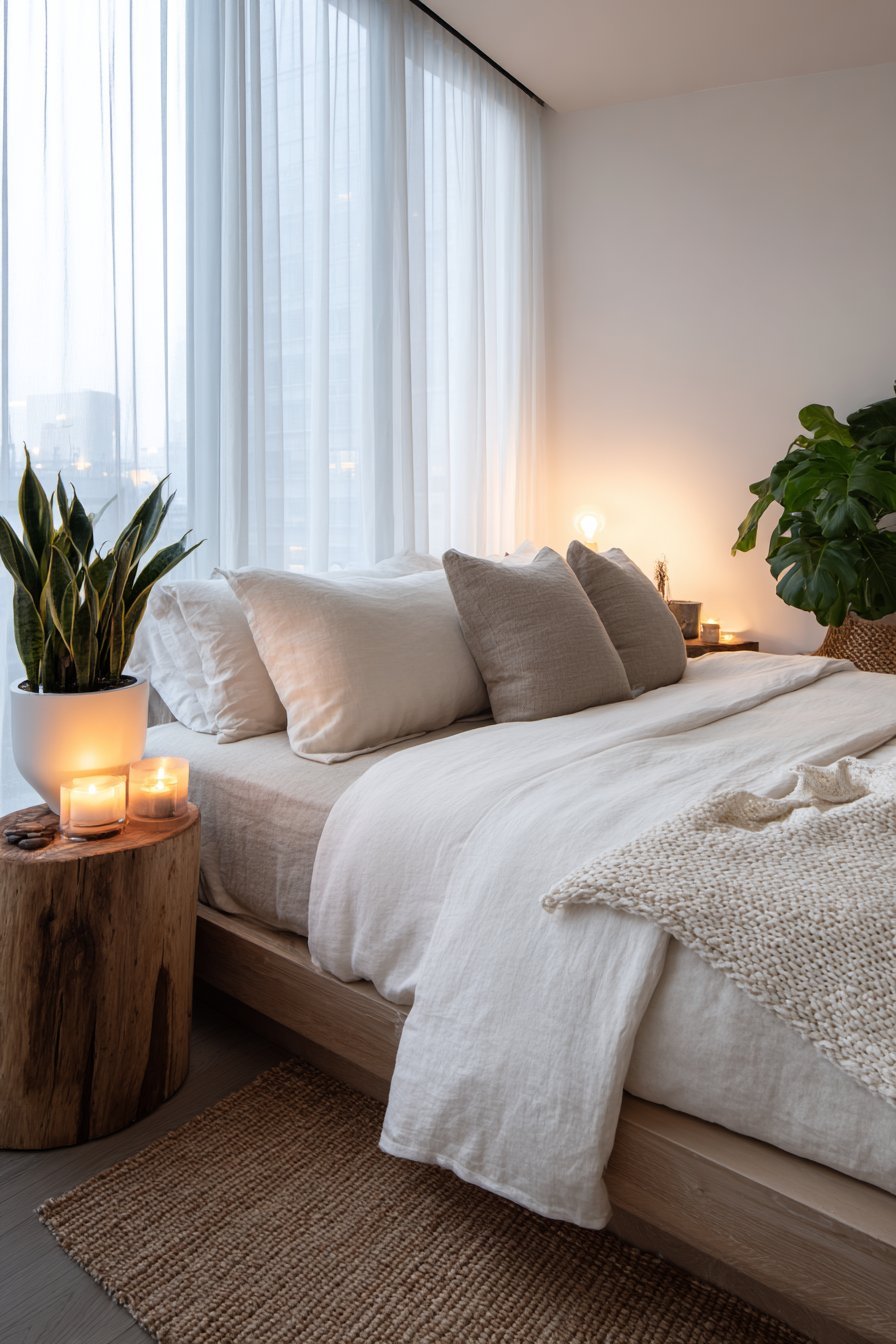
Understanding how to layer these neutrals effectively transforms an ordinary bedroom into a calming retreat. From choosing the right shade variations to incorporating texture and natural elements, each decision contributes to the overall peaceful ambiance. Let’s explore the essential strategies for styling a white and beige bedroom that maximizes calm and promotes better sleep quality.
1. Choose the Right Shade Variations
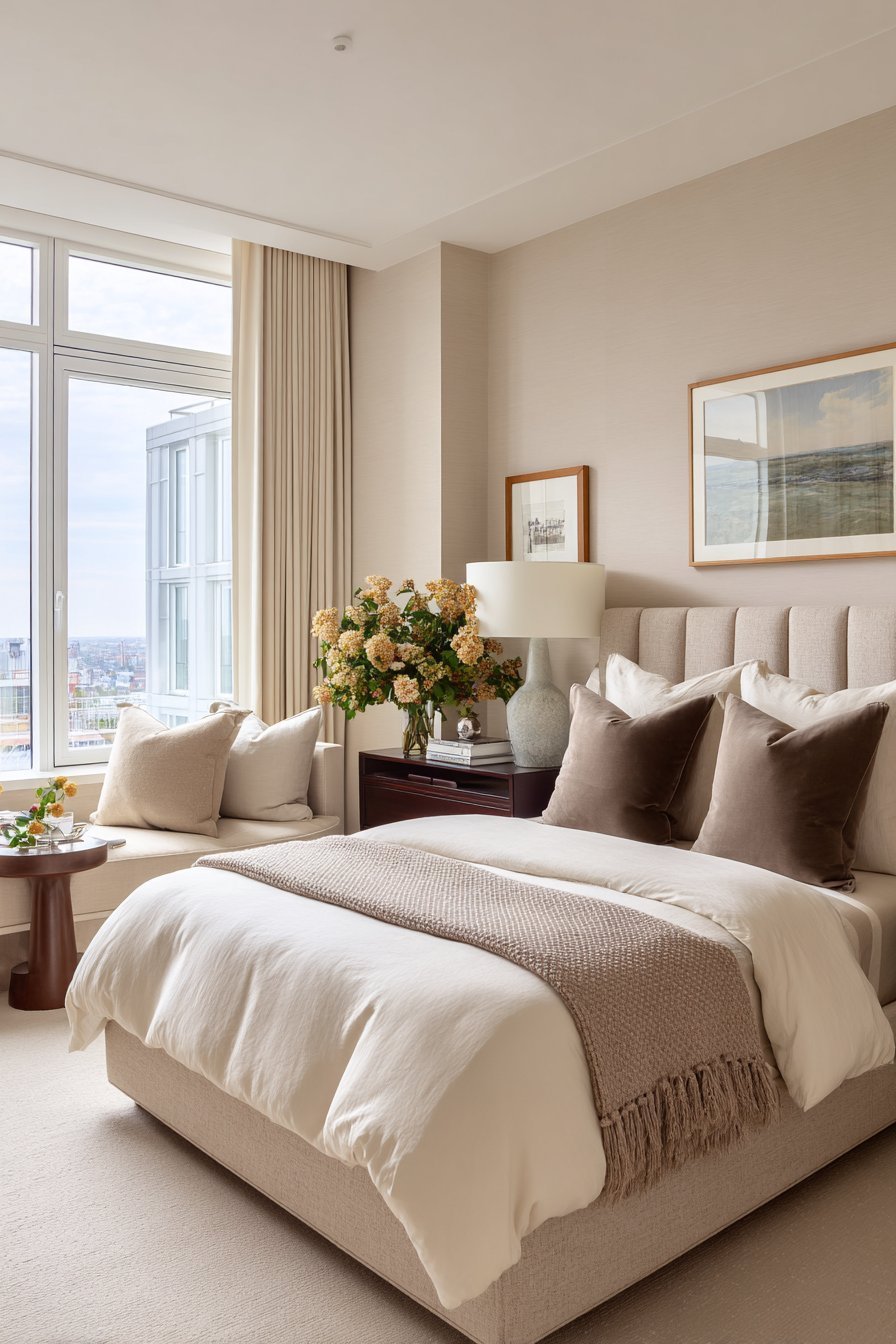
Selecting appropriate white and beige tones establishes the foundation of your calming bedroom. Not all whites and beiges work equally well together. Warm whites with creamy undertones pair beautifully with beiges, creating cohesive harmony. Cool whites can appear stark and clinical, disrupting the peaceful atmosphere you’re trying to achieve.
Consider the natural light exposure in your bedroom when choosing shades. North-facing rooms benefit from warmer beiges to counteract cool light. South-facing spaces can handle slightly cooler tones without feeling cold. Test paint samples on multiple walls at different times of day to see how light affects their appearance.
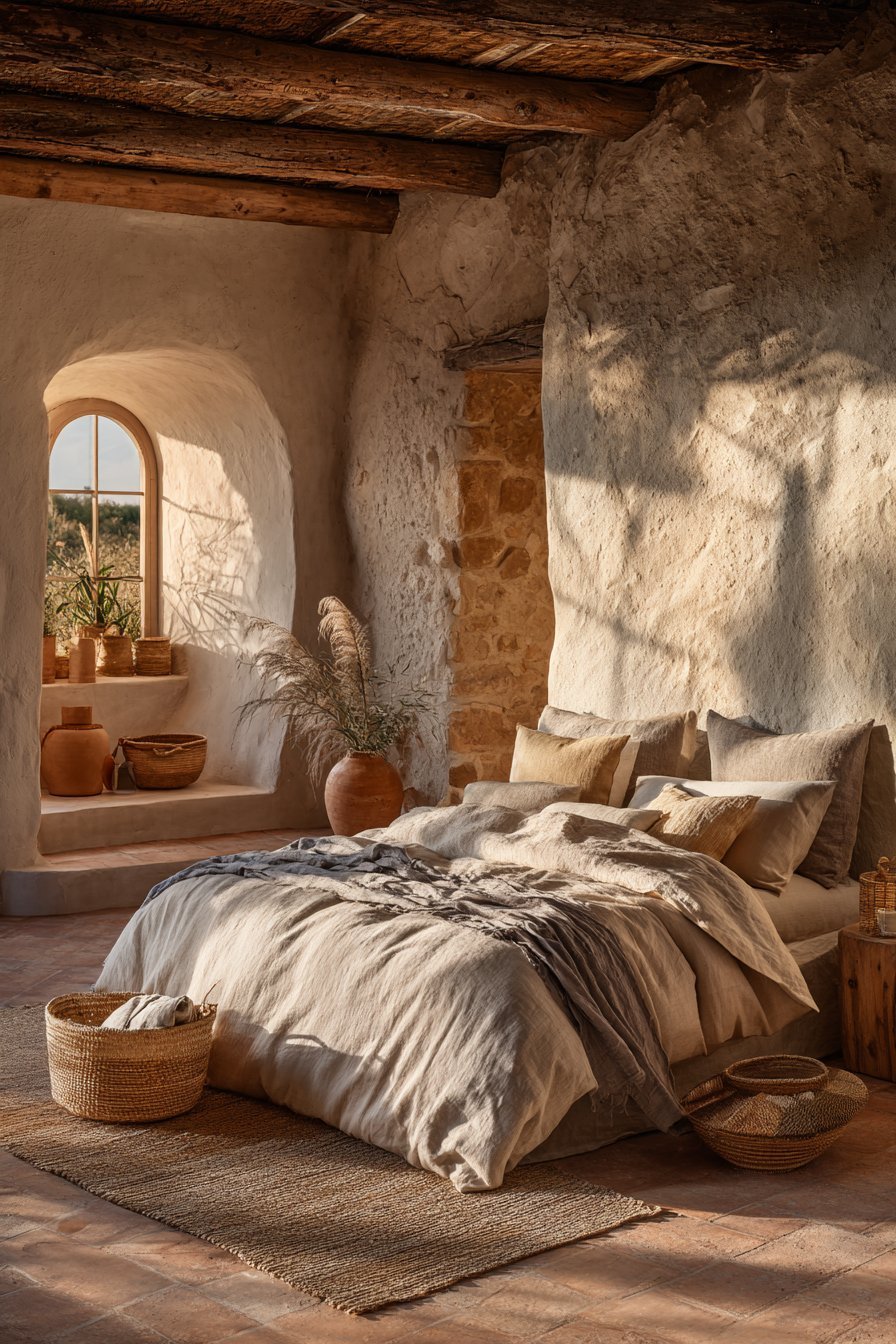
Layer different depths of beige throughout the space for visual interest without chaos. Use lighter beiges on walls, medium tones for larger furniture pieces, and deeper beiges as accents. This gradual progression creates dimension while maintaining the calming monochromatic effect. The subtle variations prevent the room from appearing flat or one-dimensional.
- Paint walls in warm white or the lightest beige shade for an airy foundation
- Choose bedding in layered beige tones from cream to taupe for depth
- Select curtains in a medium beige that complements wall colors
- Use deeper beige or greige for accent pieces like throw pillows
- Test all colors together in your actual lighting conditions before committing
- Stick to undertones within the same family (all warm or all cool)
2. Incorporate Natural Textures
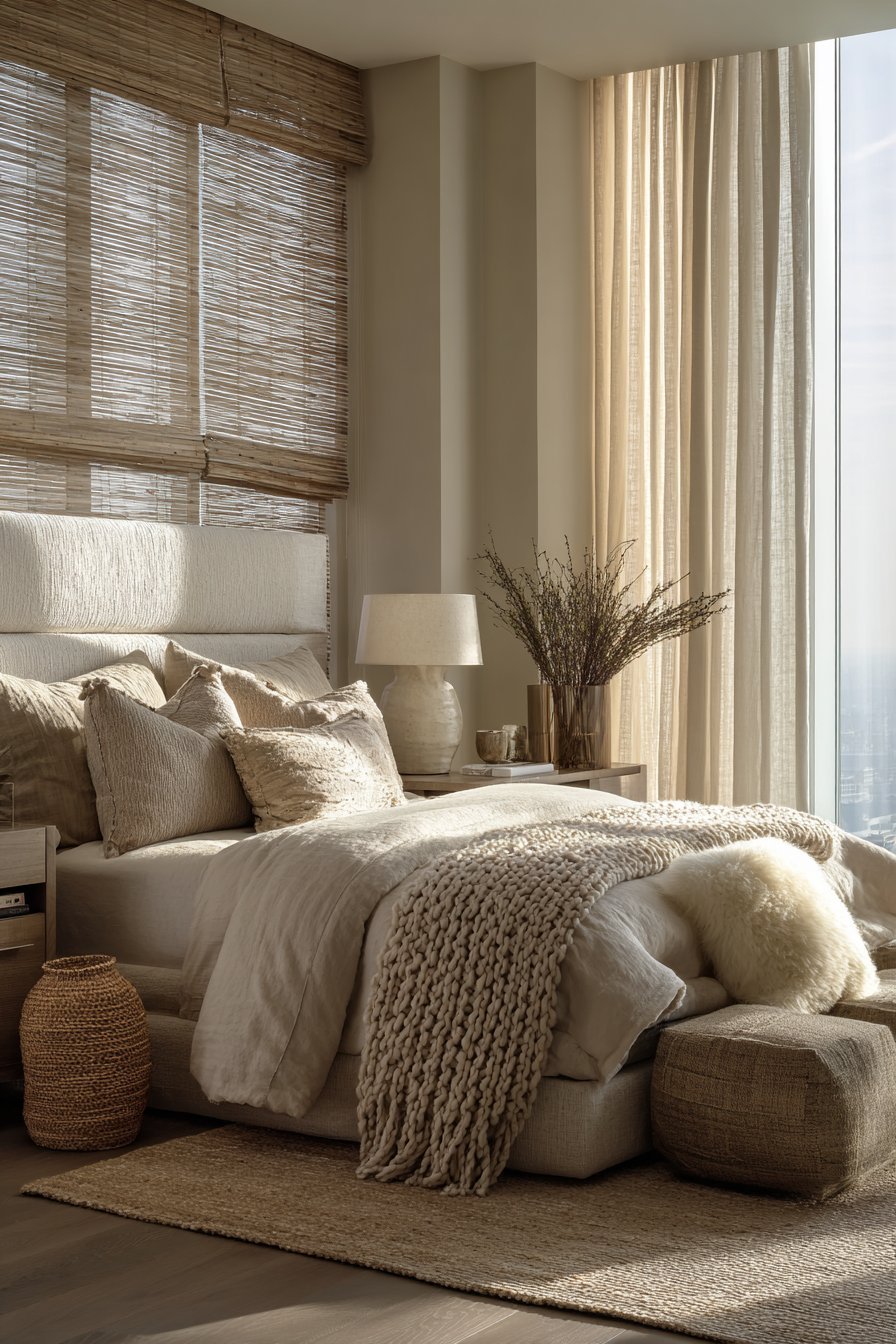
Texture becomes essential in monochromatic schemes to prevent visual boredom. Layered textures add depth and interest without introducing disruptive colors. Natural materials like linen, cotton, jute, and wool bring tactile variety while maintaining the calming aesthetic. These organic textures also reinforce the connection to nature, enhancing relaxation.
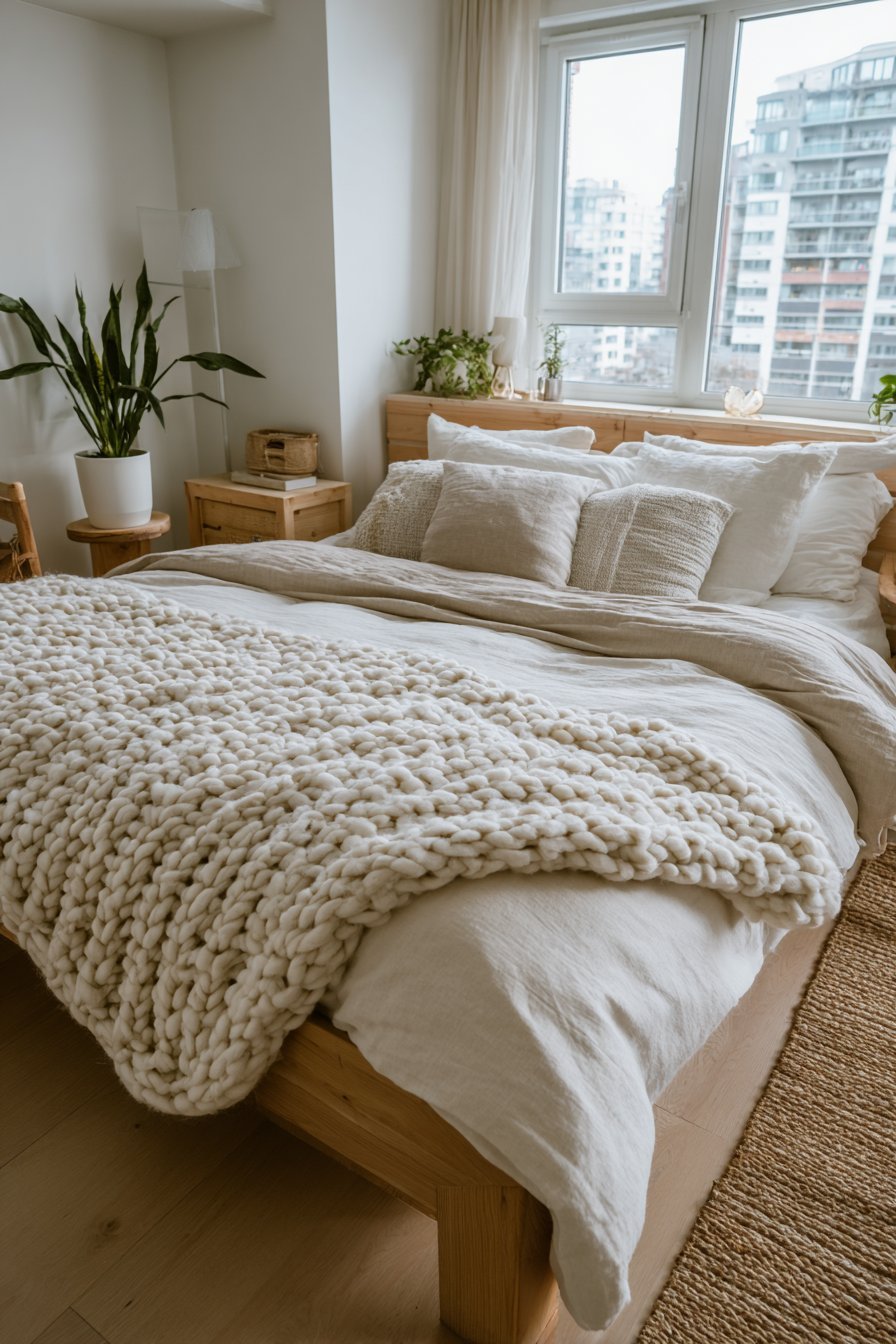
Start with linen bedding as your foundational texture, offering both comfort and visual softness. Add a chunky knit throw blanket in cream or oatmeal for cozy dimension. Consider a jute or sisal rug to ground the space with earthy texture underfoot. These natural fibers create warmth without overwhelming the senses.

Window treatments provide excellent opportunities for textural layering. Combine sheer white curtains with heavier linen or cotton panels in beige. This layering offers both light control and visual depth. Woven bamboo shades add another natural texture while providing functional privacy and light filtering.
- Layer different fabric weights from sheer to chunky throughout the room
- Choose matte finishes over glossy ones to maintain softness
- Add a textured headboard in linen or woven materials
- Include woven baskets for storage that doubles as decorative texture
- Mix smooth ceramics with rough natural wood elements
- Incorporate a sheepskin or faux fur accent for luxurious softness
3. Maximize Natural Light
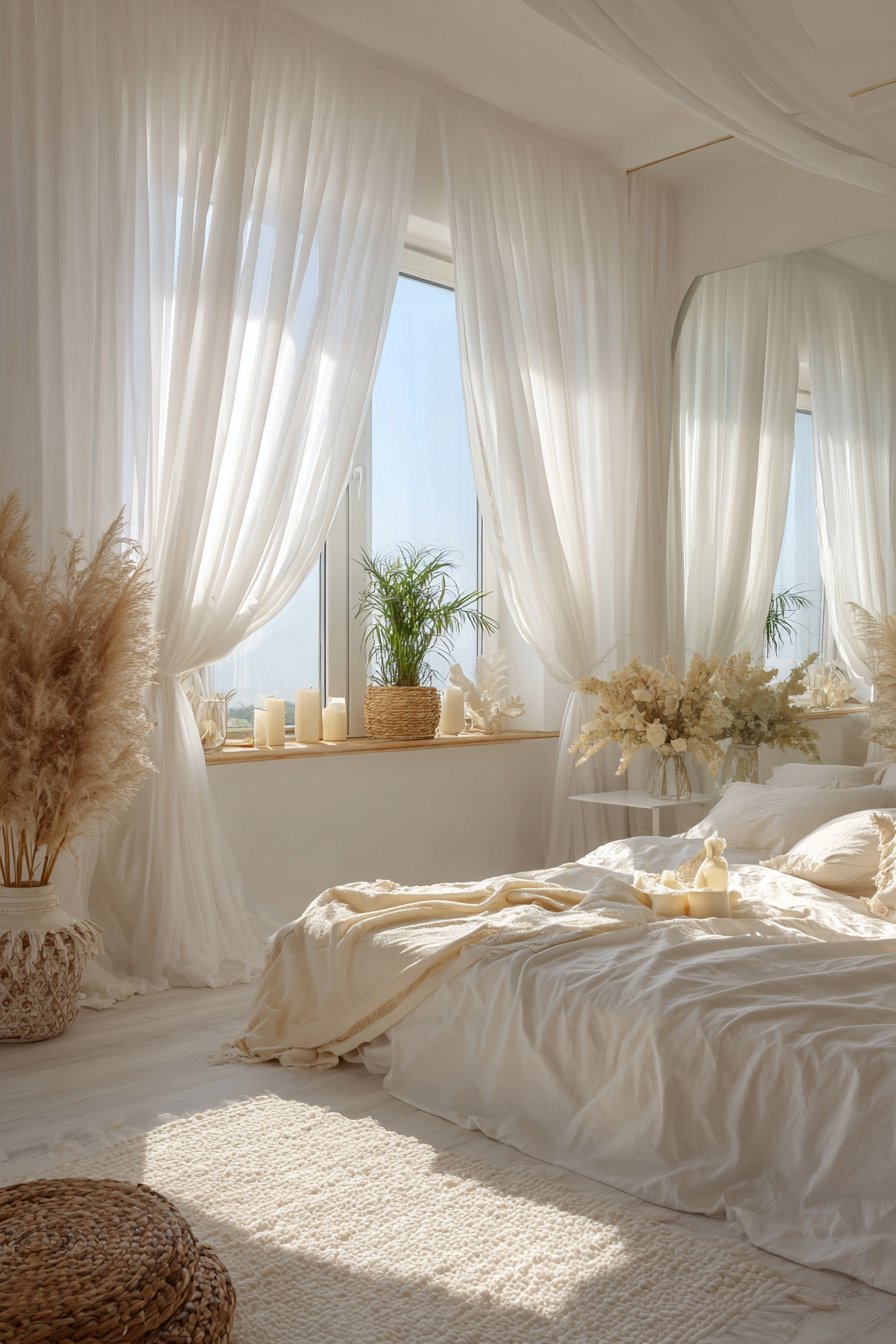
Natural light amplifies the calming qualities of white and beige palettes. These light-reflective colors bounce sunlight throughout the space, creating an airy, open feeling. Maximizing daylight exposure also regulates your circadian rhythm, promoting better sleep patterns. Strategic window treatment choices preserve this beneficial natural light.
Keep window treatments minimal and functional rather than ornamental. Heavy drapes block precious natural light and create visual weight. Instead, opt for lightweight linen curtains or roman shades in white or cream. These allow light to filter through while providing privacy when needed.
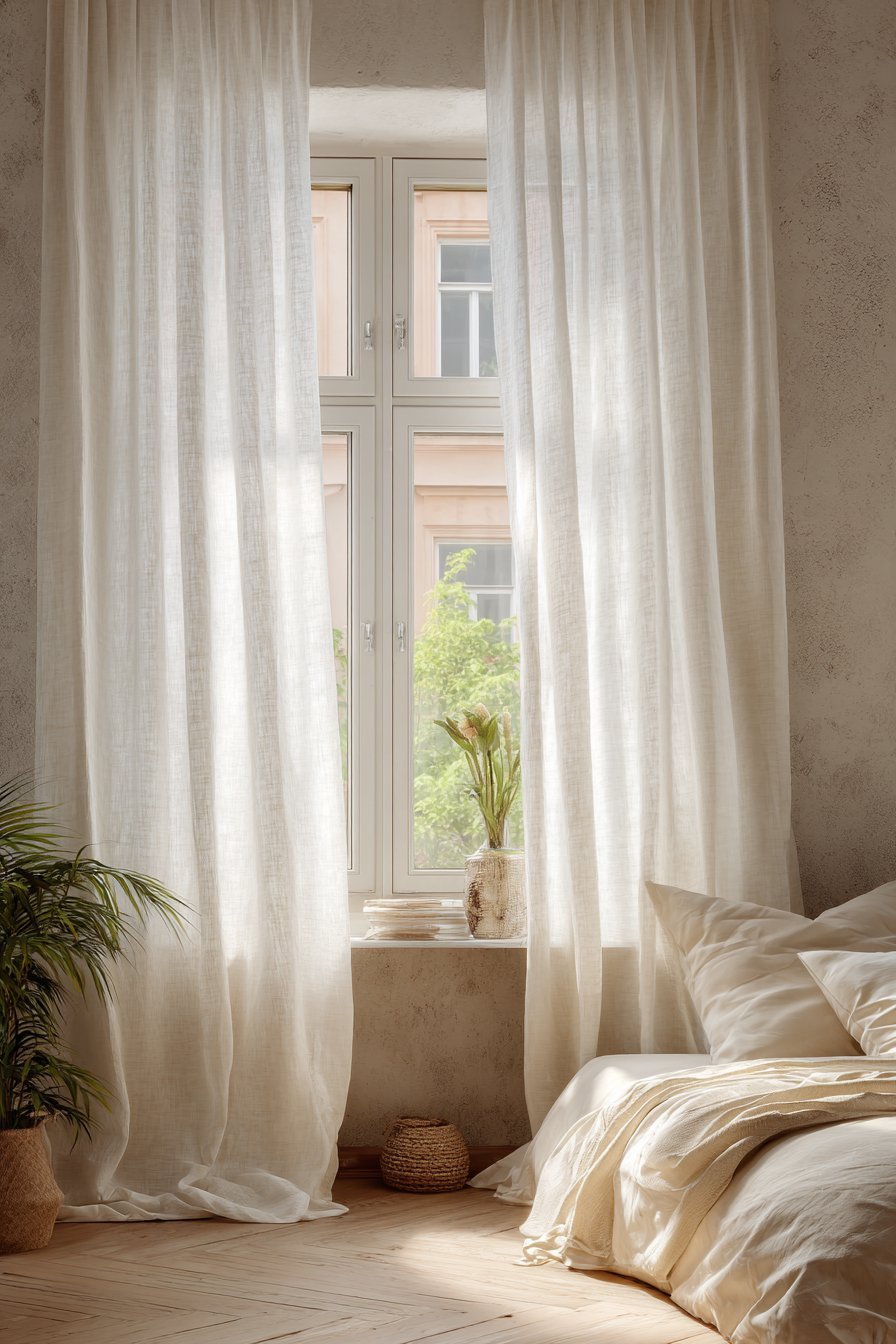
Position mirrors strategically to amplify natural light without creating harsh reflections. Place a large mirror opposite or adjacent to windows to bounce light deeper into the room. Choose mirrors with simple frames in natural wood or matte white to maintain the calming aesthetic. Avoid ornate or overly decorative frames that add visual clutter.
- Install sheer curtains closest to windows for diffused natural light
- Use light-filtering shades instead of blackout options when possible
- Keep window sills clear of clutter to maximize light entry
- Position your bed to benefit from morning natural light
- Add a full-length mirror on a wall perpendicular to windows
- Clean windows regularly to ensure maximum light transmission
4. Select Minimalist Furniture
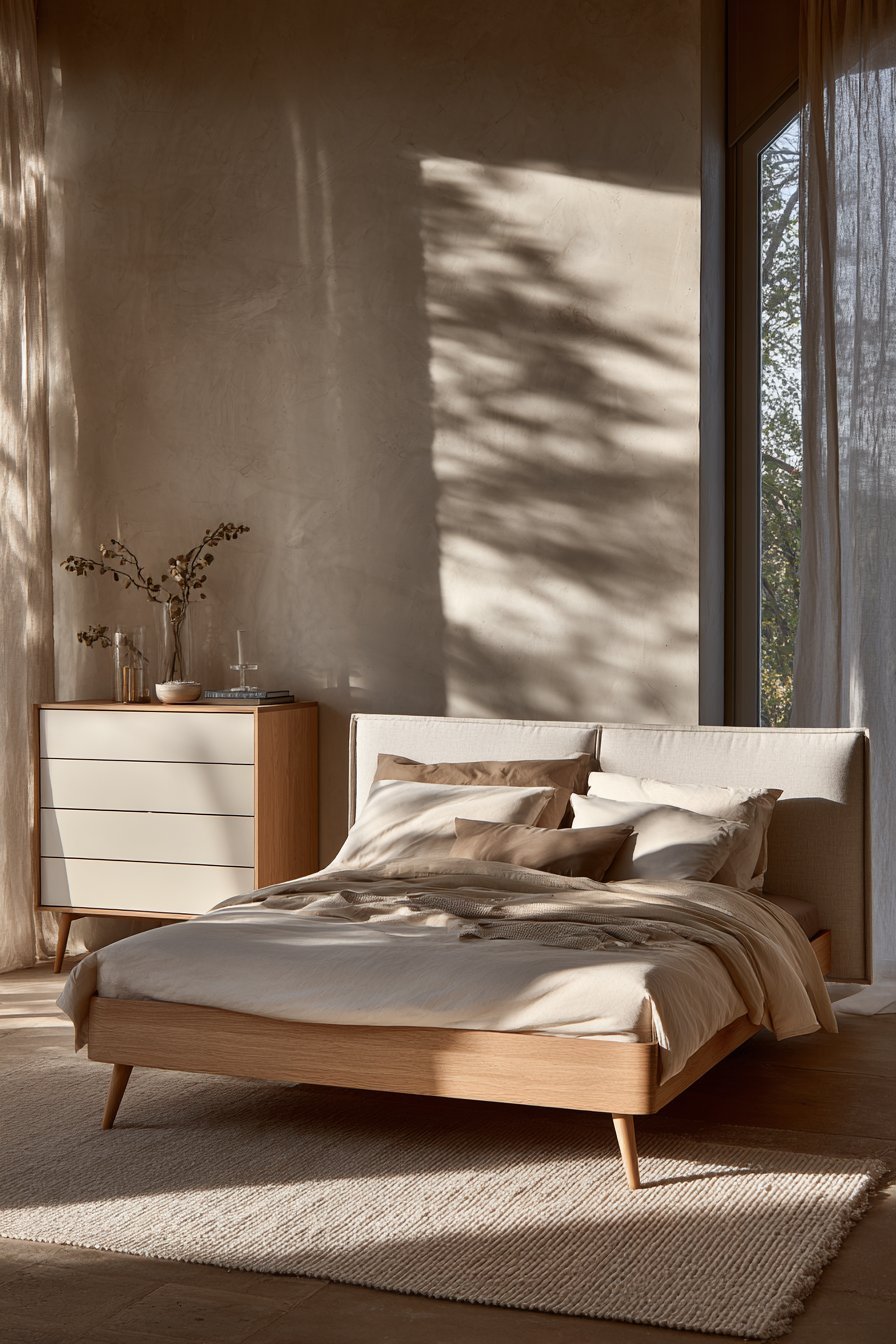
Furniture choices significantly impact the overall sense of calm in your bedroom. Streamlined, minimalist pieces with clean lines reduce visual complexity and mental clutter. Bulky, ornate furniture competes for attention and disrupts tranquility. Choose quality over quantity, selecting only essential pieces that serve clear purposes.
A low-profile platform bed in light wood or upholstered in beige linen becomes the room’s focal point. This style keeps sight lines open and creates a grounded, peaceful feeling. Avoid tall, heavy headboards that dominate the space. Instead, opt for something simple that complements rather than commands attention.
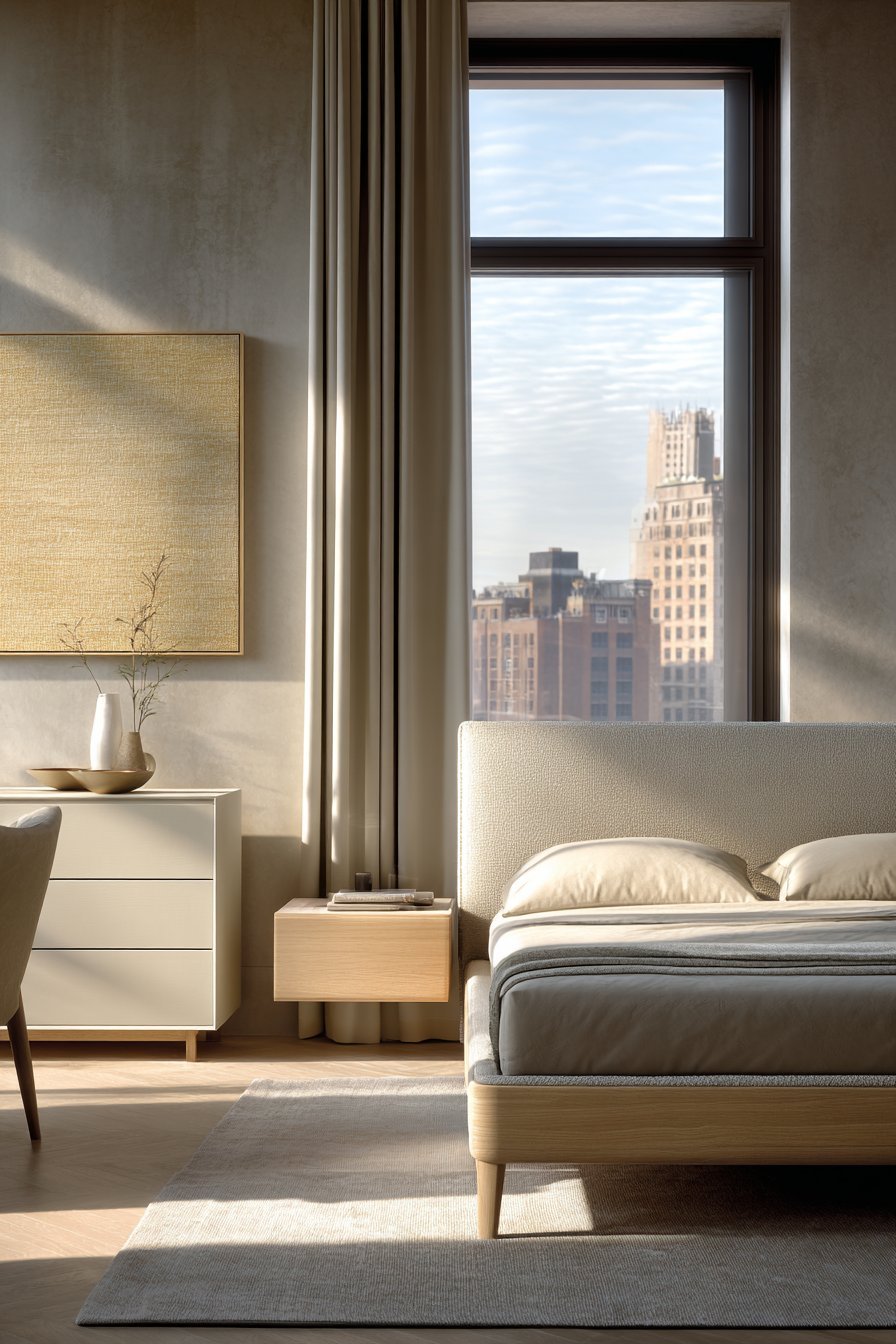
Nightstands should be proportionate and functional without excessive drawers or decorative details. Floating nightstands save visual space and make floor cleaning easier. Choose pieces in light wood tones like oak, maple, or bleached finishes. If using painted furniture, select warm white or cream to blend seamlessly with your palette.
- Limit bedroom furniture to bed, two nightstands, and one dresser maximum
- Choose furniture with exposed legs to create visual lightness
- Avoid dark wood that creates heavy contrast with your palette
- Select pieces with handleless drawers or minimalist hardware
- Ensure furniture scale is appropriate for your room size
- Invest in one quality piece rather than multiple mediocre items
5. Add Subtle Greenery
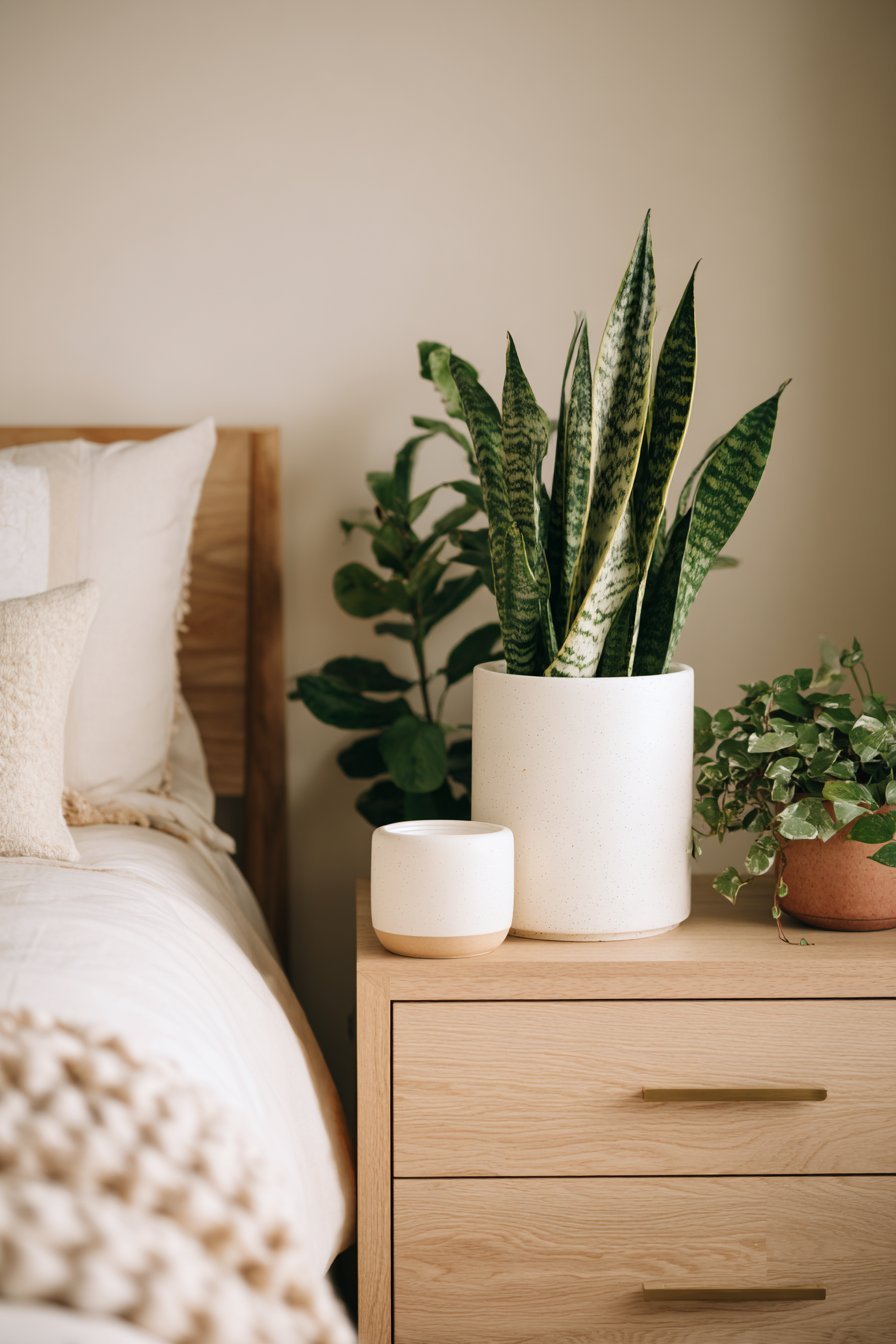
Plants introduce life and natural elements without disrupting your calm color scheme. Living greenery purifies air and connects your space to nature’s restorative qualities. Select plants with soft, rounded leaves rather than spiky varieties. The key is keeping plant choices minimal and intentional.
Snake plants and pothos thrive in various light conditions and require minimal maintenance. Their simple forms and muted green tones complement white and beige beautifully. Place larger plants on the floor in corners and smaller ones on nightstands or dressers. Keep arrangements simple—one to three plants maximum.
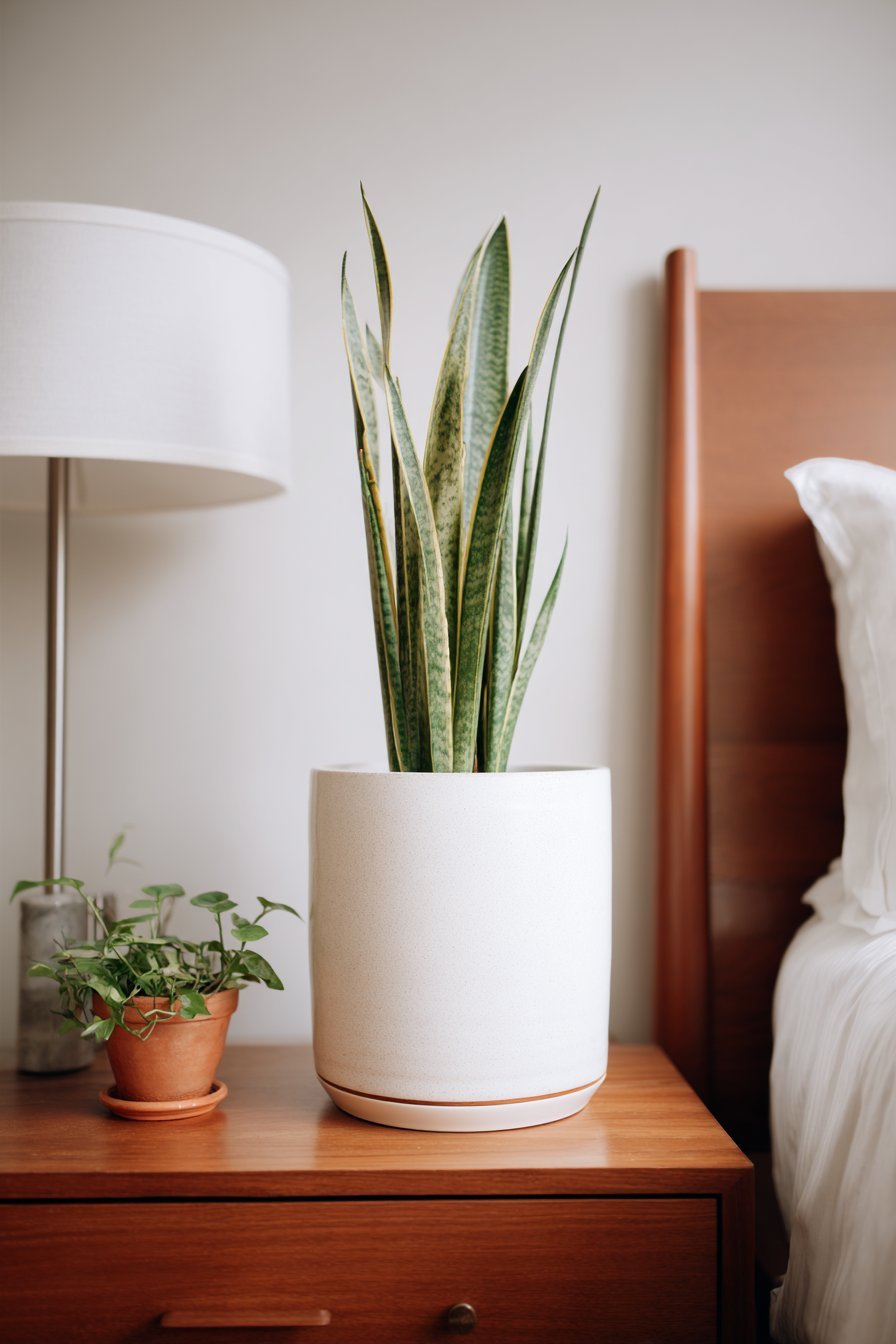
Choose neutral planters in ceramic, terracotta, or woven baskets that blend with your palette. White ceramic pots create clean continuity, while natural terracotta adds warmth. Avoid colorful or patterned planters that introduce visual noise. The plants should feel like natural extensions of your calming design, not jarring additions.
- Start with one or two easy-care plants if you’re a beginner
- Position plants where they receive appropriate natural light
- Use drainage trays to protect surfaces and maintain cleanliness
- Trim plants regularly to maintain neat, intentional shapes
- Choose planters in varying heights for subtle visual interest
- Group plants in odd numbers for more natural arrangements
6. Layer Lighting Thoughtfully
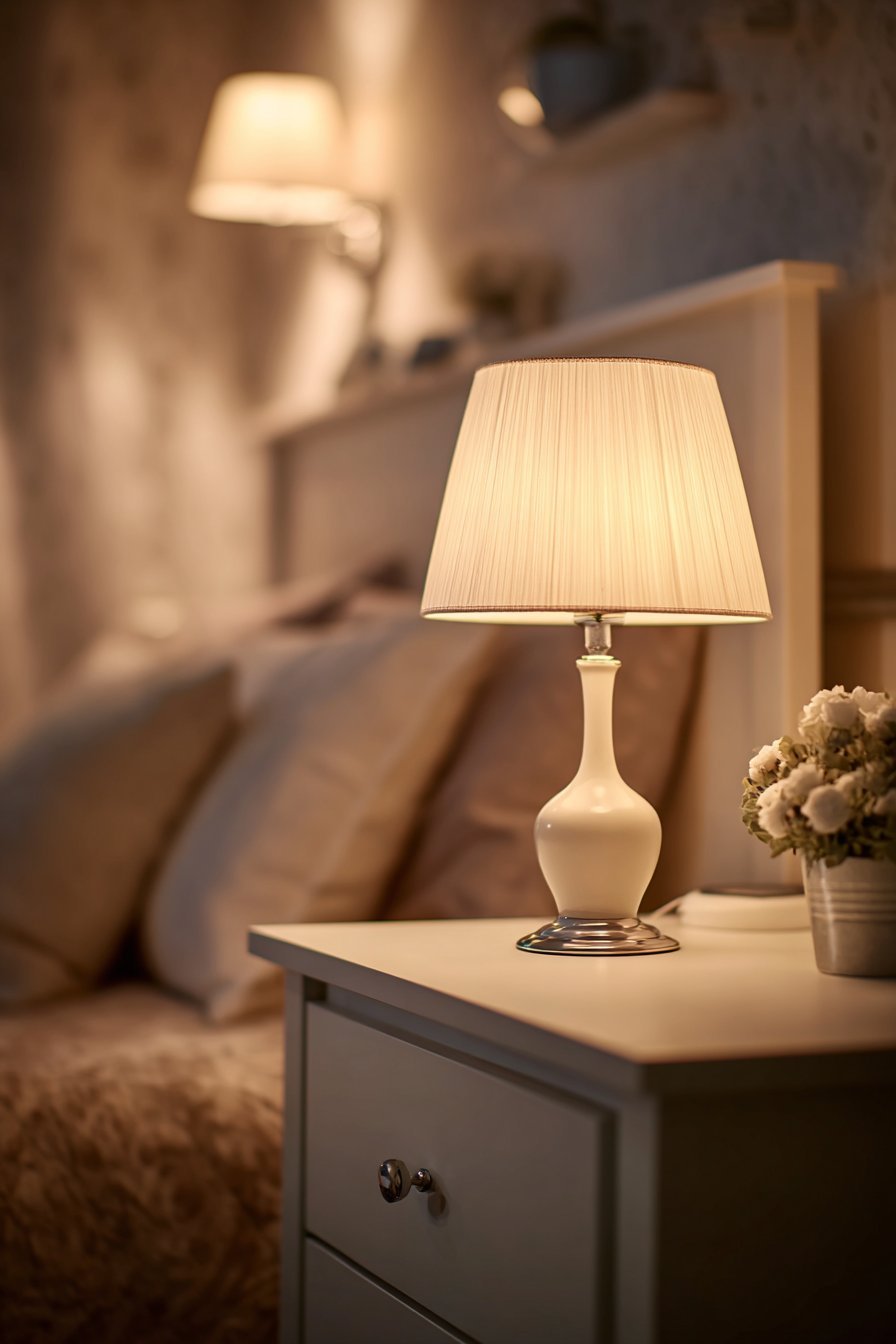
Lighting dramatically affects mood and the perception of your color palette. Multi-layered lighting allows you to adjust ambiance throughout the day and evening. Harsh overhead lighting disrupts calm, while thoughtful layering creates flexibility. Warm light temperatures enhance the cozy qualities of beige tones.
Install dimmer switches on all light sources for complete control over brightness levels. This simple upgrade transforms how you experience your bedroom at different times. Bright light energizes mornings, while dimmed lighting signals your body to prepare for sleep. This flexibility is essential for maximizing calm.
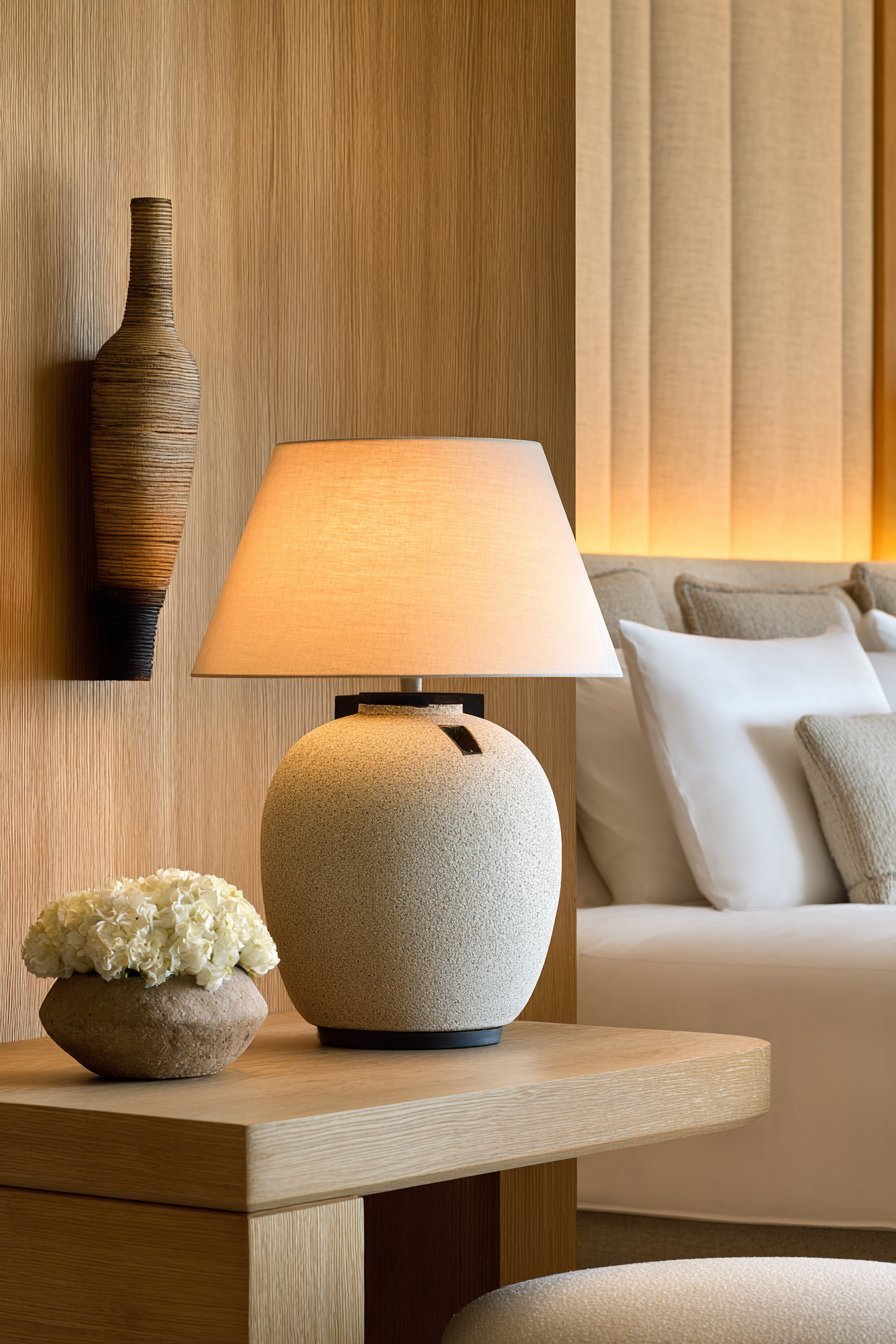
Bedside table lamps with warm bulbs (2700K-3000K) provide essential task lighting for reading. Choose lamps with simple ceramic or linen bases in white or beige. Avoid ornate bases or colorful shades. Consider cordless rechargeable lamps to eliminate unsightly cords and create cleaner sight lines.
- Replace all bulbs with warm white (2700K) for consistent color temperature
- Add a floor lamp in a corner for ambient lighting options
- Install wall sconces to save nightstand space and add sophistication
- Avoid exposed bulbs that create harsh points of light
- Use lampshades in linen or cotton to diffuse light softly
- Keep all lighting fixtures in consistent finishes (matte white or brass)
7. Minimize Decorative Accessories
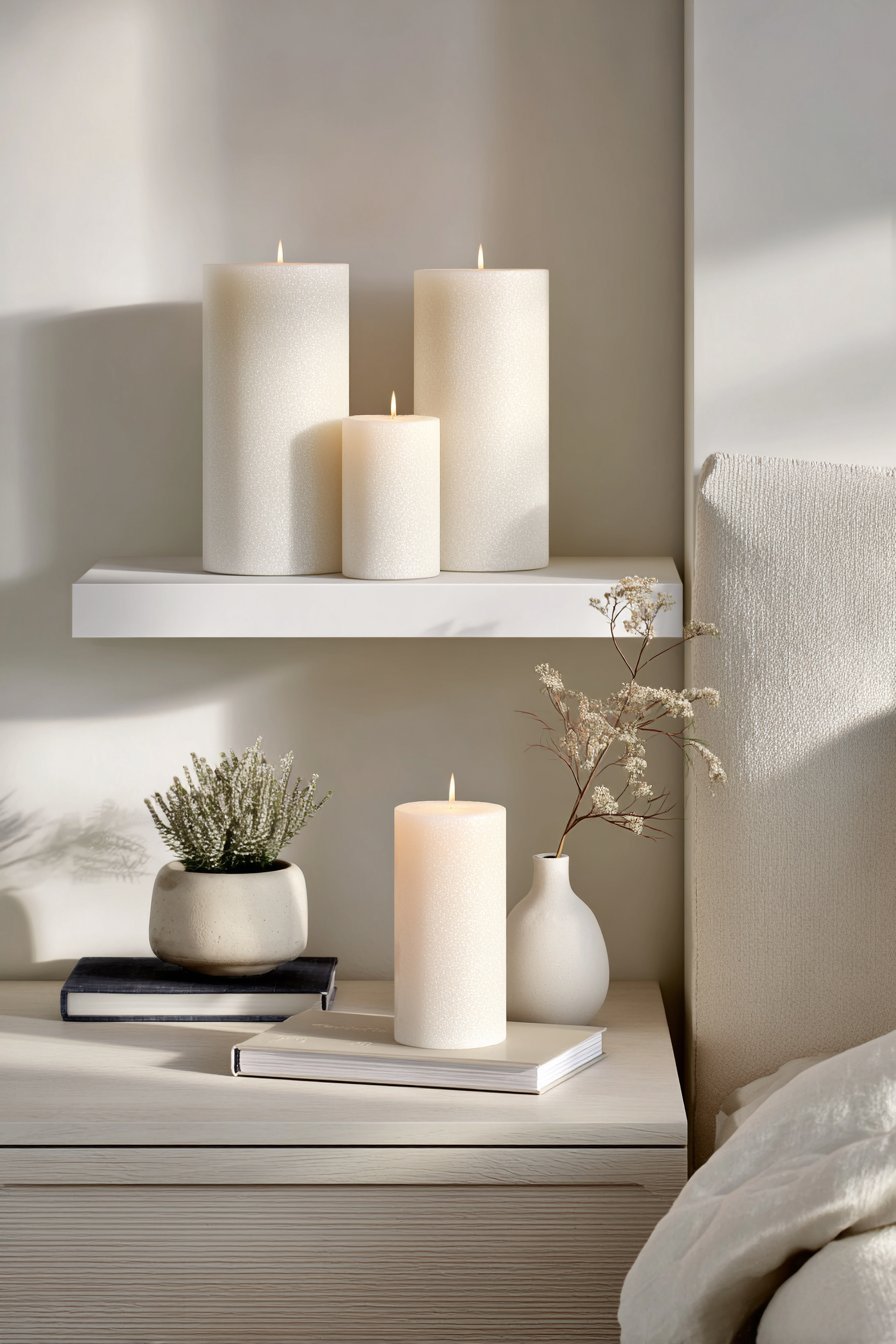
Less truly becomes more in a calming bedroom environment. Strategic minimalism prevents visual overwhelm and mental clutter. Each decorative item should serve a purpose or bring genuine joy. Random accessories scattered throughout create chaos rather than calm, regardless of their individual beauty.
Follow the “rule of three” for surface styling—group items in odd numbers for visual balance. A nightstand might hold a lamp, small plant, and single book. Your dresser could display three varying-height white candles. This restrained approach maintains interest without creating clutter or competing focal points.
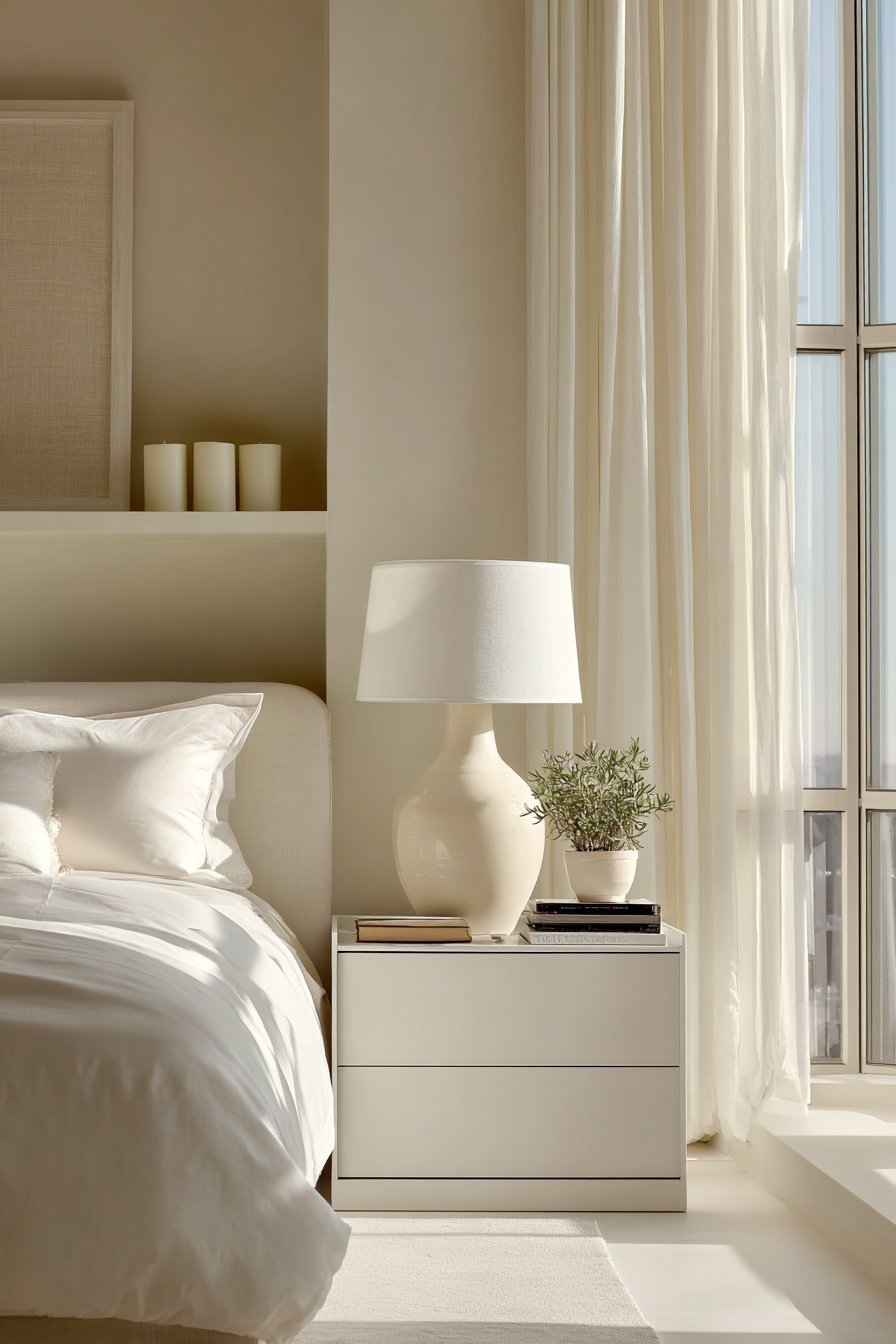
Choose accessories in natural materials that reinforce your color palette and calming intention. Ceramic vases, wooden trays, and linen storage boxes add function while maintaining aesthetics. Avoid metallics, glass, or anything overly shiny that reflects light harshly. Matte finishes throughout create the softest, most restful visual experience.
- Clear all surfaces weekly and only return truly essential items
- Use closed storage for personal items to maintain visual peace
- Display only one or two meaningful art pieces on walls
- Choose frames in simple wood or white finishes without ornate details
- Store away seasonal decorations rather than displaying year-round
- Ask yourself if each item truly contributes to calm before including it
8. Incorporate Natural Wood Elements
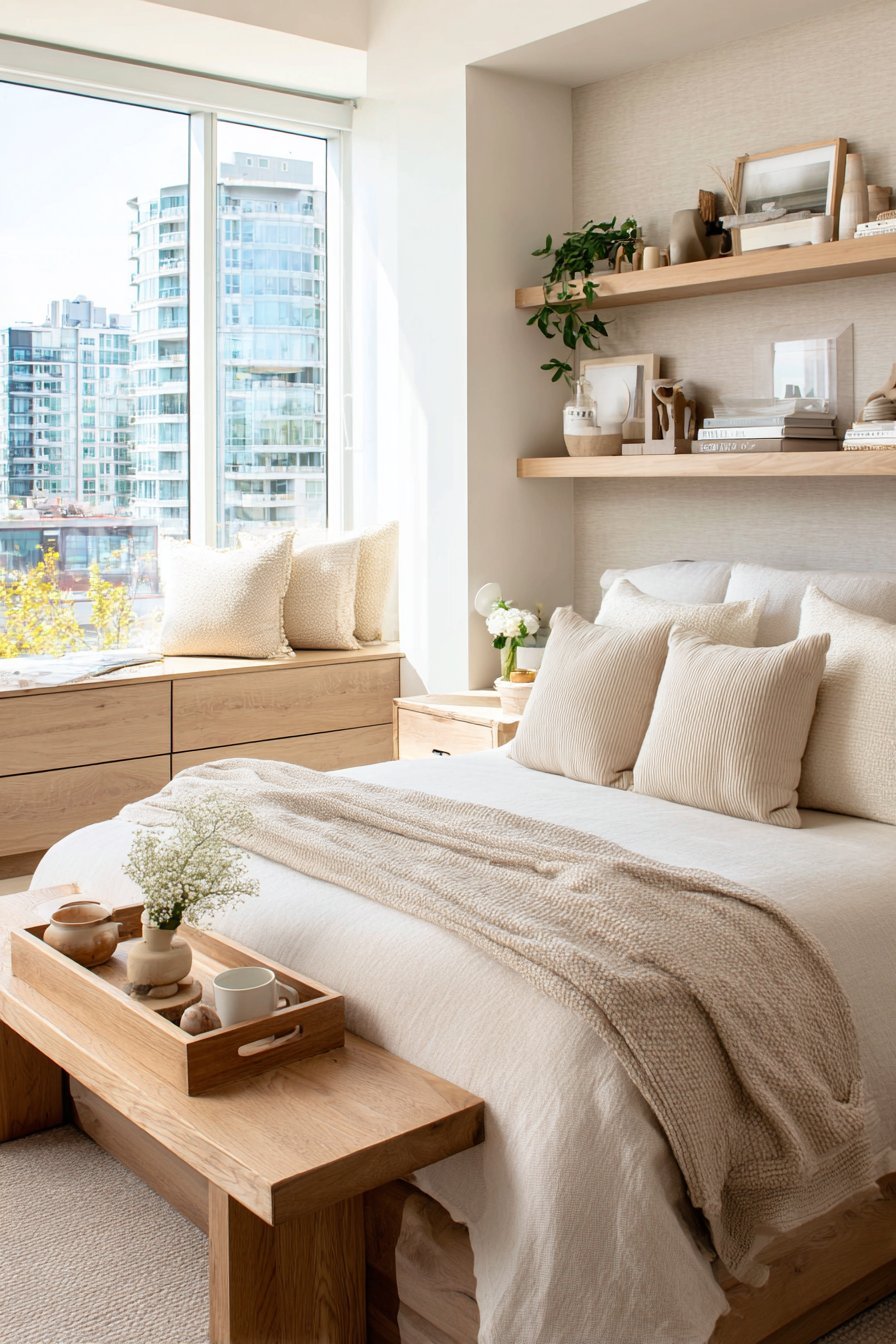
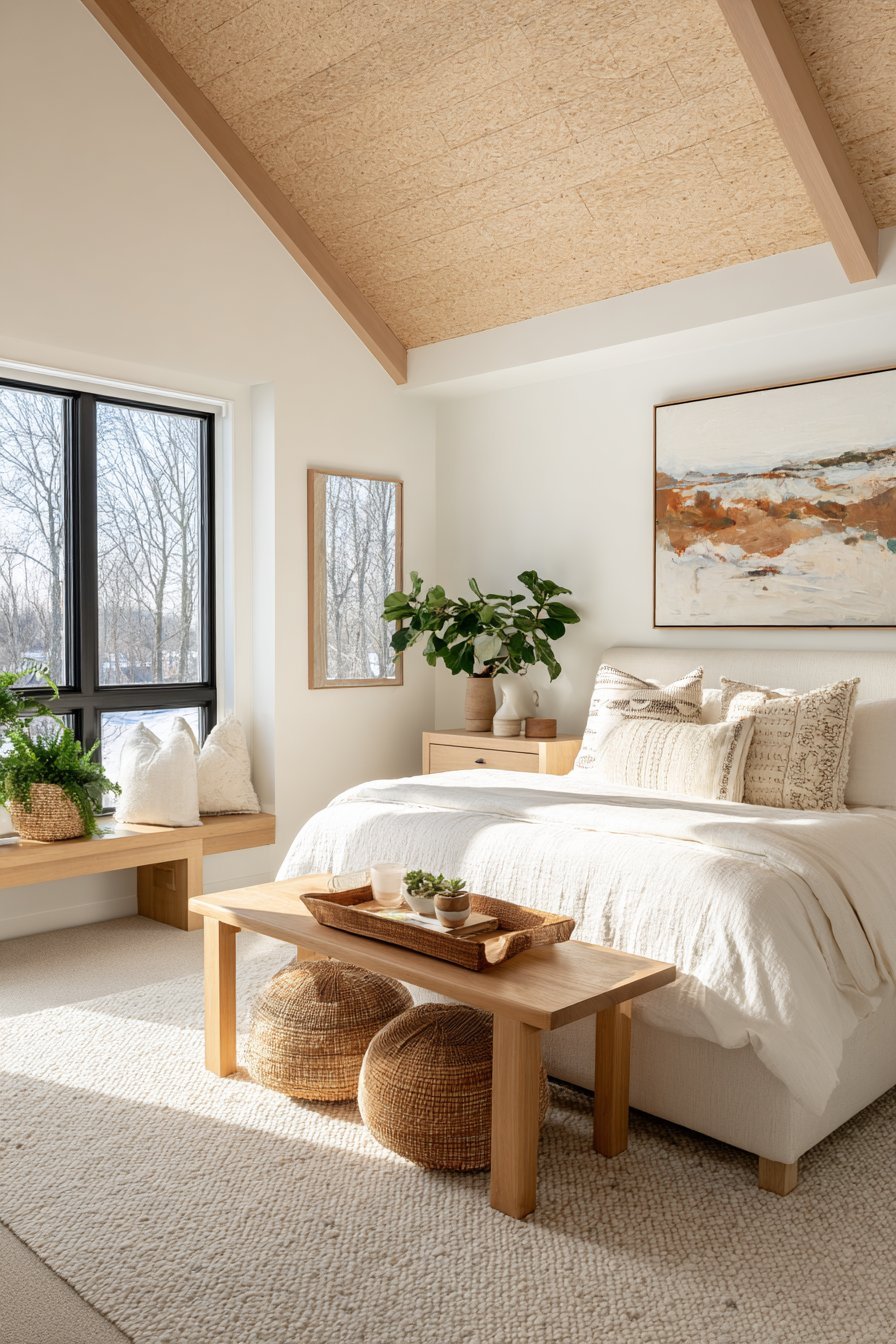
Wood introduces warmth and organic beauty that perfectly complements white and beige schemes. Light wood tones like oak, ash, or maple add subtle color variation without disrupting calm. Wood’s natural texture and grain patterns provide visual interest while maintaining the soothing, natural aesthetic you’re creating.
A wooden bench at the foot of your bed serves both function and form. Choose one in natural finish without paint or heavy stain. This piece offers seating, storage, and adds a horizontal line that grounds the space. Keep the design simple—straight lines and minimal ornamentation work best.
Floating wooden shelves provide functional storage while displaying select items. Install one or two in light wood finishes for books, small plants, or minimal decor. The horizontal lines create calm, unlike busy bookcases. Ensure shelves don’t become cluttered—display items with plenty of negative space between them.
- Choose wood finishes in light, natural tones that show grain
- Avoid mixing too many wood tones—stick to one or two varieties
- Include a wooden tray on your dresser for corralling small items
- Consider a simple wooden picture ledge for rotating artwork
- Add wooden hangers in your closet for visible coordination
- Use wooden storage boxes that can live openly on shelves
9. Control Pattern and Print Usage
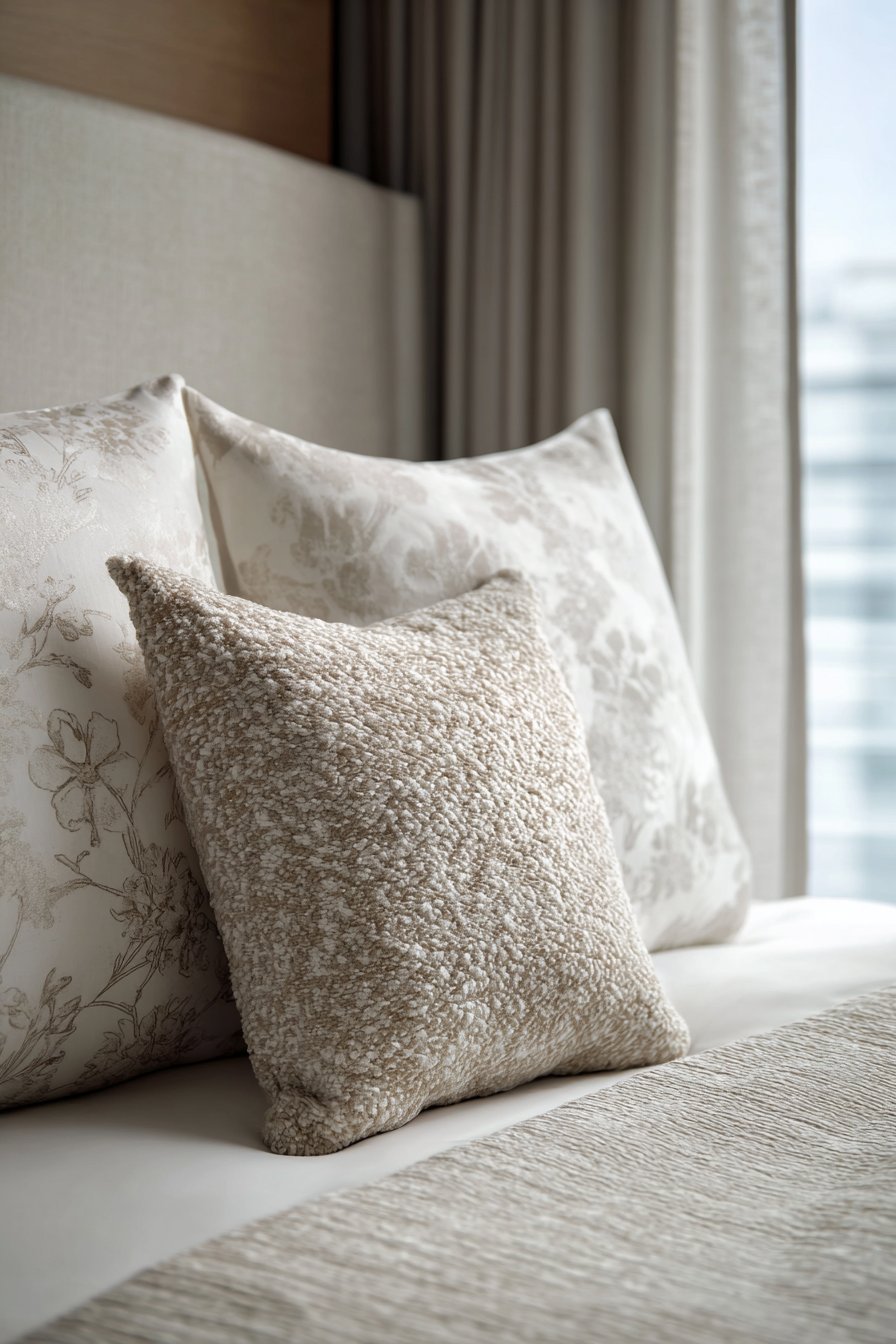
Pattern can energize or overwhelm depending on how it’s used. In calming spaces, subtle, organic patterns work better than bold geometric designs. Limit patterns to one or two elements in your entire bedroom. When working with white and beige, patterns should feel like gentle texture rather than visual statements.
Tone-on-tone patterns maintain calm while adding depth to your design. A beige-on-cream floral bedding pattern or subtle stripe creates interest without introducing new colors. These patterns read almost as texture from a distance, becoming noticeable only upon closer inspection. This subtlety preserves the restful quality of your space.
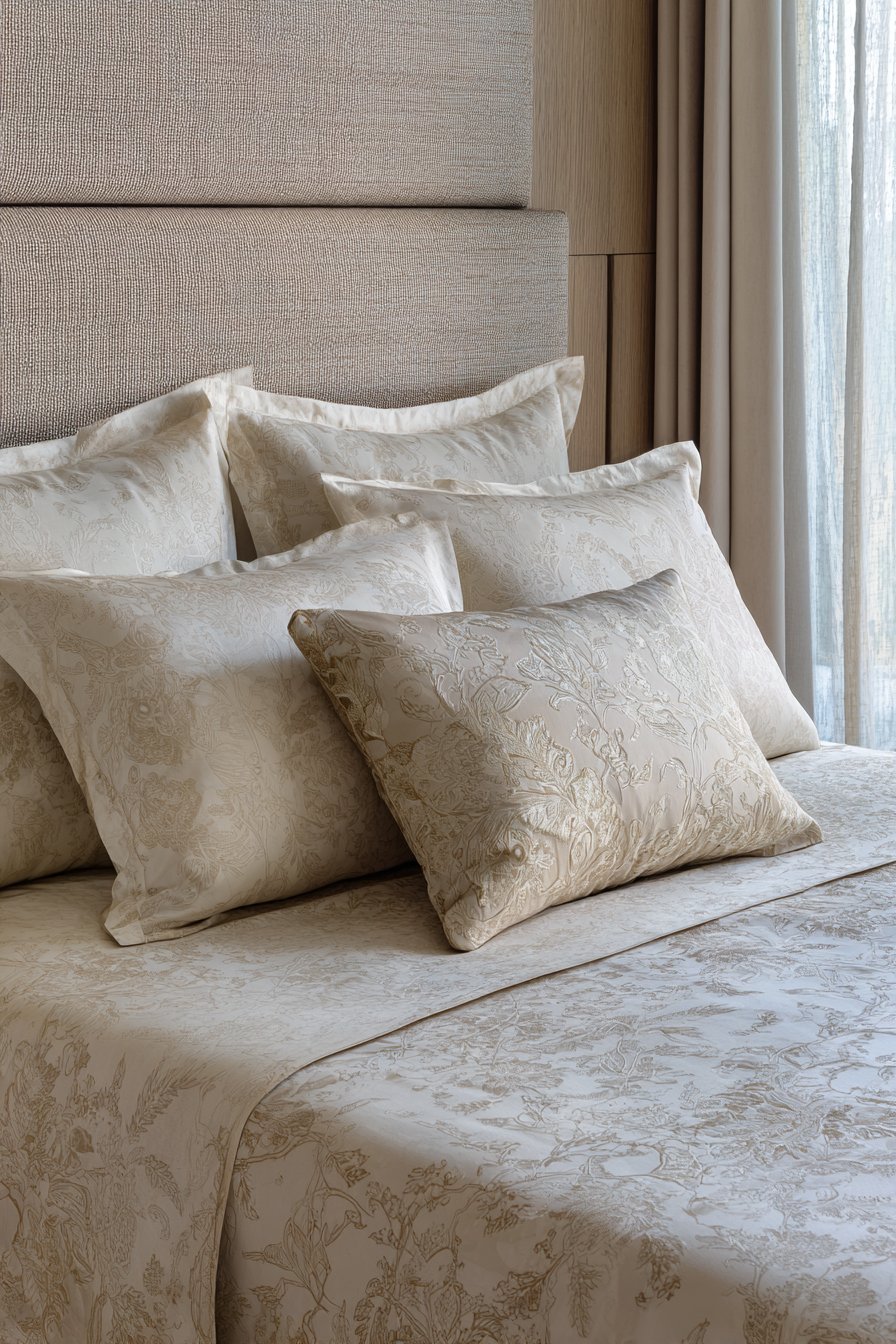
If incorporating patterns, ensure they’re consistently soft and organic rather than sharp and geometric. Gentle waves, abstract organic shapes, or delicate florals work beautifully. Avoid stripes, chevrons, or bold geometric prints that create visual movement. The pattern should fade into the background rather than demand attention.
- Limit bold patterns to a single throw pillow if desired
- Choose patterns in the same color family as your main palette
- Use texture rather than pattern whenever possible
- Avoid mixing multiple different patterns in one space
- Select organic, nature-inspired patterns over geometric ones
- Ensure patterns appear soft and muted rather than high-contrast
10. Create Dedicated Zones
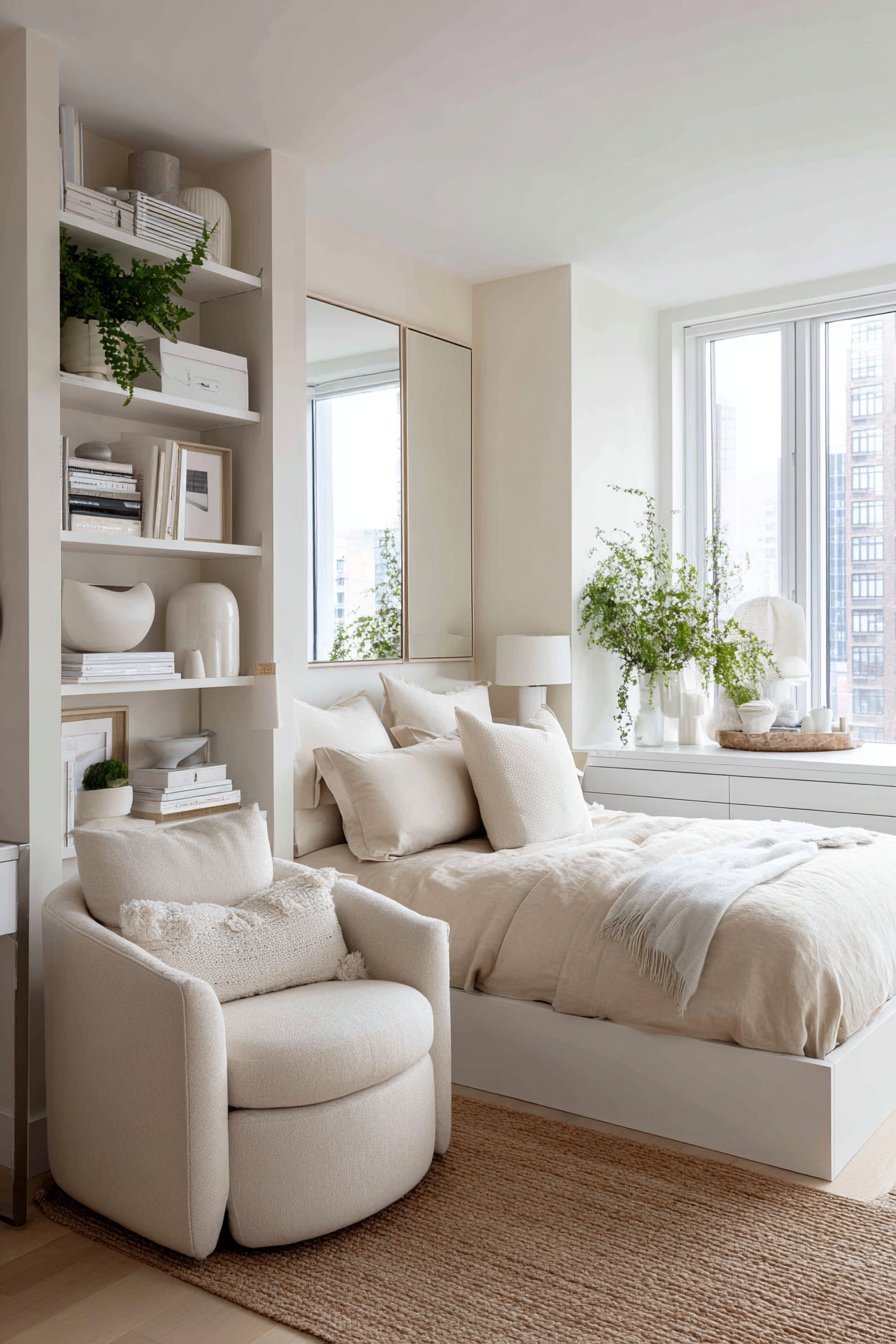
Even within a bedroom, distinct functional zones promote organization and calm. A designated sleep zone, dressing area, and possibly a reading nook create purpose and order. Clear zoning prevents the space from feeling chaotic or multi-purpose. Each zone should flow seamlessly into the next while maintaining its specific function.
The sleep zone centers around your bed, kept clear of work materials or electronics. This area should be the most minimal, with only essential furniture and calming elements. No clutter, paperwork, or anything that creates mental stress. Reserve this zone exclusively for rest and intimacy.
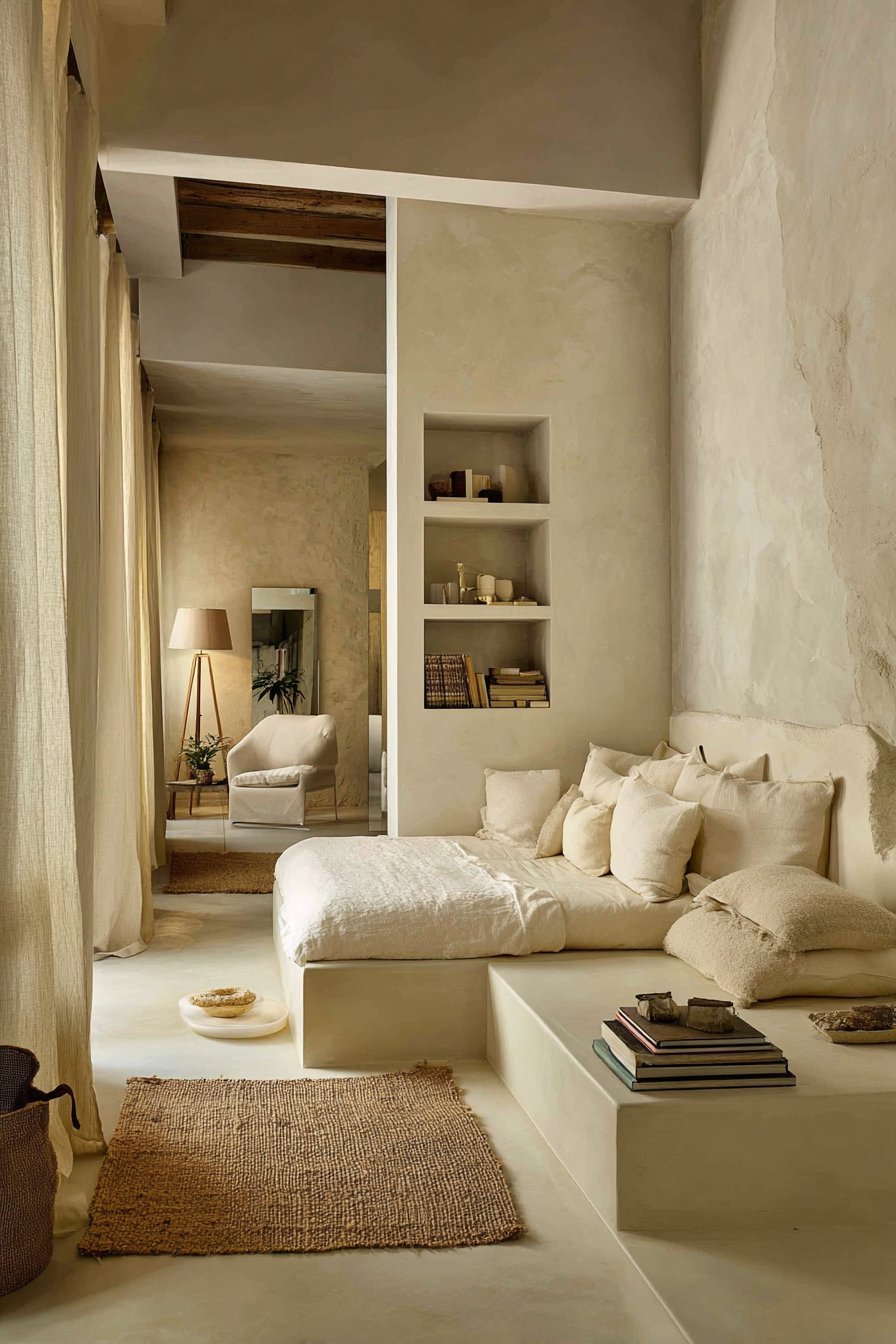
A dressing zone near your closet can include a simple chair, mirror, and perhaps a small valet stand. Keep this area organized with only the next day’s clothing visible. Everything else belongs inside drawers or closets. This separation prevents clothing clutter from invading your sleep space and disrupting visual calm.
- Position your bed as the clear focal point of the sleep zone
- Keep nightstands limited to sleep-related items only
- Add a comfortable reading chair in a corner away from the bed
- Use area rugs to visually define different zones if desired
- Install adjustable lighting appropriate to each zone’s function
- Maintain clear pathways between zones for easy movement
Conclusion
Styling a white and beige bedroom for maximum calm requires thoughtful attention to detail and intentional design choices. By carefully selecting complementary shades, incorporating natural textures, and maintaining minimalist principles, you create a sanctuary that promotes genuine relaxation. The beauty of this palette lies in its versatility and timeless appeal, ensuring your space remains peaceful for years to come.
Remember that achieving calm is an ongoing practice rather than a one-time design project. Regularly reassess your space, removing items that no longer serve your peaceful intentions. The most calming bedrooms evolve with their occupants while maintaining core principles of simplicity, natural elements, and neutral harmony. Your bedroom should be a refuge from the world’s chaos, a place where visual and mental rest come naturally.
Start with one or two strategies from this guide and gradually implement others as you refine your space. Trust your instincts about what brings you peace, and don’t be afraid to keep things simple. The most successful calming bedrooms feel effortless and undesigned, as if they’ve always existed in perfect, peaceful balance.
