

The world of interior design is witnessing a profound shift toward understated elegance and timeless sophistication. Quiet luxury represents a departure from ostentatious displays of wealth, instead embracing refined simplicity and exceptional craftsmanship. This design philosophy celebrates quality over quantity, creating spaces that whisper rather than shout. As homeowners increasingly seek meaningful, lasting beauty in their living environments, quiet luxury has emerged as the pinnacle of sophisticated design.
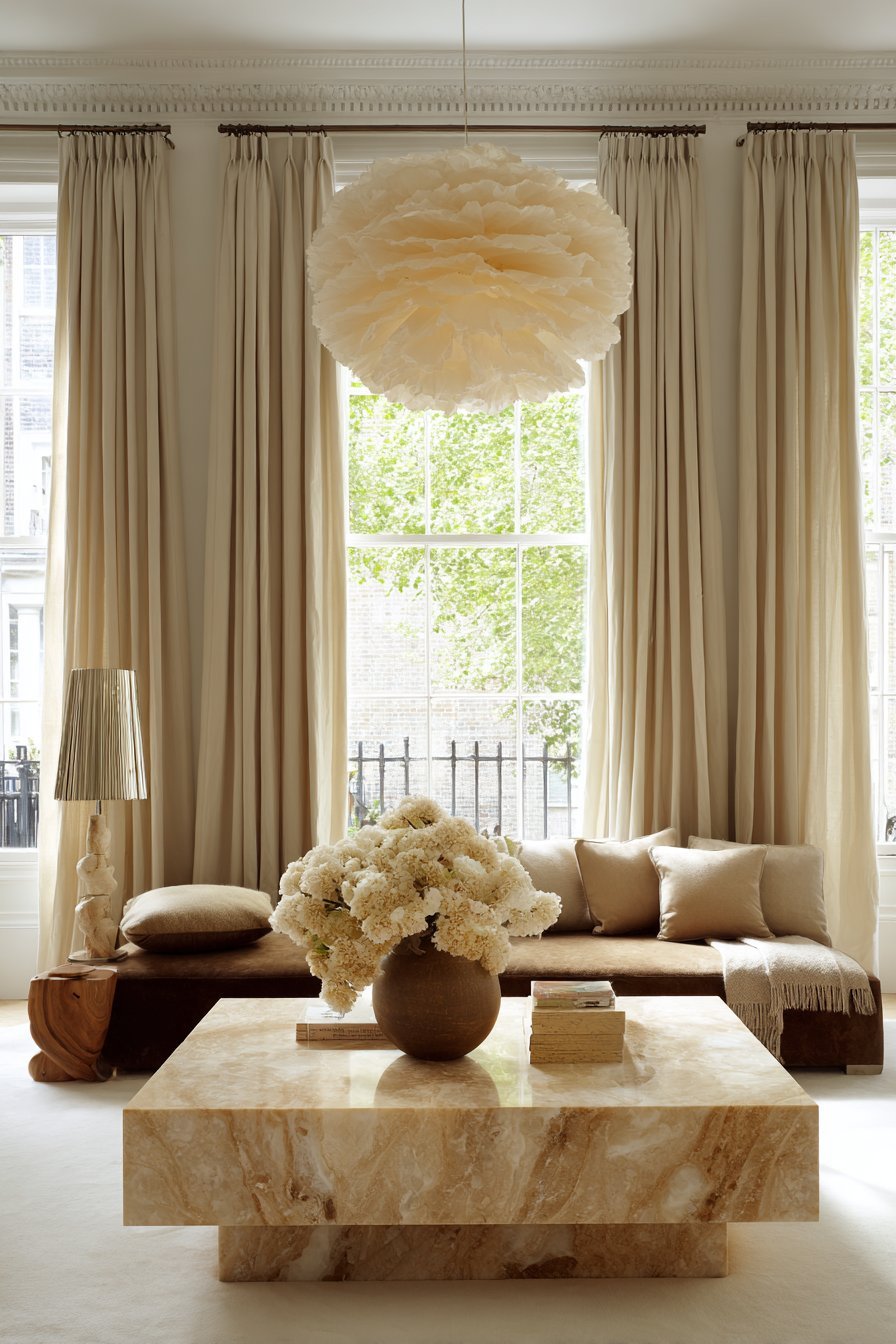
Understanding quiet luxury means recognizing that true elegance lies in subtlety and restraint. This approach to home decor prioritizes impeccable materials, flawless execution, and thoughtful curation over trendy embellishments or logo-driven pieces. Whether you’re designing a minimalist urban apartment or a sprawling countryside estate, the principles of quiet luxury create environments that feel both deeply personal and effortlessly refined. The beauty of this aesthetic is its versatility, adapting seamlessly to various architectural styles while maintaining its core values of quality, authenticity, and enduring appeal.
1. The Foundation of Quiet Luxury Design
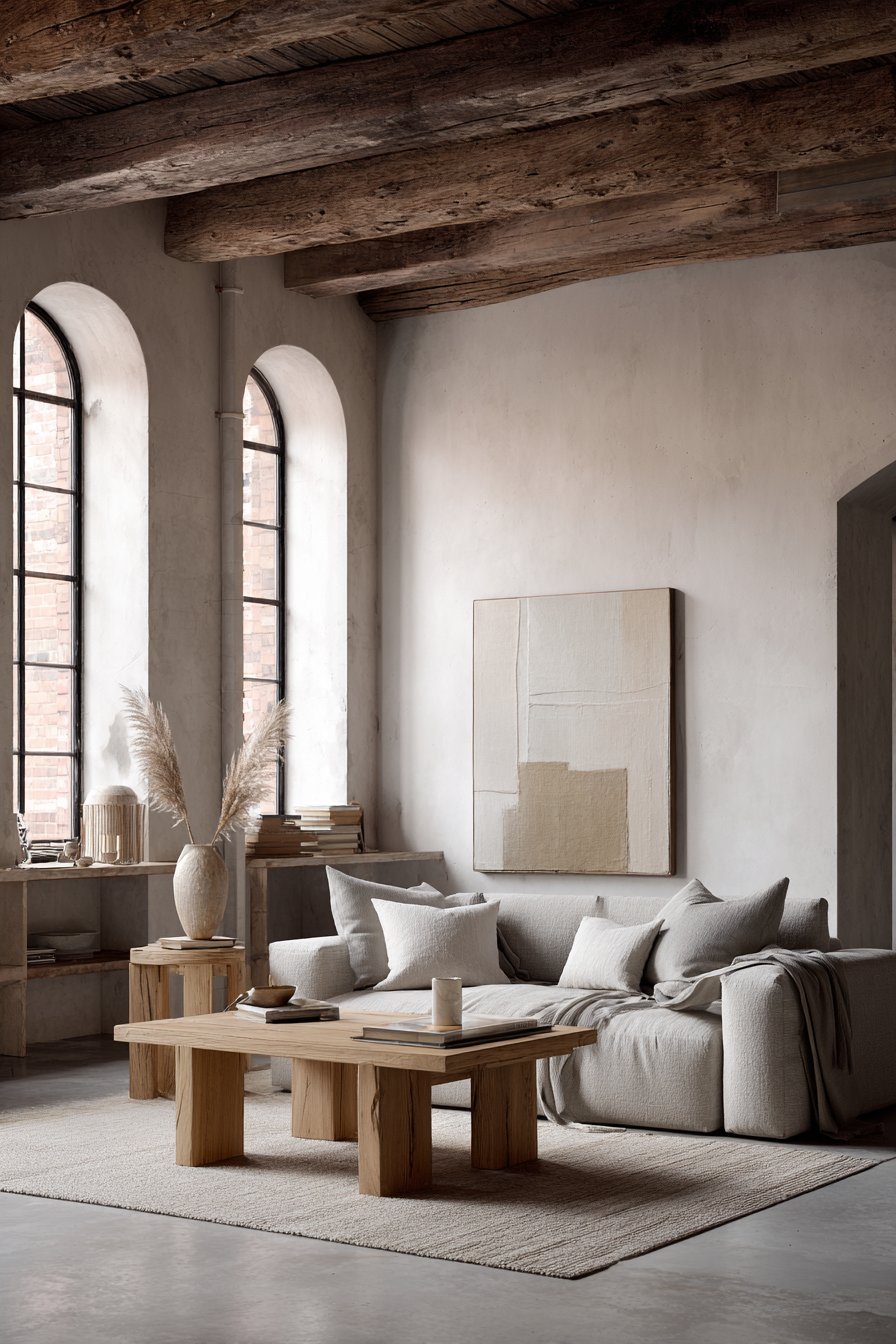
Quiet luxury begins with a fundamental understanding that less truly is more when every element is chosen with intention. The foundation of this aesthetic rests on exceptional quality rather than excessive quantity. Unlike maximalist trends that fill spaces with numerous decorative objects, quiet luxury embraces curated restraint, allowing each piece to breathe and make its own statement. This approach requires discipline and a discerning eye for what truly deserves a place in your home.
The philosophy extends beyond mere minimalism to encompass a deeper appreciation for craftsmanship and heritage. Each item in a quiet luxury interior tells a story through its construction, materials, and design lineage. Investment pieces crafted by skilled artisans replace mass-produced alternatives, creating spaces with authentic soul and character. This foundation prioritizes longevity, ensuring that your design choices remain relevant and beautiful for decades rather than seasons.
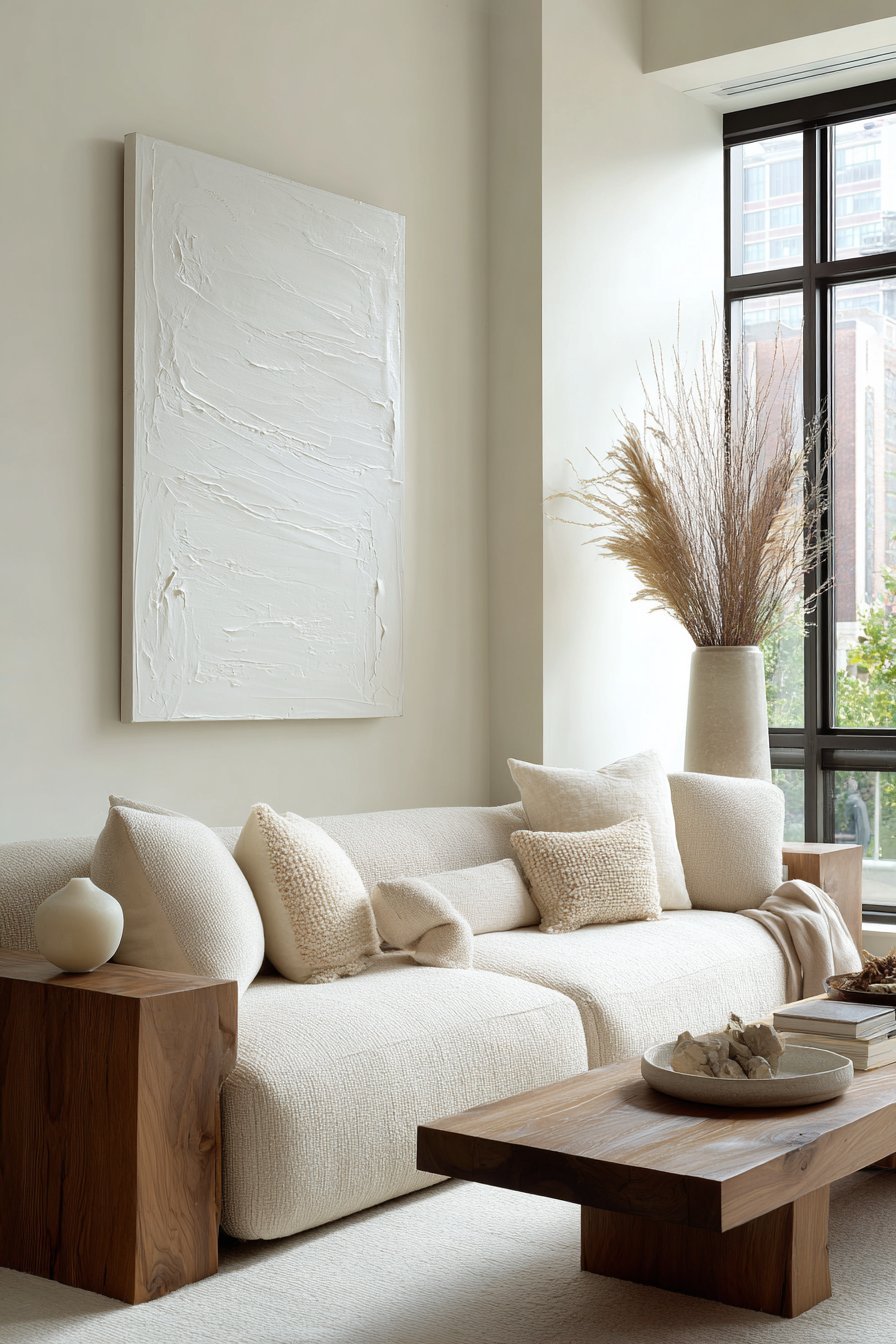
Creating this foundation requires understanding the delicate balance between simplicity and richness. Spaces should feel warm and inviting rather than stark or cold. The key lies in selecting fewer items of superior quality, allowing the inherent beauty of materials and forms to shine without distraction. Neutral color palettes serve as the perfect canvas, though quiet luxury never feels boring or lifeless when executed correctly.
- Invest in fewer, higher-quality pieces that will last for generations
- Choose items with excellent provenance and craftsmanship stories
- Embrace negative space as an essential design element
- Prioritize natural materials over synthetic alternatives
- Select pieces with clean lines and timeless silhouettes
- Avoid trendy items that will quickly feel dated
2. Material Selection and Tactile Richness
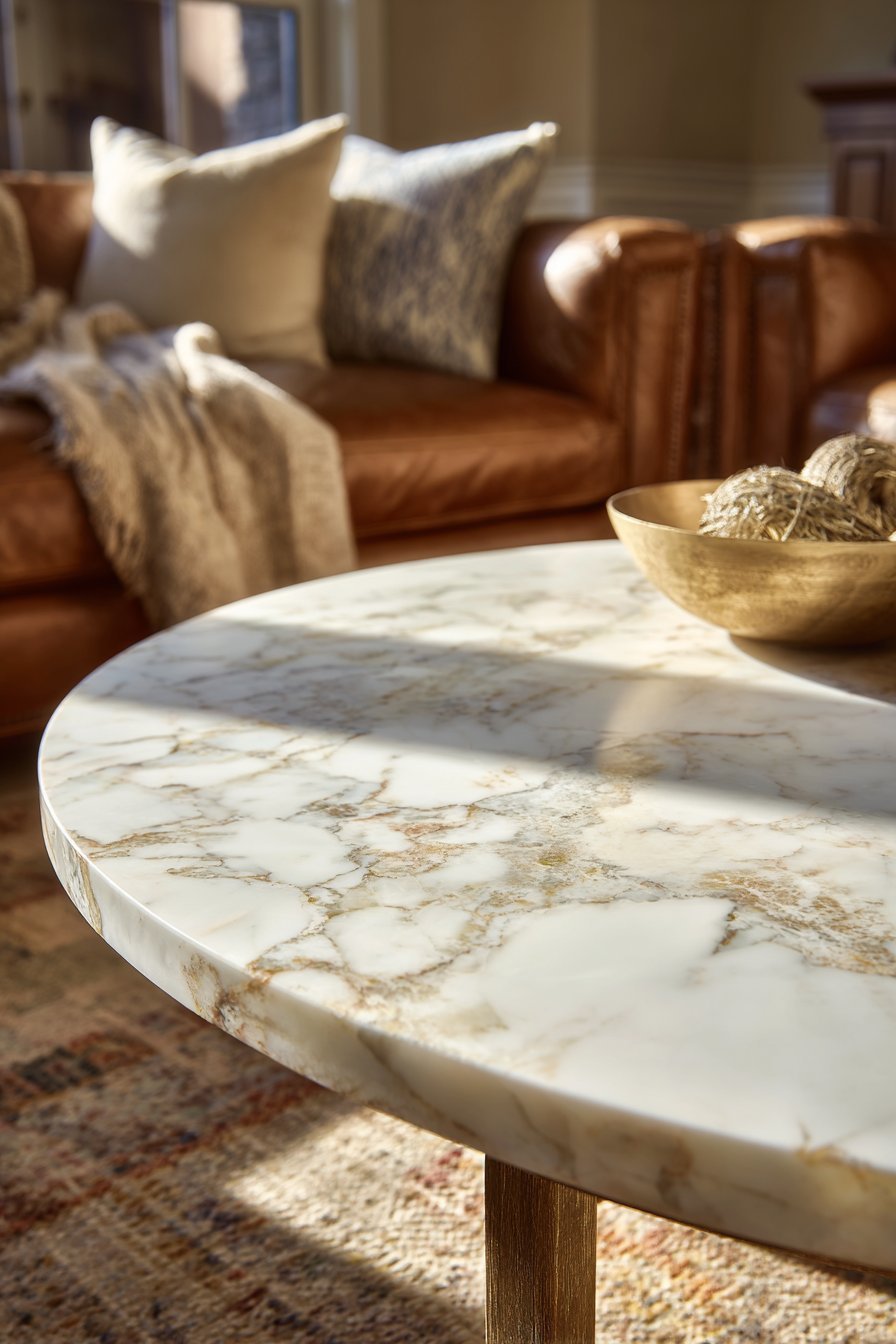
The heart of quiet luxury lies in the sensory experience of premium natural materials. Tactile richness elevates spaces from merely looking expensive to feeling genuinely luxurious. Materials like honed marble, natural linen, aged leather, and solid wood create depth and interest without visual clutter. These materials improve with age, developing patinas and character that synthetic alternatives can never replicate.
Understanding material hierarchy helps create sophisticated layering within your spaces. Cashmere throws, silk velvet cushions, and hand-woven wool rugs add textural variety while maintaining a cohesive, refined aesthetic. The interplay between smooth and textured surfaces, matte and subtle sheen, creates visual intrigue without relying on pattern or color contrast. Each material should feel substantial and authentic to the touch.
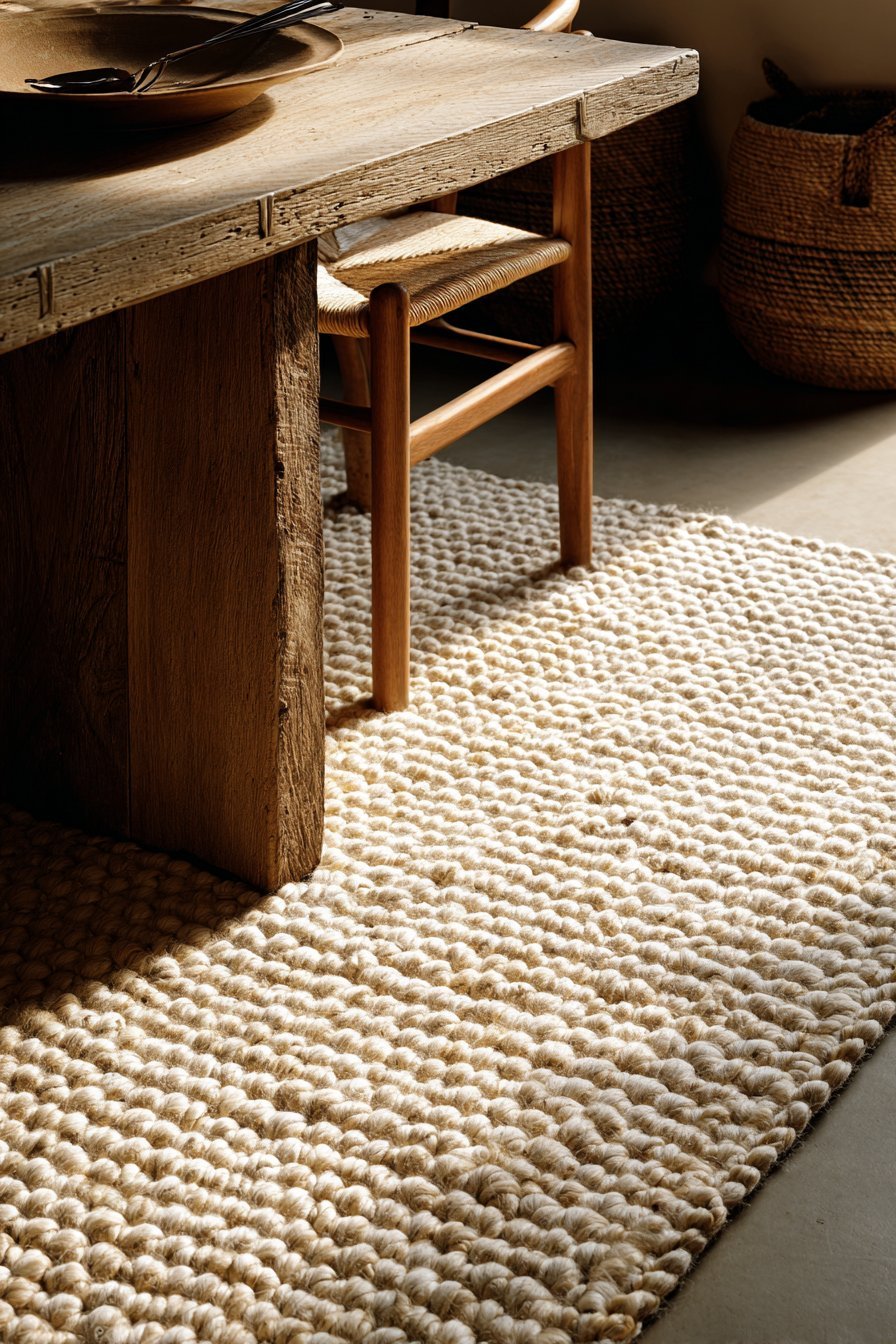
Quality materials also perform better functionally, making them practical investments rather than mere aesthetic choices. Natural fibers breathe better, resist wear more gracefully, and contribute to healthier indoor environments. Stone surfaces develop character rather than showing damage, while solid wood furniture can be refinished indefinitely. This sustainable approach aligns perfectly with quiet luxury’s values of longevity and thoughtful consumption.
- Choose natural stone with subtle veining rather than bold patterns
- Invest in solid wood furniture over veneered alternatives
- Select premium textiles like linen, silk, cashmere, and fine wool
- Incorporate metals with warm patinas like aged brass or brushed bronze
- Use leather that will develop beautiful character over time
- Prioritize materials with natural variations and organic imperfections
3. The Power of Neutral Color Palettes
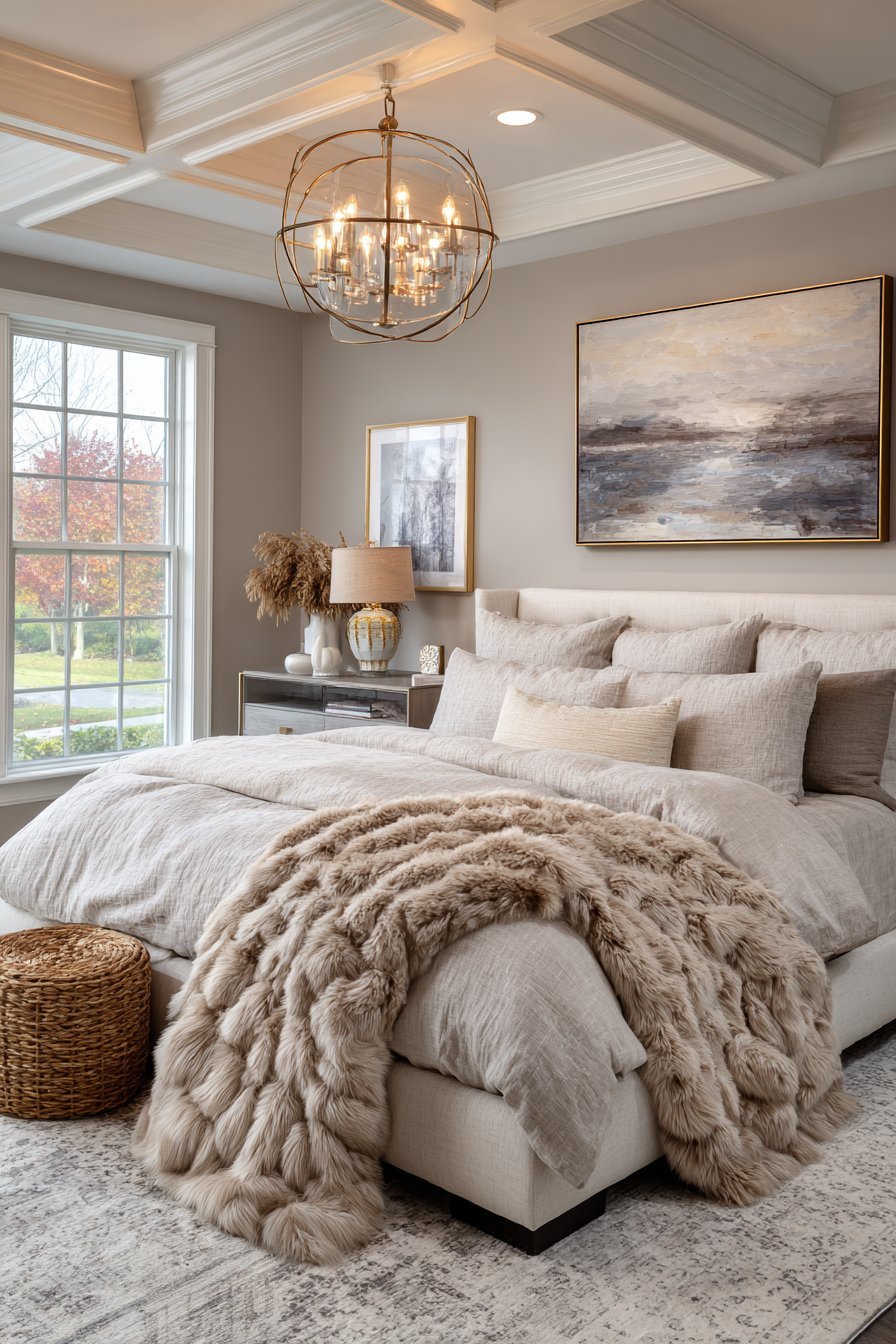
Neutral color schemes form the visual backbone of quiet luxury interiors, creating serene environments that feel timeless and sophisticated. These palettes extend far beyond basic beige, encompassing warm whites, soft grays, rich creams, and earthy taupes that work harmoniously together. The key lies in understanding undertones and creating subtle variations that add depth without introducing visual chaos.
Layering neutrals requires attention to tonal relationships and how colors interact with natural light throughout the day. A successful quiet luxury palette might include warm oatmeal walls, cool gray-beige upholstery, and creamy white architectural details, creating dimension through subtle contrast. These variations prevent monotony while maintaining the cohesive, calming effect that defines the aesthetic.
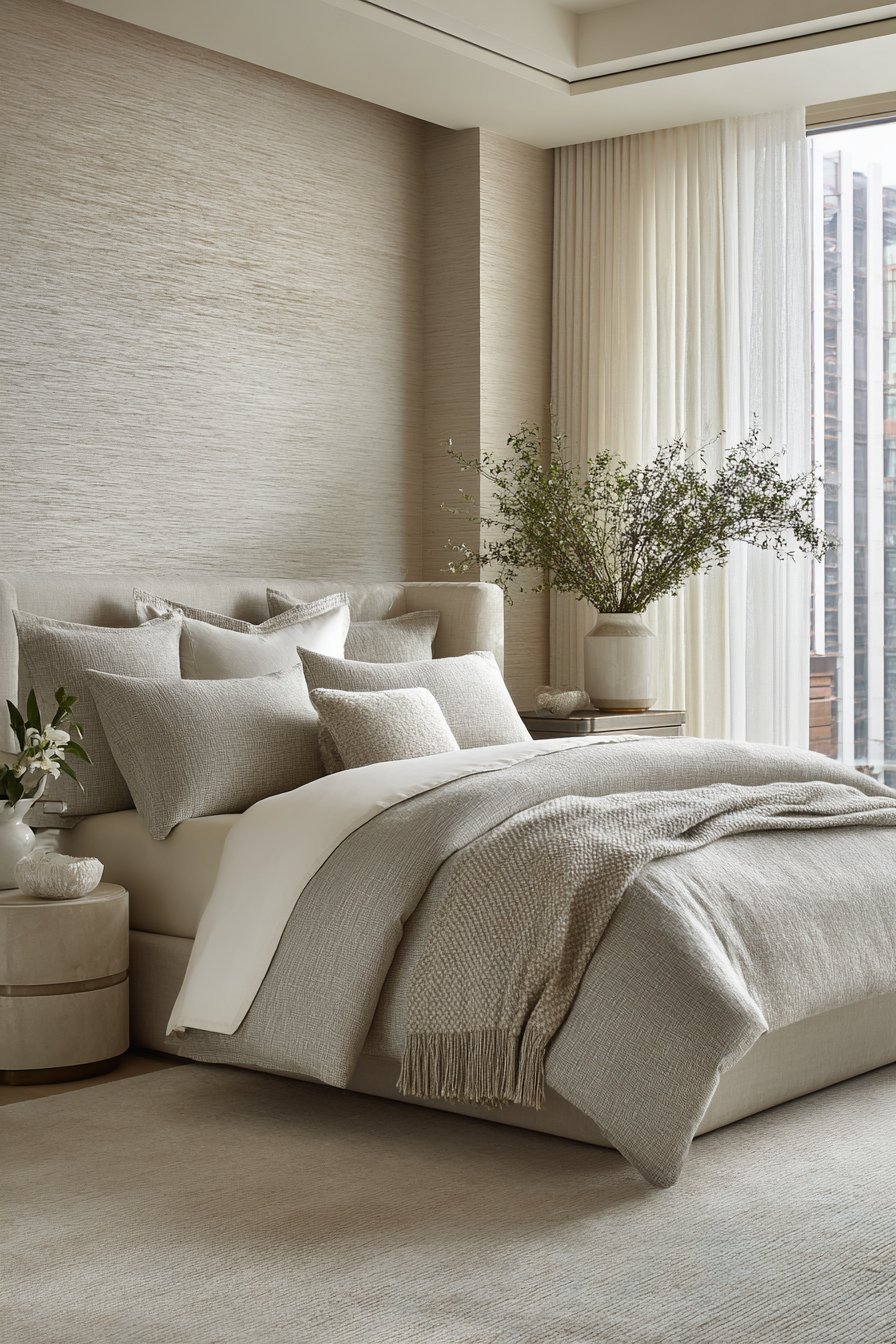
The beauty of neutral palettes lies in their ability to showcase architectural features, textures, and forms without distraction. When color isn’t competing for attention, the eye can appreciate the quality of materials, the beauty of proportions, and the interplay of light and shadow. This approach also provides ultimate flexibility, allowing you to refresh spaces with seasonal textiles or art without requiring major renovations.
- Build palettes around warm or cool undertones consistently
- Use white strategically to create crisp architectural moments
- Incorporate depth through varying tones of the same color family
- Add visual interest with texture rather than color contrast
- Consider how natural light affects colors throughout the day
- Allow materials like wood and stone to provide subtle color variation
4. Furniture Selection and Timeless Forms
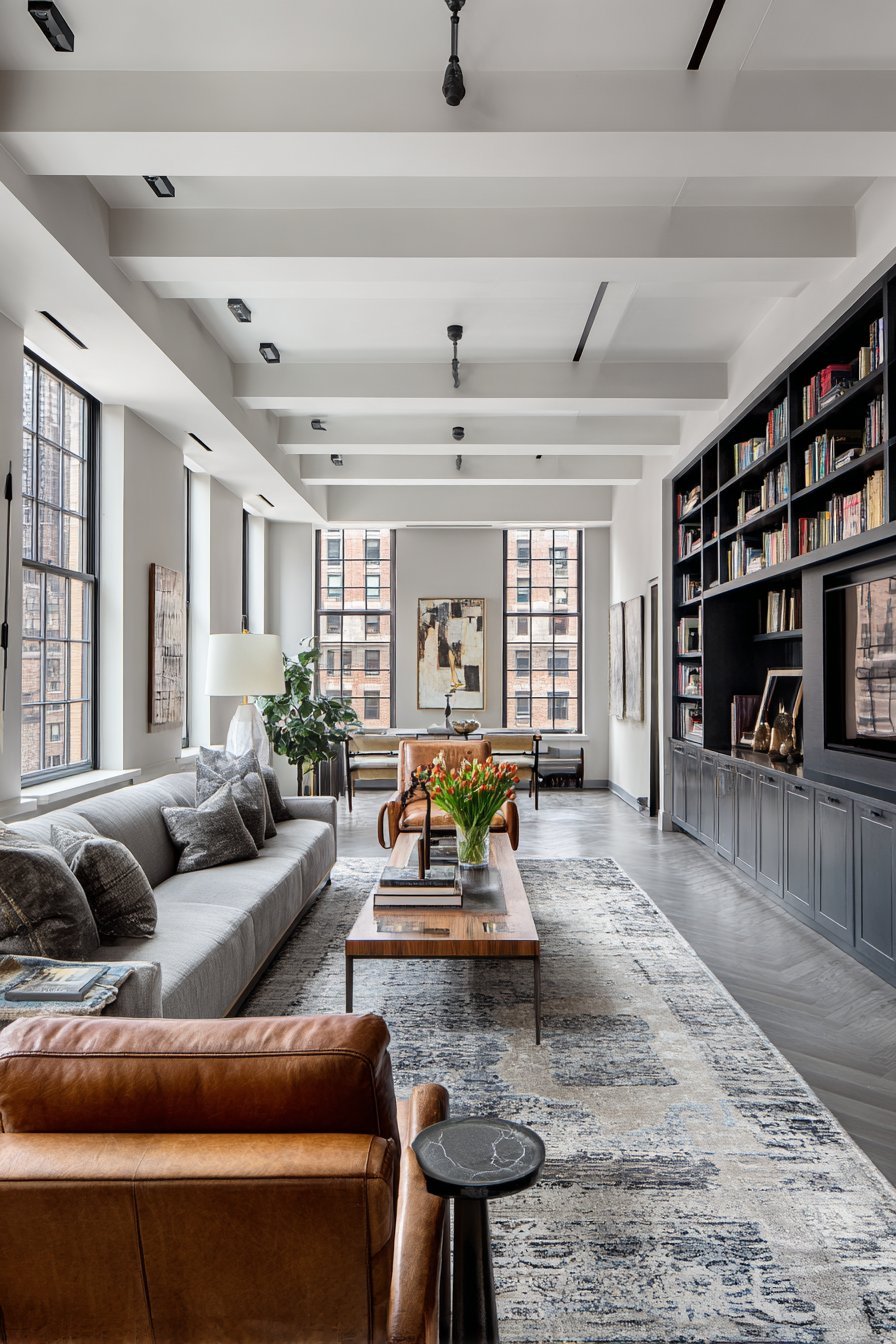
Furniture choices in quiet luxury spaces prioritize classic proportions and enduring design over trendy silhouettes. Pieces should reference historical design movements without feeling dated or reproduction-like. Mid-century modern classics, refined traditional forms, and contemporary pieces with restrained elegance all find their place in this aesthetic when chosen thoughtfully.
Investment furniture pieces should demonstrate exceptional construction with details like dovetail joinery, eight-way hand-tied springs, and kiln-dried hardwood frames. These construction methods ensure longevity and represent the kind of quality that defines quiet luxury. Upholstered pieces benefit from premium fabrics in neutral tones, allowing them to integrate seamlessly while providing comfort and durability.
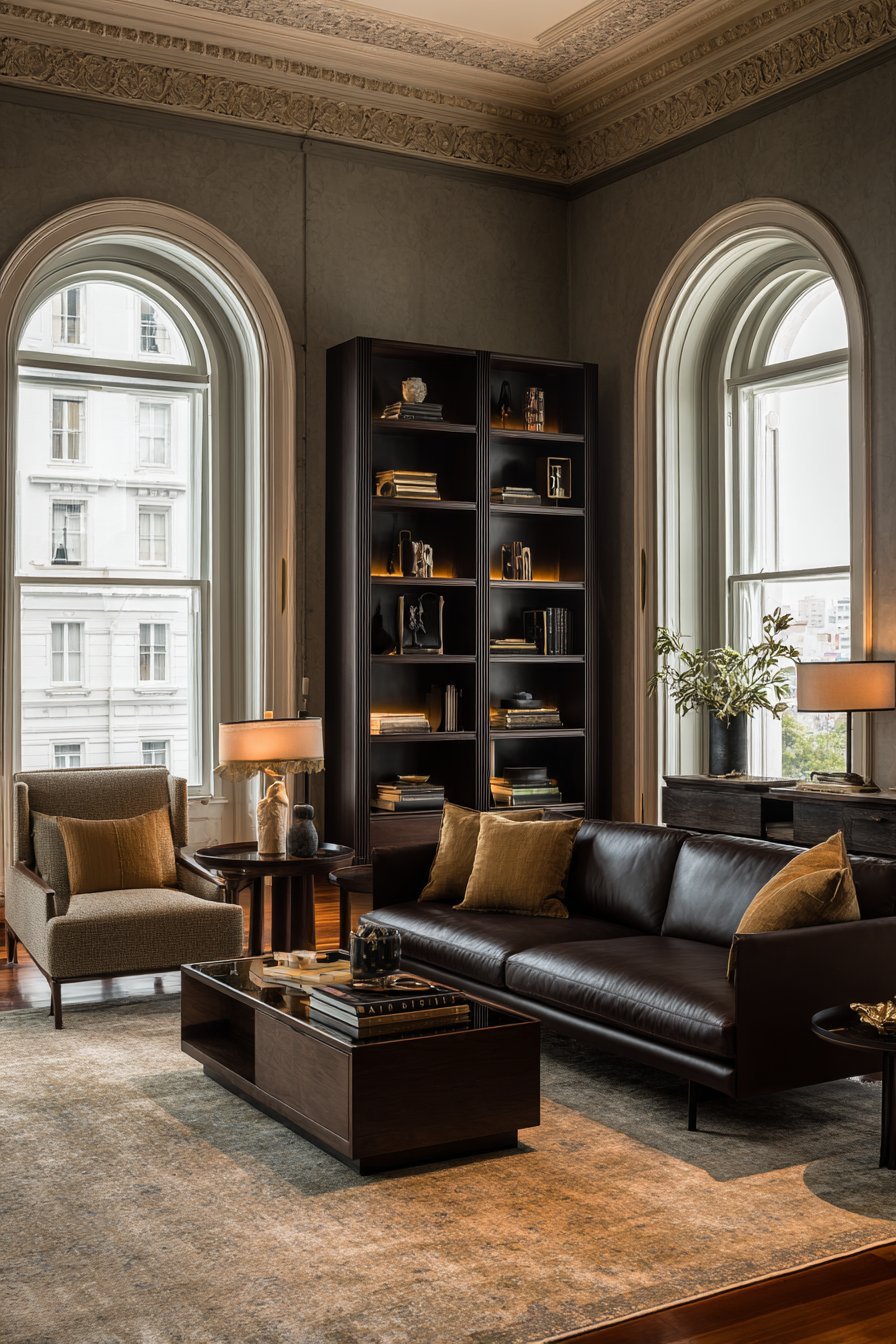
Scale and proportion play crucial roles in creating harmonious spaces that feel neither crowded nor sparse. Furniture should be appropriately sized for rooms, with careful attention to sightlines and flow. Low-profile pieces often work beautifully in quiet luxury settings, creating a sense of calm and spaciousness. The goal is to select items that feel inevitable and perfectly suited to their spaces.
- Choose furniture with clean lines and minimal ornamentation
- Invest in classic designs that have proven their staying power
- Ensure all pieces demonstrate exceptional build quality
- Select appropriately scaled furniture for each room
- Avoid overly trendy shapes or proportions
- Prioritize comfort alongside aesthetic appeal
5. Lighting as Sculptural Art
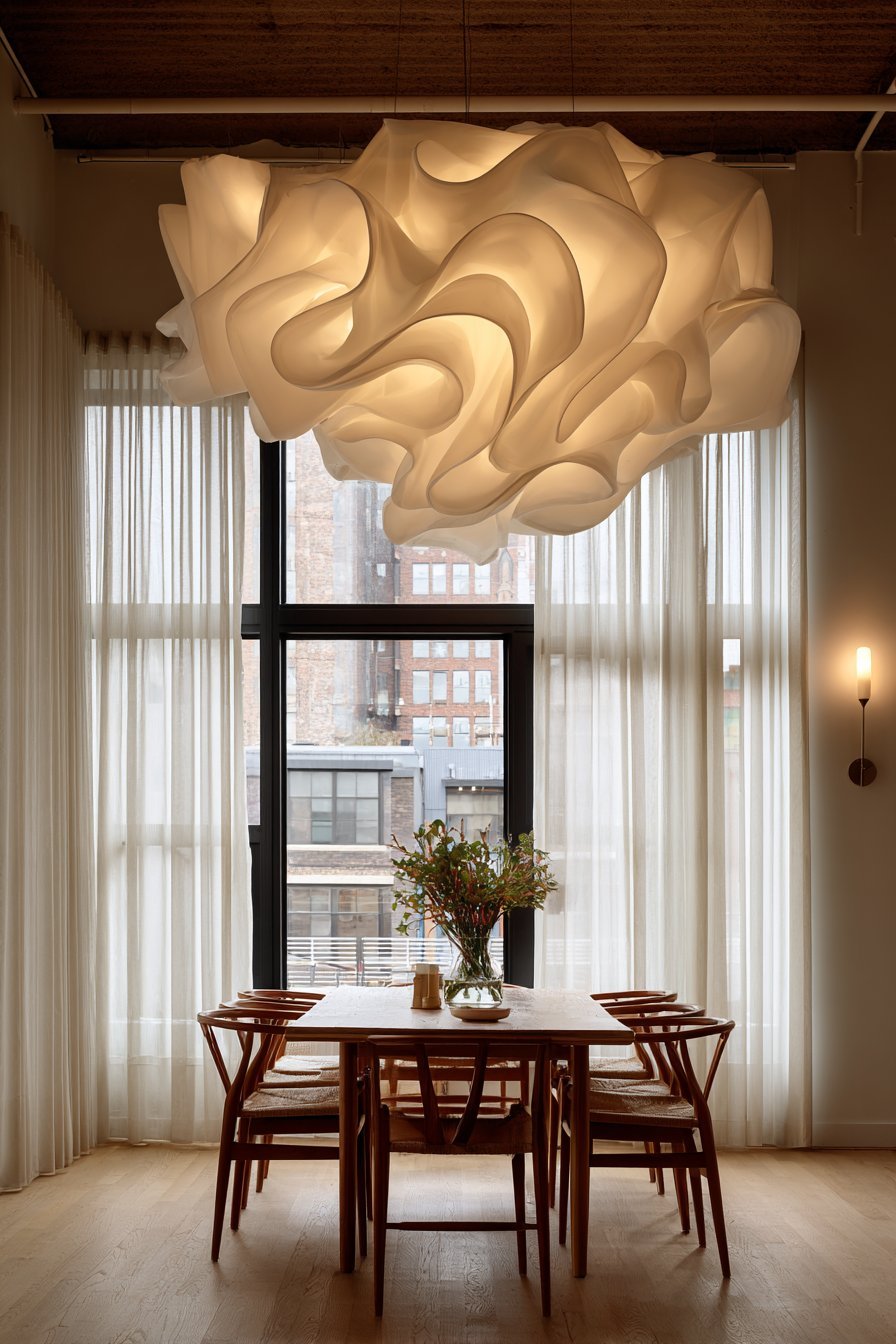
Lighting in quiet luxury interiors serves dual purposes as both functional necessity and sculptural statement. Light fixtures should be beautiful objects in their own right while providing appropriate illumination. Alabaster pendants, brass sconces, and architectural floor lamps become focal points without overwhelming spaces. The quality of light itself matters as much as the fixtures delivering it.
Layered lighting creates depth and ambiance essential to sophisticated interiors. Combining ambient, task, and accent lighting allows for flexibility throughout the day and various activities. Dimmers on every light source provide crucial control, enabling you to adjust illumination to create intimate evenings or bright, energizing mornings. The interplay of multiple light sources at different heights creates visual interest and warmth.
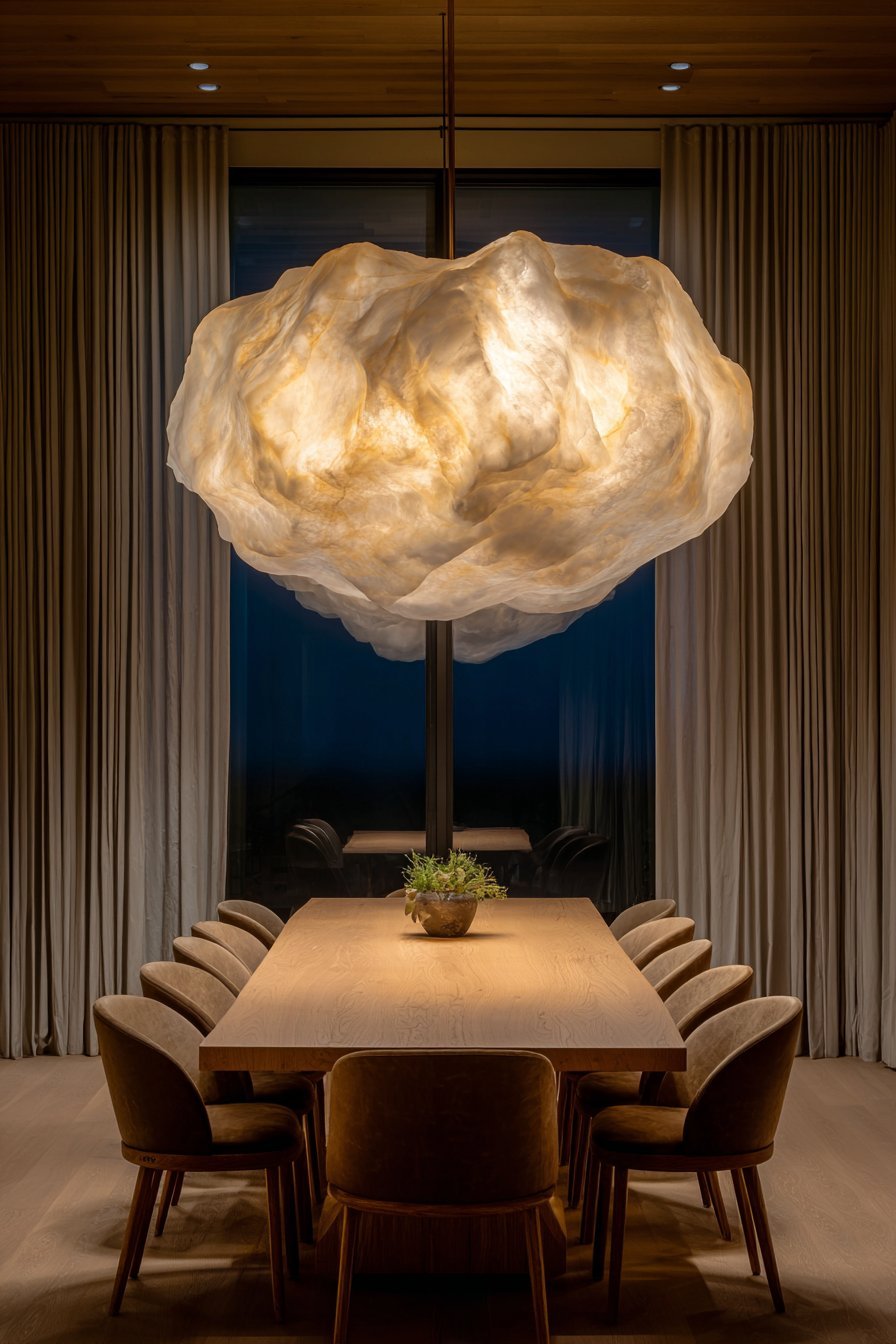
Natural light remains the most important lighting consideration in any quiet luxury space. Unobstructed windows, minimal window treatments, and strategic mirror placement maximize daylight penetration. The quality and direction of natural light should inform furniture placement and color choices. Respecting the relationship between interior spaces and natural light cycles creates environments that feel connected to the rhythms of nature.
- Invest in one or two statement light fixtures of exceptional quality
- Use dimmers on all lighting circuits for maximum flexibility
- Layer multiple light sources at different heights
- Choose fixtures with warm-toned metals and natural materials
- Maximize natural light through thoughtful window treatments
- Consider the quality of light (warm vs. cool) carefully
6. The Art of Thoughtful Curation
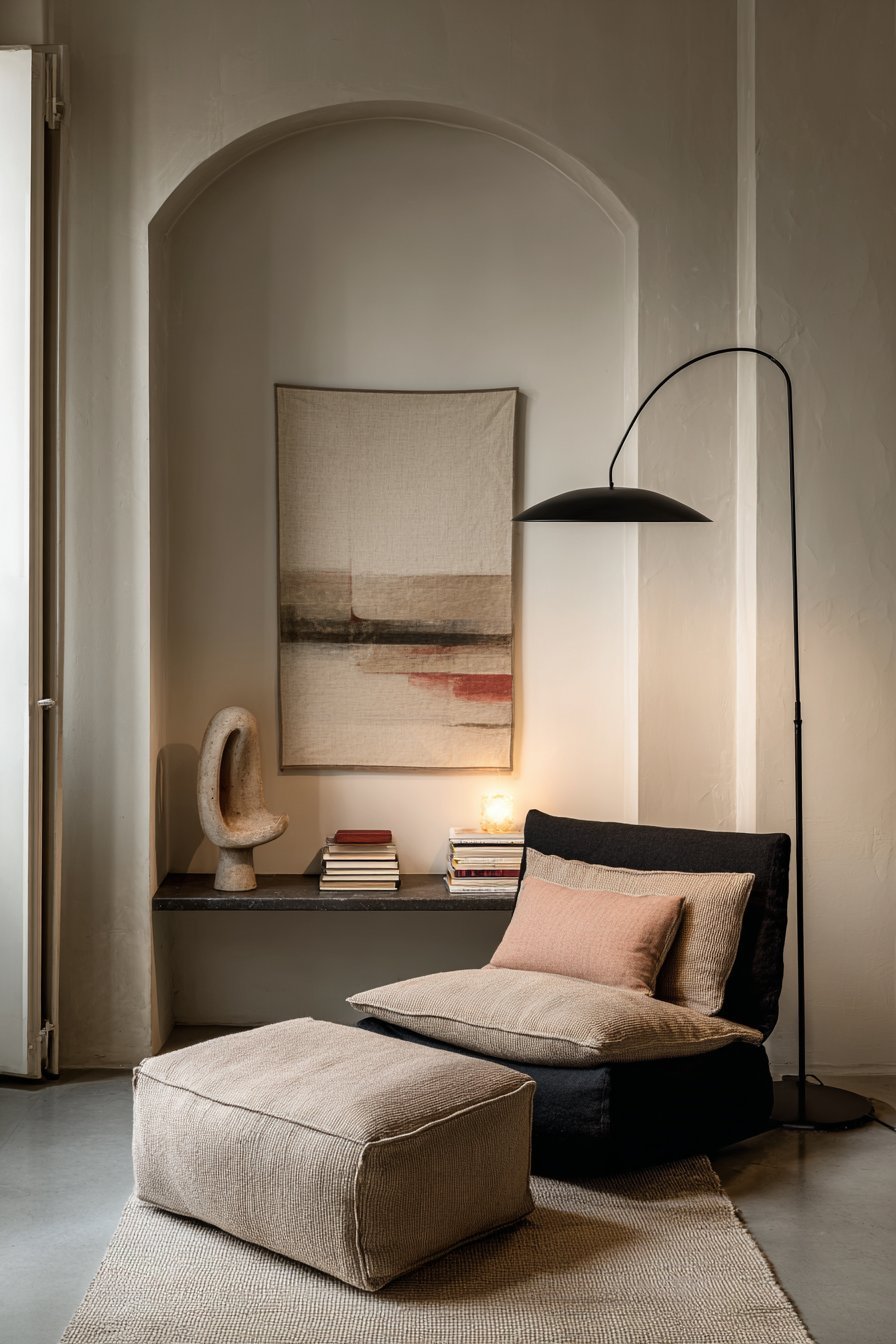
Curation separates quiet luxury from simple minimalism through intentional selection of meaningful objects. Every item displayed should earn its place through beauty, significance, or both. Carefully chosen art, sculptural objects, and personal treasures create layers of interest without clutter. The key lies in editing ruthlessly and allowing space around each piece.
Art selection in quiet luxury spaces favors original works over mass-produced prints, even if this means fewer pieces overall. A single important painting or sculpture makes a stronger statement than a gallery wall of lesser works. Abstract art, photography, and minimalist compositions often complement the aesthetic beautifully, though representational work can be equally effective when chosen thoughtfully.
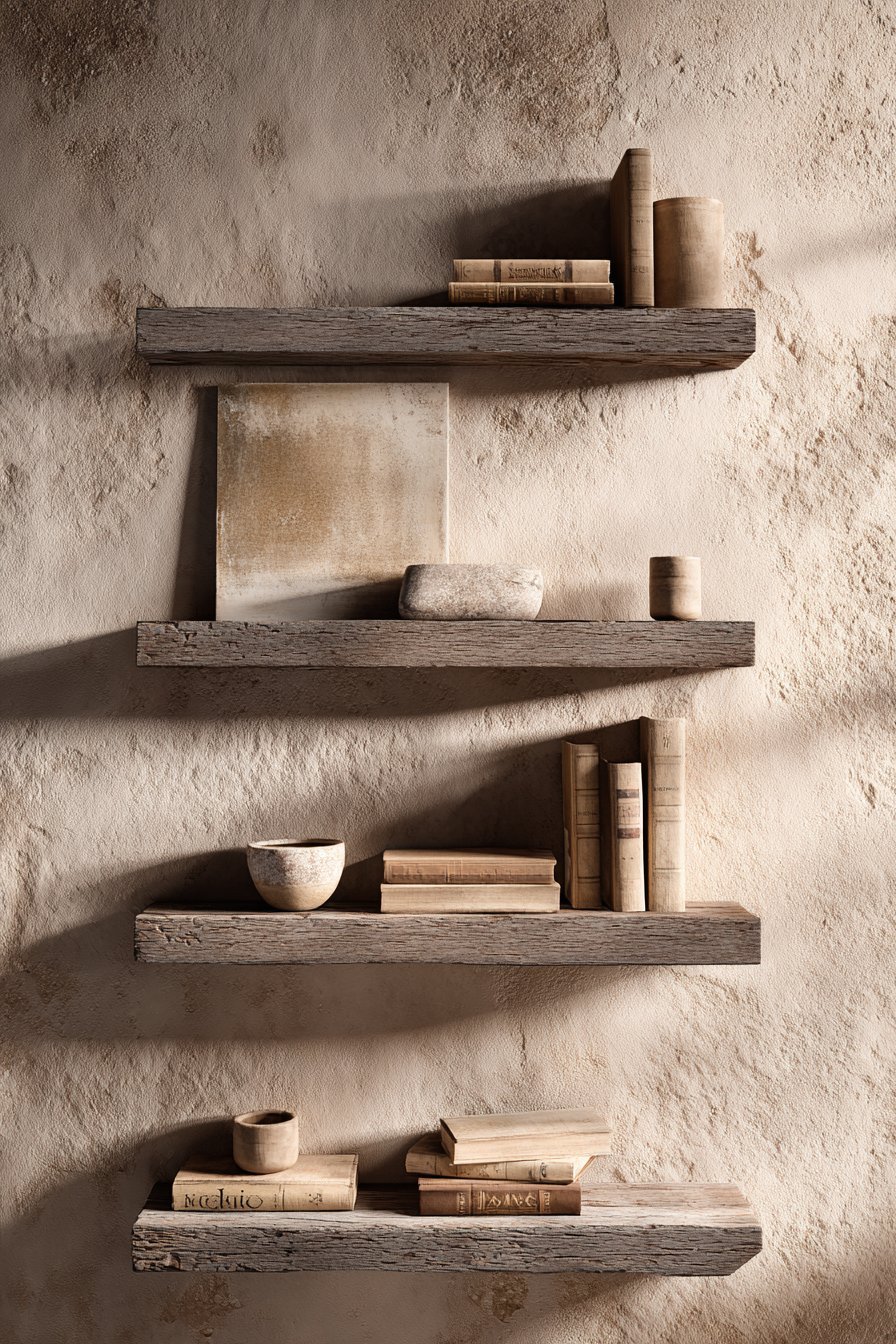
Display methods should be as refined as the objects themselves. Simple frames, subtle pedestals, and invisible mounting systems keep focus on the art rather than its presentation. Groupings should feel organic rather than formulaic, with careful attention to negative space. The goal is to create moments of visual interest throughout your home without overwhelming the senses.
- Display fewer, more significant pieces rather than collections
- Allow breathing room around each displayed object
- Choose frames and mounting systems that recede visually
- Rotate seasonal displays to keep spaces feeling fresh
- Group objects in odd numbers for visual balance
- Edit your displays regularly, removing pieces that no longer resonate
7. Textile Layering and Comfort
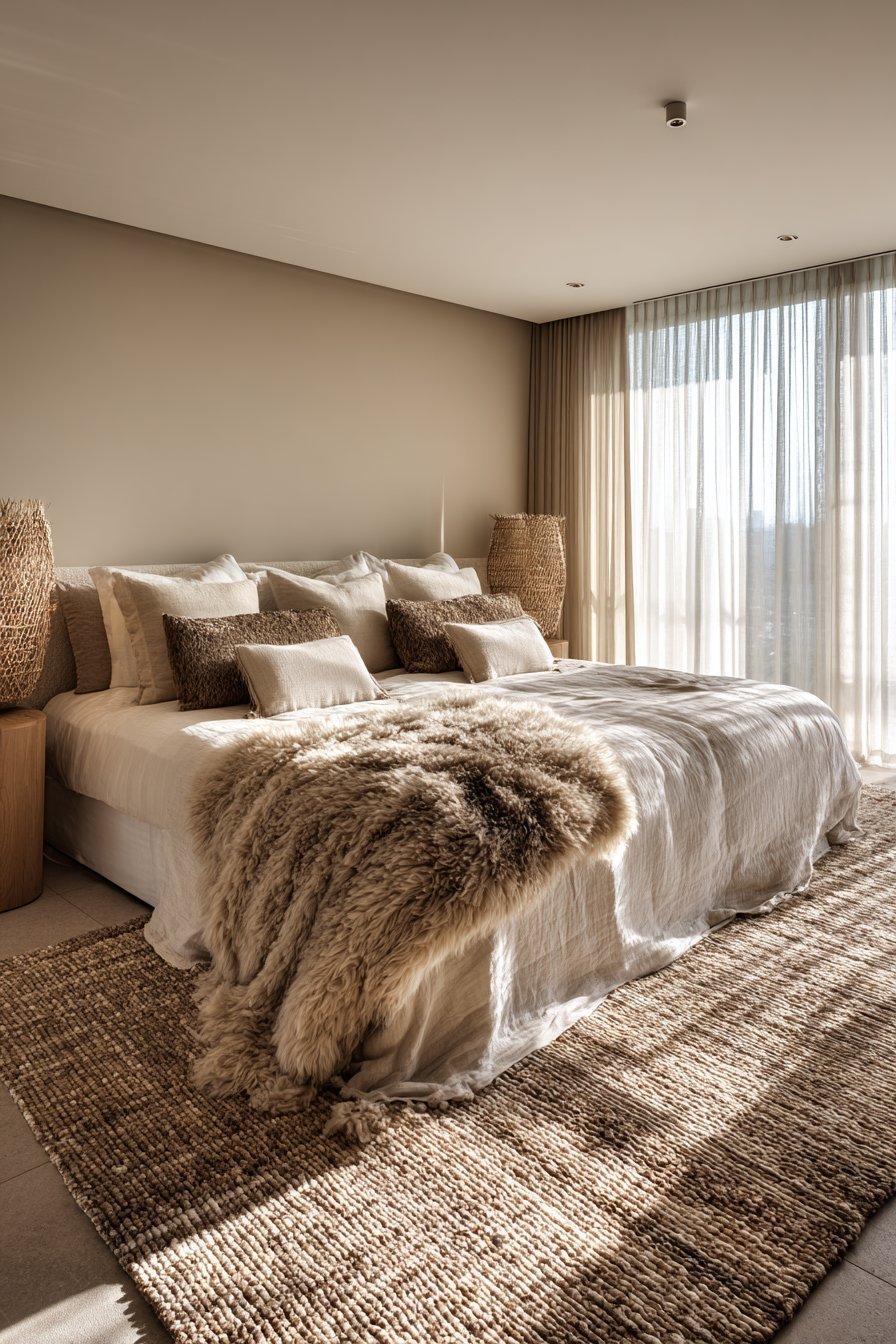
Textiles provide essential warmth and tactile comfort in quiet luxury interiors while maintaining visual restraint. Layering begins with foundational pieces like linen bedding, wool area rugs, and understated upholstery that establish a neutral base. Subsequent layers add richness through varying textures while staying within the established color palette.
Quality reveals itself immediately in premium textiles through drape, hand feel, and durability. Fine linens become softer with washing, developing a relaxed elegance that synthetic fabrics cannot replicate. Cashmere and wool blends provide warmth without bulk, while silk adds subtle luster. These natural fibers also regulate temperature better, contributing to year-round comfort.
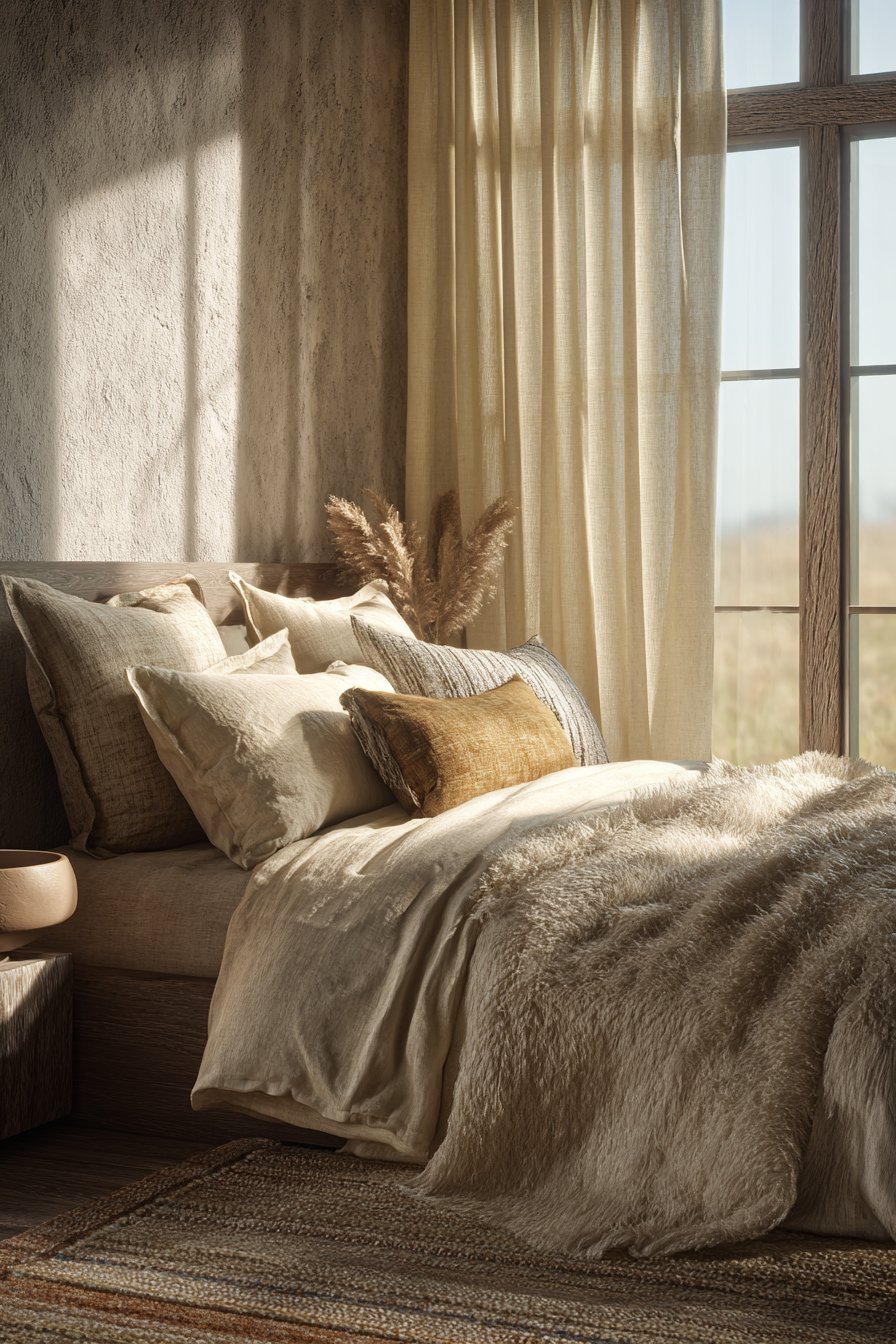
Seasonal textile changes allow for subtle refreshment without requiring complete redesigns. Lighter weight linens and cotton for summer can transition to heavier wools and velvets for winter, maintaining the aesthetic while adapting to changing needs. This approach to textiles as changeable elements provides flexibility and prevents design fatigue while honoring the quiet luxury commitment to quality.
- Invest in premium bed linens from heritage manufacturers
- Layer rugs for added warmth and visual interest
- Choose window treatments in natural fibers
- Add throw pillows in varying textures, not colors
- Select blankets and throws in luxurious natural materials
- Ensure all textiles are easy to clean and maintain
8. Kitchen and Bath Refinement
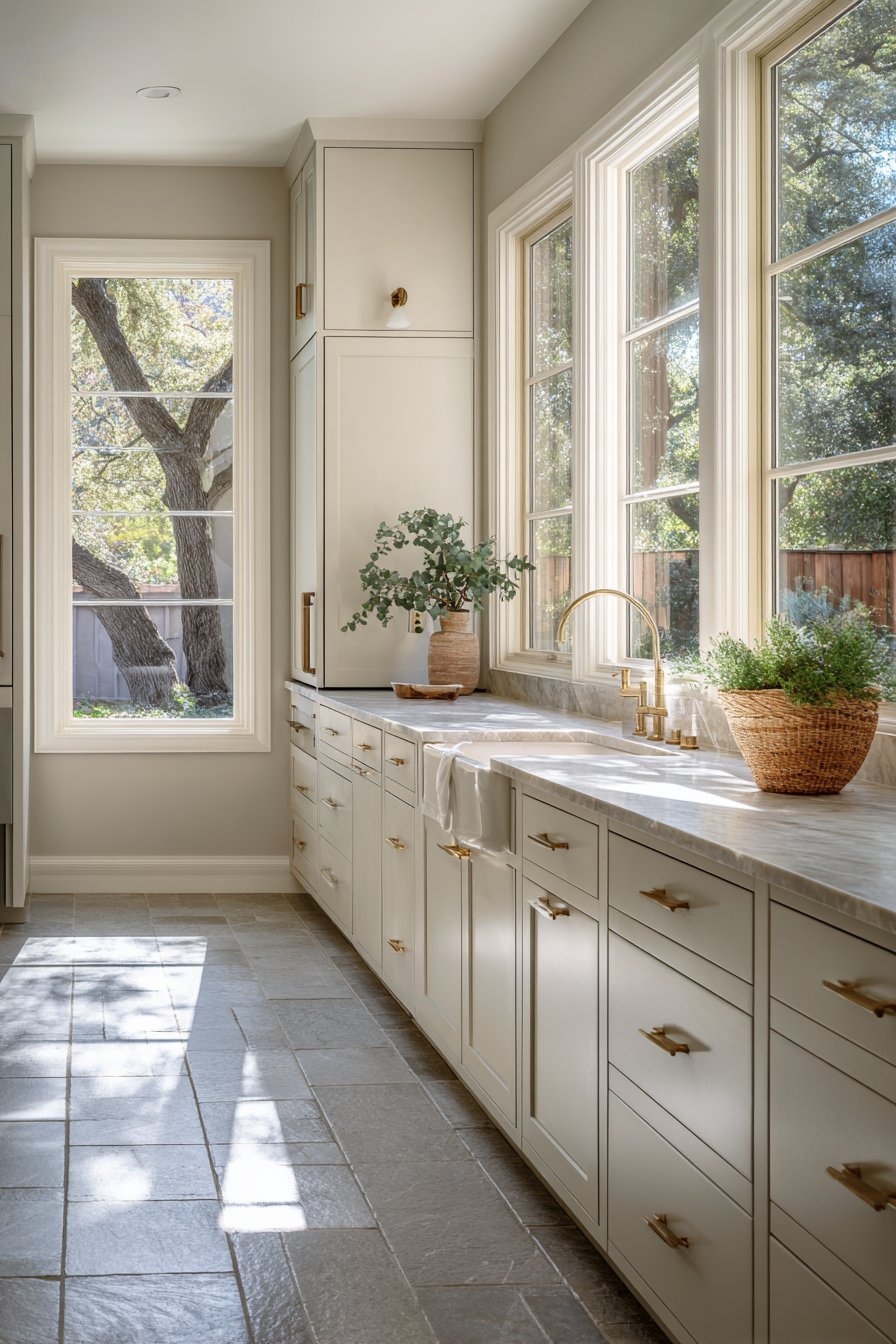
Kitchens and bathrooms designed with quiet luxury principles emphasize functionality and timeless materials over trendy finishes. Slab-front cabinetry in painted or natural wood finishes creates clean, uninterrupted surfaces that age gracefully. Hardware should be substantial and beautifully crafted, with finishes like unlacquered brass or brushed nickel that develop patina over time.
Stone surfaces in these hardworking spaces should be selected for durability and subtle beauty. Honed marble, quartzite, and quality quartz alternatives provide practical work surfaces while maintaining aesthetic integrity. Integrated sinks, minimal backsplashes, and concealed appliances contribute to the streamlined appearance essential to the aesthetic.
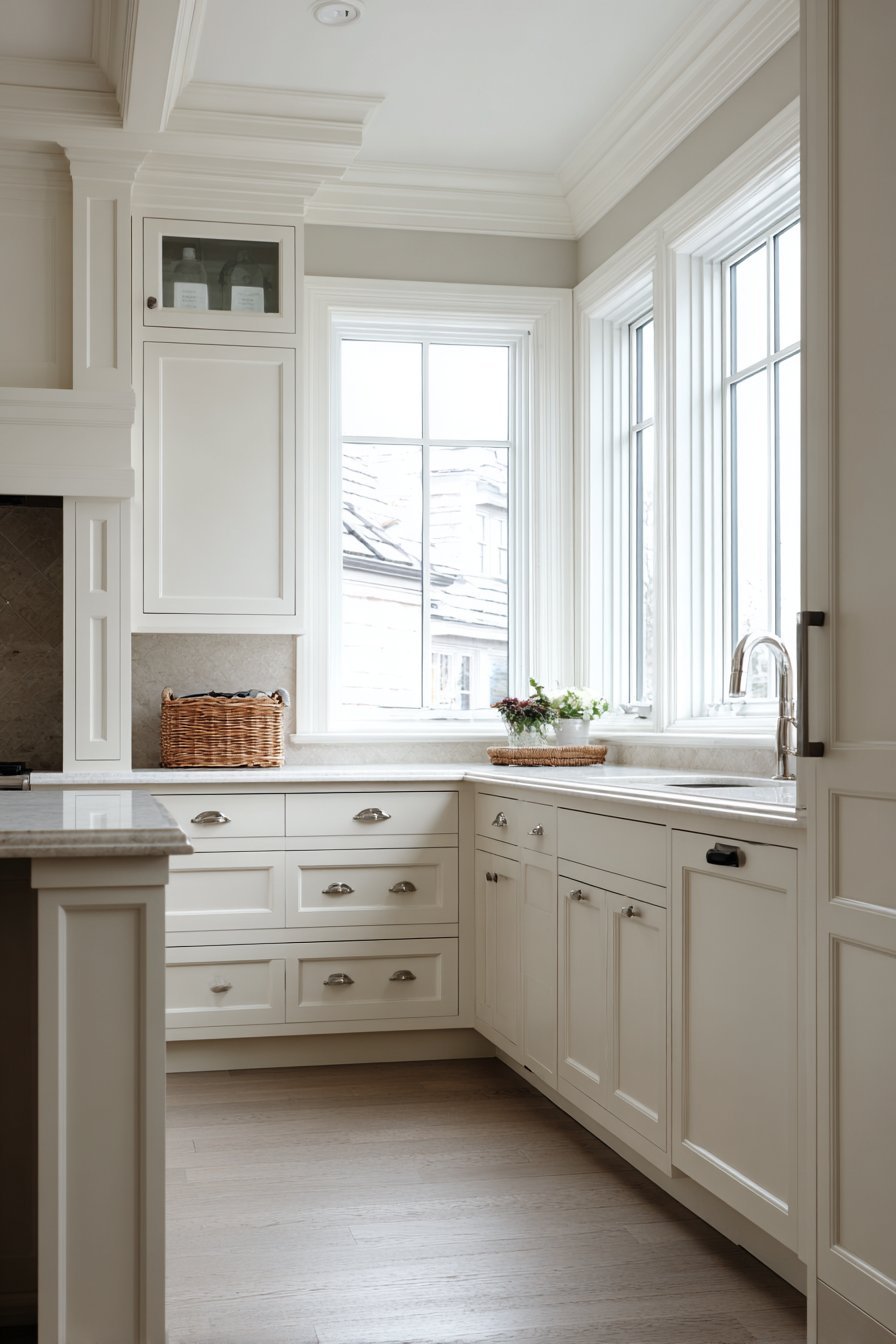
Bathroom design follows similar principles, prioritizing spa-like serenity over decorative excess. Oversized format tiles minimize grout lines, while quality fixtures in coordinated finishes create cohesion. Frameless glass enclosures, freestanding tubs, and statement vanities become focal points without competing for attention. Storage solutions should be ample but invisible, maintaining the calm atmosphere.
- Choose slab-front cabinetry in timeless finishes
- Invest in quality stone surfaces that will last decades
- Select appliances with panel-ready options for seamless integration
- Use large-format tiles to minimize visual clutter
- Install quality fixtures that will endure heavy use
- Prioritize ample concealed storage in both spaces
9. Architectural Details and Millwork
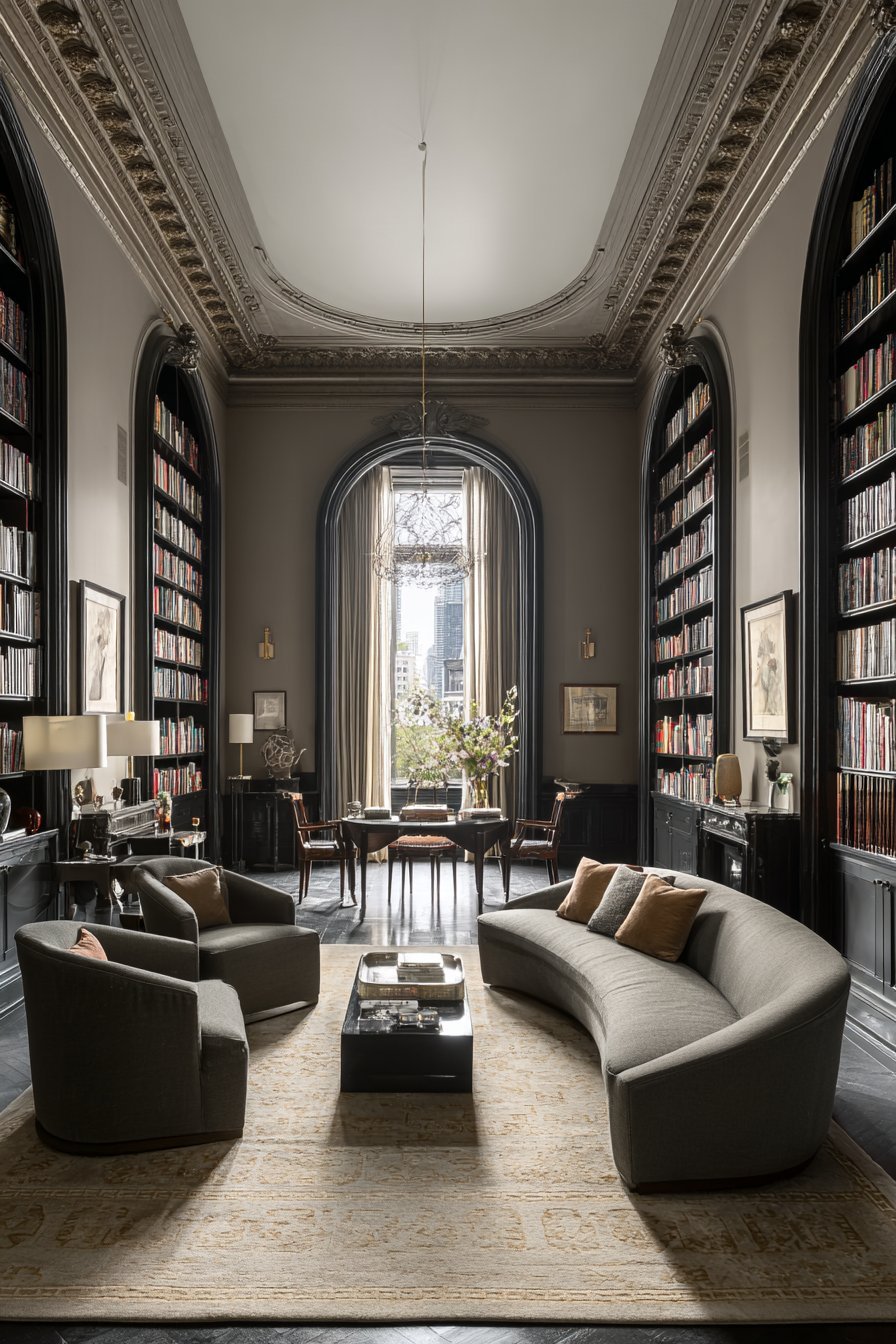
Architectural details provide permanent infrastructure for quiet luxury design through refined moldings, paneling, and built-in elements. Crown molding, baseboards, and door casings should be appropriately scaled and elegantly proportioned. These elements add architectural interest without ornamentation, creating subtle sophistication that elevates entire spaces.
Custom millwork represents one of the most valuable investments in quiet luxury homes. Built-in bookcases, window seats, and storage solutions should appear as integral architectural elements rather than added furniture. Quality joinery and thoughtful detailing ensure these features enhance spaces while providing essential functionality. Concealed hardware and push-to-open mechanisms maintain clean lines.
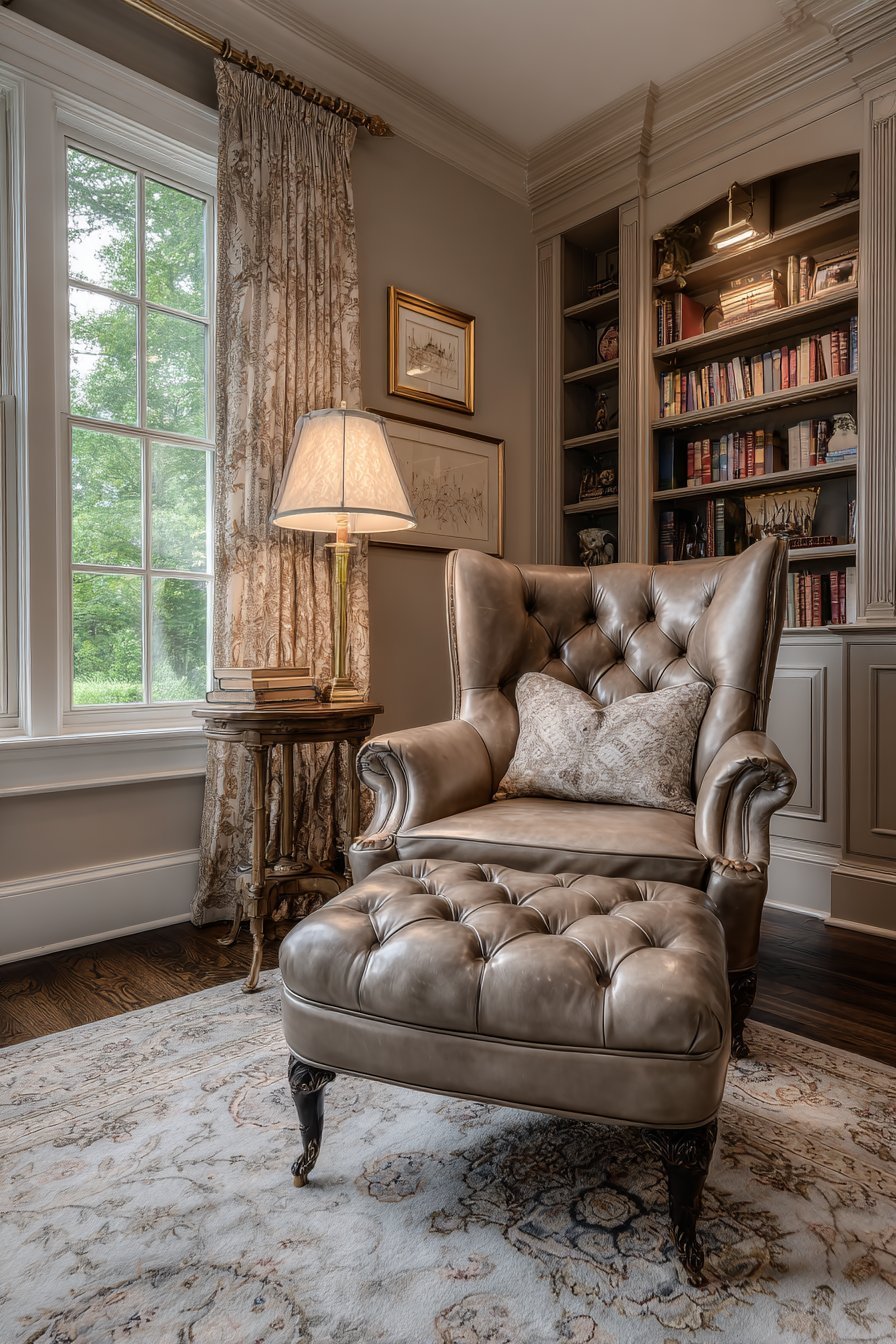
Paint finishes on architectural elements deserve special attention. Matte or eggshell finishes on walls create subtle sophistication, while trim might use slightly higher sheen for definition. Color drenching, where walls and trim share the same neutral tone, creates seamless, expansive spaces that feel calm and cohesive. These decisions significantly impact the overall atmosphere.
- Invest in quality moldings with appropriate scale
- Consider built-in solutions for storage and display
- Use paint finishes strategically to define spaces
- Ensure all millwork demonstrates excellent craftsmanship
- Design architectural details to complement existing features
- Avoid overly ornate or trendy decorative elements
10. Window Treatments and Privacy
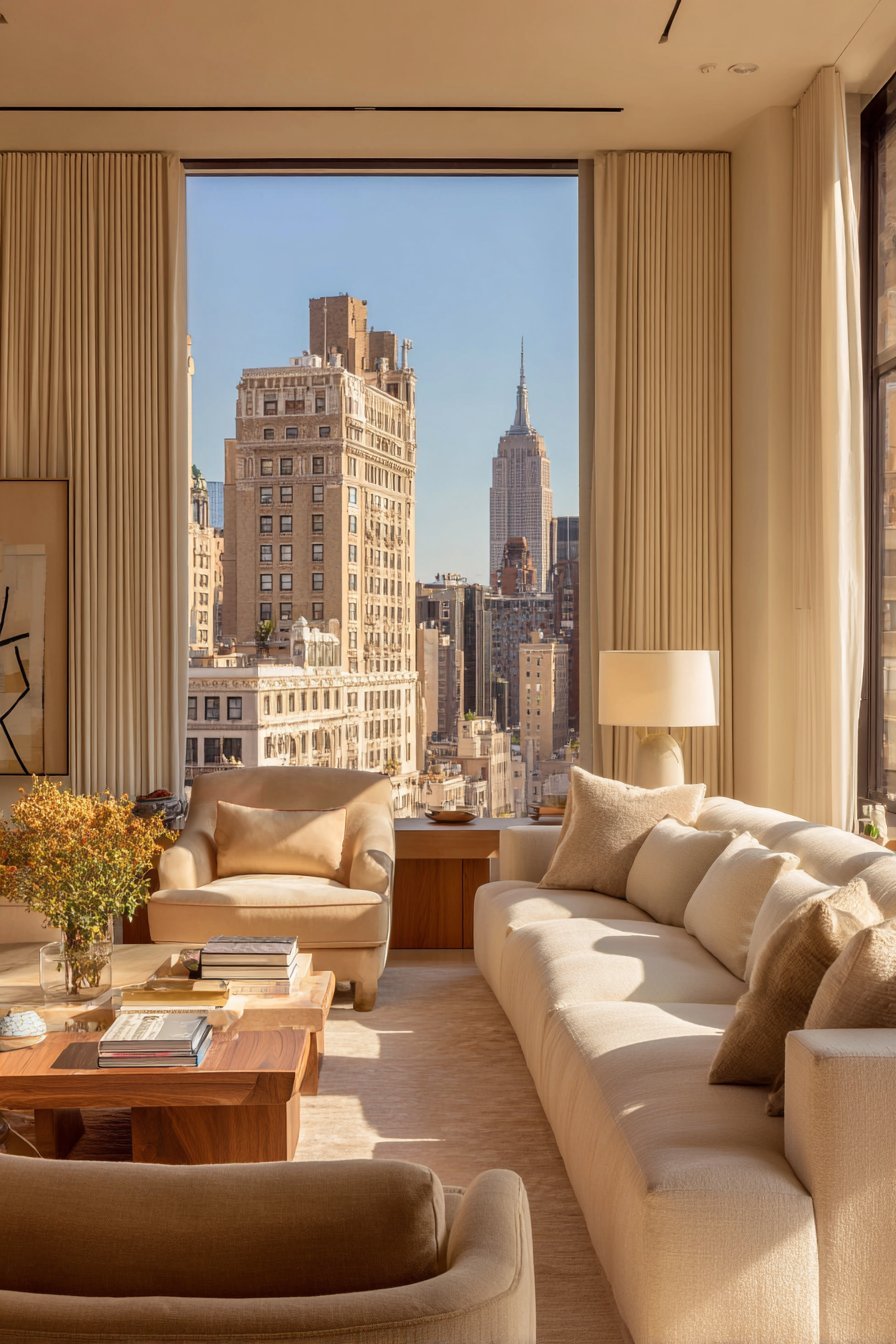
Window treatments in quiet luxury spaces balance natural light maximization with necessary privacy and light control. Simple, well-made treatments in natural fabrics often work best, allowing windows to remain focal points rather than decorative opportunities. Linen drapery, Roman shades, and sheer panels provide options for various needs while maintaining aesthetic consistency.
Hardware quality matters significantly in window treatment success. Substantial rods in quality metals or wood provide visual weight appropriate to the scale of treatments. Motorization offers convenience while eliminating visible cords and chains that can detract from clean, refined appearances. These practical considerations enhance daily living while supporting design goals.
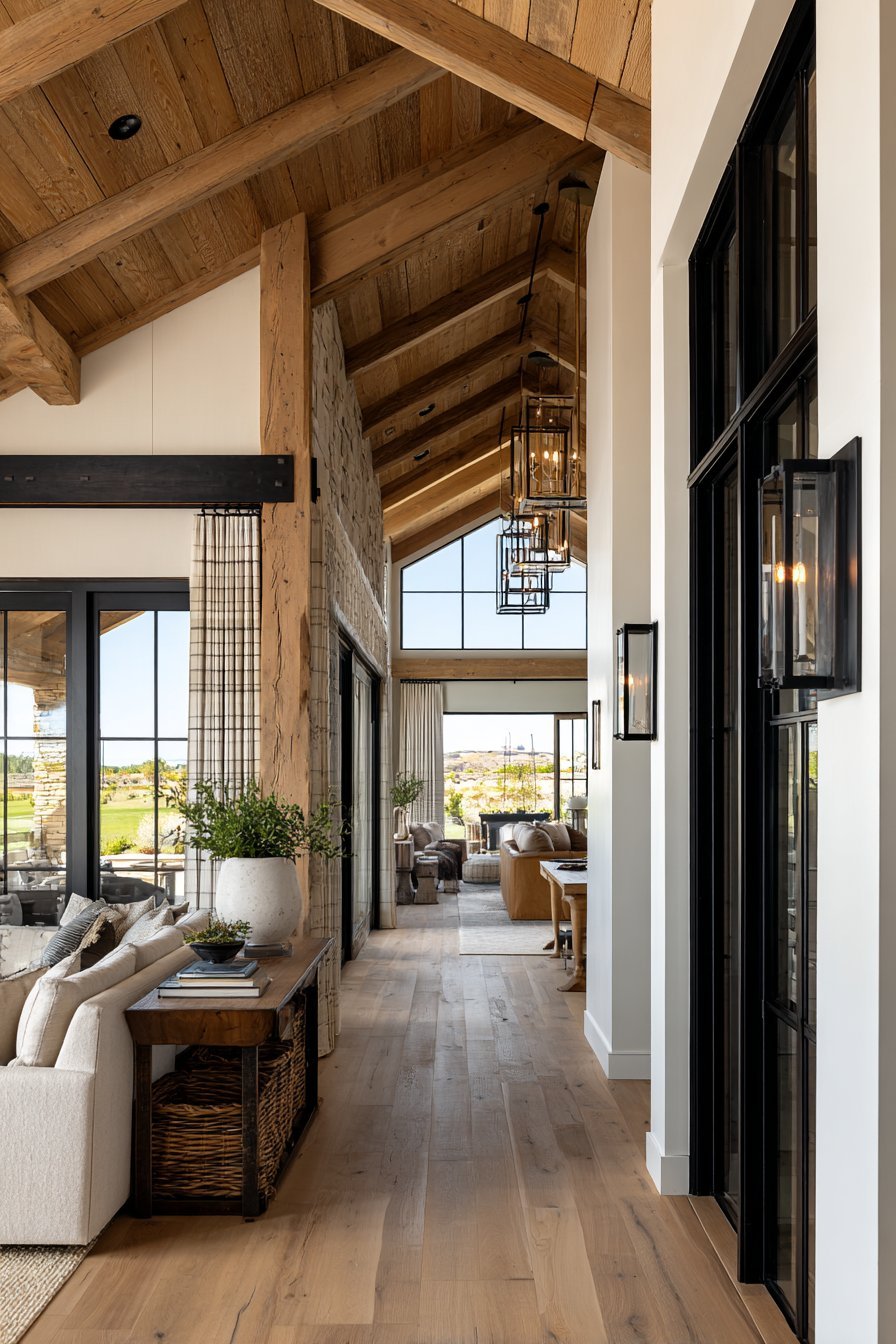
Layering window treatments provides flexibility for changing light and privacy needs throughout the day. Combining sheers with blackout shades or pairing drapery with cellular blinds offers maximum control while maintaining beautiful appearances. The key lies in selecting combinations that work together harmoniously, with all layers contributing to the overall design vision.
- Choose natural fiber fabrics that drape beautifully
- Invest in quality hardware that will operate smoothly
- Consider motorization for convenience and clean lines
- Layer treatments for maximum flexibility
- Ensure proper measurements for professional-looking installations
- Select styles that complement rather than compete with architecture
11. Creating Cohesion Through Repetition
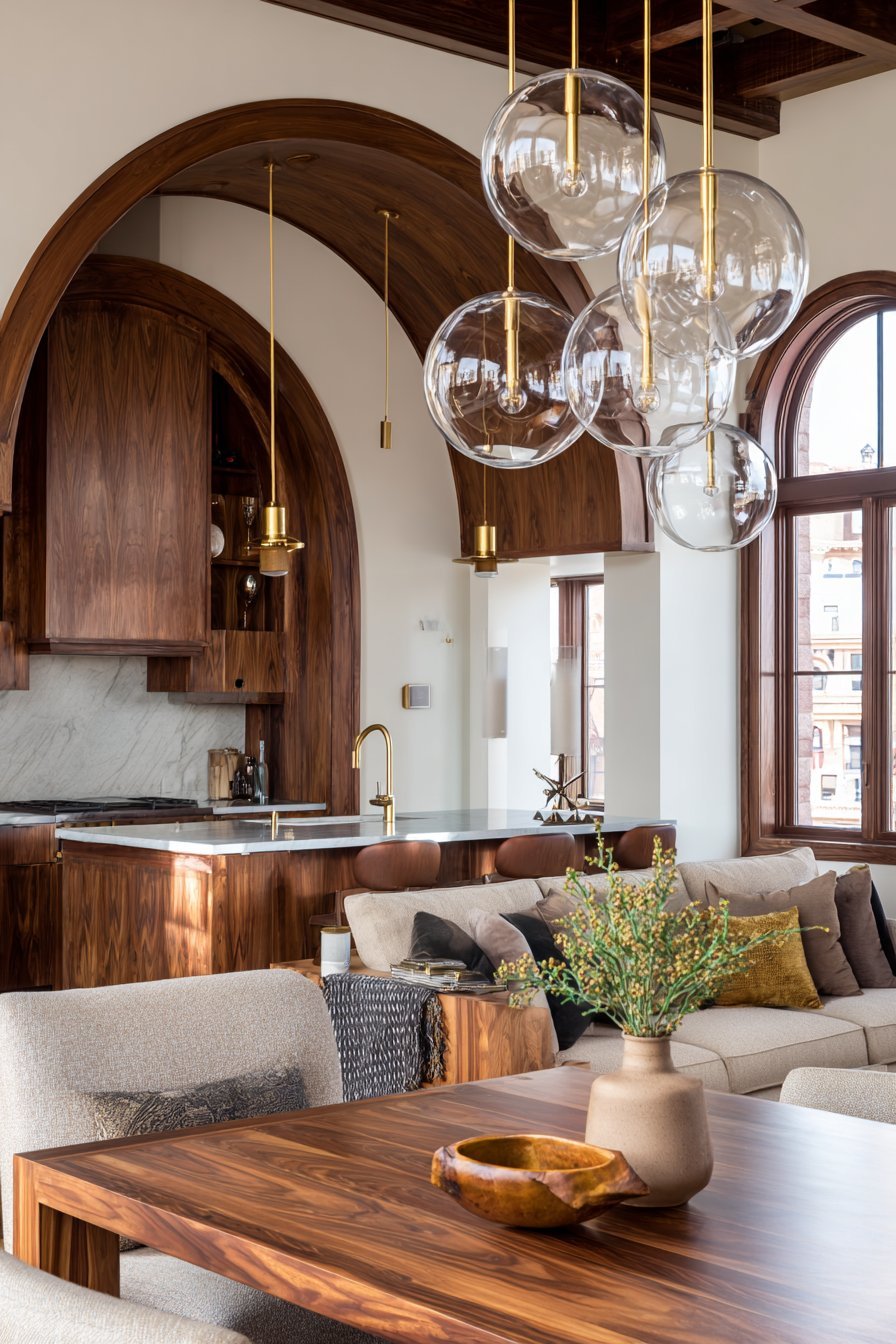
Cohesion in quiet luxury interiors emerges from thoughtful repetition of materials, finishes, and forms throughout spaces. Carrying the same wood tone, metal finish, or stone type from room to room creates visual continuity that feels intentional and sophisticated. This doesn’t mean every space looks identical, but rather that they share a common design language.
Color palette consistency provides another layer of cohesion, with subtle variations room by room while maintaining overall harmony. This approach allows for individual room character while ensuring the home feels like a unified composition. Repeating certain shapes or design motifs, like curved elements or geometric patterns, reinforces this sense of thoughtful planning.
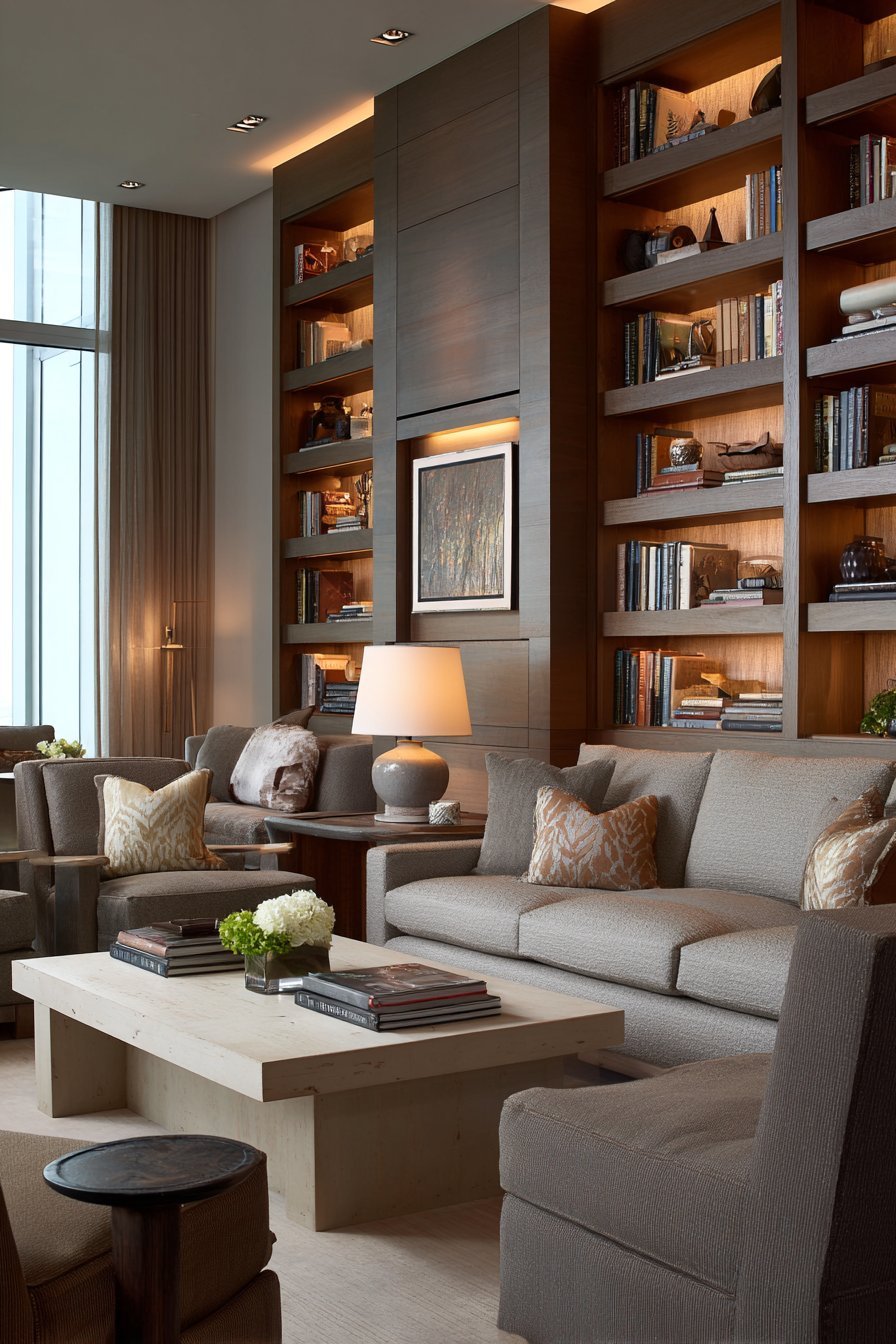
The level of finish quality should remain consistent throughout the home, even in less visible spaces. Powder rooms, hallways, and closets deserve the same attention to detail as primary living areas. This commitment to quality everywhere reflects true luxury and creates homes that feel thoroughly considered rather than superficially decorated.
- Repeat key materials and finishes in multiple spaces
- Maintain color palette consistency throughout the home
- Use similar levels of finish quality in all areas
- Create subtle variations while preserving overall harmony
- Consider how spaces flow visually from one to another
- Ensure even utility spaces receive thoughtful design attention
12. The Role of Technology and Modern Convenience
Technology integration in quiet luxury homes should be invisible yet highly functional, enhancing daily life without visual intrusion. Smart home systems, integrated audio, and climate control can all operate seamlessly behind the scenes. Hidden speakers, concealed charging stations, and automated window treatments provide modern convenience while preserving aesthetic purity.
The challenge lies in incorporating necessary technology without compromising design integrity. Panel-ready appliances, hidden televisions, and concealed mechanical systems require planning during design phases. Working with experienced integrators ensures technology solutions align with architectural and design goals rather than dictating them.
Future-proofing considerations matter when making permanent design decisions. Conduit pathways, flexible wiring, and adaptable infrastructure allow for technology updates without major renovations. This forward-thinking approach ensures quiet luxury homes can evolve with changing needs while maintaining their timeless aesthetic appeal and enduring value.
- Conceal technology infrastructure during construction or renovation
- Choose panel-ready appliances and hidden television solutions
- Install integrated audio and lighting control systems
- Plan for future technology needs with flexible infrastructure
- Work with experienced integrators familiar with luxury design
- Prioritize functionality without sacrificing aesthetic goals
13. Sustainability and Longevity
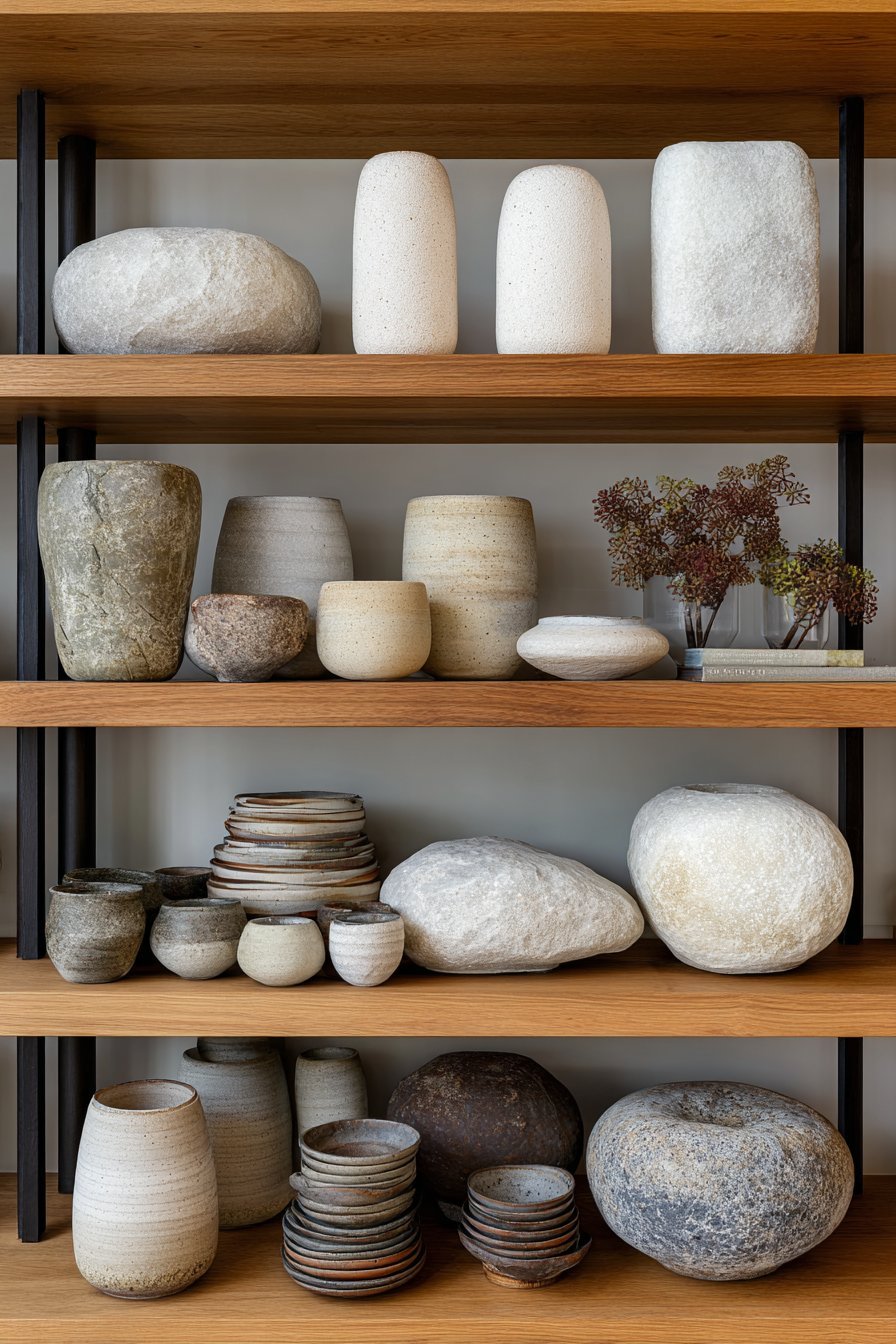
Quiet luxury inherently embraces sustainable design principles through its emphasis on quality and longevity. Choosing durable materials, timeless designs, and excellent craftsmanship reduces consumption and waste over time. This approach represents true environmental responsibility, prioritizing reduction over recycling through thoughtful initial choices.
Natural materials central to quiet luxury aesthetics also tend to be more sustainable than synthetic alternatives. Solid wood, natural stone, and organic textiles have lower environmental impacts when sourced responsibly. Supporting artisan craftspeople and small manufacturers often results in more sustainable production methods than mass-market alternatives.
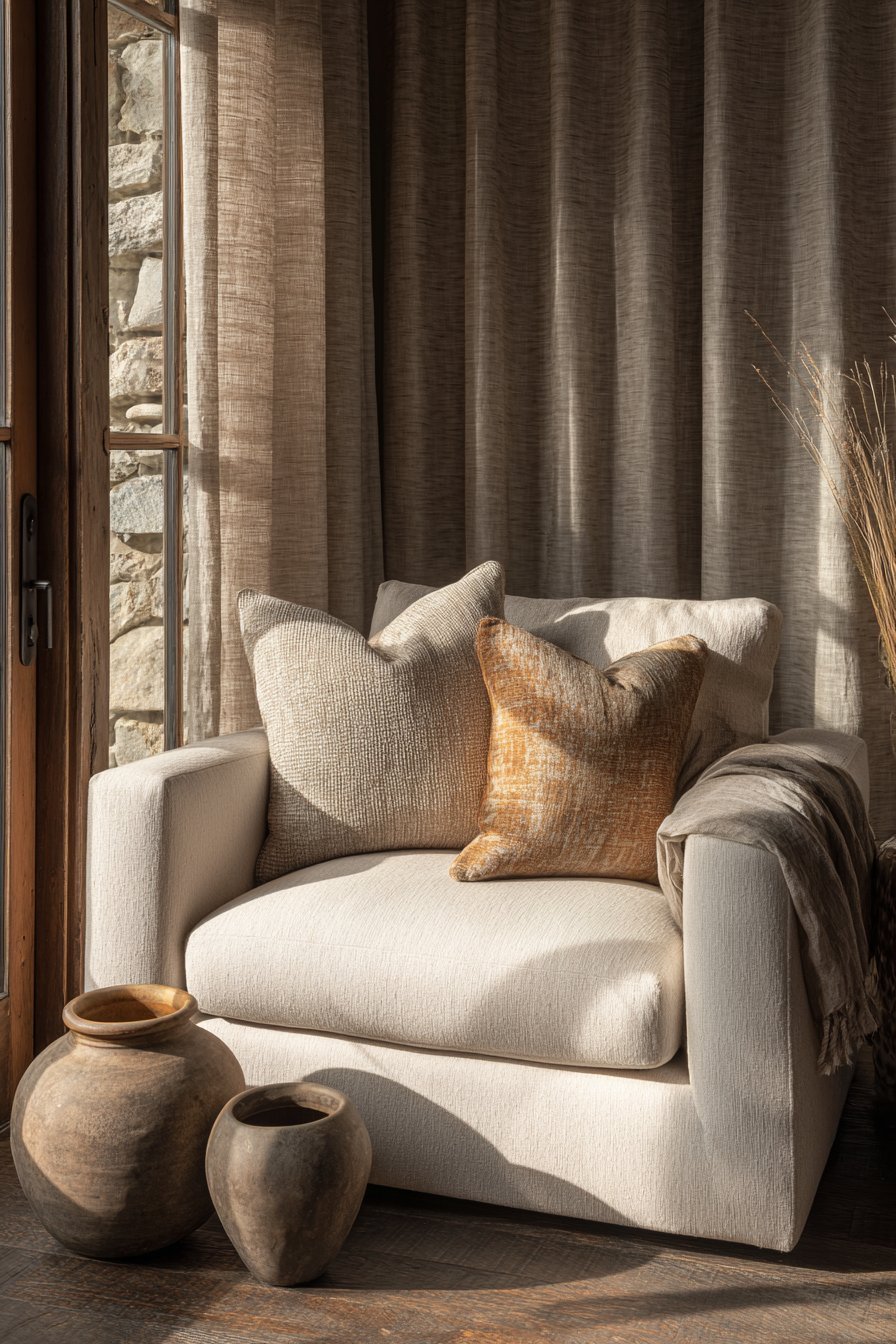
The financial sustainability of quiet luxury deserves recognition as well. Higher initial investments in quality pieces prove more economical over decades than repeatedly replacing cheaper alternatives. This long-term thinking extends to renovation decisions, choosing classic approaches that won’t require updating and maintaining property value through timeless design choices.
- Invest in pieces built to last multiple generations
- Choose natural materials from sustainable sources
- Support craftspeople and manufacturers with ethical practices
- Consider lifecycle costs rather than initial prices alone
- Select timeless designs that won’t require frequent updates
- Prioritize quality that maintains or increases value over time
14. Personal Expression Within Restraint
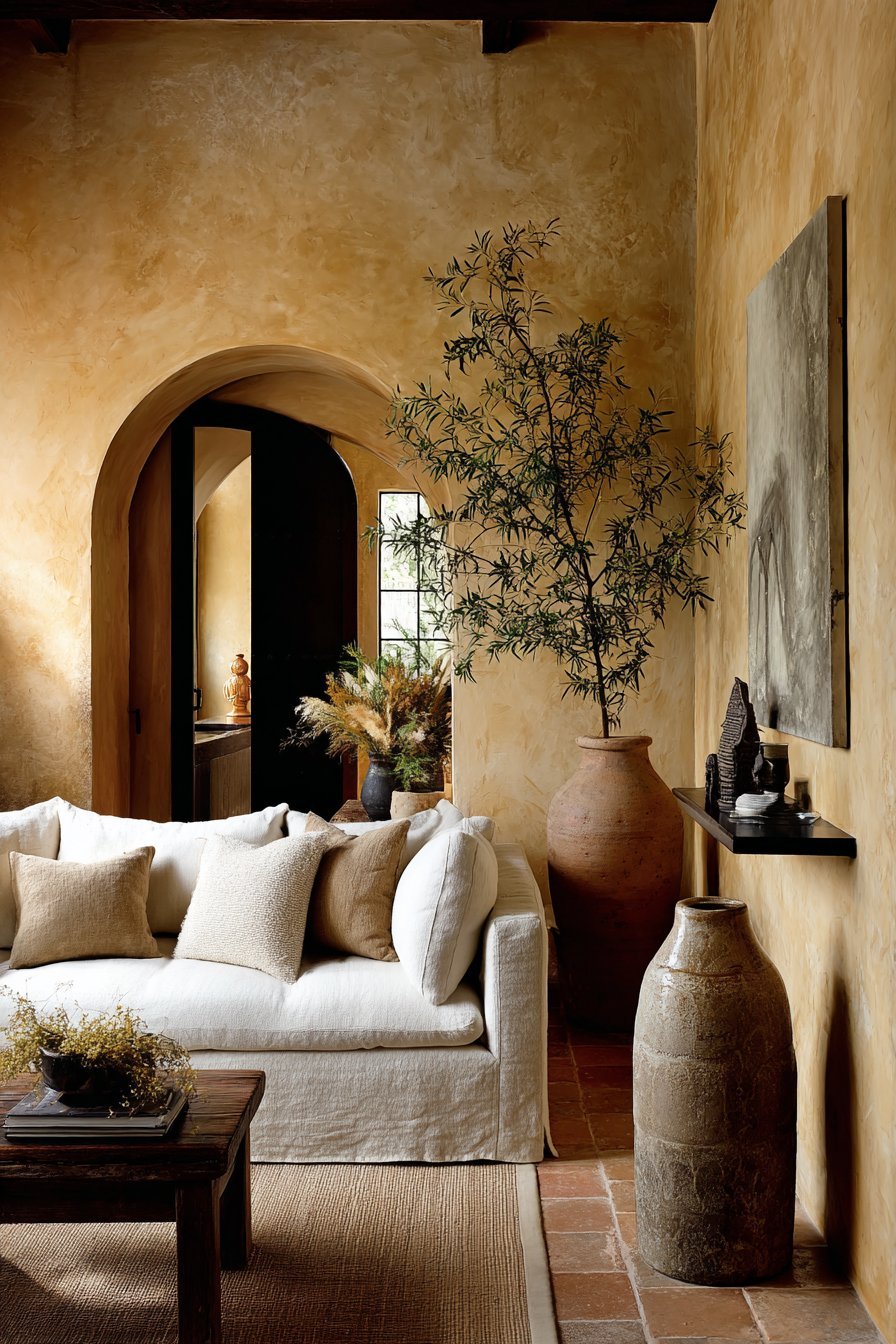
The most successful quiet luxury interiors achieve personal expression within their refined aesthetic framework. Collections, travel treasures, and meaningful objects find homes alongside carefully selected design pieces. The key lies in thoughtful integration rather than displaying everything you own. Each personal item should be given proper context and space.
Family heirlooms and antiques can coexist beautifully with contemporary pieces when unified by quality and restraint. Mixing periods and styles works when everything shares high standards of craftsmanship and materials. This layered approach creates homes with depth and authenticity that purely decorated spaces can never achieve.
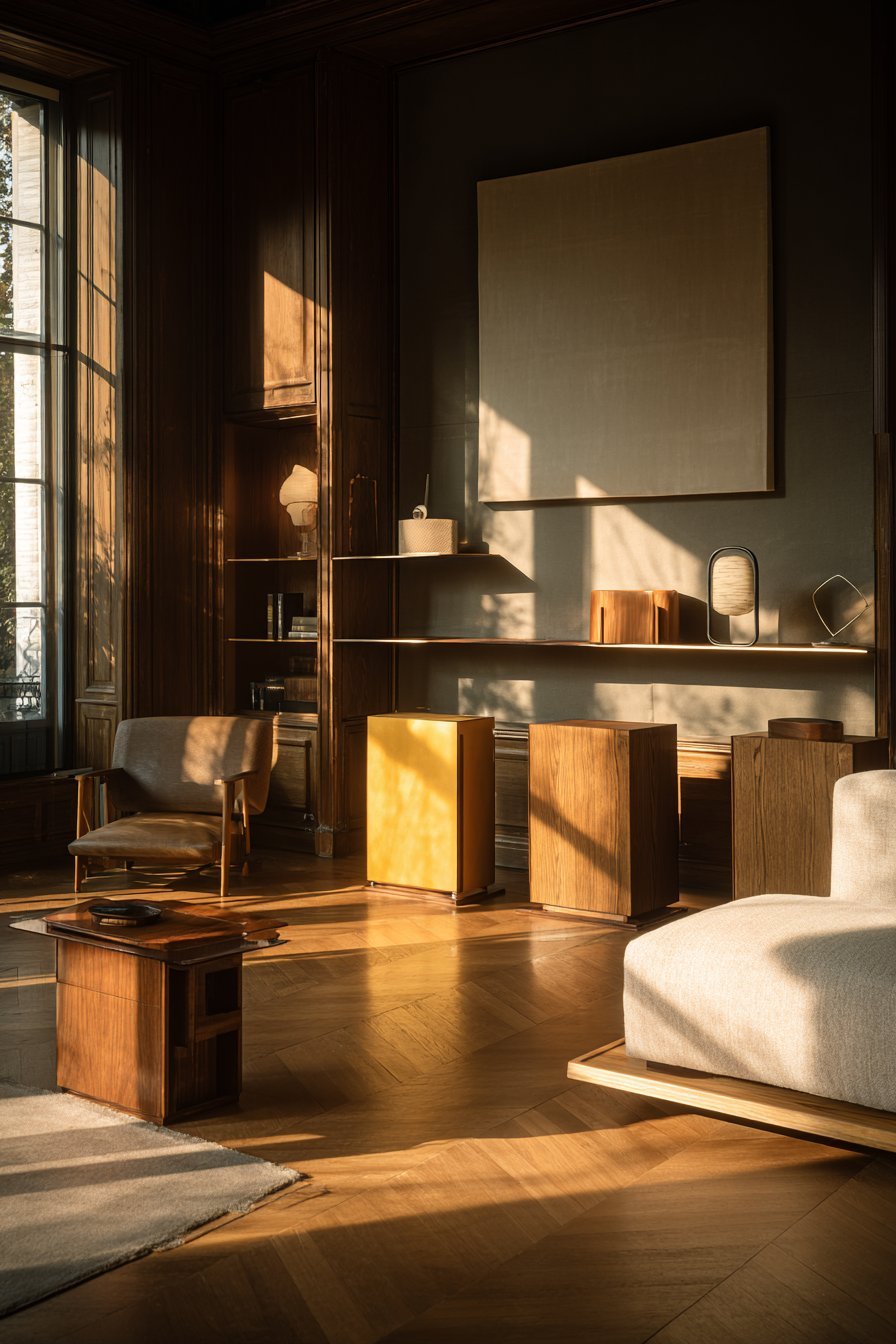
The challenge and art of quiet luxury lies in knowing when enough is enough. Constant editing and refinement keeps spaces from becoming cluttered while allowing them to evolve with your life. This requires confidence in your choices and willingness to remove pieces that no longer serve the overall composition, even if they hold sentimental value.
- Display personal collections thoughtfully and sparingly
- Mix family pieces with contemporary design when quality aligns
- Edit regularly to prevent accumulation and clutter
- Give meaningful objects proper context and space
- Trust your instincts while maintaining design discipline
- Allow your home to evolve while staying true to core principles
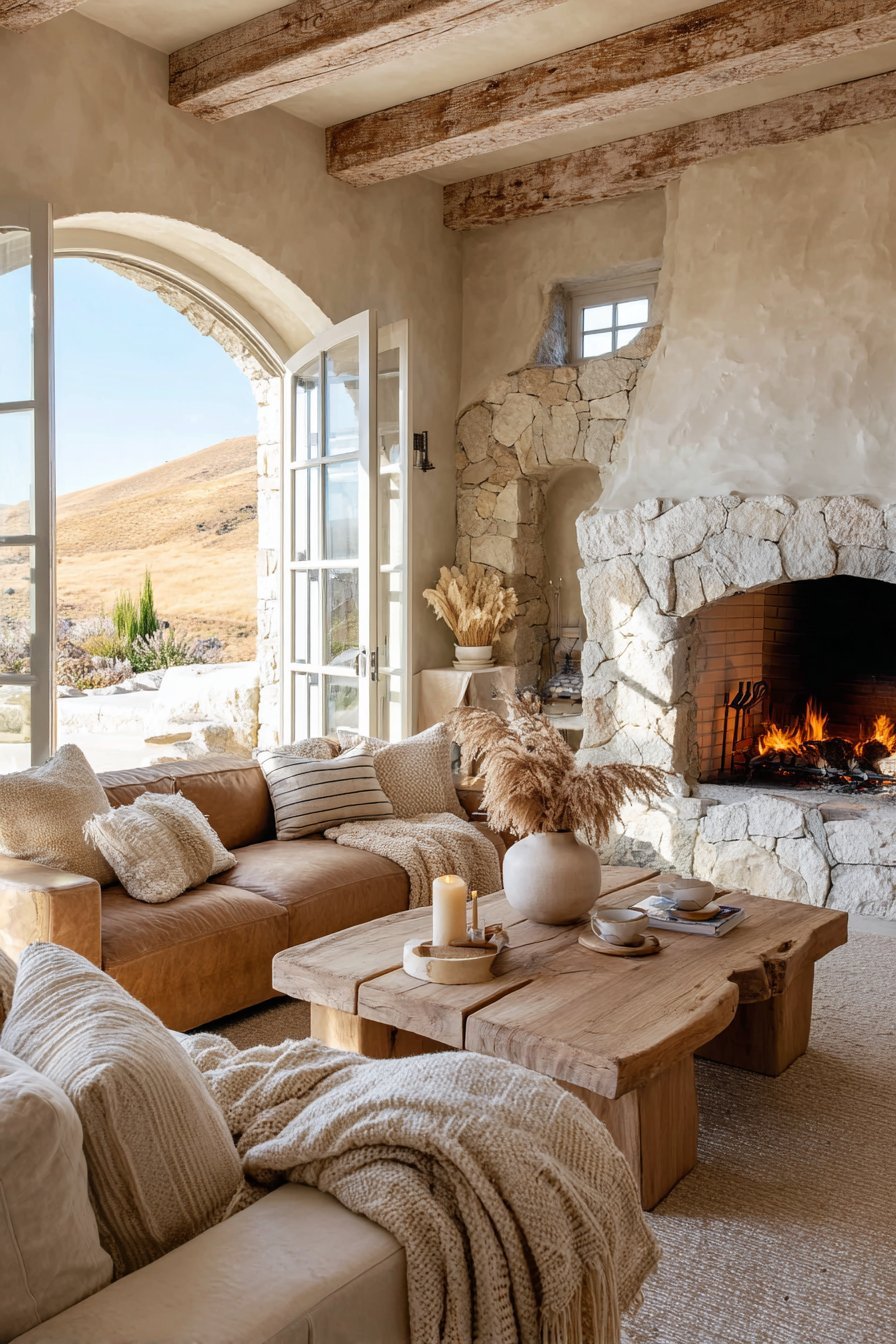
Quiet luxury in home decor represents far more than a passing trend or specific aesthetic style. It embodies a philosophy of intentional living that values quality, craftsmanship, and timeless beauty over fleeting fashion. By embracing these principles, you create spaces that nurture daily life while maintaining their elegance and relevance for decades. The journey toward quiet luxury requires patience, discernment, and investment, but the result is a home that truly reflects sophisticated taste and enduring value. Begin with small, thoughtful changes, prioritize quality over quantity, and trust that less really is more when every element is chosen with care and purpose.
