

The backyard has evolved from a simple patch of grass into a dynamic extension of the home. Today’s outdoor spaces serve as sanctuaries for relaxation, entertainment hubs for gatherings, and even functional workspaces. As we move into 2026-2027, backyard design is experiencing a remarkable transformation driven by sustainability, technology, and a deeper connection to nature.
Modern homeowners are investing in their outdoor environments like never before. The pandemic fundamentally shifted how we view and use our yards, creating lasting demand for thoughtfully designed outdoor living areas. Whether you have a sprawling estate or a compact urban patio, the upcoming trends offer innovative solutions for every space and budget. From climate-adaptive landscaping to wellness-focused features, these design directions reflect our evolving relationship with outdoor spaces and the natural world.
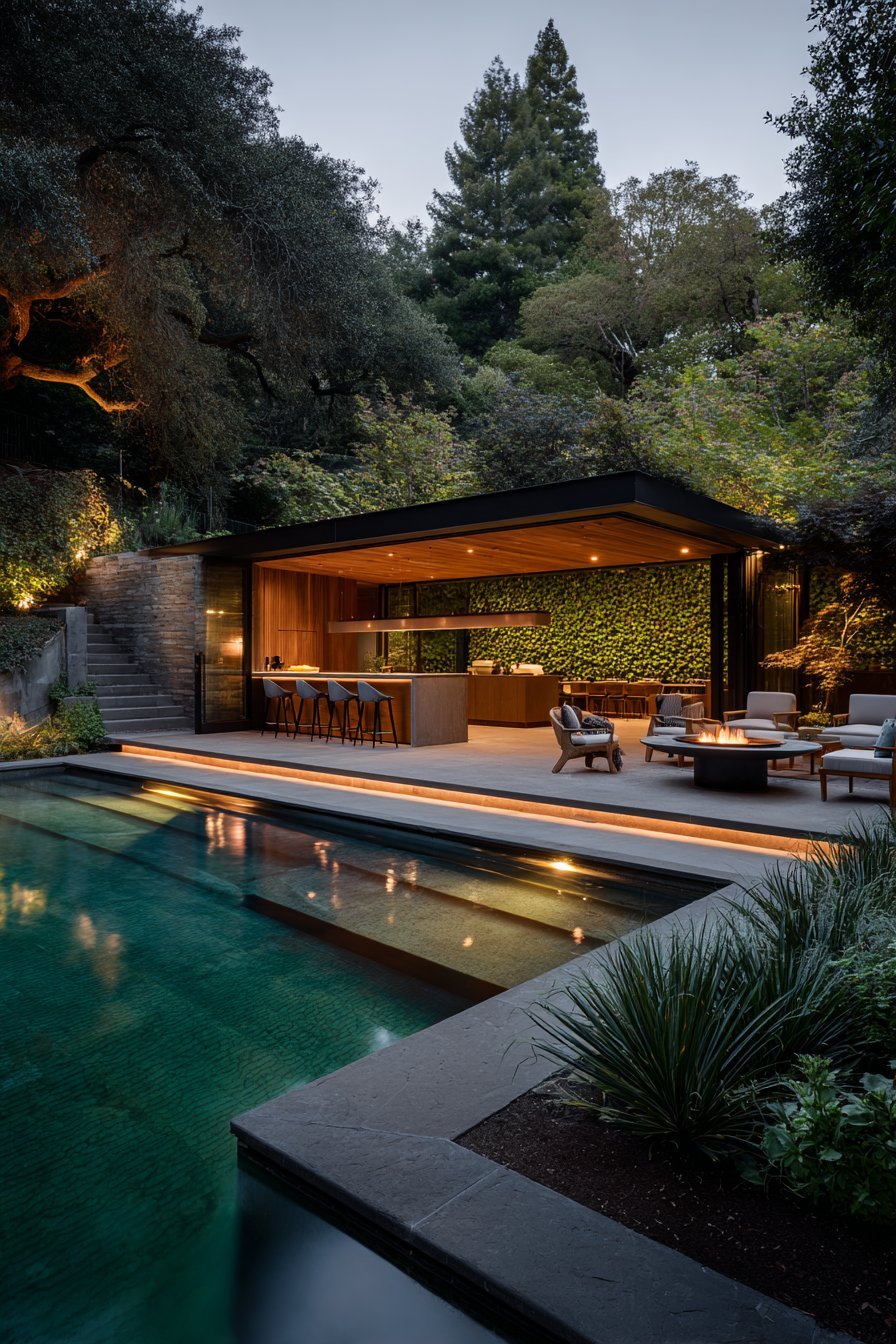
This article explores fourteen cutting-edge trends shaping backyard design in 2026-2027. Each concept represents a thoughtful response to contemporary lifestyle needs, environmental concerns, and aesthetic preferences. You’ll discover how to transform your outdoor space into a multi-functional paradise that enhances your quality of life while increasing your property value.
1. Climate-Resilient Landscaping
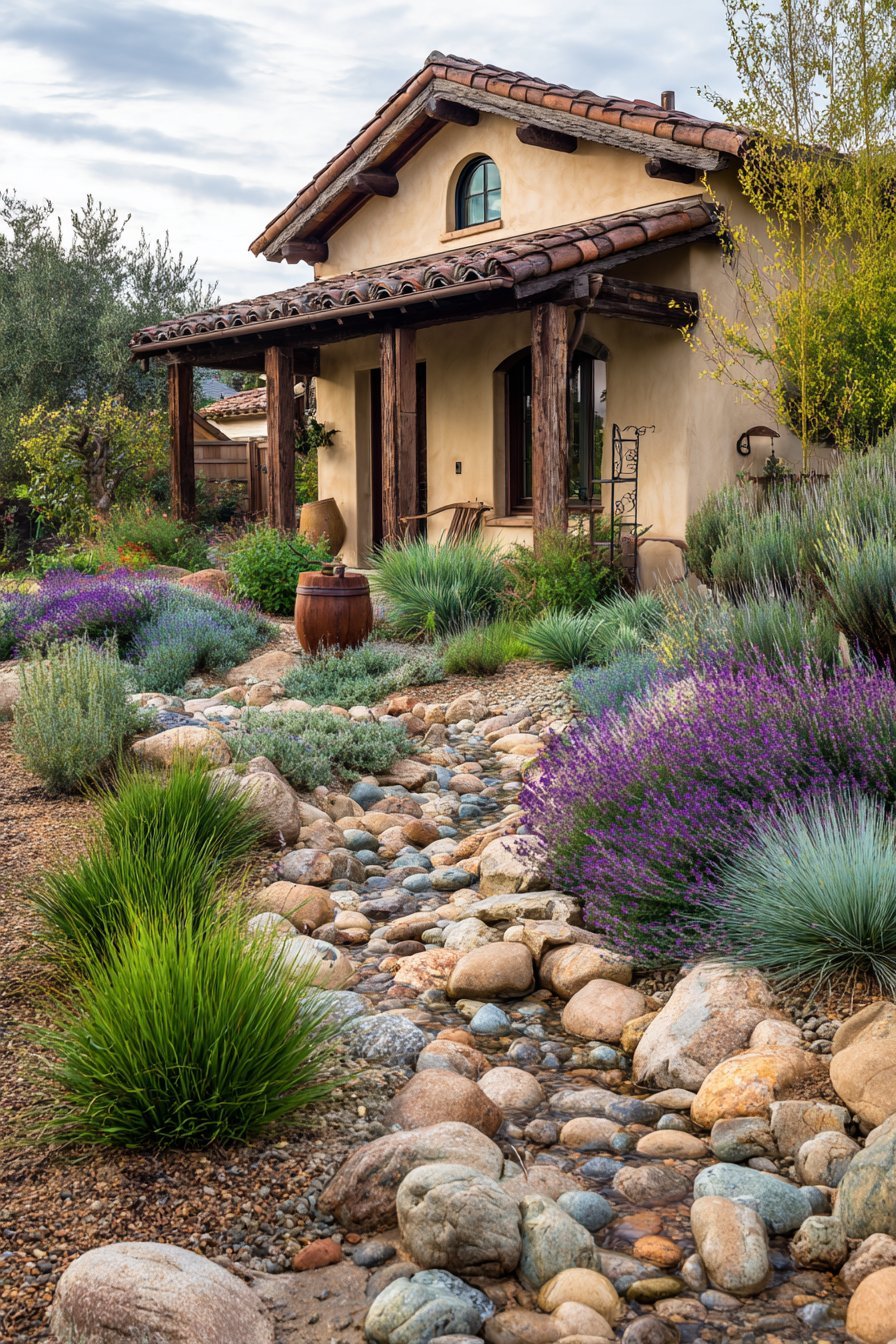
Climate-resilient landscaping represents a fundamental shift toward sustainable outdoor design. This approach prioritizes native plants, drought-tolerant species, and adaptive garden layouts that thrive despite changing weather patterns. Homeowners are moving away from water-intensive lawns toward diverse ecosystems that require minimal intervention. The result is a yard that remains beautiful year-round while conserving precious resources.
The beauty of climate-resilient design lies in its regional specificity. Plants native to your area have evolved over millennia to handle local conditions, from temperature extremes to rainfall patterns. These species support local wildlife populations including pollinators, birds, and beneficial insects. By choosing regionally appropriate plants, you create a self-sustaining landscape that grows more robust with each passing season.
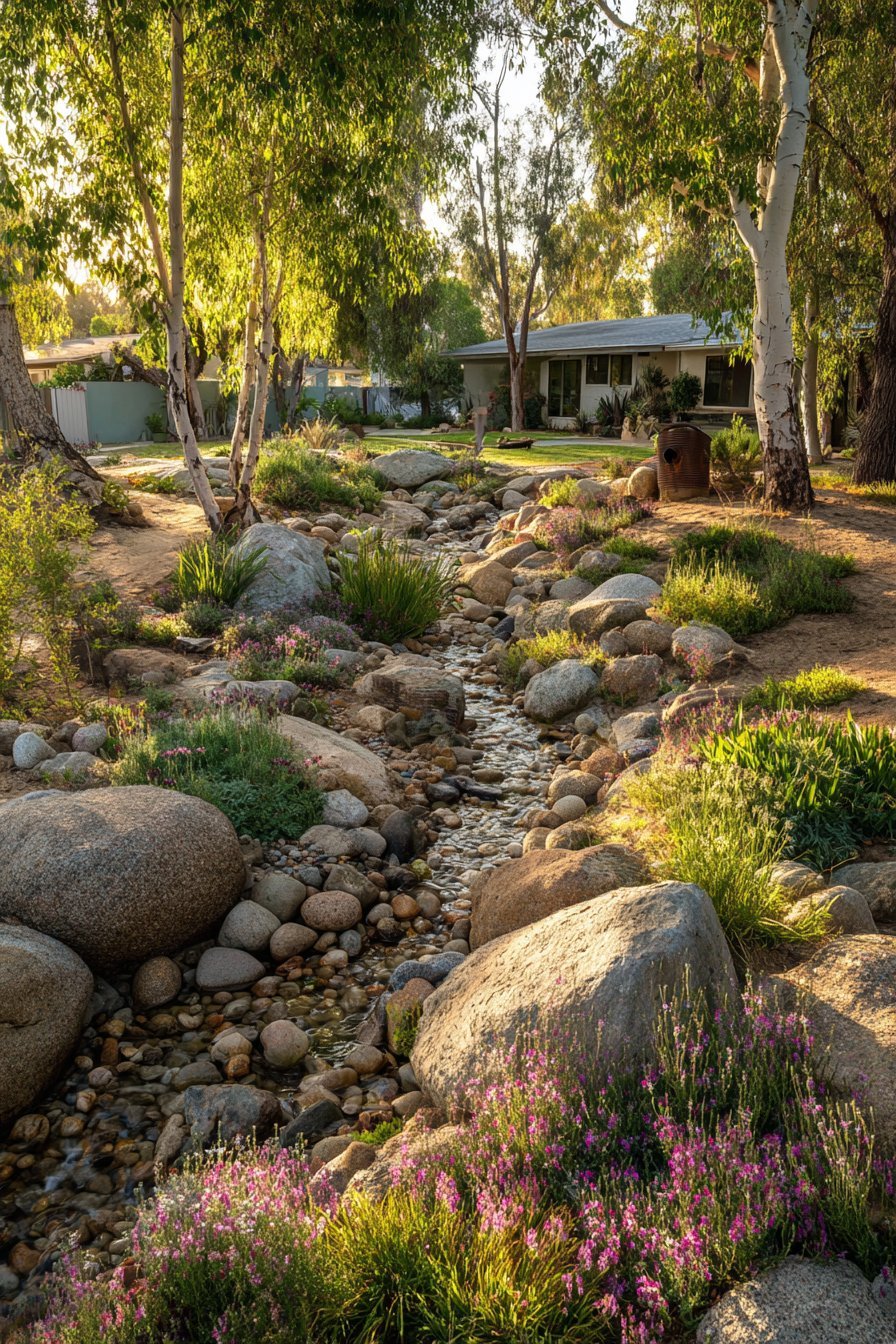
Beyond plant selection, climate-resilient yards incorporate smart water management systems. Rain gardens capture runoff, permeable paving allows water infiltration, and strategic grading directs moisture where it’s needed most. These features work together to create a regenerative landscape that actually improves over time rather than depleting resources.
- Select native plants adapted to your specific hardiness zone and microclimate
- Install rain barrels or cisterns to capture and store rainwater for irrigation
- Create bioswales and rain gardens to manage stormwater naturally
- Replace traditional turf with native groundcovers or wildflower meadows
- Use mulch layers to retain soil moisture and suppress weeds
- Group plants with similar water needs together for efficient irrigation
2. Outdoor Wellness Zones
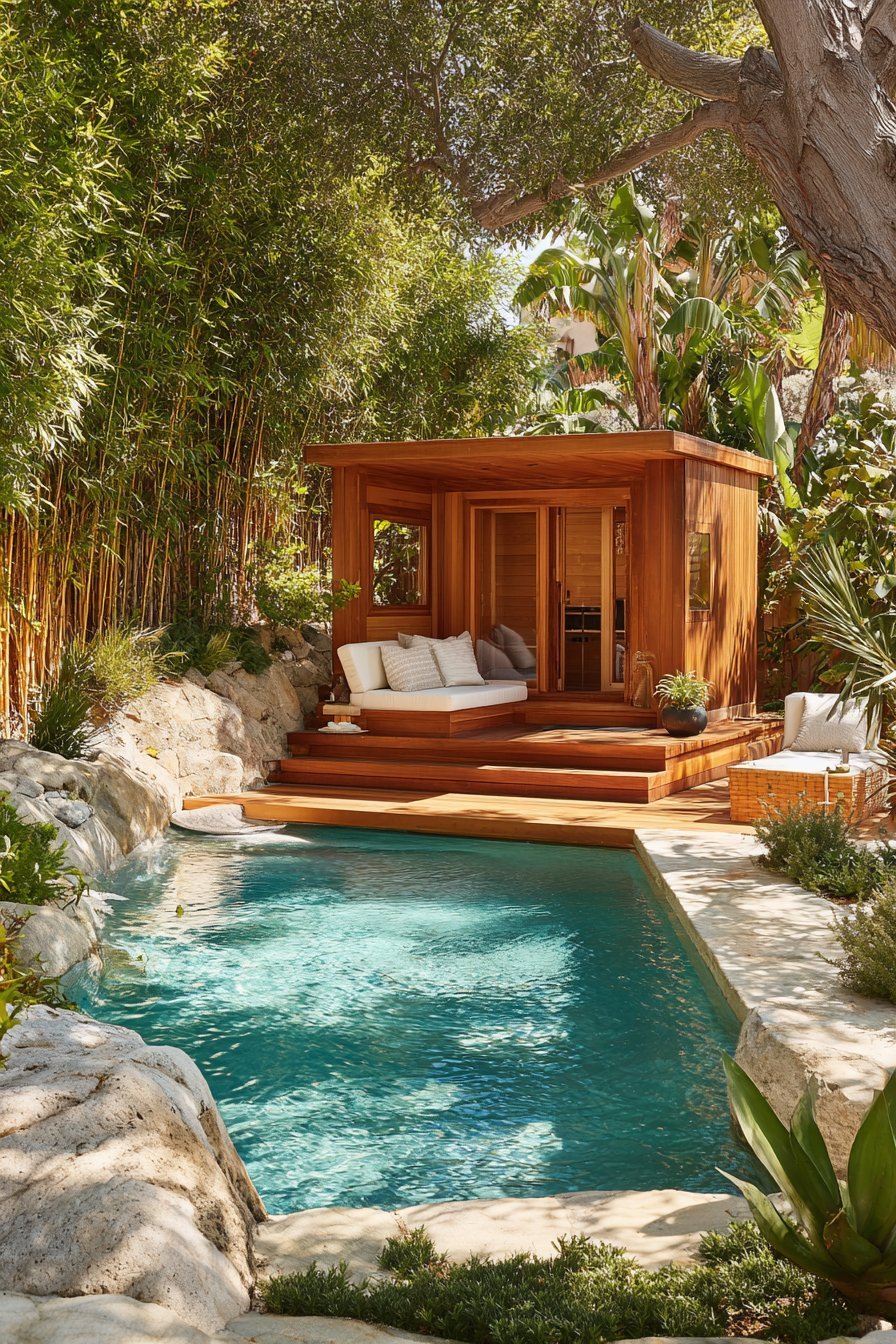
Outdoor wellness zones transform backyards into personal health retreats designed for physical and mental rejuvenation. These dedicated areas might include yoga platforms, meditation gardens, cold plunge pools, or infrared saunas. The trend reflects growing awareness that outdoor time contributes significantly to overall wellbeing. Strategic placement ensures privacy while maintaining connection to natural surroundings.
Creating an effective wellness zone requires thoughtful spatial planning. Consider morning sun exposure for energizing activities and shaded evening spots for relaxation. Natural materials like cedar, stone, and bamboo enhance the sensory experience while blending seamlessly with the landscape. Water features add soothing soundscapes that mask neighborhood noise and promote deeper relaxation.
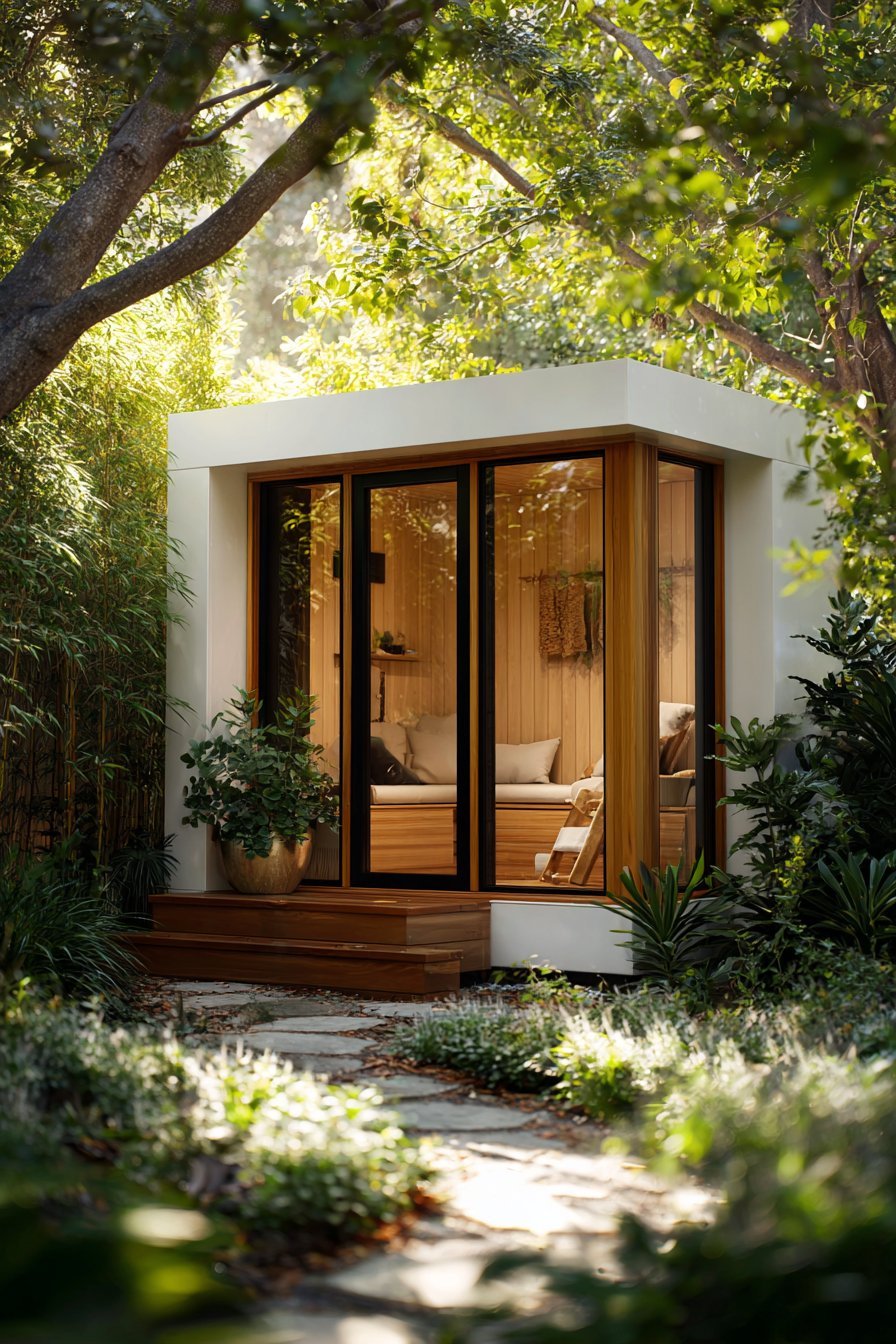
The most successful wellness zones incorporate multiple elements that address different aspects of health. A morning yoga deck might transition to a meditation garden with fragrant herbs and gentle water sounds. Adjacent cold plunge pools offer contrast therapy benefits, while strategically positioned seating encourages mindful observation of nature. These spaces become daily destinations that support consistent wellness practices.
- Design a level platform for yoga or stretching with non-slip, weather-resistant materials
- Plant aromatherapy gardens with lavender, rosemary, jasmine, and other calming scents
- Install a cold plunge pool or incorporate contrast therapy elements
- Create privacy screens using living walls or strategic plant placement
- Add a small outdoor sauna or steam shower for heat therapy
- Include comfortable meditation seating with weather-resistant cushions
3. Smart Irrigation and Automation
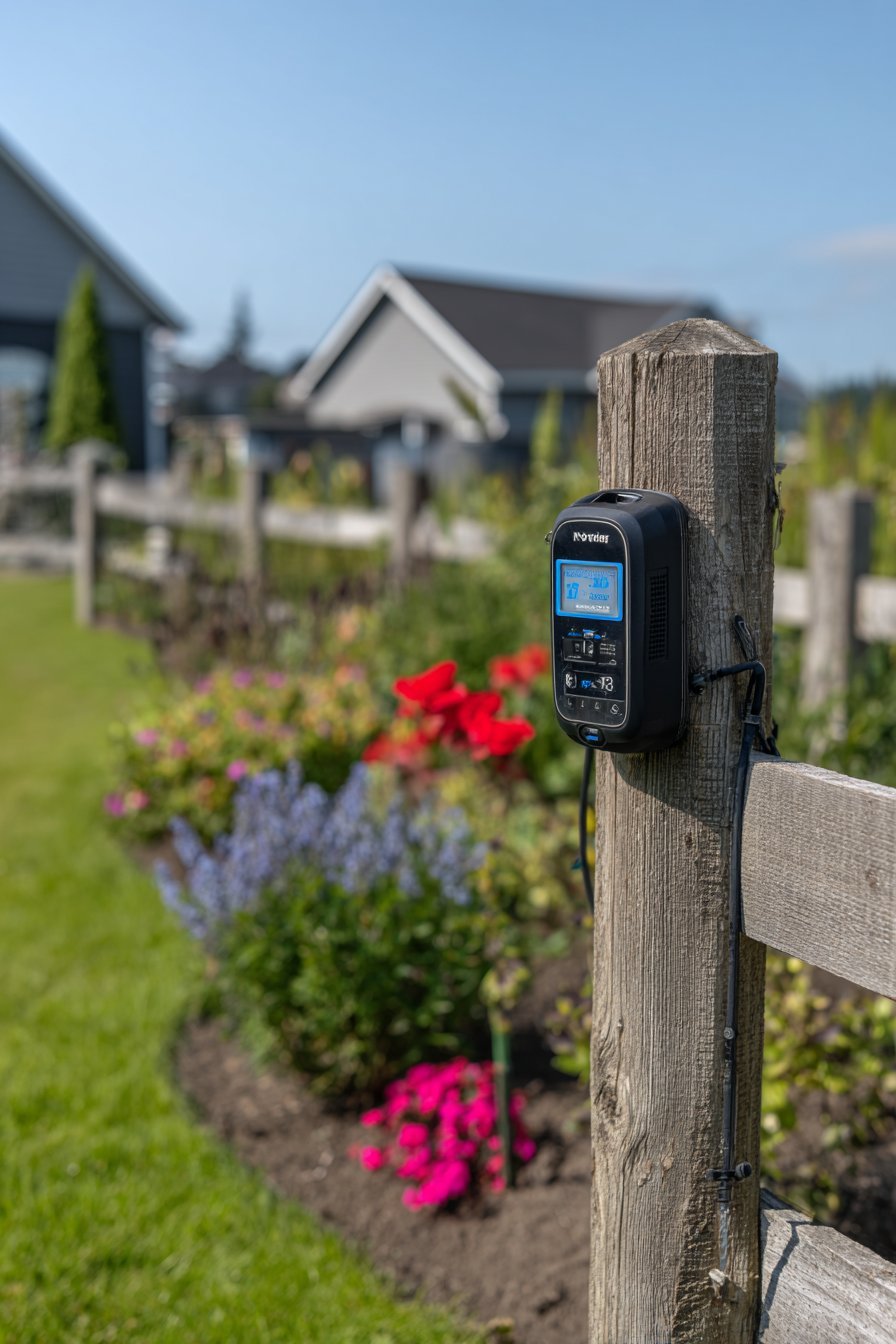
Smart irrigation systems represent the intersection of technology and conservation in modern landscape design. These systems use weather data, soil moisture sensors, and plant-specific programming to deliver precise amounts of water exactly when needed. The result is healthier plants, dramatically lower water bills, and elimination of wasteful overwatering. Smartphone control allows adjustments from anywhere, making yard care more convenient than ever.
Advanced systems learn your landscape’s unique needs over time. Machine learning algorithms analyze factors like sun exposure, soil composition, plant maturity, and seasonal changes. The system automatically adjusts watering schedules, skips irrigation during rain events, and even accounts for predicted weather patterns. This intelligent approach can reduce outdoor water consumption by 30-50% compared to traditional timers.
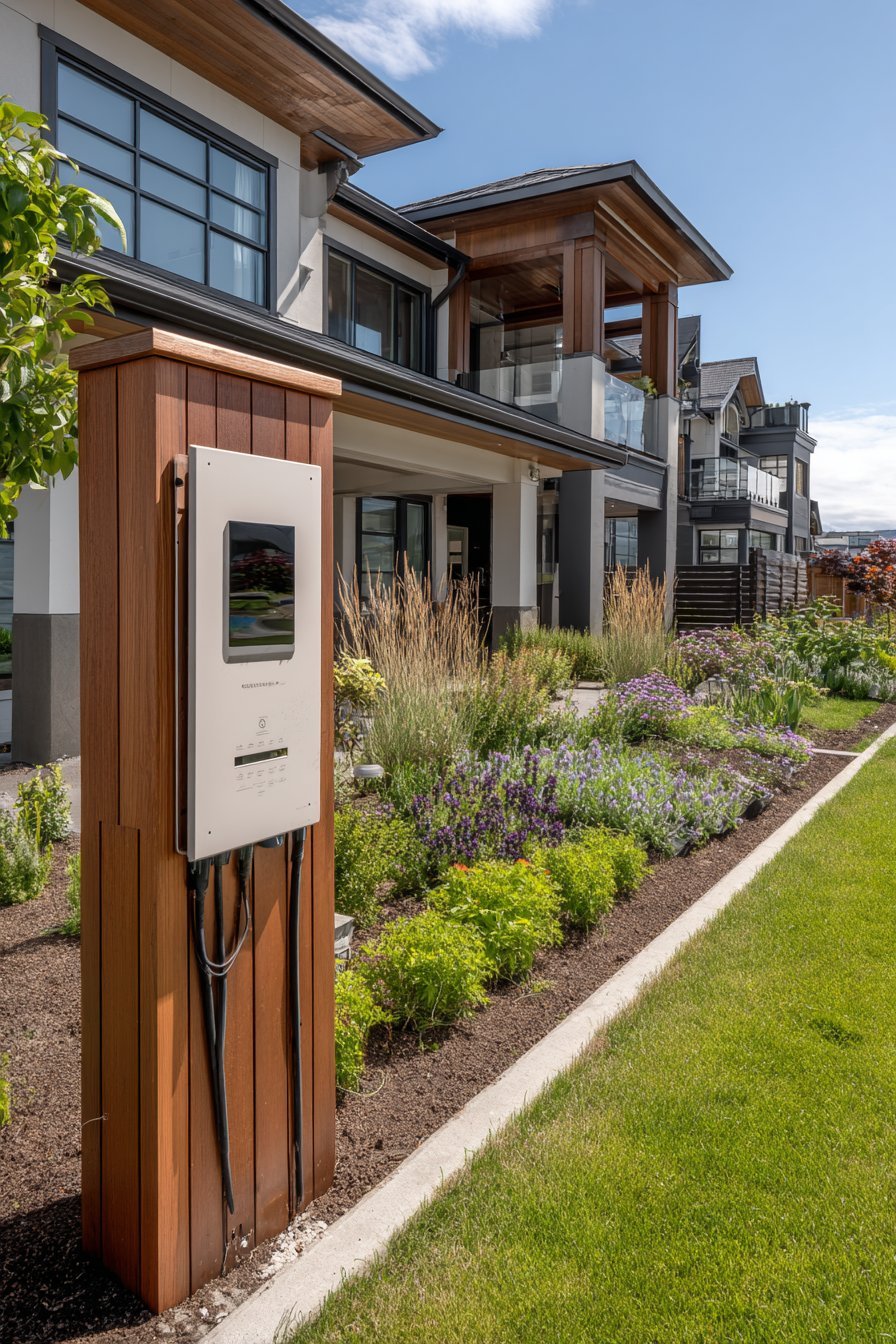
Integration with other smart home systems creates comprehensive yard management. Lighting, irrigation, pool systems, and outdoor audio all controlled through a single interface simplifies complex outdoor spaces. Voice control through digital assistants adds another layer of convenience. These technologies make sophisticated landscape management accessible to homeowners without extensive horticultural knowledge.
- Install soil moisture sensors in different zones to monitor actual water needs
- Choose Wi-Fi enabled controllers that adjust schedules based on local weather data
- Program different zones for plant-specific watering requirements
- Set up seasonal schedules that automatically adjust for changing conditions
- Monitor water usage through smartphone apps to track conservation efforts
- Integrate irrigation with rain sensors to prevent watering during storms
4. Edible Landscaping Integration
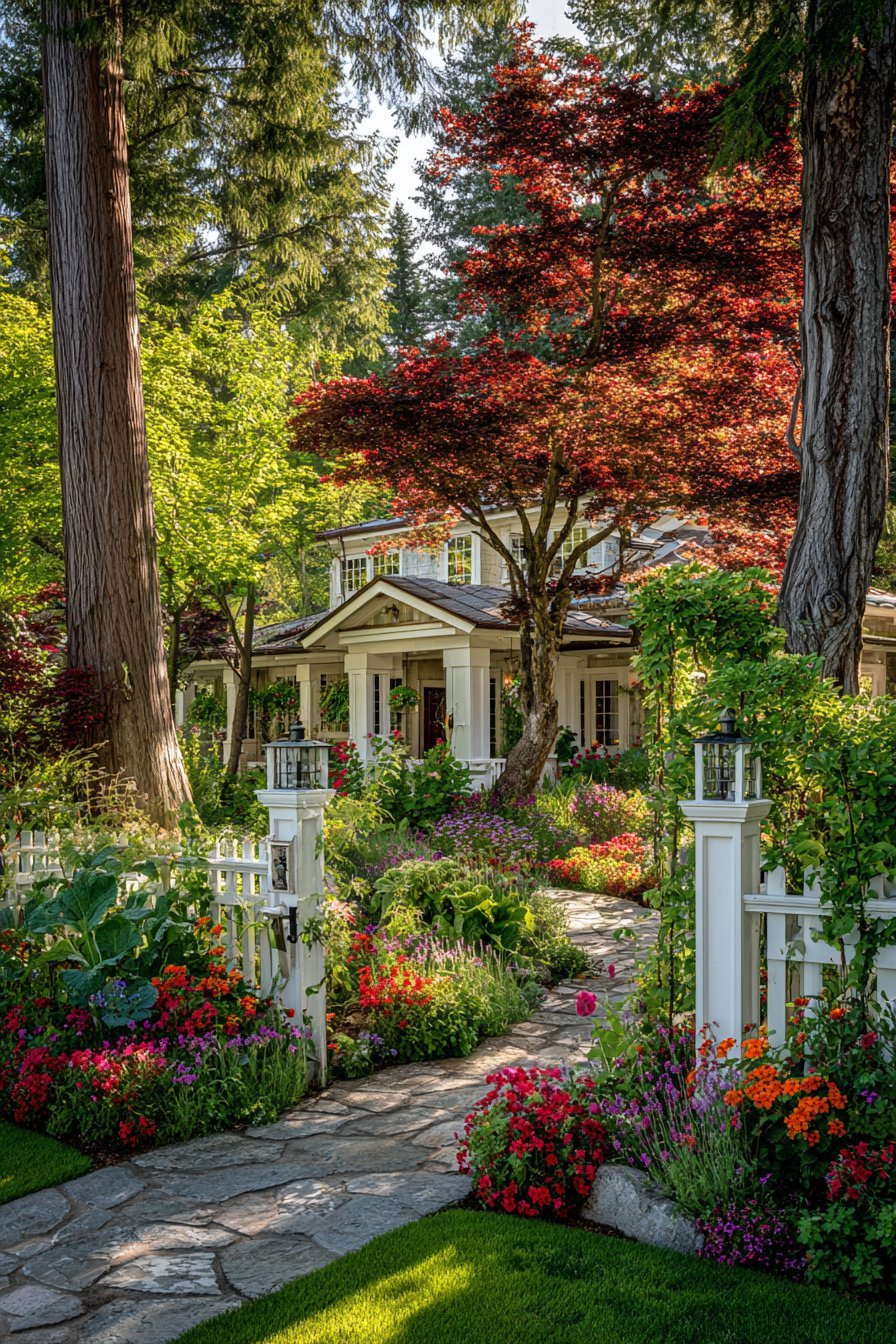
Edible landscaping seamlessly blends food production with ornamental beauty, creating yards that are both productive and visually stunning. This approach integrates fruit trees, vegetable beds, herb gardens, and edible flowers throughout the landscape rather than isolating them in traditional garden plots. The result is a yard that provides fresh, organic produce while maintaining strong aesthetic appeal throughout the seasons.
The key to successful edible landscaping lies in treating food plants as design elements. Colorful Swiss chard provides vibrant foliage for borders, while espaliered fruit trees create living fences. Blueberry bushes offer spring flowers, summer fruit, and brilliant fall color. Strawberries make excellent groundcover, and architectural cardoons rival any ornamental for dramatic structure. This design approach proves that productive landscapes need not sacrifice beauty.
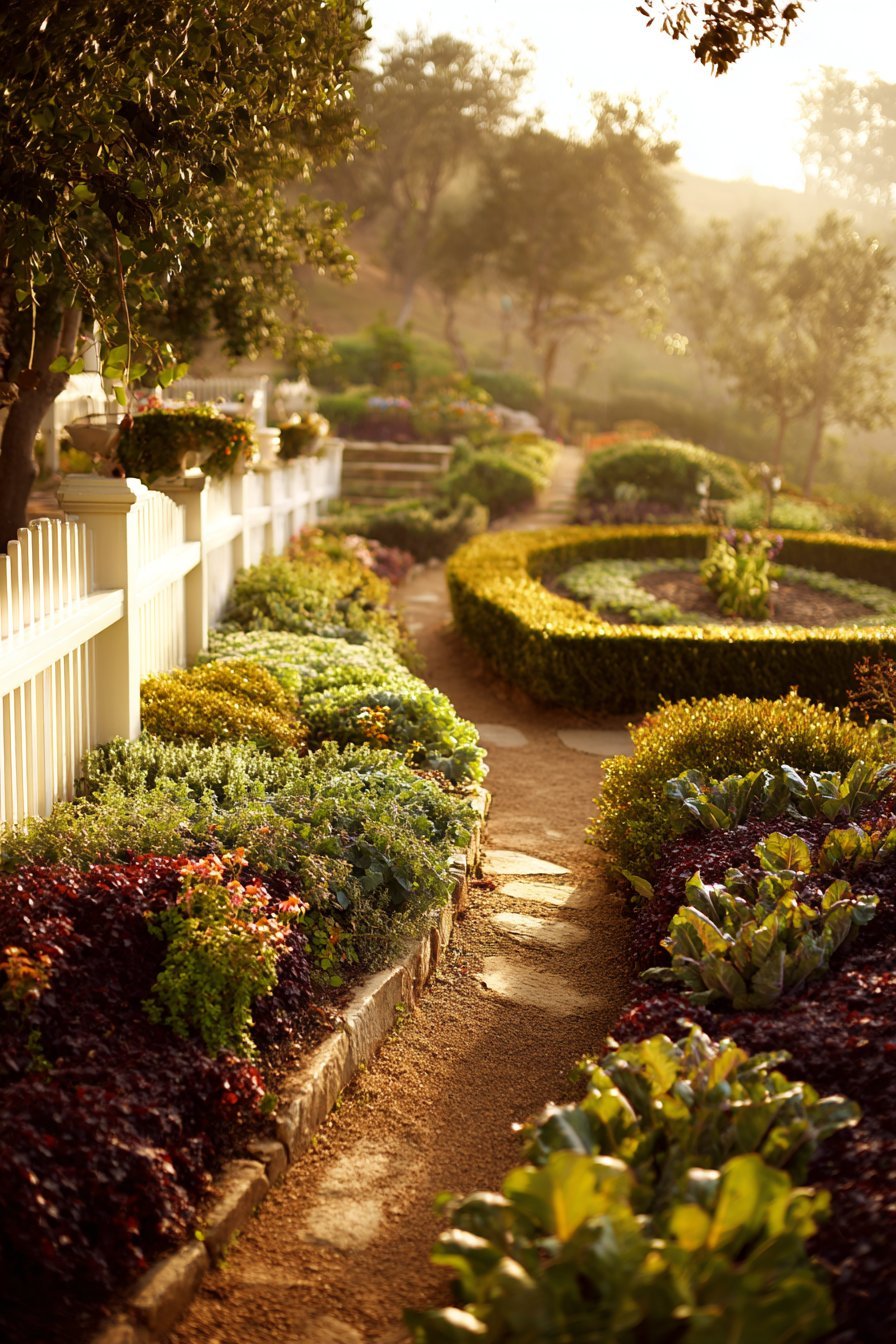
Beyond aesthetics, edible landscaping offers significant practical benefits. Reducing grocery expenses, ensuring pesticide-free produce, and encouraging healthier eating habits all contribute to improved quality of life. Children who grow up with edible landscapes develop stronger connections to food sources and nutrition. The garden becomes an outdoor classroom that teaches patience, responsibility, and the rhythms of natural cycles.
- Replace ornamental shrubs with blueberries, currants, or other productive alternatives
- Use herbs like lavender, rosemary, and thyme as fragrant border plants
- Plant fruit trees strategically to provide shade while producing harvests
- Create raised beds that serve as attractive hardscape elements in the design
- Incorporate edible flowers like nasturtiums and violas in ornamental plantings
- Design vertical growing systems for small spaces using trellises and arbors
5. Multi-Functional Outdoor Rooms
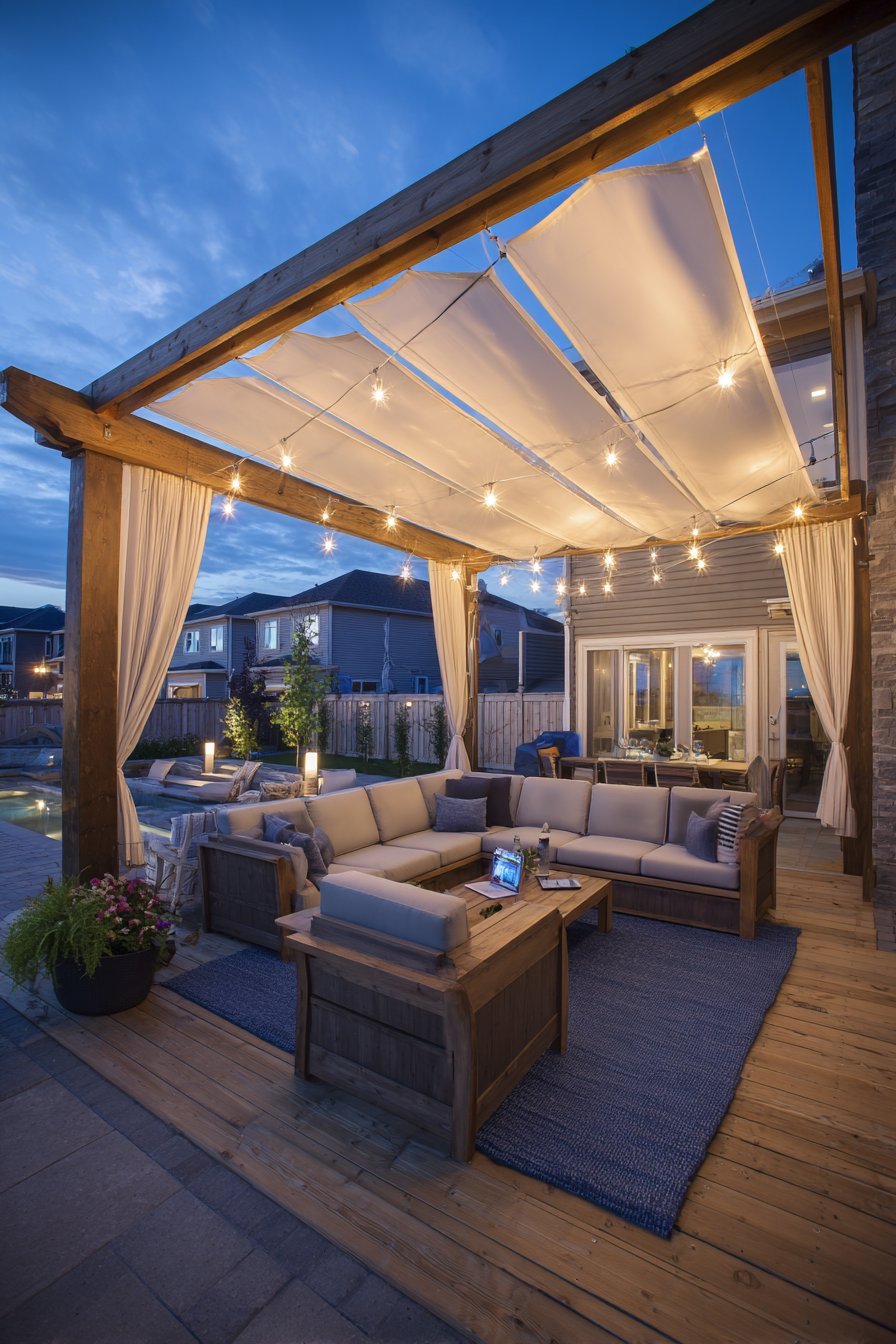
Multi-functional outdoor rooms maximize spatial efficiency by creating areas that serve multiple purposes throughout the day and across seasons. A morning coffee nook transforms into an afternoon workspace, then becomes an evening entertainment zone. Modular furniture, retractable elements, and thoughtful storage allow seamless transitions. This approach is especially valuable for smaller yards where every square foot must work harder.
The design of successful multi-functional spaces starts with flexible infrastructure. Weatherproof electrical outlets support changing needs from laptop charging to string lights. Built-in storage conceals work materials, entertaining supplies, or children’s toys. Retractable awnings or pergola systems provide sun protection that adapts to different activities and times of day. These foundational elements enable quick space transformation without major effort.
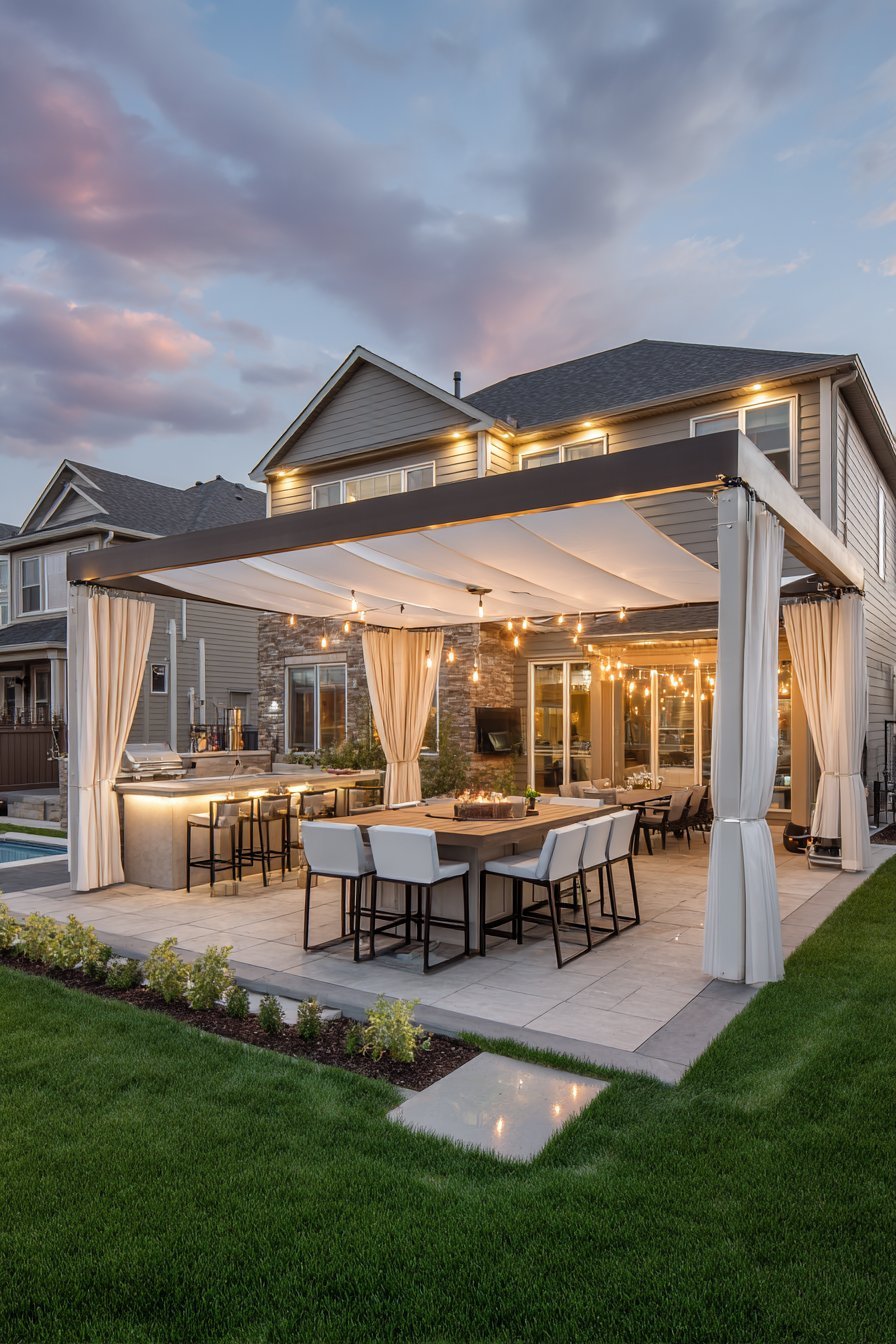
Furniture selection dramatically impacts functionality. Dining tables with adjustable heights serve meals, then lower for coffee service or work sessions. Storage ottomans provide seating, surfaces, and hidden organization. Modular sectionals reconfigure for intimate conversations or large gatherings. Weather-resistant materials ensure furnishings withstand exposure while maintaining beauty. The best pieces combine durability, versatility, and timeless style that transcends passing trends.
- Install multiple electrical outlets and USB charging stations in strategic locations
- Choose furniture with built-in storage for seasonal items and entertaining supplies
- Add weather-resistant curtains or screens to define spaces and control privacy
- Include a fold-down table or bar that expands entertaining capacity when needed
- Design overhead structures that support lighting, fans, and heating elements
- Create separate zones for dining, lounging, and activity areas within one space
6. Natural Swimming Pools and Ponds
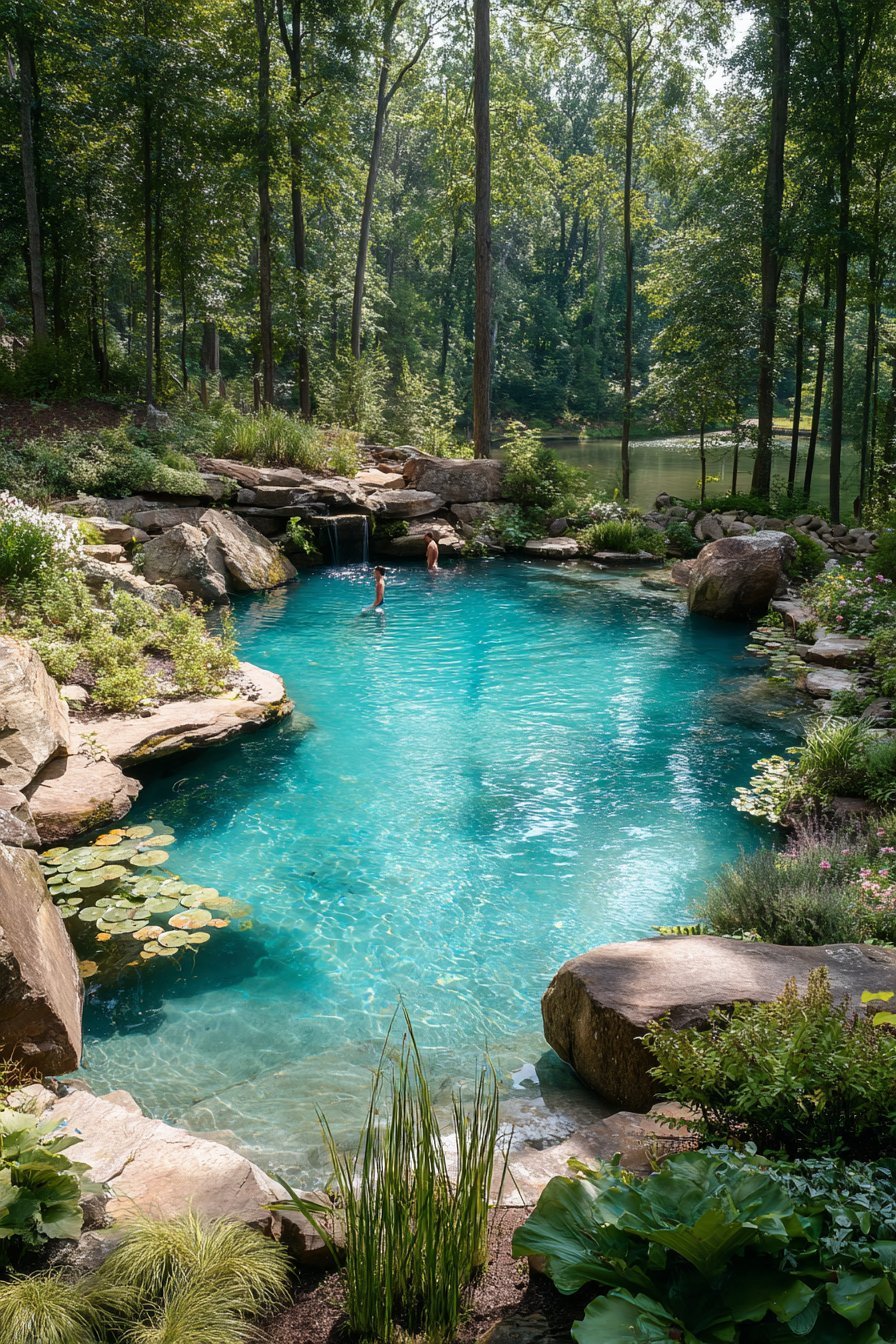
Natural swimming pools represent a revolutionary alternative to traditional chlorinated pools, using biological filtration and aquatic plants to maintain water quality. These systems create backyard ecosystems that support wildlife while providing chemical-free swimming. The aesthetic blends seamlessly with naturalistic landscapes, appearing more like pristine ponds than conventional pools. Maintenance requirements often prove lower than traditional pools once the ecosystem establishes balance.
The design typically includes two zones: a swimming area and a regeneration zone where aquatic plants filter water. Beneficial bacteria colonize gravel beds, breaking down organic matter and consuming nutrients that would otherwise feed algae. The result is crystal-clear water that’s gentle on skin and eyes. Unlike chlorinated pools, natural pools don’t require constant chemical monitoring or cause the environmental issues associated with chemical disposal.
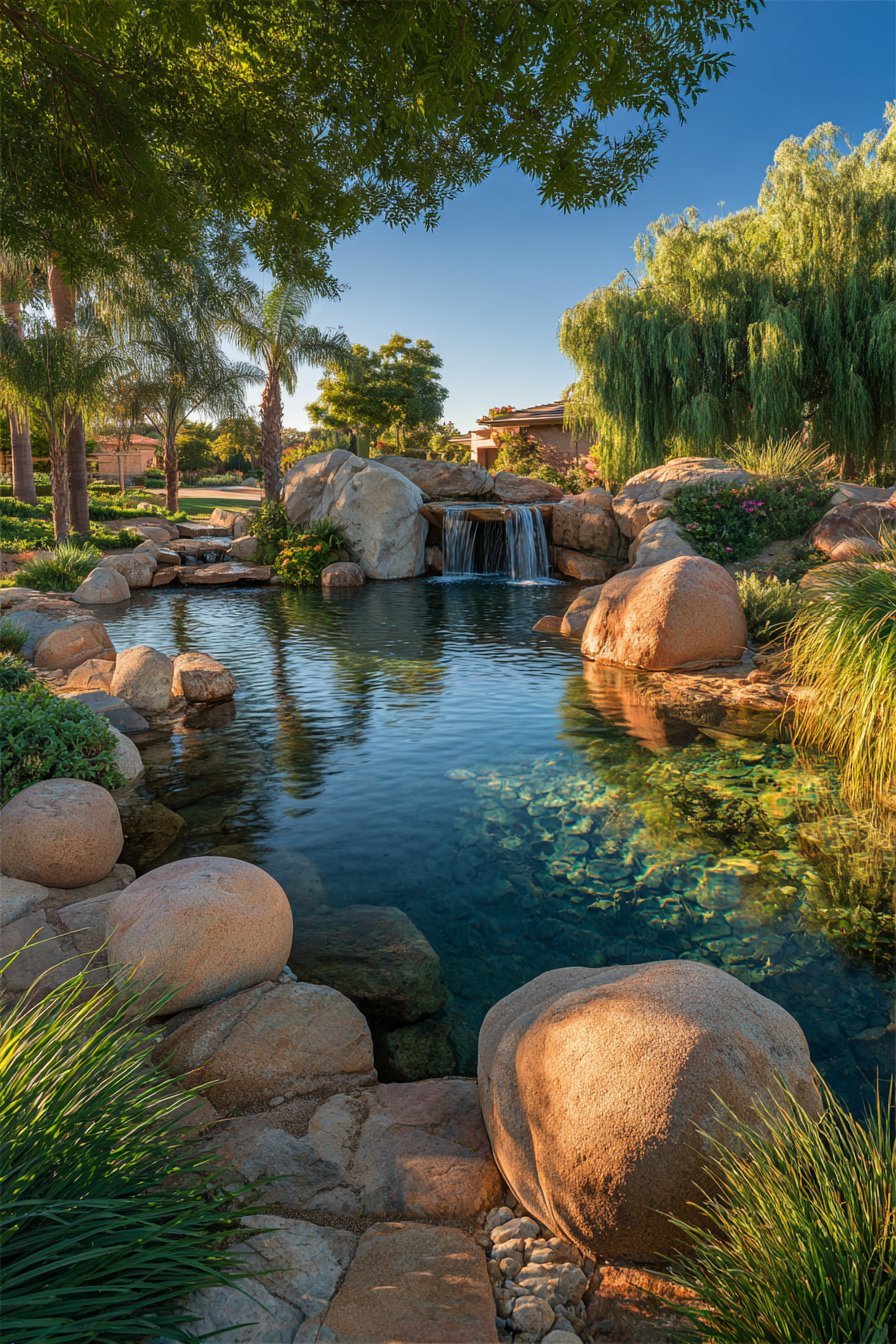
Natural pools can incorporate sophisticated design elements that enhance both function and beauty. Infinity edges create dramatic visual effects, while submerged seating areas provide shallow lounging spots. Underwater lighting transforms the pool into an evening focal point. Some designs include waterfalls or streams that aerate water while adding soothing sounds. These pools become self-sustaining water features that increase property value while decreasing long-term maintenance costs.
- Work with experienced natural pool designers familiar with local climate and regulations
- Plan for adequate space as natural pools require more area than conventional pools
- Select appropriate aquatic plants for your region’s climate and water conditions
- Design the regeneration zone with aesthetic appeal using varied plant heights and textures
- Include skimmers and circulation pumps to maintain water movement and prevent stagnation
- Consider seasonal use and whether you’ll heat the pool or drain it in winter
7. Biophilic Design Elements
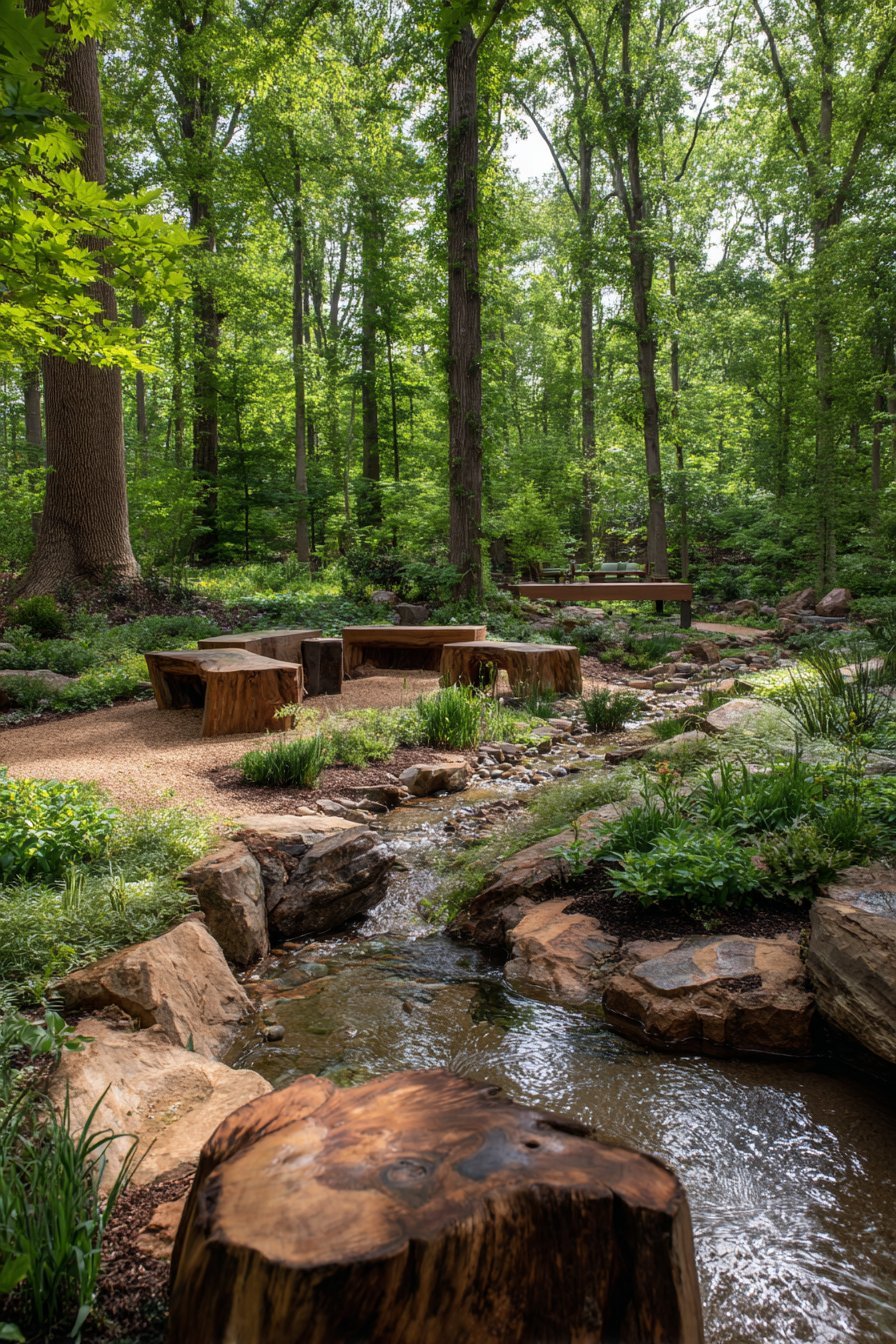
Biophilic design intentionally connects outdoor spaces with innate human affinity for nature through specific patterns, materials, and spatial arrangements. This approach goes beyond simply adding plants, instead creating immersive environments that engage all senses. Natural materials, organic shapes, and nature-inspired patterns trigger positive psychological responses. Studies show biophilic design reduces stress, improves cognitive function, and enhances overall wellbeing.
Key principles include maximizing visual connections to nature through strategic sight lines and framing techniques. Water features provide both visual interest and soothing sounds that mask urban noise. Natural light patterns created through pergolas and tree canopies mimic forest environments. Textures range from smooth river rocks to rough-hewn timber, engaging the tactile sense. Even air movement becomes a design element through strategic plant placement that channels cooling breezes.
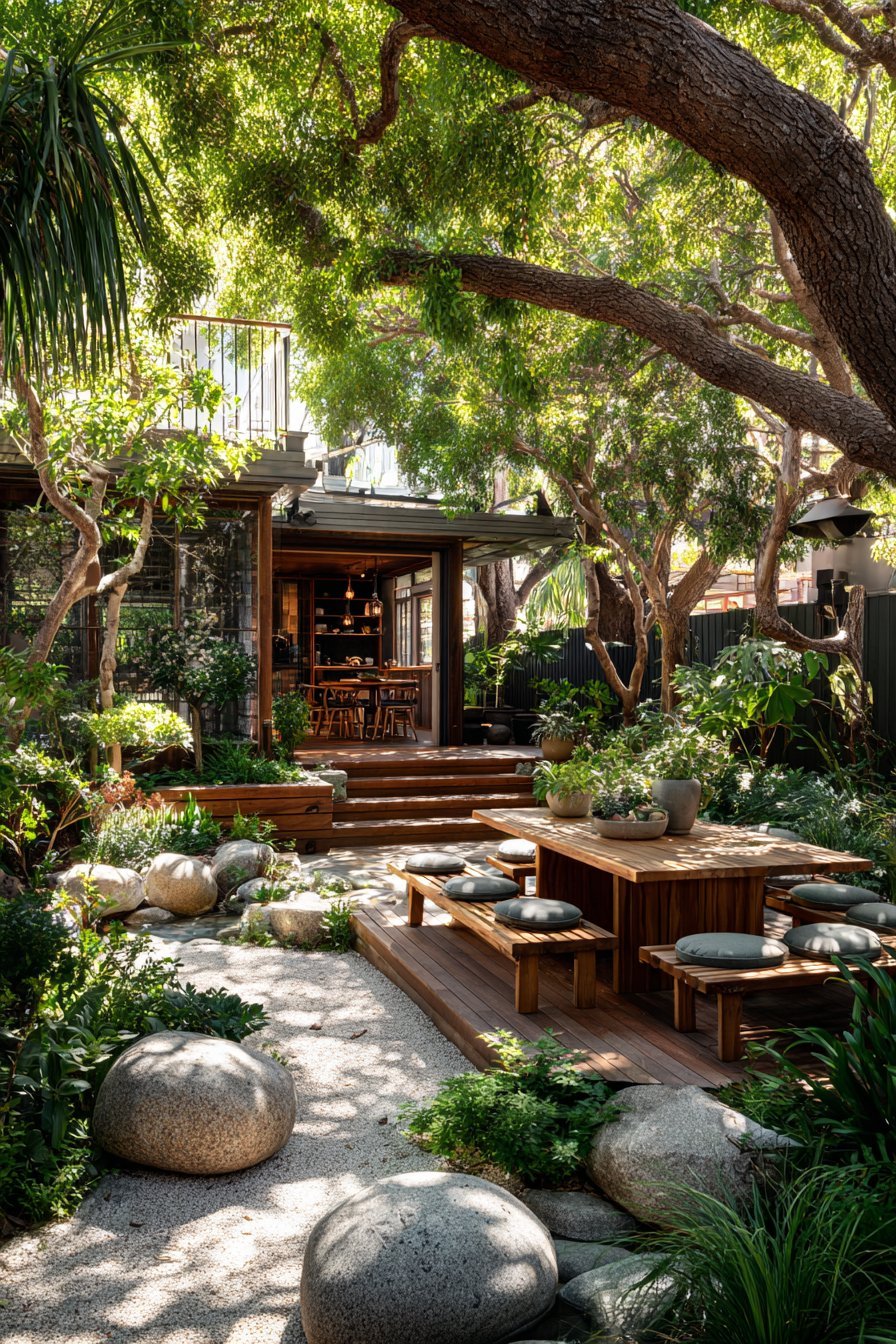
The most effective biophilic designs create mystery and prospect—partially hidden areas that invite exploration while maintaining open views to safe spaces. Winding paths disappear around plantings, encouraging movement through the garden. Elevated decks provide prospect and refuge simultaneously—expansive views combined with overhead shelter. These elements tap into evolutionary preferences that make outdoor spaces feel both exciting and secure.
- Incorporate natural materials like stone, wood, and water in authentic, unprocessed forms
- Create layered plantings that mimic natural forest structure with canopy, understory, and groundcover
- Design sight lines that frame views of nature from indoor spaces
- Add sensory elements including fragrant plants, textured surfaces, and moving water
- Use natural colors and earth tones that change with seasons and light conditions
- Include areas of both prospect (open views) and refuge (protected enclosures)
8. Outdoor Cooking and Bar Stations
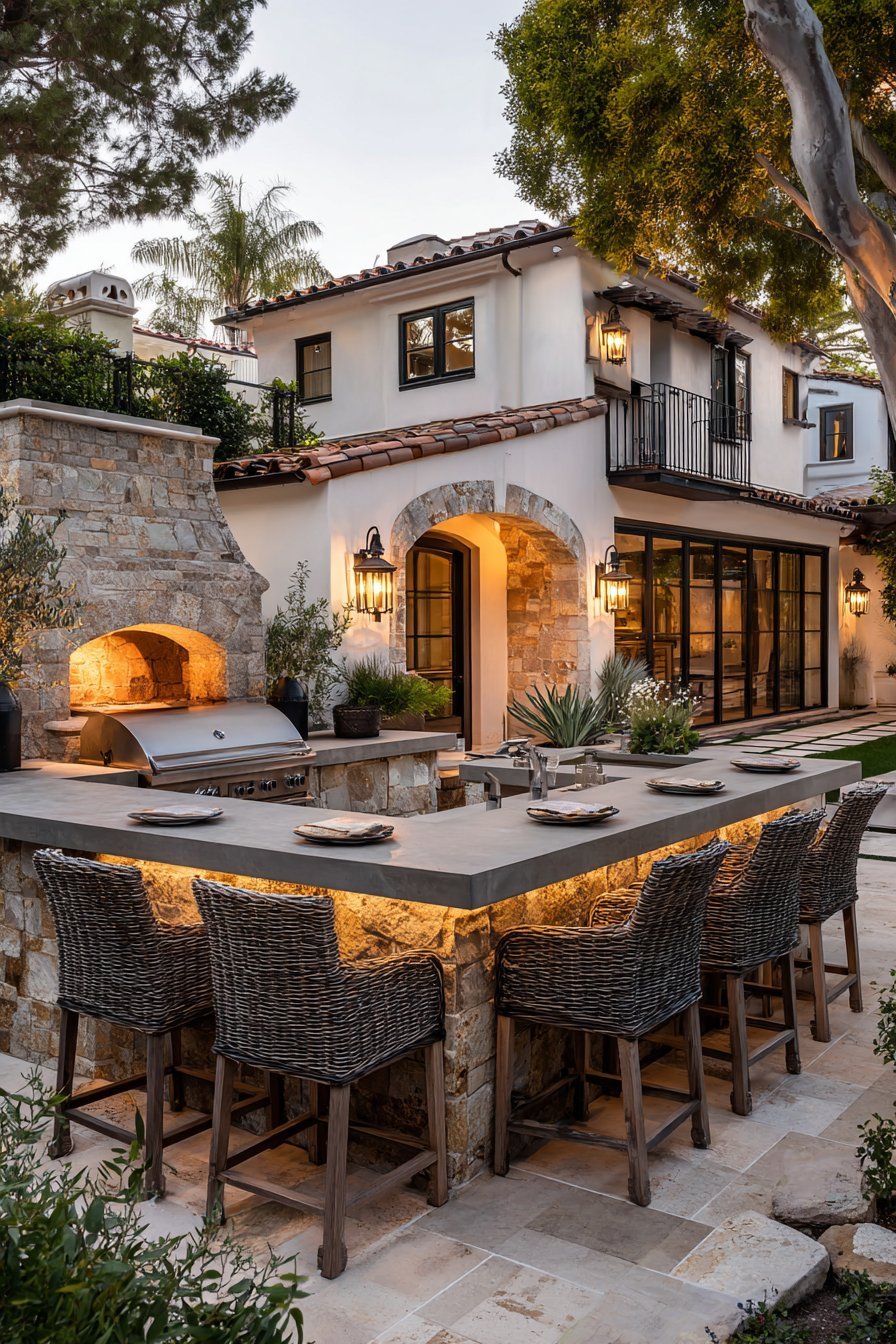
Outdoor kitchens have evolved into comprehensive cooking stations that rival indoor facilities in functionality and design. Modern installations feature professional-grade grills, pizza ovens, smokers, refrigeration, and ample prep space. Weatherproof cabinetry provides storage for utensils, dishes, and serving pieces. Many designs incorporate bars with seating, creating social hubs where guests gather while meals are prepared. These spaces enable complex menu preparation without constant trips indoors.
The trend toward outdoor cooking reflects changing entertainment patterns and culinary interests. Wood-fired pizza ovens allow artisanal bread baking and authentic Neapolitan pizzas. Smokers enable low-and-slow barbecue that requires hours of attention. Griddles accommodate breakfast gatherings and teppanyaki-style cooking. This equipment diversity means outdoor kitchens support year-round use rather than seasonal grilling alone. Proper lighting extends usability into evening hours.
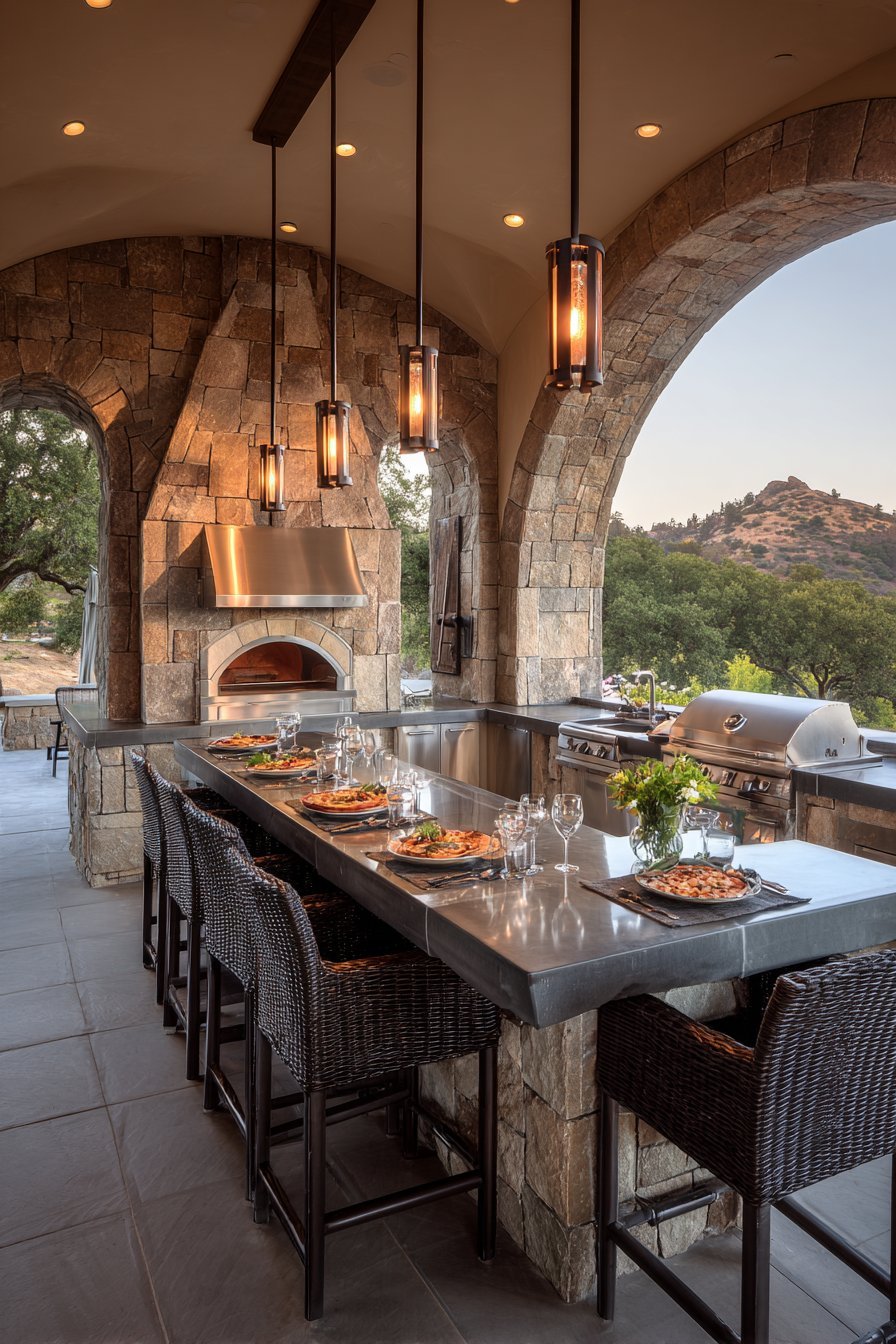
Strategic design maximizes both efficiency and entertainment value. The work triangle principle applies outdoors just as in interior kitchens—grill, sink, and refrigeration form an efficient workspace. Elevated bars position guests outside the immediate cooking zone while maintaining conversation. Durable materials like stainless steel, stone, and marine-grade polymer withstand weather exposure. Proper ventilation prevents smoke accumulation under covered areas, ensuring comfortable cooking conditions.
- Install a combination of cooking methods including grill, smoker, and pizza oven
- Include a sink with hot and cold water for food prep and cleanup
- Add weatherproof refrigeration rated for outdoor temperature fluctuations
- Design adequate counter space for food preparation and serving
- Incorporate storage for cooking utensils, seasonings, and entertaining supplies
- Include bar seating that faces the cooking area to facilitate interaction
9. Fire Features as Focal Points
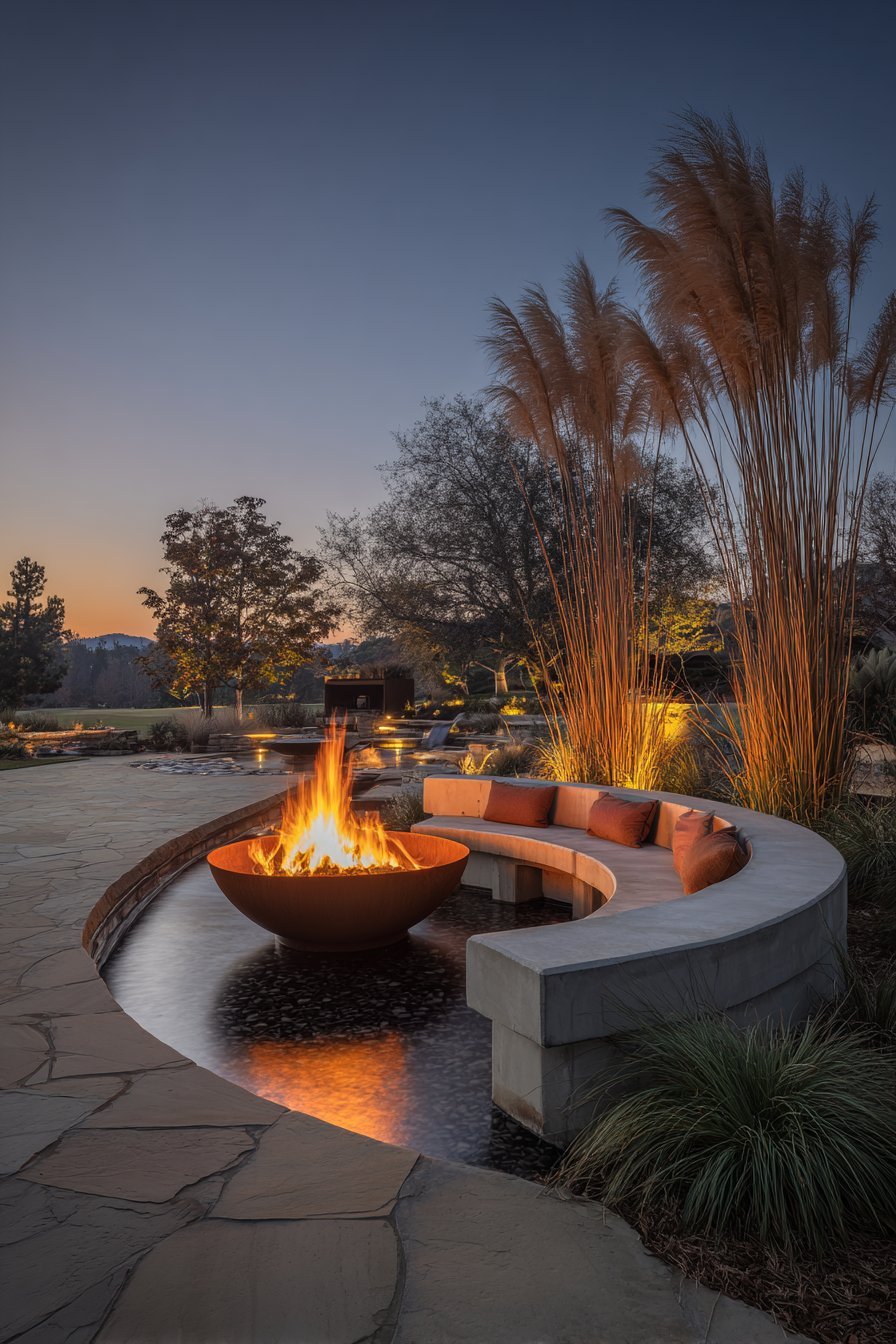
Fire features serve as magnetic gathering spots that extend outdoor living into cooler months while creating dramatic visual focal points. Options range from traditional wood-burning fire pits to sophisticated linear gas fireplaces. The dancing flames provide both physical warmth and psychological comfort, encouraging people to linger outdoors. Strategic placement ensures fire features enhance spatial flow rather than disrupting movement patterns through the yard.
Modern fire feature designs incorporate innovative materials and forms. Concrete bowls offer minimalist aesthetics with customizable colors and finishes. Corten steel develops rich rust patinas that complement naturalistic landscapes. Glass fire beads replace traditional logs in gas features, creating contemporary visual interest. Some installations include water features that surround or flow near flames, combining opposing elements for dramatic effect. These pieces often become the signature element that defines a space’s character.
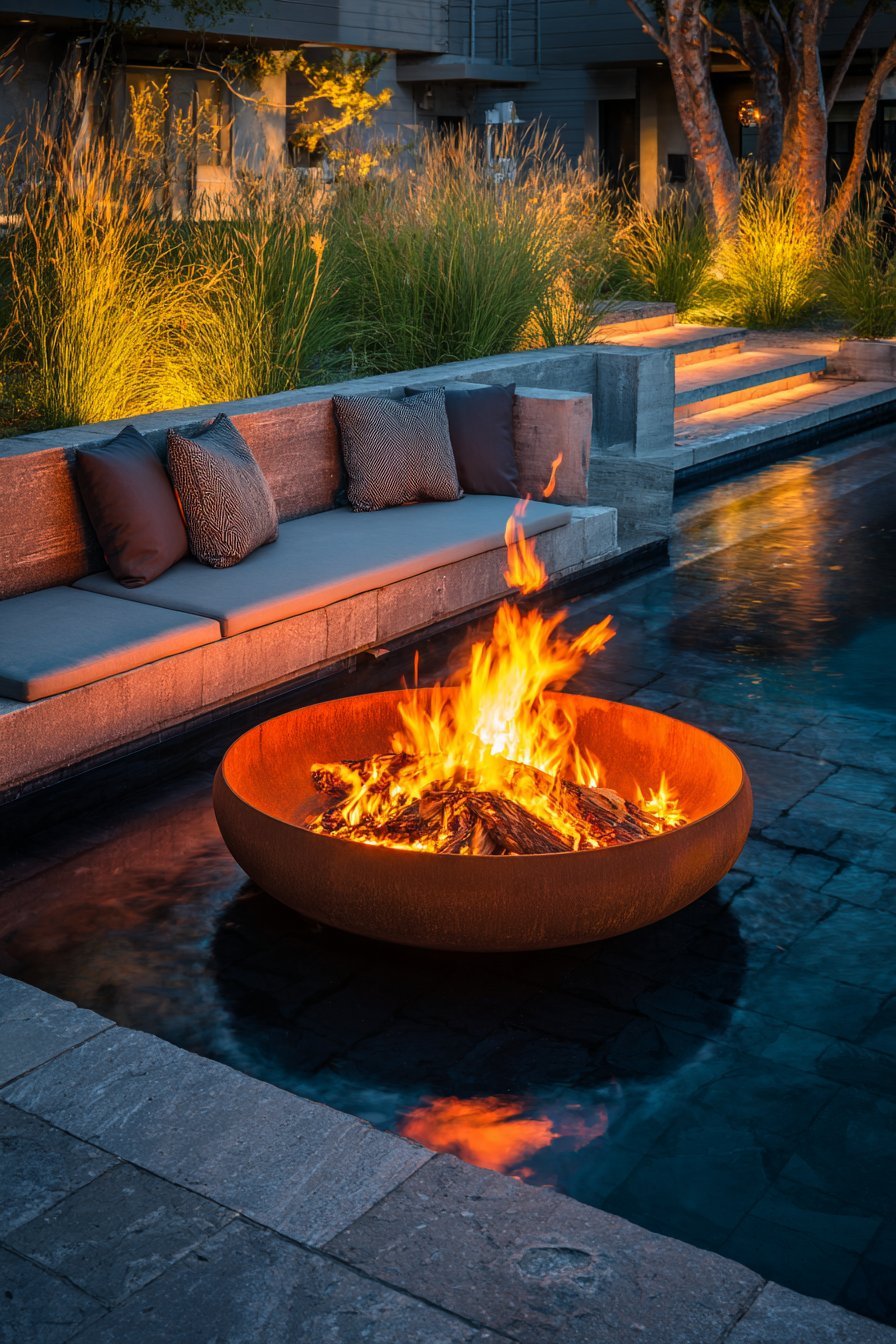
Safety considerations are paramount in fire feature design. Adequate clearance from structures, trees, and combustible materials prevents accidents. Proper ventilation prevents smoke accumulation in covered areas. Gas features require professional installation to ensure leak-free operation and compliance with local building codes. Accessories like spark screens, safety covers, and heat-resistant seating materials protect users. Well-designed fire features provide decades of safe enjoyment when properly installed and maintained.
- Choose fuel type based on local regulations, maintenance preferences, and aesthetic goals
- Position fire features to create intimate seating circles without blocking pathways
- Include built-in seating at appropriate distances from flames for comfort and safety
- Add ambient lighting around the fire area for safety when flames aren’t visible
- Consider wind patterns to prevent smoke from blowing toward seating areas
- Install shut-off valves and safety features for gas-powered systems
10. Sustainable Material Choices
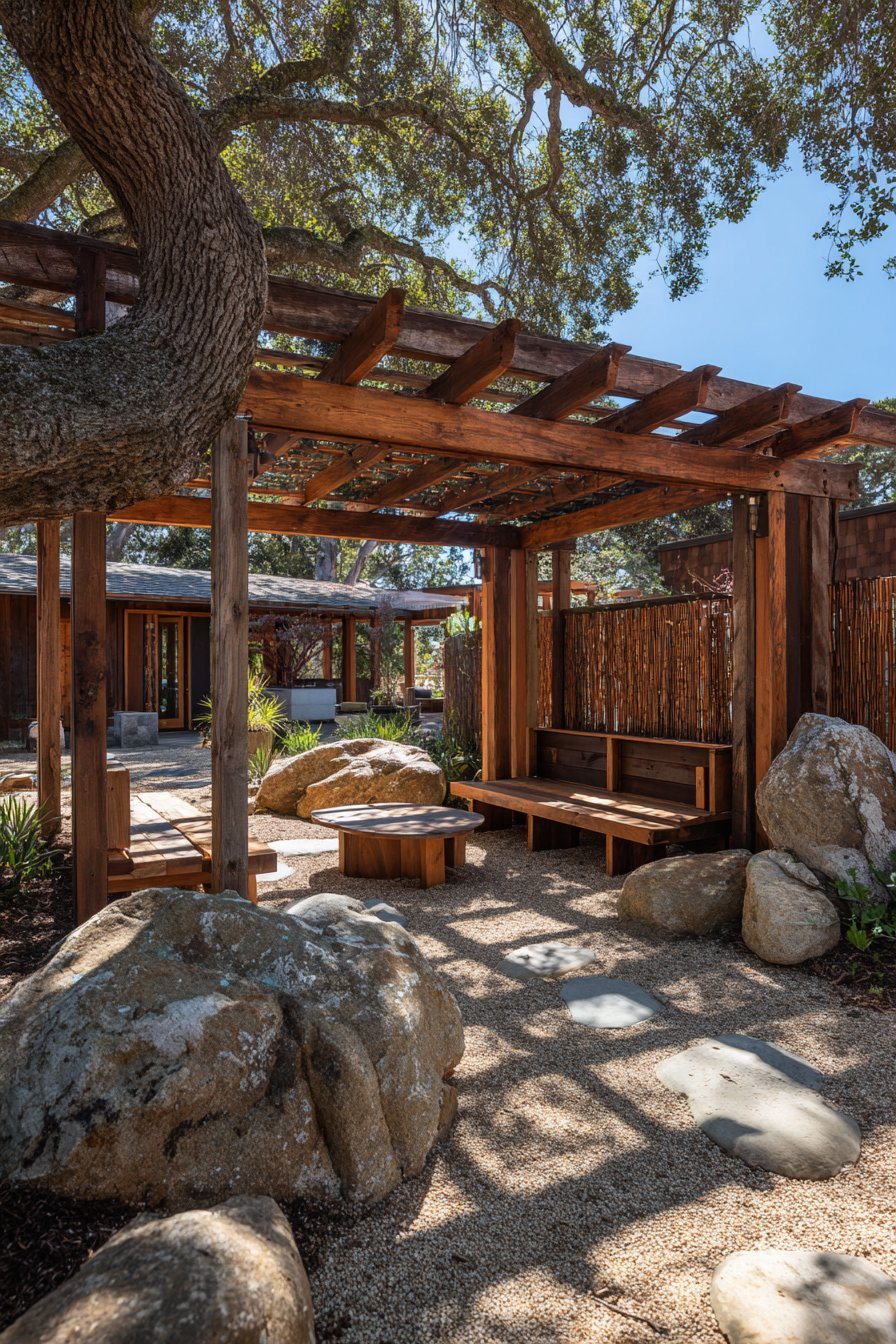
Sustainable materials minimize environmental impact while providing exceptional durability and aesthetic appeal. Reclaimed wood from deconstructed buildings offers rich character impossible to replicate with new lumber. Recycled composite decking diverts plastic waste from landfills while requiring minimal maintenance. Locally quarried stone reduces transportation emissions while supporting regional economies. These choices demonstrate that environmental responsibility and beautiful design are not mutually exclusive.
The lifecycle approach to material selection considers extraction, manufacturing, transportation, installation, maintenance, and eventual disposal. Bamboo grows rapidly and regenerates without replanting, making it highly renewable for fencing and screens. Permeable pavers allow water infiltration while using recycled aggregate. Low-VOC stains and sealers protect wood without releasing harmful chemicals. Each material choice represents an opportunity to reduce environmental impact while creating lasting outdoor spaces.
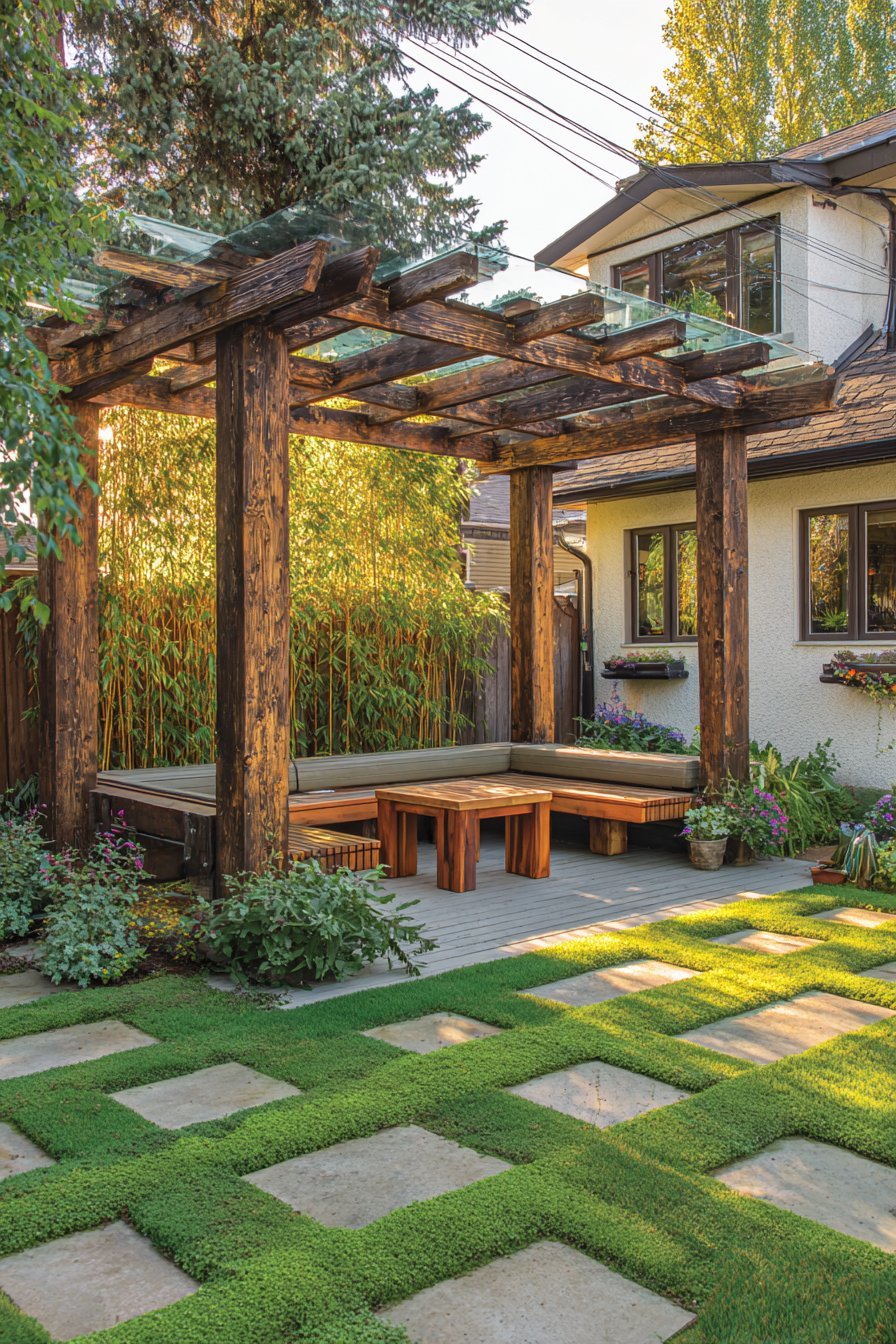
Durability itself represents sustainability—materials that last decades prevent the waste and resource consumption associated with frequent replacement. Ipe and other tropical hardwoods offer 50-year lifespans when properly maintained, despite higher initial costs. Powder-coated aluminum resists corrosion without painting. Natural stone improves with age rather than deteriorating. Investing in quality materials reduces long-term costs while minimizing environmental impact through reduced replacement cycles.
- Research material certifications like FSC for wood and NSF for recycled content
- Choose locally sourced materials when possible to reduce transportation emissions
- Select permeable paving options that allow water infiltration
- Use reclaimed or salvaged materials for unique character and environmental benefits
- Opt for natural finishes and low-VOC treatments to minimize chemical exposure
- Consider material lifespan and maintenance requirements in total cost calculations
11. Vertical Gardens and Living Walls
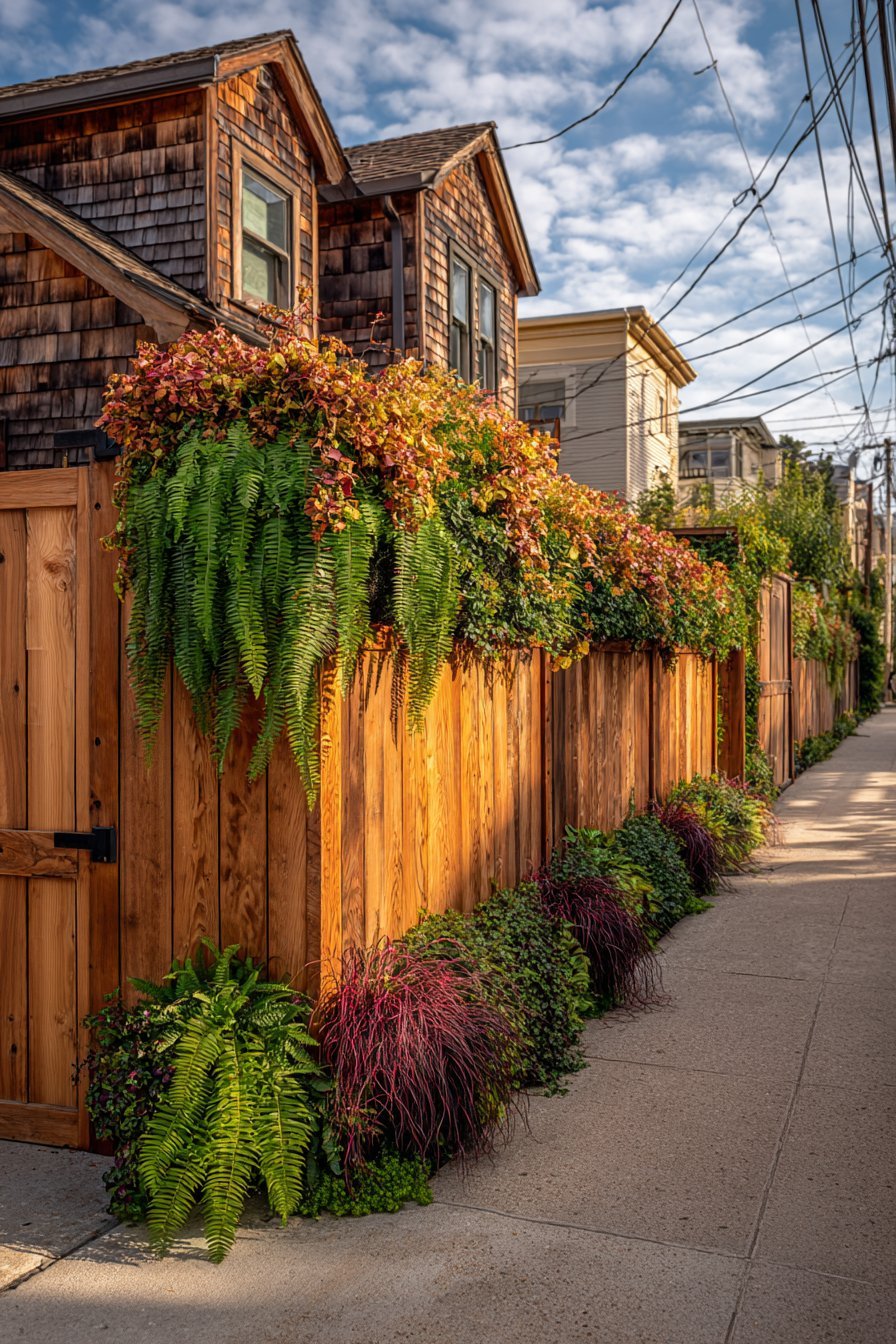
Vertical gardens maximize growing space in limited areas while creating stunning living artworks that transform blank walls into vibrant focal points. These installations range from simple trellis systems to sophisticated modular panel systems with integrated irrigation. The vertical approach is especially valuable in urban yards where ground space is precious. Living walls also provide insulation benefits that reduce energy costs while improving air quality around outdoor living areas.
Successful vertical gardens require appropriate plant selection and support systems. Lightweight growing media prevents excessive weight on mounting structures. Drip irrigation delivers water efficiently while preventing runoff. Plant choices must match light exposure, with sun-loving succulents for bright walls and ferns for shaded locations. Mixing textures and colors creates visual interest that changes throughout growing seasons. Some designs incorporate herbs and vegetables, making walls both beautiful and productive.
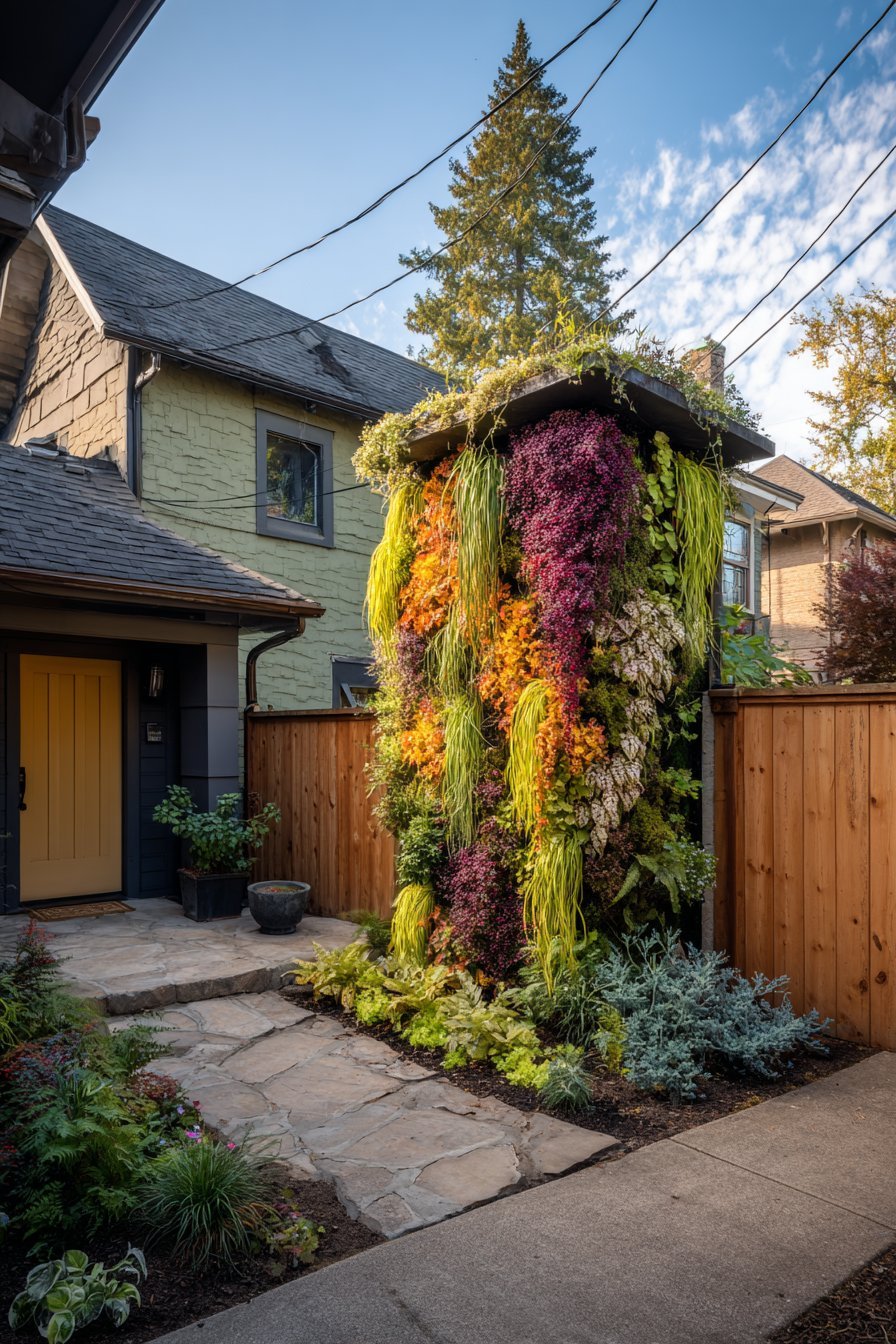
Maintenance considerations vary significantly between system types. Simple trellis systems require only occasional pruning and training. Sophisticated modular systems might include automated irrigation and fertilization but demand periodic plant replacement. DIY approaches using recycled pallets or gutters offer budget-friendly options for experimentation. Regardless of system complexity, vertical gardens provide massive visual impact relative to their footprint, making them ideal for maximizing small spaces.
- Select a system appropriate for your maintenance commitment and budget
- Ensure structural support can handle the weight of wet soil and mature plants
- Install irrigation systems that deliver water evenly across the entire wall
- Choose plants suited to the wall’s light exposure and your climate zone
- Include a variety of textures and growth habits for year-round interest
- Plan for seasonal plant rotation to maintain the wall’s appearance
12. Smart Lighting Systems
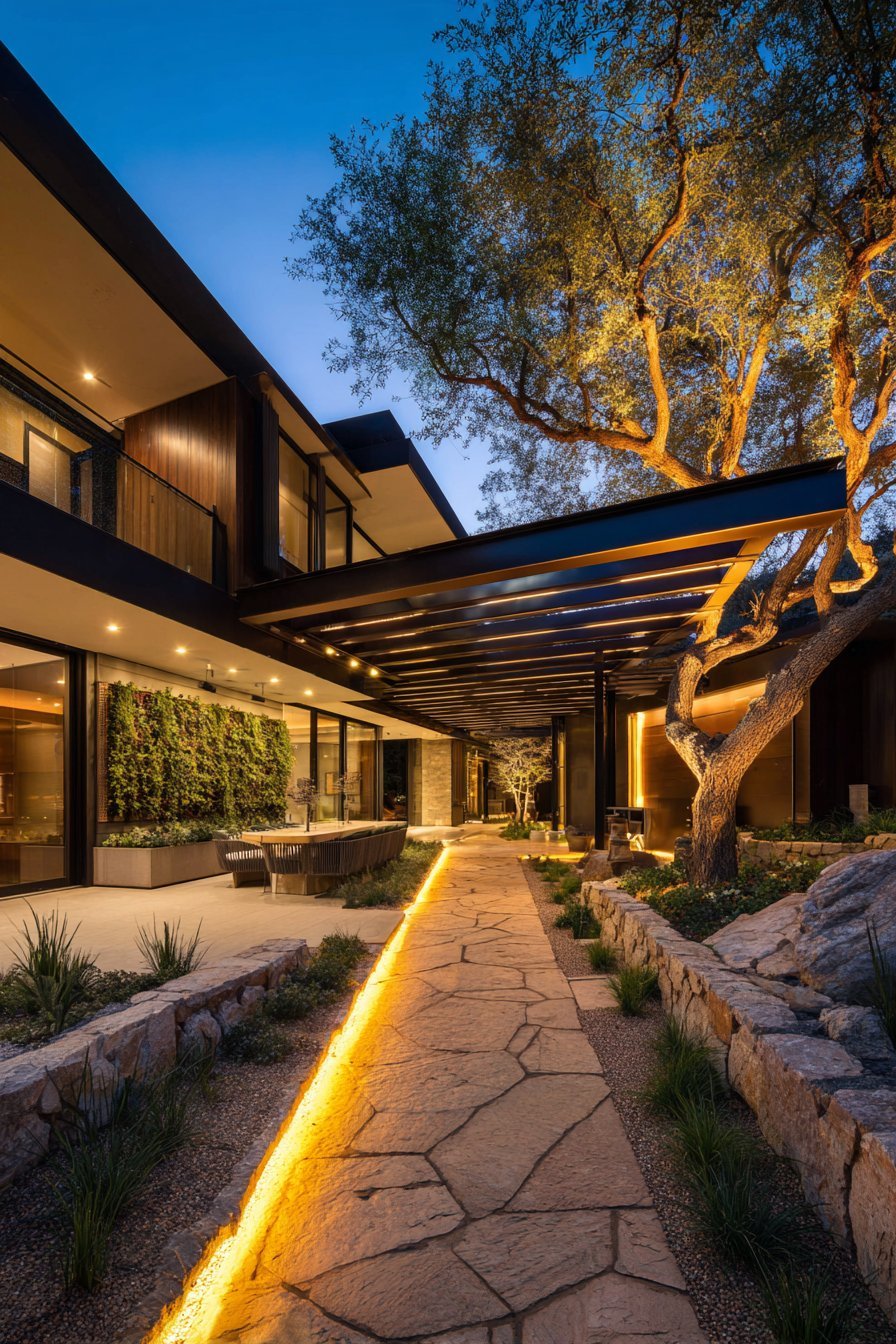
Smart lighting transforms outdoor spaces into dynamic environments that adapt to different activities and times of day. Color-tunable LEDs shift from energizing daylight tones for morning activities to warm amber hues for evening relaxation. Motion sensors provide security while conserving energy. Smartphone control allows instant scene changes from dinner party ambiance to task lighting for outdoor work. These systems make sophisticated lighting design accessible without complex professional programming.
Strategic lighting placement enhances safety, functionality, and beauty simultaneously. Path lights prevent trips and falls while guiding movement through the space. Uplighting showcases specimen trees and architectural features. Task lighting illuminates cooking and dining areas without glare. Accent lights create focal points and add depth to nighttime views. Layering these different lighting types creates flexibility—each element controlled independently through smart systems for precise scene creation.
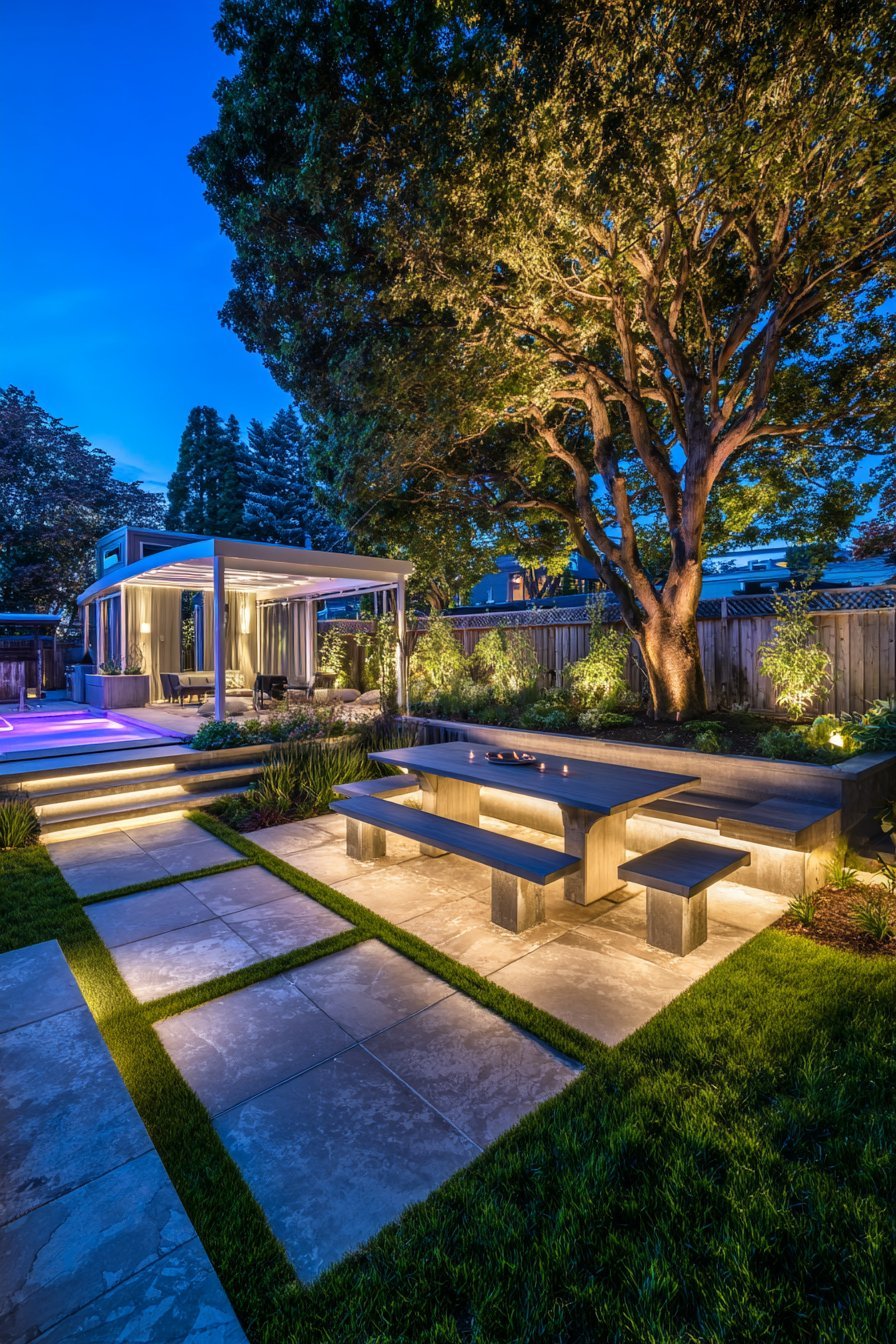
Energy efficiency makes extensive outdoor lighting practical and affordable. LED technology uses a fraction of the electricity required by traditional bulbs while lasting decades longer. Solar-powered accent lights eliminate wiring in remote garden areas. Timers and astronomical clocks ensure lights operate only when needed, preventing wasteful all-night operation. Smart systems track energy consumption, allowing users to optimize efficiency. The result is beautifully illuminated outdoor spaces that cost pennies per evening to operate.
- Create multiple lighting scenes for different activities and moods
- Use warm color temperatures (2700-3000K) for comfortable evening ambiance
- Install motion sensors on security lights while keeping ambient lighting constant
- Include dimming capability for all fixtures to fine-tune brightness levels
- Position uplights to highlight architectural features and specimen plants
- Use smart scheduling to automate lighting based on sunset times and occupancy
13. Pet-Friendly Design Features
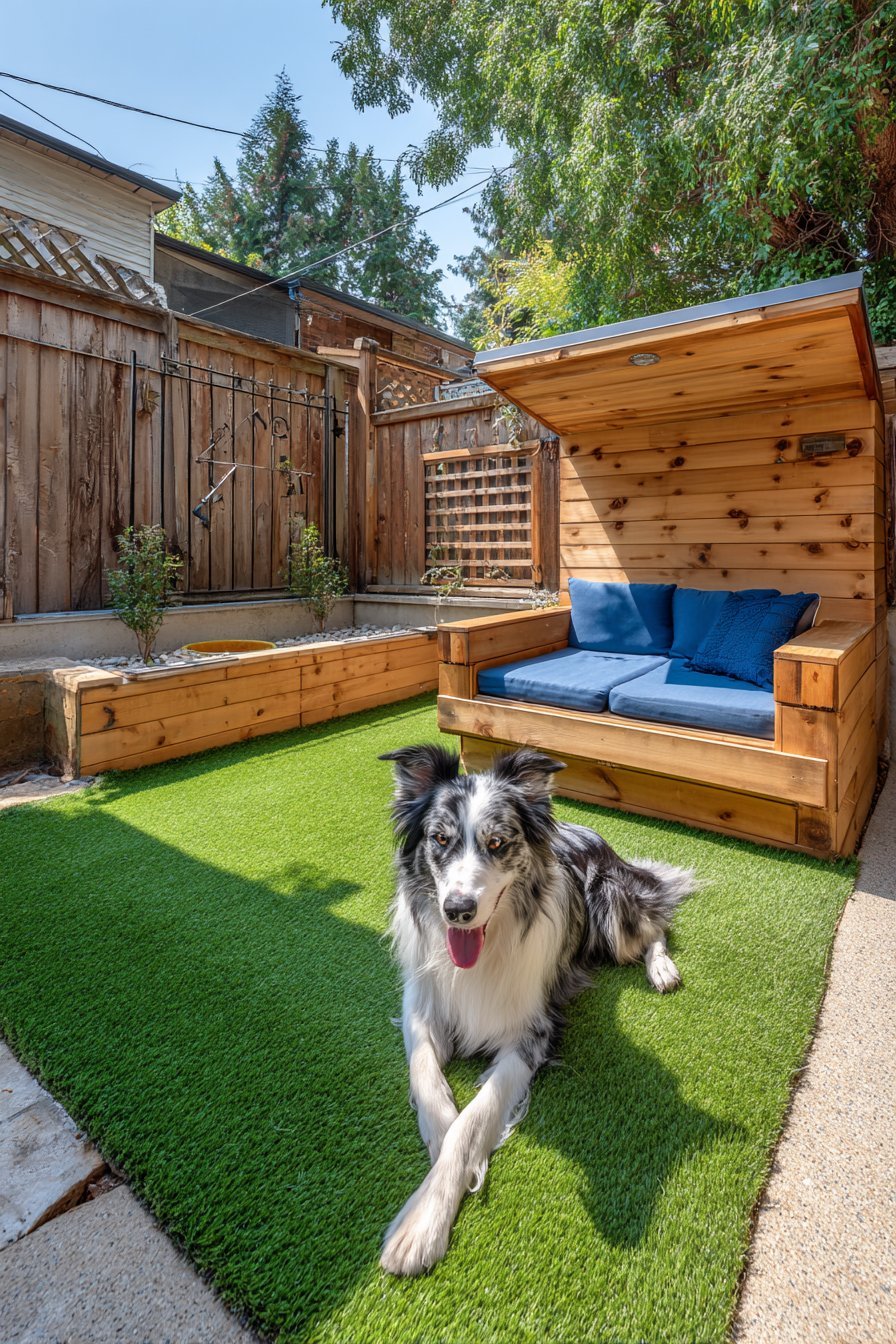
Pet-friendly yards balance animal needs with aesthetic appeal through thoughtful design that accommodates both two-legged and four-legged family members. Durable materials withstand digging, running, and general pet activity without showing excessive wear. Secure fencing provides safety while maintaining visual appeal. Designated potty areas with appropriate drainage keep the rest of the lawn pristine. Shade structures and water features ensure pet comfort during outdoor time.
Plant selection requires careful attention to toxicity and durability. Avoid common landscape plants poisonous to pets like azaleas, foxglove, and oleander. Choose pet-safe alternatives like Boston ferns, African violets, and snapdragons. Sturdy groundcovers withstand foot traffic better than delicate plants. Raised beds protect vegetables from curious sniffers and diggers. Strategic plant placement keeps vulnerable specimens away from high-traffic pet pathways while maintaining overall design cohesion.
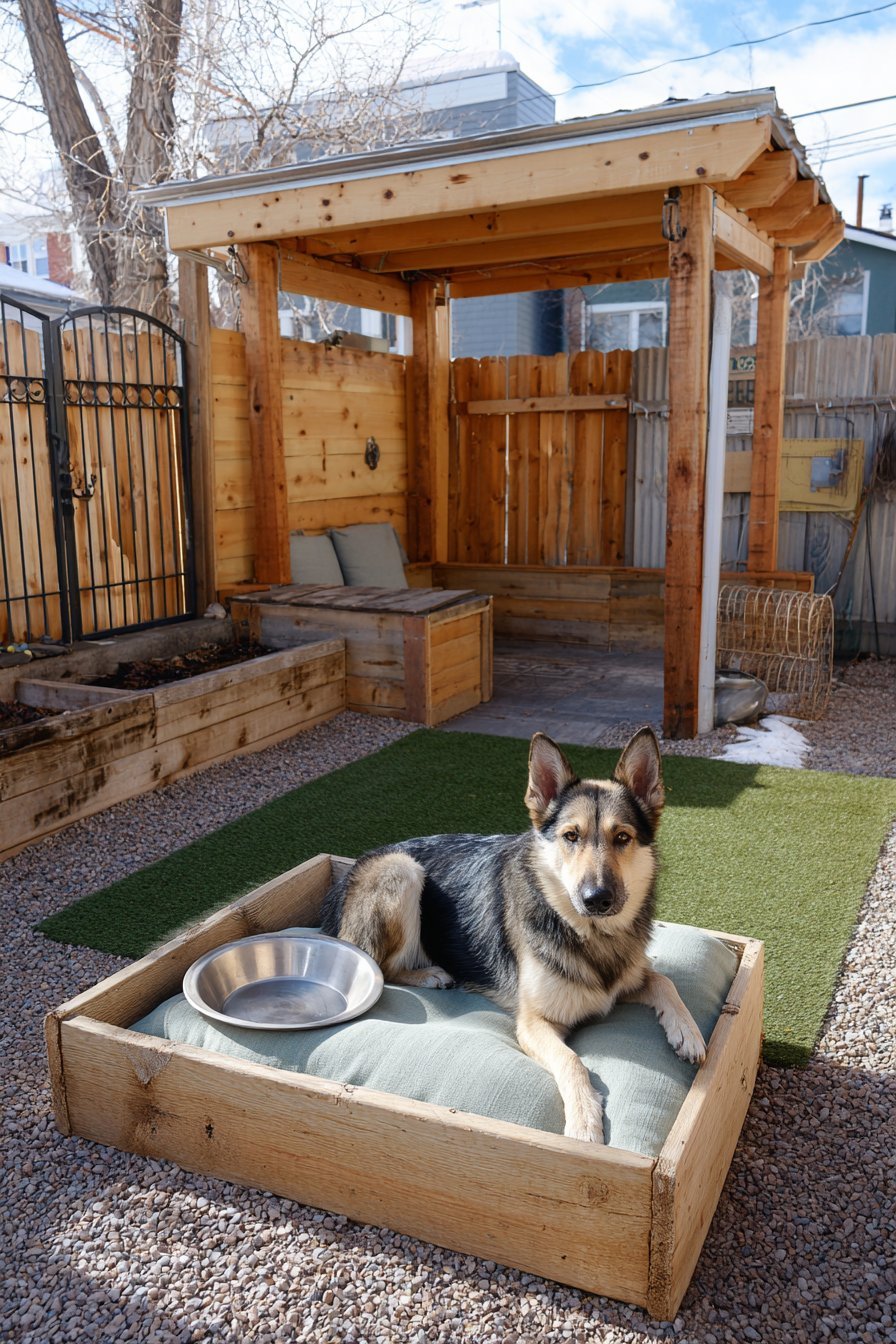
Functional features enhance both pet enjoyment and owner convenience. Built-in water bowls stay cleaner than portable dishes while blending into hardscape designs. Agility equipment provides mental and physical stimulation in dedicated play areas. Pet washing stations with warm water make post-adventure cleanup simple. Secure storage for toys, leashes, and waste bags keeps these necessities organized and accessible. These thoughtful additions create yards that truly serve the entire family.
- Install pet-safe fencing with secure gates and no gaps for escape
- Create designated potty areas with good drainage and easy cleanup access
- Choose non-toxic plants and avoid common landscape plants harmful to pets
- Design durable pathways that withstand frequent pet traffic
- Include shade structures and fresh water access in multiple locations
- Add pet washing stations near entries to contain dirt before going indoors
14. Covered Outdoor Living Spaces
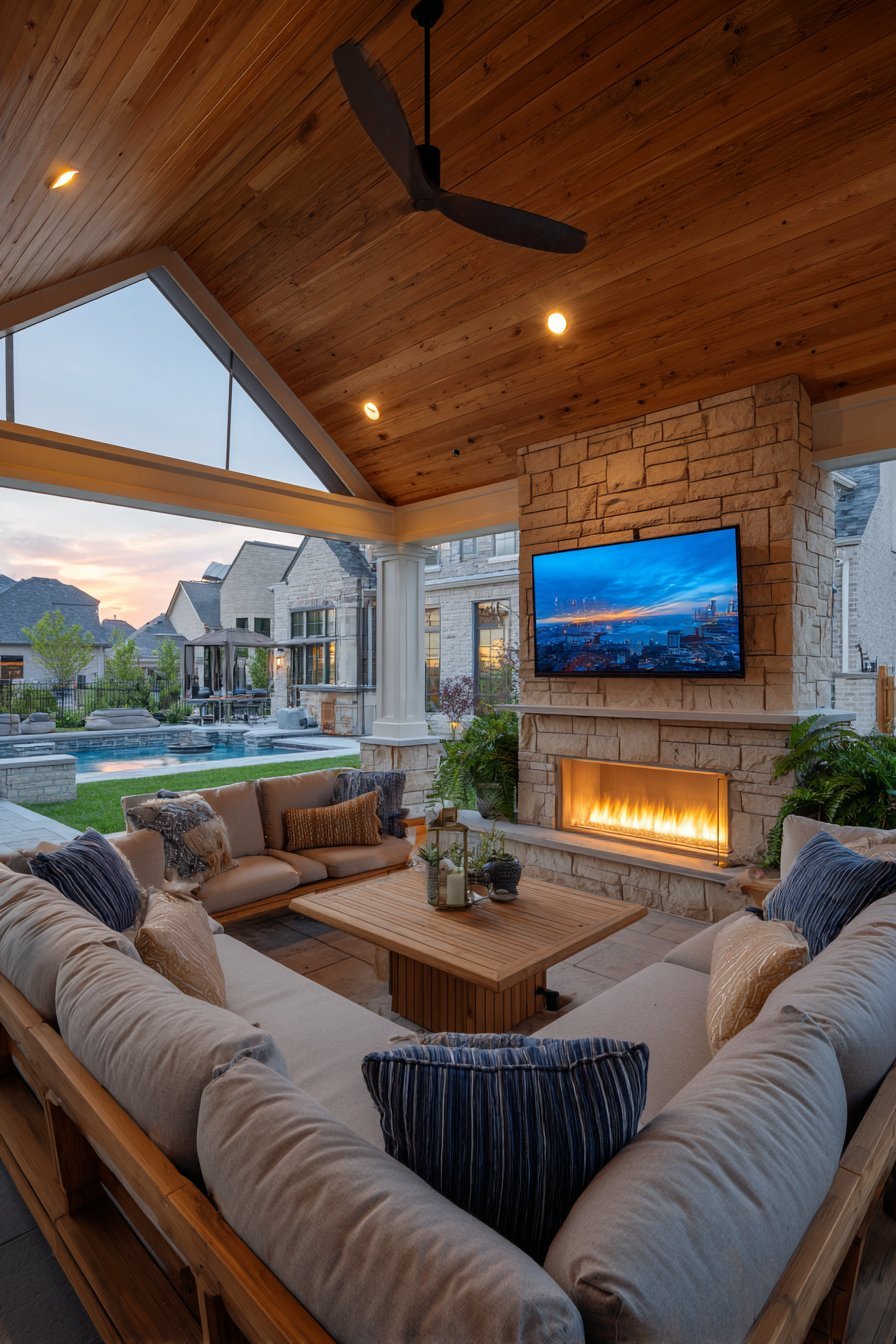
Covered structures extend outdoor season significantly by providing protection from sun, rain, and even snow. Modern designs range from simple pergolas to fully enclosed pavilions with heating and climate control. These spaces enable comfortable outdoor living regardless of weather, dramatically increasing return on outdoor investment. Strategic orientation maximizes natural ventilation while providing shelter from prevailing winds. The result is a year-round outdoor room that functions as seamlessly as interior spaces.
Material choices impact both aesthetics and functionality. Traditional wood pergolas offer warmth and natural beauty but require regular maintenance. Aluminum and vinyl systems provide low-maintenance alternatives in various styles from modern to traditional. Retractable fabric canopies adjust for changing conditions—open for stargazing, closed during rain. Some systems incorporate photovoltaic panels that generate electricity while providing shade, offsetting energy costs for outdoor lighting and climate control.
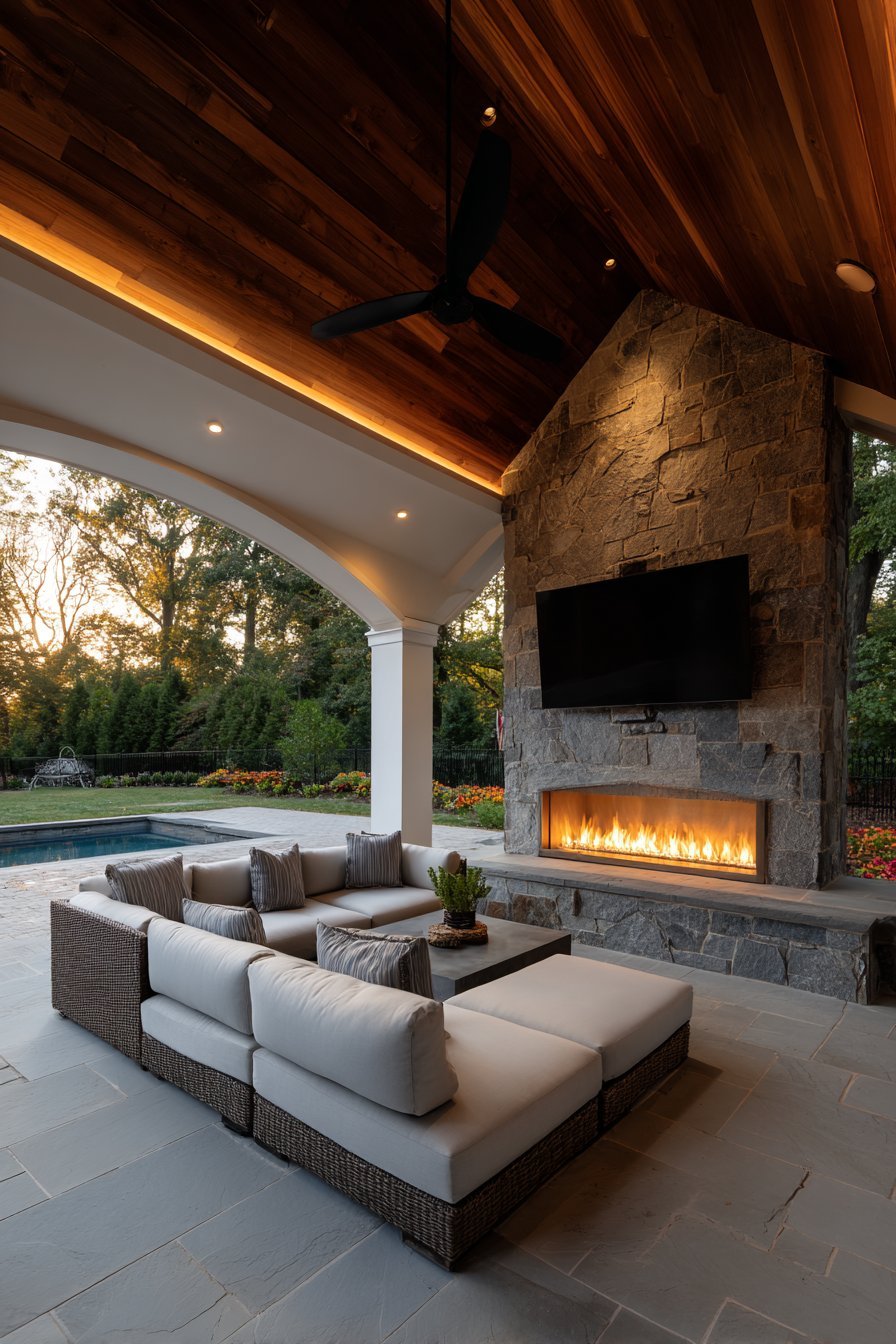
Integrated amenities transform covered spaces into true outdoor living rooms. Ceiling fans provide air circulation during warm weather. Infrared heaters extend comfortable seasons without the mess of fire features. Built-in speakers deliver high-quality audio for entertainment. Weather-resistant televisions bring indoor comfort outdoors. Electrical infrastructure supporting these amenities should be planned during initial construction, as retrofitting can be complex and expensive. Well-designed covered spaces become the most-used areas of the home.
- Consider orientation to block afternoon sun while capturing morning light
- Include electrical infrastructure for lighting, fans, heaters, and entertainment systems
- Choose roofing materials that complement home architecture and provide adequate drainage
- Design for proper ventilation to prevent heat buildup and moisture accumulation
- Install weather-resistant ceiling materials rated for outdoor exposure
- Add retractable screens or curtains for insect protection and privacy control
Conclusion
The backyard design trends for 2026-2027 reflect our evolving understanding of outdoor spaces as essential extensions of our homes and lifestyles. From climate-resilient landscaping to smart technology integration, these innovations make yards more sustainable, functional, and enjoyable than ever before. Whether you implement a single trend or embrace comprehensive transformation, each element contributes to creating outdoor environments that enhance daily life.
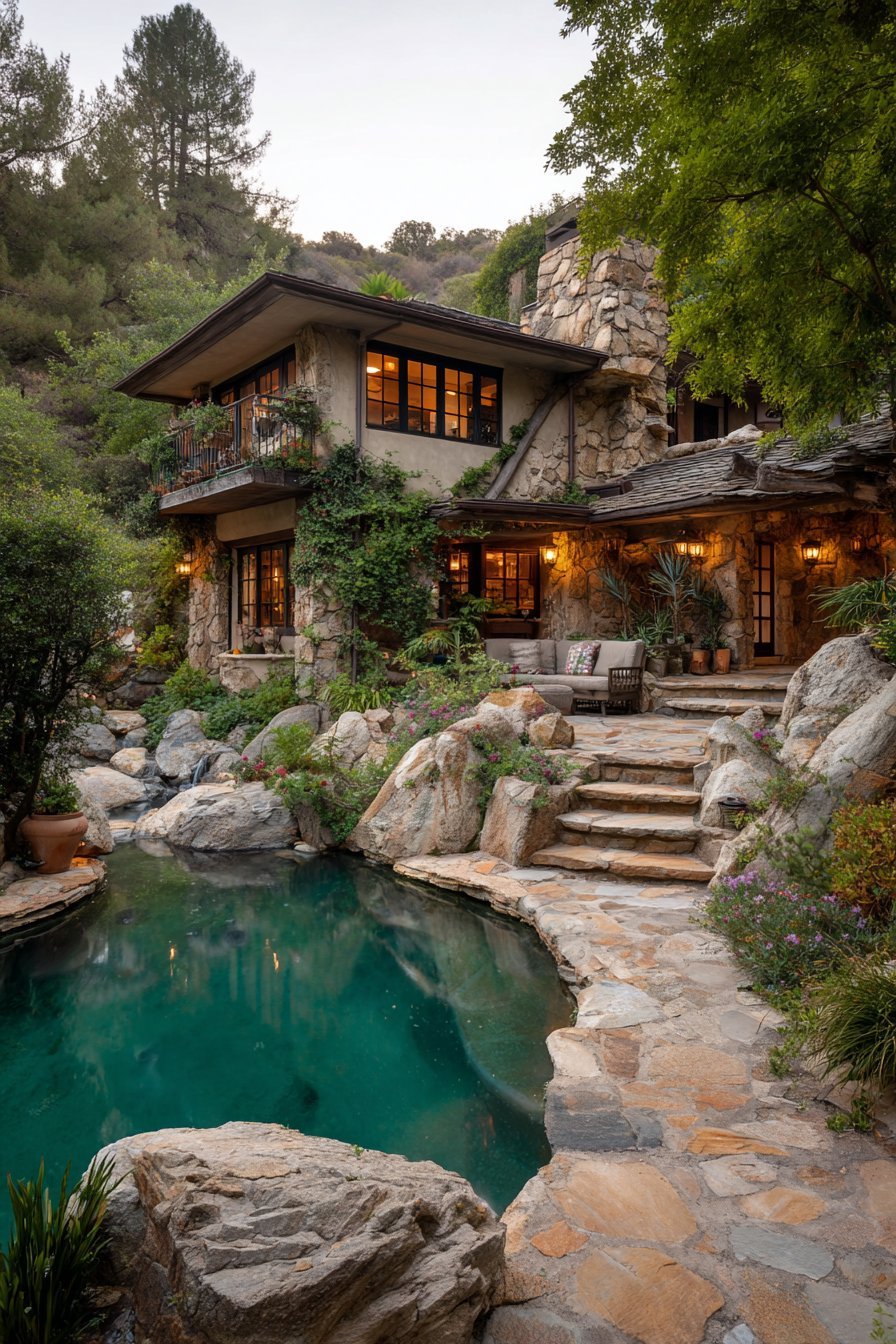
The most successful outdoor spaces blend multiple trends into cohesive designs tailored to individual needs and preferences. Start with features that address your highest priorities—whether that’s wellness, entertainment, sustainability, or simply creating beauty. Remember that thoughtful design requires neither unlimited budgets nor vast spaces; small yards can incorporate these trends just as effectively as expansive properties. The key is intentional planning that maximizes every square foot while reflecting your unique vision for outdoor living. Your backyard awaits transformation into a space that brings joy, comfort, and connection for years to come.
