

White wardrobes have become a timeless choice in modern interior design, offering versatility and elegance to any bedroom space. Their clean appearance creates an illusion of spaciousness while complementing virtually any décor style. However, choosing and installing a white wardrobe requires careful consideration of multiple factors to ensure it meets your functional needs and aesthetic preferences.
Thoughtful interior design transforms bedrooms into personal sanctuaries that reflect individual style while maximizing functionality. The right wardrobe serves as both a storage solution and a statement piece that anchors your room’s design. Whether you’re furnishing a master suite, guest room, or compact urban apartment, understanding the nuances of white wardrobe selection prevents costly mistakes and ensures long-term satisfaction.
This comprehensive guide explores ten critical considerations for white wardrobe installation. From room dimensions and material quality to maintenance requirements and budget planning, we’ll examine every aspect that influences your decision. These insights empower you to make informed choices that balance aesthetic appeal with practical functionality, creating a bedroom space that serves you beautifully for years to come.
1. Room Size and Spatial Planning
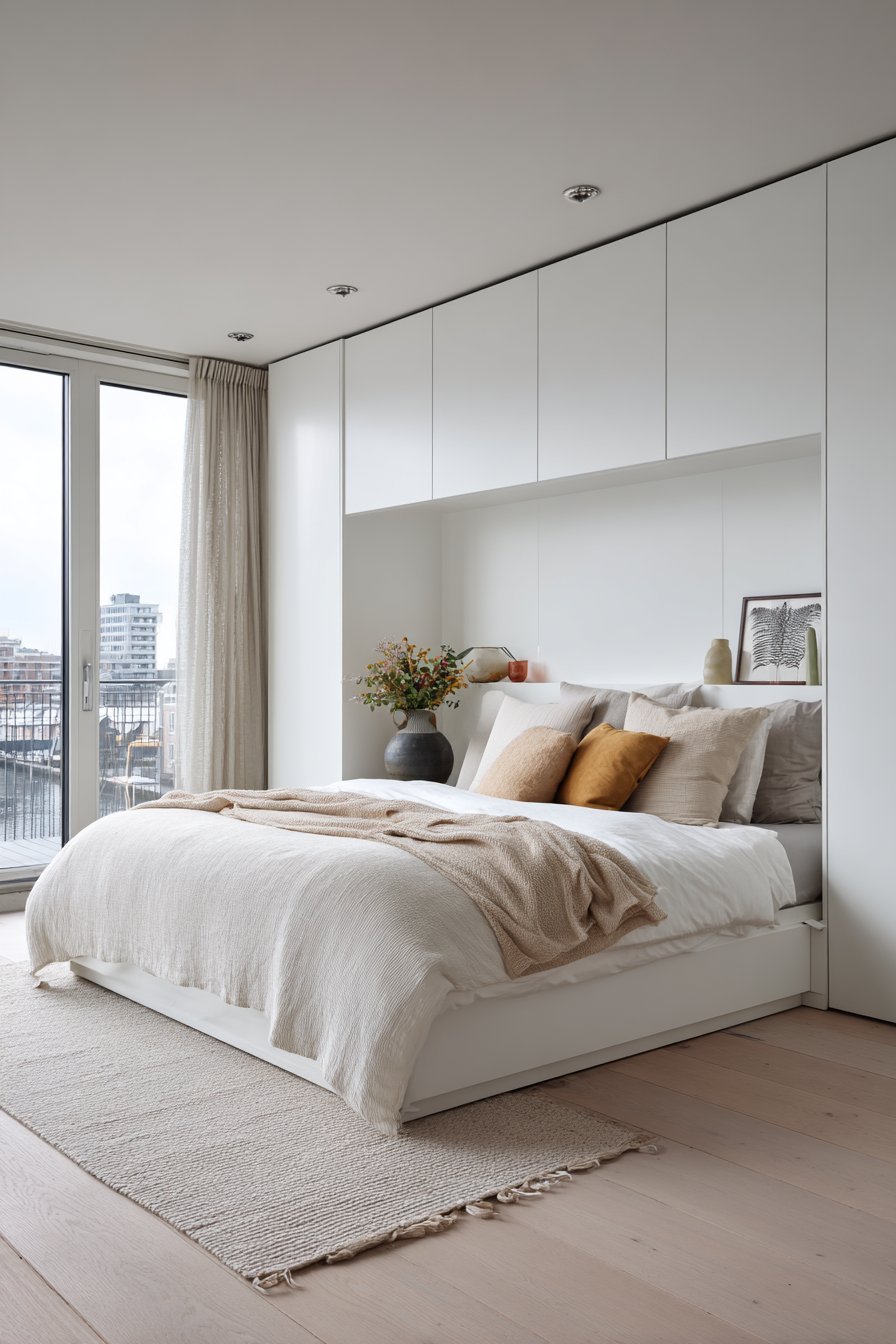
Understanding your available space is the foundation of successful wardrobe installation. White wardrobes can visually expand small rooms, but physical dimensions determine what actually fits. Measure your room’s length, width, and ceiling height before shopping. Account for door swing clearance, ensuring your wardrobe doors won’t collide with beds or other furniture.
Consider the traffic flow within your bedroom when positioning a white wardrobe. Ideally, you need at least 24-36 inches of clearance in front of the wardrobe for comfortable access. In compact rooms, sliding door wardrobes eliminate the space required for door swing. Measure doorways and staircases if purchasing a pre-assembled unit, as many beautiful wardrobes become problematic when they won’t fit through entry points.
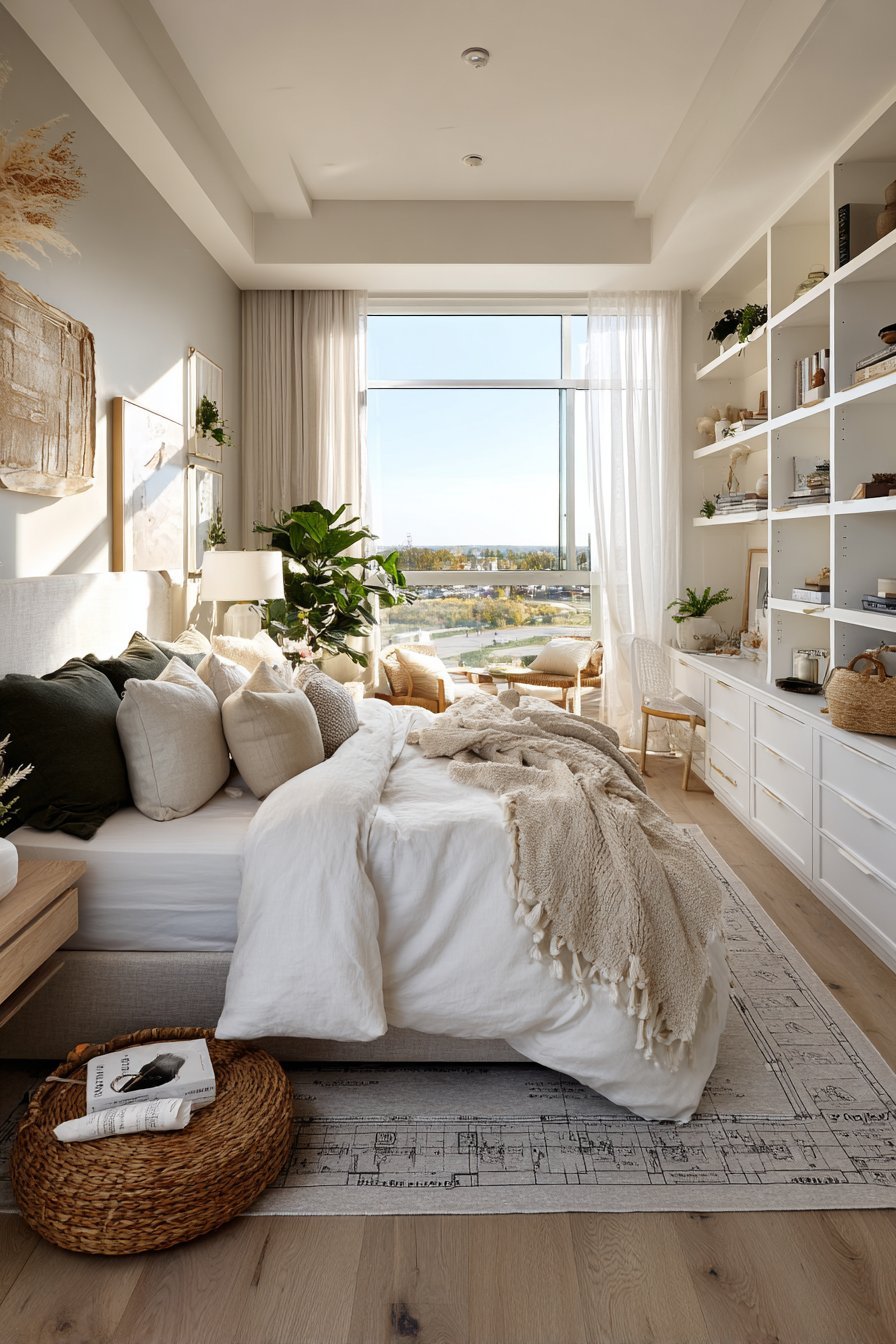
The ceiling height significantly impacts wardrobe proportions and storage capacity. Standard wardrobes range from 72 to 84 inches tall, but custom solutions can maximize vertical space in rooms with high ceilings. Tall wardrobes provide more storage but may overwhelm small rooms visually. Balance your storage needs with maintaining comfortable room proportions that don’t feel cramped or dominated by furniture.
- Measure room dimensions including length, width, and ceiling height before shopping
- Allow 24-36 inches of clearance space in front of the wardrobe for comfortable access
- Consider sliding doors for rooms where traditional door swing would obstruct movement
- Measure doorways, staircases, and hallways to ensure delivery and installation access
- Account for baseboards, outlets, and architectural features that may affect placement
- Use painter’s tape on floors to visualize the wardrobe’s footprint before purchasing
2. Material Quality and Construction
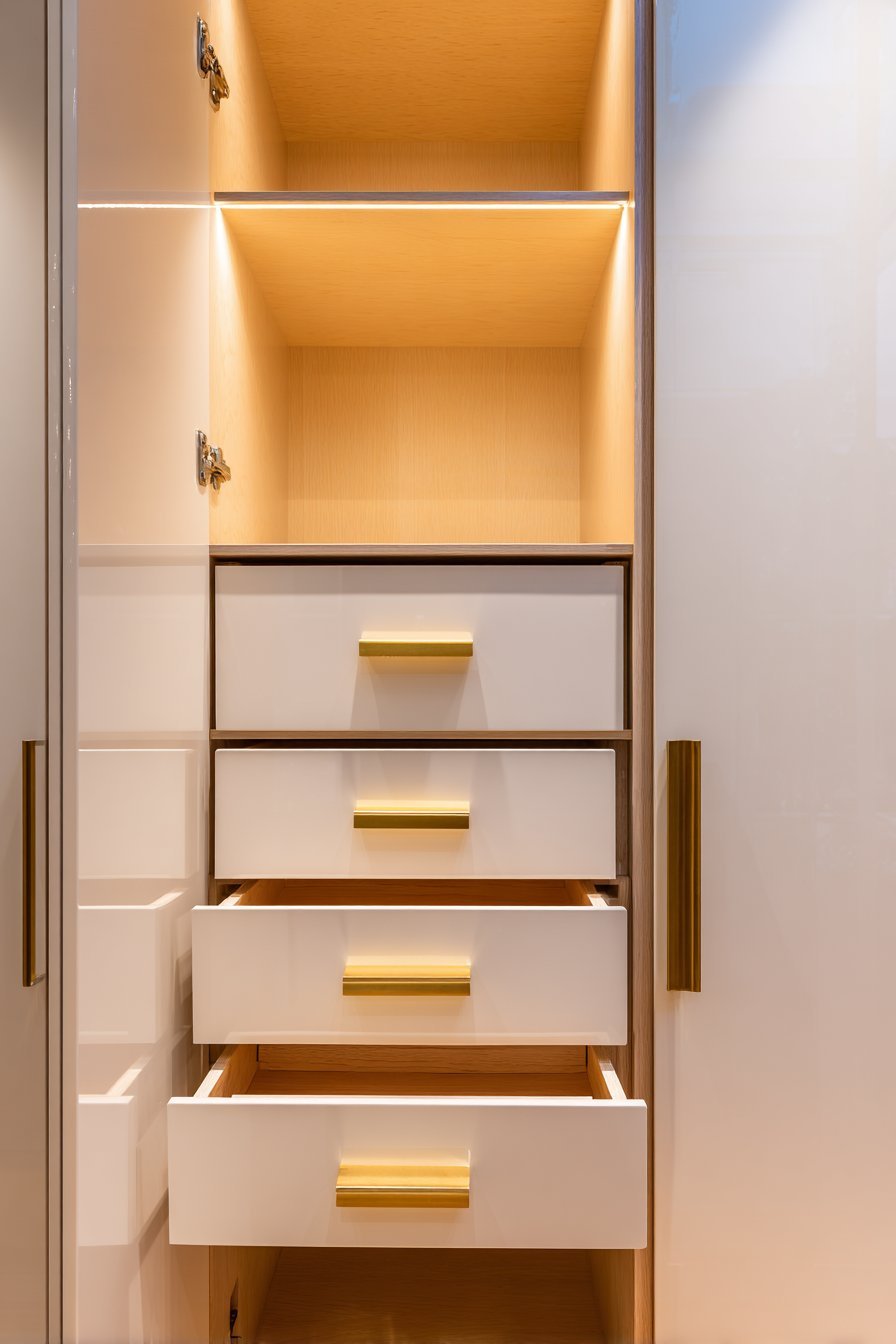
The construction material determines your white wardrobe’s durability, appearance, and longevity. Solid wood offers superior strength and can be refinished multiple times, making it an excellent long-term investment. Medium-density fiberboard (MDF) with white lacquer or paint provides a smooth, modern finish at moderate cost. Particleboard represents the budget-friendly option but offers less durability and lower weight capacity.
Finish quality dramatically affects both appearance and maintenance requirements. High-quality paint or lacquer finishes resist yellowing and maintain their pristine white appearance longer. Look for multiple coat applications and smooth, even surfaces without visible brush marks. Pre-finished wardrobes typically offer more consistent quality than pieces requiring on-site painting, though custom painting allows for specific sheen preferences.
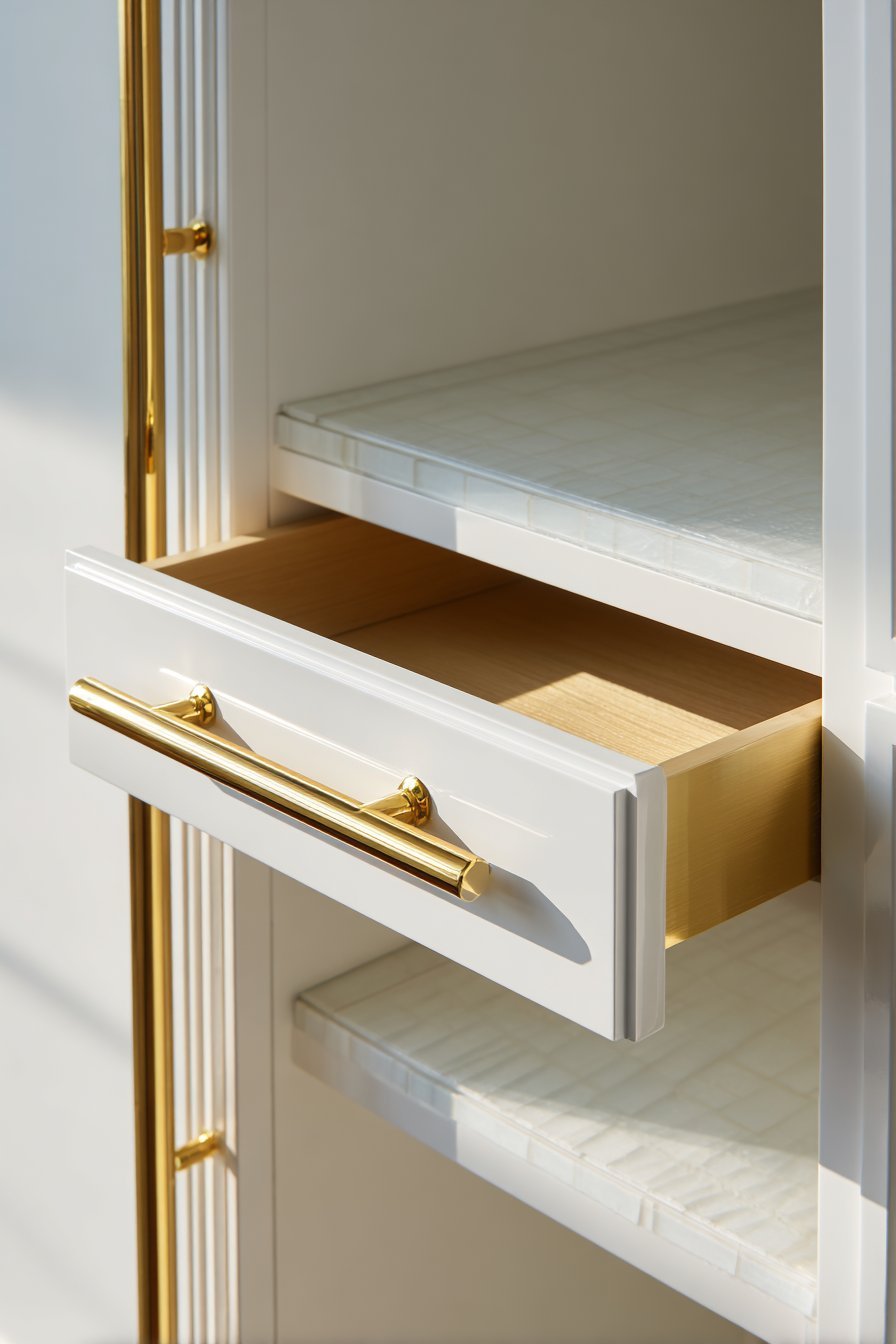
The internal framework and joinery methods reveal construction quality that impacts functionality. Dovetail joints, mortise and tenon connections, and reinforced corner brackets indicate superior craftsmanship. Check that shelves can support adequate weight, typically requiring thickness of at least 0.75 inches. Quality hardware, including drawer slides and door hinges, ensures smooth operation and prevents premature wear.
- Choose solid wood for maximum durability and refinishing potential over decades
- Select MDF with quality finishes for excellent value and consistently smooth surfaces
- Inspect finish quality for even application, smooth texture, and resistance to yellowing
- Verify internal shelving thickness to ensure adequate weight-bearing capacity
- Test drawer slides and door hinges for smooth, quiet operation during showroom visits
- Request warranty information covering materials, finish, and hardware components
3. Storage Configuration and Organization
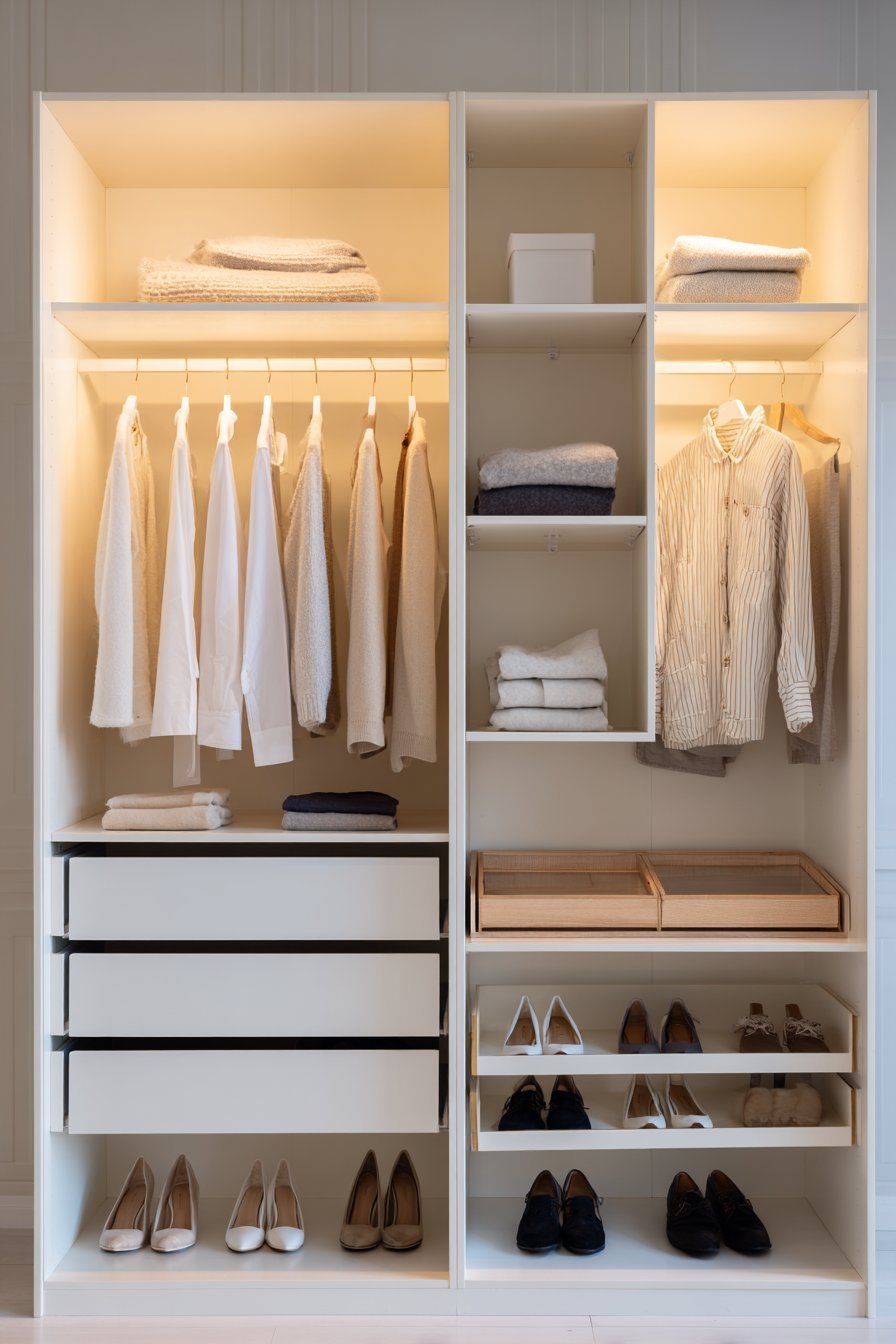
Your storage needs should drive wardrobe configuration decisions rather than aesthetic preferences alone. Assess your clothing collection, including hanging garments, folded items, shoes, and accessories. A well-designed wardrobe allocates approximately 60% to hanging space, 30% to shelving, and 10% to drawers. However, personal wardrobes vary significantly, so customize proportions based on your actual possessions.
Hanging space requirements differ dramatically between wardrobes containing primarily short items versus long garments. Short hanging sections accommodate shirts, blouses, and folded pants, requiring roughly 40 inches of vertical clearance. Long hanging areas for dresses, coats, and full-length garments need 60-70 inches. Double-hanging rods maximize space efficiency when most items are short, effectively doubling your hanging capacity.
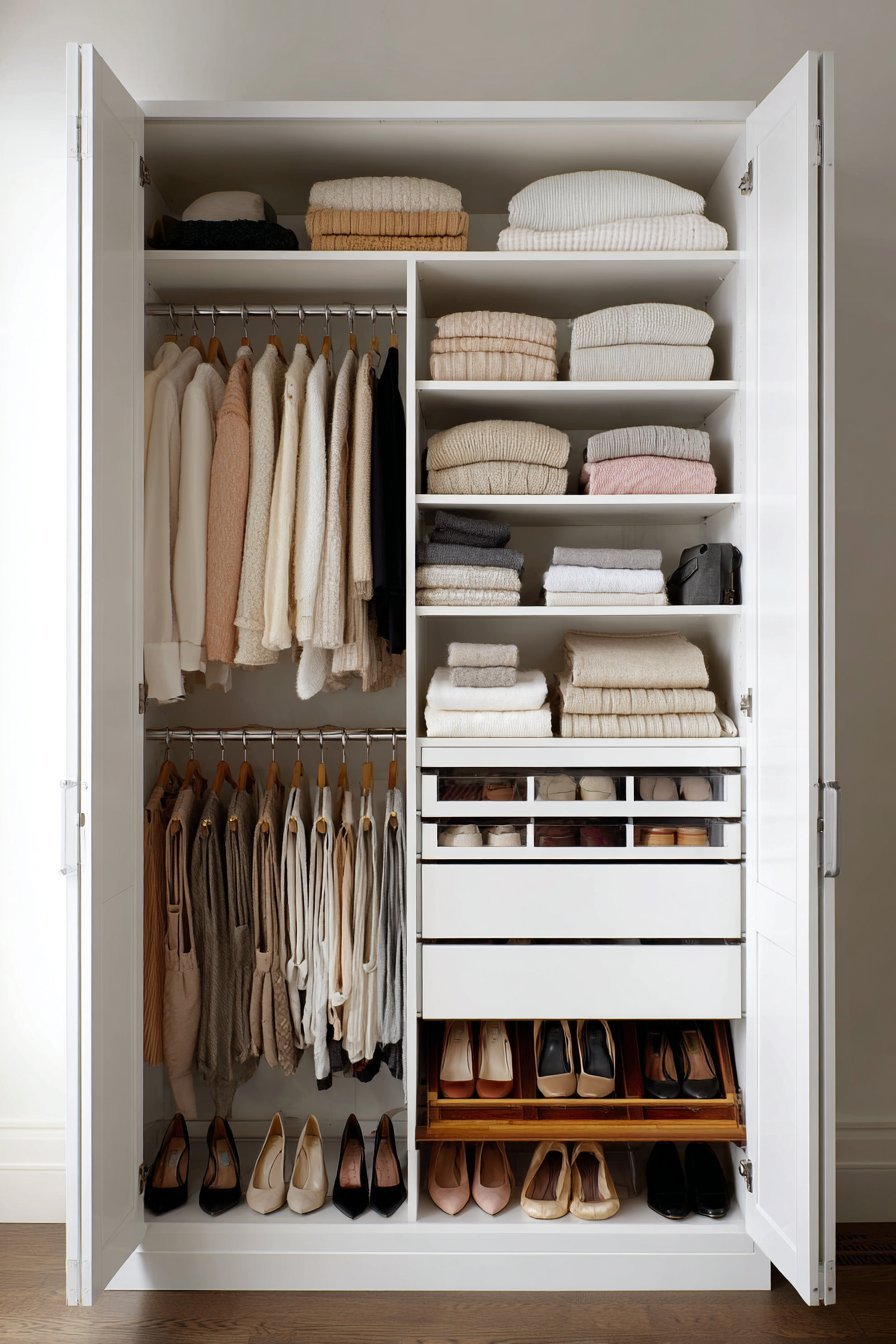
Adjustable components provide flexibility as storage needs evolve over time. Shelves with multiple positioning holes allow height customization for different item types. Removable drawer dividers, hanging rods at various heights, and modular accessories adapt to changing requirements. This flexibility proves especially valuable in children’s rooms, guest bedrooms, or spaces serving multiple purposes throughout the year.
- Inventory your current wardrobe to determine accurate hanging, shelving, and drawer needs
- Allocate approximately 40 inches for short hanging items and 60-70 inches for long garments
- Incorporate double-hanging rods to maximize storage in sections with shorter clothing items
- Select wardrobes with adjustable shelving to accommodate items of varying heights
- Include specialized storage like pull-out shoe racks, jewelry trays, or tie organizers
- Plan for 15-20% more capacity than current needs to accommodate future purchases
4. Door Style and Operation
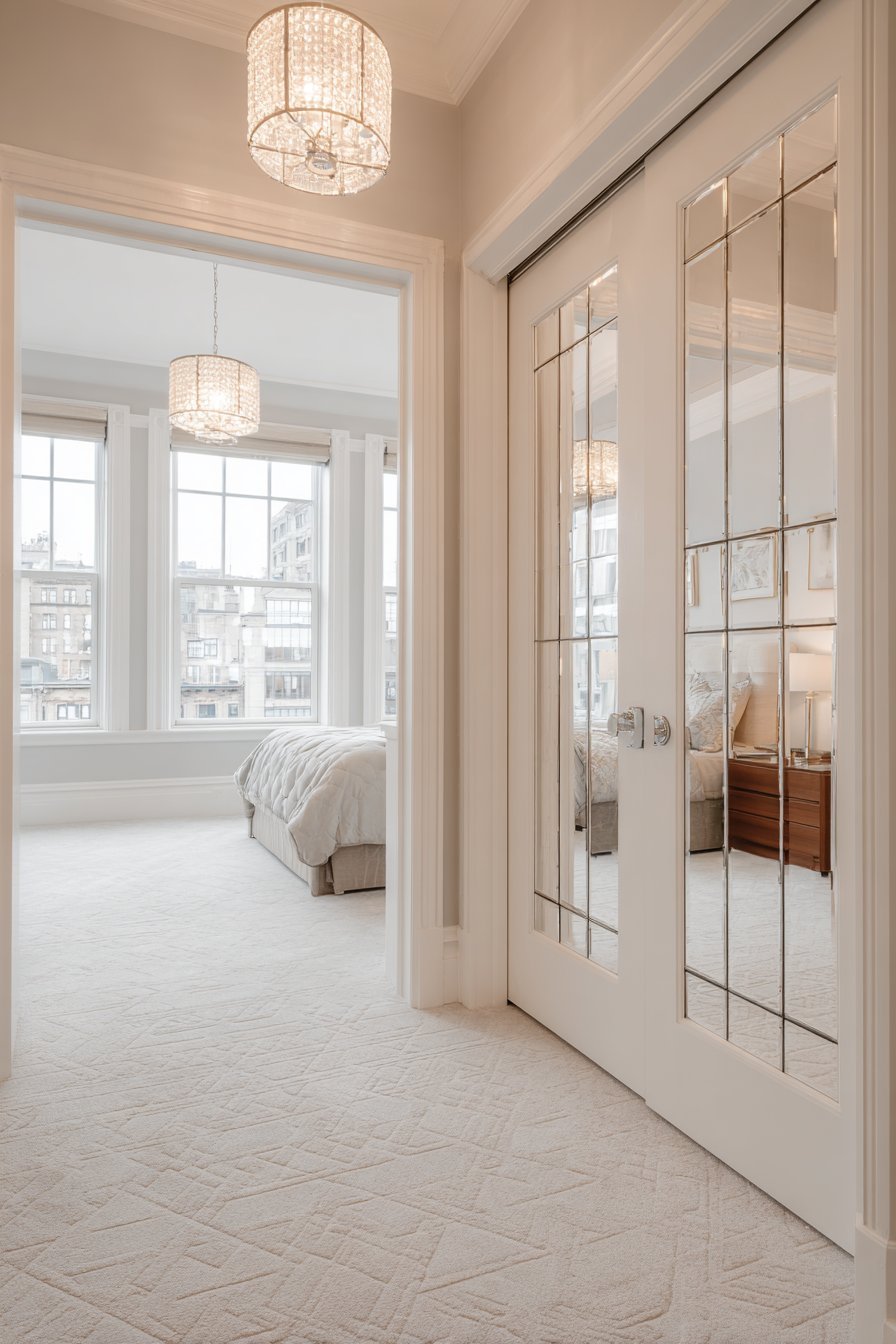
Door configuration significantly impacts both aesthetics and functionality in your bedroom space. Hinged doors offer traditional styling and full interior access but require substantial clearance space. Sliding doors eliminate space requirements but typically allow access to only half the wardrobe interior at once. Bi-fold doors compromise between these options, requiring less clearance than hinged while providing wider interior access than sliding.
The number of doors affects visual proportions and usability in practical ways. Two-door wardrobes suit smaller spaces and create clean, symmetrical lines. Three and four-door configurations work better for larger wardrobes, preventing individual doors from becoming too wide and heavy. Multiple doors also allow more flexibility in organizing wardrobe interiors, as you can access specific sections without exposing the entire contents.
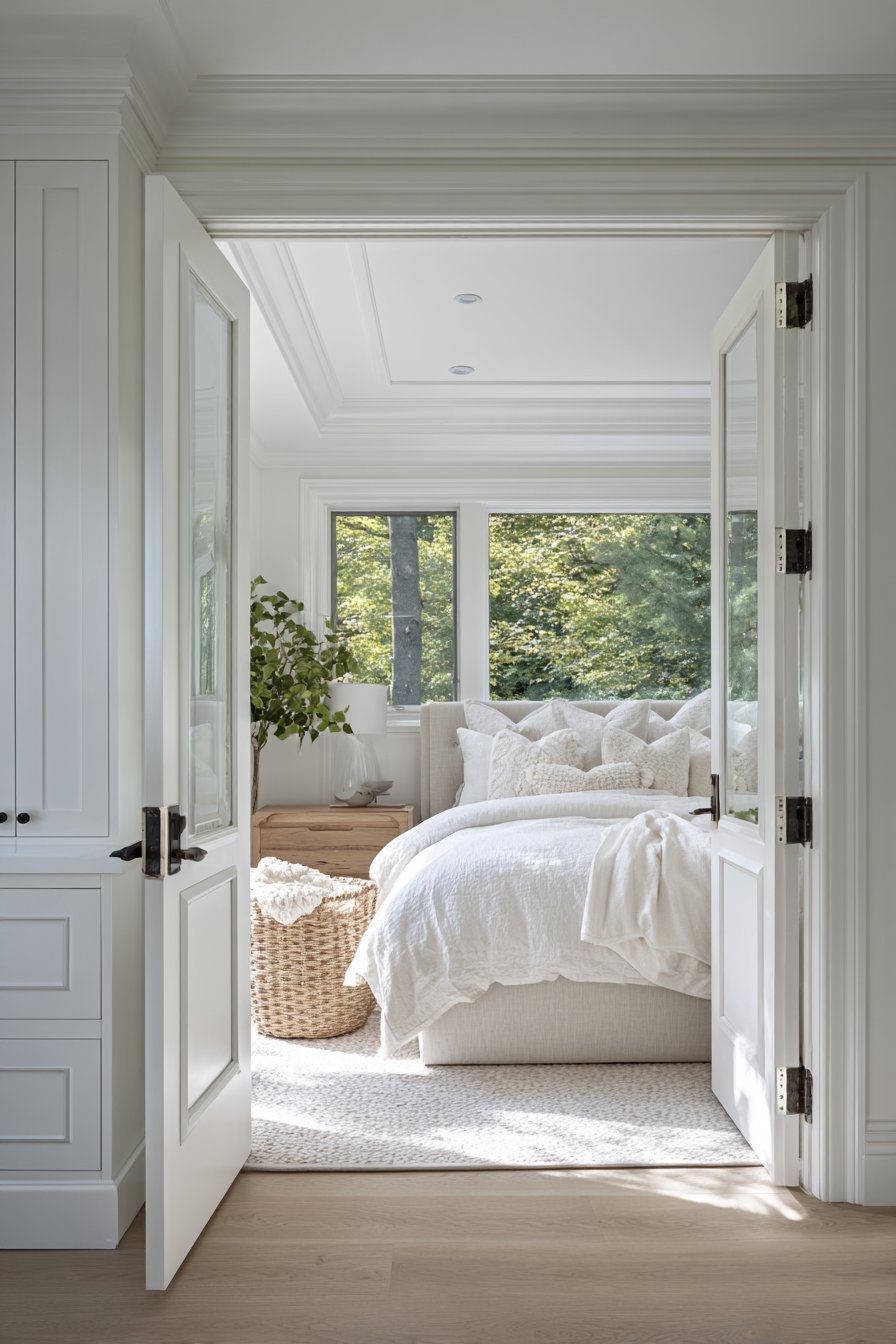
Mirror integration serves dual purposes, providing functional value while enhancing spatial perception. Mirrored doors eliminate the need for separate standing mirrors, saving floor space in compact bedrooms. They reflect natural light, brightening rooms and creating illusions of expanded space. However, mirrors require more frequent cleaning and may not suit all design aesthetics. Consider mirroring only select door panels for balanced functionality without overwhelming reflective surfaces.
- Choose hinged doors for traditional style and complete interior access when space permits
- Select sliding doors for space-constrained rooms where door swing would create obstacles
- Consider bi-fold doors as a middle ground requiring moderate clearance with good access
- Evaluate mirror doors for dual functionality, brightening rooms while eliminating standalone mirrors
- Test door operation during purchase to ensure smooth, quiet, and secure closing mechanisms
- Verify door alignment and consistent gaps between panels for professional appearance
5. Lighting Considerations
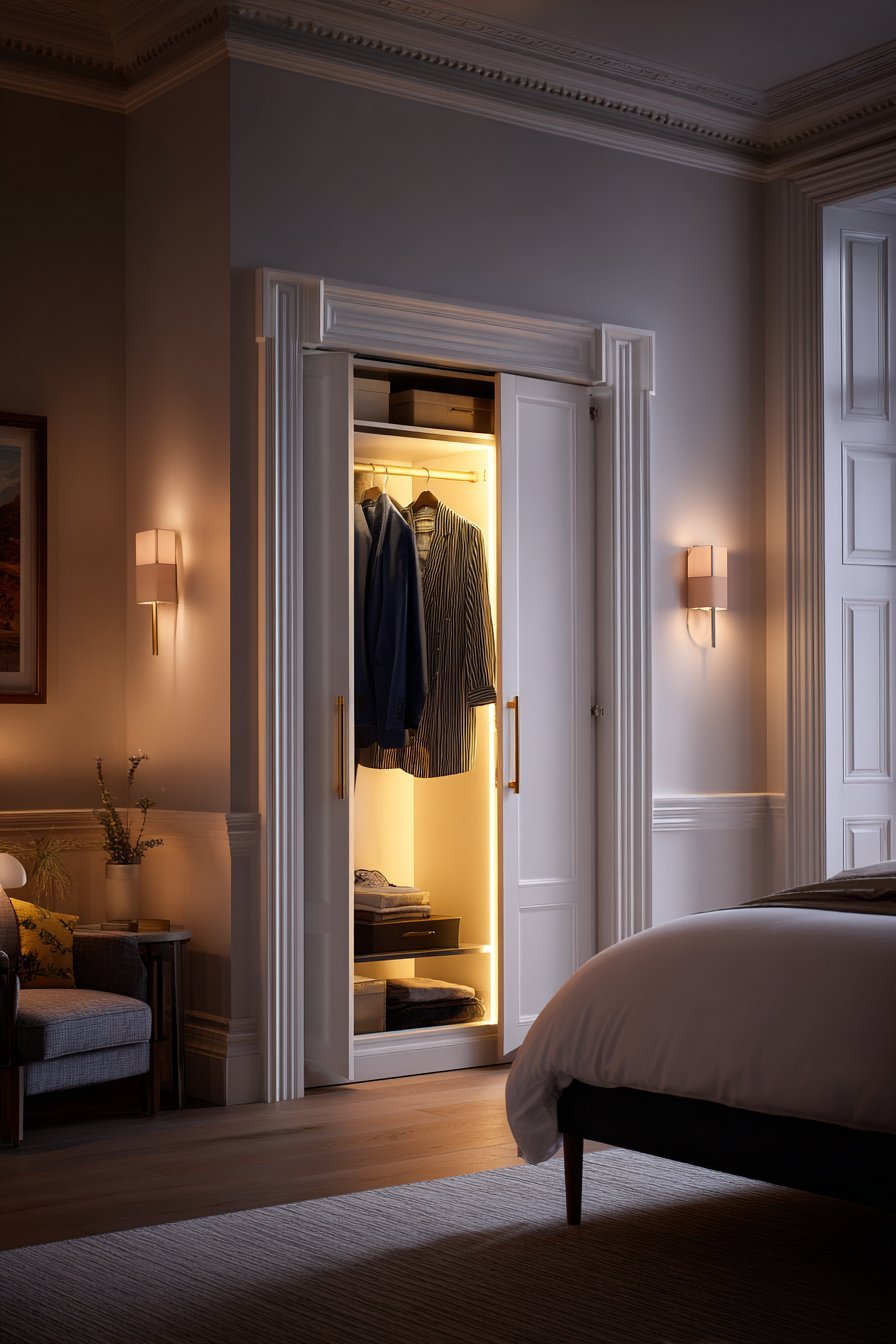
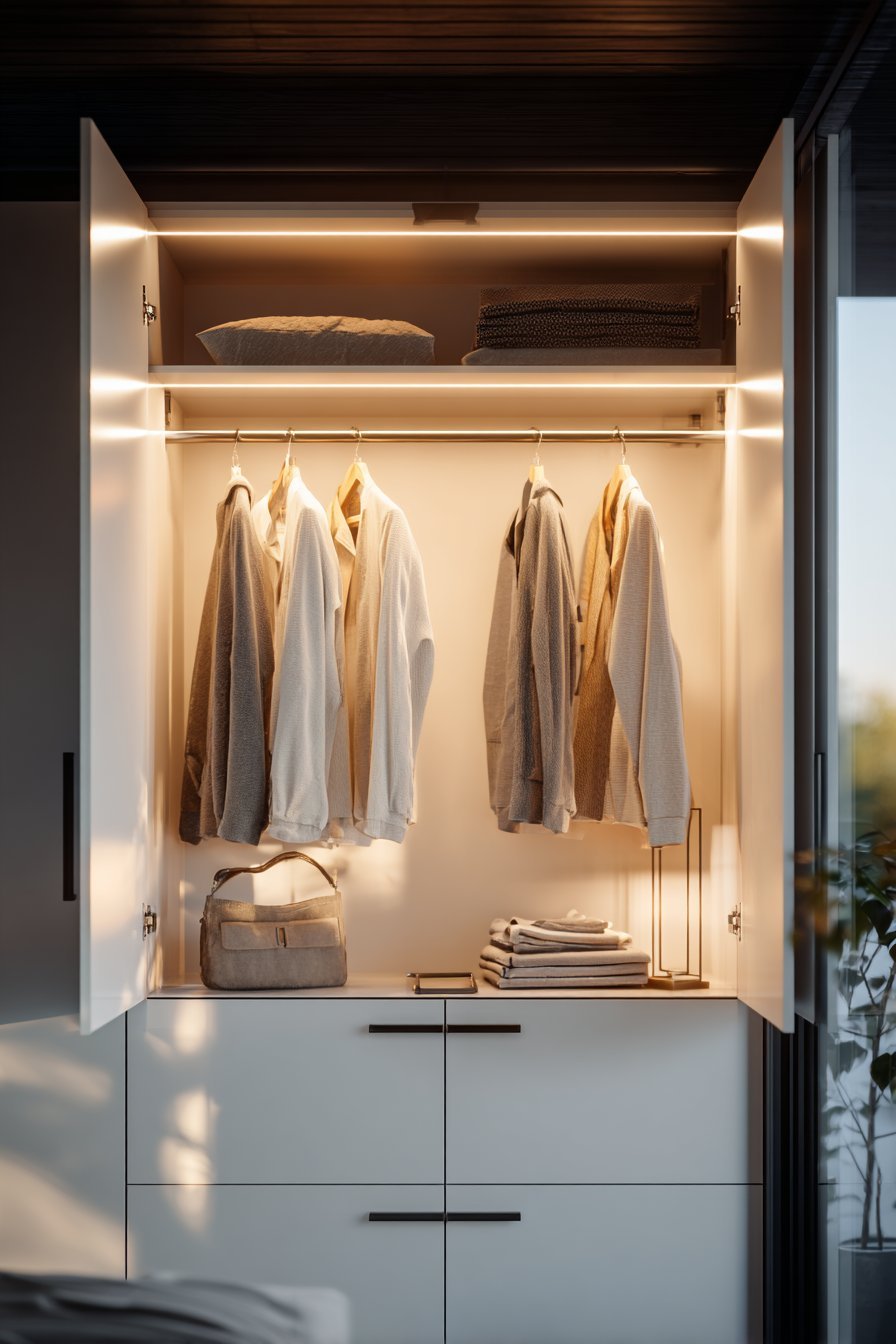
Interior lighting transforms wardrobe functionality, making clothing selection easier during early mornings or evening routines. LED strip lighting installed along the top rail illuminates hanging sections effectively while consuming minimal energy. Motion-activated sensors add convenience, automatically illuminating interiors when doors open. Battery-operated options simplify installation in wardrobes without nearby electrical outlets, though they require periodic battery replacement.
The color temperature of wardrobe lighting affects how accurately you perceive clothing colors. Cool white (4000-5000K) provides crisp, clear illumination that reveals true colors, making it ideal for getting dressed. Warm white (2700-3000K) creates softer ambiance but may slightly alter color perception. Consider matching your wardrobe lighting temperature to your bedroom’s primary lighting for visual consistency throughout the space.
External lighting around the wardrobe influences its appearance and room ambiance significantly. Position overhead lights to minimize shadows on the wardrobe’s white surfaces, preventing the appearance of discoloration. Wall sconces flanking the wardrobe create attractive symmetry while providing task lighting. Avoid placing the wardrobe directly opposite windows where harsh sunlight might highlight dust and imperfections on white surfaces throughout the day.
- Install LED strip lighting inside the wardrobe for energy-efficient, long-lasting illumination
- Choose motion-activated sensors for hands-free operation and convenience during use
- Select cool white (4000-5000K) color temperature for accurate color perception when dressing
- Position bedroom lighting to minimize shadows and prevent uneven appearance on white surfaces
- Consider battery-operated lights for easy installation without electrical modifications
- Add dimmer switches to control lighting intensity for different times of day
6. Maintenance and Cleaning Requirements
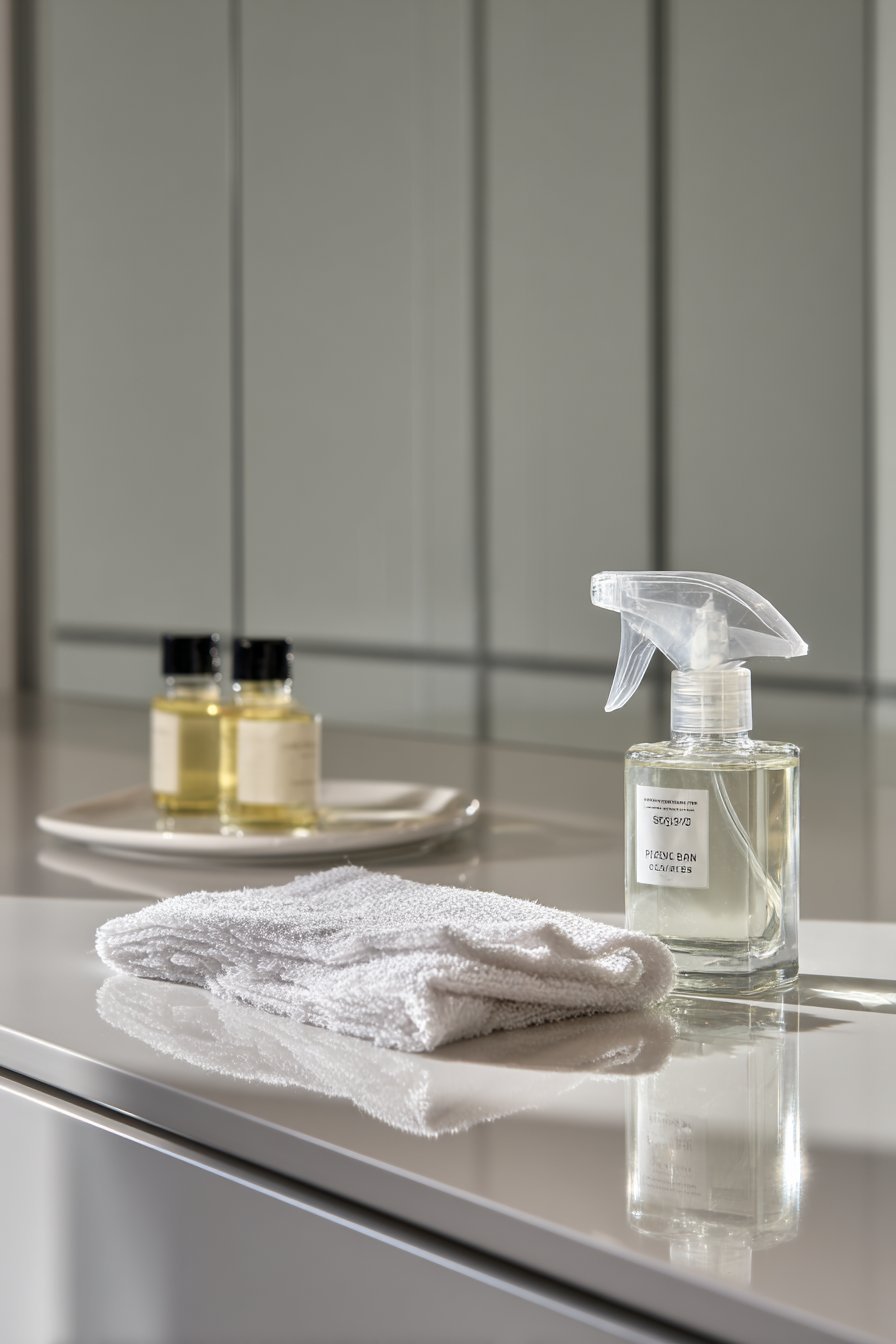
White surfaces demand more frequent cleaning compared to darker furniture colors that hide dust and fingerprints. Establish realistic expectations about maintenance commitment before choosing a white wardrobe. High-gloss finishes show smudges prominently but wipe clean easily with microfiber cloths. Matte finishes conceal fingerprints better but may require more careful cleaning to avoid damaging the surface texture.
Preventive maintenance significantly reduces long-term cleaning challenges and preserves appearance. Handle wardrobe doors and drawers with clean hands to minimize oil transfer. Use coasters or trays inside drawers to contain cosmetics, jewelry, or other items that might leak or stain. Consider applying a furniture protectant or wax coating appropriate for your wardrobe’s specific finish, creating a barrier against everyday wear and simplifying future cleaning.
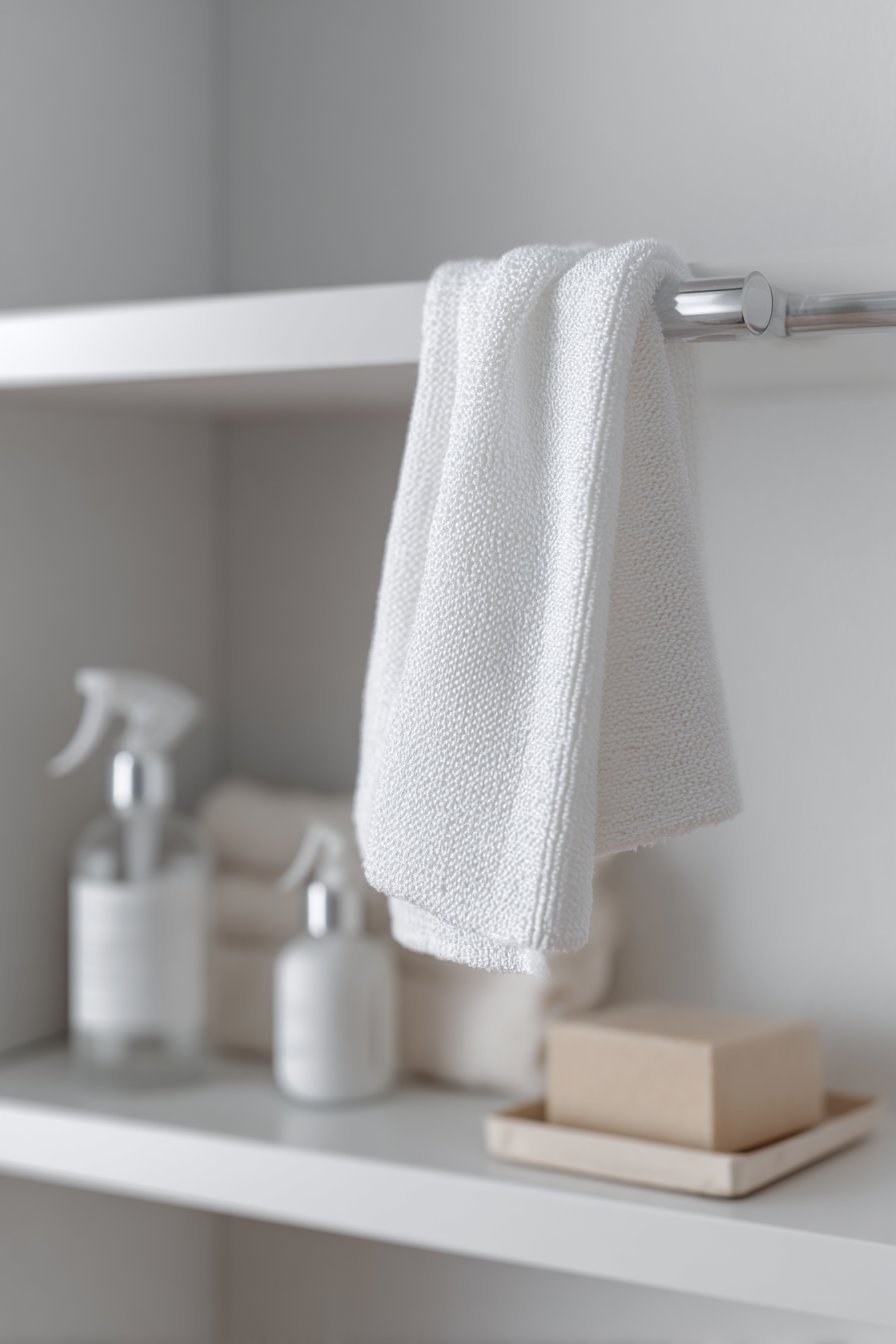
Cleaning techniques vary based on your wardrobe’s finish and material composition. Most white wardrobes respond well to mild soap solutions and soft microfiber cloths, avoiding abrasive cleaners that scratch surfaces. Address spills and marks immediately before they set or stain permanently. For stubborn marks on painted surfaces, magic erasers work effectively but use them sparingly as they’re mildly abrasive. Always test cleaning products in inconspicuous areas before applying to visible surfaces.
- Clean white wardrobe surfaces weekly with microfiber cloths to prevent dust accumulation
- Use mild soap and water solutions, avoiding harsh chemicals that might damage finishes
- Address fingerprints, spills, and marks immediately before they become permanent stains
- Apply furniture polish or protectant appropriate for your specific finish type
- Keep cleaning supplies accessible to encourage regular maintenance habits
- Consider gloss finishes for easier cleaning despite showing smudges more readily
7. Ventilation and Moisture Control
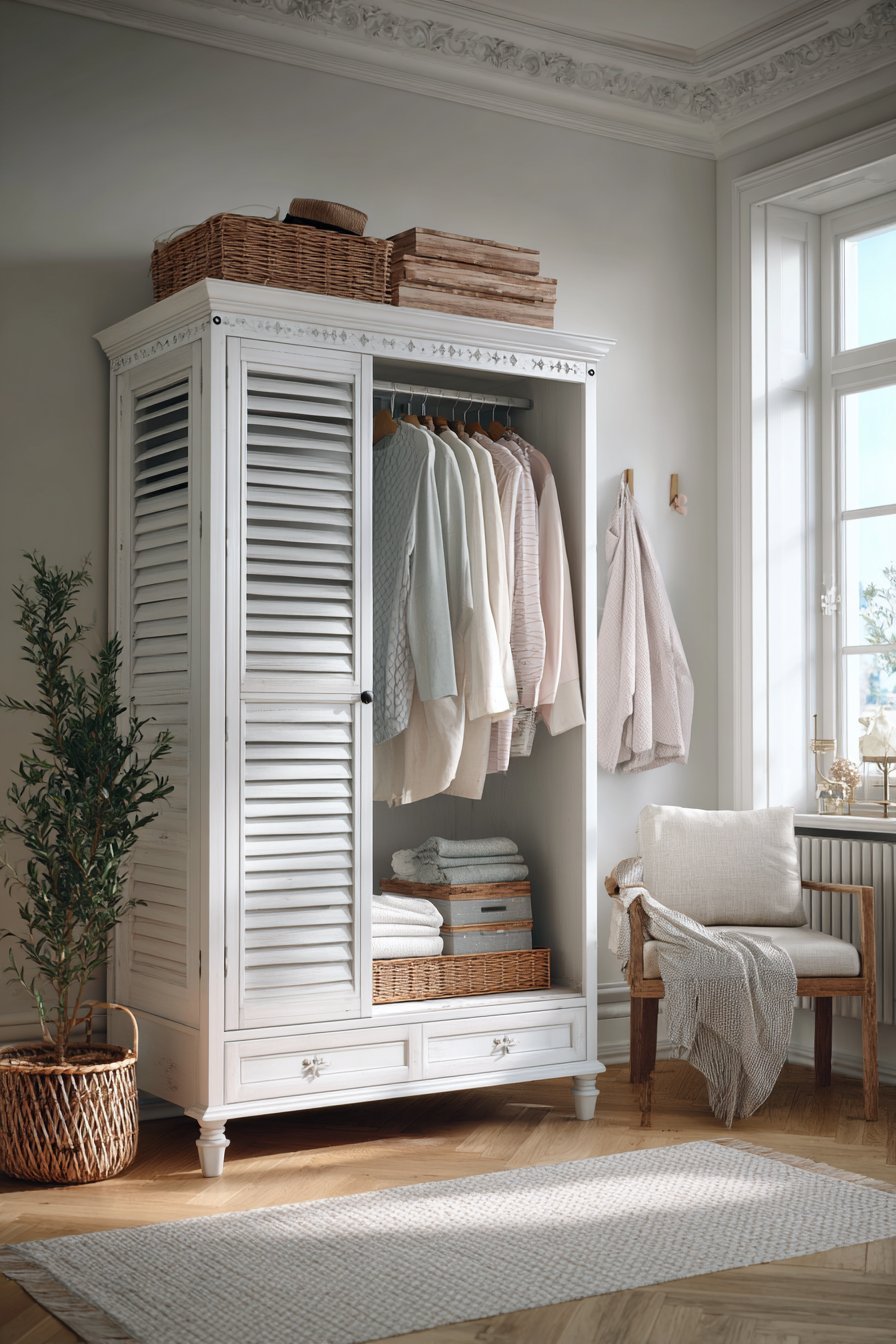
Proper air circulation inside wardrobes prevents musty odors and protects clothing from moisture damage. Enclosed wardrobes create microenvironments where humidity accumulates, especially in climates with high moisture levels. Ventilation holes, typically positioned at the top and bottom of wardrobe backs, promote air exchange. If your wardrobe lacks factory ventilation, consider drilling small holes or leaving slight gaps between the wardrobe and wall.
Moisture absorbers provide additional protection in humid environments or poorly ventilated rooms. Silica gel packets, activated charcoal, or commercial dehumidifying products absorb excess moisture that could damage clothing or encourage mold growth. Replace these products according to manufacturer recommendations, typically every 2-3 months. Cedar blocks offer natural moisture control while imparting pleasant fragrance and deterring moths from wool garments.
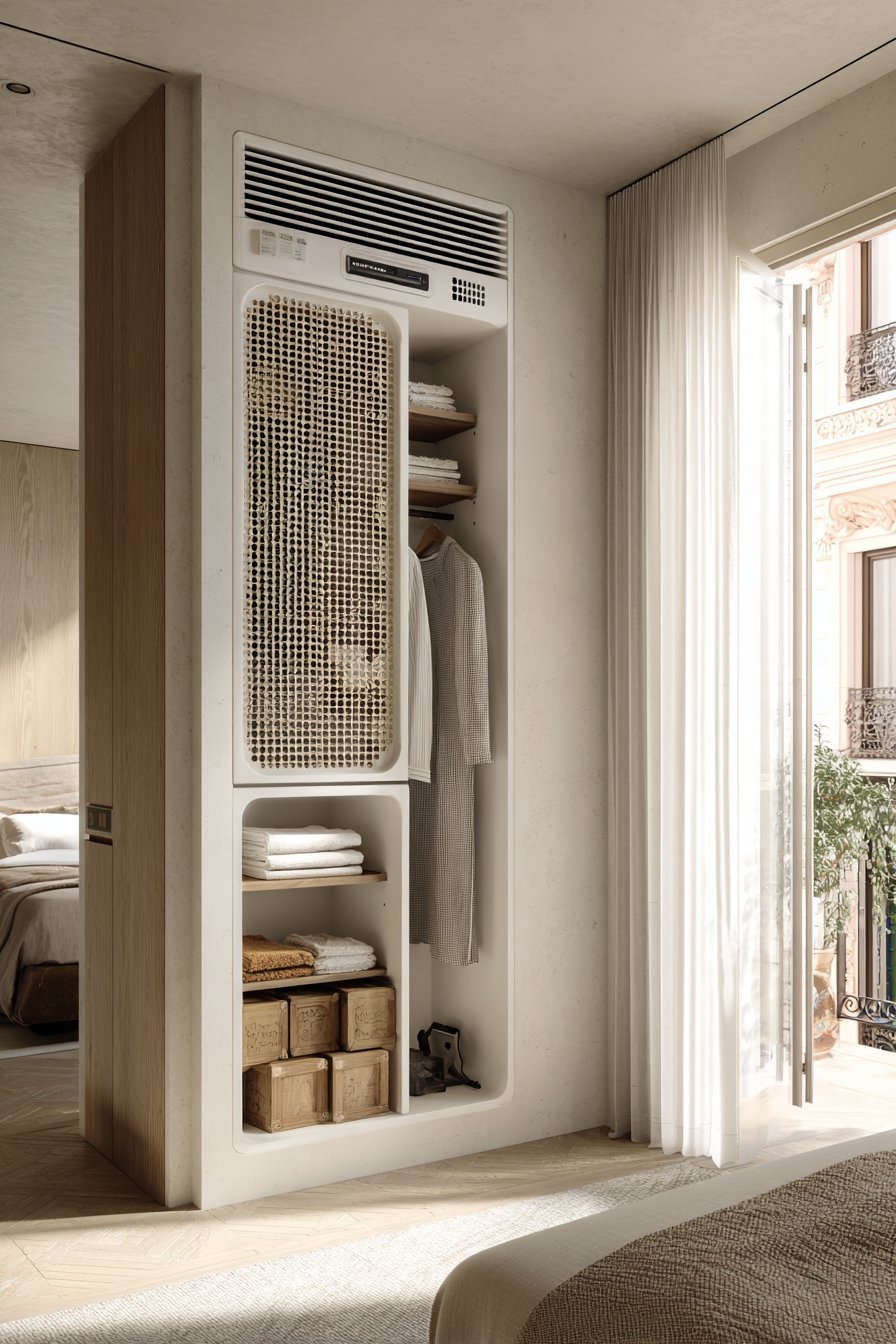
The wardrobe’s position relative to exterior walls influences moisture accumulation risks. Wardrobes placed against exterior walls in older homes may experience more humidity issues than those on interior walls. Leave a small gap (1-2 inches) between the wardrobe back and wall to promote air circulation. Avoid positioning wardrobes in bathrooms, basements, or other high-humidity areas where moisture control becomes significantly more challenging regardless of preventive measures.
- Ensure wardrobe design includes ventilation holes for adequate air circulation
- Place moisture absorbers or dehumidifying products inside to control humidity levels
- Position wardrobes away from exterior walls when possible to minimize moisture exposure
- Leave 1-2 inches between wardrobe back and wall for air circulation
- Replace moisture-absorbing products every 2-3 months for continued effectiveness
- Consider cedar blocks for natural moisture control and moth deterrent properties
8. Budget and Value Assessment
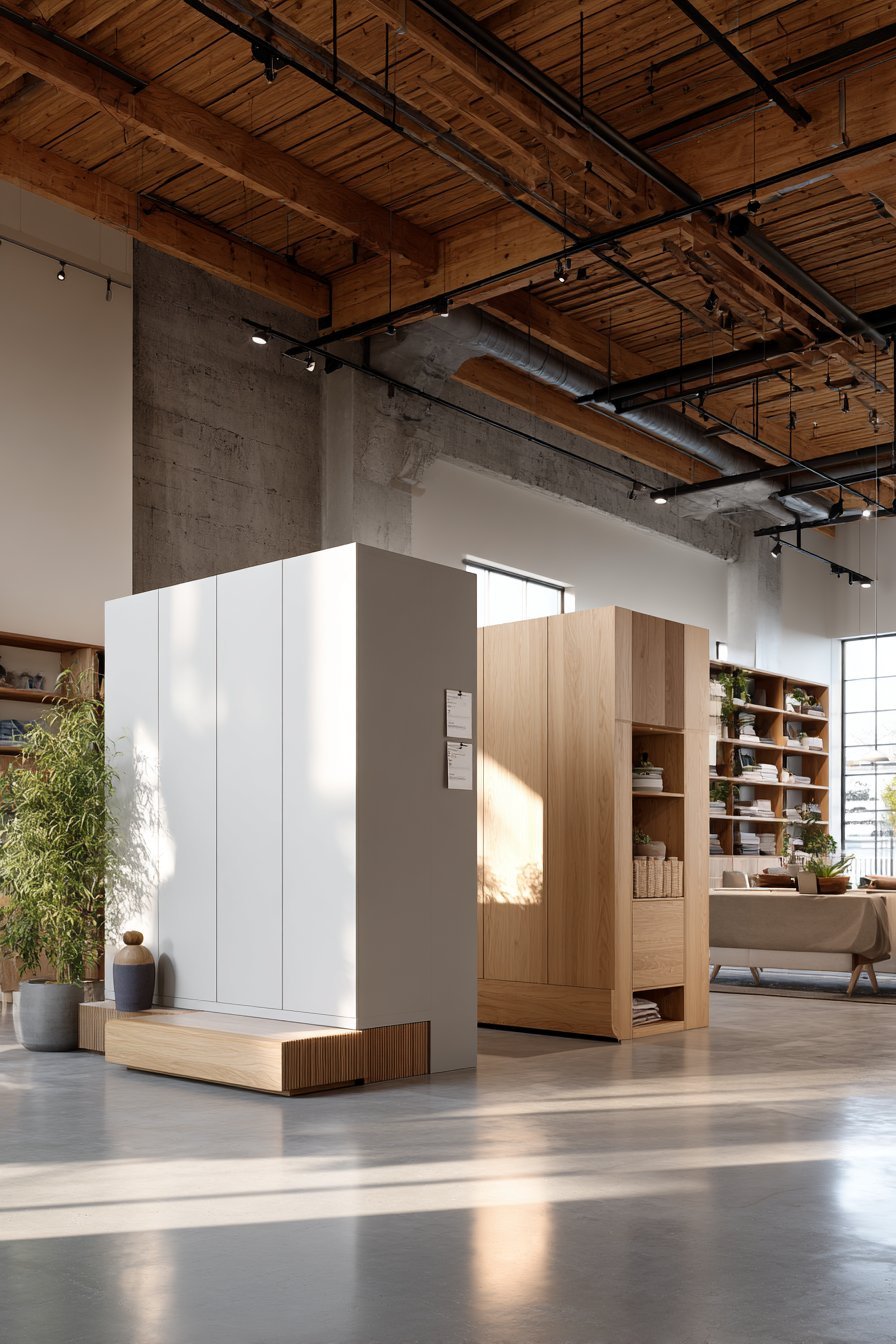
Price ranges for white wardrobes span from budget-friendly flat-pack options under $300 to premium custom installations exceeding $5,000. Budget models typically use particleboard construction with basic hardware, suitable for temporary situations or rental properties. Mid-range wardrobes ($800-2,000) offer improved materials like MDF, better finishes, and more configuration options. Premium wardrobes feature solid wood construction, superior hardware, and customization that justifies higher investment for permanent installations.
Long-term value extends beyond initial purchase price to encompass durability, functionality, and aesthetic longevity. Calculate cost-per-year by dividing purchase price by expected lifespan. A $1,500 wardrobe lasting 15 years costs $100 annually, while a $500 wardrobe requiring replacement after 5 years costs the same annually but generates more waste. Quality wardrobes maintain resale value better, potentially recouping significant investment if you relocate or redecorate.
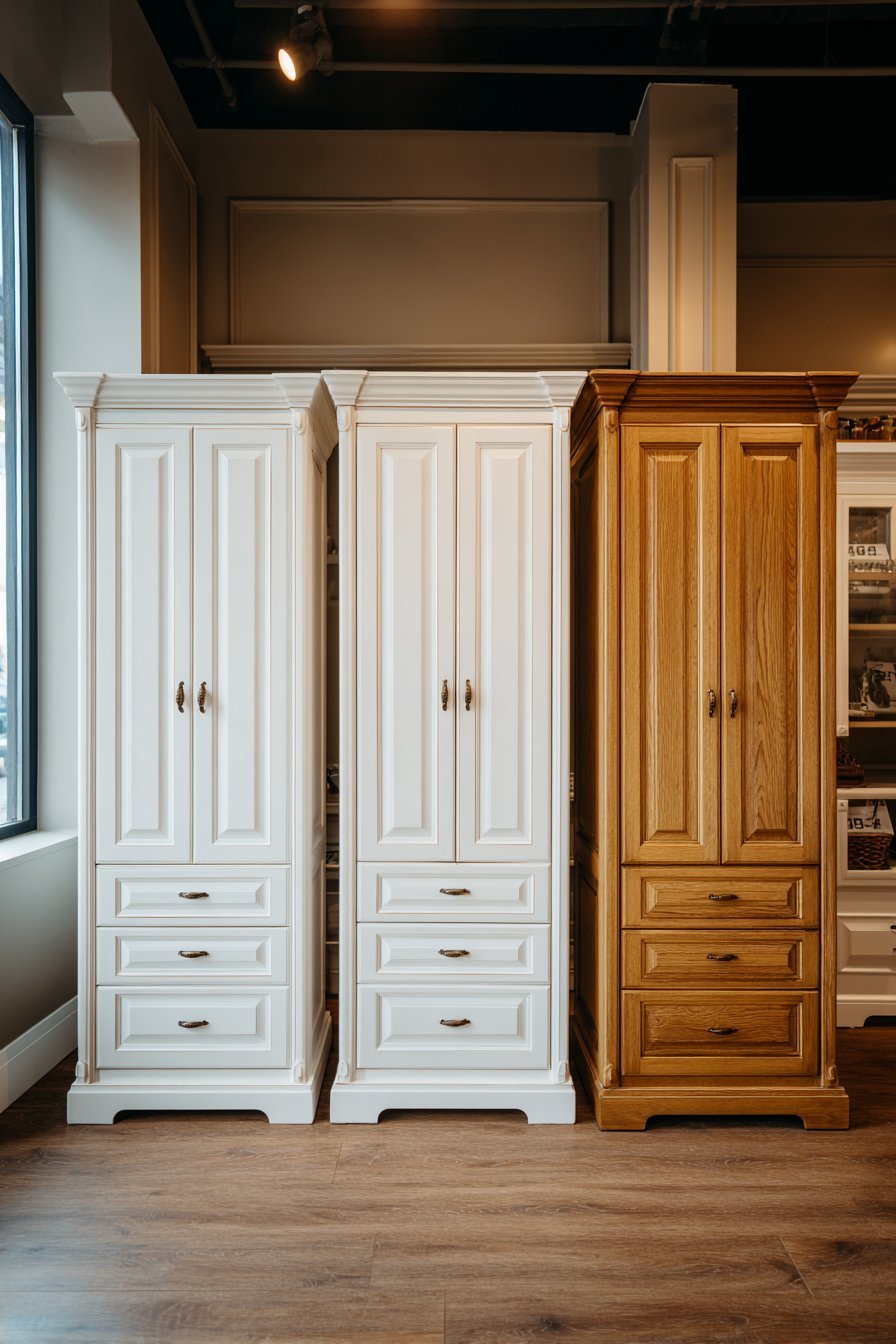
Hidden costs frequently surprise buyers who focus exclusively on wardrobe pricing. Professional assembly typically ranges from $100-300 depending on complexity and location. Delivery fees add $50-200 for large items requiring special handling. Custom modifications, additional accessories, and installation of lighting or organization systems increase total investment. Budget an additional 20-30% beyond the wardrobe’s base price for these supplementary expenses to avoid financial surprises.
- Set a realistic total budget including delivery, assembly, and accessory costs
- Calculate cost-per-year to evaluate true long-term value rather than just purchase price
- Compare warranty coverage, with longer warranties indicating manufacturer confidence in quality
- Research brand reputations and customer reviews focusing on long-term satisfaction
- Consider financing options for quality wardrobes that exceed immediate budget constraints
- Factor in potential resale value when selecting higher-quality permanent furniture pieces
9. Style Compatibility and Design Integration
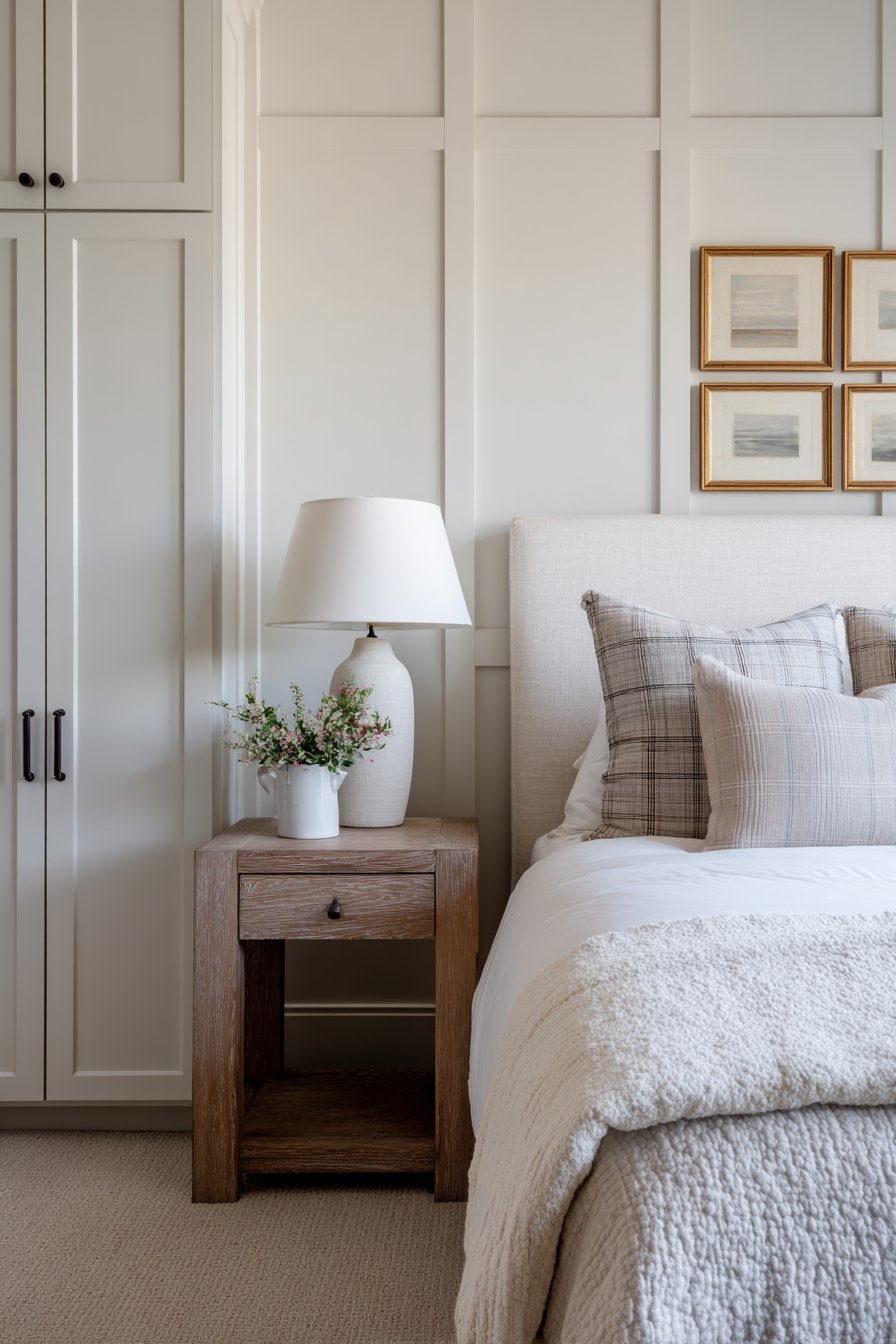
White wardrobes function as versatile foundations that complement virtually every interior design style successfully. Their neutral palette allows bold bedding, artwork, and accessories to shine without competing for visual attention. However, subtle details like hardware, molding, and proportions should harmonize with your room’s existing aesthetic. Traditional rooms benefit from wardrobes with raised panel doors and ornate hardware, while contemporary spaces suit clean-lined designs with minimal embellishment.
Hardware selection significantly impacts overall design cohesion and style expression. Brushed nickel or chrome hardware creates modern, sophisticated appearances. Oil-rubbed bronze or antique brass suits traditional, vintage, or farmhouse aesthetics. Crystal or glass knobs add elegant, feminine touches appropriate for romantic or glam-inspired spaces. Consider matching wardrobe hardware to other bedroom fixtures like door handles and light switches for professionally coordinated design.
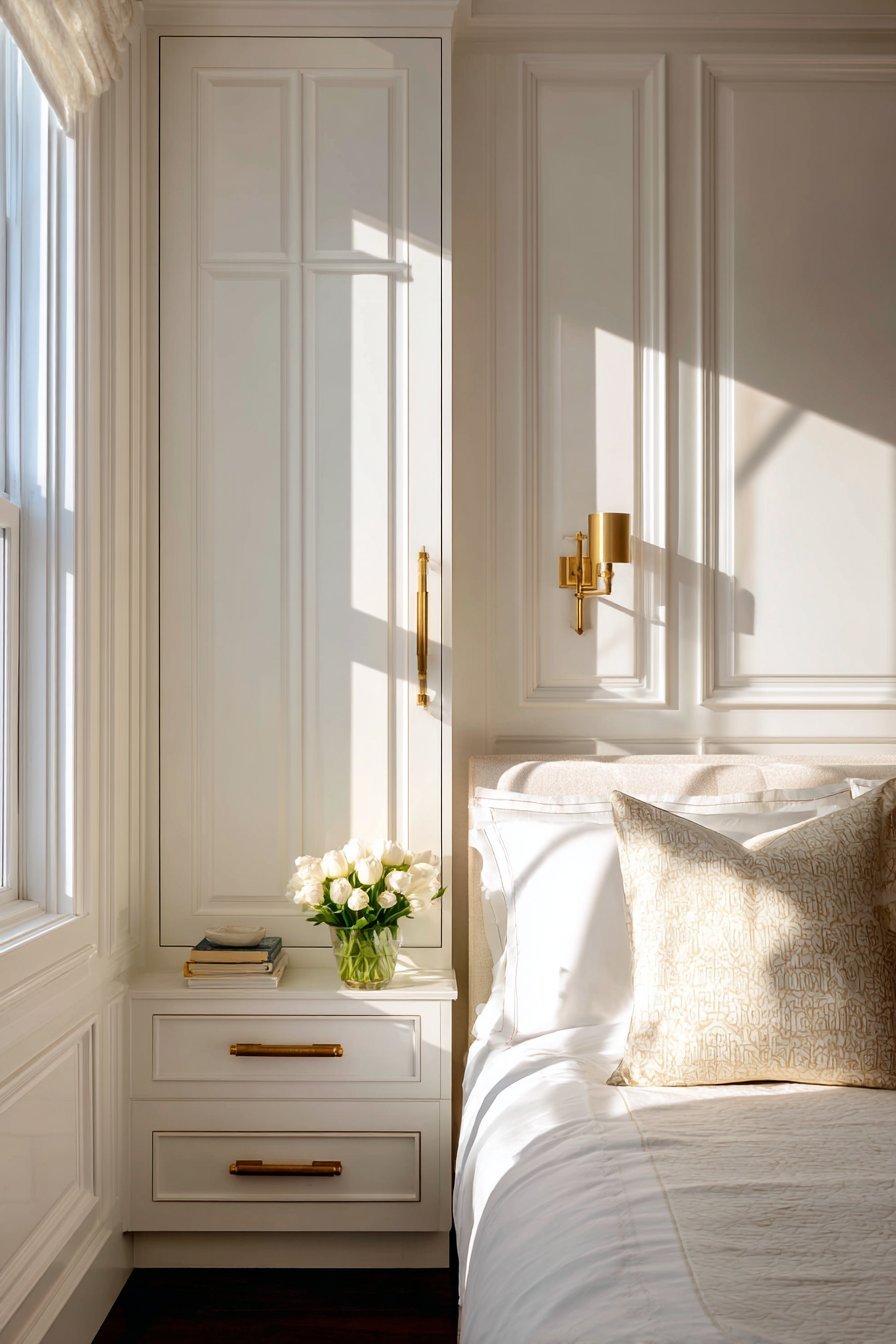
Proportion and scale determine whether your white wardrobe enhances or overwhelms your bedroom’s design. Massive wardrobes dominate small rooms, creating claustrophobic feelings despite white’s space-enhancing properties. Conversely, undersized wardrobes appear insufficient in large master suites, failing to anchor the space appropriately. Aim for wardrobes occupying roughly 10-15% of your room’s floor space, adjusted based on ceiling height and overall room proportions for balanced visual weight.
- Select wardrobe styles that complement your existing bedroom design aesthetic
- Match hardware finishes to other bedroom fixtures for cohesive, intentional design
- Consider proportions carefully, ensuring wardrobes neither overwhelm nor underwhelm the space
- Coordinate wardrobe height with other bedroom furniture for harmonious visual flow
- Evaluate how white’s brightness level matches your room’s overall color palette
- Consider panel details, molding, and feet styles that echo other furniture pieces
10. Installation and Assembly Considerations
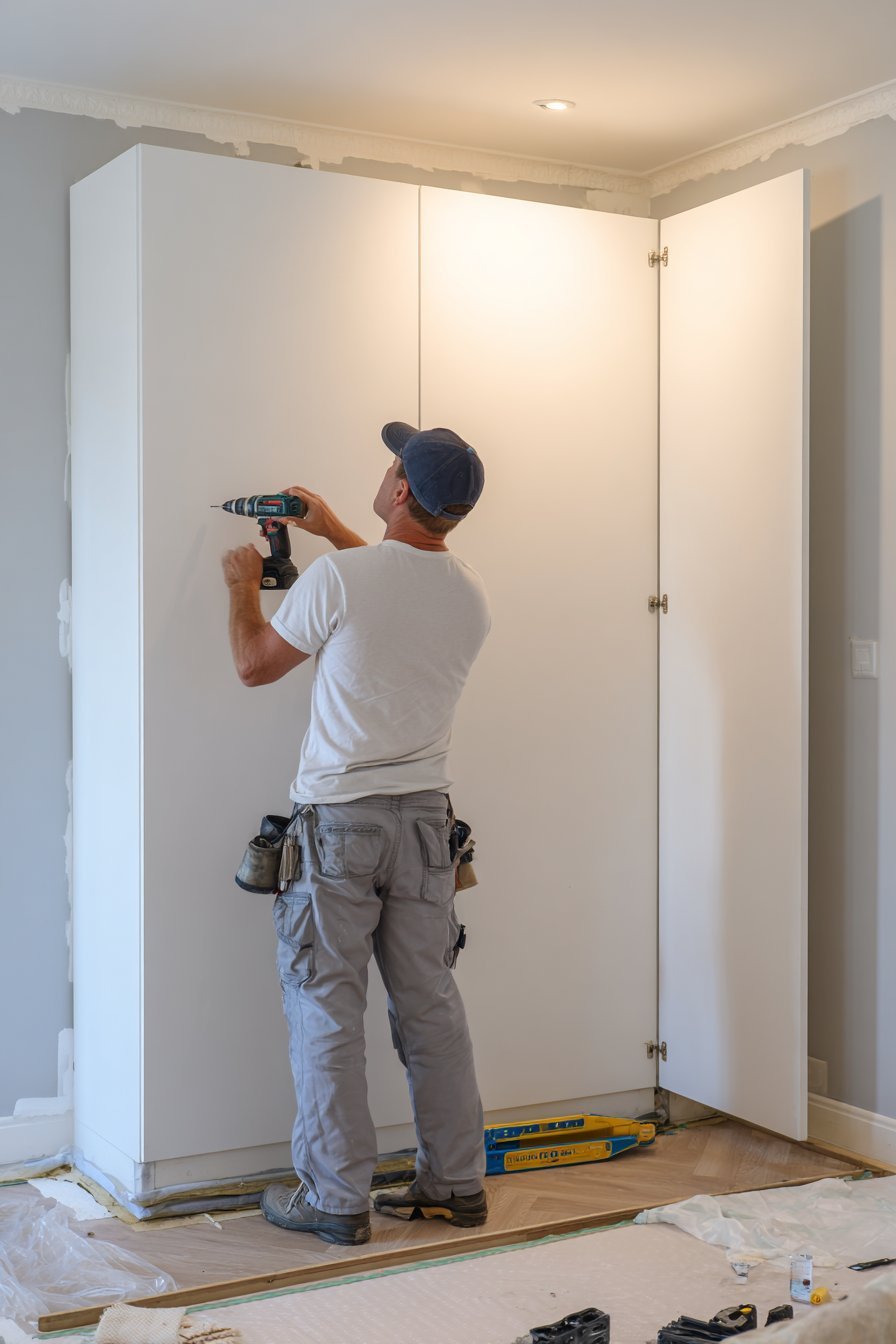
Professional installation ensures proper assembly, level placement, and secure anchoring to walls. Wardrobes exceeding 30 inches wide or containing heavy materials like solid wood benefit significantly from professional expertise. Installers possess specialized tools, experience with specific brands, and liability insurance protecting against damage during installation. Professional assembly typically costs $100-300 but prevents costly mistakes and ensures warranty compliance, as many manufacturers void warranties for improper self-assembly.
DIY assembly suits budget-conscious buyers with adequate skills, tools, and assistance. Flat-pack wardrobes require 2-4 hours assembly time depending on size and complexity. Review instructions thoroughly before beginning, ensuring you have necessary tools including levels, drills, and wrenches. Recruit at least one helper, as large panels and doors require multiple hands for safe, accurate positioning. Watch manufacturer videos demonstrating assembly processes before starting to anticipate challenges.
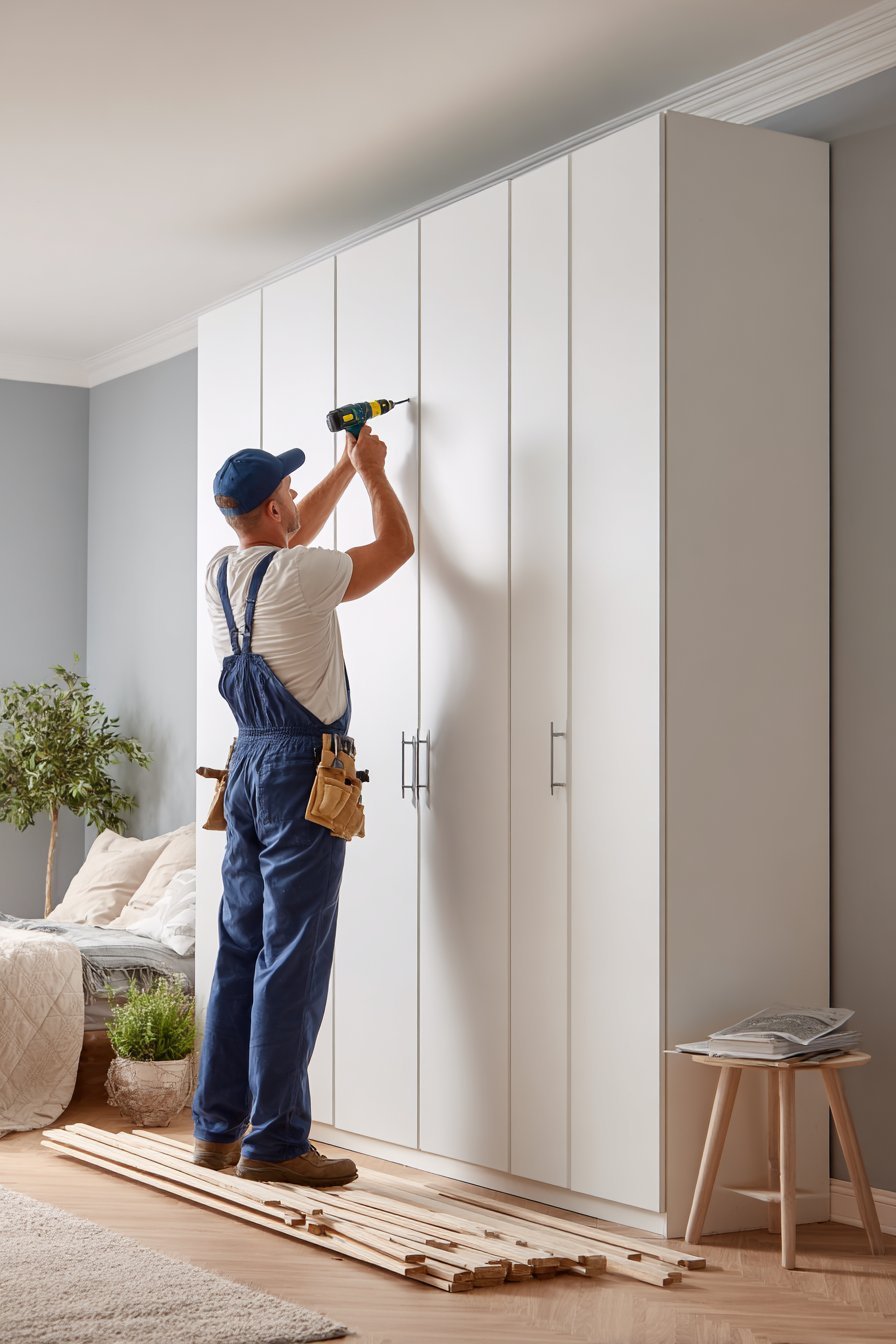
Wall anchoring represents a critical safety consideration, especially in homes with children or pets. Free-standing wardrobes taller than 30 inches risk tipping if not secured to walls properly. Use appropriate anchoring hardware for your wall type, whether drywall with studs, concrete, or plaster. Position anchors at wardrobe’s upper back corners, using at least two anchor points. This essential safety measure prevents tragic accidents while providing peace of mind that your beautiful wardrobe remains safely in place.
- Evaluate whether professional installation justifies the cost based on wardrobe complexity
- Gather all necessary tools before beginning DIY assembly to avoid interruptions
- Review assembly instructions completely and watch manufacturer videos beforehand
- Recruit helpers for safe handling of large panels and doors during assembly
- Use appropriate wall anchors rated for your wardrobe’s weight and wall type
- Verify wardrobe is level during installation to ensure proper door operation and aesthetics
Conclusion
Selecting and installing a white wardrobe involves far more than simply choosing an attractive piece of furniture. By carefully considering room dimensions, material quality, storage needs, and maintenance requirements, you create a functional solution that serves your daily routines beautifully. The considerations explored in this guide empower you to make informed decisions that balance aesthetic preferences with practical functionality, ensuring your investment delivers satisfaction for years to come.
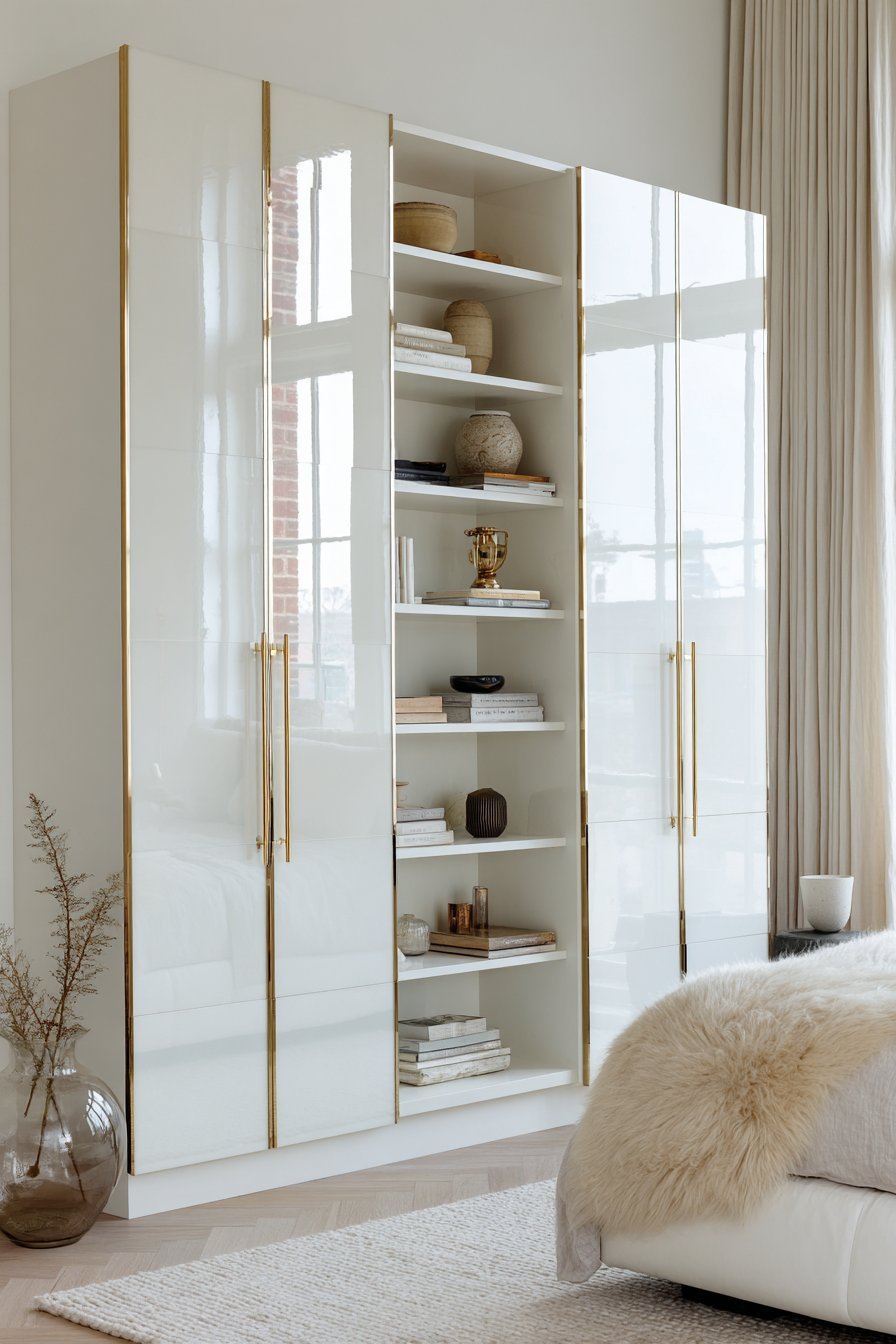
Remember that the perfect white wardrobe complements your lifestyle, fits your space appropriately, and aligns with your budget constraints. Take time to measure accurately, research quality indicators, and envision how each consideration impacts your daily experience. Whether you choose a modest flat-pack solution or invest in premium custom cabinetry, thoughtful planning prevents costly mistakes and creates bedroom storage that enhances rather than compromises your living space. Your bedroom deserves furniture that makes every morning easier and every evening more peaceful.
