

Traditional interior design has always held a special place in the hearts of homeowners. It speaks of elegance, permanence, and timeless beauty. But today, a fresh movement is reshaping what “traditional” really means. New Traditionalism is emerging as one of the most exciting design philosophies of our era.
This evolving style blends the rich heritage of classic design with the sensibilities of modern living. It respects the past while welcoming the present. Homeowners are no longer choosing between old and new. Instead, they are finding a harmonious middle ground that feels both familiar and fresh.
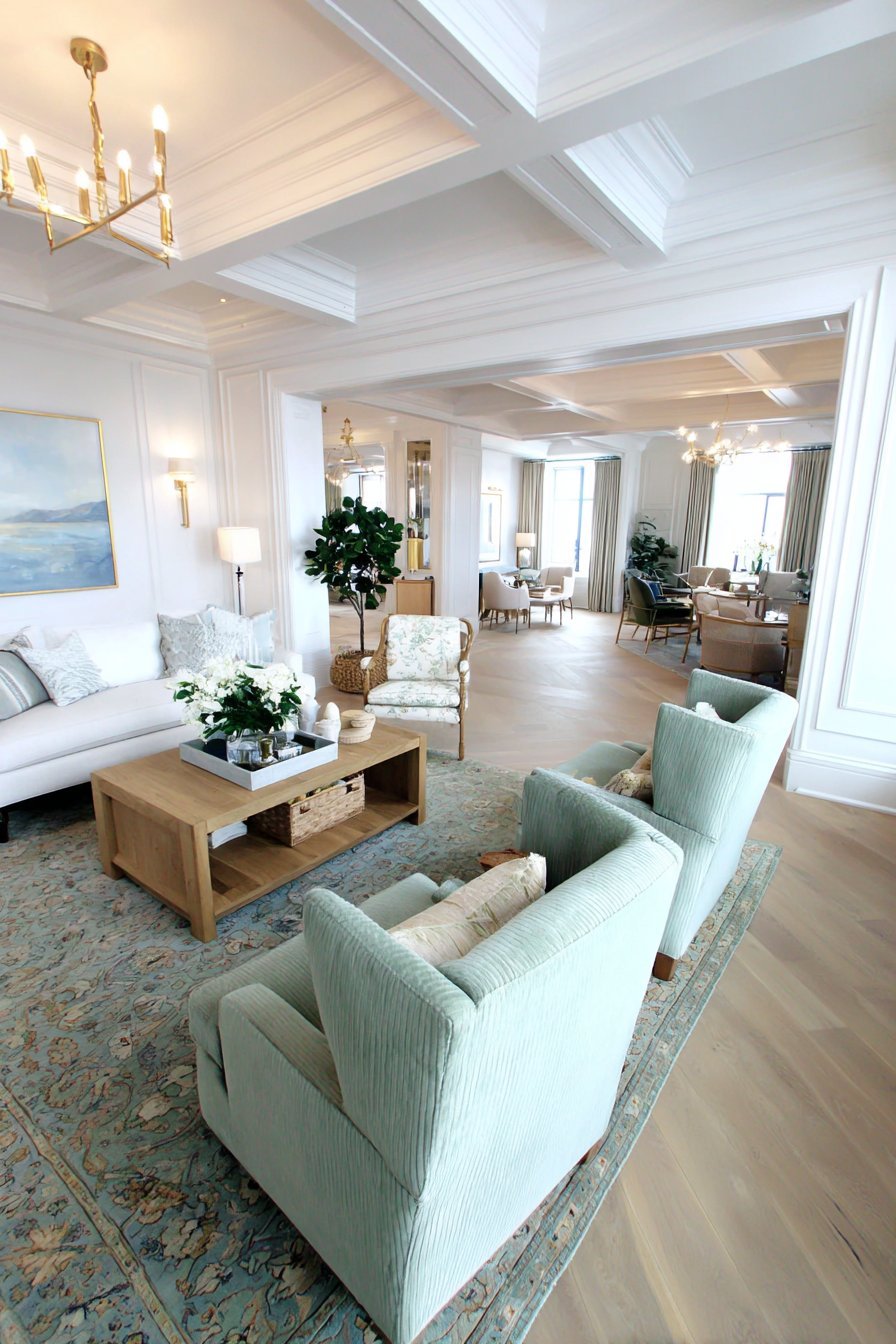
In this article, we explore how classic styles are being reinterpreted for contemporary spaces. From updated color palettes to reimagined furniture silhouettes, New Traditionalism offers something for every design lover. Whether you are renovating a historic home or simply refreshing your living room, these ideas will inspire you to look at tradition in a whole new light.
1. Redefining Traditional Aesthetics for Modern Living
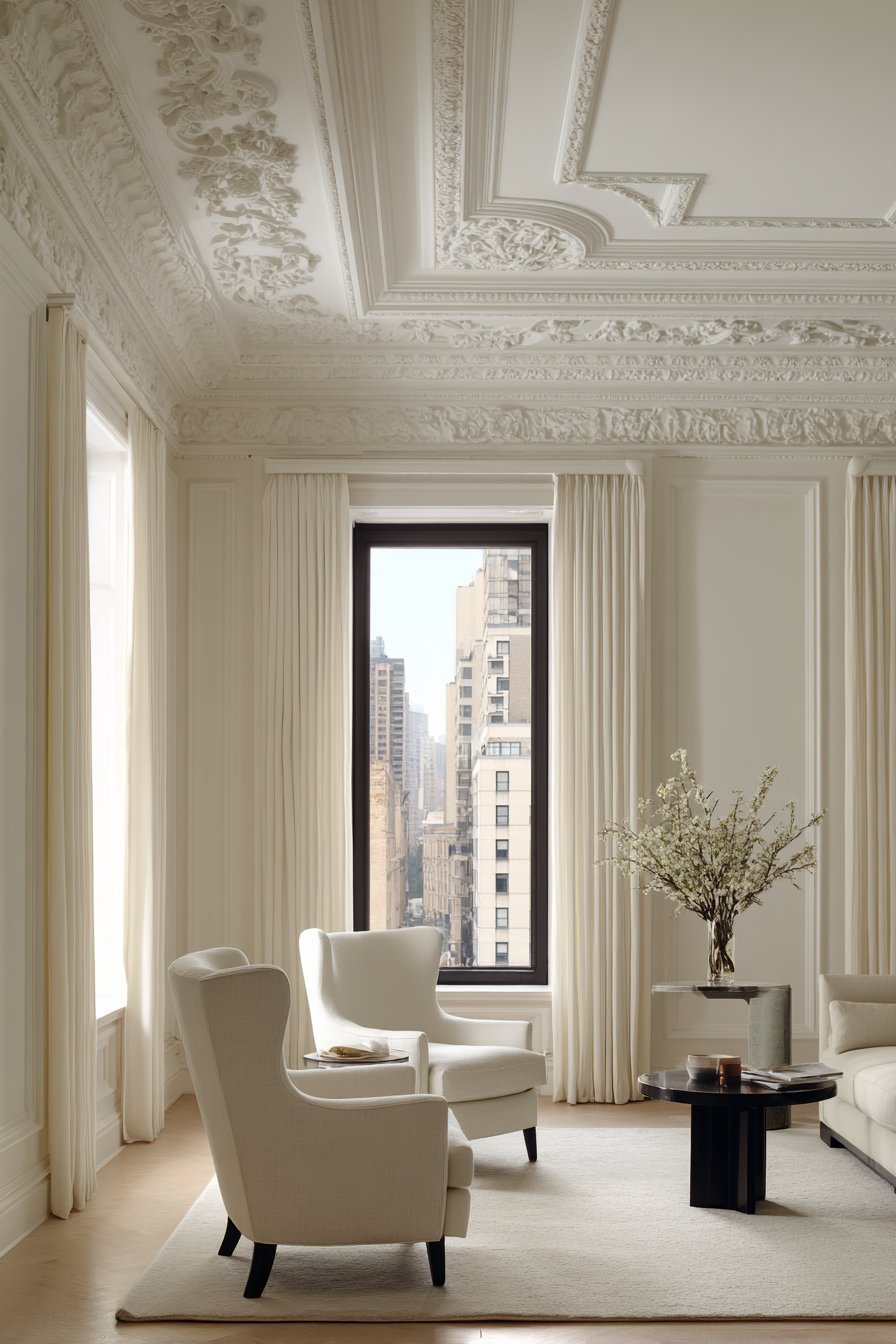
Traditional design once meant heavy drapes, dark wood furniture, and formal symmetry. Today, that definition is actively shifting. New Traditionalism retains the soul of classic design but strips away anything that feels overly stiff or dated. The result is a style that feels curated, livable, and deeply personal.
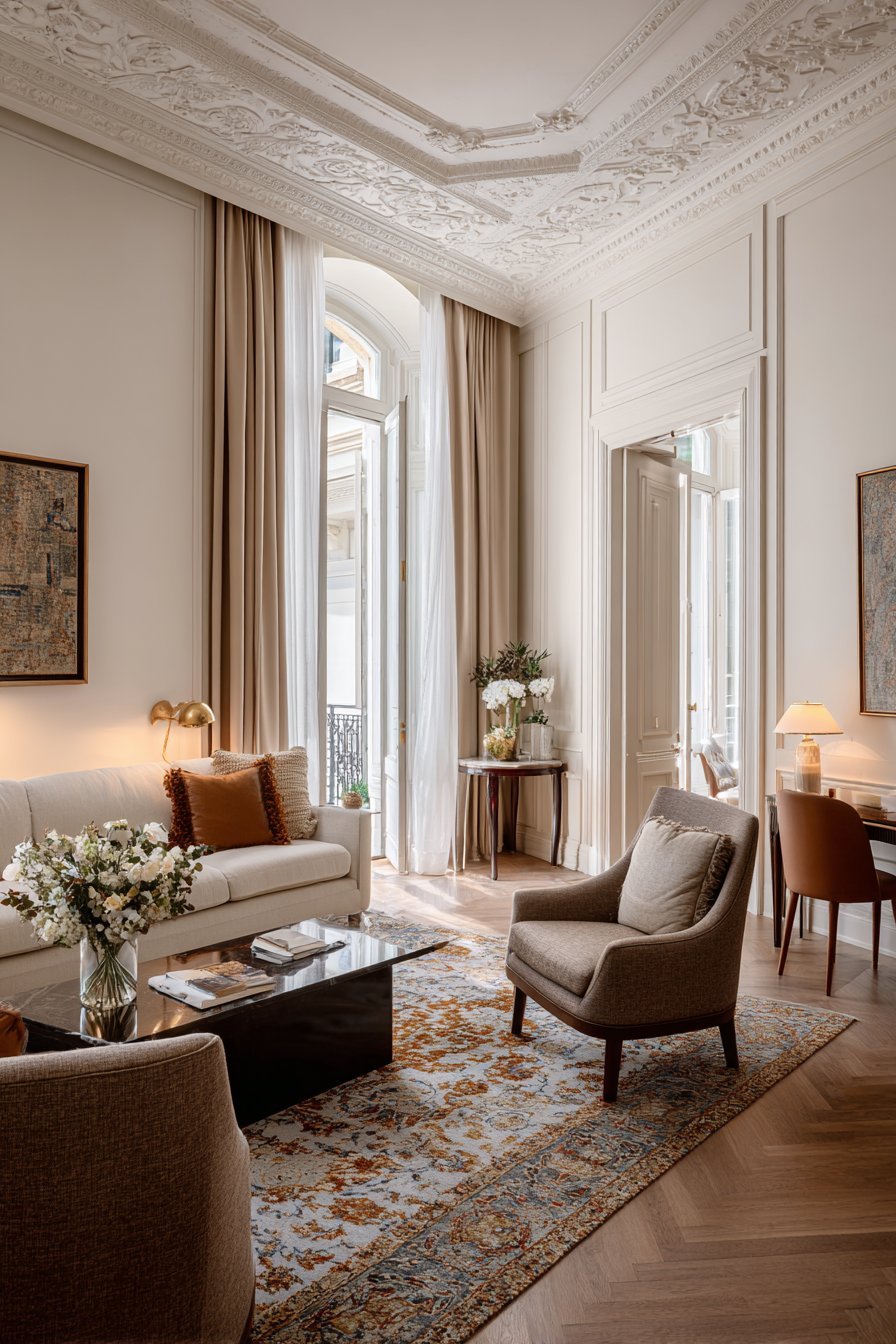
Modern homeowners value comfort and functionality as much as beauty. New Traditionalism answers this need by softening the formality of classic interiors. Wingback chairs get reupholstered in performance fabrics. Ornate crown moldings are painted in fresh whites. The bones of traditional design remain, but the execution becomes lighter and more approachable.
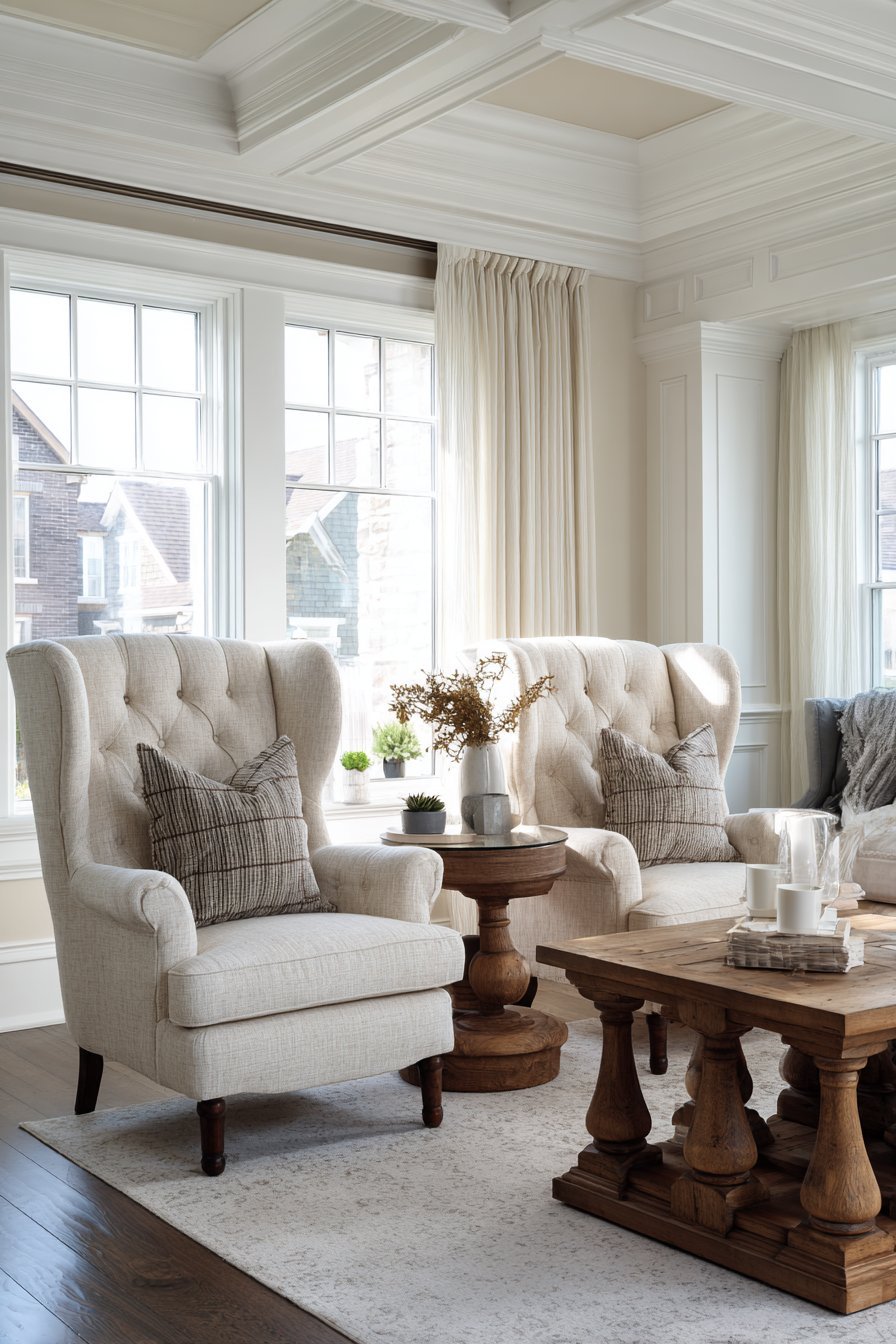
This shift is also about intentional curation. Rather than filling a room with every traditional element possible, designers are being selective. Each piece earns its place by combining beauty with purpose. The layered, collected look of traditional spaces is preserved, but the clutter is removed.
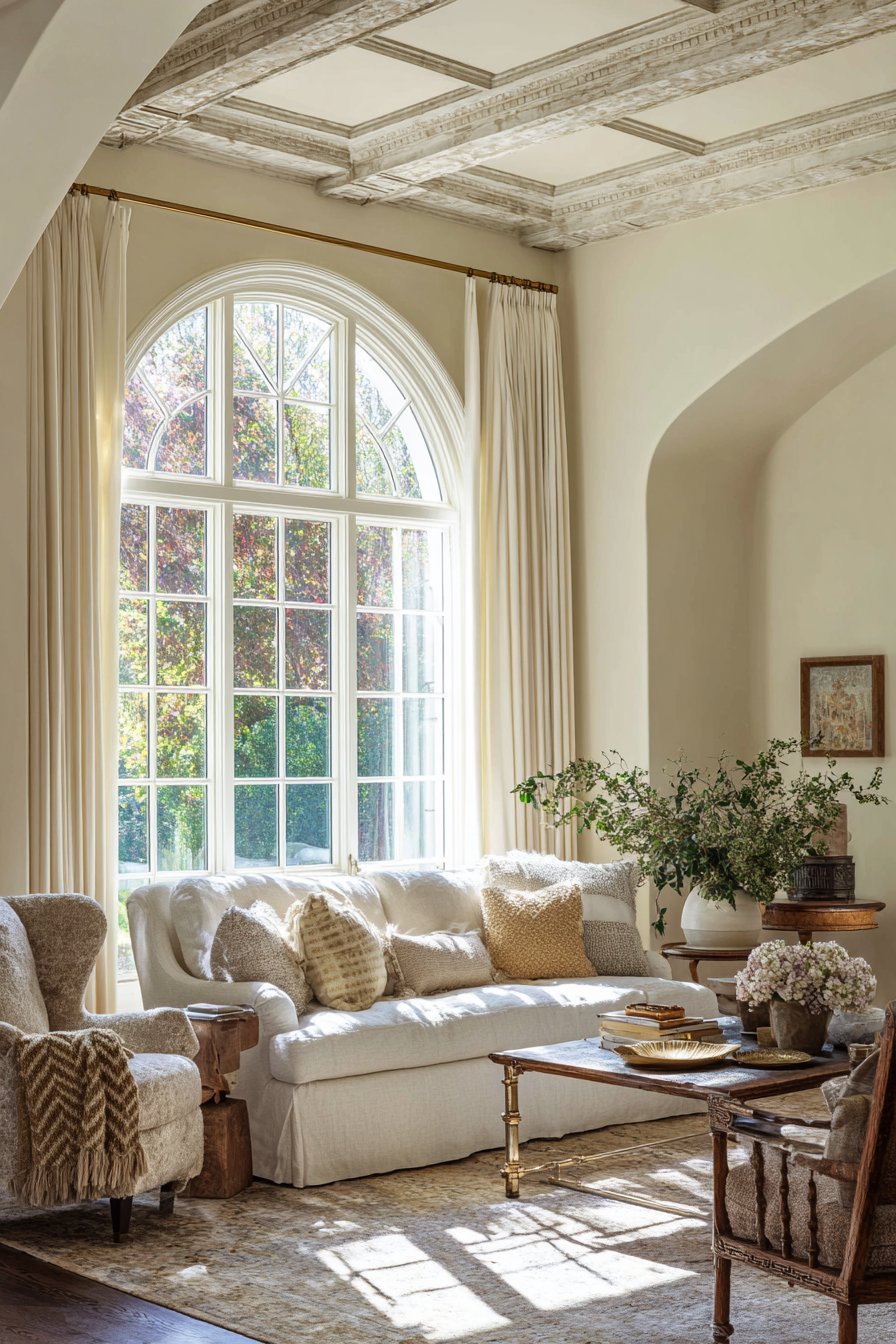
- Swap heavy velvet drapes for linen or silk in neutral tones
- Choose furniture with classic silhouettes but updated upholstery fabrics
- Paint dark wood trim in soft white or warm cream for a lighter feel
- Mix formal and casual pieces within the same room
- Edit your collections ruthlessly — quality over quantity always wins
- Keep symmetry but break it occasionally for visual interest
2. The Role of Color in New Traditionalism
Color is one of the most powerful tools in the New Traditionalist’s arsenal. Classic interiors often leaned on deep, moody tones like burgundy, hunter green, and navy. These colors are making a comeback, but with a modern twist. They are being used more sparingly and paired with surprising neutral companions.
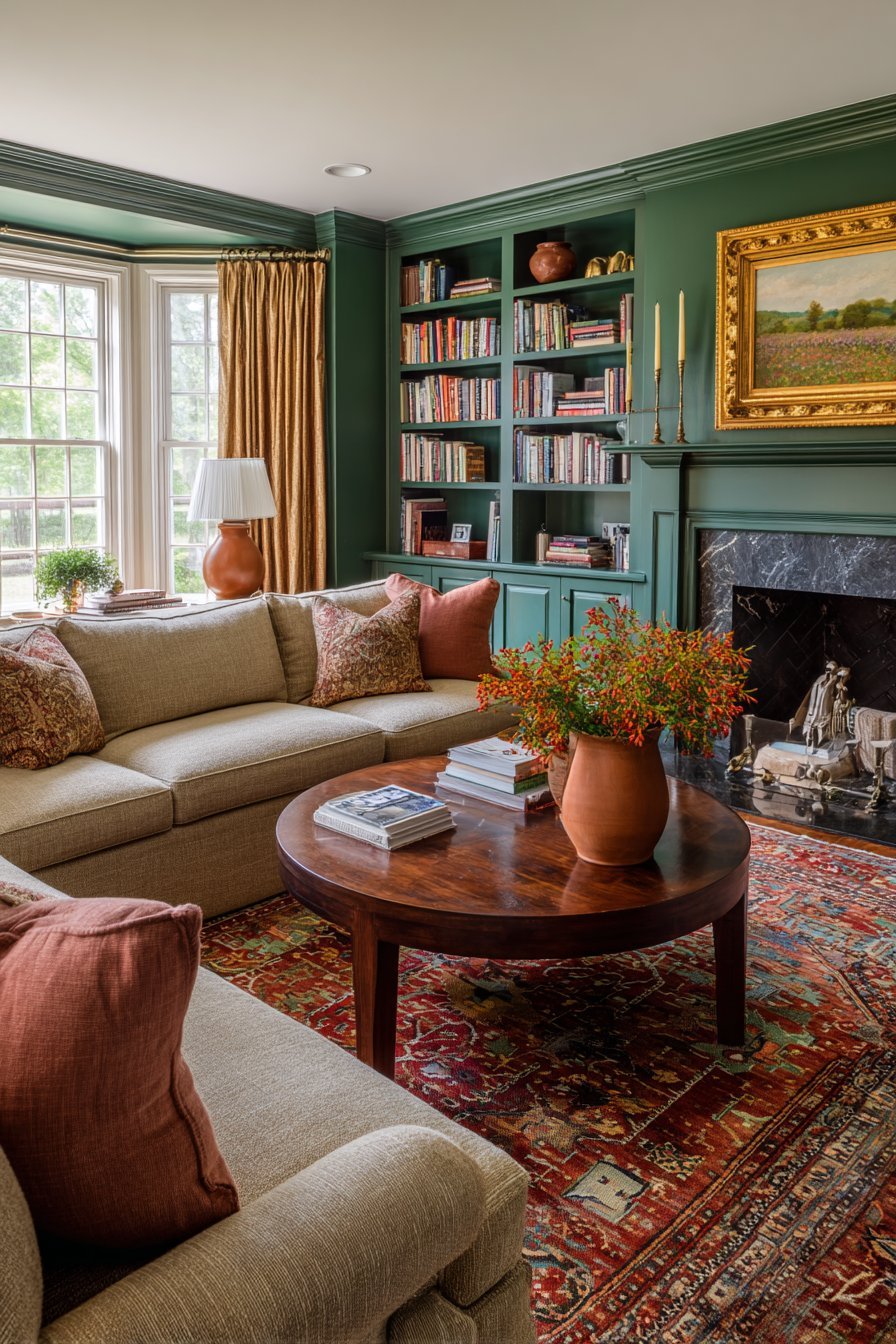
Warm whites, soft taupes, and aged linens have become the backbone of New Traditionalist palettes. These tones allow traditional architectural details to breathe. A deep olive green on a single accent wall, for example, adds drama without overwhelming a space. Color is used strategically rather than saturatingly.
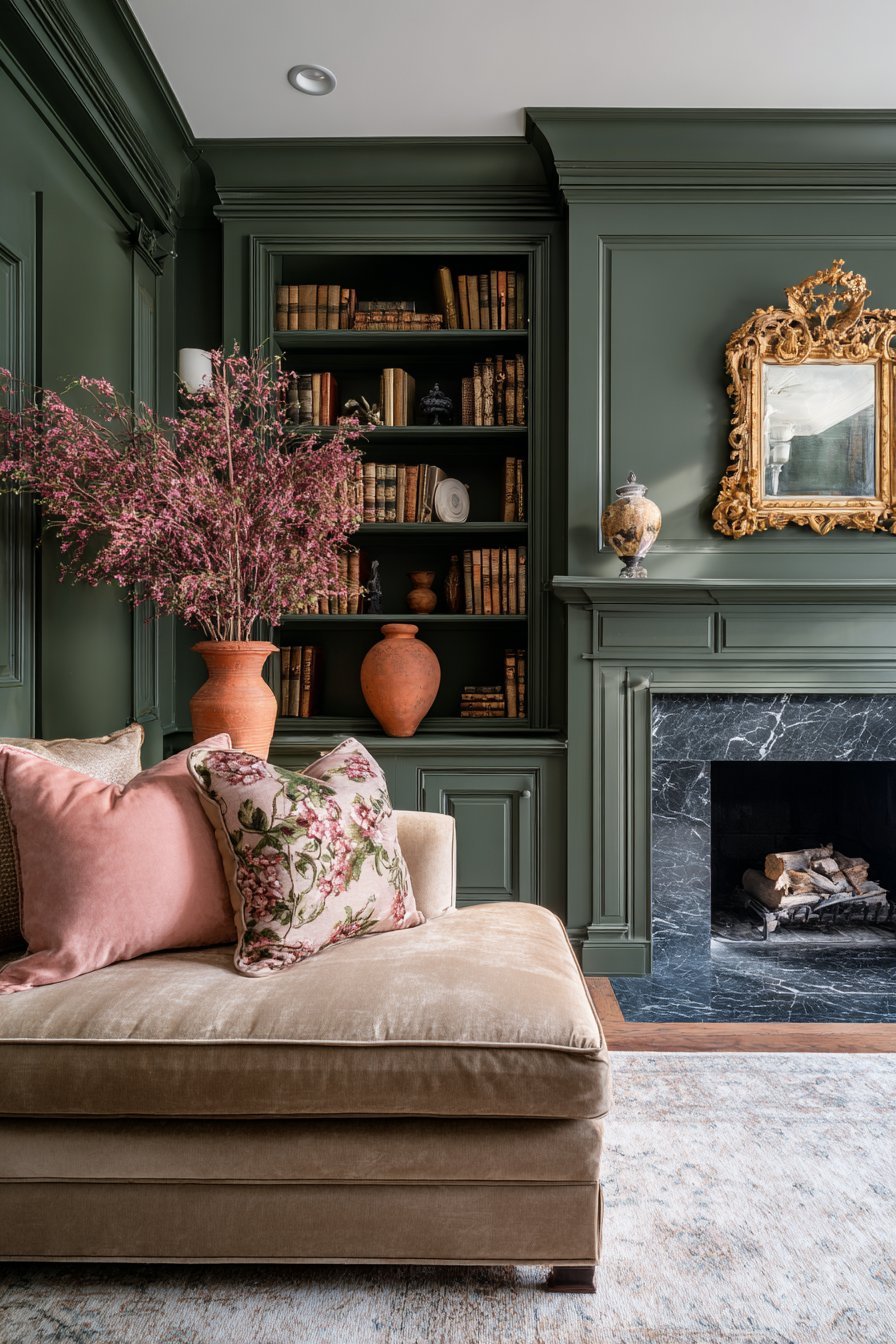
What is truly exciting is the introduction of unexpected color pairings. Dusty rose alongside forest green. Terracotta with soft navy. These combinations feel fresh yet rooted in historic precedent. They honor the richness of traditional color theory while speaking a contemporary visual language.
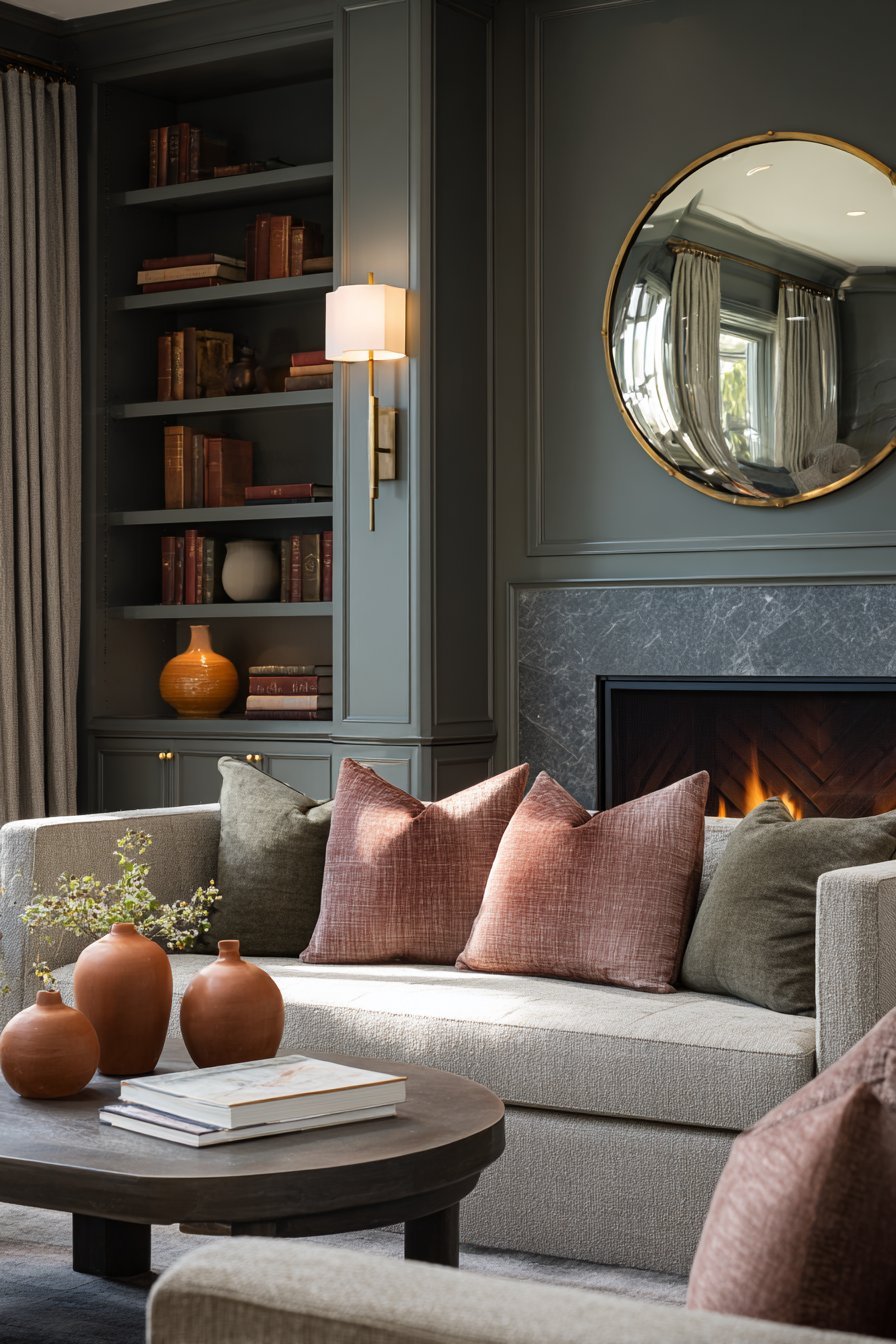
- Start with a neutral base and layer in one or two rich accent colors
- Use deep tones on architectural features like built-ins or fireplaces
- Avoid all-white rooms — opt for warm off-whites with subtle undertones
- Pull color from antique textiles or artwork already in your space
- Test paint colors in large swatches before committing to full walls
- Balance cool and warm tones throughout the room for harmony
3. Furniture Silhouettes: Old Shapes, New Spirit
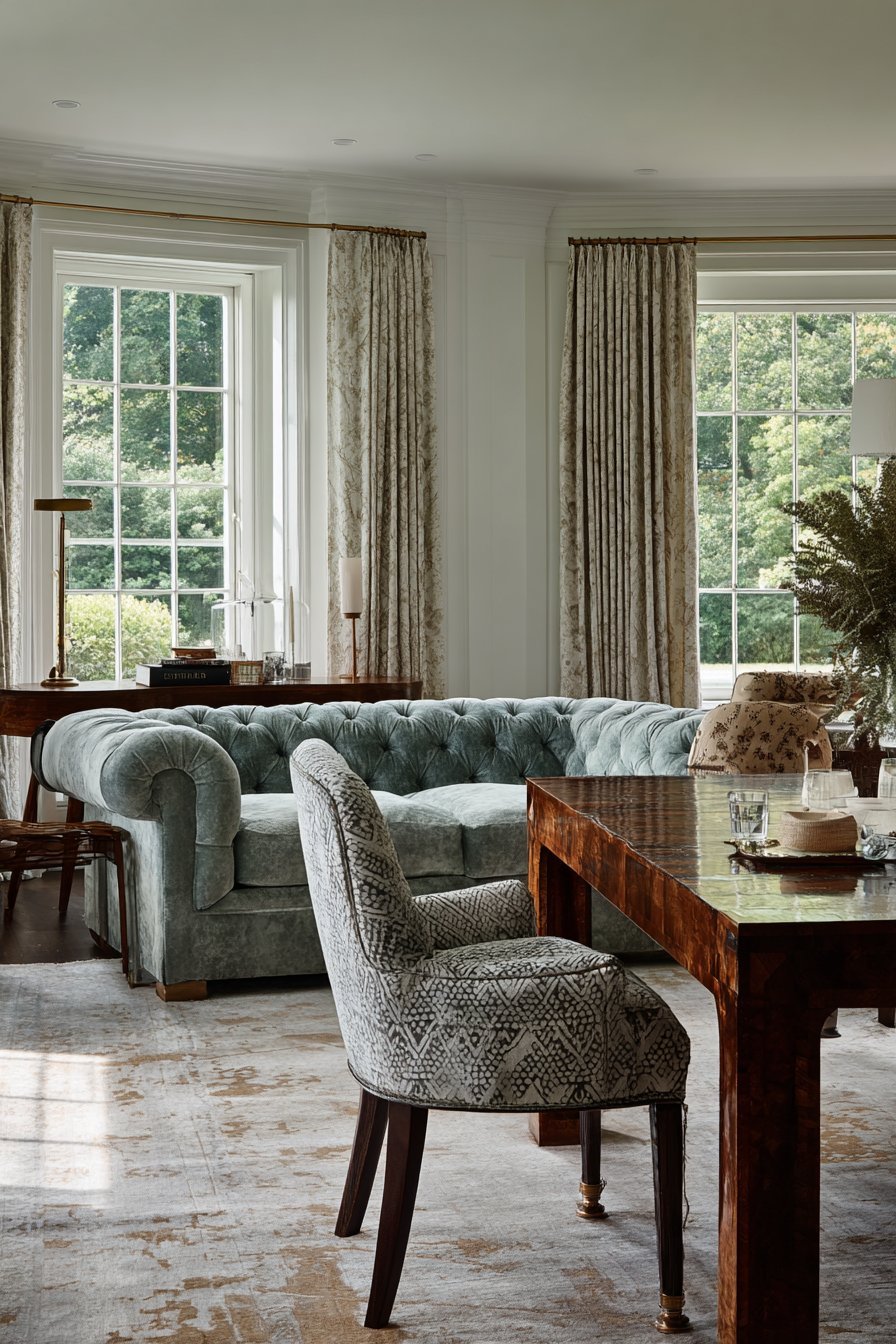
Traditional furniture is celebrated for its craftsmanship and form. Cabriole legs, rolled arms, tufted backs — these details carry centuries of design history. New Traditionalism honors these silhouettes while reinterpreting them in exciting ways. The shapes remain, but the materials and finishes evolve.
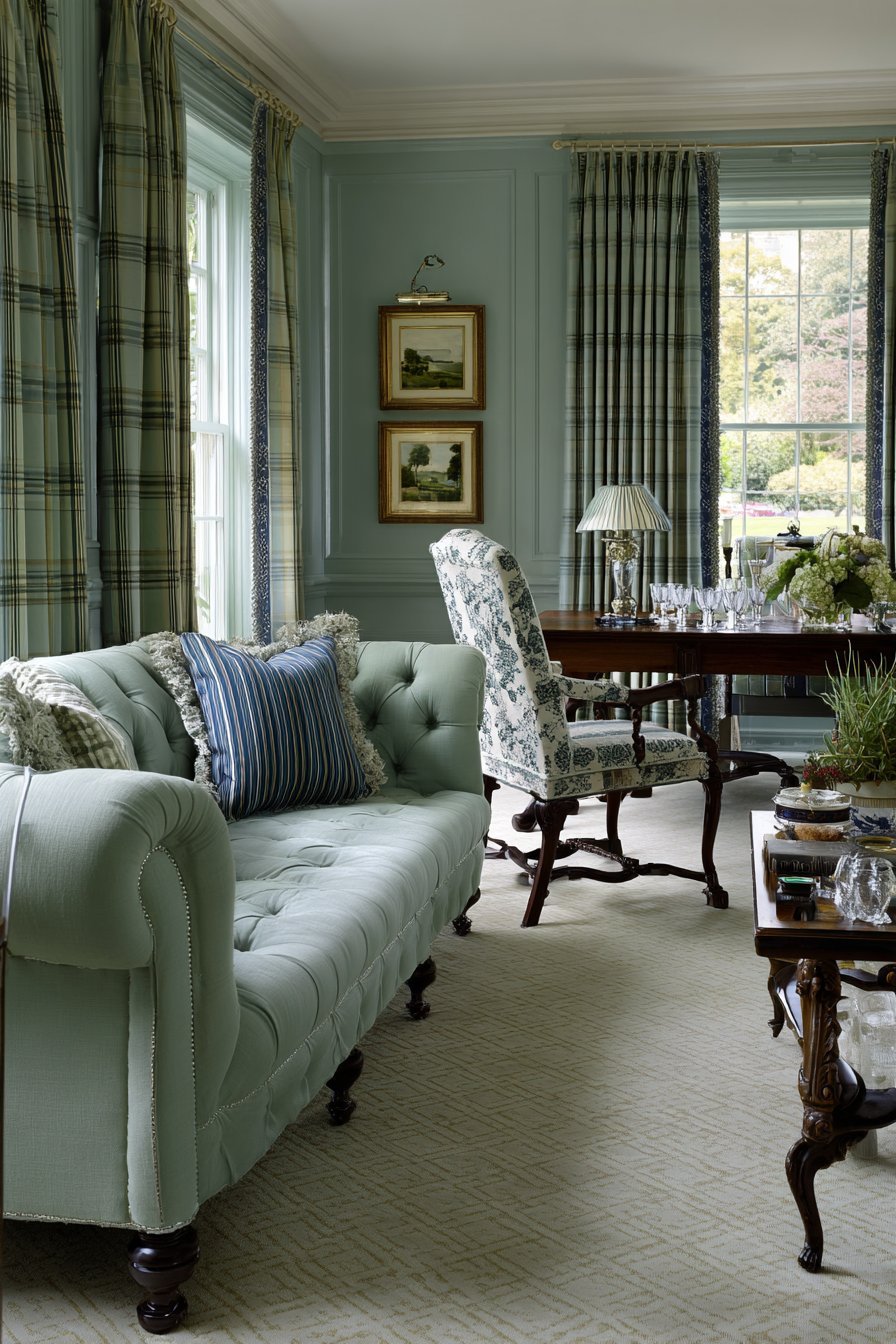
A Chesterfield sofa, for instance, is a quintessentially traditional form. In New Traditionalism, it might appear in a sage green bouclé rather than classic leather. A Queen Anne dining chair gets reupholstered in a graphic linen print. The structure is classic; the spirit is contemporary. This layering creates spaces that feel both timeless and of-the-moment.
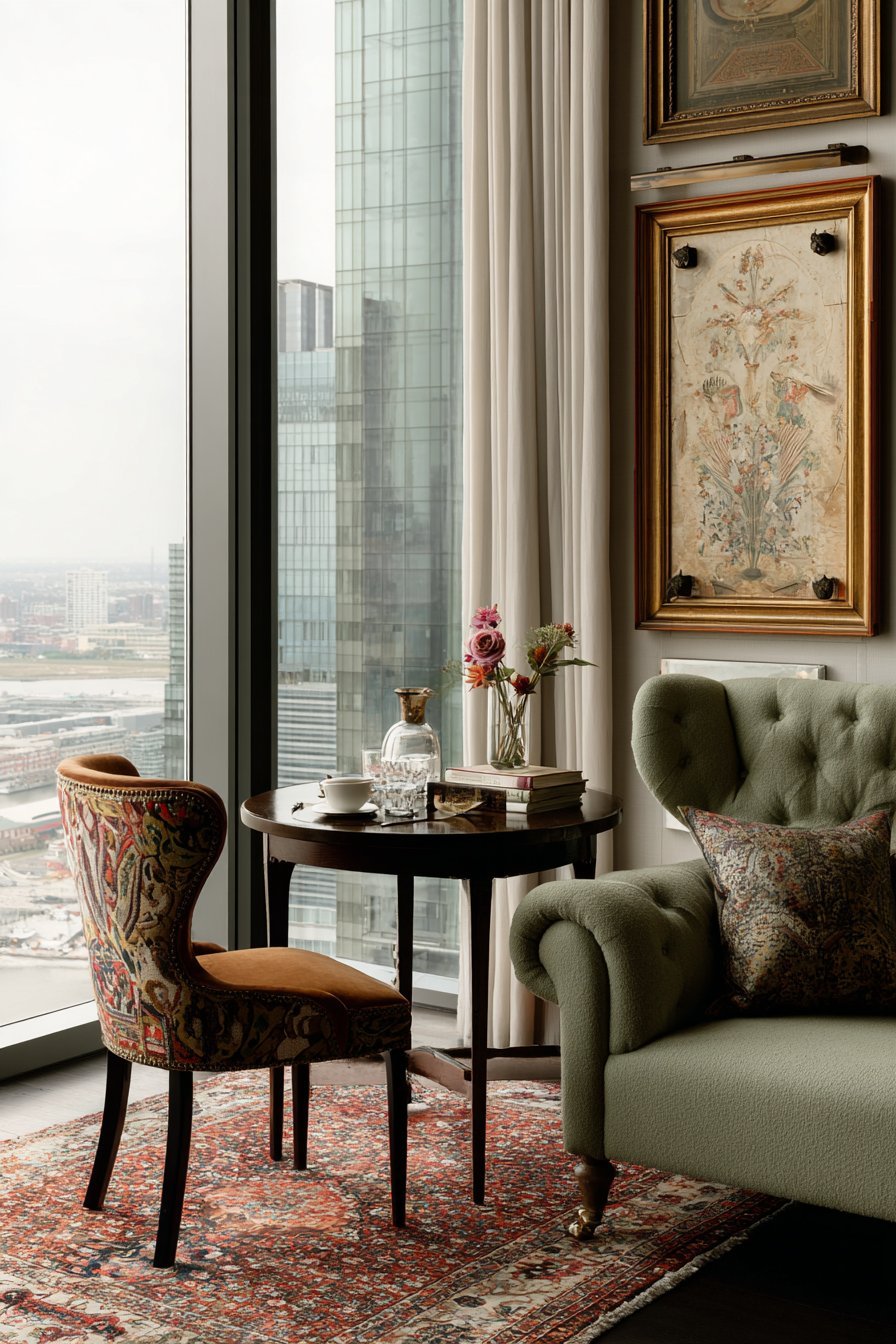
Mixing furniture from different eras is another hallmark of this style. A mid-century side table placed next to an antique wingback chair creates dialogue between periods. This intentional mixing tells a story. It reflects a collector’s eye and a confident design perspective that refuses to be confined to a single era.
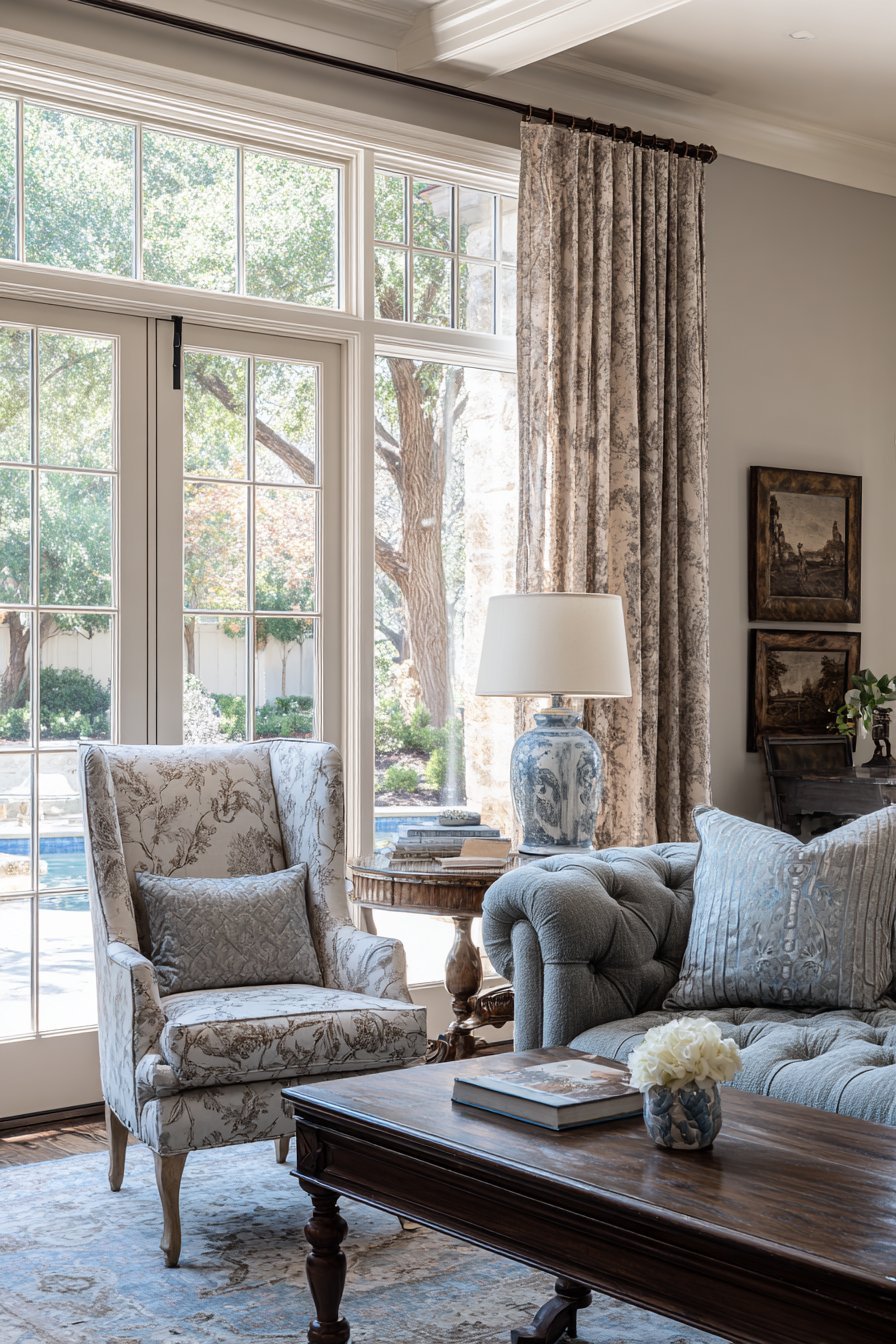
- Look for vintage furniture with classic silhouettes at estate sales or antique markets
- Reupholster inherited pieces in modern fabrics to refresh their look
- Mix furniture legs — turned wood with tapered mid-century legs in one room
- Avoid matching furniture sets — collected looks feel more authentic
- Invest in one or two statement antique pieces as room anchors
- Balance ornate forms with simpler, cleaner companion pieces
4. Textiles and Layering: The Heart of the Style
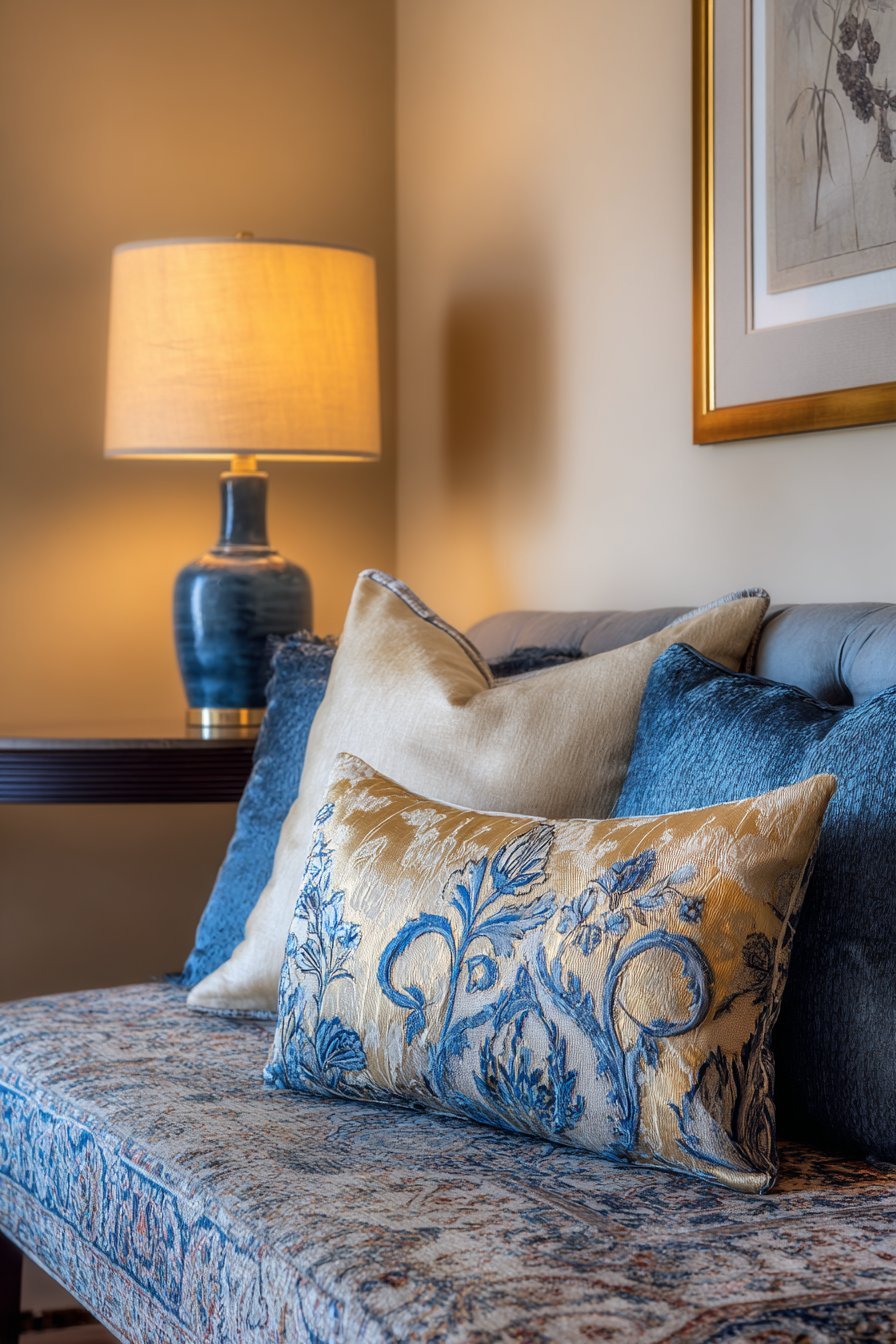
Textiles are where New Traditionalism truly comes alive. Layered fabrics create the warmth and richness that define this style. Think Persian rugs beneath modern sofas, linen throws on tufted settees, and embroidered pillows beside sleek ceramic lamps. The interplay of textures is deliberate and sophisticated.
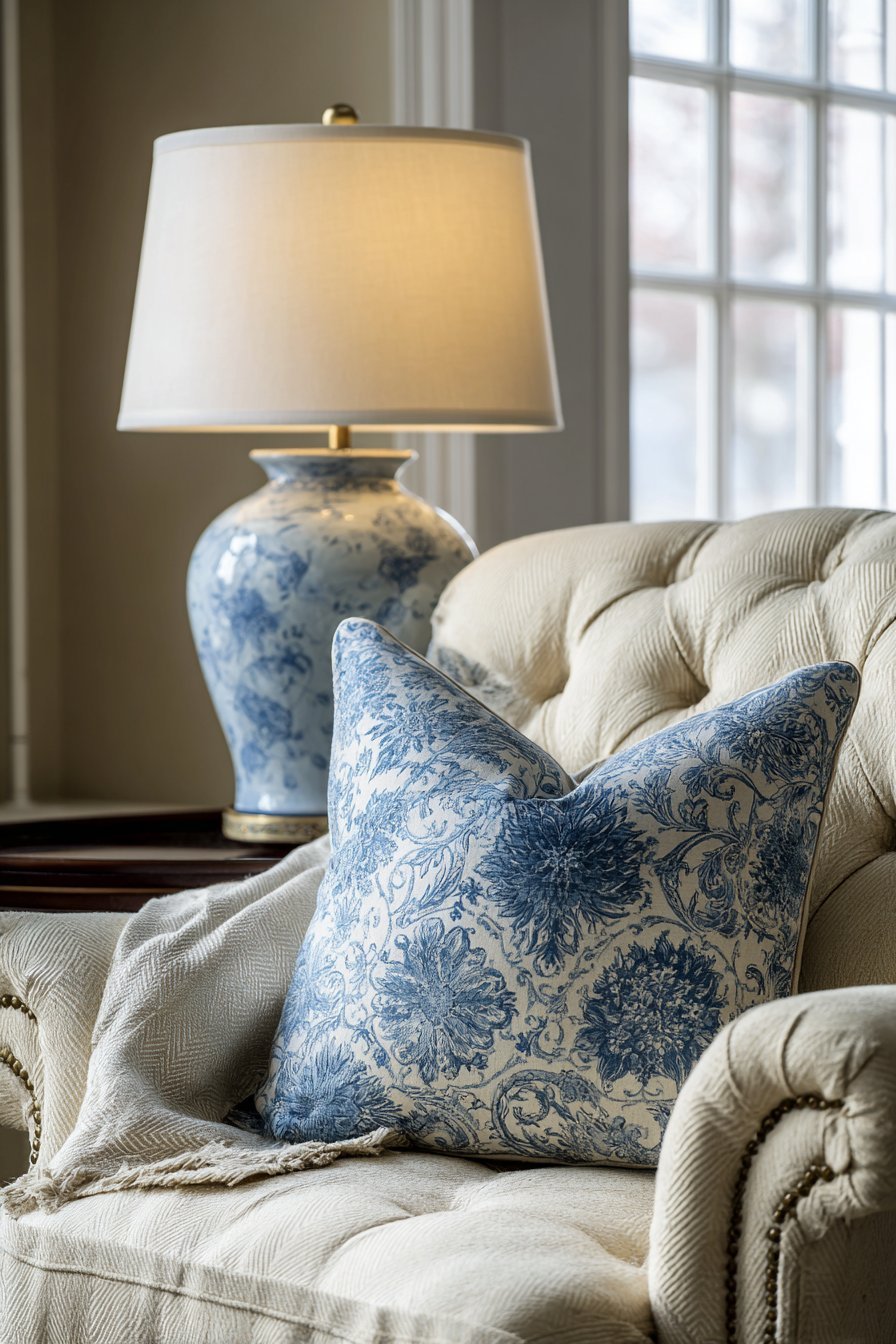
Traditional textiles like damask, toile, and jacquard are being reinvented. Designers are using these patterns in fresh colorways — muted, dusty, and more painterly than their original versions. A toile in dusty blue and cream feels vastly different from the classic red-and-white version, yet it carries the same historic character.
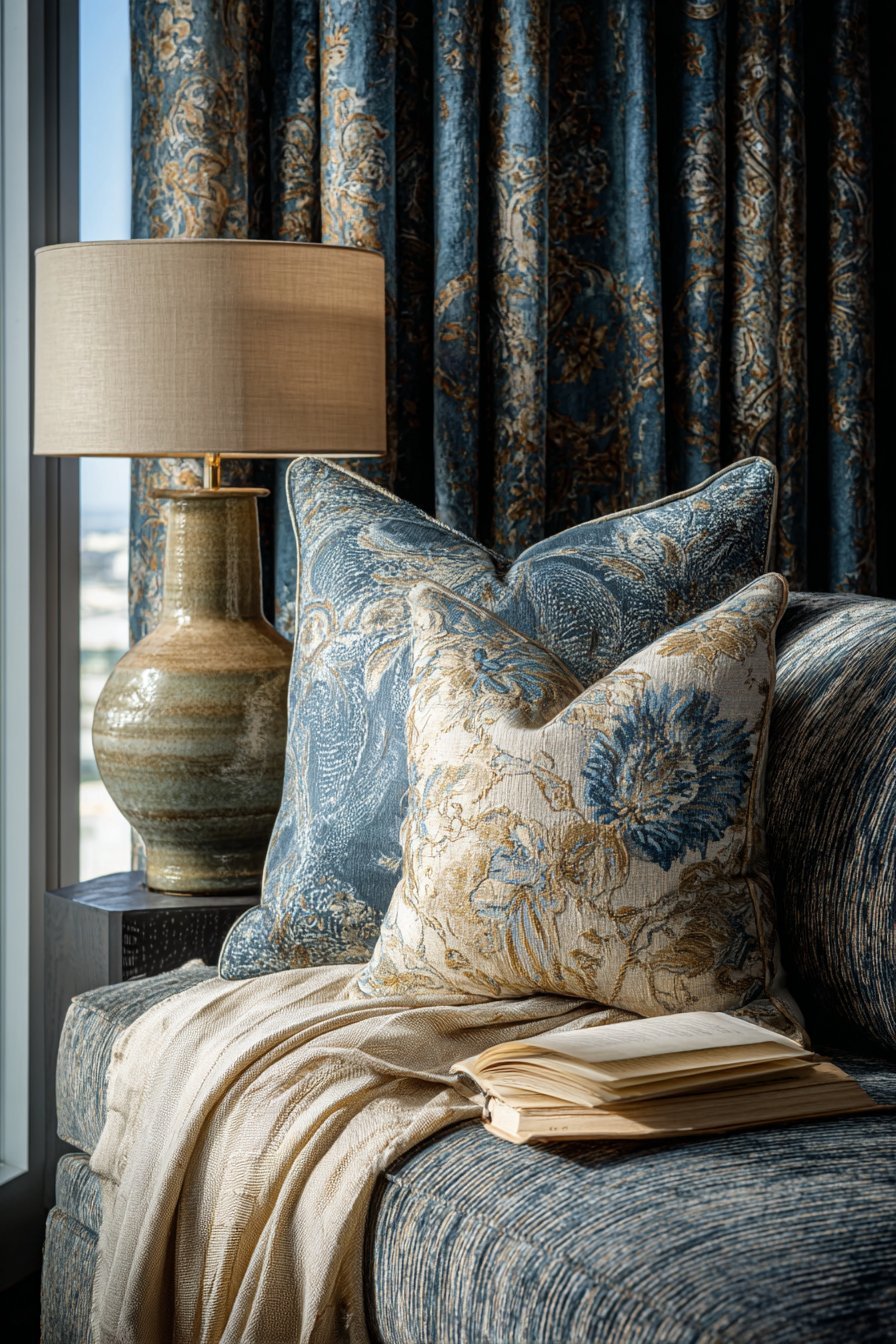
The key to successful textile layering is scale variation. Combine large-scale patterns with small-scale ones. Pair smooth silks with rough linens. Use a bold pattern as an anchor and build softer, quieter textures around it. This creates visual depth without chaos — a defining characteristic of the New Traditionalist interior.
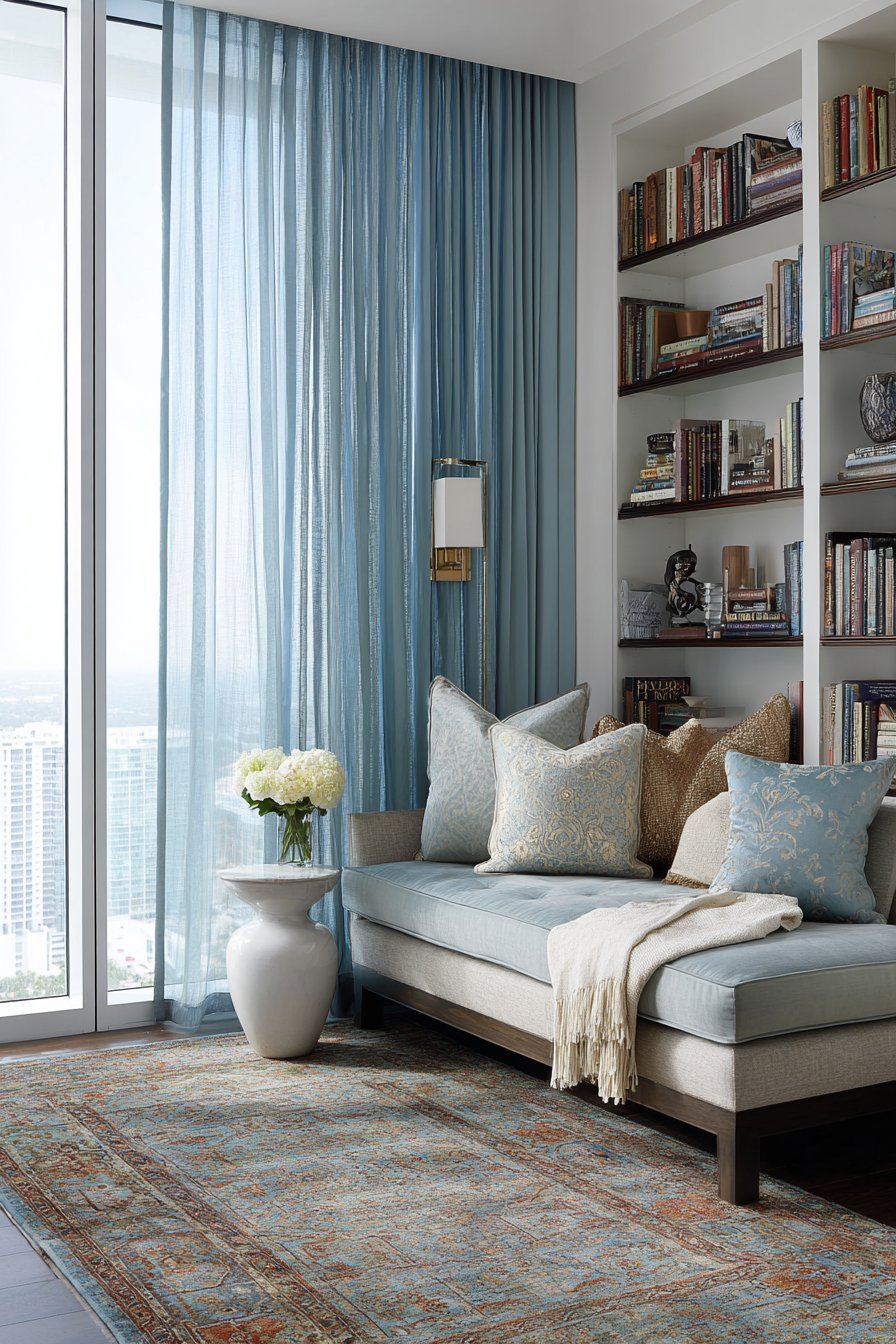
- Layer at least three different textures in every seating area
- Mix pattern scales — one large, one medium, one small per room
- Introduce traditional patterns in unexpected modern colorways
- Use natural fibers like wool, linen, and cotton for authentic feel
- Don’t be afraid to mix florals with geometrics when scales differ
- Keep the color palette cohesive so patterns feel harmonious
5. Antiques and Vintage Finds in Contemporary Contexts
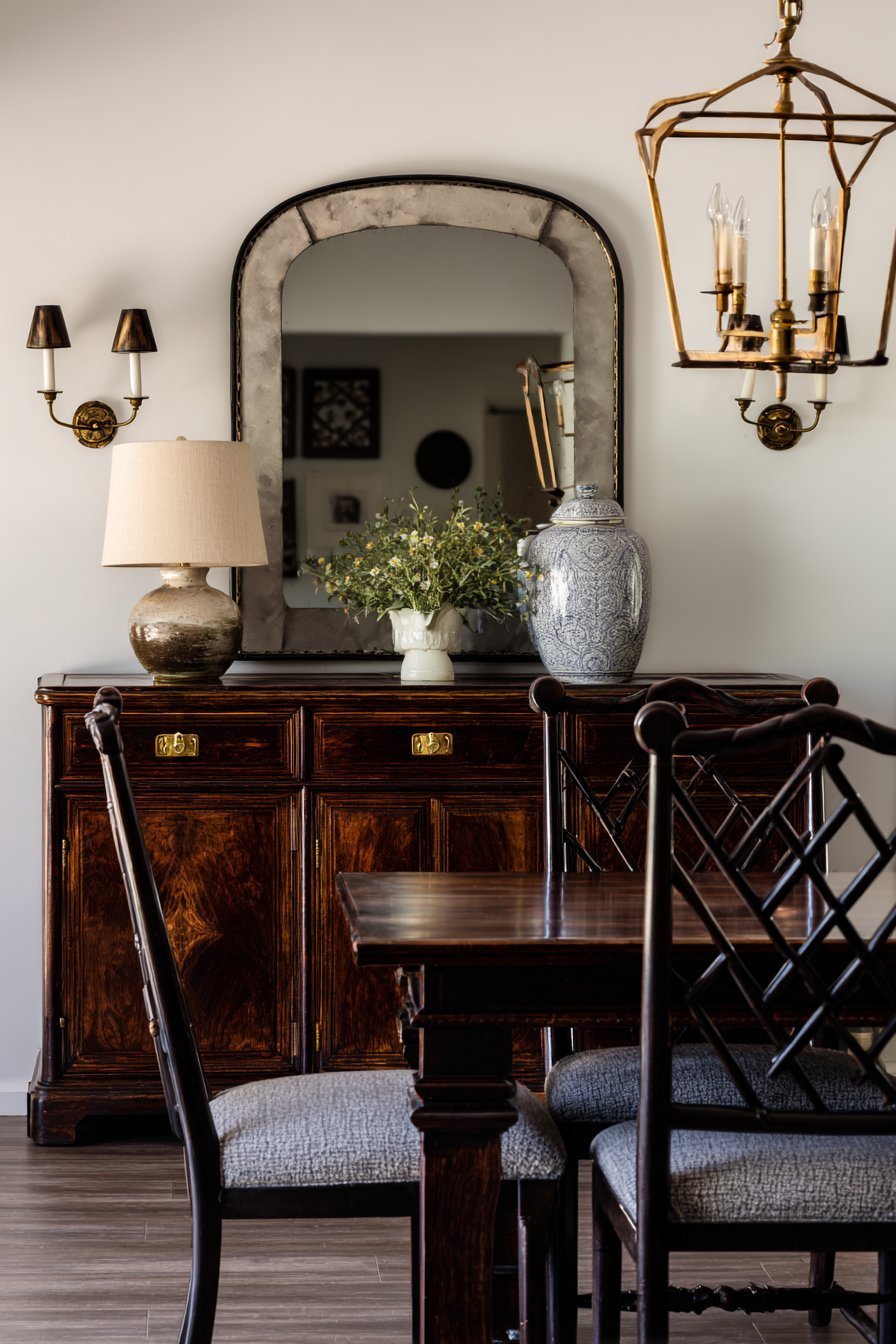
Antiques are the soul of New Traditionalism. They bring history, character, and irreplaceable craftsmanship into modern homes. But the way antiques are used has changed significantly. They are no longer displayed in reverent, museum-like arrangements. Instead, they are integrated naturally into everyday living spaces.
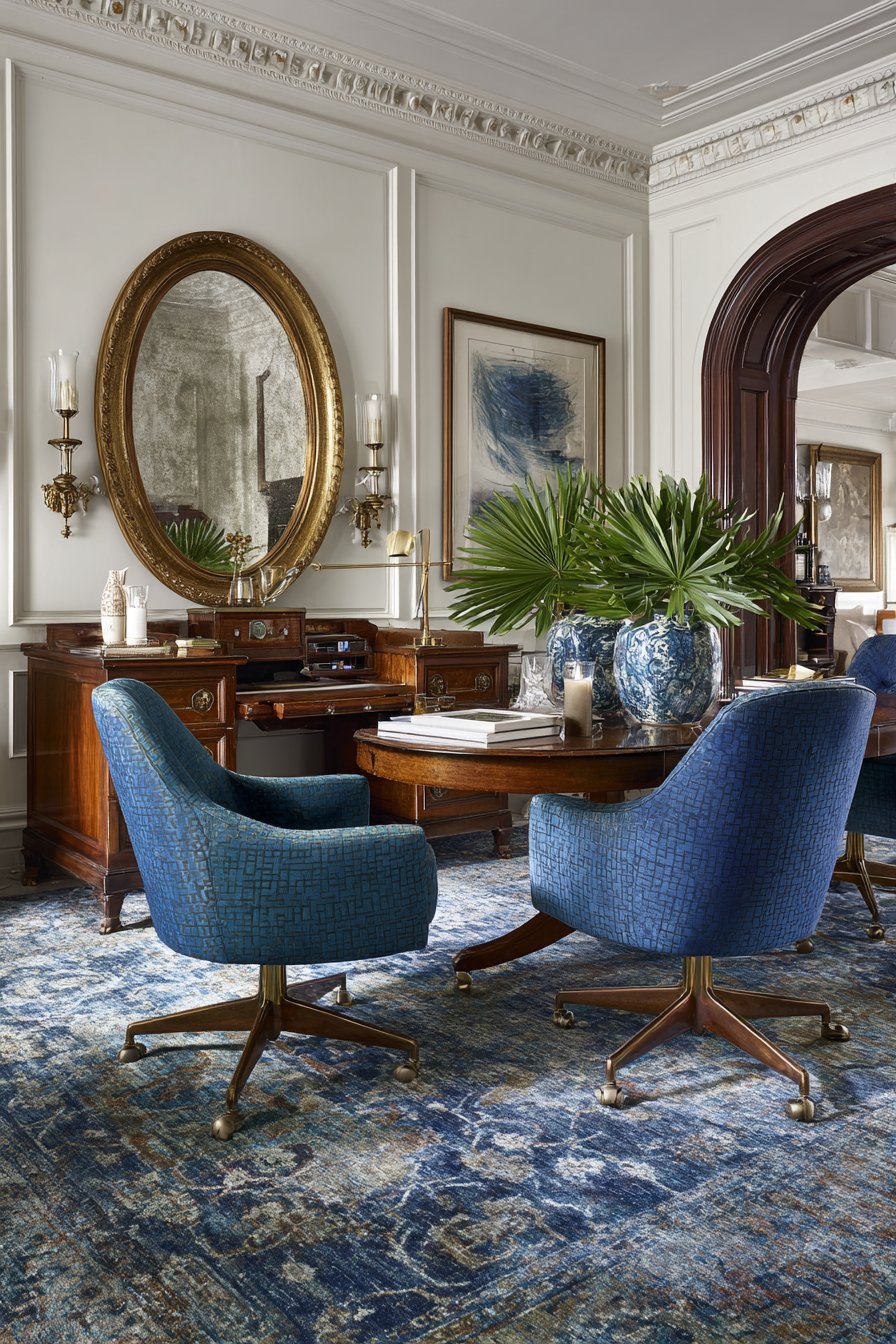
A Georgian writing desk might serve as a home office station. A Victorian mahogany sideboard becomes a bar cabinet in a contemporary dining room. An antique mirror leans casually against a wall rather than hanging formally above a fireplace. These pieces are celebrated for their beauty but treated as functional, living elements of the home.
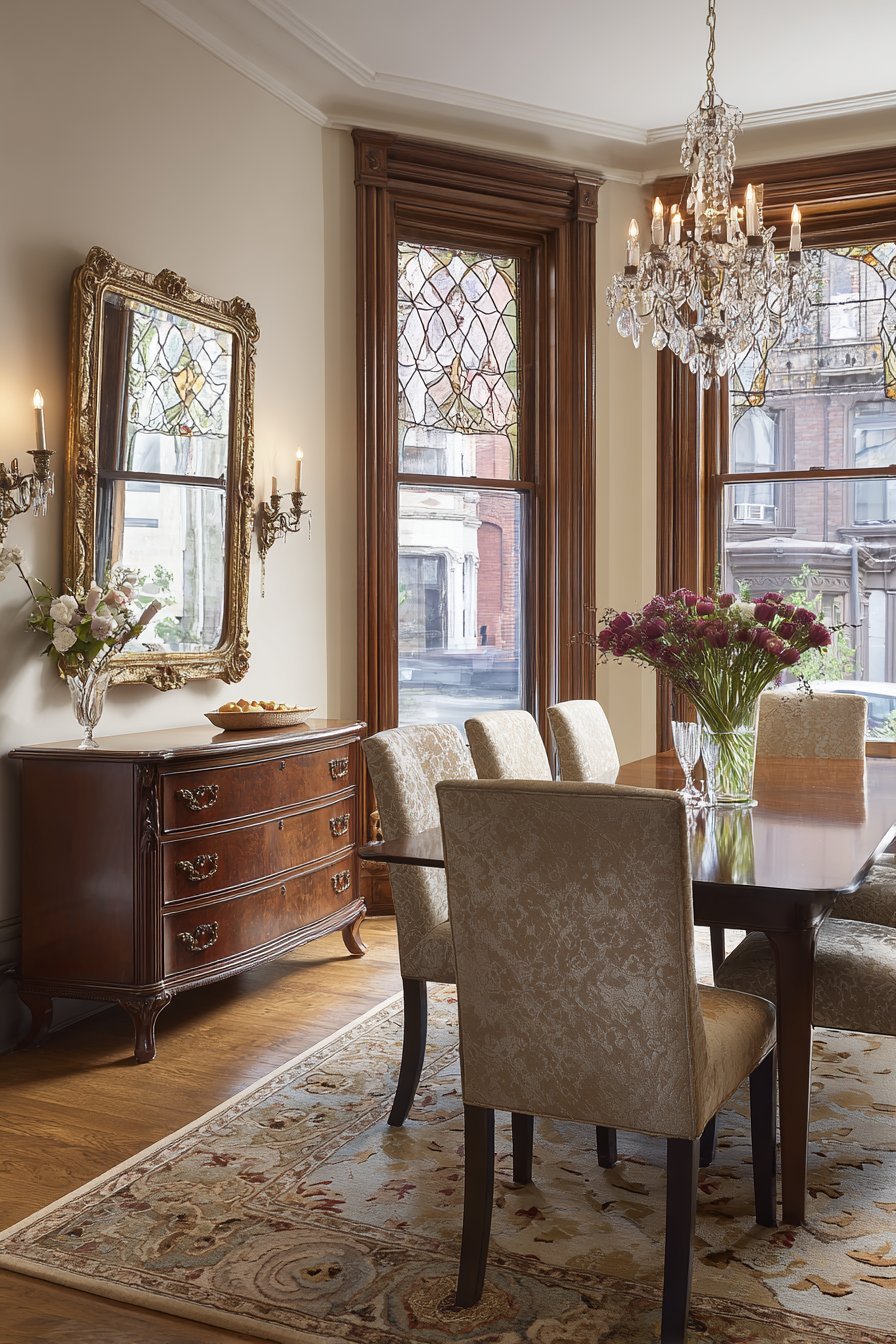
Shopping for antiques has also become more accessible and democratic. Online platforms, vintage markets, and estate sales have opened up extraordinary pieces to everyday buyers. The hunt itself has become part of the appeal. Each antique carries a story, and that narrative richness is exactly what New Traditionalism is built upon.
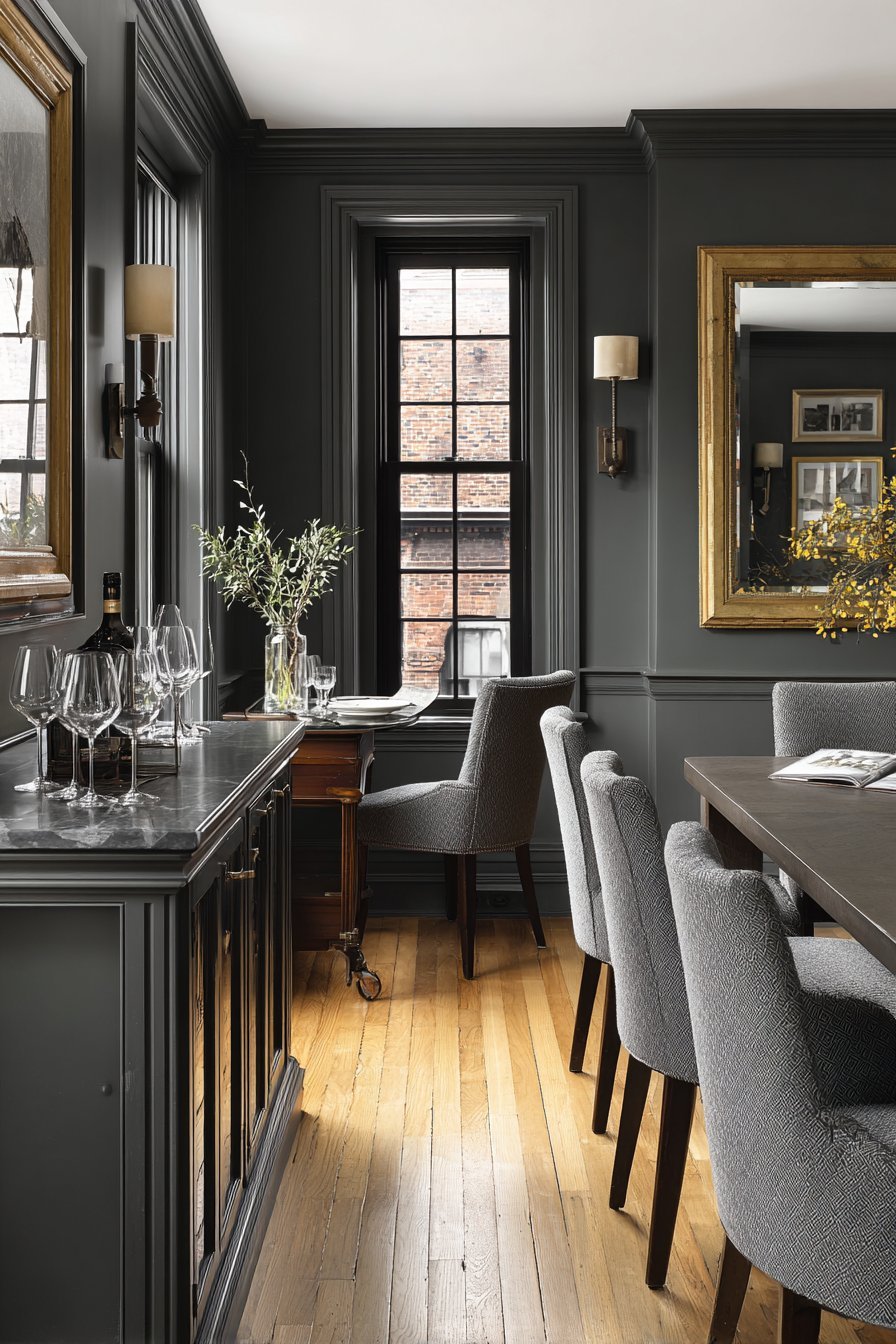
- Start with one antique anchor piece per room and build around it
- Mix antiques confidently with contemporary furnishings
- Use antique lighting fixtures for instant architectural character
- Look for antique textiles — rugs, tapestries, and embroidered linens add depth
- Don’t over-restore antiques — patina and age add authenticity
- Visit local estate sales before shopping retail for unique finds
6. Architectural Details: Honoring Heritage
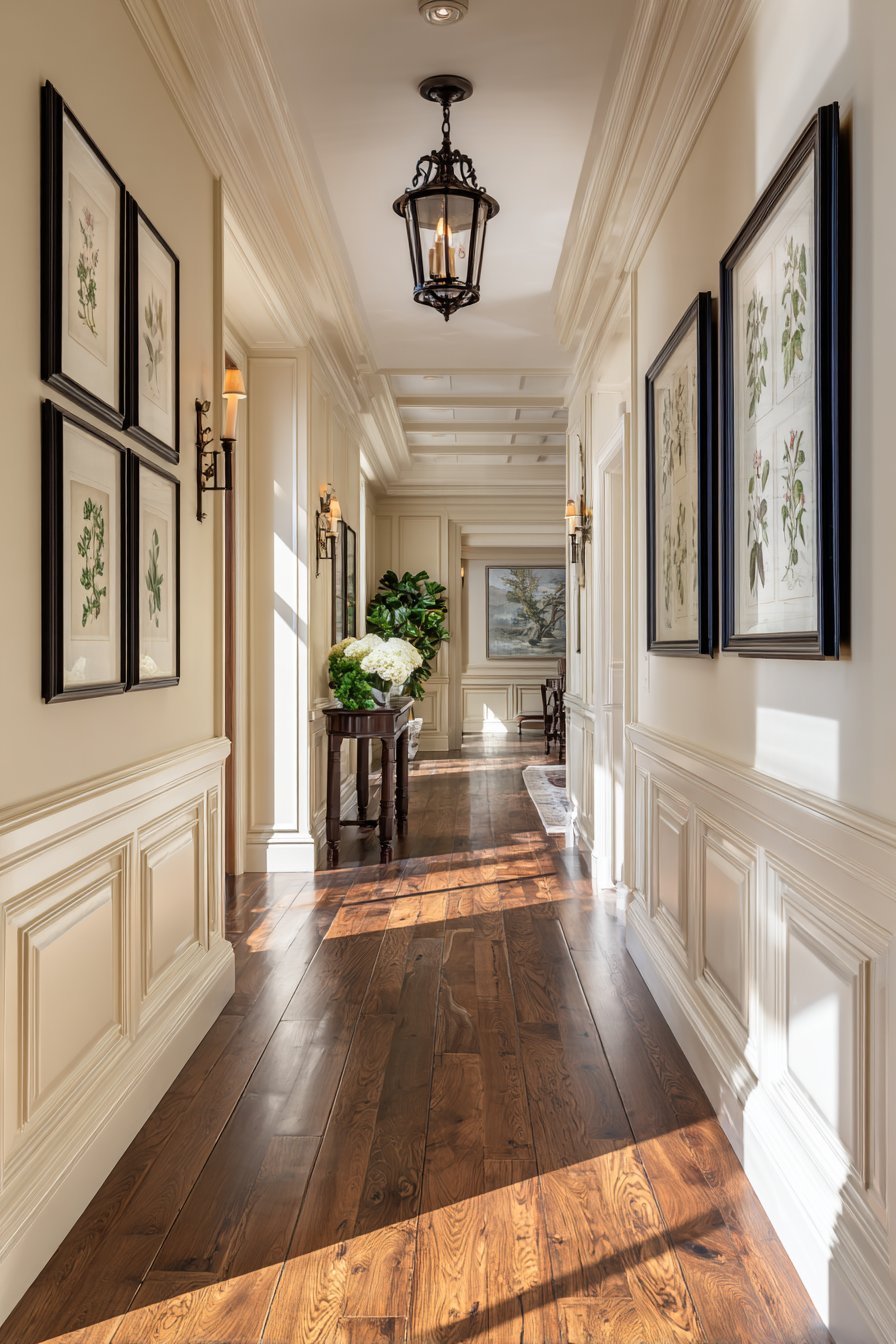
Architectural details are the framework upon which New Traditionalism hangs. Crown moldings, wainscoting, coffered ceilings, and paneled walls are hallmarks of classic design. In New Traditionalism, these elements are not just preserved — they are celebrated and, where absent, added. They give rooms a sense of permanence and craftsmanship that no furniture alone can provide.
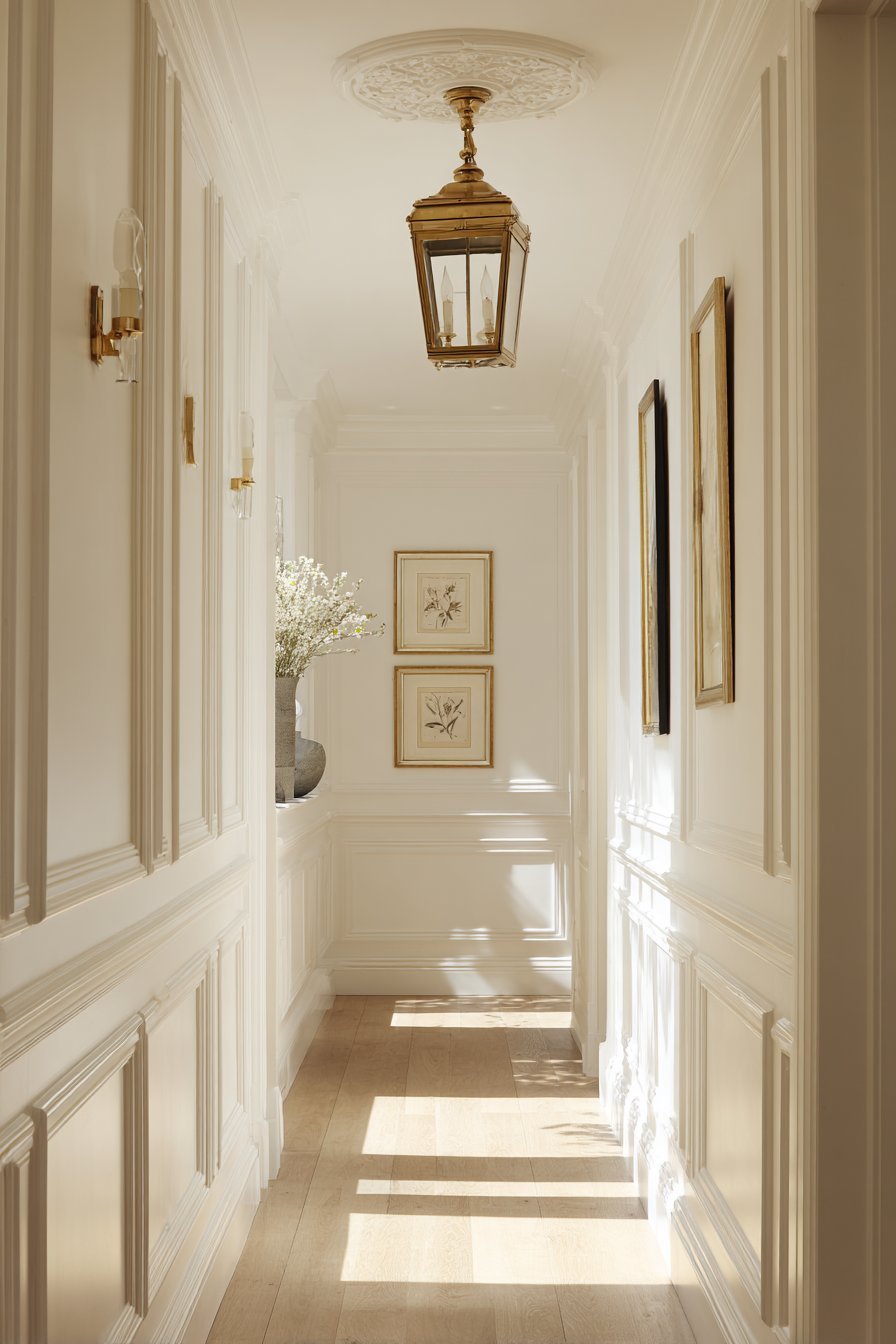
The modern approach to these details is to treat them with a lighter hand. Painted millwork in bright white or warm cream allows intricate details to read without feeling heavy. Simplified paneling — less ornate than true period work — captures the spirit of traditional architecture while suiting contemporary tastes. This balance is the essence of New Traditionalism.
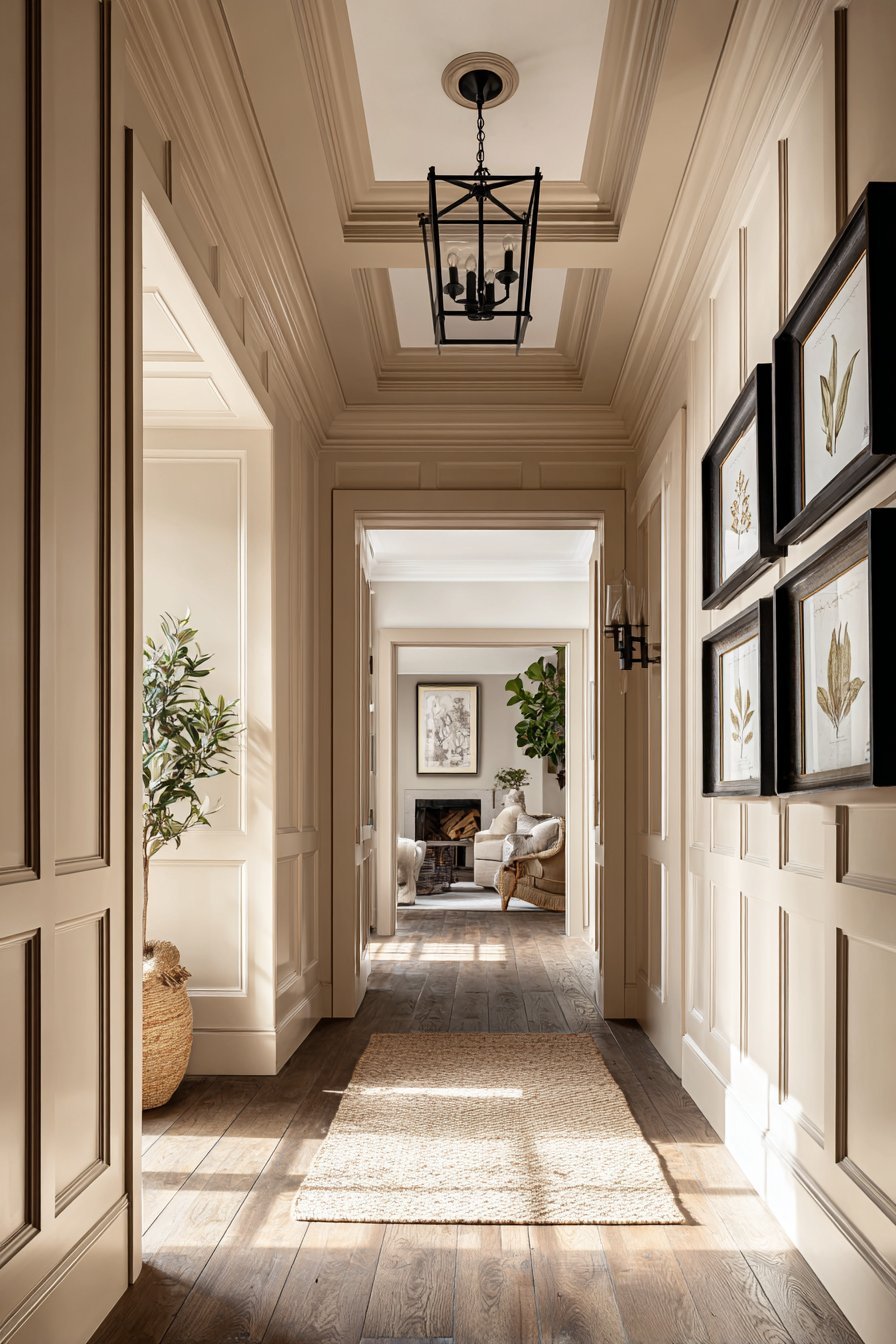
In newer homes or apartments lacking original details, adding architectural character is absolutely achievable. Board-and-batten walls, picture rail molding, and coffered ceilings can all be installed as DIY or contractor projects. These investments dramatically elevate a space and provide the historic backbone that New Traditionalism requires.
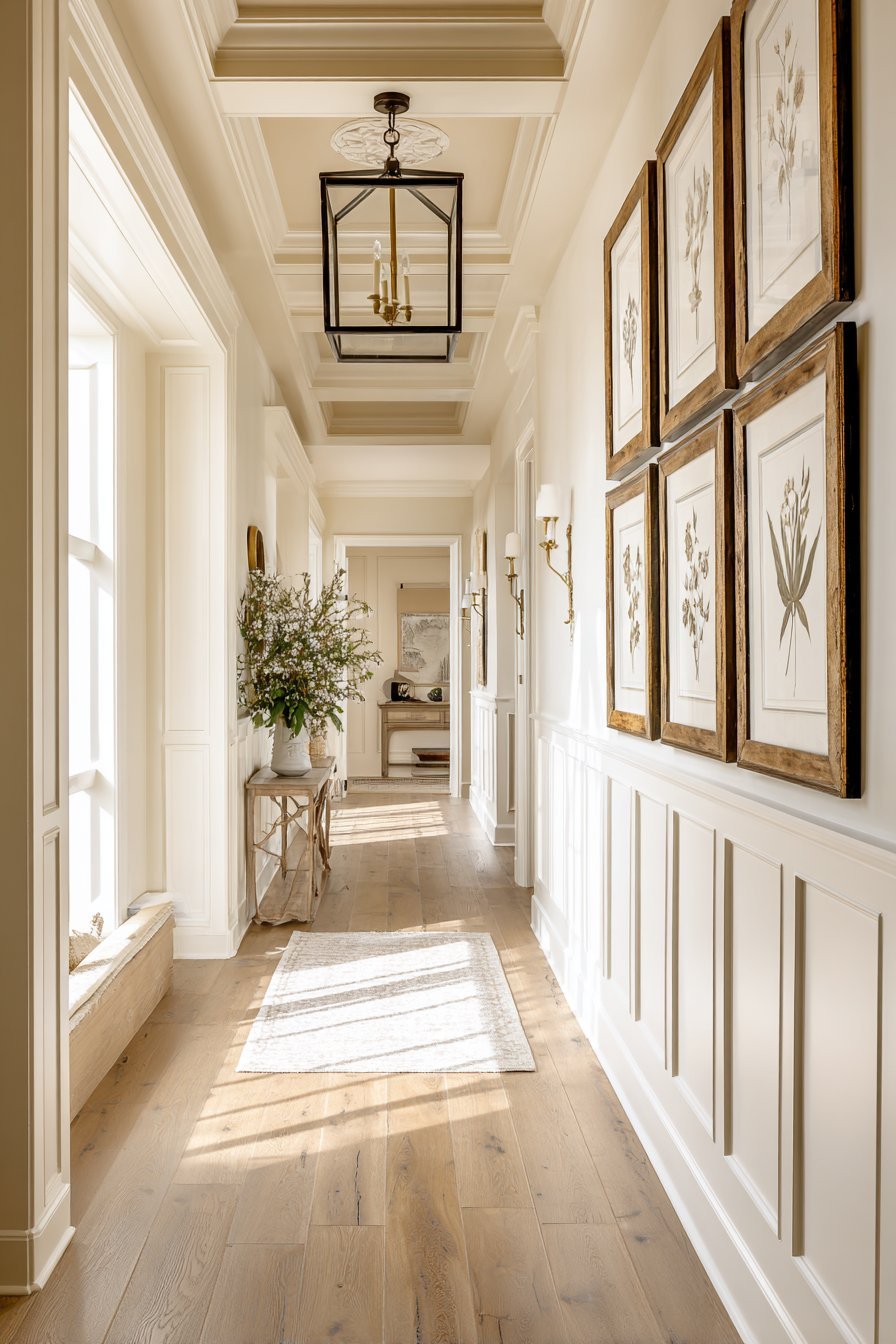
- Add crown molding to rooms lacking architectural character
- Paint all millwork and trim in a single cohesive color for a clean look
- Consider wainscoting in dining rooms and hallways for period charm
- Install picture rails to display art without damaging plaster walls
- Use ceiling medallions around light fixtures for a classic focal point
- Keep architectural additions proportionate to the room’s scale
7. Lighting: Chandeliers Meet Contemporary Design
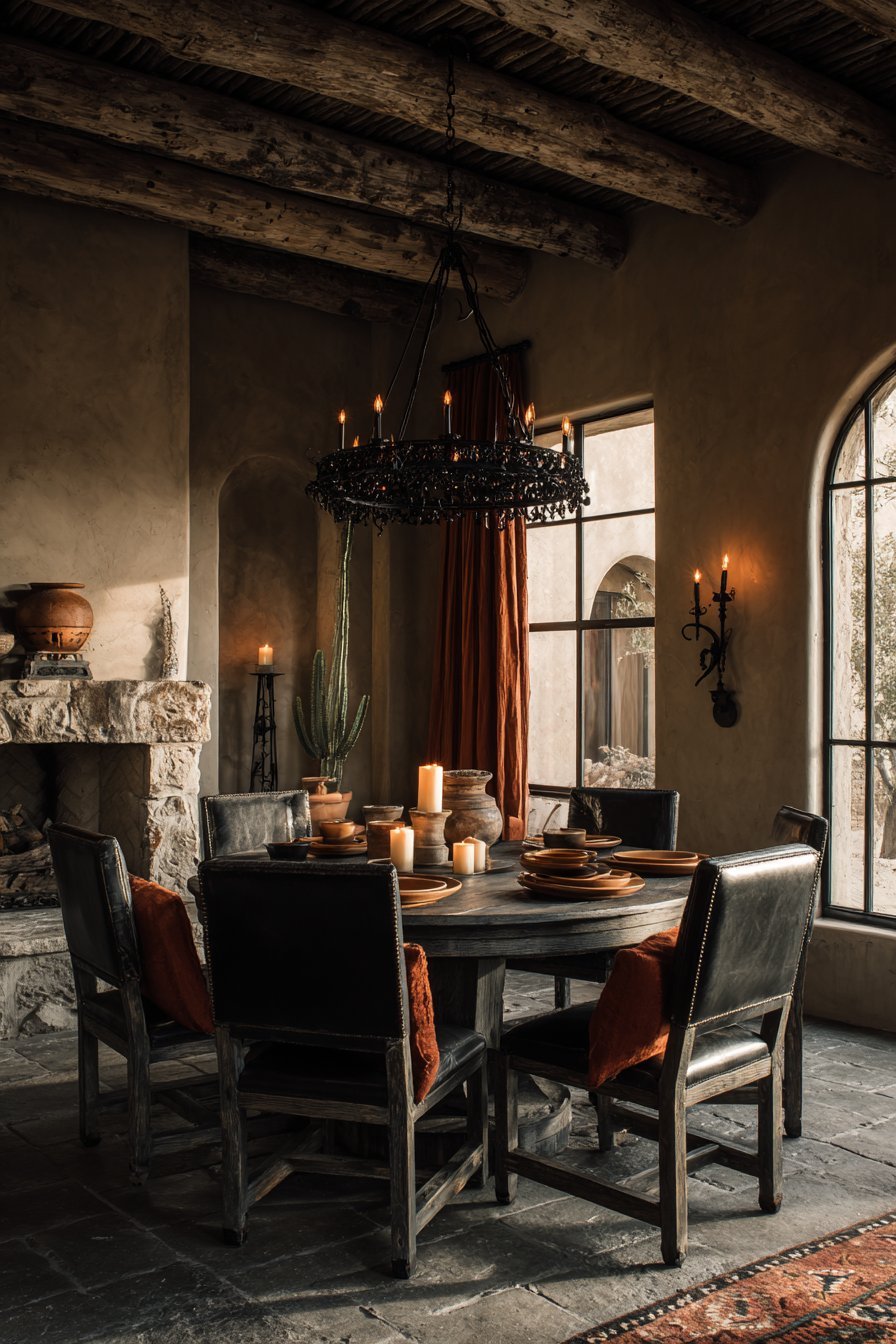
Lighting is one of the most transformative elements in any interior, and New Traditionalism treats it brilliantly. Classic lighting forms — chandeliers, sconces, and lanterns — are being reinterpreted in fresh ways. A traditional crystal chandelier gets a modern makeover in black iron. A classic library sconce appears in unlacquered brass with an LED Edison bulb.
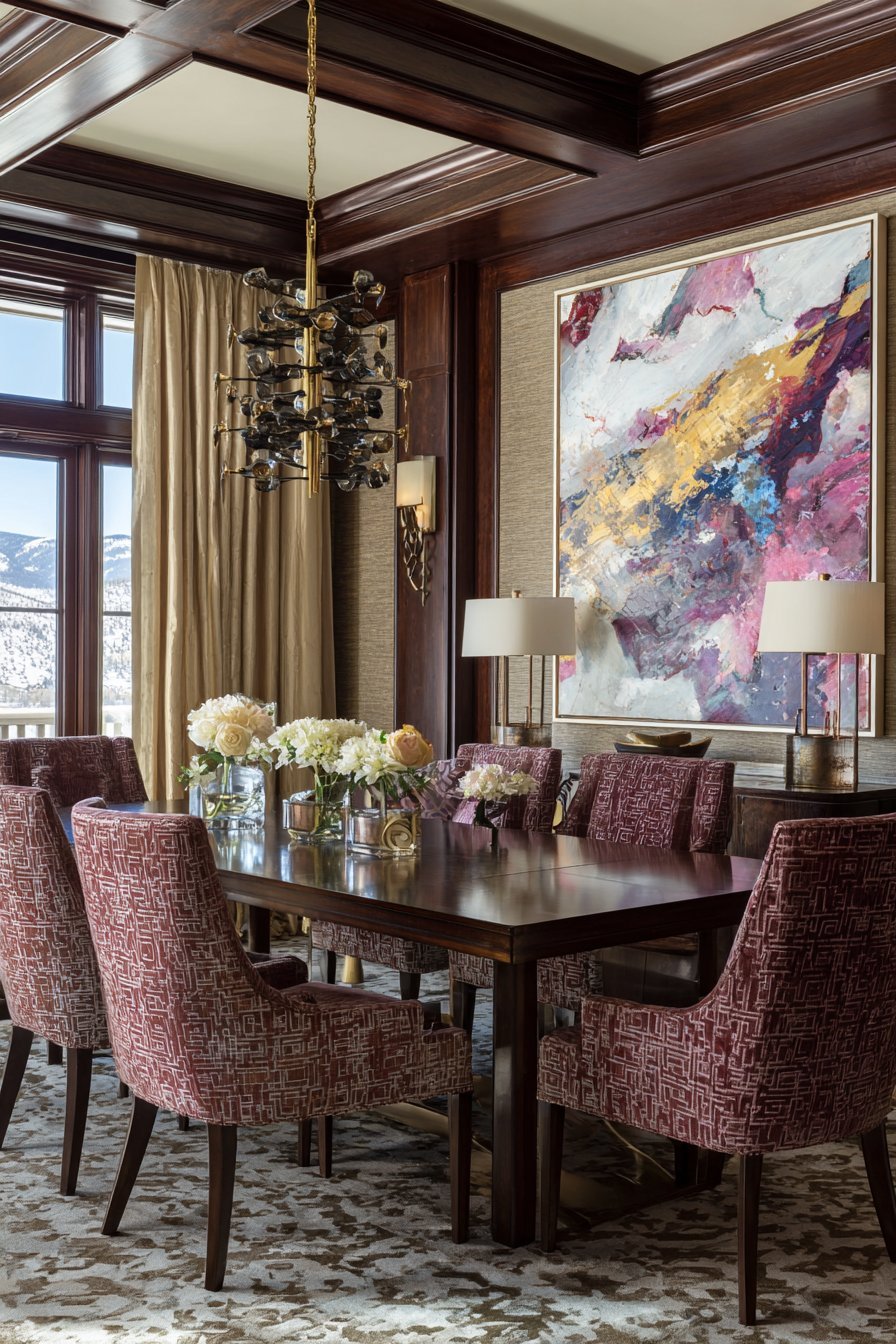
Layered lighting is essential in New Traditionalist spaces. Ambient, task, and accent lighting work together to create rooms that function beautifully at any hour. Table lamps are particularly important in this style. They add warmth, intimacy, and the kind of soft pool of light that makes a room feel lived-in and inviting.
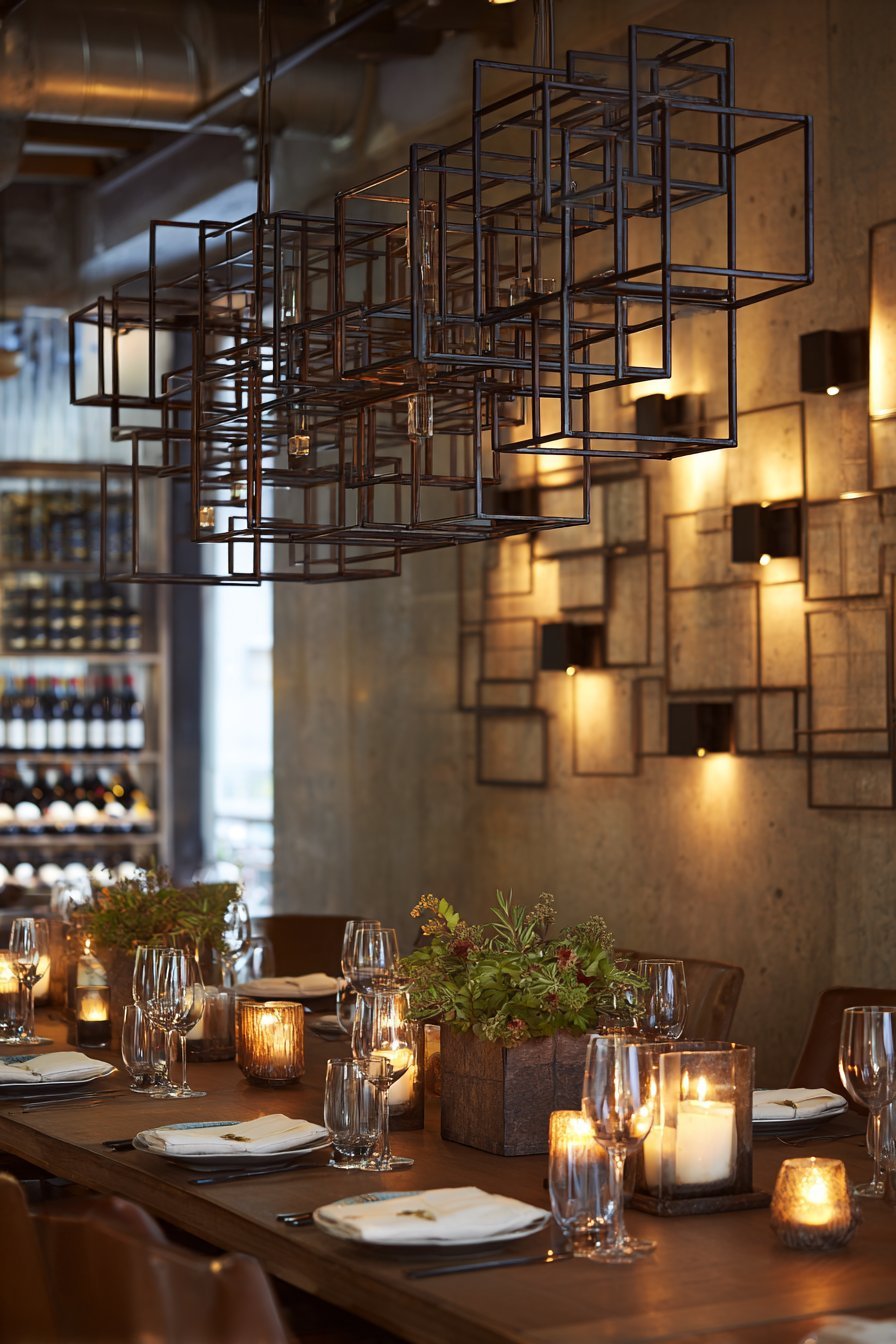
The materials used in traditional lighting fixtures are also evolving. Unlacquered brass is enormously popular because it ages naturally and develops a rich patina over time. Aged bronze, antiqued iron, and hand-blown glass all speak to the materiality that defines New Traditionalism. These are finishes that improve with age, just like the style itself.
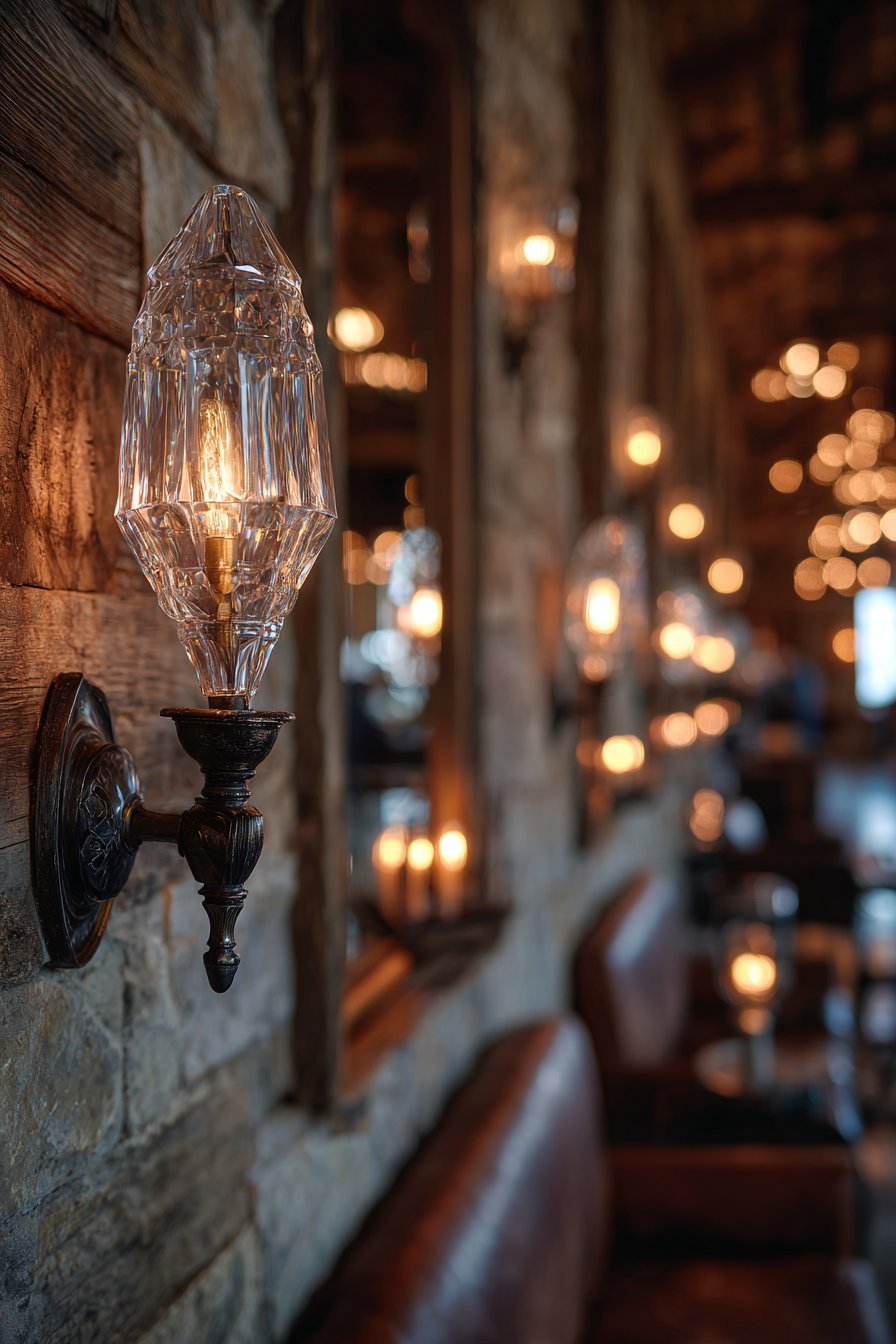
- Choose lighting fixtures with classic silhouettes in updated finishes
- Layer floor lamps, table lamps, and overhead lighting in every room
- Use dimmable bulbs throughout to control the atmosphere
- Invest in one statement chandelier as a room’s focal point
- Mix metal finishes intentionally — brass with bronze reads as curated, not mismatched
- Look for vintage lighting at antique markets for authentic character
8. Art and Accessories: Curated, Not Collected
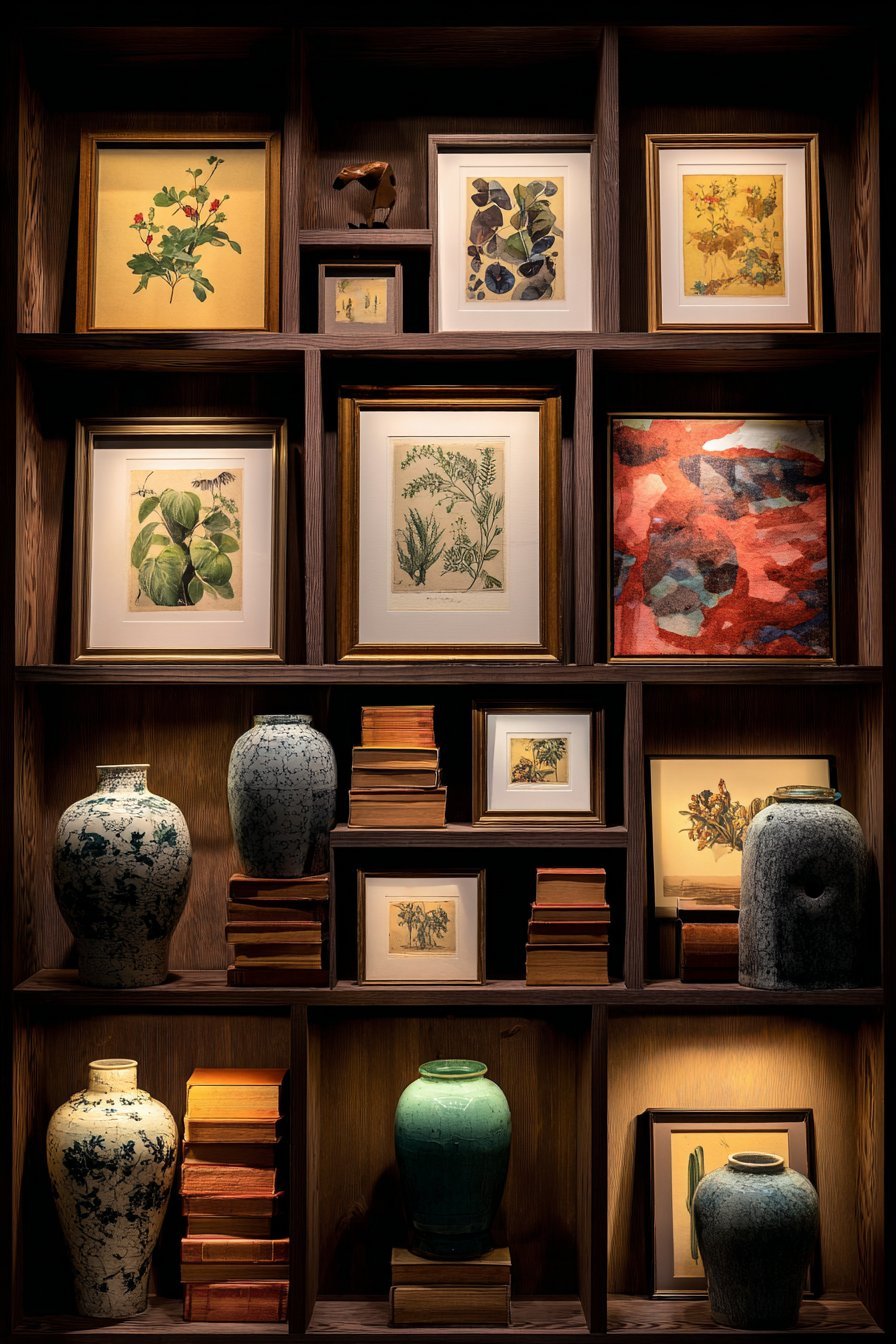
In New Traditionalism, art is paramount. Classic interiors were famous for gallery walls, portrait paintings, and ornamental displays. This tradition continues, but with a more edited, intentional eye. Rather than covering every inch of wall space, New Traditionalists choose fewer, more impactful pieces displayed with breathing room.
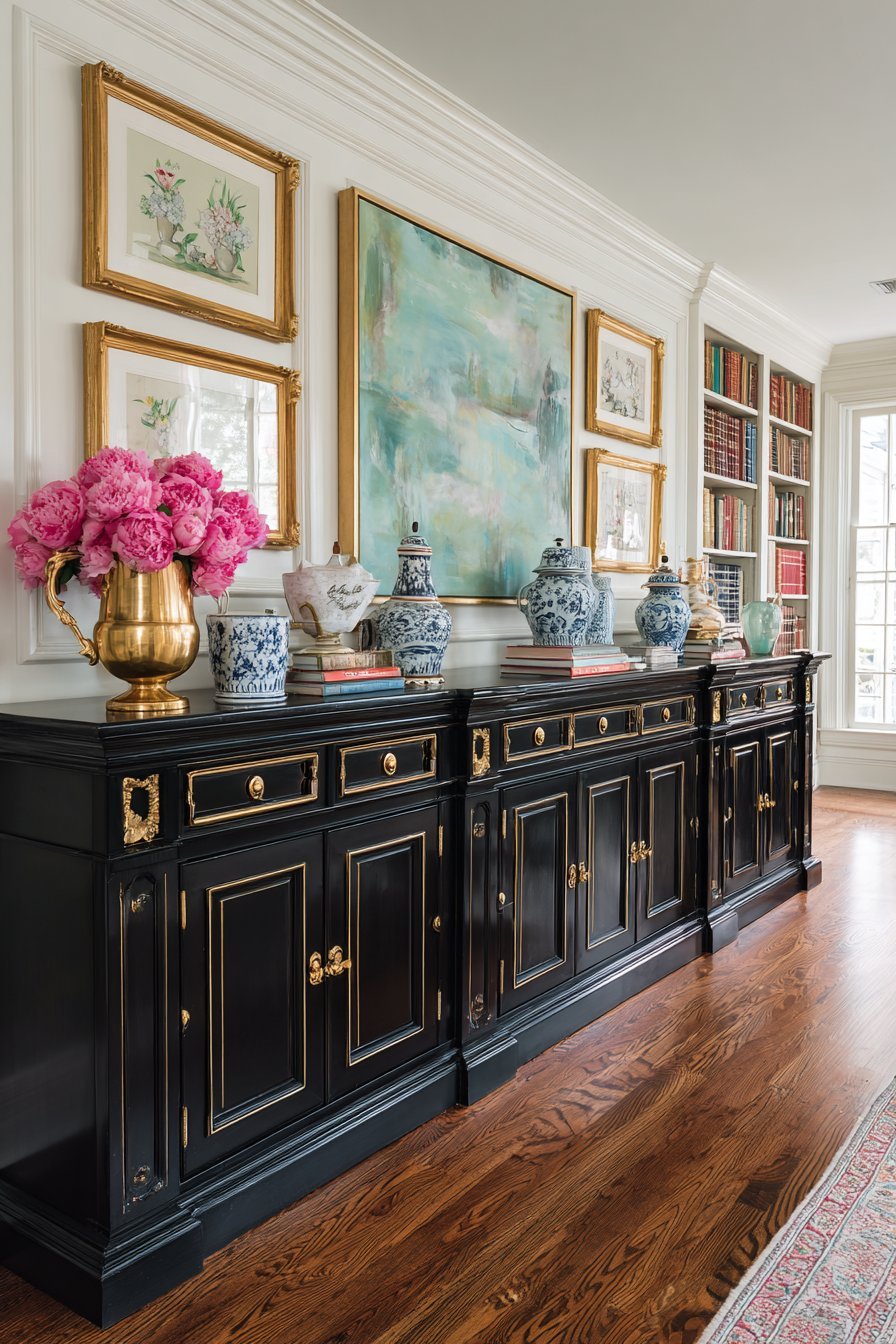
Mixing art from different periods and styles is encouraged. An 18th-century botanical print alongside a contemporary abstract painting creates the kind of conversation that defines this style. The common thread is quality and personal meaning, not stylistic uniformity. Art in New Traditionalist homes feels genuinely collected rather than purchased as a package.
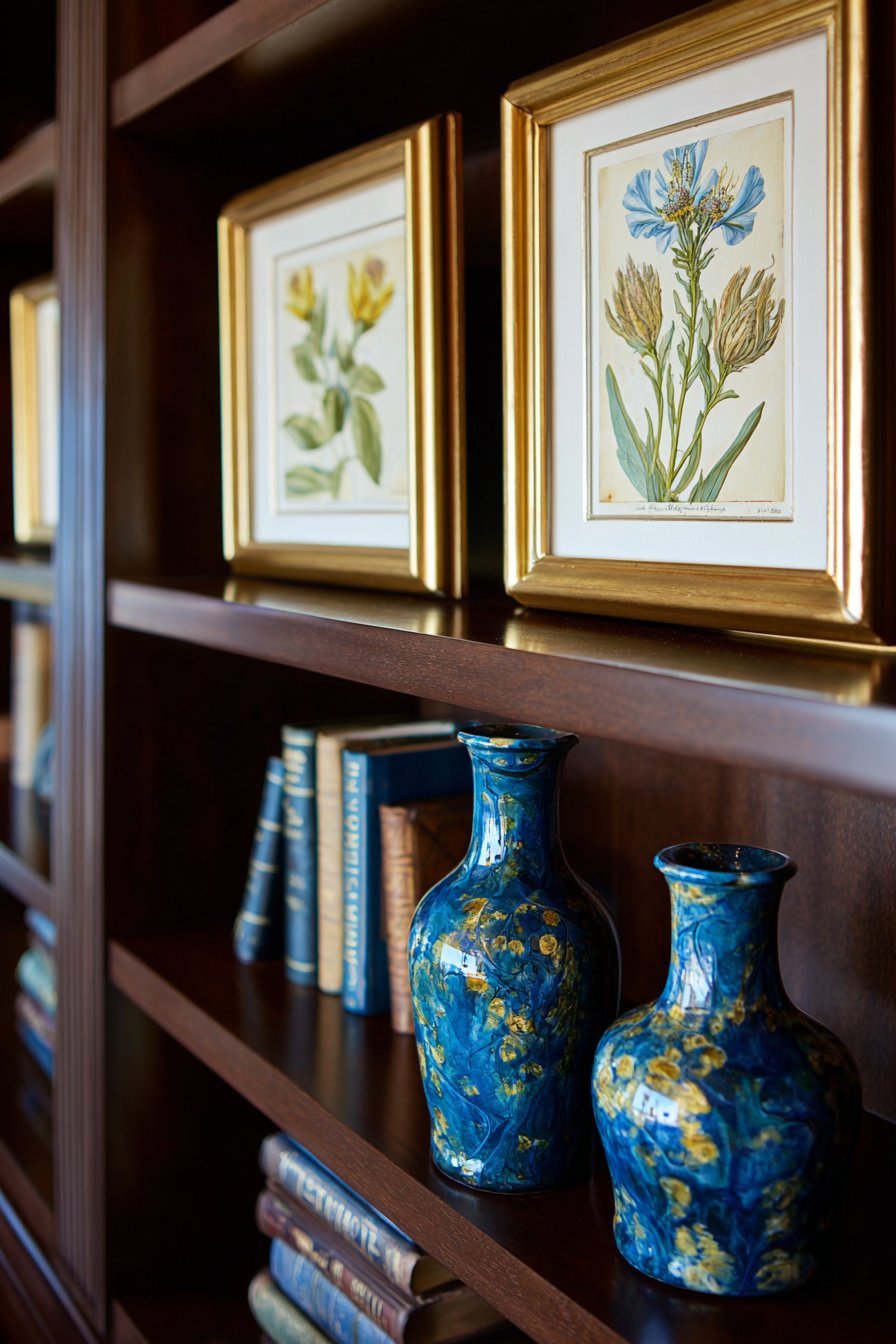
Accessories follow the same philosophy of considered restraint. Antique books, ceramic vases, sculptural objects, and collected curiosities all have a place. But every object should earn its spot on the shelf. The styling is generous but never chaotic. Negative space is embraced as a design element in its own right.
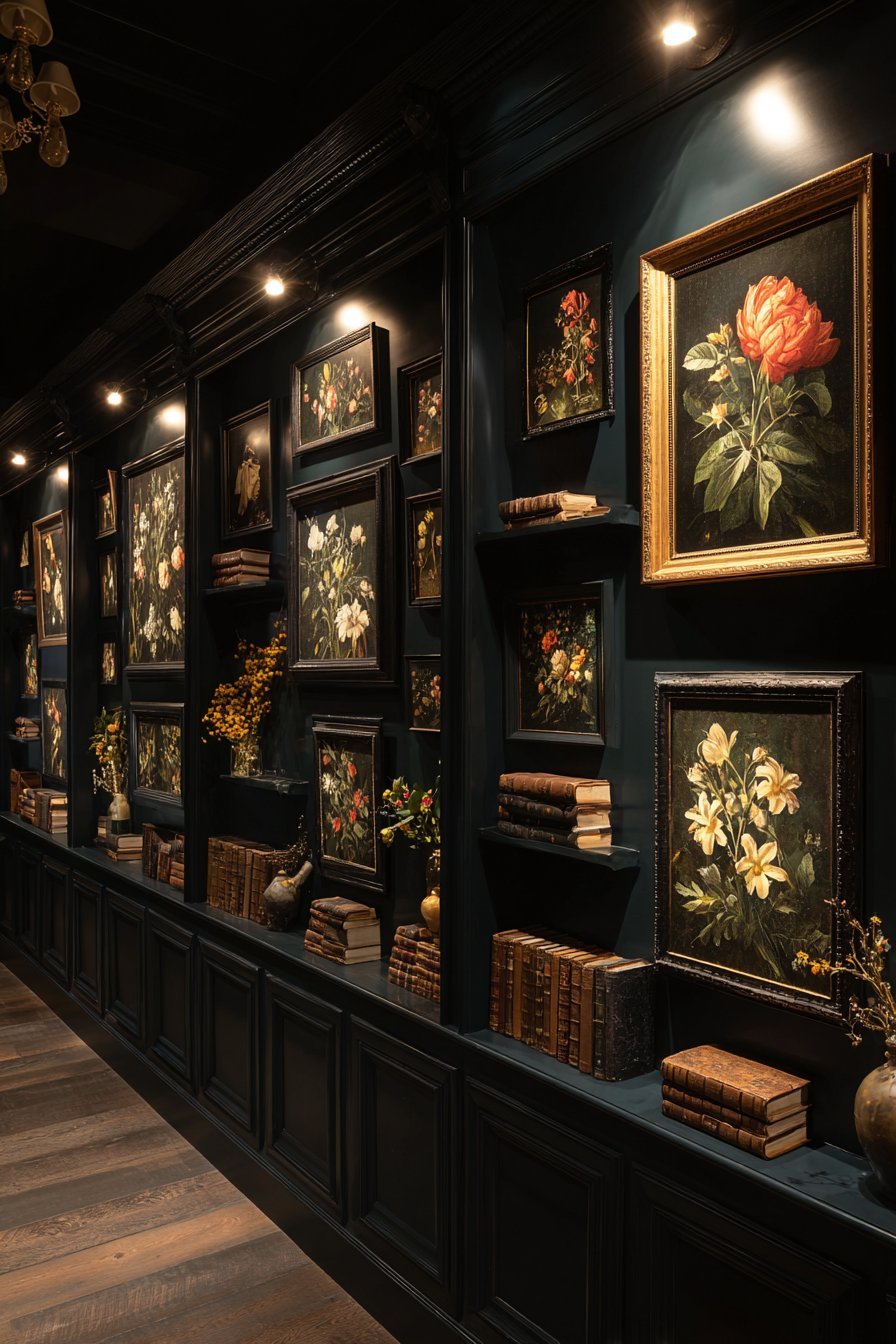
- Create gallery walls with a mix of frames in complementary finishes
- Group accessories in odd numbers for visually pleasing arrangements
- Use books as both reading material and decorative objects
- Mix antique and contemporary art without apology
- Leave deliberate empty space on shelves to avoid a cluttered look
- Choose accessories with personal meaning for an authentic, collected feel
9. Pattern Mixing: A Refined Art Form
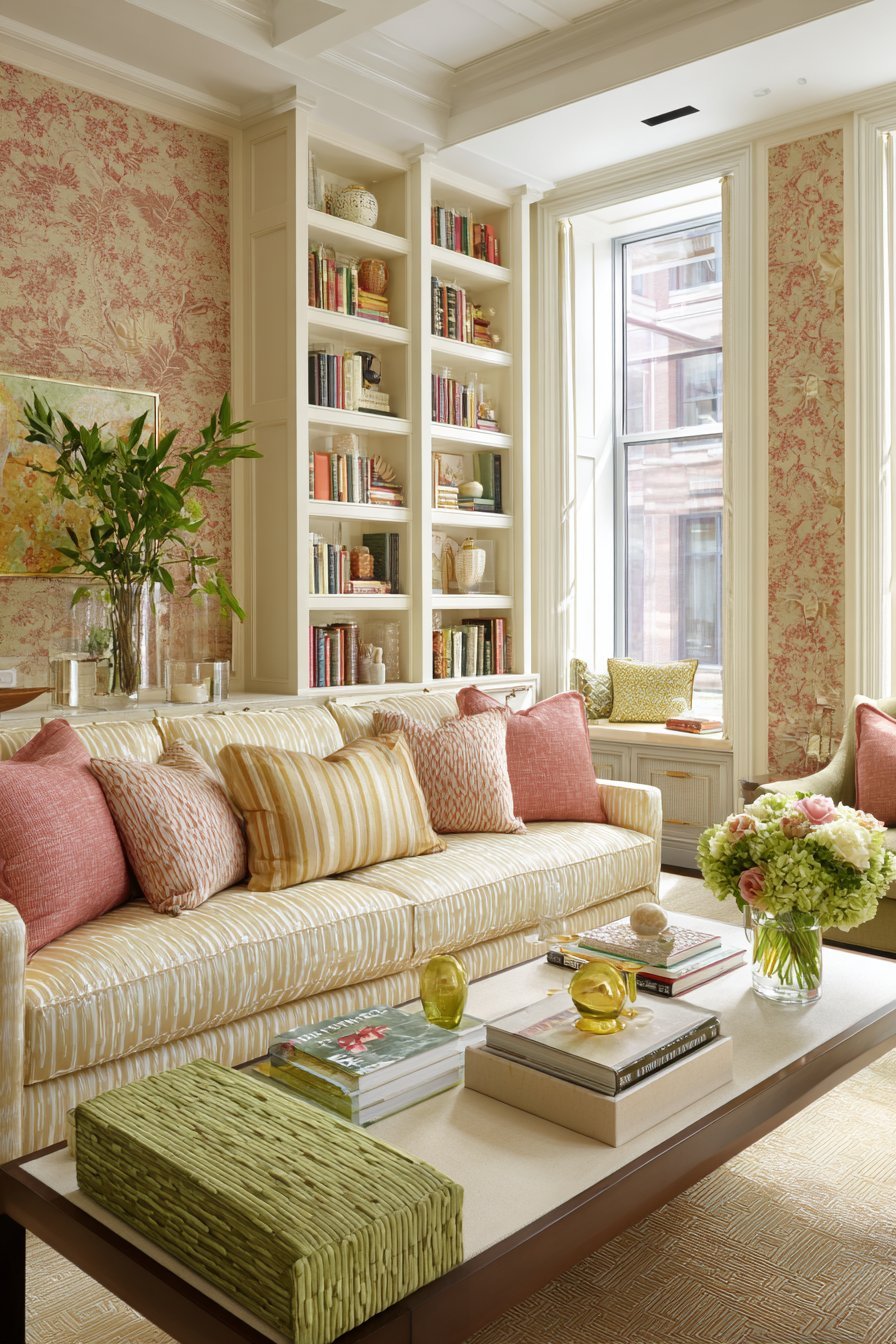
Pattern mixing is one of the most distinctive and rewarding aspects of New Traditionalism. Traditional interiors historically embraced bold patterns — florals, stripes, plaids, and paisleys often coexisted in a single room. New Traditionalism revives this confidence with a more sophisticated, color-anchored approach.
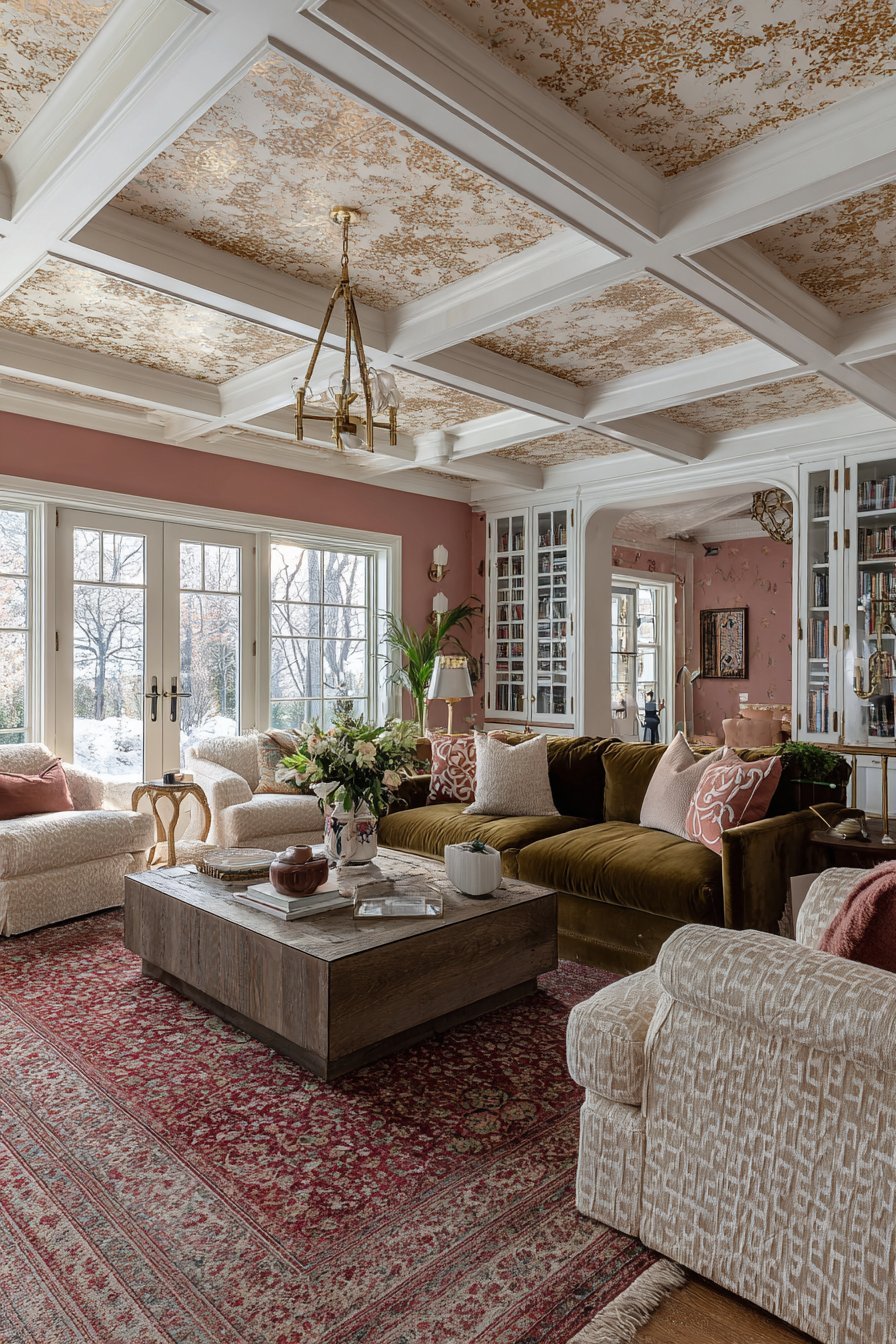
The key rule is to anchor all patterns within a unified color palette. When patterns share two or three common colors, they can coexist beautifully regardless of their differences in scale or style. A large-scale floral, a medium geometric, and a simple stripe can all work together if they share the same dusty rose, cream, and green tones.
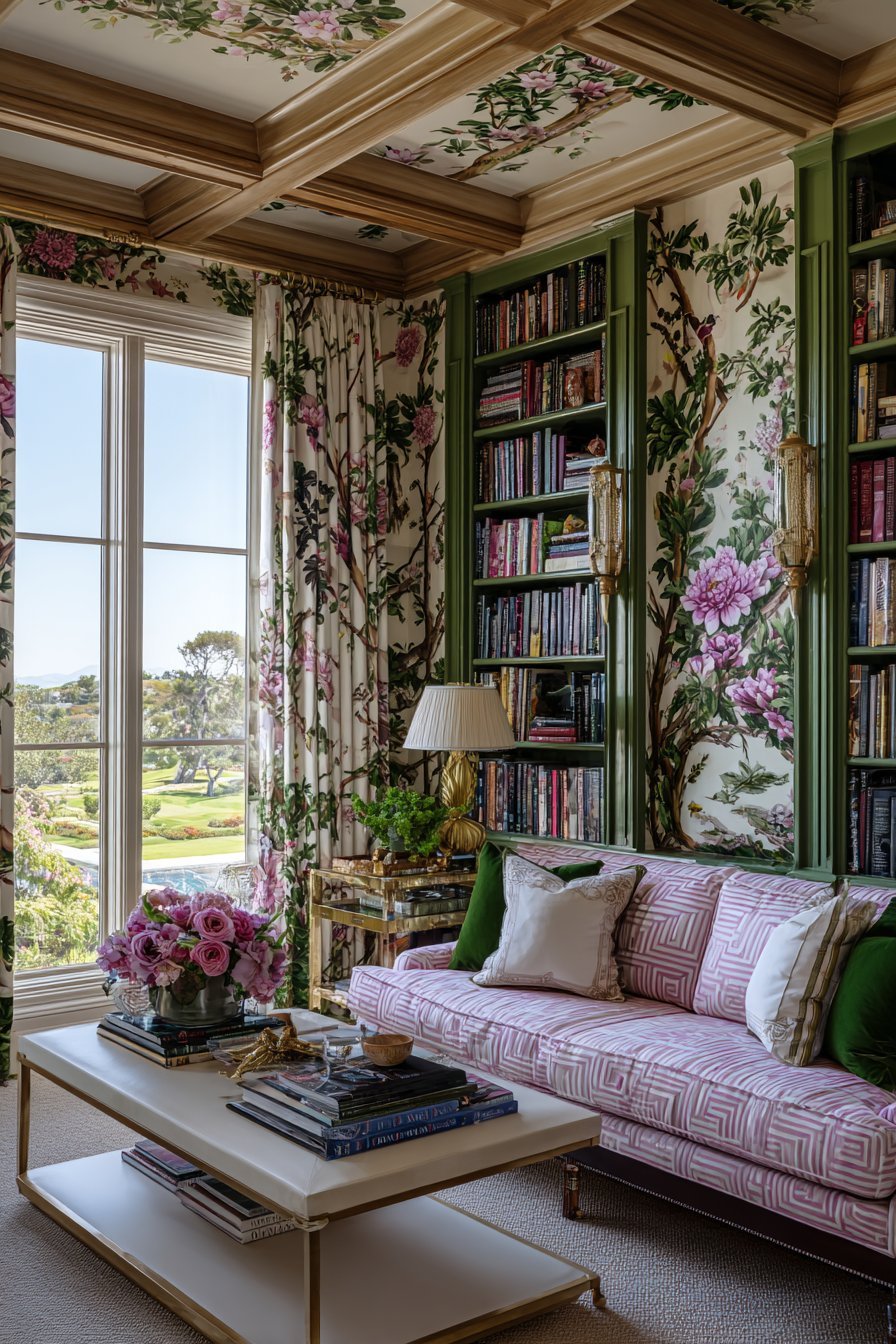
Mixing historic and contemporary patterns is particularly exciting. A traditional chinoiserie print on throw pillows alongside a graphic modern rug creates visual richness that feels layered and personal. This fearless mixing is central to New Traditionalism’s identity. It reflects a designer who knows the rules well enough to break them beautifully.
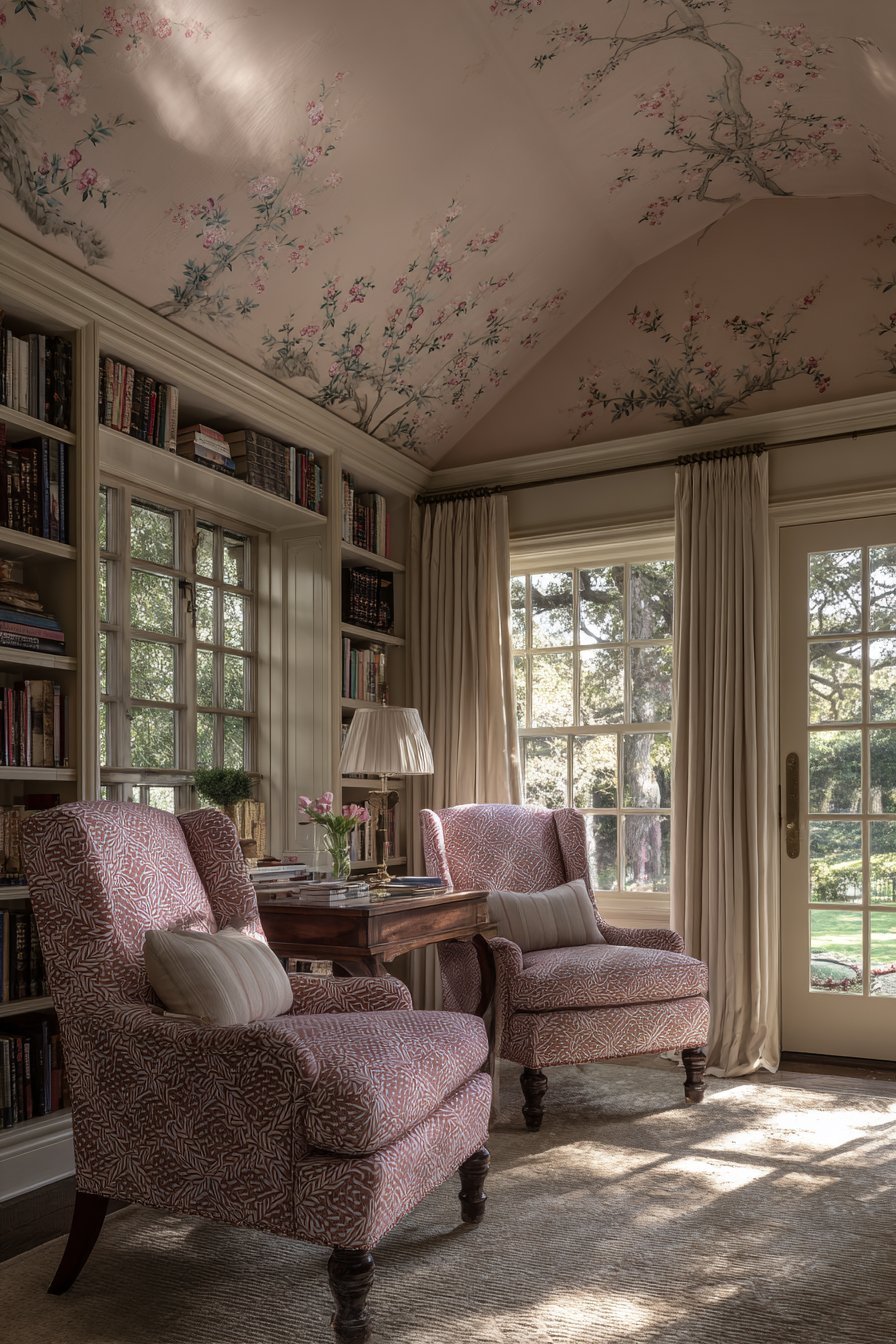
- Always anchor mixed patterns within a cohesive color story
- Use solid fabrics as breathing room between patterned pieces
- Mix at least three different scales of pattern in any seating area
- Introduce pattern on unexpected surfaces — ceilings, inside bookshelves, cabinet interiors
- Don’t be afraid of florals — they are quintessentially traditional and endlessly versatile
- Look to historic textiles for pattern inspiration that feels authentic
10. Natural Materials and Organic Textures
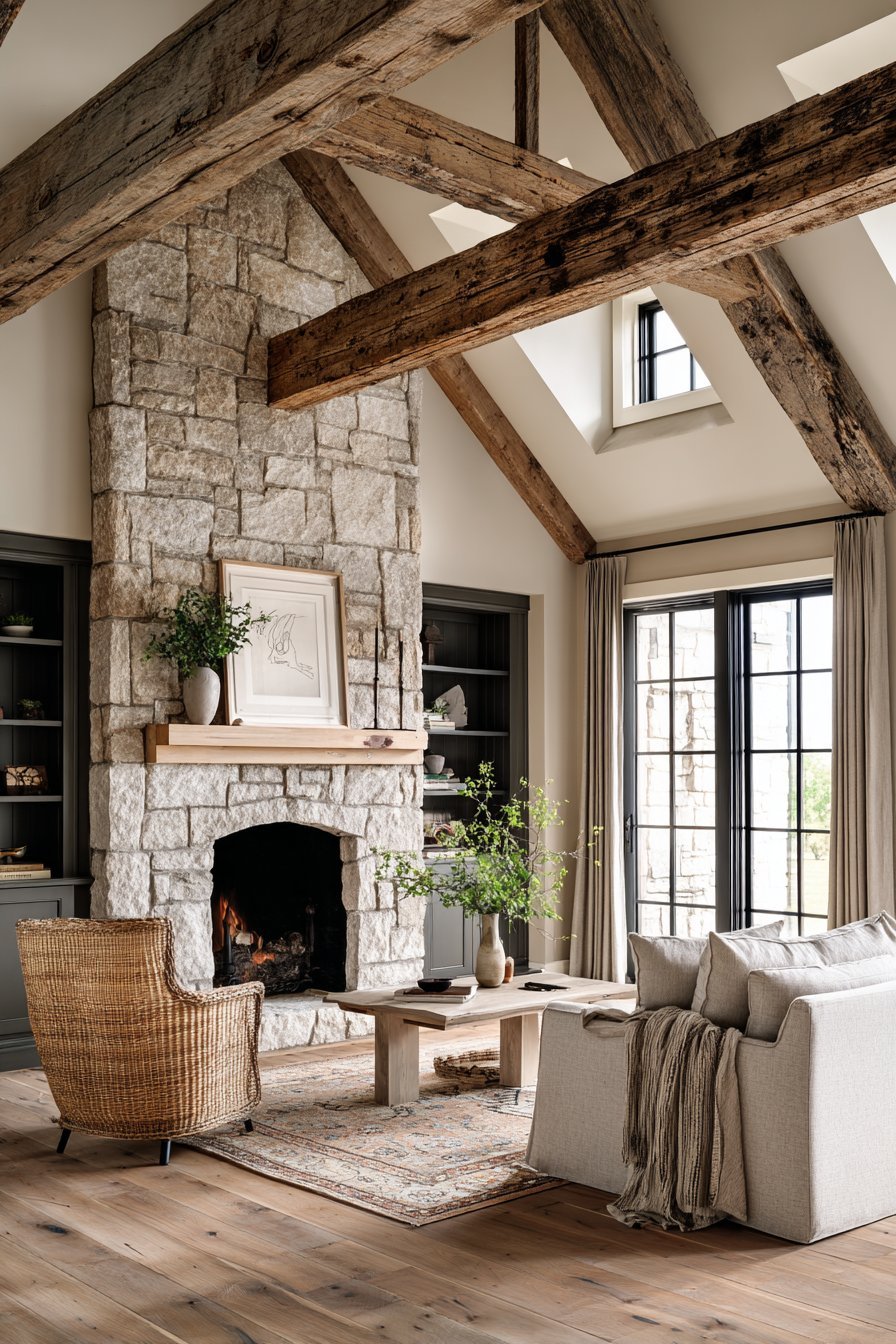
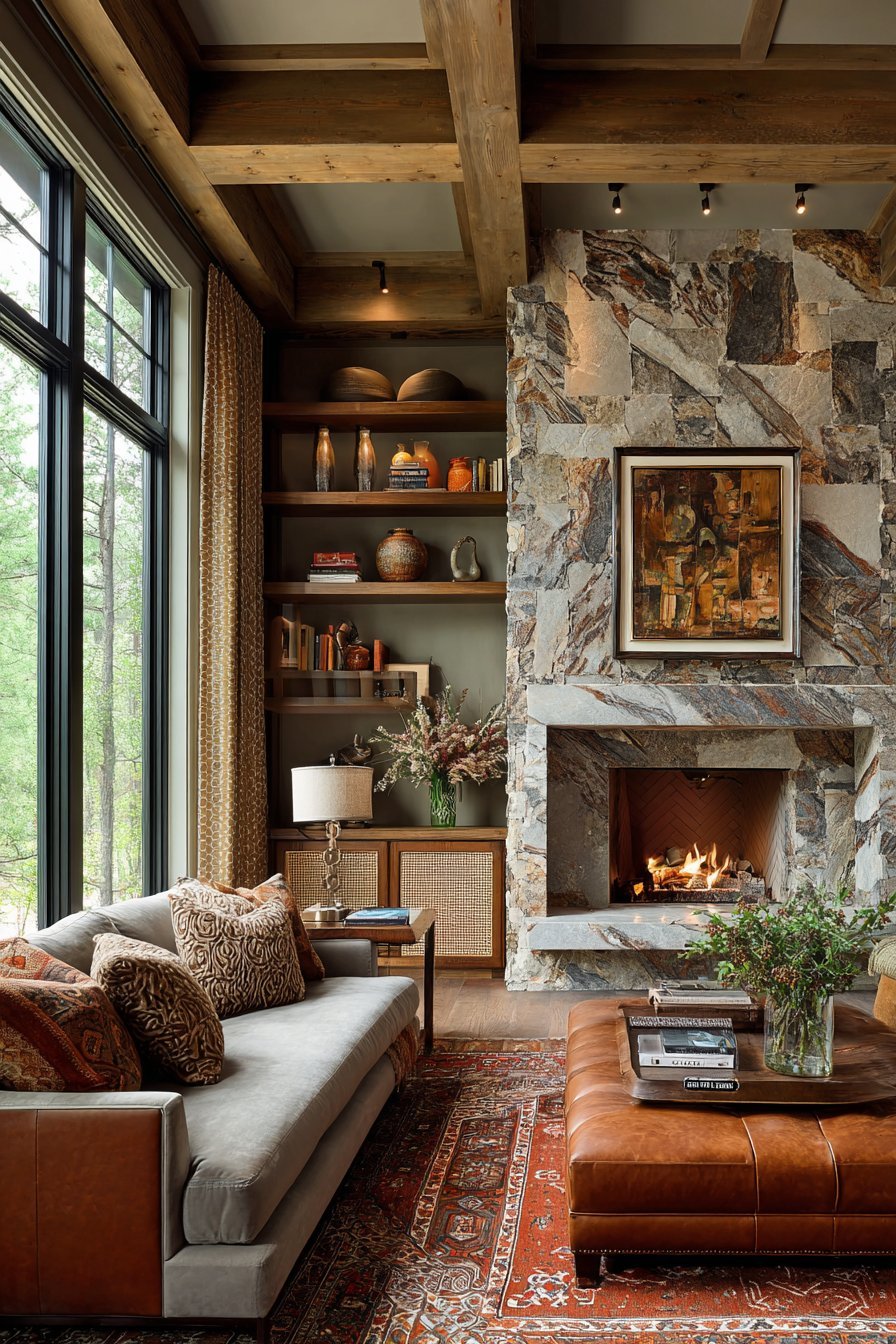
New Traditionalism has a deep appreciation for natural materials. Stone, wood, linen, wool, rattan, and leather are the building blocks of this style. These materials age beautifully, develop patina over time, and connect interiors to the natural world in ways that synthetic materials simply cannot replicate.
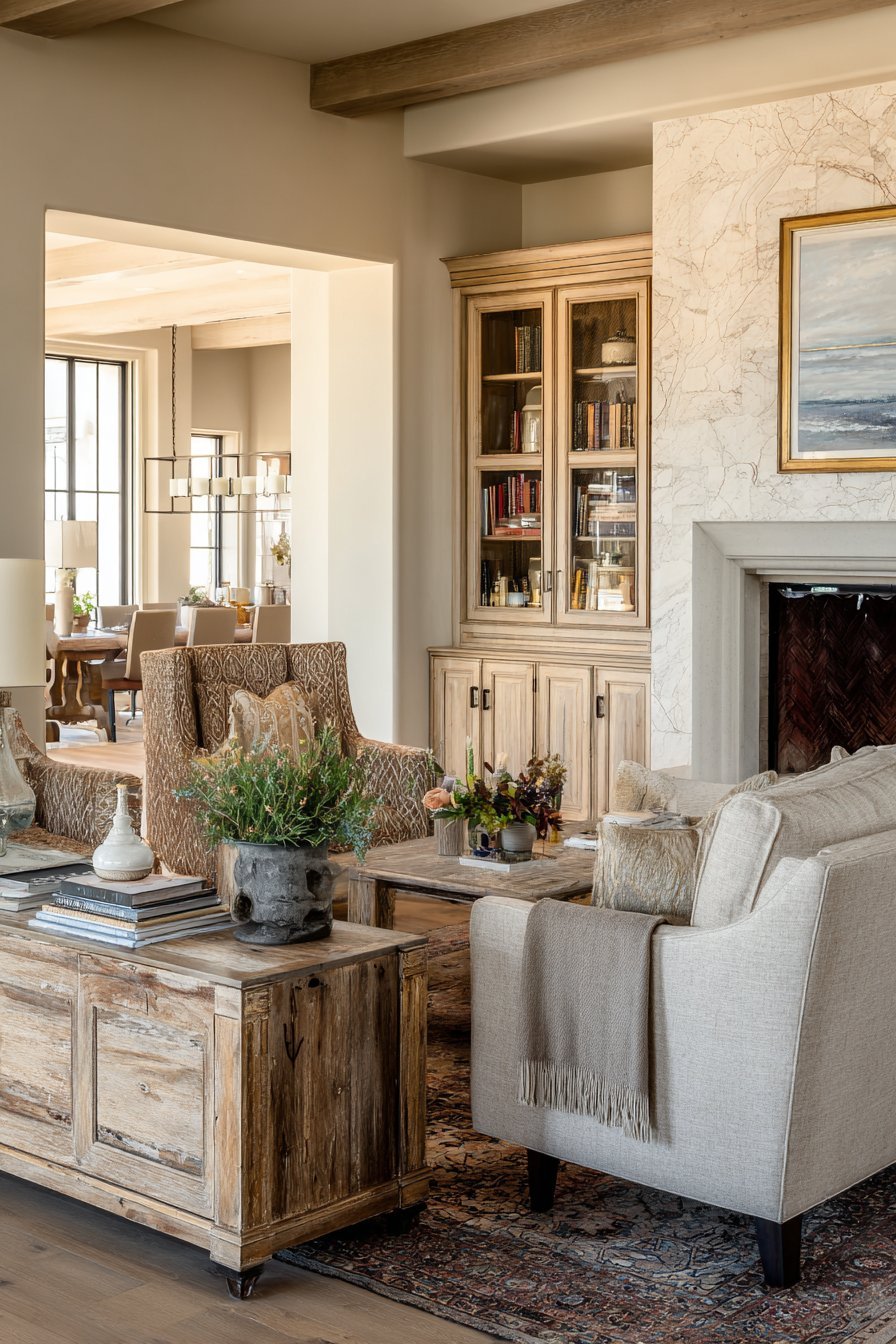
Hardwood floors are a cornerstone of New Traditionalist interiors. Wide-plank oak, walnut, or reclaimed wood floors provide warmth and character that tile or carpet cannot match. Area rugs — particularly Persian, Turkish, or Oushak styles — are layered over these floors to add color, pattern, and softness. This combination is one of the most enduring signatures of the style.
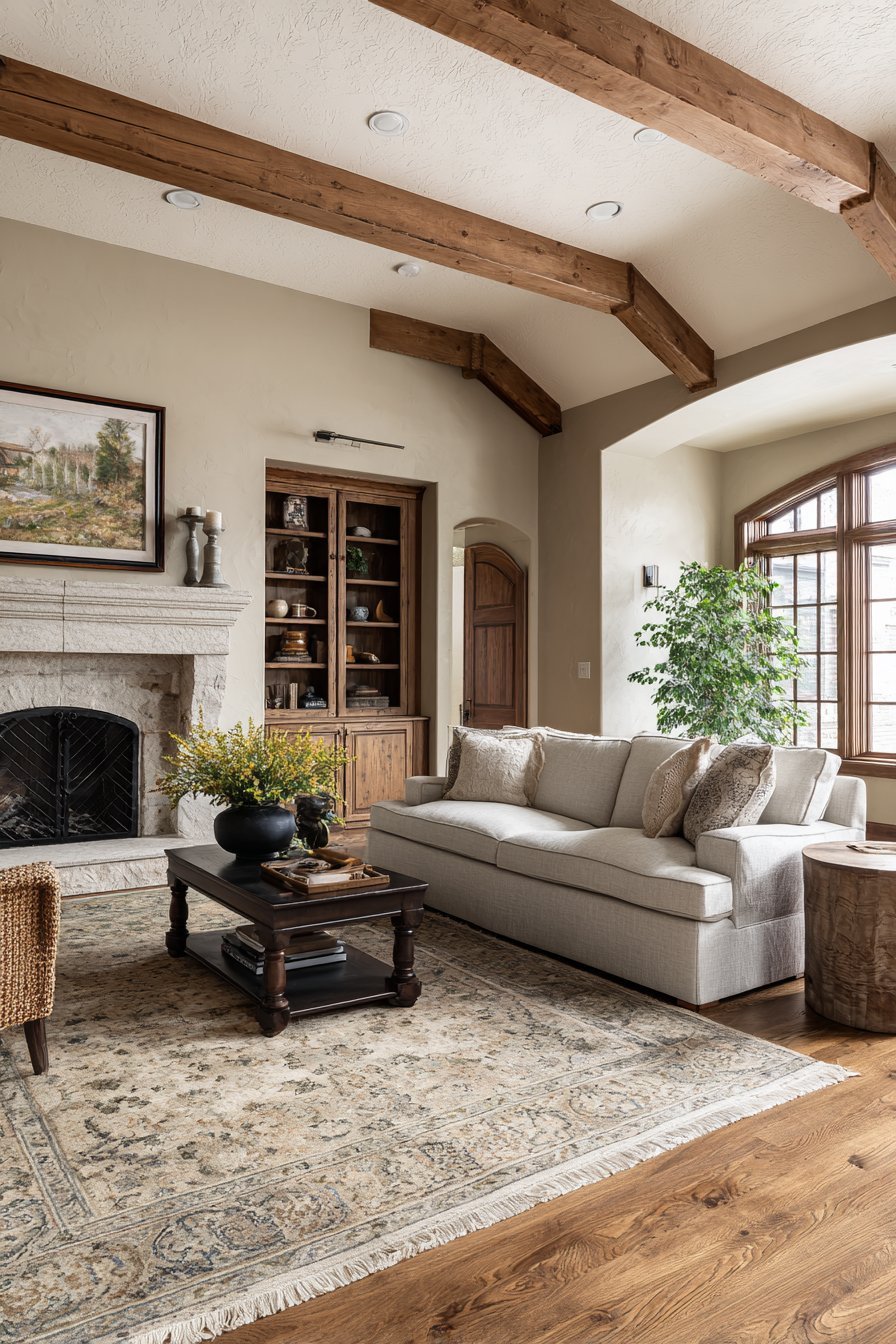
Natural stone in kitchens and bathrooms — particularly marble, limestone, and soapstone — brings the organic richness that New Traditionalism demands. These materials are not treated as precious and untouchable. They are used generously and allowed to age, chip, and stain in ways that tell the story of a well-lived home.
- Choose solid hardwood flooring over engineered alternatives where budget allows
- Layer multiple rugs for warmth and visual depth in large rooms
- Use natural stone on countertops, fireplace surrounds, and bathroom floors
- Introduce rattan, cane, and wicker for lightness and organic texture
- Choose linen and wool upholstery fabrics over synthetic alternatives
- Allow natural materials to age gracefully rather than over-maintaining them
11. Bringing the Outside In: Botanicals and Nature
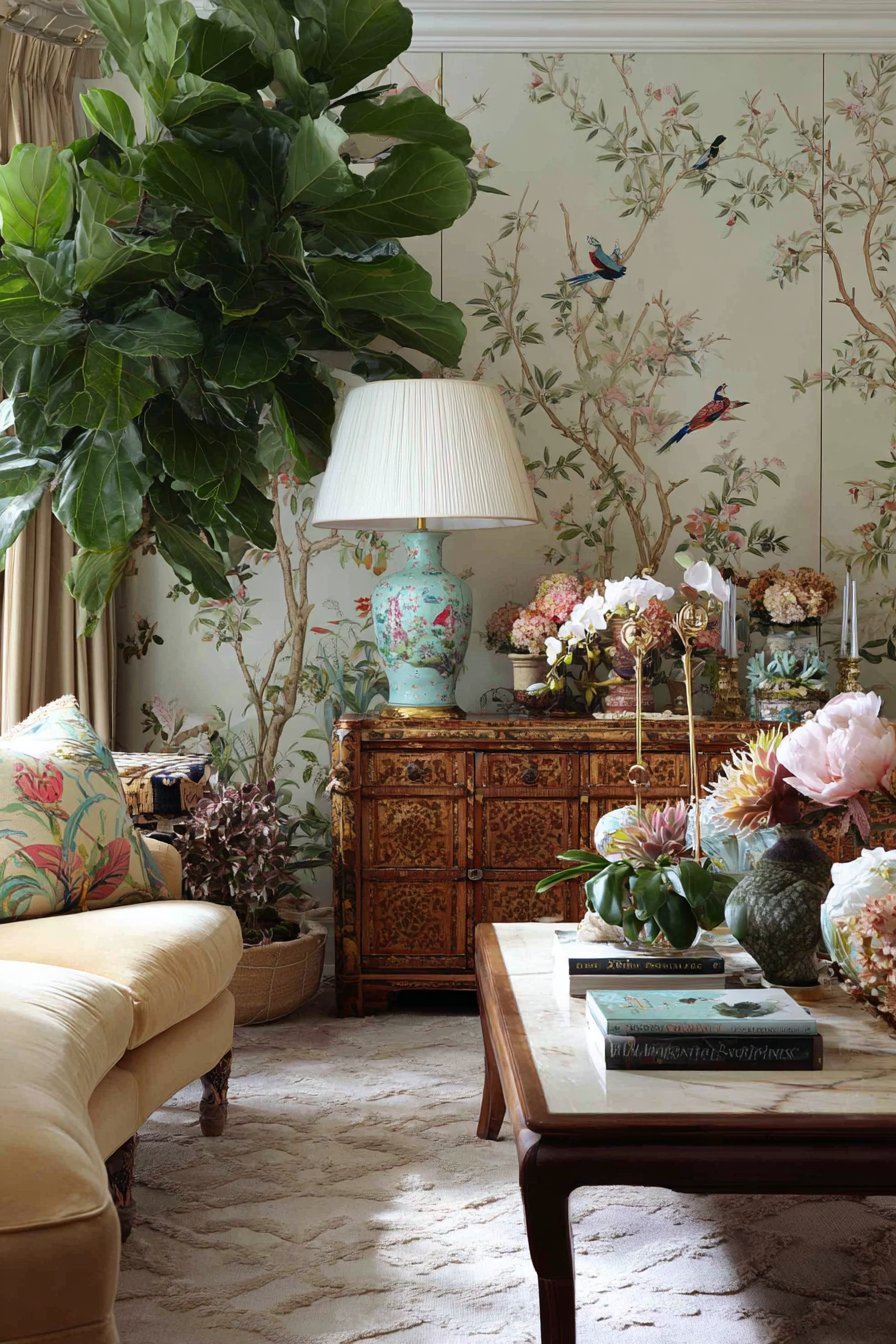
Traditional interiors have always had a love affair with the natural world. Botanical prints, floral fabrics, and indoor plants have been design staples for centuries. New Traditionalism embraces this connection wholeheartedly, bringing nature inside in both literal and decorative ways.
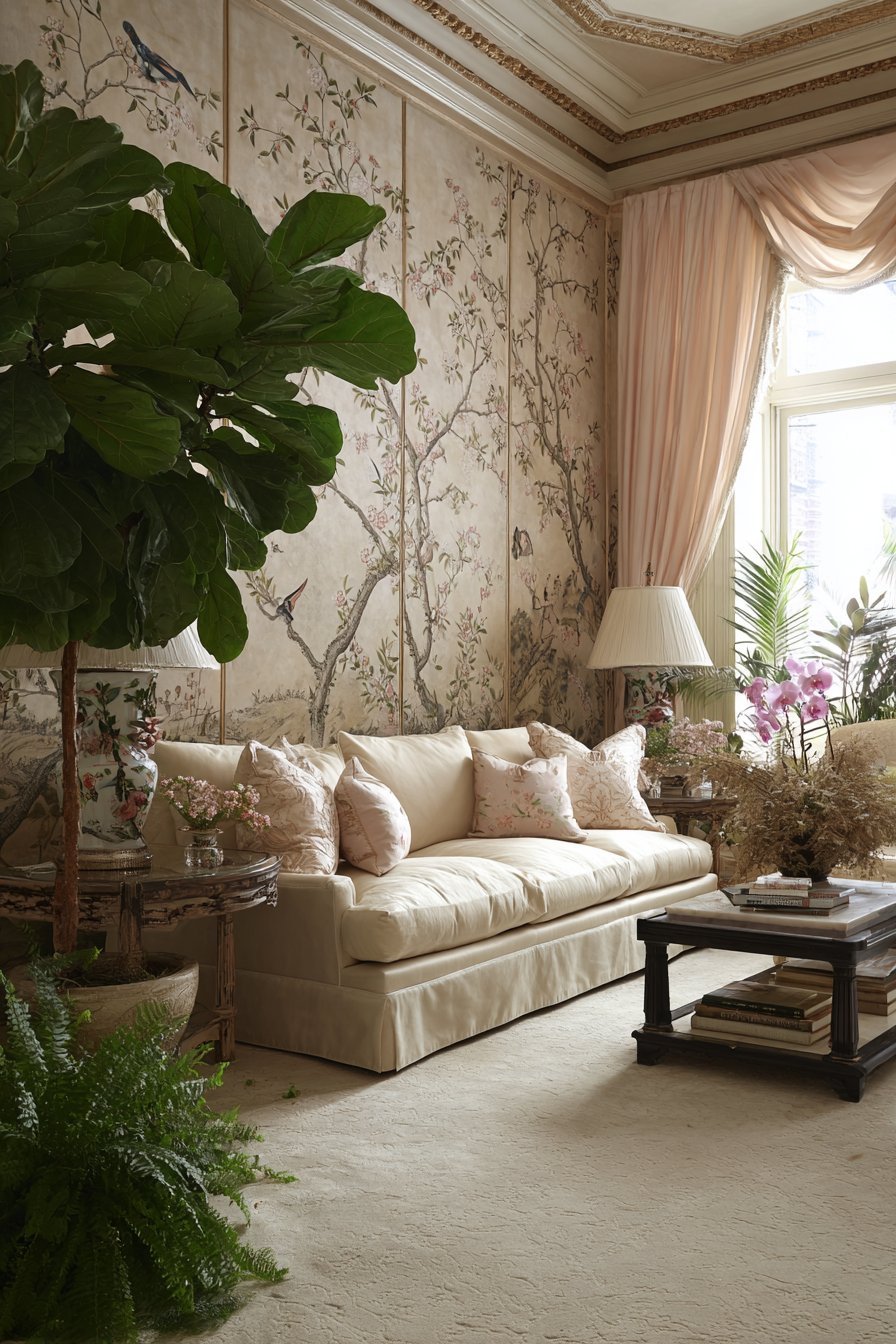
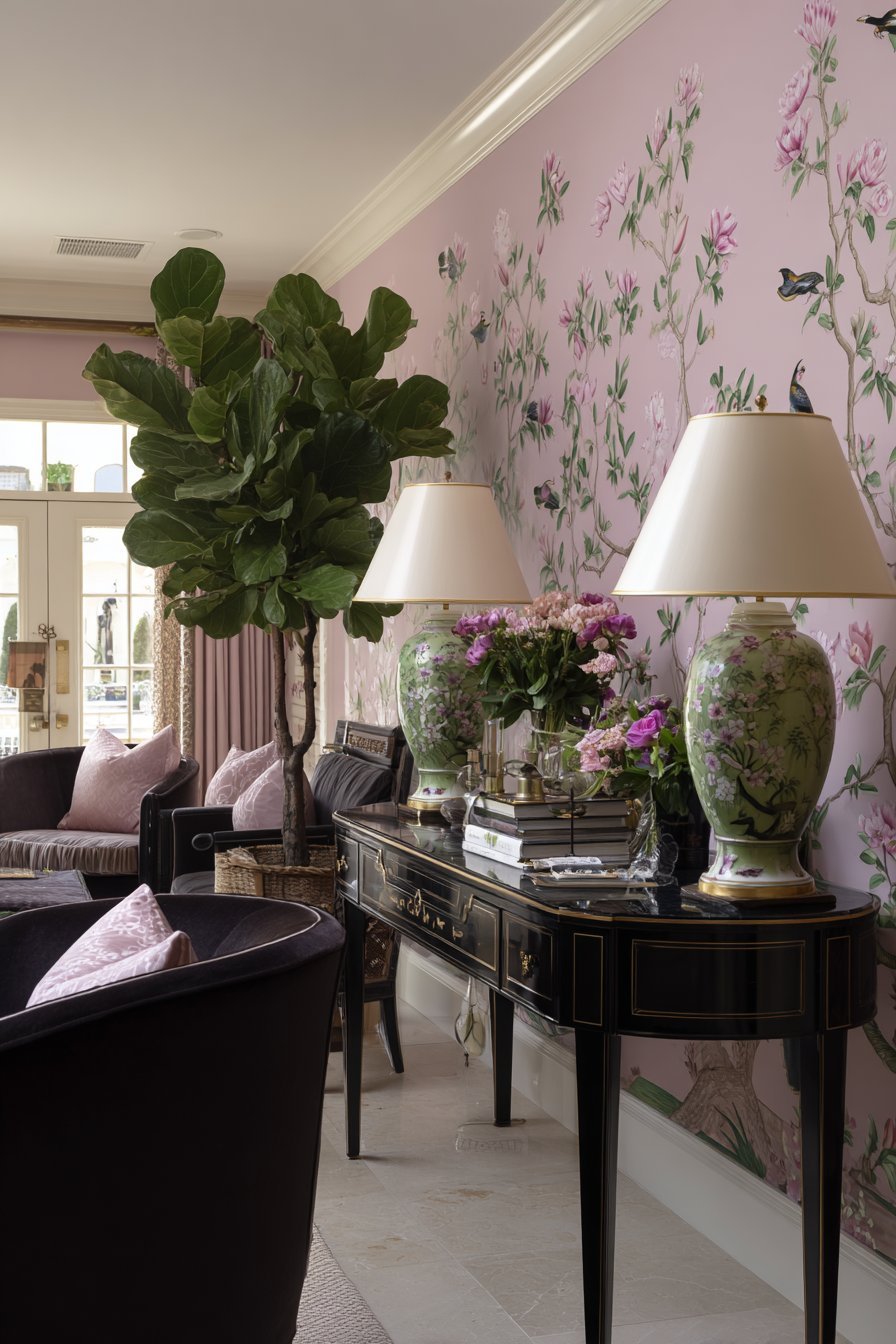
Live plants are essential in New Traditionalist spaces. Large fiddle-leaf figs, lush ferns, trailing pothos, and flowering orchids all bring life and oxygen to a room. They soften the edges of formal furniture arrangements and introduce an organic unpredictability that keeps spaces feeling alive. A room with healthy plants signals that it is truly lived in and loved.
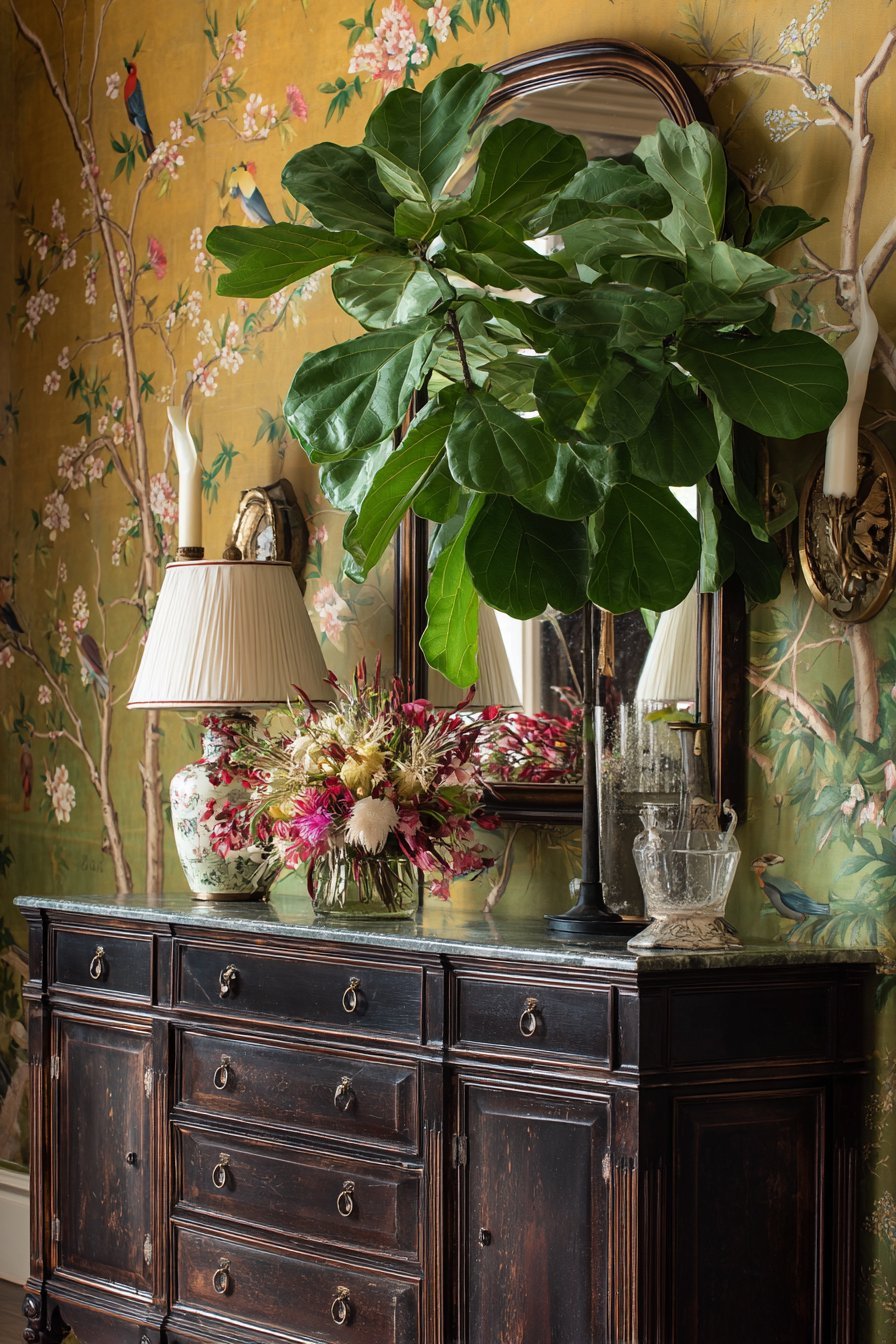
Beyond live plants, botanical art and motifs are everywhere in this style. Chinoiserie wallpapers featuring exotic birds and flowering branches. Hand-painted porcelain lamps with botanical details. Antique herbarium prints framed in gilded frames. Nature is not just a theme in New Traditionalism — it is a foundational principle that connects the interior to the broader world.
- Invest in at least two or three large-scale plants per main living area
- Use botanical prints in art, textiles, and wallcoverings freely
- Bring natural elements indoors — branches, stones, shells, and dried botanicals
- Consider a statement botanical wallpaper in a hallway or powder room
- Display fresh flowers weekly as a living design element
- Choose planters that complement your overall palette and style
12. The New Traditionalist Kitchen and Bath
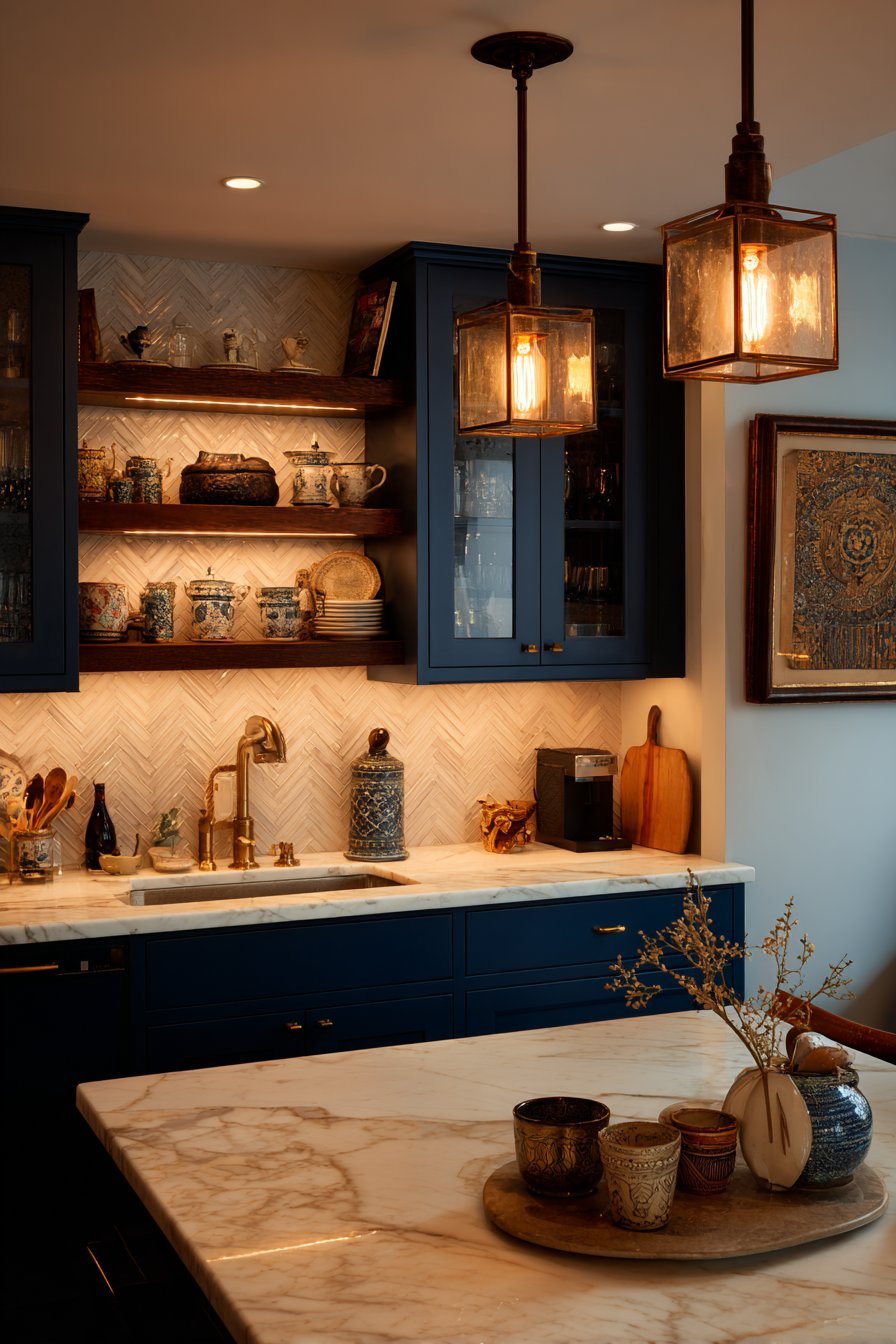
Kitchens and bathrooms are where New Traditionalism makes some of its most exciting design statements. These functional spaces are being elevated with the same thoughtful curation applied to living areas. The result is kitchens and baths that feel both beautiful and deeply personal.
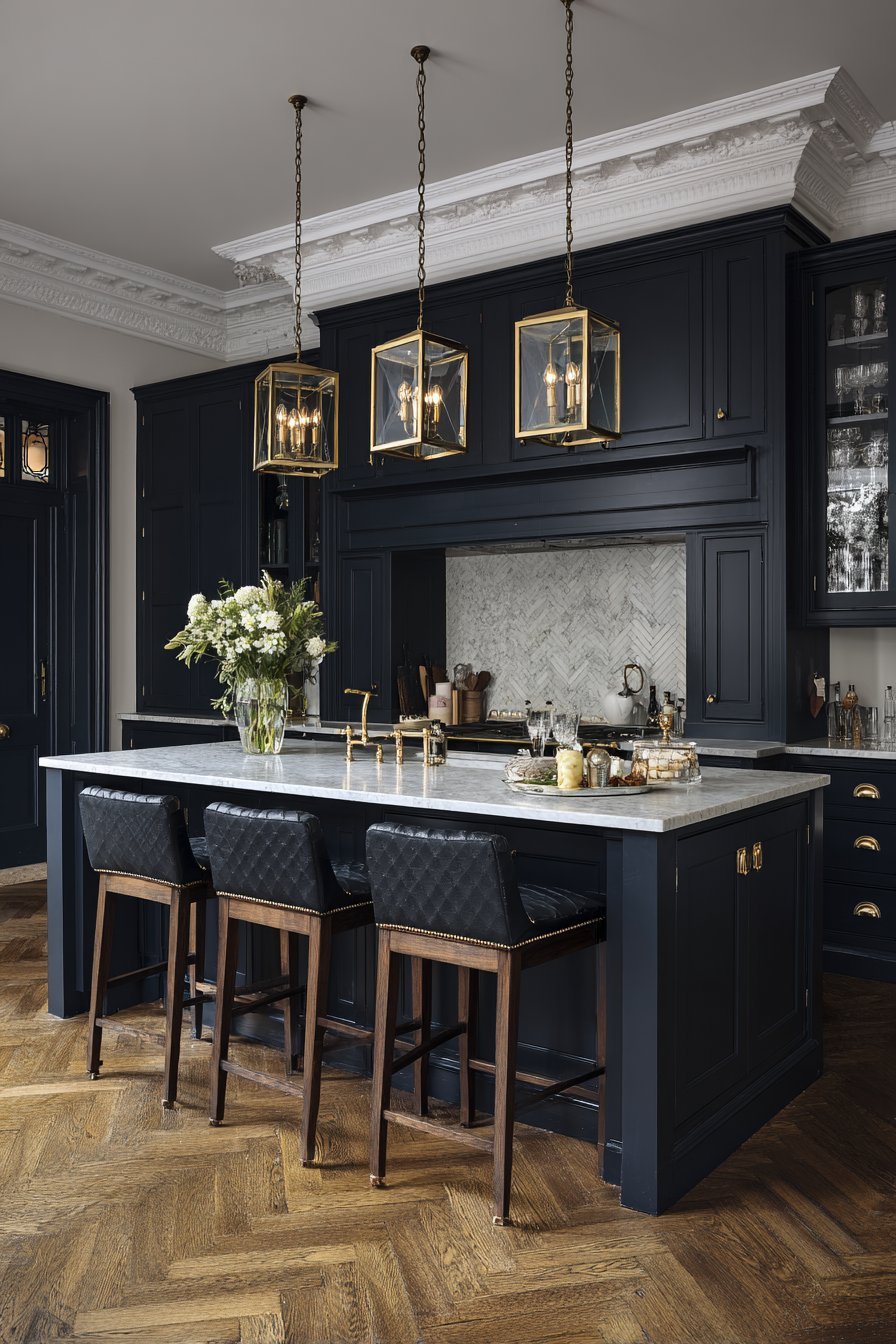
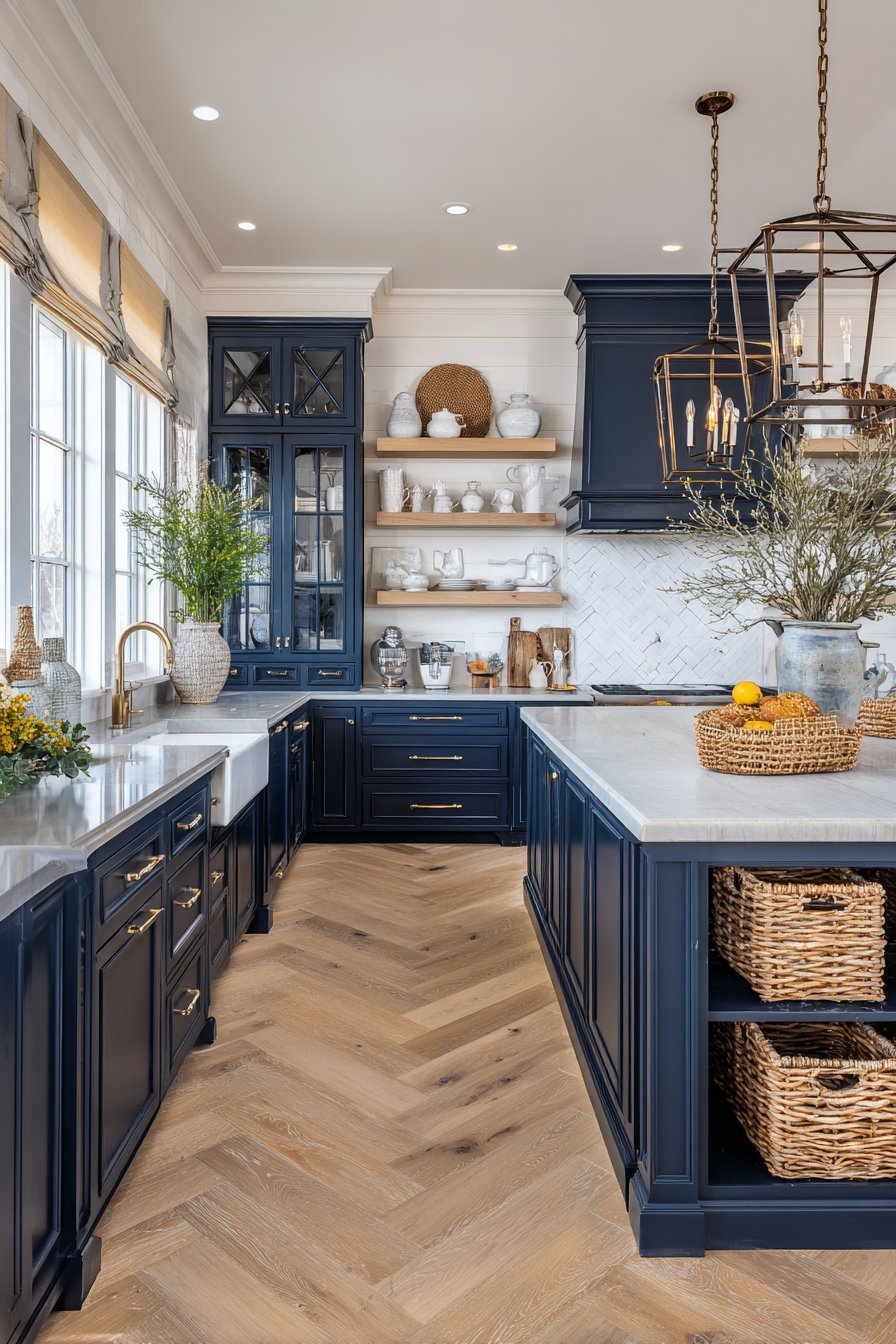
In the New Traditionalist kitchen, cabinetry style is everything. Shaker-style cabinets in painted finishes — particularly deep greens, navy blues, and warm whites — are enormously popular. Unlacquered brass or aged bronze hardware adds warmth and patina. Open shelving displays collections of antique ceramics and ironstone alongside everyday dishes, blurring the line between storage and display.
In bathrooms, freestanding tubs, pedestal sinks, and vintage-inspired tile patterns are hallmarks of the style. Clawfoot tubs in modern finishes, subway tiles laid in herringbone patterns, and antique vanity mirrors all bring traditional character into these intimate spaces. The bathroom, once purely functional, becomes a sanctuary of considered beauty.
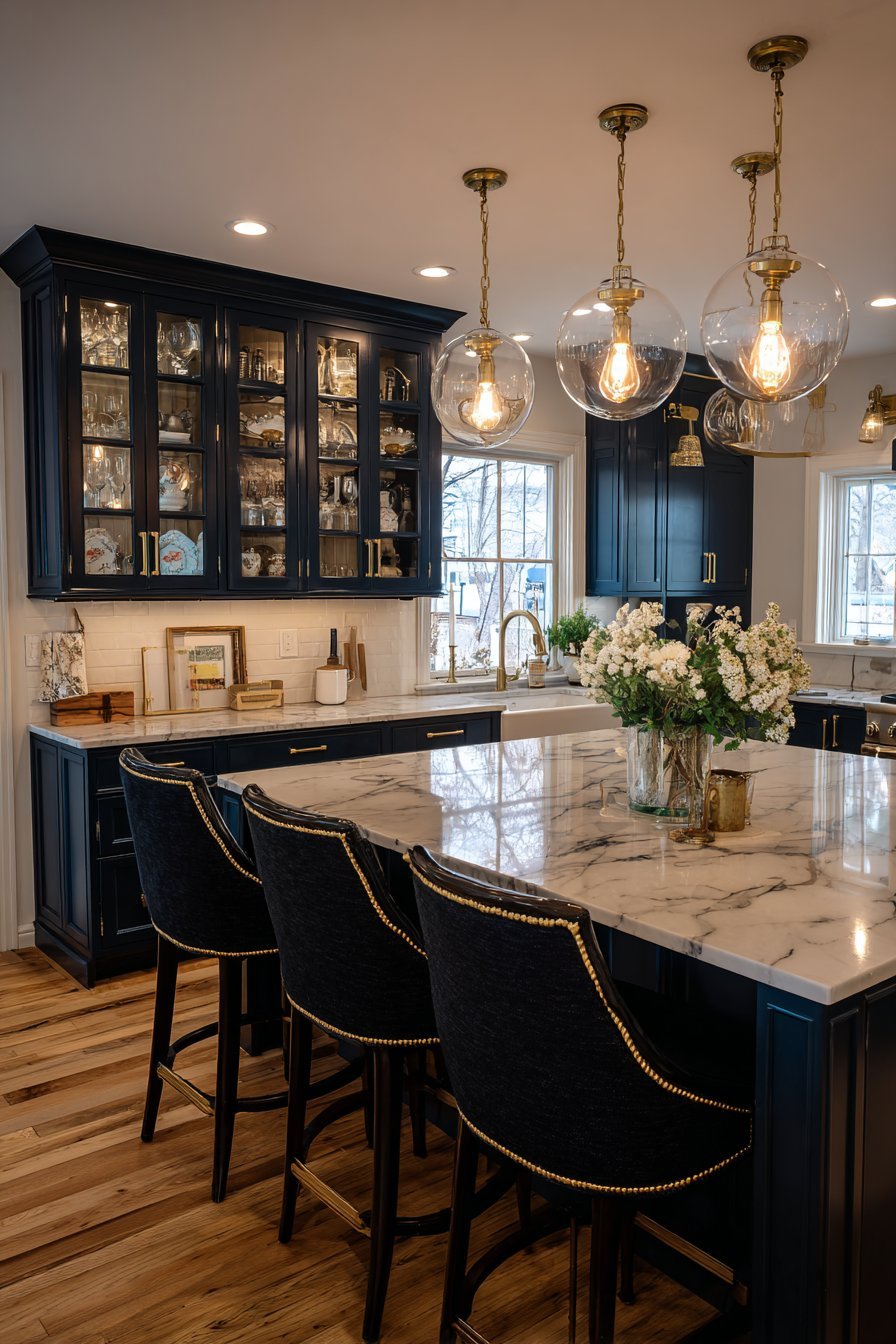
- Choose Shaker-style cabinetry for timeless kitchen appeal
- Install unlacquered brass or aged bronze fixtures throughout kitchen and bath
- Use open shelving to display antique ceramics and collected glassware
- Select tile patterns with historic precedent — hex, herringbone, or subway
- Incorporate a freestanding tub as a focal point in a larger bathroom
- Add antique or vintage mirrors for character in both kitchen and bath
Conclusion
New Traditionalism is more than a design trend — it is a philosophy of living. It honors the craftsmanship, beauty, and permanence of classic design while embracing the comfort, function, and individuality of modern life. It invites us to curate rather than accumulate, to honor history while writing our own chapter of it.
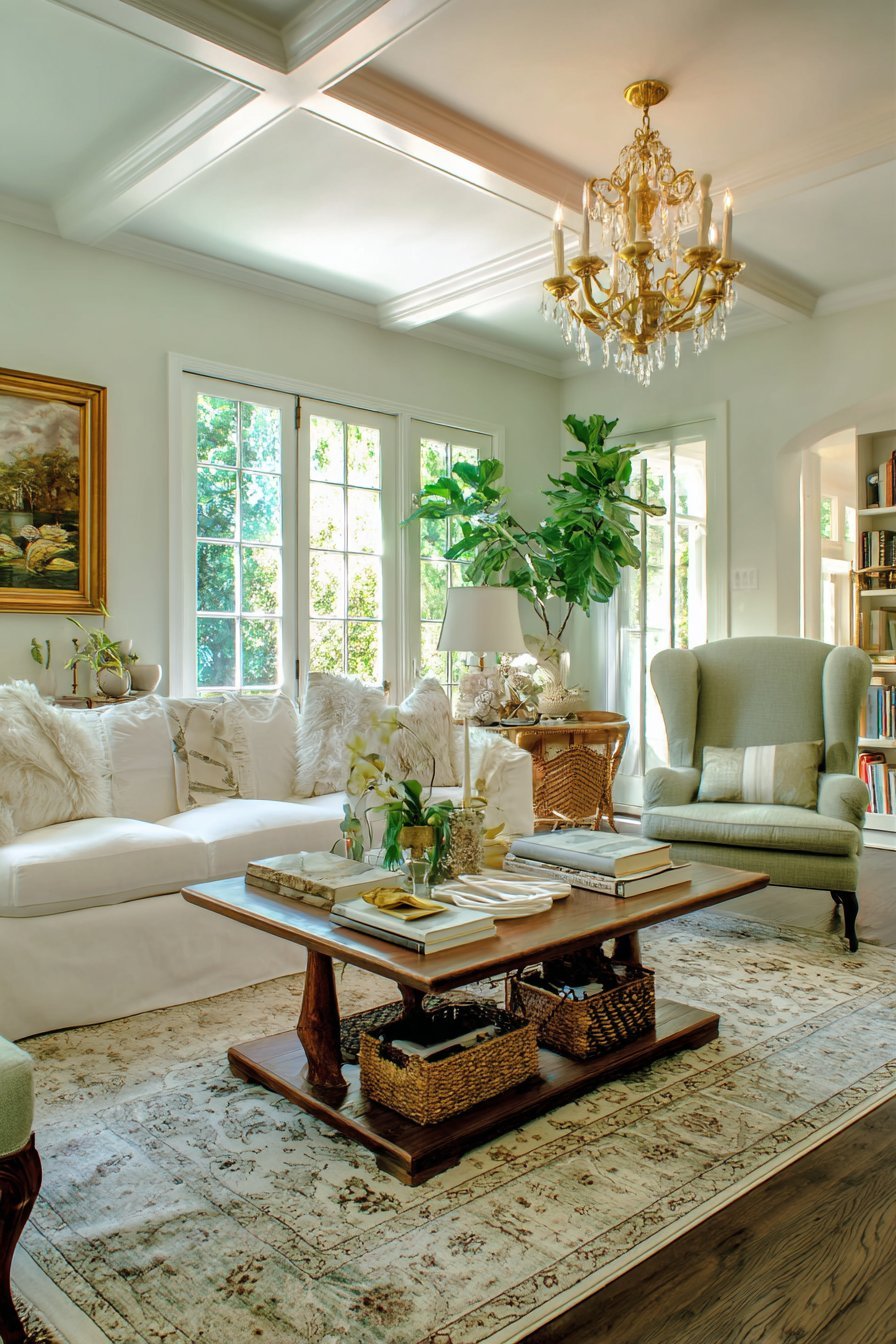
The beauty of this style lies in its infinite flexibility. Whether you are working with a grand historic home or a modest contemporary apartment, the principles of New Traditionalism translate beautifully. Start with one room, one antique, one beloved textile, and let the story unfold naturally. Design, at its best, is always a work in progress — and New Traditionalism gives you every reason to enjoy the journey.
