

In a world increasingly dominated by mass production and digital everything, something deeply human is pushing back. Homeowners, designers, and tastemakers are turning away from flat-pack furniture and algorithmically generated aesthetics. They are reaching instead for objects made by human hands — imperfect, soulful, and irreplaceable. Handcrafted decor is no longer a niche pursuit; it has become a defining movement in modern interior design.
This revival is not simple nostalgia. It reflects a growing desire for authenticity and meaning in our living spaces. People want their homes to tell stories — about the craftsperson who shaped a clay vase, the weaver who knotted a textile wall hanging, or the woodworker who carved a dining table by hand. These objects carry a warmth that no factory line can replicate. They bring texture, individuality, and a sense of grounded permanence to any room.
Throughout this article, we explore the many dimensions of the artisan revival. From ceramics and textiles to hand-blown glass and natural materials, each section unpacks why handcrafted decor is resonating so powerfully — and how you can bring it into your own home with intention and style.
1. The Cultural Shift Driving the Handcrafted Movement
The surge in artisan decor is not accidental. It is rooted in a broader cultural recalibration that began gaining momentum in the early 2010s. Consumers grew fatigued by identical interiors seen across social media. The desire for uniqueness and personal expression pushed people toward one-of-a-kind, handmade pieces.
This shift is also tied to slow living philosophy — the conscious choice to prioritize quality over quantity. Much like the slow food movement transformed how we think about eating, the slow decor movement is changing how we think about furnishing our homes. Buying one exceptional handmade bowl is more satisfying than filling a shelf with ten disposable trinkets.
Sustainability also plays a role. Handcrafted goods are often made using locally sourced materials and traditional techniques that have a lower environmental footprint. Consumers increasingly want to know where their objects come from and who made them. Artisan decor delivers that transparency naturally.
- Research local craft fairs and artisan markets in your region
- Follow independent makers on social media to discover authentic work
- Invest in fewer, higher-quality pieces rather than many cheap items
- Ask sellers about their materials and process to verify authenticity
- Support small studios and workshops over large commercial brands
2. Handmade Ceramics: The Art of Imperfection
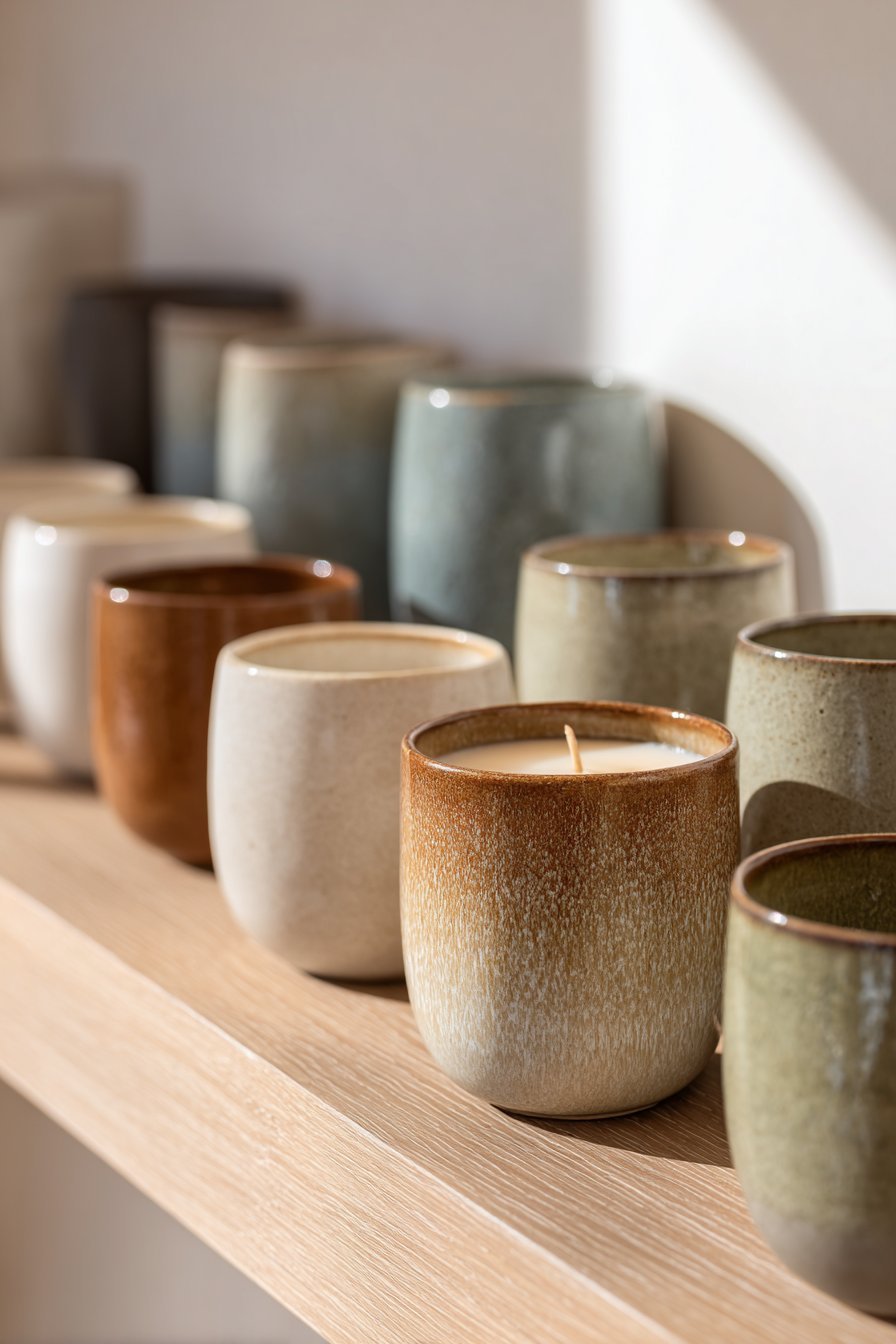
No single element defines the artisan revival more visually than handmade ceramics. From wheel-thrown vases to hand-pinched bowls, ceramic pieces bring organic form and tactile beauty to any interior. Their irregular shapes and natural glazes make every piece genuinely unique.
The appeal lies in what designers call wabi-sabi — the Japanese philosophy of finding beauty in imperfection and impermanence. A slightly uneven rim or a glaze that pools differently on each piece is not a flaw. It is evidence of the human hand, and that is precisely what makes it precious. Ceramic pieces work beautifully on shelves, dining tables, windowsills, and entryway consoles.
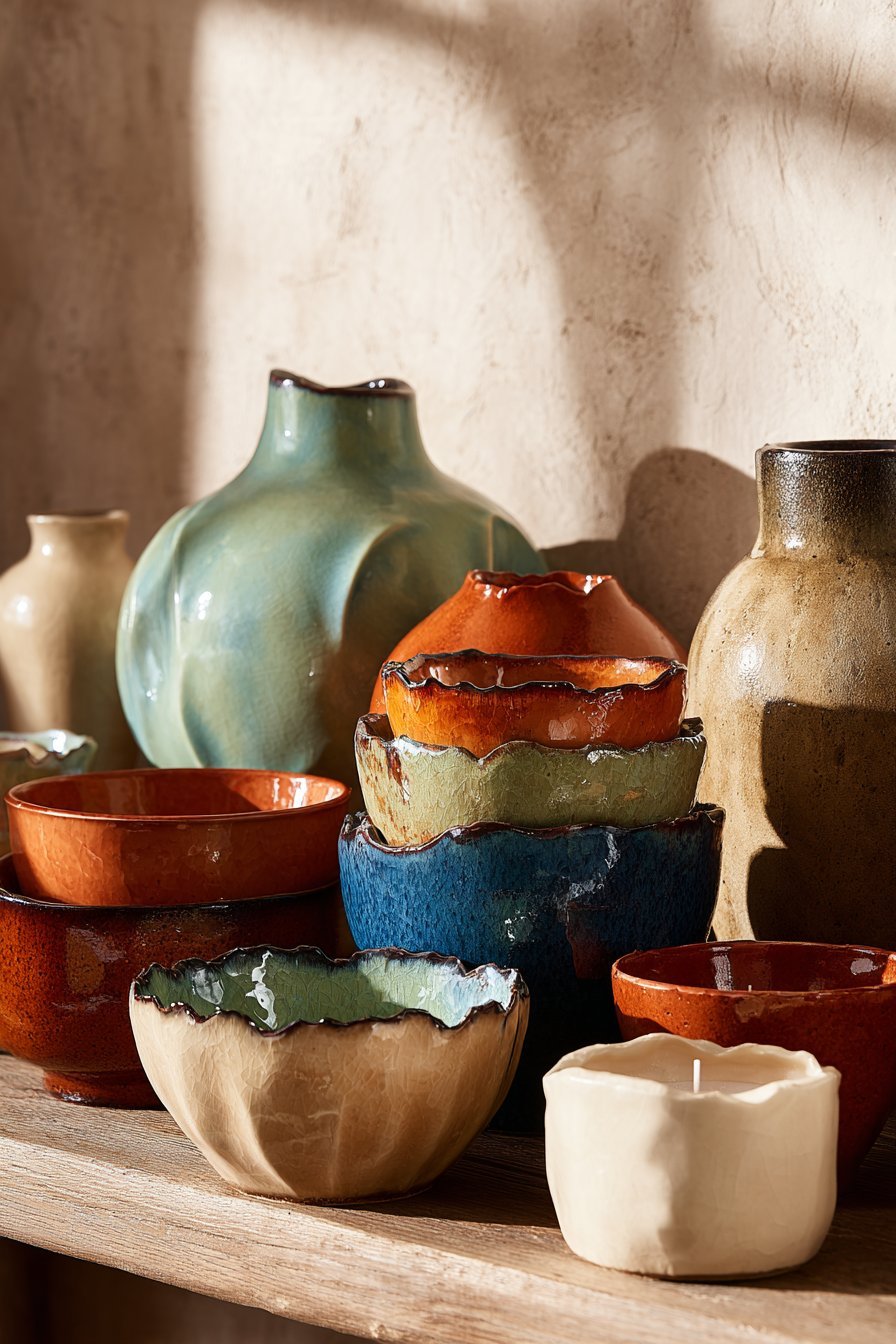
Ceramic decor also offers remarkable versatility in style. Raw stoneware suits minimalist and Japandi interiors. Colorful earthenware pairs with bohemian and eclectic spaces. Textured porcelain works in contemporary and coastal homes. There is a handmade ceramic piece for virtually every aesthetic direction.
- Choose ceramics with natural glaze tones like sage, terracotta, and slate blue
- Group pieces in odd numbers for a more organic, dynamic display
- Mix textures — matte with glossy — to add visual depth to shelves
- Use ceramic vessels as functional objects: vases, fruit bowls, candle holders
- Look for local ceramicists at markets or through platforms like Etsy and Faire
3. Woven Textiles and Fiber Art on the Wall
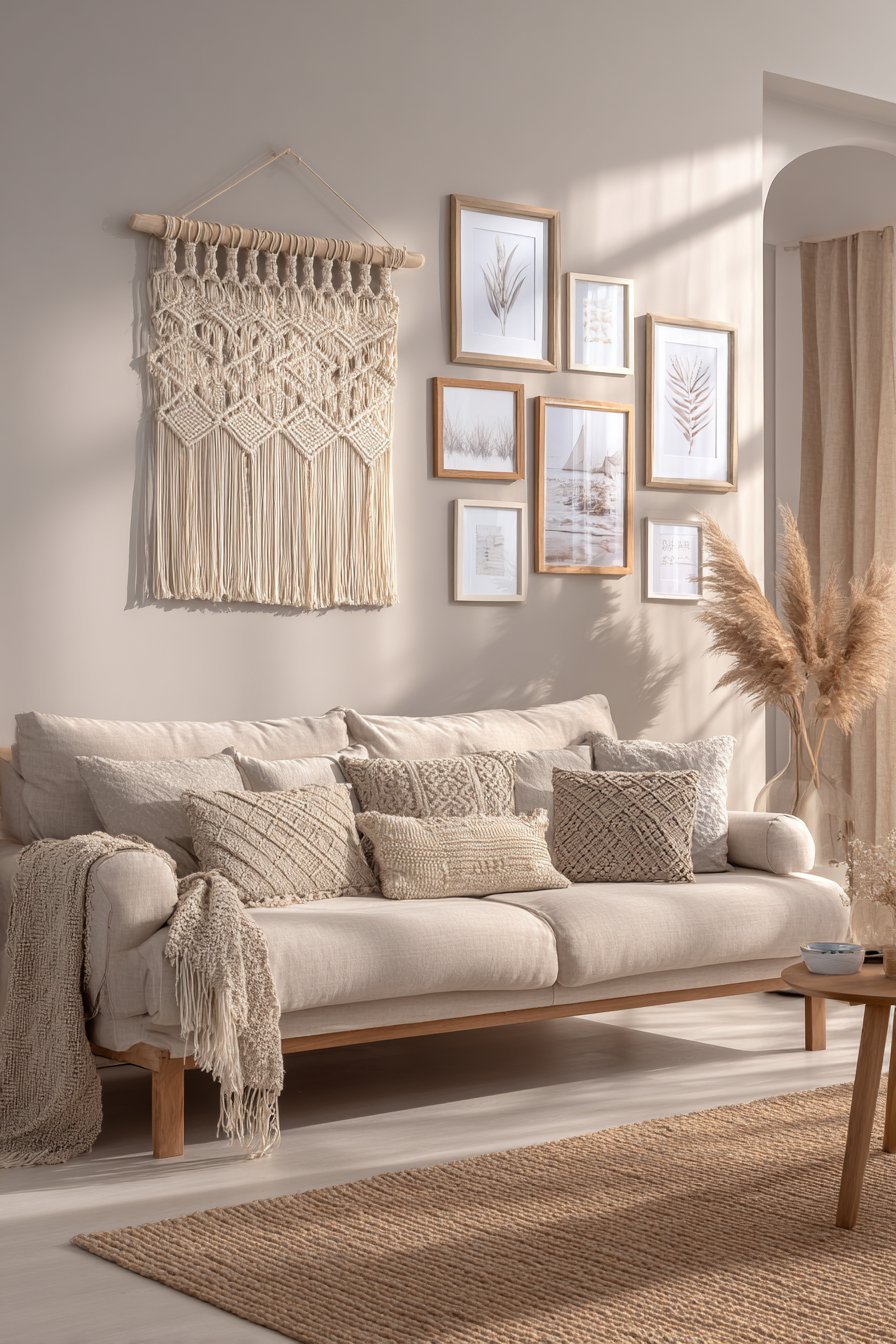
Textile wall art has emerged as one of the most recognizable signatures of the artisan revival. Macramé hangings, hand-loomed tapestries, and woven fiber panels add warmth, texture, and a softness that painted walls alone cannot achieve. They also introduce natural materials like cotton, jute, wool, and linen into the vertical plane of a room.
These pieces do more than decorate — they absorb sound, add visual rhythm, and create a sense of handcrafted layering that elevates any space. A large woven wall hanging above a sofa can replace a painting while adding dimensional texture that changes with light throughout the day. The effect is intimate and alive.
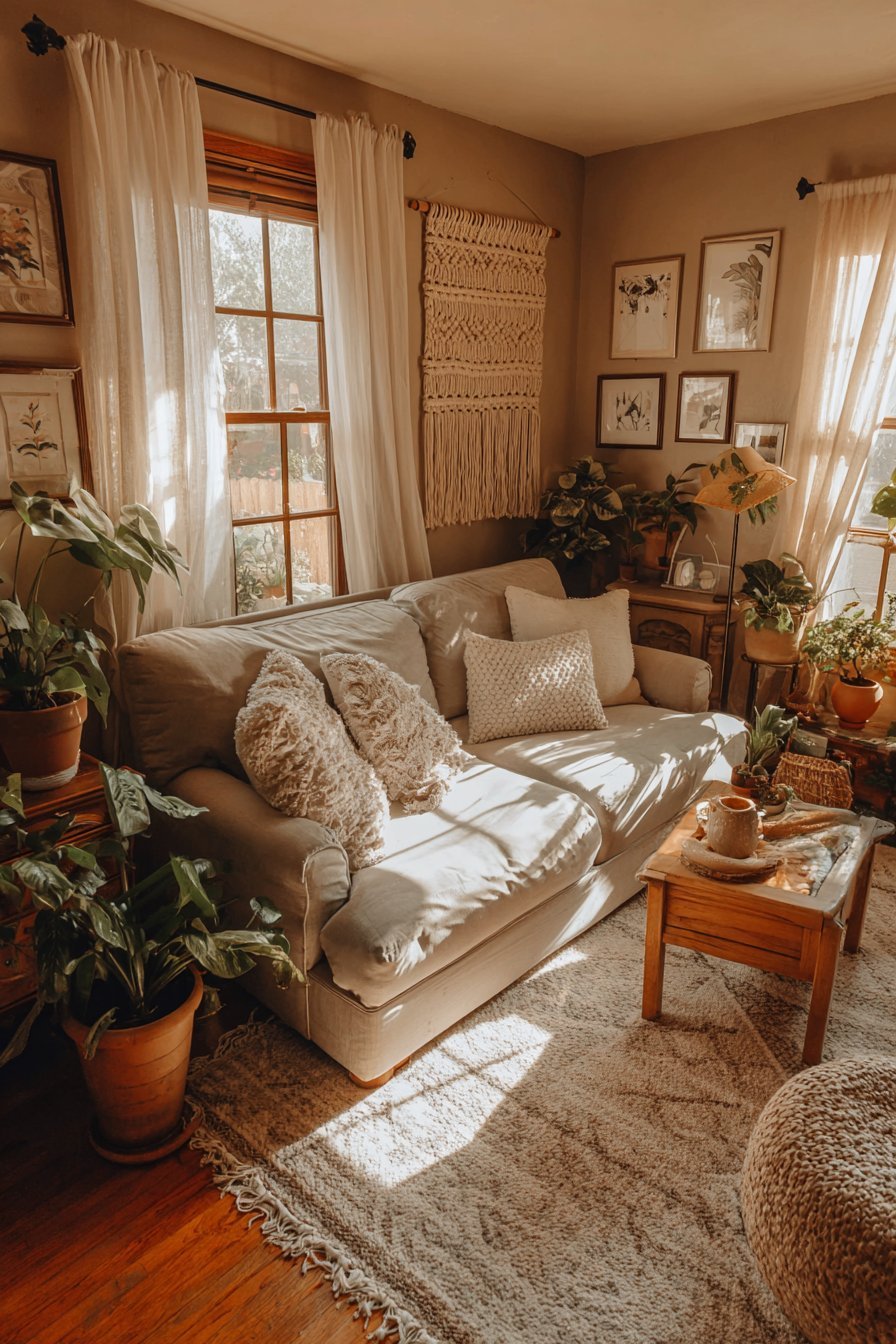
Fiber art works across styles. Bohemian and eclectic interiors benefit from layered macramé and fringe. Scandinavian and minimalist spaces embrace clean geometric weaves in neutral tones. Even modern and industrial interiors are incorporating woven panels to introduce organic warmth and contrast against hard surfaces.
- Choose a scale proportional to your wall — large walls need substantial pieces
- Mix fiber art with framed prints for an eclectic, gallery-style arrangement
- Consider neutral tones like cream, oatmeal, and charcoal for versatility
- Commission a custom piece from an independent fiber artist for a personal touch
- Hang pieces at eye level — typically with the center at 57 to 60 inches from the floor
4. Hand-Blown Glass: Light as a Design Material
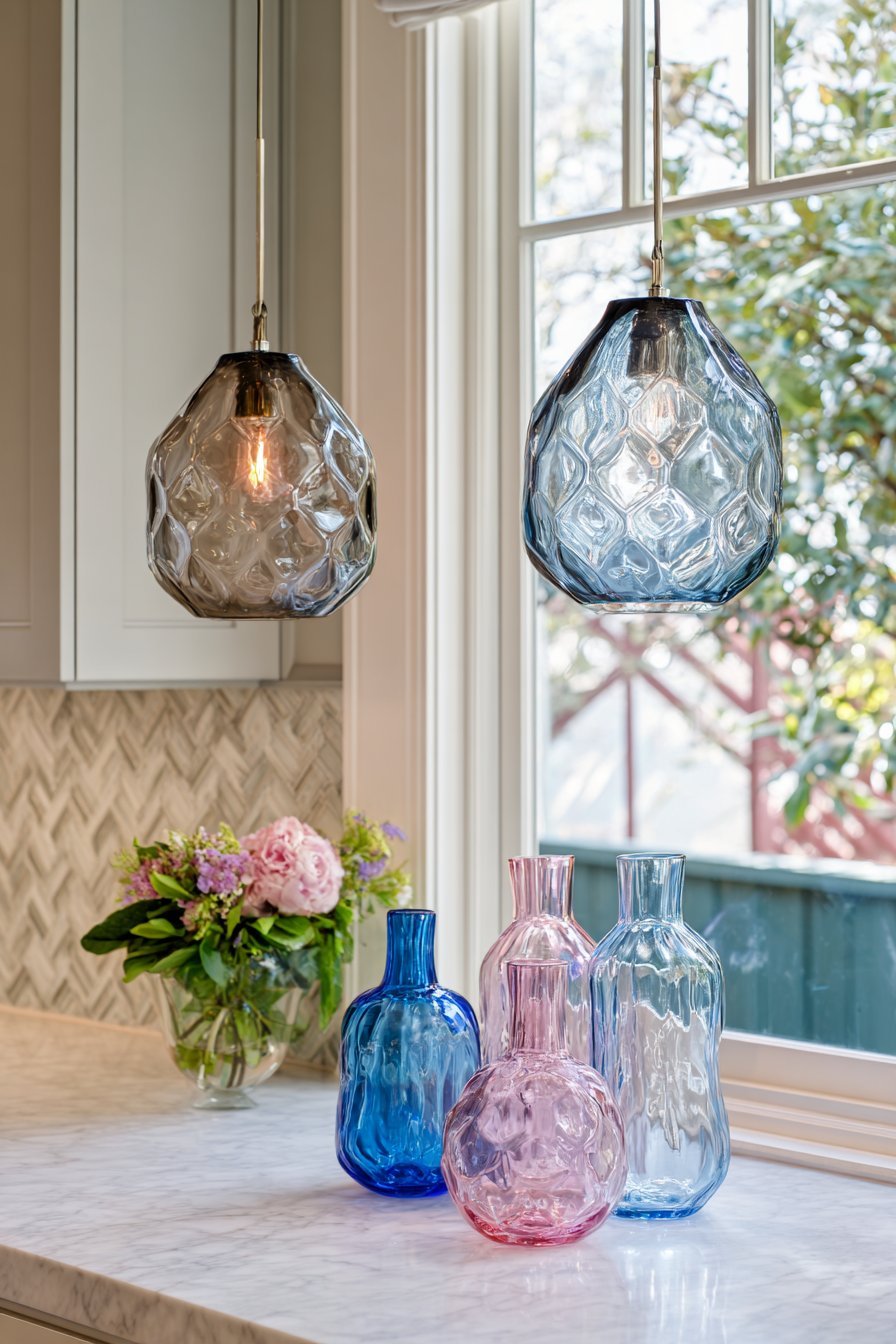
Hand-blown glass brings a level of artistry and luminosity to interiors that mass-produced glass simply cannot match. Each piece is shaped by breath and heat, resulting in subtle variations in thickness, color, and form that catch and scatter light beautifully. From pendant lighting to decorative vessels, hand-blown glass creates moments of visual magic throughout a home.
The renewed interest in artisan glass is partly driven by the move toward sculptural lighting. A hand-blown glass pendant over a kitchen island or dining table becomes the focal point of an entire room. The glow it casts — soft, diffused, and warm — transforms the atmosphere in ways that an industrial fixture cannot replicate.
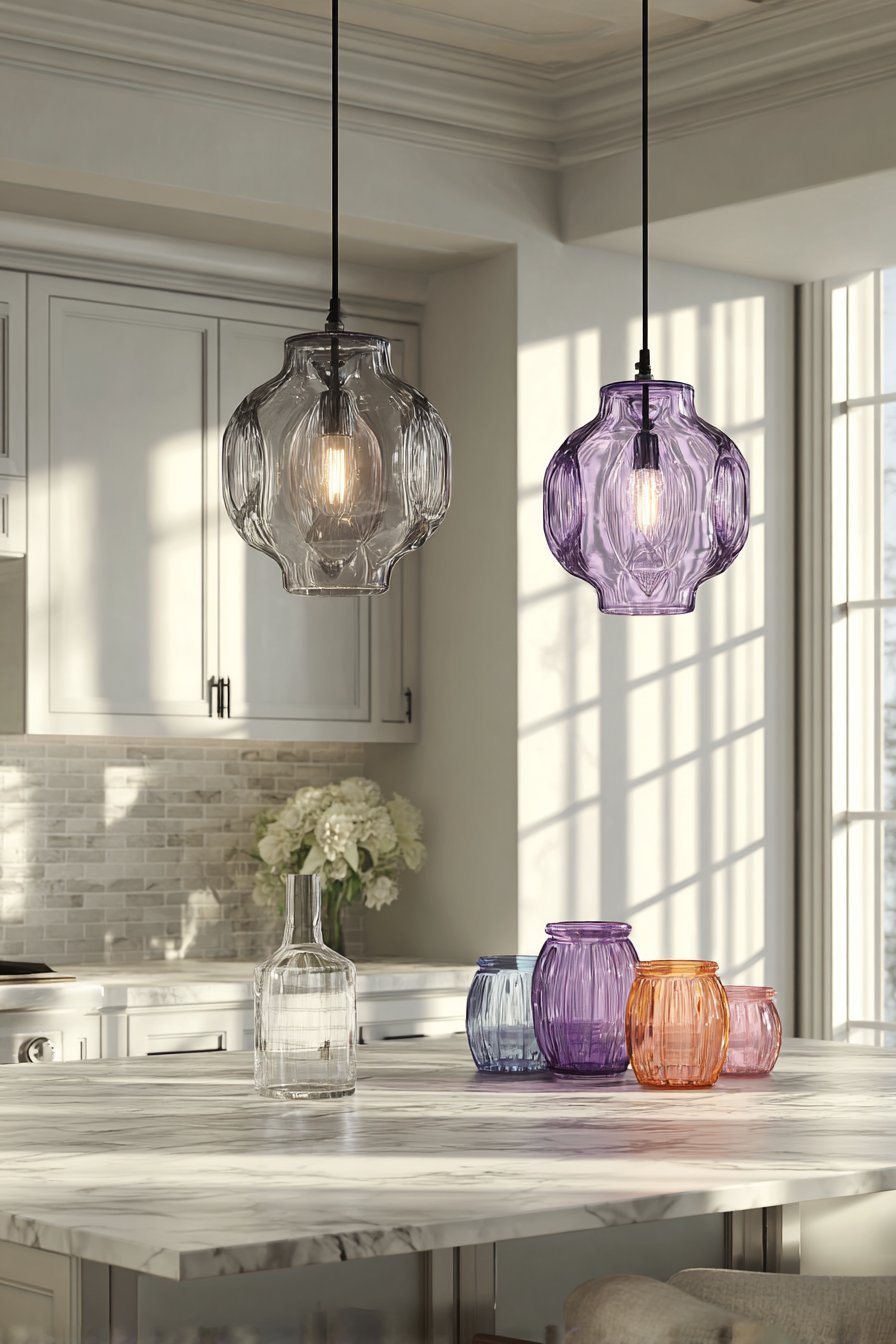
Decorative glass objects also bring color and translucency to surfaces. Amber, cobalt, smoky grey, and blush pink glass vessels placed on a windowsill interact with natural light throughout the day, creating ever-changing color plays across walls and floors. This dynamic quality makes them genuinely alive as decorative elements.
- Place glass vessels near natural light sources to maximize their luminosity
- Choose pendant lighting in hand-blown glass for kitchen or dining spaces
- Mix clear and colored glass for layered visual interest on open shelving
- Look for makers at glass studios or specialized artisan platforms
- Handle and clean hand-blown pieces carefully — they are art objects, not commodities
5. Natural Wood and the Warmth of Grain
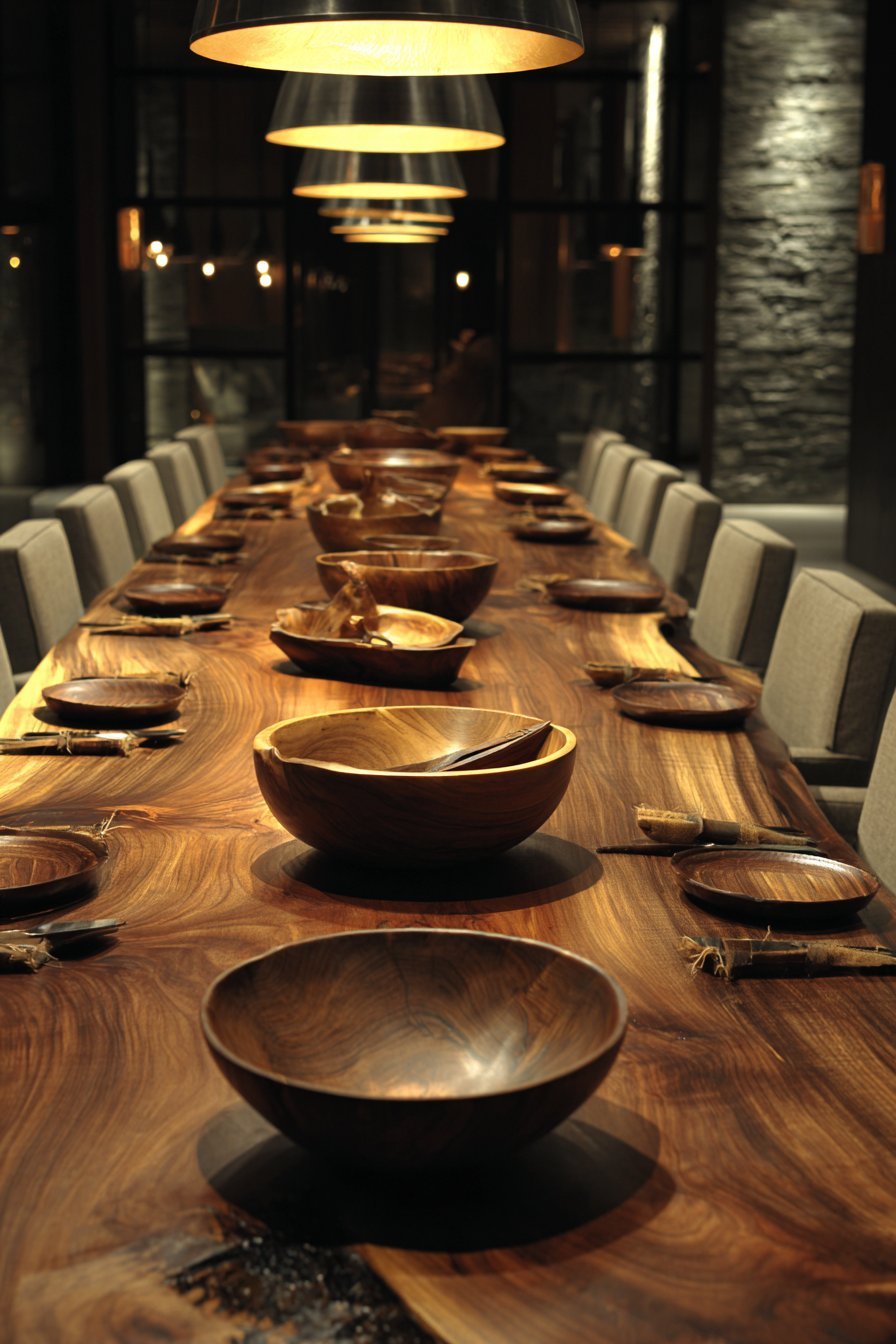
Handcrafted woodwork has always been central to artisan interiors, but the current revival has elevated it to a new level of appreciation. Live-edge tables, hand-carved bowls, and bespoke wooden furniture celebrate the natural character of timber — the grain, the knots, the color variation — rather than hiding it behind uniformity.
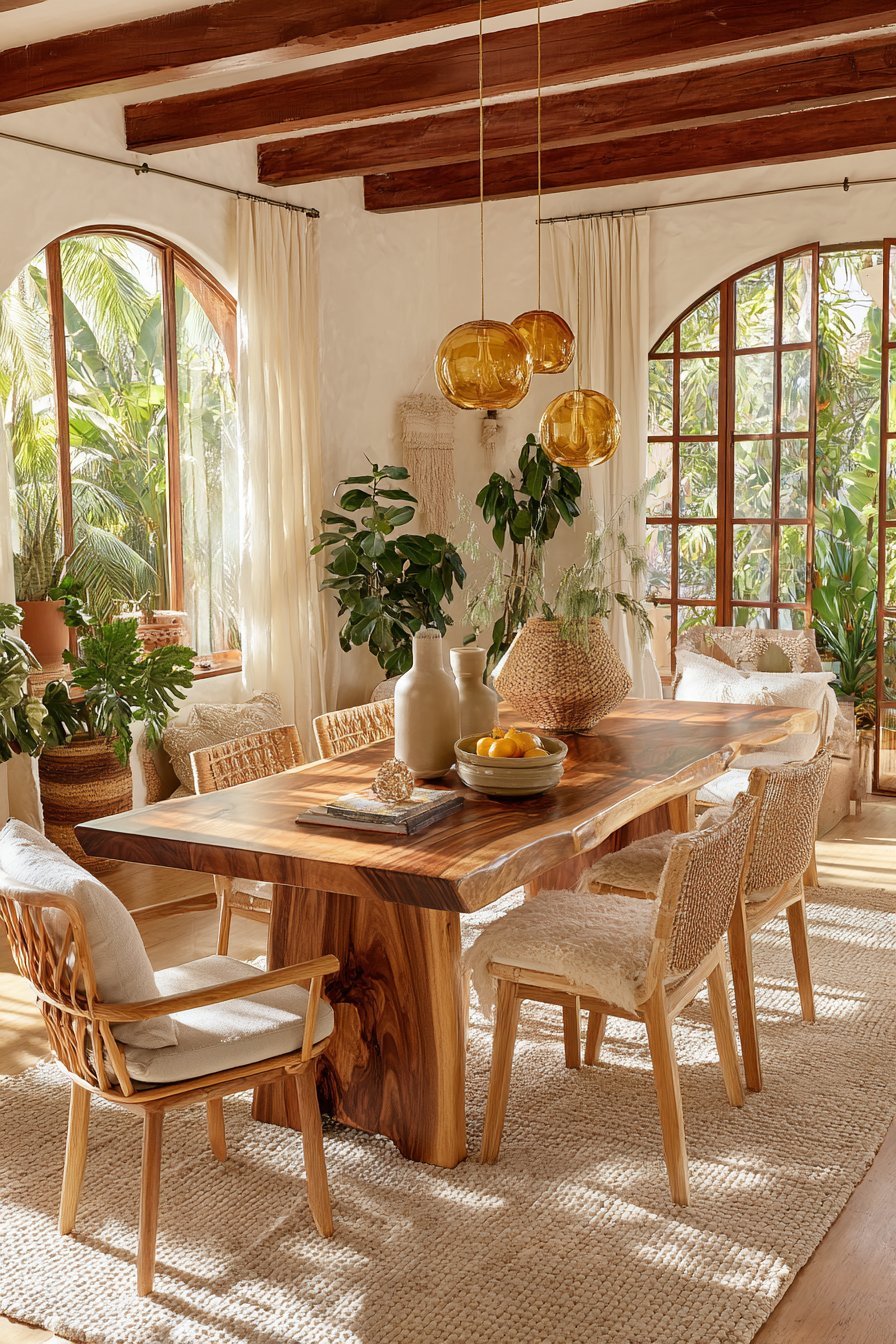
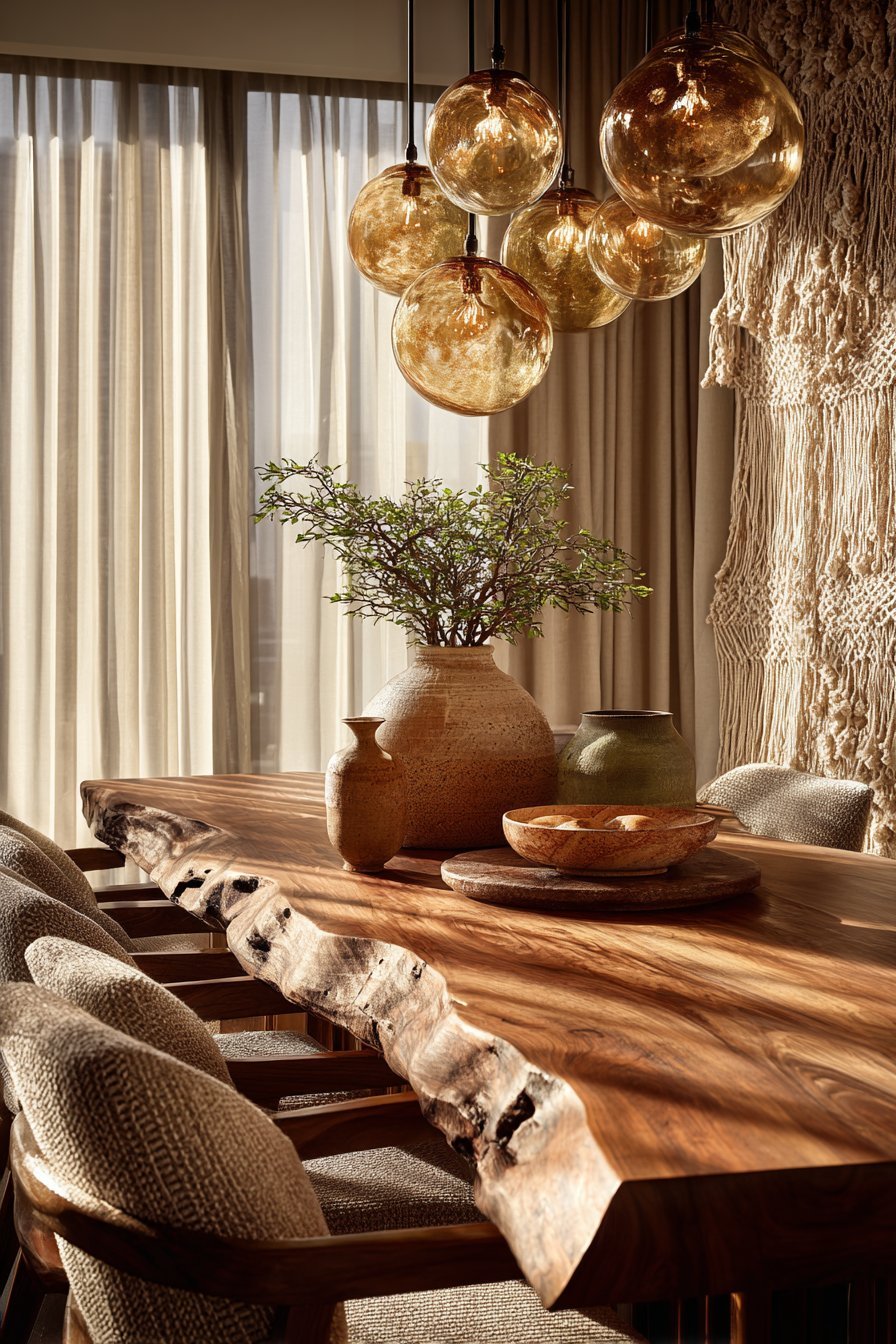
Live-edge furniture in particular has become a symbol of the artisan movement. A live-edge dining table preserves the natural outline of the tree, bringing an organic, sculptural quality to the heart of the home. No two are alike. Paired with simple, clean-lined chairs, such a table becomes a deeply personal centerpiece that anchors both the room and family life around it.
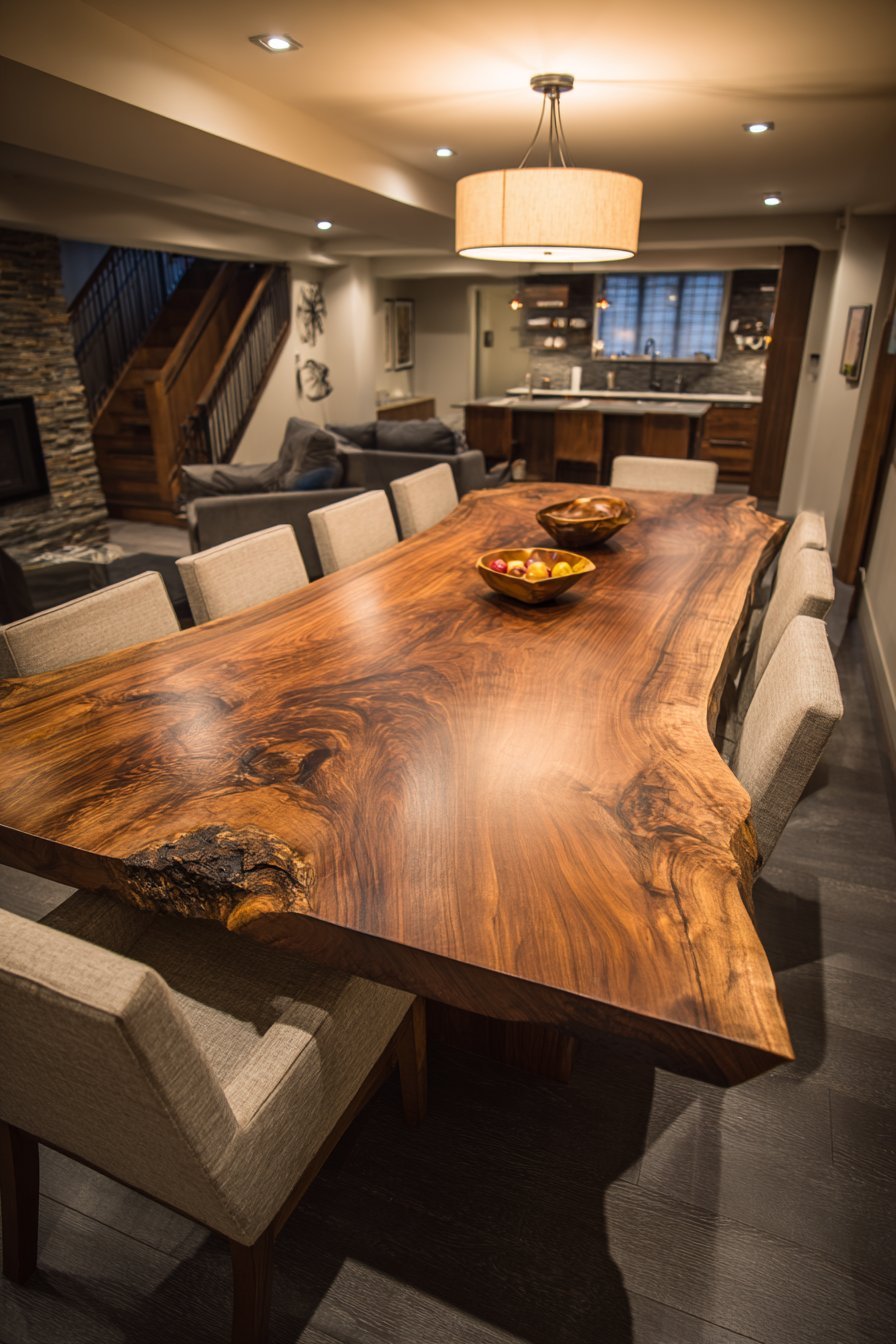
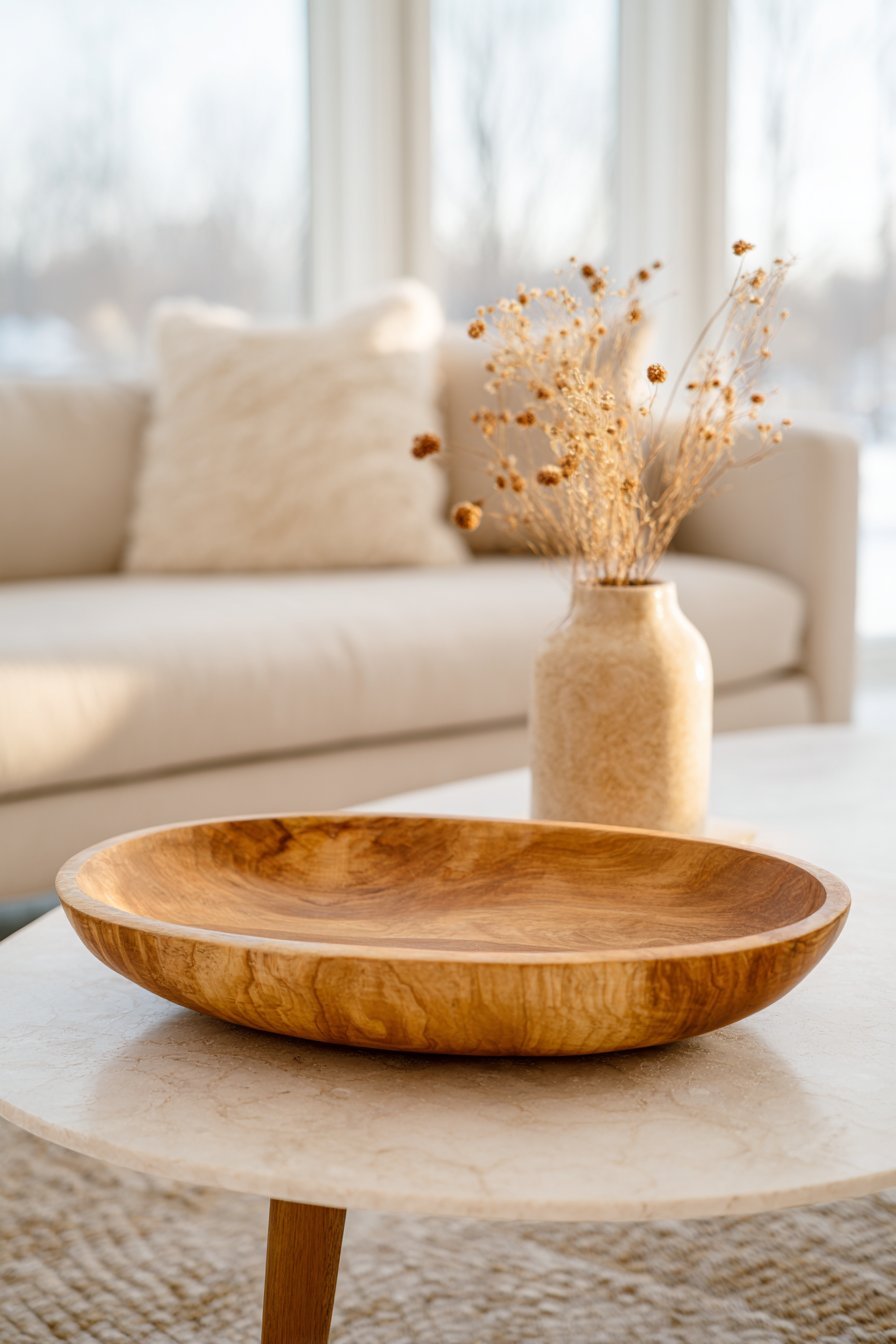
Beyond furniture, hand-carved wooden objects — spoons, trays, cutting boards, decorative bowls — bring craft into everyday rituals. Placing a beautifully carved wooden tray on a coffee table or kitchen counter is a small act that elevates the sensory quality of daily life. These pieces connect us to material and making in a direct and grounding way.
- Choose hardwoods like walnut, oak, and maple for durability and rich grain
- Use food-safe oils and waxes to maintain and protect wooden pieces naturally
- Pair live-edge pieces with metal or stone to create compelling material contrast
- Support local woodworkers and furniture makers for regionally unique pieces
- Allow wood pieces to be functional — use them daily to develop a natural patina
6. Handmade Candles and Sensory Decor
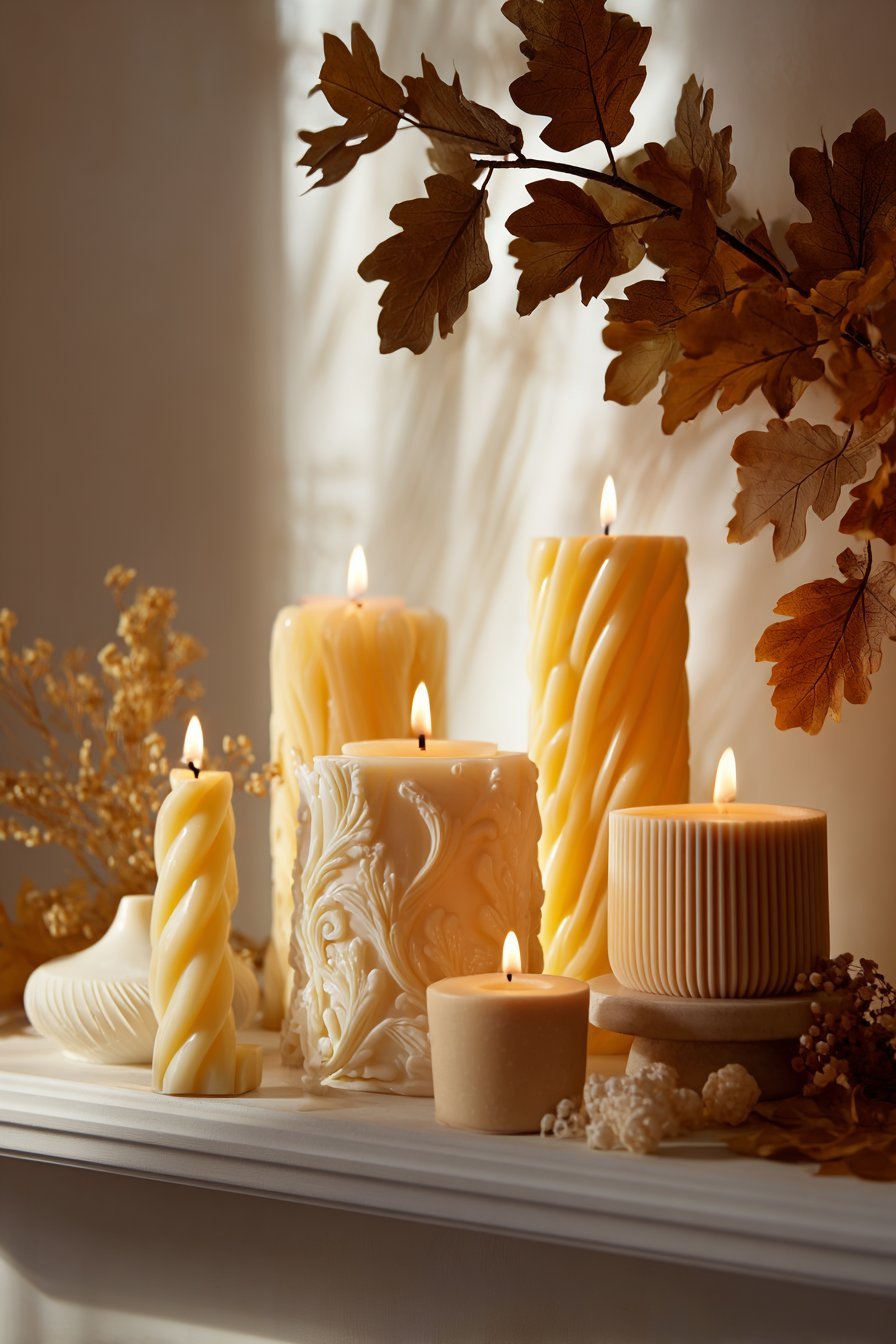
Artisan candles occupy a unique position in the handcrafted decor world. They are simultaneously functional, decorative, and sensory. Hand-poured candles made from natural waxes like beeswax, soy, or coconut wax bring warmth, fragrance, and a flickering, living light that transforms the atmosphere of any room.
The aesthetics of artisan candles have evolved well beyond the simple pillar or jar. Hand-poured candles now arrive in organic shapes — tapers with twists, sculptural pillars, and botanical-embedded designs — that make them as beautiful unlit as they are burning. Displayed on a mantelpiece, dining table, or bathroom shelf, they read as genuine decor objects.
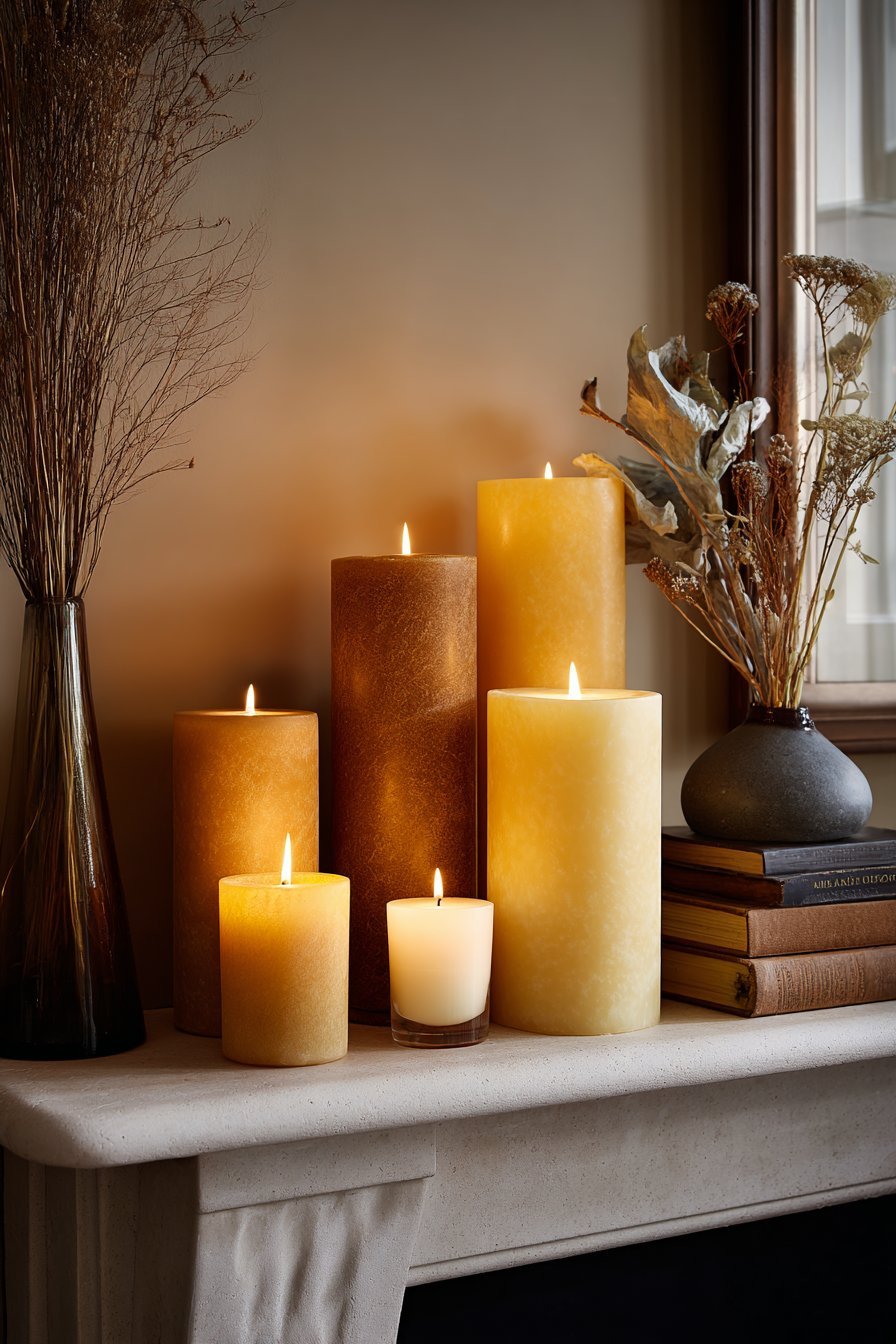
Scent is a design material in its own right. The olfactory dimension of a space is as important as its visual one, yet it is often neglected. Artisan candle makers work with complex, natural fragrance blends that evoke place, memory, and mood. Choosing a candle for its scent profile is an act of intentional home curation, not mere decoration.
- Choose beeswax or soy candles for cleaner burning and natural aesthetics
- Select fragrances that complement the mood of each room — calm for bedrooms, energizing for kitchens
- Display artisan candles in groups of varying heights for visual impact
- Pair candles with hand-thrown ceramic holders for a cohesive artisan aesthetic
- Explore small-batch candlemakers at local markets and independent online shops
7. Rattan, Basket Weaving, and Woven Furniture
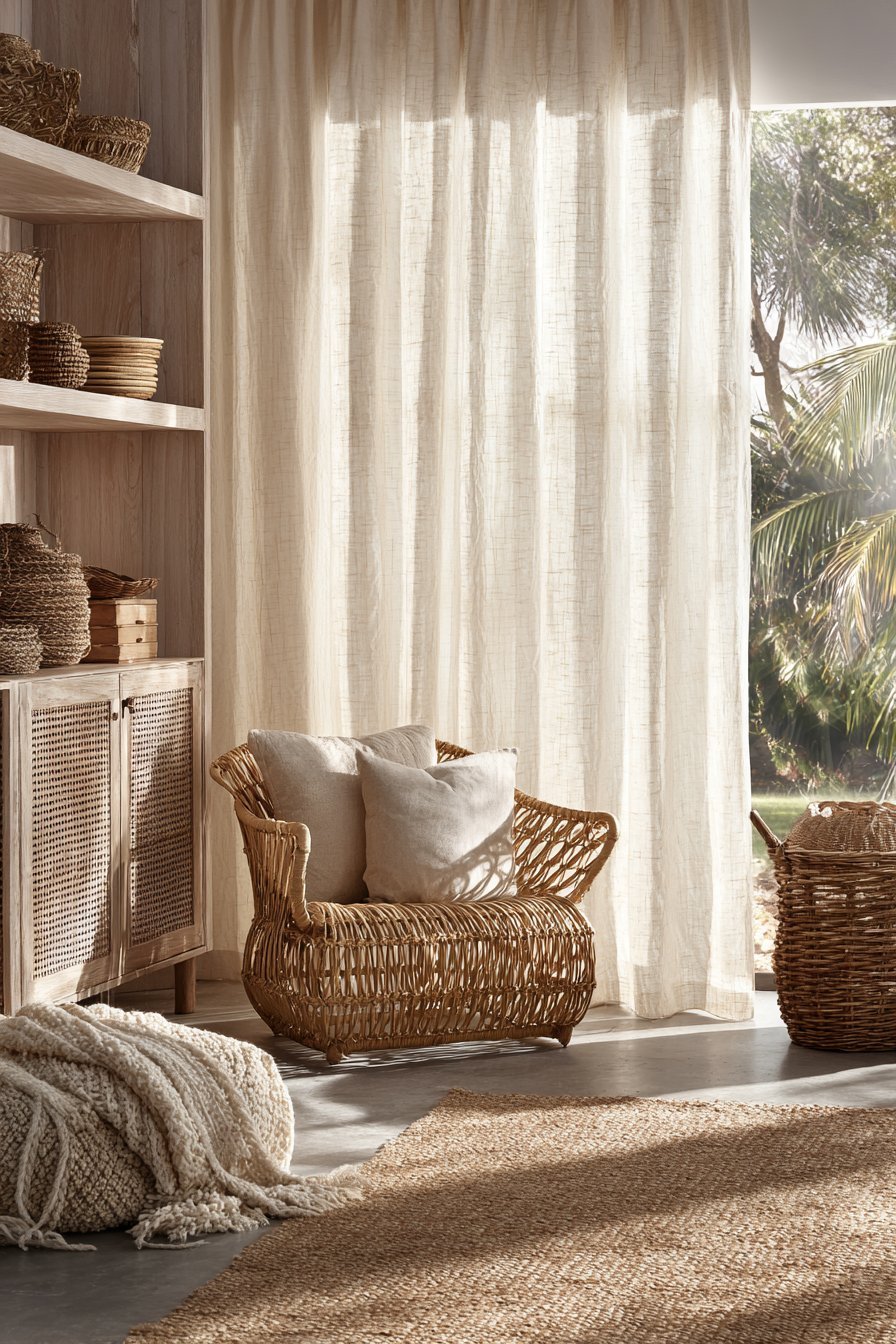
Woven furniture and basket art represent one of the oldest craft traditions in human history, and they are experiencing a dramatic contemporary revival. Rattan chairs, hand-woven baskets, and cane-fronted cabinetry bring organic texture and warmth that resonates deeply in modern interiors fatigued by cold, hard surfaces.
Rattan and wicker furniture work particularly well in living rooms and bedrooms where relaxed comfort is the goal. Their natural tones and open-weave structure introduce lightness and breathability. Paired with linen cushions and a jute rug, woven furniture creates a layered, naturalistic interior with genuine artisan character.
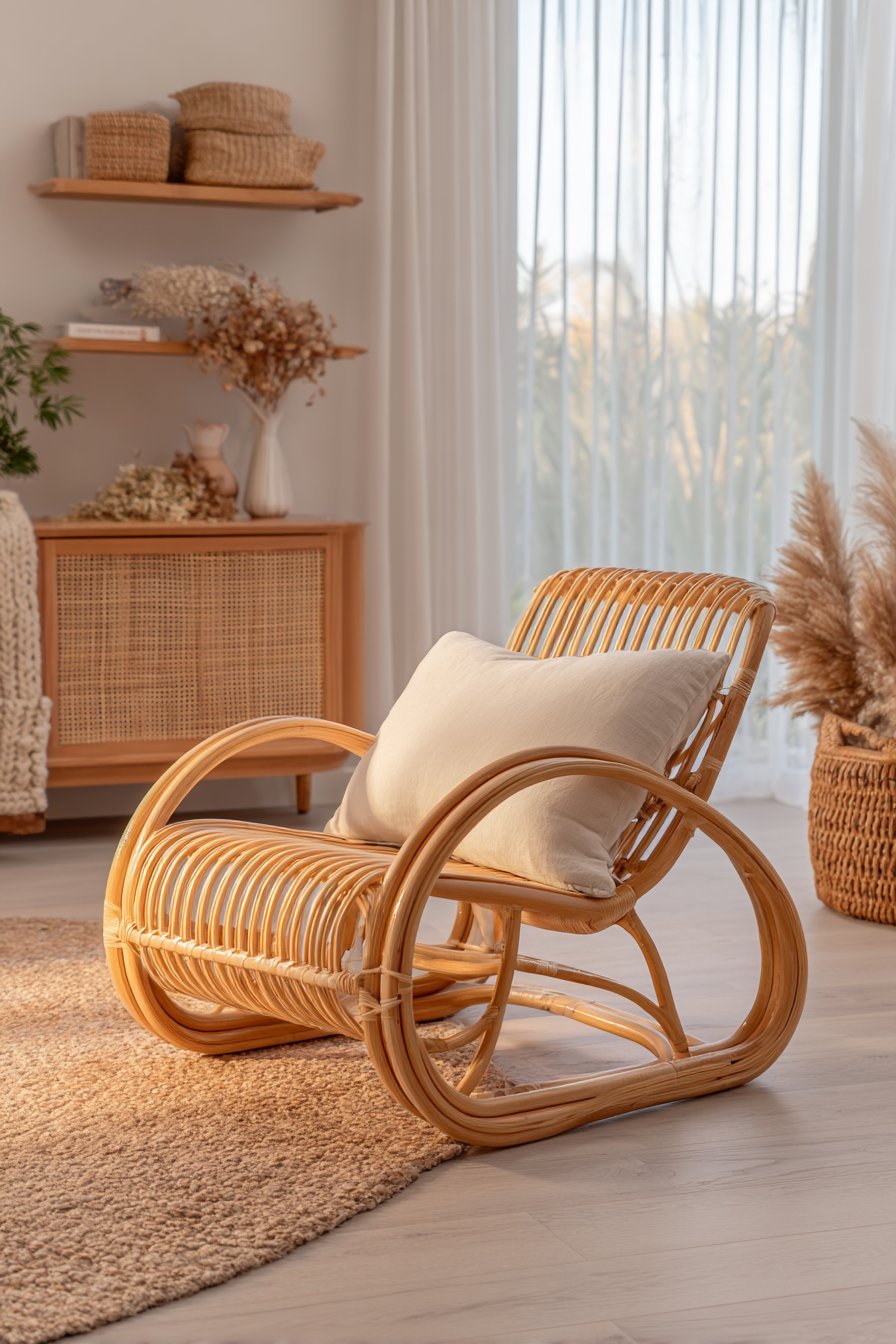
Baskets have also graduated from purely functional storage to intentional display objects. Large woven baskets beside a fireplace or sofa hold throws and cushions while adding sculptural texture. Smaller baskets grouped on shelves create rhythm and visual interest. Hanging wall baskets create a gallery-like installation with natural, handmade warmth.
- Mix rattan and natural wood tones for a harmonious, organic palette
- Use large floor baskets to organize throws, pillows, or firewood stylishly
- Choose cane-fronted cabinet panels as a textural upgrade for built-in storage
- Layer woven textures — rugs, baskets, chair seats — for depth and richness
- Look for fair-trade and ethically sourced woven goods from artisan cooperatives
8. Hand-Printed Textiles and Artisan Fabrics
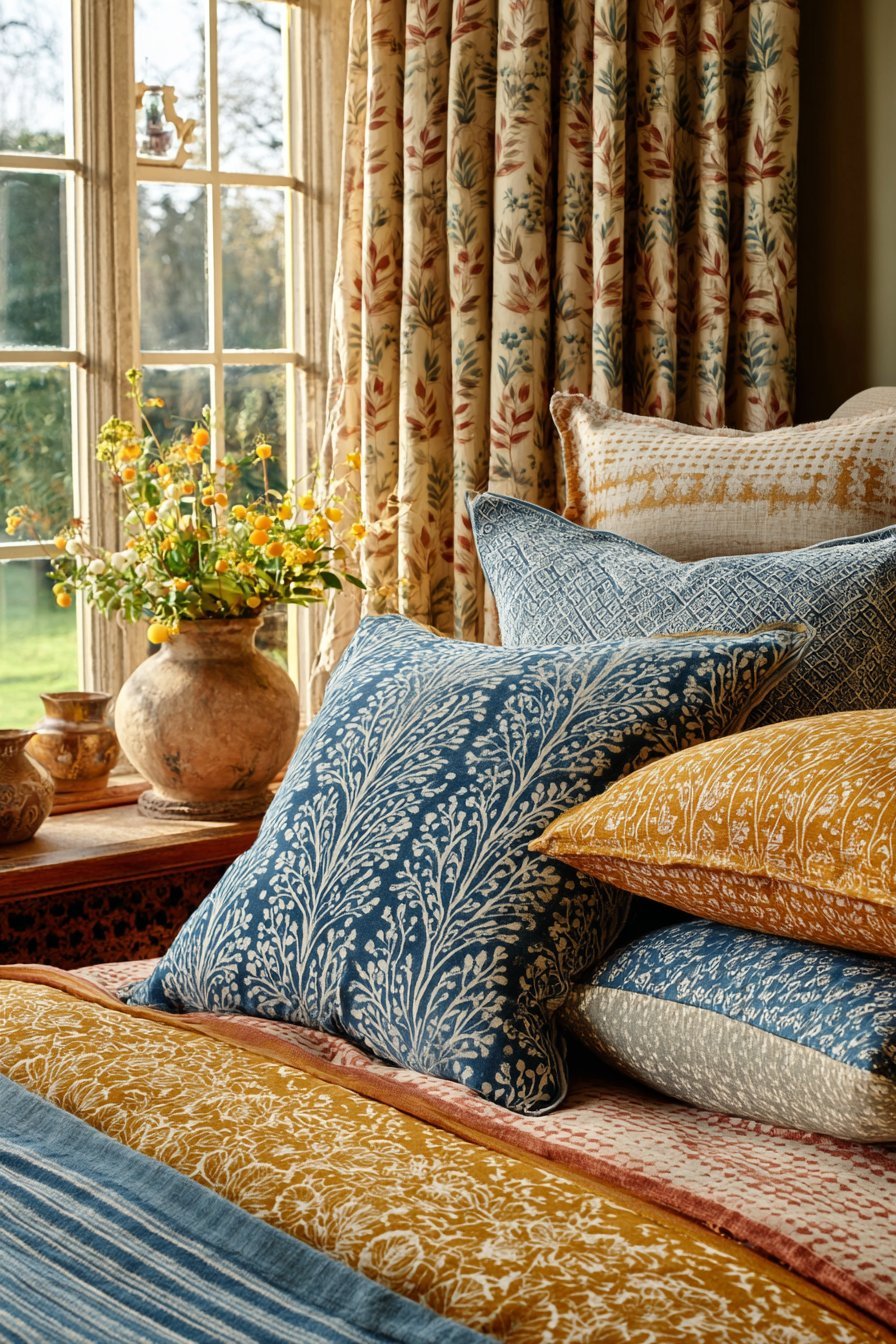
Hand-printed fabrics bring pattern, color, and narrative into interiors through upholstery, cushions, curtains, and throws. Block printing, batik, and screen printing by hand produce irregular, living patterns that digital printing simply cannot replicate. The slight variations in alignment and ink saturation are hallmarks of genuine craft.
Artisan textiles have a storytelling quality built into their making. A block-printed cushion from a small textile studio carries the imprint of a carved wooden block pressed by hand, over and over. A naturally dyed throw in earthy indigo and ochre speaks of plant-based pigments and traditional dyeing techniques. These are objects with provenance and meaning.
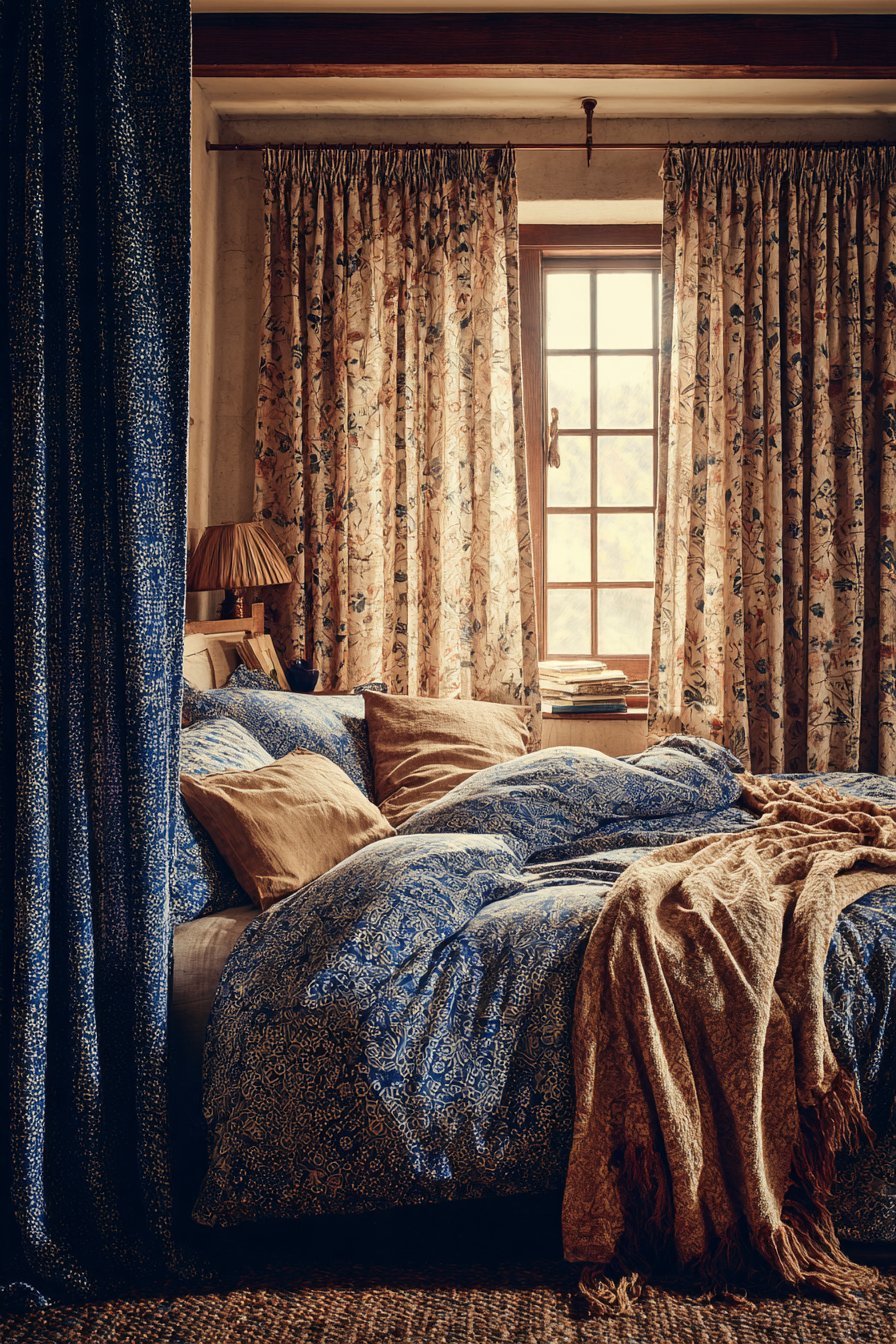
Incorporating hand-printed textiles does not require a complete room overhaul. Replacing mass-produced cushion covers with hand-printed ones, adding a batik table runner, or hanging block-printed curtains are small changes with a significant visual and atmospheric impact. They introduce the artisan spirit into everyday lived experience.
- Choose natural fiber fabrics — cotton, linen, silk — for hand-printed textiles
- Mix printed cushions with solid-colored upholstery to let the pattern breathe
- Layer throws and blankets in artisan fabrics across sofas and beds generously
- Look for natural dye processes: indigo, madder, turmeric, and iron black
- Support textile artists and cooperatives working in traditional printing techniques
9. Handcrafted Lighting: Form Meets Function
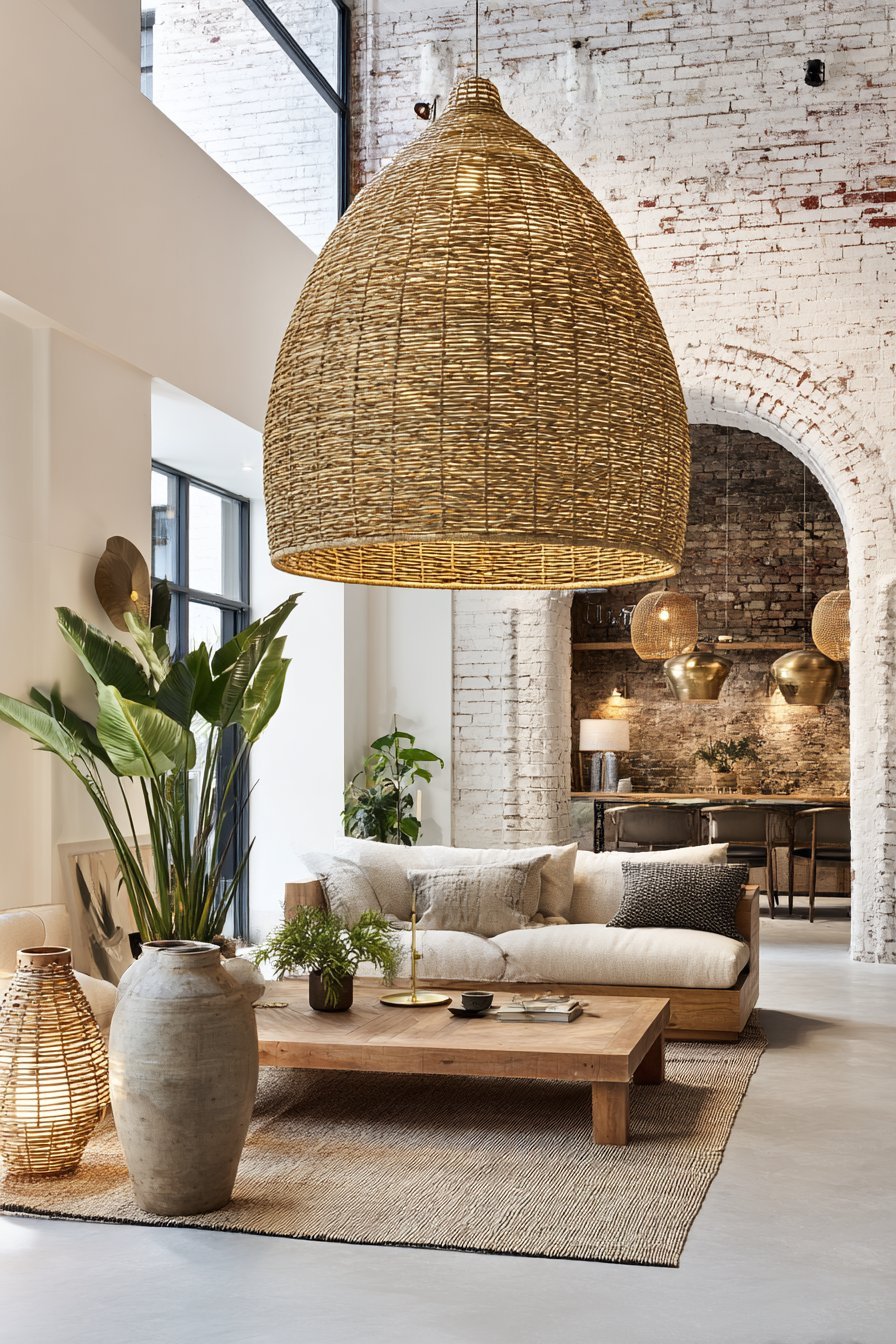
Artisan lighting is one of the most transformative investments you can make in your home. A handcrafted pendant, sconce, or floor lamp brings both sculptural presence and warm illumination to a space in a way that elevates every surrounding element. Lighting sets the emotional tone of a room, and artisan lighting does so with extraordinary character.
Materials popular in handcrafted lighting include woven rattan shades, hammered metal, hand-thrown ceramic bases, and hand-blown glass — all of which create distinctive light patterns and textures. A rattan pendant casts an intricate shadow web across a ceiling. A hammered brass sconce glows with warm, directional light. These effects are poetic and deeply atmospheric.
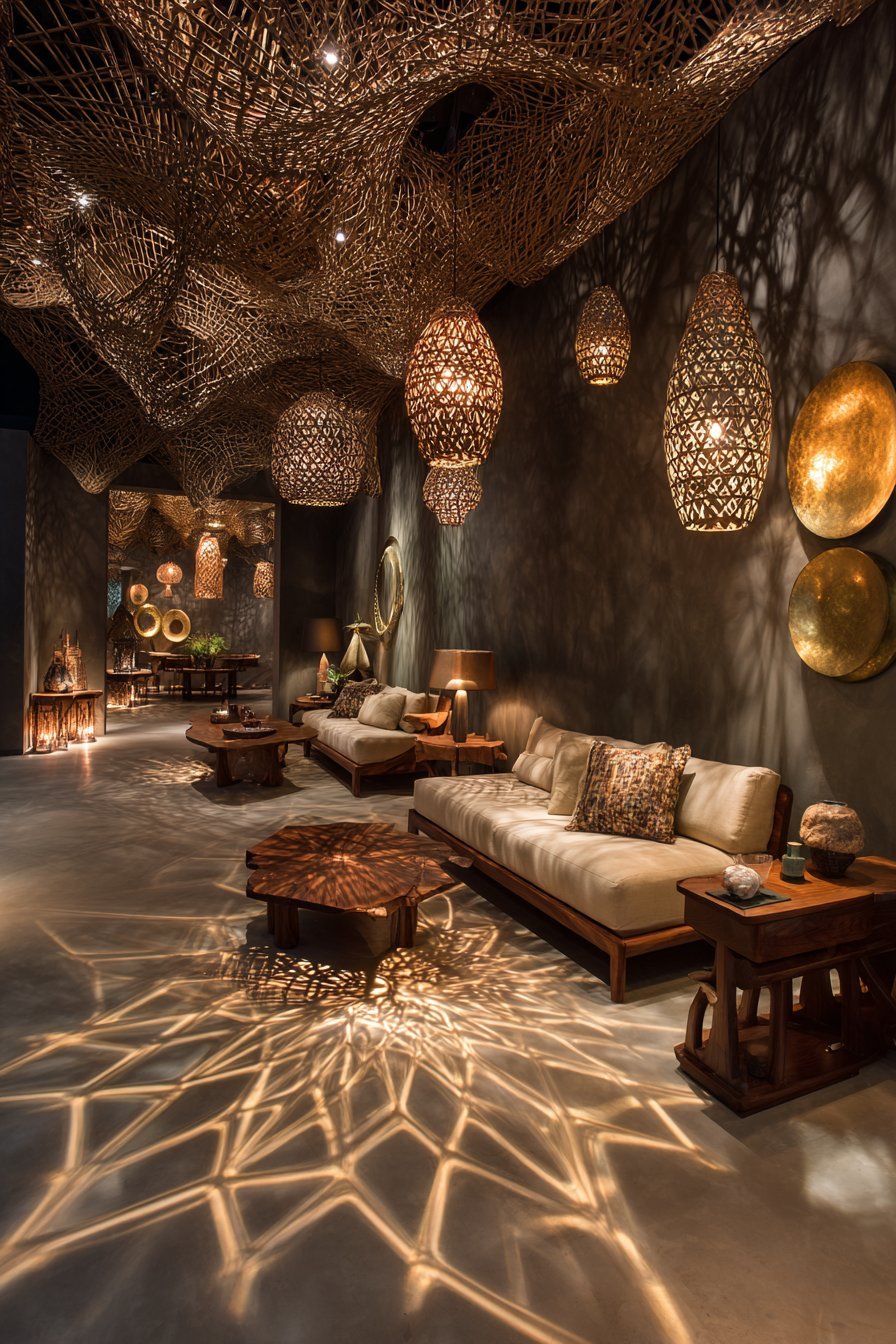
The trend toward layered lighting in interior design makes artisan fixtures especially relevant. Combining overhead artisan pendants with ceramic table lamps and woven floor lamps creates a rich, dimensional lighting environment. Each layer adds depth and personality. The result is a home that feels curated, intimate, and alive.
- Invest in at least one statement artisan pendant per primary living space
- Mix metal finishes — brass, copper, blackened steel — for an eclectic effect
- Choose lamp bases in ceramic, stone, or wood for natural material grounding
- Use dimmable bulbs in artisan fixtures to control mood and atmosphere
- Commission bespoke lighting pieces from local metalworkers or ceramicists
10. Displaying Artisan Decor with Intention
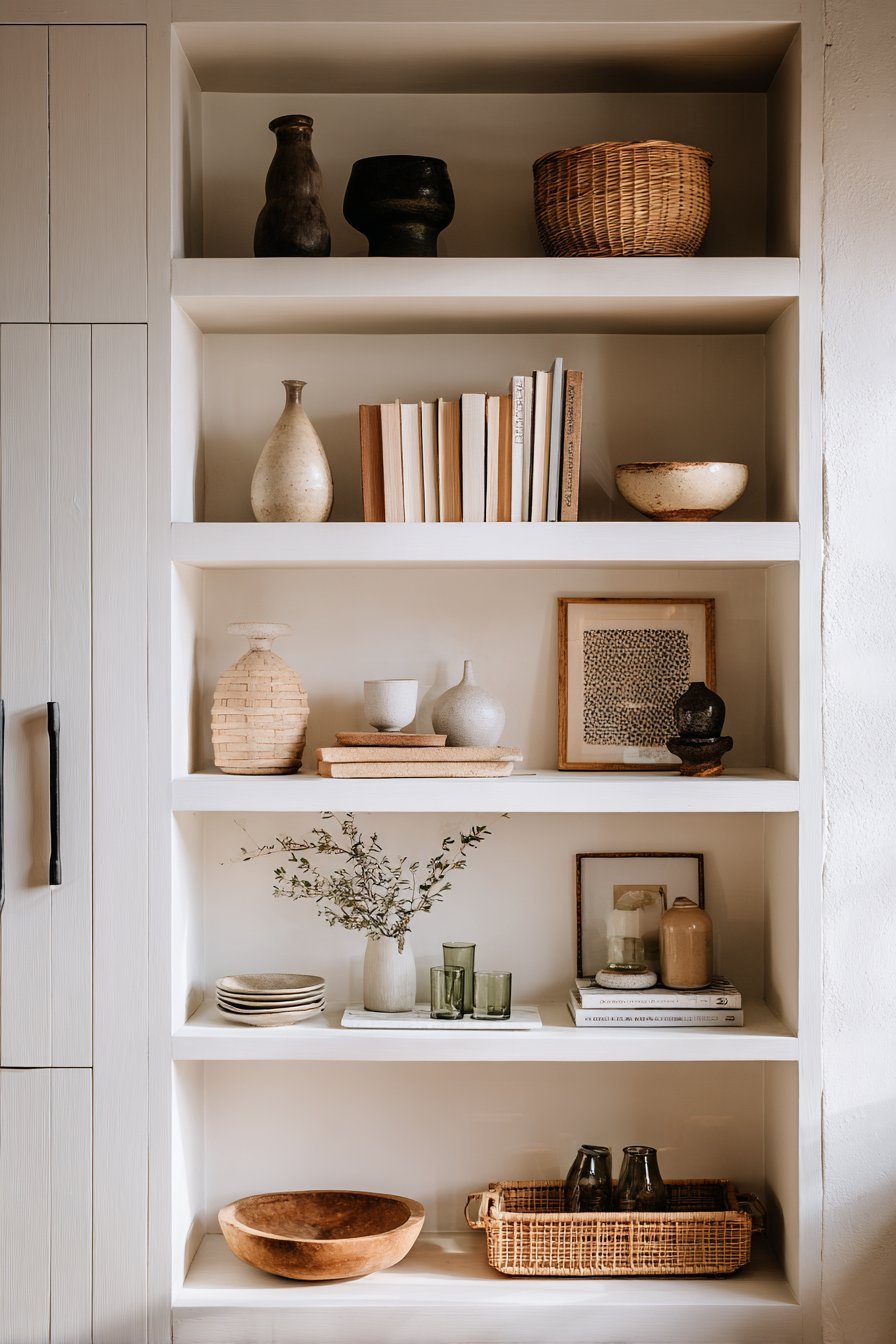
Owning beautiful handcrafted objects is only half the equation. Displaying them thoughtfully is what transforms a collection of pieces into a coherent, living interior. The artisan aesthetic thrives on intentional curation — thoughtful groupings, meaningful placement, and the discipline to avoid overcrowding.
The principle of editing and restraint is essential. Each handcrafted piece deserves space to breathe. When too many objects compete for attention, none of them sing. Choose a few exceptional pieces to highlight and rotate others seasonally. This approach keeps your interior feeling fresh while honoring each object’s individuality.
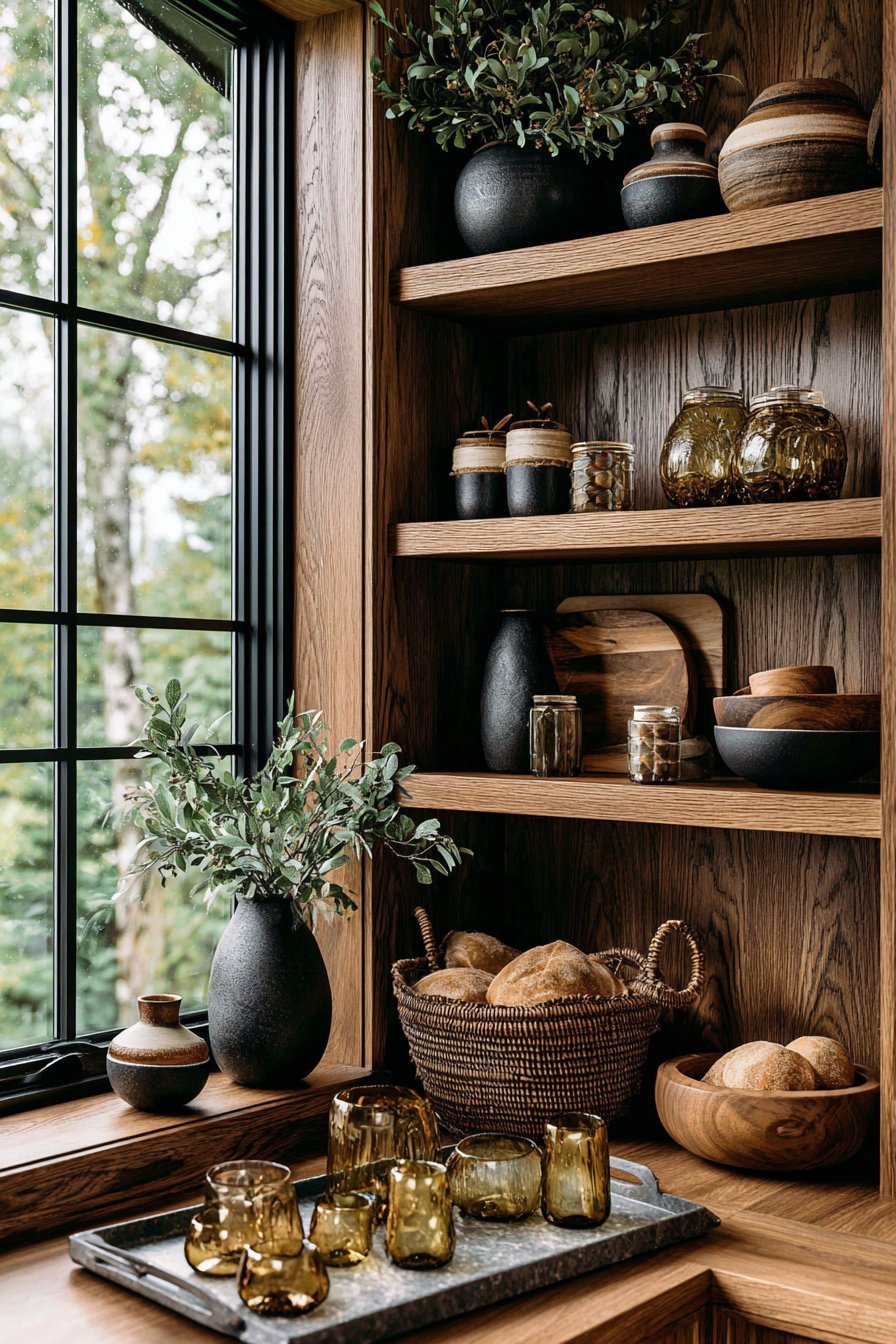
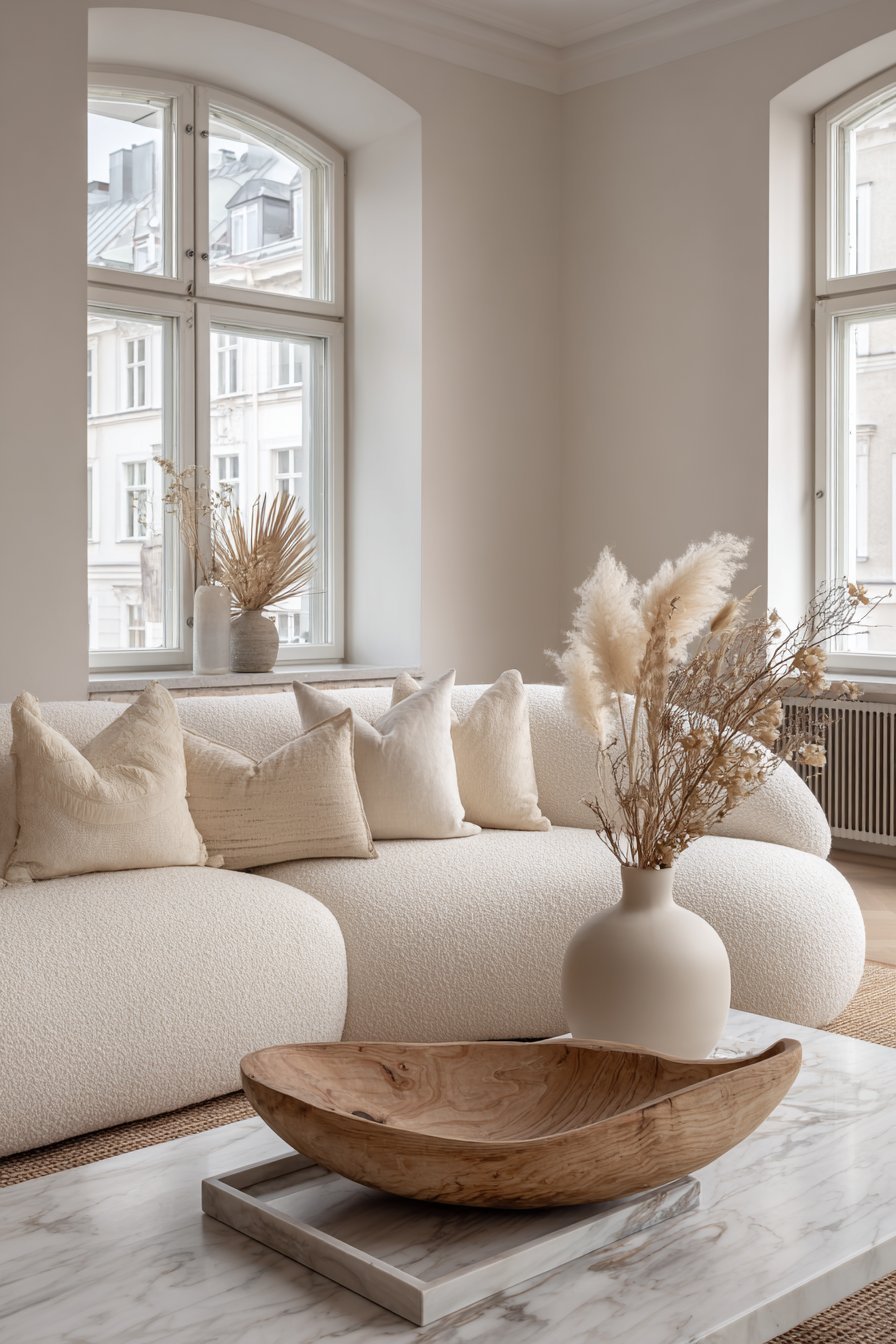
Grouping strategies matter enormously. The rule of odd numbers — three, five, or seven objects — creates more dynamic, organic arrangements than even-numbered groupings. Varying the height, material, and form within a group adds visual rhythm. A tall ceramic vase beside a low-profile wooden bowl and a mid-height woven basket, for example, creates a perfectly balanced triad of material contrast and scale.
- Apply the rule of odd numbers when grouping decorative objects on shelves or tables
- Rotate your artisan collection seasonally to keep the space feeling fresh
- Use negative space deliberately — empty areas are as important as filled ones
- Create material contrast within groupings: ceramic with wood, glass with textile
- Invest in quality display surfaces — marble trays, wooden boards — to frame objects beautifully
Conclusion
The artisan revival is more than a design trend — it is a return to meaning, materiality, and the irreplaceable value of the human hand. Handcrafted decor invites us to slow down, to notice, and to surround ourselves with objects that carry stories rather than SKU numbers. From ceramics and woven textiles to hand-blown glass and carved wood, each piece contributes to an interior that feels genuinely, deeply personal.
As you begin or deepen your own artisan journey, remember that intention is everything. You do not need to transform your entire home at once. Start with one exceptional piece. Let it teach you what you love. Build from there, slowly and deliberately. The most beautiful homes are not designed in a day — they are gathered over a lifetime, one handmade treasure at a time.
