

The kitchen has always been the beating heart of the home. It is where meals are crafted, conversations flow, and memories are made. As we move deeper into the mid-2020s, kitchen design is undergoing a remarkable transformation. Professionals across the industry are forecasting changes that blend cutting-edge technology with timeless craftsmanship. The result is a new vision of what a modern kitchen can truly be.
Interior designers, architects, and culinary experts are aligning on several bold directions. These predictions are not just aesthetic whims. They are rooted in evolving lifestyles, environmental responsibility, and advances in material science. From smart appliances to biophilic design, the kitchens of 2026–2027 will be more intuitive, more beautiful, and more sustainable than ever before.
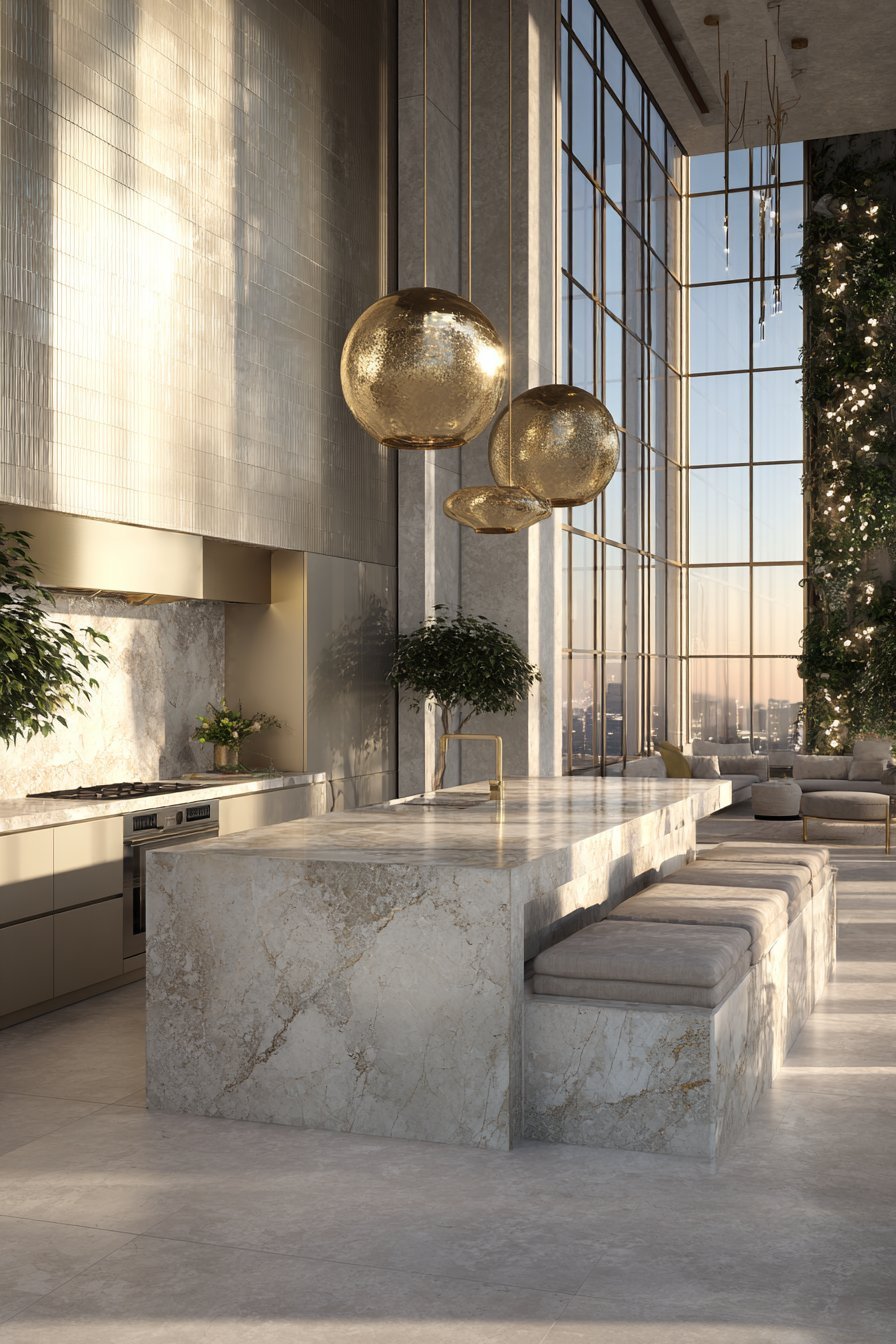
This article explores the most compelling trends and innovations that kitchen professionals are forecasting for the near future. Whether you are planning a full renovation or simply refreshing your space, these insights will help you make informed design decisions that stand the test of time.
1. The Rise of Smart and Intuitive Kitchens
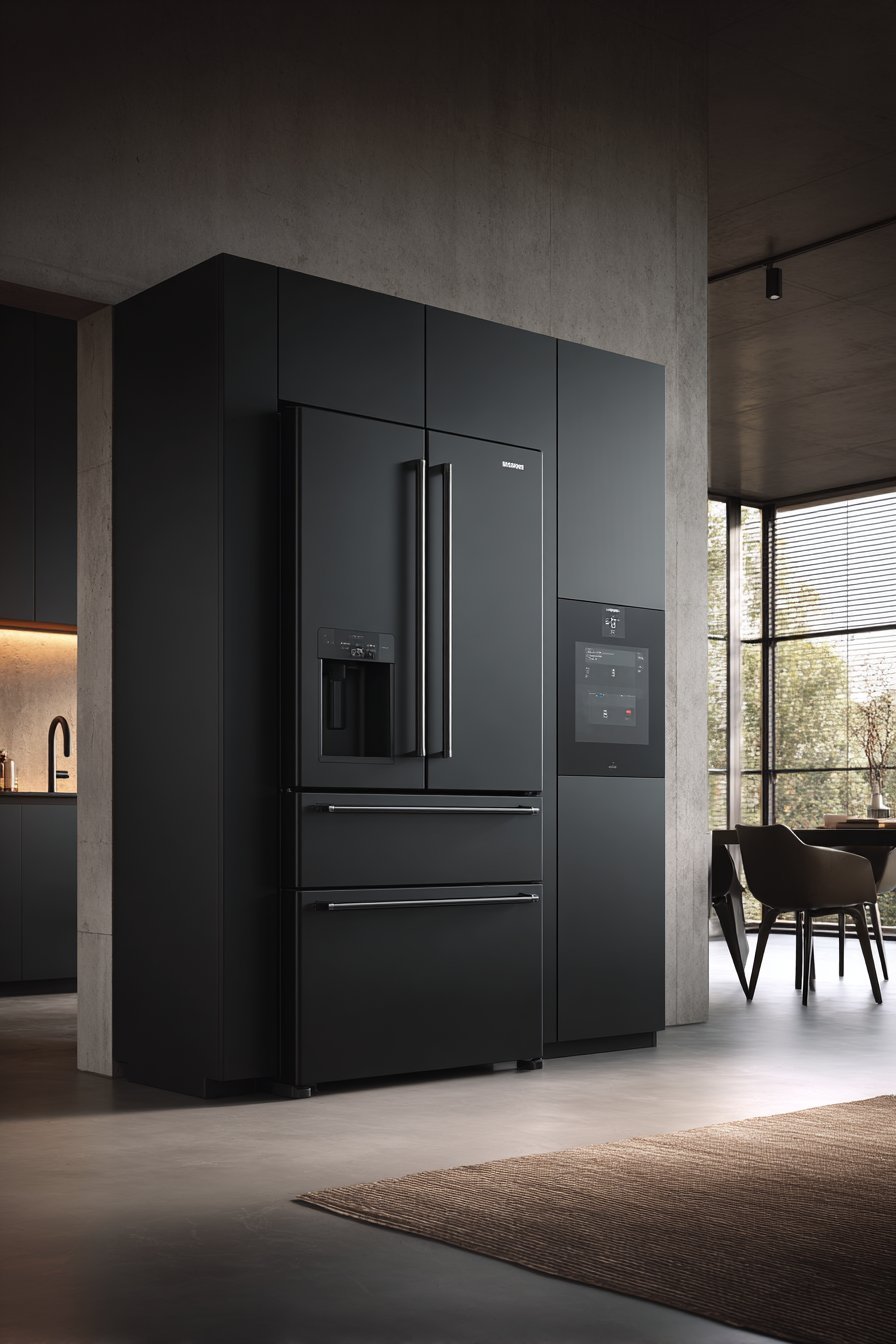
Technology is no longer a luxury in kitchen design — it is becoming a fundamental expectation. Professionals predict that by 2026–2027, smart kitchen integration will reach a new level of sophistication. Appliances will communicate with each other, learn your habits, and even suggest recipes based on what’s in your refrigerator.
Voice-activated controls, touchless faucets, and AI-powered ovens are moving from novelty to necessity. The connected kitchen ecosystem will allow homeowners to monitor energy use, reduce food waste, and streamline cooking workflows. Think refrigerators that track expiration dates and stovetops that adjust heat automatically based on cookware sensors.
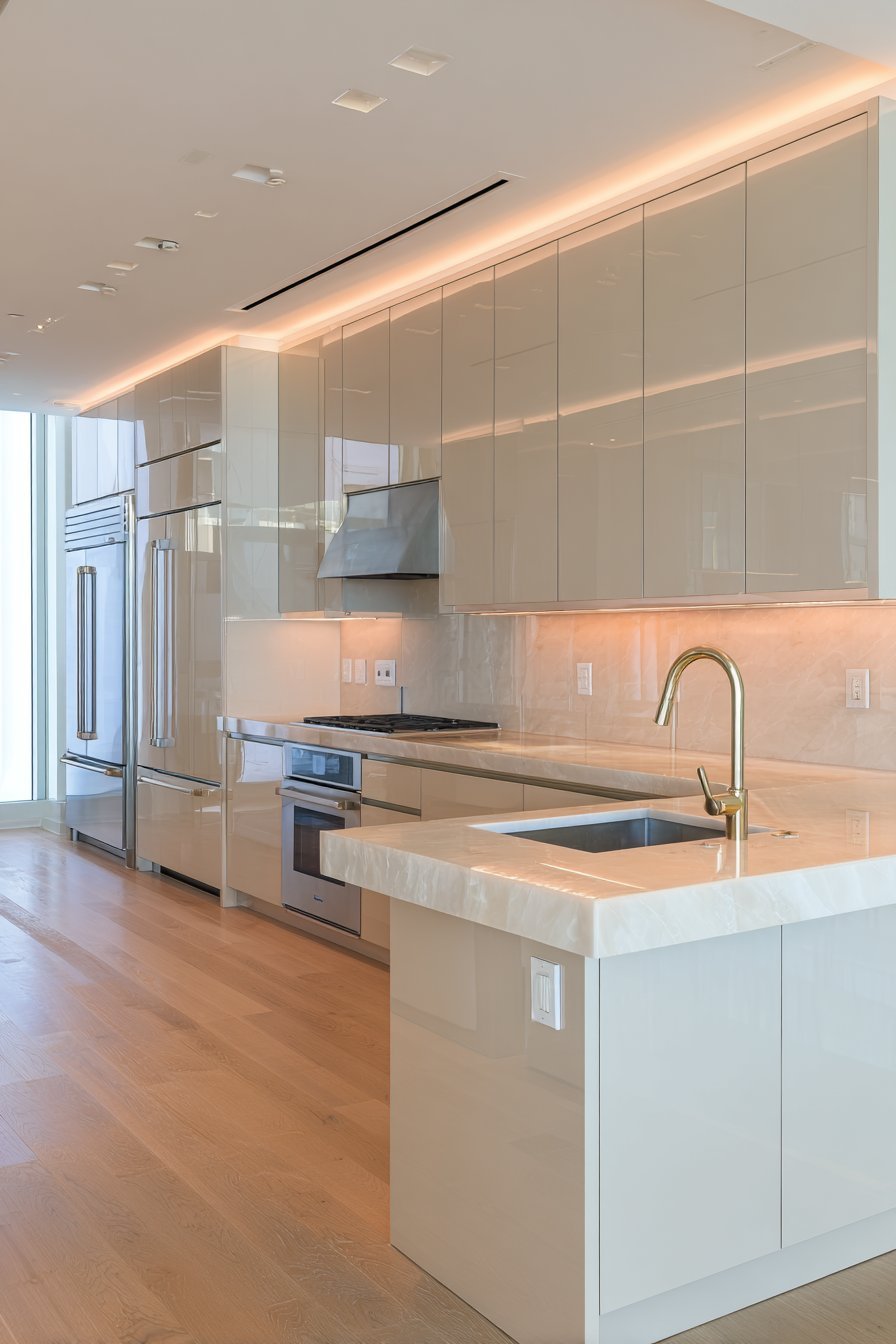
The design challenge, according to top professionals, is making all this technology feel invisible. Sleek panels, hidden charging stations, and flush-integrated appliances will ensure that smart kitchens remain visually clean and uncluttered. The goal is seamless function that does not sacrifice form.
- Invest in appliances with cross-compatible smart home platforms
- Choose flush-panel refrigerators that blend into cabinetry
- Add touchless faucet technology for hygiene and convenience
- Plan for hidden charging drawers and built-in USB hubs
- Prioritize appliances with energy monitoring dashboards
- Work with a designer experienced in smart home integration
2. Sustainable Materials Taking Center Stage
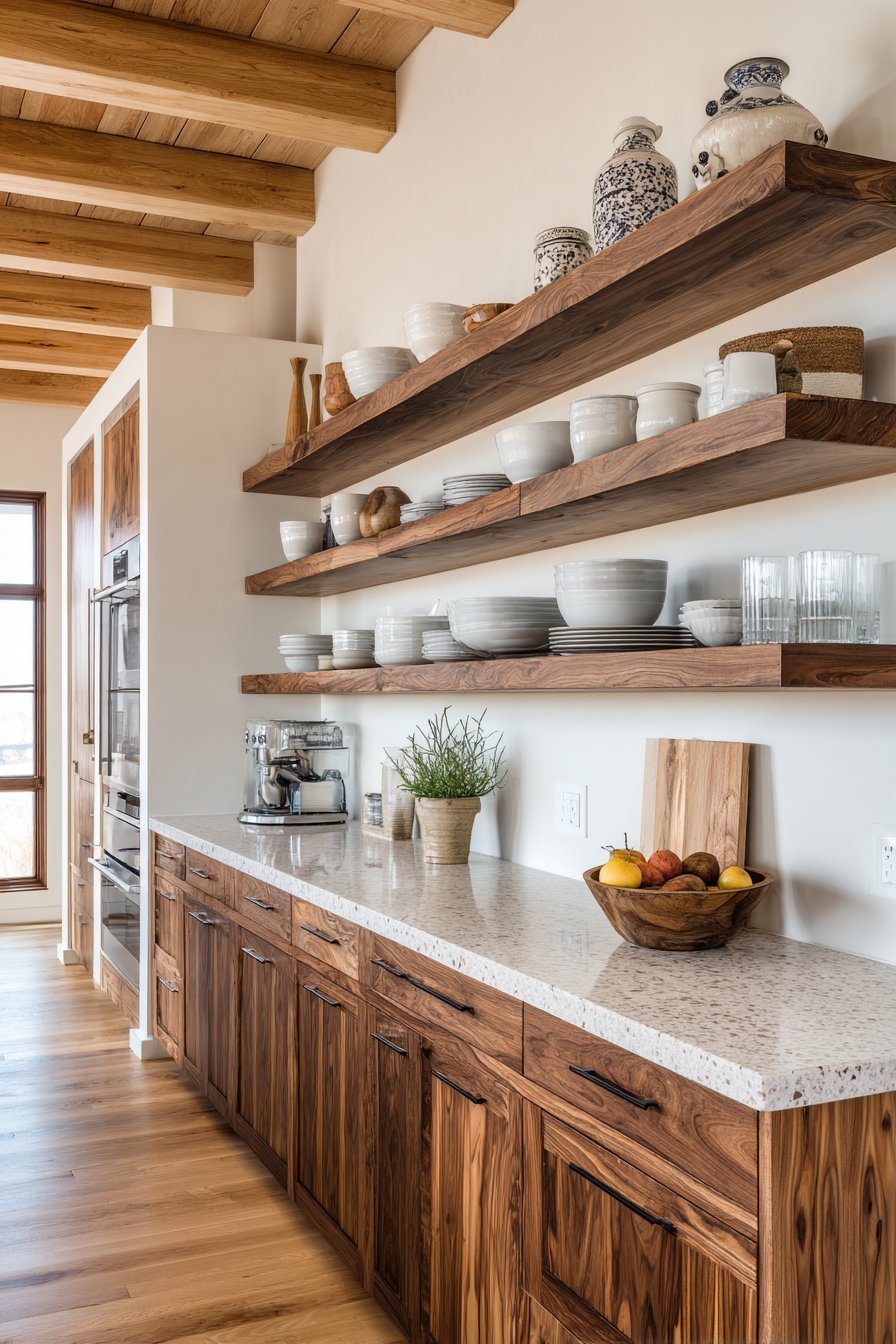
Environmental consciousness is reshaping every corner of interior design, and the kitchen is no exception. Professionals are predicting a strong surge in demand for sustainable, responsibly sourced materials. Reclaimed wood, recycled glass countertops, and low-VOC cabinetry finishes are moving firmly into the mainstream.
Bamboo and cork are emerging as preferred surface choices for flooring and even cabinet fronts. These materials are renewable, durable, and surprisingly beautiful. Designers are also turning to recycled aluminum and salvaged stone to create countertops with unique character and significantly reduced environmental impact.
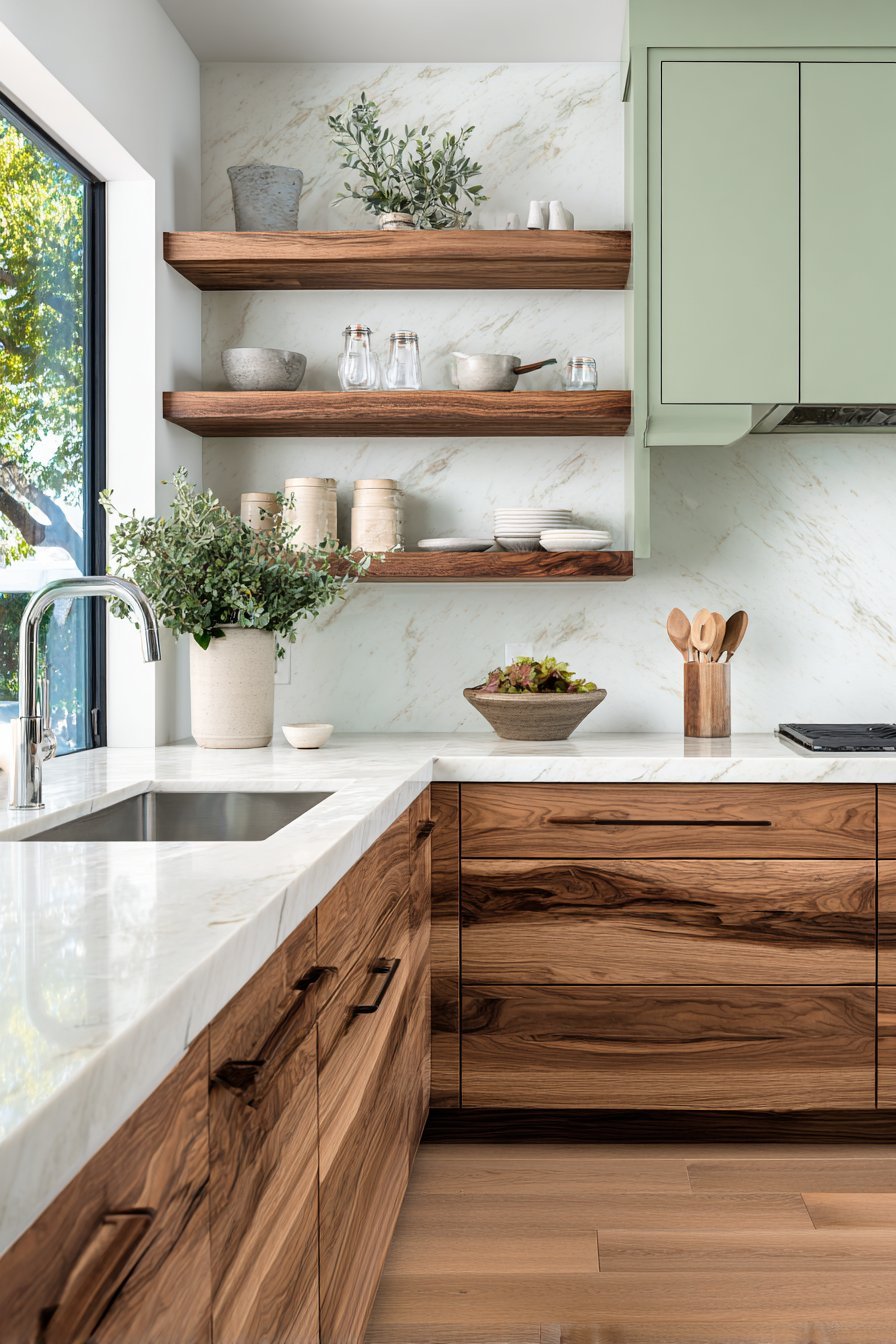
Beyond materials themselves, zero-waste manufacturing processes are influencing purchasing decisions. Homeowners are increasingly asking brands about their supply chain ethics and carbon footprint. Professionals predict that certifications like FSC-certified wood and Cradle to Cradle products will become standard conversation points in kitchen showrooms.
- Choose FSC-certified cabinetry for responsible wood sourcing
- Explore recycled glass or compressed paper countertop options
- Use low-VOC paints and finishes throughout the kitchen
- Consider bamboo flooring as a durable, renewable alternative
- Look for appliances with high Energy Star ratings
- Ask manufacturers about take-back programs for old units
3. Warm Neutrals and Earthy Color Palettes
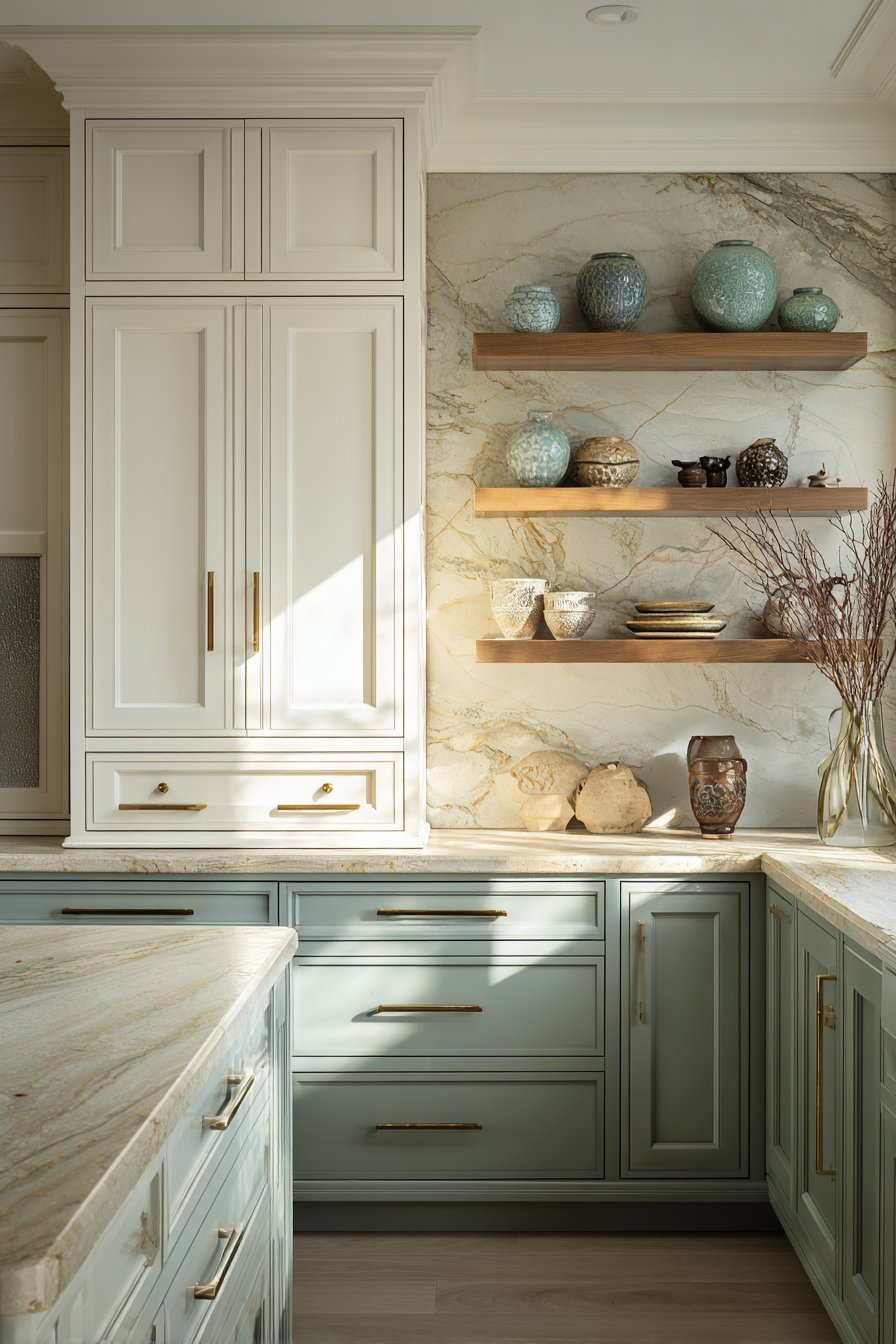
The all-white kitchen, while still elegant, is giving way to warmer, earthier tones. Kitchen professionals predict that 2026–2027 will see a widespread embrace of clay, terracotta, warm greige, sage green, and deep ochre. These colors bring warmth and personality without overwhelming the space.
Color psychology plays a significant role in this shift. After years of sterile, minimal aesthetics, homeowners are craving spaces that feel grounded and organic. Warm neutrals create that sense of comfort and connection to nature that modern lifestyles often lack. Designers are pairing these tones with natural wood elements and matte black hardware for a sophisticated, layered look.
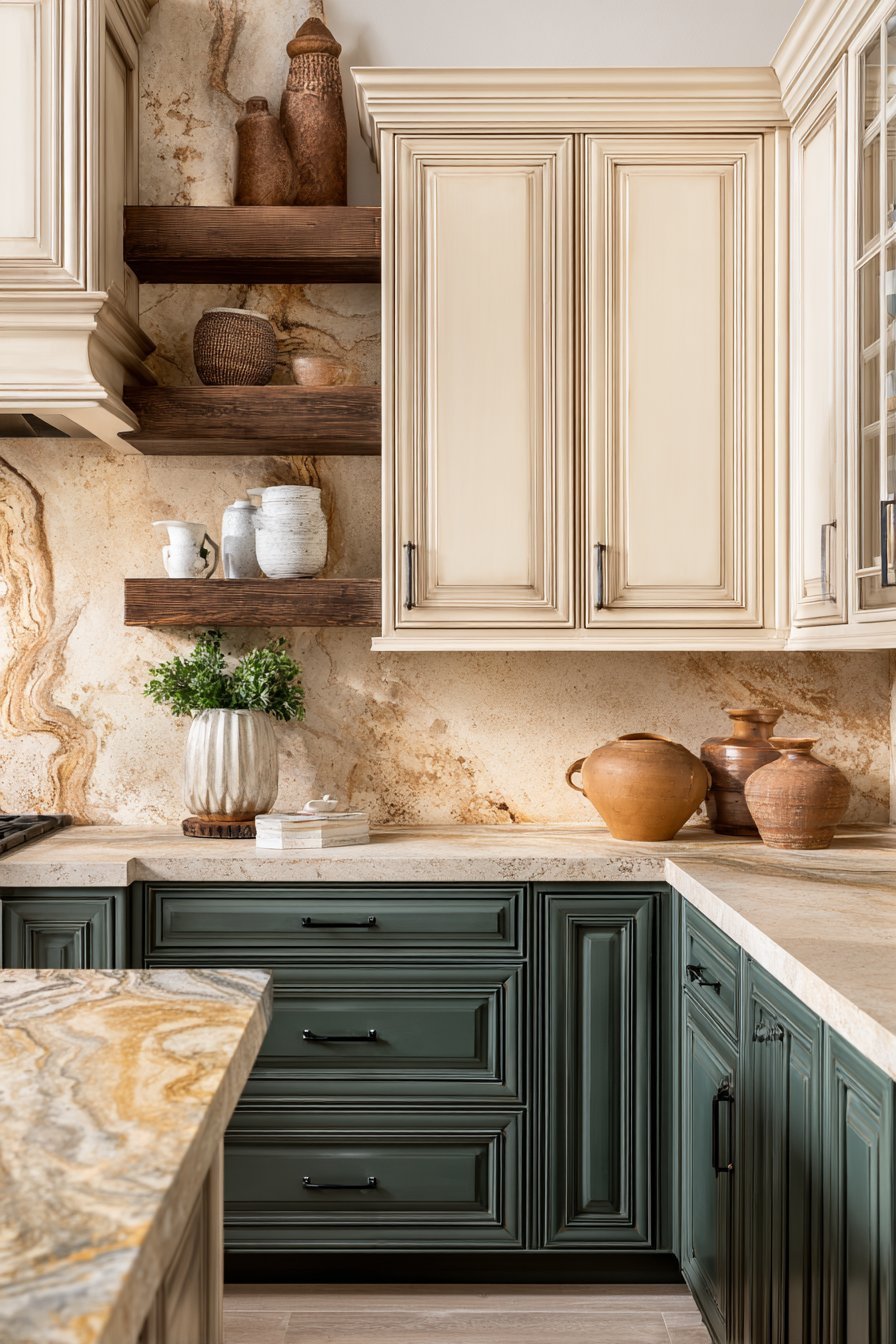
Two-tone cabinetry is also a major prediction for this period. Upper cabinets in soft linen or cream paired with lower cabinets in warm walnut or forest green creates visual depth. It breaks the monotony of single-color kitchens while maintaining a cohesive, intentional design language.
- Explore terracotta and clay tones for lower cabinetry
- Pair warm upper cabinets with darker lower units for contrast
- Use matte finishes to enhance the organic, grounded feel
- Add warm-toned stone like travertine for countertops or backsplash
- Incorporate natural wood open shelving to balance color
- Test paint swatches under both natural and artificial kitchen lighting
4. Biophilic Design in the Heart of the Home
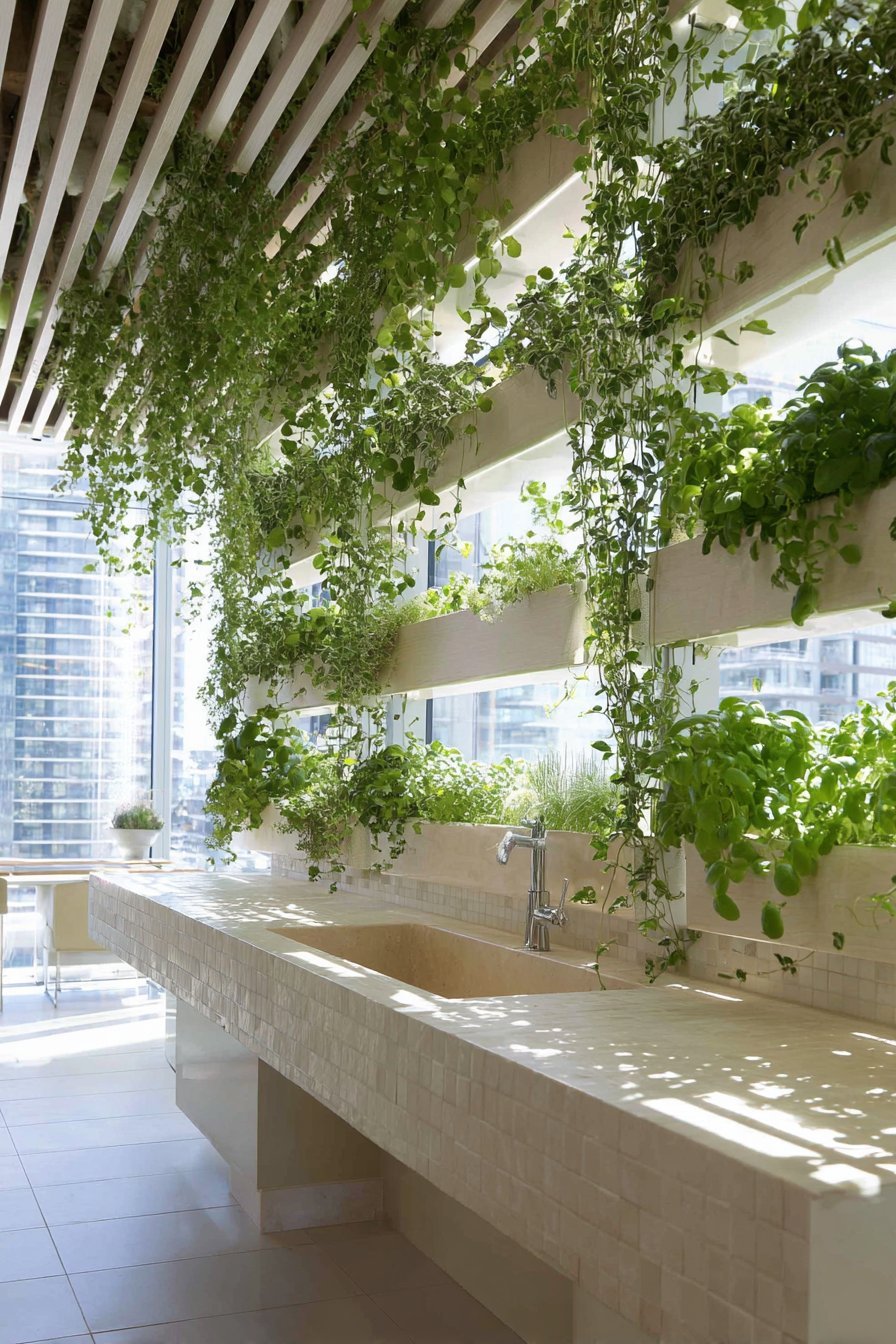
Biophilic design — the practice of bringing nature indoors — is predicted to reach full maturity in the kitchen by 2026–2027. This goes far beyond placing a potted herb on the windowsill. Professionals envision living walls, integrated planters, natural stone surfaces, and water features becoming genuine kitchen design elements.
The connection between food and nature makes the kitchen an ideal canvas for biophilic principles. Growing herbs and microgreens directly in the kitchen not only supports the cooking experience but also improves air quality and reduces stress. Designers are planning for built-in grow light shelving systems that blend seamlessly into cabinetry.
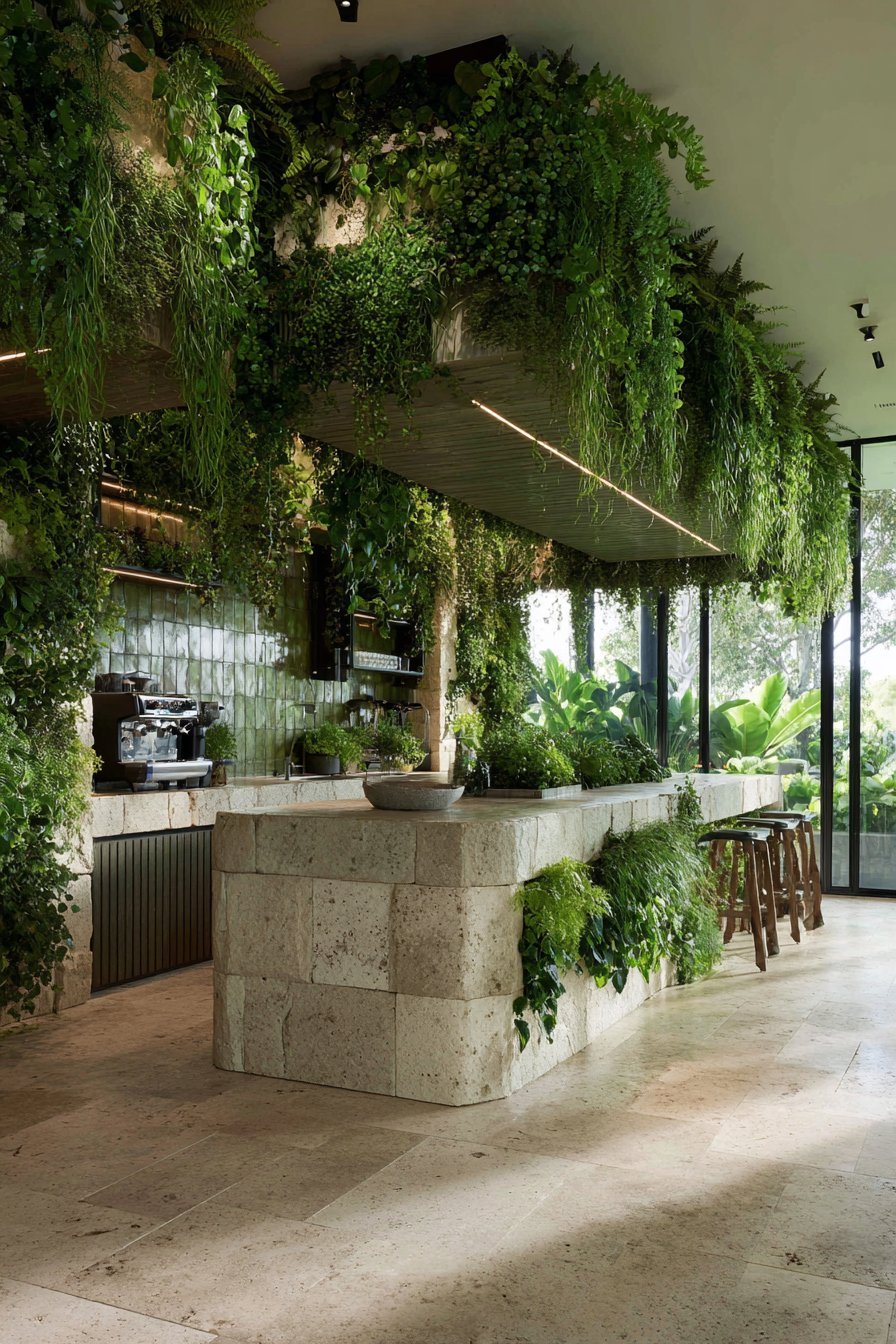
Natural textures like raw linen, unpolished stone, and handcrafted ceramic tile are central to this trend. The goal is to engage all the senses — not just sight. The texture of a rough-hewn stone countertop or the scent of live herbs creates a multi-sensory kitchen environment that is deeply satisfying to inhabit.
- Plan a built-in herb garden wall with integrated grow lights
- Use honed or leathered stone surfaces for natural texture
- Incorporate organic shapes in fixtures, handles, and backsplash tiles
- Add a small water feature near the kitchen entry for ambiance
- Choose handmade ceramic tiles over mass-produced alternatives
- Let natural light guide your layout planning wherever possible
5. The Workstation Sink Revolution
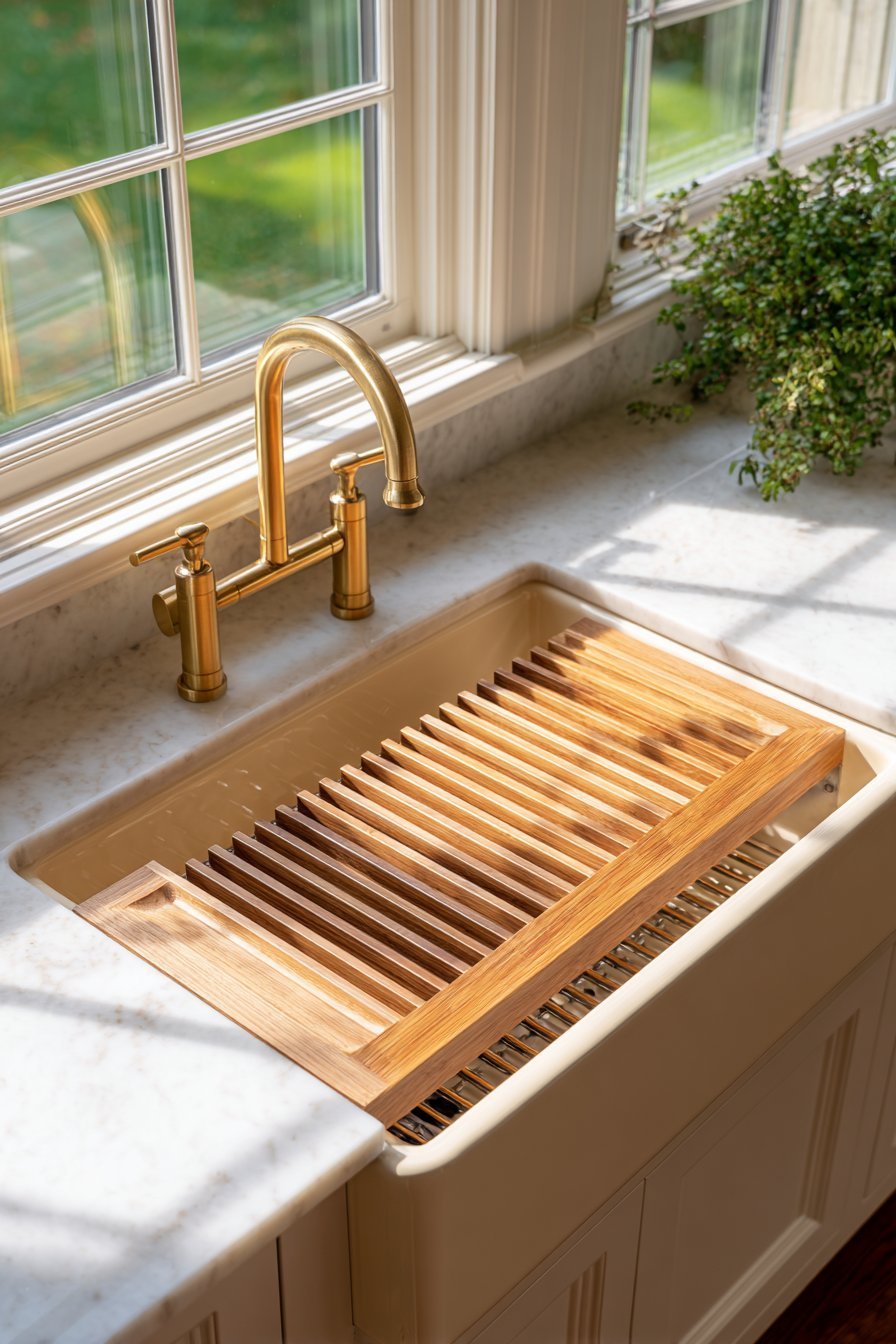
The humble kitchen sink is getting a major professional upgrade. Workstation sinks — those with integrated ledge systems for colanders, cutting boards, and drying racks — are predicted to become the dominant choice in kitchen renovations through 2026–2027. They maximize efficiency in a compact footprint.
Professionals are particularly excited about apron-front workstation designs that combine the farmhouse aesthetic with modern utility. These sinks turn the area around the faucet into a fully functional prep station. Everything has a designated spot, which dramatically reduces counter clutter and improves workflow during meal preparation.
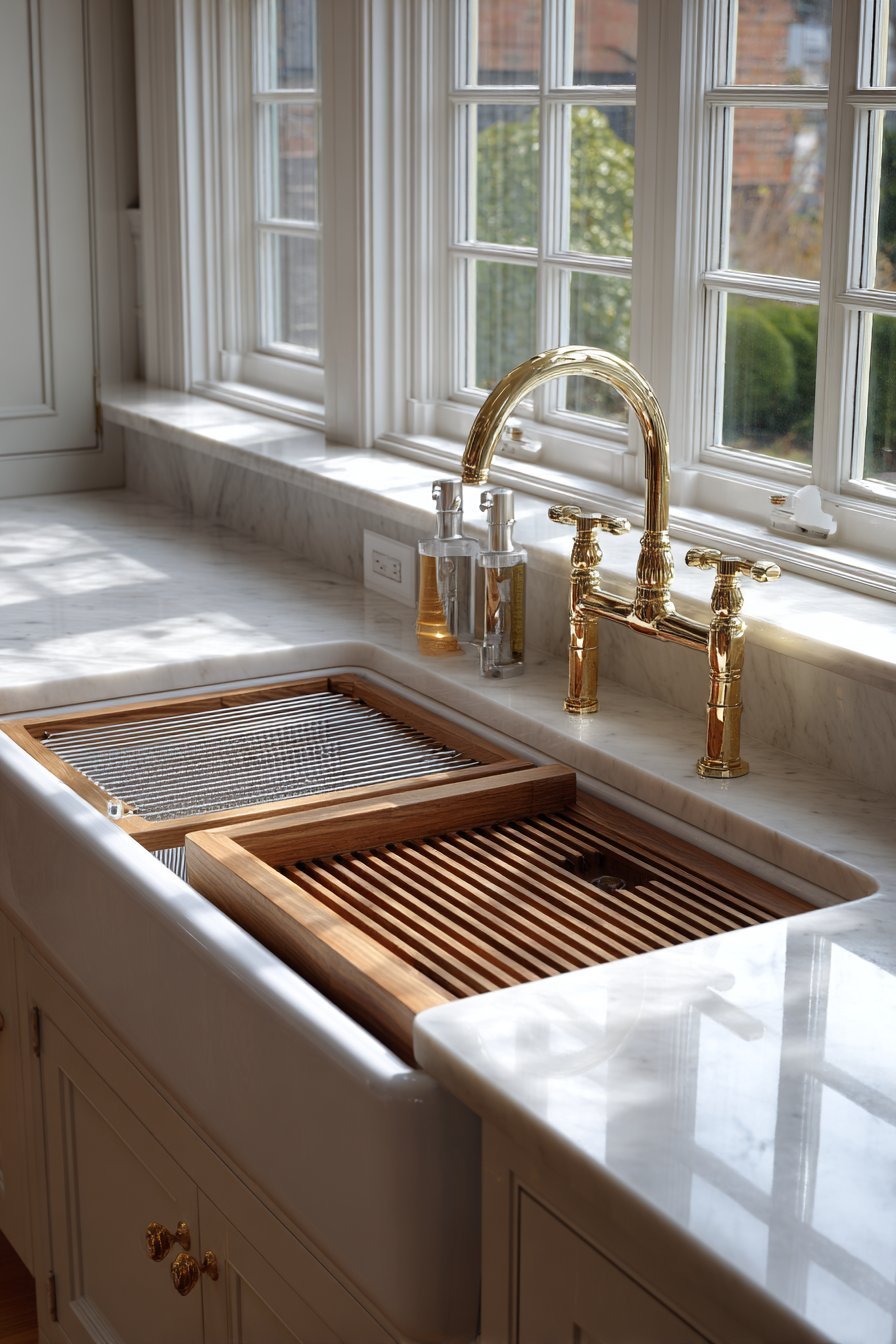
Material innovation is driving this category forward. Fireclay, stainless steel, and even composite granite sinks are being engineered with precision-fit accessories. Deeper basins accommodate large pots and pans with ease. Integrated soap dispensers and pull-out faucet systems complete the picture of a sink designed for serious home cooks.
- Upgrade to a workstation sink with ledge accessories during renovation
- Choose fireclay or composite granite for durability and style
- Select a pull-down faucet with multiple spray settings
- Invest in a cutting board that spans the full sink width
- Position the sink near natural light to improve the prep experience
- Pair the sink with a disposal system for ultimate efficiency
6. Japandi and Wabi-Sabi Aesthetics Maturing
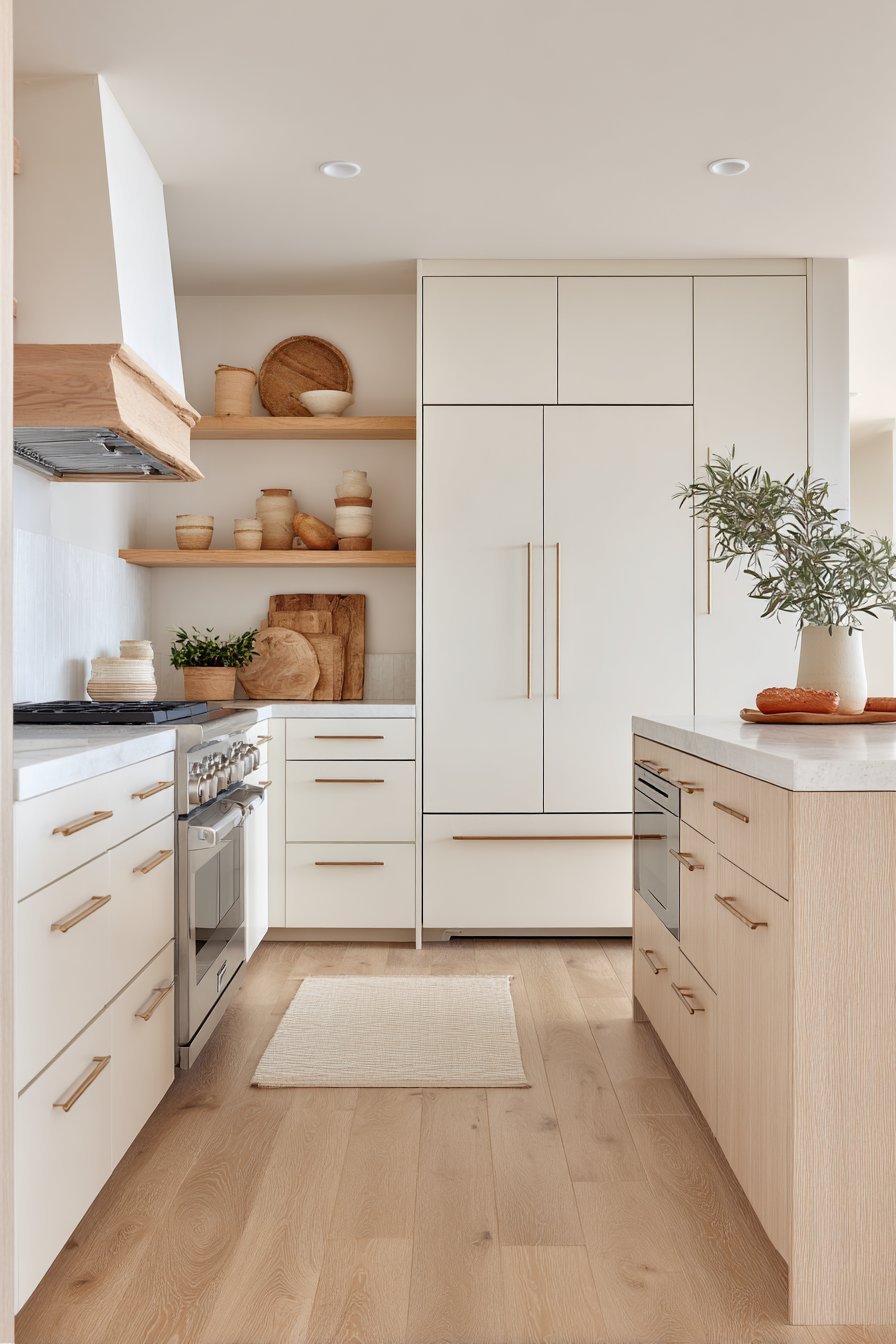
The fusion of Japanese and Scandinavian design philosophies — known as Japandi — is not fading. Professionals predict it will deepen and mature into the 2026–2027 kitchen landscape. This aesthetic celebrates simplicity, craftsmanship, natural materials, and the beauty of imperfection, also known as wabi-sabi.
In kitchen terms, Japandi means flat-front cabinetry with integrated finger-pull hardware, neutral stone countertops, and a restrained color palette. There is nothing excessive. Every element is chosen with intention. The result is a kitchen that feels like a sanctuary of calm, rather than a showroom display.
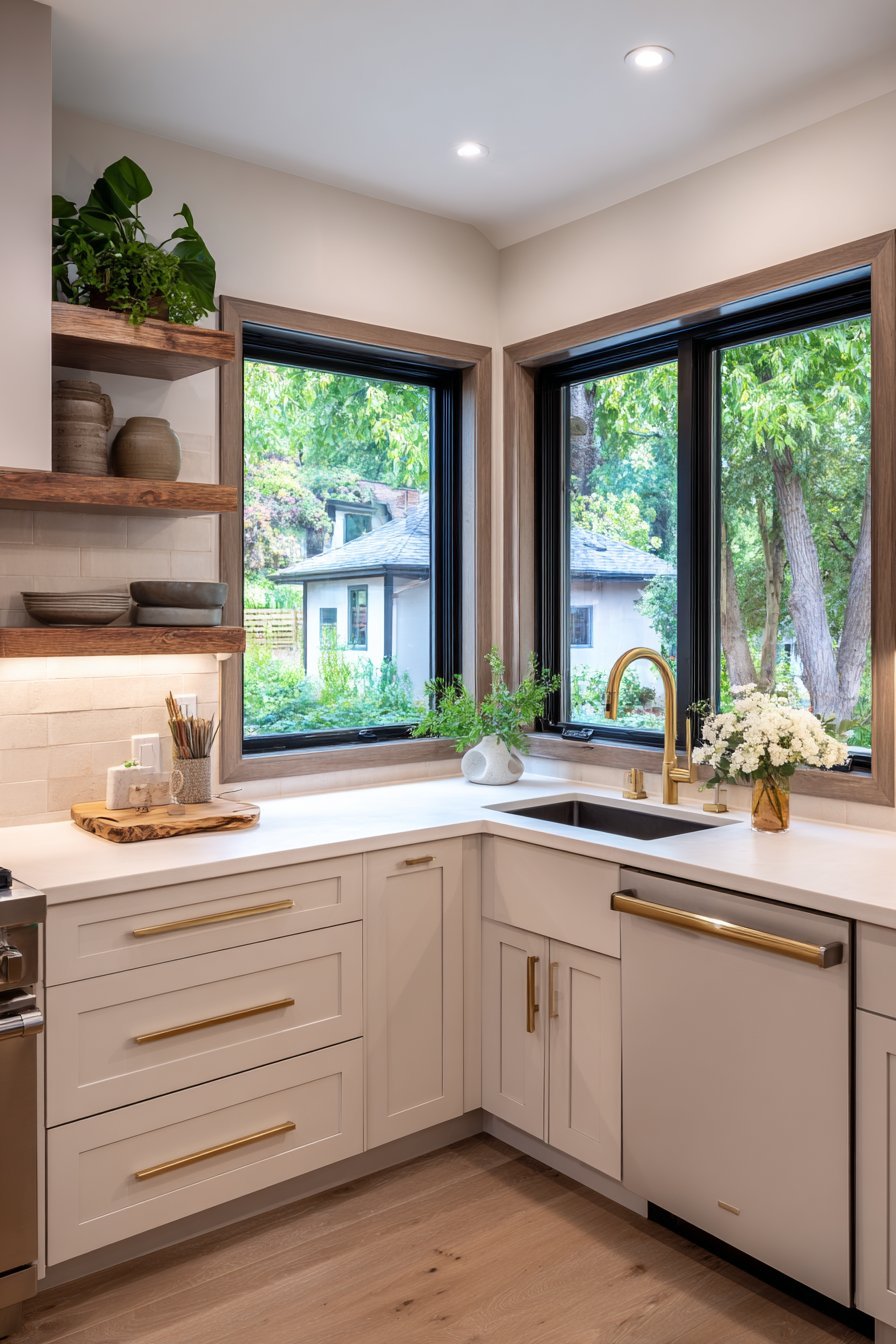
Wabi-sabi adds an important counterbalance. It encourages the use of materials that show age gracefully — worn wood, patinated metals, handmade pottery. This philosophy rejects perfection and embraces authenticity. Professionals predict homeowners will increasingly choose hand-shaped tiles over factory-perfect ones and live-edge wood shelves over laser-cut alternatives.
- Embrace flat-front cabinetry with integrated or minimal hardware
- Choose handmade ceramics and imperfect-finish tiles deliberately
- Use a restrained color palette of white, cream, charcoal, and warm wood
- Let materials age naturally — avoid overly perfect, high-gloss finishes
- Incorporate negative space as a design element in open shelving
- Keep surfaces clear and intentionally uncluttered at all times
7. Bold Backsplash as the Focal Statement
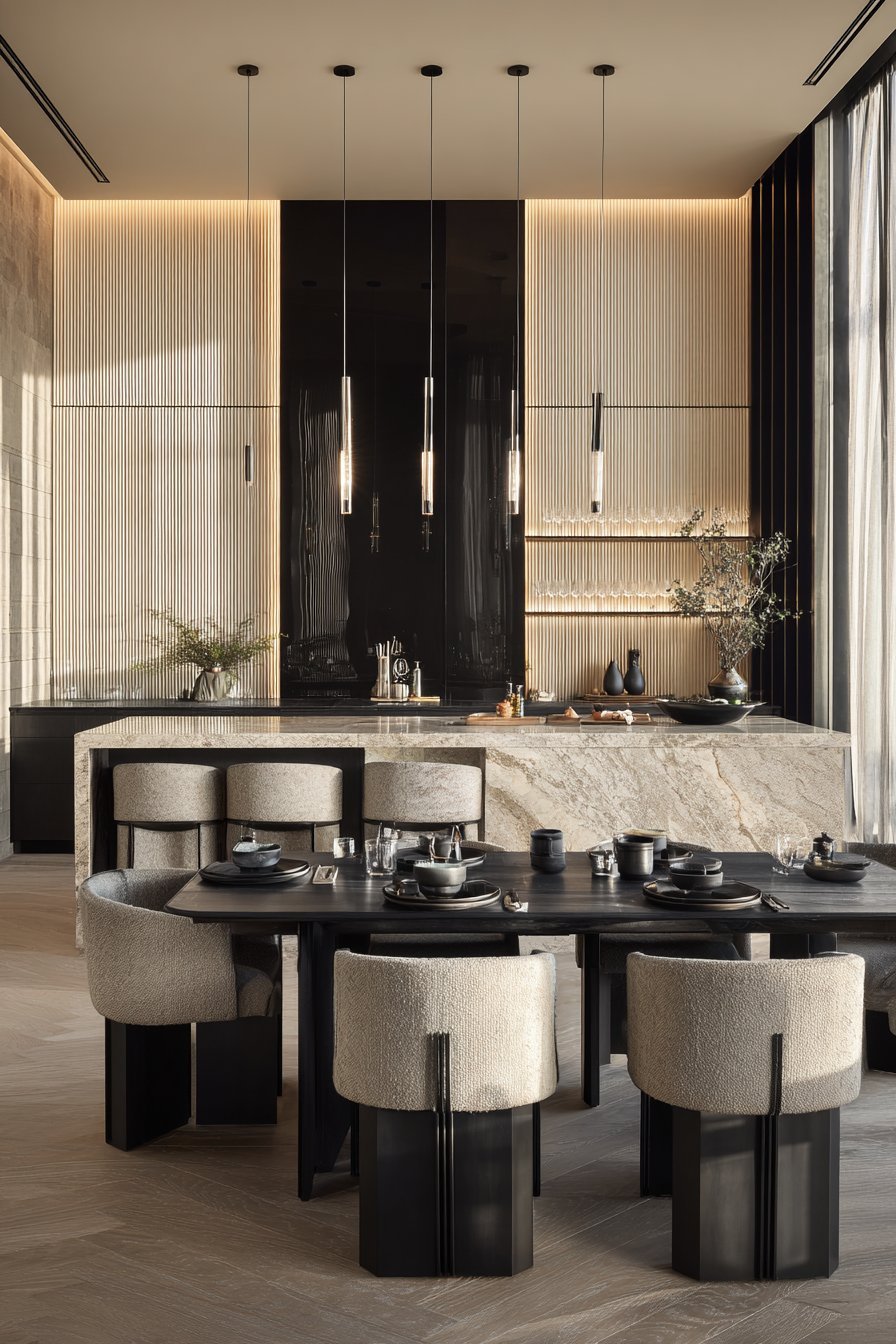
Professionals are predicting that the backsplash will claim its moment as the defining statement piece of the 2026–2027 kitchen. Gone are the days of purely functional tile work. Today’s backsplash is being treated as wall art — a canvas for color, texture, pattern, and personality.
Oversized slabs of fluted stone, handcrafted zellige tiles, and painterly porcelain panels are all rising in popularity. These choices bring a sense of luxury and individuality that mass-produced subway tiles simply cannot replicate. Designers predict that full-height backsplashes running from counter to ceiling will become a standard feature in high-end renovations.
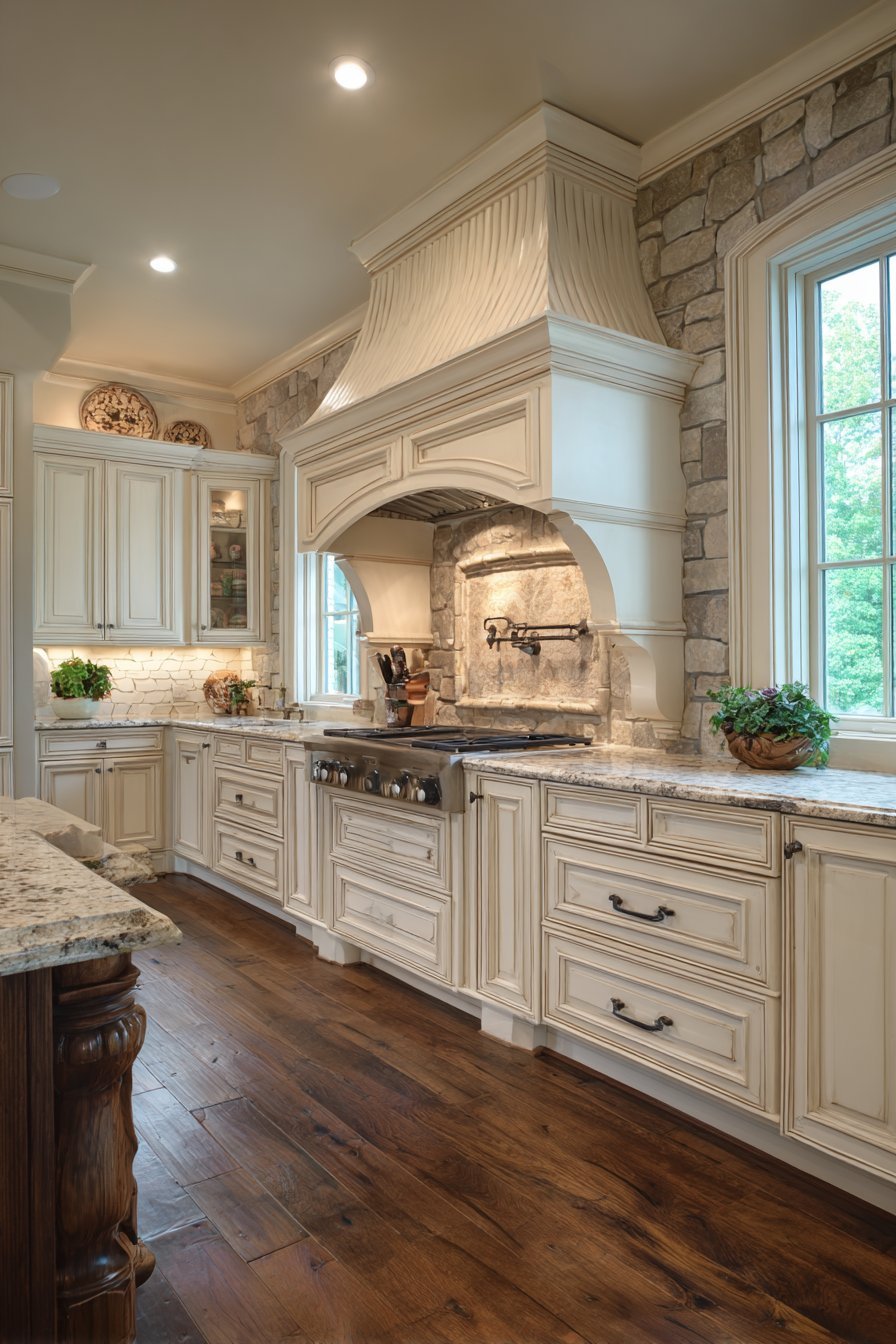
The texture renaissance is particularly exciting. Fluted, ribbed, and three-dimensional tile surfaces catch light in dynamic ways that flat tiles cannot. These textural elements add depth and visual complexity to the kitchen without requiring additional décor. A thoughtfully chosen backsplash can anchor the entire design direction of a kitchen effortlessly.
- Consider full-height backsplash to maximize visual drama
- Explore zellige, terracotta, or handmade ceramic options
- Use fluted stone or ribbed tile for three-dimensional texture
- Match backsplash tones to countertops for a cohesive look
- Extend the backsplash material to the range hood surround
- Keep the rest of the kitchen restrained to let the backsplash shine
8. Multi-Functional Islands Evolving Further
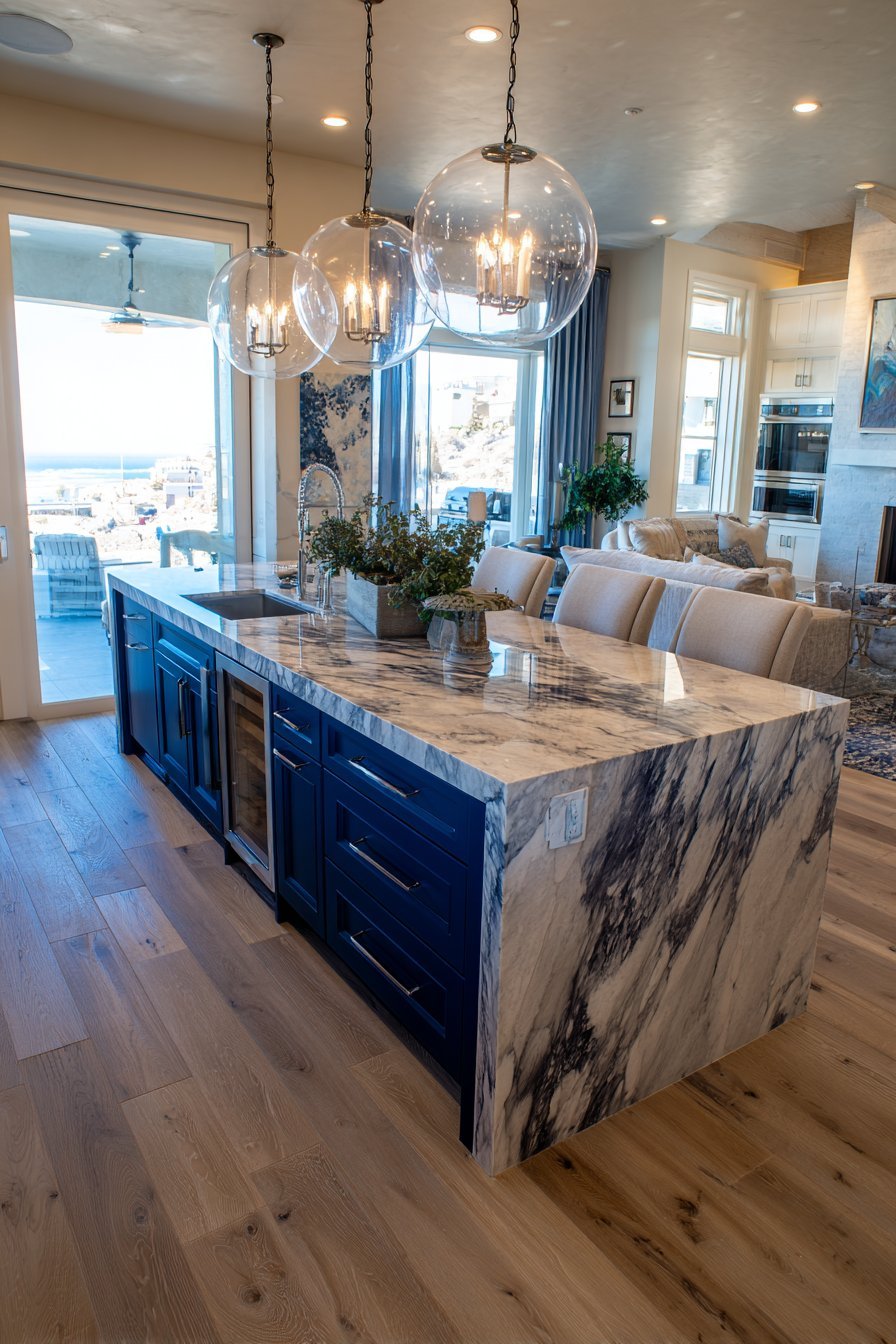
The kitchen island has been the centerpiece of open-plan living for decades. Professionals predict it will continue to evolve, becoming an even more multi-functional command center in 2026–2027. Islands are expanding to include seating, prep space, integrated storage, wine fridges, and charging stations all in one structure.
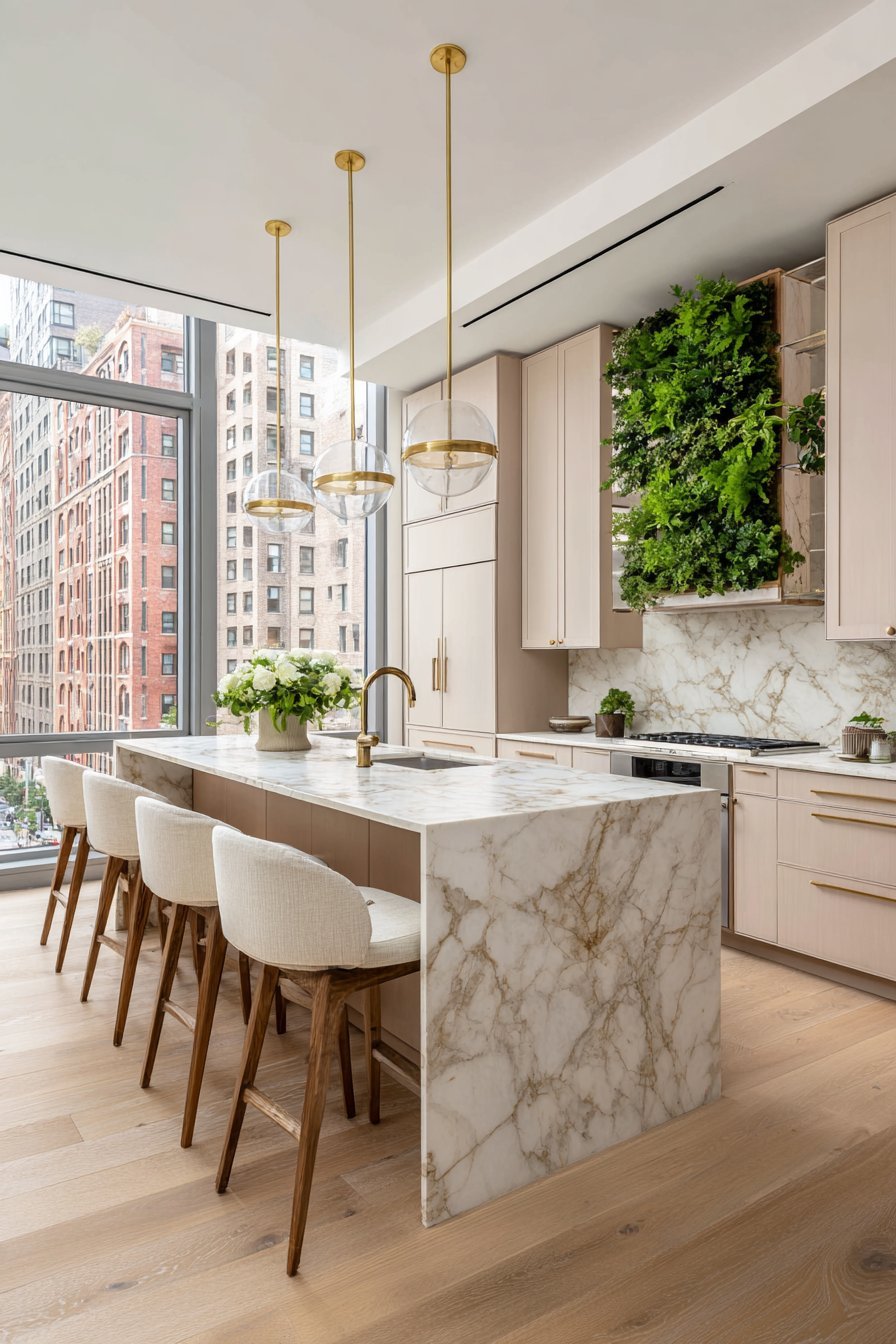
The trend toward waterfall islands — where the countertop material cascades vertically down the sides — is predicted to grow even stronger. This detail transforms the island into a sculptural furniture piece rather than just a functional surface. Materials like book-matched marble and continuous-grain quartz create breathtaking visual continuity.
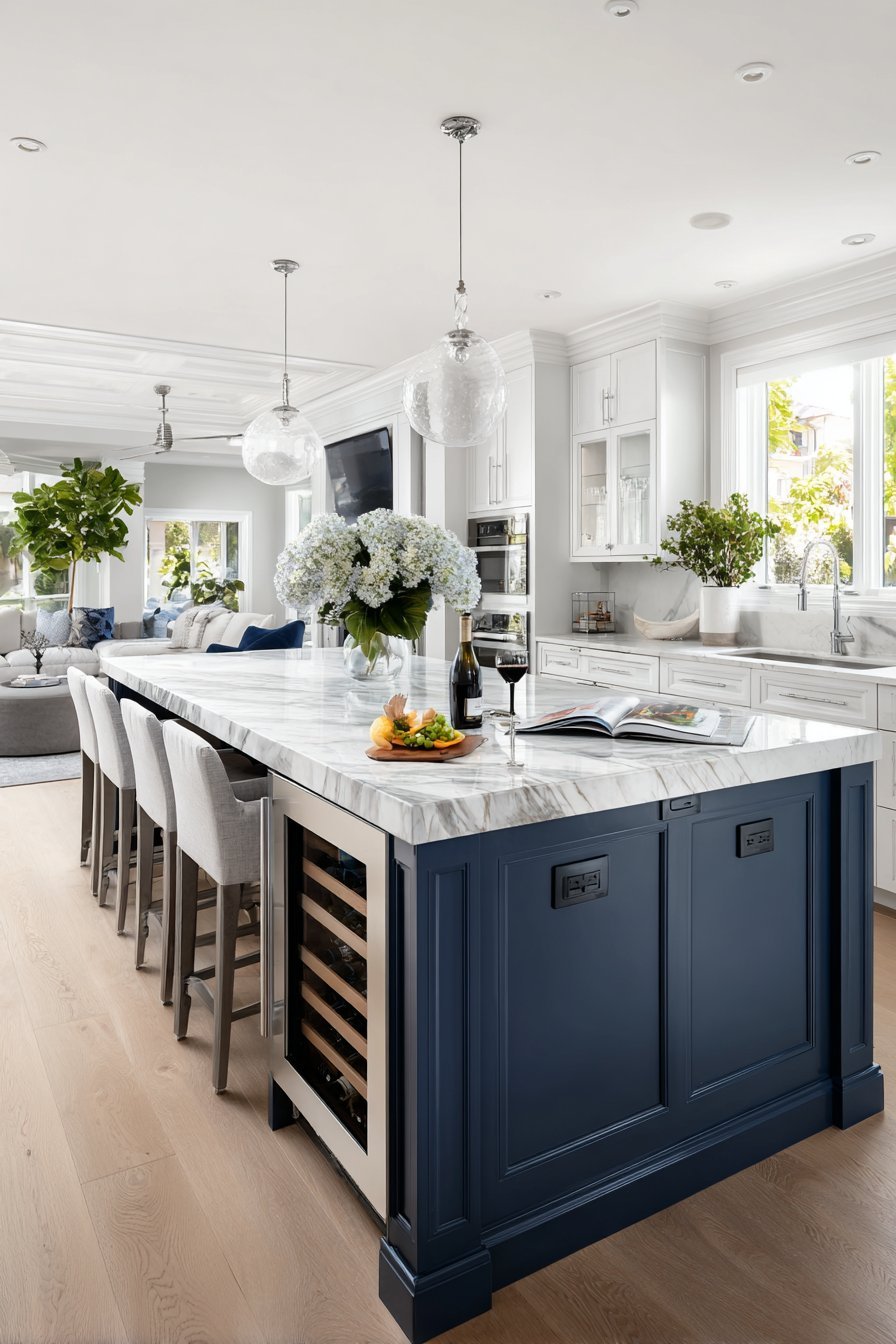
Designers are also noting a shift toward movable or modular islands. Not everyone has the square footage for a permanent fixture. Beautifully crafted rolling islands with butcher block tops offer flexibility and character. They can be repositioned for entertaining, cooking, or storage as the occasion demands.
- Design your island with at least two seating sides for versatility
- Incorporate a waterfall edge using a statement countertop material
- Add deep pull-out drawers rather than door-and-shelf storage
- Include integrated outlets for countertop appliance convenience
- Consider a contrasting island color against surrounding cabinetry
- Allow at least 42 inches of clearance around all island sides
9. Statement Lighting as a Design Anchor
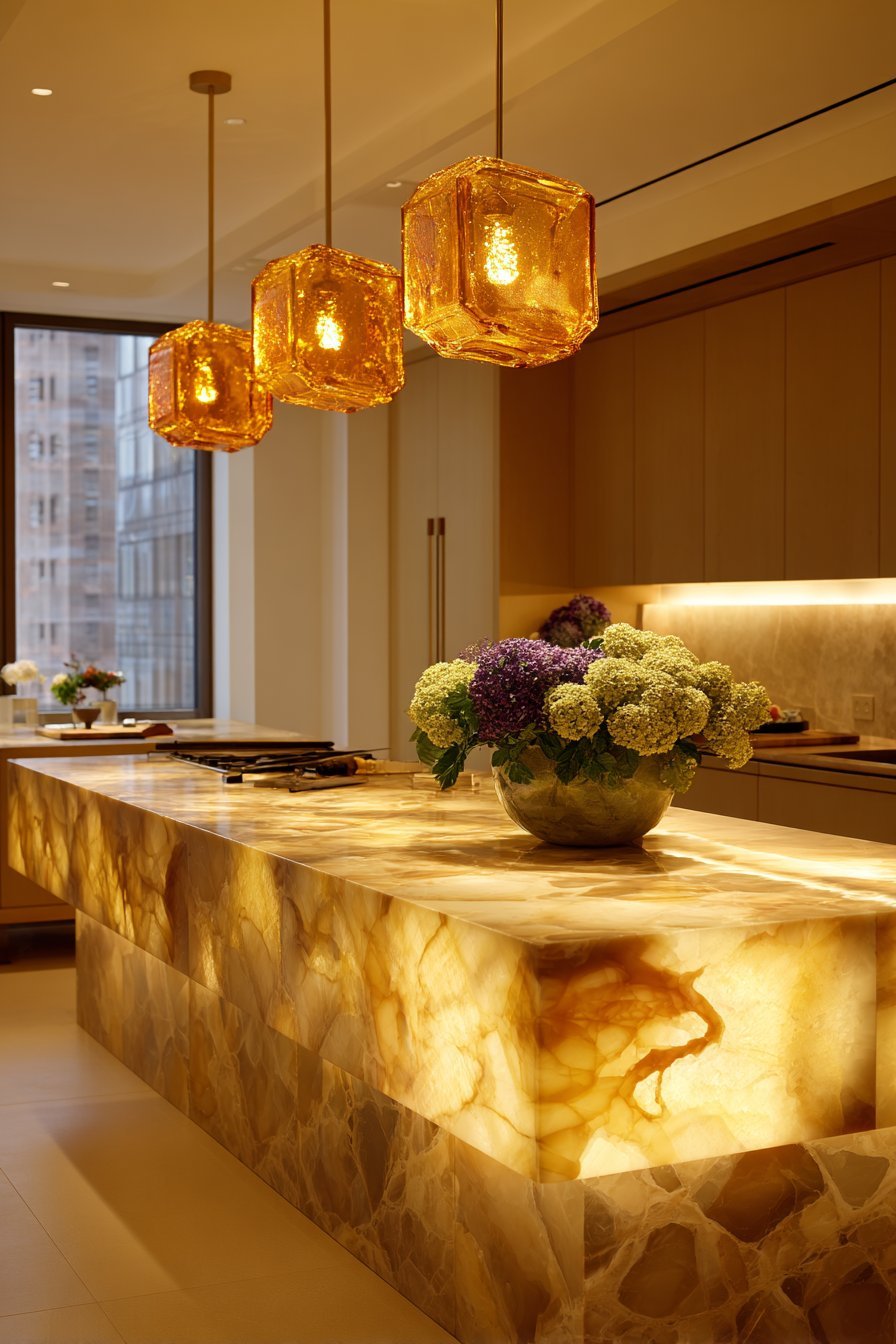
Lighting has always been a functional necessity in kitchen design. But professionals predict that by 2026–2027, statement lighting will become a primary design driver rather than an afterthought. Sculptural pendants, architectural ceiling fixtures, and layered lighting schemes are being planned from the earliest stages of kitchen design.
Hand-blown glass pendants, oversized rattan shades, and raw brass fixtures are emerging as the materials of choice. These elements bring warmth, artistry, and personality to the kitchen. Designers are particularly emphasizing the importance of pendant placement over islands, where the fixture height, scale, and spacing can dramatically alter the room’s entire aesthetic.
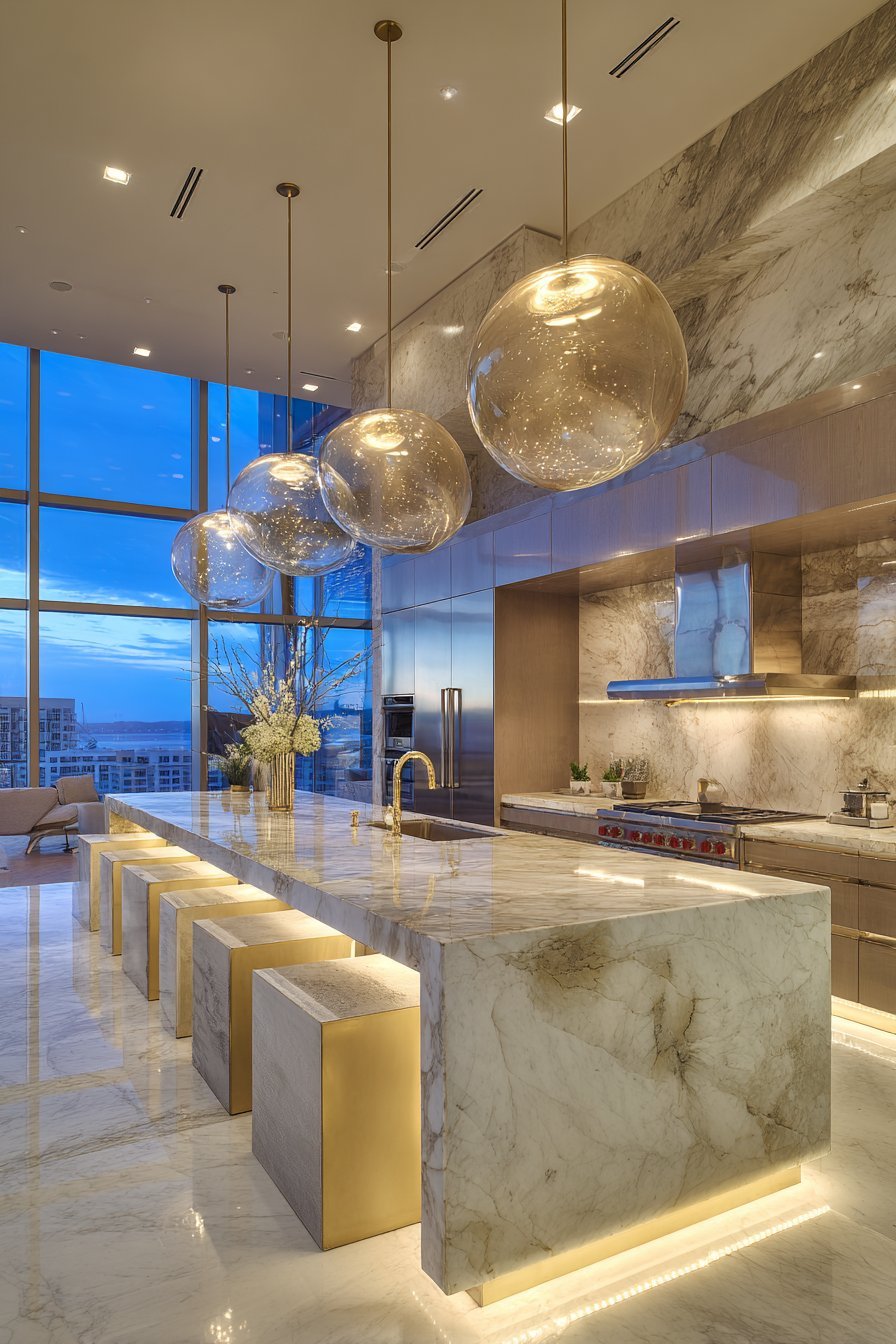
Layered lighting — combining ambient, task, and accent light sources — is being specified as standard practice. Under-cabinet LED strips provide precision task lighting. Dimmer-controlled overhead fixtures set the mood for dining and entertaining. Toe-kick lighting adds a warm glow at floor level. Together, these layers make the kitchen functional around the clock.
- Install dimmable switches on all overhead kitchen lighting circuits
- Hang island pendants at 30–36 inches above the countertop surface
- Use warm-white LED strips (2700–3000K) under upper cabinets
- Choose a statement fixture that scales appropriately to island length
- Add accent lighting inside glass-front cabinets for atmosphere
- Plan lighting layouts with an electrician before cabinetry installation
10. Concealed Storage and the Clutter-Free Philosophy
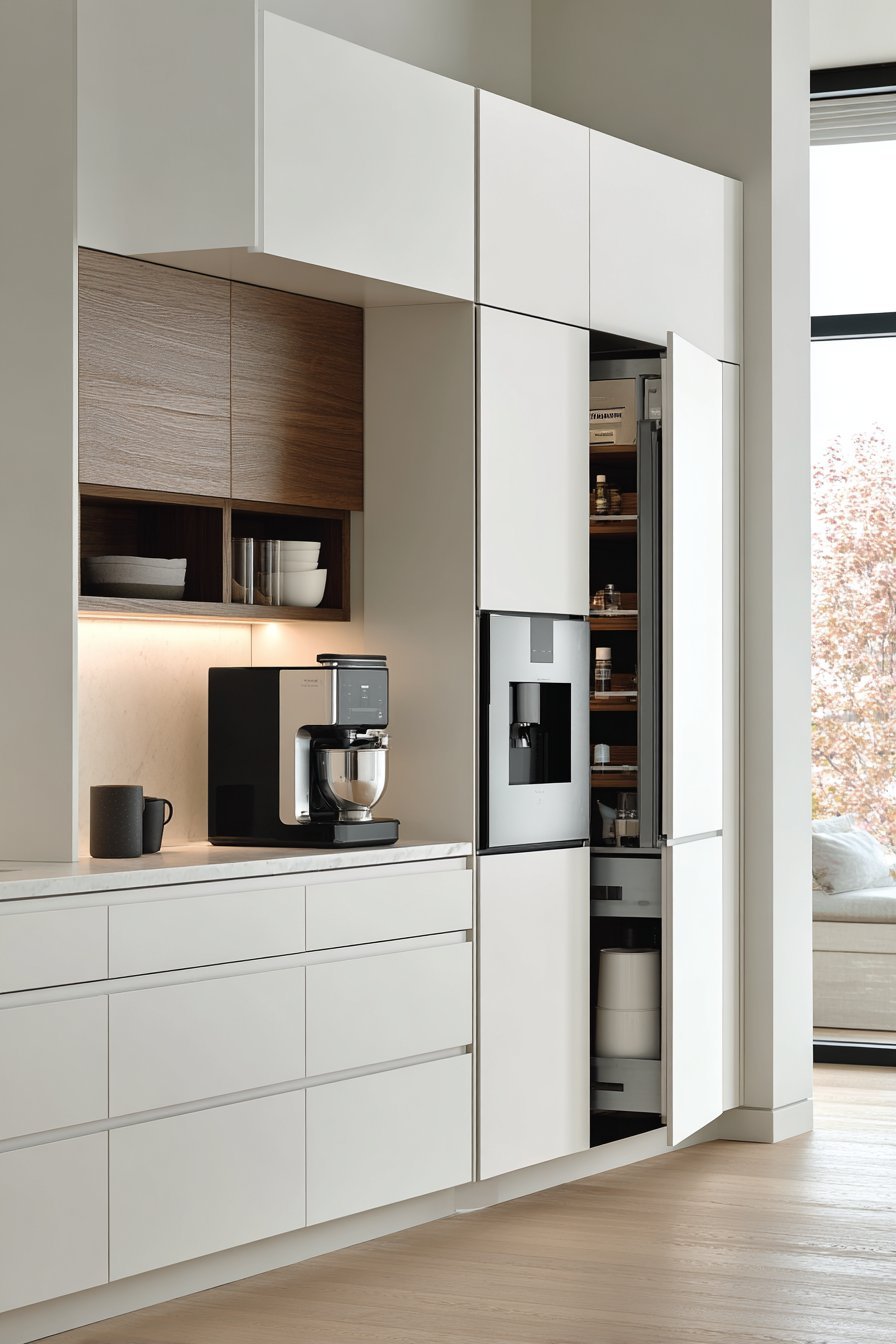
Minimalism is not leaving the kitchen — it is becoming more sophisticated. Professionals predict that concealed storage solutions will reach new heights of engineering precision in 2026–2027. The goal is a kitchen where every appliance, utensil, and pantry item has a designated, hidden home.
Appliance garages — cabinet sections with retractable doors or lift-up panels — are predicted to become standard in new builds and renovations. These allow coffee machines, toasters, and stand mixers to stay plugged in and accessible without cluttering the counter. The result is a permanently clean visual baseline that transforms the feel of the entire kitchen.
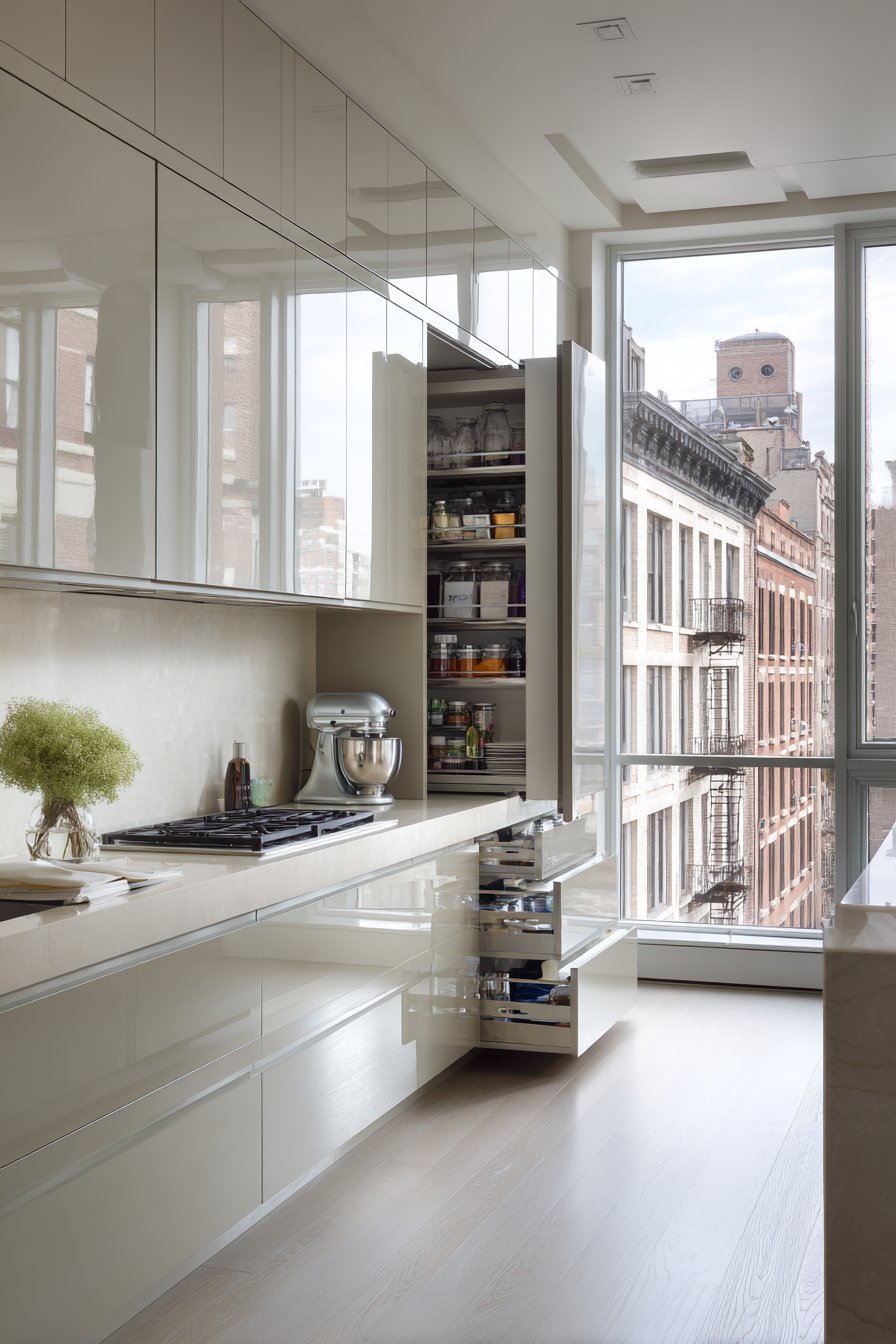
Floor-to-ceiling pantry cabinetry with pull-out interior systems is another major prediction. Designers are specifying custom interior fittings — spice pull-outs, vertical tray dividers, soft-close drawer organizers — that make every cubic inch productive. A well-organized hidden pantry can effectively double the usable storage of a standard kitchen layout.
- Plan appliance garages into cabinetry during the design phase
- Use full-overlay cabinet doors to minimize visible hardware lines
- Specify interior pull-out systems in every base cabinet
- Install floor-to-ceiling pantry cabinetry to maximize vertical storage
- Choose handle-less push-to-open mechanisms for ultra-clean lines
- Regularly audit and declutter kitchen surfaces as a maintenance habit
11. The Return of Craft and Handmade Elements
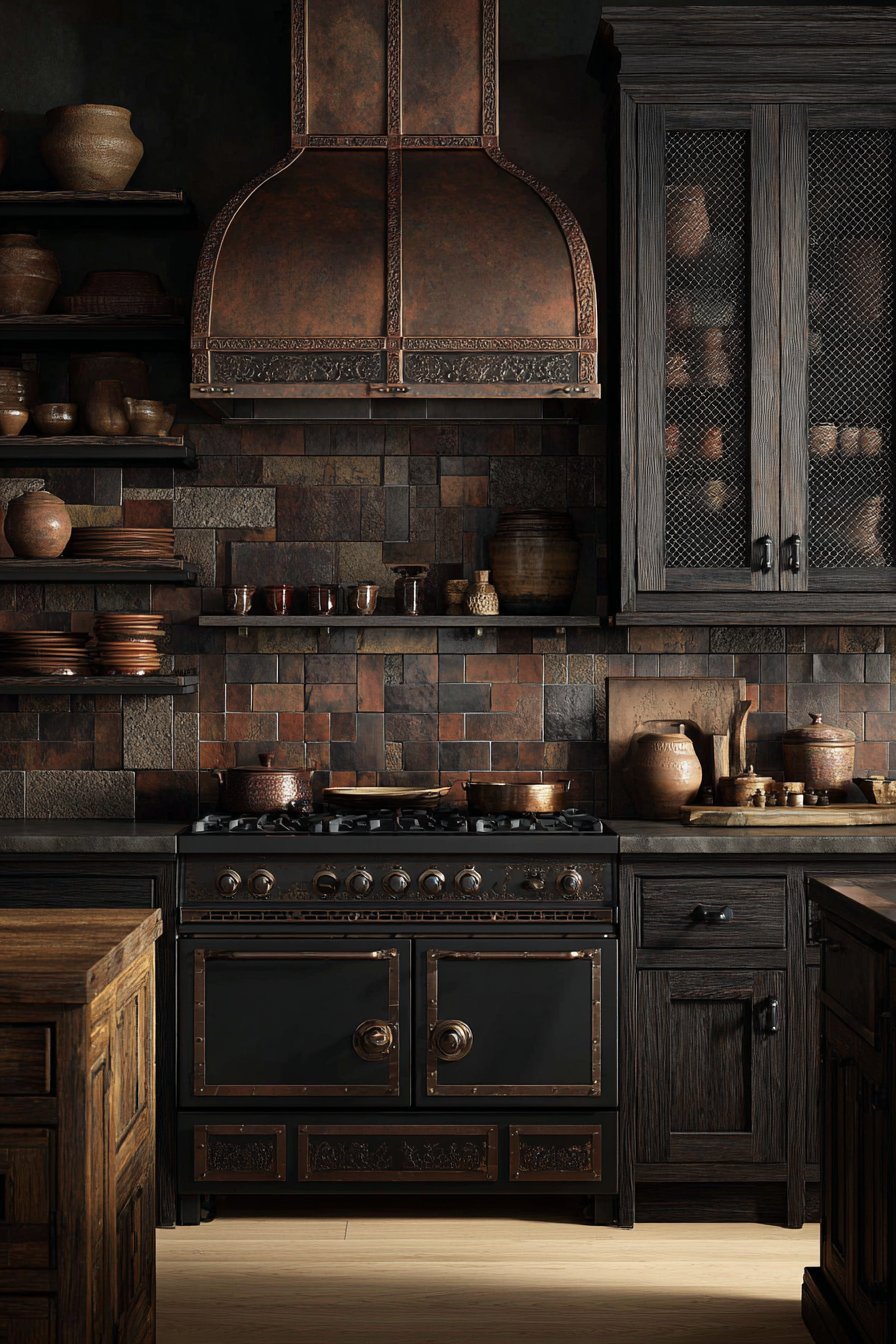
In direct response to mass production and digital perfection, kitchen professionals are predicting a powerful revival of handcrafted elements. Bespoke cabinetry, hand-thrown ceramic knobs, artisan tile work, and custom metalwork are all predicted to grow significantly in demand through 2026–2027.
This trend reflects a deeper cultural shift. Homeowners are investing in meaningful craftsmanship over volume. A custom range hood handcrafted by a local metalsmith tells a story. It carries irreplaceable character that a factory-produced equivalent simply cannot. Designers are facilitating introductions between clients and skilled makers more than ever before.
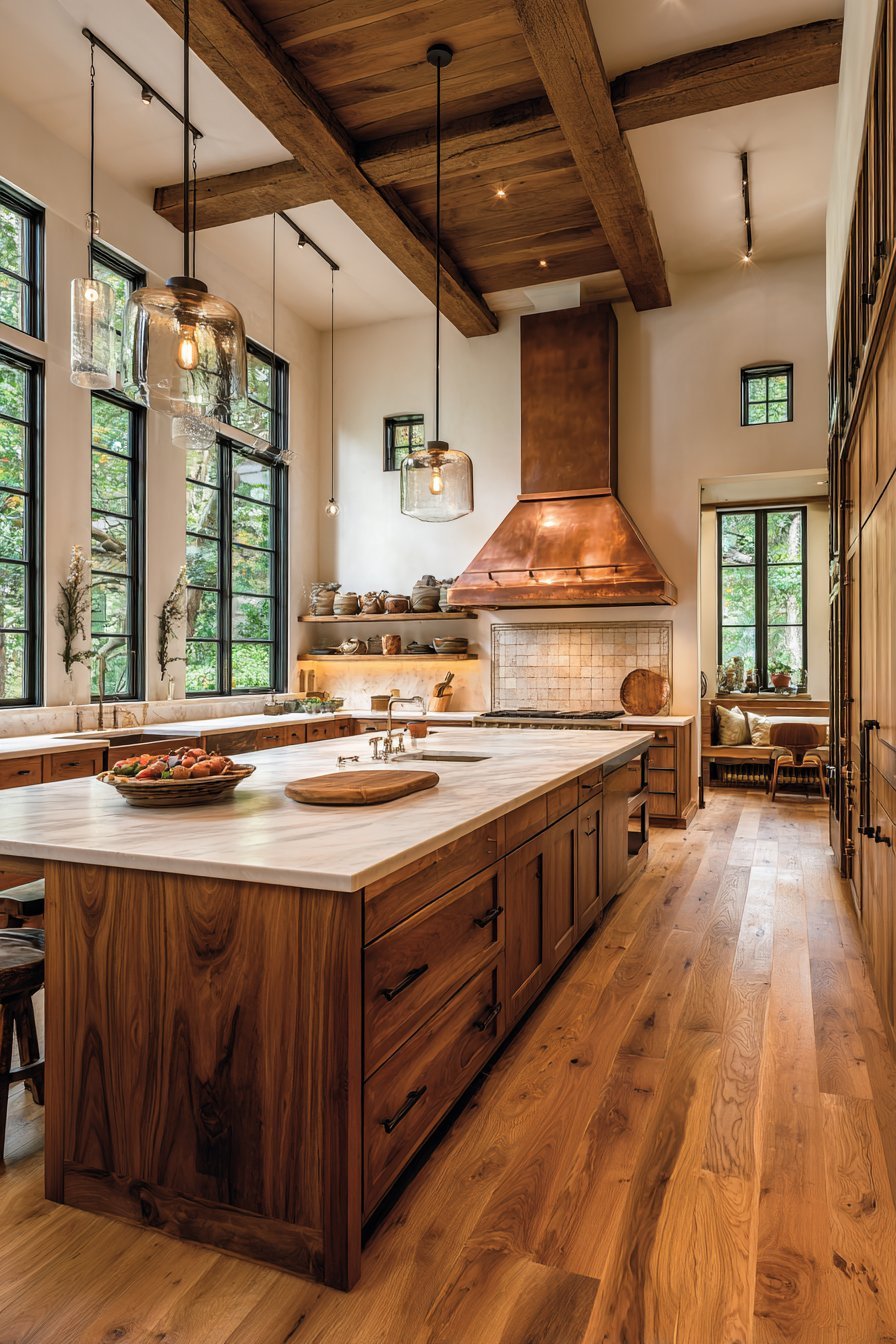
Joinery details — exposed dovetail joints, hand-carved panel profiles, pegged wood construction — are being specified as deliberate design features rather than hidden manufacturing details. These elements celebrate the human touch behind the object. In a world of increasing automation, this authenticity resonates deeply with discerning homeowners.
- Commission a bespoke range hood from a local fabricator or blacksmith
- Source handmade ceramic tile for backsplash directly from artisan studios
- Choose cabinetry makers who offer exposed joinery options
- Invest in hand-thrown pottery for everyday kitchen use and display
- Visit local makers markets to find one-of-a-kind hardware and fixtures
- Document the makers behind your kitchen pieces — their story adds value
12. Integrated Dining and Social Kitchen Zones
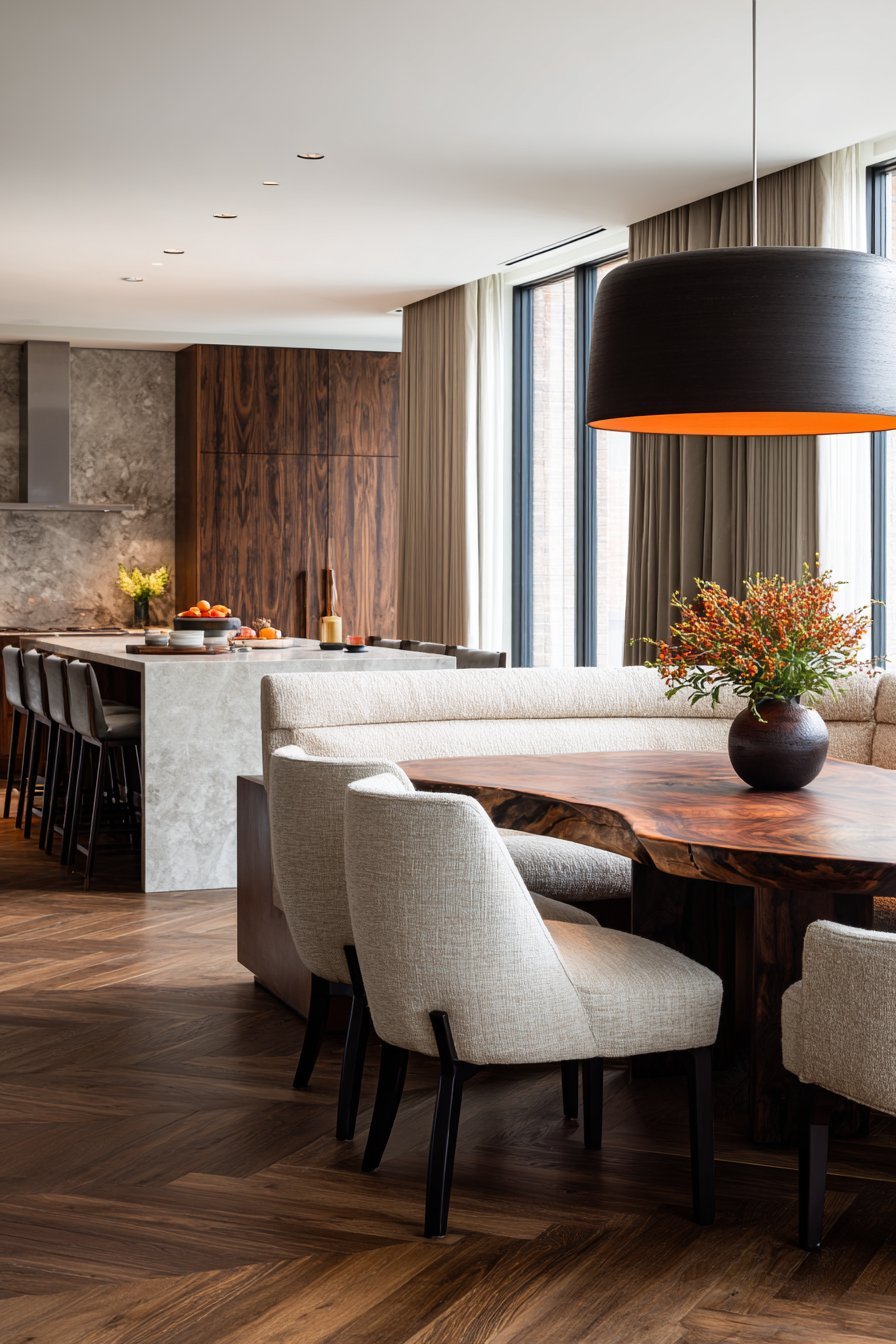
The boundary between kitchen and dining room continues to dissolve. Professionals predict that by 2026–2027, fully integrated kitchen-dining-social zones will be the dominant model in both new builds and renovations. The kitchen will no longer be just a place to cook — it will be the primary social space of the home.
This shift requires thoughtful zoning strategies. A dedicated prep zone, cooking zone, plating zone, and social seating zone should each be clearly defined yet visually connected. Designers are using material transitions and lighting changes to signal these zones without erecting physical barriers. The result feels natural and intuitive for both the cook and guests.
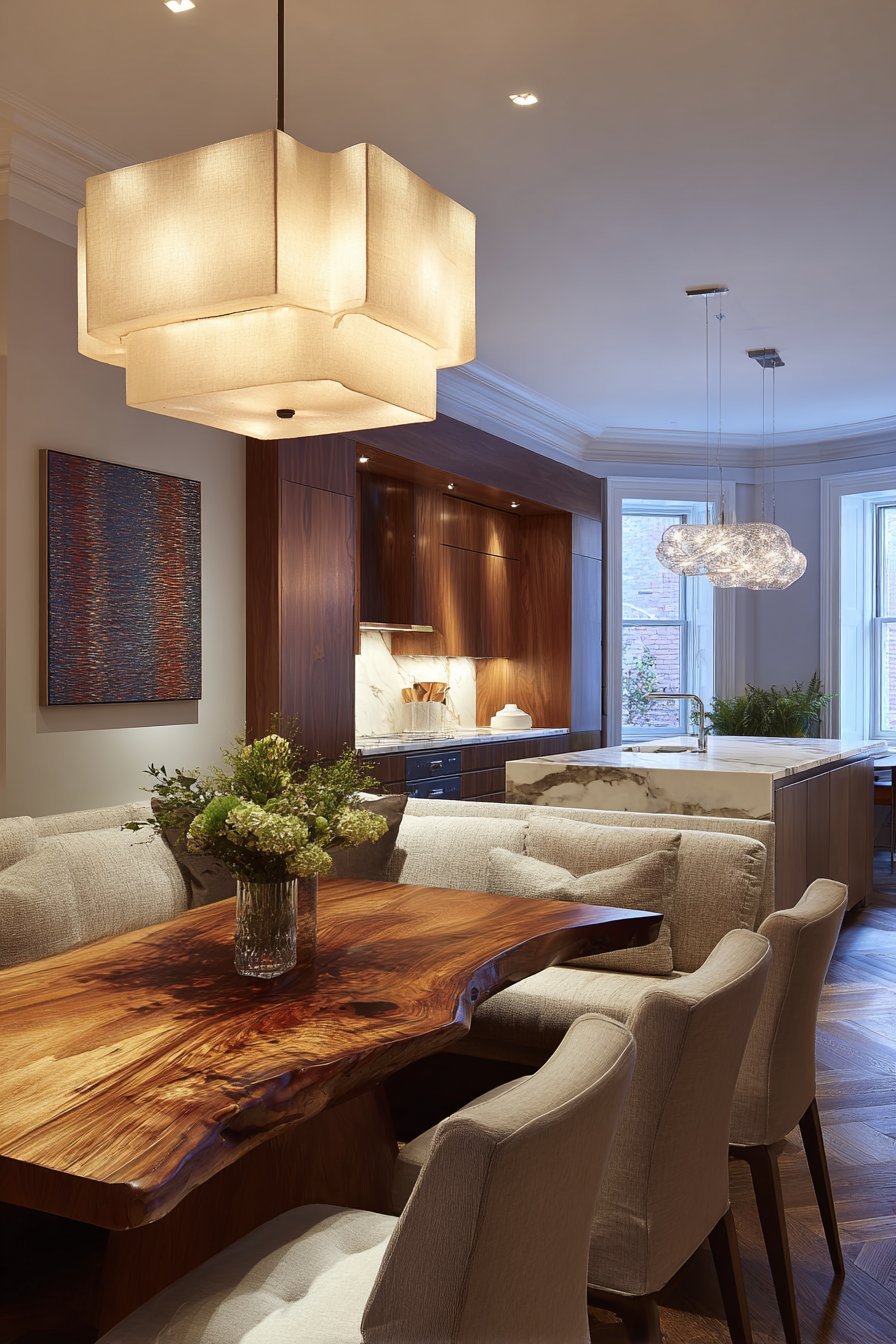
Banquette seating built into kitchen walls or corners is predicted to surge in popularity. It offers more seating in less floor space than freestanding chairs and creates a cozy, gathered atmosphere that dining chairs simply cannot replicate. Paired with a live-edge wood table and statement pendant, a kitchen banquette becomes the most inviting spot in the entire home.
- Define kitchen zones through flooring material transitions or ceiling treatment
- Plan a dedicated social seating area visible from the cooking zone
- Install a built-in banquette in a corner or bay window space
- Use pendant lighting to visually anchor each distinct zone
- Choose a dining table that extends for entertaining when needed
- Ensure the cook has a clear sightline to seating areas from the range
Conclusion
The kitchens of 2026–2027 will be defined by a compelling balance of innovation and soul. Technology will serve the cook invisibly. Sustainable materials will tell stories of environmental responsibility. Warm, earthy colors will invite calm. Craftsmanship will celebrate the human hand. Together, these trends point toward kitchens that are not just beautiful — they are deeply livable.
The most exciting takeaway from these professional predictions is that great design is accessible. You do not need to implement every trend at once. Start with one meaningful change — a statement backsplash, a smarter sink, a handcrafted light fixture — and build from there. The kitchen you create should reflect who you are, how you live, and what you love. That is the timeless foundation beneath every trend, and the reason great kitchen design always endures.
