

The world of interior design is shifting. For decades, sharp angles and rigid geometry dominated modern homes — from boxy sofas to angular dining tables. But something has changed. Designers, homeowners, and tastemakers around the globe are embracing a softer, more organic aesthetic. Curves are making a powerful comeback, and they are reshaping how we think about furniture design.
This shift is not merely a passing trend. It reflects a deeper cultural desire for comfort, warmth, and human connection within our living spaces. Straight lines once symbolized efficiency and modernity. Today, they can feel cold and unwelcoming. Curved furniture, on the other hand, evokes a sense of ease and natural flow that resonates with how people actually want to live.
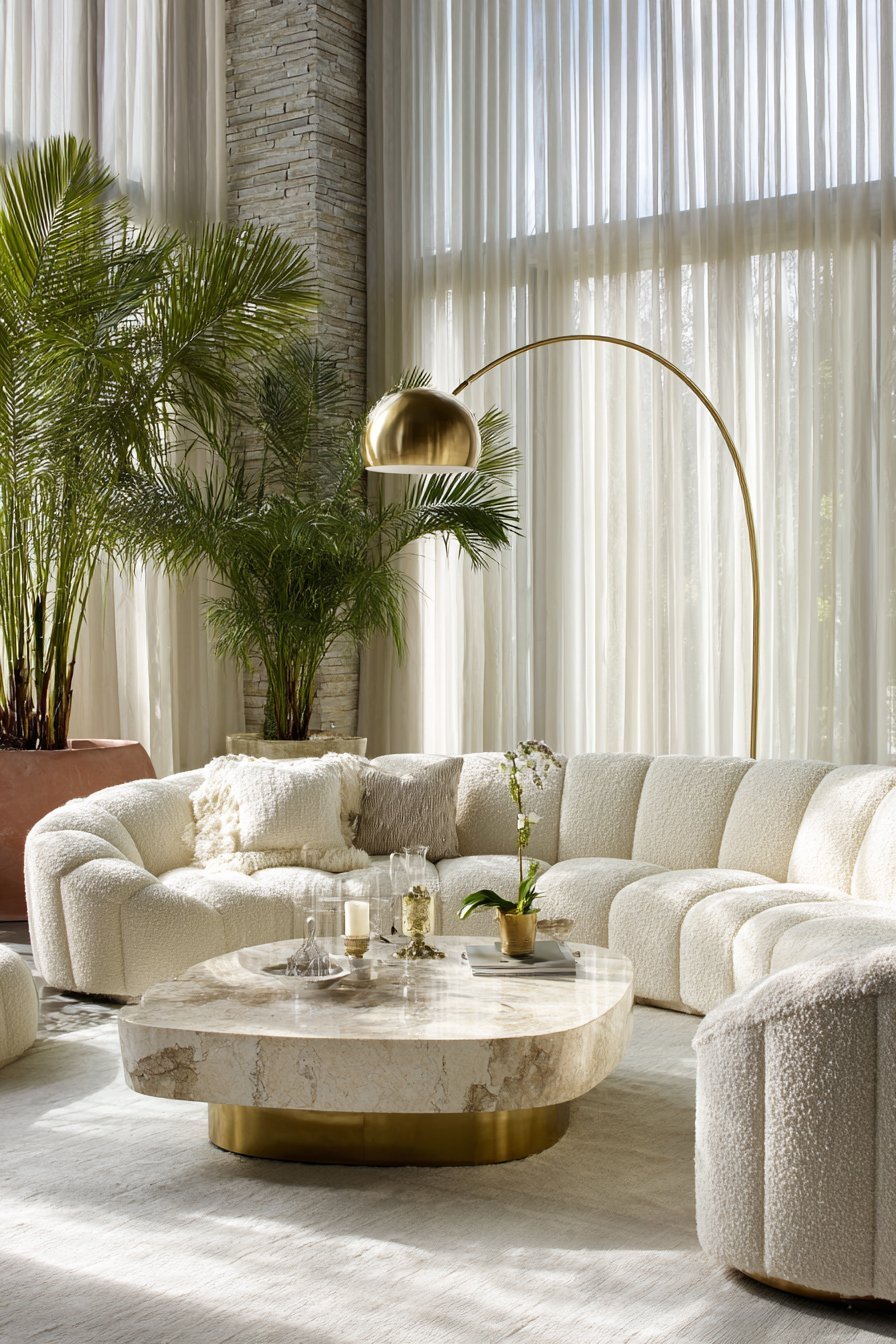
In this article, we explore exactly why curves are replacing straight lines in furniture. We cover everything from the psychology of rounded forms to practical styling advice. Whether you are redesigning a living room or simply curious about the direction of contemporary interior design, this guide will give you deep, actionable insight into one of the most exciting movements in modern home decor.
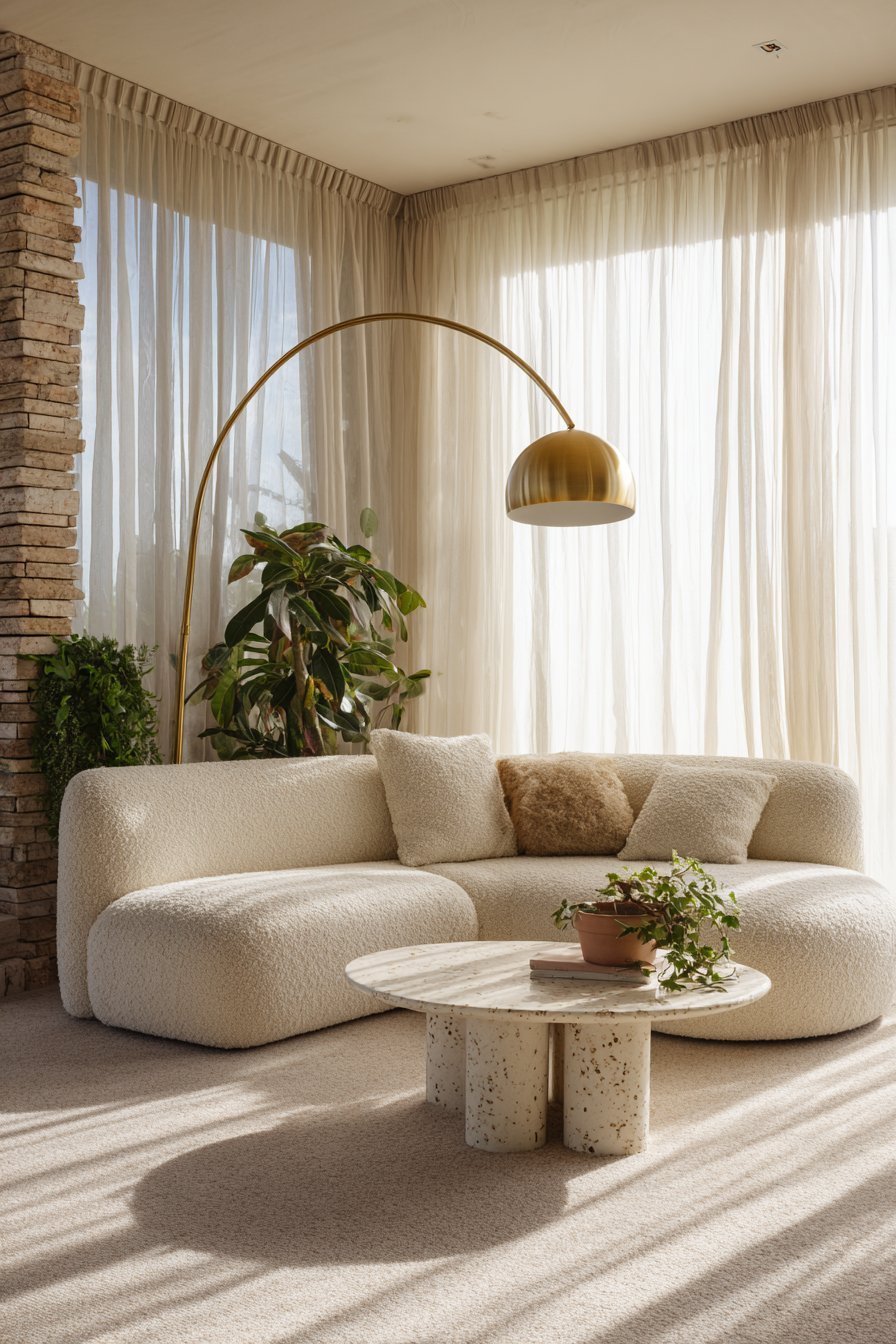
1. The Psychology Behind Curved Furniture
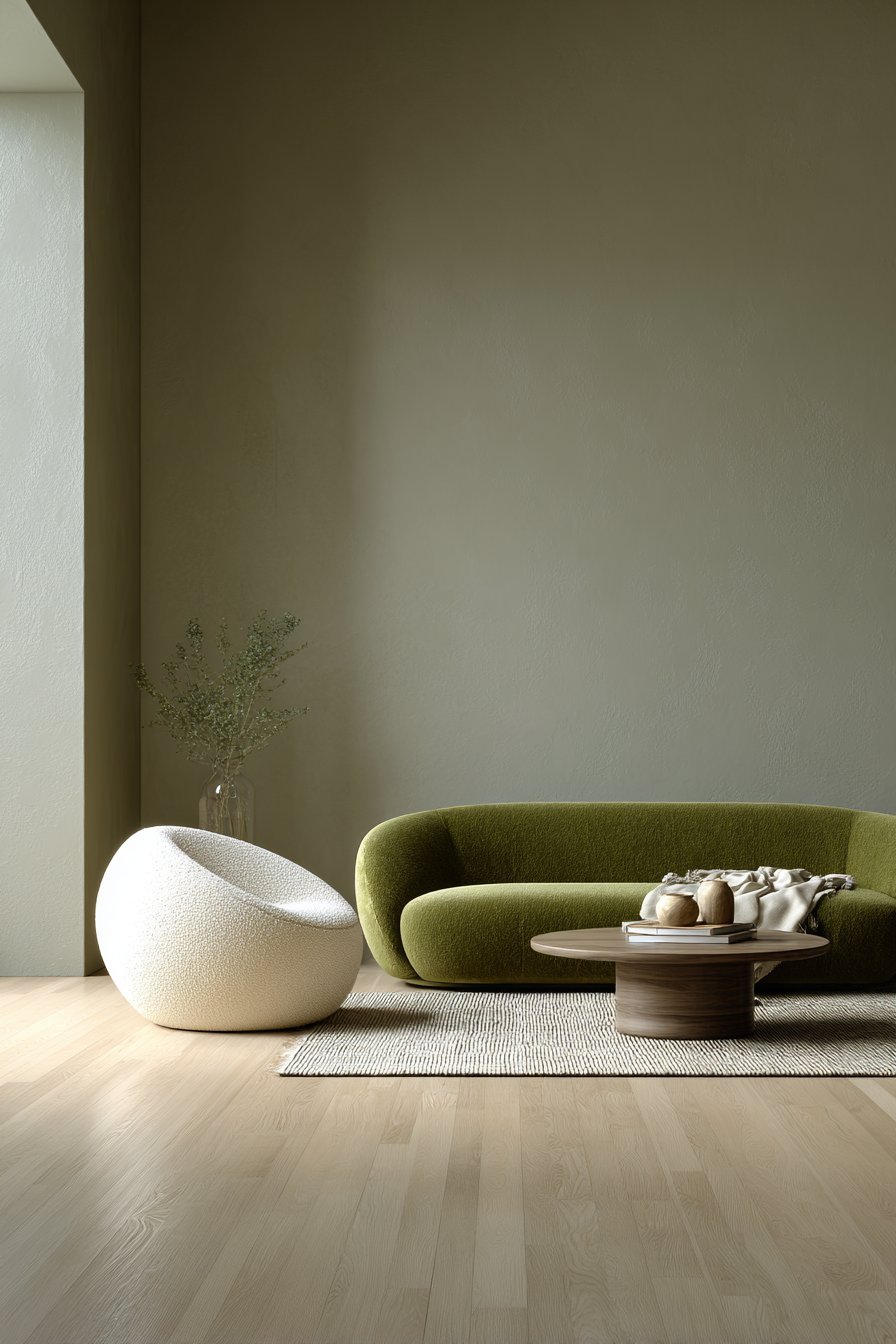
There is a powerful reason why curved furniture feels instantly inviting. Humans are biologically wired to respond more positively to rounded shapes than to sharp, angular ones. Research in environmental psychology confirms that people associate curved edges with safety and comfort, while sharp angles trigger subtle feelings of alertness or even threat.
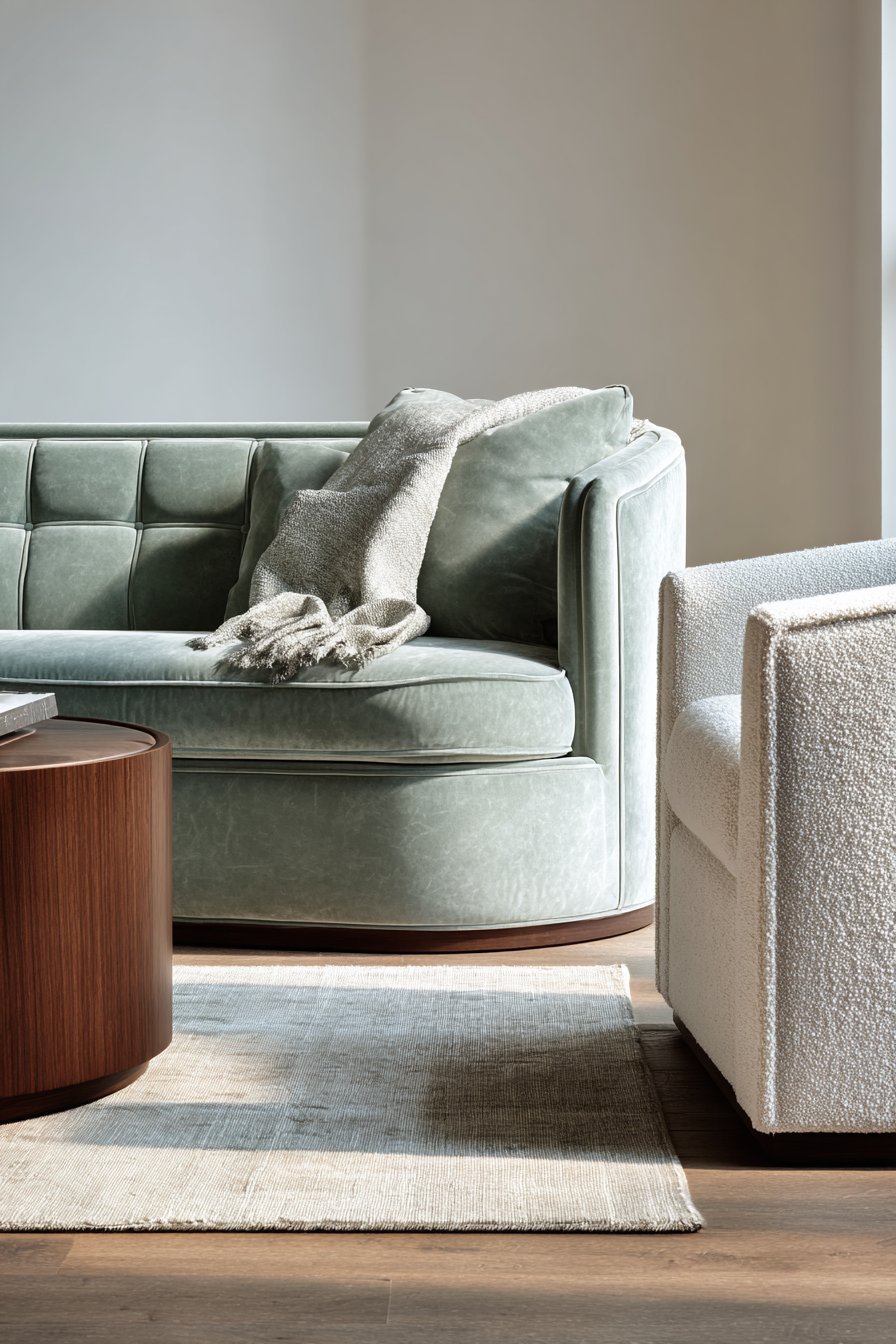
This phenomenon, sometimes called the “bouba/kiki effect” in design circles, has real implications for interior spaces. When a room is filled with angular furniture, the subconscious mind stays slightly on edge. Replace those sharp corners with gentle arcs and rounded backs, and the entire atmosphere relaxes. The room begins to feel like a place where you can truly unwind.
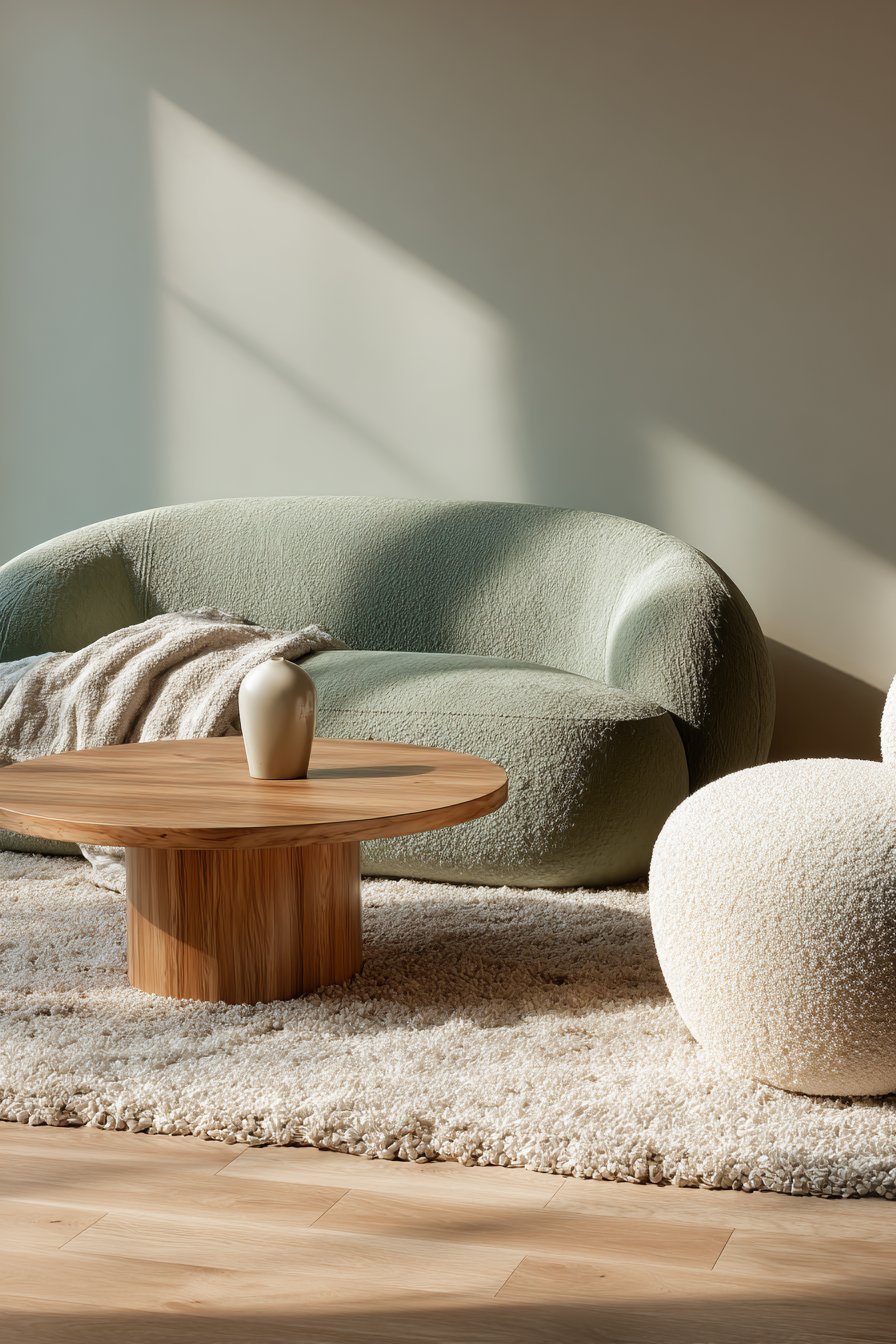
Architects and interior designers have long understood this principle. Now, furniture manufacturers are catching up. Curved silhouettes are being incorporated into everything from accent chairs to full sectional sofas, all in an effort to create spaces that feel emotionally nurturing as well as visually stunning.
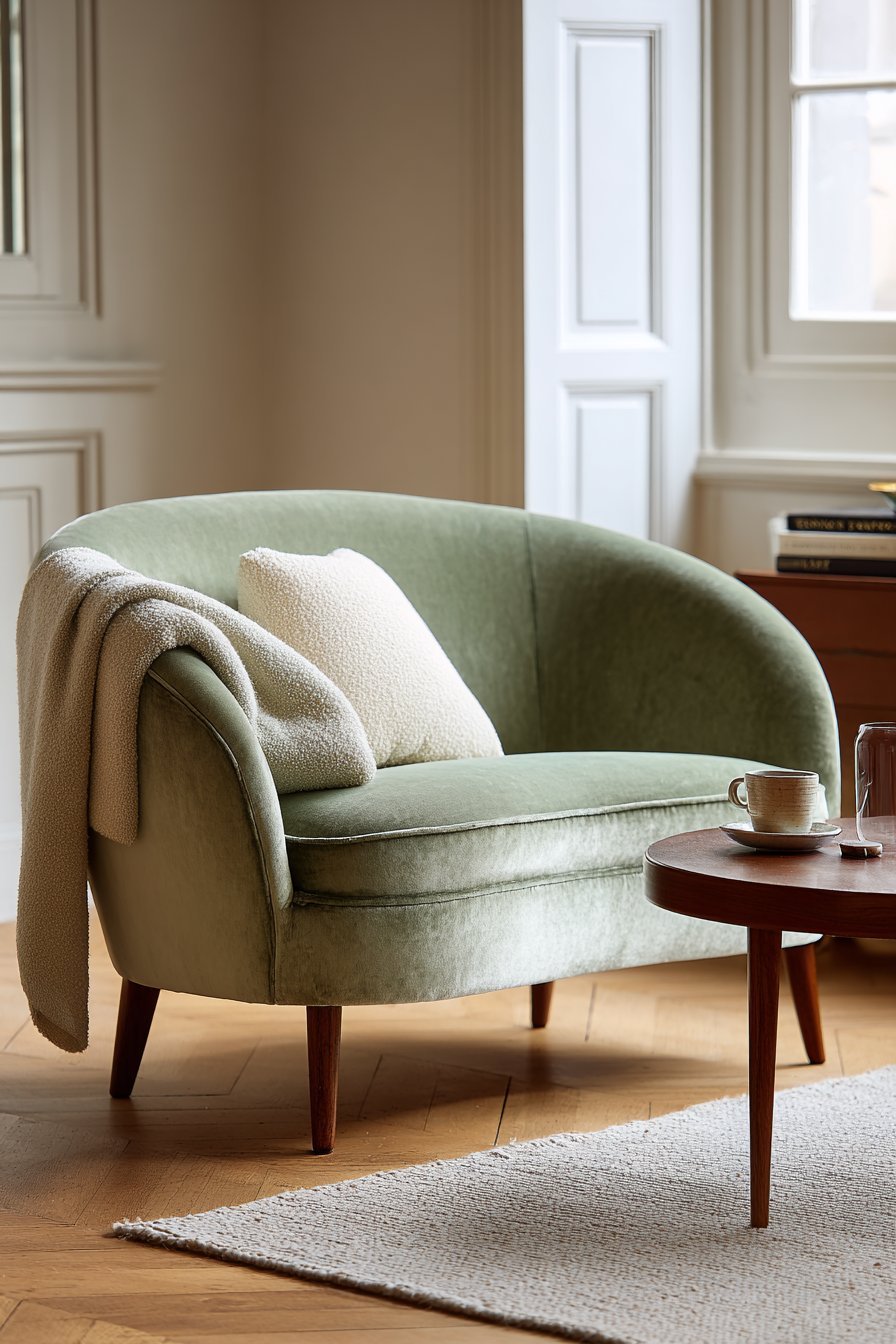
- Choose curved sofas to instantly soften the energy of a living room
- Opt for round coffee tables to eliminate sharp-corner hazards in family homes
- Use oval dining tables to encourage inclusive conversation around the table
- Select rounded bed frames to create a cocoon-like feeling in the bedroom
- Layer curved furniture with soft textiles to amplify the sense of comfort
2. A Reaction Against Minimalist Rigidity
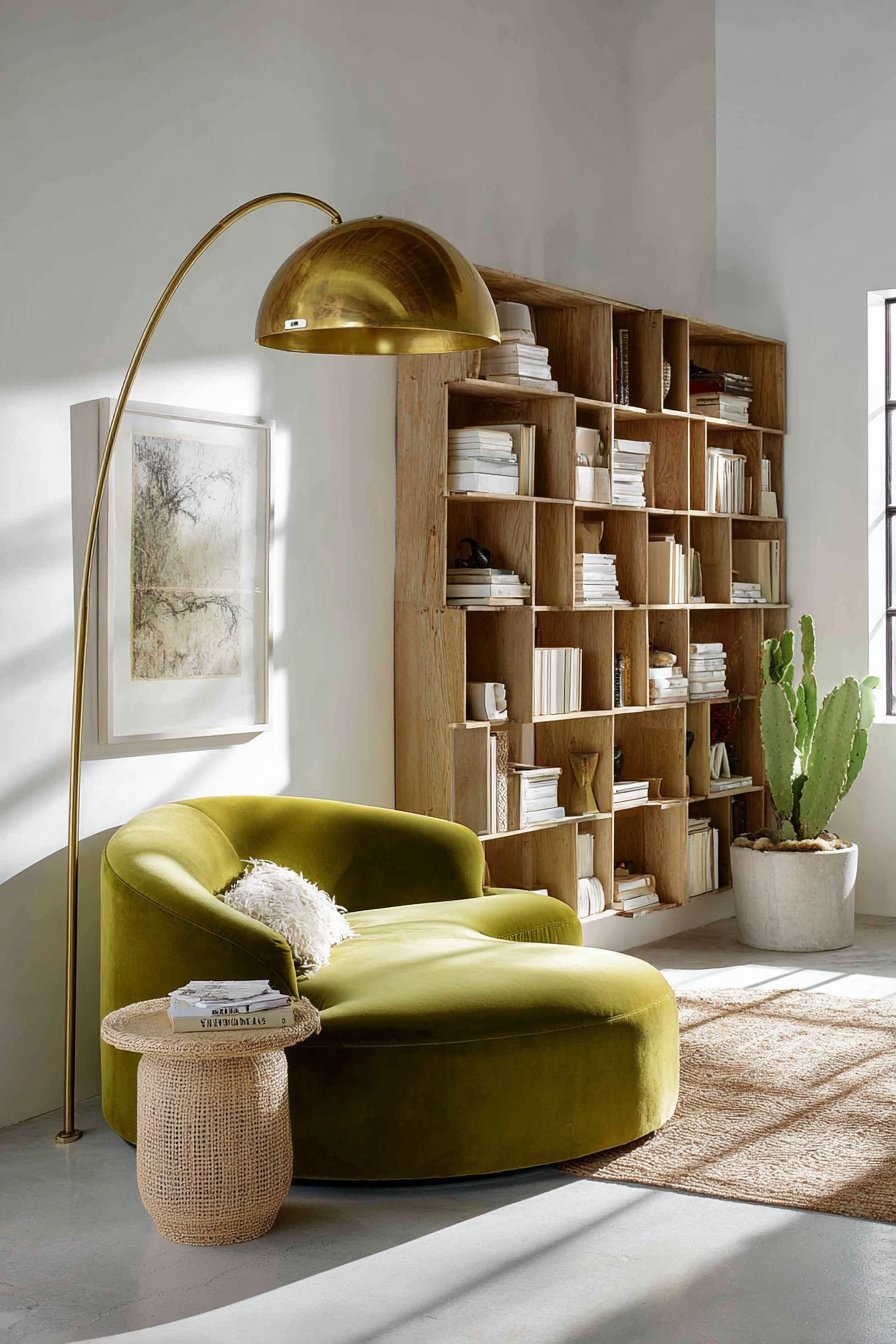
The minimalist movement of the early 2000s gave us clean lines, flat surfaces, and an almost clinical simplicity. While minimalism brought clarity and order, many people eventually found it sterile. Living in a home that resembles a tech company lobby is not exactly soulful.
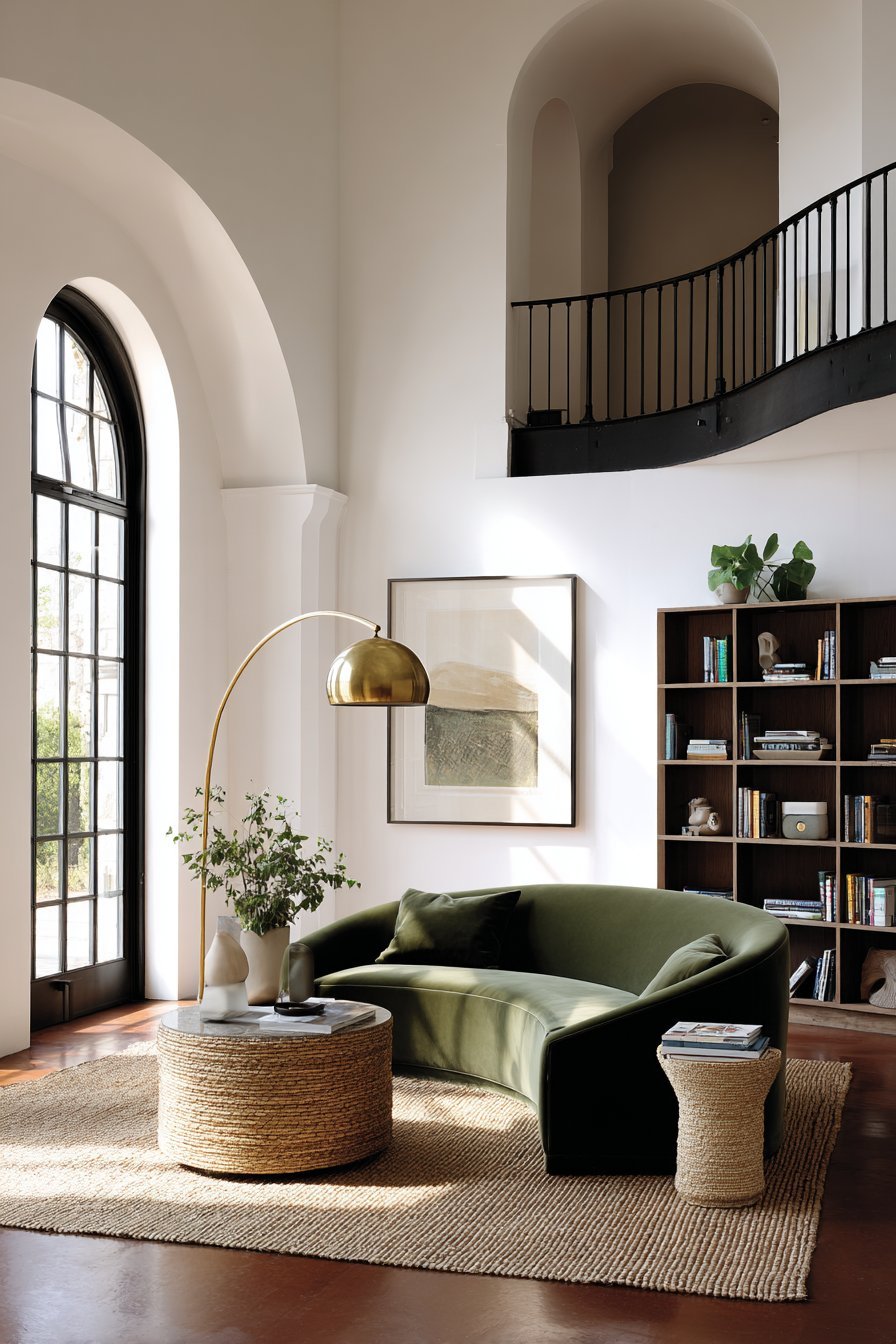
Curved furniture emerged partly as a reaction to this rigidity. Designers began asking: “What if modern could also mean warm?” The answer came in the form of plush, rounded sofas; arched cabinetry; and sculptural chairs that function as art pieces. These pieces retain a contemporary sensibility while infusing spaces with personality and humanity.
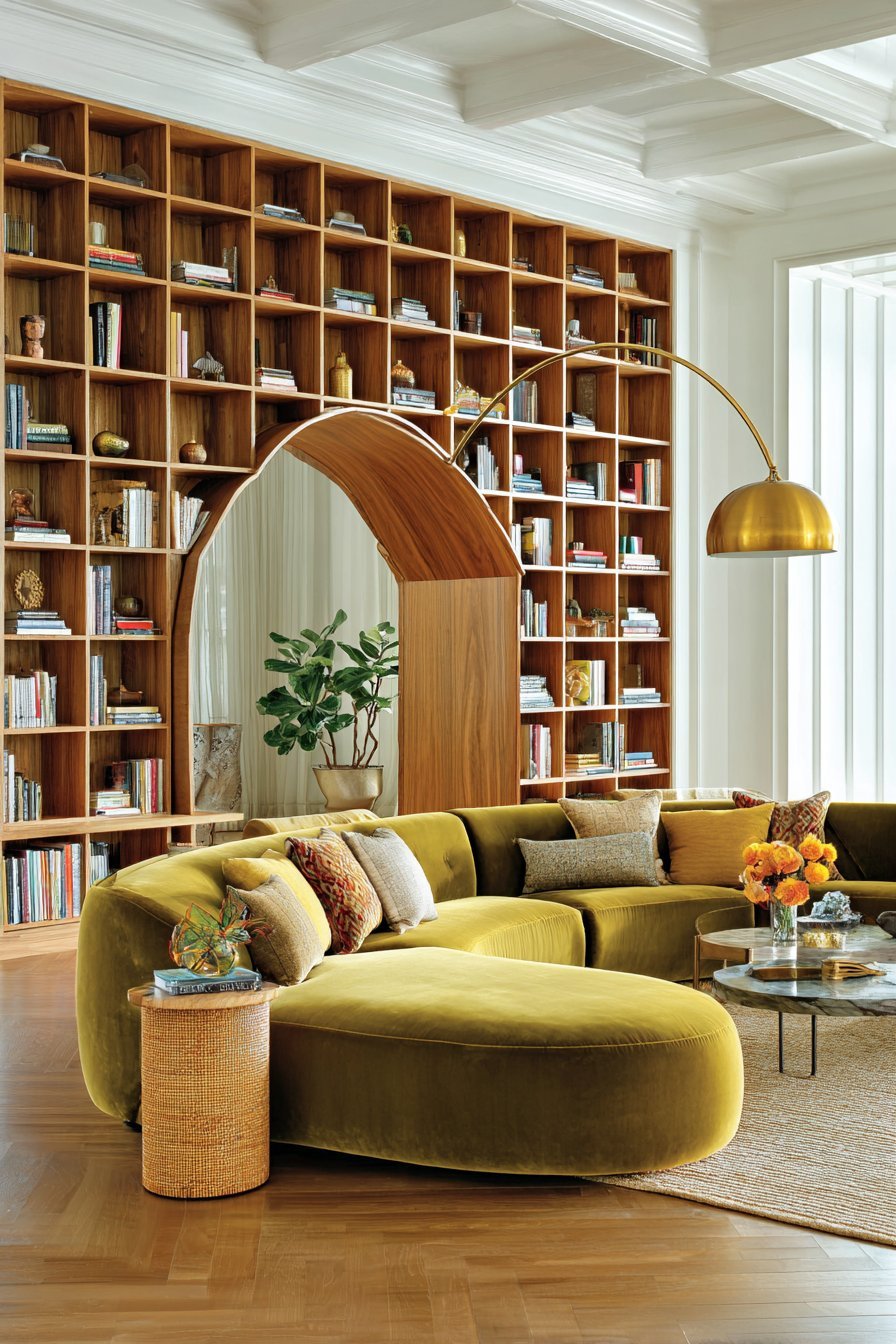
This counter-movement is closely linked to the rise of maximalism and Japandi aesthetics, both of which prioritize emotional resonance over strict geometric order. Curves became the bridge between structured design and organic living, allowing homes to feel curated yet comfortable.
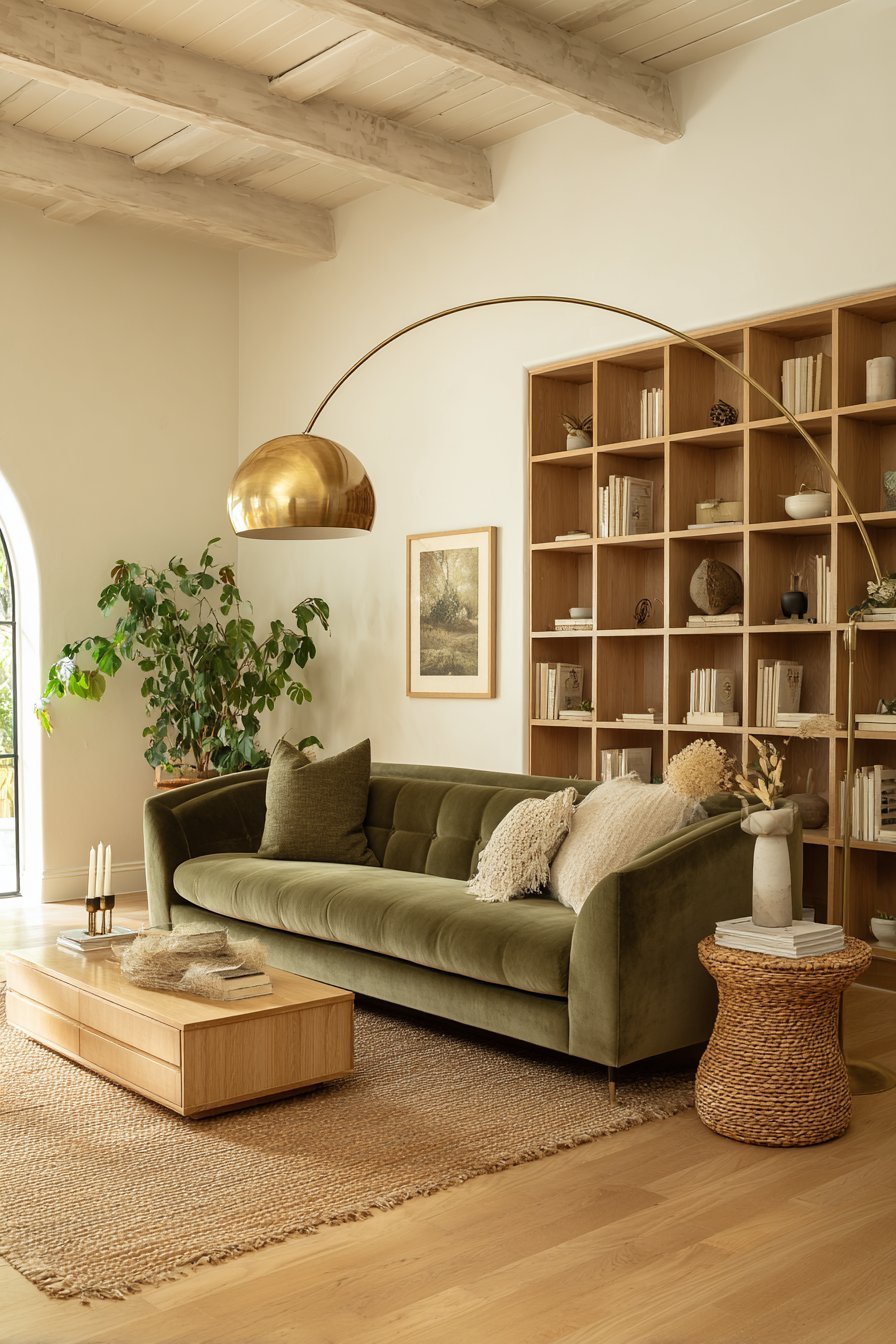
- Introduce one curved statement piece to break the monotony of a minimalist room
- Mix rounded shapes with natural materials like wood and rattan for balance
- Avoid over-curating — let curved furniture breathe within the space
- Use curved bookshelves to add architectural interest to plain walls
- Pair curved furniture with warm, earthy color palettes for cohesion
3. The Influence of Retro and Mid-Century Design
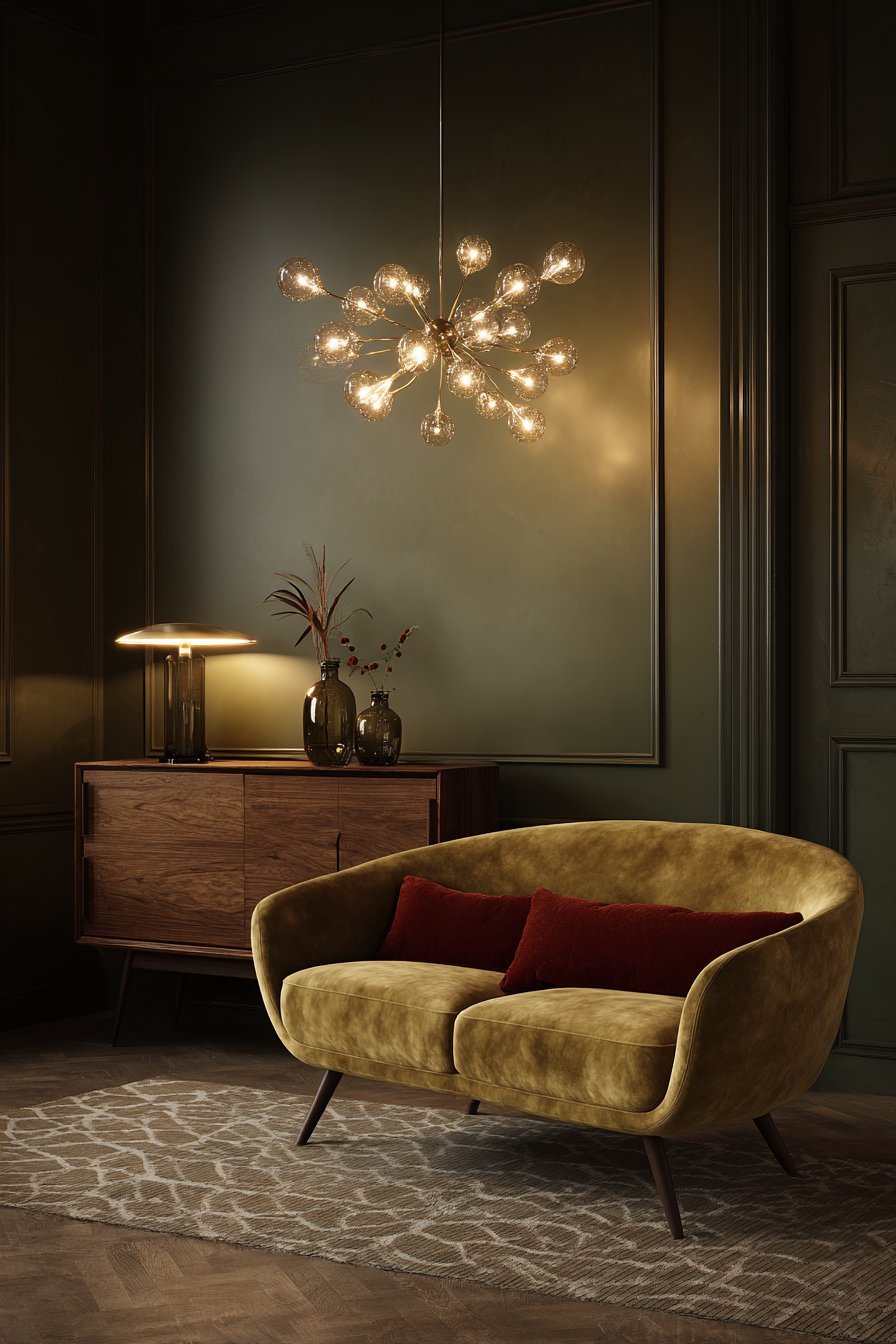
Curved furniture is not entirely new. It has deep historical roots in the mid-century modern era of the 1950s and 60s. Iconic designers like Eero Saarinen, Arne Jacobsen, and Hans Wegner created some of the most celebrated curved pieces in history — the Tulip Chair, the Egg Chair, the Wishbone Chair. These pieces never truly went out of style.
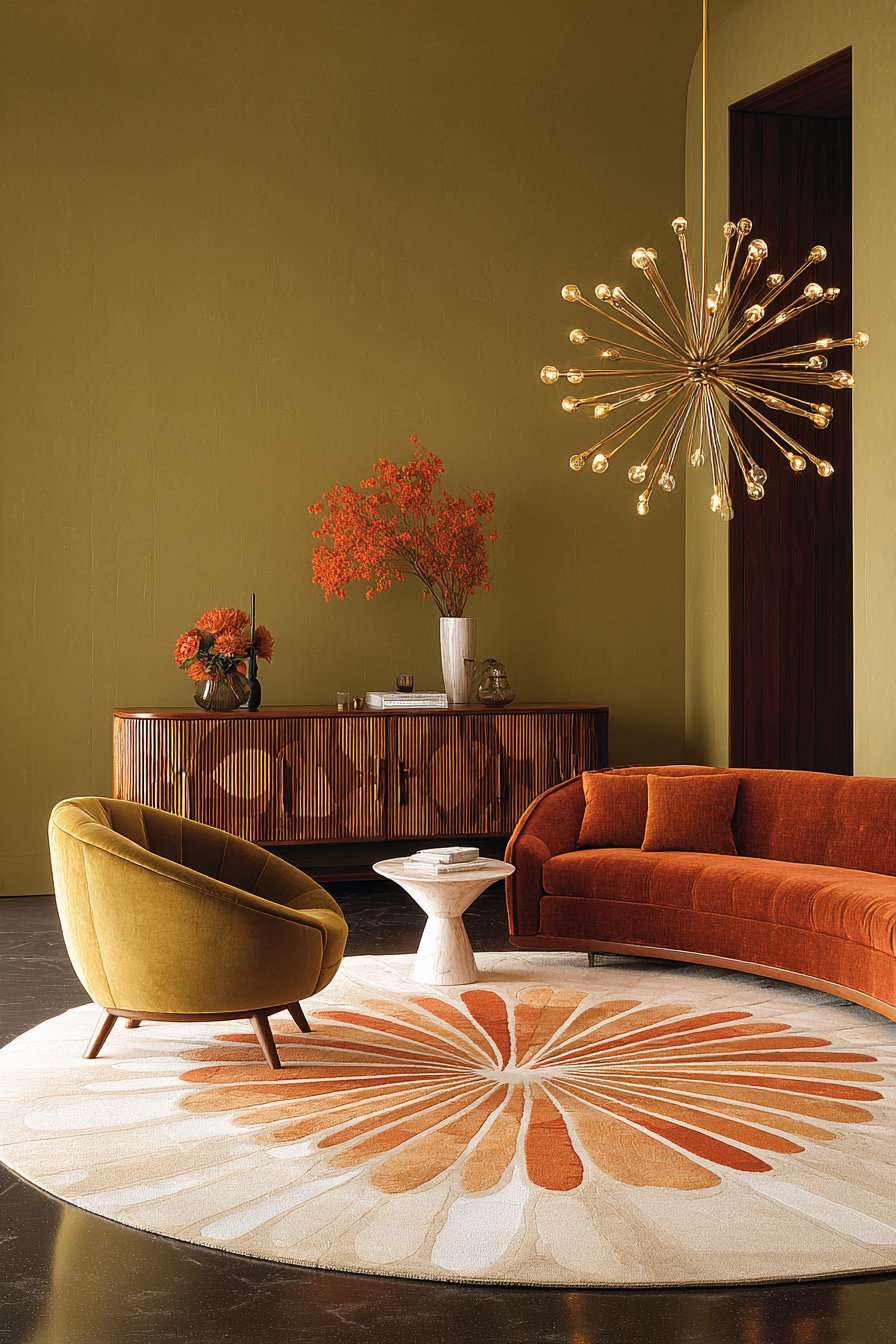
Today’s revival is heavily influenced by this retro aesthetic. Contemporary designers are drawing on those classic silhouettes and reinterpreting them with modern materials, bold colors, and updated proportions. The result is furniture that feels nostalgic yet fresh, familiar yet surprising.
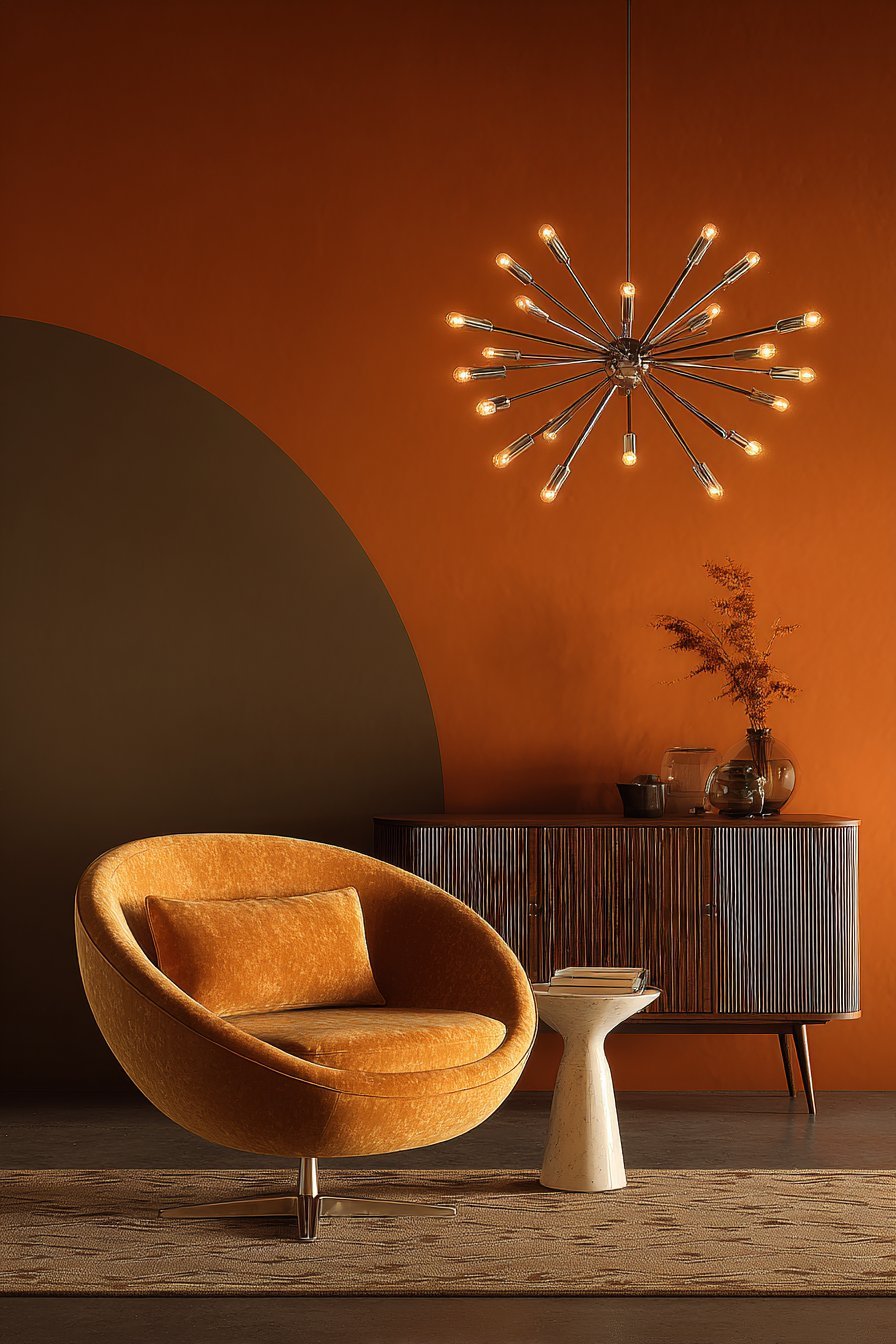
This retro-modern fusion has enormous appeal for millennials and Gen Z consumers who are drawn to vintage aesthetics but want pieces that work in contemporary apartments and homes. The curved sofa in a mustard velvet fabric is the perfect example — instantly retro, undeniably modern.
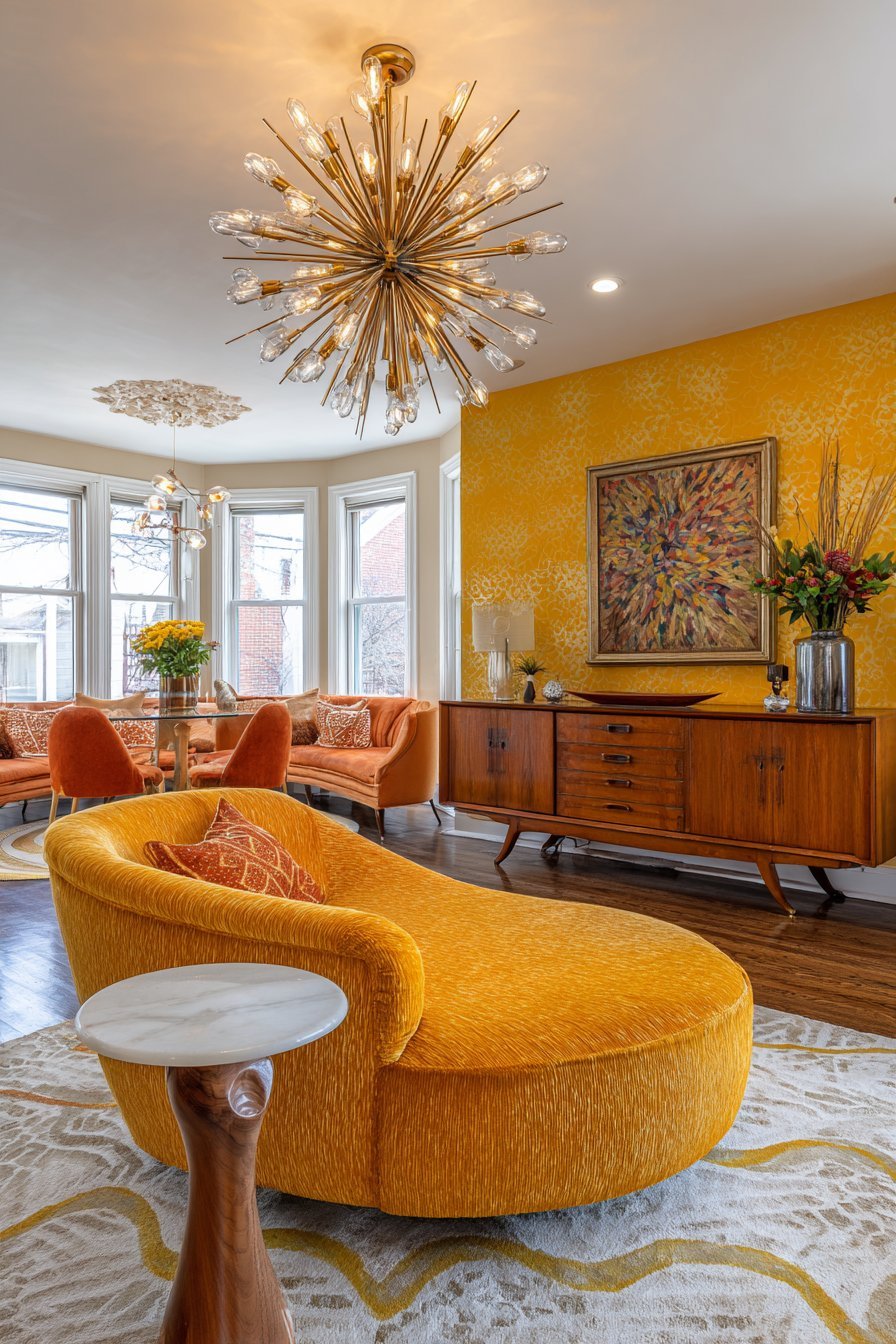
- Look for tulip-base tables as a nod to mid-century curved design
- Incorporate an egg-style accent chair as a bold focal point
- Choose curved furniture in period-appropriate colors like terracotta and olive
- Visit vintage markets for authentic mid-century curved pieces
- Mix genuine vintage finds with modern reproductions for an eclectic look
4. How Curves Improve Spatial Flow
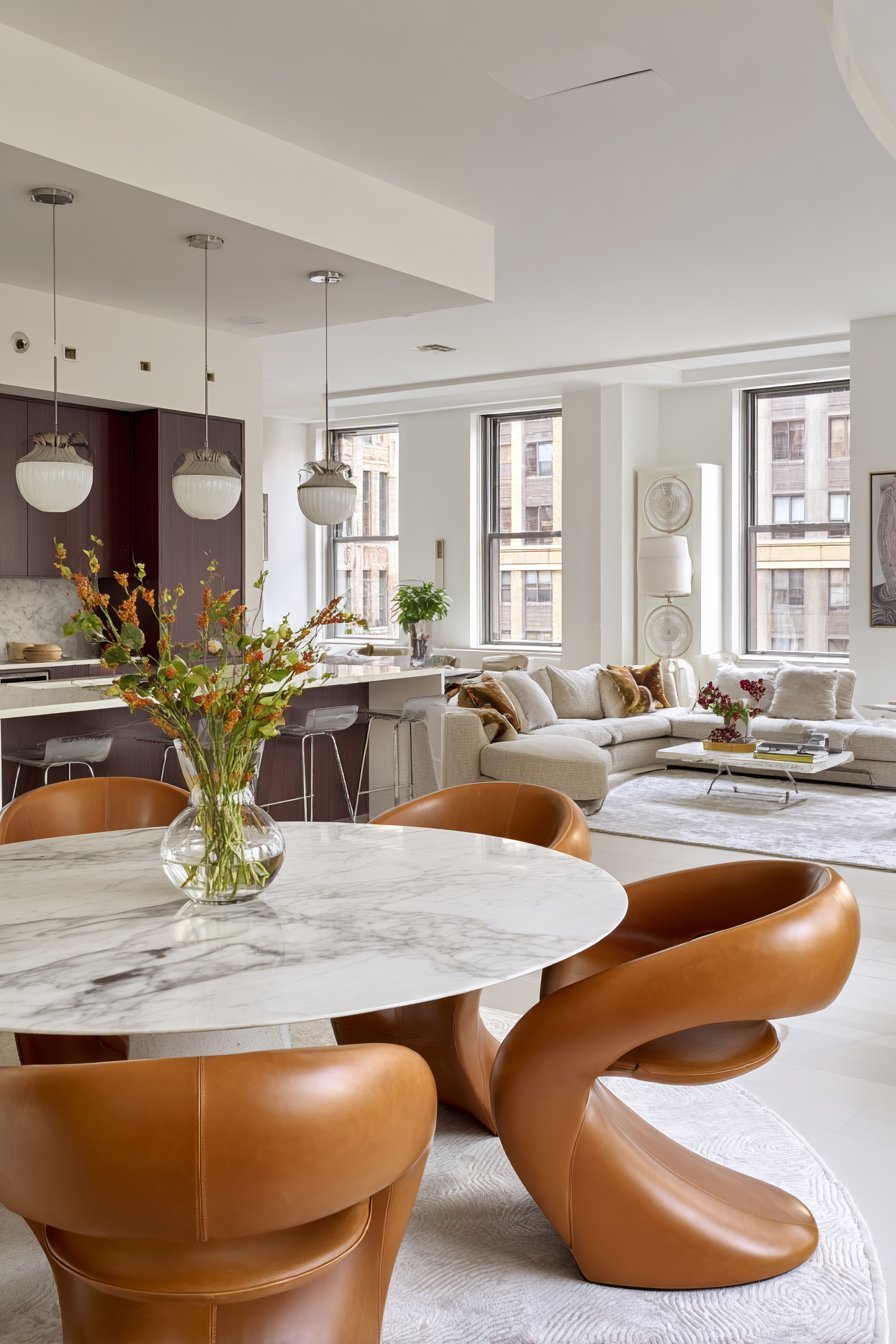
One of the most practical arguments for curved furniture is what it does for spatial flow. In interior design, flow refers to the ease with which the eye and body move through a space. Angular furniture creates visual stopping points — corners and edges that interrupt the journey across a room.
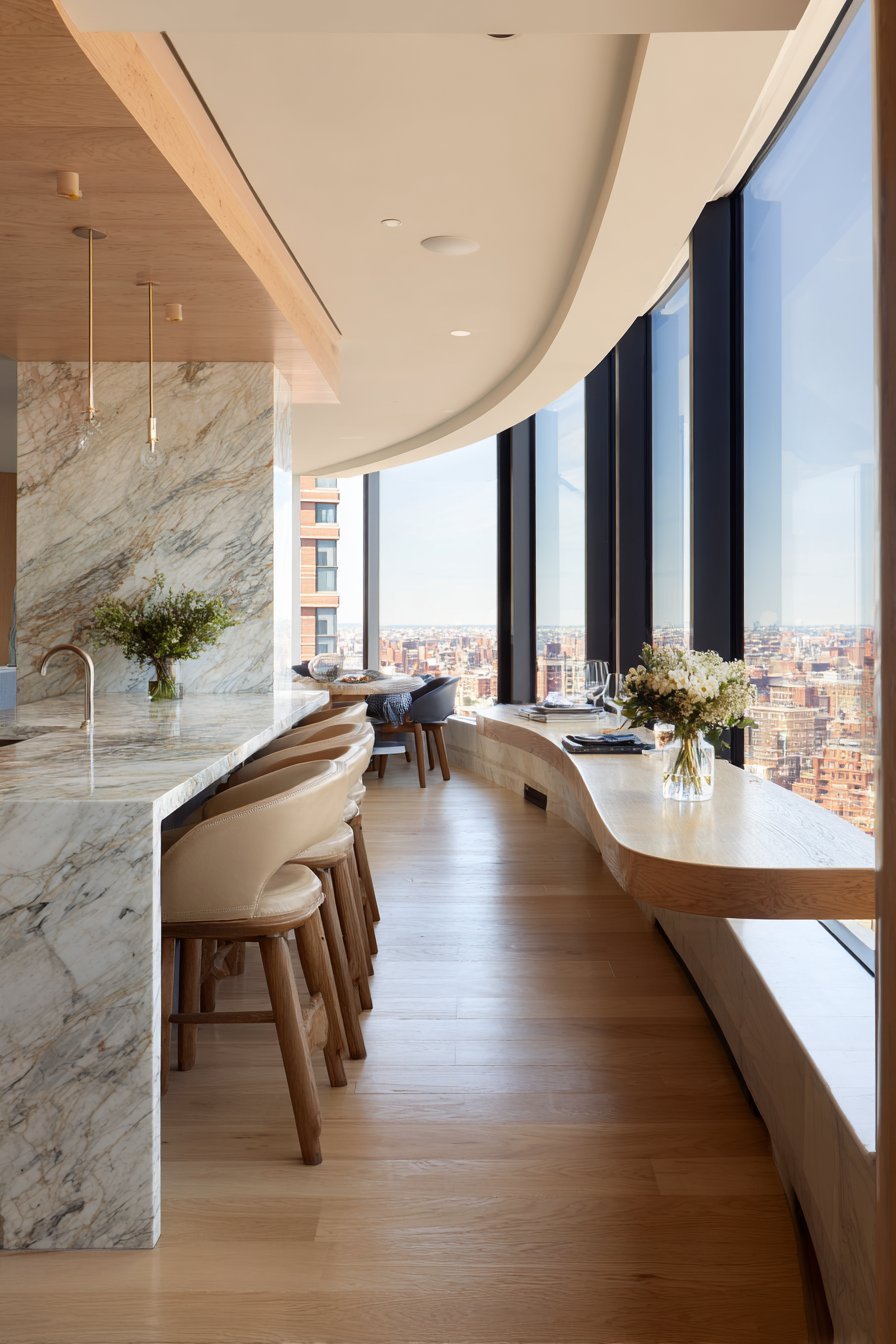
Curved pieces, by contrast, guide the eye naturally around the room. A rounded sectional sofa encourages conversation by wrapping people inward. A curved console table against a wall creates a gentle visual rhythm rather than a hard boundary. These subtle effects accumulate to make a room feel more cohesive and intentionally designed.
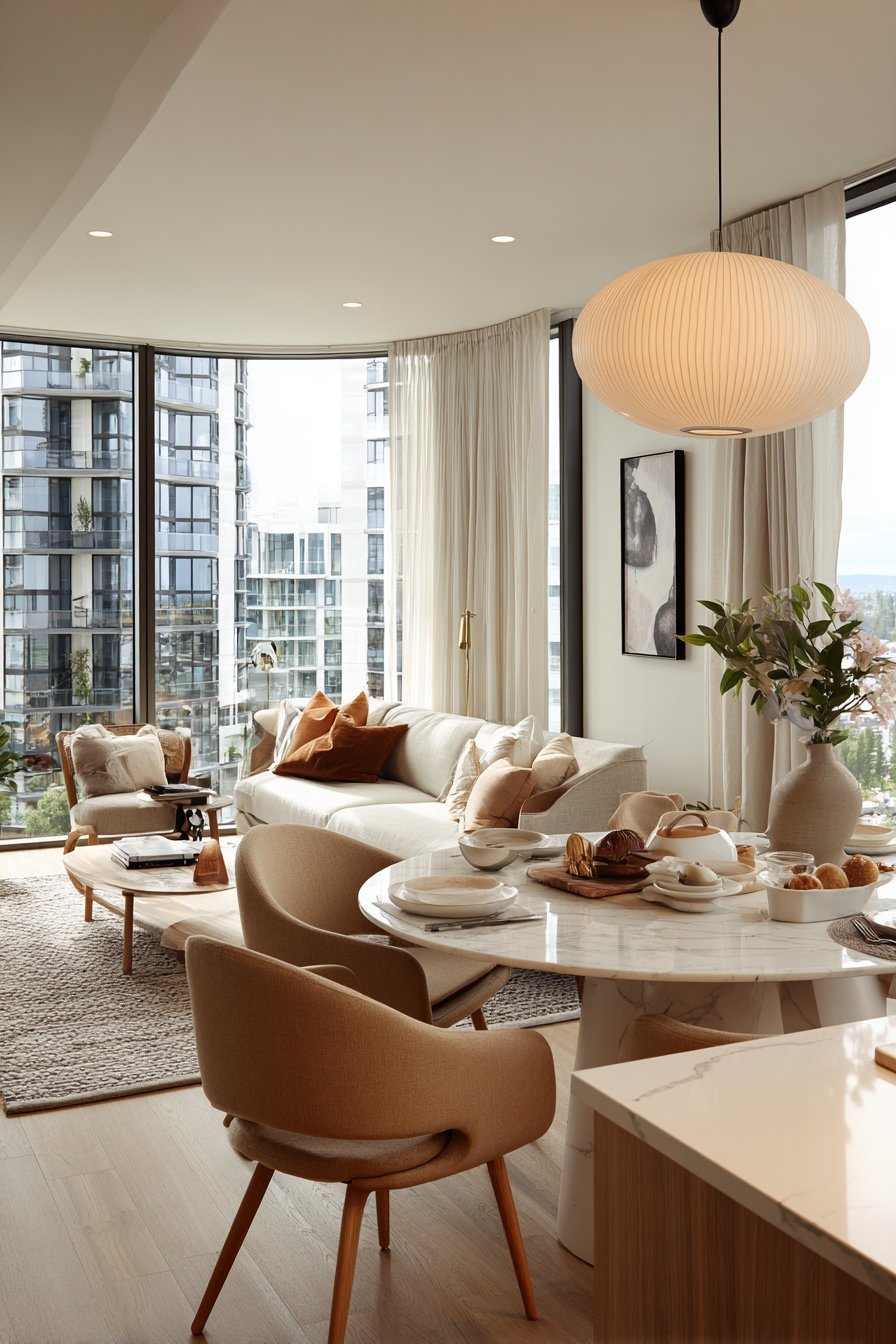
In smaller spaces especially, rounded furniture can feel less imposing than boxy alternatives. A circular dining table in a compact dining room takes up the same footprint as a square table but feels far less dominant. This makes curved furniture an excellent choice for apartments and smaller homes where every inch counts.
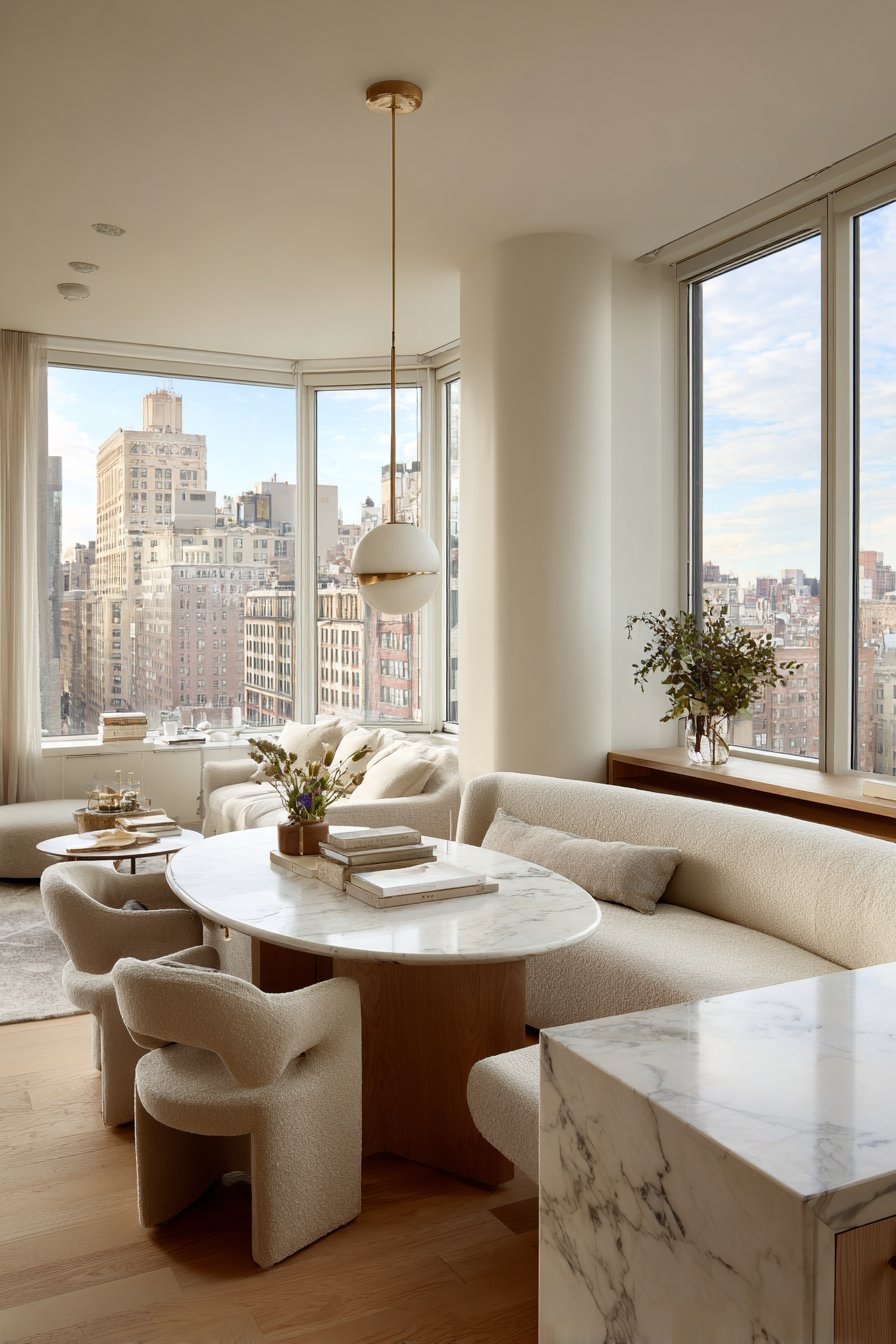
- Use a curved sofa arrangement to define an open-plan living area naturally
- Choose round or oval rugs to complement curved furniture groupings
- Place curved console tables in hallways to ease the transition between rooms
- Avoid pushing all furniture against walls — let curved pieces float in the space
- Use curved accent chairs to soften corners of rectangular rooms
5. The Rise of Organic and Biophilic Design
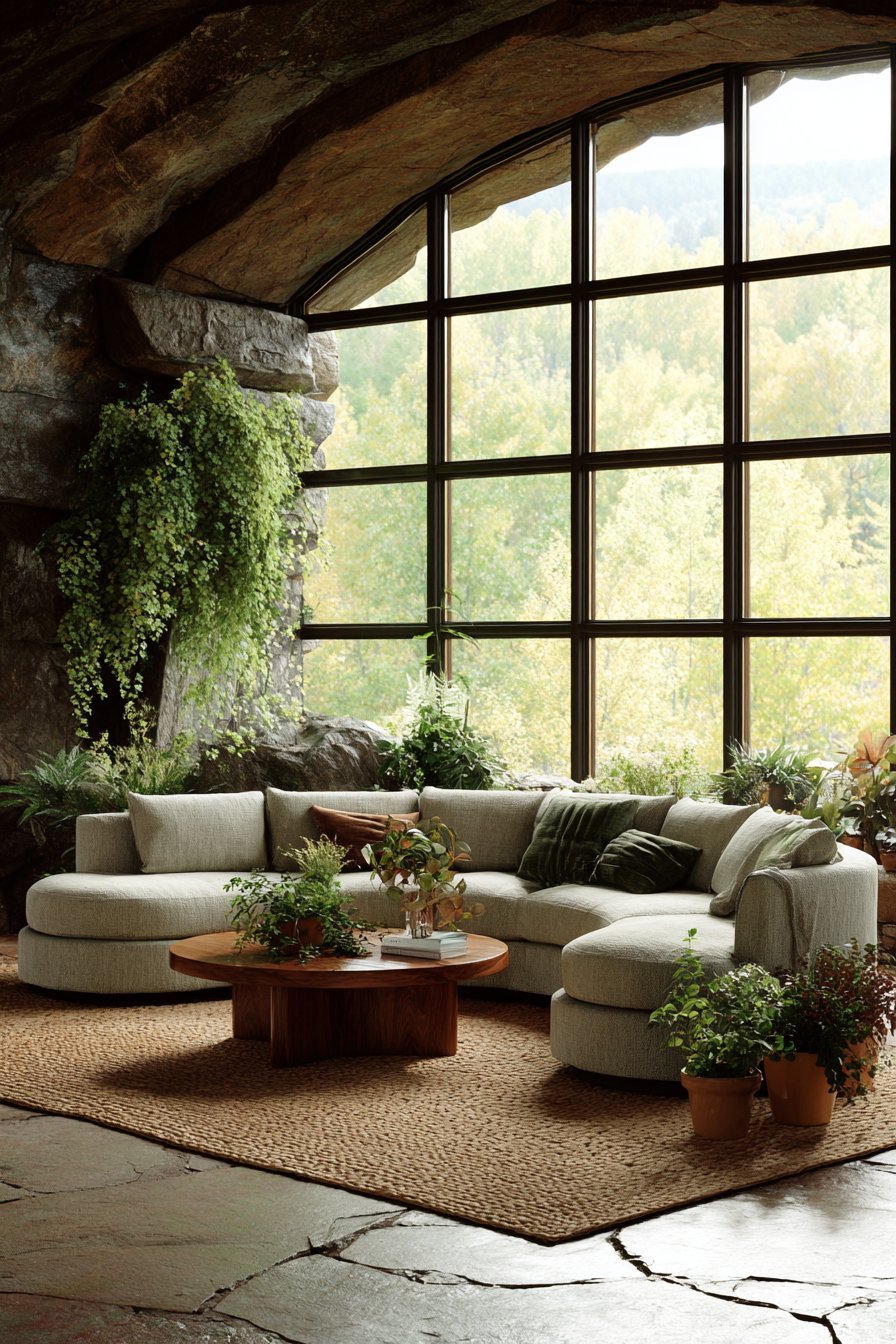
Curved furniture aligns perfectly with the biophilic design movement, one of the most significant trends in contemporary interior design. Biophilic design is rooted in the idea that humans feel better when their environments mimic the natural world. Nature rarely produces sharp right angles — it deals in curves, waves, and organic forms.
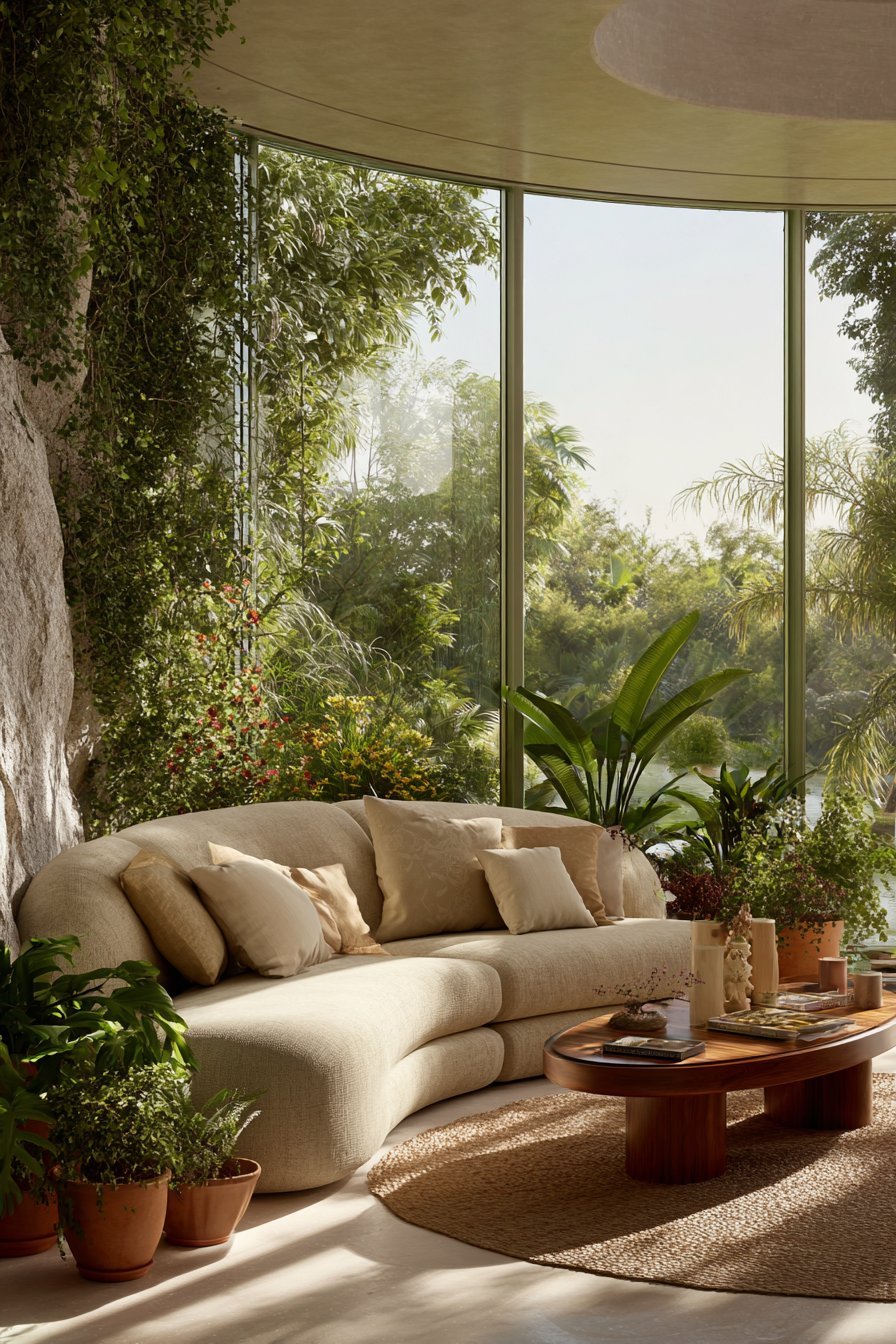
By incorporating curved furniture into interiors, designers are essentially bringing nature indoors in a subtle but powerful way. A blobby, asymmetrical sofa echoes the shape of a river stone. A curved wooden headboard recalls the arc of a tree branch. These connections are often subconscious, but they contribute meaningfully to how comfortable and restorative a space feels.
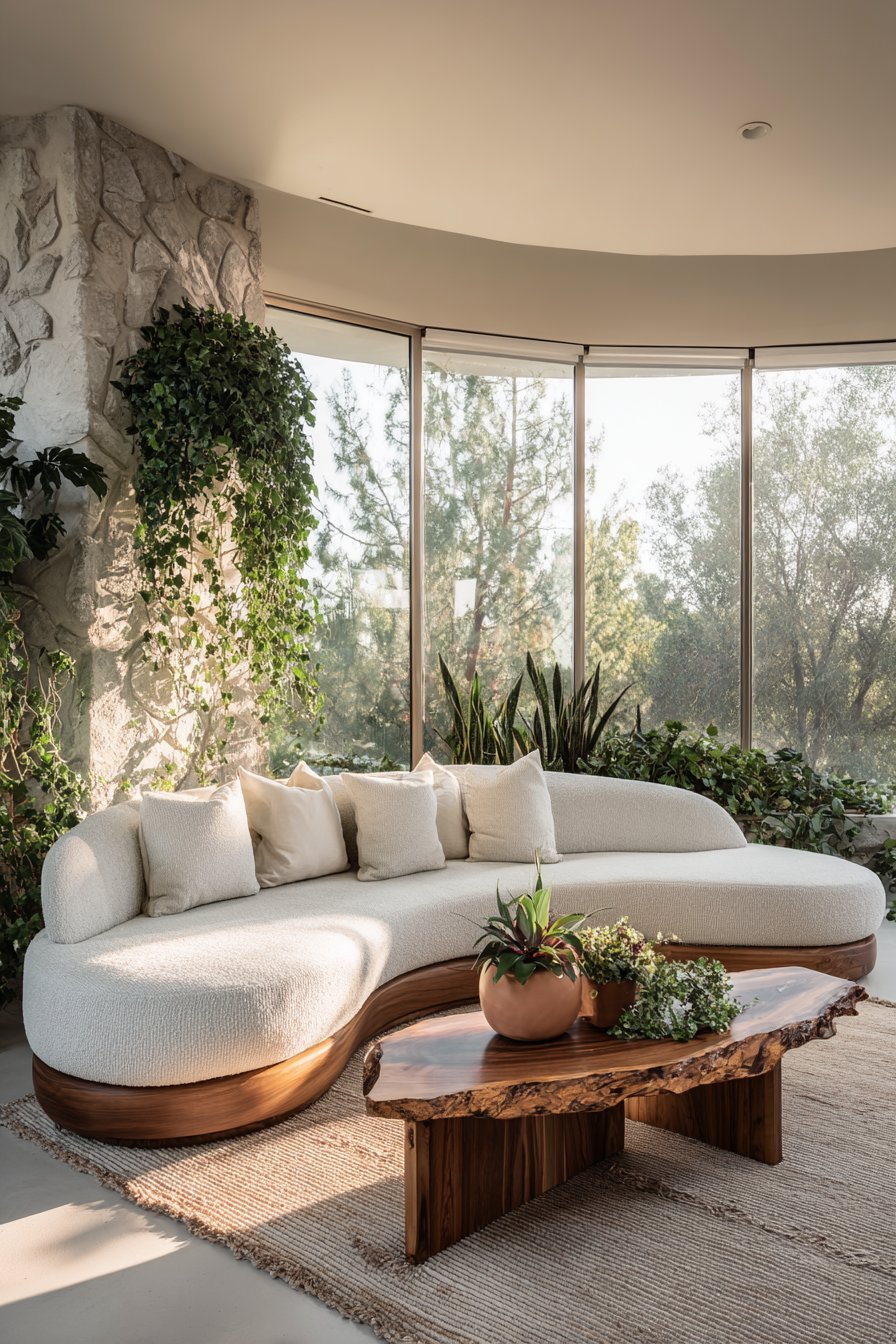
The biophilic movement is also driving interest in sculptural, free-form furniture that defies categorization. Pieces that blur the line between furniture and art are increasingly popular. These designs are bold, conversation-starting, and deeply aligned with the organic design ethos that is defining the 2020s.
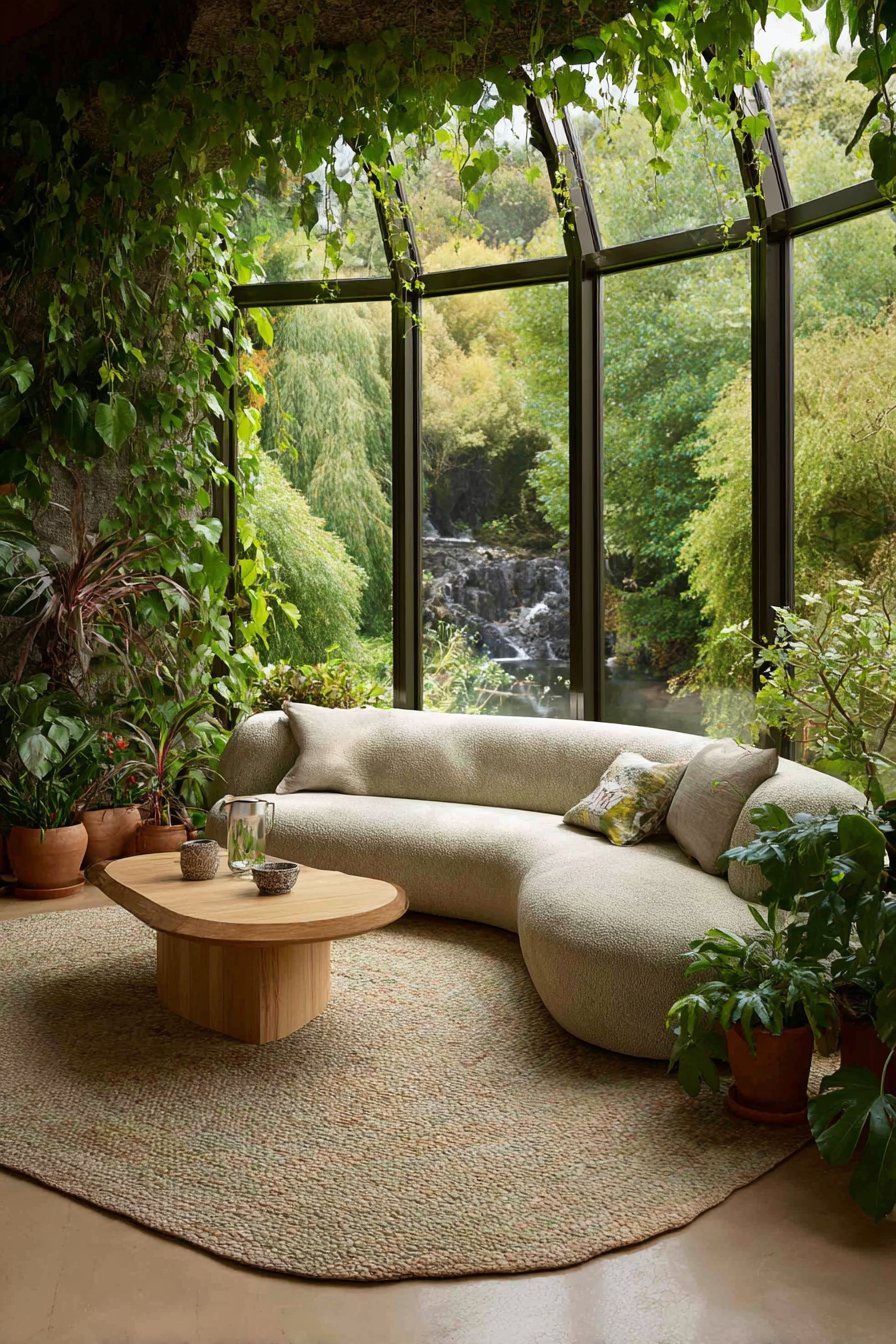
- Pair curved furniture with indoor plants to reinforce a biophilic aesthetic
- Choose pieces made from natural materials like solid wood, cork, or rattan
- Look for asymmetrical forms that mimic organic shapes found in nature
- Use curved wooden furniture to warm up rooms dominated by stone or concrete
- Incorporate flowing, drapey textiles alongside curved pieces for a cohesive look
6. Curved Furniture and Its Role in Luxury Design
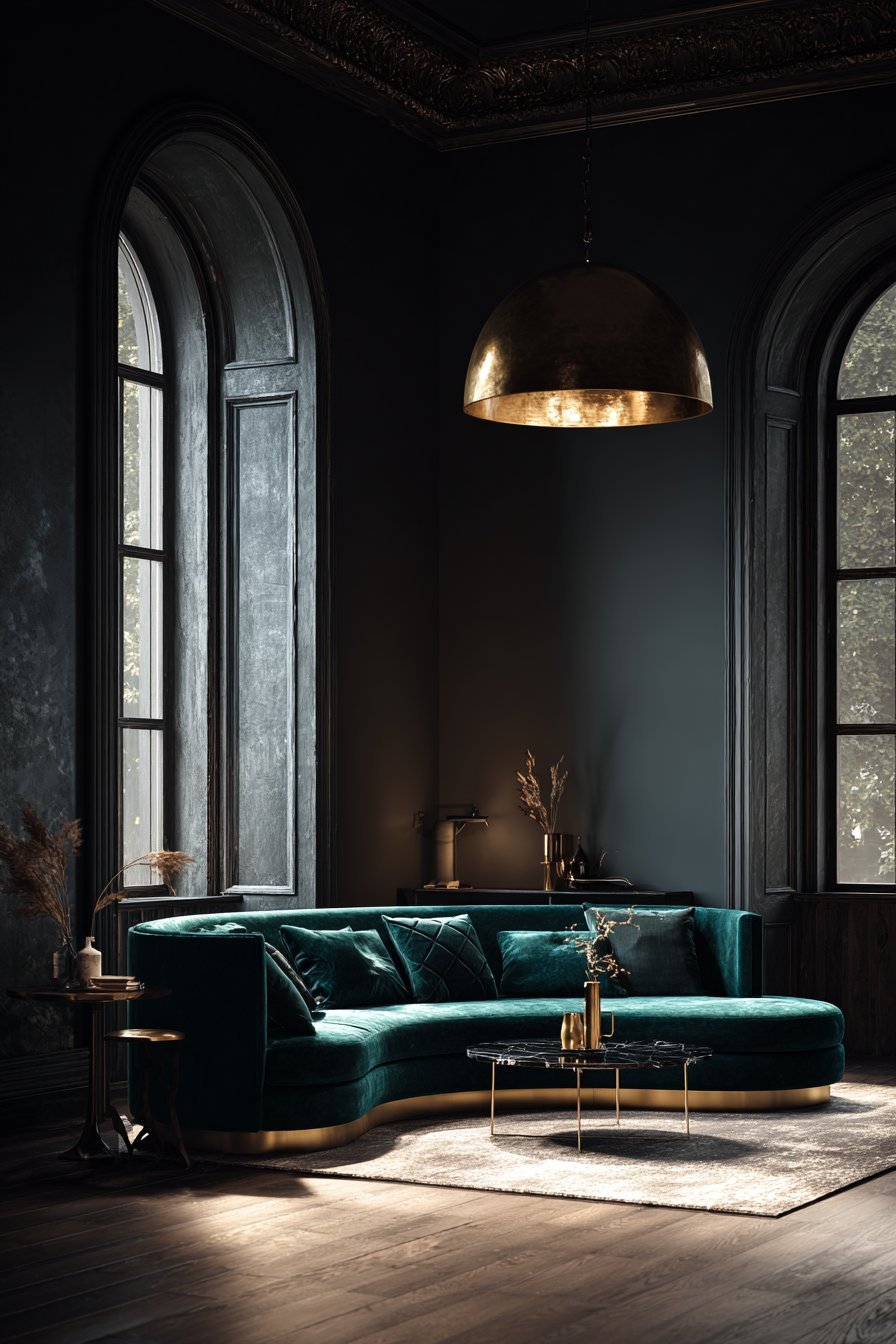
In the world of high-end interior design, curves have long been associated with luxury. Think of the sweeping lines of a chaise lounge, the voluptuous silhouette of a Chesterfield sofa, or the elegant arc of a grand piano. Curves communicate craftsmanship, sophistication, and a certain abundance of spirit that straight lines simply cannot replicate.
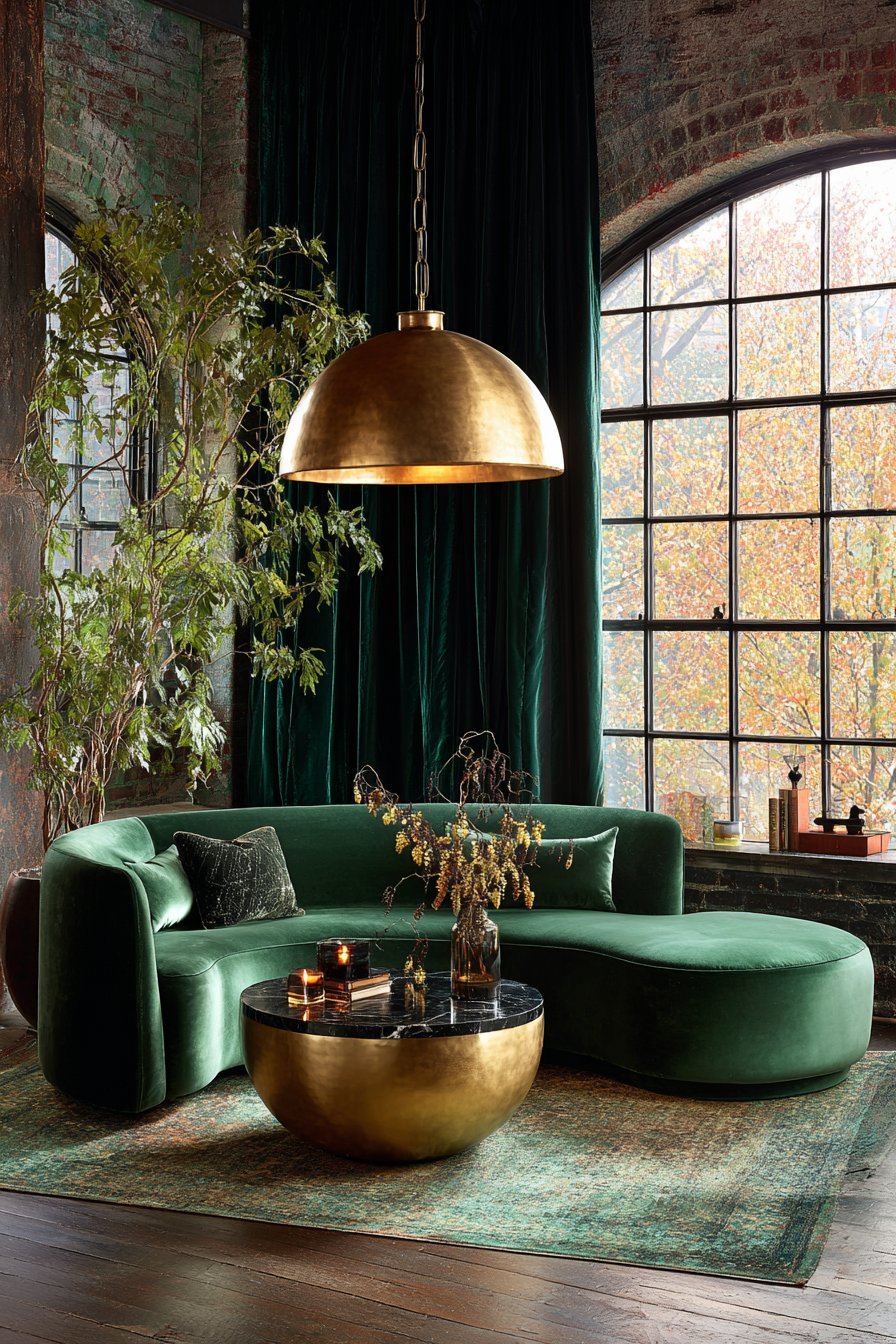
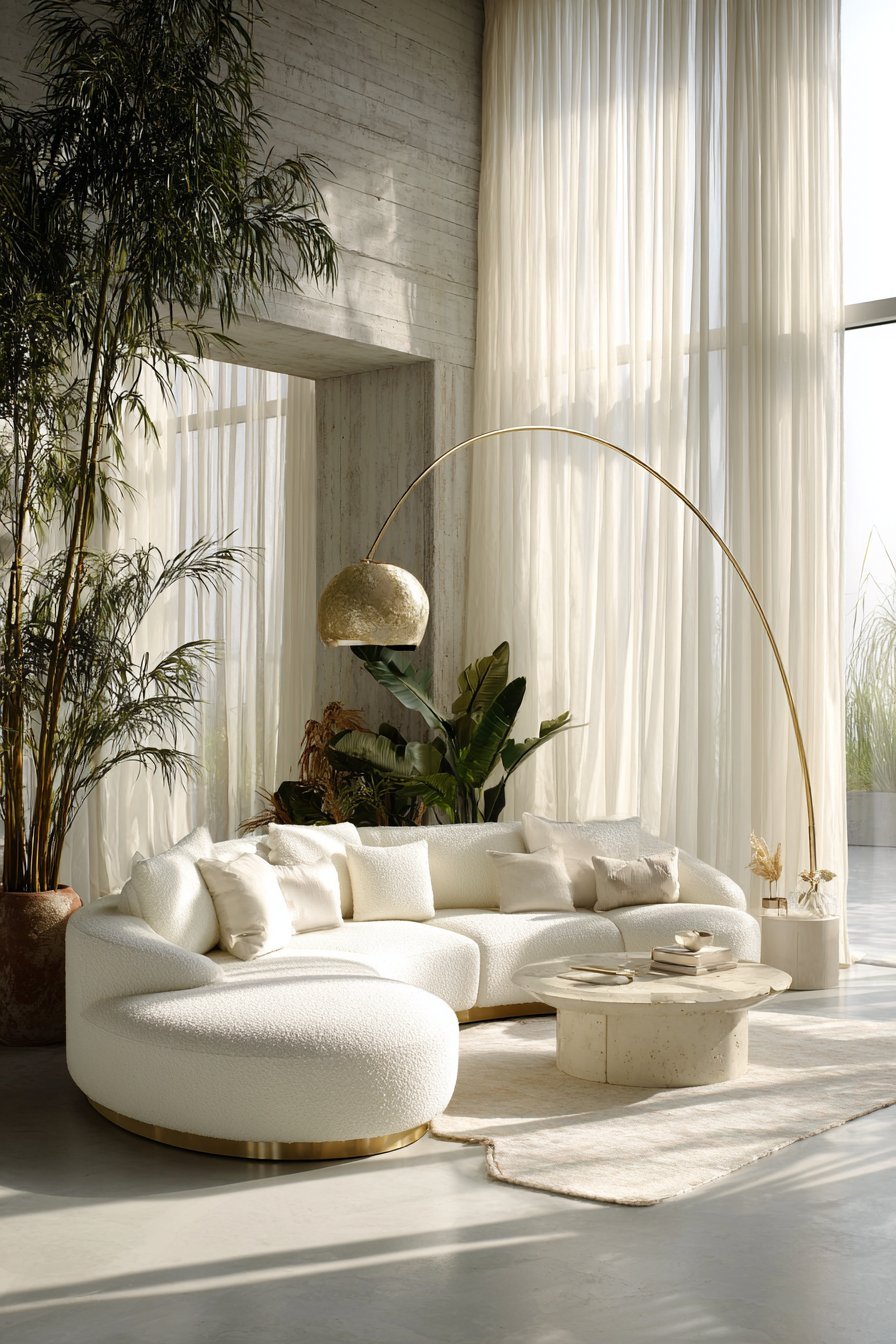
Today’s luxury furniture market is doubling down on curves. From high-end European brands to bespoke custom furniture makers, the most coveted pieces of the moment are defined by their sensual, rounded forms. Deep, enveloping curved sectionals upholstered in sumptuous velvet or bouclé fabric have become symbols of affluent contemporary living.
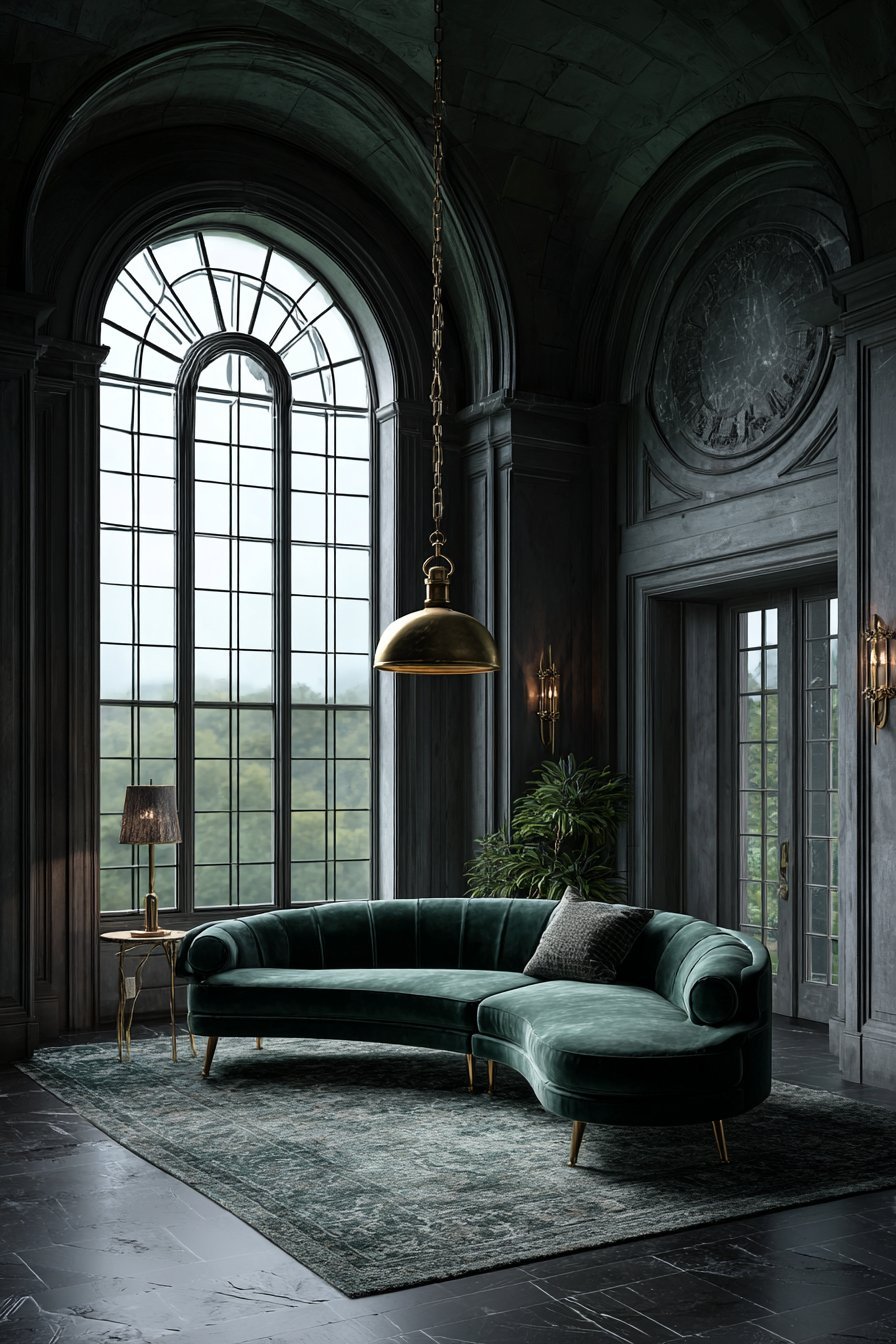
This association between curves and luxury also makes curved furniture aspirational for a broader market. Mid-range and accessible brands are producing curve-inspired pieces that bring high-design sensibility to everyday budgets. The result is a democratization of luxurious-looking interiors.
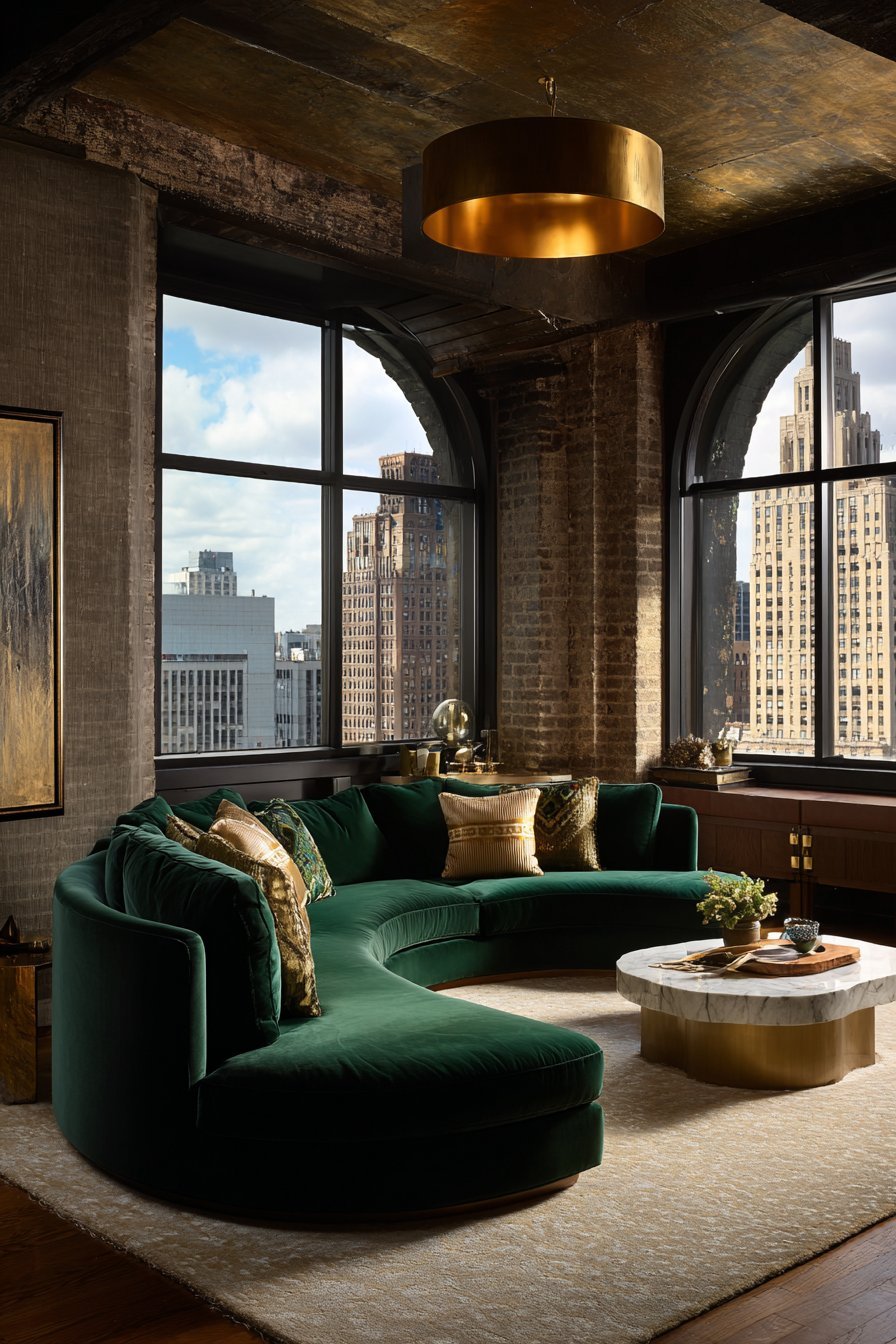
- Invest in a bouclé curved sofa as a high-impact, luxurious centerpiece
- Choose curved furniture with gold or brass hardware for an elevated aesthetic
- Layer curved pieces with rich textures like velvet, silk, and wool
- Consider a curved bar cart or drinks cabinet for a glamorous entertaining space
- Use curved lighting fixtures — arched floor lamps and dome pendants — to complete the look
7. Gender-Neutral and Inclusive Design Appeal
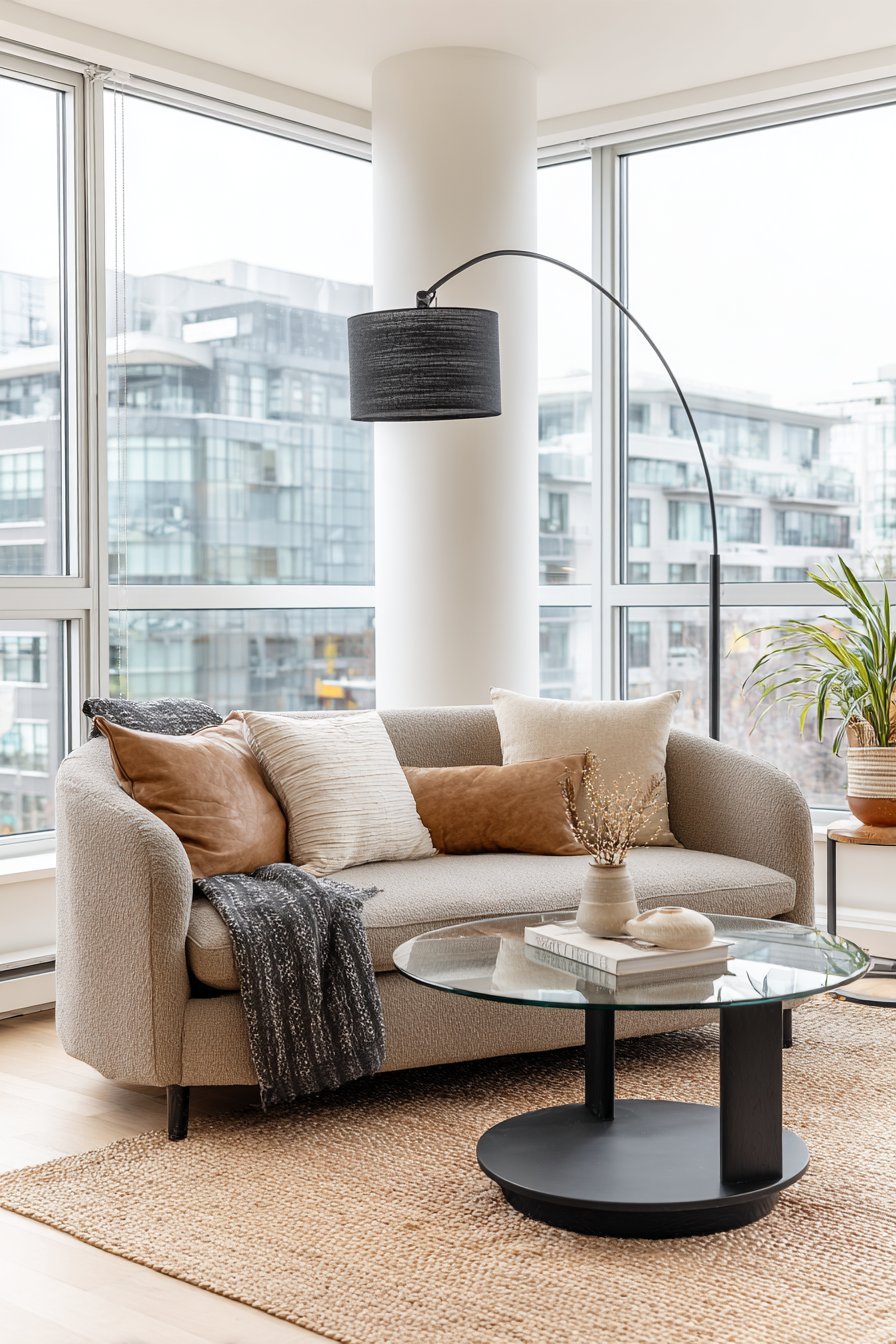
Curved furniture has a unique ability to feel gender-neutral and universally appealing. Traditional interior design often skewed toward either hyper-feminine or hyper-masculine aesthetics. Sharp, industrial lines were coded as masculine. Frilly, ornate pieces were coded as feminine. Curved furniture occupies a refreshing middle ground.
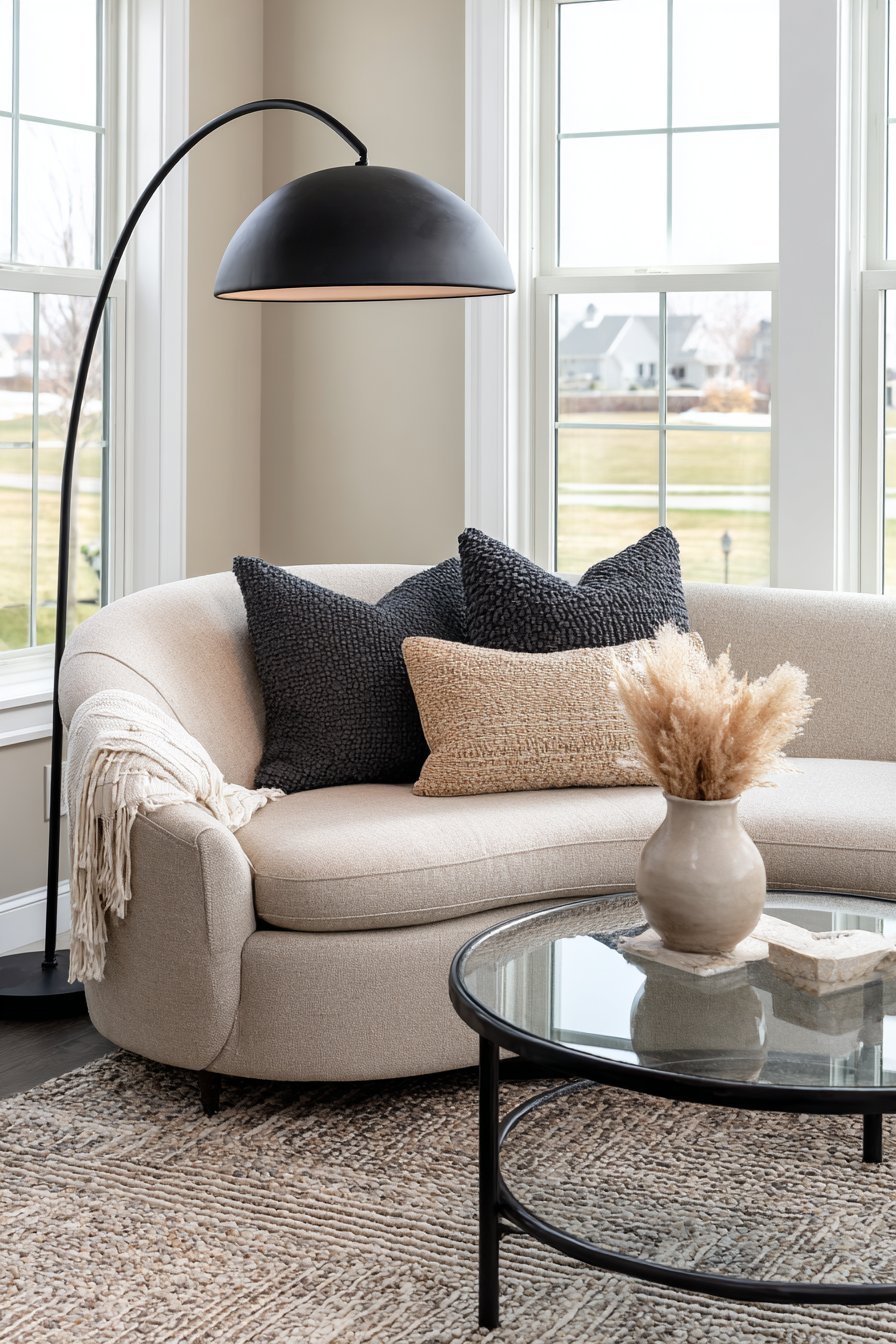
This inclusive quality is a major reason for its widespread adoption. Curved forms feel welcoming to everyone. They do not impose a particular identity on a space. Instead, they create an environment that anyone can feel at home in, regardless of personal style or background.
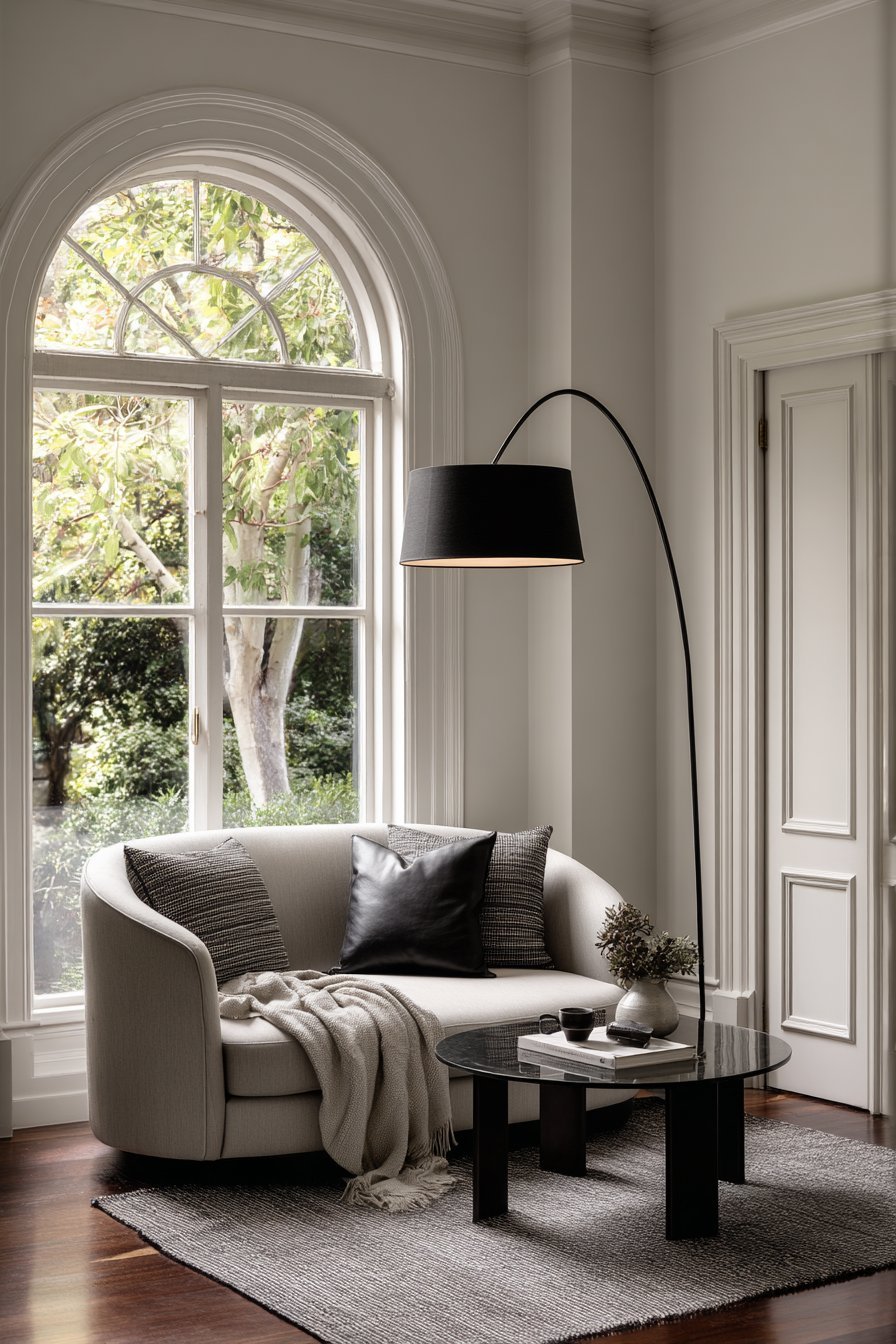
As shared living spaces become more common — from co-living apartments to multigenerational homes — furniture that appeals to diverse tastes is increasingly valuable. Curved furniture’s ability to feel both bold and neutral makes it an ideal choice for these environments.
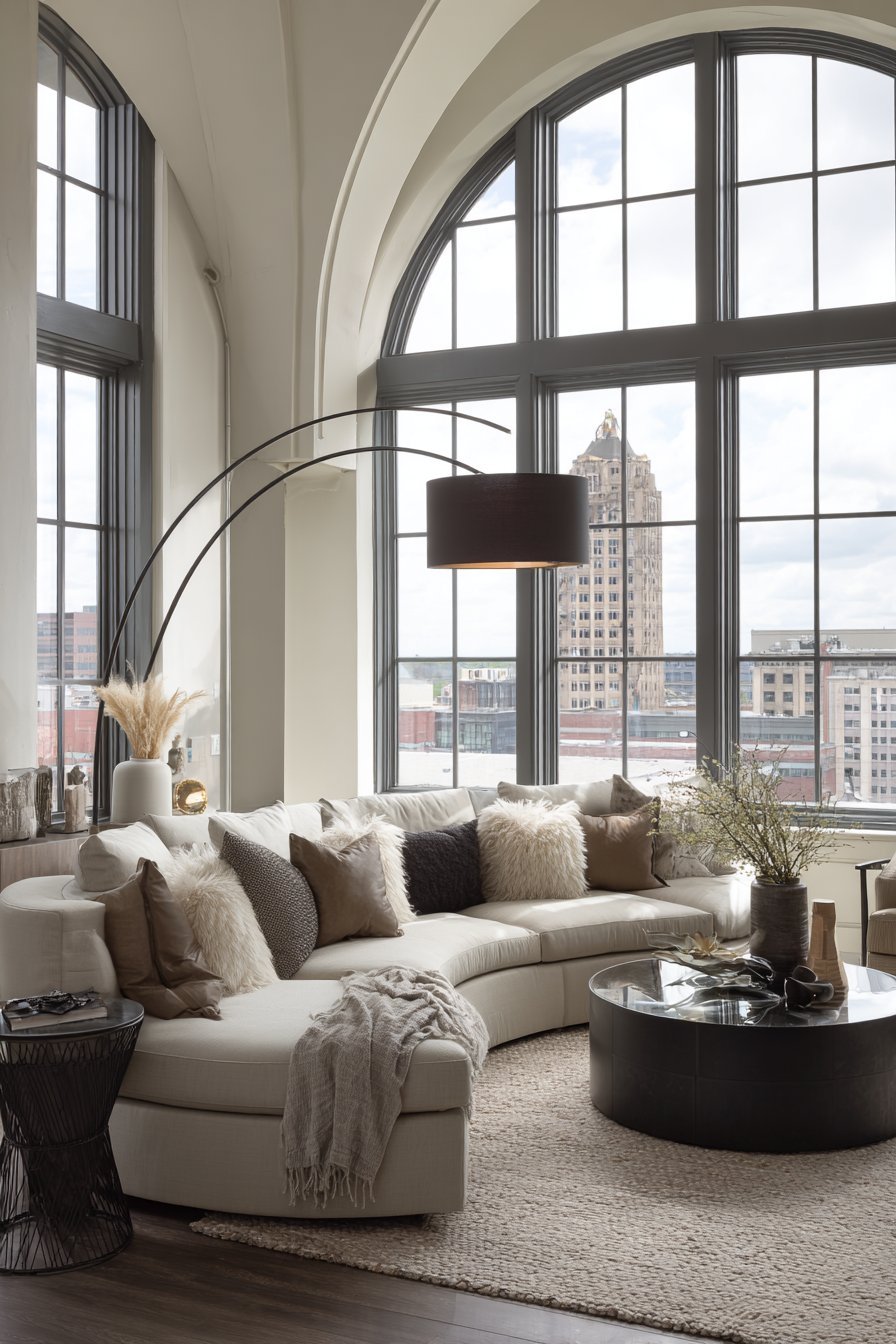
- Use neutral-toned curved sofas to create universally welcoming living rooms
- Pair curved furniture with both masculine and feminine decor elements freely
- Avoid over-gendering spaces — let the curves do the unifying work
- Choose versatile silhouettes that can be styled in multiple directions
- Consider curved furniture when designing guest rooms or shared spaces
8. The Material Innovation Driving the Curve Trend
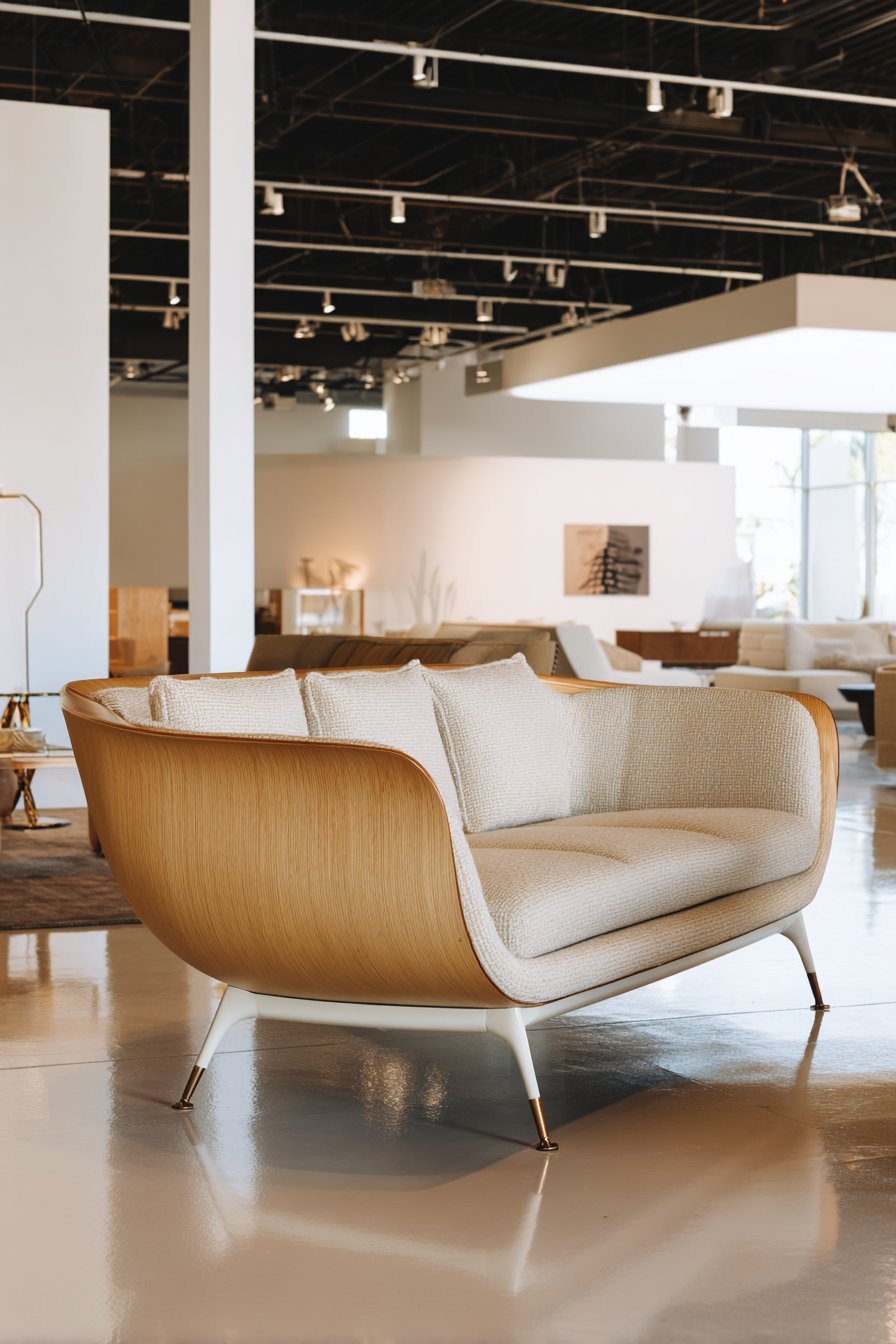
The resurgence of curved furniture has been enabled, in part, by advances in manufacturing and materials. Creating structurally sound, beautifully curved furniture was once enormously difficult and expensive. Modern bending techniques, foam molding technology, and engineered wood have made it far more accessible.
Bent plywood and steam-bent wood allow furniture makers to achieve elegant curves without sacrificing structural integrity. Meanwhile, advances in foam and upholstery technology mean that curved sofas can now be as comfortable as they are beautiful. The internal structures that support these shapes have become more refined and durable than ever before.
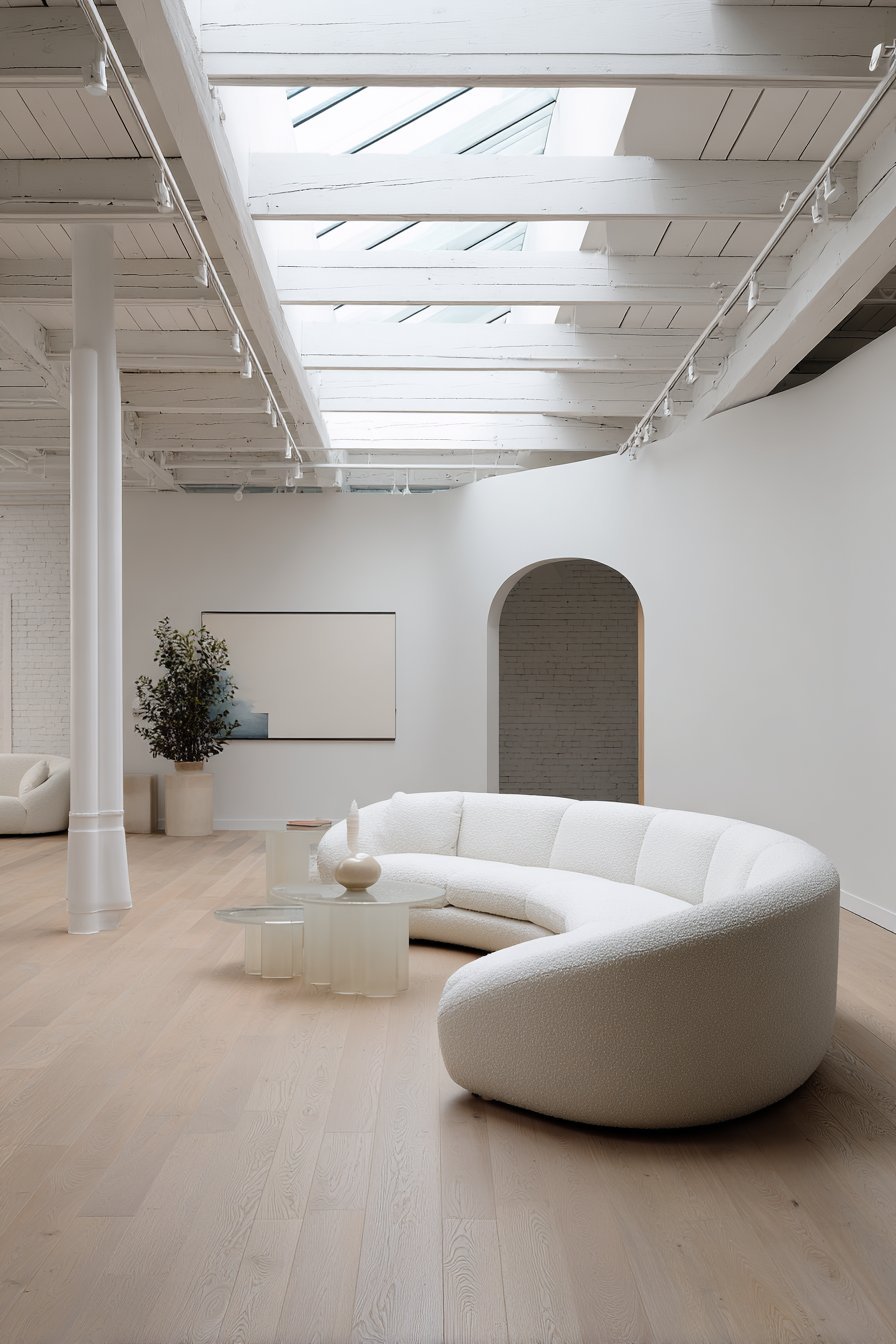
Simultaneously, new materials like flexible resin and molded fiberglass have opened up entirely new possibilities for sculptural furniture design. Designers can now create forms that would have been impractical or prohibitively expensive a generation ago. This material innovation is a key reason why curved furniture has moved from niche luxury to mainstream availability.
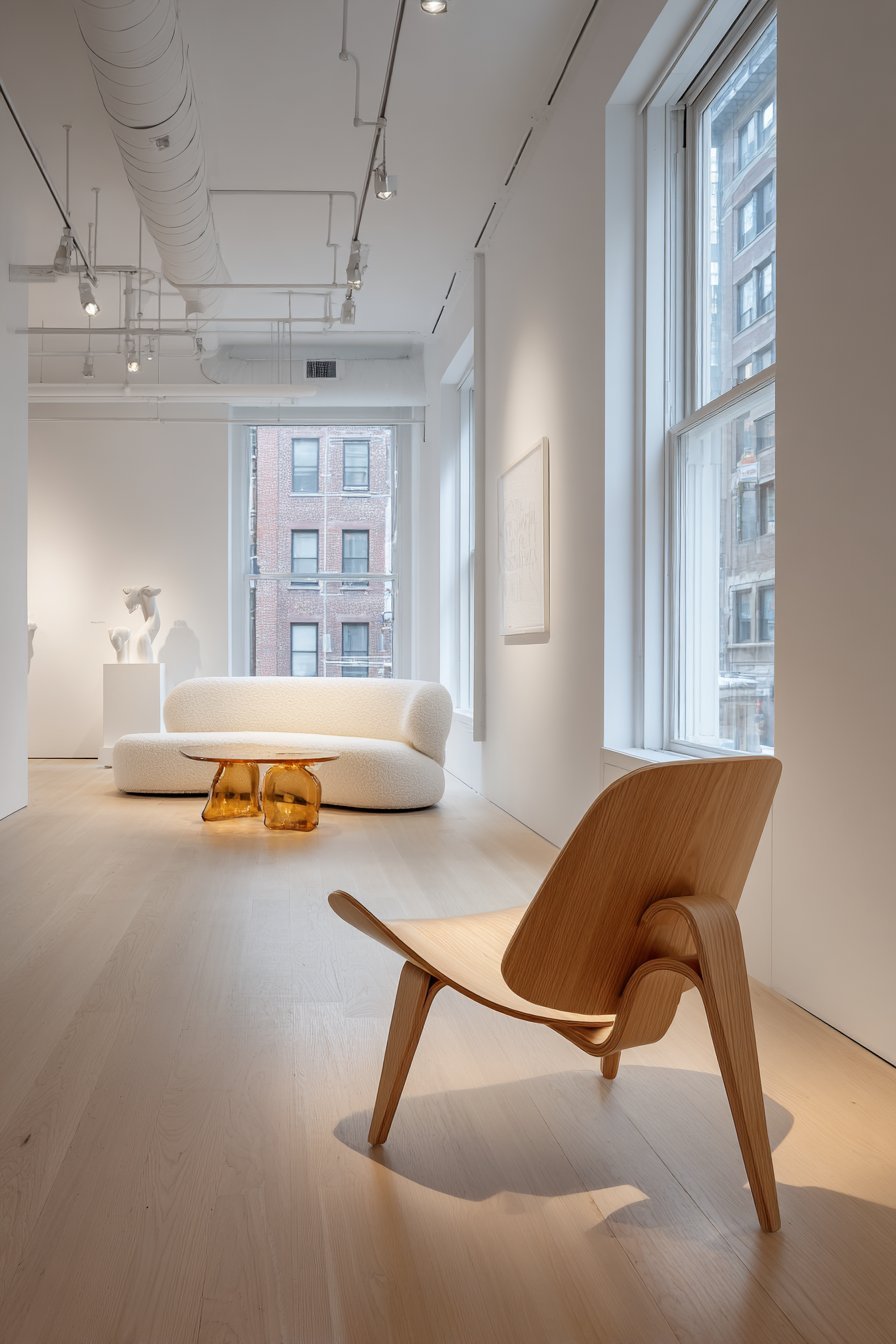
- Explore bent plywood furniture for an affordable entry into curved design
- Look for sofas with high-density foam cores that hold their curved shape over time
- Invest in molded fiberglass or resin accent chairs for a sculptural focal point
- Check for quality construction — good curves should feel solid, not flimsy
- Support furniture makers who use sustainable bending and molding techniques
9. How to Style Curved Furniture Effectively
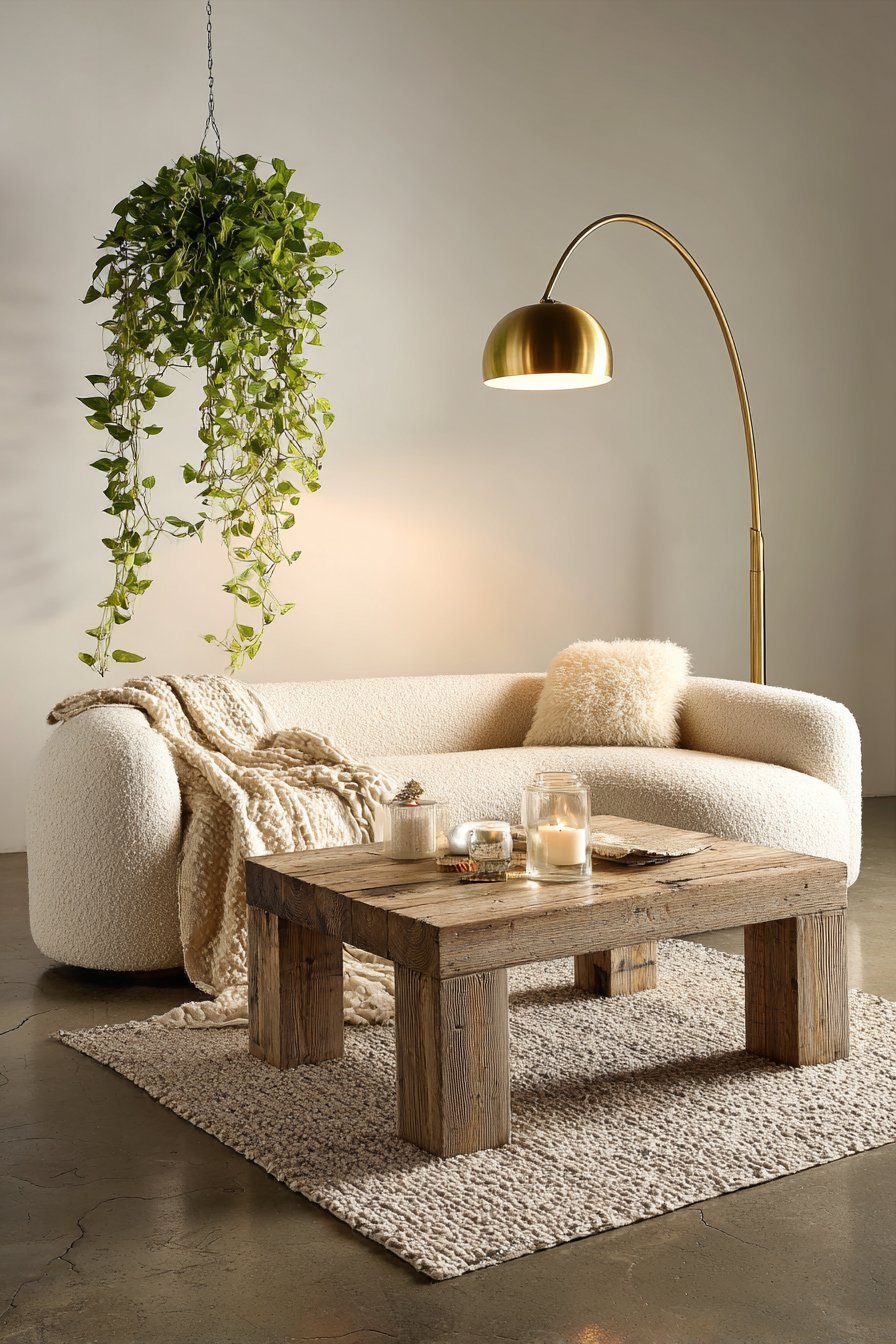
Knowing why curved furniture is trending is one thing. Knowing how to style it effectively is what separates a well-designed room from a chaotic one. The key principle is balance. Curved furniture has a strong visual personality. It needs space to breathe and thoughtful companions to look its best.
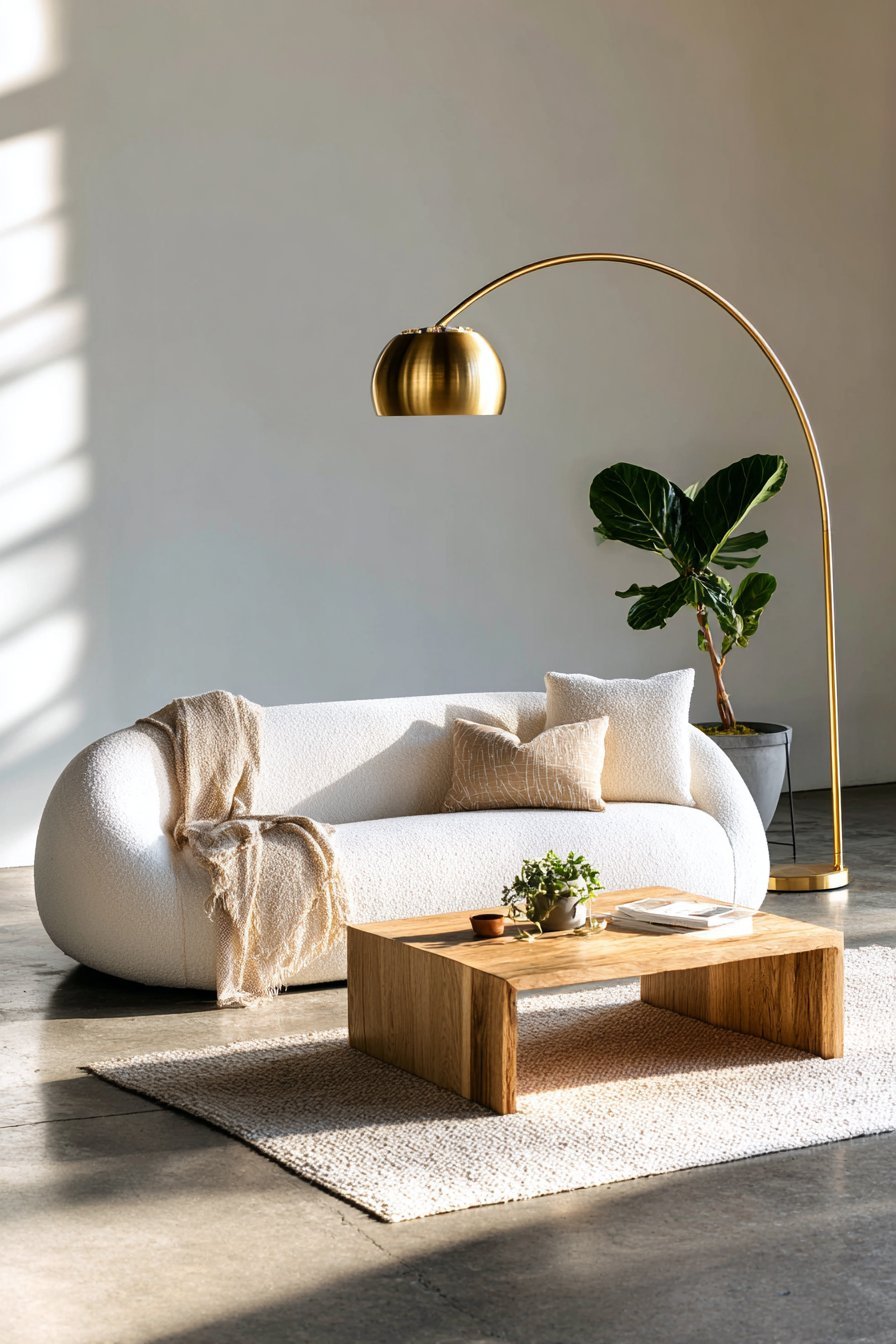
Pairing curved sofas with straight-edged coffee tables is a classic approach that works beautifully. The contrast between the organic sofa silhouette and the structured table creates visual tension in the best possible way. Similarly, placing curved chairs against a clean-lined architectural backdrop — a simple white wall, a gridded bookshelf — allows the furniture’s shape to take center stage.
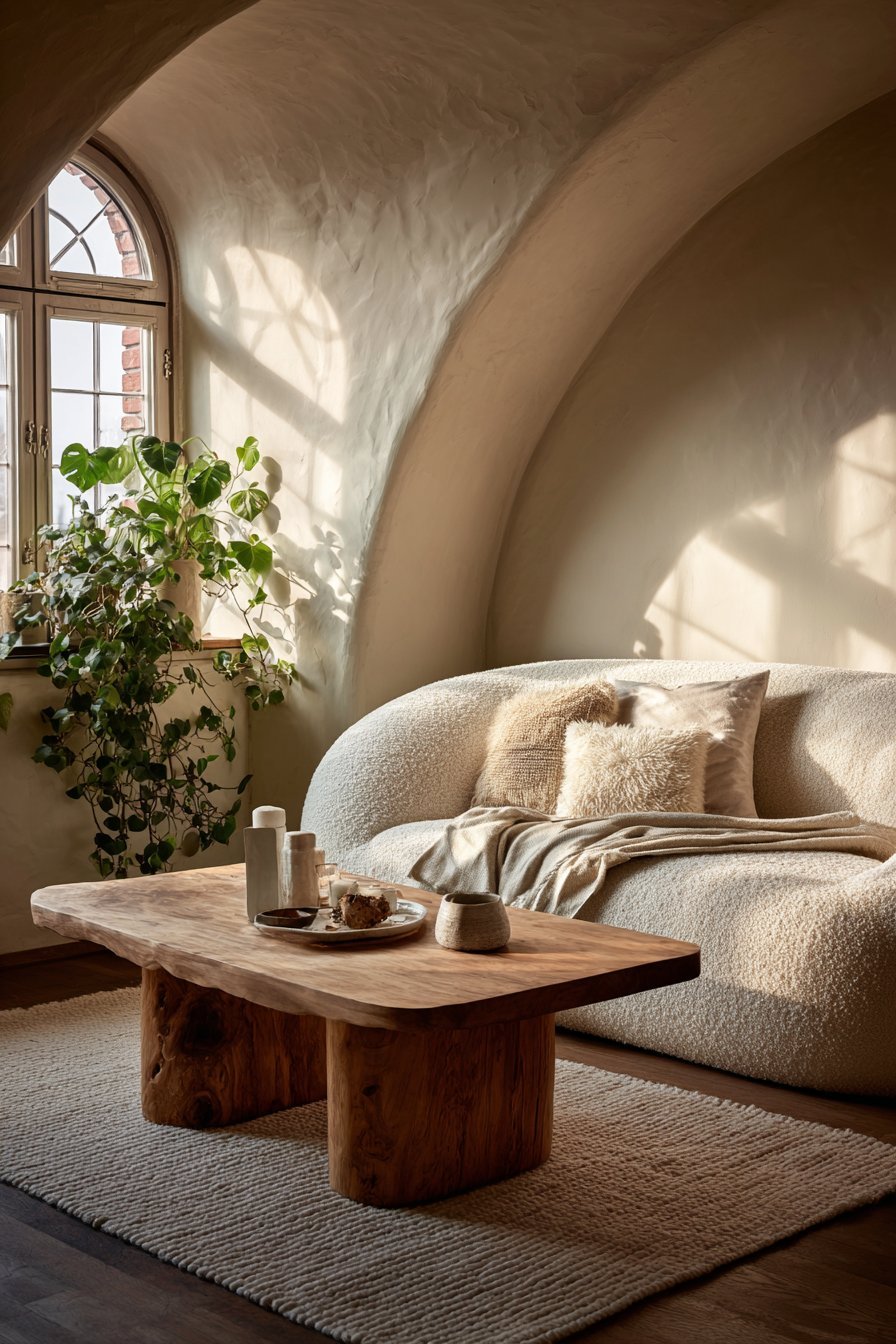
Color also plays a critical role. Muted, earthy tones tend to complement curved furniture exceptionally well. Terracotta, warm cream, sage green, and deep rust all enhance the organic quality of rounded forms. That said, bold curved furniture in jewel tones — deep blue, emerald, mustard — can serve as breathtaking focal points in more neutral rooms.
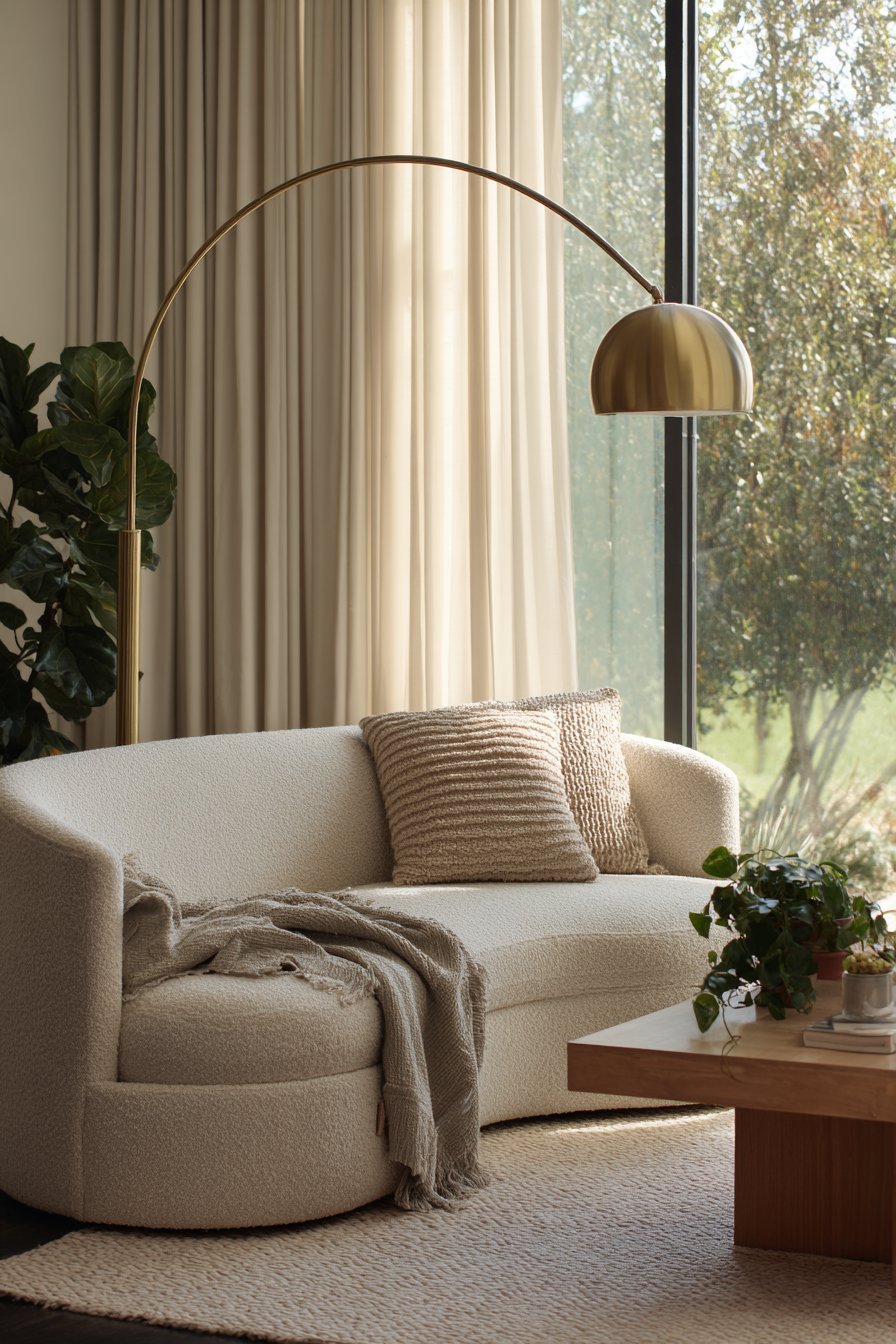
- Anchor curved sofas with a rectangular area rug to create visual structure
- Use straight-edged tables alongside curved seating for deliberate contrast
- Style curved furniture with organic textures — linen, jute, woven wool
- Let one curved piece dominate rather than filling every corner with curves
- Use warm lighting to enhance the soft, sculpted quality of curved silhouettes
10. The Future of Curved Furniture Design
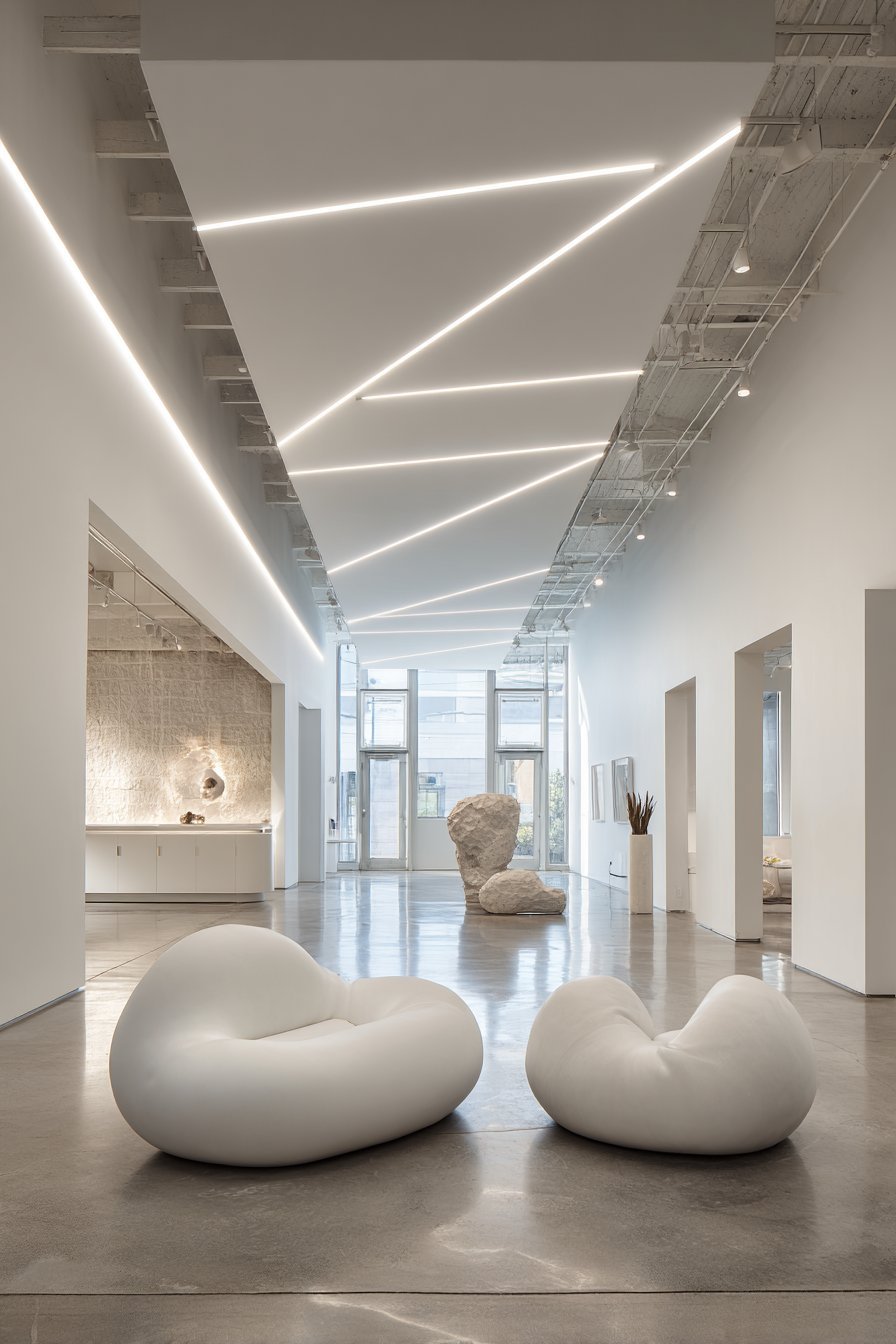
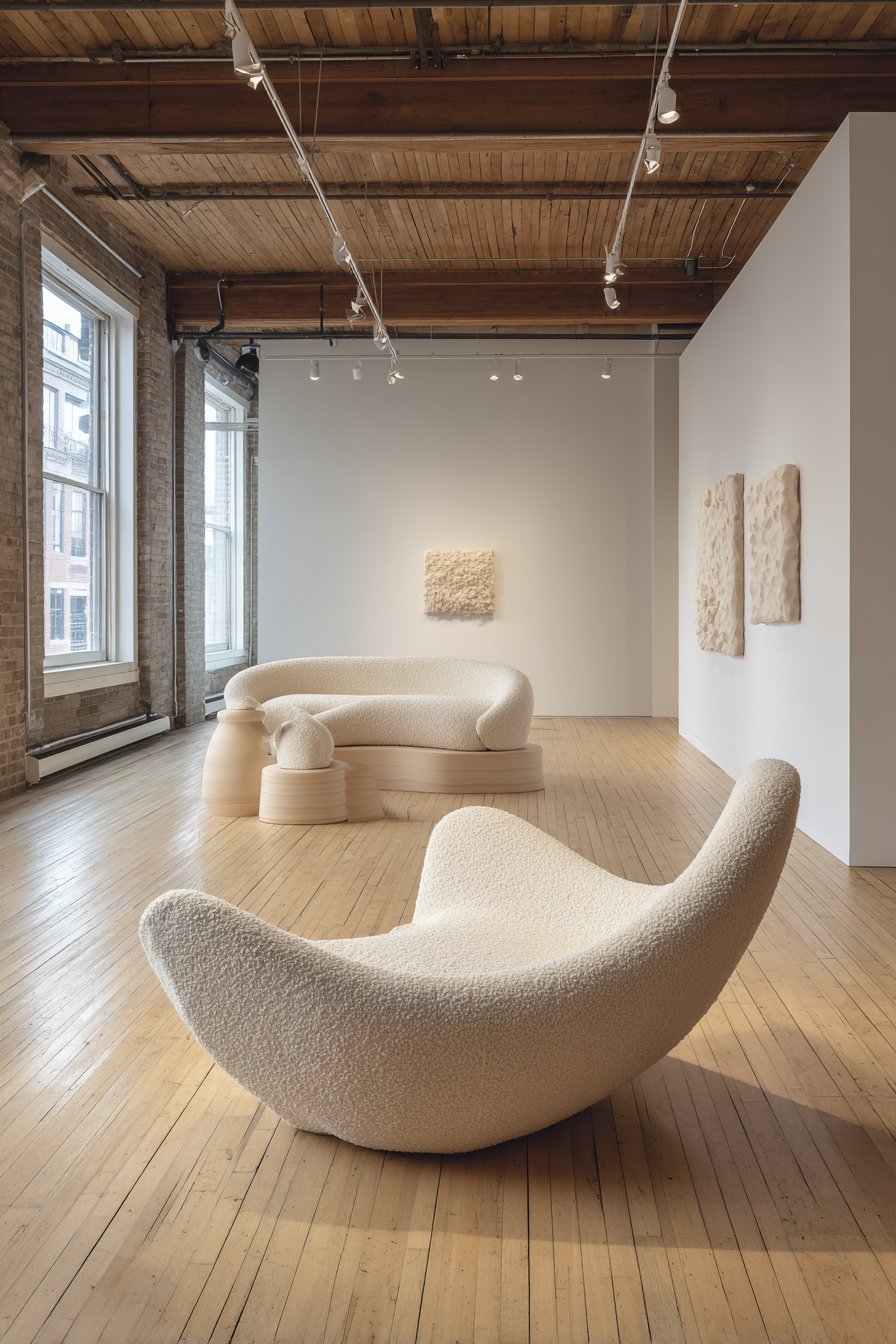
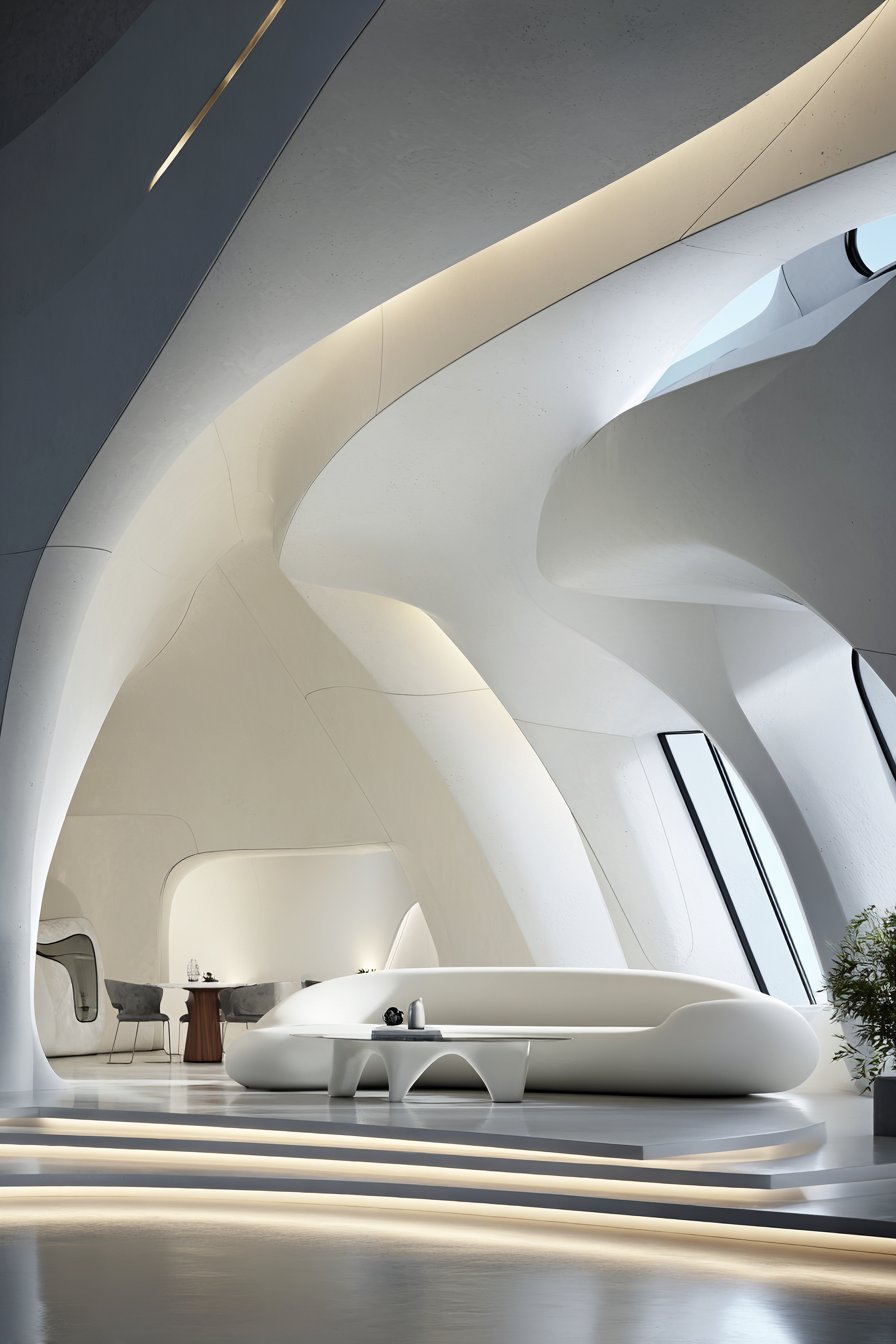
Looking ahead, the dominance of curved furniture shows no signs of fading. If anything, the trend is deepening and evolving. Designers are pushing curves further — into more unusual, avant-garde forms that challenge conventional ideas about what furniture should look like.
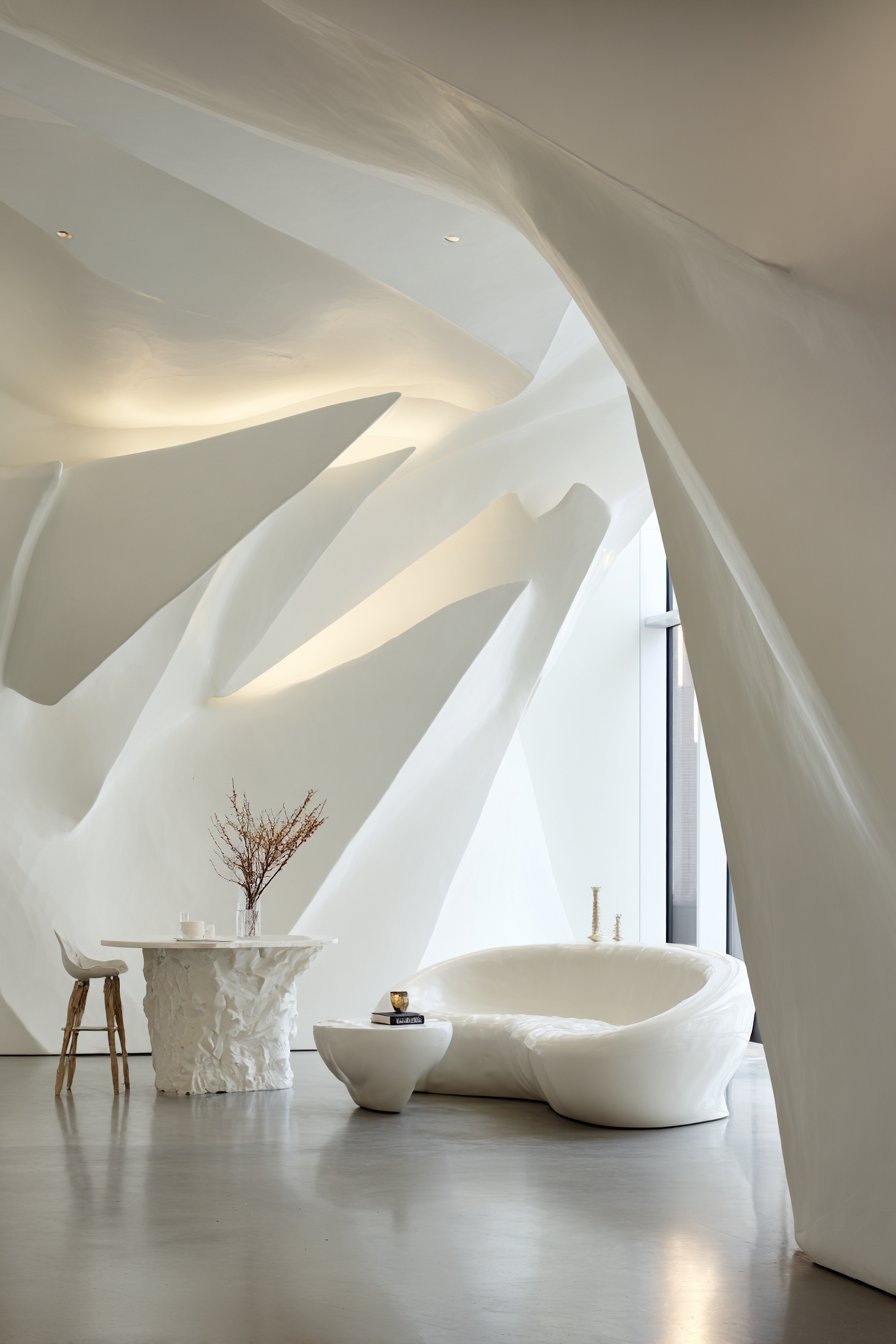
We are seeing the emergence of truly sculptural furniture that blurs the boundary between functional object and fine art. Pieces that look like melting forms, inflated shapes, or geological formations are appearing in the studios of forward-thinking designers and, increasingly, in luxury retail. This is furniture as expression, as identity, as statement.
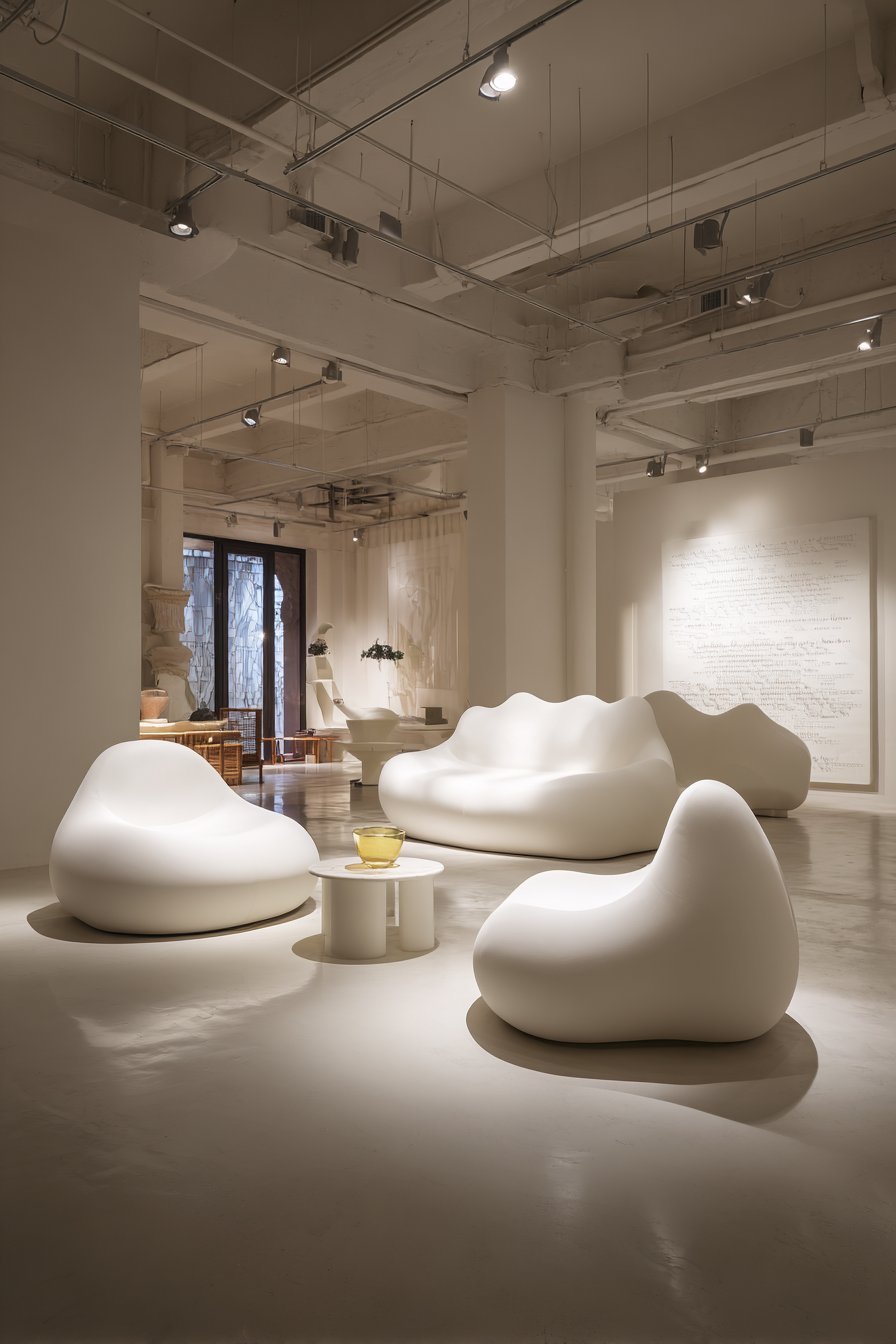
At the same time, the mainstream market will continue to embrace softer, more approachable curves at accessible price points. The rounded sofa, the arched mirror, the oval dining table — these will become standard fixtures in contemporary homes rather than special acquisitions. Curves are not a fleeting moment. They are a permanent evolution in how we design the spaces we inhabit.
- Follow emerging furniture designers on social media for early access to curve-forward pieces
- Invest in quality curved pieces now before the market matures and prices rise
- Look for modular curved sofas that can adapt as your space and lifestyle change
- Explore 3D design tools to visualize curved furniture arrangements before buying
- Stay open to experimental forms — the most exciting curved designs are yet to come
Conclusion
Curved furniture is more than a design trend — it is a fundamental shift in values. It reflects a collective desire for warmth over coldness, humanity over sterility, and organic beauty over rigid geometry. From the psychology of rounded forms to the innovations enabling their production, every dimension of this movement points in the same direction: toward softer, more livable, more emotionally resonant spaces.
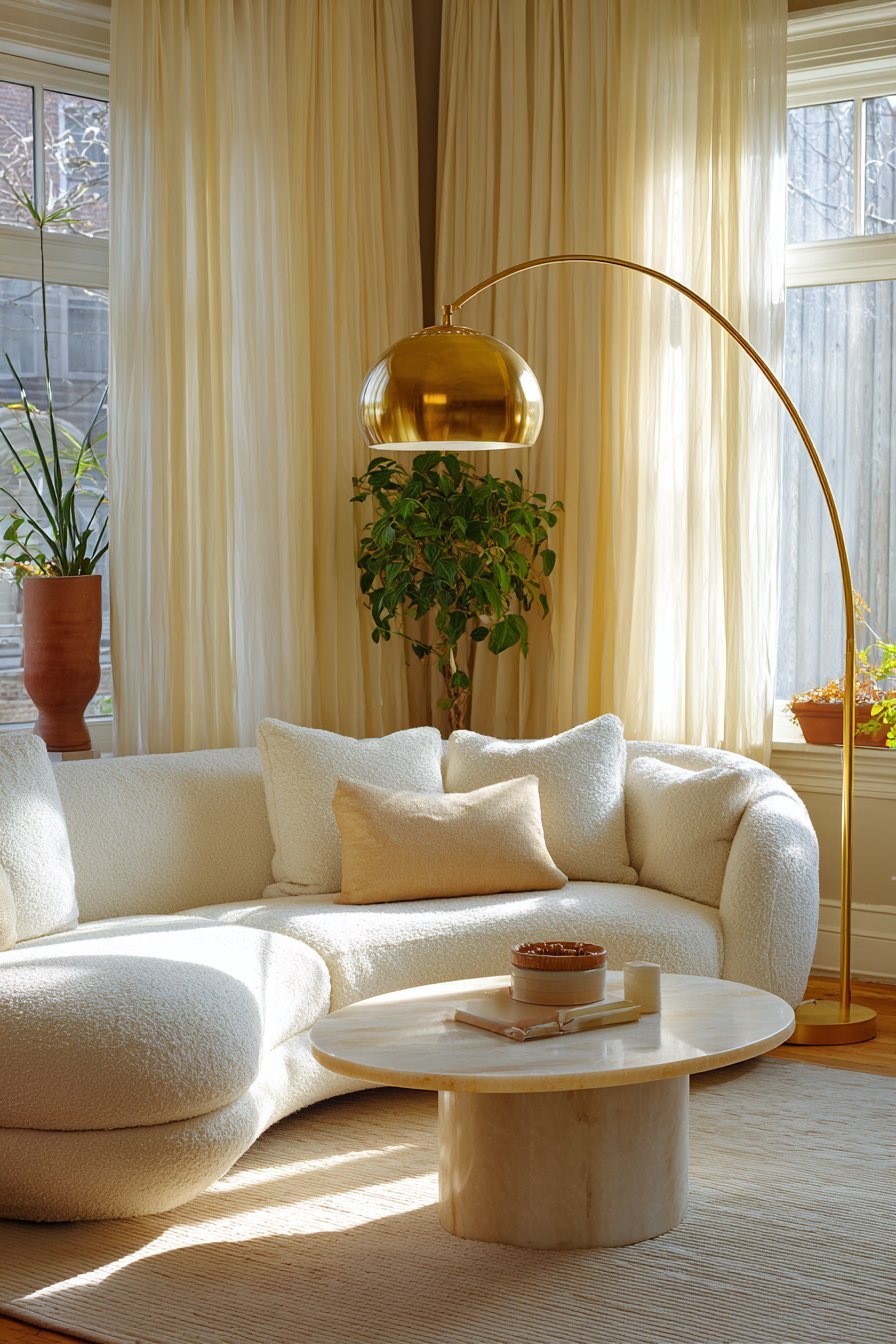
As you consider your own home, embrace the curve. Start with one bold piece — a rounded sofa, an arched floor lamp, an oval dining table — and notice how it transforms the energy of the room. Design is ultimately about how a space makes you feel. And right now, curves are making people feel exactly how every home should: welcome, comfortable, and alive.
