

Flat, painted walls have had their moment. Today, homeowners and designers alike are turning to texture to bring depth, warmth, and personality to their spaces. The textured wall trend has exploded across social media feeds, design showrooms, and new construction projects worldwide. It’s more than a passing fad — it reflects a deep cultural shift in how we think about our homes.
Interior design has always mirrored the times we live in. After years of minimalist, all-white interiors, people are craving something more tactile, more human, and more layered. Textured walls answer that call beautifully. They add visual interest without requiring more furniture or accessories. A single wall treatment can completely transform the mood of a room.
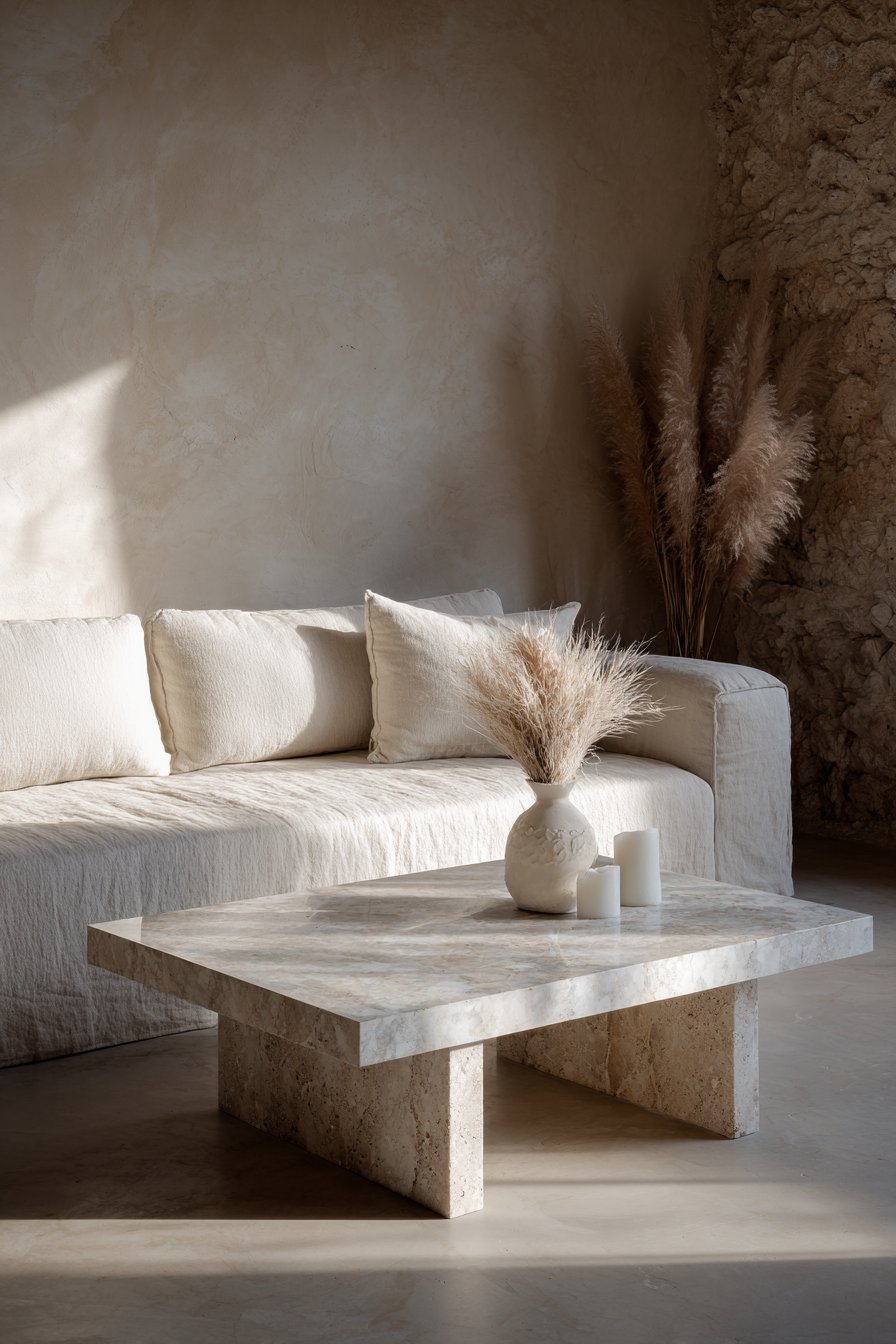
This article explores the key forces driving the textured wall trend right now. From the influence of social media to a renewed love for natural materials, each factor reveals something important about modern design psychology. Whether you’re a homeowner, renter, or design enthusiast, understanding these drivers will help you make smarter, more inspired choices for your own space.
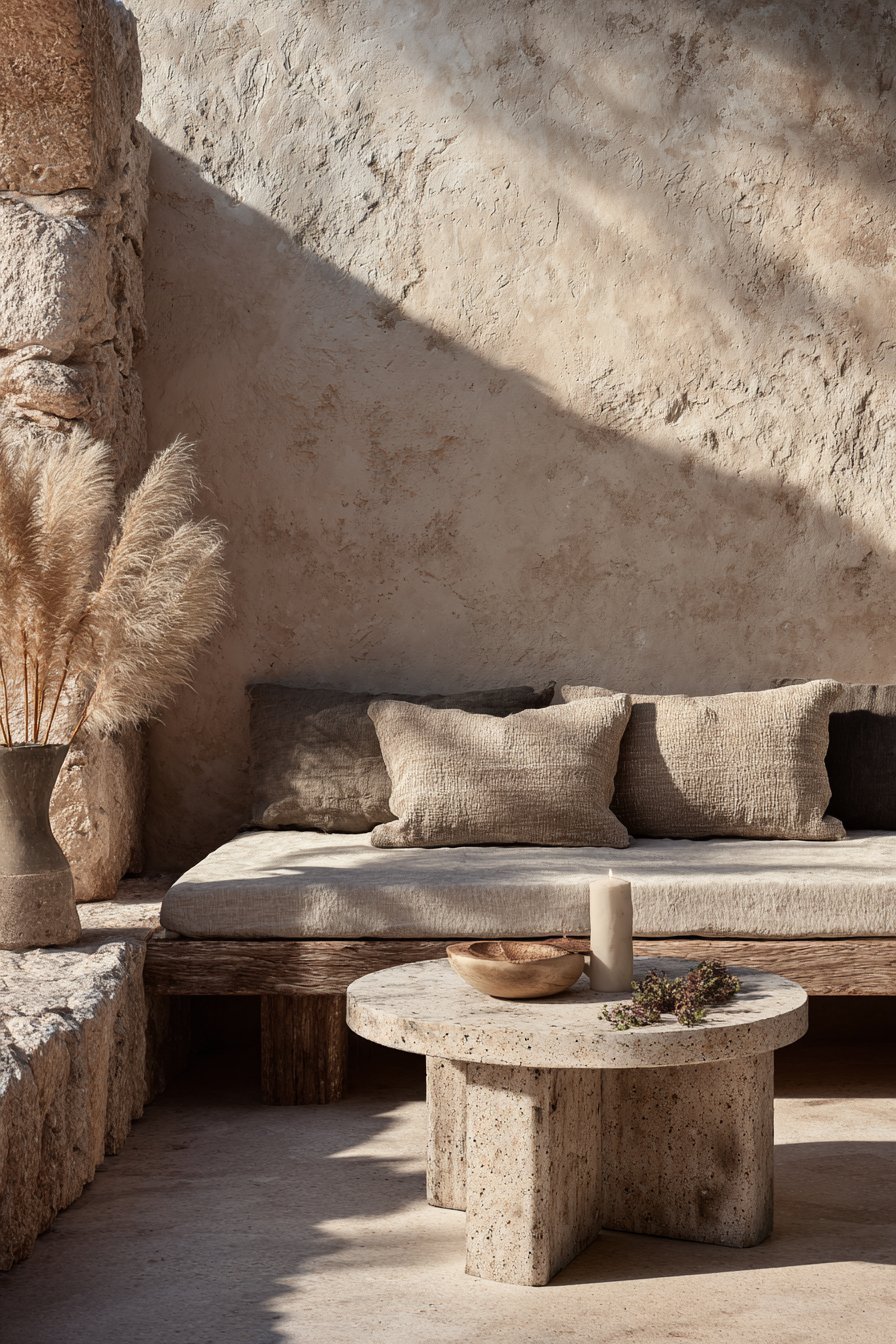
1. The Social Media Effect on Design Trends
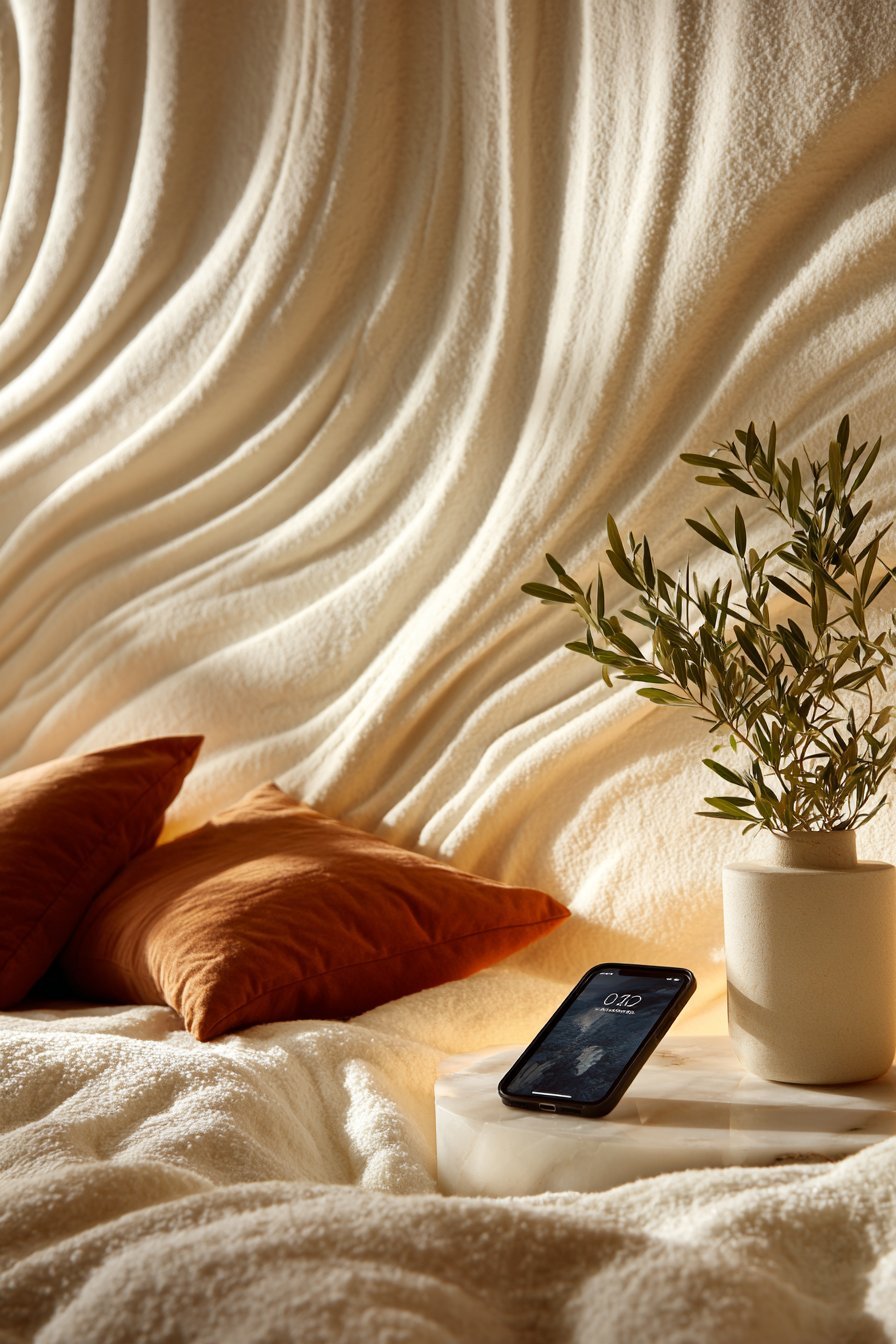
Social media platforms have become the most powerful trend accelerators in the history of interior design. What once took years to move from designer showrooms to mainstream homes now happens in weeks. A single viral post featuring a limewash wall or a sculptural plaster finish can spark thousands of imitation projects overnight.
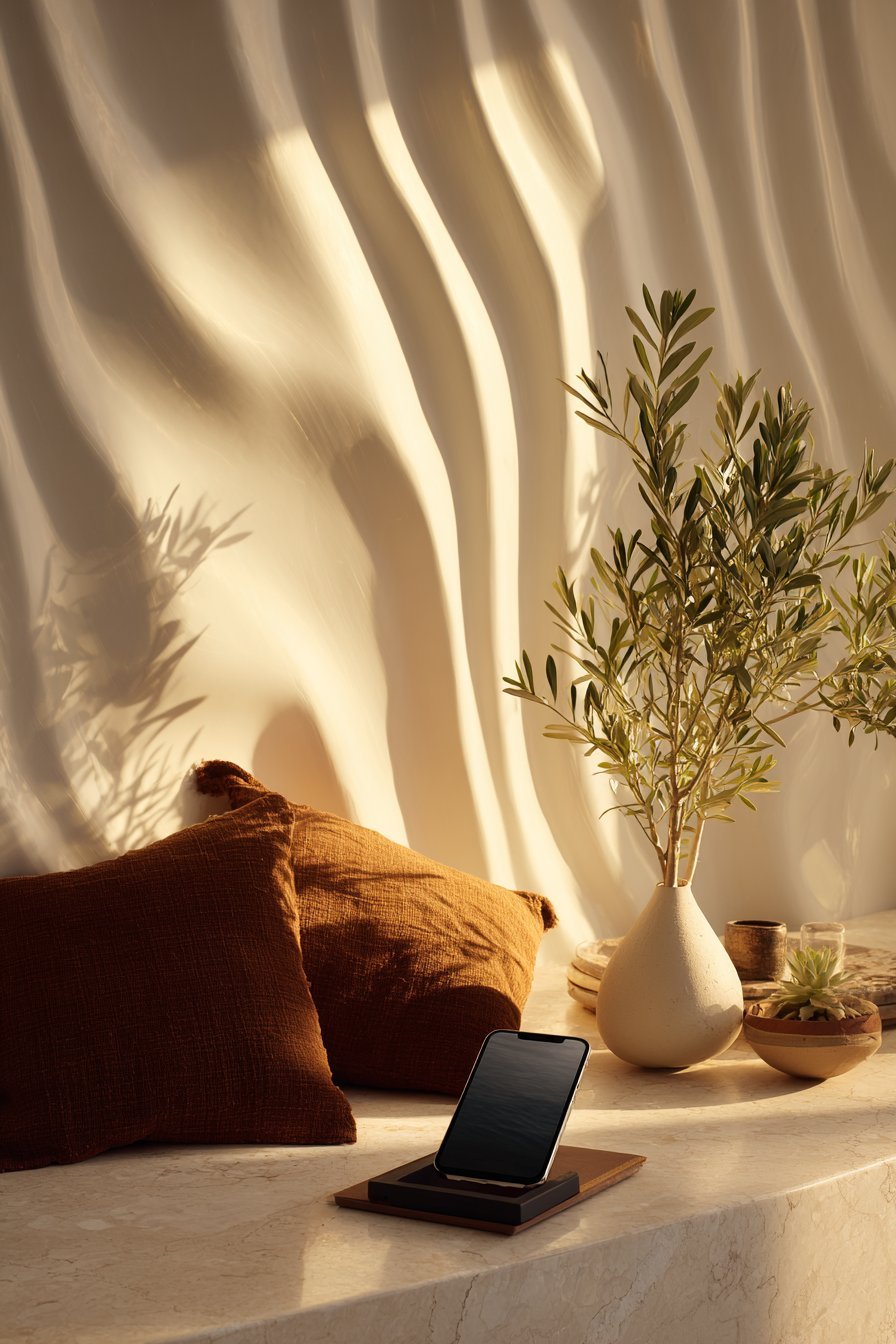
Platforms like Instagram, Pinterest, and TikTok reward visually striking content. Textured walls photograph beautifully because they catch and shift light throughout the day. This creates dynamic, ever-changing backdrops that perform well in content creation. Homeowners have realized that investing in a textured wall is also an investment in their online aesthetic.
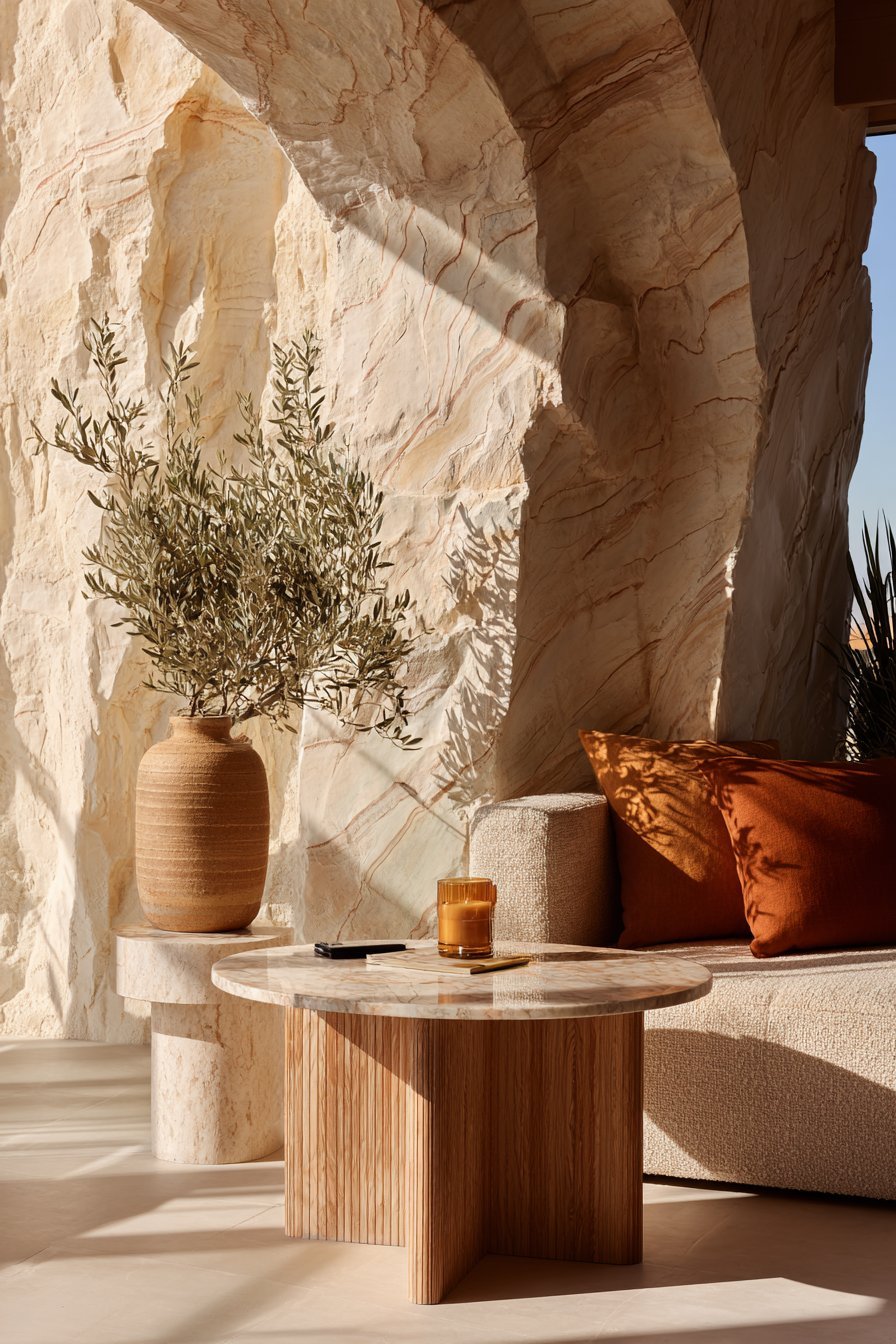
The algorithm effect is real. Design-forward content creators consistently show that rooms with texture outperform flat-walled spaces in engagement. This has created a feedback loop where more people try textured walls, share the results, and inspire the next wave of projects. The trend feeds itself through organic visual storytelling.
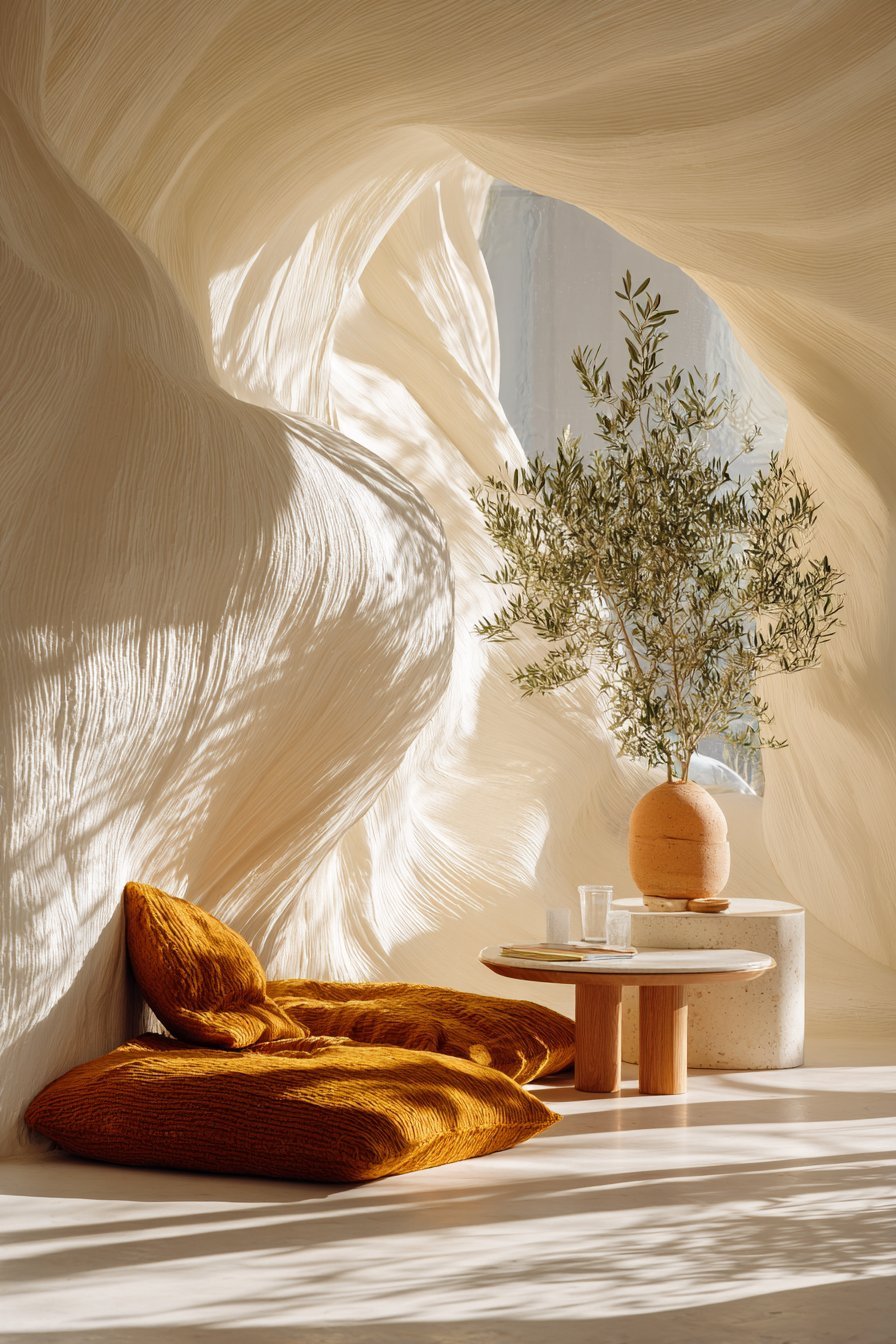
- Follow hashtags like #limewashwall and #plasterwall for real-time inspiration
- Save reference images before starting any wall texture project
- Study how different textures photograph under natural versus artificial light
- Notice how influencers use contrasting textures to create visual balance
- Use social media to identify which textures are trending in your preferred design style
- Share your own progress to connect with the texture design community
2. The Rejection of Sterile, All-White Interiors
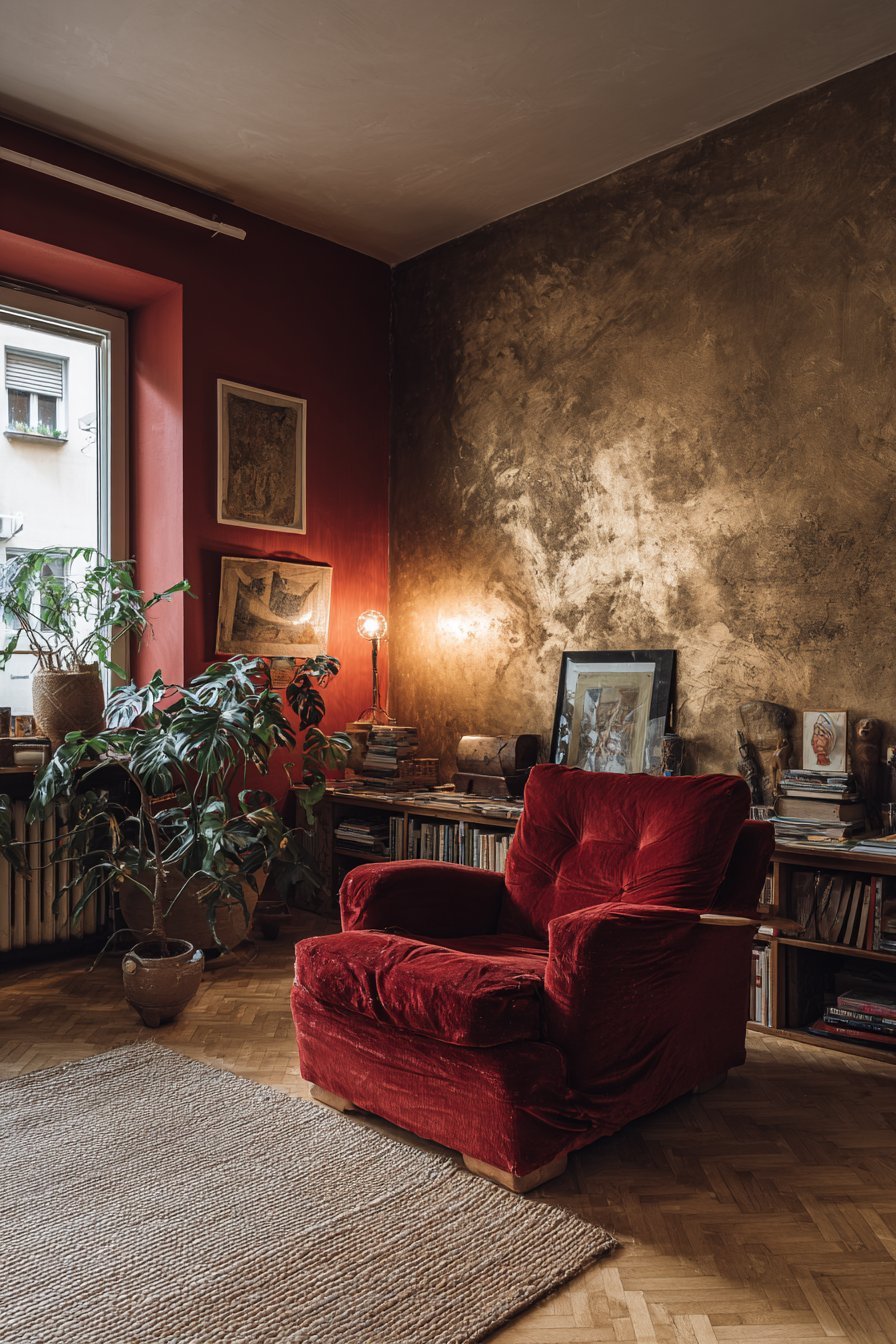
For over a decade, all-white interiors dominated the design world. The “white box” aesthetic felt clean, modern, and endlessly versatile. But design fatigue is real. A growing number of homeowners now find stark white spaces cold, impersonal, and visually exhausting.
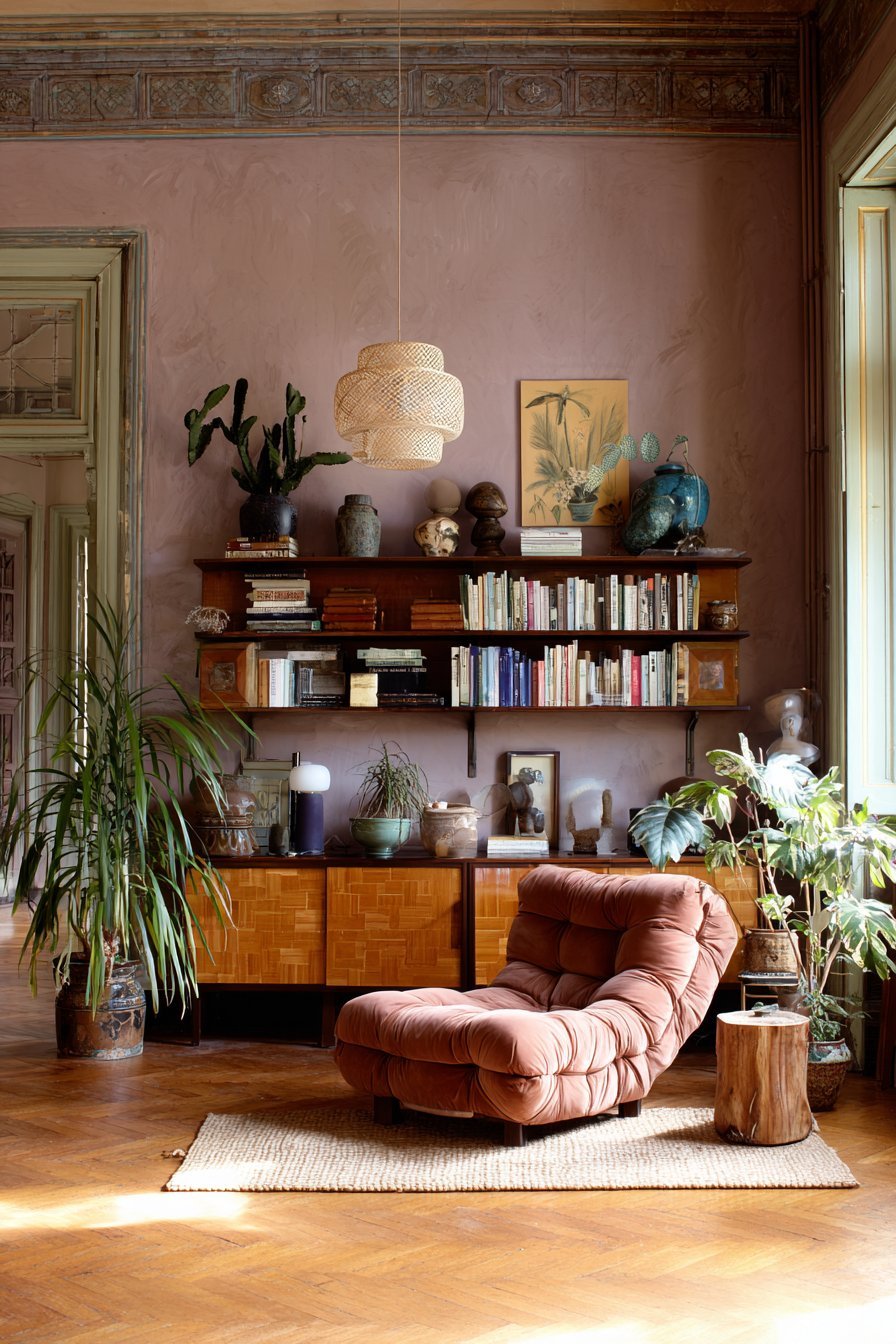
Textured walls offer a compelling alternative. They introduce warmth and dimension without overwhelming a space with color. A natural clay plaster wall, for example, is technically neutral in hue but feels rich and grounded. It creates a sense of organic warmth that paint alone simply cannot replicate.
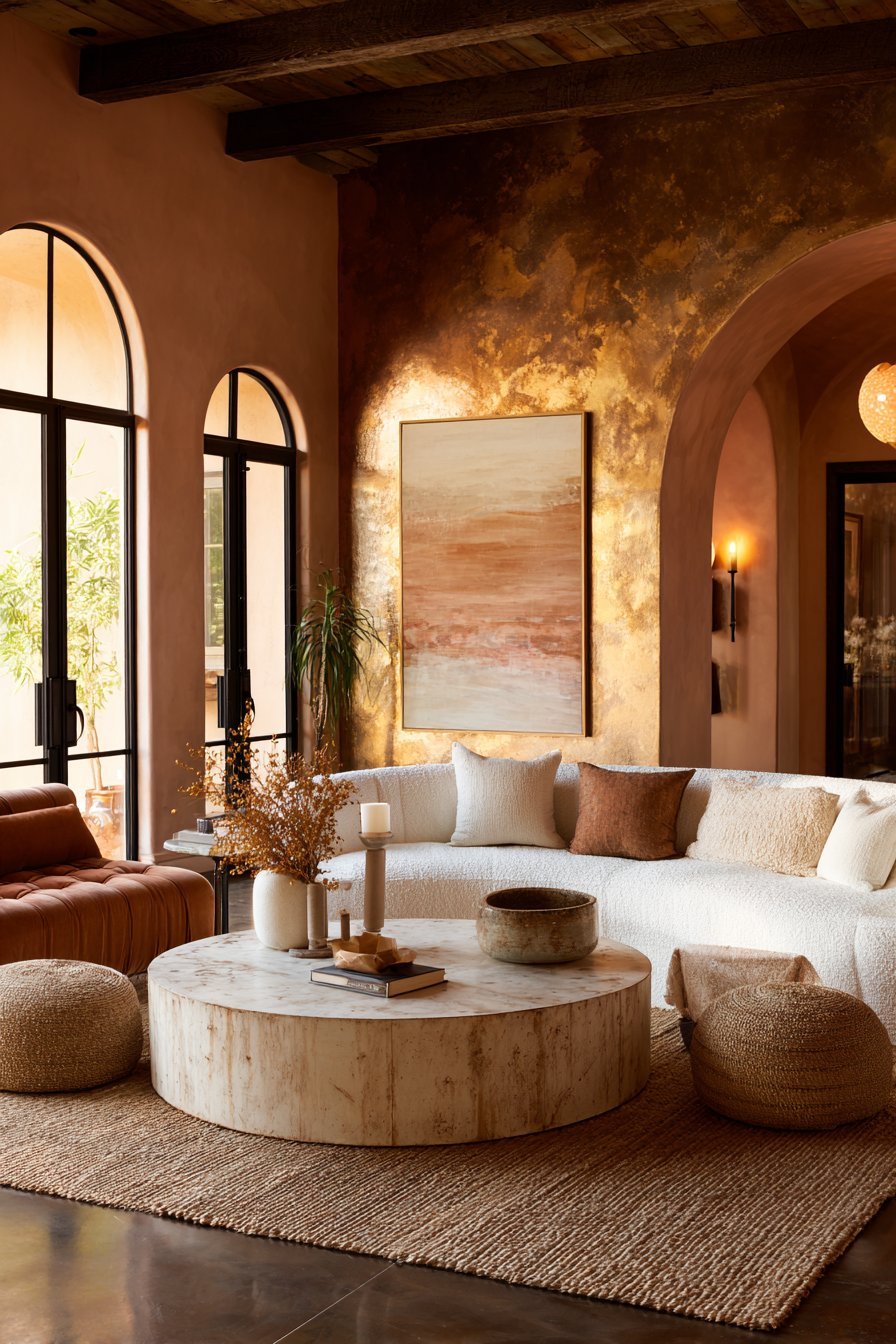
This shift also connects to a broader cultural desire for authenticity in the home. People want spaces that feel lived in, layered, and real. Imperfect textures — the kind made by hand or inspired by nature — carry a visual honesty that resonates deeply. The trend is, in many ways, a rejection of the overly curated and a return to the genuinely human.
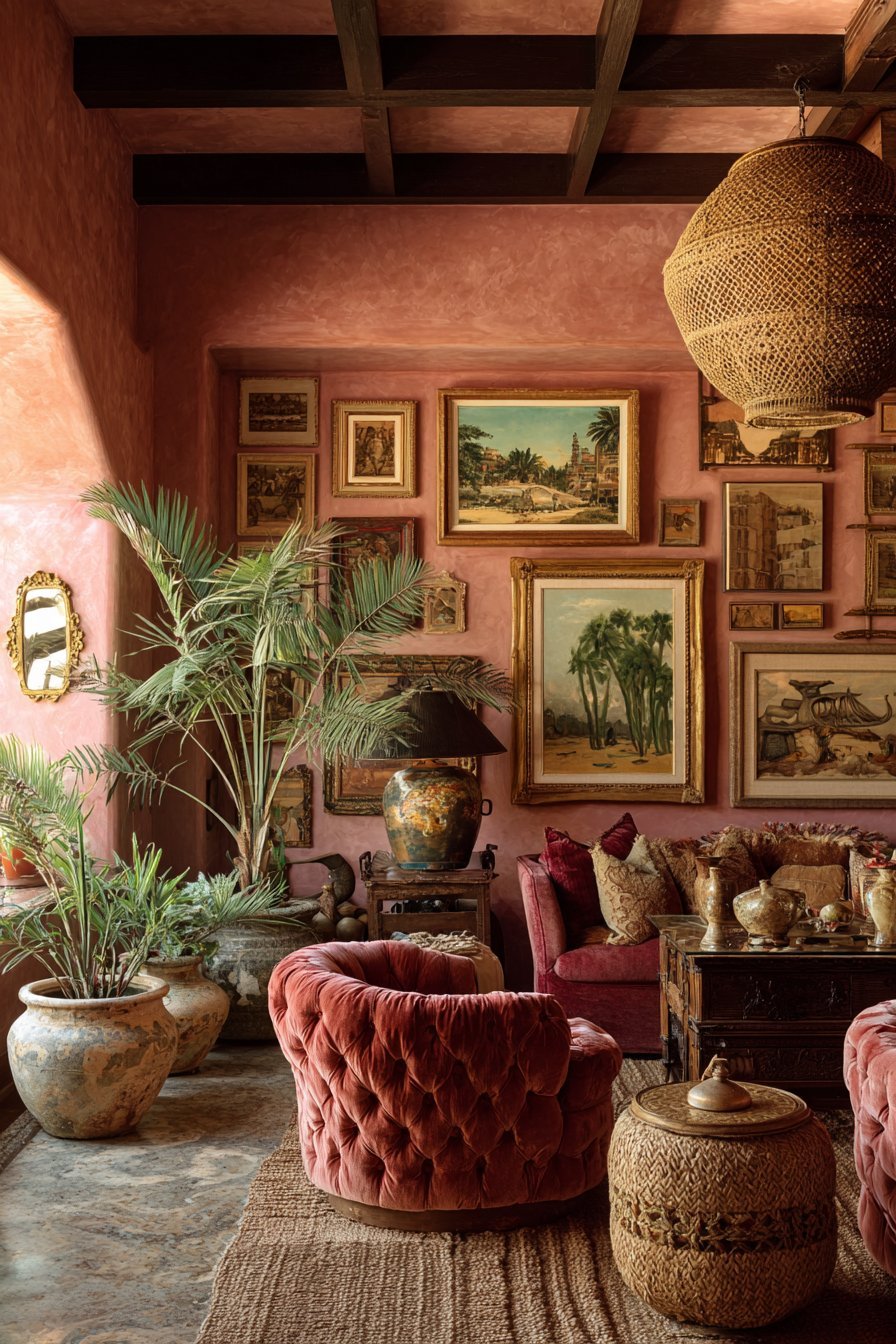
- Introduce texture gradually, starting with a single accent wall
- Pair textured walls with warm-toned furnishings and natural materials
- Choose earthy, muted palettes to complement tactile wall surfaces
- Avoid combining multiple bold textures in the same room
- Use soft textiles like linen and wool to reinforce the organic aesthetic
- Consider how natural light interacts with your chosen texture throughout the day
3. The Rise of Natural and Sustainable Materials
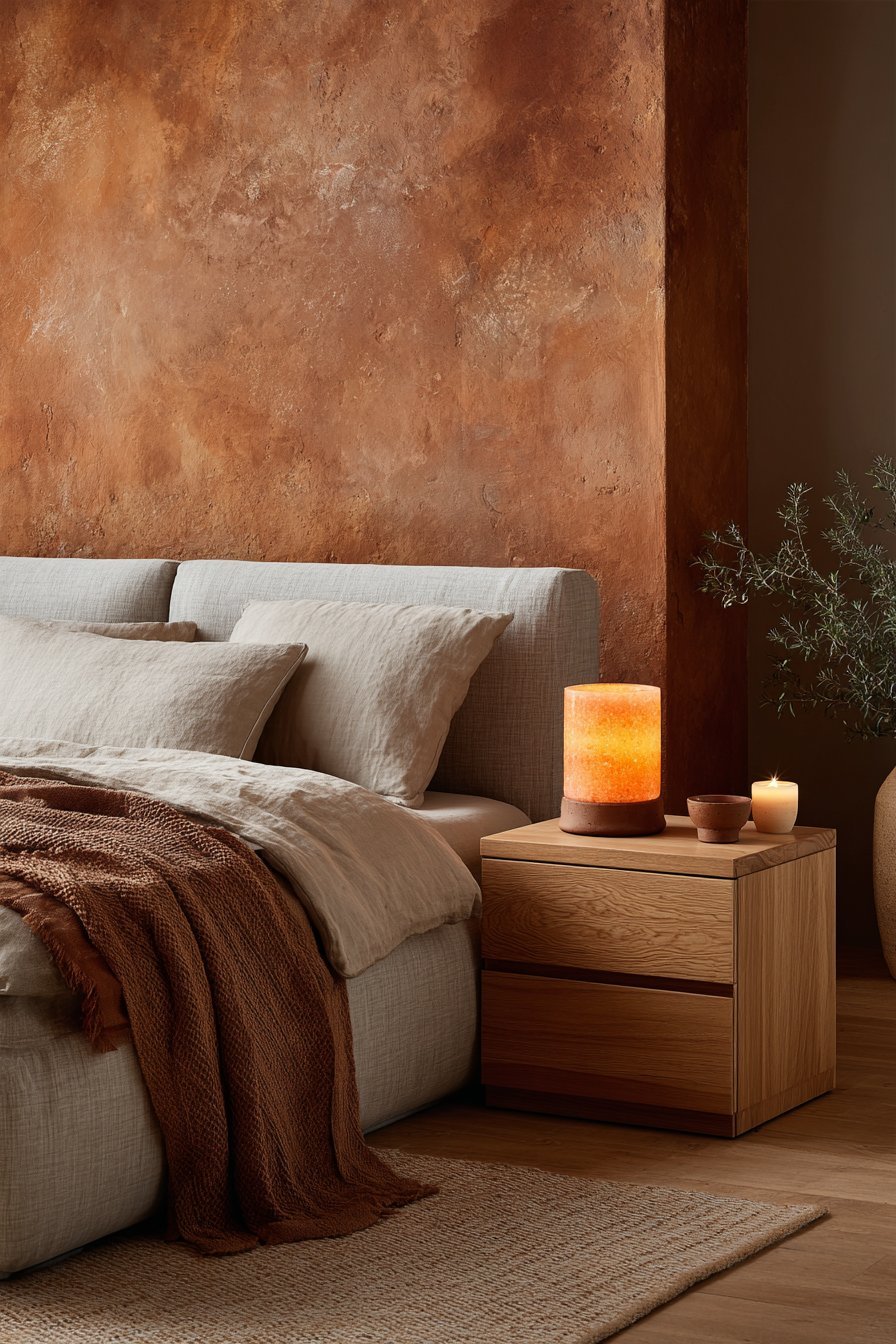
Sustainability is no longer a niche concern — it’s a mainstream design priority. As consumers become more environmentally conscious, the materials they choose for their homes reflect that shift. Natural wall treatments like clay plaster, lime wash, and venetian plaster are experiencing a massive revival.
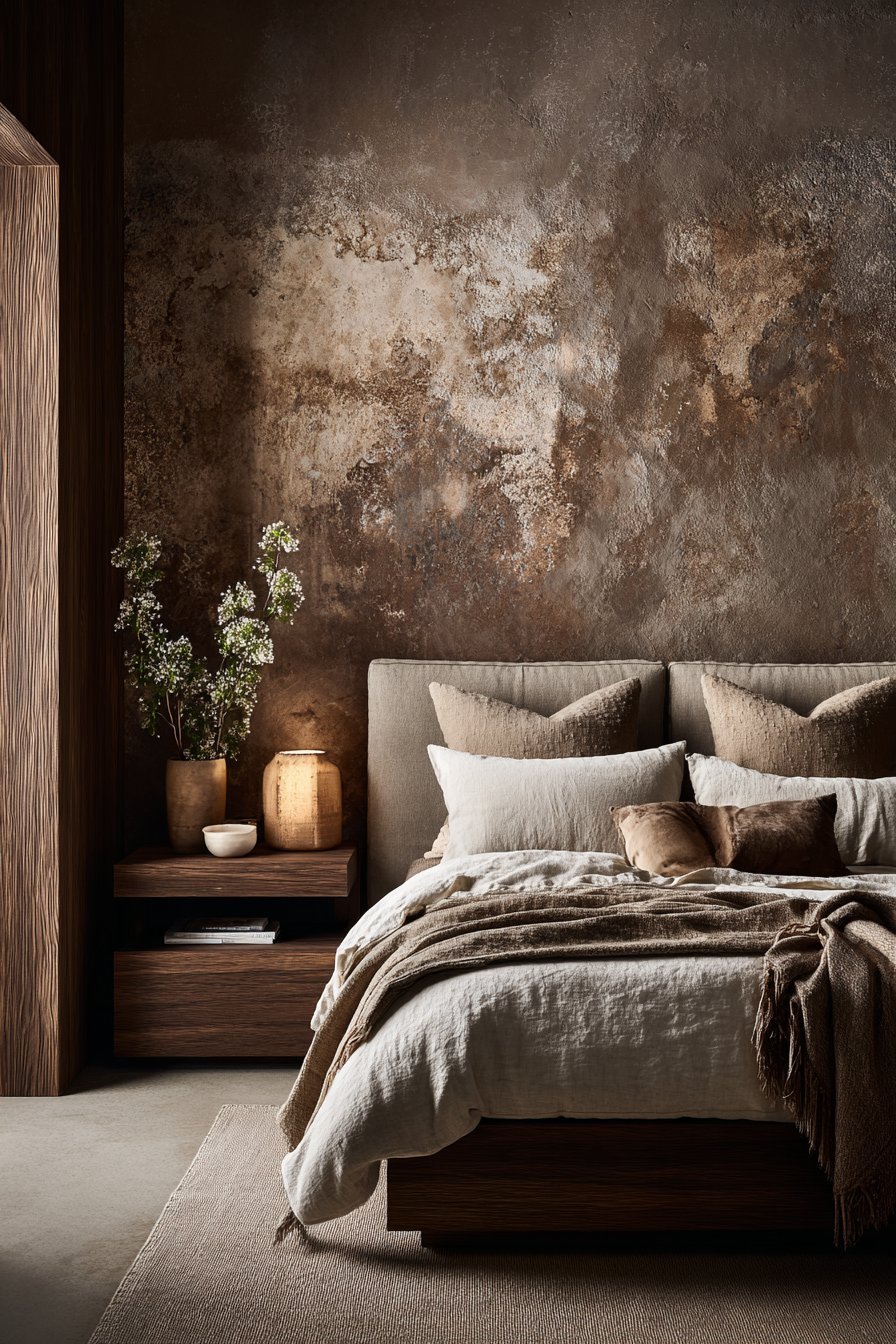
These materials are non-toxic and breathable, making them healthier for indoor environments. Unlike synthetic paints loaded with VOCs, natural plasters regulate humidity and contribute to better air quality. For families with children, pets, or allergy concerns, this is a compelling reason to make the switch to natural wall finishes.
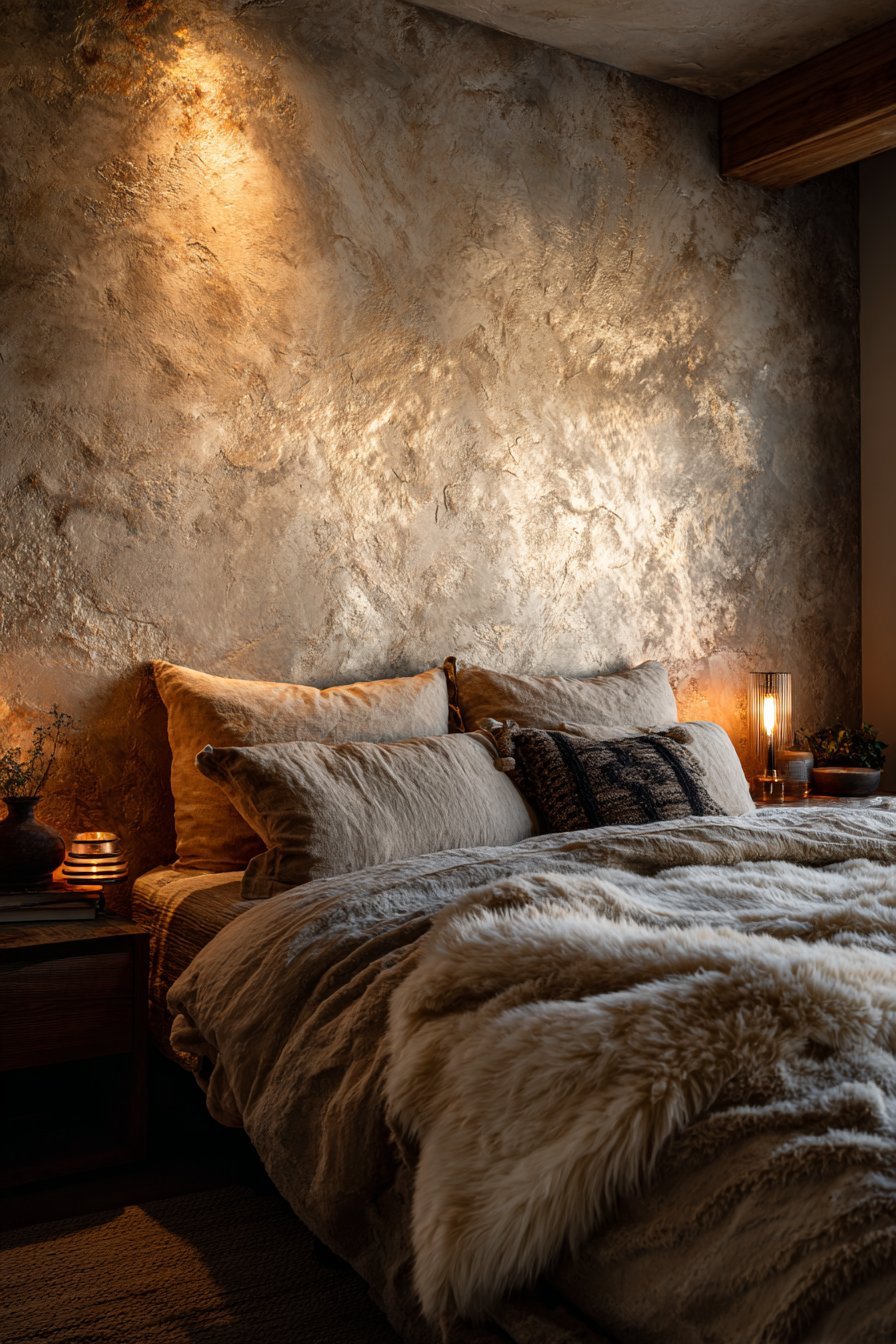
Beyond health benefits, natural materials simply look extraordinary. Clay plaster has a soft, matte depth that changes character throughout the day as light moves across it. Lime wash creates a layered, aged effect that feels both ancient and completely contemporary. These textures tell a story of craft and material honesty that synthetic alternatives cannot match.
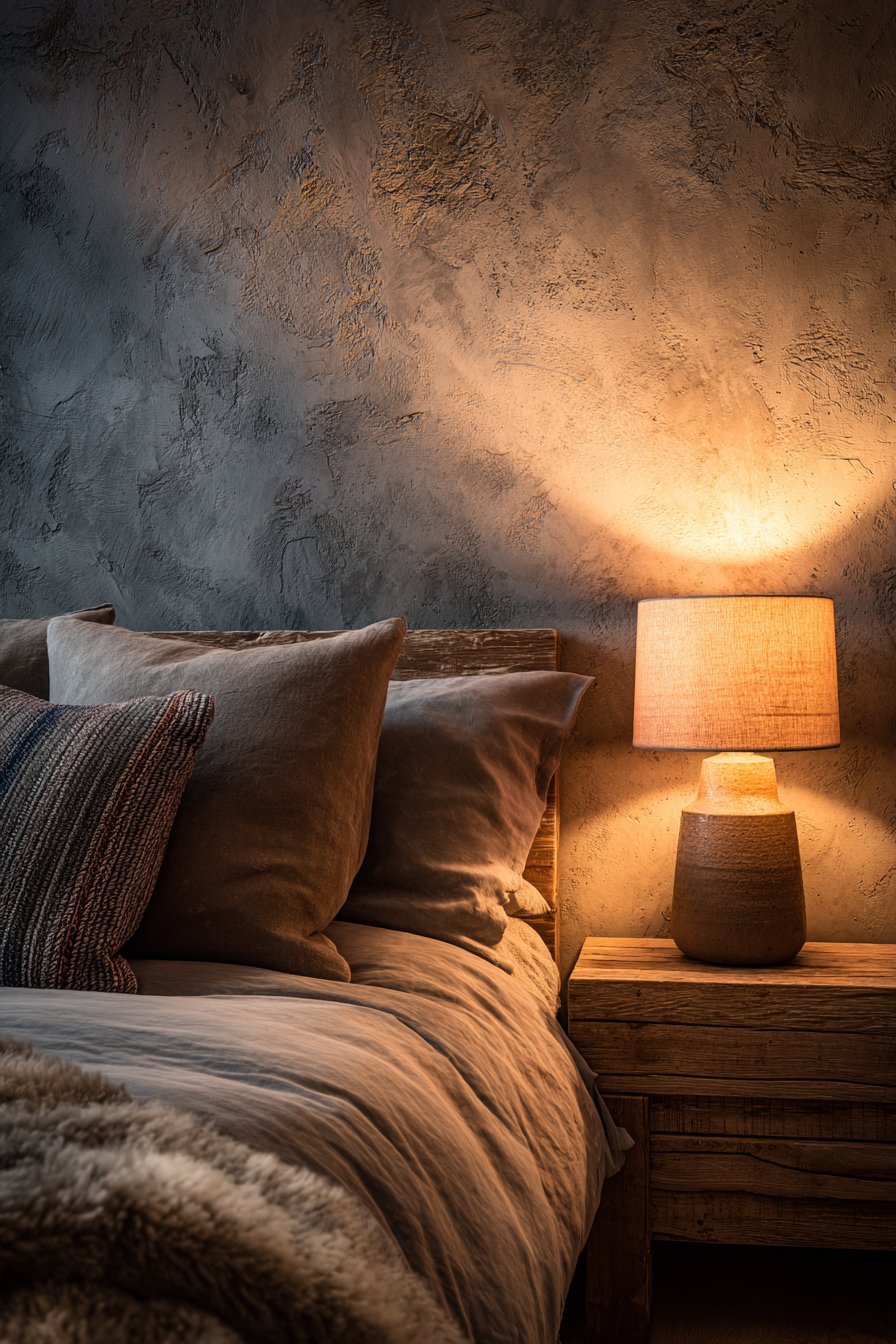
- Research the VOC content of any wall product before purchasing
- Look for clay, lime, and mineral-based plasters from reputable suppliers
- Ask about application requirements — some natural plasters require professional installation
- Consider the longevity of natural materials versus conventional paint
- Pair natural wall textures with reclaimed wood and stone elements
- Explore locally sourced materials to reduce your project’s carbon footprint
4. A Renewed Appreciation for Craftsmanship and Artisanal Finishes
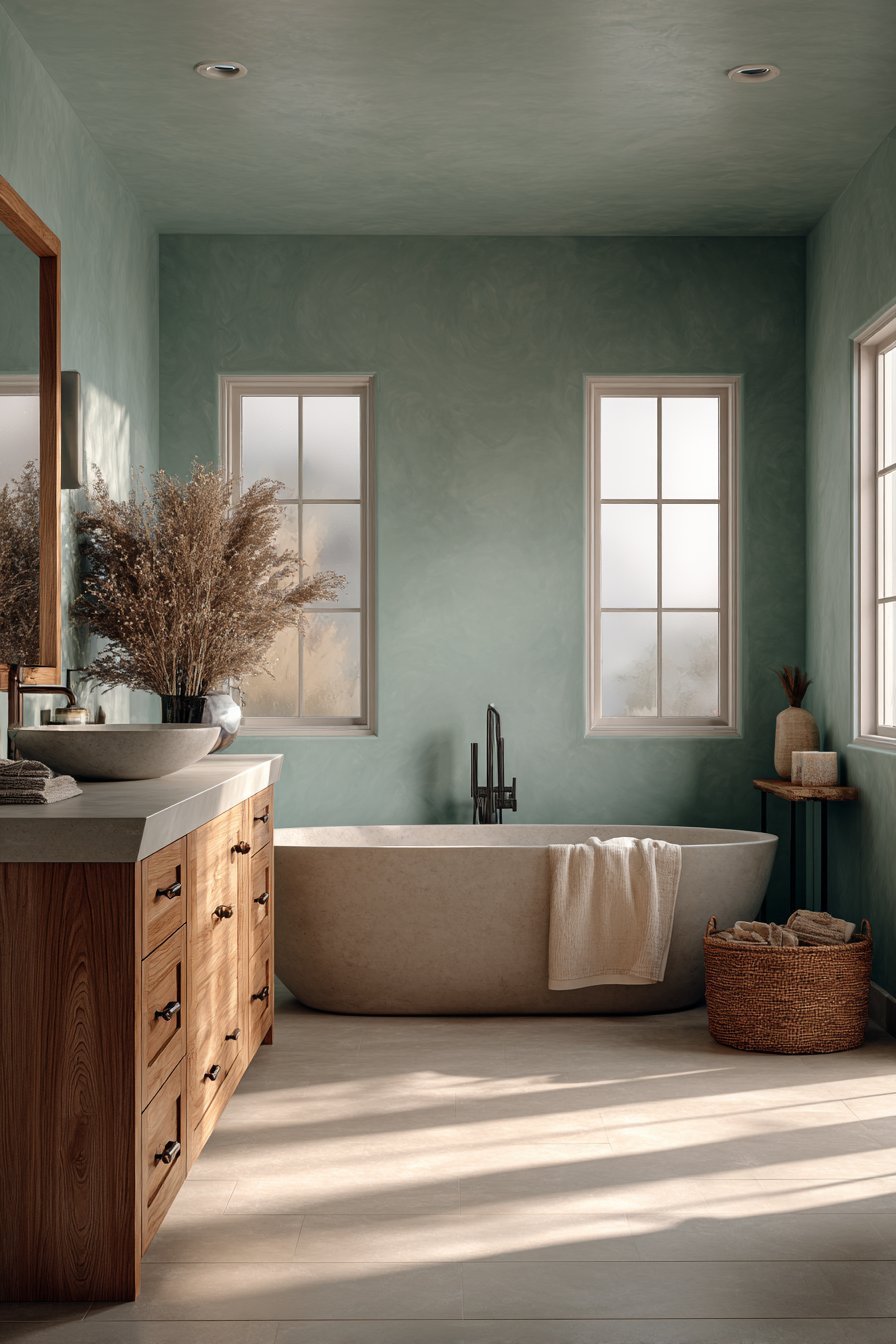
Mass production dominated the early 21st century. Now, there’s a powerful counter-movement celebrating handmade craftsmanship in the home. Textured walls are at the heart of this revival because, by definition, they require skill, touch, and intention.
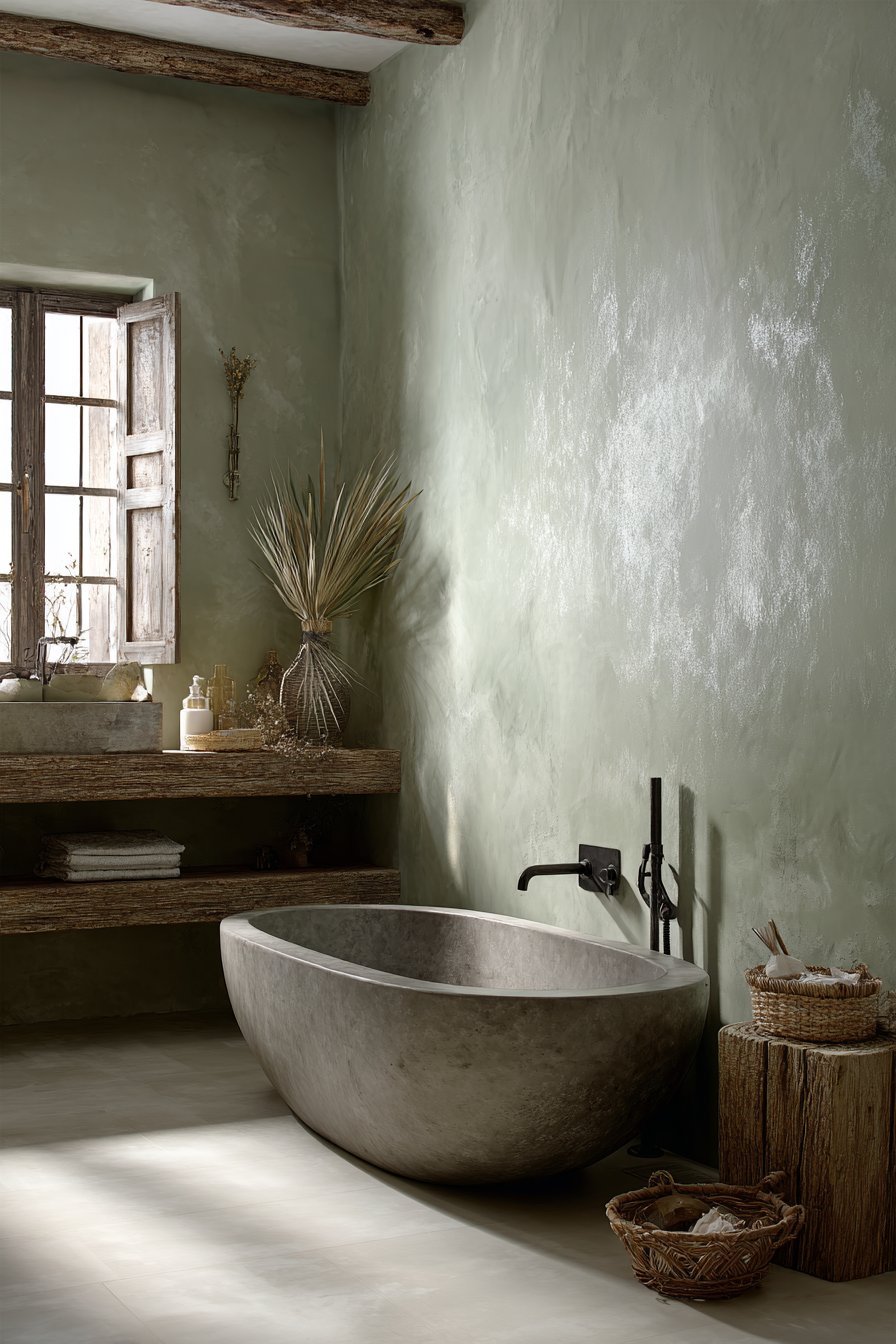
Artisanal wall finishes like Venetian plaster, tadelakt, and hand-applied stucco cannot be easily replicated by machines. Each application is unique. The hand marks, subtle variations, and layered depth are features, not flaws. Homeowners are paying premium prices for this individuality, and the market is responding with a surge in skilled plasterers and decorative wall artists.
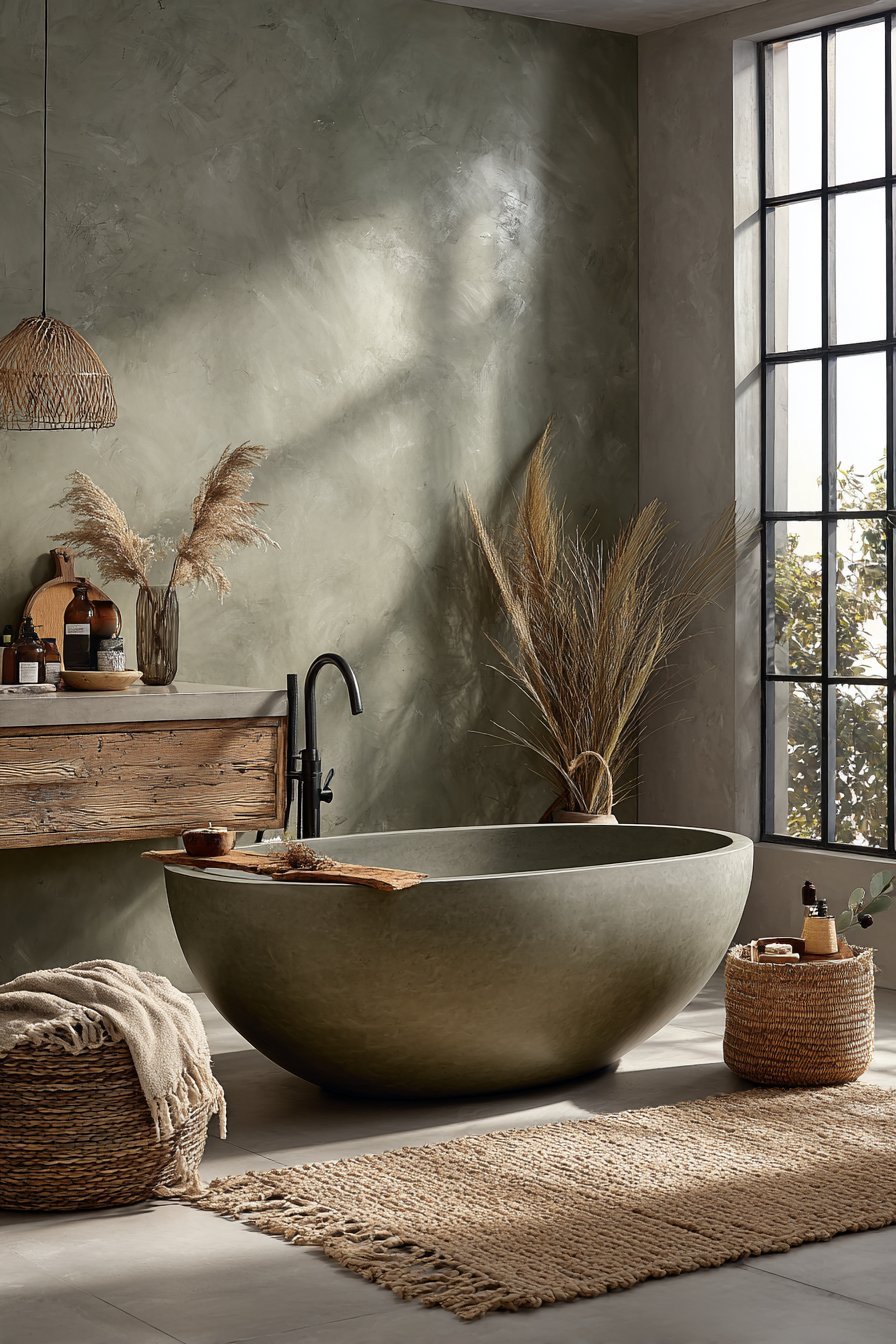
This appreciation for craft extends into interior design philosophy. A hand-textured wall is a statement about valuing skill and time over convenience and cost-cutting. It reflects a homeowner who prioritizes quality over quantity — someone who would rather invest deeply in fewer, more meaningful design choices than fill a space with disposable décor.
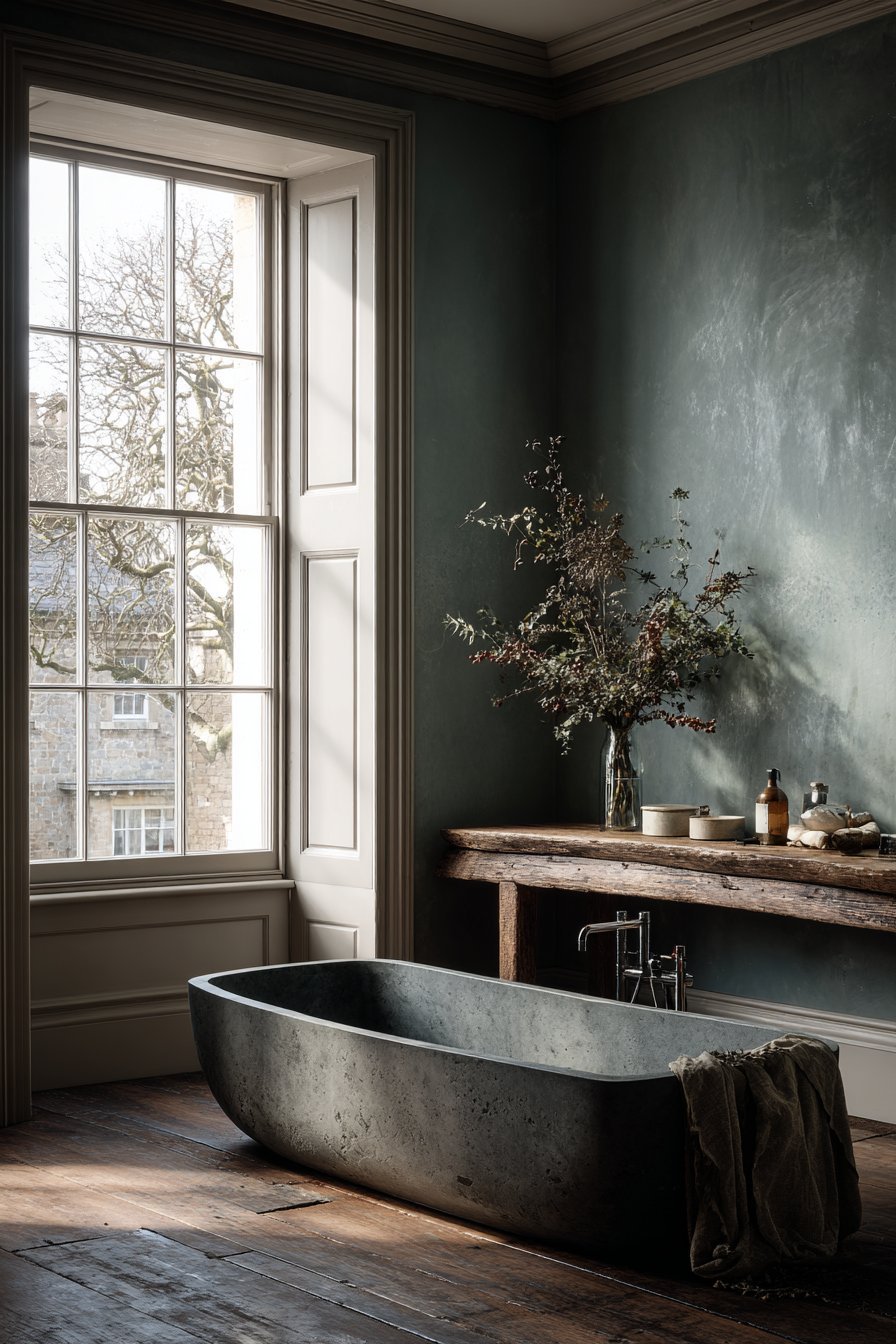
- Hire certified decorative plaster artisans for high-end finishes like tadelakt
- Ask to see a sample panel before committing to a full-room application
- Research different techniques — Venetian plaster, marmorino, and sgraffito each have unique looks
- Understand that handmade variation is part of the beauty, not an imperfection
- Budget appropriately — artisanal finishes cost more but last significantly longer
- Support local craftspeople to preserve traditional plastering techniques
5. The Influence of Global Design Aesthetics
Travel and global connectivity have dramatically expanded design vocabulary. Homeowners are drawing inspiration from Moroccan riads, Japanese wabi-sabi, and Mediterranean architecture — all traditions that celebrate textured, imperfect, and tactile surfaces. This cross-cultural borrowing is a key driver of the textured wall movement.
Tadelakt, for example, is a traditional Moroccan plaster technique that creates a smooth yet richly textured surface. It has moved from North African hammams into high-end Western bathrooms and living spaces. Wabi-sabi philosophy, rooted in finding beauty in imperfection, has made raw, unfinished wall textures not just acceptable but deeply desirable.
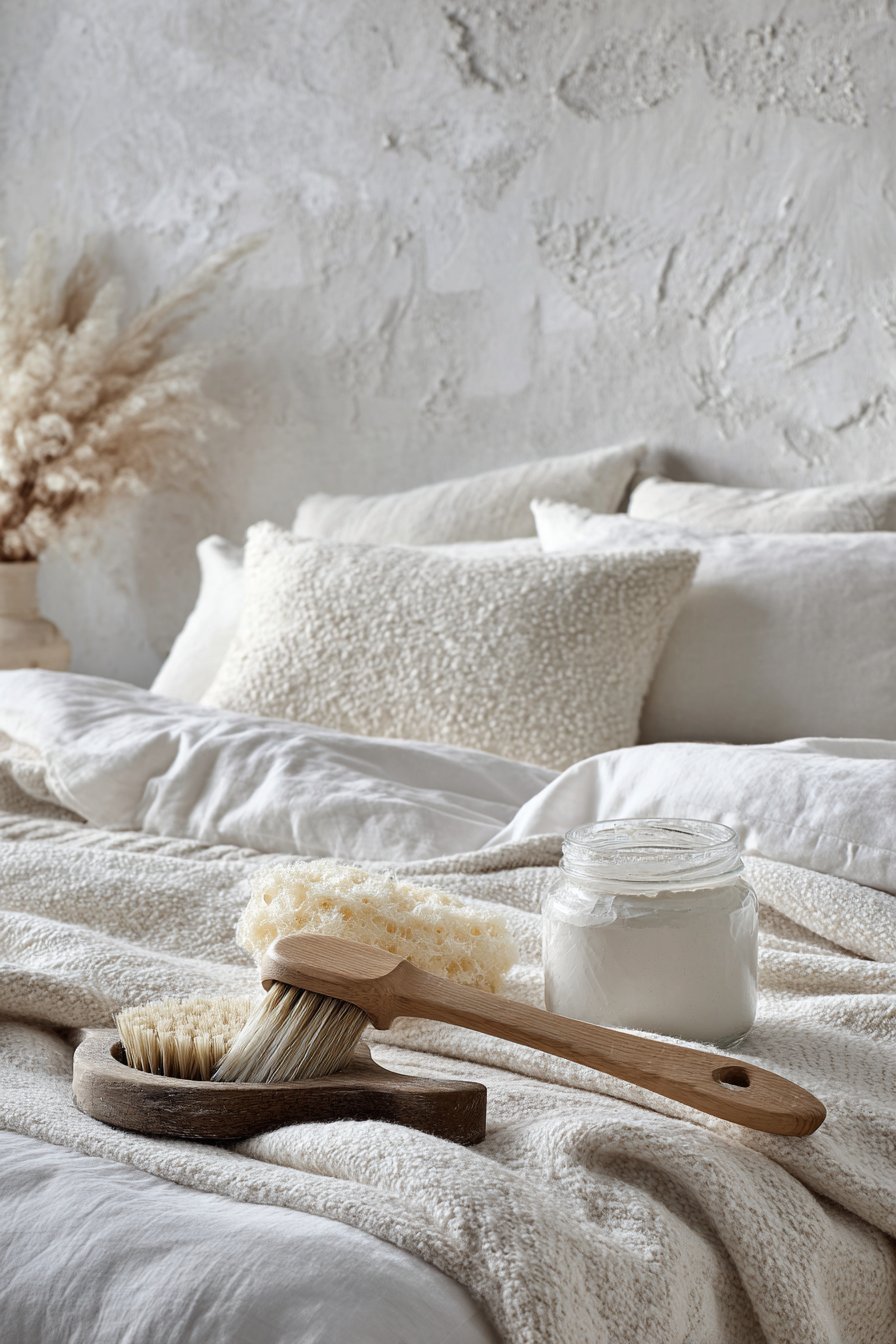
The Mediterranean aesthetic — sun-baked plaster walls, rough stone, and warm earth tones — has similarly captivated a global audience. Interior designers are translating these influences into accessible domestic contexts. The result is a rich, globally informed texture language that feels both exotic and deeply personal.
- Explore tadelakt for bathrooms — it’s waterproof and visually stunning
- Study wabi-sabi principles to understand embracing imperfection in design
- Use warm terracotta and sand tones to honor the Mediterranean influence
- Mix global texture inspirations thoughtfully — avoid visual cultural clutter
- Consult design books and travel photography for authentic reference material
- Blend global inspirations with local materials for a personalized outcome
6. Texture as a Response to Remote Work and Home Life

The pandemic fundamentally changed how people relate to their homes. When the house became an office, school, and sanctuary simultaneously, people began scrutinizing their interiors more critically. Flat, uninspiring walls suddenly felt inadequate. People wanted spaces that genuinely felt good to inhabit.
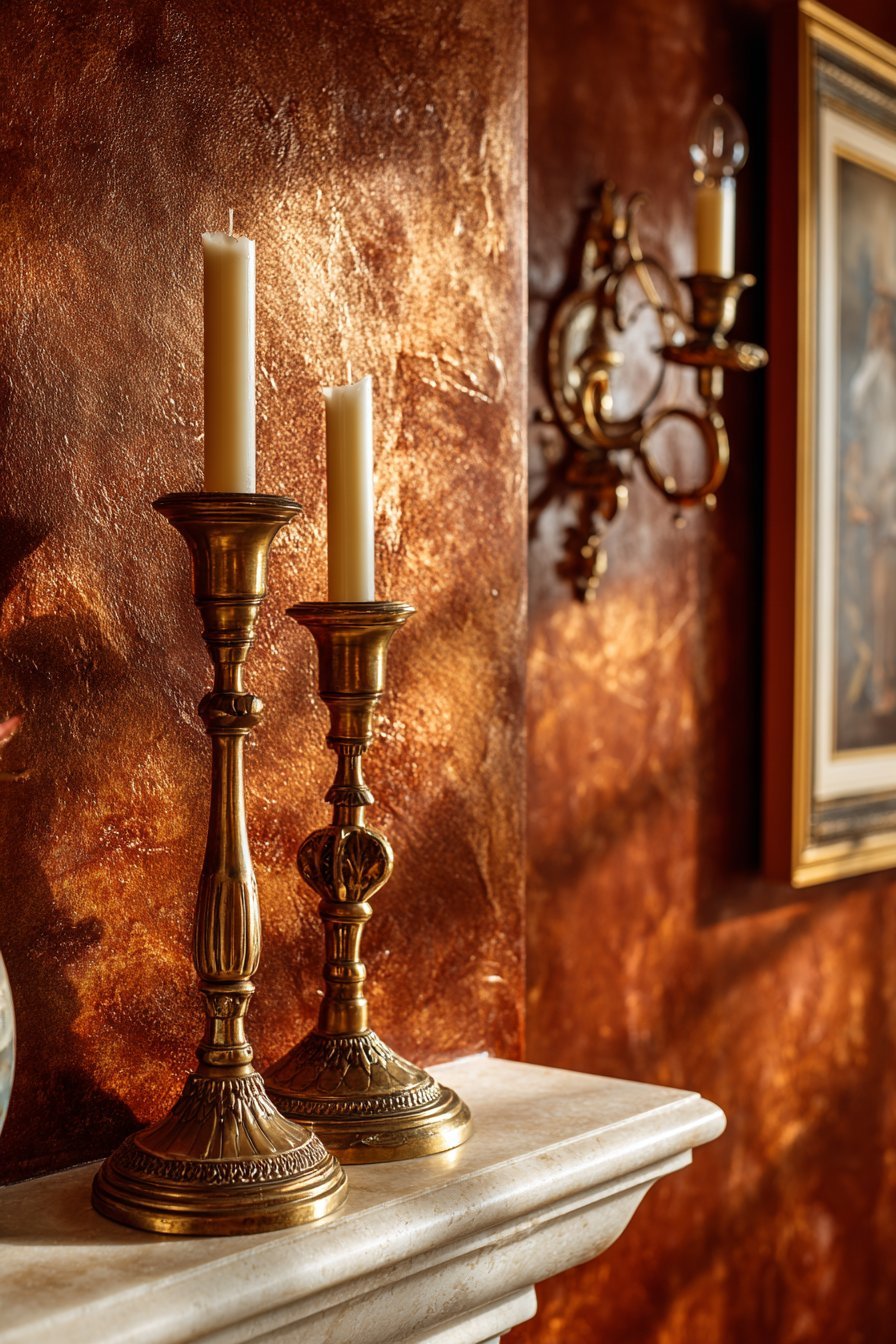
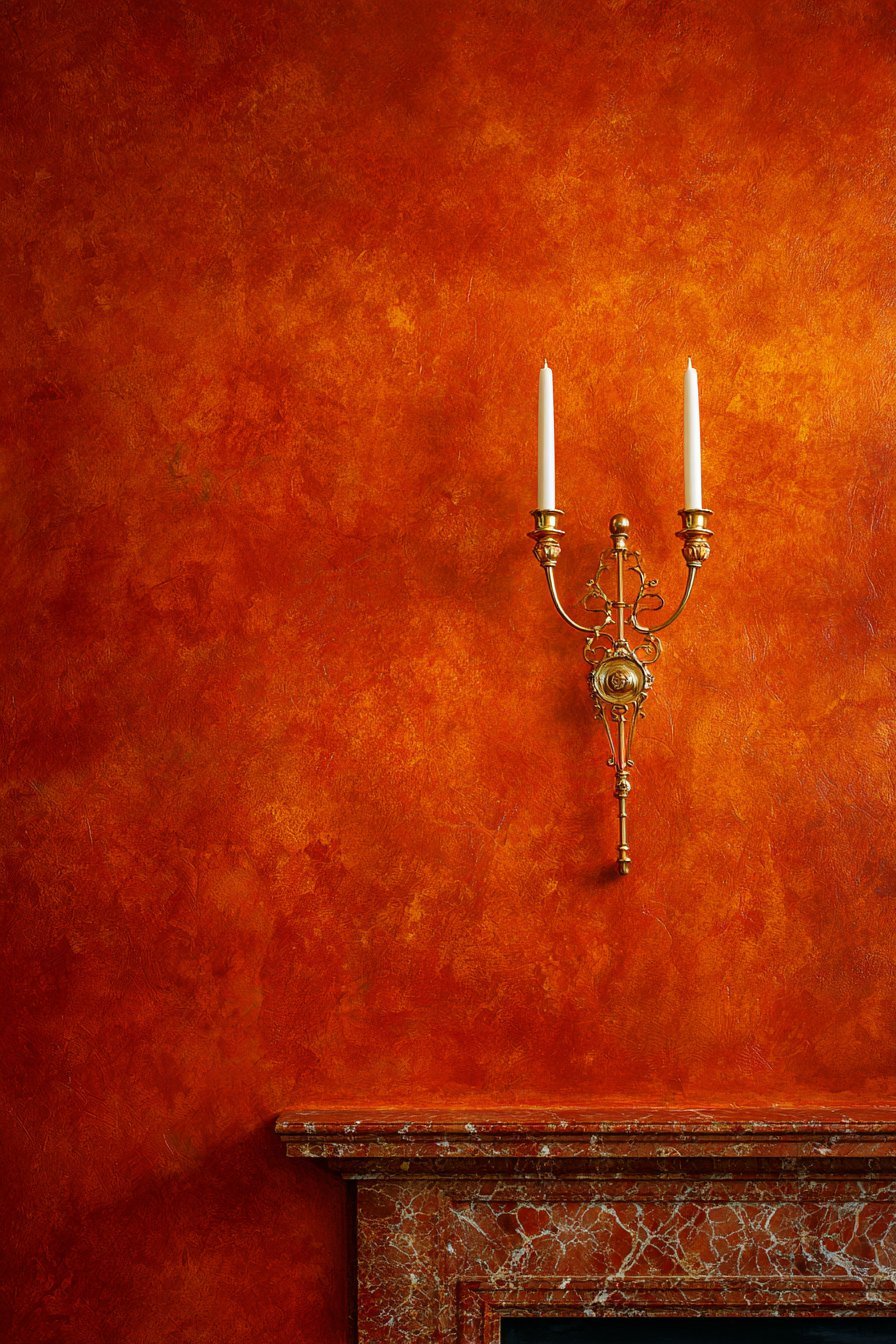
Texture became part of the solution. A richly plastered wall in a home office background adds professional visual interest during video calls. A textured bedroom wall creates a cocoon-like atmosphere that supports rest and restoration. As people spend more hours at home, the sensory quality of their environment has become increasingly important.
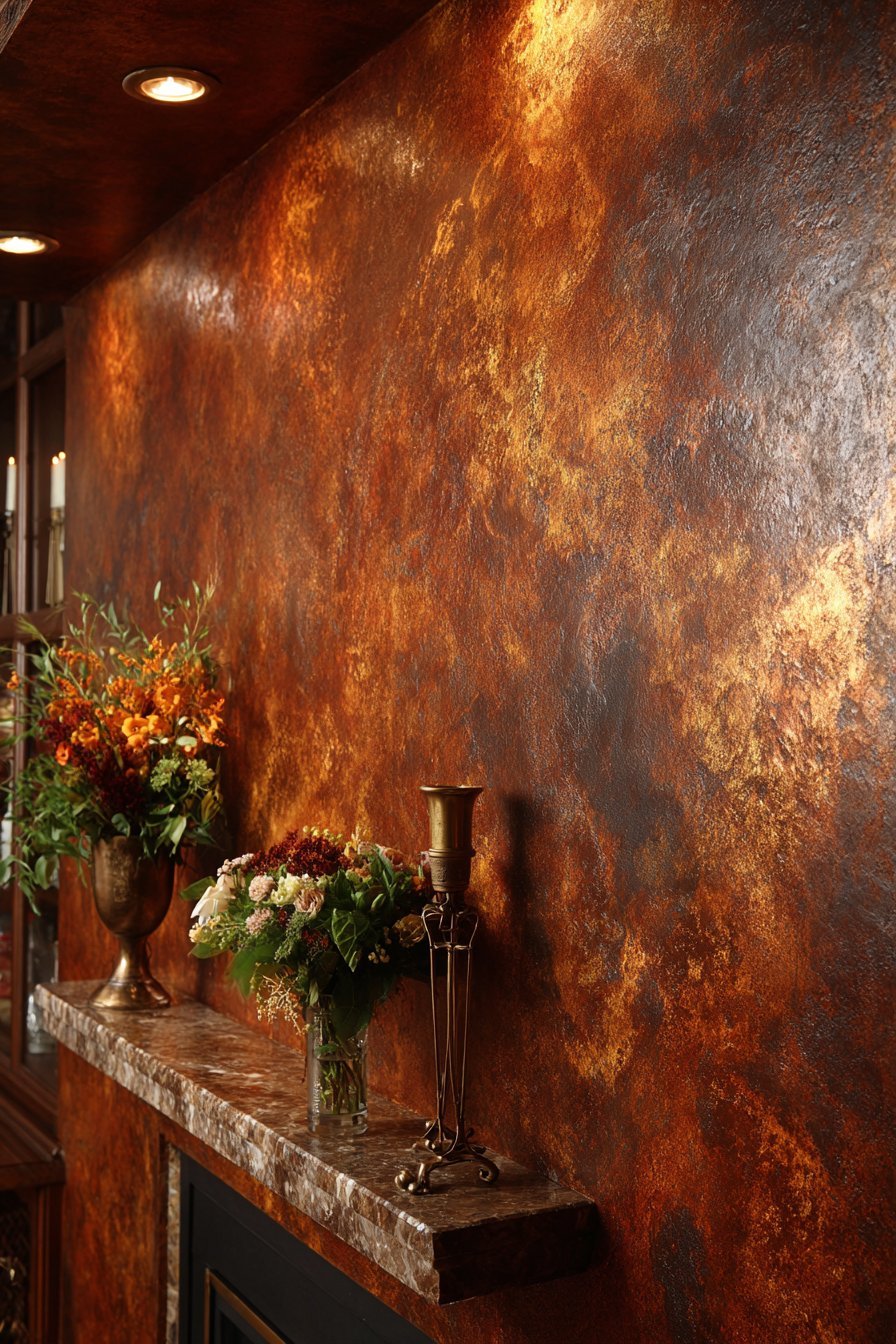
Research supports the idea that tactile environments reduce stress. Surfaces that appear soft, layered, and natural communicate safety and comfort at a subconscious level. Homeowners are intuitively responding to this by gravitating toward textures that feel more like natural environments than constructed rooms.
- Add texture to your home office feature wall for a polished video call background
- Use soft plaster textures in the bedroom for a restorative atmosphere
- Consider acoustic plaster textures in home offices to reduce echo and sound bounce
- Layer texture with plants and natural light for a biophilic home environment
- Choose calming textures in muted neutrals for living and sleeping spaces
- Avoid highly stimulating textures in spaces designed for rest and focus
7. The DIY Movement and Accessible Texture Products
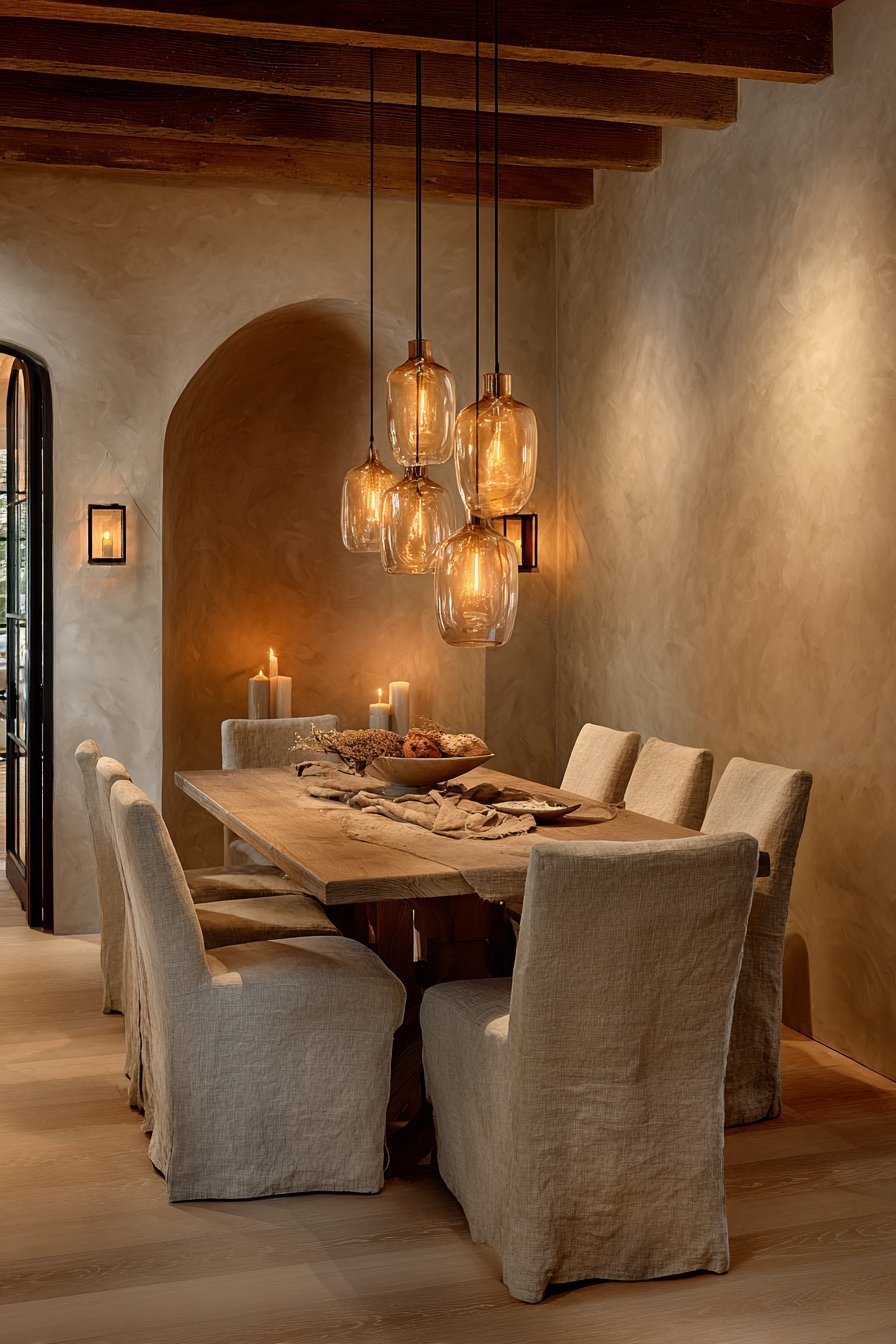
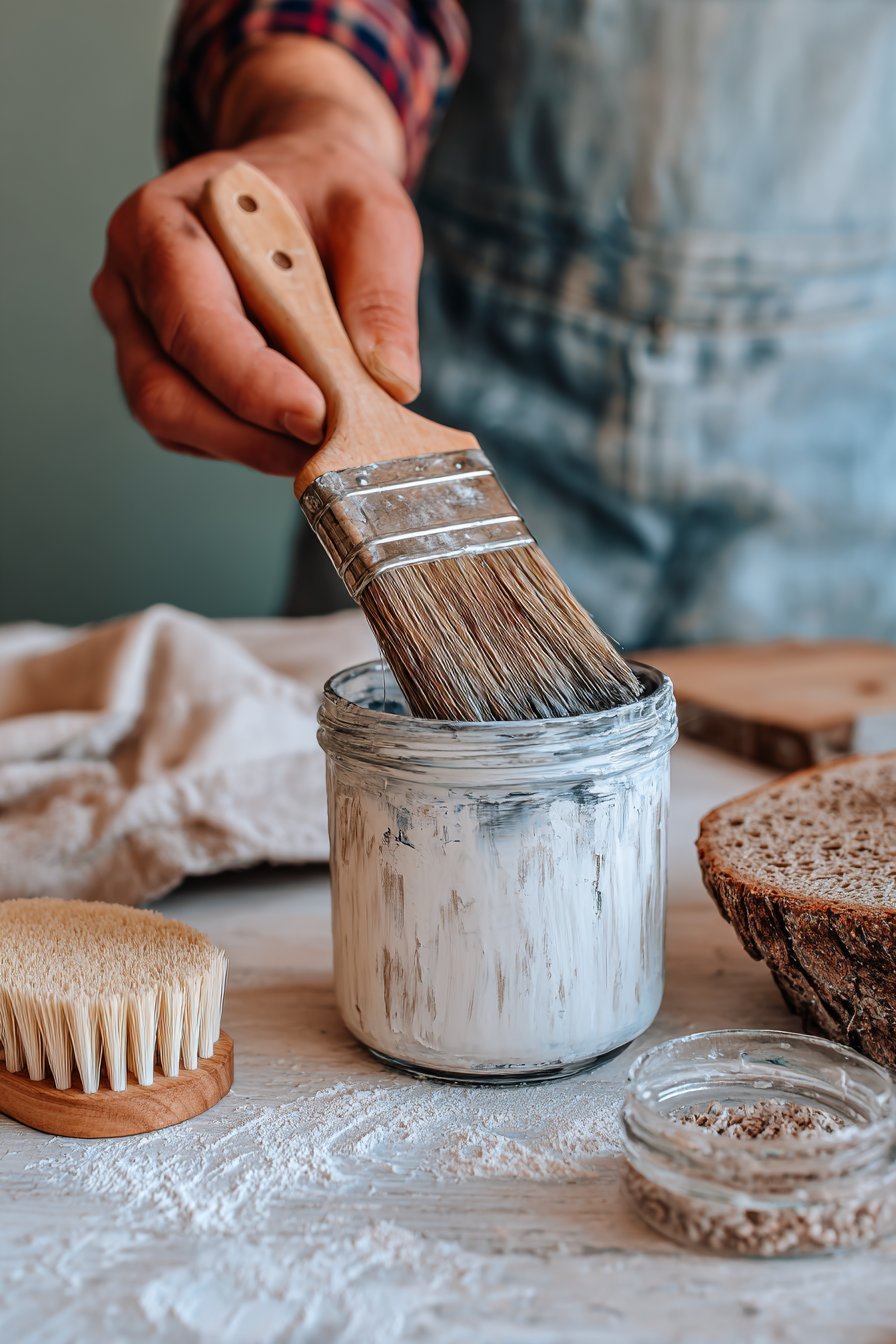
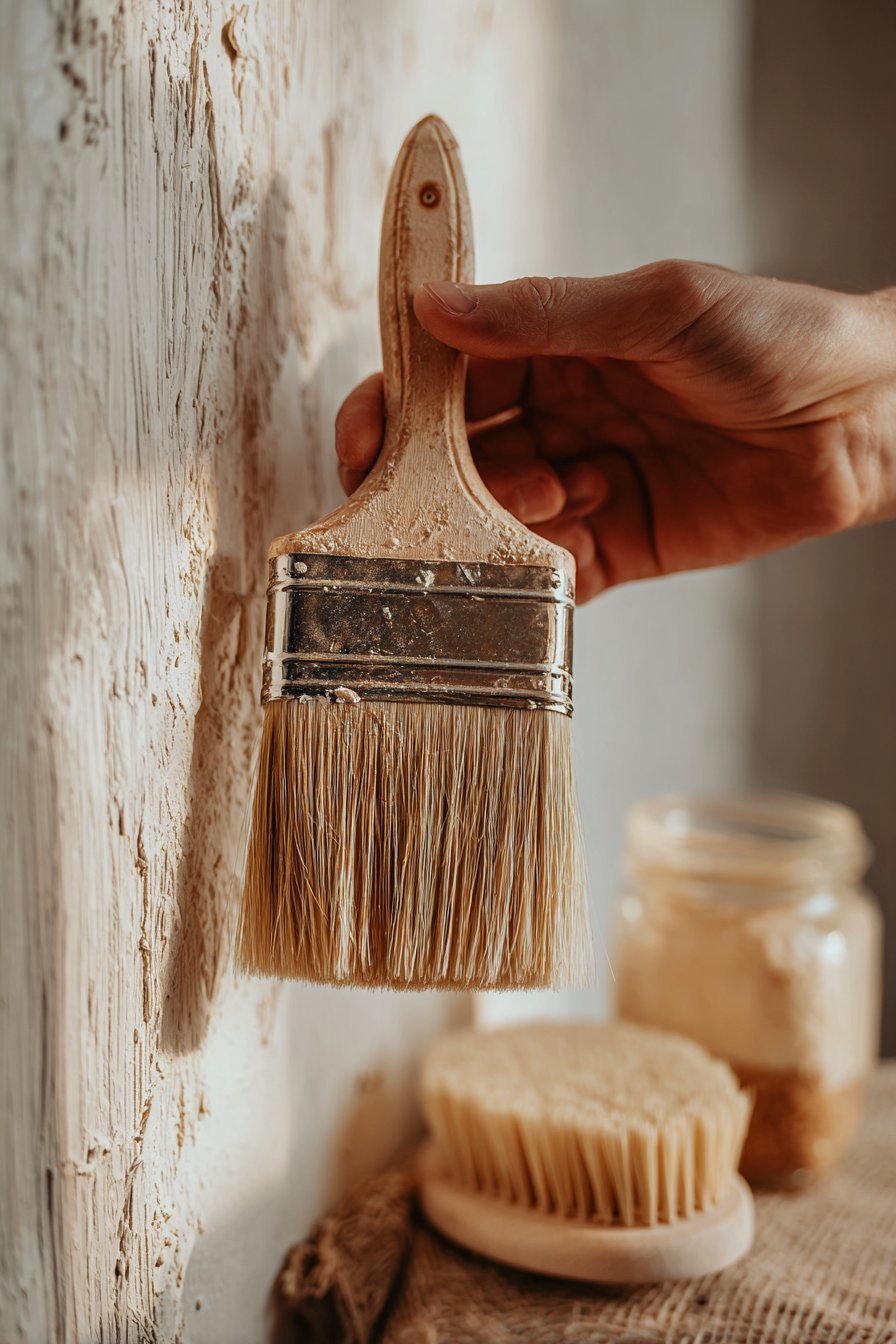
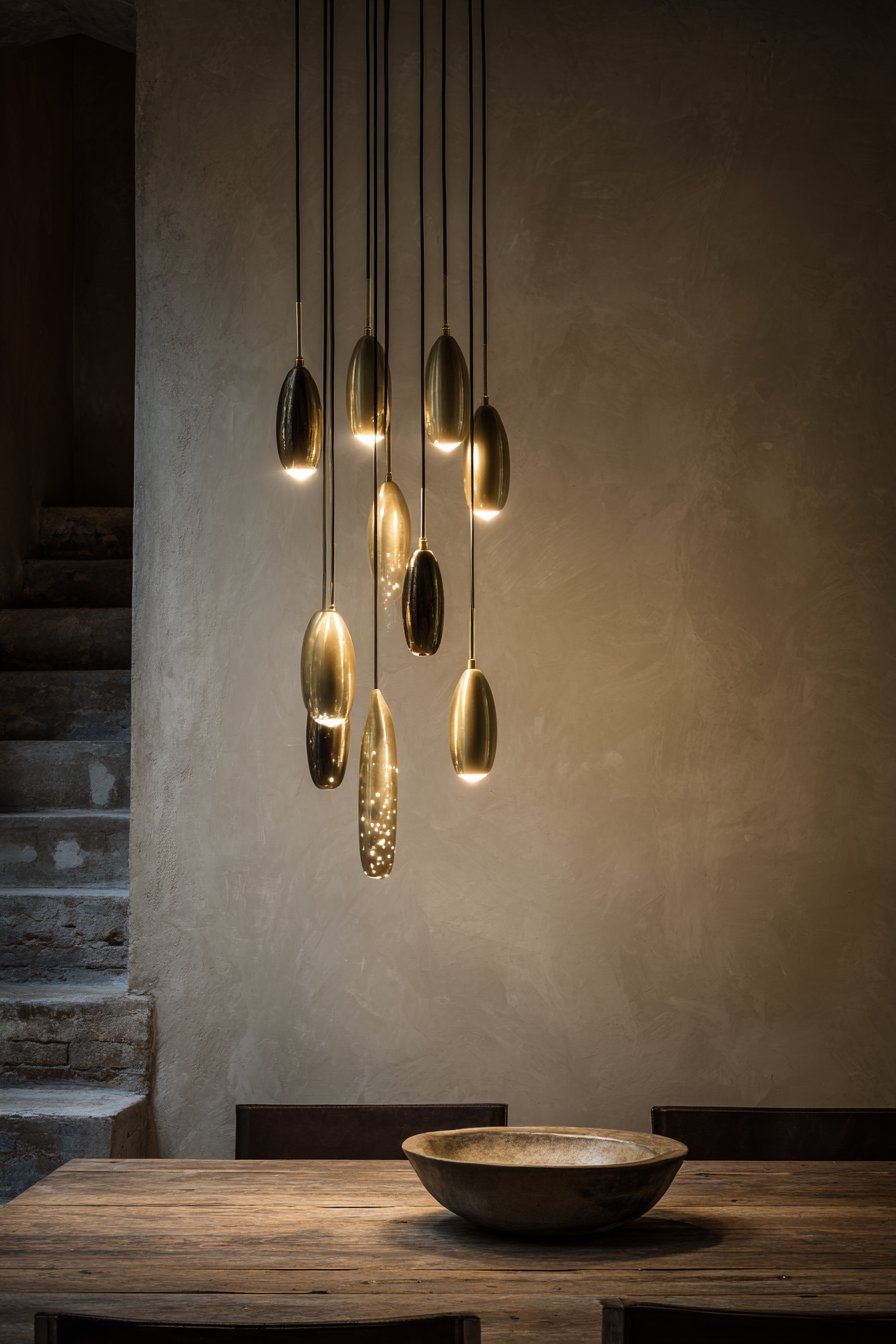
Texture wall treatments used to require professional application almost exclusively. Today, the DIY texture market has exploded. Brands are offering user-friendly limewash paints, peel-and-apply textured panels, and easy-mix plasters that make the trend accessible to everyday homeowners.
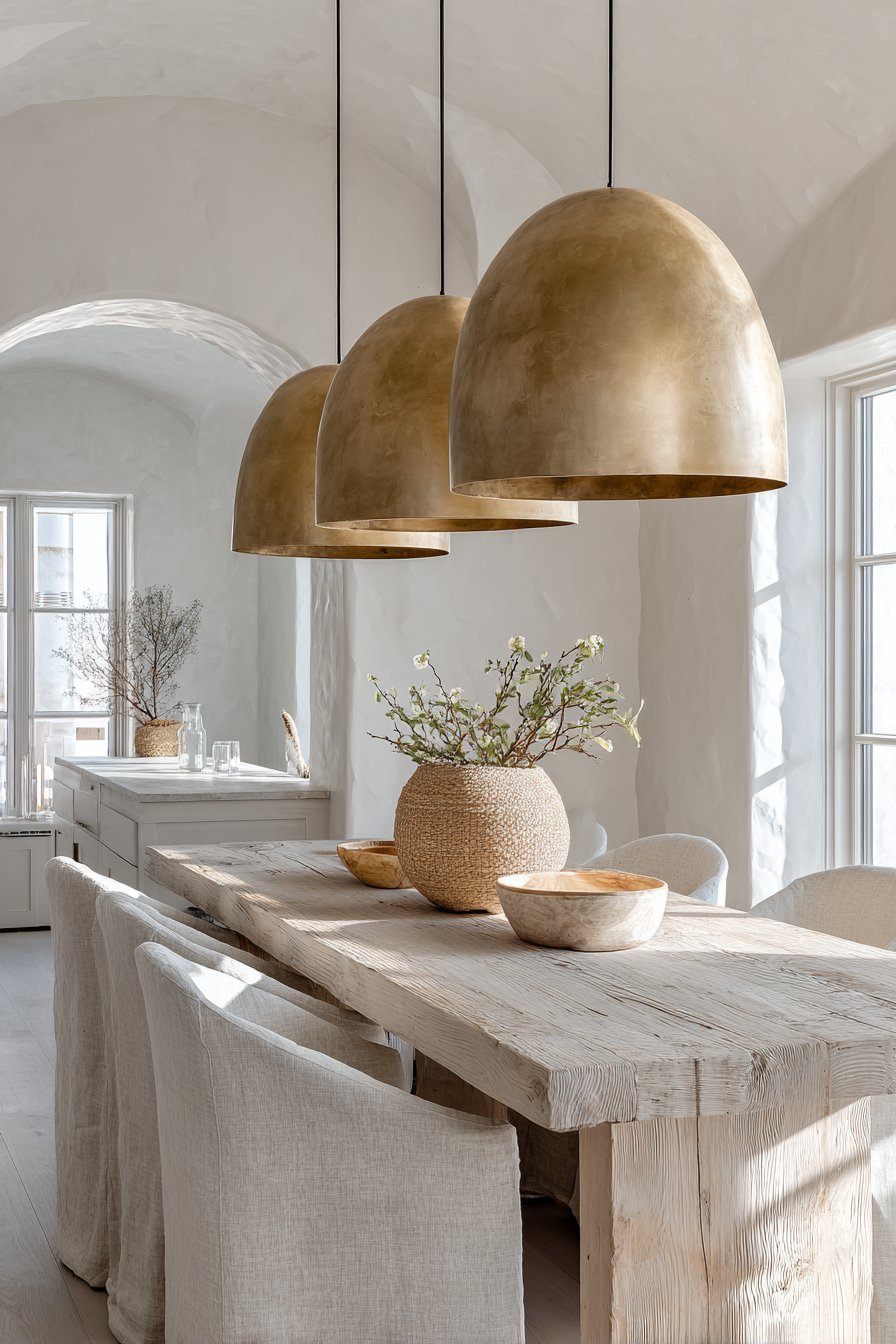
This democratization has been enormously influential in spreading the trend. When a homeowner can achieve a limewash effect over a weekend with a product from the hardware store, the barrier to entry drops dramatically. Tutorials on YouTube and TikTok have further simplified the process, turning complex techniques into achievable weekend projects.
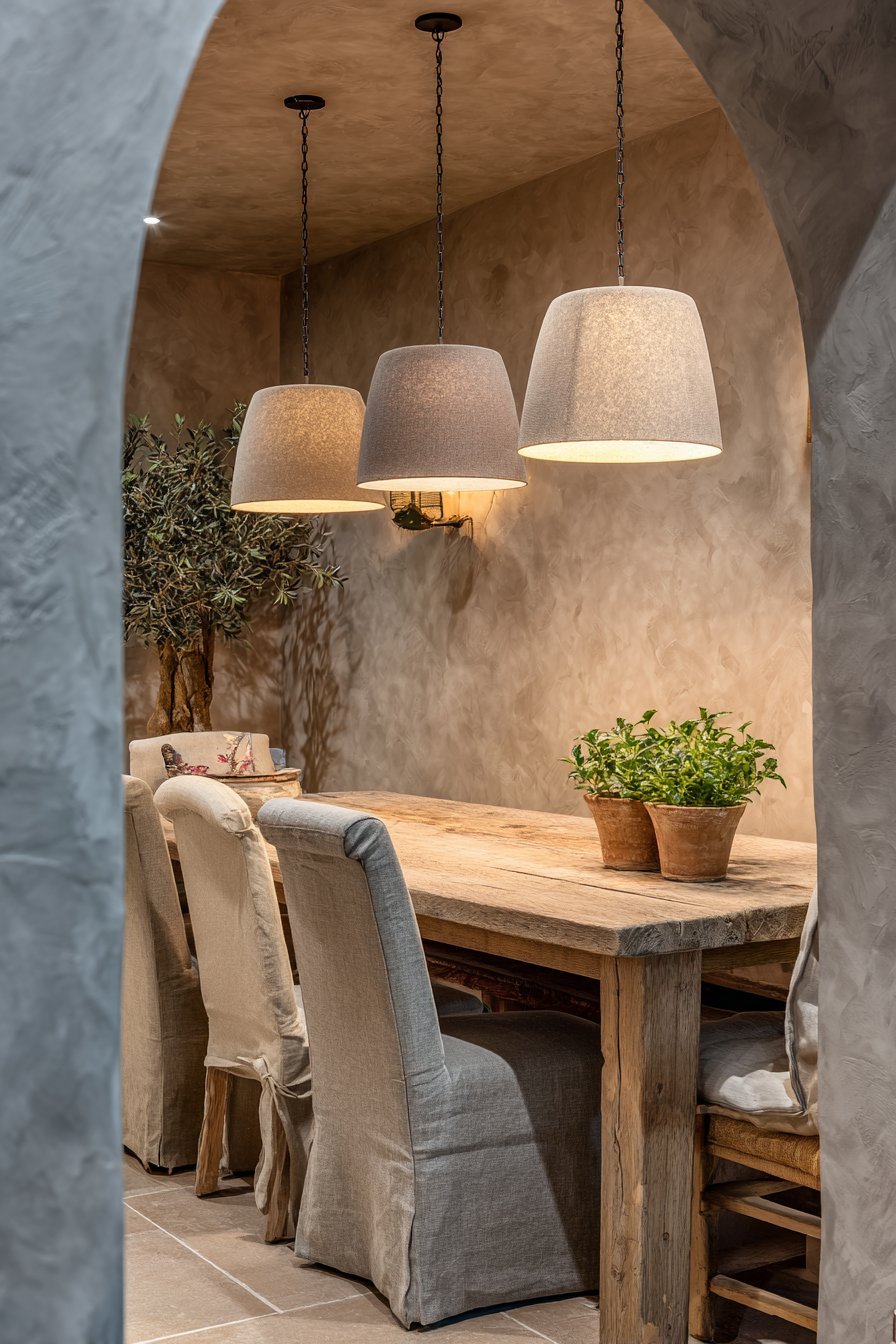
The result is a massive expansion of the trend’s reach. What was once limited to high-budget design projects is now happening in apartments, starter homes, and rental spaces. Peel-and-stick textured panels have even made texture accessible to renters who can’t permanently alter their walls. The trend is genuinely inclusive in a way that few design movements have been.
- Start with limewash paint — it’s the most forgiving DIY texture technique
- Watch multiple tutorials before beginning to understand the full application process
- Test your technique on a sample board before committing to a wall
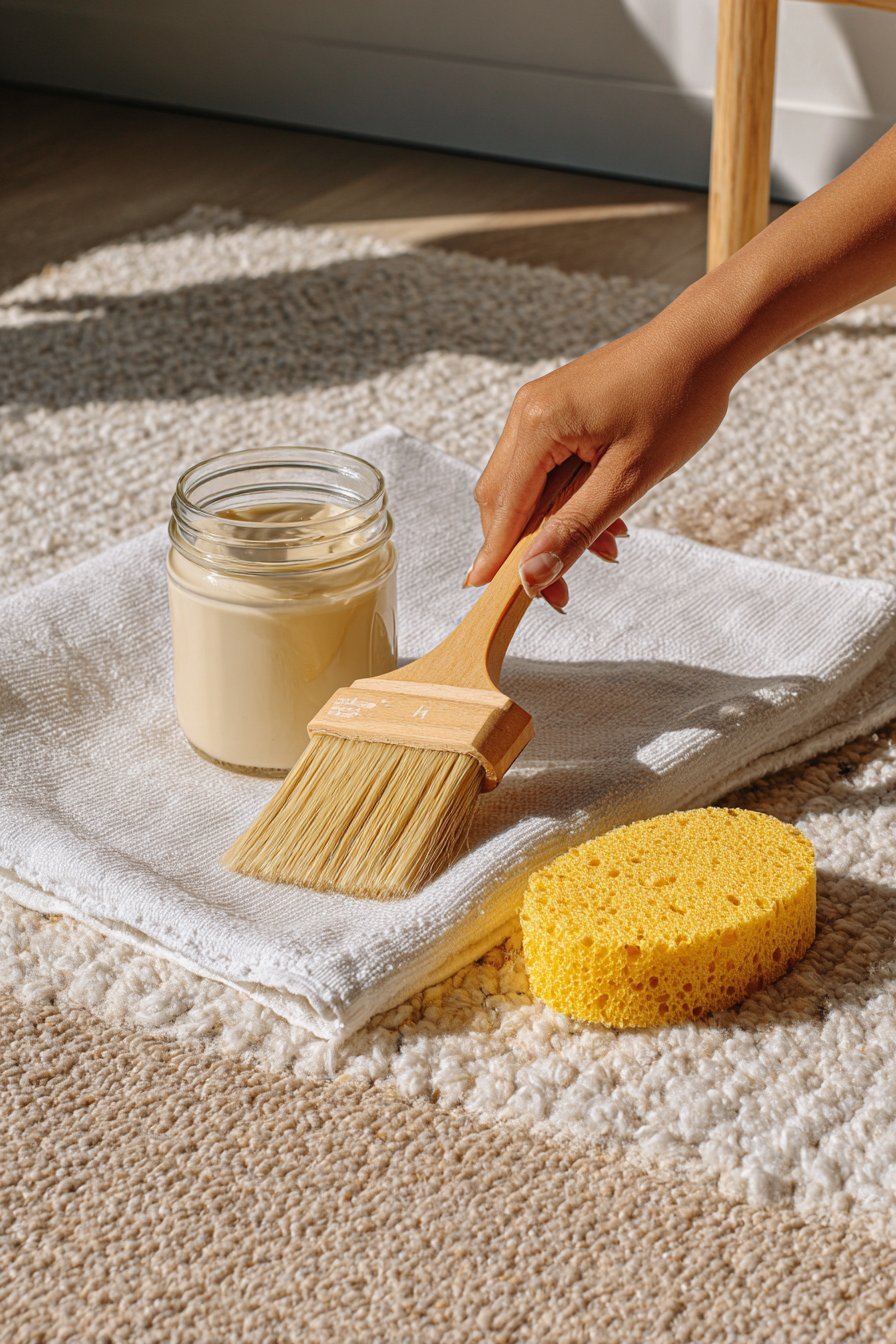
- Invest in quality tools — the right brush or sponge makes a significant difference
- Look for removable textured panels if you’re renting your home
- Join online DIY communities for advice, troubleshooting, and inspiration sharing
8. Texture as a Solution for Imperfect Walls
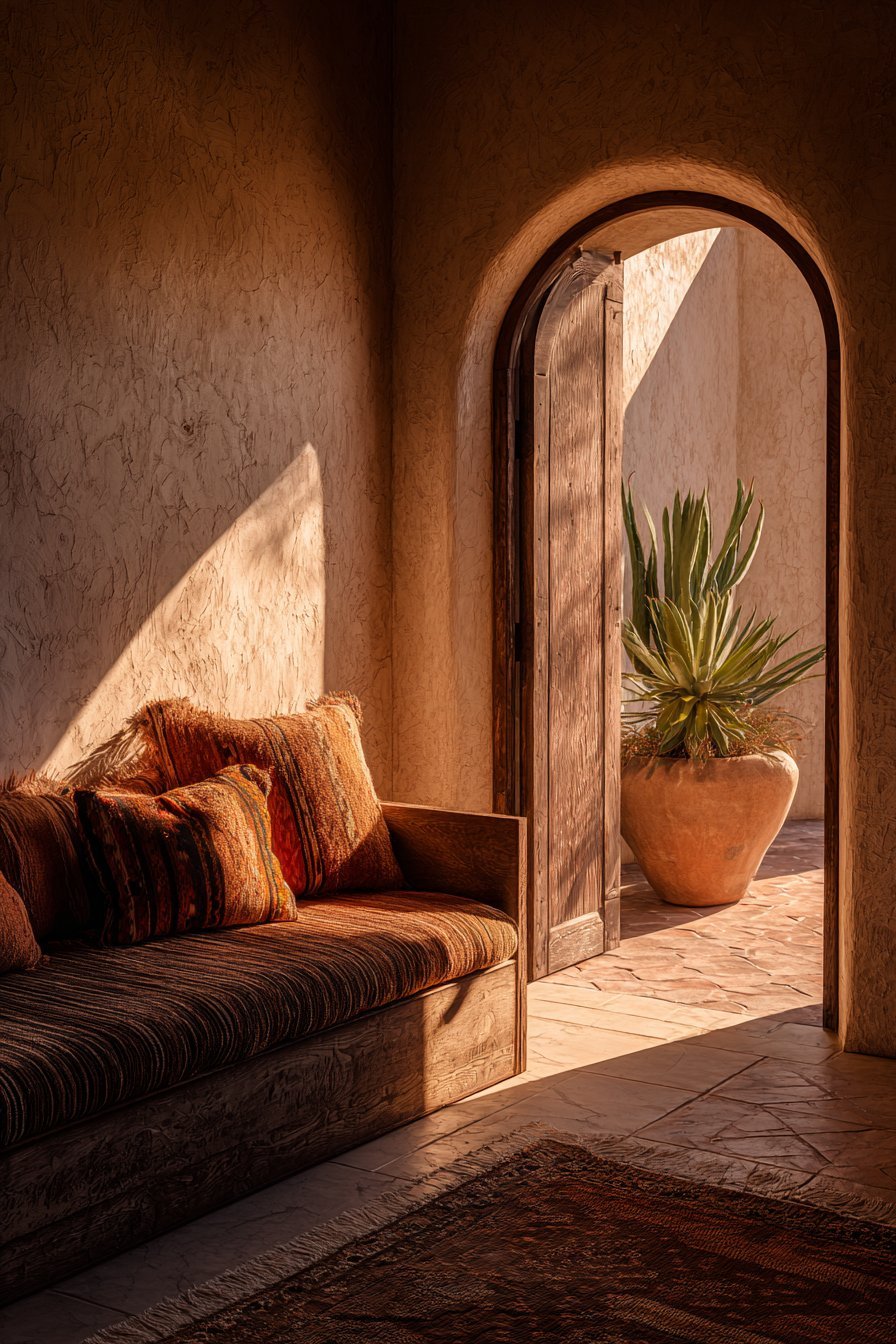
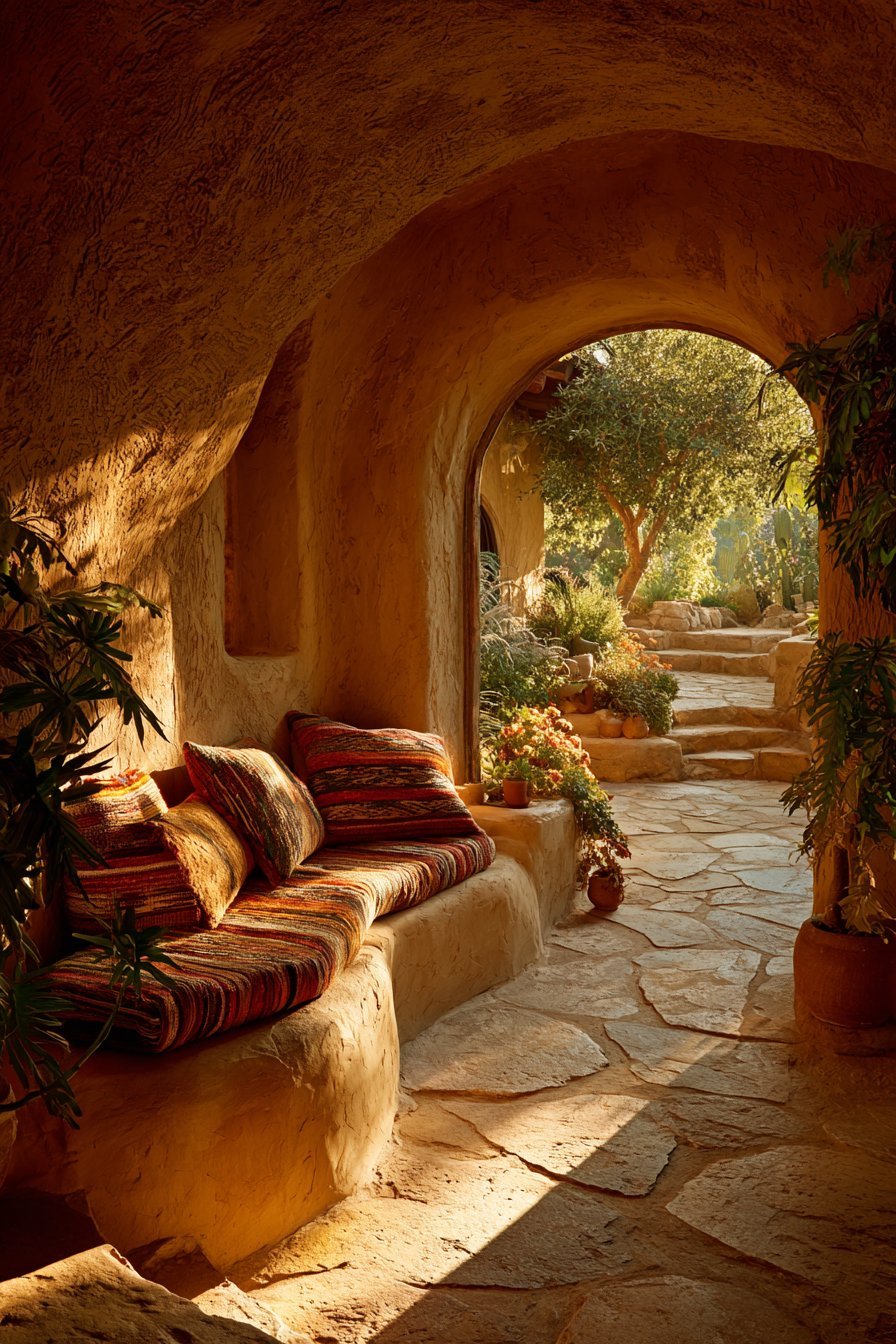
Here’s a practical driver that often goes unmentioned: textured finishes hide wall imperfections brilliantly. Old homes, rental properties, and budget renovations frequently have walls with cracks, uneven patches, or surface blemishes. Texture doesn’t just decorate — it conceals.
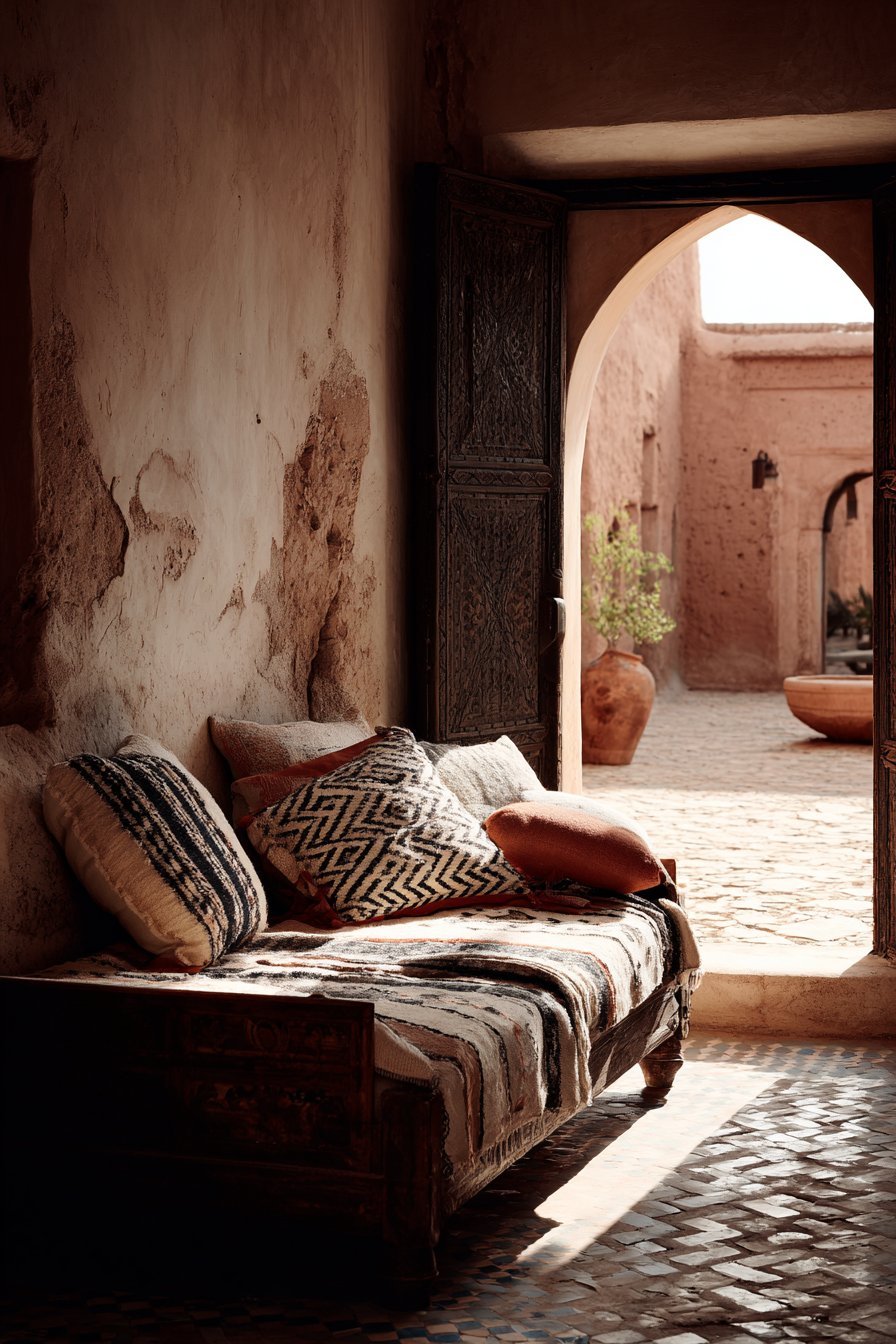
A well-applied plaster or textured paint can transform a damaged wall into a design feature. The irregular surface of a limewash or skip-trowel finish naturally incorporates minor imperfections into its visual character. This makes texture incredibly pragmatic, not just beautiful. It solves a real problem elegantly.
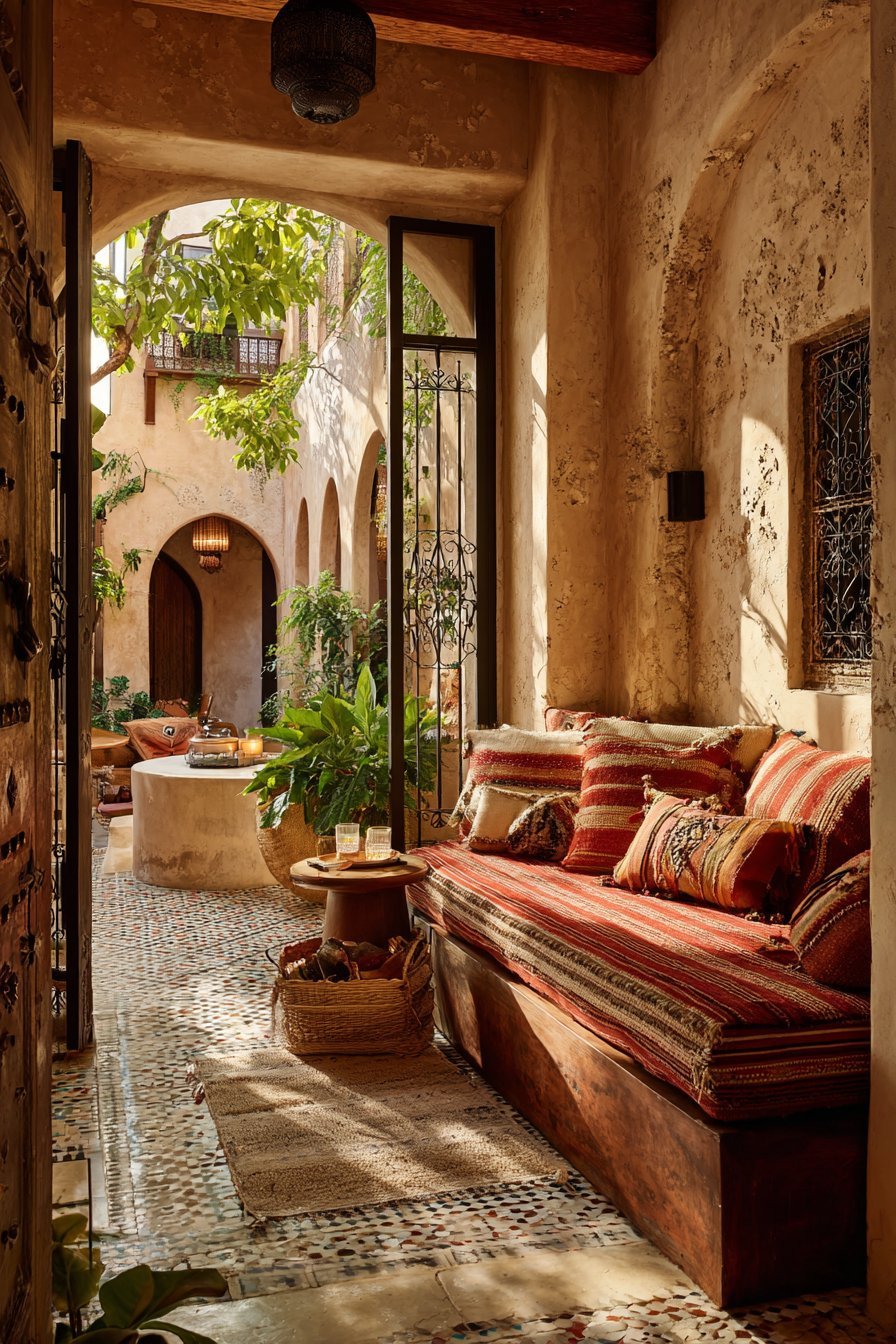
This practical appeal broadens the trend’s audience considerably. Homeowners who might never have considered an artistic wall treatment are drawn to texture because it solves an existing problem. It’s the happy intersection of aesthetic ambition and practical necessity — a combination that always drives strong trend adoption.
- Assess your walls honestly for cracks, dents, and uneven patches before choosing a finish
- Use joint compound to fill deep cracks before applying any textured treatment
- Choose heavier texture techniques like skip-trowel for more significantly damaged walls
- Understand that lighter textures like limewash work best on relatively smooth surfaces
- Always prime walls appropriately before any textured application
- Consult a professional if wall damage is structural rather than cosmetic
9. The Role of Interior Design Media and Publications
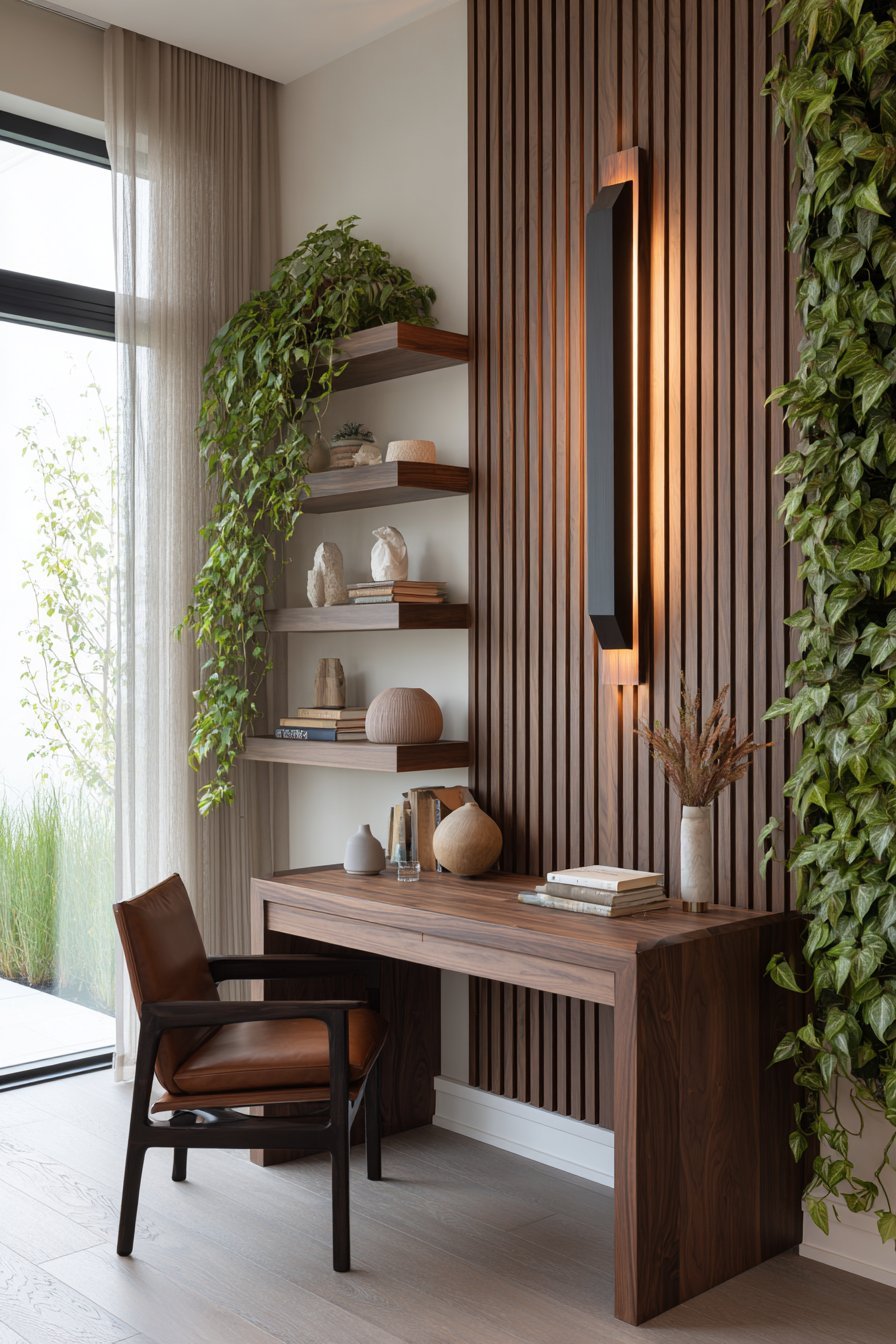
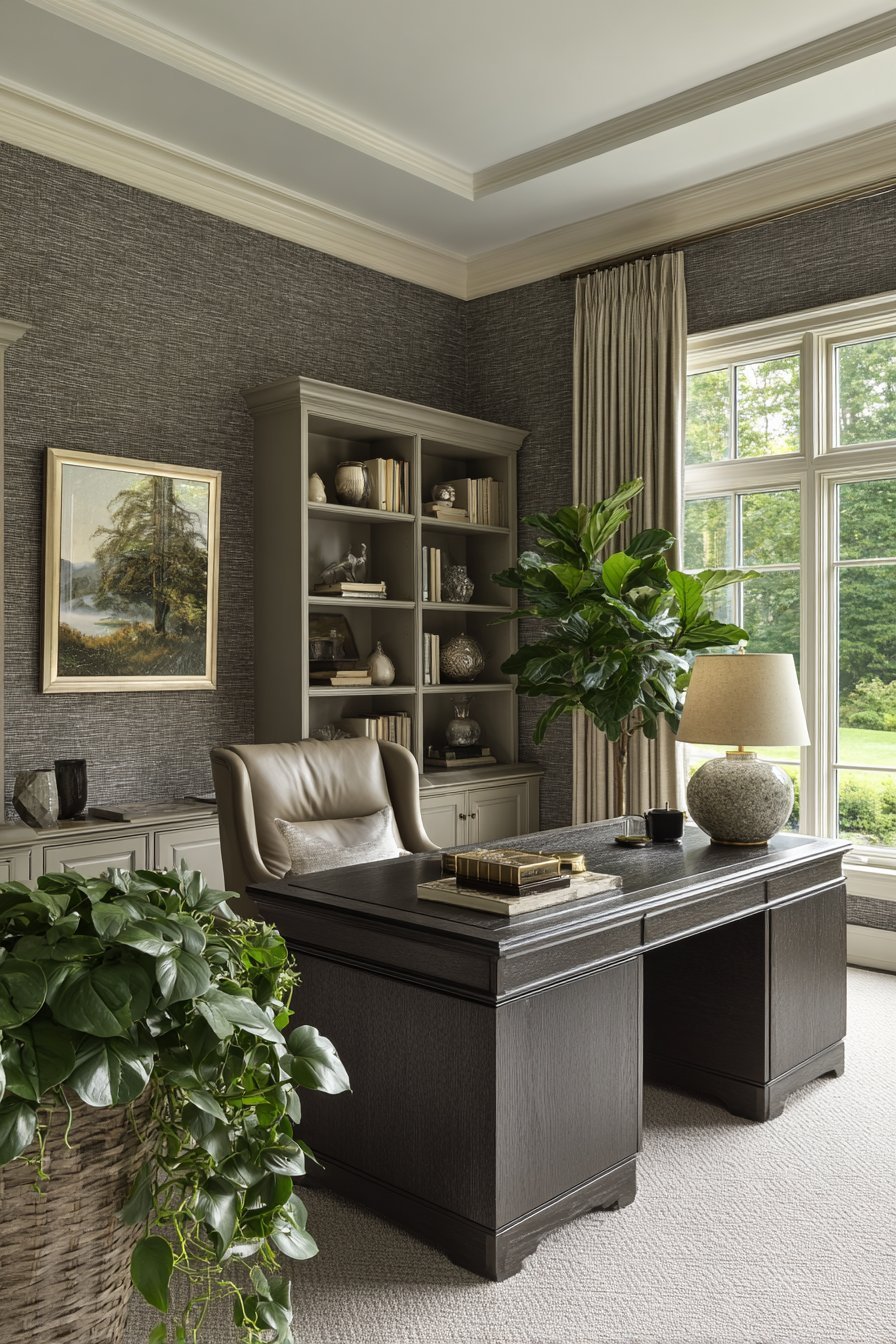
Design publications, both print and digital, have played a crucial role in legitimizing and amplifying the textured wall trend. When Architectural Digest, Elle Decor, and Dezeen feature limewash walls and sculptural plasters in their editorial spreads, those finishes gain enormous cultural currency.
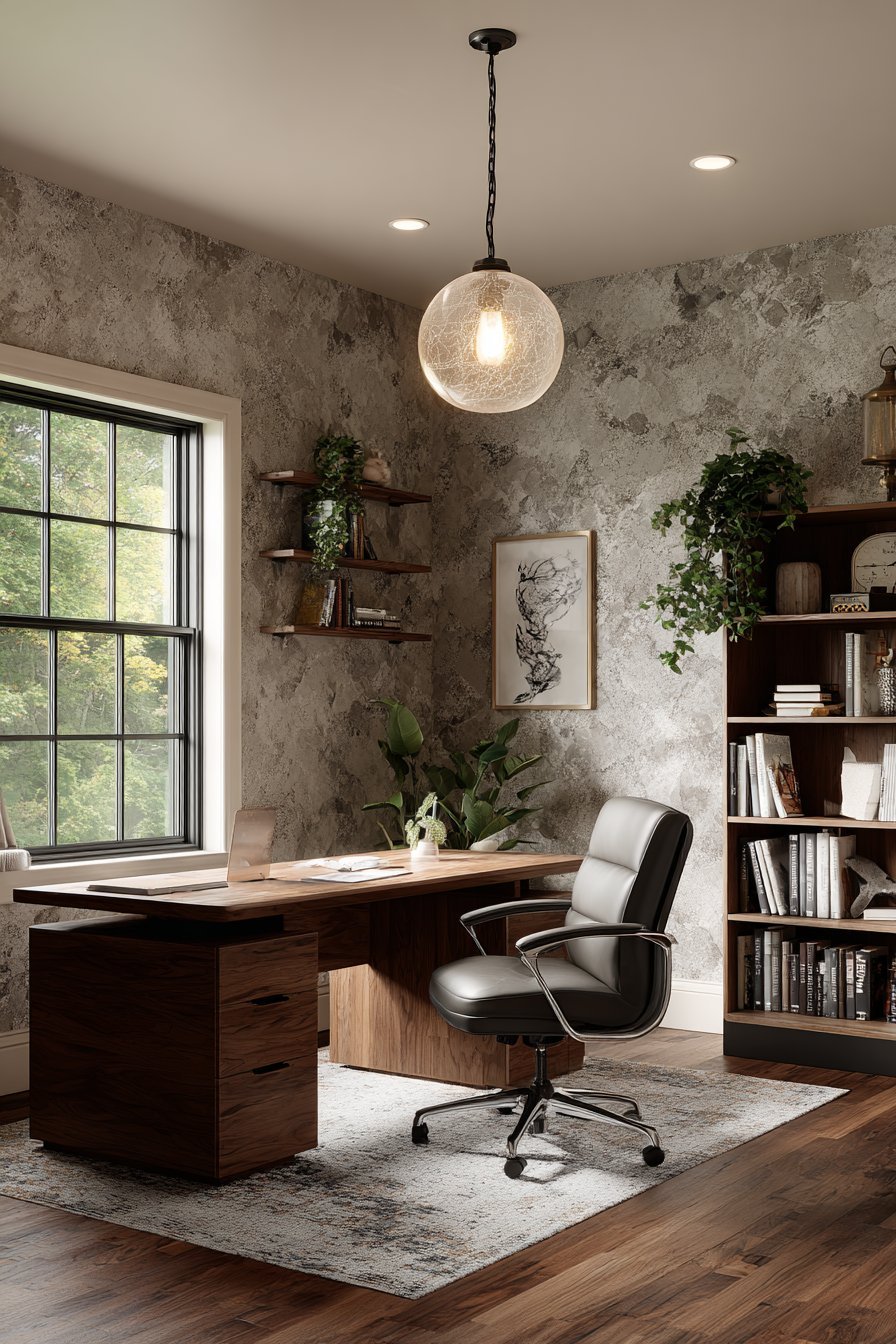
These publications don’t just document trends — they actively shape them. Designers featured in major publications often cite specific wall treatments as key elements of their most celebrated projects. This creates a trickle-down effect from high-end design into the mainstream market. What appears in a prestigious design feature today influences hardware store product selections within 18 months.
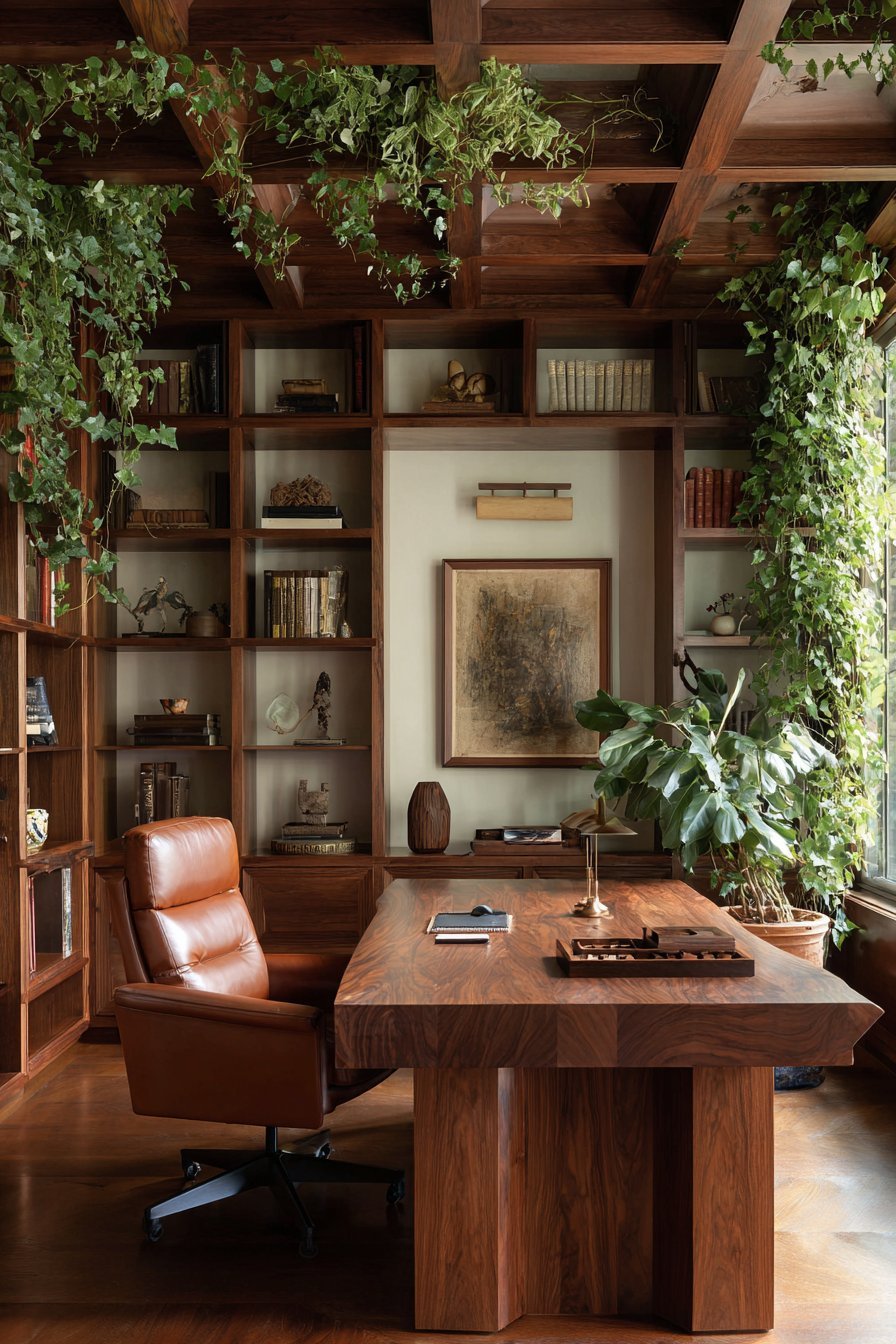
Online design media has accelerated this cycle. Digital publications can respond to emerging trends in real time, publishing tutorials, product recommendations, and designer interviews almost instantaneously. This creates a continuous feedback loop between designers, publications, brands, and consumers that keeps the texture conversation active and evolving.
- Follow leading design publications like Architectural Digest and Dezeen for trend intelligence
- Pay attention to which textures appear repeatedly across multiple publications
- Use editorial features as client communication tools when briefing contractors
- Subscribe to design newsletters for curated trend reporting delivered to your inbox
- Notice the color palettes and furniture pairings used alongside textured walls in editorials
- Use high-quality editorial images as inspiration boards for your own projects
10. Texture as an Expression of Personal Identity
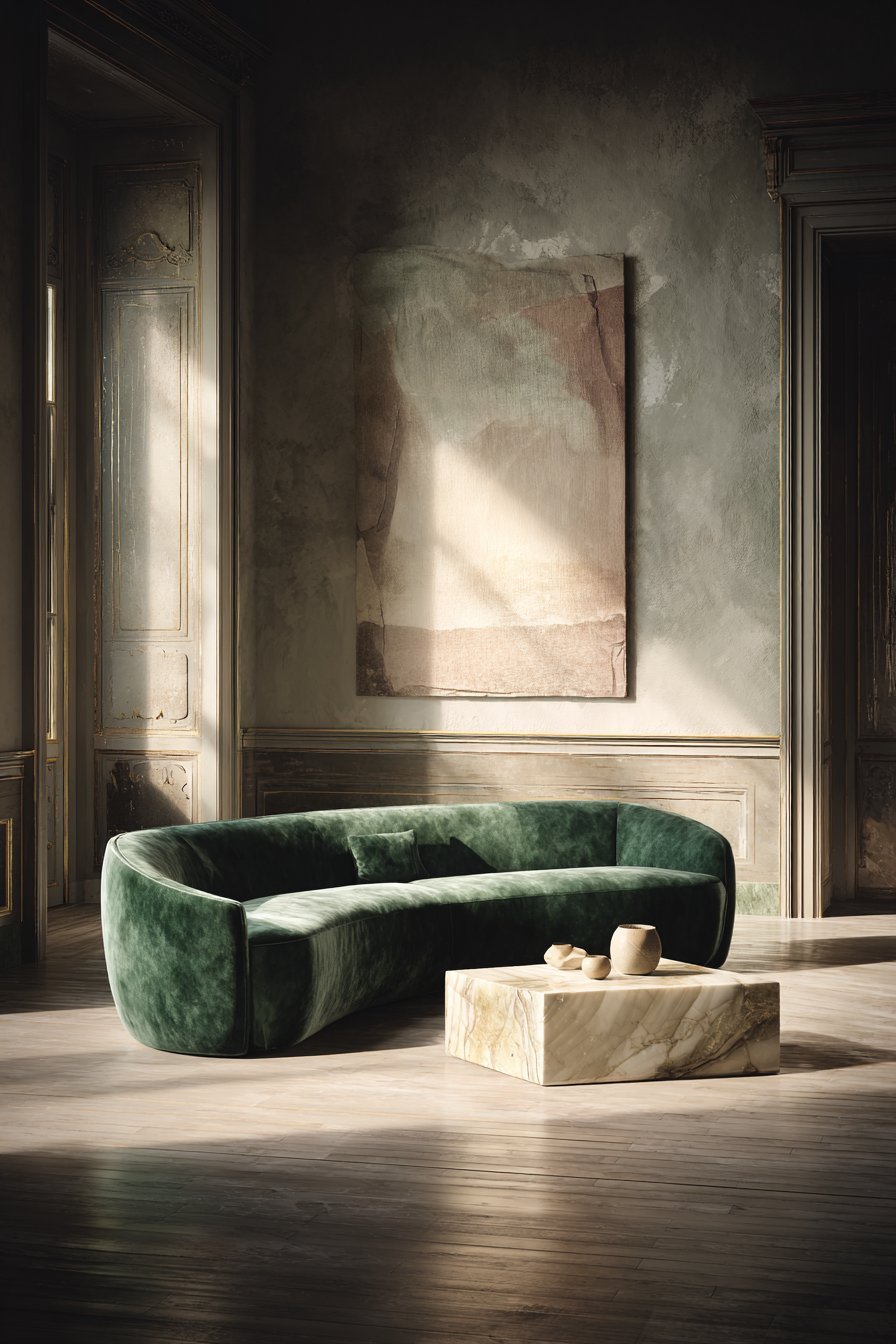
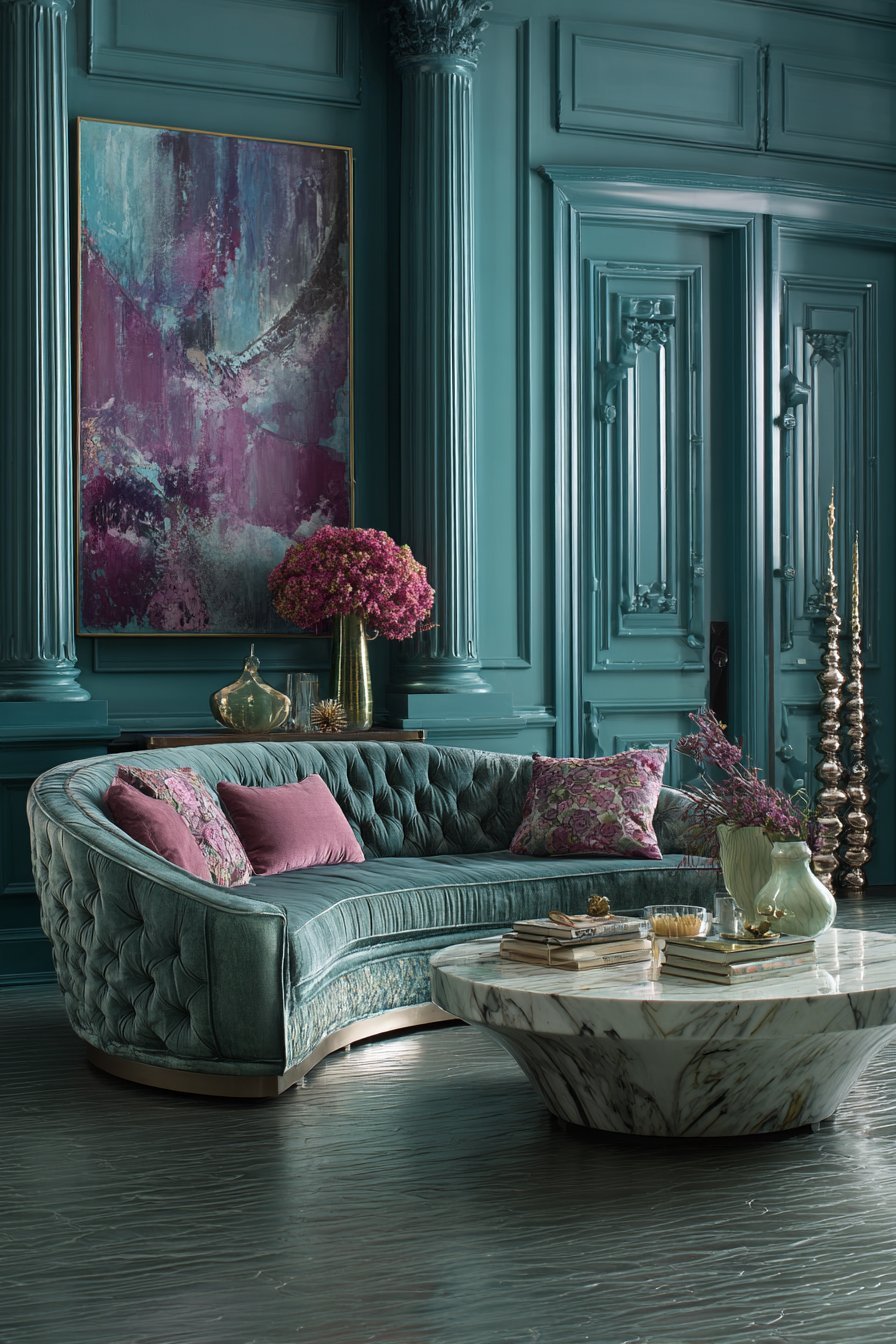
Perhaps the most powerful driver of all is deeply personal. Homes have become identity statements. People want their living spaces to reflect who they are, what they value, and how they see the world. Textured walls offer an extraordinary opportunity for personal expression in a way that paint colors alone simply cannot.
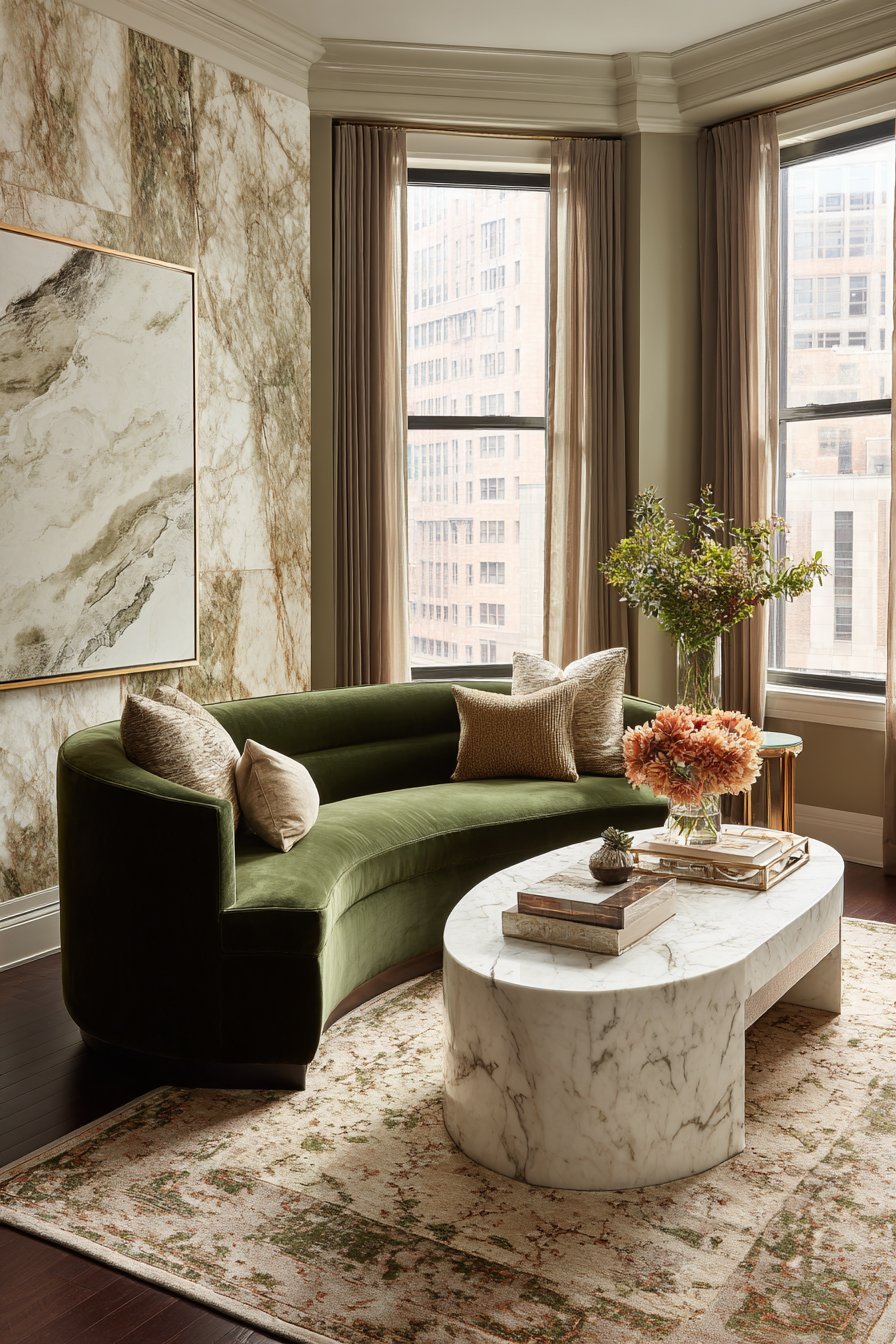
Choosing a hand-applied Venetian plaster over a standard paint job communicates something about taste, investment, and design literacy. Selecting raw concrete texture says something entirely different — perhaps a preference for industrial minimalism and urban sensibility. Each texture carries its own cultural and aesthetic language.
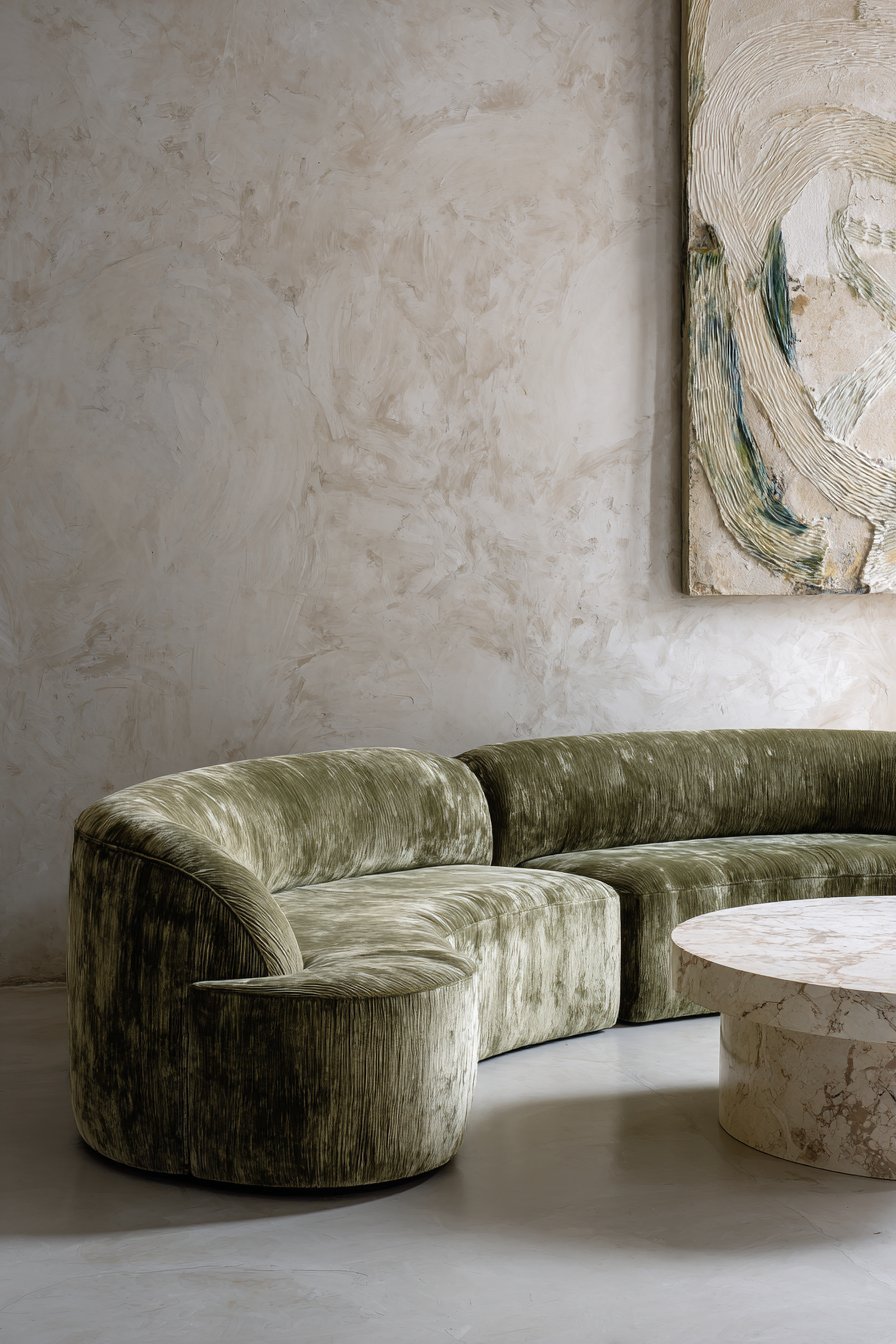
This desire for individuality is particularly strong among millennial and Gen Z homeowners who are entering the design market in significant numbers. These generations are highly resistant to cookie-cutter aesthetics. They actively seek out designs that feel personal, curated, and authentically theirs. Textured walls — with their infinite variation — are a perfect vehicle for self-expression through space.
- Identify your design identity before choosing a texture — it should feel authentically you
- Research the cultural origins and associations of textures you’re drawn to
- Consider how your chosen texture will interact with your existing furniture and art
- Don’t follow trends blindly — choose textures that genuinely resonate with your personal aesthetic
- Mix textures with personal objects and meaningful art for a truly individual result
- Think of your textured wall as a long-term commitment to your design identity
Conclusion
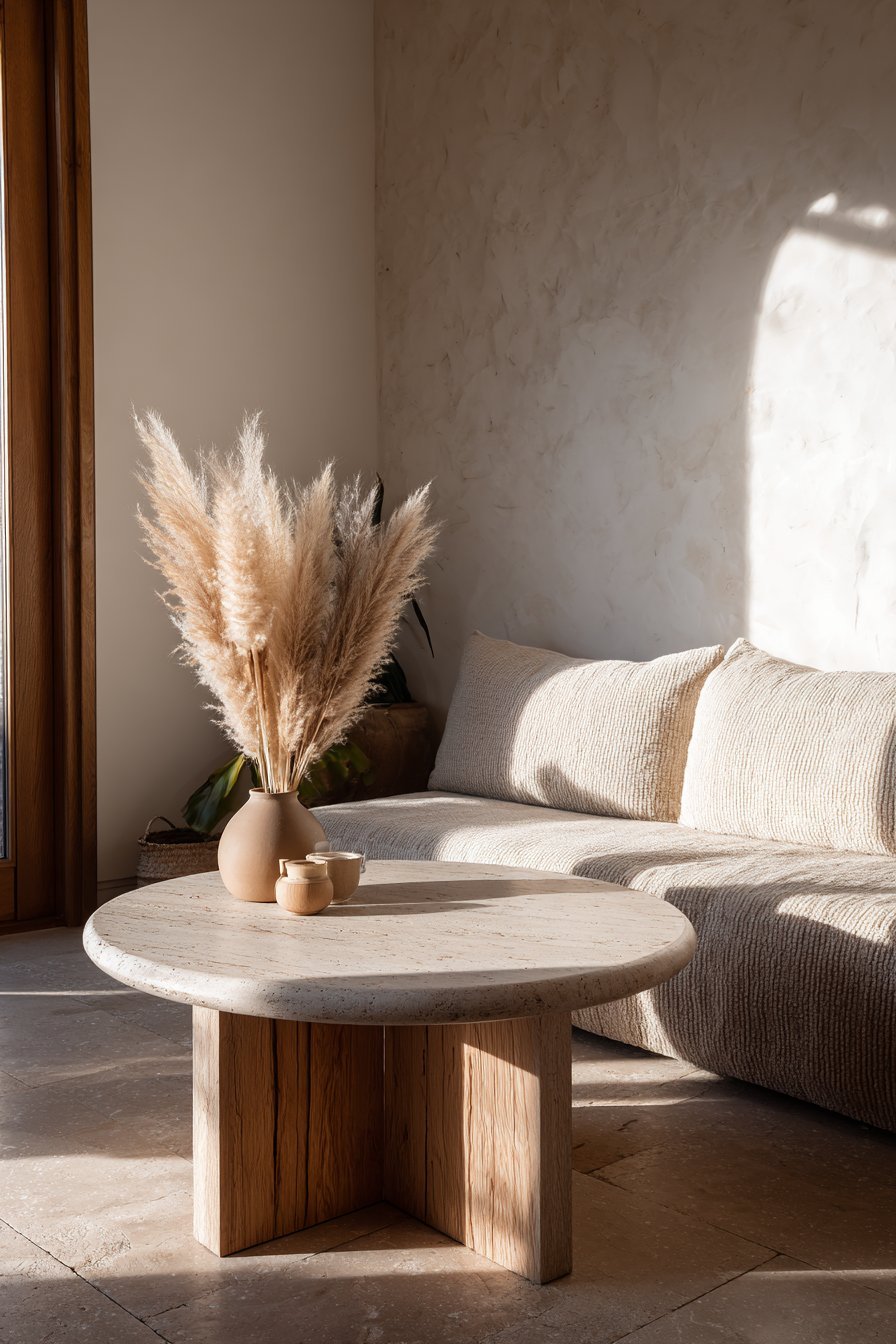
The textured wall trend is driven by a rich convergence of forces. Social media amplification, a rejection of sterile minimalism, sustainable material preferences, global design influences, and a deeply personal need for authentic, expressive spaces have all contributed to texture’s rise. This is not a trend built on novelty alone — it reflects genuine shifts in how people relate to their homes.
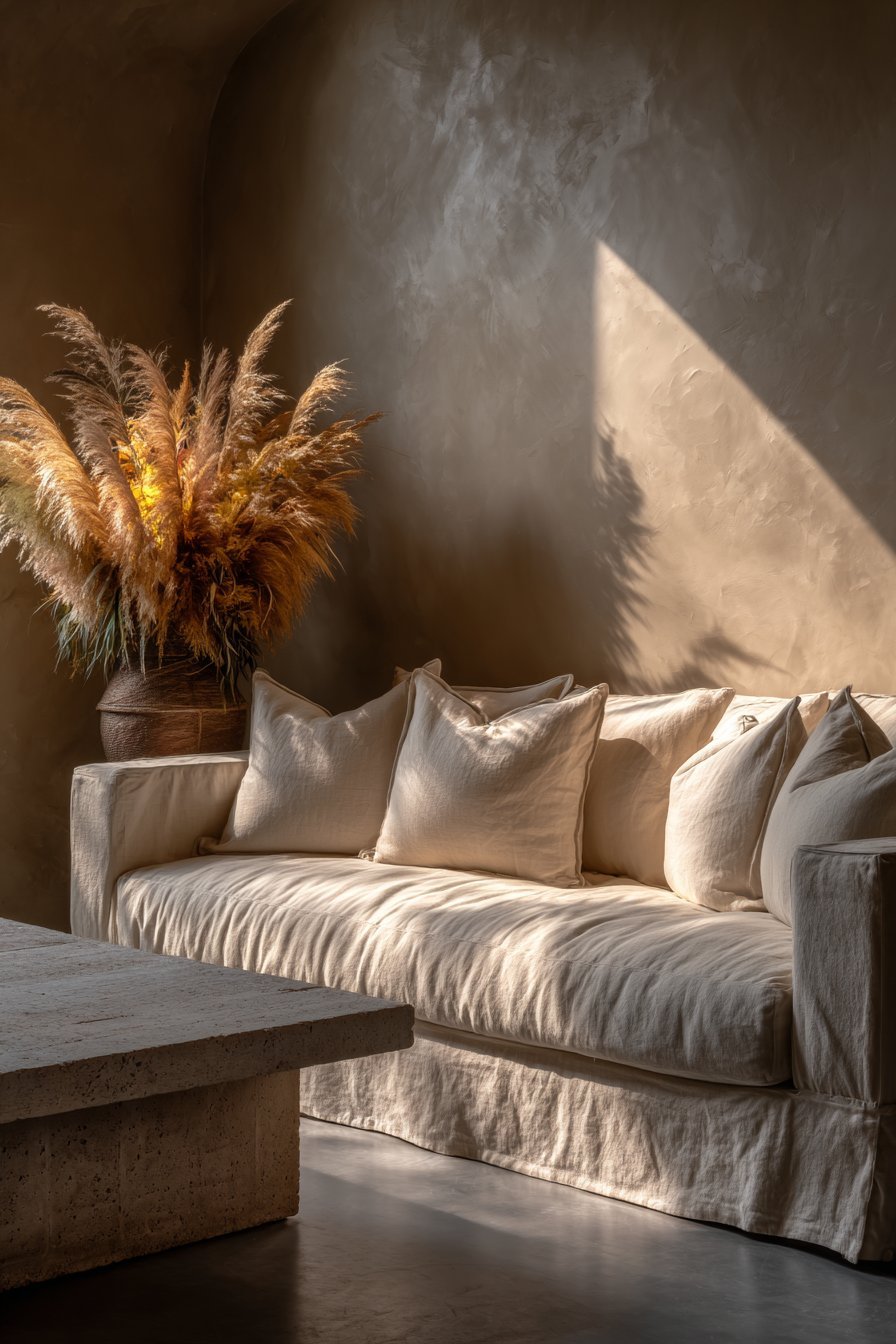
Whether you’re drawn to the ancient craft of Venetian plaster, the accessibility of DIY limewash, or the clean geometry of textured panels, there has never been a better time to explore what texture can do for your space. Start with one wall. Experiment with samples. Trust your instincts. Your home is the most personal creative canvas you have — and texture is one of the most powerful tools at your disposal. Embrace it boldly.
