

Terracotta has quietly moved from accent color to true design staple. What was once considered a bold, risky choice is now appearing in the most refined, sophisticated interiors across the globe. As we move into 2026 and beyond, terracotta is redefining what it means to be a neutral — warm, grounded, and endlessly versatile. It bridges the gap between earthy authenticity and modern elegance with ease.
There is something deeply human about this color. Rooted in ancient craft, terracotta carries centuries of pottery, architecture, and artisan tradition. Today’s designers are tapping into that heritage while pushing the tone into fresh, contemporary contexts. From clay-washed walls to terracotta tile floors, the hue feels both timeless and urgently relevant. It speaks to a collective desire for warmth, sustainability, and organic living.
This article explores why terracotta has earned its place as the defining neutral of 2026–2027. We will examine how it performs across styles, materials, textures, and rooms. Whether you are redecorating a single wall or overhauling an entire home, understanding terracotta’s design power will transform how you approach color and space.
1. The Rise of Warm Neutrals in Modern Design
The classic neutrals — white, grey, beige — are not disappearing. But they are being challenged. Homeowners and designers alike are craving warmth and personality without sacrificing sophistication. Terracotta answers that call perfectly. It sits at the intersection of warmth and restraint, offering depth that cool grey simply cannot replicate.
In the post-pandemic design era, interiors have shifted toward biophilic, soul-nourishing environments. People want their homes to feel like a retreat. Terracotta naturally evokes sun-baked earth, Mediterranean afternoons, and handcrafted ceramics. Those associations create an emotional resonance that sterile whites cannot match. It is neutral in function but rich in feeling.
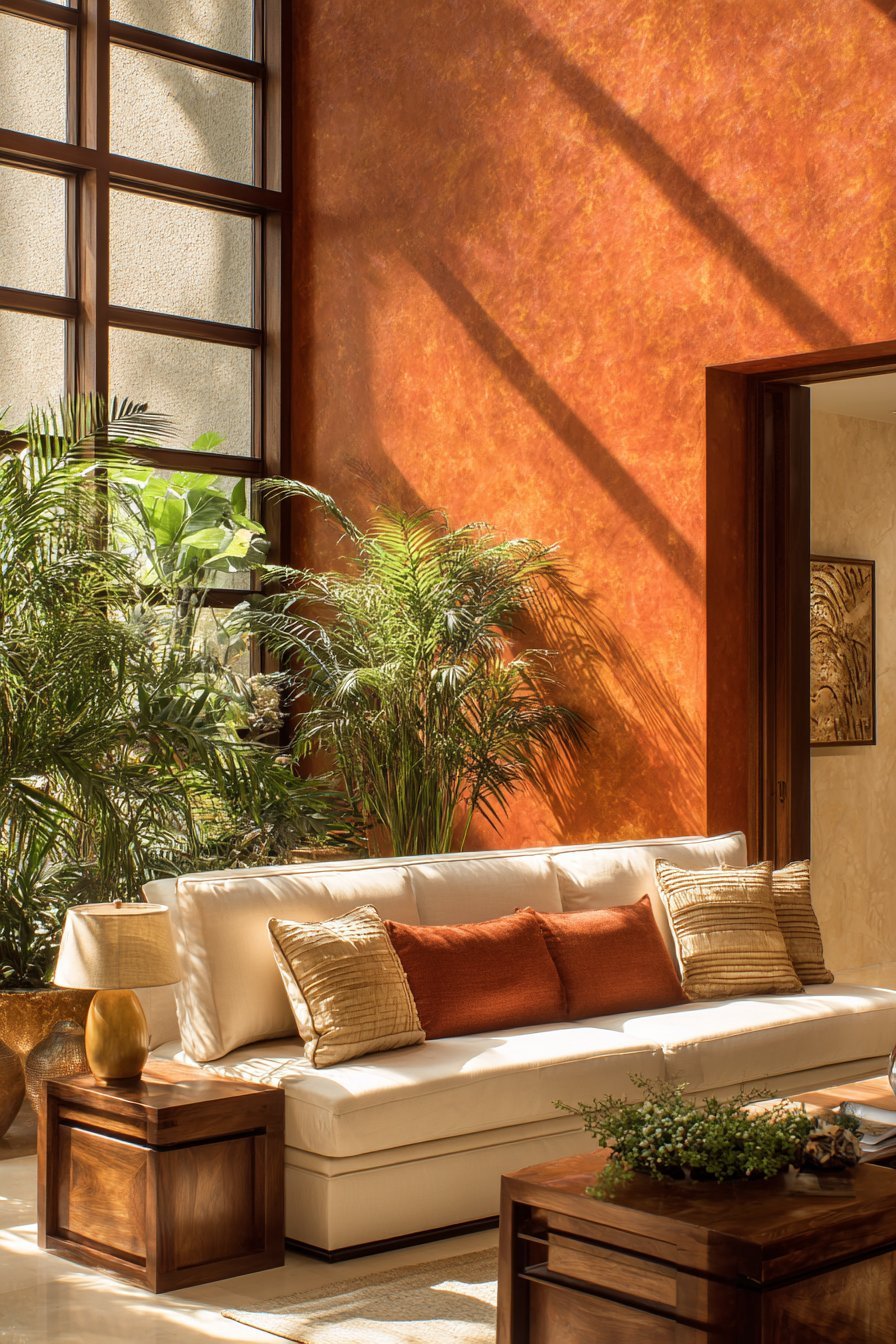
Color forecasters from Pantone, WGSN, and major design institutions have all flagged warm ochres and clay tones as dominant forces through 2027. The trend is not a passing moment. It reflects a structural shift in how people relate to color in their living spaces. Terracotta is leading that shift with confidence.
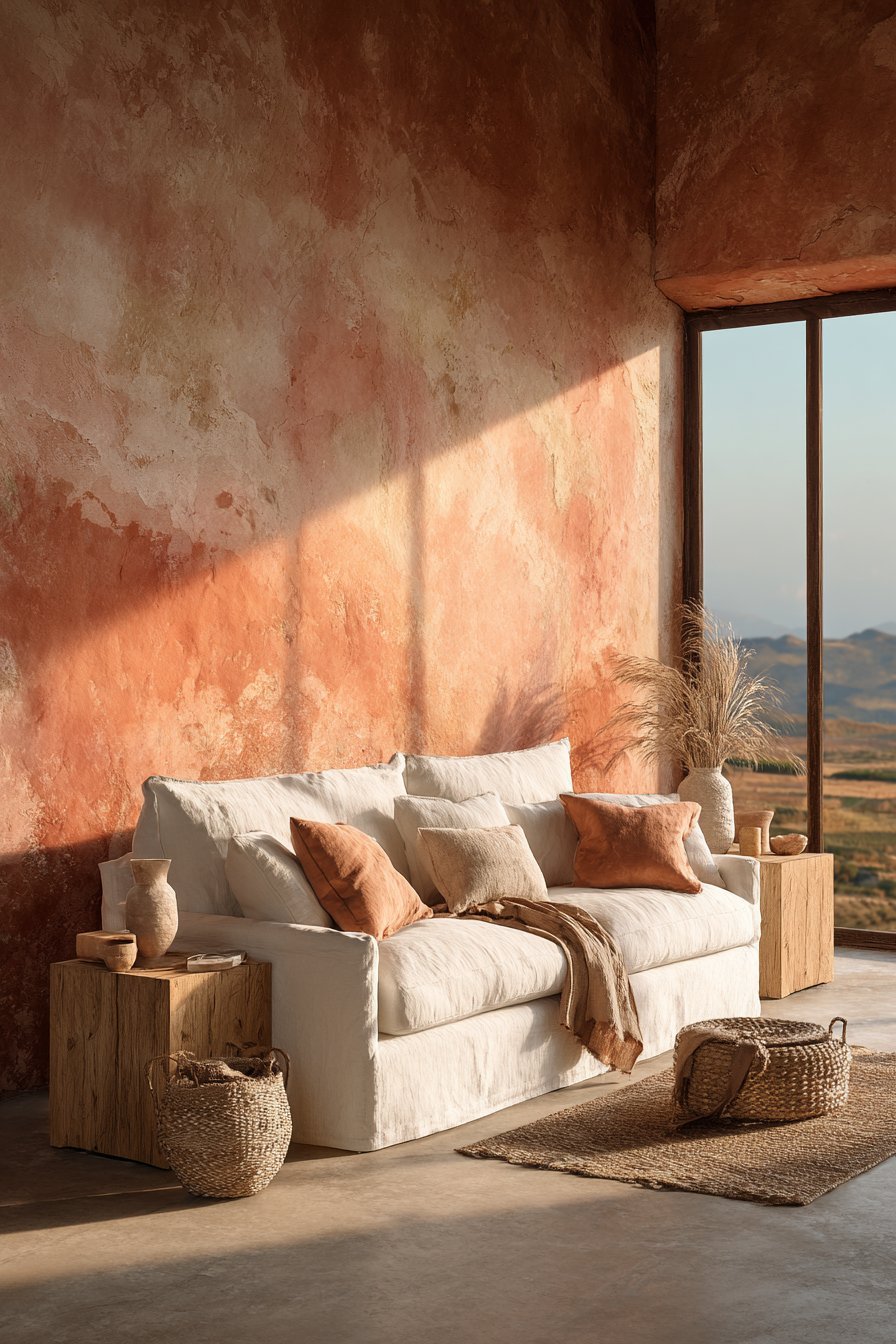
- Choose terracotta as your primary wall color instead of default grey or white
- Layer warm terracotta with other earth tones for cohesive depth
- Use it as a base to build more complex, layered palettes around
- Introduce it in large surfaces to establish a grounded, warm atmosphere
- Replace cool-toned neutrals with terracotta in transitional spaces like hallways
- Reference color forecasts when selecting the exact terracotta shade for your space
2. Terracotta Across Architectural Styles
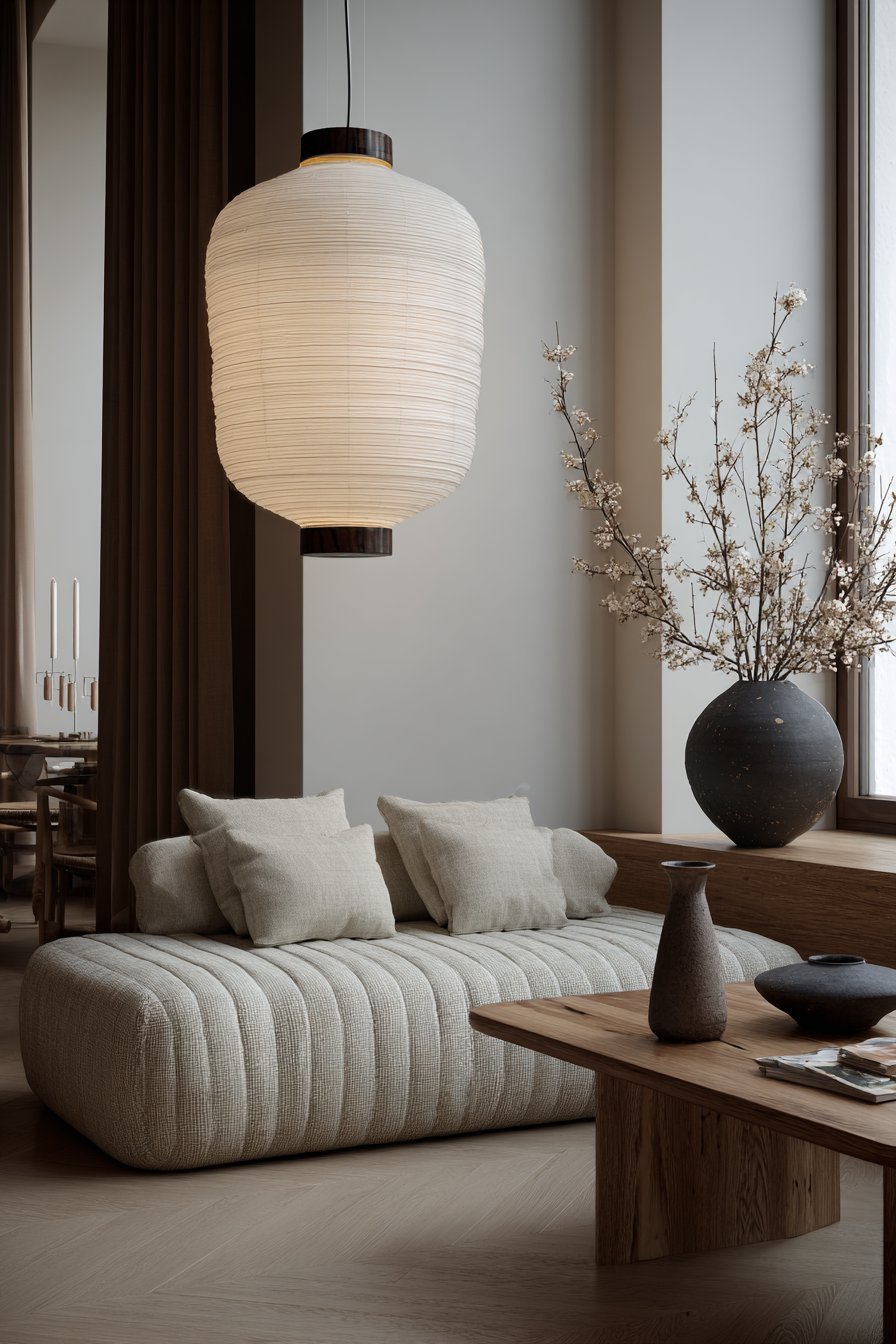
One of terracotta’s greatest strengths is its cross-style adaptability. It performs beautifully in Mediterranean and Southwestern interiors, as expected. But it also holds its own in Japandi, Scandi, industrial, and even minimalist modern spaces. That range is remarkable for a single color tone.
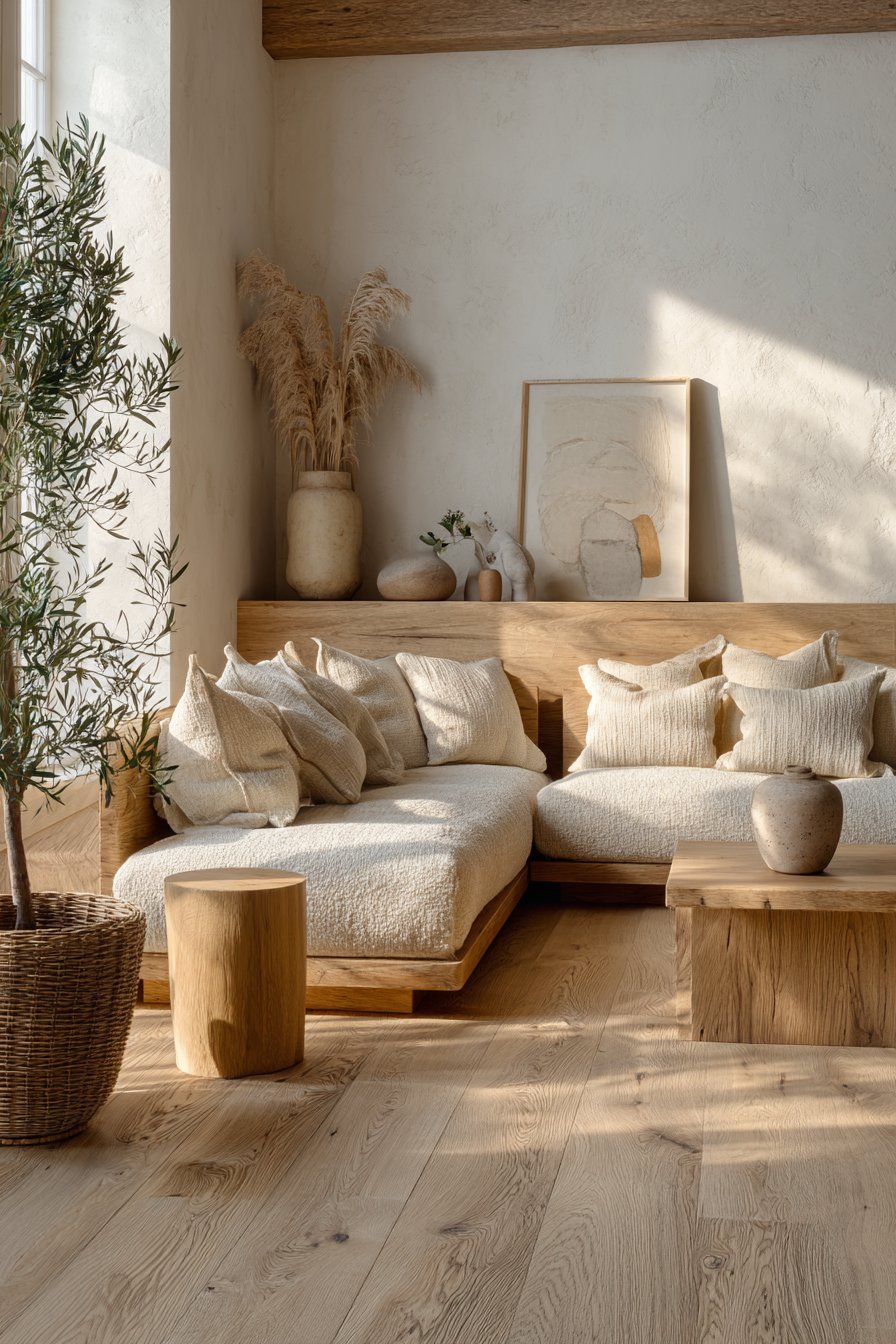
In Japandi and minimalist settings, terracotta acts as a grounding counterpoint to clean lines and restrained palettes. A single terracotta wall behind a low-profile sofa adds soul without visual noise. It complements natural wood, linen, and wabi-sabi aesthetics without competing. The result is a space that feels calm yet alive.
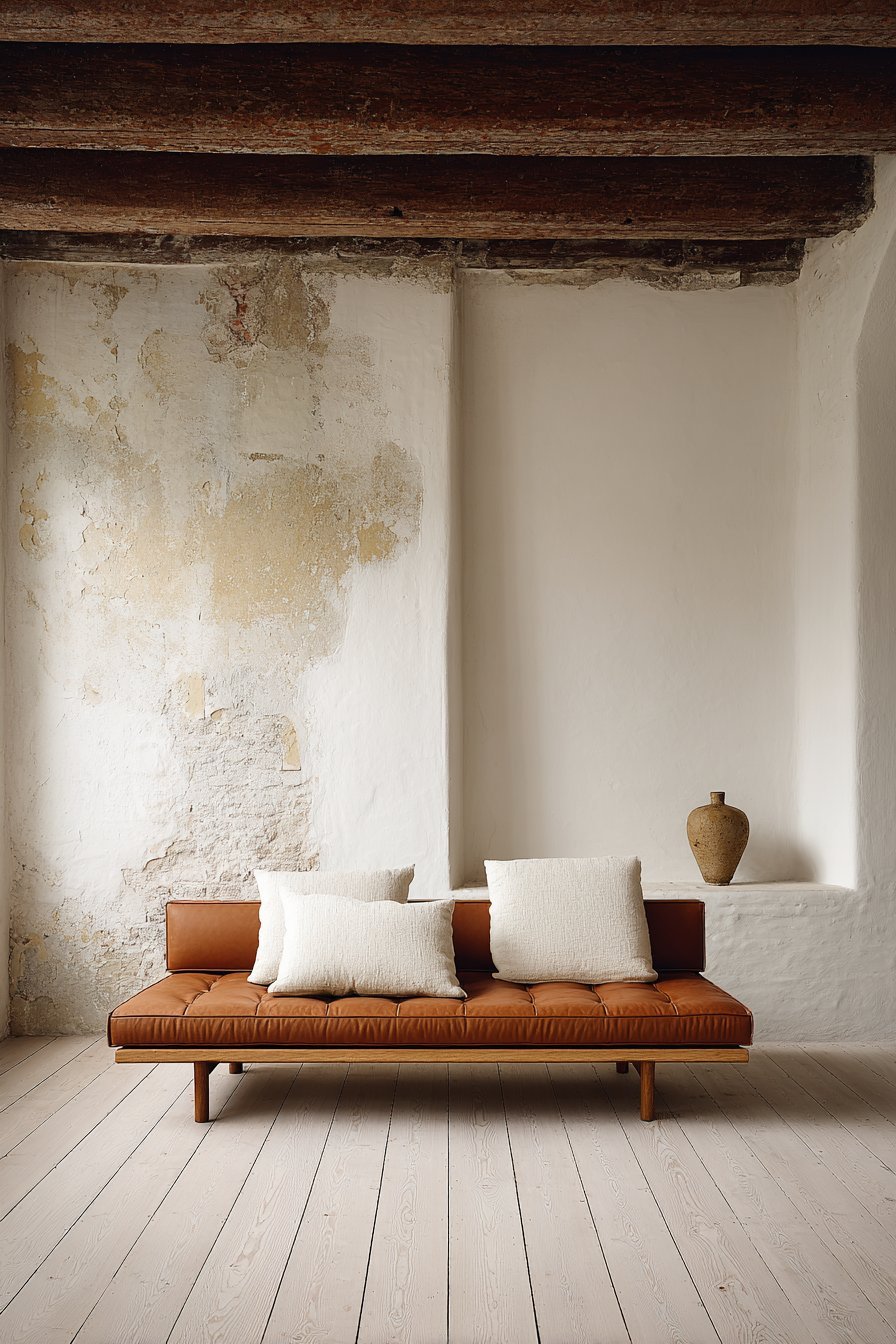
In industrial and urban loft contexts, terracotta softens exposed concrete and metal textures. It introduces humanity into otherwise hard, cold environments. Paired with black steel frames, vintage leather, and raw wood shelving, a terracotta-toned wall or floor tile transforms the space dramatically. It proves that warmth has a place even in the most contemporary design language.
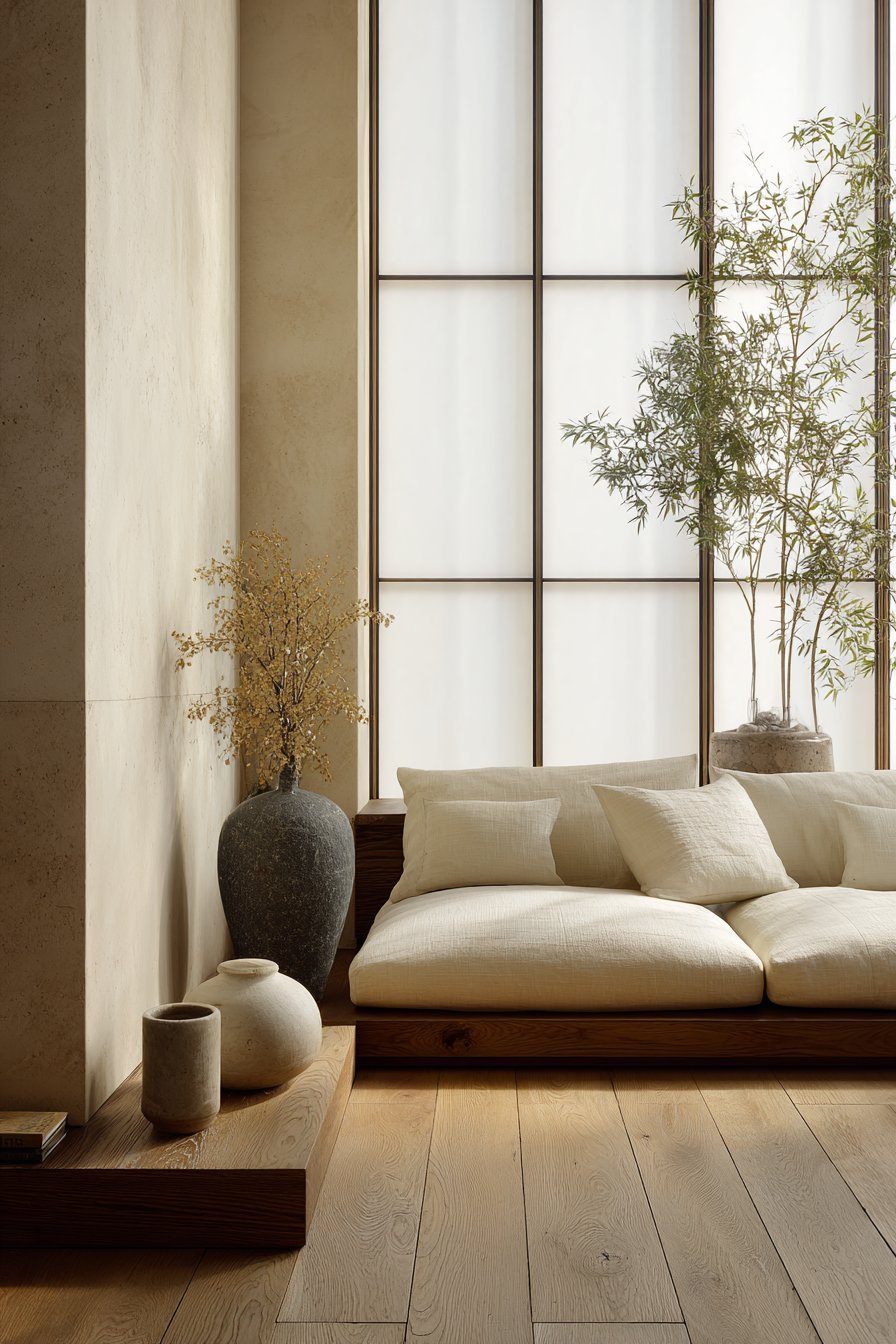
- Test terracotta in Japandi interiors by pairing it with natural linen and pale wood
- In industrial spaces, use terracotta tiles to soften concrete floors
- For Mediterranean rooms, commit to large terracotta surfaces and textured plaster walls
- In modern minimalist spaces, use terracotta as a single accent wall only
- Combine terracotta with white trim to create architectural definition
- Explore terracotta in unexpected spaces like home offices or reading nooks
3. The Science of Terracotta as a Color Neutral
A true neutral functions as a background color that allows other elements to shine. Most people associate neutrals with achromatic tones — white, grey, black. But color theory tells a more nuanced story. A neutral is any color that supports a composition without overwhelming it. By that definition, terracotta qualifies completely.
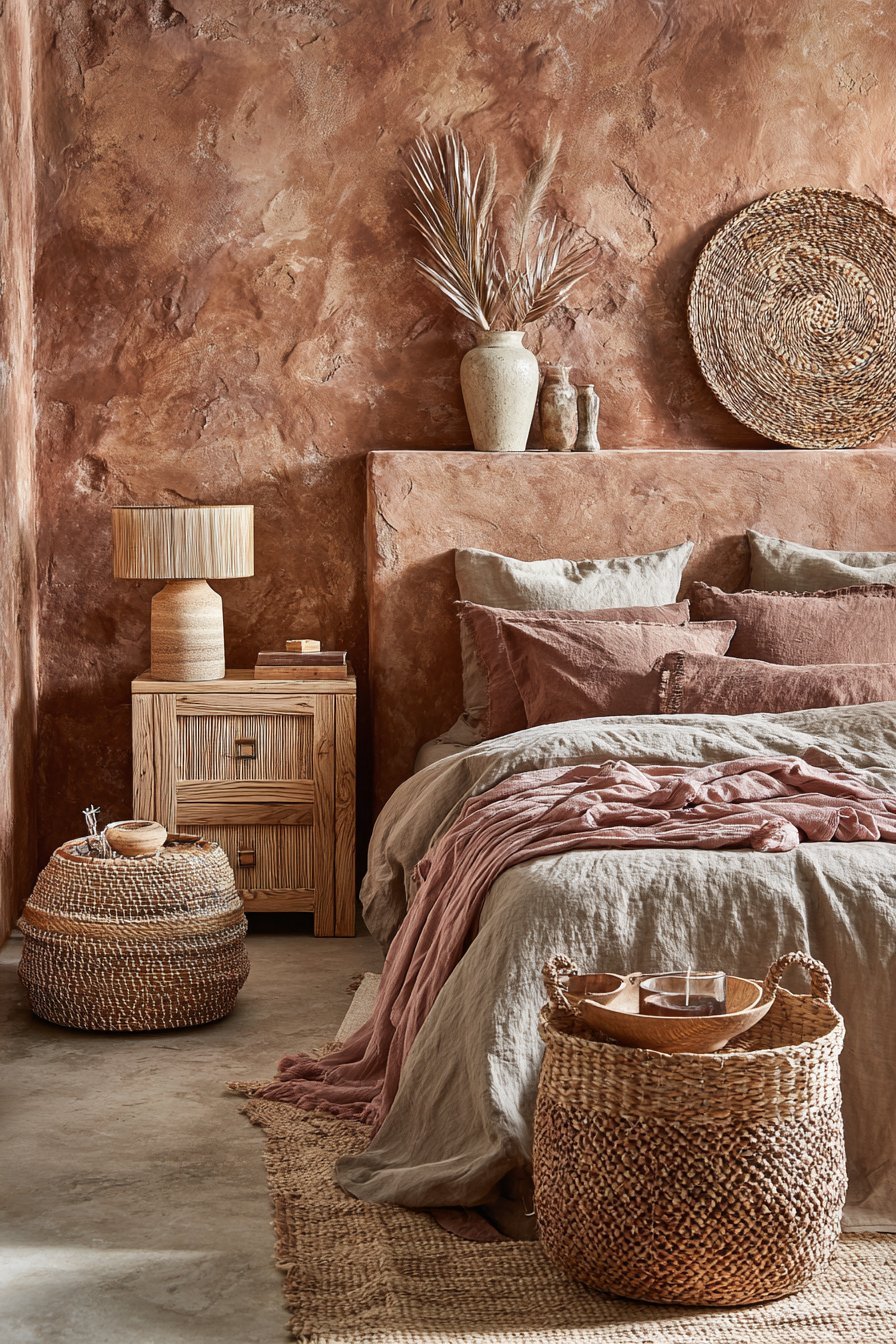
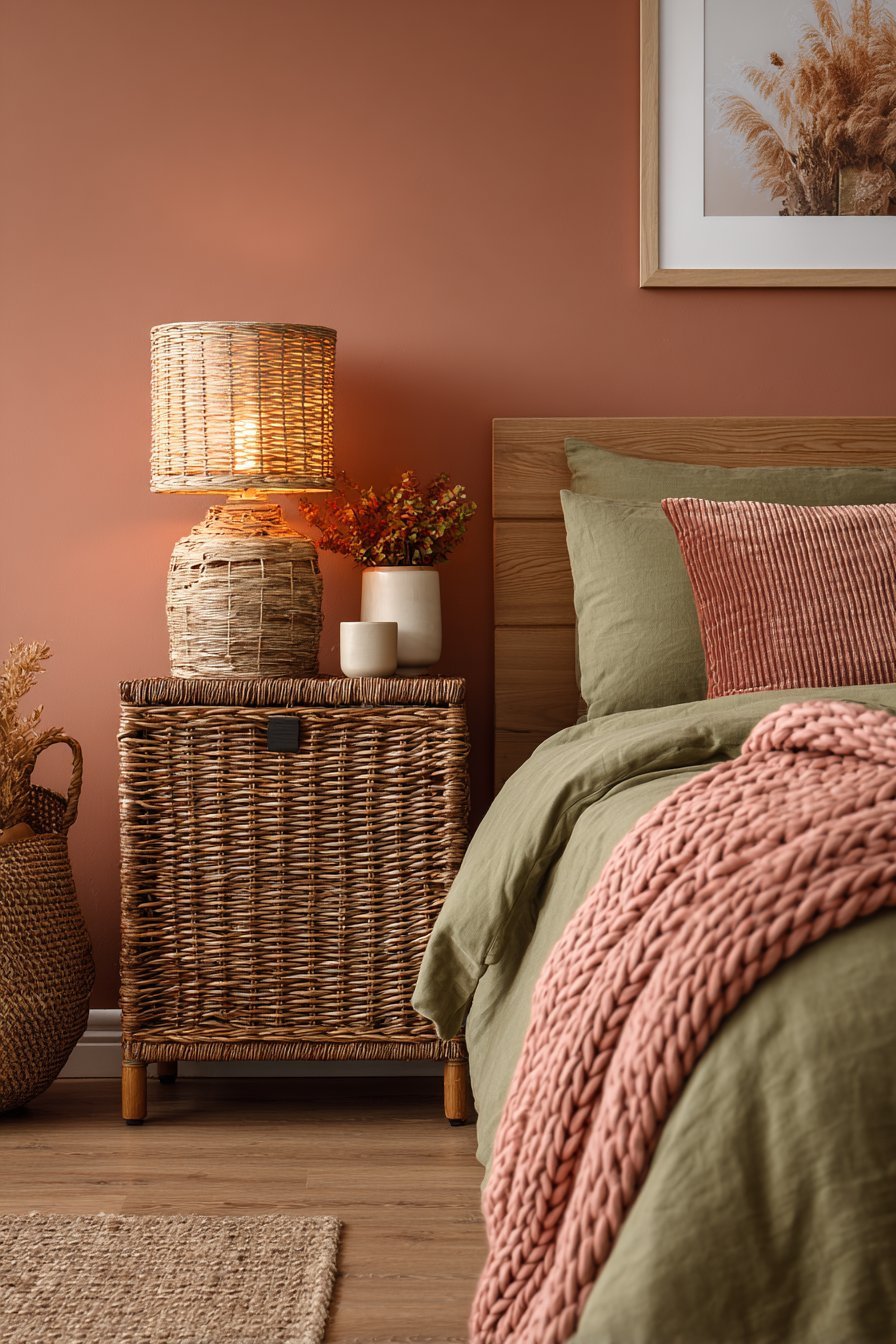
Its muted, red-orange base sits in the warm mid-range of the color spectrum. It neither shouts nor whispers. When paired with complementary tones — sage green, dusty rose, warm cream, deep navy — terracotta recedes gracefully. It creates a harmonious backdrop that makes surrounding colors feel intentional and elevated.
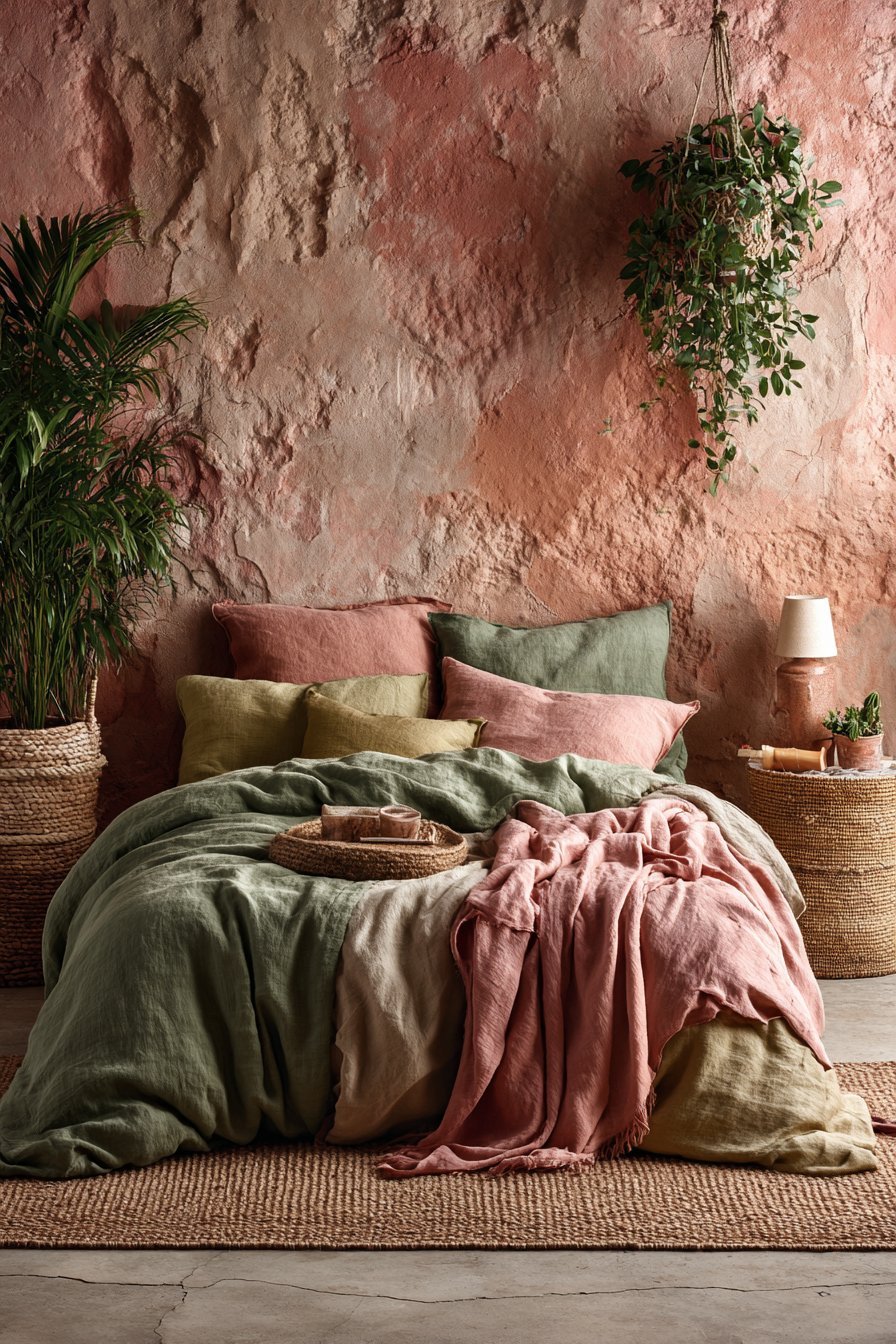
The psychological impact of terracotta is also measurable. Studies in environmental color psychology confirm that warm earthy tones lower perceived stress and increase feelings of comfort and safety. These effects make terracotta an ideal choice for bedrooms, living rooms, and any space designed for relaxation. It is a color that genuinely improves how a room feels to inhabit.
- Use terracotta as a foundational color and build your palette on top of it
- Pair with sage, olive, and dusty rose for a refined earthy palette
- Introduce terracotta with cool blues for a balanced contrast that energizes
- Avoid pairing terracotta with bright or neon tones that disrupt its calm energy
- Test terracotta swatches in both natural and artificial light before committing
- Reference the 60-30-10 color rule when incorporating terracotta into any room
4. Terracotta in Material Form: Tiles, Clay, and Ceramics
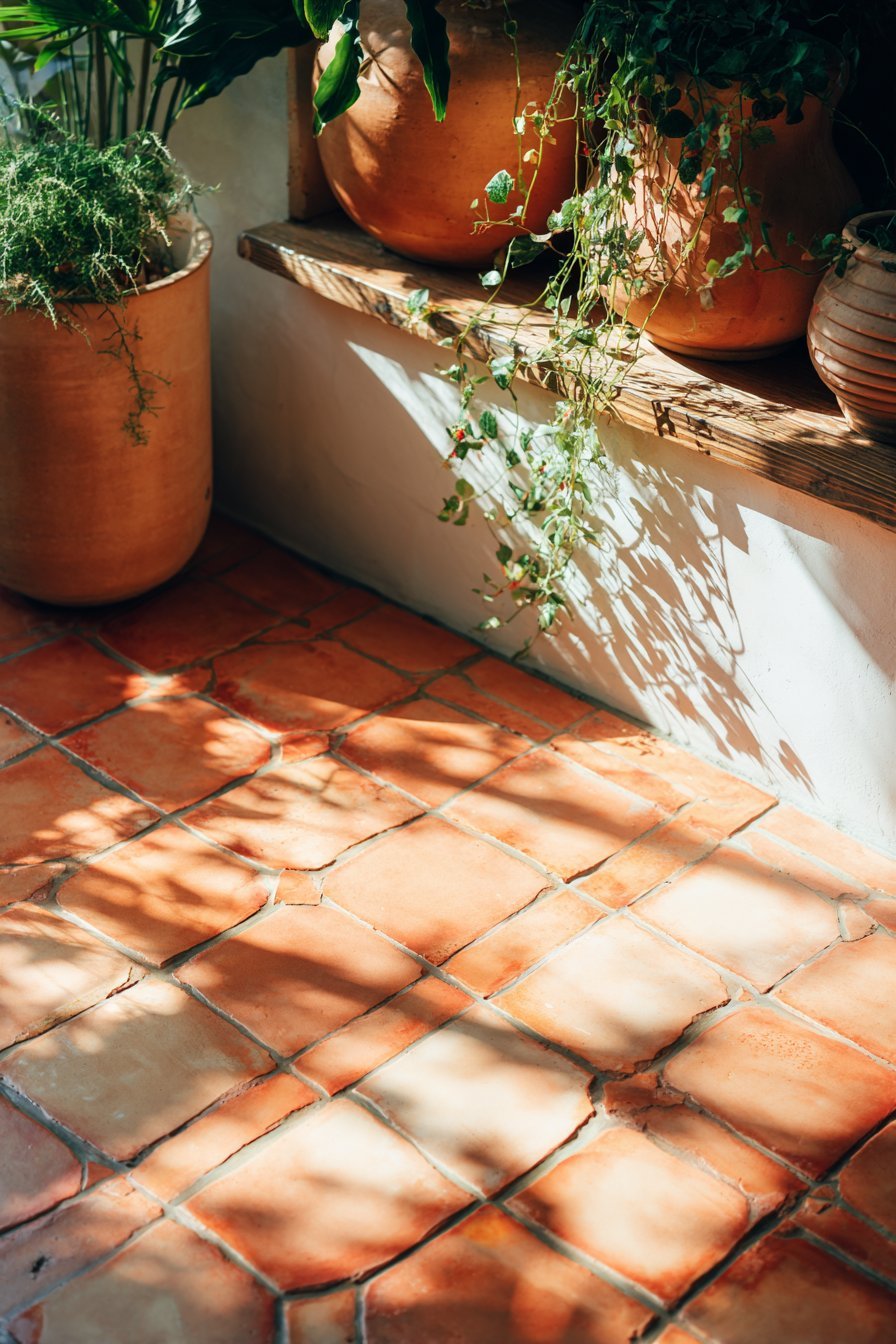
Terracotta is not only a paint color. It is, fundamentally, a material with ancient roots. Real terracotta tiles and clay surfaces bring a textural richness that no paint can replicate. This is one of the reasons the color trend feels so authentic — it is deeply tied to natural material culture. When you introduce actual terracotta tile, you bring the earth itself into your home.
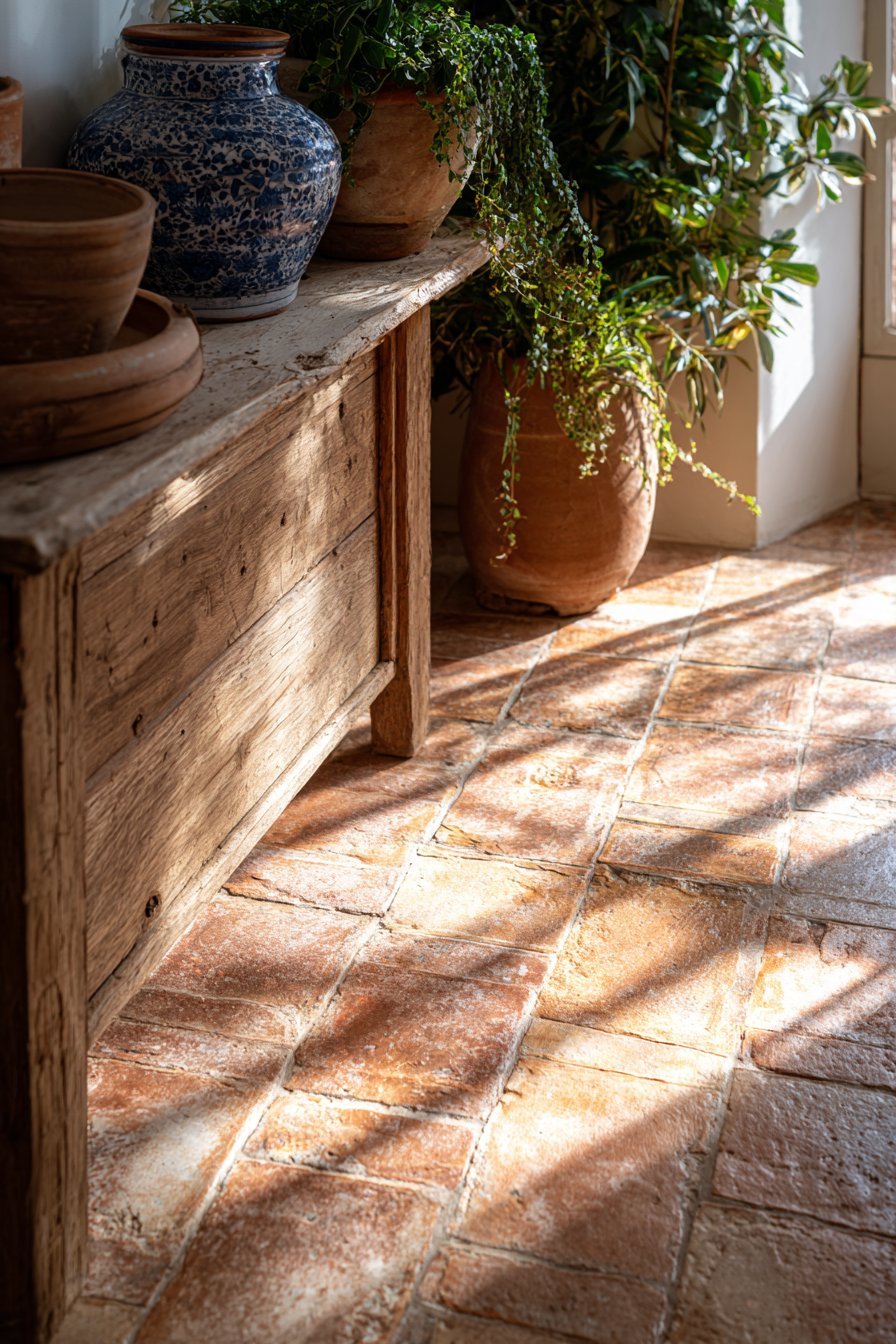
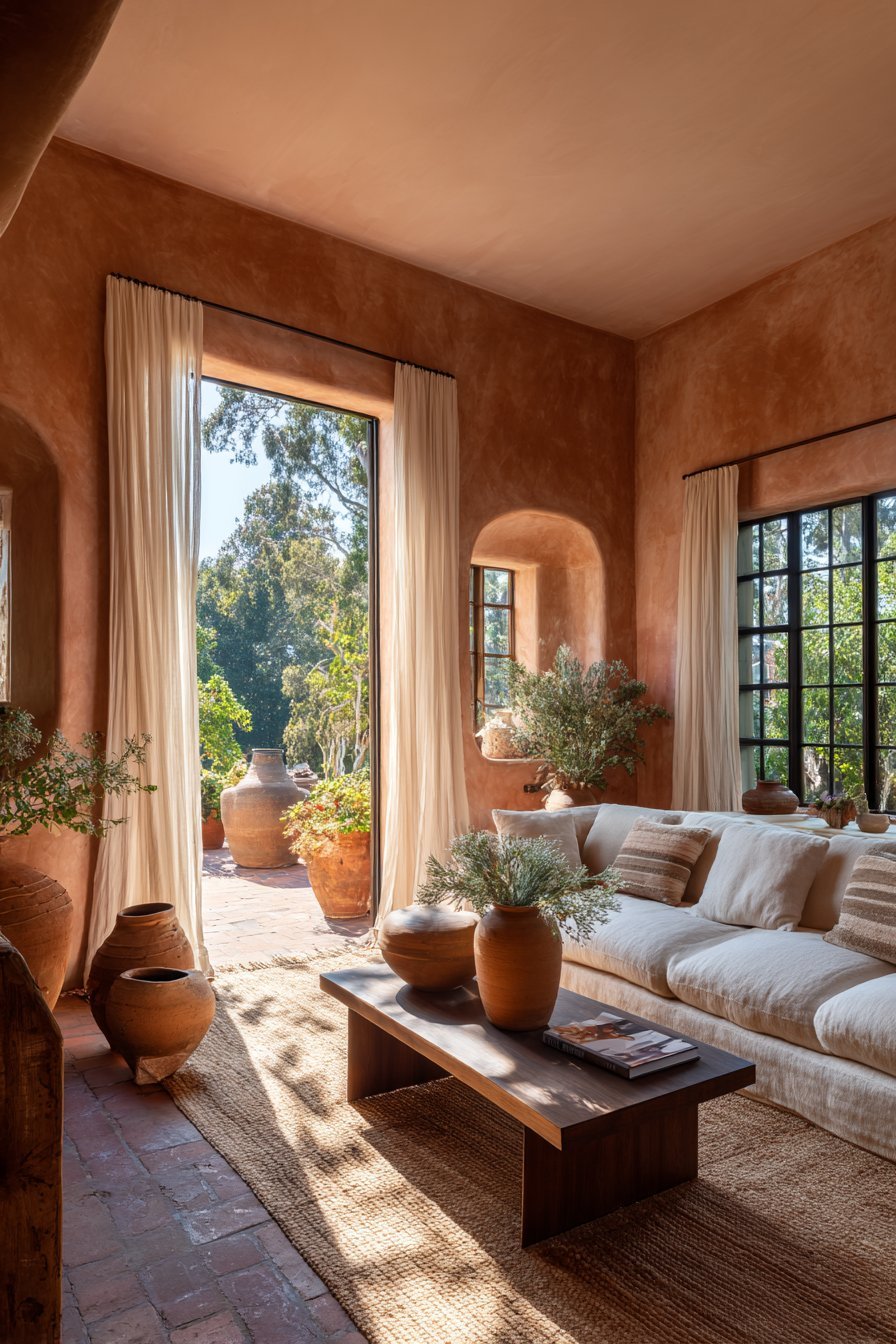
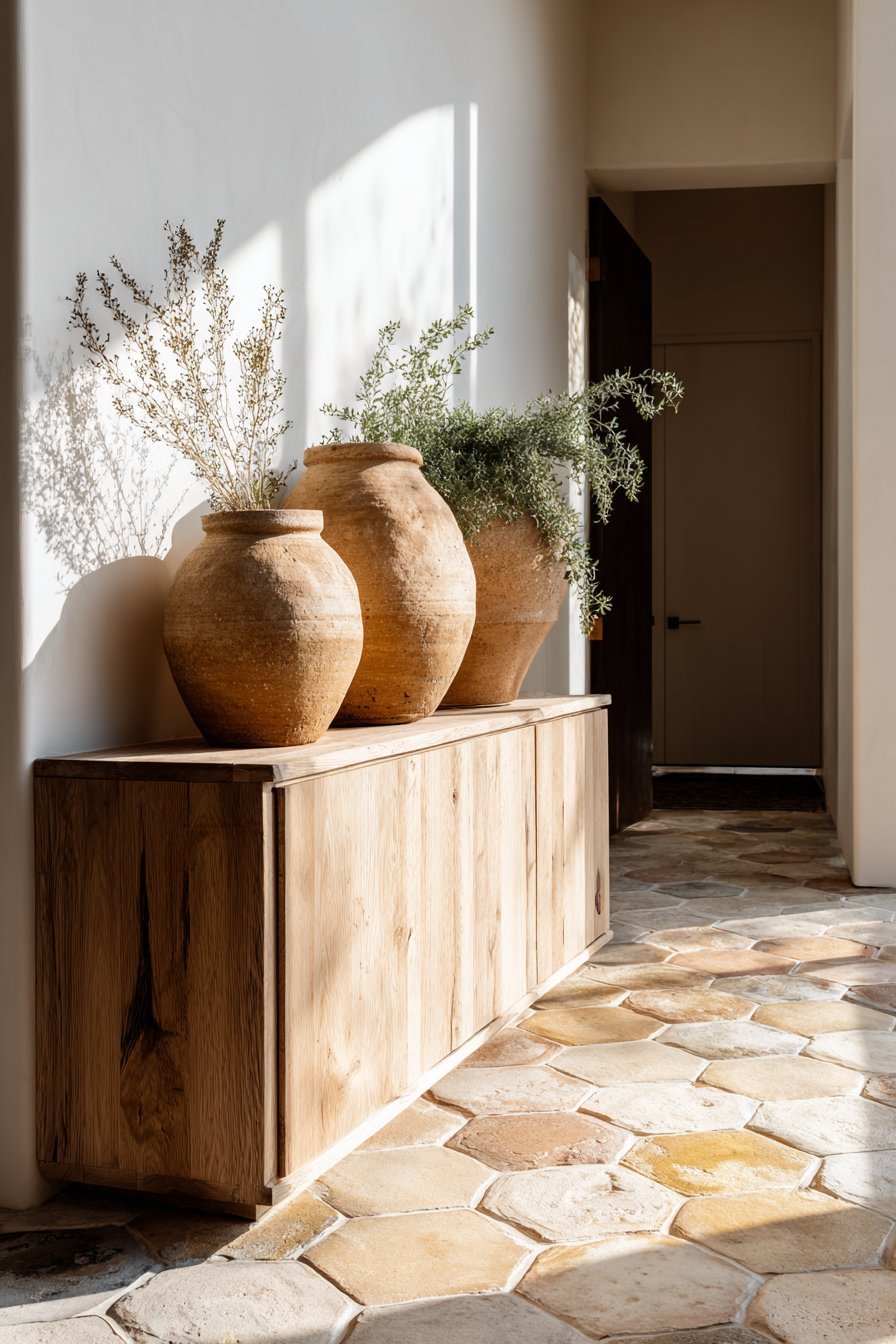
Terracotta floor tiles are experiencing a major revival in 2026. From raw, unglazed earthy squares to refined encaustic-style pieces, the options are extraordinary. Handmade terracotta tiles with slight irregularities are particularly prized. Their imperfection creates visual warmth and character. No two tiles are exactly alike, giving floors a living, artisan quality.
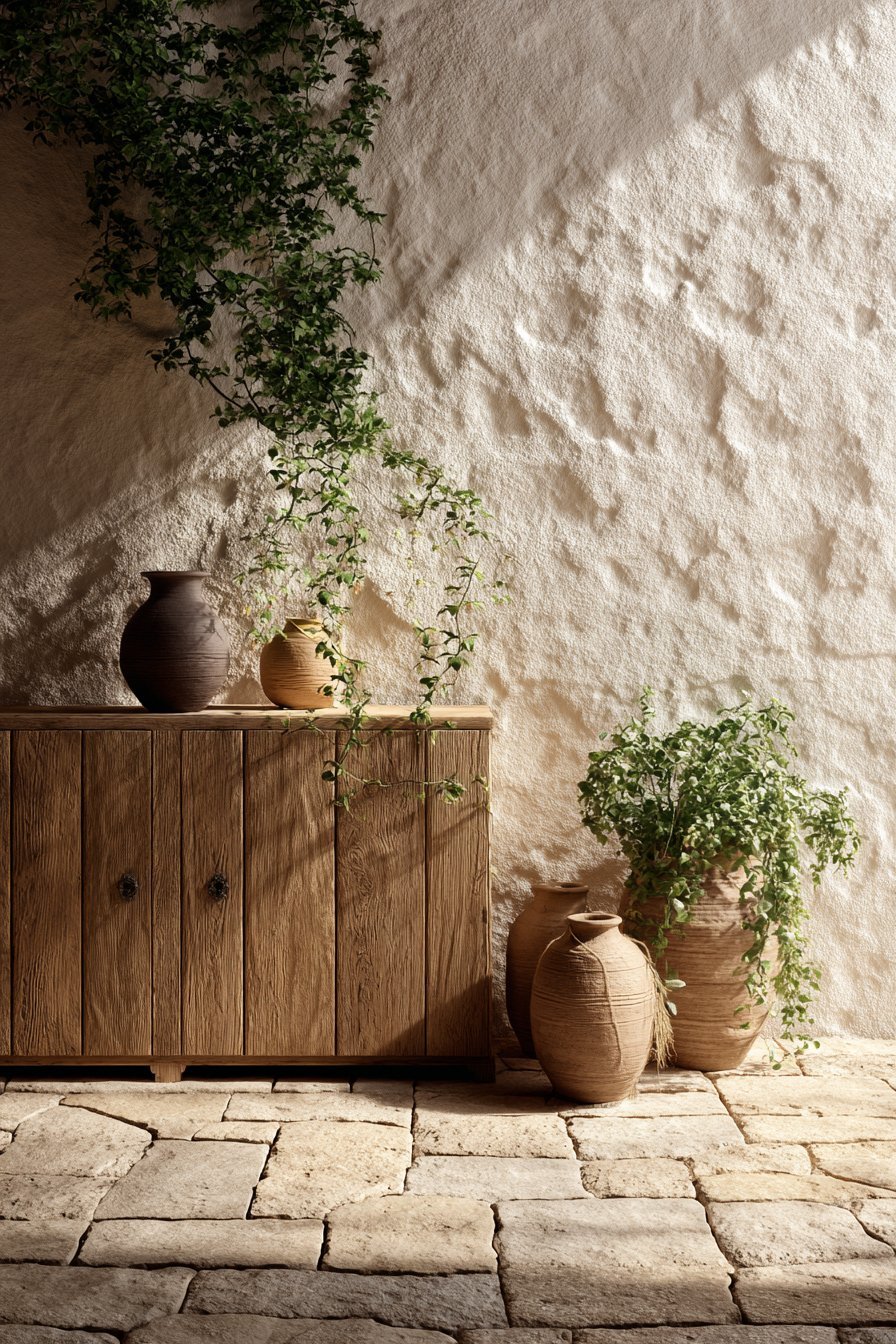
Beyond floors, terracotta ceramic vessels, planters, and tableware contribute to the trend without major renovation. A cluster of terracotta pots on a windowsill, a set of clay-toned dinnerware, or a hand-thrown vase on a shelf — these micro-moments add up to a cohesive design story. They are accessible ways to participate in the trend at any budget level.
- Install unglazed terracotta floor tiles in kitchens and entryways for authentic character
- Use terracotta tiles as a backsplash in bathrooms or kitchens for warmth
- Introduce terracotta ceramics and handcrafted vessels as decor accessories
- Choose terracotta planters for indoor plants — they also improve plant health
- Mix terracotta tile sizes for a more dynamic, layered floor composition
- Seal natural terracotta tiles properly to protect against staining and moisture
5. Terracotta on Walls: Paint, Plaster, and Limewash
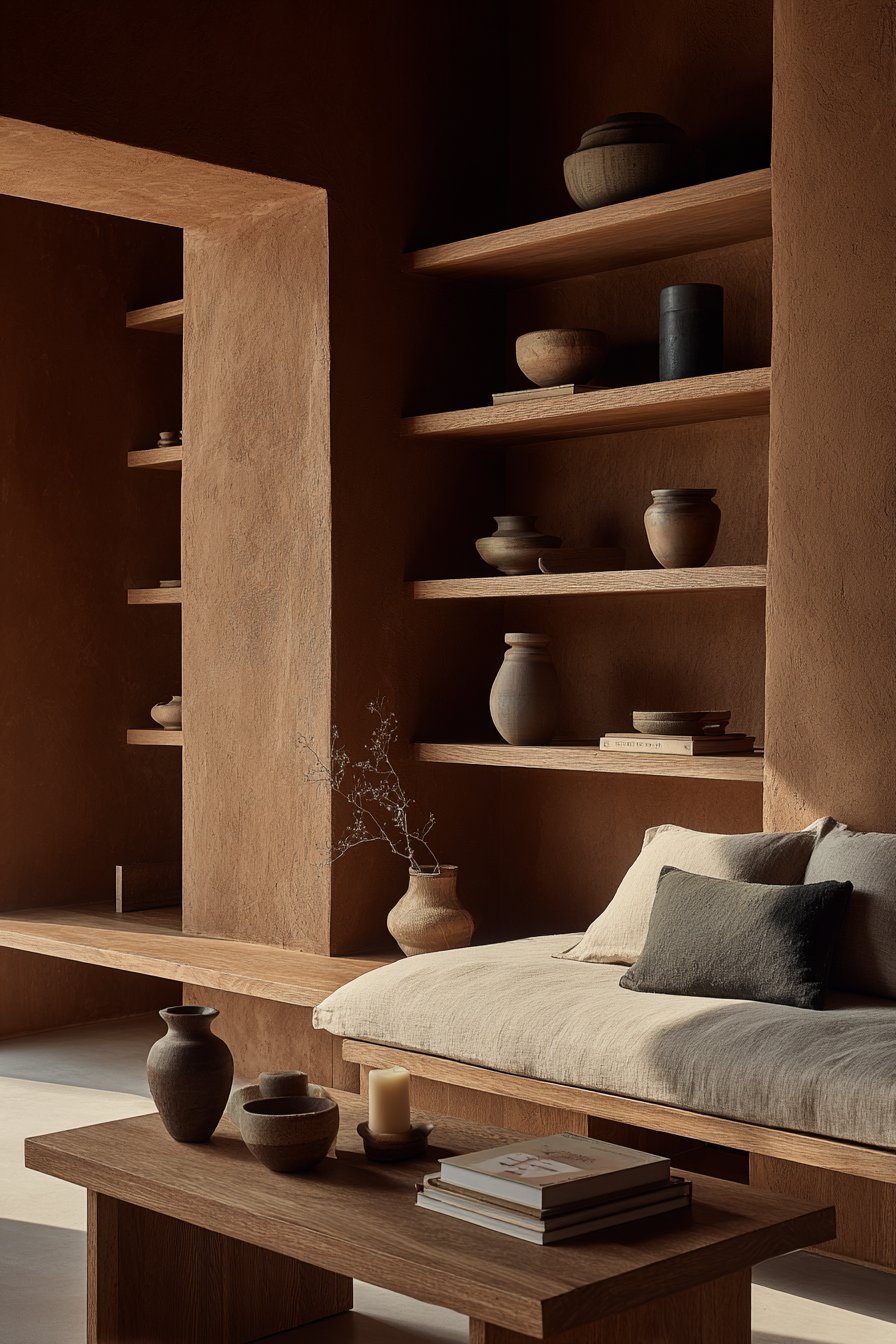
Wall application is where terracotta makes its most dramatic statement. Paint is the easiest entry point, but it is far from the only option. Textured wall finishes like limewash, Venetian plaster, and clay plaster take the terracotta moment to a completely different level of sophistication. They add dimension that flat paint simply cannot achieve.
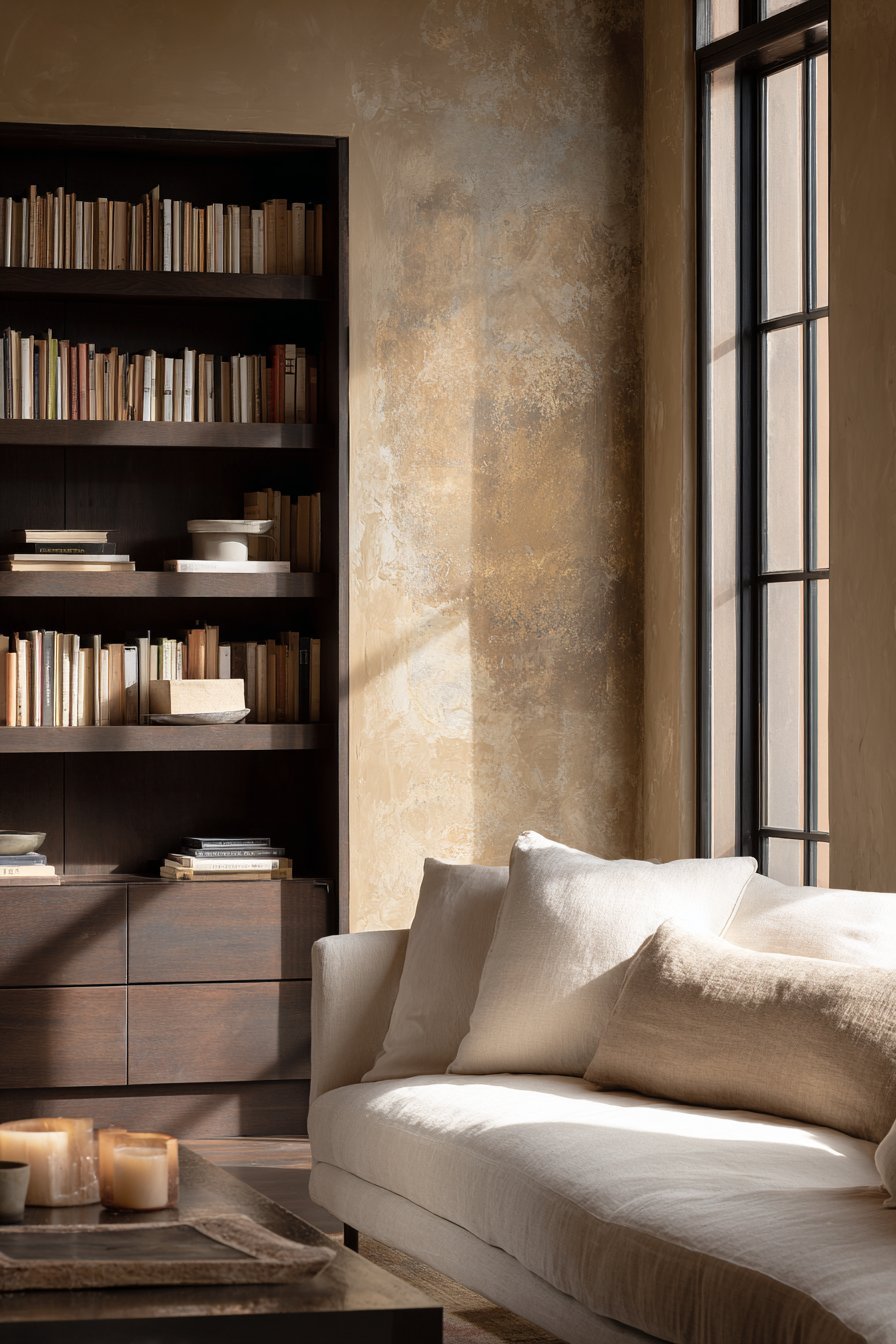
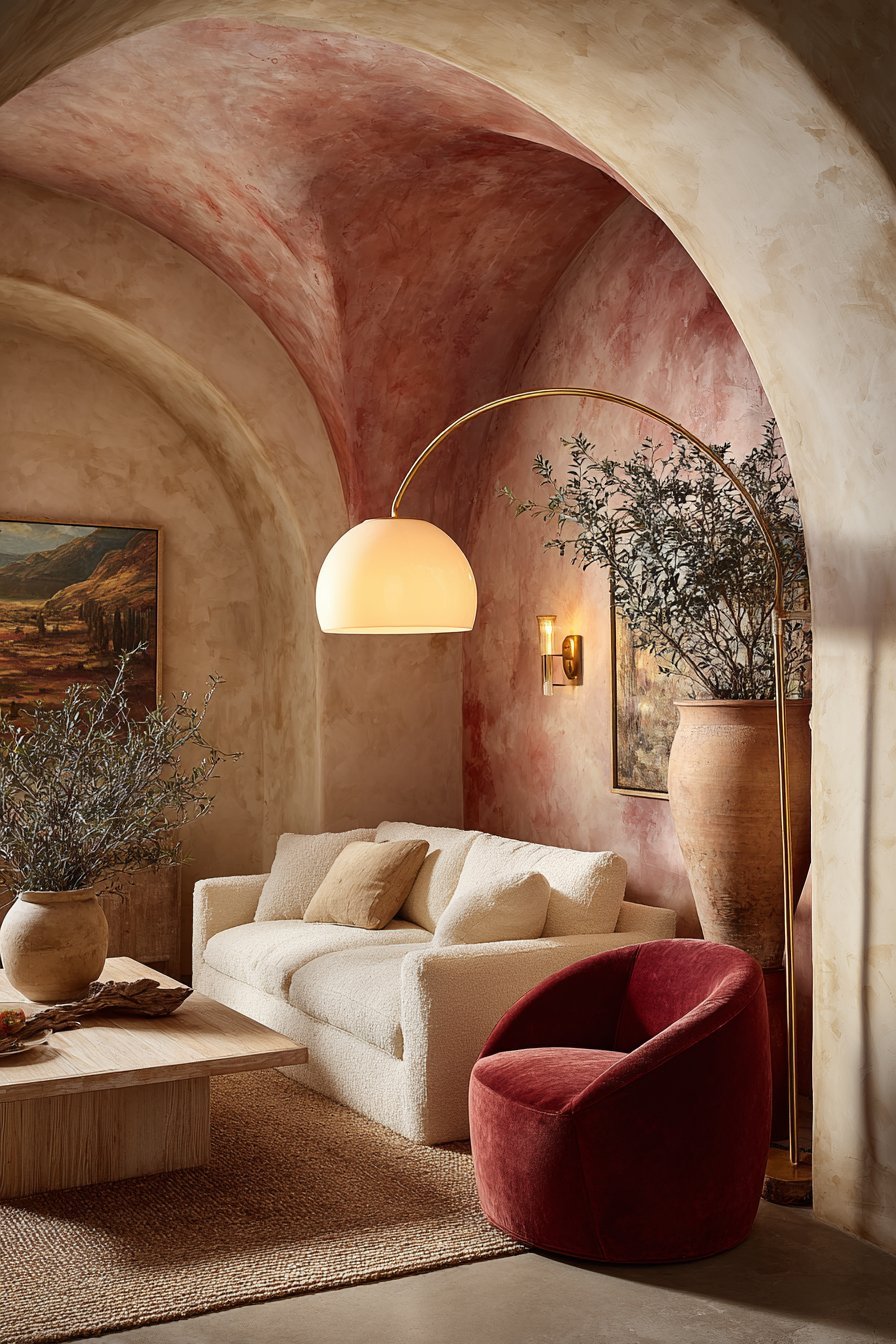
Limewash terracotta walls are one of the most coveted finishes in contemporary interior design right now. The technique creates a soft, cloudy, aged quality that shifts subtly with natural light throughout the day. It looks simultaneously ancient and entirely modern. The tonal variation within a single wall adds visual complexity without pattern or clutter. It is a painter’s approach to interior design.
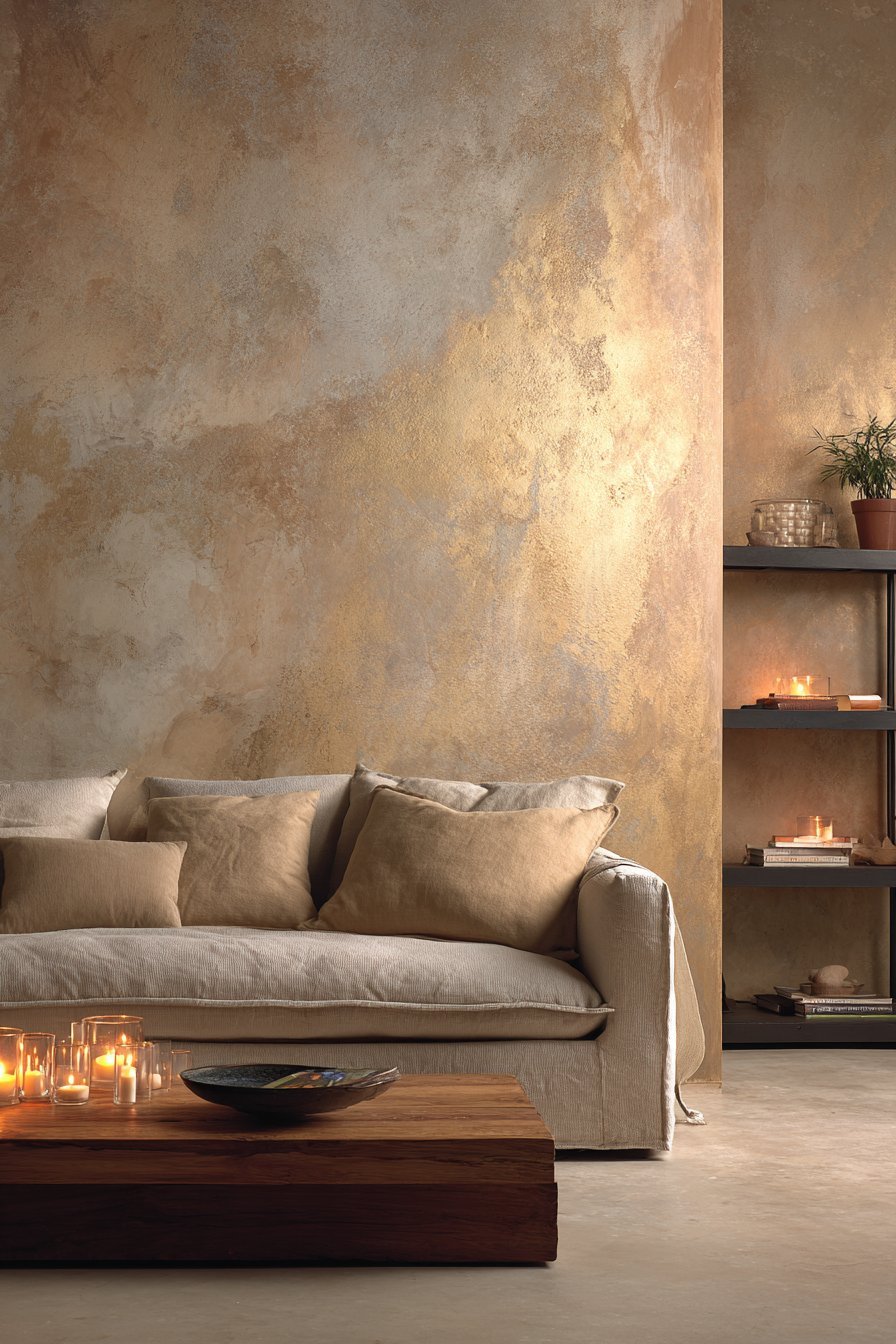
Clay plaster in warm terracotta tones goes even further. As a natural material applied by hand, it produces a tactile surface that practically invites touch. It also has the added benefit of regulating indoor humidity. In sustainable, wellness-focused homes, clay plaster is becoming a signature finish. Terracotta-toned clay walls are at the forefront of that movement.
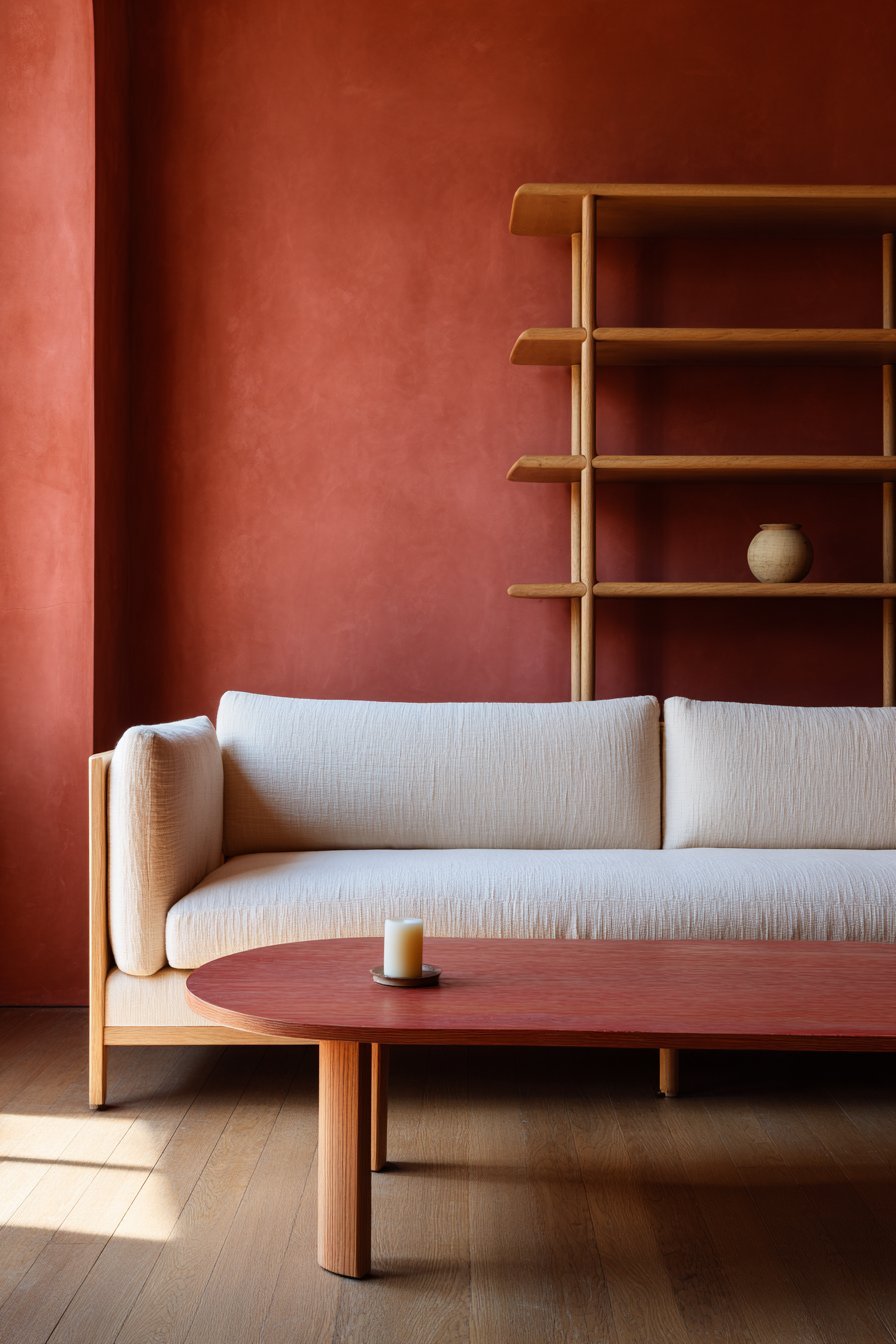
- Explore limewash paint brands like Portola Paints for an authentic aged effect
- Apply clay plaster in terracotta tones for texture and sustainability benefits
- Use terracotta paint in flat or eggshell finish to highlight texture naturally
- Try a single terracotta feature wall before committing to a full room
- In larger rooms, warm terracotta walls prevent a cold, cavernous feeling
- Use terracotta on ceiling surfaces for a cocooning, enveloping atmosphere
6. Color Pairing: What Works Best With Terracotta
Getting color pairing right is essential to unlocking terracotta’s full potential. The wrong combinations can make it feel dated or heavy. The right ones make it feel elevated, intentional, and breathtakingly beautiful. Understanding which tones activate terracotta and which ones muddy it is critical for any design project.
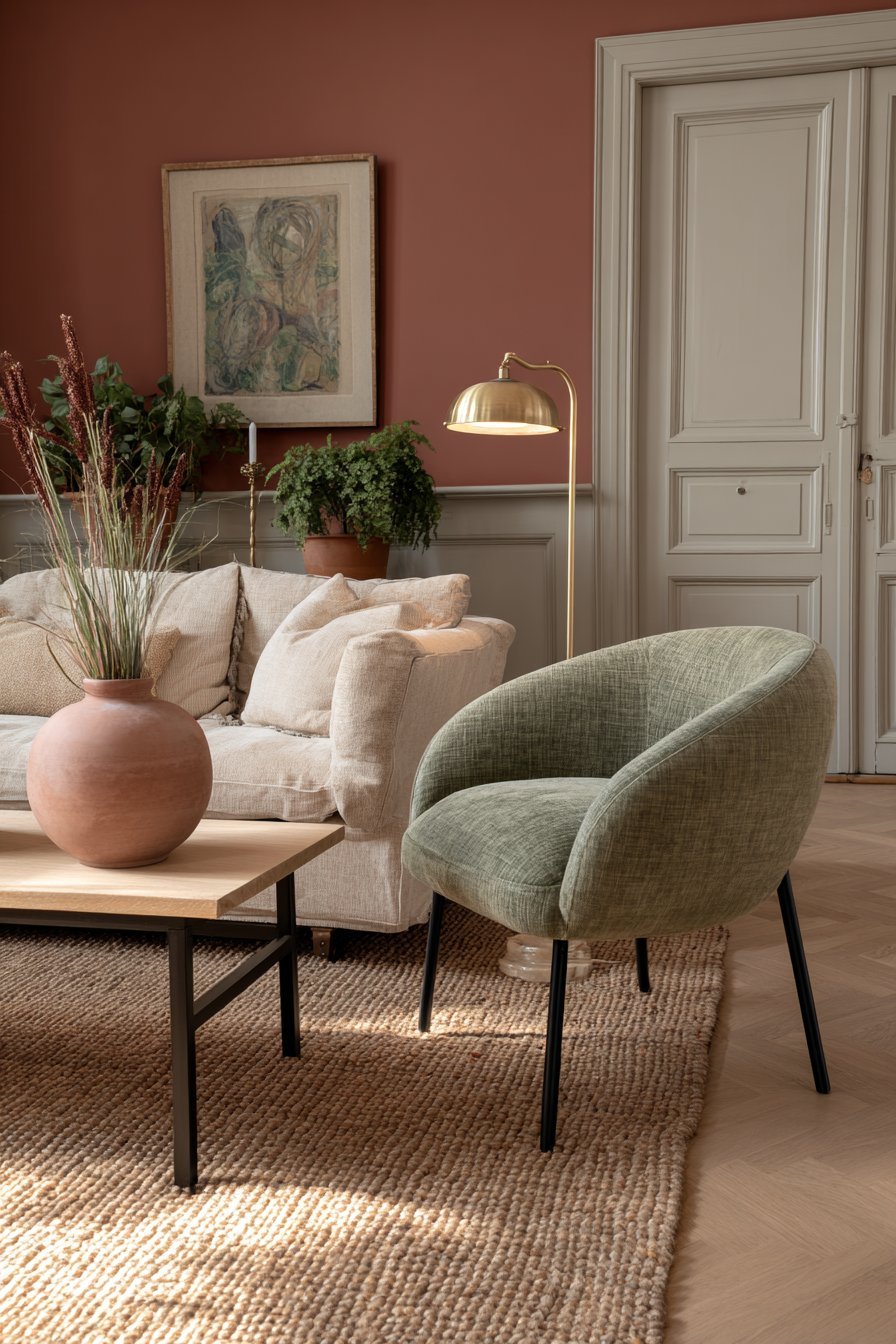
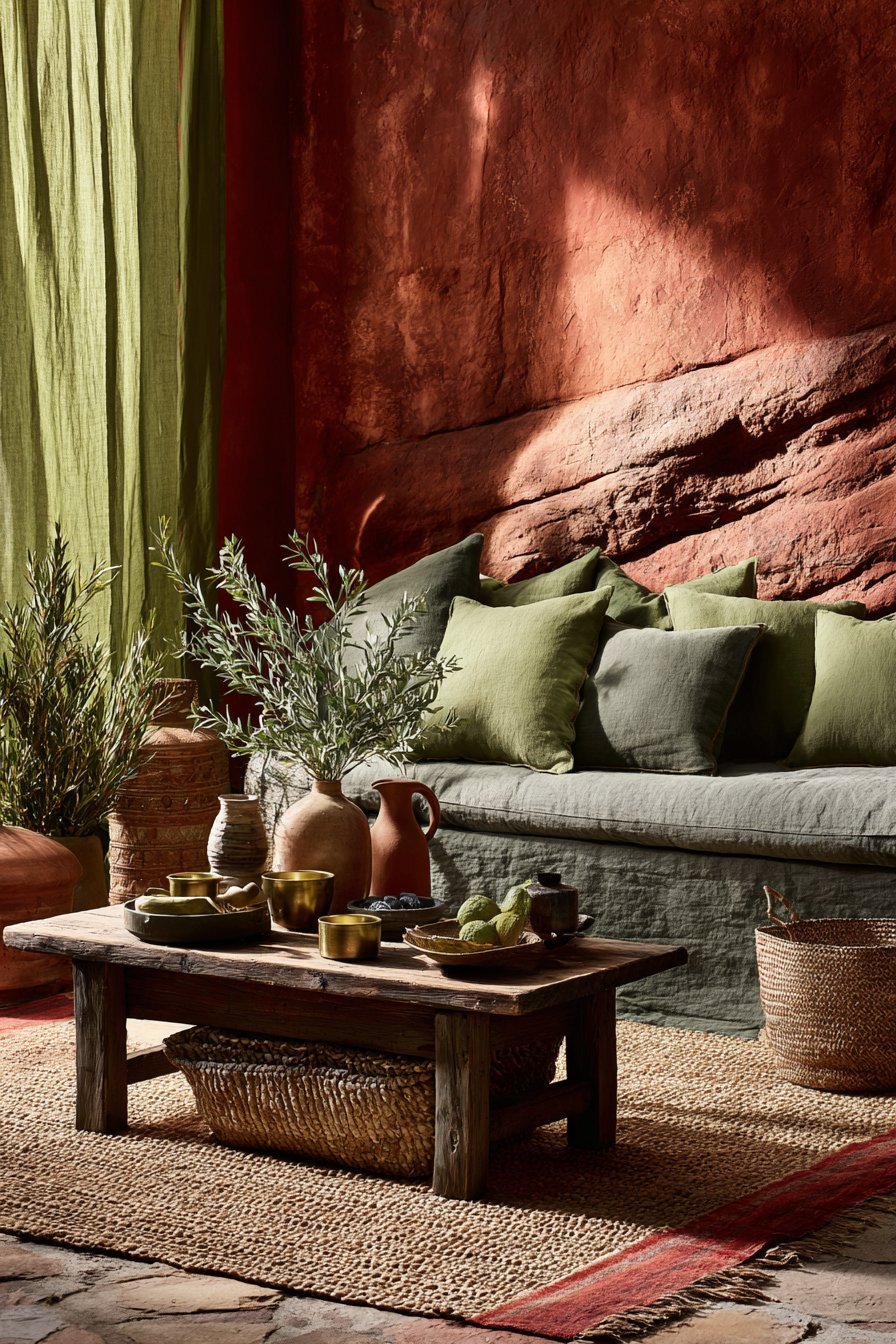
Sage green and terracotta are arguably the defining color duo of this design era. They share earthy, botanical roots while providing enough contrast to keep compositions dynamic. Together they evoke sun-drenched Mediterranean gardens, Moroccan riads, and the best of slow, considered living. This pairing appears in editorial shoots, luxury hotels, and aspirational homes worldwide.
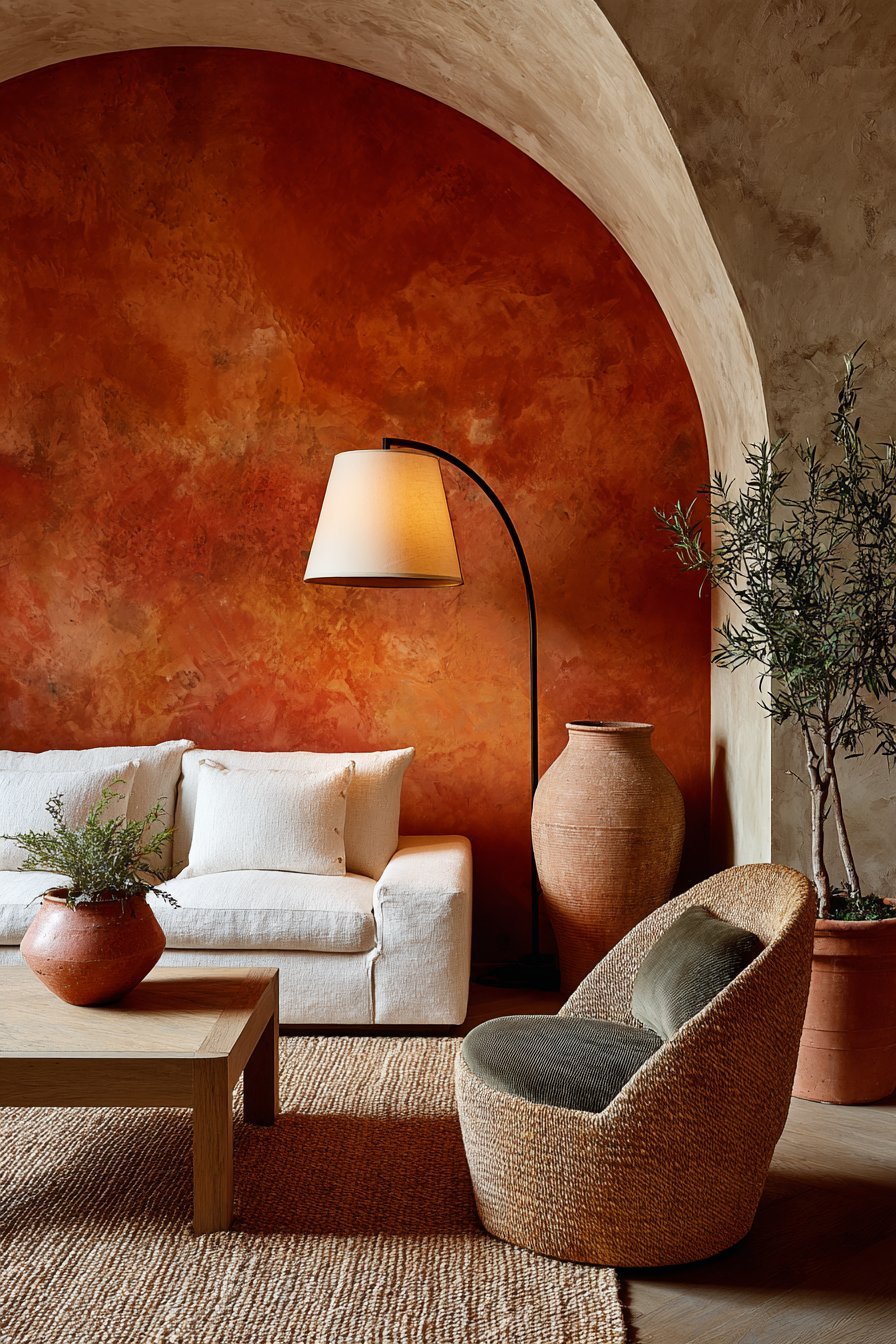
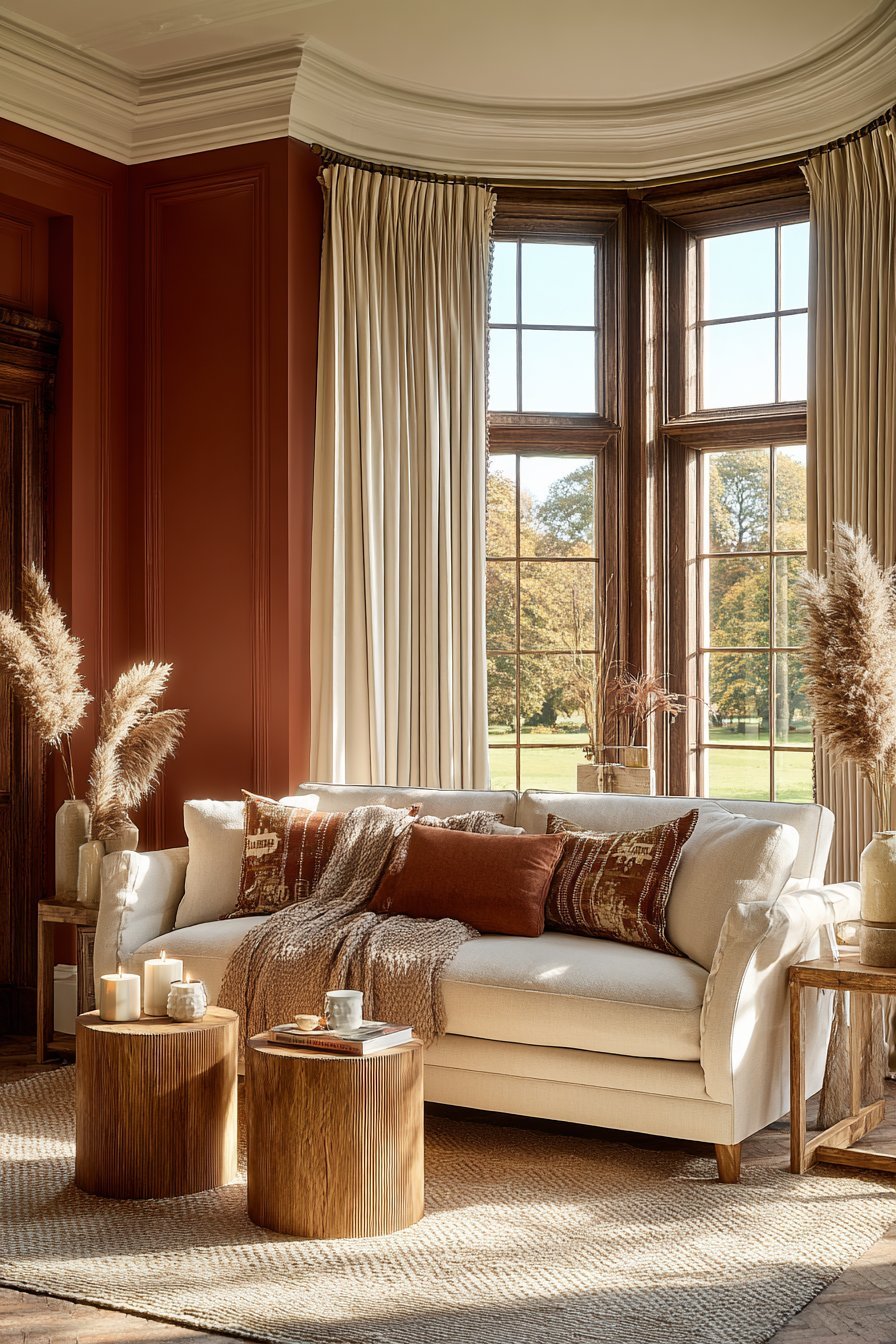
Cream, warm white, and terracotta form a more restrained but equally powerful combination. This trio works especially well in minimalist or Scandi-influenced spaces where cleanliness of line is paramount. The cream softens terracotta’s intensity while still honoring its warmth. Add natural wood and woven texture for a complete, fully resolved palette.
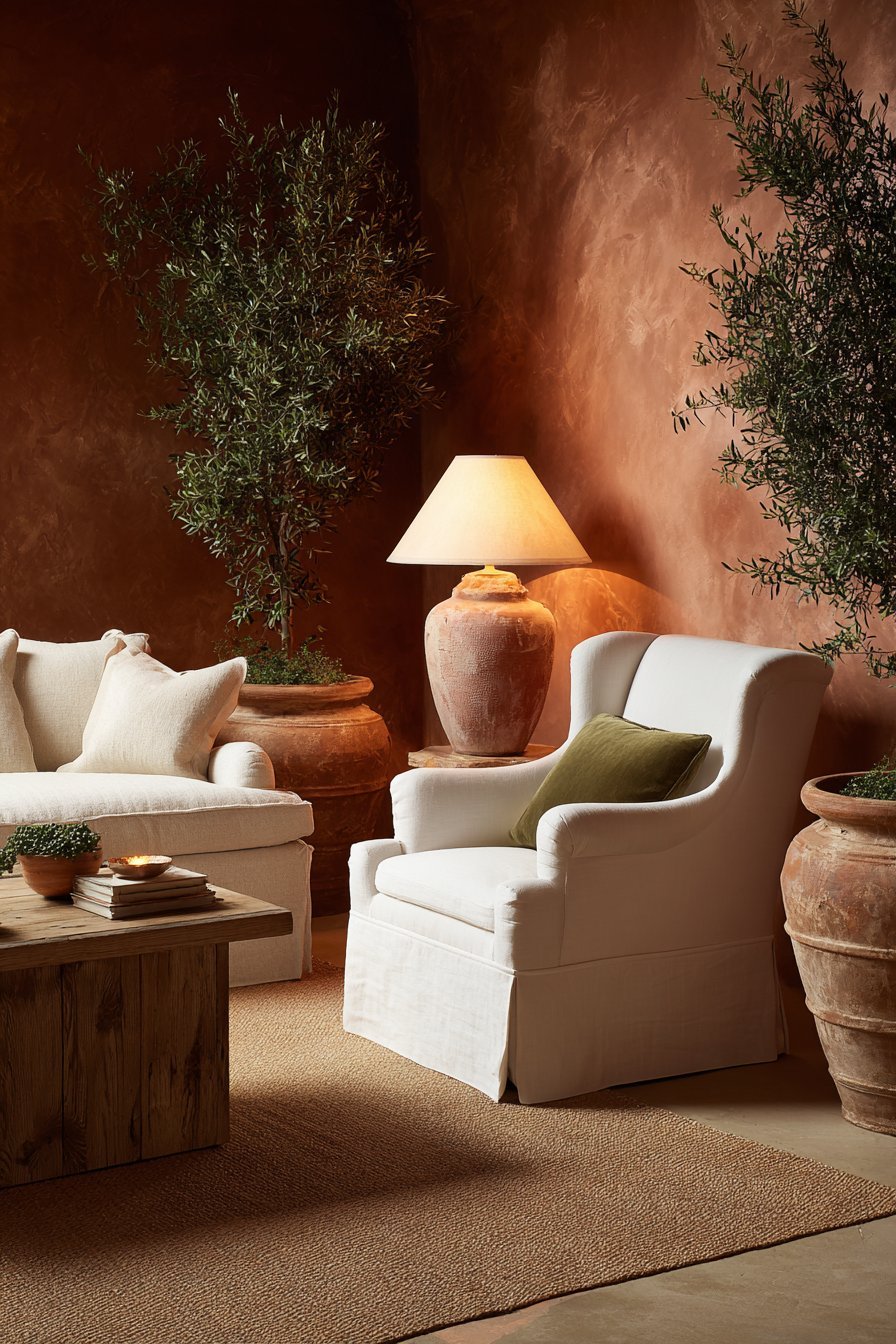
- Pair terracotta with sage green for a botanical, Mediterranean-inspired palette
- Combine terracotta with warm cream and natural linen for elegant restraint
- Introduce deep navy or midnight blue as a bold contrast to terracotta warmth
- Use dusty rose alongside terracotta for a soft, romantic atmosphere
- Avoid cool greys with terracotta — the contrast creates tonal conflict
- Add warm brass or bronze metal accents to reinforce the earthy palette
7. Terracotta in the Kitchen: A Revolution in Warm Cooking Spaces
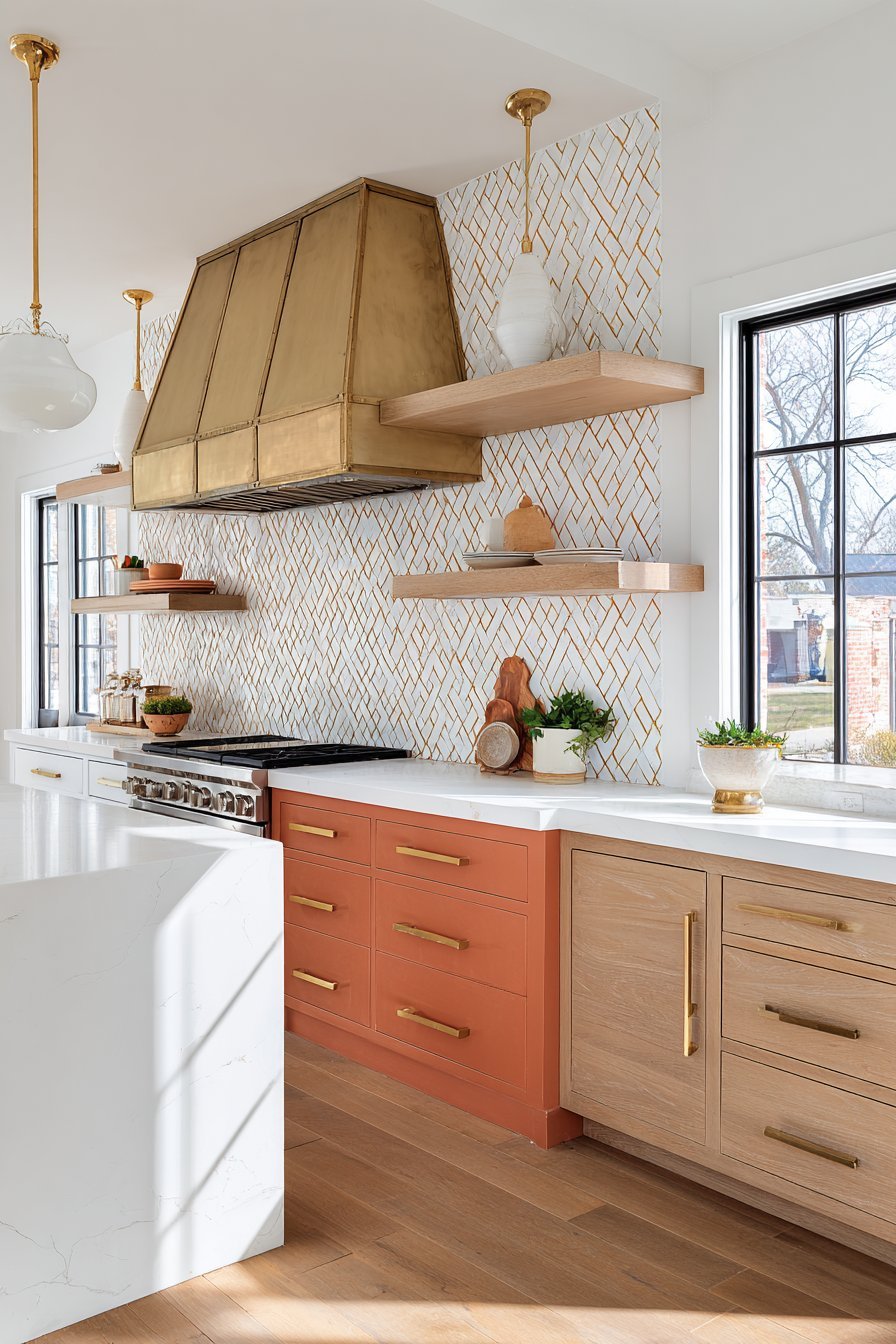
The kitchen is experiencing a terracotta transformation in 2026. White kitchens dominated the last decade. Now homeowners are gravitating toward warmer, more characterful cooking spaces. Terracotta — whether in cabinetry, tile, or accessories — is leading that shift decisively.
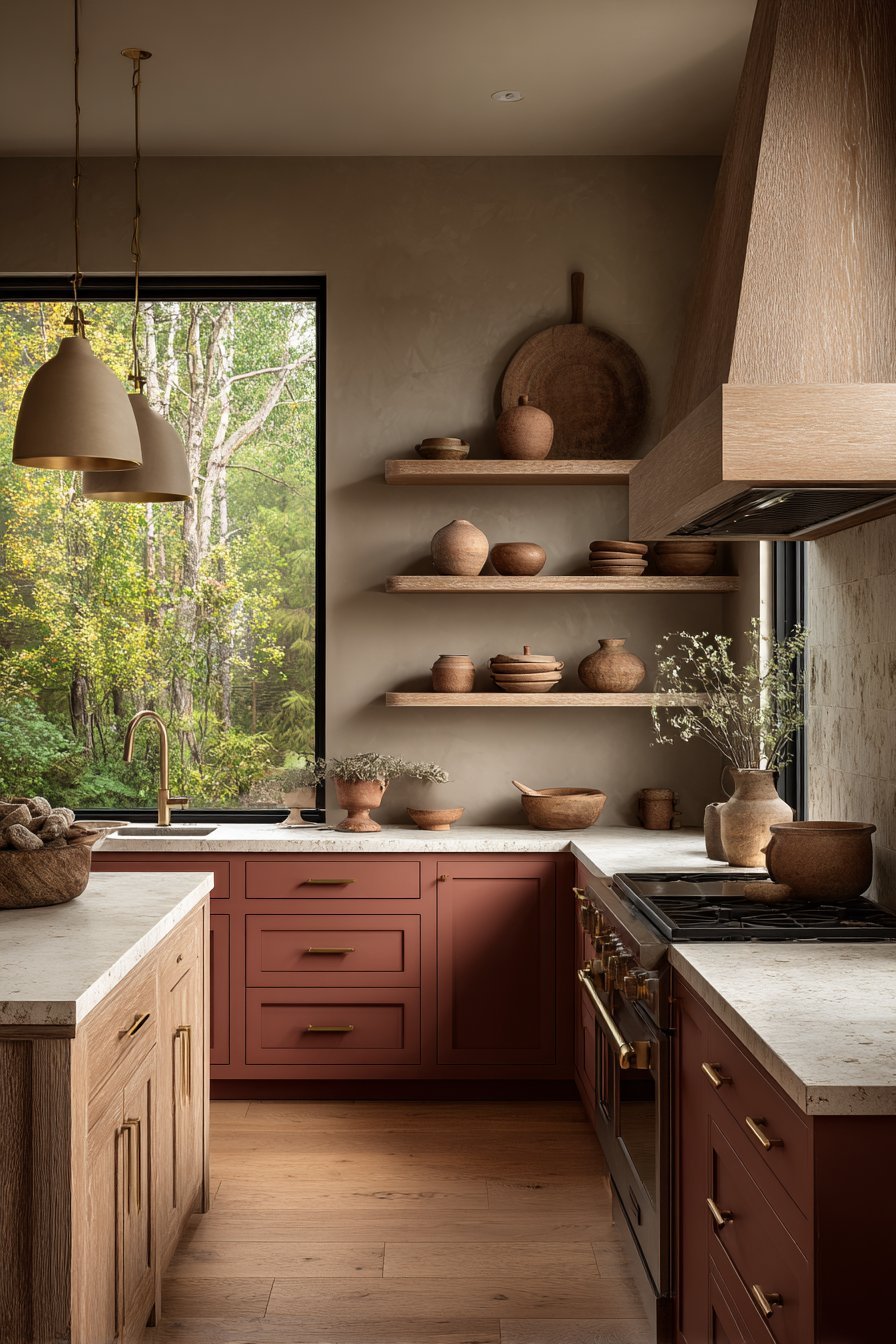
Terracotta-toned cabinetry is a standout trend. Muted clay finishes on lower cabinets, paired with natural wood uppers and white stone countertops, create a kitchen that feels warm, sophisticated, and thoroughly modern. It avoids the harshness of all-white while maintaining a clean, uncluttered aesthetic. This approach suits both traditional and contemporary kitchens equally well.
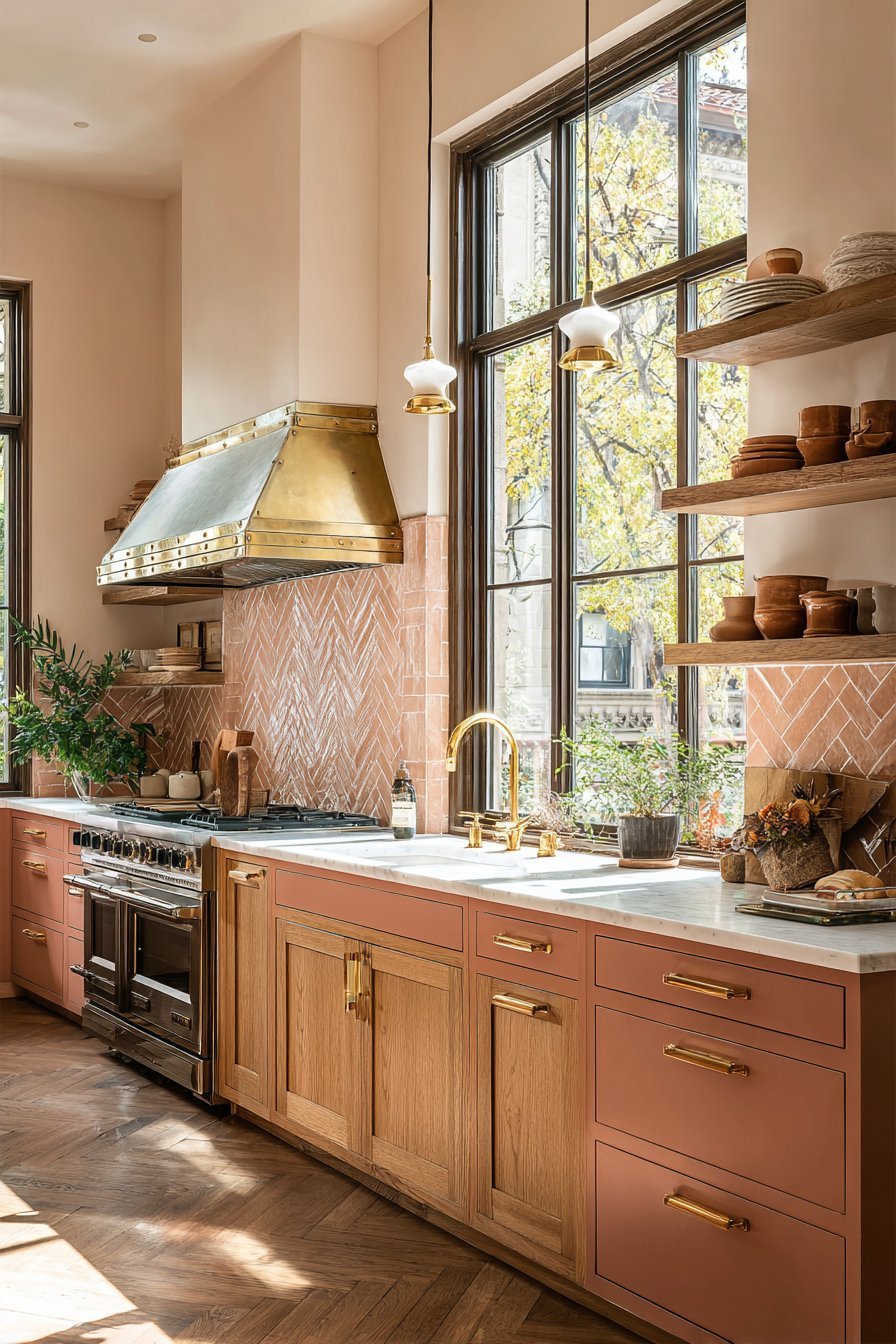
For those not ready for a full cabinet overhaul, terracotta tile backsplashes deliver enormous visual impact with less commitment. Subway-shaped terracotta tiles, zellige-style handmade tiles, or geometric encaustic patterns all work brilliantly. Combined with brass hardware and an earthy stone countertop, a terracotta backsplash can transform a kitchen’s entire character.
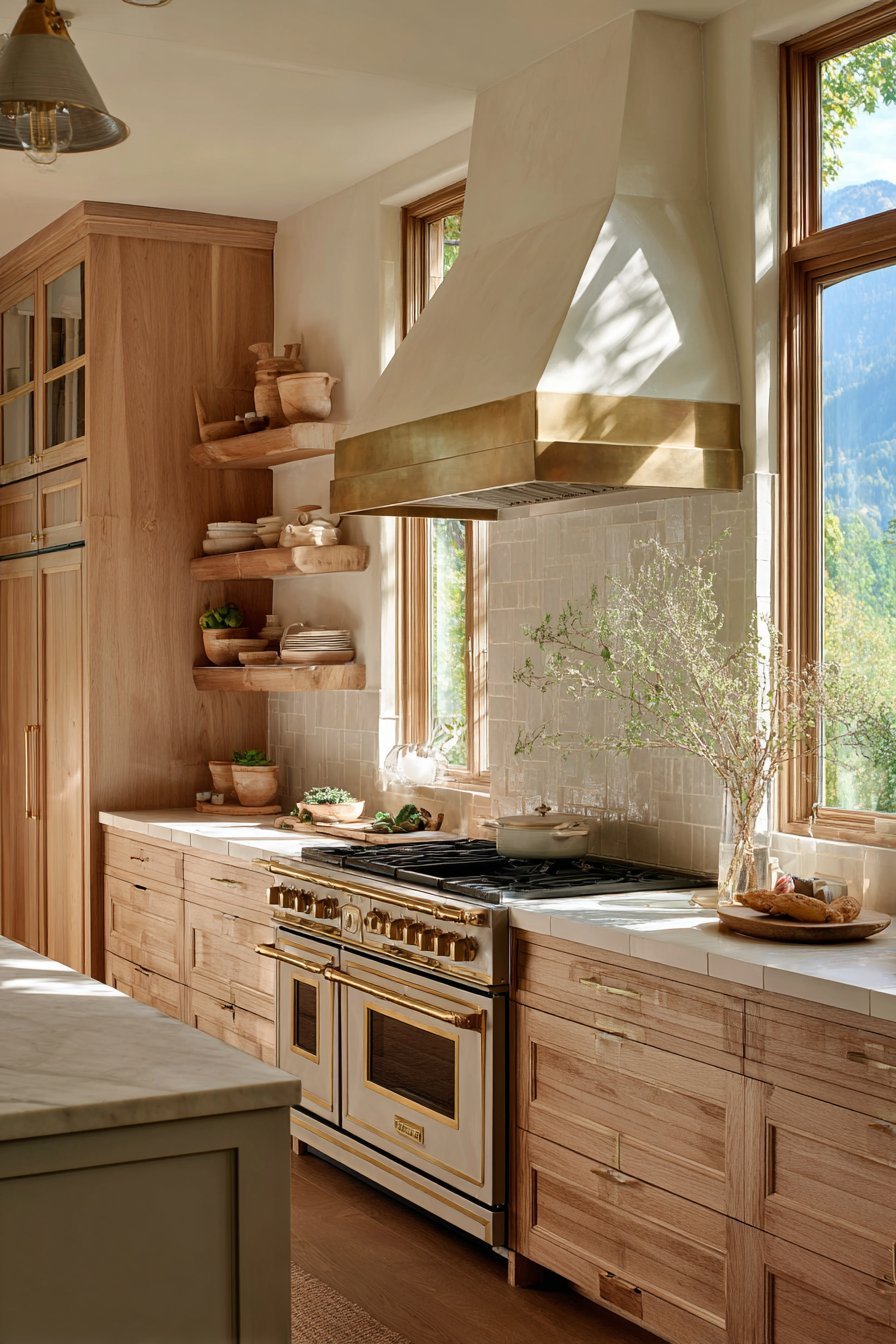
- Consider terracotta-toned lower cabinets with white or cream upper cabinets
- Install terracotta zellige tiles as a statement backsplash behind the range
- Use terracotta cookware and ceramics as functional decor on open shelving
- Introduce terracotta through terracotta pendant lights above a kitchen island
- Pair terracotta kitchen elements with warm brass hardware for cohesion
- Add terracotta-toned textiles — aprons, dishcloths, placemats — as soft accents
8. Terracotta in Bedrooms: Warmth for Rest and Restoration
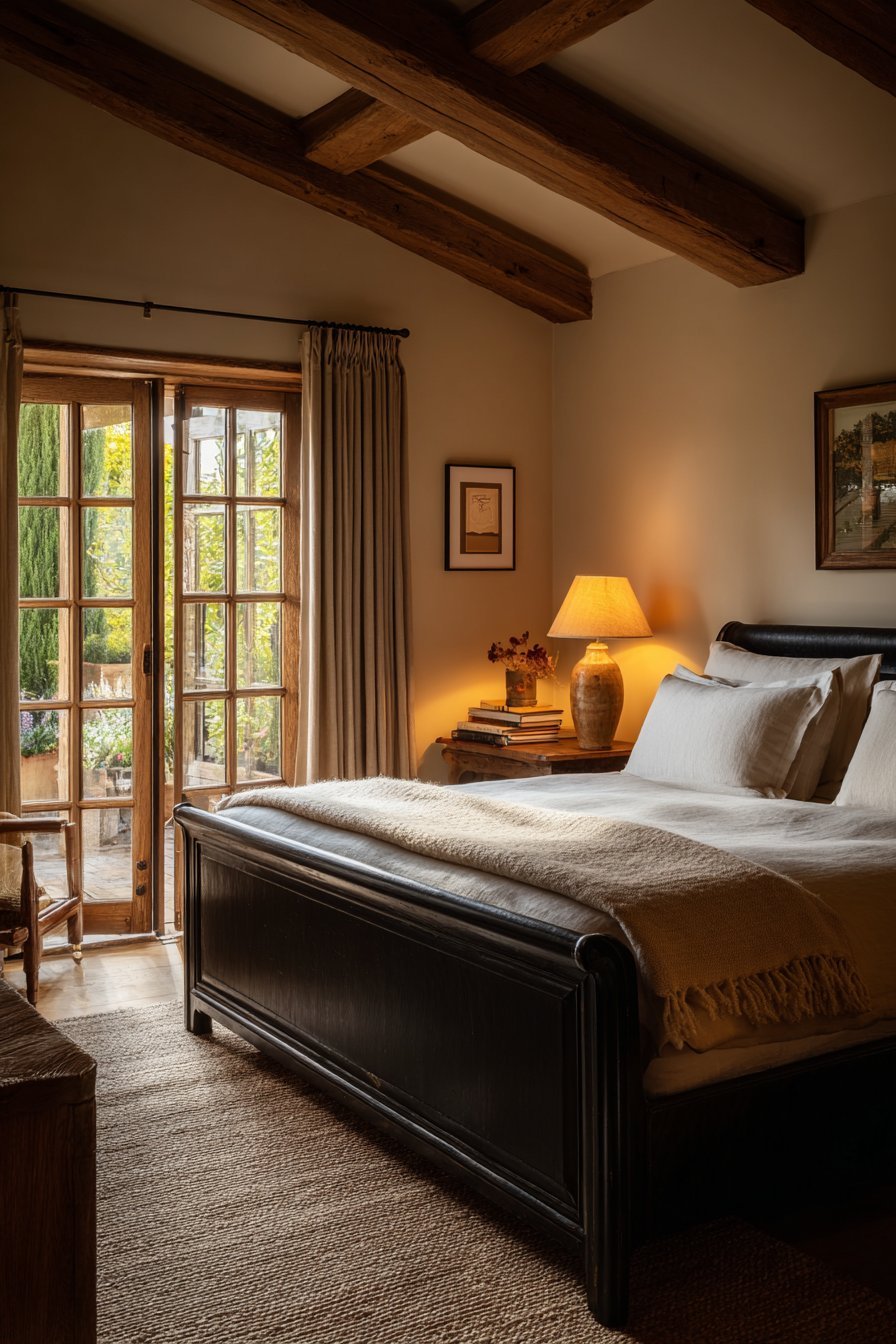
The bedroom is where terracotta delivers perhaps its most powerful effect. Rest and warmth are deeply connected in our biology. A room wrapped in earthy, clay-toned warmth naturally signals the body and mind to slow down. Terracotta in the bedroom is not just beautiful — it is physiologically supportive of sleep and relaxation.
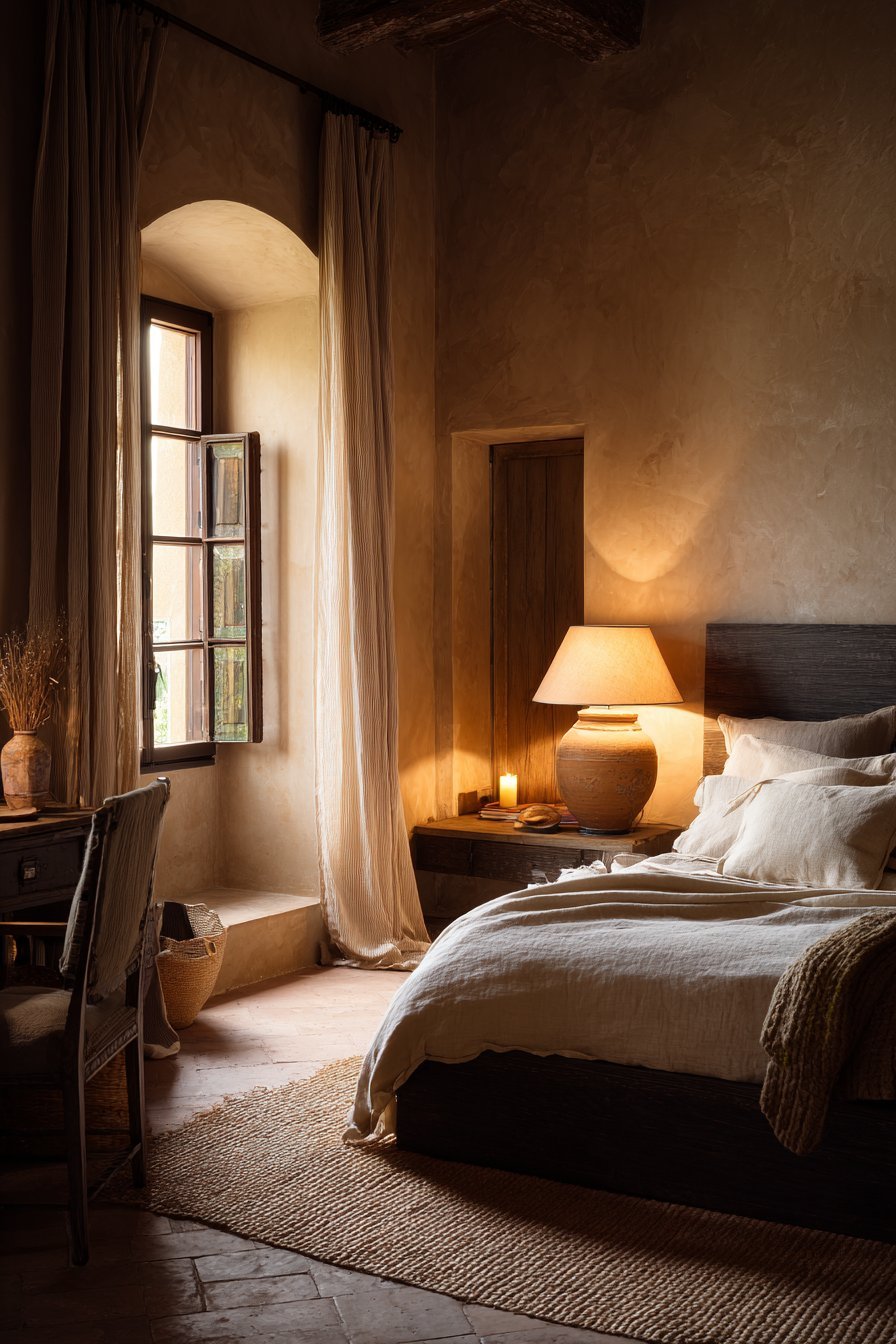
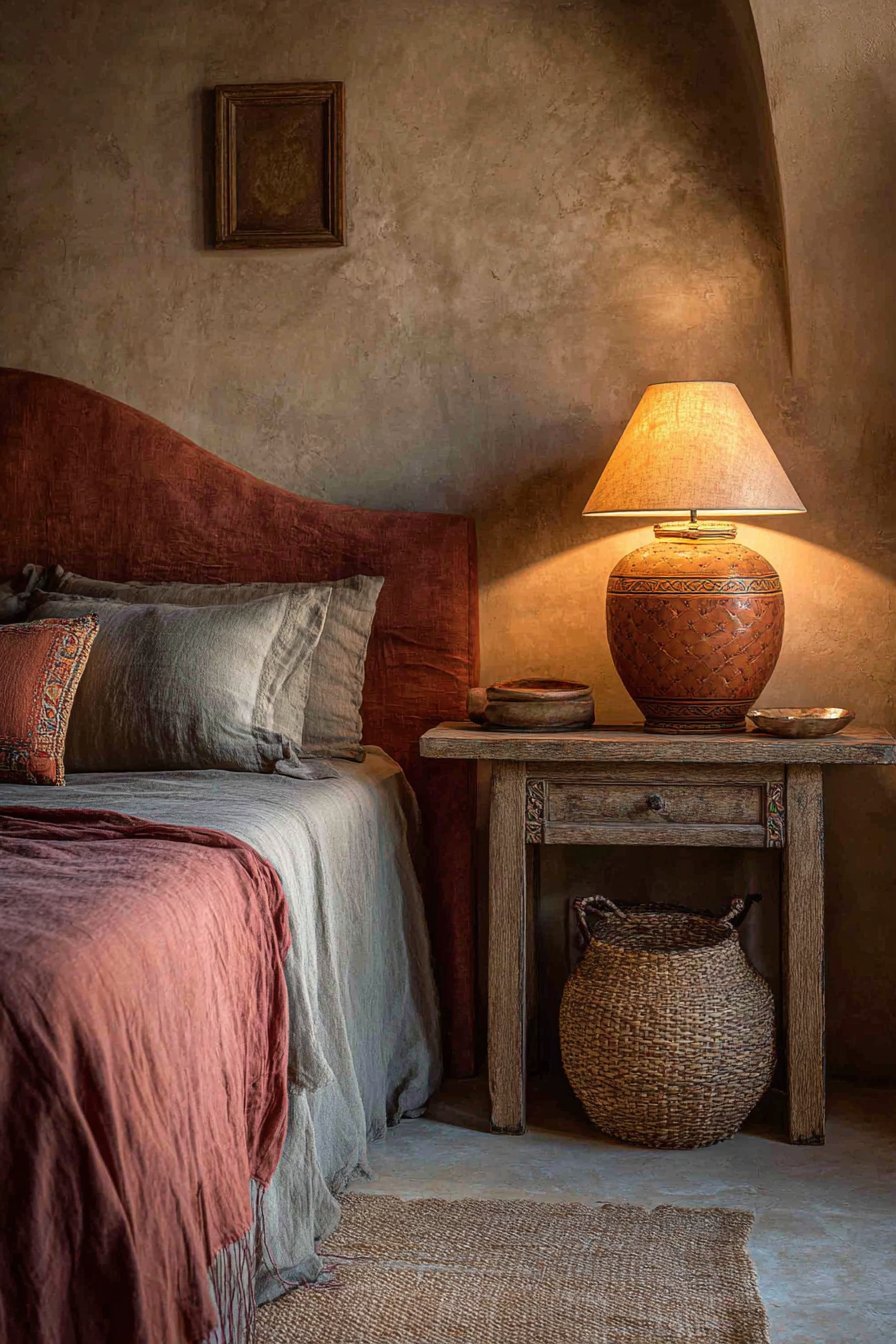
Terracotta limewash walls paired with natural linen bedding create one of the most serene bedroom environments imaginable. The softness of the finish eliminates any harshness. Warm candlelight plays against the earthy surface in the evenings, creating an almost firelit glow. This combination consistently appears at the top of design desirability surveys in 2025 and 2026.
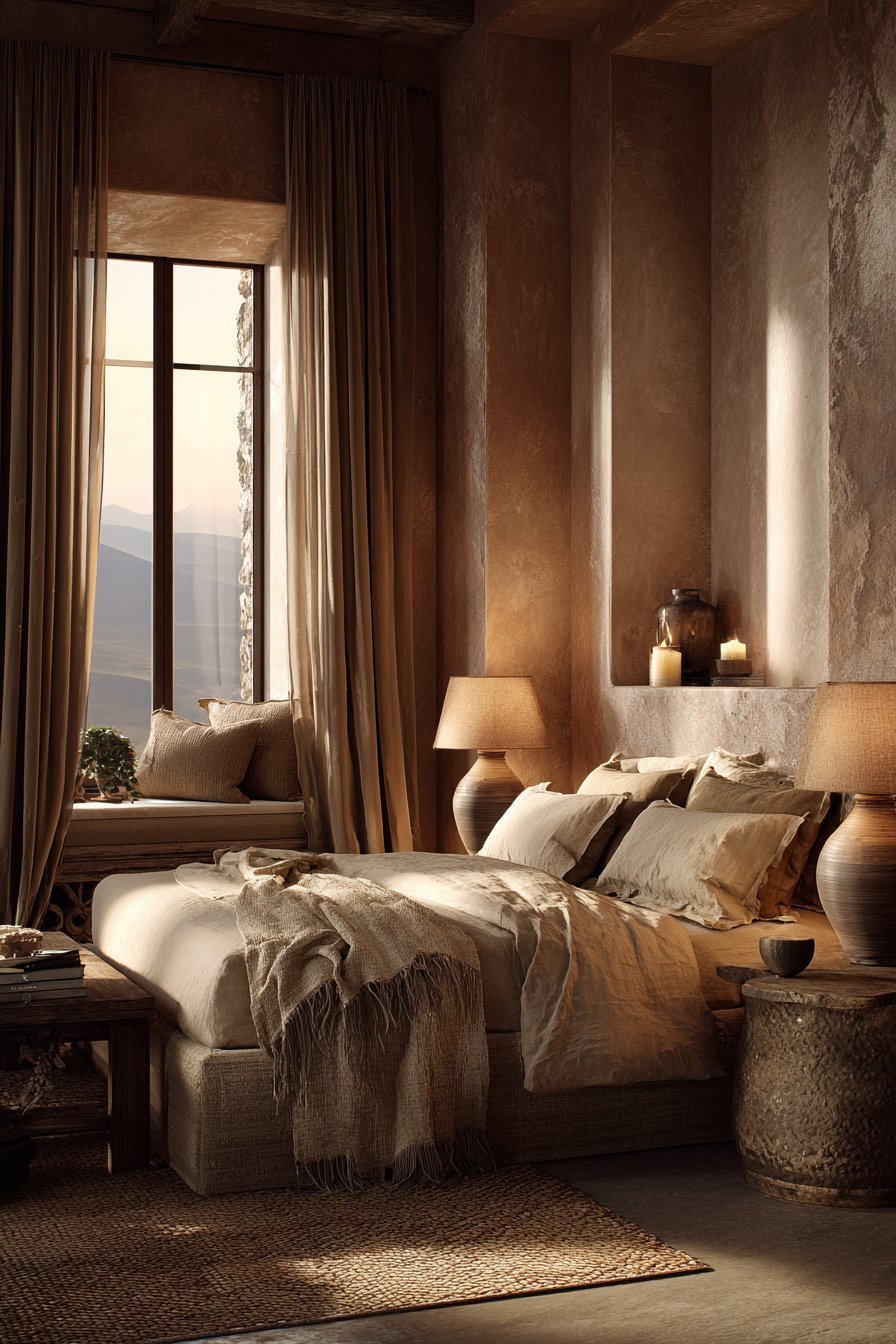
For a more subtle approach, terracotta through soft furnishings is highly effective. A terracotta-toned duvet cover, a set of clay-colored throw cushions, or a terracotta wool blanket introduces the warmth without painting a single wall. This is perfect for renters or those who prefer flexibility in their design choices. The softness of fabric makes the tone even gentler.
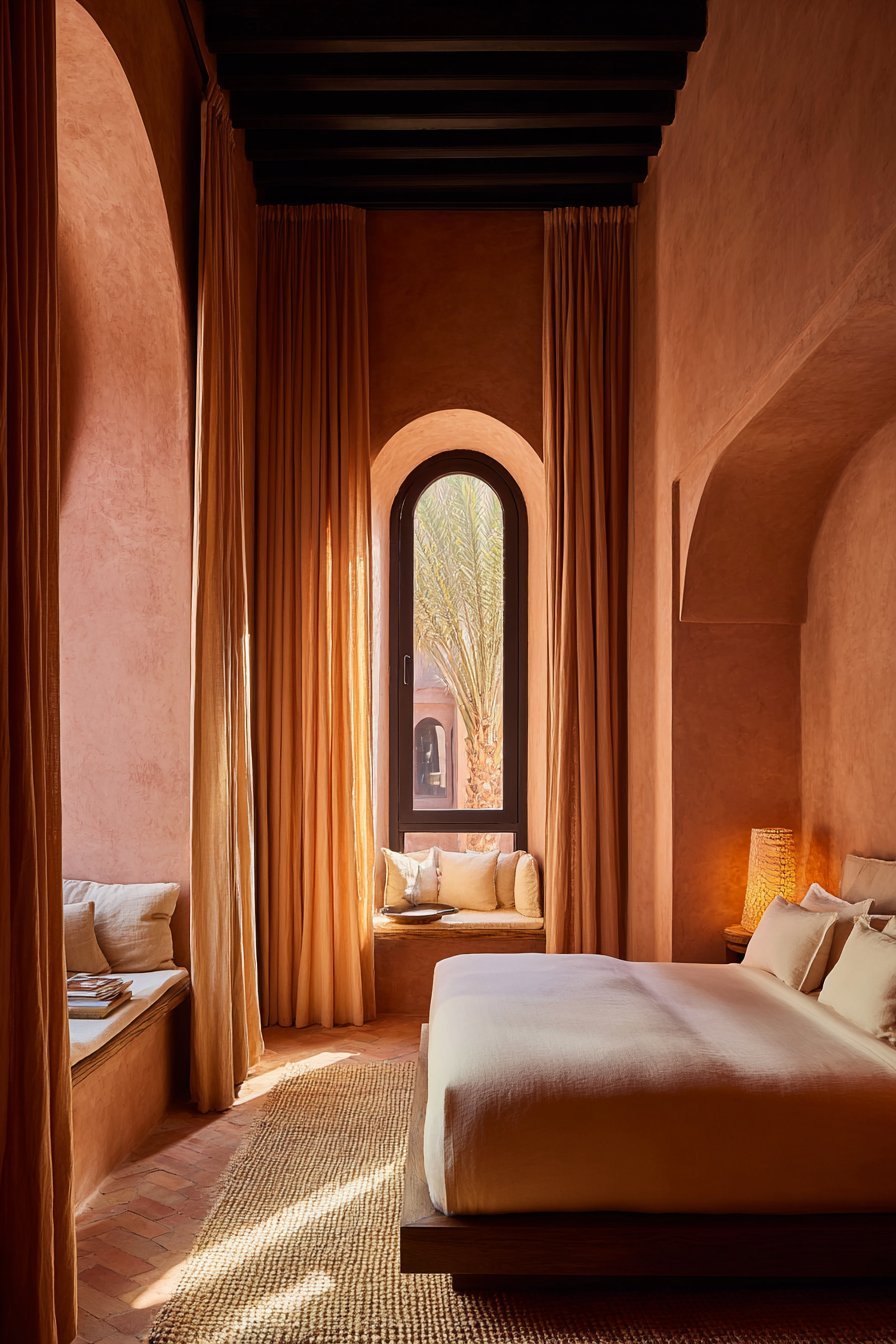
- Use terracotta limewash walls behind the bed as a statement headboard wall
- Choose terracotta linen bedding for tactile warmth and natural texture
- Introduce terracotta through ceramic bedside lamps and accessories
- Pair terracotta walls with dark walnut furniture for rich tonal contrast
- Use terracotta-toned curtains to frame windows with warmth and softness
- Keep bedding neutral and let terracotta walls carry the color story
9. Terracotta in Bathrooms: Spa-Like Sanctuary Vibes
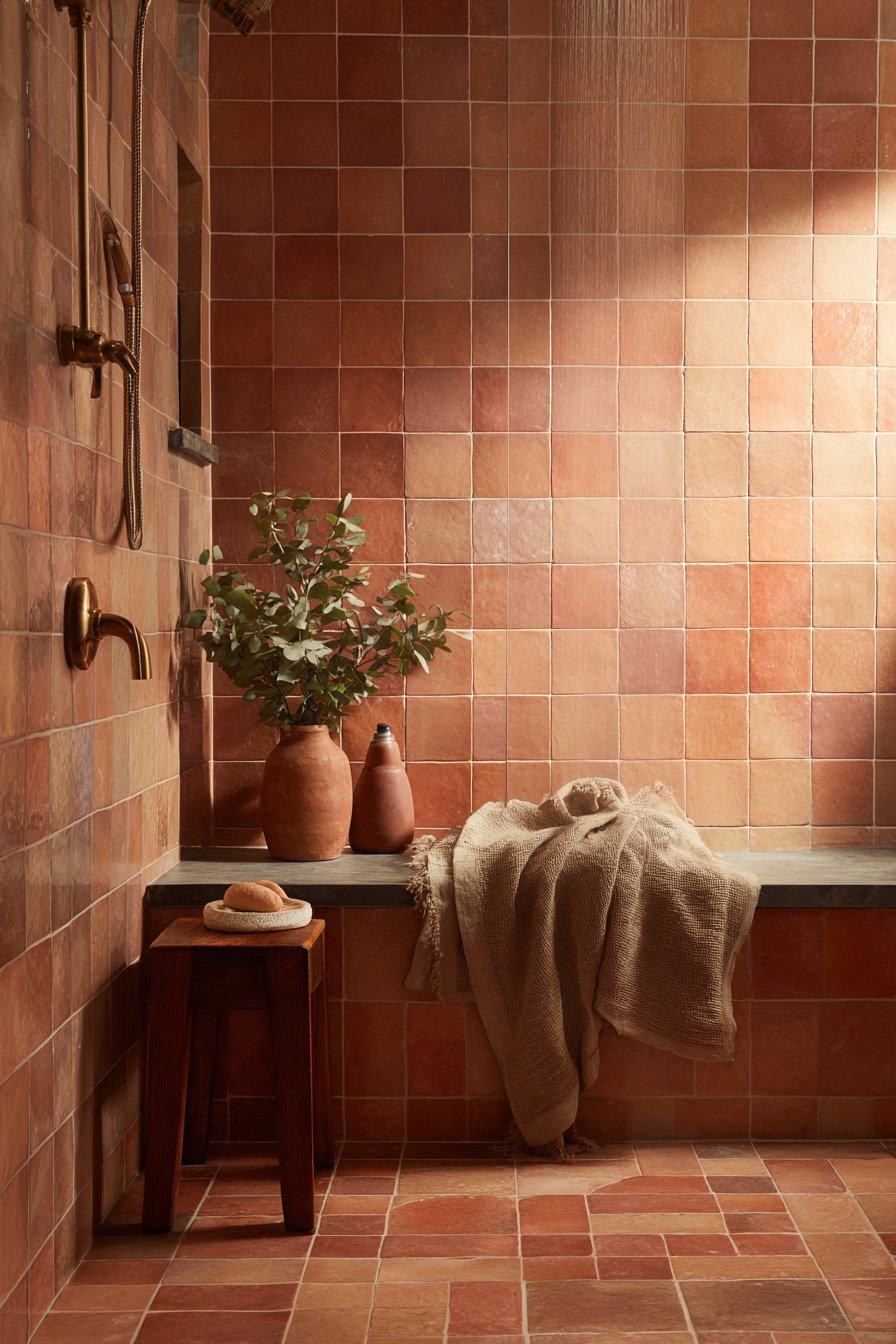
Bathrooms are increasingly treated as wellness sanctuaries, and terracotta is perfectly suited to that brief. The material connection — terracotta is literally earth and water transformed — makes it feel inherently appropriate in bathing spaces. It brings the spa aesthetic home with organic authenticity.
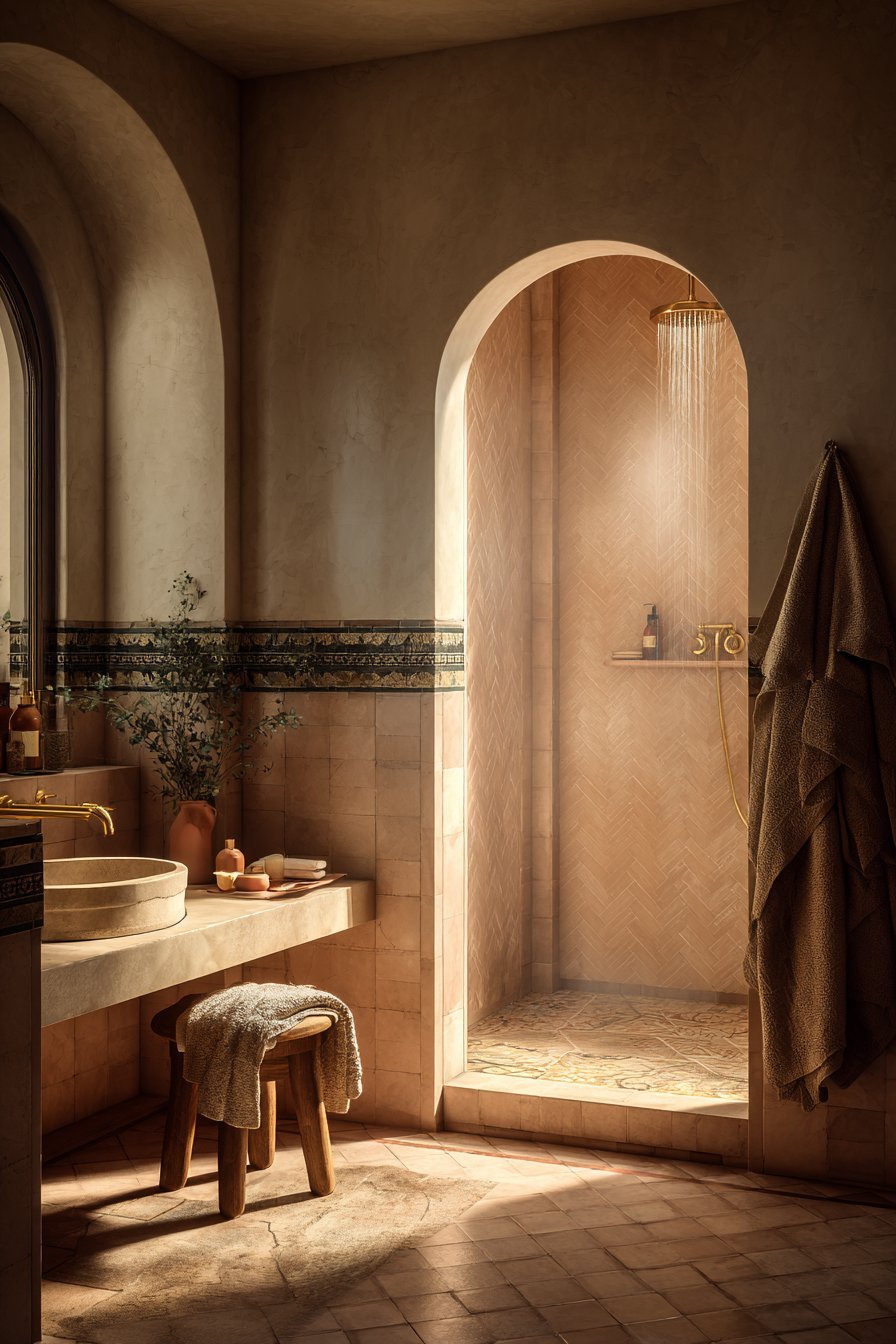
Terracotta wall tiles in a bathroom create an immediate transformation. Floor-to-ceiling terracotta zellige or handmade tiles in a shower enclosure feel luxurious and deeply personal. The slight tonal variation of handcrafted tiles gives the space a richness that mass-produced tiles cannot replicate. Combined with natural stone, brass fixtures, and eucalyptus, the effect is extraordinary.
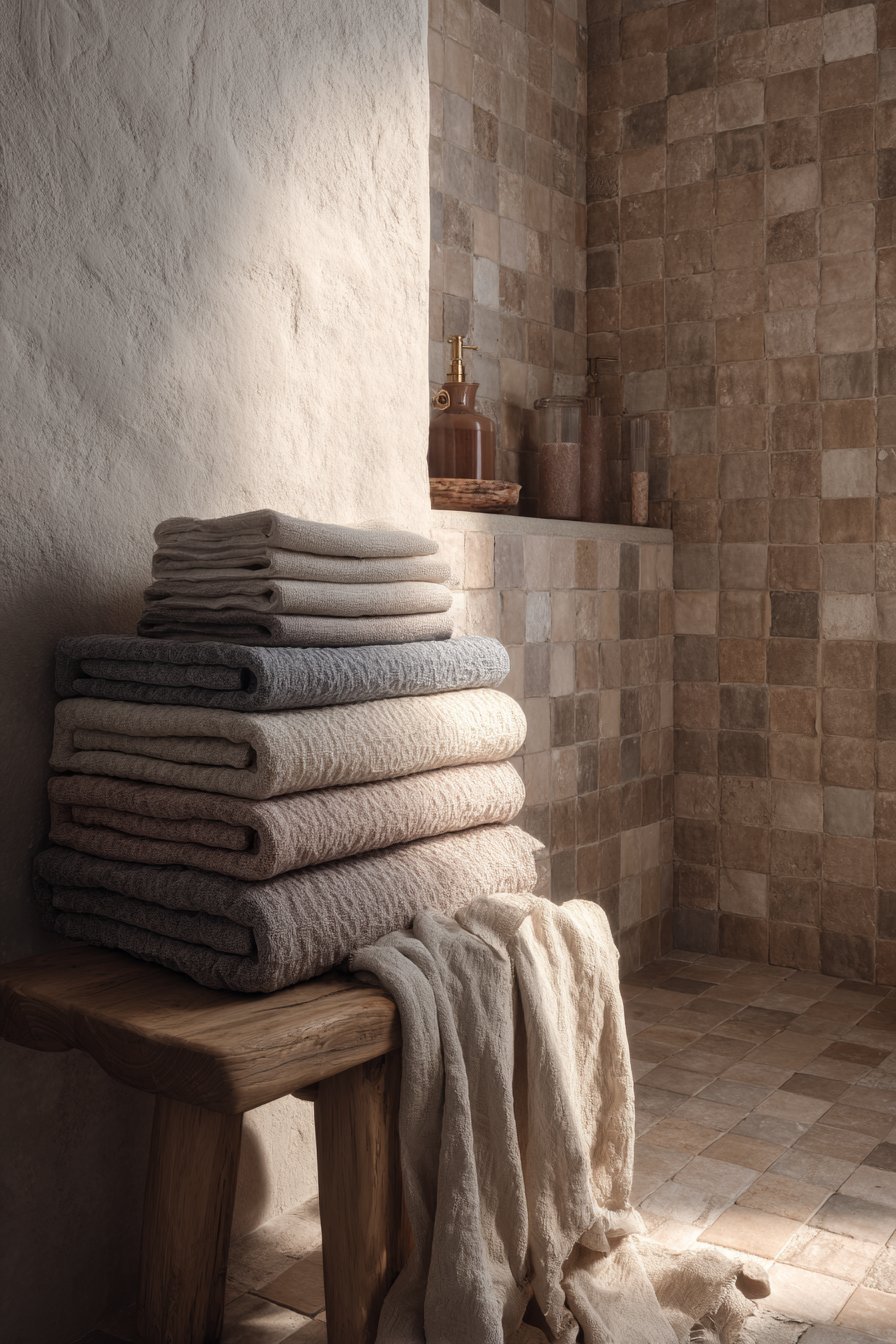
Terracotta-toned grout is a subtle but impactful detail. Even in a white-tiled bathroom, using a warm clay-toned grout transforms the entire color story. It removes the clinical brightness of white grout and introduces warmth and artisanal character. This single decision can shift a bathroom from sterile to soulful at minimal cost.
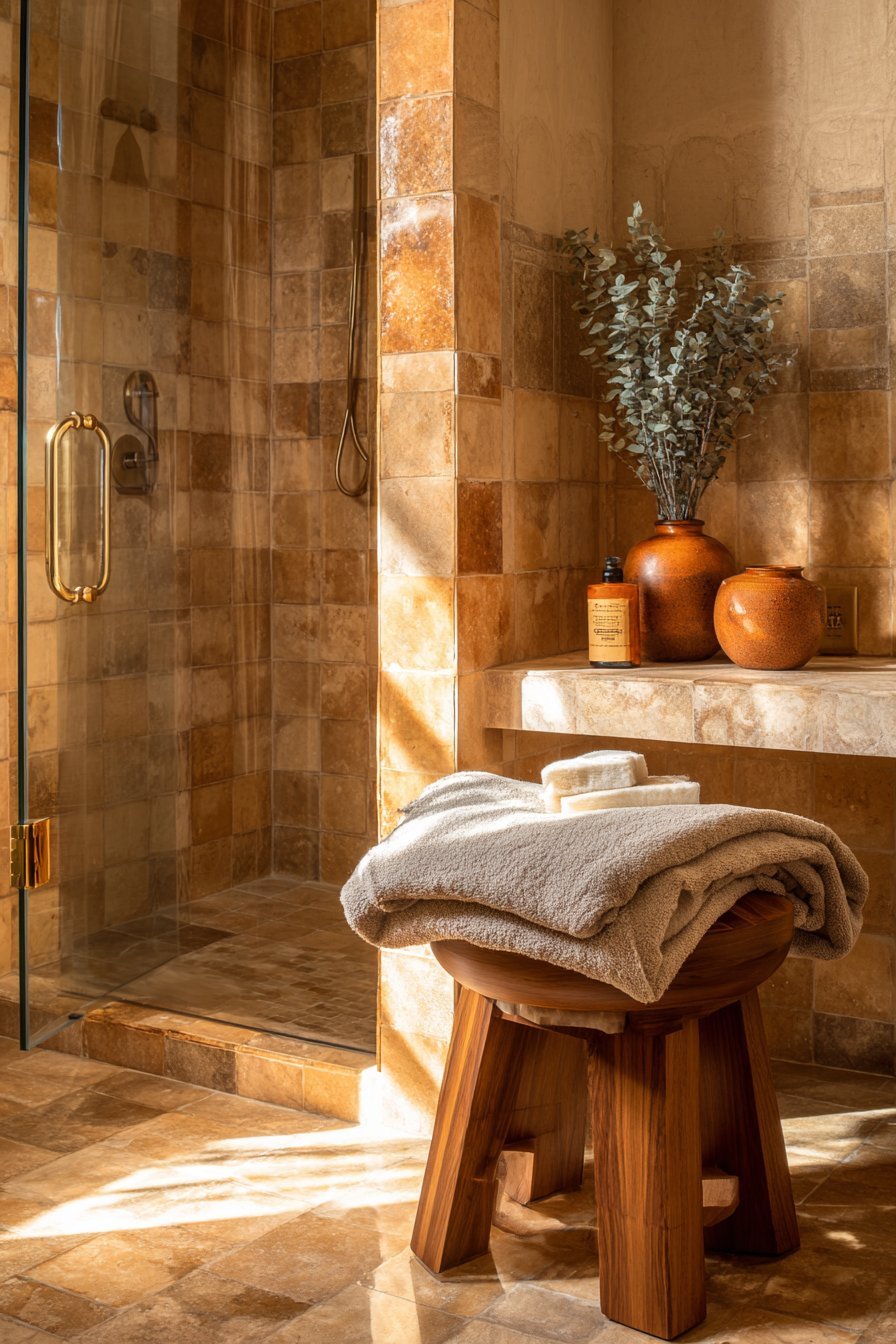
- Install terracotta zellige tiles in a shower enclosure for a luxury spa feel
- Use terracotta-toned grout in white-tiled bathrooms for immediate warmth
- Choose terracotta ceramic soap dispensers and accessories for soft accents
- Pair terracotta tiles with brushed brass fixtures for an editorial finish
- Introduce terracotta through earthy cotton bath linens in warm clay tones
- Add a terracotta-toned reed diffuser or candle for multi-sensory warmth
10. Sustainability and the Terracotta Connection
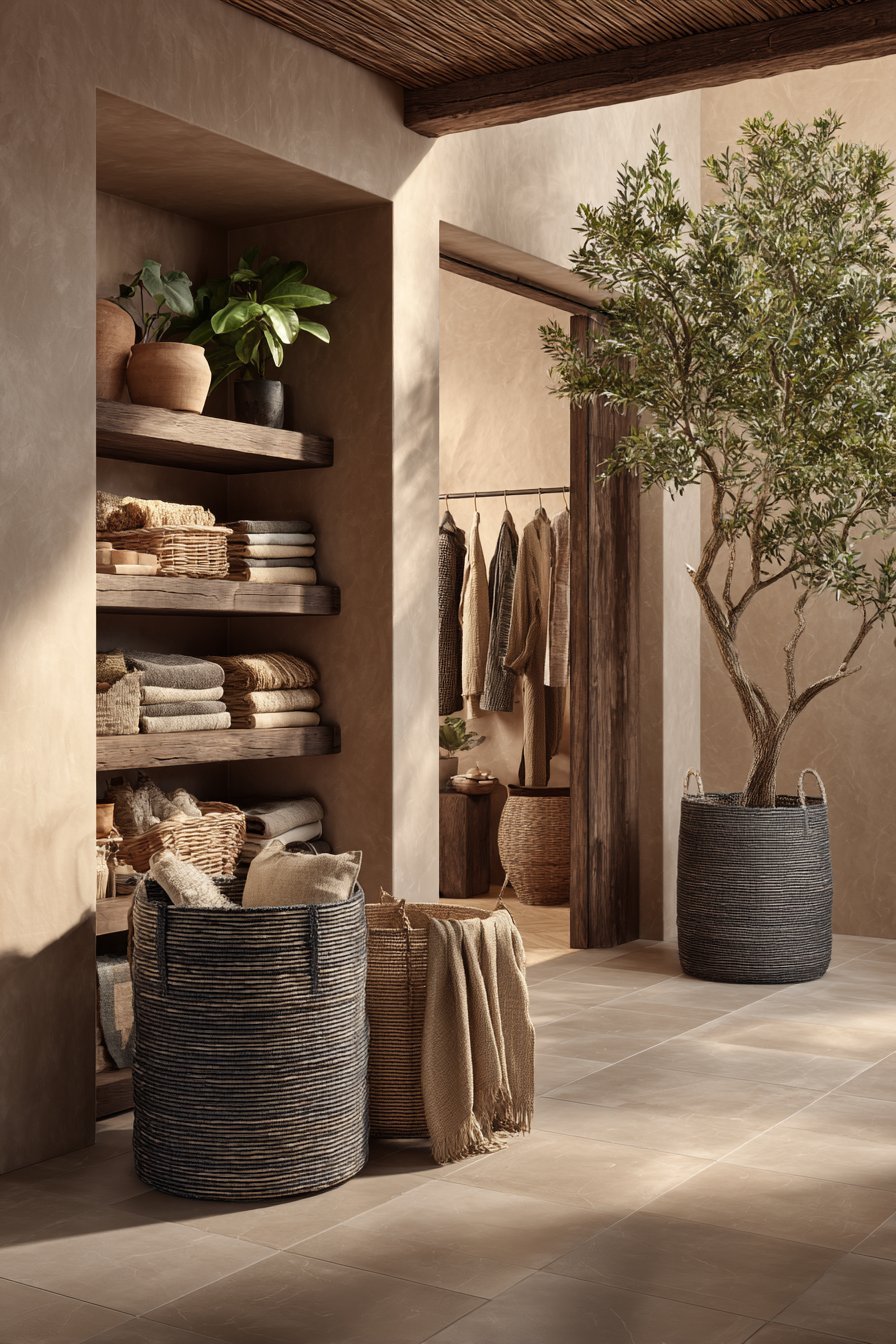
Terracotta’s rise aligns with something larger than aesthetics. It reflects a cultural shift toward sustainability. The material itself — clay fired at relatively low temperatures — has one of the smallest environmental footprints of any building material. In an era of growing eco-consciousness, that matters deeply to design-forward homeowners.
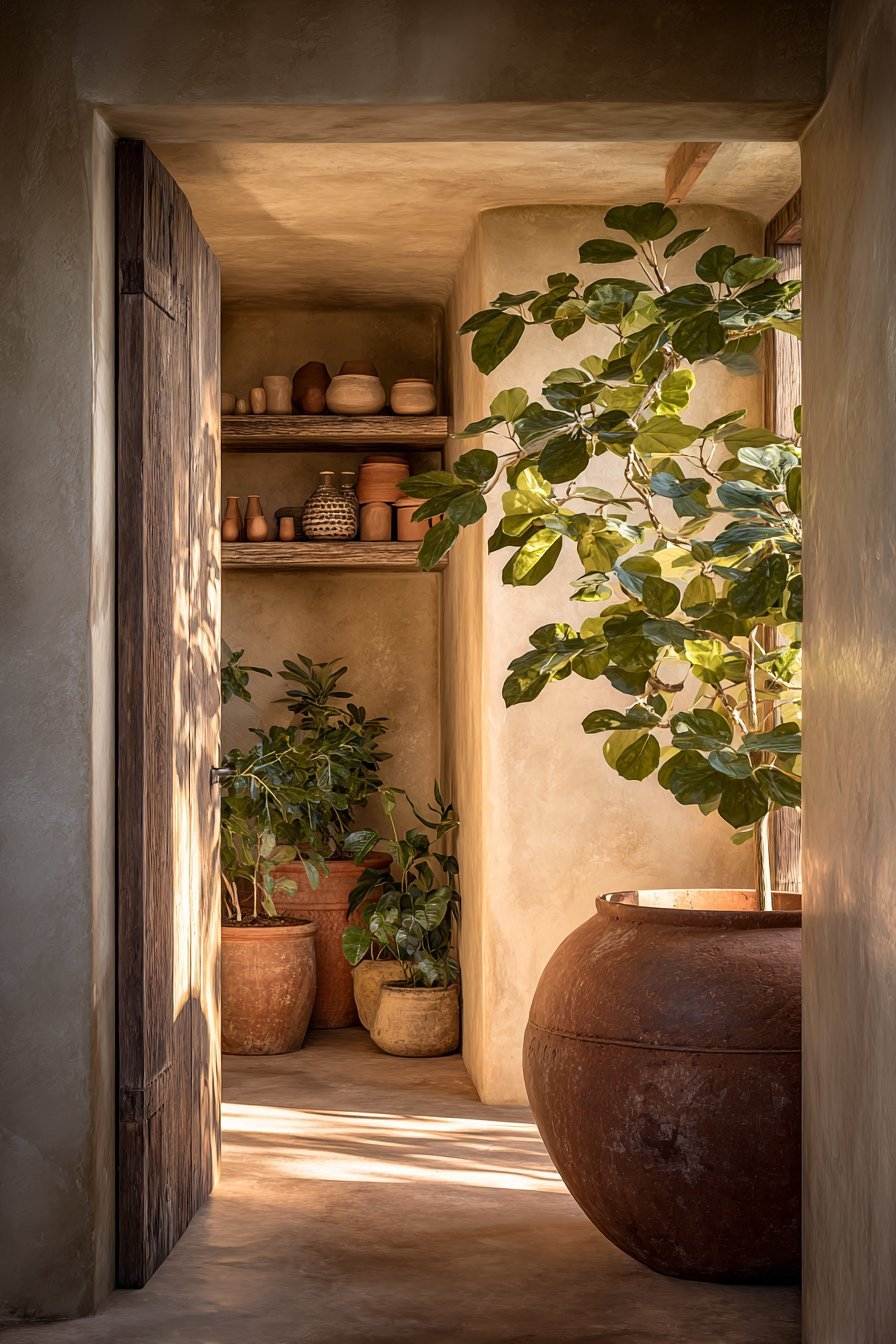
Natural clay and terracotta products require minimal processing compared to synthetic materials. They are biodegradable, non-toxic, and sourced from the earth. When you choose genuine terracotta tile or clay plaster over synthetic alternatives, you are making a choice that supports environmental responsibility. This alignment with green design values adds another dimension to terracotta’s appeal.
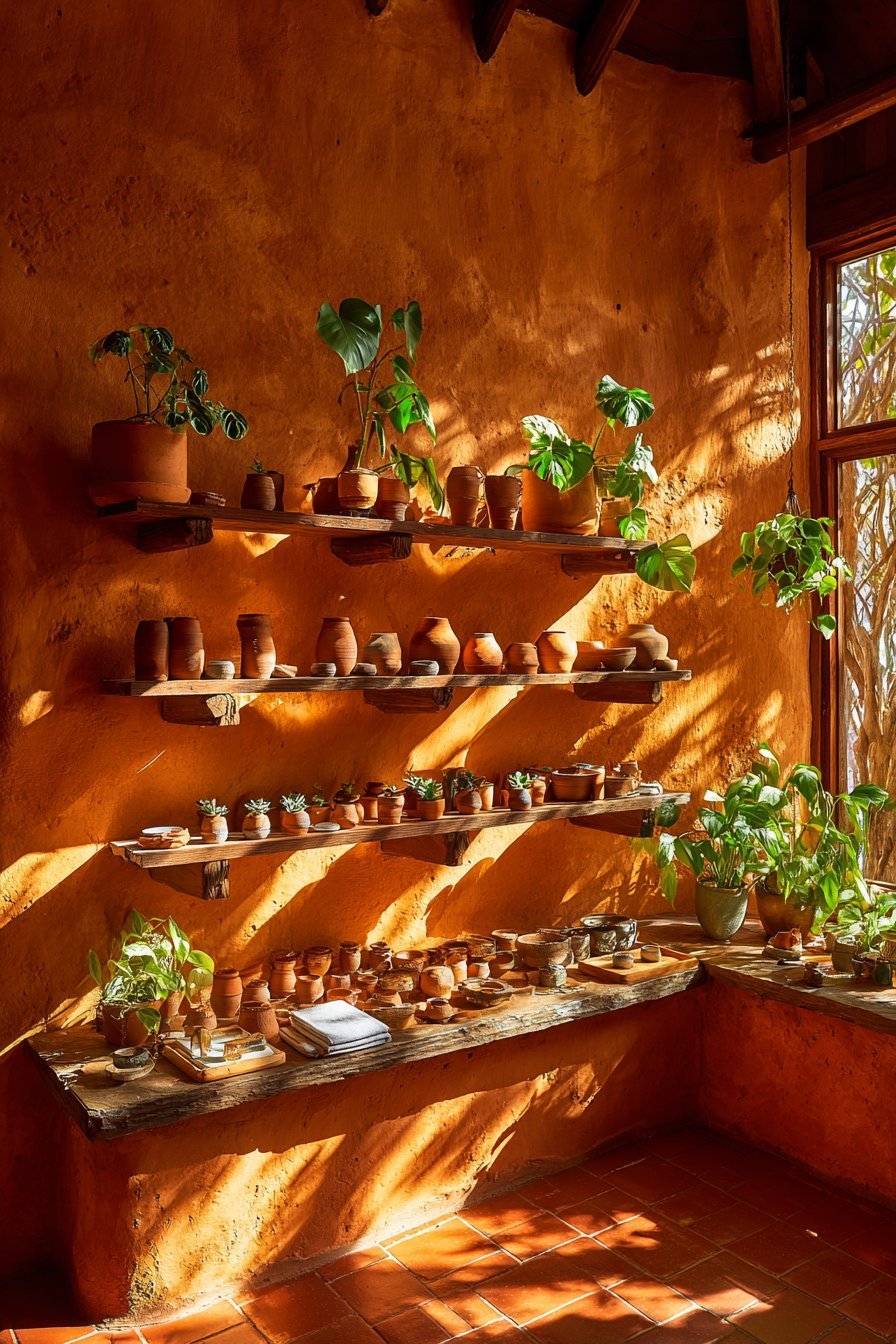
The connection between terracotta and slow living philosophies is also significant. The material evokes handcraft, patience, and intentionality. It resists the disposable, fast-furniture culture that has dominated the past decade. Choosing terracotta is a statement about valuing quality, longevity, and meaning in your home. That resonance is a major driver of the trend’s longevity.
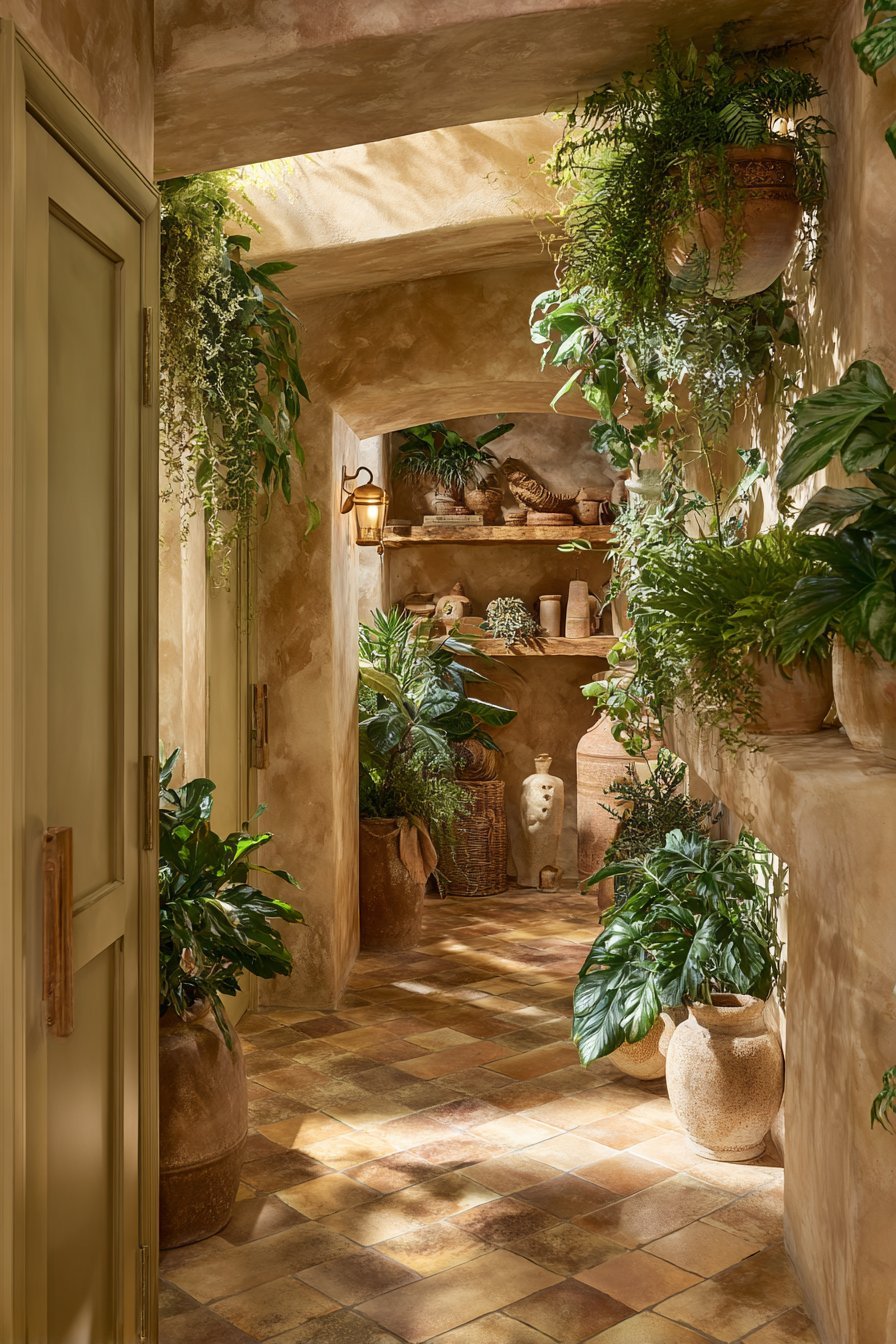
- Source locally made terracotta tiles to reduce transportation emissions
- Choose natural clay plaster over synthetic wall finishes for eco-conscious interiors
- Invest in handmade terracotta pieces that will last decades, not seasons
- Use terracotta planters to support indoor plants and biophilic living
- Look for certifications confirming low-VOC, natural composition in terracotta products
- Document your sustainable design choices to inspire others in your community
11. Terracotta Textiles and Soft Furnishings
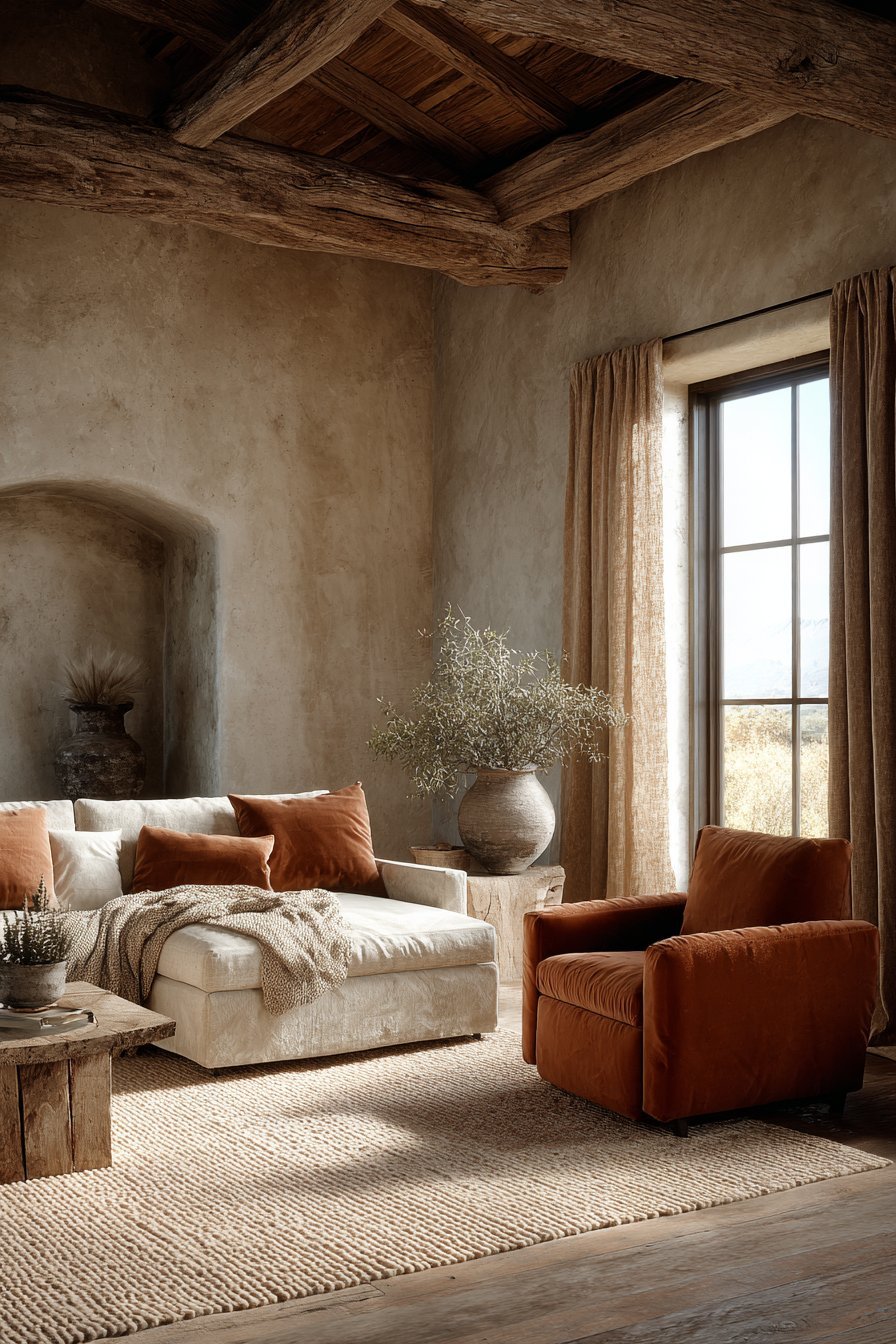
Not every terracotta statement requires renovation. Textiles and soft furnishings offer one of the most accessible entry points into the trend. From throw pillows to area rugs, curtains to upholstered chairs, the warm clay spectrum translates beautifully into fabric form. These pieces can be introduced, moved, and replaced with relative ease and affordability.
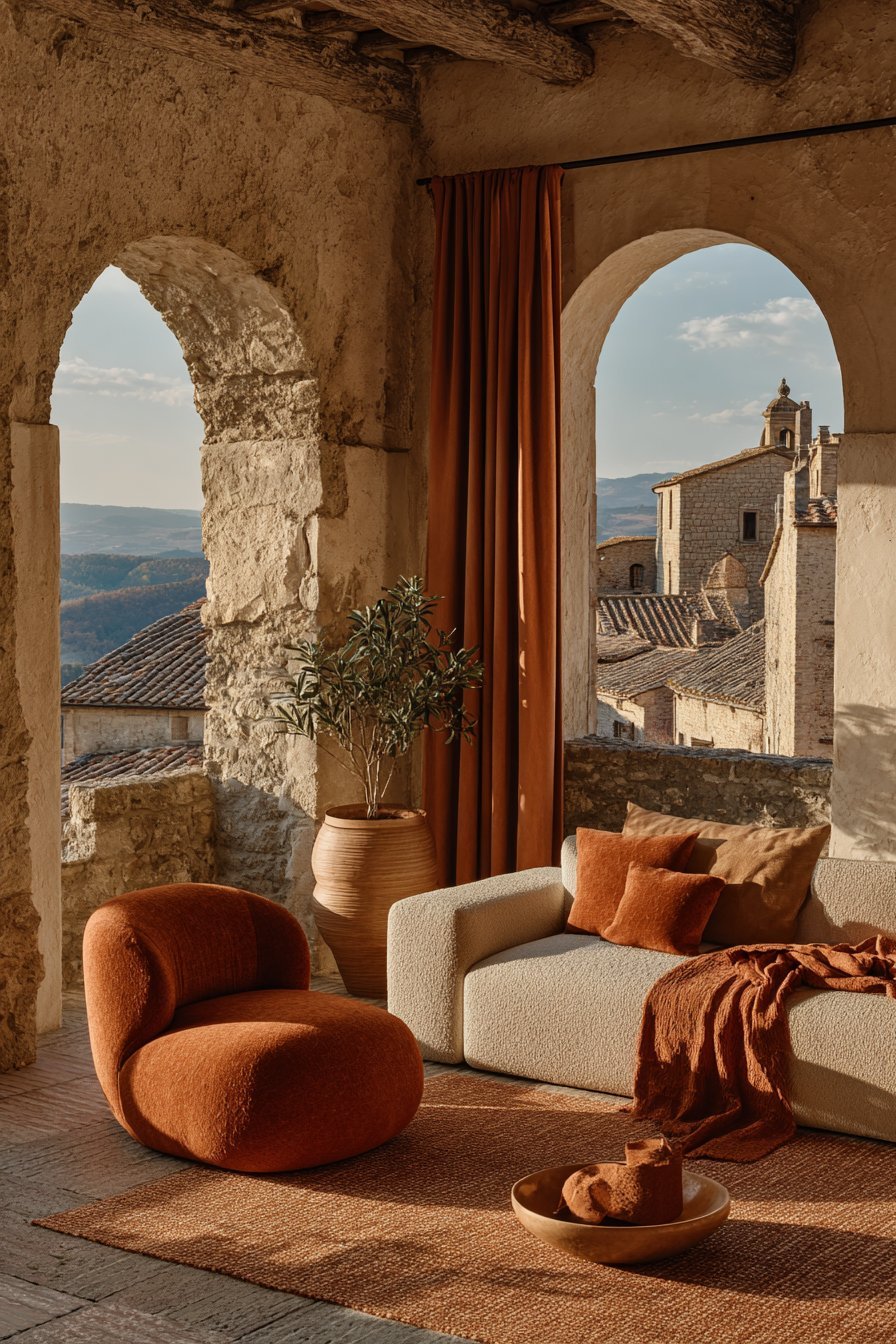
Terracotta area rugs are transformative. A large rug in warm clay tones anchors a living room or bedroom with instant warmth. Natural fiber rugs — jute, wool, cotton — in terracotta tones also add textural richness that synthetic alternatives lack. The combination of color and tactile quality creates an environment that feels genuinely considered and layered.
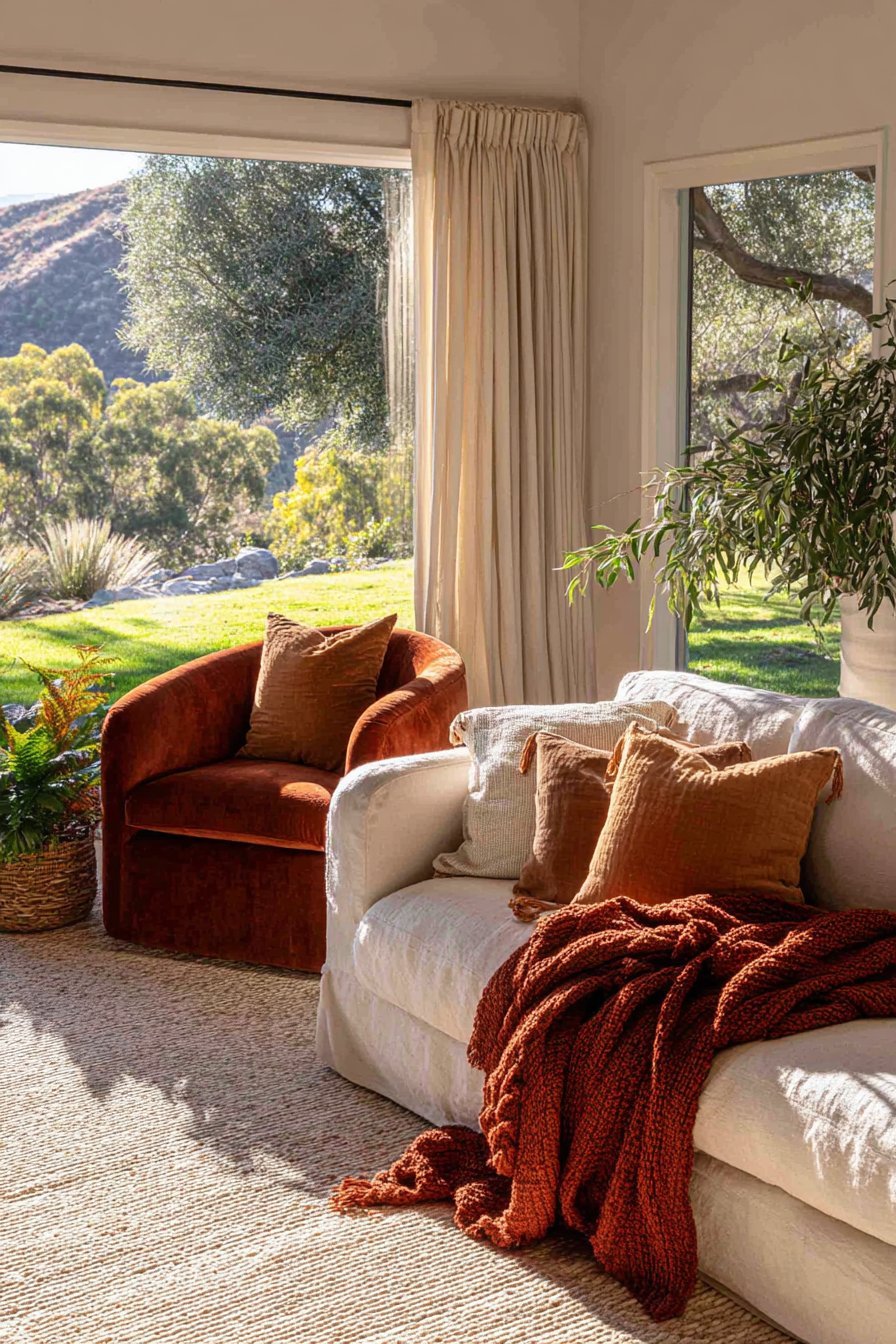
Upholstered furniture in terracotta-toned velvet or linen is one of the most striking ways to commit to the palette in a meaningful way. A terracotta velvet sofa or an accent armchair in clay-toned bouclé becomes an instant room anchor. It is a commitment, but one that design forecasters confirm will remain relevant well beyond the 2026–2027 window.
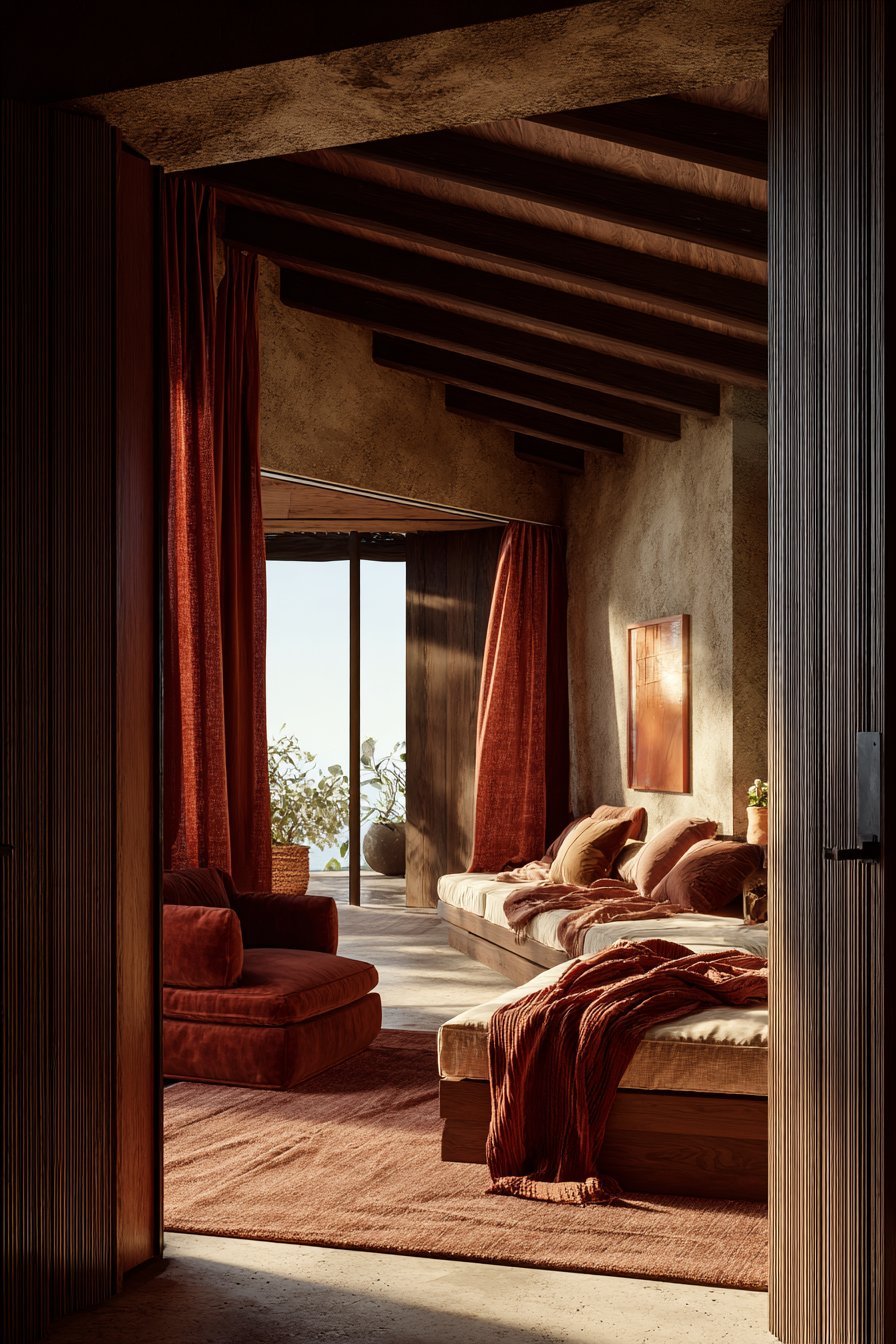
- Introduce a terracotta wool area rug as a warm room anchor
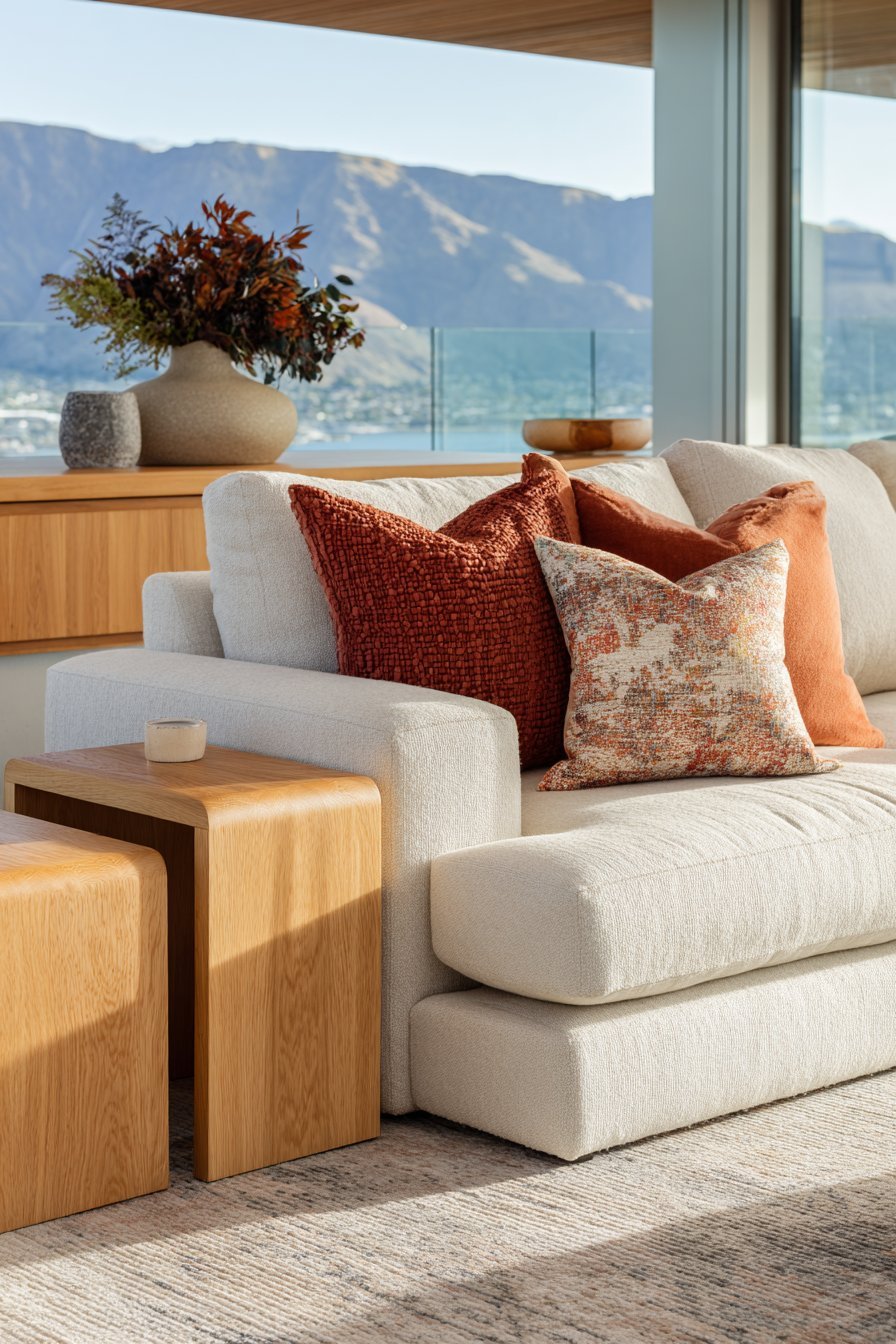
- Add terracotta throw cushions and blankets to existing neutral sofas
- Choose terracotta linen curtains to frame windows with soft, earthy warmth
- Invest in a terracotta velvet armchair as a long-term design statement
- Layer terracotta textiles in different weights and textures for visual depth
- Use terracotta table runners and napkins for an effortless dining aesthetic
12. Terracotta Lighting: Illuminating the Earthy Palette
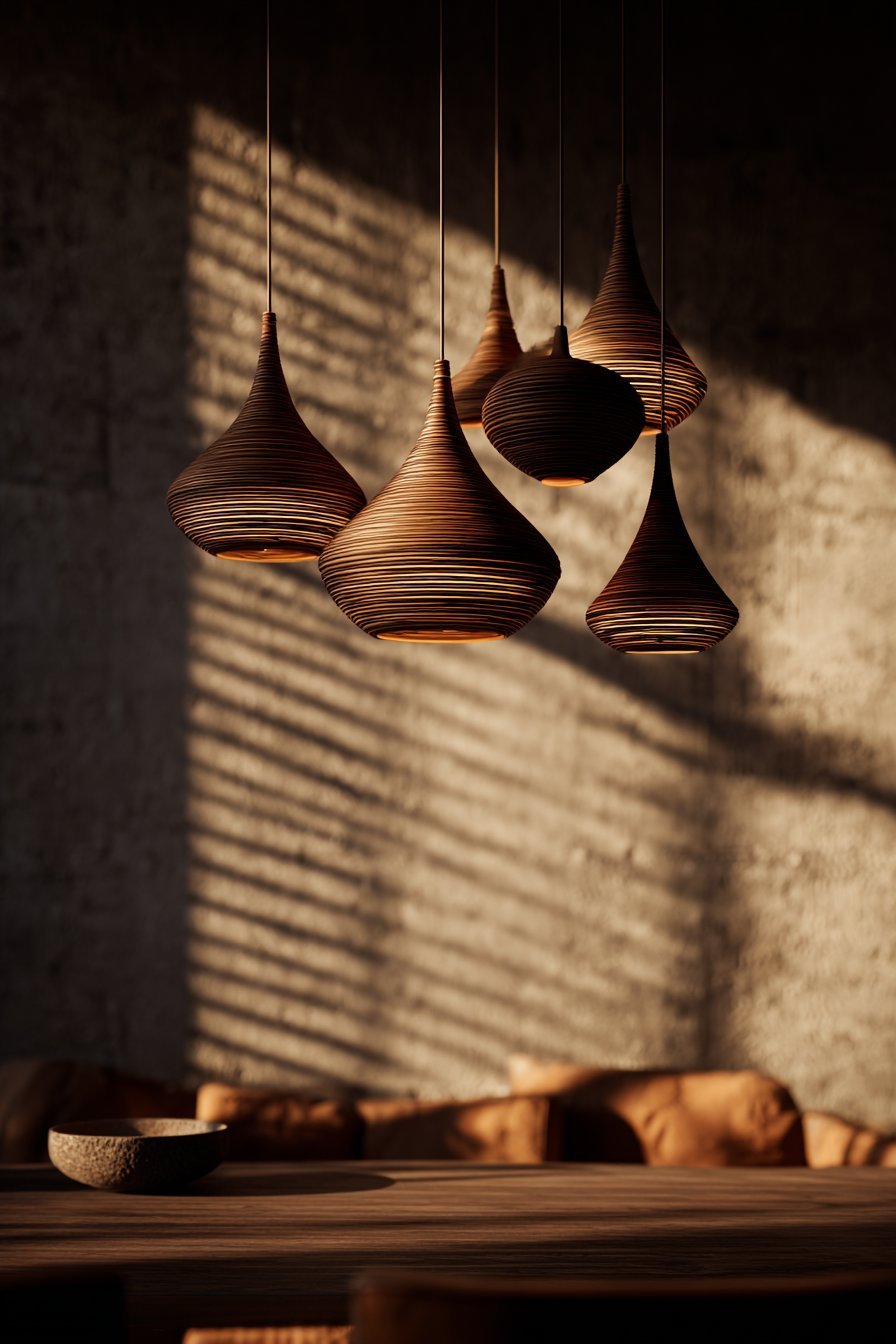
Lighting plays a crucial role in how terracotta reads in a space. Warm light and terracotta are a natural partnership — warm-toned bulbs (2700K–3000K) enhance the color’s richness, while cool daylight bulbs can make it appear flat or slightly orange. Understanding this relationship is key to getting the look right.
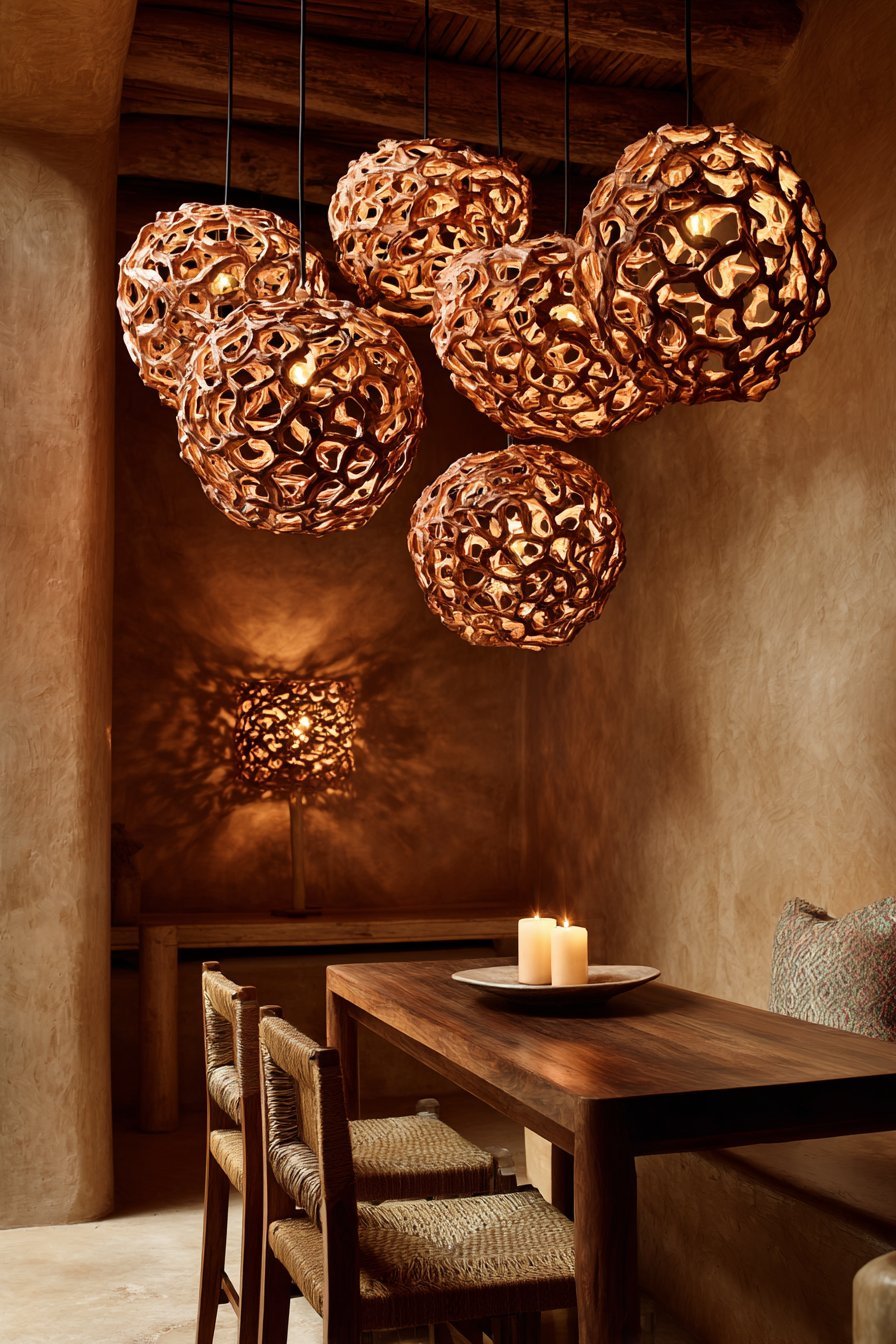
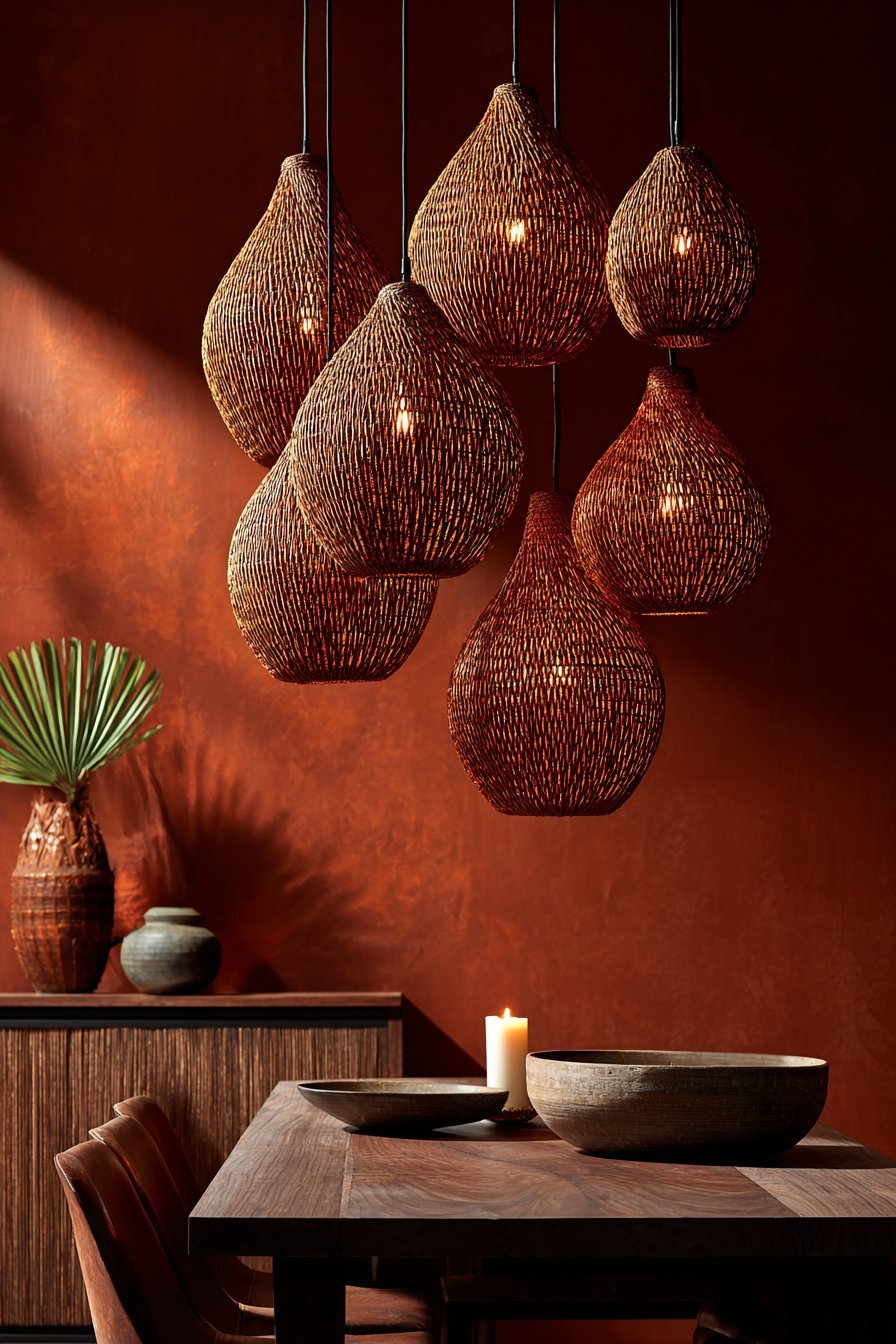
Terracotta-toned ceramic pendant lights are a distinctive way to introduce the color while also fulfilling a functional role. Handthrown clay pendants over a dining table or kitchen island add sculptural interest and warm downward light simultaneously. They are functional objects that also read as art. The category has exploded in artisan markets and independent lighting studios.
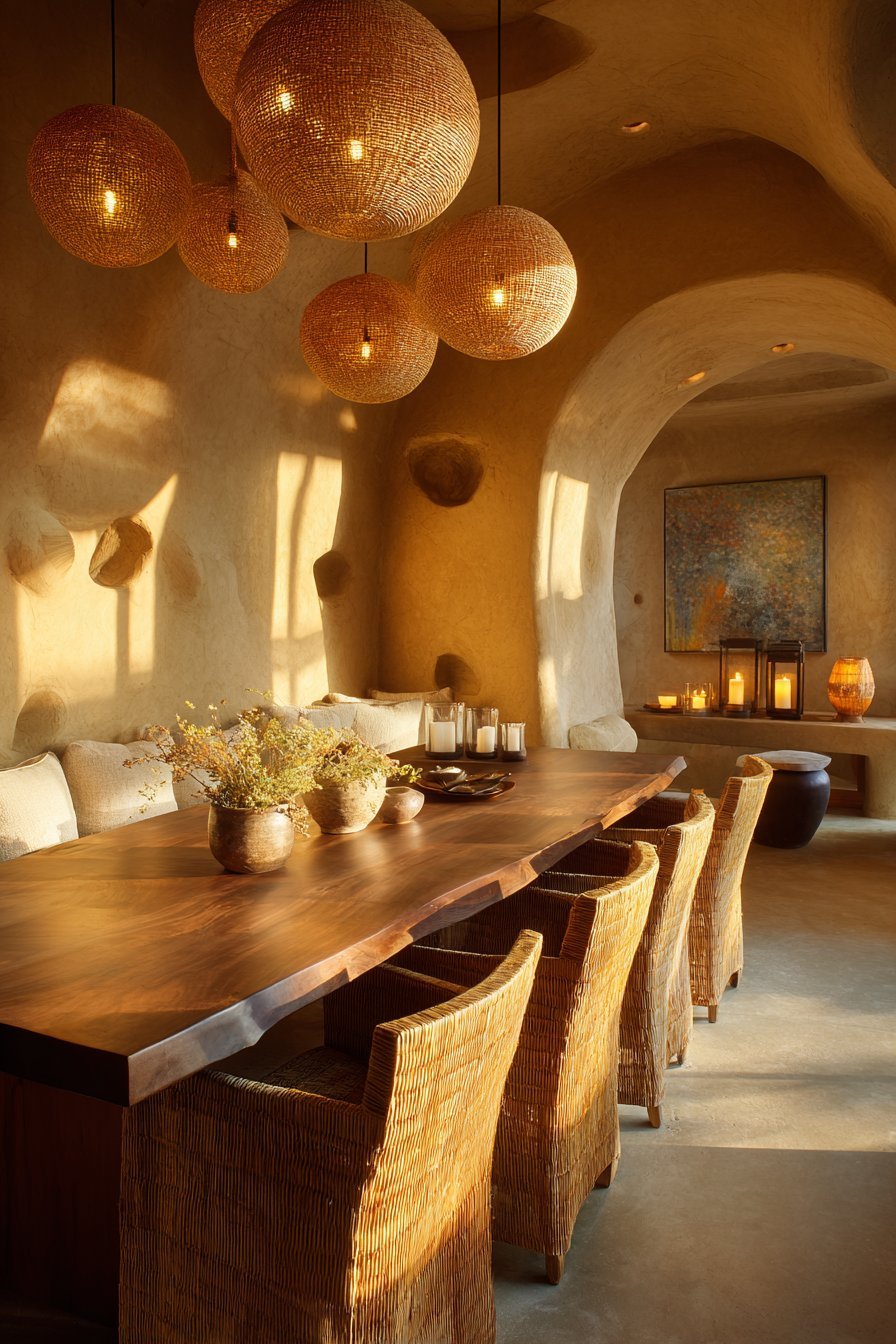
Rattan and woven lampshades in warm earth tones pair beautifully with terracotta interiors. They share the same organic, handcrafted language. When a warm bulb filters through a woven texture, it casts dappled, honey-toned shadows on terracotta walls that are nothing short of magical. This combination of materials and light creates an atmosphere that feels deeply intentional.
- Use 2700K warm white bulbs throughout terracotta-dominant interiors
- Choose handthrown ceramic pendants in clay tones for dining and kitchen spaces
- Pair terracotta walls with rattan lampshades for layered organic warmth
- Use candlelight liberally in terracotta rooms — the combination is extraordinary
- Avoid cool fluorescent lighting in terracotta spaces as it distorts the color
- Install dimmer switches to control intensity and enhance evening atmosphere
Conclusion
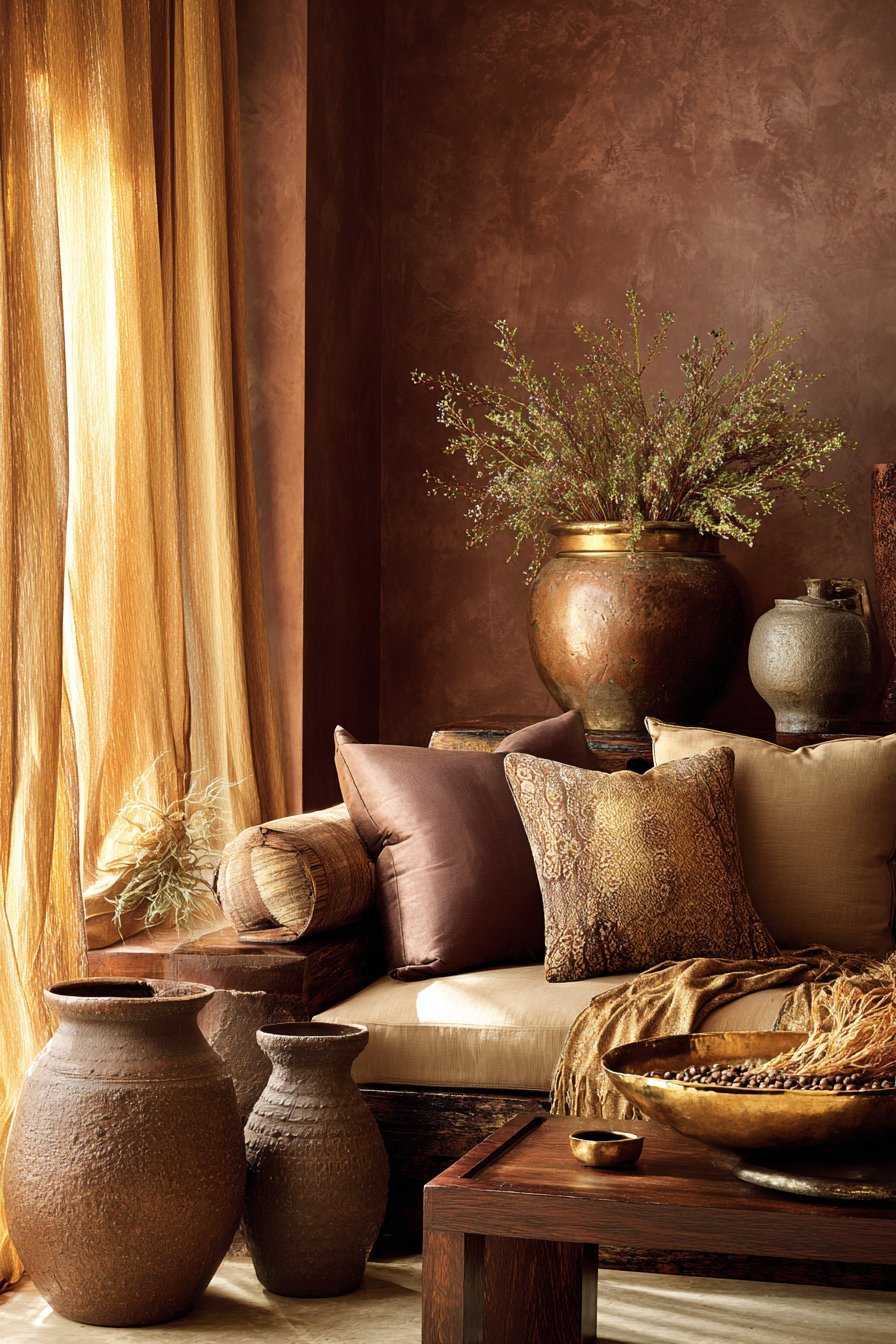
Terracotta is no longer a trend — it is a design language for our time. It speaks to warmth, sustainability, craftsmanship, and the deeply human desire for environments that feel grounded and alive. As we move through 2026 and into 2027, its role as the defining neutral of the era is only strengthening. From walls to textiles, tiles to lighting, the color offers something extraordinary at every scale and budget.
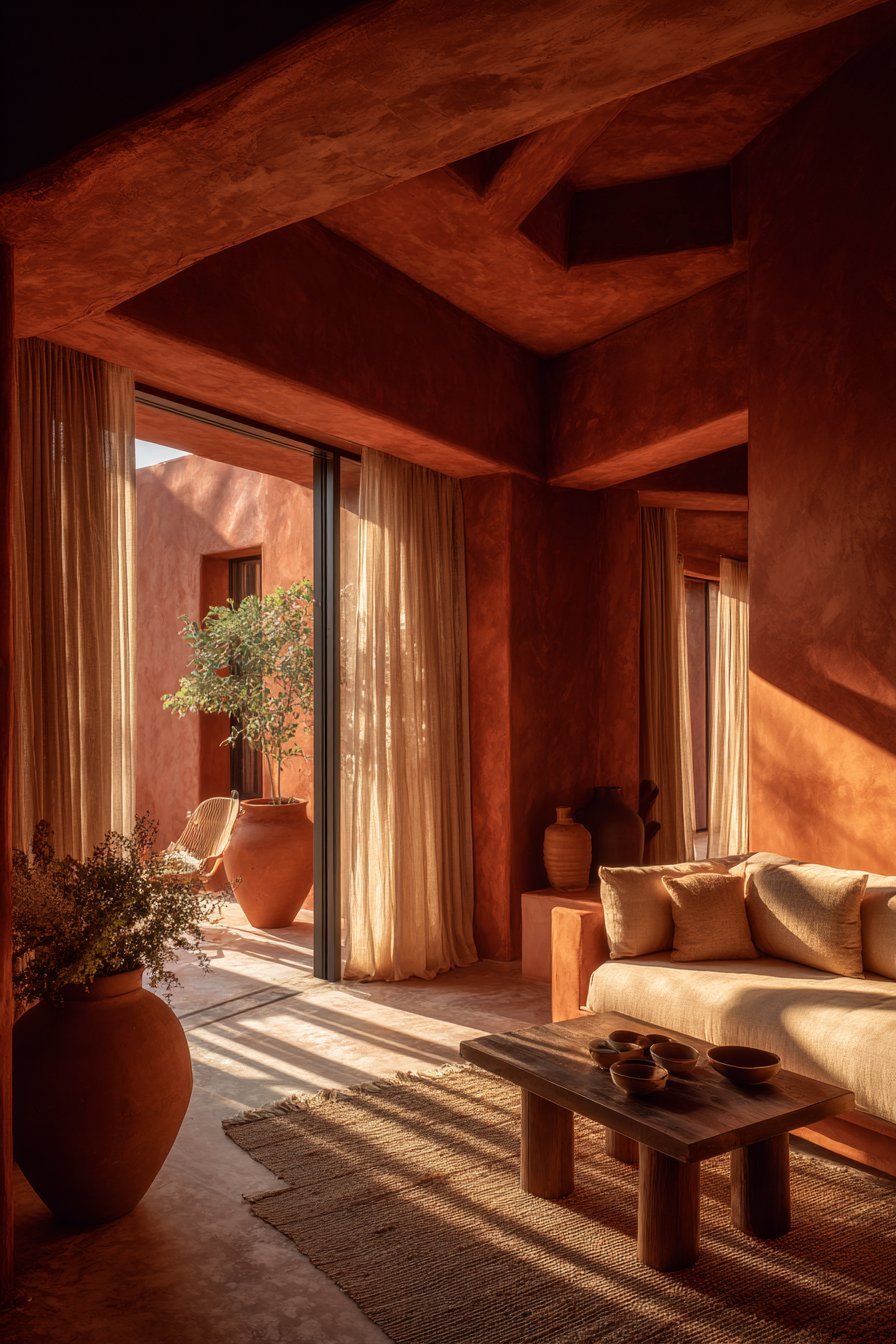
The most exciting thing about terracotta is how it invites personal expression. There is no single right way to use it. Whether you commit to a full clay plaster renovation or simply add a terracotta ceramic vase to your shelf, you are participating in one of the most meaningful aesthetic movements of the decade. Start somewhere. Experiment boldly. Let the warmth of the earth transform the way your home feels to live in.
