

Sustainable home decor is no longer a niche trend reserved for eco-activists. It has become a mainstream design movement reshaping how millions of people furnish and style their homes. From reclaimed wood furniture to low-VOC paints, the choices we make indoors now carry real environmental weight. Homeowners, renters, and interior designers alike are waking up to the idea that beautiful spaces and responsible choices can coexist perfectly.
The shift toward sustainable interiors reflects a broader cultural awakening. People are more informed than ever about the environmental impact of fast furniture, synthetic materials, and wasteful production methods. This awareness is driving demand for pieces that last longer, come from ethical sources, and contribute to healthier indoor environments. The good news? Sustainable decor has never looked better or been more accessible.
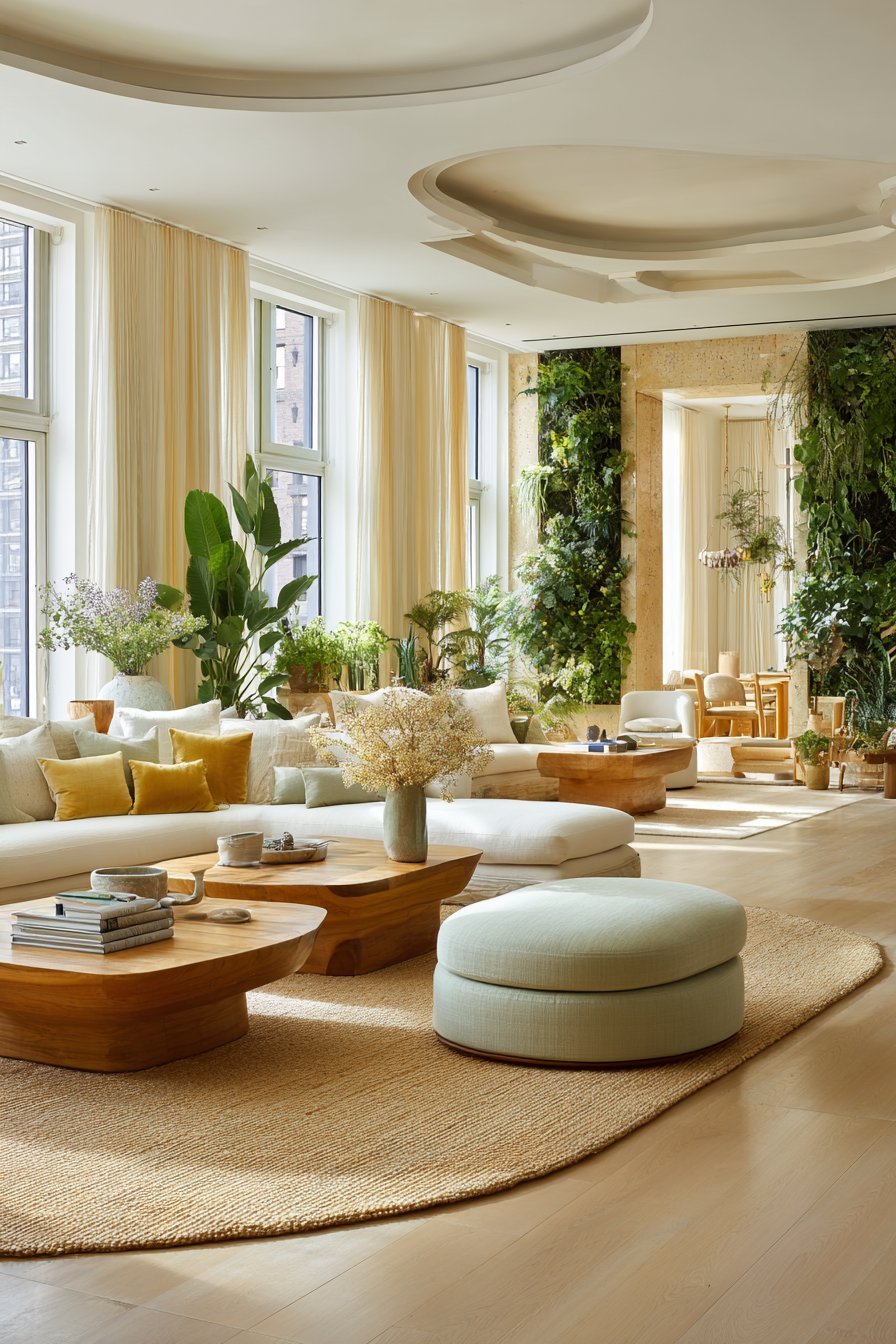
This article covers everything you need to know about the rise of eco-conscious interior design. Whether you are starting from scratch or refreshing an existing space, these insights will help you make smarter, greener, and more stylish choices for your home.
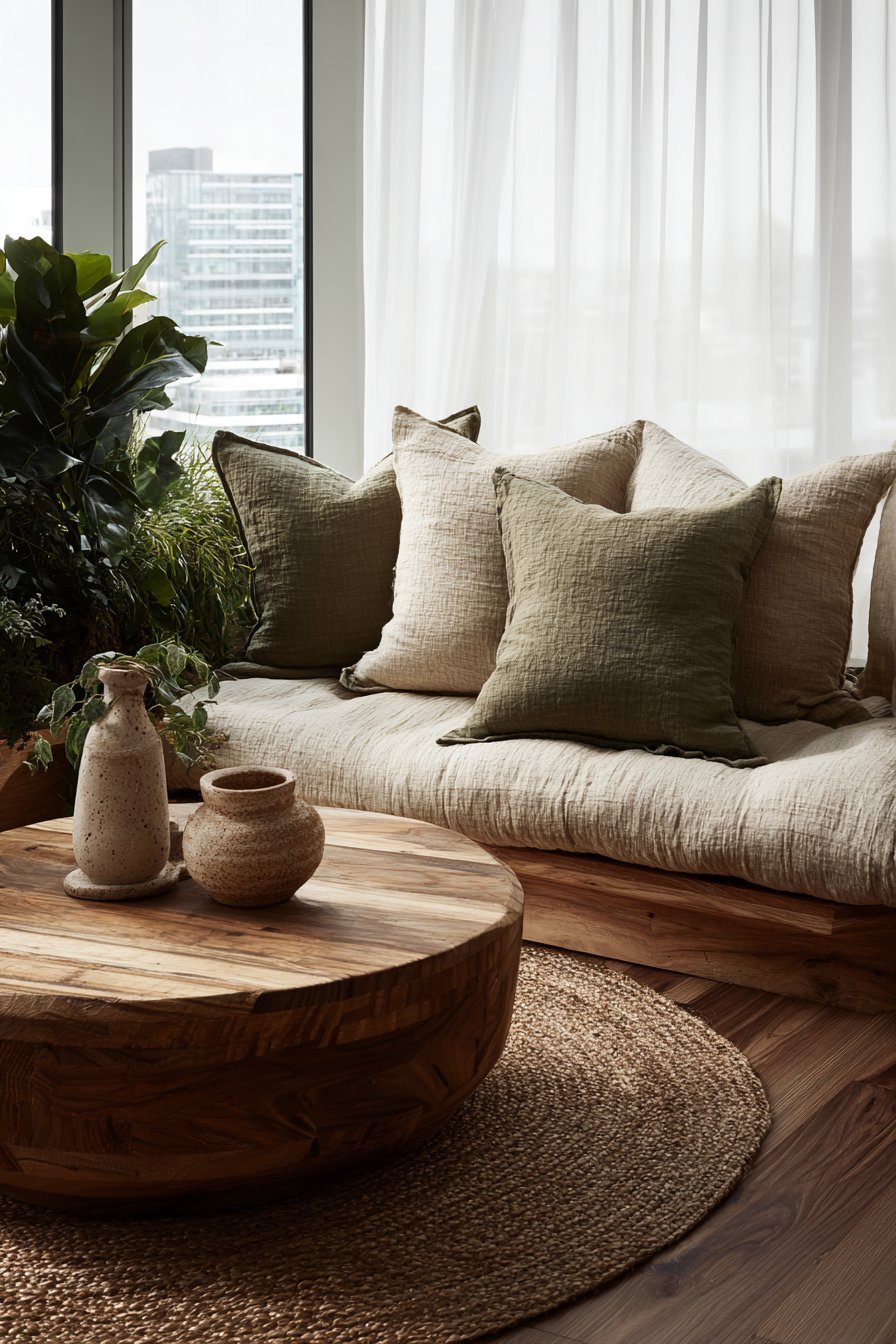
1. Understanding What Sustainable Home Decor Really Means
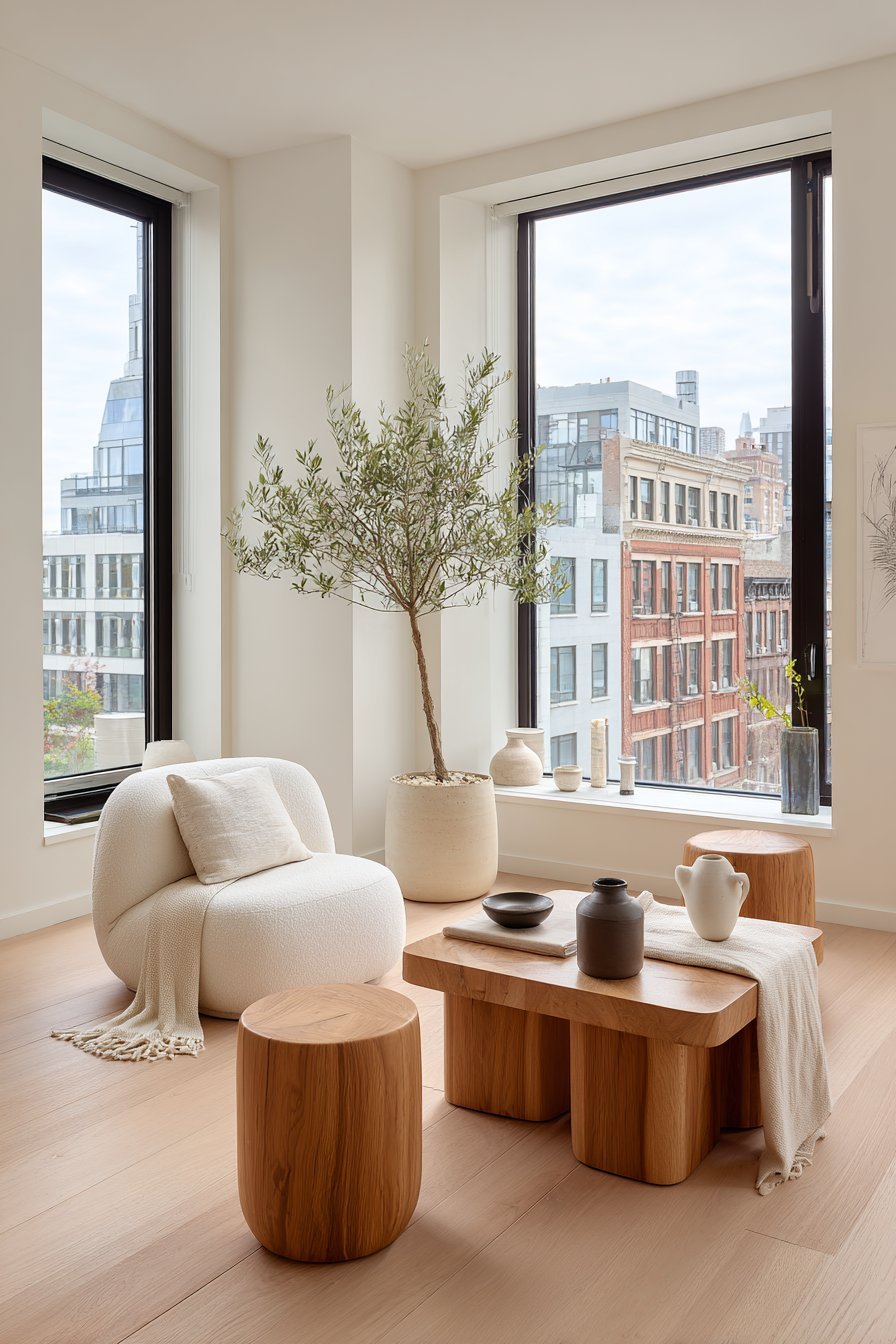
Sustainable home decor refers to design choices that minimize environmental harm while maximizing quality and longevity. It includes materials sourced responsibly, products made with low carbon footprints, and items designed to last for decades rather than seasons. Understanding this definition helps you cut through greenwashing and make truly informed decisions.
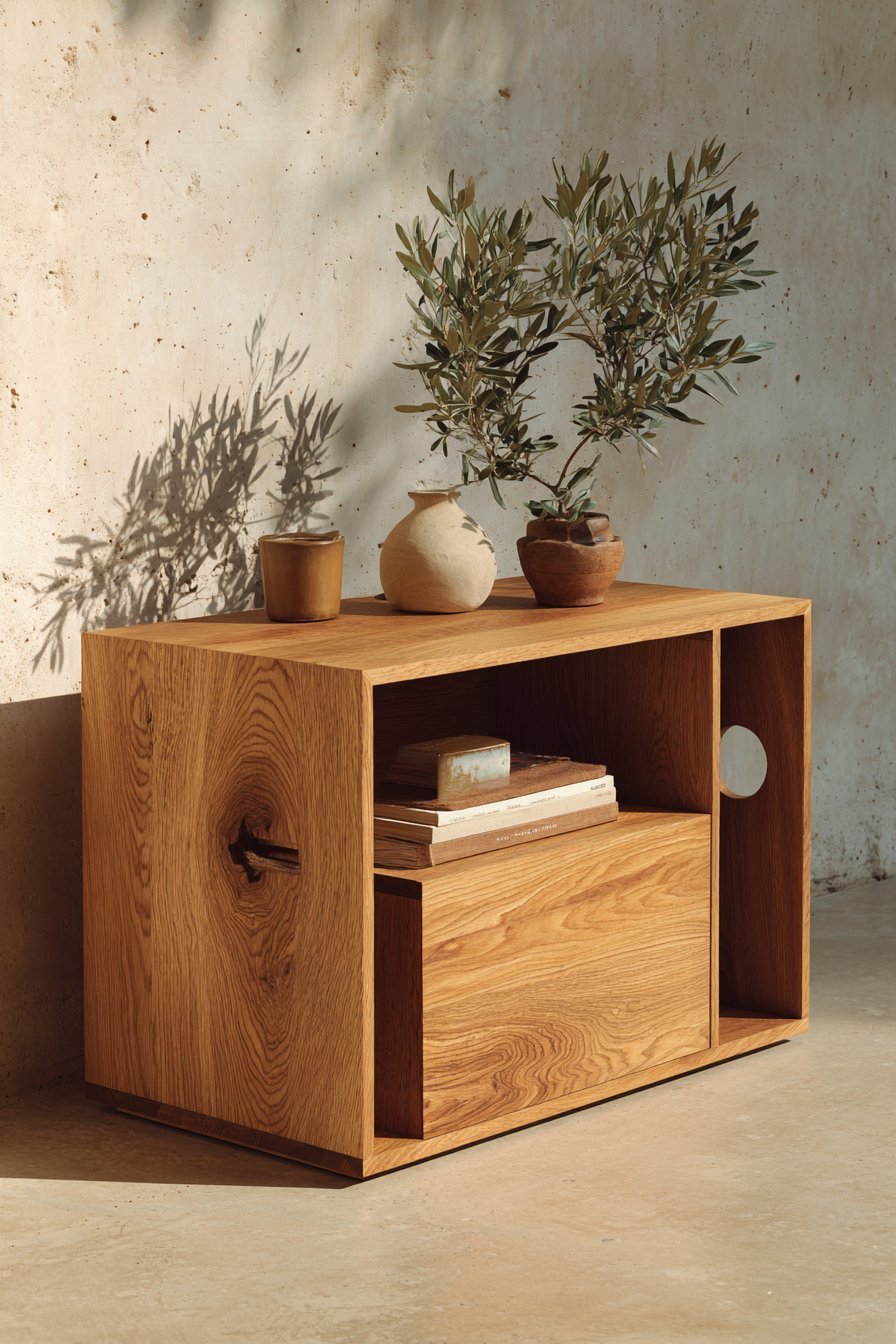
Many brands claim to be sustainable, but not all green labels are equal. Look for certifications like FSC (Forest Stewardship Council) for wood, GOTS (Global Organic Textile Standard) for fabrics, and GREENGUARD for low-chemical-emission products. These third-party verifications give real credibility to sustainability claims and protect you from misleading marketing.
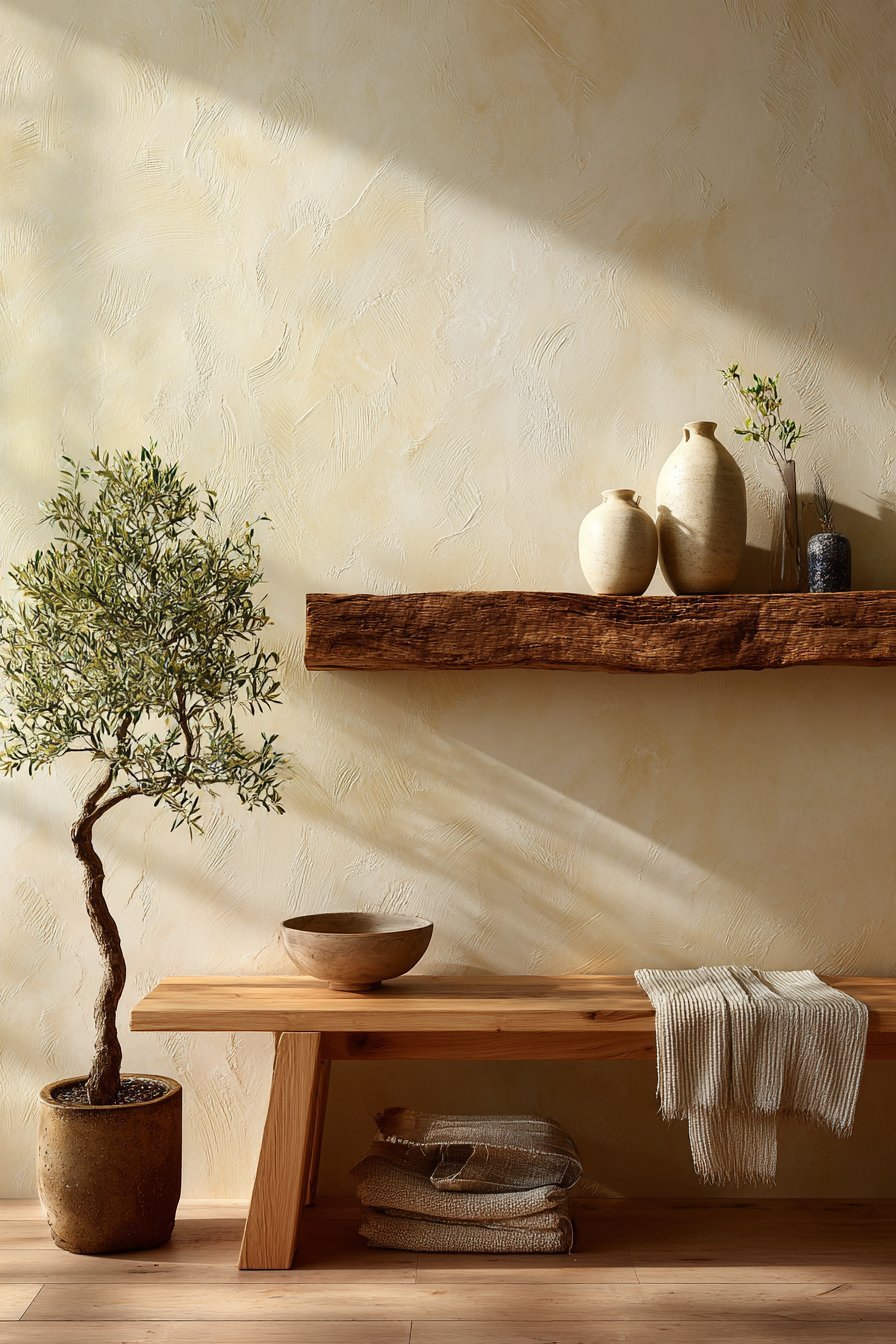
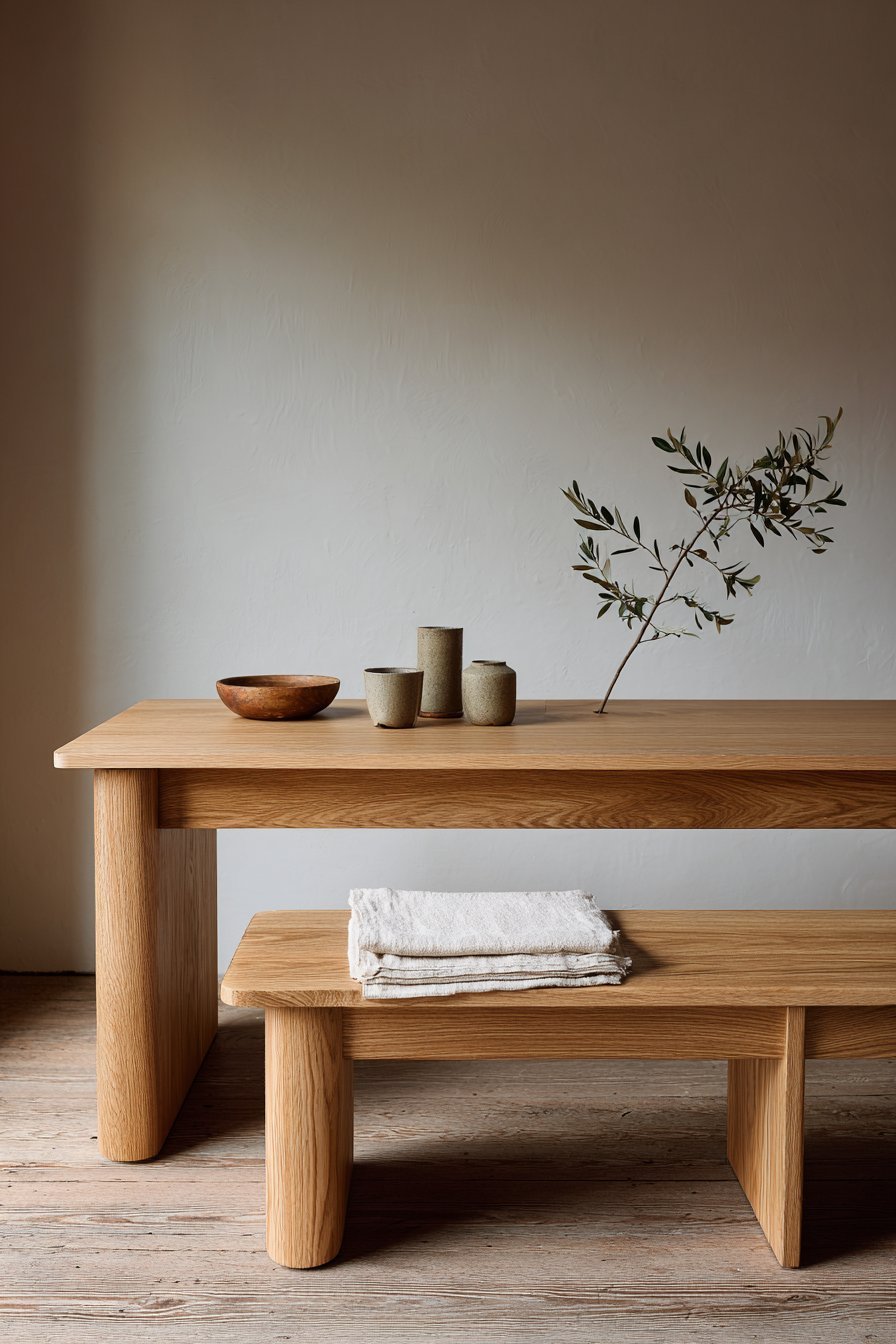
Sustainability in decor also includes how long a product will last. A well-crafted solid oak dining table that lasts 50 years is far more sustainable than a cheap pressed-wood alternative replaced every five years. Durability is one of the most underrated pillars of eco-friendly design.
- Research certifications like FSC, GOTS, and GREENGUARD before purchasing
- Prioritize durability and craftsmanship over low price points
- Avoid products with vague “eco-friendly” claims and no third-party backing
- Ask brands directly about their sourcing and production practices
- Look for locally made products to reduce transportation emissions
- Read product ingredient lists for paints, finishes, and upholstery materials
2. The Growing Popularity of Reclaimed and Salvaged Materials
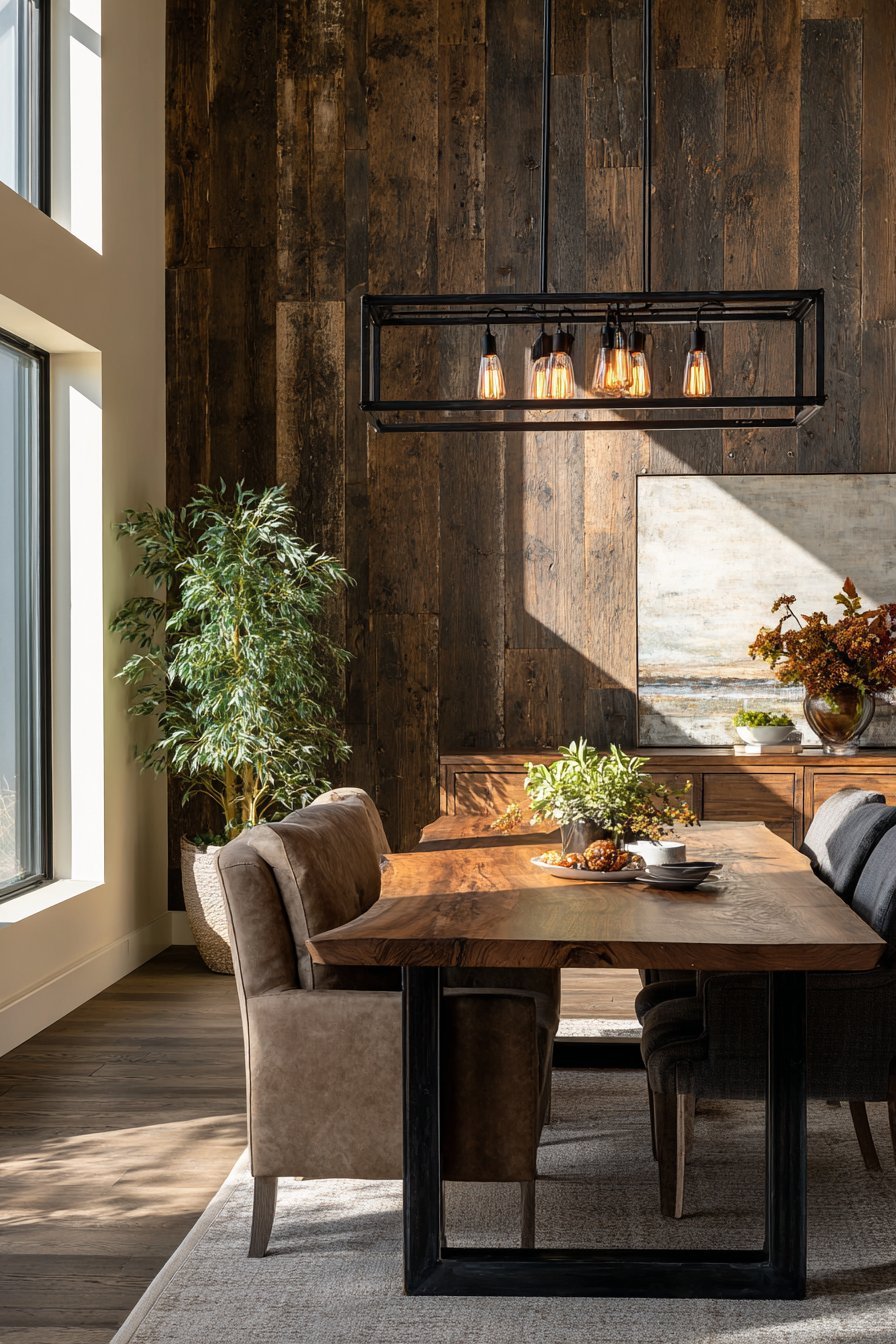
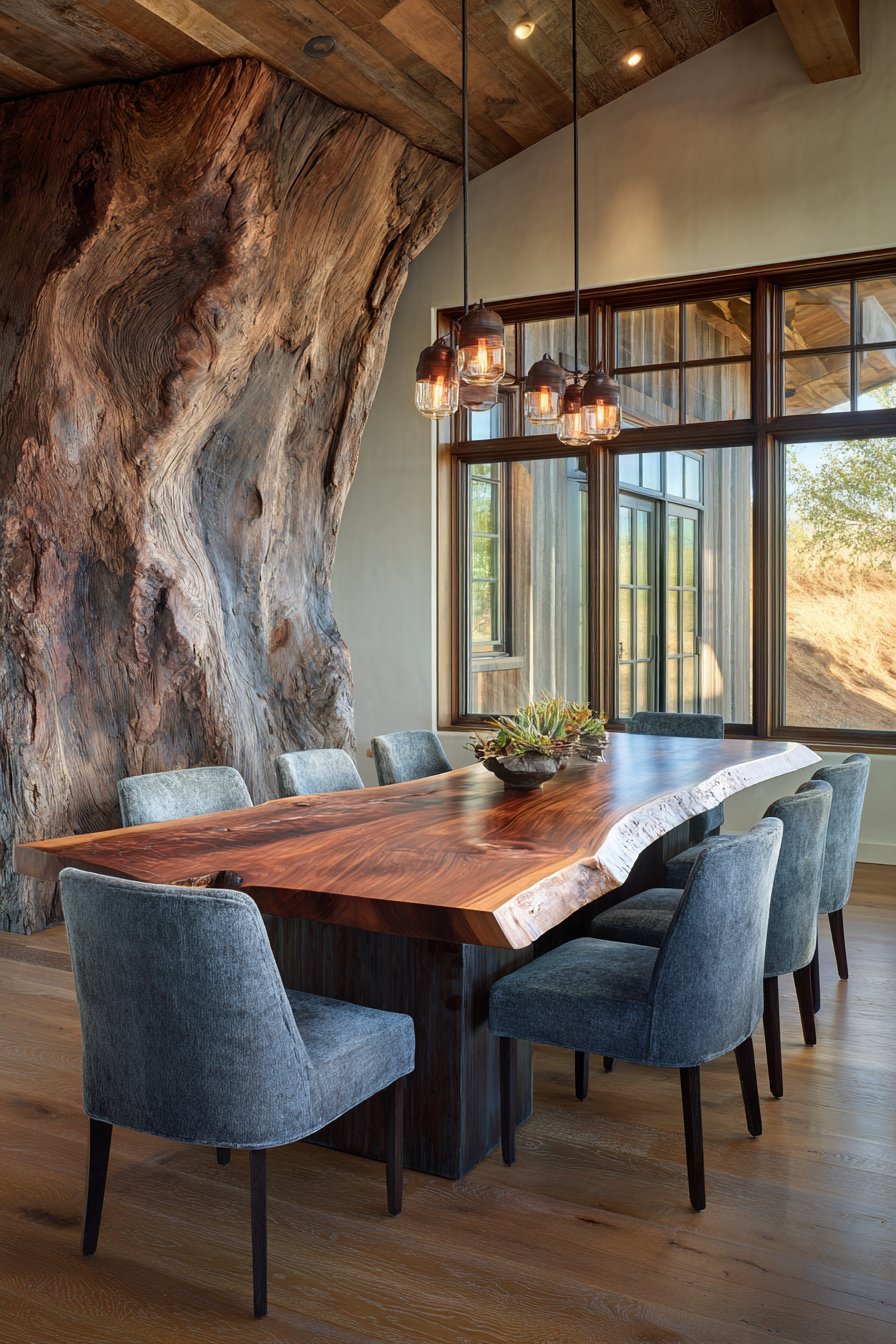
Reclaimed wood, salvaged metal, and upcycled glass are among the hottest materials in sustainable interior design today. These materials carry history, texture, and character that brand-new factory products simply cannot replicate. A reclaimed barn wood accent wall or a salvaged iron light fixture instantly adds authentic visual depth to any room.
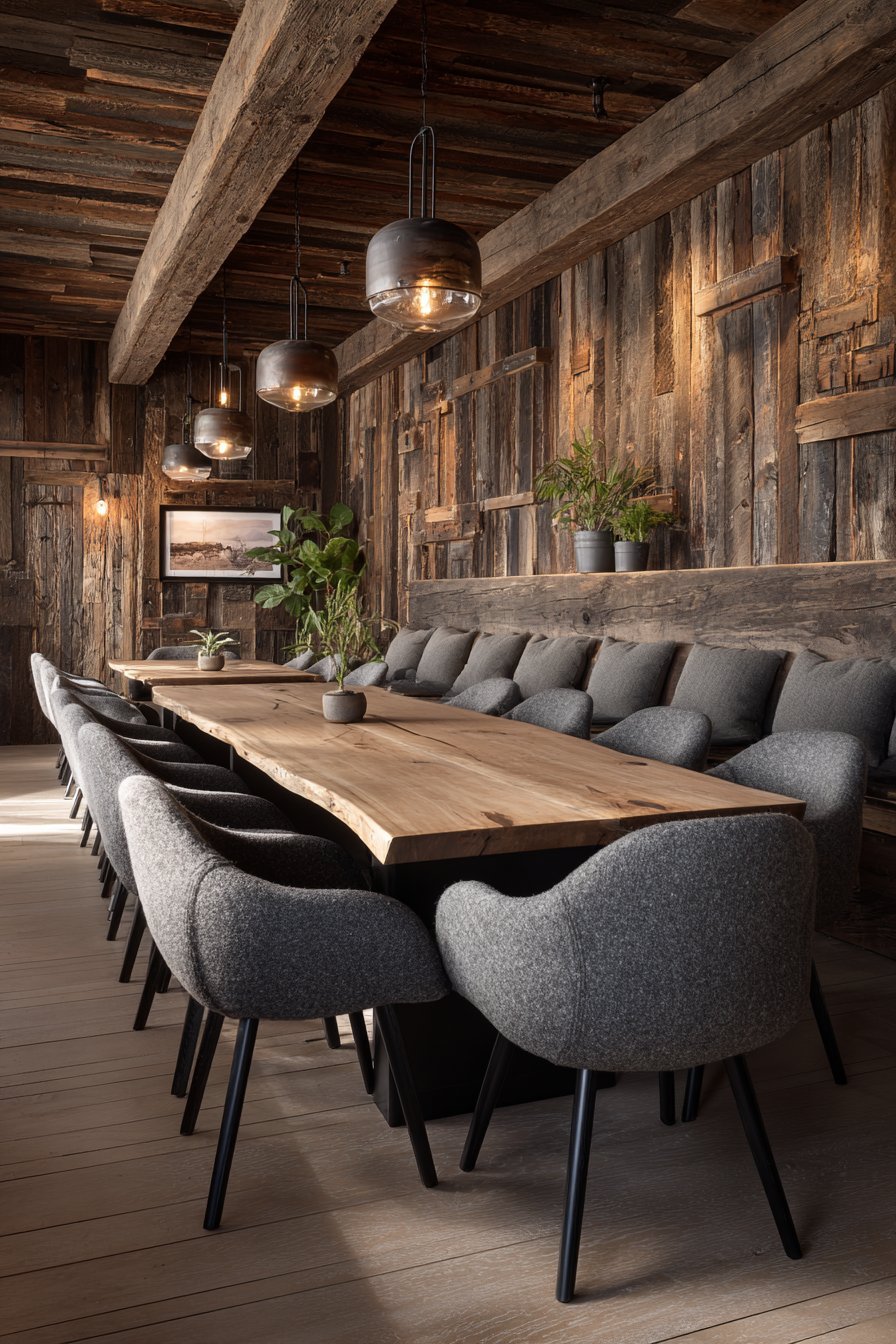
The environmental case for reclaimed materials is compelling. Using salvaged wood prevents old-growth timber from being cut down and keeps usable material out of landfills. Repurposing existing resources drastically reduces the energy and emissions associated with producing new materials from scratch. It is one of the most impactful sustainable choices a homeowner can make.
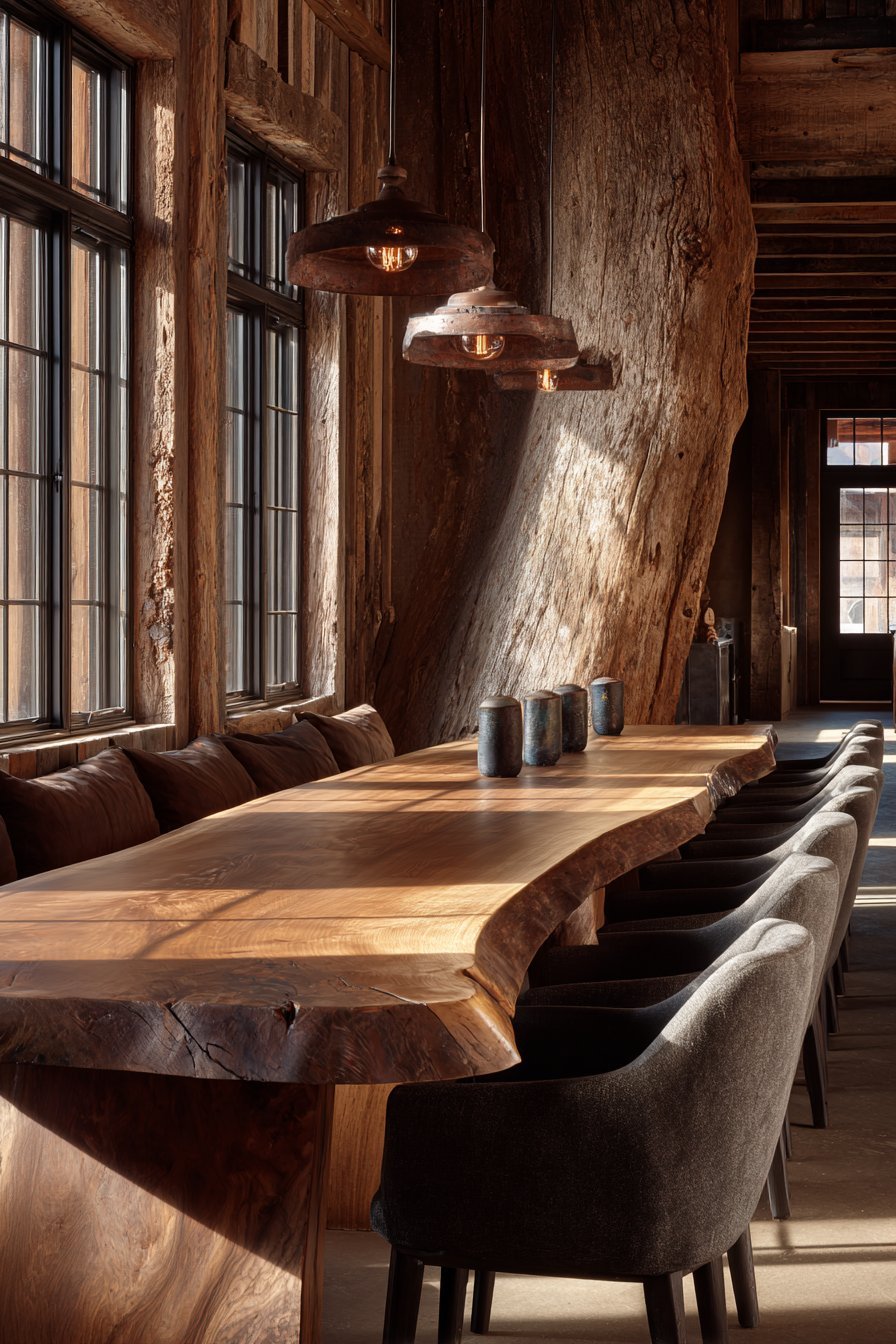
Beyond environmental benefits, reclaimed materials often appreciate in aesthetic value over time. Vintage brick, weathered timber, and antique hardware age beautifully and develop patina that modern materials cannot imitate. Choosing salvaged elements means investing in pieces that only become more visually interesting with age.
- Source reclaimed wood from certified architectural salvage dealers
- Visit local demolition sales or habitat restore stores for unique finds
- Use salvaged tiles as kitchen backsplashes or bathroom accents
- Pair reclaimed elements with modern furnishings for a balanced aesthetic
- Sand and treat salvaged wood properly to ensure safety and longevity
- Document the history of reclaimed pieces for a richer design story
3. Natural and Organic Textiles Are Transforming Interiors
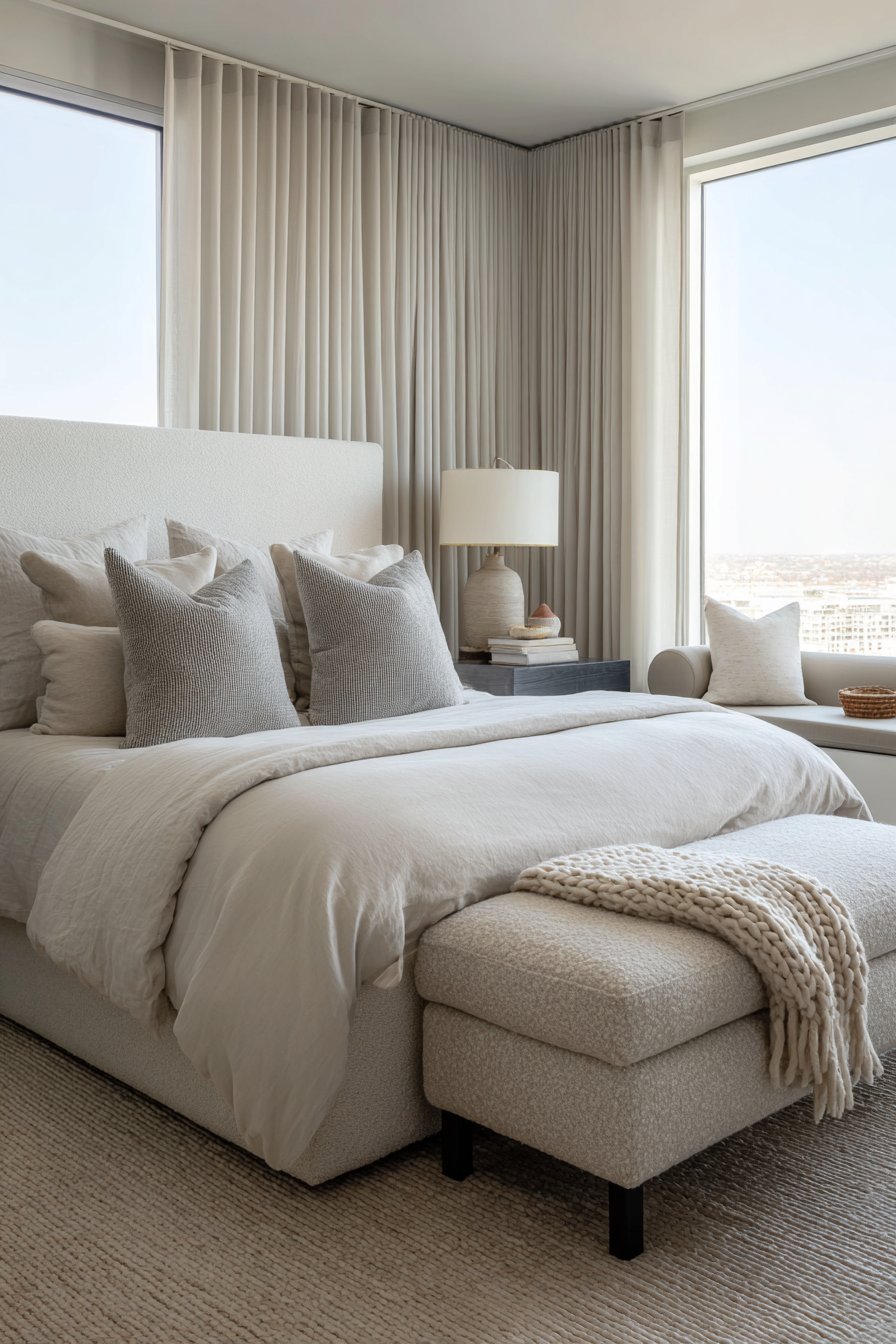
The textile industry is one of the most polluting sectors globally, which makes fabric choices in home decor critically important. Organic cotton, linen, hemp, and wool are leading the charge as sustainable alternatives to synthetic fibers like polyester and nylon. These natural materials breathe better, last longer, and biodegrade at the end of their life cycle.
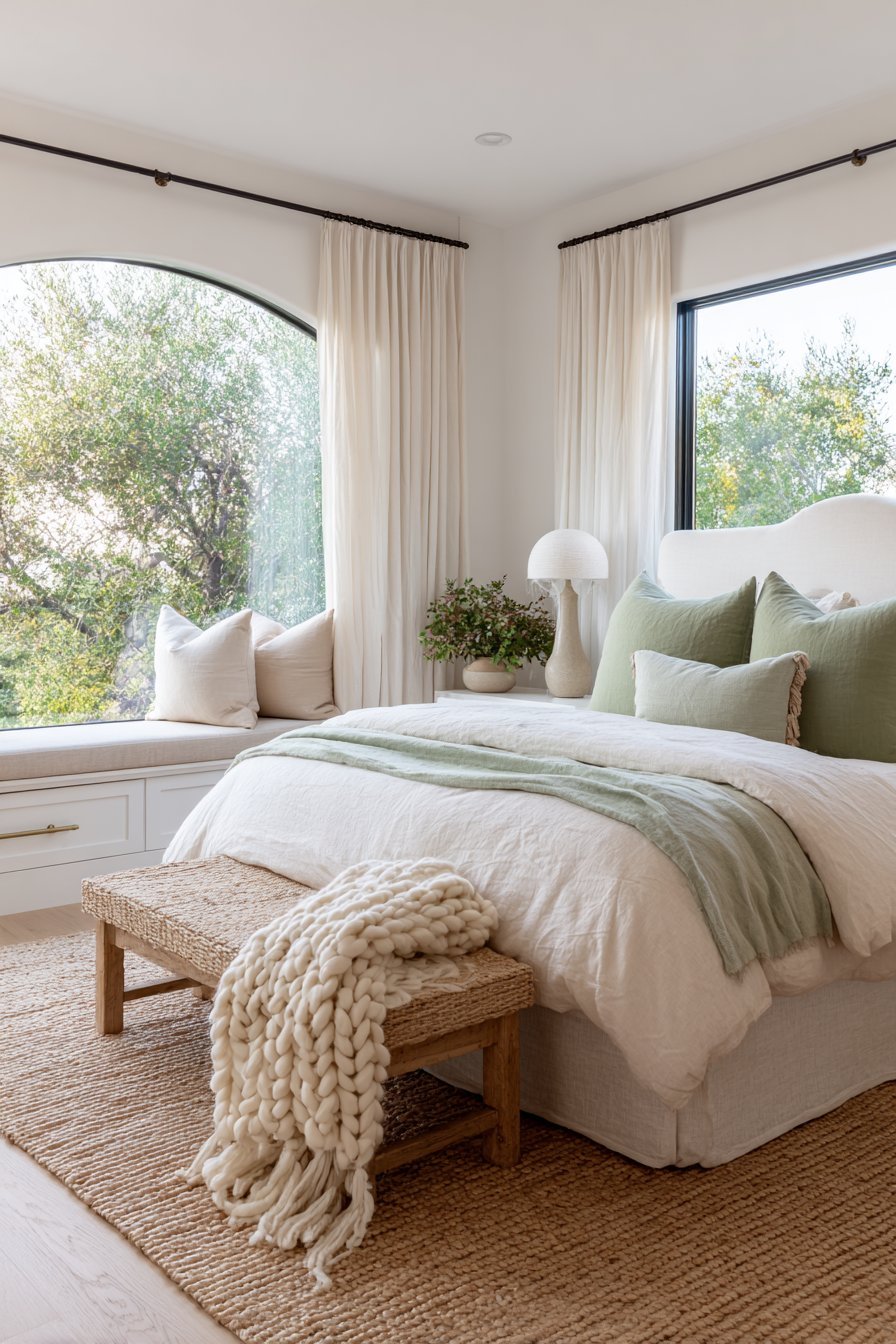
Organic textiles are grown without harmful pesticides and processed without toxic chemicals. This makes them significantly safer for indoor air quality, especially in homes with children or people with allergies. Linen, in particular, requires minimal water and no pesticides to grow, making it one of the most sustainable fabric choices available for curtains, cushions, and bedding.
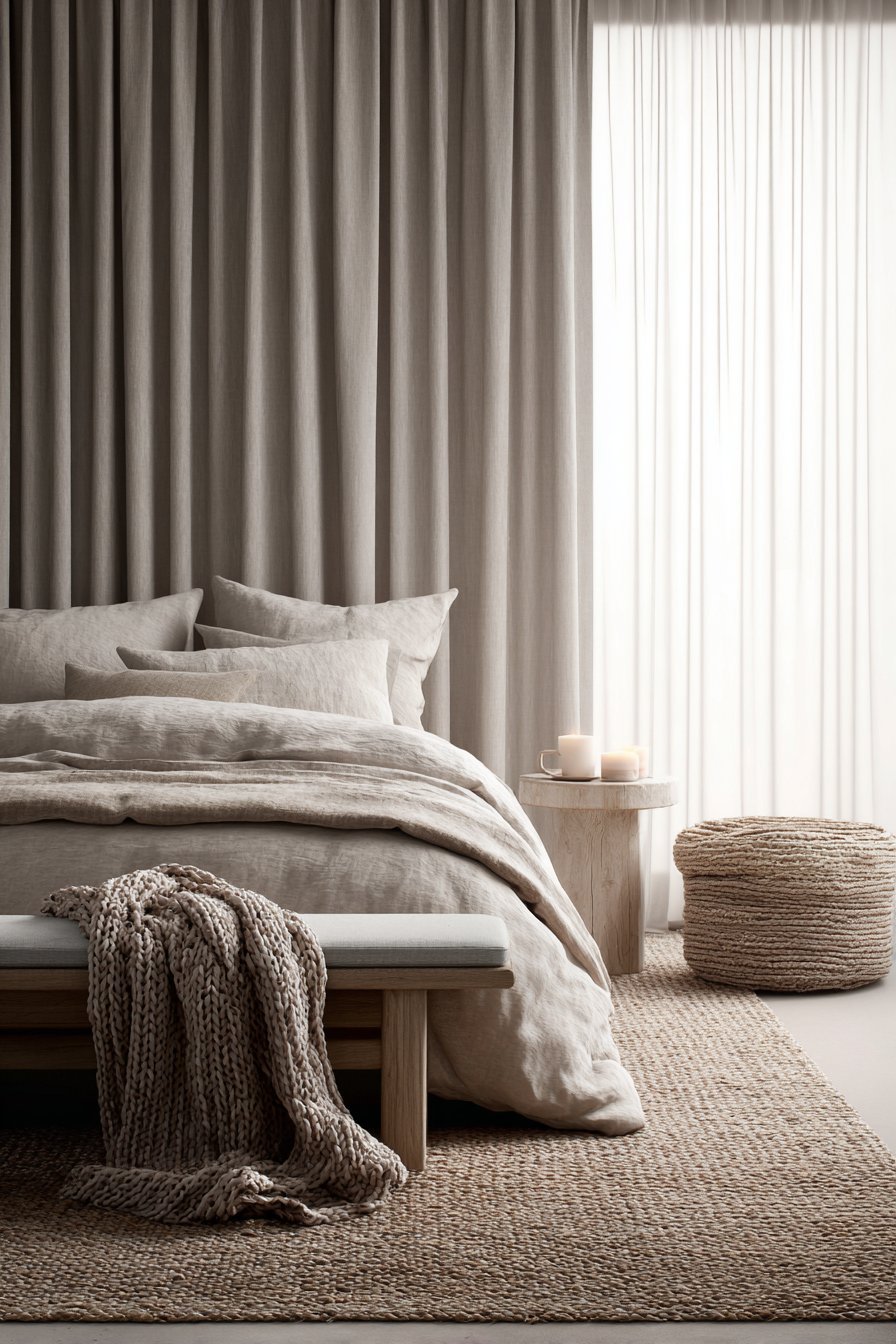
Hemp textiles are gaining serious momentum in the sustainable home decor space. Hemp grows rapidly, requires no herbicides, and produces strong, durable fibers ideal for rugs, throws, and upholstery. As regulations around hemp cultivation ease globally, expect to see this powerhouse material become even more mainstream in interior design.
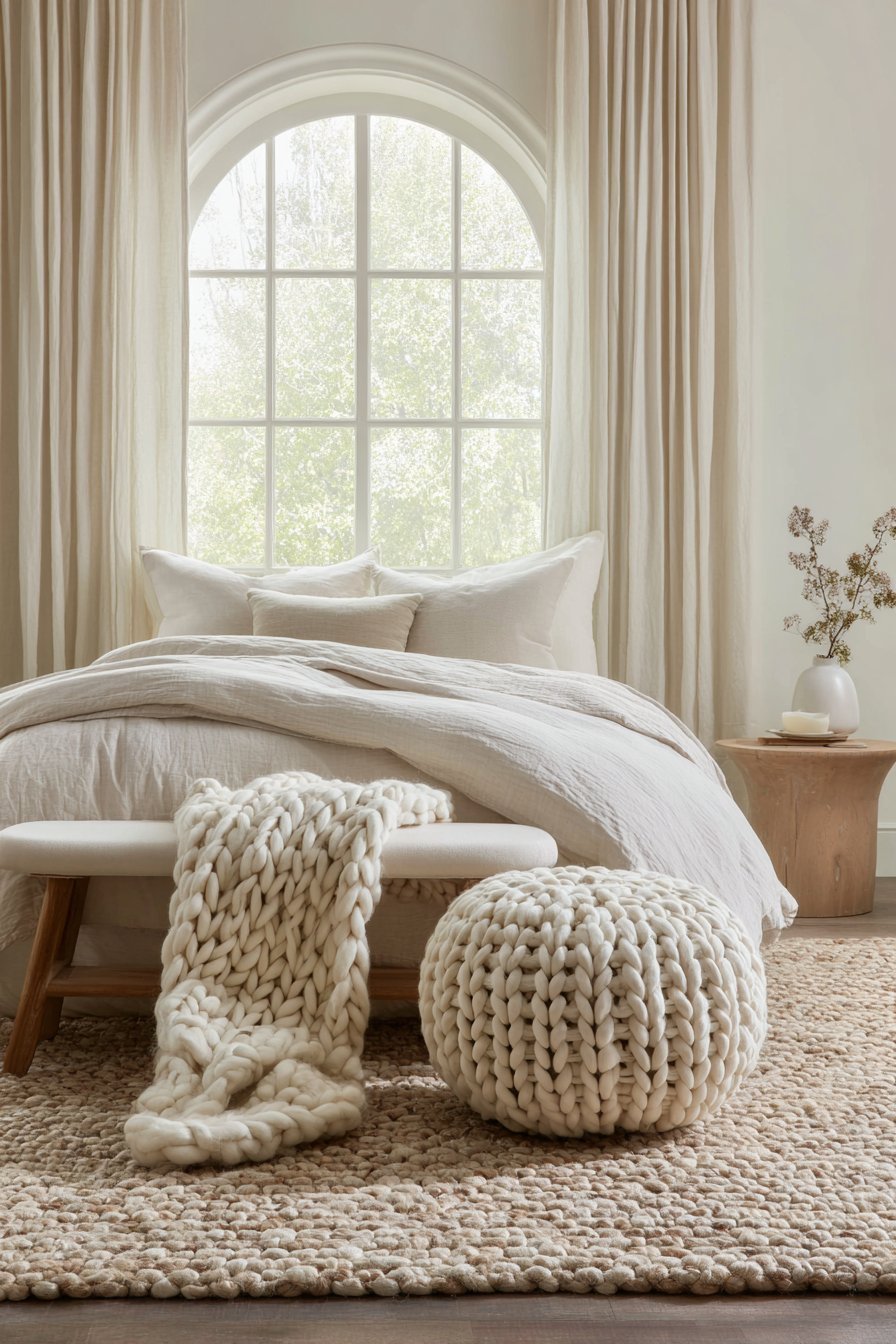
- Choose GOTS-certified organic cotton for bedding and cushion covers
- Opt for linen curtains over synthetic polyester drapes
- Explore hemp rugs as a durable and eco-friendly floor covering option
- Avoid textiles treated with flame retardants containing PBDE chemicals
- Look for natural dyes to reduce chemical runoff from fabric production
- Wash natural textiles in cold water to extend their lifespan
4. Biophilic Design: Bringing Nature Indoors
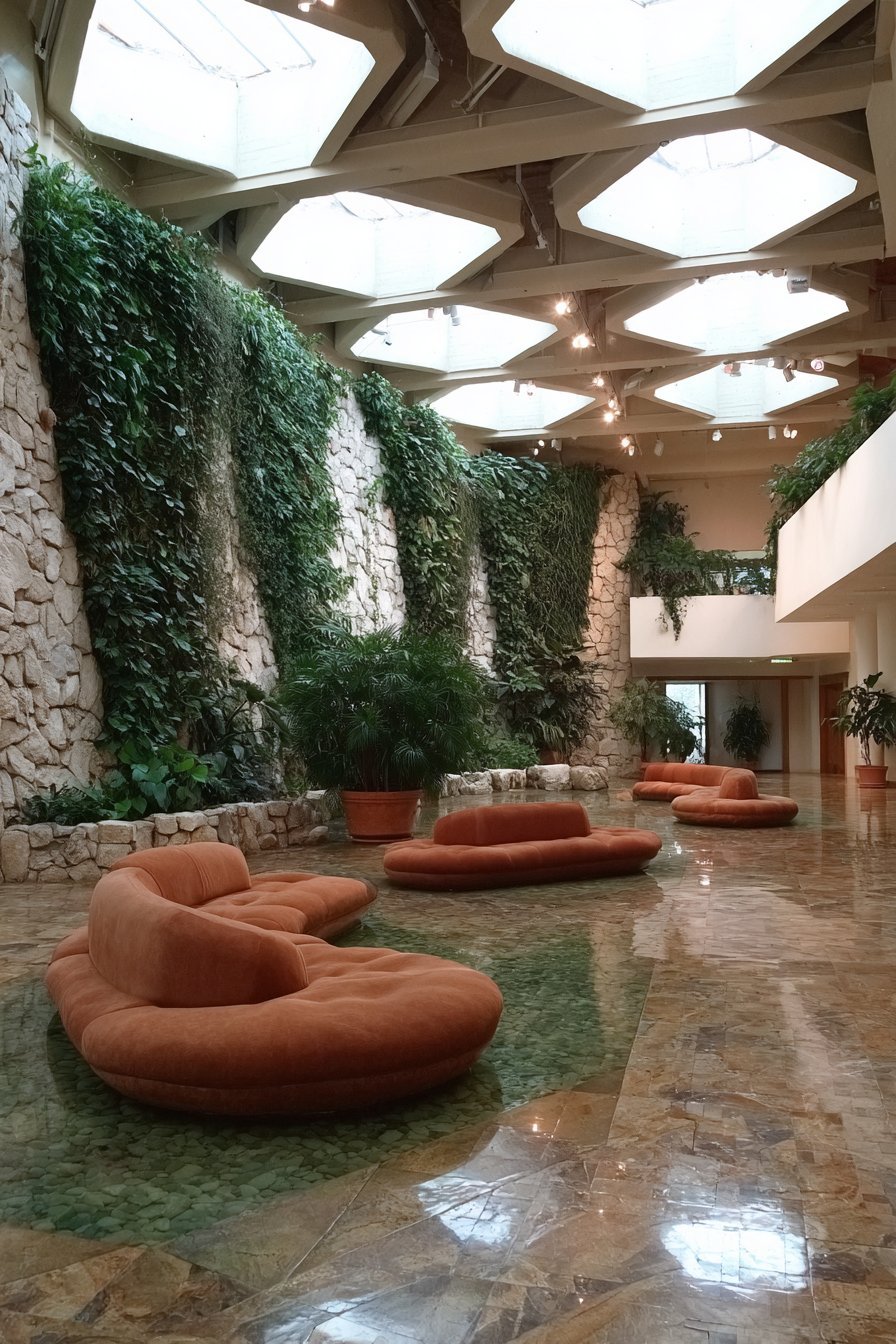
Biophilic design is the practice of integrating natural elements into interior spaces to enhance well-being and connection with the natural world. Research consistently shows that access to natural light, plants, and organic textures reduces stress and boosts productivity. It is both a wellness strategy and a deeply sustainable design philosophy.
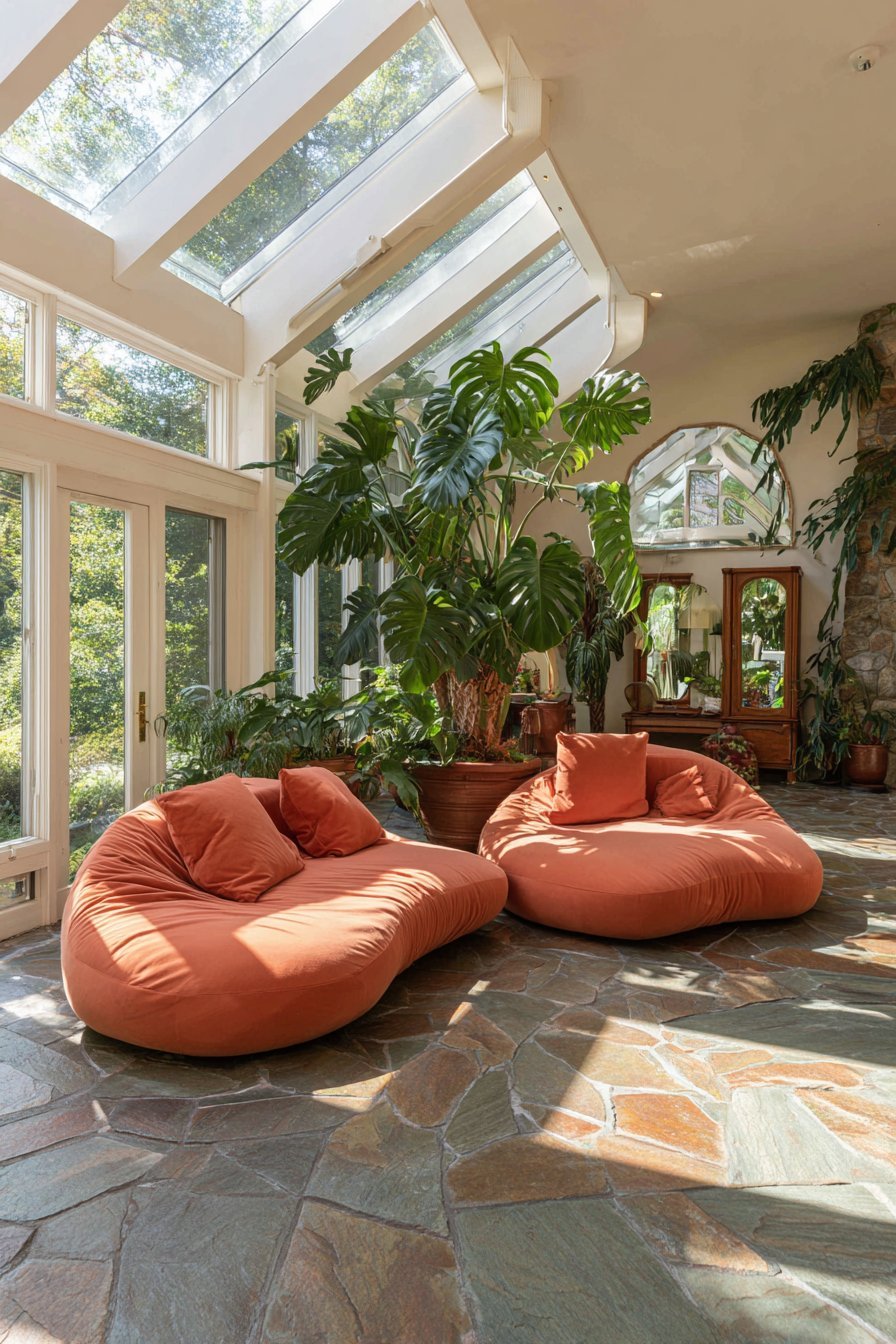
Living walls, potted indoor plants, natural stone surfaces, and water features are all hallmarks of biophilic interior design. These elements reduce the need for synthetic decor while improving air quality and creating visually calming environments. Even small additions like a potted monstera or a jute rug can meaningfully shift the energy of a room.
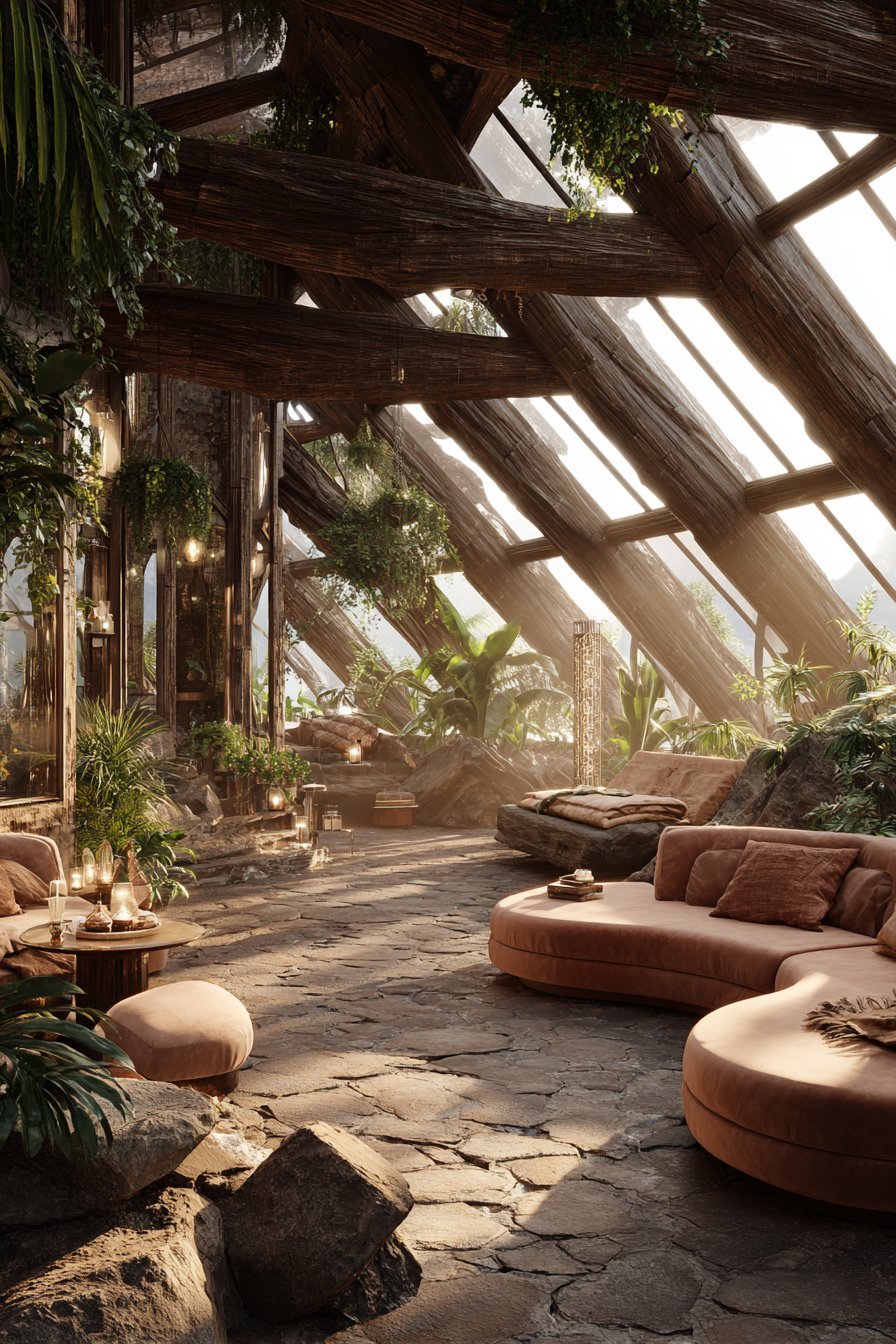
The use of natural light optimization is another core principle of biophilic design. Maximizing daylight reduces reliance on artificial lighting and decreases energy consumption. Strategic mirror placement, light-colored walls, and sheer curtains can dramatically amplify available natural light in any space.
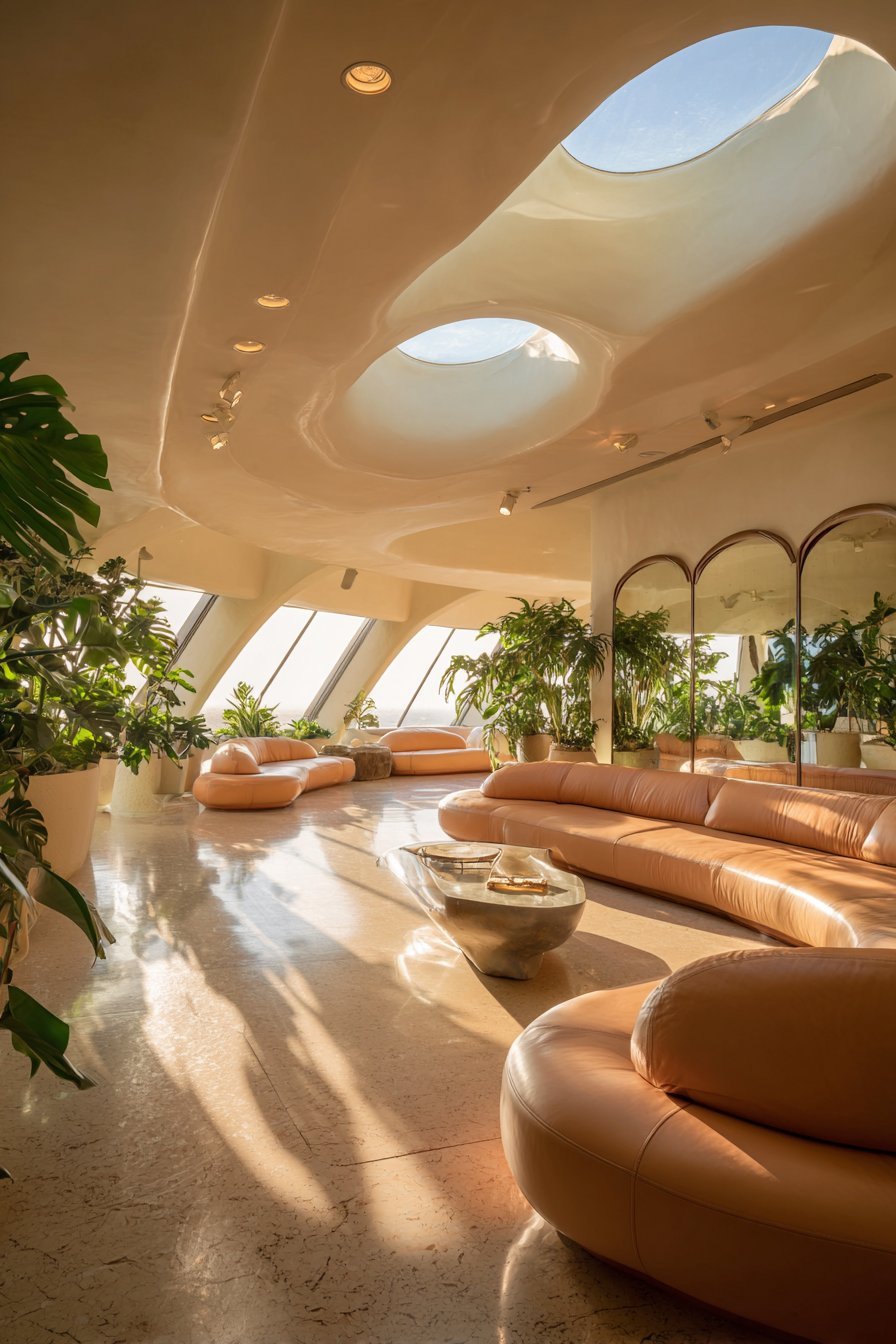
- Introduce at least three different plant varieties to your living areas
- Use natural stone, slate, or marble for countertops and accent surfaces
- Install skylights or solar tubes to maximize natural light penetration
- Choose nature-inspired color palettes including earthy greens, terracottas, and warm browns
- Incorporate water features like tabletop fountains for calming ambiance
- Use organic shapes and curved furniture to mimic natural forms
5. Secondhand and Vintage Furniture: Style With Zero Guilt
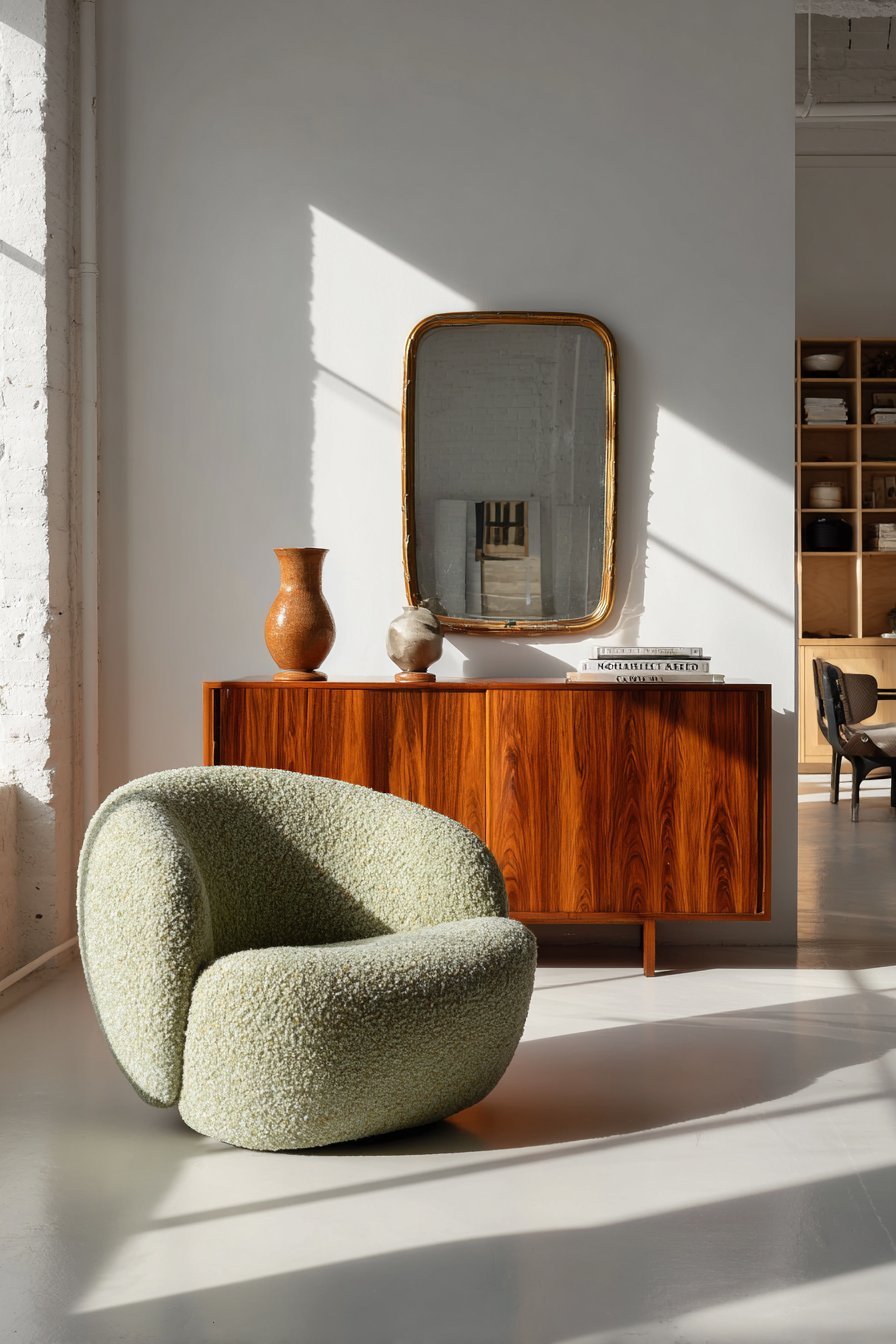
Secondhand furniture shopping has become one of the most stylish and environmentally responsible trends in home decor. Platforms like Chairish, Facebook Marketplace, and local vintage stores have made it easier than ever to find high-quality pre-owned pieces at a fraction of their original cost. Buying secondhand extends the life of existing furniture and prevents it from ending up in a landfill.
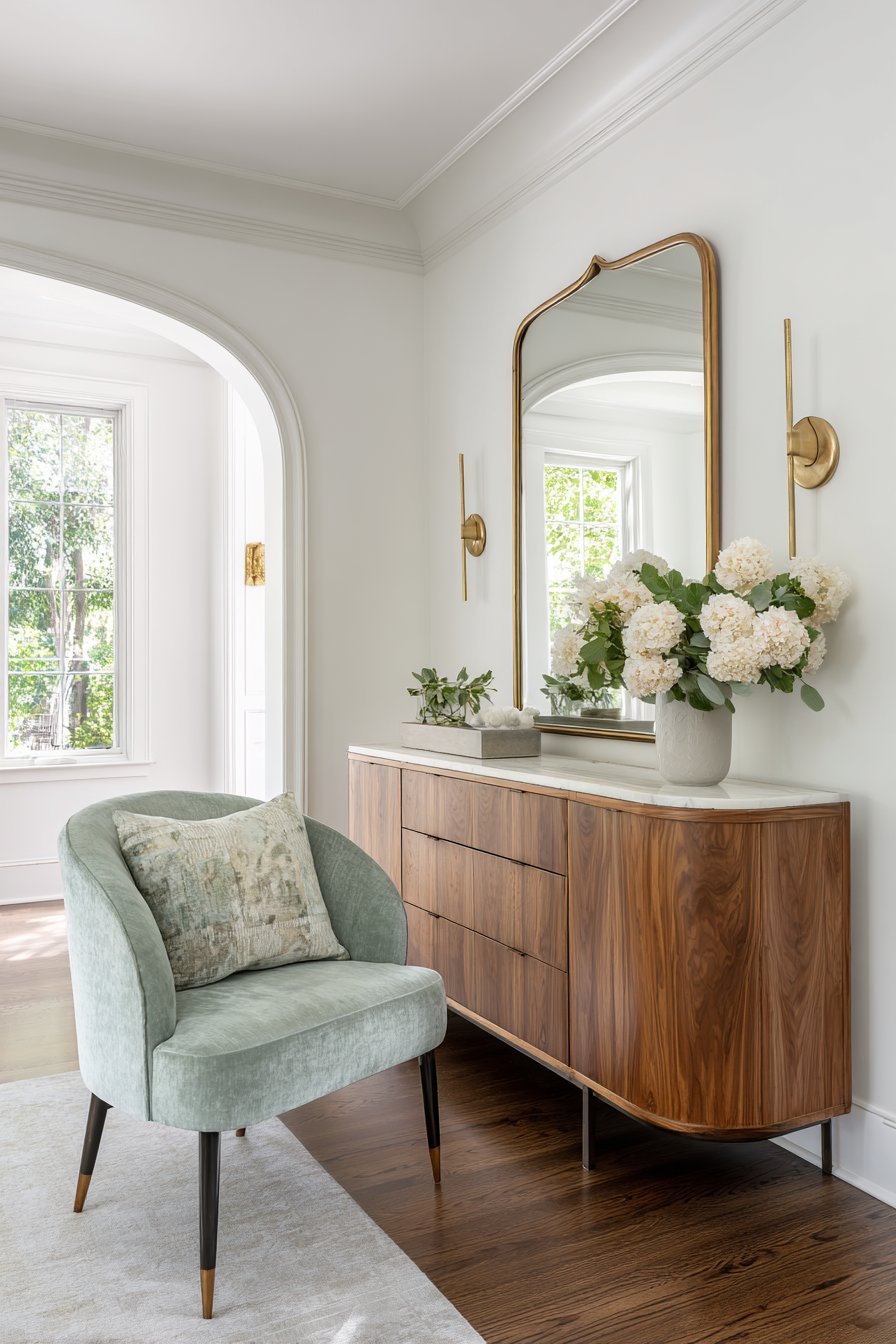
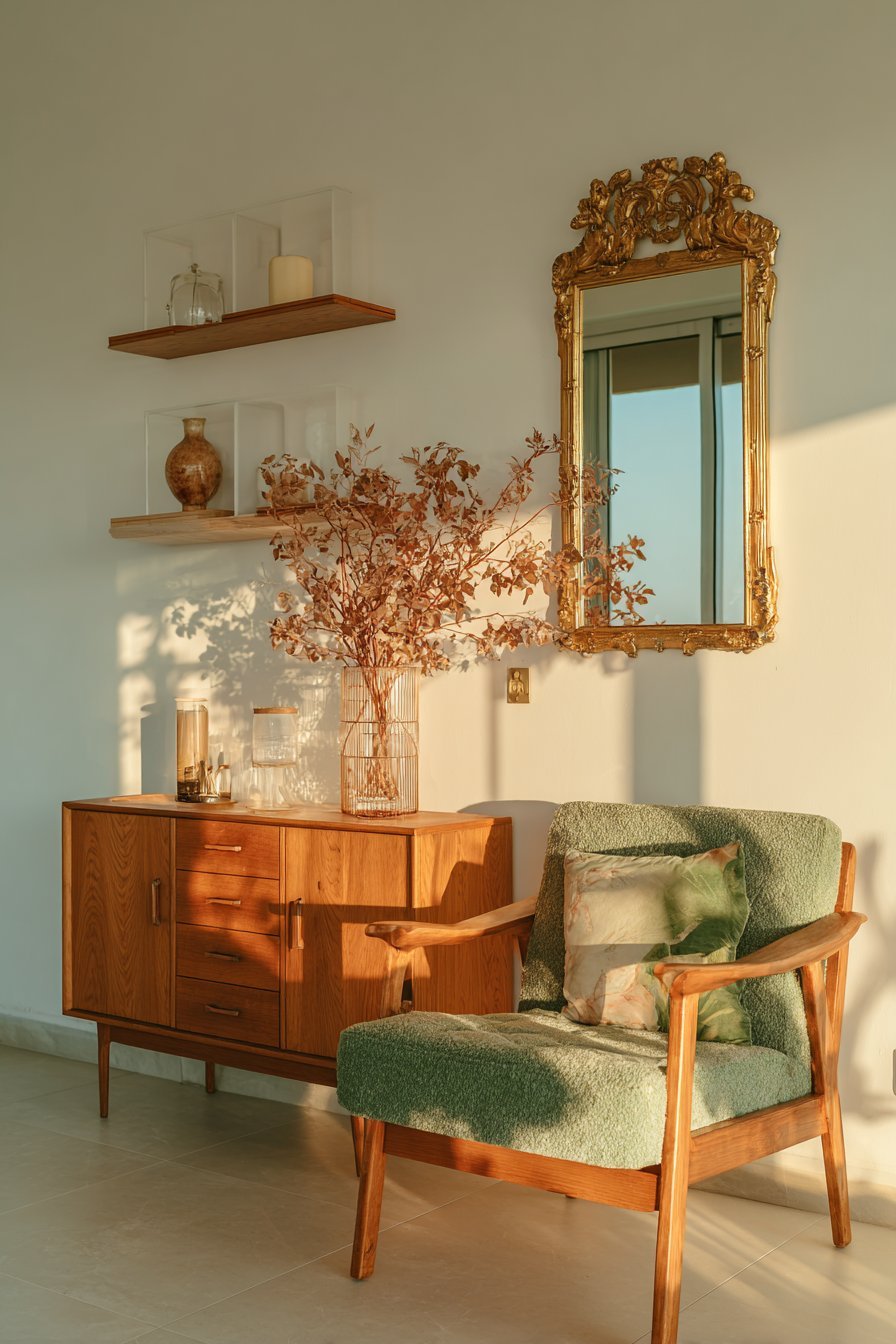
The aesthetic case for vintage is equally strong. Mid-century modern chairs, Art Deco mirrors, and farmhouse-style farmhouse tables carry a timeless quality that mass-produced fast furniture rarely achieves. Mixing vintage finds with contemporary pieces creates layered, personalized interiors that feel curated rather than cookie-cutter.
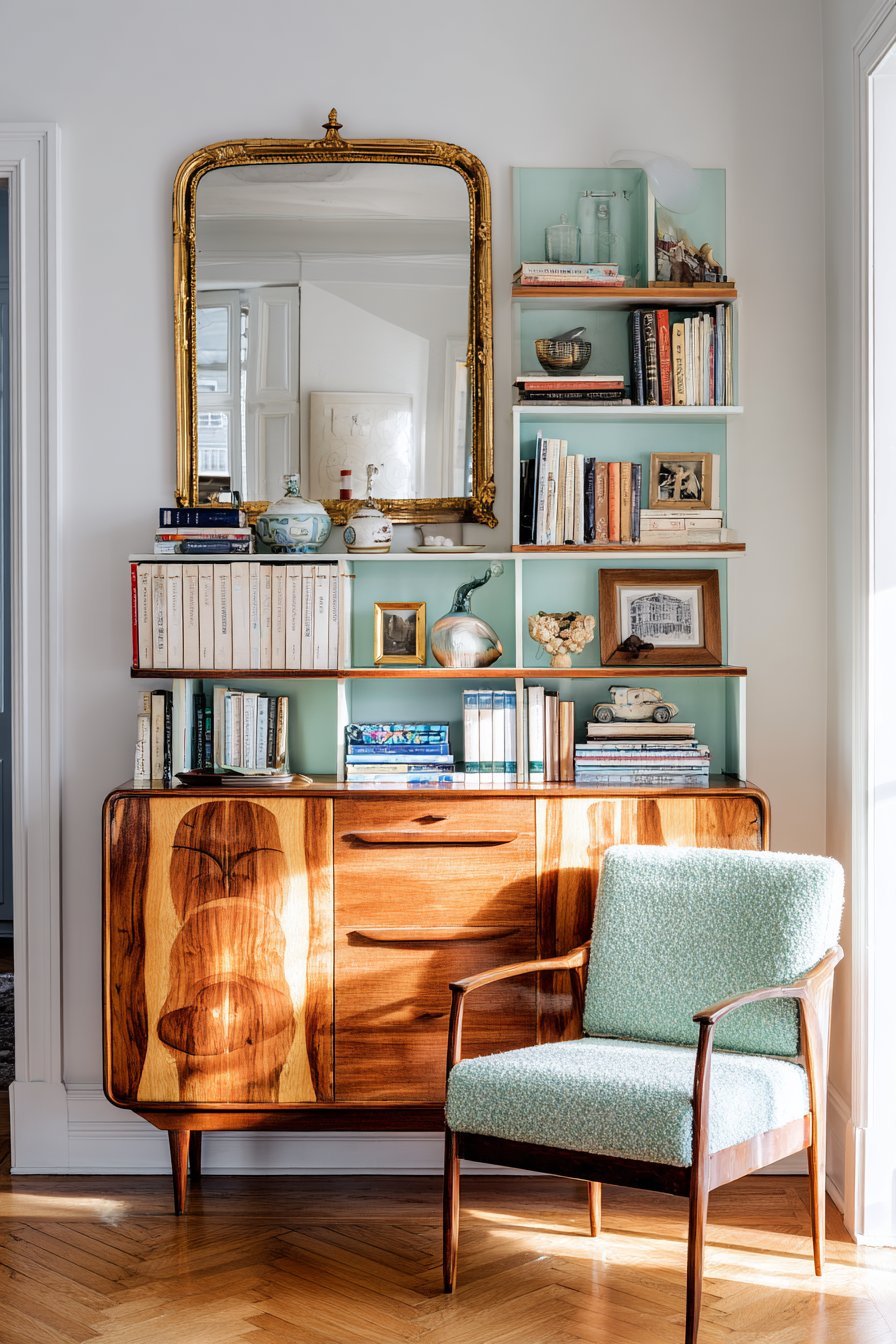
Refurbishing and reupholstering secondhand pieces is also a growing trend. DIY restoration projects give old furniture new life and allow homeowners to customize pieces to match their exact aesthetic vision. A coat of chalk paint or a new upholstery fabric can completely transform a dated piece into a showstopper.
- Explore estate sales, thrift stores, and online resale platforms regularly
- Focus on well-made vintage pieces from brands known for durability
- Learn basic furniture restoration skills like sanding, painting, and reupholstering
- Mix one statement vintage piece per room for collected, eclectic style
- Research the era and origin of vintage pieces for more interesting storytelling
- Donate or resell items you no longer need instead of discarding them
6. Low-VOC Paints and Eco-Friendly Finishes
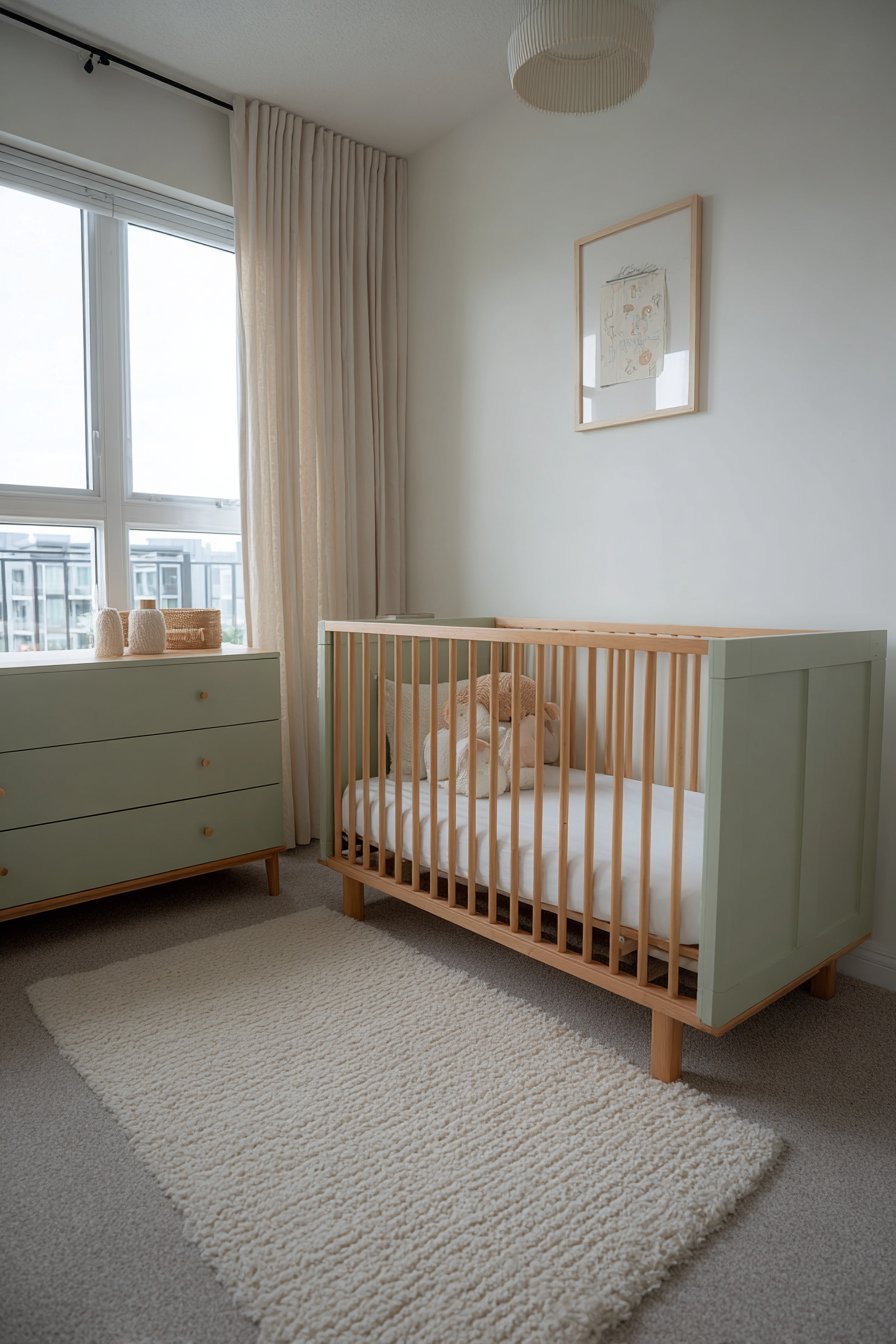
Volatile Organic Compounds (VOCs) are harmful chemicals found in many conventional paints, stains, and finishes. They off-gas into indoor air for months or even years after application, contributing to respiratory issues, headaches, and long-term health risks. Choosing low-VOC or zero-VOC paint products is one of the simplest and most impactful sustainable upgrades any homeowner can make.
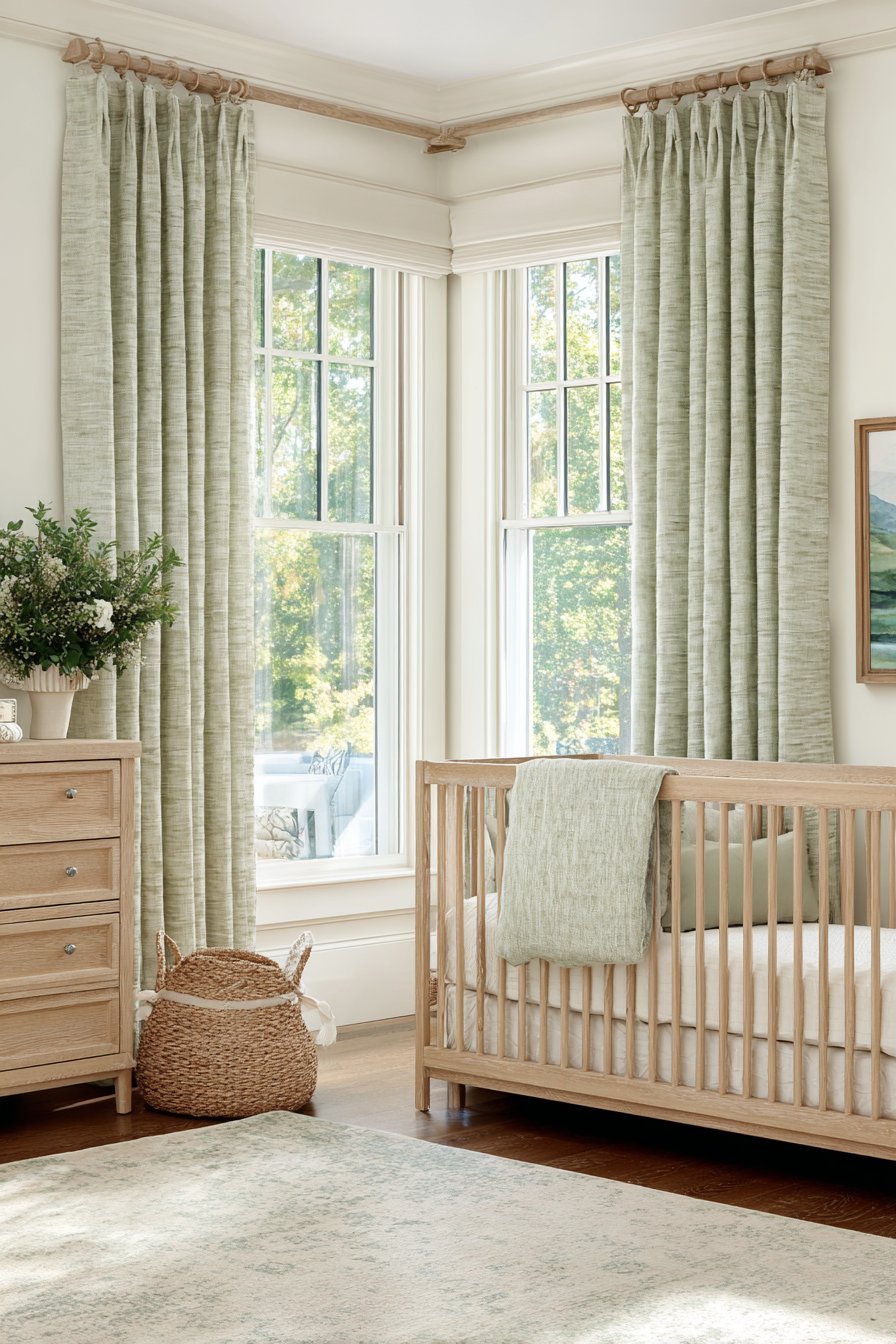
Brands like Benjamin Moore Natura, Sherwin-Williams Harmony, and ECOS Paints have developed high-performance low-VOC formulas that deliver rich, durable color without sacrificing air quality. These products are especially important in bedrooms, nurseries, and any room where ventilation is limited. The performance gap between conventional and low-VOC paints has nearly disappeared in recent years.
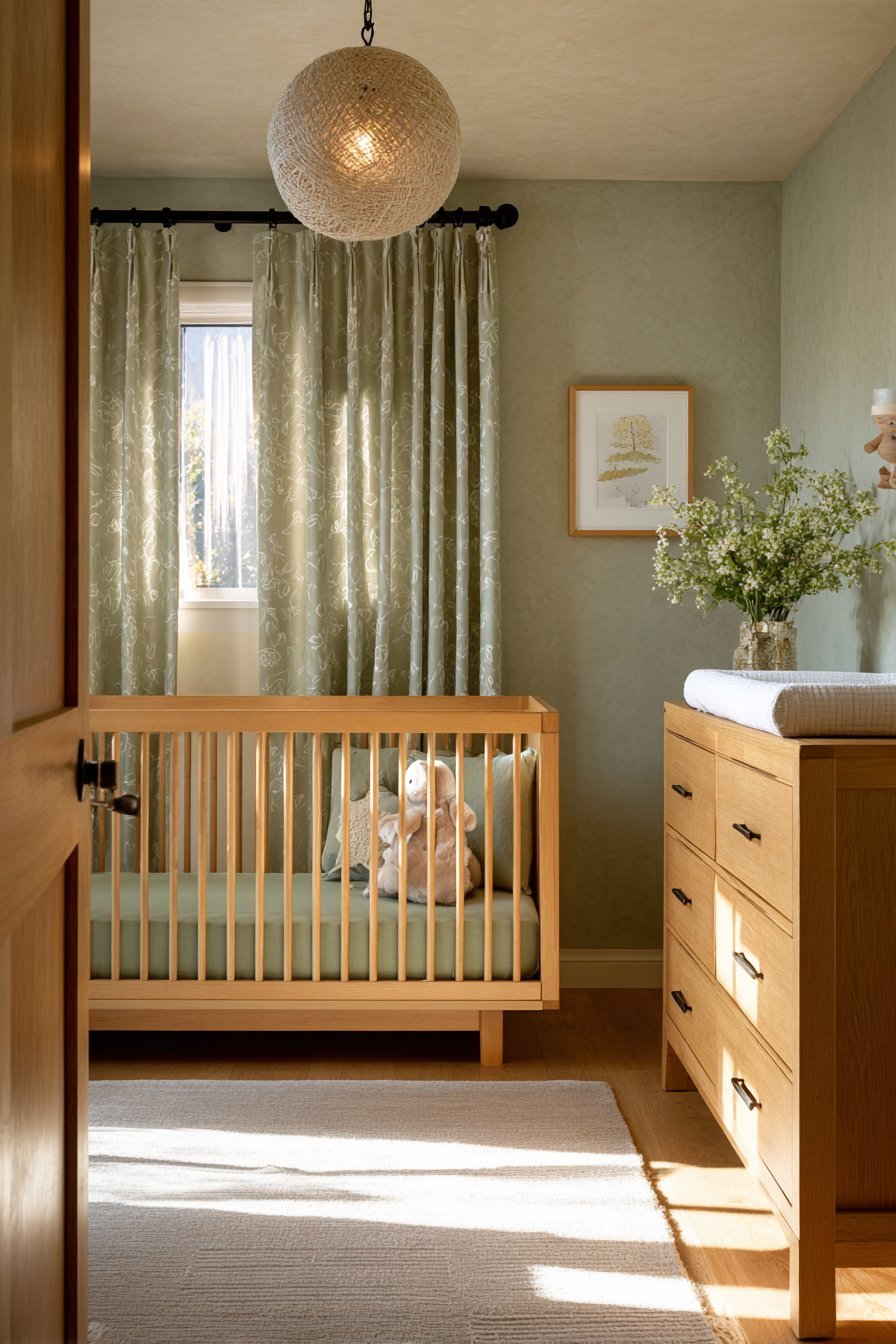
Eco-friendly finishes extend beyond paint to include natural wood stains, beeswax furniture polish, and plant-based varnishes. These alternatives protect surfaces effectively while keeping your indoor environment free from synthetic chemical off-gassing. Natural finishes also tend to age more gracefully and are easier to touch up over time.
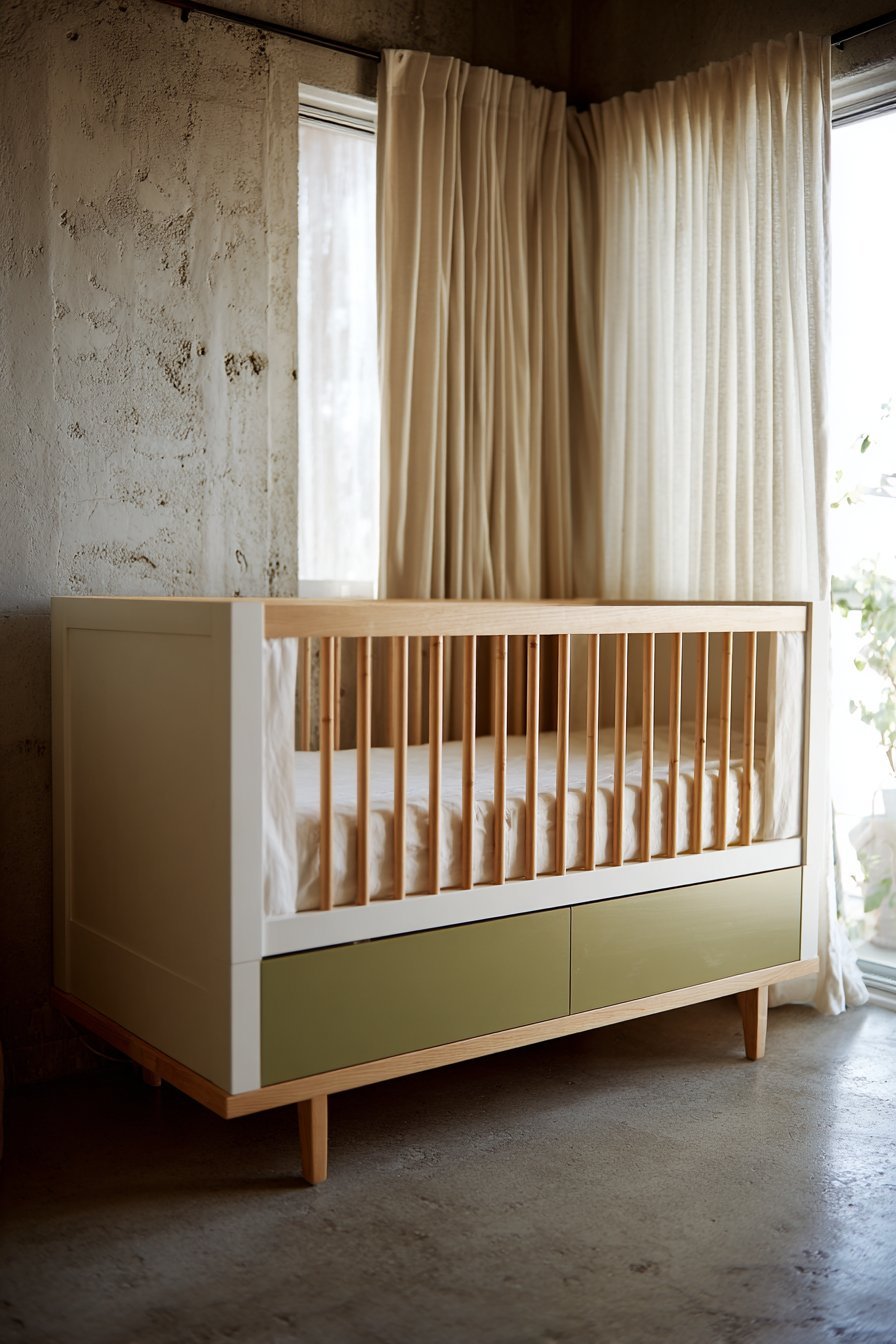
- Always choose zero-VOC or low-VOC paint for interior walls and ceilings
- Ventilate rooms thoroughly during and after painting regardless of VOC content
- Explore milk paint and clay-based paints for highly natural, textured finishes
- Use beeswax or linseed oil as natural alternatives for wood furniture care
- Test paint samples on walls before committing to full room coverage
- Store leftover paint properly or donate it to community recycling programs
7. Energy-Efficient Lighting in Sustainable Interiors
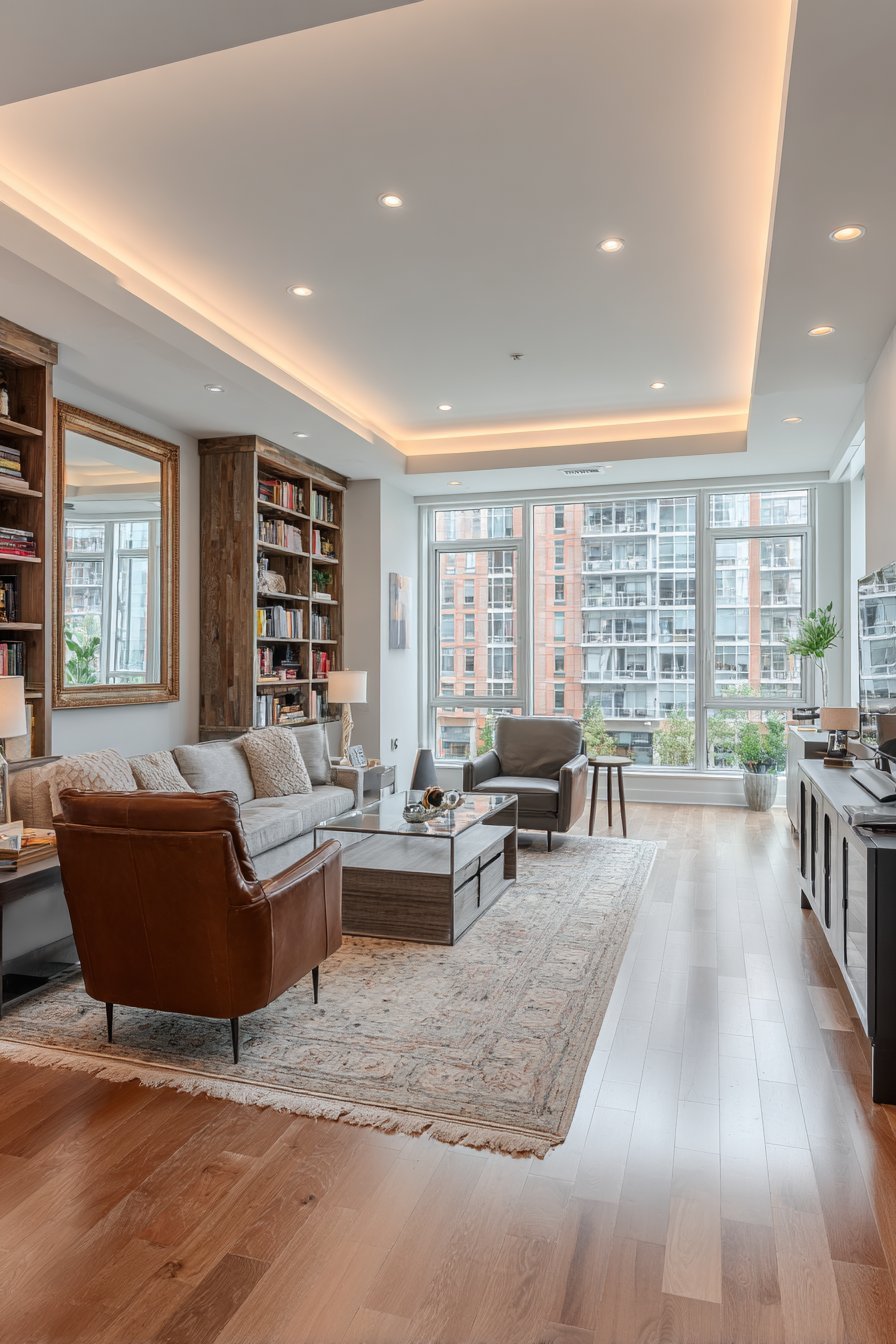
Lighting accounts for a significant portion of home energy consumption, making it a key area for sustainable improvement. Switching to LED bulbs is the simplest starting point. LEDs use up to 80% less energy than traditional incandescent bulbs and last up to 25 times longer, dramatically reducing both energy costs and waste.
Beyond bulb choice, lighting design itself plays a major role in sustainability. Layered lighting with task, ambient, and accent layers allows homeowners to use only the light they need in each moment rather than flooding entire rooms with overhead light. Dimmer switches and smart lighting systems add another level of energy control and efficiency.
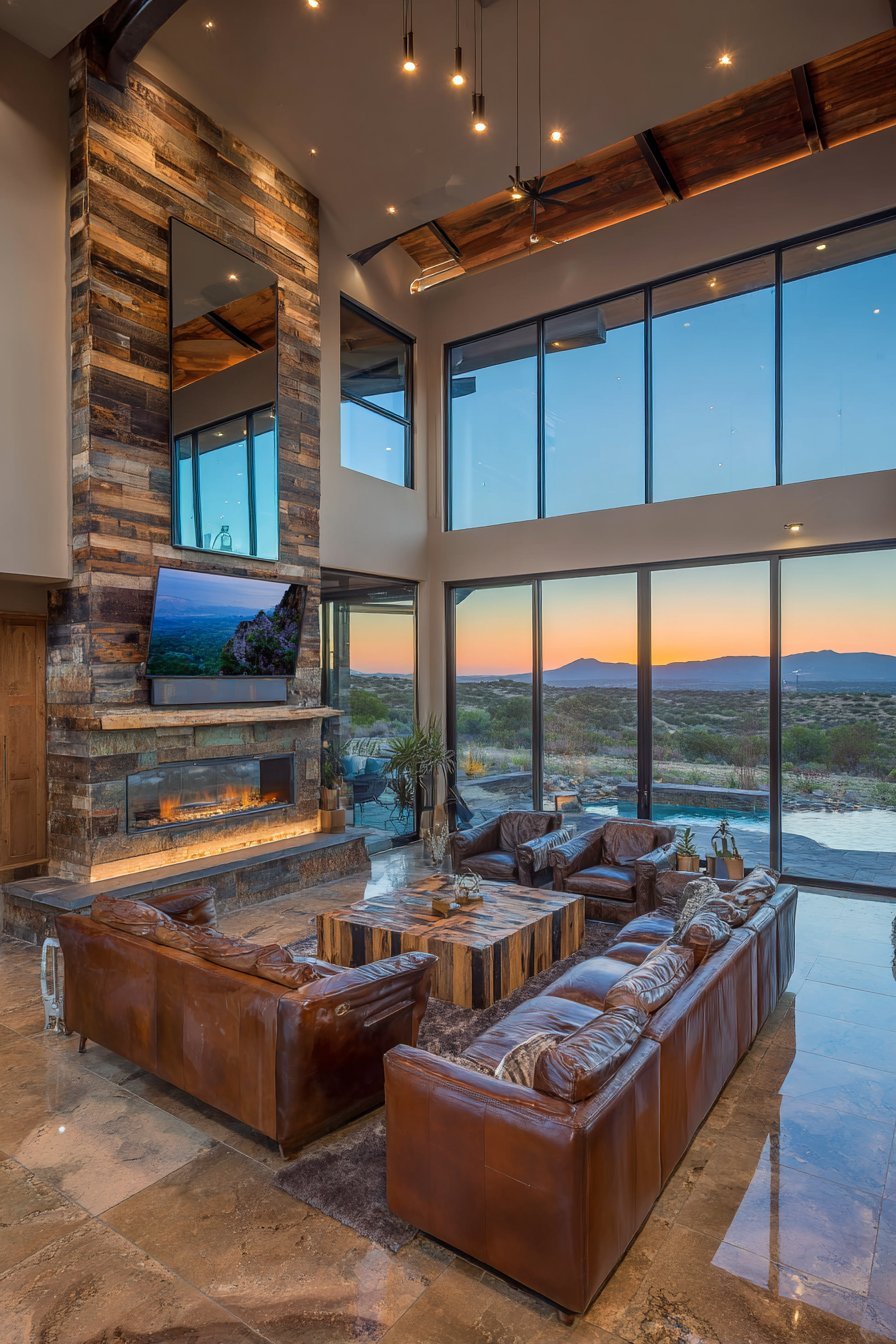
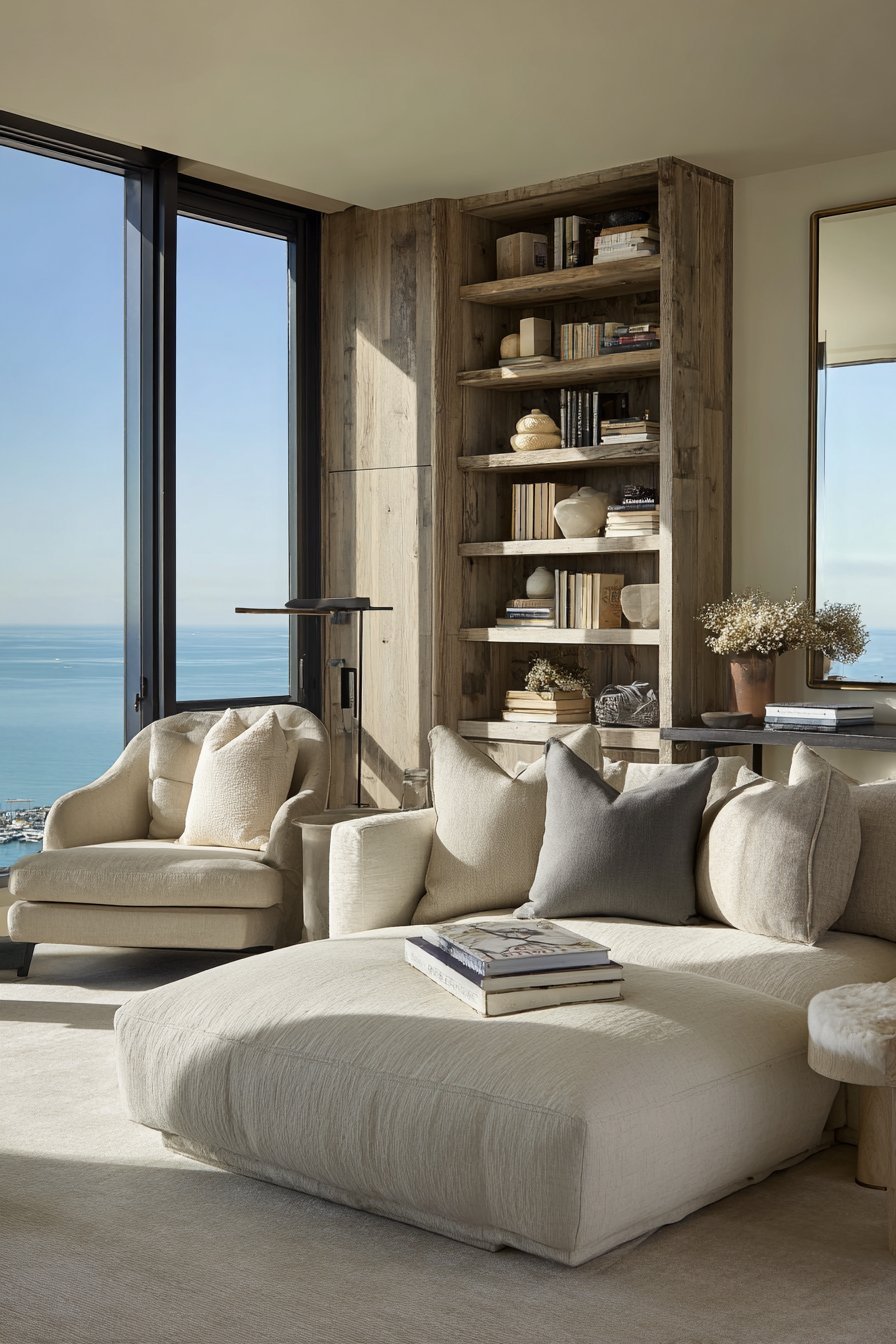
Natural light integration remains the gold standard of sustainable lighting design. Strategically placed mirrors can bounce daylight deep into a room, reducing the need for artificial light during daytime hours. Choosing window treatments that allow light filtration rather than complete blockage is another simple way to reduce daily energy use.
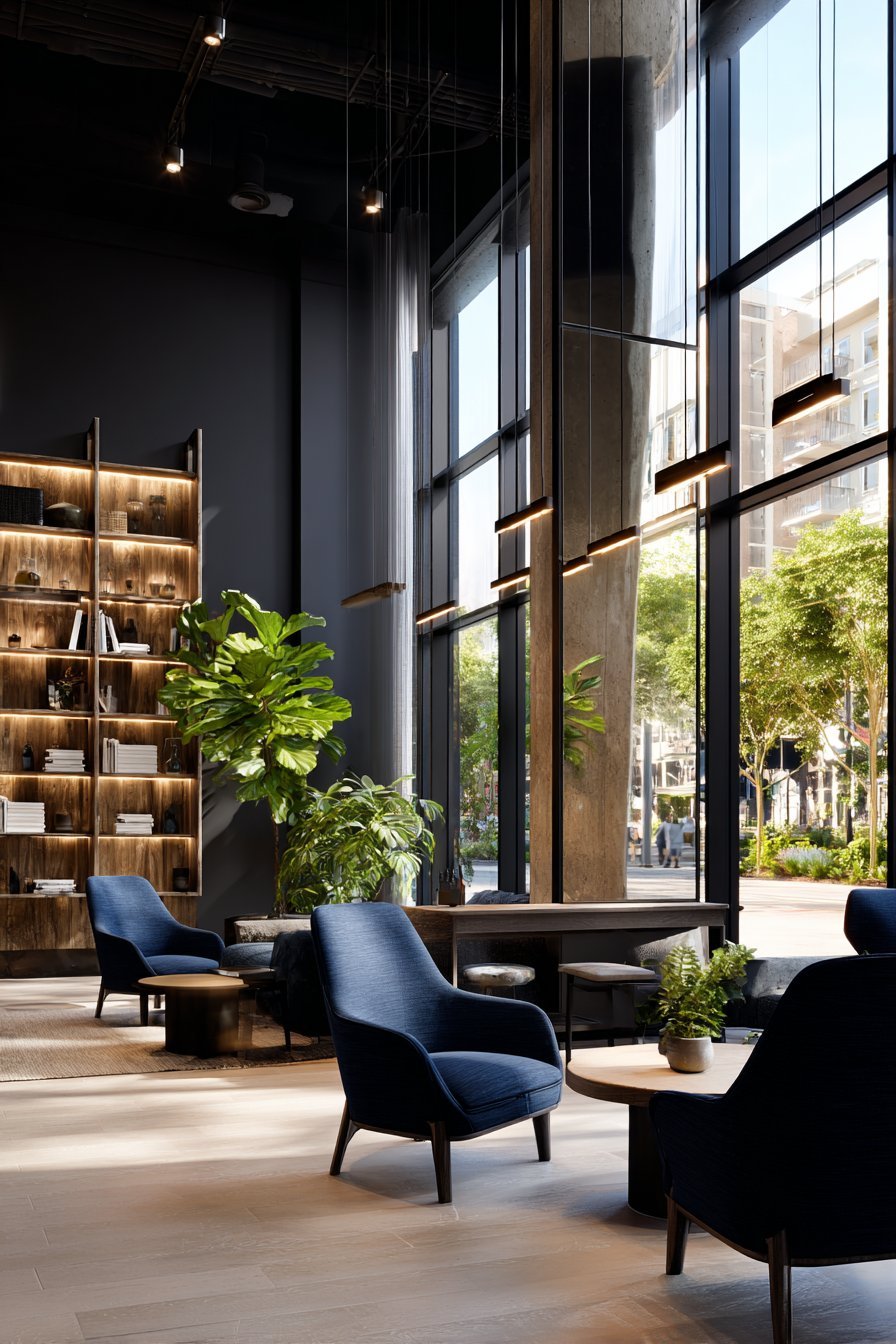
- Replace all incandescent and CFL bulbs with LED alternatives immediately
- Install dimmer switches in living rooms, dining rooms, and bedrooms
- Use smart plugs or smart bulbs to automate lighting schedules
- Position mirrors opposite windows to maximize natural light reflection
- Choose warm-toned LEDs (2700K–3000K) for cozy, livable light quality
- Consider solar-powered outdoor lighting for garden and pathway areas
8. Sustainable Flooring Options Worth Knowing About
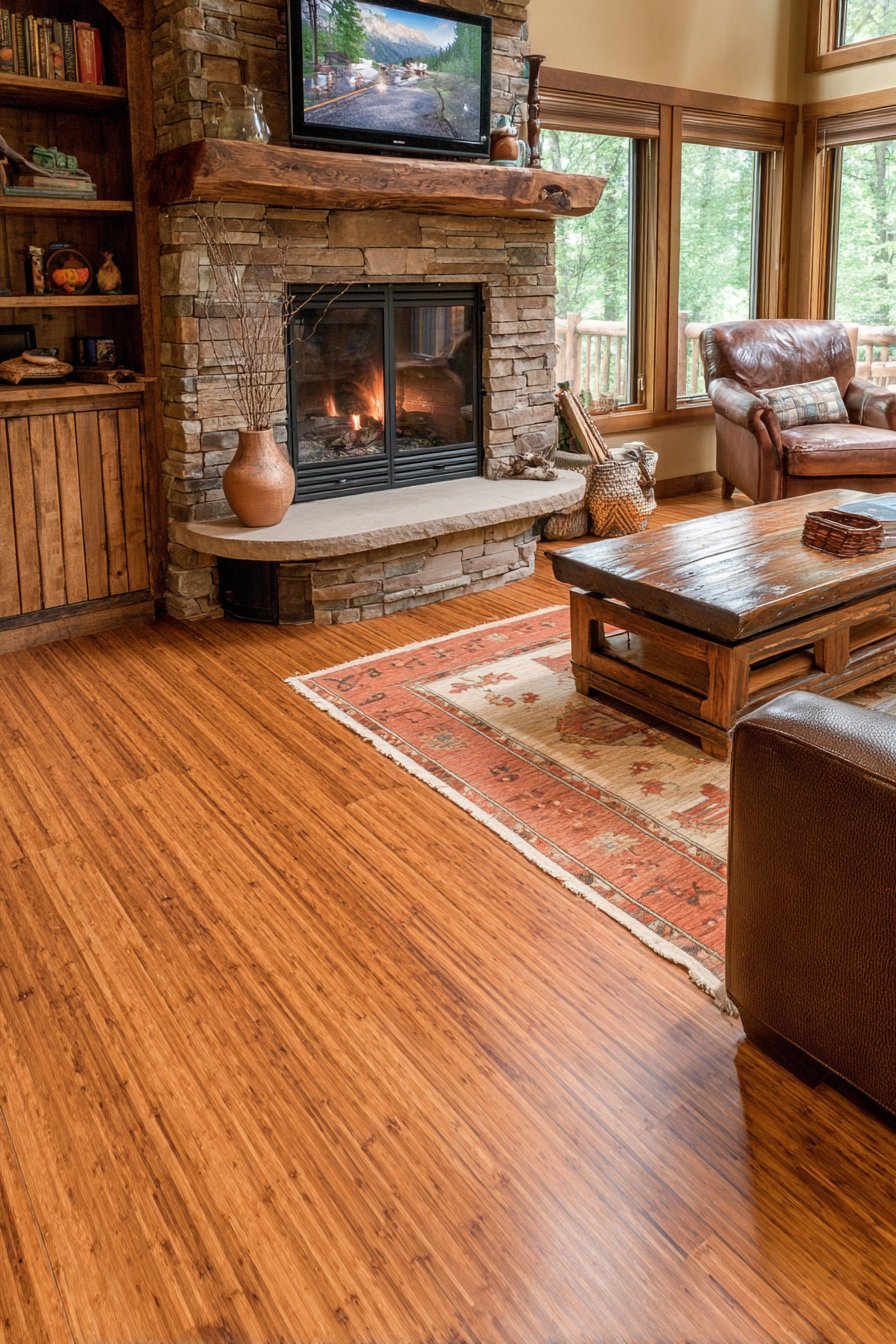
Flooring is one of the largest material investments in any interior, making it a critical sustainability consideration. Bamboo, cork, reclaimed hardwood, and recycled tile are among the most eco-friendly flooring options available today. Each offers unique aesthetic and performance qualities that rival or exceed conventional flooring in many ways.
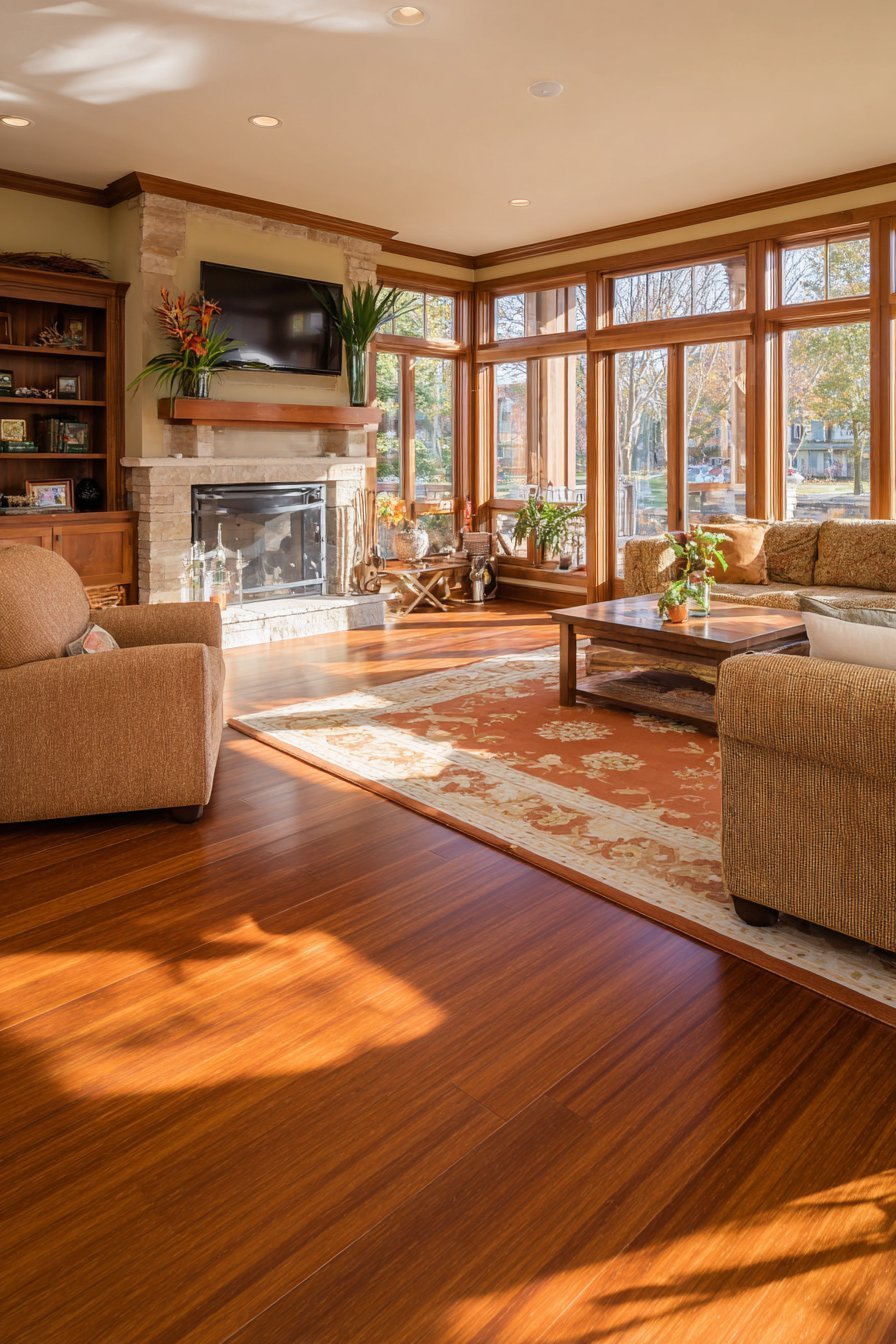
Bamboo flooring is a standout sustainable choice because bamboo is technically a grass that regenerates in three to five years, compared to decades for hardwood trees. It is harder than most traditional hardwoods, highly moisture-resistant, and available in a wide range of tones and styles. Cork is another excellent option, harvested from tree bark without harming the tree, providing natural warmth and excellent acoustic insulation.
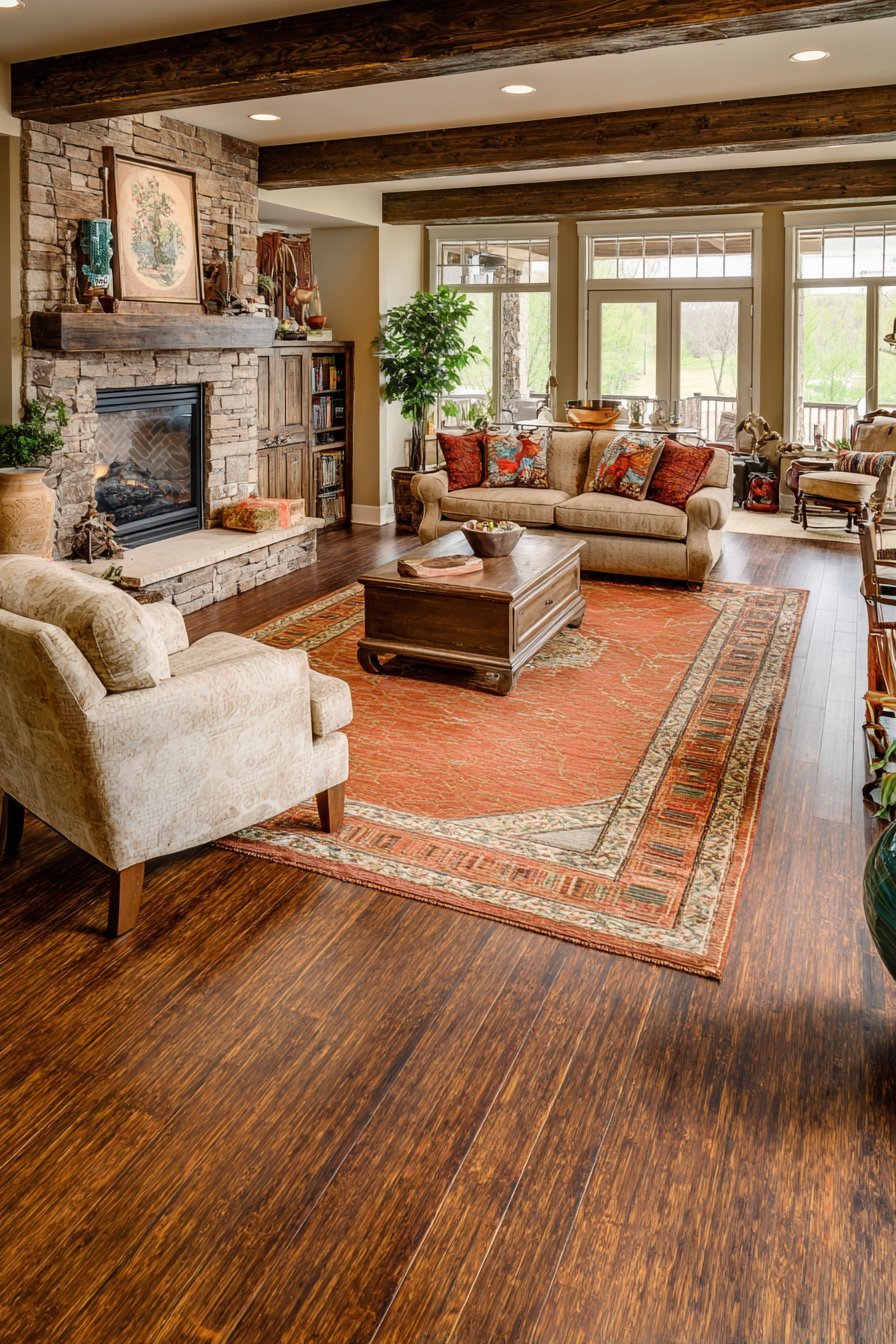
For those who love the look of hardwood, reclaimed wood flooring offers all the beauty of traditional timber with a dramatically reduced environmental footprint. Recycled glass tiles and porcelain tiles made from post-consumer waste bring sustainable options to bathrooms and kitchens without compromising on style or durability.
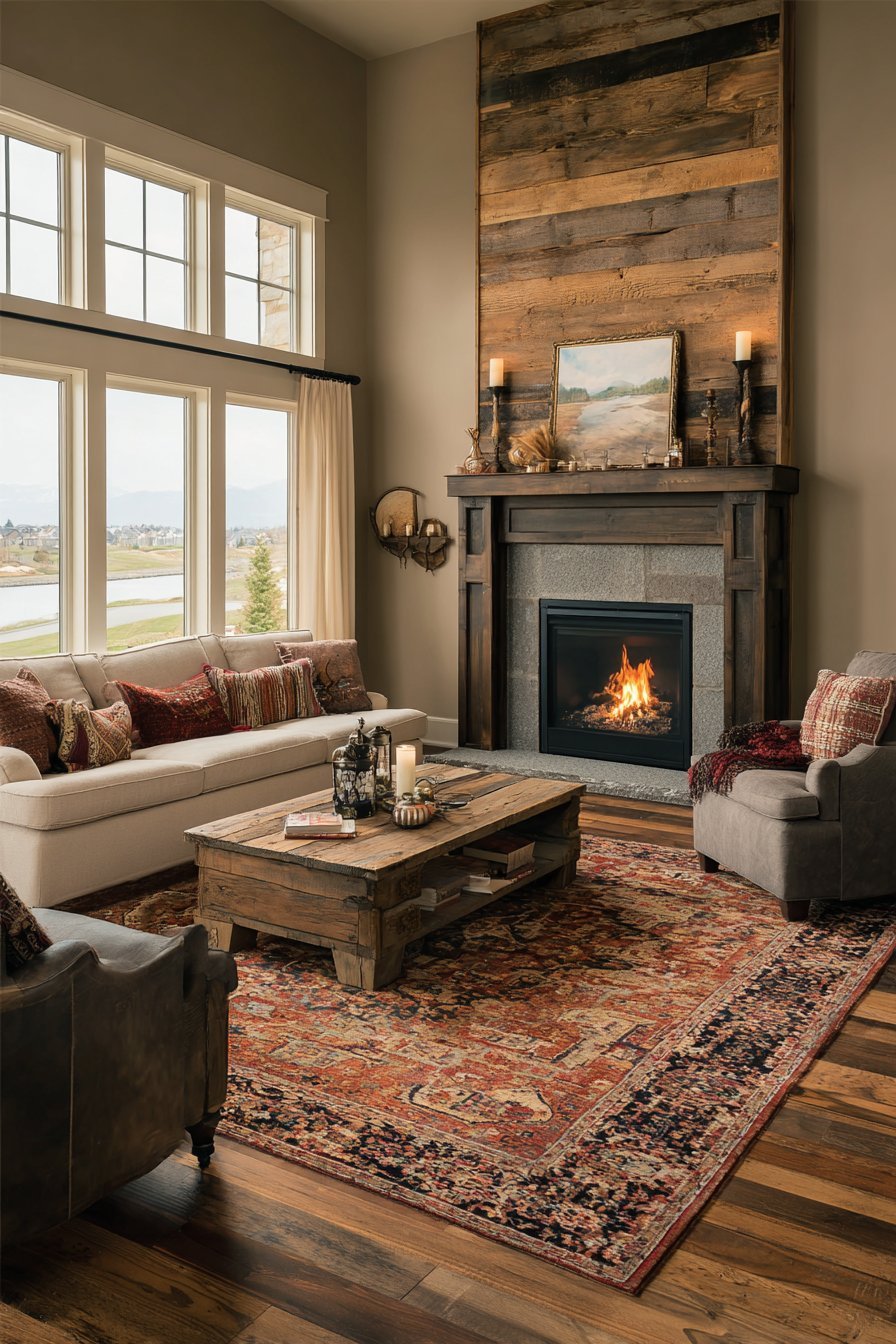
- Consider bamboo as a durable, fast-renewing alternative to hardwood
- Explore cork flooring for its warmth, comfort, and natural antimicrobial properties
- Source reclaimed hardwood flooring from certified salvage suppliers
- Avoid vinyl and laminate flooring due to high VOC content and non-recyclability
- Use area rugs made from natural fibers like wool, jute, or sisal
- Choose flooring adhesives and underlays with low-VOC certifications
9. Minimalism and the “Buy Less, Buy Better” Philosophy
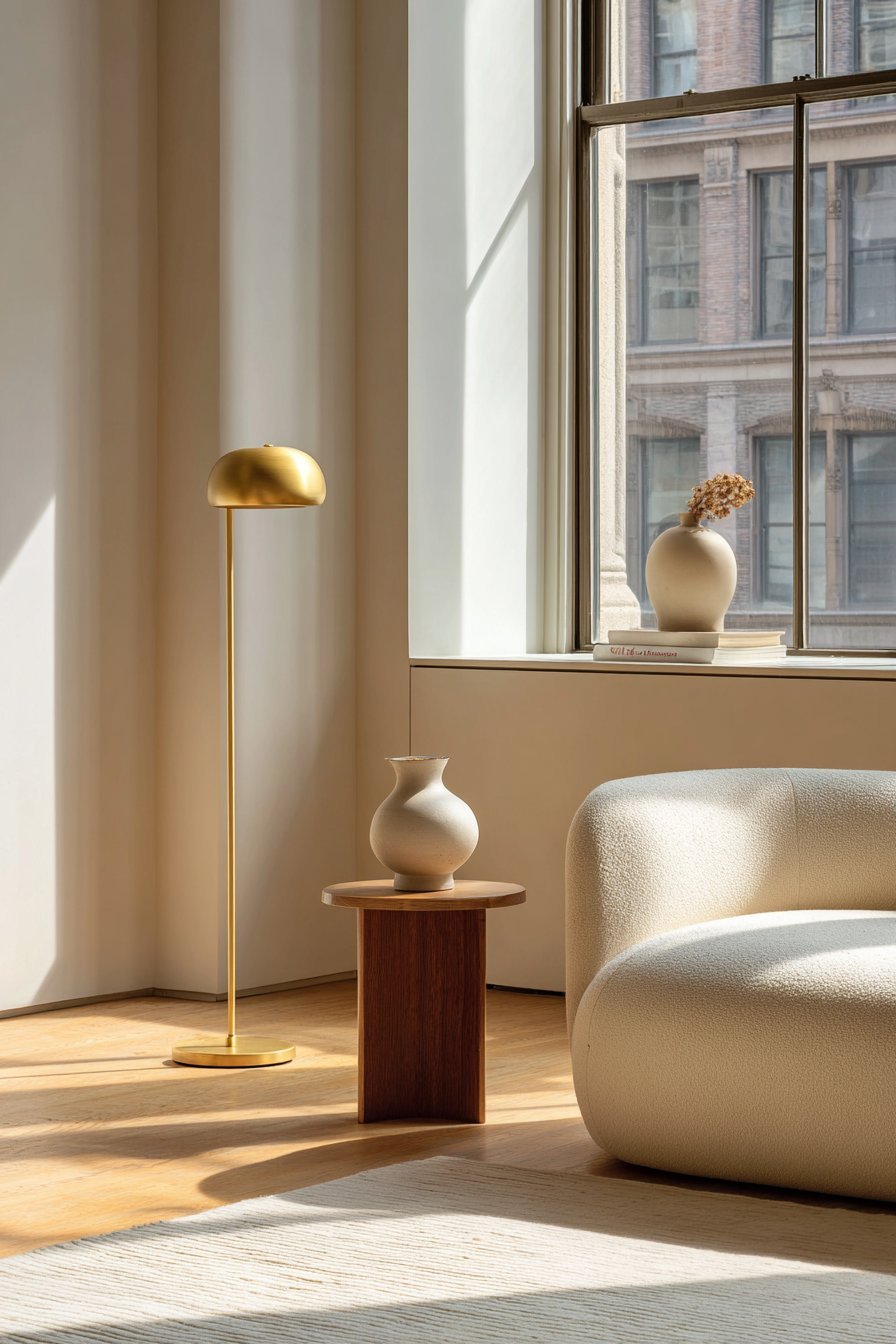
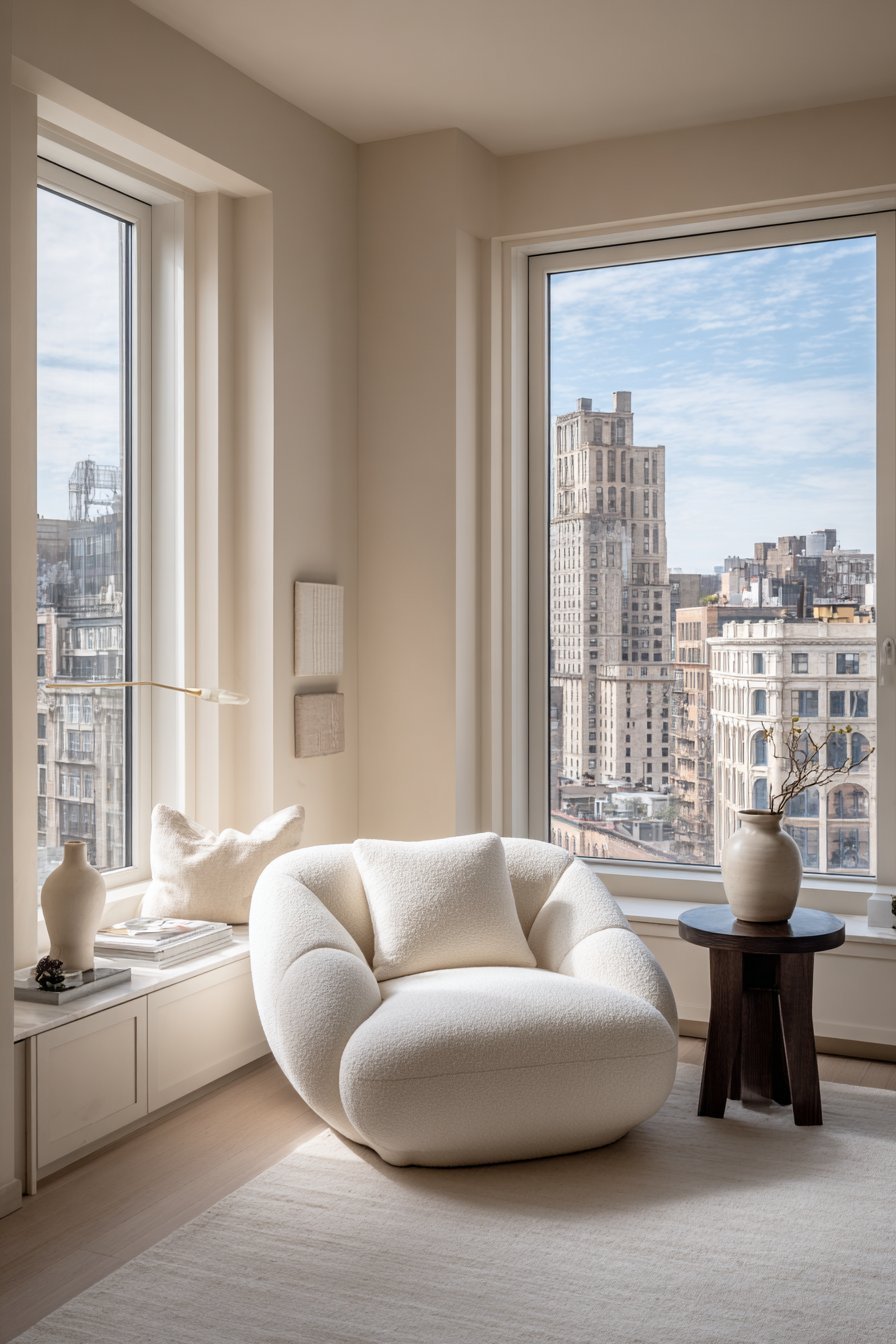
Minimalist design philosophy aligns naturally with sustainability because it fundamentally challenges overconsumption. Buying fewer, higher-quality pieces that genuinely serve your space reduces waste, saves money over time, and creates calmer, more intentional interiors. The minimalist approach asks you to value function, craftsmanship, and meaning over volume and novelty.
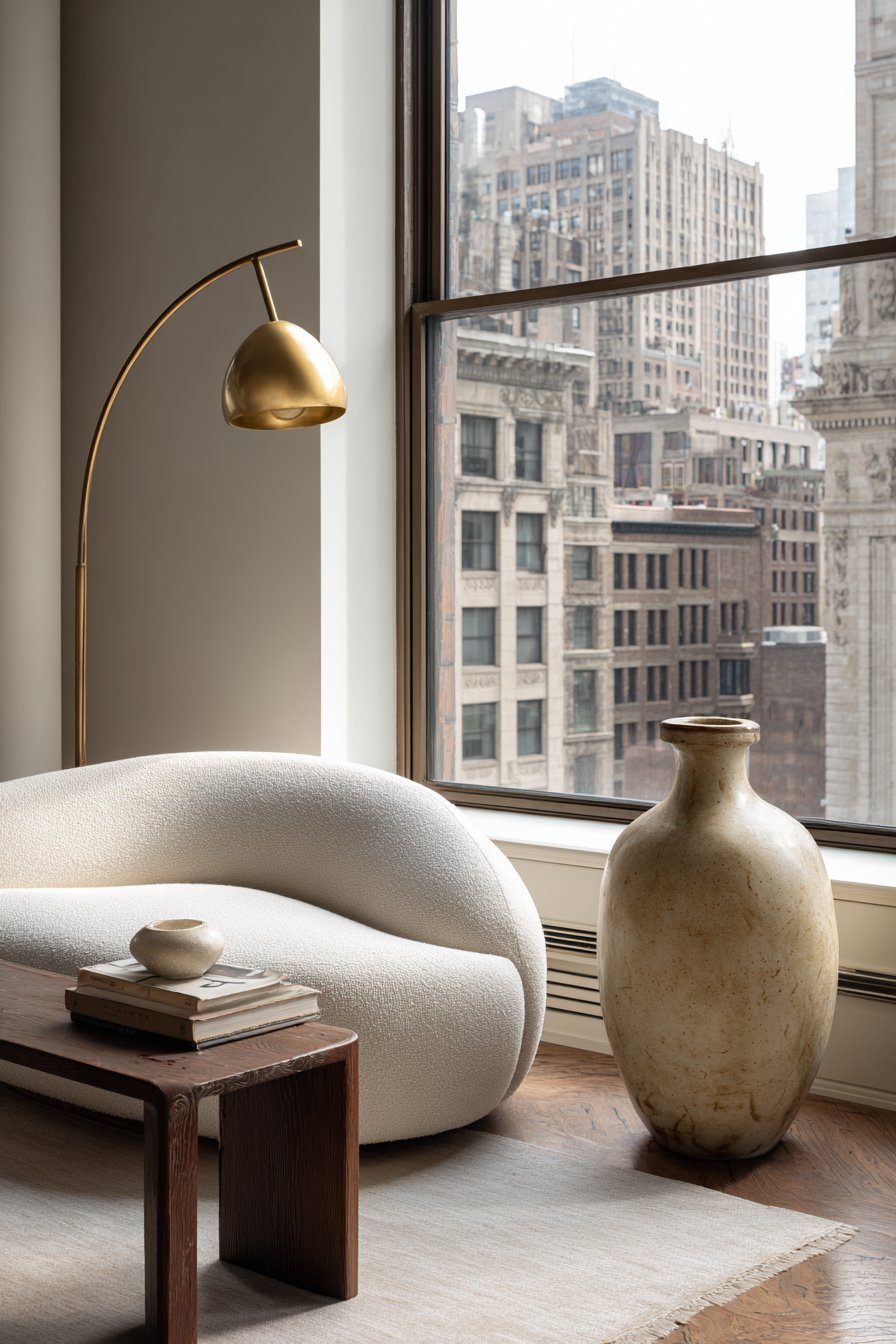
The “buy less, buy better” mindset encourages investment in heirloom-quality furniture and decor that will be passed down rather than replaced. A handcrafted ceramic vase, a solid brass lamp, or a hand-knotted wool rug are purchases that outlast trends and improve with age. This is fundamentally different from the fast-furniture cycle of constant buying and discarding.
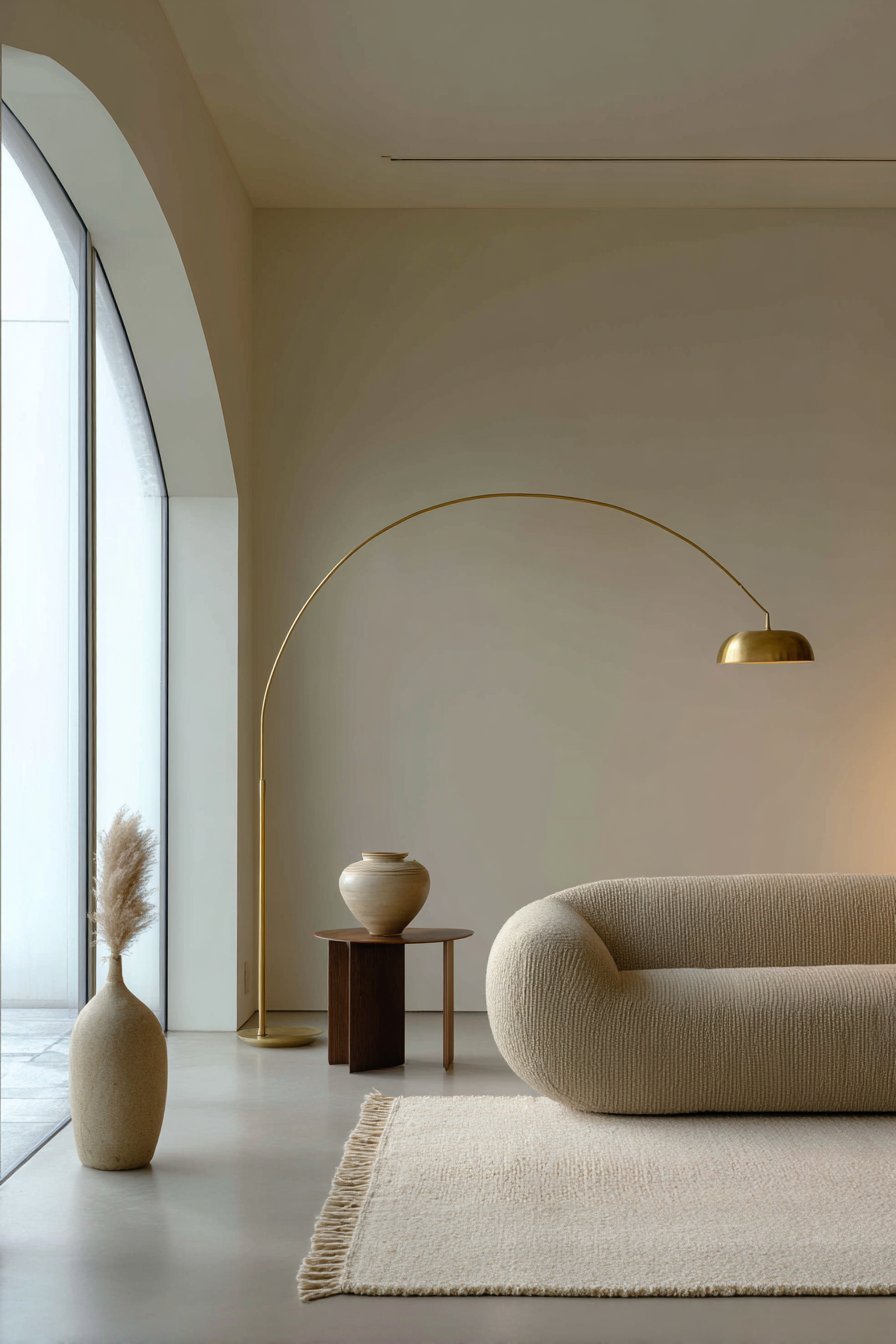
Decluttering is also a deeply sustainable act. Donating, selling, or repurposing items you no longer need keeps them in circulation rather than sending them to landfill. A well-curated, intentional space with fewer but more meaningful objects is both more aesthetically powerful and more environmentally responsible.
- Audit your home regularly and remove items that no longer serve a purpose
- Invest in multi-functional furniture that reduces the total number of pieces needed
- Resist seasonal decor trends and focus on timeless, classic aesthetics
- Research brands that offer lifetime guarantees or repair services
- Choose quality over quantity when refreshing any room in your home
- Practice a “one in, one out” policy to maintain a clutter-free environment
10. Supporting Ethical and Local Artisan Brands
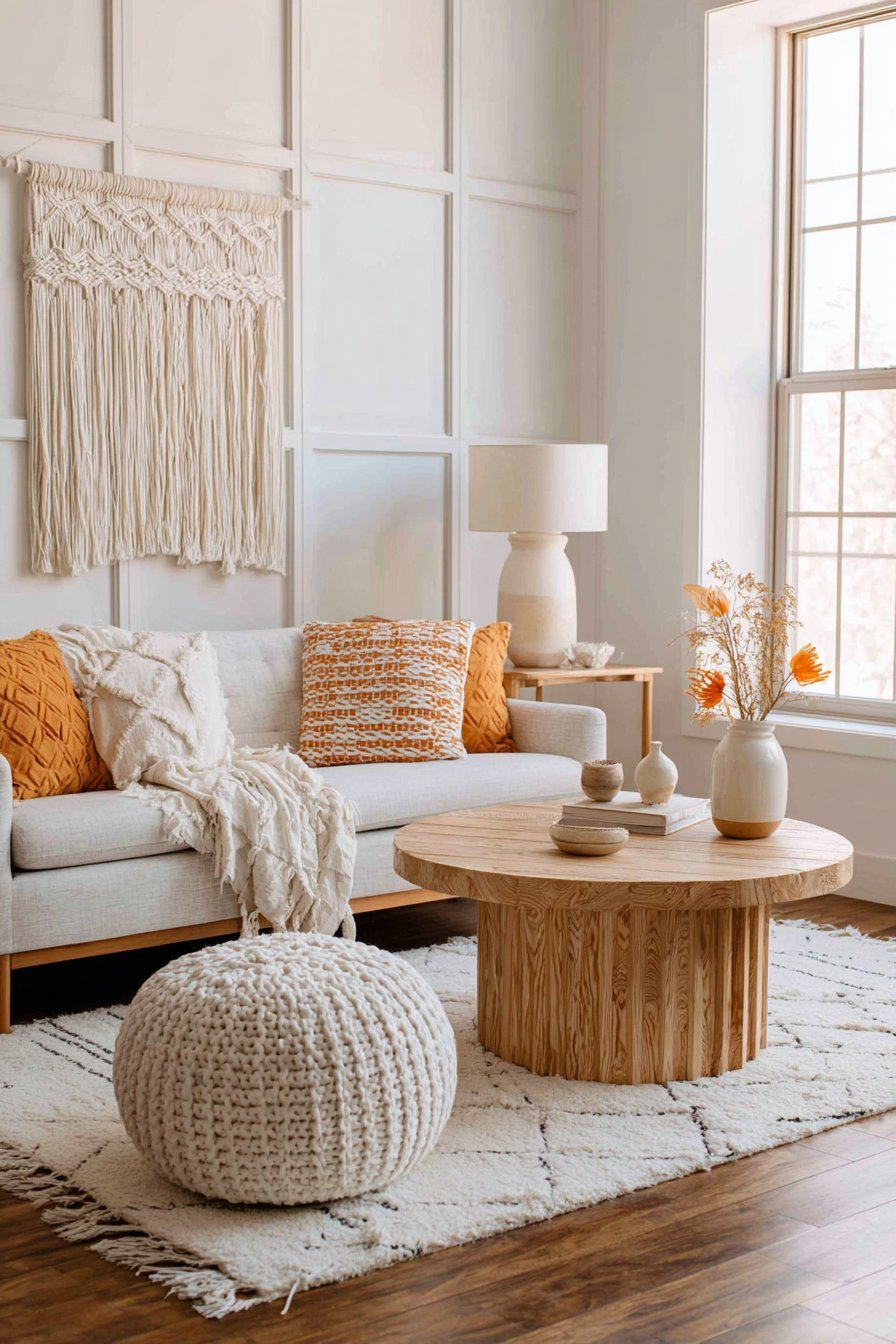
Buying from local artisans and small-batch makers is one of the most directly impactful sustainable choices a consumer can make. Local production reduces transportation emissions, supports community economies, and typically involves higher standards of craftsmanship and materials. When you buy a handmade ceramic bowl from a local potter, you invest in human skill, fair wages, and cultural craft traditions.
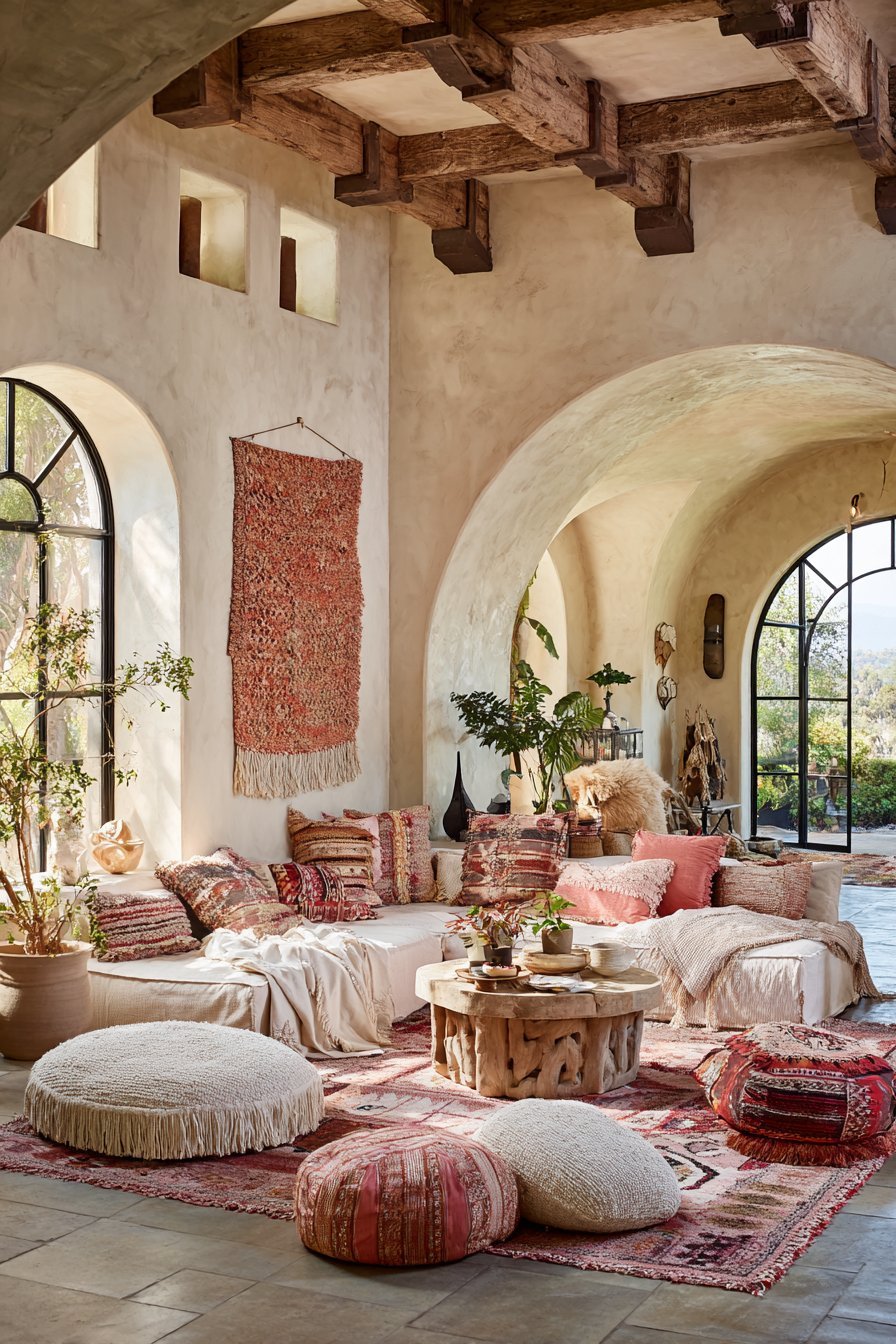
Ethical sourcing extends to global artisan communities as well. Fair Trade certified home decor products ensure that makers in developing countries receive fair compensation and work in safe conditions. Brands like Ten Thousand Villages and World Market partner with artisan cooperatives to bring beautifully handcrafted goods to Western markets with full transparency.
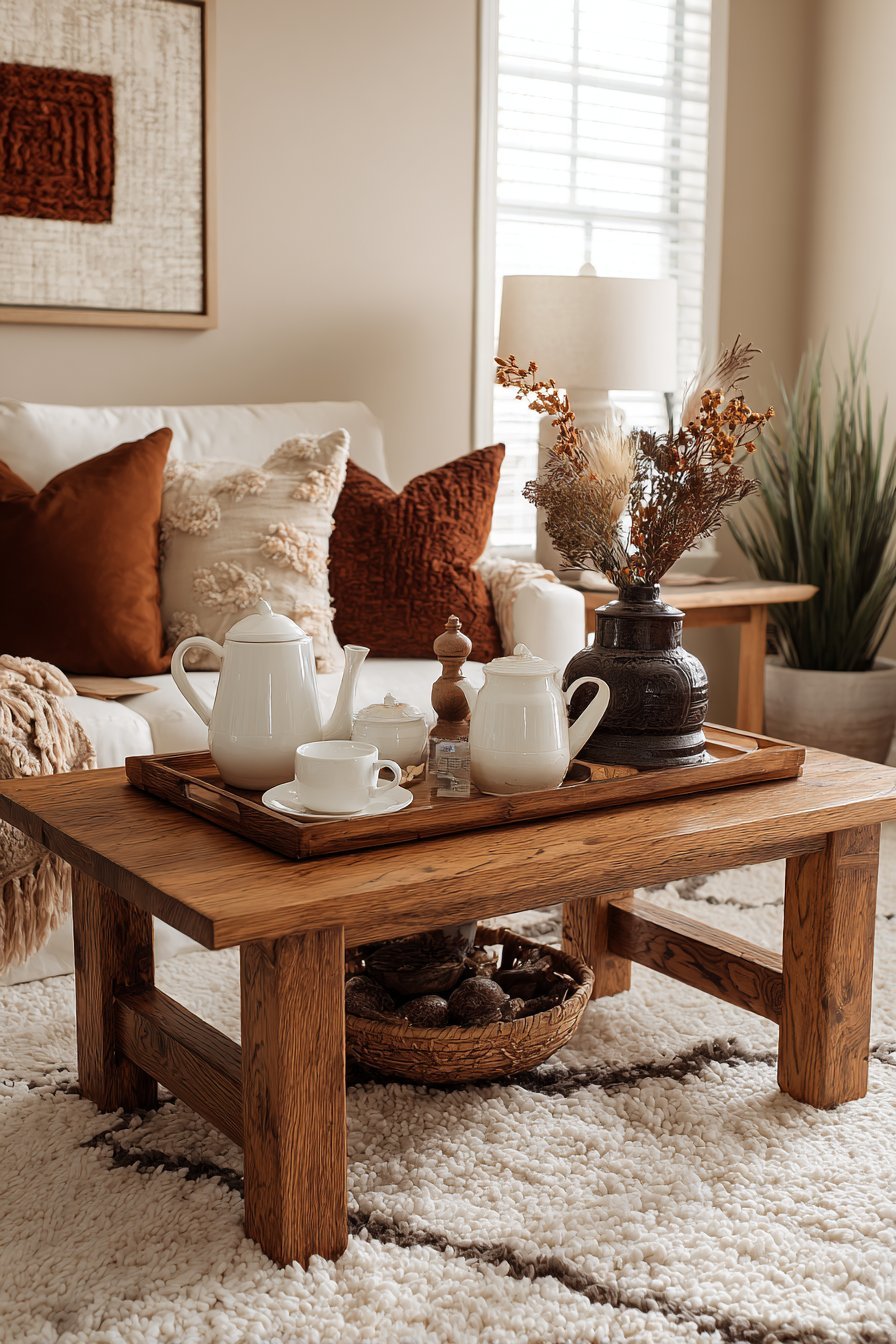
Supporting these makers also means supporting design diversity. Mass-produced decor tends toward homogeneity. Artisan-made objects bring unique cultural stories, traditional techniques, and one-of-a-kind character that elevate any interior from ordinary to extraordinary.
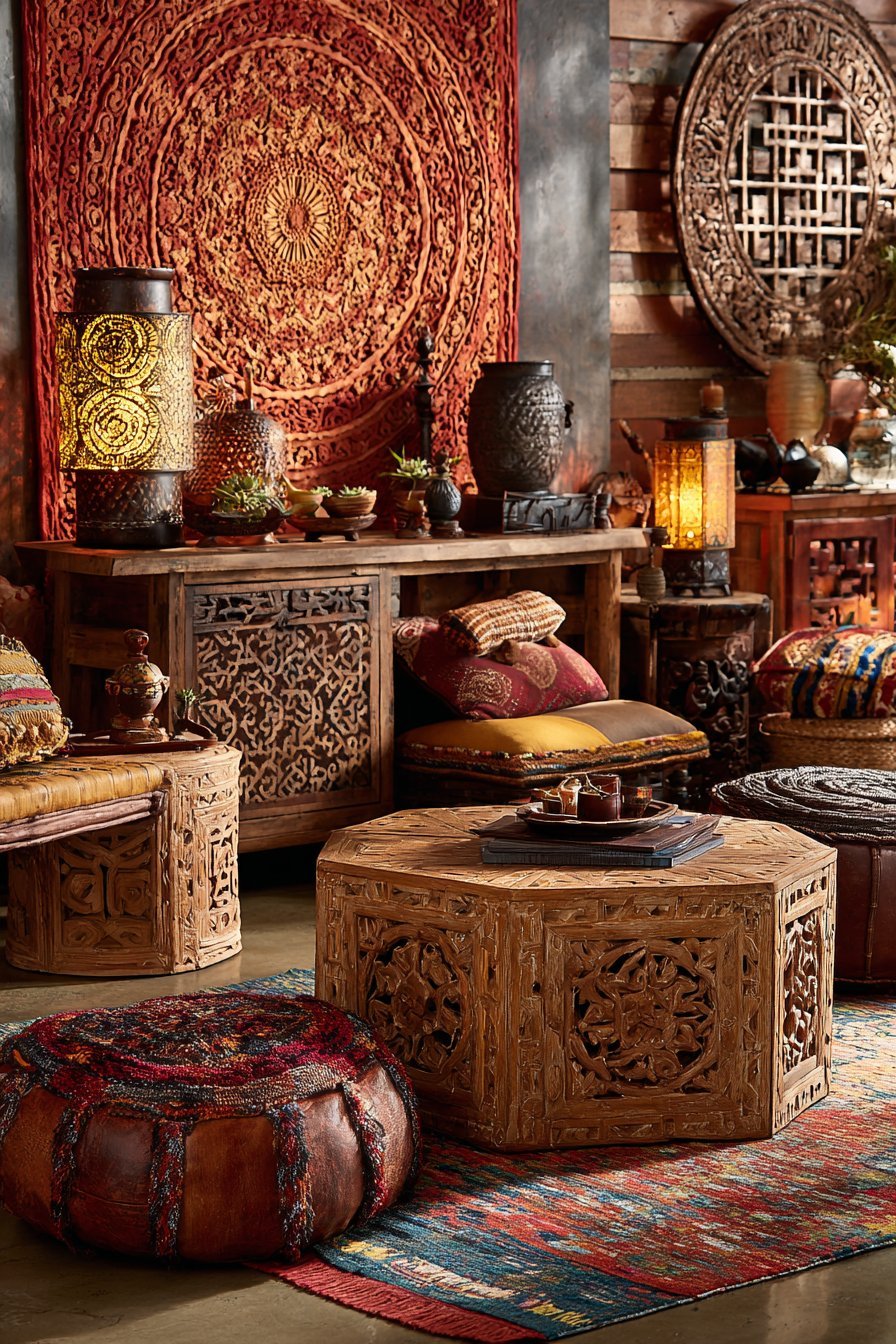
- Seek out local potters, weavers, and woodworkers for custom decor pieces
- Look for Fair Trade certification when purchasing globally sourced goods
- Attend local craft fairs and design markets to discover new artisan talent
- Ask makers directly about their materials and production processes
- Share artisan brands with your community to help sustain their businesses
- Commission custom pieces rather than buying generic mass-produced alternatives
Conclusion
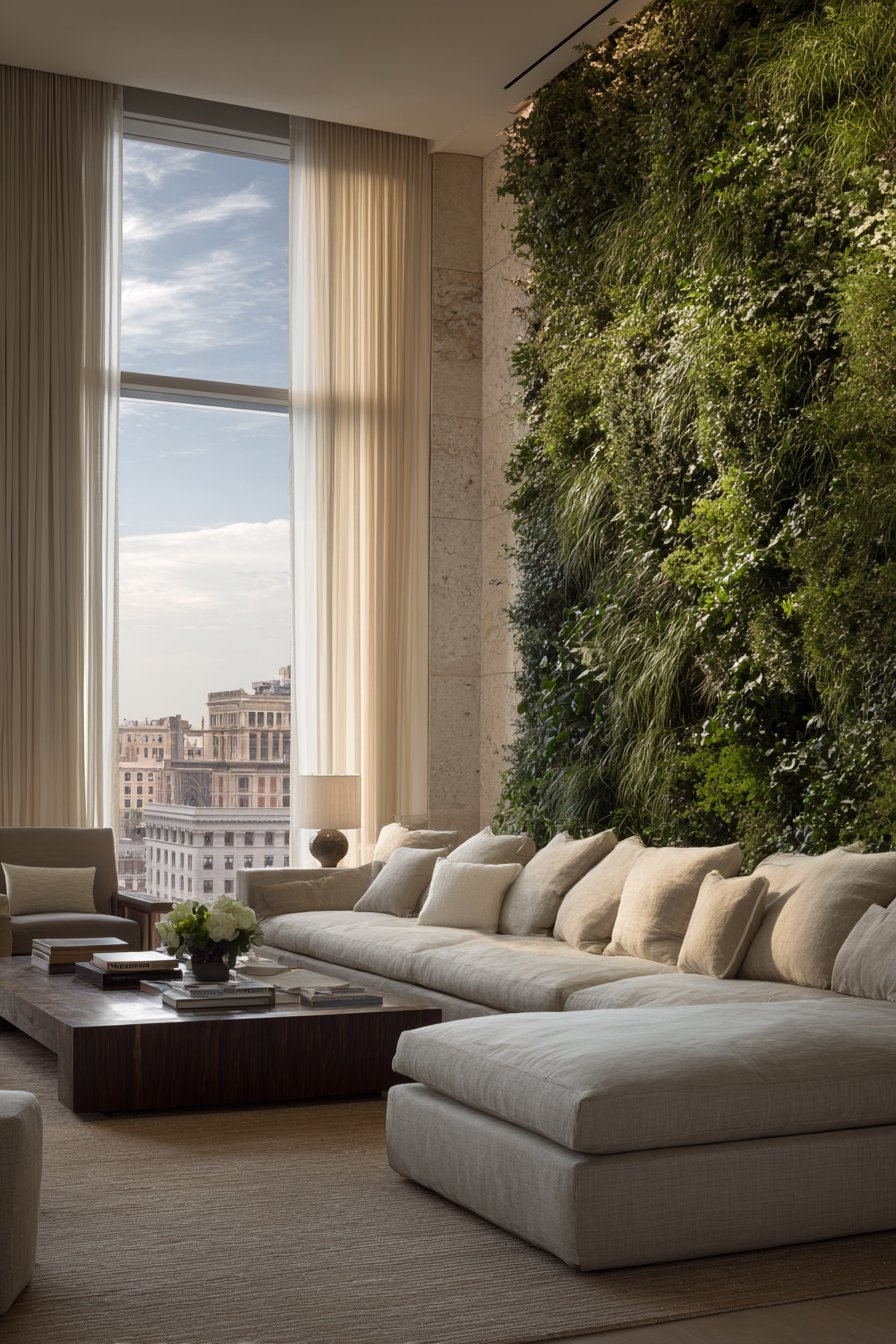
Sustainable home decor is one of the most exciting and meaningful movements in modern interior design. From reclaimed materials and organic textiles to biophilic design and ethical sourcing, the options for creating a beautiful, responsible home have never been more varied or inspiring. Every choice you make in your space is an opportunity to align your values with your environment.
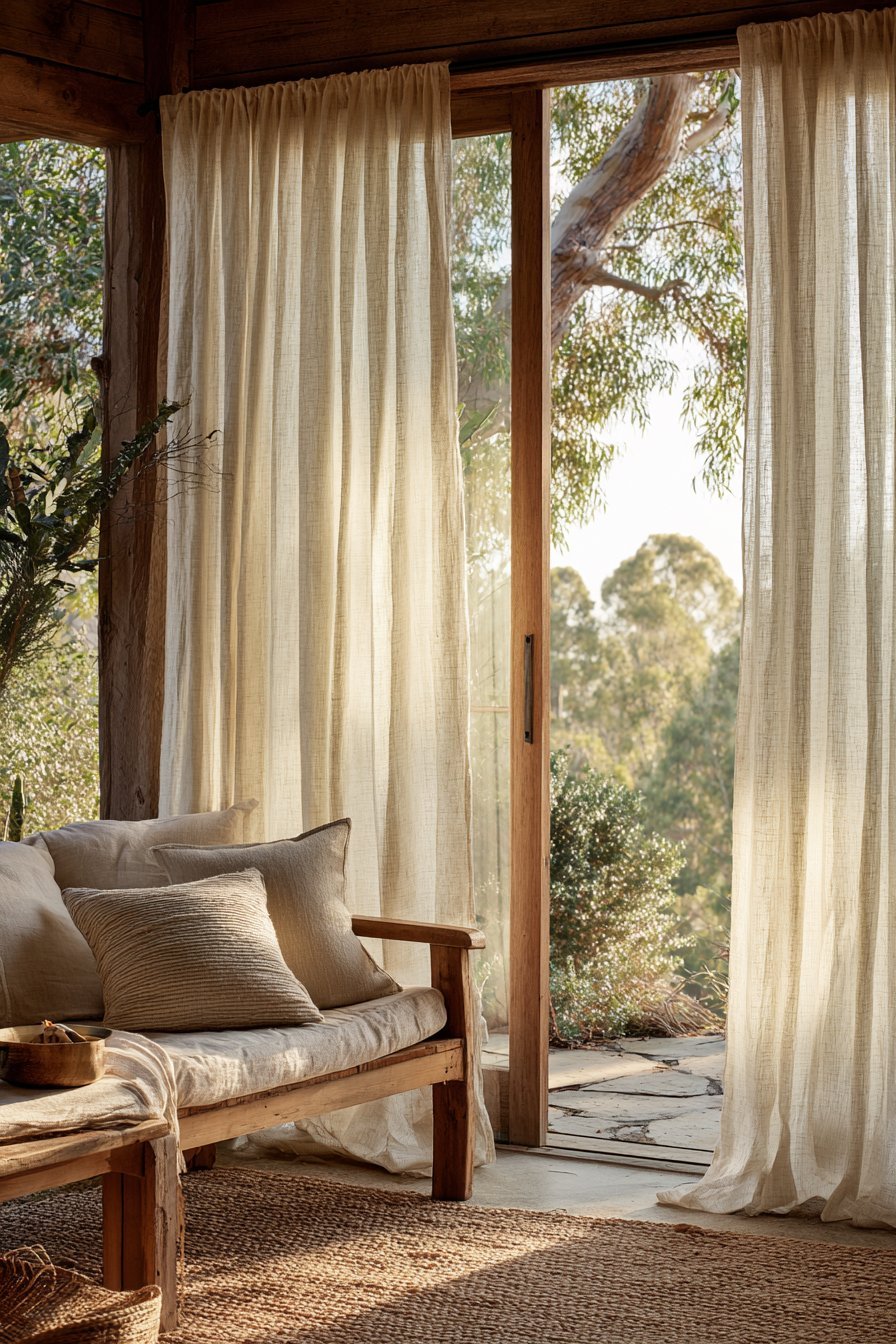
The best part? Sustainability and style are not in conflict. The most thoughtful, enduring, and visually compelling interiors are almost always built on principles of quality, intention, and respect for materials. Start with one change, whether it is swapping to low-VOC paint or sourcing a vintage chair, and let your commitment to sustainable living grow naturally from there. Your home can be a reflection of the world you want to live in.
