

Minimalism ruled interior design for over a decade. Its promise of calm, clutter-free spaces resonated deeply with a generation overwhelmed by excess. Clean lines, neutral palettes, and the mantra “less is more” became the gold standard of modern living. But as 2026 unfolds, designers and homeowners alike are asking a bold question: has minimalism finally run its course?
The answer is nuanced. Minimalism isn’t exactly dead — but it’s evolving into something richer, warmer, and far more human. Today’s interiors are pushing back against sterile, cold aesthetics. People want spaces that tell their story, reflect their personality, and actually feel lived-in. The design world is responding with a wave of exciting new movements that prioritize comfort, texture, and emotional resonance.
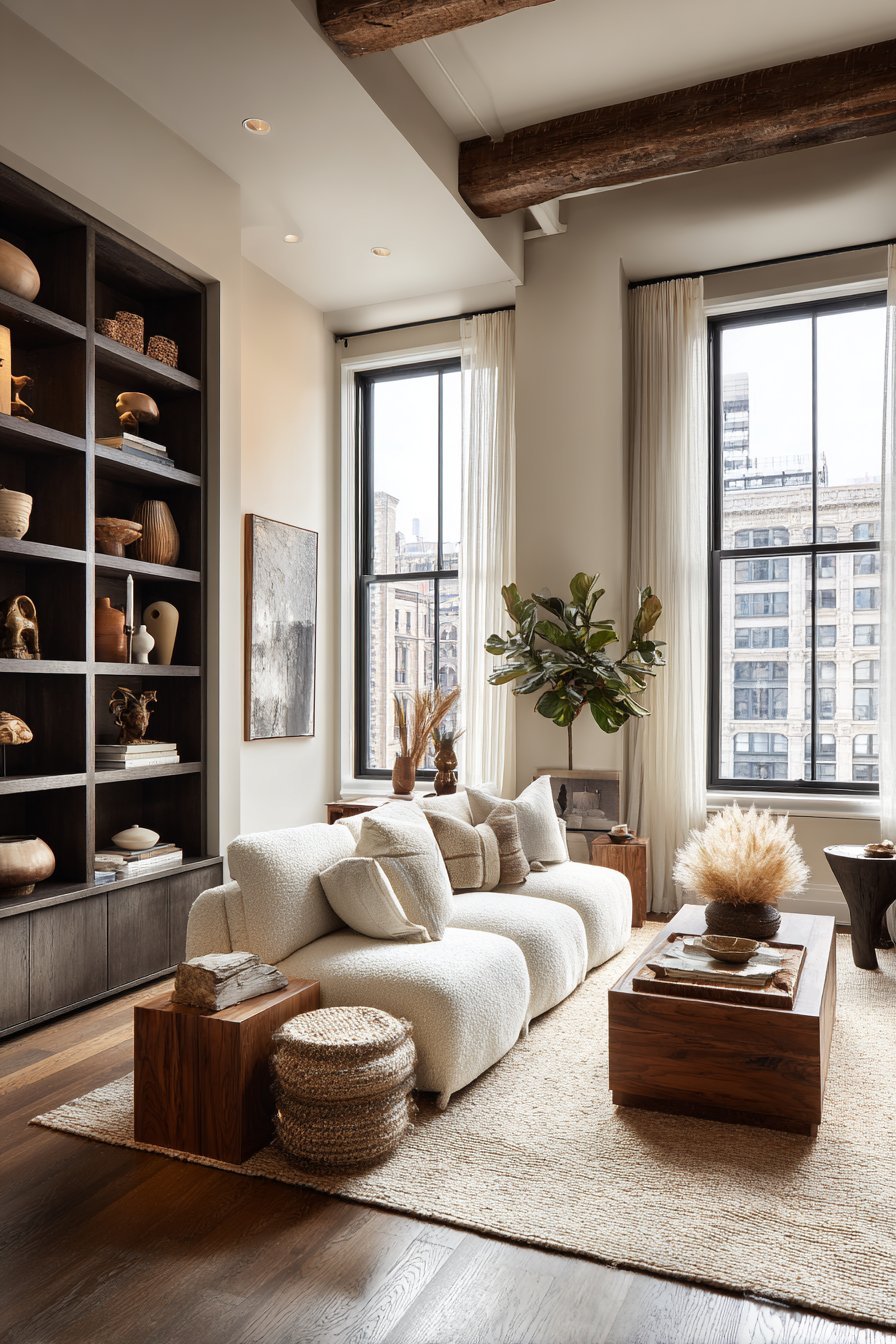
This article explores the shifts happening in interior design right now. From the rise of maximalist warmth to the embrace of imperfect craftsmanship, we’re diving into the styles and philosophies replacing cold minimalism in 2026. Whether you’re redesigning your entire home or simply refreshing a single room, these trends will inspire you to think differently about your space.
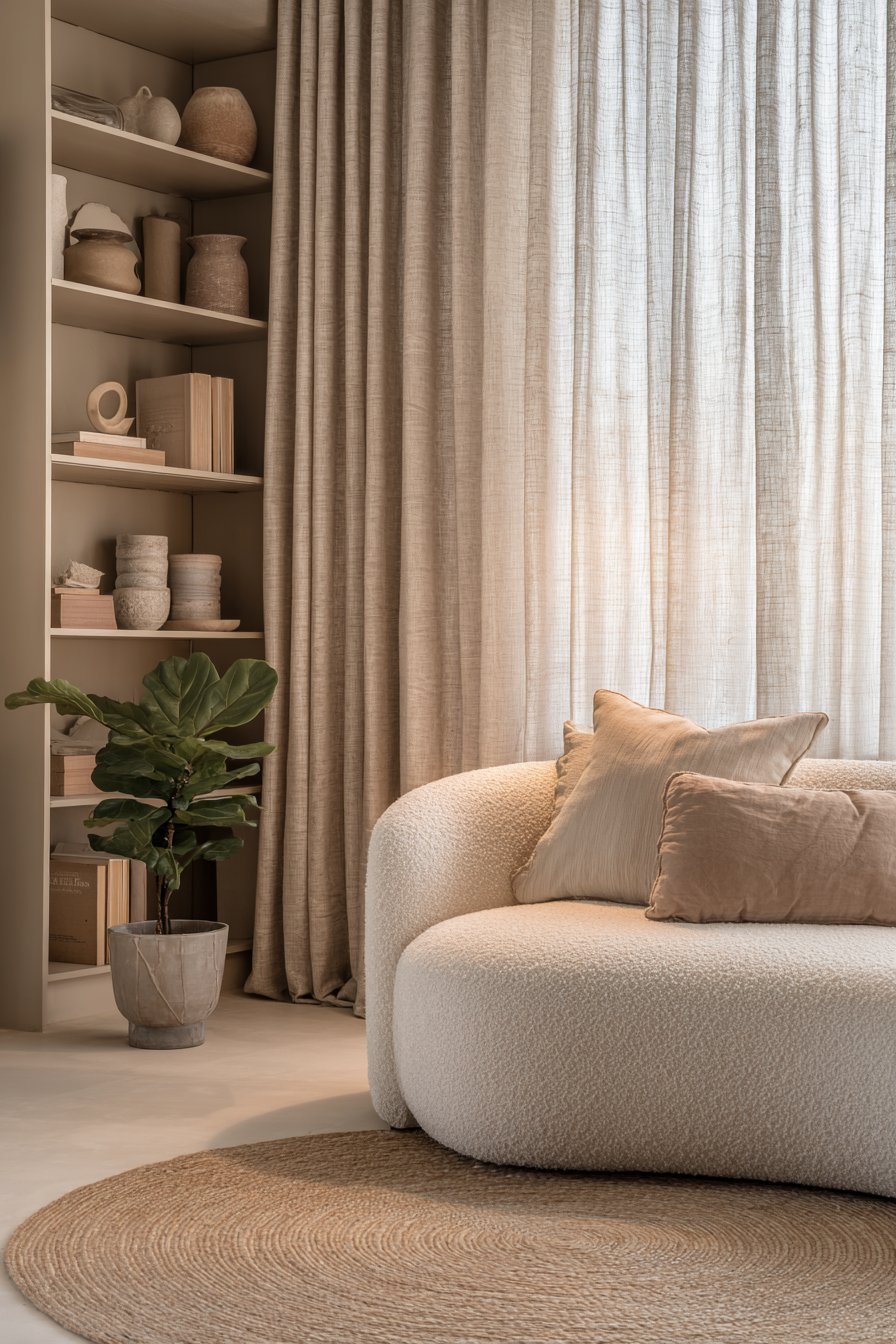
1. The Rise of “Warm Minimalism”
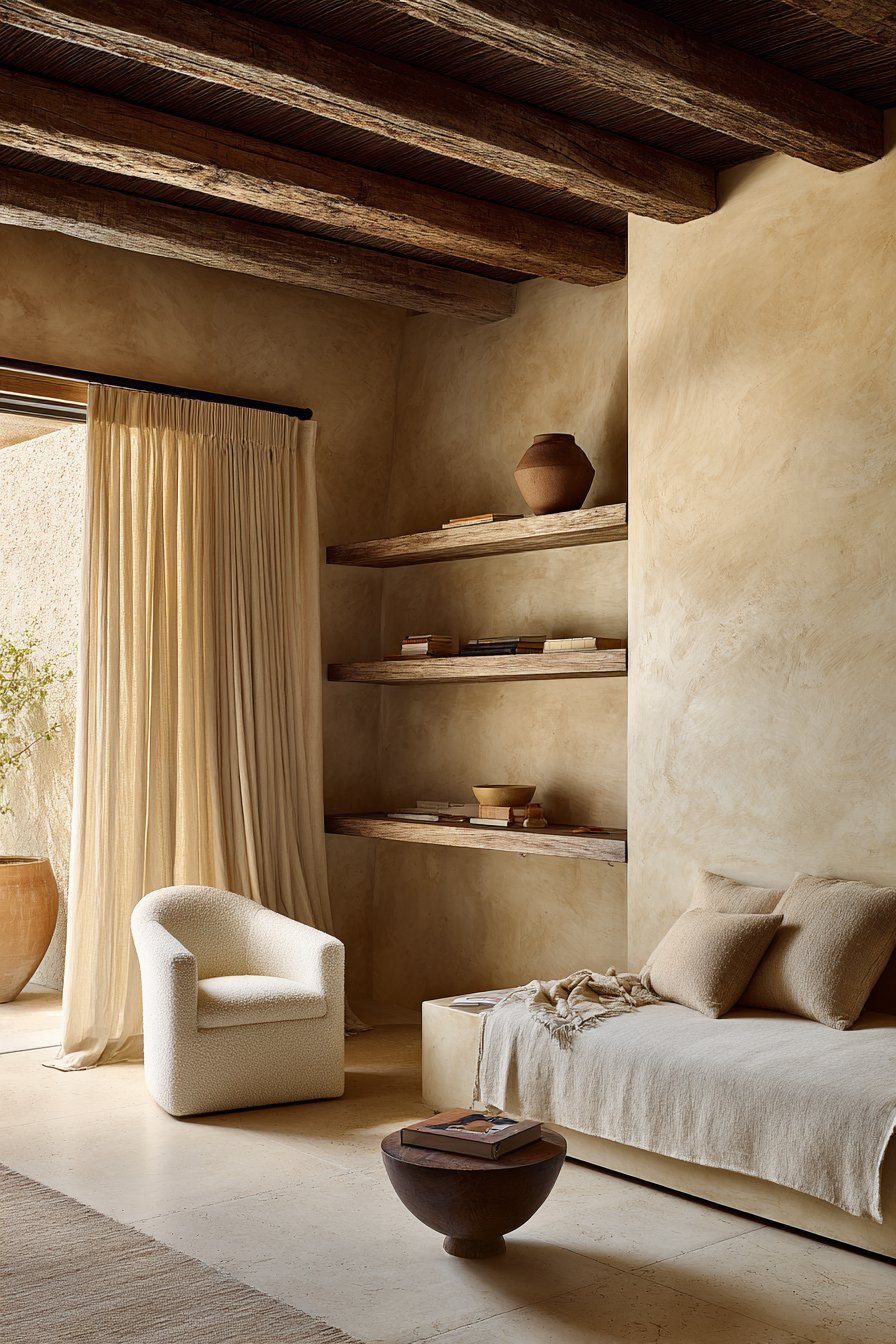
Minimalism didn’t vanish — it got a personality transplant. Warm minimalism is the hybrid movement dominating interiors in 2026. It retains the discipline of traditional minimalism — intentional editing, clean architecture, uncluttered surfaces — but layers in warmth through natural materials, earthy tones, and tactile textures.
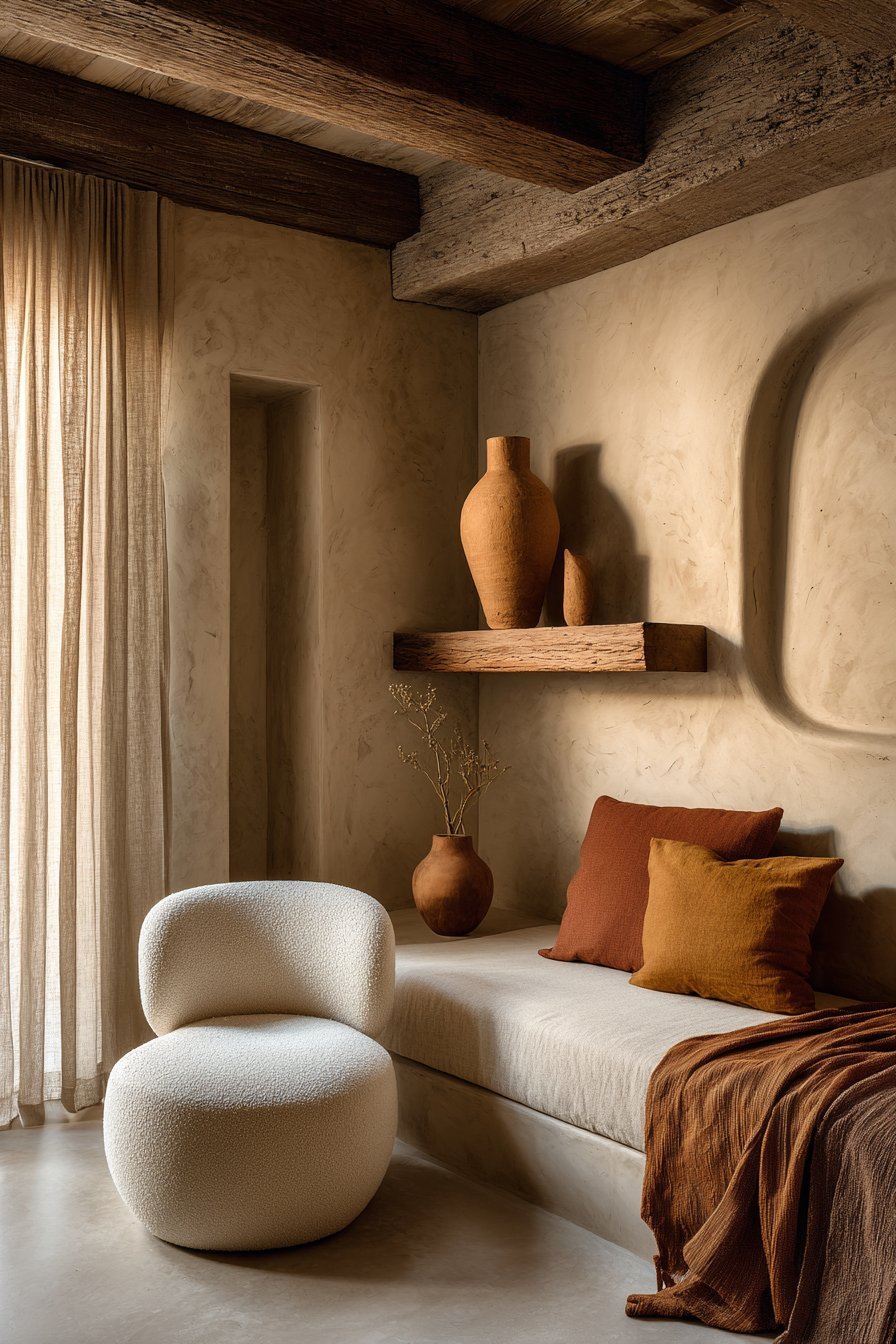
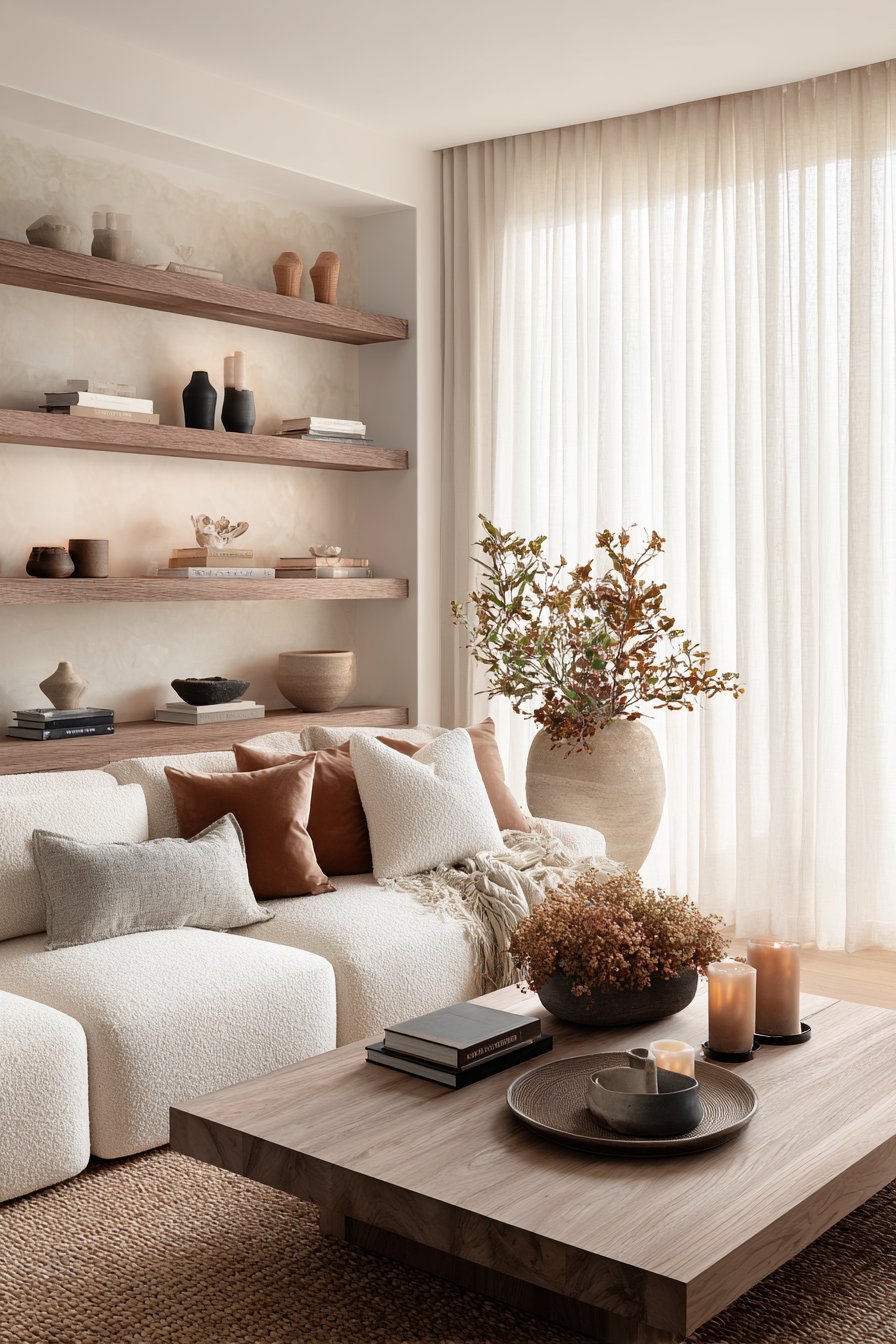
Think terracotta accents, linen cushions, raw wood shelving, and boucle upholstery in soft cream tones. These elements introduce softness without chaos. Rooms still feel curated and calm, but they also feel welcoming and genuinely human. It’s the perfect middle ground for those who loved minimalism’s order but craved more soul.
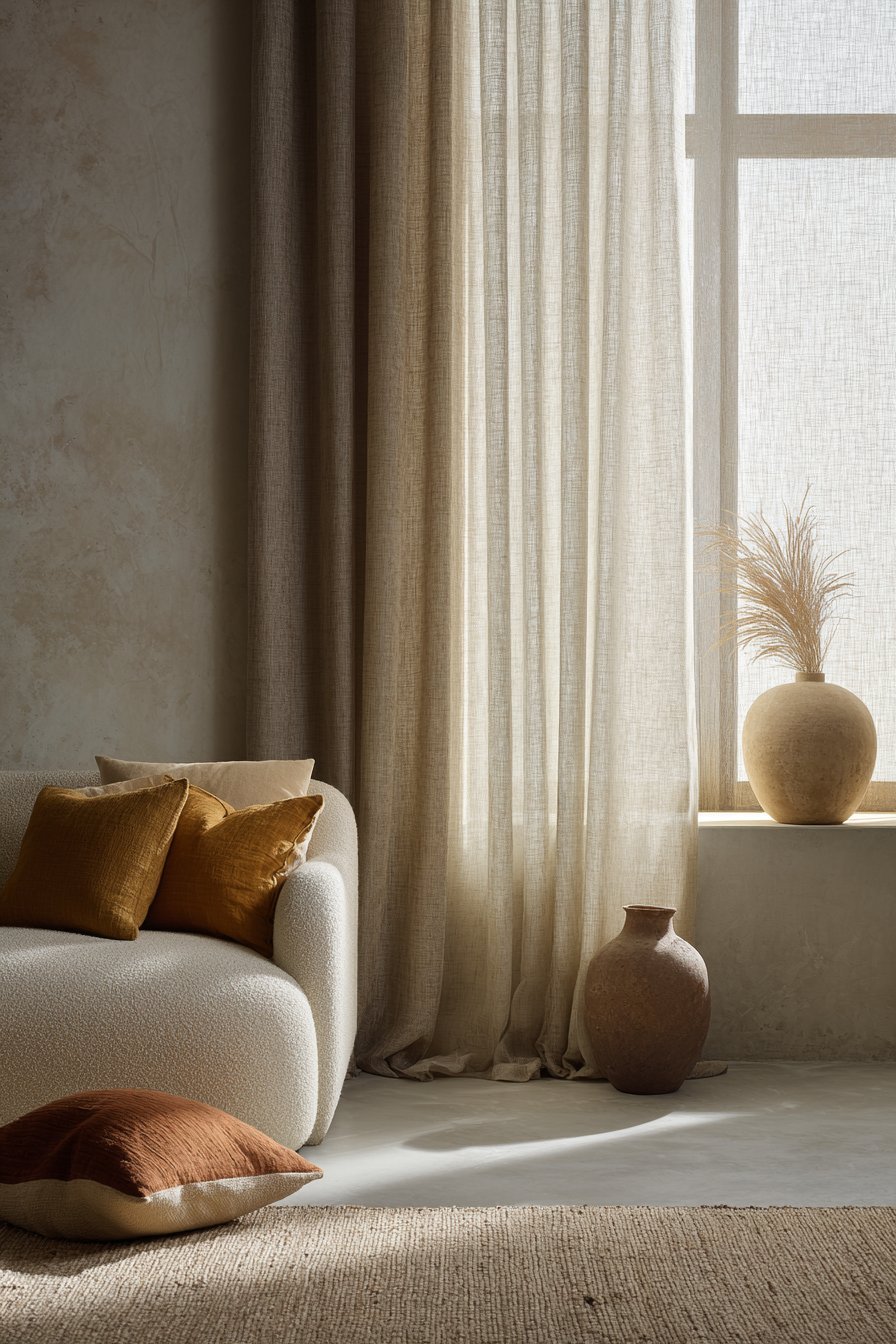
Warm minimalism also embraces negative space thoughtfully rather than obsessively. A single sculptural vase, a handwoven throw, or a ceramic bowl becomes a focal point rather than clutter. Every item earns its place — but the criteria has shifted from pure function to emotional resonance and beauty.
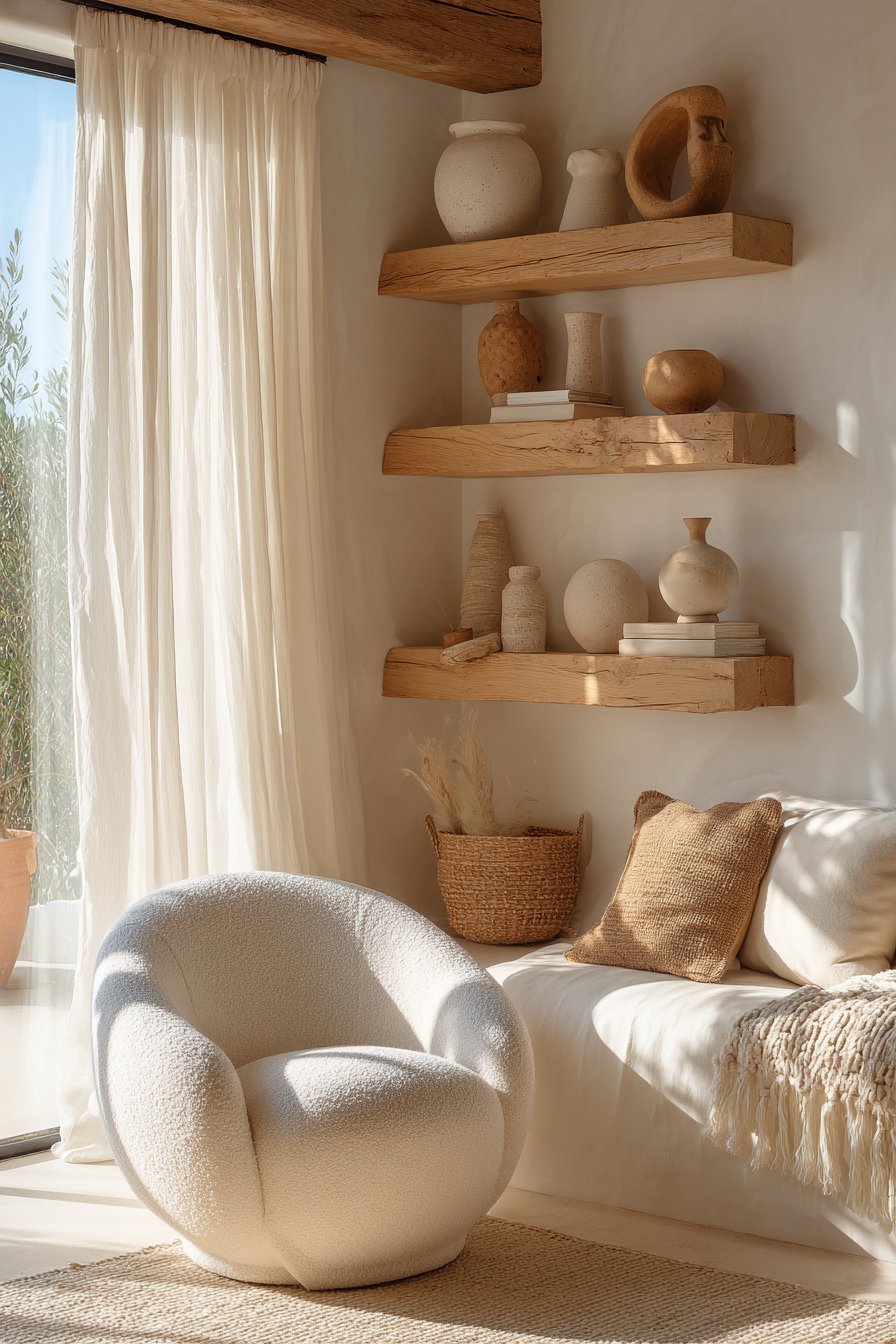
- Choose a warm neutral palette — think sand, clay, warm white, and soft taupe
- Layer natural textures like rattan, linen, jute, and raw wood throughout the space
- Edit ruthlessly, but keep items that carry personal meaning or visual warmth
- Invest in quality over quantity — one beautiful piece beats five mediocre ones
- Use soft, warm lighting (2700K–3000K bulbs) to enhance the cozy atmosphere
- Introduce organic shapes through furniture and decor to soften angular architecture
2. Maximalism Is Having a Major Moment
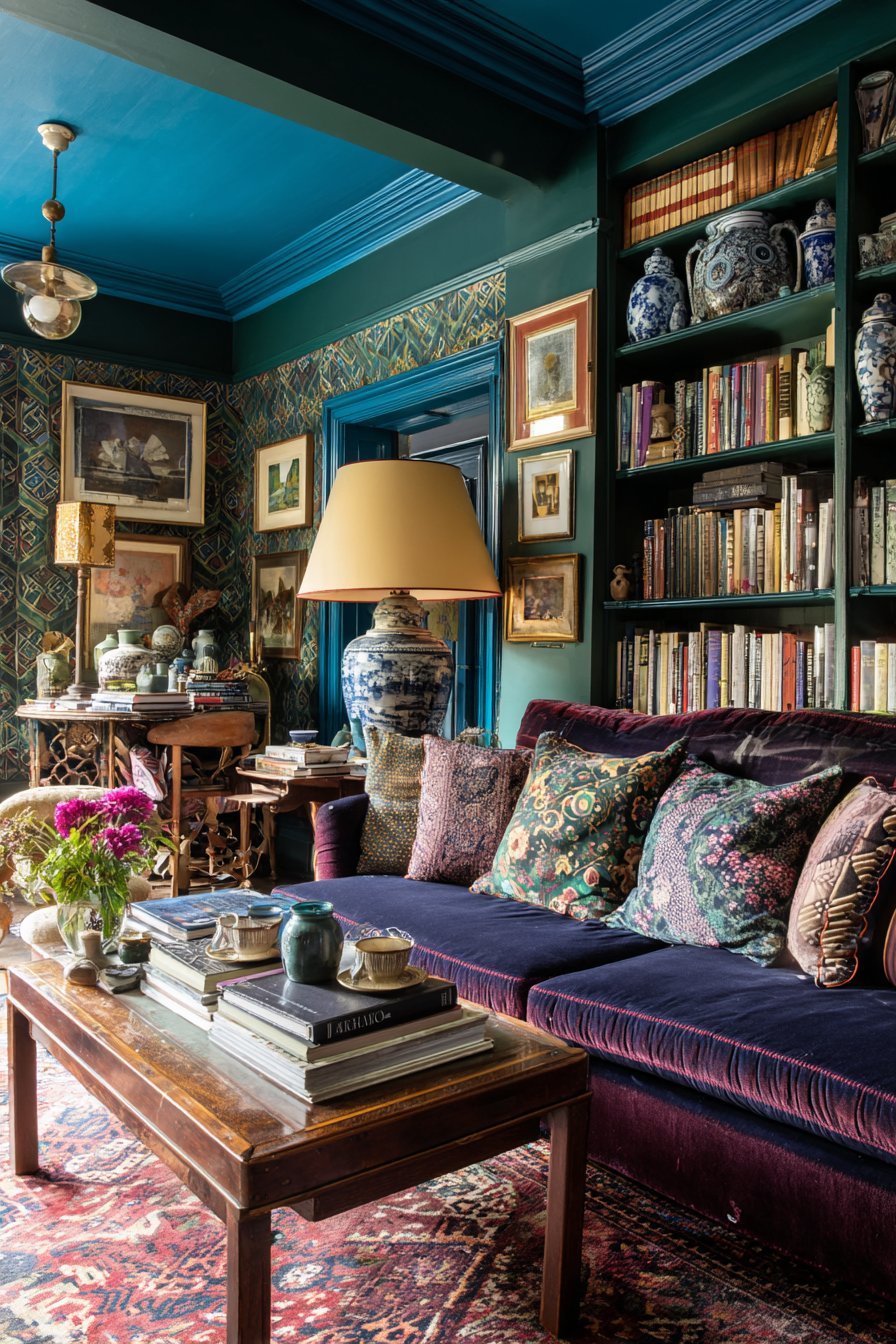
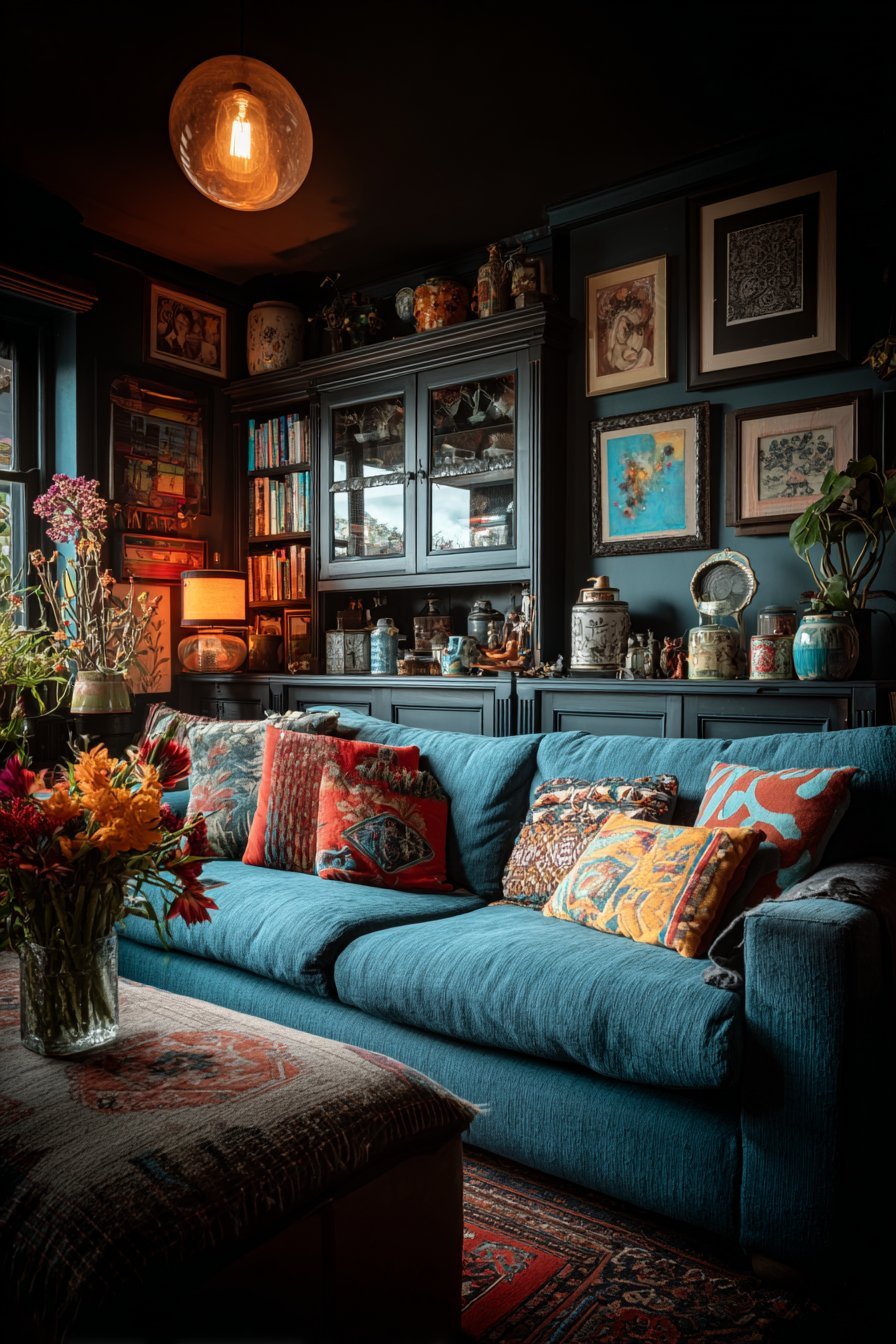
If warm minimalism is the evolution, bold maximalism is the revolution. After years of restraint, many homeowners are swinging in the opposite direction entirely. Maximalism in 2026 isn’t the chaotic “more is more” of the past. It’s a thoughtful curation of abundance — layering patterns, colors, and collections in a way that feels intentional and cohesive.
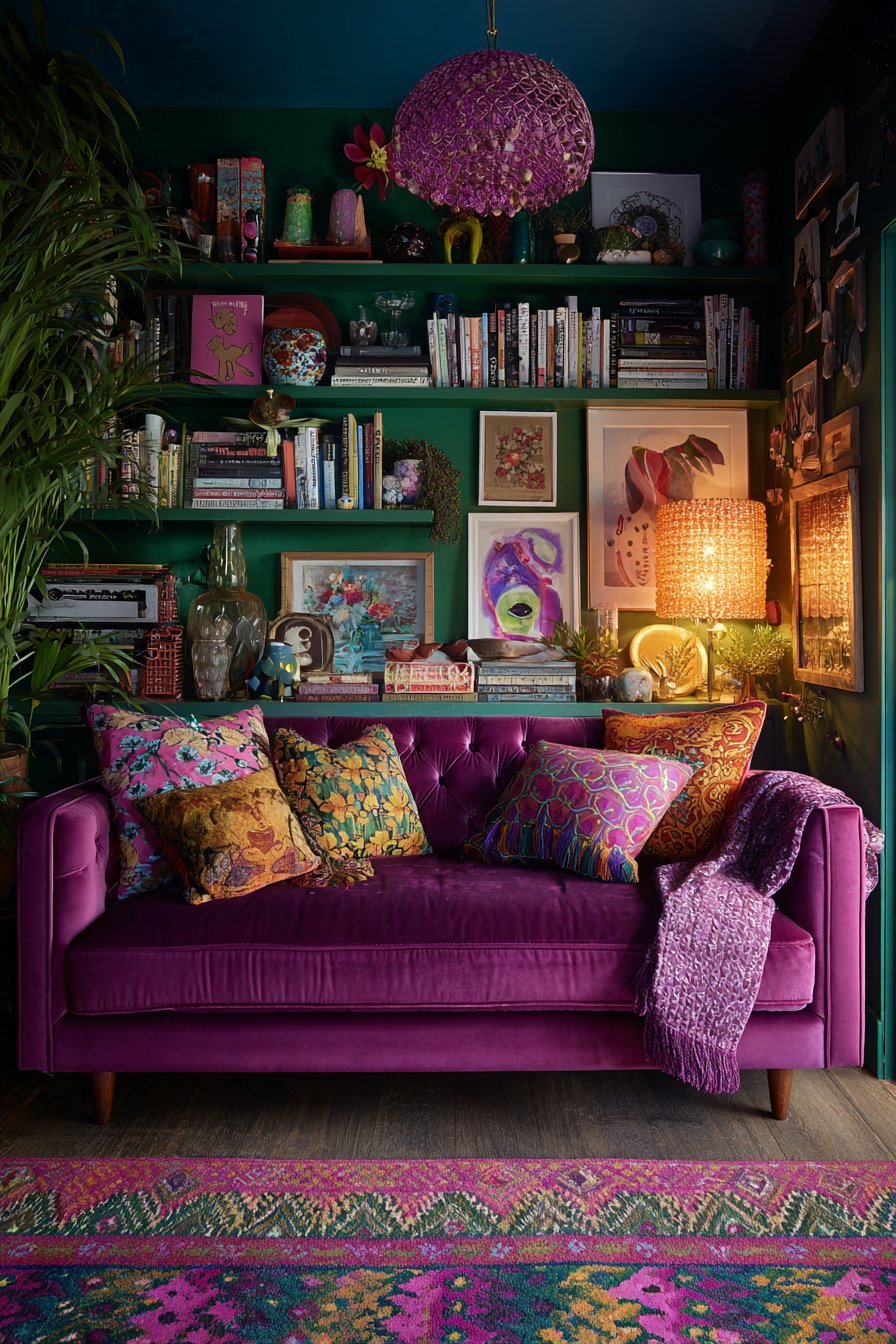
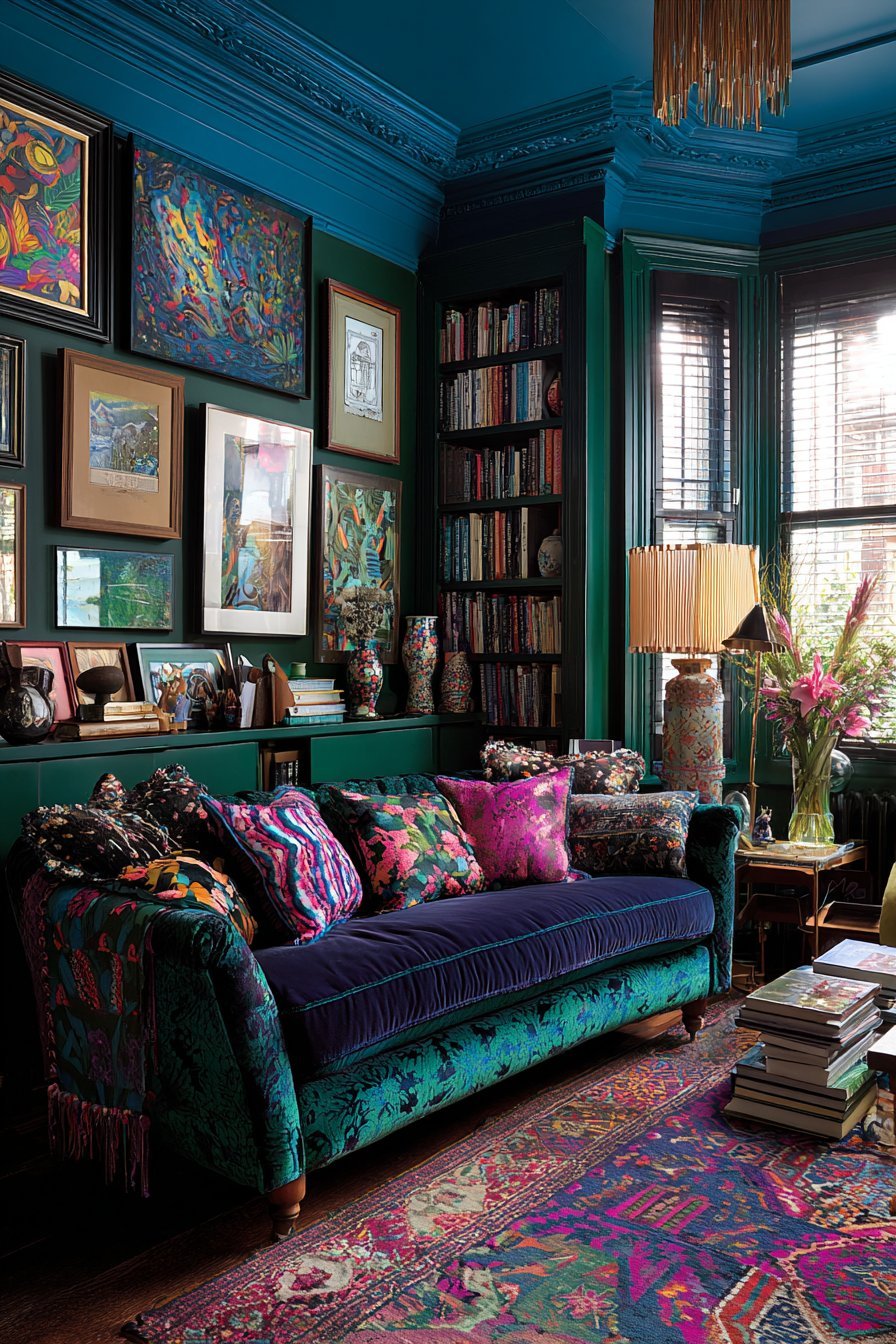
The key to modern maximalism lies in color confidence. Deep jewel tones like emerald green, sapphire blue, burnt sienna, and rich plum are replacing the grey-and-white monotony of the minimalist era. Walls are being painted in dramatic hues. Ceilings are getting attention. Pattern mixing — florals with geometrics, stripes with abstracts — is celebrated rather than feared.
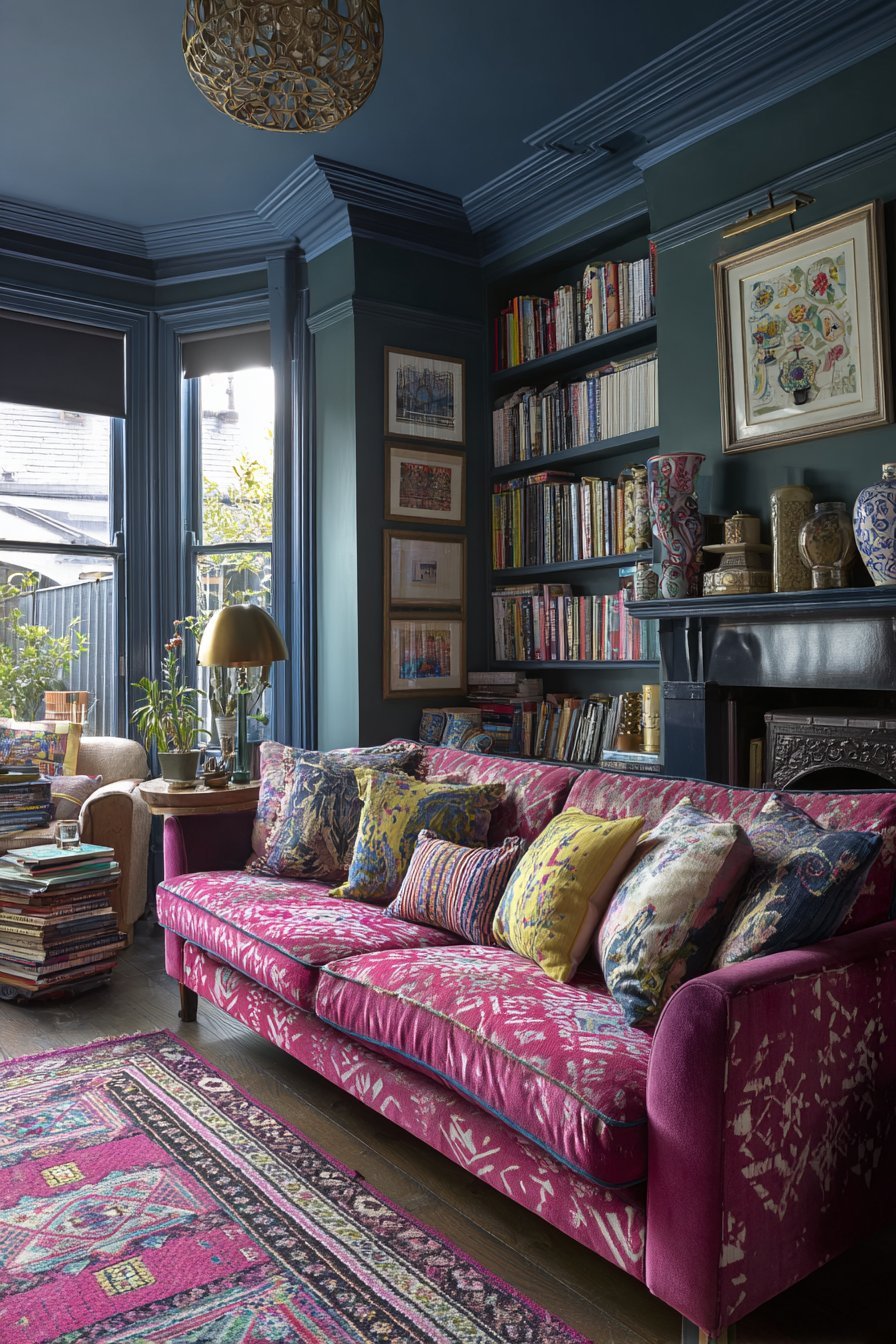
Maximalism also celebrates personality in a way minimalism often suppressed. Gallery walls are back. Eclectic collections of ceramics, books, art, and travel souvenirs fill shelves proudly. The result is a home that feels like a biography — layered, rich, and completely unique to its owner.
- Start with a dominant color story — choose 3–4 colors that anchor the maximalist palette
- Mix pattern scales carefully — pair large prints with smaller, complementary ones
- Create visual anchors with statement furniture pieces in bold colors or shapes
- Display collections intentionally — group by color, material, or theme for cohesion
- Use rich textiles — velvet, silk, embroidered fabrics — to add depth and luxury
- Embrace layered lighting with floor lamps, table lamps, and sconces for atmosphere
3. Biophilic Design Is Becoming Non-Negotiable
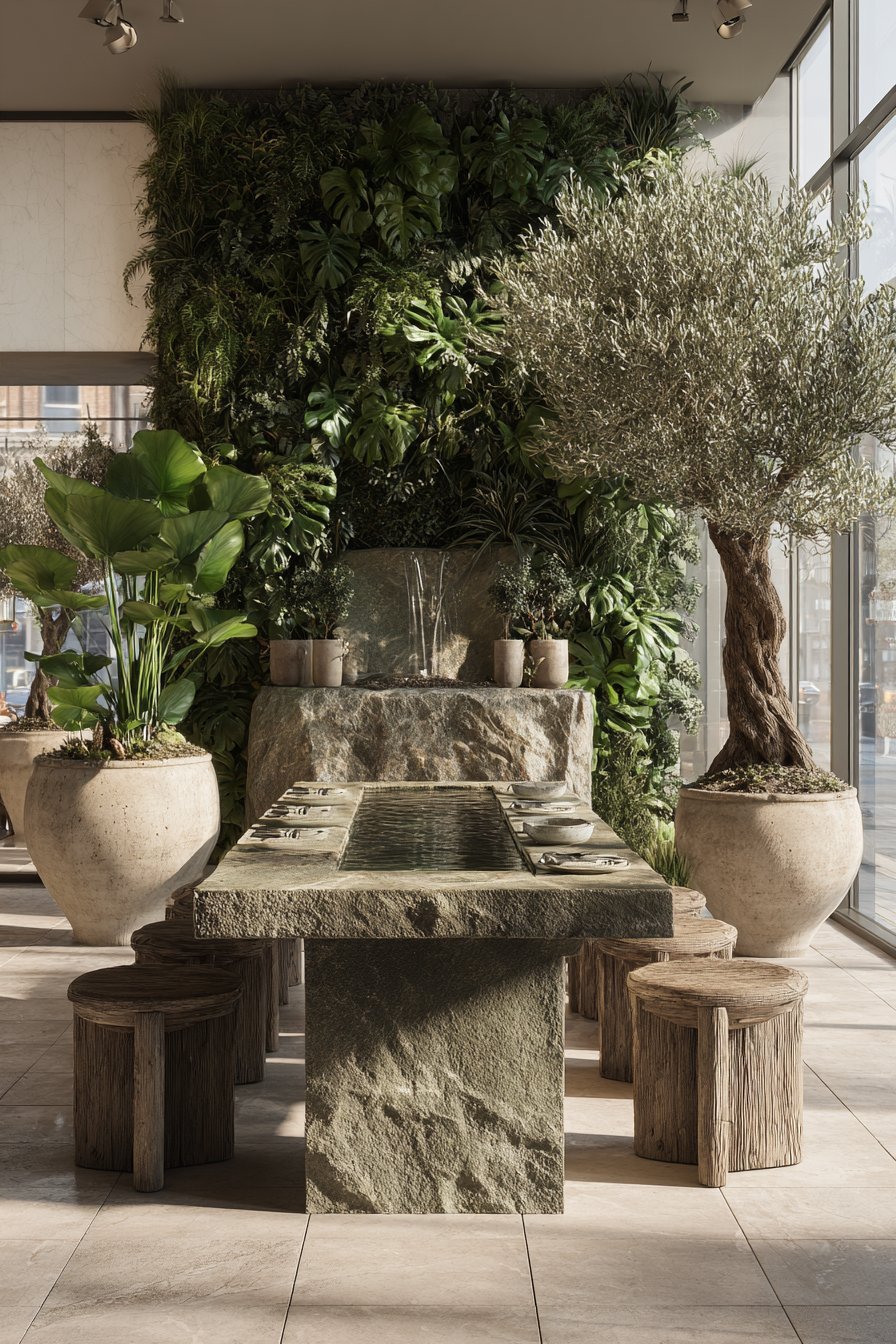
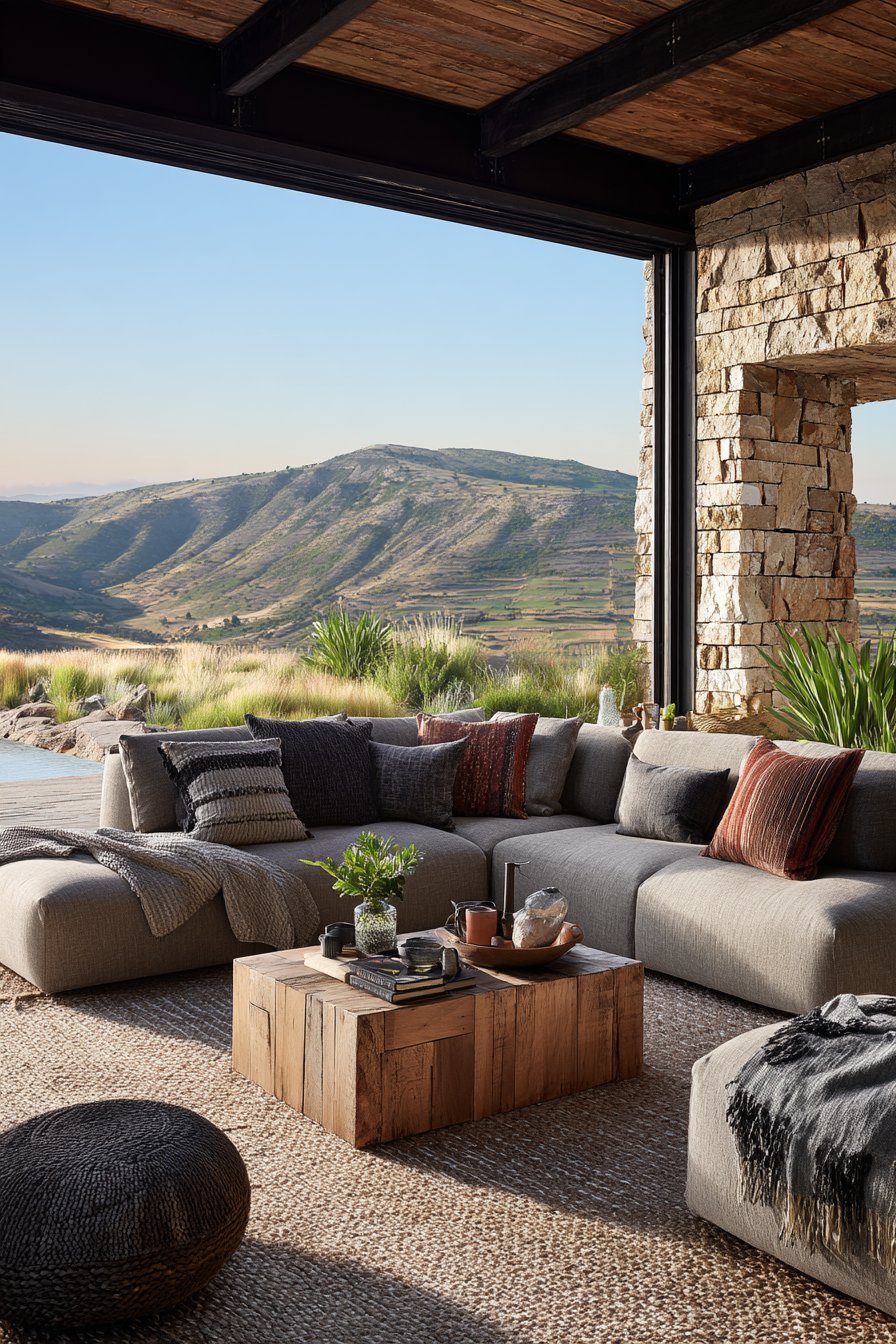
One of the most powerful forces replacing cold minimalism is biophilic design — the philosophy of connecting interior spaces with the natural world. In 2026, bringing nature indoors has moved from trend to lifestyle necessity. Research consistently shows that natural elements in the home reduce stress, improve air quality, and boost overall wellbeing.
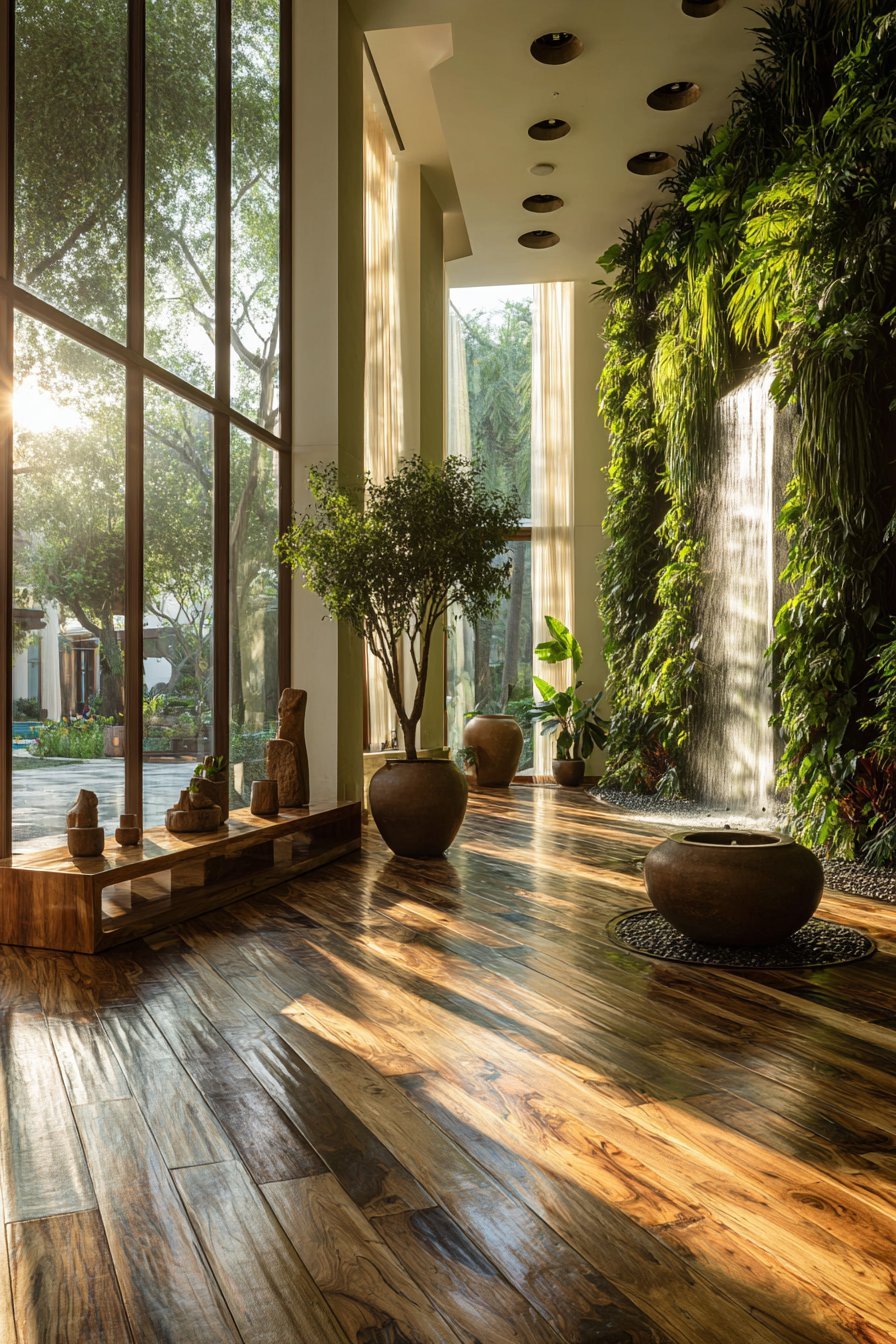
This goes far beyond placing a potted plant on a windowsill. True biophilic design integrates living walls, natural stone surfaces, water features, large-format windows, and organic material palettes throughout the home. It considers how natural light moves through a space at different times of day. It embraces the beauty of imperfection found in natural materials — the grain of wood, the veining of marble, the irregularity of hand-thrown ceramics.
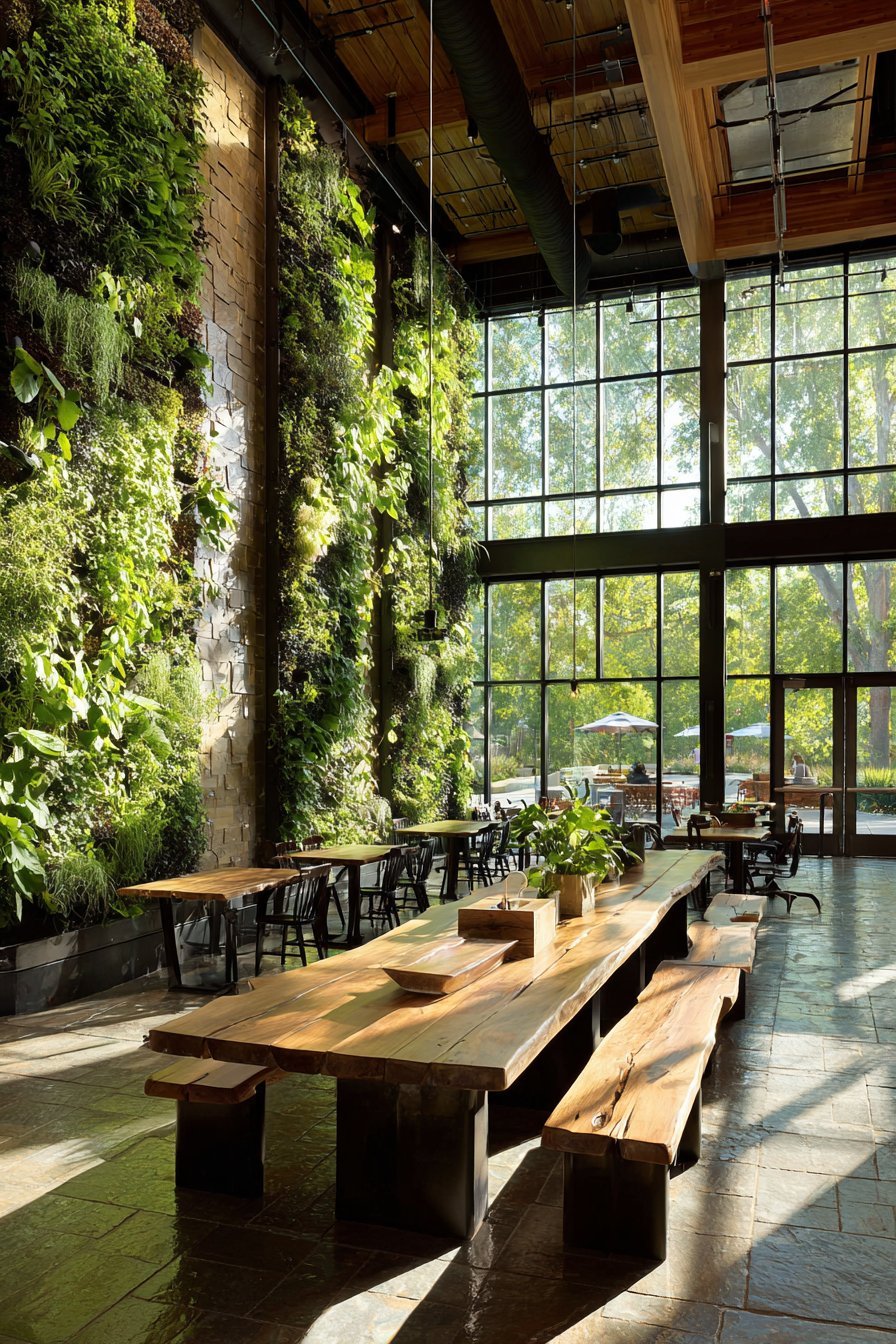
Indoor plant styling has become an art form in itself. Statement plants like fiddle leaf figs, olive trees, Monstera deliciosa, and trailing pothos are styled as intentionally as furniture. Planters in earthy ceramics and woven materials complement the organic aesthetic. The goal is a home that breathes — literally and figuratively.
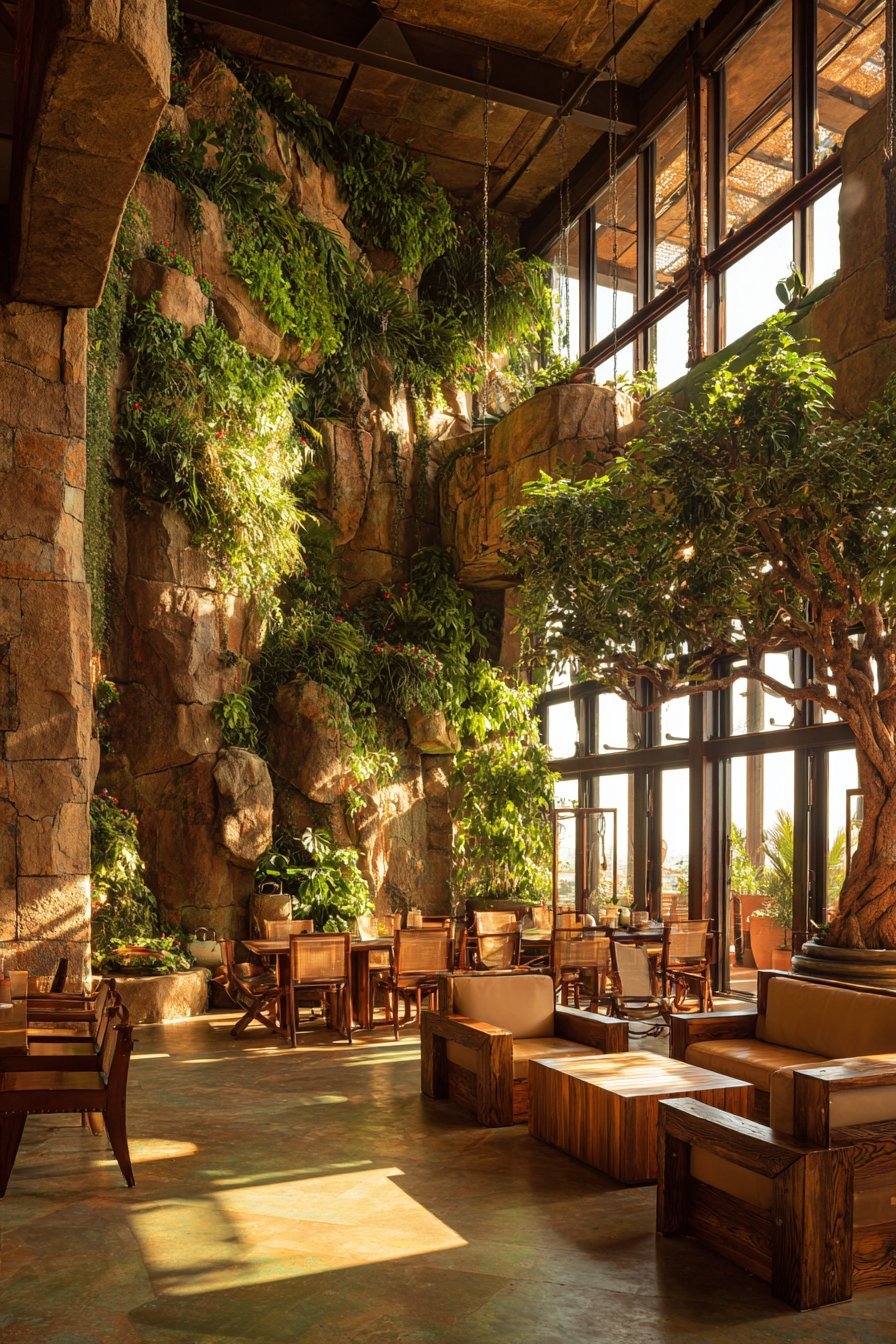
- Prioritize large windows or skylights to maximize natural light flow
- Introduce a living wall or large statement plant as a focal point in key rooms
- Choose natural stone, wood, and clay surfaces over synthetic alternatives
- Use nature-inspired color palettes — forest greens, earthy browns, sky blues
- Incorporate water elements like tabletop fountains for sensory calm
- Select organic, irregular shapes in furniture and decor to mirror nature’s imperfection
4. “Cluttercore” and the Celebration of Collected Living
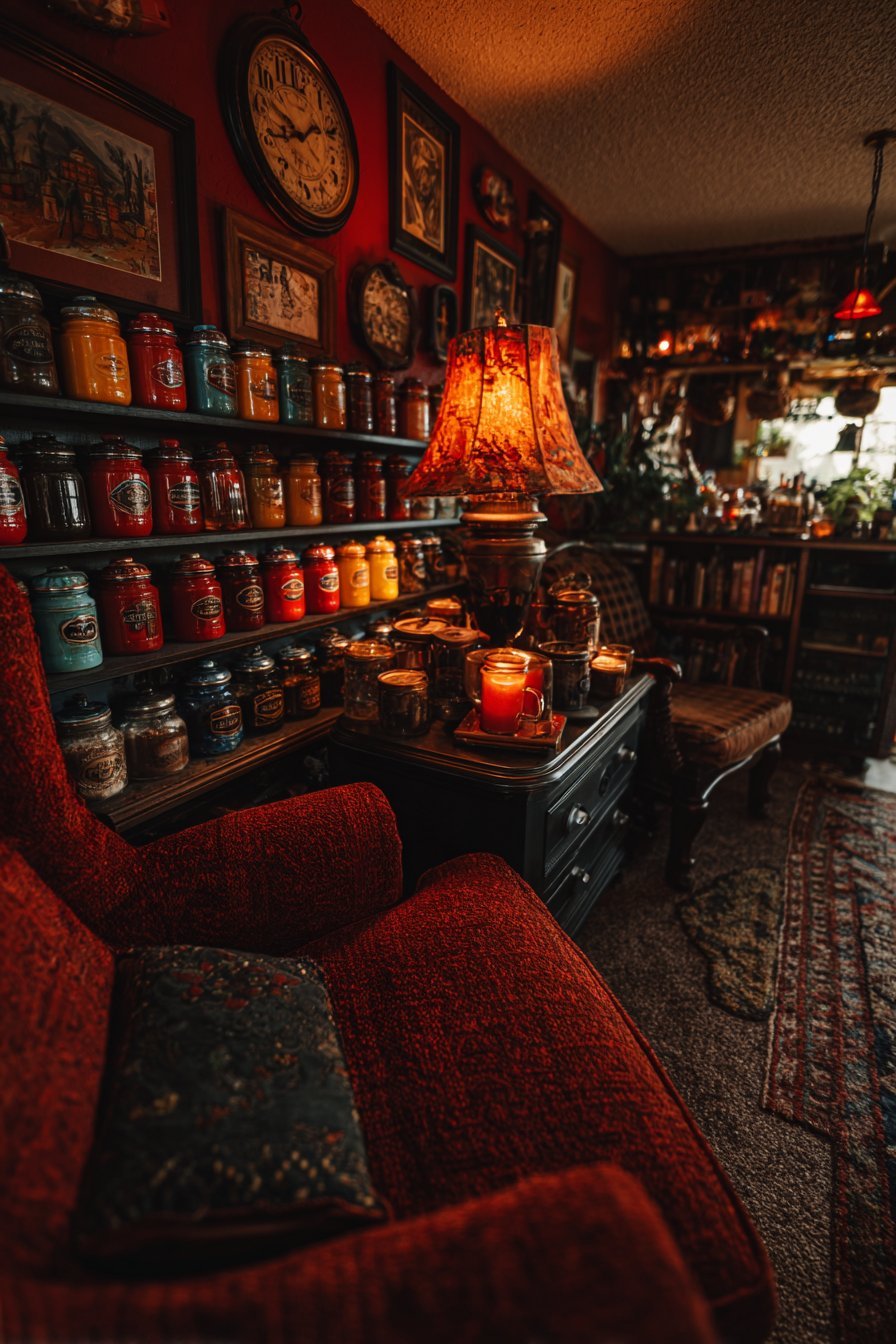
Perhaps the most radical departure from minimalism is cluttercore — a unapologetically joyful celebration of collecting, displaying, and surrounding yourself with things you love. Born on social media and now influencing mainstream interiors, cluttercore rejects the idea that tidiness equals happiness.
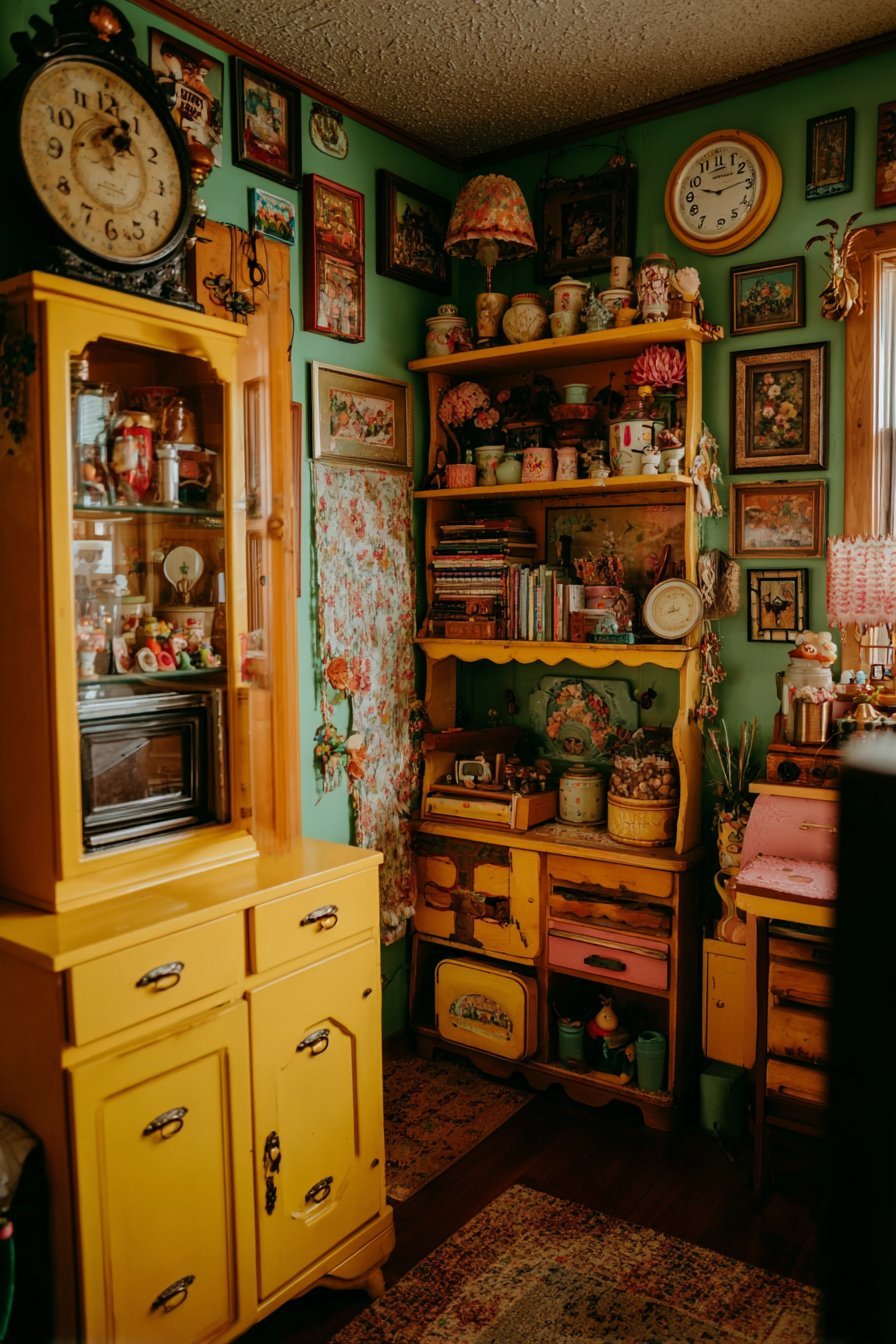
In cluttercore spaces, every surface tells a story. Bookshelves overflow beautifully. Kitchen counters display colorful appliances, ceramic canisters, and herb gardens. Walls are covered in art, mirrors, clocks, and meaningful objects. The aesthetic is deliberately layered, nostalgic, and deeply personal. It feels like a home that has been lovingly accumulated over a lifetime.
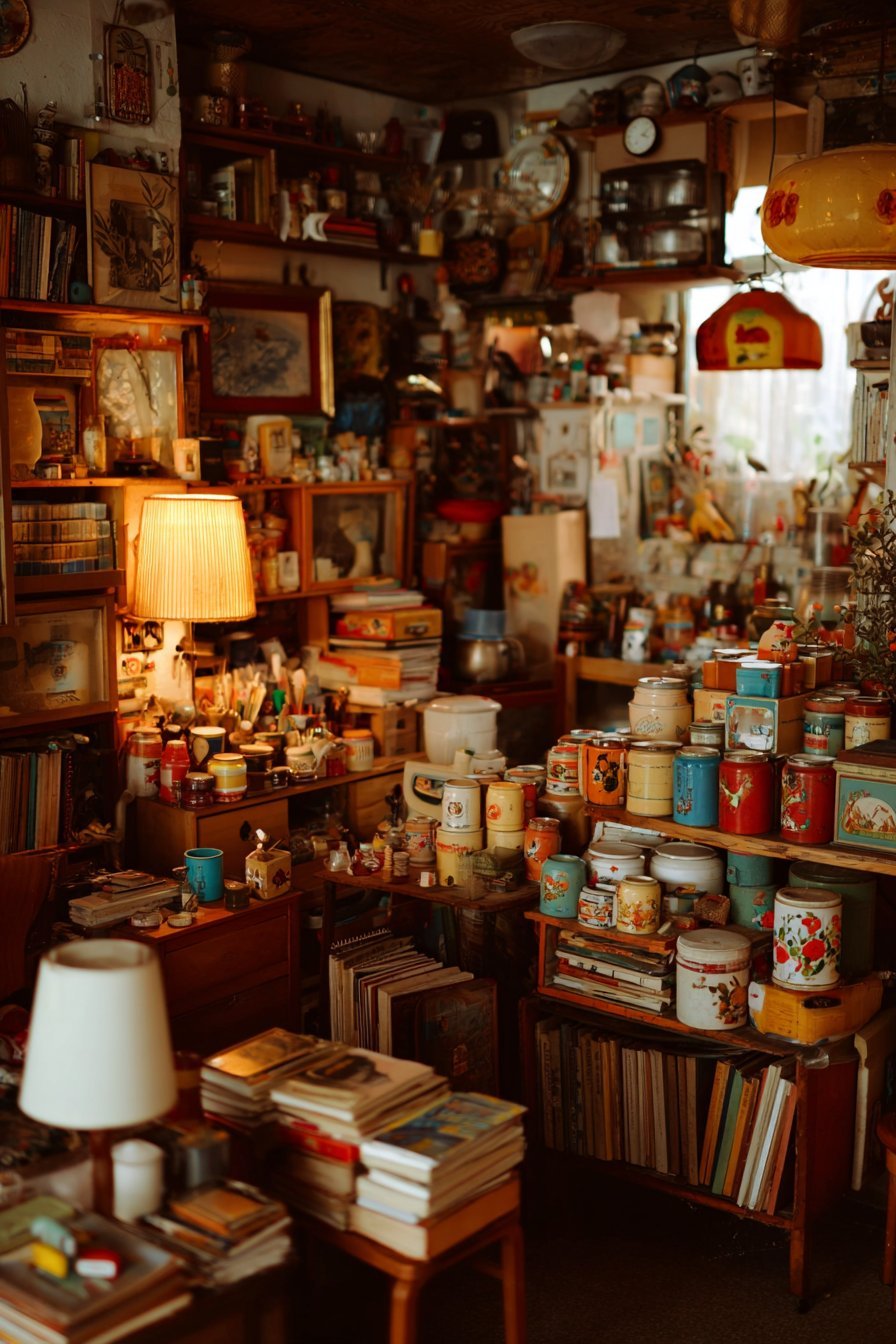
The distinction between cluttercore and actual clutter lies in emotional intentionality. Every item displayed is something the owner genuinely loves or finds meaningful. There’s joy in each object. The space may look busy, but it feels curated — like a cabinet of curiosities rather than an overwhelming mess.
- Display items that bring genuine joy — be honest about what earns wall or shelf space
- Group collections by color or theme for visual coherence within the abundance
- Use deep, rich shelving — floating shelves, bookcases, or cabinets — to organize displays
- Mix vintage and modern pieces for an eclectic, time-layered feel
- Invest in good lighting to highlight displays and prevent the space from feeling dark
- Regularly rotate and refresh displays to keep the space feeling curated, not stagnant
5. Japandi: The Thoughtful Middle Ground
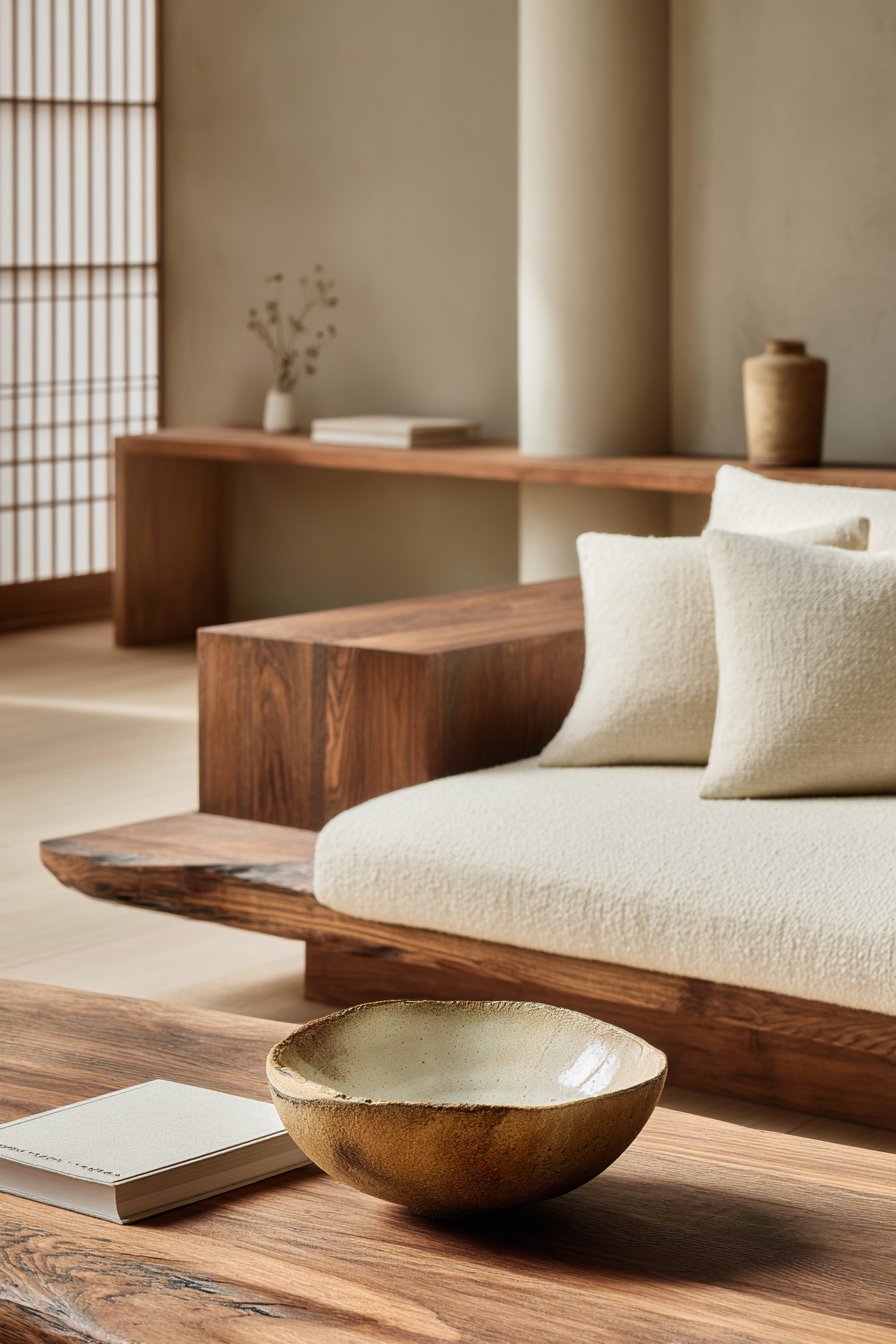
Japandi — the hybrid of Japanese and Scandinavian design philosophies — has emerged as one of the most enduring aesthetic responses to pure minimalism’s shortcomings. Where traditional minimalism could feel cold and inaccessible, Japandi brings warmth, wabi-sabi wisdom, and a deeply intentional approach to beauty.
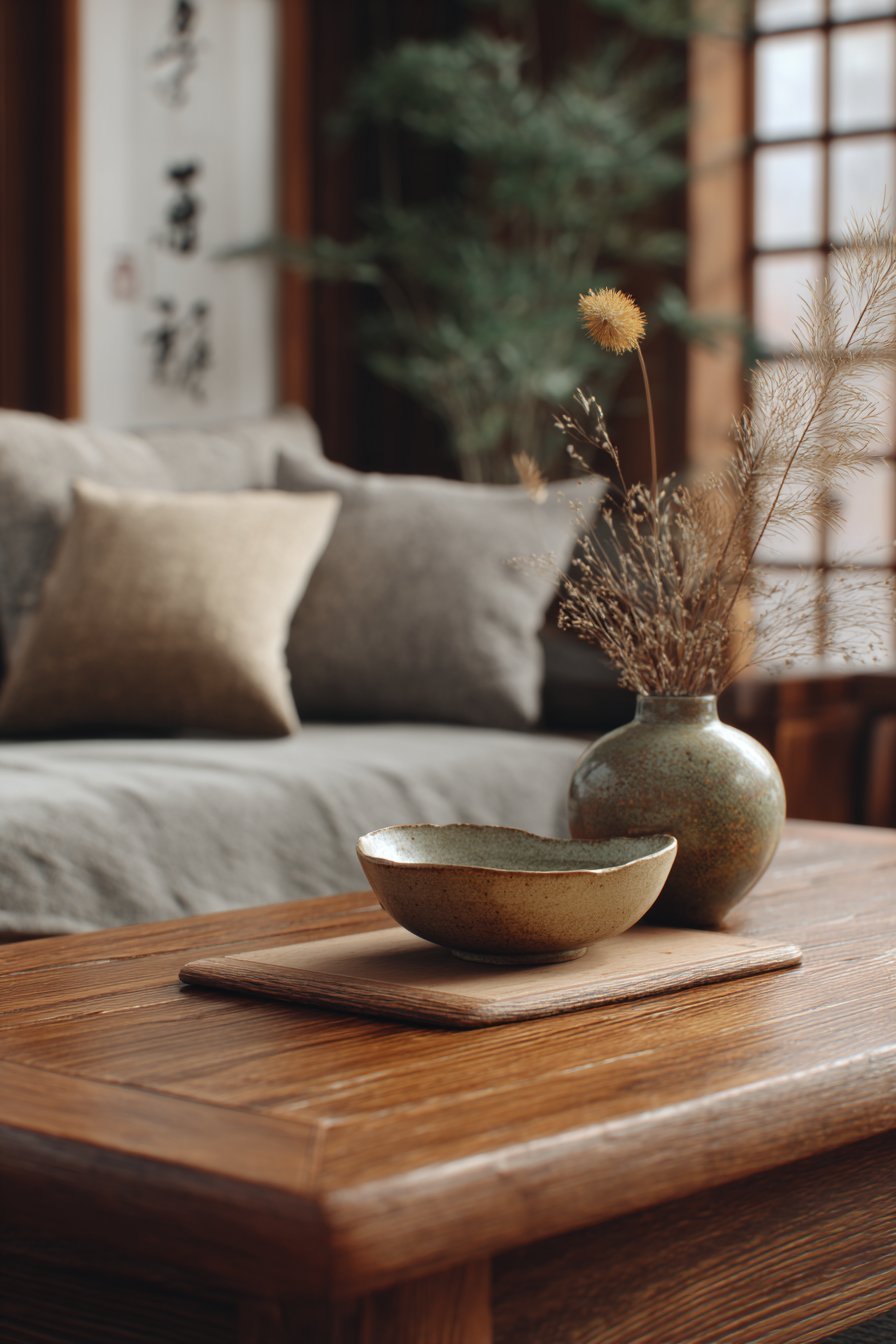
Japandi spaces are quiet but not empty. They feature low-profile furniture, natural wood tones, muted earthy palettes, and a commitment to craftsmanship. The Japanese concept of wabi-sabi — finding beauty in imperfection and impermanence — sits at the heart of this aesthetic. A hand-thrown bowl with an uneven rim is celebrated. A worn wooden table is treasured rather than replaced.
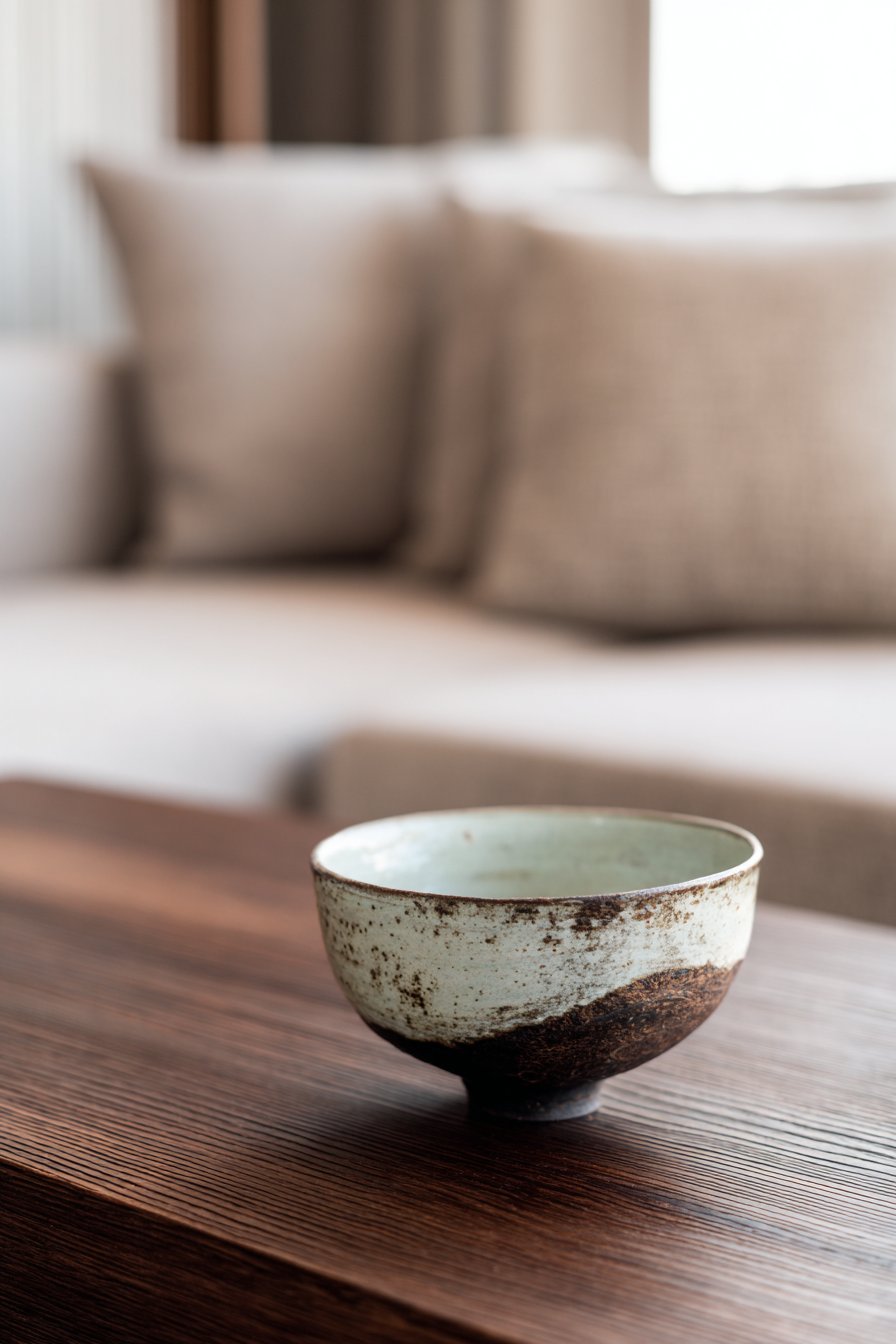
The Scandinavian influence adds functionality, hygge-inspired comfort, and a lightness of tone. Together, the two philosophies create spaces that are serene, functional, beautiful, and deeply human. Japandi is less a trend and more a timeless design language for those who want peace without sterility.
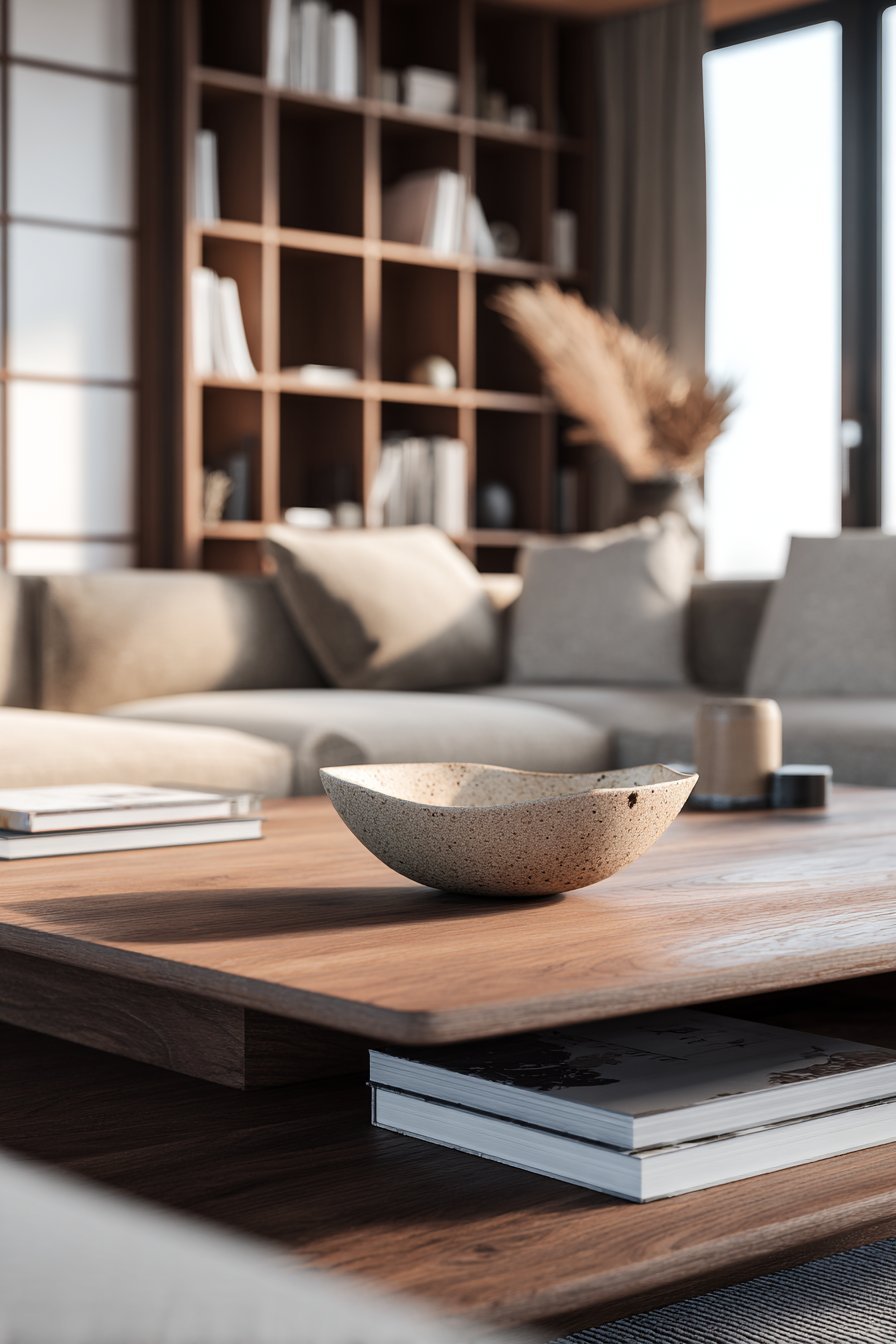
- Choose low-profile, handcrafted furniture in natural wood or matte finishes
- Embrace a palette of warm neutrals — charcoal, warm white, sage, clay, and walnut
- Leave intentional breathing room around furniture — negative space has purpose here
- Display handmade or artisanal objects that carry craftsmanship and story
- Use shoji-inspired screens or panels to define zones softly and beautifully
- Layer natural textiles — linen, cotton, wool — in tonal, understated combinations
6. The Return of Color — Bold and Unapologetic
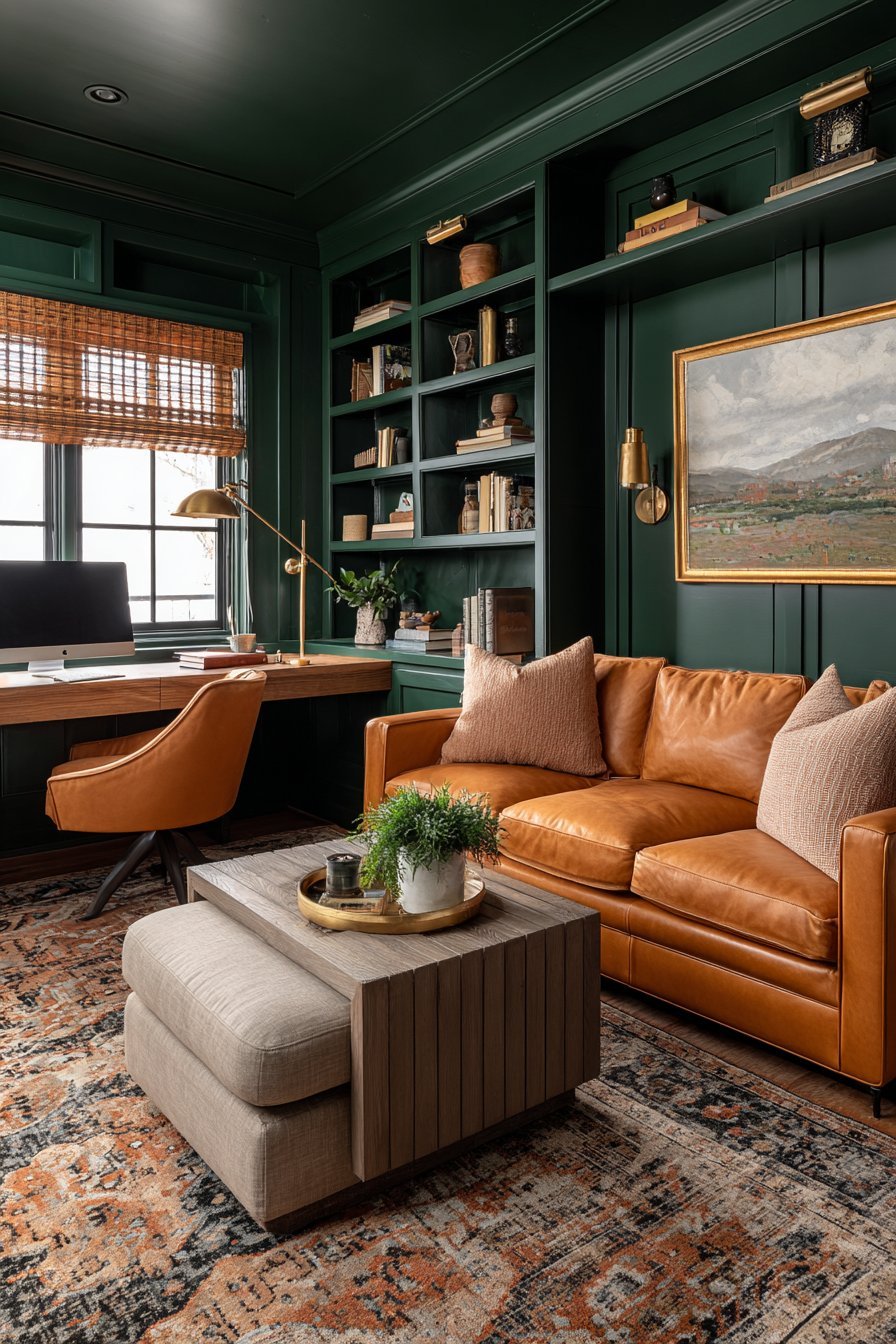
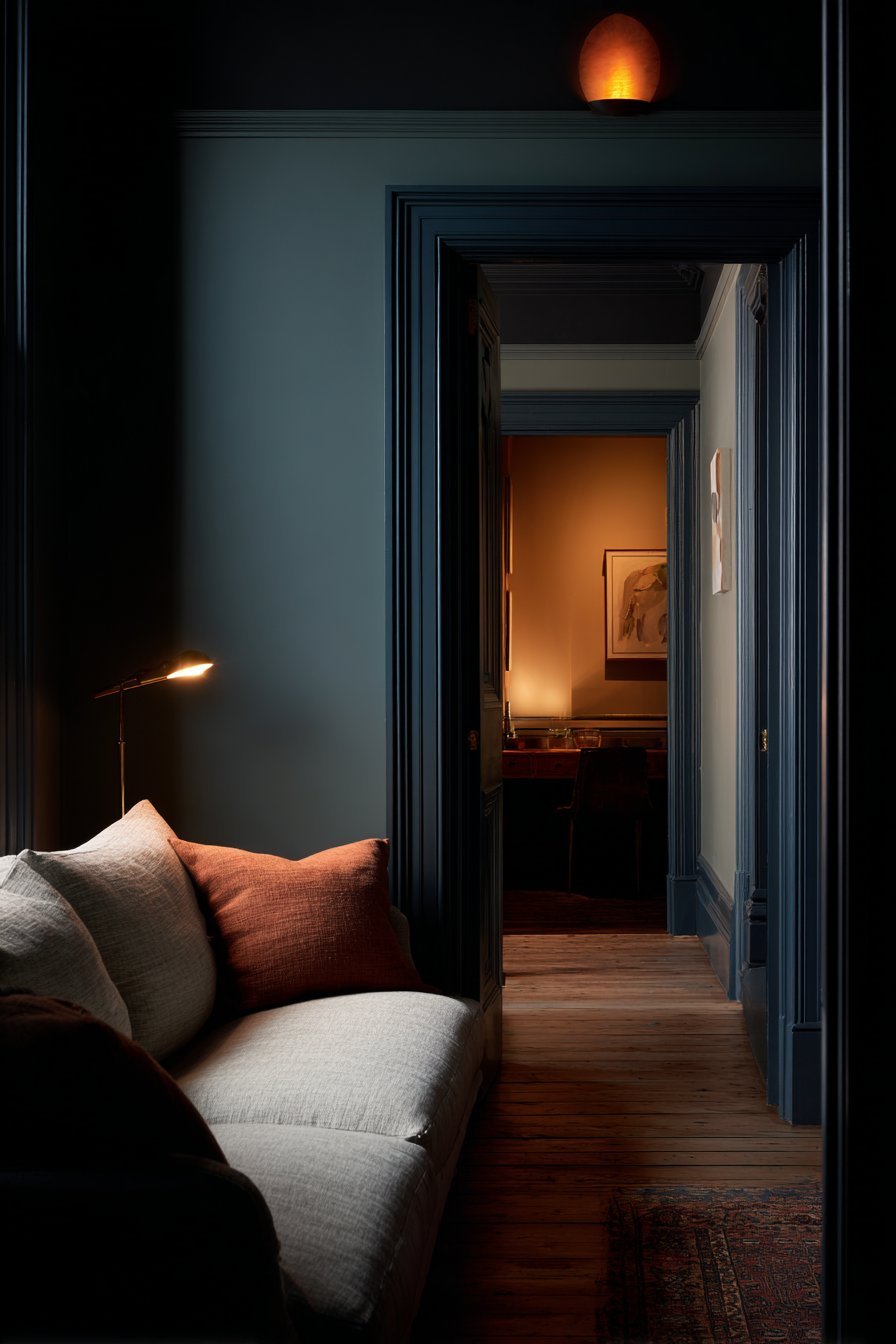
After years dominated by greige walls and monochromatic schemes, color is back in a serious way. The 2026 interior design landscape is awash with confident, expressive color choices that would have seemed alarming five years ago. Homeowners are painting walls in deep forest greens, dusty roses, cobalt blues, and even jet black — and loving the results.
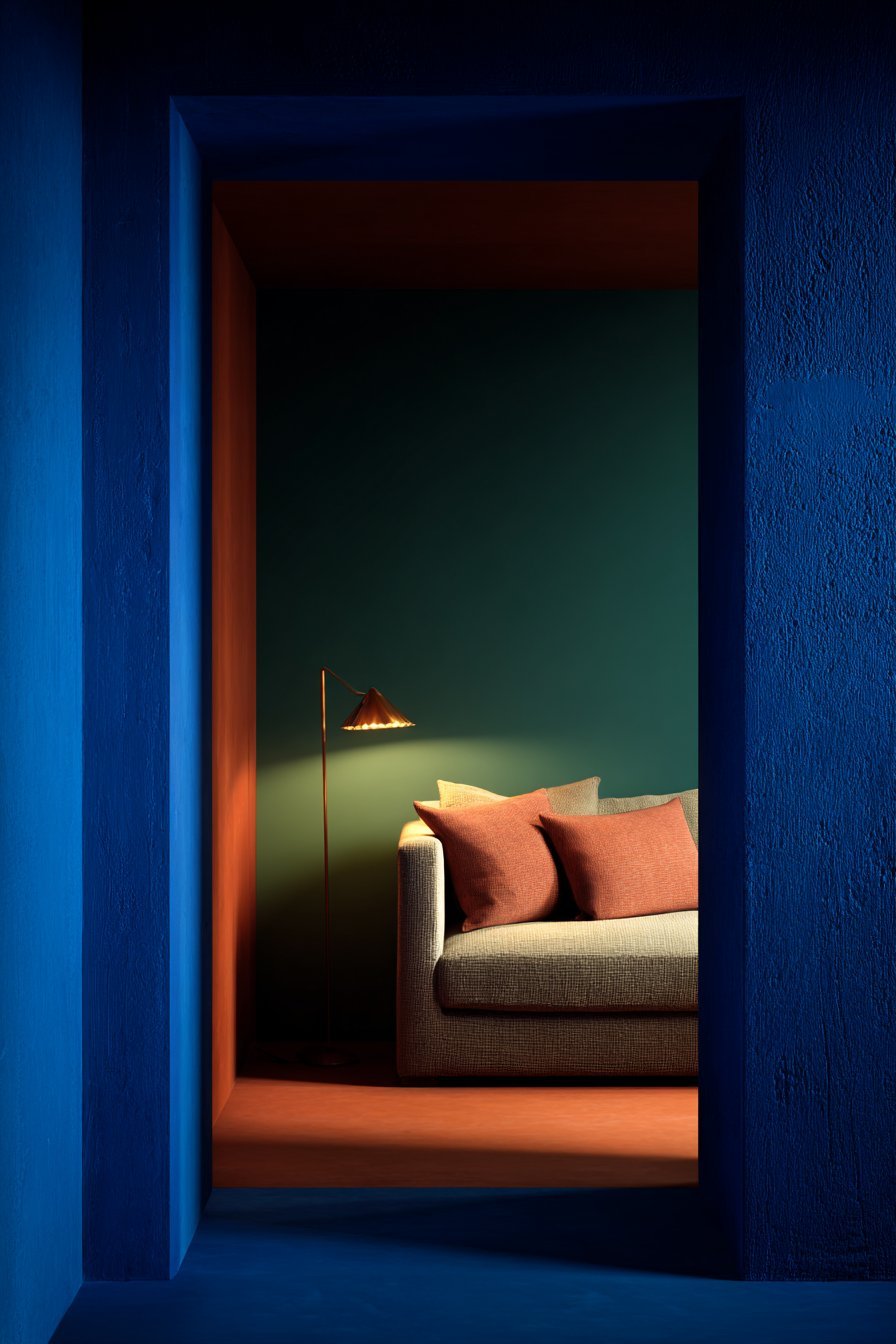
Color psychology is playing a larger role in design decisions. People now understand that color directly affects mood — and they’re using that knowledge to craft spaces that energize, soothe, or inspire as needed. A home office in warm terracotta boosts creativity. A bedroom in deep teal promotes restful sleep. A kitchen in sunny yellow creates an uplifting morning ritual.
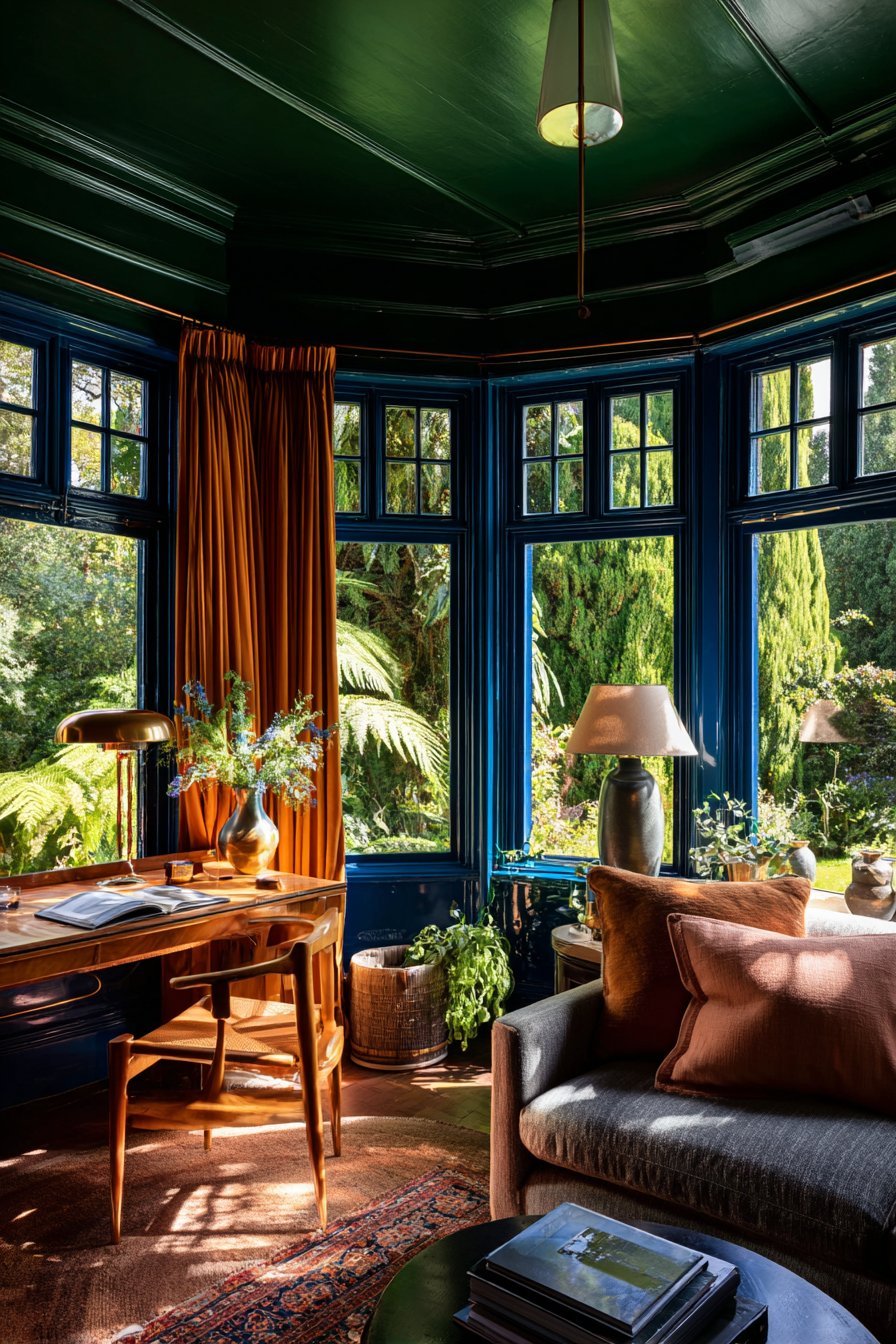
The boldest expression of this shift is the dramatic accent ceiling. Painting the ceiling a deep, contrasting color creates an envelope of color that feels cocooning and luxurious. Combined with warm lighting, it transforms an ordinary room into an intimate, atmospheric sanctuary — something no amount of white walls could achieve.
- Research color psychology before choosing room colors — match mood to function
- Try a dark accent ceiling in a key room for a dramatic, cocooning effect
- Use color drenching — painting walls, trim, and ceiling the same tone for depth
- Balance bold wall colors with neutral or natural furnishings for visual rest
- Test colors in large paint swatches (at least 12 x 12 inches) before committing
- Introduce color through soft furnishings first if you’re nervous about commitment
7. Vintage and Antique Pieces Over Flat-Pack Furniture
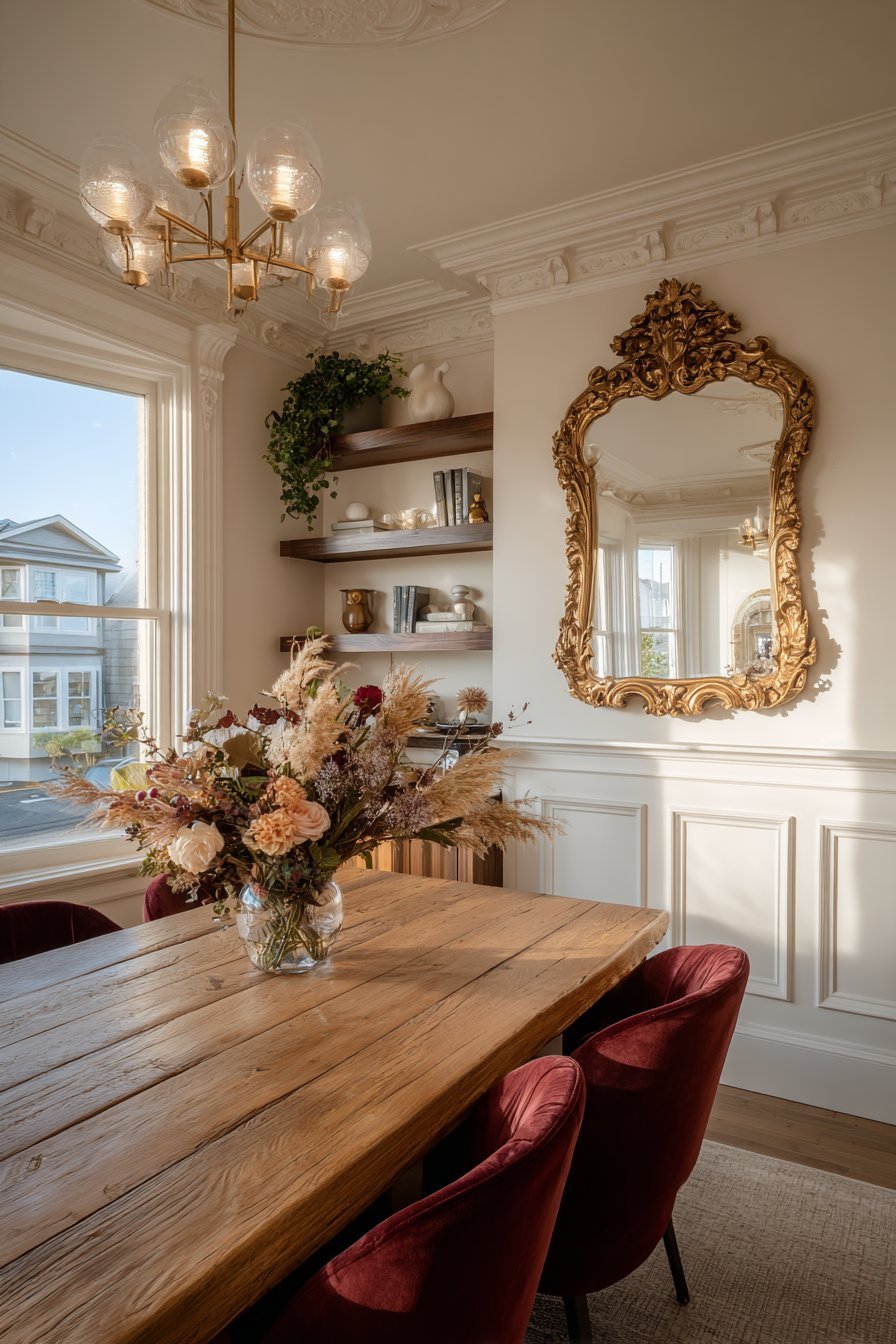
The minimalist era heavily favored flat-pack, mass-produced furniture — accessible, affordable, and aesthetically inoffensive. But in 2026, there’s a growing rebellion against disposable furniture culture. Homeowners are seeking out vintage, antique, and secondhand pieces that bring character, history, and genuine craftsmanship into their spaces.
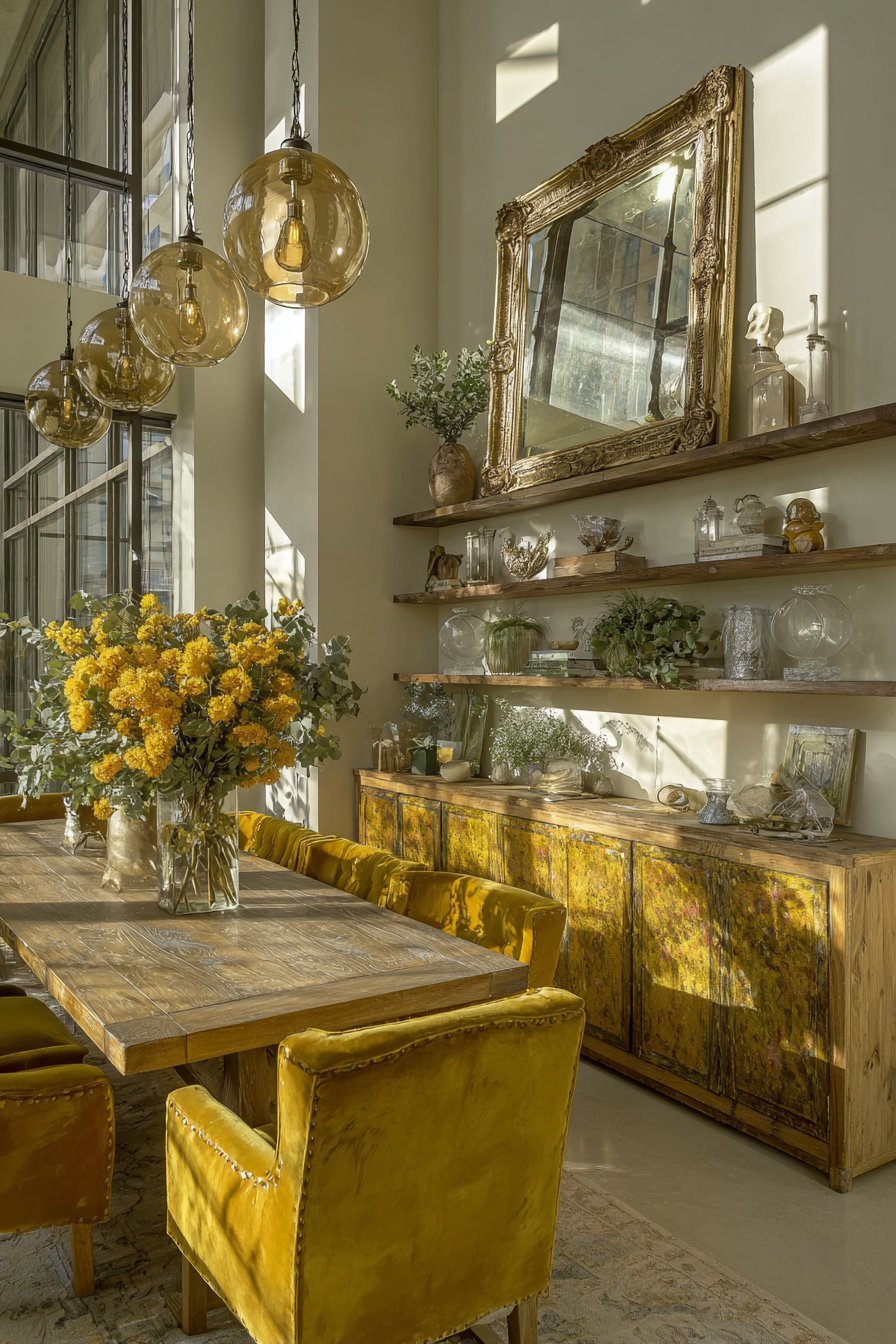
This shift is partly aesthetic — a Victorian sideboard or mid-century modern chair simply has more soul than a contemporary equivalent. But it’s also driven by sustainability values. Buying secondhand extends the life of existing furniture, reduces manufacturing demand, and keeps beautiful pieces out of landfill. The environmental case for vintage furniture has never been stronger.
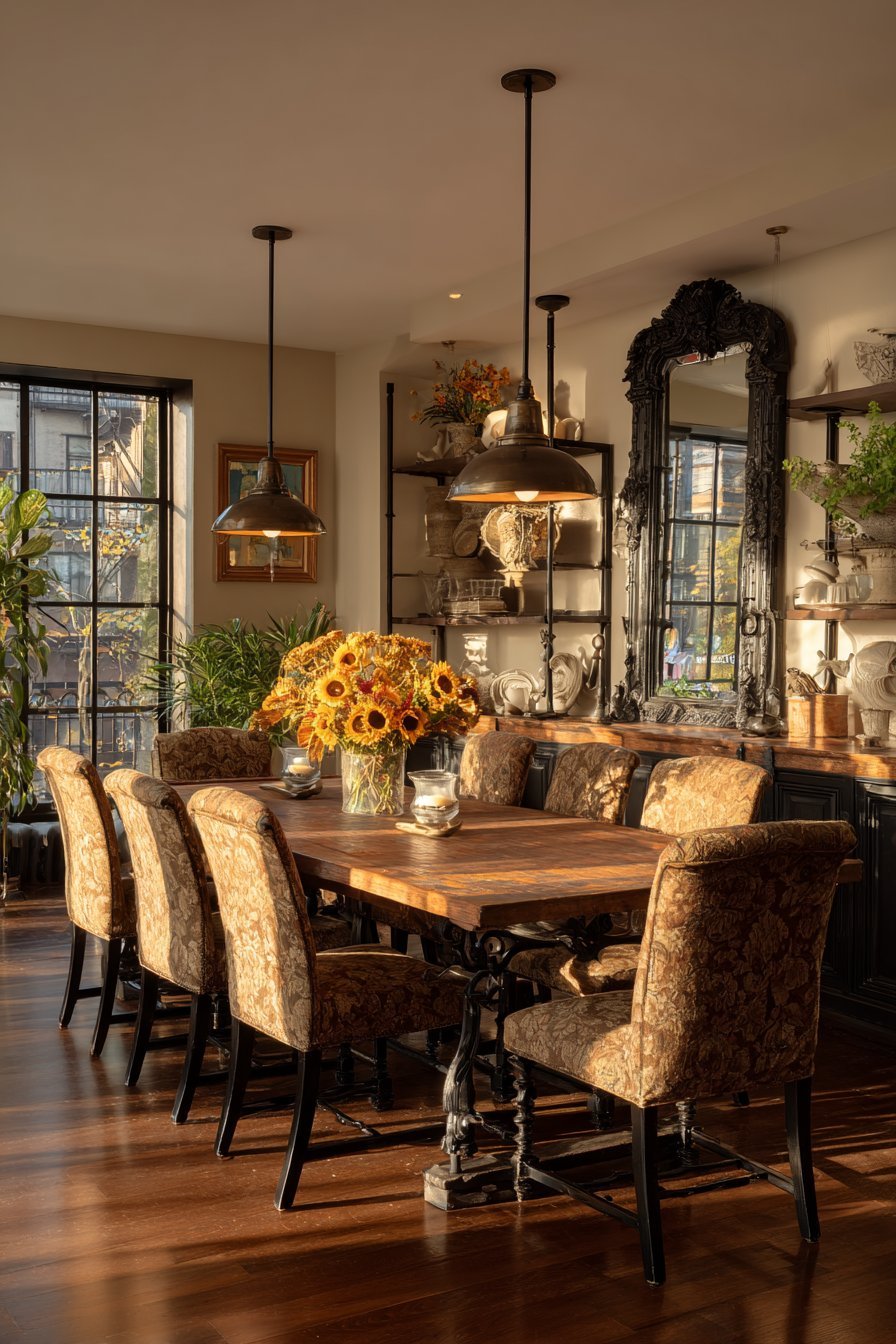
The practical result is interiors with rich eclecticism — spaces that mix periods, styles, and origins in a way that feels collected rather than coordinated. A Georgian mirror above a mid-century console. Industrial pendant lights over a farmhouse dining table. These combinations create interiors with depth and narrative that no showroom can manufacture.
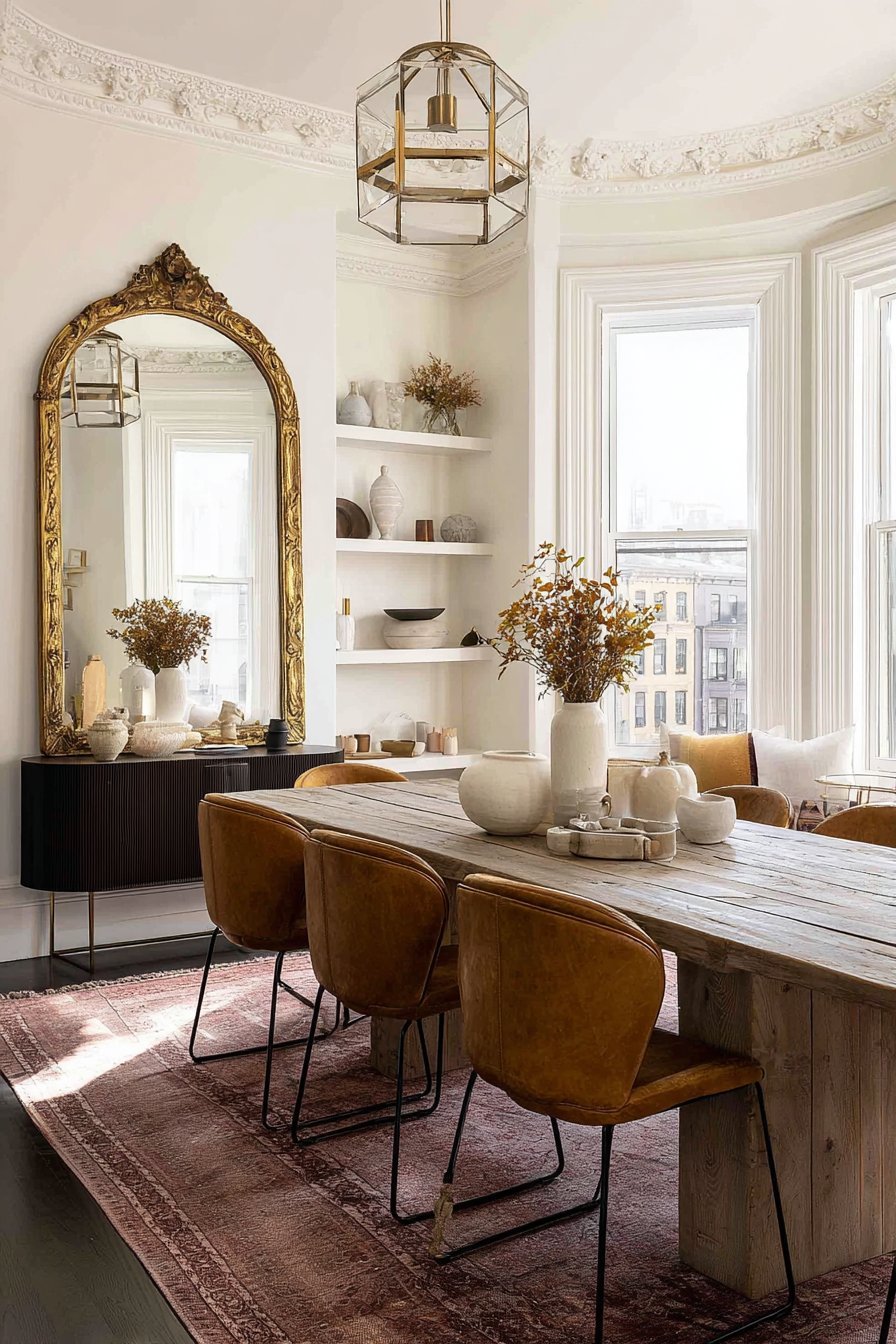
- Visit estate sales, auctions, and antique markets regularly for unique finds
- Focus on solid wood and quality materials — they age beautifully and last generations
- Don’t be afraid to mix periods and styles — cohesion comes from color and texture
- Invest in furniture restoration — reupholstering or refinishing extends life significantly
- Use online vintage platforms (Chairish, 1stDibs, Facebook Marketplace) for broader selection
- Balance vintage statement pieces with simpler, modern supporting furniture
8. Textural Richness and the Tactile Interior
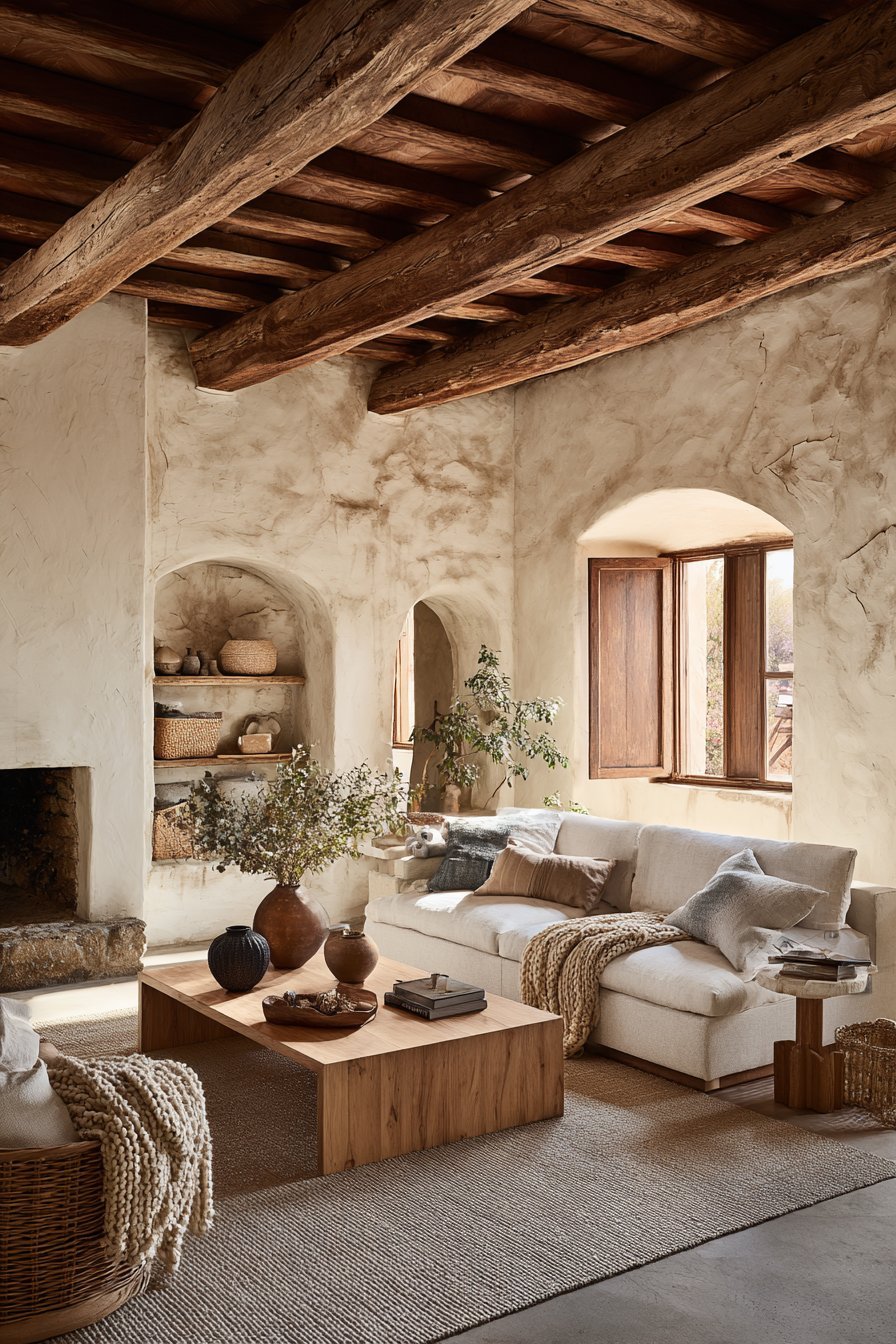
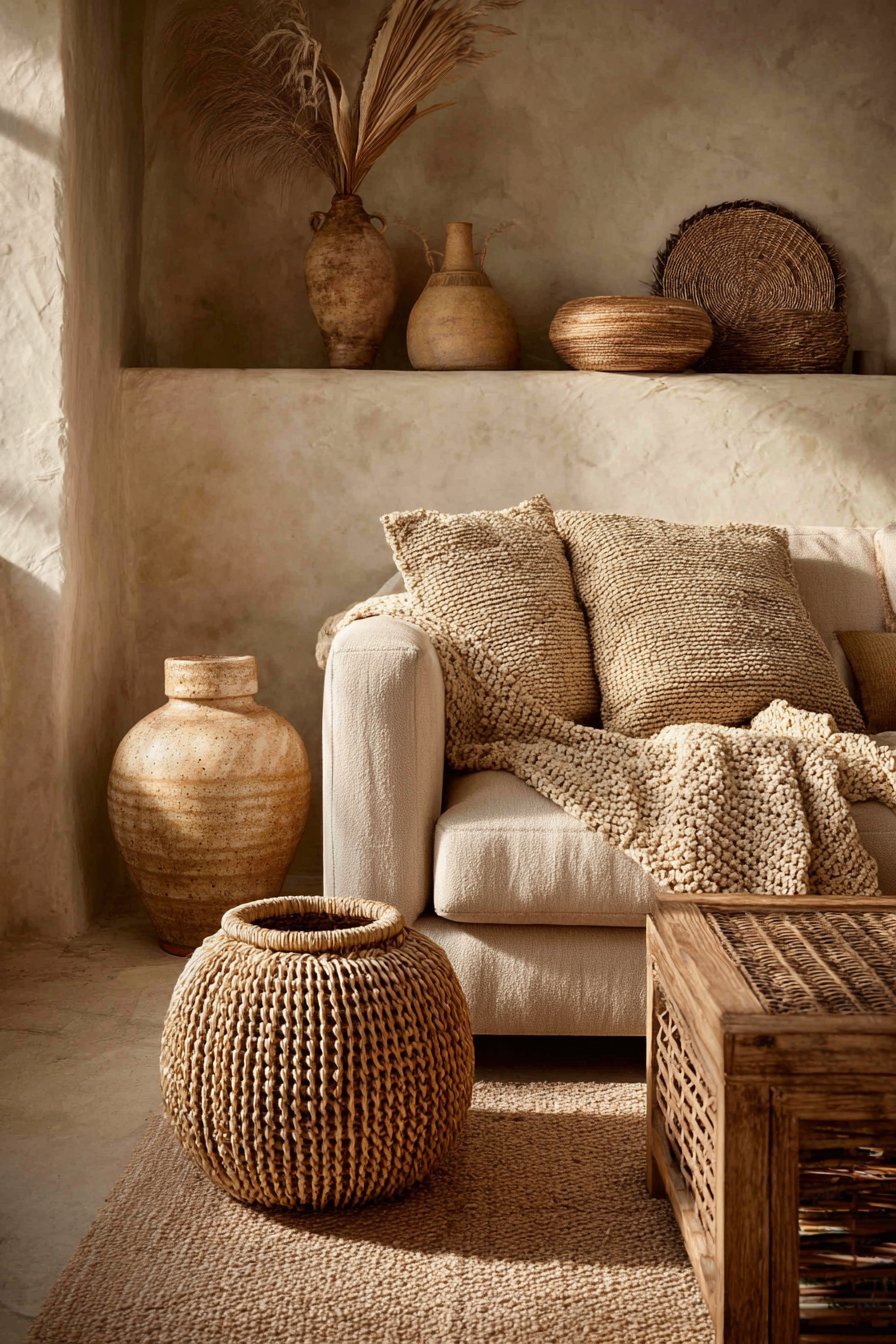
Minimalism’s visual cleanliness often came at the cost of tactile experience. In 2026, texture has become a primary design language. Homeowners and designers are obsessing over how spaces feel — not just how they look. The result is interiors layered with sensory depth: rough stone next to smooth plaster, soft boucle beside raw linen, glossy ceramics against matte wood.
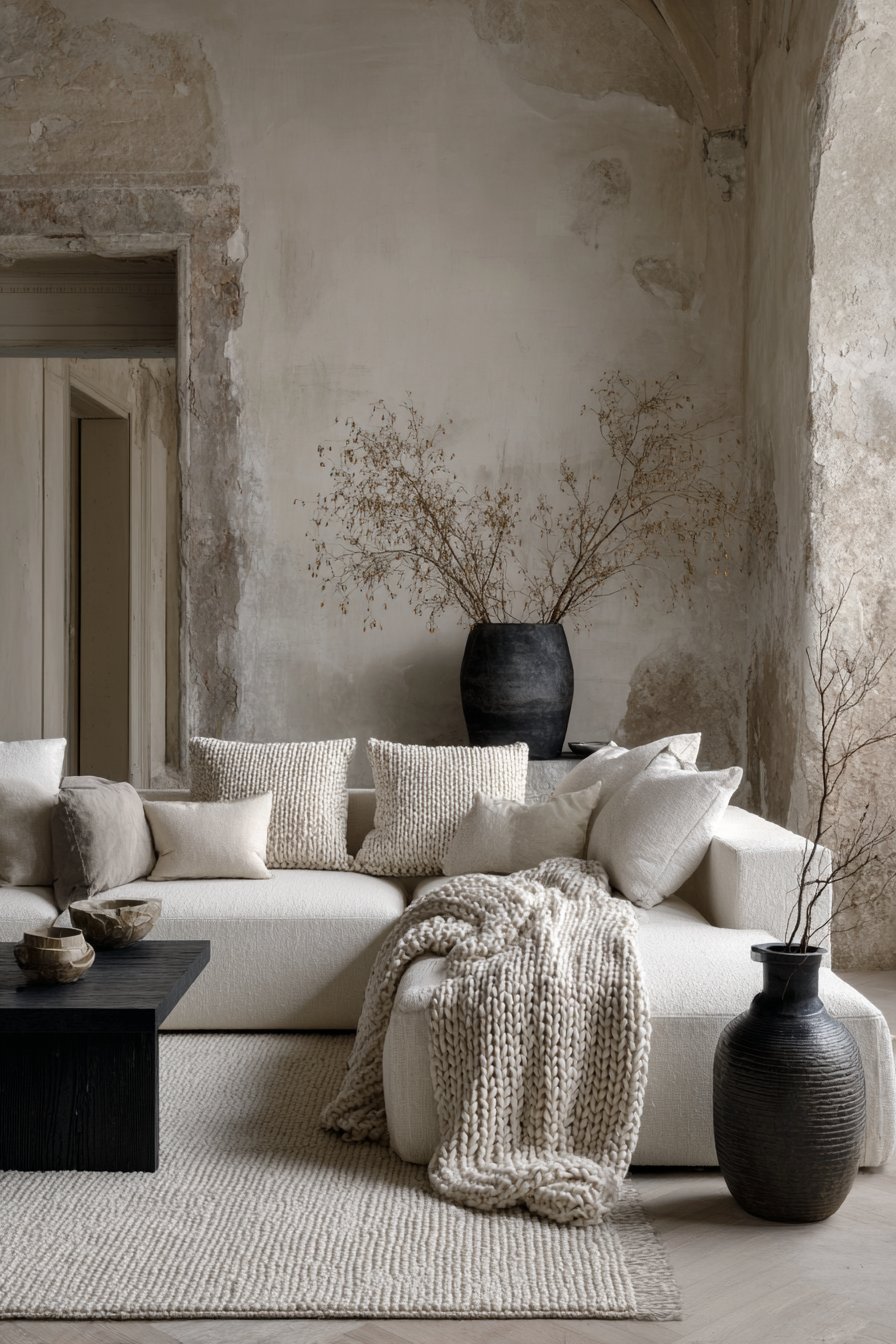
Texture also works powerfully in monochromatic or neutral schemes. A room in all-cream tones becomes dynamic and interesting when it layers chunky knit throws, silk cushions, plaster walls, velvet upholstery, and rattan accessories. The color may be unified, but the tactile variety creates visual richness that keeps the eye engaged without introducing pattern or bold color.
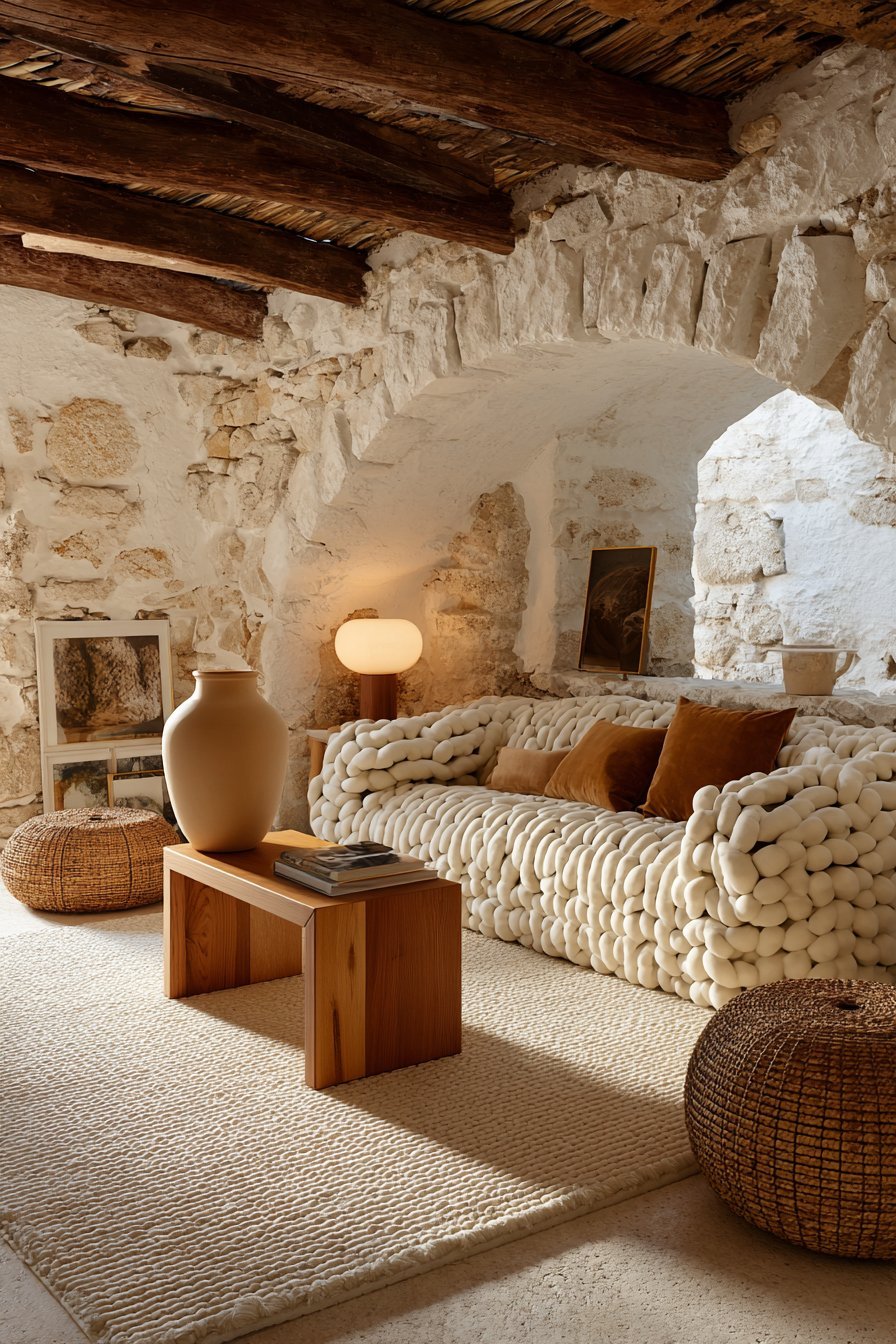
Wall treatments are a major part of this tactile revolution. Limewash paint, Venetian plaster, textured wallpapers, and natural clay plasters are replacing standard flat paint finishes. These techniques create walls with depth, movement, and warmth — surfaces that look different at different times of day as light shifts across their texture.
- Layer at least 4–5 different textures in any given room for sensory richness
- Explore limewash or Venetian plaster for walls with depth and organic character
- Combine hard and soft surfaces — stone, metal, wood alongside fabric, fur, and woven elements
- Use textured cushions and throws as the most affordable way to introduce tactile warmth
- Choose matte finishes on furniture and walls to soften the overall feel of a space
- Invest in a quality area rug — it anchors the room and contributes significant texture underfoot
9. Personalization and the “Anti-Instagram” Home
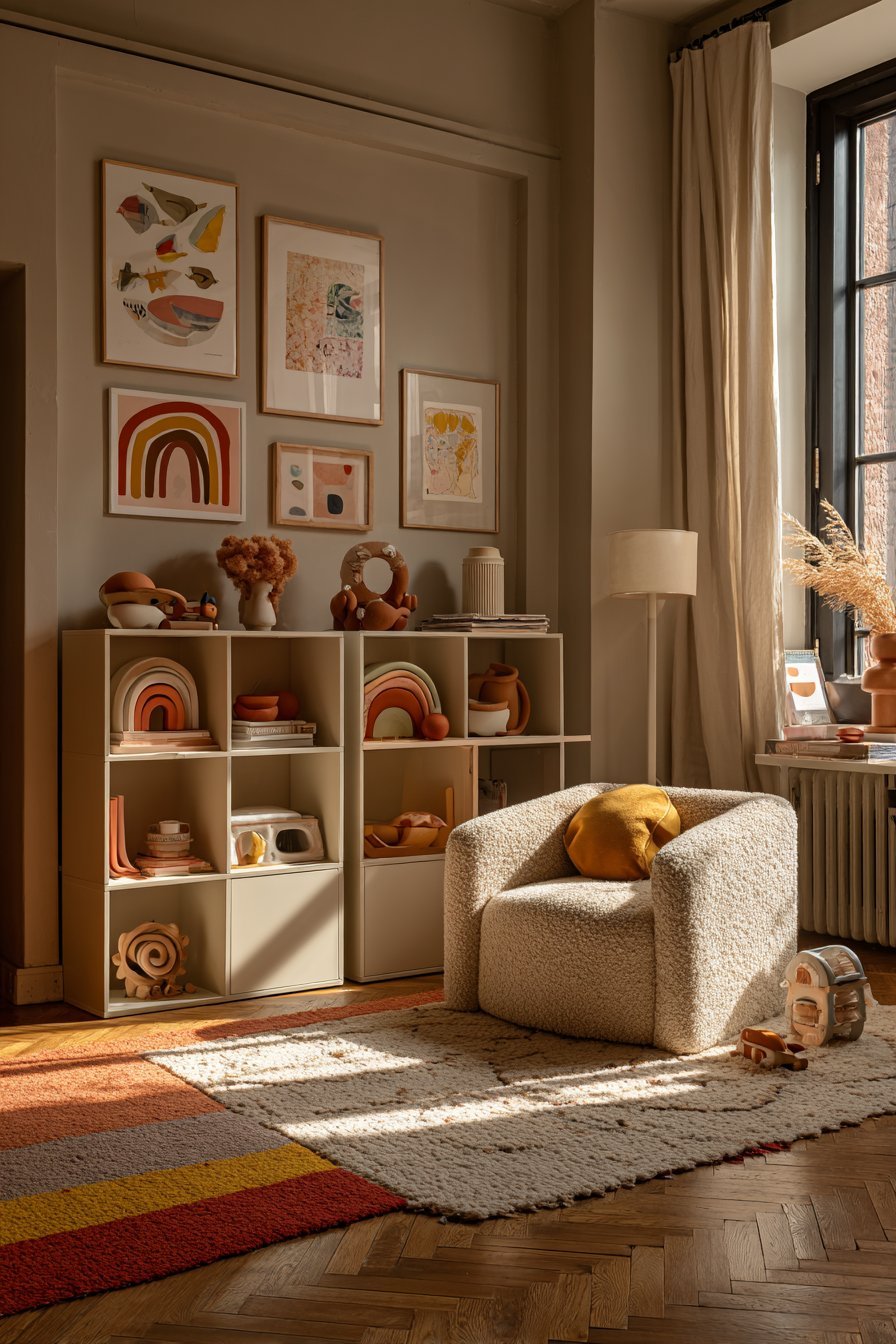
For years, many people designed their homes for social media aesthetics rather than personal enjoyment. The result was a wave of interiors that looked stunning in photographs but felt hollow in real life. In 2026, there’s a powerful counter-movement: the anti-Instagram home — spaces designed purely for the people who live in them.
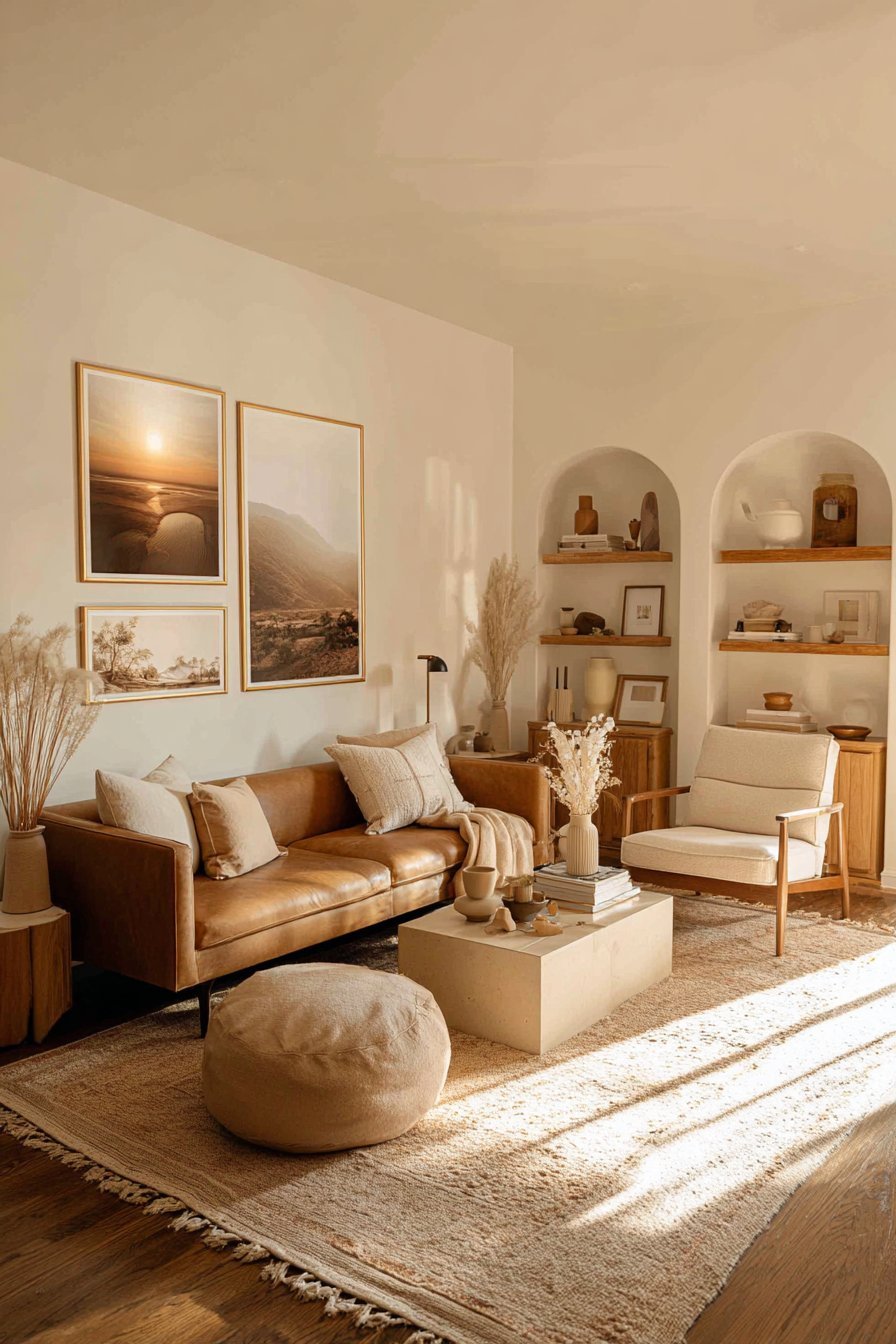
This means displaying children’s artwork proudly alongside gallery prints. It means keeping the slightly imperfect vintage find you love over the perfect new piece that photographs better. It means designing your bedroom for the quality of sleep it provides rather than the visual impact it creates on a screen. Authenticity has become the most coveted quality in interior design.
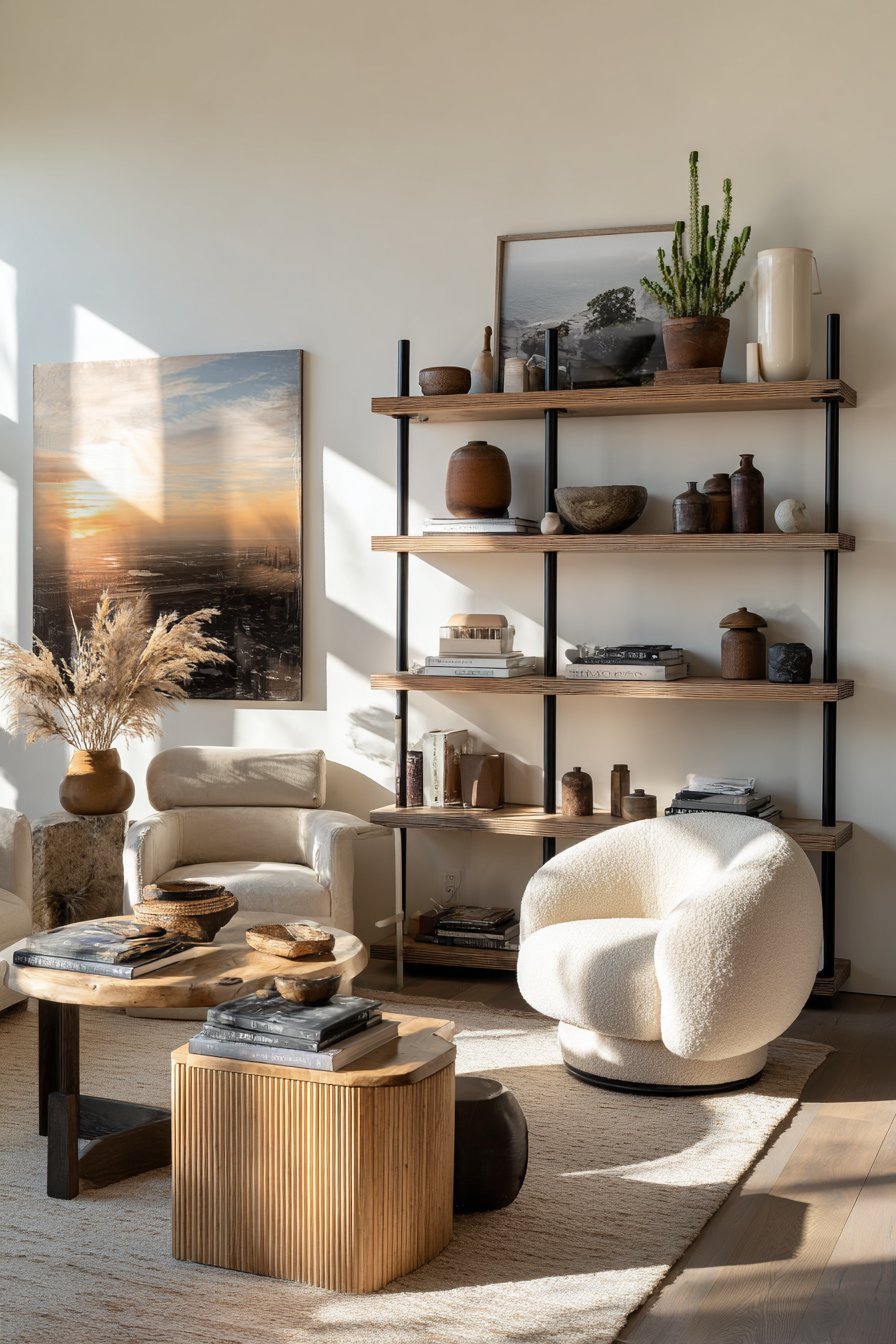
Personalization also shows up in the death of the matching set. The perfectly coordinated bedroom suite or the matchy-matchy living room — once considered the height of design sophistication — now reads as sterile and unimaginative. Instead, collected, layered rooms that tell a personal story are celebrated. Your home should look like you, not like a showroom.
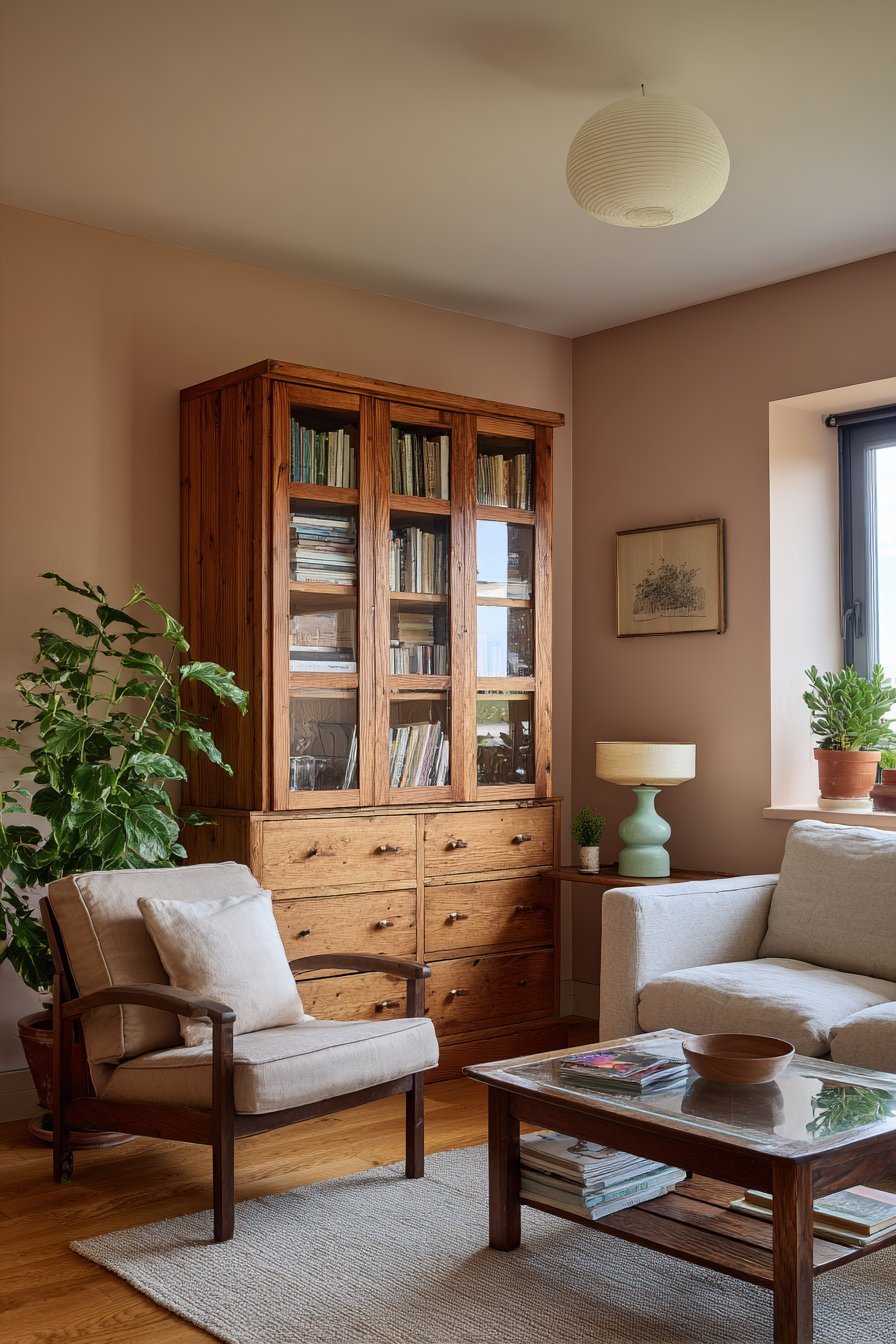
- Display personal collections, artwork, and memories without apologizing for them
- Break up matching furniture sets with individual, character-filled pieces
- Design for daily function and joy first — aesthetics second
- Include meaningful objects — inherited pieces, travel souvenirs, handmade gifts
- Resist the urge to edit purely for photographs — design for lived experience
- Ask yourself “does this make me happy?” as your primary design filter
10. Sustainable and Conscious Design
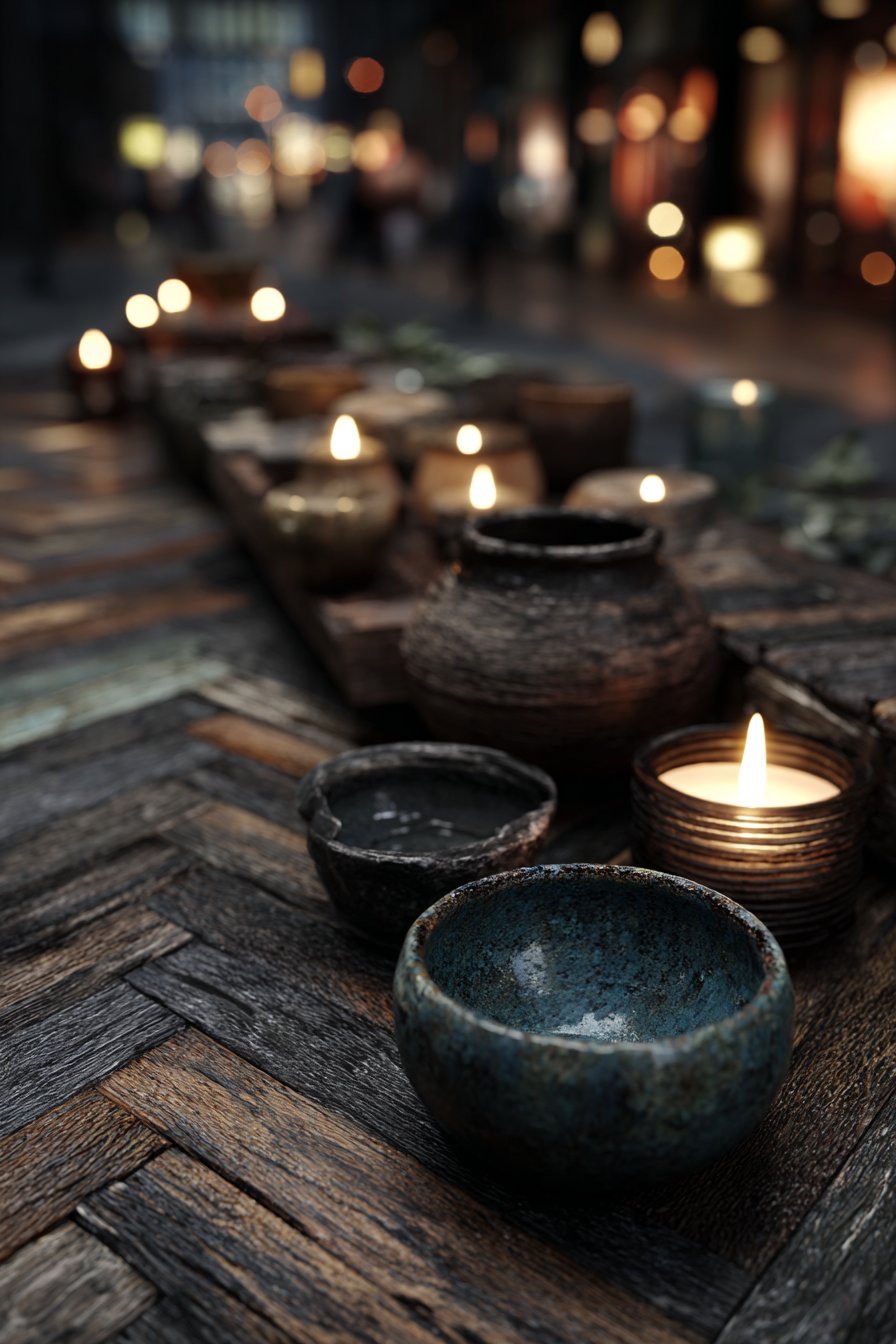
Perhaps the most significant evolution beyond minimalism is the embrace of truly sustainable design. Where minimalism touched on sustainability through reduction, 2026’s conscious design movement goes much further. It considers the entire lifecycle of materials — where they came from, how they were made, and what happens when they eventually need replacing.
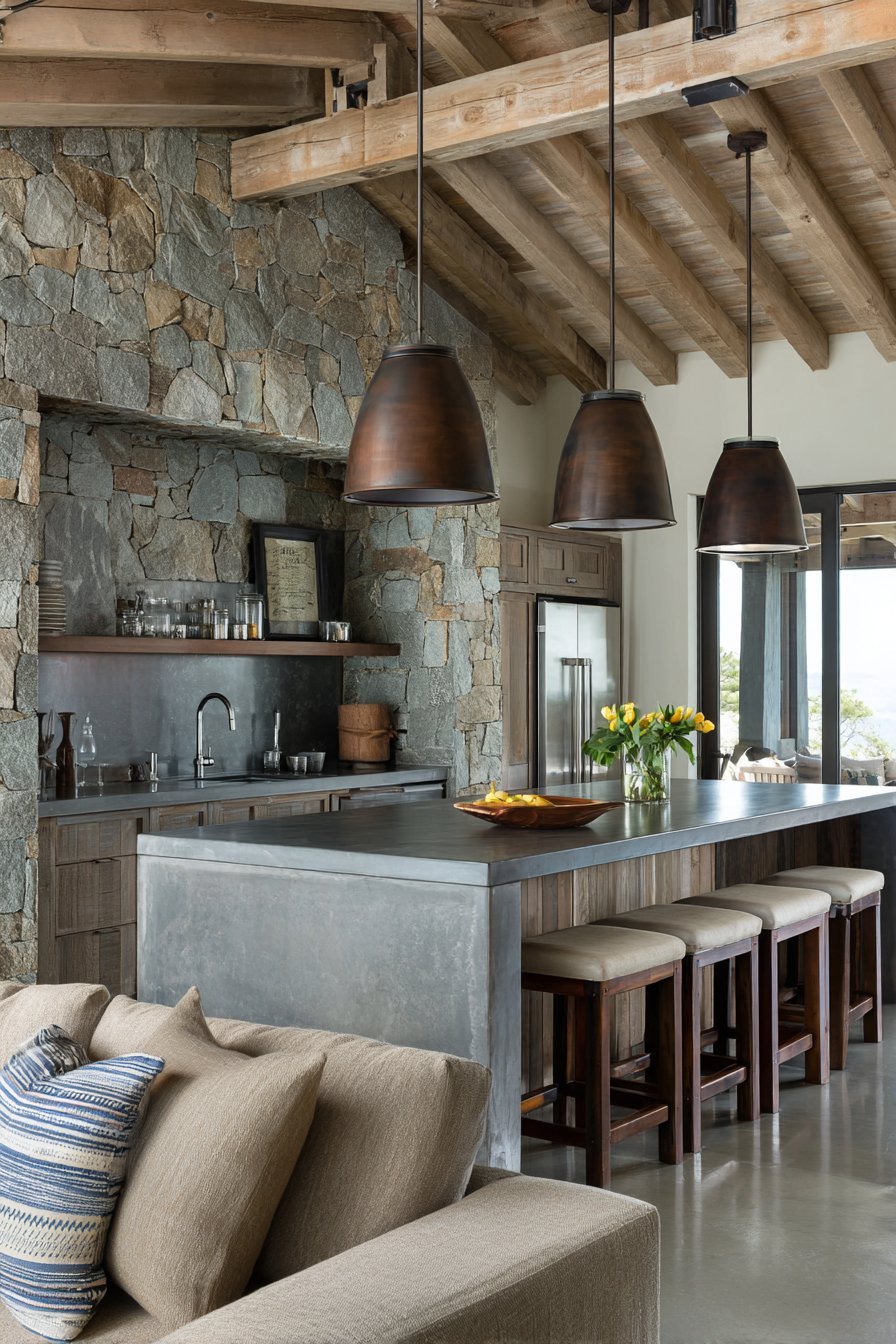
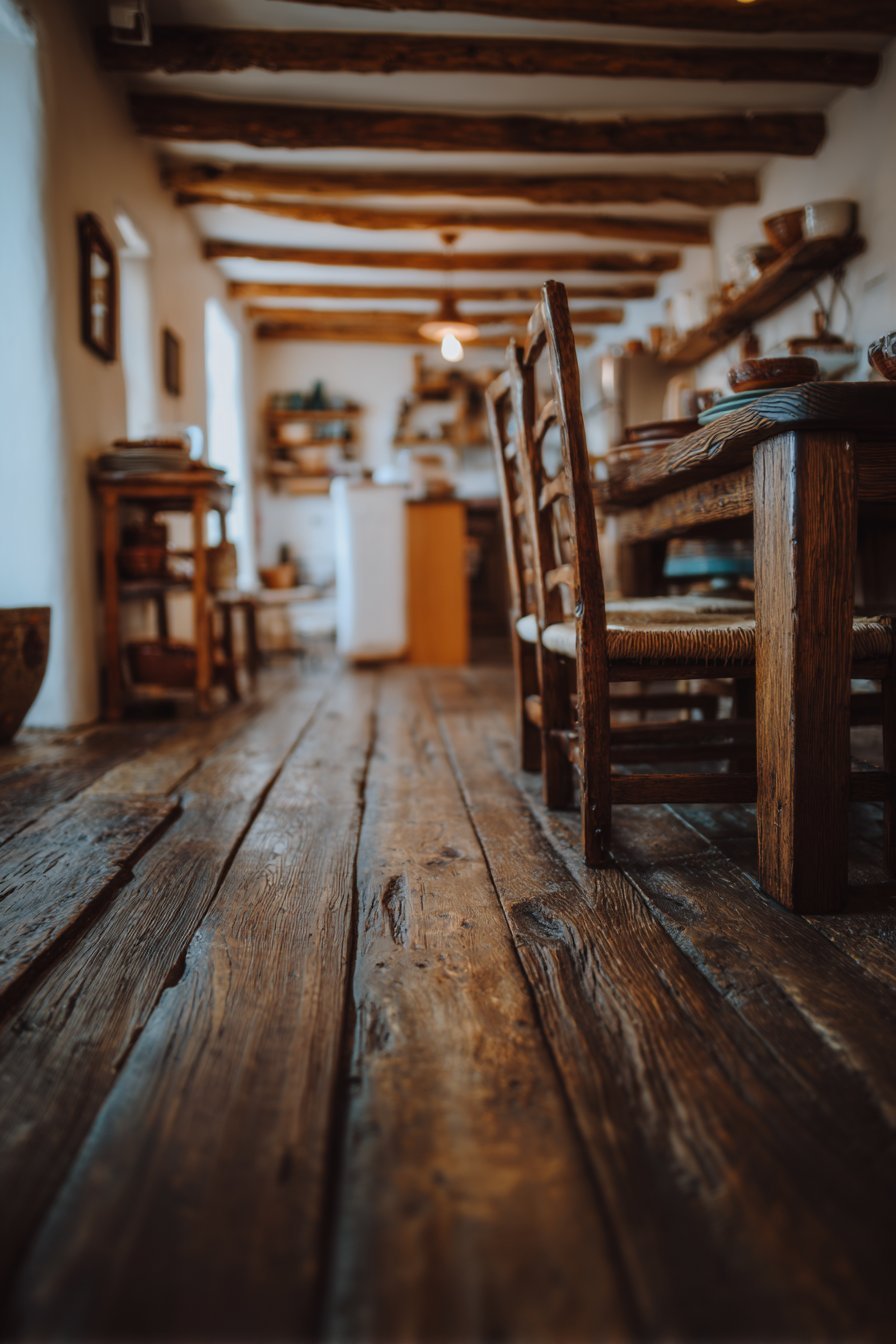
Natural and reclaimed materials are at the forefront of this movement. Reclaimed wood flooring, recycled glass countertops, natural stone tiles, and sustainably sourced textiles are replacing synthetic alternatives. These materials don’t just reduce environmental impact — they also tend to be more beautiful, more durable, and more characterful than their mass-produced equivalents.
Energy efficiency and conscious consumption are shaping purchasing decisions. People are buying less, but investing more in quality. They’re choosing local artisans and makers over global fast-furniture giants. They’re repairing rather than replacing. This approach creates interiors that are not only more sustainable but also more personal and more beautiful for the long-term.
- Research the origins and production methods of materials before purchasing
- Prioritize natural, biodegradable materials — wool, cotton, linen, solid wood, natural stone
- Choose local artisans and makers where possible to reduce transport impact and support craft
- Buy secondhand or reclaimed whenever you can — the aesthetic rewards are often greater
- Invest in fewer, higher-quality pieces that will last decades rather than years
- Consider end-of-life planning — choose materials that can be recycled, composted, or repurposed
Conclusion
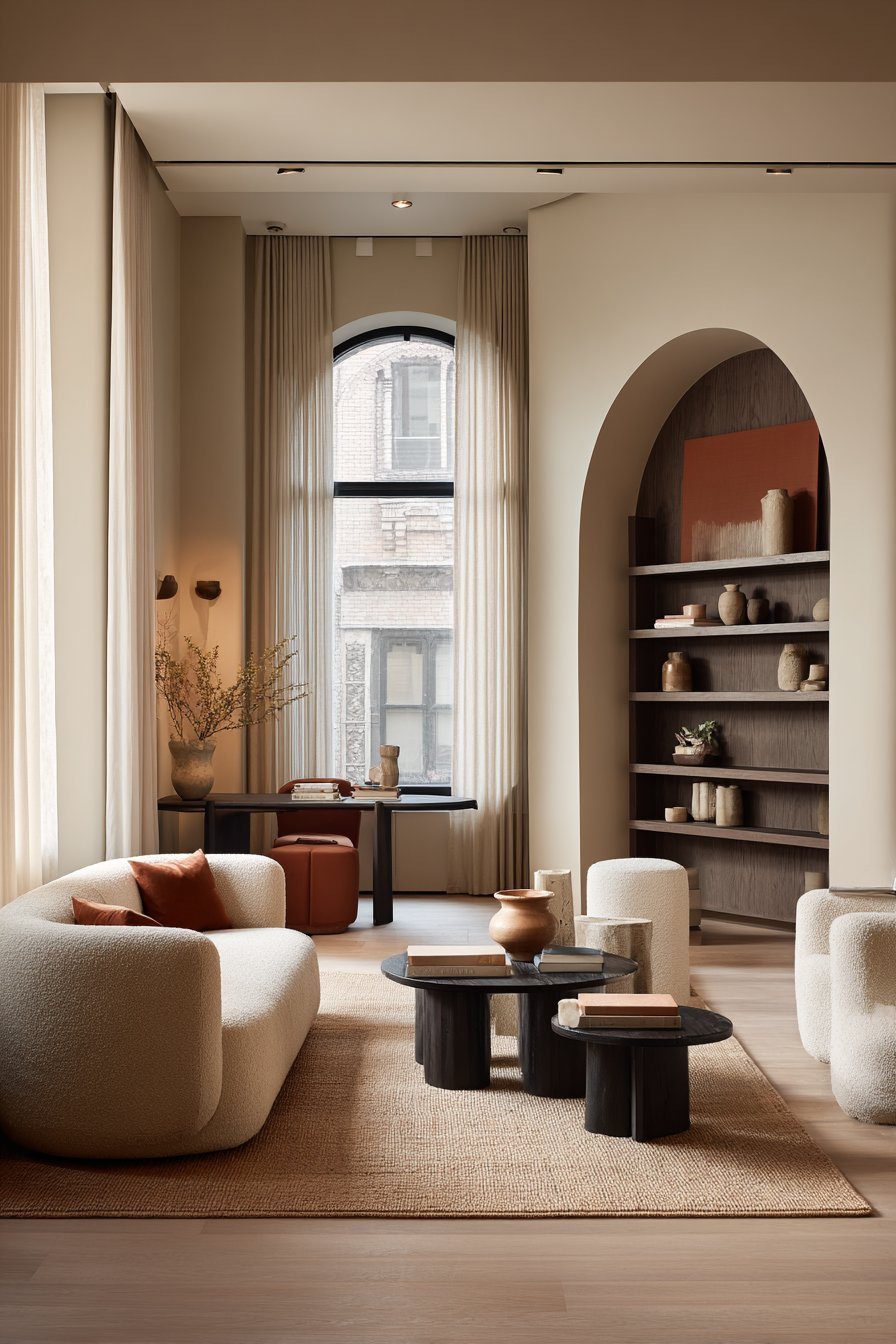
Minimalism isn’t dead — but it has been profoundly transformed. The cold, sterile version that dominated the 2010s has given way to something richer, warmer, and more human. In its place, we find warm minimalism, bold maximalism, biophilic living, Japandi serenity, and a deep hunger for authenticity and personal expression. The design world in 2026 is celebrating texture, color, craftsmanship, sustainability, and the irreplaceable beauty of a home that truly reflects the person living in it.
The most important lesson from this design evolution is this: your home should make you happy. Not a stranger on social media. Not a design trend. You. Experiment with these ideas, mix and match what resonates, and have the confidence to create a space that feels genuinely and unapologetically yours. The best interior design has always been the kind that whispers — this is exactly where I belong.
