

Designing a nursery is one of the most emotionally rewarding projects a parent can undertake. It is a space where imagination meets functionality, and every detail carries meaning. In 2026, nursery design has evolved far beyond pastel walls and cartoon characters. Parents are embracing sophisticated, thoughtful approaches that grow with their children and reflect genuine design sensibility.
Today’s nurseries are shaped by a desire for calm, purposeful environments that nurture development without overstimulating young minds. Designers are drawing inspiration from biophilic design, sustainable materials, and global aesthetics. The result is a generation of nurseries that feel serene, intentional, and beautifully crafted. This article walks you through the seven most dominant nursery design trends of 2026 and how to bring them to life in your own home.
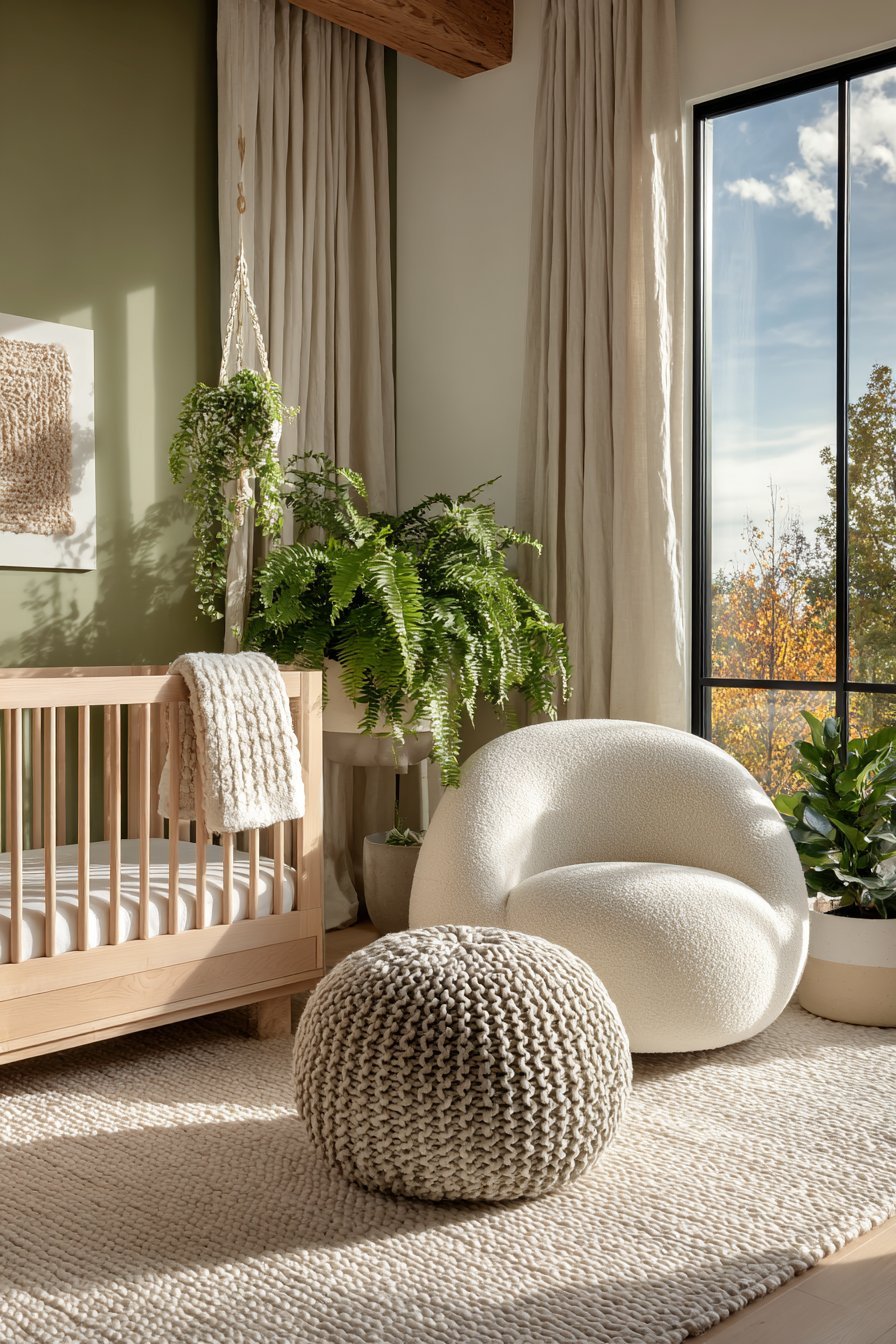
Whether you are designing a nursery from scratch or refreshing an existing space, these trends offer a wealth of inspiration. They balance aesthetics with practicality, ensuring that the room serves both the baby and the parent with equal grace. Read on to discover what is defining the modern nursery in 2026.
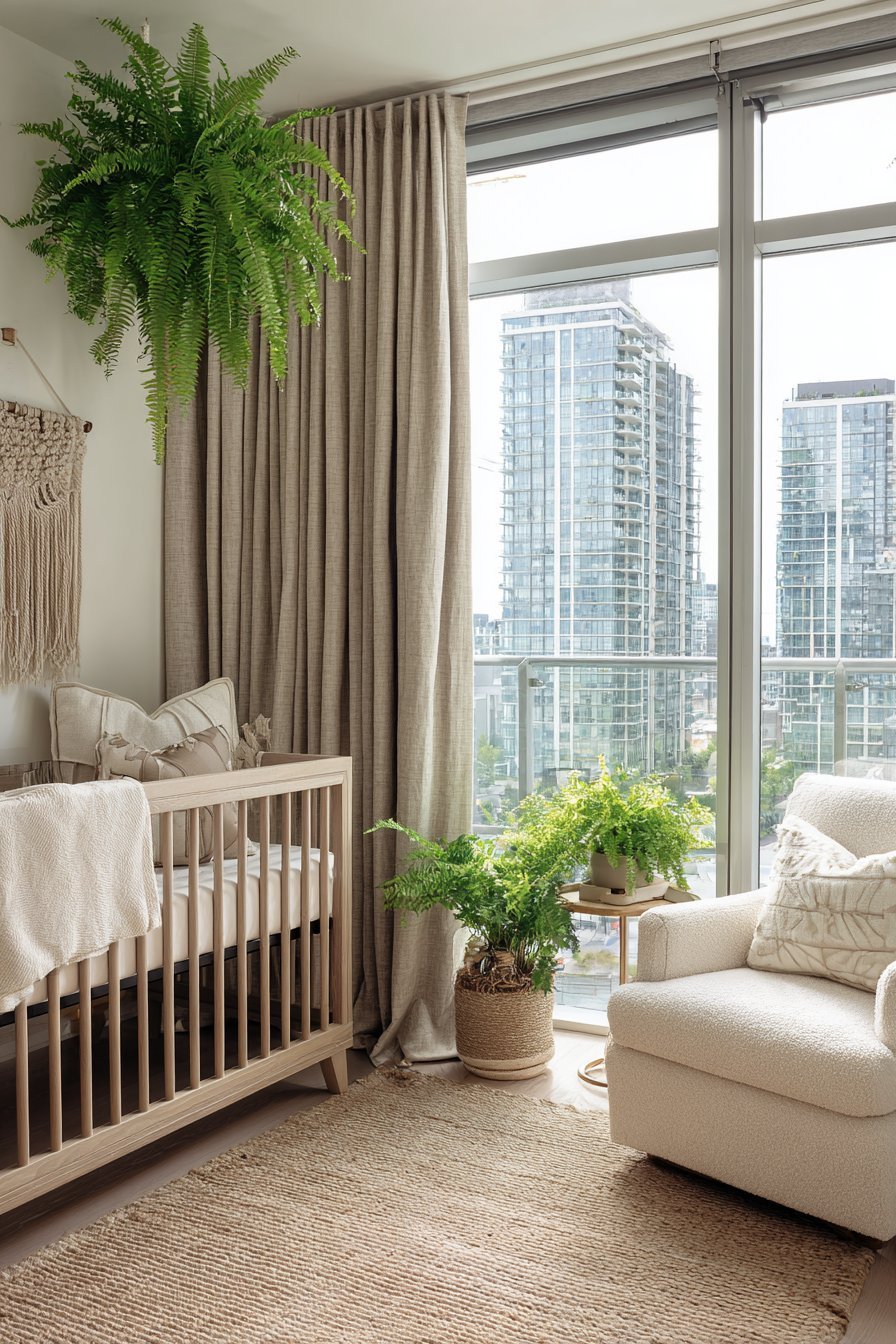
1. Biophilic Design and Nature-Inspired Nurseries
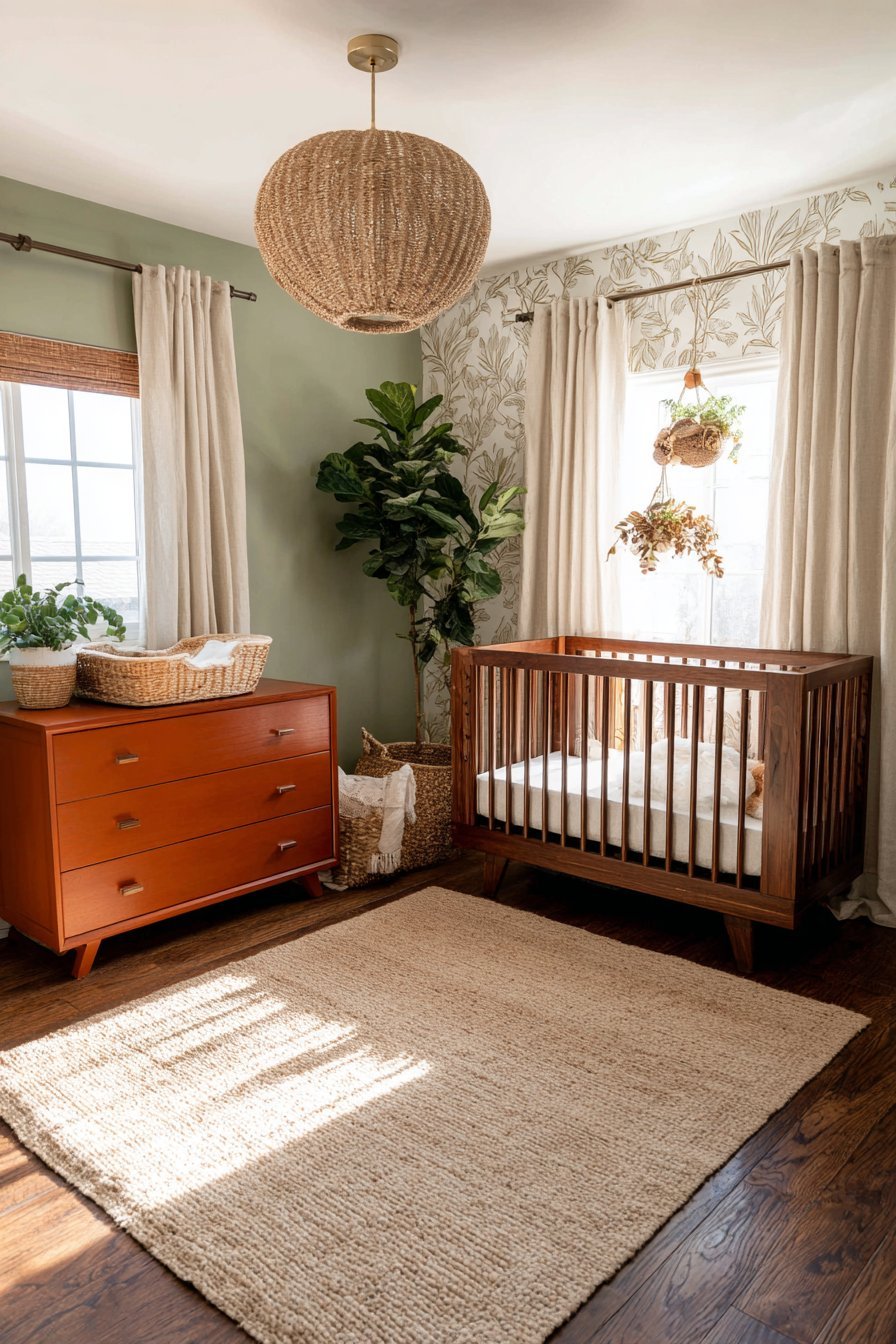
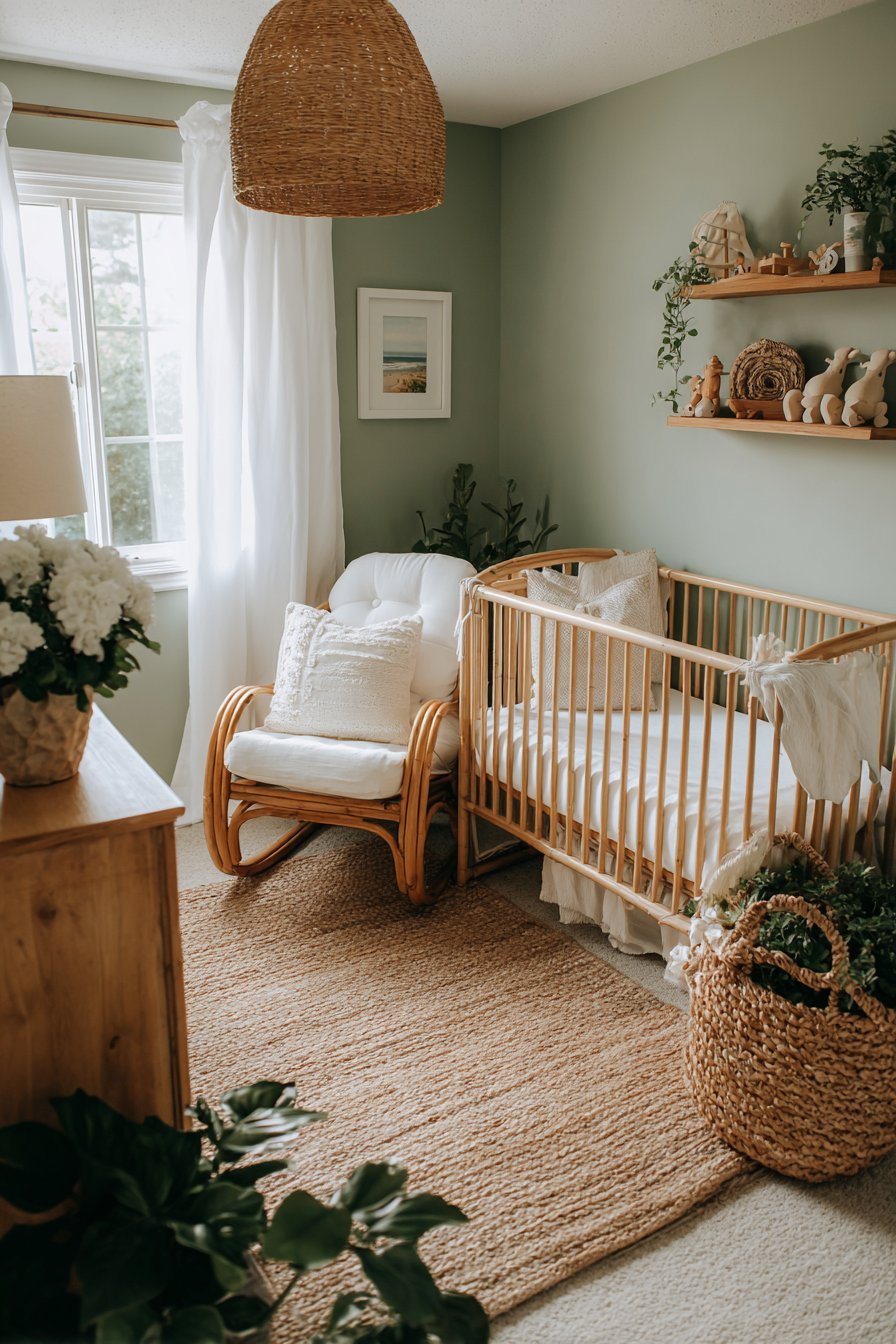
Biophilic design has firmly established itself as the leading philosophy in nursery interiors for 2026. This approach brings the natural world indoors, using organic textures, earthy tones, and living elements to create a grounding environment. Research consistently shows that exposure to natural elements supports cognitive development and emotional regulation in infants and toddlers.
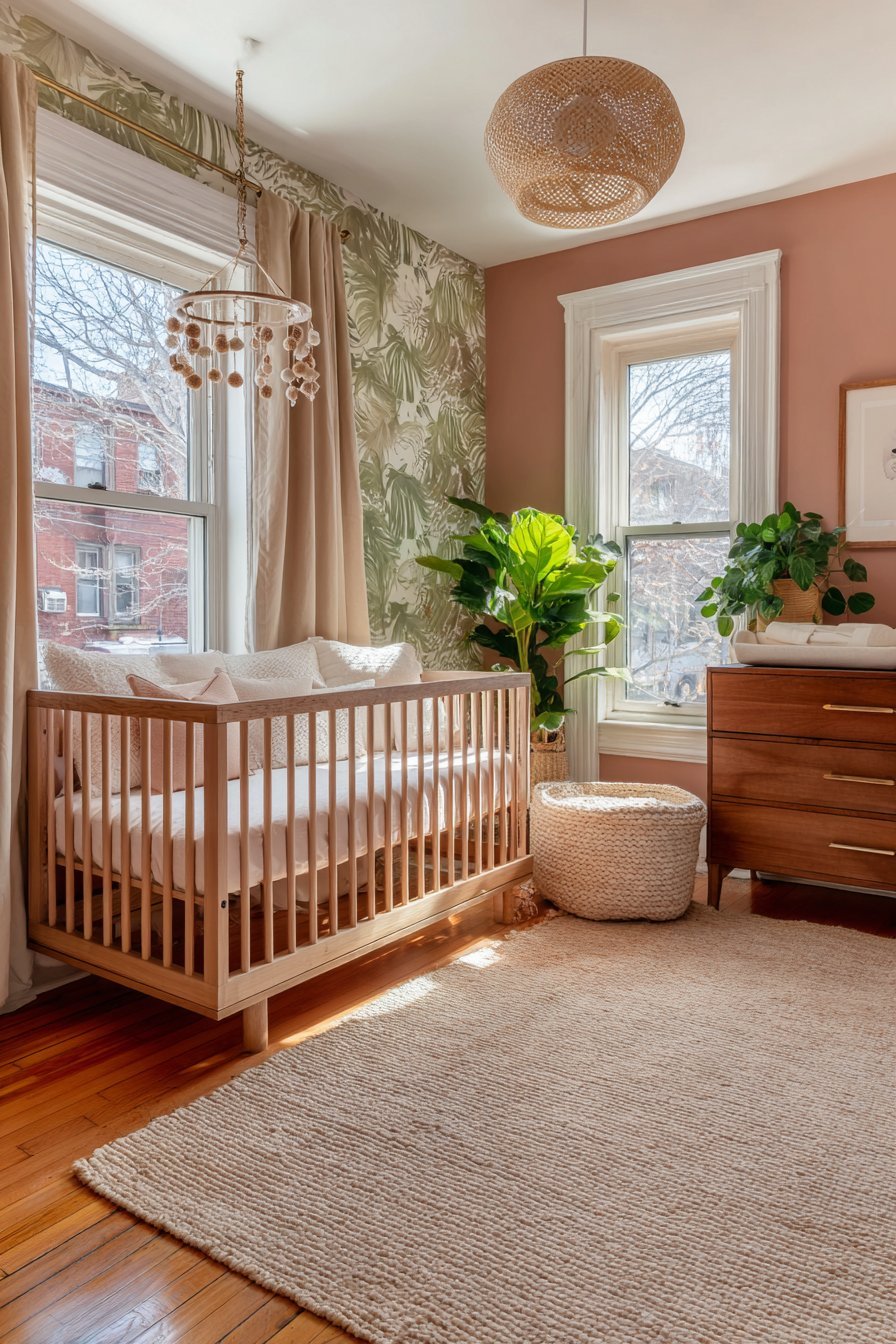
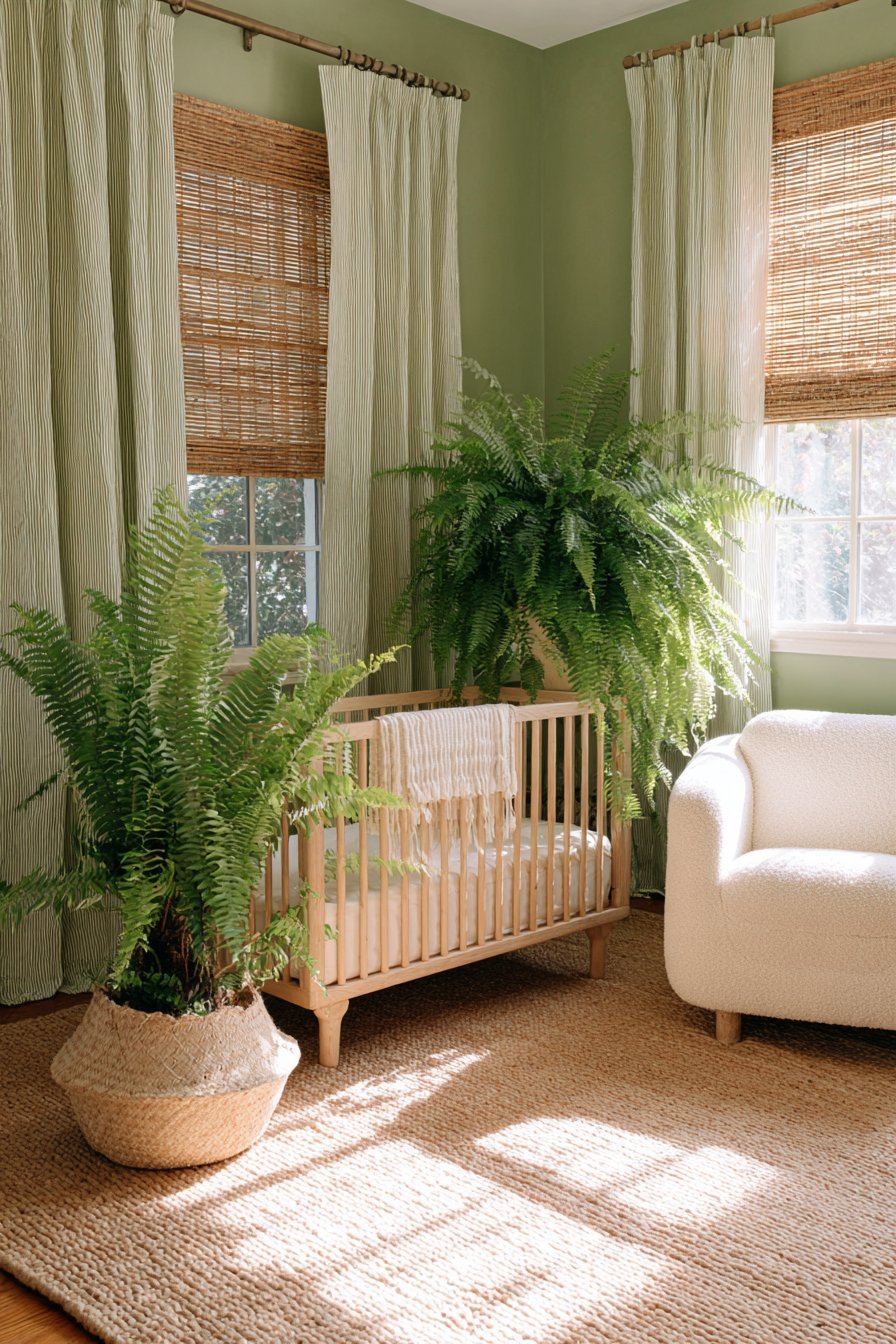
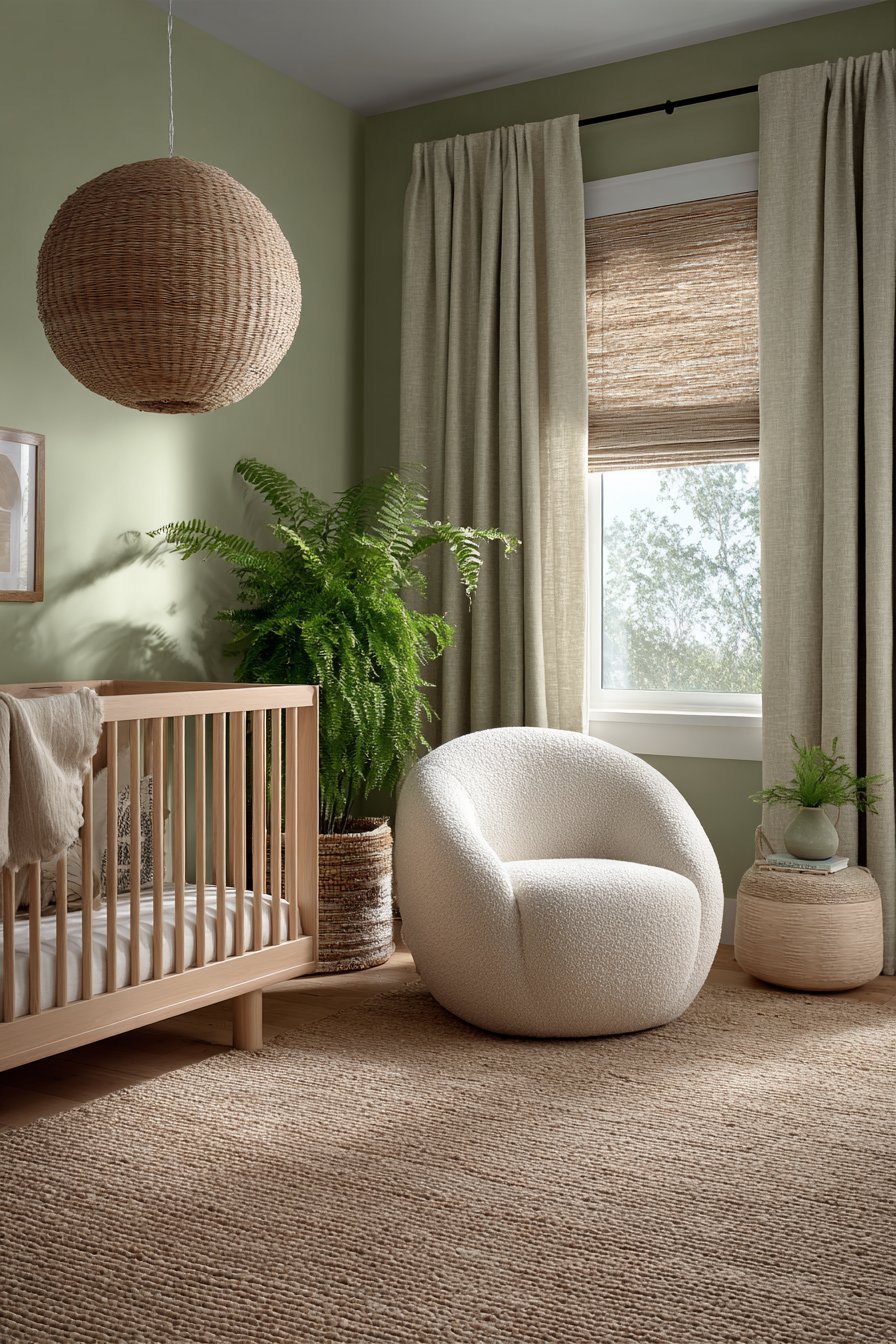
Parents are incorporating natural wood furniture, rattan bassinets, jute rugs, and linen textiles to build a tactile connection with nature. Walls are being painted in warm terracotta, sage green, and soft clay tones that evoke a forest floor or a sun-lit meadow. The goal is to create a space that feels alive and organic rather than sterile or overly manufactured.
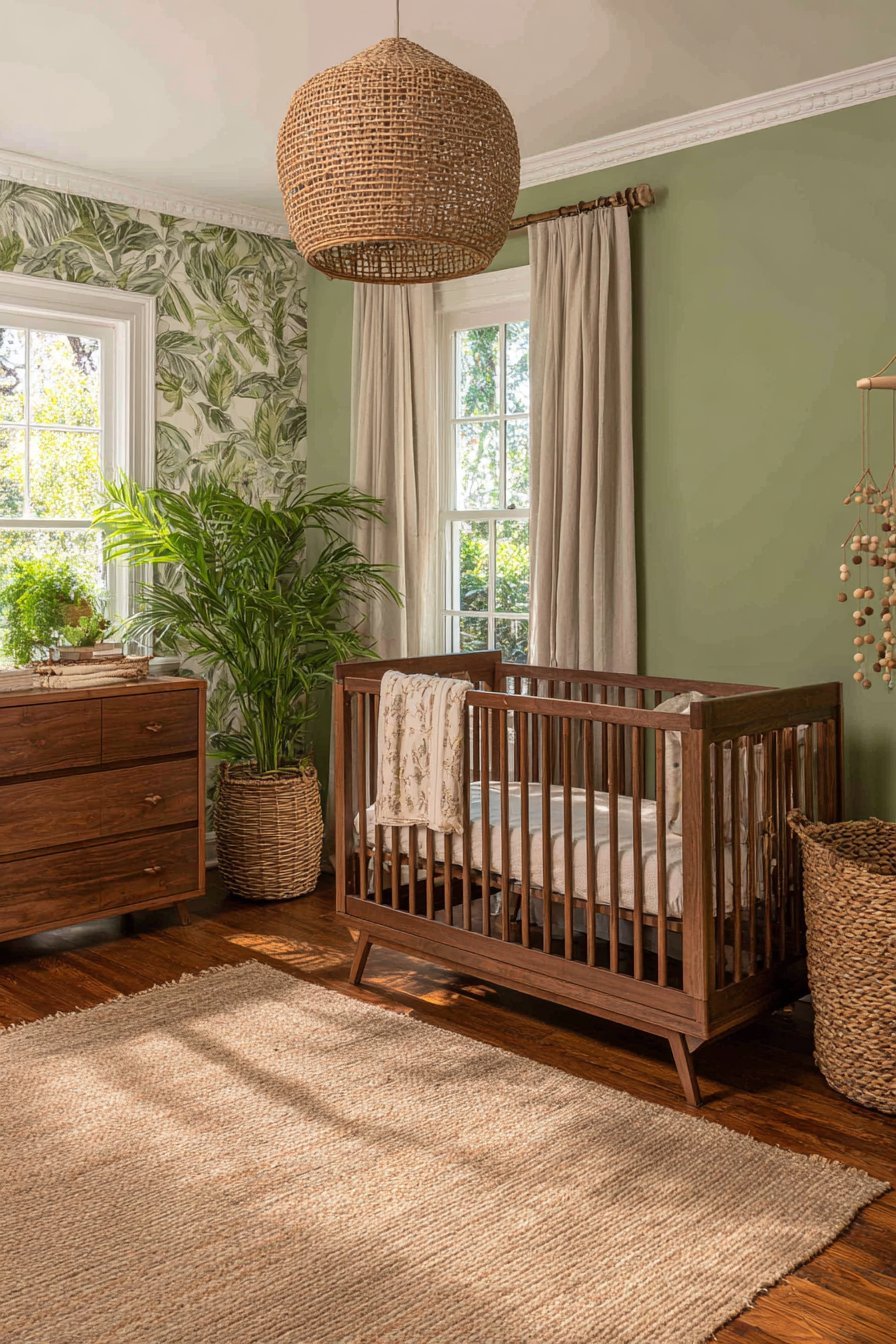
Potted plants like pet-safe varieties such as spider plants and Boston ferns are becoming nursery staples. These add oxygen, texture, and a sense of calm to the room. Even wallpaper choices are shifting toward botanical prints, woodland creatures, and leafy canopy patterns that immerse the child in a nature-inspired visual landscape.
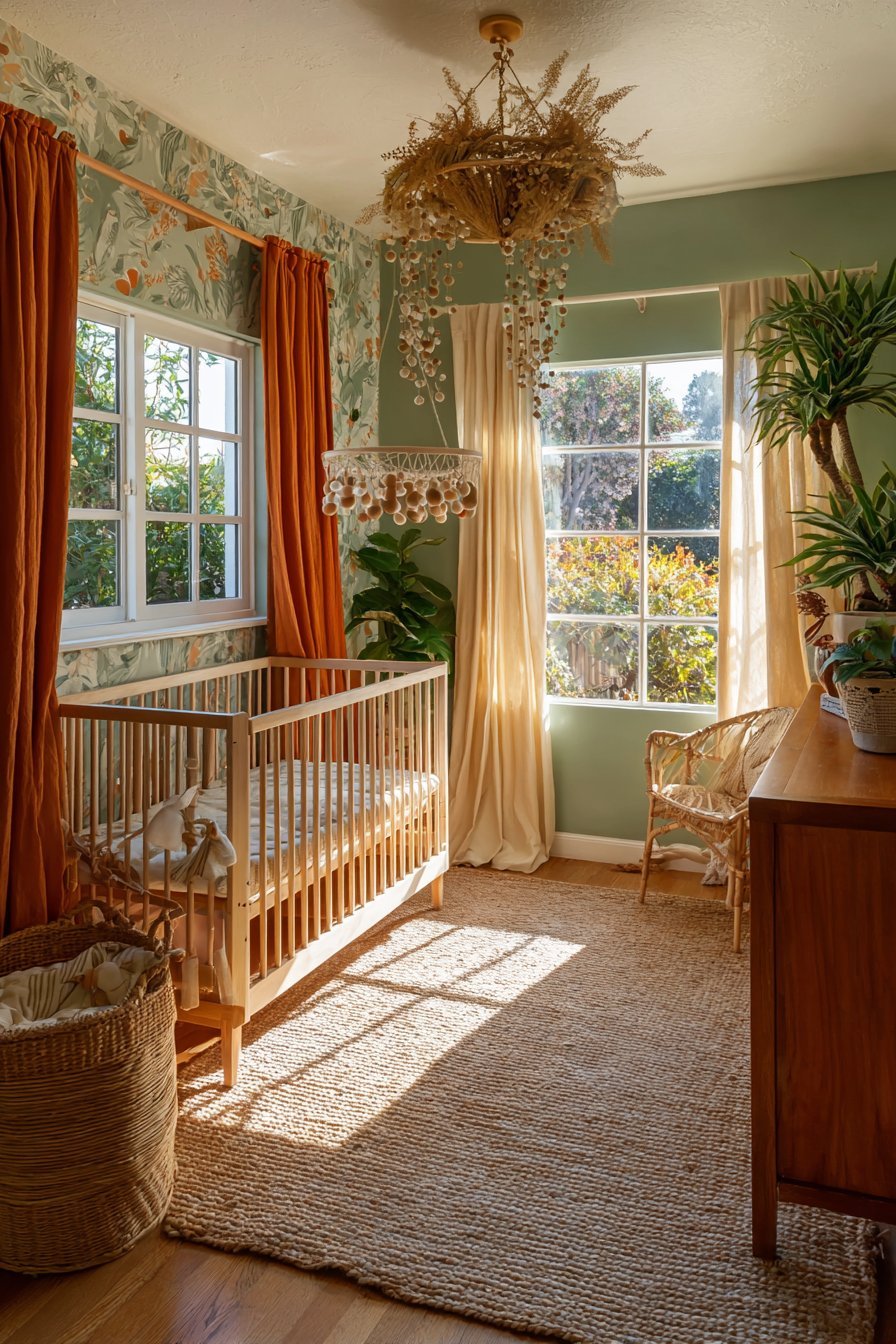
- Choose furniture made from solid wood or bamboo for an authentic organic feel
- Use a soft, earthy color palette like sage, stone, warm white, and clay
- Add a jute or wool area rug to introduce natural texture underfoot
- Hang a mobile featuring dried botanicals, wooden beads, or leaf shapes
- Select pet-safe, air-purifying houseplants to add life and freshness
- Use linen or organic cotton for all soft furnishings and bedding
2. Gender-Neutral and Inclusive Color Palettes
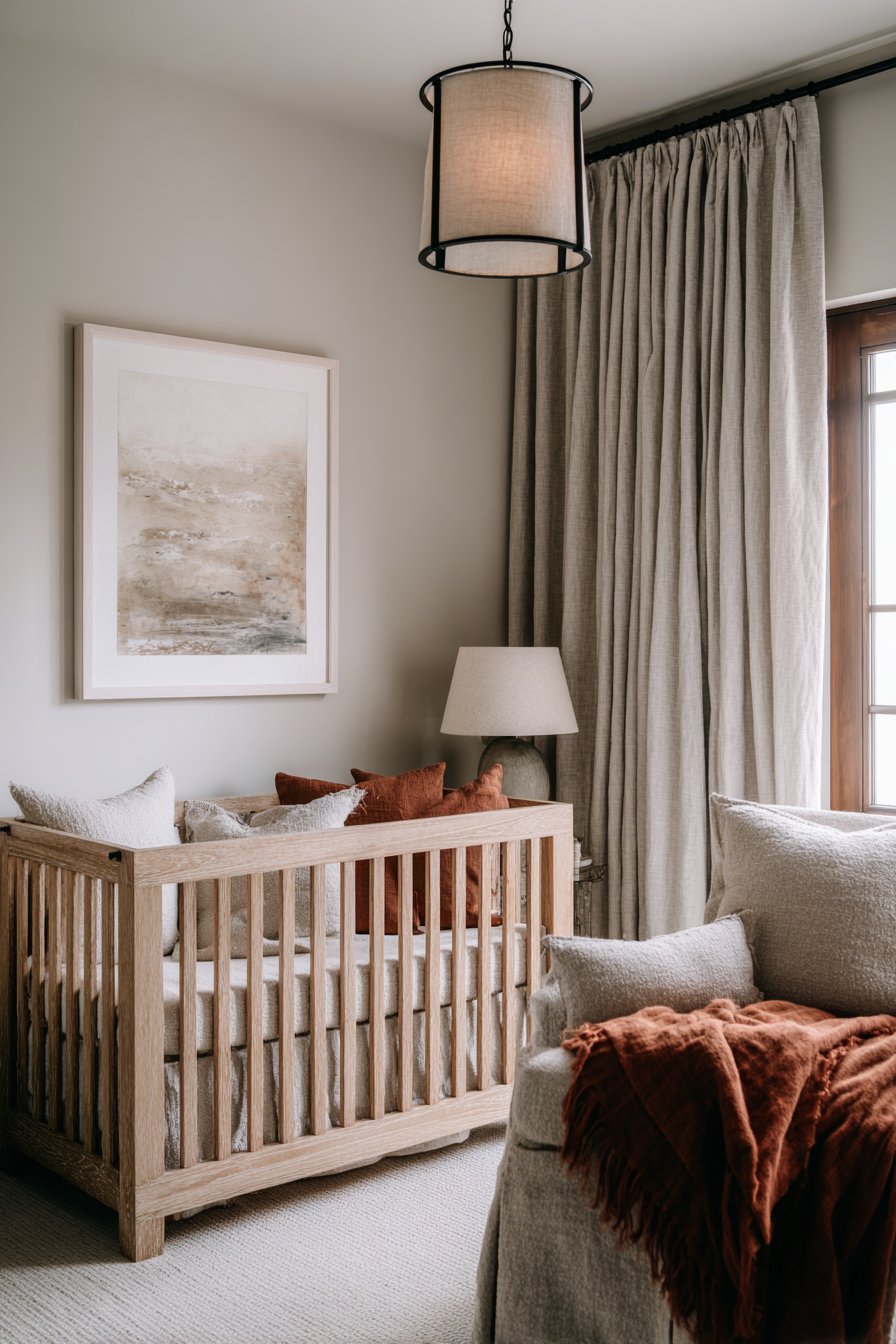
The shift toward gender-neutral nurseries has been building for years, and in 2026 it has fully matured into a dominant design movement. Parents are moving away from blue-and-pink binaries and embracing a richer, more nuanced spectrum of color. This creates spaces that feel both modern and timeless.
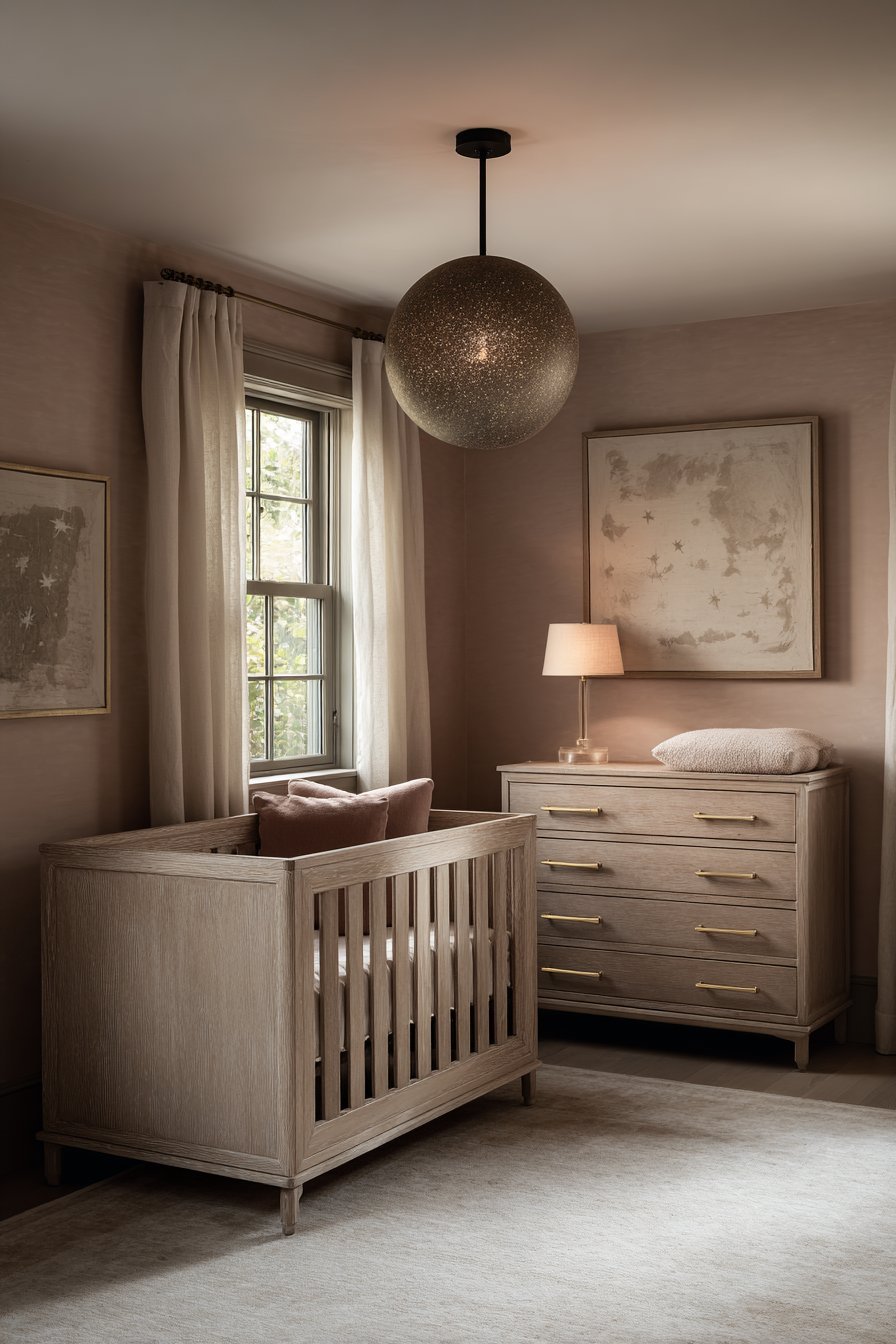
Warm neutrals like mushroom, oat, warm white, and dusty mauve are leading the palette conversation. These tones pair beautifully with natural wood, aged brass hardware, and soft textiles. They also photograph exceptionally well, making them popular among design-conscious parents who value a curated aesthetic throughout their entire home.
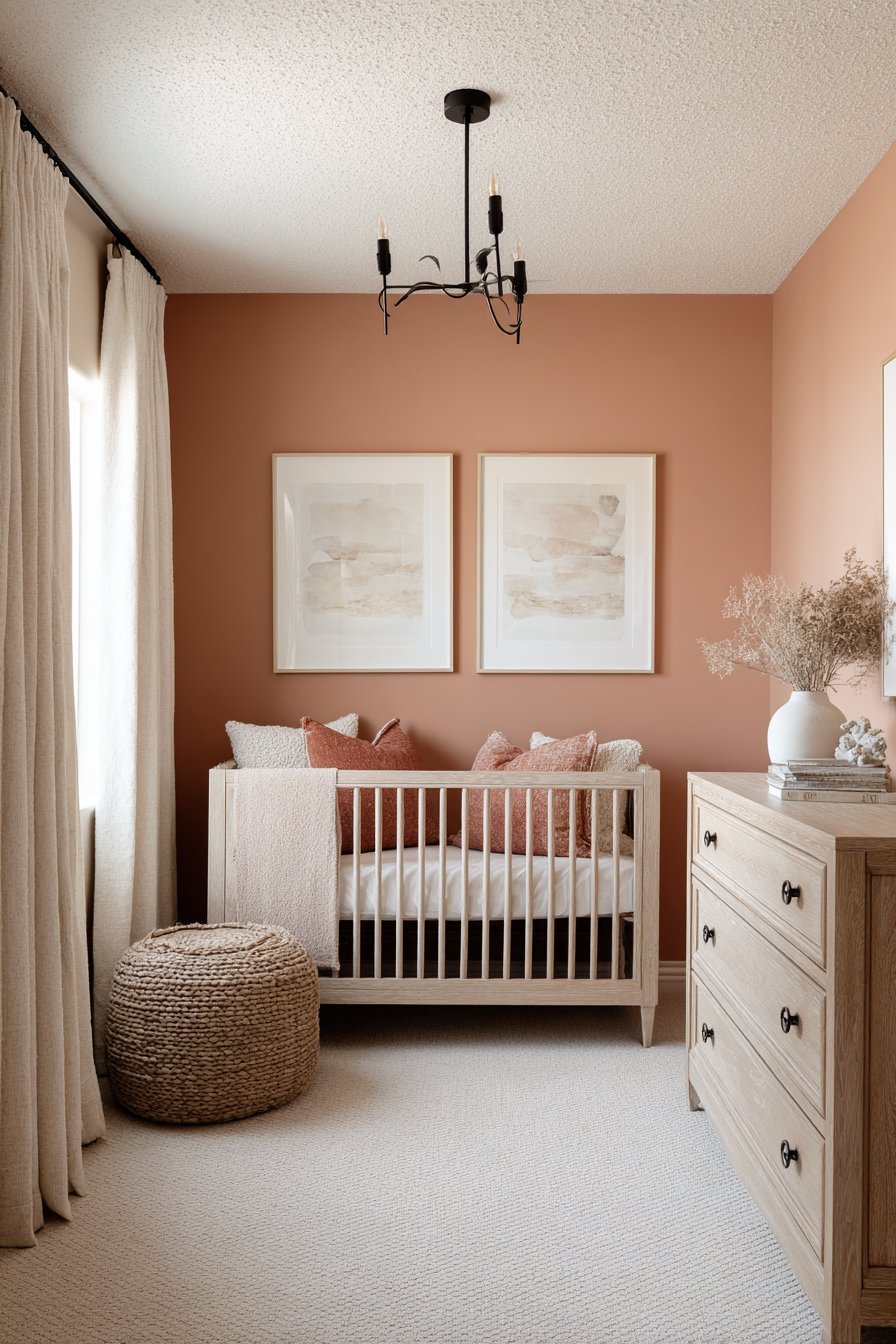
Beyond neutrals, there is a growing use of muted jewel tones such as terracotta, deep sage, dusty blue, and warm rust. These shades add depth and personality without leaning into traditional gender associations. They create rooms that feel sophisticated and considered, rooms that a parent is proud to walk into every single day.
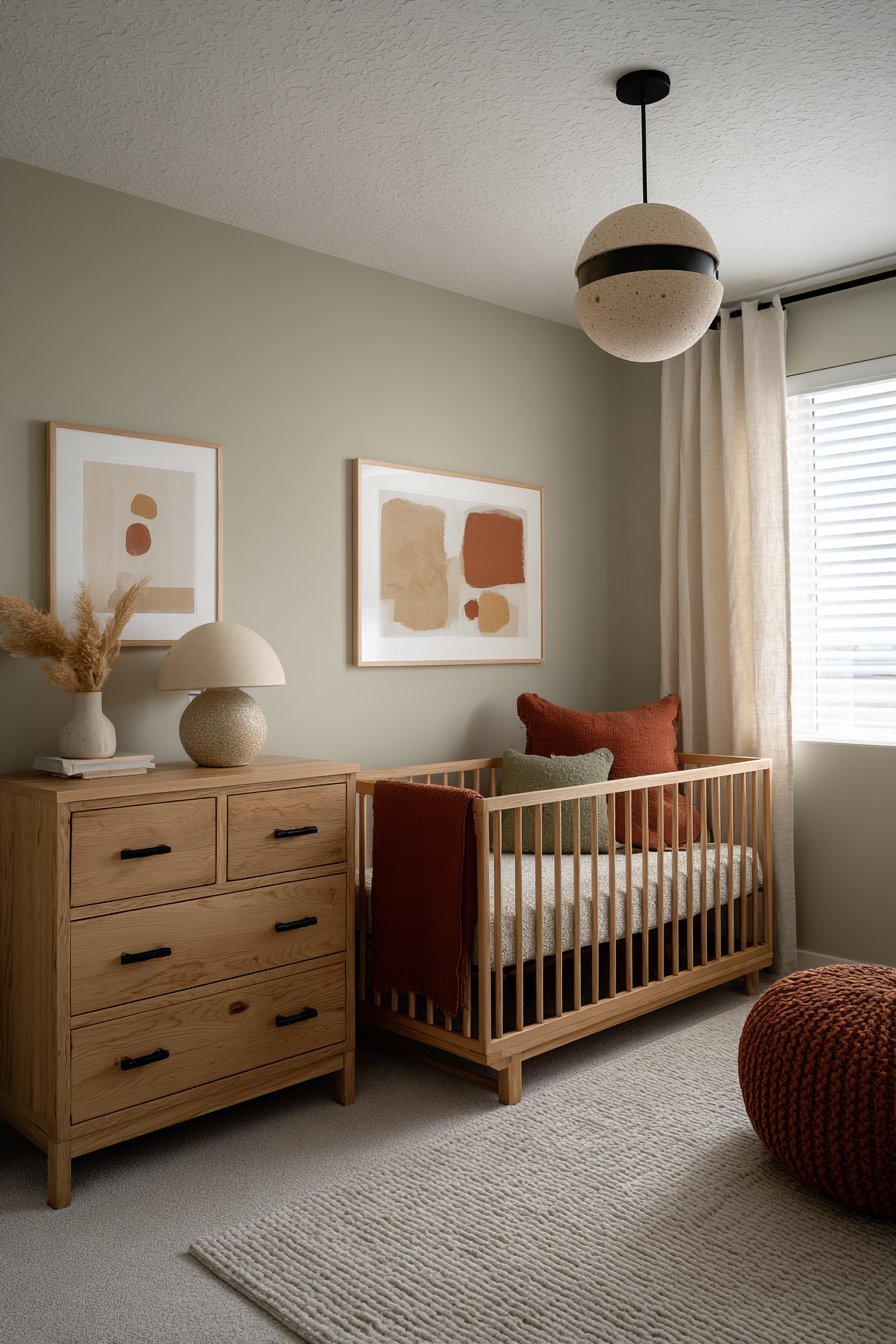
- Opt for a warm neutral base color like oat or mushroom as your primary wall tone
- Layer in muted accents through cushions, curtains, and artwork
- Choose furniture in natural wood tones rather than painted white or pink
- Use aged brass or matte black hardware for a contemporary touch
- Mix textures like boucle, linen, and wood to add visual interest without color
- Avoid overly saturated primary colors that can feel dated quickly
3. Sustainable and Eco-Conscious Materials
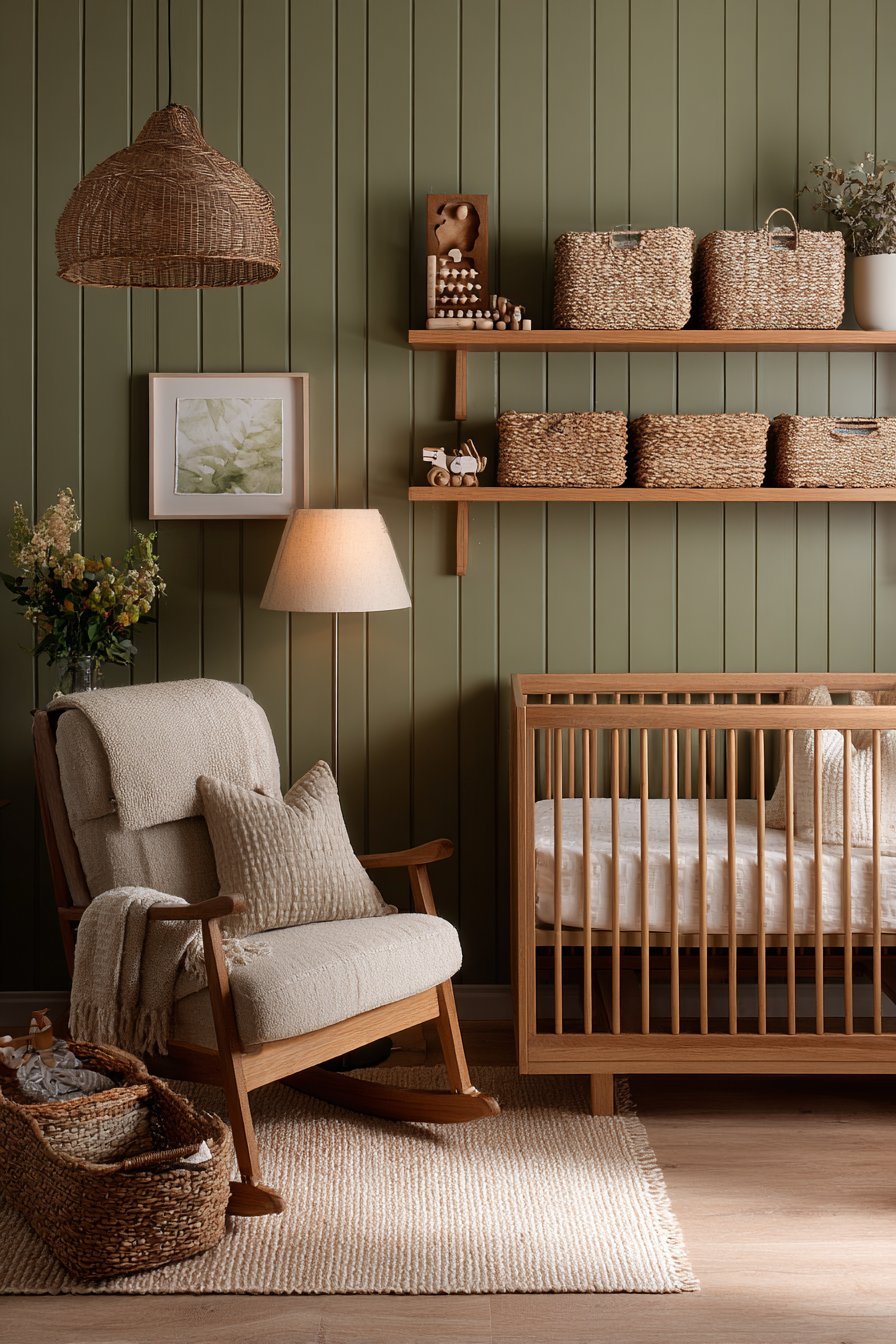
Sustainability is no longer a niche consideration in nursery design. In 2026, eco-conscious materials are a baseline expectation for informed parents. The awareness that a baby spends the majority of their early life in this single room has made material safety and environmental responsibility a top priority.
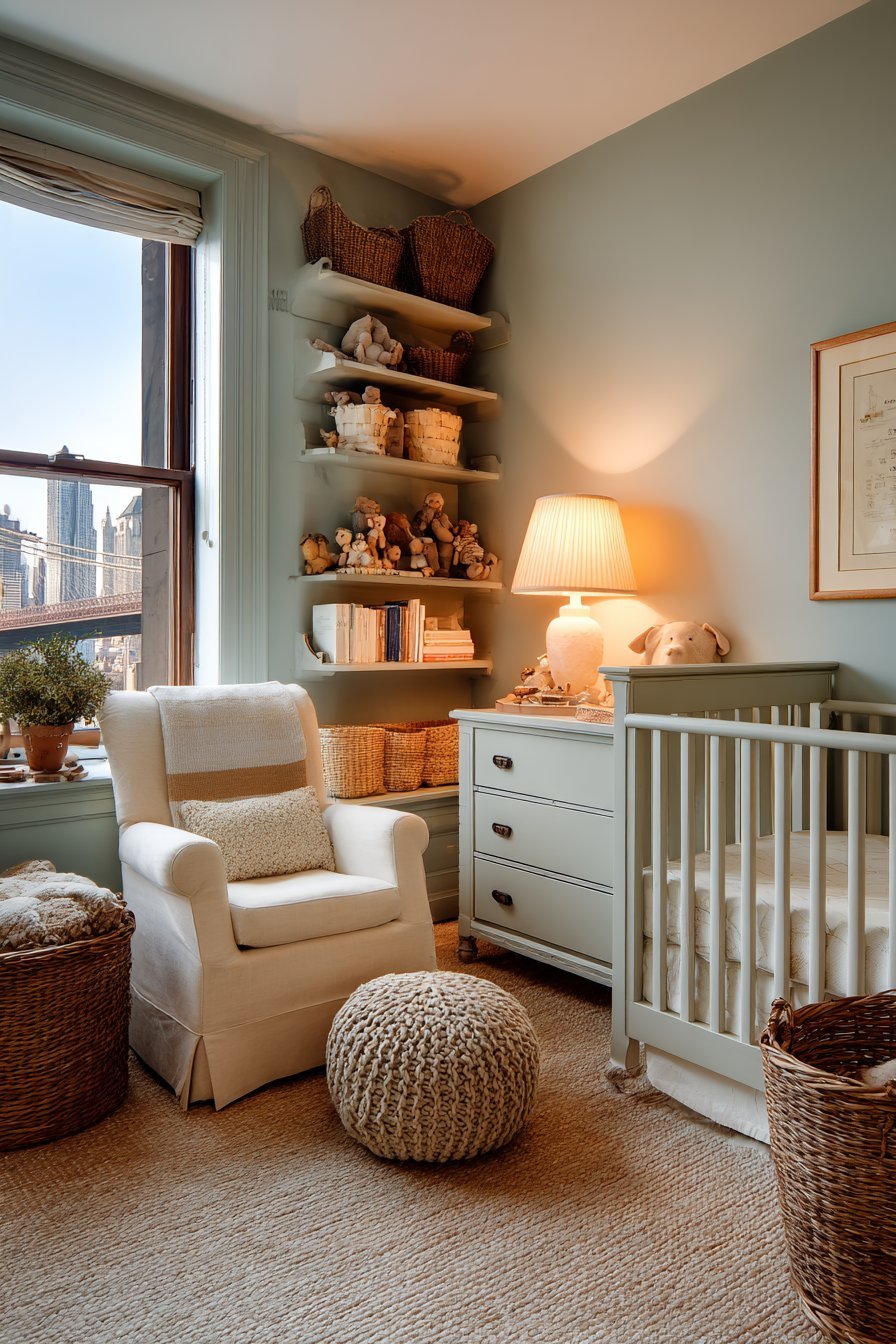
Parents are seeking furniture certified by GREENGUARD Gold or FSC standards, ensuring low chemical emissions and responsibly sourced wood. Non-toxic paint brands using zero-VOC formulas have become the standard choice for nursery walls. These choices protect the baby’s developing respiratory system while also supporting broader environmental goals.
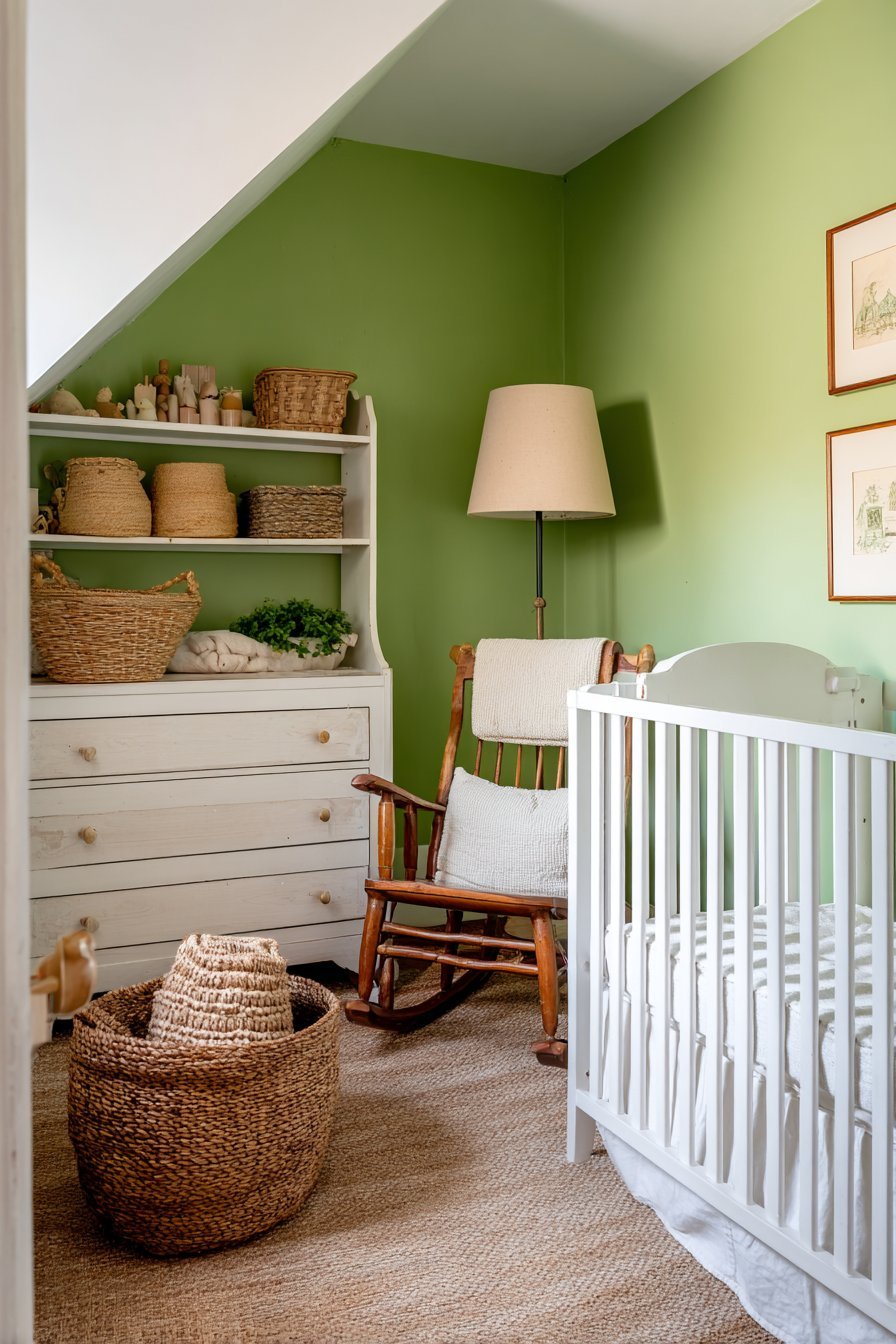
The trend also extends to second-hand and heirloom pieces, which are being embraced with tremendous enthusiasm. Vintage cribs restored with non-toxic paint, antique rocking chairs reupholstered in organic fabric, and pre-loved dressers given new life with chalk paint are all cherished choices. This circular approach reduces waste and adds character that mass-produced furniture simply cannot replicate.
- Choose cribs and dressers with GREENGUARD Gold certification for air quality safety
- Use zero-VOC or natural paint for all wall surfaces in the nursery
- Consider secondhand or vintage furniture restored with non-toxic finishes
- Select organic cotton or wool for mattresses, bedding, and soft furnishings
- Avoid plastic storage bins in favor of woven baskets or wooden crates
- Support small-batch or local furniture makers who prioritize sustainable practices
4. Multifunctional and Grow-With-Me Furniture
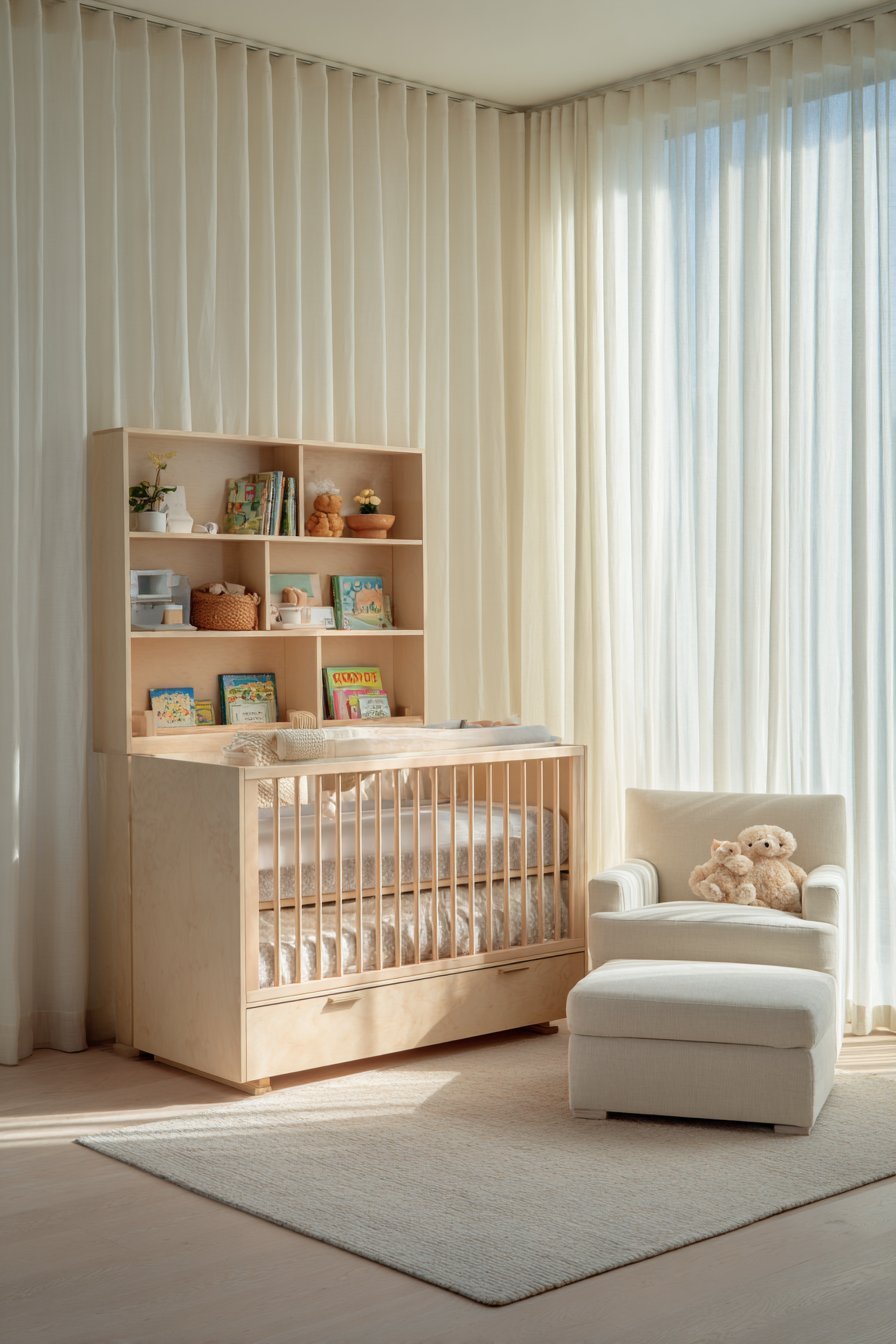
Space efficiency and long-term value are driving the grow-with-me furniture trend in 2026. Parents are making smarter investments in pieces that adapt as the child grows, eliminating the need for costly replacements every few years. This approach is both economically wise and environmentally responsible.
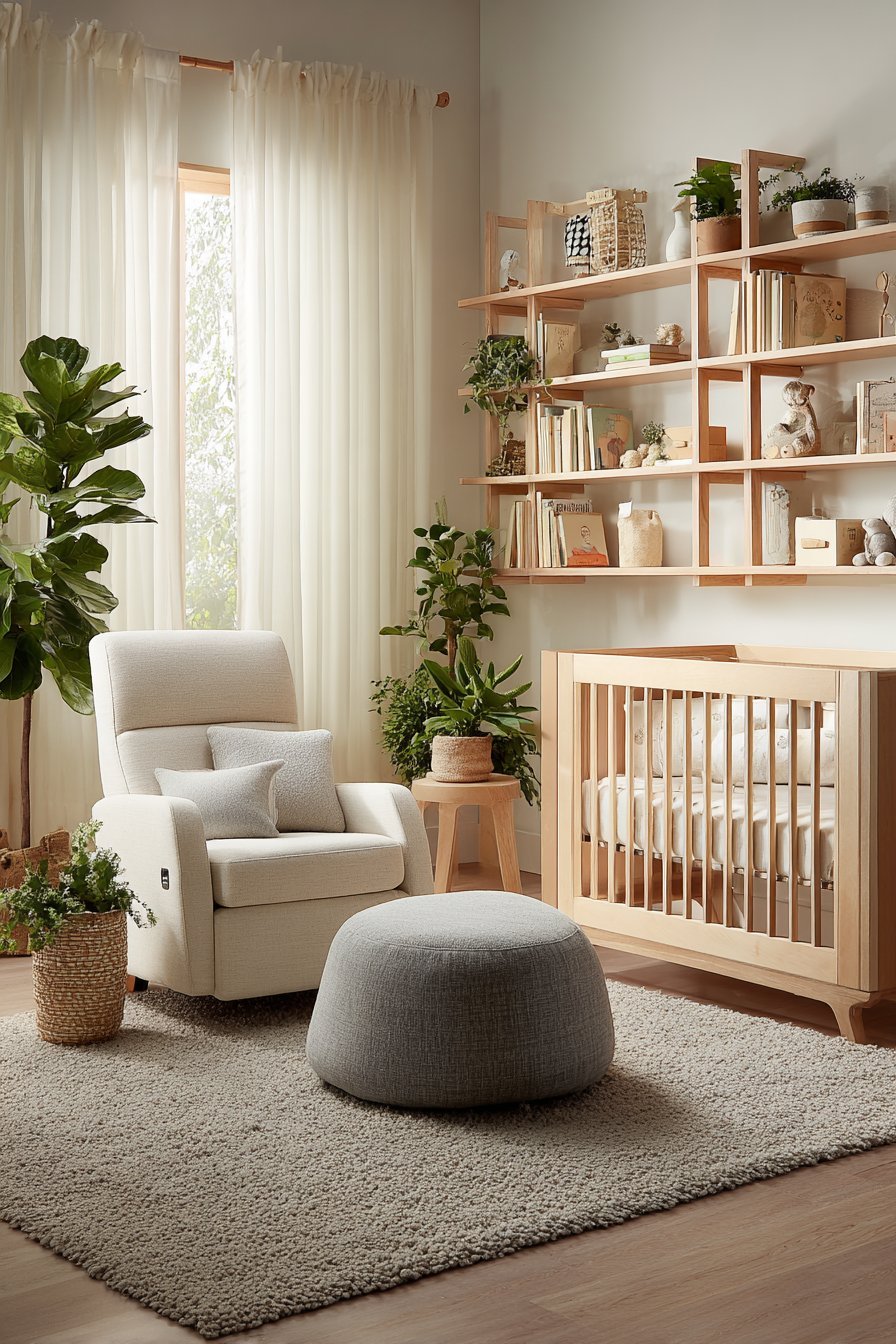
Convertible cribs that transform into toddler beds and full-sized beds are now considered essential rather than optional. Changing tables that double as dressers, and bookshelves with adjustable shelving heights, are examples of how thoughtful design can serve a room for a decade or more. Every purchase is evaluated for its longevity and versatility.
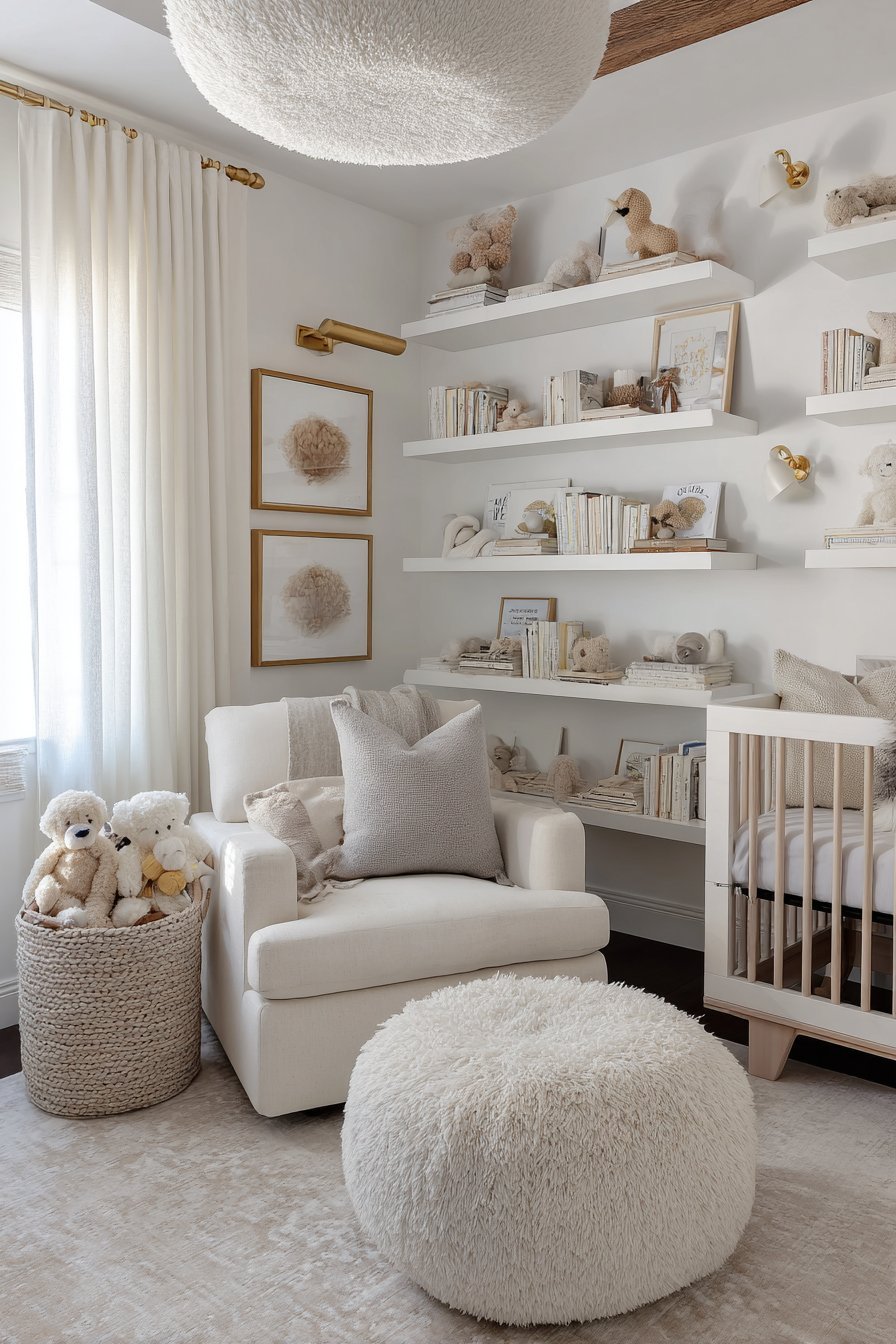
Beyond cribs, parents are investing in modular storage systems that evolve with the child’s needs. What begins as neatly organized diaper and onesie storage can later house books, art supplies, and toy collections. This forward-thinking approach means the nursery transitions seamlessly into a toddler room and eventually a big-kid bedroom without a complete overhaul.
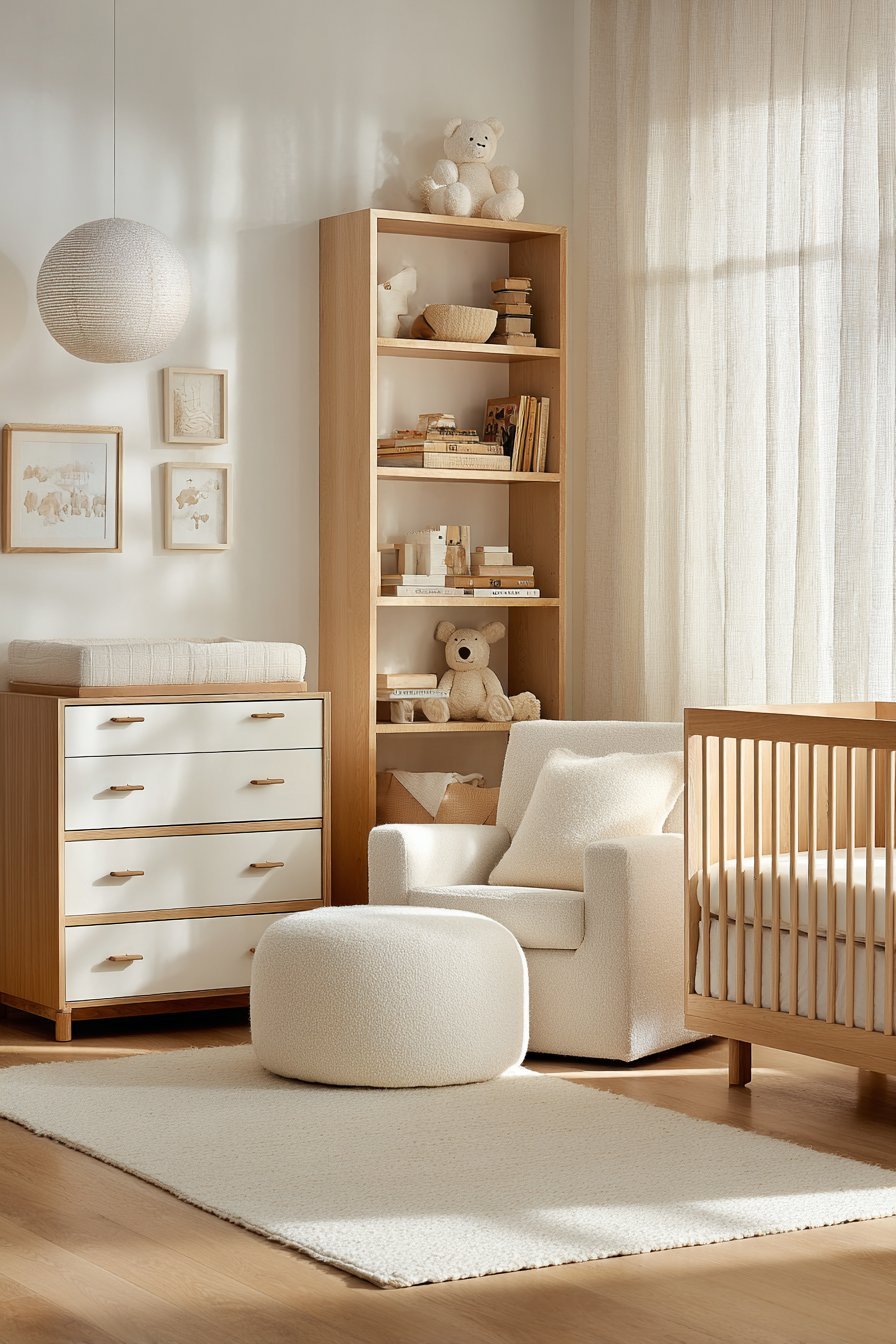
- Invest in a convertible crib that grows from infant to full-sized bed
- Choose a changing dresser that functions as a standard dresser after the baby stage
- Select adjustable shelving units that can be reconfigured as storage needs change
- Buy a neutral upholstered glider that can move to another room later
- Choose a rug large enough to remain proportional as the room evolves
- Avoid trendy, overly themed pieces that feel age-inappropriate within two years
5. Soft Curves and Rounded Aesthetics
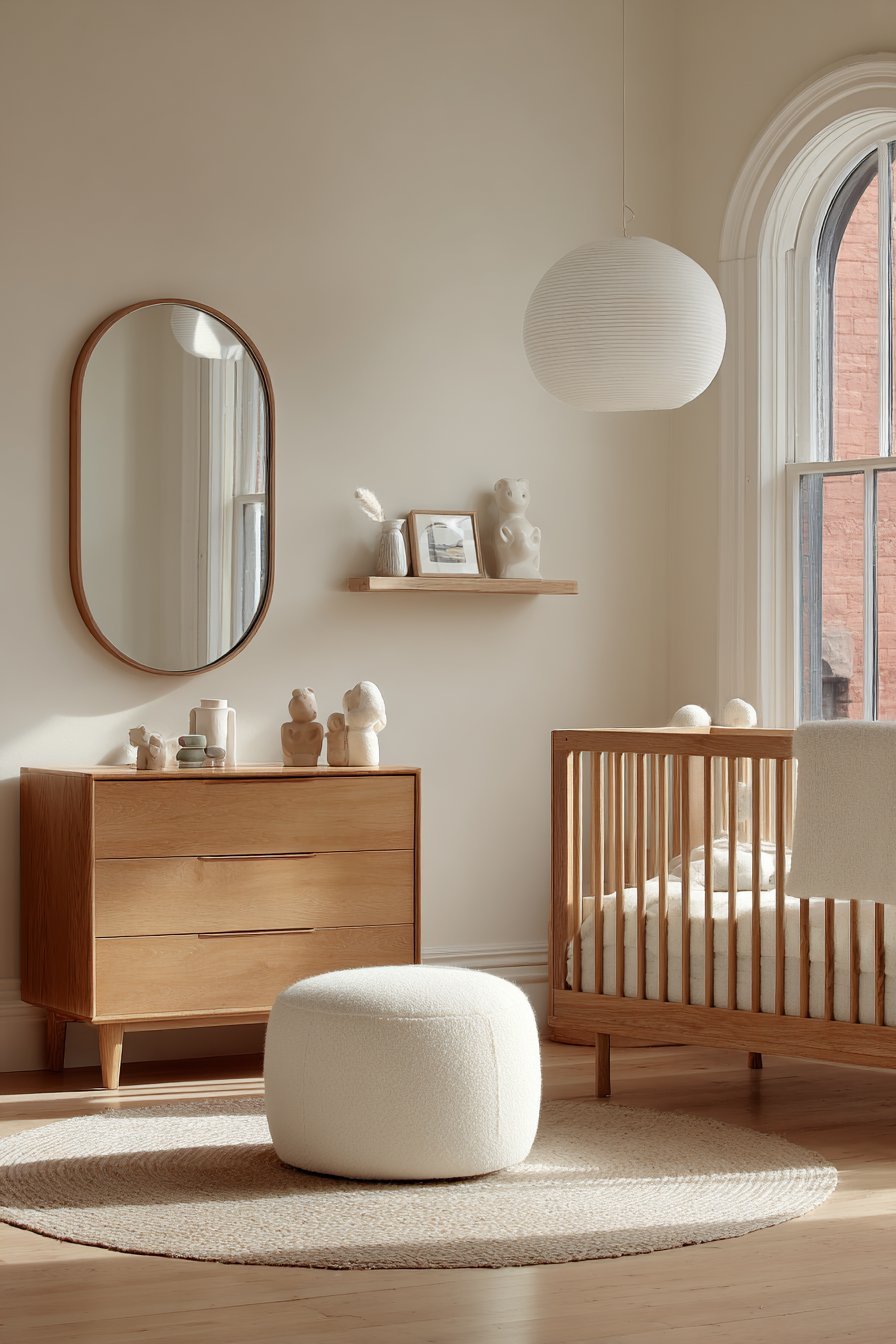
The era of sharp edges and angular furniture has given way to a soft, curved aesthetic that feels both safer and more soothing in nursery environments. In 2026, rounded forms dominate everything from cribs to wall mirrors to storage ottomans. This softer language of design creates a nurturing atmosphere that puts both baby and parent at ease.
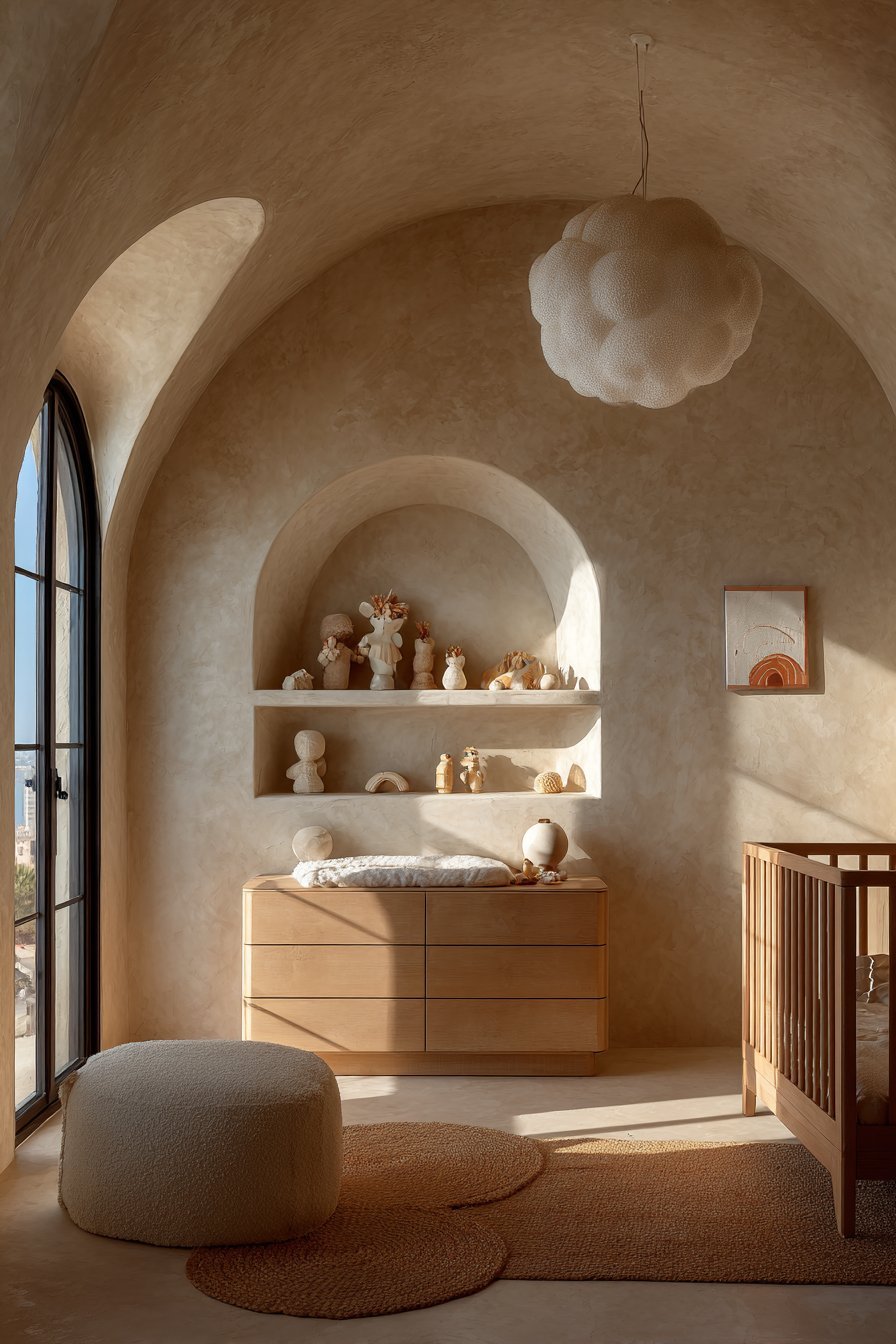
Arched windows, oval wall mirrors, half-moon shelves, and bubble-shaped pouffes are showing up in the most beautifully designed nurseries of the year. These shapes echo the natural world, from river pebbles to rolling hills, and create a visual softness that complements the calming color palettes trending alongside them.
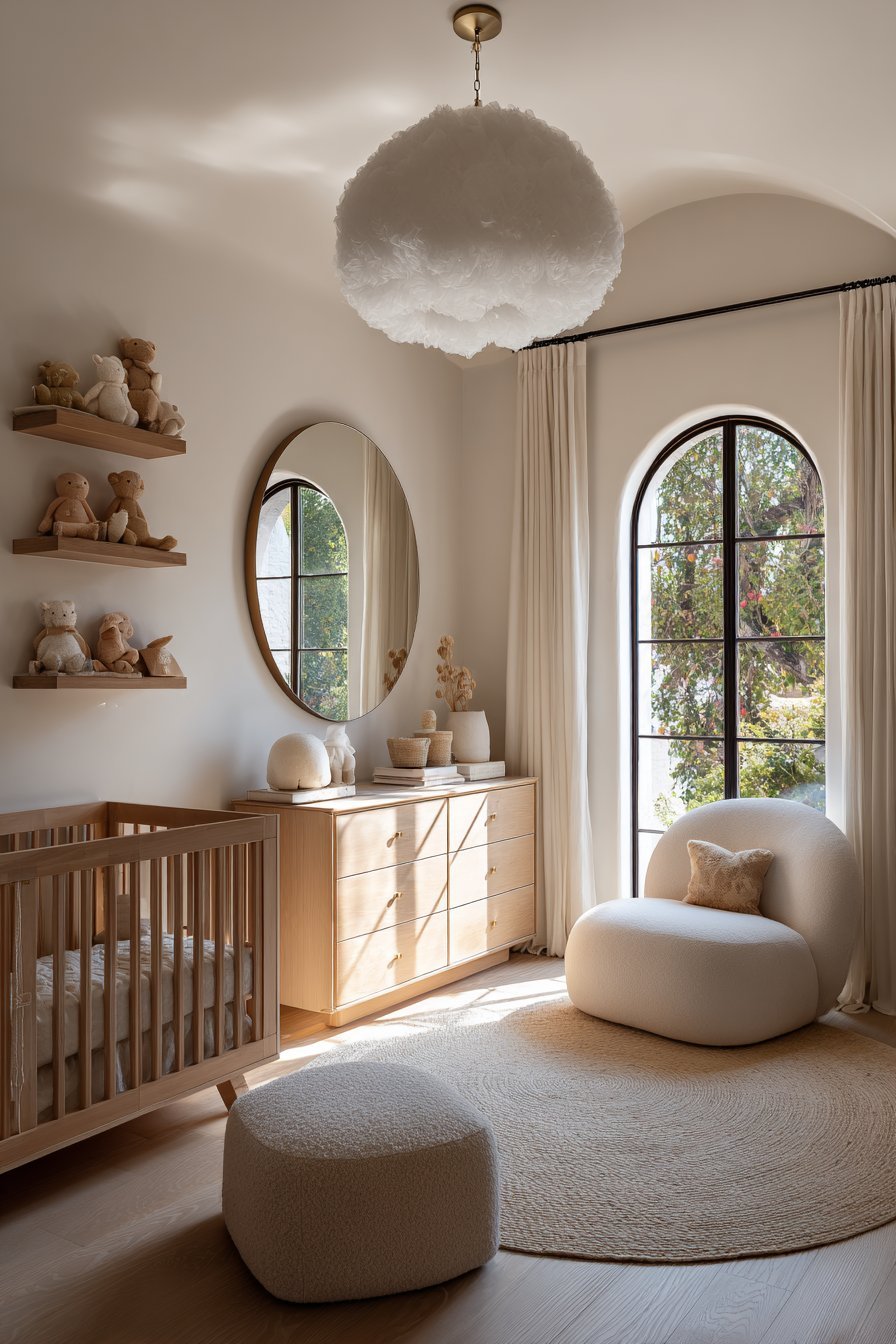
From a safety perspective, rounded furniture edges also offer a practical advantage as babies begin to pull themselves up and explore their space. Parents no longer have to choose between beauty and safety. The design trend and the protective instinct now point in exactly the same direction, making curved furniture the obvious choice for the modern nursery.
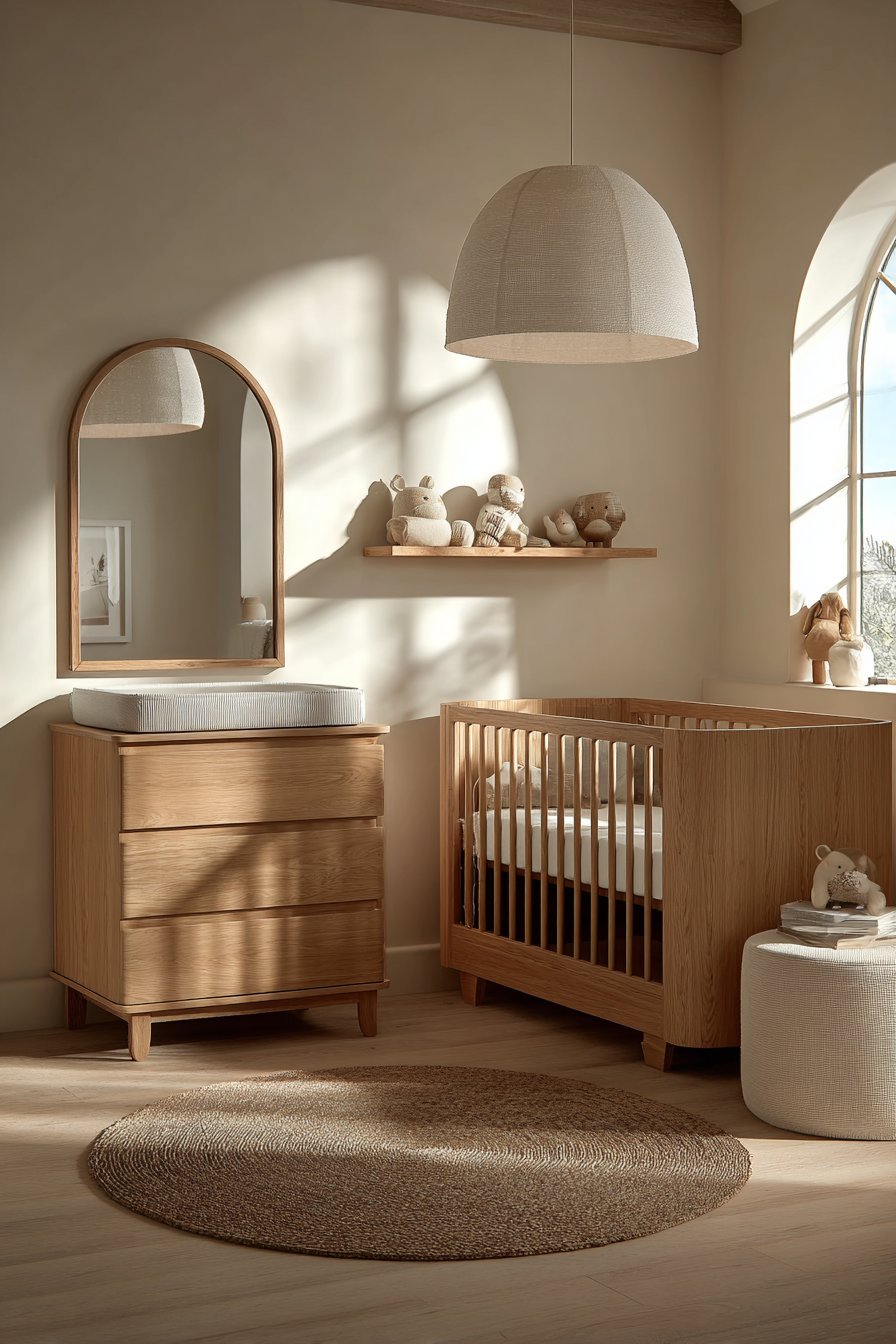
- Choose a crib or bassinet with gently curved side rails for a soft visual impact
- Hang an oval or arch-shaped mirror to add depth without sharp angles
- Select a round or oval area rug to soften the geometry of the room
- Use bubble or dome-shaped pendant lighting as a focal ceiling element
- Add a half-moon shelf for displaying books or small decor items
- Choose a pouf or floor cushion in a rounded form for flexible seating
6. Maximalist Murals and Artistic Accent Walls
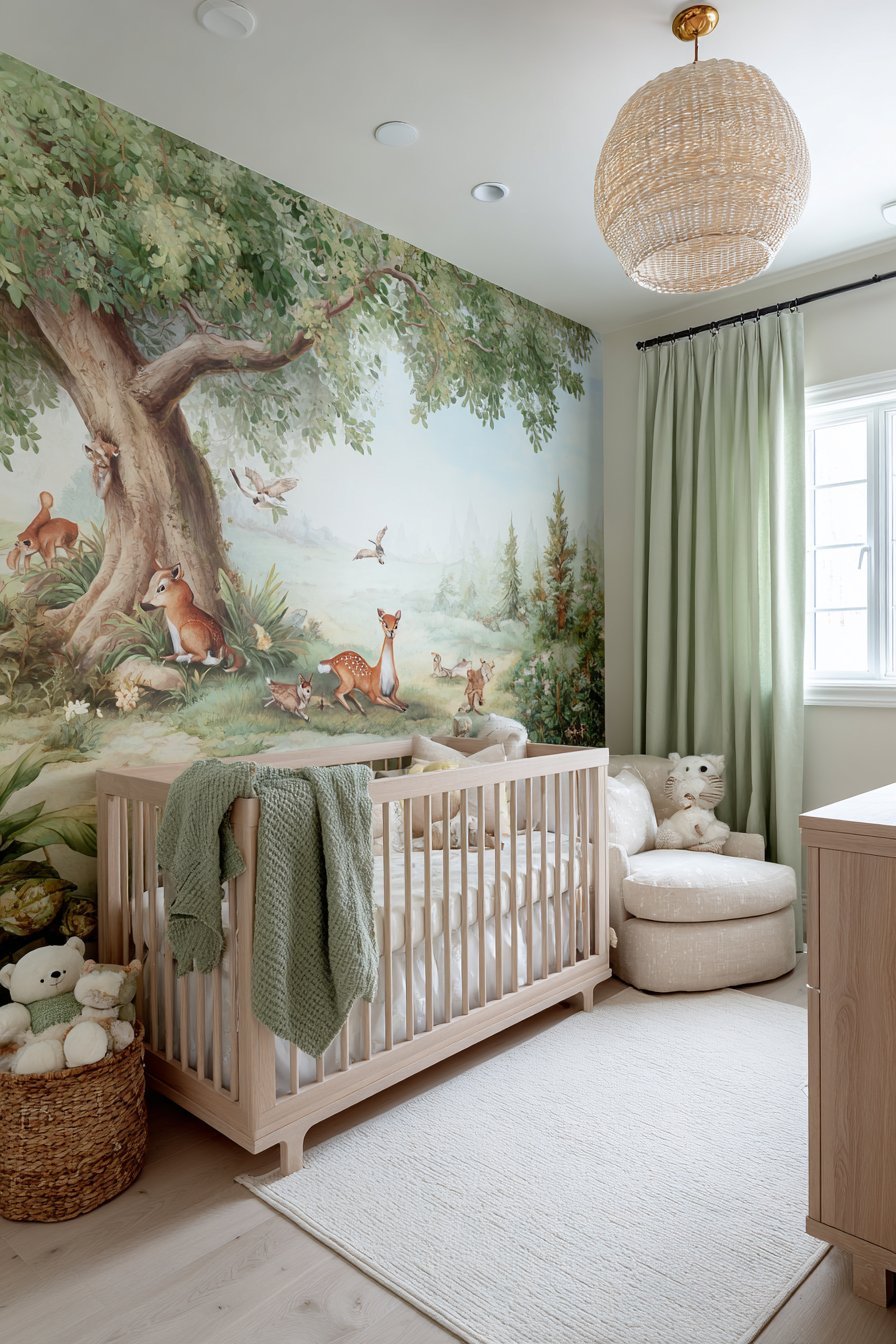
While minimalism remains popular, 2026 has seen a powerful counter-movement toward bold, illustrated murals in nursery design. Parents are commissioning local artists or using high-quality wallpaper murals to create immersive, story-rich environments that spark imagination from day one.
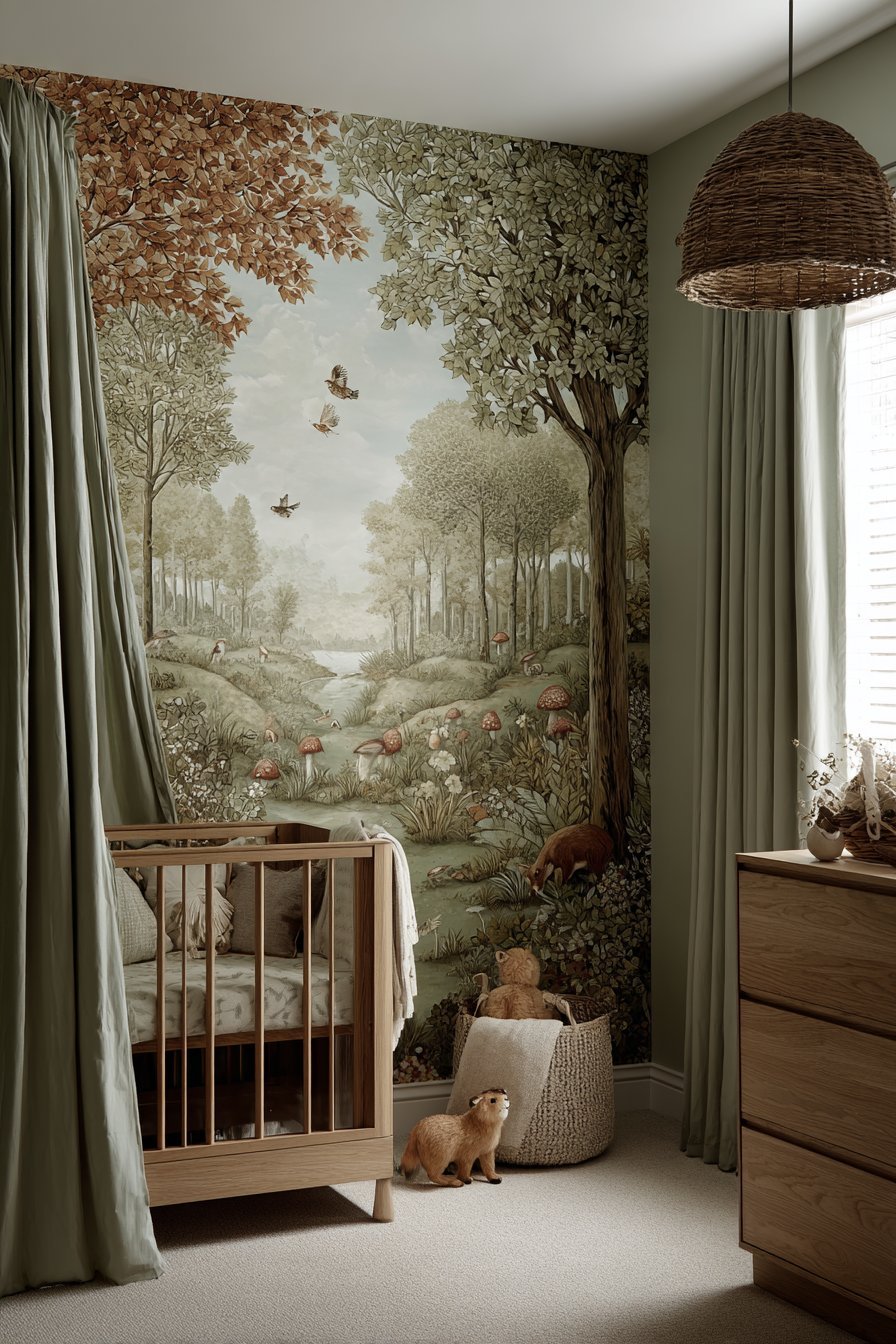
The most sought-after mural themes include enchanted forests, celestial skies, mountain landscapes, and underwater worlds. These large-scale artworks transform a plain wall into a portal of wonder. They serve as the visual centerpiece of the room, informing every other design decision from furniture selection to textile choices.
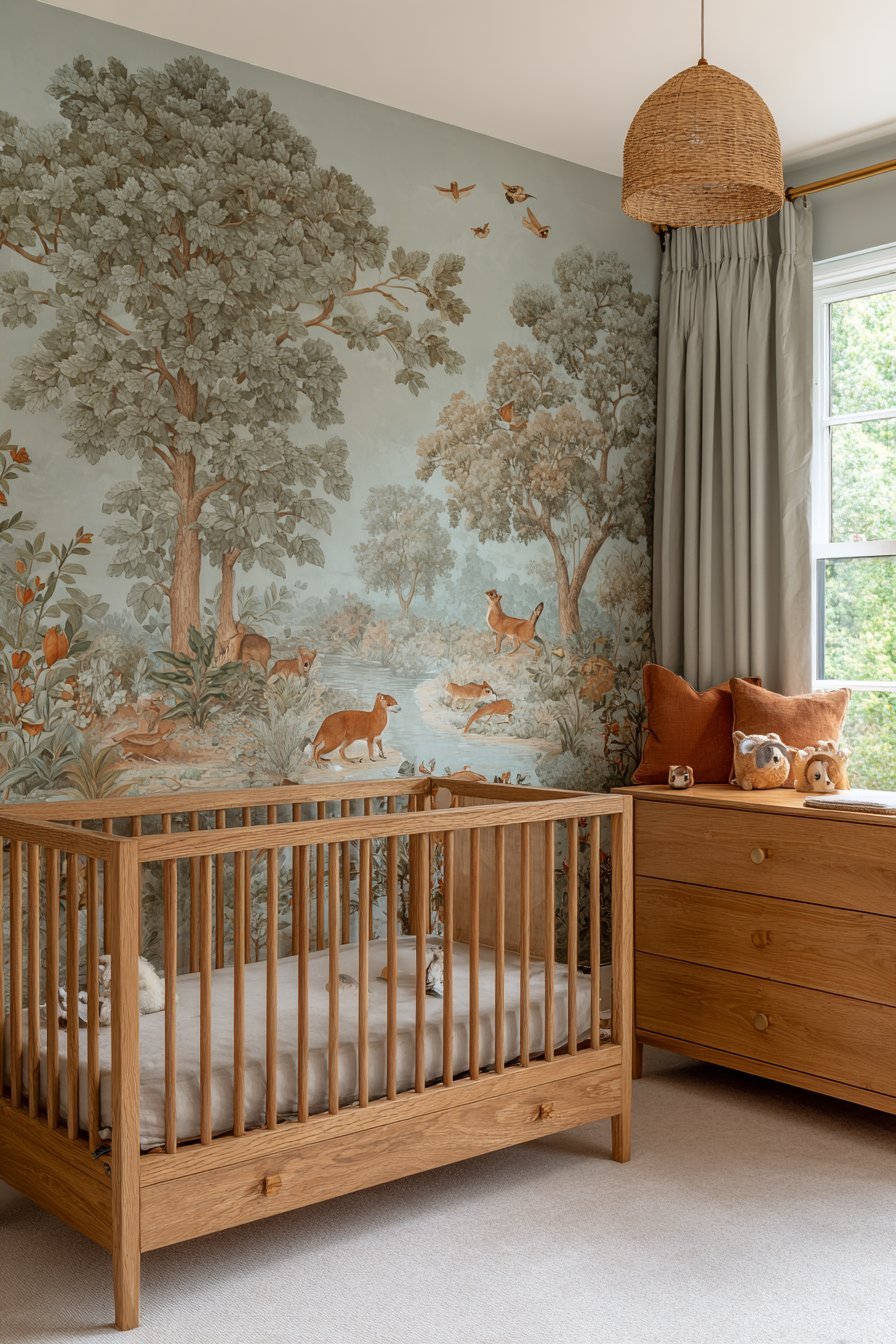
Even parents who prefer a more restrained overall aesthetic are embracing the single statement wall approach. One beautifully illustrated or richly papered wall provides drama and personality without overwhelming the entire room. Paired with neutral furniture and soft textiles, a mural accent wall strikes the perfect balance between artistic expression and calming restraint.
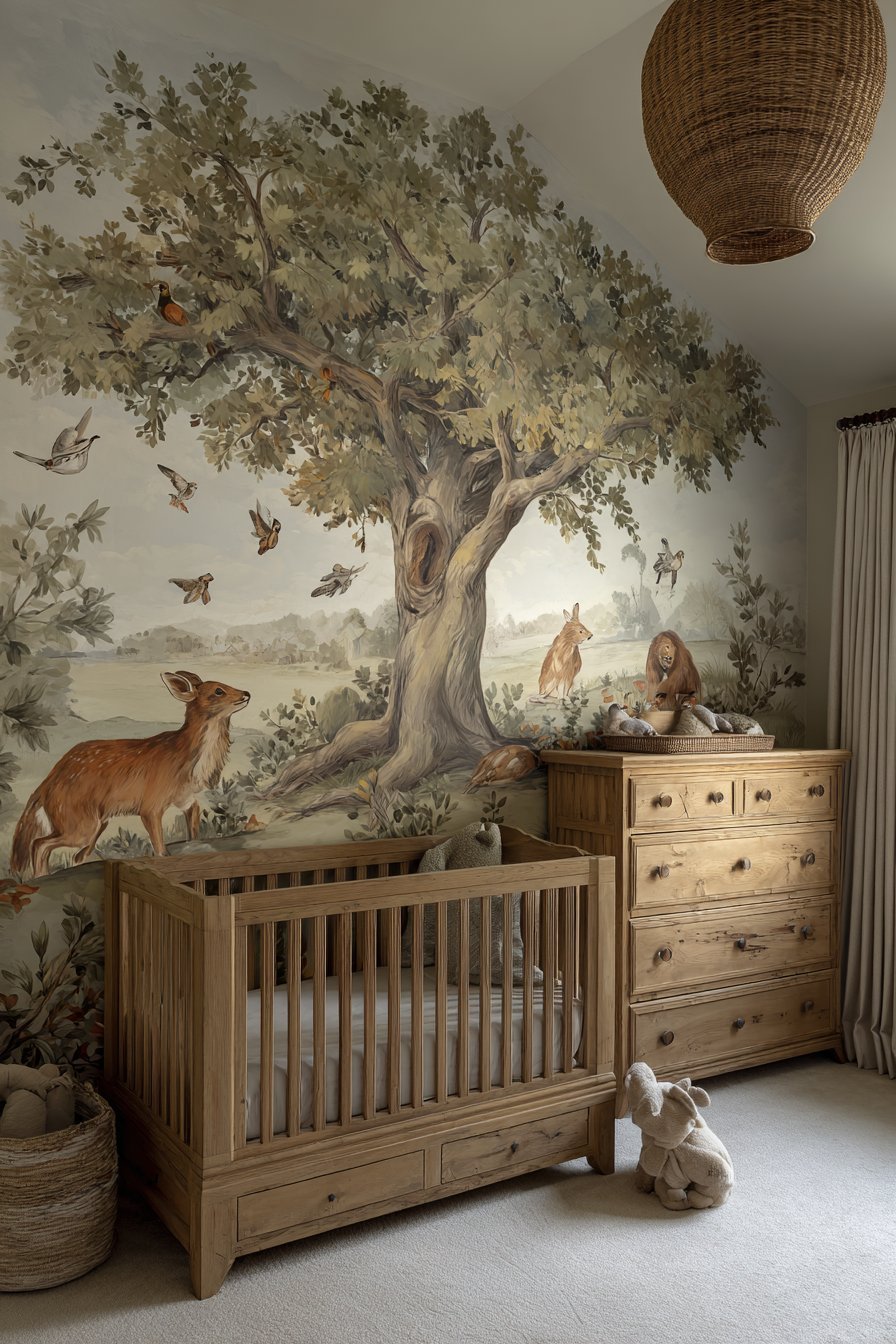
- Commission a local muralist for a one-of-a-kind, personalized artwork on one wall
- Explore peel-and-stick mural wallpaper for a renter-friendly, removable option
- Choose a mural theme that complements your overall color palette and design style
- Keep the remaining three walls in a soft neutral to balance the visual weight
- Coordinate soft furnishings in colors pulled directly from the mural artwork
- Consider a hand-painted sky or cloud ceiling for an immersive effect overhead
7. Sensory-Rich Textures and Tactile Design
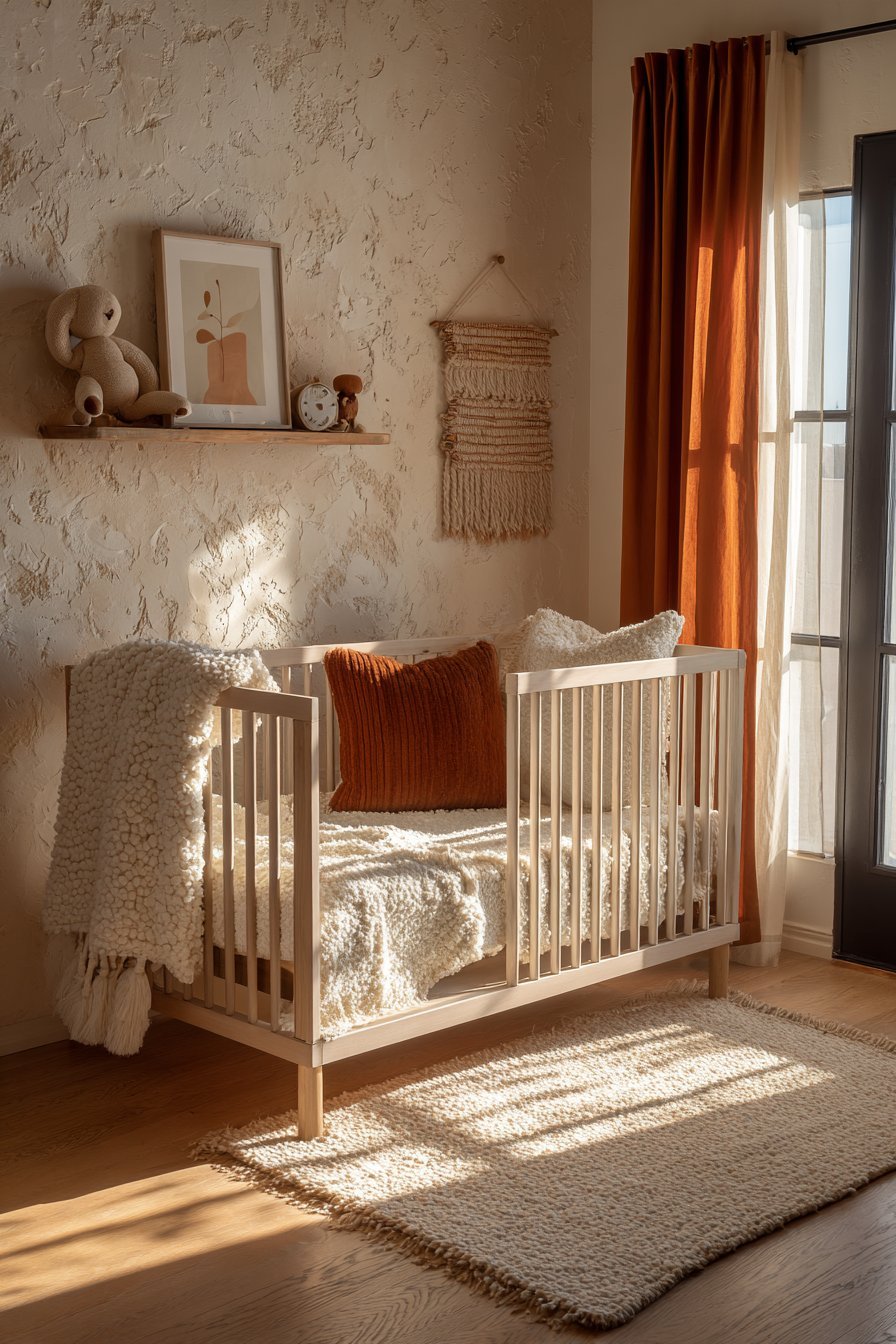
The final dominant trend of 2026 is a deep commitment to sensory-rich environments in nursery design. Designers and child development experts alike agree that varied textures play a crucial role in cognitive and motor development during the earliest years of life. This has translated into nurseries that are as interesting to touch as they are to see.
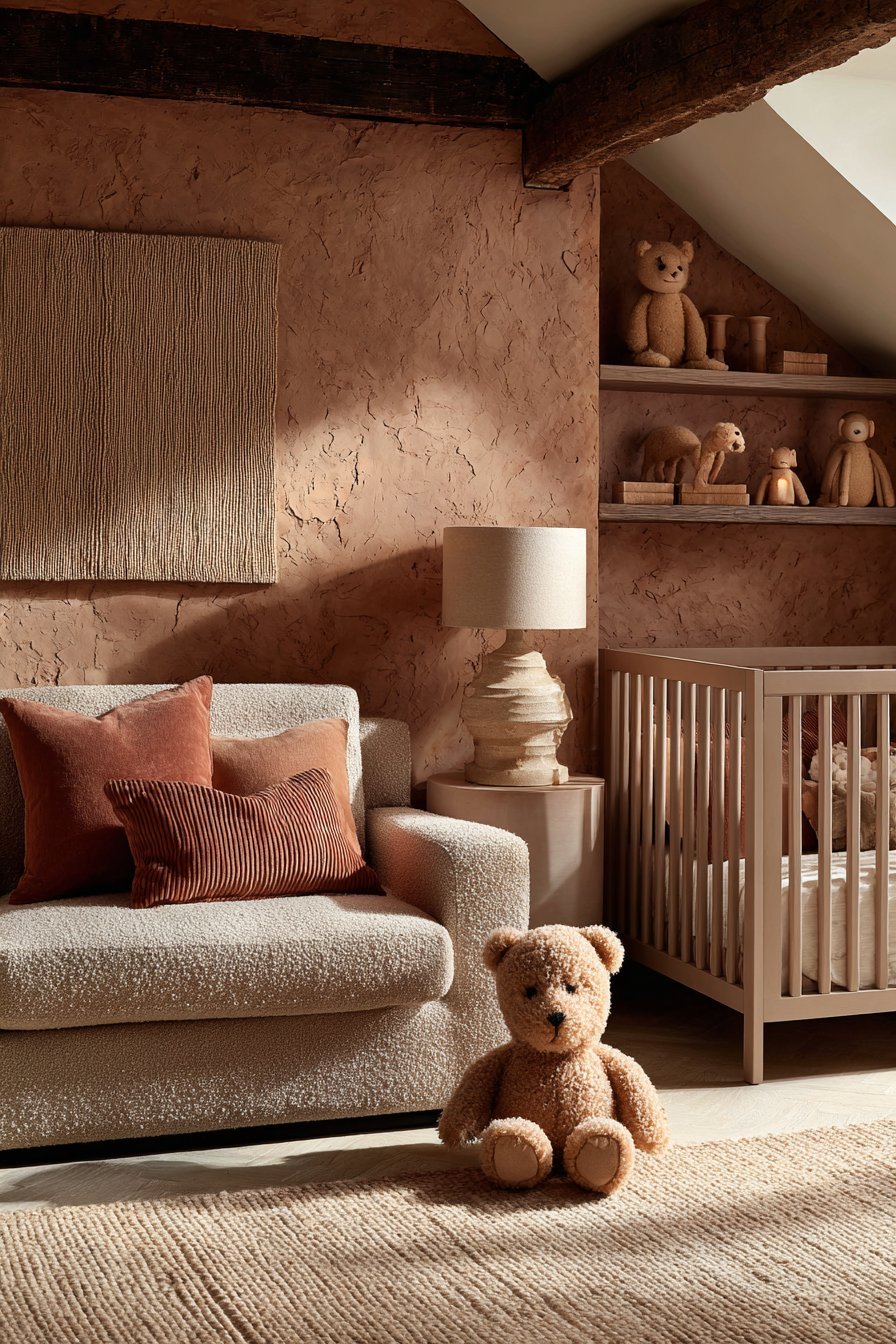
Boucle upholstery, chunky knit throws, ribbed velvet cushions, and smooth wooden toys are all curated to give babies and toddlers a rich tactile landscape to explore. Textured wall treatments like limewash paint, grasscloth wallpaper, and plaster finishes add visual depth and physical interest to vertical surfaces. Every surface becomes an invitation to reach out and discover.
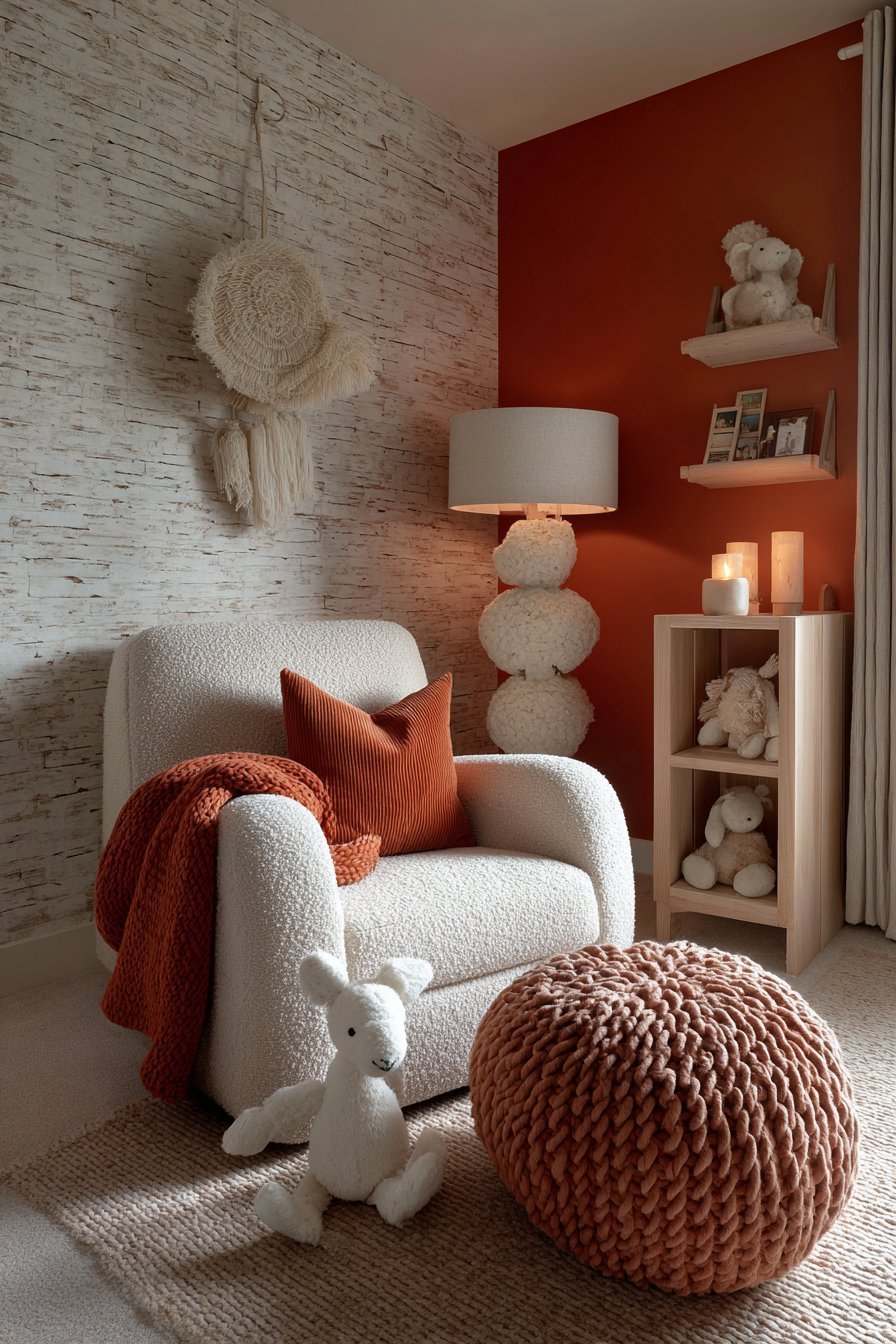
The trend also celebrates handcrafted and artisan elements that carry their own unique texture and soul. A hand-woven wall hanging, a ceramic lamp base, or a hand-thrown planter adds a warmth that machine-made objects rarely achieve. These pieces tell a story and create an environment that feels genuinely human and lovingly assembled.
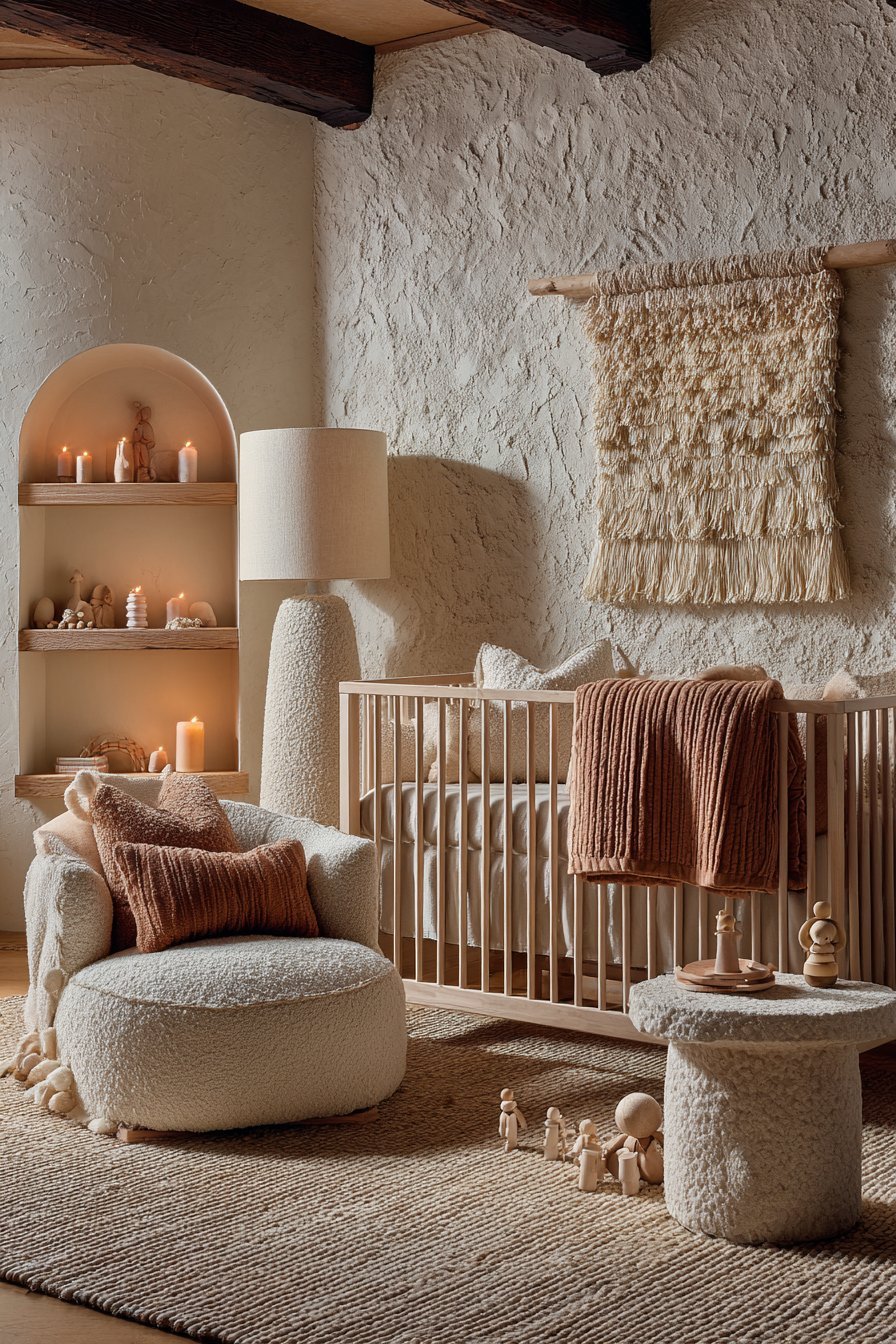
- Layer multiple textile textures through rugs, throws, cushions, and curtains
- Choose a boucle or bouclette upholstered glider or nursing chair
- Apply limewash or textured plaster paint to one wall for depth and warmth
- Hang a hand-woven fiber wall art piece above the crib or changing area
- Incorporate wooden, fabric, and silicone toys in a variety of tactile forms
- Use a grasscloth or linen-look wallpaper to add natural texture throughout
Conclusion
The nursery design trends dominating 2026 share a common thread: intentionality and warmth. Whether you are drawn to biophilic textures, gender-neutral palettes, sustainable materials, or bold artistic murals, each trend prioritizes the wellbeing of both child and parent. These are not fleeting fads but thoughtful evolutions in how we think about the spaces where new life begins.
As you plan your nursery, remember that the best room is one that reflects your values and your vision. You do not need to follow every trend at once. Choose the ideas that resonate most deeply with you and apply them with care. The result will be a space that feels personal, beautiful, and genuinely nurturing. Your baby’s first room deserves nothing less.
