

Interior design is a deeply personal journey. The spaces we create reflect our values, personalities, and the life we want to live. Two aesthetics have captured the hearts of home decorators worldwide — cottagecore and farmhouse style. Both celebrate simplicity, natural materials, and a longing for slower, more intentional living. Yet they achieve this vision in strikingly different ways.
The rise of social media has made both aesthetics wildly popular. Pinterest boards overflow with dried flower arrangements, linen curtains, and reclaimed wood accents. But understanding the core differences between these styles helps you make smarter design decisions. Choosing the wrong direction can leave your space feeling confused or disconnected.
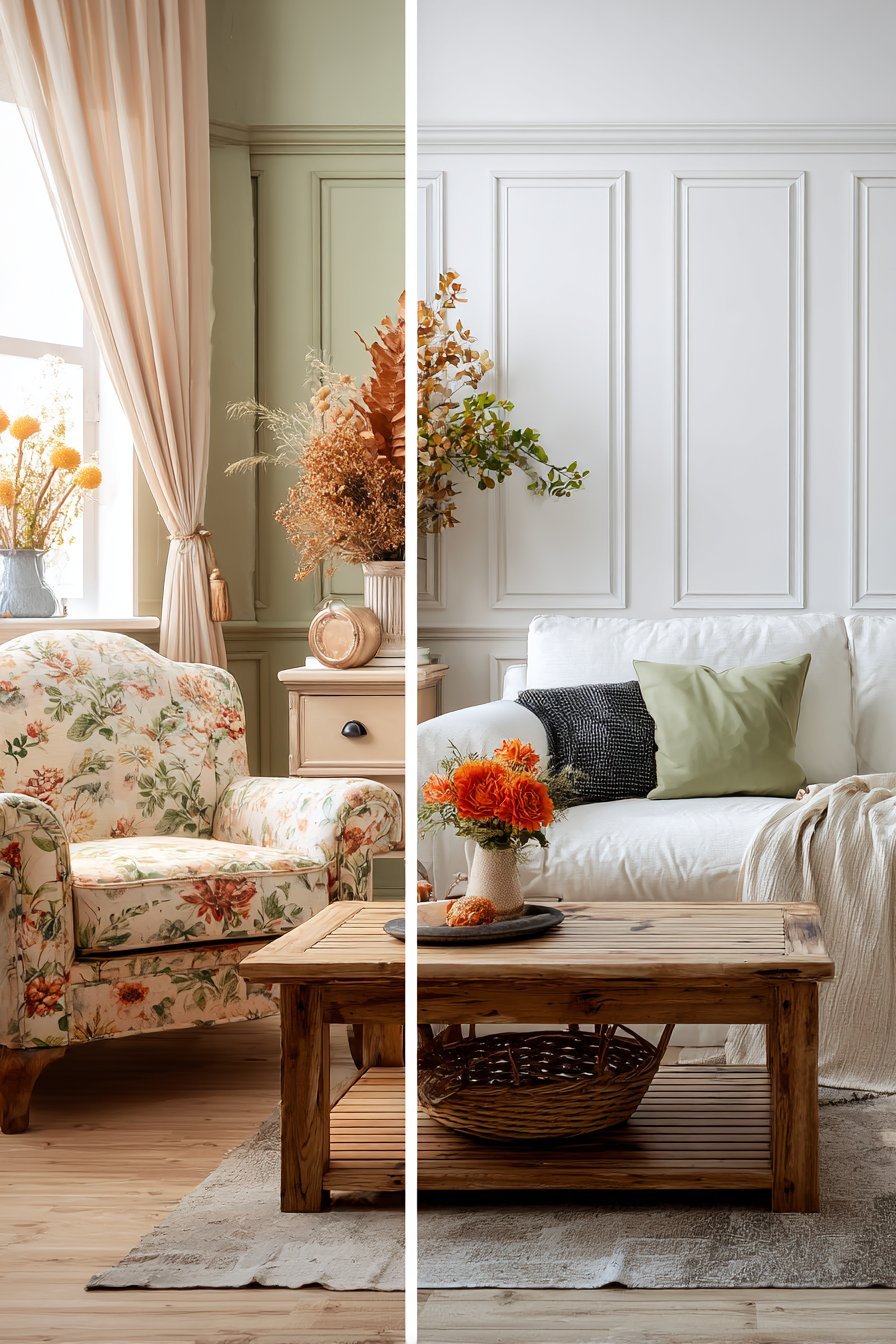
This article breaks down both aesthetics across key design categories. From color palettes to furniture choices, textures to overall mood — we’ll help you decide which aesthetic suits your home and lifestyle best. Whether you’re a romantic dreamer or a practical minimalist, one of these styles is calling your name.
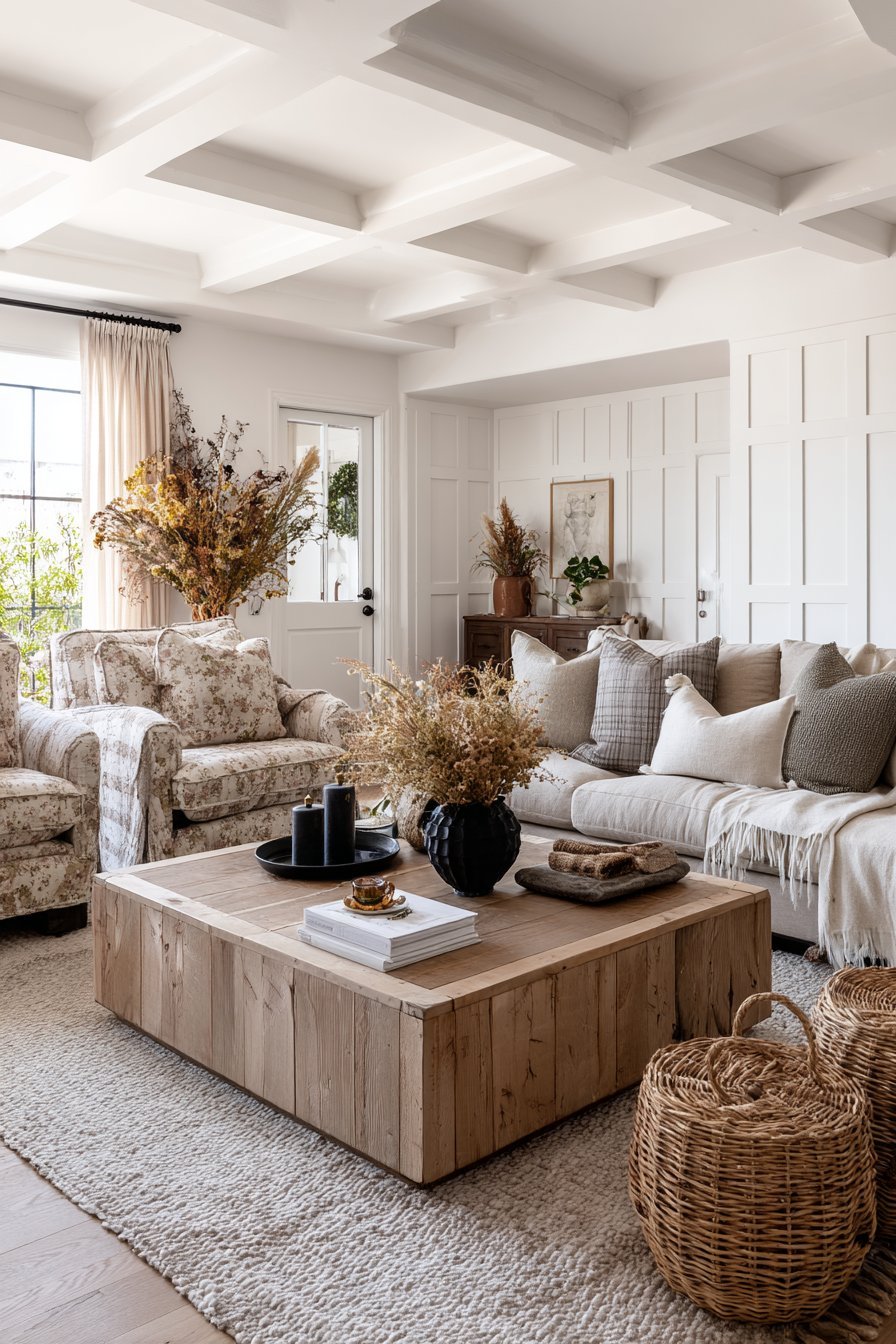
1. The Philosophy Behind Each Style
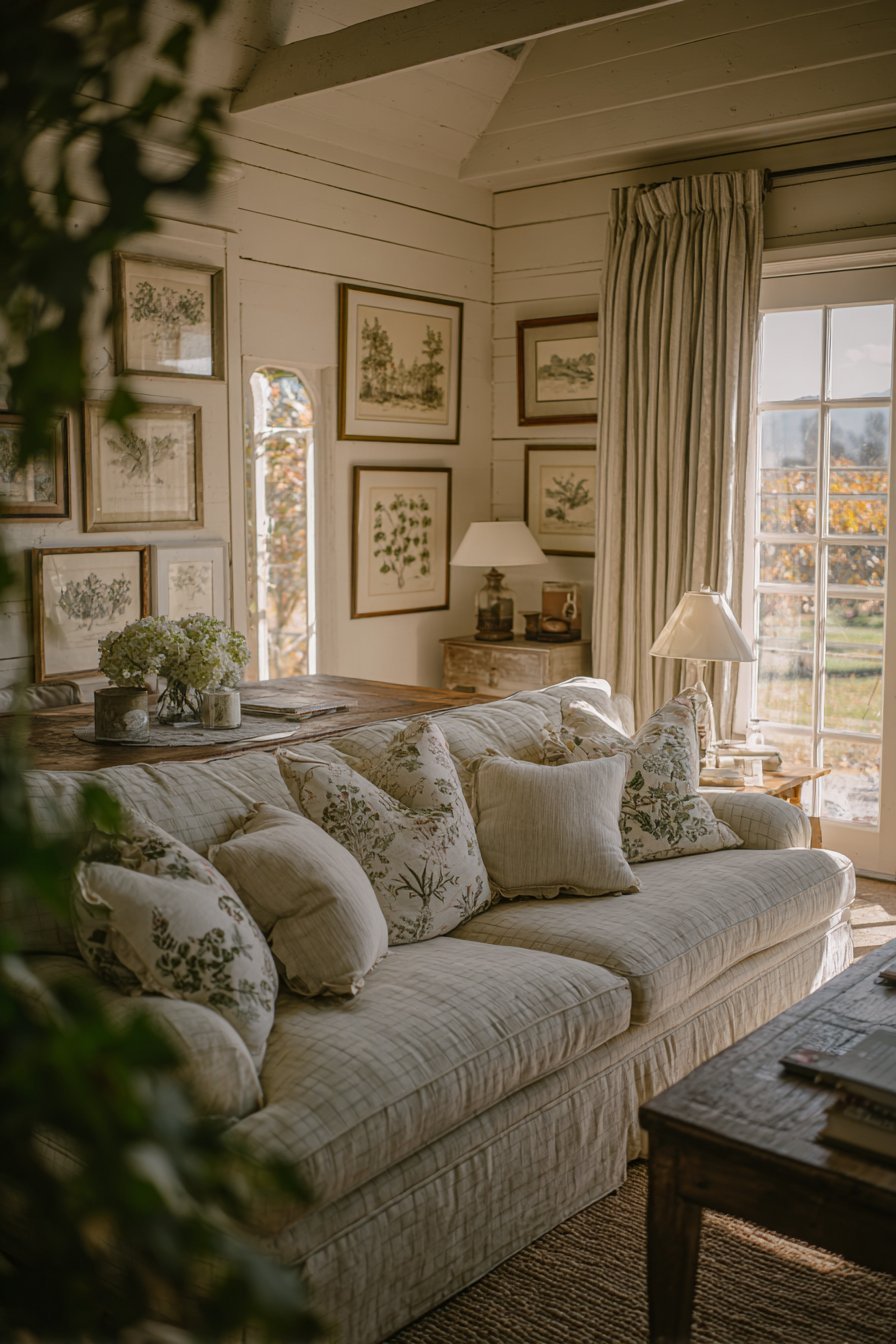
Every great interior design movement begins with a defining philosophy. Cottagecore is rooted in romanticism and escapism. It draws heavily from English countryside living, fairy tales, and a deep reverence for the natural world. It’s less about how your home functions and more about how it makes you feel.
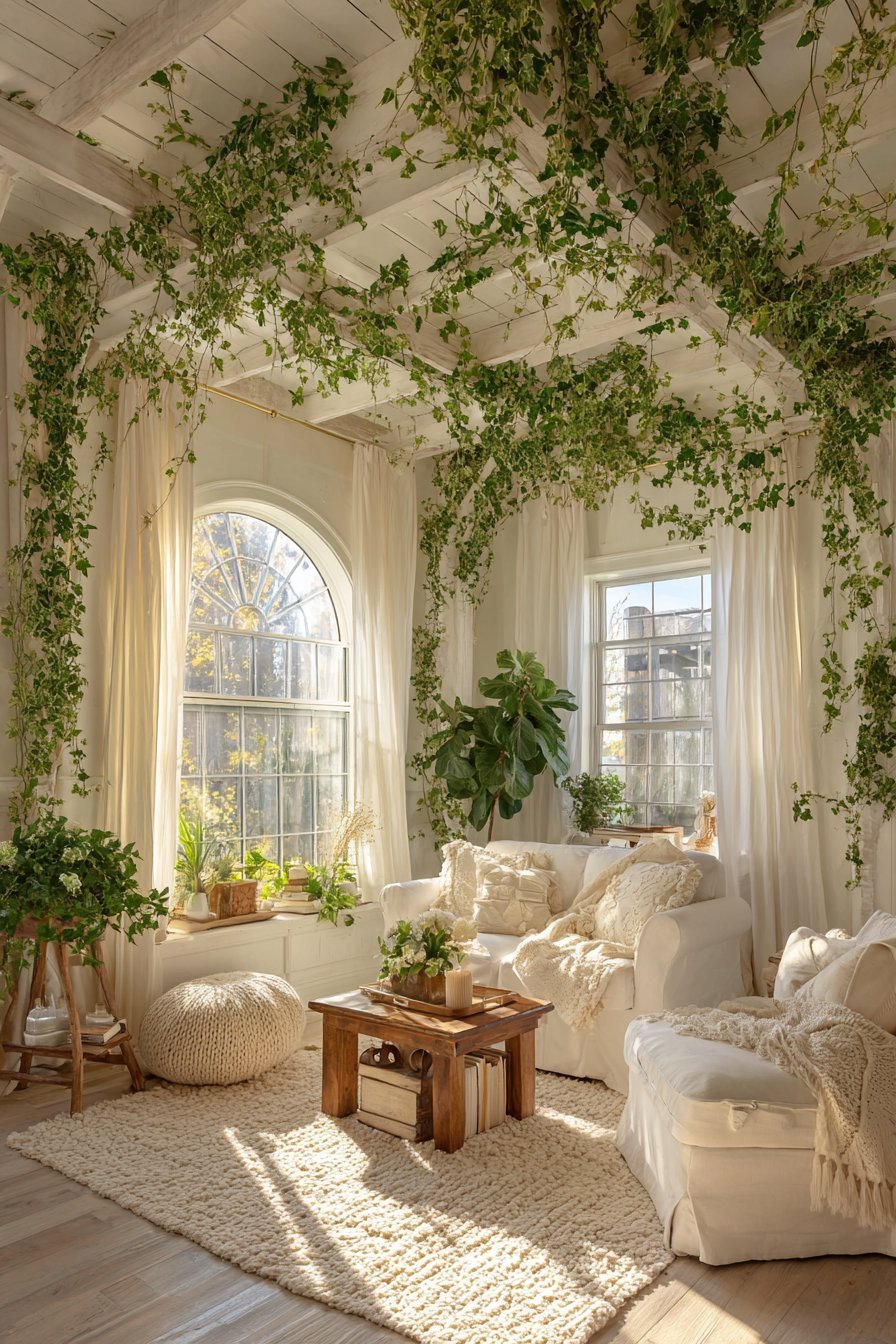
Farmhouse style, by contrast, grew from American practicality. It celebrates honest, hardworking spaces designed to support family life. The farmhouse aesthetic honors simplicity not through whimsy but through utility. Clean lines, durable materials, and uncluttered surfaces define this approach.
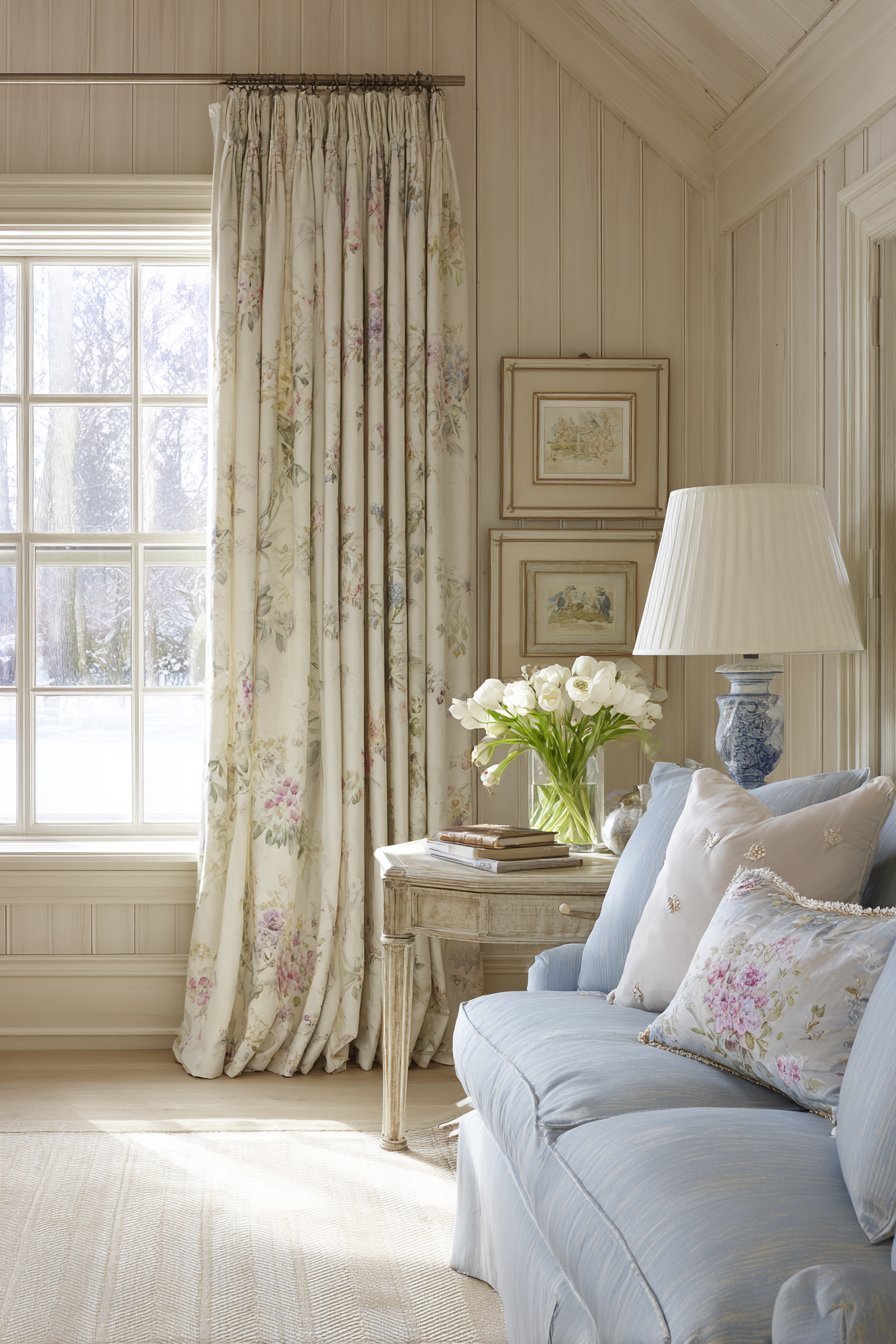
Understanding these philosophies matters because they influence every design decision you make. A cottagecore space invites you to slow down and daydream. A farmhouse space invites you to gather and get things done. Neither is superior — they simply serve different emotional and functional needs.
- Consider your lifestyle before committing to either aesthetic
- Ask yourself: do you prioritize romance or practicality in your home?
- Cottagecore suits solitary creatives and nature lovers
- Farmhouse works beautifully for busy families and entertainers
- Both aesthetics can be blended with transitional design principles
- Read about each style’s historical roots for deeper inspiration
2. Color Palettes: Soft Dreams vs Clean Contrast
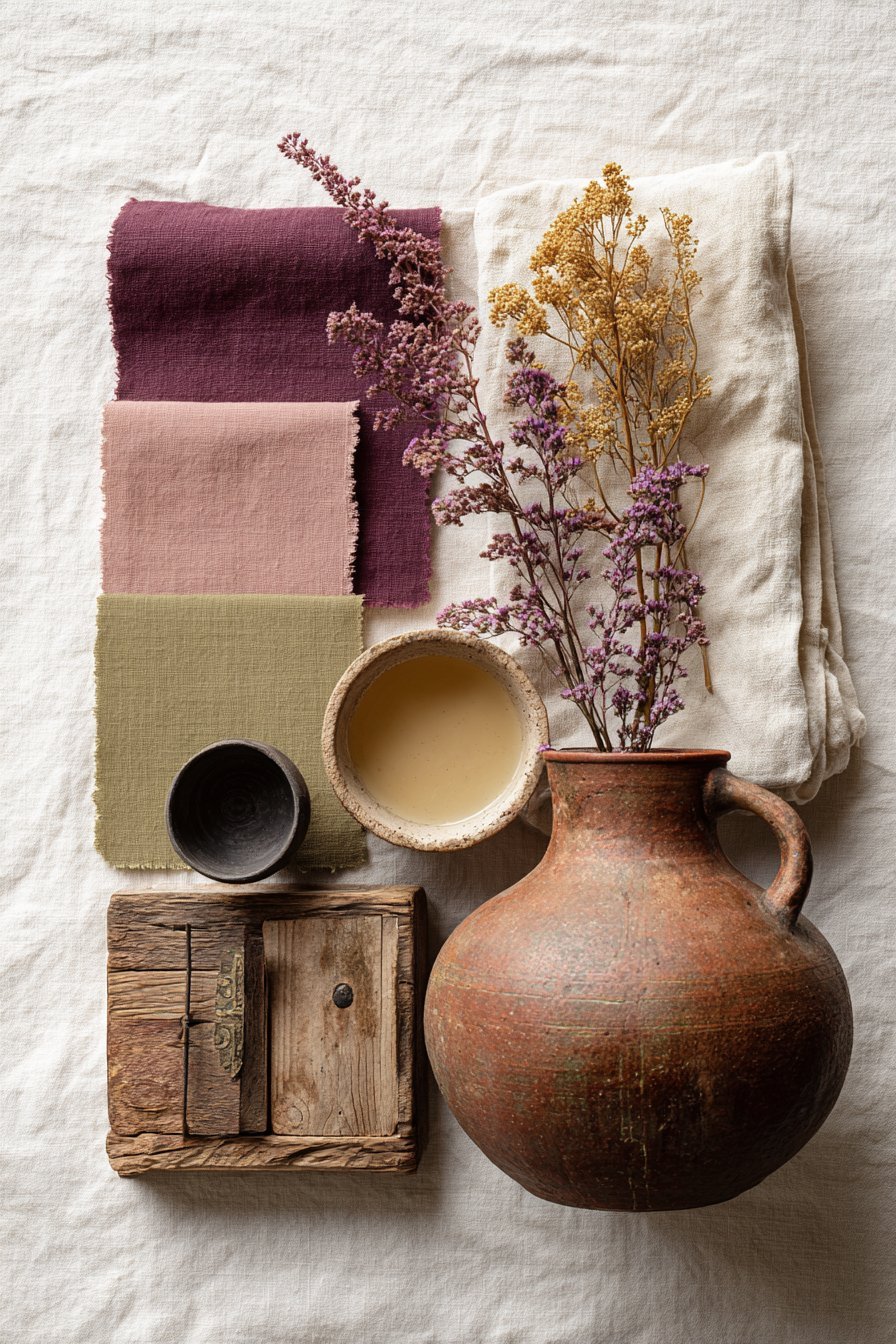
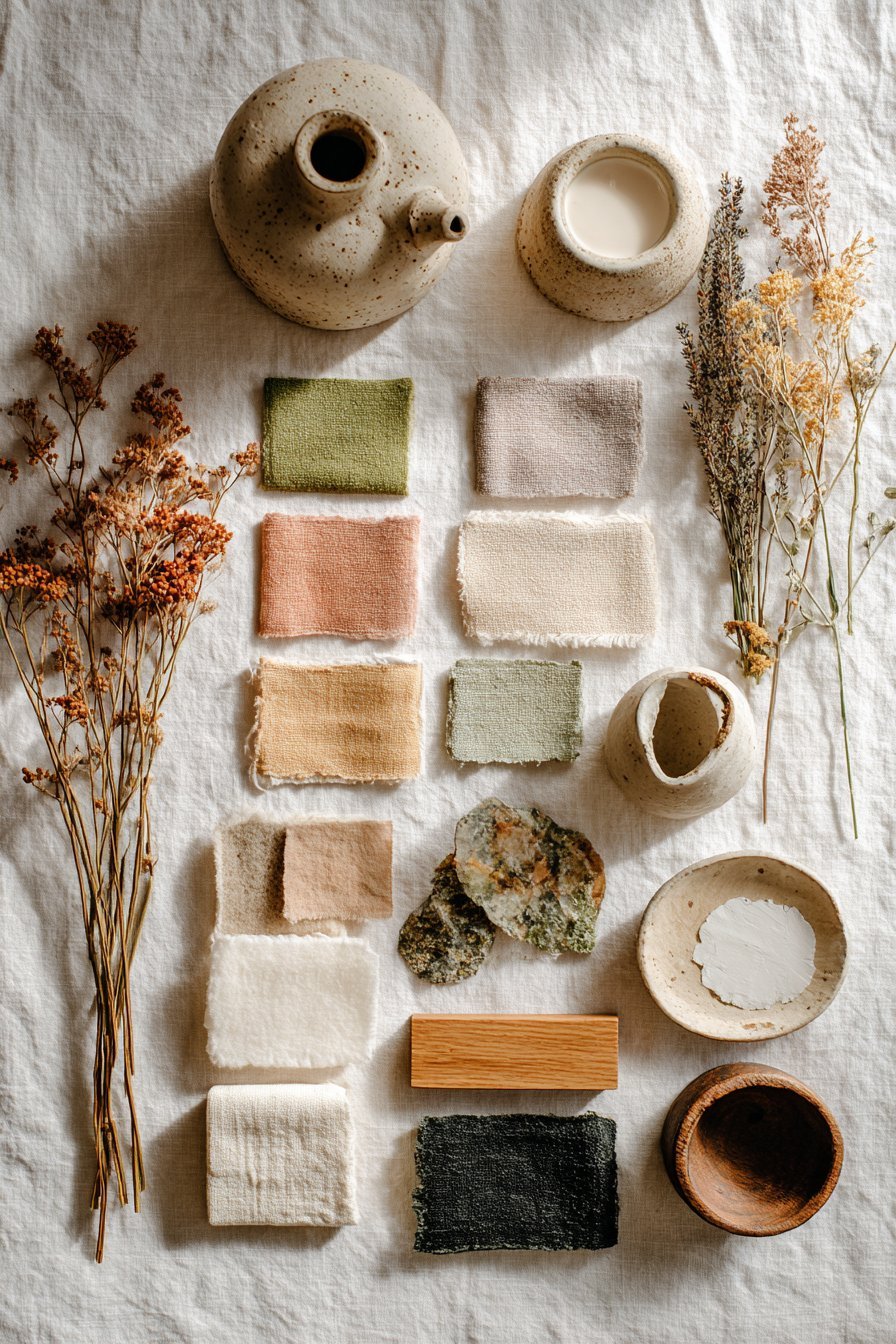
Color is one of the most immediate ways to signal your design intention. Cottagecore color palettes lean into the soft, muted, and organic. Think dusty rose, sage green, lavender, warm cream, and moss tones. These colors feel like they were pulled directly from a garden at dusk.
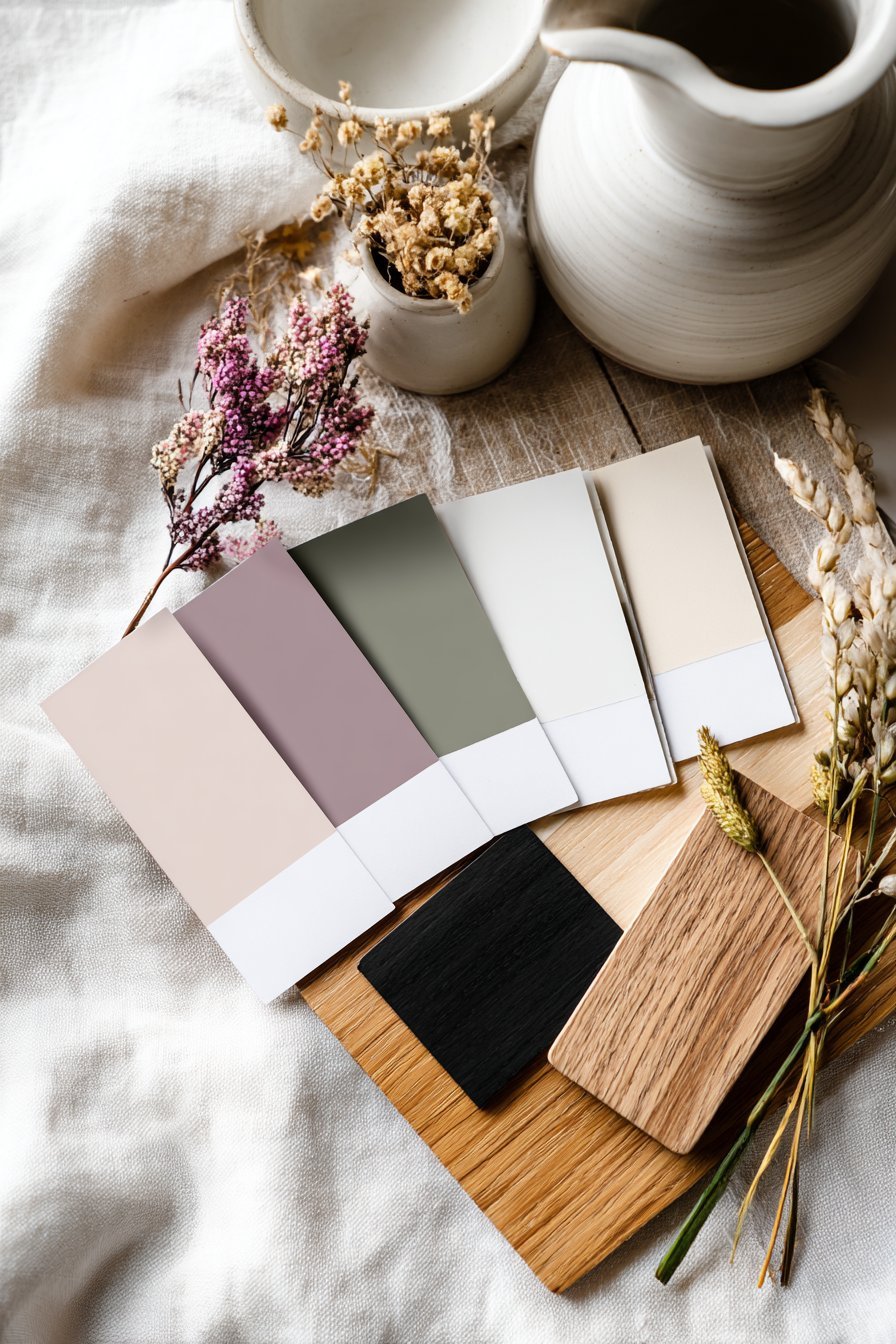
Farmhouse interiors traditionally favor neutral, high-contrast palettes. Crisp whites, soft grays, warm blacks, and natural wood tones dominate the farmhouse color story. The goal is a clean, fresh backdrop that lets texture and form take center stage.
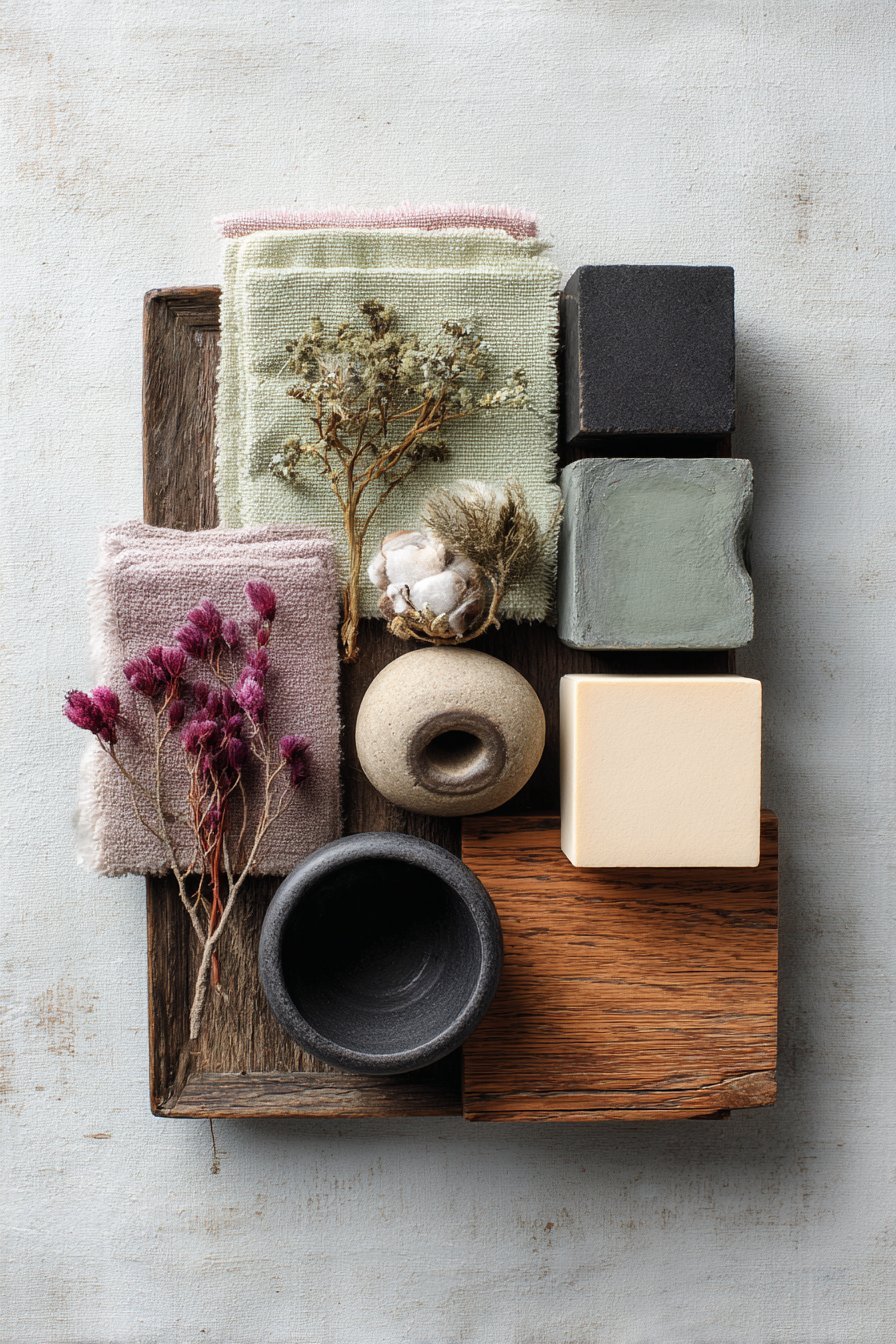
Cottagecore palettes tend to feel more emotionally layered and complex. Multiple soft tones can coexist in a single room without feeling chaotic. Farmhouse palettes are easier to maintain and keep looking polished. If you love simplicity and clean lines, farmhouse color choices will serve you well.
- Use warm white as your base in farmhouse interiors for a timeless foundation
- Introduce sage green or dusty rose walls for an instant cottagecore mood
- Avoid stark cool whites in cottagecore — they disrupt the organic warmth
- Layer complementary soft tones in cottagecore spaces for depth
- In farmhouse rooms, use black accents sparingly to add visual weight
- Test paint samples in natural daylight before committing to a full room
3. Furniture Silhouettes and Character
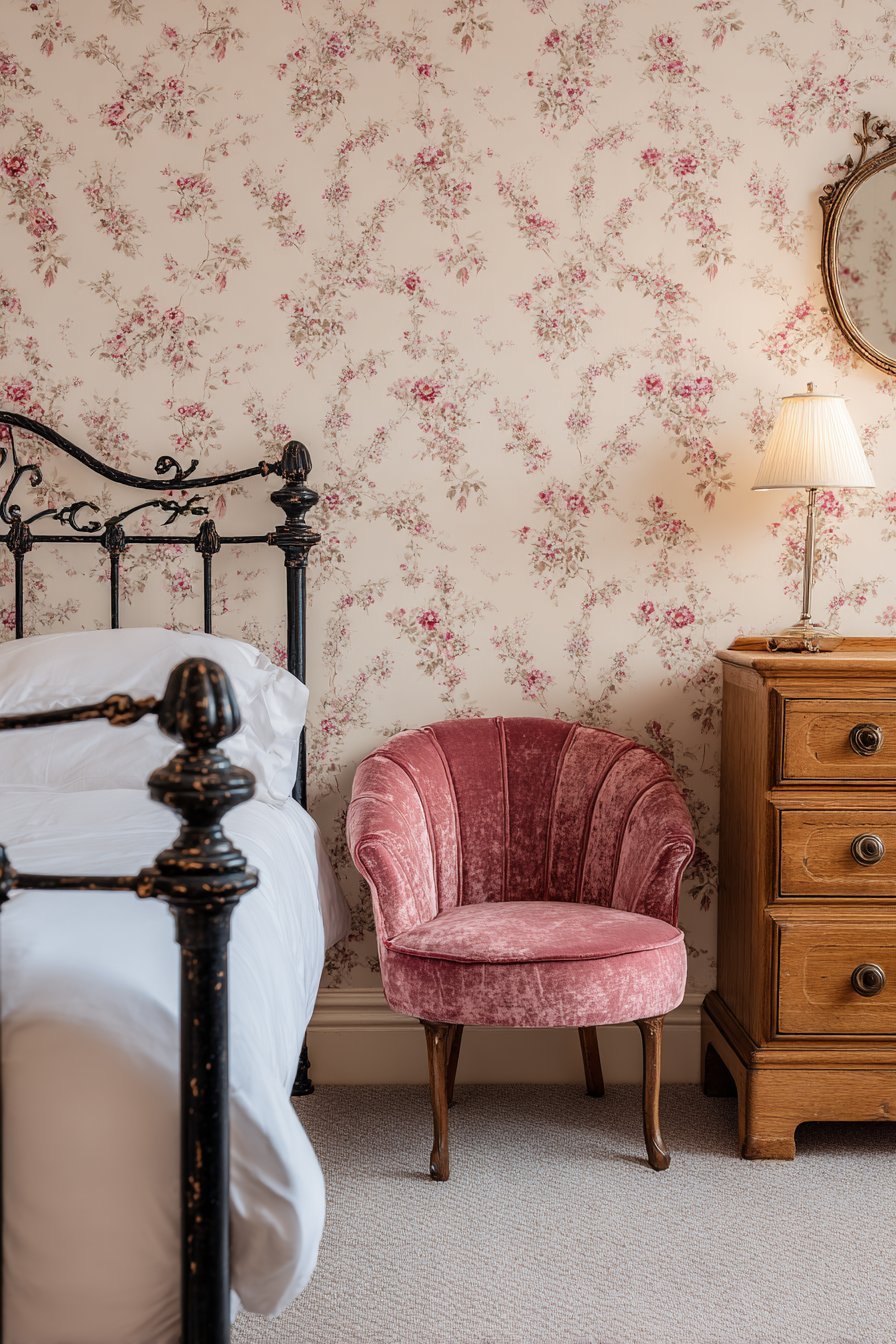
The furniture you choose defines the structural personality of your space. Cottagecore furniture favors curved edges, vintage charm, and mismatched character. Think floral-upholstered armchairs, painted wooden dressers, and ornate iron bed frames. Nothing needs to match perfectly — intentional imperfection is part of the appeal.
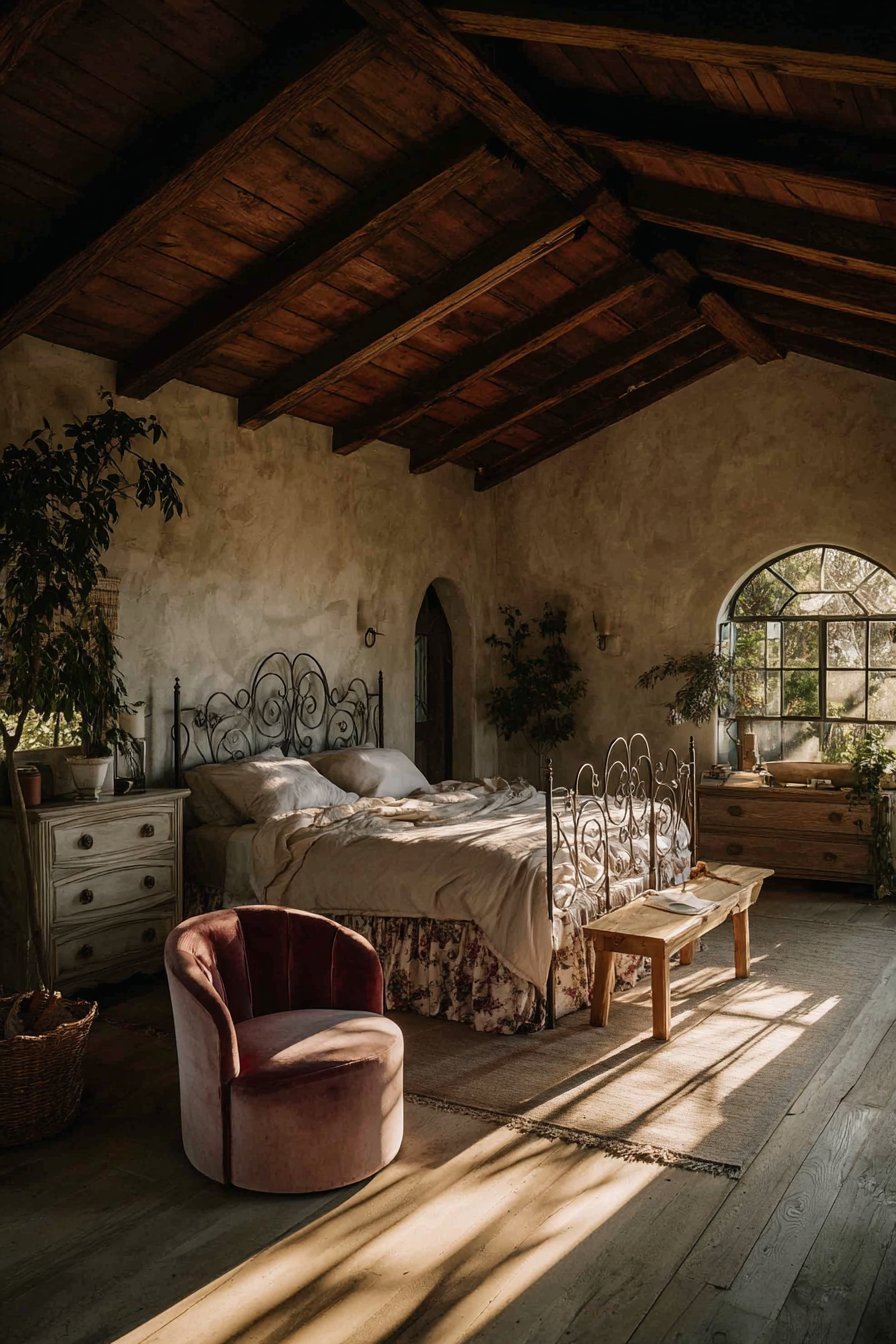
Farmhouse furniture leans toward sturdy, streamlined silhouettes. Large farmhouse tables, simple wooden benches, and shaker-style cabinetry define the look. The forms are unpretentious and built to last. There’s a quiet confidence in farmhouse furniture that says it doesn’t need to impress anyone.
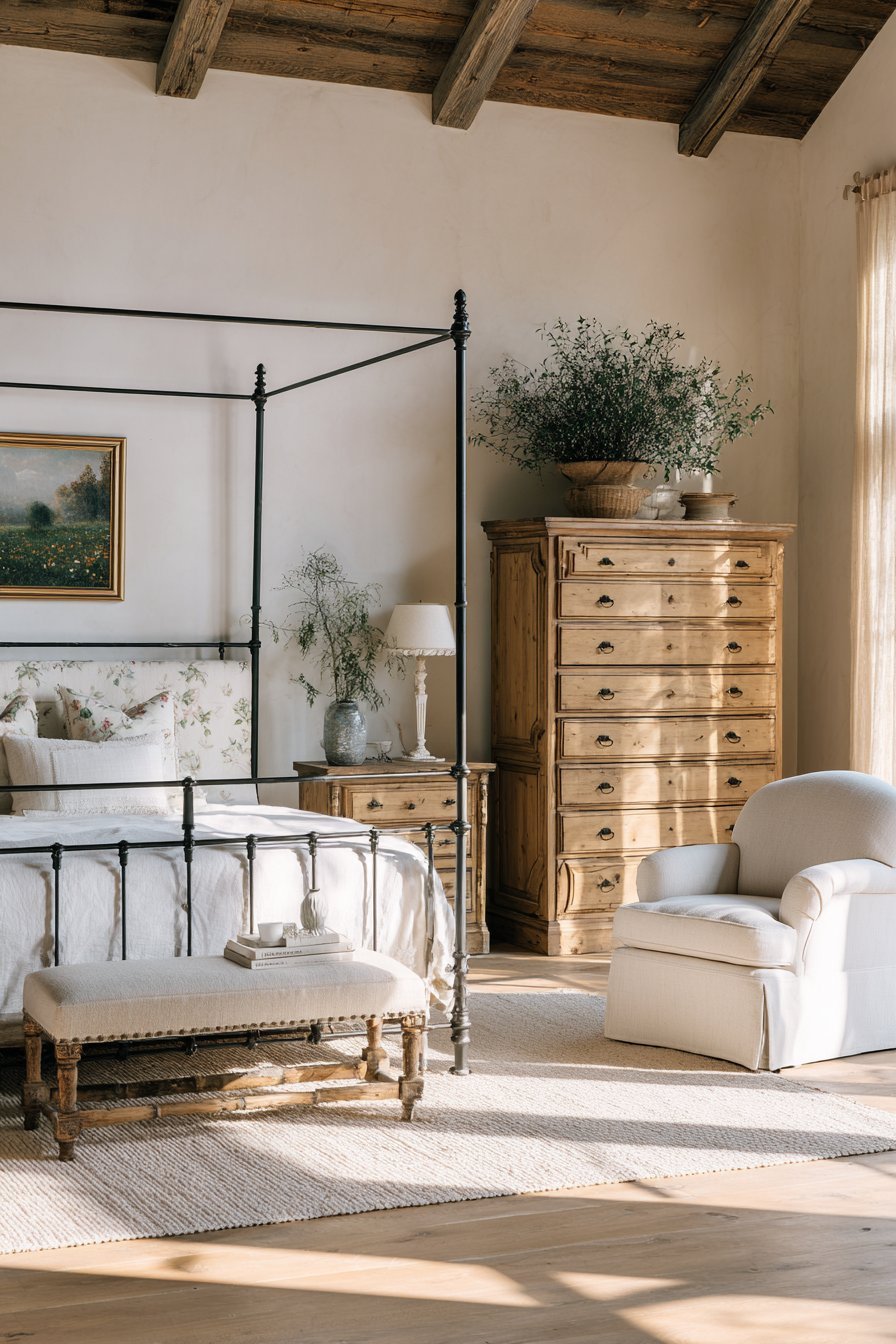
Mixing antique and vintage pieces works beautifully in cottagecore rooms. Thrift store finds and heirloom furniture fit naturally into the aesthetic. Farmhouse interiors can also incorporate vintage elements, but they tend toward cleaner, more uniform pieces rather than ornate ones.
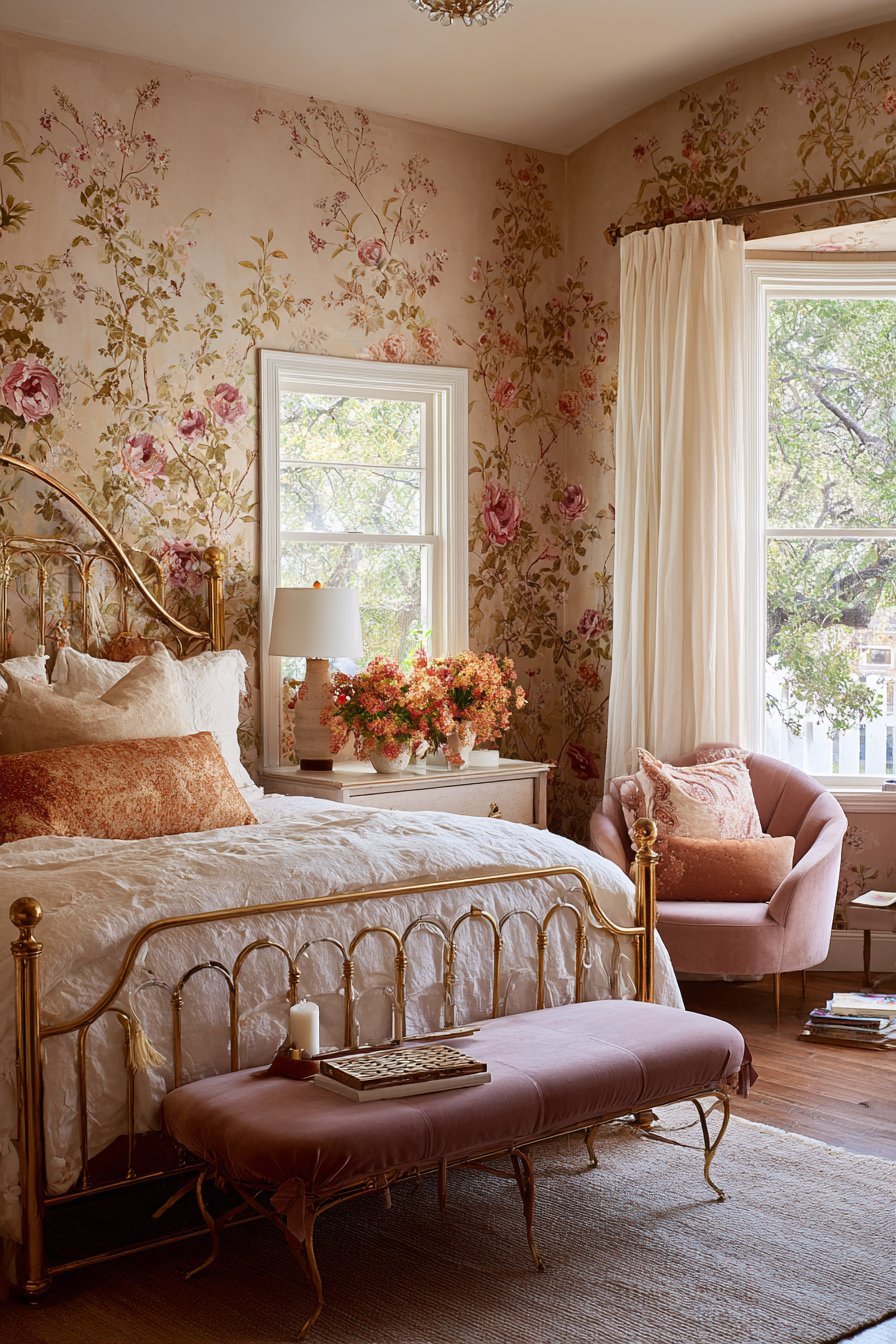
- Source vintage and secondhand furniture for authentic cottagecore character
- Choose farmhouse dining tables in solid oak or reclaimed pine for longevity
- Avoid sleek, modern silhouettes in both aesthetics — they clash with the warmth
- Look for hand-painted furniture to add artisanal cottagecore charm
- In farmhouse spaces, prioritize function — every piece should earn its place
- Mix furniture heights and scales in cottagecore rooms to create visual interest
4. Textiles and Soft Furnishings
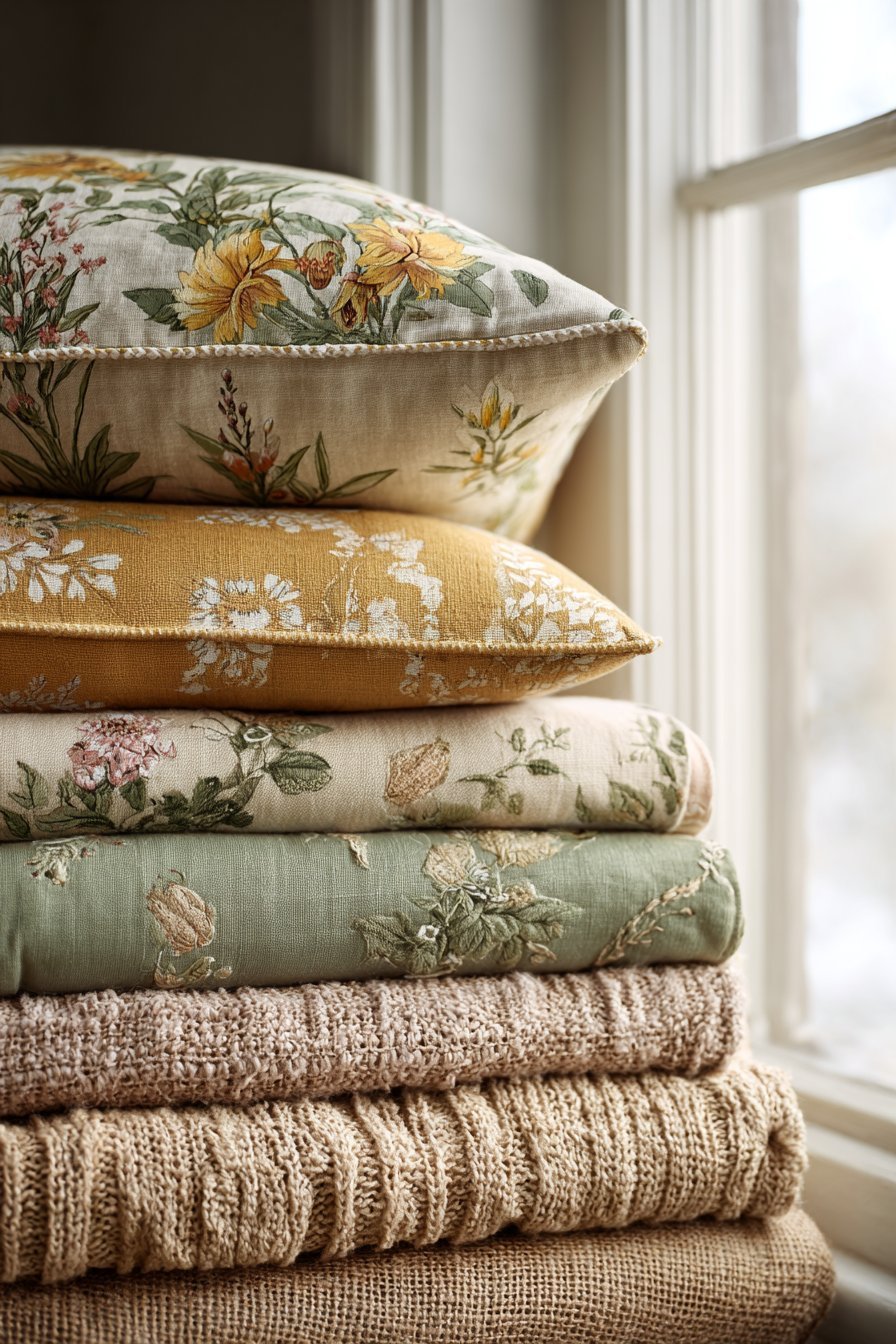
Textiles are where both styles truly come alive. Cottagecore textile choices are lush, layered, and botanical. Floral prints, lace trim, embroidered cushions, and velvet throws all have a place in the cottagecore home. The more texture, the better.
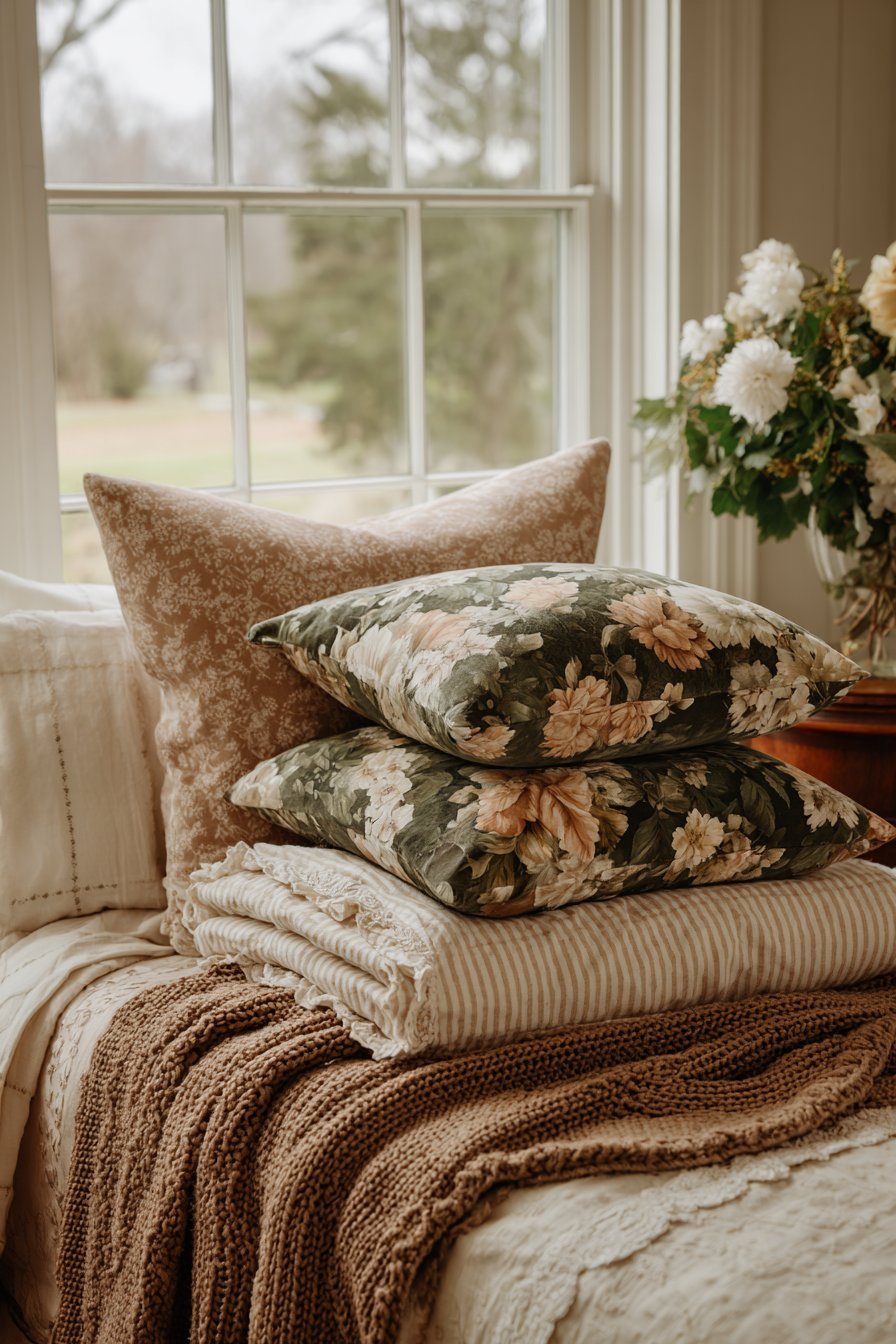
Farmhouse textiles favor natural, tactile simplicity. Linen, cotton canvas, burlap, and chunky knit blankets bring warmth without fuss. Plaid and gingham patterns appear frequently. Stripes in neutral tones are another farmhouse staple that never feels dated.
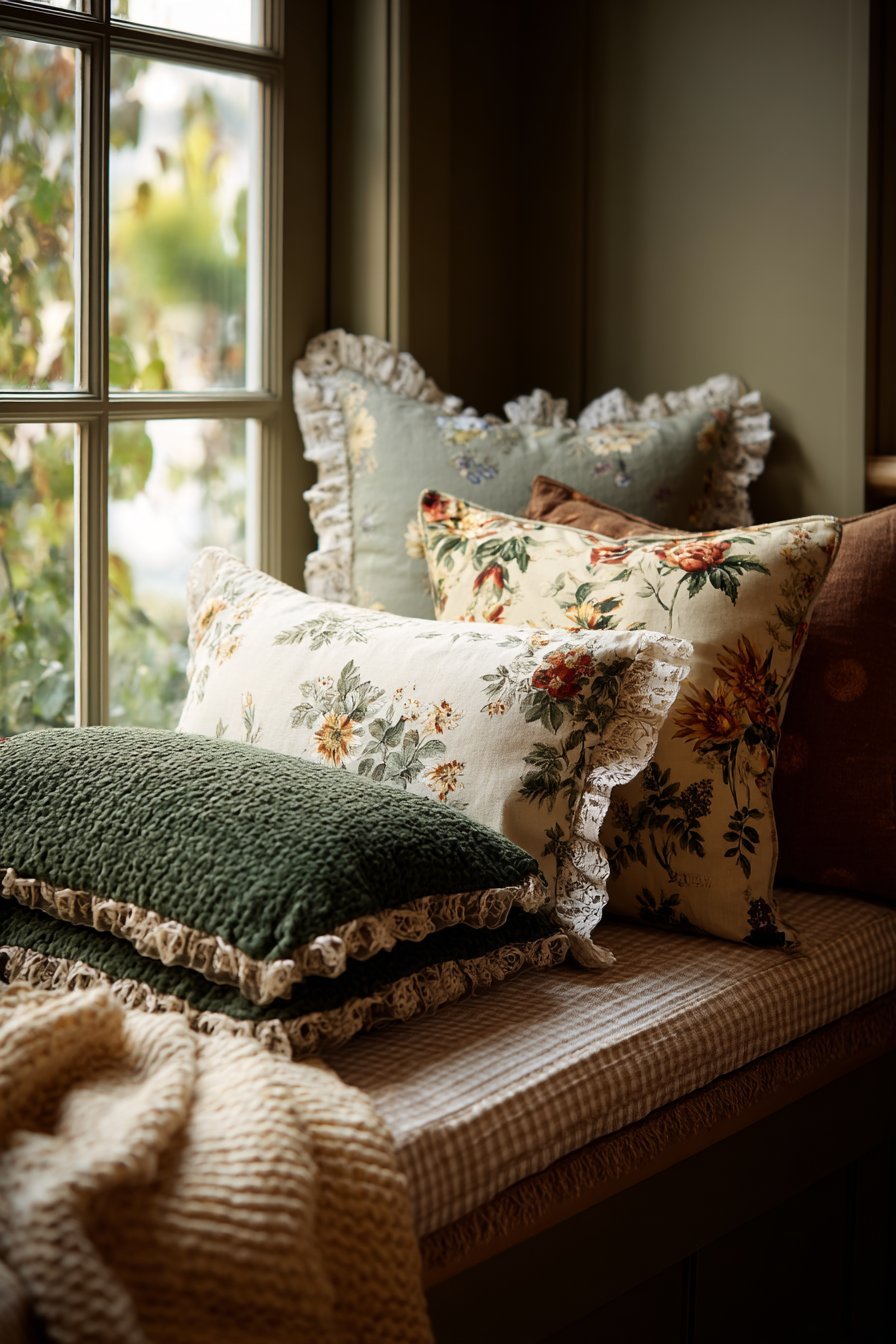
The key difference lies in pattern complexity. Cottagecore embraces layered, intricate patterns — florals over florals, ruffles over lace. Farmhouse styling prefers simpler, more graphic patterns. One beautifully textured linen throw can do more for a farmhouse room than five decorative pillows.
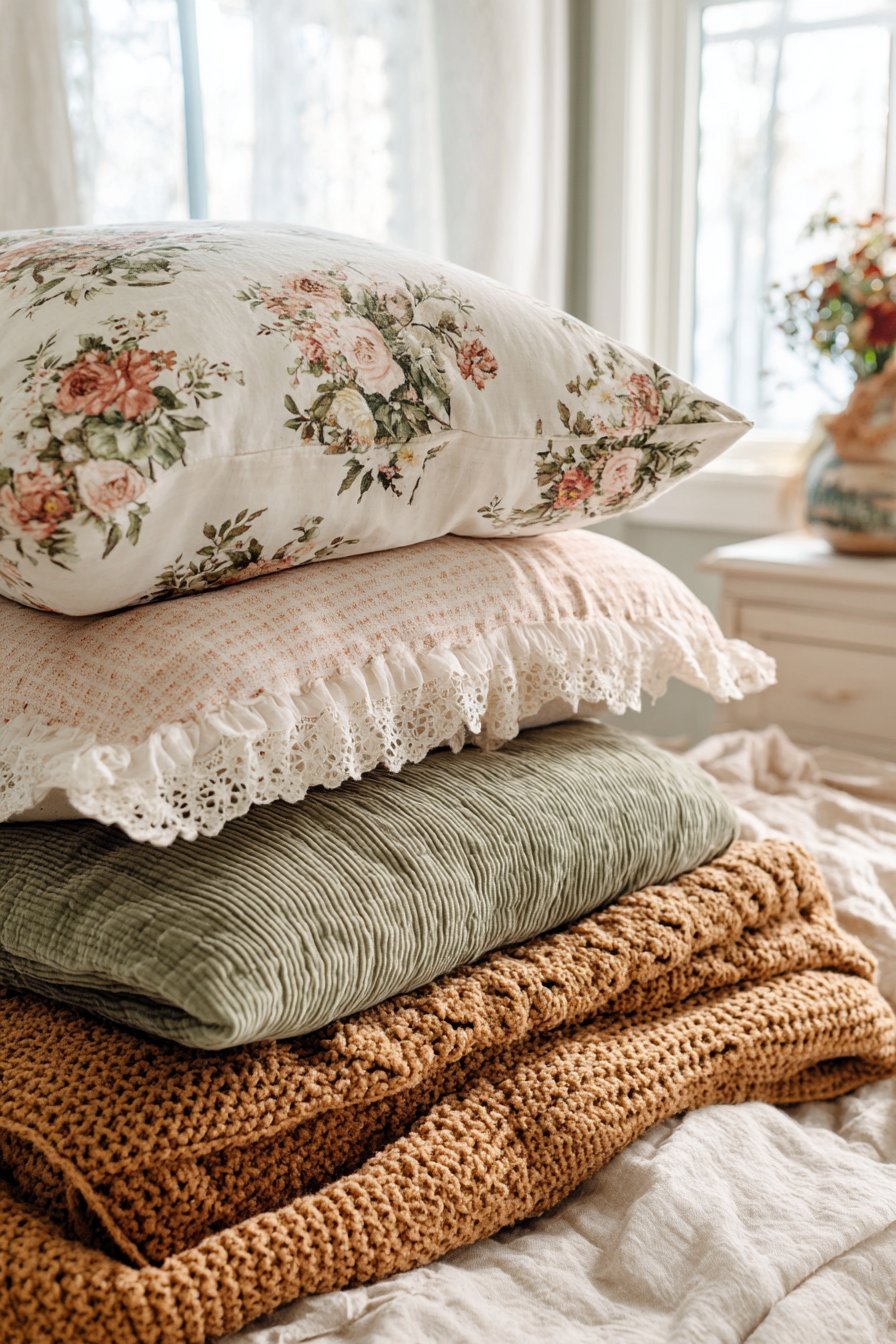
- Layer floral and botanical prints freely in cottagecore bedrooms and living rooms
- Choose stonewashed linen for farmhouse sofas and bedding for relaxed elegance
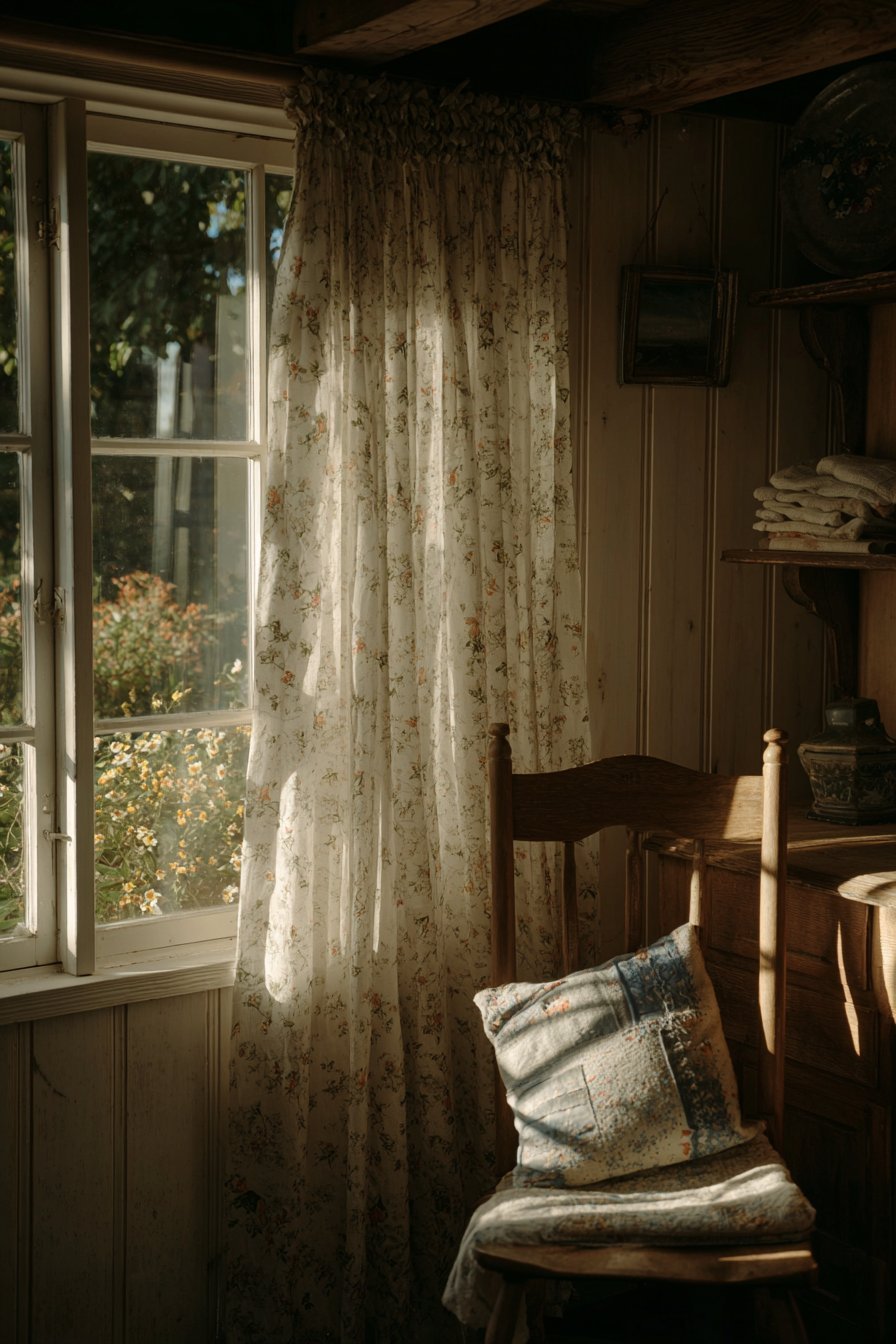
- Use lace curtains to instantly introduce a cottagecore atmosphere
- Opt for natural cotton or burlap table runners in farmhouse dining rooms
- Don’t shy away from vintage embroidered cushions in cottagecore spaces
- Keep farmhouse textiles in a cohesive neutral family for a pulled-together look
5. Natural Elements and Botanicals
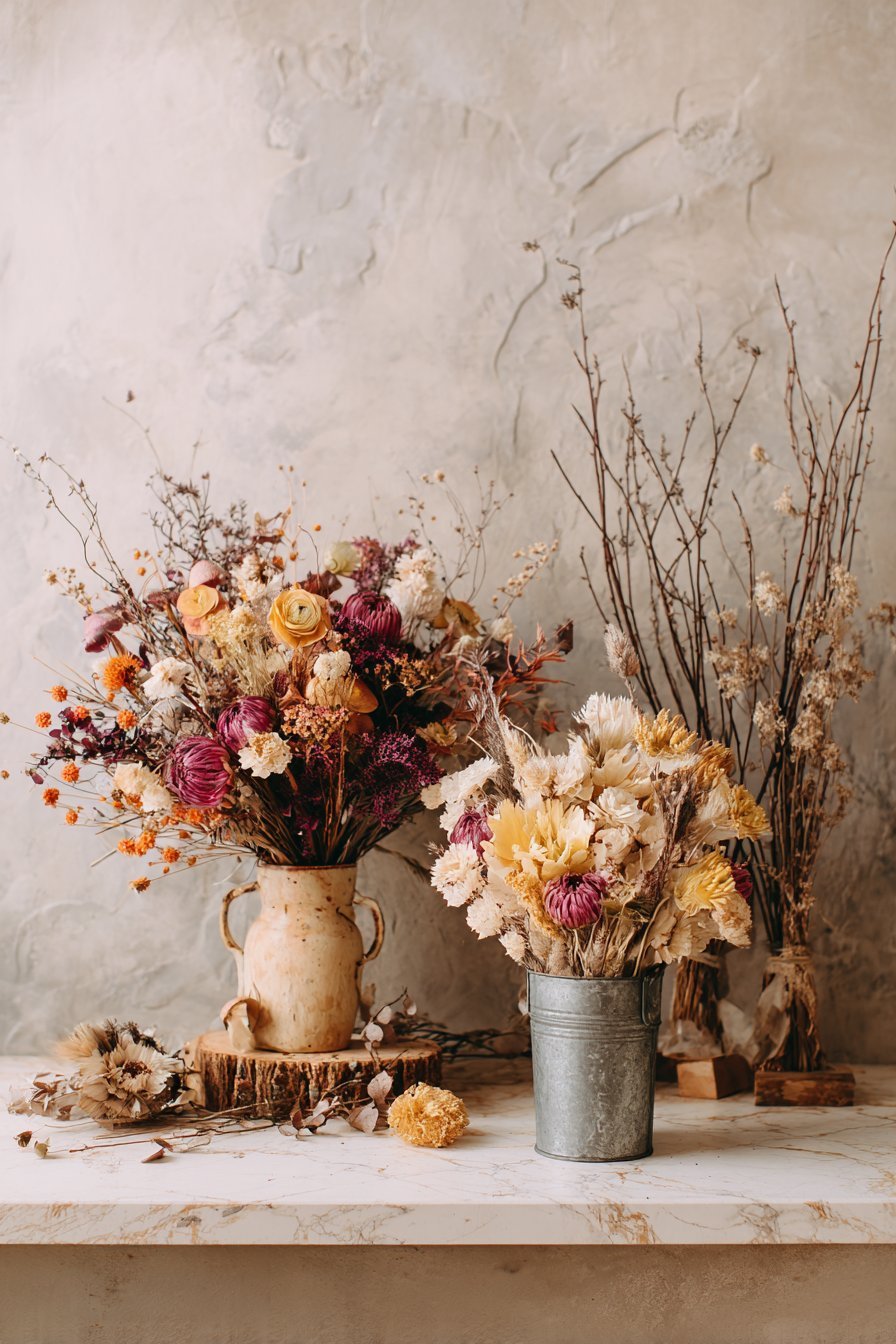
Both aesthetics share a deep love for the natural world, but they express it differently. Cottagecore takes a maximalist approach to nature indoors. Wildflower bouquets, dried herbs hanging from rafters, mushroom prints, and trailing houseplants all belong in a cottagecore interior.
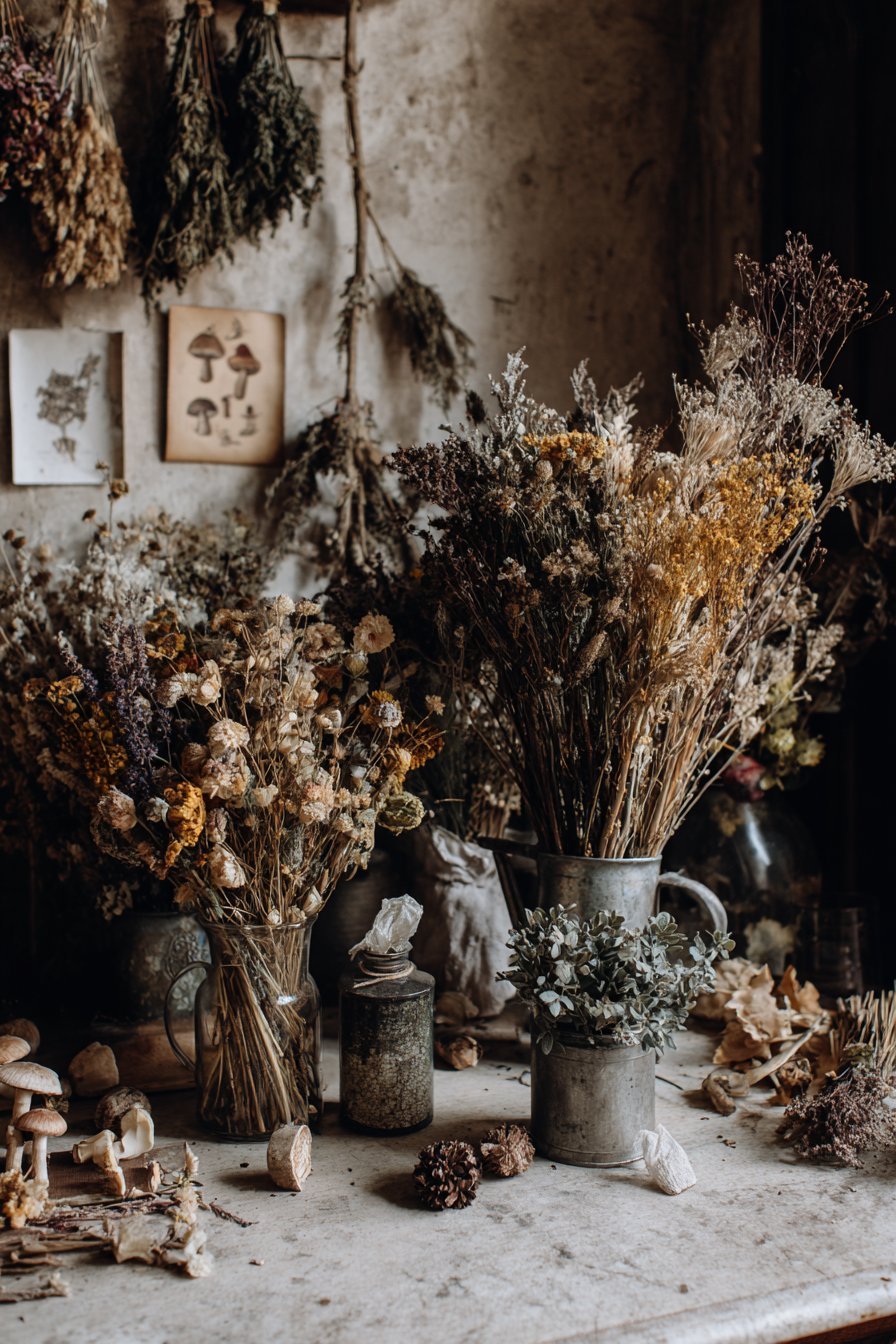
Farmhouse style incorporates nature with restraint. A simple bundle of eucalyptus, a wooden bowl of seasonal fruit, or a single potted herb on a kitchen shelf feels right at home. The farmhouse approach to botanicals is curated and purposeful rather than abundant.
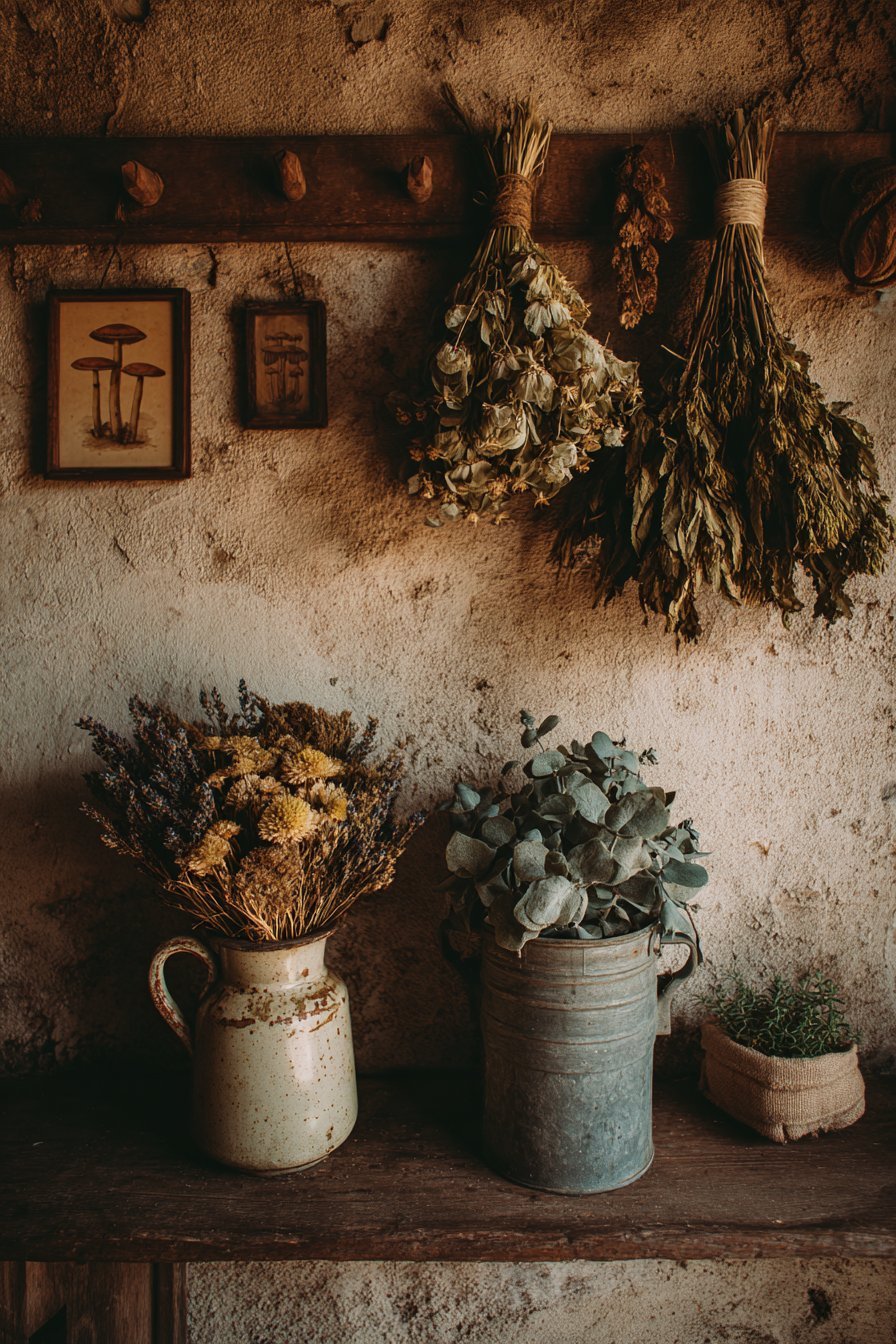
Cottagecore spaces often feel like a garden brought indoors. The boundary between inside and outside blurs beautifully. Farmhouse spaces acknowledge nature as a backdrop — present but not overwhelming. Both approaches create a sense of groundedness and connection to the seasons.
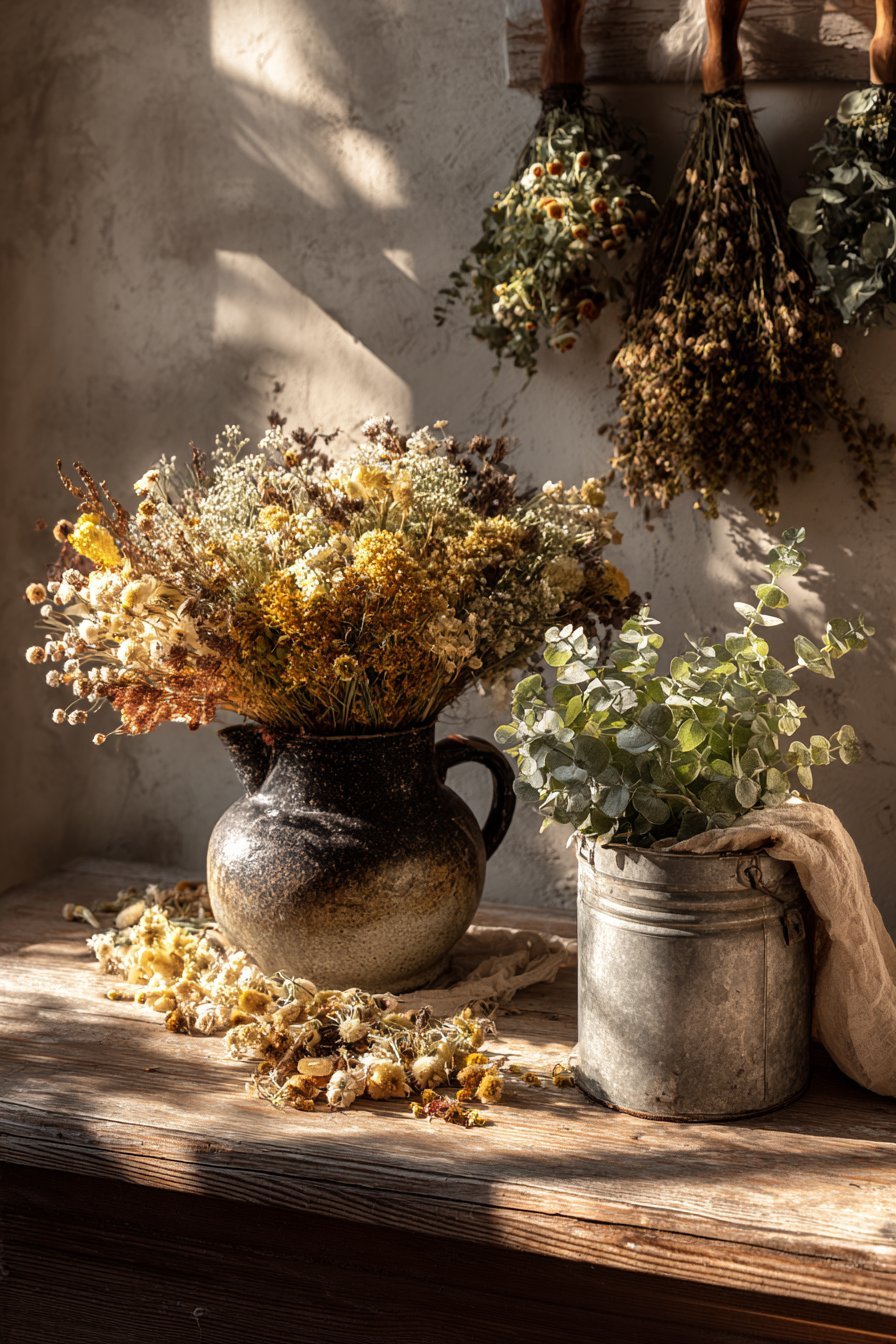
- Fill cottagecore spaces with dried flower arrangements in vintage jugs and bottles
- Use simple galvanized metal buckets for farmhouse floral arrangements
- Grow herbs on your windowsill for both aesthetic and practical benefits
- Press wildflowers and botanical prints for cottagecore wall art
- Incorporate seasonal branches and foliage for low-cost, high-impact farmhouse styling
- Choose plants with interesting leaf shapes to add organic texture to both styles
6. Lighting: Glow vs Warmth
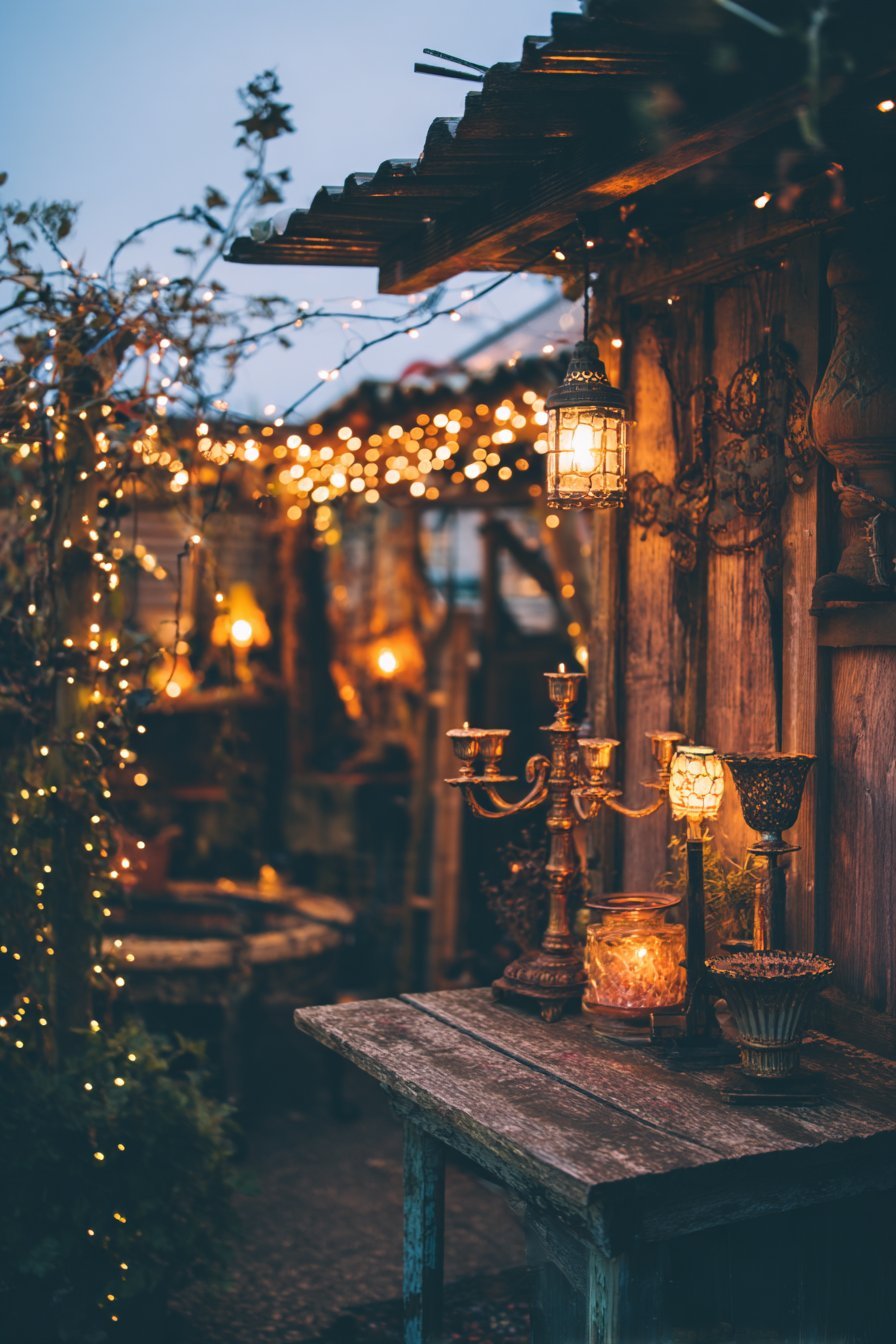
Lighting sets the emotional temperature of any room. Cottagecore lighting should feel like candlelight — warm, soft, and slightly magical. Fairy lights, antique candelabras, stained glass lampshades, and Edison bulb pendants all contribute to the cottagecore glow.
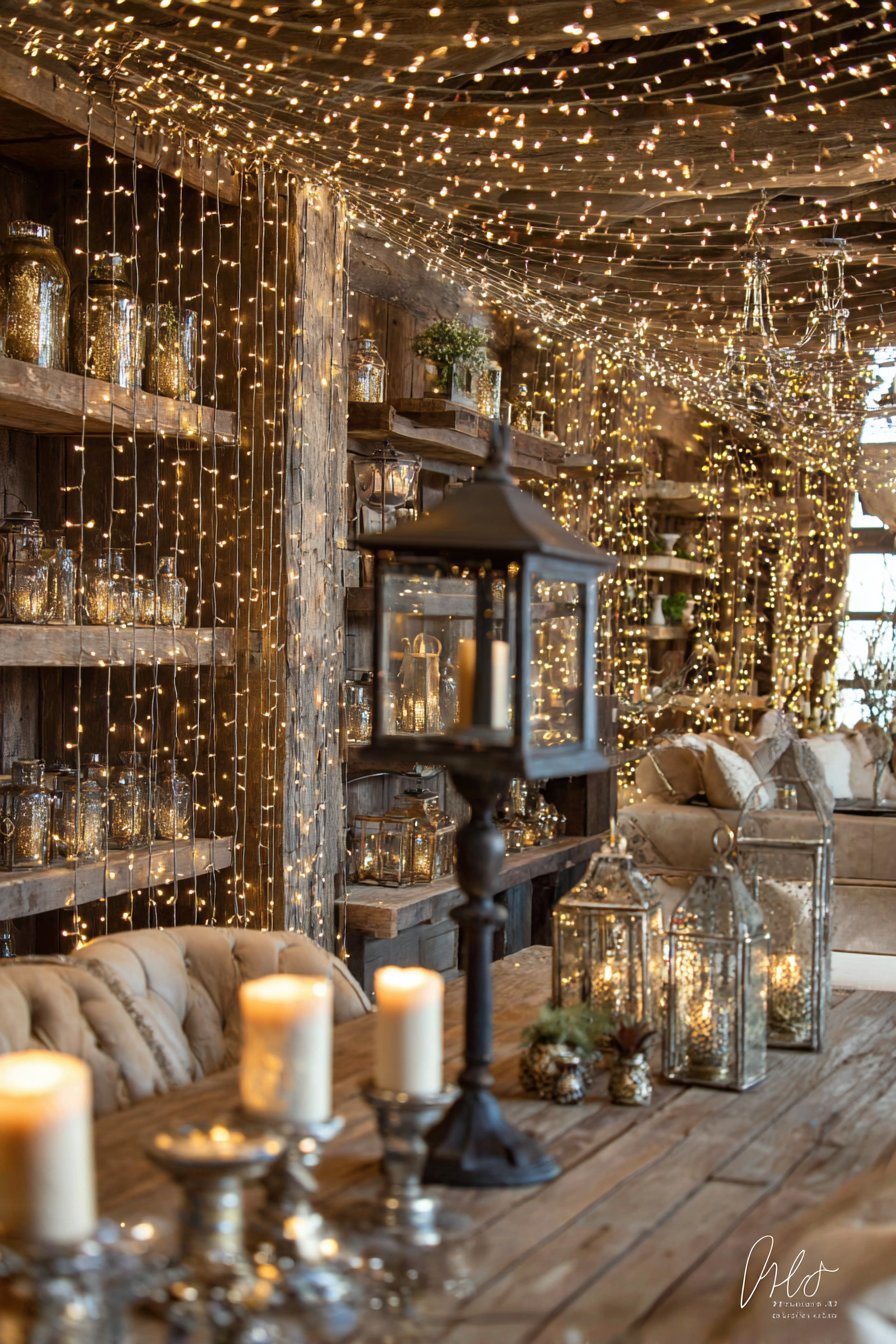
Farmhouse lighting tends toward industrial-meets-rustic warmth. Black metal pendant lights, lantern-style fixtures, and simple wooden chandeliers define the farmhouse lighting aesthetic. The goal is warm, inviting ambient light without excessive ornamentation.
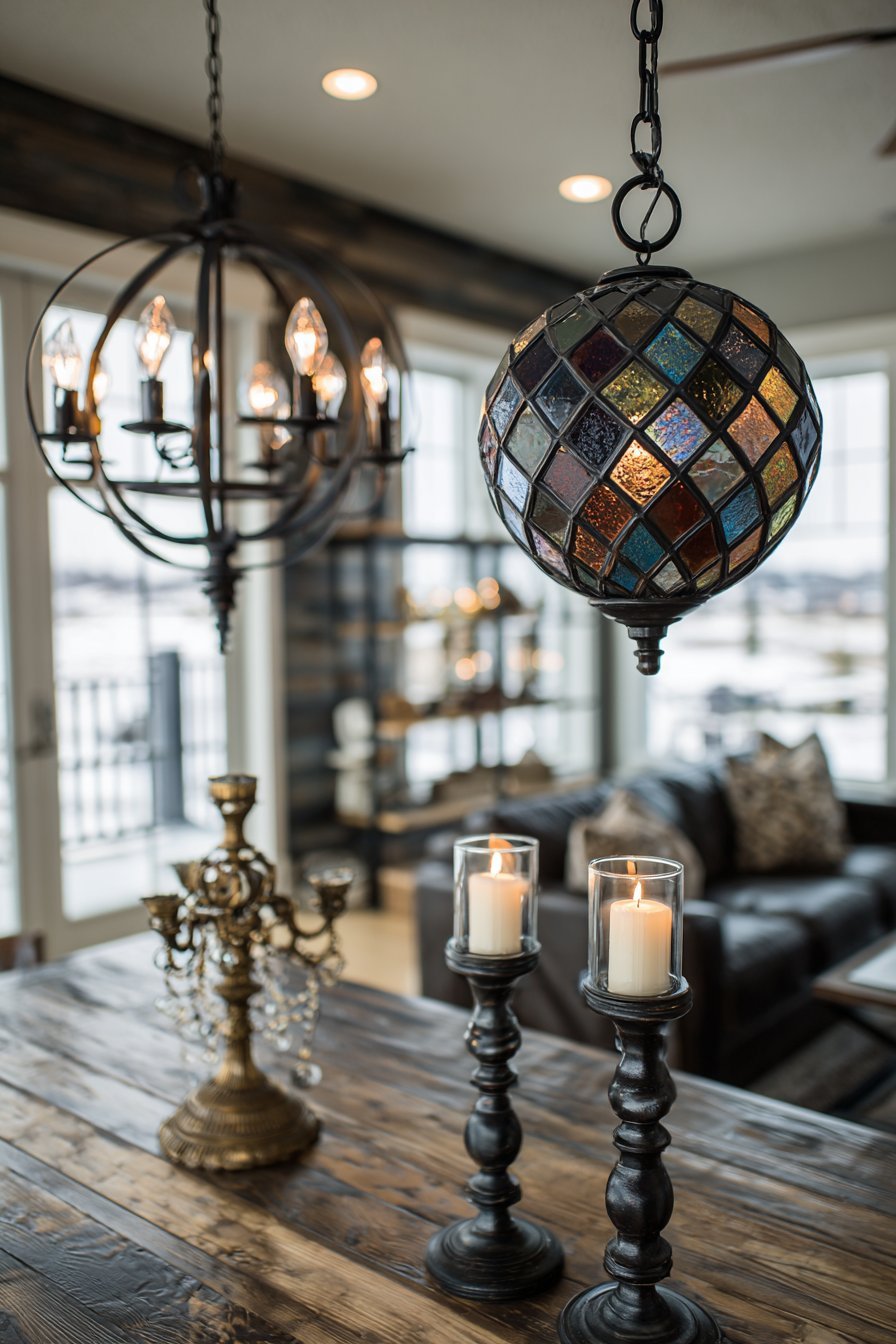
Both styles benefit enormously from layered lighting schemes. Overhead fixtures, table lamps, and candles working together create depth and mood. Avoid harsh, cool-toned lighting in either aesthetic — it strips away the warmth that makes both styles so appealing.
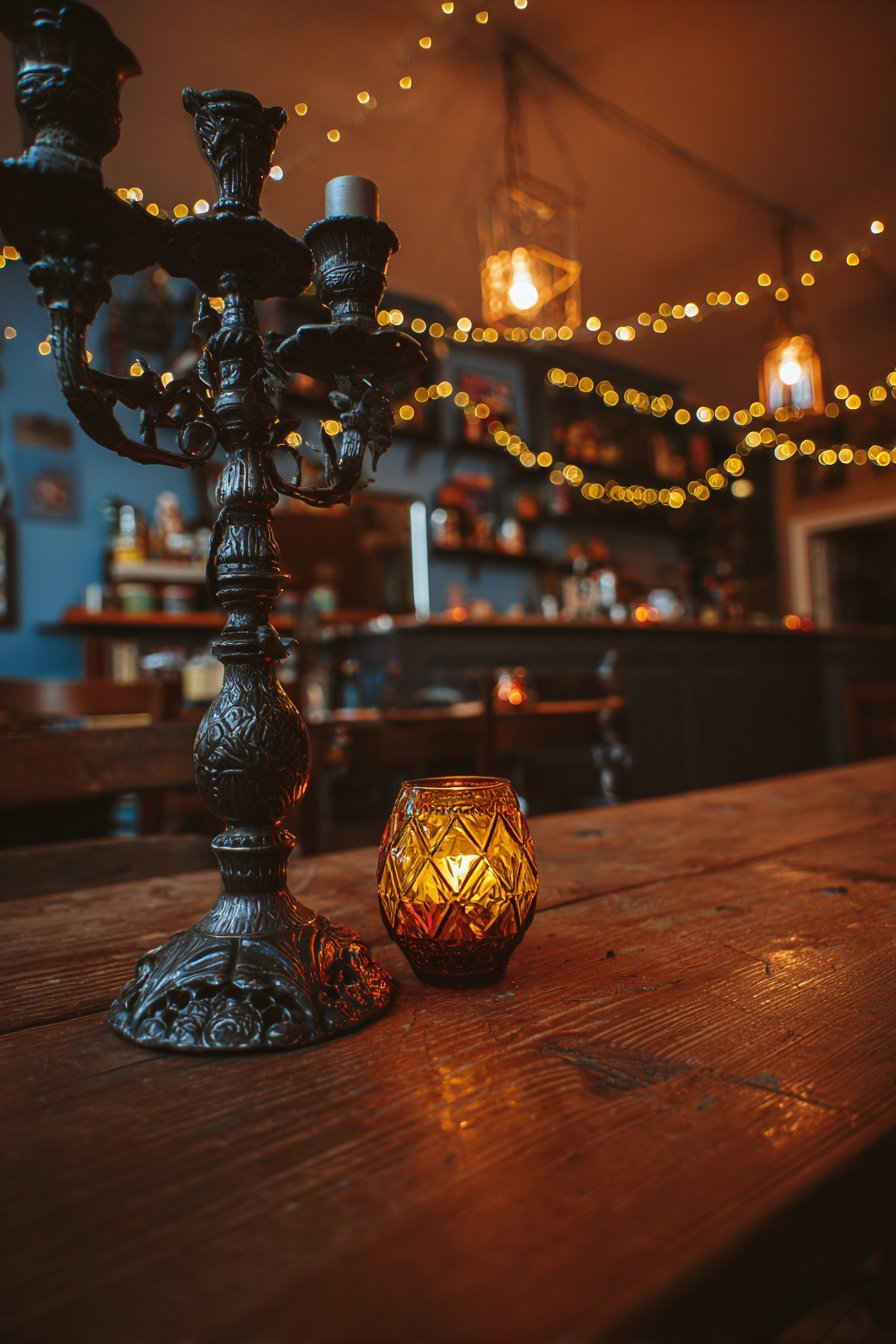
- Choose amber-toned bulbs (2700K) for authentic warmth in both aesthetics
- Hang fairy lights under shelves or around windows for instant cottagecore magic
- Install black metal pendant lights over farmhouse kitchen islands
- Use candles liberally in cottagecore spaces — they’re both decorative and atmospheric
- Look for antique brass or aged iron hardware on fixtures for cottagecore charm
- Avoid recessed lighting as a primary source in both styles — it feels too modern
7. Kitchen Design: Whimsy vs Function
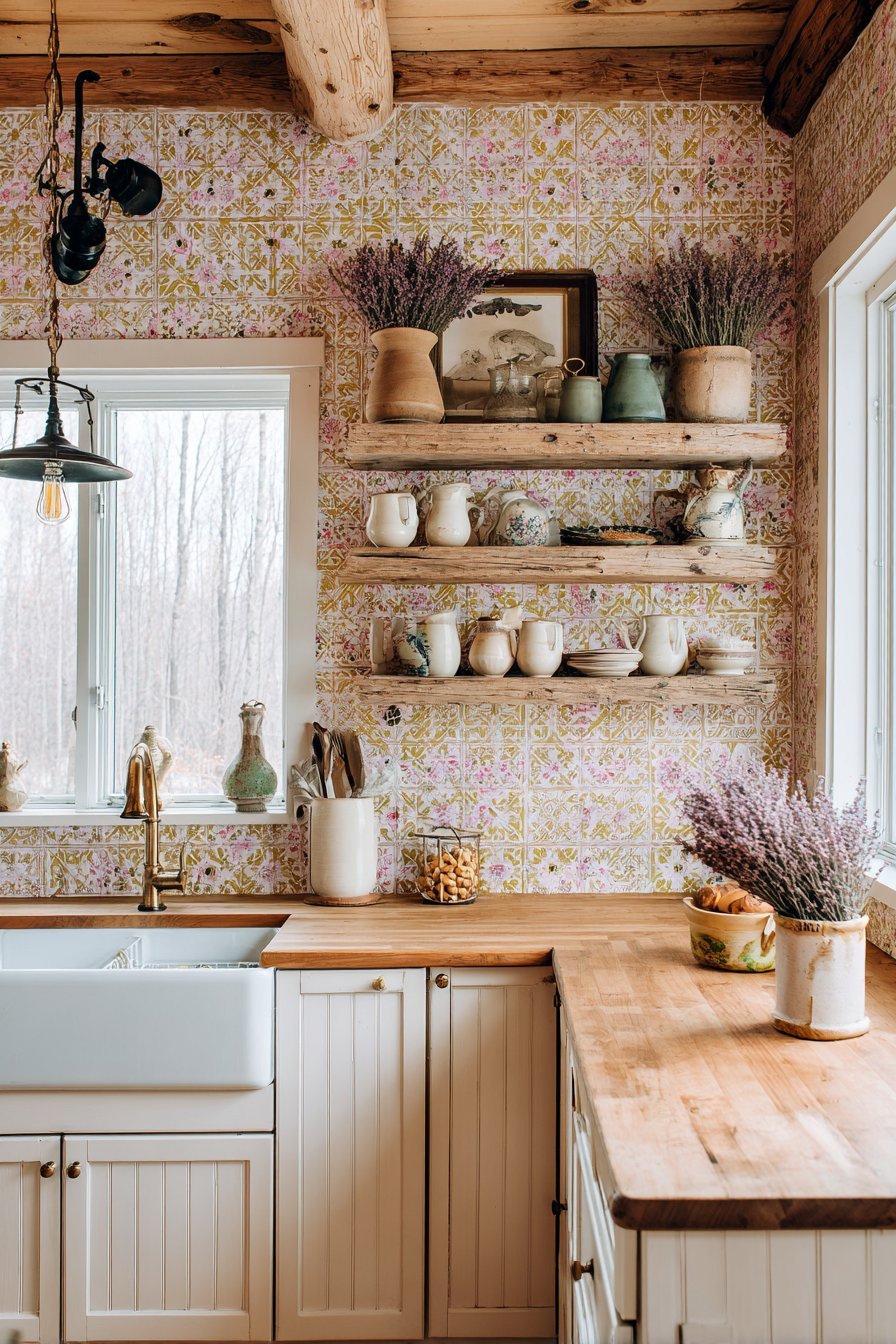
The kitchen reveals the truest character of each style. A cottagecore kitchen feels like something from a storybook. Open shelves displaying mismatched vintage ceramics, hand-painted tile, bundles of dried lavender, and a well-worn wooden table make it feel deeply personal.
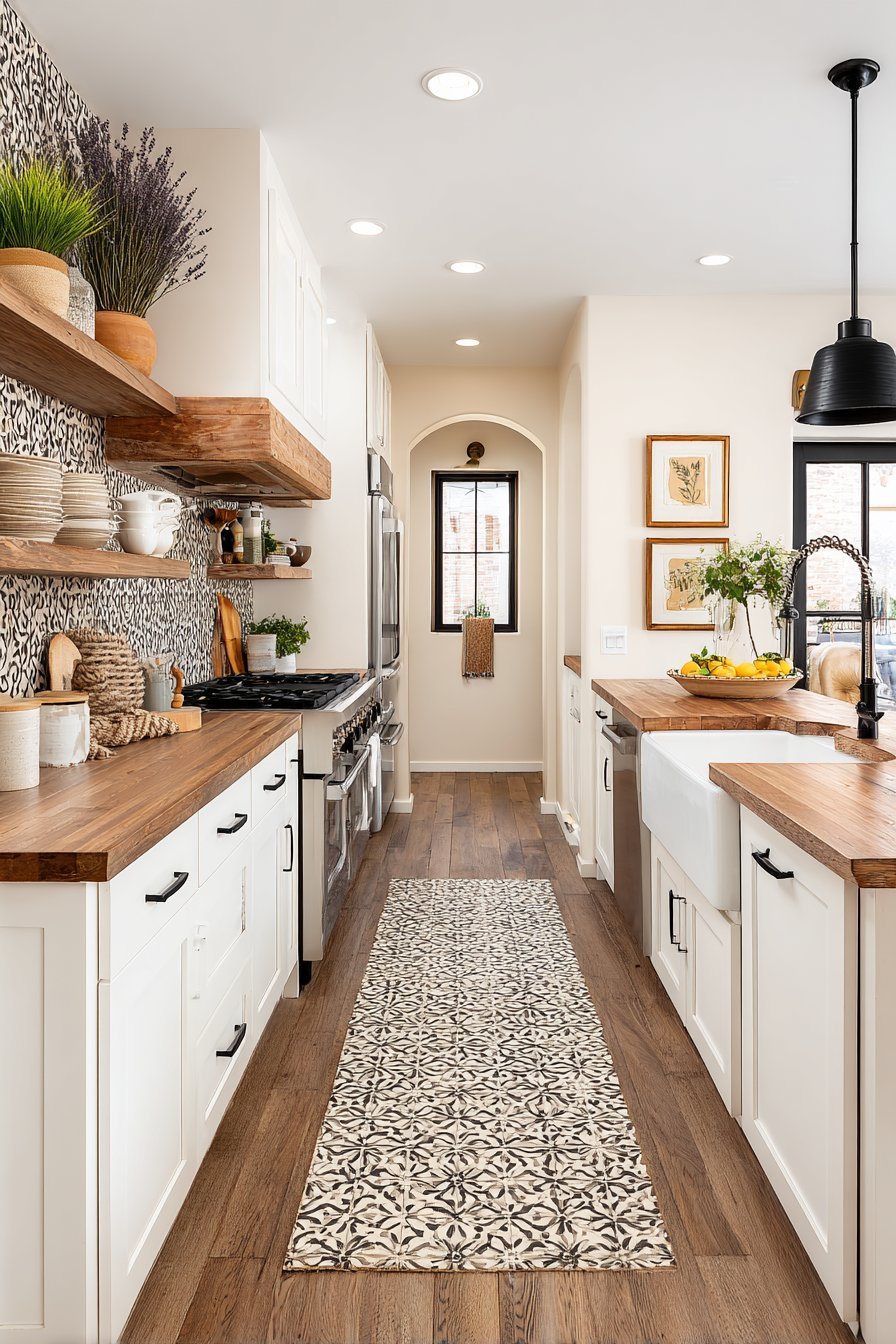
A farmhouse kitchen prioritizes practicality and spaciousness. White shaker cabinets, apron-front sinks, butcher block or marble countertops, and open shelving with neatly arranged essentials define the look. Everything is accessible and purposefully arranged.
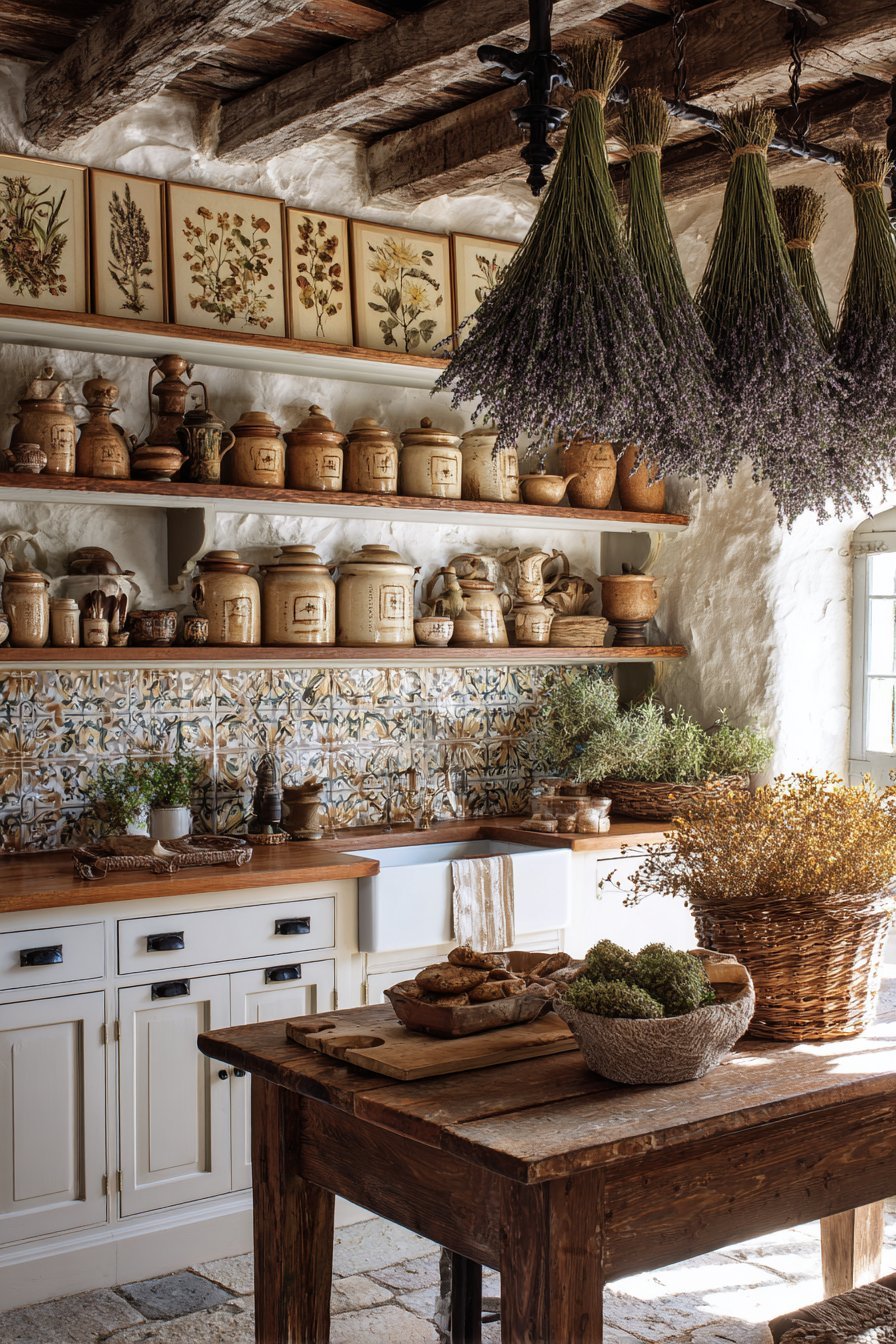
Both kitchens can feel equally beautiful and liveable. The cottagecore kitchen rewards cooks who love to browse and discover. The farmhouse kitchen rewards those who want efficient, organized workflow without sacrificing beauty. Consider how you actually use your kitchen before choosing a direction.
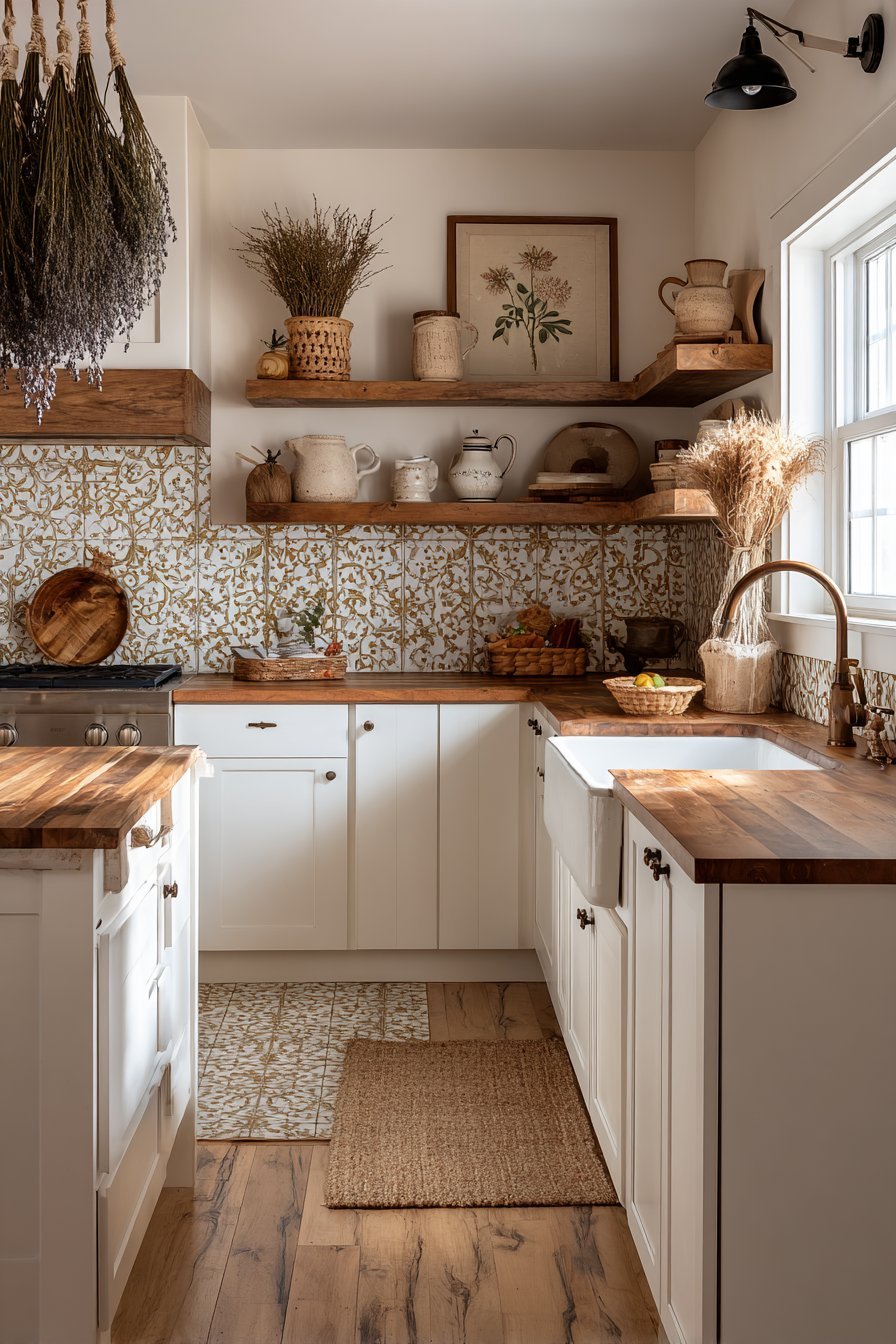
- Install an apron-front sink as a farmhouse kitchen focal point
- Display mismatched vintage plates and pitchers for cottagecore charm
- Use open wooden shelves in both styles to showcase meaningful pieces
- Choose hand-painted or patterned tiles for a cottagecore kitchen backsplash
- Keep farmhouse countertops clear and functional — limit decorative clutter
- Add a vintage herb planter to your kitchen windowsill for either aesthetic
8. Bedroom Sanctuaries
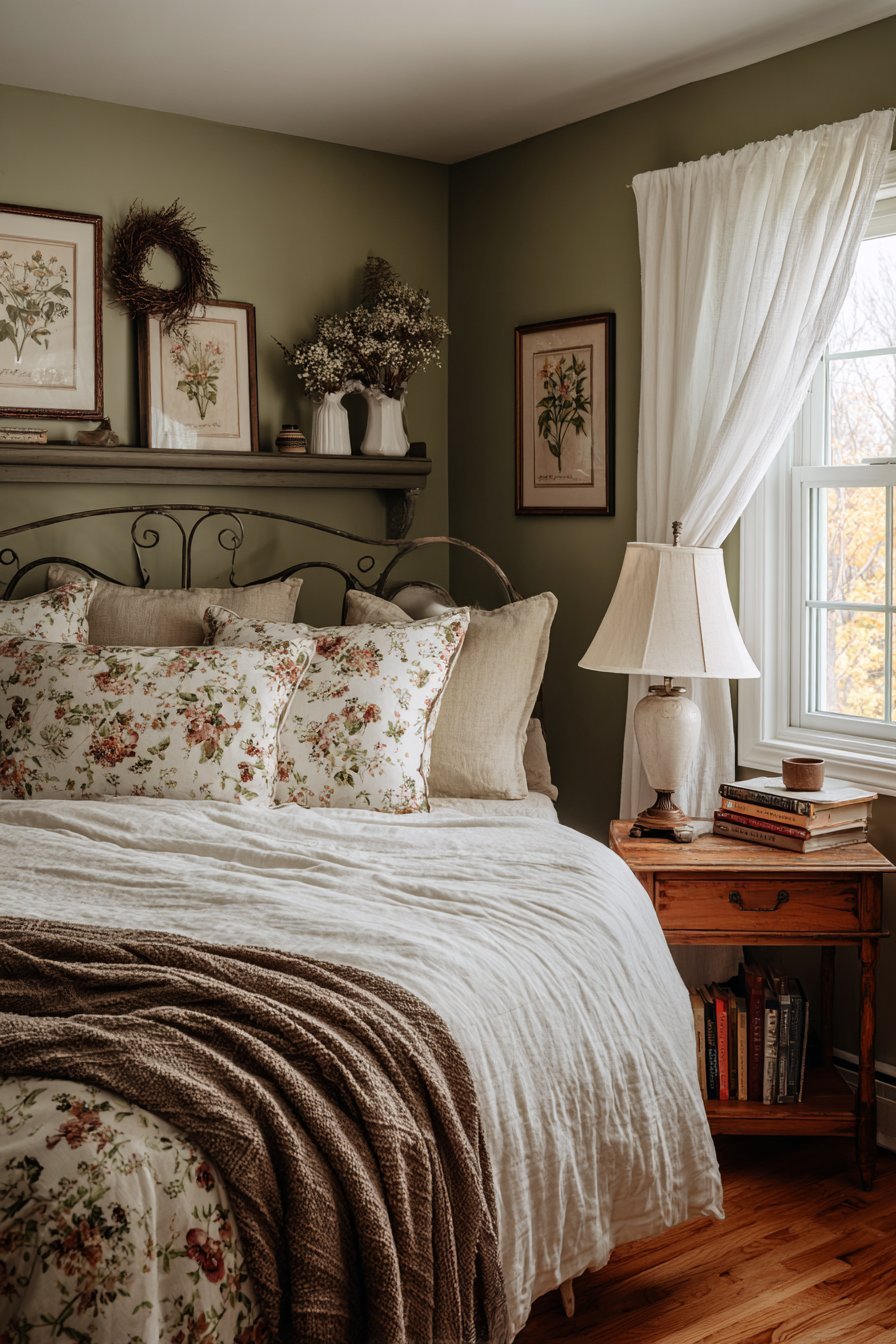
The bedroom is perhaps where both aesthetics truly shine. A cottagecore bedroom is a sanctuary of softness — floral bedding, gauzy canopy curtains, a stack of well-loved books, and botanical artwork create an enchanting retreat. It should feel like waking up inside a dream.
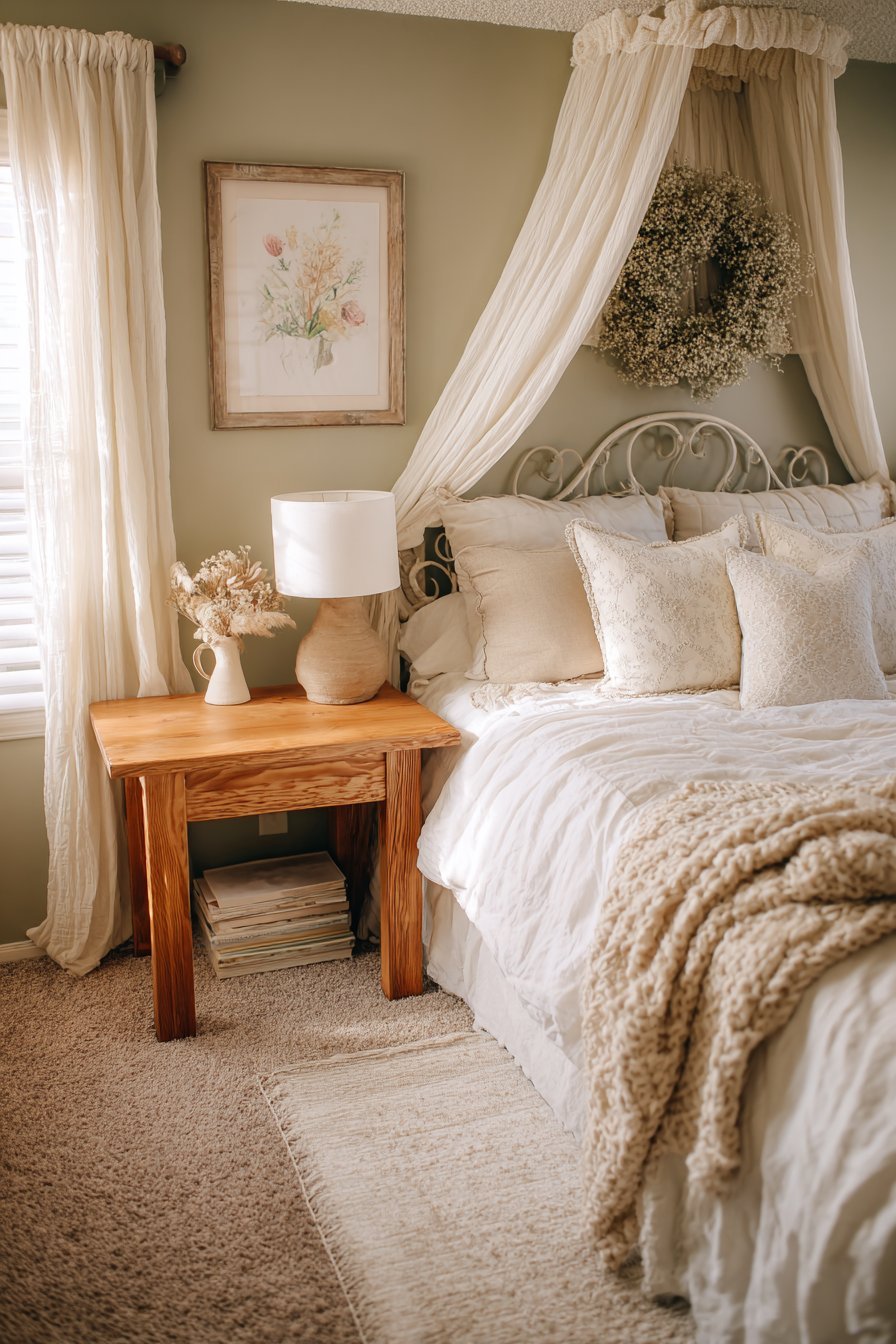
A farmhouse bedroom achieves sanctuary through calm, uncluttered simplicity. White linen duvet covers, a solid wooden bed frame, simple bedside tables, and a cozy wool throw create a space that feels genuinely restful.
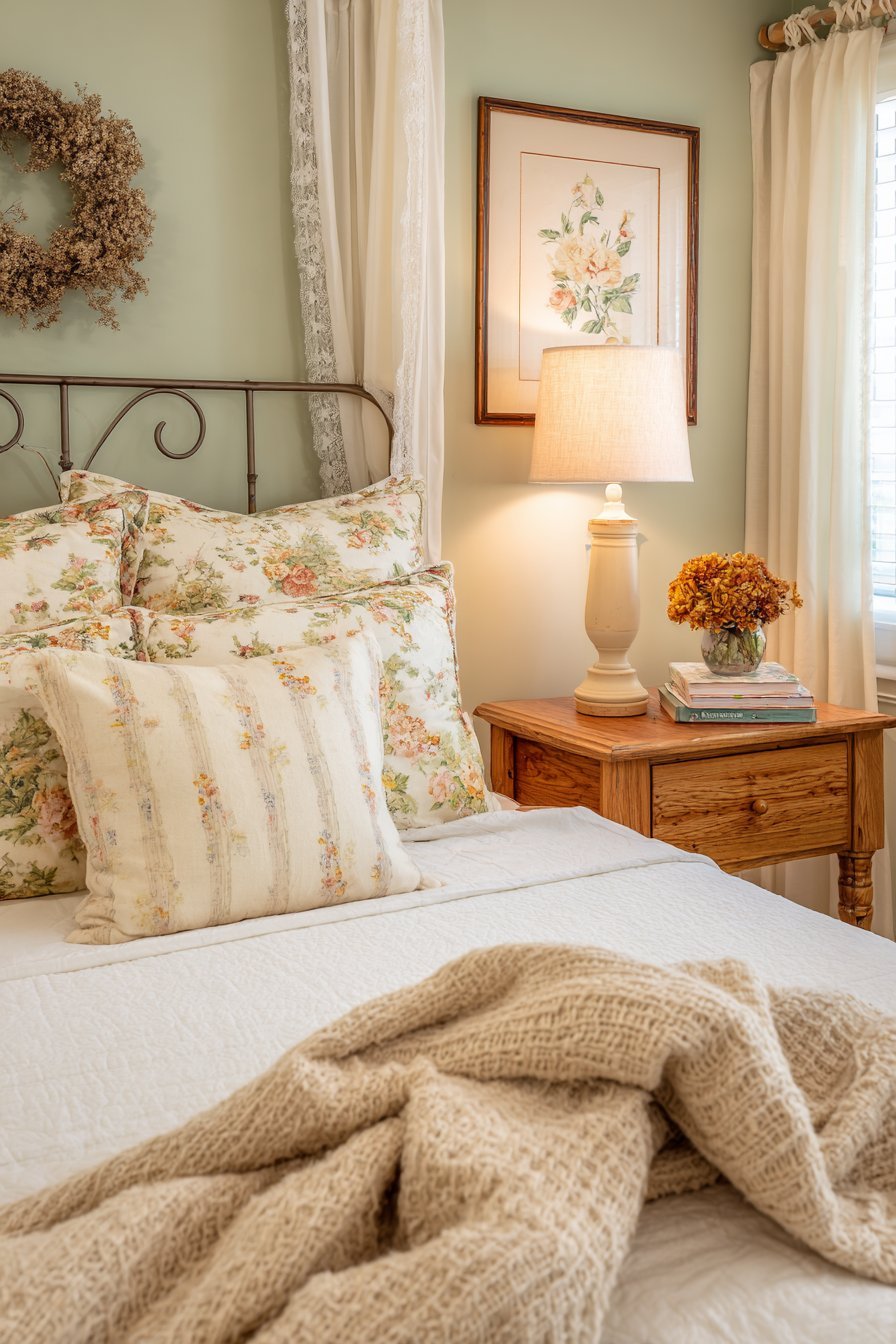
The difference comes down to sensory experience. Cottagecore bedrooms engage all the senses with layers of pattern, texture, and scent. Farmhouse bedrooms soothe through negative space and quality materials. One style energizes the imagination; the other quiets the mind.
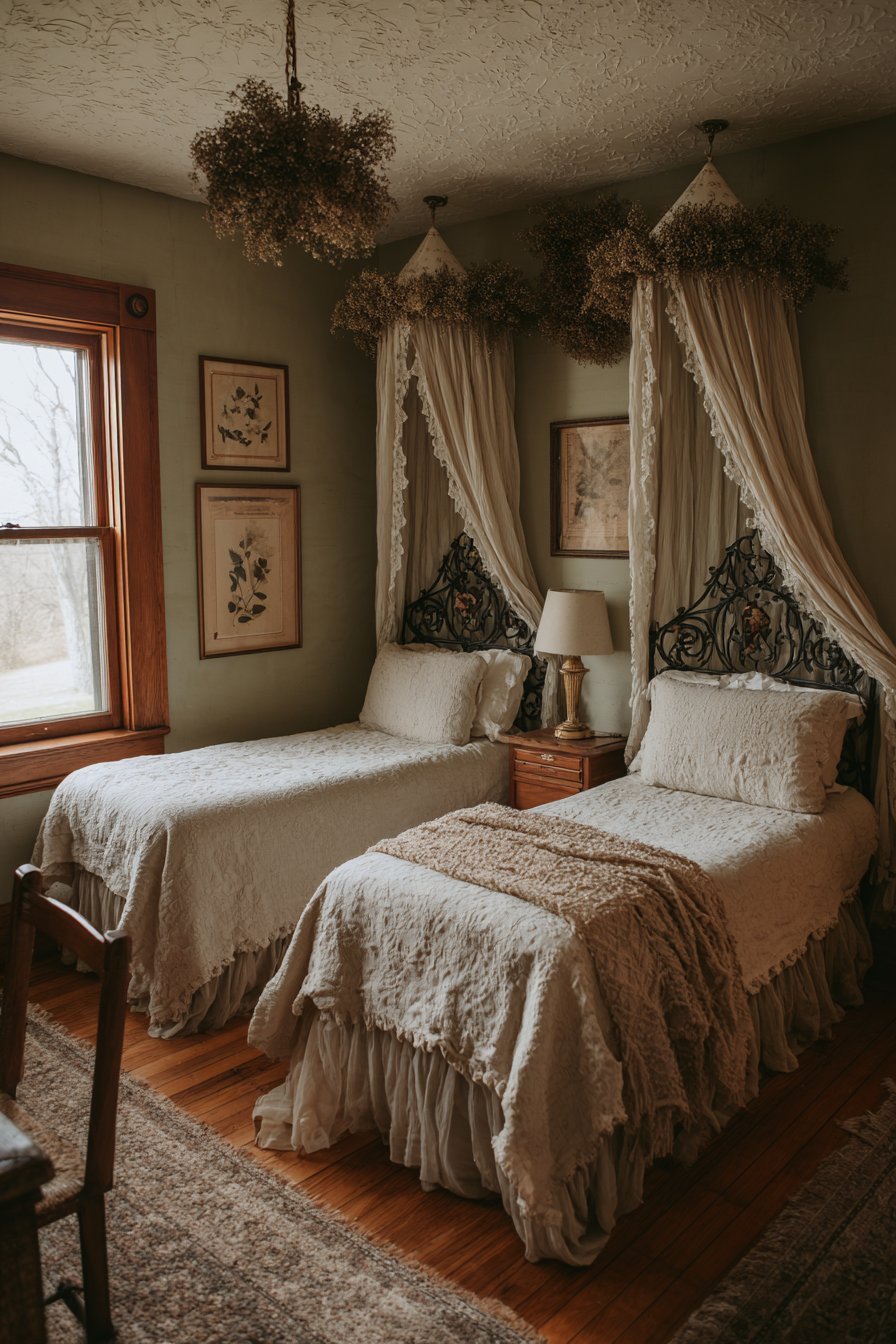
- Hang sheer lace or floral curtains for an instant cottagecore bedroom transformation
- Choose a solid oak or pine bed frame as a farmhouse bedroom anchor piece
- Layer three or more textile patterns in a cottagecore bedroom for depth
- Keep farmhouse bedside tables minimal — one lamp, one book, one plant
- Use dried flower wreaths above the bed for a romantic cottagecore focal point
- Select neutral linen bedding as the foundation of any farmhouse bedroom
9. Decor and Accessories
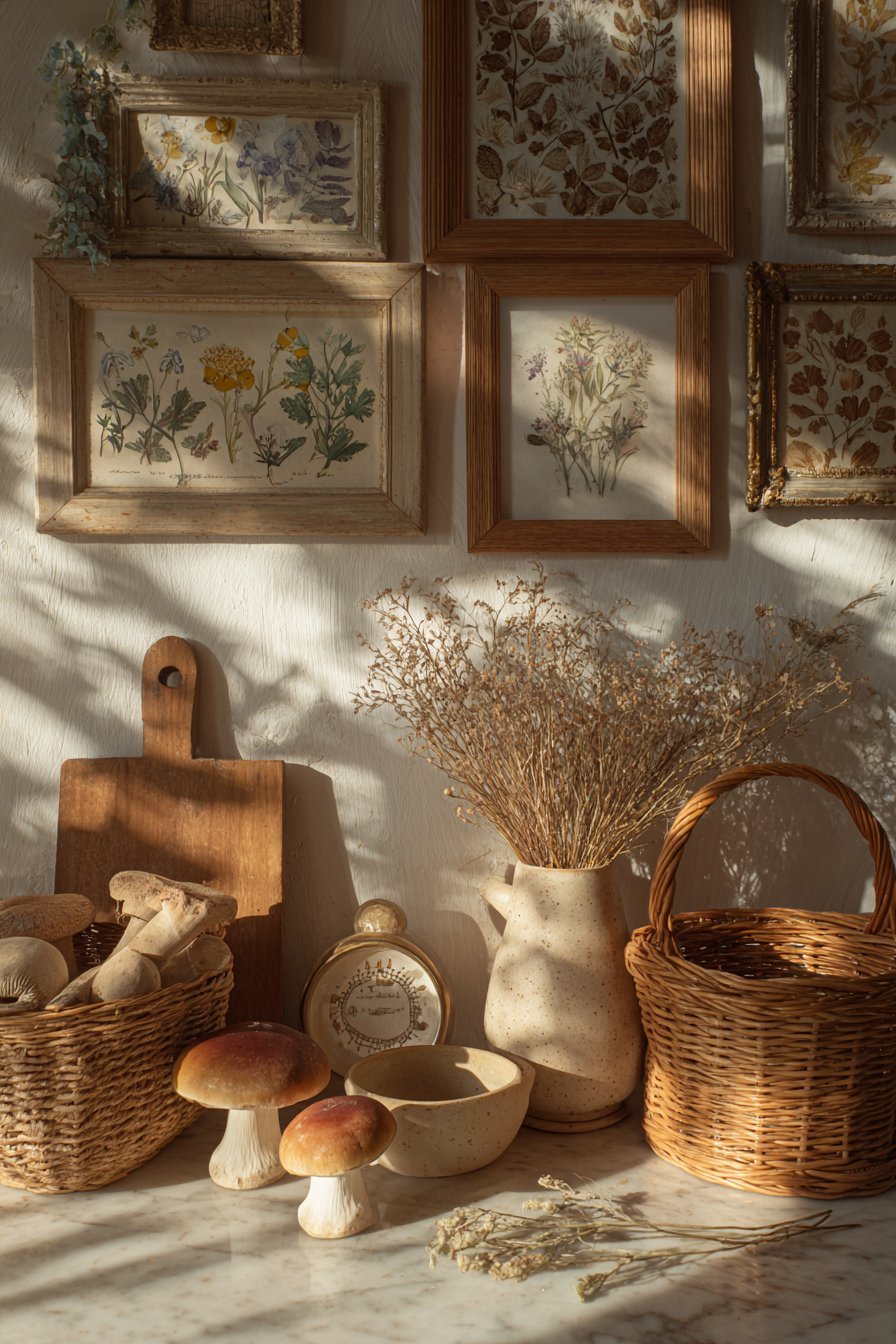
Accessories tell the final story of a room. In cottagecore spaces, accessories are abundant and intentional — each piece feels found rather than purchased. Vintage books, ceramic mushrooms, botanical illustrations, wicker baskets, and antique clocks populate every surface.
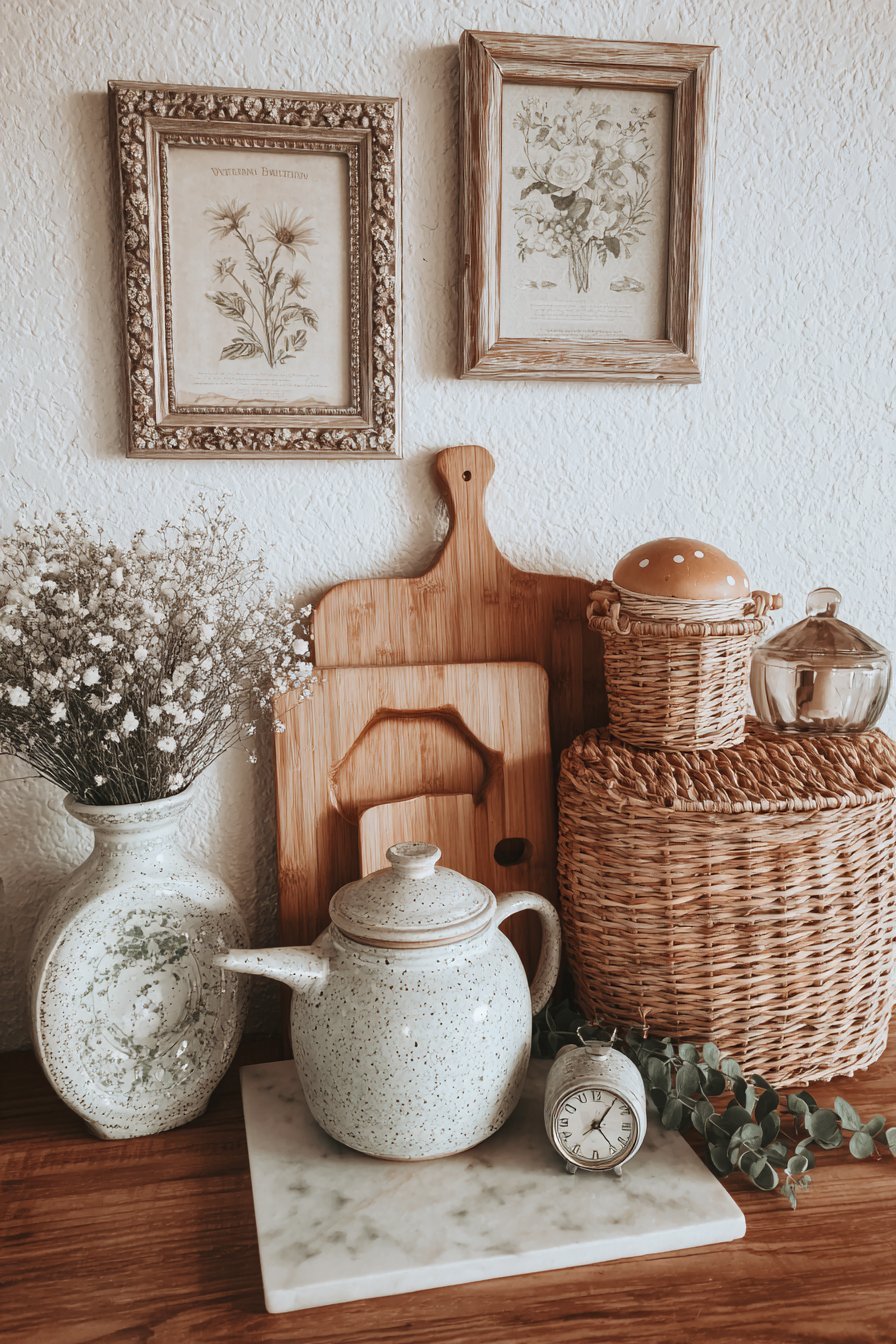
Farmhouse accessories follow the quality over quantity principle. A single beautiful ceramic vase, a wooden cutting board displayed as art, a woven basket for storage — each piece serves both a visual and functional purpose.
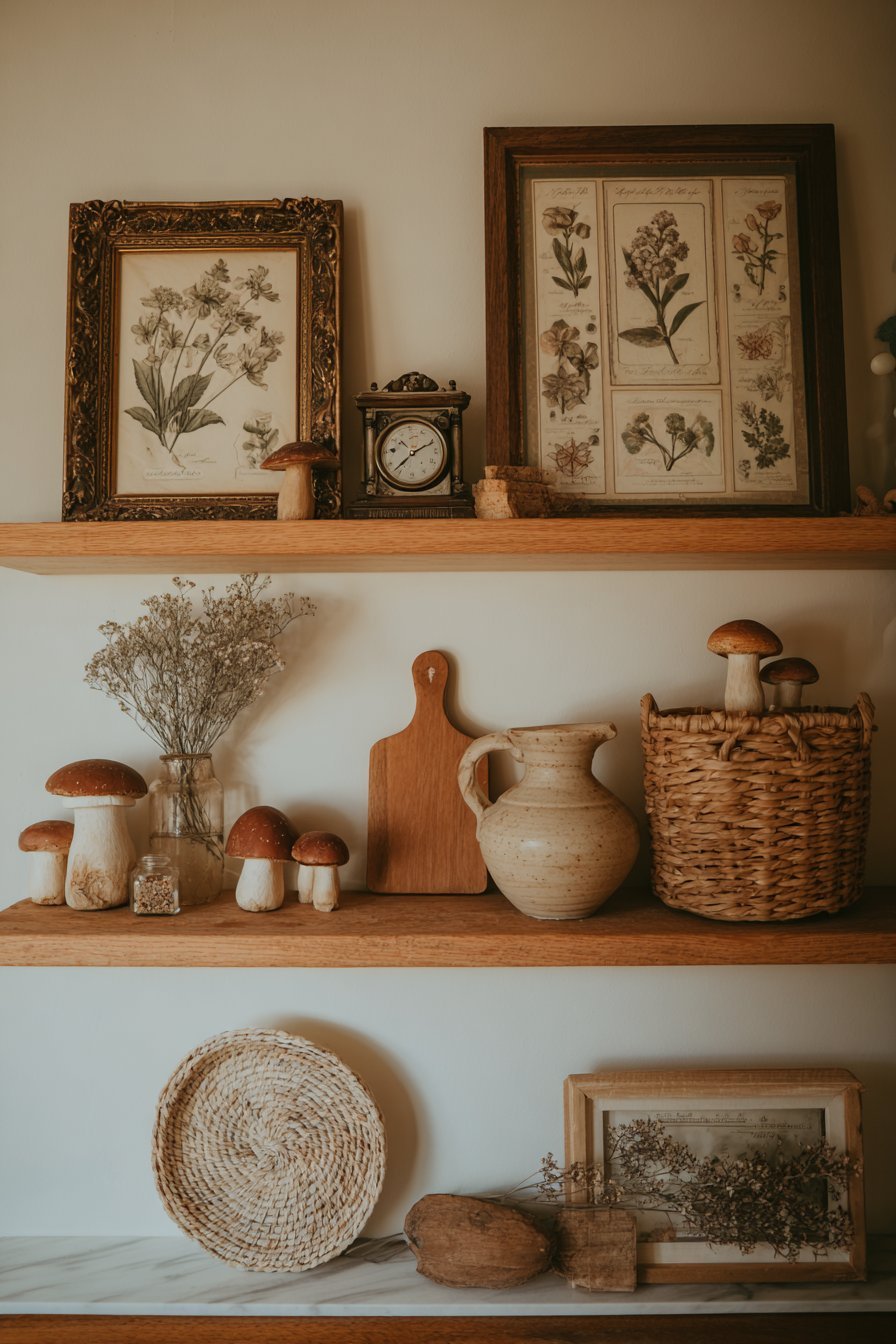
The biggest mistake people make is over-accessorizing farmhouse rooms with cottagecore items or vice versa. The accessories you choose should reinforce your aesthetic commitment, not dilute it. Edit ruthlessly and let your best pieces breathe.
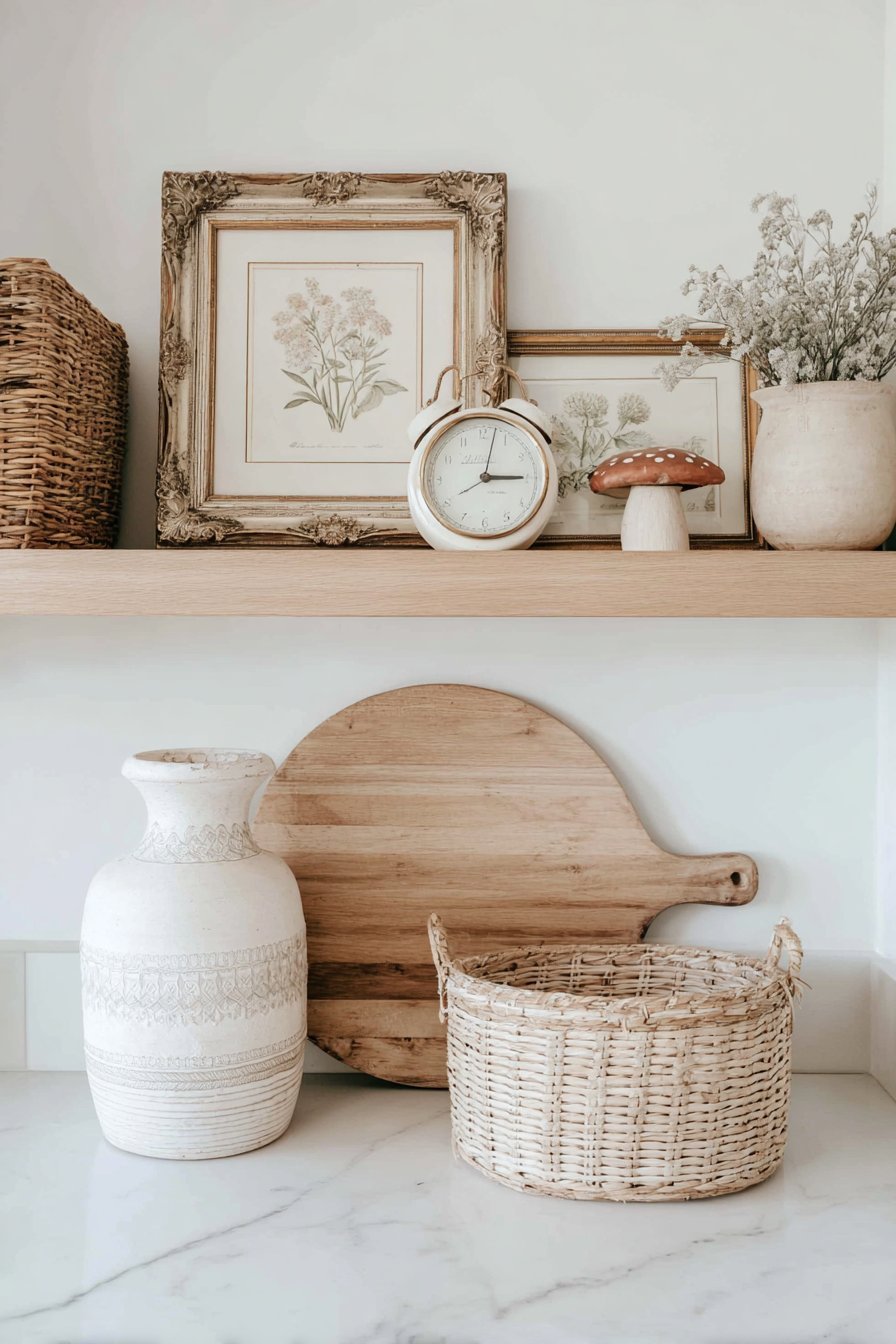
- Collect vintage botanical prints for authentic cottagecore wall gallery arrangements
- Display a simple wooden cutting board as farmhouse kitchen wall art
- Use wicker and rattan baskets in both styles for practical, beautiful storage
- Avoid mass-produced farmhouse signs — they undermine authentic aesthetic integrity
- Hunt thrift stores for genuine vintage ceramics in cottagecore-appropriate tones
- Rotate seasonal accessories to keep both aesthetics feeling fresh year-round
10. Which Aesthetic Actually Wins?
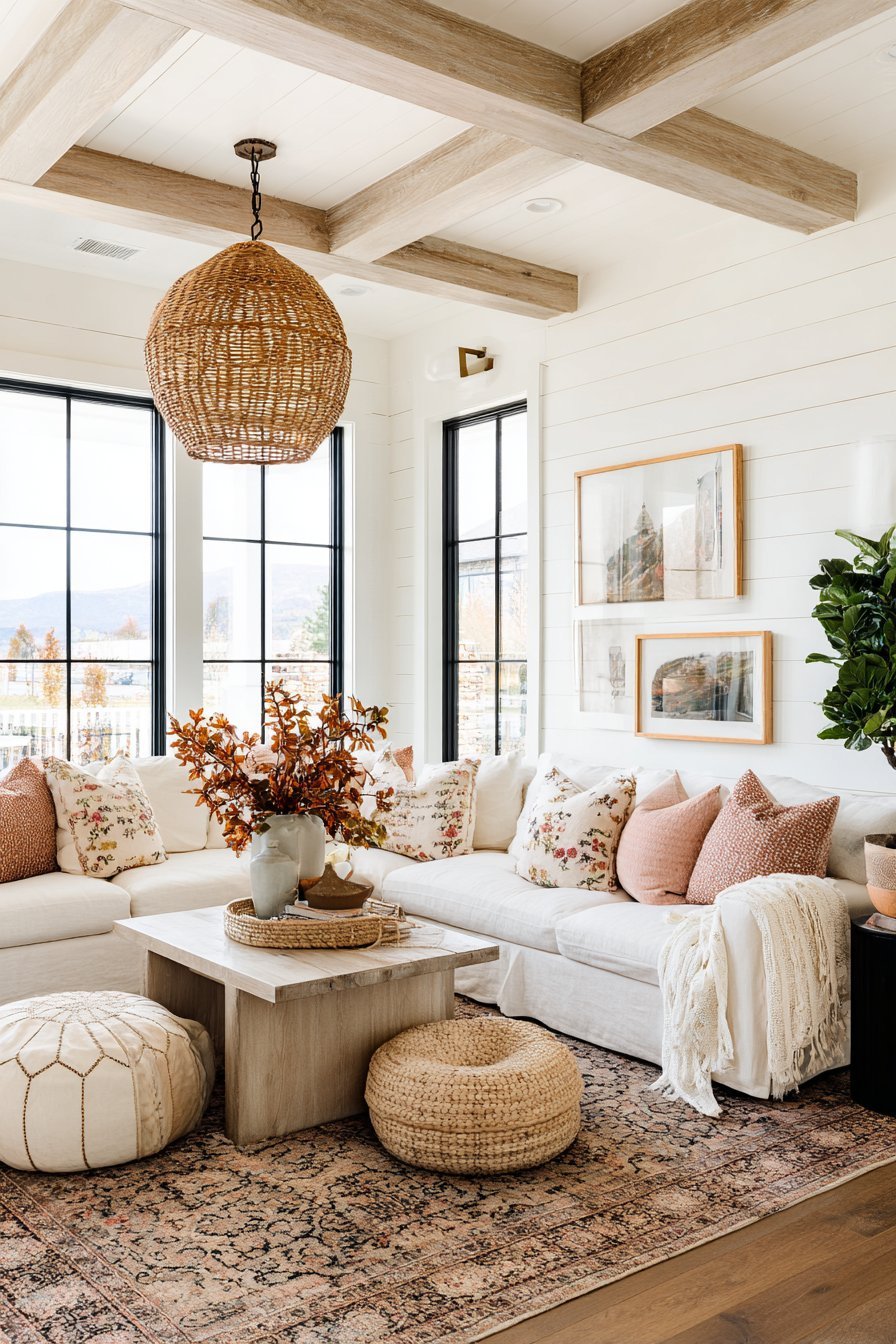
After examining both styles across every design category, the honest answer is this — neither aesthetic wins outright. The winner is entirely determined by who you are and how you want to live. Cottagecore wins for dreamers, romantics, and those who find joy in layered beauty and nostalgia.
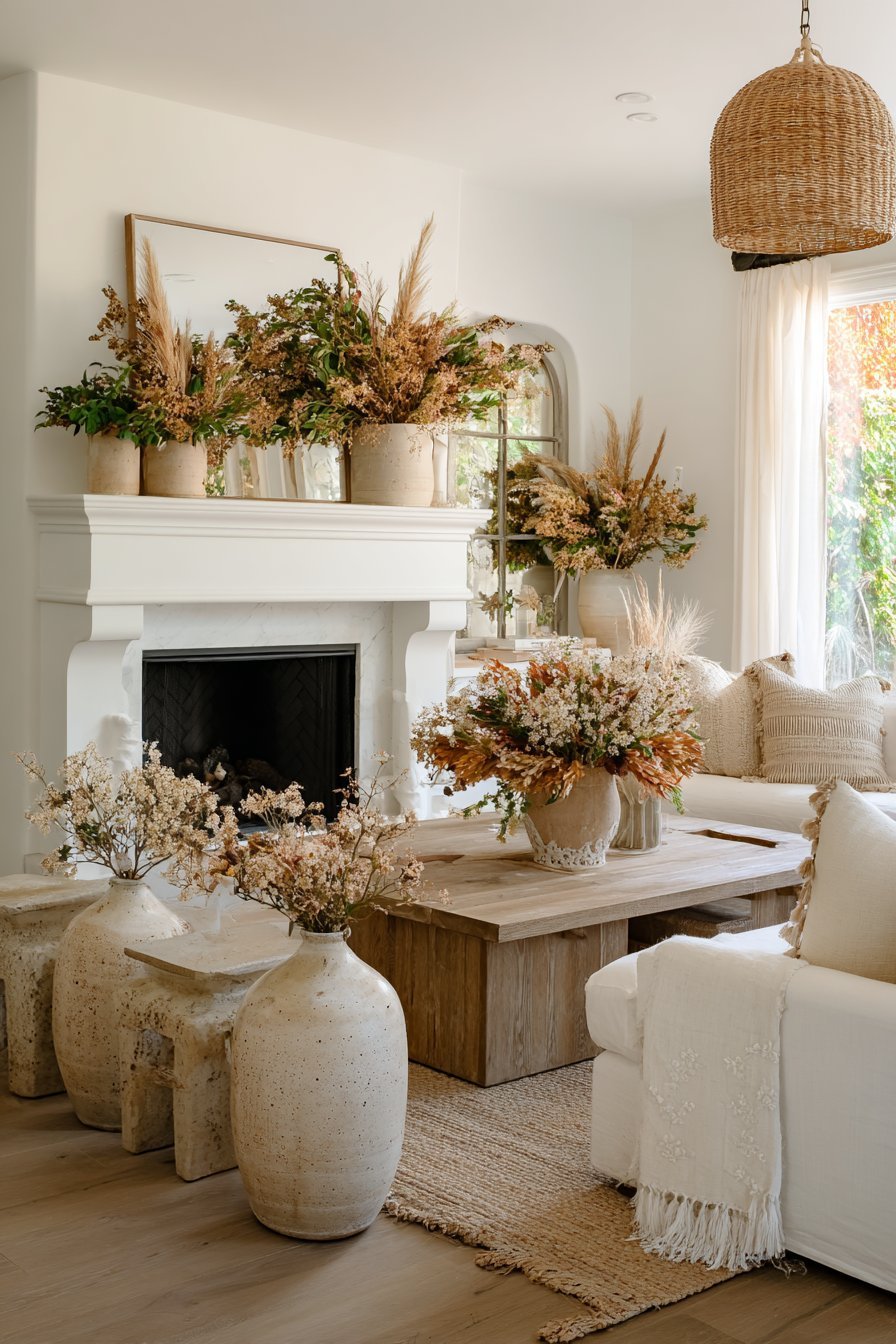
Farmhouse wins for those who value calm, order, and clean simplicity. It’s the aesthetic for people who want their home to function beautifully while still feeling warm and inviting. It’s endlessly adaptable and ages gracefully.
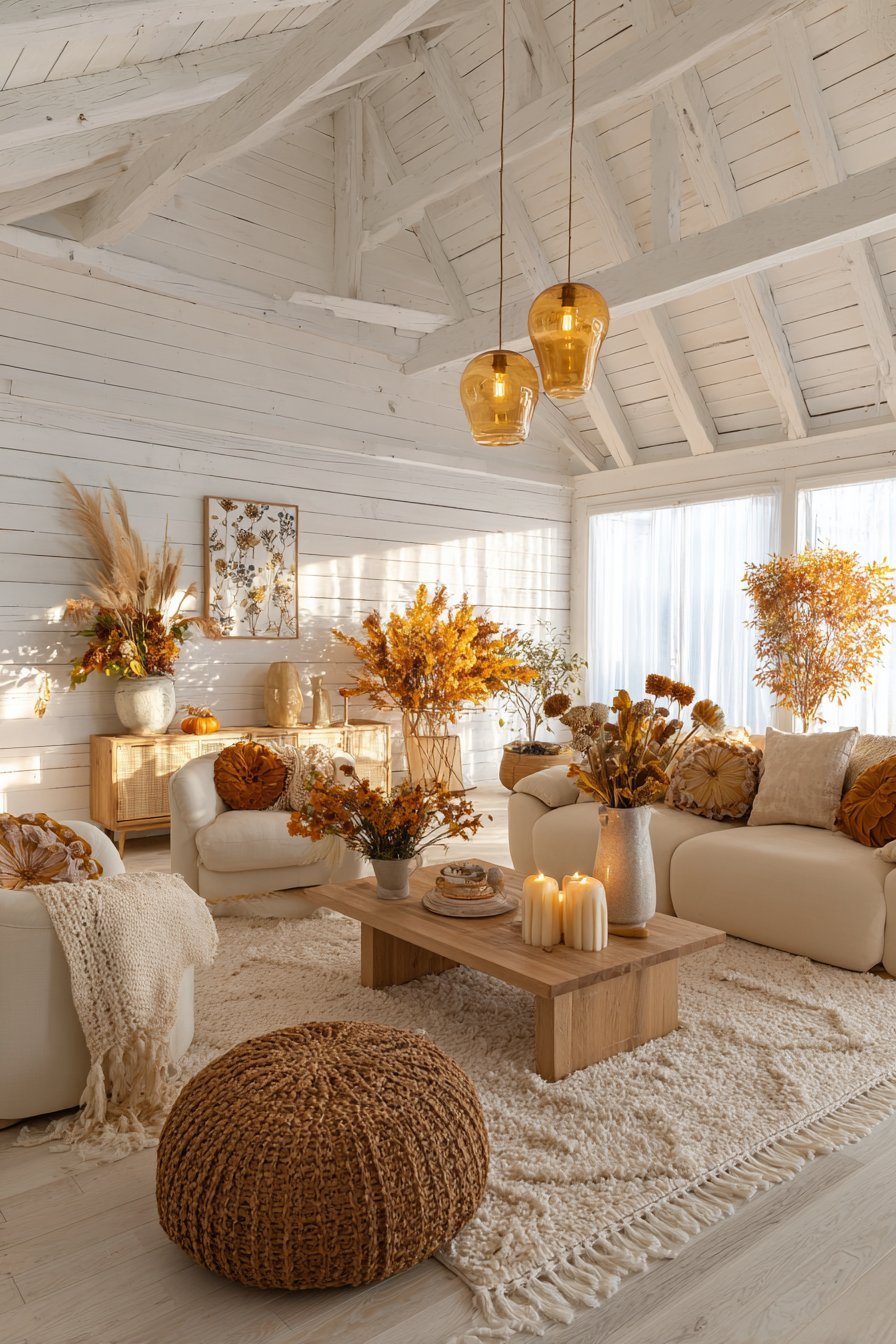
The real secret is that both aesthetics can coexist. Many of the most compelling interiors blend cottagecore’s warmth and personality with farmhouse’s structural clarity. This approach — sometimes called rustic romantic design — gives you the best of both worlds without the chaos of a conflicted space.
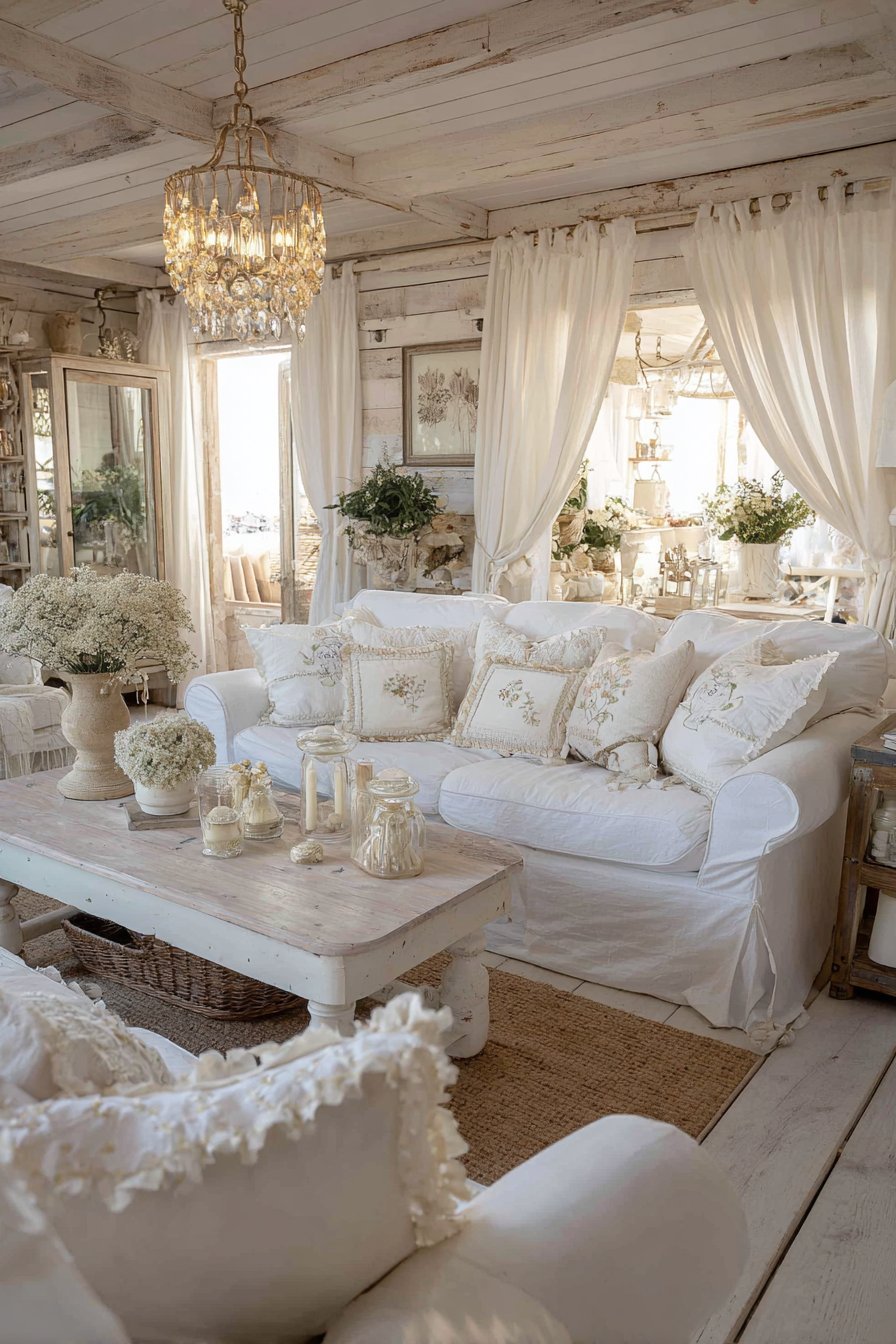
- Ask yourself honestly: do you prefer abundance or restraint in your home?
- Start with one room to test your chosen aesthetic before committing fully
- Blend both styles by keeping farmhouse bones and adding cottagecore accessories
- Follow designers you love on social media to clarify your visual preferences
- Create a mood board before shopping to stay focused and avoid costly mistakes
- Trust your instincts — the best aesthetic is always the one that feels like you
Conclusion
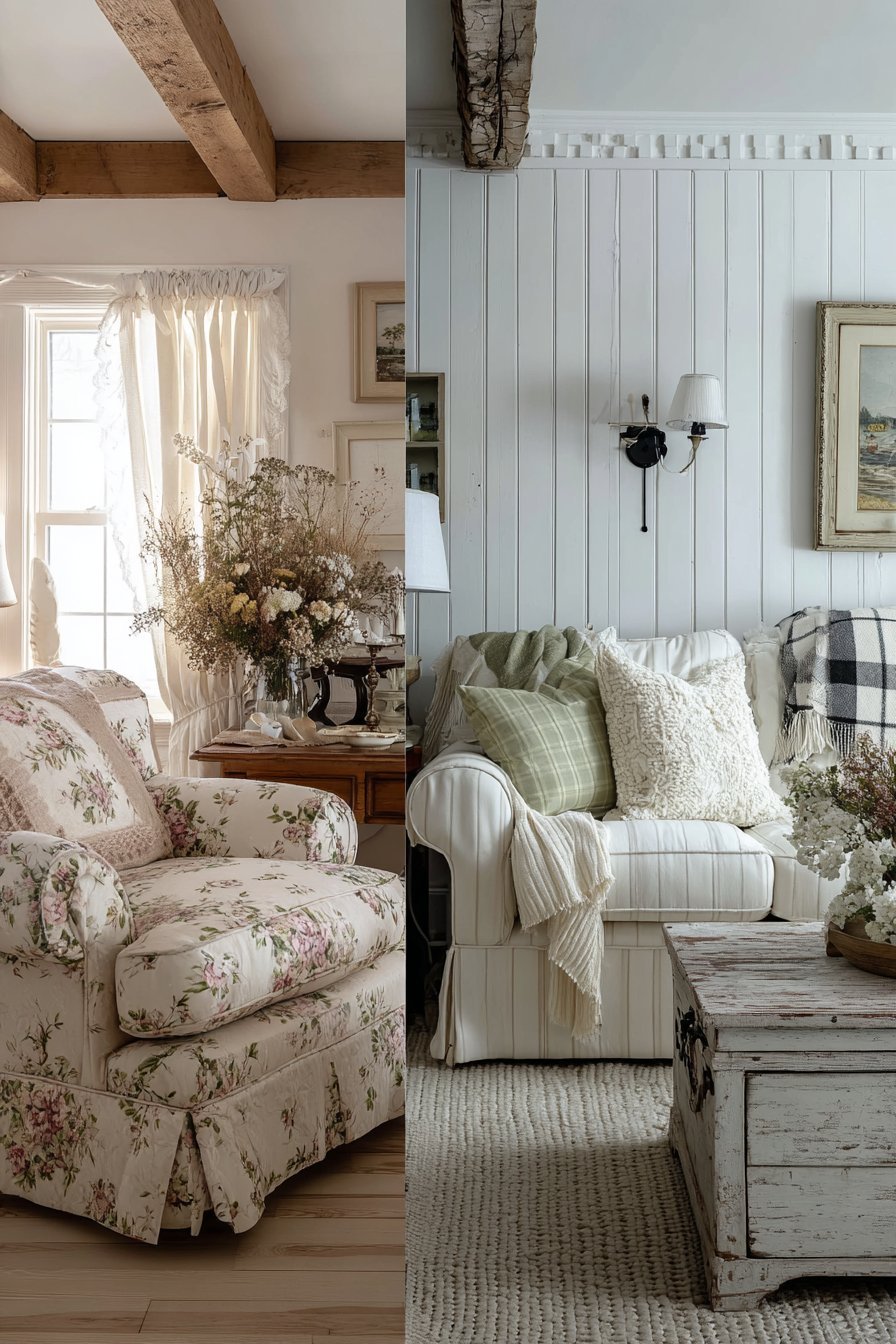
Both cottagecore and farmhouse aesthetics represent something deeply human — a desire to create homes that feel genuine, warm, and meaningful. Cottagecore invites you into a world of gentle romance and botanical wonder. Farmhouse offers the steady comfort of honest materials and uncluttered space. Neither is wrong. Both are beautiful.
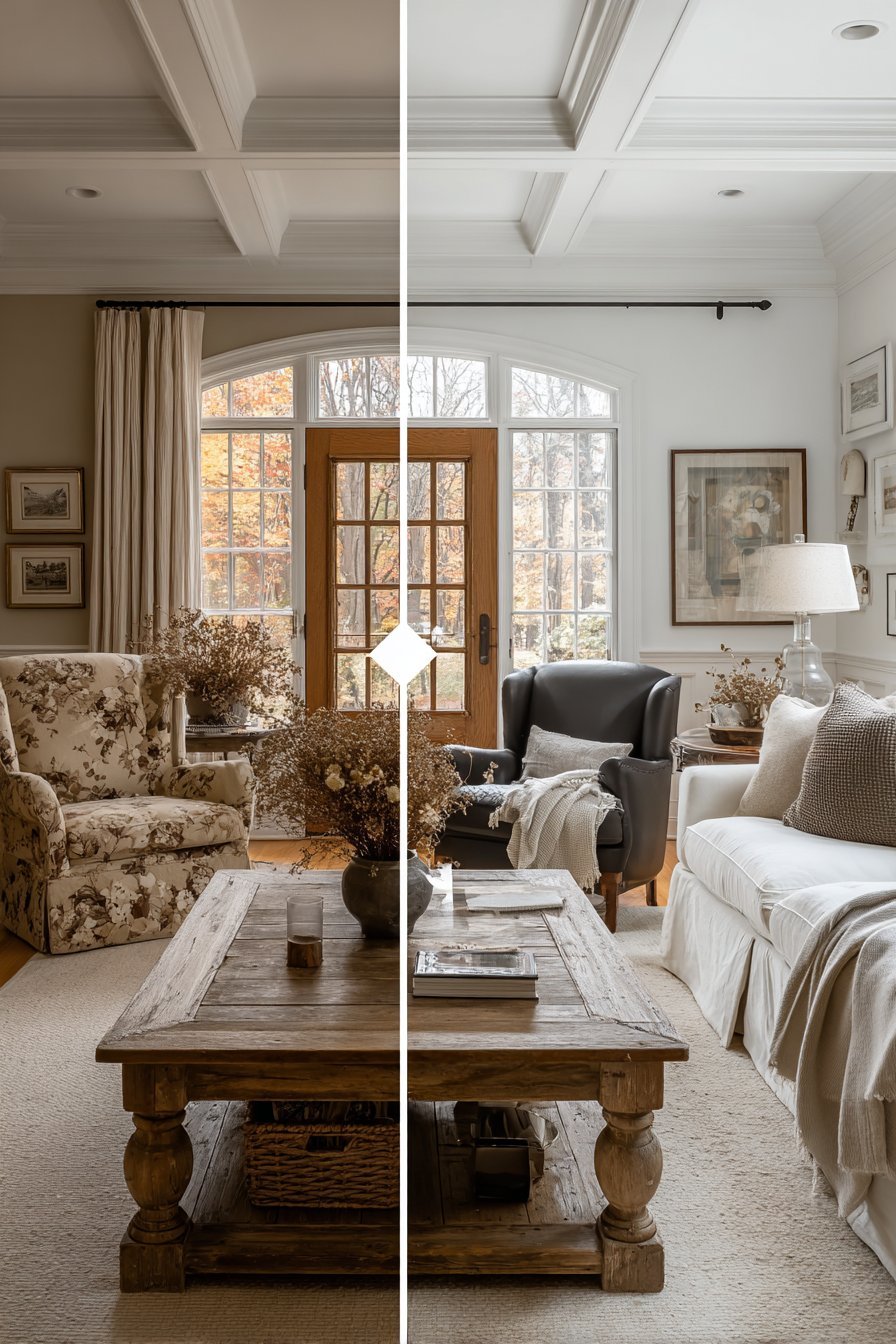
The most important step you can take is to begin. Pull inspiration images, visit thrift stores, test a paint color, or rearrange a single shelf. Your home is a living work of art, and every small change brings it closer to the space you’ve always imagined. Let your instincts guide you, trust the process, and enjoy the journey of creating a home that tells your story.
