

Minimalism has dominated interior design conversations for over a decade. Clean lines, neutral palettes, and “less is more” became the gold standard of modern living. But something exciting is happening in the design world. Maximalism is back, and it’s better, bolder, and more thoughtful than ever before.
Today’s maximalism isn’t about chaotic clutter or reckless excess. It’s a carefully curated abundance that reflects personality, culture, and joy. Modern maximalism celebrates layering, color, texture, and storytelling through objects. It invites you to display what you love without apology or restraint.
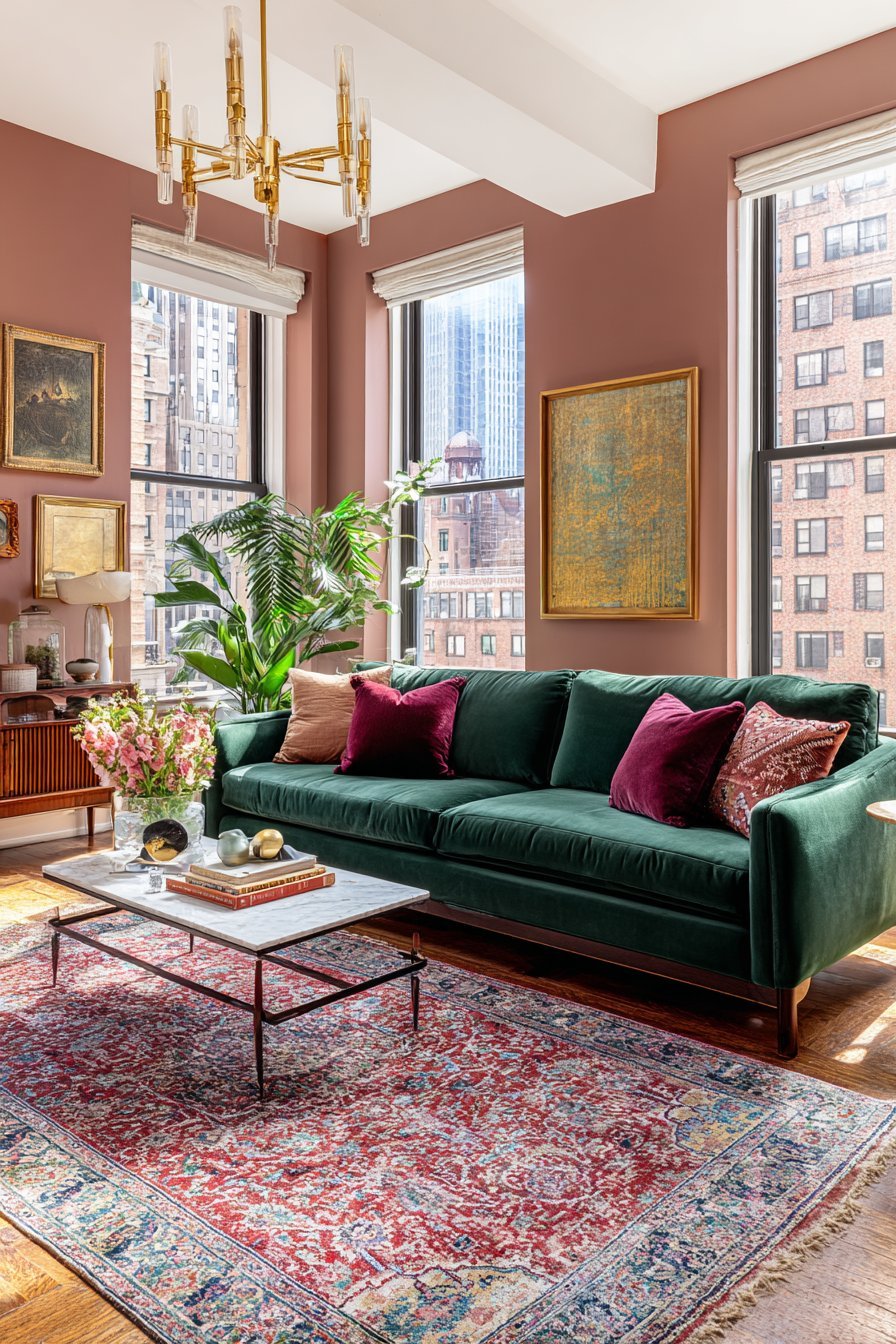
This article explores the modern interpretation of maximalism across every dimension of interior design. Whether you’re a bold decorator or a curious beginner, these ideas will inspire you to embrace expressive, layered living with confidence and intention.
1. Understanding Modern Maximalism vs. Old Excess
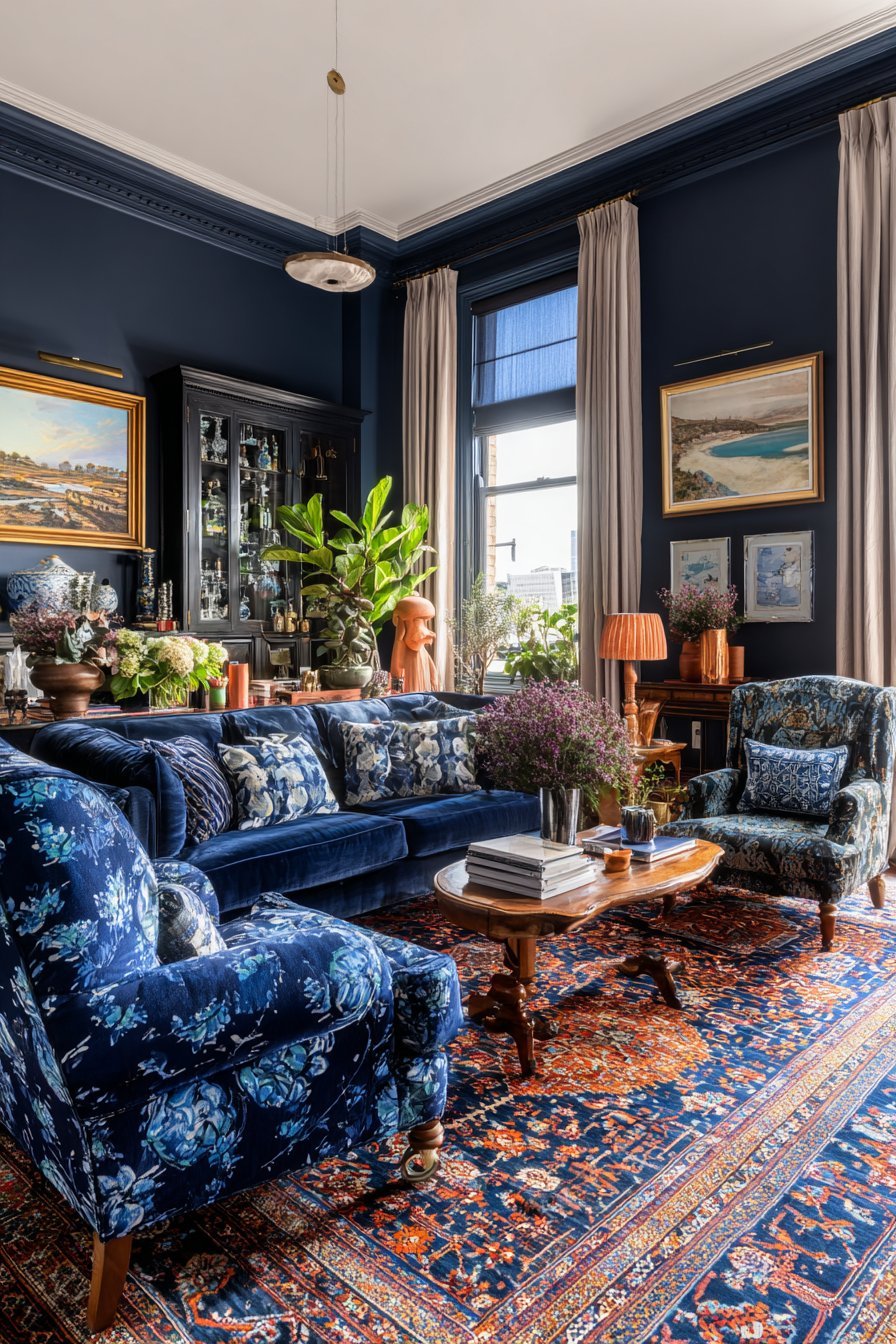
Modern maximalism is fundamentally different from the cluttered interiors of the past. The old version was often accidental — too much furniture, too many patterns, no cohesive vision. Today’s maximalism is intentional and curated, built on a foundation of design principles rather than impulse.
The key distinction lies in purposeful layering. Every item in a modern maximalist space earns its place. Objects tell stories, evoke memories, or add aesthetic value. Nothing is placed randomly. This philosophy transforms a potentially overwhelming space into something deeply personal and visually rich.
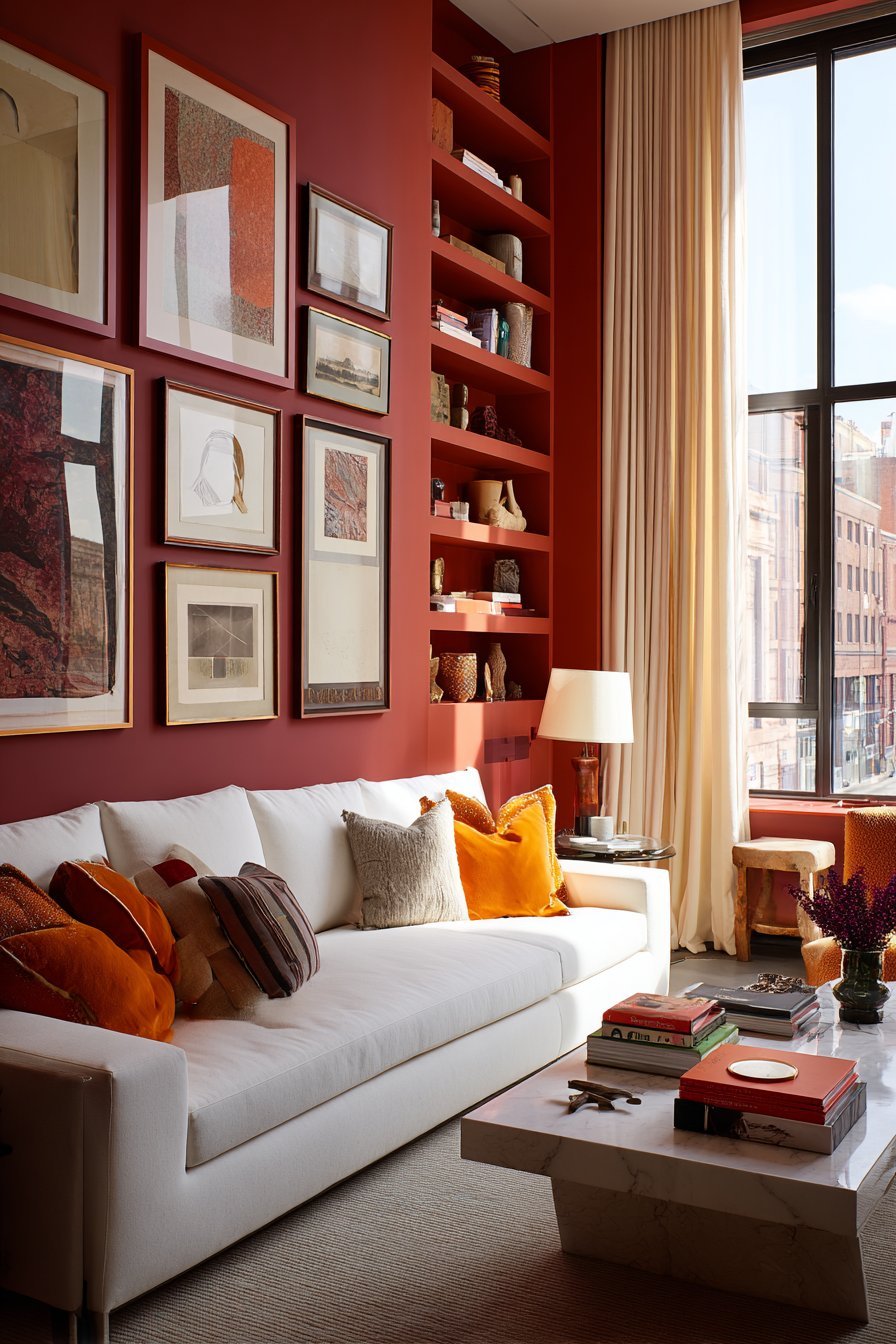
Understanding this difference helps beginners embrace the style confidently. You’re not decorating carelessly — you’re designing deliberately. Abundance with intention is the new maximalist mantra that separates sophisticated spaces from messy ones.
- Study the work of maximalist designers like Kelly Wearstler for inspiration
- Ask yourself if each object adds meaning, beauty, or function
- Create a mood board before decorating to maintain visual cohesion
- Distinguish between curated collections and random accumulation
- Reference design history to understand how the style evolved
- Keep a consistent underlying color story even in bold spaces
2. The Role of Color in Modern Maximalism
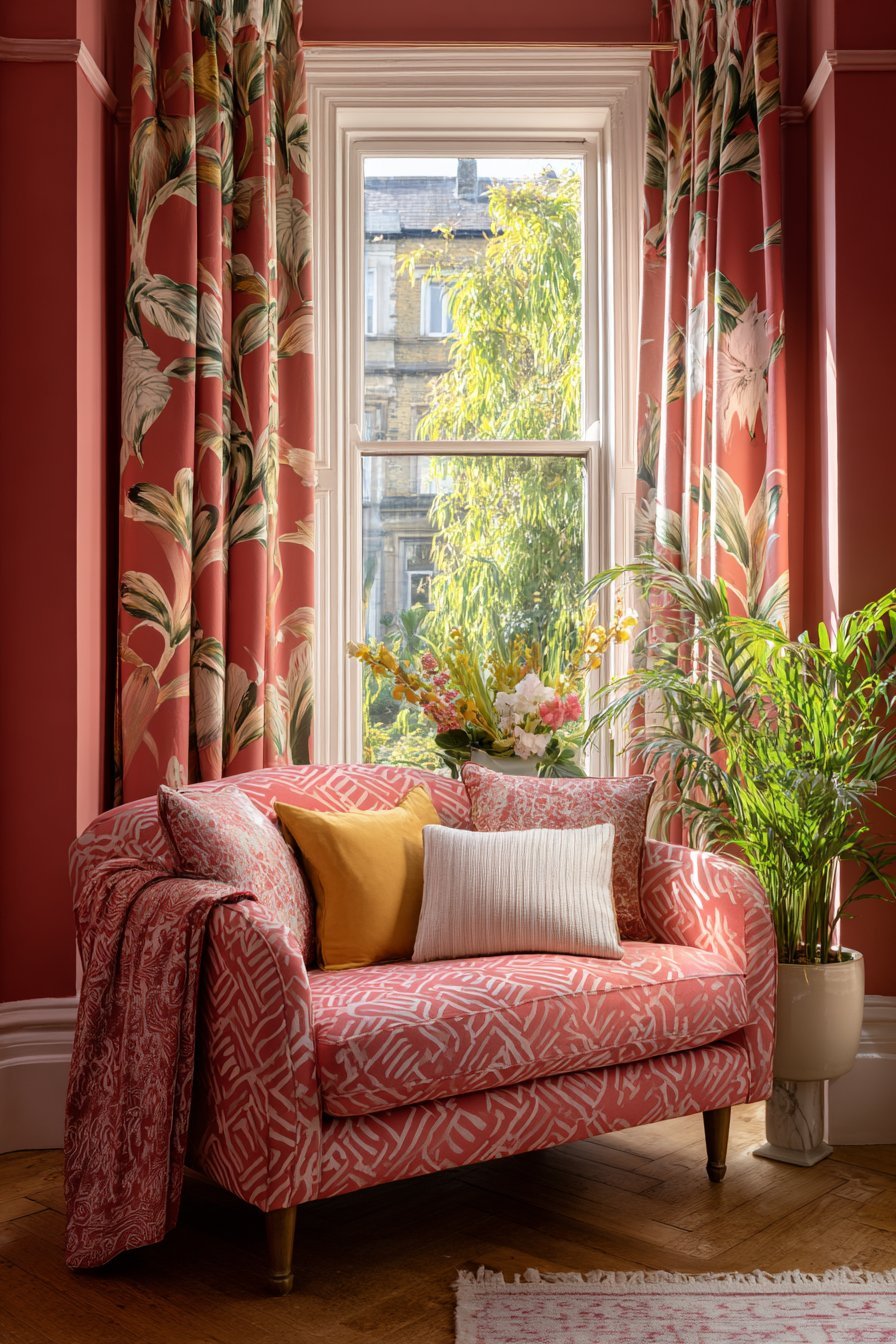
Color is the most powerful tool in the maximalist design toolkit. Where minimalism retreats to whites and beiges, maximalism charges forward with jewel tones, earthy saturates, and unexpected combinations. Deep emerald greens, burnt siennas, cobalt blues, and rich burgundies are all signature maximalist colors.
The secret to using bold color successfully is color zoning and repetition. A vibrant hue introduced in a sofa should echo in a throw pillow, a vase, or a piece of art. This repetition creates harmony within the complexity. Your eye travels the room comfortably because the colors speak to each other across the space.
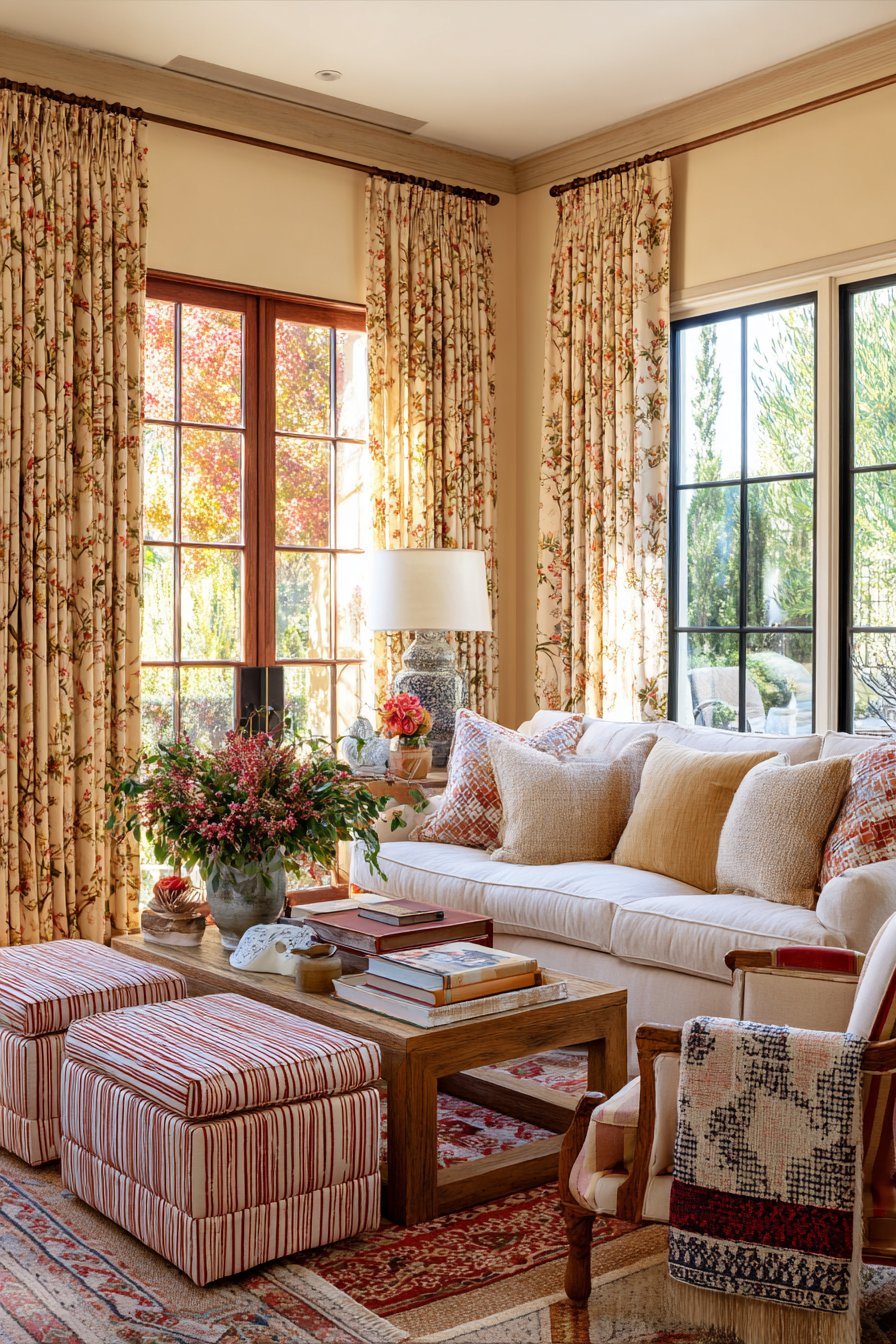
Don’t fear dark walls in a maximalist home. Painting walls in deep forest green or dramatic navy creates a jewel box effect that makes art and objects pop dramatically. This technique is one of the most powerful moves in modern maximalism and instantly elevates any room.
- Choose a dominant color palette of 3-5 colors before adding accents
- Repeat each color at least three times throughout the space
- Use color temperature to balance warm and cool tones effectively
- Try bold ceiling colors to add drama and visual height
- Layer different shades of the same color for sophisticated depth
- Don’t shy away from color clashing — use it with confidence
3. Pattern Mixing as an Art Form
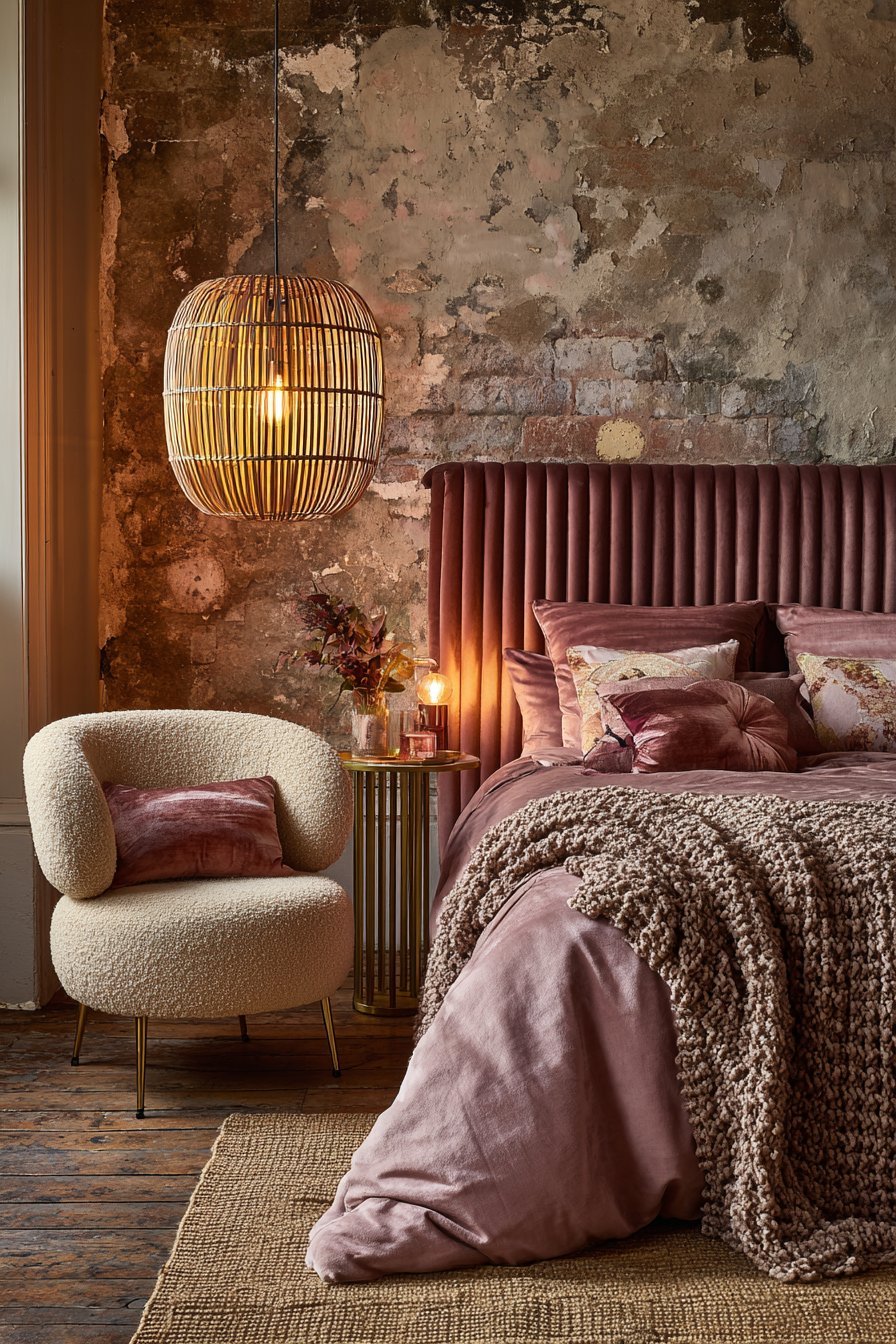
Pattern mixing is perhaps the most thrilling and intimidating aspect of maximalist design. Stripes with florals, geometrics with botanicals, abstract with ethnic prints — mixing patterns confidently is a skill that defines modern maximalism. The good news is that there are rules to follow.
The foundation of successful pattern mixing is scale variation. Pair a large-scale floral with a small geometric and a medium-sized stripe. When patterns vary dramatically in scale, they coexist beautifully rather than compete. This principle is trusted by professional interior stylists worldwide and works consistently across styles.
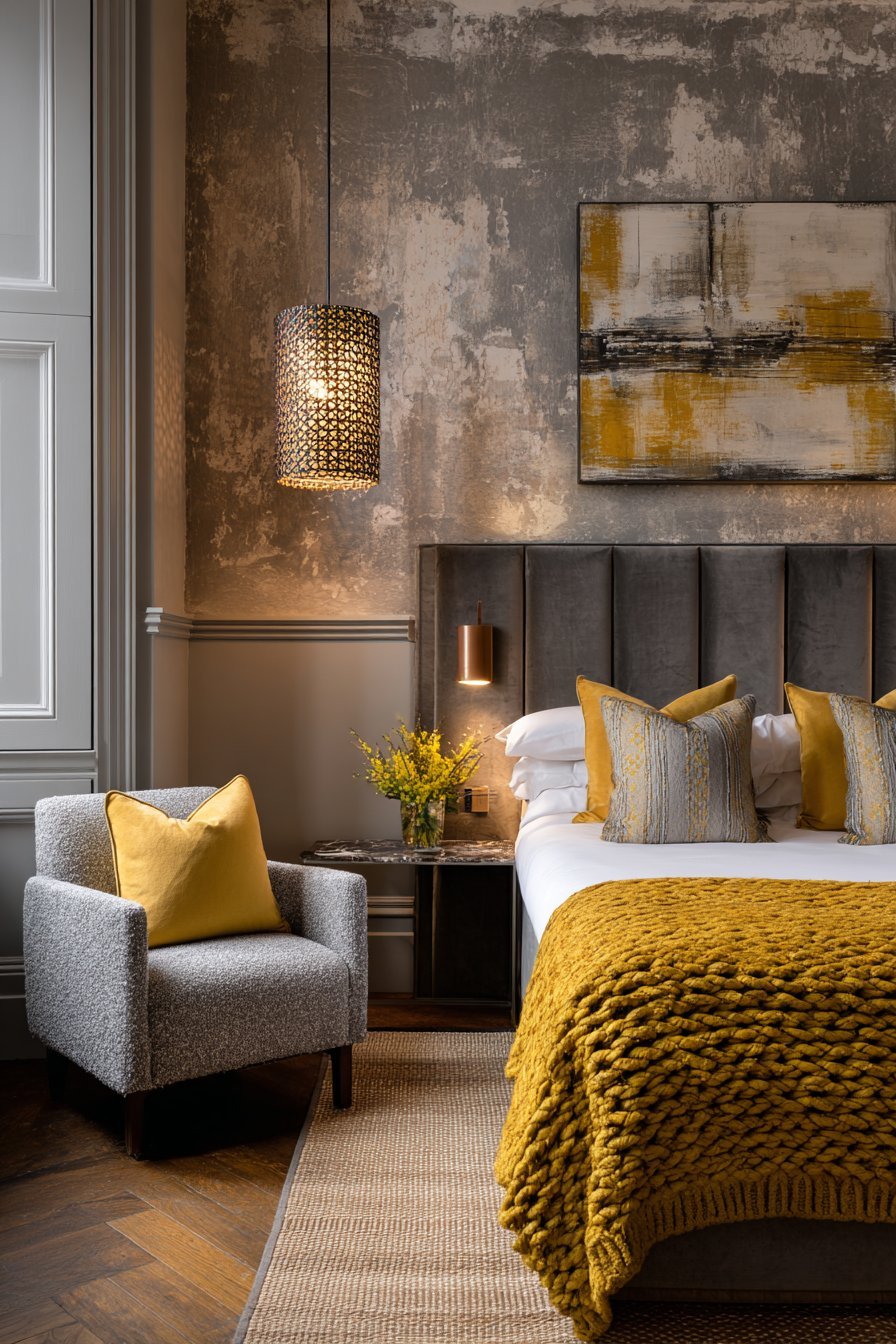
Color is the unifying thread in complex pattern mixing. If your floral, geometric, and abstract prints all share even two common colors, the combination reads as intentional. This creates visual harmony within apparent chaos — the very essence of thoughtful modern maximalism.
- Follow the large, medium, small scale rule when mixing three patterns
- Use a solid-colored item as a visual rest between bold patterns
- Mix cultural textiles like ikat, batik, or kilim for global appeal
- Test combinations using swatches before committing to large purchases
- Include one neutral pattern like a linen weave to anchor bolder prints
- Limit pattern mixing to 3-4 patterns per room for visual clarity
4. Layering Textures for Tactile Richness
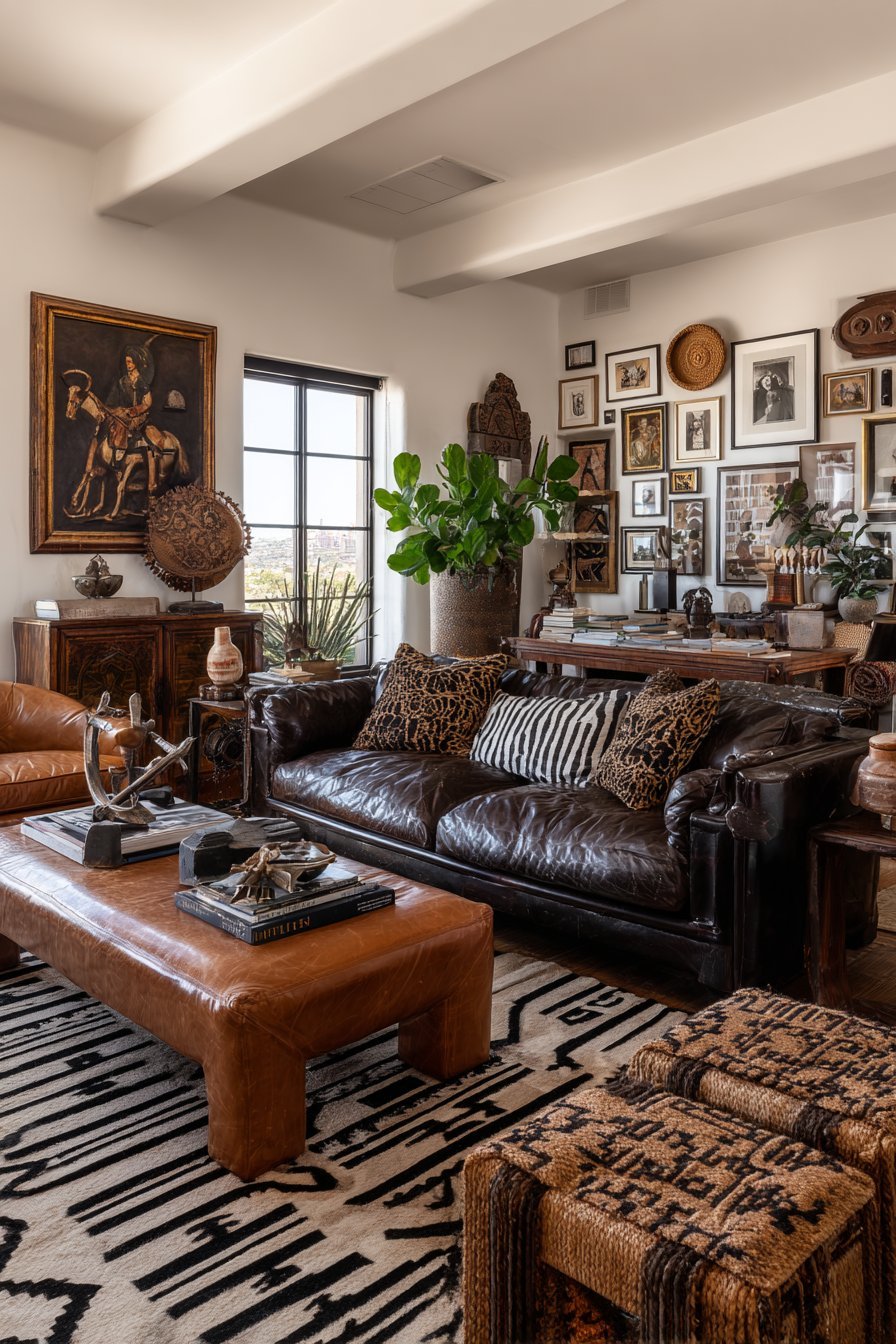
Maximalism engages all the senses, and texture layering is how it achieves tactile richness. Velvet sofas, bouclé chairs, silk cushions, jute rugs, marble surfaces, and rattan accessories — combining these materials creates a space that feels as good as it looks.
The key to successful texture layering is contrast and variety. Smooth surfaces need rough counterparts. Soft textiles need hard architectural elements. A velvet sofa becomes more dramatic against a raw plaster wall. A polished marble table looks stunning atop a nubby wool rug. These contrasts amplify each material’s individual beauty.
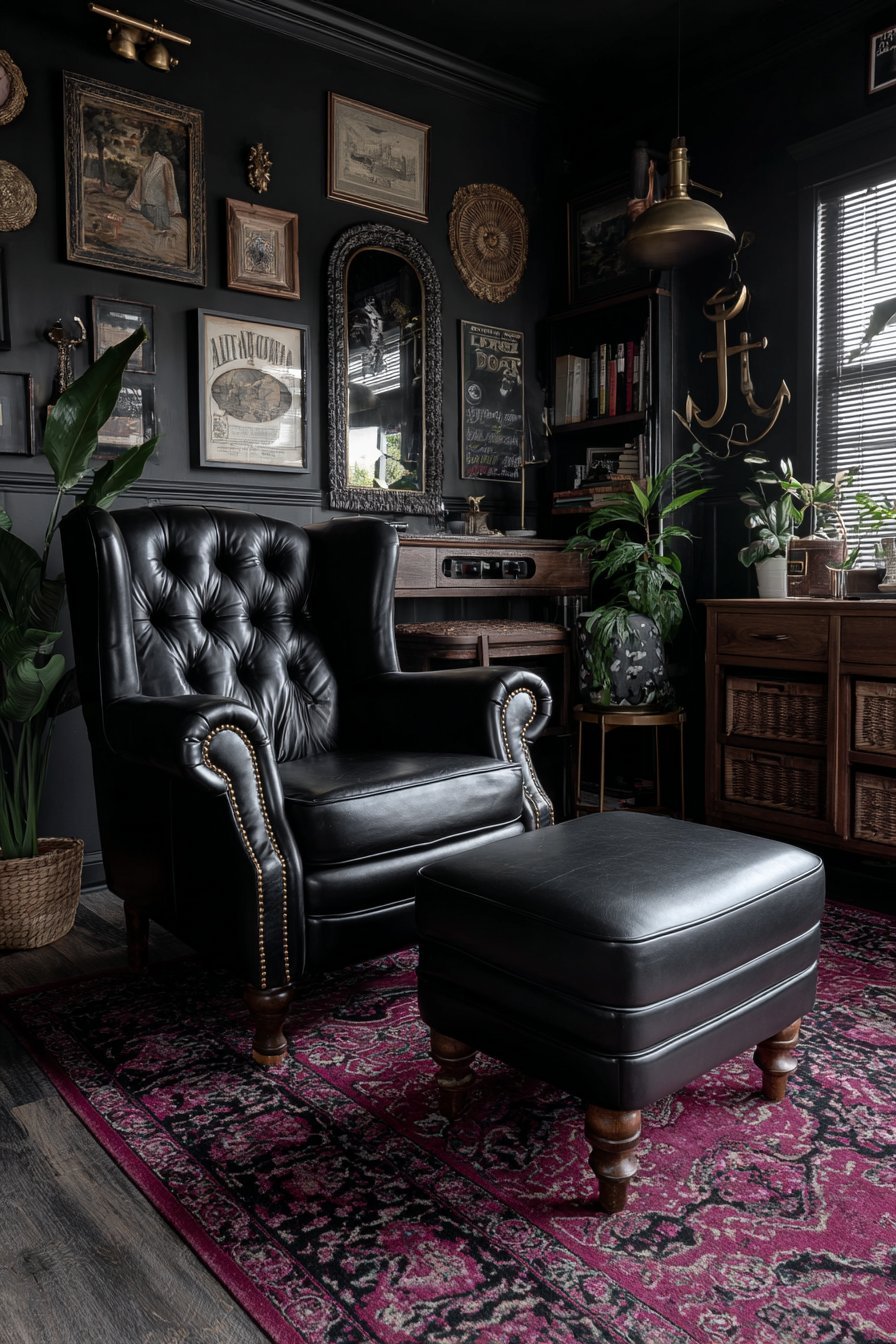
Don’t overlook ceiling and wall textures in a maximalist scheme. Grasscloth wallpaper, exposed brick, decorative moldings, and textured paint finishes add dimension that flat painted walls simply cannot achieve. These architectural textures form the backdrop against which your furniture and objects perform.
- Combine at least five different textures in a well-designed room
- Balance matte and shiny surfaces throughout the space
- Use natural materials like rattan, jute, and linen for organic warmth
- Add metallics — gold, brass, copper — as textural accents
- Layer multiple rugs for added texture and visual depth
- Introduce unexpected materials like concrete or raw wood for contrast
5. The Gallery Wall and Art Collecting Philosophy
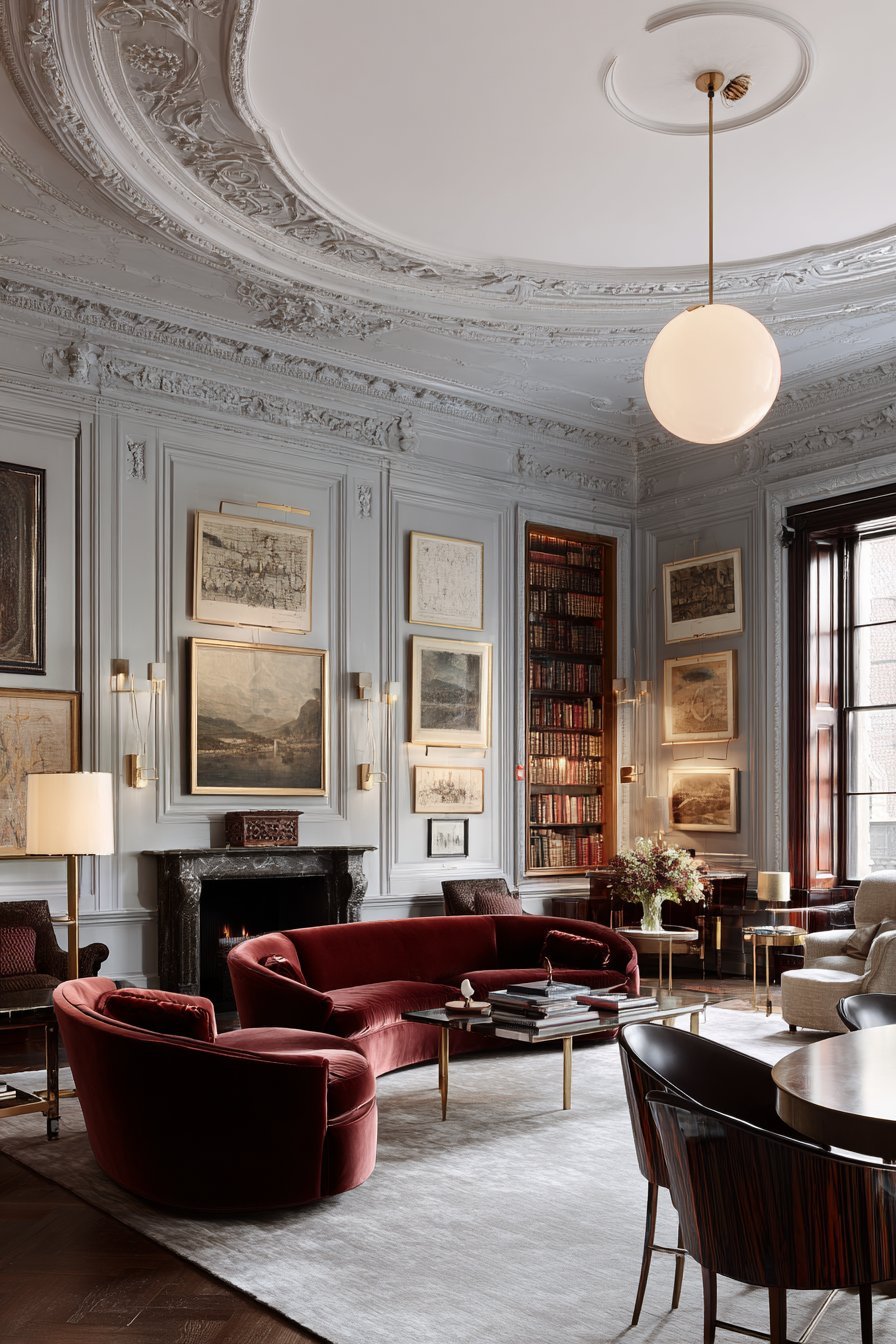
In a maximalist home, art is everywhere. Walls are treated as galleries, every surface is a potential display area, and collecting art is viewed as an ongoing, joyful practice. The gallery wall is one of maximalism’s most iconic expressions — and modern interpretations have evolved it beautifully.
Today’s gallery walls mix paintings, prints, photographs, mirrors, and sculptural objects together in one dynamic arrangement. They blend different frame styles, sizes, and orientations. The result feels collected over time rather than purchased in a single trip to a home goods store. This curated randomness is the hallmark of a sophisticated maximalist gallery wall.
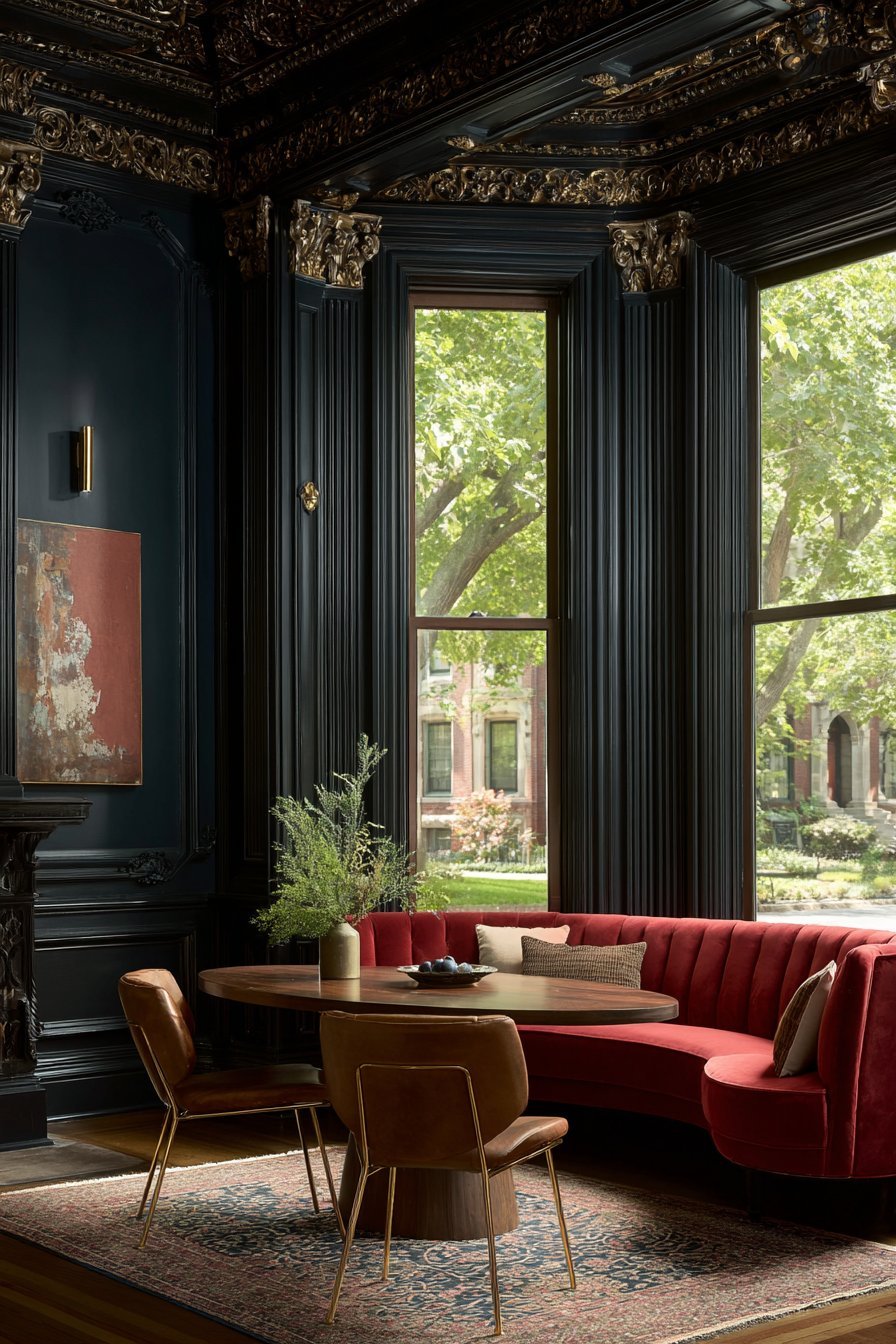
Don’t limit yourself to traditional framed art. Textiles as wall art — tapestries, woven pieces, embroideries, and quilts — add texture and warmth that framed prints cannot. Mixed media arrangements that combine two-dimensional and three-dimensional objects create gallery walls with real visual depth and personality.
- Start your gallery wall arrangement on the floor before hanging anything
- Mix frame finishes — black, gold, natural wood, ornate gilt — freely
- Include at least one oversized piece to anchor the arrangement
- Add non-art objects like mirrors, plates, or hats for dimension
- Leave intentional gaps rather than filling every inch of wall space
- Collect art from local artists and markets for unique, personal pieces
6. Furniture Layering and Scale Play
Maximalism embraces furniture abundance in a way minimalism never could. Multiple seating areas, stacked side tables, layered rugs beneath furniture — these arrangements create the lush, layered feeling that defines the style. The key is understanding how to manage scale and proportion within this abundance.
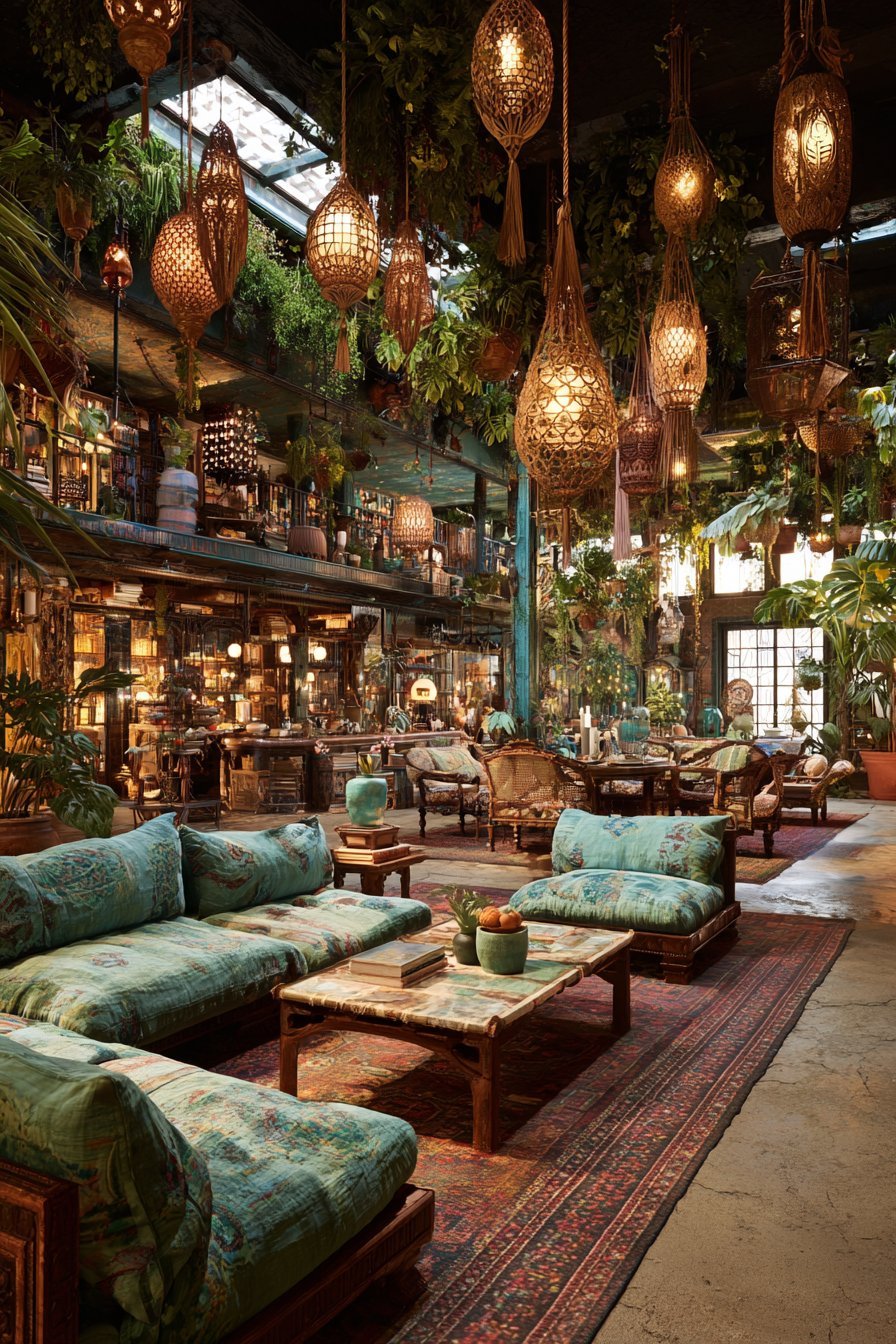
Mixing furniture scales creates visual drama. A grand, oversized sofa paired with delicate, slender accent chairs creates dynamic contrast. A large dining table paired with mismatched chairs — some upholstered, some wooden, some rattan — reflects the collected-over-time aesthetic that maximalism celebrates. Every piece doesn’t need to match; it needs to belong.
Don’t be afraid of furniture arrangements that break the rules. Two sofas facing each other, a chair tucked into an unexpected corner, a daybed used as a sofa — maximalism rewards creative thinking about how furniture can occupy space. The goal is a room that feels rich with possibility and personality.
- Mix furniture from different eras — antique, vintage, and contemporary
- Use upholstered furniture in bold prints or rich solid colors
- Layer a smaller rug on top of a larger neutral base rug for depth
- Include unexpected furniture pieces like a chaise lounge or fainting couch
- Don’t push all furniture against walls — float pieces in the room center
- Use ottomans and poufs to add flexible seating and visual interest
7. Collections and Display as Decor
In a maximalist home, collections are celebrated. Ceramics, books, crystals, vintage cameras, antique keys, botanical specimens — whatever you love becomes part of your decor. The act of collecting and displaying is central to maximalist philosophy and deeply personal.
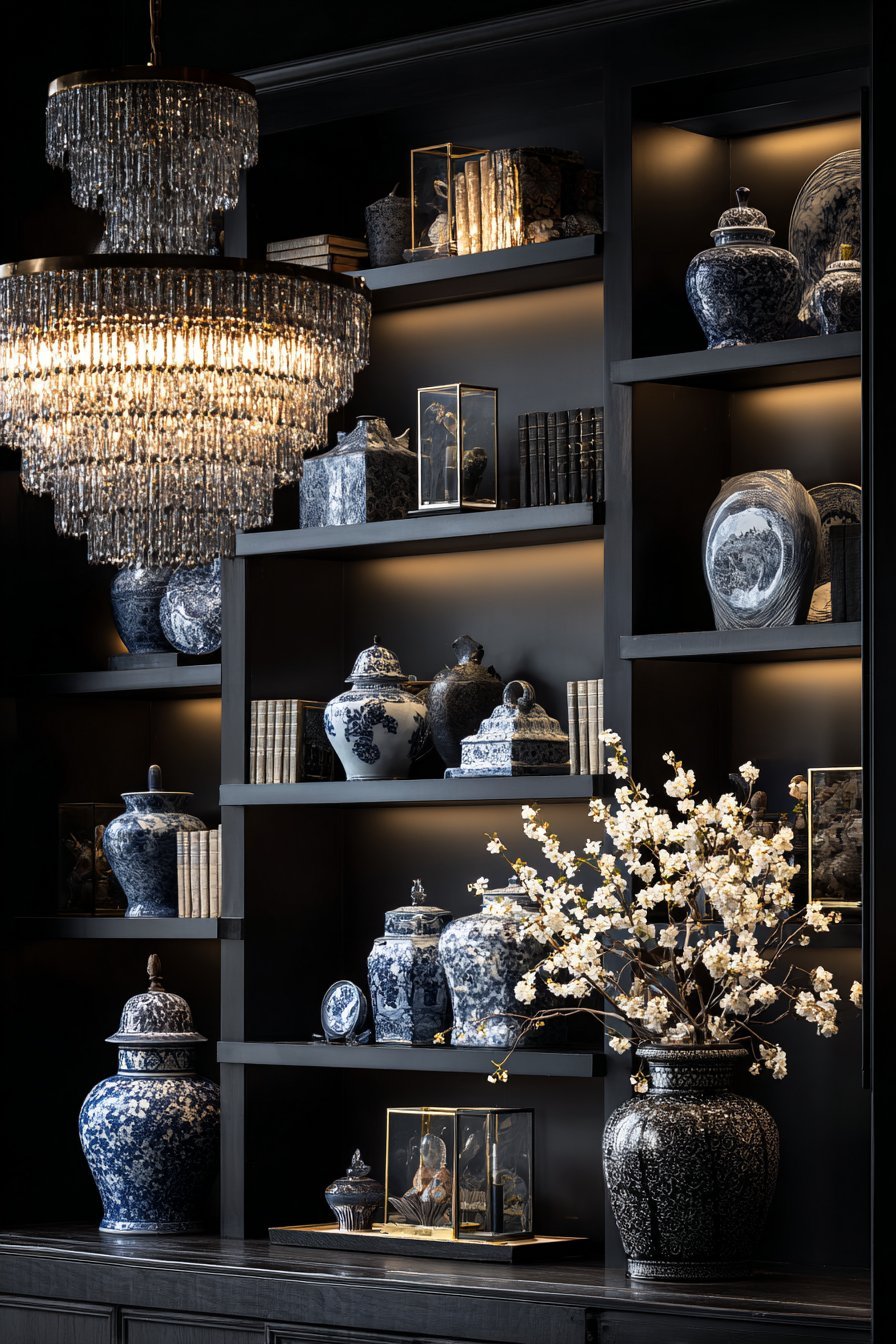
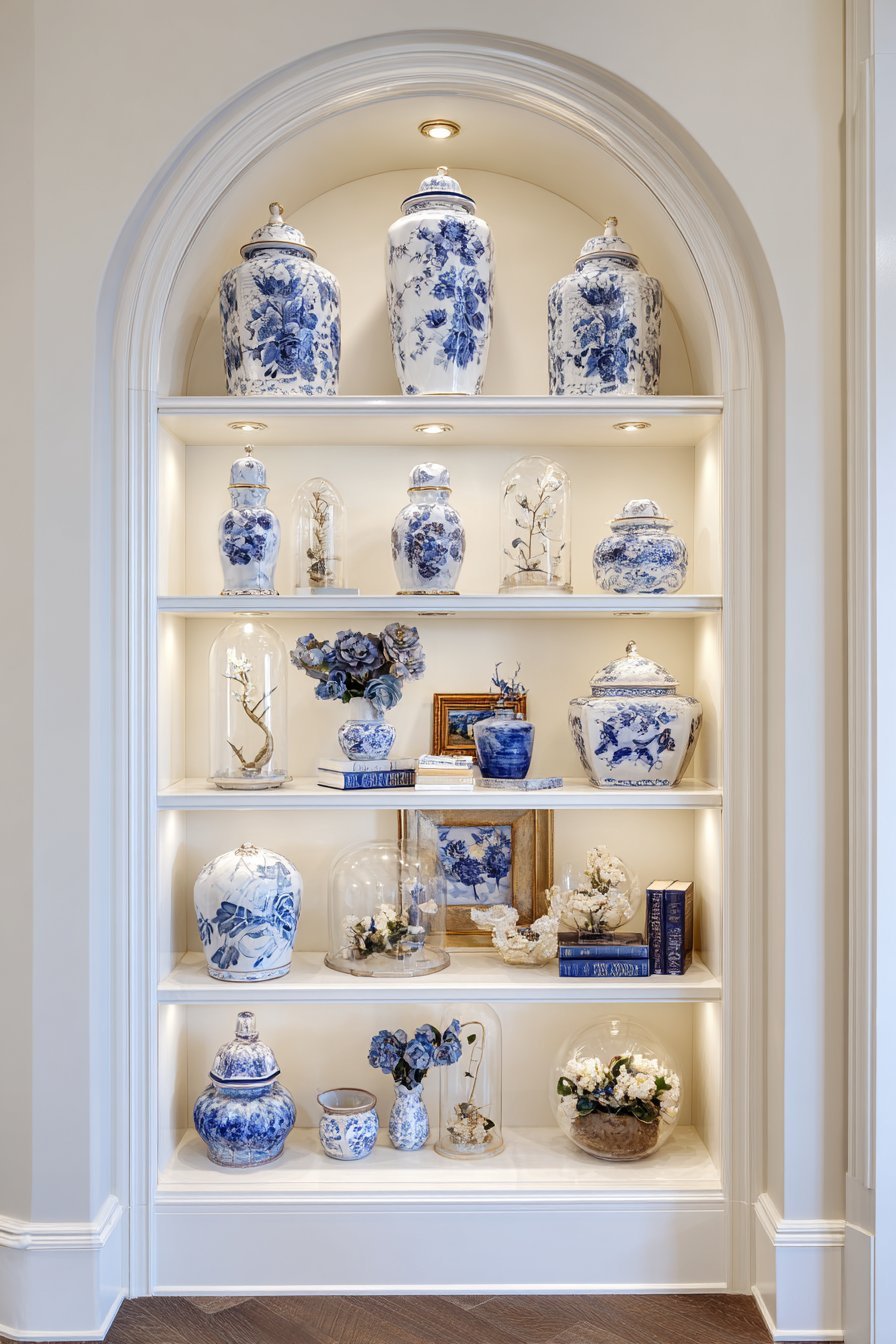
The difference between a meaningful display and visual clutter is organization. Group collections by color, material, or theme for instant visual coherence. A shelf of only blue and white ceramics reads as intentional. A color-organized bookshelf transforms books into wall art. Even an eclectic mix of objects gains credibility when height variation and spacing are considered.
Odd numbers are the secret weapon of display styling. Groups of three, five, or seven objects create more visual interest than even groupings. Vary the heights dramatically within each grouping. Place your tallest piece at the back, medium pieces in the middle, and small objects at the front for professional-looking arrangements.
- Display collections in dedicated zones to avoid overall visual chaos
- Use matching vessels or frames to unify a diverse collection
- Incorporate living elements like plants or dried botanicals into displays
- Edit your collections seasonally — rotate pieces rather than displaying all at once
- Use books as display platforms to elevate smaller objects
- Backlight glass collections or crystals for dramatic ambient glow
8. Plants and Botanicals as Maximalist Elements
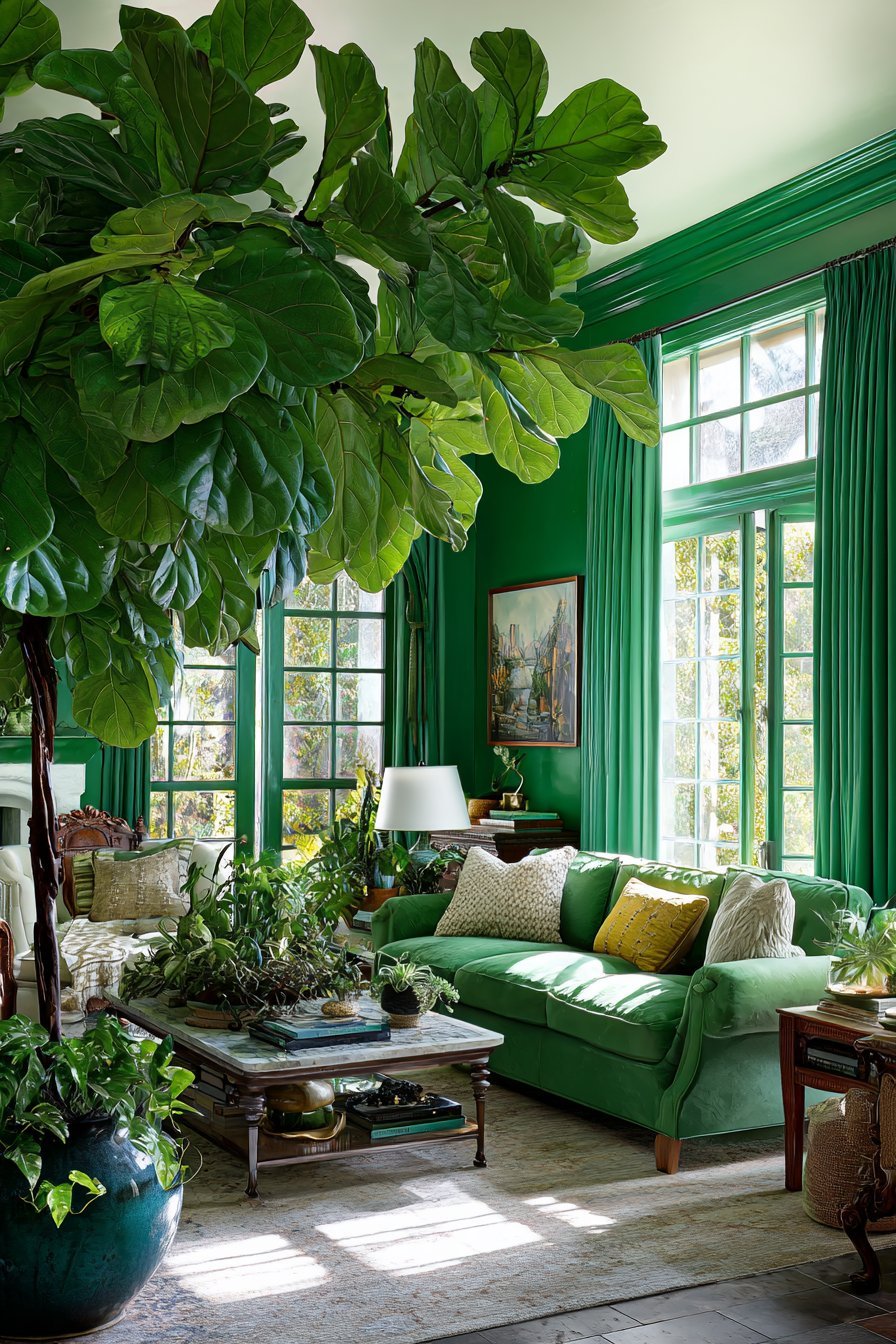
No maximalist space feels complete without abundant plant life. The lush, layered aesthetic of maximalism pairs perfectly with the organic abundance of plants. From towering fiddle leaf figs to trailing pothos, from clustered succulents to dramatic monstera leaves — plants are essential maximalist decor.
The jungle aesthetic — filling a room with diverse plants at different heights — is quintessentially maximalist. Layer floor plants, shelf plants, hanging plants, and tabletop arrangements together. Mix different leaf shapes and textures: large tropical leaves against delicate ferns, spiky succulents beside soft moss. This botanical layering mirrors maximalism’s overall design philosophy.
Don’t overlook dried and preserved botanicals as maximalist decor elements. Dried pampas grass, preserved eucalyptus, dried citrus slices, and pressed flowers add organic texture without maintenance demands. These elements bring natural maximalism into spaces where live plants may be challenging to maintain.
- Cluster plants in odd-numbered groupings for visual impact
- Vary plant heights dramatically using plant stands and hanging planters
- Use decorative pots in bold colors or artisan ceramics as display objects
- Mix real and high-quality faux plants strategically for low-maintenance style
- Create a dedicated plant corner or “jungalow” zone as a room focal point
- Include large-leaf tropical plants for dramatic architectural silhouettes
9. Lighting as a Maximalist Statement
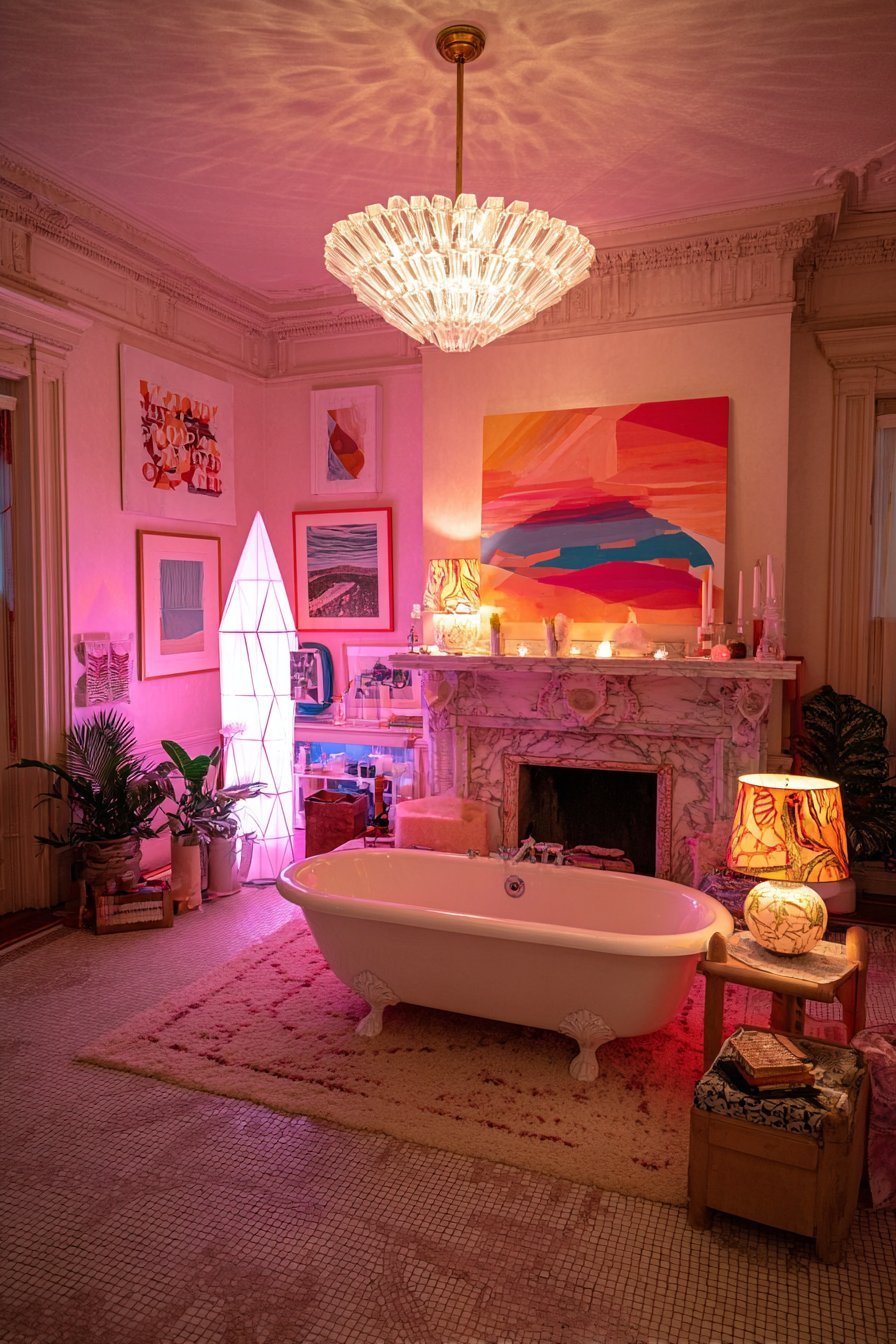
In maximalist interiors, lighting is sculpture. Chandeliers drip with crystals or beads. Table lamps wear bold printed shades. Floor lamps make dramatic architectural statements. Every light fixture is chosen as a design object in its own right, not merely as a functional necessity.
Layered lighting is essential in any maximalist scheme. Ambient overhead lighting, task lighting, accent lighting, and decorative lighting all work together. Multiple table lamps in a single room create pools of warm light that make spaces feel intimate and layered — very different from the flat overhead lighting minimalism often relies upon.
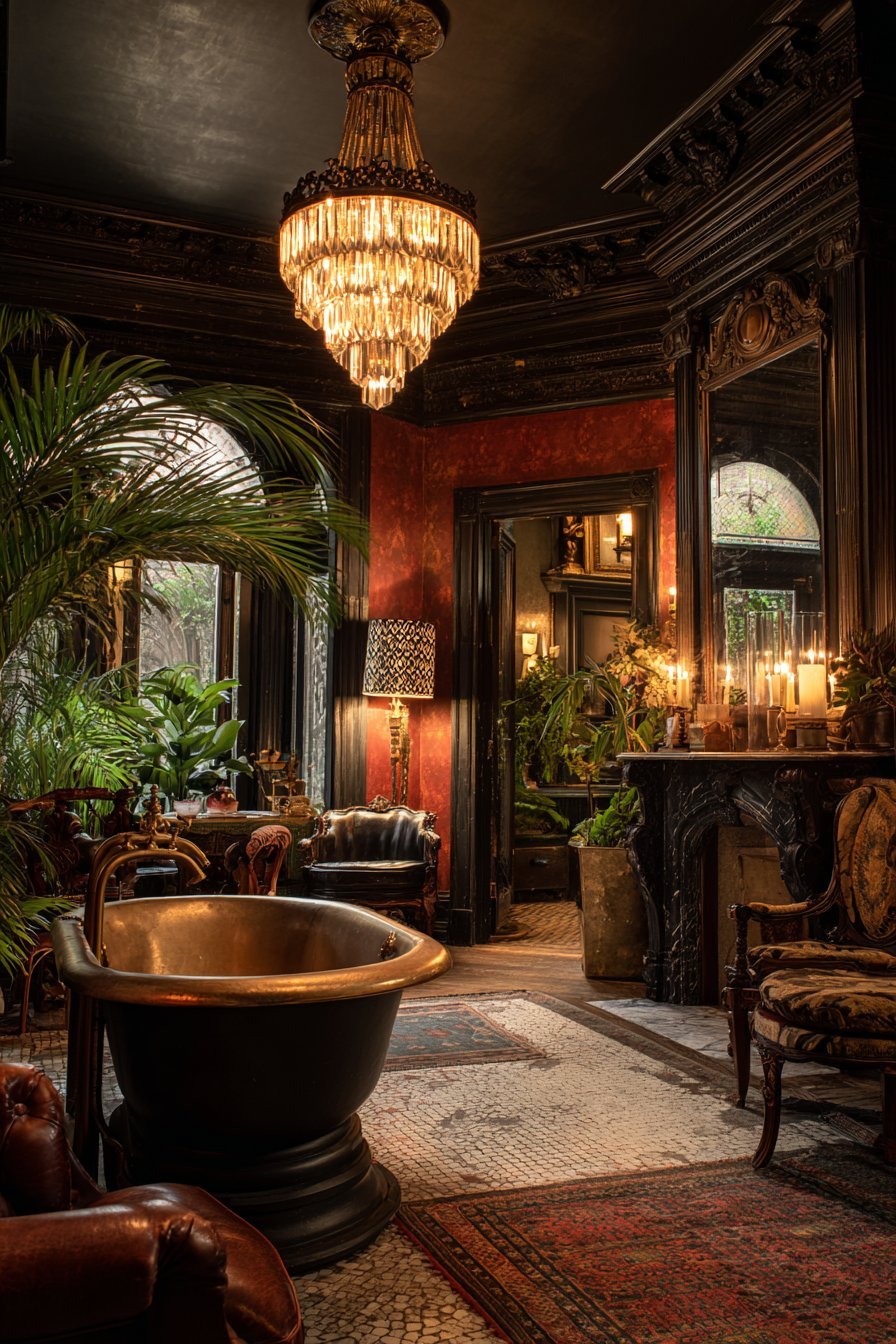
The statement chandelier is one of maximalism’s most beloved features. An oversized, ornate chandelier hung in an unexpected space — above a clawfoot bathtub, in a small entryway, or over a home office desk — creates instant drama. Size up rather than down when selecting chandeliers; oversized fixtures always read as more glamorous and intentional.
- Use dimmer switches on all overhead lighting for atmosphere control
- Layer three types of lighting — ambient, task, and accent — in every room
- Choose table lamps with bold bases and statement shades
- Use candle groupings as decorative lighting elements on mantels and shelves
- Install picture lights above gallery walls for museum-quality drama
- Choose warm bulbs (2700K-3000K) to enhance the cozy, layered maximalist feel
10. Global and Cultural Influences in Modern Maximalism
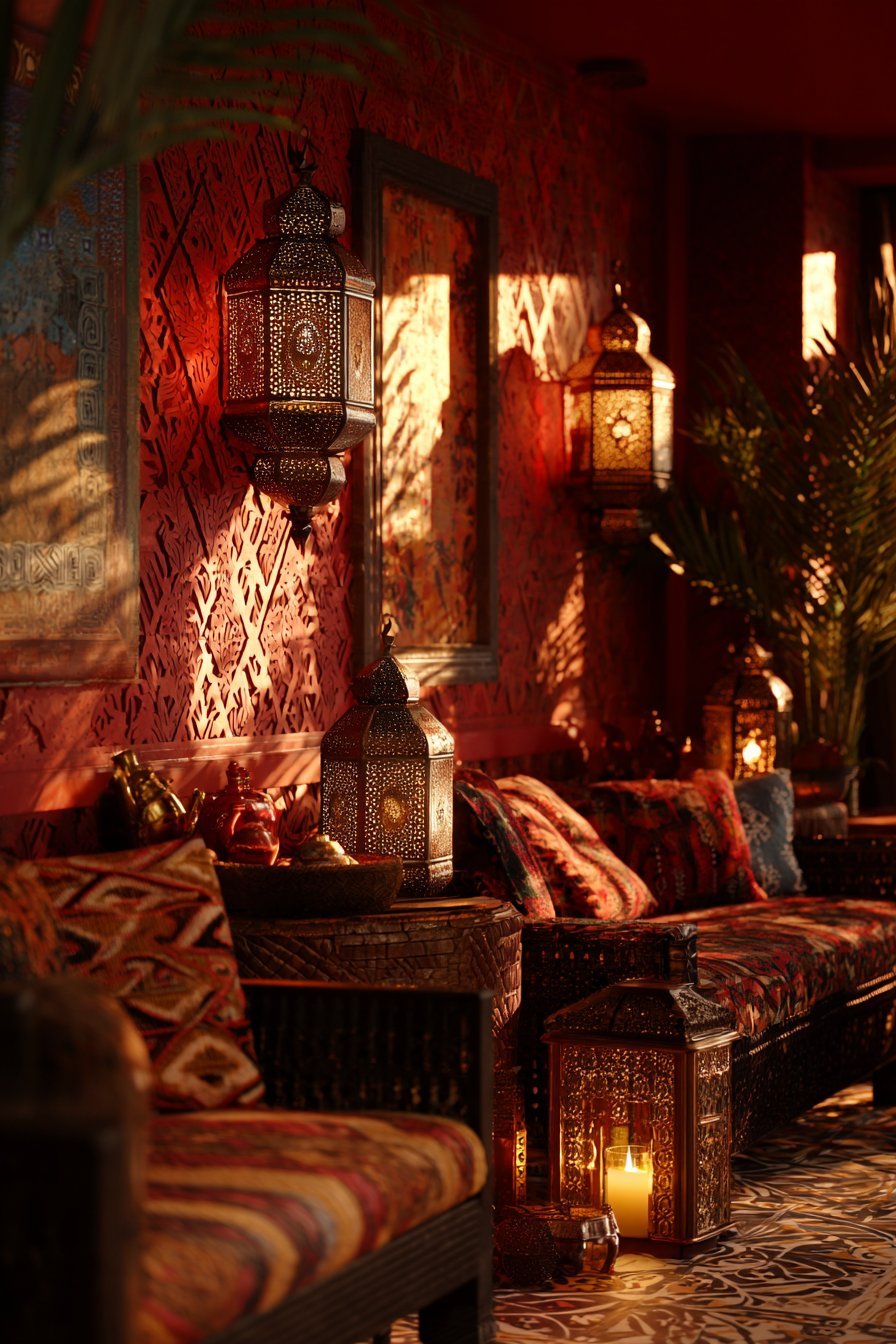
Modern maximalism draws deeply from global design traditions. Moroccan tiles, Indian block prints, Japanese ceramics, African kente cloth, Mexican Talavera pottery — the world’s rich design heritage provides endless inspiration for layered, expressive interiors. This cultural eclecticism is one of maximalism’s most exciting aspects.
The key to incorporating global design influences respectfully and beautifully is education and intentionality. Research the origins and meanings of textiles, objects, and patterns you’re drawn to. Purchase from artisan makers whenever possible. This approach creates spaces that are culturally rich rather than superficially exotic or appropriative.
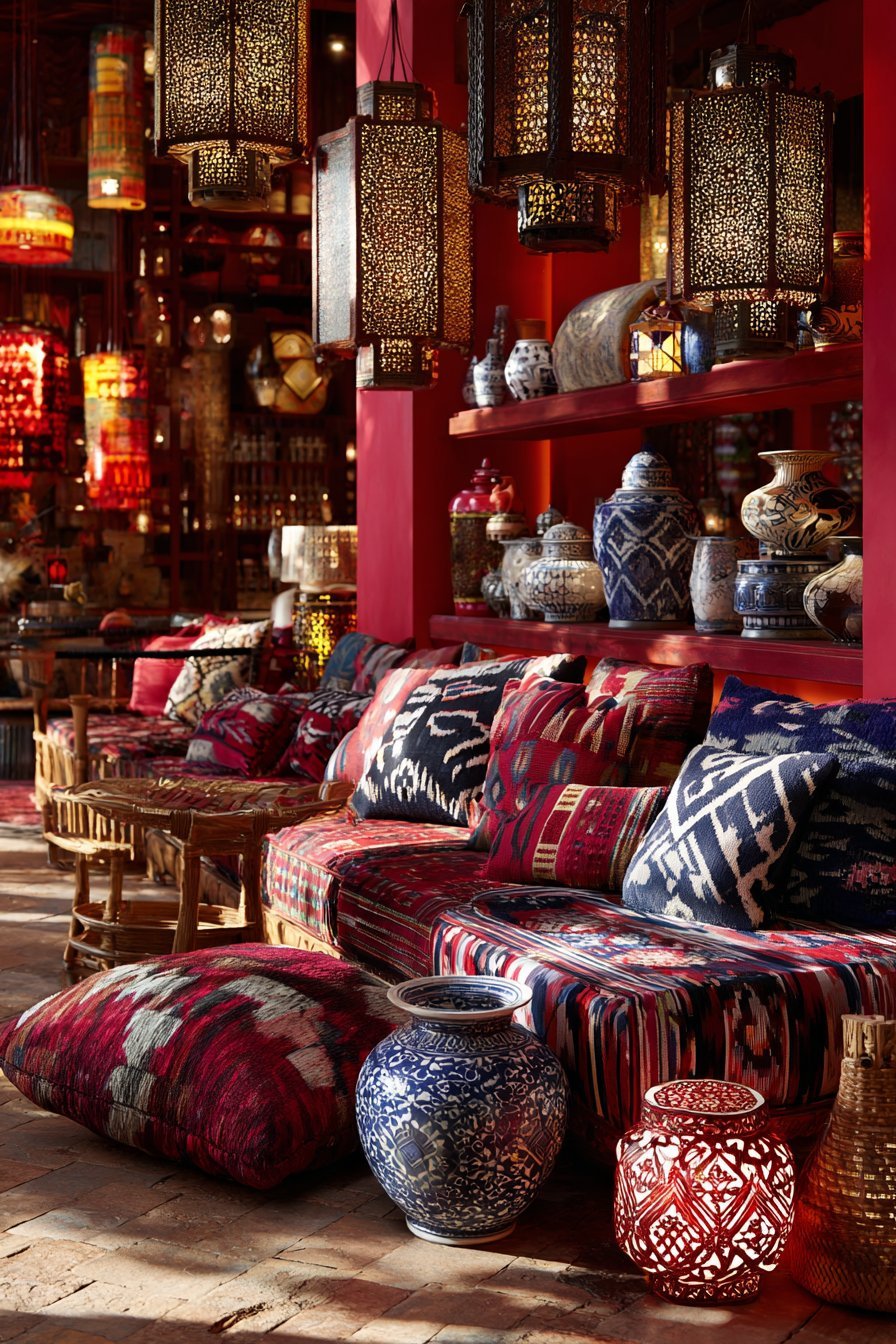
Travel-inspired maximalism creates homes that tell the story of your life experiences. Moroccan lanterns from a Marrakech souk, ceramics from a Lisbon market, textiles from a Thai night market — these collected objects transform your home into a personal museum of experiences. This is maximalism at its most meaningful and authentic.
- Research the cultural origins of decorative objects before incorporating them
- Purchase directly from artisan communities or fair-trade sources
- Mix global influences from multiple continents for rich eclecticism
- Use one dominant cultural aesthetic as an anchor for global layering
- Incorporate handmade objects that celebrate traditional craft techniques
- Visit import stores and ethnic markets for authentic, affordable global finds
11. The Maximalist Bedroom: Personal Sanctuary
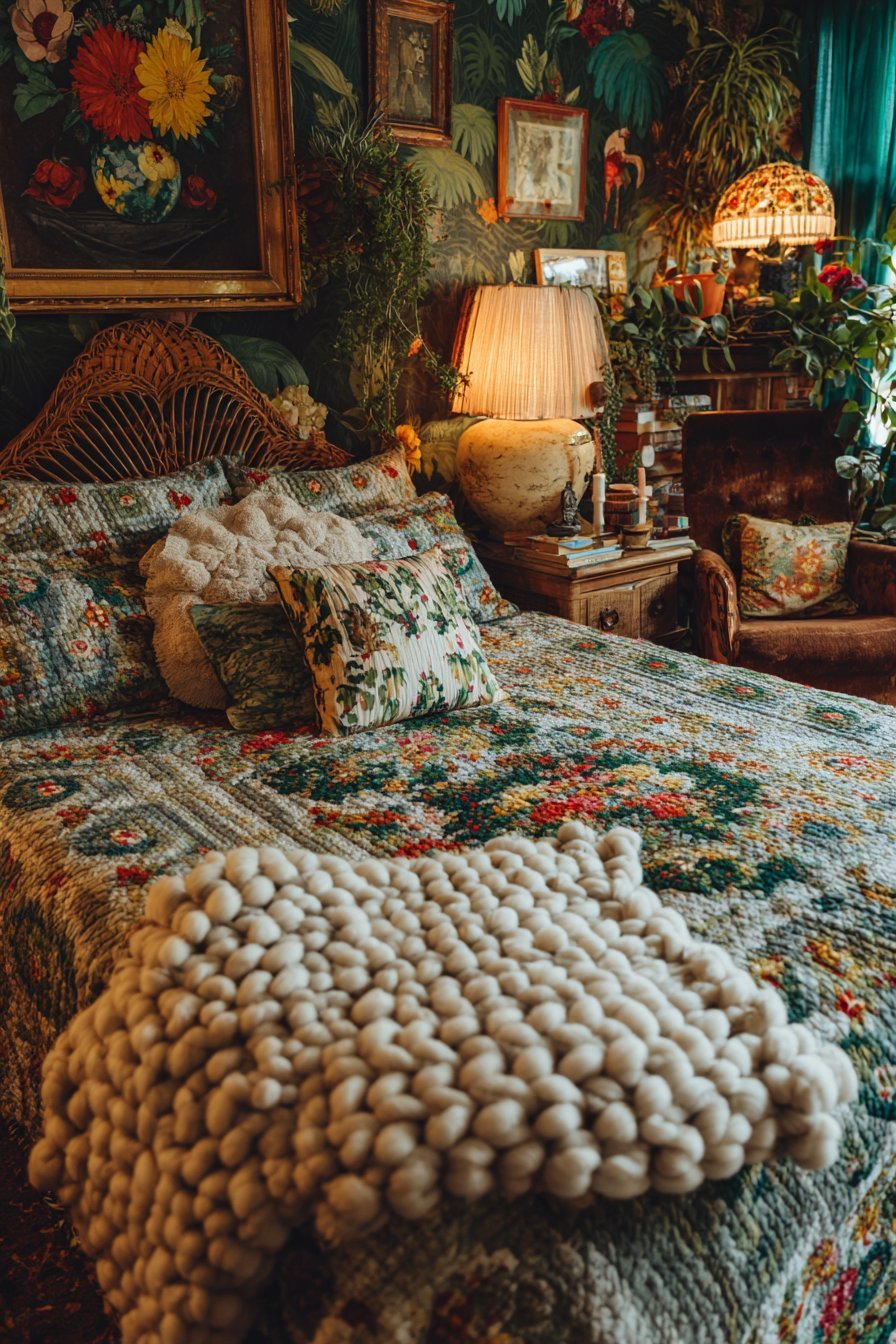
The bedroom is where maximalism becomes truly personal. This is the room most directly connected to your individual psychology, comfort needs, and aesthetic preferences. A maximalist bedroom wraps you in layers of texture, color, and meaningful objects that make retreat feel genuinely luxurious.
Bedding layering is the foundation of a maximalist bedroom. Start with a fitted sheet, add a flat sheet, layer a quilt or coverlet, top with a duvet, then add multiple decorative pillows in coordinating patterns. Finish with a chunky knit throw draped casually at the foot. This layering creates both visual richness and genuine physical comfort.
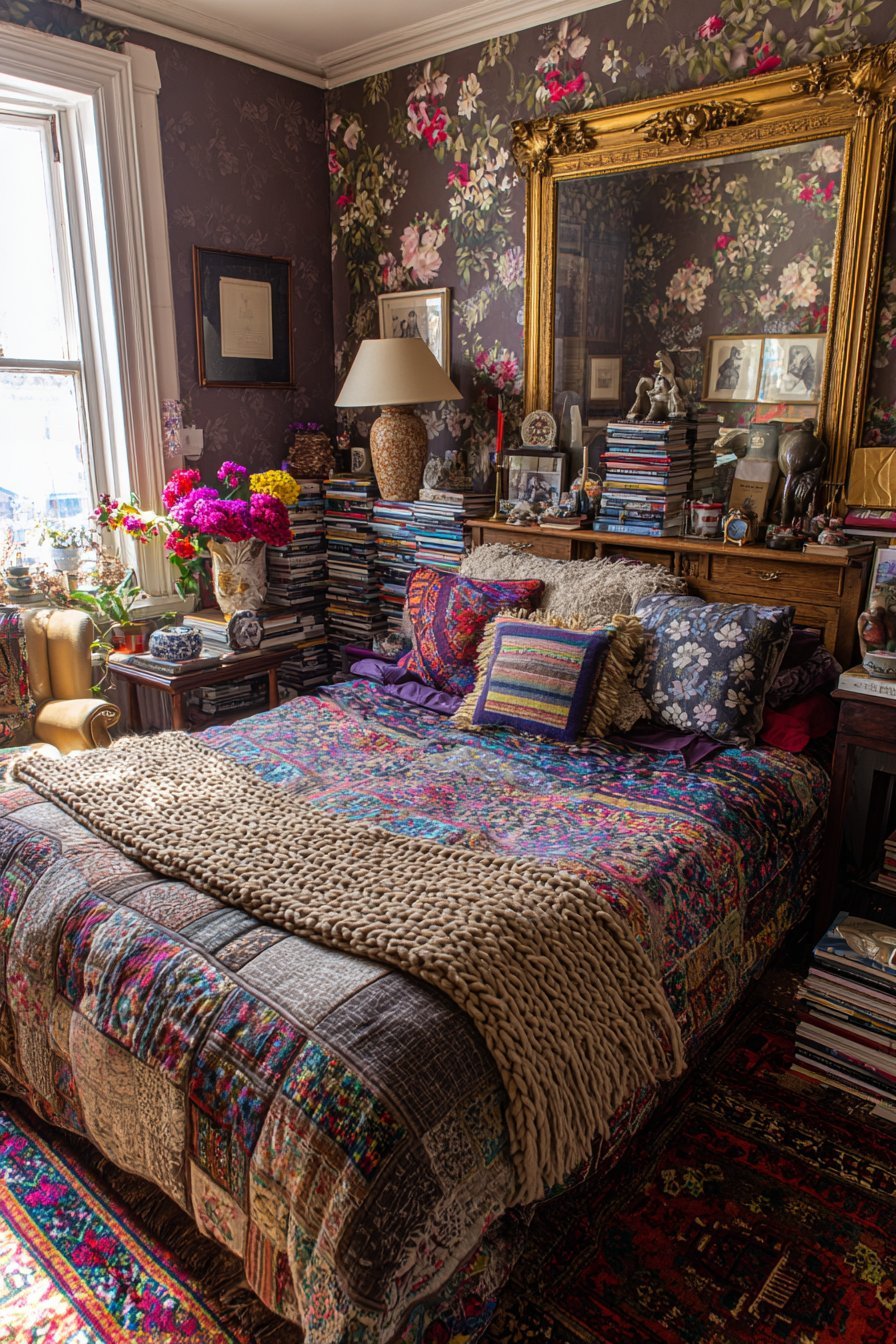
Don’t underestimate the maximalist bedside table. Stack books, cluster small objects, add a statement lamp, include a plant, and display a piece of small art. The bedside table is a micro-display environment where your daily rituals and personal aesthetic meet in one concentrated space.
- Layer at least five textile elements on a maximalist bed
- Use a bold, patterned wallpaper on the headboard wall for drama
- Create a reading nook with an upholstered chair and floor lamp
- Display personal photographs and meaningful objects on dresser surfaces
- Use mirrored furniture to add glamour and light reflection
- Choose rich, saturated colors for bedroom walls to enhance intimacy
12. Balancing Maximalism: The Edit That Makes It Work
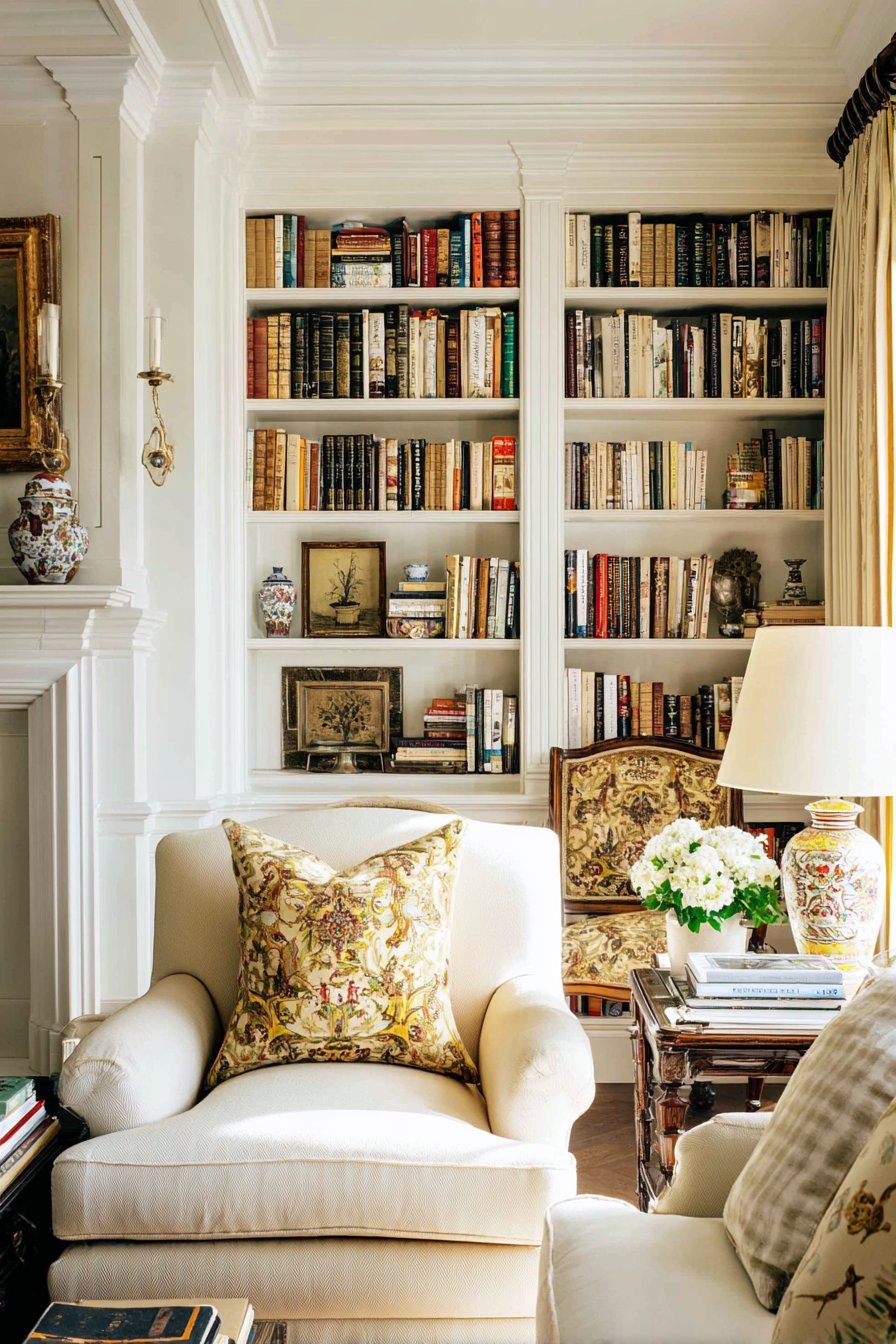
Every great maximalist room includes moments of rest. This sounds counterintuitive, but strategic negative space prevents sensory overload. A blank wall beside a busy gallery wall. A simple linen cushion between two patterned ones. An unadorned corner beside a richly decorated one. These breathing spaces make the abundance readable.
The editing process is what separates sophisticated maximalism from overwhelming clutter. Every few months, walk through your space with fresh eyes. Remove objects that no longer spark joy or serve a visual purpose. Rotate collections seasonally. Store some pieces and display others. This dynamic approach keeps your maximalist space feeling fresh rather than stagnant.
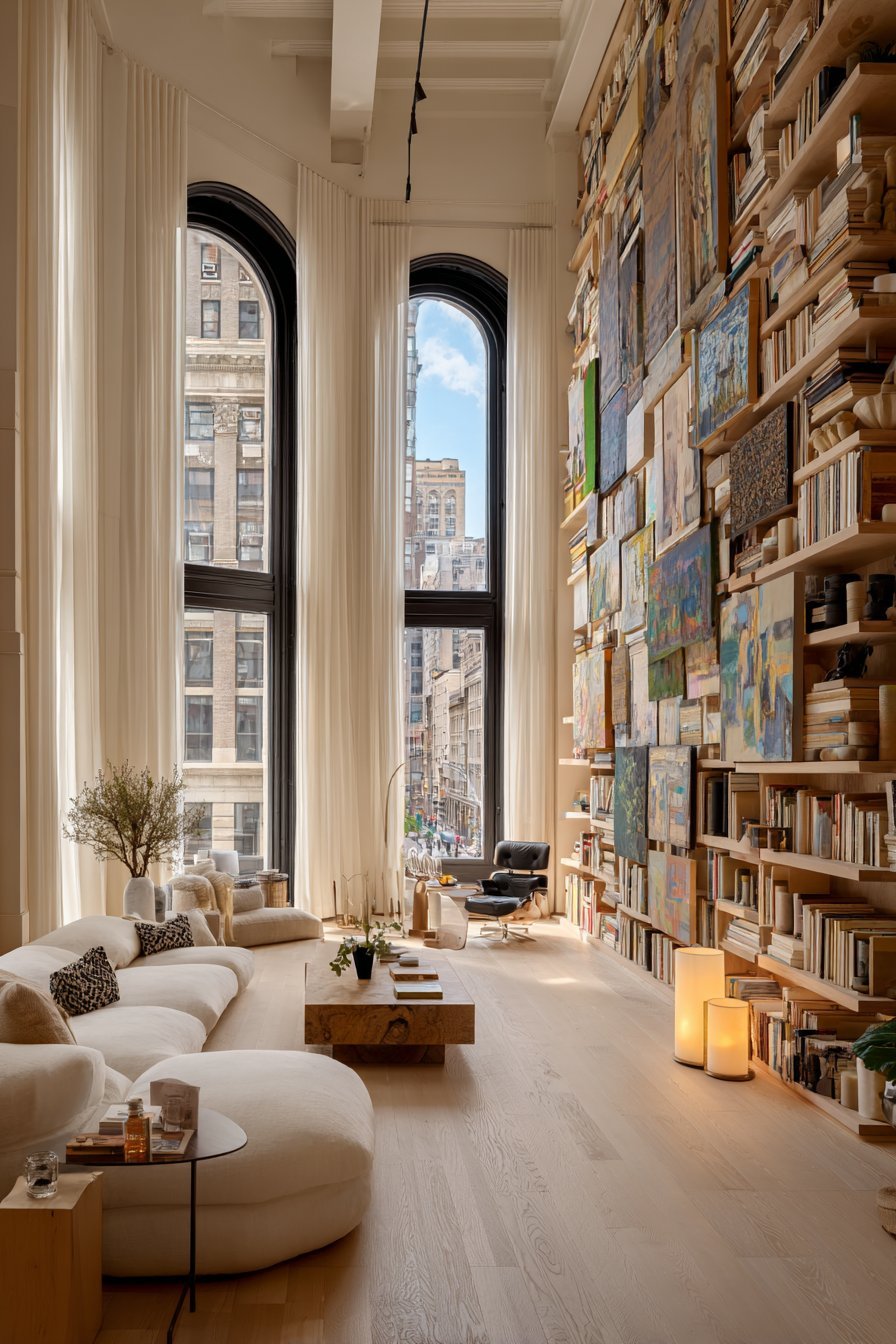
Finally, remember that maximalism is personal. There is no single correct version of the style. Your maximalism should reflect your personality, culture, travels, and passions. The most successful maximalist spaces are deeply individual — they couldn’t belong to anyone else. Trust your instincts, collect what you love, and layer with intention.
- Schedule a quarterly edit to assess and refresh your displays
- Identify one visual rest point in every busy room arrangement
- Store a rotation of objects to keep displays feeling fresh seasonally
- Ask “does this add beauty or meaning?” before keeping any object
- Create a consistent underlying logic — color, era, or material — to anchor complexity
- Photograph your spaces regularly to see them with fresh, objective eyes
Conclusion
Modern maximalism is not a rebellion against good taste — it’s an evolution of it. Intentional abundance, thoughtful layering, and personal expression are the pillars of this exciting design movement. From bold color choices to global textile collections, every element explored in this article offers a pathway to a more expressive, more personal, and more joyful home.
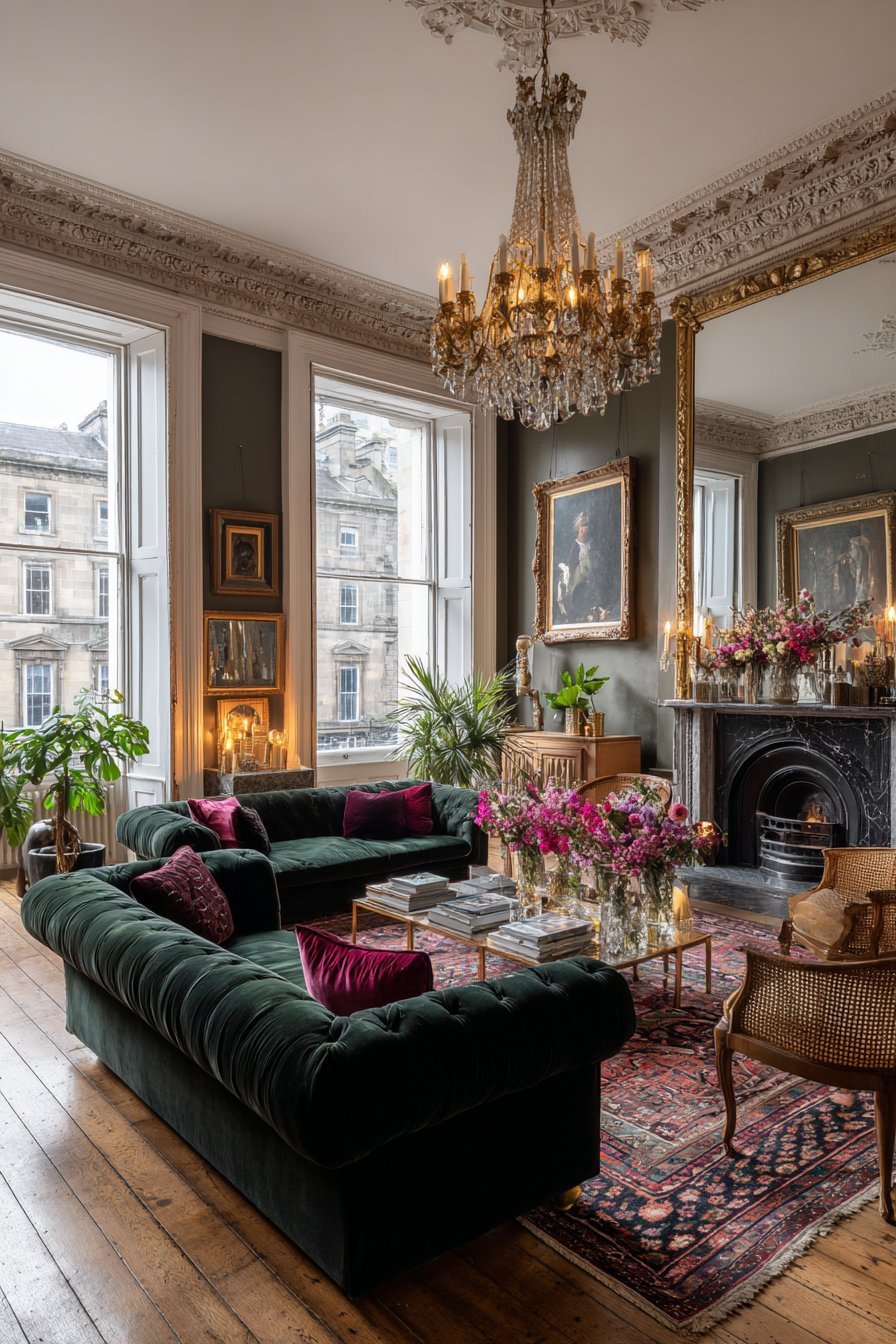
The most important thing to remember is that maximalism rewards courage. Start with one bold choice — a statement wallpaper, a gallery wall, a jewel-toned sofa. Build from there. Layer thoughtfully. Edit regularly. Let your home tell your story in the richest, most vivid way possible. Your space is your canvas — and with modern maximalism, more truly is more.
