

Somewhere between a Pinterest board and your grandmother’s living room lies one of the most exciting design movements of the decade. Grandmillennial style is sweeping through homes, social media feeds, and interior design studios with remarkable momentum. It blends the comfort of traditional aesthetics with the sensibility of a modern, conscious homeowner. And it’s not slowing down anytime soon.
This revival is no accident. As younger generations grow weary of the cold, minimalist interiors that dominated the 2010s, many are turning toward spaces that feel warm, layered, and deeply personal. Grandmillennial design offers exactly that — a rich visual language rooted in chintz fabrics, ruffled edges, floral prints, and heirloom accessories. It’s nostalgia with intention.
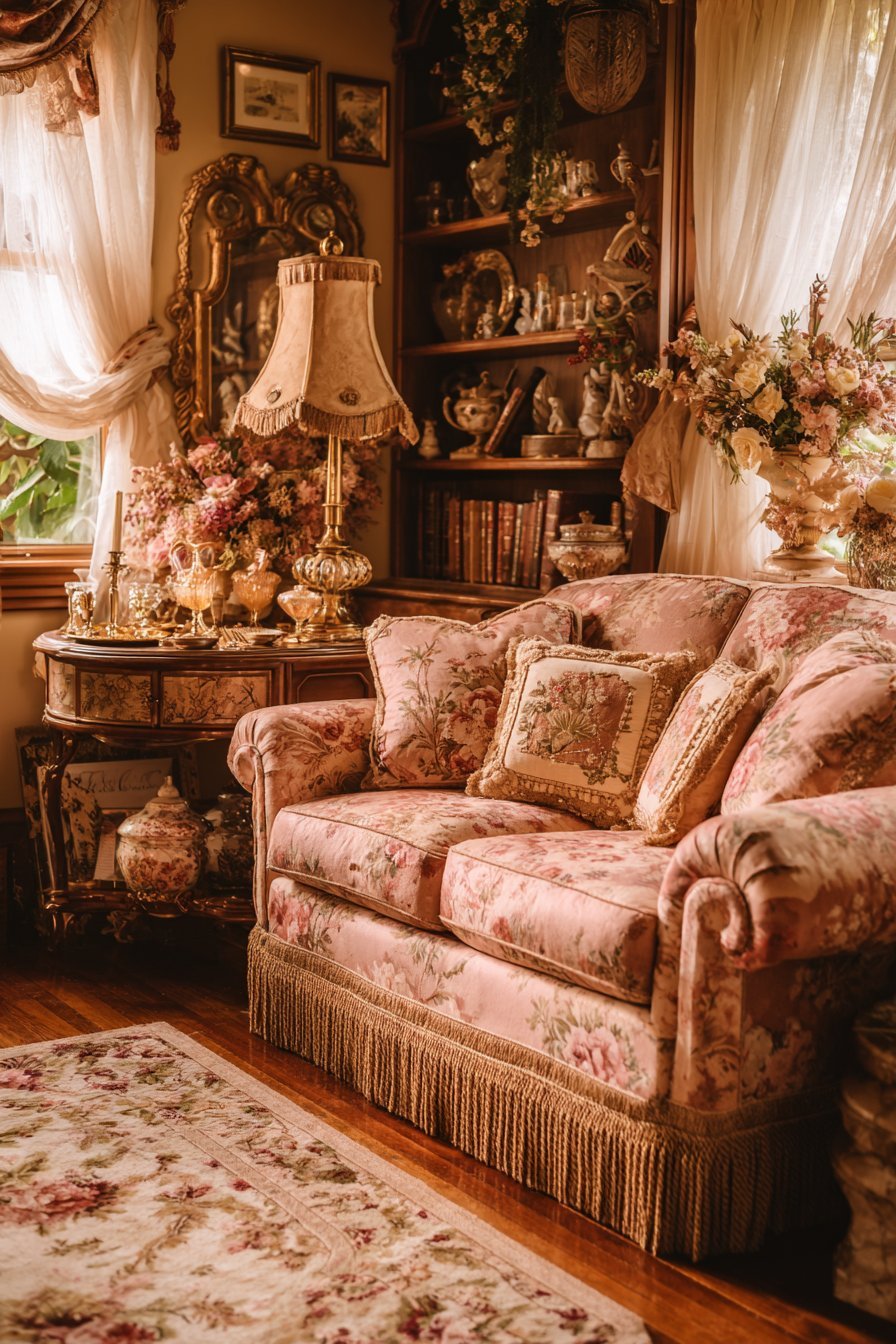
This article explores why this charming aesthetic is experiencing such a powerful resurgence. From its cultural roots to its practical applications in modern homes, we’ll cover everything you need to know about embracing grandmillennial style with confidence and creativity. Whether you’re a seasoned decorator or a curious first-timer, there’s something here to inspire you.
1. The Cultural Roots of Grandmillennial Design
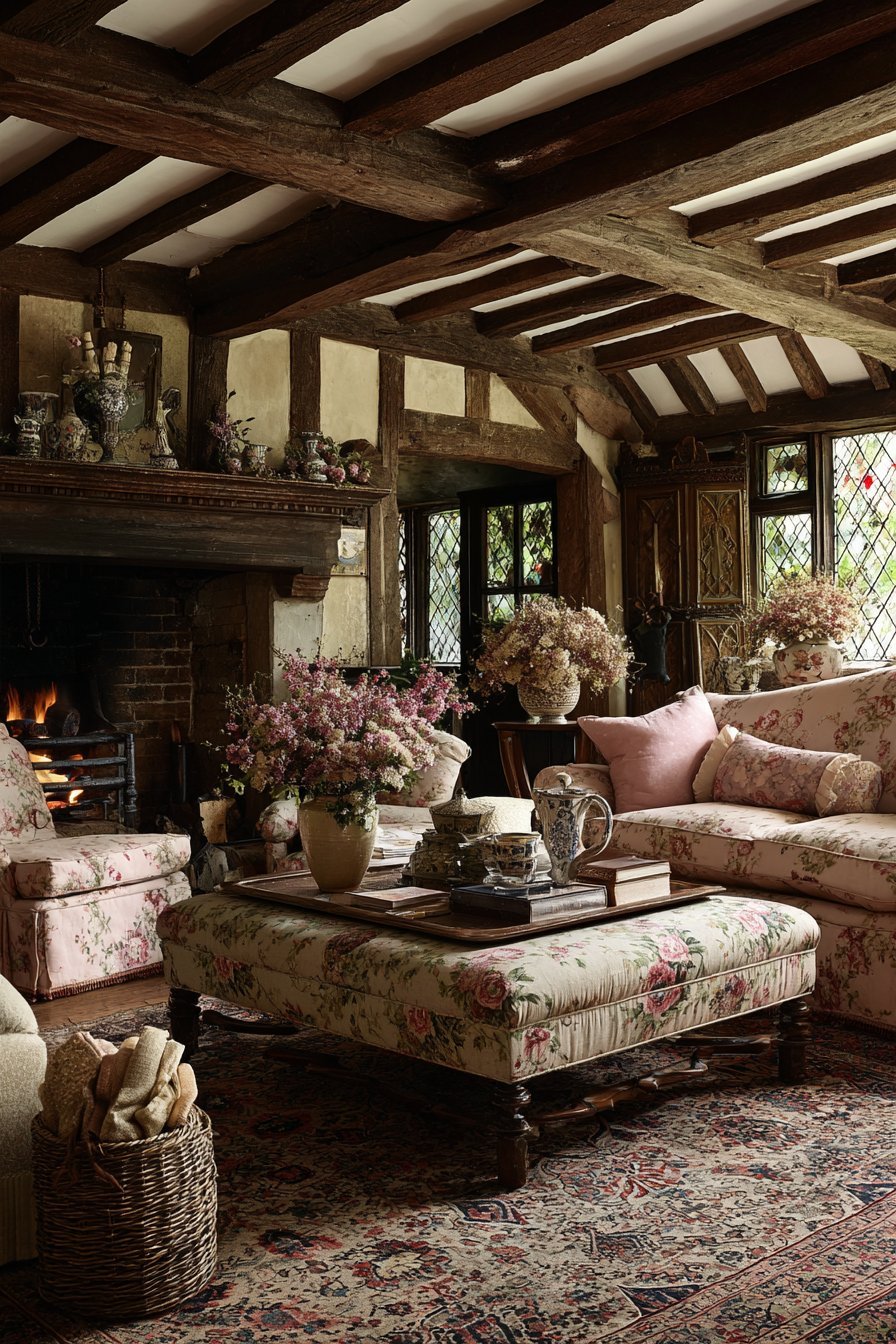
Grandmillennial style draws heavily from the traditional English country house aesthetic that defined interiors of the 1960s through the 1980s. Think Laura Ashley wallpapers, needlepoint pillows, and chintz upholstery draped across plump armchairs. These interiors prioritized comfort and character over sleek modernity. They told stories through objects, patterns, and textures.
The term itself was coined around 2019 and quickly captured the imagination of millennials who grew up visiting grandparents’ homes filled with floral arrangements and collected treasures. There’s a deep emotional resonance to these spaces. They feel lived-in, loved, and layered in a way that ultra-modern interiors rarely achieve. The nostalgia is real, but the application is refreshingly contemporary.
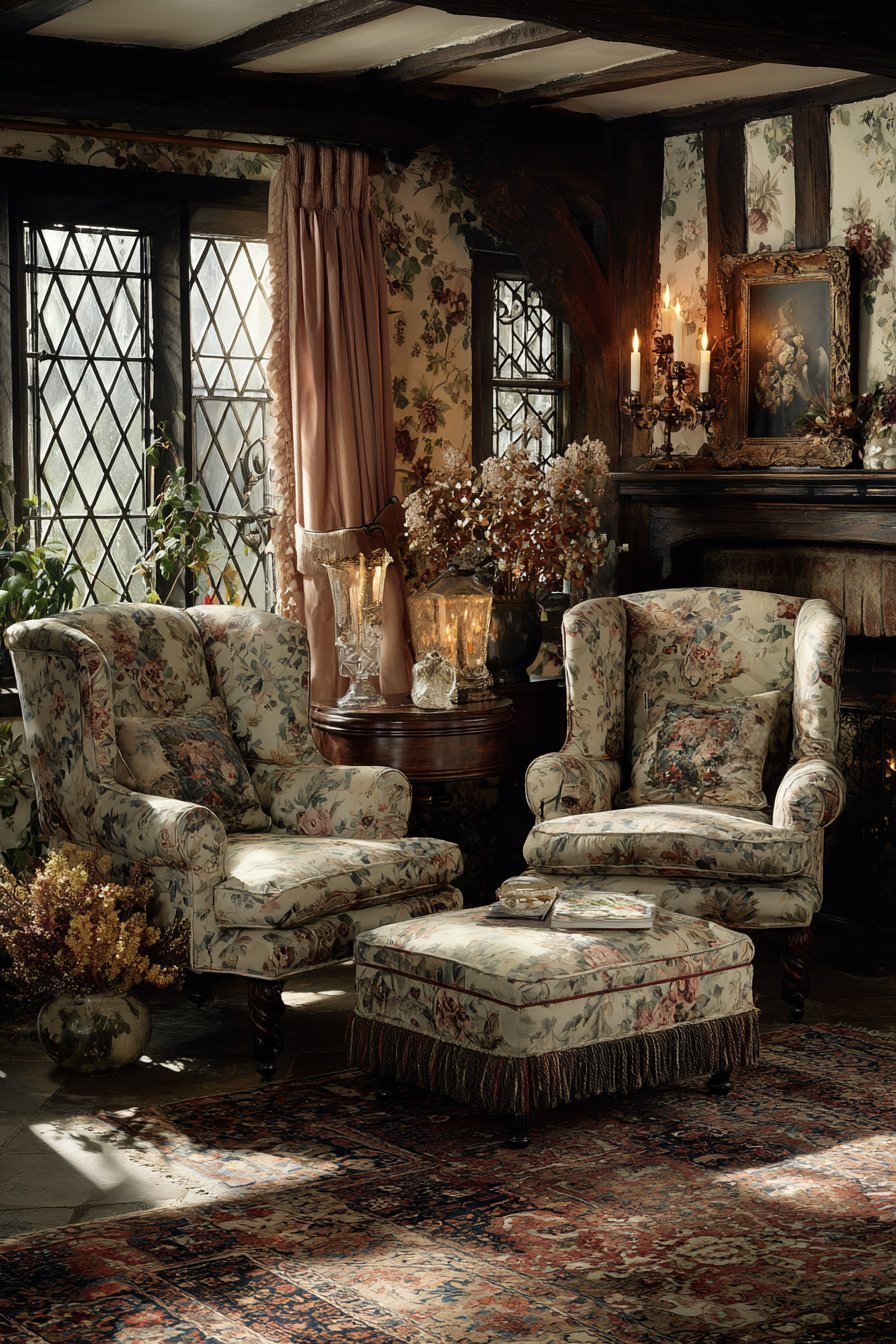
Understanding the cultural context makes it easier to implement grandmillennial style authentically. It’s not about copying the past wholesale. It’s about honoring traditional craftsmanship while curating a space that reflects your own personality and story. The best grandmillennial interiors feel both timeless and distinctly individual.
- Research historical references like English country houses and Victorian parlors for authentic inspiration
- Study iconic designers like Sister Parish and Mario Buatta for traditional layering techniques
- Visit antique markets to understand the vocabulary of traditional decorative arts
- Look at archival issues of House Beautiful and Architectural Digest from the 1970s and 80s
- Identify which traditional elements resonate most personally with your own aesthetic
- Use mood boards to bridge the gap between vintage inspiration and modern application
2. The Millennial Rejection of Minimalism
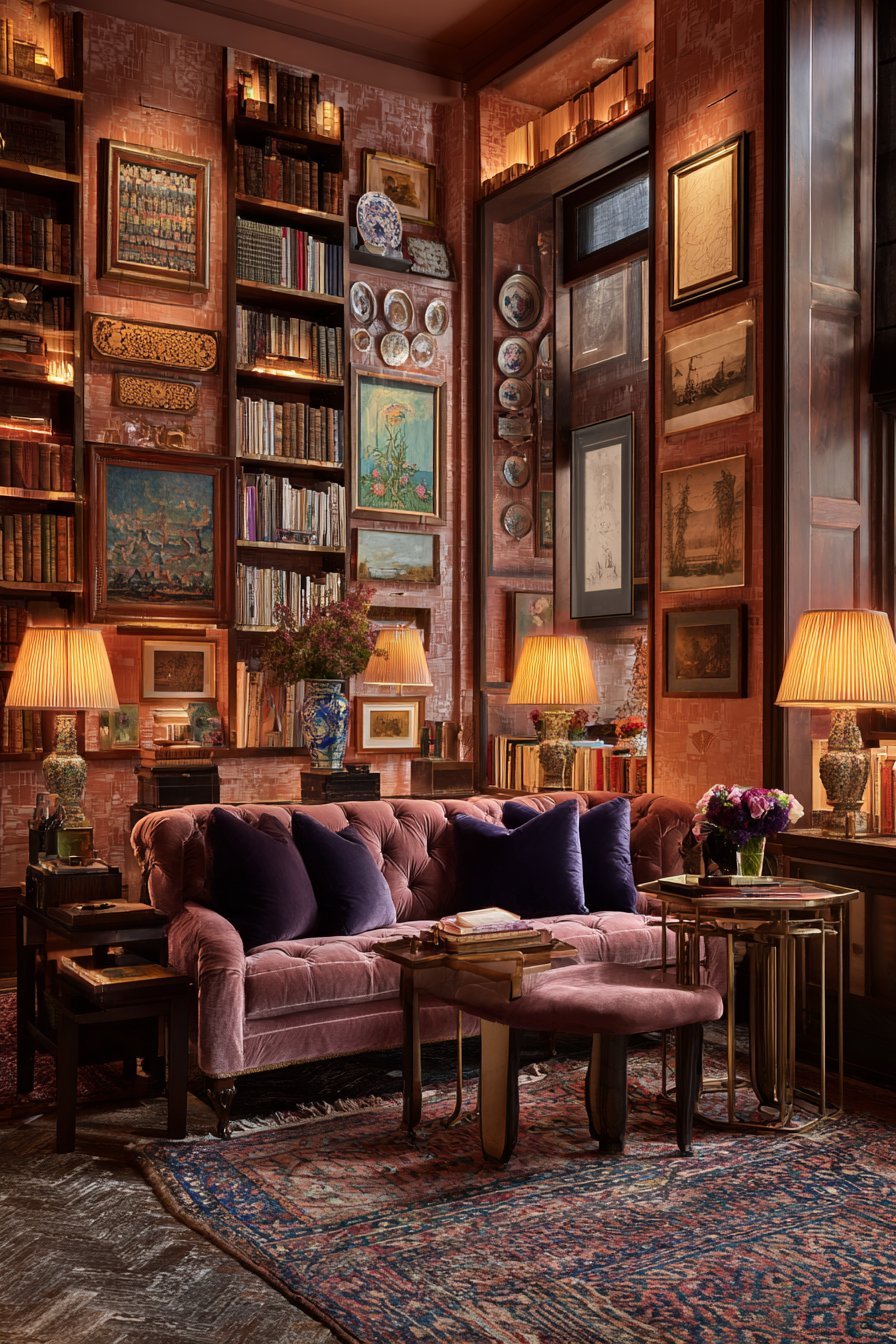
For nearly two decades, minimalist interiors dominated the design conversation. Clean lines, neutral palettes, and “less is more” became the governing philosophy of aspirational home design. While there’s undeniable elegance in minimalism, many people found themselves living in spaces that felt impersonal and emotionally cold.
Millennials in particular grew up being told to declutter, simplify, and strip away ornamentation. Yet something felt missing. Personal expression was being sacrificed at the altar of visual cleanliness. The objects that carried memories, the patterns that sparked joy, and the textures that invited touch were deemed clutter rather than character.
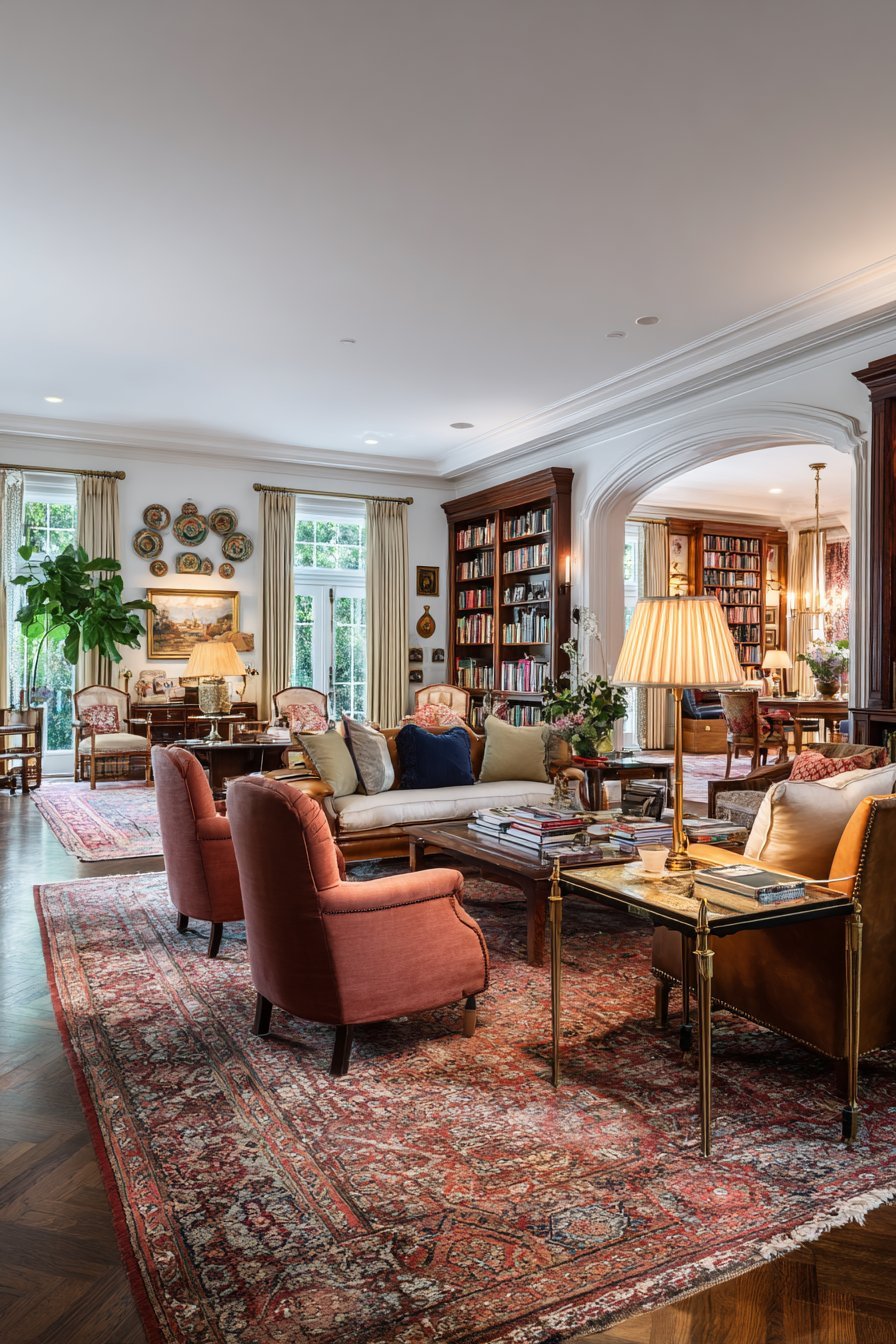
Grandmillennial style offers a liberating counter-narrative. It says that more can absolutely be more when curated with intention. Layered rugs, stacked books, framed artwork, and patterned throw pillows are not distractions. They are the living, breathing personality of a home. This philosophy has resonated deeply with a generation ready to reclaim warmth in their spaces.
- Reassess items you’ve stored away as “too much” — they may be perfect grandmillennial accents
- Introduce one maximalist element at a time to ease into the aesthetic comfortably
- Challenge yourself to display collections rather than hiding them in drawers or boxes
- Replace cold metallic finishes with warmer tones like brass, bronze, and antique gold
- Swap out bare walls for gallery arrangements mixing artwork, mirrors, and plates
- Allow yourself to keep sentimental objects on display as valid design elements
3. Floral Prints and Pattern Play
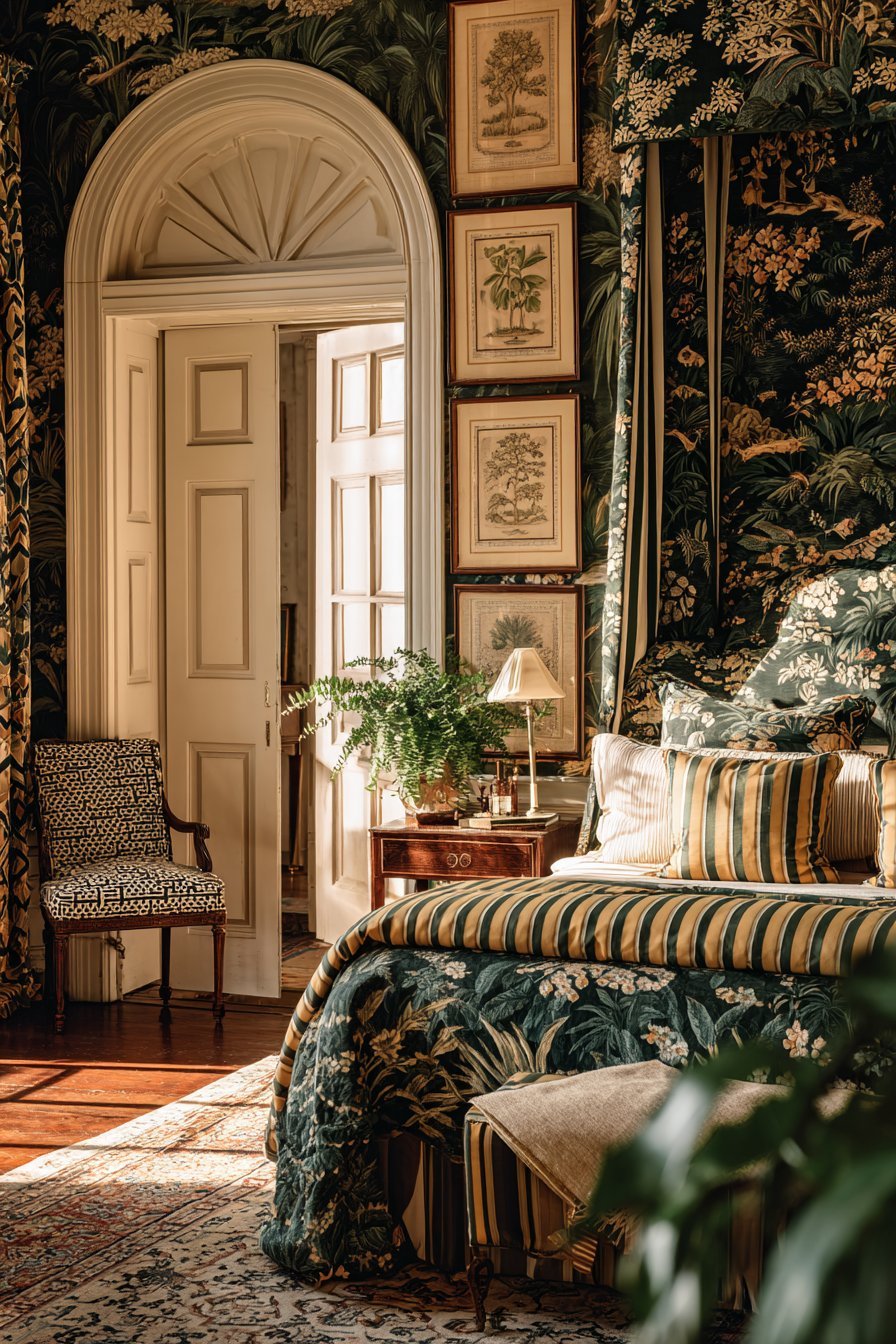
No element defines grandmillennial style more immediately than floral patterns. From large-scale chintz upholstery to delicate botanical wallpaper, florals are the visual heartbeat of this aesthetic. They bring life, color, and a sense of the organic into interior spaces. When used confidently, they transform a room entirely.
The key to successful pattern mixing in grandmillennial design is understanding scale and color relationship. A large-scale floral on a sofa can be balanced with a smaller geometric on throw pillows. A bold botanical wallpaper pairs beautifully with a simple striped curtain. The trick is to maintain a consistent color palette across your patterns so they feel cohesive rather than chaotic.
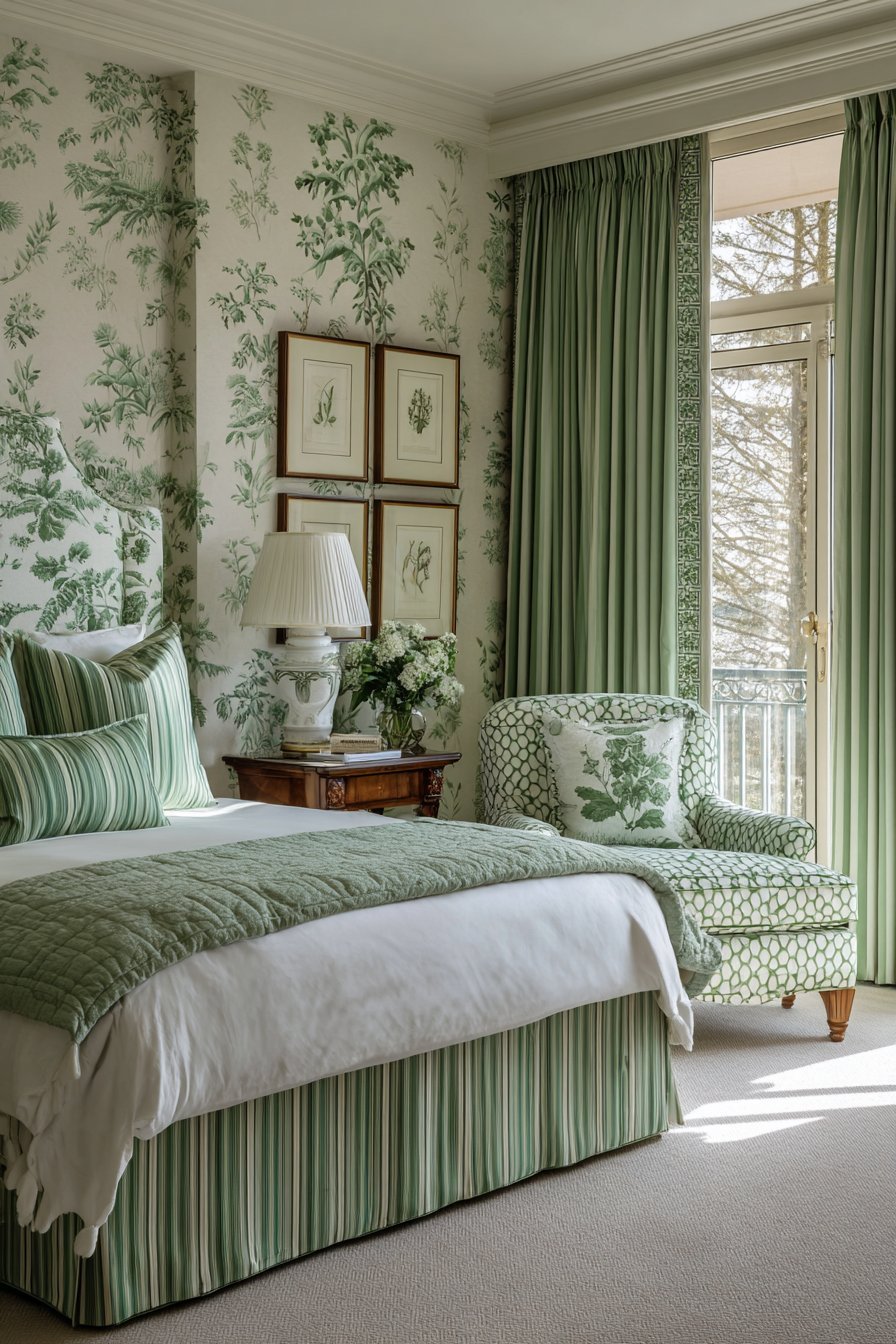
Don’t be afraid to go bold. Maximalist pattern layering is a signature grandmillennial move and one of the most rewarding design challenges you can take on. Start with a hero pattern, then build secondary and tertiary patterns around it. Keep at least one neutral anchor in the room — a solid-colored rug or painted wall — to give the eye a resting place.
- Choose a hero floral pattern for your largest surface, such as an armchair or sofa
- Layer secondary patterns in complementary scales — stripes, plaids, or small geometrics work well
- Stick to a cohesive color family across all patterns to maintain visual harmony
- Mix vintage and new floral pieces for an authentic, collected feel
- Consider floral wallpaper as a statement in powder rooms, bedrooms, or reading nooks
- Use botanical prints in frames as art to add florals without committing to upholstery
4. The Power of Textiles and Layering
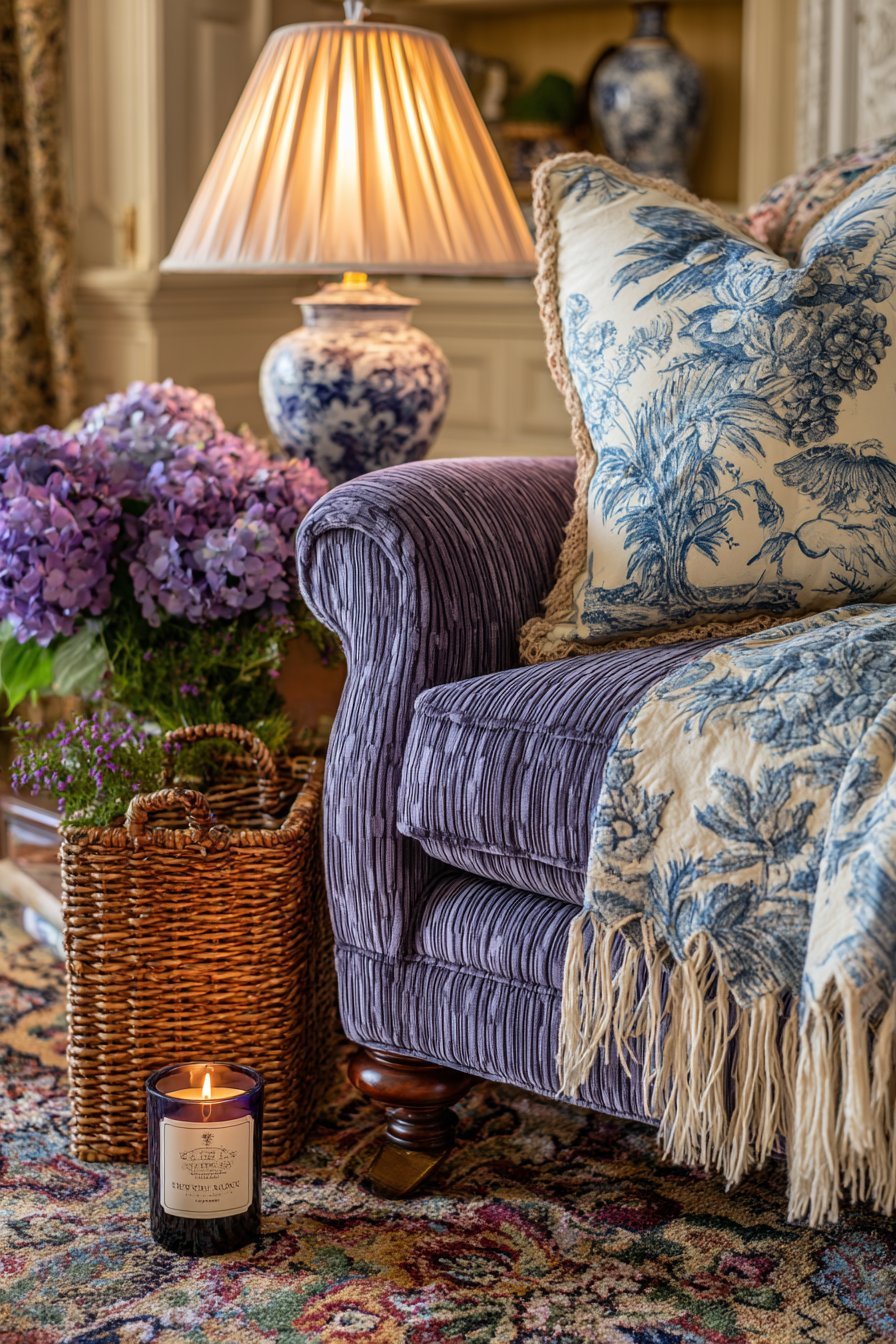
Textile layering is one of grandmillennial design’s most tactile and transformative tools. Think velvet cushions stacked on a linen sofa, a wool throw draped over a cane chair, and a braided rug layered over hardwood floors. The goal is to create visual and physical warmth through an abundance of carefully chosen fabrics.
Traditional grandmillennial textiles include toile, chintz, broderie anglaise, and needlepoint. These materials carry historic design DNA that immediately signals the aesthetic. They’re also tactilely rich, inviting you to touch, sit, and settle in. This tactile quality is a major reason the style resonates so strongly — it appeals to more than just the eyes.
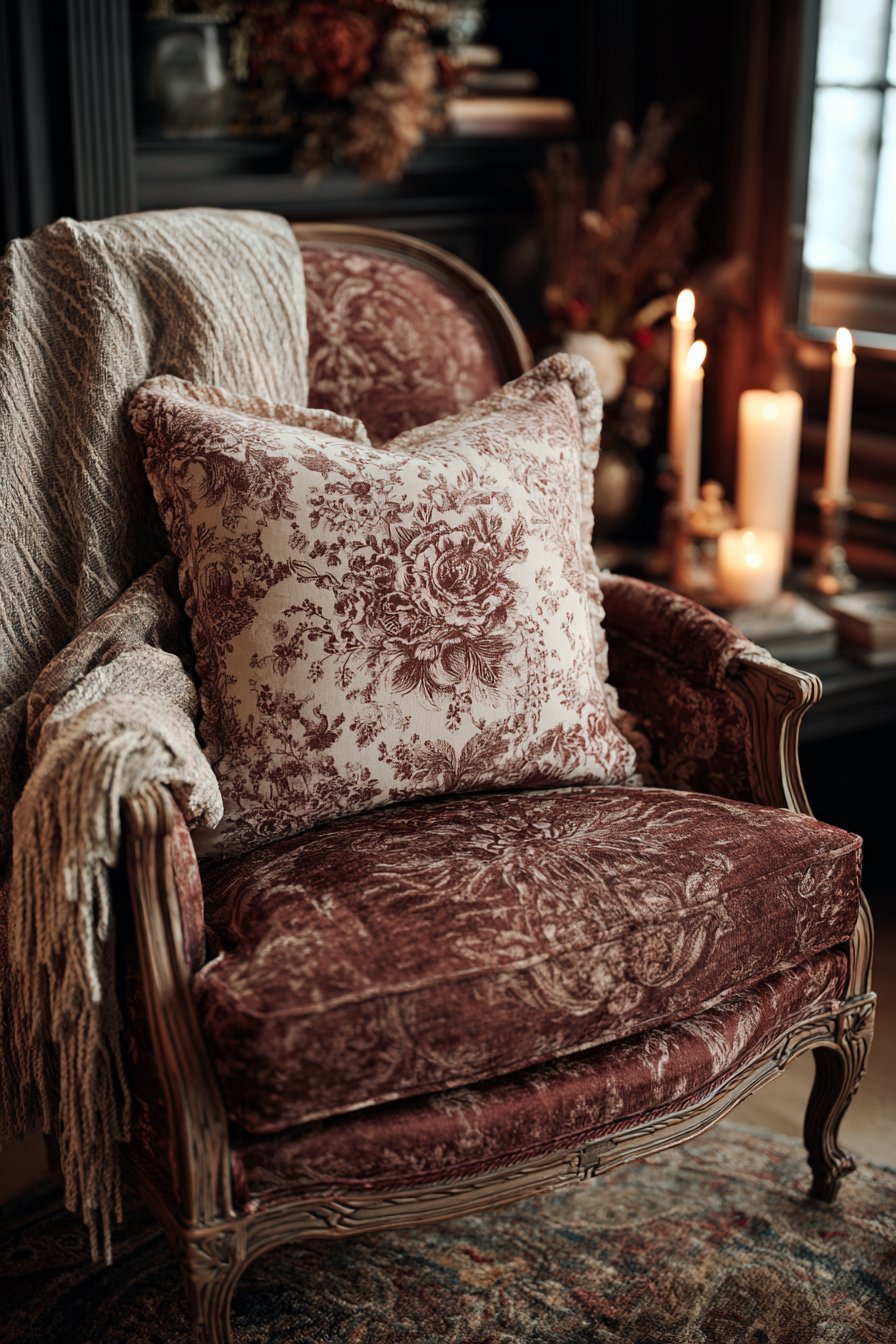
Layering textiles also introduces an element of seasonal flexibility to your home. Swap heavy velvet cushions for lighter linen in summer. Add a luxurious faux fur throw in winter. This approach keeps the grandmillennial spirit alive while allowing your space to evolve with the seasons, keeping it feeling fresh and intentional year-round.
- Invest in at least one statement textile piece — a needlepoint pillow, broderie anglaise duvet, or chintz curtain
- Layer rugs confidently, placing a smaller patterned rug over a larger neutral base
- Use mix-and-match cushions in varying sizes, patterns, and textures on sofas and beds
- Incorporate embroidered or tasseled trim details on curtains and cushions for authentic character
- Don’t overlook table textiles — embroidered tablecloths and linen napkins add grandmillennial charm
- Rotate textiles seasonally to keep the space feeling dynamic and fresh throughout the year
5. Vintage and Antique Accessories
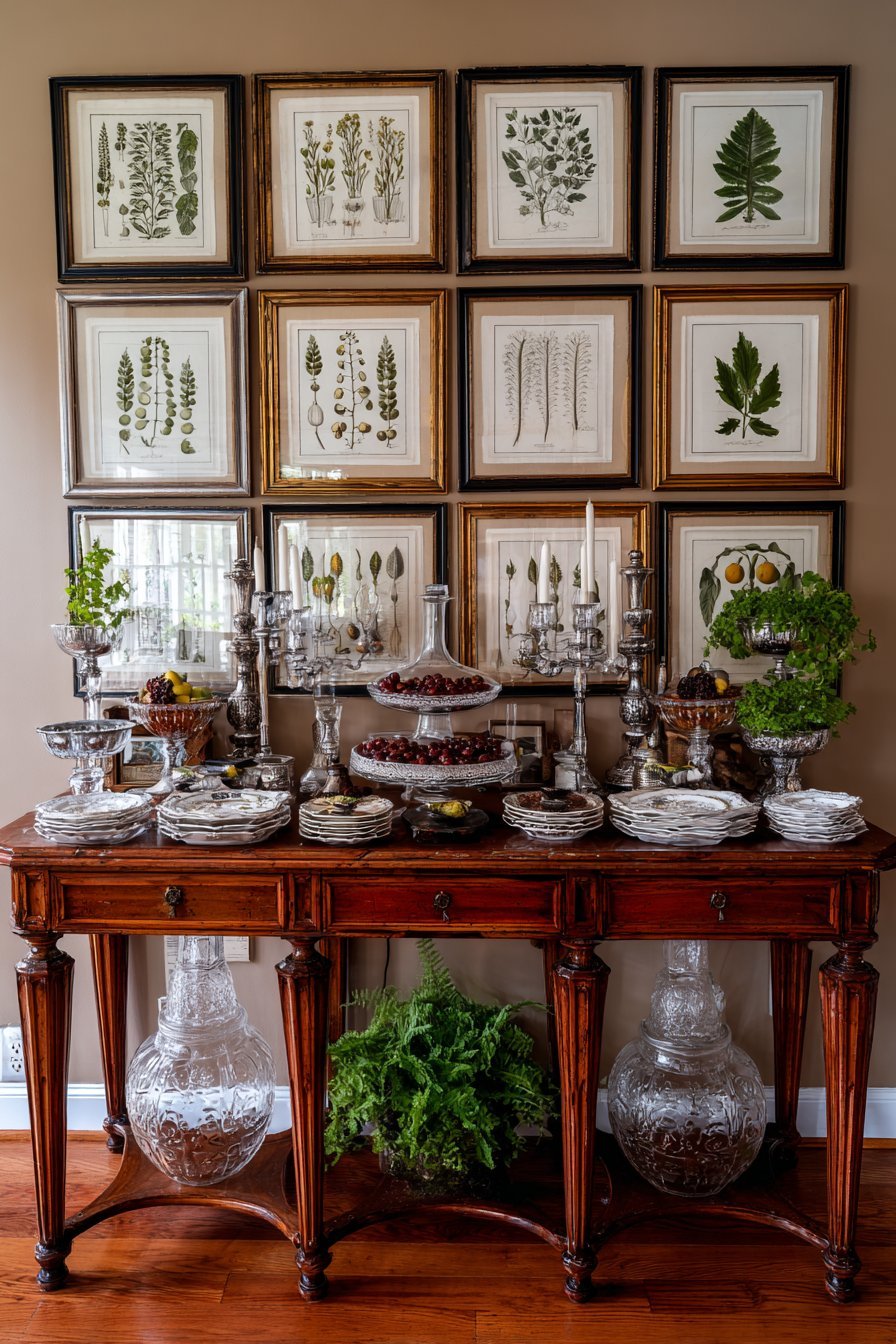
At the heart of grandmillennial style is a deep appreciation for vintage and antique objects. Porcelain figurines, silver candlesticks, pressed glass decanters, vintage botanical prints — these are the accessories that give a grandmillennial interior its soul. They carry stories and history in a way that mass-produced objects simply cannot replicate.
Sourcing vintage pieces is one of the great joys of embracing this aesthetic. Thrift stores, estate sales, antique fairs, and online marketplaces like Etsy and eBay are treasure troves for grandmillennial finds. You don’t need to spend a fortune. A small collection of ironstone dishes or a set of vintage brass candlesticks can completely transform a shelf or mantelpiece.
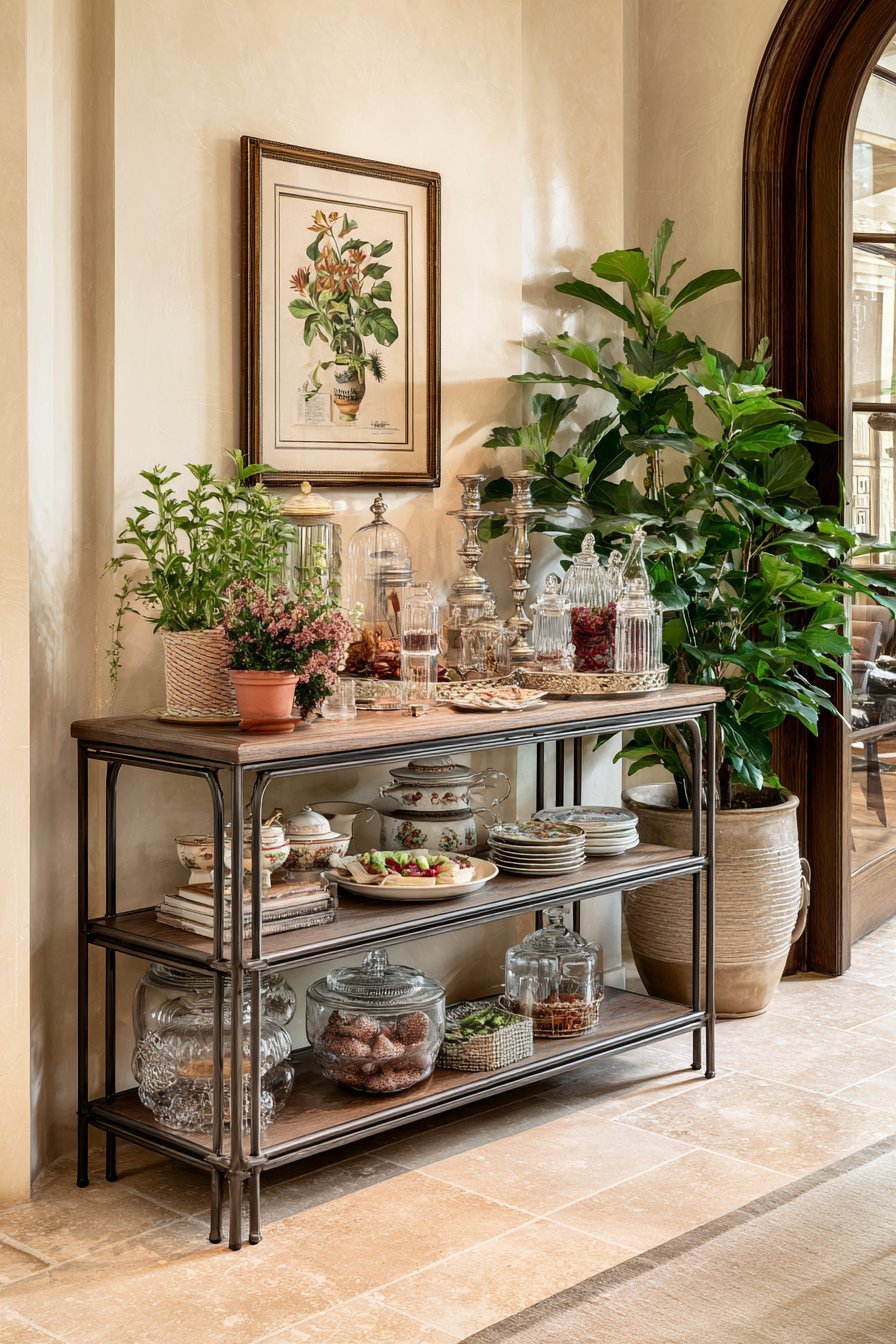
The art of display is equally important. Curated vignettes — small groupings of related objects arranged on a tray, shelf, or console — are a cornerstone of grandmillennial styling. Group objects by color, material, or theme. Vary the heights within each grouping. Allow negative space between vignettes so each arrangement can breathe and be appreciated fully.
- Start building your collection at local estate sales and charity shops for authentic, affordable finds
- Focus on a few key categories — ceramics, silver, glass, or textiles — to create a coherent collection
- Display vintage objects in curated groupings rather than scattering them randomly around the room
- Mix genuine antiques with quality reproductions to balance authenticity with budget
- Look for pieces with patina and age — slight wear and imperfection add authentic charm
- Use vintage trays and boxes to organize small collections into intentional display moments
6. Wallpaper as a Design Statement
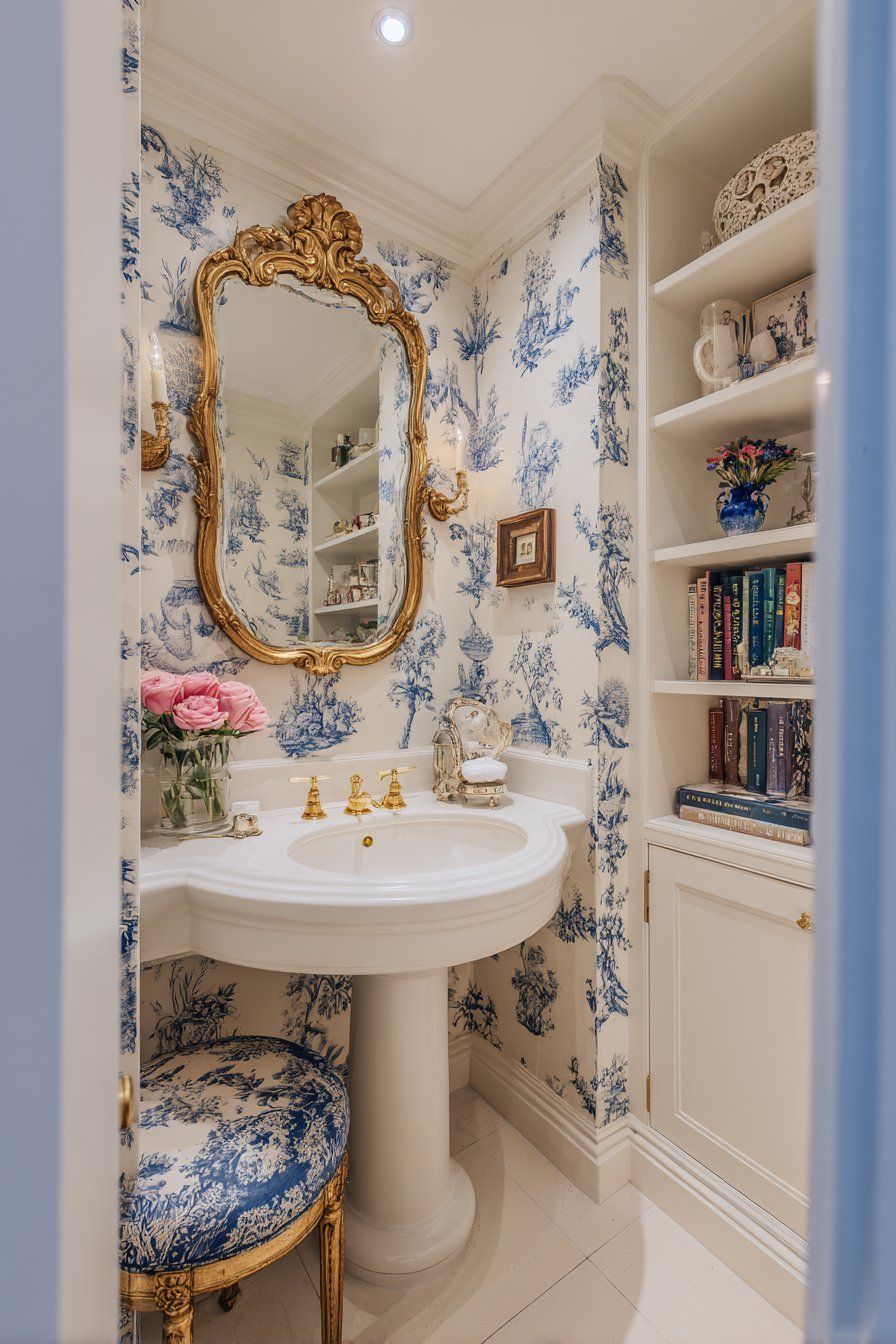
Wallpaper has made a triumphant return in grandmillennial interiors after decades of being considered dated. Far from a relic of the past, today’s wallpaper offerings are more beautiful and technically advanced than ever. From hand-painted de Gournay panels to affordable Rifle Paper Co. prints, there’s something for every budget and room scale.
In grandmillennial design, wallpaper serves as the backbone of a room’s decorative identity. A floral or toile wallpaper in a bedroom immediately establishes the aesthetic tone. It creates a framework that every subsequent design decision — furniture, textiles, accessories — can respond to. It’s one of the highest-impact changes you can make to a room.
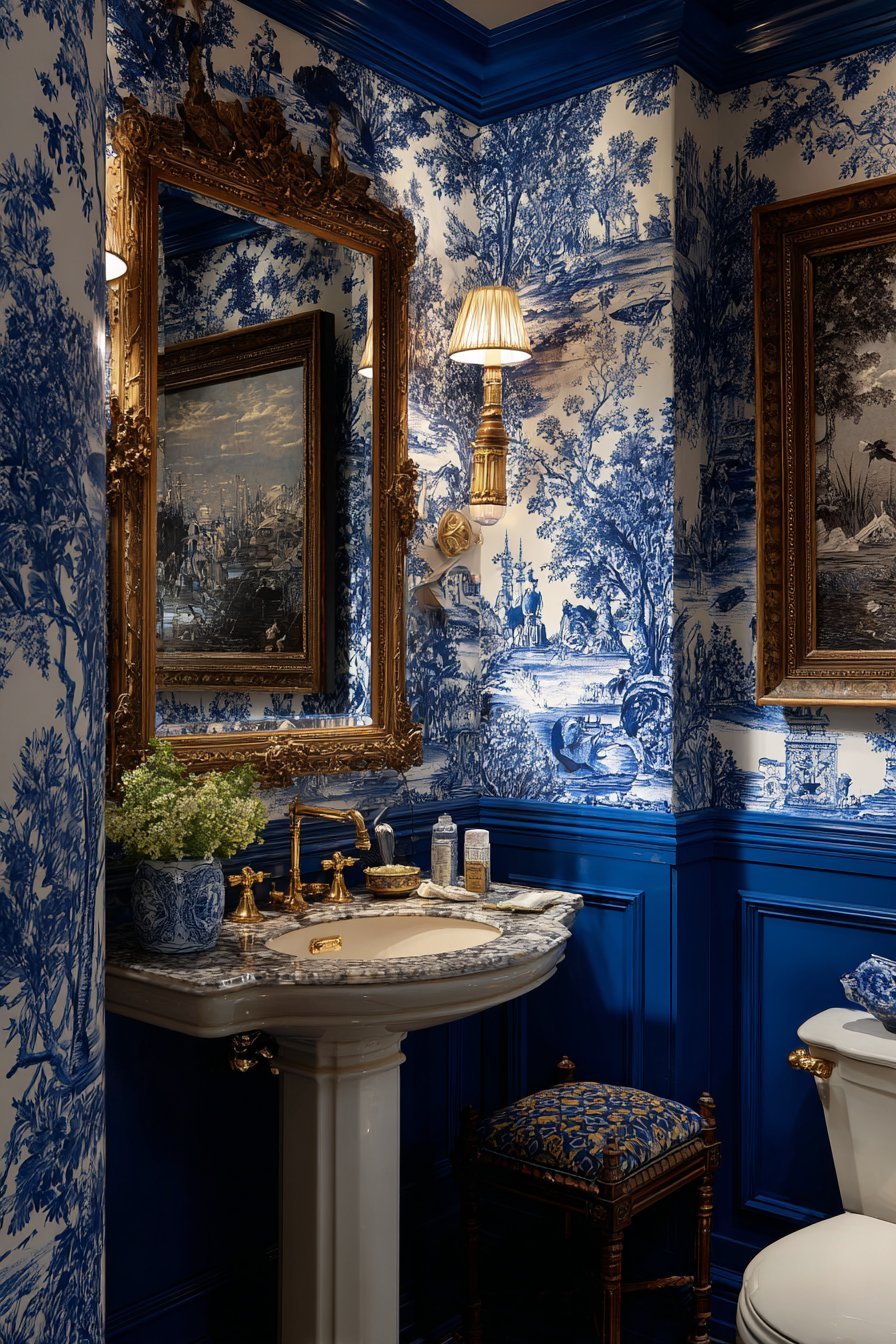
Don’t limit wallpaper to full rooms. Accent walls, built-in bookshelves, and powder rooms are perfect for experimenting with bold patterns without overwhelming commitment. Lining the back panels of a bookcase with wallpaper, for example, is a beloved grandmillennial trick that adds enormous character with minimal effort and expense.
- Research historic wallpaper patterns from brands like Farrow & Ball, Cole & Son, and Scalamandré for authentic choices
- Use wallpaper inside bookcases as an affordable, low-commitment way to introduce the aesthetic
- Consider toile de Jouy for bedrooms — it’s a quintessential grandmillennial choice with timeless appeal
- Pair bold wallpaper with simple furniture to let the pattern take center stage without visual competition
- Sample multiple wallpapers in your actual room before committing, as lighting dramatically affects appearance
- Don’t overlook ceilings — a patterned ceiling is a daring grandmillennial move with extraordinary results
7. Color Palettes That Define the Style
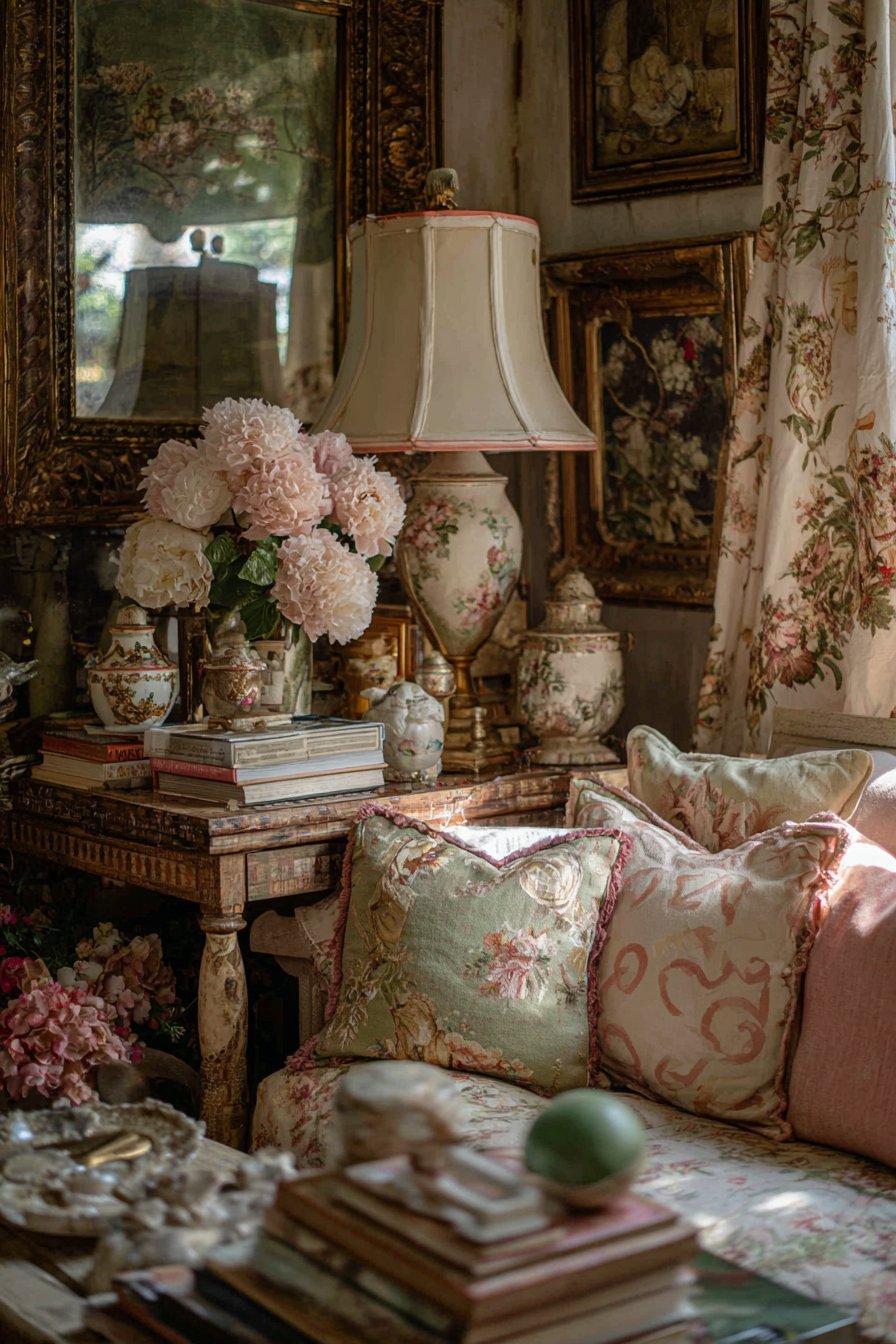
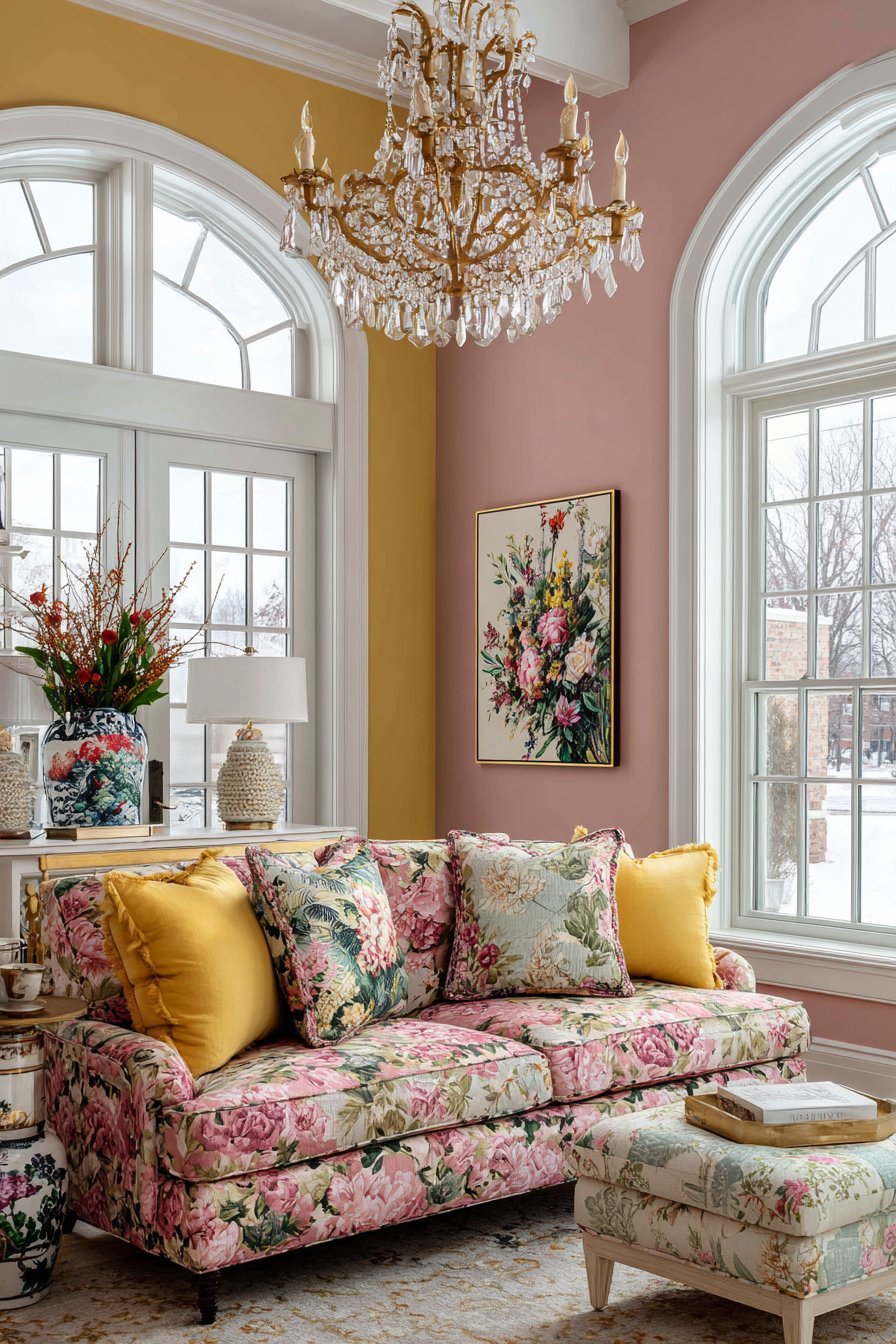
Grandmillennial interiors are characterized by rich, layered color palettes that feel simultaneously cheerful and cozy. Think dusty rose and sage green, butter yellow and navy, soft lavender and warm cream. These are colors borrowed from English country gardens, vintage fabric swatches, and the warm glow of candlelit parlors.
The key is to build color through accumulation rather than bold single statements. Instead of one bright accent wall, grandmillennial spaces develop color through the combined effect of wallpaper, textiles, ceramics, and artwork. The result is a room that feels rich but never harsh — warm and enveloping rather than stark and graphic.
Cream and white walls are often the neutral backbone of grandmillennial spaces. They allow colorful accessories, upholstery, and wallpaper to shine while maintaining a sense of lightness and air. Opt for warm whites with slight yellow, pink, or green undertones rather than cold, blue-based whites, which can feel at odds with the aesthetic’s inherent warmth.
- Develop your palette around colors found in vintage textiles or chinaware you already own
- Use warm-toned neutrals on walls — Farrow & Ball’s “Lime White” or “String” are excellent grandmillennial bases
- Introduce color through accumulation — cushions, curtains, rugs, and accessories rather than paint alone
- Don’t shy away from dusty, muted tones — they feel more authentic than bright, saturated versions
- Test paint colors in multiple lighting conditions before committing, especially in north-facing rooms
- Layer warm-toned lighting through lamps and candles to enhance the richness of your chosen palette
8. The Role of Plants and Botanicals
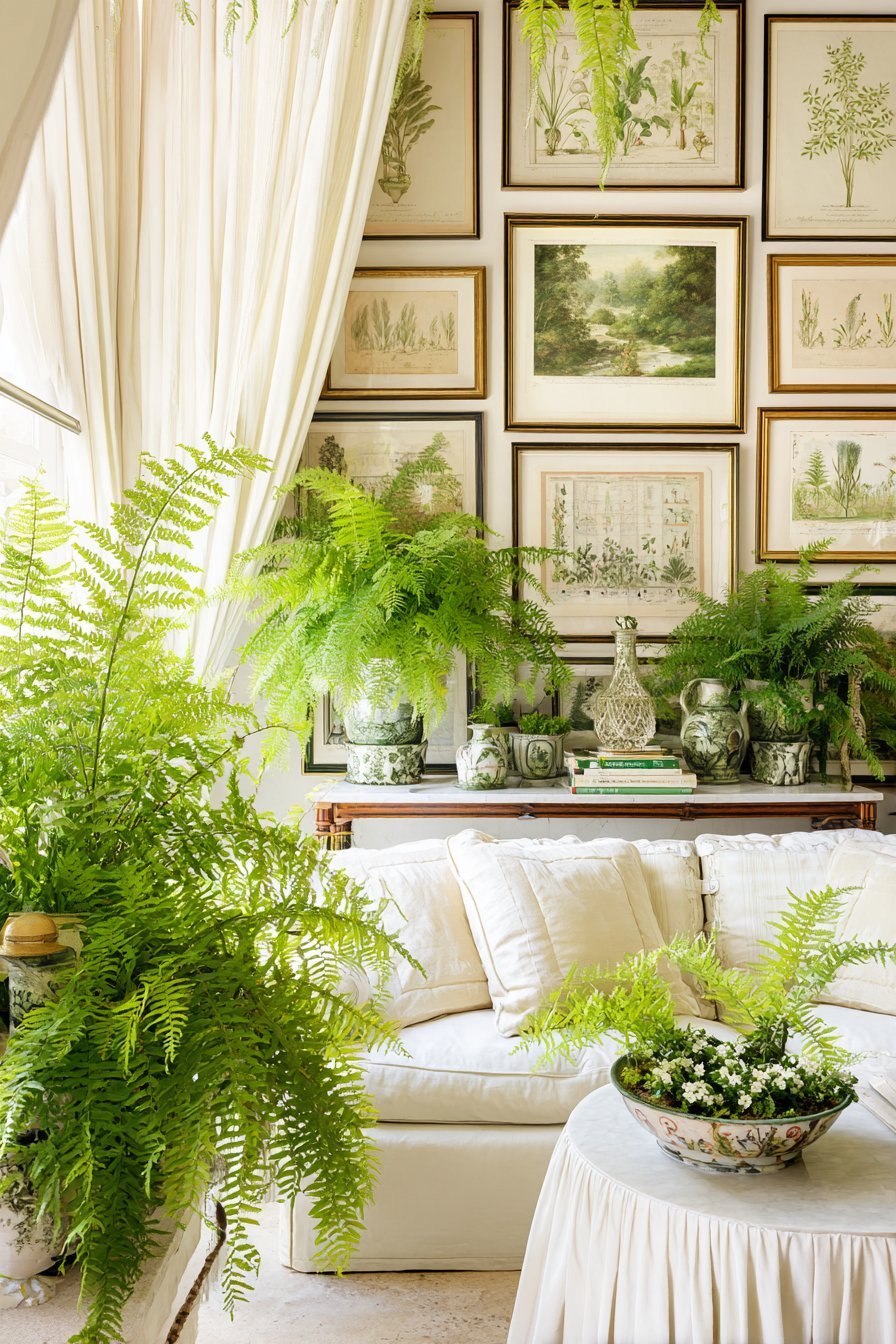
Botanical elements have always been central to grandmillennial interiors, and for good reason. They bridge the gap between the natural world and the decorated interior. Whether expressed through actual living plants, dried flower arrangements, pressed botanical prints, or chinoiserie planters, the botanical impulse is deeply embedded in this aesthetic.
Living plants add organic life and color to grandmillennial spaces. Ferns, ivy, African violets, and orchids are particularly well-suited to the style. They bring a cottage garden sensibility indoors. Displayed in vintage ceramic cachepots, terracotta urns, or transferware planters, they become decorative objects in their own right, not just afterthoughts.
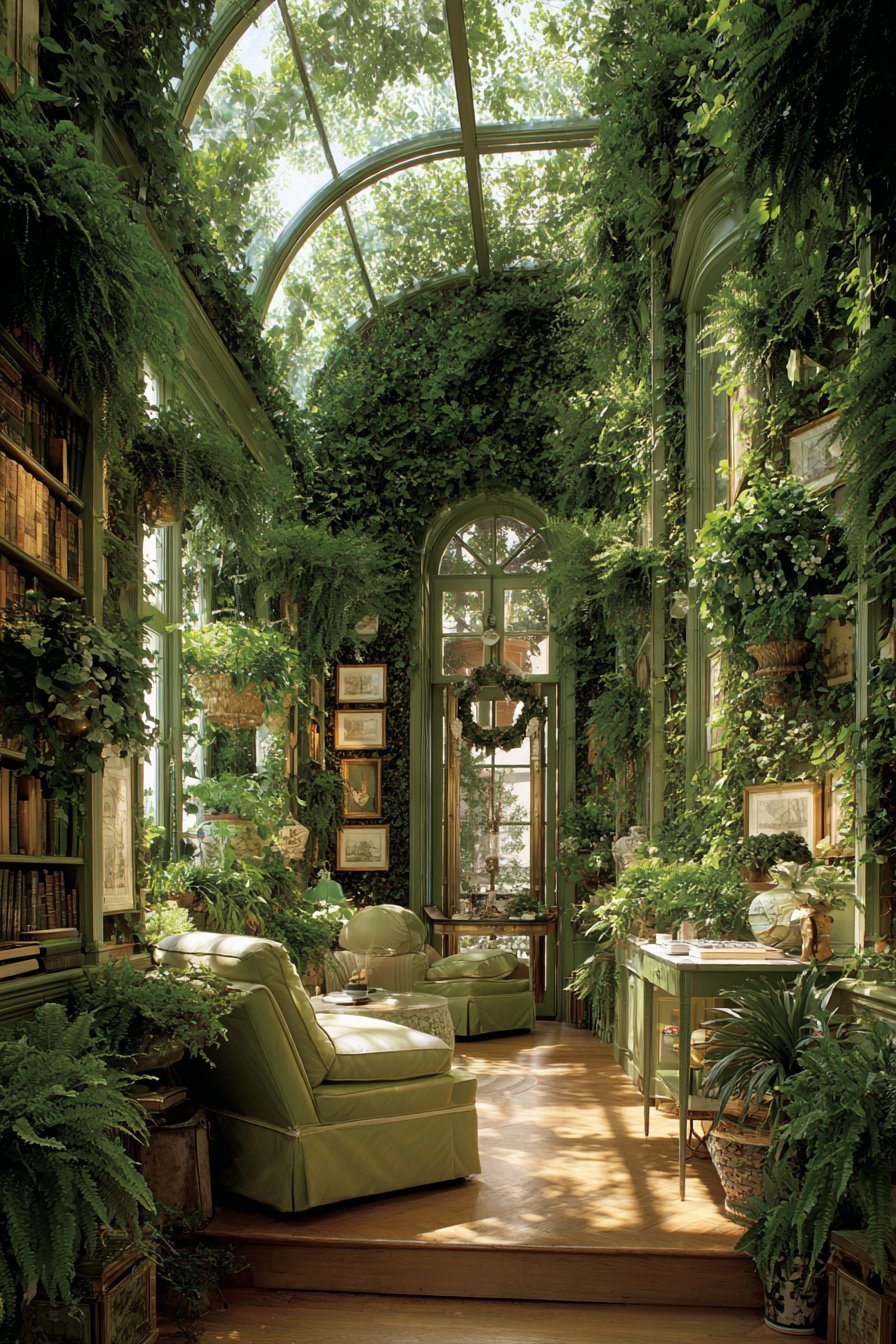
Dried and pressed botanicals offer a more static yet equally beautiful botanical presence. Framed pressed flower arrangements, dried hydrangea wreaths, and potpourri-filled vintage bowls add texture, fragrance, and organic softness. These elements are especially effective in rooms where maintaining live plants is challenging — bathrooms, darker hallways, or rooms with limited natural light.
- Display plants in vintage ceramic vessels — transferware, majolica, and creamware are ideal grandmillennial choices
- Create a botanical print gallery wall using vintage illustrations from natural history books
- Use dried flower arrangements in areas where live plants struggle to thrive
- Incorporate topiary forms — boxwood balls and ivy standards are quintessentially grandmillennial
- Place small potted violets or ferns on bookshelves and side tables for a cottage-garden feel
- Layer botanical scents through potpourri, beeswax candles, and linen sprays for a fully immersive experience
9. Furniture Choices and Silhouettes
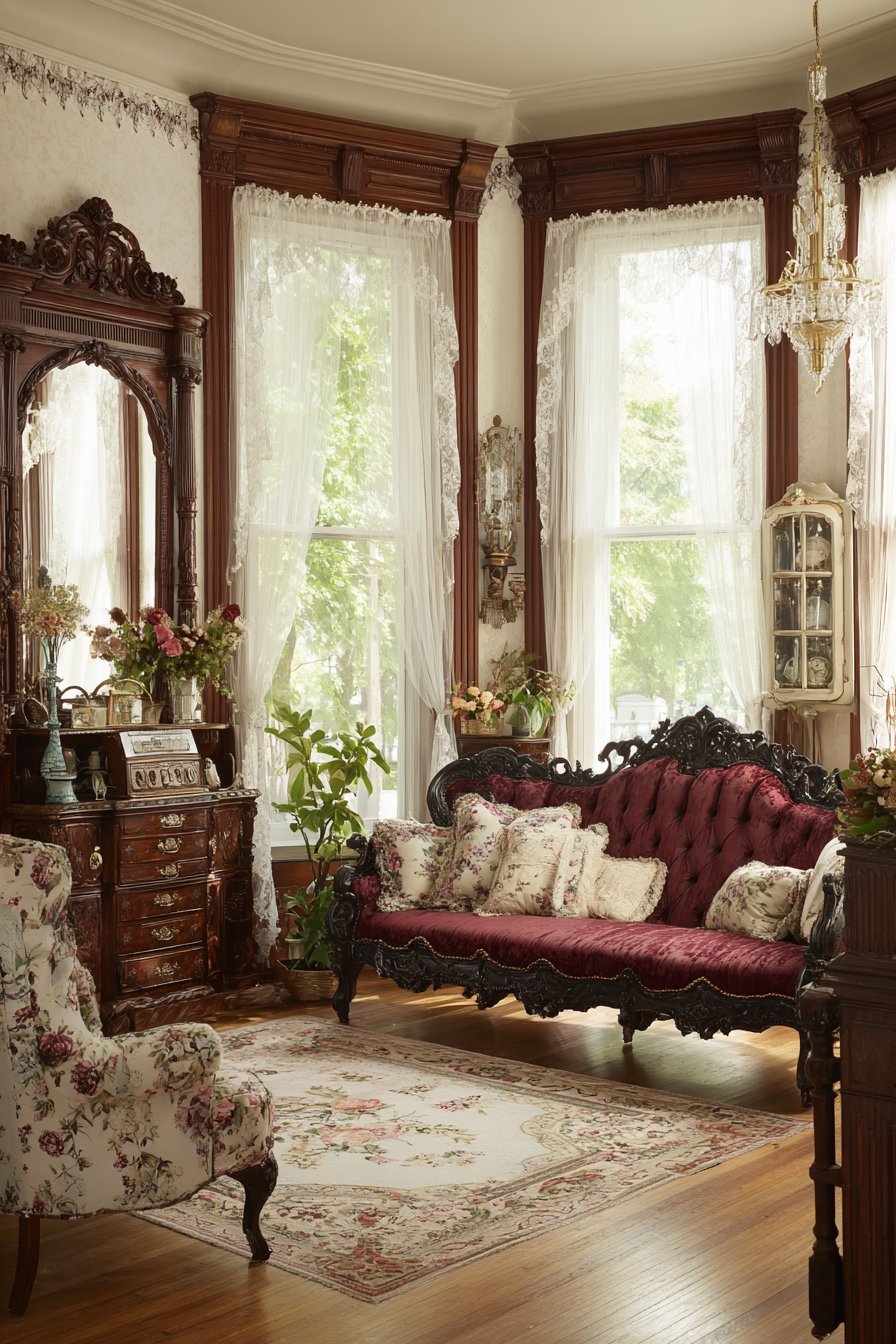
Grandmillennial furniture is characterized by curved silhouettes, carved details, and traditional joinery. Rolled-arm sofas, cabriole leg chairs, secretary desks, and cane-back settees are all hallmarks of the style. These pieces carry a formality and craft that flatpack furniture simply cannot replicate. They reward closer inspection with details that reveal genuine skill.
You don’t need to furnish an entire room with antiques. Strategic investment in one or two key pieces — a beautiful wingback chair, an ornate gilt mirror, or a mahogany side table — can establish the grandmillennial mood while modern or simpler pieces fill supporting roles. This approach is both budget-conscious and aesthetically effective.
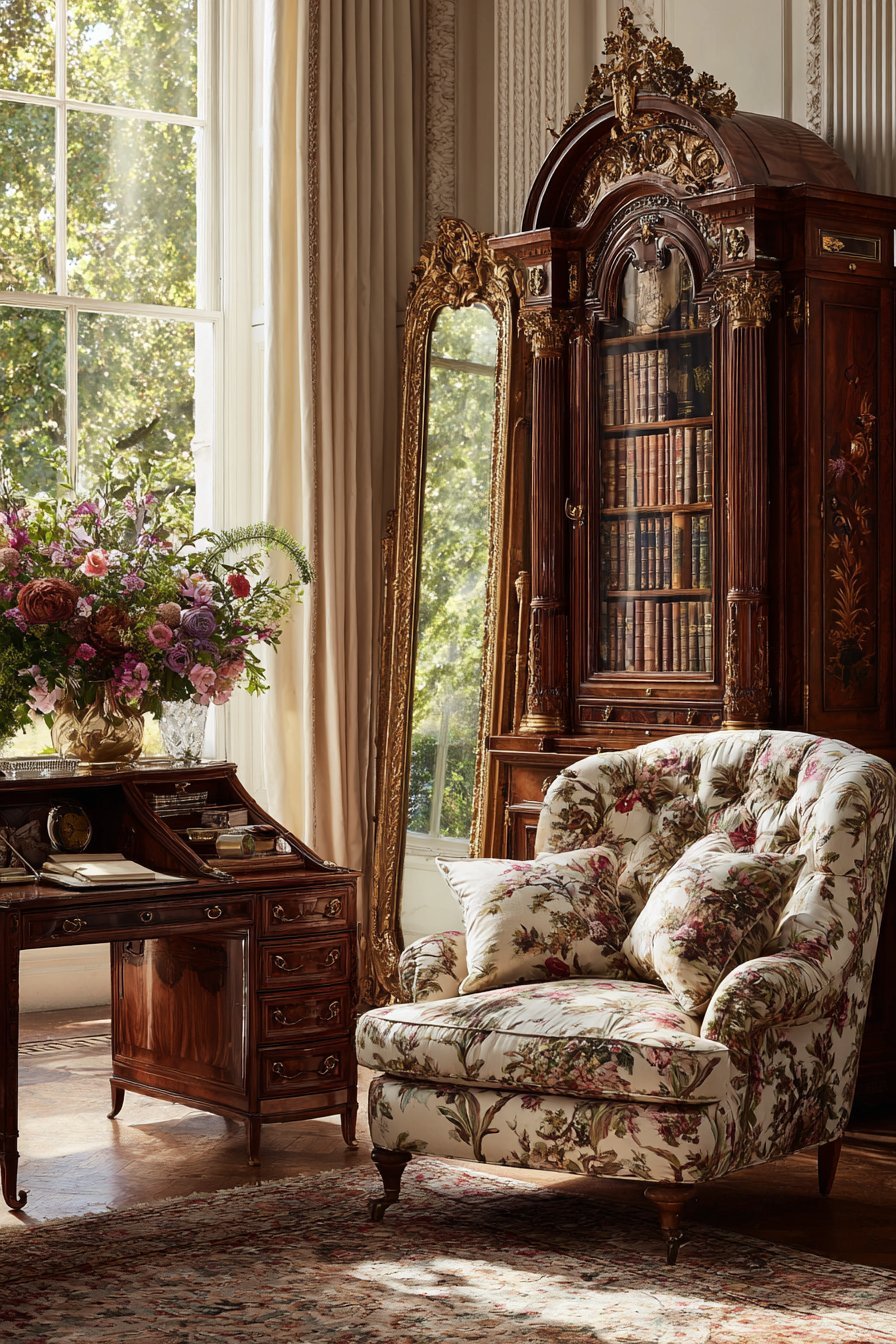
Upholstery choices are equally important in defining the furniture’s grandmillennial character. Velvet, boucle, and floral chintz are all authentic choices that transform even a simple sofa silhouette into a statement piece. Consider reupholstering inherited or thrifted furniture in characterful fabrics — it’s often the most cost-effective way to acquire grandmillennial furniture authentically.
- Seek out rolled-arm and button-tufted sofas as your primary seating investment in this style
- Introduce cane, rattan, or wicker furniture as lighter counterpoints to heavier upholstered pieces
- Reupholster thrifted chairs in statement fabrics like toile, chintz, or floral velvet for authenticity
- Look for furniture with carved wooden details, cabriole legs, or turned spindles at estate sales
- Mix furniture periods and styles — perfect matching is less interesting than curated eclecticism
- Invest in at least one quality antique or vintage piece as the anchor of each room’s furniture arrangement
10. Bringing It All Together in Your Home
The most important thing to remember about grandmillennial style is that it should feel personal, not performative. It’s not about recreating a museum or following rigid rules. It’s about building a home that reflects your genuine tastes, honors the objects you love, and creates an atmosphere of warmth and welcome for everyone who enters.
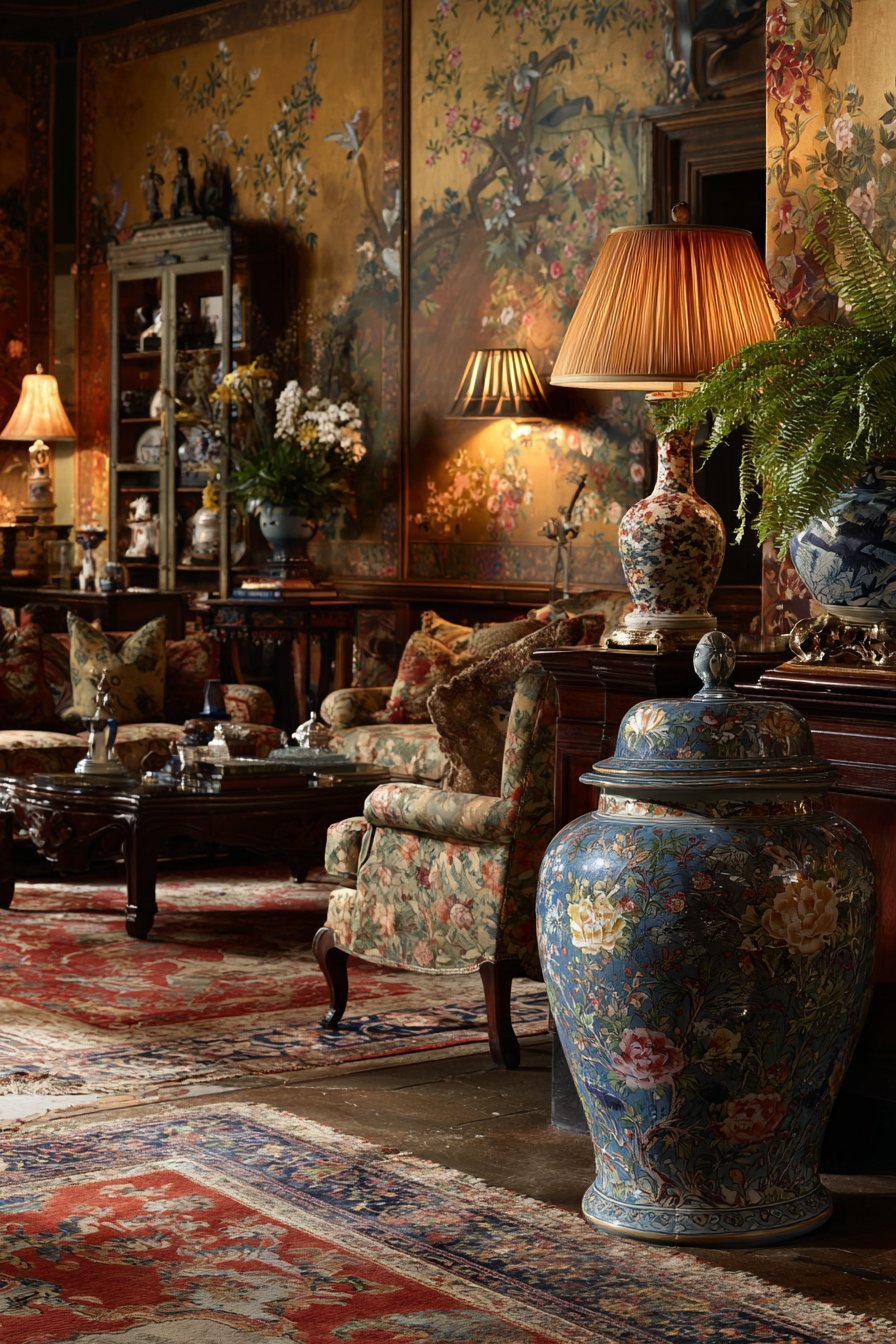
Start small and build intentionally. Choose one room — a bedroom, a reading corner, or a living room — and develop its grandmillennial identity before moving through the rest of your home. This focused approach allows you to develop your eye and confidence before committing to larger investments across multiple spaces.
Remember that the best grandmillennial interiors evolve over time. They’re not designed in a single shopping trip or styled in a weekend. They accumulate character through years of thoughtful additions, cherished gifts, and lucky thrift store finds. Embrace the process. Allow your home to grow with you. That unhurried, layered quality is precisely what makes grandmillennial style so enduringly beautiful.
- Begin with a single statement piece — a floral chair, botanical wallpaper, or vintage accessory — and build around it
- Shop slowly and intentionally, resisting the urge to buy everything at once
- Mix high and low confidently — investment pieces alongside thrift store finds make the most authentic interiors
- Trust your instincts about what feels right rather than following trends rigidly
- Photograph your space regularly to track its evolution and identify areas for refinement
- Share your space and inspire others — grandmillennial style thrives in community and conversation
Conclusion
Grandmillennial style is more than a trend — it’s a design philosophy rooted in warmth, authenticity, and personal expression. Its comeback reflects a broader cultural shift toward spaces that feel genuinely human, layered with meaning, and rich with character. In a world of disposable fast furniture and algorithm-driven aesthetics, grandmillennial interiors offer something genuinely rare: a home that tells your story.
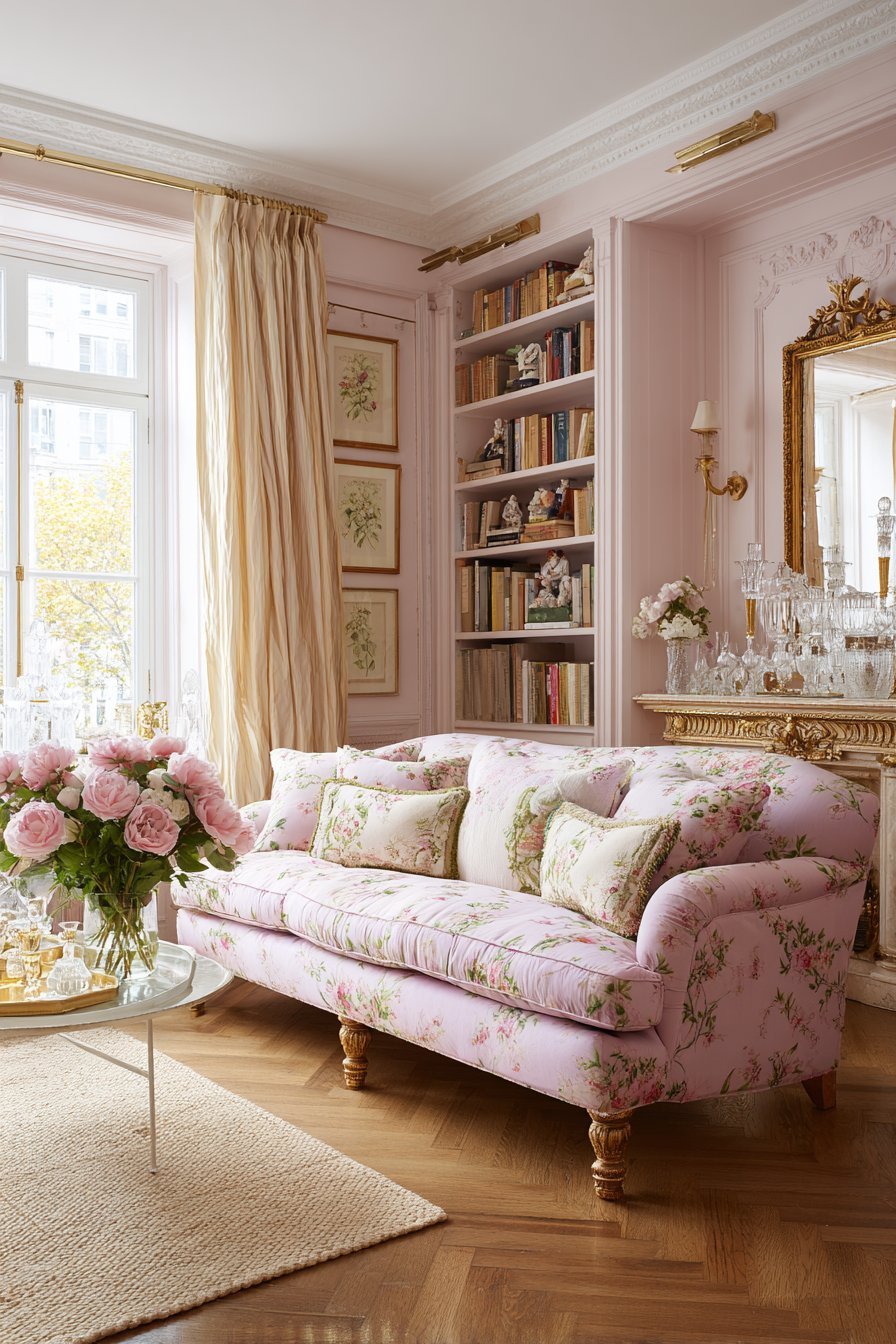
Now is the perfect time to embrace this beautiful aesthetic. Pull out those inherited candlesticks. Hang that botanical print. Reupholster the armchair in a glorious floral. Your home deserves to be as layered and interesting as you are — and grandmillennial style gives you every permission to make it so. Start today, build slowly, and enjoy every beautifully imperfect step of the journey.
