

Imagine walking into a room that instantly lifts your mood. Colors pop, textures invite you to touch them, and every corner feels like a celebration of joy. That is the promise of dopamine decor — a bold, expressive home design movement that has taken the interior design world by storm. It is a philosophy rooted in the idea that your home should make you feel something wonderful every single day.
The movement emerged as a direct response to years of minimalist, neutral-toned interiors. While clean lines and muted palettes have their place, many homeowners began craving something more emotionally resonant. Dopamine decor taps into the brain’s natural reward system, using color, pattern, and personality to trigger genuine feelings of happiness and excitement. It is not just decorating — it is designing for emotional well-being.
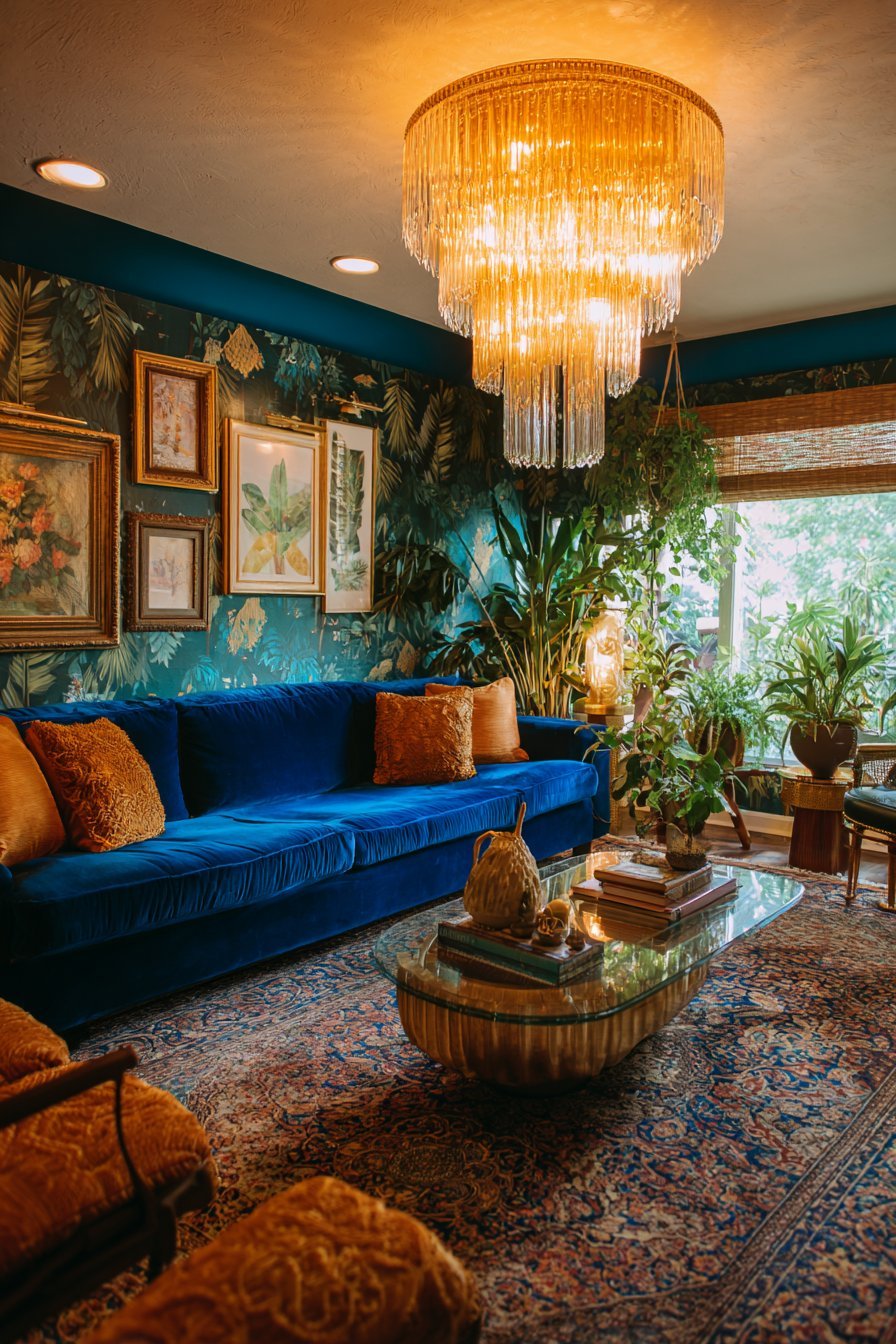
This article explores the many dimensions of this rising design movement. From understanding the psychology behind it to applying it practically in every room of your home, you will discover how to embrace joy-driven design without sacrificing style or sophistication. Whether you are a maximalist at heart or a cautious decorator dipping your toes into bolder choices, dopamine decor has something extraordinary to offer.
1. Understanding the Psychology of Dopamine Decor
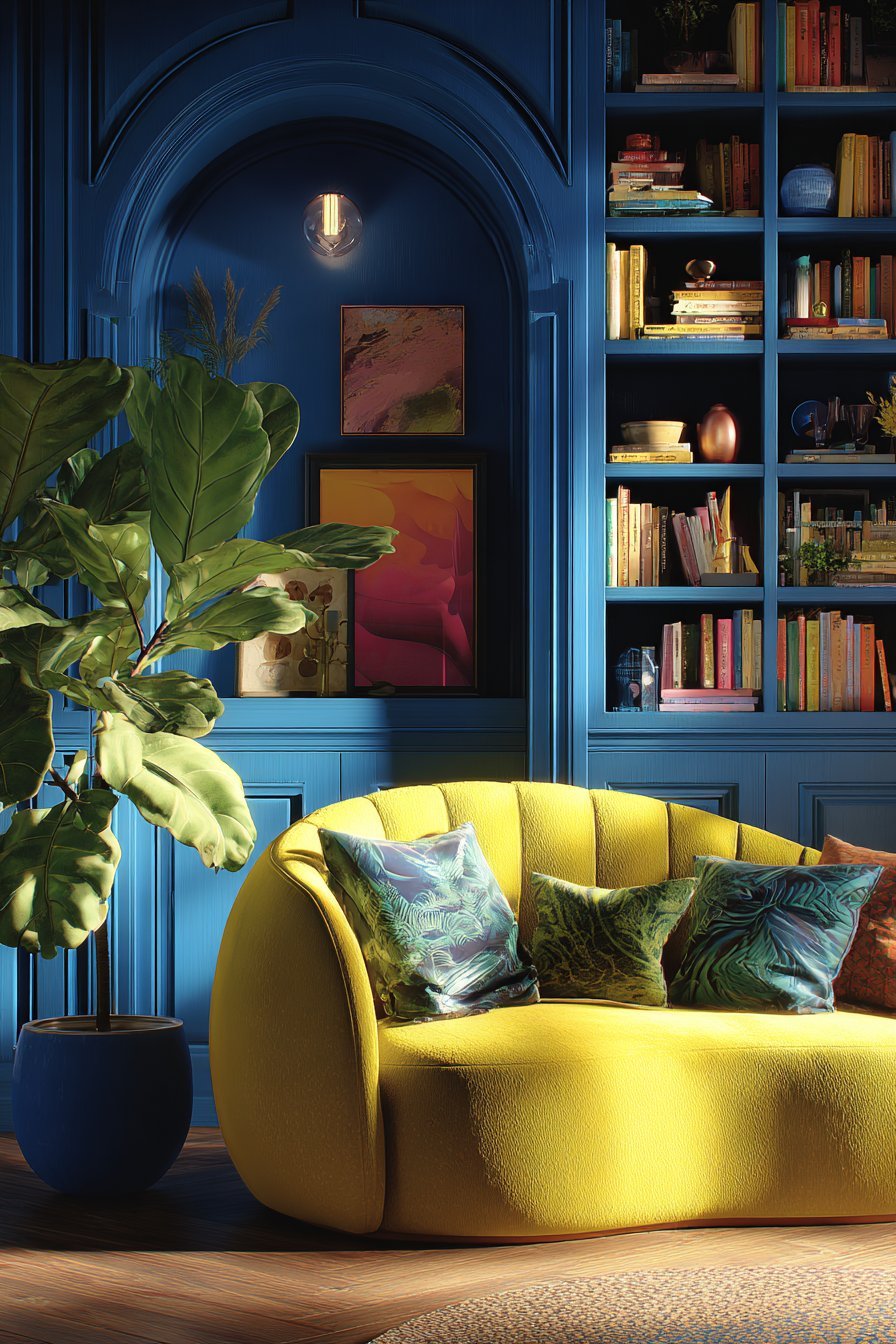
At its core, dopamine decor is grounded in color psychology and neuroscience. Dopamine is the brain’s feel-good chemical, released when we experience pleasure, reward, or excitement. When you surround yourself with visuals that bring you joy — a sunshine-yellow sofa, a wall of vibrant artwork, a bookshelf full of colorful spines — your brain responds with a genuine neurological reward. This is not just a trend. It is science.
Research consistently shows that our environments profoundly affect our mental state. Dull, uninspiring spaces can contribute to low energy and even feelings of depression. In contrast, visually stimulating environments filled with personal meaning, color, and life can boost mood, increase creativity, and reduce stress. Dopamine decor harnesses these effects intentionally and unapologetically.
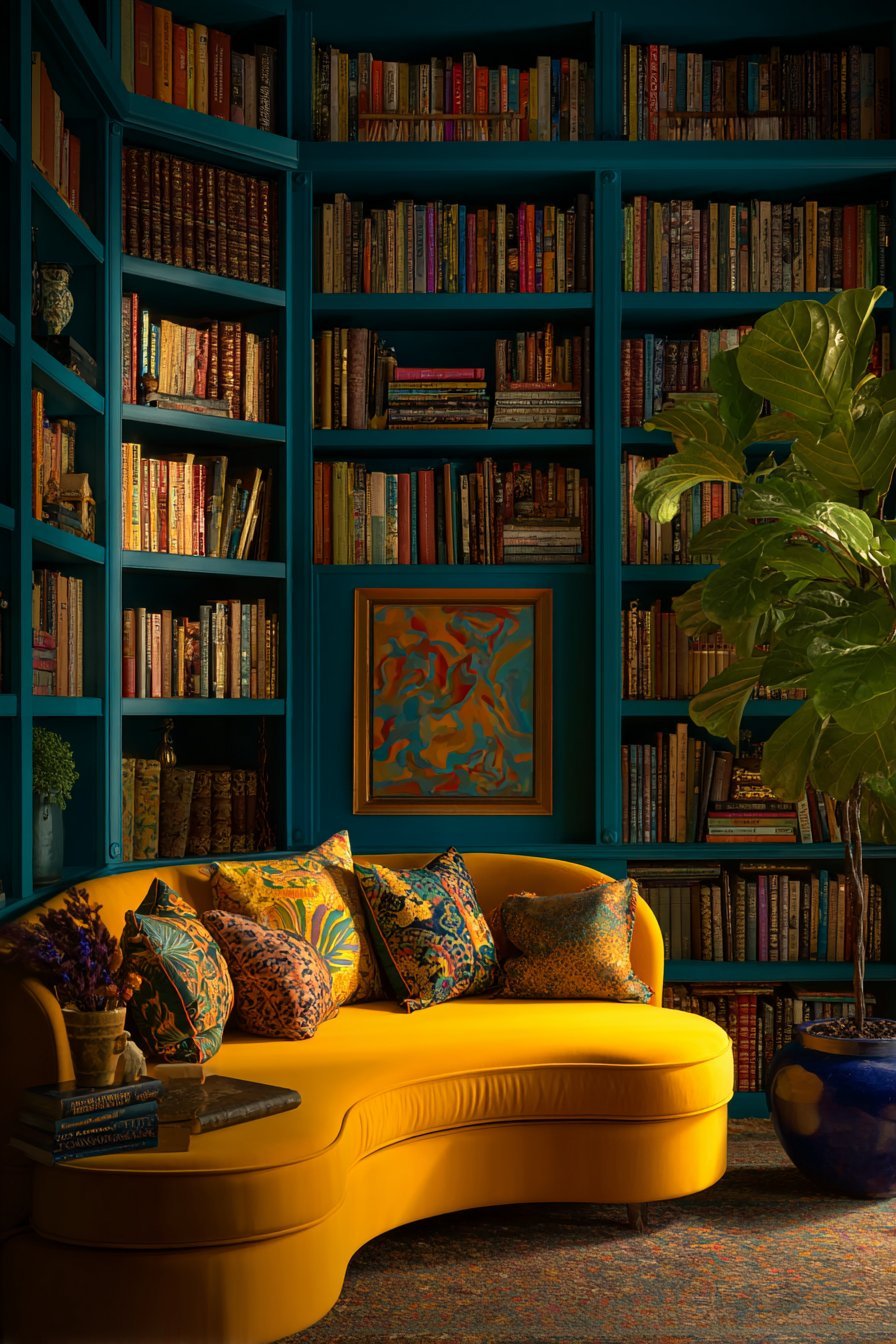
What sets this movement apart is its deeply personal nature. Unlike prescriptive design styles, dopamine decor has no fixed rules. A person who finds joy in tropical prints will design very differently from someone energized by retro kitsch or maximalist florals. The common thread is emotional authenticity — designing spaces that reflect what genuinely makes you happy.
- Research color psychology before choosing your palette
- Focus on how colors make you feel, not just how they look
- Surround yourself with objects that carry personal meaning
- Consider how natural and artificial light affects your color choices
- Use mood boards to visualize your emotional response to combinations
- Trust your instincts over trends when making design decisions
2. Bold Color Palettes as the Foundation
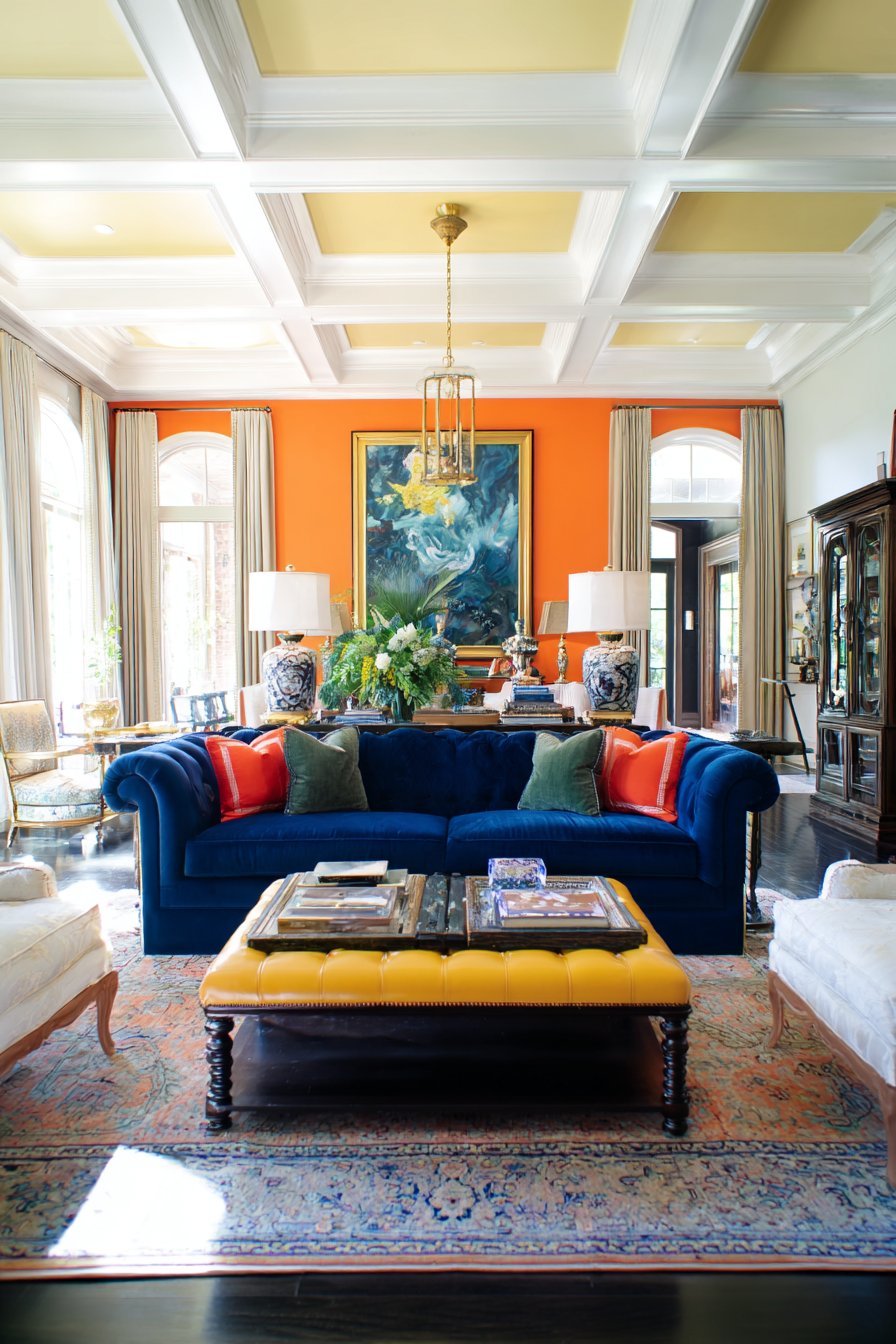
Color is the most powerful tool in the dopamine decor arsenal. This movement rejects beige entirely in favor of saturated, expressive hues that demand attention. Think cobalt blue living rooms, tangerine orange kitchens, emerald green bedrooms, and cherry red dining rooms. These are not accidental choices — they are intentional declarations of joy.
The key to using bold color effectively is understanding contrast and balance. A room painted entirely in one intense color can feel overwhelming. Instead, pair a vivid wall color with complementary accents, or use a bold sofa against a more neutral backdrop. The goal is to create rooms that feel energetic without becoming visually exhausting. Strategic restraint makes bold colors sing.
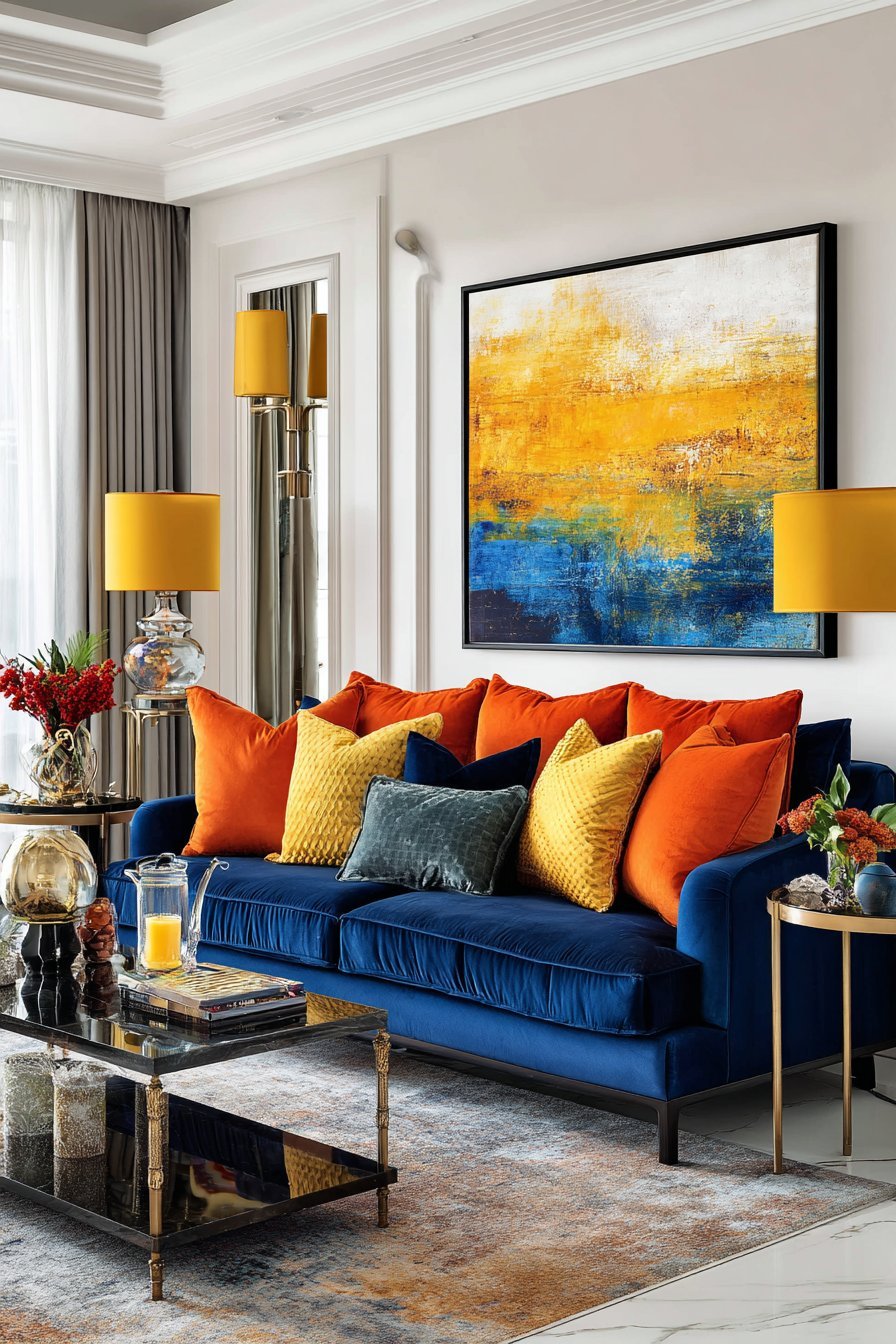
Color blocking is another popular technique within this movement. Color blocking involves pairing two or more contrasting bold colors in clearly defined sections of a room. A mustard yellow ceiling above white walls, for example, creates drama without chaos. This technique comes from fashion and graphic design, and it translates beautifully into interior spaces.
- Choose one dominant bold color as your room’s anchor
- Layer in two to three complementary accent colors
- Use color blocking on a single feature wall or ceiling
- Test paint colors in large swatches before committing
- Consider the undertones of each color for cohesion
- Introduce color through furniture before committing to paint
3. Pattern Mixing With Confidence
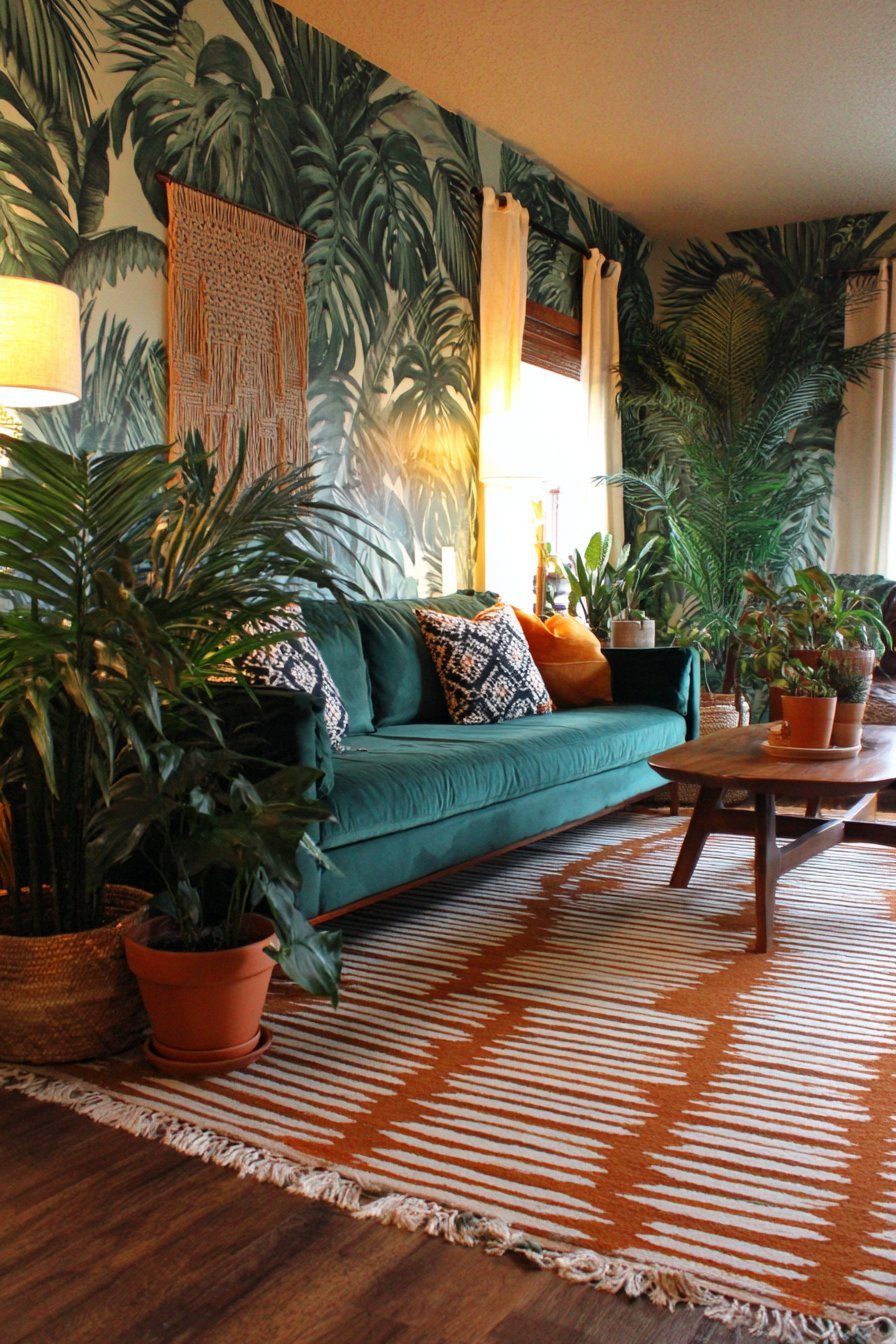
One of the most exciting aspects of dopamine decor is its enthusiastic embrace of pattern mixing. Where traditional design often warns against combining prints, this movement celebrates the energy created when bold patterns coexist. Florals alongside stripes, geometric prints paired with abstract art — the possibilities are genuinely thrilling.
The secret to successful pattern mixing is scale variation. When combining patterns, choose one large-scale print, one medium-scale pattern, and one smaller texture or subtle repeat. This creates visual interest without competition. A large botanical wallpaper, a medium-scale striped rug, and a small geometric throw pillow can coexist beautifully when color ties them together.
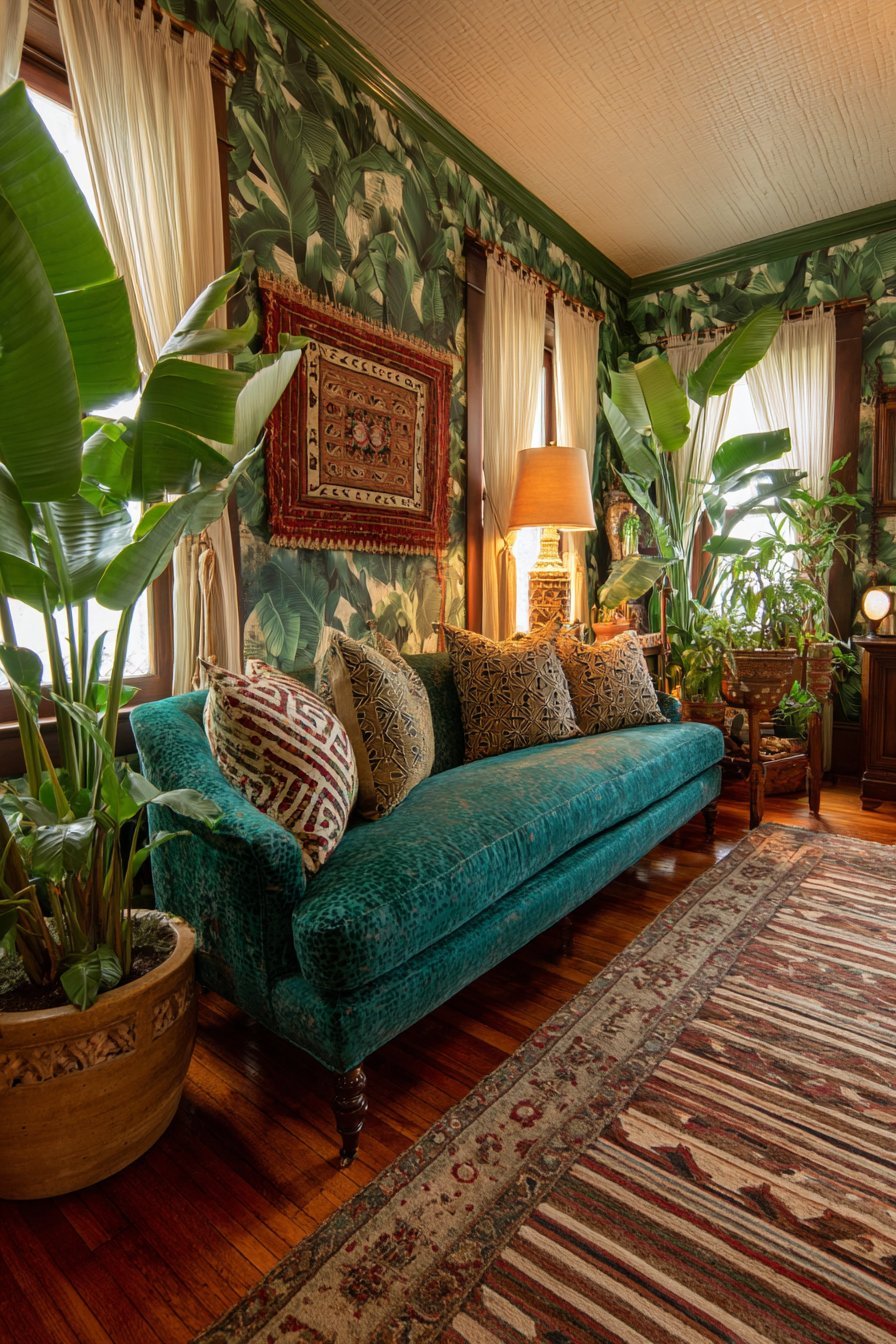
Consistency in your color palette is what prevents a patterned room from feeling chaotic. If all your patterns share at least one or two colors, even the most eclectic combination will feel intentional. Intentional eclecticism is a hallmark of dopamine decor — the sense that everything was chosen with purpose and passion rather than thrown together randomly.
- Use the rule of three for pattern scale: large, medium, small
- Connect all patterns through a shared color thread
- Limit your palette to three to five colors across all patterns
- Mix organic patterns like florals with geometric ones for contrast
- Add solid-colored furniture as visual breathing room between prints
- Introduce patterns gradually — start with textiles before committing to wallpaper
4. Maximalism as a Design Philosophy
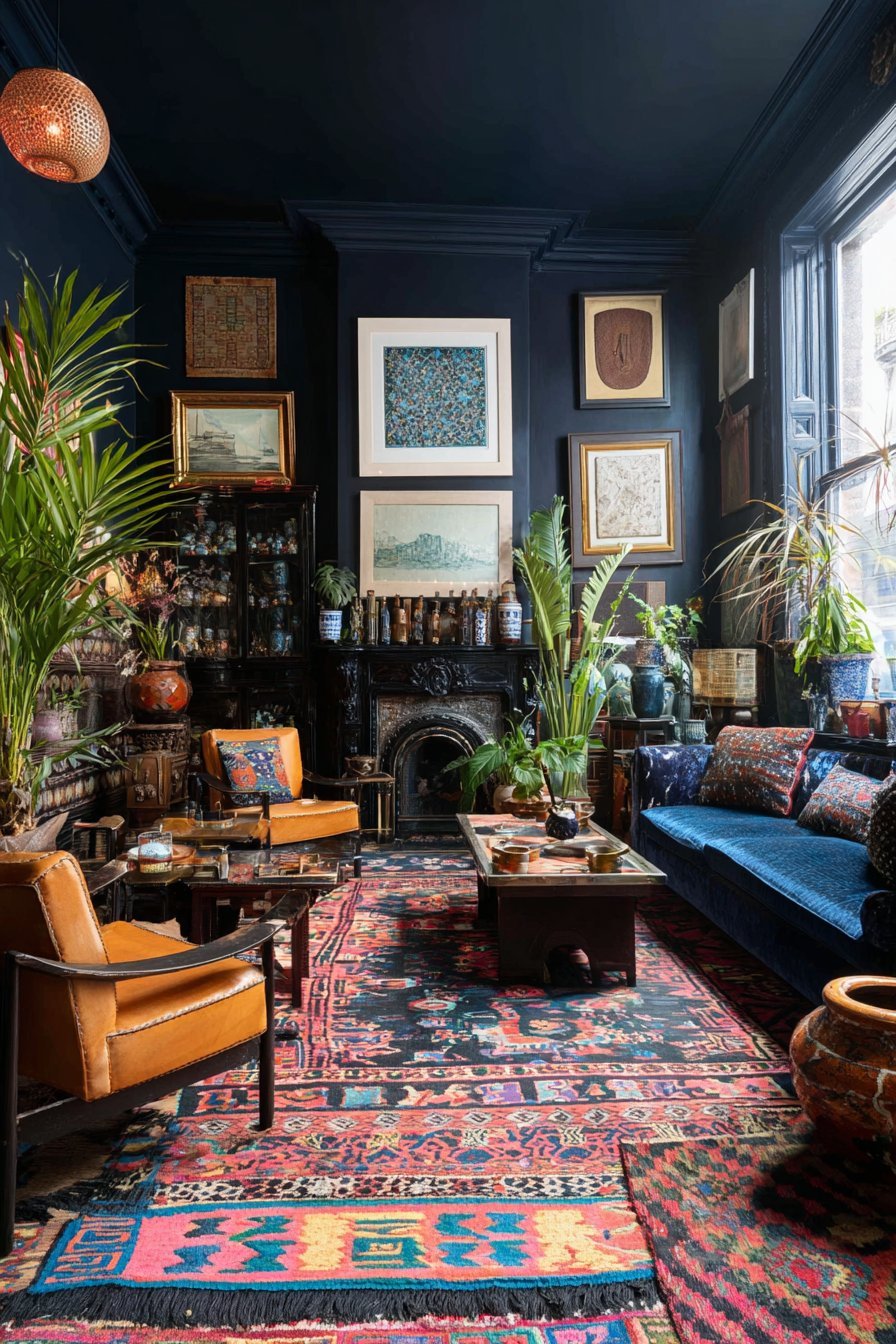
Dopamine decor and maximalism are deeply intertwined. Maximalism is the deliberate, curated embrace of abundance. It is the opposite of “less is more” — in this world, more is more, as long as every piece is loved and chosen with intention. This philosophy gives permission to display collections, layer textiles, and fill walls with art.
The distinction between maximalism and clutter is curation and intention. A maximalist room may have fifty objects on display, but each one was chosen carefully. Each piece carries meaning, connects to the broader color story, or adds textural interest. Clutter happens accidentally; maximalism happens on purpose. That distinction is everything.
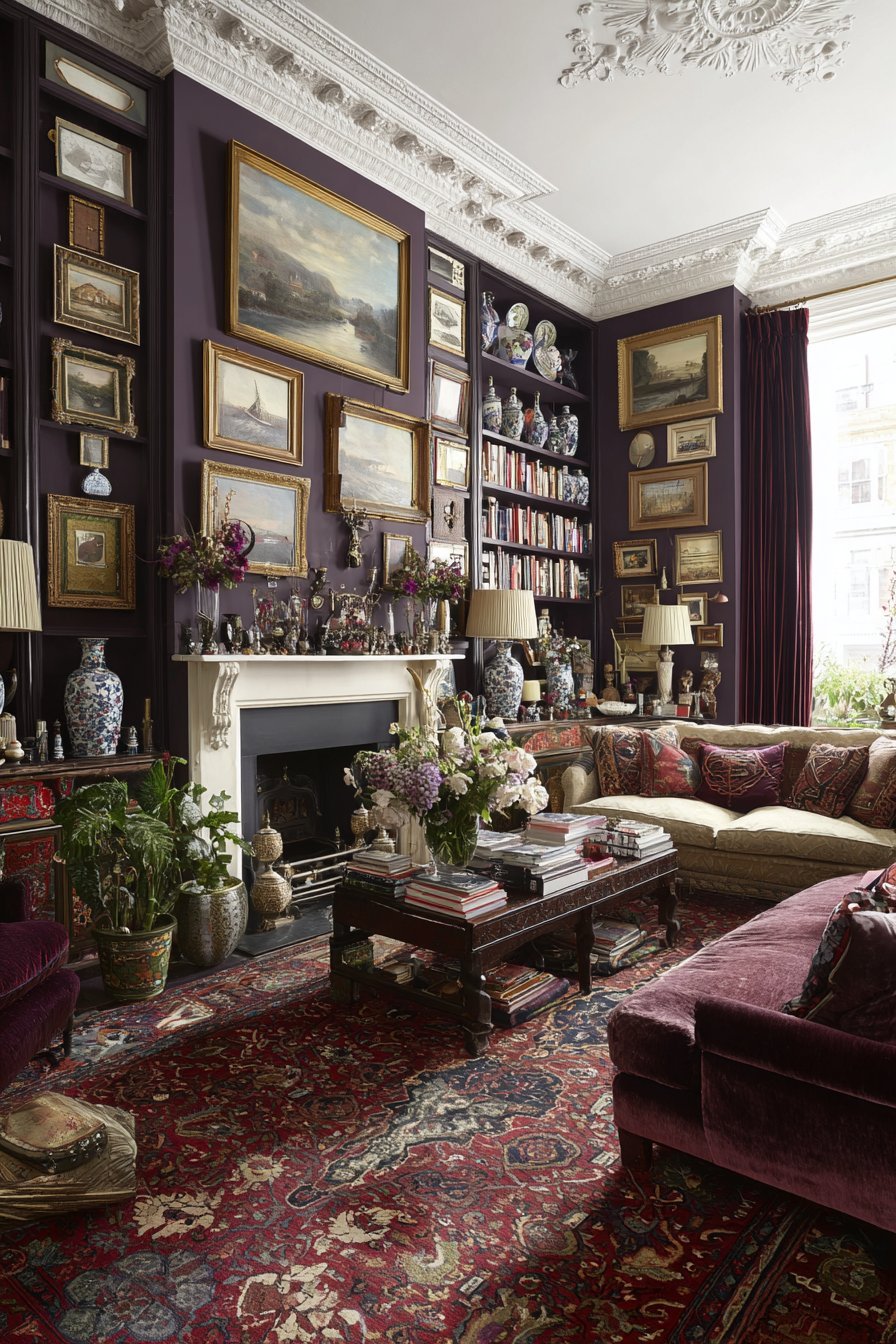
Layering is the primary technique maximalists use to build richness. Layering textiles — rugs on top of rugs, throws draped over cushions, curtains hung from ceiling to floor — creates the depth and warmth that defines an abundantly decorated room. Add plants, books, ceramics, and artwork, and suddenly a room tells a rich, personal story.
- Start with a strong anchor piece like a statement sofa or bold rug
- Layer rugs for added texture and warmth
- Group objects in odd numbers — three, five, or seven — for visual appeal
- Fill walls intentionally with a gallery wall of varied artwork
- Use shelving as an opportunity to display curated collections
- Ensure functional pathways remain clear even in dense rooms
5. The Role of Joyful Furniture Choices
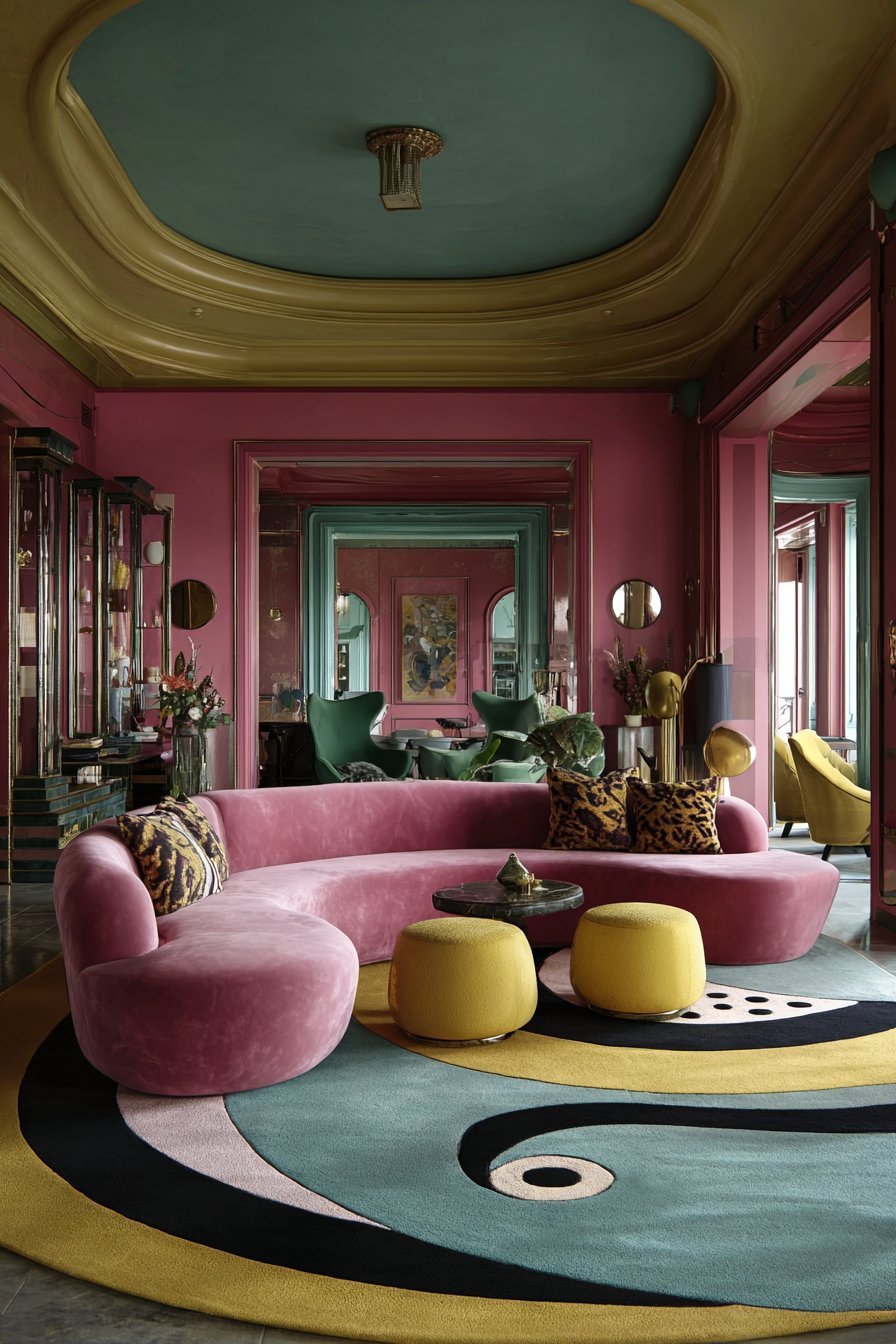
In dopamine decor, furniture is not just functional — it is expressive sculpture. The shape, color, and material of every furniture piece contributes to the room’s emotional atmosphere. A bubblegum pink velvet sofa is not just somewhere to sit; it is a statement of personality and a daily source of visual delight.
Sculptural furniture with unusual forms — curved sofas, mushroom-shaped stools, tulip chairs — adds a playful, almost surreal quality to interior spaces. These pieces borrow from 1960s and 70s design movements that prioritized organic, flowing forms over rigid right angles. They are inherently joyful in their whimsy, which is why they appear so frequently in dopamine-inspired interiors.
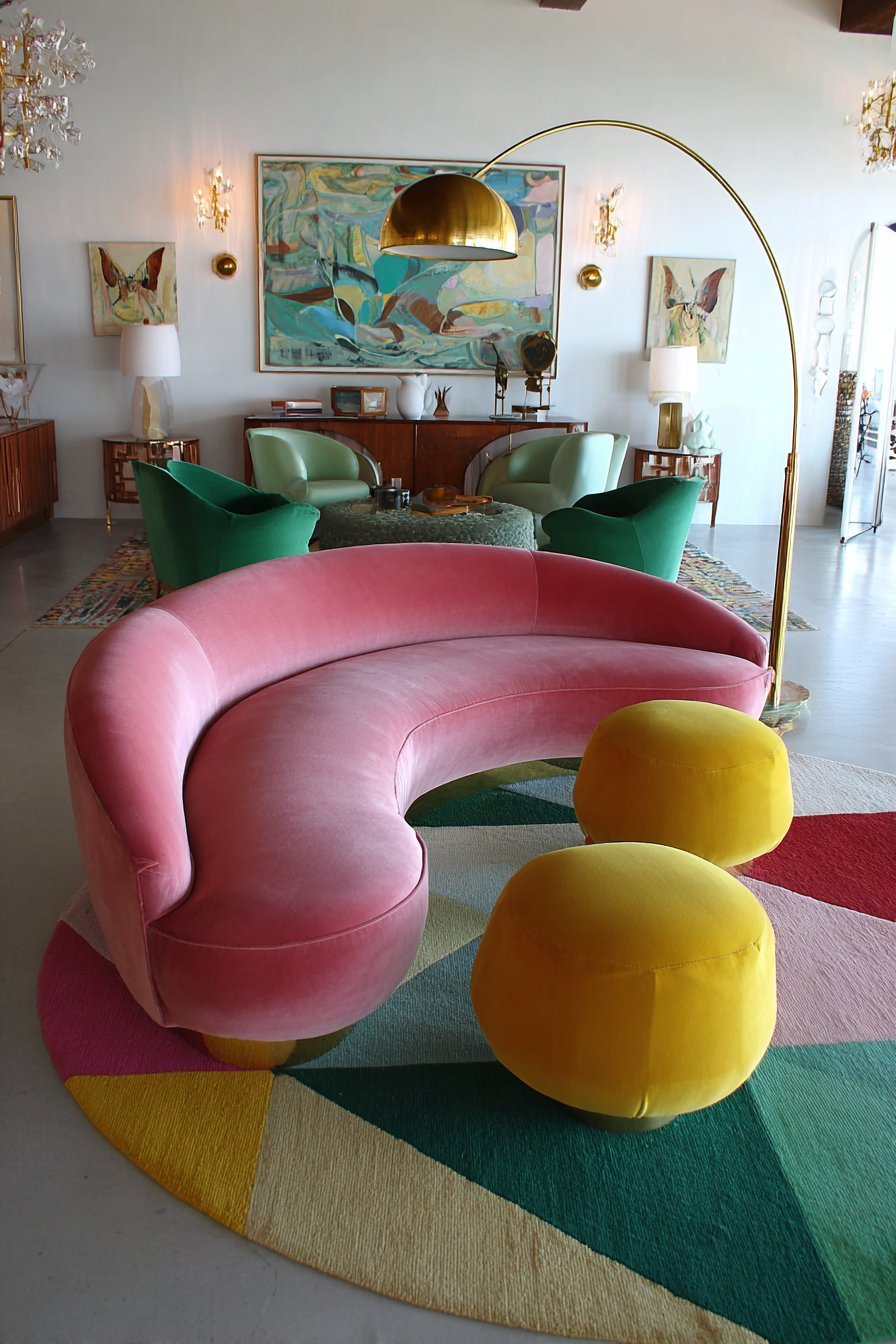
Color is equally important in furniture selection. Rather than choosing a neutral sofa and adding color through accessories, dopamine decor encourages bold furniture color as a starting point. Choose a sofa in your favorite saturated hue and build the room around it. This approach creates a more confident, committed room with a stronger emotional impact.
- Invest in one statement furniture piece per room in a bold color
- Look for furniture with organic, curved forms for a playful aesthetic
- Choose velvet, boucle, or chenille upholstery for tactile joy
- Mix furniture from different eras to add eclectic personality
- Don’t limit color to accessories — let furniture carry chromatic weight
- Consider vintage or thrifted pieces repainted in joyful, expressive colors
6. Expressive Walls and Statement Ceilings
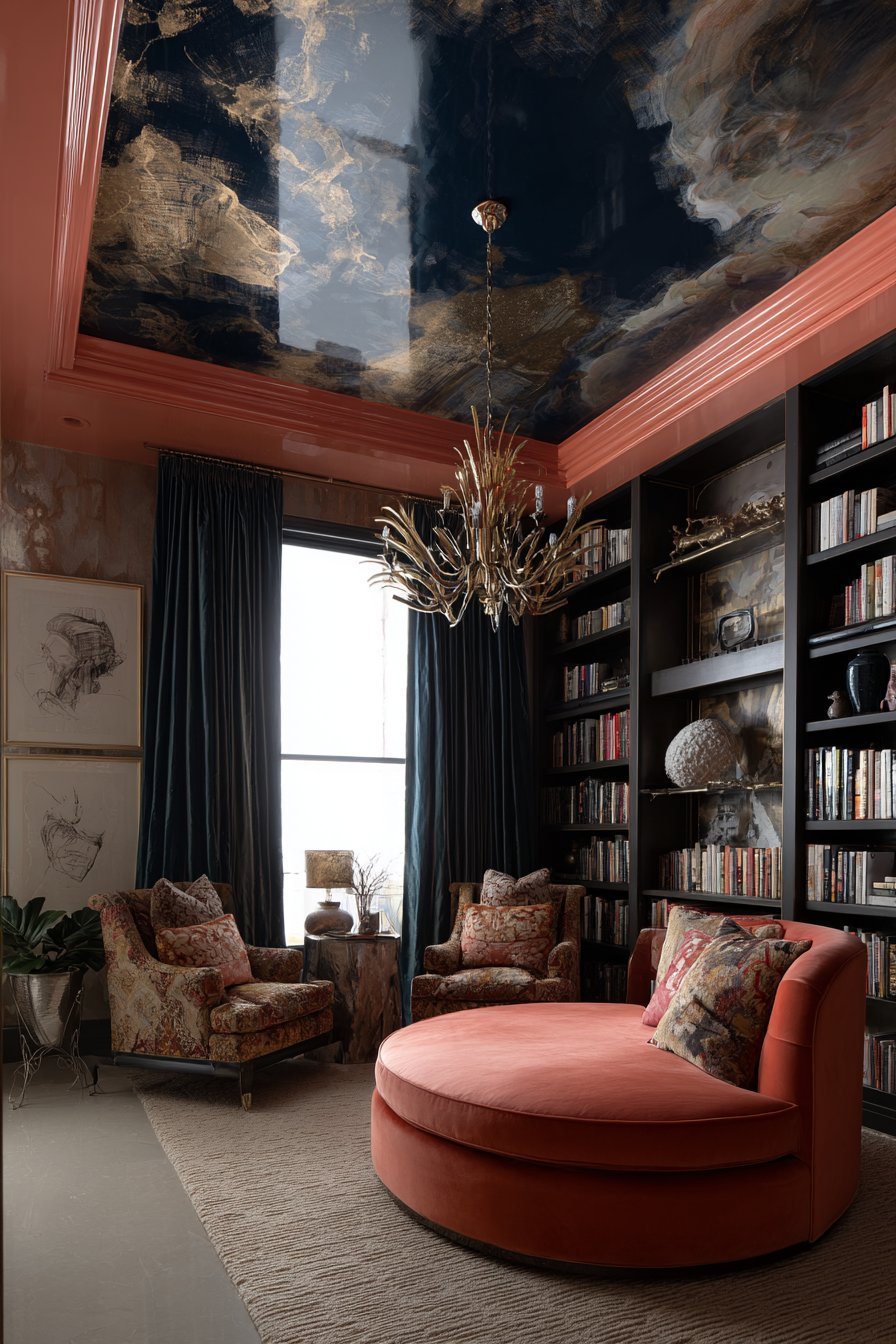
Walls and ceilings are the largest canvases in any room, and dopamine decor uses them fearlessly. Far beyond a coat of paint, this movement embraces maximalist wallpaper, hand-painted murals, textured wall treatments, and what designers call the “fifth wall” — the ceiling — as a major design element.
Wallpaper has experienced a genuine renaissance within dopamine decor. Bold botanical wallpaper, graphic geometric prints, and painterly abstract designs transform walls into immersive art installations. A single wallpapered accent wall can anchor an entire room’s color palette and set the emotional tone for the entire space. The right wallpaper makes entering a room feel like stepping into another world.
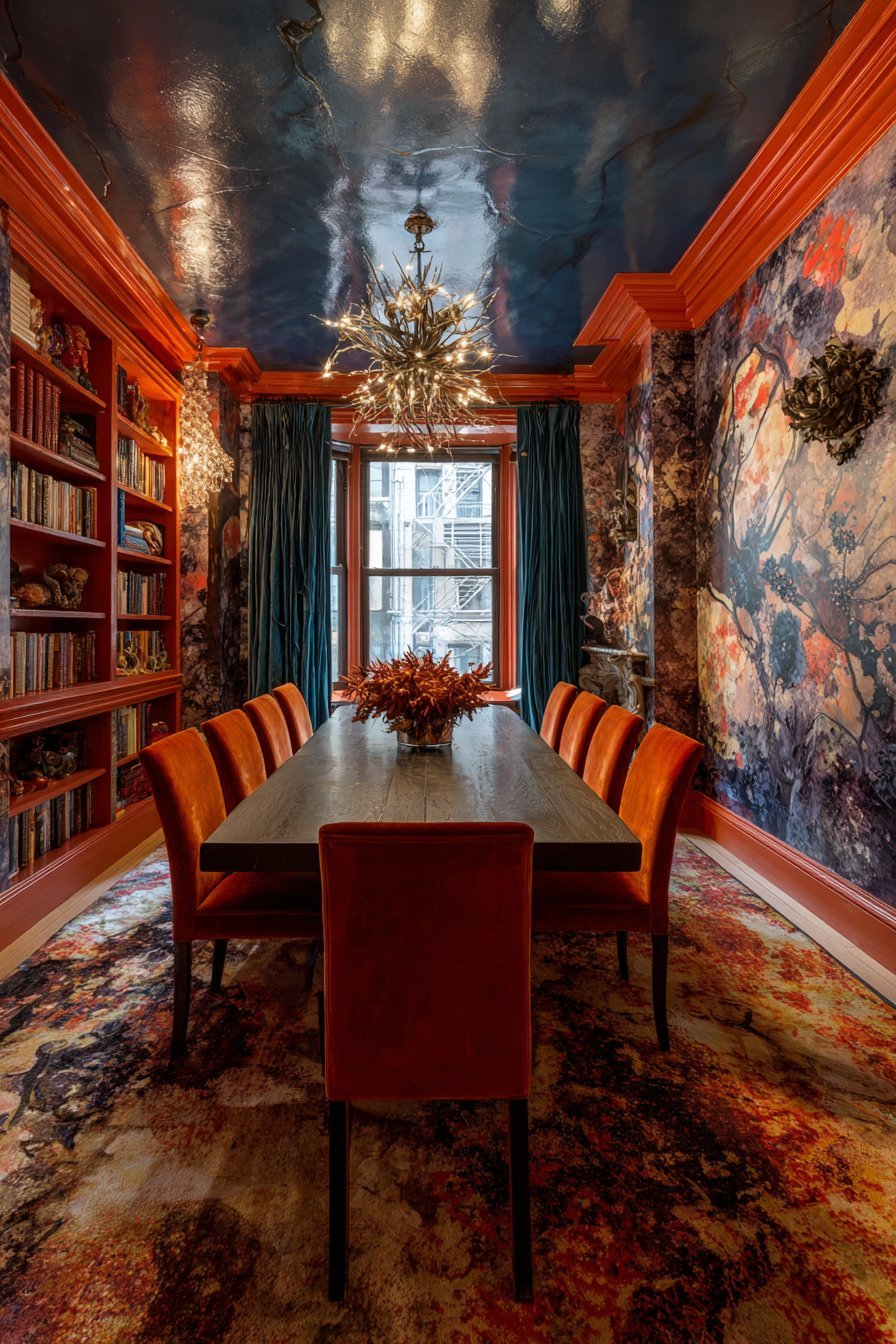
Ceilings represent perhaps the most underutilized design opportunity in residential interiors. Painting a ceiling in a deep, dramatic color — navy, forest green, terracotta — creates an enveloping, cozy atmosphere while adding extraordinary visual interest. Ceiling murals, pressed tin tiles, and decorative molding painted in contrasting colors are all legitimate expressions of dopamine decor’s joyful ambition.
- Commit to a full-room wallpaper rather than just one wall for maximum impact
- Consider ceiling wallpaper to create a complete immersive environment
- Use high-gloss paint on ceilings to reflect light and add luxury
- Commission or print a custom mural that reflects personal interests
- Paint decorative molding in contrasting colors for architectural personality
- Experiment with limewash or textured paint for organic, layered wall effects
7. Plants and Biophilic Joy
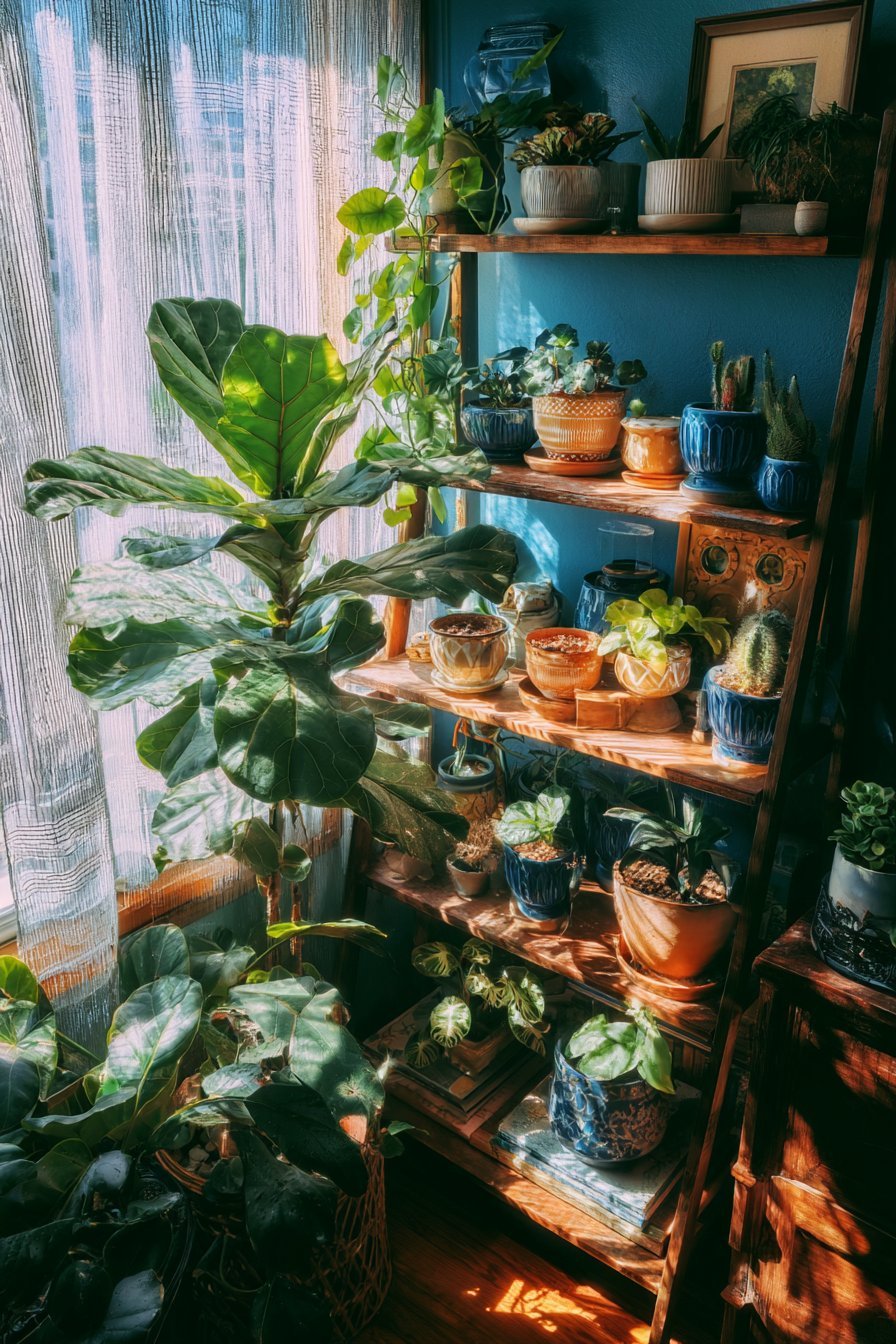
No dopamine decor interior is complete without an abundance of plants. The biophilic design principle — incorporating nature into built environments — aligns perfectly with dopamine decor’s commitment to joy and well-being. Plants bring life, movement, color, and oxygen into spaces in ways no manufactured object can replicate.
Research shows that living with plants reduces cortisol levels, improves concentration, and boosts mood. For dopamine decor purposes, plants also add layers of visual texture and greenery that complement bold color palettes beautifully. The contrast of vibrant foliage against a cobalt blue wall or terracotta floor is instinctively satisfying to the human eye.
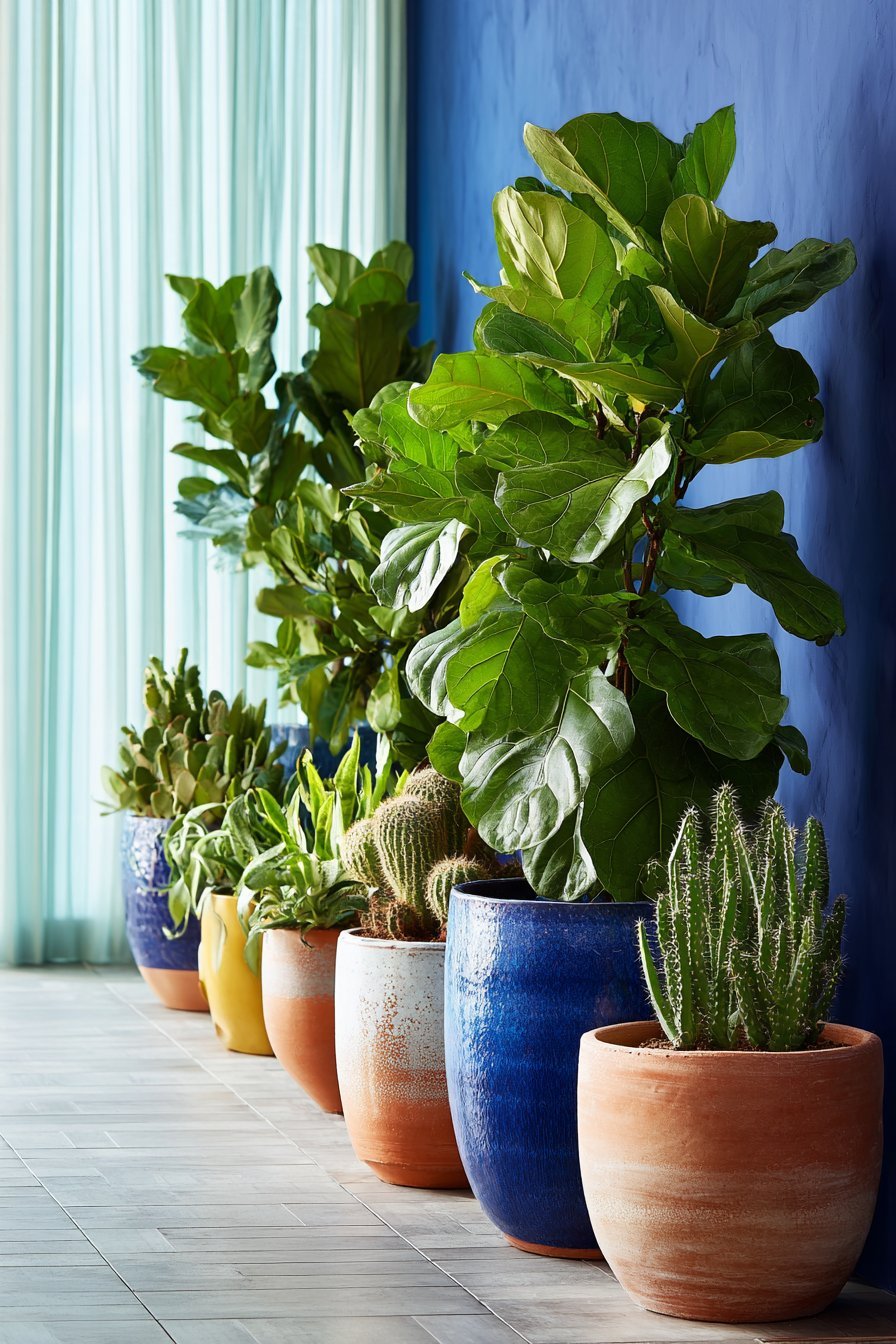
Beyond their benefits, plants offer dramatic sculptural possibilities. A six-foot fiddle leaf fig creates a statement. A trailing pothos cascading from a high shelf adds movement. A collection of cacti on a sunny windowsill tells a story of curation. Mixing plant varieties — different leaf shapes, sizes, and shades of green — creates a lush, layered look that elevates any room.
- Group plants in odd-numbered clusters for visual impact
- Mix plant heights from tabletop to floor-to-ceiling for dimension
- Choose bold ceramic pots in complementary colors to amplify the palette
- Use hanging plants to draw the eye upward and use vertical space
- Incorporate oversized statement plants as furniture-level focal points
- Research care requirements to ensure plants remain healthy and vibrant
8. Lighting as a Mood-Setting Tool
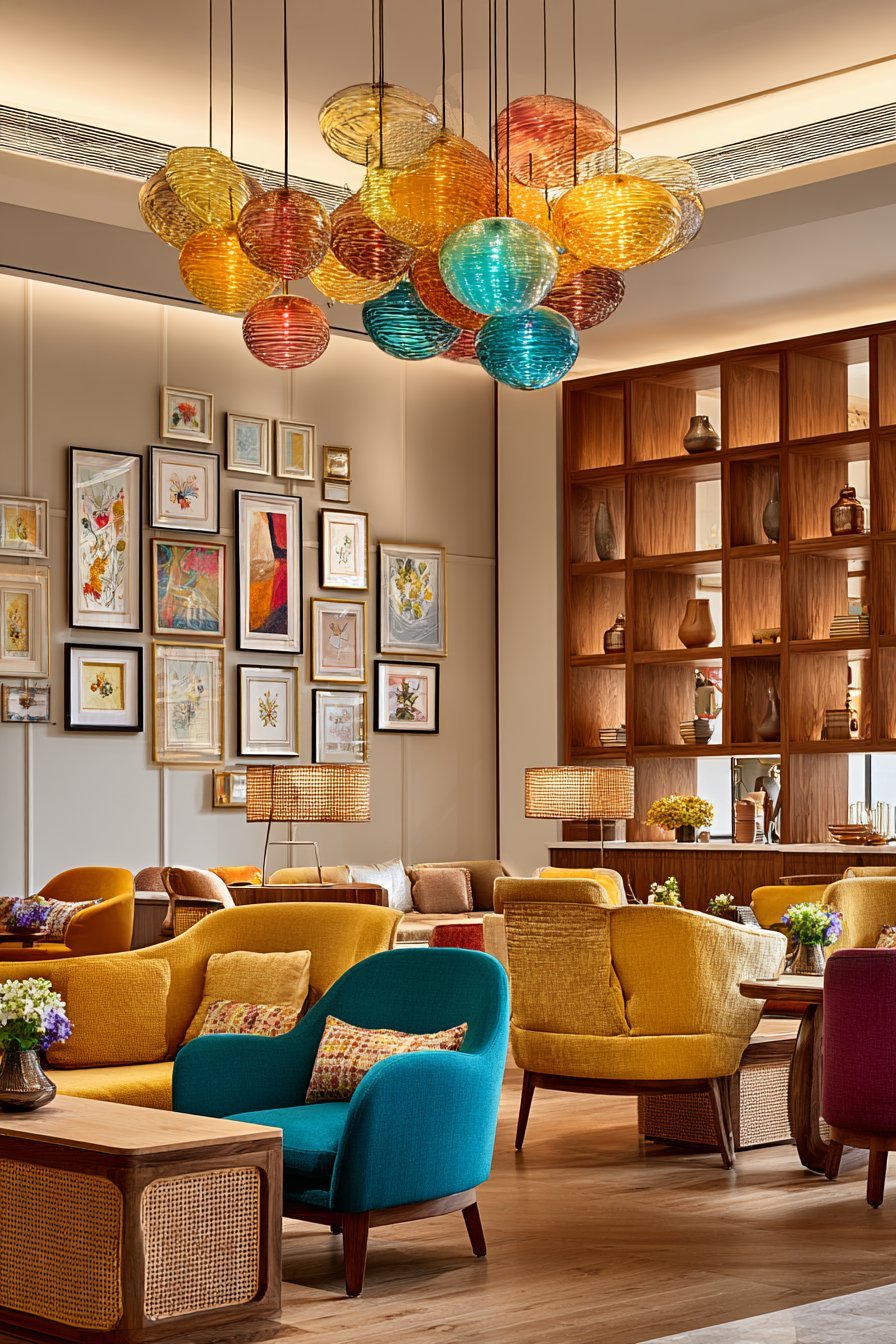
Lighting design is one of the most underestimated elements in creating a joyful home. In dopamine decor, lighting does far more than illuminate — it sets the emotional temperature of a space. The right lighting can make colors glow, textures shimmer, and entire rooms feel transformed from morning to evening.
Warm-toned bulbs — those rated around 2700K to 3000K — create a golden, inviting glow that enhances saturated colors and makes spaces feel cozy and enveloping. Cooler, brighter lighting can make colors feel more vivid and energetic. Understanding these qualities allows you to choose lighting that amplifies your intended emotional atmosphere in each room.
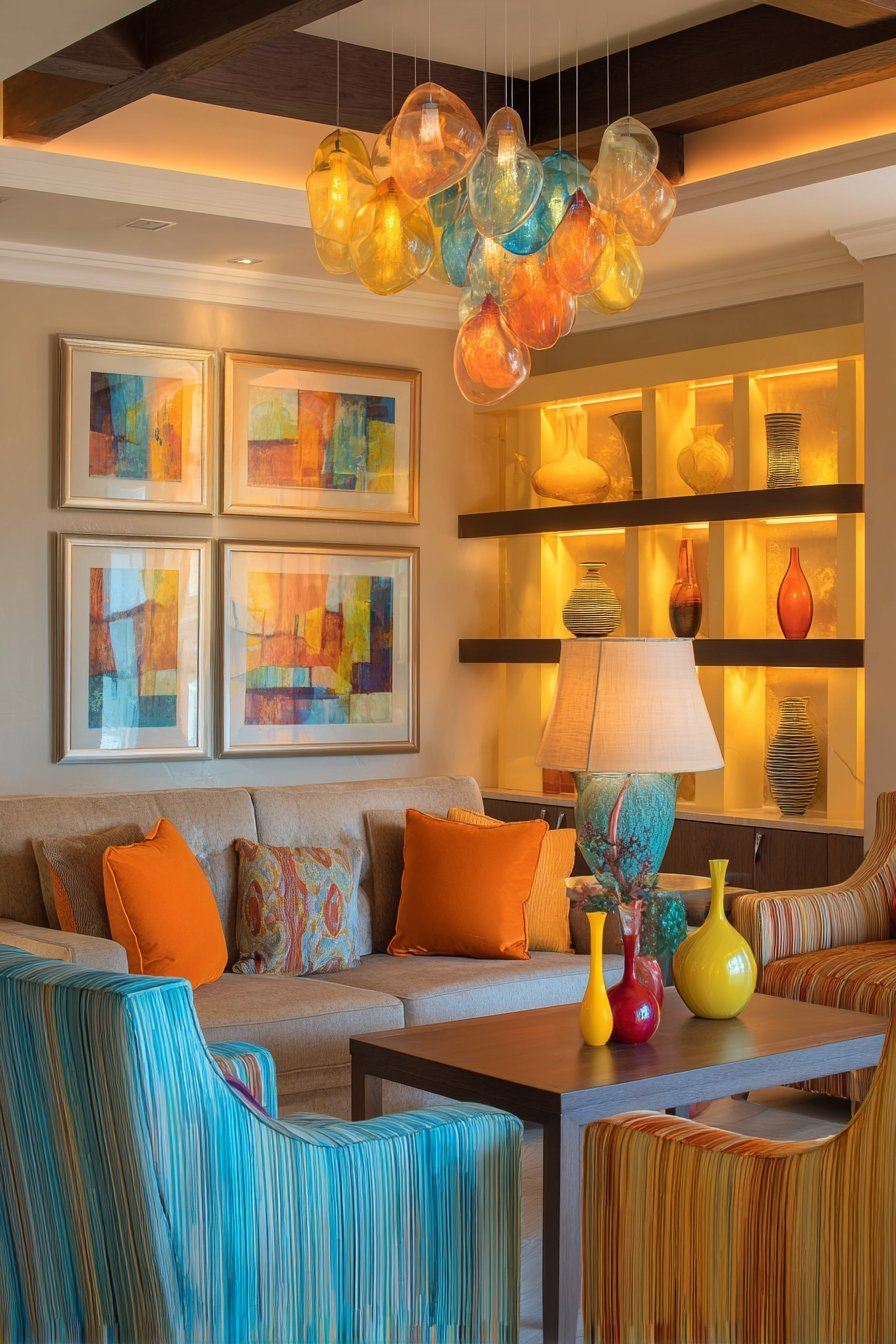
Statement light fixtures are beloved in dopamine decor for their sculptural and expressive qualities. A chandelier dripping in colored glass, a cluster of pendant lights in bold shapes, or a floor lamp with a rattan shade and colorful base can serve as functional art. These fixtures become conversation pieces that contribute meaningfully to the room’s overall personality and joy factor.
- Use layered lighting — ambient, task, and accent — in every room
- Choose statement fixtures that function as decorative sculpture
- Install dimmer switches to control mood throughout the day
- Experiment with colored lampshades to cast warm, tinted light
- Use fairy lights or neon signs as playful, low-cost dopamine elements
- Highlight artwork and collections with directional accent lighting
9. Personal Collections and Meaningful Objects
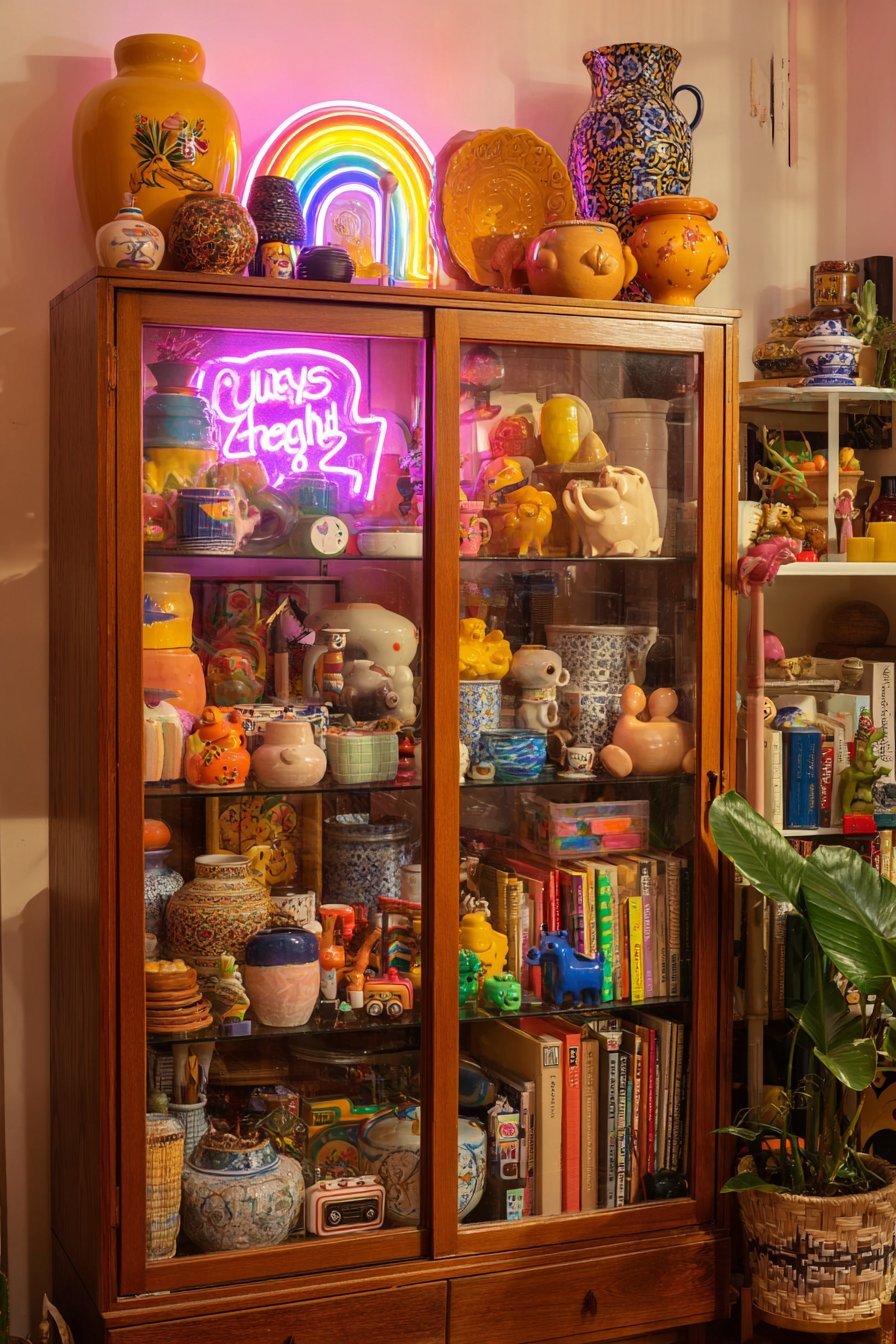
Perhaps the most defining characteristic of dopamine decor is its insistence on personal meaning over generic perfection. Where traditional interior design once favored coordinated sets and neutral accessories, this movement celebrates individual collections, cherished objects, and meaningful mementos displayed with pride and confidence.
Curating collections is an art form in this context. Whether you collect vintage ceramics, retro toys, travel souvenirs, or neon signs, the display should feel intentional and abundant. Group similar objects together on dedicated display shelves or within glass-fronted cabinets. The density and variety of a well-curated collection creates visual richness that generic accessories simply cannot match.
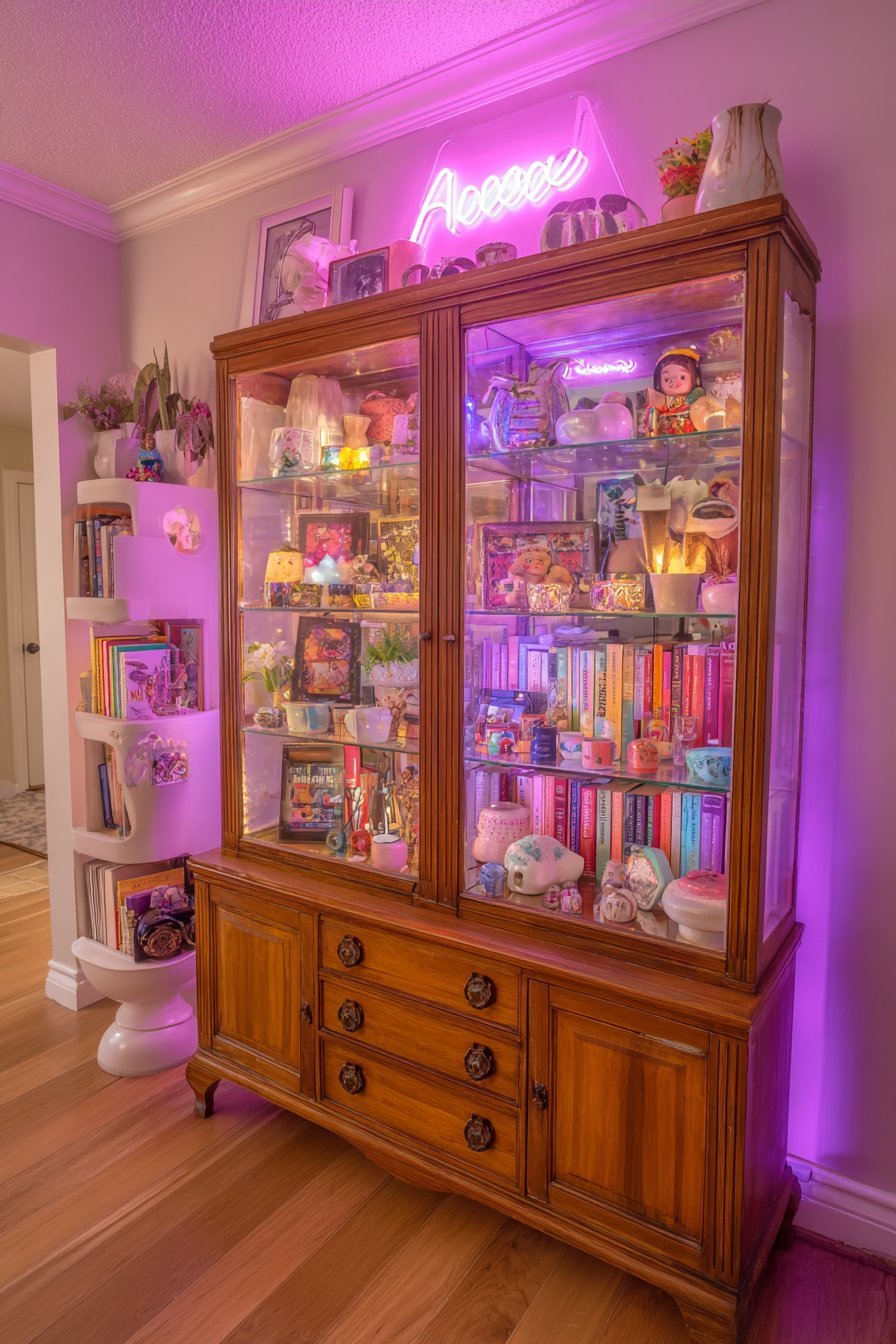
The emotional connection to displayed objects is what separates dopamine decor from mere clutter. Every item on display should earn its place by bringing genuine joy or holding real meaning. This selectivity is what keeps the aesthetic feeling curated rather than chaotic. When guests ask about items in your home, that conversation is the ultimate proof that your decor is working.
- Dedicate an entire display shelf or cabinet to your primary collection
- Mix object heights and sizes to create visual rhythm within groupings
- Use consistent framing or pedestals to elevate eclectic objects
- Rotate seasonal items to keep displays feeling fresh throughout the year
- Photograph and document meaningful items to preserve their stories
- Don’t hide objects in drawers — objects loved deserve to be seen and celebrated
10. Textiles and Sensory Richness
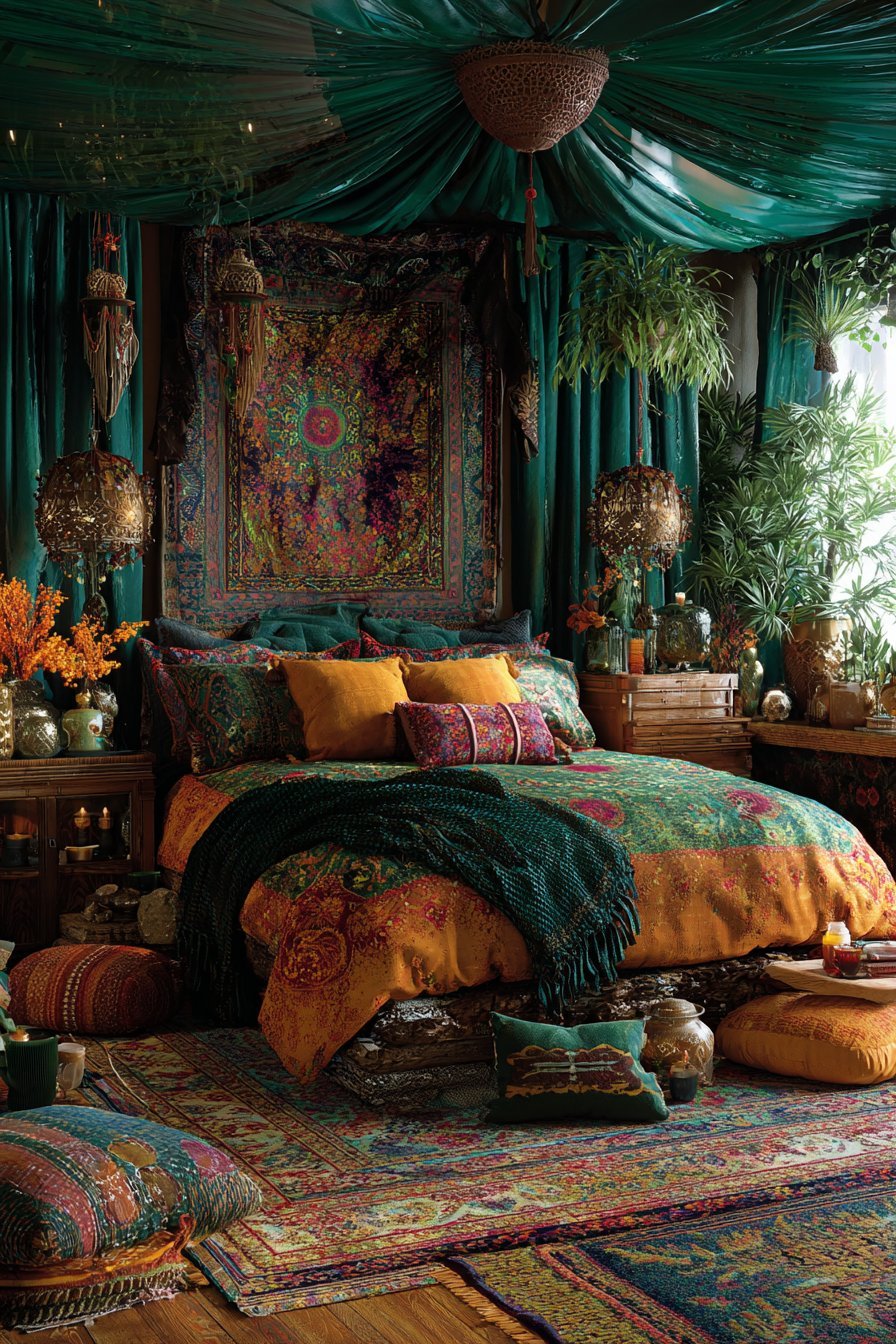
Dopamine decor is not purely a visual experience — it is deeply tactile and sensory. The movement embraces an abundance of textiles layered throughout every room. Velvet cushions, chunky knit throws, woven tapestries, silk curtains, and shaggy rugs all contribute to a sensory richness that makes spaces feel genuinely indulgent.
The choice of textile material matters enormously. Velvet and boucle are particularly popular in dopamine decor because of their luxurious texture and ability to absorb and reflect light in deeply satisfying ways. These materials feel extraordinarily pleasant to touch, which reinforces the movement’s commitment to joy through all the senses — not just sight.
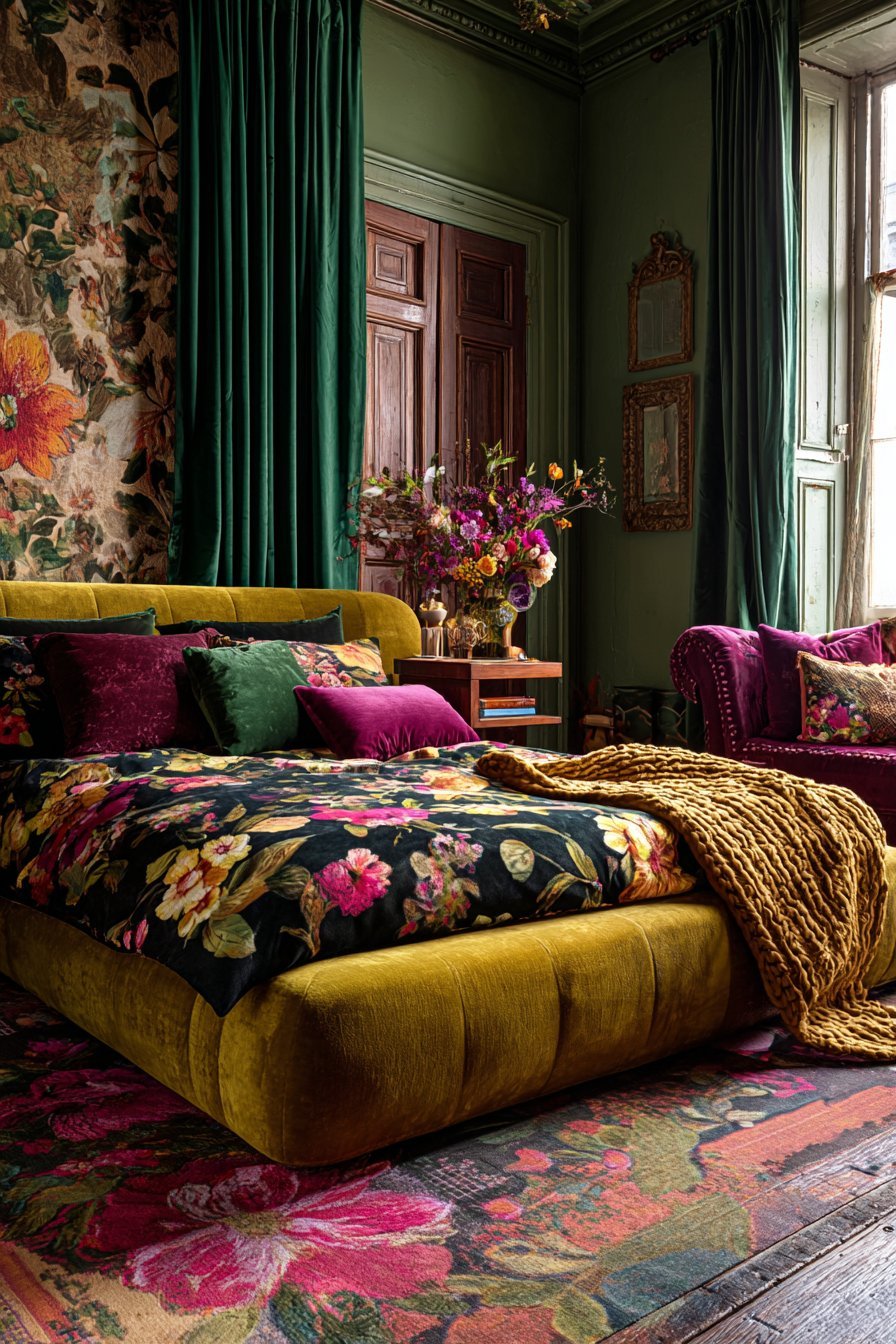
Color in textiles follows the same bold principles as the rest of the decor. Rather than defaulting to neutral cushion covers or beige throws, chromatic textiles in saturated jewel tones or playful patterns add layers of visual and tactile interest. The combination of bold color and rich texture in textiles is one of the most effective and accessible ways to bring dopamine decor principles into any home.
- Layer multiple throw pillows in varying sizes, patterns, and colors
- Invest in a statement area rug with bold color or oversized pattern
- Use floor-length velvet or linen curtains in saturated tones
- Add a chunky knit throw to every seating area for warmth and texture
- Experiment with textile wall hangings as an alternative to framed art
- Choose bed linens in bold patterns or vibrant colors for a joyful bedroom
11. The Kitchen and Bathroom as Dopamine Spaces
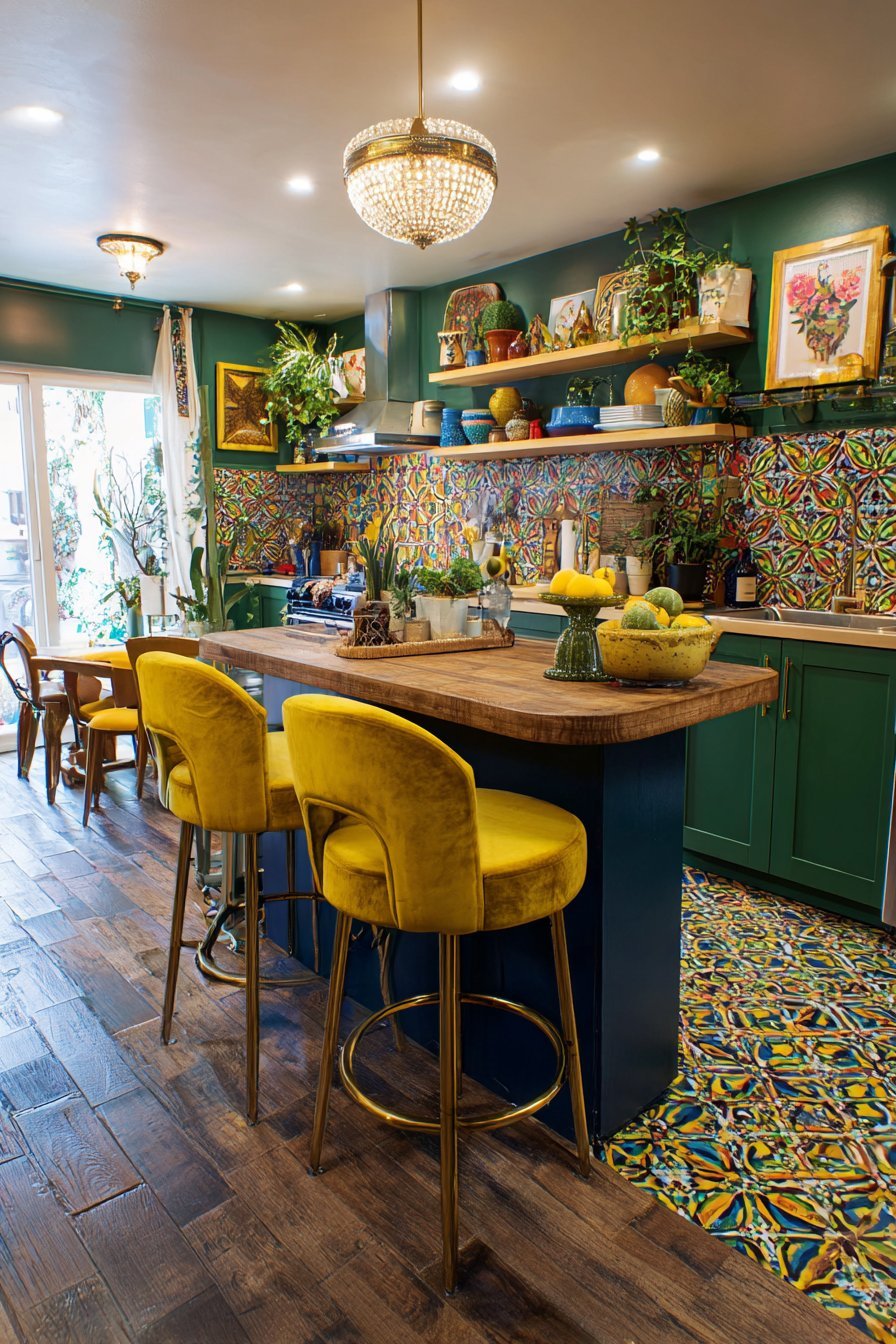
Dopamine decor is not limited to living rooms and bedrooms. Kitchens and bathrooms — often neglected in favor of purely functional considerations — are ripe for joyful transformation. These rooms are visited multiple times daily, making them powerful opportunities to trigger positive emotional responses.
In the kitchen, colorful cabinetry has become one of the most popular expressions of dopamine decor. Deep forest green, cobalt blue, burnt orange, and matte black cabinets replace the ubiquitous white in favor of personality and warmth. Pair bold cabinet color with contrasting hardware in brass, copper, or matte black for a fully realized, expressive kitchen aesthetic.
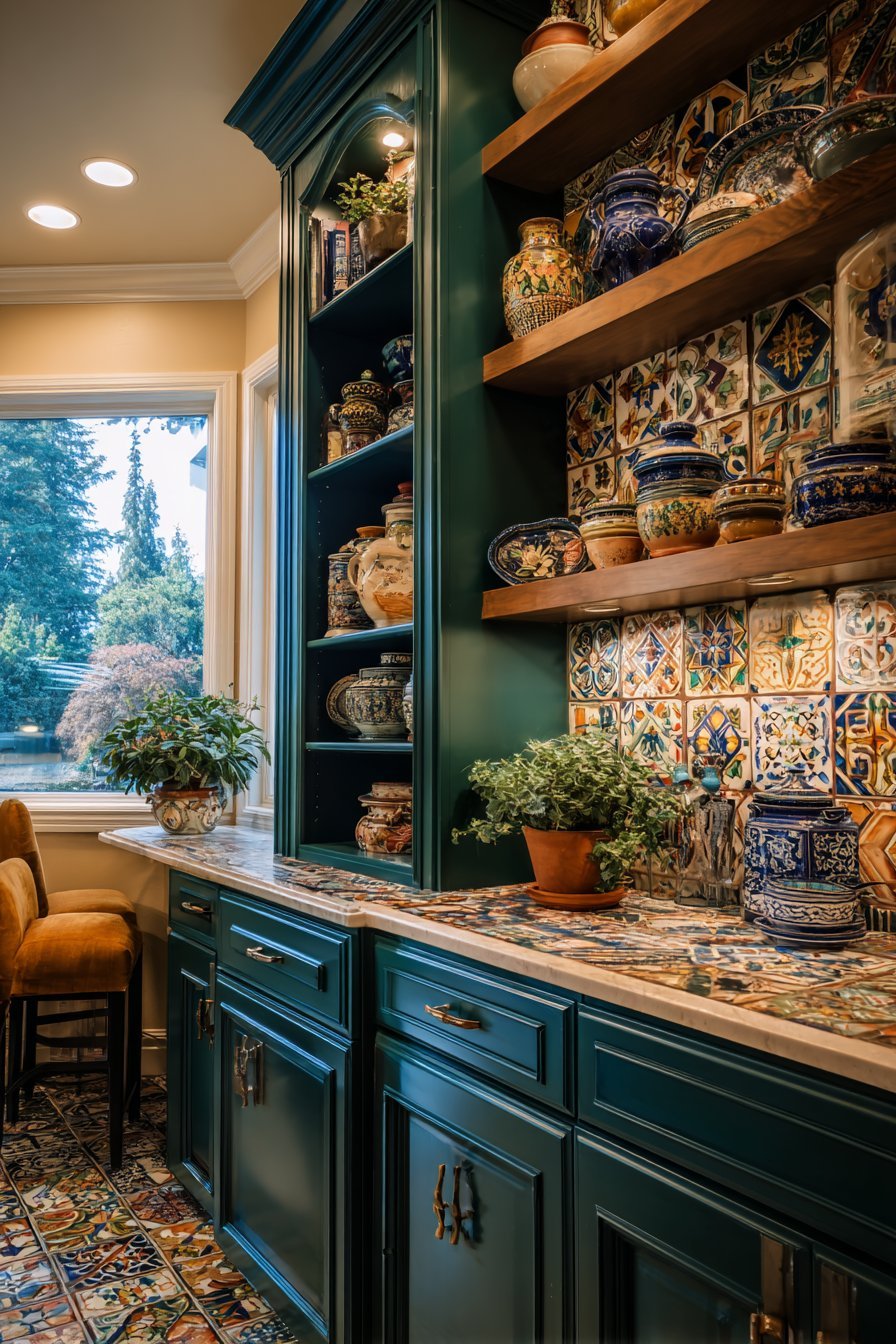
Bathrooms respond beautifully to maximalist tile work — another hallmark of the movement. Floor-to-ceiling patterned tiles, bold colored grout, and decorative mosaic accents transform bathrooms from functional spaces into personal sanctuaries. Add plants, colorful towels, and expressive art to complete the dopamine bathroom experience.
- Paint or replace kitchen cabinets in a bold, saturated color
- Choose patterned or colorful backsplash tiles as a focal point
- Install maximalist floor tiles in the bathroom for dramatic impact
- Use colorful hardware in brass, copper, or matte black finishes
- Add plants and scented candles for multi-sensory bathroom joy
- Frame and display art in the bathroom — it deserves decoration too
12. Sustainability and Joyful Sourcing
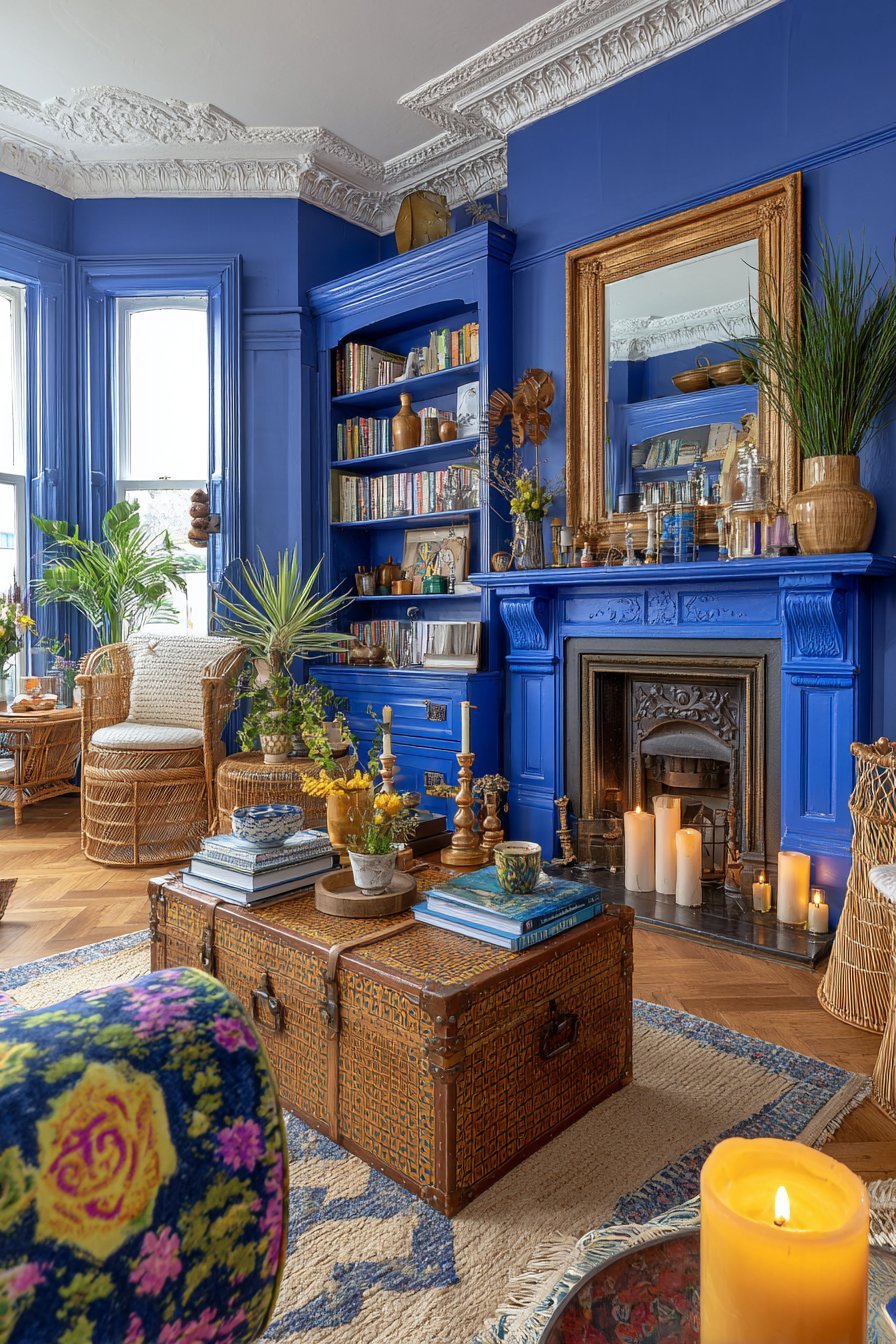
A critical dimension of the dopamine decor movement that often goes undiscussed is its natural compatibility with sustainable sourcing. Because this aesthetic celebrates personal meaning, vintage finds, and uniquely expressive objects, it actively encourages thrifting, upcycling, and second-hand shopping over mass-produced fast furniture.
Vintage markets, estate sales, and online thrift platforms are treasure troves for the dopamine decorator. One-of-a-kind ceramics, unusual furniture shapes, retro textiles, and eclectic art are found in abundance at these sources. The thrill of discovery — finding the perfect object that speaks to your personal aesthetic — is itself a dopamine-triggering experience that aligns perfectly with the movement’s spirit.
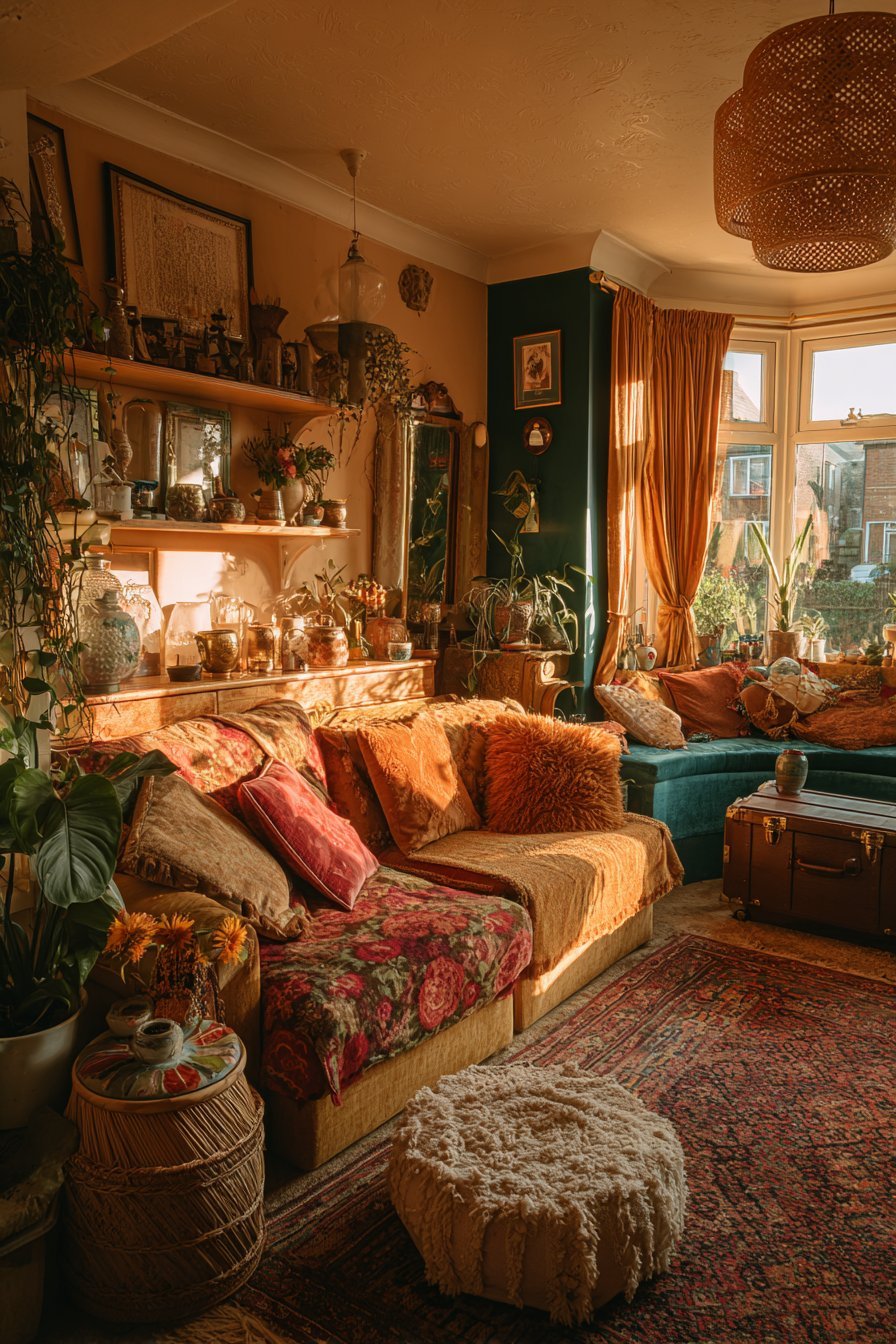
Upcycling furniture is another sustainable and creative practice celebrated within dopamine decor. A dull wooden dresser transformed with a coat of cobalt blue paint becomes a statement piece that brings daily joy. A secondhand sofa reupholstered in a bold floral fabric becomes a room’s centerpiece. This approach is both environmentally responsible and deeply satisfying creatively.
- Shop vintage and second-hand first before buying new
- Upcycle existing furniture with bold paint or new upholstery
- Seek out artisan and independent makers for unique, handmade pieces
- Choose natural materials — wood, rattan, linen — for sustainability
- Repurpose objects creatively — a vintage suitcase becomes a coffee table
- Support local ceramicists and textile artists for truly one-of-a-kind decor
Conclusion
Dopamine decor is far more than a passing trend. It is a meaningful shift in how we relate to our living environments — a declaration that homes should actively nurture joy, self-expression, and emotional well-being. From bold color palettes and maximalist layering to personal collections and sustainable sourcing, every element of this movement serves a single, powerful purpose: making you feel genuinely, deeply happy in your own space.
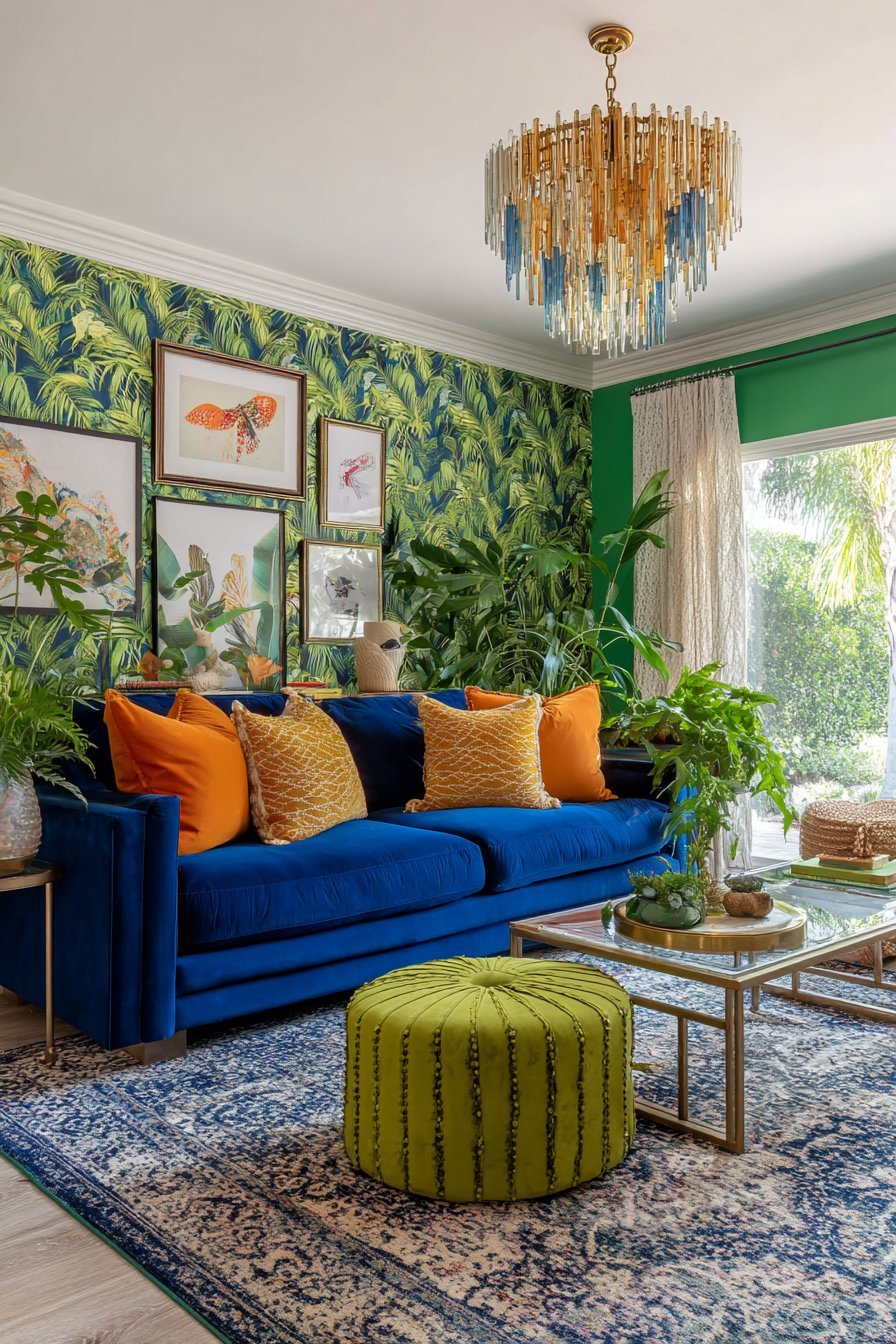
The most important takeaway is that there are no wrong answers in dopamine decor. Your version of joy is unique to you. Start with one bold choice — a colorful wall, a statement sofa, a curated shelf of beloved objects — and let your space evolve organically from there. Your home is the one environment you have complete creative control over. Make it a daily source of delight, wonder, and authentic self-expression. The world has enough beige — your home deserves better.
