

When it comes to interior design, wall decor is one of the most transformative elements in any room. Walls set the tone, define the mood, and anchor the overall aesthetic of a space. Yet many homeowners struggle to make the right choices when facing walls of vastly different sizes. The challenge lies in understanding that a large wall and a small wall demand entirely different approaches — and confusing the two can make even the most stylish room feel off-balance.
Thoughtful wall styling is not just about hanging a picture and calling it done. It requires an understanding of scale, proportion, and visual weight. A massive blank wall can feel cold and intimidating if left undressed, while a small wall can feel cluttered and chaotic if overdone. The key is matching your decor strategy to the specific wall you are working with. This article breaks down exactly how to do that with confidence and creativity.
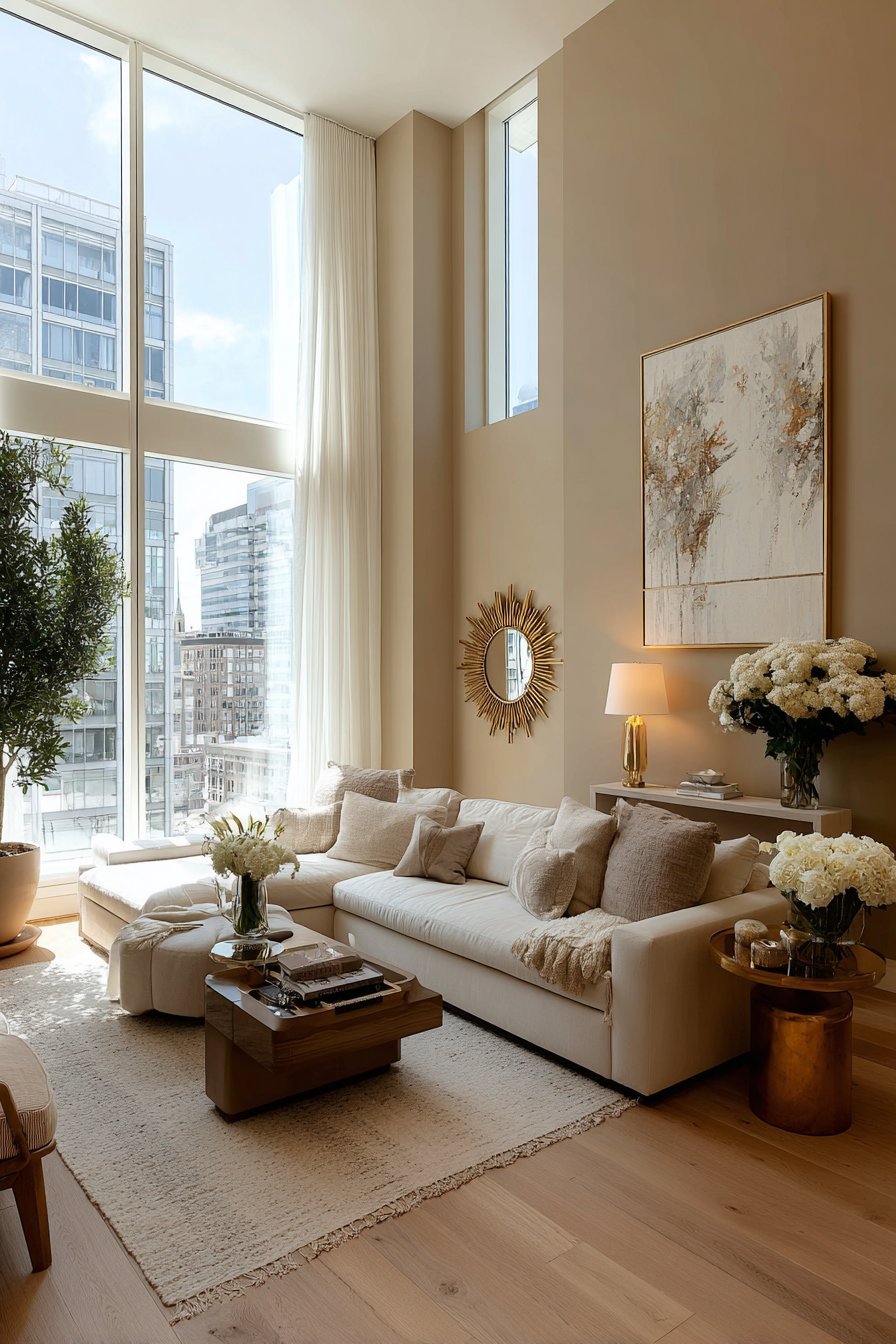
Whether you are decorating a grand living room feature wall or working with a narrow hallway niche, the principles covered here will help you make informed, stylish decisions. From gallery walls and oversized art to mirrors, shelving, and color blocking, there is a strategy for every wall size and every design personality. Let us explore the best approaches for both ends of the spectrum.
1. Understanding Scale and Proportion for Large Walls
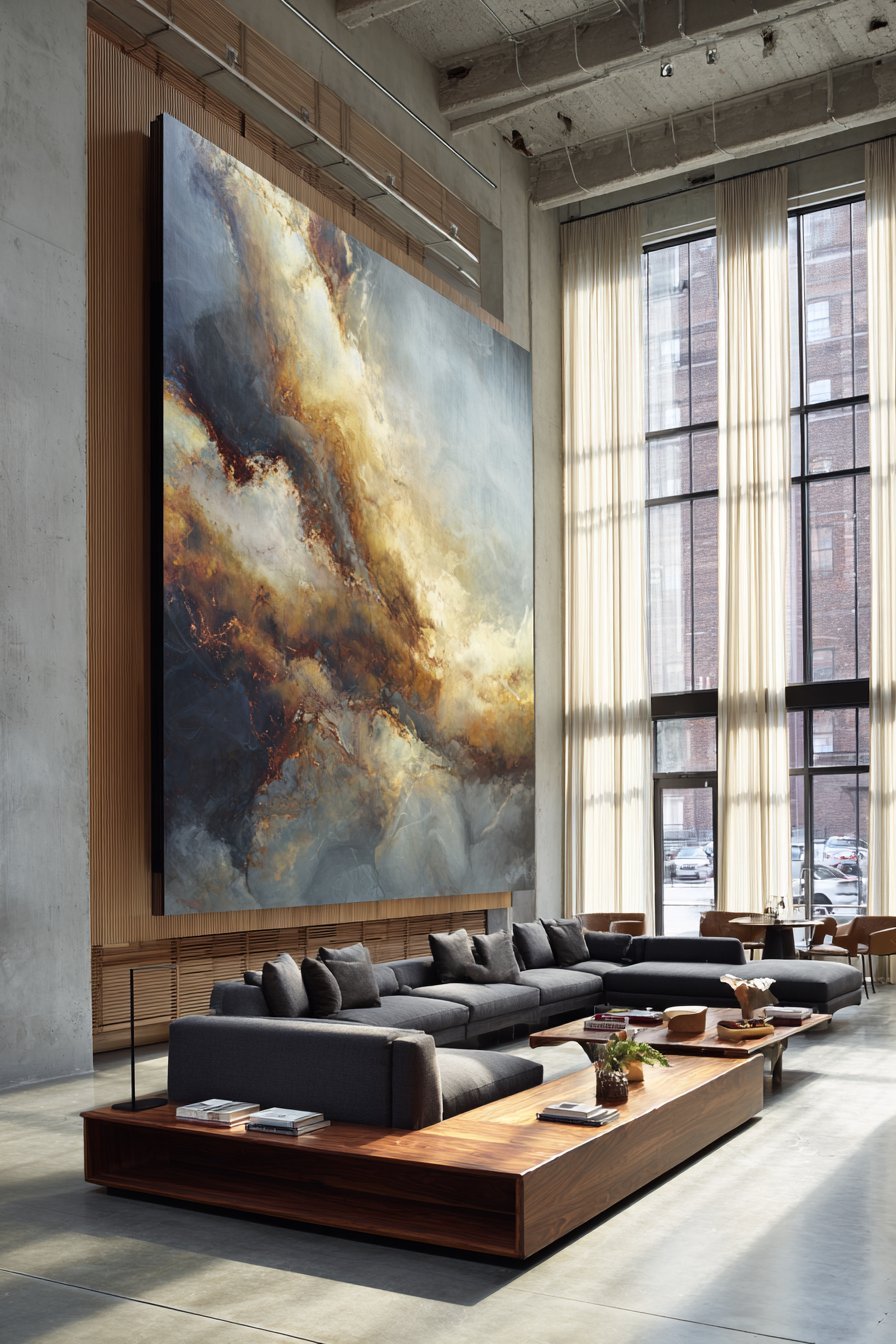
Large walls are a gift and a challenge at the same time. They offer enormous creative freedom, but they also require deliberate decision-making. A piece of art that looks stunning in a gallery can disappear on a wall that spans 10 to 14 feet. Understanding visual scale is the first step toward making a large wall work beautifully.
The golden rule with large walls is to go big or go layered. A single piece of artwork should ideally cover 60 to 75 percent of the available wall width. Anything smaller will float awkwardly in the space and create a visual imbalance. If you love smaller pieces, grouping them together as a gallery wall is a far more effective approach than placing one lone item in the center of a vast expanse.
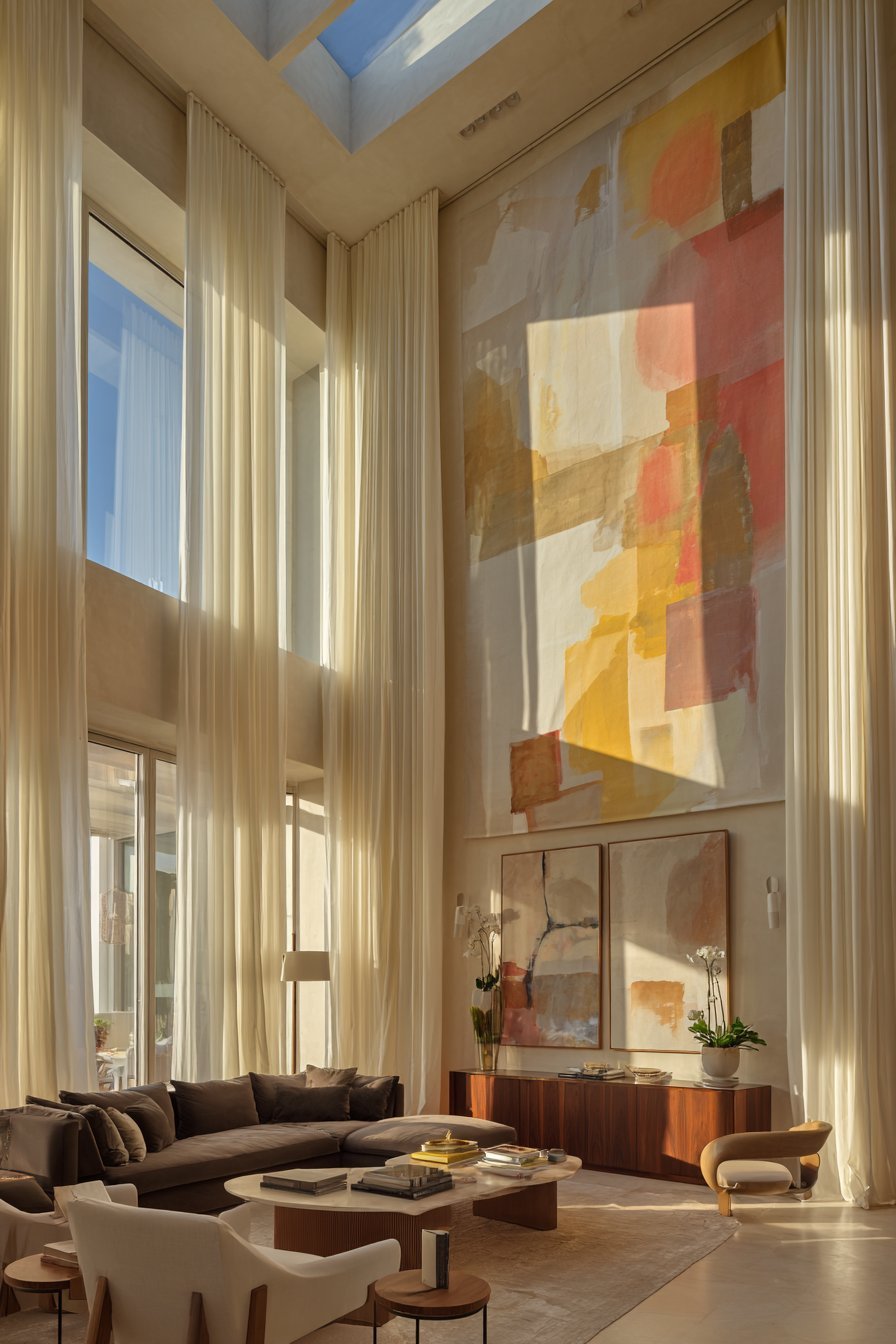
Proportion also applies to furniture placement. Large walls need to be anchored by substantial furniture below them. A sprawling sofa, a wide console table, or a large media unit helps ground the wall visually. Without this anchoring, even well-chosen wall decor can look like it is floating without purpose.
- Choose artwork that spans at least 60 percent of the wall width
- Use oversized prints or canvas panels for a bold statement
- Anchor the wall with large-scale furniture placed directly beneath it
- Consider a triptych or diptych arrangement for added visual depth
- Layer decor at multiple heights to fill the vertical space effectively
- Avoid tiny accent pieces that will get visually lost on a large surface
2. Mastering the Gallery Wall on Large Surfaces
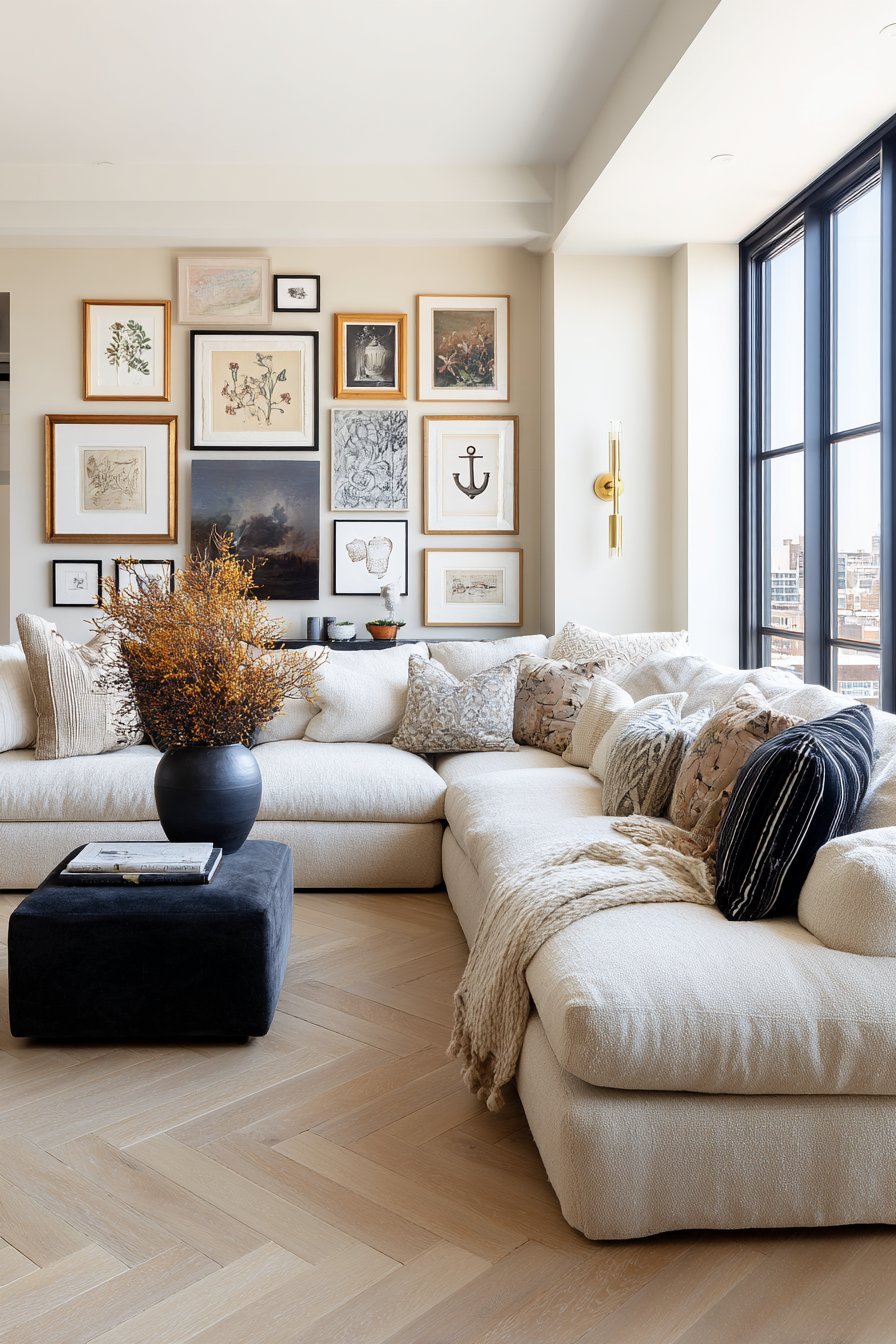
The gallery wall is one of the most popular and effective large wall decor strategies in modern interior design. When done well, it transforms a blank expanse into a curated, story-telling installation that feels personal and intentional. The key is planning the arrangement carefully before putting a single nail into the wall.
Start by laying all your frames and art pieces on the floor in front of the wall. Experiment with different compositions until you find a layout that feels balanced. A good gallery wall typically has a mix of sizes, with a larger anchor piece near the center or slightly off-center. Surrounding pieces should complement rather than compete with the anchor.
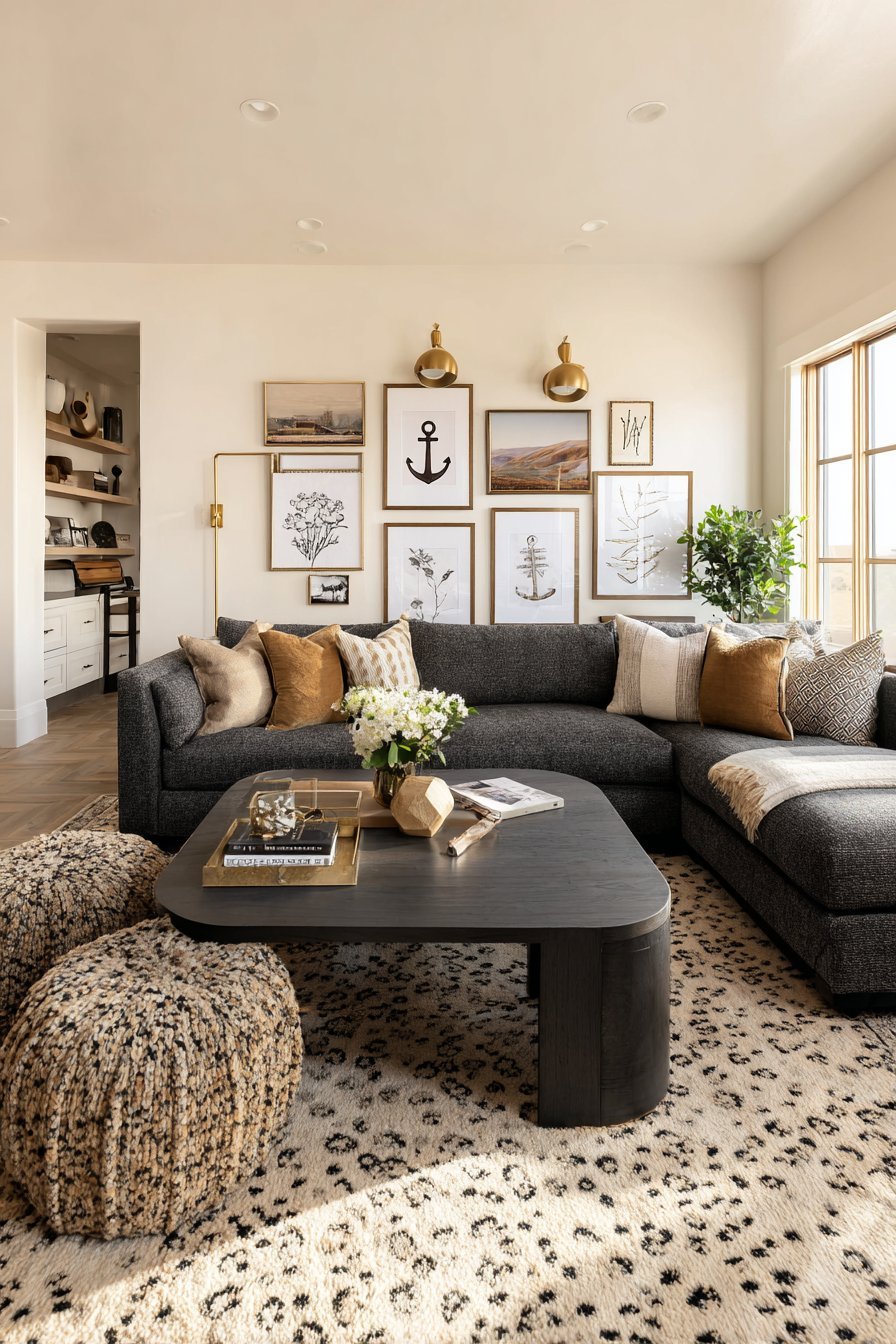
Cohesion is critical. Use a consistent color palette or frame style to unify diverse pieces. Black frames with varying mat sizes, for example, create a clean and sophisticated gallery wall without requiring all the artwork to match. Mix photography, illustrations, typography, and objects for a layered, eclectic yet curated look.
- Start with a large anchor piece as the visual focal point
- Mix frame sizes but keep a consistent finish or color family
- Leave 2 to 3 inches of space between each frame for breathing room
- Include at least one non-framed element like a shelf, sconce, or object
- Use paper templates taped to the wall to plan placement before nailing
- Keep the arrangement within a defined boundary to avoid a chaotic look
3. Oversized Art and Statement Pieces for Large Walls
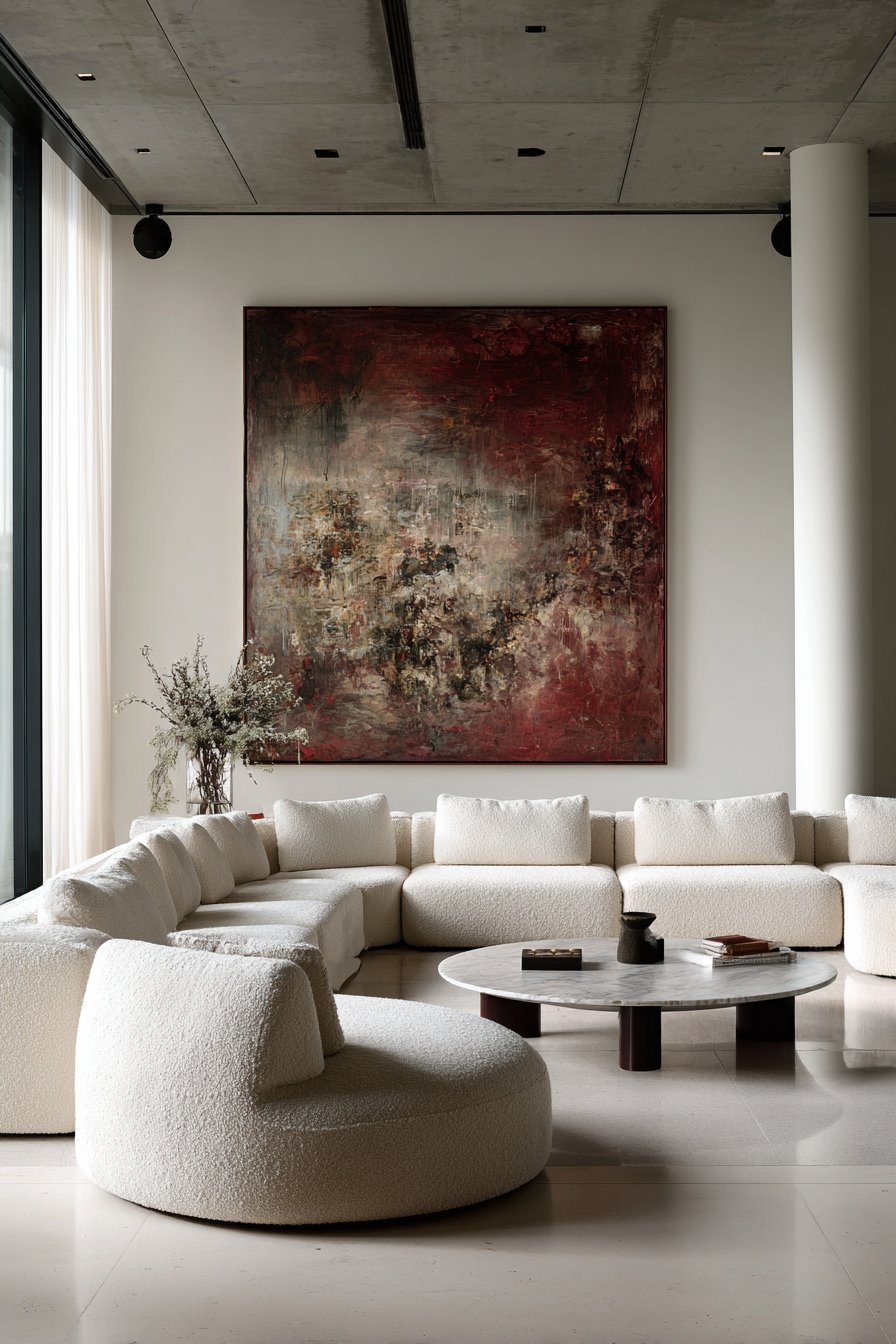
Nothing commands attention quite like a single oversized art piece on a large wall. This approach is bold, confident, and deeply impactful when executed correctly. A floor-to-ceiling mural, a massive abstract canvas, or a large-scale photograph can instantly become the defining element of an entire room.
When selecting oversized art, consider color harmony with the rest of the room. The piece does not need to match every element, but it should share at least one or two tones with the surrounding furniture and textiles. A completely clashing palette can make even the most beautiful large-scale art feel out of place and disruptive.
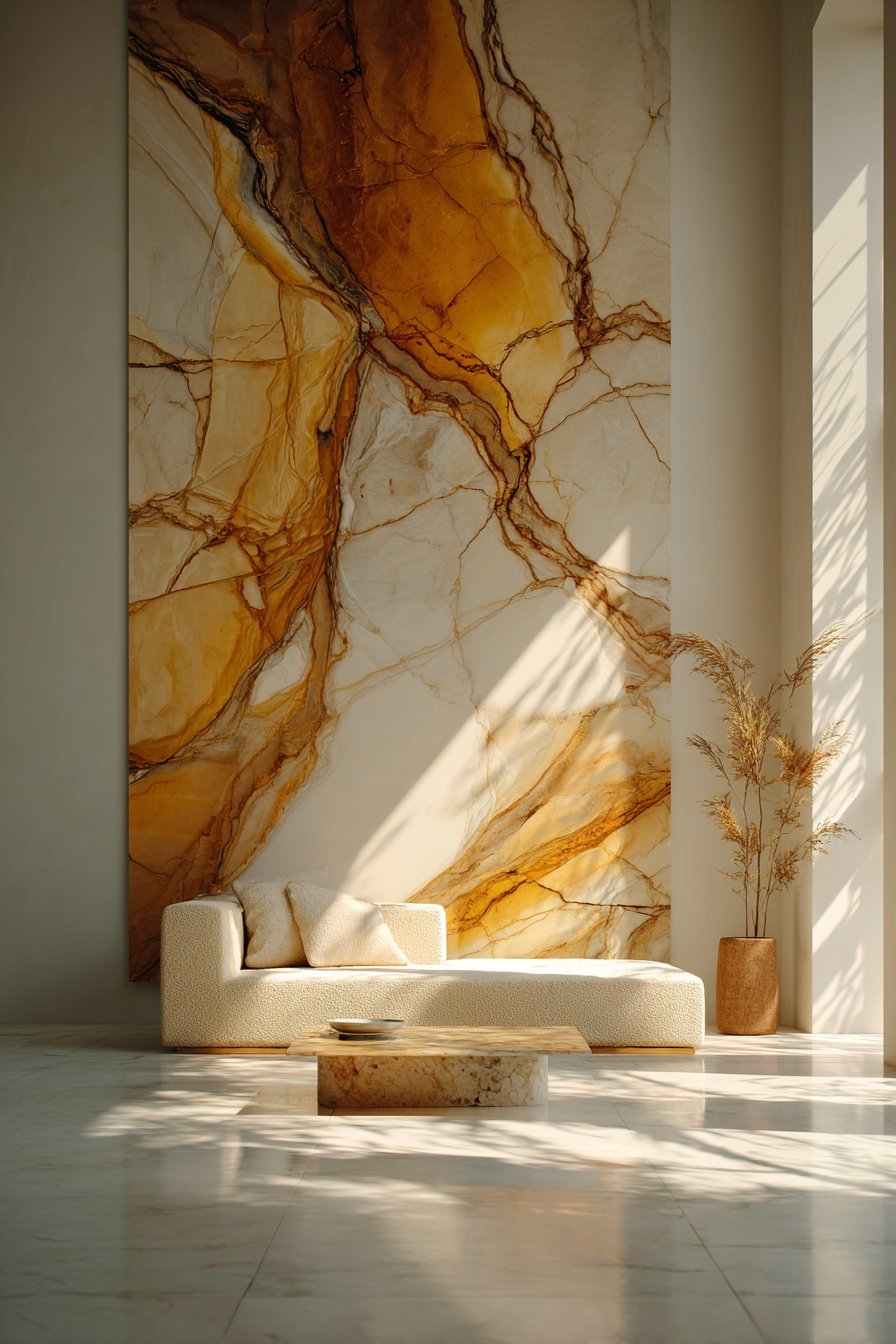
Placement matters just as much as the piece itself. The center of the artwork should ideally sit at eye level, which is approximately 57 to 60 inches from the floor. For very large pieces that extend toward the ceiling, align the bottom edge with the top of any furniture below it. This creates a visual connection between the art and the room’s functional elements.
- Hang the visual center at 57 to 60 inches from the floor
- Choose art that shares at least one tone with your existing color scheme
- Consider a custom canvas print for a perfectly scaled, budget-friendly option
- Use picture rail systems for very heavy or oversized pieces
- Let large art be the room’s focal point — keep surrounding decor minimal
- Lean oversized pieces against the wall for a relaxed, studio-style aesthetic
4. Accent Walls and Color Blocking on Large Surfaces
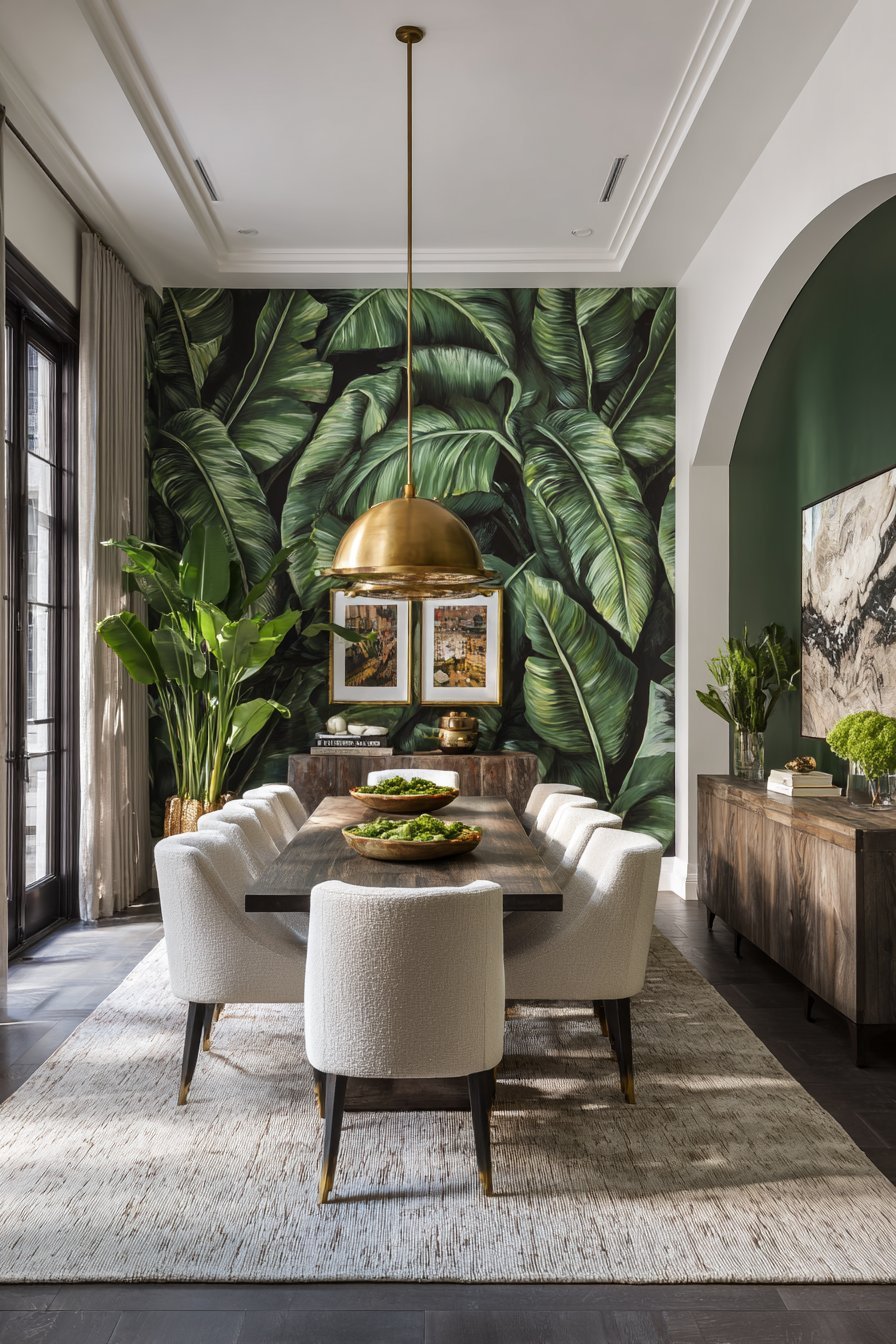
Large walls are the perfect canvas for bold color decisions. Painting a single large wall in a rich, saturated hue — while keeping the other walls neutral — creates a dramatic accent wall effect that defines the room’s personality without overwhelming the entire space. This strategy works especially well in living rooms, dining rooms, and primary bedrooms.
Color blocking takes this idea even further. By dividing a large wall into two or more color zones, you can create a graphic, architectural effect that adds depth and visual interest. A horizontal band of deep teal in the lower third of a wall, paired with soft white above, can make ceilings appear higher and give the room a sophisticated, designer feel.
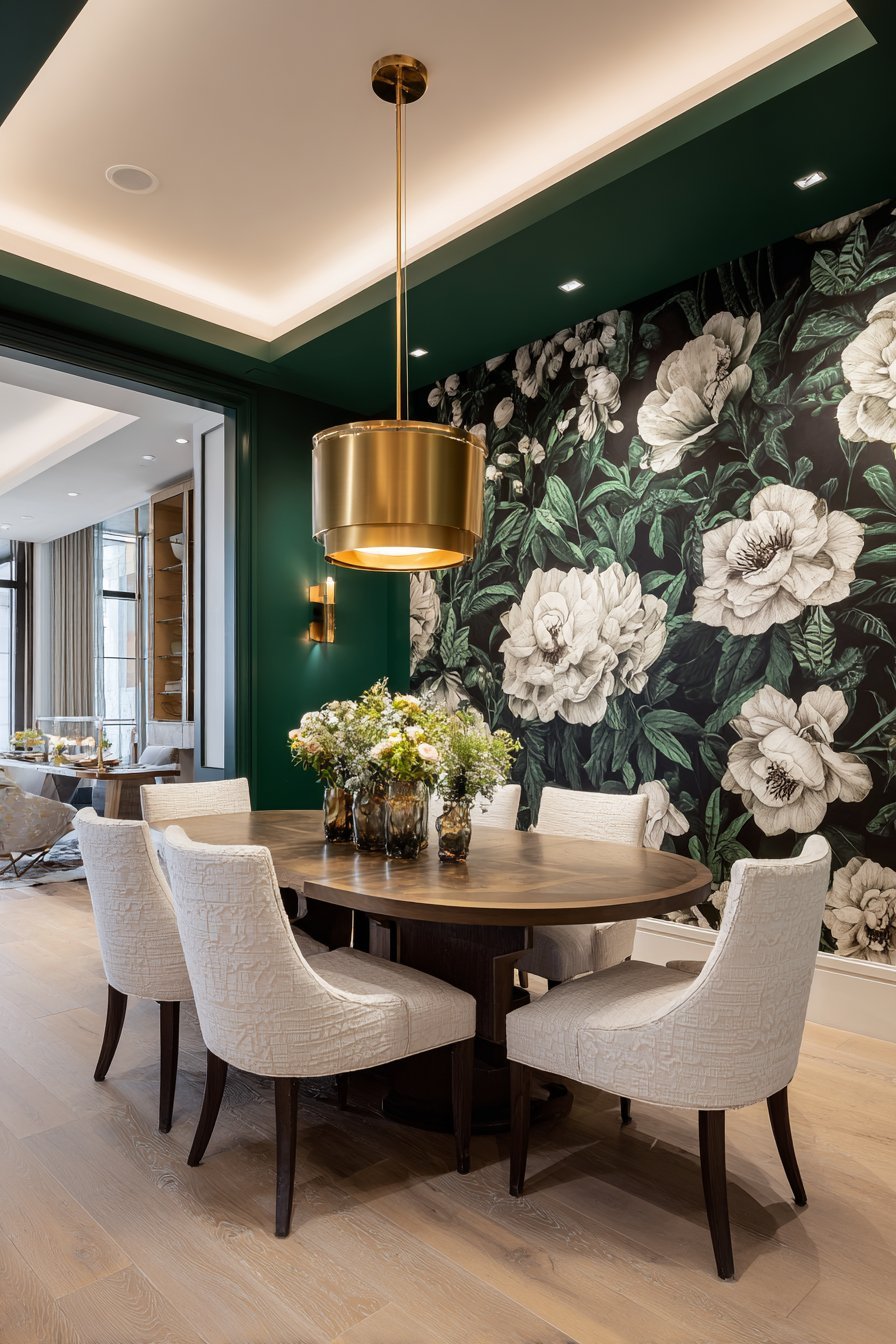
Wallpaper and wall murals are also exceptional choices for large surfaces. A botanical mural or geometric wallpaper on a large feature wall creates instant drama and makes the space feel curated and intentional. Modern peel-and-stick options make this more accessible and renter-friendly than ever before.
- Paint large walls in deep, saturated tones for maximum impact
- Use color blocking to create architectural interest without structural changes
- Consider a full-wall mural for a dramatic, immersive effect
- Choose wallpaper with large-scale patterns to suit the wall’s proportions
- Balance bold wall color with neutral furniture and soft textiles
- Use a color consultation tool or paint samples to test in natural light first
5. Shelving and 3D Decor to Fill Large Wall Spaces
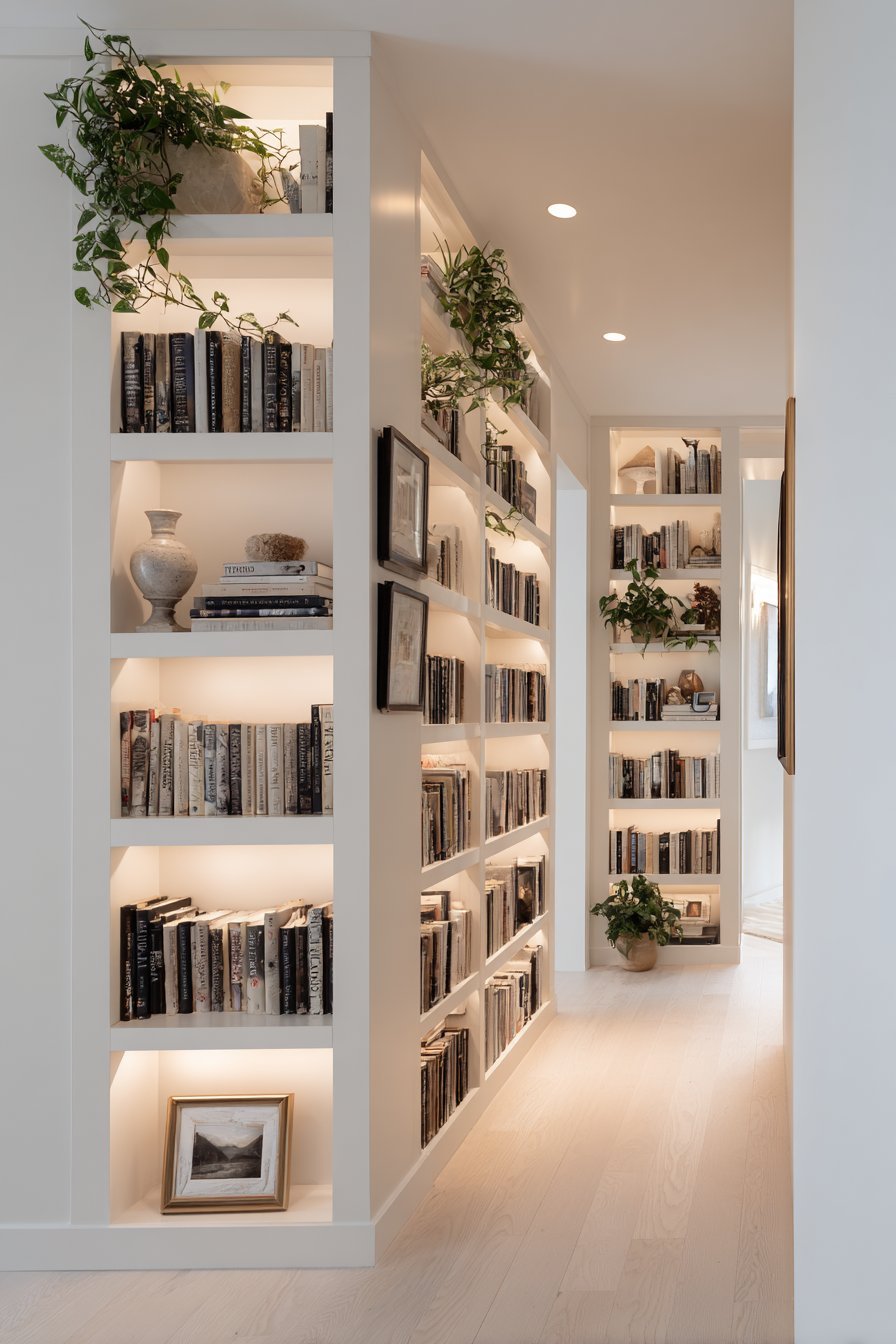
Floating shelves and three-dimensional wall installations are highly effective strategies for filling large walls with both function and beauty. Unlike flat art, shelving adds depth and dimension to a wall while also providing practical storage and display space. This is especially valuable in living rooms, home offices, and kitchens.
A floor-to-ceiling shelving system is one of the most impactful ways to dress a large wall. Built-in bookshelves create an architectural quality that flat decor simply cannot replicate. They draw the eye upward, making ceilings feel taller, and give you endless opportunities to display books, plants, ceramics, and personal objects in a layered, curated arrangement.
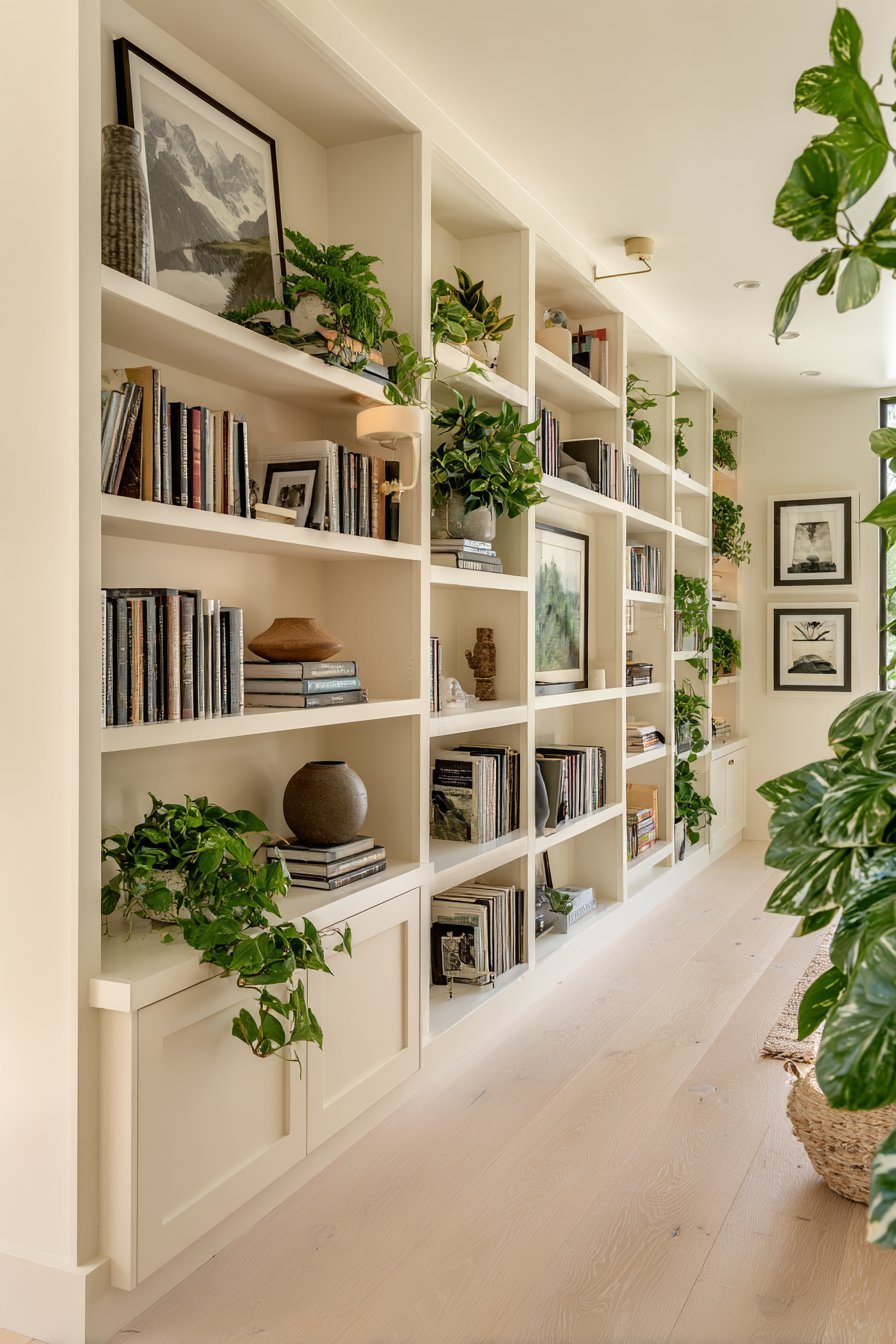
For a lighter approach, a series of floating shelves in a staggered or asymmetric arrangement adds visual movement to a large wall. Mix open and closed storage for a balanced look. Incorporate trailing plants, framed photos, and decorative objects alongside functional items to keep the display feeling intentional rather than like mere storage.
- Install floor-to-ceiling shelves for maximum visual and functional impact
- Use a mix of books, plants, and objects for a layered styling approach
- Stagger shelf heights to create visual rhythm and movement
- Incorporate wall-mounted cabinets for a combination of open and closed storage
- Use shelves in odd-numbered groupings for a naturally balanced look
- Paint shelving the same color as the wall for a seamless, architectural effect
6. Small Wall Decor Principles: Less Is More
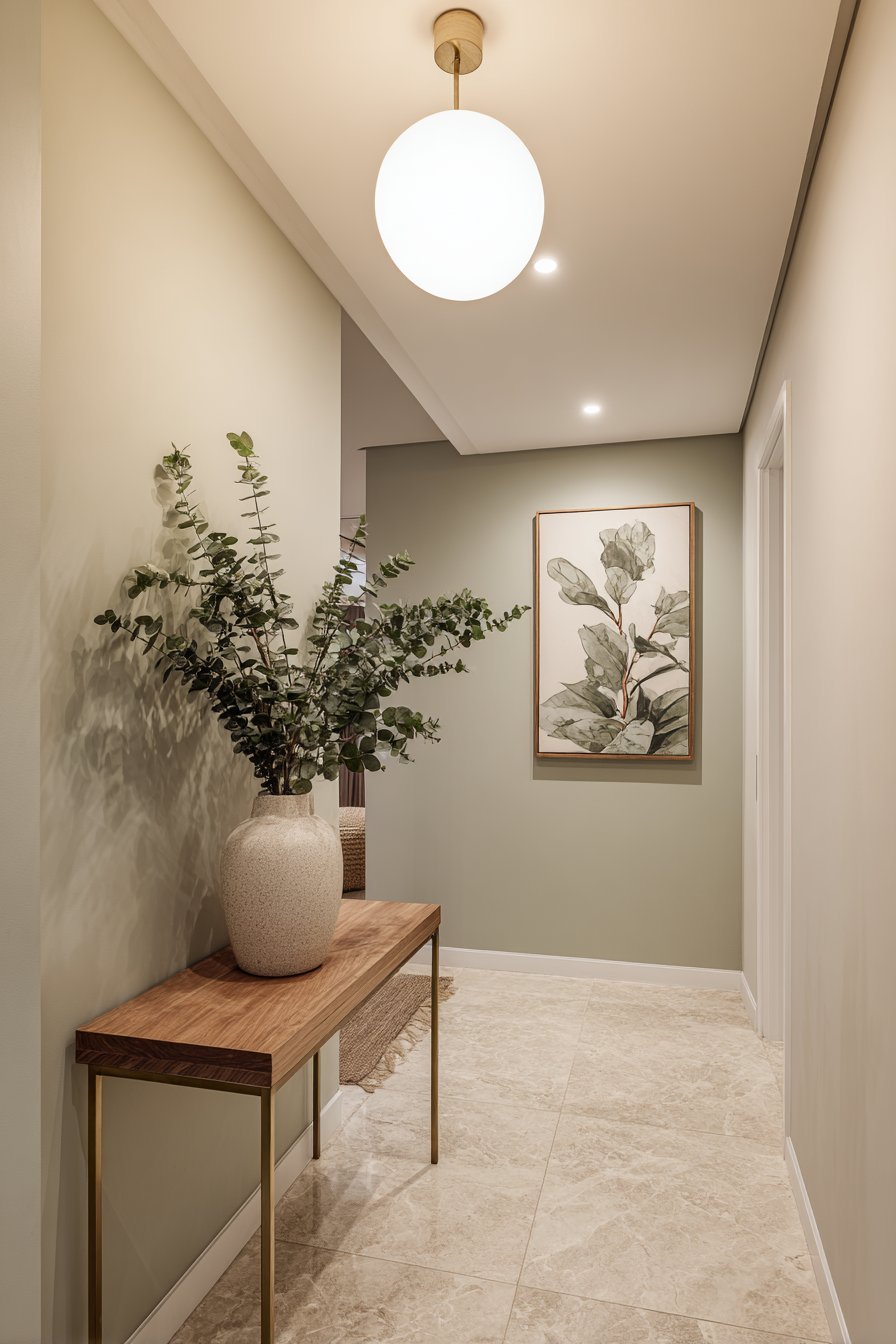
Small walls require a fundamentally different mindset. Where large walls can absorb and benefit from bold, layered approaches, small walls demand restraint and intentionality. The temptation to fill every inch of a small wall with decor is real, but it almost always results in a cluttered, visually noisy outcome.
The less is more principle is the cornerstone of small wall styling. A single well-chosen piece — a beautiful mirror, one framed print, or a small sculptural element — will always look more sophisticated than a crowded arrangement. Give each piece room to breathe, and it will have far more visual impact than a dozen competing elements.
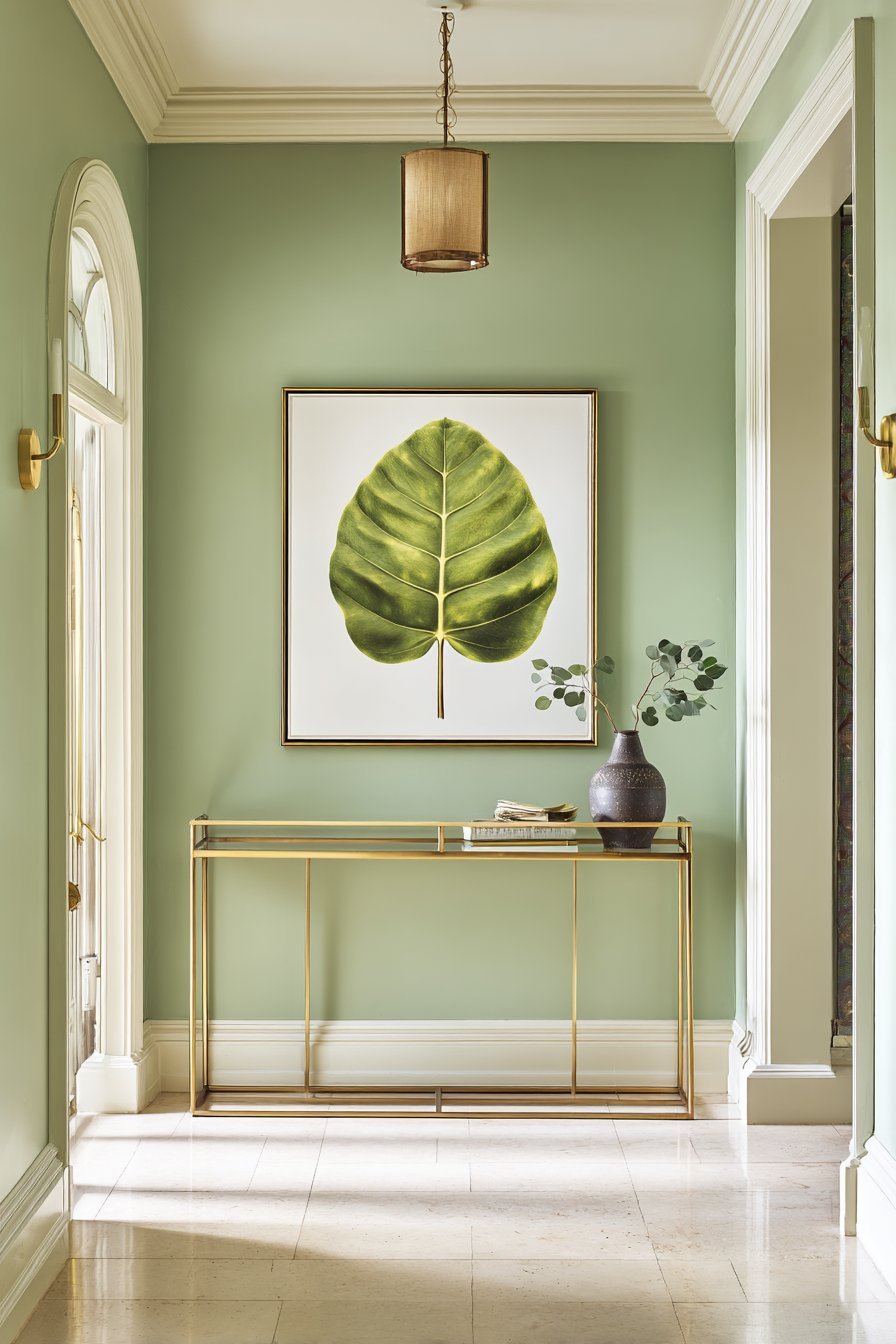
Understanding the relationship between small walls and surrounding space is also important. A small wall in a hallway, above a mantle, or between two windows has natural boundaries that create a built-in frame. Work with these boundaries rather than against them. Choose decor that fits comfortably within the natural edges of the space, leaving some visible wall around it.
- Stick to one or two key pieces maximum on a small wall
- Choose items that feel proportionate to the wall size — avoid oversized art
- Leave visible wall space around decor to prevent visual crowding
- Use negative space intentionally — it adds sophistication and breathing room
- Align decor with natural boundaries like windows, doors, or architectural features
- Consider a single statement mirror for elegance and the illusion of more space
7. Mirrors as a Small Wall Superpower
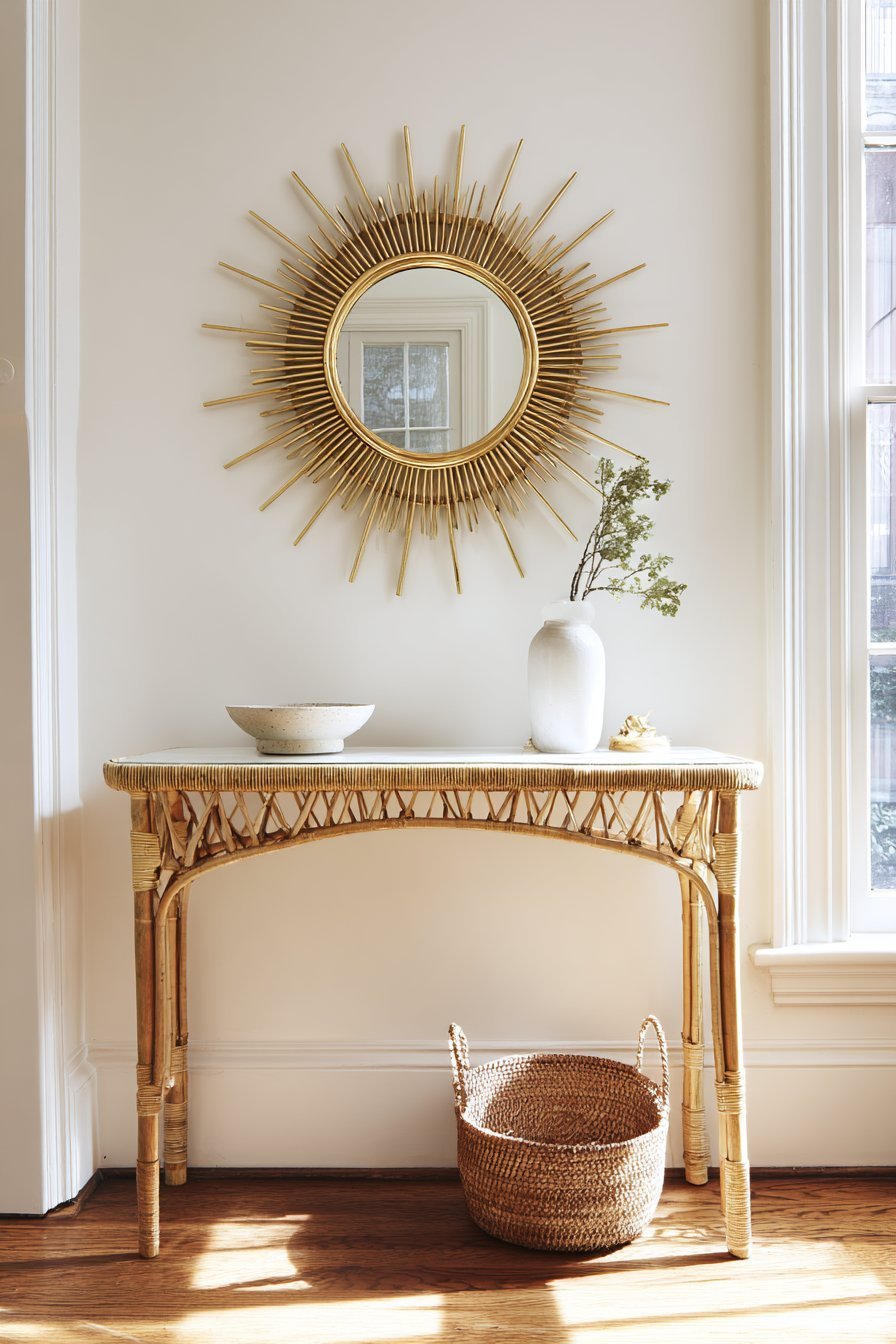
Mirrors are arguably the most powerful tool in a small wall decorator’s toolkit. They serve double duty: adding visual decor interest while simultaneously making the space feel larger and brighter. A well-placed mirror can completely transform a cramped hallway, a narrow dining room wall, or a small bedroom nook.
The key to using mirrors effectively on small walls is frame selection and placement. A mirror with a decorative, sculptural frame becomes a piece of art in its own right. Think sunburst mirrors, ornate gilded frames, or sleek minimal designs in brushed brass or matte black. The frame should complement the room’s overall style while adding a visual focal point to the small wall.
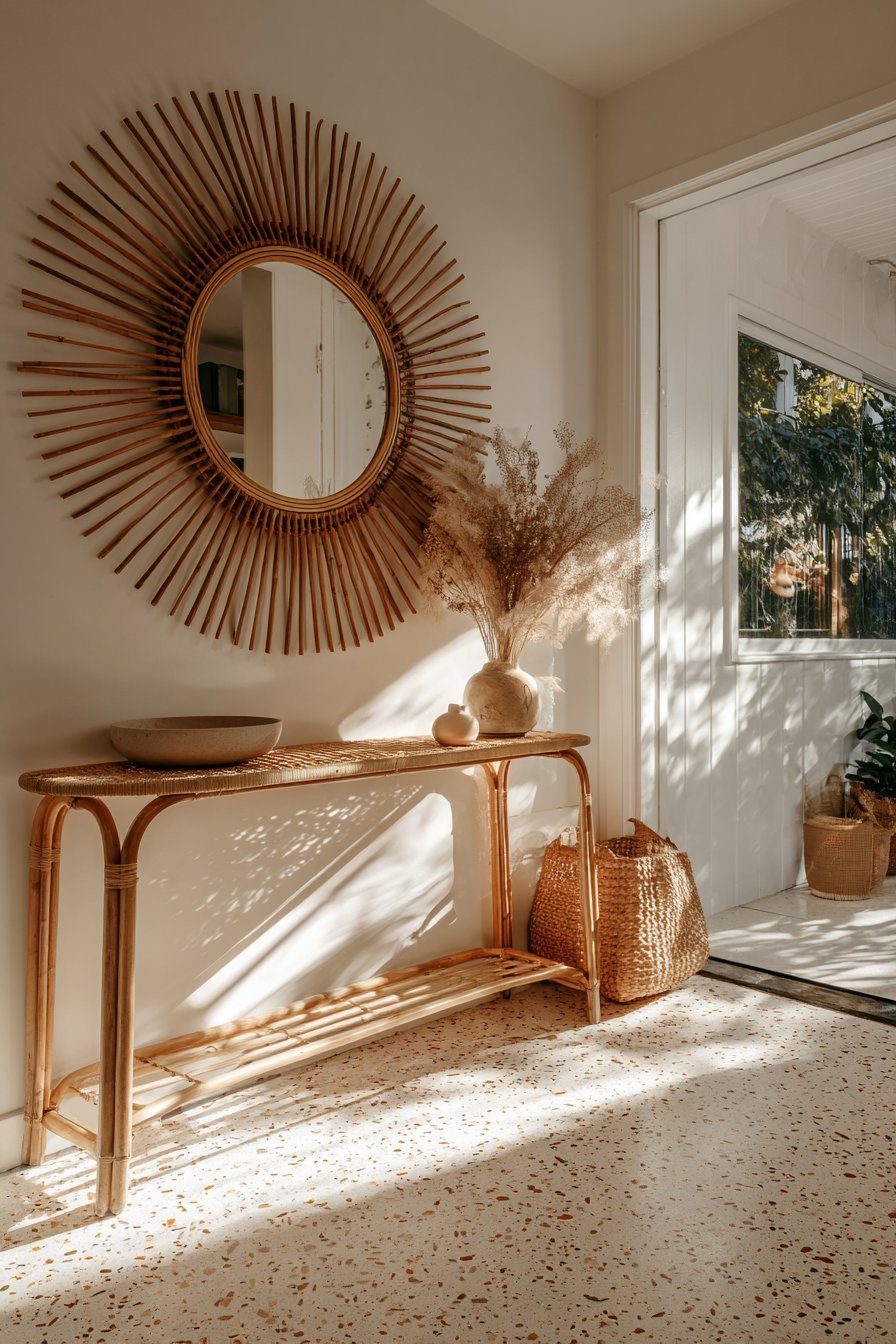
Placement should be strategic. Hang a mirror across from a window or light source to maximize light reflection and enhance the sense of space. On a small wall above a console table or bench, a mirror at eye level creates a functional vignette that feels purposeful and polished. Avoid placing mirrors so high that they only reflect the ceiling.
- Choose a mirror with a sculptural or decorative frame as a standalone art piece
- Position mirrors opposite windows to reflect natural light and brighten the space
- Select a size that fills approximately half to two-thirds of the wall width
- Use a series of small mirrors in a cluster for an artful, modern arrangement
- Pair a mirror with a slim console table and one or two accessories below
- Avoid mirrors that are too large or too small for the wall’s proportions
8. Single Statement Pieces for Small Walls
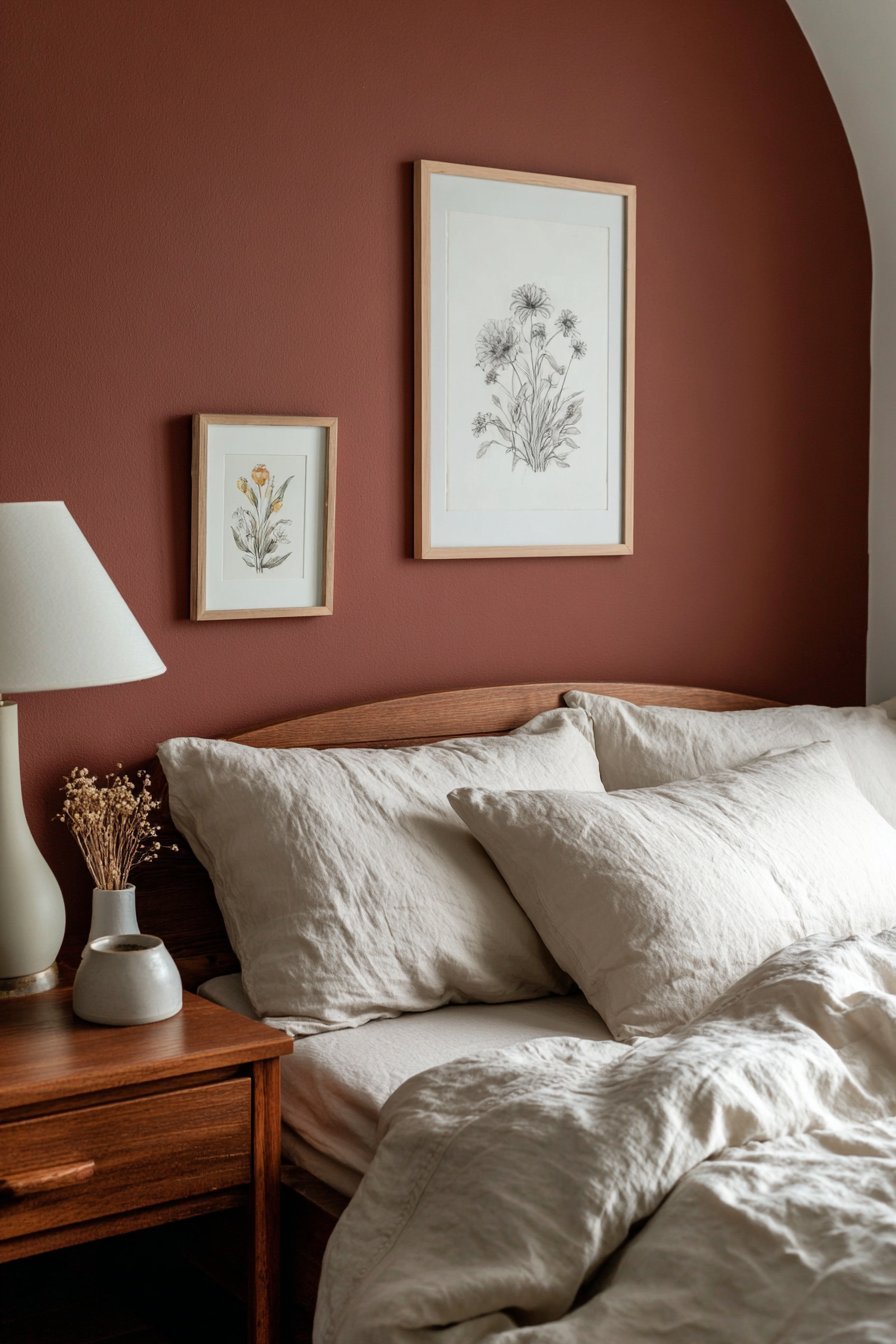
On a small wall, a single statement piece almost always outperforms a collection of smaller items. This could be one beautifully framed print, a hand-painted ceramic plate grouping, a small textile wall hanging, or a sculptural object mounted directly to the wall. The emphasis is on quality, character, and intentionality.
When selecting a statement piece for a small wall, consider the emotional tone you want to set. A black and white botanical print conveys calm and elegance. A brightly colored abstract painting brings energy and personality. A vintage map or typographic print adds intellectual charm. The piece should feel like a deliberate design choice, not an afterthought.
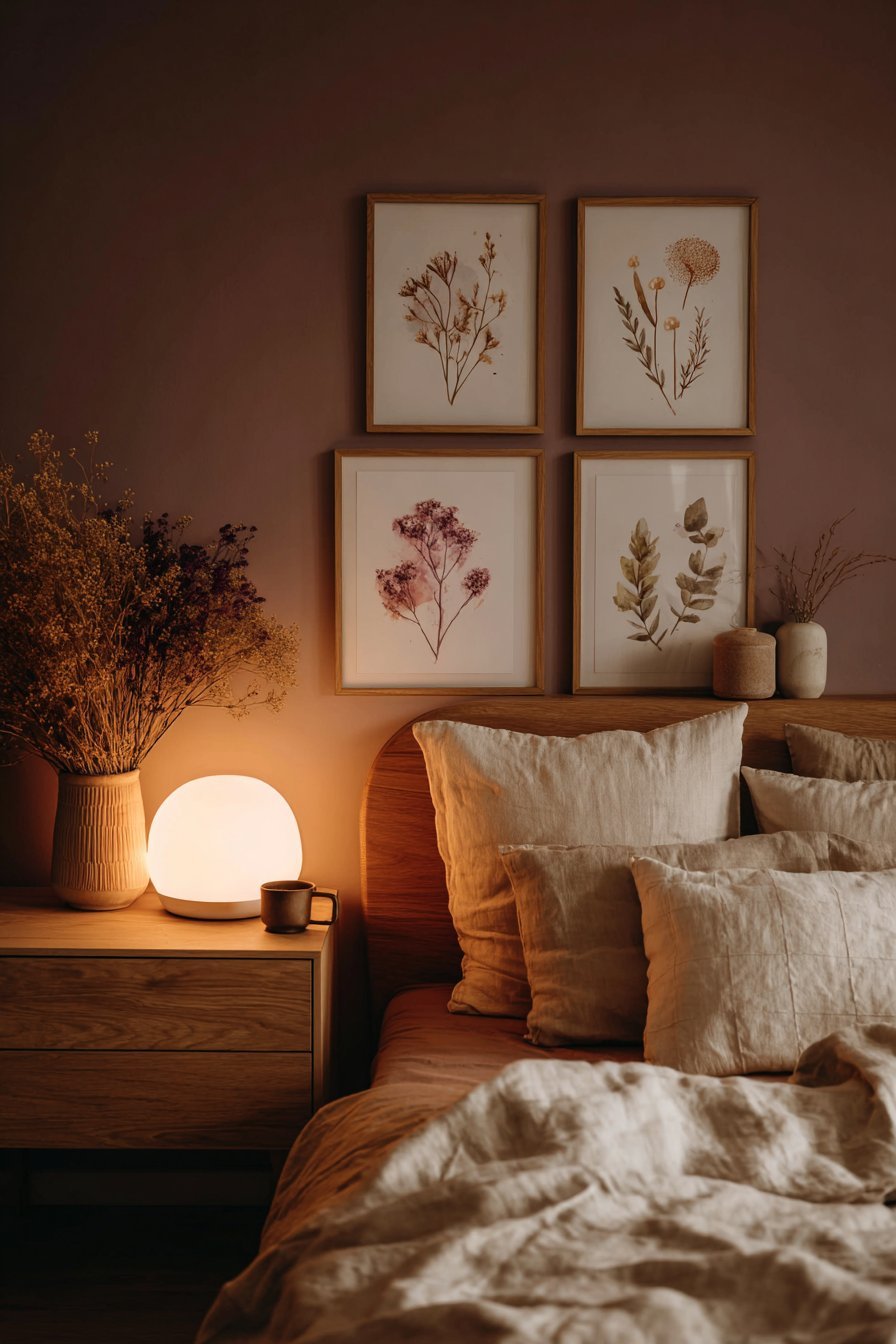
Sizing guidance for small walls: the art or decor item should typically span roughly one-third to one-half of the wall width. This leaves enough negative space around the piece to frame it visually without the wall feeling bare. Going larger than half the wall width risks looking cramped; going smaller risks looking lost and insignificant.
- Select one high-quality, character-rich piece rather than multiple small items
- Size the piece to span one-third to one-half of the wall’s width
- Consider handmade or artisan items for a unique, personal touch
- Match the emotional tone of the piece to the room’s overall mood and function
- Use a mat board inside the frame to add visual weight without increasing art size
- Hang at precise eye level for a polished, intentional appearance
9. Vertical Strategies to Make Small Walls Feel Taller
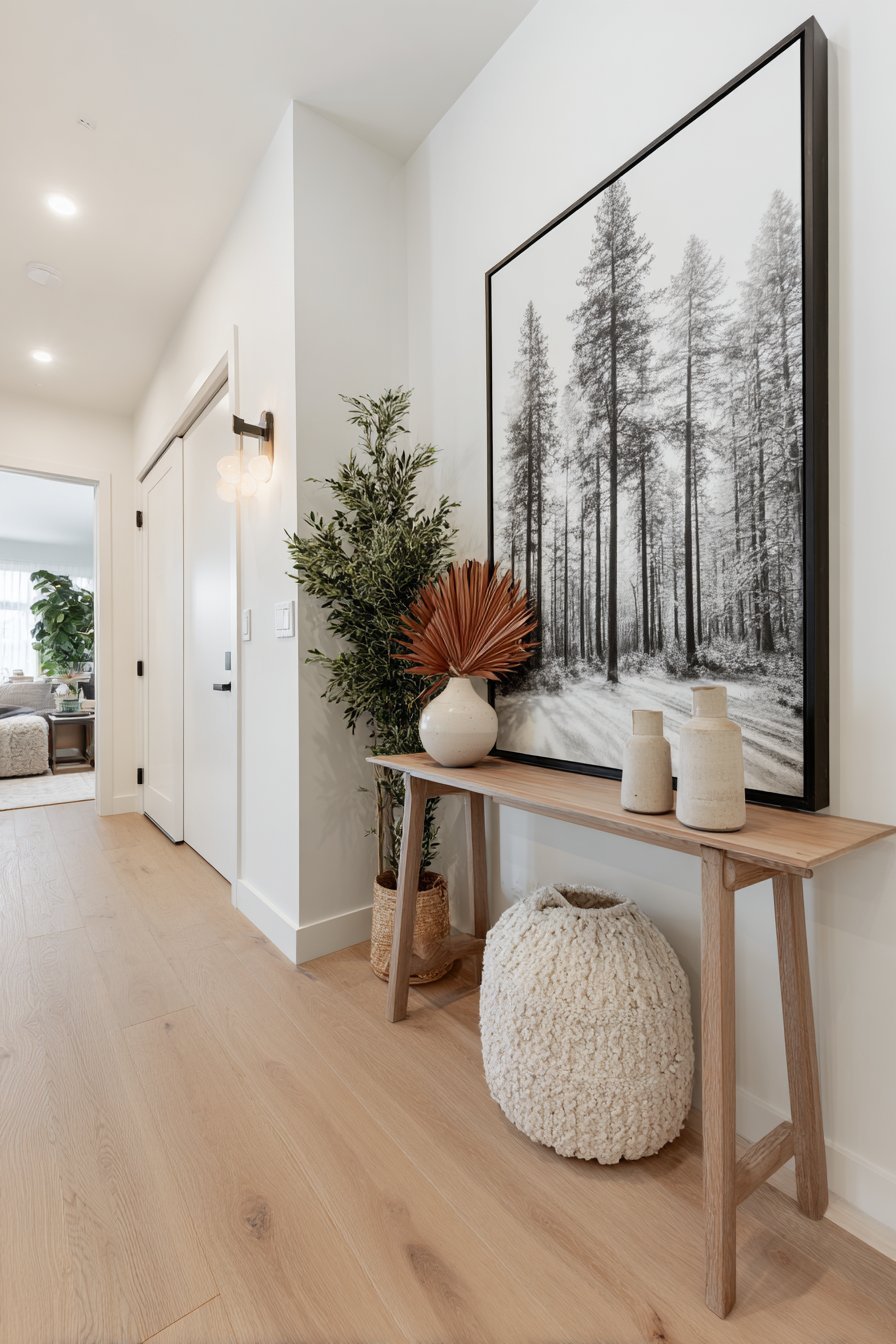
One of the most effective tricks for small walls is using vertical design strategies to draw the eye upward. This creates the illusion of height, making a small wall — and by extension the entire room — feel more generous and spacious. Tall, narrow elements naturally elongate any surface.
A tall, narrow mirror or artwork is the simplest vertical strategy. A portrait-oriented frame on a small wall immediately pulls the gaze upward. Similarly, a narrow vertical shelf stacked with a few carefully chosen items creates height without taking up significant horizontal real estate. This is particularly effective in tight hallways and small entryways.
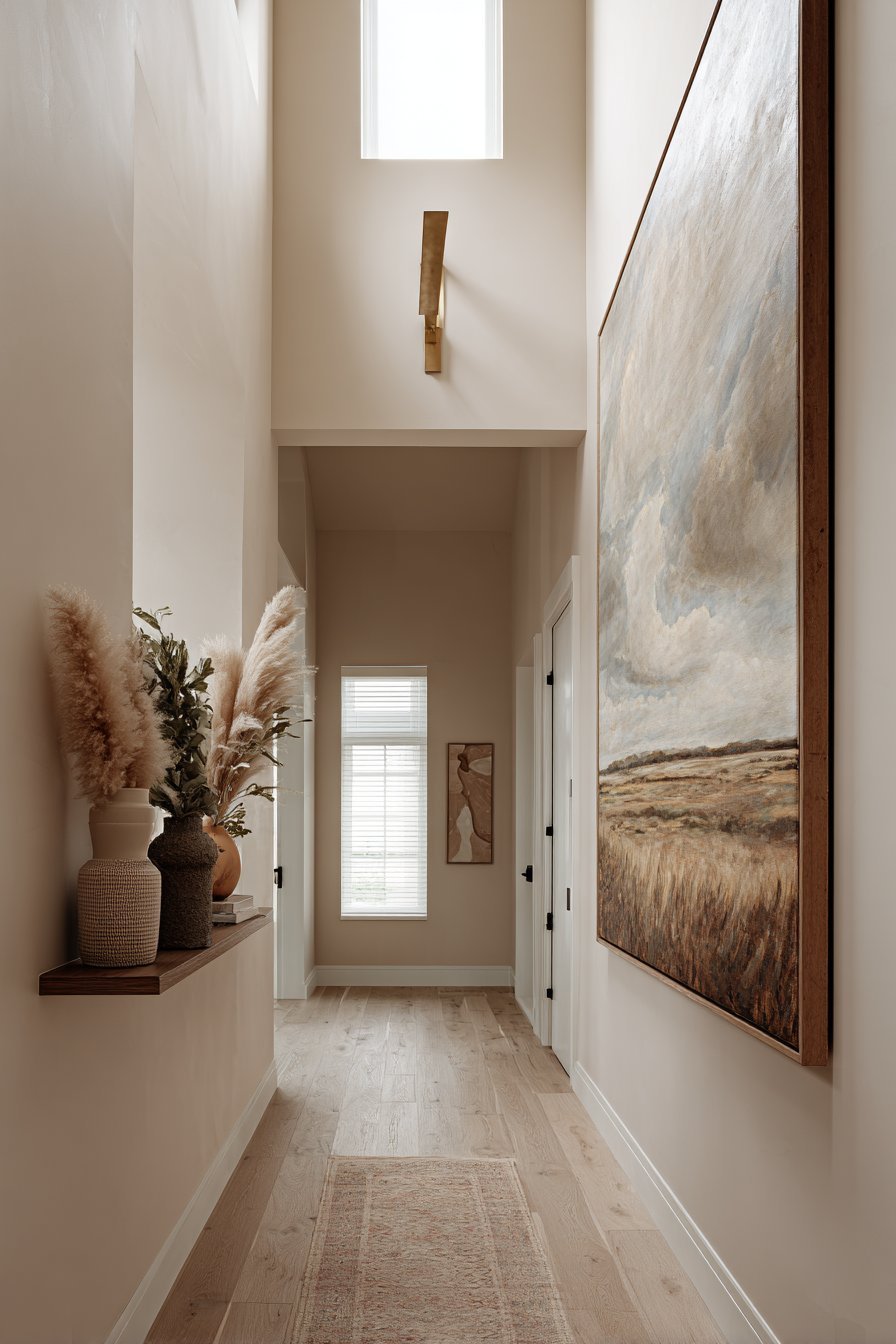
Wall-mounted sconces or picture lights positioned above art also create vertical visual movement. The eye naturally travels from the art up to the light source, effectively doubling the perceived height of the wall. Pair this with light-toned walls to further amplify the sense of height and openness in the space.
- Choose portrait-oriented artwork to draw the eye upward on small walls
- Install a tall, narrow shelf for vertical display without horizontal sprawl
- Mount a wall sconce above art to create upward visual movement
- Use vertical stripe wallpaper or paint treatments to elongate the wall visually
- Select frames and decor in light or warm neutral tones to open up small spaces
- Avoid horizontal arrangements that emphasize width over height on small walls
10. Transitional Walls: Where Large Meets Small
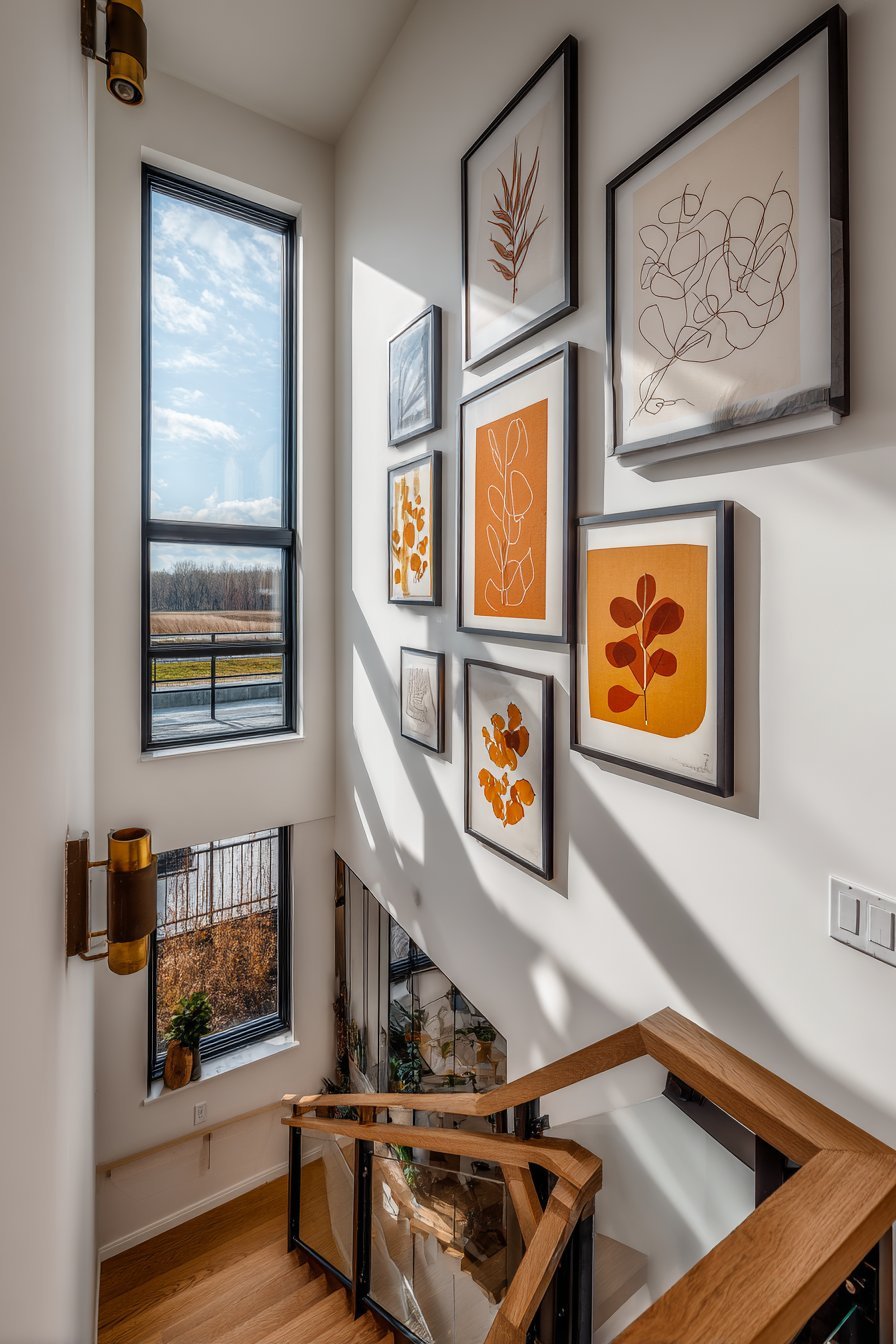
Not every wall fits neatly into the large or small category. Transitional walls — those that are medium-sized, irregularly shaped, or interrupted by architectural features — require a hybrid approach. These include walls with windows, walls above staircases, and walls adjacent to built-in elements like fireplaces or cabinetry.
For walls interrupted by windows or doors, treat the available space as its own defined zone. Rather than trying to decorate across the interruption, focus on the unbroken sections on either side. A pair of matching sconces or identical framed prints flanking a window creates symmetry and intentionality without fighting the architecture.
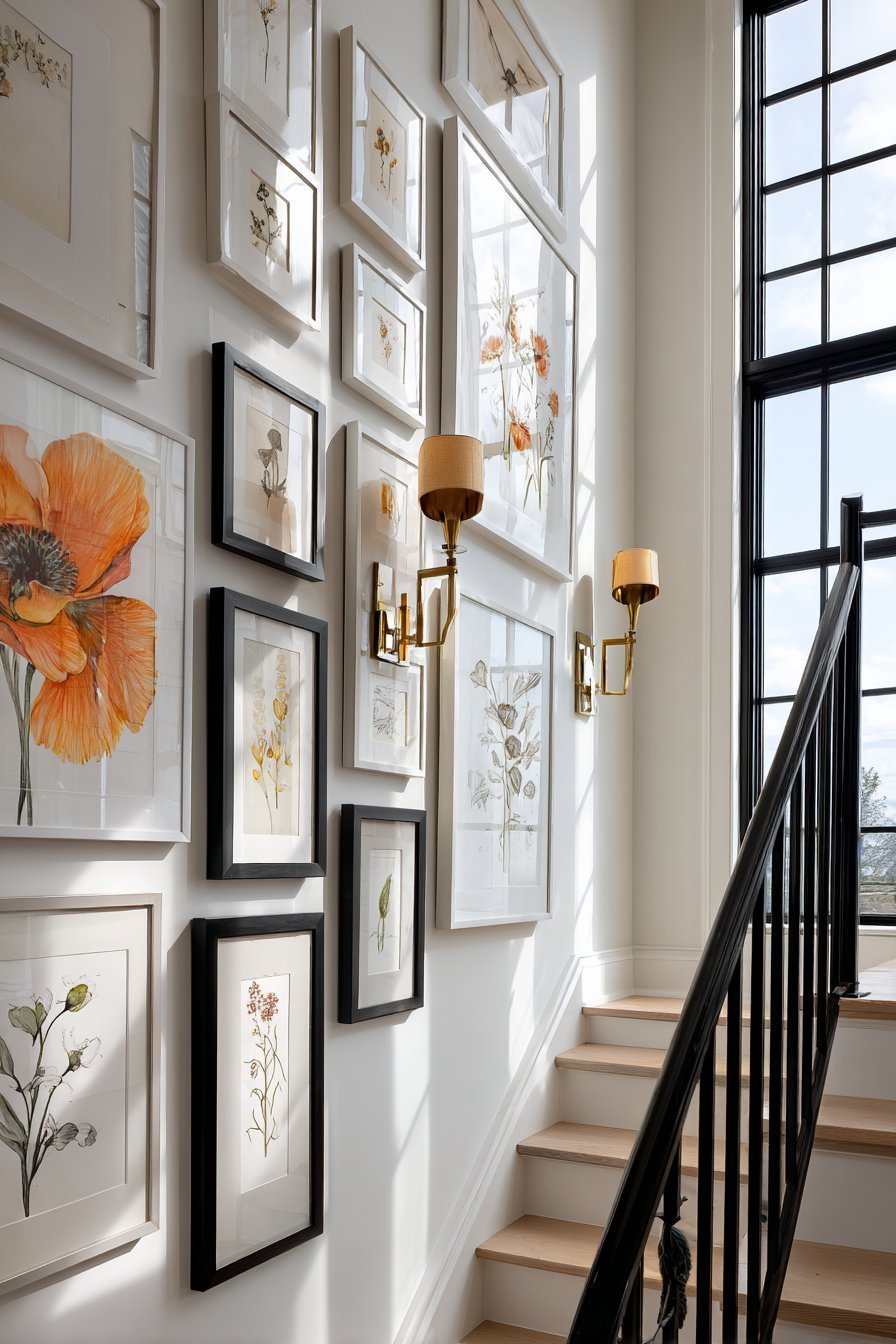
Staircase walls are a unique and exciting design opportunity. The diagonal line of the staircase creates a natural guide for arranging a gallery wall that travels upward with the stairs. Keep consistent spacing and align the tops or centers of frames along the diagonal axis of the staircase for a cohesive, dynamic look.
- Treat interrupted wall segments as independent design zones
- Use matching pairs of decor to create symmetry around windows and doors
- Follow the diagonal axis of staircases when arranging gallery walls
- Keep decor proportionate to each individual wall segment rather than the whole
- Use architectural features like niches and alcoves as natural display frames
- Blend large and small decor strategies to suit each segment’s unique scale
11. Lighting as a Wall Decor Strategy
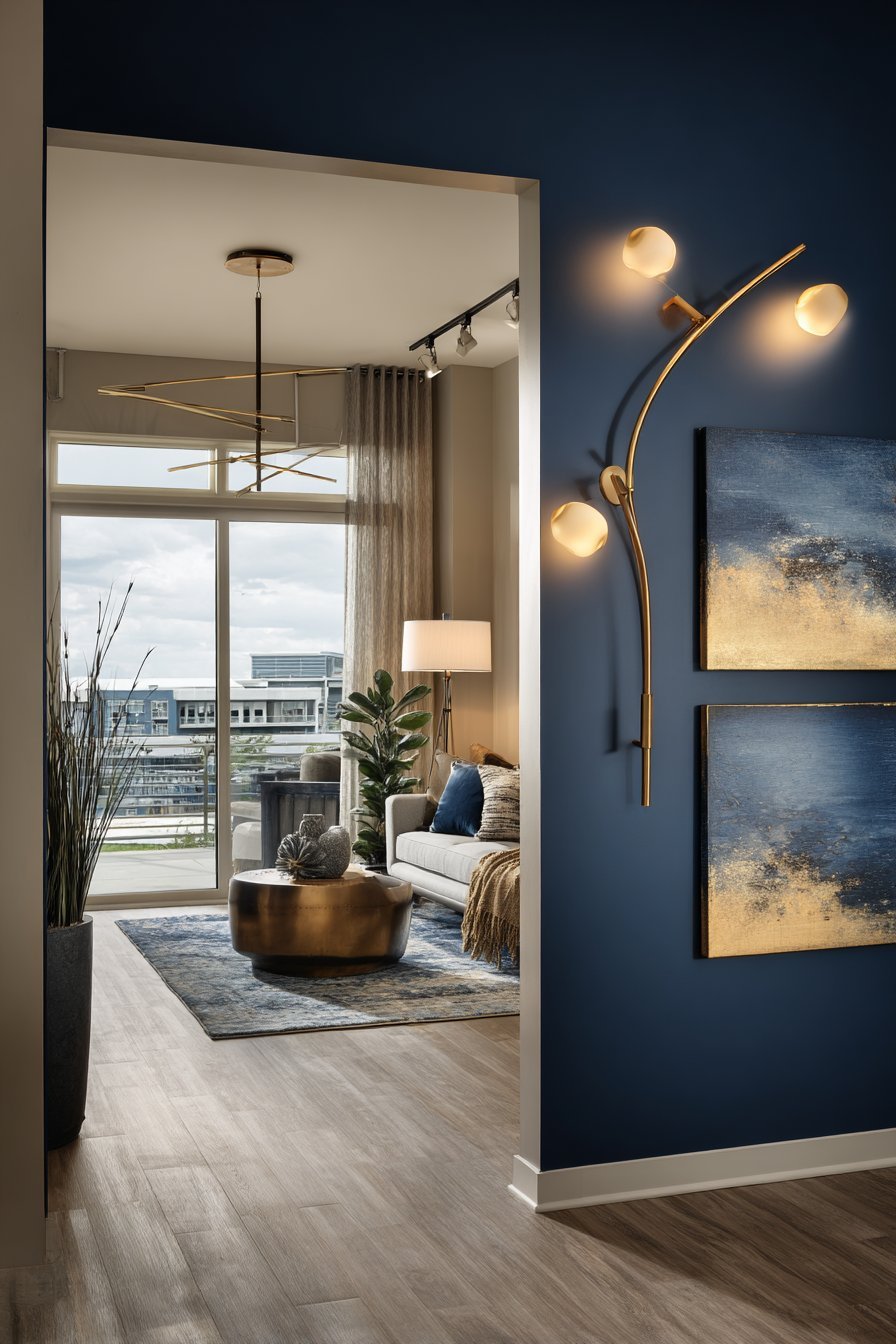
Lighting design is one of the most underutilized tools in wall decoration. Whether you are working with a large or small wall, the right lighting can dramatically elevate the impact of your decor choices. Light draws attention, creates mood, and adds a layer of sophistication that no amount of art or furnishings can replicate on its own.
For large walls, directional spotlights or track lighting allow you to precisely illuminate artwork, shelving displays, or accent wall features. A well-lit gallery wall looks dramatically more curated and intentional than the same wall under flat overhead lighting. Picture lights mounted directly on frames add a gallery-quality feel that elevates even budget-friendly prints.
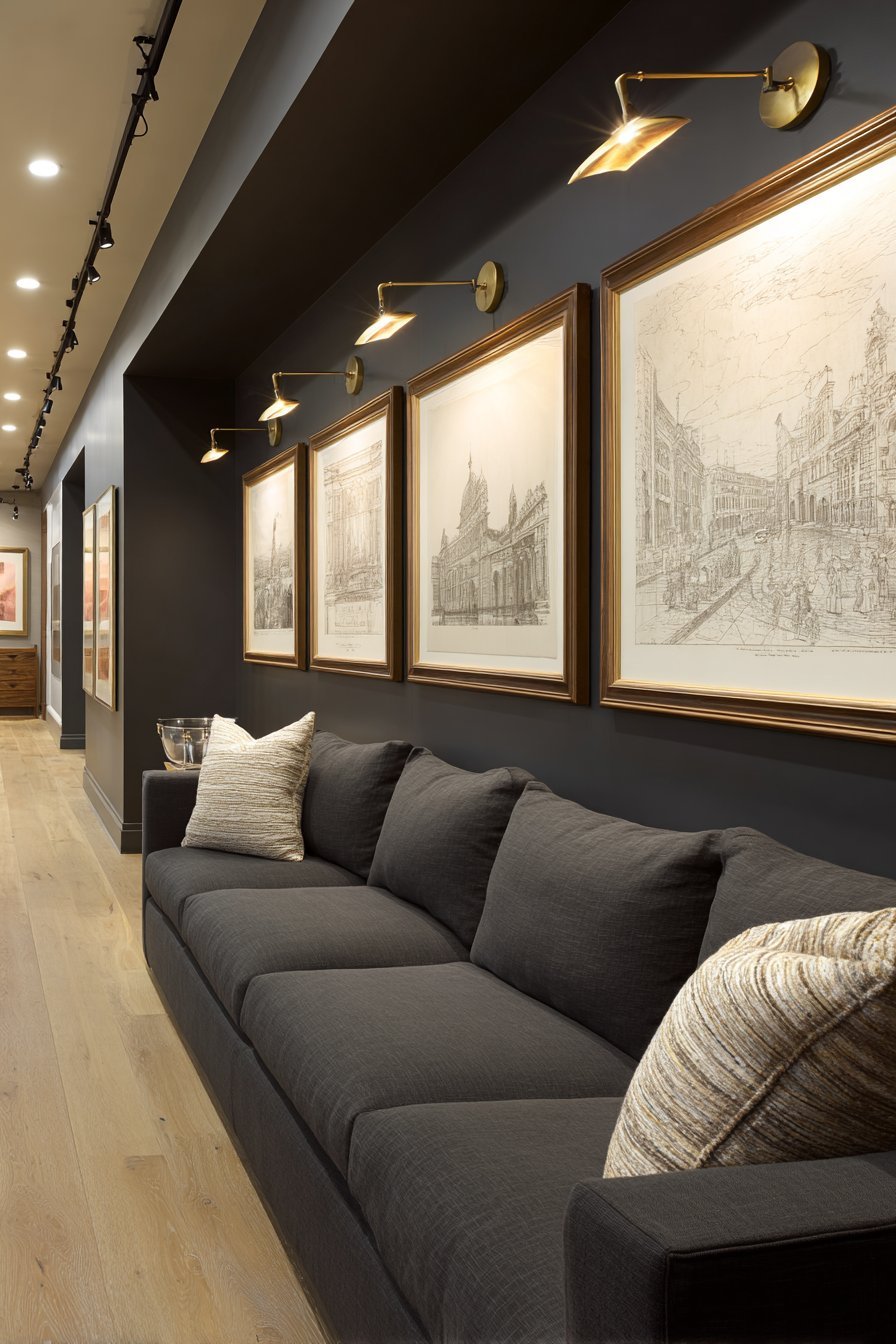
On small walls, a single wall sconce serves both as a light source and as a decorative element. Choose a sconce with visual character — an articulating arm, an interesting shade, or a sculptural base — and it becomes as much a decor piece as a functional fixture. Sconces also free up surface space on small console tables and shelves below.
- Use directional spotlights to highlight art and feature walls
- Install picture lights directly on frames for a gallery-quality presentation
- Choose decorative wall sconces that double as art on small walls
- Use warm white bulbs (2700K to 3000K) for a cozy, flattering ambiance
- Layer lighting with overhead, ambient, and accent sources for depth
- Use dimmer switches to adjust wall lighting intensity for different moods
12. Texture and Material Variety on Large and Small Walls
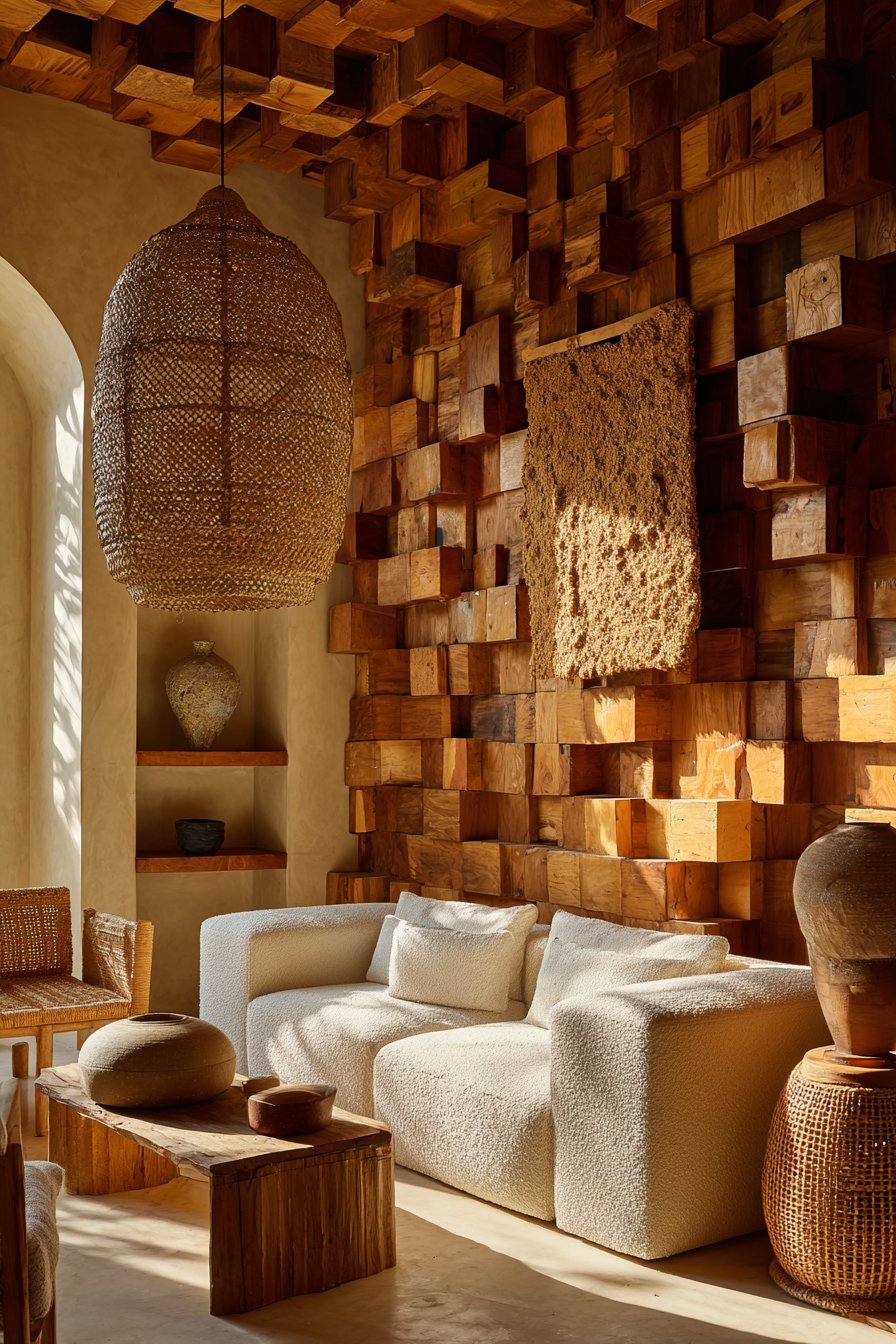
Texture is a powerful but often overlooked dimension of wall decor. Incorporating a variety of materials and tactile surfaces adds depth and richness to both large and small walls. The interplay of smooth, rough, soft, and shiny surfaces creates a visually dynamic environment that flat, uniform decor simply cannot achieve.
On large walls, textured wall panels, reclaimed wood planking, or stone cladding create architectural interest that goes far beyond what paint or wallpaper can offer. These materials bring warmth, character, and a sense of permanence. A feature wall clad in natural materials like brick veneer or wood slats instantly grounds the space and adds an organic, layered quality.
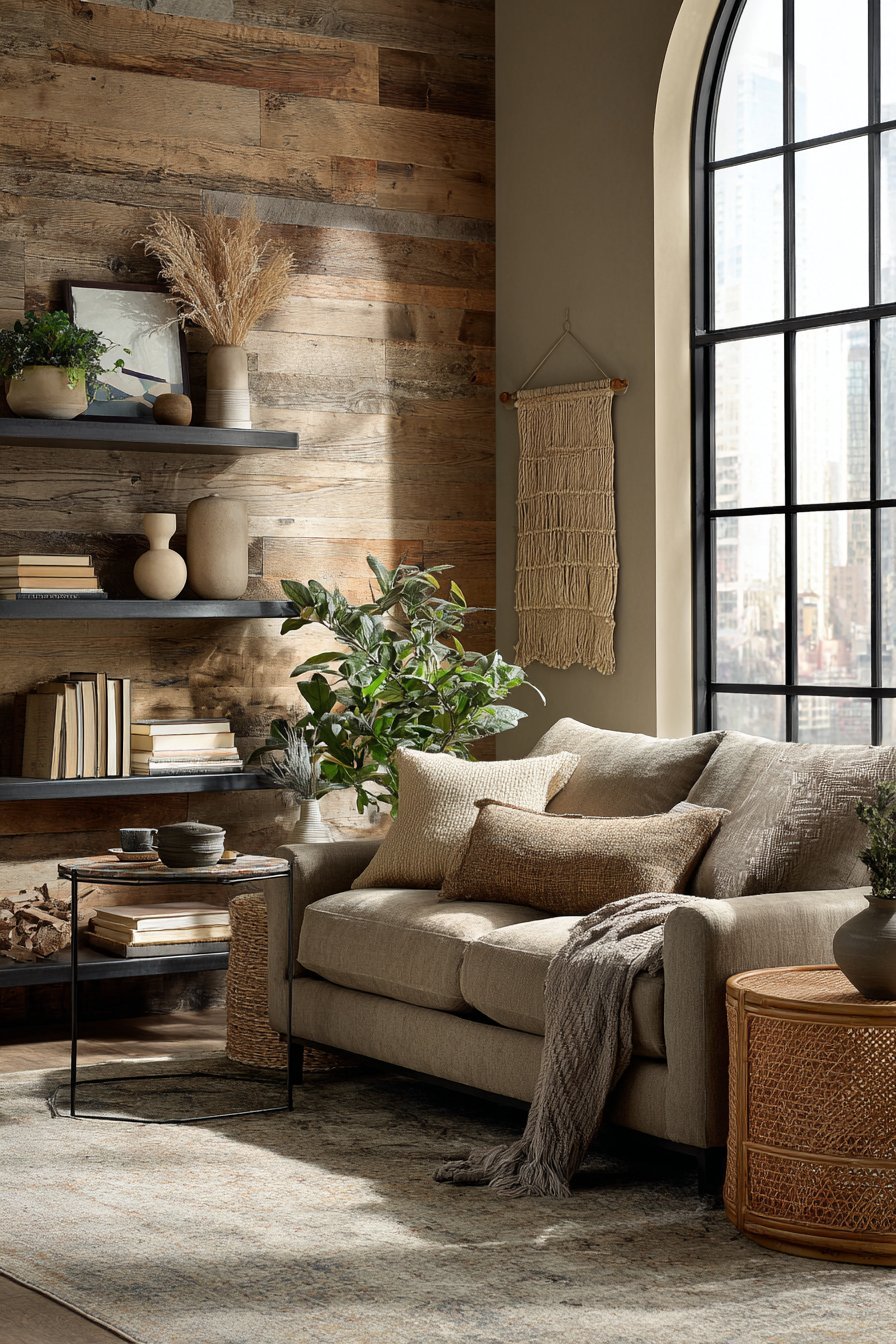
On small walls, texture should be used with restraint and precision. A single woven wall hanging, a ceramic tile display, or a small section of textured wallpaper can add just the right amount of tactile interest without overwhelming the limited surface area. Choose natural, organic materials like linen, jute, rattan, or raw clay for warmth and authenticity.
- Use reclaimed wood or stone cladding on large feature walls for architectural richness
- Incorporate woven textiles or macramé on small walls for organic texture
- Mix materials like metal, ceramic, and wood in gallery wall compositions
- Apply textured wallpaper in one defined section of a large wall to add depth
- Use three-dimensional tiles or panels for a sculptural, contemporary effect
- Balance textured decor with smooth, clean surfaces nearby to avoid sensory overload
13. Color Psychology and Wall Decor Choices
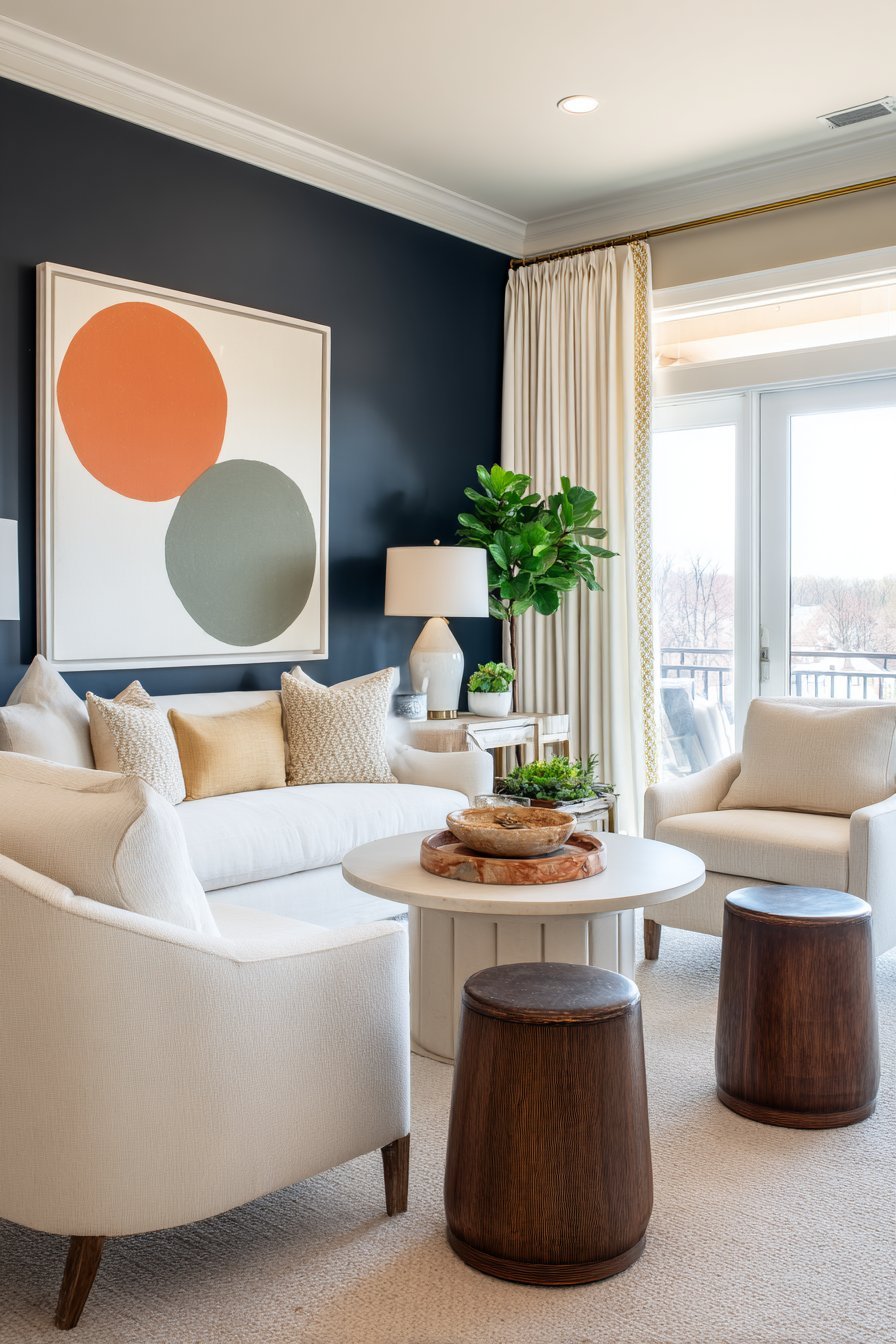
Color is the silent language of interior design, and it communicates powerfully through both wall color and the decor placed upon it. Understanding how color affects mood and perception allows you to make intentional, impactful design choices for walls of any size. The same decor piece can feel dramatically different depending on the wall color behind it.
On large walls, dark and saturated background colors make light-colored art and decor pop with incredible contrast. A deep navy or forest green wall turns even a simple white-framed print into a dramatic focal point. Conversely, light-colored walls on large surfaces create an airy, gallery-like backdrop that allows colorful artwork to sing without competition.
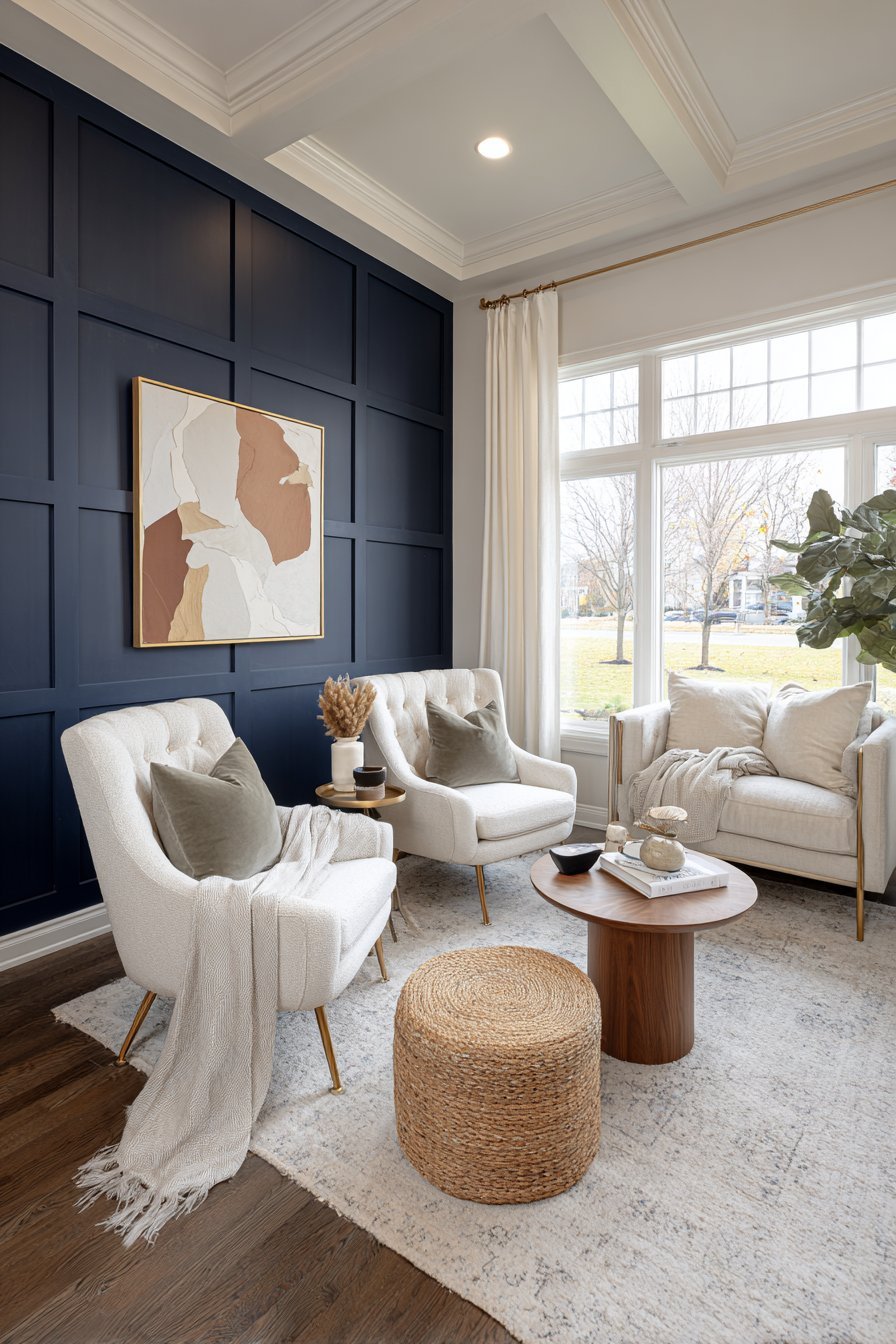
On small walls, warm and light tones typically work best as backgrounds. They make the space feel open and welcoming. Choosing decor in complementary or analogous color schemes ensures that pieces harmonize rather than clash on the limited surface. A small wall with a too-dark background can feel oppressive and cave-like if not balanced with adequate lighting.
- Use dark wall colors on large surfaces to create dramatic art contrast
- Choose warm neutrals or soft whites on small walls to maximize openness
- Select art and decor in colors that share at least one tone with the wall behind them
- Use a color wheel to identify complementary and analogous combinations
- Consider the emotional temperature of colors — warm for energy, cool for calm
- Test large paint swatches on the actual wall before committing to a full repaint
14. Seasonal and Flexible Decor Strategies for Any Wall
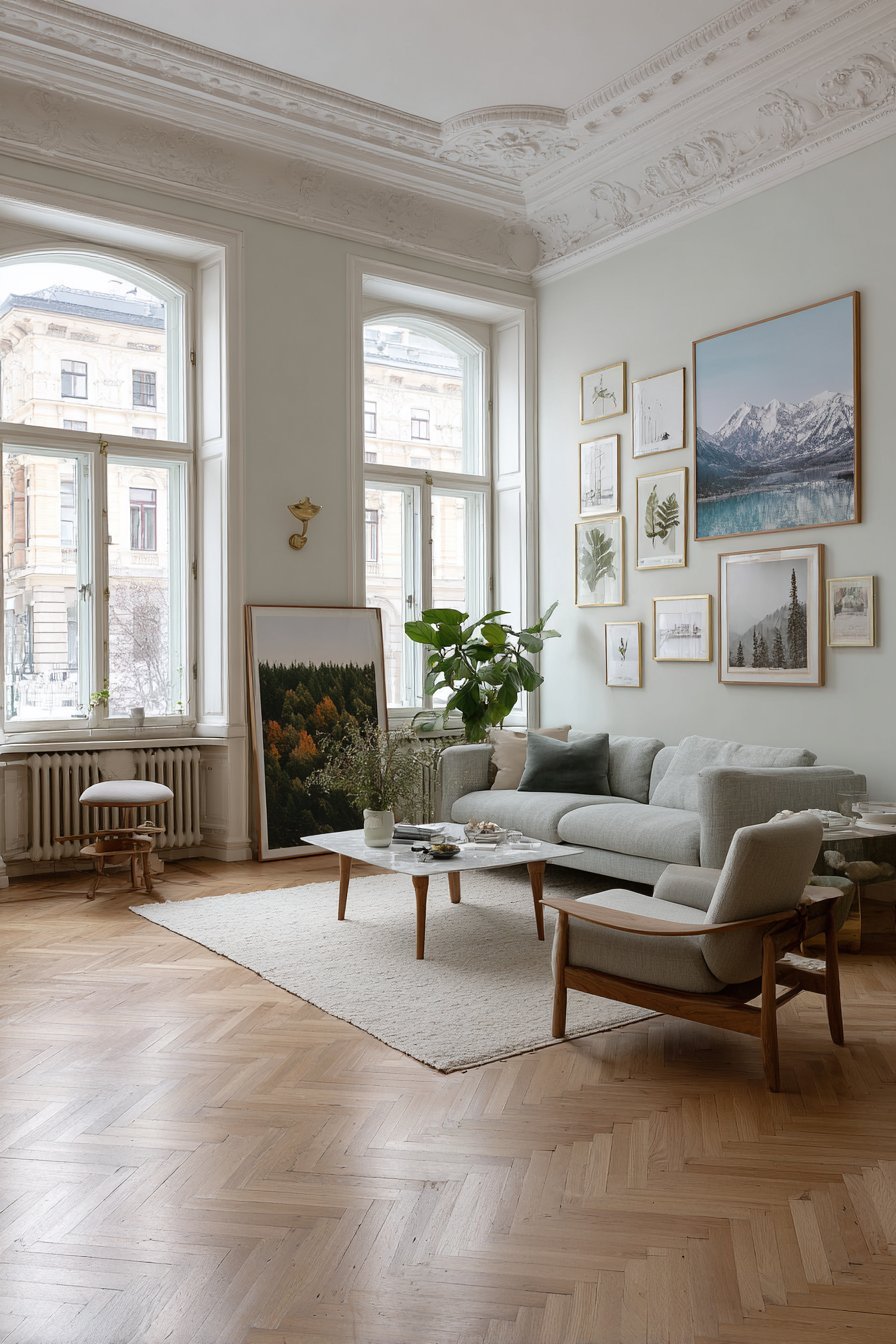
One of the smartest approaches to wall decor — for both large and small surfaces — is building in flexibility and seasonality. Rather than committing permanently to one fixed arrangement, create a system that allows you to rotate, refresh, and update your wall decor throughout the year. This keeps your home feeling dynamic and evolving without requiring a full redesign.
Picture rail systems are the ultimate flexible decor solution for large walls. These rails allow you to hang and rehang art without putting additional nails in the wall. You can completely transform a large gallery wall in an afternoon, swapping seasonal prints, rearranging compositions, or introducing new pieces as your taste and collection evolves. This is especially valuable for renters or design enthusiasts who love to refresh their spaces regularly.
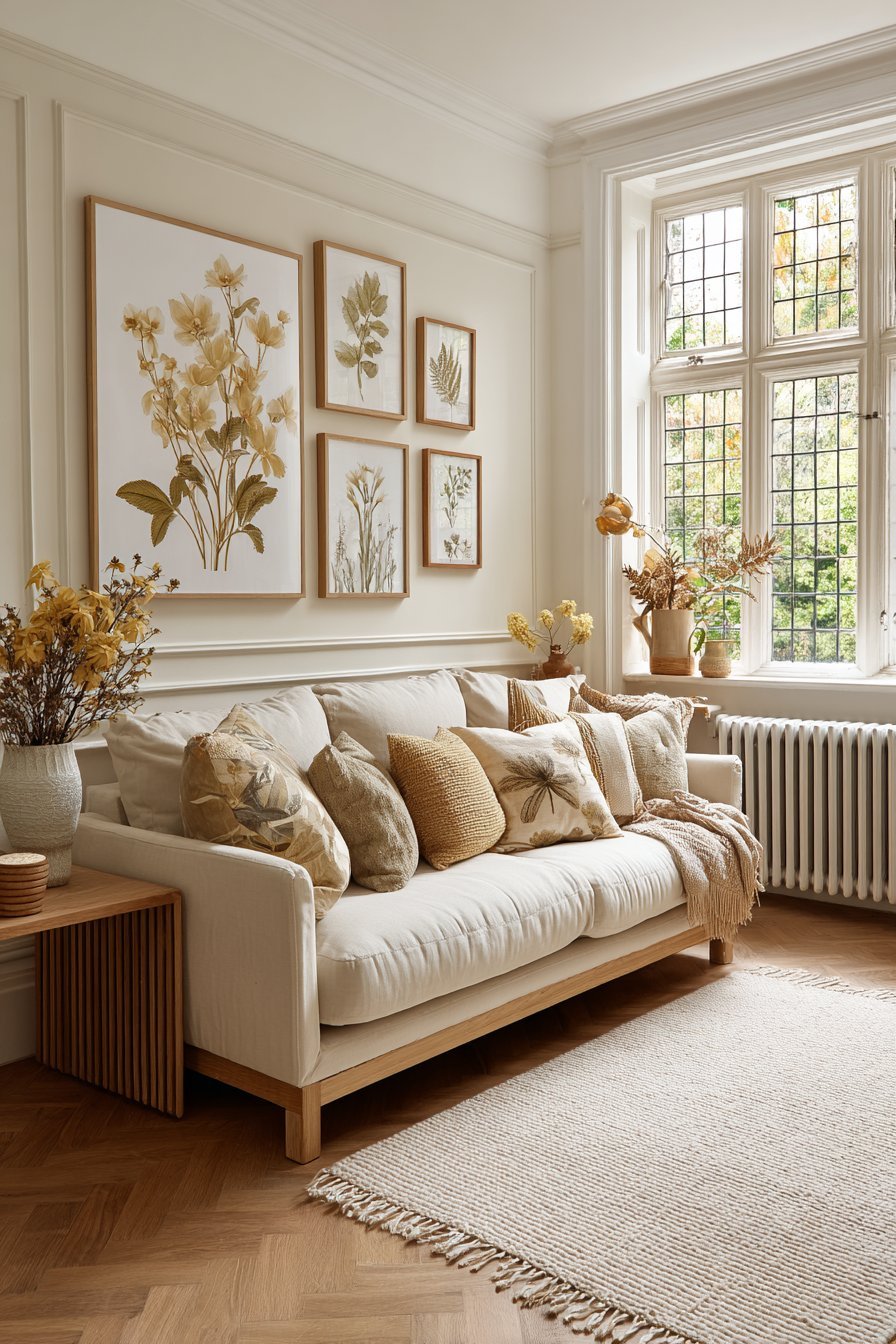
On small walls, a single changeable art print in a quality frame is the simplest version of flexible decor. Invest in one or two beautiful frames and update the prints inside them seasonally. Swap in botanical prints for spring, warm landscapes for autumn, and abstract bold prints for a mid-year energy boost. This approach delivers constant freshness at a minimal ongoing cost.
- Install a picture rail system for nail-free, flexible large wall arrangements
- Use quality frames with interchangeable prints on small walls for seasonal updates
- Build a small rotating collection of art prints to refresh walls throughout the year
- Choose neutral frame colors that work with multiple print styles and color palettes
- Lean oversized art against the wall for an easily repositioned, casual aesthetic
- Photograph your current arrangement before changing it to reference past layouts you loved
Conclusion
Decorating walls effectively is all about understanding scale, proportion, and purpose. Large walls invite boldness — oversized art, gallery arrangements, textured feature walls, and dramatic color choices. Small walls reward restraint — single statement pieces, strategic mirrors, vertical elements, and carefully chosen textures. The strategies are different, but the underlying principle is the same: every design decision should feel intentional and well-considered.
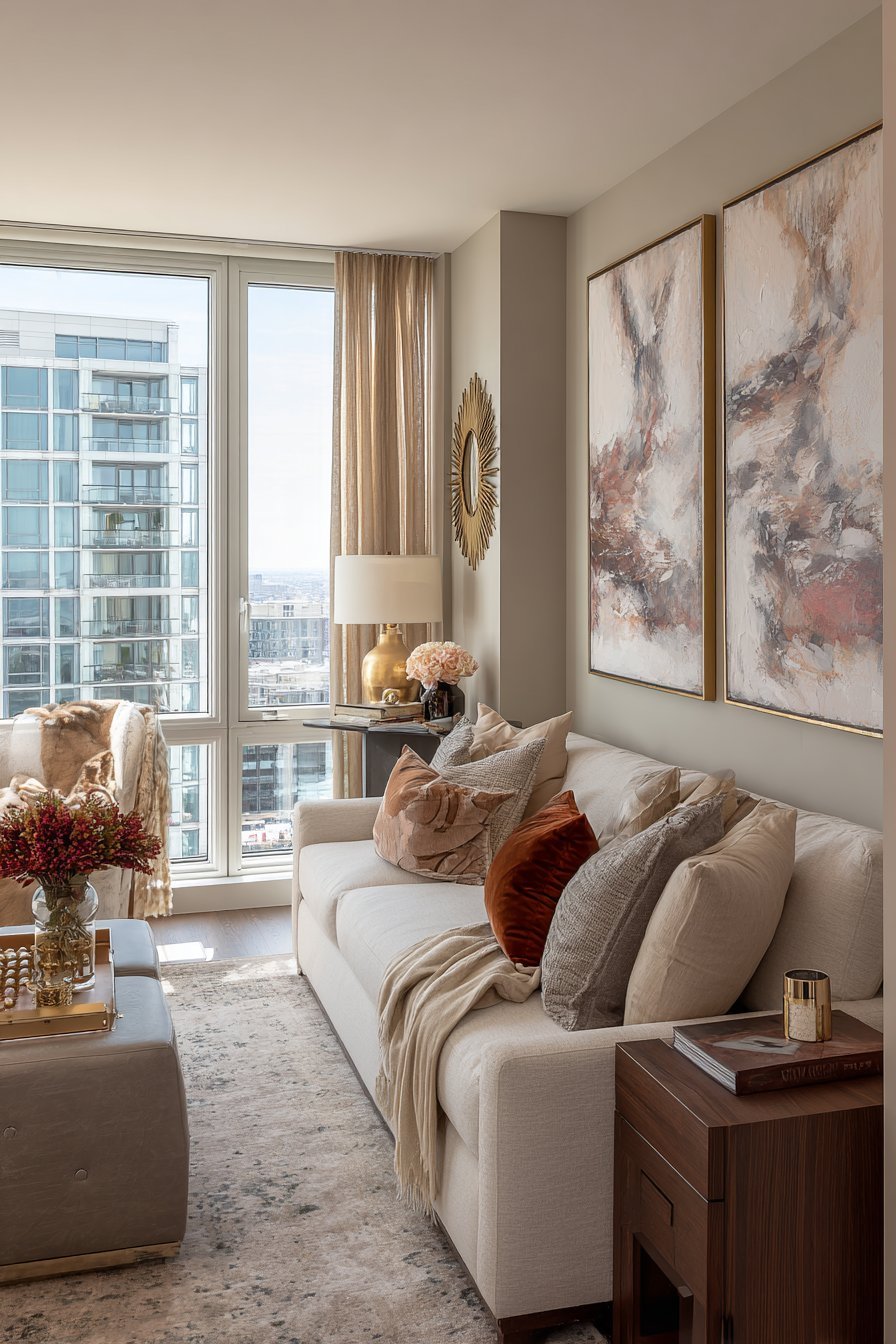
The best-decorated homes are not those with the biggest budgets but those where each wall has been thoughtfully addressed. Armed with these strategies, you now have the knowledge to approach any wall — large or small — with confidence and creativity. Experiment, trust your instincts, and remember that great design is a journey, not a destination. Your walls are waiting — go make them extraordinary.
