

Your entryway is the first thing guests see when they walk into your home. It sets the tone for every room beyond it. A poorly decorated entry wall can create an uninviting atmosphere before anyone even steps inside. First impressions matter, and the decor choices you make in this space speak volumes about your style and attention to detail.
Many homeowners overlook the entryway when planning their interior design. They pour effort into living rooms and bedrooms while neglecting this critical transitional space. Yet the entry wall is one of the most powerful design canvases in your entire home. Thoughtful entryway design can make a modest home feel grand and a chaotic space feel calm and collected.
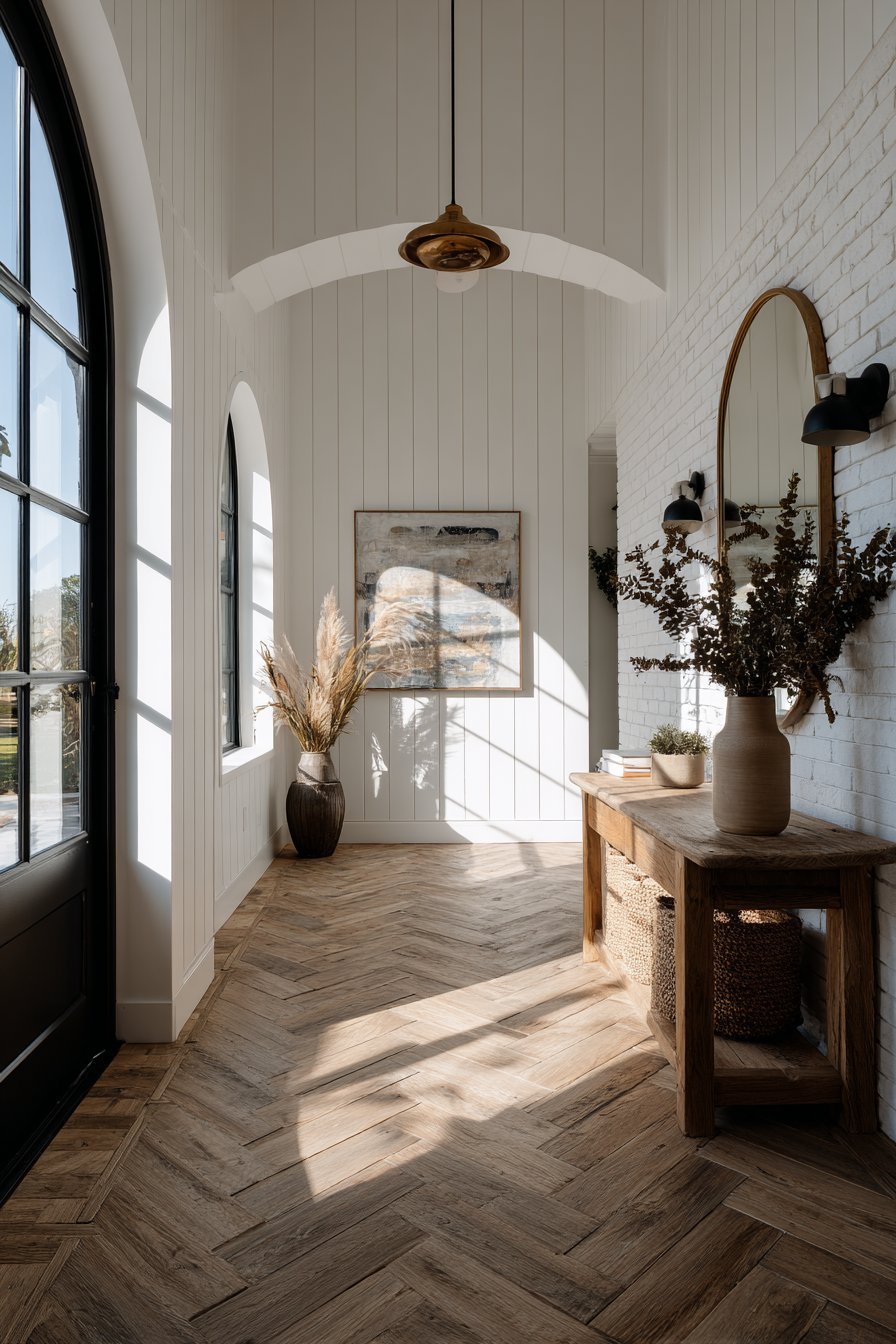
This article dives into seven of the most common entry wall decor mistakes that quietly damage the mood of your home. Whether you’re starting fresh or refining an existing look, understanding these pitfalls will help you create an entryway that impresses every single time. Avoiding these errors is a straightforward path toward a more cohesive, welcoming home.
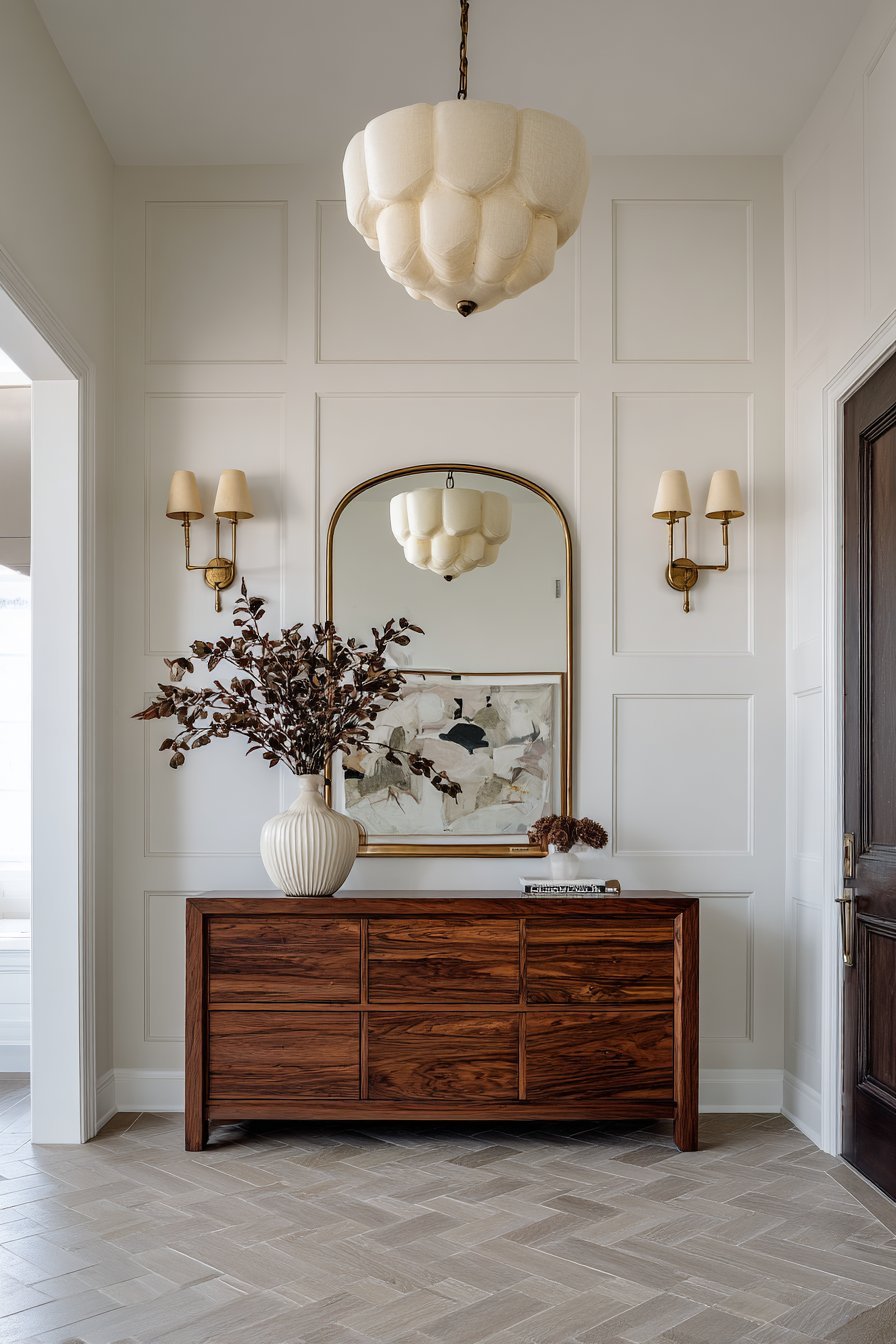
1. Hanging Artwork at the Wrong Height
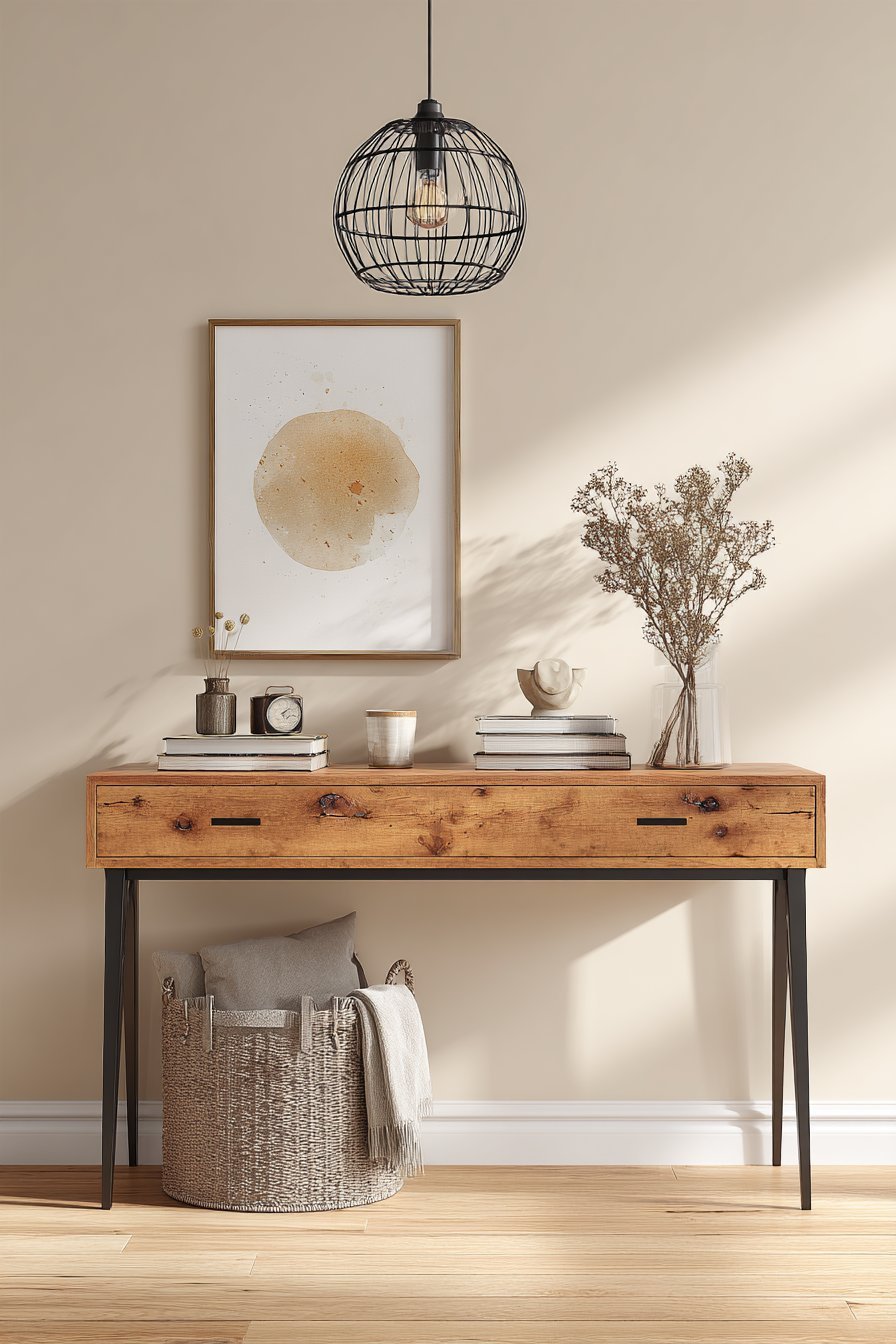
One of the most widespread mistakes in entry wall decor is incorrect artwork placement. Most people hang pieces too high, creating an awkward disconnect between the art and the surrounding space. The golden rule in interior design is to hang artwork so that the center of the piece sits at eye level, approximately 57 to 60 inches from the floor.
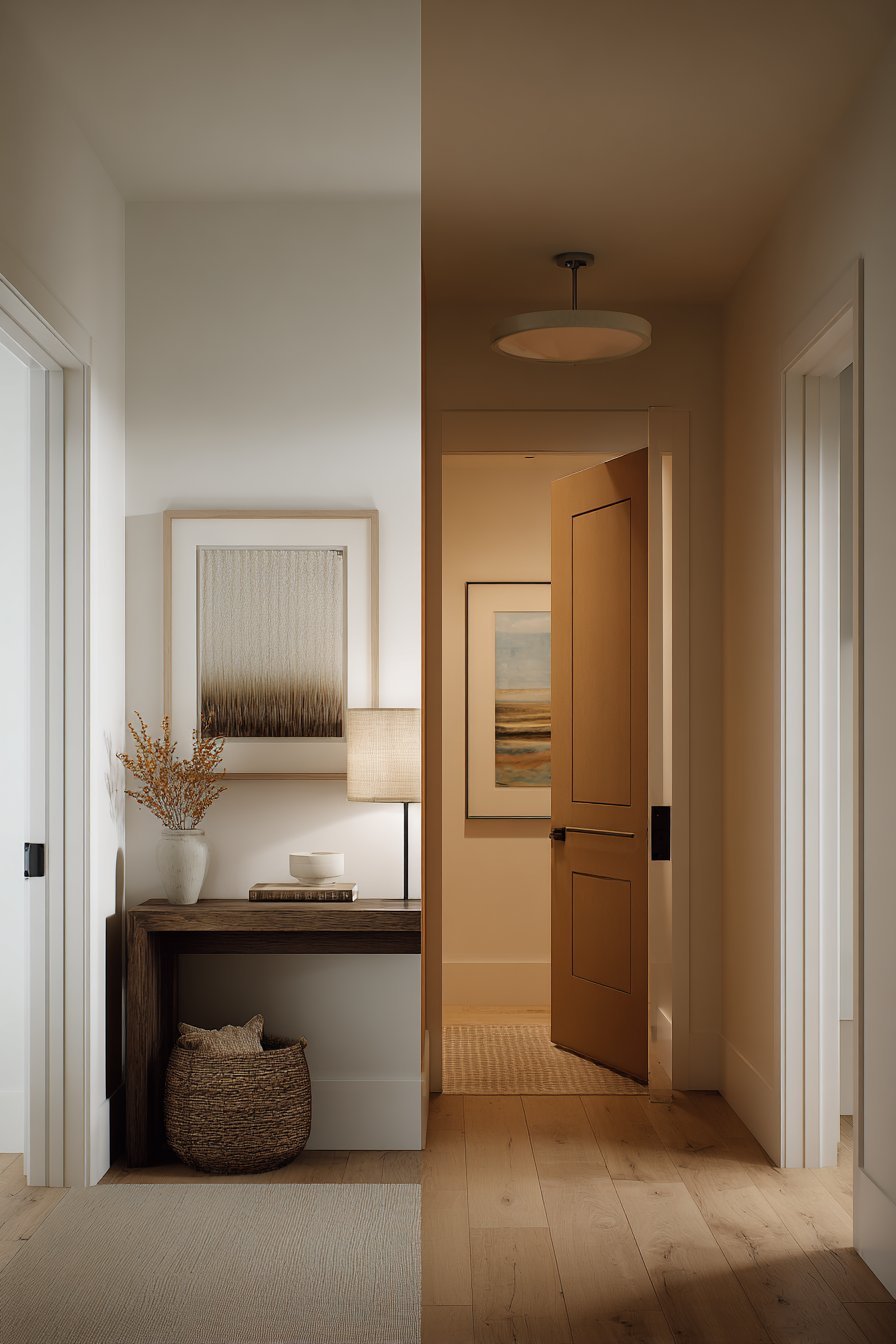
When art hangs too high, it visually separates from the furniture and architecture below it. This creates a floating effect that feels unbalanced and unintentional. The eye naturally seeks visual continuity, and a piece placed too high breaks that natural flow. The entryway, being a narrow transitional zone, is especially sensitive to this imbalance.
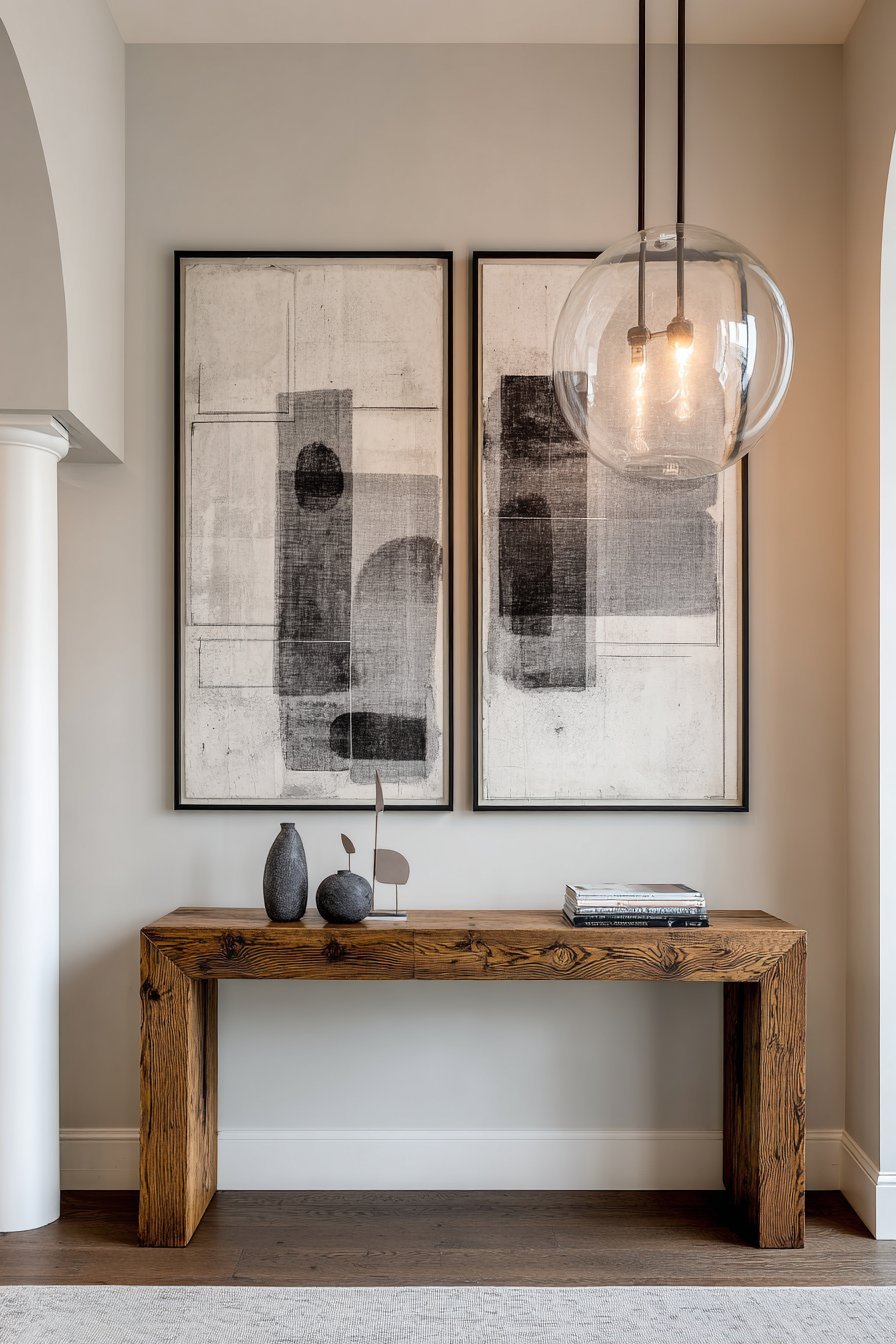
Additionally, if you have a console table or bench in your entry, the bottom of the artwork should sit about 6 to 8 inches above the furniture surface. This anchors the art to the room rather than letting it drift. Correct placement instantly elevates the entire space and creates a polished, professional look.
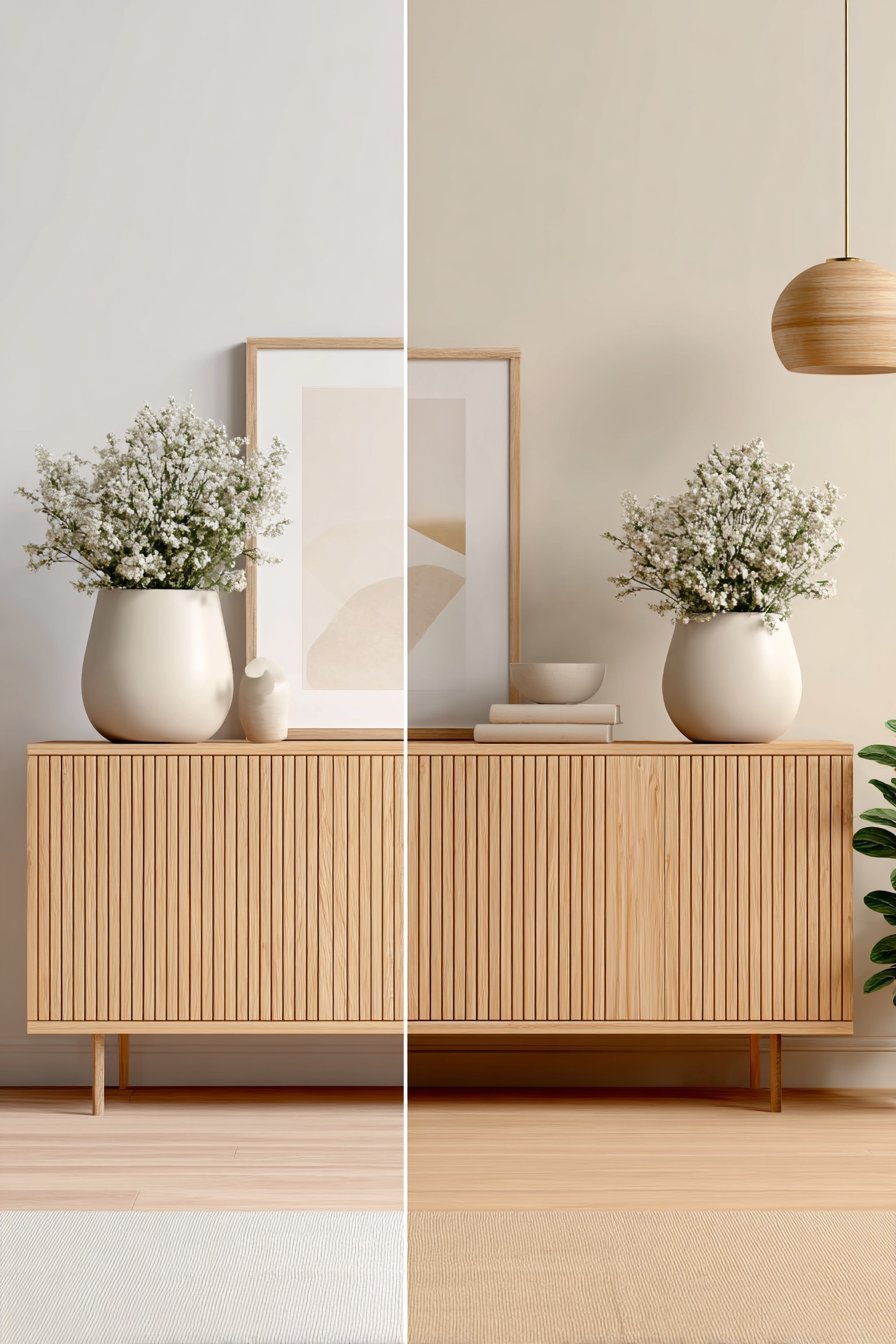
- Measure 57–60 inches from the floor to mark the center of your artwork
- For groupings, treat the cluster as one unit and center the entire arrangement
- Avoid placing art more than 10 inches above any furniture beneath it
- Use a level to ensure frames hang straight and evenly
- Step back and assess from the entry threshold before finalizing placement
- Adjust based on ceiling height — high ceilings allow slightly higher placement
2. Overcrowding the Wall with Too Many Pieces
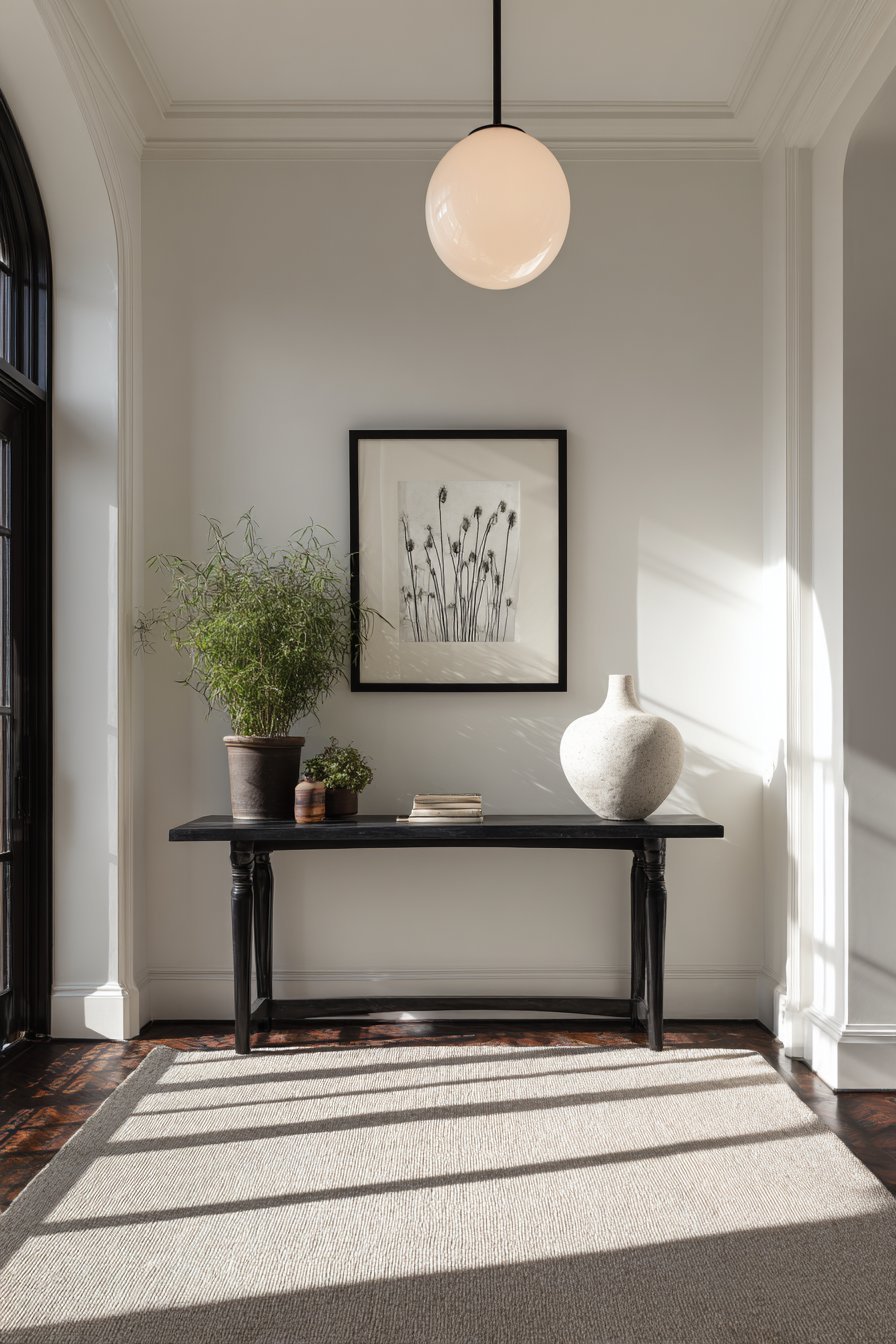
More is not always more — especially in an entryway. Filling every inch of your entry wall with frames, mirrors, hooks, and decorative objects creates visual noise. This cluttered appearance immediately overwhelms guests and creates a stressful first impression instead of a calming welcome.
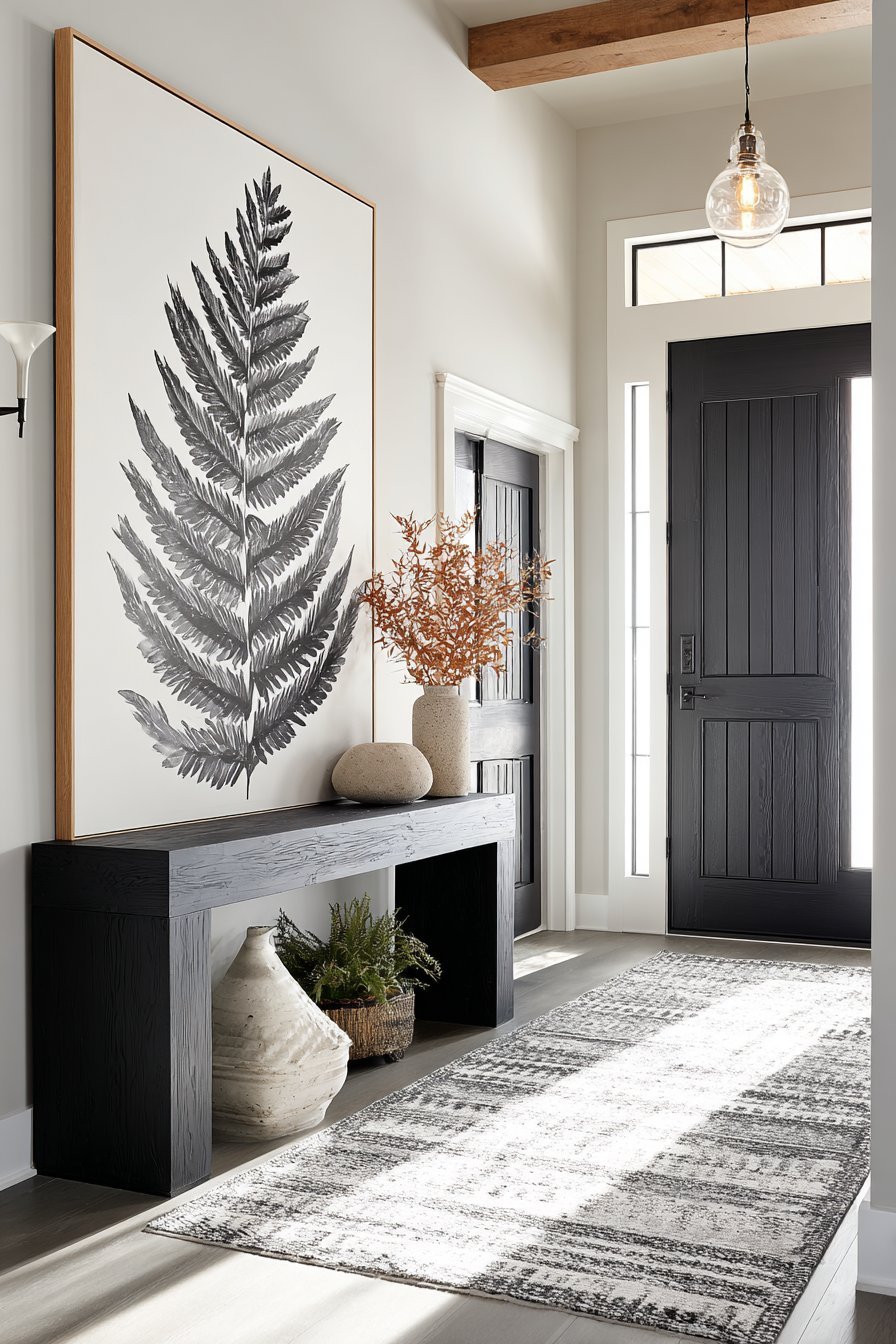
The entry wall works best when it has breathing room. Negative space — the empty areas around your decor — is just as important as the pieces themselves. When you crowd the wall, each individual item loses its impact. A single well-chosen mirror or a small curated gallery makes a stronger statement than a dozen random pieces competing for attention.
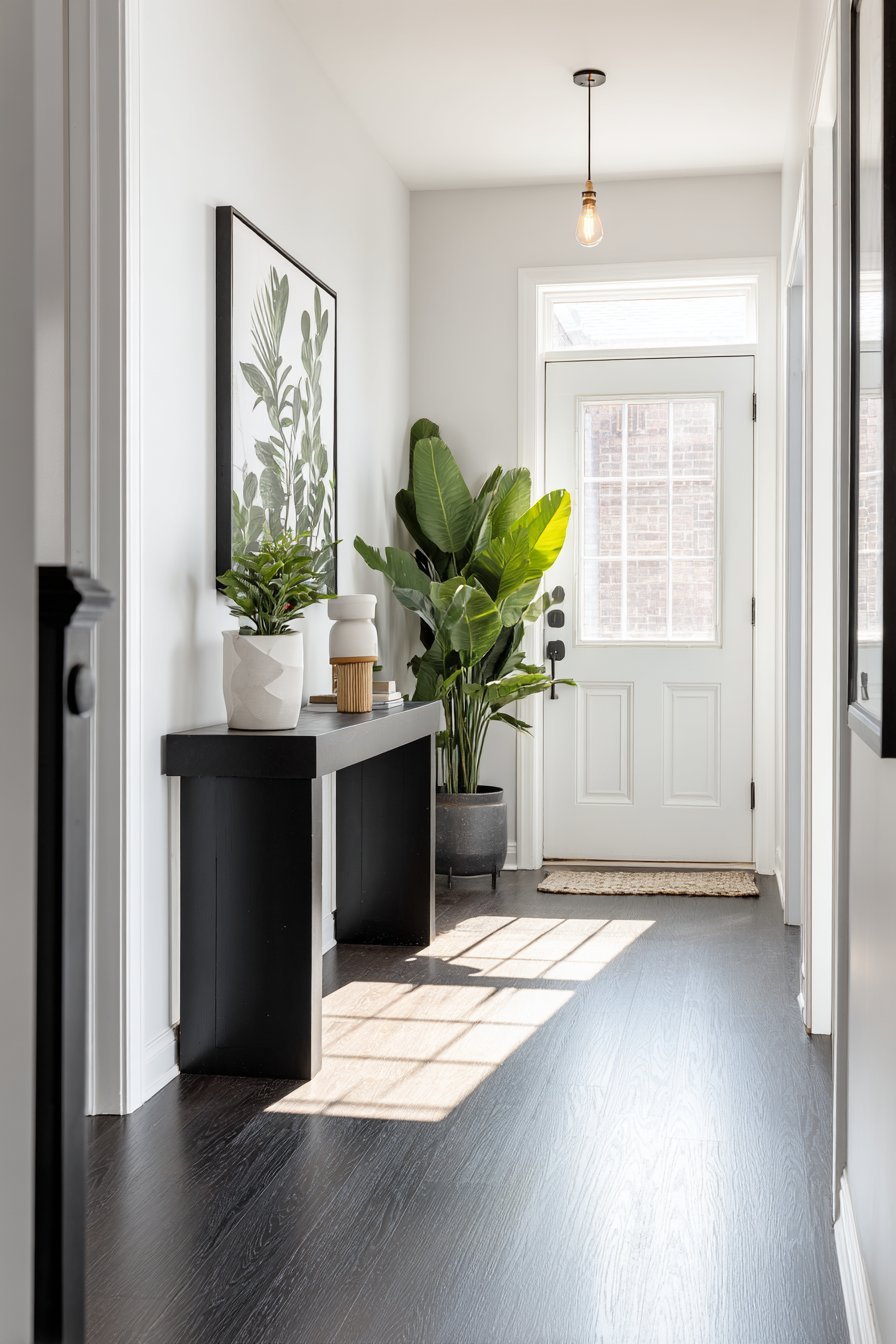
Overcrowding also makes the entryway feel smaller. In a space that is already typically narrow and compact, visual restraint is essential. Choose one or two anchor pieces and build around them with intention. Let each element serve a purpose, whether aesthetic, functional, or both.
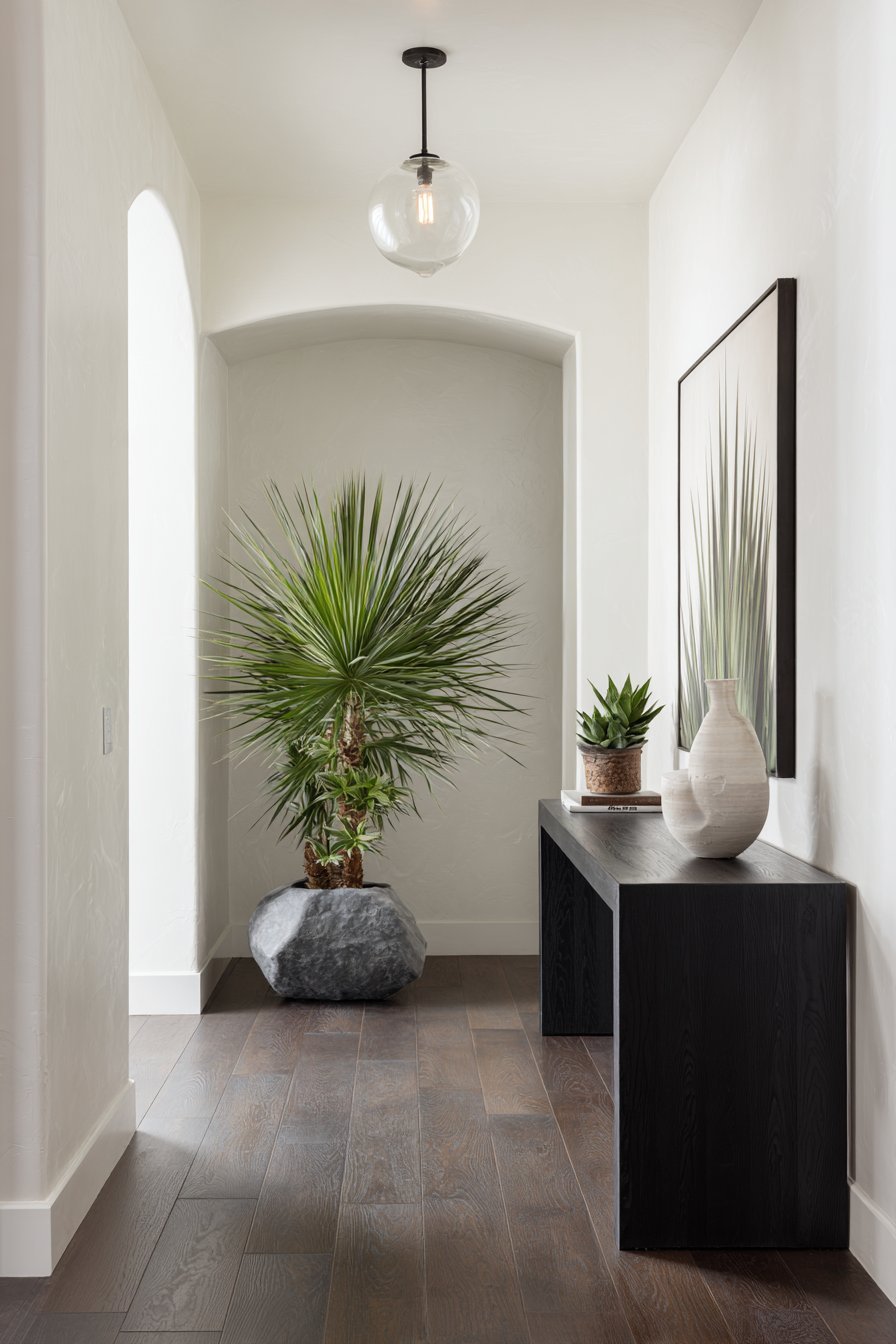
- Limit gallery walls to a clearly defined, intentional arrangement
- Leave at least 3–4 inches of space between individual frames
- Choose one statement piece rather than ten average ones
- Remove anything that doesn’t serve a visual or functional purpose
- Step back and squint — if the wall looks busy, remove one item at a time
- Rotate seasonal pieces to keep the look fresh without adding permanent clutter
3. Ignoring Scale and Proportion
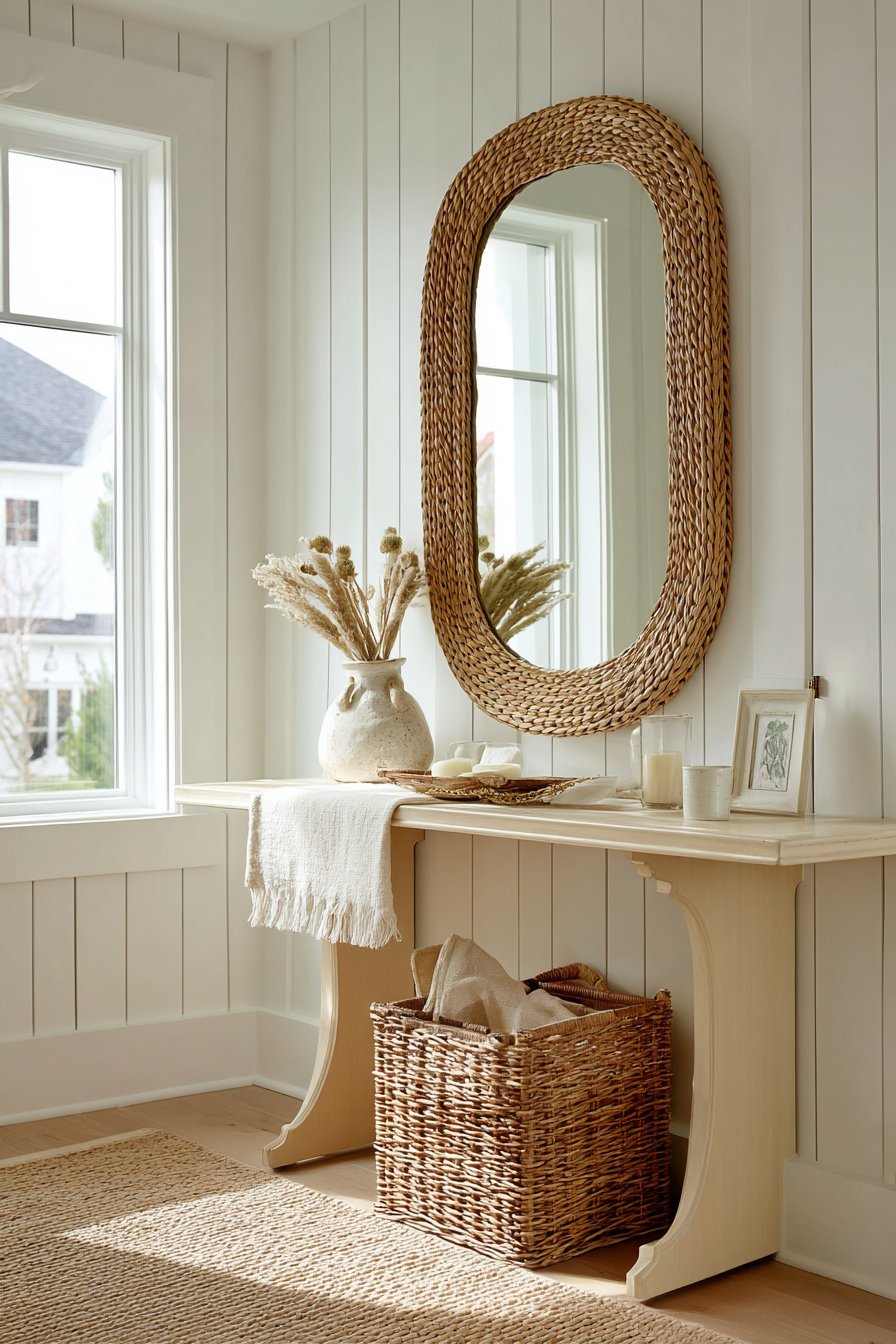
Scale is one of the most misunderstood principles in interior design. Hanging a tiny piece of art on a large blank wall looks lost and insignificant. Conversely, a massive mirror in a petite entryway can feel overpowering. Proper scale and proportion create harmony between your decor and the architecture of the space.
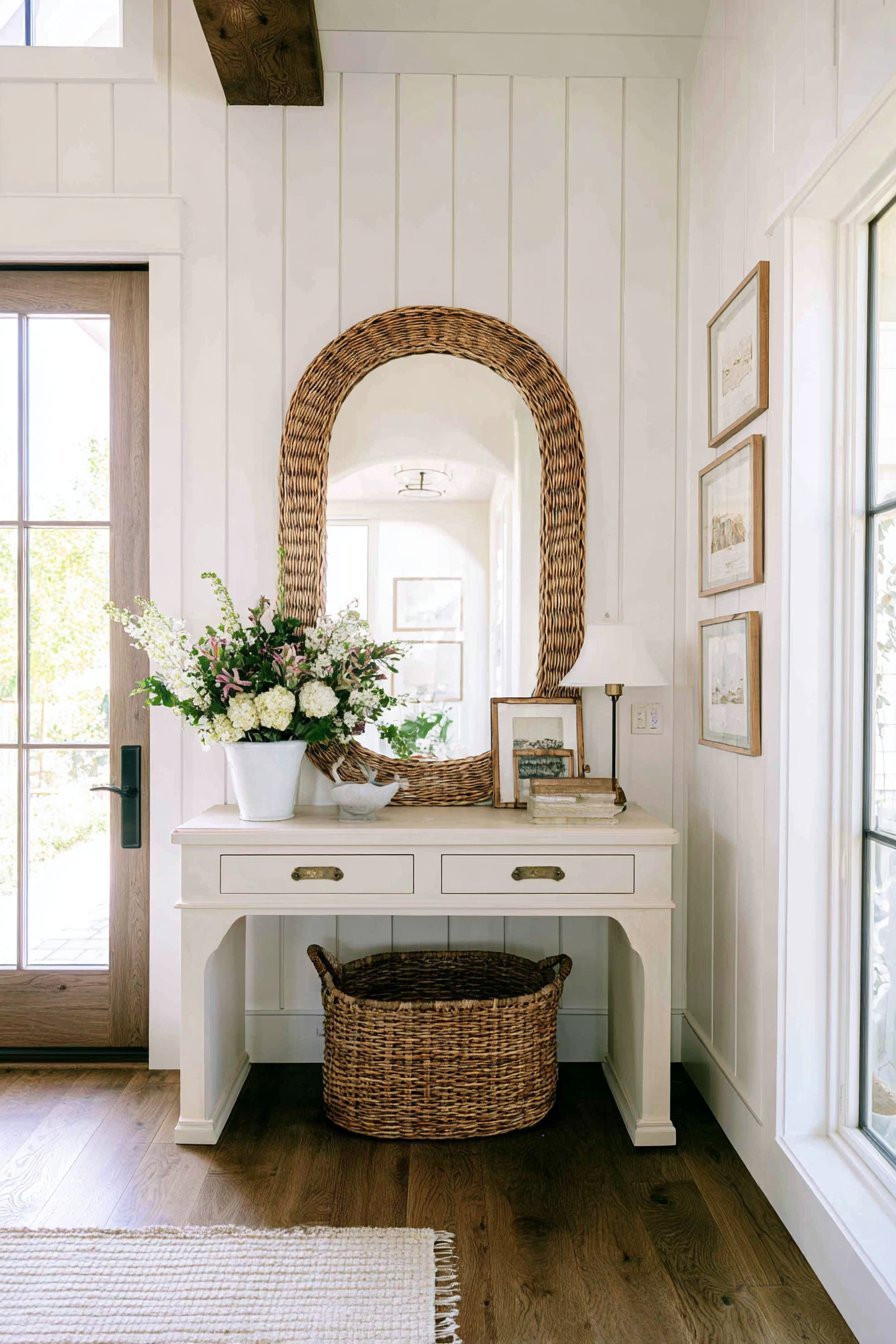
When choosing entry wall decor, consider the wall dimensions first. A piece should occupy roughly two-thirds of the width of any furniture placed beneath it. If you have a 48-inch console table, your artwork or mirror should be approximately 32 inches wide. This ratio creates a visually satisfying relationship between the two elements.
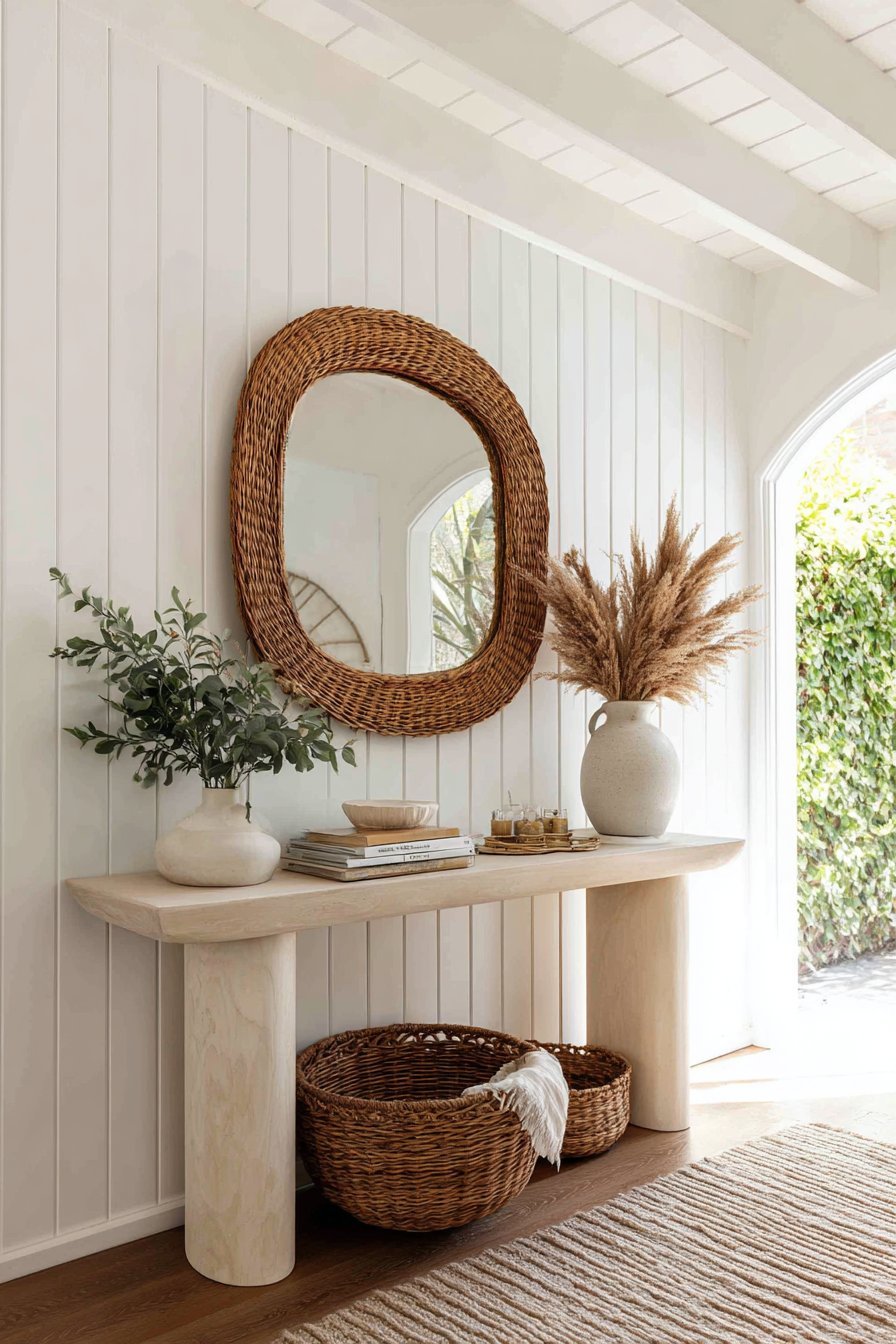
Also consider the ceiling height of your entryway. Low ceilings call for horizontal arrangements that keep the eye moving side to side. High ceilings can accommodate taller, more dramatic vertical pieces or stacked gallery arrangements. Respecting scale prevents the most glaring proportion errors that make even expensive decor look amateur.
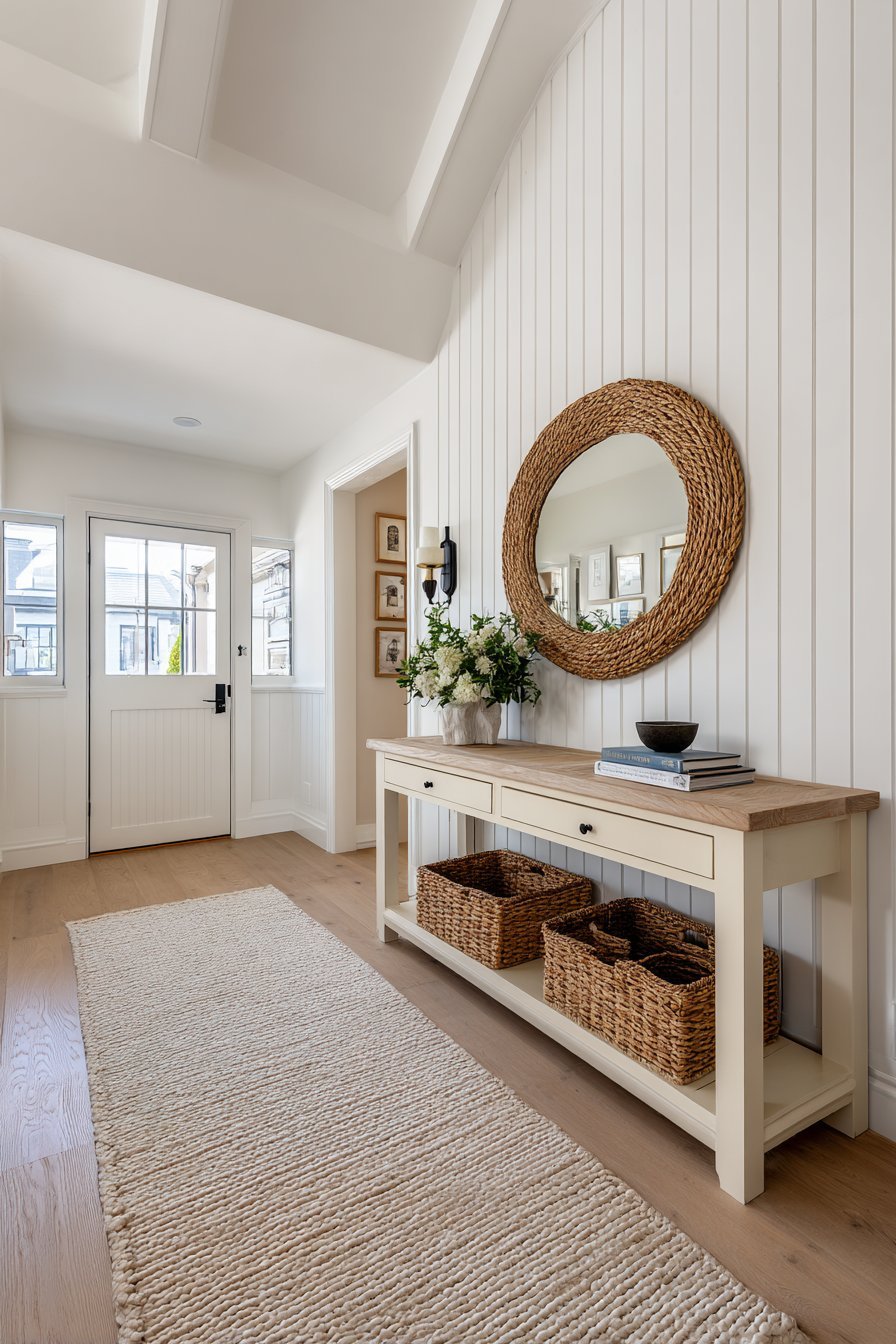
- Measure your wall before purchasing any decor pieces
- Use painter’s tape to mock up the size of potential artwork on the wall
- Match mirror or art width to roughly two-thirds of furniture beneath it
- In small entries, choose one large piece over several small ones
- Vertical pieces draw the eye up and make ceilings appear higher
- Avoid mixing too many different scales in a single arrangement
4. Choosing the Wrong Mirror Size or Style
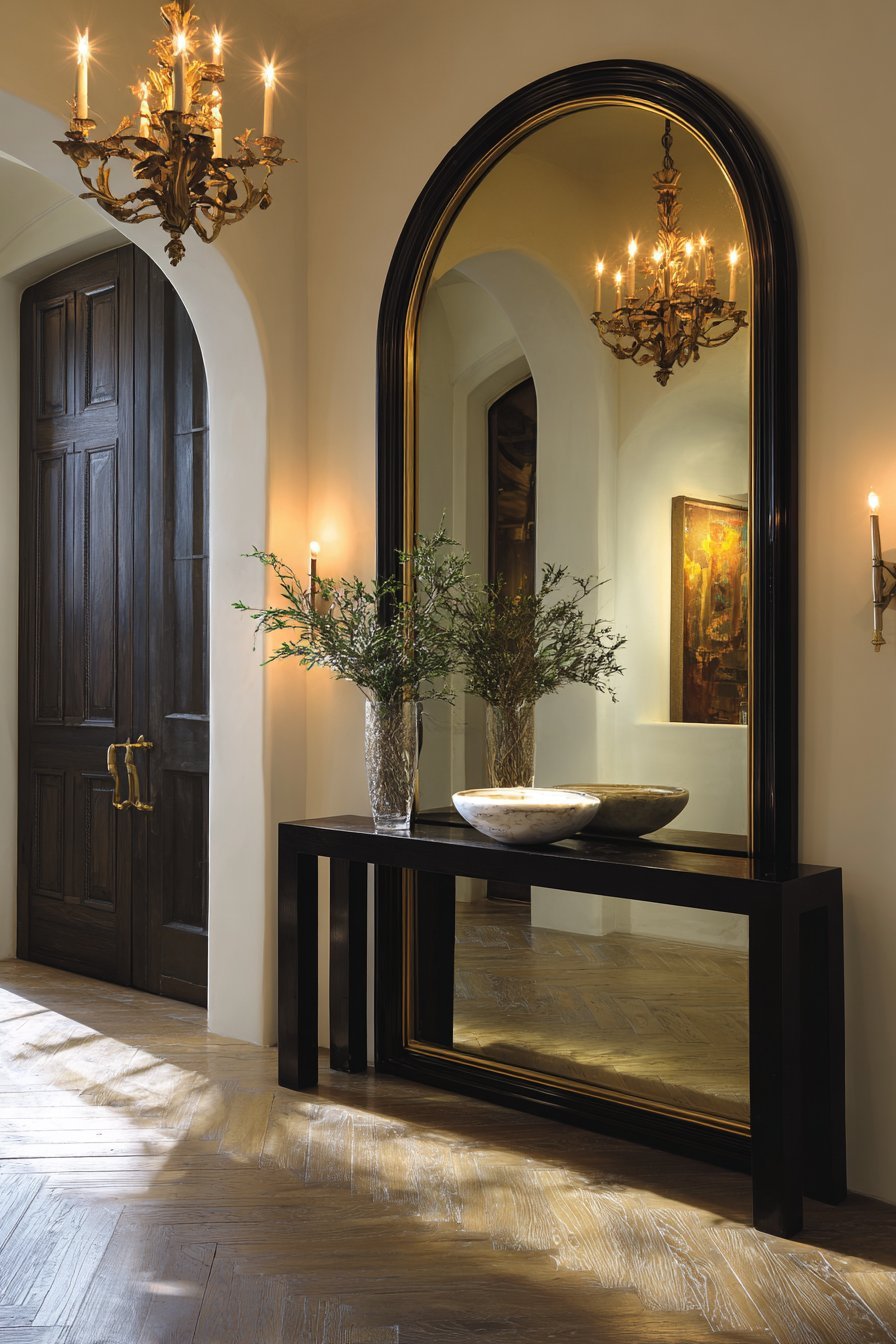
Mirrors are a staple of entryway design for good reason. They reflect light, make spaces feel larger, and serve a practical purpose before you head out the door. However, choosing the wrong mirror — whether too small, too ornate, or stylistically mismatched — can undermine the entire look of your entry.
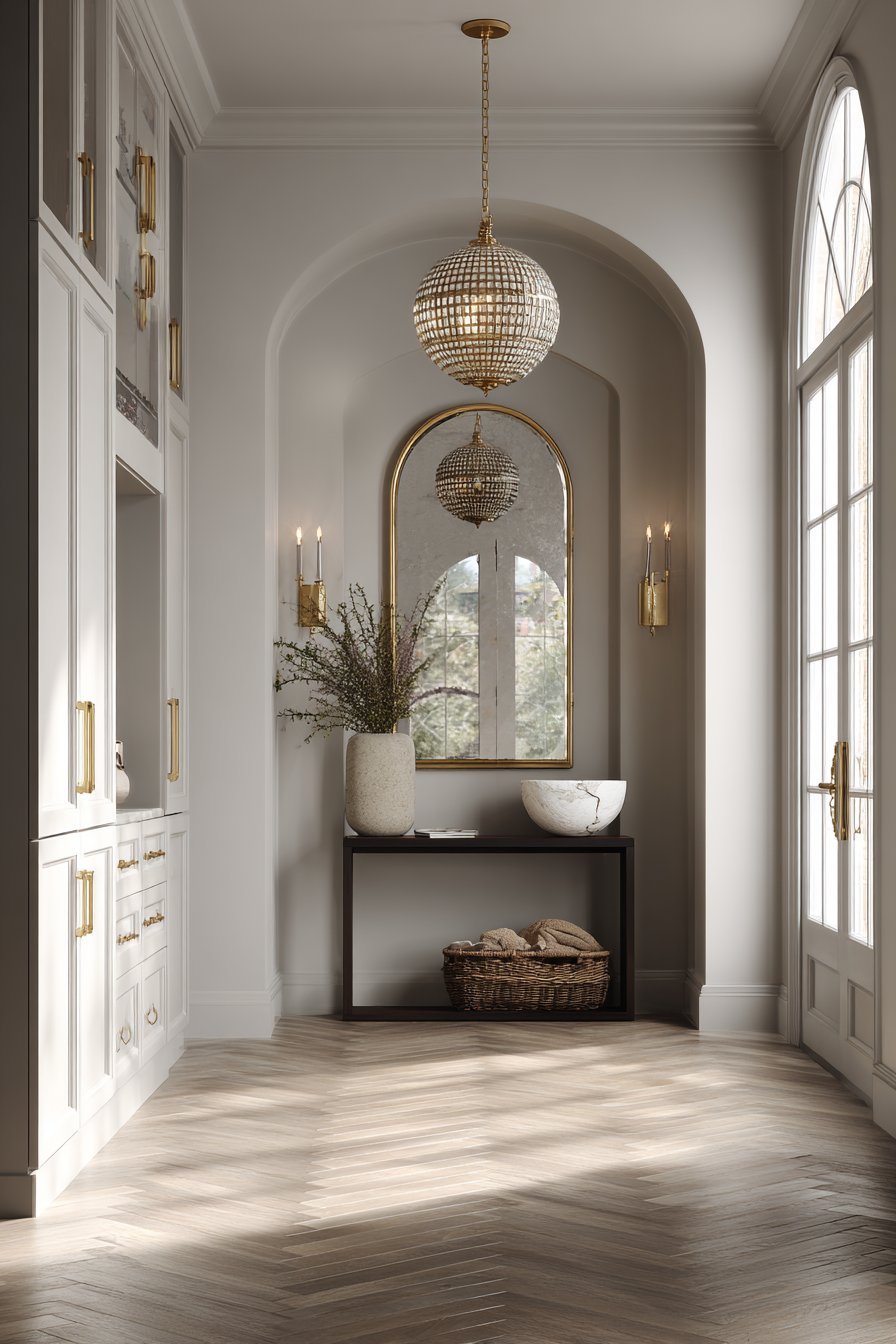
A mirror that is too small for the wall looks like an afterthought. It lacks the visual weight needed to anchor the space. Similarly, a heavily ornate baroque mirror in a minimalist modern entryway creates a jarring stylistic conflict. Every design element in your entryway should feel like it belongs to the same design family, even if you’re mixing styles intentionally.
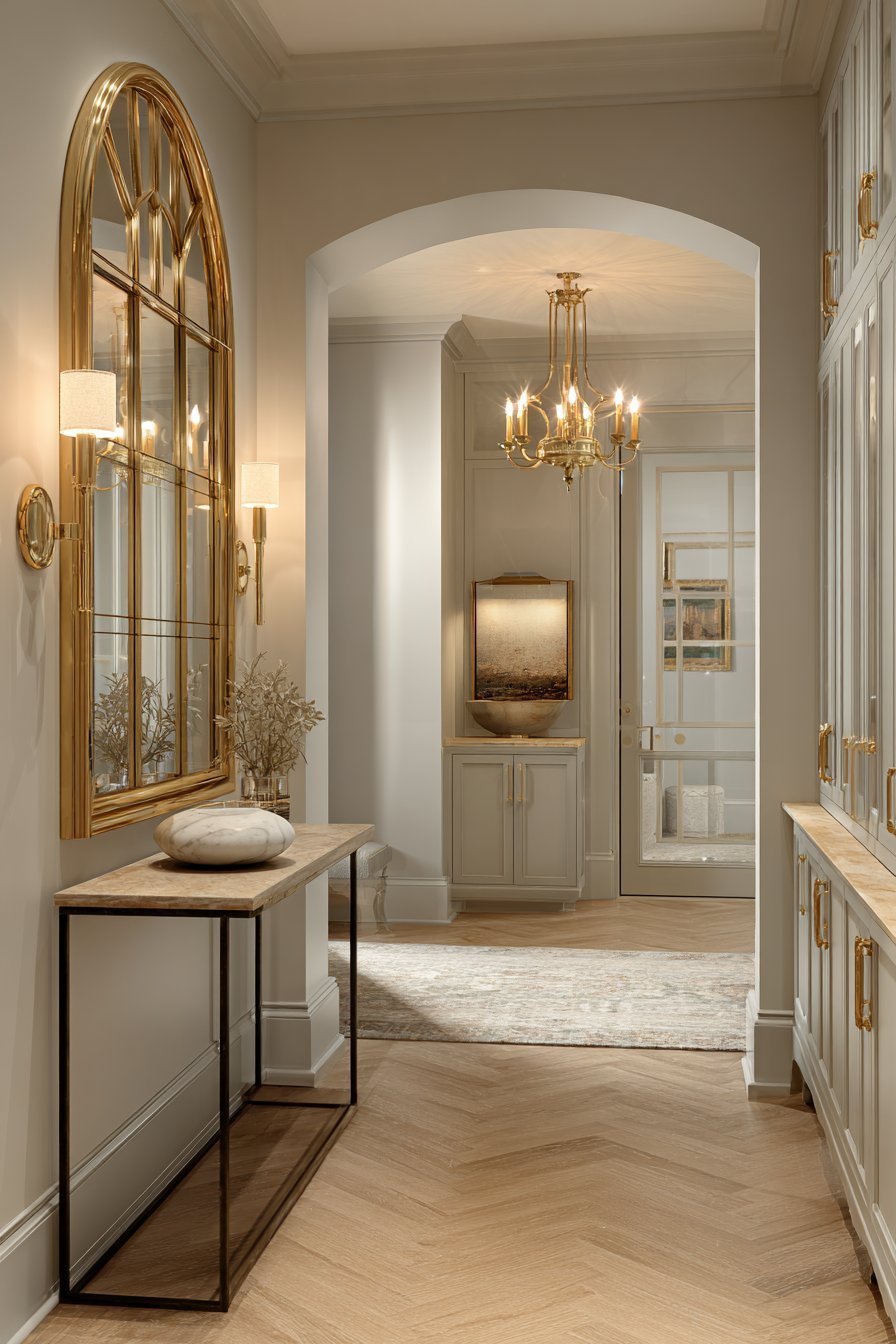
When selecting a mirror, think about both function and form. Choose a size that commands attention while fitting comfortably within your wall’s proportions. A round mirror adds softness to angular, modern spaces. An arched or rectangular mirror suits traditional or transitional styles. The frame finish should complement other metal accents in the space, such as light fixtures or hardware.
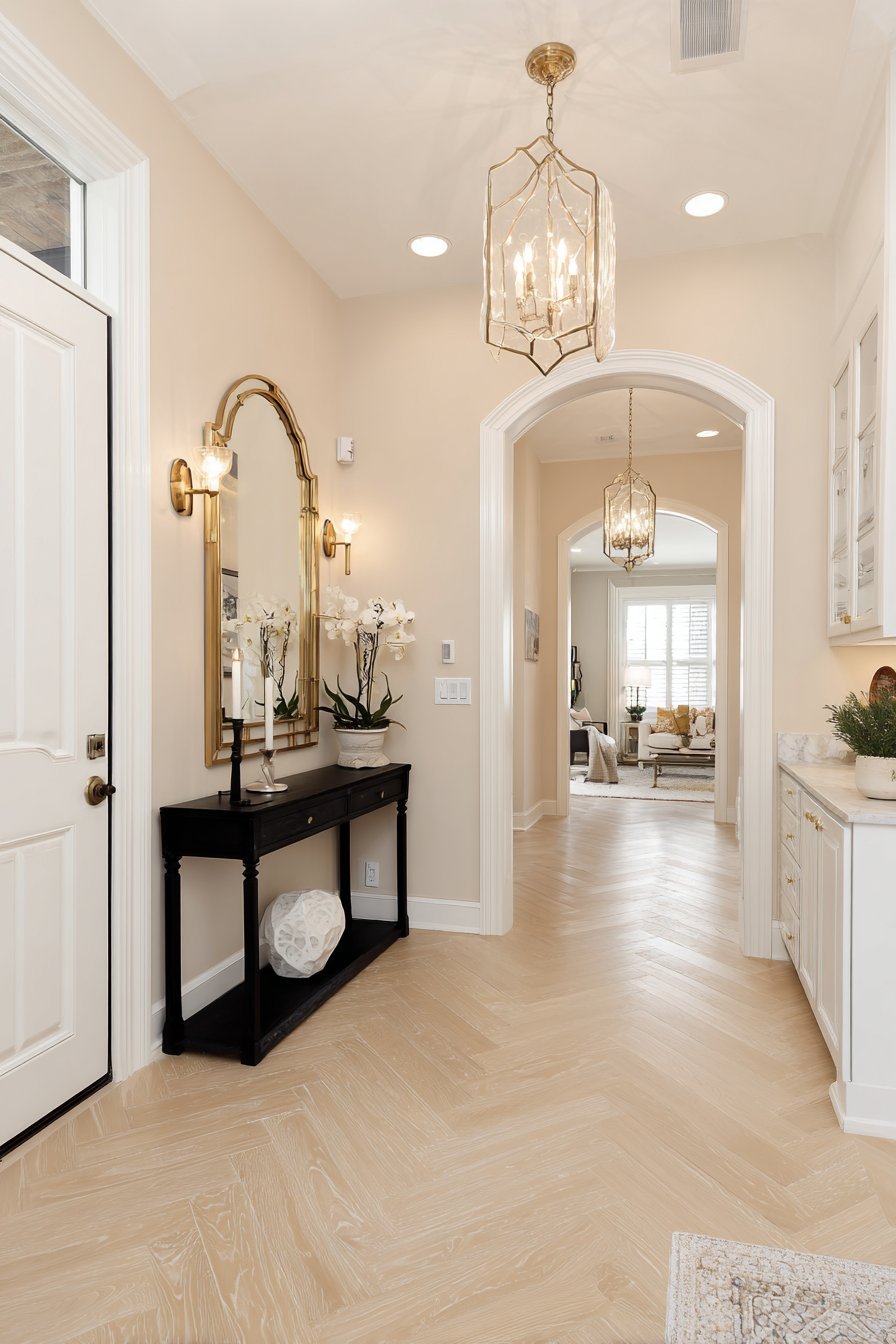
- Choose a mirror at least 24 inches wide for a standard entryway wall
- Match the frame style to your overall home aesthetic
- Align mirror frame finishes with other metals in the space
- Position mirrors to reflect light sources or attractive views
- Avoid placing mirrors directly opposite cluttered or unattractive areas
- Use a leaning mirror as an alternative to wall-mounted options in small spaces
5. Neglecting Lighting on or Near the Entry Wall
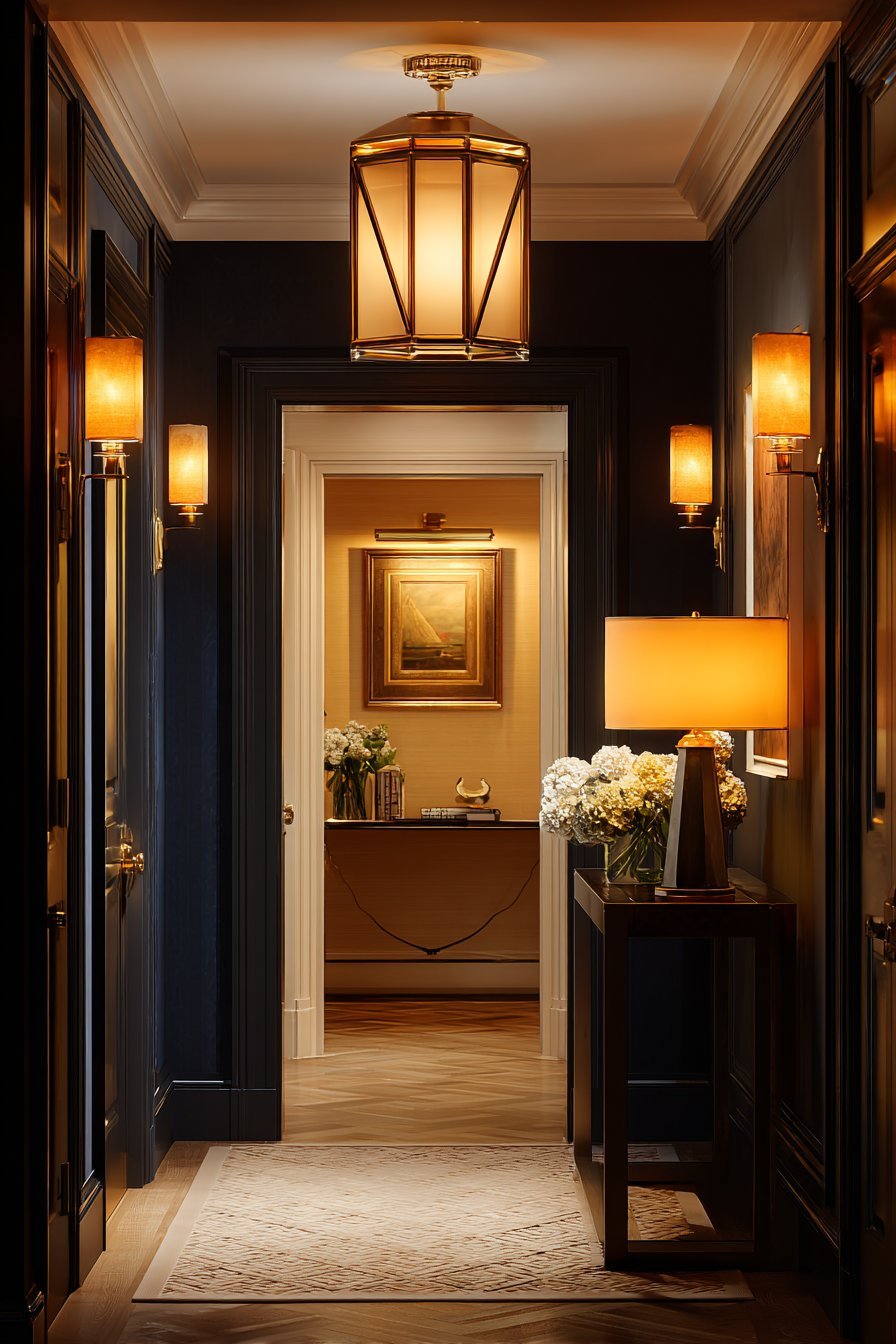
Lighting is one of the most overlooked elements in entryway design. A beautiful piece of art or an elegant mirror loses its impact in poor lighting. Ambient and accent lighting work together to create mood, highlight decor, and ensure the space feels warm and inviting rather than dim and unwelcoming.
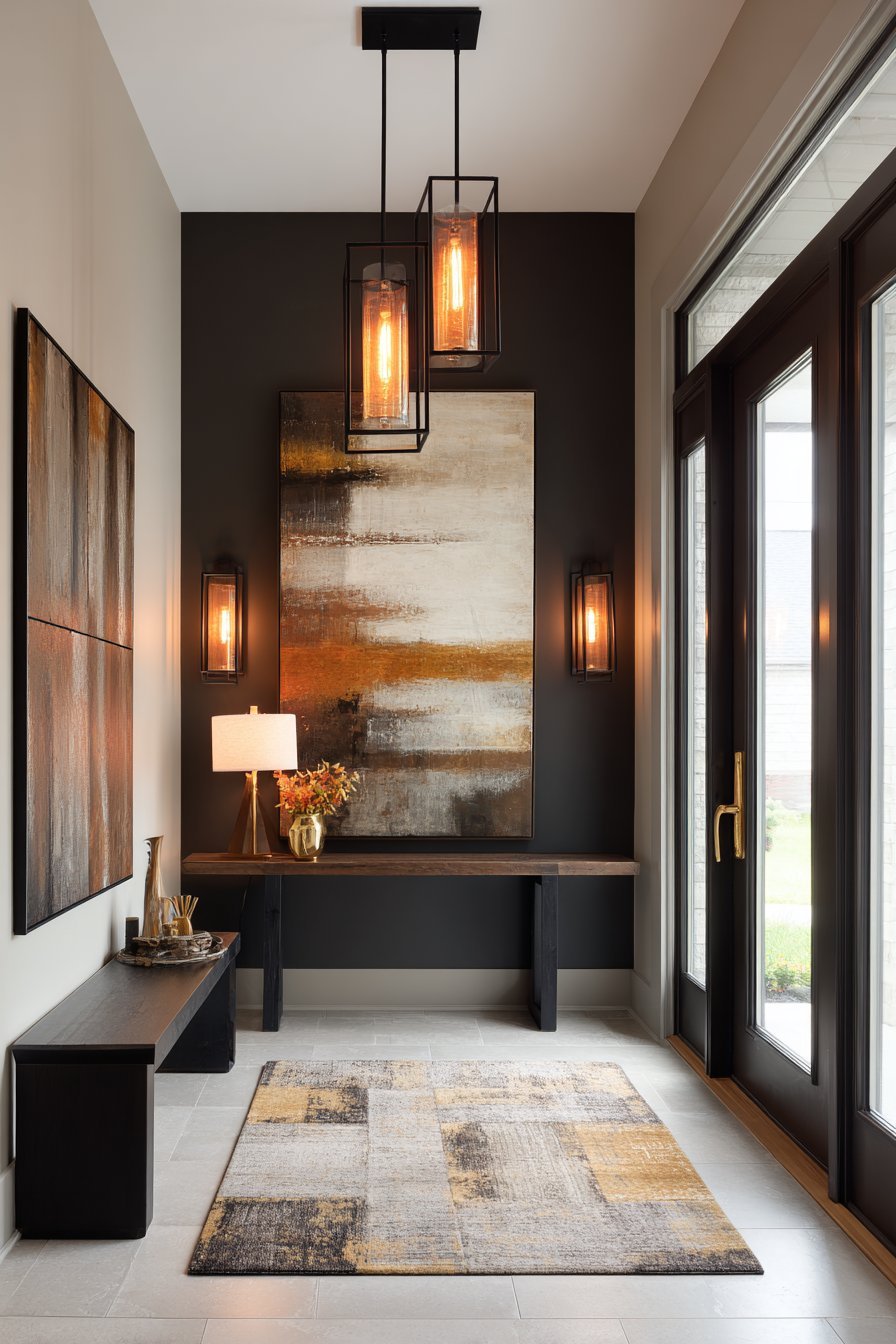
Many entryways rely solely on a single overhead fixture, which casts unflattering downward shadows. This flat, uniform light does nothing to enhance your wall decor. Layered lighting — combining overhead light with sconces, picture lights, or table lamps — creates depth and dimension that transforms the entire entryway experience.
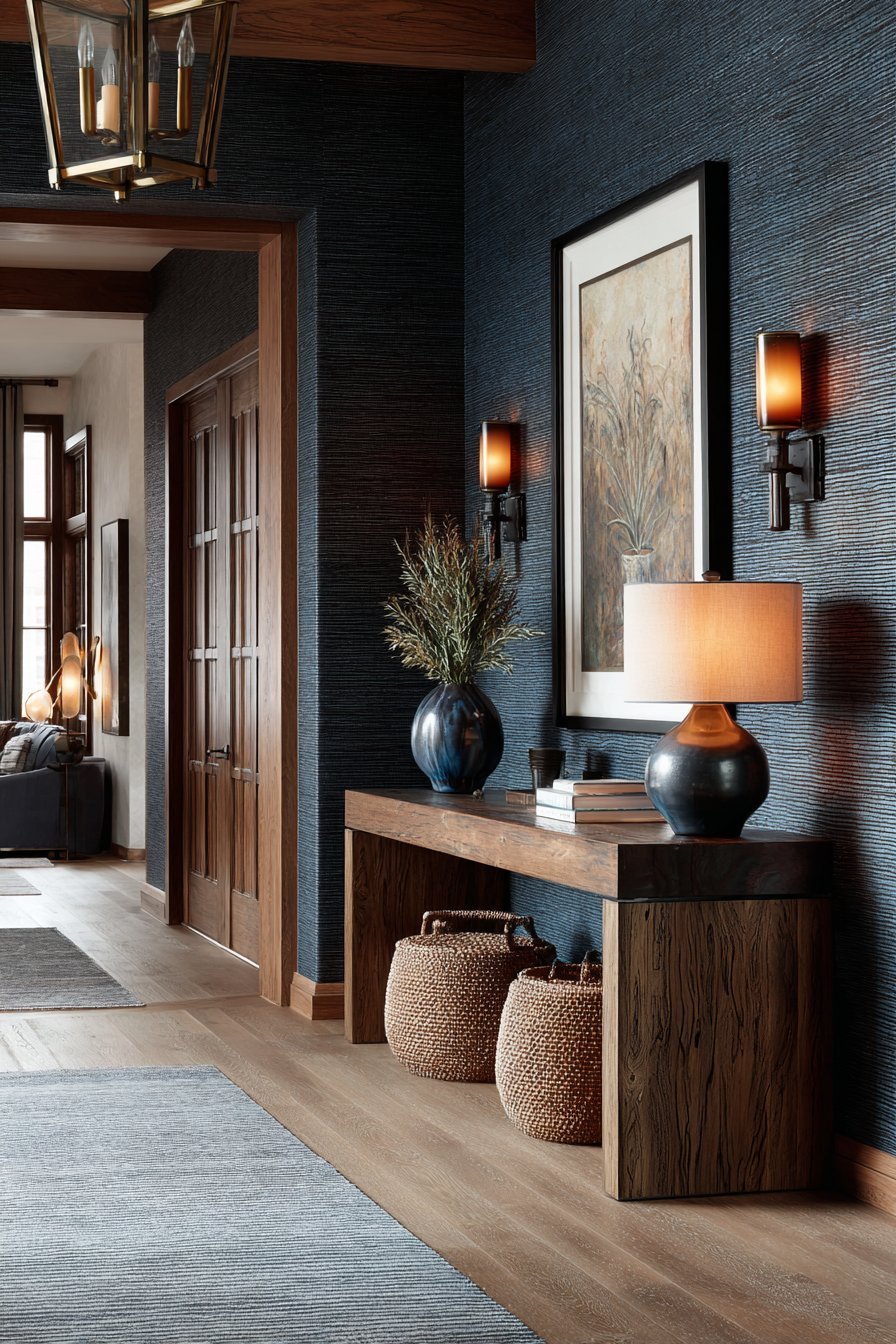
Picture lights mounted directly above artwork draw attention to the piece and create a gallery-like atmosphere. Wall sconces flanking a mirror add symmetry and elegance. Even a small table lamp on a console table adds warmth and softens the overall look. Thoughtful lighting makes entry wall decor look intentional and professionally curated.
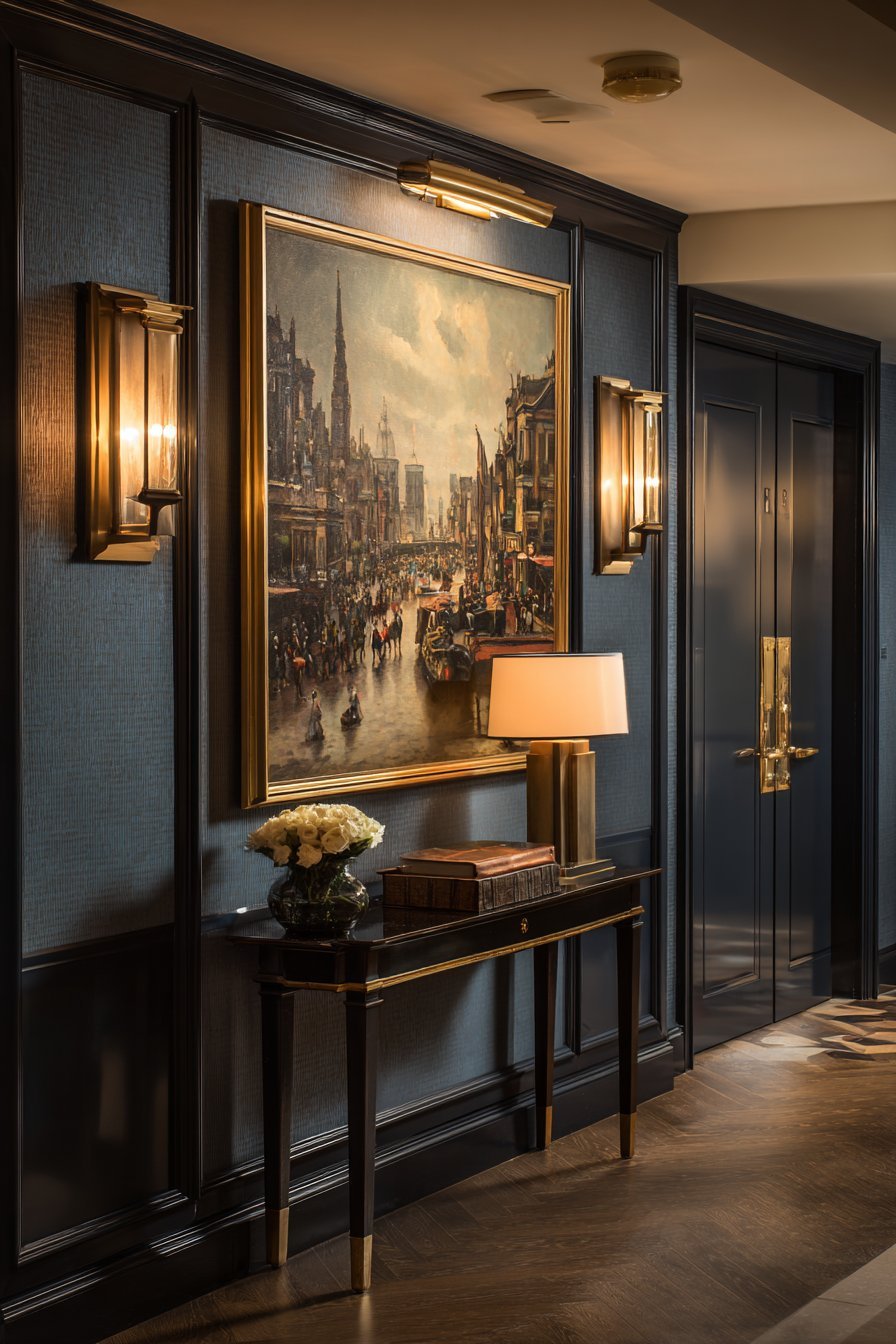
- Install picture lights above key artwork to highlight them intentionally
- Add wall sconces at eye level for warm, flattering ambient light
- Use warm-toned bulbs (2700K–3000K) to create a welcoming atmosphere
- Avoid harsh cool-white lighting which feels clinical and unwelcoming
- Use a dimmer switch to control mood and light intensity
- Consider plug-in sconces as a renter-friendly lighting solution
6. Using Decor That Doesn’t Reflect Your Home’s Style
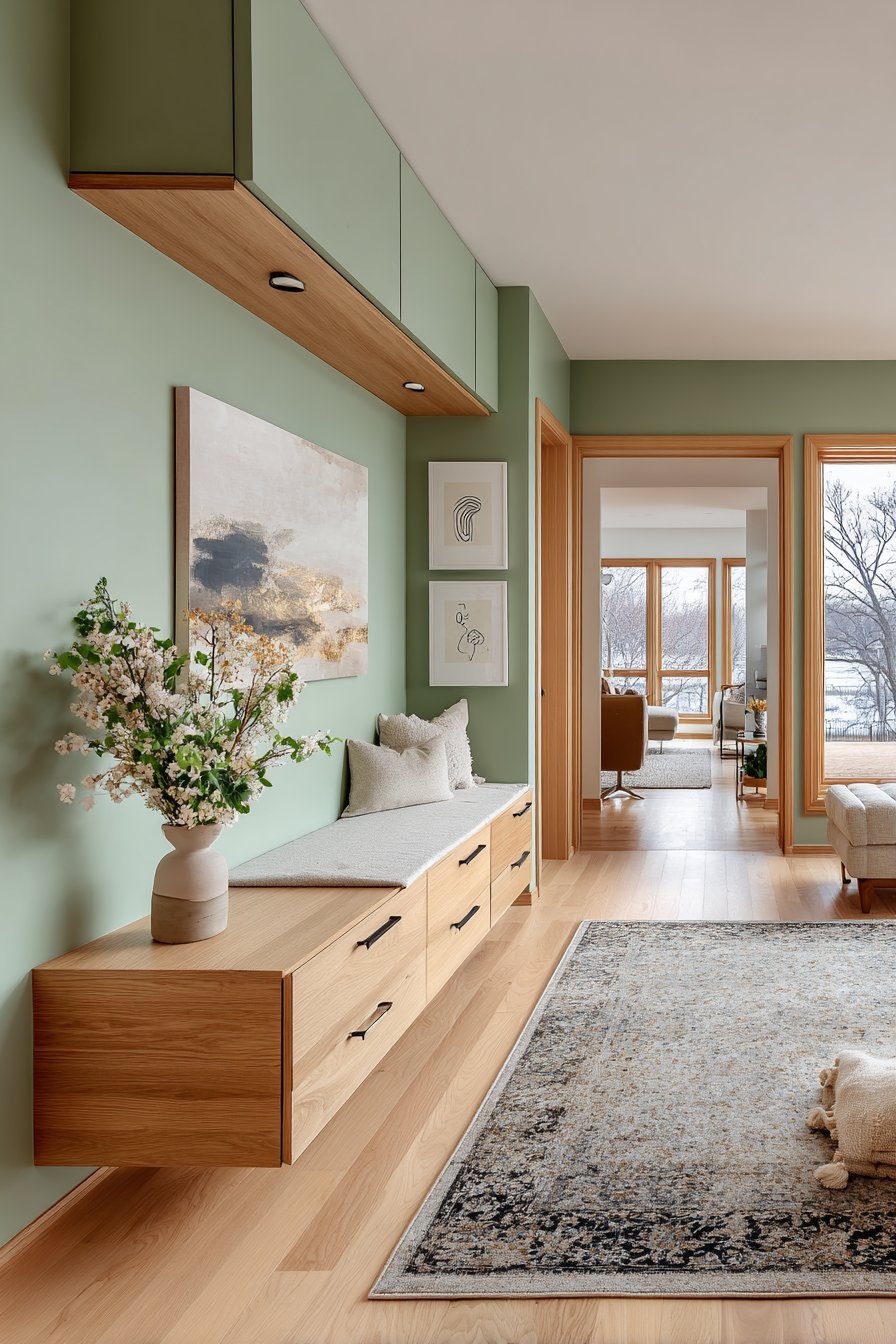
Your entryway is a preview of the design language used throughout your home. When entry wall decor clashes with the rest of your interior, it creates a disjointed experience that confuses the senses. A rustic farmhouse mirror followed by an ultra-modern living room sends a mixed message about your home’s aesthetic identity.
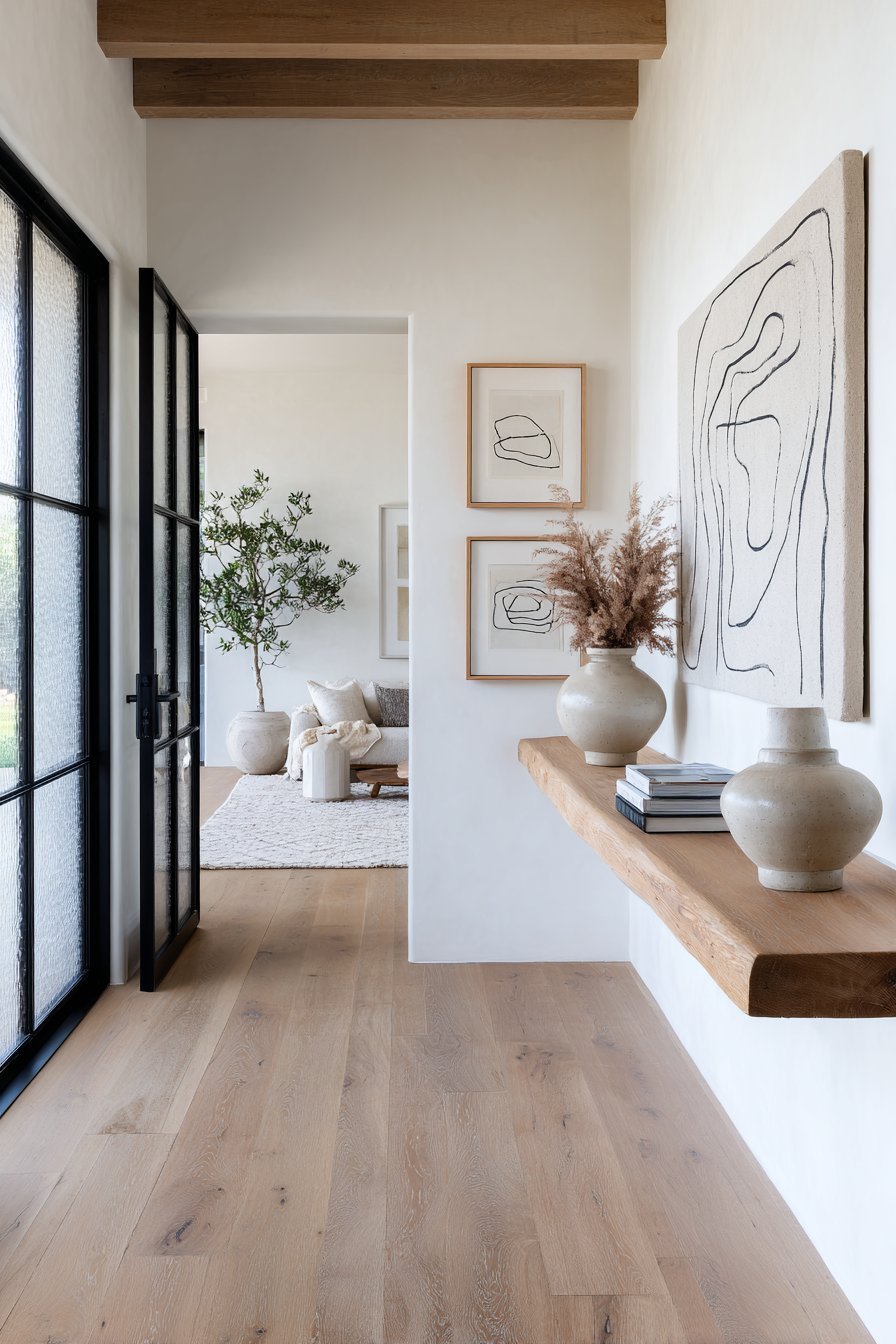
Design cohesion doesn’t mean every room must look identical. It means there should be a visual thread connecting your spaces. Your entryway should introduce the colors, materials, and motifs that guests will encounter throughout the rest of the home. Think of it as the opening chapter of your home’s design story.
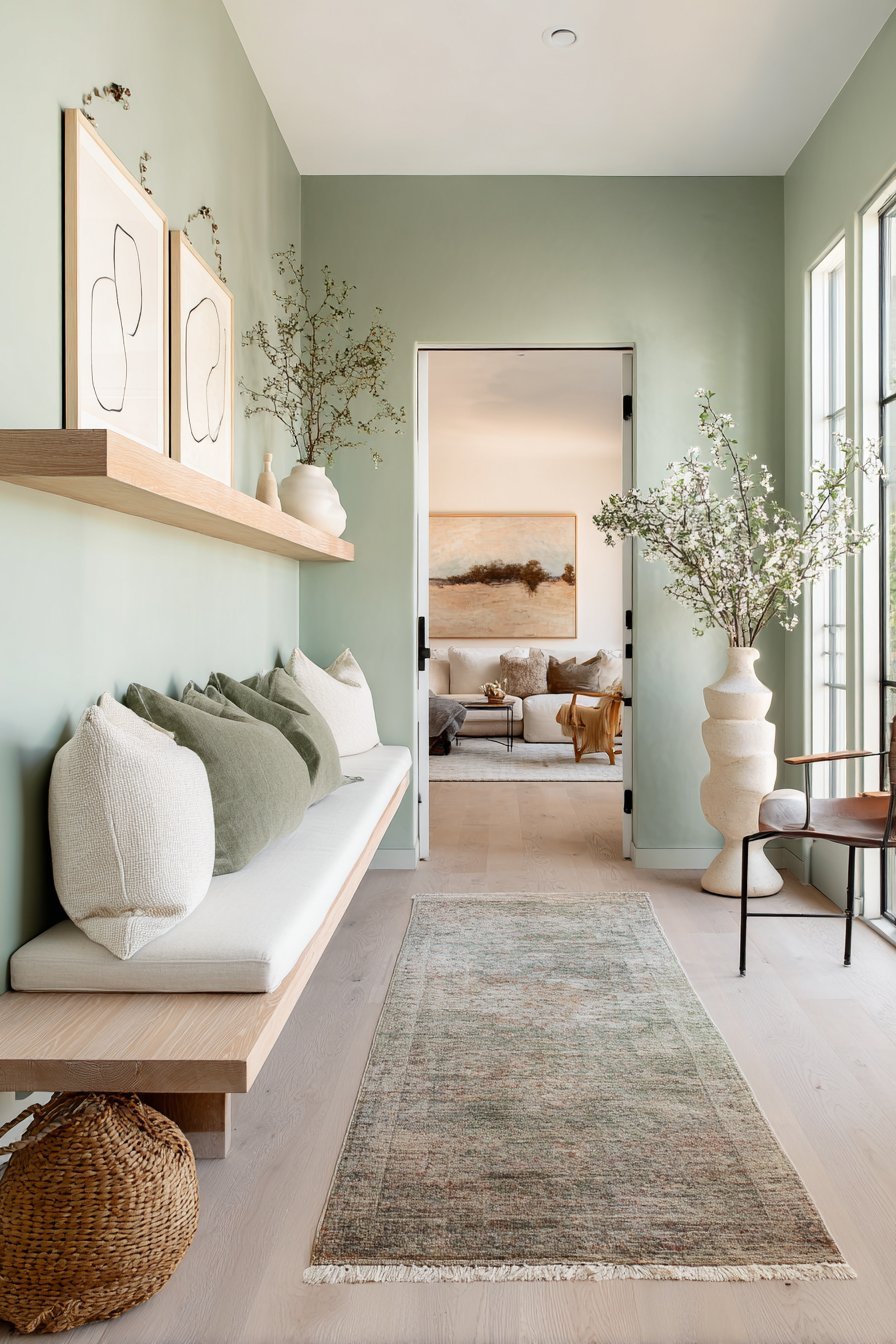
If your home leans traditional, incorporate classic frames, rich wood tones, and timeless patterns in the entryway. For a modern aesthetic, use clean lines, minimal frames, and geometric shapes. Transitional design allows for blending, but even then, the combination should feel intentional. Avoid impulse purchases that feel out of character with your established design direction.
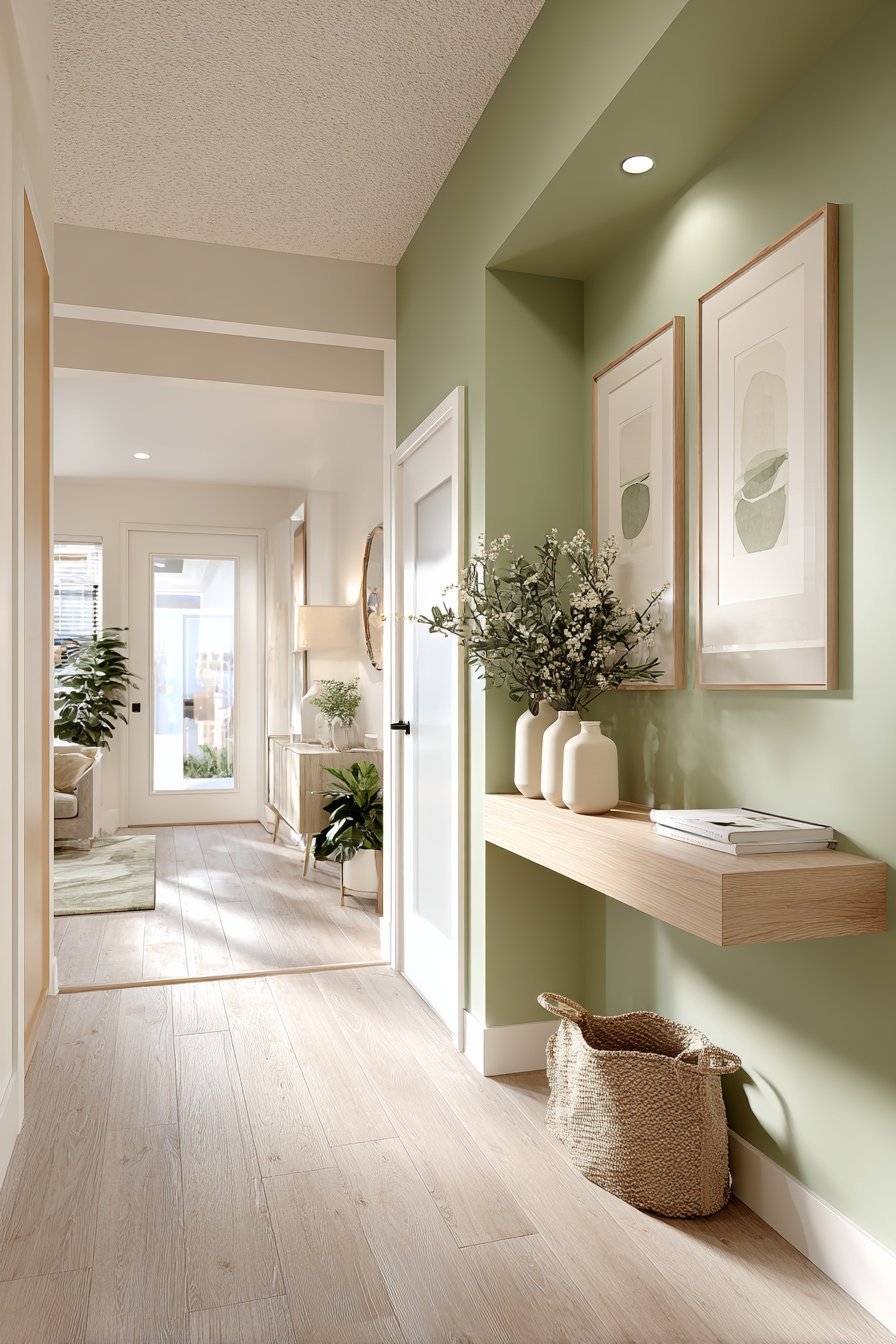
- Define your home’s primary design style before choosing entry decor
- Use materials and finishes consistent with the rest of your interior
- Carry accent colors from adjacent rooms into the entryway palette
- Avoid trendy pieces that won’t age well with your classic home style
- Create a mood board to test cohesion before making purchases
- Revisit the entryway after redecorating any major room in your home
7. Forgetting Function in Favor of Pure Aesthetics
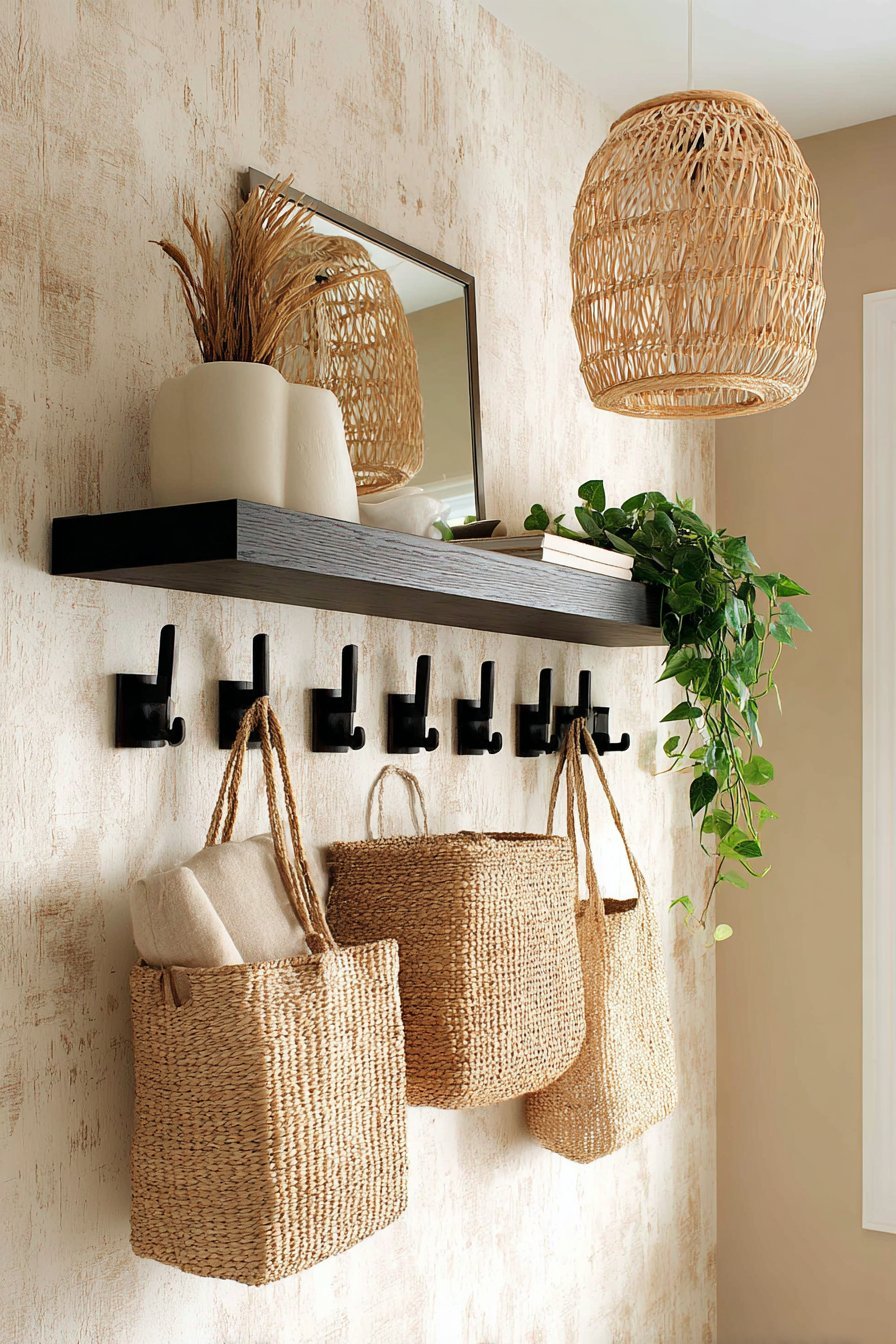
A beautiful entryway that offers no practical utility will quickly become a source of frustration. The entry wall is an opportunity to blend form and function seamlessly. Ignoring the functional needs of your household leads to clutter accumulating on floors, counters, and surfaces — which ultimately destroys the aesthetic you worked to create.
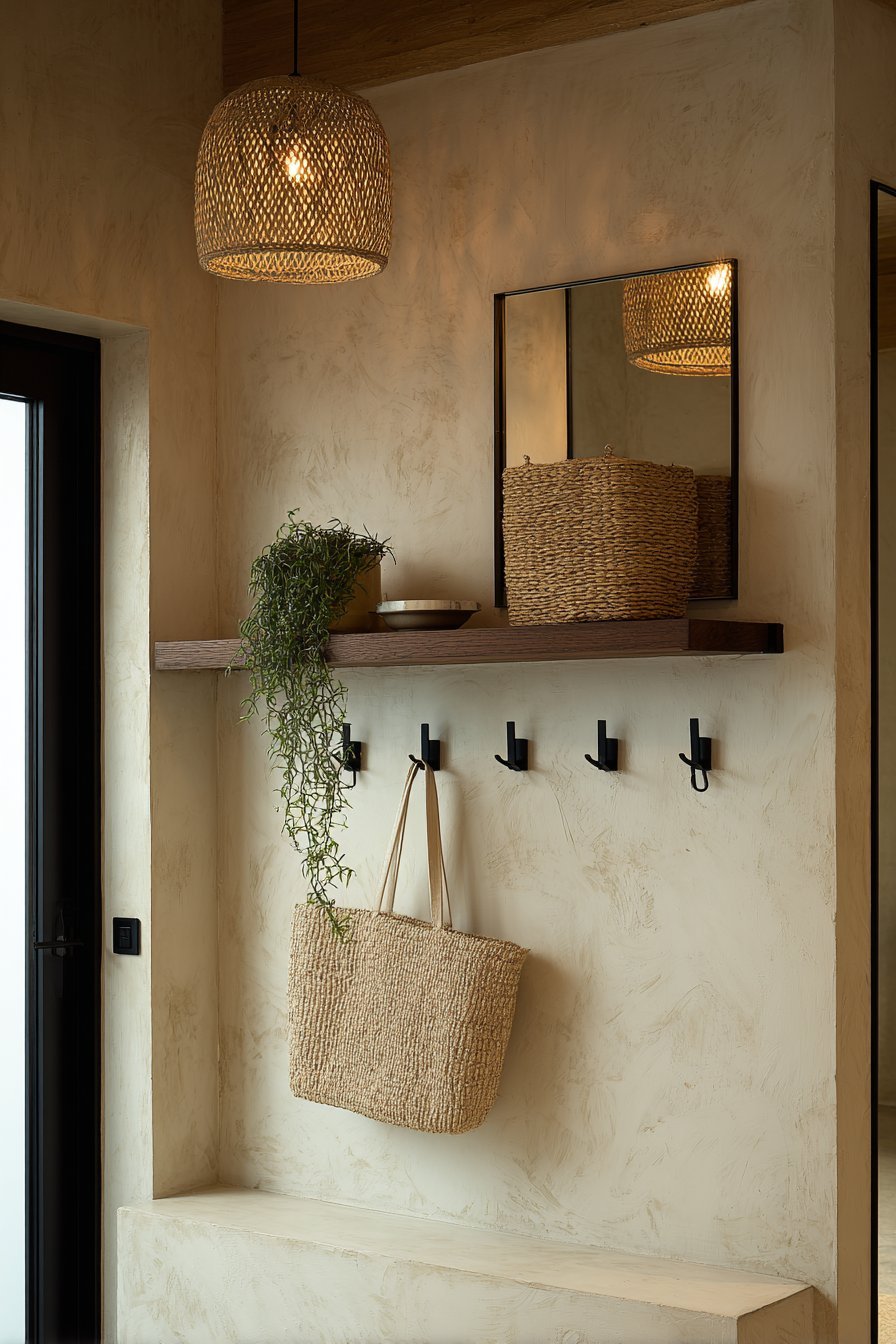
Functional wall decor includes hooks for bags and coats, a small shelf for keys and mail, or a combination mirror with built-in storage. These elements don’t have to compromise on style. Today’s market offers a vast range of designer-quality functional pieces that serve practical purposes while elevating the overall look of your entryway.
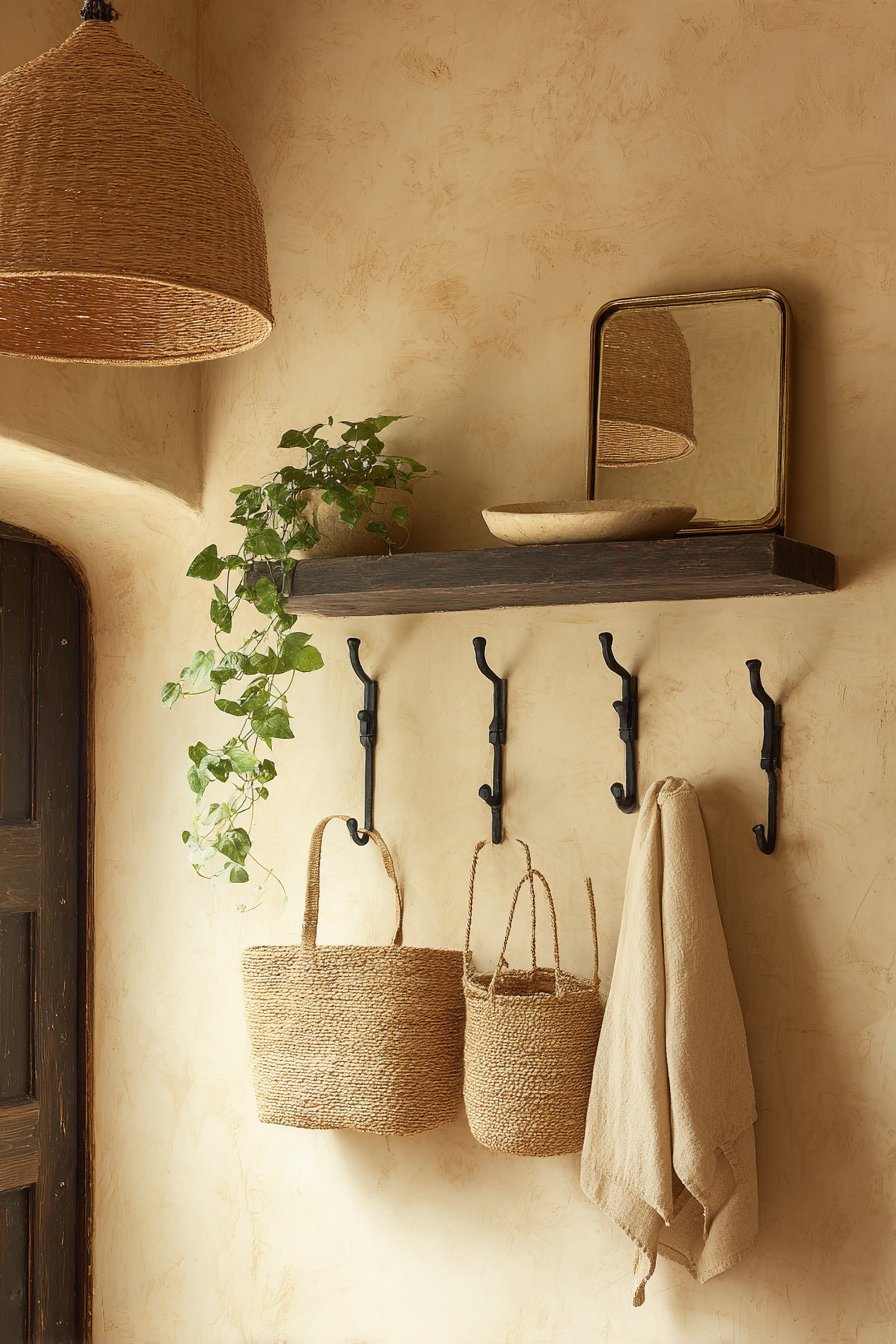
Think about how your household actually uses the entry every day. Do you need a spot for backpacks? A designated place for leashes? Smart entryway organization prevents the daily chaos that inevitably mars even the most carefully styled space. When function and beauty work together in the entry wall design, the result is a space that looks good and works effortlessly.
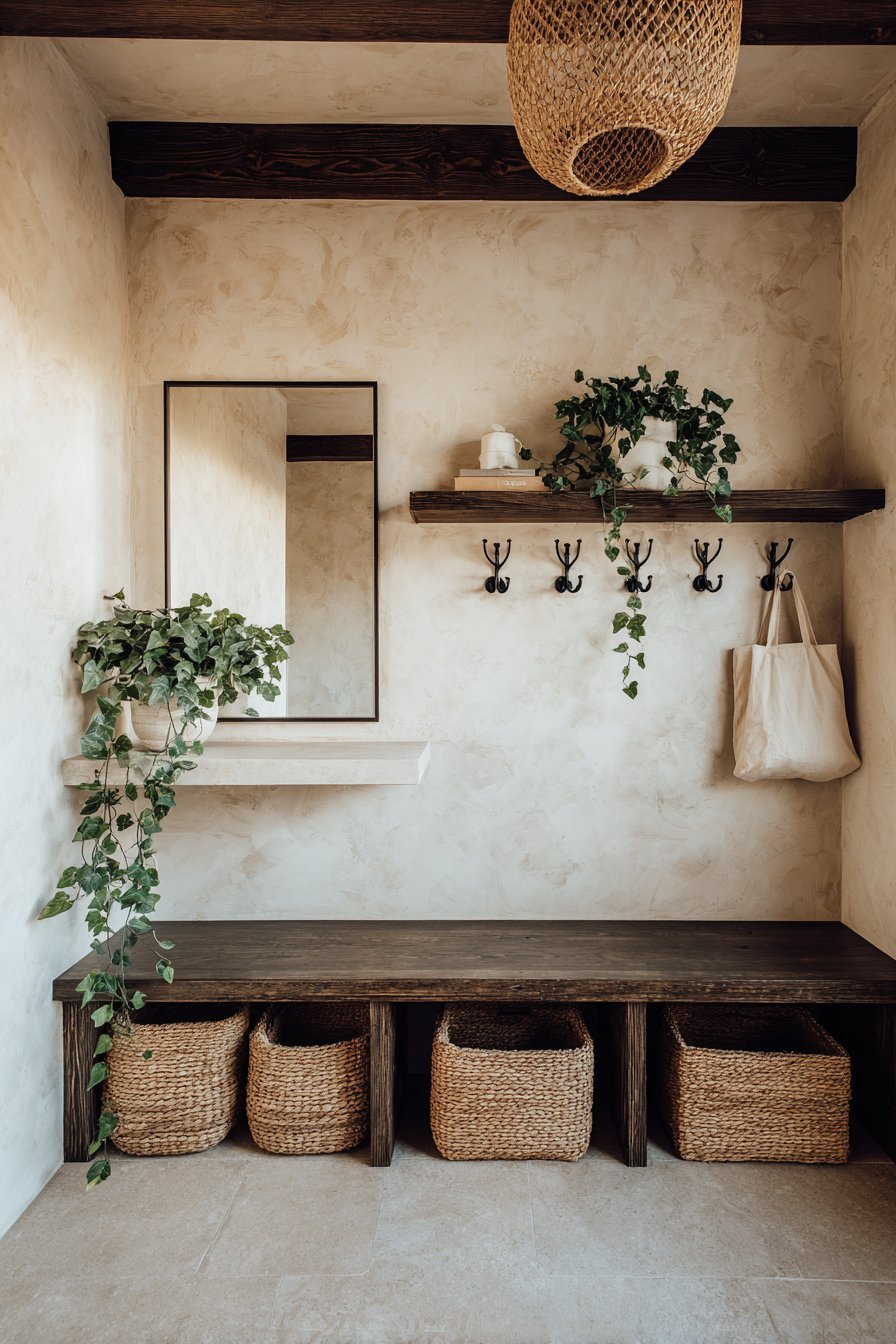
- Install decorative hooks for coats, bags, and accessories
- Add a small shelf or ledge for keys, mail, and small essentials
- Use a mirror with built-in storage for dual-purpose functionality
- Choose a console table with drawers to hide everyday clutter
- Mount a wall organizer that matches your decor style
- Reassess the layout seasonally to ensure it meets current household needs
Conclusion
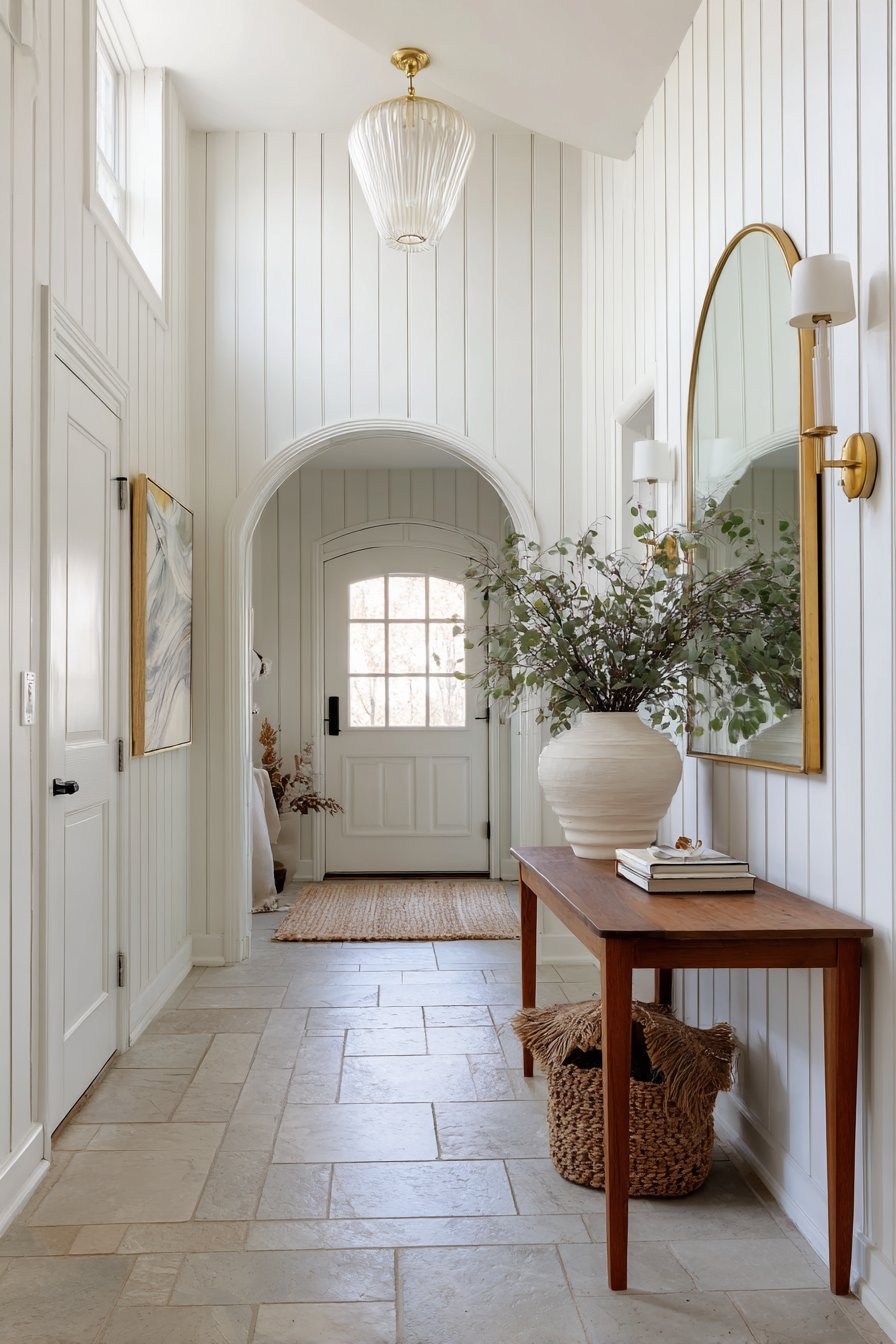
Your entryway sets the emotional tone for your entire home. Avoiding these seven common entry wall decor mistakes will transform a forgettable space into one that genuinely impresses. From correct art placement and proper lighting to stylistic cohesion and functional design, every decision matters in this compact but powerful space.
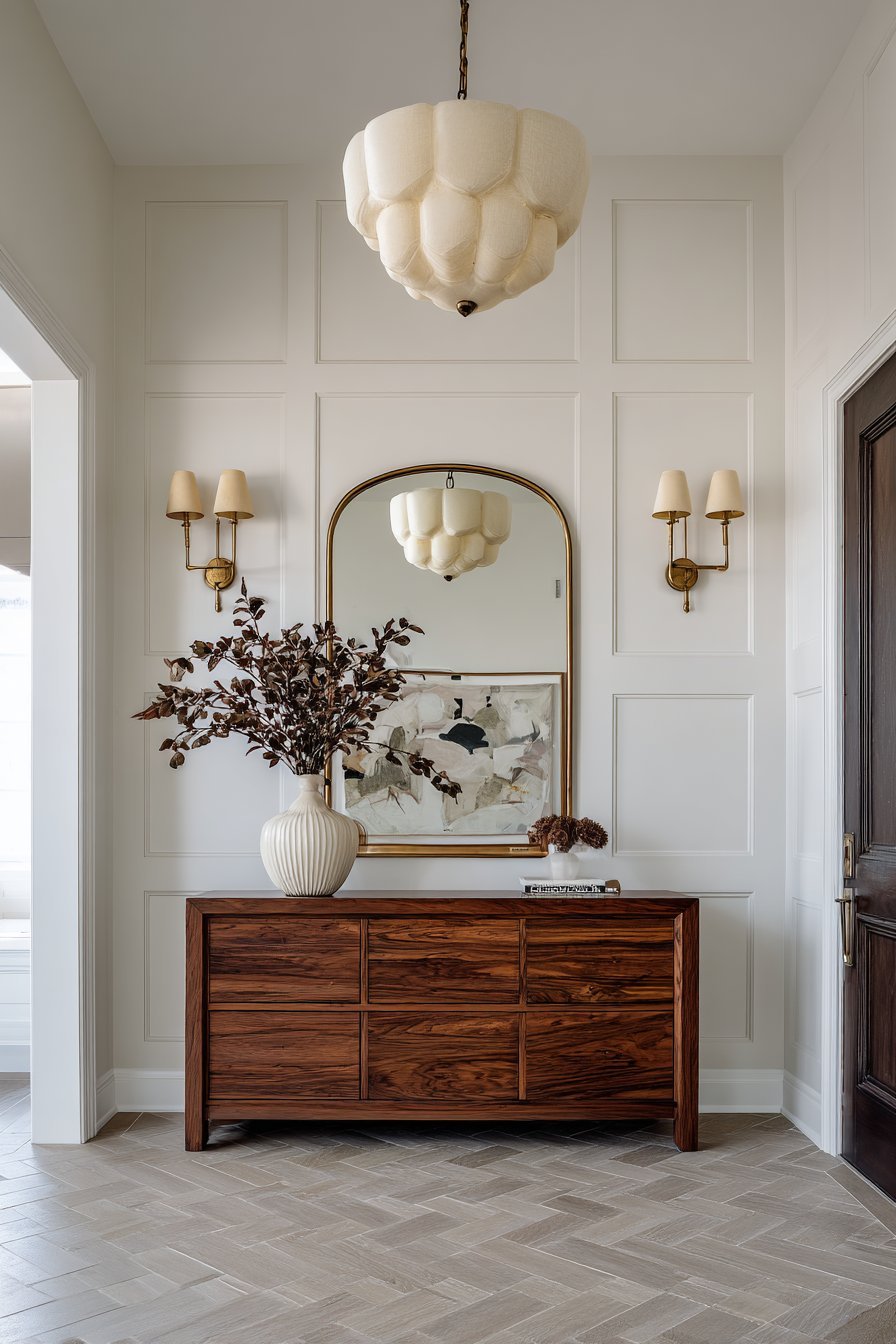
Start small if needed — fix one mistake at a time and observe the difference each change makes. Great design is intentional, and even modest adjustments can dramatically shift how a space feels. Your entry wall deserves the same care and creativity you give to every other room in your home. Make it count, and let every guest’s first impression be exactly the one you intended.
