

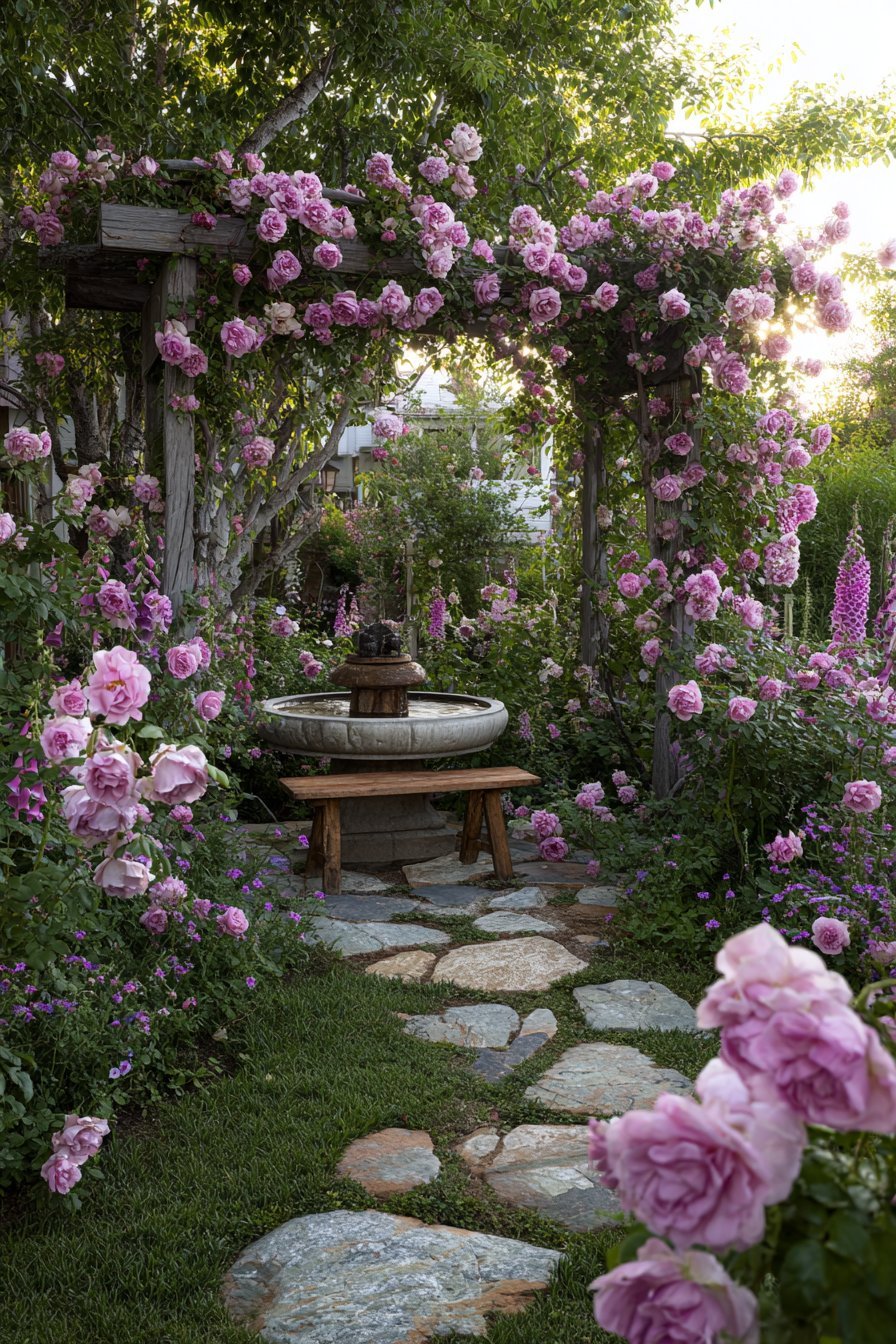
Few design aesthetics have captured the collective imagination quite like cottagecore. Rooted in nostalgia, nature, and gentle romanticism, this beloved style reimagines the simple pleasures of rural life — wildflower meadows, mossy stone paths, climbing roses, and the soft hum of bees in a lavender hedge. In a world that often feels overwhelming and fast-paced, the cottagecore backyard offers something genuinely restorative: a place of unhurried beauty and quiet delight.
The appeal of cottagecore garden design goes far deeper than aesthetics. It speaks to a fundamental human longing for connection — to the seasons, to the soil, to the slower rhythms of a life lived closer to nature. A cottagecore backyard is not designed to impress; it is designed to comfort. Every element, from a weathered terracotta pot to a handmade wooden bench tucked beneath a rose arch, invites you to slow down, breathe deeply, and simply be present.
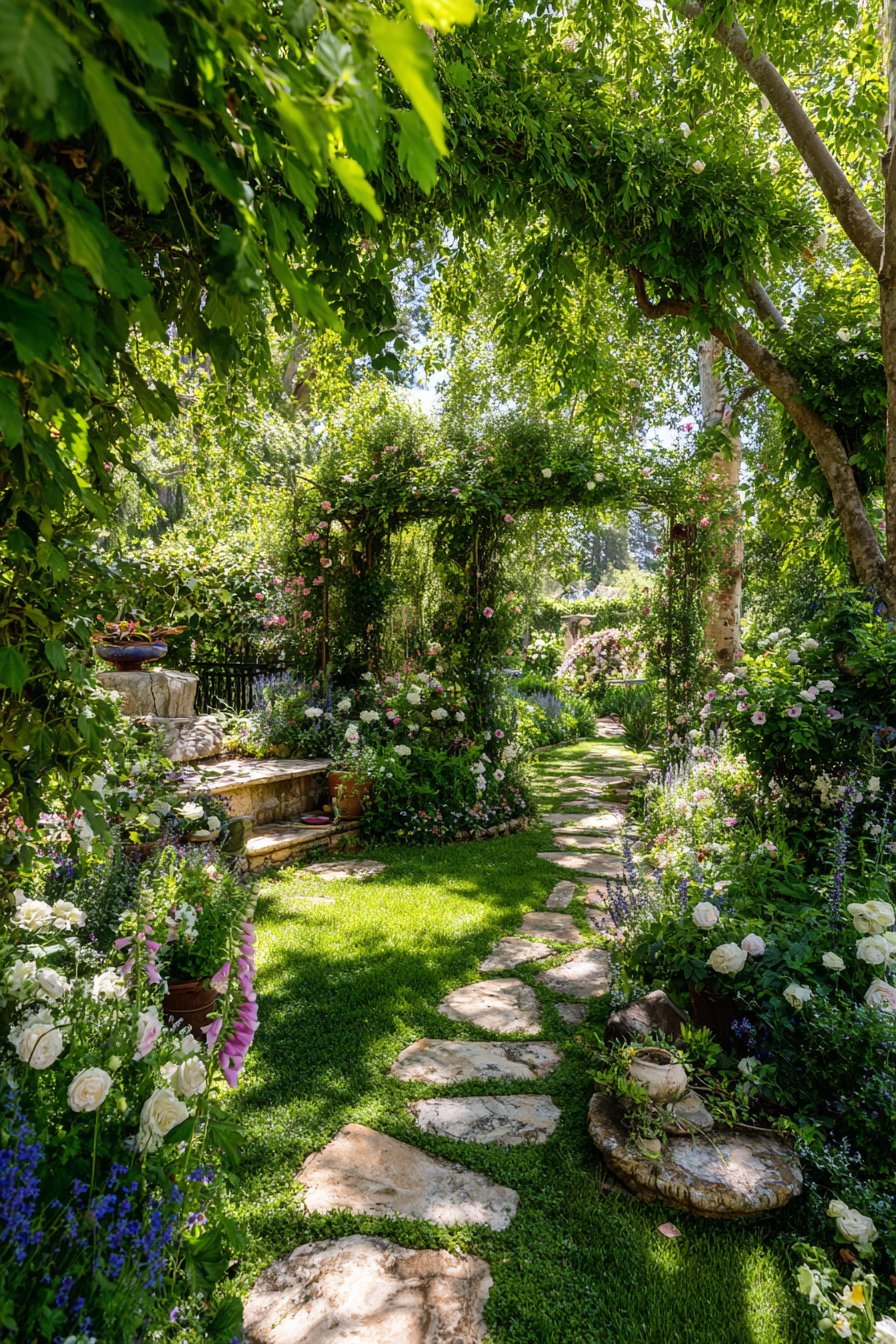
This article explores seven of the most enchanting and essential cottagecore backyard elements — each one contributing to that unmistakable sense of charm, warmth, and fairy-tale magic that defines this beloved style. Whether you are starting with a blank canvas or weaving these ideas into an existing garden, these elements will help you create an outdoor space that feels genuinely, beautifully alive.
1. A Romantic Climbing Rose Arch or Floral Gateway
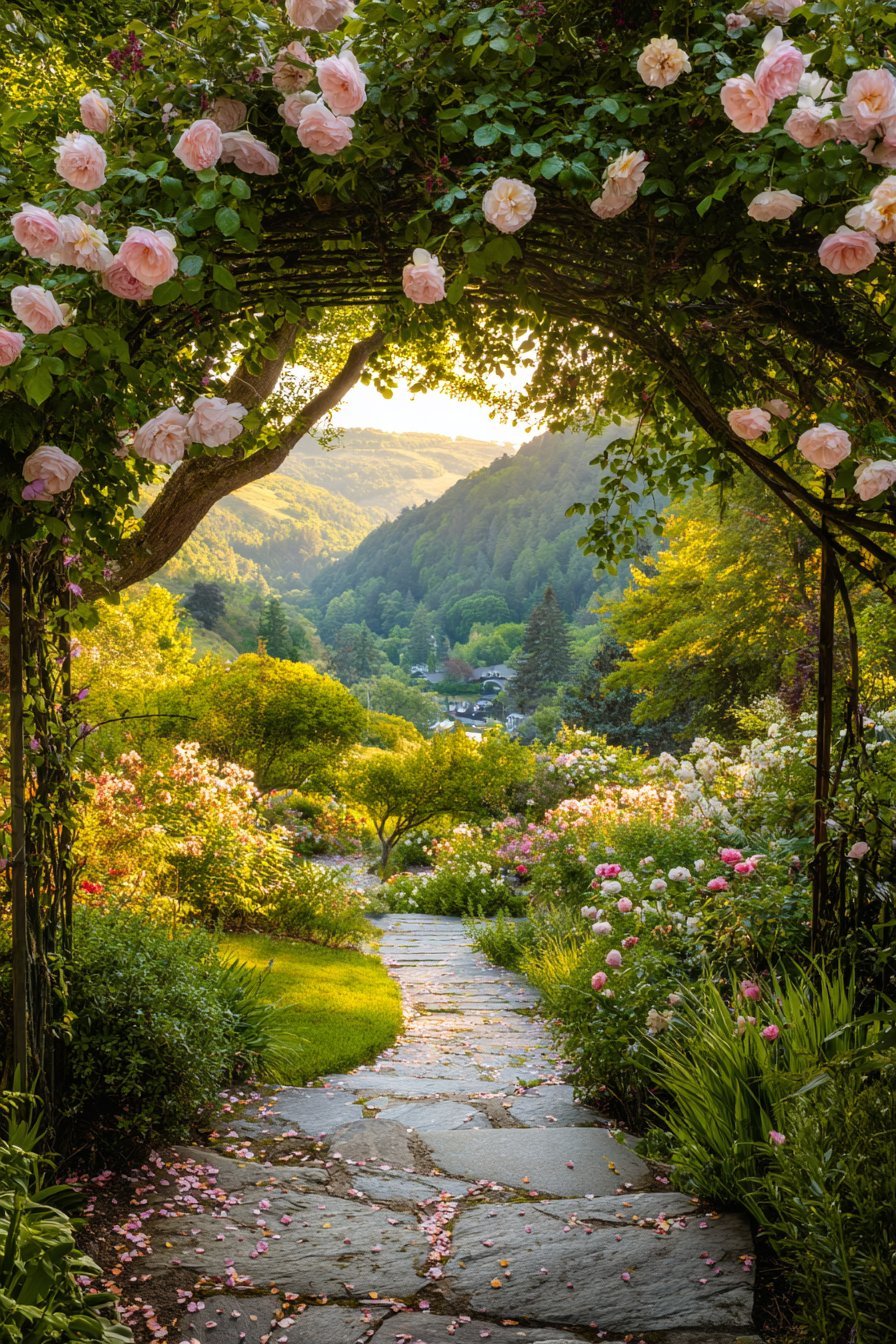
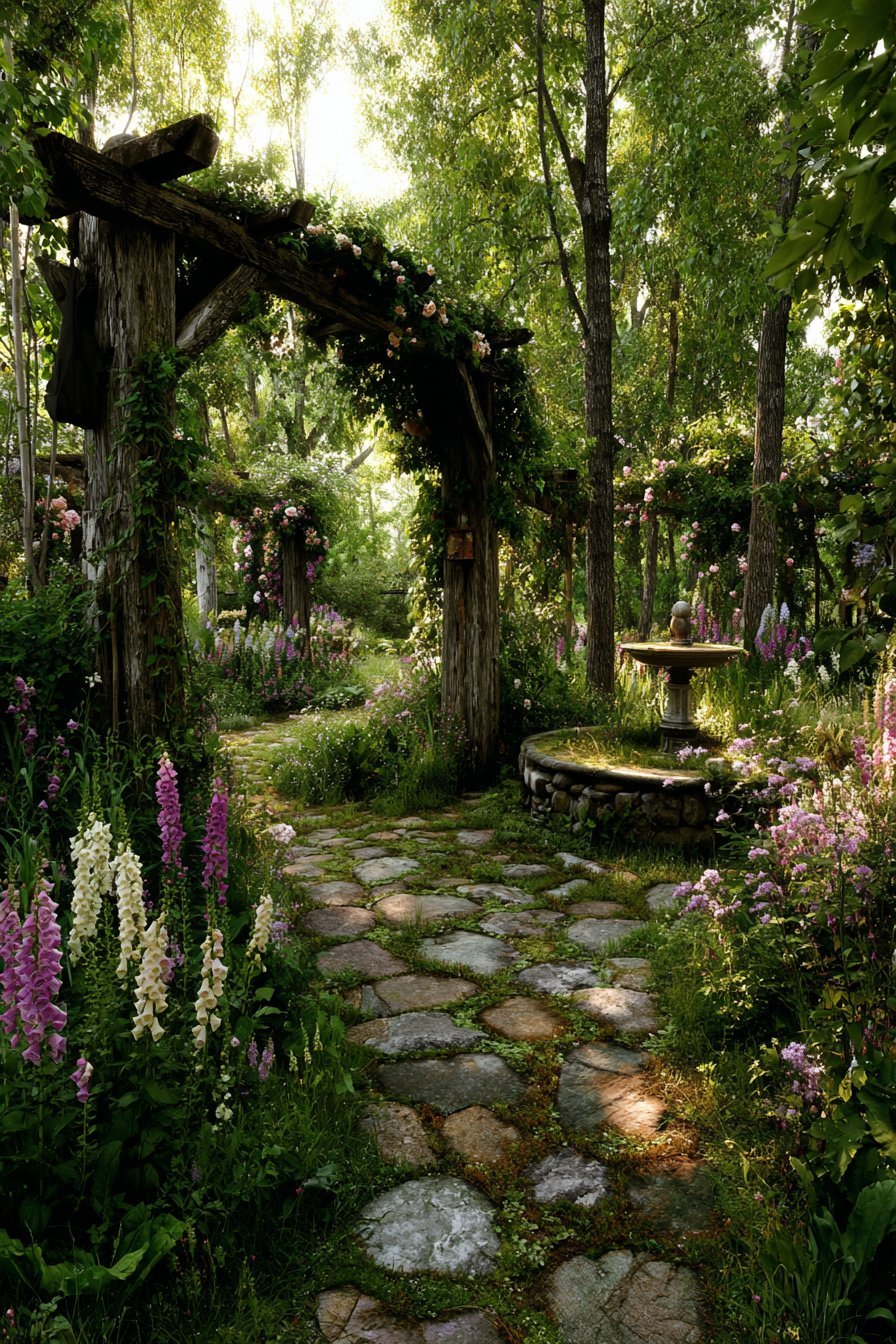
Nothing signals the arrival of a cottagecore garden quite as powerfully as a climbing rose arch. This single architectural element transforms a simple backyard into something that feels plucked from the pages of a storybook. A timber or wrought-iron arch draped in cascading roses, jasmine, or wisteria creates a magical threshold — a moment of transition that tells you something wonderful lies beyond.
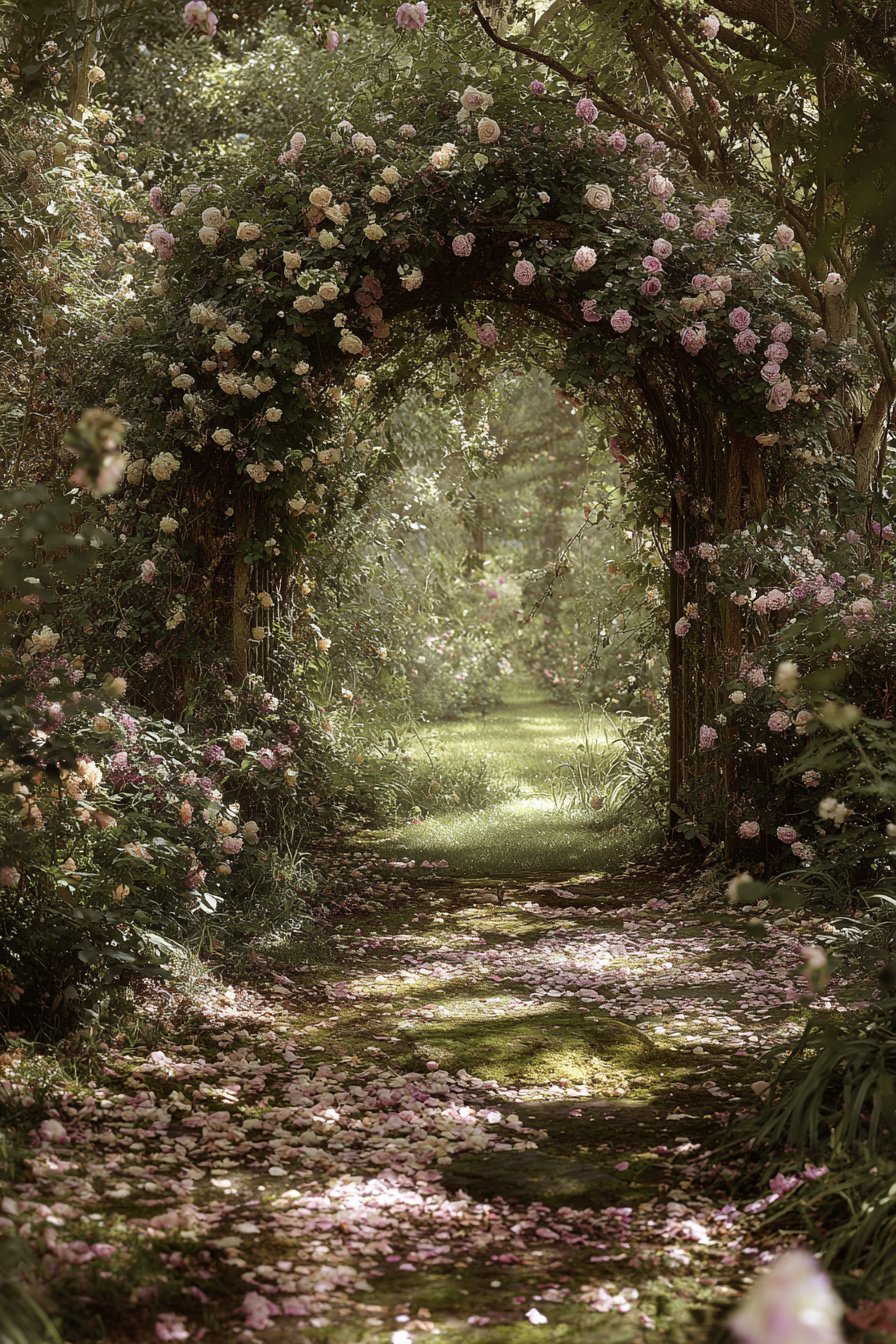
Climbing roses are the quintessential cottagecore plant, and for good reason. Their generous, overflowing bloom, intoxicating fragrance, and romantic cane growth habit make them perfectly suited to archways, pergolas, and fence lines. Heritage and old-fashioned rose varieties — David Austin roses in particular — offer the most authentic cottagecore aesthetic, with their cupped, quartered blooms and rich, complex fragrances that evoke the gardens of centuries past.
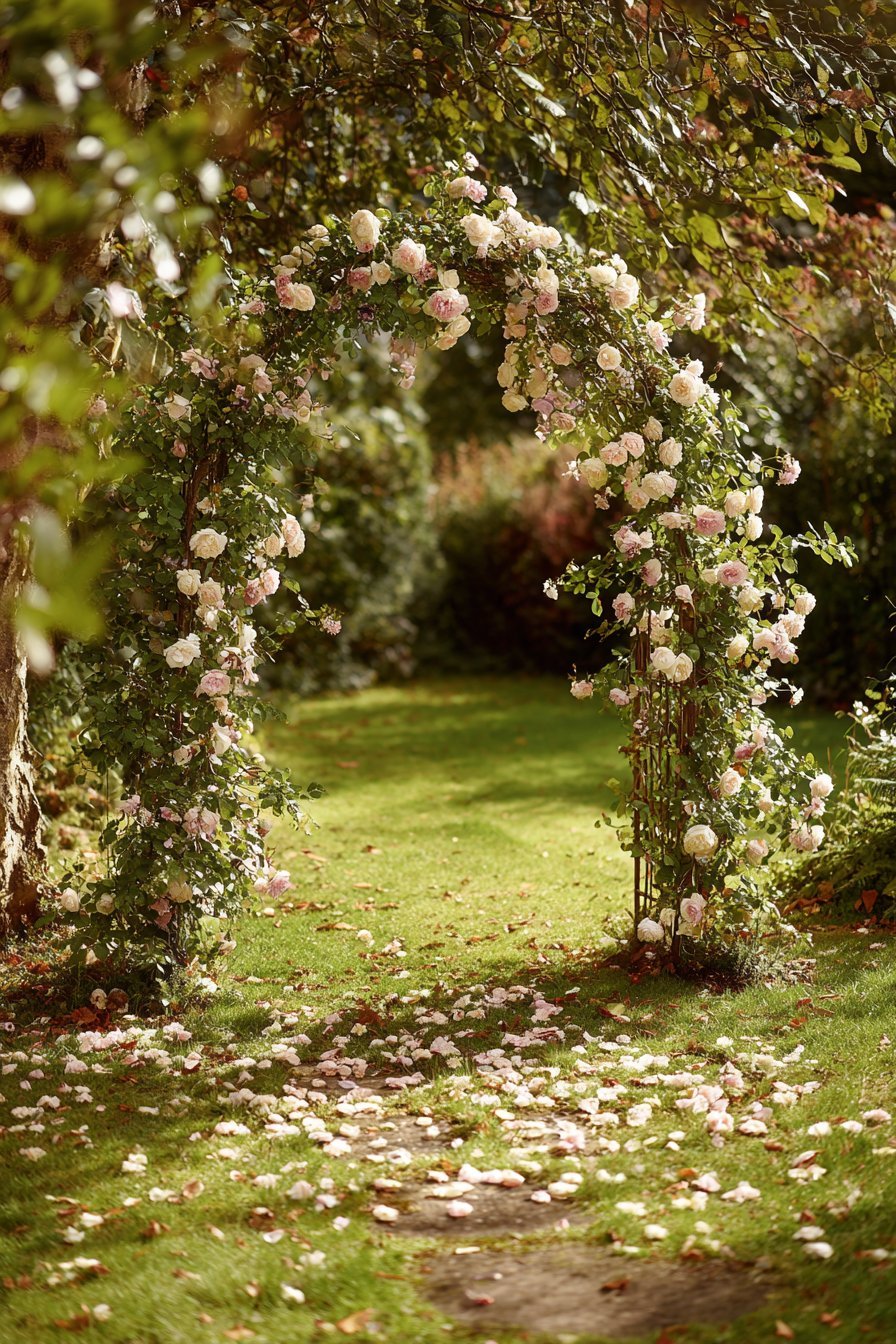
Positioning the arch as a gateway between garden zones amplifies its impact. Place it at the transition from a lawn area to a kitchen garden, from a patio to a wildflower meadow, or at the entrance to a secret garden enclosure. When you walk beneath a flowering arch and emerge into a new garden space beyond, the experience is genuinely enchanting — a physical journey through beauty that makes even a modest backyard feel expansive and extraordinary.
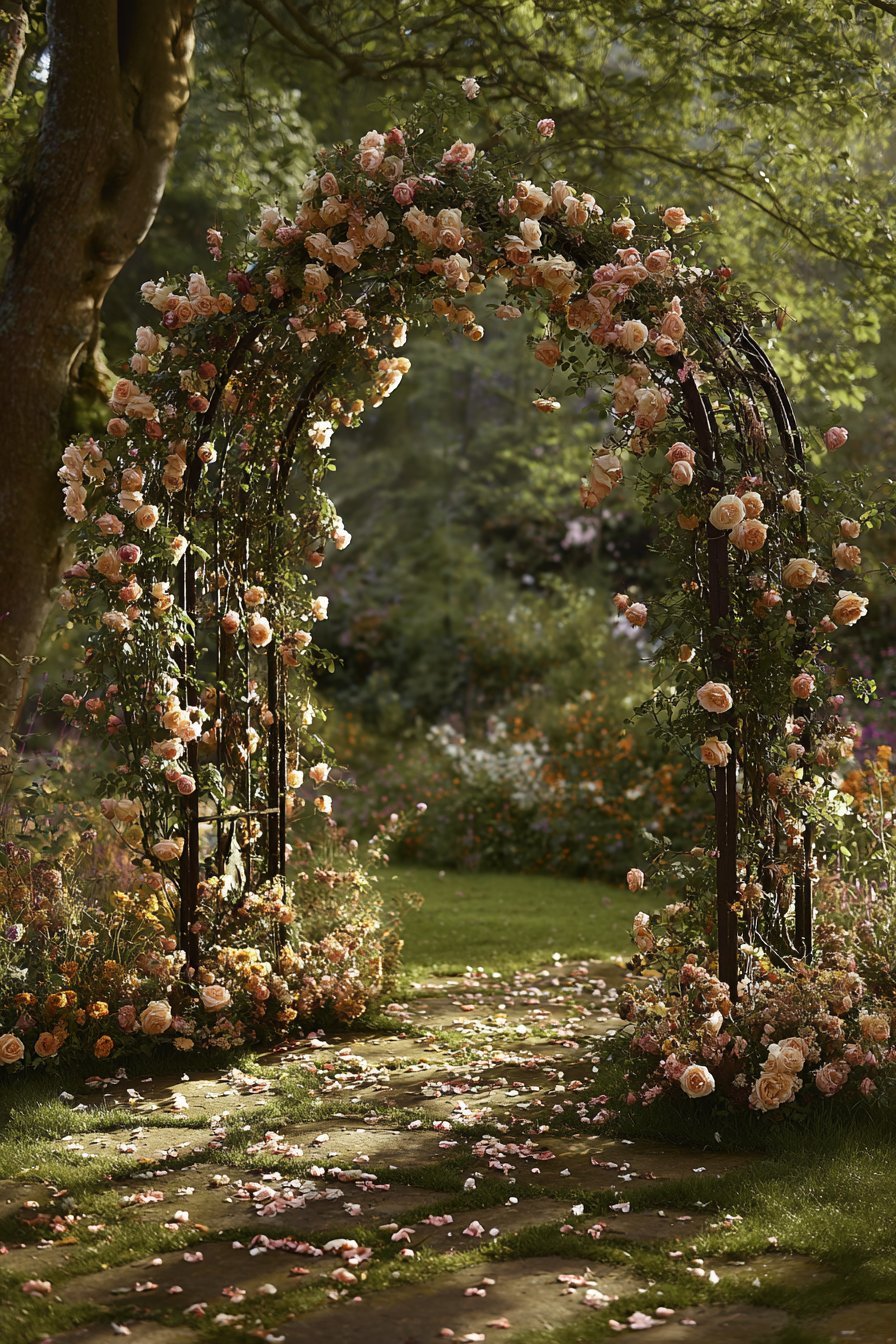
- Choose heritage climbing roses like David Austin varieties for the most authentic cottagecore bloom
- Train climbing jasmine or wisteria alongside roses for extended seasonal fragrance and interest
- Use a weathered timber or classic wrought-iron arch structure for the most charming aesthetic
- Position the arch as a gateway between distinct garden zones to create a sense of journey
- Feed climbing roses generously in spring and deadhead regularly to encourage continuous blooming
2. A Wildflower Meadow or Cottage Flower Border
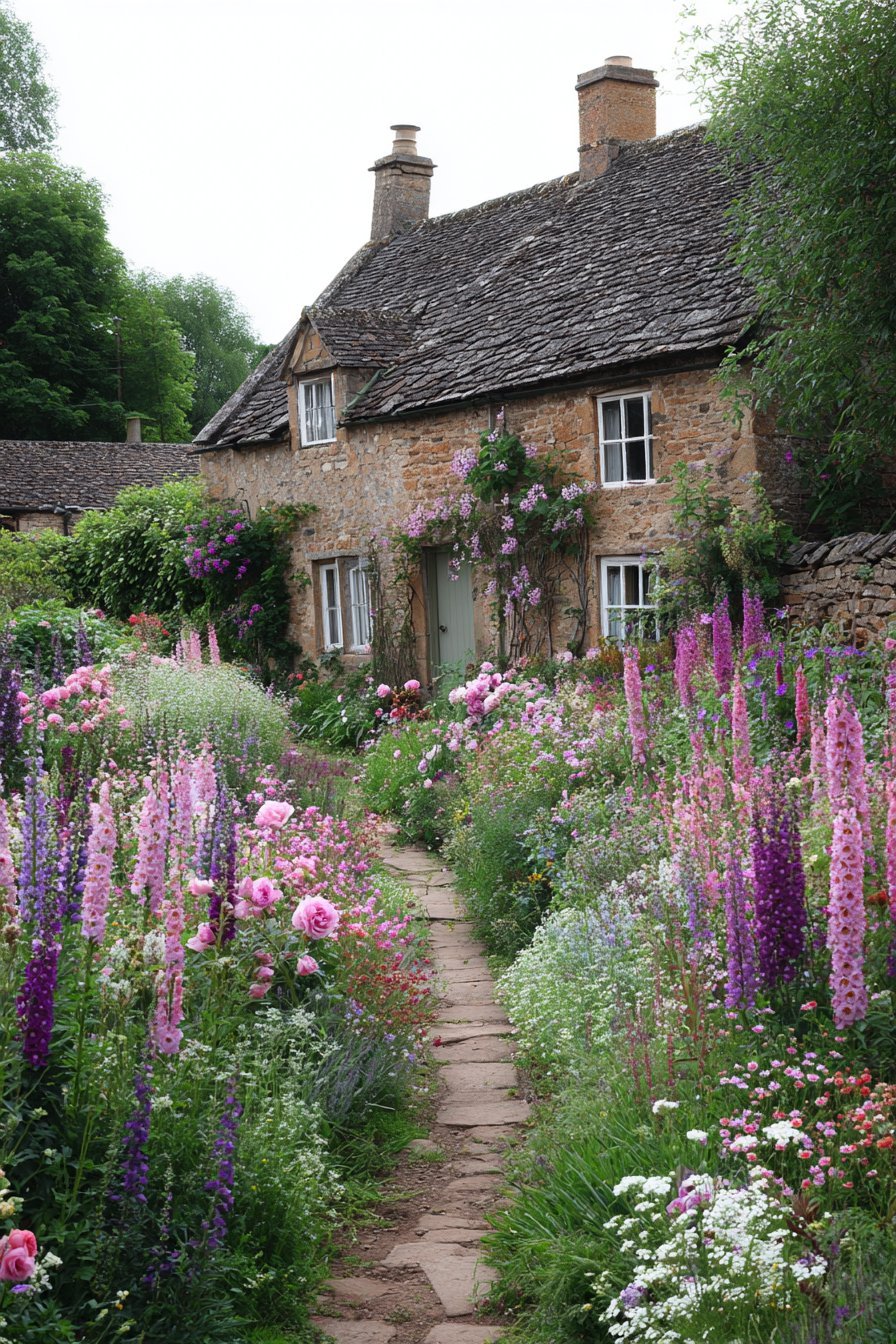
The wildflower meadow is perhaps the most evocative of all cottagecore garden elements. Where formal gardens impose order on nature, the wildflower meadow celebrates its glorious, abundant chaos. Drifts of poppies, cornflowers, ox-eye daisies, foxgloves, and Queen Anne’s lace tumbling together in sun-drenched profusion create a scene of breathtaking, joyful beauty that no manicured planting scheme can replicate.
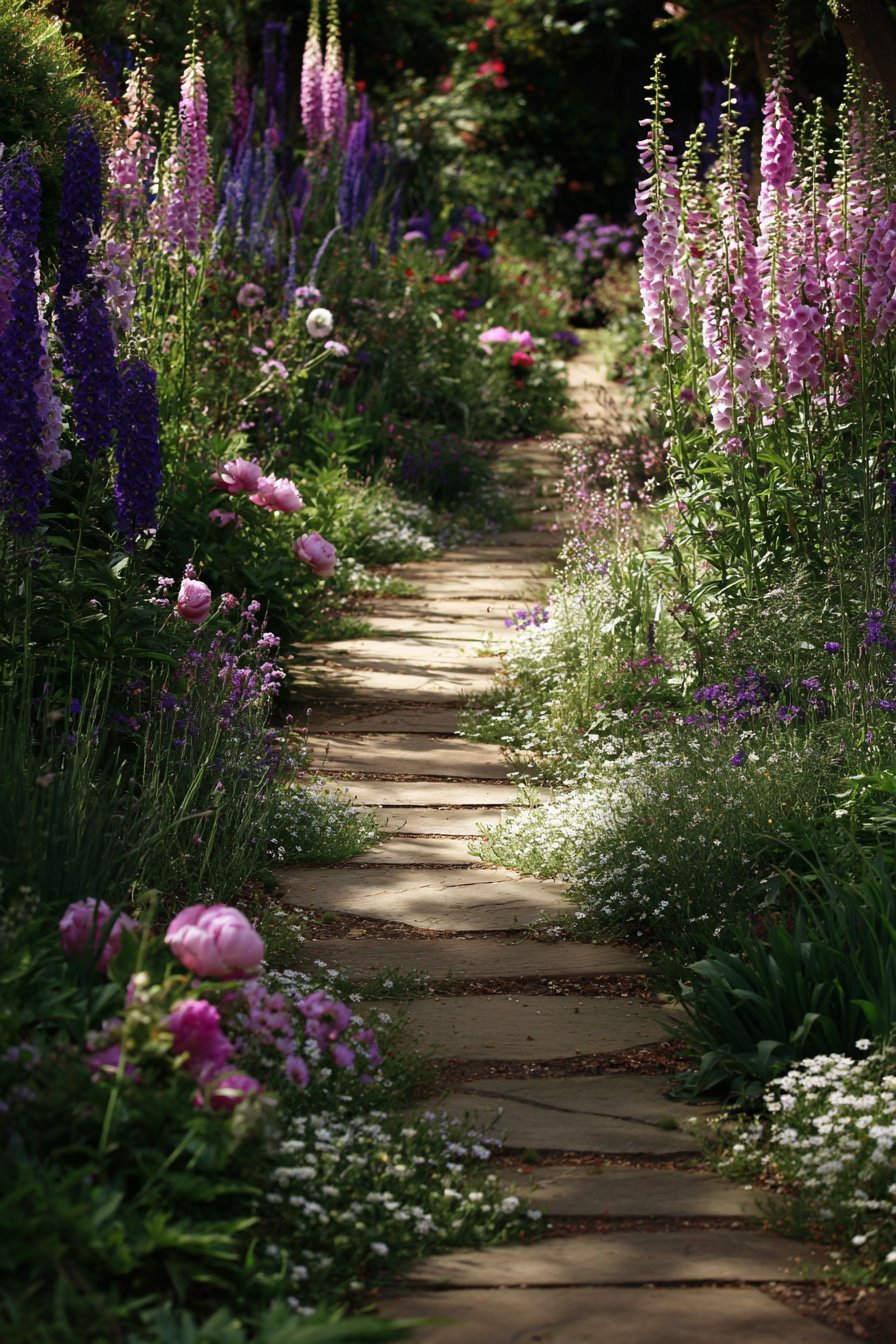
Even in a small backyard, a dedicated wildflower area — as modest as a sunny border or a patch of lawn converted to meadow planting — introduces the essence of the cottagecore spirit. Sow a quality annual and perennial wildflower mix in autumn or early spring, allow it to establish without interference, and within a single season you will have a living tapestry of color and movement that attracts bees, butterflies, and birds in abundance.
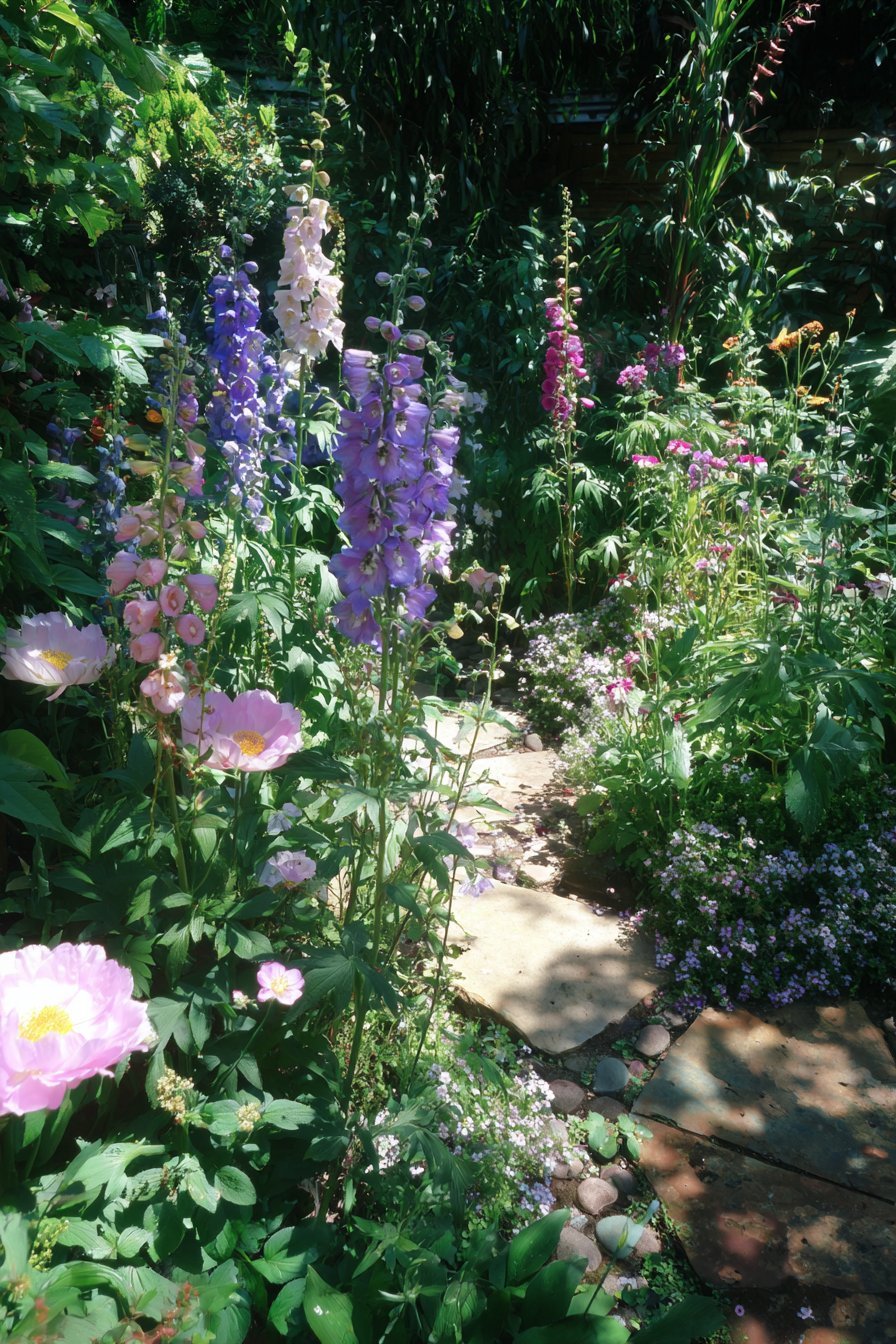
For a more structured interpretation, the traditional cottage flower border layers plants in glorious, seemingly unstudied abundance. Tall delphiniums and foxgloves at the back, mid-height peonies, phlox, and hollyhocks in the middle, and low edging plants like violas, sweet alyssum, and creeping thyme at the front create a billowing, romantic wall of bloom that spills over paths and softens every hard edge it encounters. This is the border that looks effortless but rewards every hour of thoughtful planting.
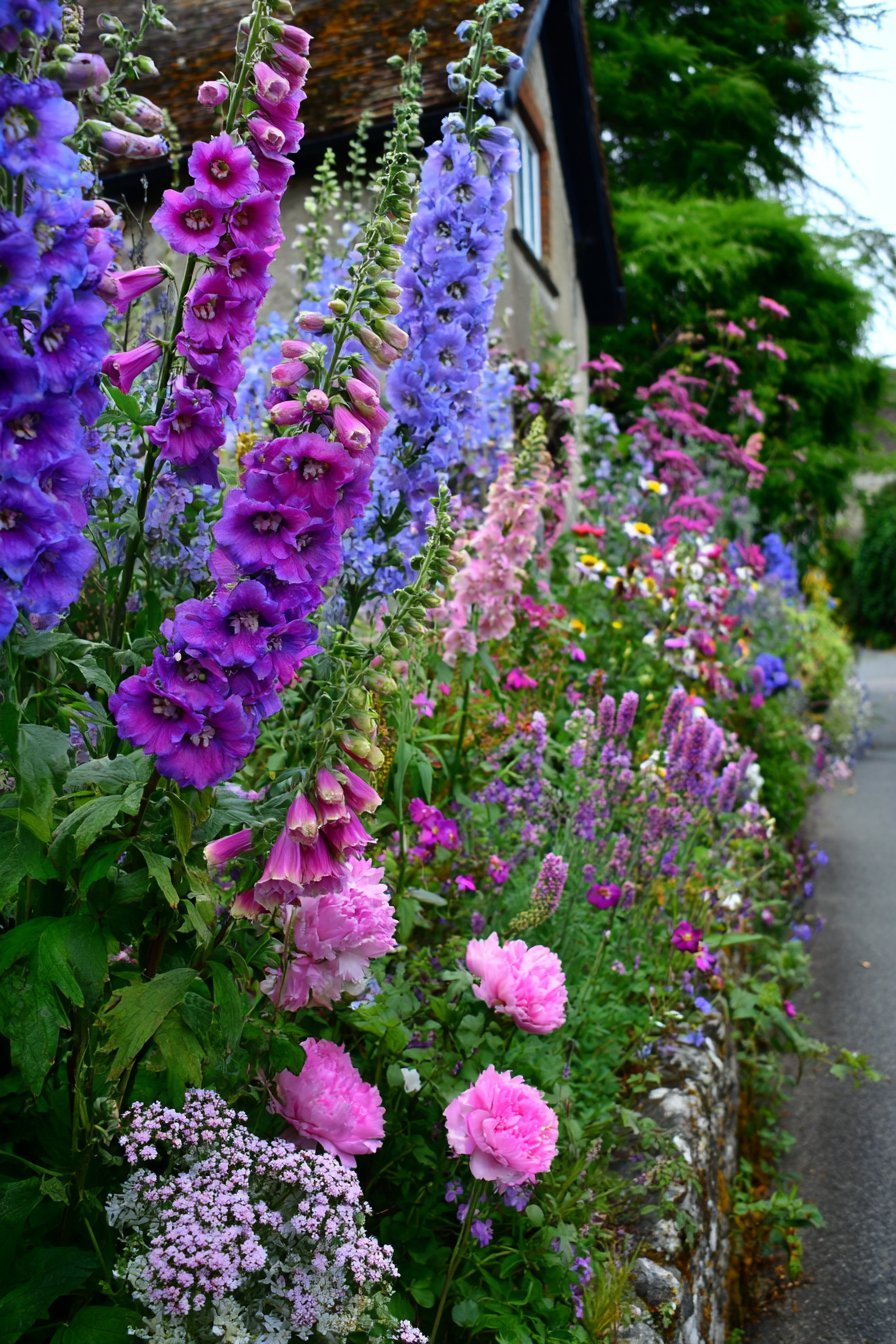
- Sow a quality wildflower seed mix in a sunny, well-drained area for a natural meadow effect
- Include both annual and perennial species for a meadow that self-seeds and returns each year
- Allow wildflowers to set seed before cutting back — this feeds birds and ensures next season’s display
- Layer a cottage border with tall, mid, and low plants for depth and seasonal succession of bloom
- Include fragrant species — sweet peas, phlox, stocks — to engage the sense of smell as well as sight
3. Weathered Stone Paths and Mossy Stepping Stones
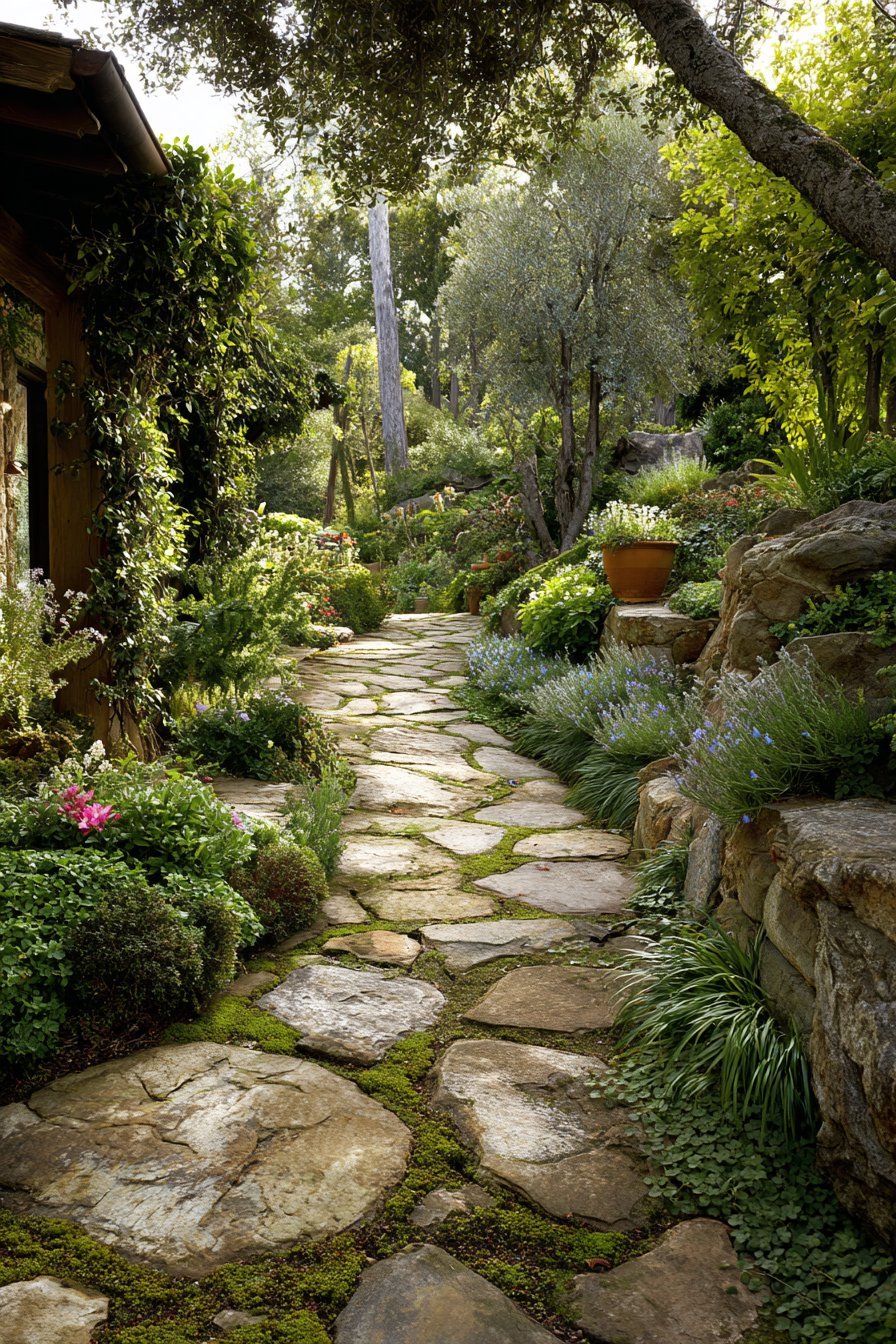
A winding stone path through a cottagecore garden does something no straight, paved walkway can achieve: it slows you down. When a path meanders gently between planting beds, disappears briefly behind a flowering shrub, and reappears at an unexpected angle, it creates a sense of discovery and gentle adventure that is central to the cottagecore experience. Every step becomes a small, pleasurable journey.
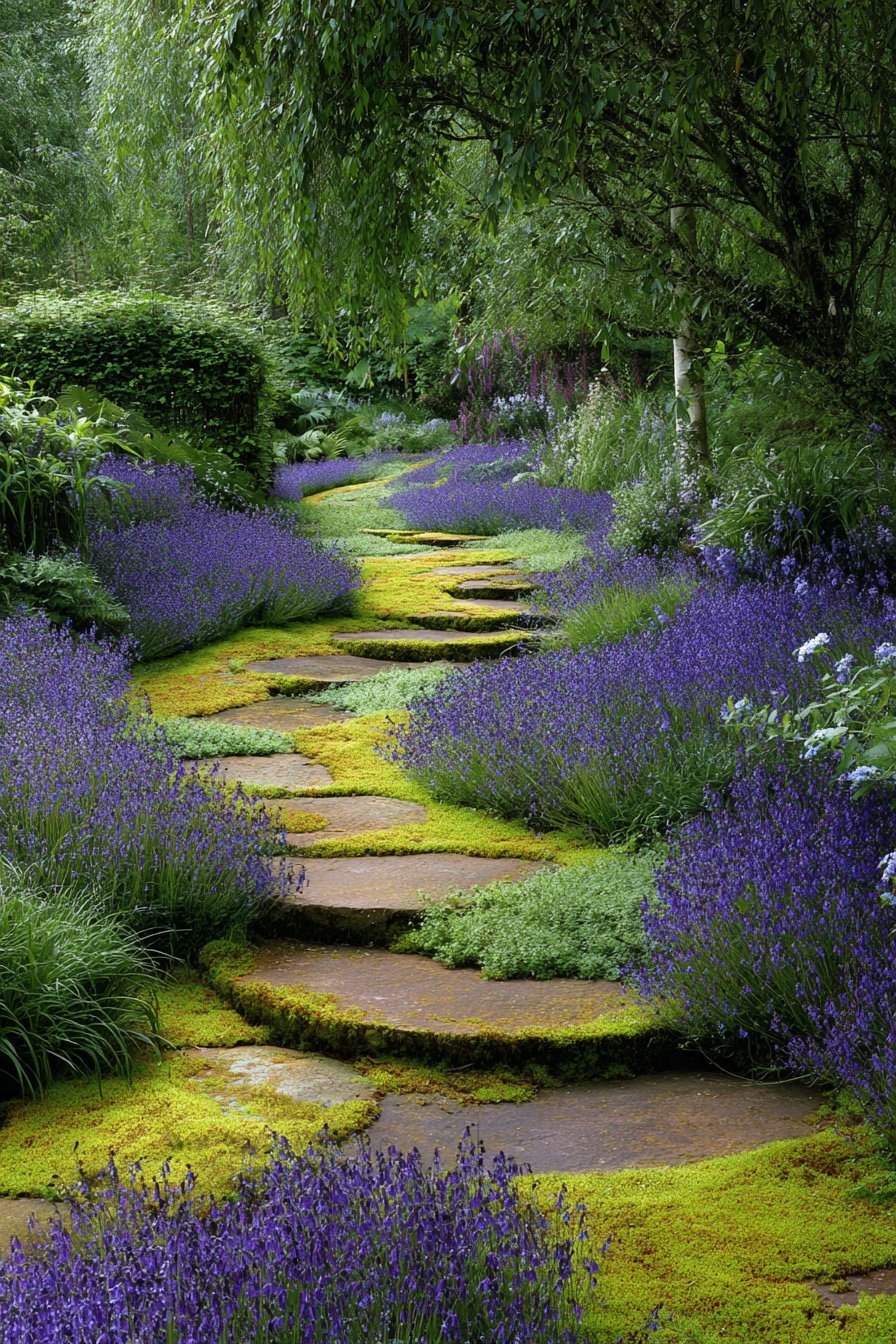
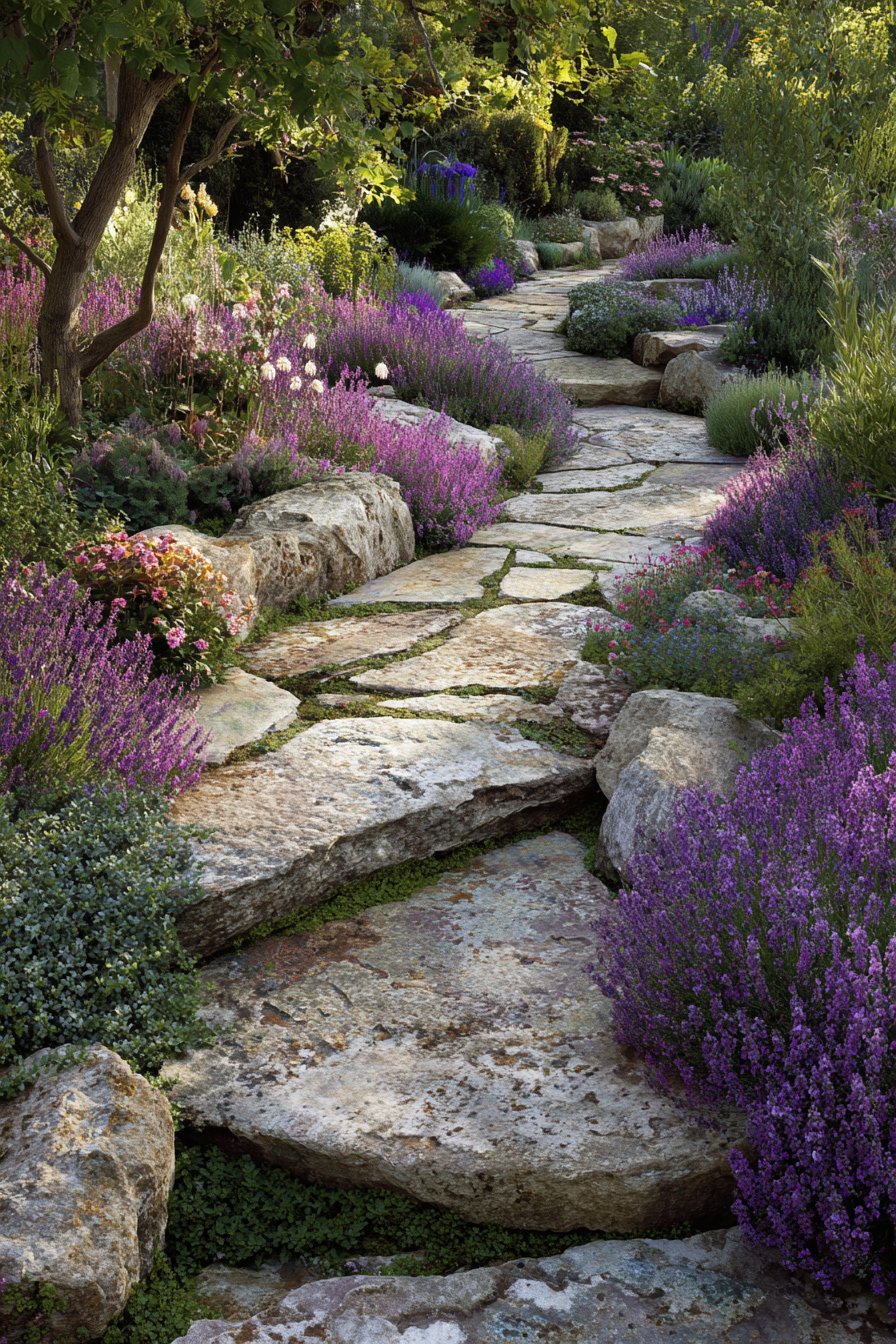
Natural stone materials — aged sandstone, reclaimed slate, worn limestone, and irregular flagstone — carry the marks of time and weathering that give cottagecore gardens their authentic, unhurried character. Unlike precision-cut pavers, these irregular stones settle naturally into the ground, develop patches of moss and lichen over time, and feel as though they have always been part of the landscape. This quality of earned beauty — the patina of age — is something no new material can replicate, which is why reclaimed and salvaged stone is so prized in cottagecore design.
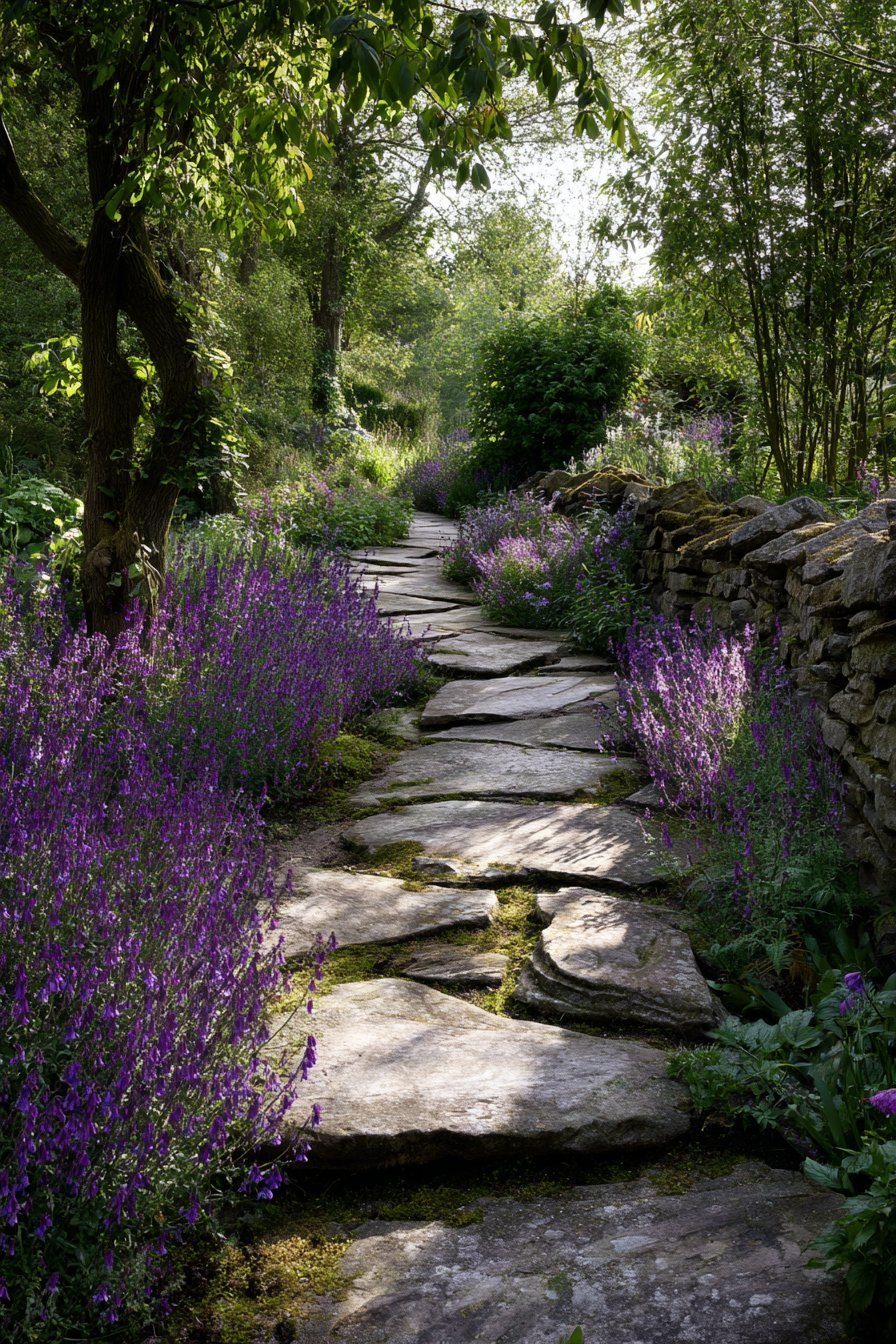
Encouraging moss growth between and on stepping stones accelerates the aged, romantic quality of a stone path. In shaded or moist areas, moss establishes naturally. In drier spots, you can encourage it by painting stones with a slurry of buttermilk and moss spores — a beloved cottage gardener’s trick that speeds up the years-long process of natural colonization. The result is a path that looks centuries old within a season or two.
- Choose irregularly shaped natural stone — sandstone, flagstone, or reclaimed slate — for path materials
- Allow paths to meander rather than running in straight lines for a more exploratory, romantic feel
- Encourage moss and thyme to grow between stepping stones for a soft, aged appearance
- Use salvaged or reclaimed stone wherever possible for authentic, time-worn character
- Edge paths loosely with low cottage plants — campanula, creeping thyme, or violets — to soften hard lines
4. A Kitchen Herb Garden or Potager
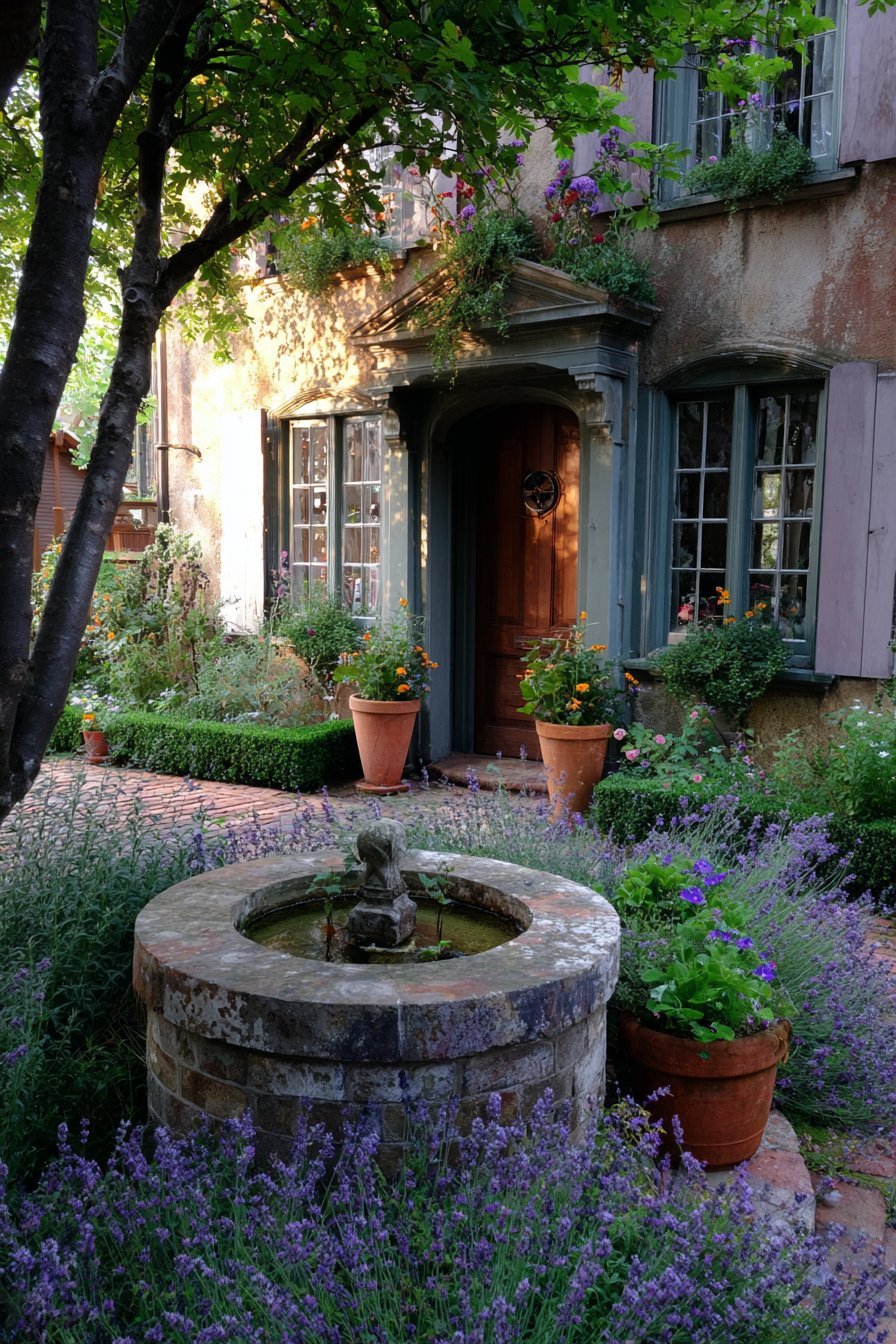
The kitchen garden — or potager in the French tradition — is a cornerstone of cottagecore living. More than just a practical growing space, it is a place of deep sensory pleasure: the sharp fragrance of freshly cut herbs, the satisfaction of harvesting your own vegetables, the beauty of edible plants growing in cheerful abundance alongside flowers and aromatic companions. In the cottagecore philosophy, the useful and the beautiful are never separated.
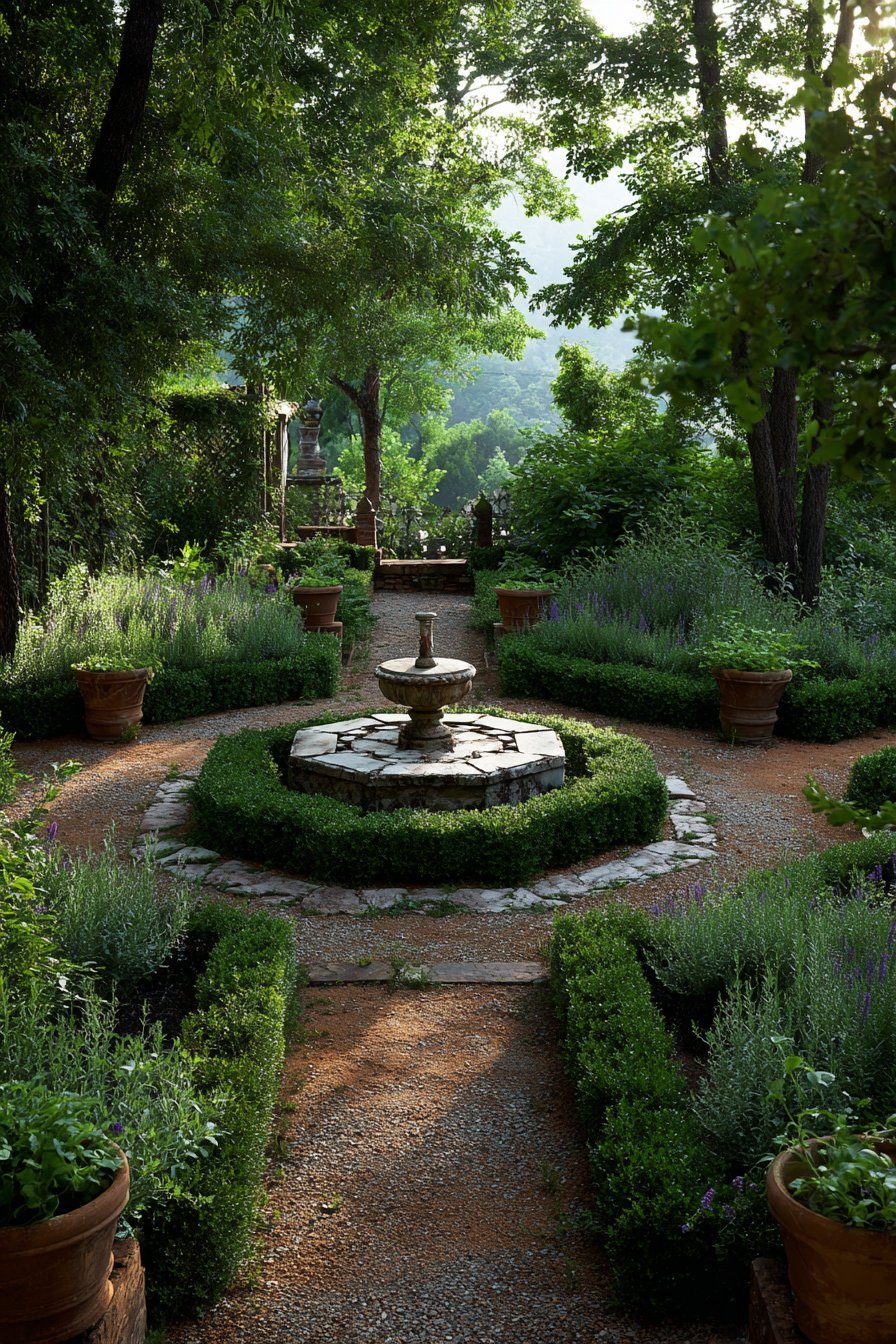
A raised bed kitchen garden arranged in a traditional pattern — four square beds with a central focal point such as a sundial, standard rose, or terracotta urn — is both highly productive and visually enchanting. Edged with low boxwood hedging or fragrant lavender borders, these beds contain a joyful mix of vegetables, herbs, edible flowers, and fruiting plants that make cooking with homegrown ingredients feel like a daily luxury. Even a very small space can accommodate a productive and beautiful mini potager.
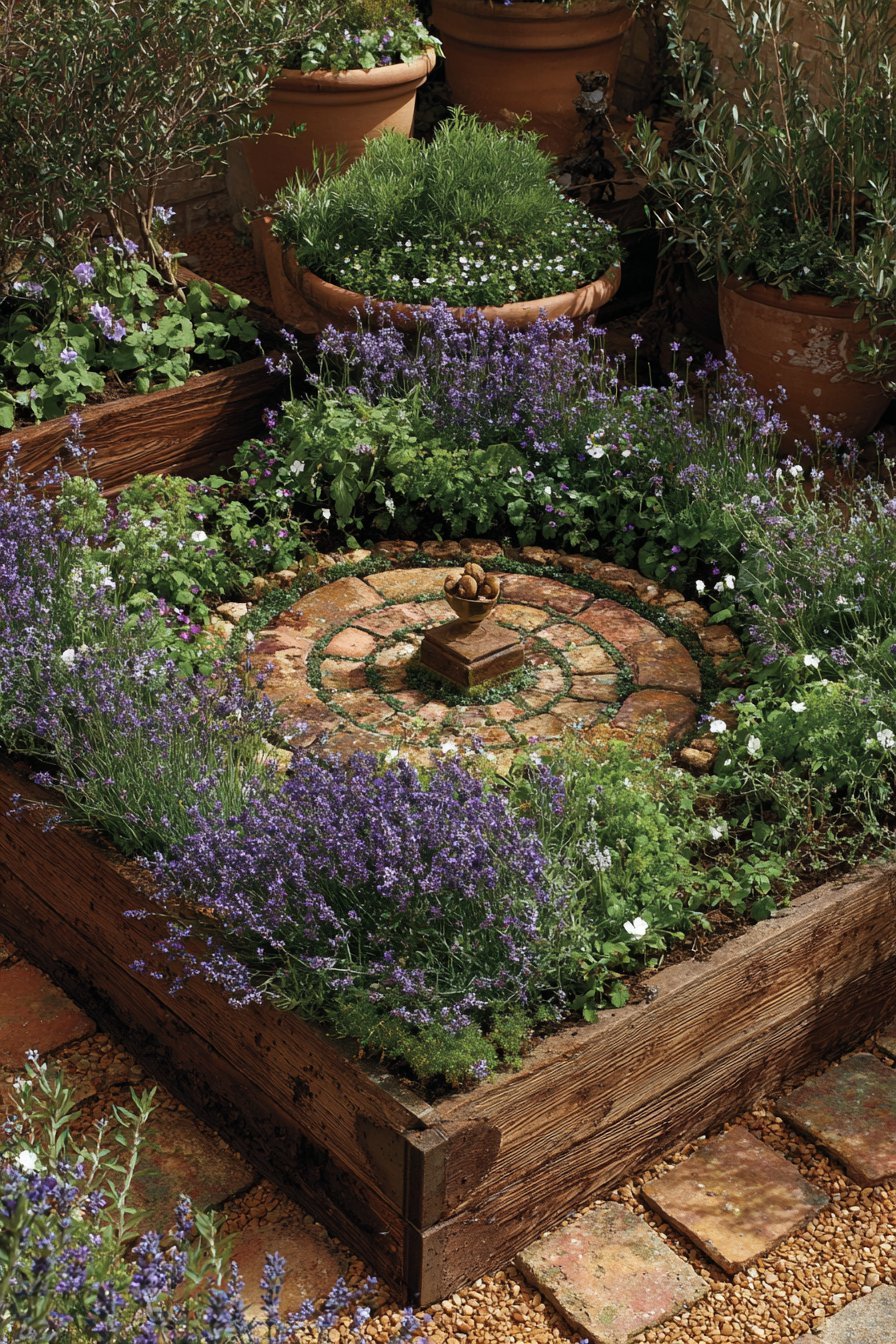
Herb spirals are a particularly beloved cottagecore feature — a raised, spiral-shaped growing structure that creates multiple microclimates in a small footprint. Mediterranean herbs like rosemary, thyme, and oregano thrive in the warm, well-drained upper sections, while moisture-loving mint, chives, and parsley prefer the cooler, shadier lower positions. A herb spiral made from reclaimed stone or timber becomes both a productive growing feature and a charming garden sculpture in its own right.
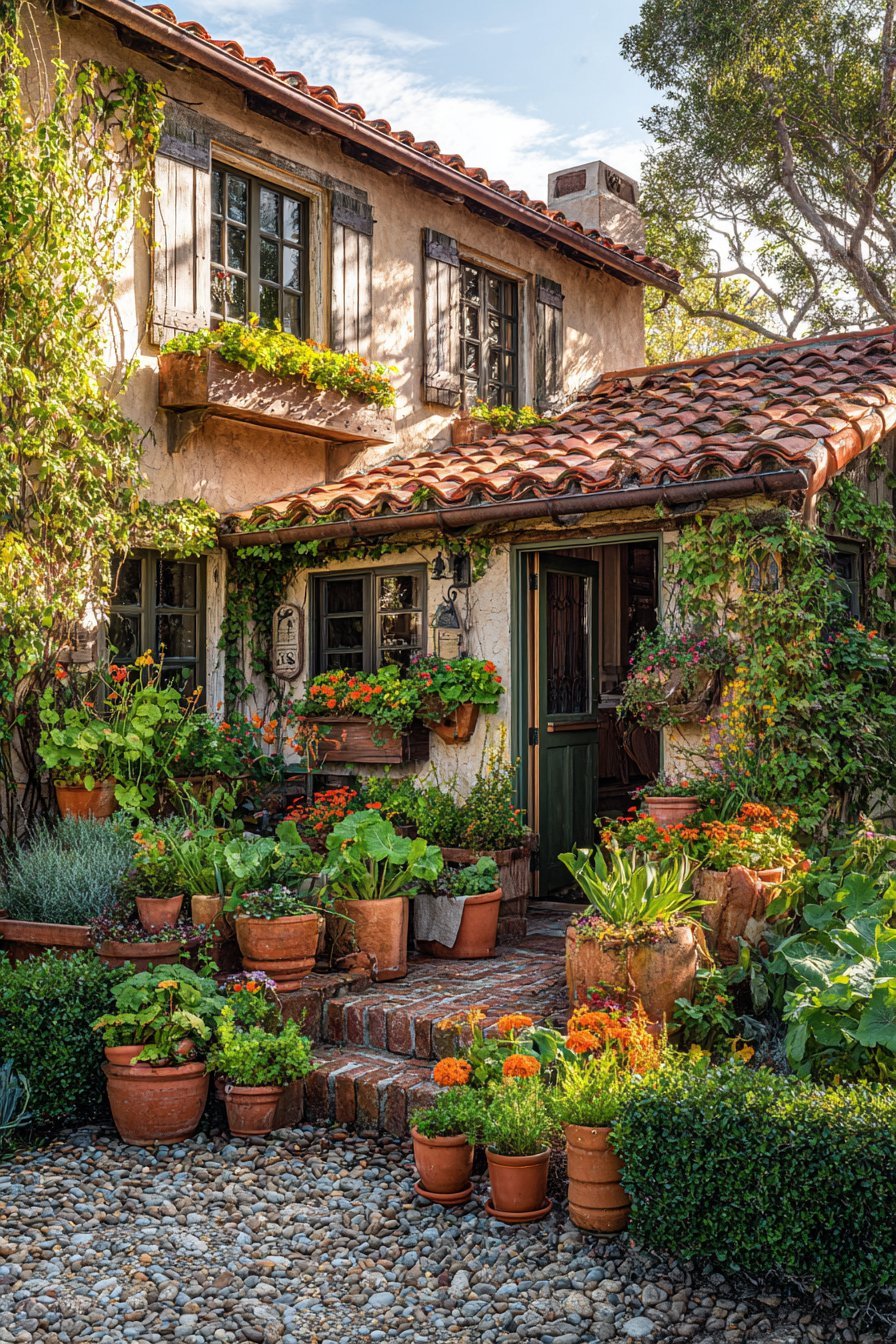
- Arrange raised kitchen beds in a traditional four-square pattern with a central ornamental focal point
- Edge beds with lavender, boxwood, or chive borders for fragrance, structure, and edible beauty
- Build a herb spiral from reclaimed stone as a productive and visually charming garden feature
- Grow edible flowers — nasturtiums, borage, calendula, violets — alongside vegetables and herbs
- Allow herbs like fennel, dill, and chervil to flower and self-seed freely for a natural, abundant look
5. Charming Garden Structures and Vintage Accessories
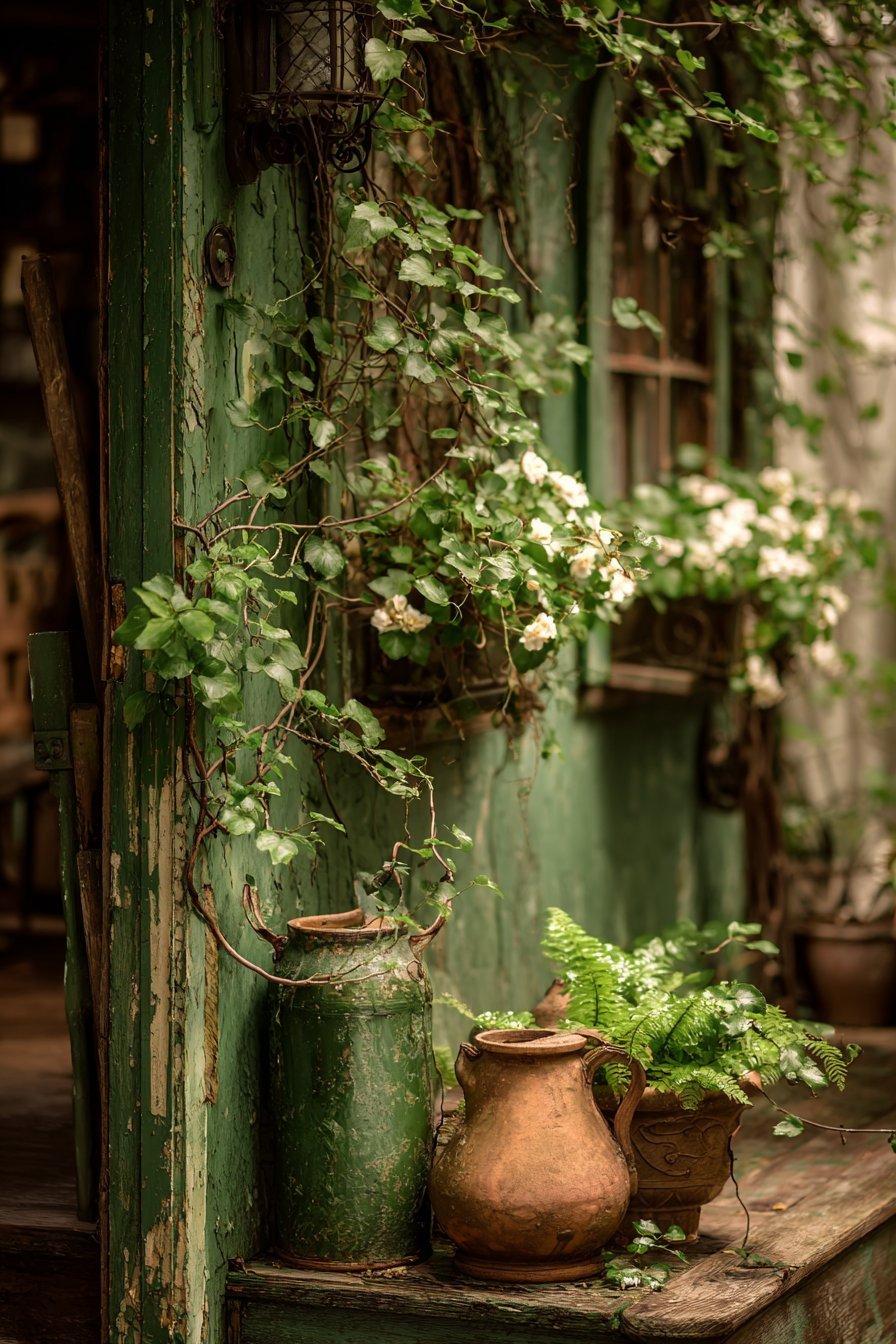
Decorative structures and accessories give the cottagecore backyard its distinctive sense of character and personal storytelling. Unlike minimalist garden styles that strip ornamentation back to the barest essentials, the cottagecore garden celebrates the accumulated charm of well-chosen objects — each one adding a layer of warmth, humor, nostalgia, or beauty to the overall composition.
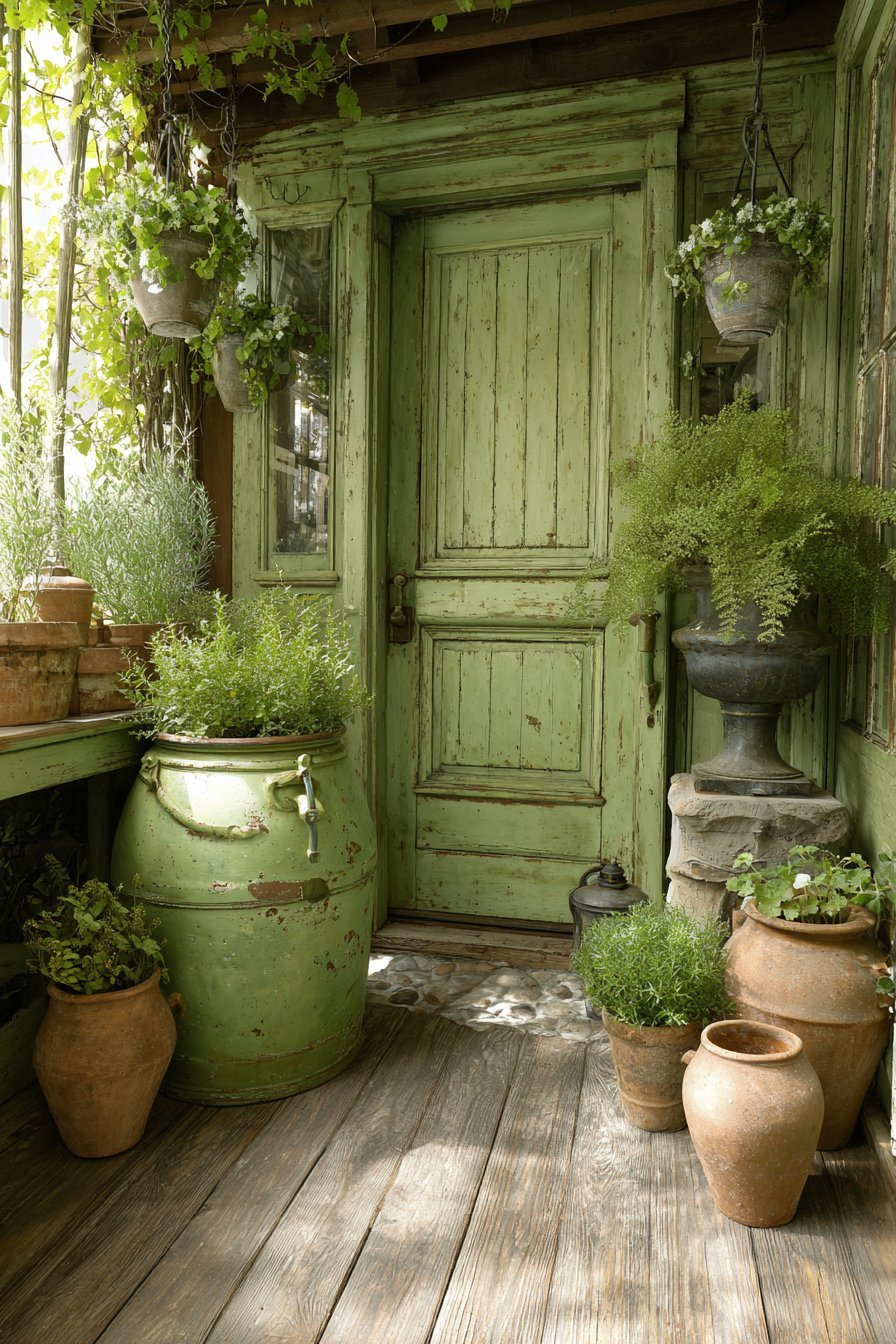
A weathered wooden potting shed or garden tool store is the ultimate cottagecore outbuilding. Clad in climbing roses or Virginia creeper, with windows framed by window boxes overflowing with geraniums and trailing herbs, a cottage-style shed becomes a focal point of genuine enchantment. Even a small, prefabricated shed can be transformed with the right climbing plants, window boxes, and painted detailing into something that looks as though it has stood in the garden for a hundred years.
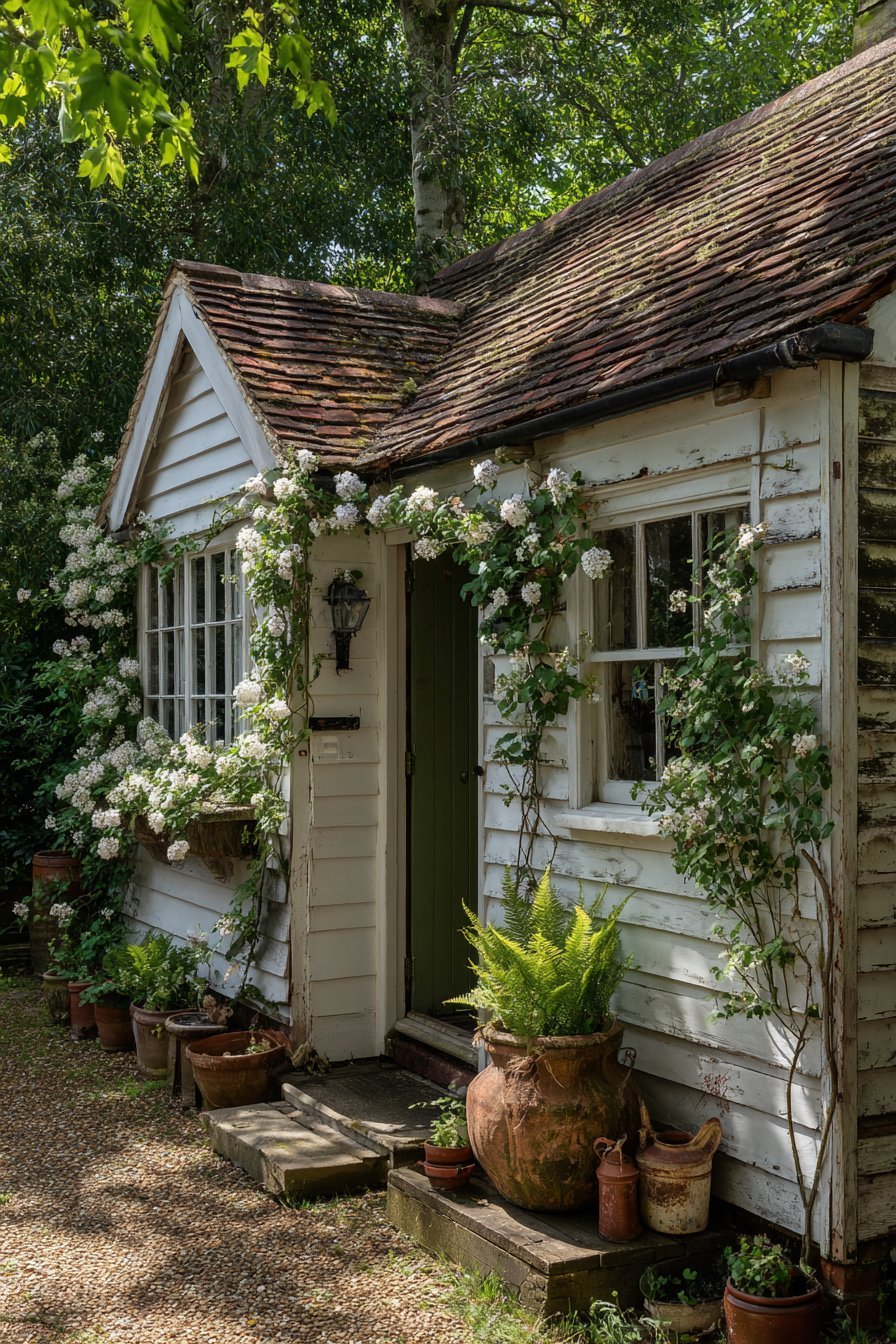
Vintage and antique accessories sourced from garden markets, estate sales, and antique dealers bring irreplaceable character to a cottagecore space. A cast-iron urn filled with tumbling ferns, a stone trough overflowing with alpines and sedums, a vintage watering can repurposed as a planter, a weathered bird bath mossy with age — these objects carry history and patina that no new reproduction can truly replicate. Scatter them through the garden as discovered treasures rather than arranging them with deliberate symmetry.
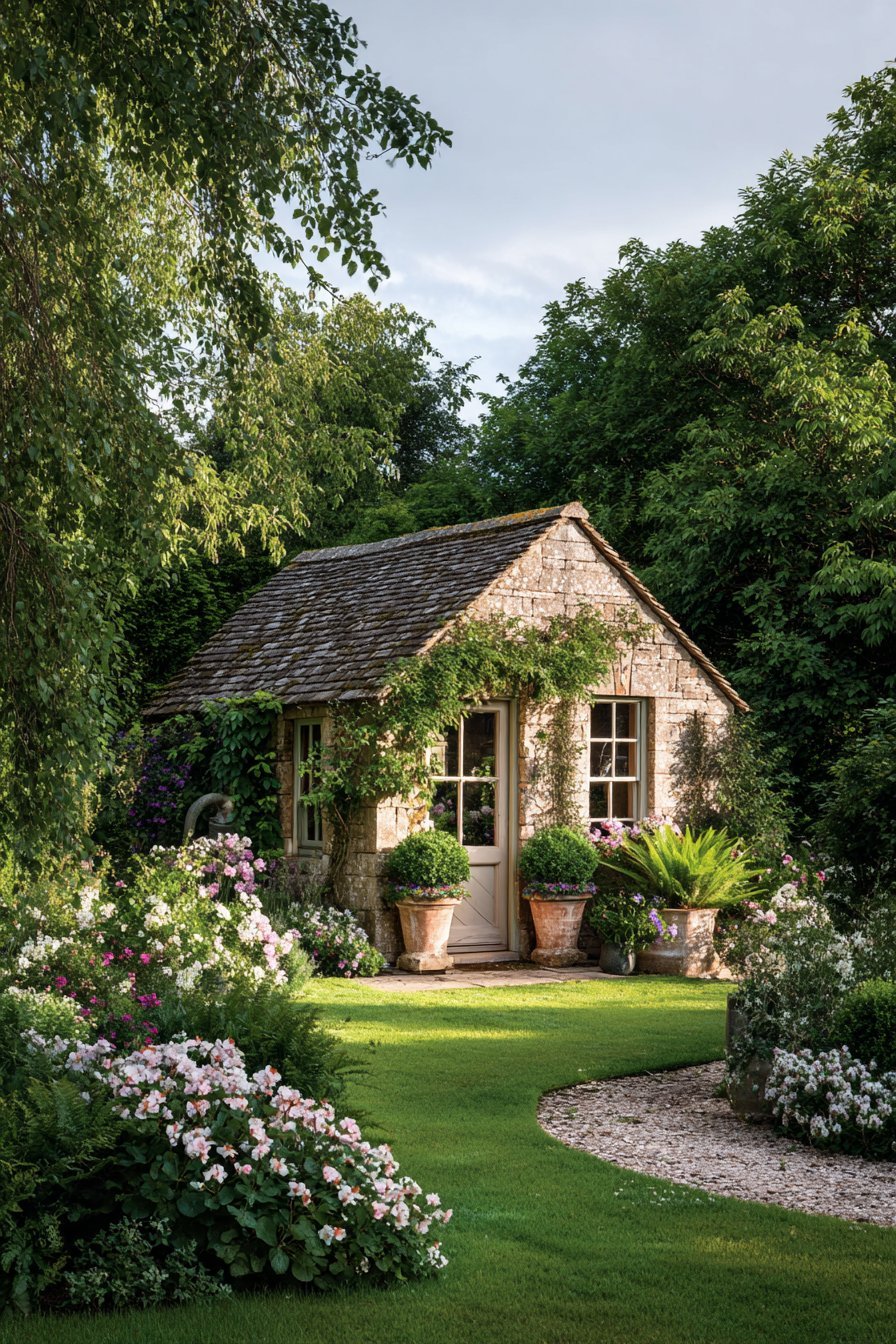
- Transform a simple garden shed with climbing plants, window boxes, and cottage-style paintwork
- Source vintage and antique accessories — urns, troughs, bird baths — from markets and estate sales
- Use old terracotta pots, enamel colanders, and vintage watering cans as informal planters
- Install a traditional wooden beehive or bee hotel as both a functional and charming garden feature
- Add a weathered garden gate with a simple latch — even between two sections of the same garden
6. A Tucked-Away Garden Seat or Secret Nook
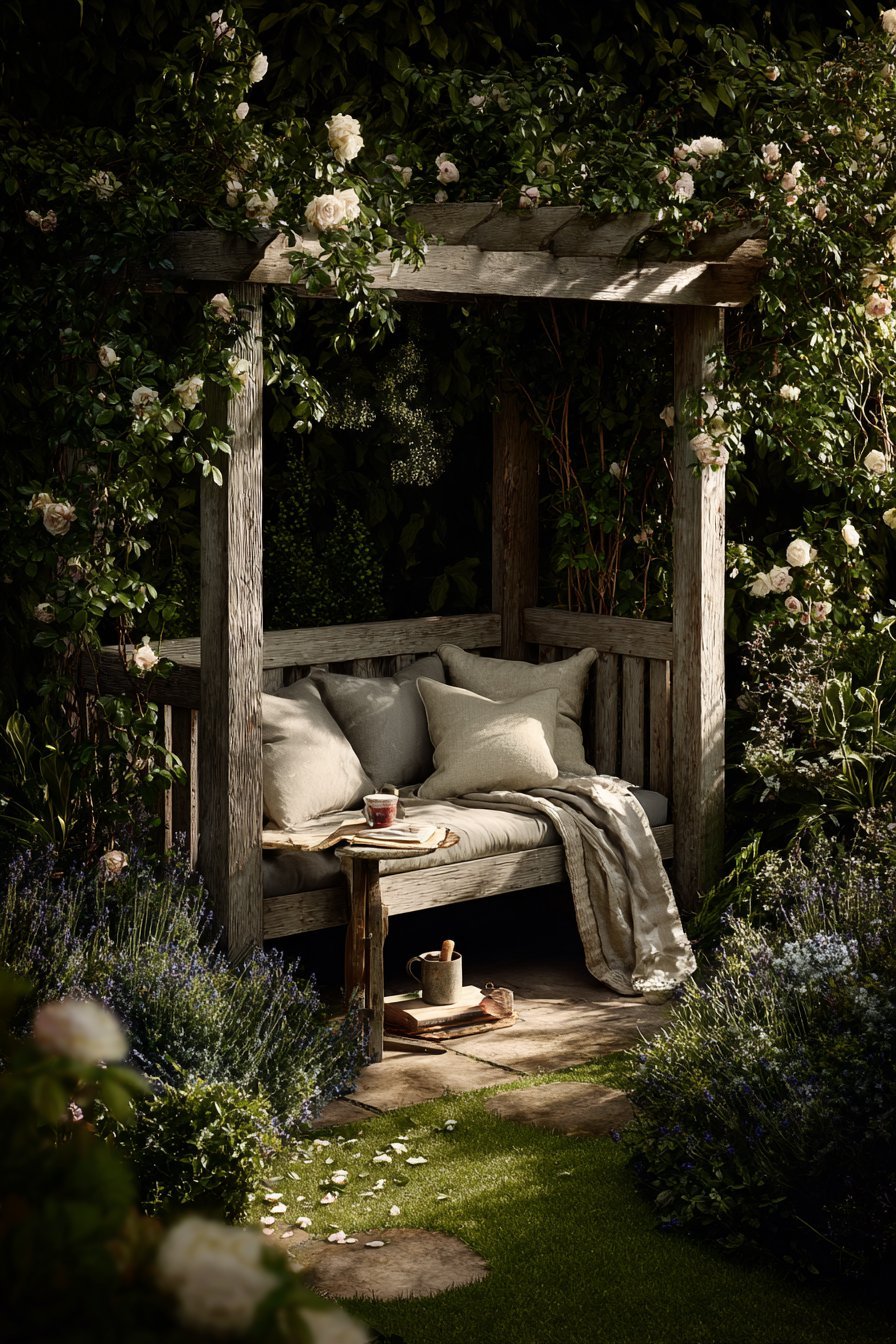
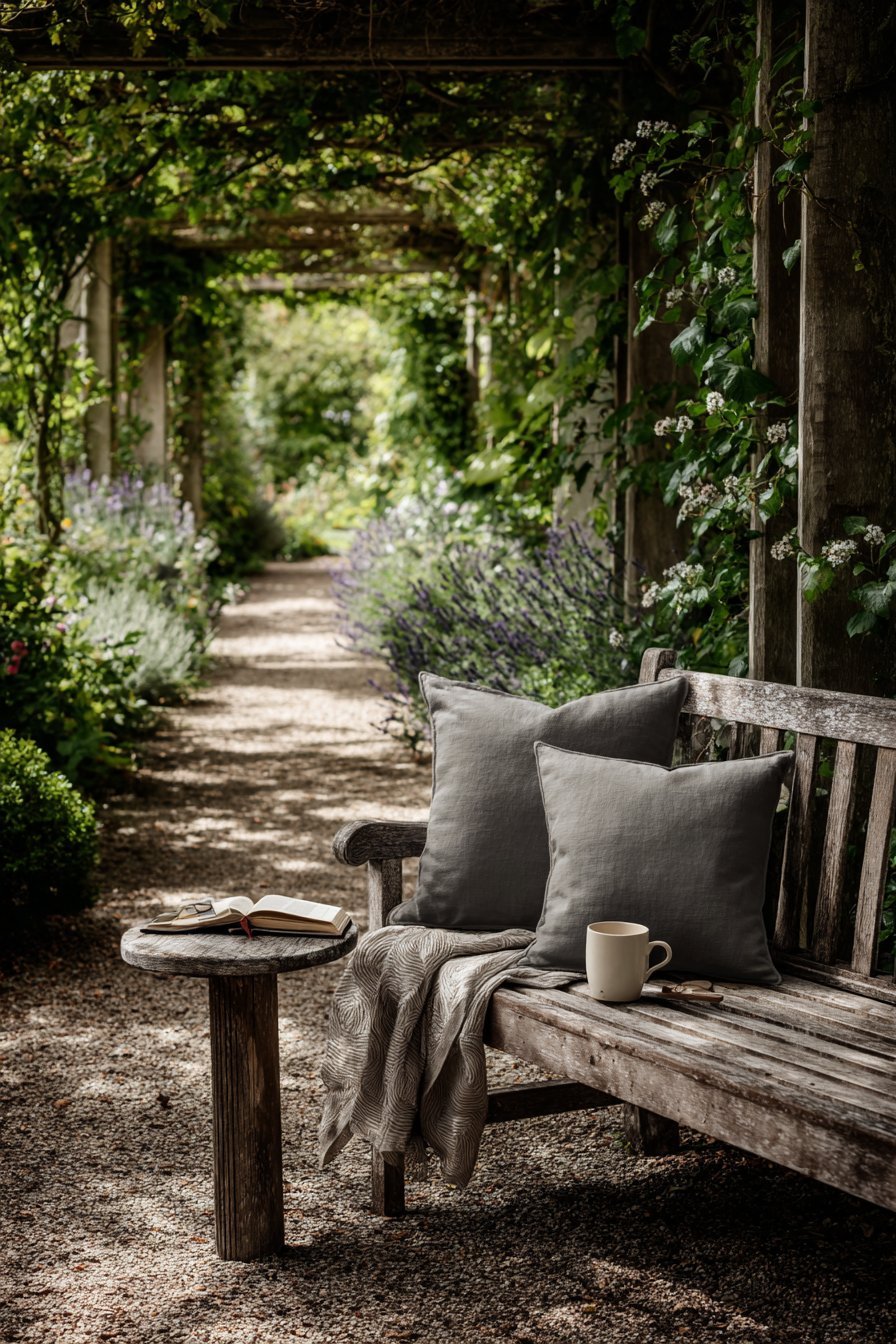
The secret garden seat is one of the most emotionally resonant elements of any cottagecore backyard. There is something universally appealing about a sheltered, partly hidden spot — a bench beneath a rose-draped arbour, a stone seat tucked into a hedge alcove, a wooden chair half-concealed by overhanging branches — that invites solitary reflection, quiet reading, or simply sitting in contented stillness.
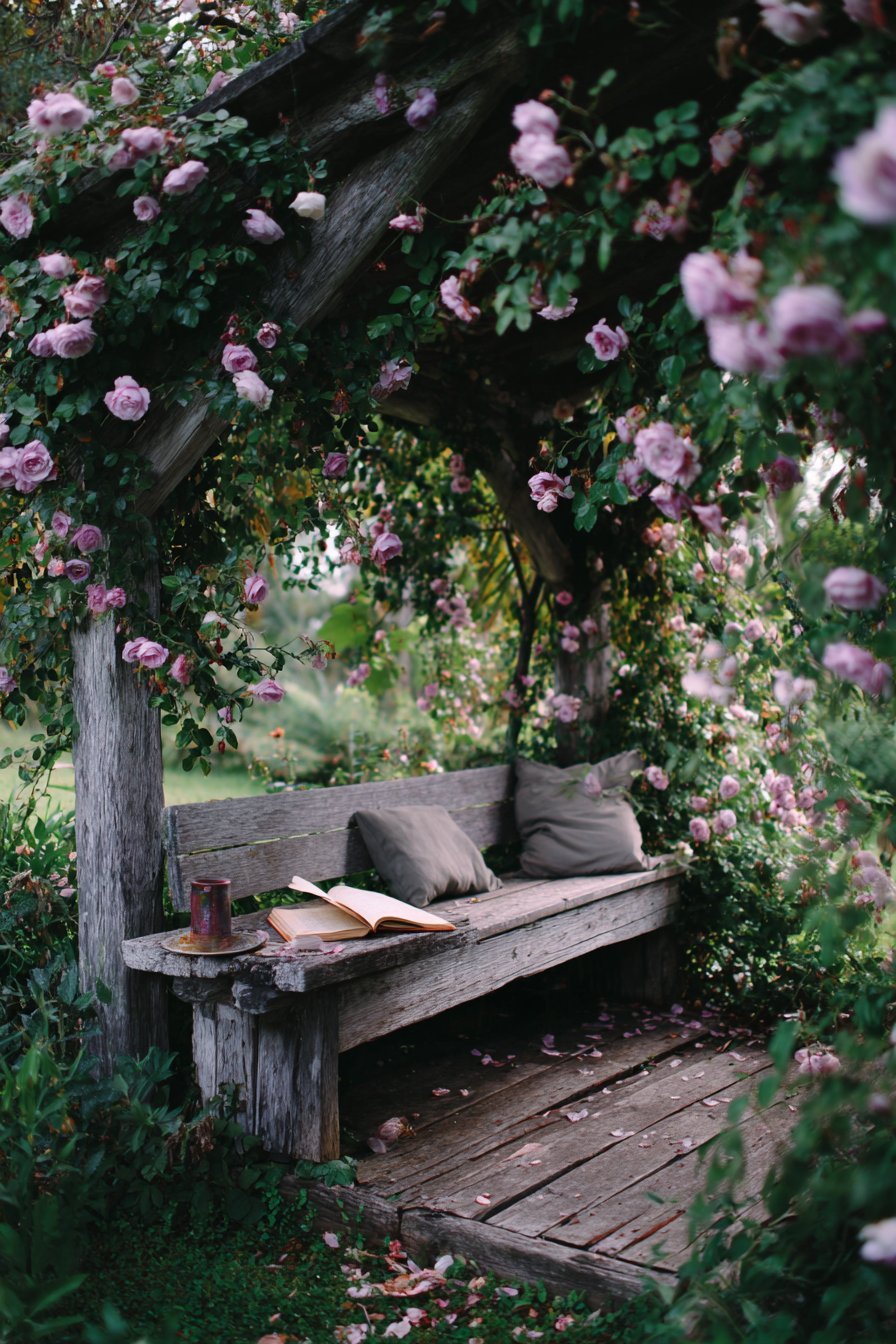
Positioning matters enormously when creating a garden nook. The most enchanting spots are not in the center of the yard where everything is visible at once, but rather at the edges, around corners, and within plantings where the seat must be discovered rather than immediately seen. This element of gentle discovery — the moment you turn a corner and find a perfect little seat waiting among the flowers — is the magic that makes cottagecore gardens feel like places of genuine wonder.
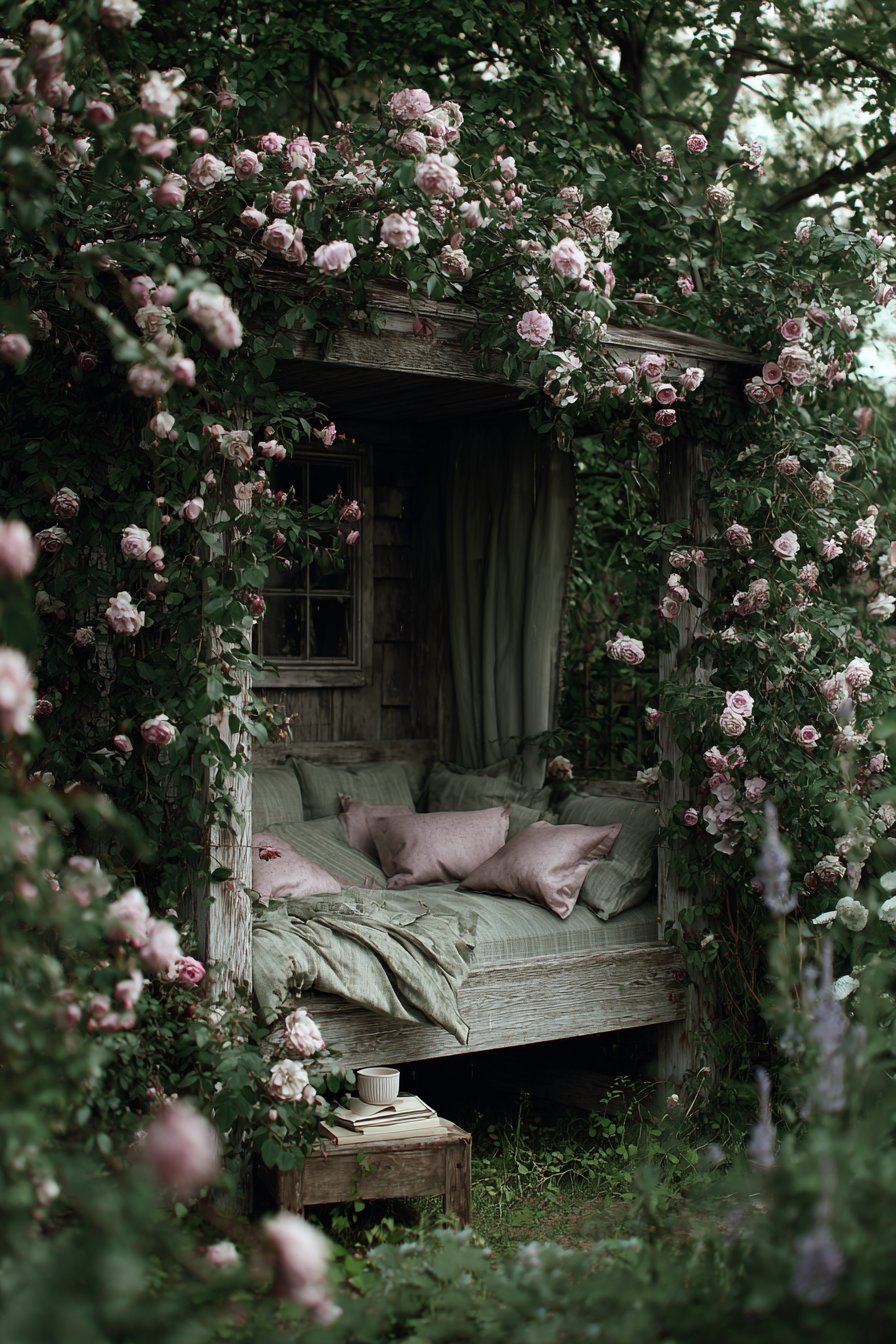
The materials and styling of your garden seat contribute powerfully to its cottagecore authenticity. A simple wooden bench, ideally weathered to a silvery grey or painted in a faded garden green or chalky blue, suits the aesthetic perfectly. Layer a hand-stitched cushion, a folded linen throw, and a small side table holding a vintage mug or candleholder to create a spot that feels genuinely lived-in and lovingly tended. Add a small bookshelf or crate nearby for the ultimate reading-garden fantasy.
- Position garden seats at the edges and corners of the garden for a sense of sheltered discovery
- Choose a weathered wooden bench or painted cast-iron seat for authentic cottagecore character
- Create enclosure around the seat using an arbour, hedge alcove, or overhanging tree canopy
- Layer cushions, throws, and small decorative objects to make the seat feel genuinely inviting
- Plant heavily around the seating area — roses, lavender, jasmine — for immersive fragrance and beauty
7. A Birdbath, Bee Garden, and Wildlife Sanctuary
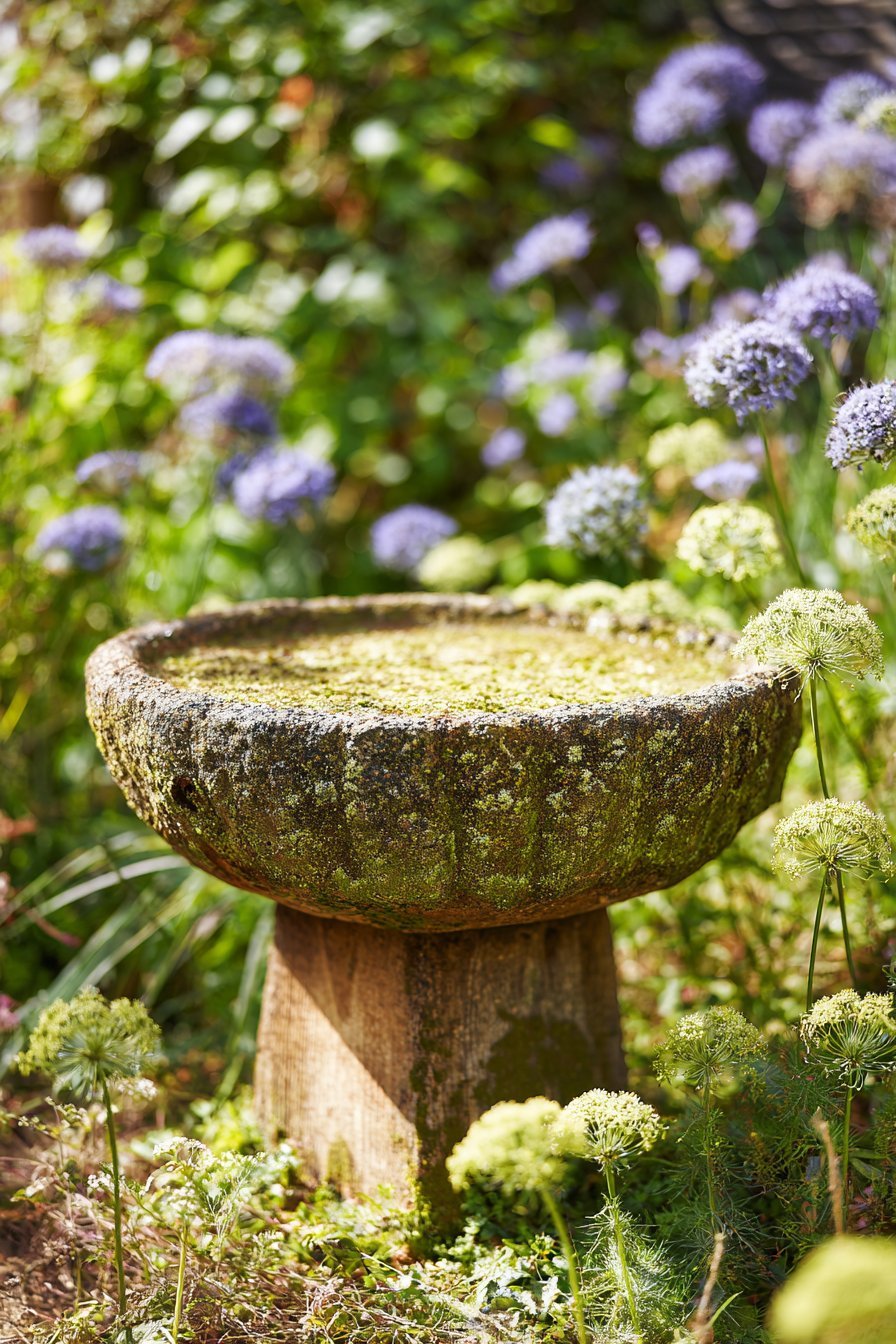
The cottagecore philosophy is inseparable from a deep love and respect for wildlife. A garden that hums with bees, flickers with butterflies, and sings with birdsong is not just more beautiful — it is more alive. Creating genuine habitat for wildlife through thoughtful planting and the addition of water features, nesting structures, and food sources is one of the most rewarding and meaningful expressions of the cottagecore garden ideal.
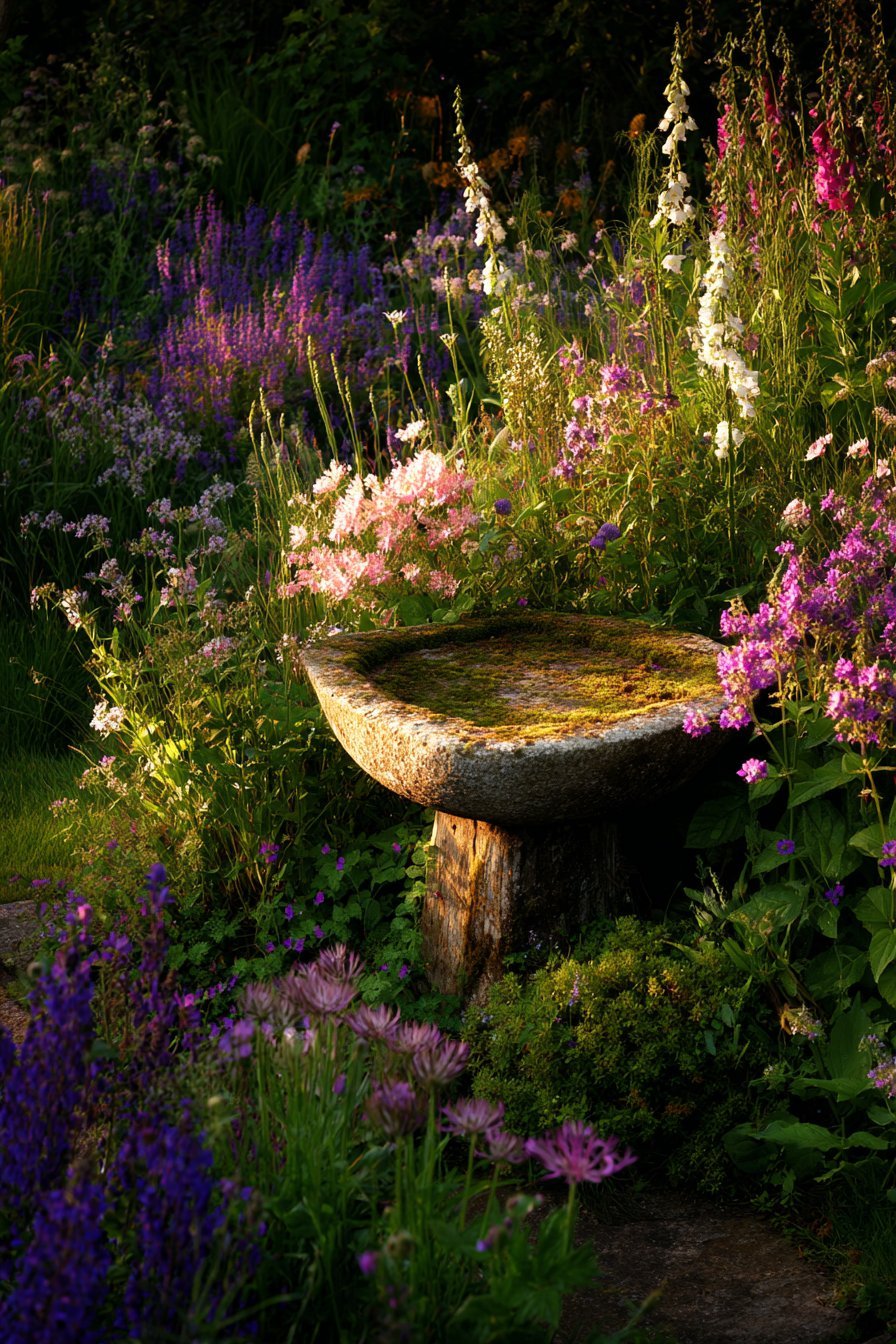
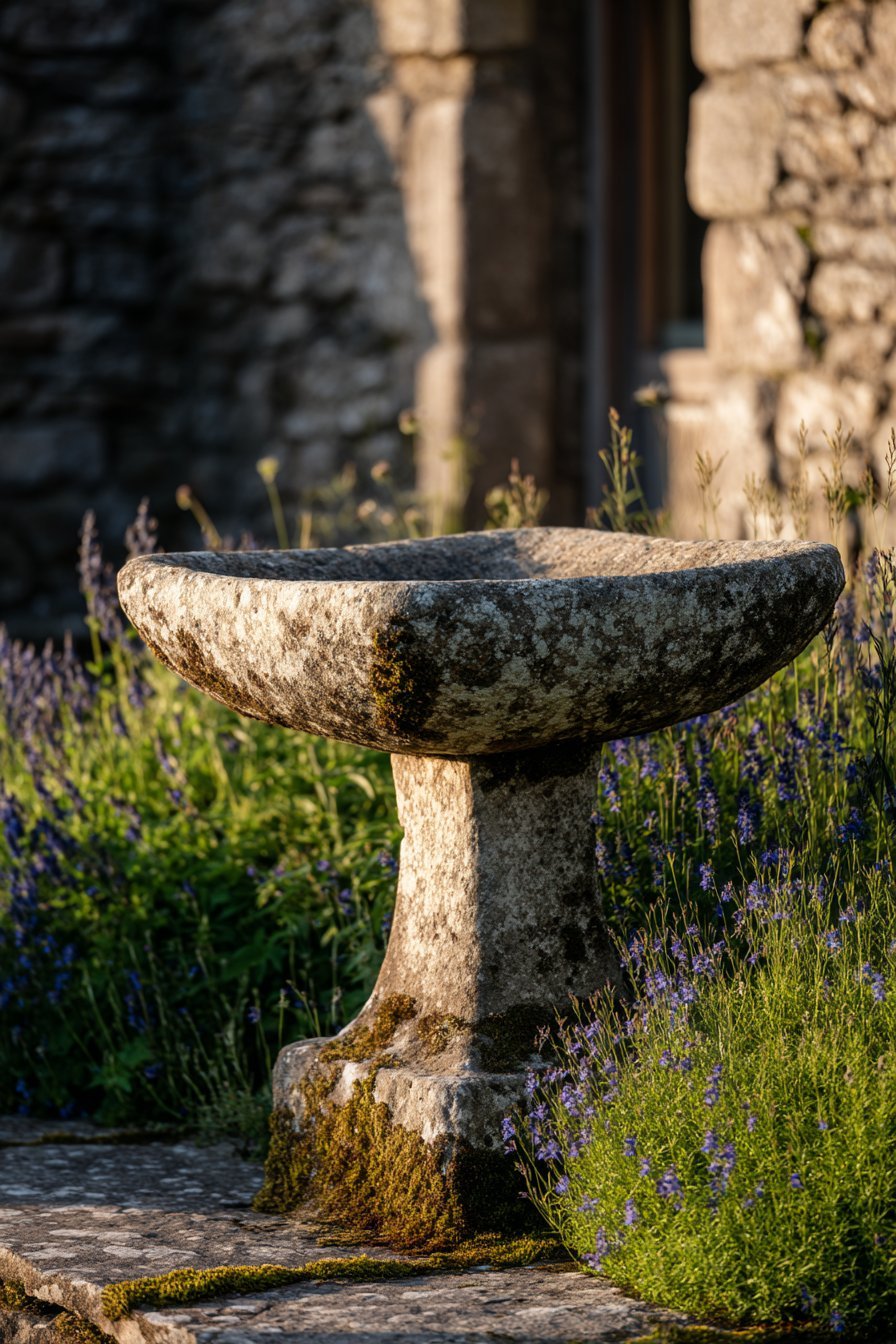
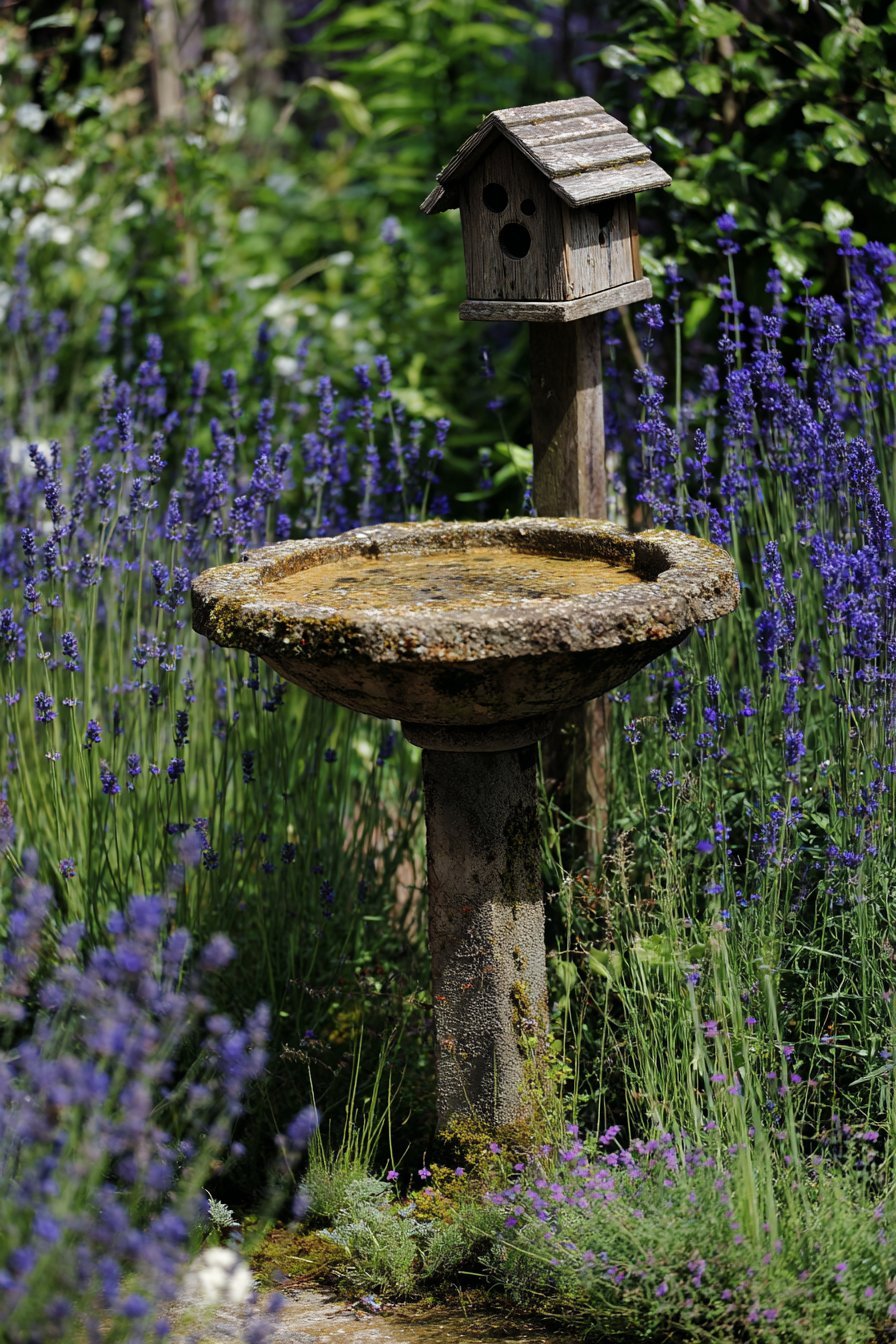
A traditional stone or ceramic birdbath is the single most effective wildlife feature you can add to a backyard. Birds rely on fresh water for drinking and bathing year-round, and a well-positioned birdbath will attract remarkable numbers and varieties of species to a garden within days of installation. Position it in a partially sheltered spot — visible from a window for your own enjoyment, and near enough to shrubs that birds can retreat quickly if alarmed. Clean and refill it every two to three days to keep the water fresh and safe.
A dedicated bee garden planted with nectar-rich cottage flowers — lavender, borage, catmint, alliums, foxglove, and phacelia — provides essential foraging habitat for bees, hoverflies, and butterflies. Planting in generous drifts of a single species is far more valuable to pollinators than scattering single plants across the border, as it allows insects to forage efficiently without expending unnecessary energy moving between isolated plants. A bee garden that buzzes with activity on a summer afternoon is one of the most profoundly satisfying sounds a cottagecore gardener can experience.
- Install a stone or ceramic birdbath in a partially sheltered position and clean it every few days
- Plant generous drifts of nectar-rich flowers — lavender, borage, catmint, alliums — for pollinators
- Add a bird nesting box to a sheltered wall or tree as a functional and charming garden feature
- Install a bee hotel from natural materials — bamboo tubes, drilled timber — for solitary bee habitat
- Allow a patch of nettles, ivy, or wild grasses in a quiet corner to support caterpillars and overwintering insects
Conclusion
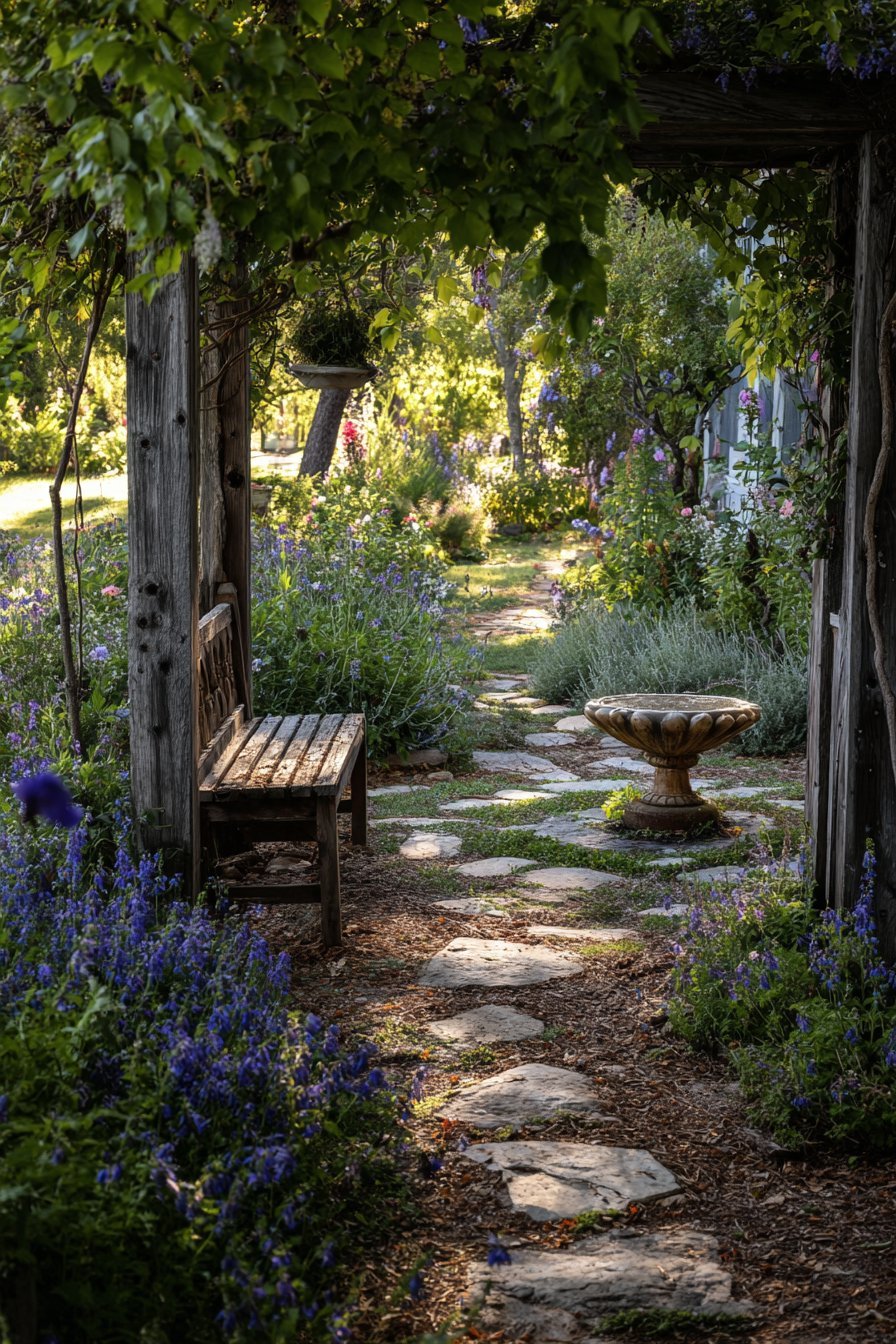
The magic of a cottagecore backyard lies in its layers — the climbing roses on the arch, the mossy path winding between lavender borders, the stone birdbath catching rainwater beneath an apple tree, the hidden bench waiting around a corner among the foxgloves. Each element contributes to a whole that feels greater than the sum of its parts: a space that is genuinely, deeply charming in a way that formal or contemporary gardens rarely achieve.
Start with one or two of these elements and allow your cottagecore garden to grow organically over time. The most beloved cottage gardens are never finished — they evolve season by season, accumulating beauty, patina, and character with every passing year. That gradual unfolding is not a limitation; it is the very essence of the cottagecore spirit, and the source of its enduring, irresistible charm.
