

A small backyard doesn’t mean sacrificing your dreams of creating a personal outdoor retreat. With thoughtful planning and strategic design choices, even the most modest outdoor space can become a stunning sanctuary that offers relaxation, entertainment, and beauty. The key lies in maximizing every square foot while maintaining a sense of openness and tranquility.
Transforming a small backyard into an oasis requires balancing functionality with aesthetics. Many homeowners mistakenly believe that limited space means limited possibilities, but the opposite is often true. Compact outdoor areas can feel more intimate and easier to personalize than sprawling yards. Whether you’re working with a narrow strip of land, a tiny courtyard, or a petite patio area, these seven proven strategies will help you create an outdoor environment that feels spacious, inviting, and genuinely special.
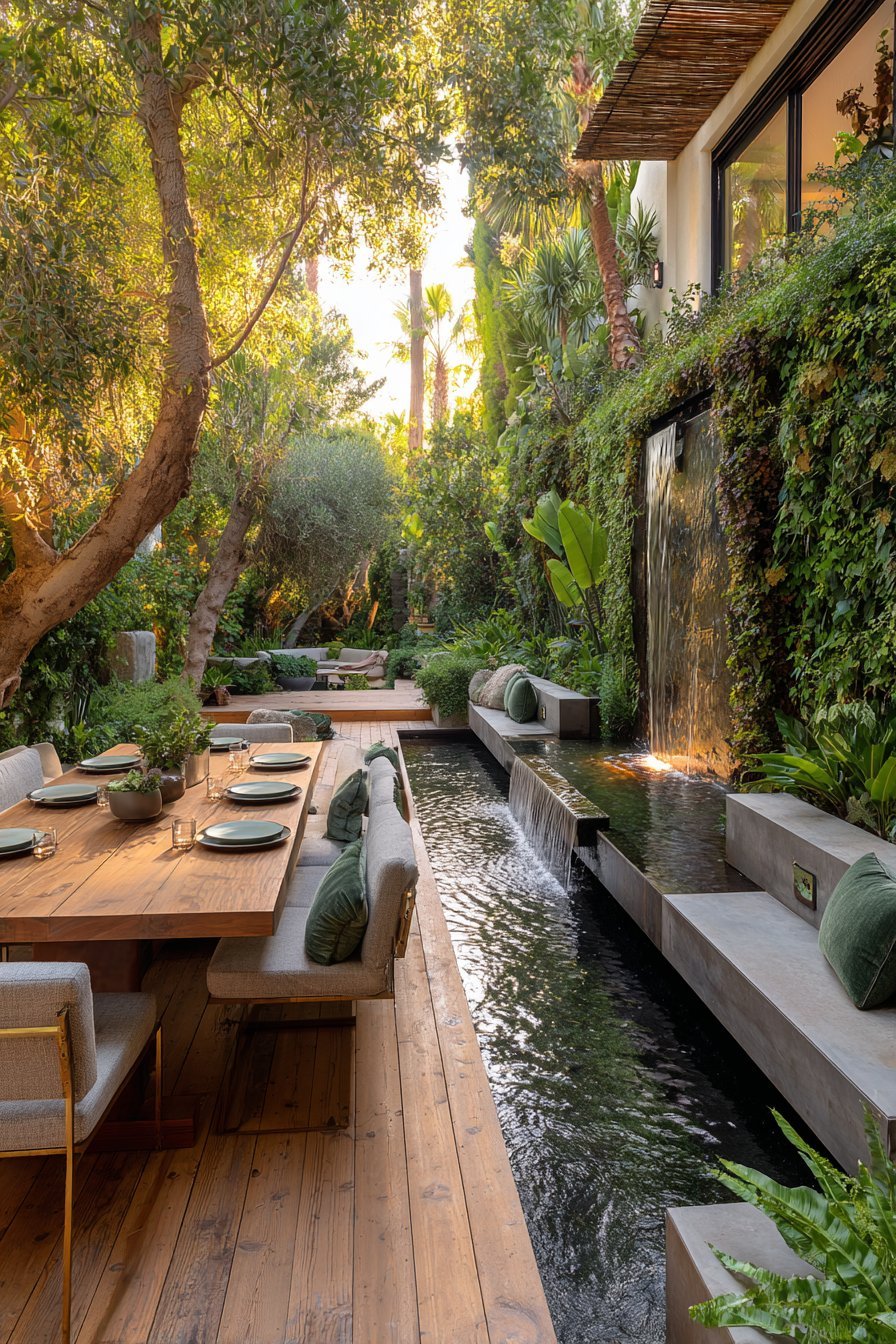
1. Create Distinct Zones for Multiple Functions
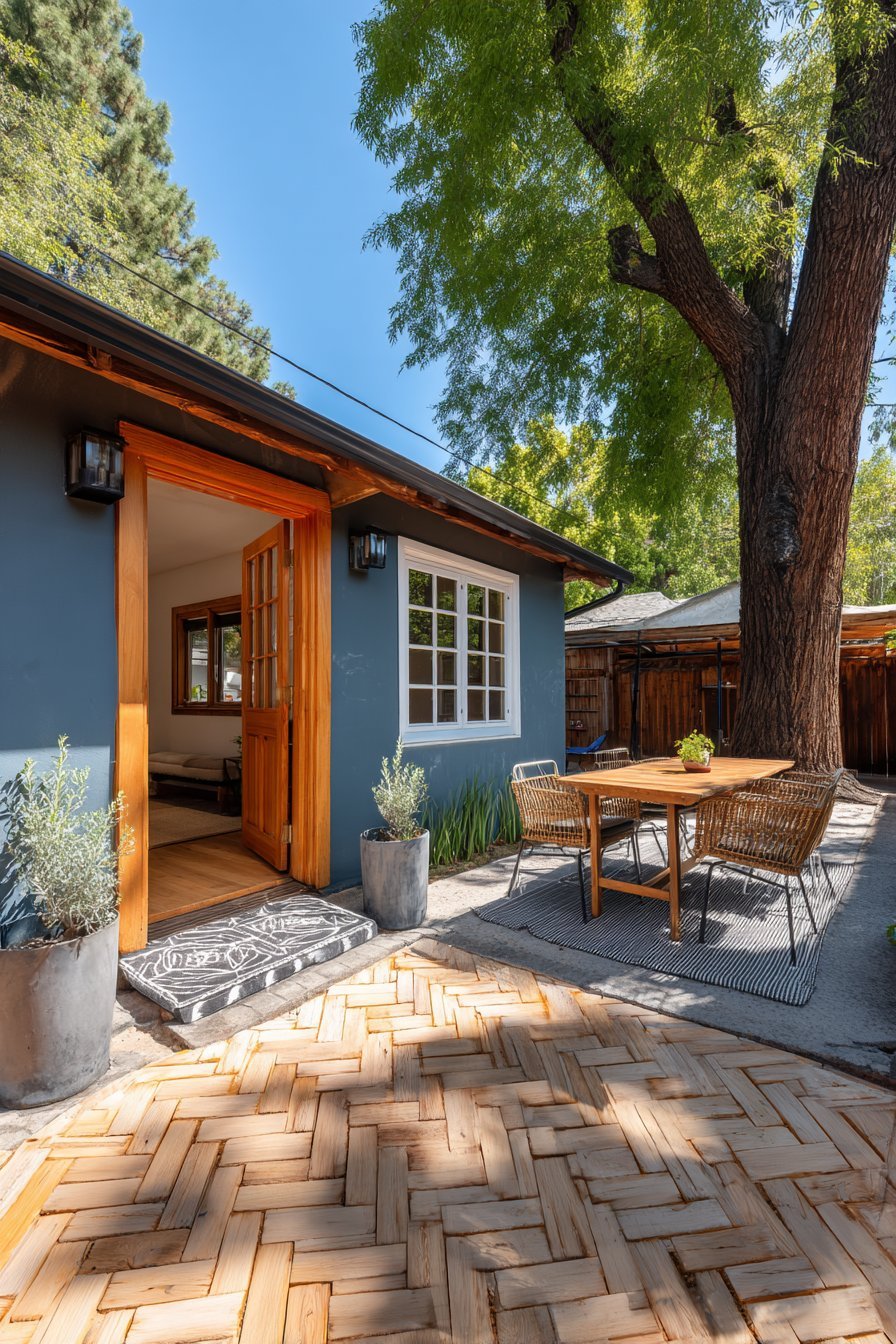
Small backyards benefit enormously from strategic zoning that assigns specific purposes to different areas. By dividing your space into functional zones, you create the illusion of a larger area while maximizing usability. This approach allows your backyard to serve multiple purposes without feeling cramped or chaotic.
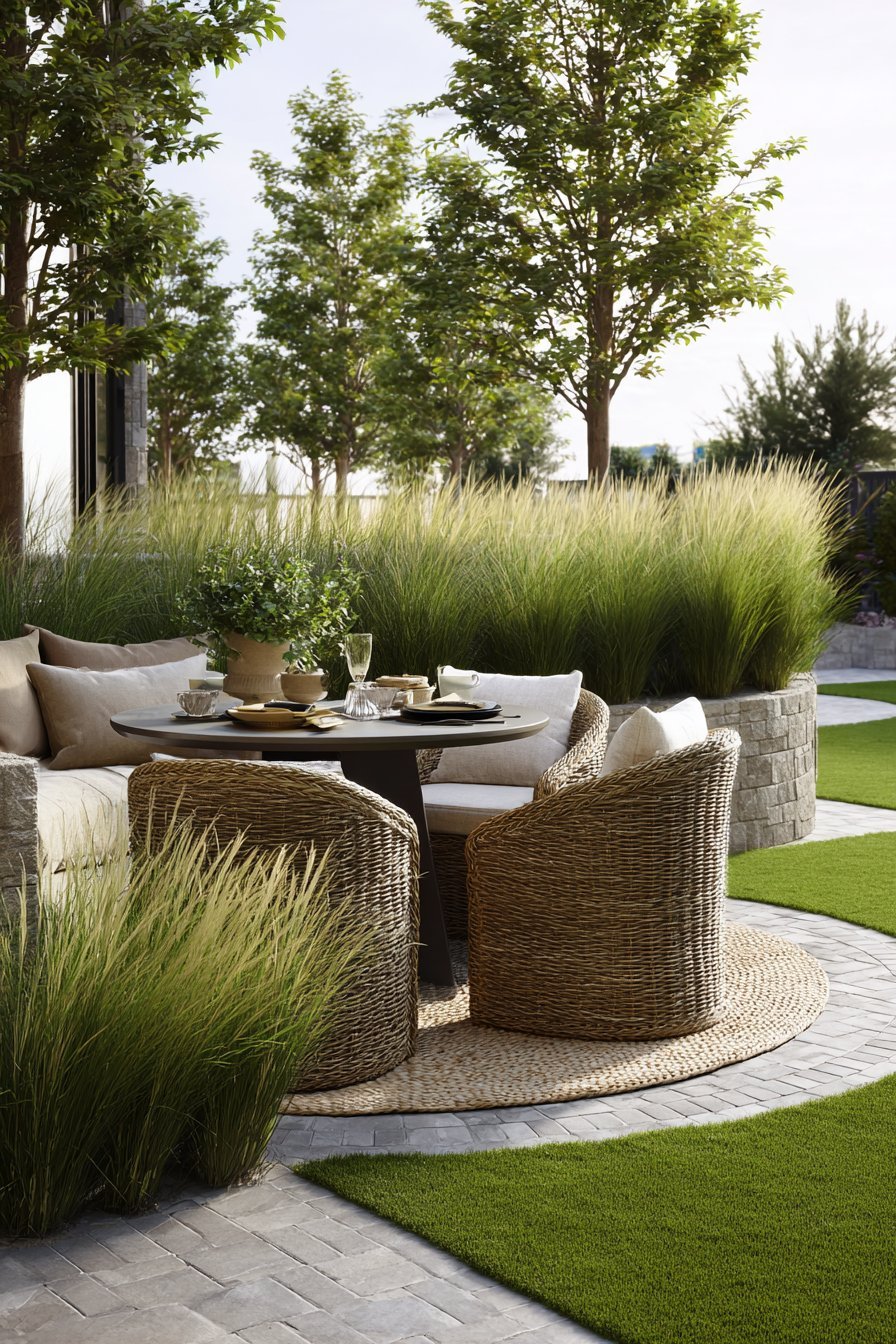
Consider how you want to use your outdoor space. Perhaps you need a dining area for alfresco meals, a lounging spot for reading, and a small garden bed for growing herbs. By clearly defining these zones with subtle separations, you create distinct experiences within one small footprint. The key is making each zone feel purposeful rather than cluttered.
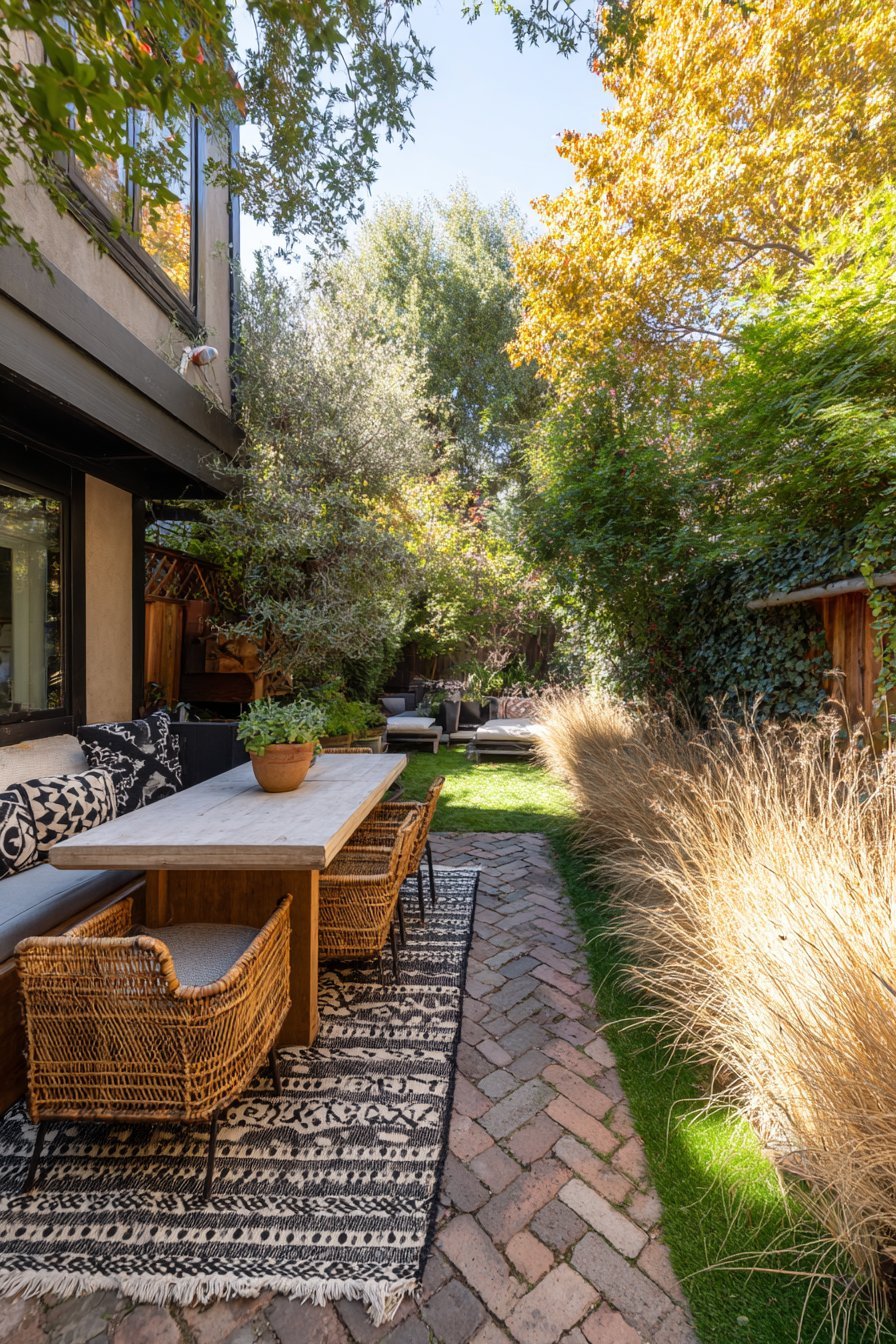
Use visual separators that don’t block sightlines completely. Low planters, outdoor rugs, or changes in flooring material can delineate spaces without creating walls. This technique maintains an open feel while organizing your backyard into functional areas that serve your lifestyle needs perfectly.
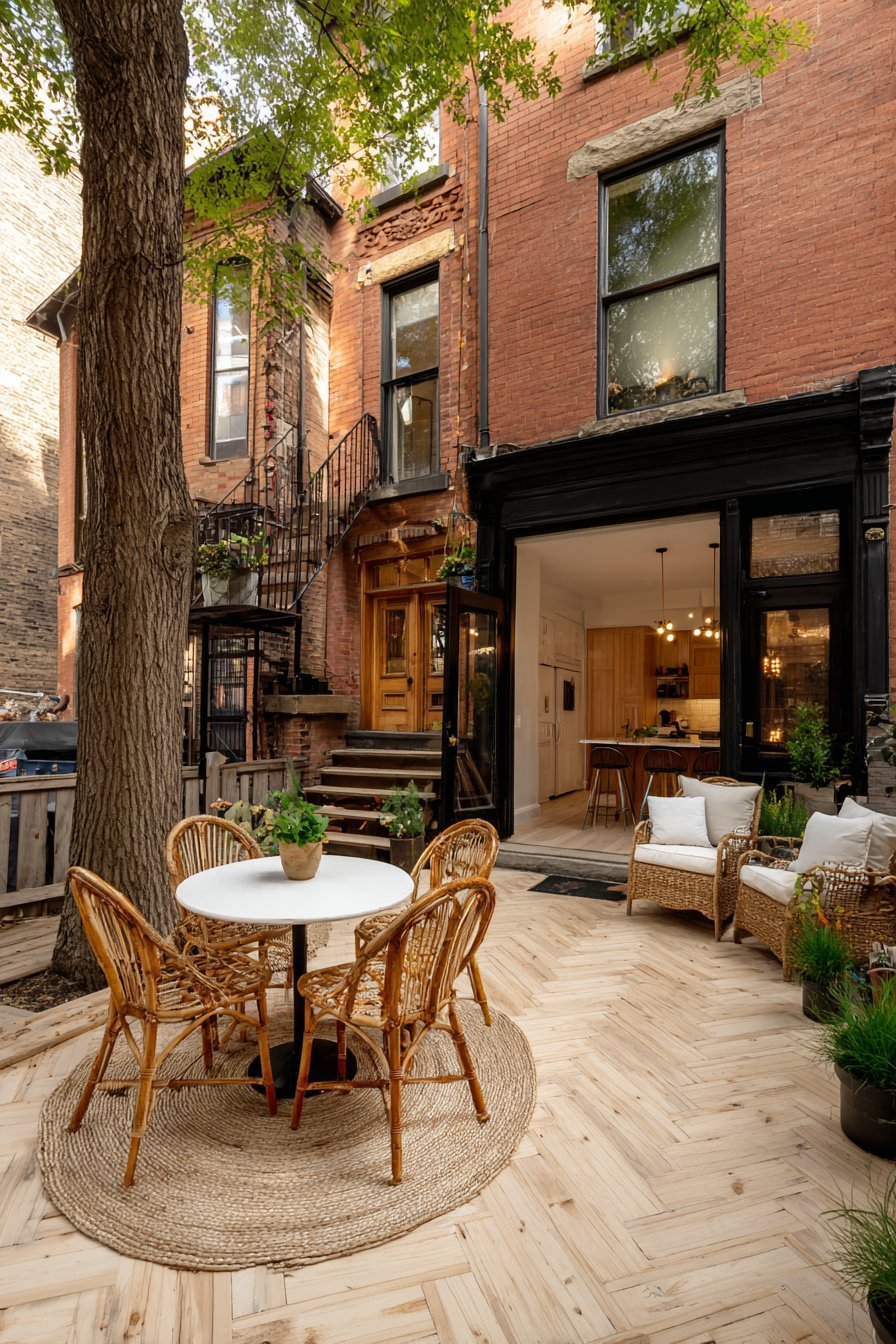
- Use different flooring materials like pavers, gravel, or wood decking to distinguish zones
- Position furniture strategically to create natural boundaries between areas
- Install low hedges or decorative screens that separate without completely dividing
- Place a small fire pit or water feature as a focal point between zones
- Consider varying elevations with a small deck or raised platform for visual interest
- Use outdoor rugs to anchor seating areas and define living spaces
2. Embrace Vertical Gardening and Wall Features
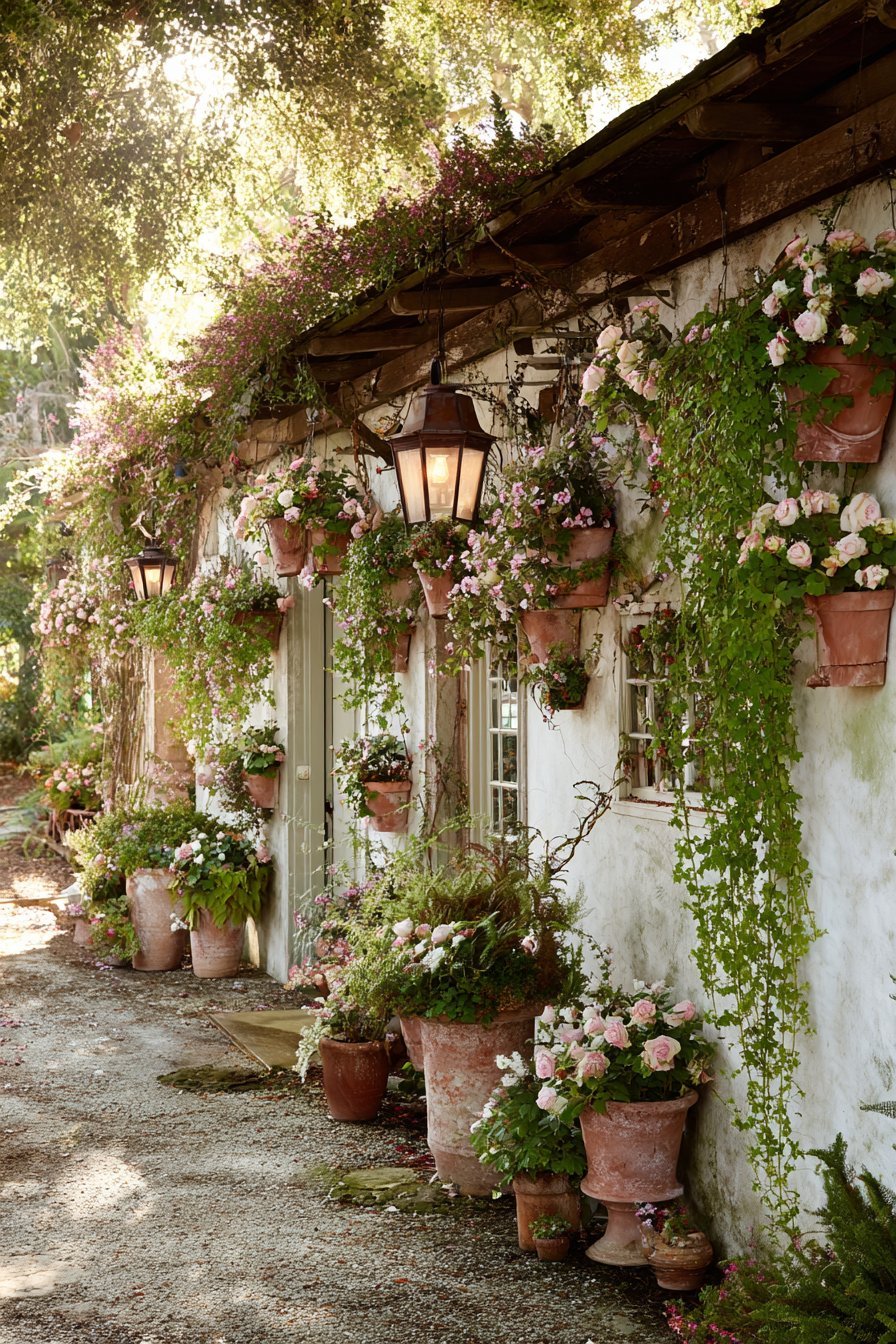
When ground space is limited, think upward. Vertical gardening transforms walls, fences, and even overhead structures into lush growing areas that don’t consume precious square footage. This approach adds abundant greenery while keeping the floor area open and accessible.
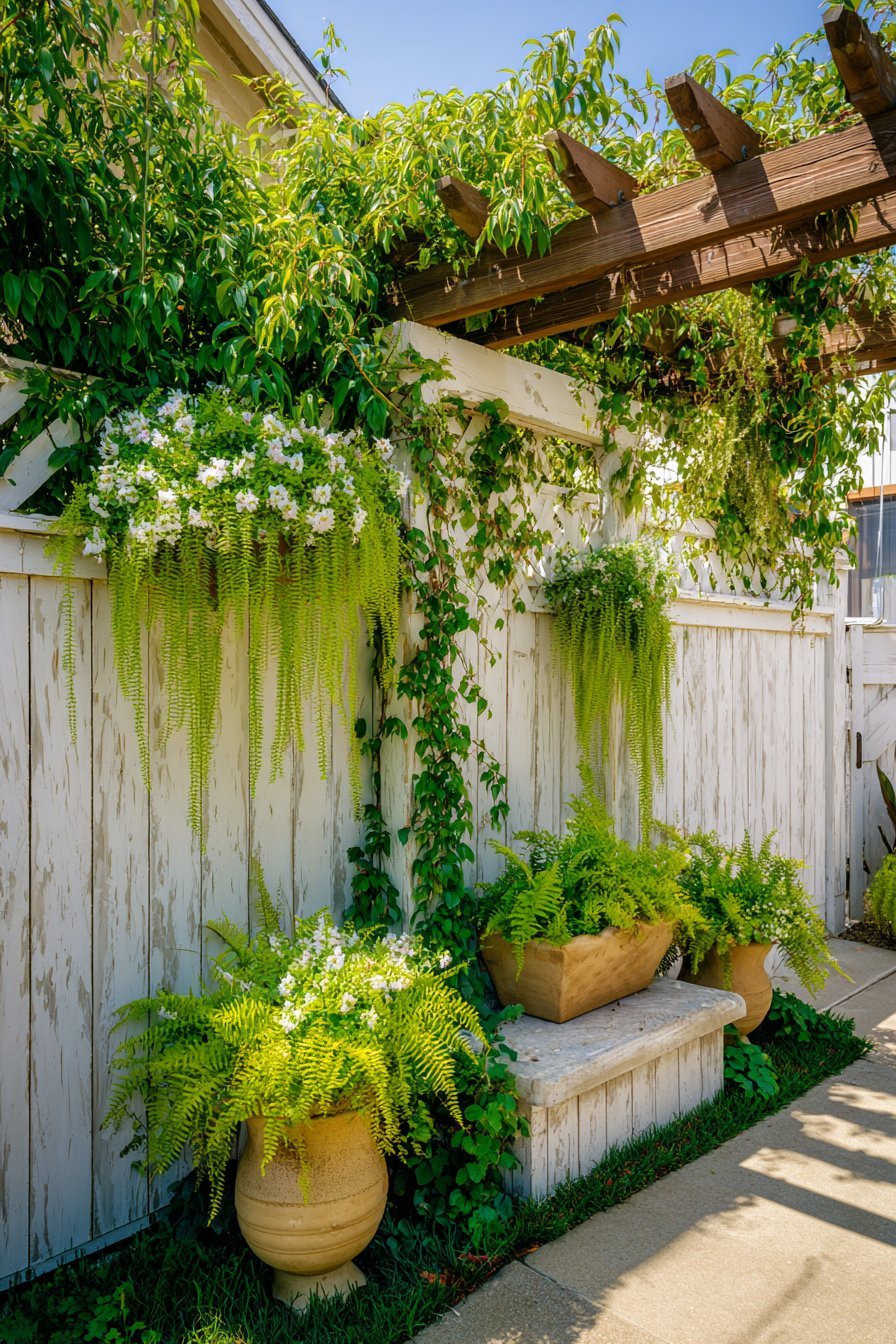
Vertical elements create visual interest and draw the eye upward, making small spaces feel taller and more expansive. Wall-mounted planters, trellises with climbing vines, and hanging baskets all contribute to this effect. These features also provide privacy screening and soften hard surfaces like fences and exterior walls.
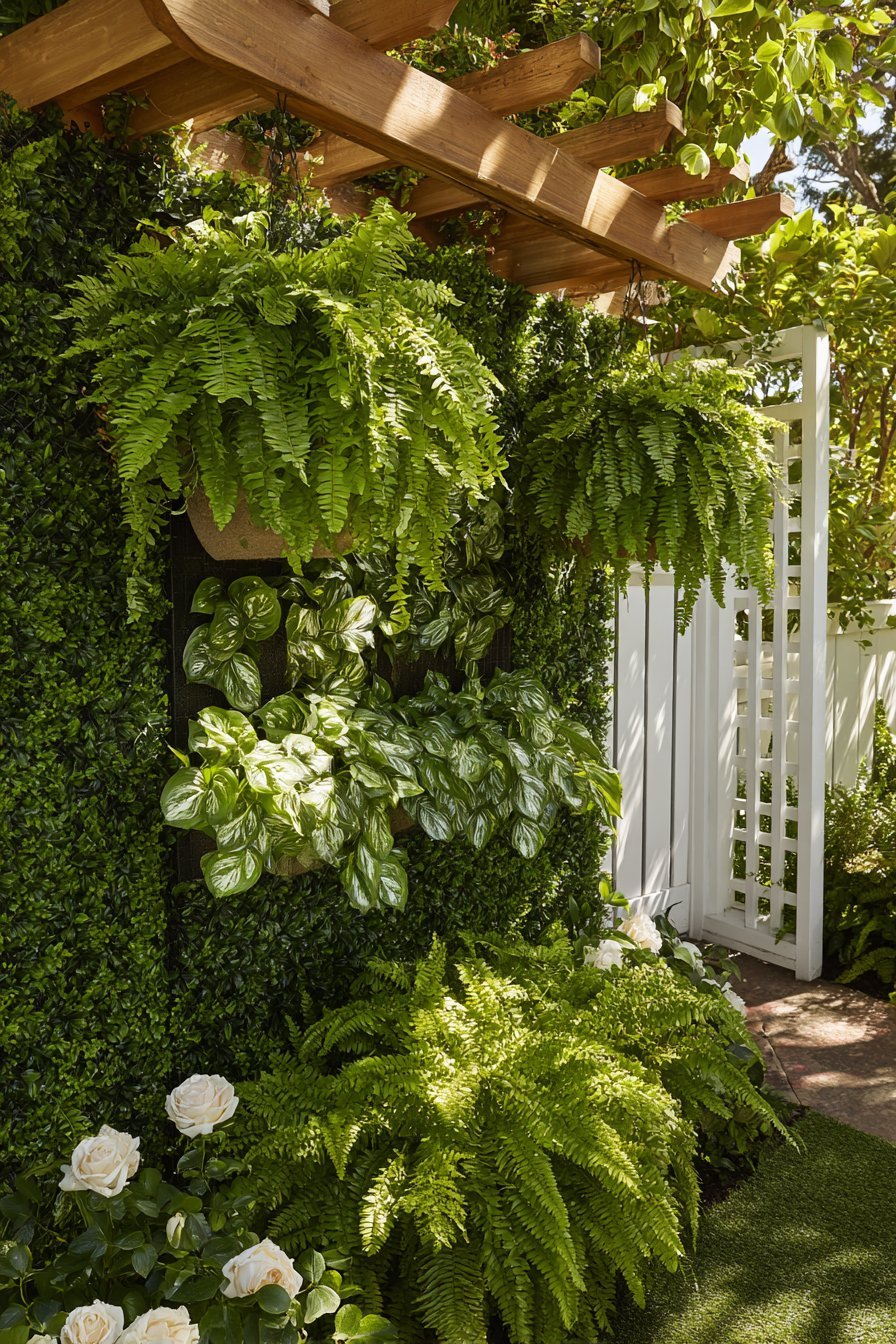
Living walls and vertical gardens require less maintenance than traditional beds when properly designed. Drip irrigation systems can be easily integrated into vertical structures, making watering efficient and consistent. Choose plants suited to your climate and light conditions for best results.
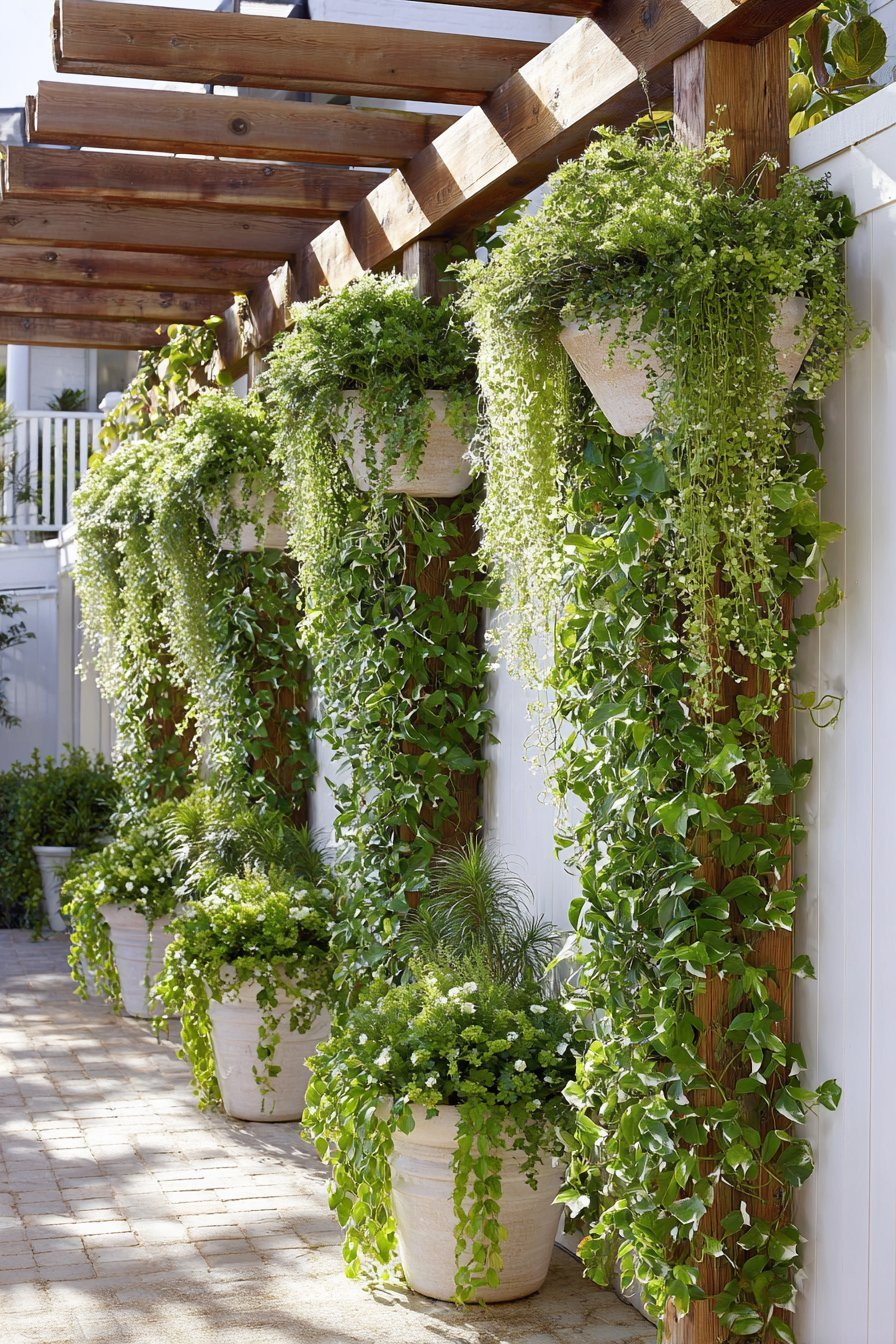
- Install wall-mounted planter boxes at varying heights for dimensional interest
- Use trellises for climbing plants like jasmine, clematis, or climbing roses
- Hang multiple planters at different levels to create a cascading effect
- Build a living wall system with pockets for herbs and small flowering plants
- Add wall-mounted shelving for potted plants and decorative outdoor items
- Train vines along pergola beams or overhead structures for natural shade
3. Select Multi-Functional Furniture and Smart Storage
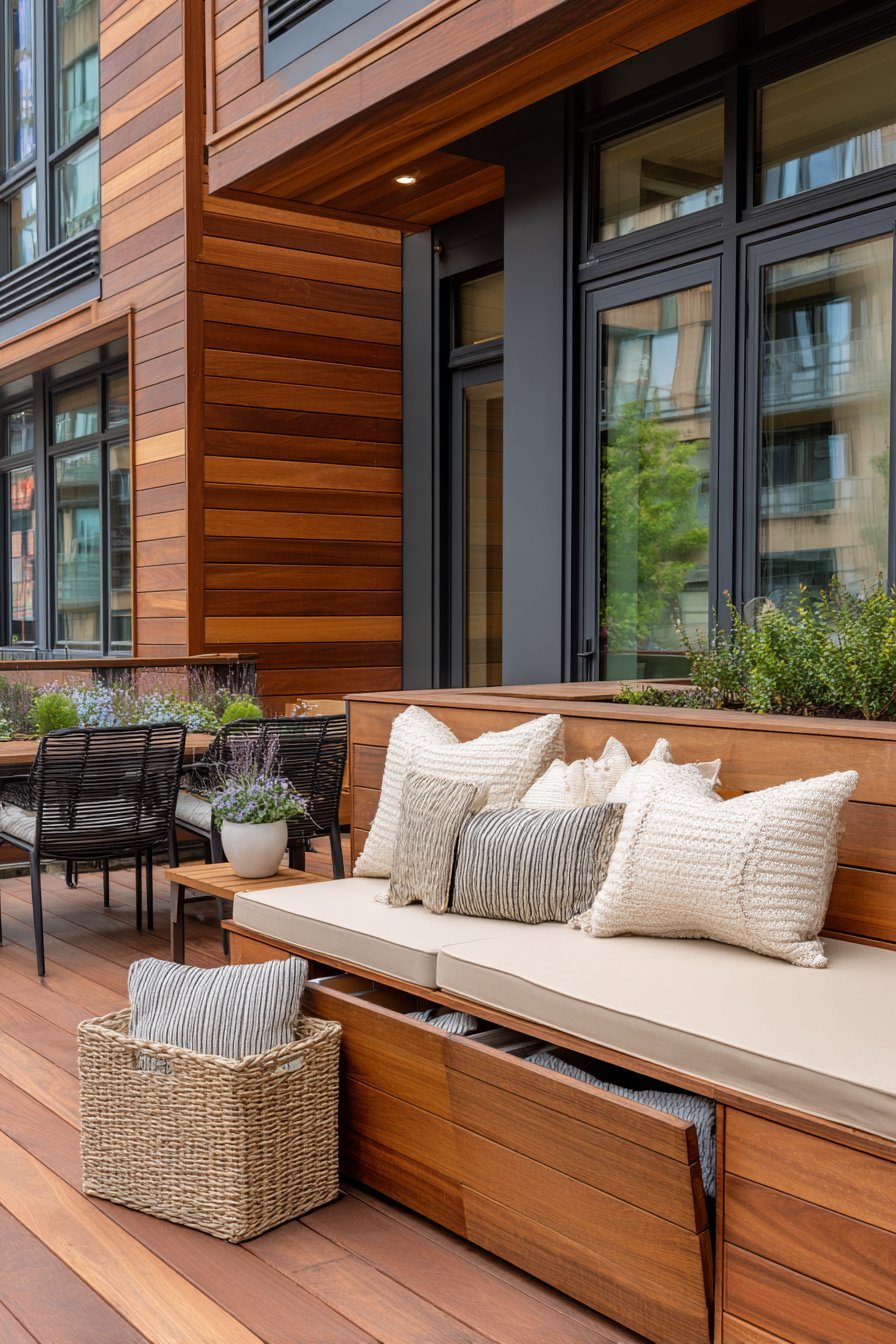
In small backyards, every piece of furniture should earn its place by serving multiple purposes. Multi-functional furniture maximizes utility without overwhelming your limited space. Storage ottomans, benches with hidden compartments, and folding tables all provide flexibility while maintaining a clean aesthetic.
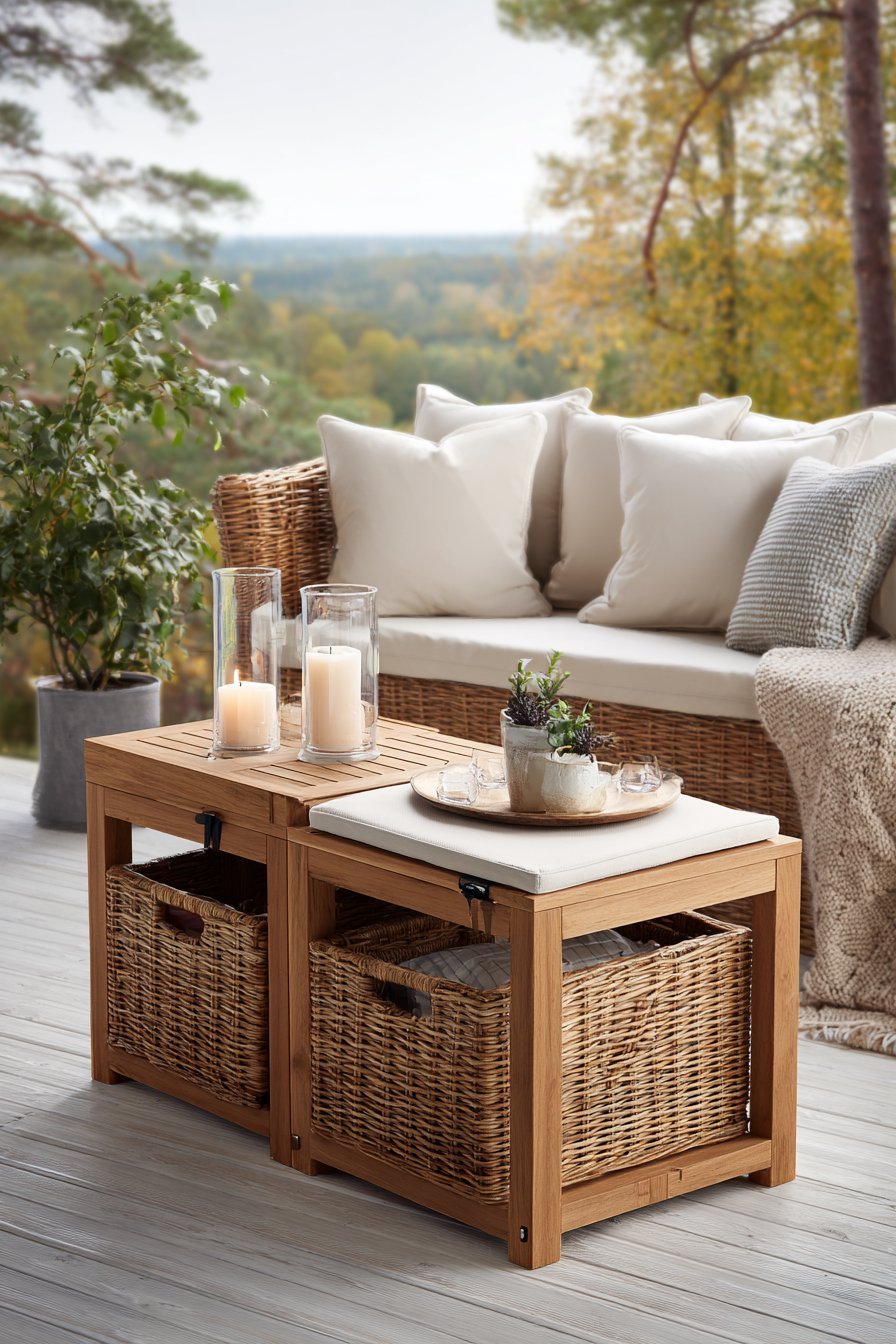
Choose furniture scaled appropriately for your space. Oversized pieces can make a small backyard feel cramped, while furniture that’s too small may look out of proportion. Measure carefully and opt for pieces that can be easily rearranged or folded away when not needed.
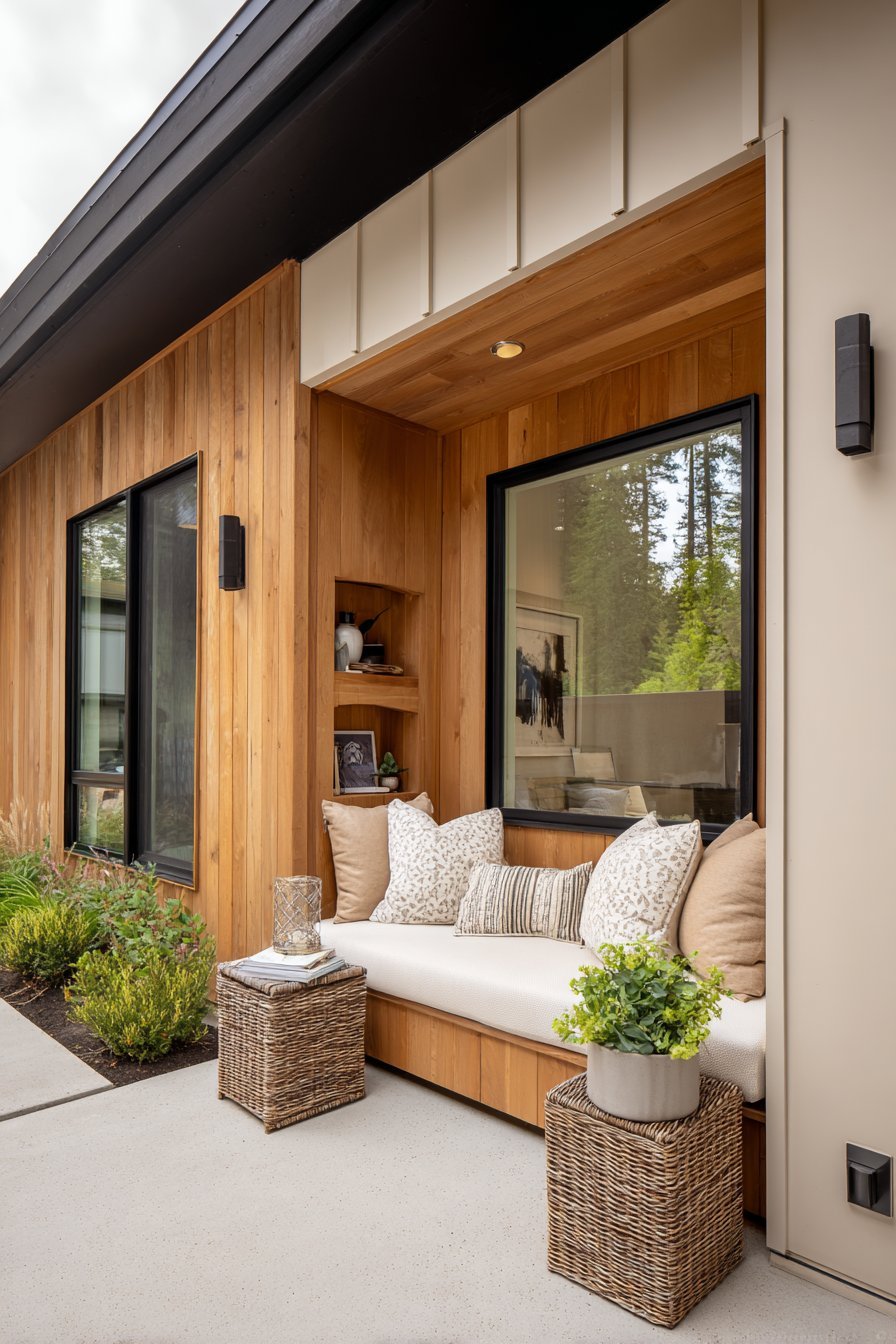
Built-in seating with storage underneath is particularly valuable in compact yards. Deck boxes and storage benches keep cushions, gardening tools, and outdoor games organized while providing comfortable seating. This dual functionality reduces clutter and maintains the serene atmosphere essential to an oasis.
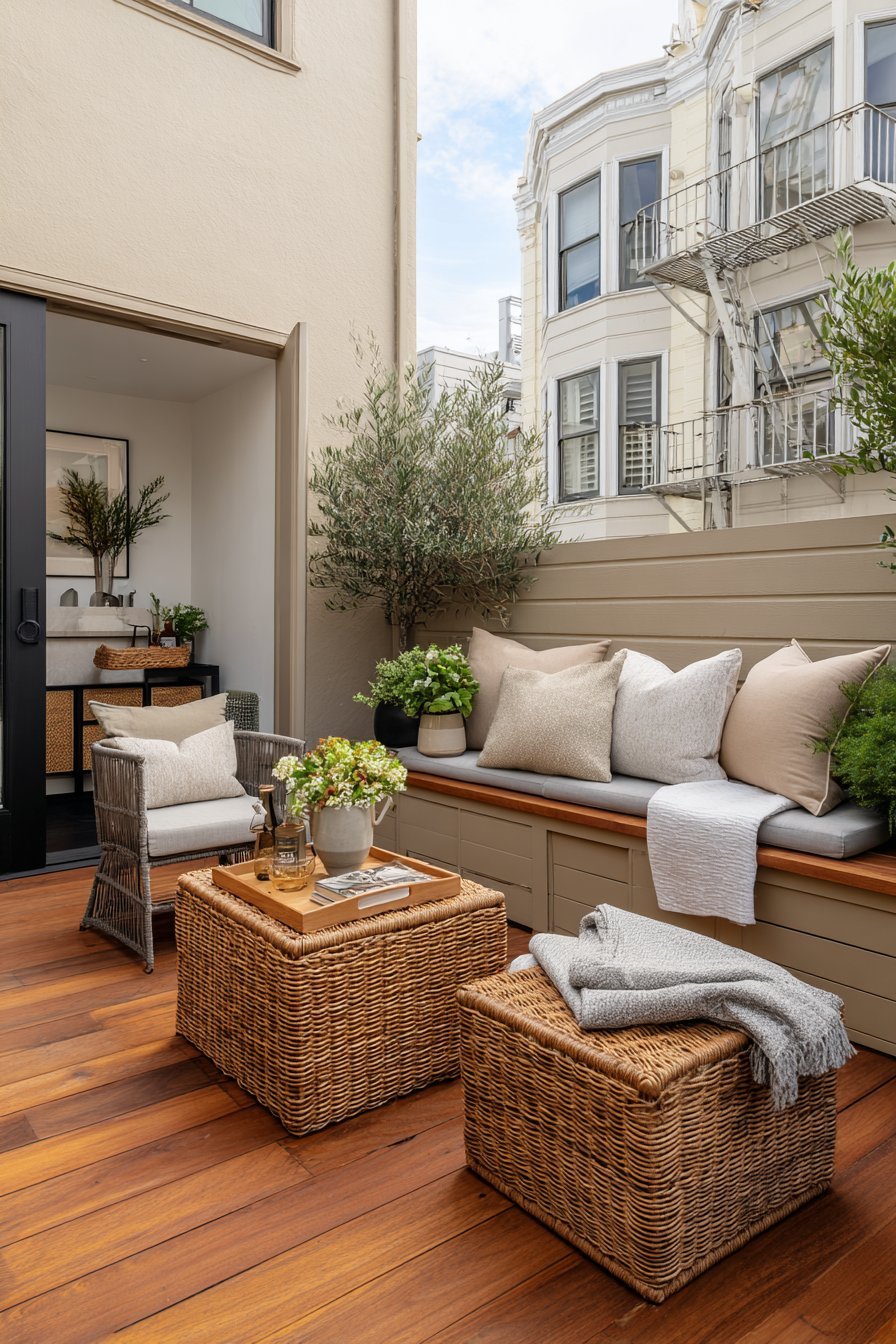
- Choose benches with lift-top storage for cushions and outdoor accessories
- Invest in folding or stackable chairs that can be stored when not entertaining
- Use storage ottomans as both seating and hidden compartments
- Install built-in benches along fence lines with storage underneath
- Select tables with lower shelves for additional storage space
- Consider nesting tables that can be separated when needed or stored compactly
4. Incorporate Water Features for Soothing Ambiance
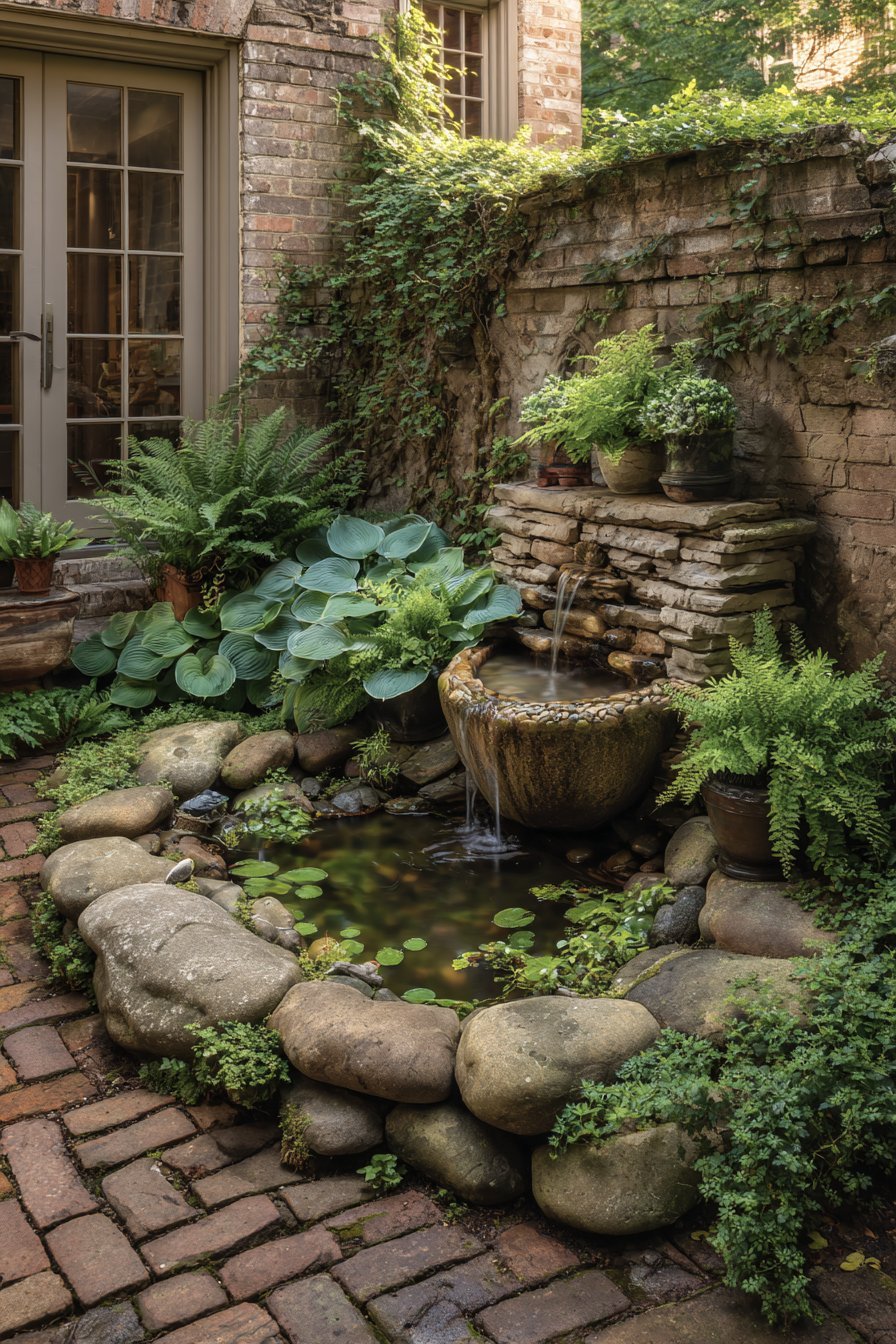
Nothing says “oasis” quite like the gentle sound of water. Water features transform small backyards into tranquil retreats by adding auditory and visual interest. Even compact spaces can accommodate water elements that create a spa-like atmosphere without requiring significant square footage.
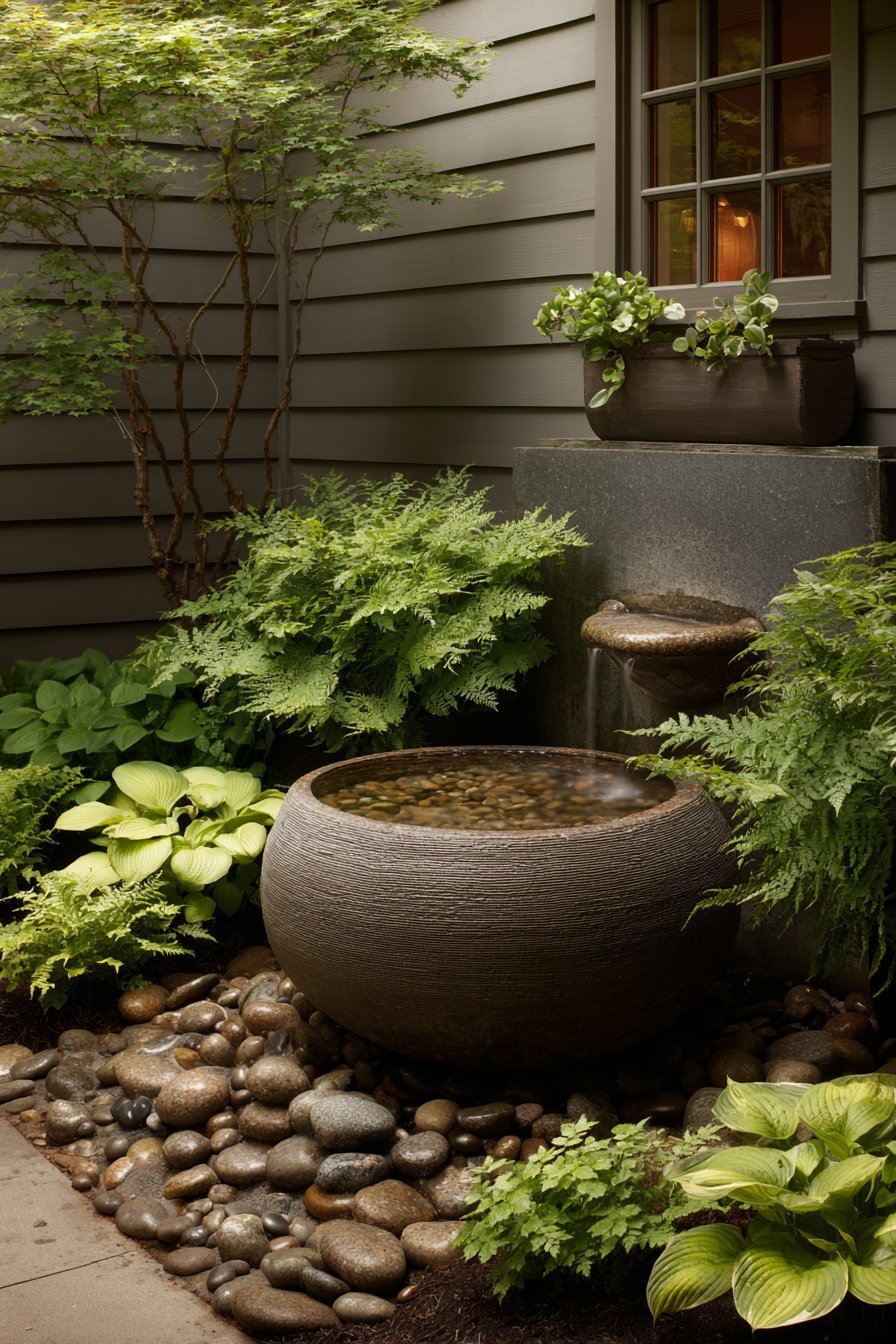
Small fountains, wall-mounted water features, and bubbling urns fit perfectly in tight spaces. The sound of trickling water masks neighborhood noise and creates a peaceful environment ideal for relaxation. These features also attract birds and beneficial insects, enhancing your backyard’s natural ecosystem.
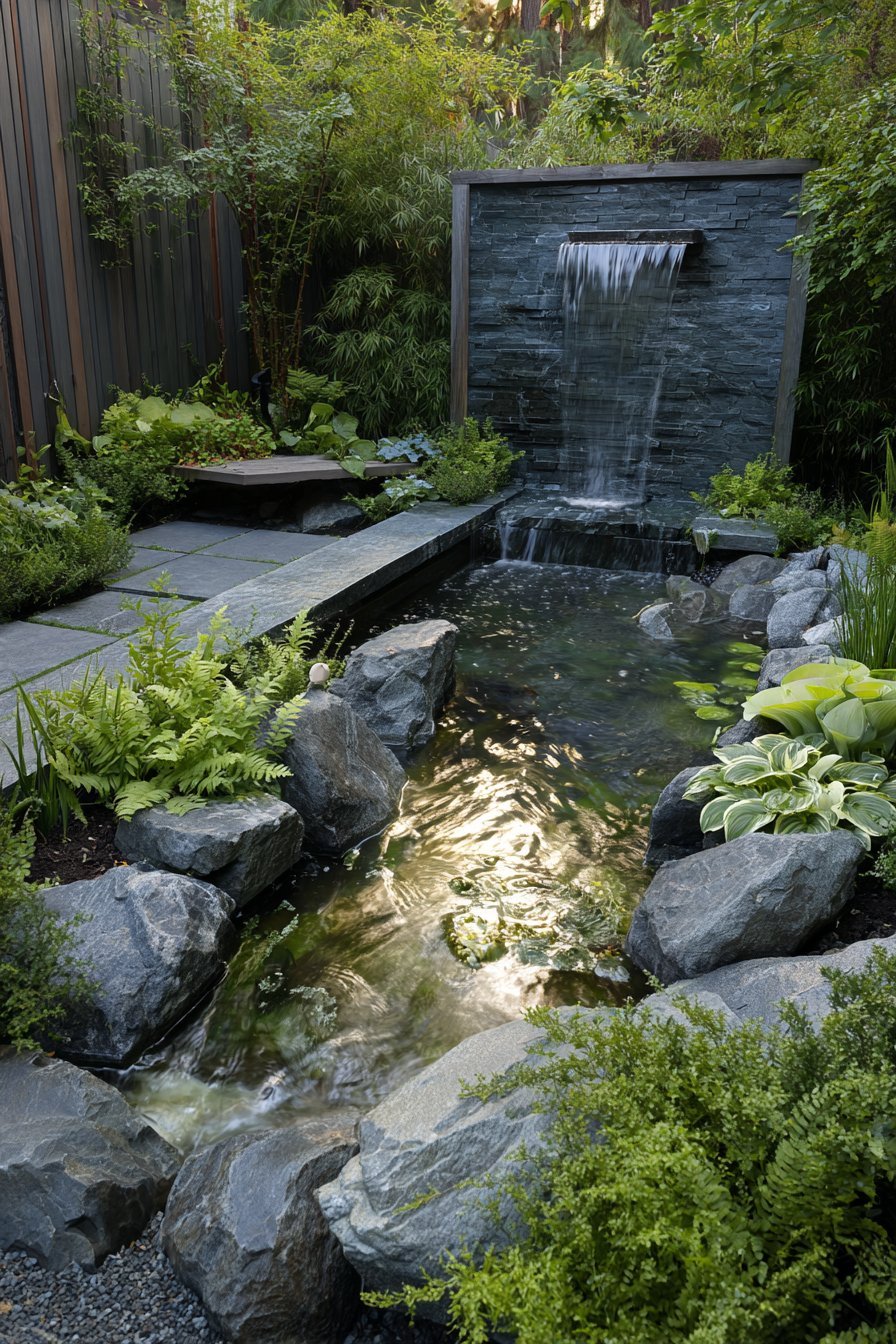
Modern water features come in countless styles and sizes suitable for small yards. Solar-powered options eliminate the need for electrical wiring, making installation simple and flexible. Choose a feature that complements your overall design aesthetic while remaining proportional to your space.
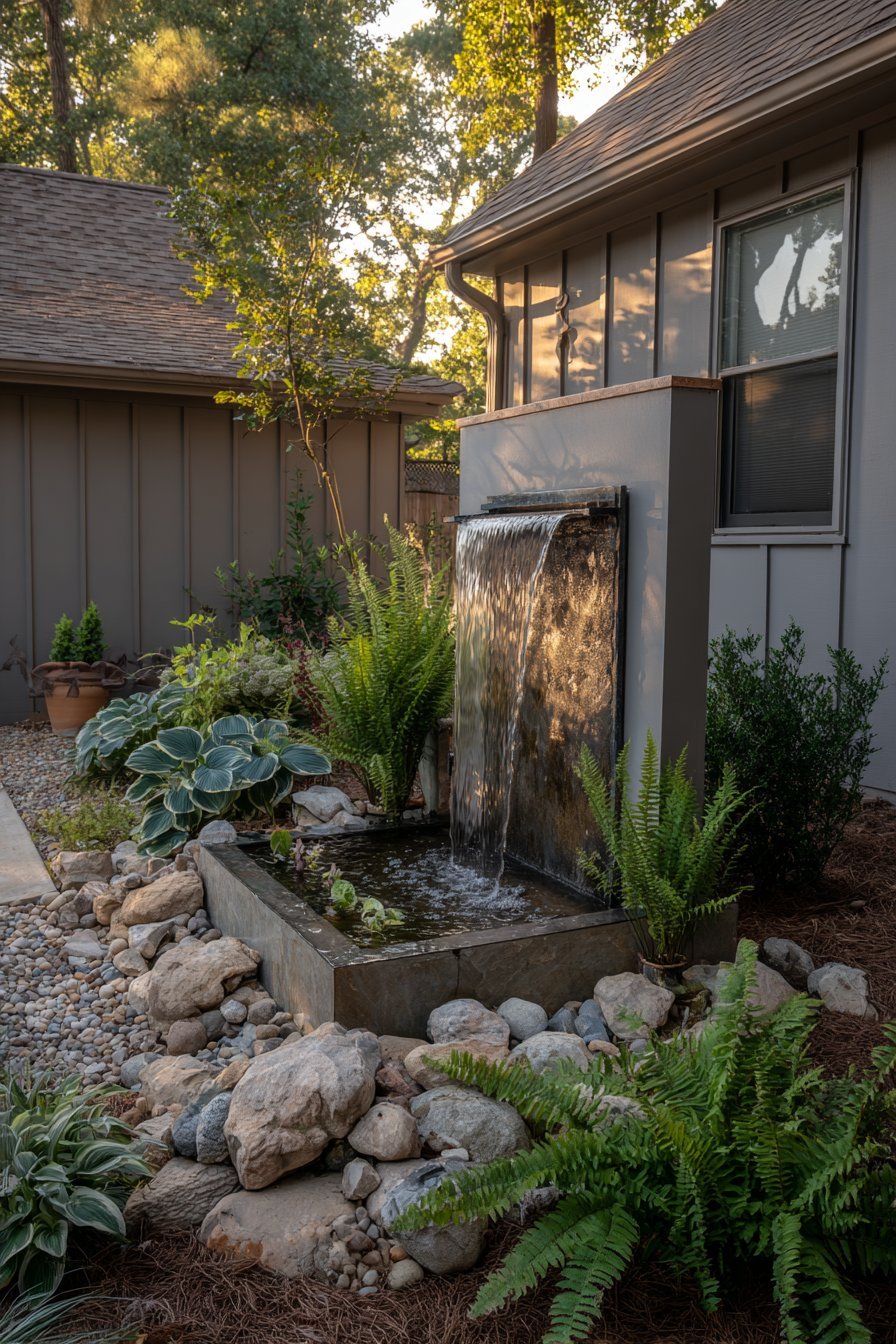
- Install a wall-mounted fountain to save floor space while adding ambiance
- Use a small bubbling rock or urn fountain as a focal point
- Consider a tabletop fountain for ultra-small spaces or balconies
- Place a shallow basin with a small pump among plants for a natural look
- Add a narrow rill or water channel along a pathway for visual flow
- Incorporate a small pond with water plants in a corner location
5. Layer Lighting for Evening Magic
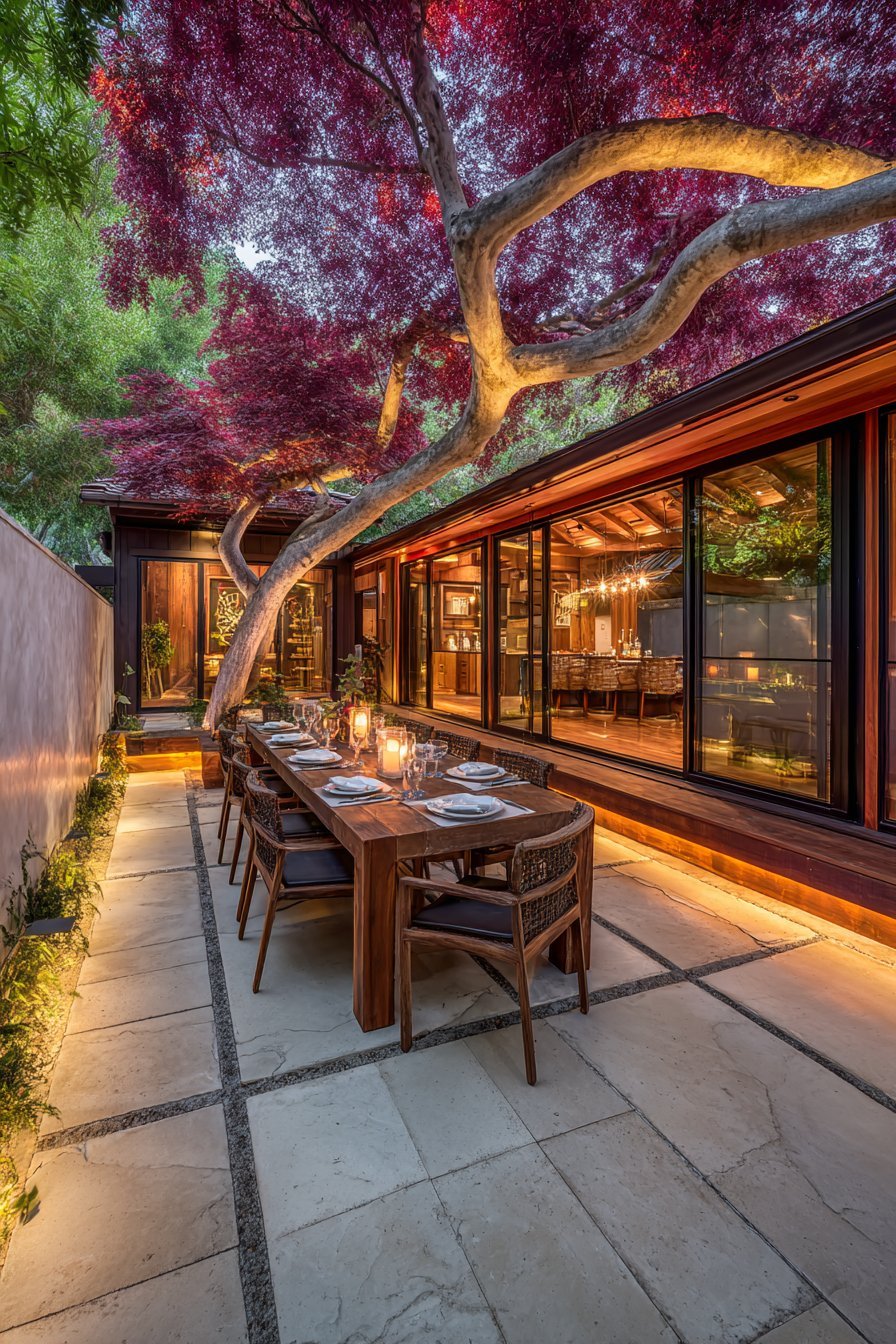
Thoughtful lighting extends your backyard’s usability into evening hours and creates enchanting nighttime ambiance. Layered lighting combines different types of fixtures at various heights to illuminate your space while adding drama and warmth. This approach transforms your small oasis after sunset.
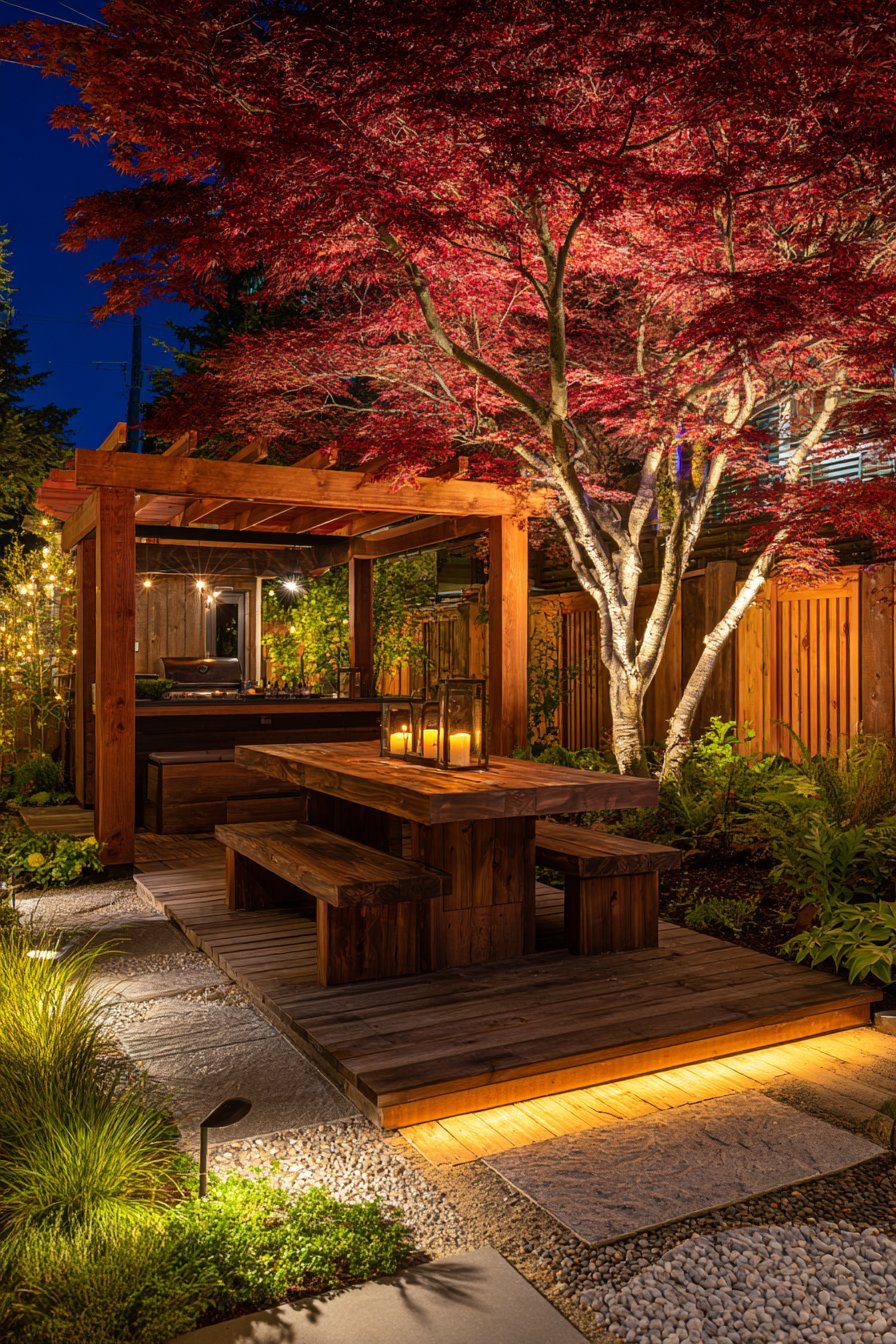
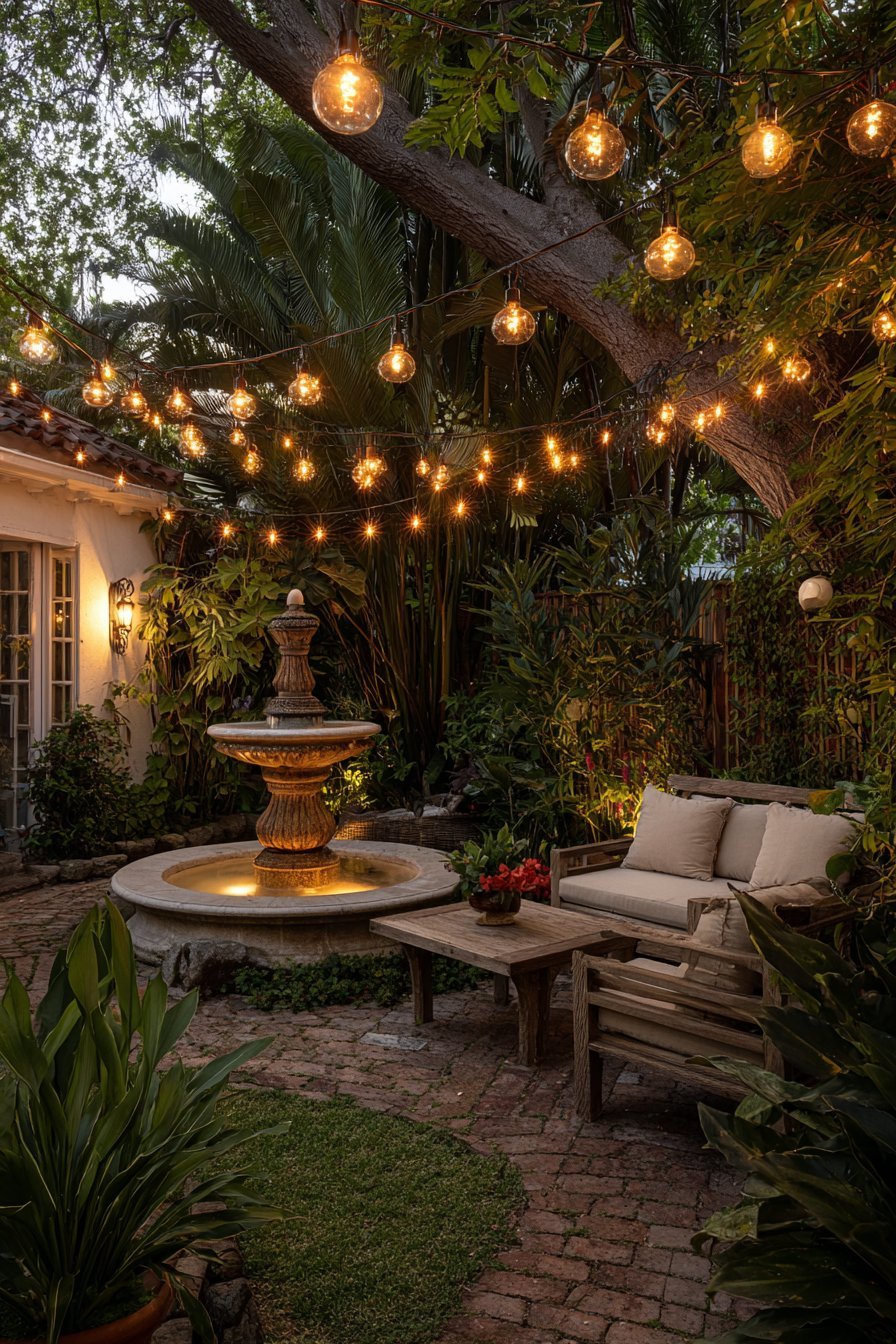
Start with ambient lighting that provides overall illumination without harsh glare. String lights, lanterns, and soft pathway lights create a welcoming glow. Add task lighting near dining areas or cooking stations, and accent lights to highlight architectural features or favorite plants.
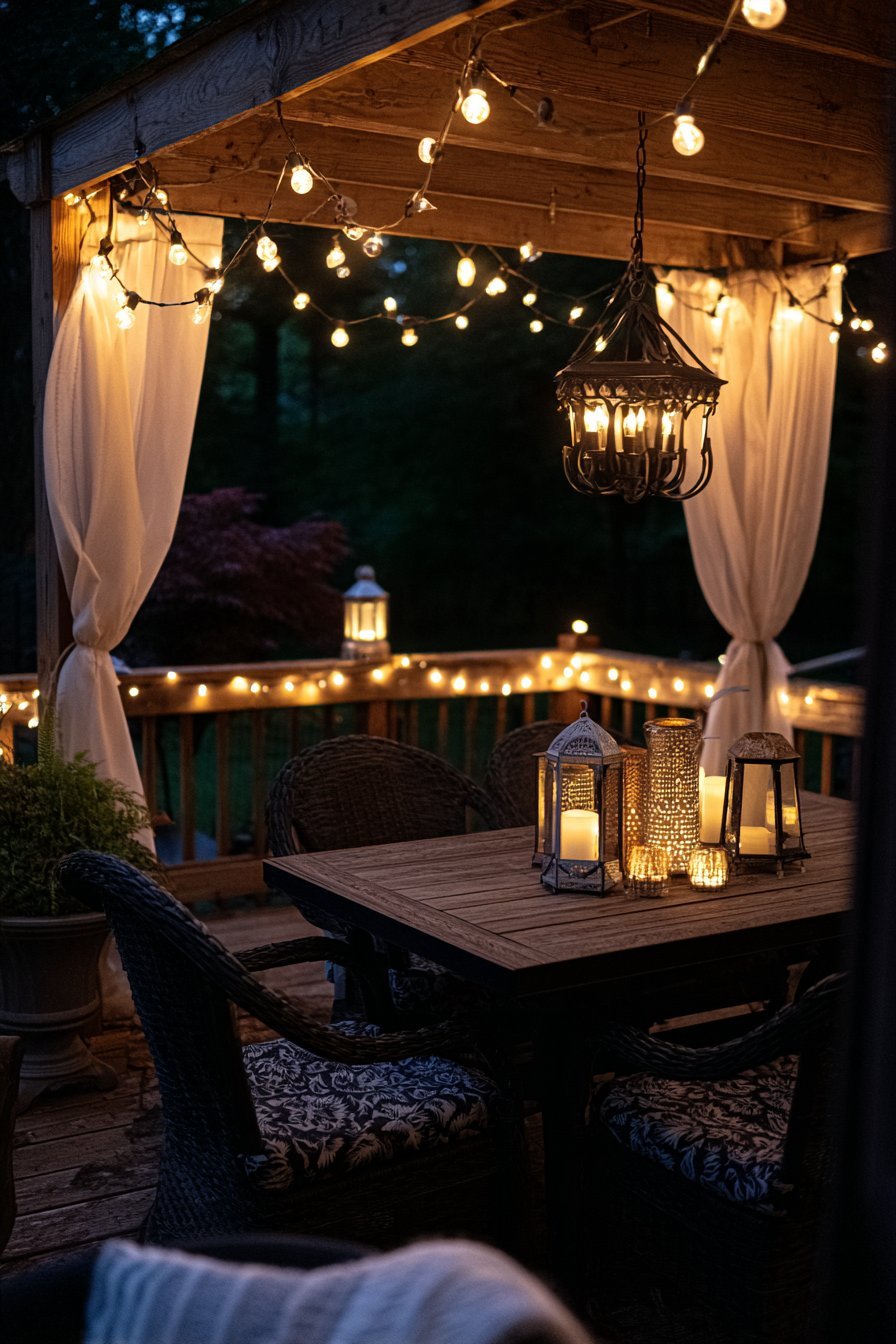
Solar-powered and LED options make outdoor lighting energy-efficient and affordable. These technologies eliminate wiring concerns and reduce electricity costs. Dimmers and smart controls allow you to adjust lighting levels based on activity and mood.
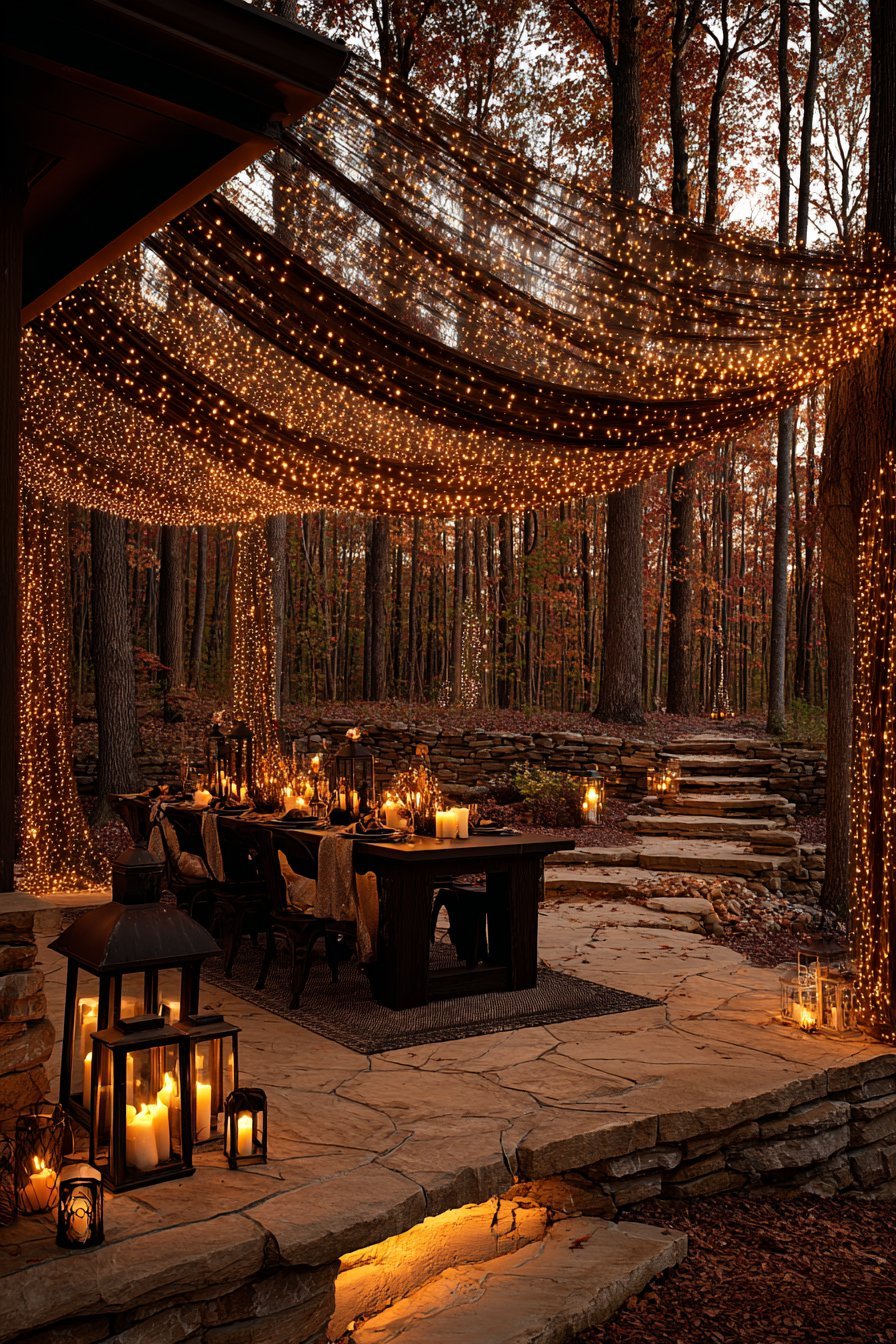
- String café lights overhead for warm, ambient illumination
- Install solar path lights along walkways for safety and visual guidance
- Use uplighting to dramatically highlight trees, sculptures, or wall features
- Add lanterns or candles on tables for intimate, adjustable lighting
- Place LED strip lights under benches or along deck edges for subtle glow
- Hang decorative pendant lights over dining areas for functional task lighting
6. Choose a Cohesive Color Palette and Style
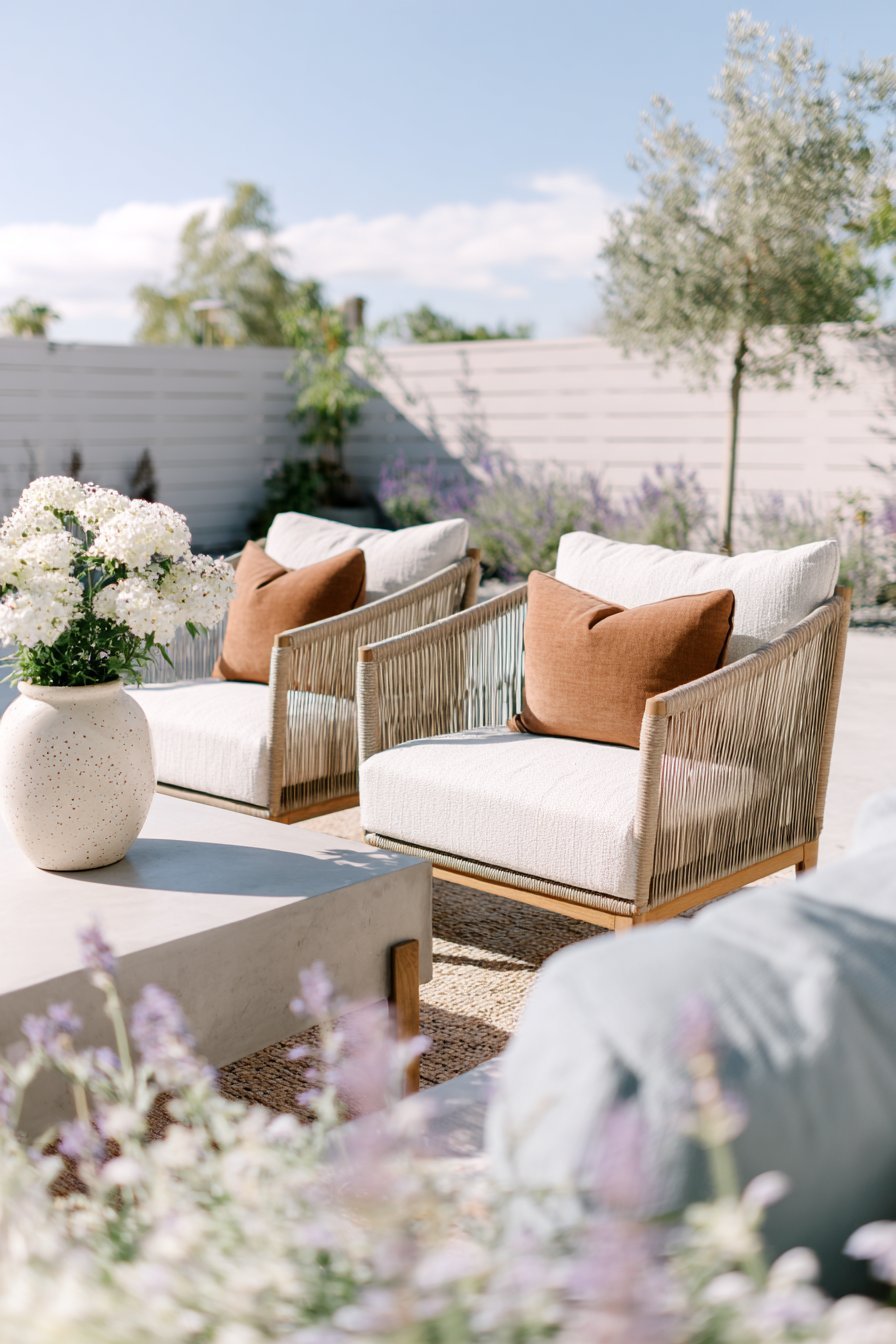
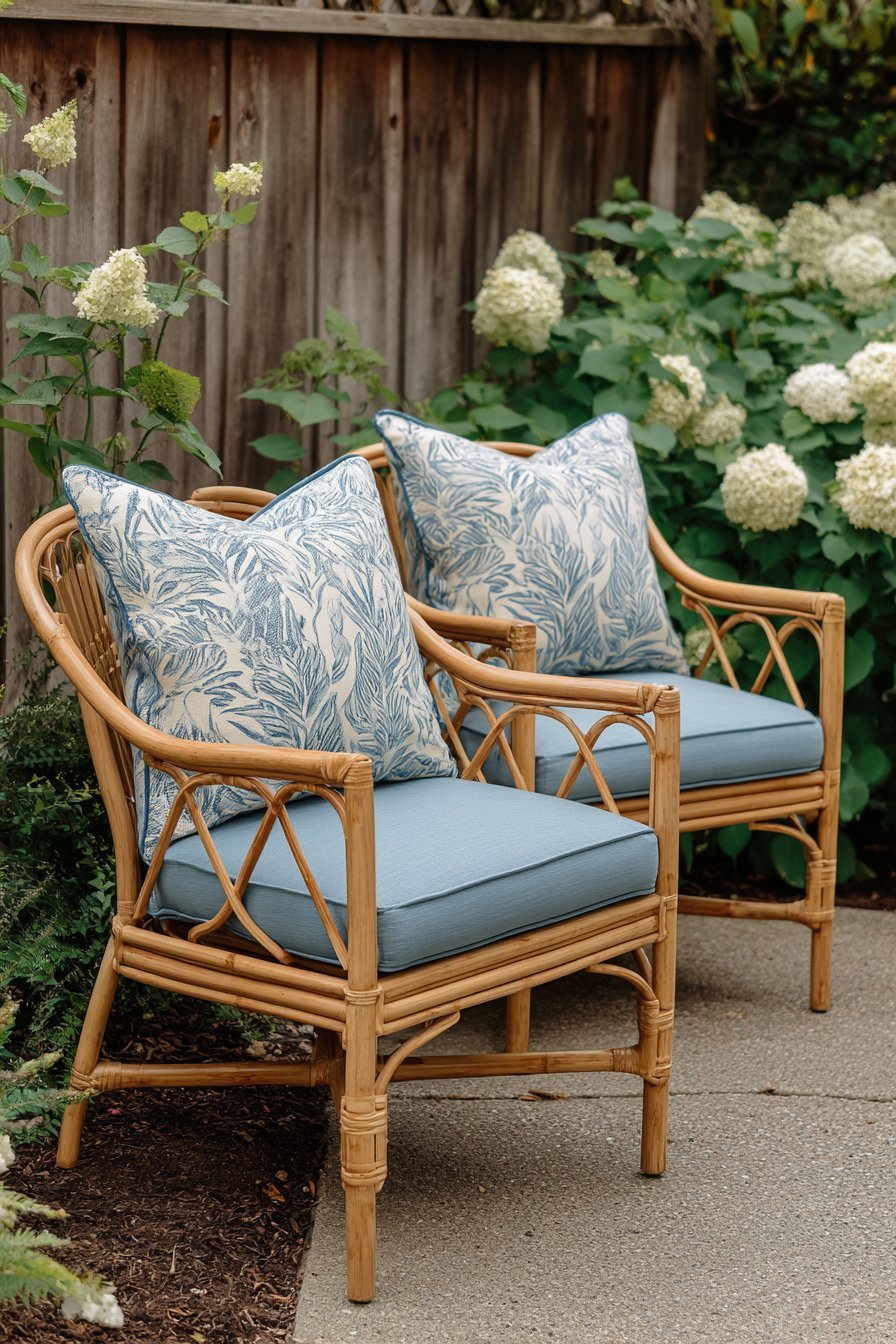
A unified color scheme makes small spaces feel more intentional and pulled together. Rather than introducing too many competing colors and patterns, select a cohesive palette that creates visual harmony. This approach prevents your backyard from feeling chaotic or cluttered.
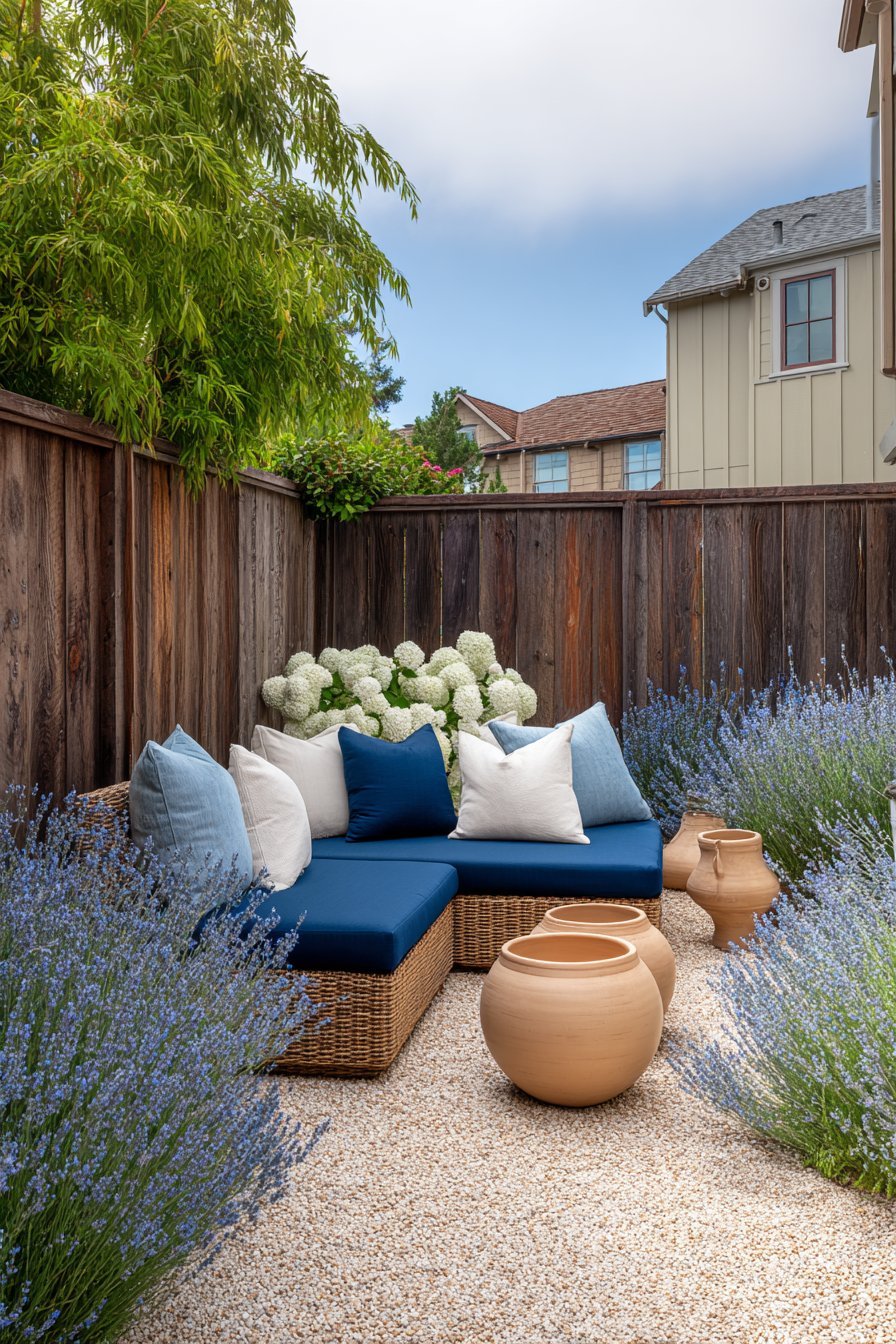
Limit your main colors to three or four complementary tones that work with your home’s exterior. Neutral backgrounds with pops of color create sophistication, while monochromatic schemes with varying textures add depth without overwhelming. Consider how colors appear in different lighting conditions throughout the day.
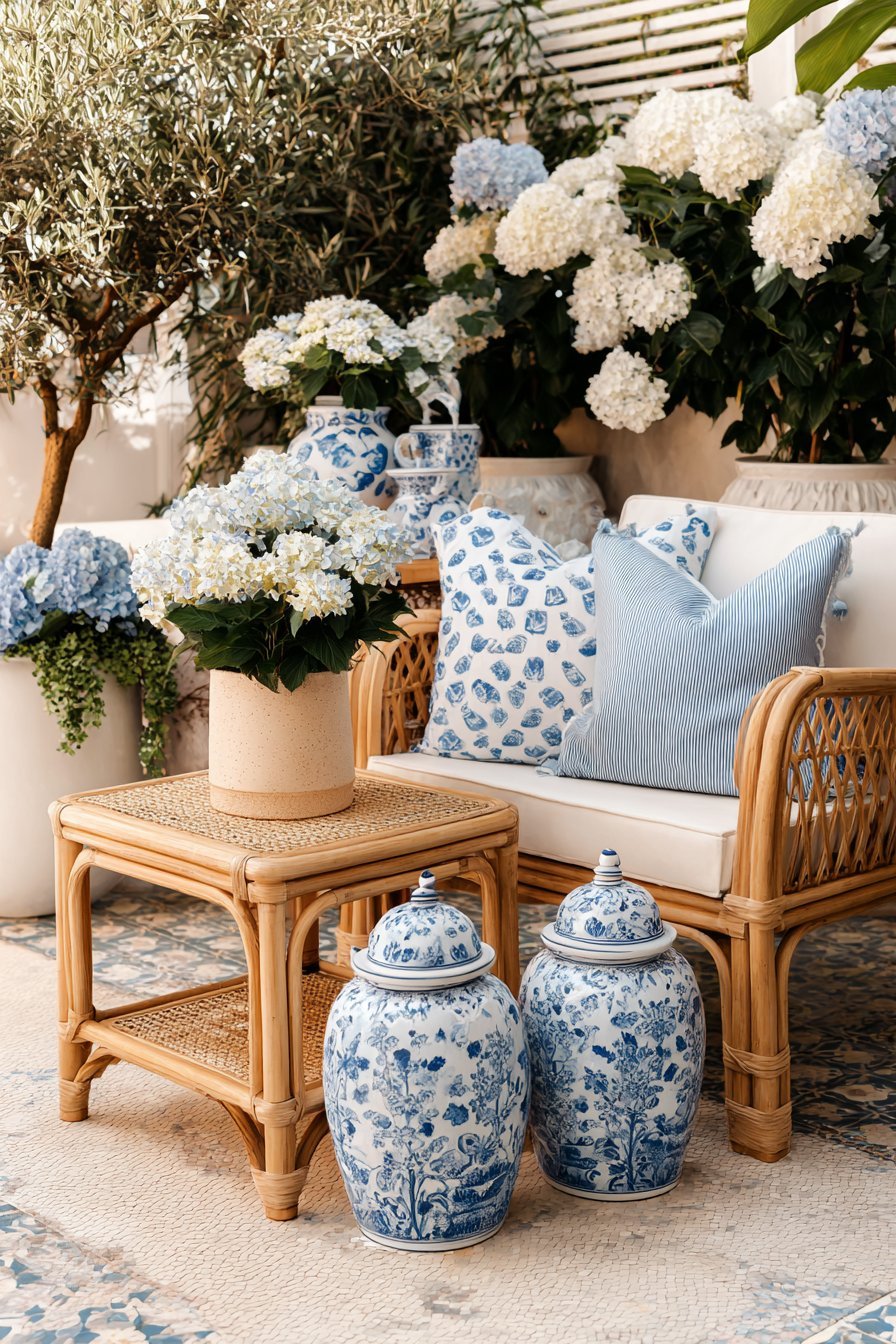
Your style choice should reflect your personal taste while complementing your home’s architecture. Mediterranean, modern minimalist, tropical, or cottage garden styles each create different moods. Consistency in furniture style, planter materials, and decorative elements strengthens your design vision.
- Select container colors that complement rather than compete with plantings
- Use similar materials for furniture and hardscaping elements
- Choose outdoor fabrics in coordinating colors and patterns
- Repeat accent colors throughout the space for visual unity
- Consider the backdrop of fences and walls when selecting palette
- Use neutral tones as a base with seasonal color pops in accessories
7. Maximize Privacy with Strategic Screening
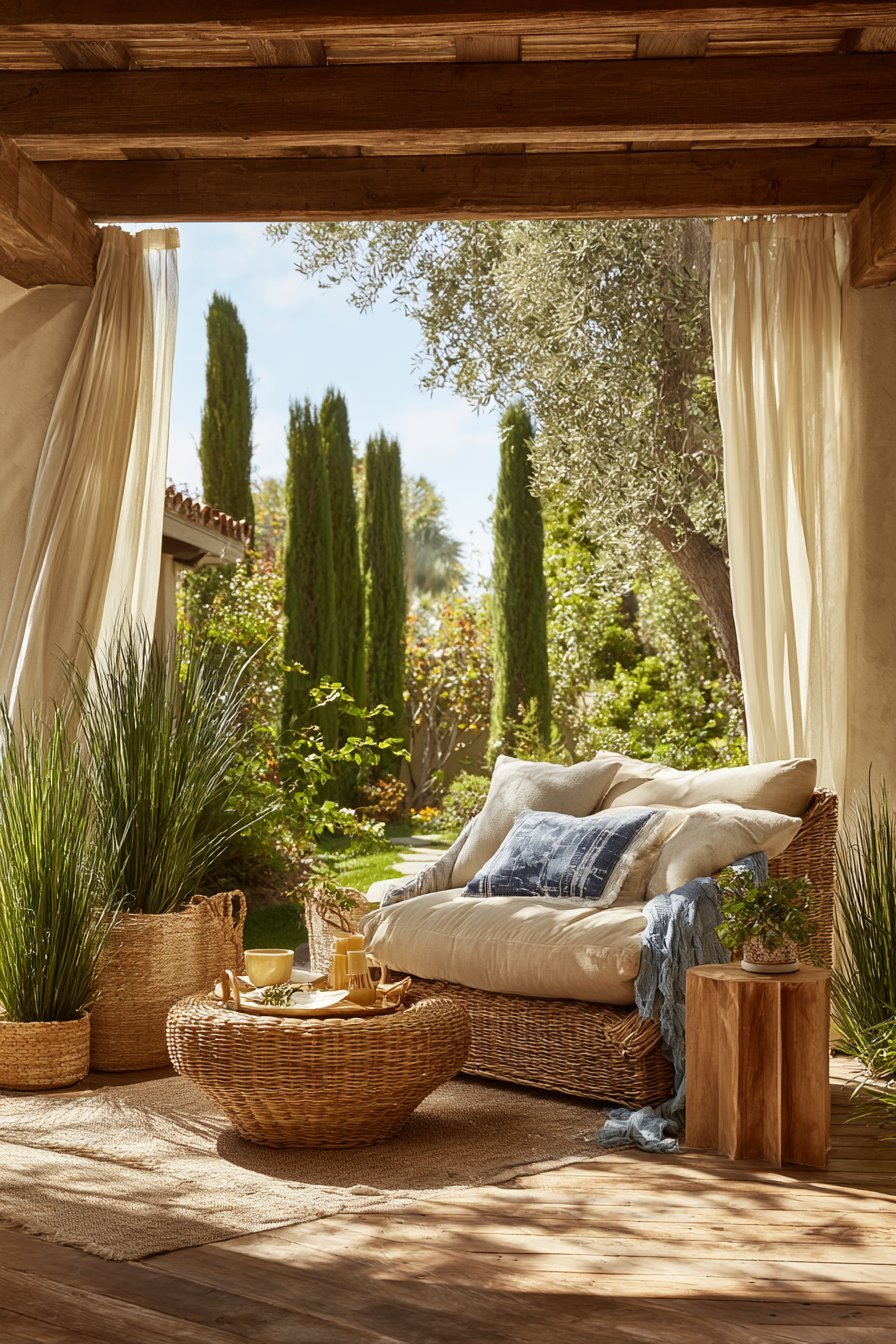
Privacy transforms a small backyard into a true sanctuary where you can relax without feeling exposed. Strategic screening blocks unwanted views while maintaining airflow and natural light. The right privacy solutions make your compact space feel like an exclusive retreat.
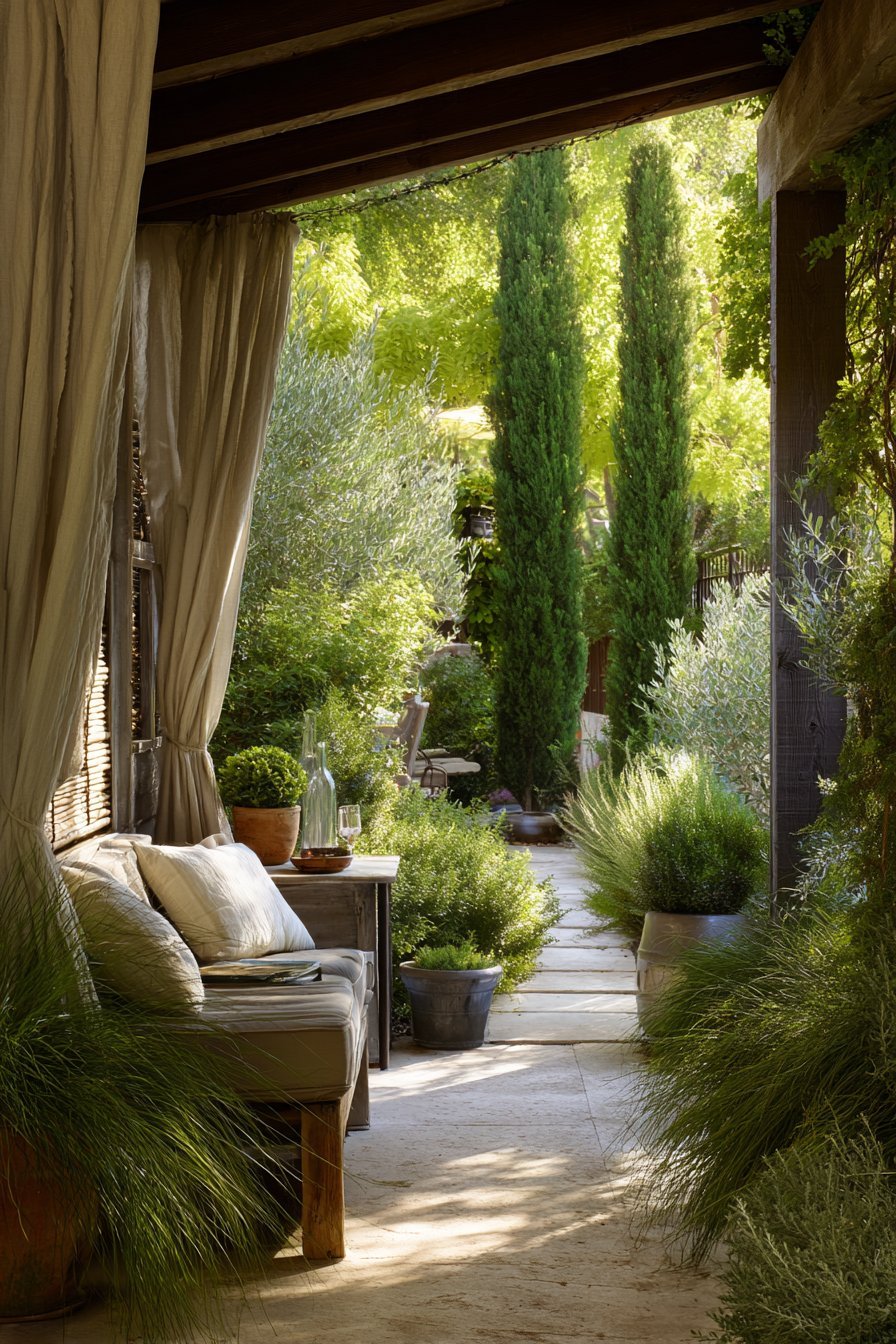
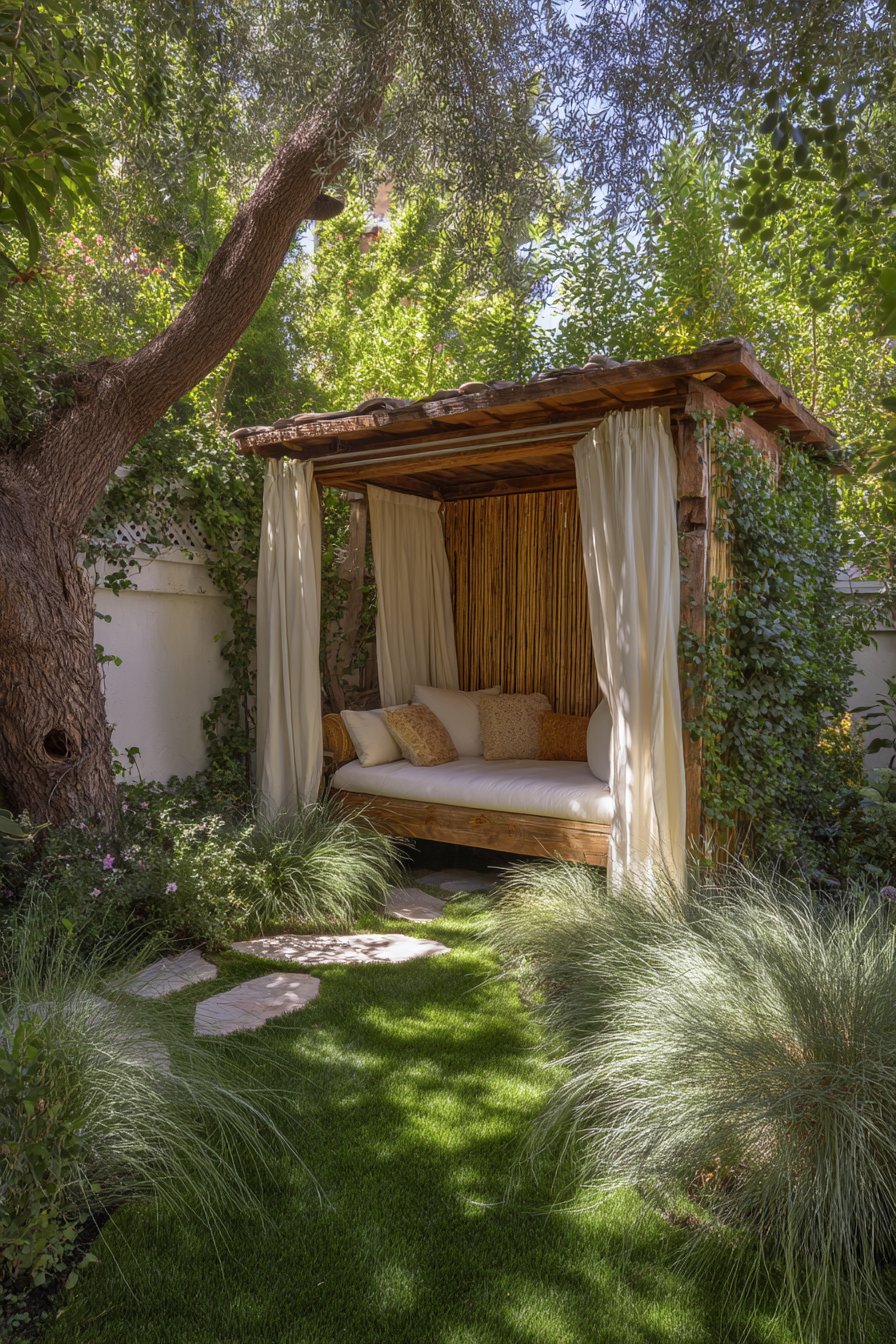
Layering different privacy elements creates depth and visual interest while effectively blocking sightlines. Combine fencing with climbing plants, decorative screens with tall grasses, or pergolas with hanging curtains. This layered approach feels more organic and attractive than a single solid barrier.
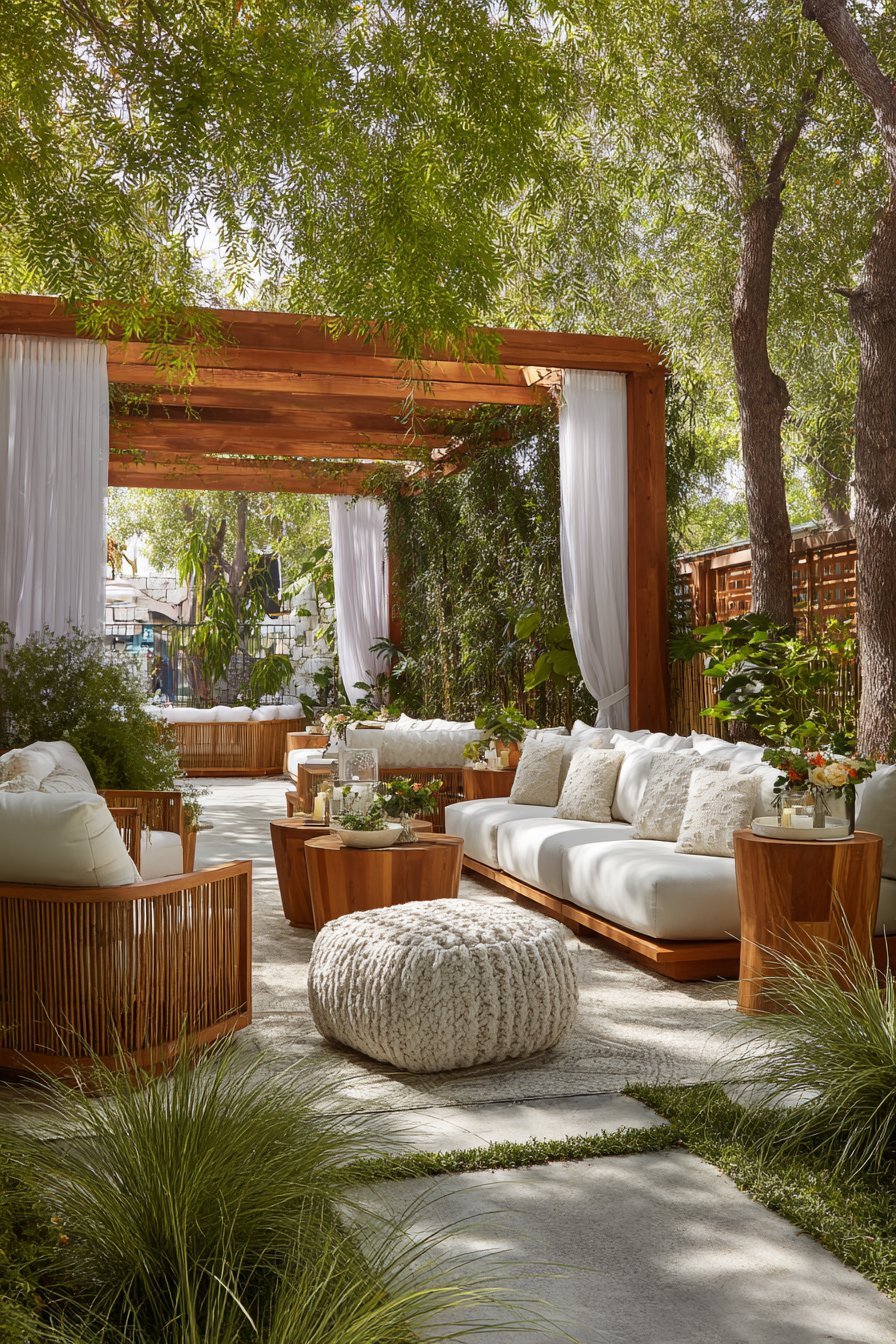
Choose privacy solutions proportional to your space. Tall, solid fences can make small yards feel boxed in, while lighter screening options maintain openness. Bamboo, lattice panels with vines, and tall ornamental grasses all provide privacy without creating a fortress-like atmosphere.
- Plant fast-growing bamboo in containers for moveable privacy screens
- Install lattice panels on fence tops and train climbing plants up them
- Use outdoor curtains on pergolas that can be opened or closed as needed
- Position tall potted plants like Italian cypress or columnar evergreens strategically
- Add a living wall or vertical garden as a natural privacy barrier
- Hang decorative metal or wood screens that provide partial privacy with visual appeal
Conclusion
Transforming a small backyard into an oasis is entirely achievable with intentional design choices and creative problem-solving. By implementing these seven strategies, you’ll maximize your limited space while creating an outdoor environment that feels spacious, private, and deeply personal. Remember that successful small space design prioritizes quality over quantity, focusing on elements that truly enhance your enjoyment.
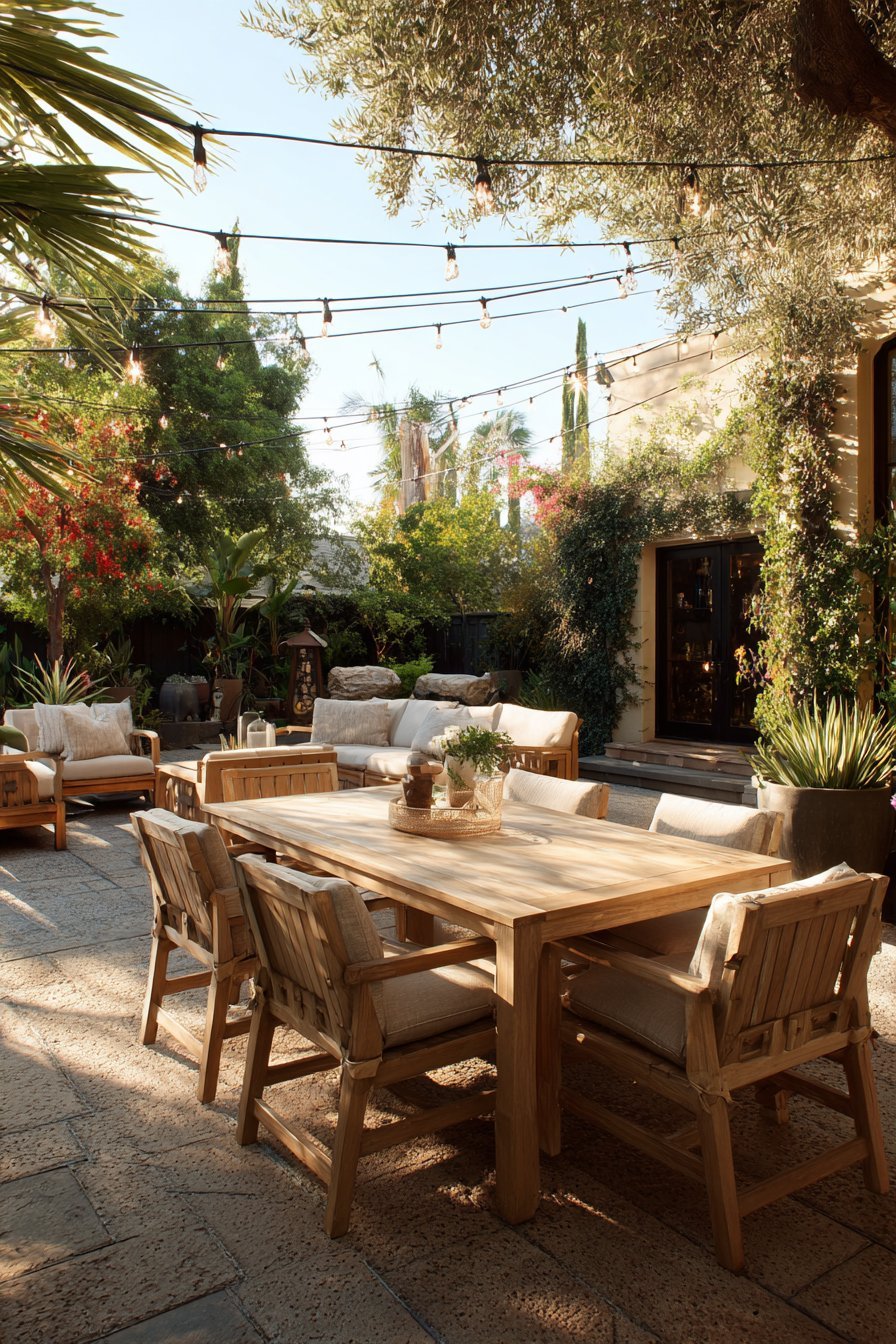
Start with one or two improvements that address your most pressing needs, then gradually layer in additional features. Your small backyard oasis will evolve over time, becoming increasingly refined and personalized. The result will be an outdoor retreat that proves size truly doesn’t matter when creativity and thoughtful planning guide your design decisions.
