

The industrial style kitchen has evolved from warehouse conversions into one of the most sought-after design aesthetics in modern homes. This raw and authentic approach combines functionality with artistic expression, creating spaces that feel both lived-in and intentionally curated. The beauty of industrial design lies in its ability to transform utilitarian elements into statement pieces that define the character of your cooking space.
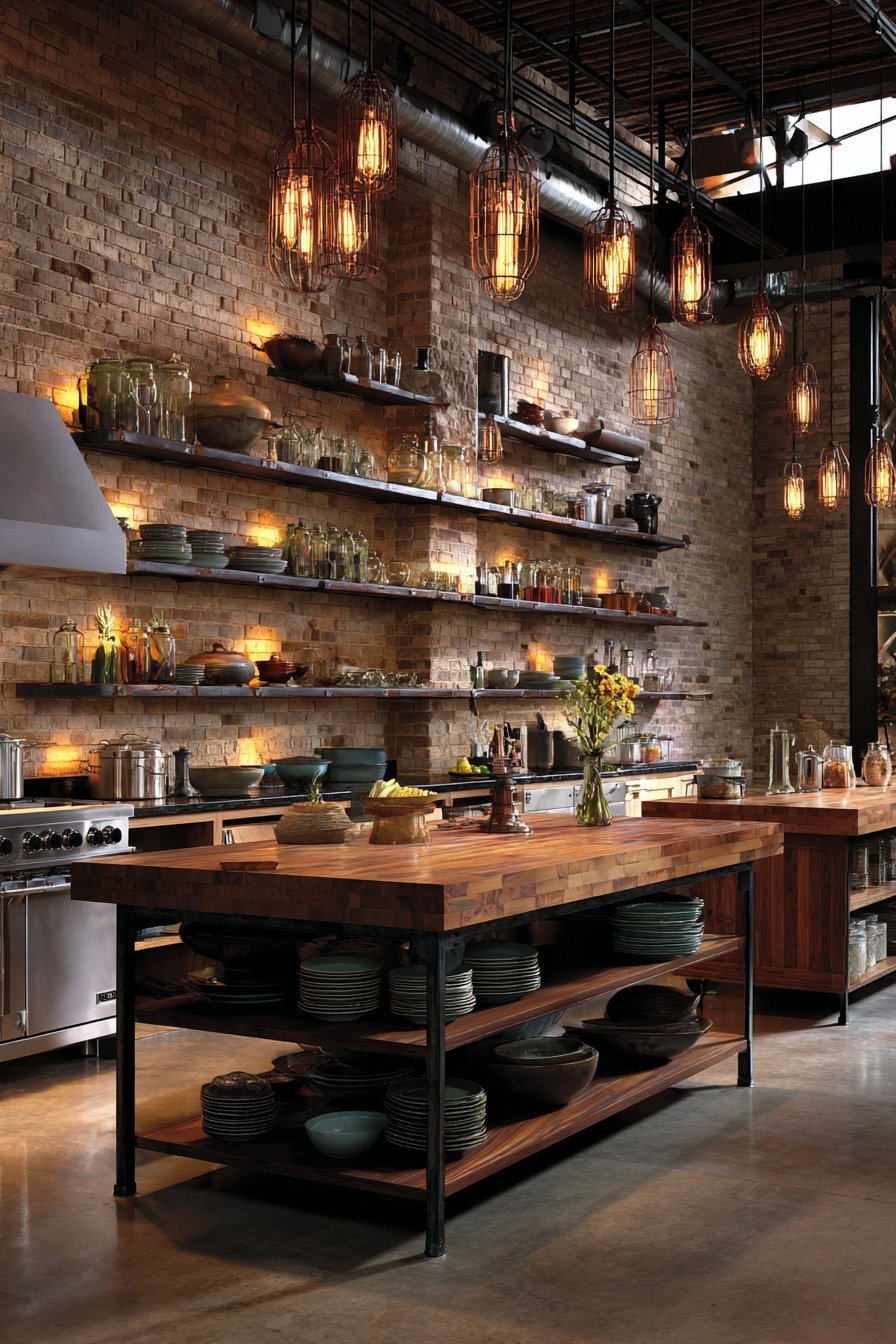
What makes industrial kitchens particularly appealing is their honest materiality and rejection of overly polished finishes. Exposed brick, visible ductwork, and metal fixtures create a narrative that celebrates the bones of a building rather than hiding them. This design philosophy resonates with homeowners who appreciate authenticity and want their kitchen to tell a story beyond mere cooking functionality.
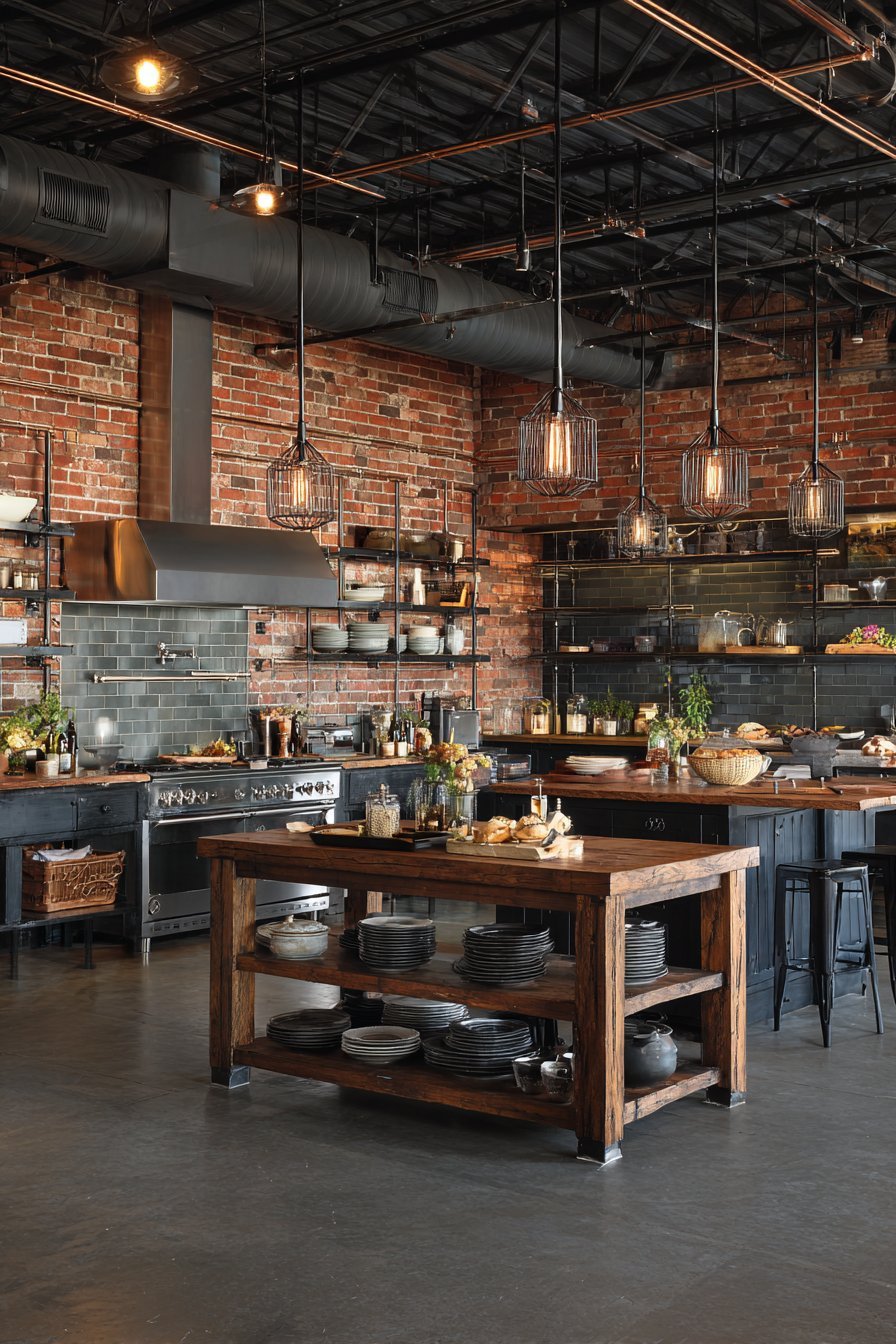
Whether you’re renovating an urban loft or bringing industrial touches to a suburban home, understanding the key elements makes all the difference. The following seven components represent the foundational pillars of industrial kitchen design, each contributing unique character while maintaining the cohesive aesthetic that defines this enduring style.
1. Exposed Brick Walls
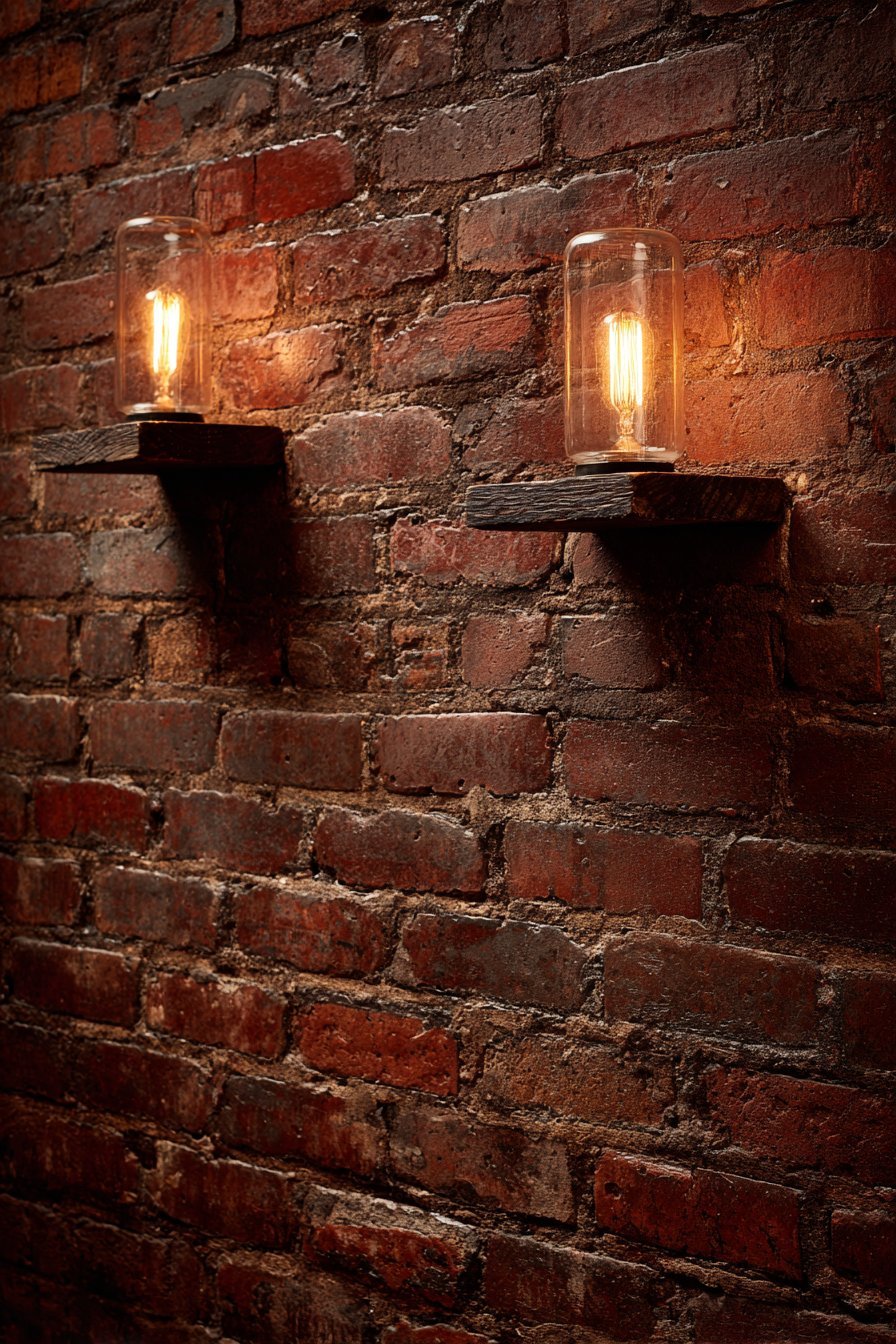
Exposed brick walls serve as the quintessential backdrop for industrial kitchen design, bringing texture, warmth, and historical depth to the space. The natural variation in brick color creates visual interest without requiring additional decoration. Original brick walls carry the patina of time, with mortar variations and slight imperfections that add authentic character impossible to replicate with new materials.
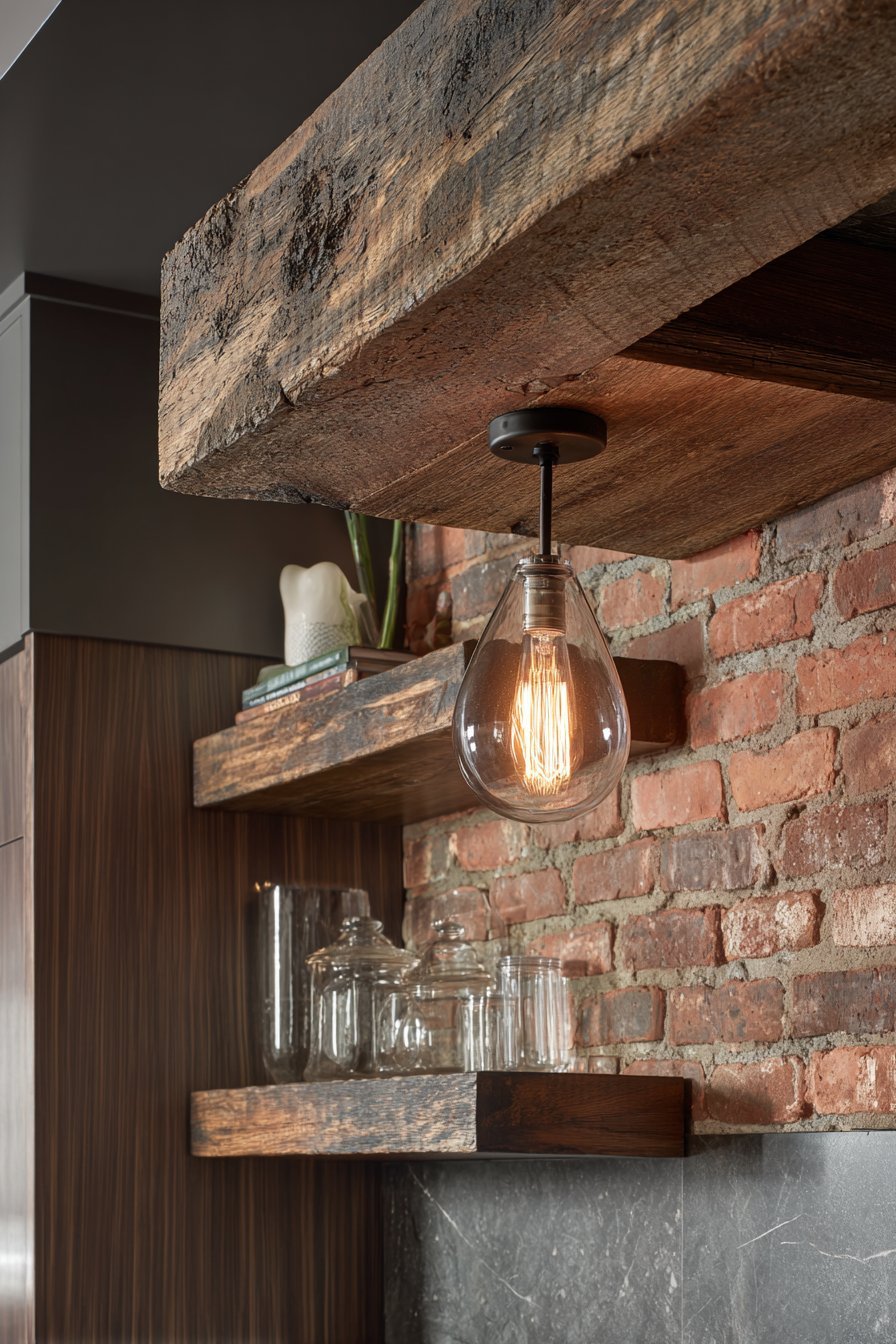
When working with existing brick, preservation should be your priority rather than covering or painting. Sealed brick surfaces maintain the natural appearance while providing protection against kitchen moisture and grease. The reddish-brown tones of traditional brick pair beautifully with stainless steel appliances and create a warm contrast against cool metal fixtures.
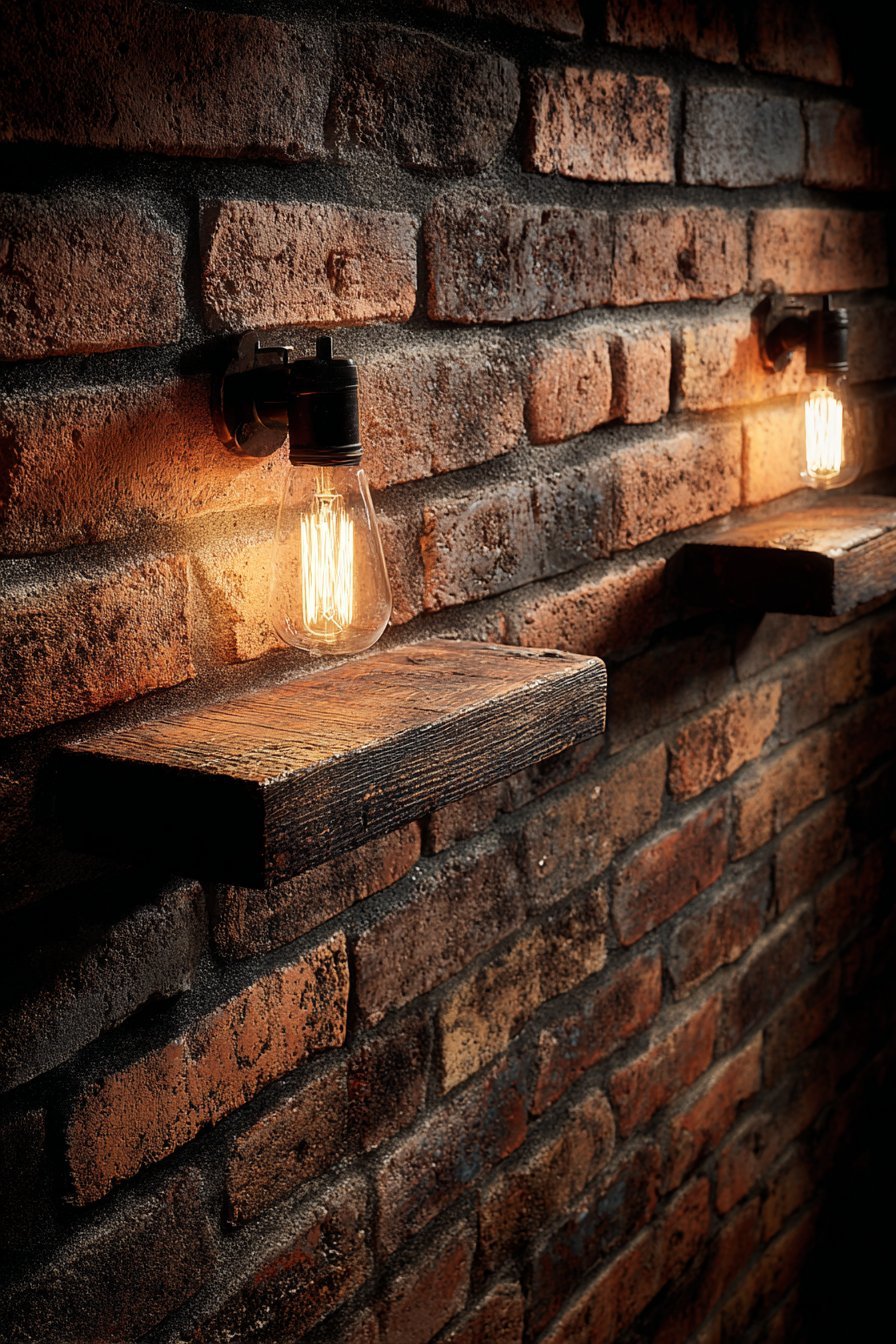
For homes without original brick, brick veneer or reclaimed brick panels offer convincing alternatives. These products provide the industrial aesthetic without requiring structural modifications. The key is selecting materials with natural color variation and avoiding overly uniform patterns that lack authenticity.
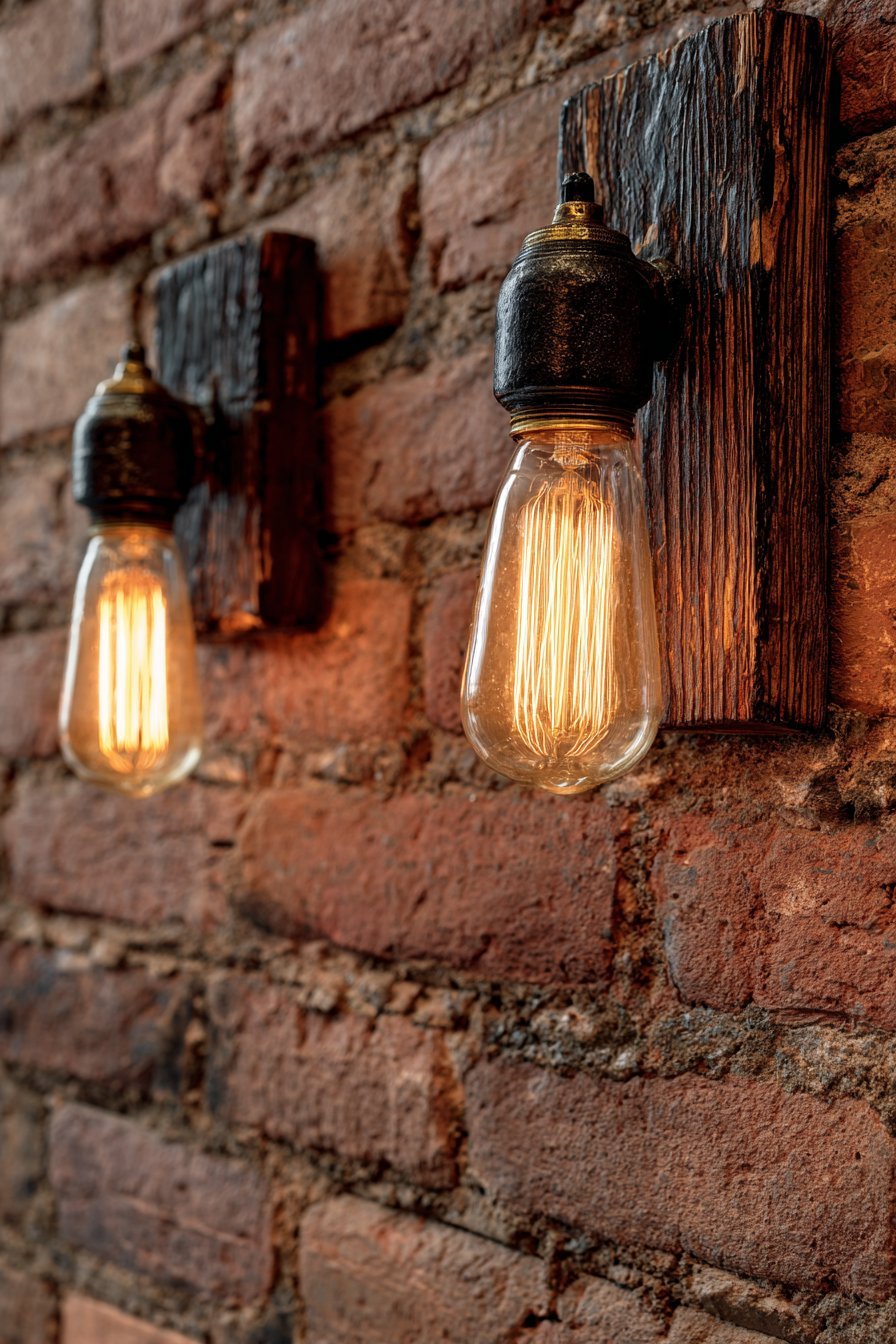
- Choose unsealed or lightly sealed brick for maximum authenticity and texture
- Consider accent walls rather than full-room treatment for budget-conscious projects
- Pair brick with floating shelves to emphasize the raw material aesthetic
- Use warm Edison-style lighting to enhance the natural warmth of brick tones
- Leave mortar joints visible and slightly recessed for dimensional interest
- Install brick backsplashes behind ranges for dramatic focal points
2. Open Metal Shelving
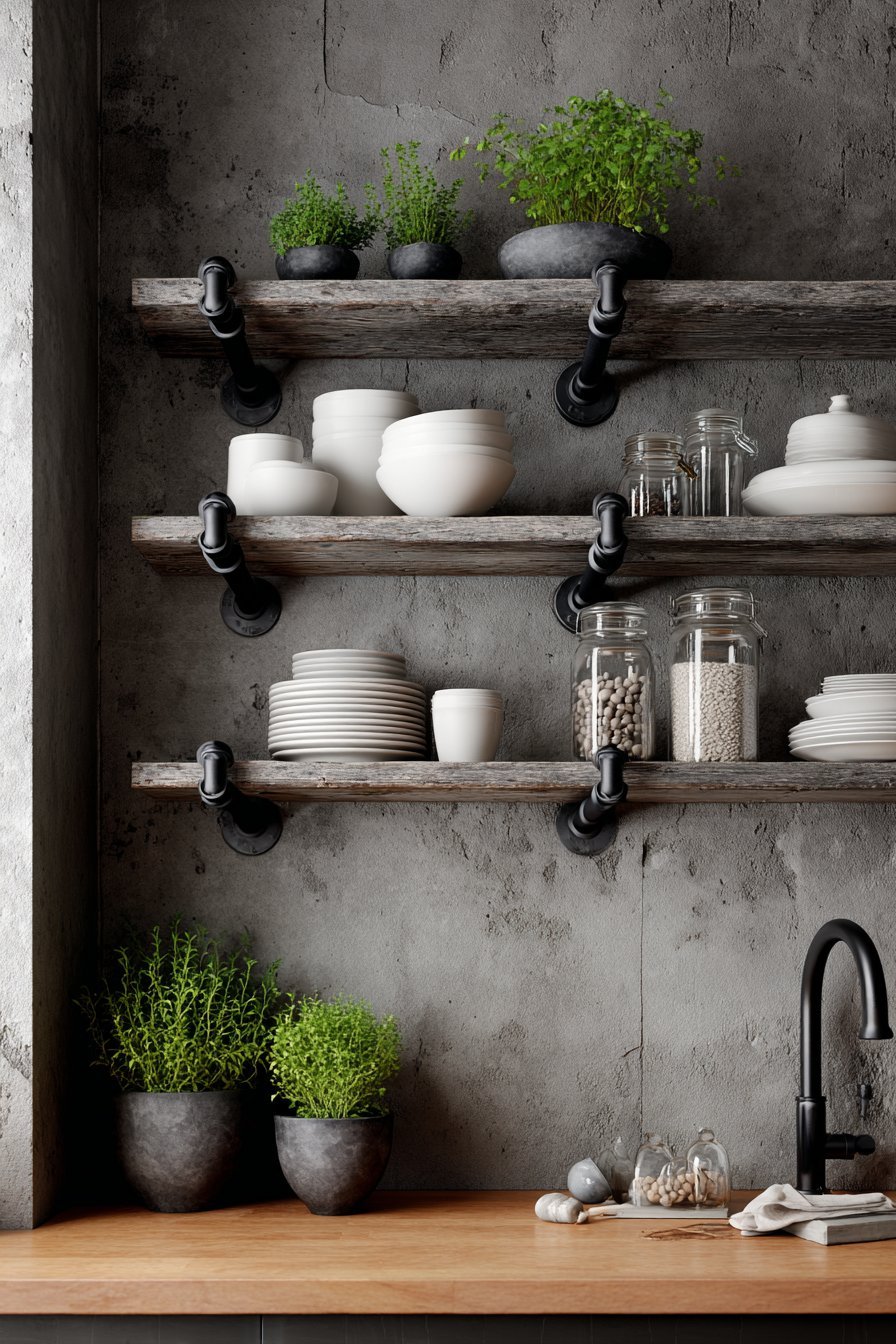
Open metal shelving eliminates visual barriers while providing practical storage solutions that showcase your kitchenware as decorative elements. Black iron pipe shelving or industrial-grade steel racks create the structural aesthetic that defines this style. The transparency of open shelving makes small kitchens feel more spacious while maintaining ample storage capacity.
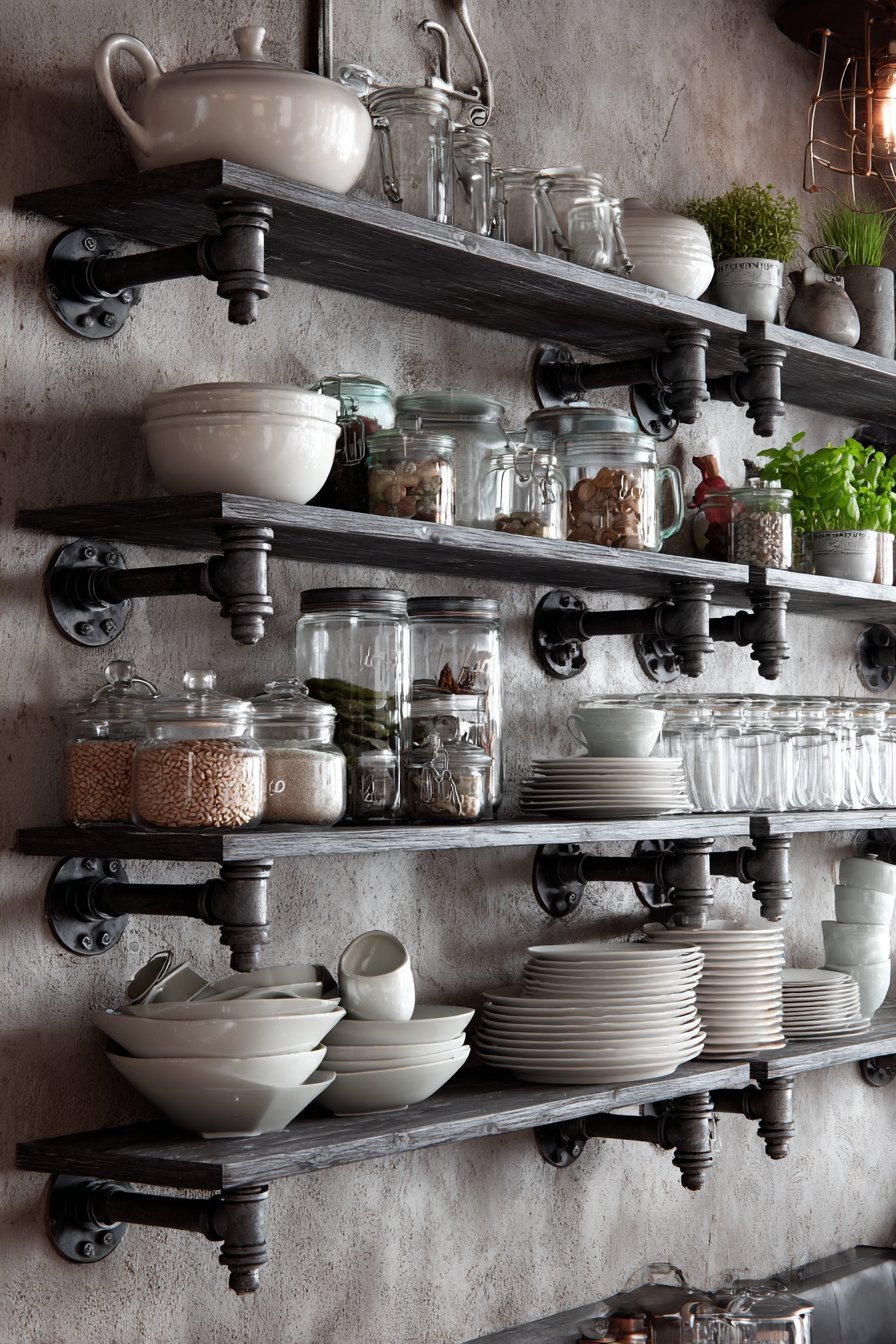
The functional beauty of open shelving encourages intentional organization and curation of kitchen items. Everyday dishes, glassware, and cooking tools become part of the visual composition rather than hidden necessities. This approach requires thoughtful selection of items you display, creating opportunities to incorporate color, pattern, and personal style.
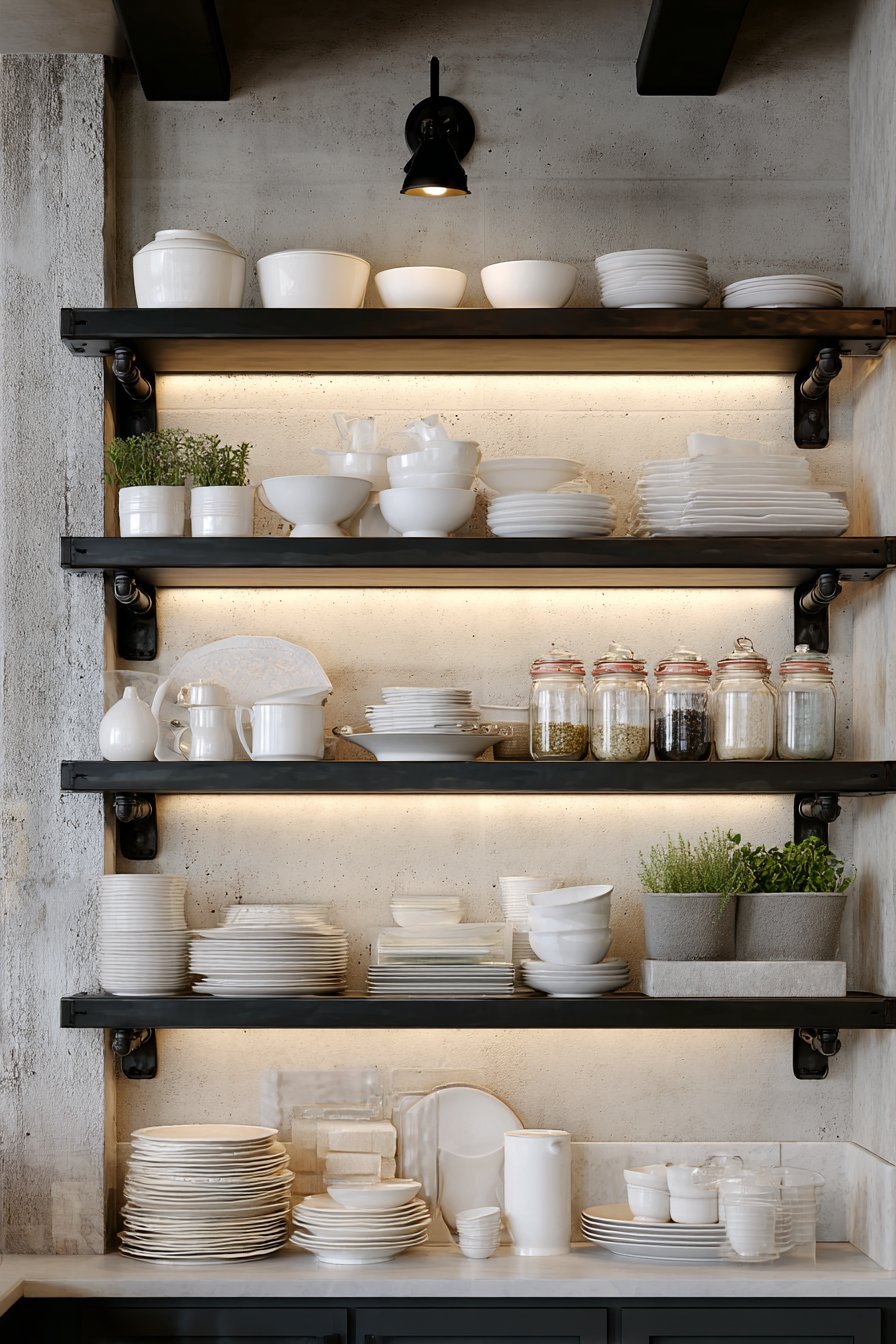
Floating metal shelves with minimal brackets create clean lines that emphasize horizontal space. Wall-mounted industrial pipe shelving adds architectural interest with visible supports that become decorative features themselves. The key is balancing accessibility with aesthetics, placing frequently used items at convenient heights.
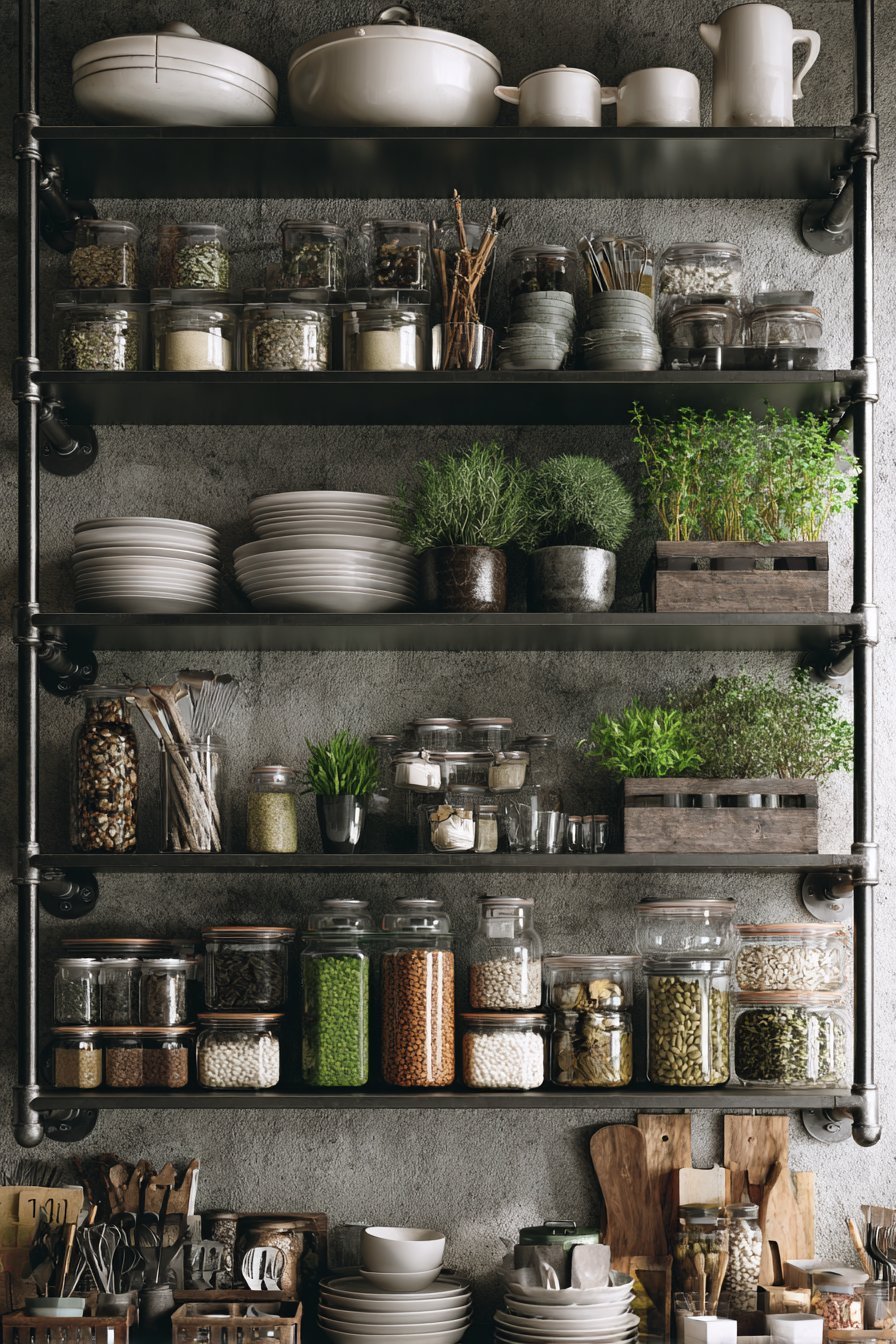
- Install shelves at varying depths to accommodate different item sizes
- Mix metals like black iron and brushed steel for subtle contrast
- Space shelves 12-15 inches apart for standard dish and glass storage
- Use consistent containers and jars to create visual cohesion
- Incorporate small plants or decorative objects between practical items
- Consider lighting underneath shelves to highlight displayed items
3. Stainless Steel Appliances and Fixtures
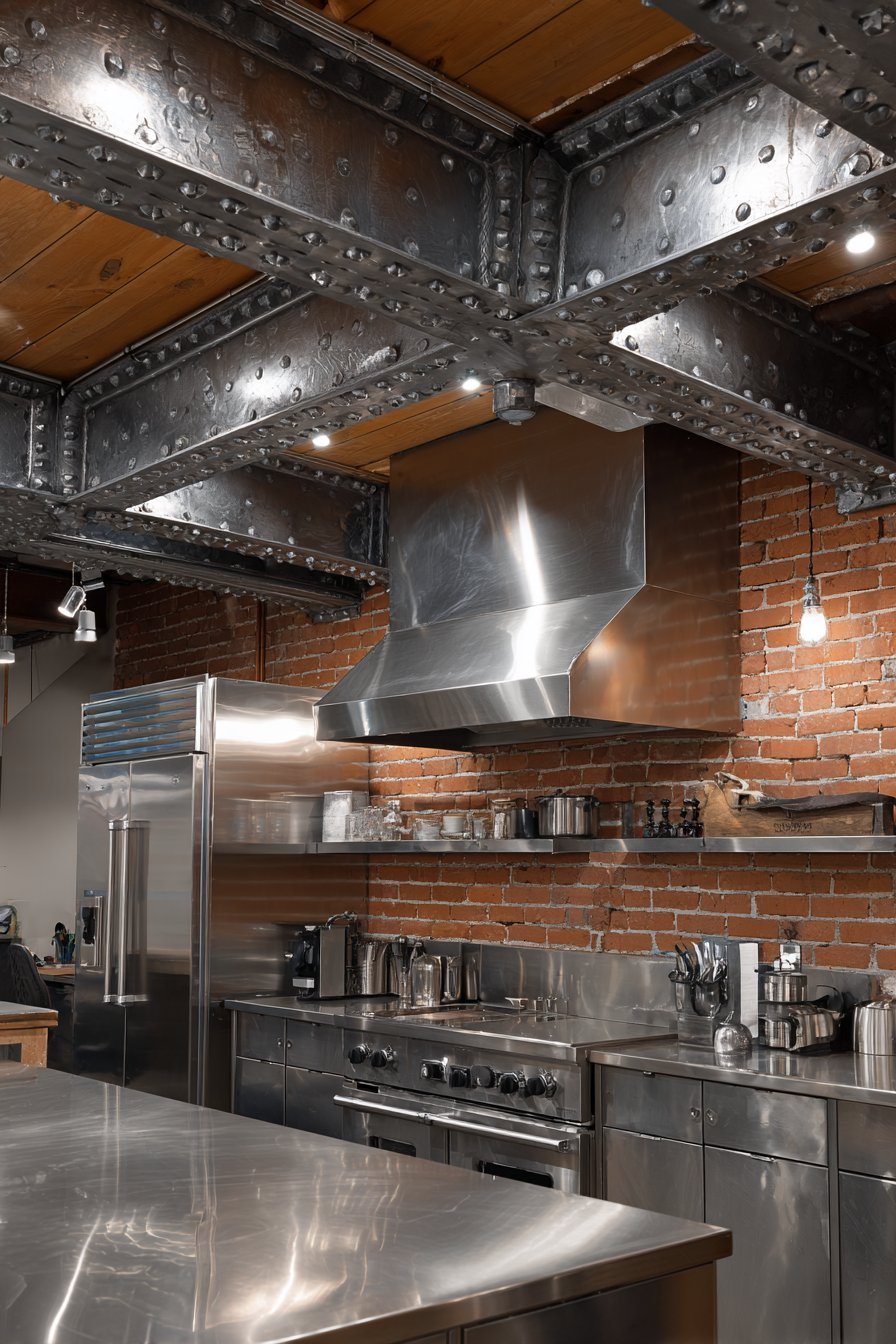
Stainless steel appliances form the modern industrial foundation with their professional-grade appearance and durable construction. The reflective surfaces of commercial-style ranges and refrigerators bring restaurant energy into residential kitchens. These pieces serve as functional sculptures that anchor the industrial aesthetic while providing superior performance.
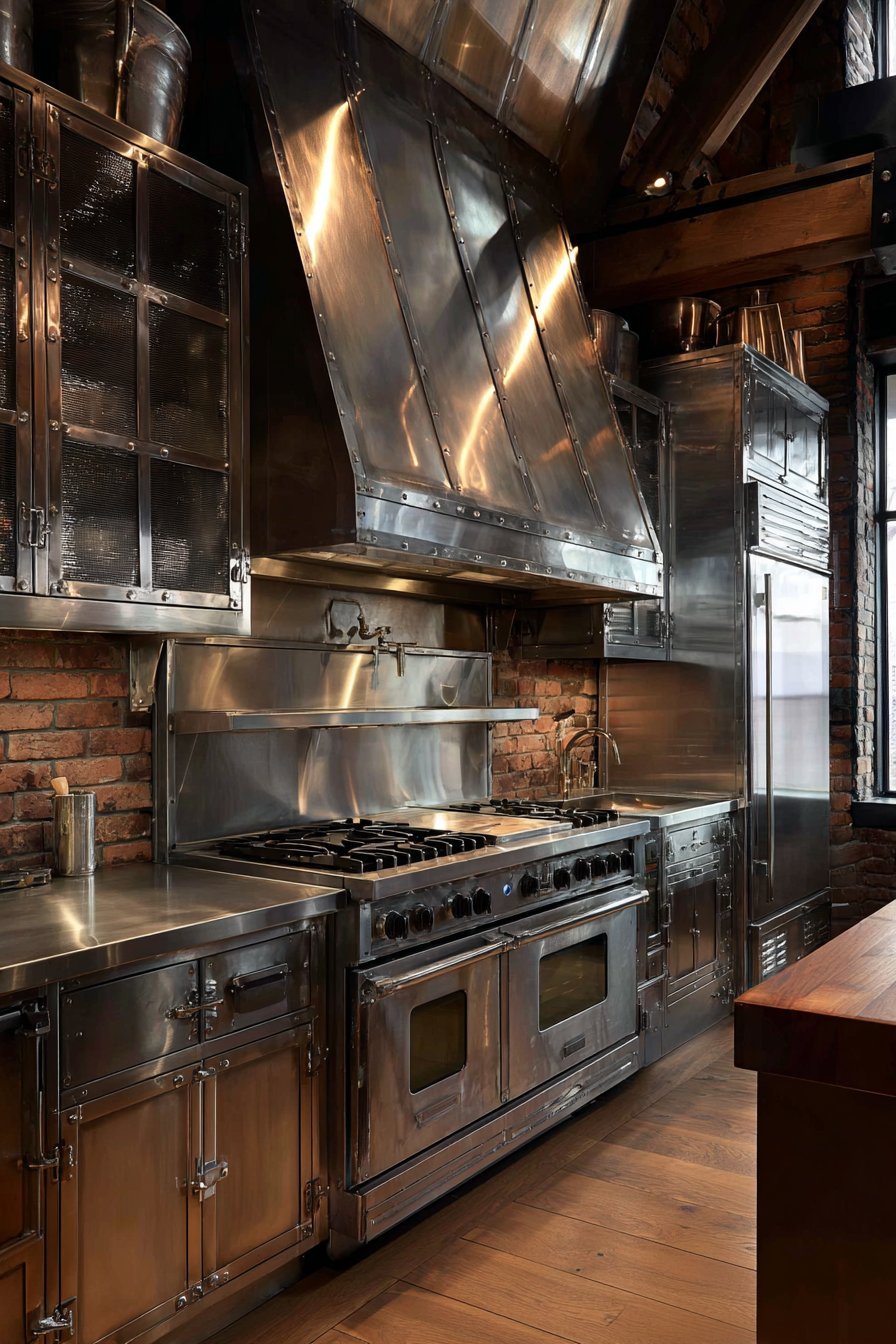
Beyond major appliances, stainless steel fixtures and hardware maintain the cohesive metal theme throughout the space. Faucets with industrial-inspired designs, cabinet pulls, and even switch plates in brushed or polished stainless create continuity. The cool metallic tones balance warmer elements like wood and brick.
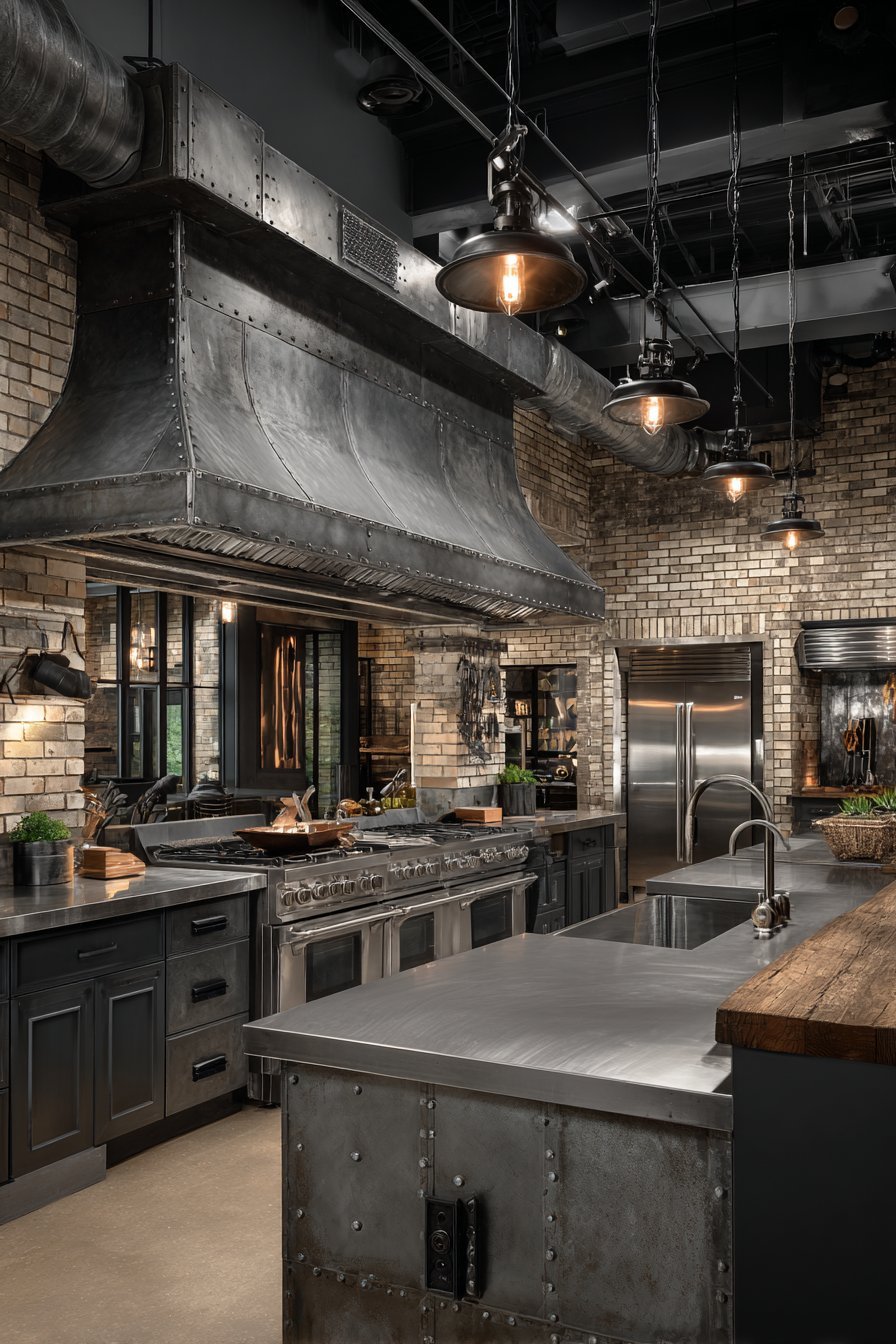
Restaurant-quality equipment has become increasingly accessible for home kitchens, offering both aesthetic appeal and professional functionality. Range hoods in stainless steel or raw metal become architectural features rather than hidden necessities. The key is selecting pieces that combine authentic commercial design with residential proportions.
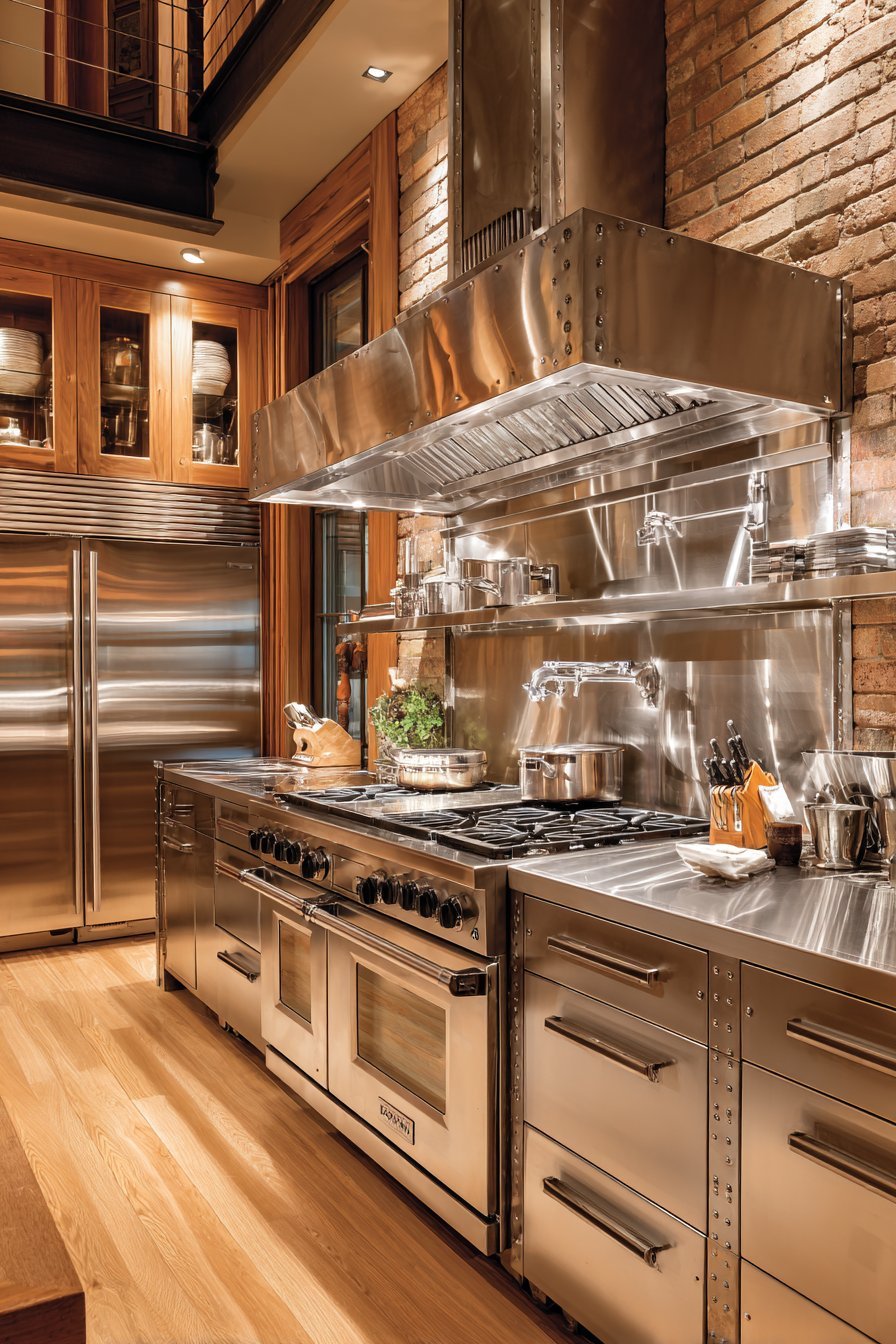
- Choose appliances with visible bolts, rivets, or industrial detailing
- Opt for brushed finishes over polished for lower maintenance
- Install professional-style range hoods as sculptural focal points
- Use stainless steel countertops for ultimate industrial authenticity
- Mix stainless with other metals to prevent monotonous appearance
- Select faucets with exposed mechanics and visible construction
4. Concrete or Sealed Cement Flooring
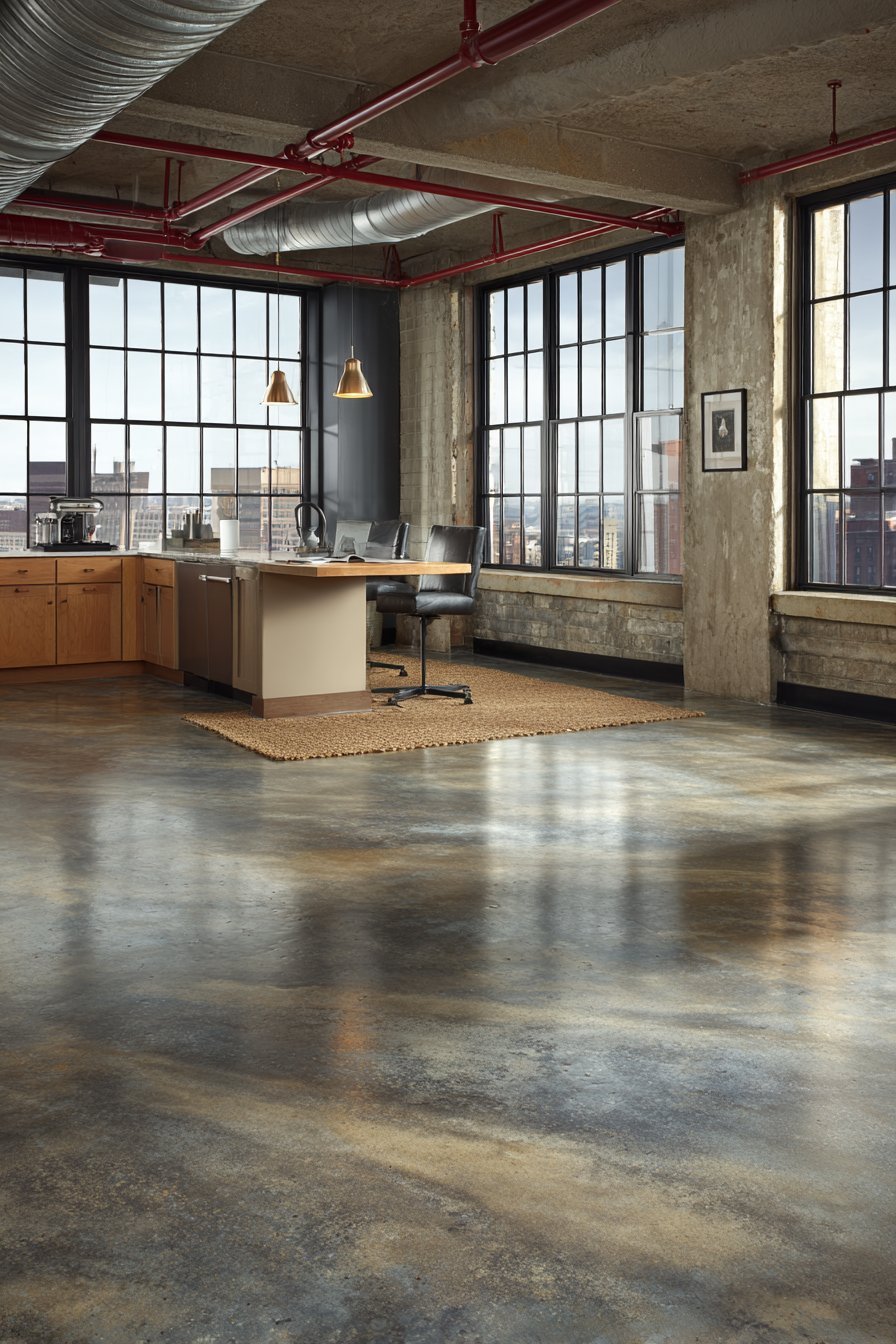
Concrete flooring delivers the raw industrial foundation with unmatched durability and minimal maintenance requirements. Polished concrete surfaces reflect light beautifully while providing seamless transitions between kitchen and adjacent spaces. The inherent tonal variations in concrete add subtle visual interest without competing with other design elements.
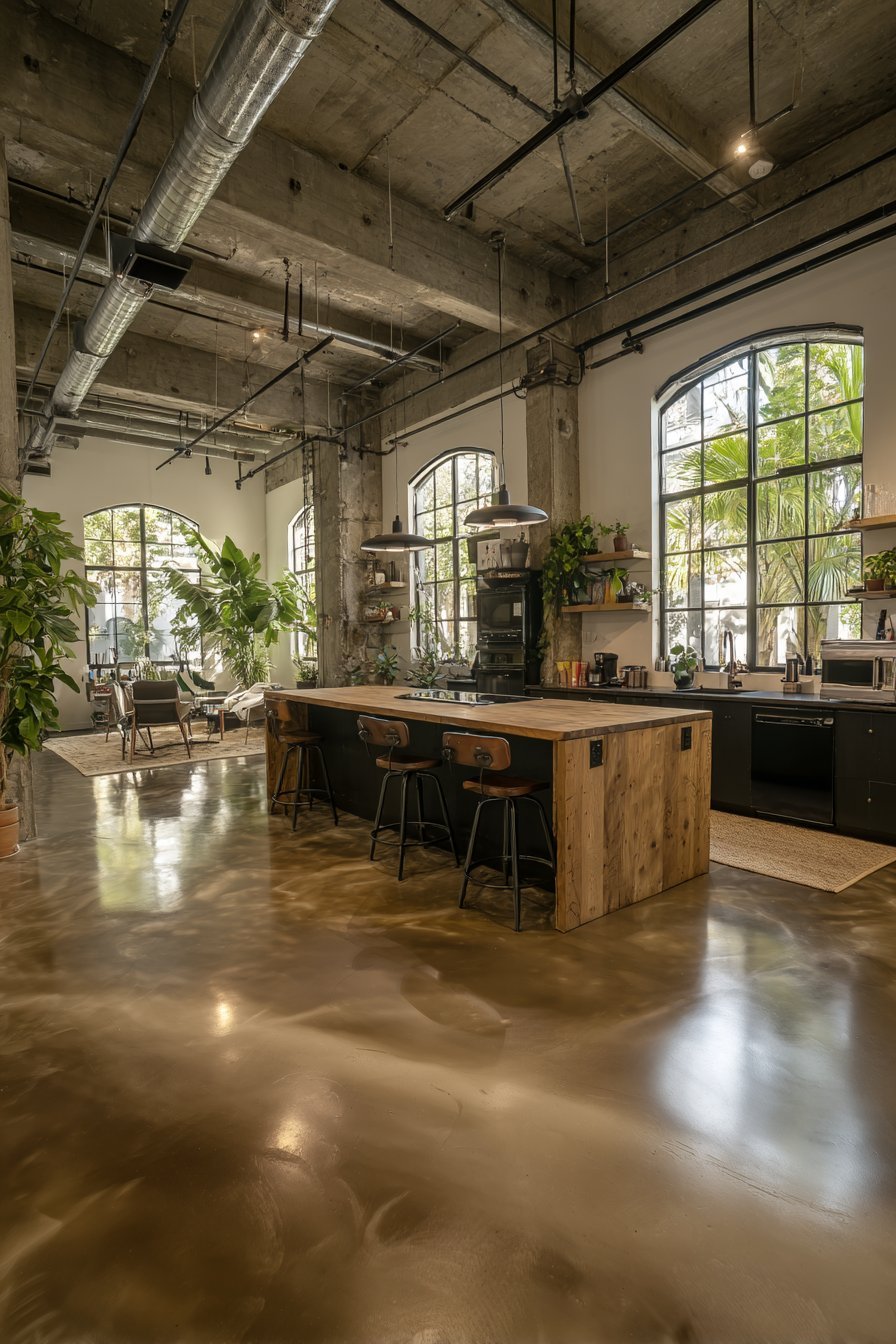
Modern concrete treatments have transformed this industrial material into a sophisticated flooring option suitable for high-end kitchens. Staining, scoring, and sealing techniques create custom appearances ranging from subtle grey to rich charcoal. The thermal mass of concrete helps regulate kitchen temperatures while standing up to decades of heavy use.
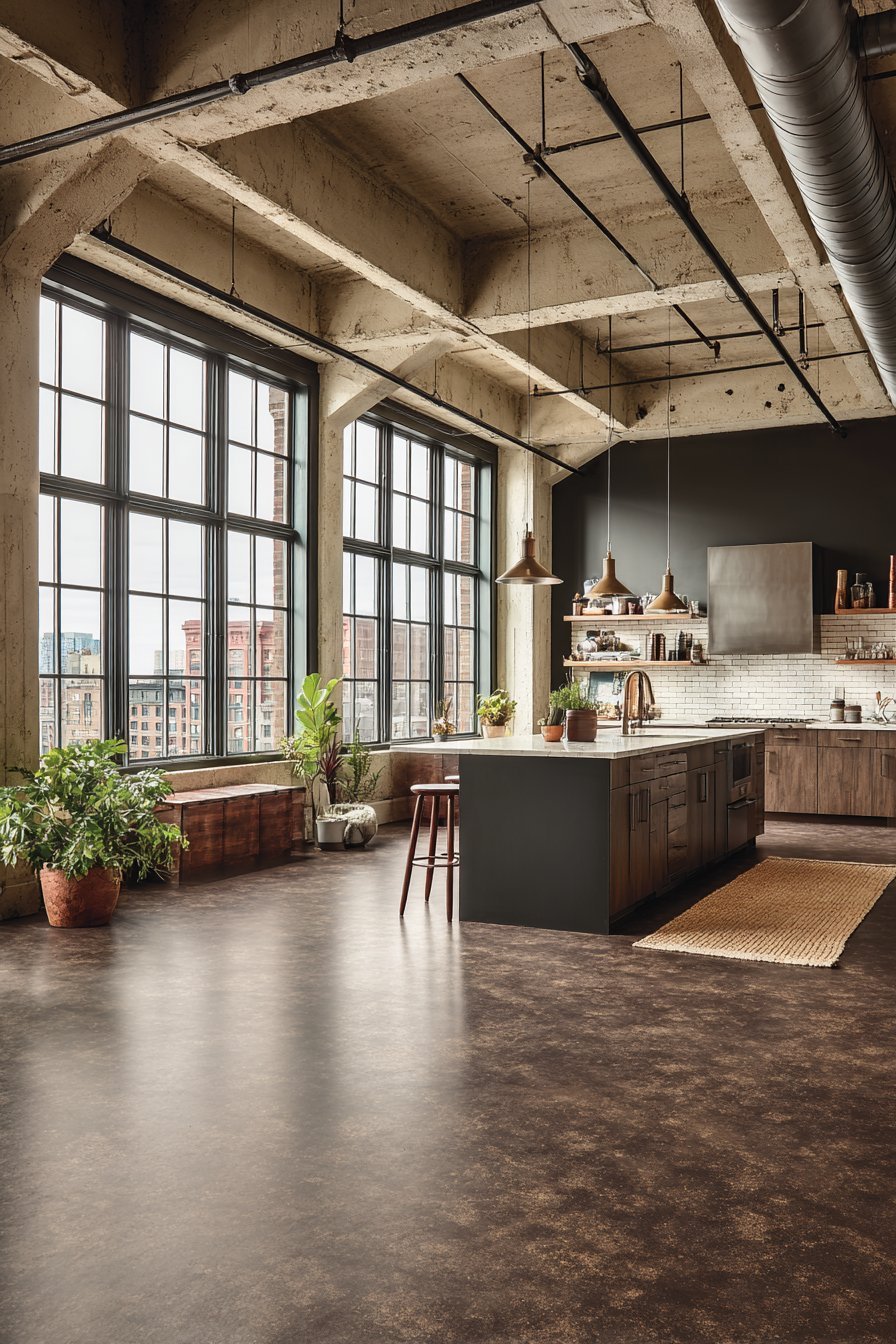
Sealed surfaces resist stains and moisture while maintaining the material’s natural appearance. Unlike tile with grout lines, concrete offers uninterrupted expanses that emphasize spatial continuity. The slightly reflective quality of polished concrete enhances natural and artificial lighting throughout the kitchen.
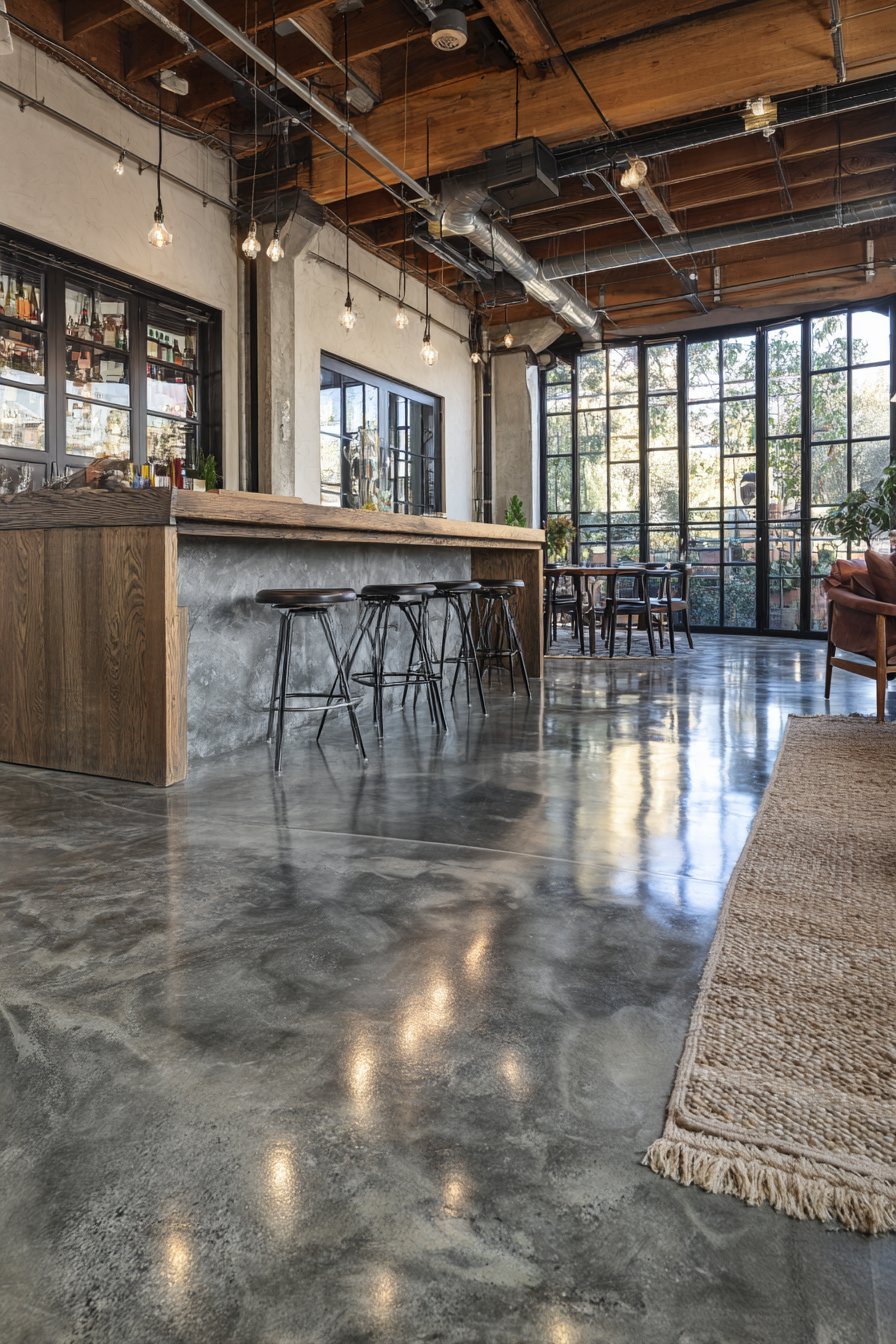
- Apply multiple sealer coats for protection against kitchen spills and oils
- Consider radiant floor heating beneath concrete for added comfort
- Use acid staining for unique color variations and mottled effects
- Install concrete at least 3-4 inches thick for structural integrity
- Combine with area rugs in work zones for ergonomic comfort
- Choose matte or satin finishes over high-gloss for authentic industrial feel
5. Pendant Lighting with Industrial Design
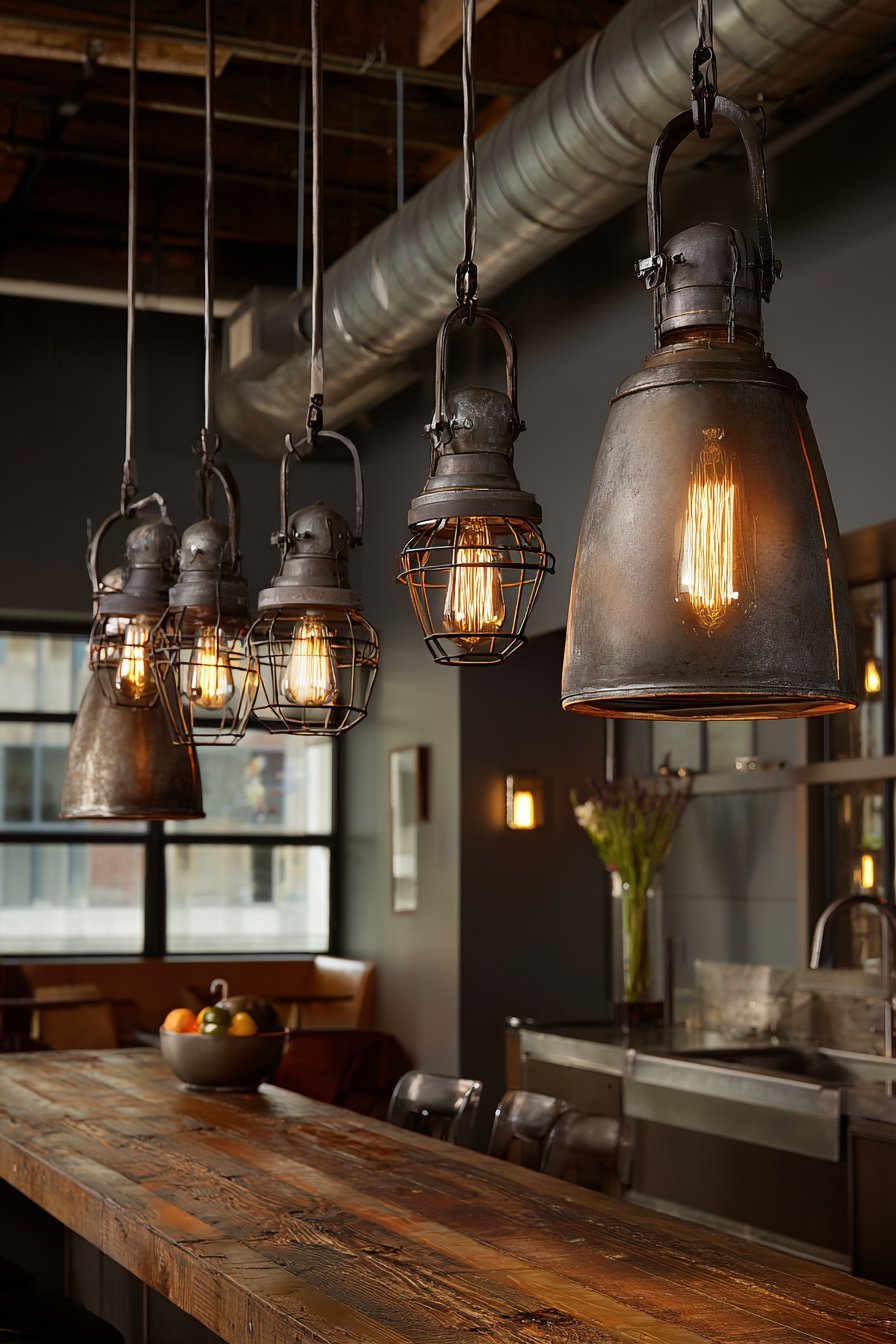
Industrial pendant lighting transforms functional illumination into sculptural art pieces that define the kitchen’s character. Metal cage pendants, Edison bulbs, and exposed filaments celebrate the mechanics of light production rather than concealing them. These fixtures bring vertical interest and create focal points above islands and dining areas.
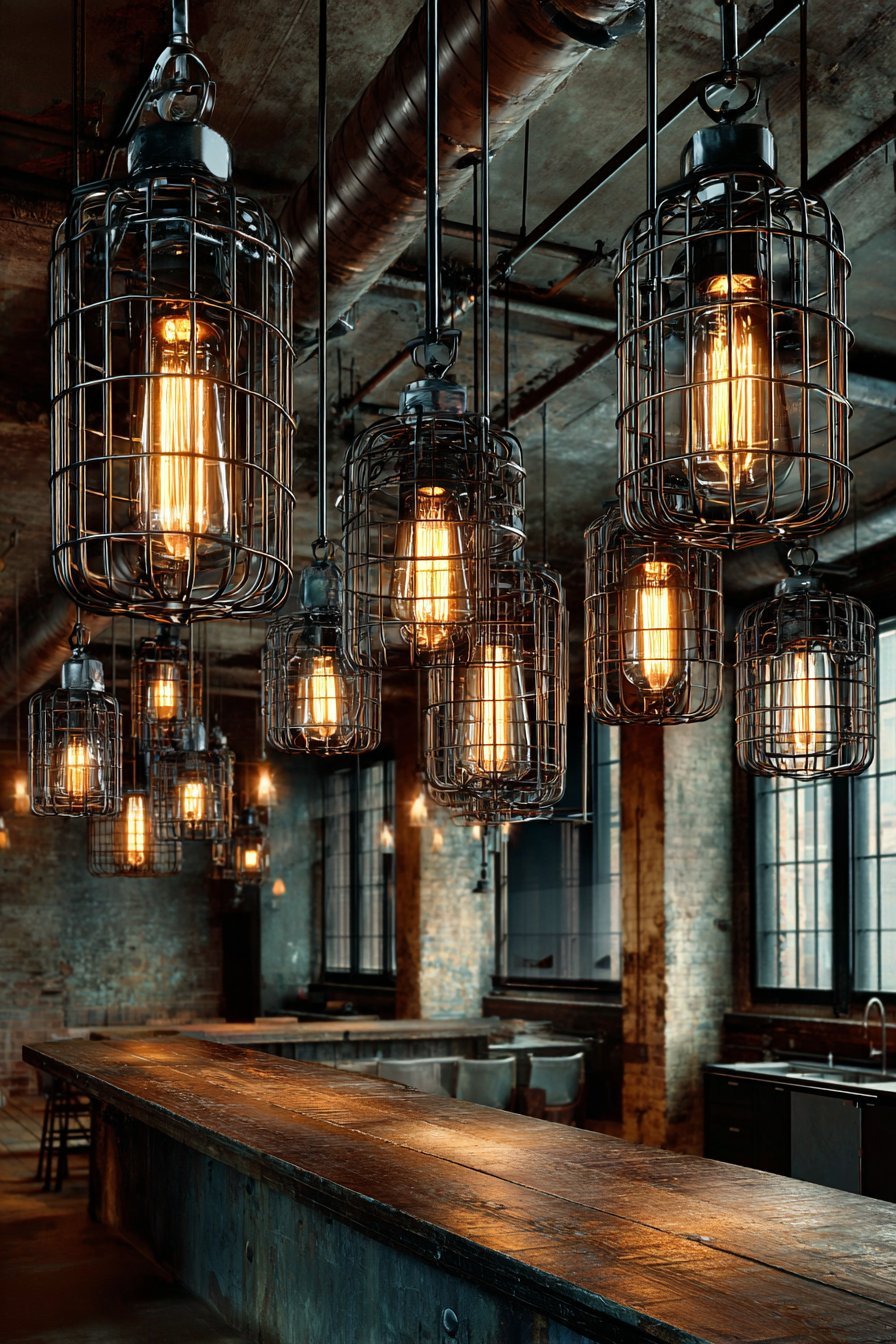
The beauty of industrial lighting lies in its honest construction with visible wiring, metal shades, and utilitarian forms. Oversized pendants scaled for warehouse spaces bring drama to residential kitchens when properly proportioned. Multiple pendants hung at varying heights create dynamic compositions that draw the eye upward.
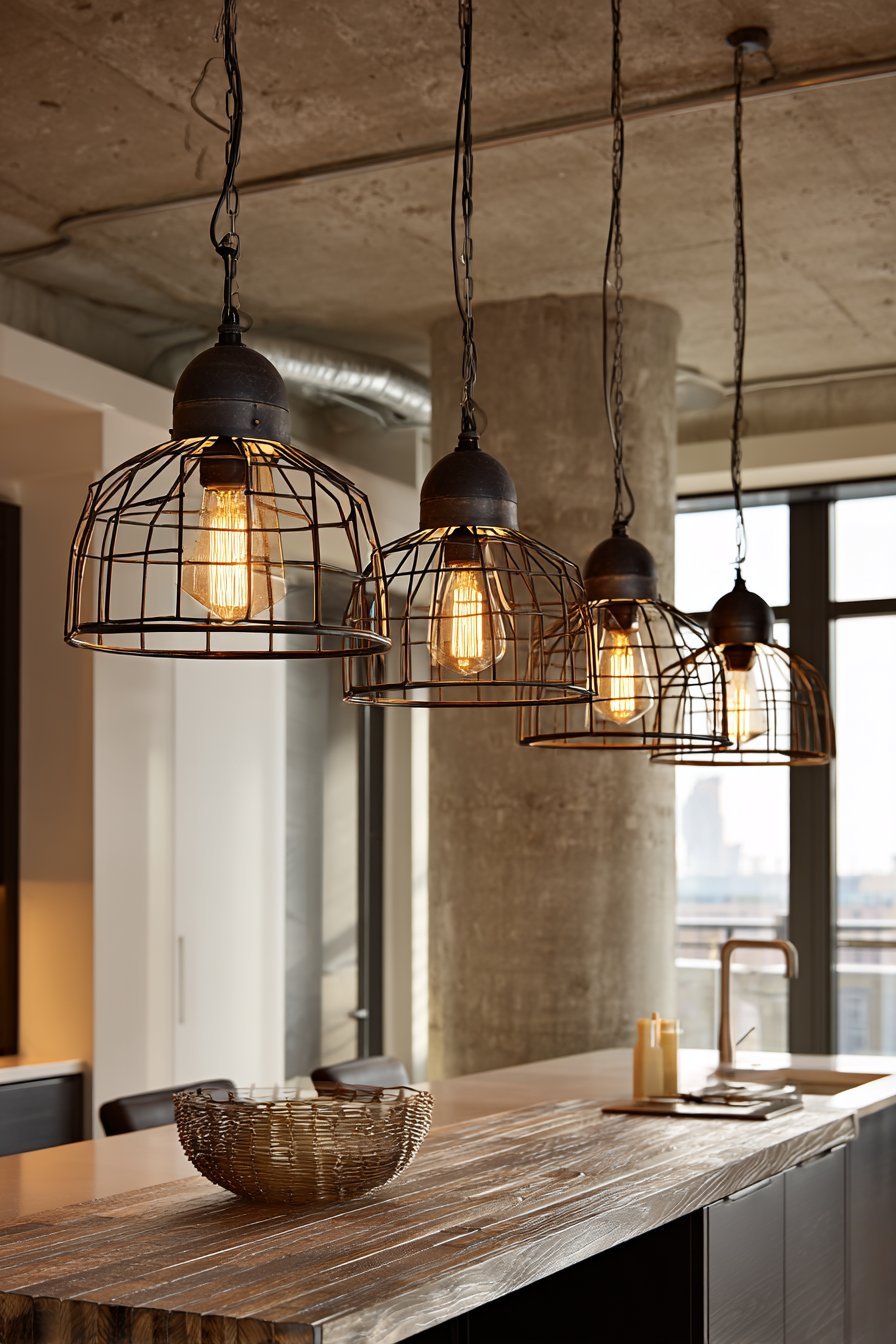
Vintage-inspired fixtures combine aged metal finishes with modern LED technology for energy efficiency without sacrificing aesthetic authenticity. Factory-style lights with adjustable arms and shades provide task lighting while contributing to the industrial narrative. The warm glow of Edison bulbs softens the harder edges of metal and concrete.
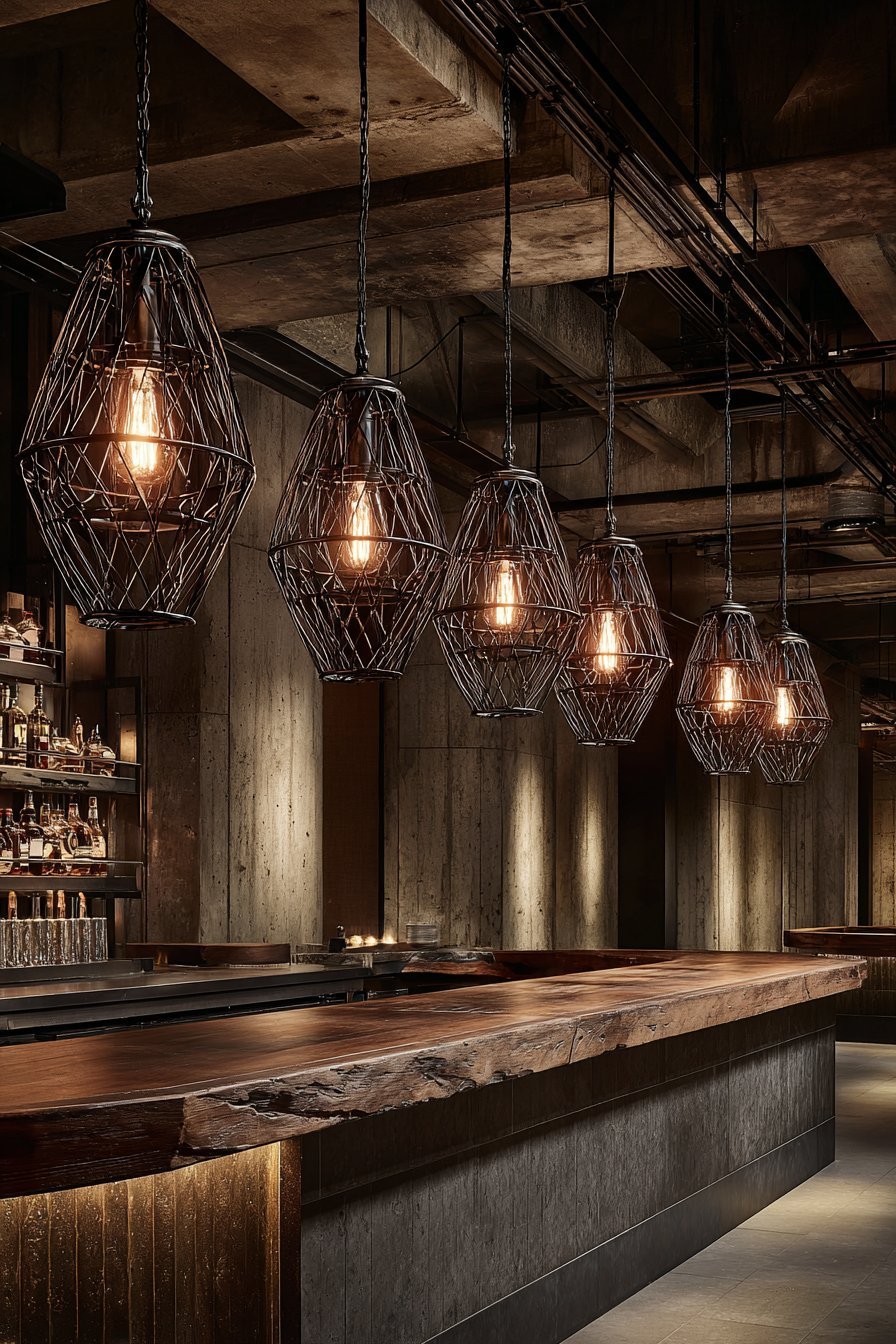
- Hang pendants 30-36 inches above islands for optimal illumination and proportion
- Mix pendant styles and sizes for collected-over-time authenticity
- Use dimmers to control ambiance from bright task lighting to warm atmosphere
- Choose fixtures with visible bulbs to showcase filament designs
- Install track lighting with industrial canisters for flexible accent lighting
- Incorporate wall sconces with metal shades for layered lighting design
6. Reclaimed Wood Elements
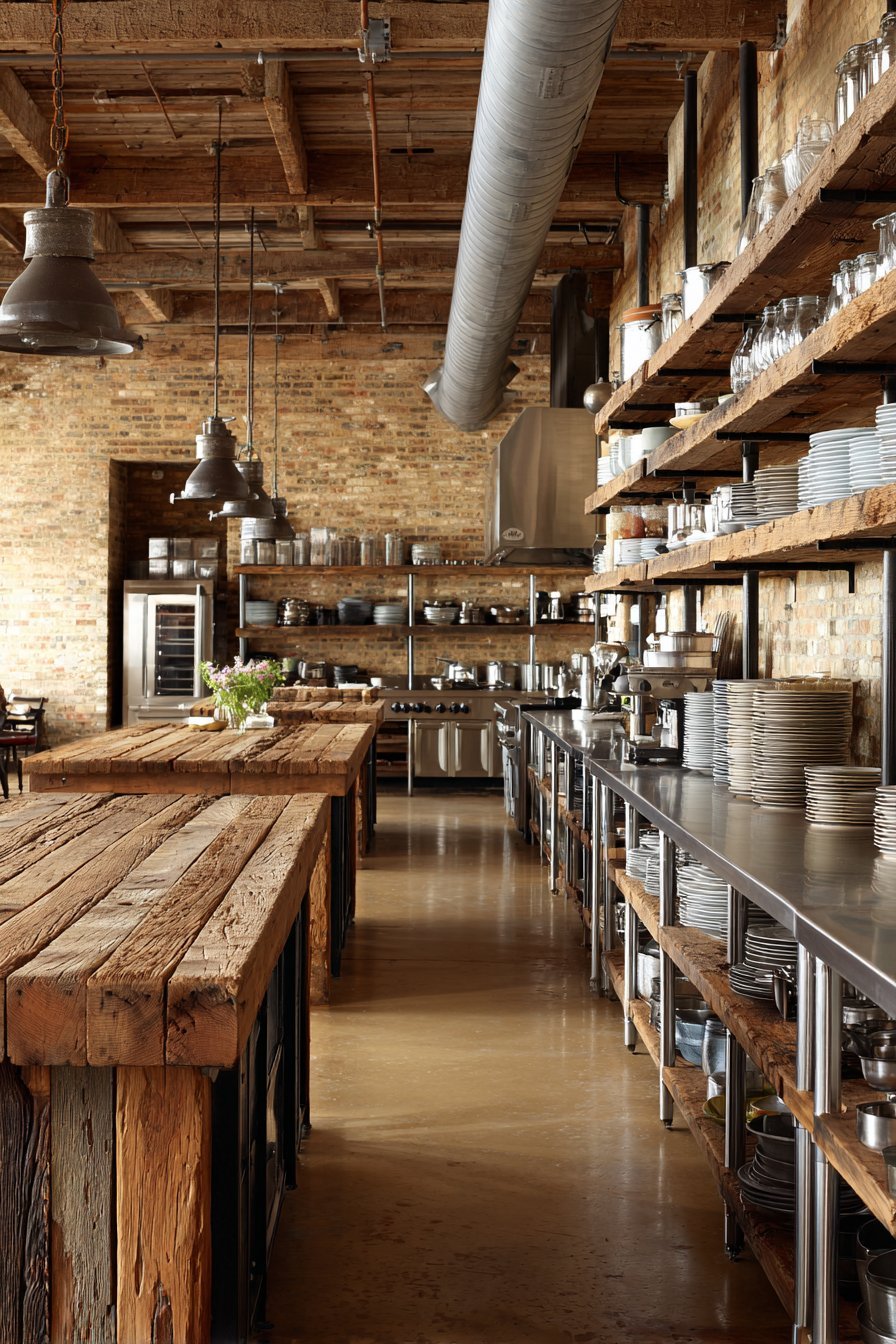
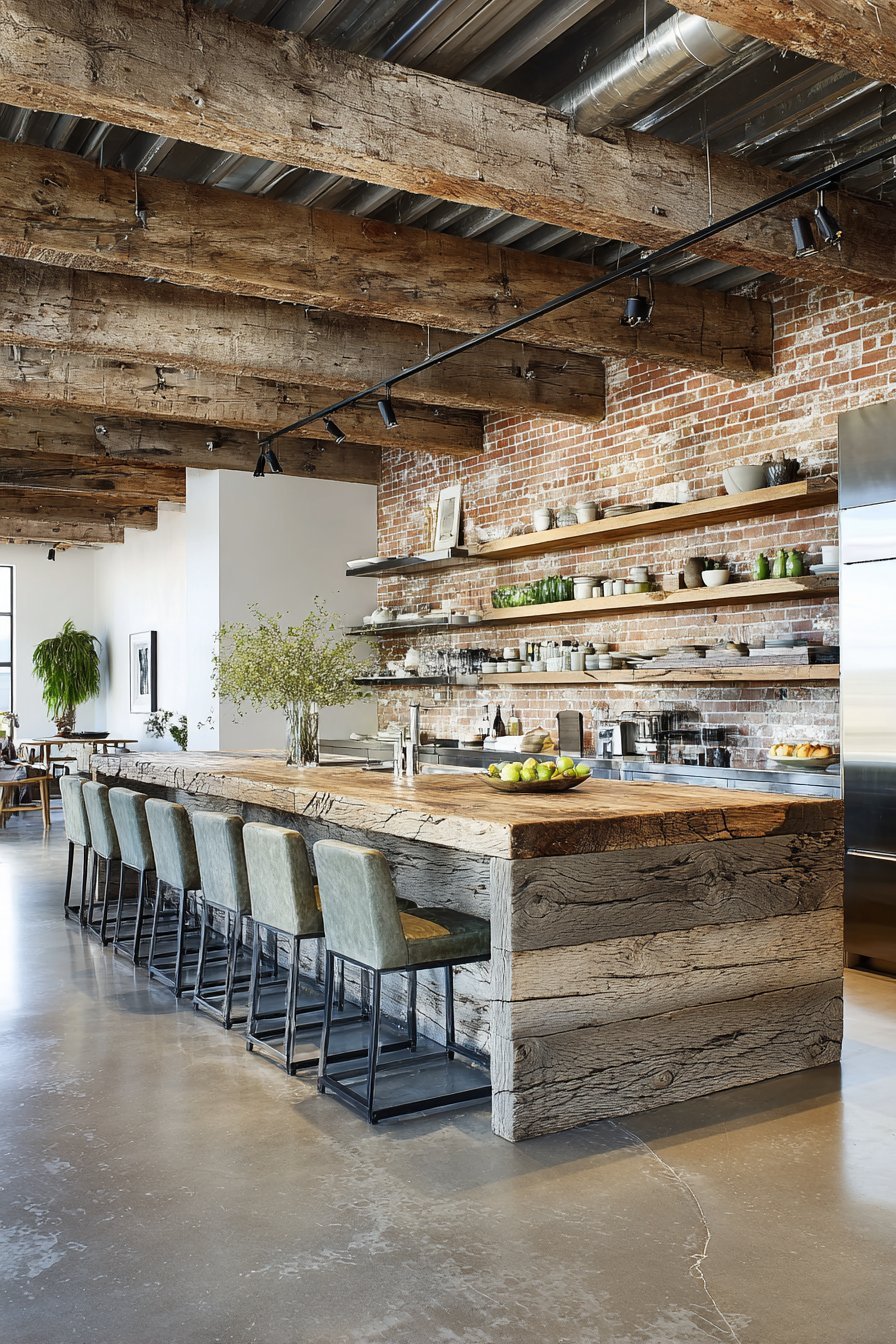
Reclaimed wood introduces organic warmth that balances the industrial kitchen’s harder metallic and masonry surfaces. Weathered barn wood or salvaged factory timbers bring textural depth and historical connection to the space. The natural aging process creates color variations and character marks impossible to achieve with new lumber.
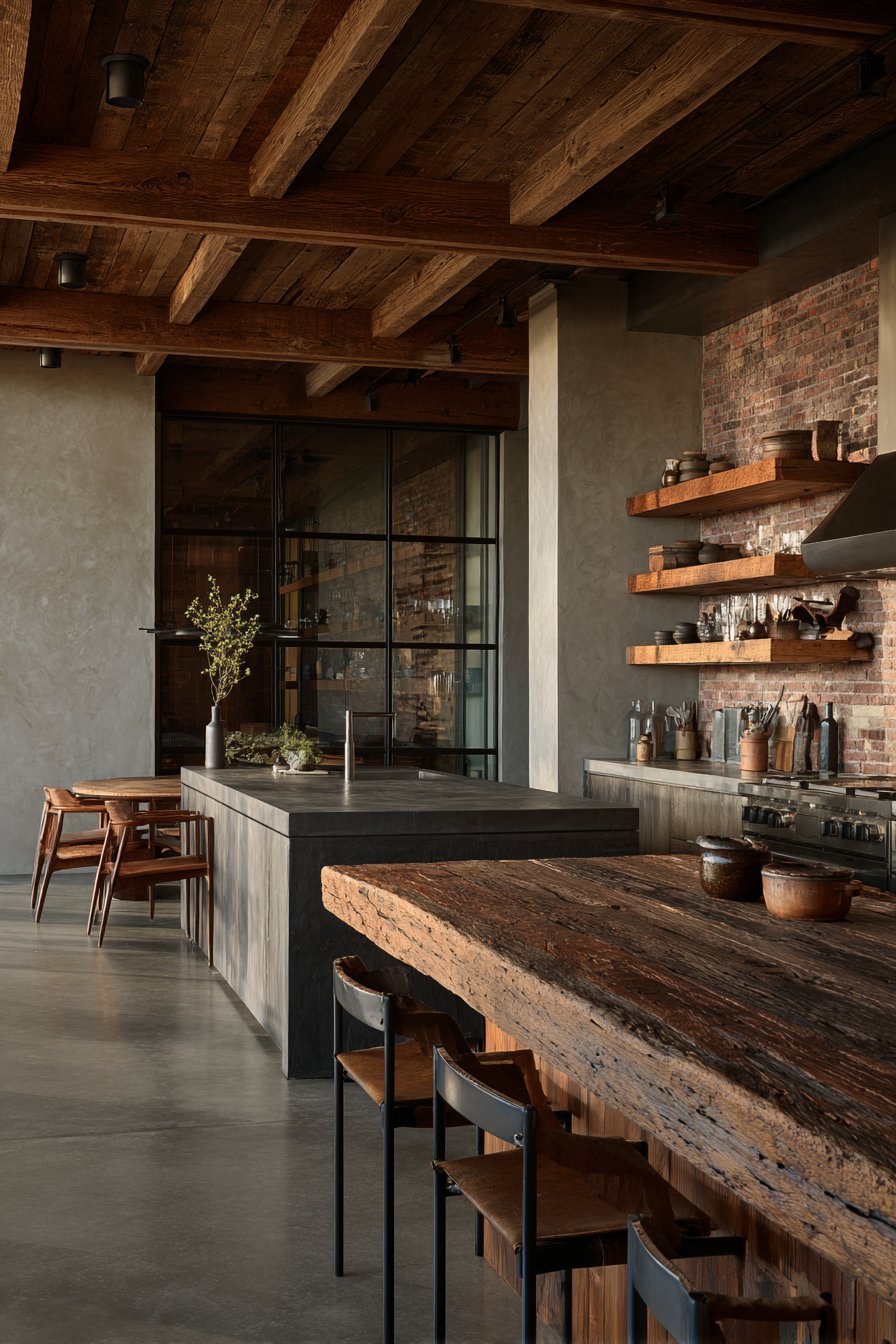
Wood elements serve multiple functional roles from butcher block countertops to floating shelves and dining tables. The contrast between rough-hewn wood and sleek stainless steel creates the visual tension that makes industrial design compelling. Each piece of reclaimed lumber tells its own story through nail holes, saw marks, and weathering patterns.
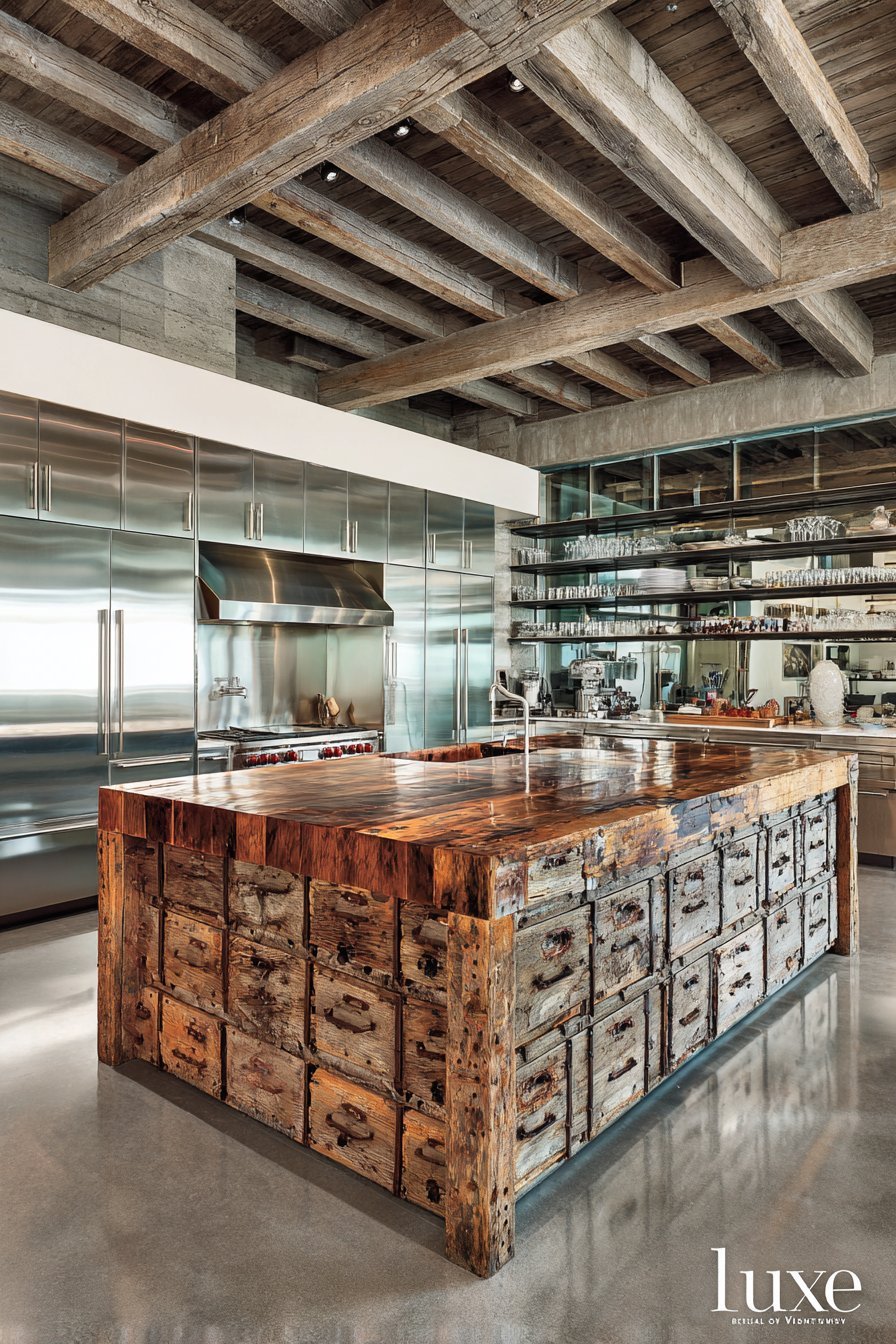
Structural beams exposed or added decoratively emphasize the architectural bones of the space. Wood tones ranging from grey-washed to rich walnut provide flexibility in matching existing elements while maintaining authentic industrial character. The key is preserving the wood’s natural imperfections rather than over-finishing surfaces.
- Source reclaimed wood from architectural salvage yards for authentic pieces
- Seal wood surfaces protecting against moisture while maintaining natural appearance
- Use thick butcher block for islands combining functionality with visual weight
- Install open wood shelving to break up expanses of metal and brick
- Choose rough-sawn or hand-hewn lumber over smooth planed surfaces
- Incorporate wood ceiling beams to add architectural interest overhead
7. Visible Mechanical Systems
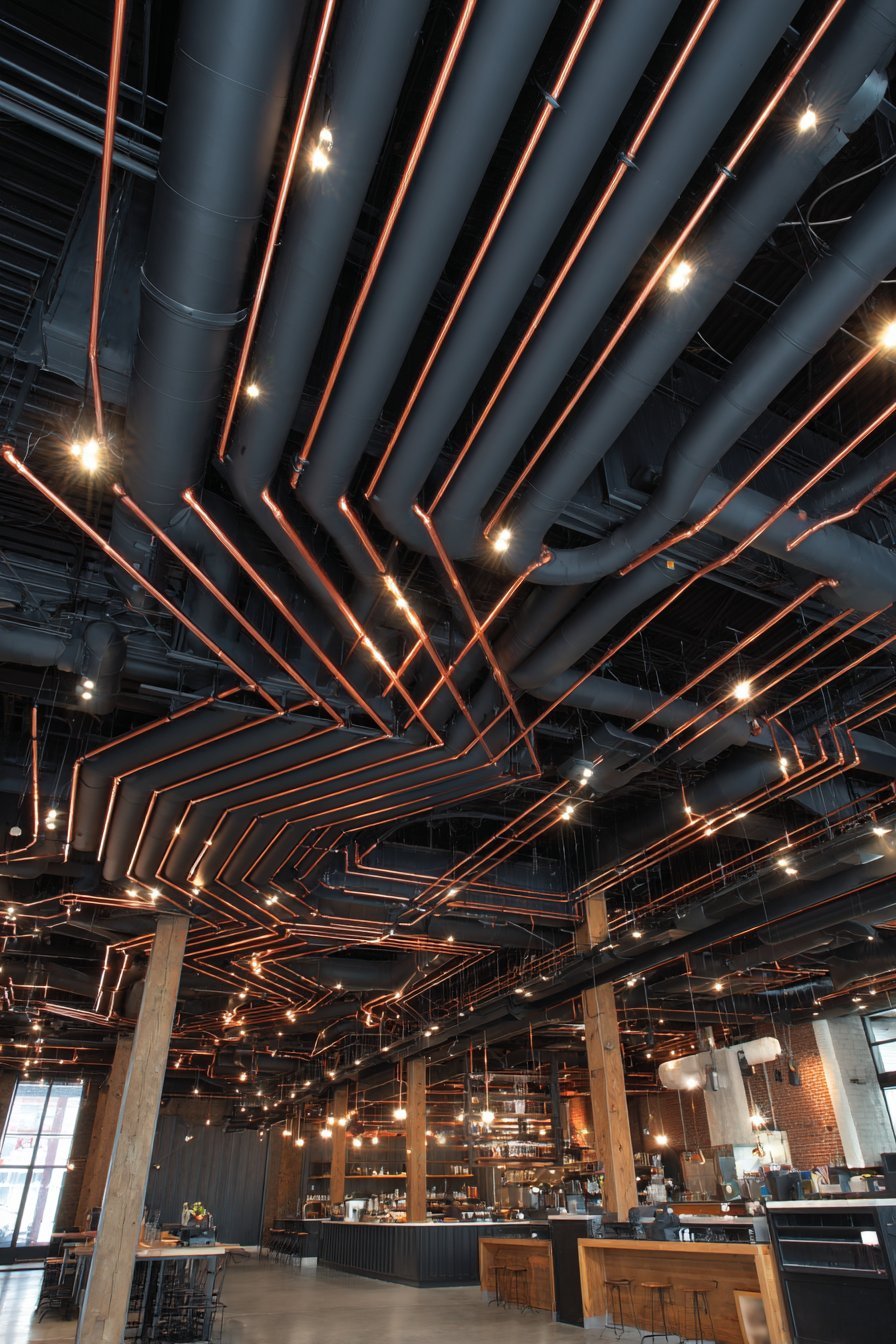
Exposed ductwork, piping, and mechanical systems represent the ultimate expression of industrial design philosophy by celebrating functional elements as aesthetic features. HVAC ducts and plumbing pipes become three-dimensional artwork that emphasizes the building’s infrastructure. This approach requires careful planning to ensure systems remain visually appealing while fully functional.
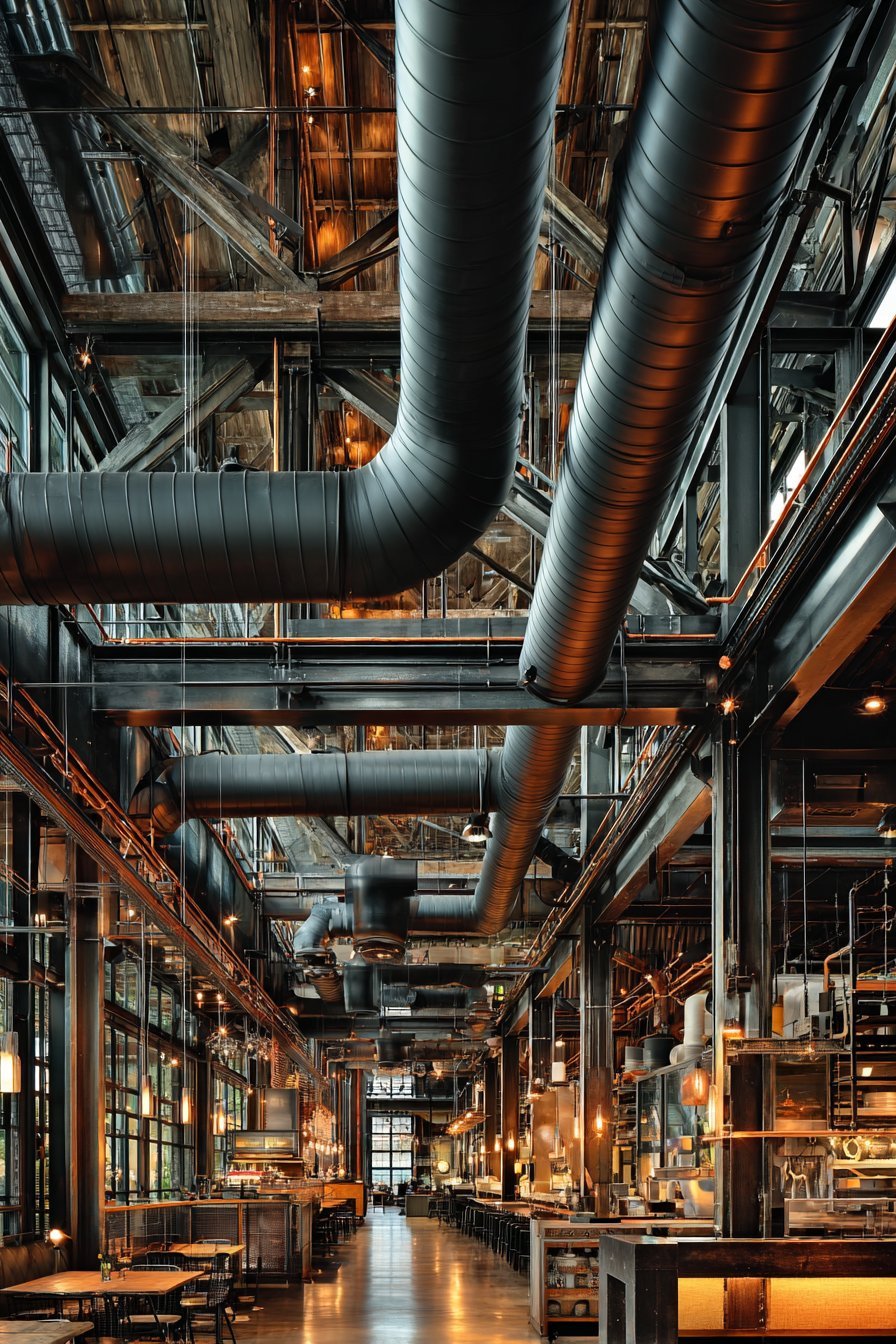
The key to successful exposed systems lies in intentional routing and finish selection rather than simply leaving construction visible. Black painted ductwork creates bold geometric patterns against ceilings and walls. Copper piping adds warmth and develops a natural patina over time that enhances character.
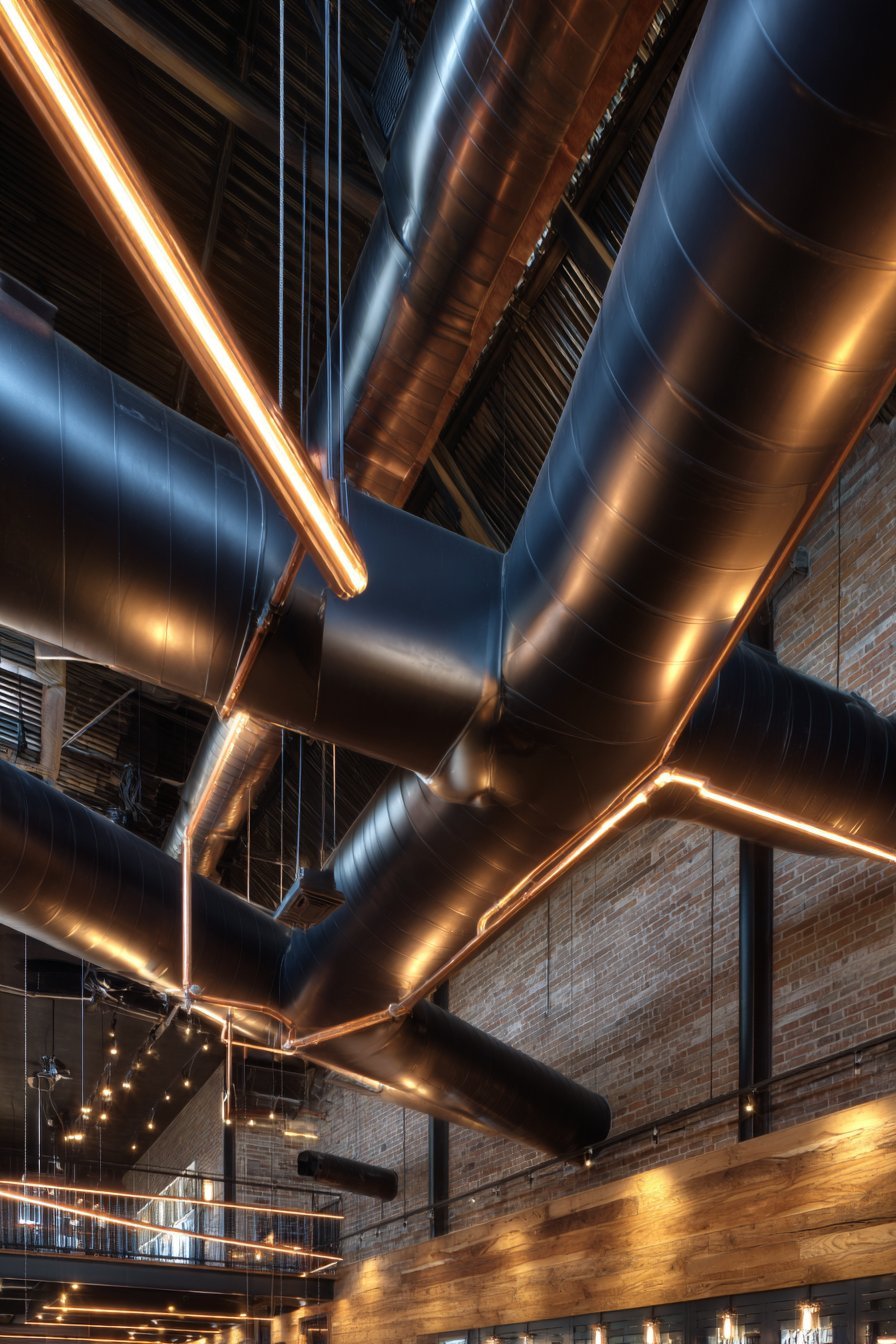
Structural elements like steel beams and columns integrate seamlessly with exposed mechanical systems, creating cohesive industrial narratives. This design choice works particularly well in spaces with high ceilings where vertical runs of piping and ductwork can be appreciated from multiple angles. The honest display of how buildings function resonates with industrial design’s core values.
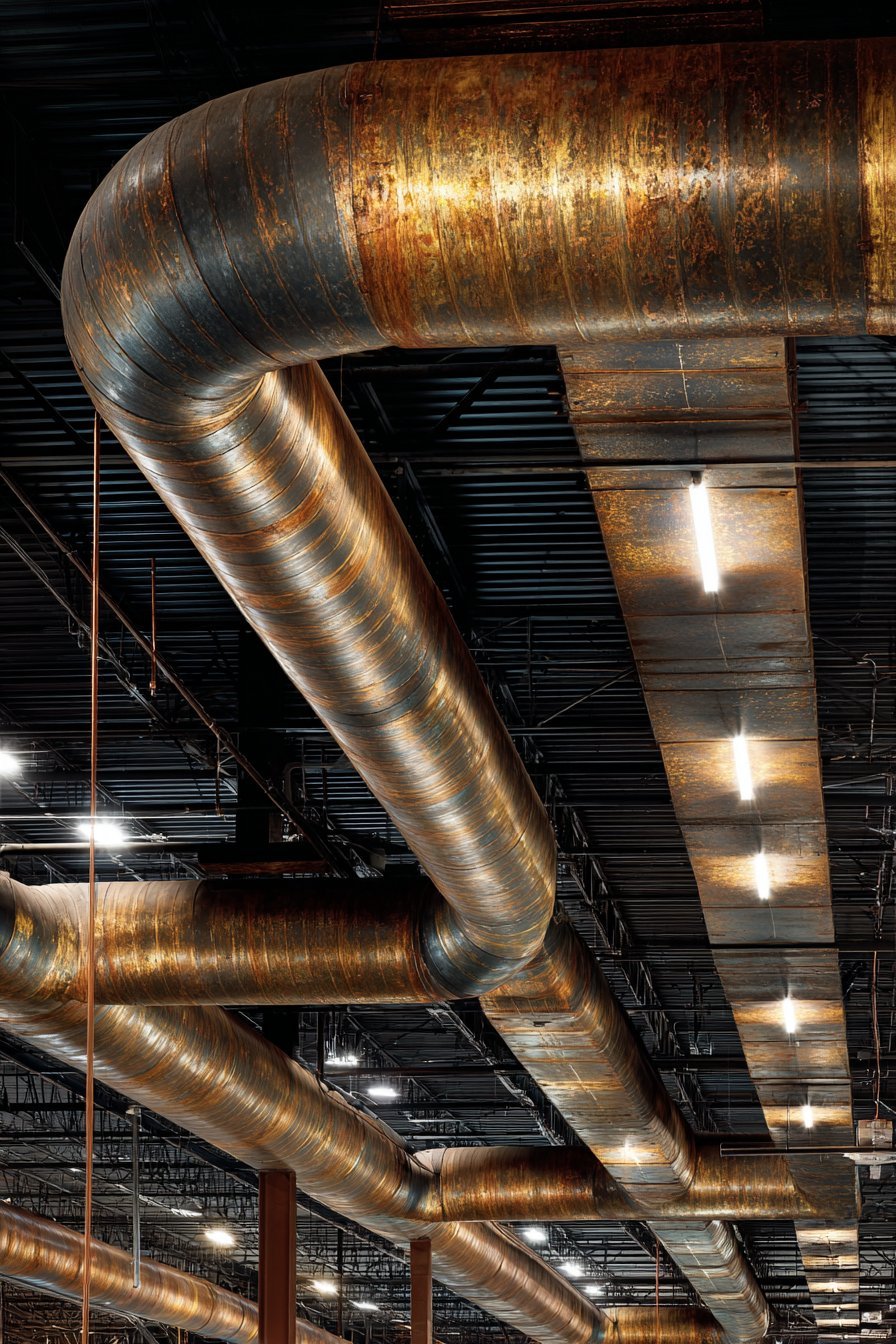
- Paint all exposed systems in consistent colors for unified appearance
- Route pipes and ducts in parallel runs for organized visual composition
- Use industrial-style pipe brackets as decorative mounting elements
- Ensure all exposed systems meet local building codes and safety requirements
- Consider acoustic treatments if exposed ductwork creates noise issues
- Integrate lighting along duct runs for dramatic shadow effects
Conclusion
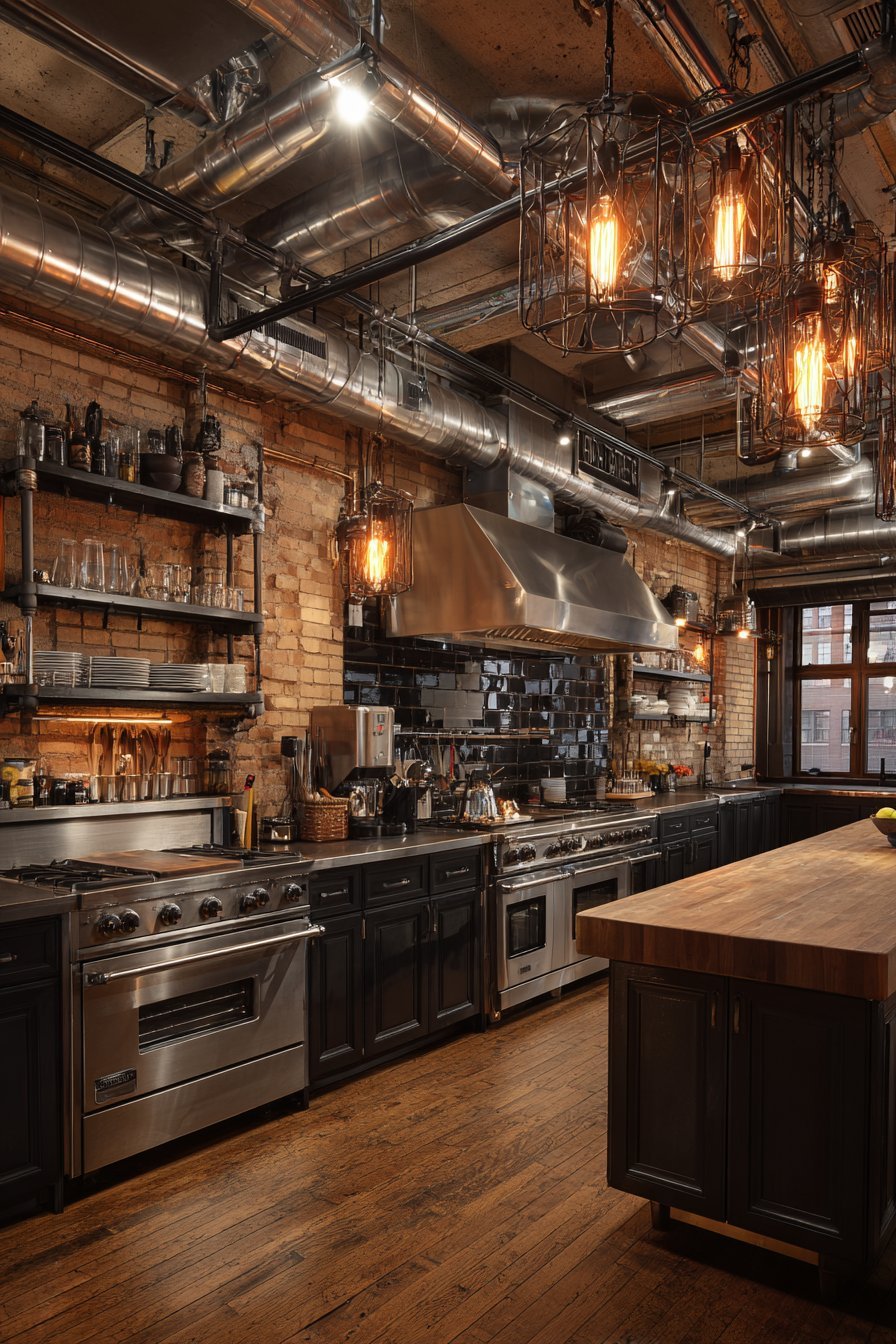
Industrial style kitchens succeed by embracing honest materials and celebrating functional elements as design features. The seven elements explored here work synergistically to create spaces with authentic character and lasting appeal. From exposed brick walls to visible mechanical systems, each component contributes to a cohesive aesthetic that feels both urban and timeless.
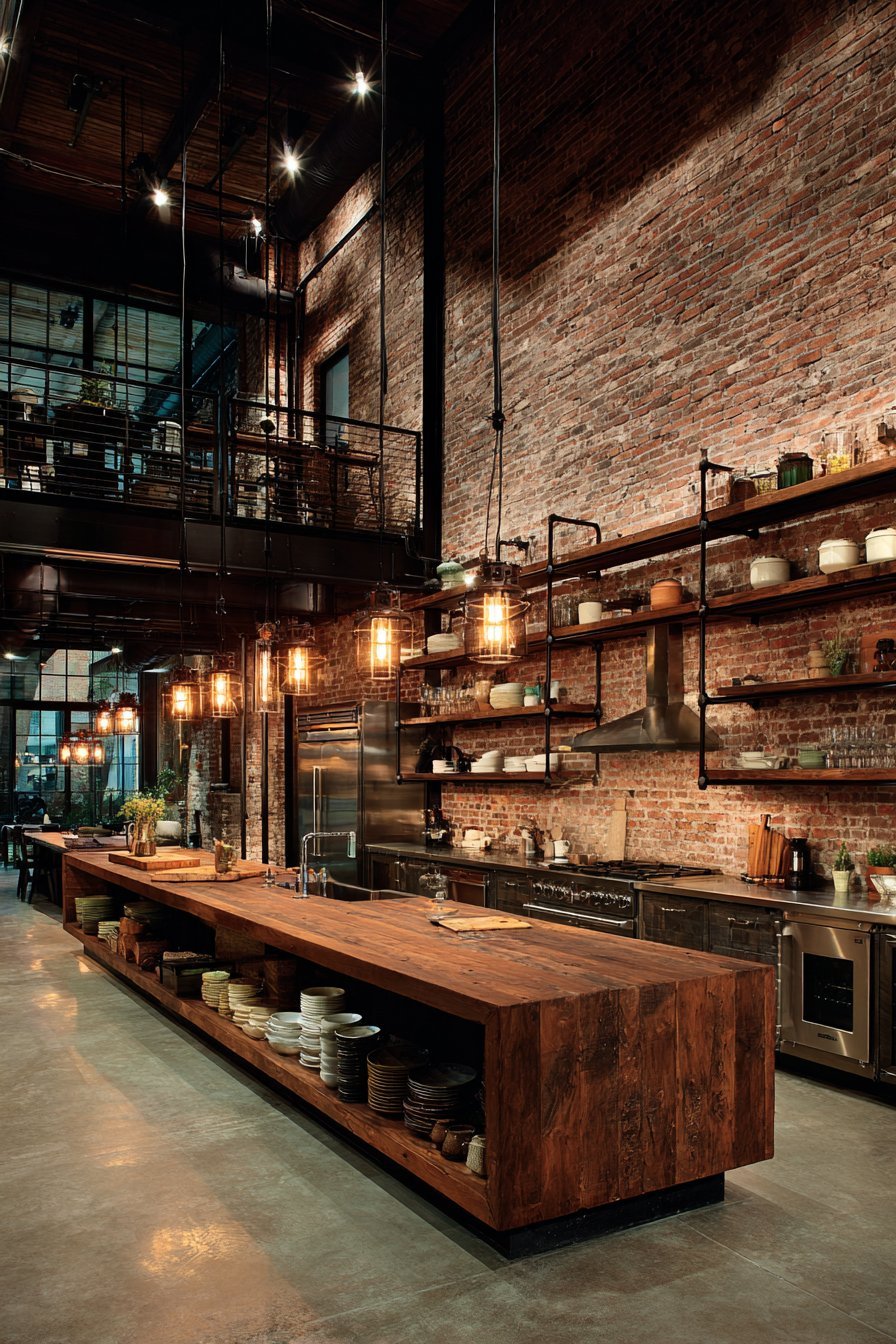
The beauty of industrial design lies in its flexibility and accessibility across different budgets and home styles. You can incorporate a single element like metal shelving or commit fully to comprehensive renovation including concrete floors and exposed systems. Start with the elements that resonate most strongly with your personal style and gradually layer additional industrial touches to build a kitchen with genuine character and visual depth.
