

Choosing between traditional and modern kitchen design represents one of the most significant decisions in home renovation. The kitchen serves as the heart of your home, where functionality meets aesthetics in perfect harmony. This choice impacts not only your daily cooking experience but also your home’s overall value and appeal.
Traditional kitchens evoke warmth and timeless elegance through ornate details and rich materials. Modern kitchens embrace minimalist principles and cutting-edge technology for streamlined efficiency. Understanding the distinct characteristics of each style helps you make an informed decision that aligns with your lifestyle, budget, and personal preferences. This article explores ten key aspects of both traditional and modern kitchen designs, providing actionable insights to guide your selection process.
1. Understanding Traditional Kitchen Design
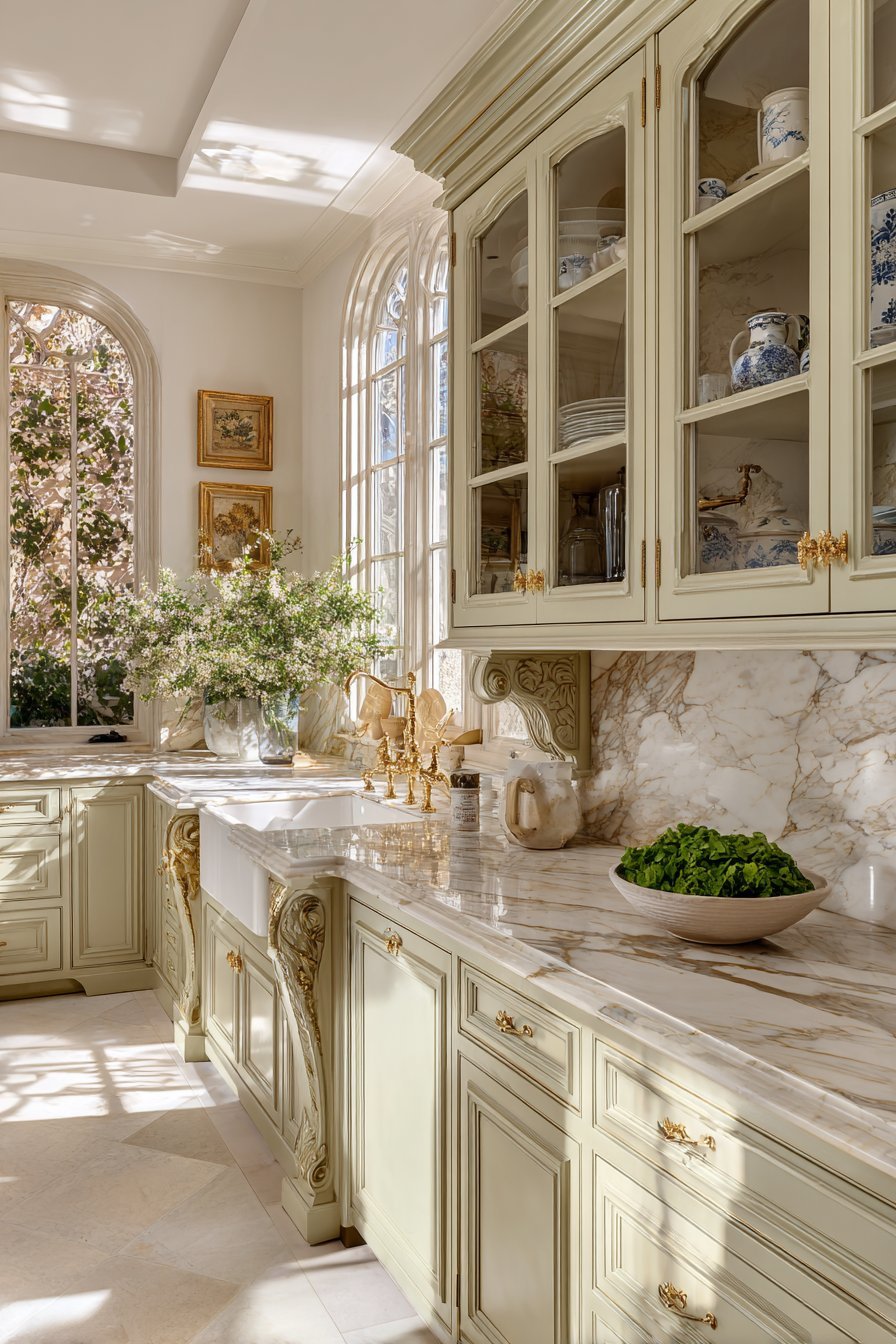
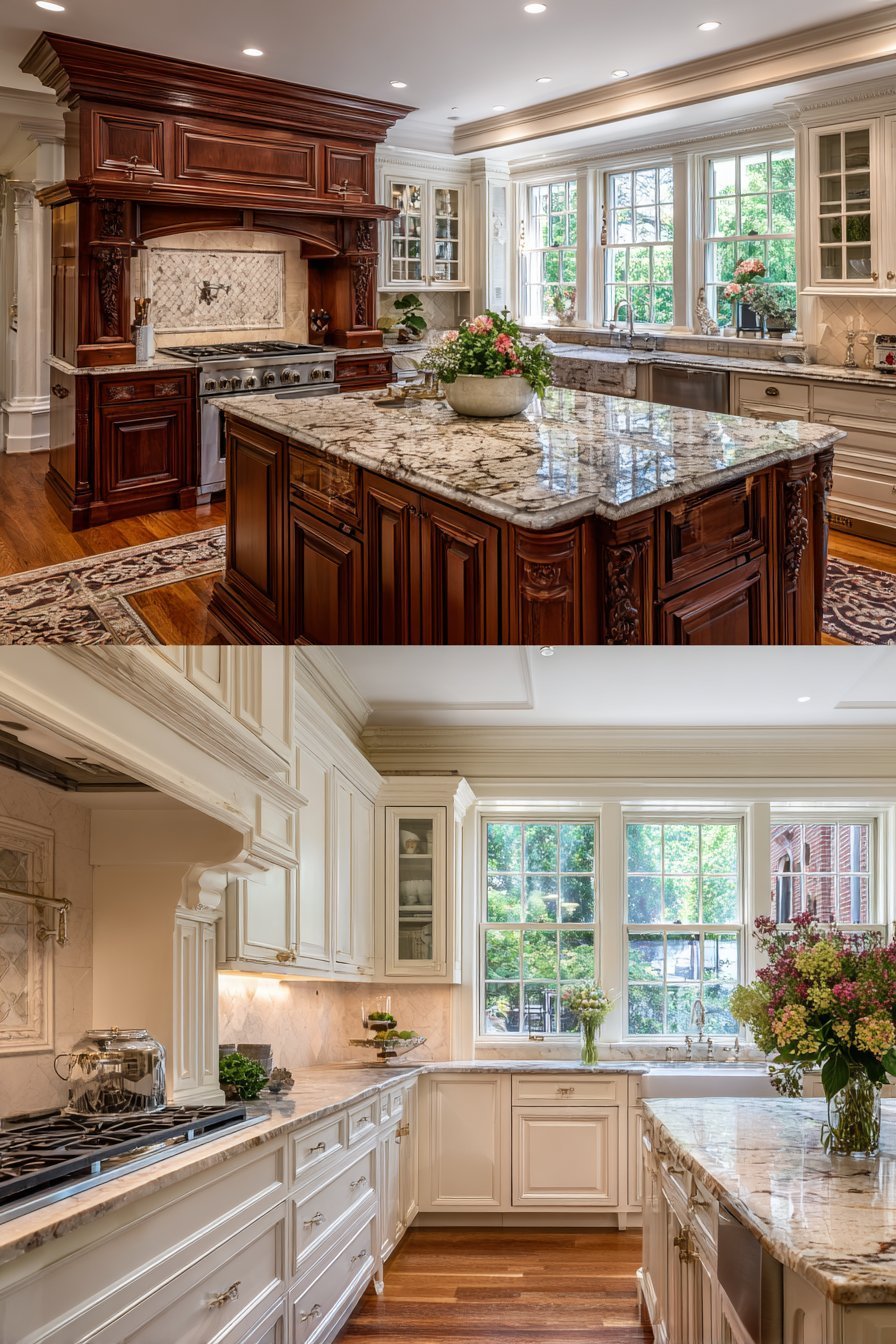
Traditional kitchen design draws inspiration from classic European aesthetics, particularly English, French, and American colonial styles. These kitchens feature raised-panel cabinetry, intricate moldings, and decorative elements that create a sense of established elegance. The design philosophy emphasizes comfort and familiarity rather than contemporary trends.
Materials in traditional kitchens typically include solid wood cabinetry in rich tones like cherry, mahogany, or oak. Countertops often showcase natural stone such as granite or marble with visible veining patterns. Hardware features ornate details including brass or bronze finishes with decorative backplates and intricate designs. These elements combine to create spaces that feel warm, inviting, and timelessly sophisticated.
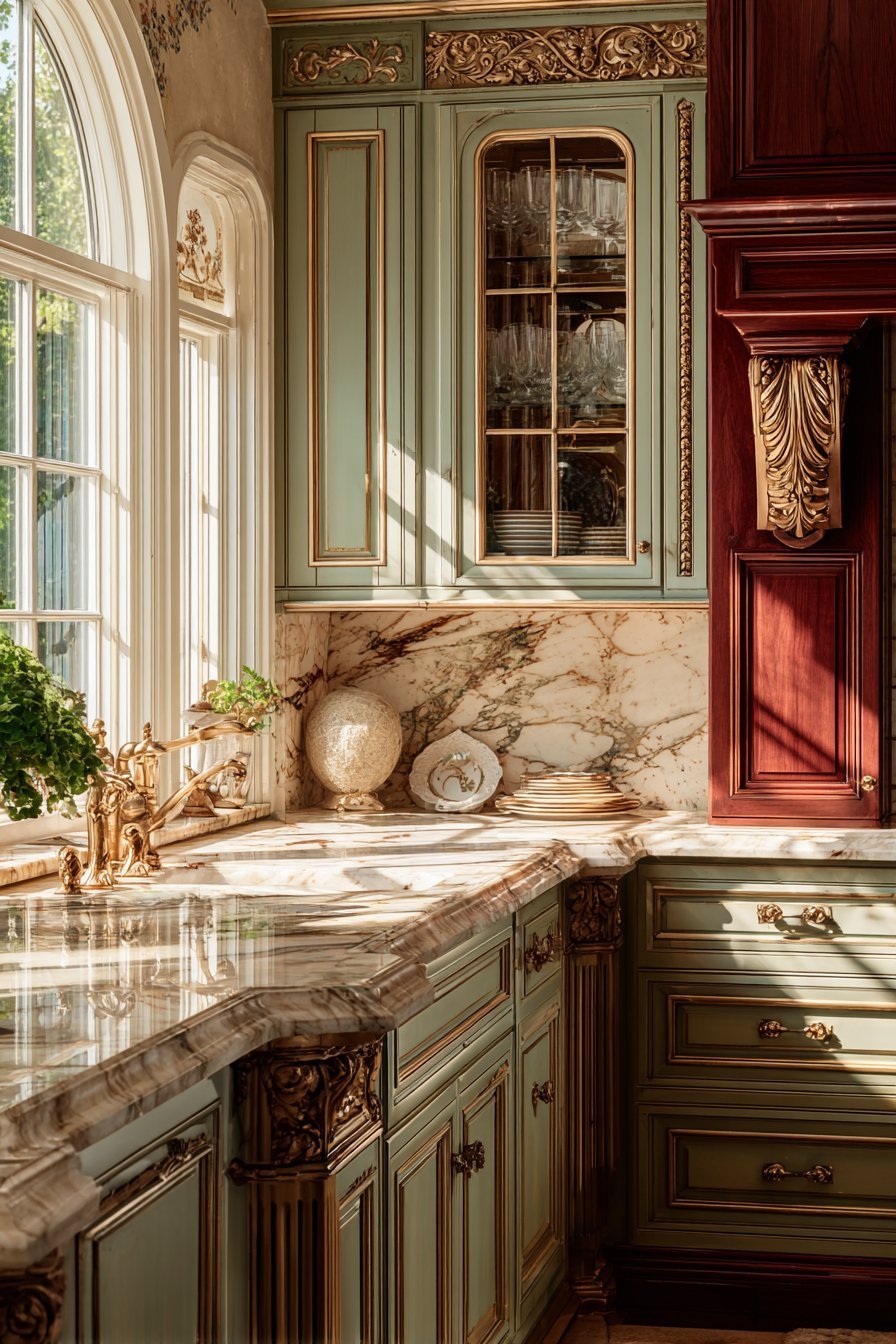
Color palettes in traditional kitchens favor warm neutrals and earth tones. Creams, beiges, soft whites, and muted greens create a cozy atmosphere. The overall effect emphasizes layered complexity through multiple textures, finishes, and decorative accessories that tell a story of craftsmanship and heritage.
- Choose raised-panel cabinet doors with detailed molding for authentic traditional character
- Incorporate crown molding and decorative corbels to add architectural interest
- Select warm-toned wood finishes that develop beautiful patina over time
- Install ornate hardware with antique brass or oil-rubbed bronze finishes
- Use natural stone countertops with prominent veining for visual depth
- Add open shelving or glass-front cabinets to display cherished dishware
2. Exploring Modern Kitchen Design
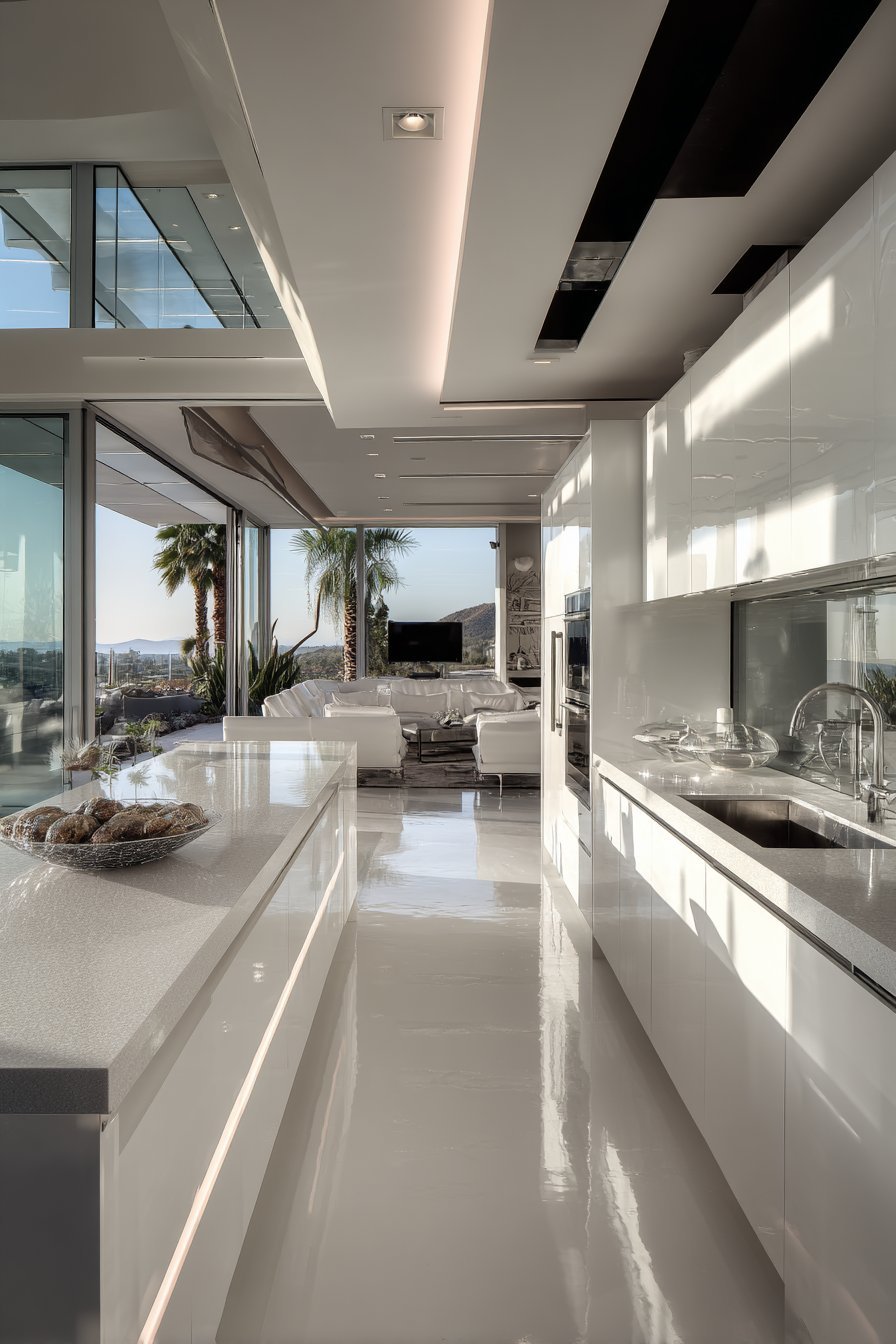
Modern kitchen design emerged from the mid-century modern movement, emphasizing clean lines, geometric shapes, and functional simplicity. These kitchens eliminate unnecessary ornamentation, focusing instead on streamlined efficiency and visual clarity. The aesthetic celebrates honest materials and purposeful design that serves contemporary lifestyles.
Cabinet construction in modern kitchens features flat-panel doors or slab fronts with minimal hardware. Many designs incorporate handleless cabinets with push-to-open mechanisms or integrated pulls. Surfaces remain smooth and uninterrupted, creating seamless visual flow throughout the space. This approach maximizes the perception of space while maintaining practical functionality.
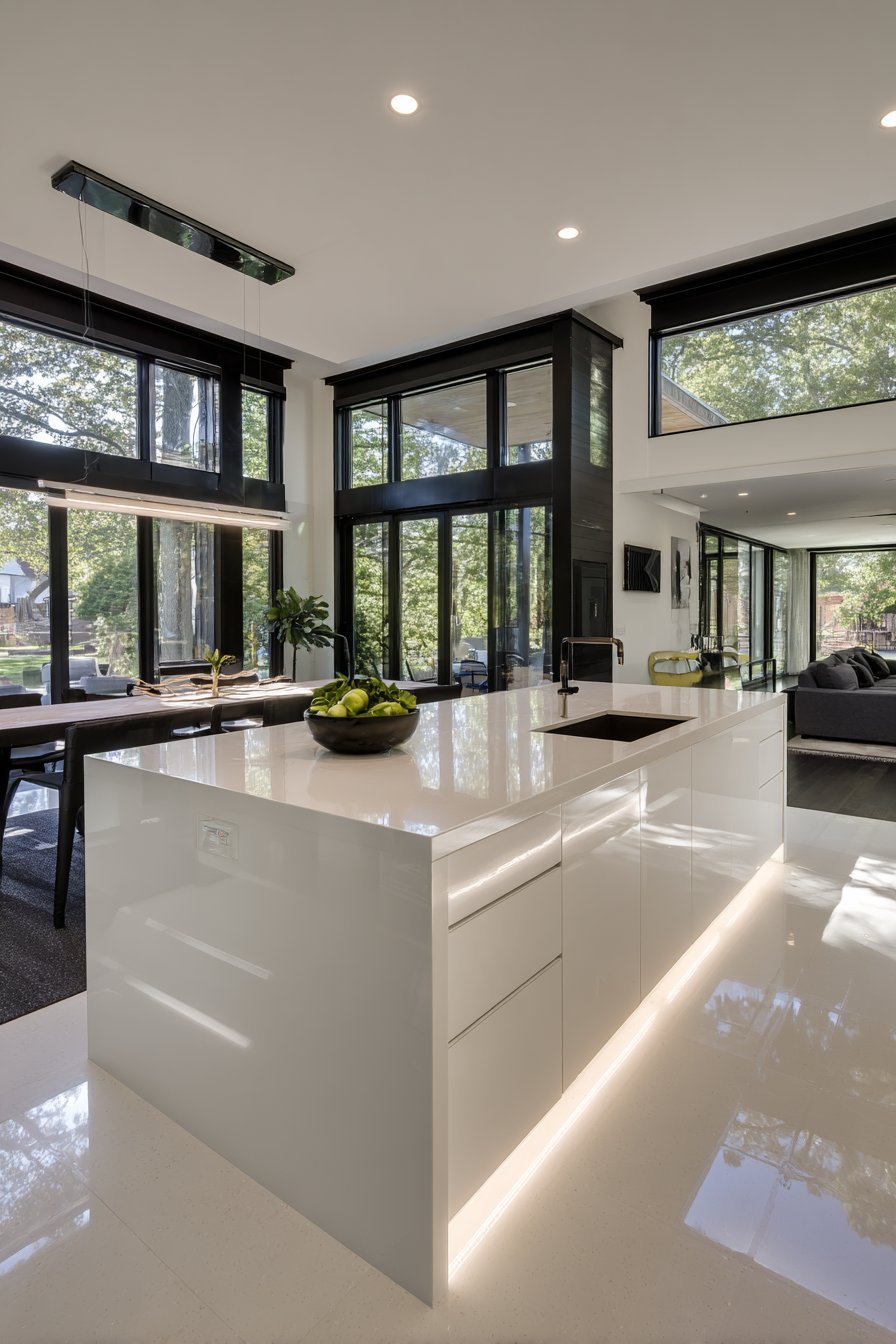
Material choices in modern kitchens include engineered surfaces like quartz, solid surface materials, and stainless steel. These materials offer durability and easy maintenance while contributing to the sleek aesthetic. Color schemes typically emphasize monochromatic palettes with white, black, gray, or bold accent colors creating dramatic contrast and visual impact.
- Select flat-panel or slab-style cabinet doors for authentic modern aesthetics
- Choose integrated or minimalist hardware to maintain clean lines
- Incorporate high-gloss finishes or matte surfaces for contemporary appeal
- Use engineered stone countertops for durability and consistent appearance
- Install under-cabinet lighting to enhance functionality without visible fixtures
- Embrace open floor plans that connect the kitchen with living spaces
3. Cabinetry Styles and Construction
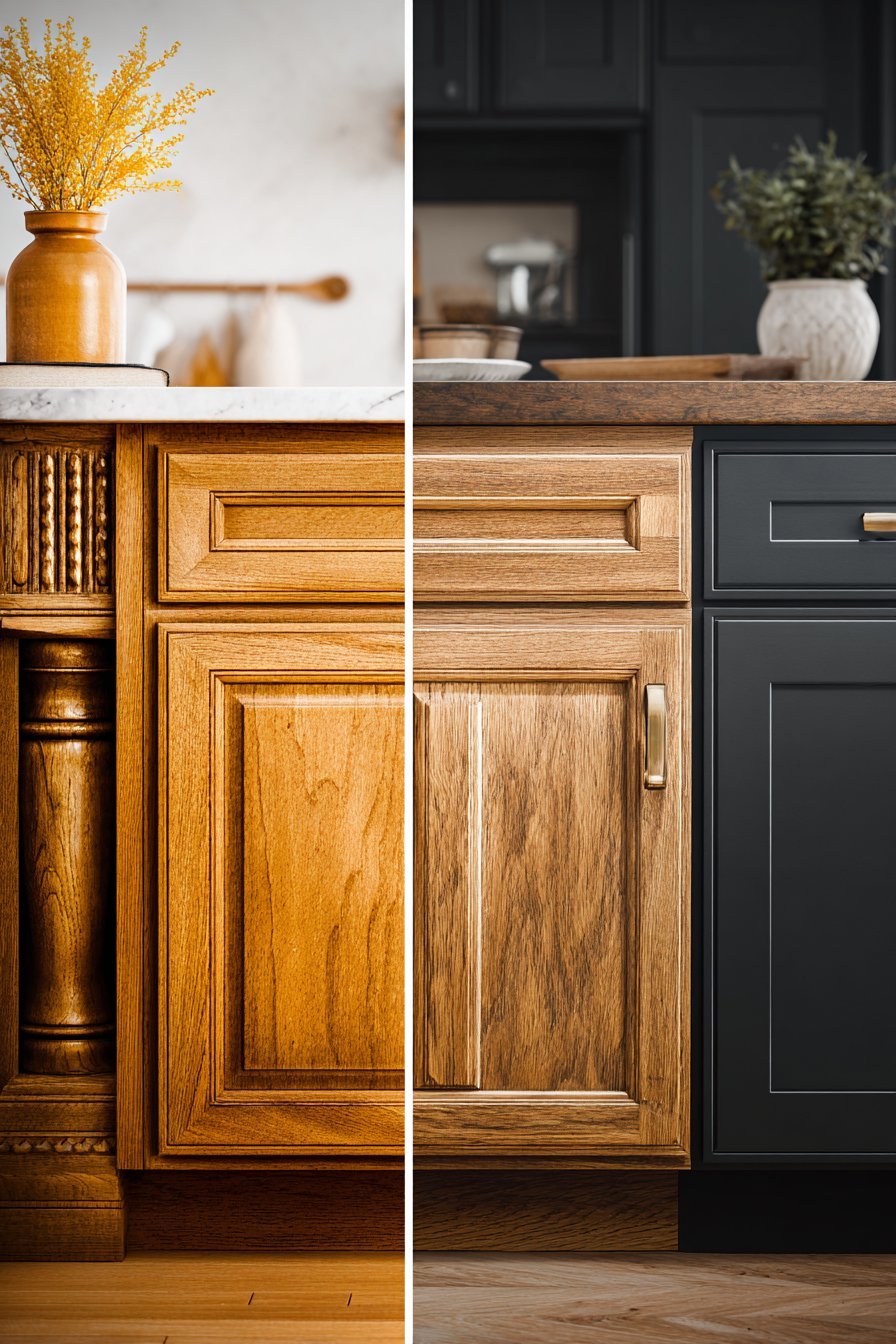
Traditional cabinetry showcases detailed craftsmanship through raised panels, beaded insets, and decorative moldings. Face-frame construction provides structural integrity while creating shadow lines that add visual depth. Cabinet doors often feature multiple components including rails, stiles, and decorative panels that demonstrate woodworking expertise and attention to detail.
Modern cabinetry emphasizes structural simplicity with frameless construction and full-overlay doors. This European-style approach maximizes interior storage space while creating smooth, continuous surfaces. Doors typically measure 3/4 inch thick with clean edges and minimal reveals between adjacent cabinet fronts, contributing to the streamlined appearance.
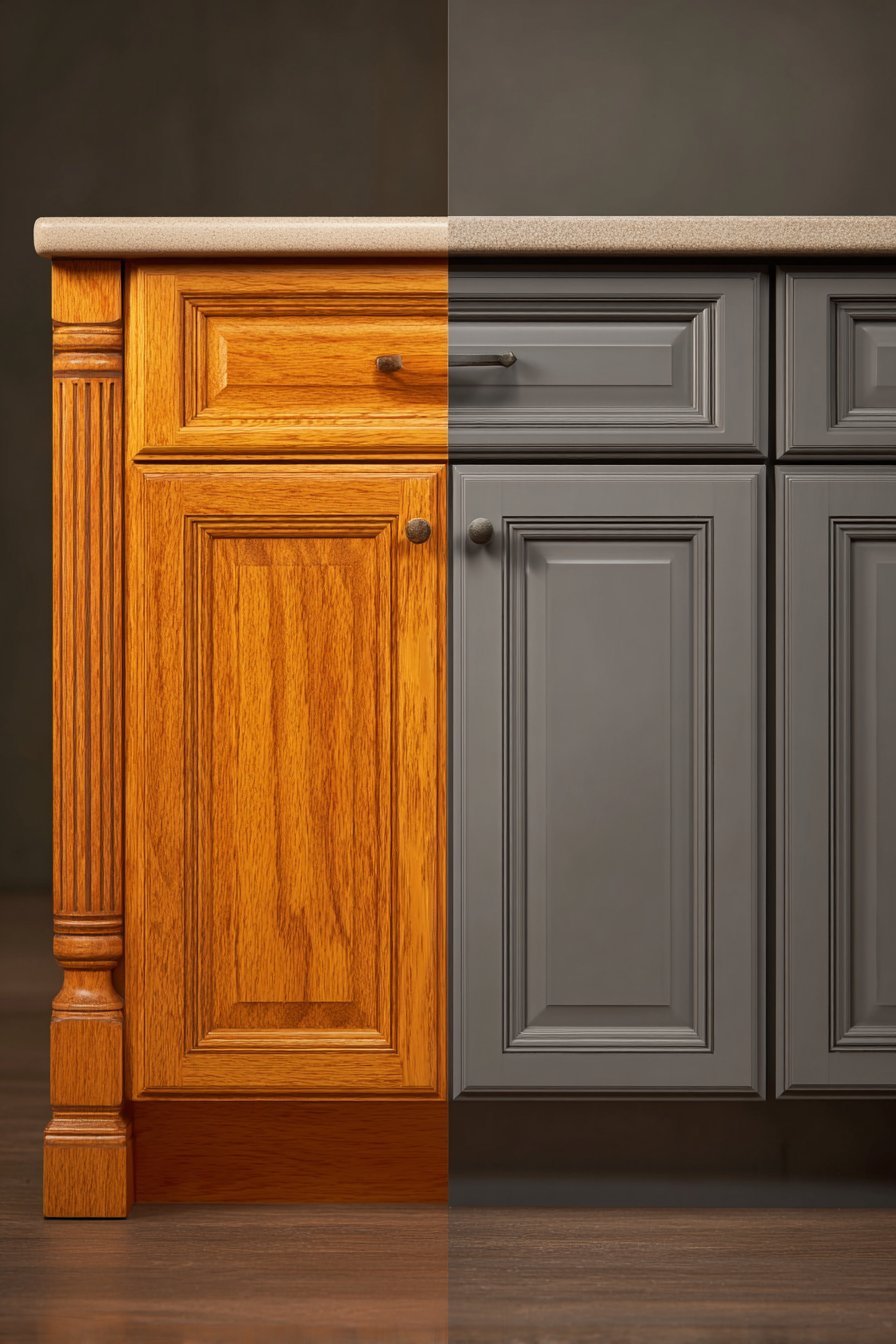
Both styles can incorporate high-quality materials and construction methods, though the finished appearance differs dramatically. Traditional cabinets often include furniture-style details like turned legs, decorative feet, and applied moldings. Modern cabinets maintain consistent geometric forms without applied ornamentation, allowing materials and proportions to create visual interest.
- Examine cabinet construction quality regardless of style preference
- Consider storage needs and choose designs with appropriate interior organization
- Evaluate door swing clearances and access to corner cabinets
- Select finishes that withstand daily use and cleaning requirements
- Plan for adequate depth in base cabinets for modern appliances
- Incorporate specialized storage solutions like pull-out organizers and drawer dividers
4. Color Palette and Finishes
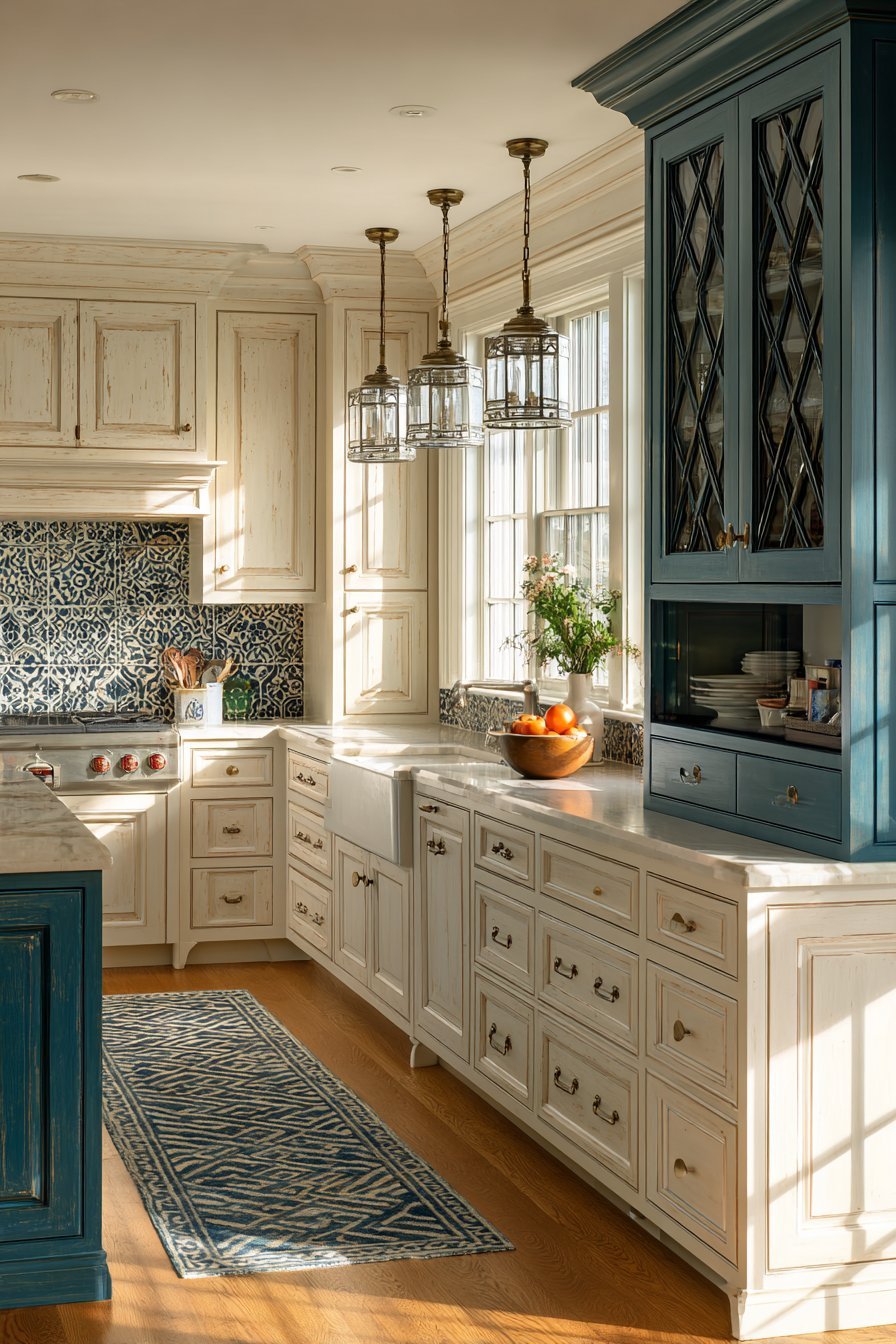
Traditional kitchens embrace warm color harmonies that create inviting, comfortable atmospheres. Cream, beige, sage green, and soft yellow provide foundational tones, often paired with medium to dark wood finishes. These palettes evoke natural environments and historical design periods, creating spaces that feel established and welcoming rather than trendy or temporary.
Modern kitchens often utilize high-contrast combinations or monochromatic schemes. Black and white pairings create dramatic impact, while all-white kitchens emphasize spaciousness and light. Bold accent colors like navy blue, charcoal gray, or even vibrant hues can provide focal points without compromising the clean aesthetic. These choices reflect contemporary confidence and design sophistication.
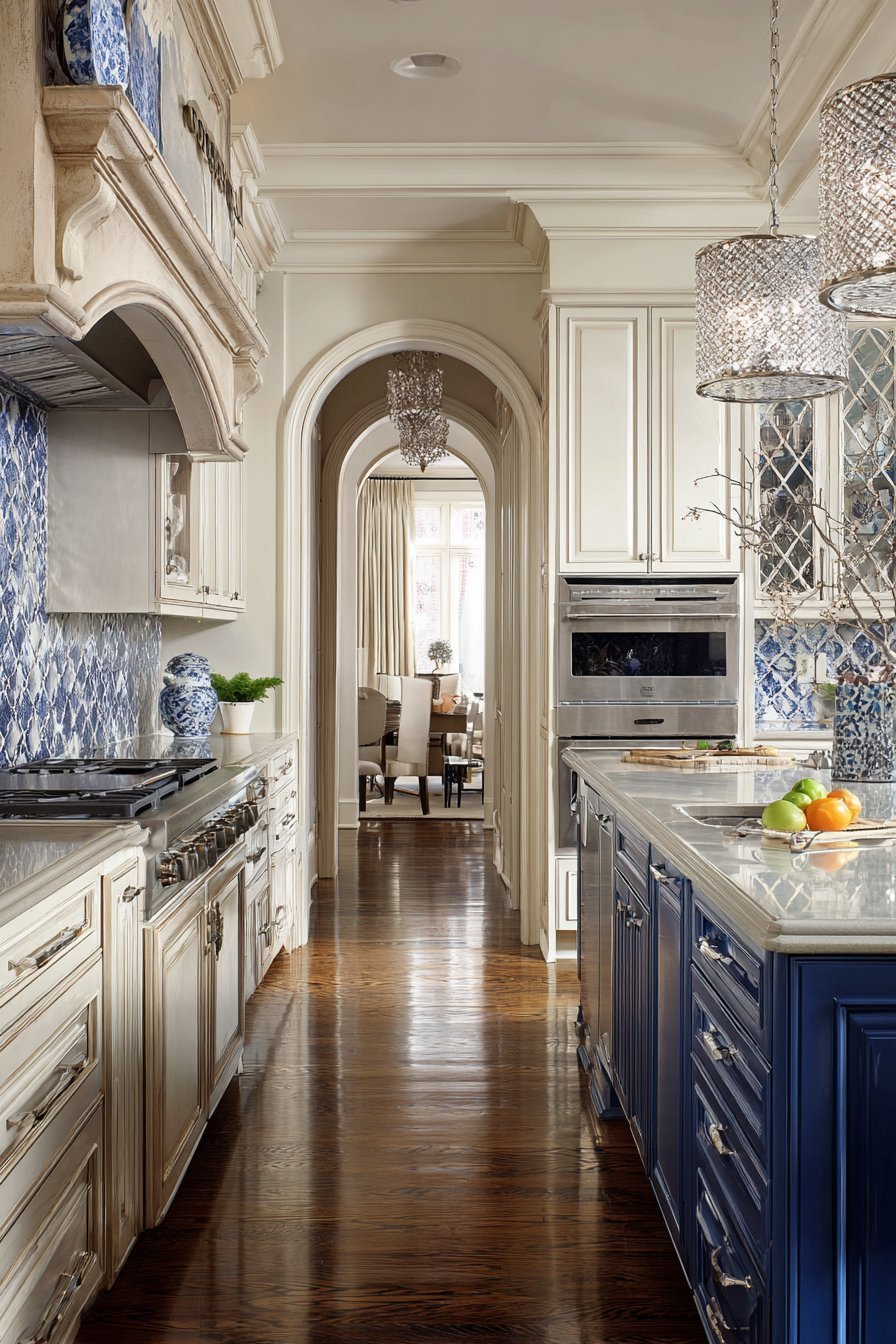
Finish selections significantly impact the overall appearance. Traditional kitchens typically feature glazed or distressed finishes that add character and depth to wood surfaces. Modern kitchens favor uniform finishes including high-gloss lacquers, matte surfaces, or natural wood veneers with consistent grain patterns that emphasize material honesty.
- Test paint samples in your actual kitchen lighting before committing
- Consider how colors will age and whether they suit long-term preferences
- Balance light and dark elements to prevent overwhelming effects
- Coordinate cabinet colors with countertops, backsplashes, and flooring
- Use accent colors sparingly in modern designs for maximum impact
- Choose finishes that hide or complement fingerprints and daily wear
5. Countertop Materials and Aesthetics
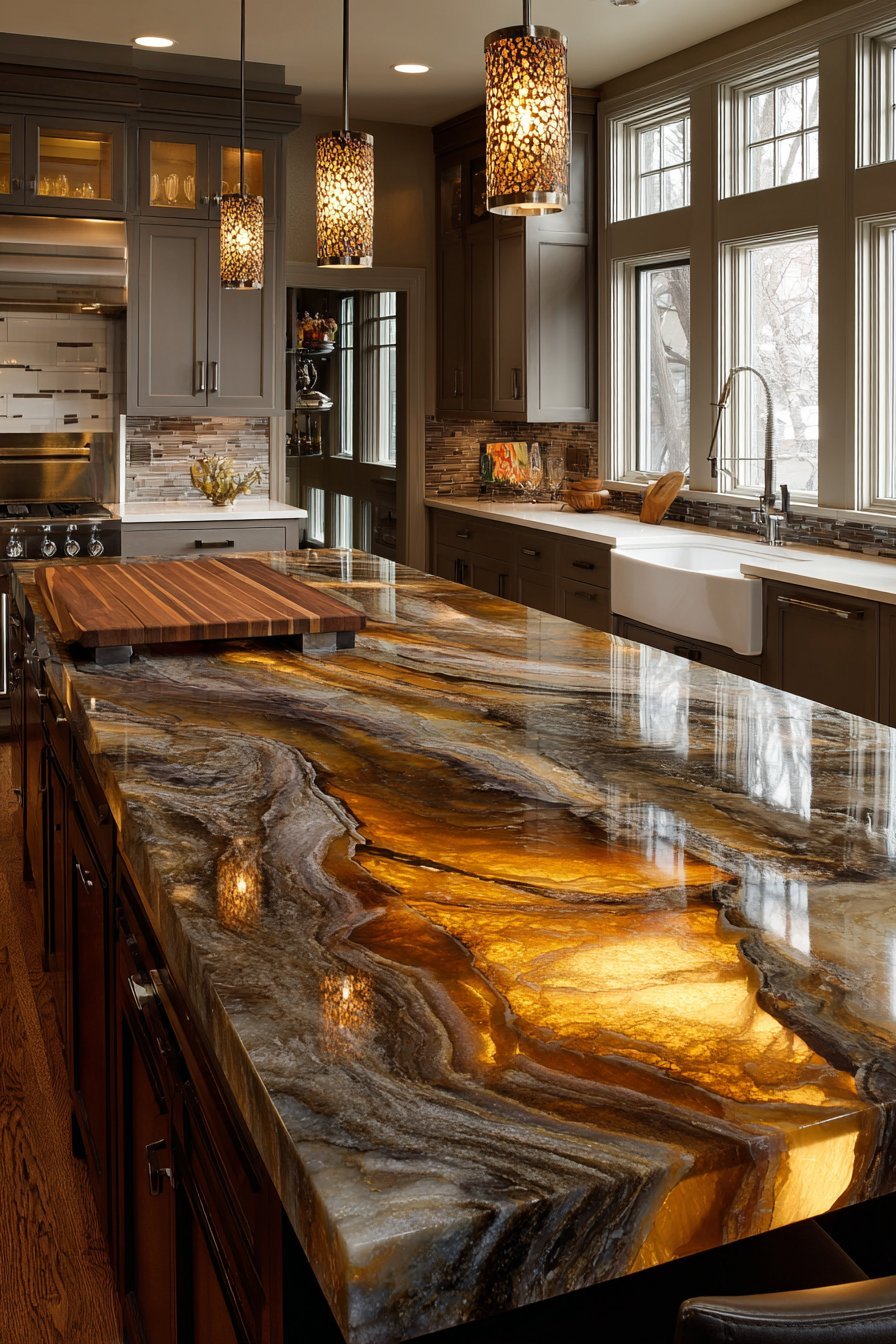
Traditional kitchens favor natural stone countertops that showcase organic beauty and unique characteristics. Granite and marble remain popular choices, offering distinctive veining patterns and color variations that ensure no two installations look identical. These materials develop character over time, with patina and minor imperfections adding to their charm and authenticity.
Modern kitchens frequently utilize engineered quartz surfaces that provide consistent appearance and superior durability. These materials resist staining and scratching while offering uniform color and pattern. Solid surface materials and stainless steel also complement modern aesthetics, providing seamless integration with sinks and creating continuous work surfaces without visible joints.
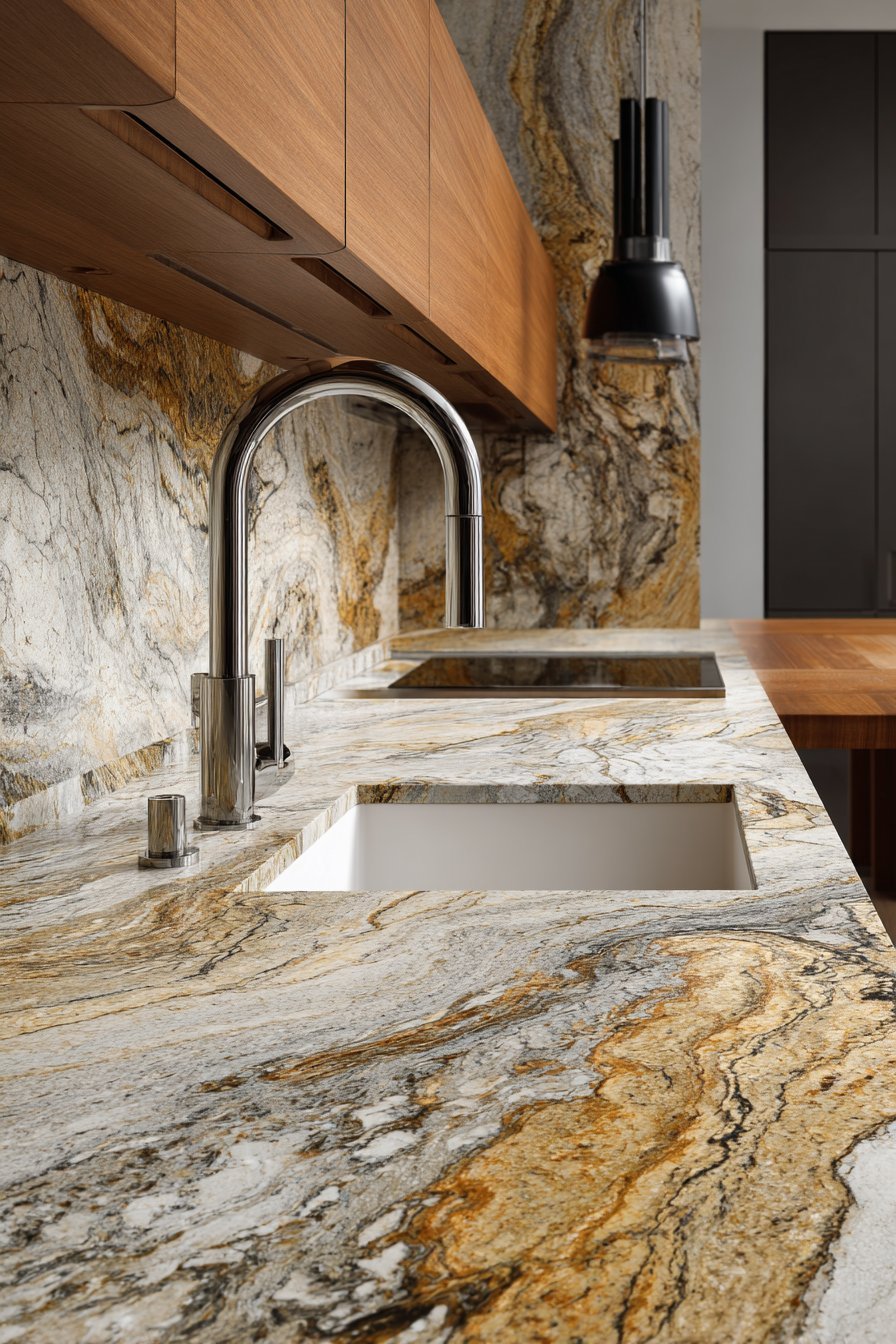
Both styles can incorporate alternative materials for specific needs. Traditional kitchens might include butcher block sections for food preparation zones, while modern designs could feature concrete countertops for industrial appeal. The key distinction lies in how materials are detailed and finished—traditional approaches emphasize natural characteristics while modern installations prioritize consistent, refined surfaces.
- Match countertop thickness to your design style (thicker for traditional, thinner for modern)
- Consider maintenance requirements and choose materials suited to your lifestyle
- Plan countertop overhangs appropriately for seating areas
- Select edge profiles that reinforce your chosen aesthetic
- Coordinate countertop colors with cabinetry and backsplash selections
- Budget for professional installation to ensure proper support and seam placement
6. Hardware and Fixtures Selection
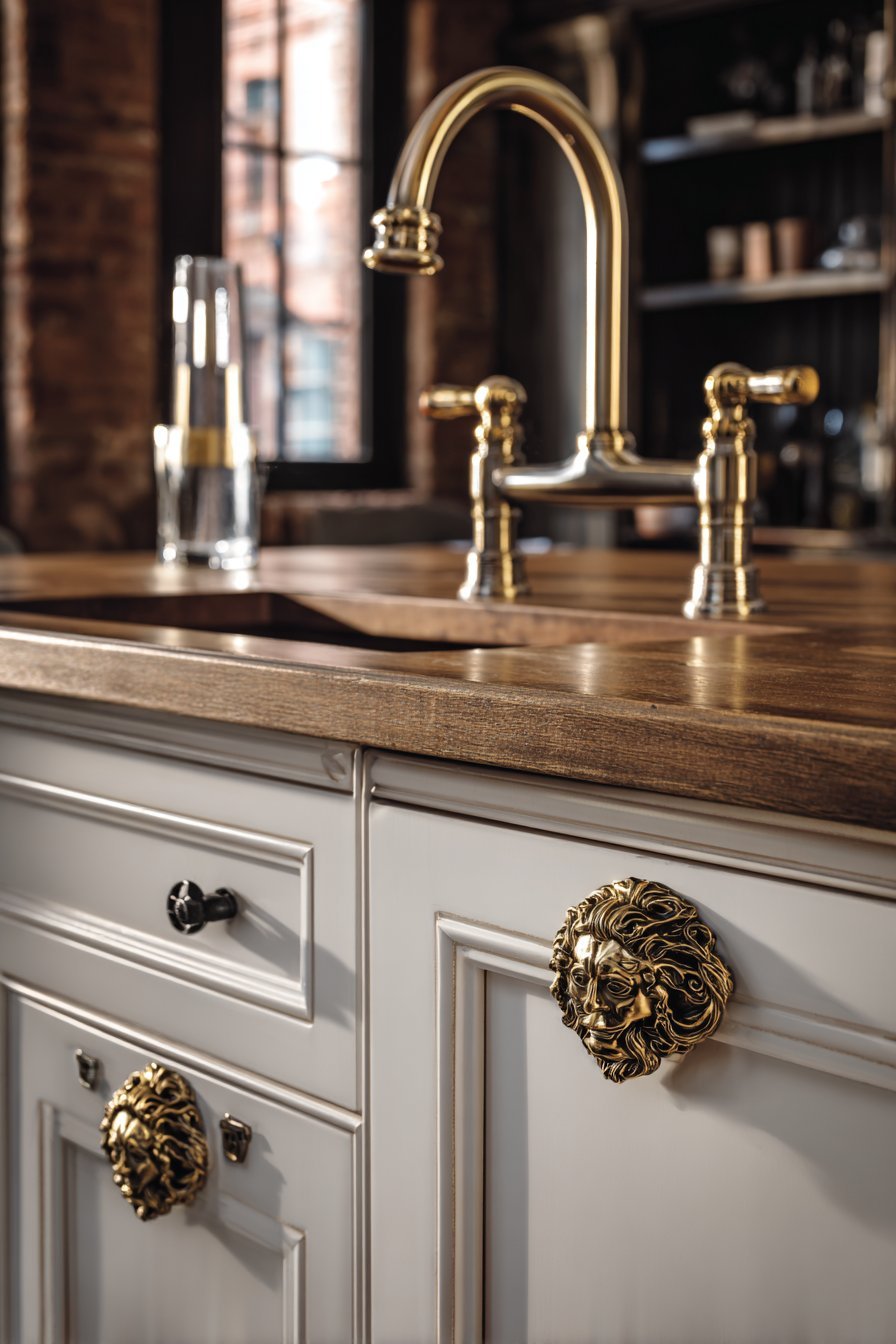
Traditional kitchen hardware features ornate designs with visible mounting plates, decorative escutcheons, and period-appropriate styling. Bin pulls, knobs with botanical motifs, and cup pulls in brass, bronze, or pewter finishes add jewelry-like details to cabinetry. These elements contribute significantly to the overall aesthetic, functioning as both practical tools and decorative accents.
Modern hardware emphasizes minimal visual impact through integrated pulls, touch-latch mechanisms, or simple bar pulls in brushed stainless steel or matte black. When visible, hardware maintains geometric simplicity with clean lines and uniform finishes. Many modern designs eliminate traditional hardware entirely, using push-to-open systems or recessed finger pulls for seamless surfaces.
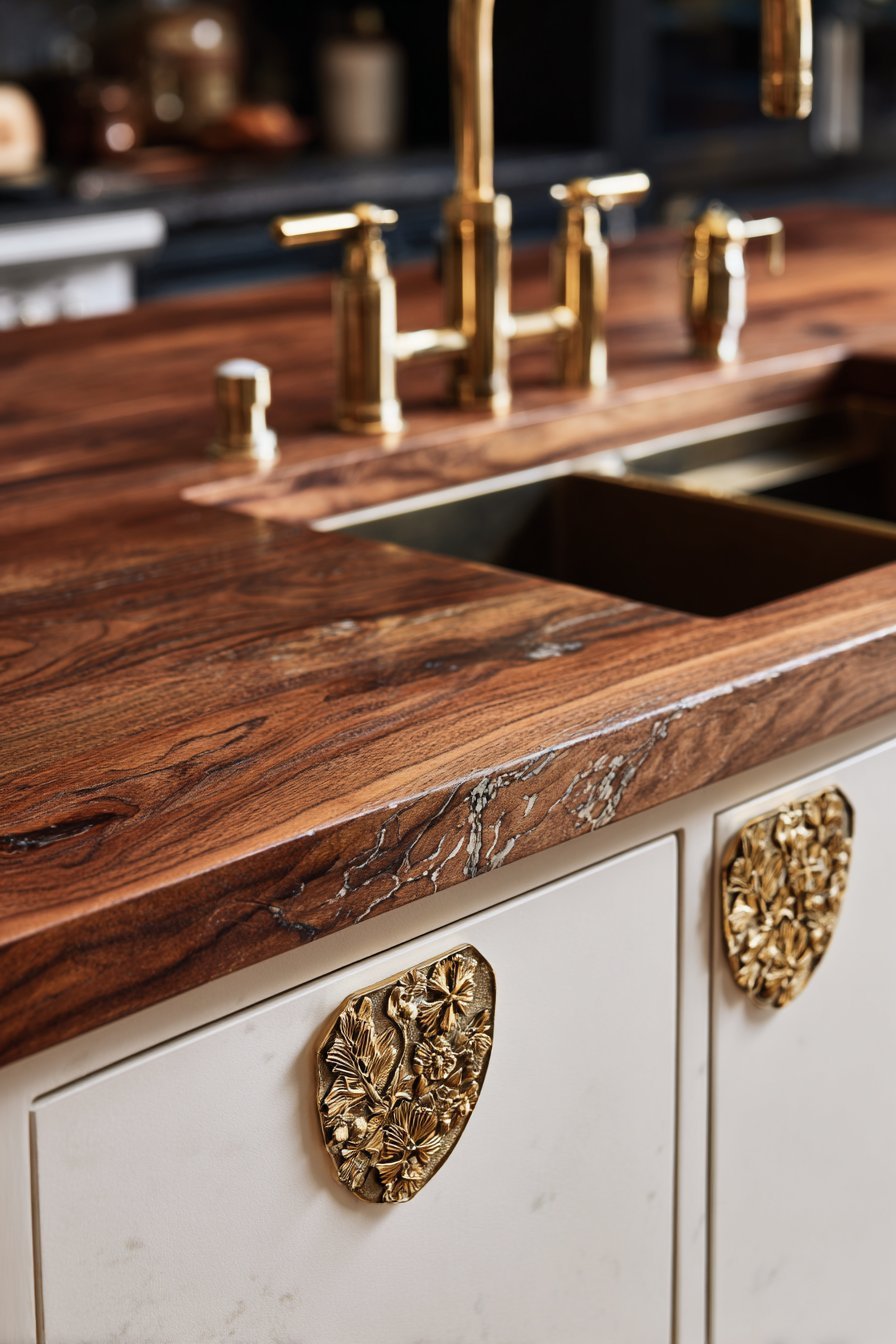
Faucet selection follows similar principles. Traditional kitchens might feature bridge-style faucets with cross handles and curved spouts in warm metal finishes. Modern kitchens typically incorporate commercial-style or minimalist faucets with single-lever operation and pull-down sprayers in chrome or stainless steel finishes that prioritize functionality.
- Choose hardware sizes proportional to cabinet door and drawer dimensions
- Maintain consistent finish selections throughout the kitchen for cohesive appearance
- Test hardware operation before purchasing to ensure comfortable daily use
- Consider how hardware will age and whether finishes require special maintenance
- Install hardware at comfortable heights, typically 36-48 inches from floor for wall cabinets
- Purchase extra hardware pieces for future replacements or additions
7. Lighting Design Approaches
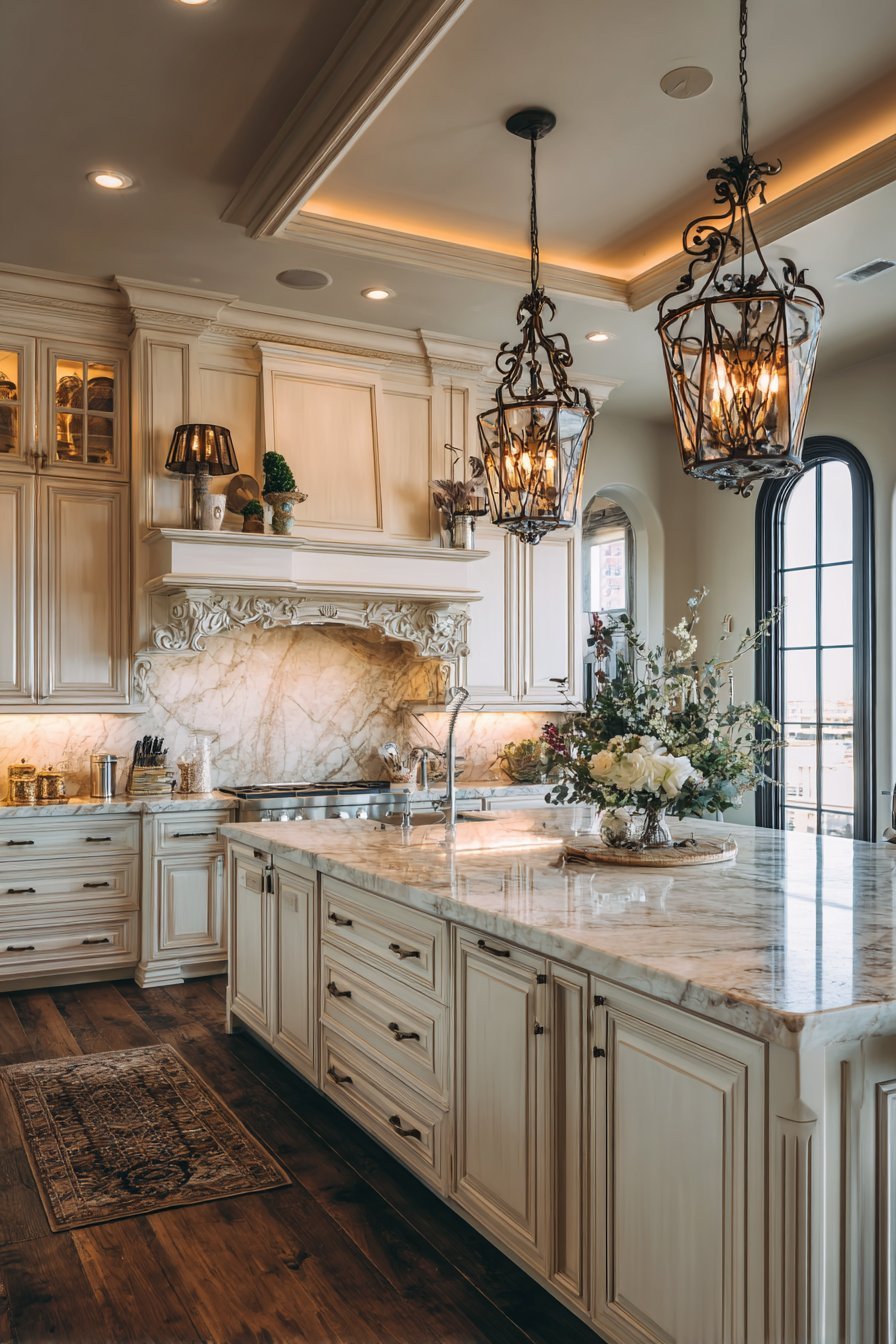
Traditional kitchen lighting incorporates decorative fixtures that serve as focal points while providing illumination. Chandeliers, pendant lights with fabric shades or ornate metalwork, and under-cabinet lighting with visible fixtures create layered lighting schemes. These elements add architectural interest while ensuring adequate task, ambient, and accent lighting throughout the space.
Modern kitchen lighting emphasizes functional integration with minimal visual intrusion. Recessed LED fixtures provide general illumination without visible hardware. Linear LED strips under cabinets deliver task lighting while remaining hidden from view. Pendant lights, when used, feature simple geometric forms in materials like glass, metal, or concrete that complement the minimalist aesthetic.
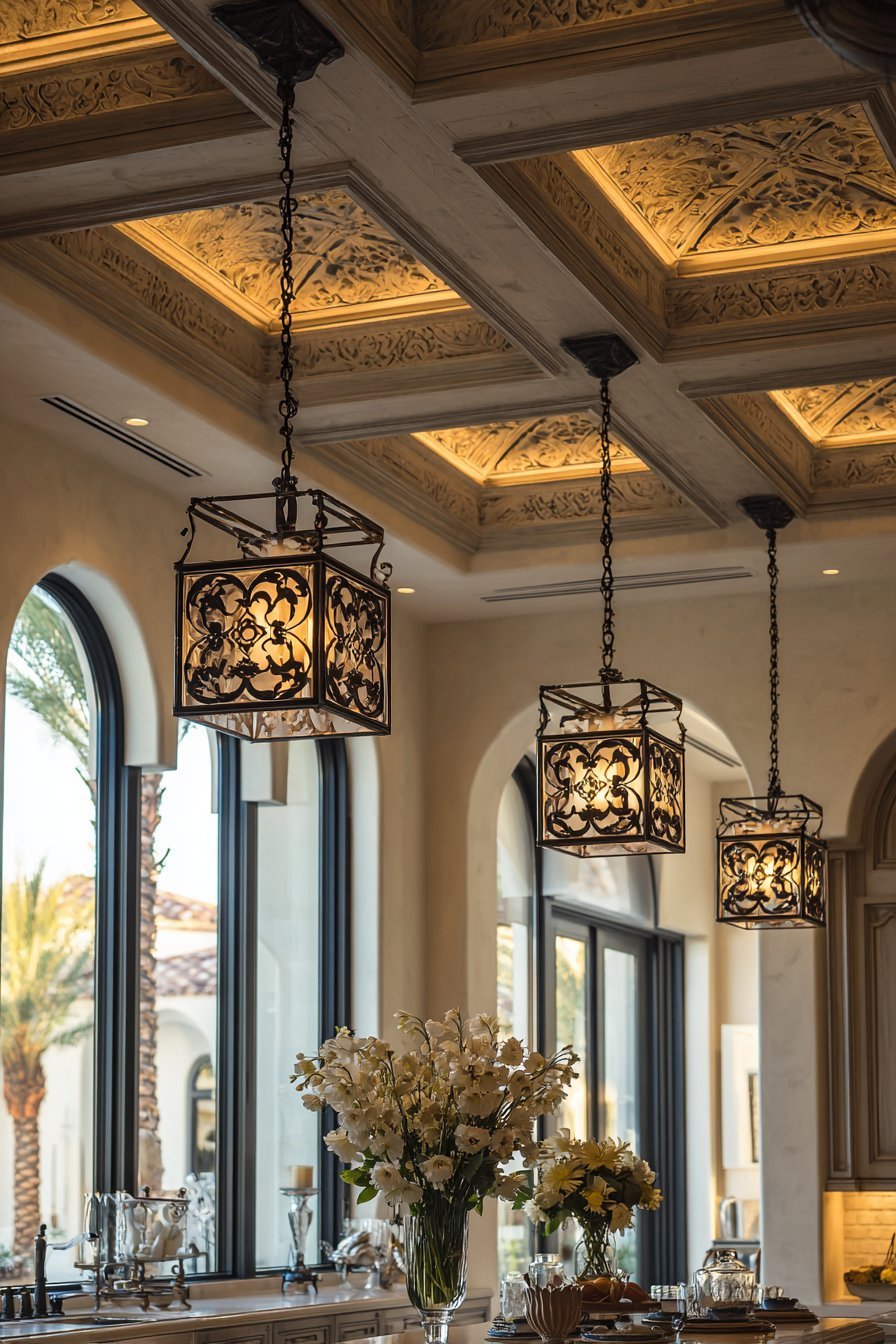
Both approaches require careful planning to achieve appropriate light levels for various tasks. Traditional kitchens might incorporate three to five fixture types creating visual variety. Modern kitchens typically use fewer fixture styles but ensure uniform light distribution through strategic placement and layering of invisible or minimal light sources.
- Plan for multiple lighting layers including task, ambient, and accent lighting
- Install dimmer switches to adjust lighting levels for different activities
- Consider LED options for energy efficiency and long lamp life
- Position task lighting to eliminate shadows on work surfaces
- Use warm color temperatures (2700-3000K) in traditional spaces for cozy ambiance
- Select cooler temperatures (3500-4000K) in modern kitchens for crisp, clean appearance
8. Backsplash and Wall Treatments
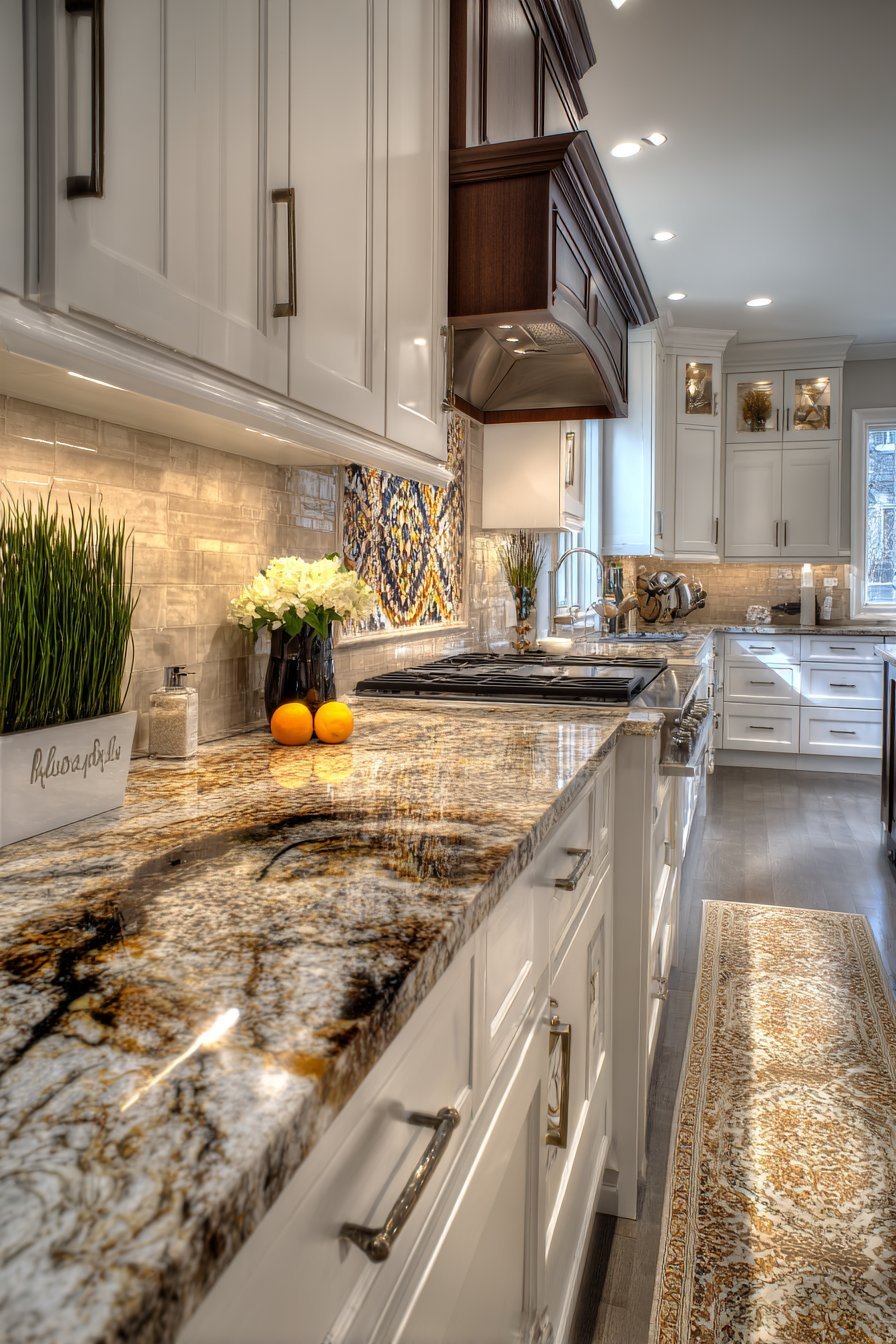
Traditional kitchen backsplashes often feature ceramic or porcelain tiles in subway patterns, decorative borders, or elaborate mosaic designs. Natural stone tiles, beadboard panels, or pressed tin ceiling tiles repurposed as backsplashes add texture and historical character. These installations typically extend from counter to upper cabinets, incorporating decorative details and varied patterns.
Modern backsplashes favor large-format tiles, glass panels, or solid surface materials that minimize grout lines and create seamless appearances. Subway tiles in straight-stack patterns, monochromatic glass mosaics, or slab backsplashes extending from counter to ceiling emphasize clean geometry. Materials might include porcelain, glass, stainless steel, or stone with consistent coloring and minimal pattern variation.
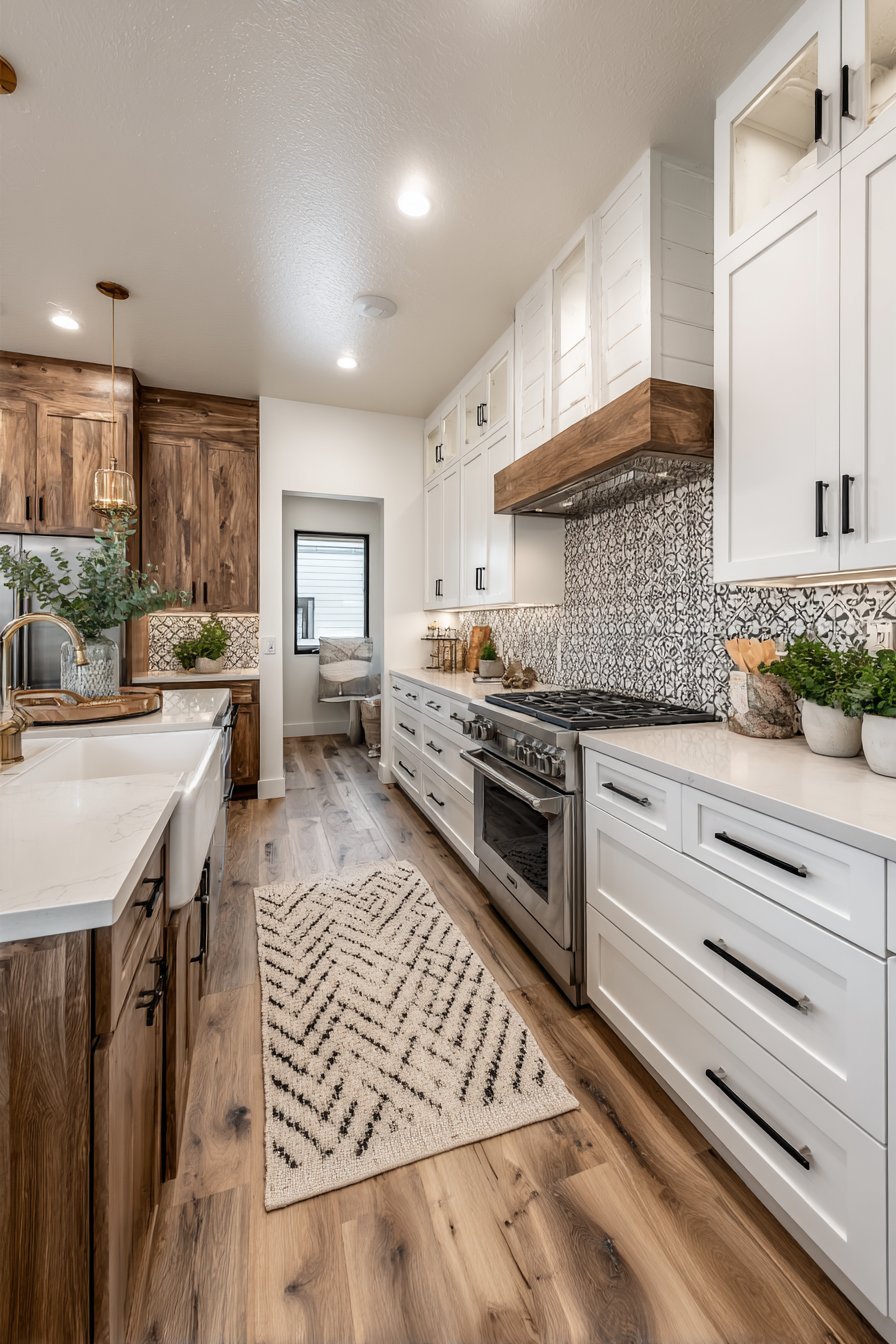
Installation techniques differ between styles. Traditional backsplashes incorporate decorative trim pieces, chair rail moldings, and detailed edge treatments. Modern installations eliminate trim, using flush transitions and mitred corners for continuous surfaces. Both approaches should coordinate with countertop and cabinet selections while providing practical protection against splashes and moisture.
- Extend backsplashes at least 18 inches above countertops for adequate protection
- Choose materials that resist staining and clean easily with standard products
- Consider full-height backsplashes behind ranges for maximum protection
- Coordinate grout colors with tile selections to enhance or minimize grid patterns
- Install outlets flush with backsplash surfaces for cleaner appearance
- Use contrasting backsplash materials to create focal points behind cooking areas
9. Appliance Integration and Selection
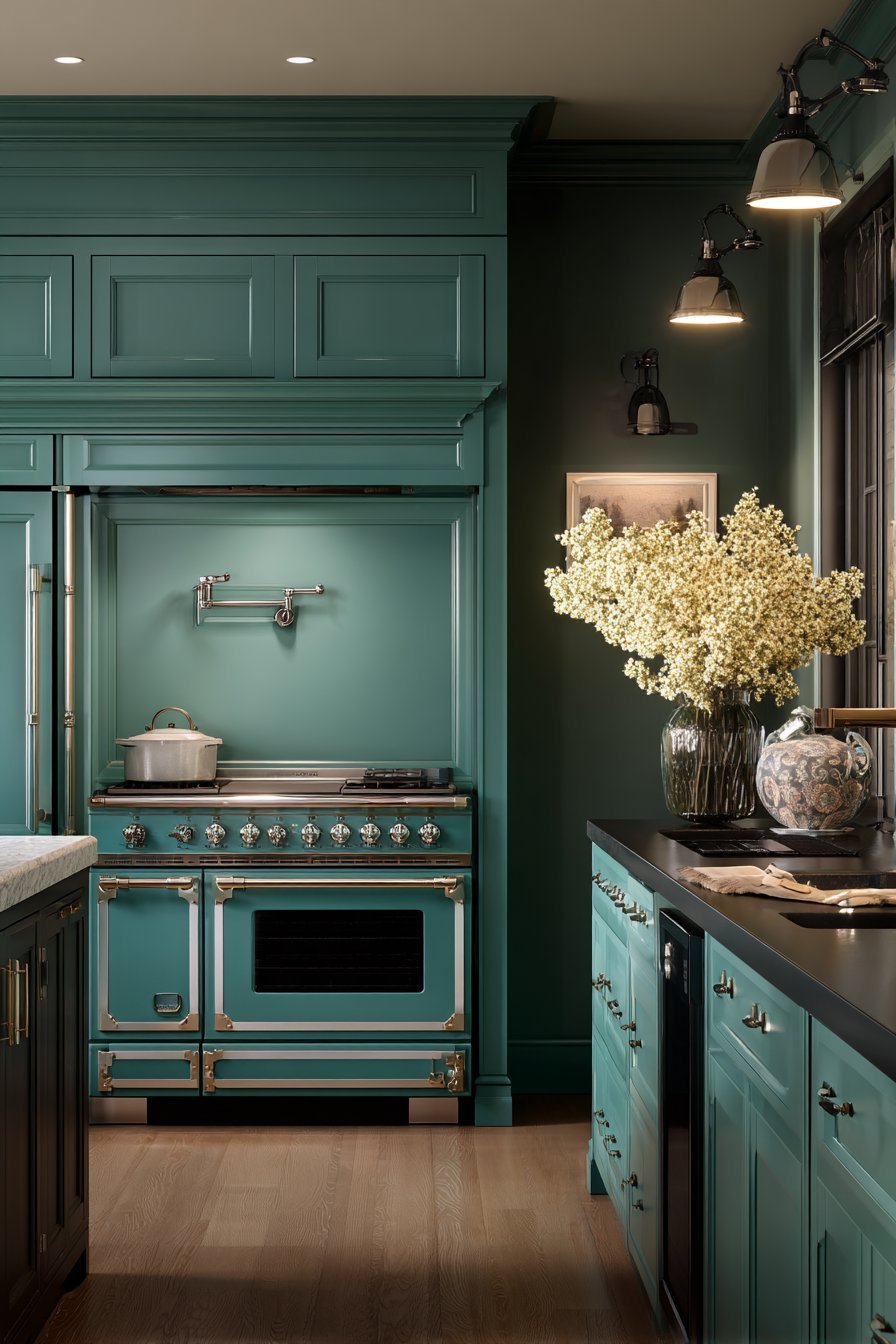
Traditional kitchens often showcase professional-style appliances with commercial aesthetics and vintage-inspired details. Ranges with decorative trim, brass accents, or colored enamel finishes serve as focal points. Refrigerators might feature panel-ready options covered with matching cabinetry, or exposed appliances in classic white or stainless steel finishes that complement the traditional aesthetic.
Modern kitchens emphasize seamless appliance integration through panel-ready options that disappear behind cabinetry. When appliances remain visible, stainless steel finishes dominate, though black stainless or matte black options are gaining popularity. Appliances feature flush installation, electronic controls instead of knobs, and minimalist design language that maintains the room’s clean lines.
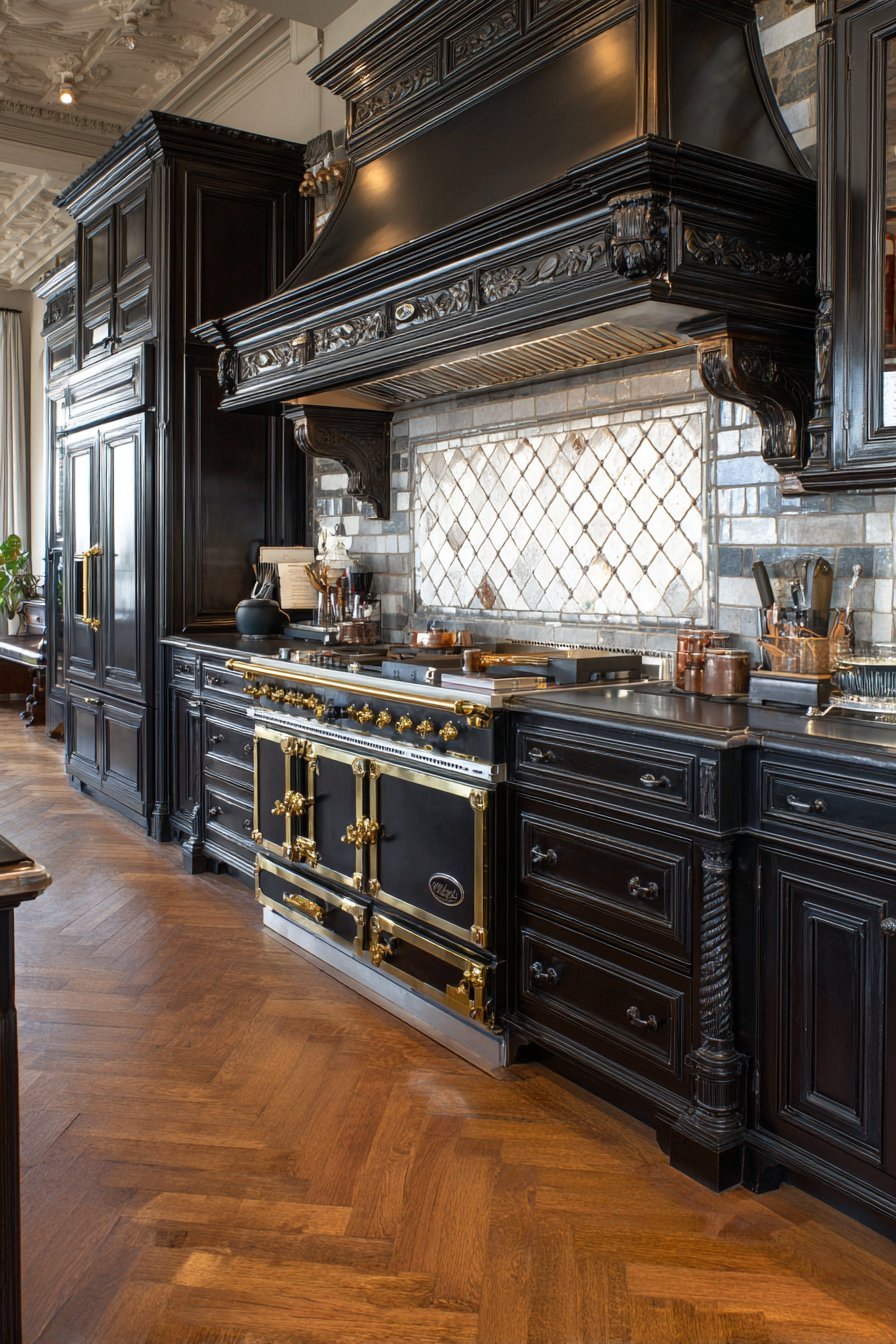
Both styles can incorporate high-performance appliances with advanced features. The distinction lies in how appliances are presented—traditional designs celebrate appliances as decorative elements, while modern approaches minimize their visual presence. Functionality remains paramount in both cases, with selections based on cooking habits and household needs rather than aesthetic considerations alone.
- Measure appliance dimensions carefully, including door swing clearances
- Verify that selected appliances fit through doorways and into designated spaces
- Consider energy efficiency ratings to reduce long-term operating costs
- Plan for adequate ventilation with range hoods appropriate to cooking style
- Choose appliance finishes that resist fingerprints if maintaining pristine appearance matters
- Review warranty coverage and local service availability before purchasing
10. Making Your Decision
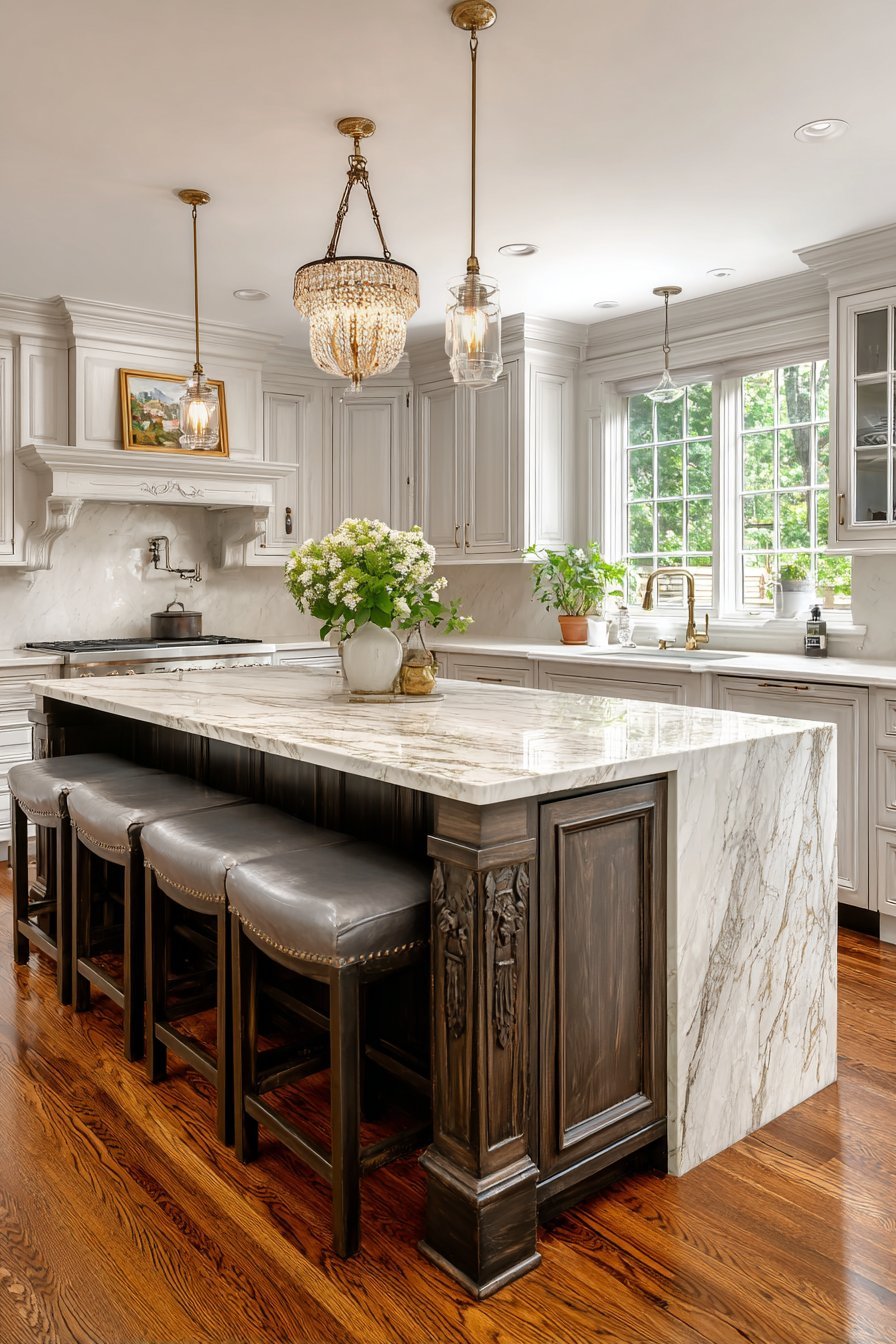
Selecting between traditional and modern kitchen design requires honest assessment of your lifestyle requirements, aesthetic preferences, and long-term plans. Consider how you use your kitchen daily—do you prefer cozy, compartmentalized spaces or open, multifunctional areas? Your cooking style, entertaining habits, and household dynamics should influence design choices more than current trends or magazine images.
Budget considerations affect both styles differently. Traditional kitchens might require higher initial investments in custom cabinetry and natural stone, but materials develop character with age. Modern kitchens can range from affordable to extremely expensive depending on material selections, with engineered surfaces and simple construction potentially reducing costs while maintaining sophisticated appearance.
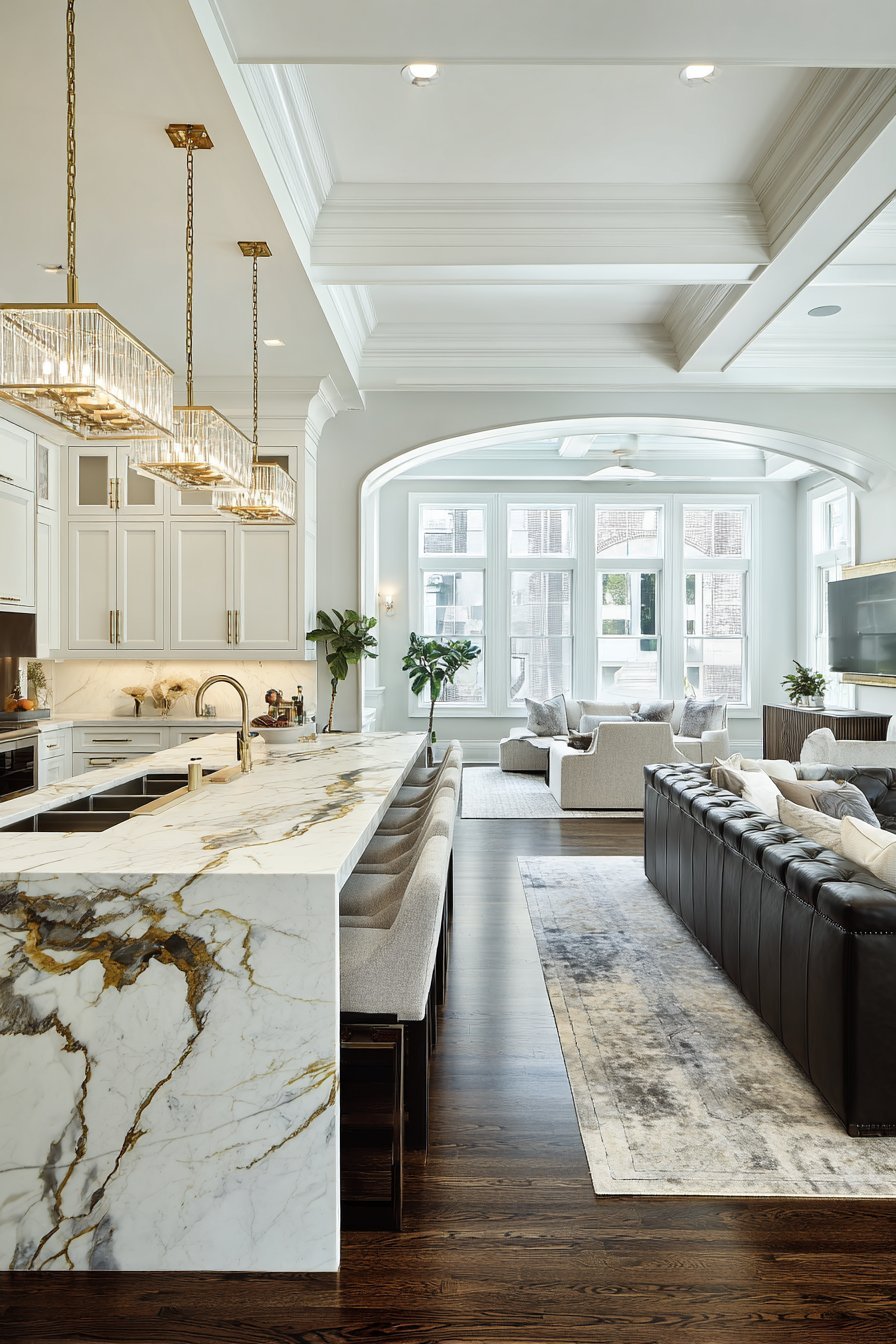
Your home’s existing architecture provides valuable guidance. Traditional design complements historic homes, colonial architecture, and spaces with period details. Modern design suits contemporary homes, minimalist interiors, and open floor plans. However, rules exist to be broken—carefully executed traditional kitchens can add warmth to modern homes, while sleek modern kitchens can provide striking contrast in traditional houses.
- Visit showrooms and model homes to experience both styles in person
- Consider how your design choice affects home resale value in your market
- Evaluate whether you prefer styles that age gracefully or remain current
- Assess maintenance requirements and whether they suit your lifestyle
- Consult with design professionals to explore hybrid approaches combining both styles
- Trust your instincts and choose designs that genuinely resonate with your preferences
Conclusion
The choice between traditional and modern kitchen design ultimately reflects your personal values, lifestyle needs, and aesthetic sensibilities. Traditional kitchens offer timeless warmth and established elegance through detailed craftsmanship and natural materials. Modern kitchens provide streamlined efficiency and contemporary sophistication through minimal design and advanced materials.
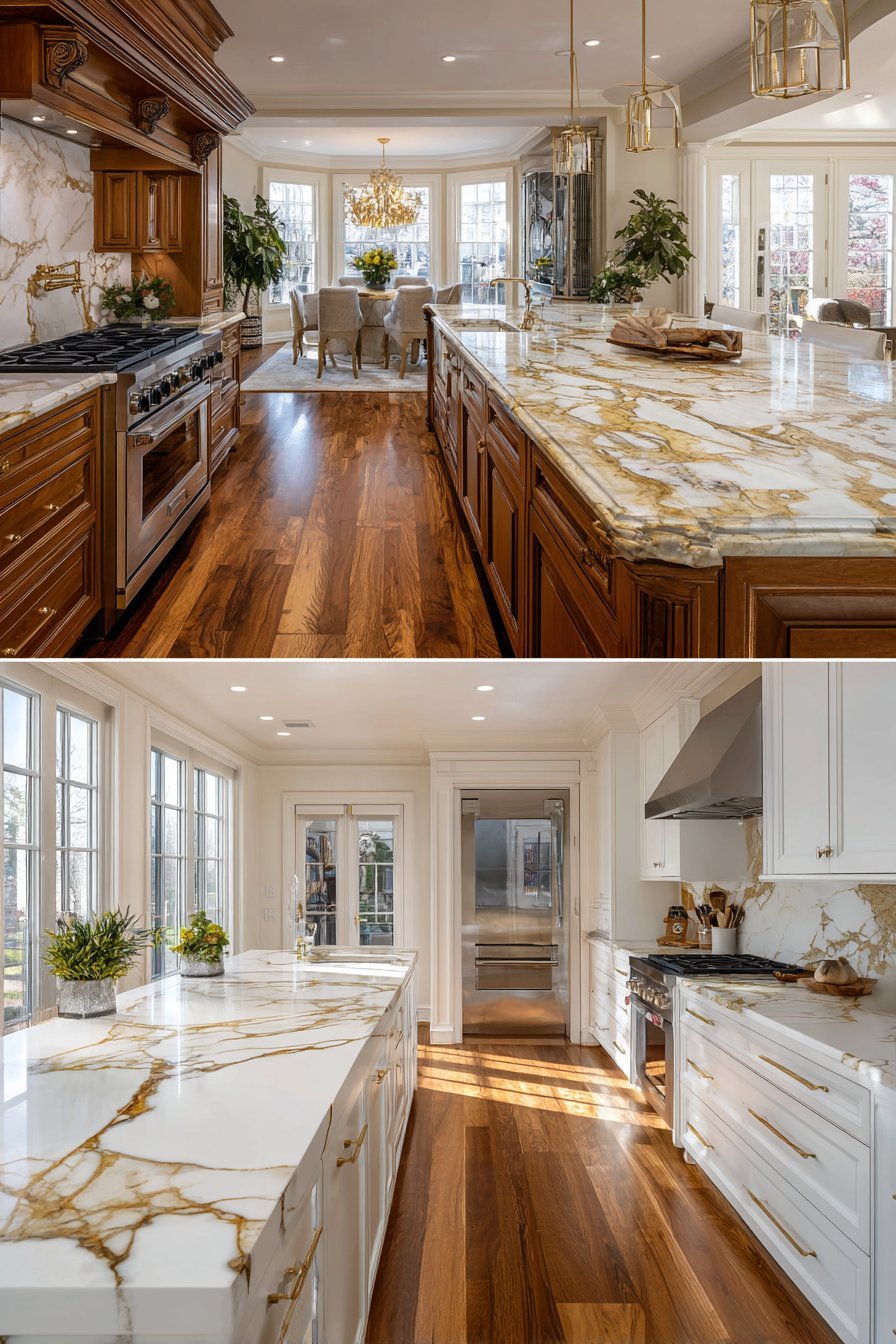
Neither style is inherently superior—both can create beautiful, functional spaces when executed thoughtfully. Consider your daily routines, long-term plans, and what makes you feel comfortable and inspired in your home. The best kitchen design is one that serves your needs effectively while bringing you joy every time you enter the space. Embrace the style that truly speaks to you and create a kitchen that becomes the cherished heart of your home.
