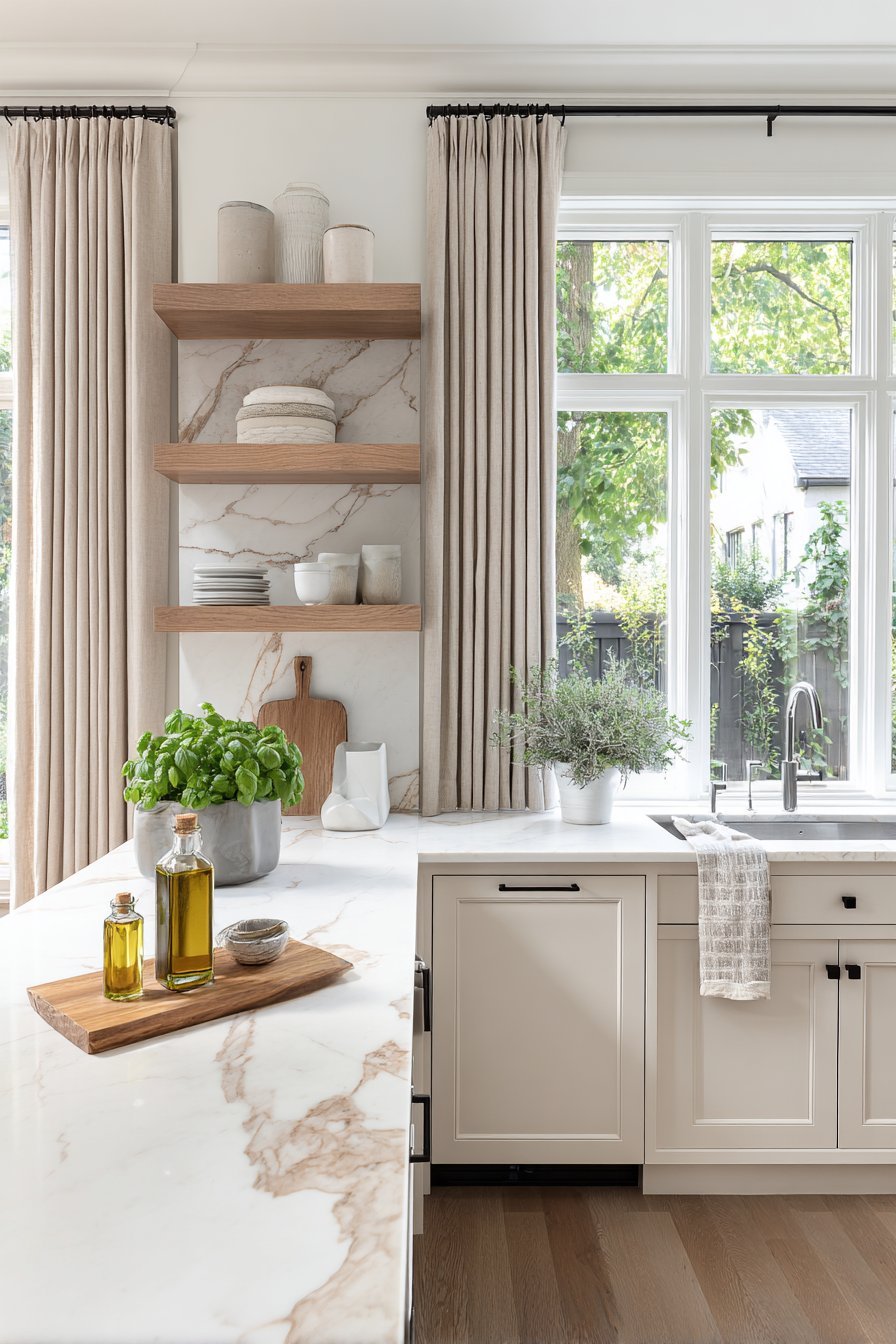

Kitchen counters often become catch-all spaces where mail, keys, appliances, and random items accumulate throughout the day. This cluttered chaos not only makes your kitchen feel cramped and disorganized but also reduces your valuable prep space for cooking. A clean, well-styled counter creates a sense of calm and makes your kitchen more functional and inviting for daily use.
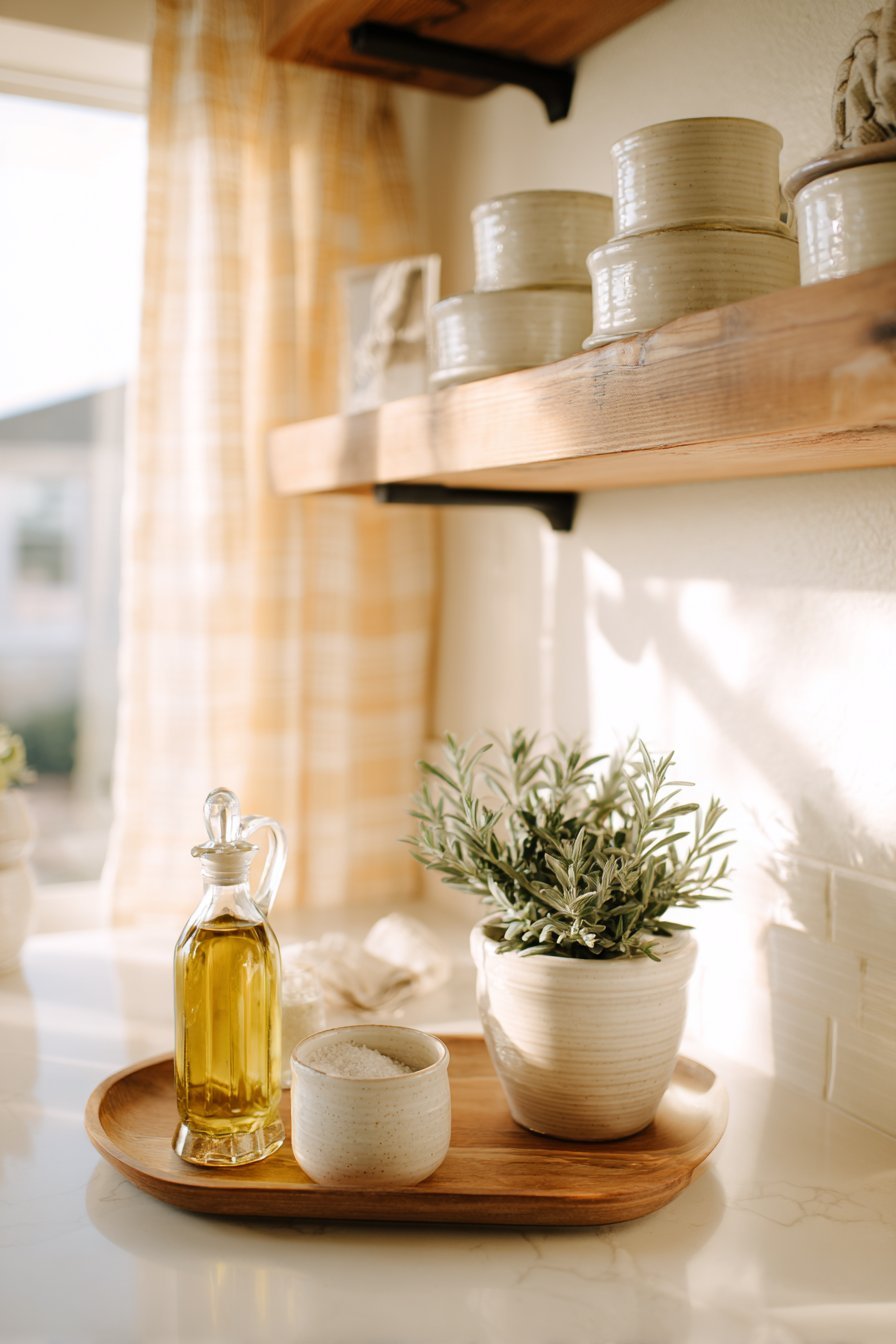
Achieving a minimalist, uncluttered counter doesn’t mean sacrificing style or functionality. The key lies in strategic selection of what stays visible and finding smart storage solutions for everything else. By following intentional decorating principles, you can create countertops that are both beautiful and practical. This approach transforms your kitchen into a space where cooking becomes enjoyable rather than stressful, and where guests feel welcomed by the organized, peaceful atmosphere.
In this article, we’ll explore six essential tips for maintaining clean, stylish kitchen counters. From the three-item rule to clever storage hacks, these strategies will help you curate a counter display that enhances your kitchen’s aesthetic while keeping surfaces clear for meal preparation. Whether you’re working with expansive granite islands or compact apartment counters, these principles adapt to any kitchen size or style.
1. Follow the Three-Item Rule
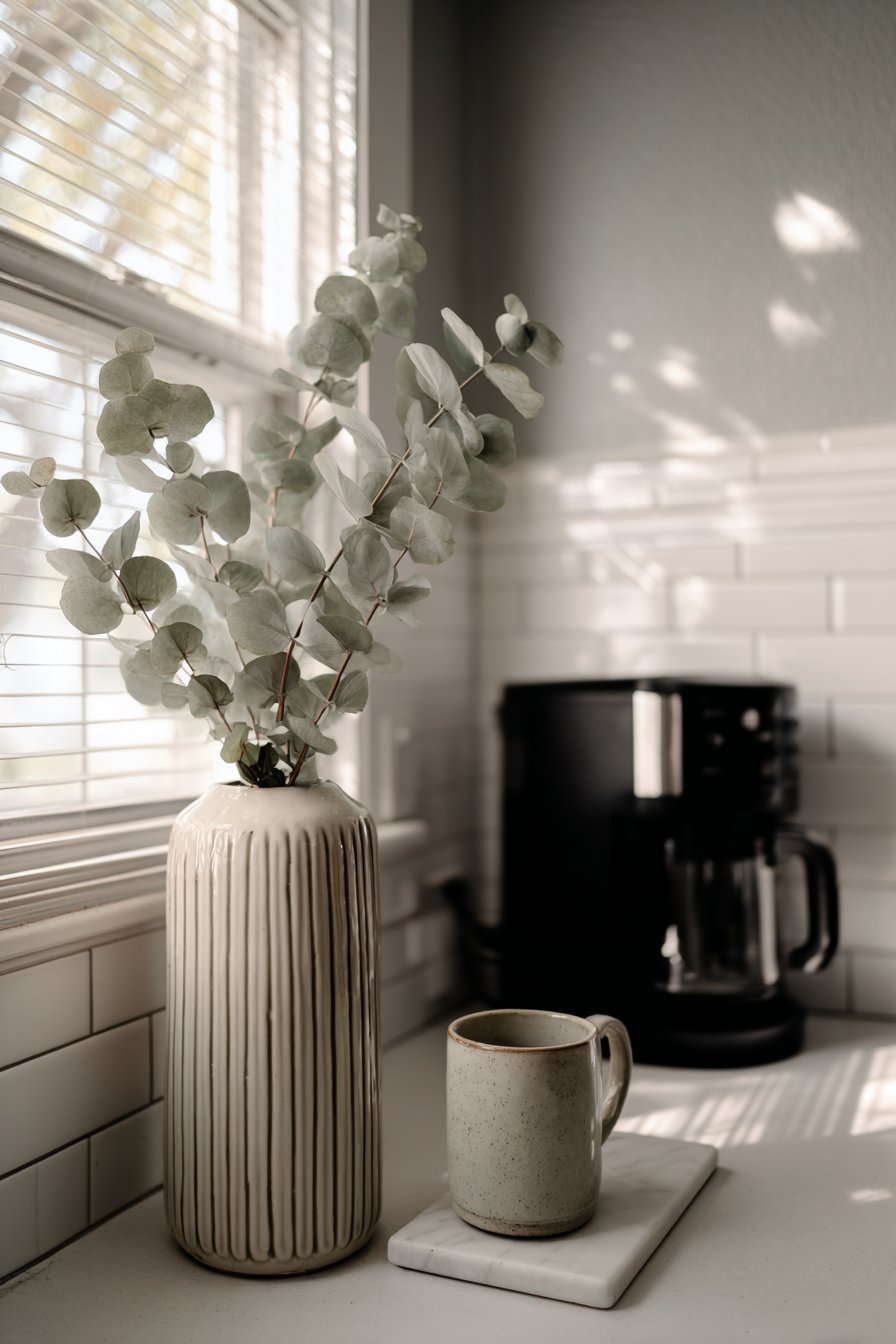
The three-item rule is a fundamental principle in minimalist counter styling that prevents visual overwhelm while maintaining functionality. This approach suggests keeping only three decorative or functional items on your counter at any given time. The rule creates natural breathing room and allows each selected item to shine without competing for attention.
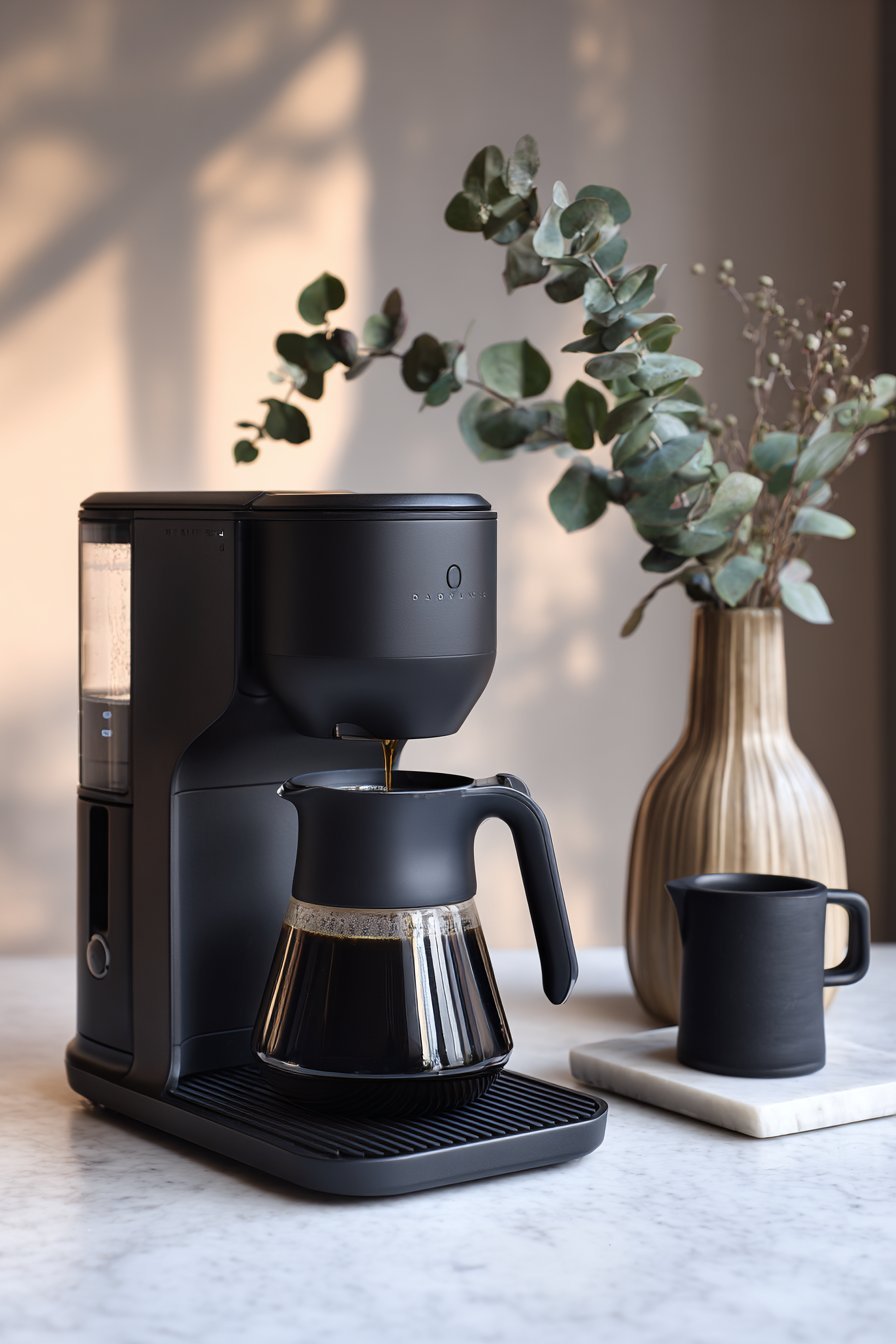
When choosing your three items, consider both form and function to maximize the value of your counter space. Select pieces that serve dual purposes whenever possible, such as a beautiful soap dispenser, a stylish utensil holder, or an attractive coffee maker you use daily. The goal is intentionality rather than emptiness, ensuring every visible item earns its place through beauty or utility.
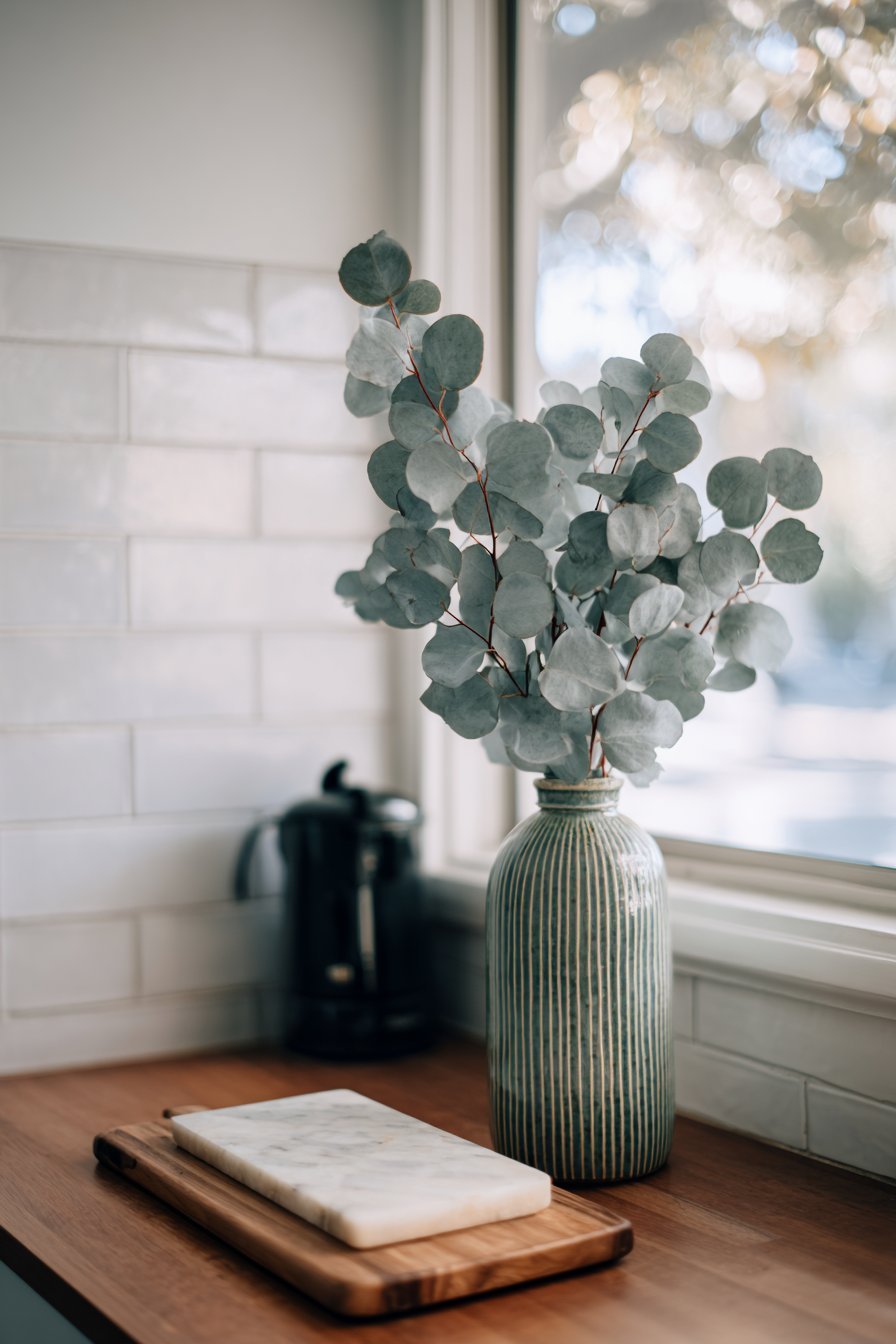
This principle works because odd numbers create visual balance that feels more natural and pleasing to the eye. Three items arranged with varying heights create dynamic interest without clutter. For larger kitchens with multiple counter sections, apply the rule to each distinct area separately rather than the entire kitchen as one unit.
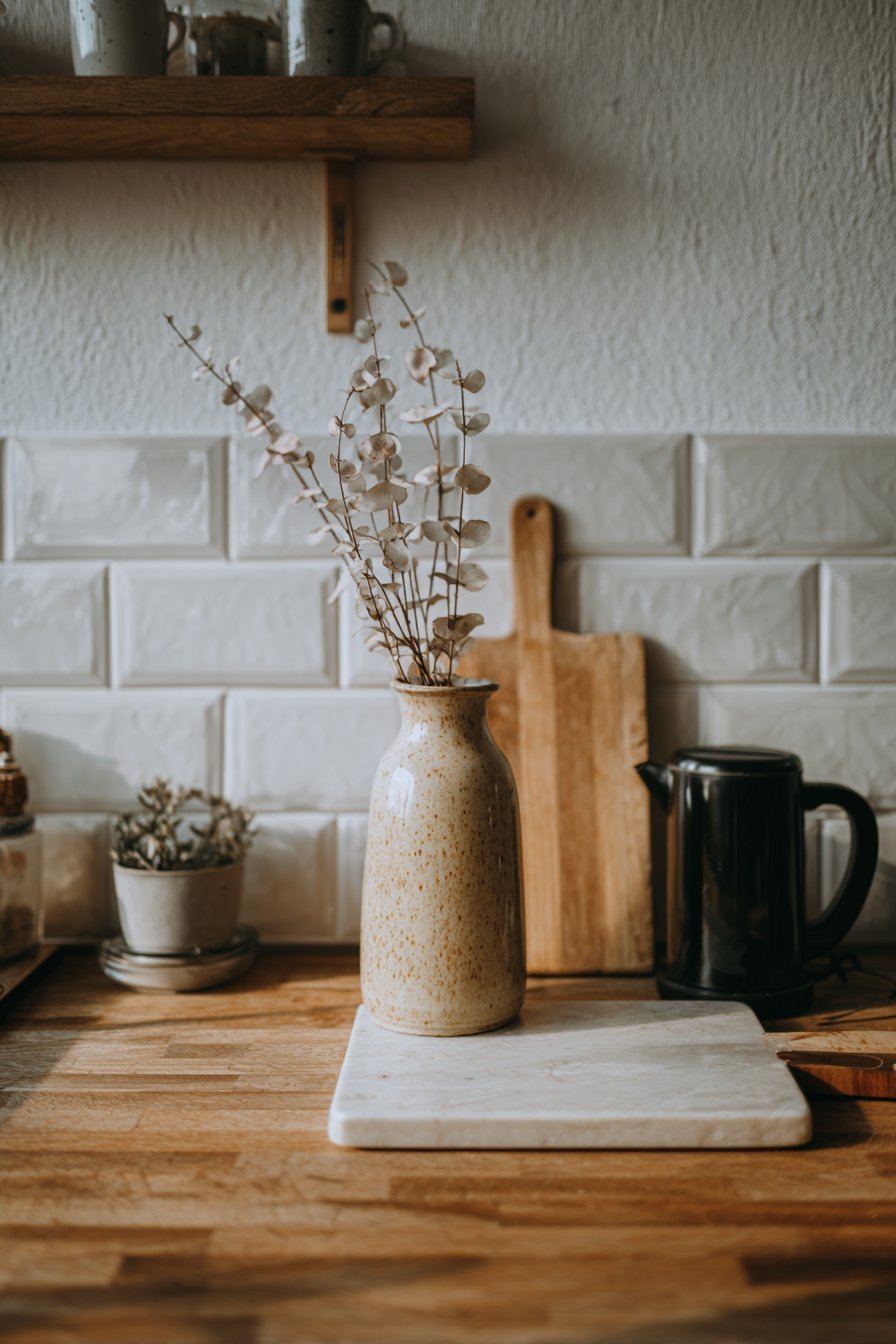
- Choose one tall item (like a vase or standing mixer) for vertical interest
- Add one medium-height functional piece (coffee maker or utensil crock)
- Include one low, horizontal element (cutting board or small plant)
- Rotate seasonal items to keep the display fresh without adding more
- Group smaller items together in a tray to count as one visual unit
- Remove anything that doesn’t serve a daily purpose or bring joy
2. Designate Permanent Homes for Daily Essentials
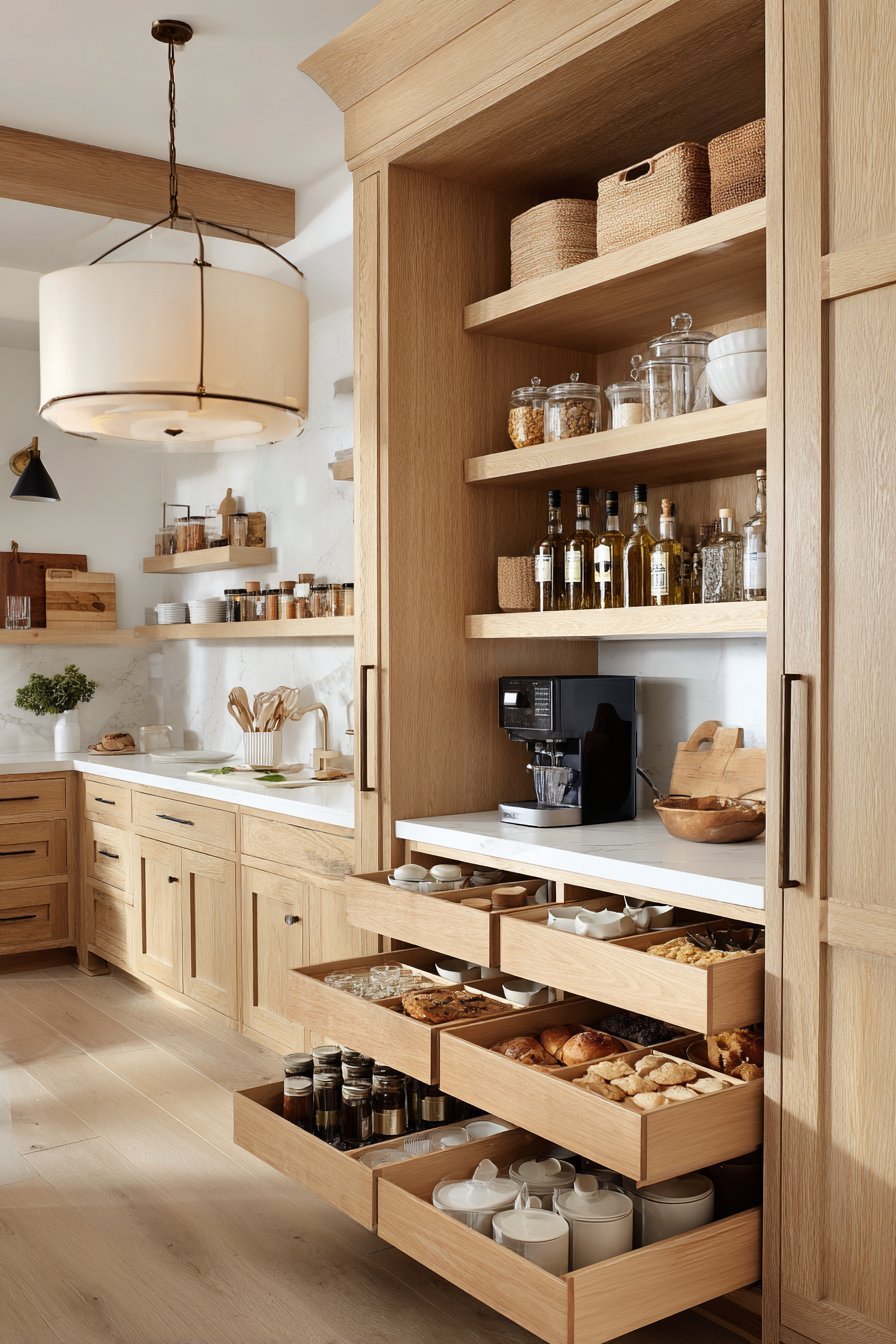
Creating specific storage zones for frequently used items eliminates the daily scatter that clutters counters. When every essential has a designated home, family members know exactly where items belong and can quickly put things away. This system reduces decision fatigue and maintains your clean counter aesthetic with minimal ongoing effort.
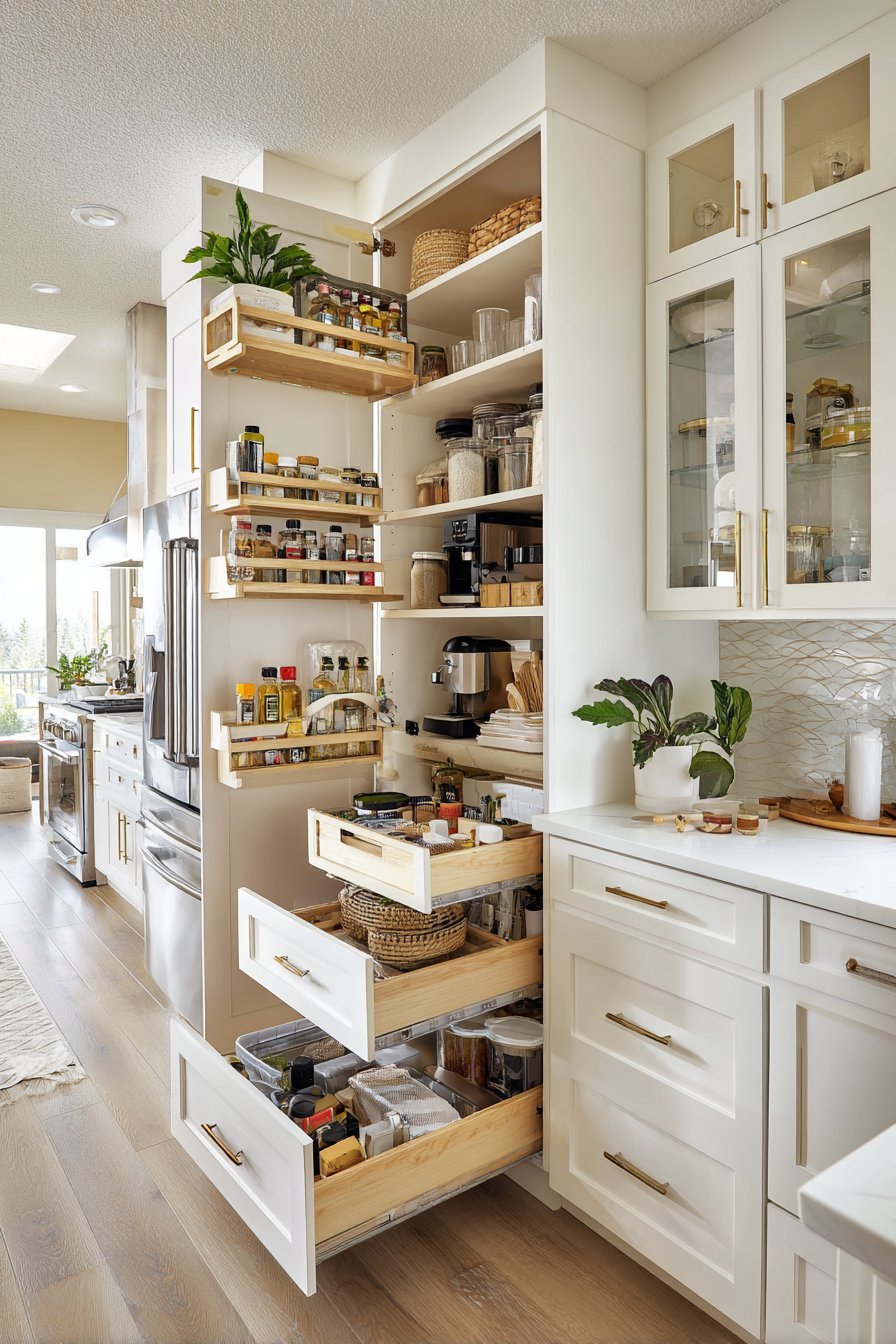
Start by identifying which items genuinely need counter-level accessibility for your cooking routine. Coffee equipment, cooking oils, or frequently used utensils might qualify, while specialty appliances used monthly should live elsewhere. Be ruthlessly honest about usage frequency to avoid keeping items out simply from habit rather than necessity.
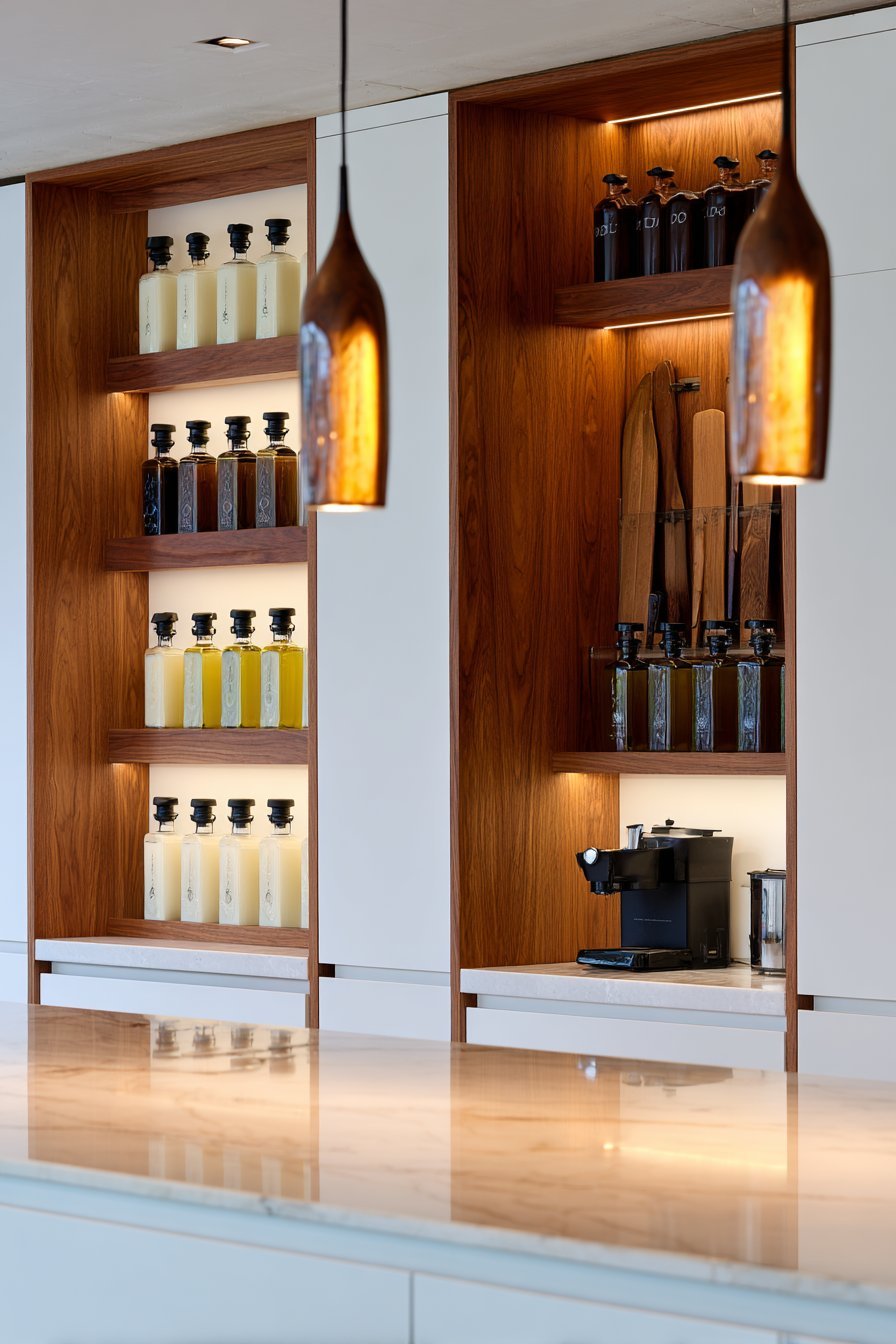
Install pull-out shelves, drawer organizers, or cabinet door racks to make stored items just as accessible as countertop placement. When retrieval takes only seconds, you’re more likely to maintain clear surfaces. Consider vertical storage inside cabinets to maximize space and keep everyday items at eye level for easy access.
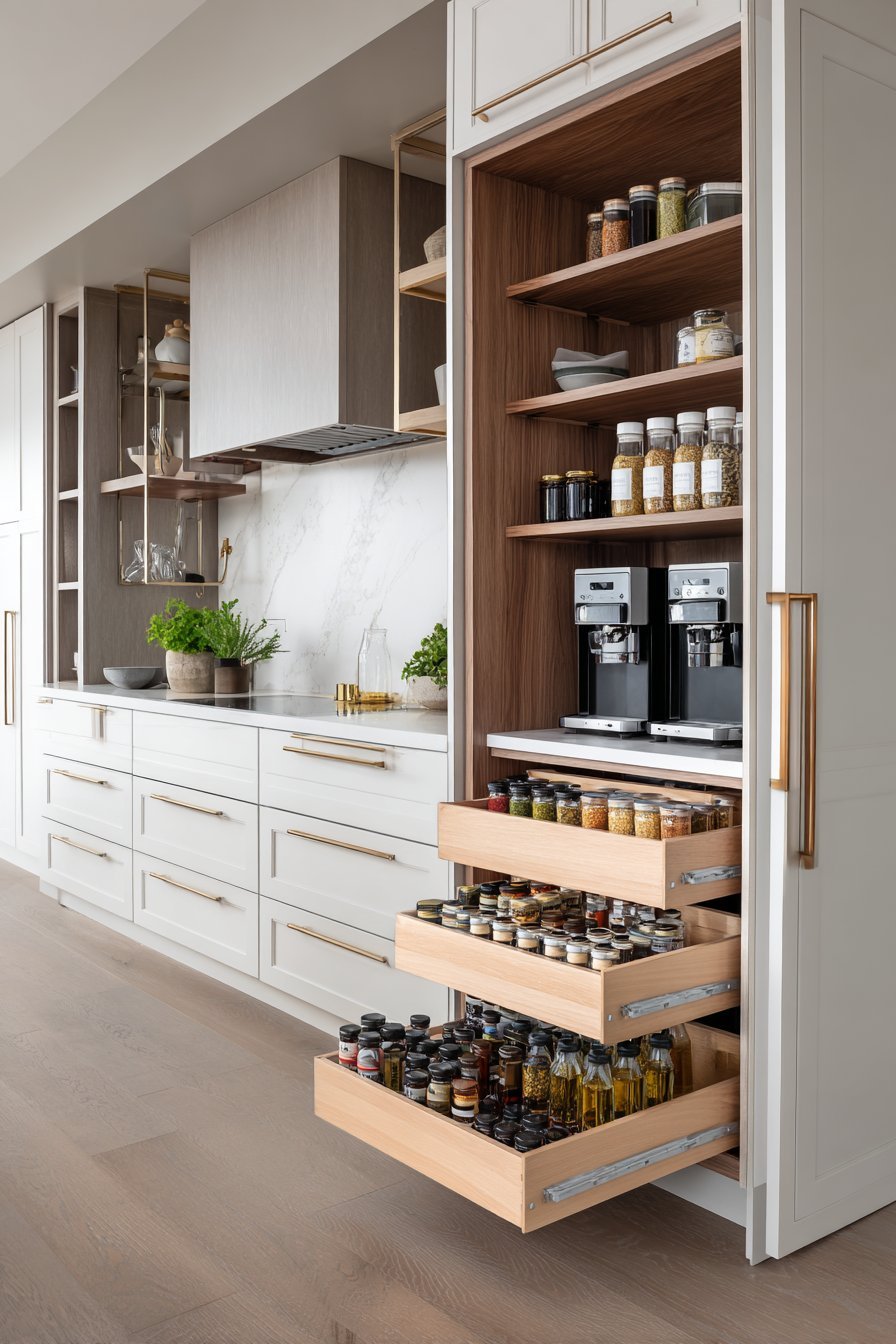
- Install a utensil drawer near the stove with dividers for cooking tools
- Create a coffee station in an upper cabinet with shelf risers
- Use drawer organizers for knife storage instead of countertop blocks
- Mount a magnetic strip inside a cabinet door for metal tools
- Designate one drawer for food storage containers with matched lids
- Store cutting boards vertically in a narrow pull-out organizer
3. Embrace Hidden Appliance Storage
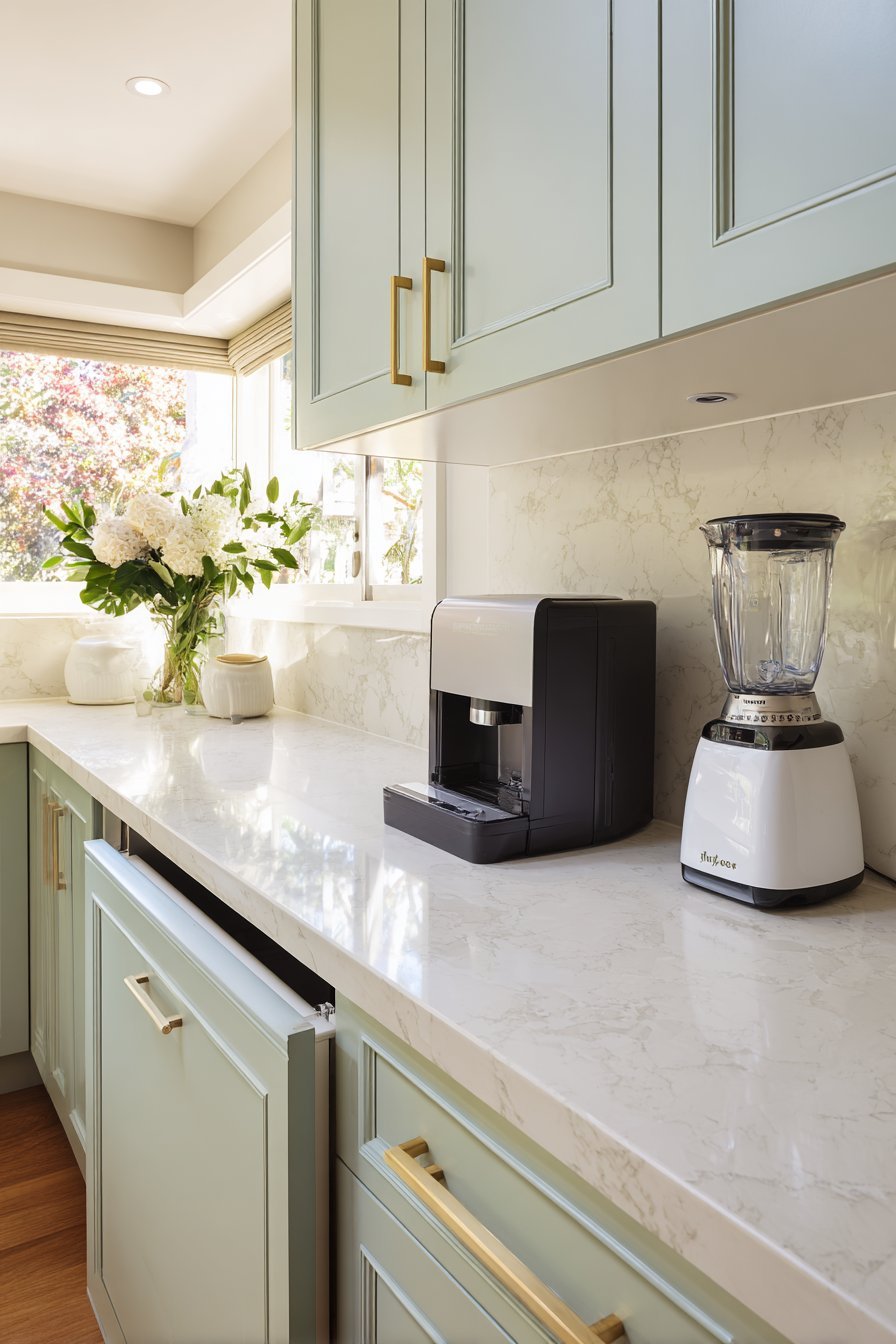
Small appliances are among the biggest counter space thieves in most kitchens, yet many sit unused for days or weeks at a time. Blenders, toasters, food processors, and mixers consume valuable real estate while contributing to visual clutter. Moving these items out of sight creates an instantly cleaner, more spacious feel that transforms your kitchen’s entire atmosphere.
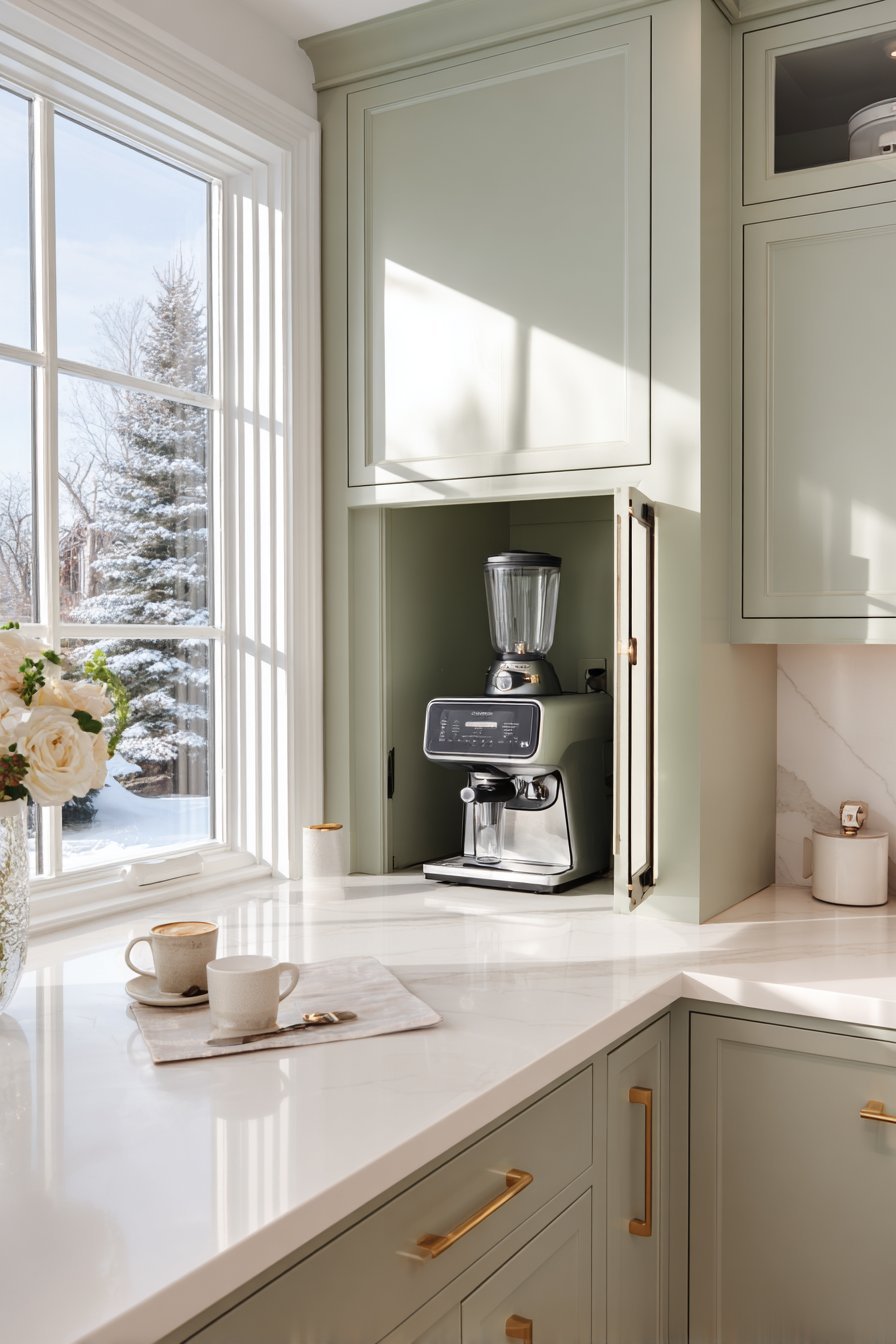
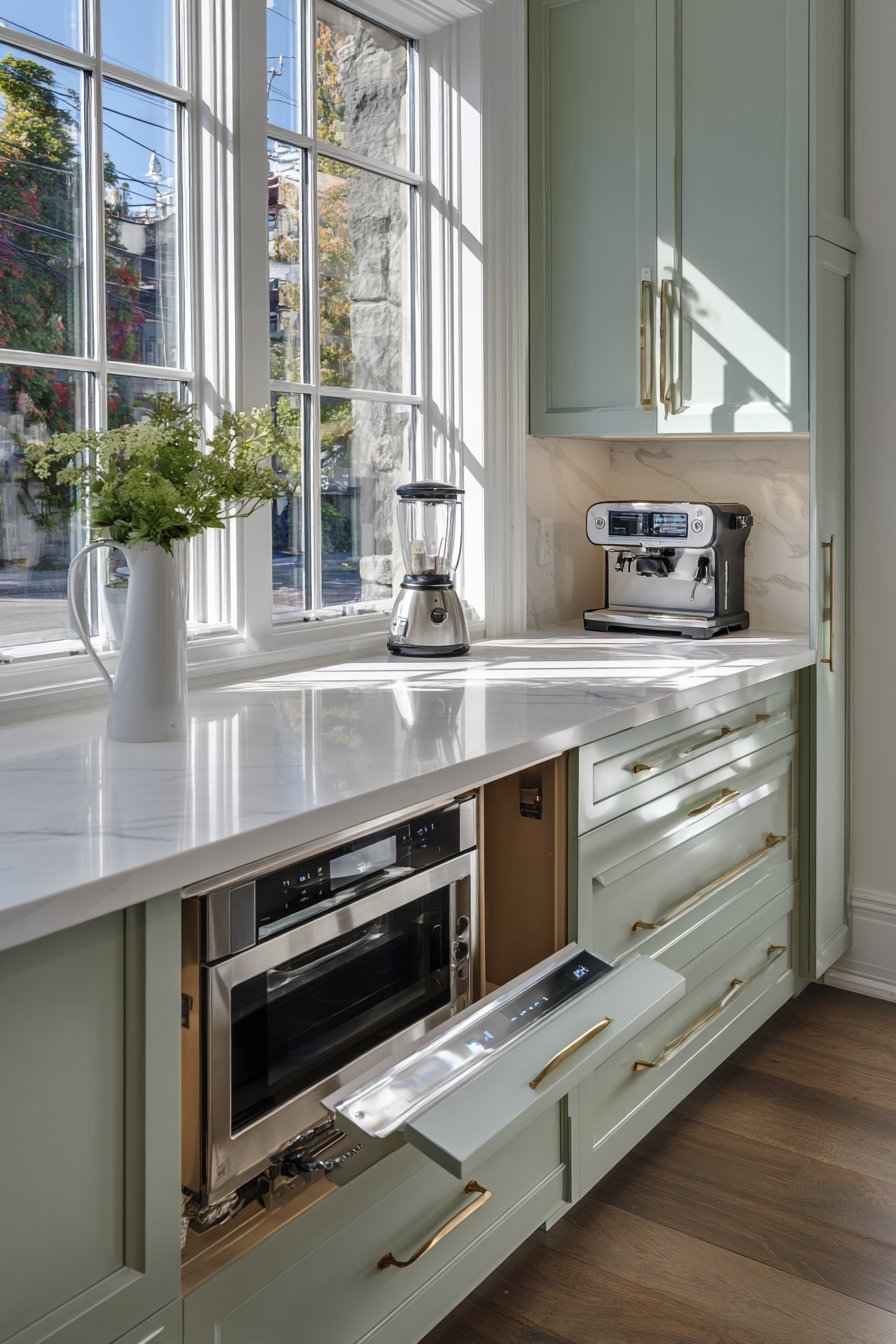
The key to successful appliance storage is making retrieval effortless through strategic placement and organization. An appliance garage with a roll-up door keeps items dust-free and accessible without occupying counter space. Lower cabinets with pull-out shelves bring heavy mixers to counter height without permanent placement, while upper cabinets work well for lightweight appliances you can easily lift down.
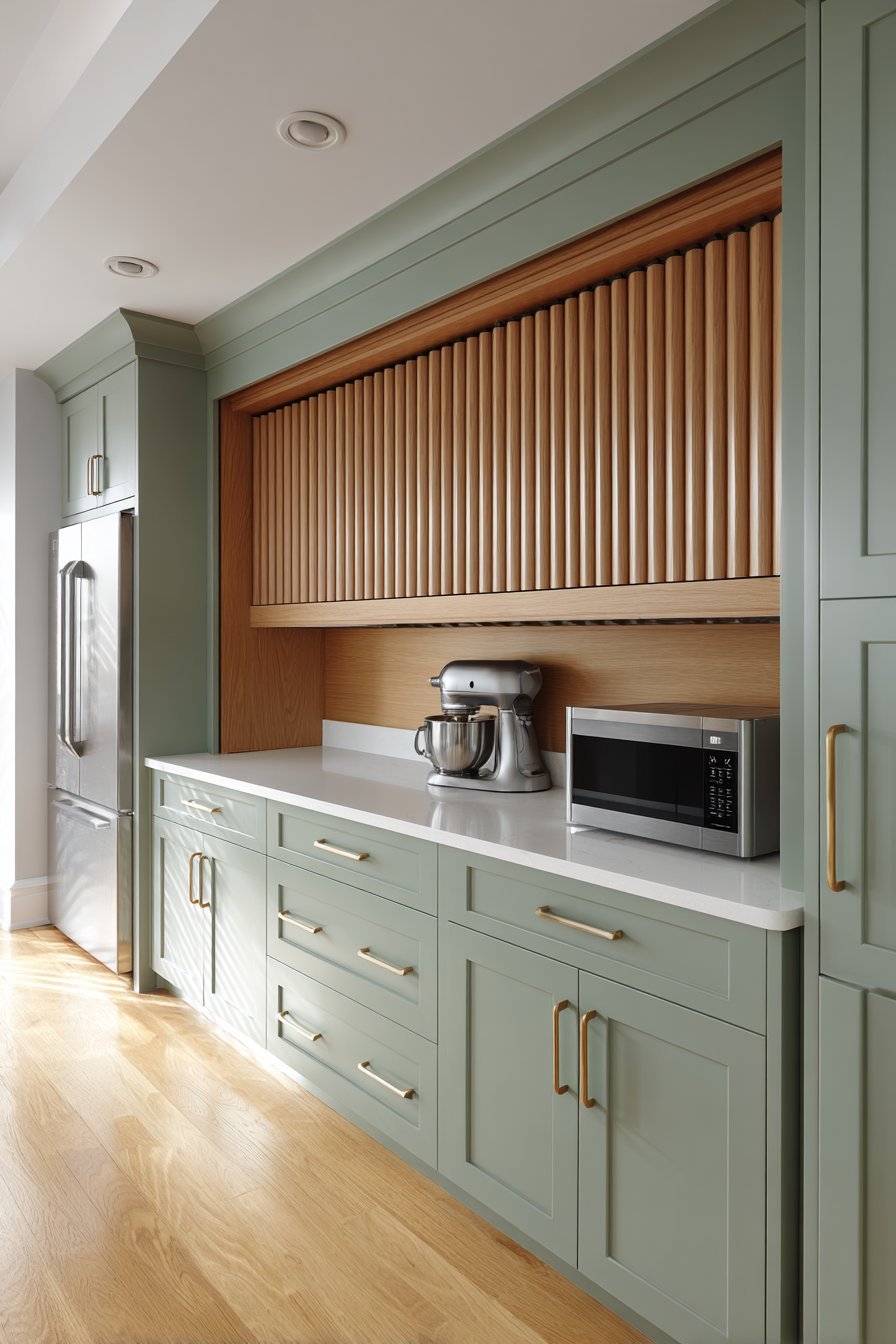
Consider which appliances truly deserve permanent counter residence based on daily use rather than assumed convenience. If you make coffee every morning, the coffee maker stays. If you blend smoothies three times weekly, the blender qualifies. But if the bread maker emerges only for holiday baking, it belongs stored away until needed.
- Install an appliance garage in a corner with electrical outlets inside
- Use a lower cabinet with a lift mechanism for heavy stand mixers
- Store the toaster in a deep drawer that slides out completely
- Keep one appliance per category and donate duplicates or rarely used models
- Place appliances in cabinets closest to where you’ll use them
- Use shelf risers to stack lightweight appliances in deeper cabinets
4. Implement Contained Counter Zones
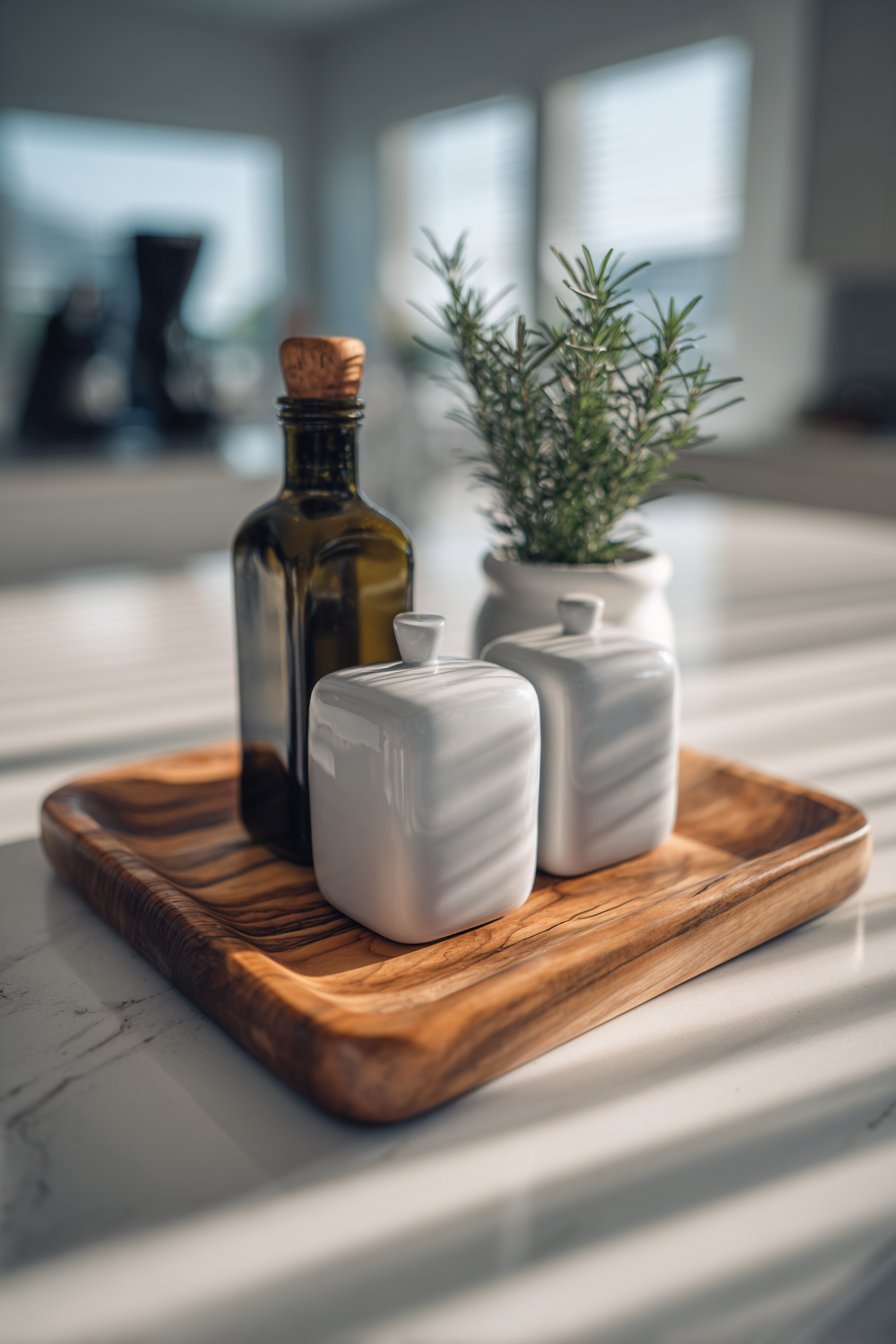
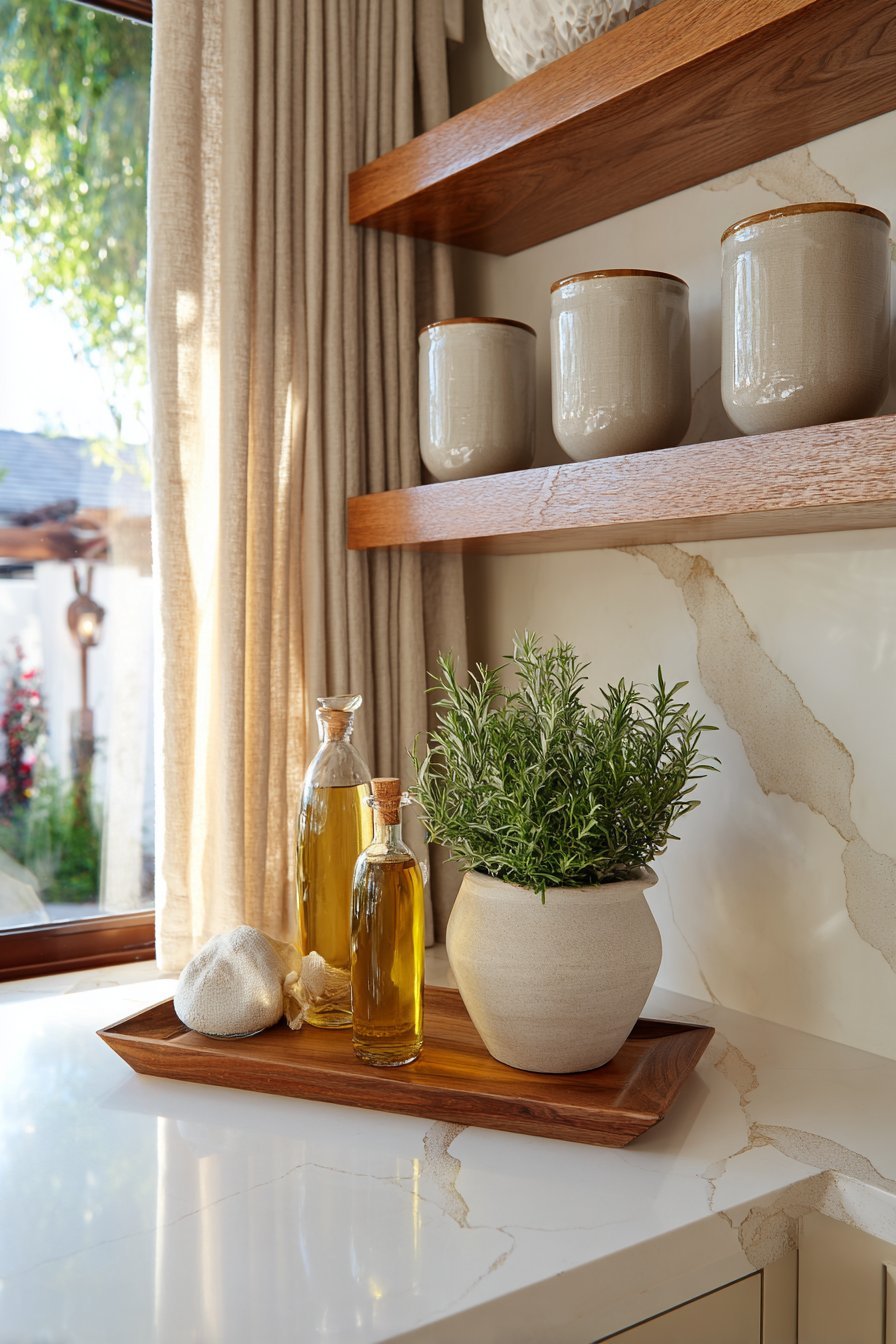
Strategic containment using trays, baskets, or canisters prevents the gradual spread of small items across your counters. These boundaries create intentional zones that look styled rather than cluttered, even when holding multiple objects. A well-chosen tray transforms a collection of items from chaos into a curated vignette that enhances rather than detracts from your kitchen’s aesthetic.
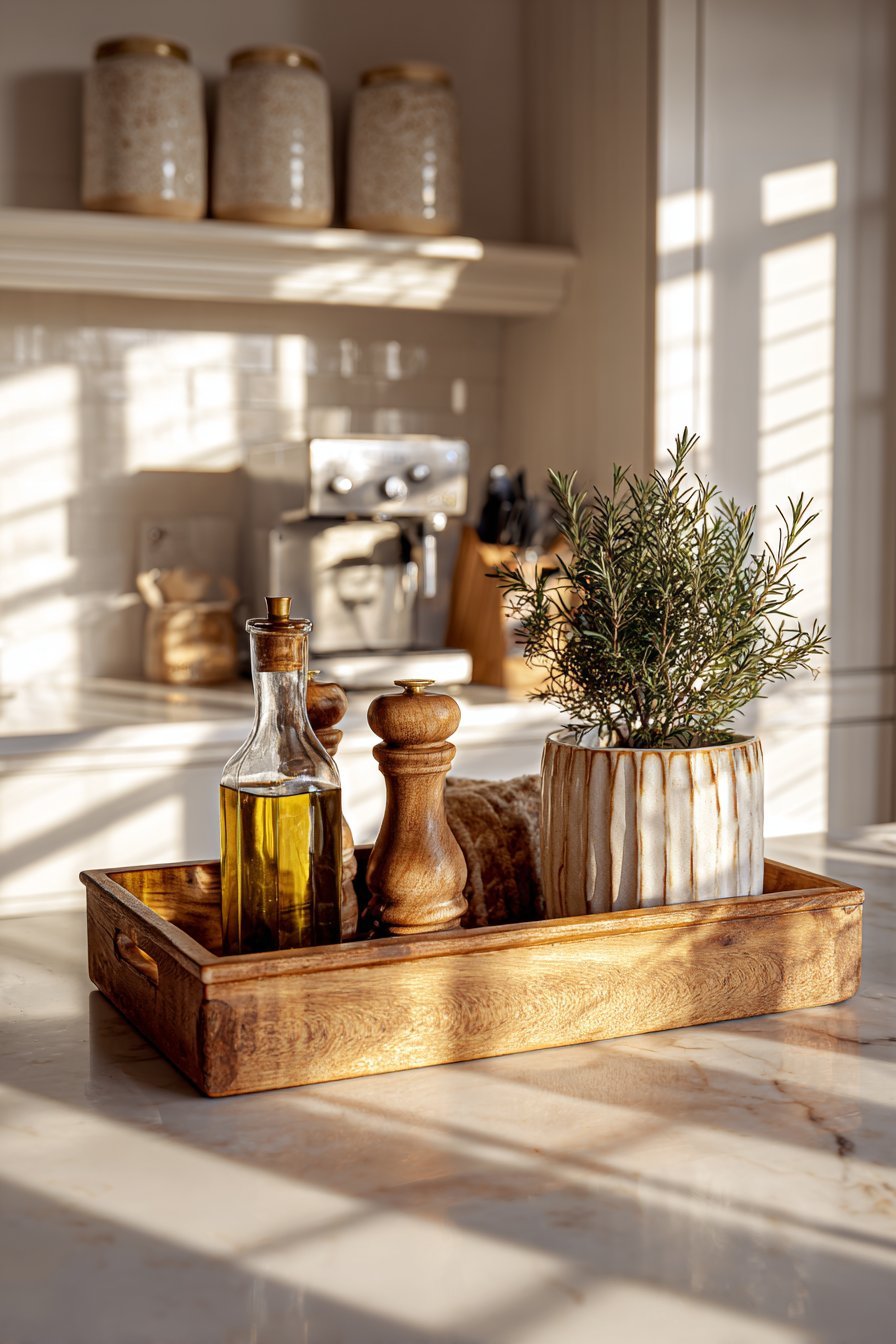
Choose containers that complement your kitchen’s color palette and style while serving practical purposes. A wooden tray with handles adds warmth and mobility, making it easy to clear the entire space for cooking. Metal trays suit modern kitchens, while woven baskets bring texture to farmhouse styles. The container itself becomes part of the decor while corralling items that might otherwise scatter.
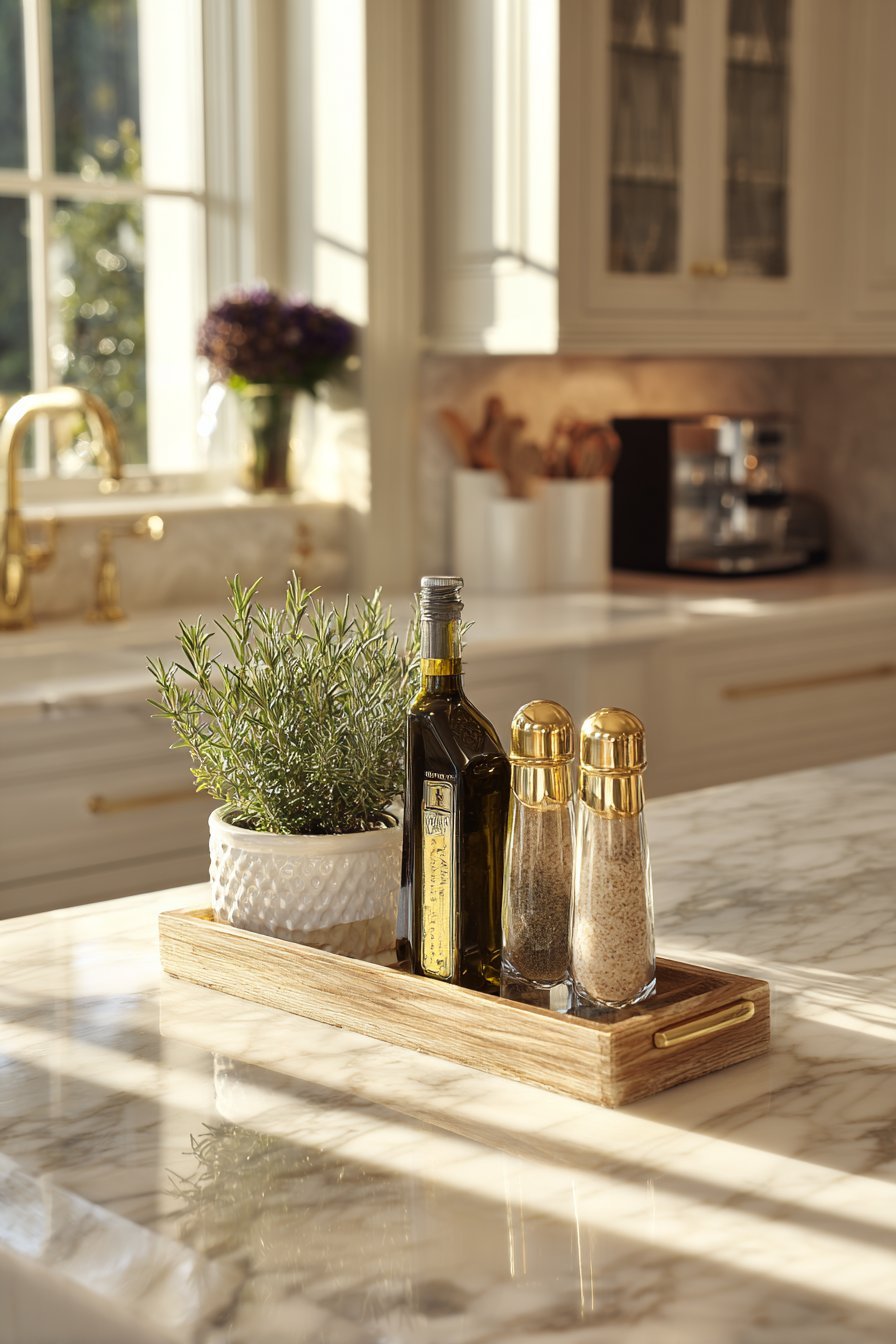
Assign specific purposes to each contained zone to maintain organization over time. One tray might hold cooking essentials like olive oil, salt, and pepper near the stove. Another could create a beverage station with sugar, stirrers, and coffee accessories. These defined zones train household members where items belong, making cleanup and maintenance almost automatic.
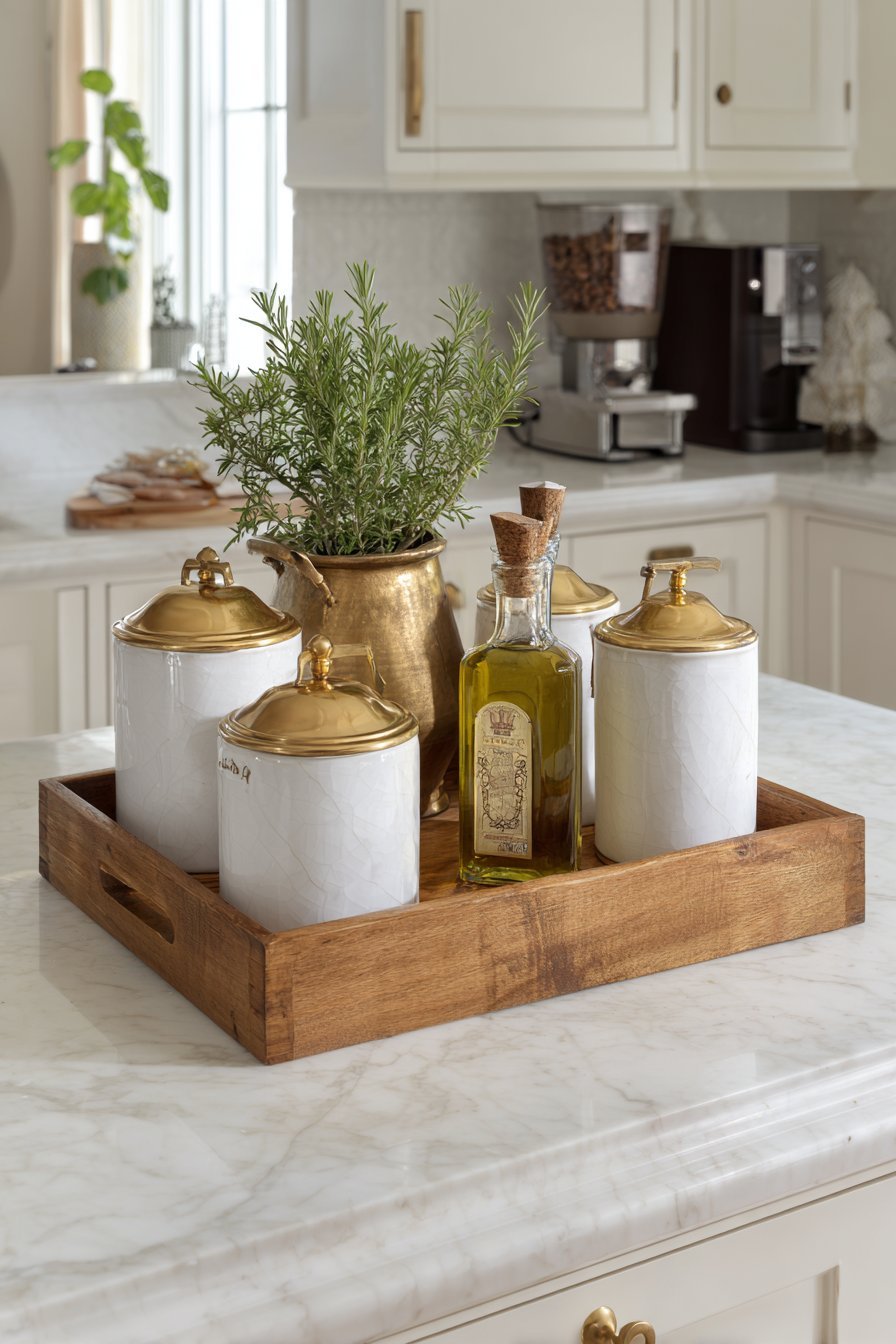
- Select a tray no larger than 12 x 18 inches to prevent overfilling
- Use a two-tiered lazy Susan for corner counter spaces
- Group baking essentials in a handled basket for easy storage
- Place frequently used spices in a small rectangular container near the stove
- Use matching canisters for flour, sugar, and coffee to create visual cohesion
- Choose containers with low sides to maintain easy access and visibility
5. Maximize Vertical Space with Wall Solutions
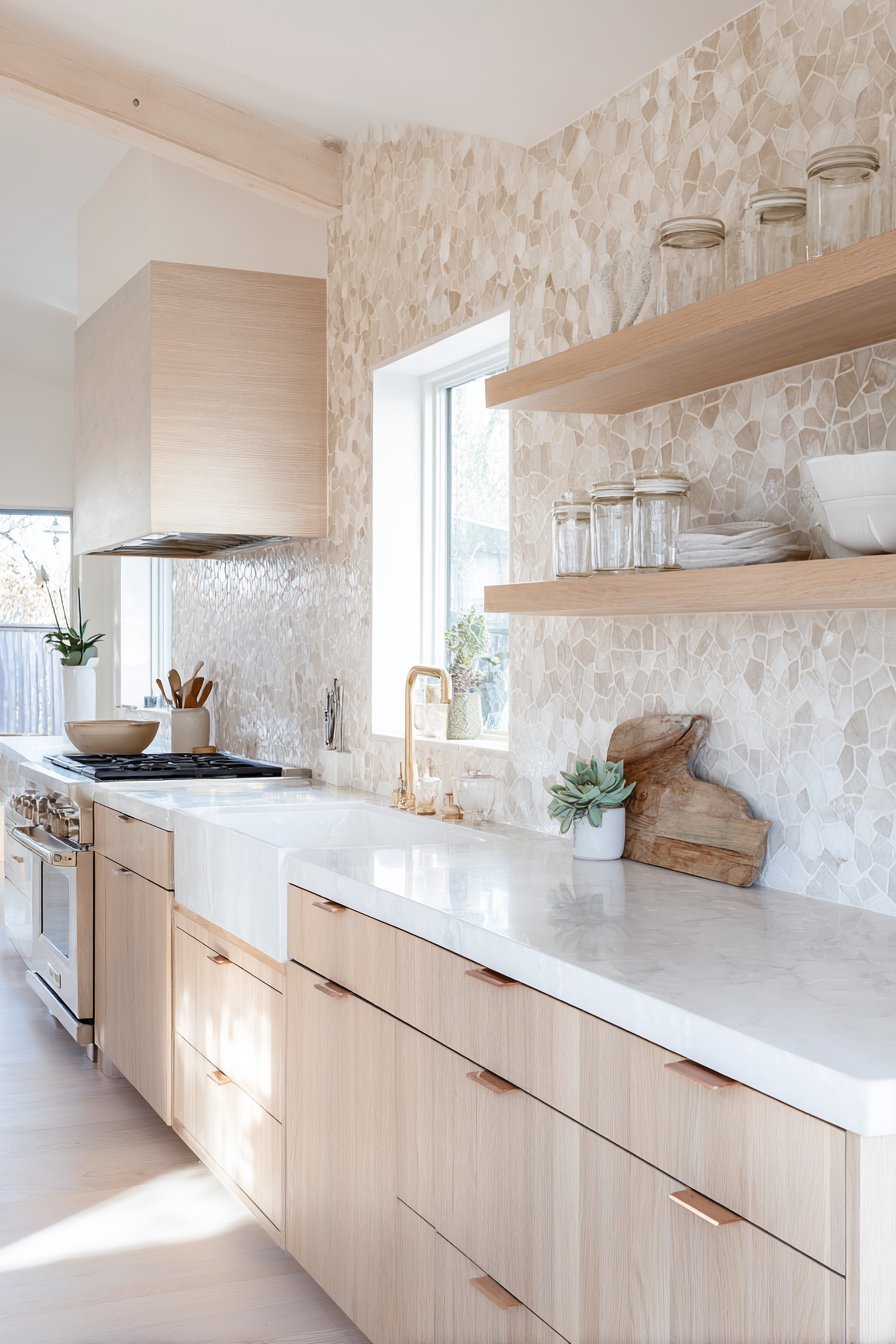
When counter space is limited, looking upward provides valuable storage opportunities that keep surfaces clear while maintaining accessibility. Wall-mounted solutions range from floating shelves to magnetic knife strips, pegboards to hanging pot racks. These vertical strategies remove items from counters without hiding them away completely, keeping frequently used tools visible and within arm’s reach.
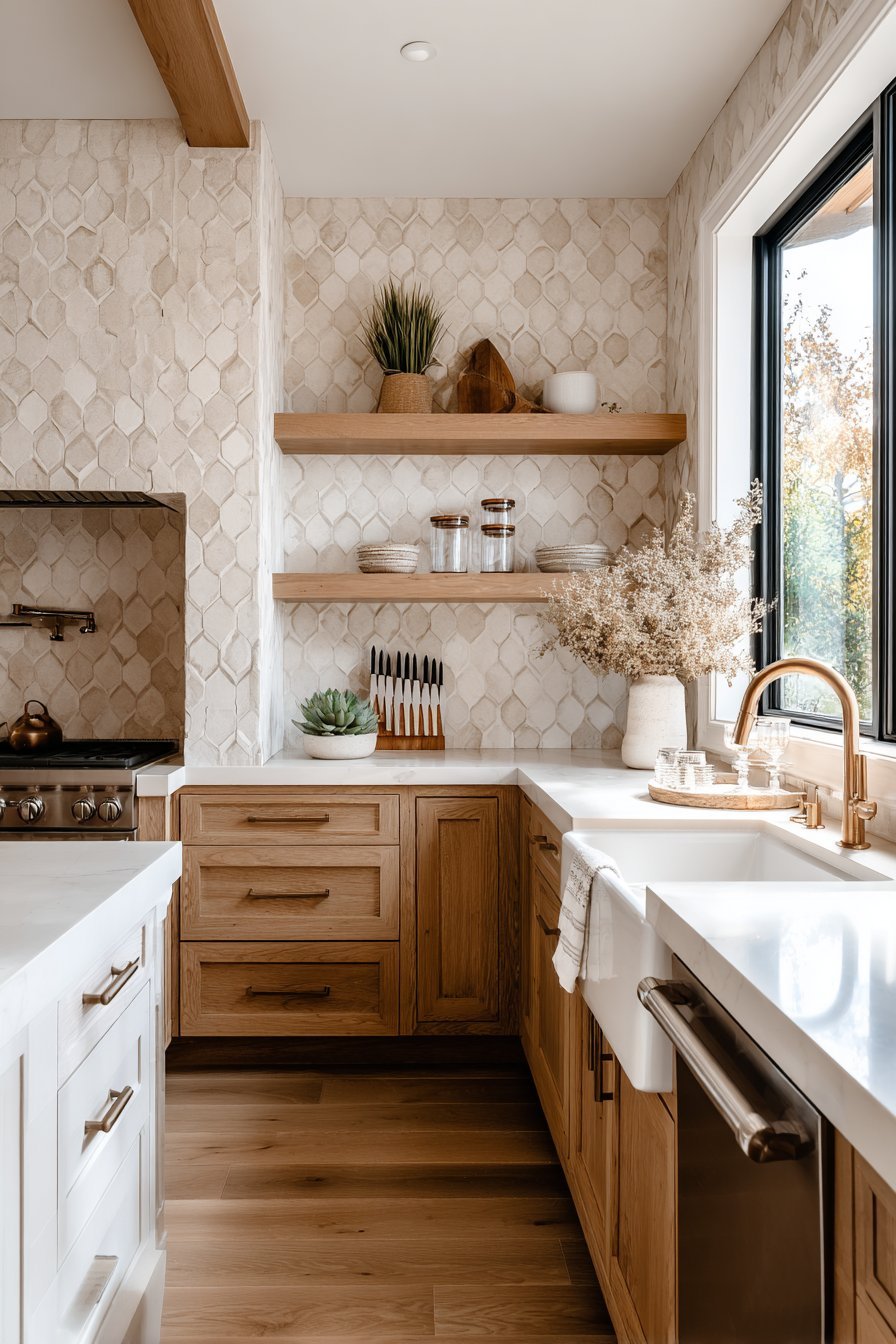
Floating shelves above counters create display space for attractive containers, cookbooks, or plants without consuming prep surface. Position shelves at least 18 inches above the counter to provide adequate workspace while keeping stored items easily reachable. Choose shelf depth carefully—six to eight inches works well for smaller items without protruding too far into the room.
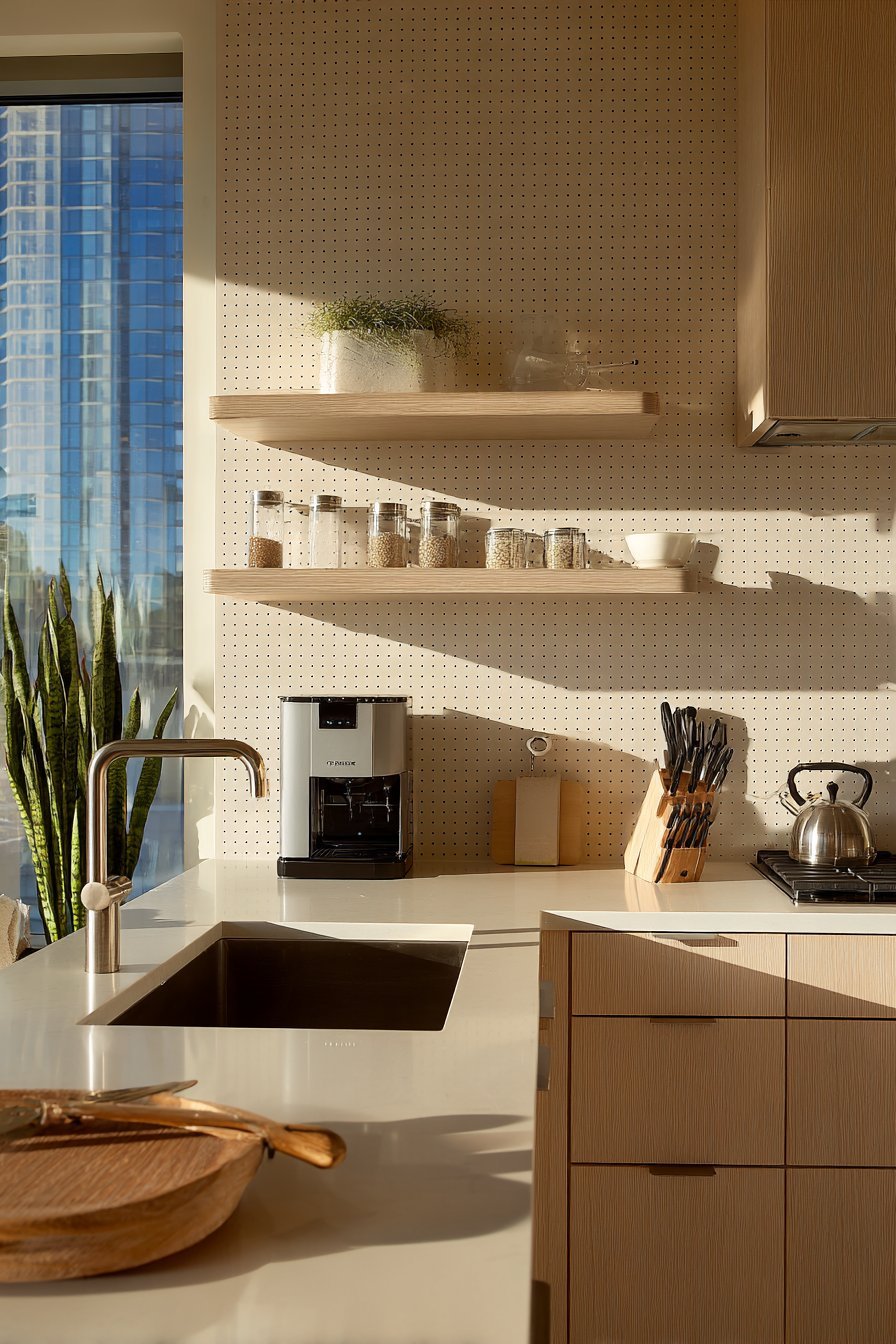
Wall-mounted magnetic strips or pegboard systems offer flexible storage that adapts as your needs change. A magnetic knife strip near your cutting board prep area keeps blades safely stored and instantly accessible. Pegboards with customizable hooks accommodate everything from measuring cups to pot lids, creating an organized display that doubles as functional art.
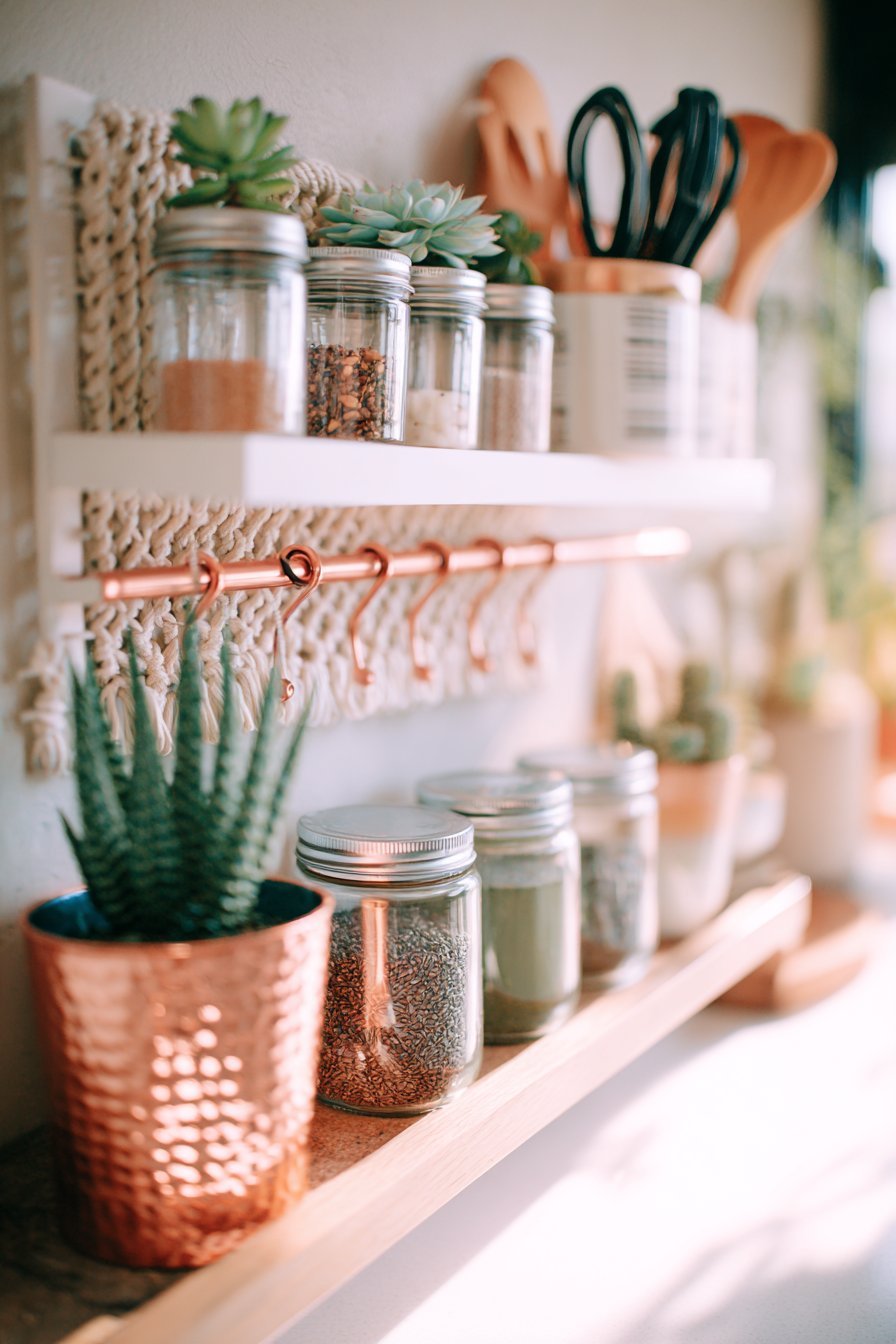
- Install floating shelves with matching brackets for a cohesive look
- Mount a pegboard panel painted in your kitchen’s accent color
- Use S-hooks on a rail system for hanging mugs or utensils
- Add a narrow shelf above the sink for dish soap and sponges
- Install a magnetic strip at eye level for knife and tool storage
- Create a vertical herb garden using wall-mounted planters near a window
6. Establish a Nightly Counter Reset Routine
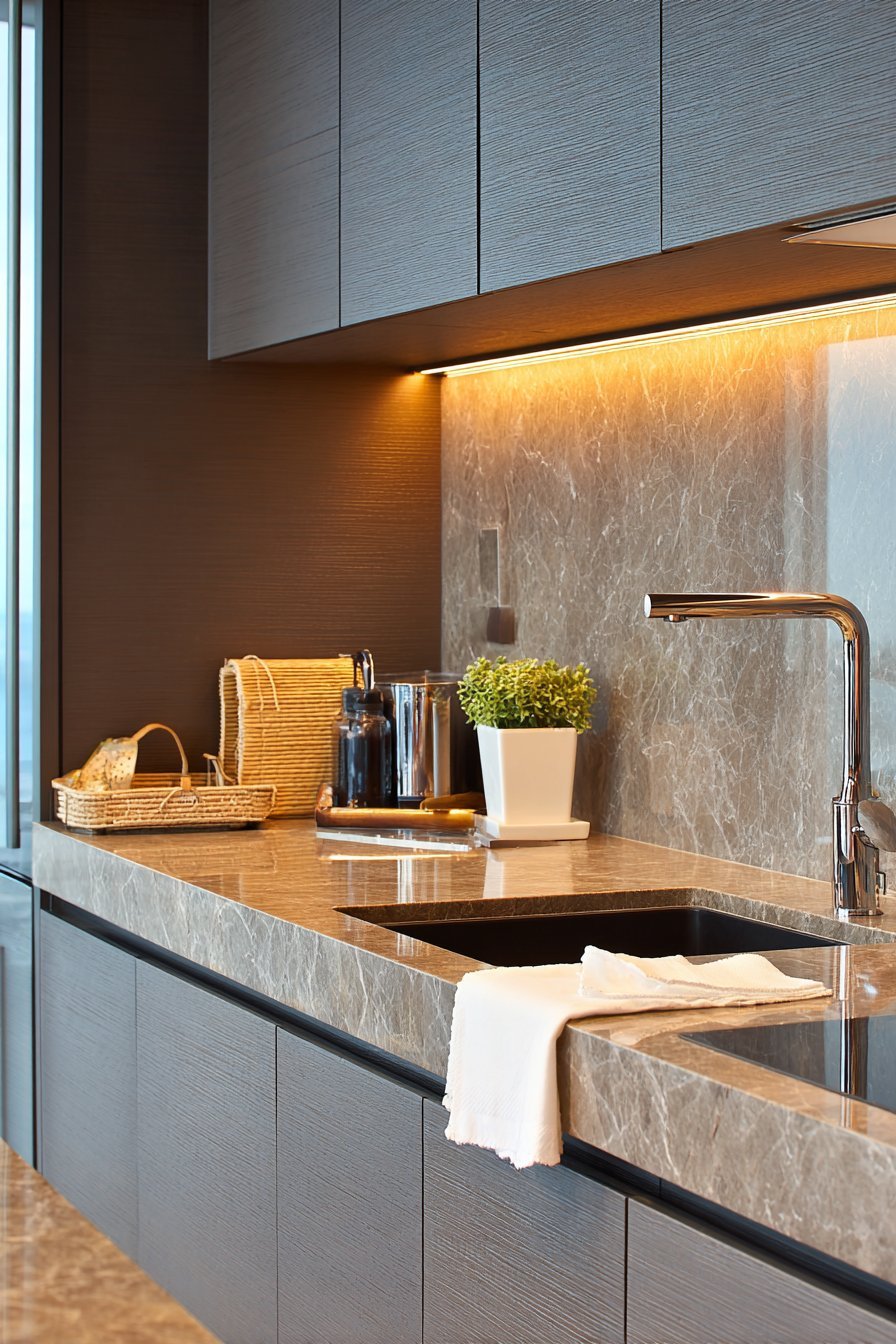
Even the best organizational systems fail without consistent maintenance habits that prevent clutter from accumulating. A five-minute nightly reset routine keeps your clean counter aesthetic intact with minimal effort. This daily practice ensures you start each morning with clear surfaces ready for breakfast preparation, setting a positive tone for the entire day.
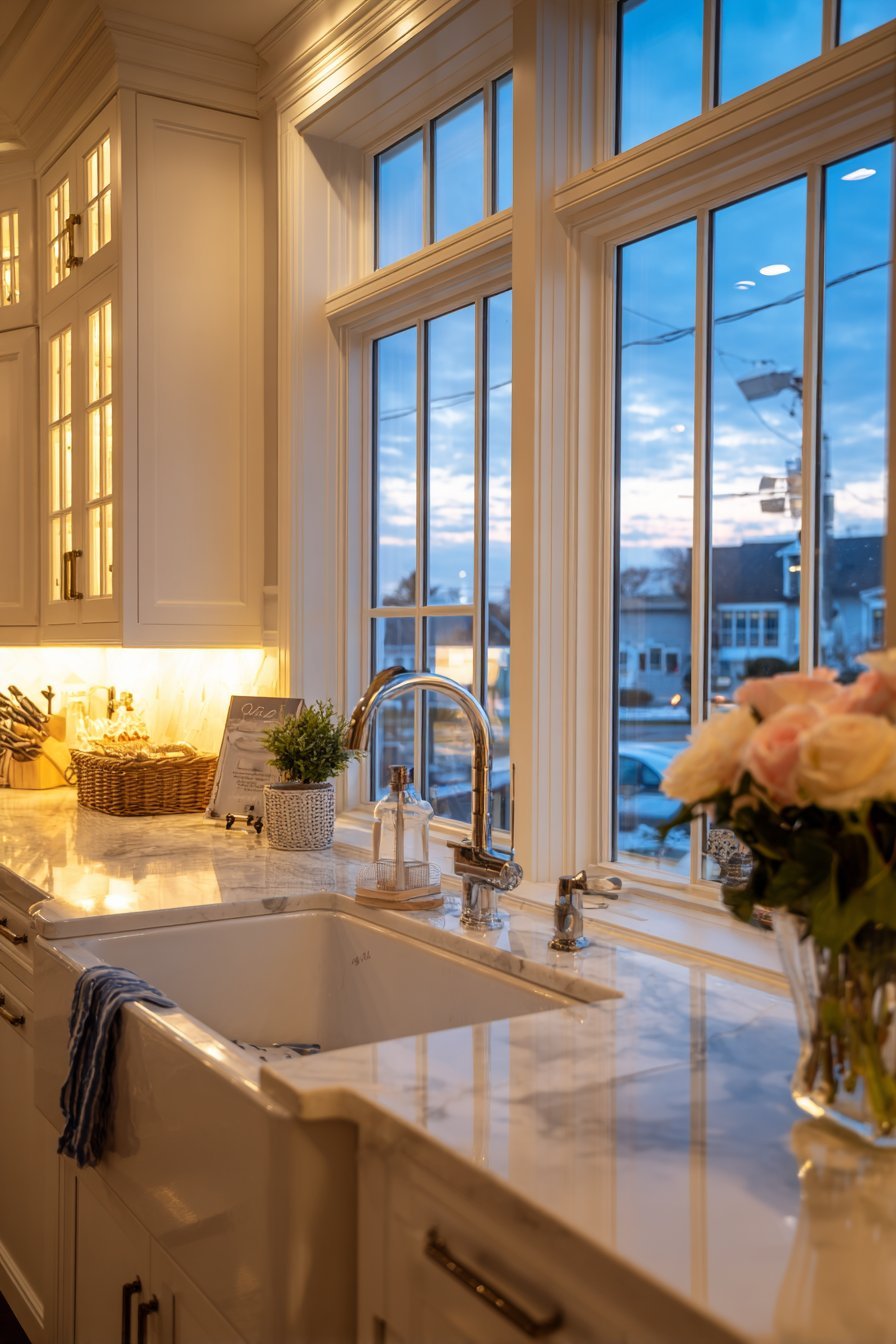
Your reset routine should include clearing all non-permanent items, wiping surfaces clean, and returning everything to its designated home. Make this process easier by keeping cleaning supplies accessible in the cabinet directly under the sink. When cleanup tools are within reach, you’re more likely to complete the routine without skipping nights or cutting corners.
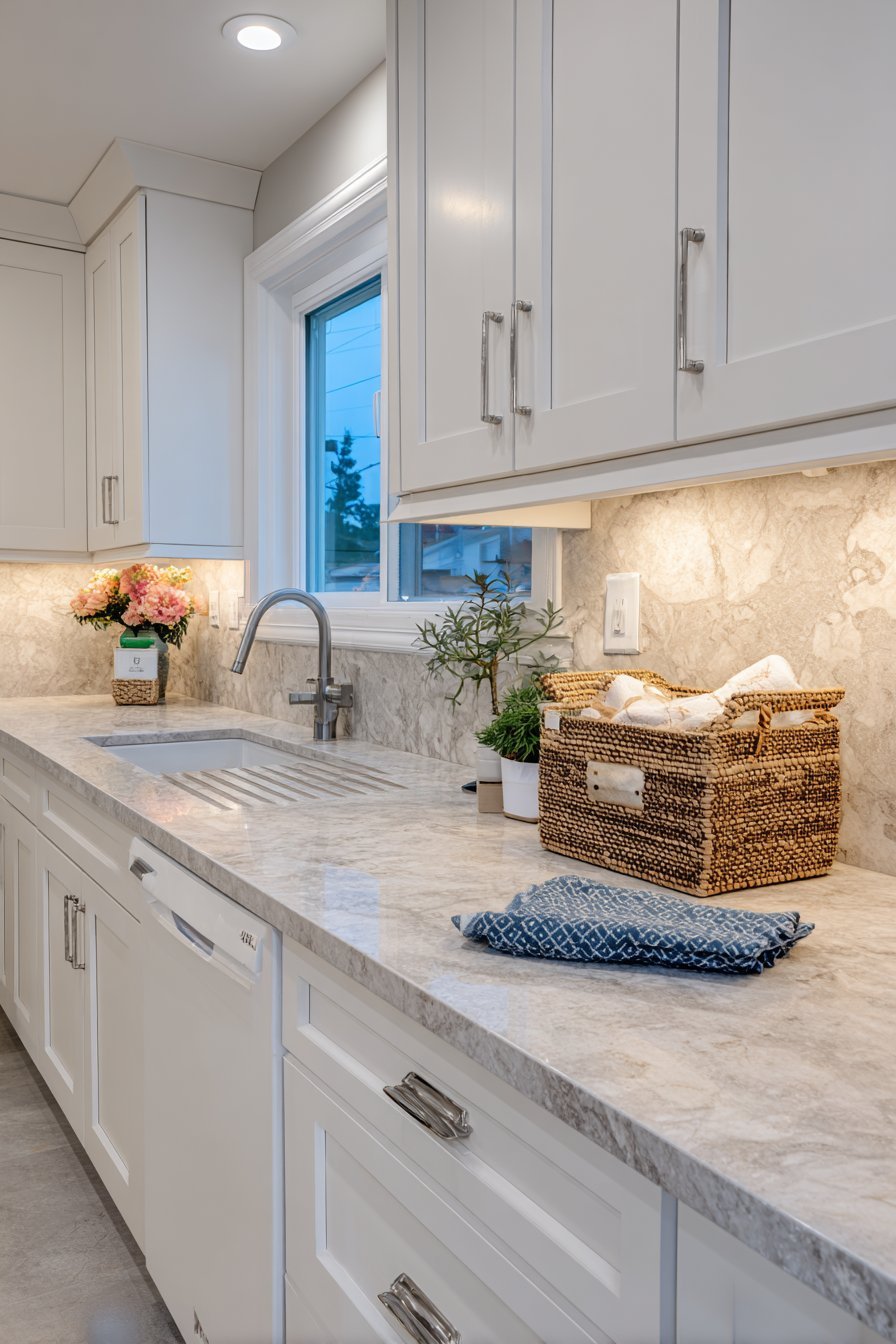
Involve all household members in the counter-clearing habit by making it part of the evening routine, like brushing teeth or locking doors. When everyone participates, the burden doesn’t fall on one person, and the routine becomes sustainable long-term. Children can help by returning their school items to backpacks, while adults handle dishes and mail sorting.
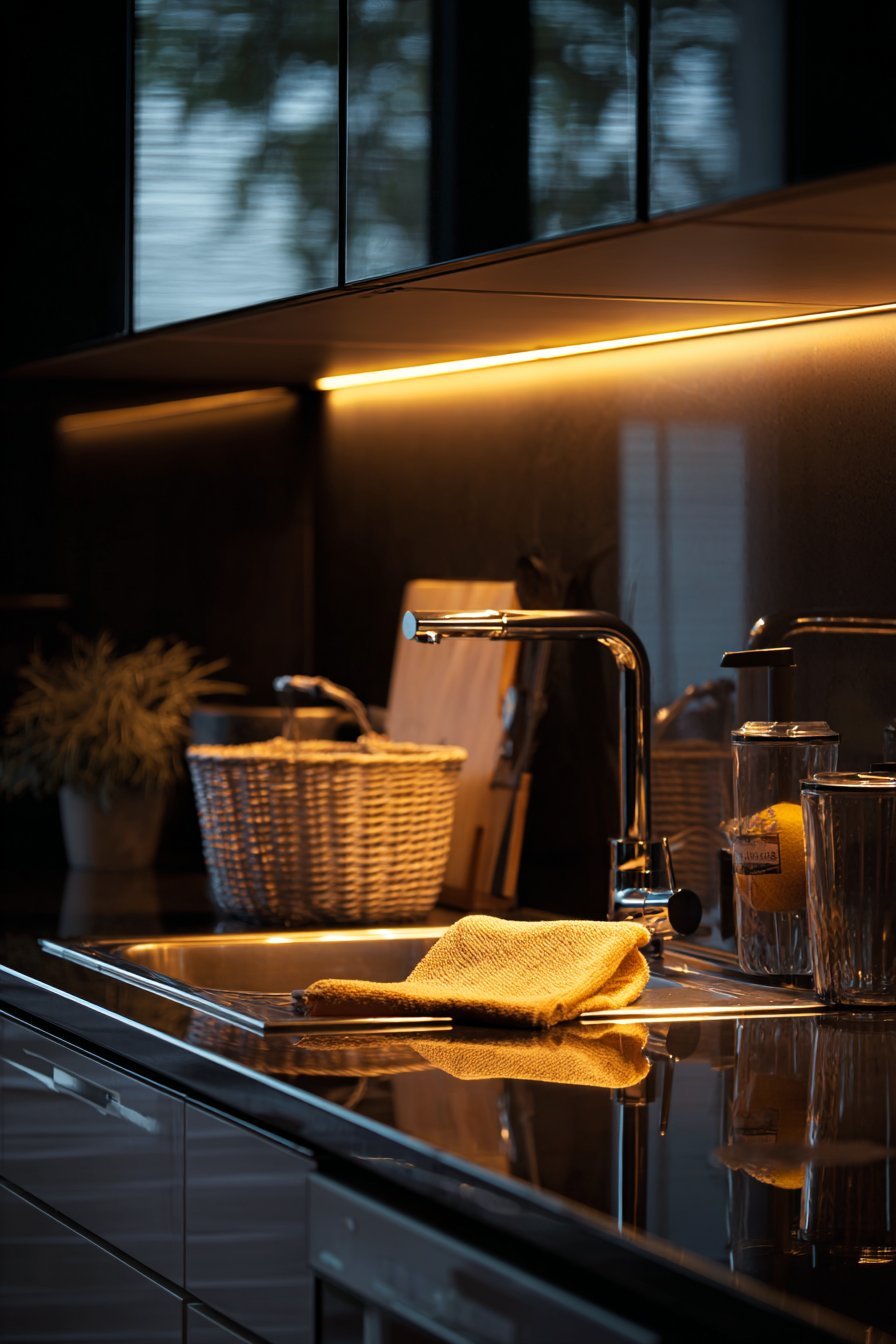
- Set a phone reminder for the same time each evening
- Keep a small basket near the kitchen entrance for items heading elsewhere
- Wipe counters with a microfiber cloth and all-purpose cleaner
- Load the dishwasher or wash dishes immediately after dinner
- Sort mail directly into recycling, filing, or action piles
- Return all food items to pantry or refrigerator before bed
Conclusion
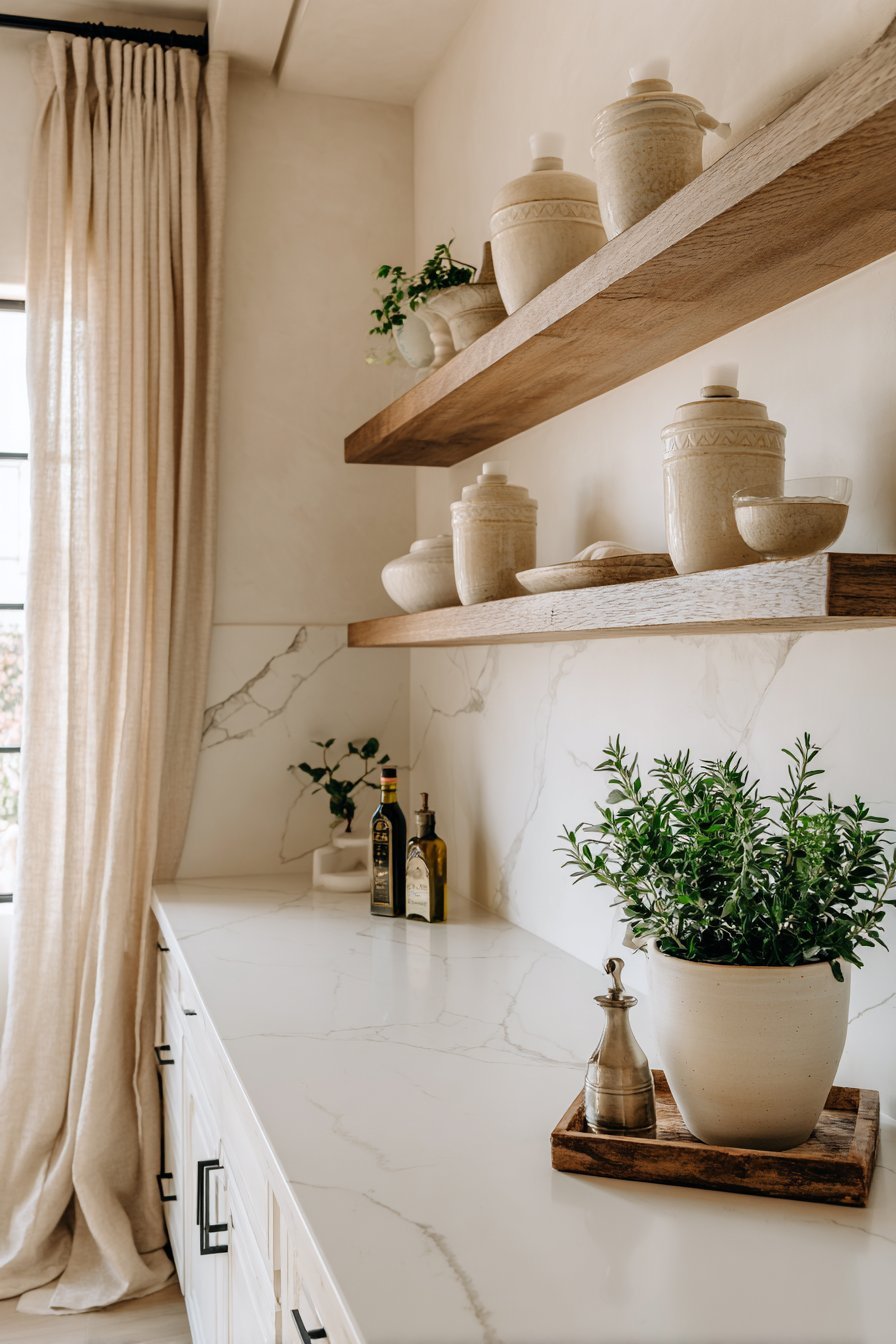
Maintaining clean, uncluttered kitchen counters transforms both the functionality and aesthetic appeal of your most-used room. By implementing the three-item rule, creating designated storage for essentials, and hiding away occasional-use appliances, you’ll reclaim valuable workspace while enhancing your kitchen’s visual calm. Strategic containment zones, vertical storage solutions, and consistent daily habits ensure these changes remain sustainable rather than temporary fixes.
Remember that the goal isn’t sterile emptiness but rather intentional curation of what deserves counter space in your unique kitchen. Start by clearing everything off and slowly adding back only items that serve daily purposes or bring genuine joy. Your kitchen counters will become a source of pride rather than stress, making cooking and entertaining more enjoyable. Embrace these principles gradually, adjusting them to fit your lifestyle, and watch as your kitchen transforms into the organized, welcoming space you’ve always wanted.