

The modern kitchen has evolved far beyond its purely functional roots. Today’s homeowners seek spaces that blend aesthetic appeal with everyday practicality. Among the countless design trends competing for attention, one combination has emerged as a clear favorite: sage green and wood kitchens. This pairing creates an atmosphere that feels both refreshingly contemporary and timelessly natural.
The surge in popularity isn’t accidental. Sage green and wood kitchens represent a thoughtful response to our collective desire for calming, nature-inspired spaces in our homes. After years of stark whites and industrial grays dominating kitchen design, this softer palette offers visual relief while maintaining sophistication. The combination works across various home styles, from farmhouse charm to modern minimalism, making it accessible to diverse design preferences.
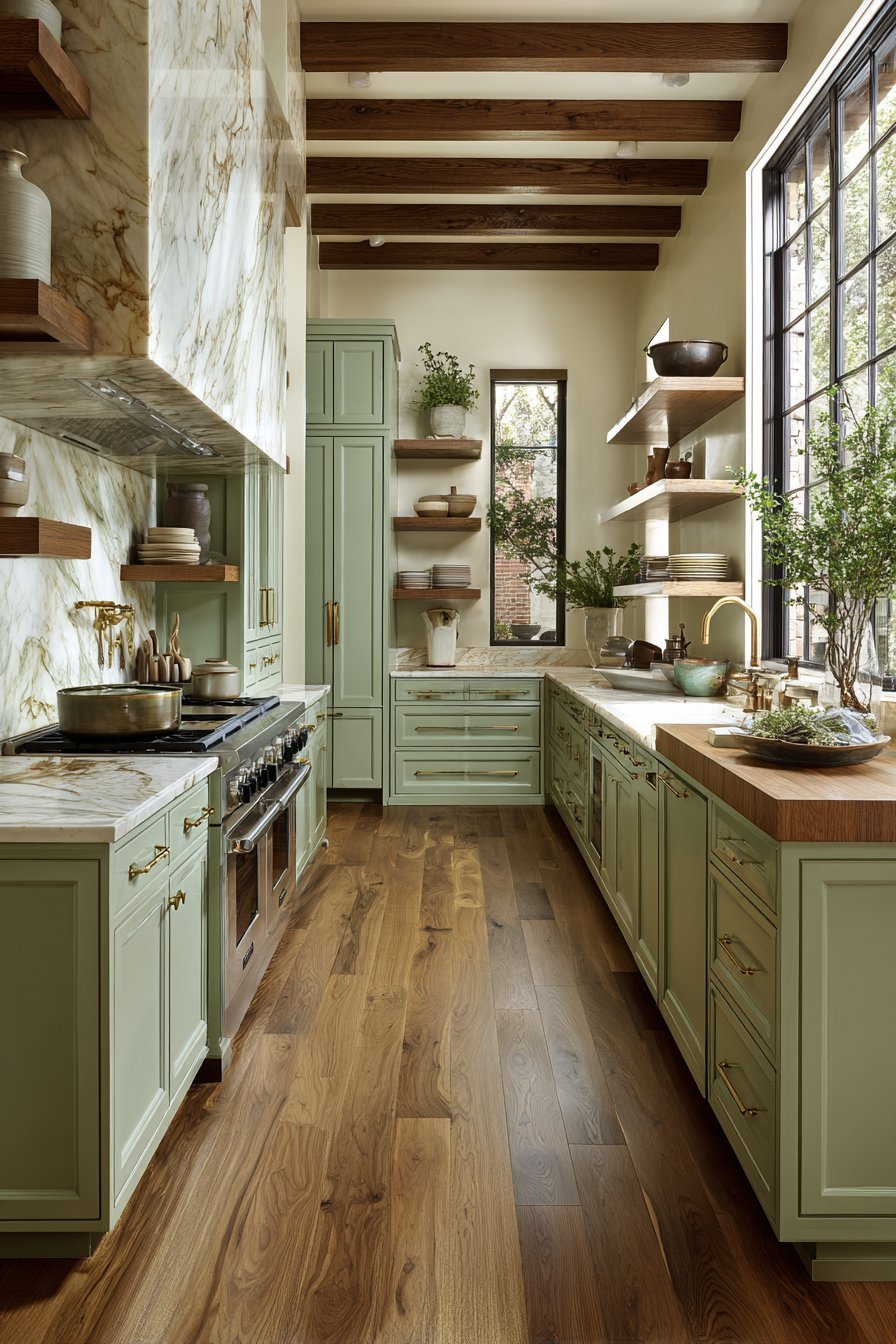
This article explores ten compelling reasons why sage green and wood kitchens have captured the imagination of homeowners and designers alike. Whether you’re planning a complete renovation or considering a refresh, understanding these benefits will help you make informed decisions about incorporating this winning combination into your own kitchen space.
1. Creates a Calming, Nature-Inspired Atmosphere
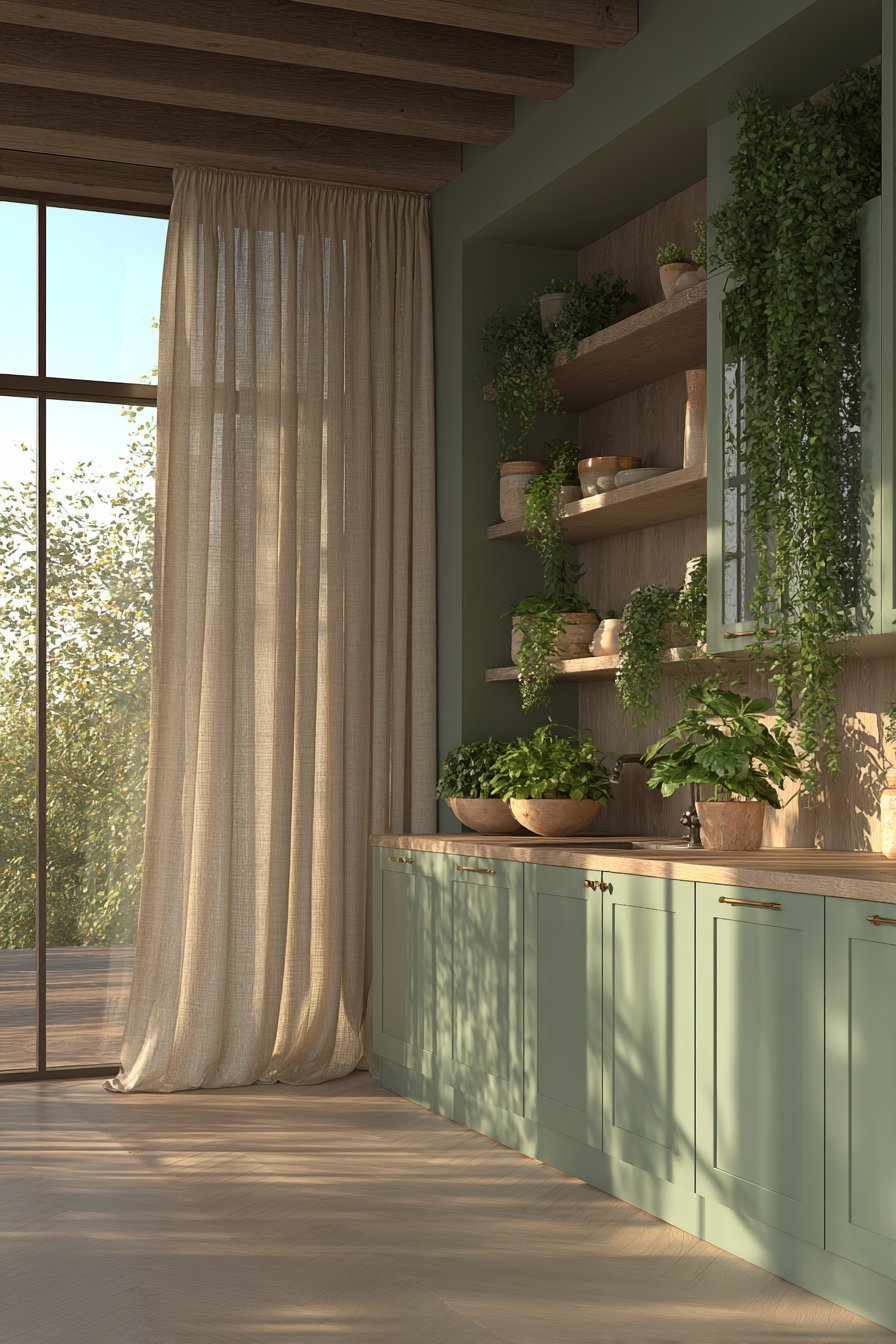
Sage green draws its power from nature itself. This muted, earthy tone evokes forests, gardens, and peaceful outdoor spaces. When paired with wood elements, it brings the tranquility of the natural world directly into your kitchen. The psychological impact shouldn’t be underestimated—green tones have been scientifically proven to reduce stress and promote relaxation.
Wood adds warmth and organic texture that prevents the space from feeling cold or clinical. The natural grain patterns create visual interest without overwhelming the senses. Together, these materials establish a foundation that feels inherently welcoming. Your kitchen becomes more than a workspace; it transforms into a sanctuary where cooking feels less like a chore and more like a meditative practice.
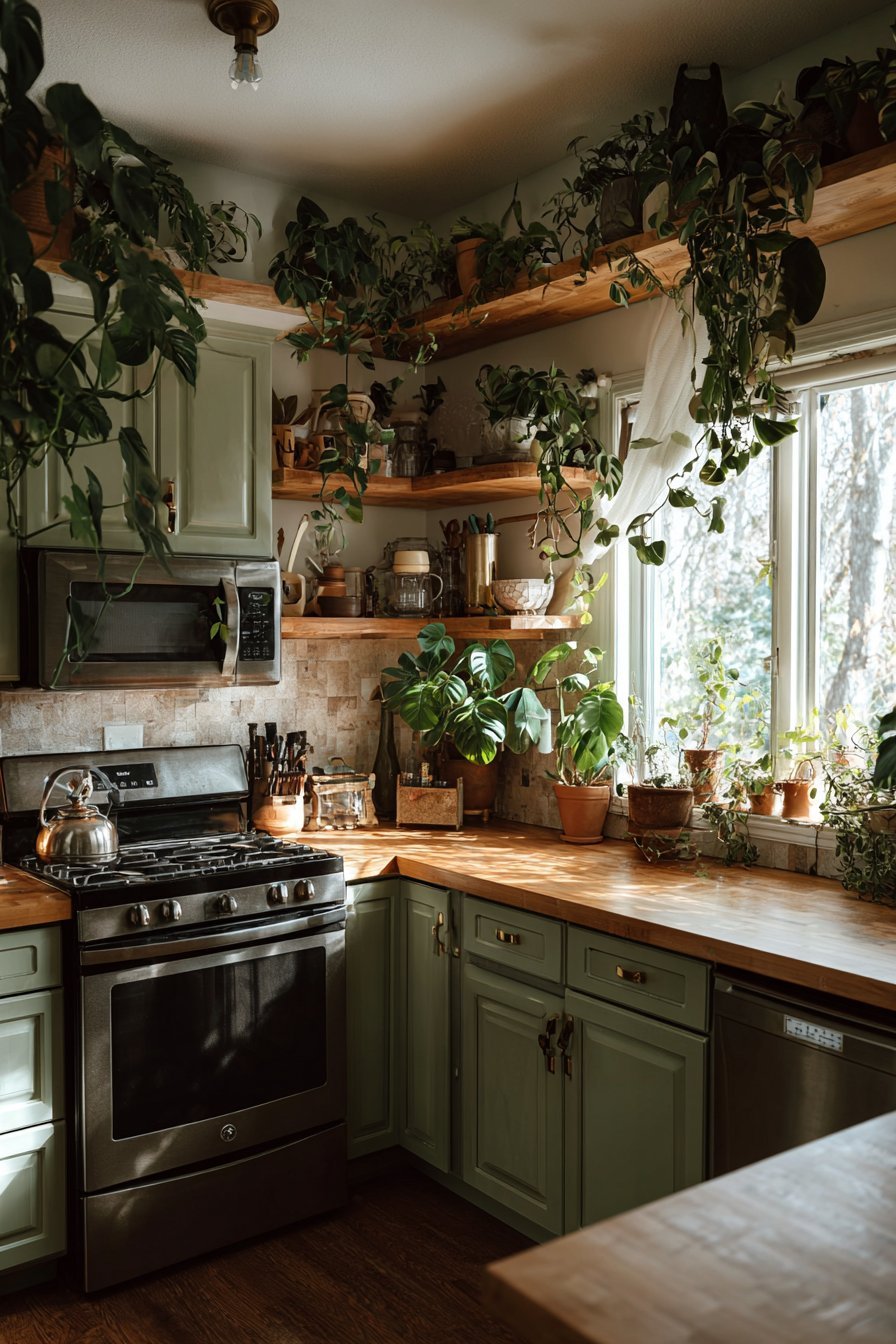
The combination works particularly well in homes where the kitchen serves as the heart of family activity. The calming palette helps balance the inevitable chaos of daily meal preparation, homework sessions, and family gatherings. It creates an environment where people naturally want to spend time.
- Choose lighter sage tones for smaller kitchens to maintain an airy feel
- Incorporate live plants to strengthen the connection to nature
- Select wood species with prominent grain patterns for added texture
- Consider natural light exposure when selecting your sage green shade
- Use matte finishes on cabinetry to enhance the organic aesthetic
- Add brass or bronze hardware to complement the natural materials
2. Offers Timeless Appeal That Won’t Date Quickly
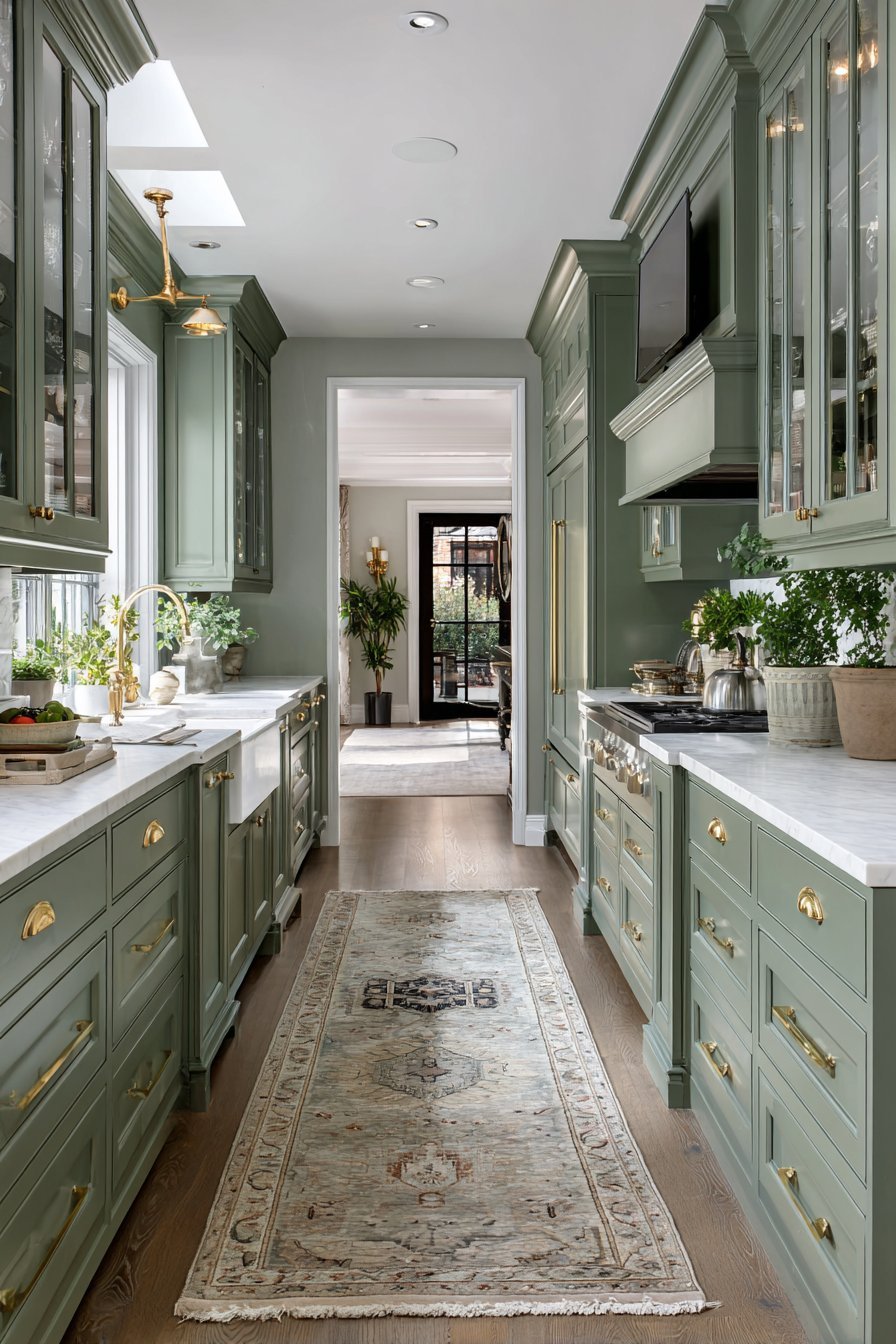
Unlike trendy colors that burn bright and fade fast, sage green possesses enduring versatility. Its roots in nature mean it doesn’t feel tied to any particular decade or design movement. This longevity protects your investment—you won’t feel pressured to renovate again in five years when the latest color fad emerges.
Wood’s timeless quality is equally important. As one of humanity’s oldest building materials, wood carries an inherent permanence that transcends temporary trends. The combination of sage green and wood creates a kitchen that could belong to any era, yet feels perfectly suited to contemporary living.
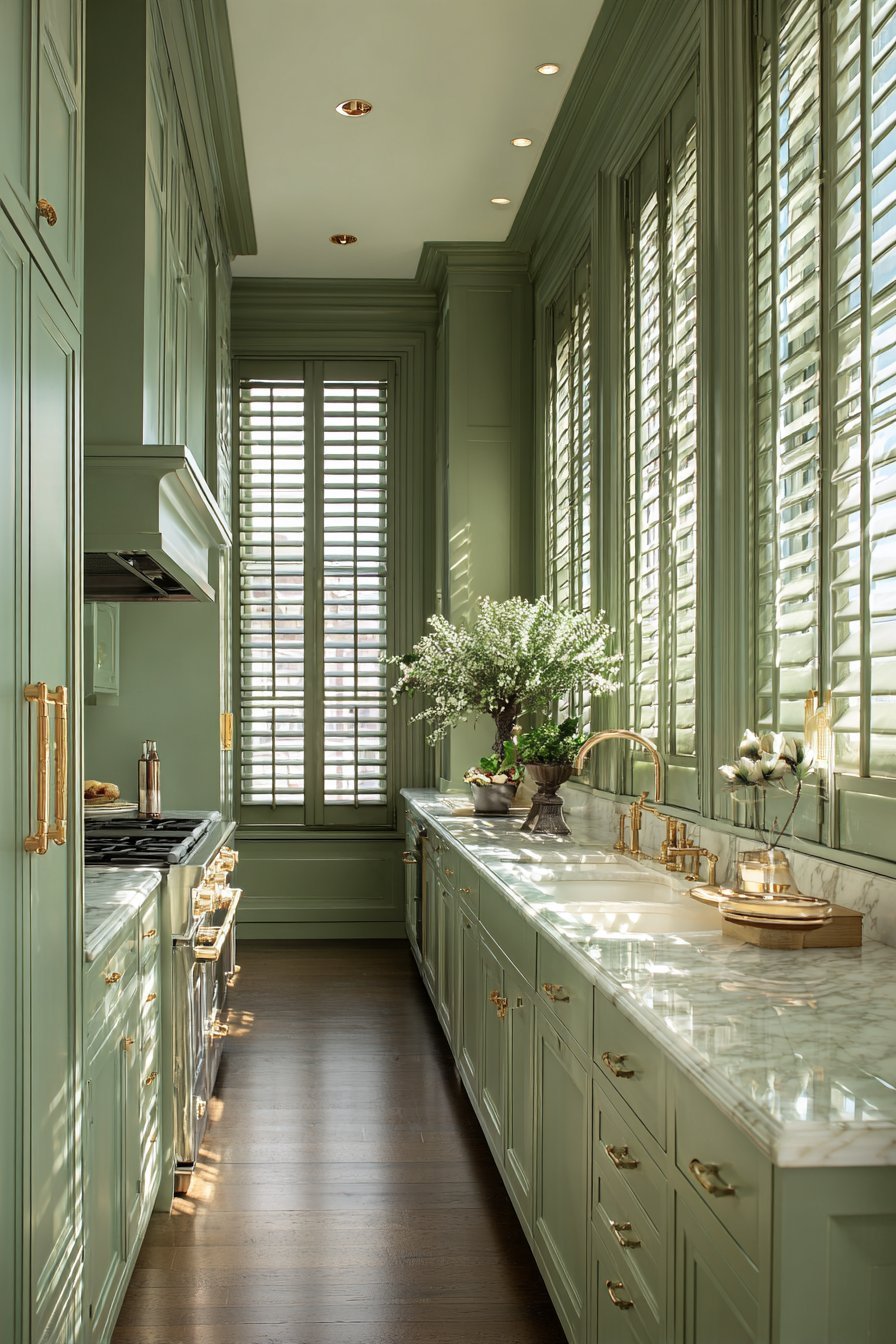
This timelessness also provides flexibility for future updates. If your style evolves, you can easily refresh the space with new accessories, lighting, or textiles without replacing the fundamental elements. The neutral-warm palette serves as an adaptable backdrop for various decorative directions.
- Invest in quality wood cabinetry that will age beautifully
- Choose classic cabinet door styles over trendy profiles
- Select sage green shades with gray undertones for maximum longevity
- Avoid pairing with highly trendy accent colors
- Focus on quality craftsmanship that stands the test of time
- Document your exact paint colors for future touch-ups
3. Provides Versatility Across Multiple Design Styles
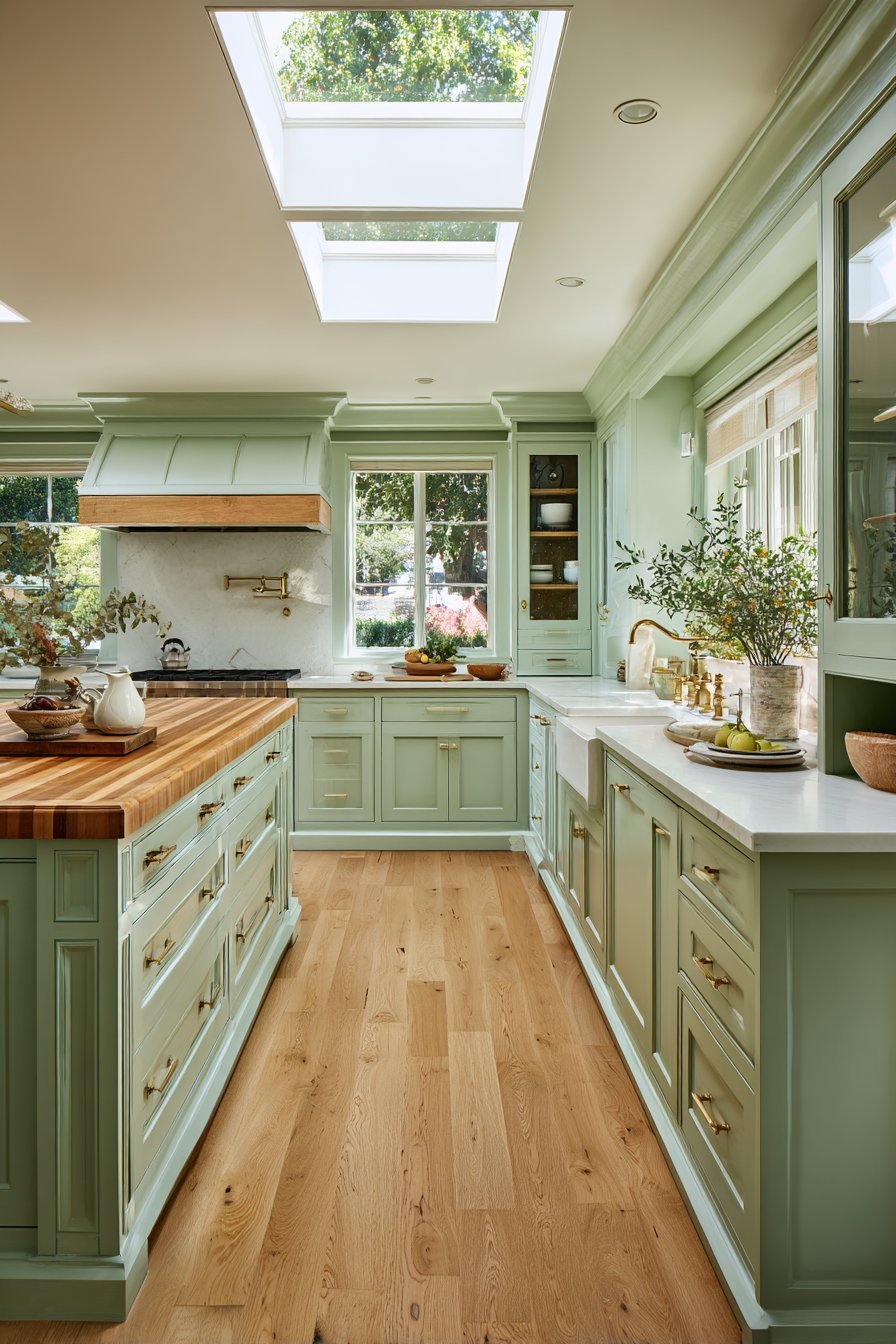
Sage green and wood form a chameleon combination that adapts to various aesthetics. In a modern farmhouse kitchen, pair sage shaker cabinets with butcher block countertops and open wooden shelving. The result feels fresh yet comfortable. For contemporary spaces, combine sleek sage flat-panel cabinets with horizontal wood grain patterns and minimalist hardware.
Traditional kitchens benefit equally from this pairing. Sage green on ornate cabinetry paired with rich mahogany or cherry wood creates sophisticated elegance. Scandinavian-inspired designs use lighter woods like birch or ash with pale sage tones to achieve that coveted Nordic simplicity.
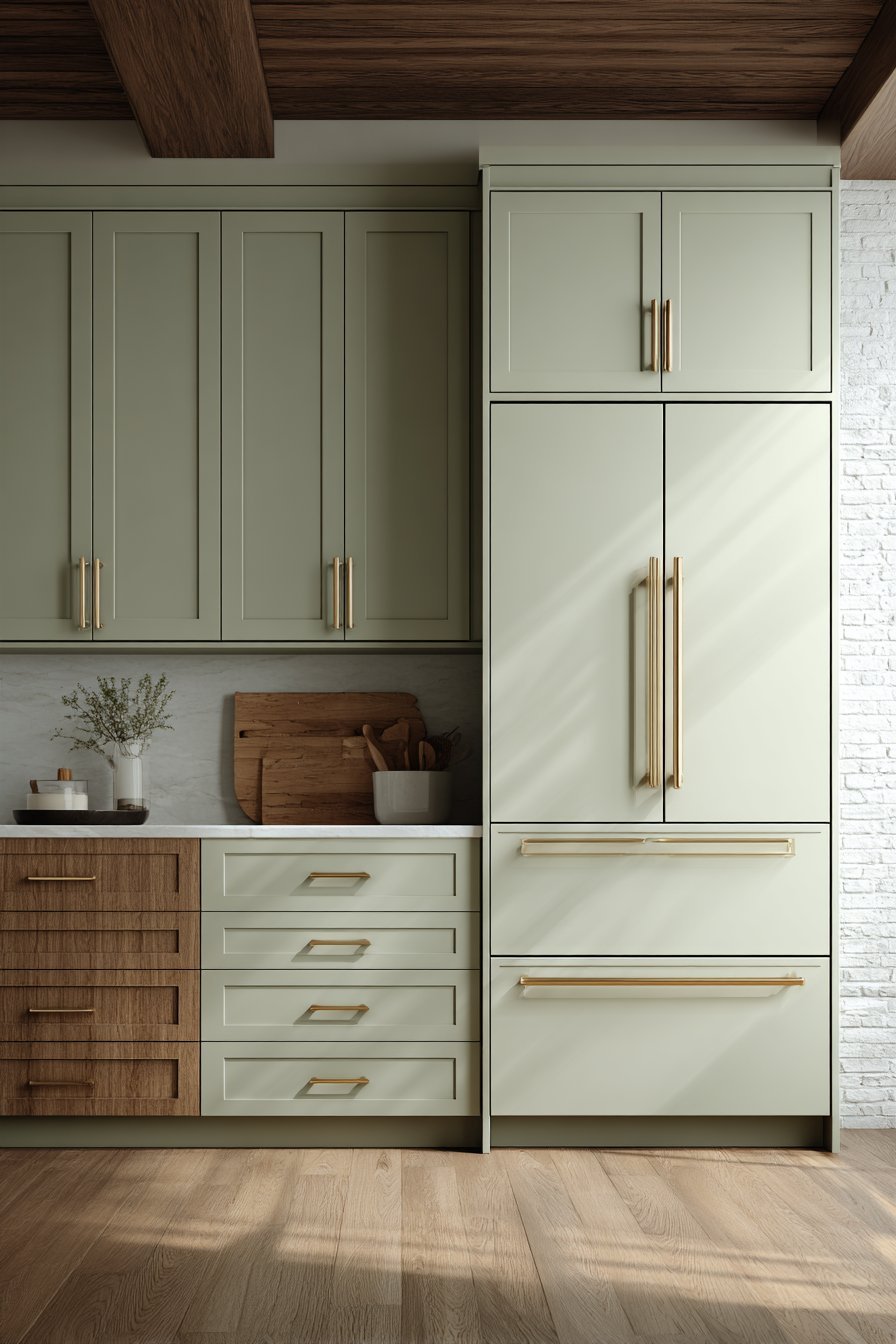
The adaptability extends to architectural styles as well. Whether your home is a Victorian townhouse, a mid-century ranch, or a new construction, sage and wood can be tailored to complement your existing structure. This flexibility makes it an excellent choice for homeowners unsure about committing to a single rigid aesthetic.
- Mix wood species intentionally for layered visual interest
- Adjust hardware finishes to shift between design styles
- Use tile patterns to reinforce your chosen aesthetic direction
- Consider ceiling treatments in complementary wood tones
- Balance painted and natural wood surfaces thoughtfully
- Reference your home’s architectural period for authentic details
4. Enhances Natural Light and Brightens Dark Spaces
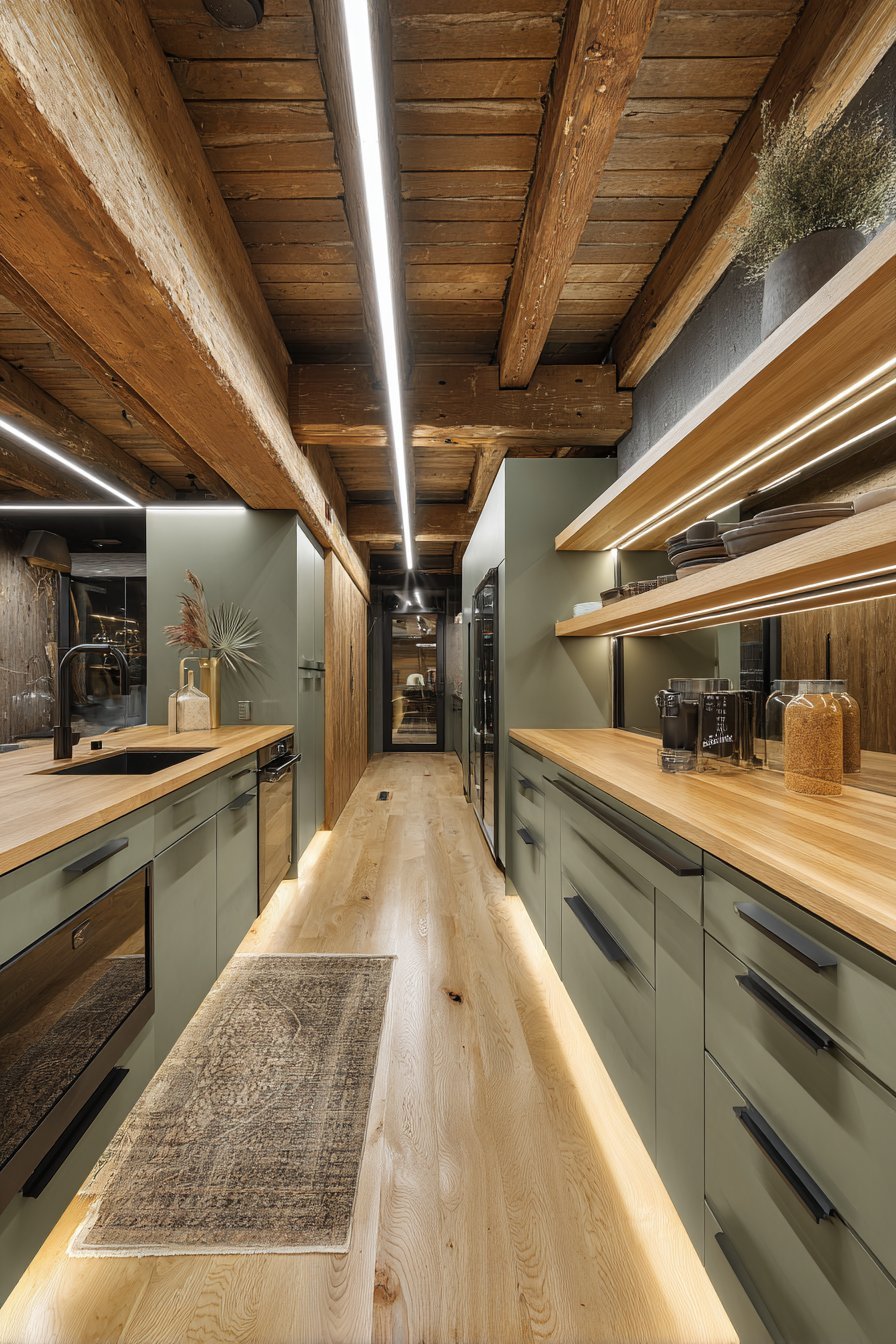
Sage green’s reflective qualities work wonders in kitchens struggling with limited natural light. Unlike darker greens that absorb light, sage’s lighter value bounces illumination around the room. This makes even north-facing or basement kitchens feel more open and welcoming.
Wood contributes warmth that prevents the space from feeling cold despite its brightness. The combination creates a balanced luminosity—bright enough to feel spacious, warm enough to feel inviting. This balance is particularly valuable in open-plan homes where the kitchen needs to harmonize with adjacent living spaces.
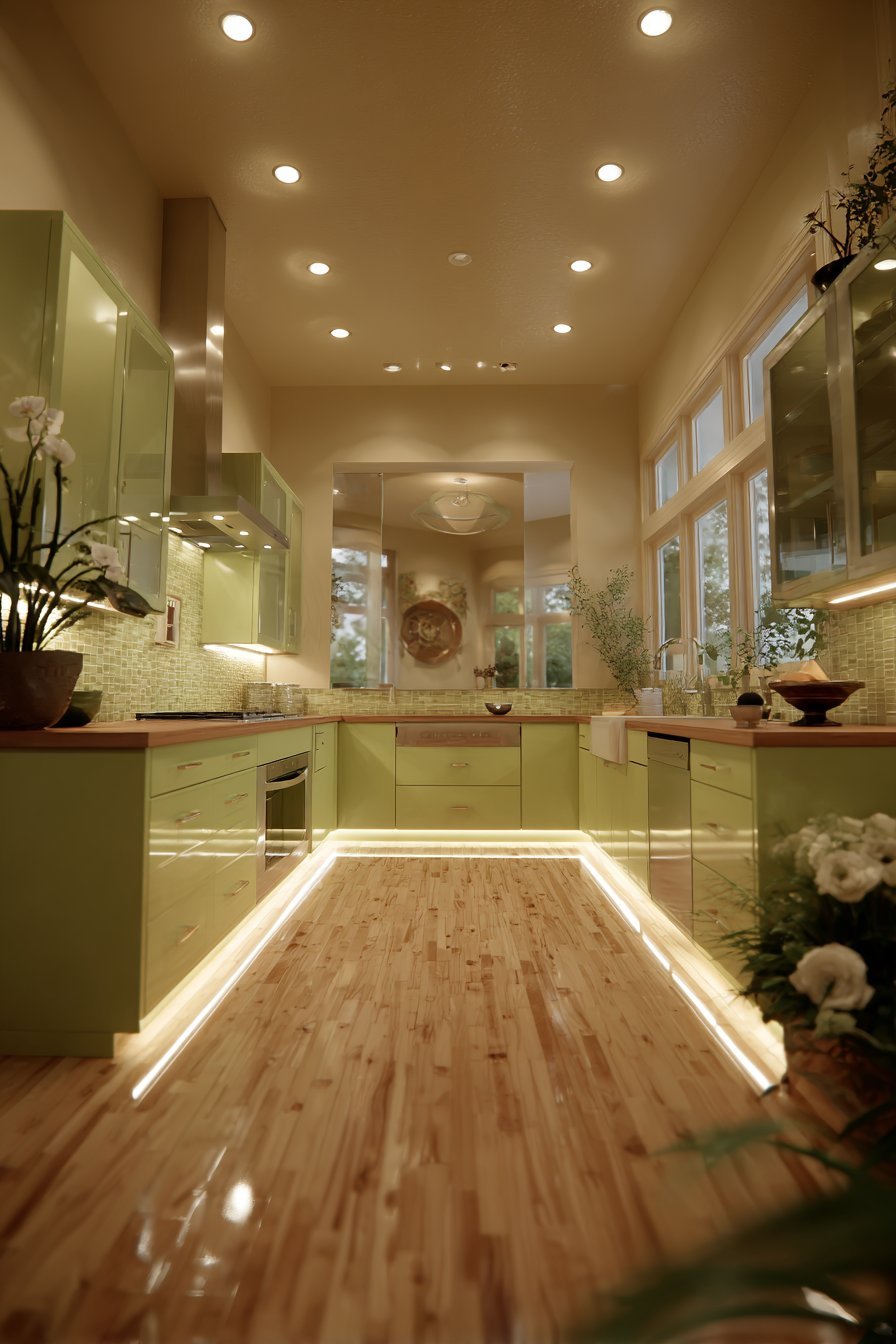
Strategic placement amplifies this effect. Using sage on perimeter cabinets while incorporating wood on an island creates dimensional lighting. The contrast helps define zones while maintaining cohesion. Glass-front cabinets in sage green frames further enhance light distribution.
- Paint upper cabinets in sage while using wood for lower cabinets
- Install under-cabinet lighting to highlight wood grain patterns
- Choose light-colored wood species for maximum brightness
- Use glossy or semi-gloss finishes on sage surfaces for light reflection
- Incorporate mirrors or reflective backsplash materials strategically
- Keep window treatments minimal to maximize natural light entry
5. Complements Both Warm and Cool Color Schemes
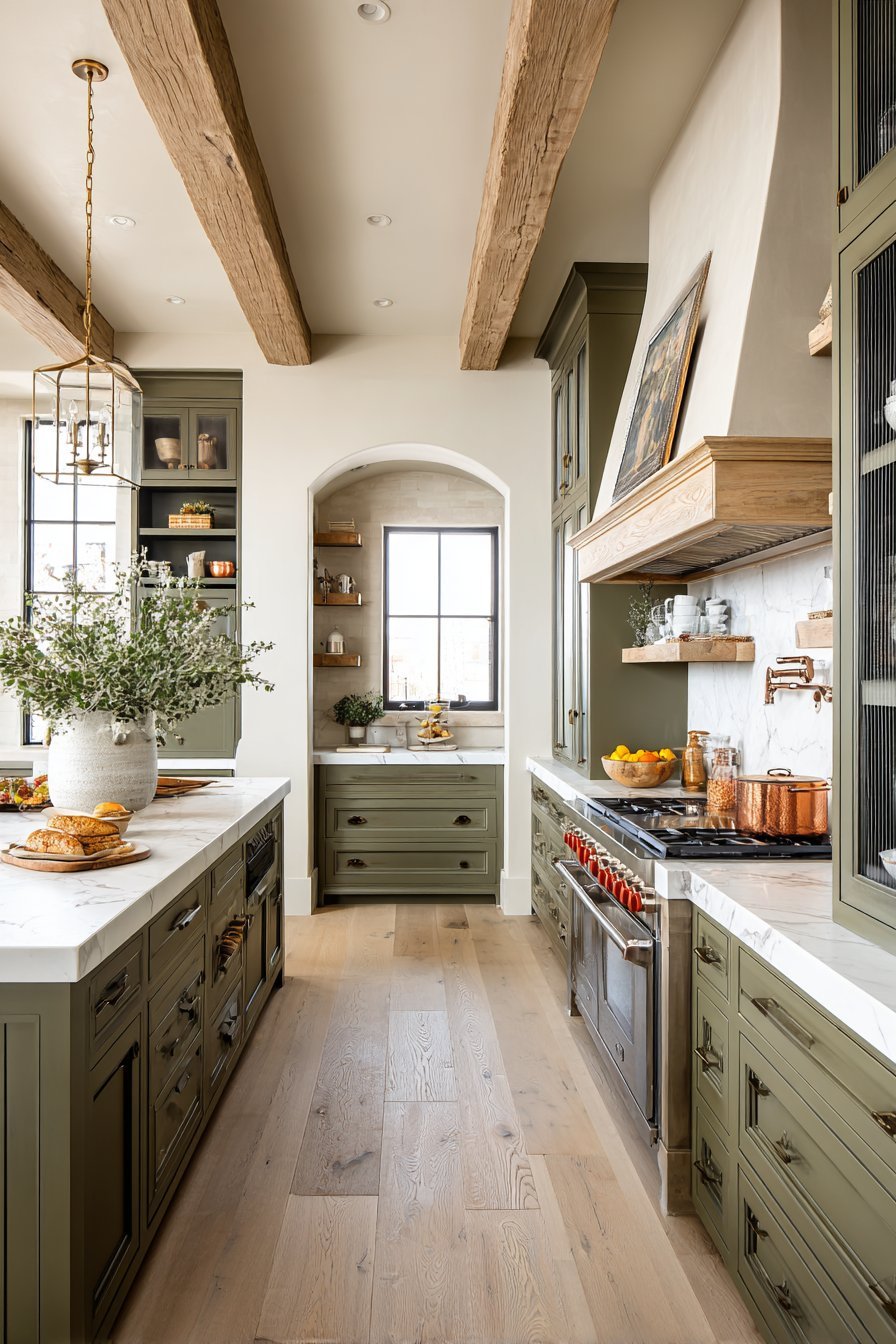
Sage green occupies a unique position on the color wheel. Its green base with gray undertones allows it to bridge warm and cool palettes seamlessly. This flexibility simplifies the design process and provides numerous styling options as your preferences evolve.
Pair sage and wood with warm terracottas, soft creams, and brass accents for a cozy, inviting atmosphere. The same base works equally well with cool whites, blues, and chrome fixtures for a crisp, contemporary feel. This adaptability means you’re not locked into a single color story for accessories and decor.
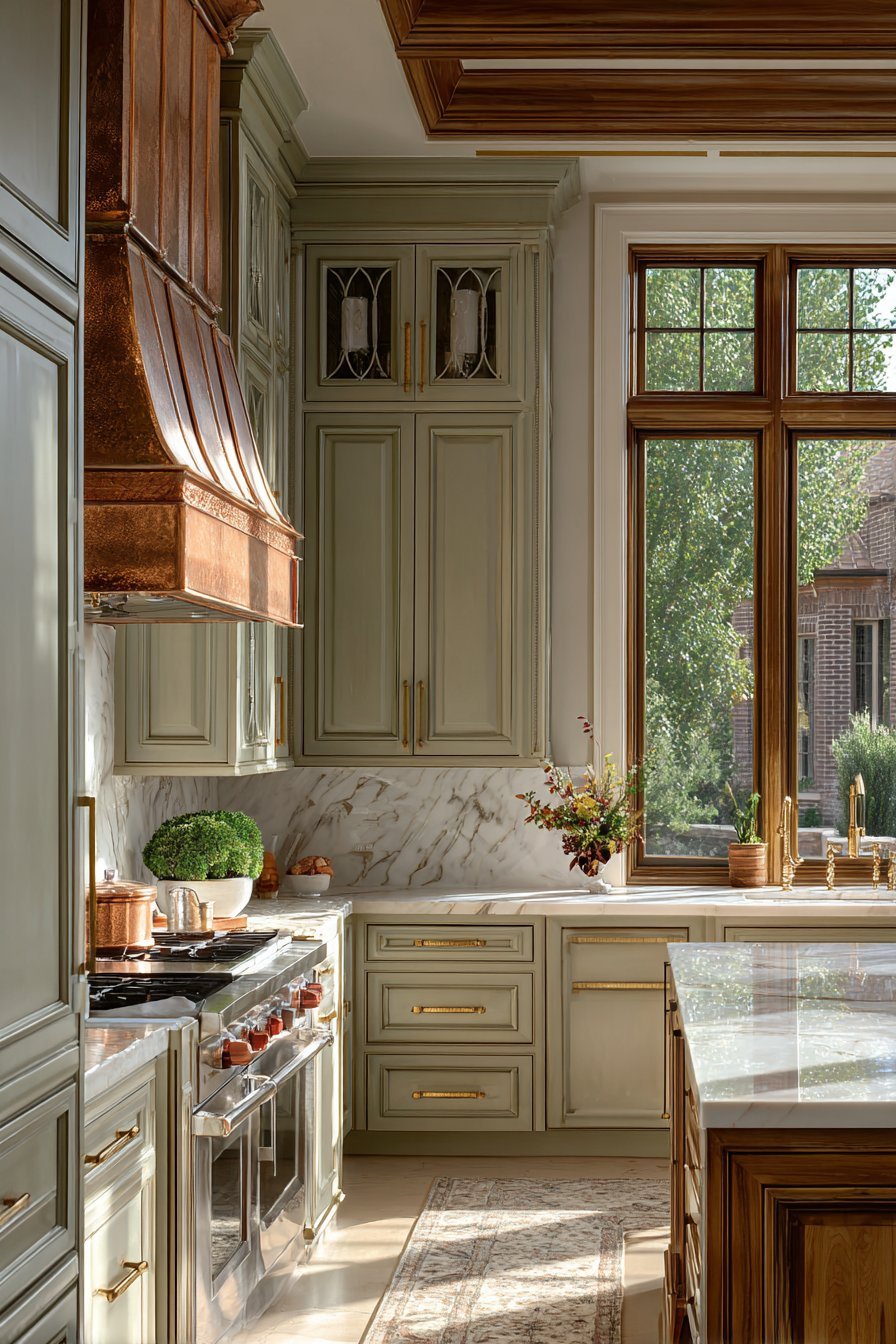
The wood component enhances this versatility. Warm wood tones like oak or walnut pull the palette warmer, while pale woods like maple or ash keep things cooler and more Nordic. By adjusting your wood selection, you can fine-tune the overall temperature of your color scheme without changing the fundamental sage green element.
- Test sage green samples in different lighting conditions before committing
- Use warm metals (brass, copper) for a traditional look
- Incorporate cool metals (chrome, stainless) for modern aesthetics
- Layer textiles in complementary warm or cool tones
- Select countertop materials that support your temperature preference
- Consider seasonal decor swaps to shift between warm and cool
6. Works Beautifully With Modern Sustainable Materials
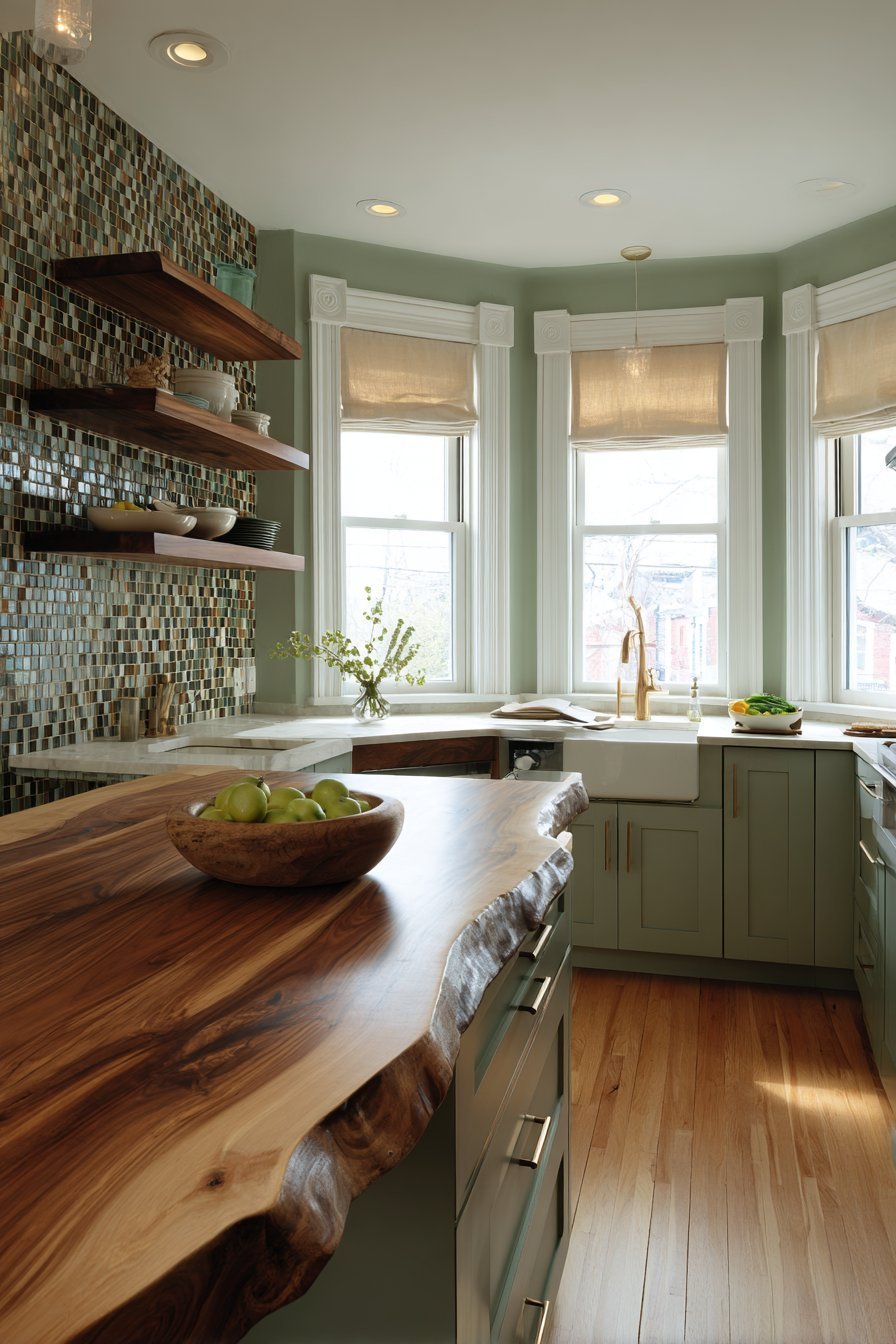
Today’s environmentally conscious homeowners appreciate that sage and wood align with sustainable design principles. Both elements reference nature, making them natural partners for eco-friendly materials like reclaimed wood, bamboo, and low-VOC paints.
Reclaimed wood brings character and reduces environmental impact simultaneously. Its weathered texture and unique patina add authenticity that new materials cannot replicate. Paired with sage green cabinetry finished in water-based paints, you create a kitchen that’s both beautiful and environmentally responsible.
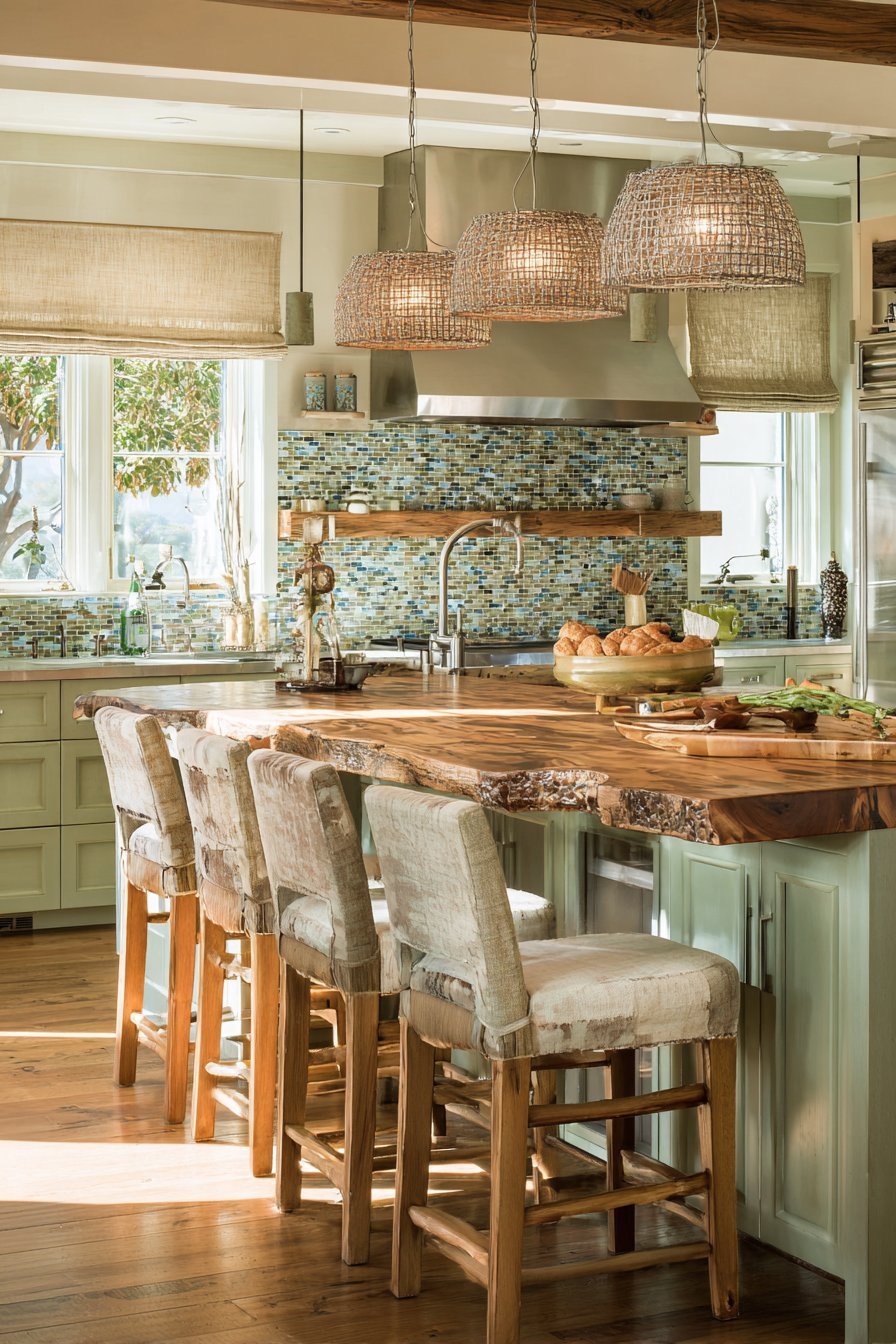
Bamboo offers another sustainable option with its rapid growth cycle and durability. Its lighter color and fine grain pair exceptionally well with sage tones. Cork flooring, recycled glass countertops, and FSC-certified woods all complement this palette while supporting your commitment to sustainability.
- Source locally harvested wood when possible to reduce transportation impact
- Choose low-VOC or zero-VOC paints in sage green shades
- Investigate reclaimed wood suppliers for unique character pieces
- Consider bamboo for flooring or cabinet construction
- Select energy-efficient appliances that complement the color scheme
- Use natural stone or recycled materials for countertops and backsplashes
7. Hides Minor Wear and Aging Gracefully
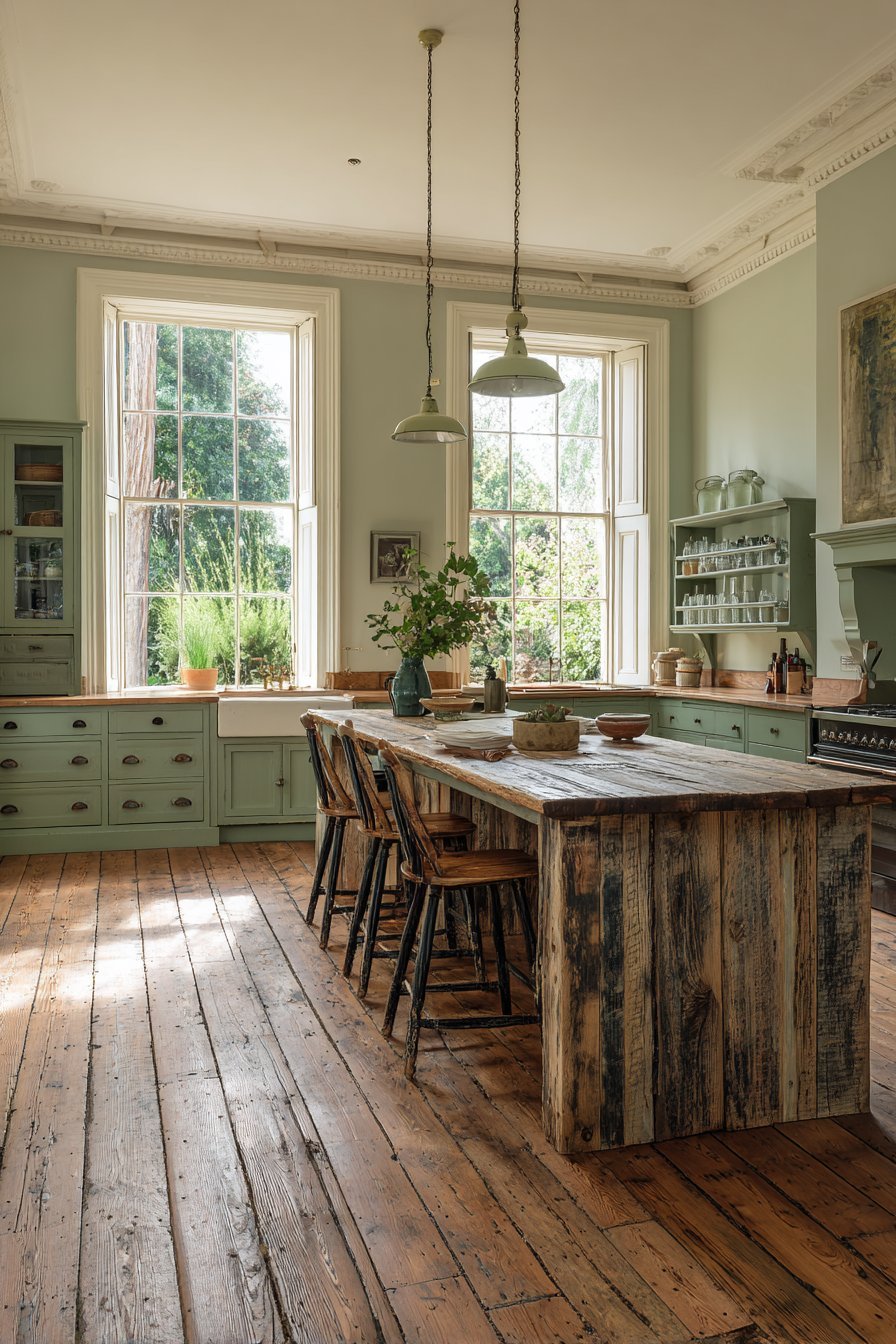
Light-colored kitchens, while beautiful, show every fingerprint and scuff mark. Pure white cabinets require constant maintenance. Sage green offers a practical advantage—its mid-tone value disguises everyday wear far better than lighter alternatives.
Wood naturally develops character as it ages. Minor scratches and dings become part of its story rather than flaws requiring immediate repair. This forgiving quality makes sage and wood kitchens ideal for busy families where perfection isn’t realistic or desirable.
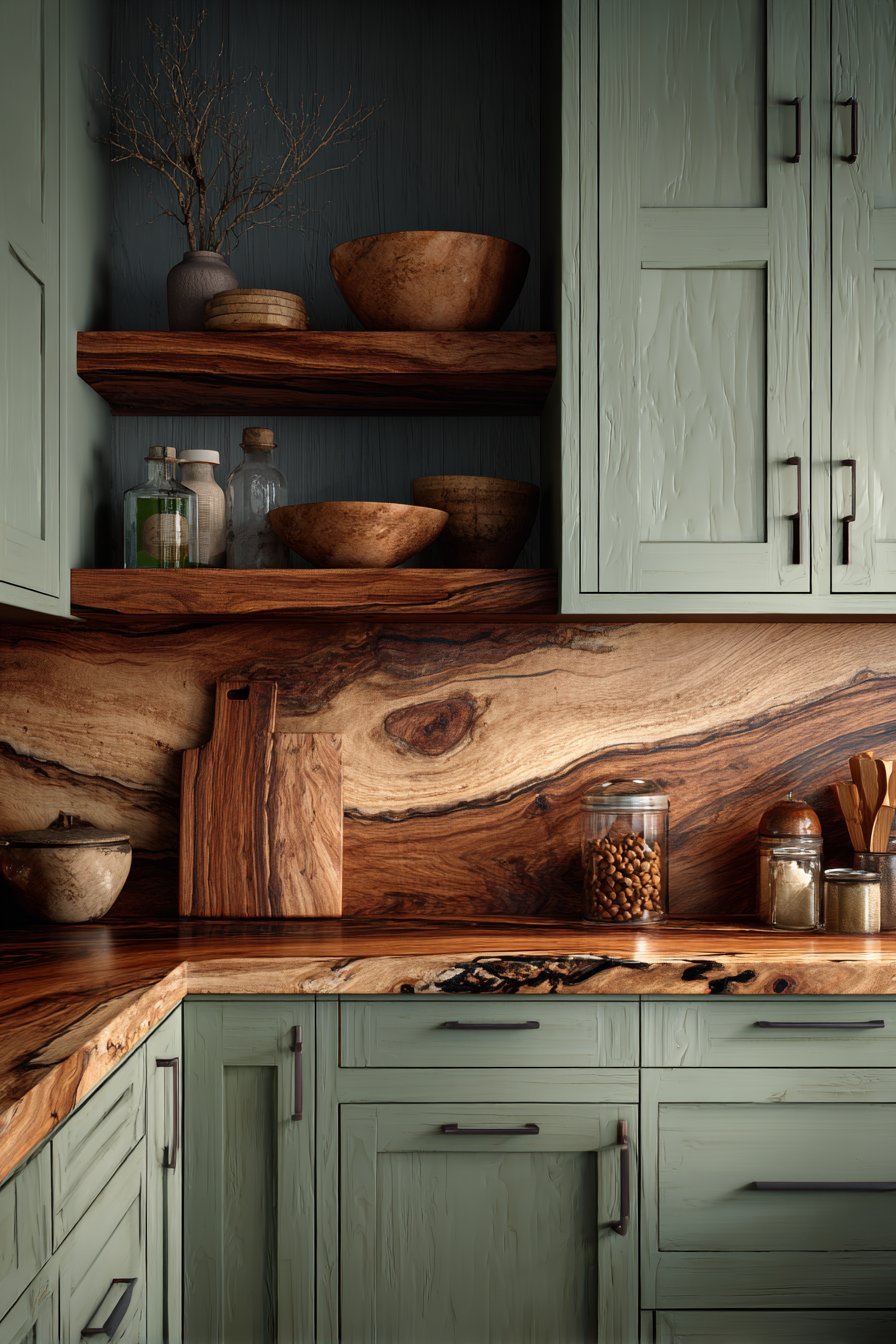
The matte and satin finishes typically used on sage cabinetry further enhance this practicality. These finishes don’t show fingerprints or smudges as readily as high-gloss surfaces. Combined with wood’s inherent resilience, you spend less time cleaning and more time living.
- Choose matte or satin paint finishes over high-gloss for cabinetry
- Select harder wood species for high-traffic areas
- Apply durable topcoats to wood surfaces for added protection
- Embrace the patina that develops on wood over time
- Keep touch-up paint readily available for minor cabinet scratches
- Use furniture oil periodically to maintain wood’s appearance
8. Increases Home Value and Market Appeal
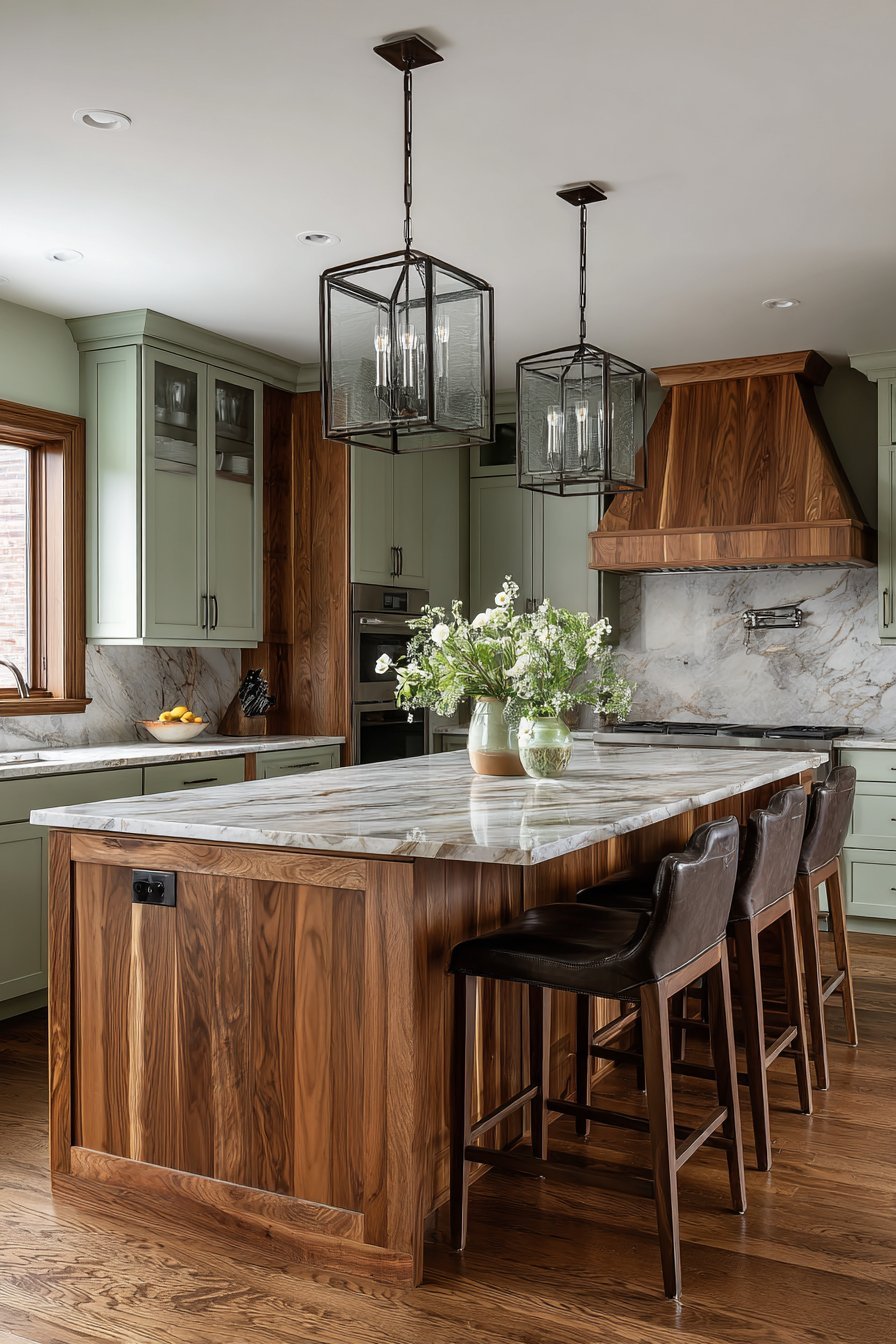
Real estate professionals consistently report that well-designed kitchens with timeless color choices appeal to broader buyer pools. Sage green and wood check both boxes—they’re distinctive enough to create memorable impact while remaining neutral enough not to alienate potential buyers.
Unlike bold color choices that reflect personal taste, sage green reads as both sophisticated and approachable. Combined with quality wood elements, it signals that the kitchen has been thoughtfully designed and well maintained. These perceptions translate directly into perceived home value.
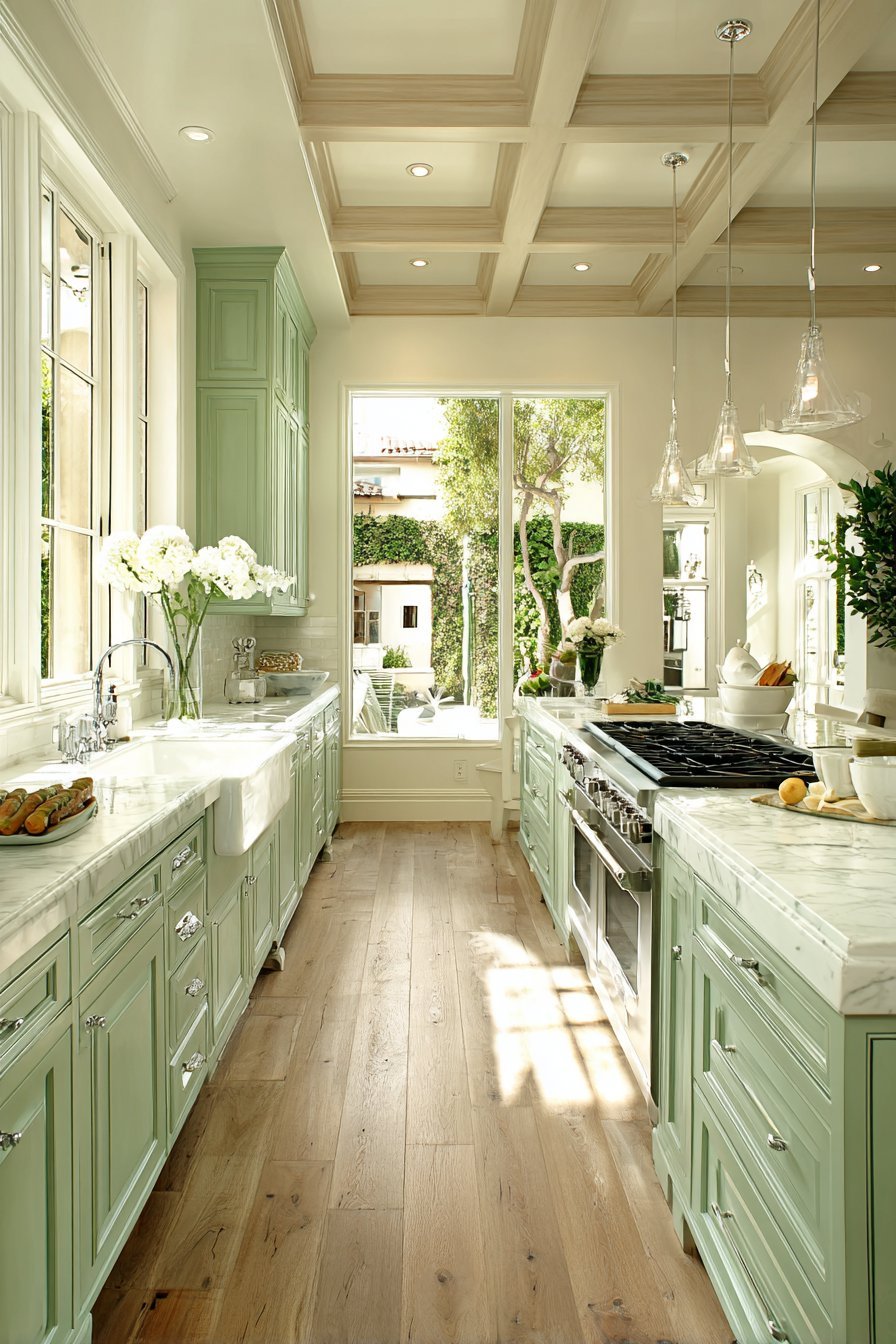
Buyers increasingly prioritize kitchens with natural materials and calming palettes. The sage and wood combination meets these desires while avoiding the sterile feeling of all-white spaces. This market alignment can reduce time on market and potentially increase your final sale price.
- Invest in quality wood cabinetry rather than veneer products
- Maintain consistency in wood tones throughout the kitchen
- Choose neutral countertop materials that don’t compete with sage and wood
- Keep the overall design clean and uncluttered for maximum appeal
- Document any custom or high-end materials for potential buyers
- Consider professional staging that highlights the sage and wood palette
9. Creates Excellent Contrast Opportunities for Design Interest
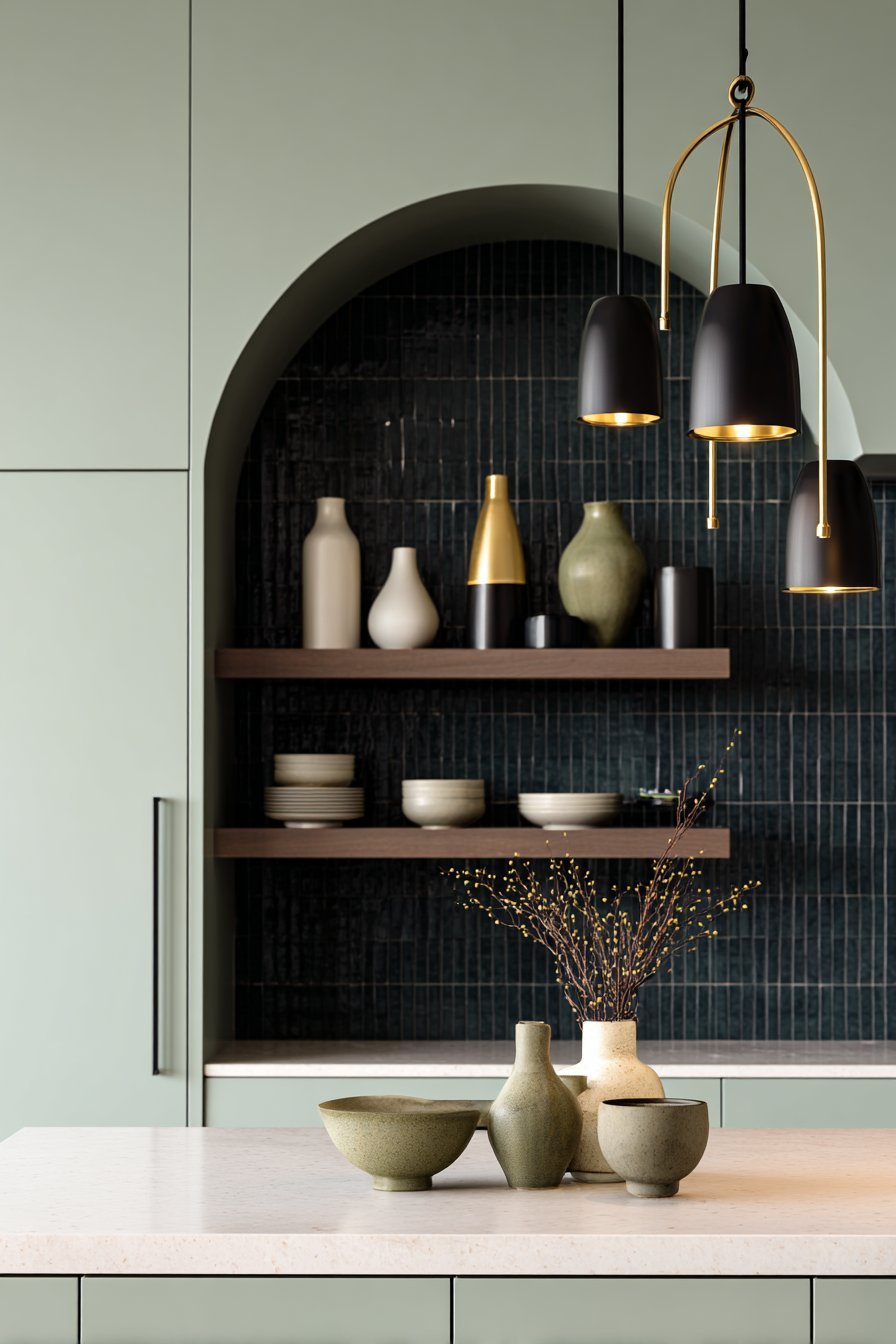
While sage green and wood form a harmonious base, they also provide excellent contrast potential. The soft green acts as a perfect backdrop for bolder accent colors, allowing you to inject personality without overwhelming the space.
Black accents create dramatic sophistication against sage cabinets. White marble or quartz countertops provide crisp contrast while maintaining elegance. Deep navy blues or charcoal grays add depth without clashing. The wood element softens these contrasts, ensuring the kitchen feels cohesive rather than disjointed.
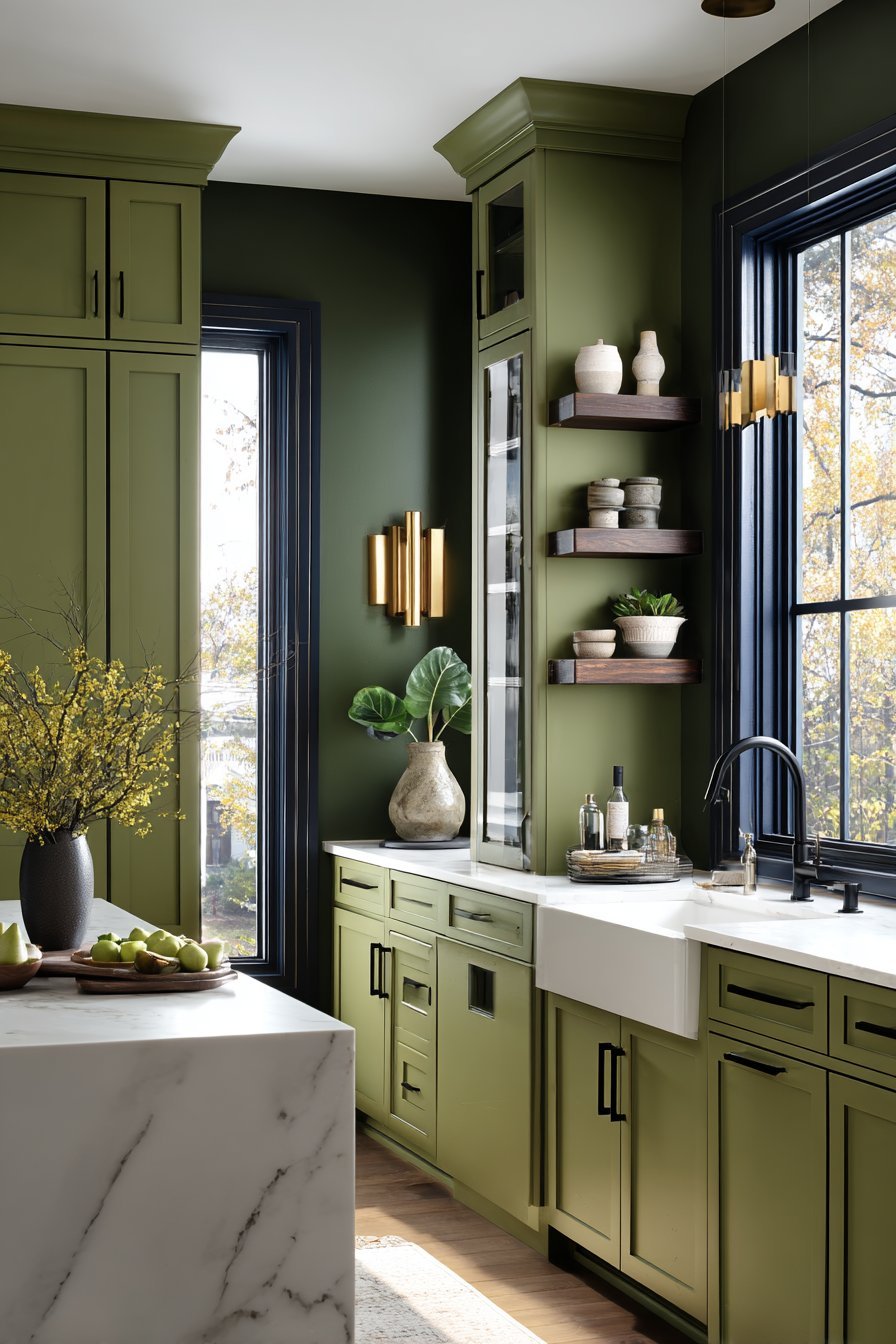
Metallic finishes shine against this palette. Matte black fixtures create industrial edge, while brass or gold tones add warmth and luxury. Even mixing metals works in this context—the sage and wood foundation is strong enough to support varied finishes without appearing chaotic.
- Use black fixtures and hardware for modern contrast
- Incorporate white stone countertops for classic elegance
- Add deep blue or charcoal tiles for the backsplash
- Mix matte black and brass finishes for layered interest
- Include open shelving to break up solid cabinet runs
- Use patterned textiles or rugs to introduce additional colors
10. Supports Wellness-Focused Interior Design Trends
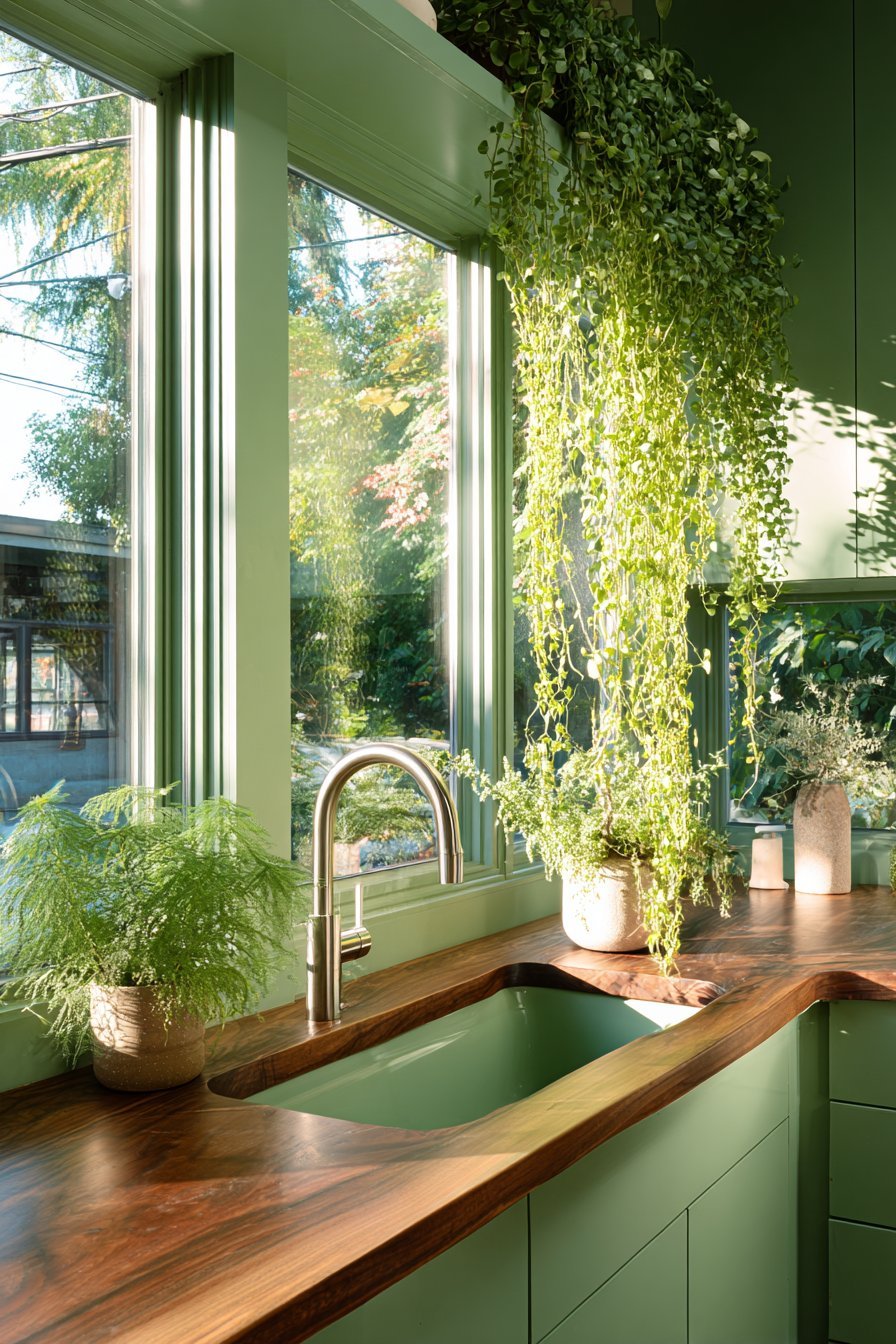
The wellness movement has transformed how we approach interior design. Spaces that promote mental and physical wellbeing have moved from luxury to necessity. Sage green and wood kitchens naturally support these wellness-oriented goals.
Biophilic design—incorporating natural elements to improve wellbeing—finds perfect expression in this combination. The colors and materials create subconscious connections to outdoor environments, reducing stress hormones and promoting calmness. This isn’t merely aesthetic preference; it’s design that actively supports health.
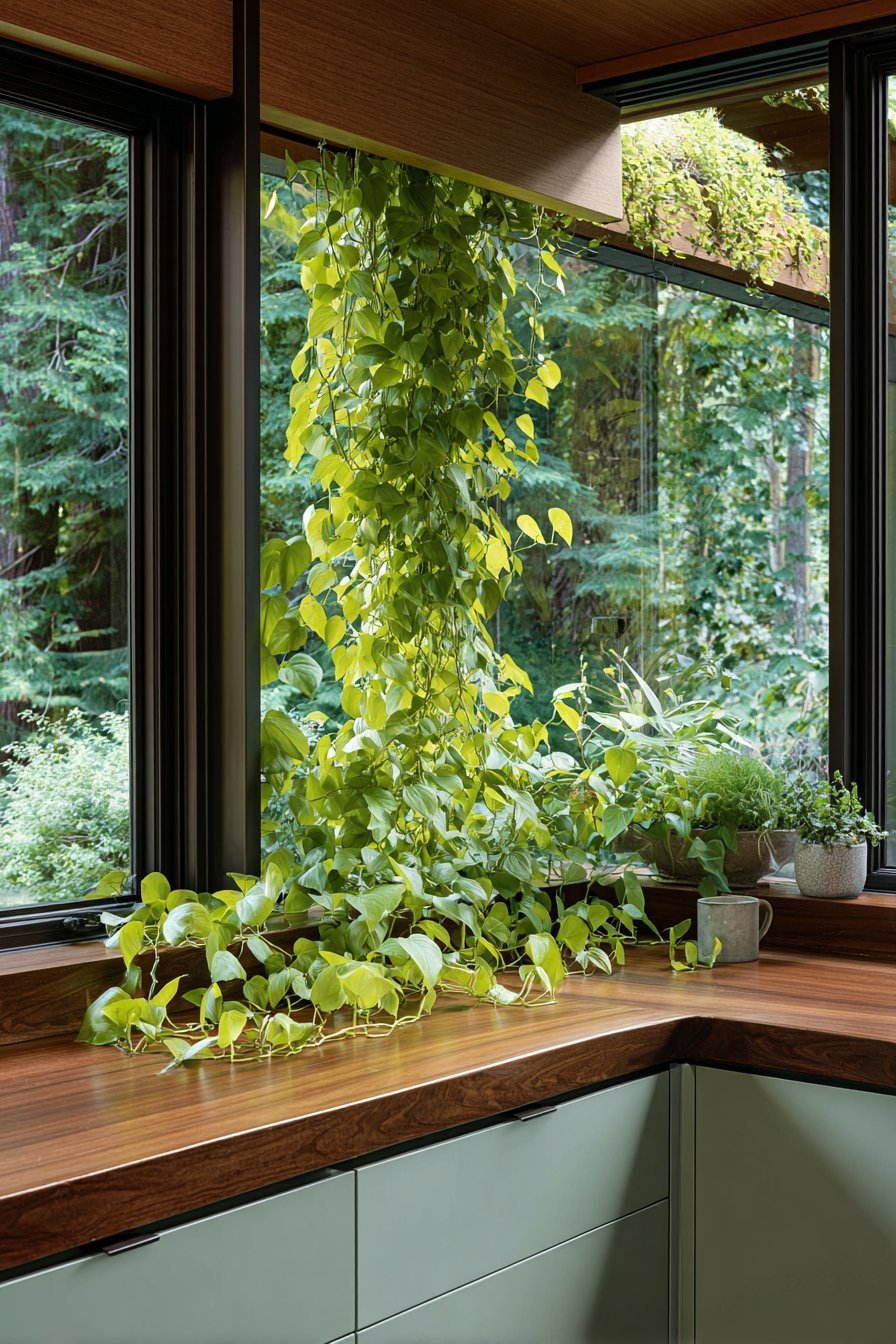
The tactile quality of wood adds sensory richness that synthetic materials cannot match. Running your hand along a wooden countertop or cabinet face provides grounding physical connection. Combined with sage green’s visual calm, your kitchen becomes a space that nourishes more than just the body.
- Maximize natural light with thoughtful window treatments
- Incorporate live plants that thrive in kitchen conditions
- Choose non-toxic finishes and materials for better air quality
- Create clear, uncluttered countertops to reduce visual stress
- Include comfortable seating that encourages lingering in the space
- Use natural textiles like linen or cotton for window treatments and cushions
Conclusion
The dominance of sage green and wood kitchens reflects more than fleeting fashion. This combination addresses fundamental human needs for calming, natural spaces while delivering practical benefits that support daily living. From enhancing light to hiding wear, from supporting sustainability to increasing home value, the advantages extend far beyond surface appeal.
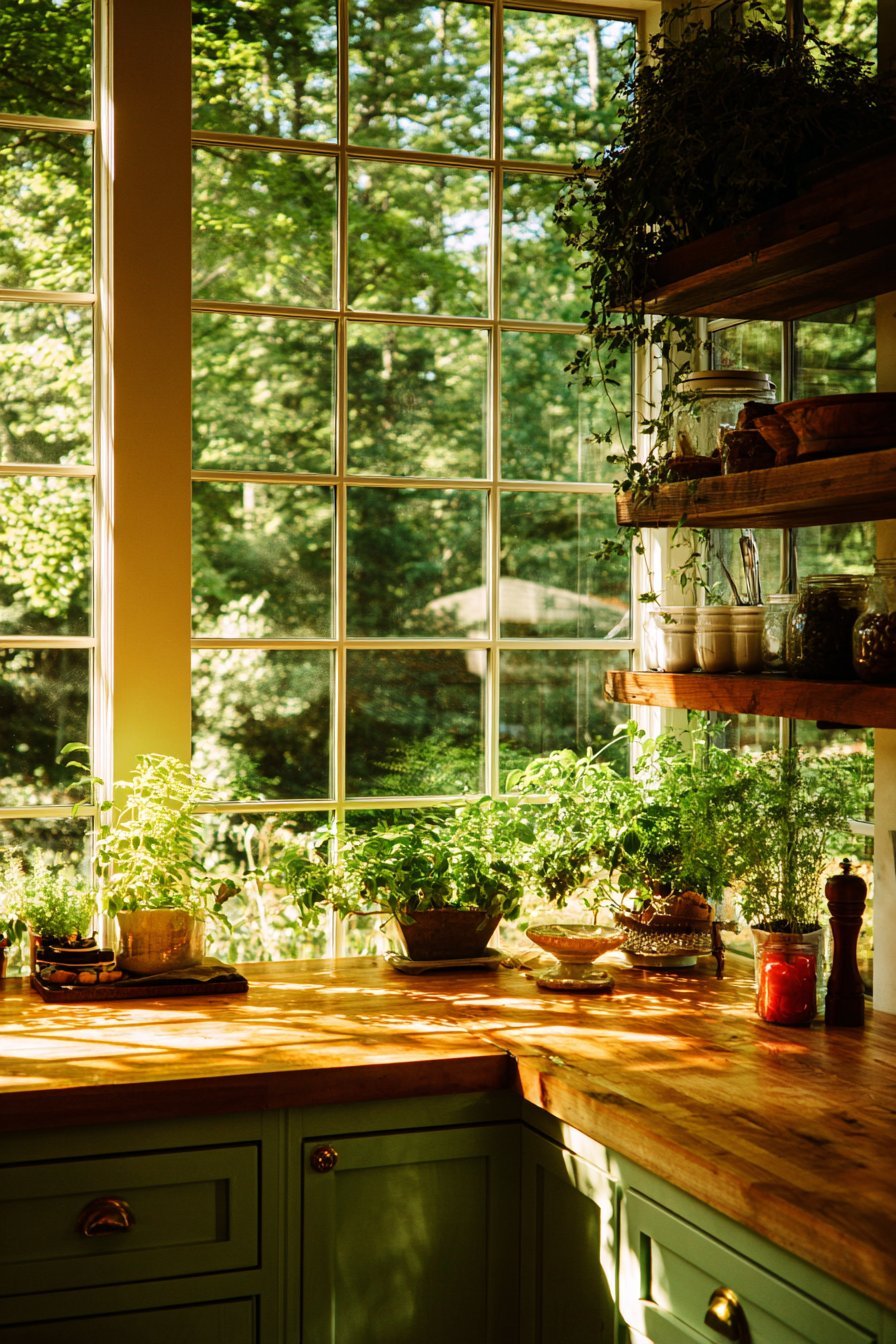
Whether you’re planning a complete renovation or considering a cabinet refresh, sage green and wood offer a proven formula for success. The palette’s versatility ensures it can adapt to your specific style preferences while maintaining its core benefits. Start with quality materials, plan thoughtfully, and trust in the timeless appeal of nature’s palette. Your kitchen will reward you with beauty and functionality for years to come.
