

Creating a kitchen that feels warm and inviting while maintaining peak efficiency is one of the most rewarding challenges in interior design. The kitchen serves as the heart of the home, where families gather, meals are prepared, and memories are created. Balancing aesthetics with practicality ensures that your space remains both beautiful and purposeful for daily living.
Many homeowners believe they must choose between a cozy atmosphere and functional design, but this couldn’t be further from the truth. Strategic planning and thoughtful choices allow you to incorporate warmth, comfort, and personality into your kitchen without compromising on storage, workflow, or efficiency. This article explores ten essential strategies to help you achieve the perfect balance between coziness and functionality.
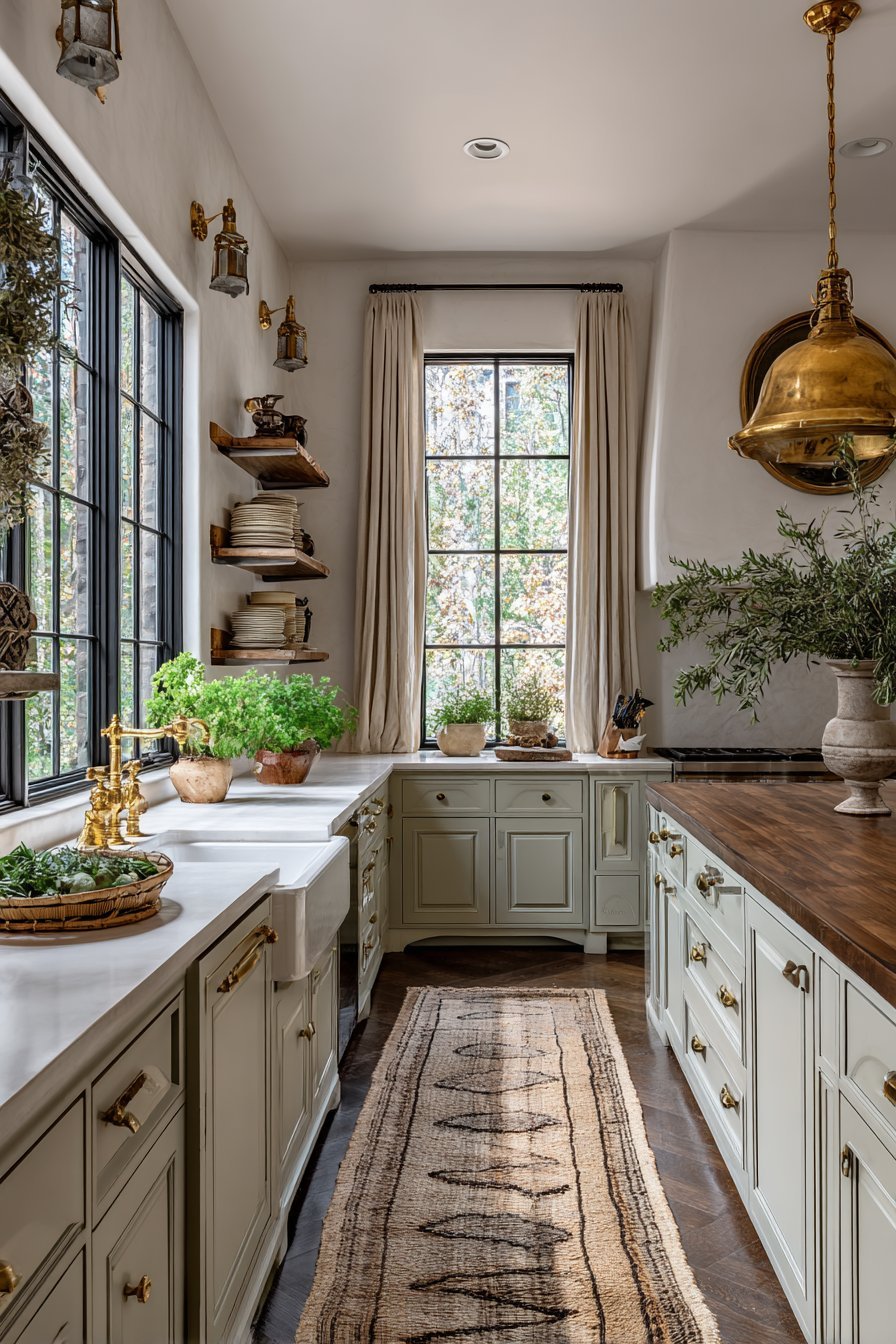
From selecting the right color palettes to optimizing lighting and incorporating natural materials, these ideas will transform your kitchen into a space that welcomes family and friends while supporting your cooking needs. Whether you’re renovating an existing kitchen or starting from scratch, these principles will guide you toward creating a harmonious and practical space that you’ll love for years to come.
1. Choose Warm, Inviting Color Schemes
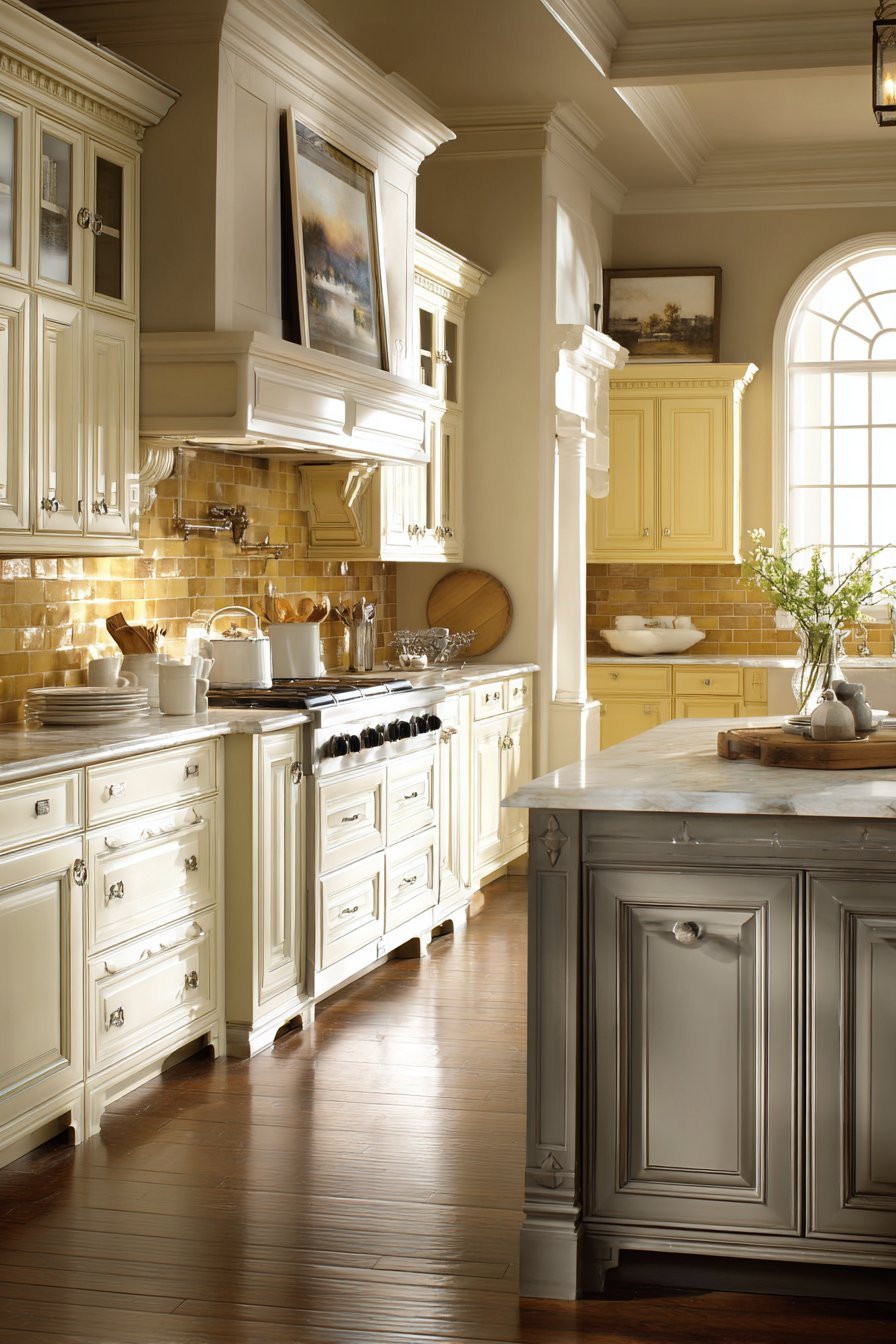
The foundation of any cozy kitchen begins with the right color palette. Warm neutral tones create an enveloping atmosphere while maintaining a timeless appeal that won’t feel dated. Colors like soft cream, warm beige, gentle taupe, and muted terracotta establish a welcoming environment that encourages people to linger and connect.
Consider using the 60-30-10 rule for color distribution in your kitchen. Sixty percent should be your dominant neutral color, thirty percent a secondary complementary shade, and ten percent an accent color for visual interest. This approach maintains visual balance while preventing the space from feeling overwhelming or chaotic.
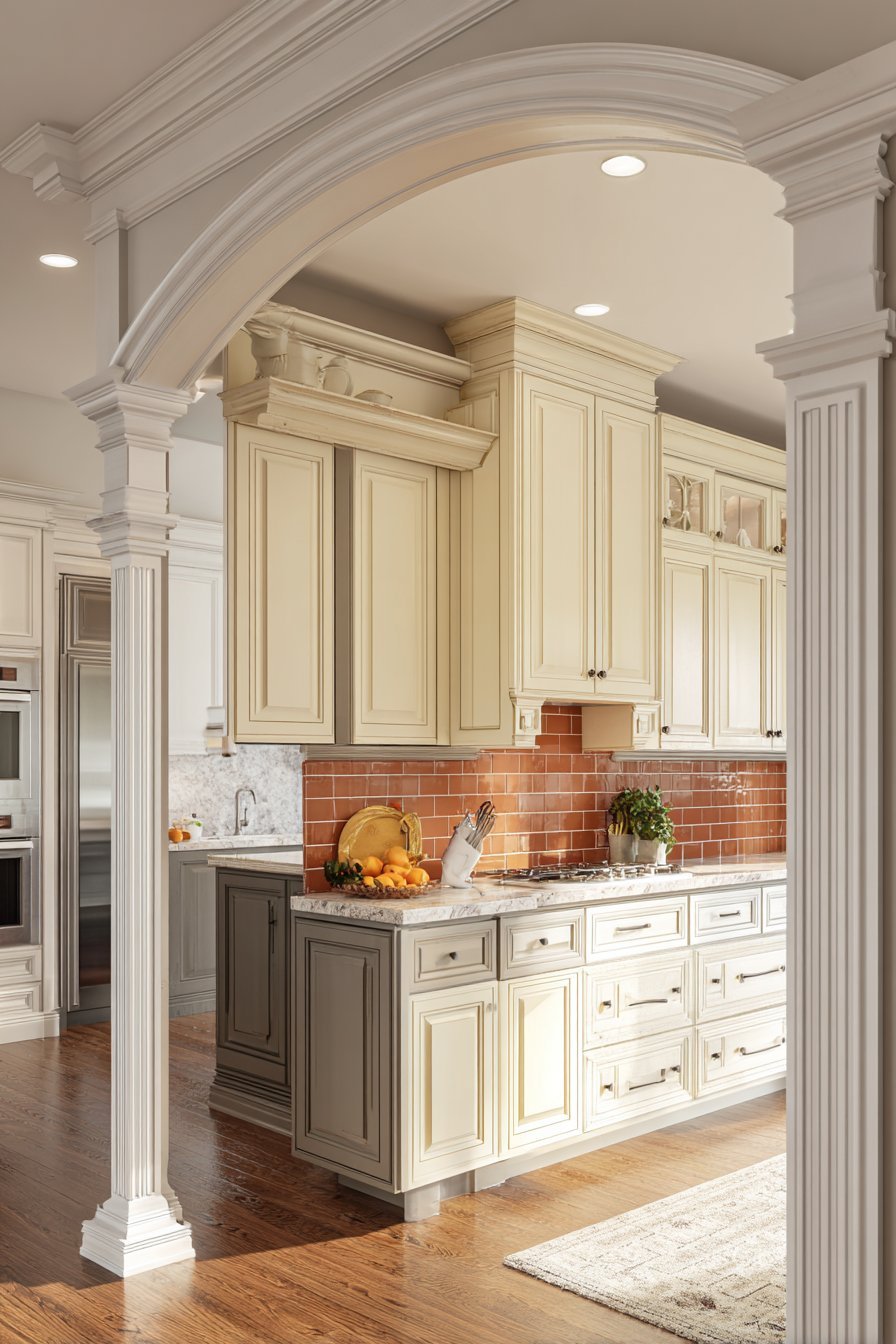
Avoid stark white walls if coziness is your goal, as they can feel clinical and cold. Instead, opt for off-white or cream shades with warm undertones that reflect light beautifully while adding depth. These colors work exceptionally well with natural wood elements and create a sophisticated backdrop for your kitchen activities.
- Paint cabinets in soft sage green or warm gray for subtle sophistication
- Use warmer white paint with yellow or beige undertones instead of cool whites
- Incorporate earth-tone backsplashes like terracotta or warm subway tiles
- Add depth with two-tone cabinetry using darker lowers and lighter uppers
- Choose matte or eggshell finishes over glossy paints for softer light reflection
- Test paint samples in different lighting conditions before committing
2. Layer Your Lighting Strategically
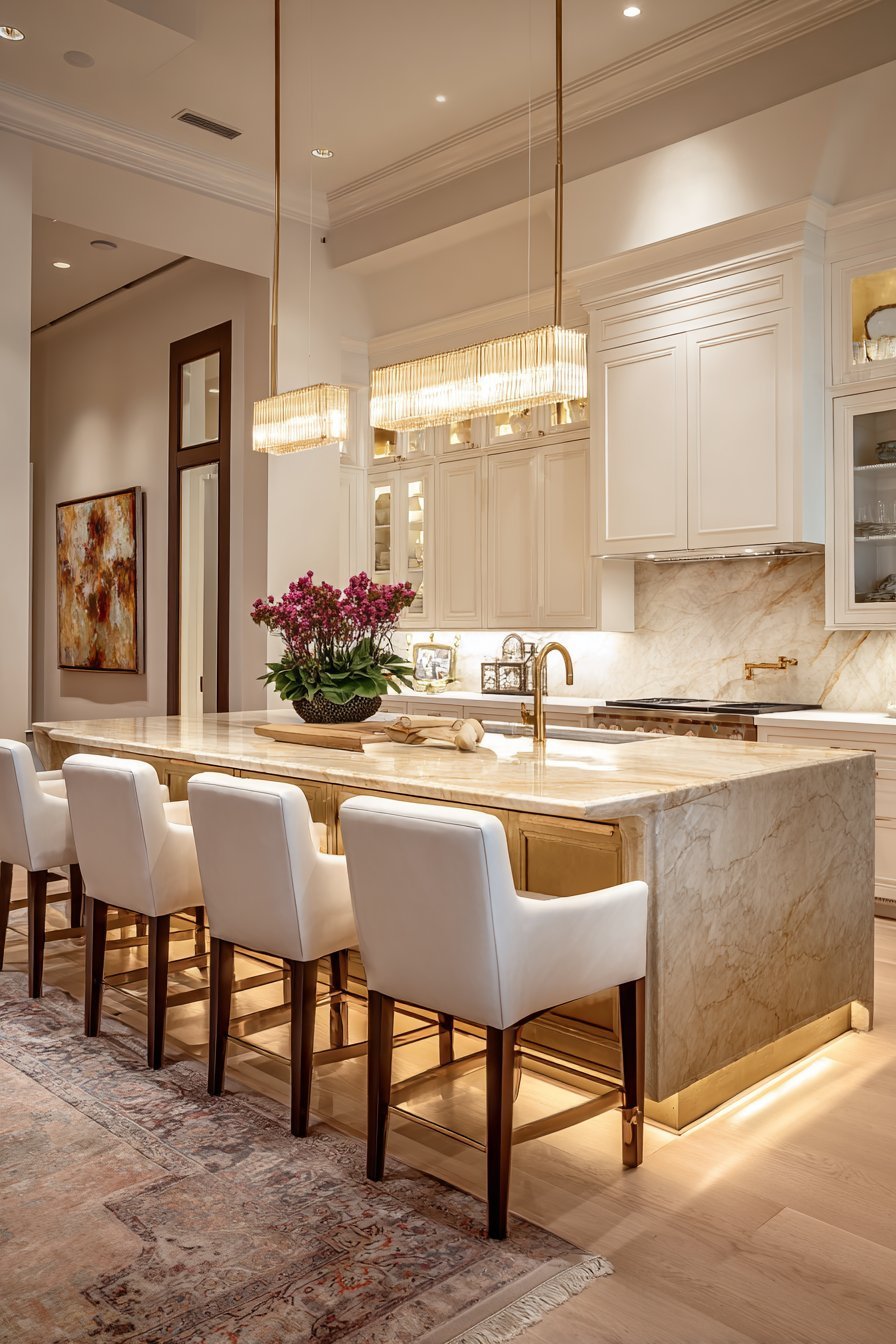
Proper lighting is crucial for creating ambiance while ensuring your kitchen remains highly functional. Layered lighting design combines ambient, task, and accent lighting to create depth, warmth, and practicality. This approach allows you to adjust the mood while maintaining adequate illumination for food preparation.
Start with warm-toned LED bulbs in the 2700K to 3000K range for a cozy glow that mimics natural candlelight. Avoid cool blue-toned lights above 4000K, as they create a harsh, institutional feel that works against coziness. Dimmer switches on all lighting circuits give you complete control over atmosphere and functionality.
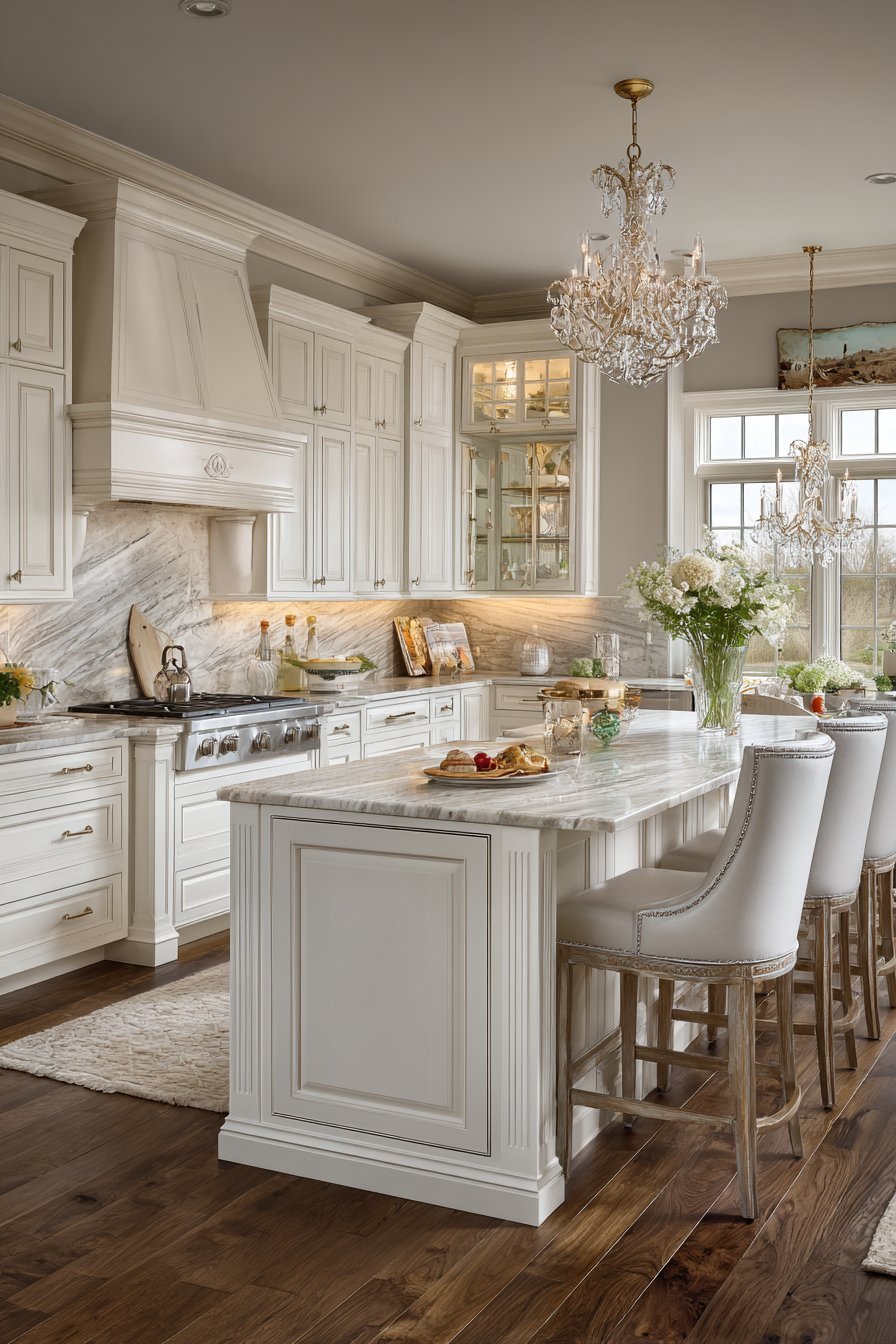
Pendant lights over islands or dining areas add visual interest while providing focused illumination. Choose fixtures with warm metal finishes like brass, copper, or oil-rubbed bronze that complement your cozy aesthetic. Under-cabinet lighting ensures countertops remain well-lit for safe food preparation without relying solely on overhead fixtures.
- Install pendant lights 30-36 inches above countertops for optimal task lighting
- Add LED strip lights under cabinets for shadow-free work surfaces
- Use dimmer switches on all light fixtures for atmosphere control
- Incorporate a statement chandelier or fixture as a focal point
- Place accent lighting inside glass-front cabinets to highlight dishware
- Consider motion-sensor lights in pantries for convenience
3. Incorporate Natural Materials and Textures
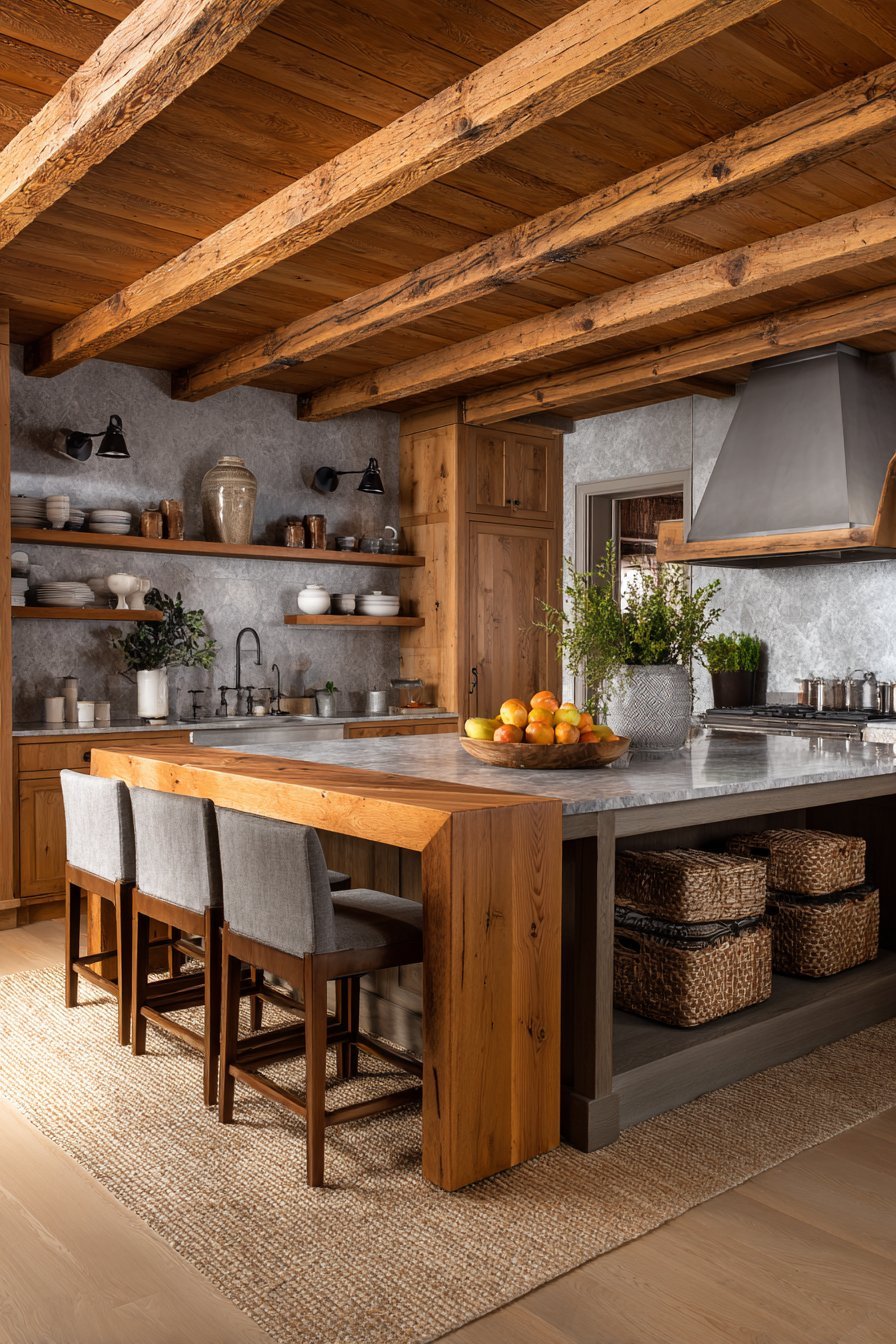
Natural materials bring organic warmth and authenticity to kitchen spaces that synthetic alternatives simply cannot replicate. Wood, stone, metal, and natural fibers create tactile interest and visual depth while connecting your kitchen to nature. These materials age beautifully, developing character and patina over time.
Butcher block countertops or wooden cutting boards add warmth and functionality to food prep areas. If solid wood counters aren’t practical for your entire kitchen, consider incorporating them on an island or a specific section where you do most of your chopping and meal preparation.
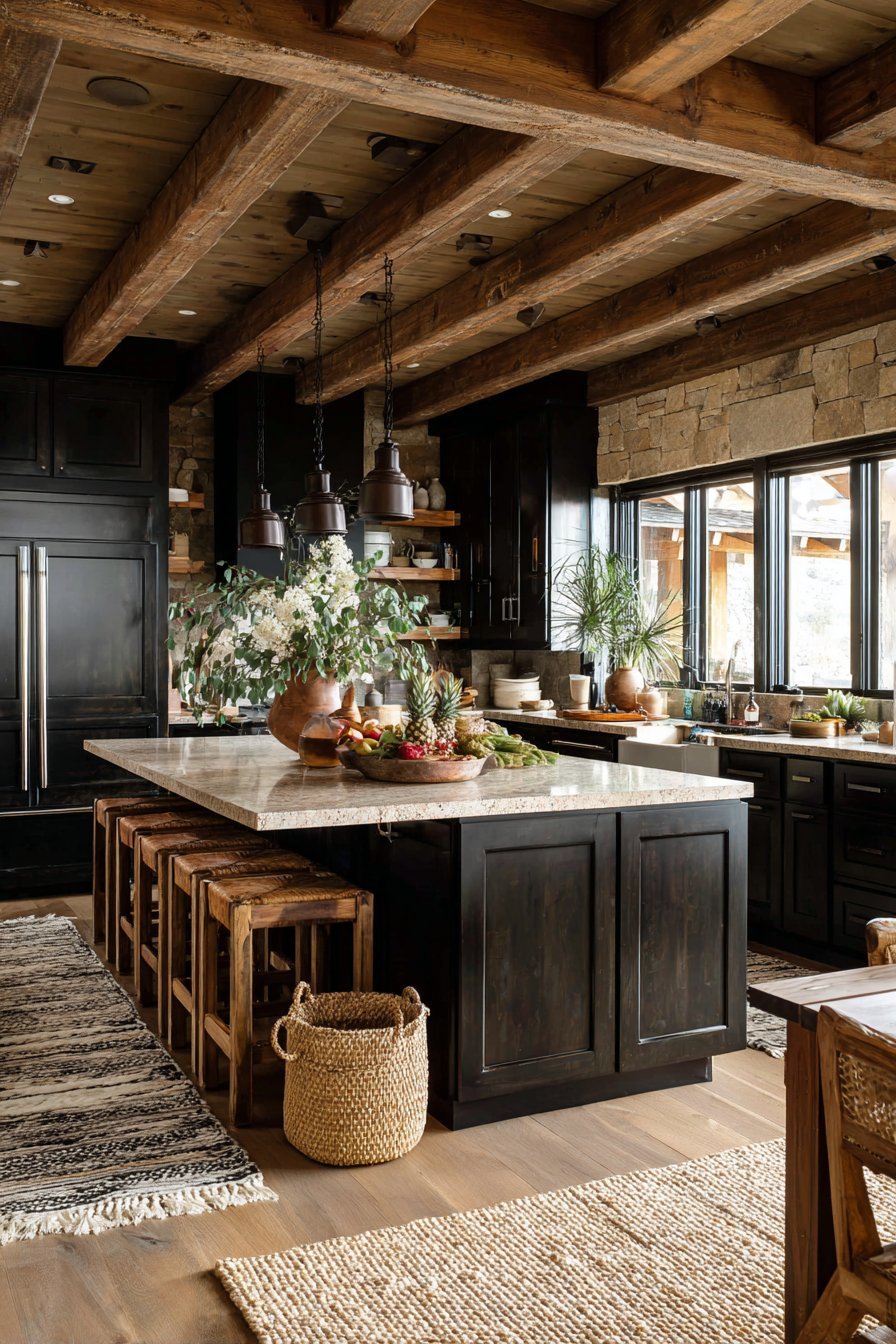
Exposed wood beams, if architecturally appropriate, create rustic charm while adding architectural interest to your ceiling. If beams aren’t an option, consider wooden shelving, a reclaimed wood accent wall, or natural wood cabinet faces that showcase beautiful grain patterns and warm honey tones.
- Use reclaimed wood for open shelving to display dishes and cookbooks
- Install natural stone or quartzite countertops with warm veining patterns
- Add a jute or wool area rug in the dining section for softness underfoot
- Incorporate woven basket storage for produce or kitchen linens
- Choose wooden bar stools or chairs with natural finish
- Display wooden utensils and cutting boards as functional decor
4. Add Soft Textiles and Comfortable Seating
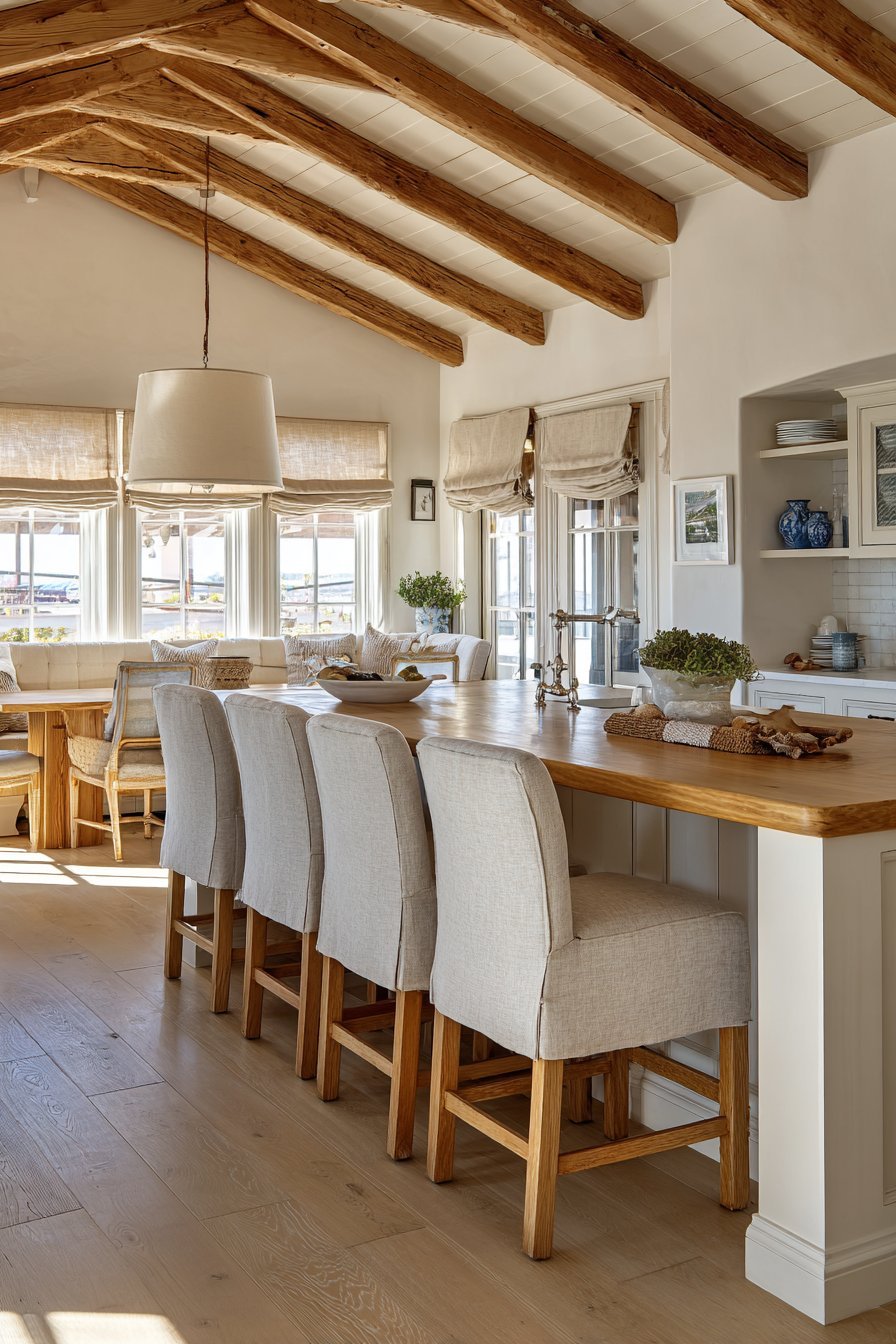
Kitchens often lack soft elements, but strategic textile placement dramatically increases coziness without interfering with function. Textiles absorb sound, add color, and create visual warmth that hard surfaces cannot achieve. Choose washable, durable fabrics that can withstand kitchen mishaps while maintaining their appearance.
Window treatments soften harsh sunlight and add privacy while contributing to your cozy aesthetic. Consider café curtains, roman shades in natural linen, or simple cotton panels that frame windows without blocking light. Avoid heavy drapes that collect grease and odors in favor of lighter, washable options.
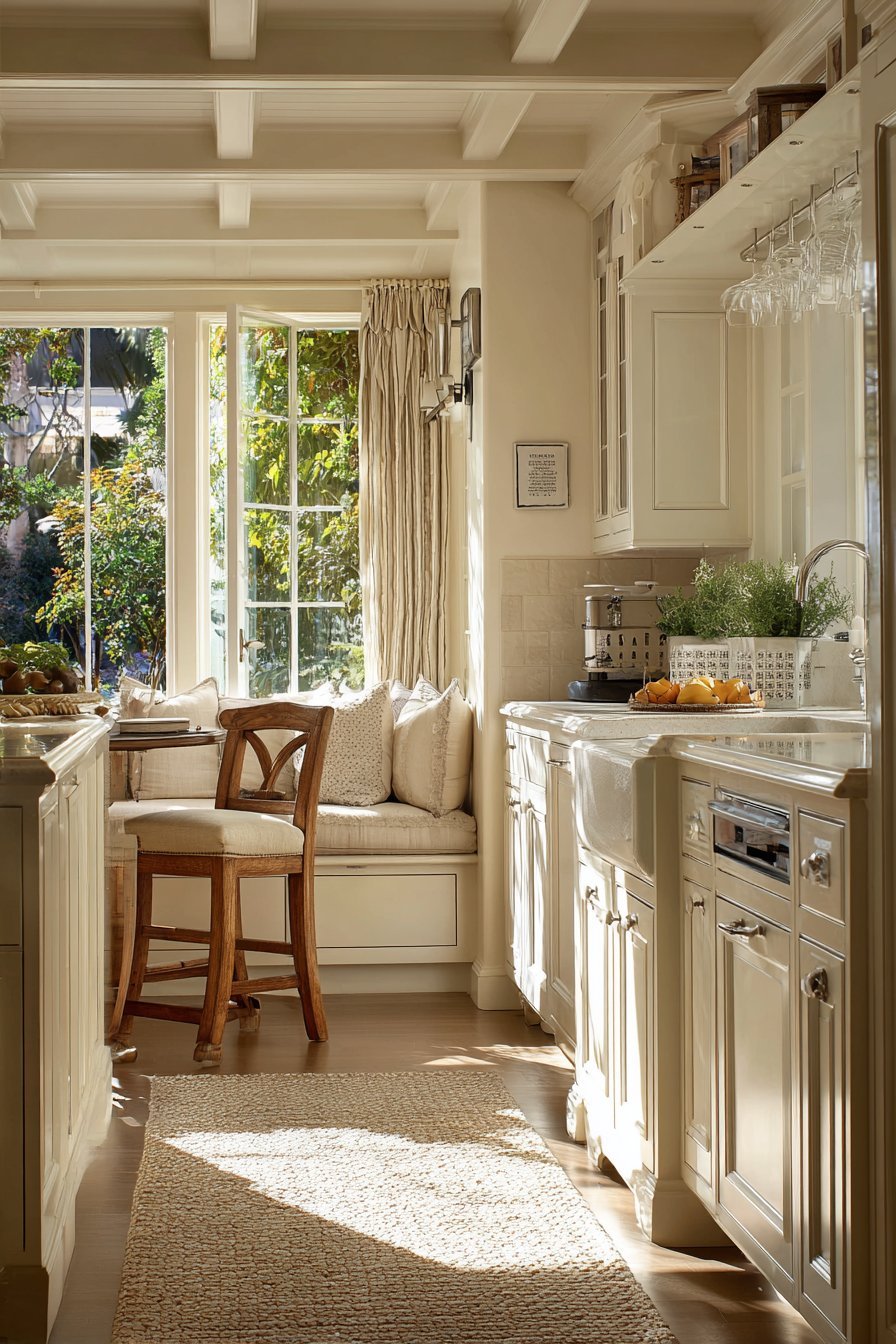
Comfortable seating encourages family and guests to gather in the kitchen. Upholstered bar stools or cushioned breakfast nook benches invite people to sit and stay awhile. Choose performance fabrics that resist stains and clean easily, ensuring your cozy additions remain practical for daily use.
- Add cushions to wooden dining chairs in coordinating colors
- Use kitchen towels and pot holders as colorful accent pieces
- Place a runner on your dining table in complementary fabric
- Invest in a padded kitchen mat for the sink area to reduce fatigue
- Display cloth napkins in a basket for easy access and visual interest
- Choose seat cushions with removable, washable covers for easy maintenance
5. Create Open Shelving for Display and Accessibility
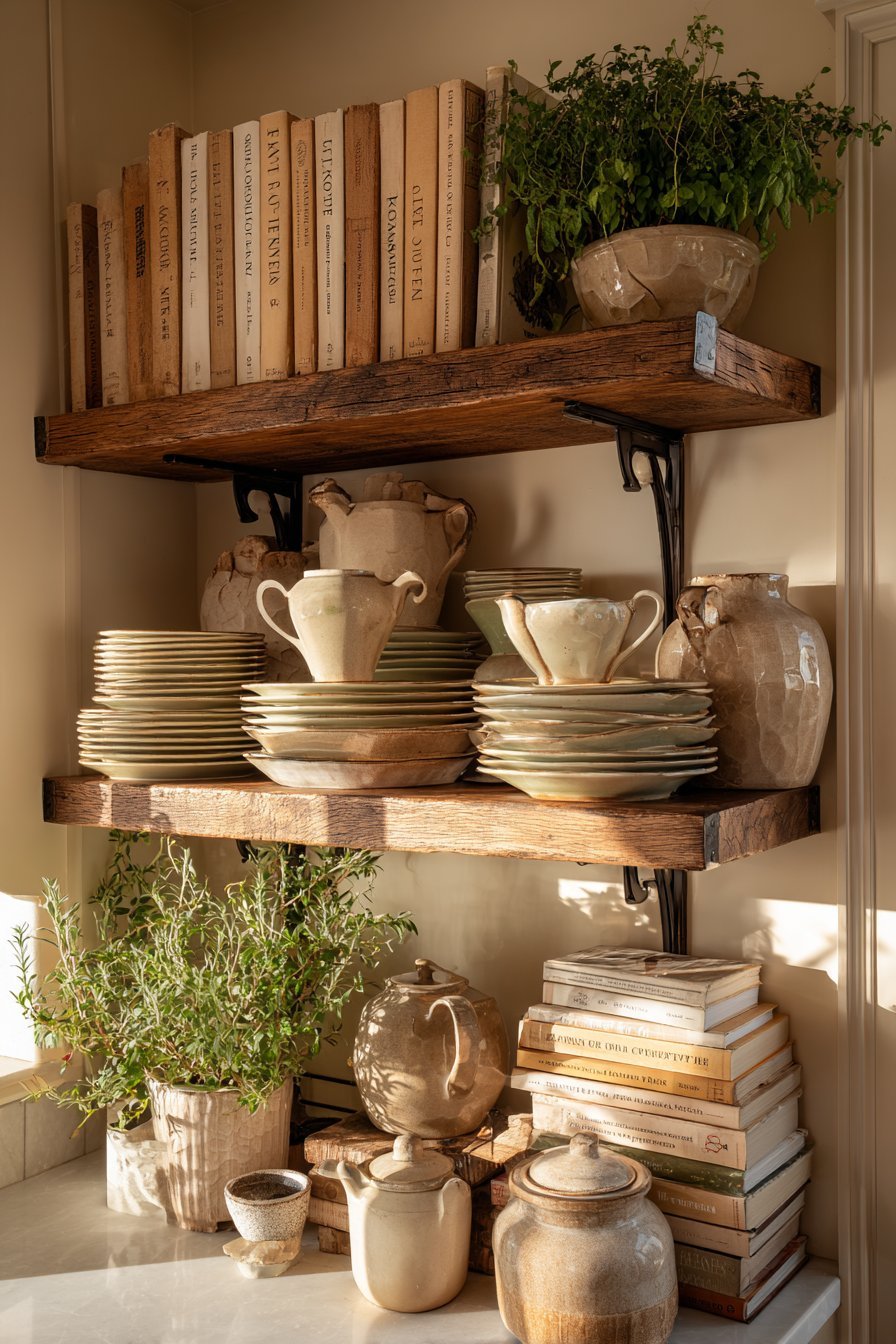
Open shelving brings personality and warmth to kitchens while improving functionality and accessibility. Displaying your favorite dishes, glassware, and kitchen accessories creates a lived-in, welcoming atmosphere that closed cabinets cannot achieve. This approach also forces you to be more intentional about what you keep and display.
Style your open shelves with a mix of functional and decorative items to avoid a cluttered appearance. Group similar items together, vary heights for visual interest, and leave some breathing room between objects. Incorporate plants, cookbooks, and attractive storage containers alongside everyday dishes for a curated look.
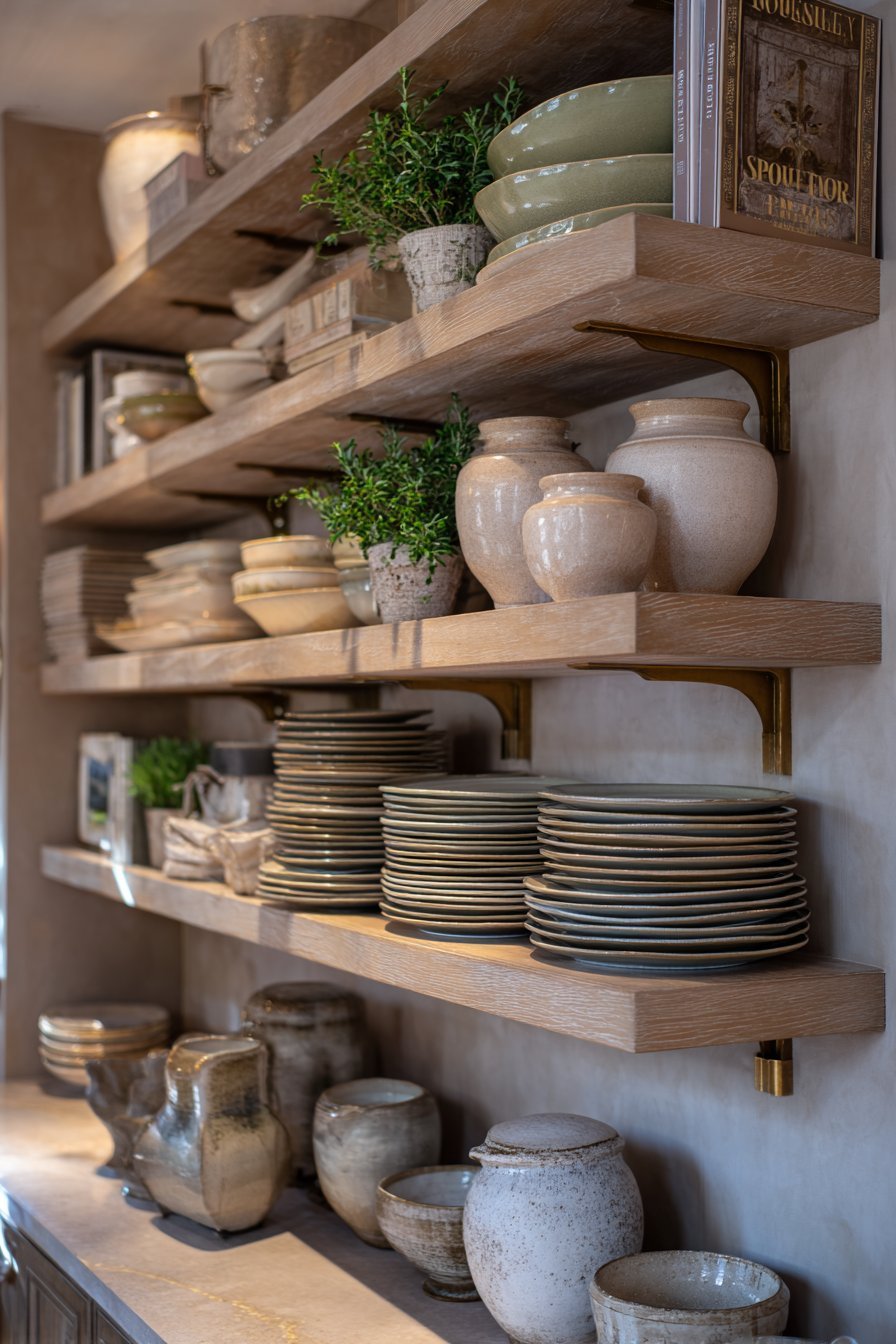
Floating shelves work particularly well in smaller kitchens where traditional upper cabinets might feel heavy and oppressive. Wood shelves add warmth, while metal brackets in brass or black provide industrial charm. Keep items you use daily within easy reach, and save decorative pieces for higher shelves.
- Limit color palette on shelves to three coordinating colors for cohesion
- Use matching or complementary dishes for a more curated appearance
- Incorporate small potted herbs for greenery and functionality
- Display favorite cookbooks with attractive spines facing out
- Add vintage finds or heirloom pieces for personal character
- Keep shelves organized by grouping items by type or frequency of use
6. Integrate Smart Storage Solutions
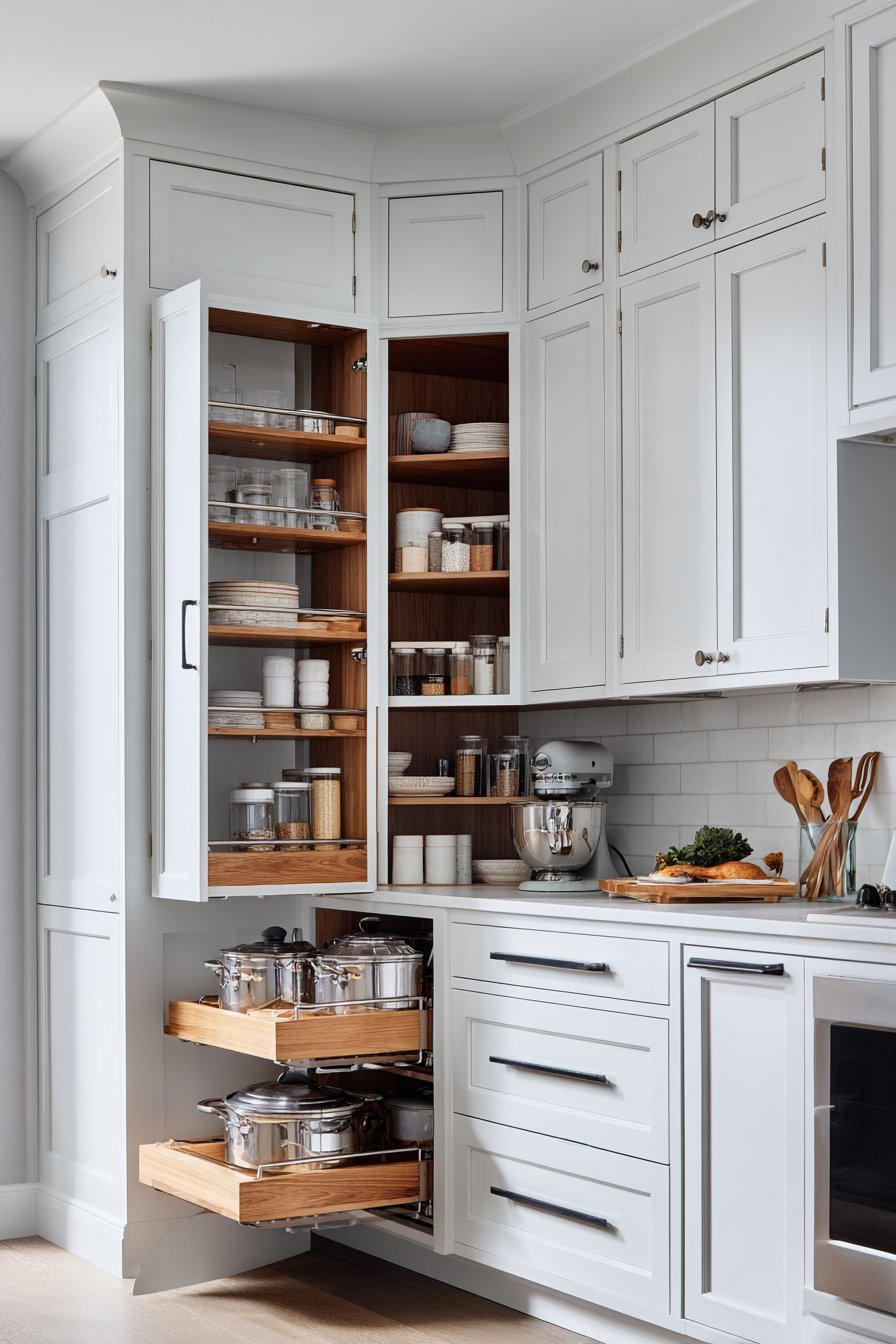
Clutter-free surfaces are essential for both functionality and coziness, as visual chaos creates stress and disrupts the peaceful atmosphere you’re trying to achieve. Smart storage keeps everything organized and accessible while maintaining clean countertops and open spaces that feel inviting rather than overwhelming.
Deep drawers with dividers maximize cabinet space and improve organization for pots, pans, and cooking utensils. Pull-out shelves in lower cabinets eliminate the need to bend and search in dark corners, making every inch of storage accessible and functional.
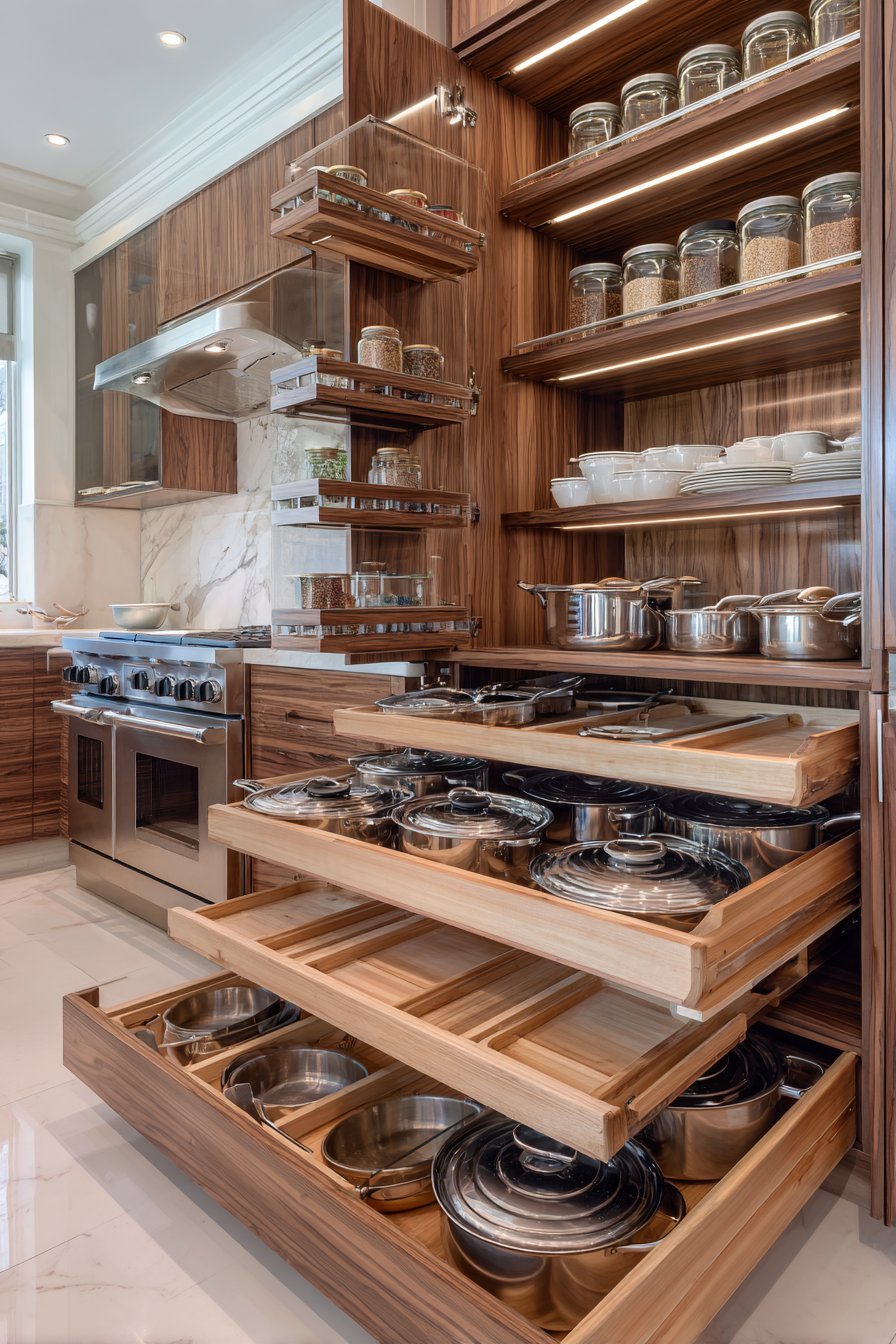
Vertical dividers in cabinets keep baking sheets, cutting boards, and serving platters organized and easy to retrieve. Corner cabinets with lazy Susans or pull-out systems ensure no space goes unused. These solutions maintain the cozy aesthetic by keeping surfaces clear while ensuring everything has a designated home.
- Install pull-out trash and recycling bins to hide unsightly containers
- Use drawer organizers for utensils, spices, and small tools
- Add hooks inside cabinet doors for measuring cups and pot holders
- Incorporate a kitchen cart or island with additional storage below
- Use clear containers for pantry items to see contents at a glance
- Designate a drawer or cabinet for appliances to clear countertops
7. Bring in Living Elements with Plants
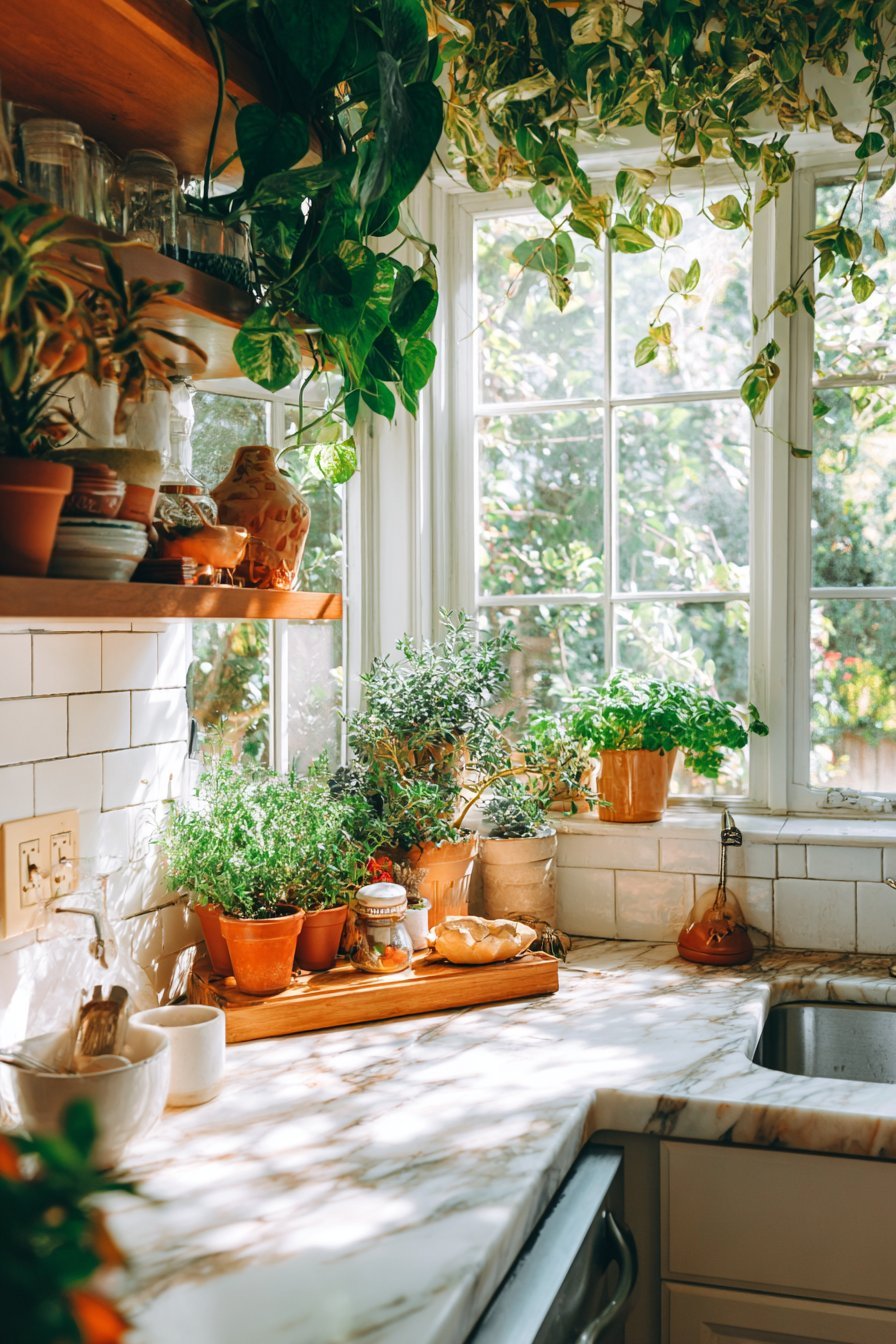
Greenery adds life, color, and air-purifying benefits to kitchens while creating a connection to nature. Plants soften hard edges, add organic shapes, and create visual interest in ways that inanimate objects cannot. They transform sterile spaces into living, breathing environments that feel vibrant and welcoming.
Herb gardens on windowsills serve dual purposes as decoration and functional ingredients for cooking. Basil, rosemary, thyme, and mint thrive in sunny kitchen windows while providing fresh flavors for your meals. Use attractive terra cotta pots or coordinating ceramic containers that complement your kitchen’s color scheme.
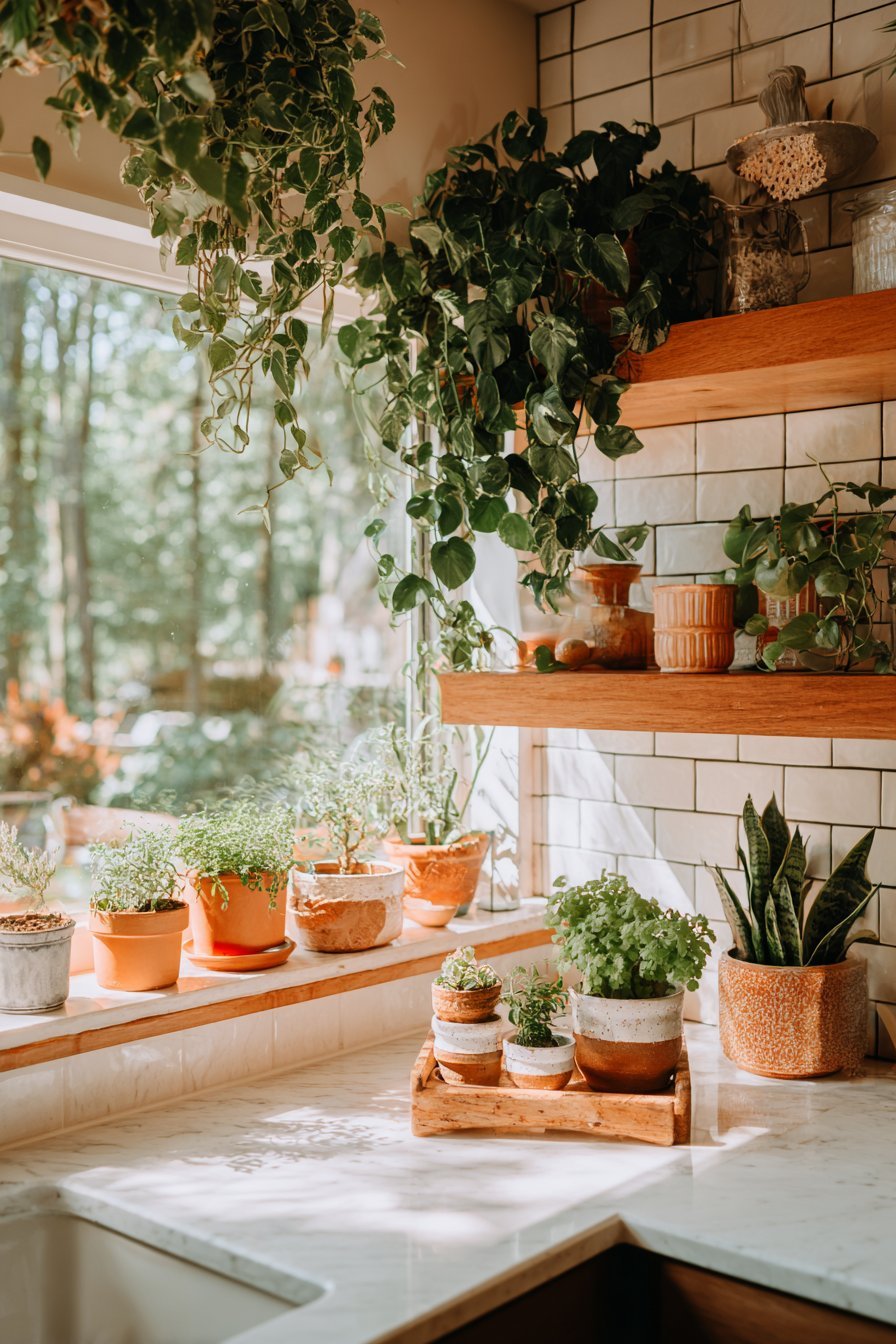
Low-maintenance plants like pothos, snake plants, or spider plants work well in kitchens with varying light conditions. These hardy species tolerate occasional neglect and kitchen humidity while maintaining their attractive appearance. Place them on open shelves, windowsills, or hanging planters to maximize space.
- Choose plants that tolerate kitchen humidity and temperature fluctuations
- Use matching planters in ceramic or terracotta for visual cohesion
- Place herbs within arm’s reach of your primary cooking area
- Hang trailing plants like pothos from ceiling hooks or upper shelves
- Group small plants together on a tray for greater visual impact
- Rotate plants periodically to ensure even light exposure
8. Personalize with Meaningful Decor
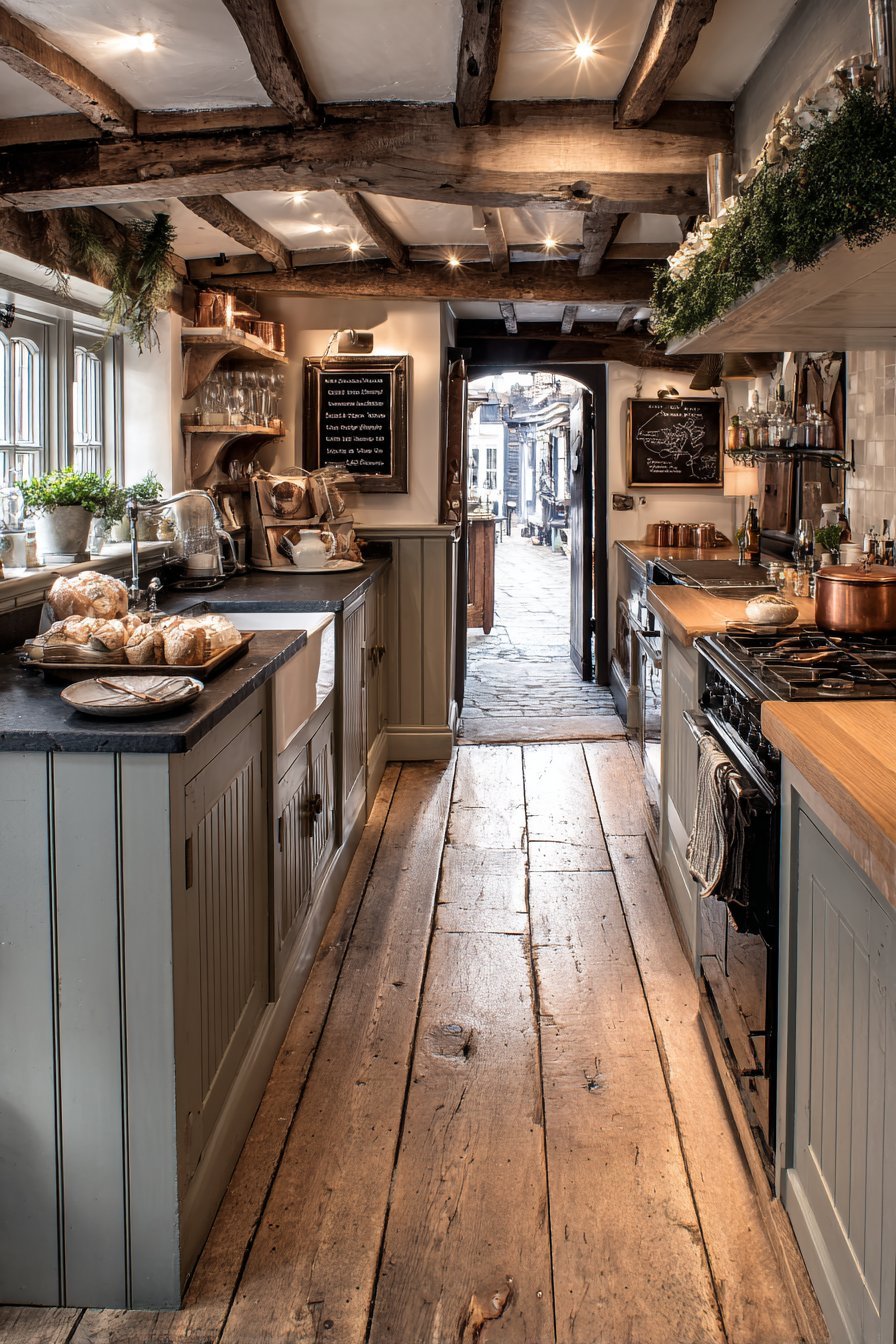
Personal touches transform generic kitchens into spaces that reflect your unique story and personality. Family photos, artwork, collections, and heirlooms create conversation starters and emotional connections that make your kitchen feel truly yours. These elements contribute to coziness by surrounding you with meaningful memories and cherished objects.
Display favorite cookbooks on open shelves or in a dedicated cookbook stand on the counter. Choose books with attractive covers that contribute to your color scheme while providing inspiration for meals. Vintage cookbooks add nostalgic charm and serve as interesting conversation pieces.
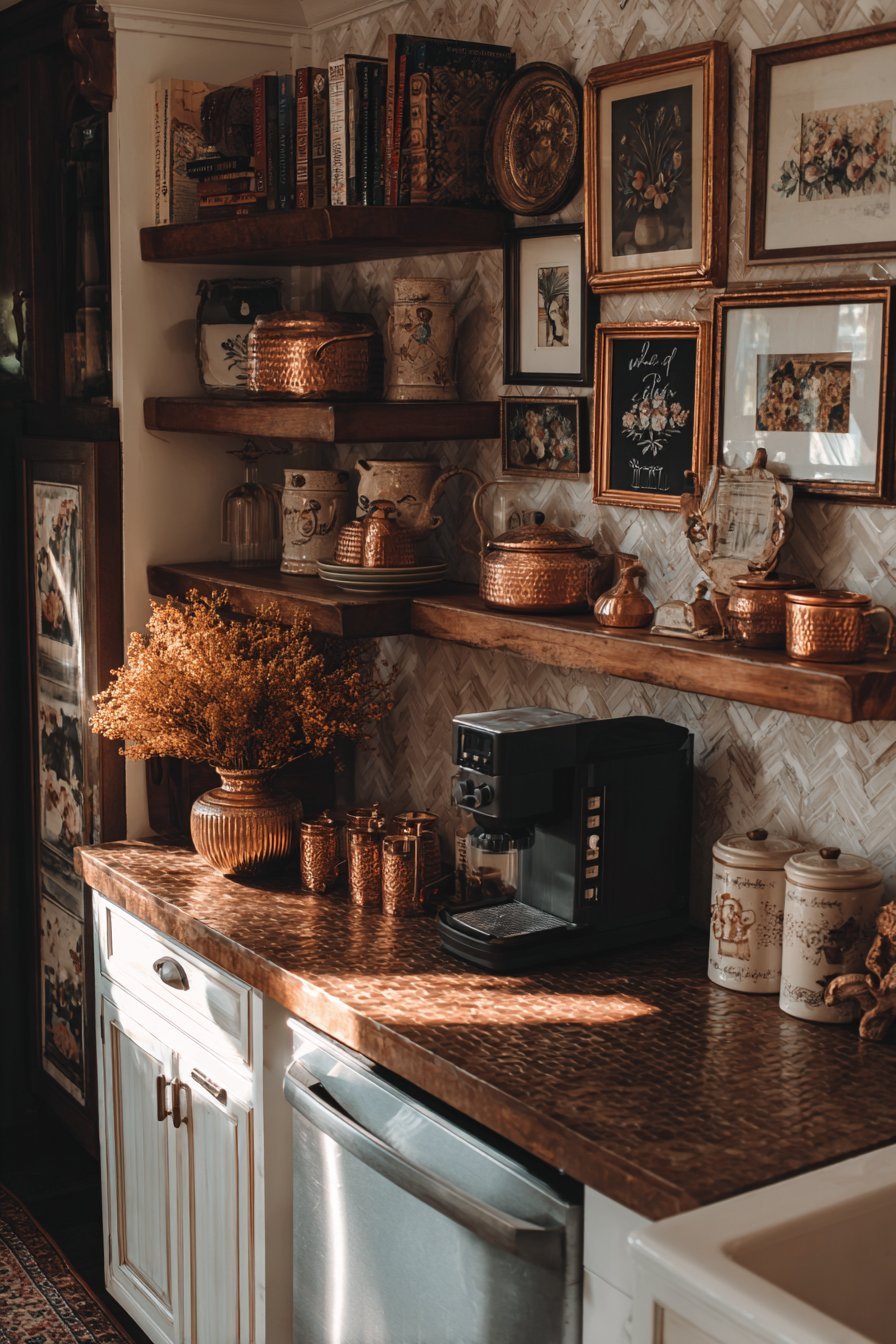
Artwork designed for kitchens, such as botanical prints, food photography, or vintage advertising posters, adds personality without requiring much wall space. Choose pieces that complement your color palette and design style. Frame them properly to protect from kitchen moisture and grease.
- Display a collection of vintage cutting boards or copper pots
- Hang a bulletin board or chalkboard for family messages and recipes
- Showcase handmade pottery or ceramics from local artisans
- Create a coffee or tea station with attractive canisters and mugs
- Display children’s artwork in simple frames for rotating gallery
- Add a small shelf for special occasion dishes or family heirlooms
9. Design a Welcoming Focal Point
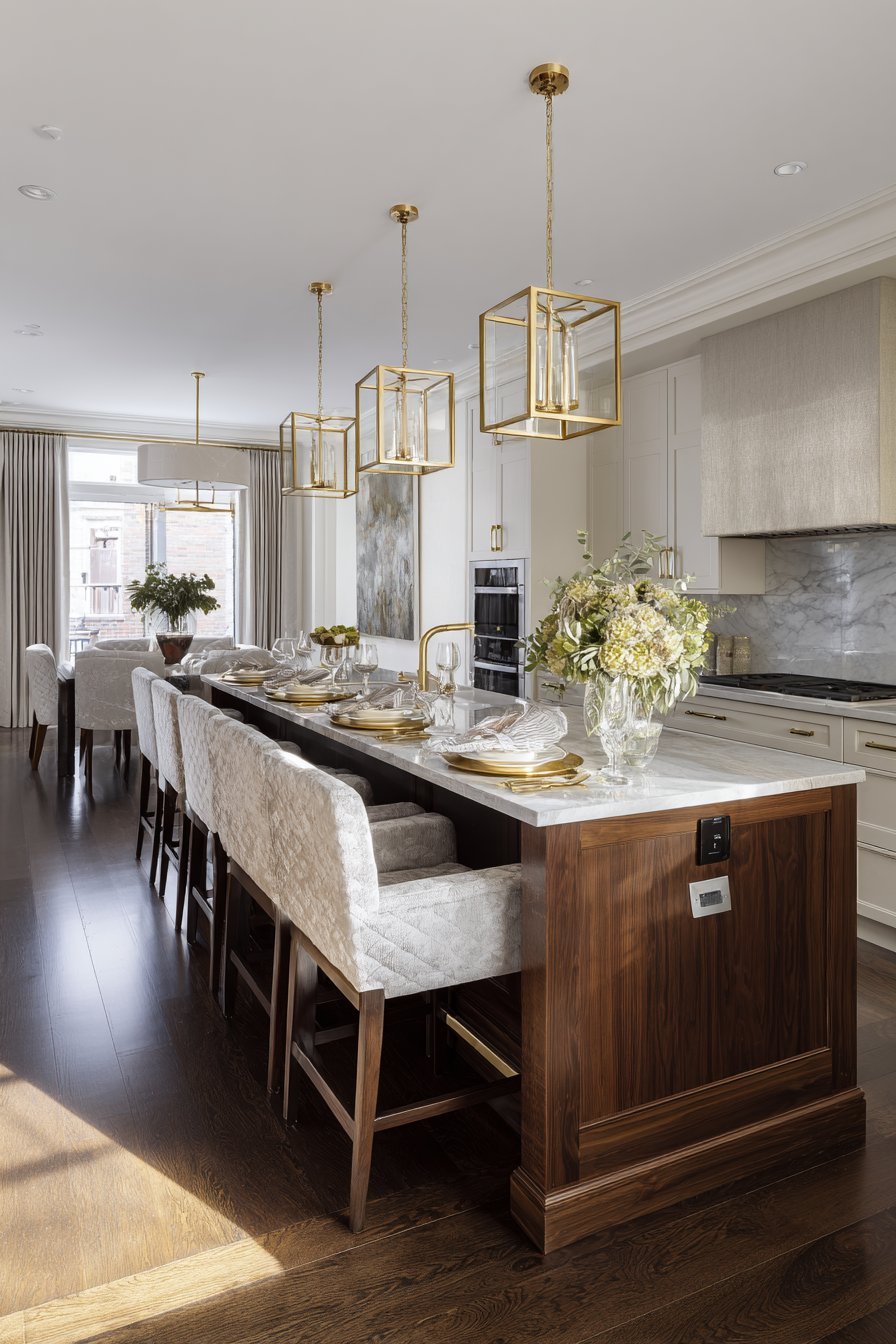
Every cozy kitchen needs a central gathering spot that draws people in and encourages connection. This focal point becomes the natural place where family and friends congregate, whether it’s for meal prep, homework, conversation, or casual meals. Thoughtful design of this area enhances both aesthetics and functionality.
A kitchen island serves as an ideal focal point when designed with seating and storage. Overhang the countertop by 12-15 inches to accommodate bar stools comfortably. Choose stools with backs for comfort during longer conversations, and ensure adequate knee space underneath for seated guests.
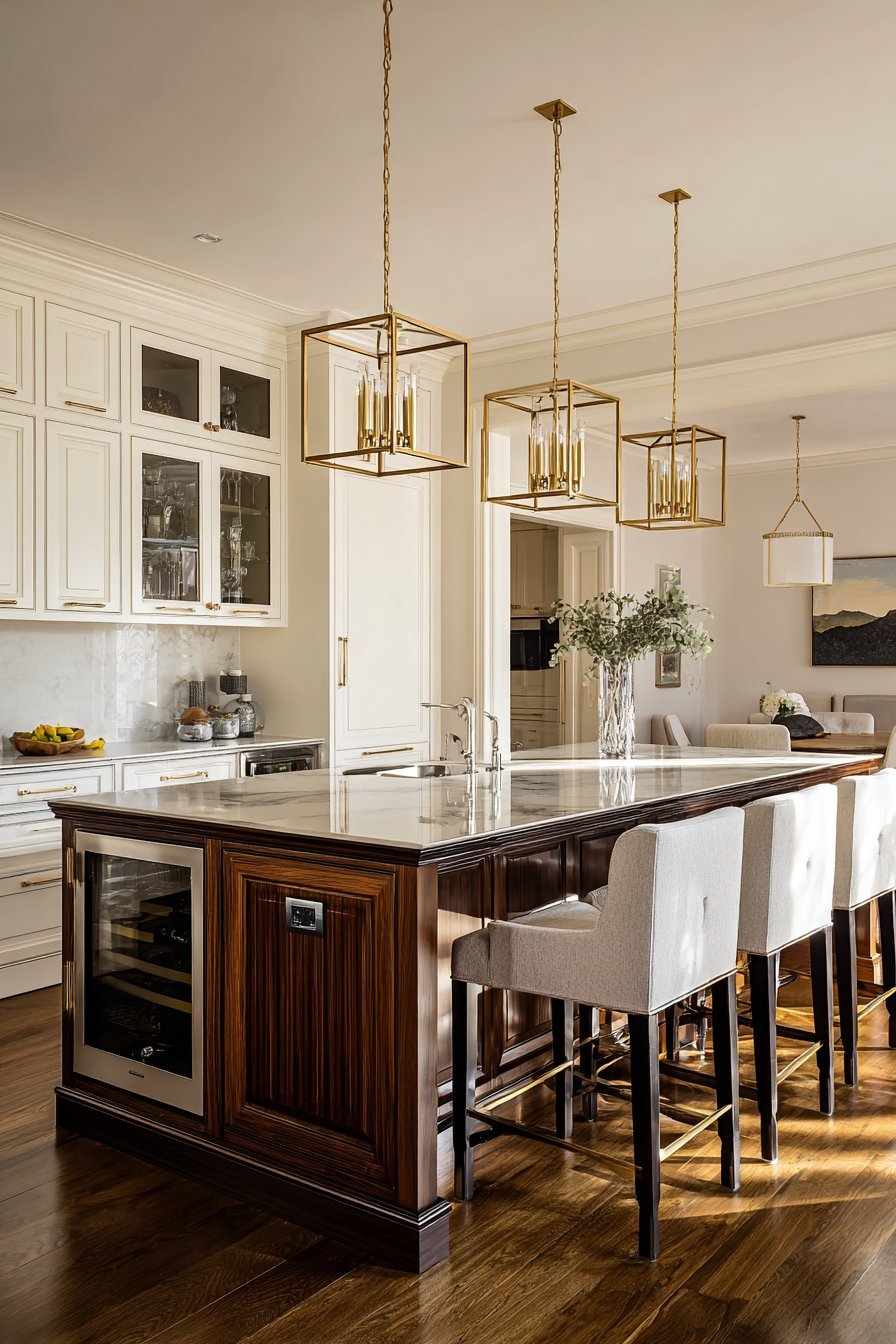
If space doesn’t allow an island, a cozy breakfast nook with a small table and bench seating creates an intimate gathering spot. Add cushions and pillows for comfort, and position the nook near a window for natural light. Built-in bench seating with storage below maximizes space efficiency.
- Position the focal point to allow natural conversation flow during cooking
- Add pendant lighting directly above to define the space
- Incorporate charging stations for devices to keep family connected nearby
- Choose durable, easy-to-clean surfaces that withstand daily use
- Ensure adequate clearance around seating areas for traffic flow
- Create visual interest with contrasting countertop or cabinet colors
10. Optimize Traffic Flow and Ergonomics
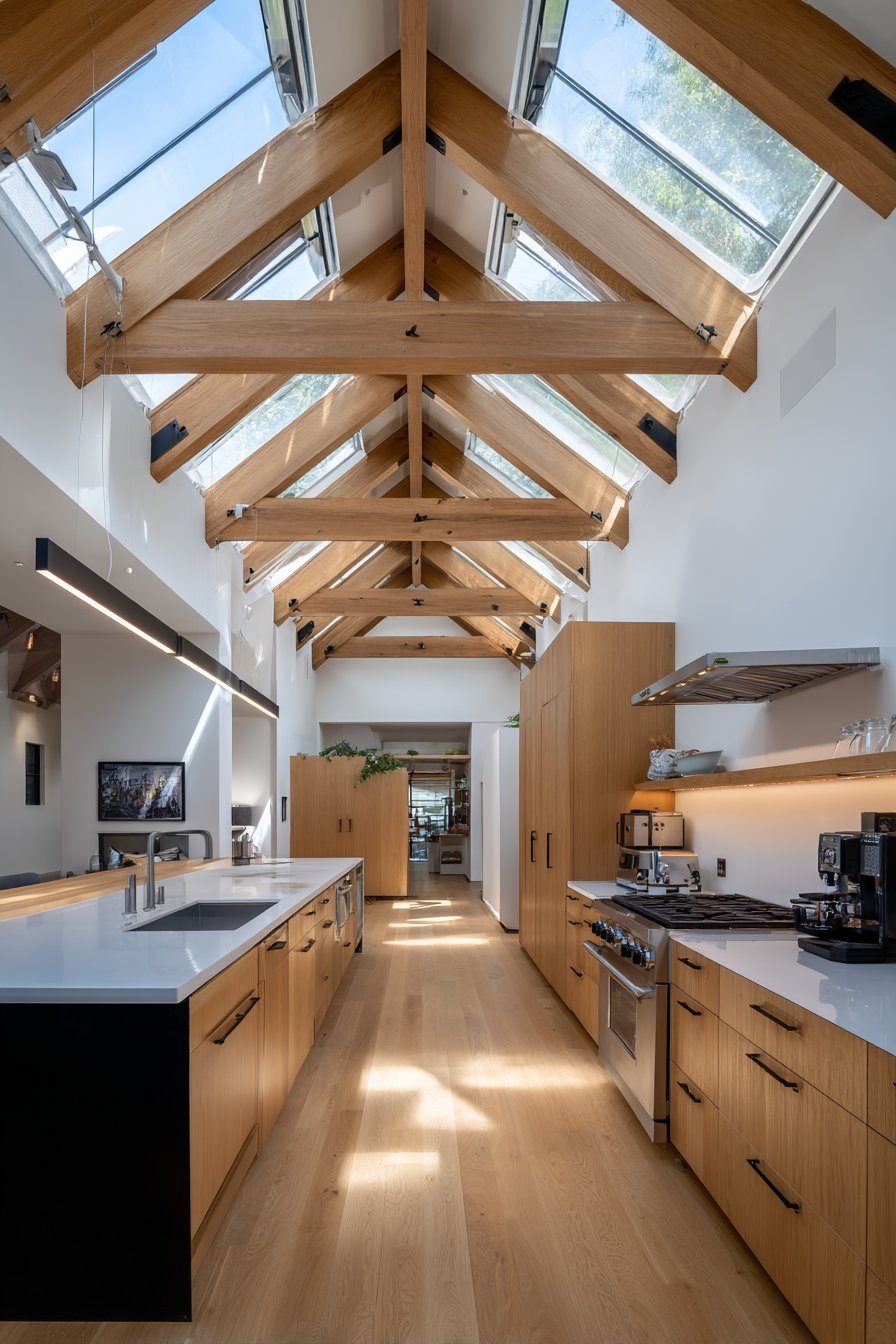
Functional kitchen design follows the work triangle principle, positioning the sink, stove, and refrigerator in a triangular layout for efficient movement. This classic approach reduces unnecessary steps and creates smooth workflow, allowing you to prepare meals without frustration or wasted energy. Proper ergonomics prevent fatigue and make cooking more enjoyable.
Maintain 42-48 inches of clearance in walkways to allow comfortable passage, even when cabinet doors or the dishwasher are open. Narrow aisles create bottlenecks and frustration, while overly wide spaces force you to walk excessive distances between work zones.
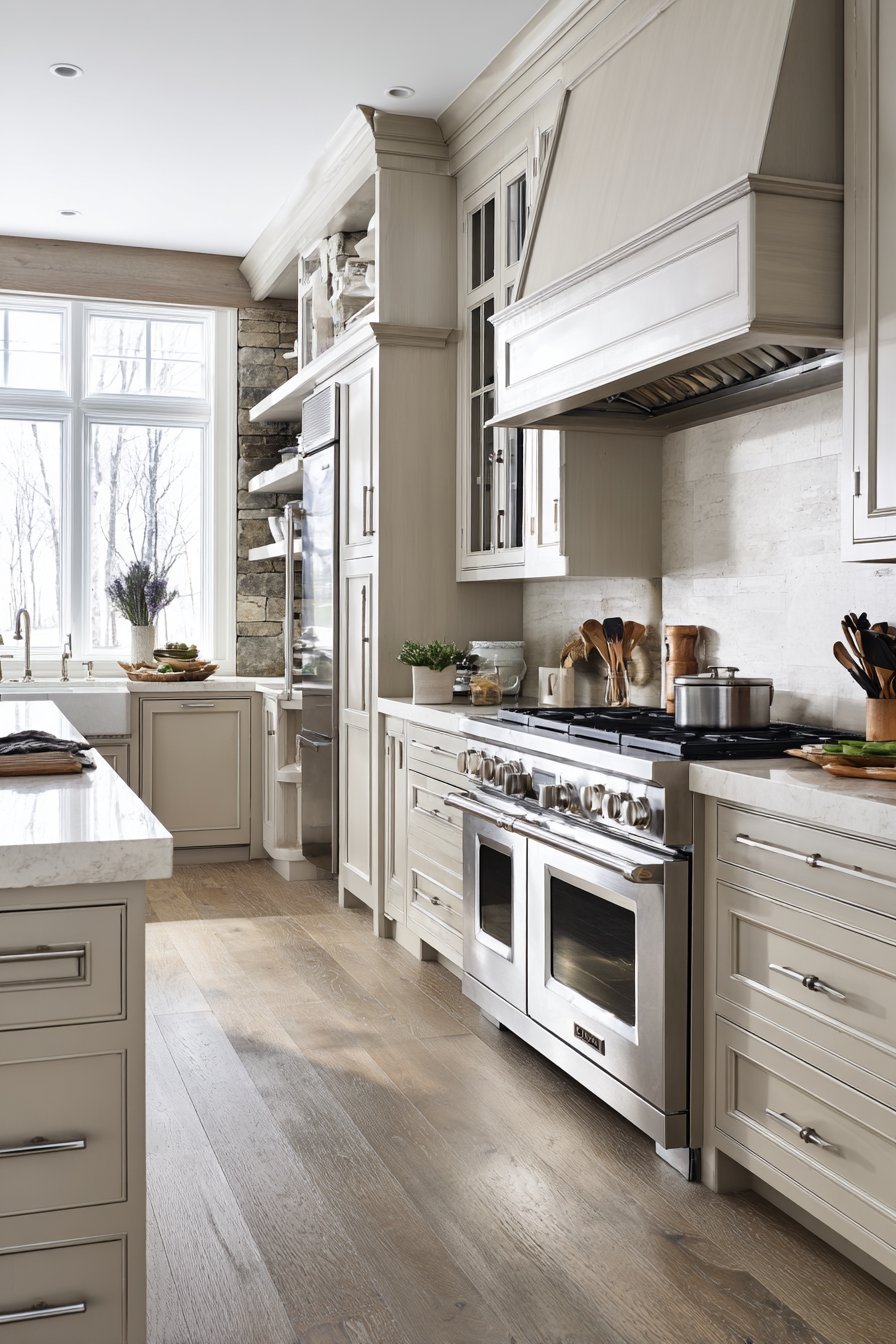
Position frequently used items within the comfort zone between shoulder and hip height to minimize reaching and bending. Store heavy pots and pans in lower drawers rather than upper cabinets to prevent dangerous overhead lifting. Keep cooking utensils near the stove and dishes near the dishwasher for logical, efficient organization.
- Measure clearances before purchasing new appliances or furniture
- Place your most-used items in the easiest-to-reach locations
- Install task lighting directly above all work surfaces
- Consider counter height options between 36-42 inches based on your height
- Keep pathways clear of obstacles like trash cans or pet bowls
- Arrange items by frequency of use, not just by category
Conclusion
Creating a cozy kitchen that maintains full functionality requires thoughtful planning and intentional design choices. By focusing on warm colors, layered lighting, and natural materials, you establish a foundation of comfort and style. Adding personal touches, living elements, and smart storage solutions ensures your kitchen serves both practical needs and emotional well-being.
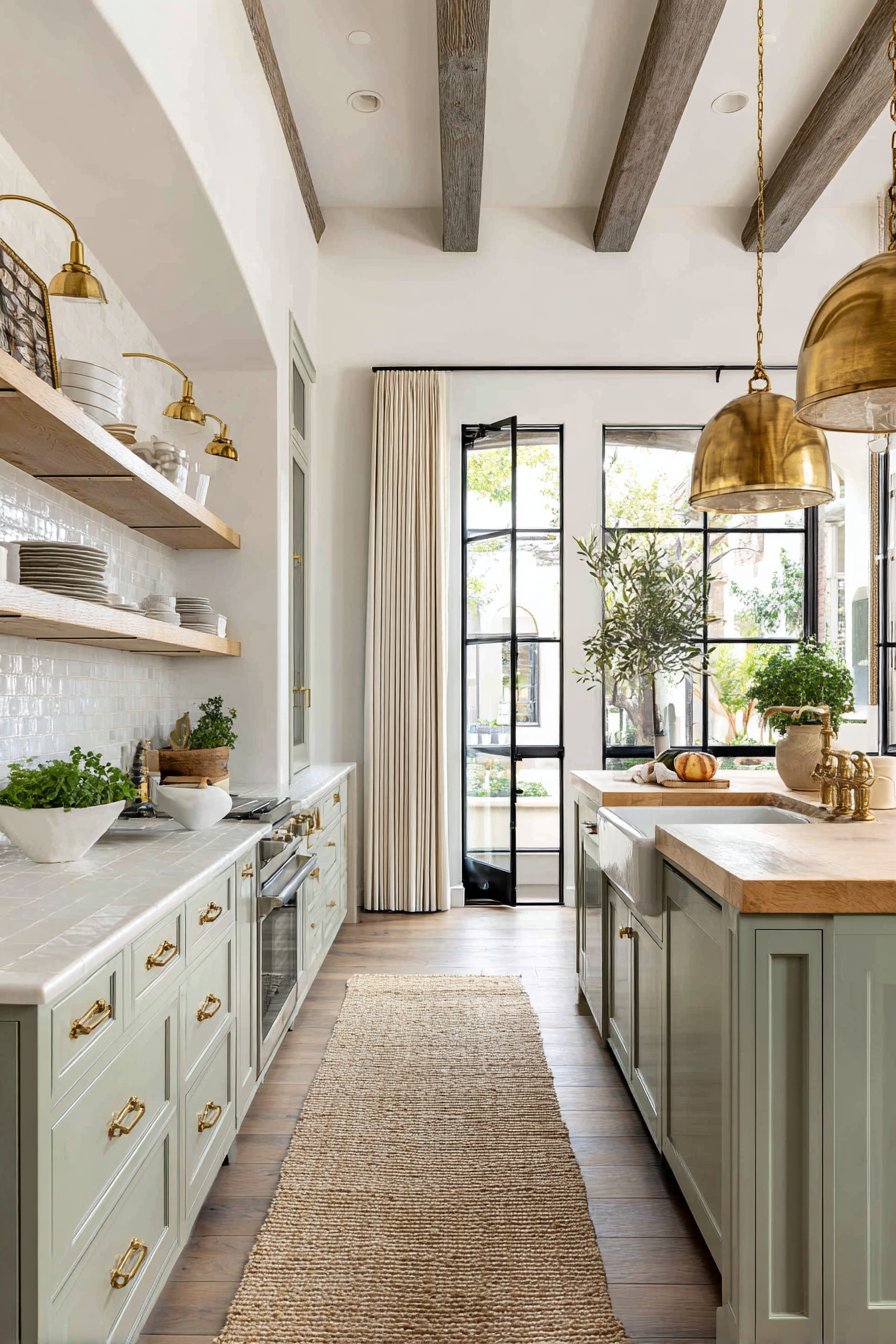
Remember that coziness isn’t about perfection—it’s about creating a space where you and your loved ones feel comfortable and connected. Start with one or two changes that resonate most with your vision, and gradually incorporate additional elements as your budget and time allow. Your kitchen should evolve with your family’s needs while maintaining that warm, inviting atmosphere that makes it the true heart of your home. Embrace the journey of creating a space that perfectly balances beauty and function, and enjoy the countless moments you’ll share in your newly transformed kitchen.
