

Choosing the right cabinet color is one of the most impactful decisions you’ll make when designing or renovating your kitchen. Cabinet color influences not only the aesthetic appeal of your space but also long-term maintenance requirements and potential resale value. White and grey cabinets have dominated kitchen design trends for years, each offering distinct advantages and challenges.
Understanding the practical implications of your cabinet choice goes beyond personal preference. Maintenance demands vary significantly between grey and white finishes, affecting your daily cleaning routines and long-term upkeep costs. Meanwhile, resale value considerations can make the difference between a quick sale at top dollar and a property that lingers on the market. This comprehensive guide examines both options through the lens of practicality and investment value.
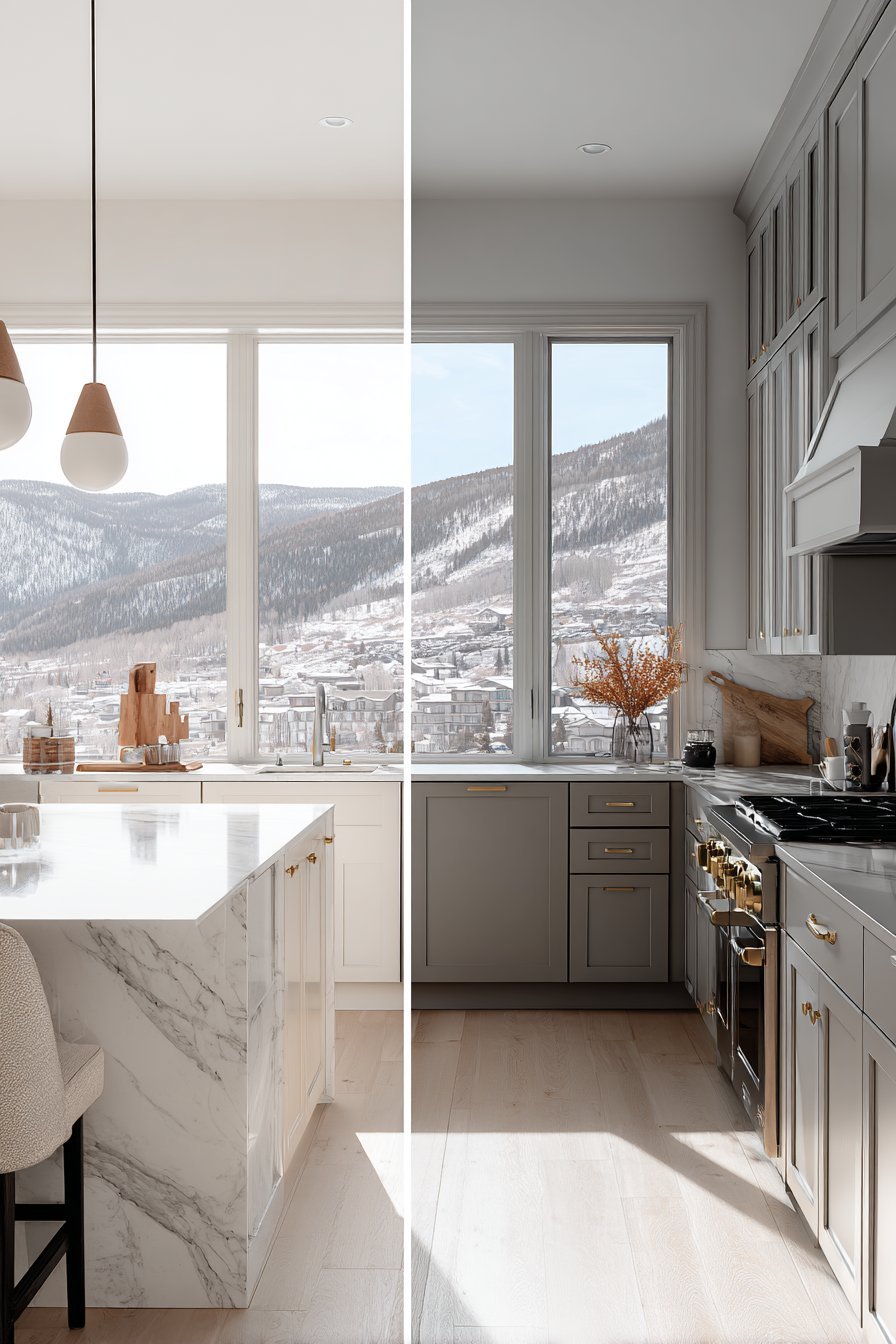
1. Visual Impact and Style Versatility
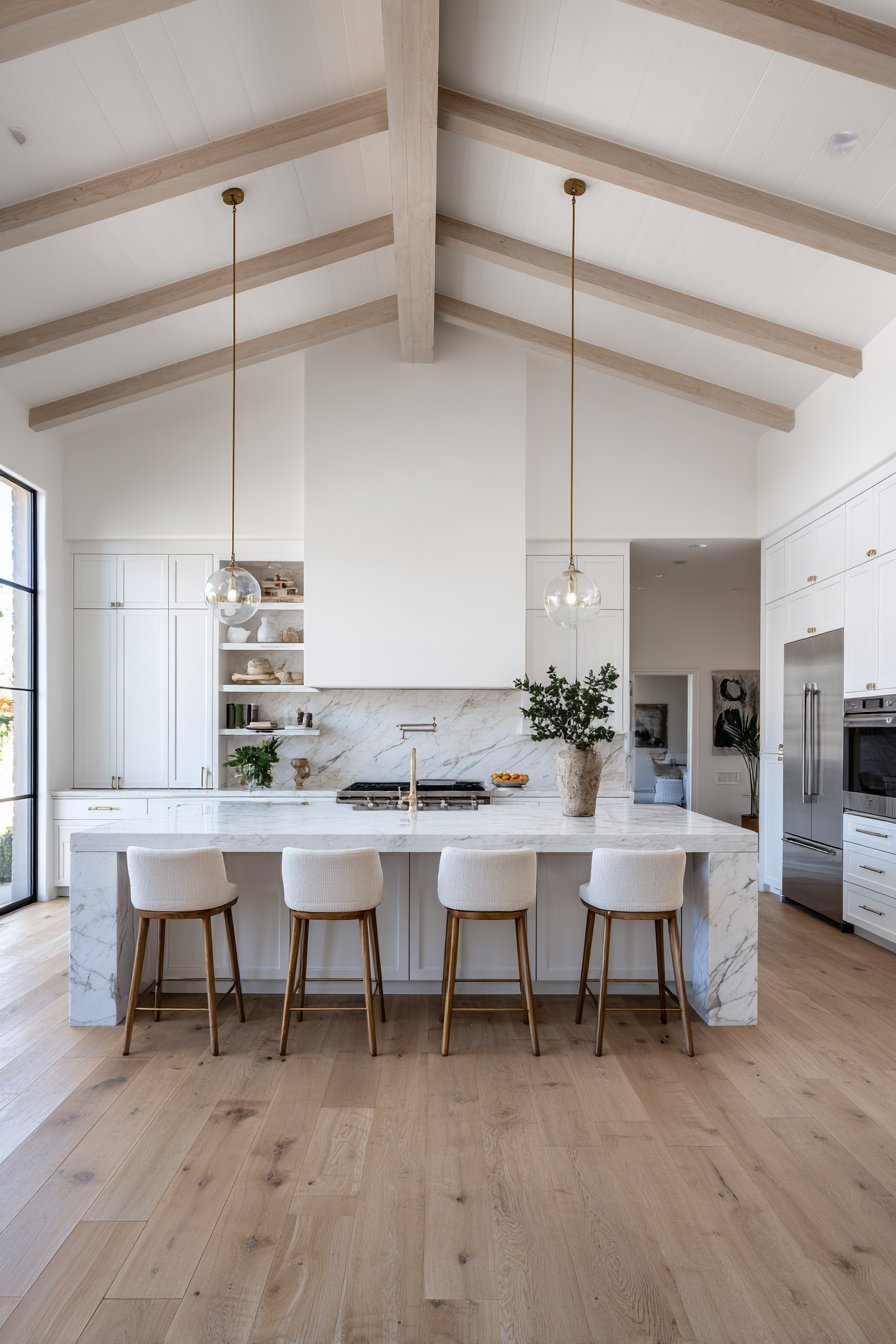
White cabinets create an open, airy atmosphere that makes kitchens feel larger and more inviting. The reflective quality of white surfaces bounces light throughout the space, enhancing natural and artificial illumination. This timeless choice pairs seamlessly with virtually any countertop material, backsplash design, or flooring option. White cabinets serve as a neutral foundation that allows homeowners to experiment with accent colors and accessories.
Grey cabinets offer sophisticated depth that white simply cannot achieve. The color provides visual interest without overwhelming the space, creating a modern yet warm aesthetic. Grey works exceptionally well in contemporary, transitional, and industrial design schemes. The tonal complexity of grey hides minor imperfections better than stark white finishes.
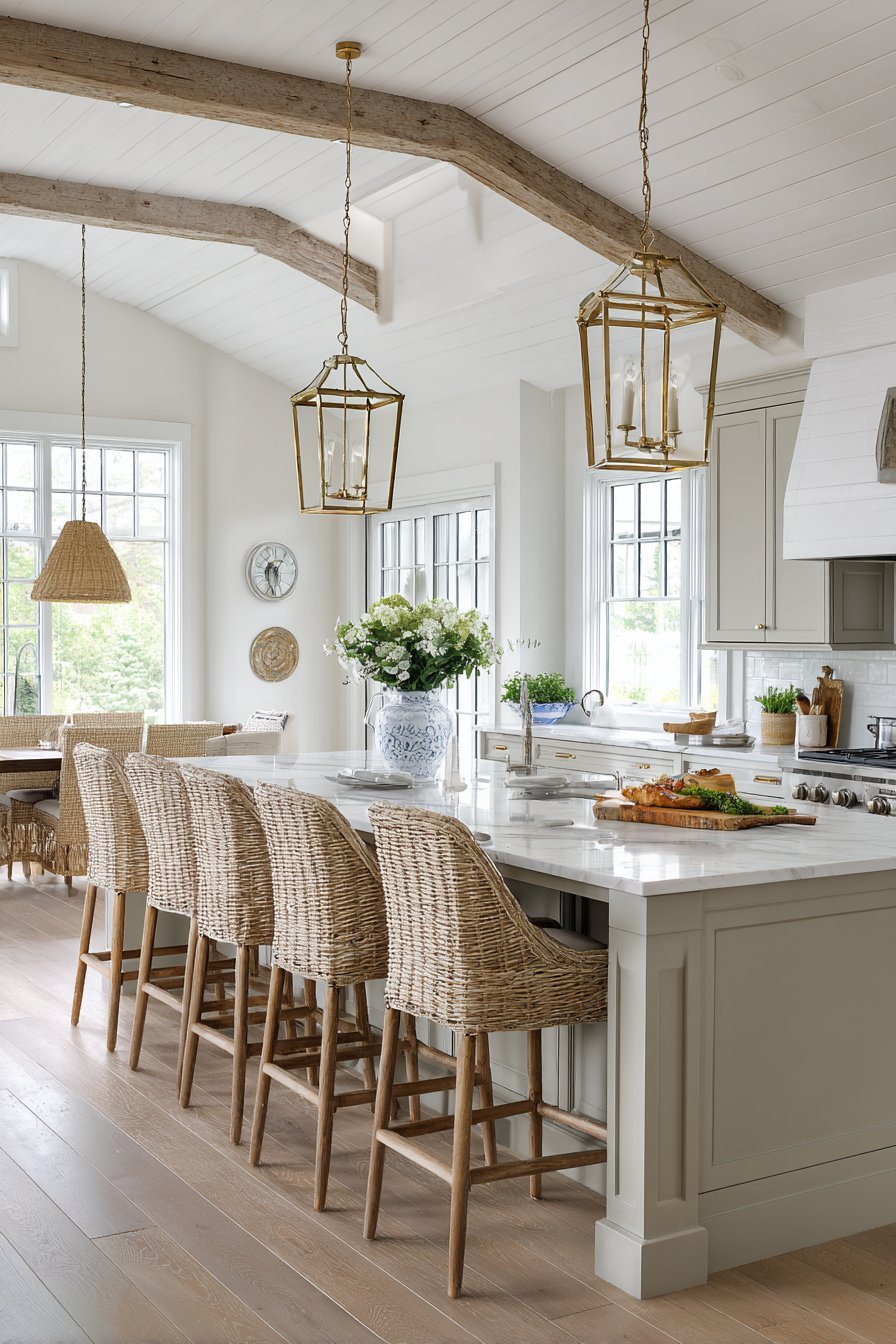
Both colors maintain strong appeal in current design markets, though preferences shift regionally. White dominates in coastal and farmhouse styles, while grey thrives in urban and modern settings. Understanding your local market trends helps inform decisions that maximize resale potential.
- White cabinets maximize perceived space in smaller kitchens
- Grey cabinets add dimension without requiring bold accent colors
- White reflects 80% more light than medium grey tones
- Grey provides better visual warmth in north-facing kitchens
- Both colors pair well with stainless steel appliances
- White cabinets show architectural details more prominently
2. Daily Cleaning Requirements
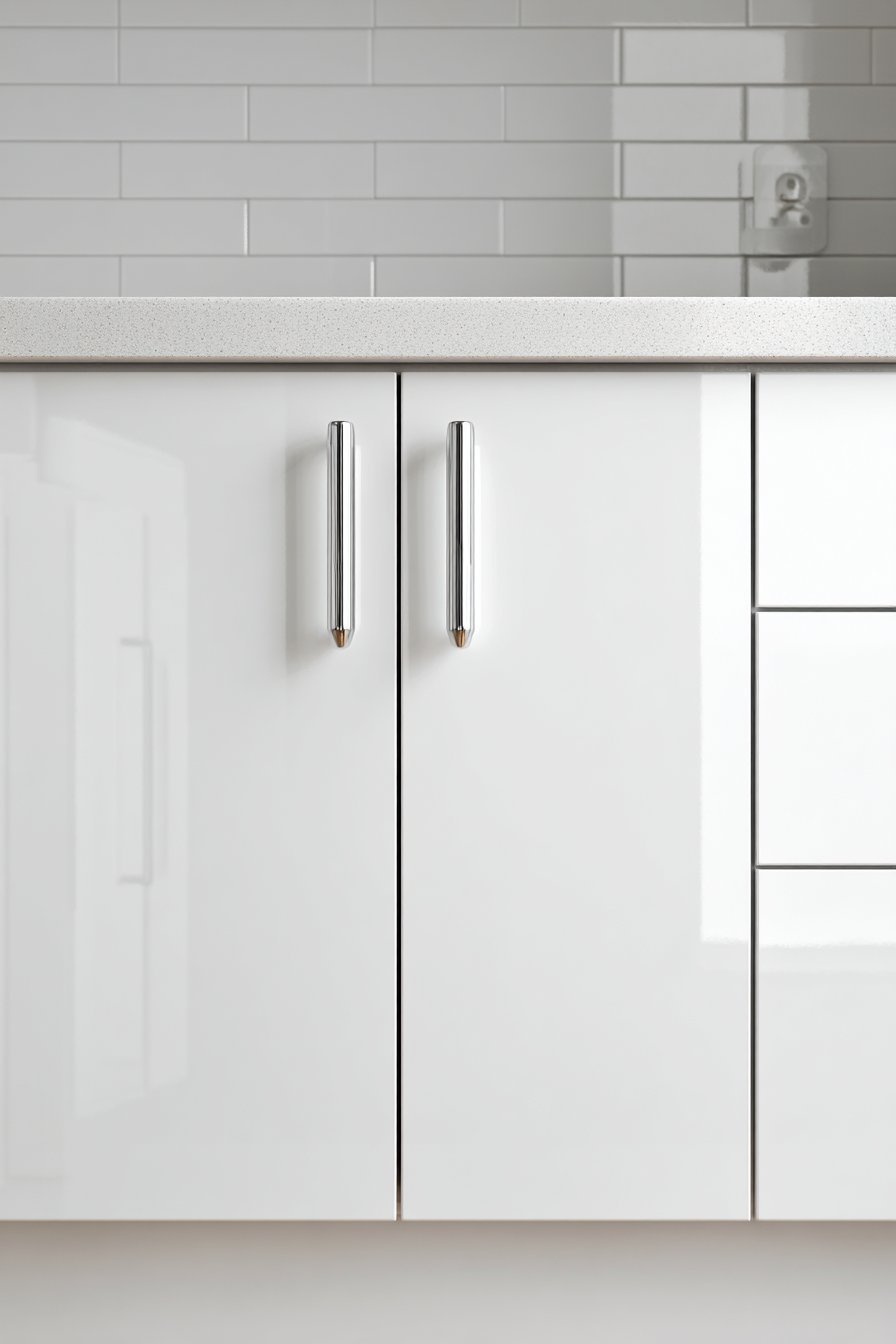
White cabinets demand frequent attention to maintain their pristine appearance. Every fingerprint, splash, and smudge becomes immediately visible on white surfaces. High-gloss white finishes show dirt more readily than matte or satin sheens. Daily wiping with microfiber cloths becomes essential in households with children or frequent cooking activity.
Grey cabinets offer practical concealment of everyday wear and tear. Light grease splatters, water spots, and dust accumulate less noticeably on grey surfaces. Medium to dark grey tones provide the best stain-hiding properties while maintaining a clean aesthetic. However, grey cabinets still require regular cleaning to prevent buildup.
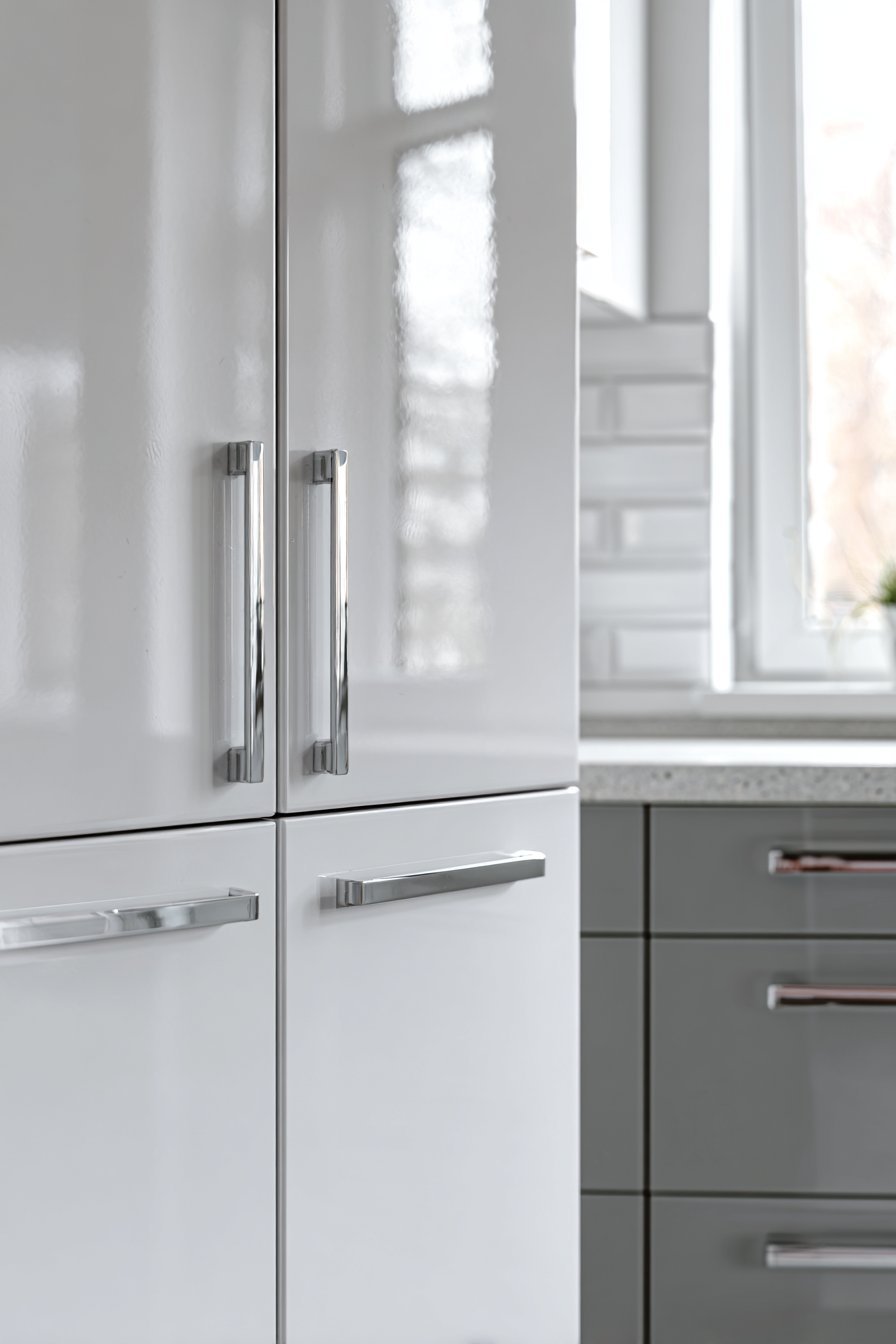
The finish type matters as much as color choice. Matte finishes on both white and grey cabinets hide imperfections better than glossy surfaces. Textured or painted finishes require different cleaning approaches than smooth lacquered options. Understanding your specific cabinet finish helps establish appropriate maintenance routines.
- White cabinets need daily spot cleaning in active kitchens
- Grey cabinets can go 2-3 days between thorough cleanings
- Use pH-neutral cleaners to prevent discoloration on both colors
- Microfiber cloths prevent scratching on painted surfaces
- Grey hides coffee and tea stains more effectively
- White shows yellowing from grease exposure over time
3. Long-Term Staining and Discoloration
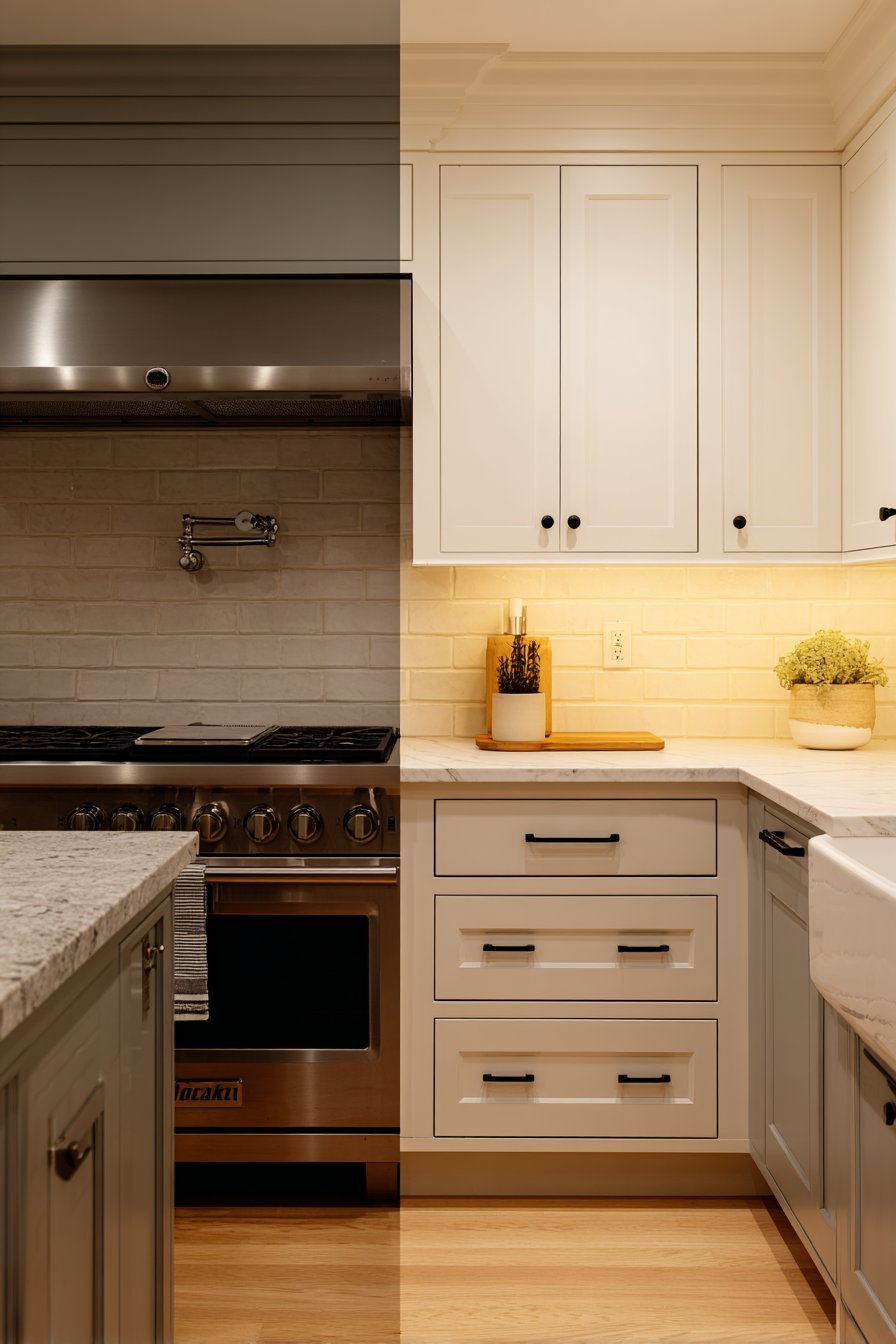
White cabinets face inevitable yellowing over time, particularly near heat sources and cooking areas. Grease particles become trapped in microscopic surface imperfections, creating a dingy appearance. Oil-based cooking methods accelerate this process significantly. UV exposure from windows can also cause uneven yellowing on sun-facing cabinets.
Grey cabinets resist visible yellowing but develop their own patina over years of use. Dark grey tones may show lightening or fading in high-traffic areas where repeated cleaning wears the finish. Water stains appear as dark spots on lighter grey cabinets but remain less obvious than on white surfaces. The natural variation in grey tones makes minor discoloration less apparent.
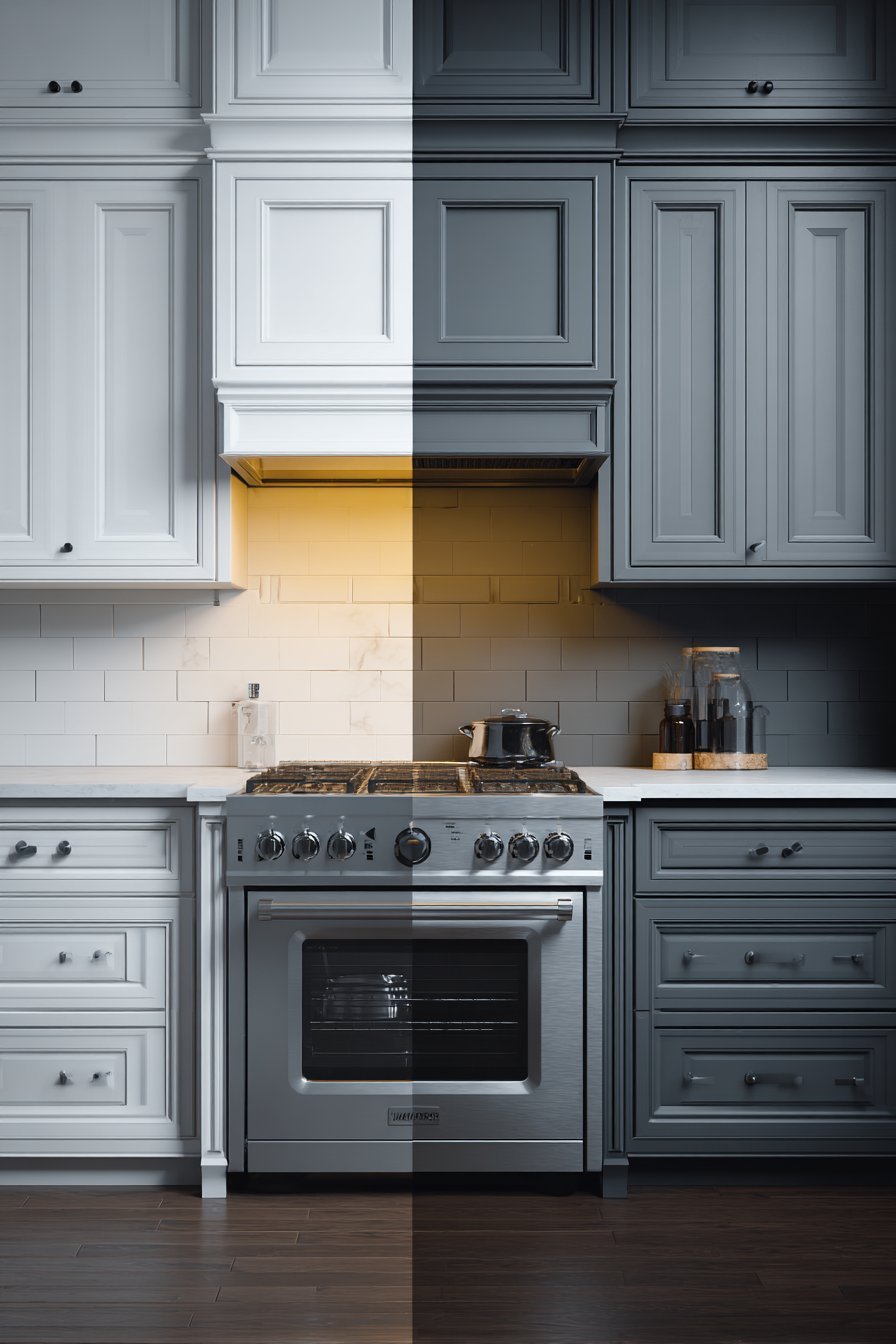
Cabinet material affects staining susceptibility regardless of color. Painted MDF cabinets absorb stains more readily than sealed hardwood options. Thermofoil and laminate finishes provide superior stain resistance but offer limited color options. Professional-grade paints with stain-blocking primers perform best for both white and grey applications.
- White cabinets near stoves show yellowing within 3-5 years
- Grey cabinets maintain color consistency longer in cooking zones
- Install proper ventilation to minimize grease accumulation on all cabinets
- Consider semi-gloss finishes for easier stain removal
- Repainting white cabinets costs $3,000-8,000 for average kitchens
- Grey cabinets need touch-ups primarily around hardware and edges
4. Maintenance Cost Comparison
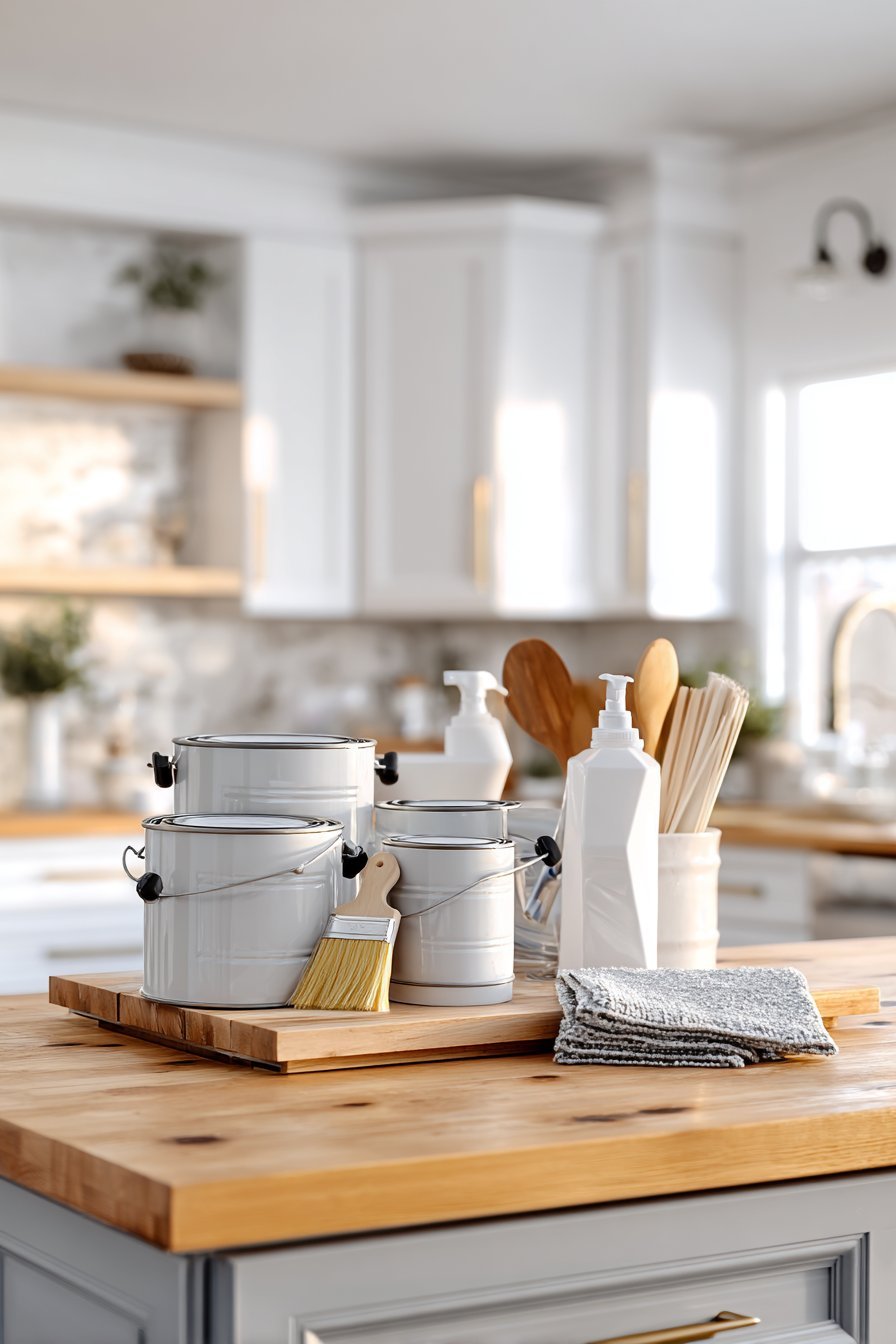
White cabinets require more frequent professional cleaning to maintain their original brightness. Professional cabinet cleaning services charge $200-500 depending on kitchen size and finish type. Specialized cleaning products for white surfaces add $50-100 annually to maintenance budgets. Deep cleaning twice yearly prevents permanent yellowing and extends cabinet life.
Grey cabinets reduce long-term maintenance expenses through better stain concealment. Routine cleaning with standard household products suffices for most grey finishes. However, color-matched touch-up paint costs more for grey than white due to precise toning requirements. Professional painters charge premium rates for custom grey matching.
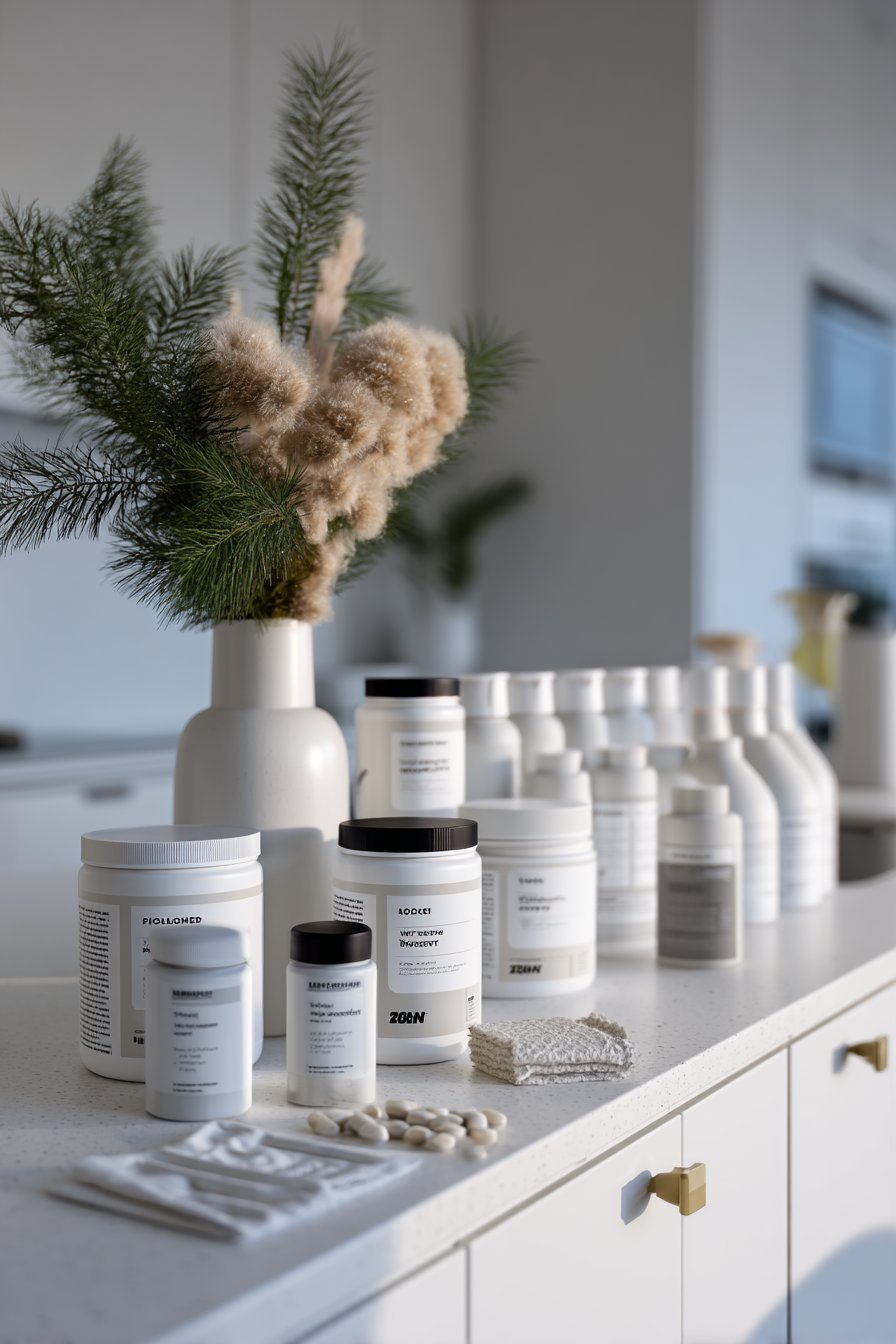
Both colors eventually need refinishing or repainting in high-use kitchens. White cabinets typically require attention every 5-7 years, while grey cabinets extend to 7-10 years before showing significant wear. DIY repainting costs $300-800 in materials, while professional services range from $3,000-8,000. Factor these expenses into total ownership calculations.
- Annual cleaning product costs: White $75-150, Grey $40-80
- Professional deep cleaning: White biannually, Grey annually
- Touch-up paint: White $15-25, Grey $30-50 per container
- Hardware replacement needs increase with frequent cleaning on both colors
- Consider warranty coverage for painted cabinet finishes
- Grey cabinets save approximately $500-800 in maintenance over 10 years
5. Impact on Home Resale Value
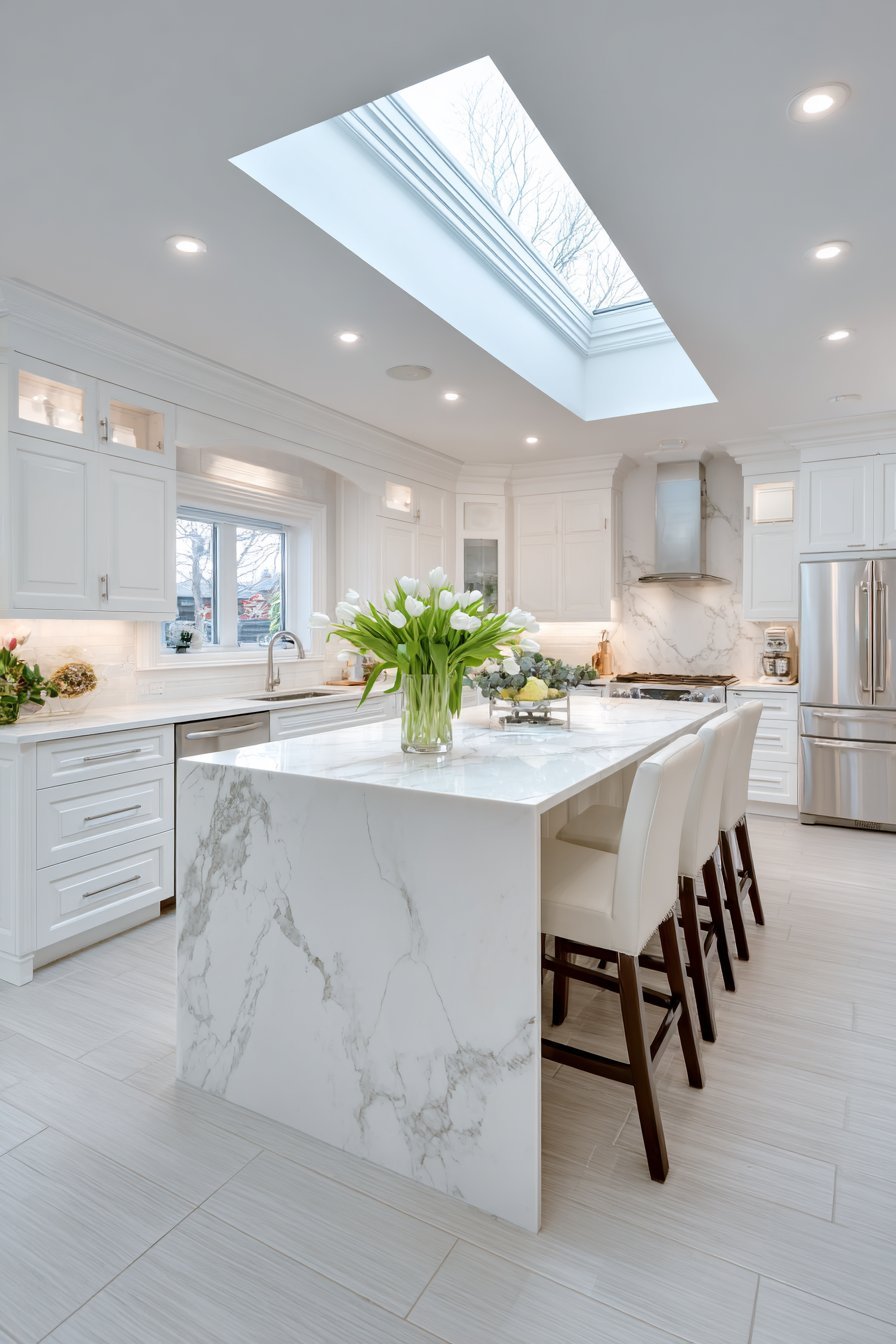
White cabinets command broad market appeal that translates to faster sales and competitive pricing. Real estate data shows kitchens with white cabinets sell 7-10% faster than those with colored alternatives. The neutral palette allows potential buyers to envision their personal style without mental barriers. White cabinets photograph exceptionally well in listing materials.
Grey cabinets appeal to design-conscious buyers seeking modern aesthetics. Properties with grey cabinets attract higher offers in urban and suburban markets where contemporary style dominates. However, regional preferences vary significantly. The perceived trendiness of grey makes some buyers hesitant about long-term appeal.
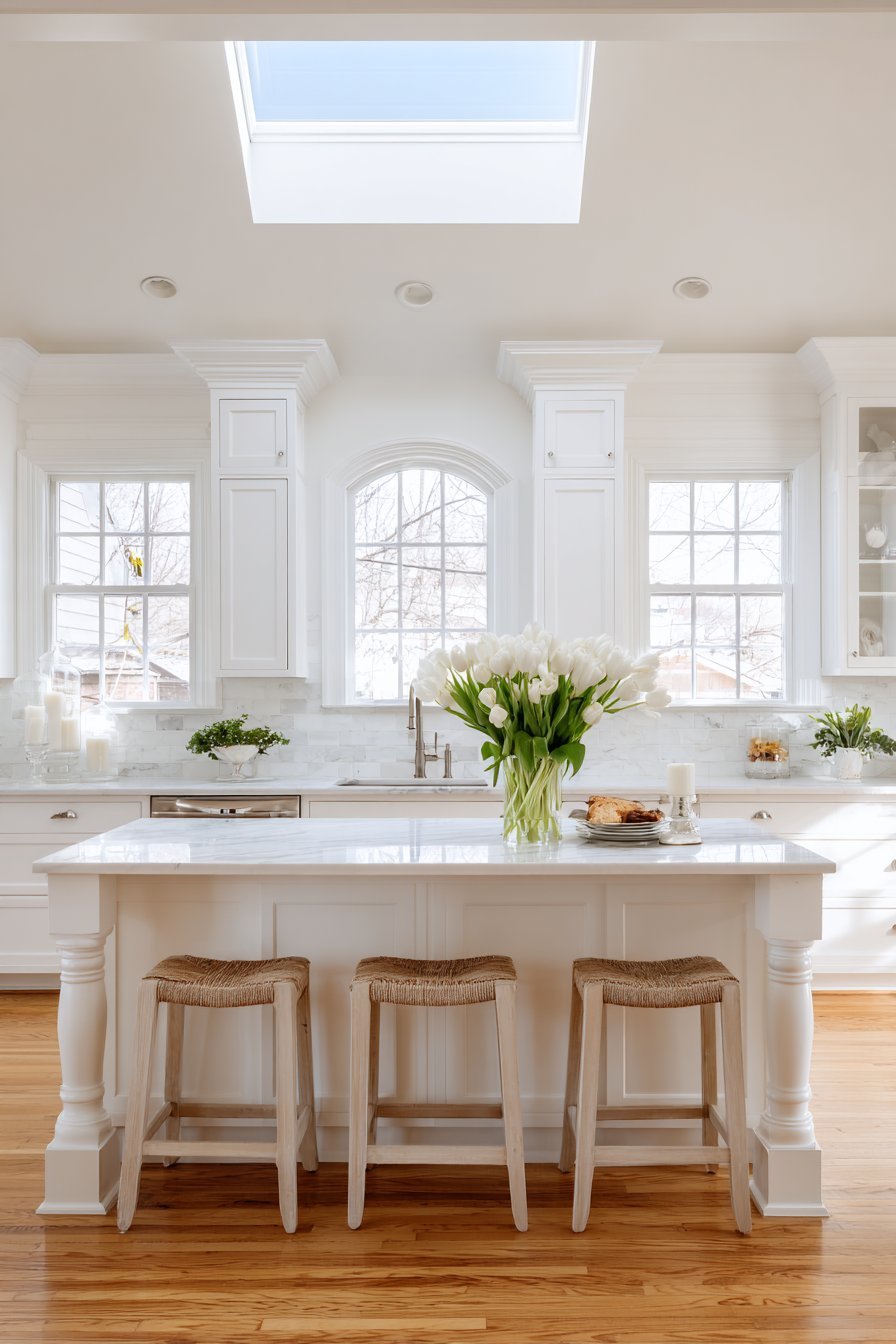
Market research indicates white cabinets provide more consistent returns across diverse demographics. Grey cabinets perform exceptionally in higher-end markets ($500,000+) where design sophistication matters. For mid-range homes, white cabinets minimize buyer objections and maximize showing appeal. Consider your specific market segment when making color decisions.
- White cabinets appeal to 80% of potential buyers
- Grey cabinets strongly appeal to 45% but may deter 20%
- Kitchens with white cabinets recoup 75-85% of renovation costs
- Grey cabinets in premium homes recoup 70-80% of costs
- Neutral colors reduce buyer negotiation leverage on price
- White cabinets photograph better for online listings
6. Regional and Demographic Preferences
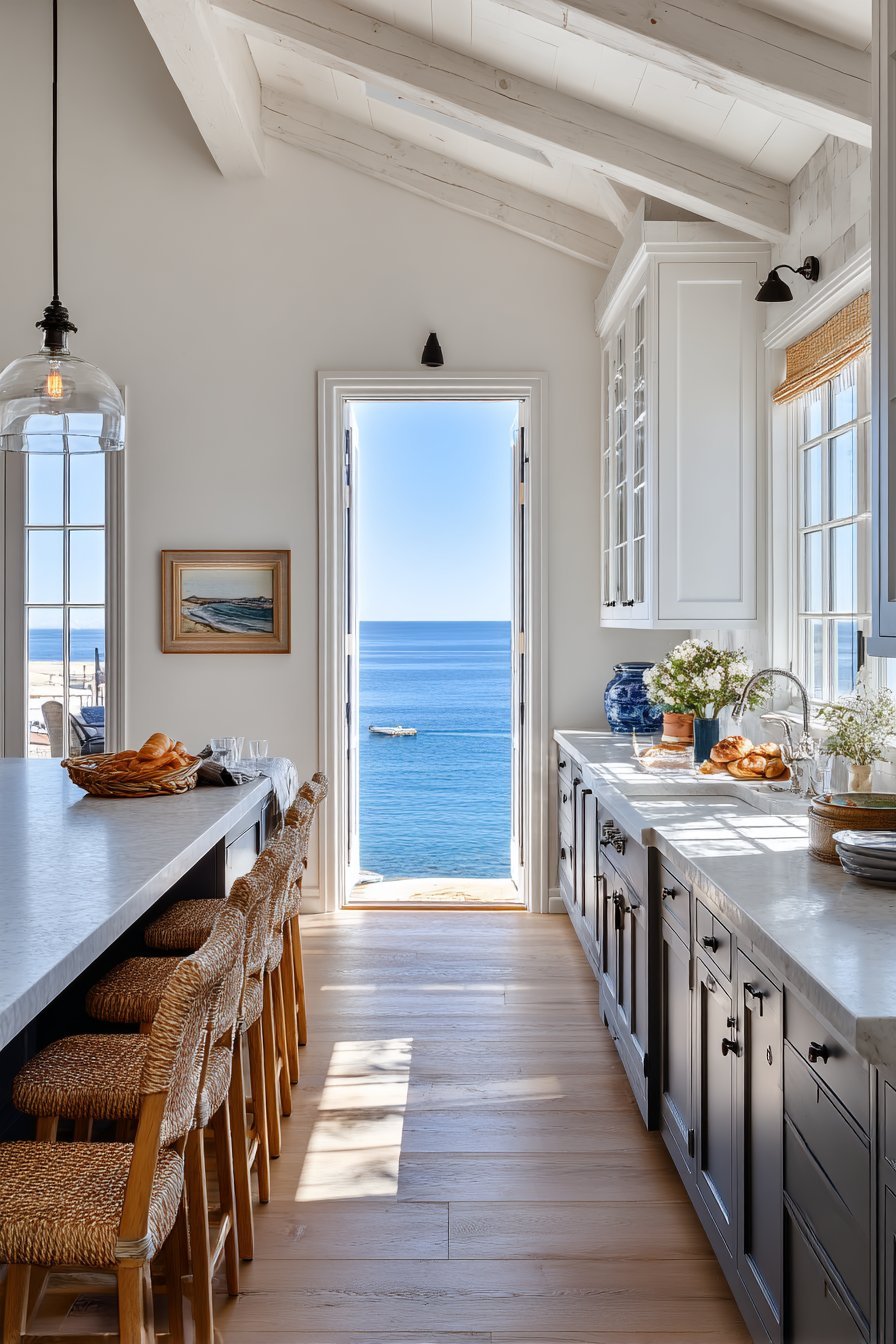
Coastal markets overwhelmingly favor white cabinets that complement beach-inspired design aesthetics. California, Florida, and Northeast coastal regions show 75%+ preference for white in recent sales data. The bright, clean appearance aligns with relaxed coastal lifestyles. Traditional neighborhoods in Southern states also lean heavily toward white cabinetry.
Urban centers and Pacific Northwest markets embrace grey cabinet trends more readily. Cities like Seattle, Portland, and Denver show increasing grey cabinet installations. Younger demographics (25-40 years old) demonstrate stronger preference for grey tones. Industrial and loft-style properties particularly benefit from grey cabinetry choices.
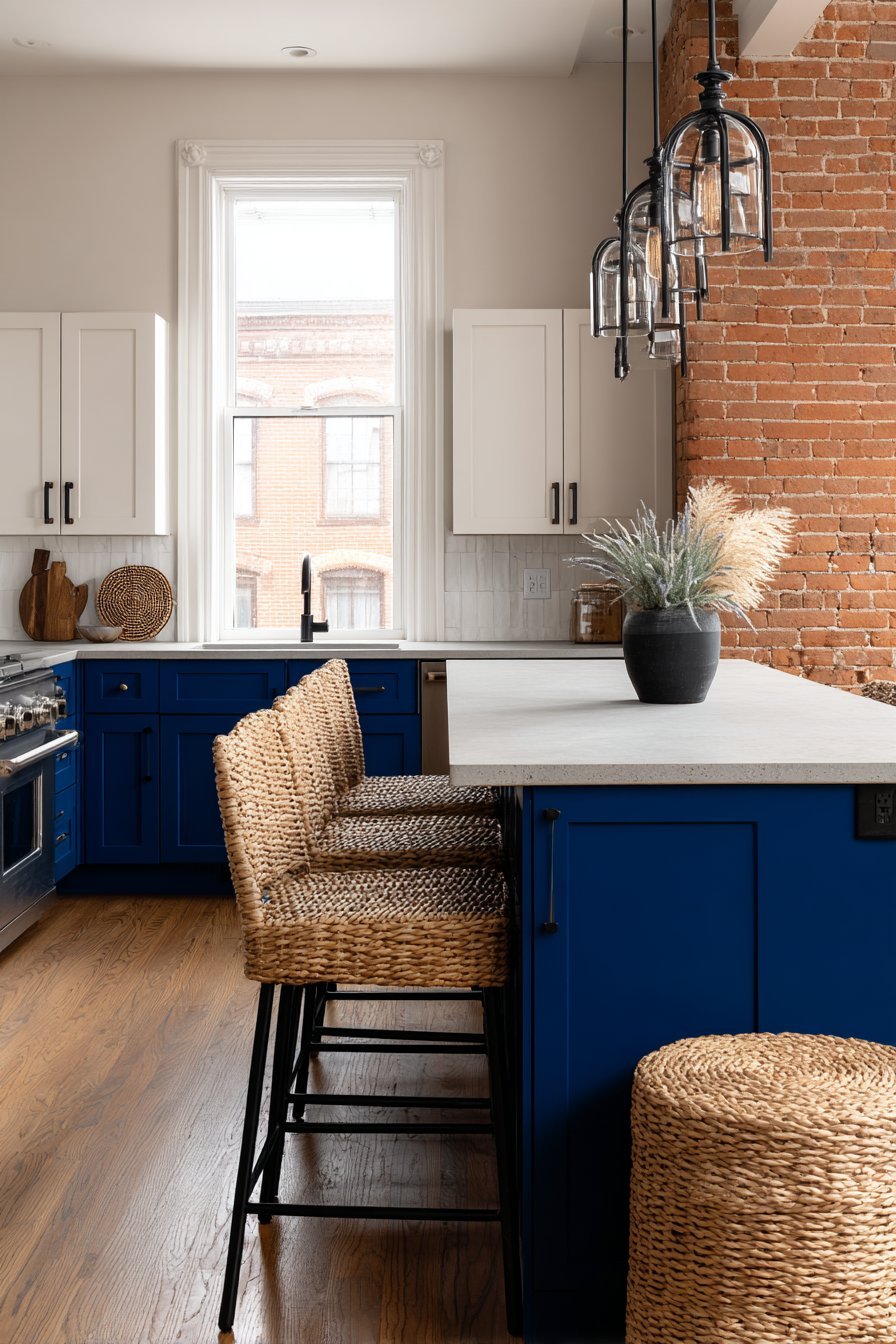
Suburban markets display mixed preferences depending on predominant home styles. Contemporary subdivisions with modern architecture support grey cabinet choices. Traditional suburban developments with colonial or craftsman homes favor white cabinets. Research recent sales in your specific neighborhood before committing to renovation colors.
- Consult local real estate agents for neighborhood-specific color trends
- White cabinets safe choice in 85% of U.S. markets
- Grey cabinets add value in design-forward communities
- Age of home stock influences color preference trends
- New construction developments often showcase current color trends
- Consider 5-10 year resale timeline when choosing trendy colors
7. Durability and Wear Patterns
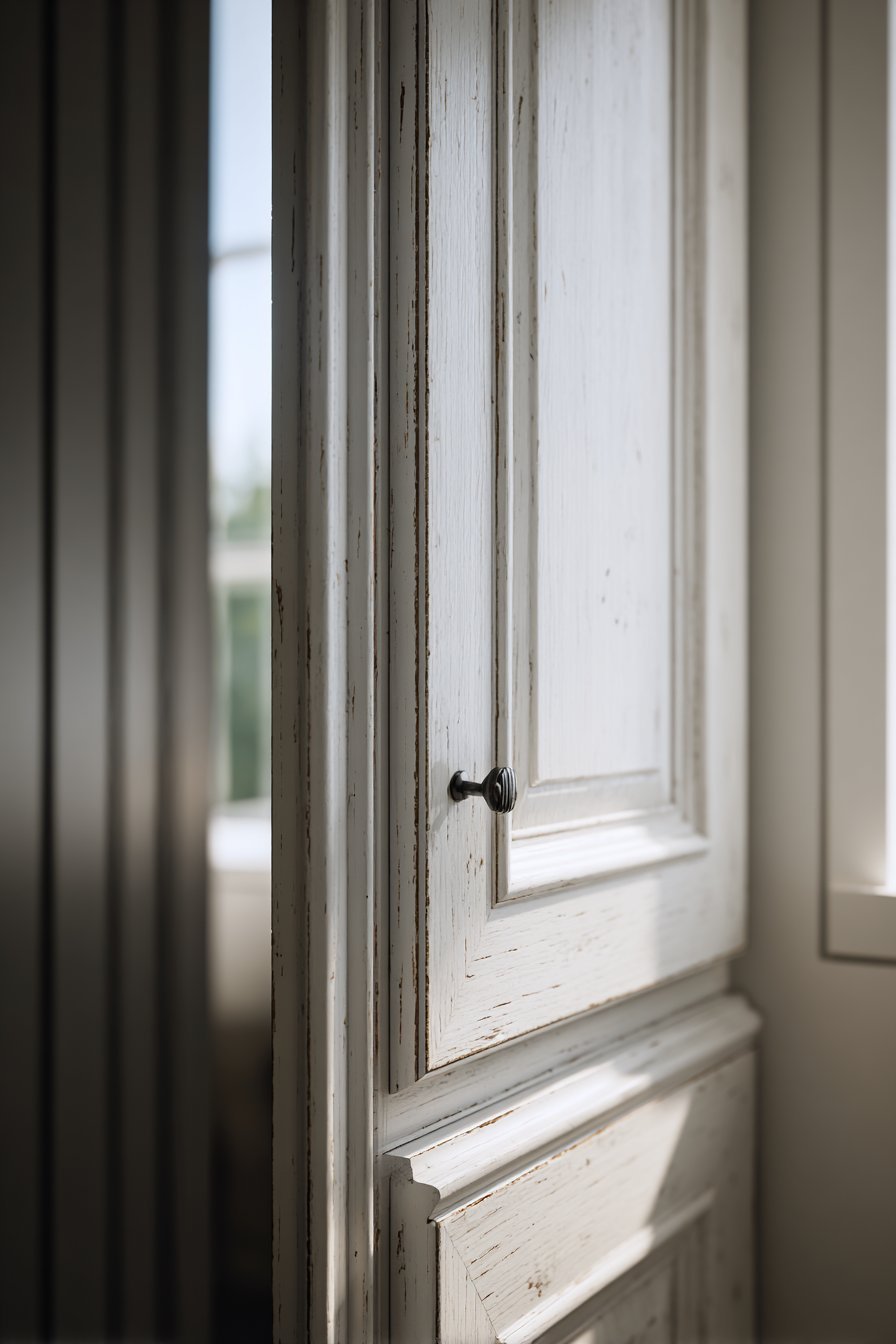
White cabinets show wear patterns prominently around handles, edges, and high-touch areas. The stark contrast between pristine white and worn spots creates obvious visual problems. Chipping and scratches appear as dark marks against white backgrounds. Heavy use in family kitchens accelerates visible deterioration.
Grey cabinets develop subtle wear that blends more naturally with the overall finish. Chips and scratches remain less noticeable due to the tonal variation inherent in grey colors. Edge wear creates a patina effect rather than glaring damage. Medium grey tones perform best for concealing inevitable use marks.
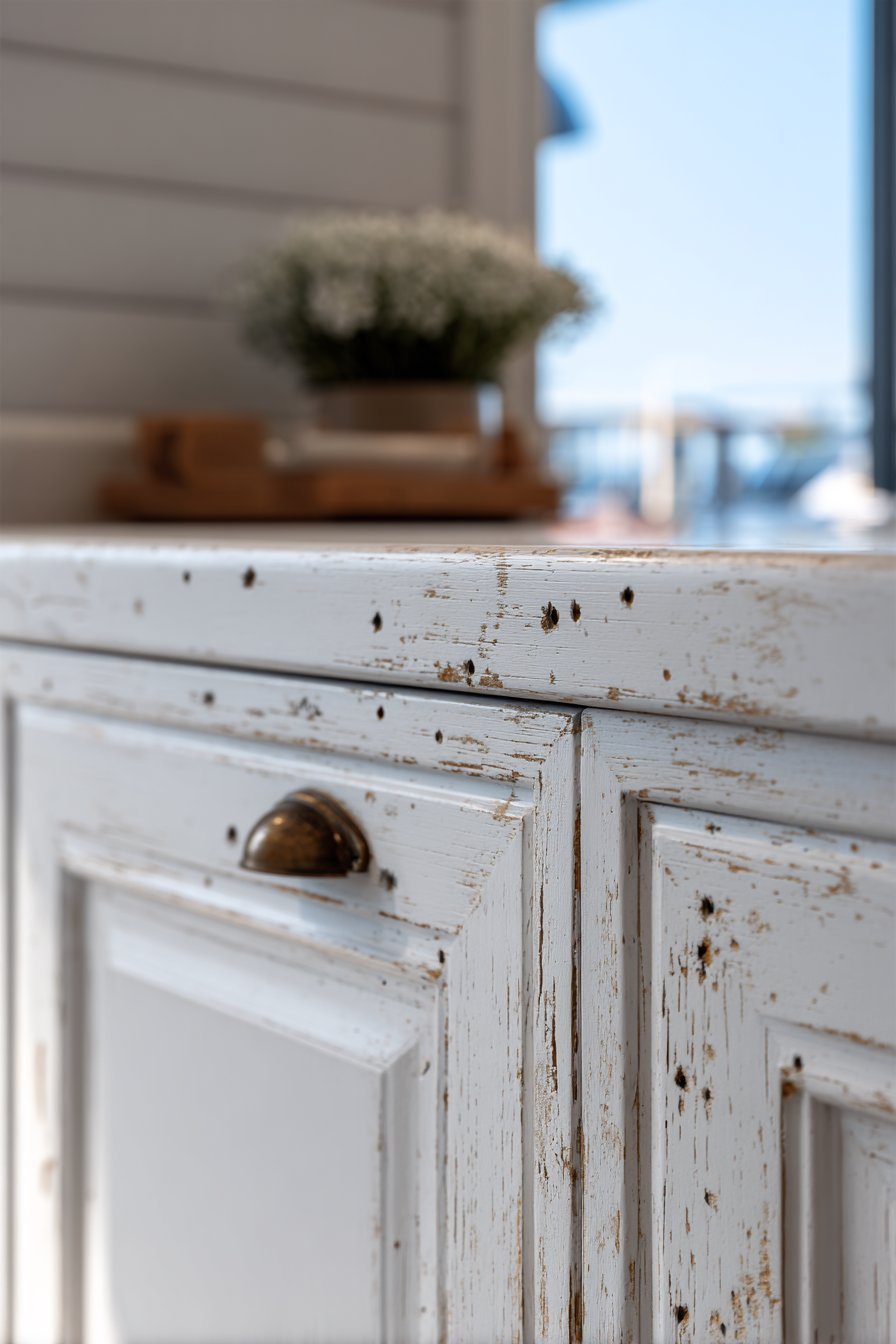
Cabinet construction quality matters more than color for long-term durability. Solid wood cabinets withstand wear better than particleboard options regardless of color. Dovetail joinery and quality hinges prevent structural problems that exacerbate appearance issues. Invest in quality construction before obsessing over color choice.
- White cabinets need edge touch-ups every 2-3 years
- Grey cabinets conceal minor damage for 4-6 years
- Quality cabinet boxes cost $150-400 per linear foot
- Hardware upgrades improve perceived cabinet quality at resale
- Consider soft-close hinges to reduce impact damage
- Both colors benefit from cabinet door bumpers and protective pads
8. Lighting Considerations and Color Perception
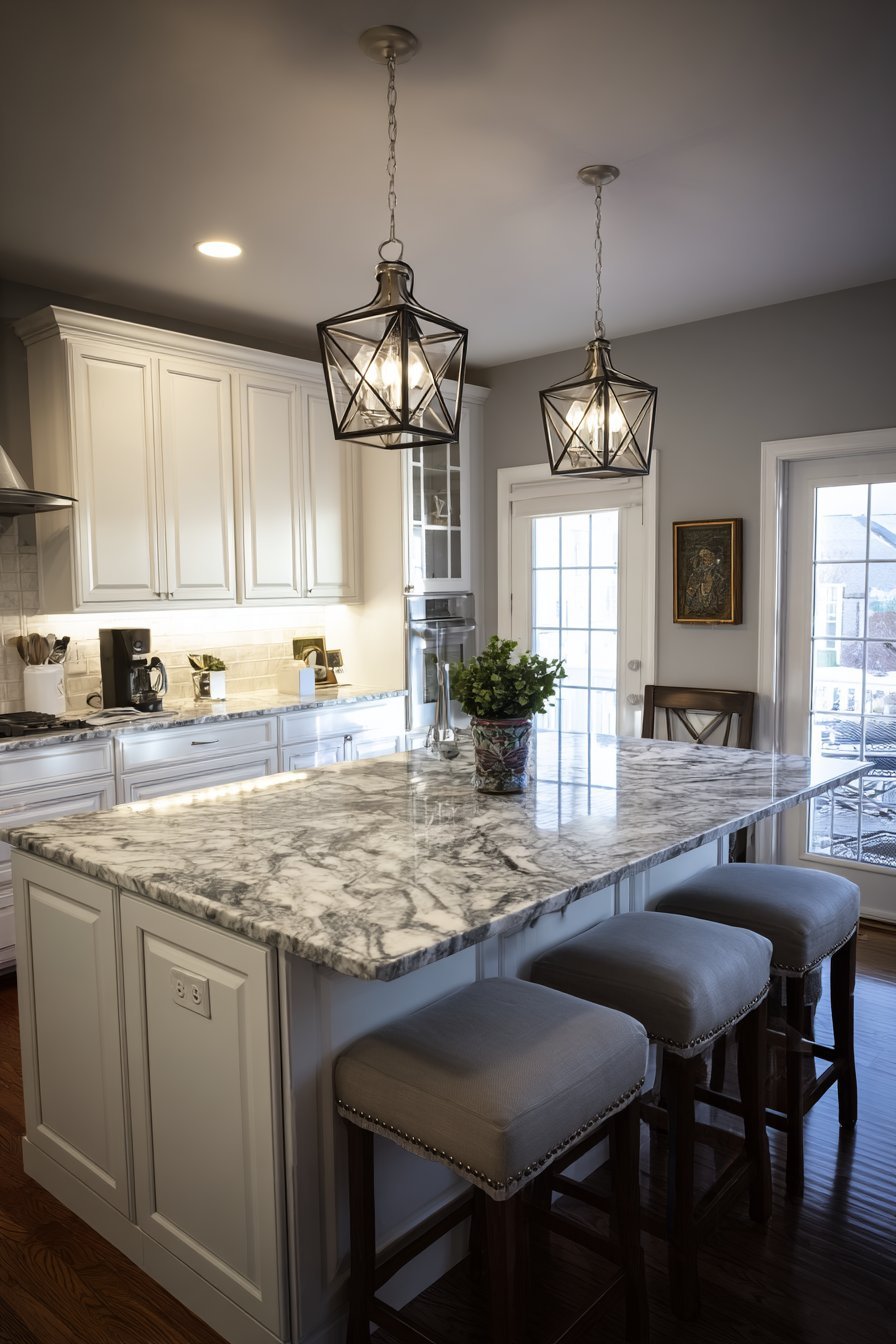
White cabinets amplify available light but also expose lighting inadequacies. Insufficient kitchen lighting creates harsh shadows that make white cabinets appear dingy. The reflective quality requires balanced illumination from multiple sources. Under-cabinet lighting becomes essential for functionality and appearance with white cabinets.
Grey cabinets absorb more light, reducing overall kitchen brightness. Darker grey tones require 30-40% more artificial lighting to achieve similar illumination levels. The color temperature of light sources significantly affects grey appearance. Warm lighting makes grey appear brownish, while cool lighting enhances true grey tones.
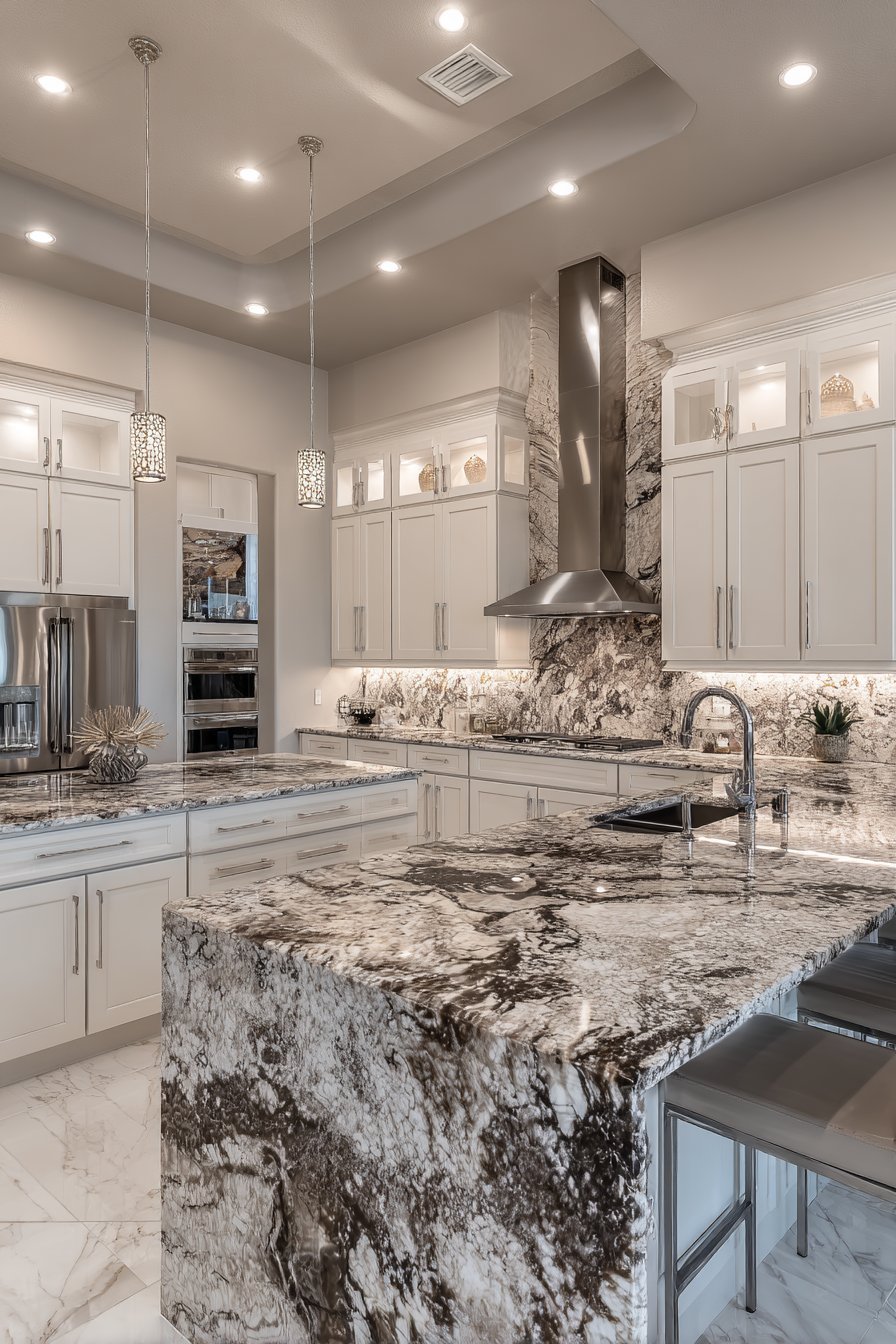
Natural light changes both colors throughout the day. White cabinets take on surrounding color casts from walls, countertops, and outdoor light. Grey cabinets appear lighter or darker depending on ambient light conditions. Test cabinet samples in your actual kitchen at different times before committing.
- Install 50 lumens per square foot minimum for white cabinets
- Grey cabinets need 70-80 lumens per square foot for brightness
- Use 3000-4000K color temperature bulbs for accurate color rendering
- Layer task, ambient, and accent lighting in all kitchens
- White cabinets work better in naturally dark kitchens
- Consider window placement when choosing cabinet colors
9. Coordination with Existing Home Elements
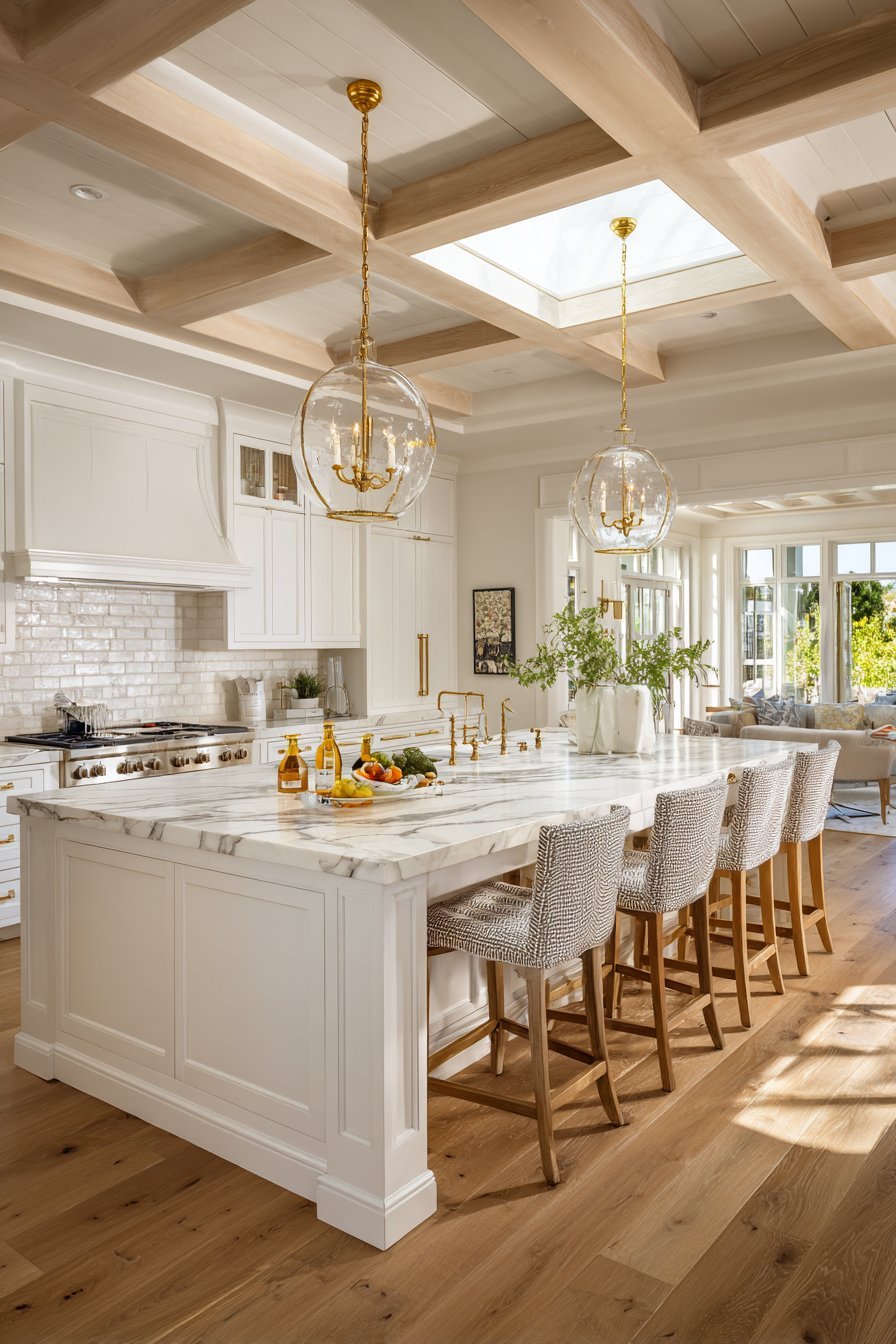
White cabinets offer maximum flexibility for coordinating with existing flooring, countertops, and appliances. The neutral tone works with warm oak floors and cool granite counters equally well. White cabinets simplify future updates by accommodating nearly any accent color. Design mistakes become harder to make with white as the foundation.
Grey cabinets require more careful coordination to avoid clashing undertones. Cool grey cabinets fight with warm beige floors and countertops. Warm grey tones appear muddy against stainless steel appliances. Sample matching becomes critical when integrating grey cabinets into existing spaces. Professional color consultation prevents costly coordination errors.
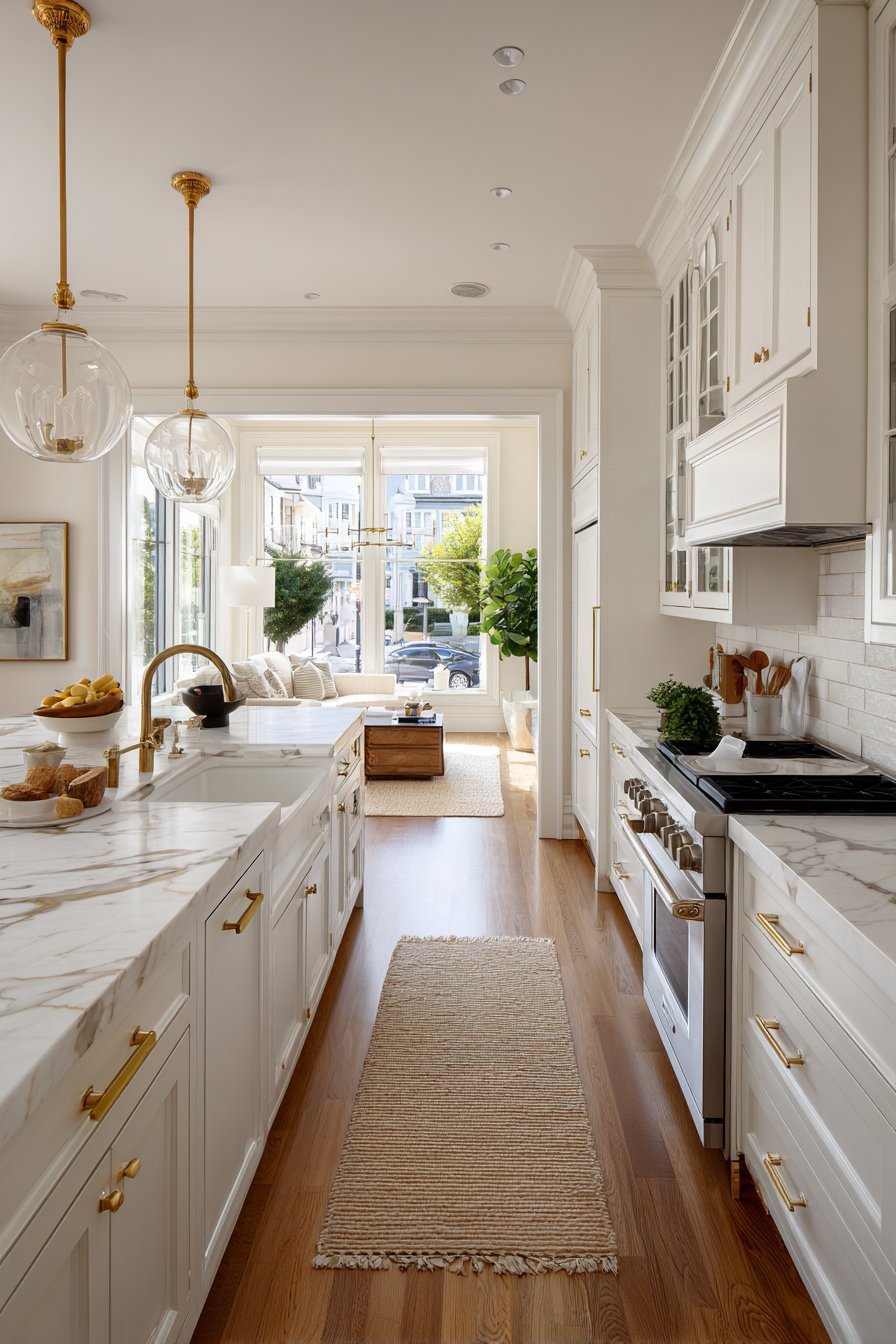
Consider the entire home’s color palette when selecting kitchen cabinet colors. Open floor plans demand cabinet colors that flow harmoniously with adjacent living spaces. White cabinets transition seamlessly between rooms, while grey requires more thoughtful integration. Cohesive color schemes throughout the home enhance resale appeal.
- White cabinets pair with 95% of countertop options
- Grey cabinets need careful undertone matching with granite and quartz
- Test cabinet samples against existing elements before ordering
- Consider refinishing floors if they clash with grey cabinets
- White cabinets allow budget-friendly future updates
- Grey cabinets may require coordinating multiple elements simultaneously
10. Professional Opinions and Market Trends
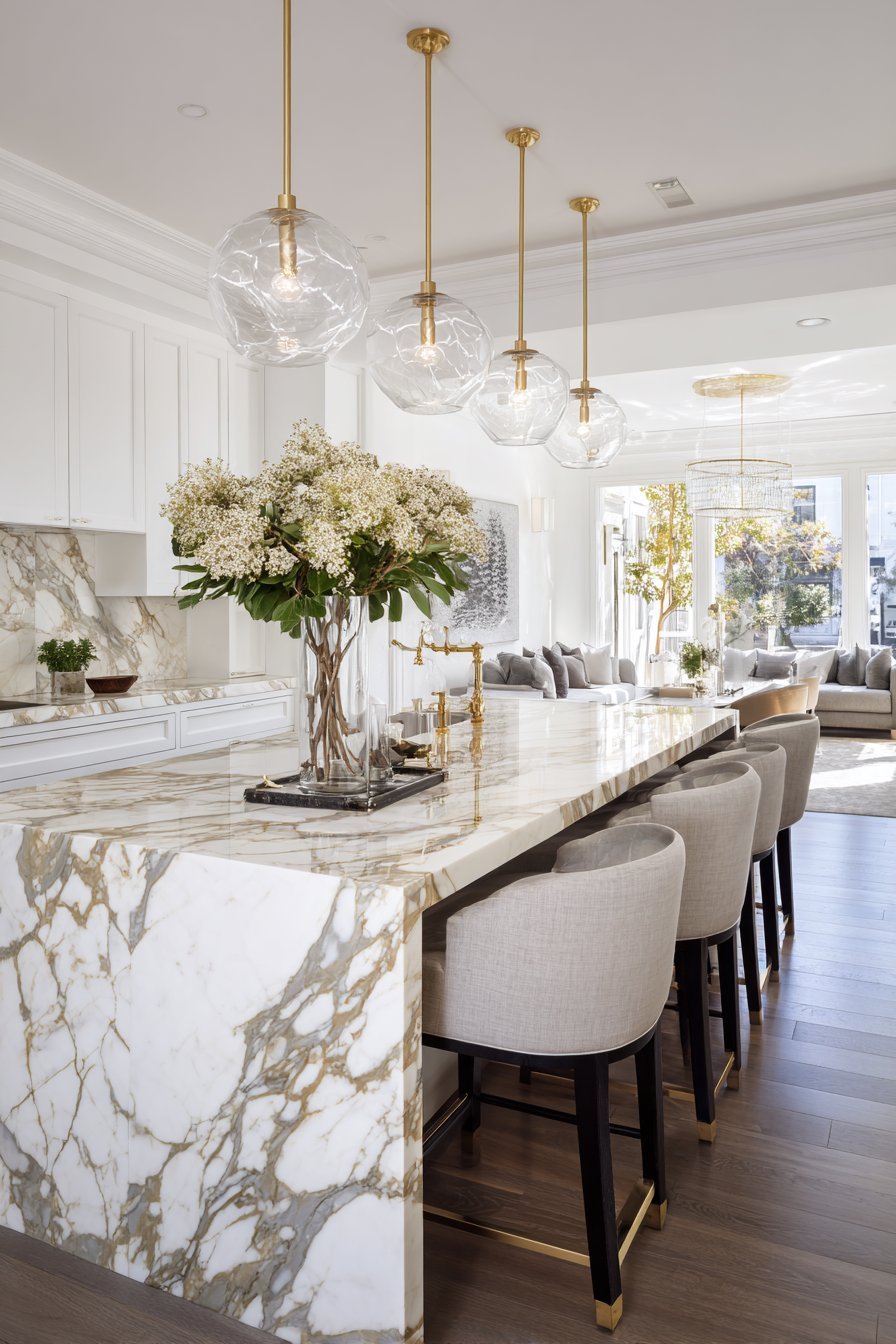
Interior designers consistently recommend white cabinets for maximum ROI in kitchen renovations. The color’s timeless appeal and broad market acceptance minimize financial risk. Professional stagers overwhelmingly choose white cabinets when preparing homes for sale. Industry data supports white as the safest investment for resale-focused renovations.
Grey cabinets receive strong endorsement for personal use in forever homes. Designers appreciate the sophisticated aesthetic and practical stain-hiding properties. However, professionals caution against dark grey in small kitchens. Light to medium grey tones offer the best balance of style and resale security.
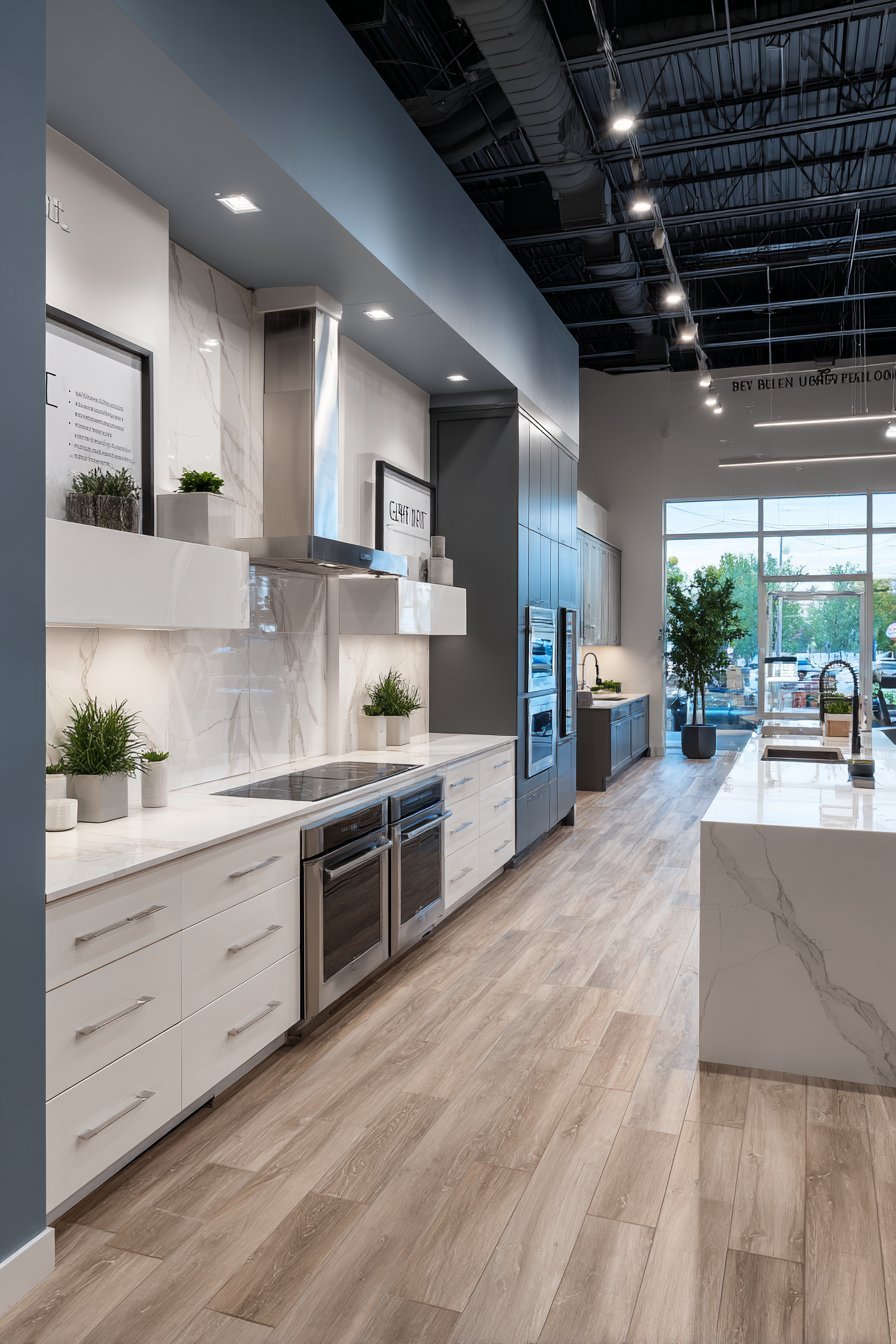
Current market trends show grey cabinet popularity peaked around 2020-2021. White cabinets demonstrate steady, sustained demand without dramatic fluctuations. Trend forecasters predict continued white dominance through 2030, while grey remains popular in specific market segments. Consider trend longevity when planning long-term home ownership.
- 78% of interior designers recommend white for resale value
- Grey cabinets best for homeowners planning 10+ year occupancy
- Two-tone cabinets (white uppers, grey lowers) gain popularity
- Natural wood tones emerging as alternative to both white and grey
- Professional real estate photographers prefer white kitchens
- Grey cabinets may require updating in 7-10 years to maintain market appeal
Conclusion
Choosing between grey and white kitchen cabinets requires balancing personal preference with practical considerations. White cabinets offer superior resale value, broader market appeal, and timeless aesthetics but demand more intensive maintenance. Grey cabinets provide sophisticated style and better stain concealment while potentially limiting buyer appeal in certain markets.
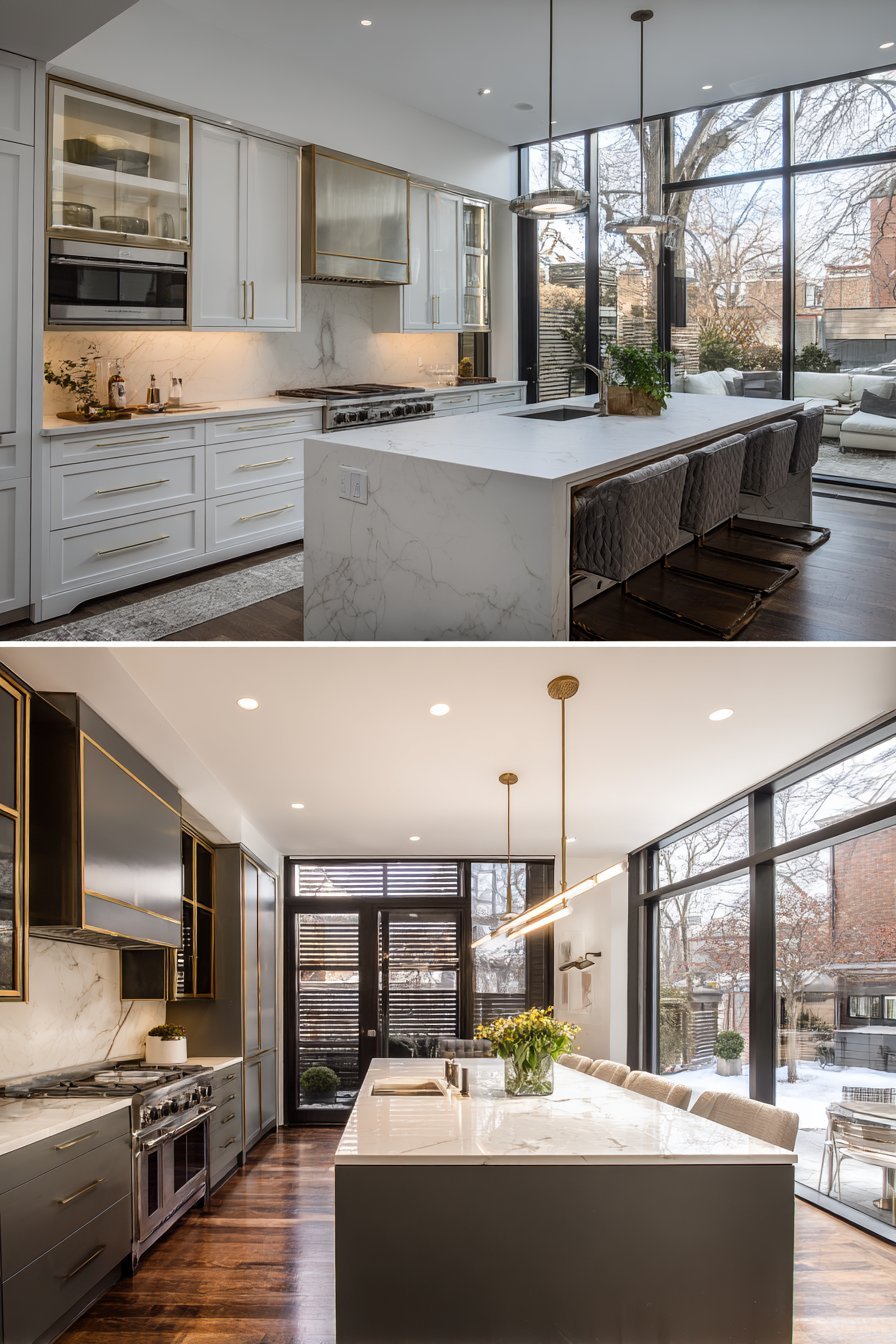
For homeowners prioritizing resale value and broad appeal, white cabinets remain the safest investment. Those planning extended occupancy in design-forward markets can confidently choose grey for its practical benefits and modern aesthetic. Consider your specific situation, local market trends, and long-term plans when making this important decision. Both options can create beautiful, functional kitchens when properly maintained and thoughtfully coordinated with surrounding elements.
