

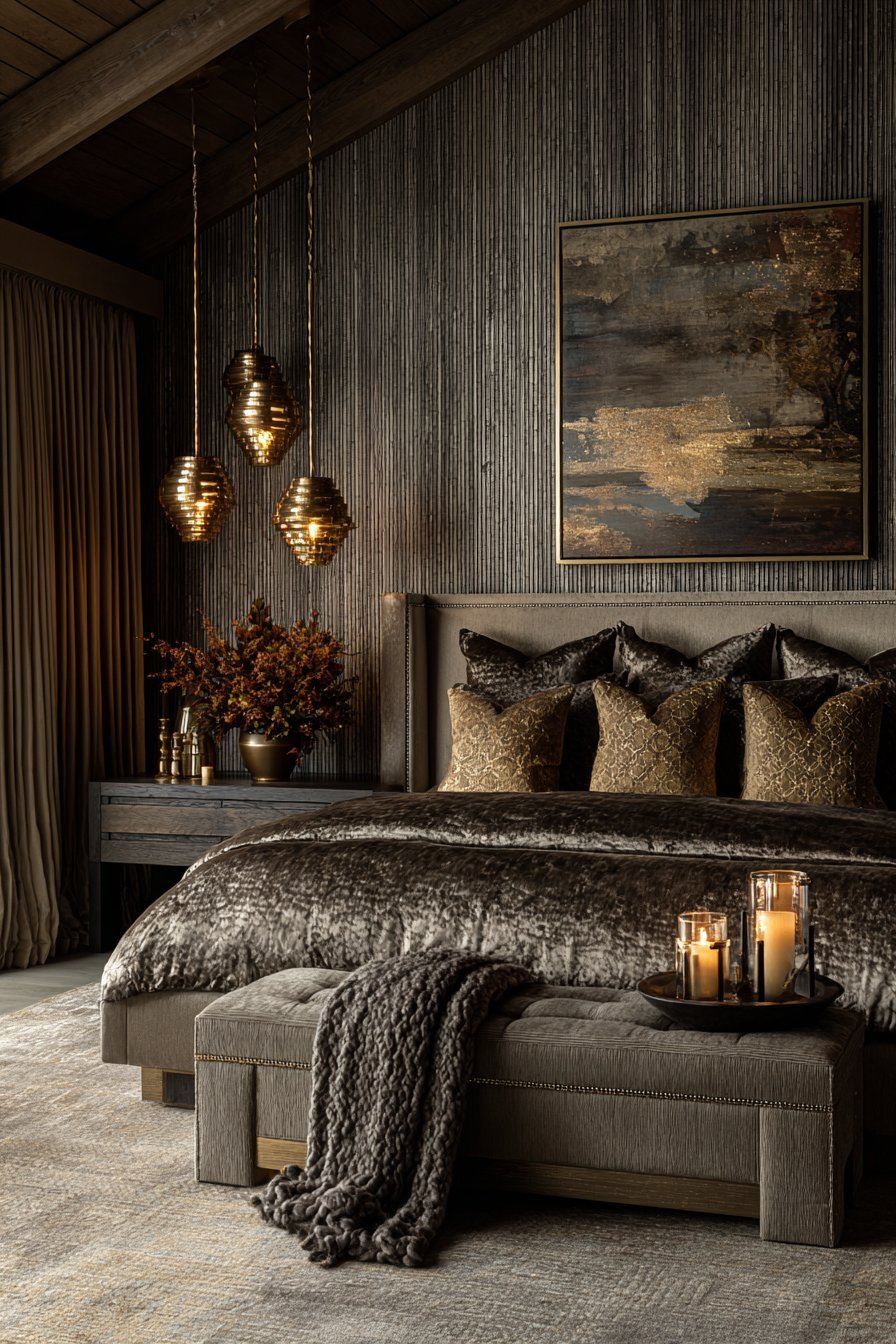
Creating a bedroom sanctuary requires more than just beautiful furniture and coordinating colors. Even the most well-intentioned decorating efforts can fall short when common mistakes compromise the room’s functionality and aesthetic appeal. Understanding what not to do is just as important as knowing what works well in bedroom design.
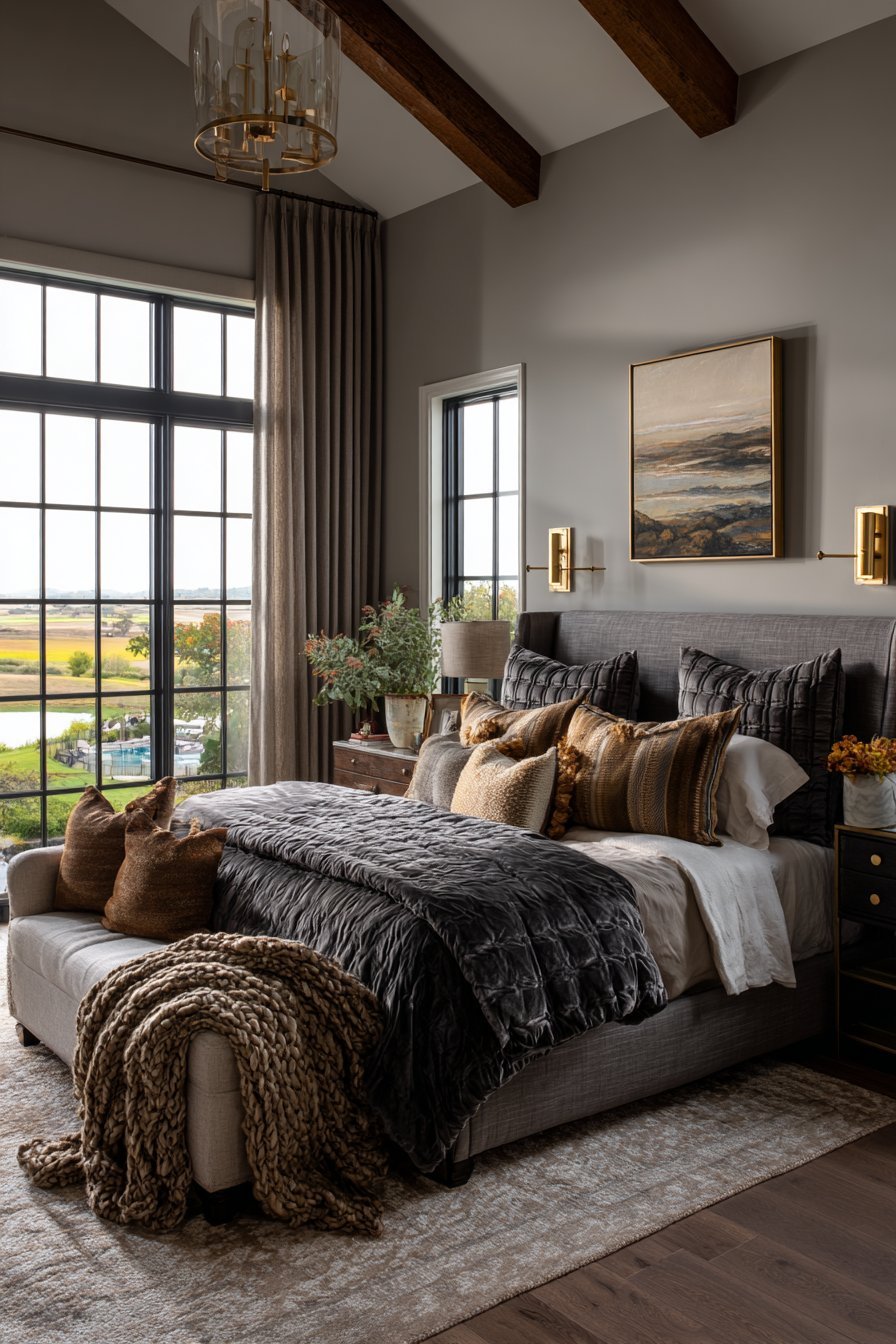
A classy bedroom strikes the perfect balance between visual elegance and practical comfort. It’s a space where every element serves a purpose while contributing to an overall sense of sophistication and tranquility. Yet many homeowners unknowingly make decorating choices that undermine this balance, resulting in spaces that feel cluttered, uncomfortable, or visually chaotic despite significant investment. Whether you’re redesigning your primary bedroom or refreshing a guest room, avoiding these seven critical mistakes will help you achieve a timeless, refined aesthetic that promotes restful sleep and daily enjoyment.
1. Choosing the Wrong Bed Size for Your Room
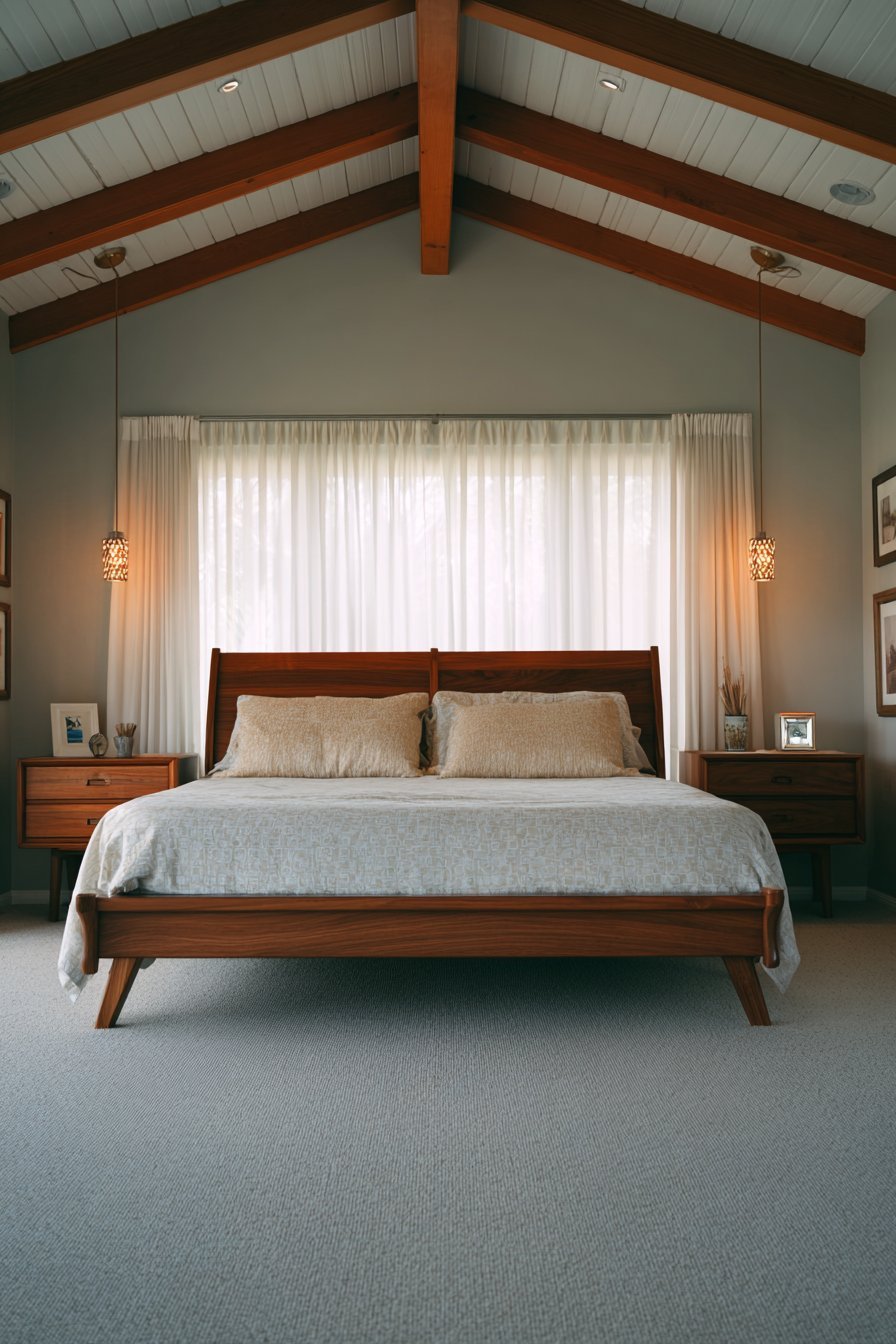
The bed serves as the focal point of any bedroom, yet many people select sizes based solely on sleeping needs without considering spatial proportions. A king-sized bed in a 10×12 room creates a cramped, claustrophobic environment where movement becomes difficult. Conversely, a twin bed in a spacious primary bedroom looks awkwardly small and fails to anchor the space properly.
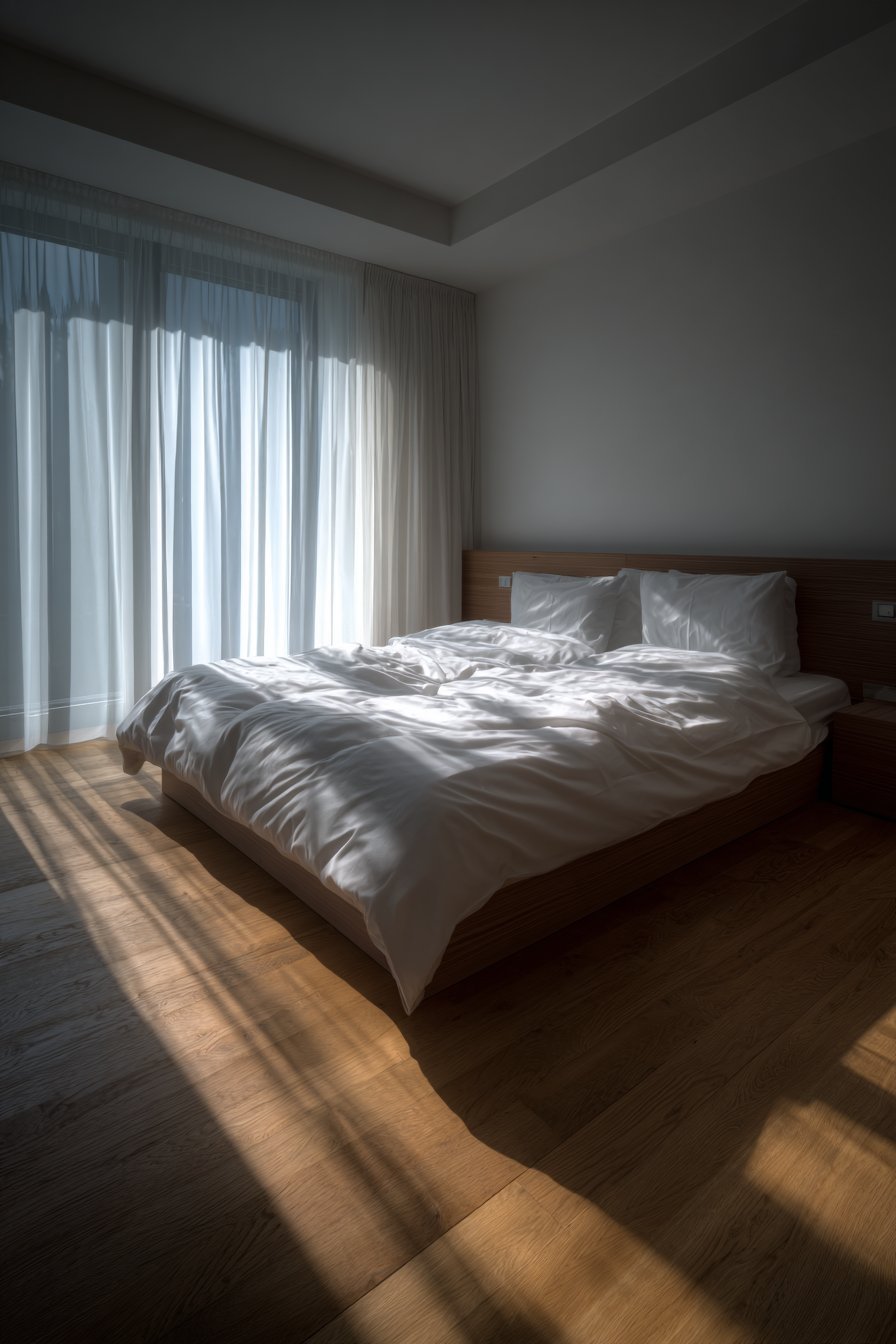
Professional designers follow the two-thirds rule: your bed should occupy roughly two-thirds of the room’s width to maintain visual balance. This proportion ensures the bed commands attention without overwhelming the space. In smaller rooms, a queen-sized bed often provides the ideal compromise between sleeping comfort and floor space preservation. Consider how much clearance you’ll need around the bed for nightstands, dressers, and comfortable navigation.
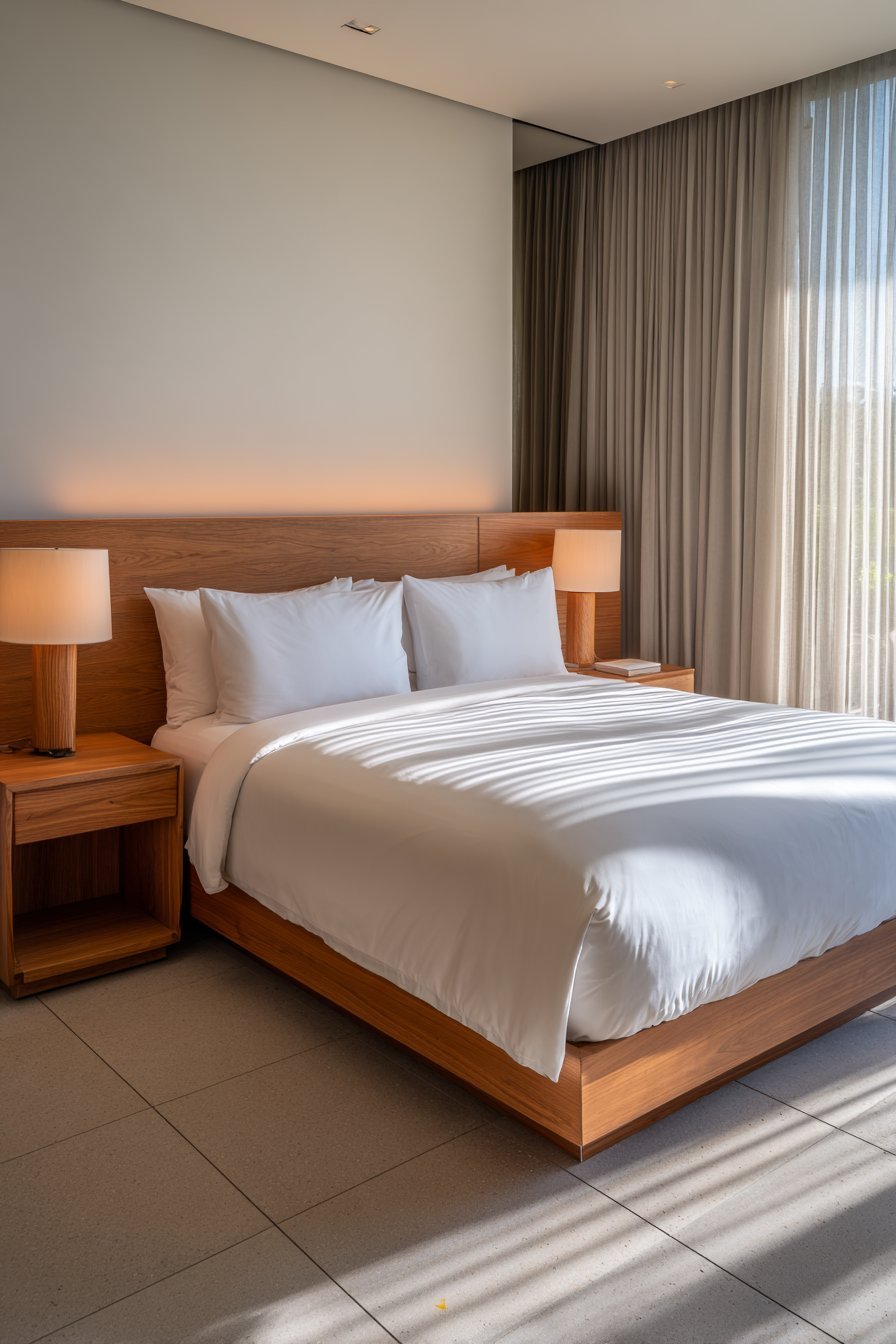
Before purchasing, measure your room carefully and map out furniture placement. Account for door swings, closet access, and walkway clearances of at least 24-30 inches on each side. A properly sized bed transforms the entire room’s functionality and aesthetic appeal.
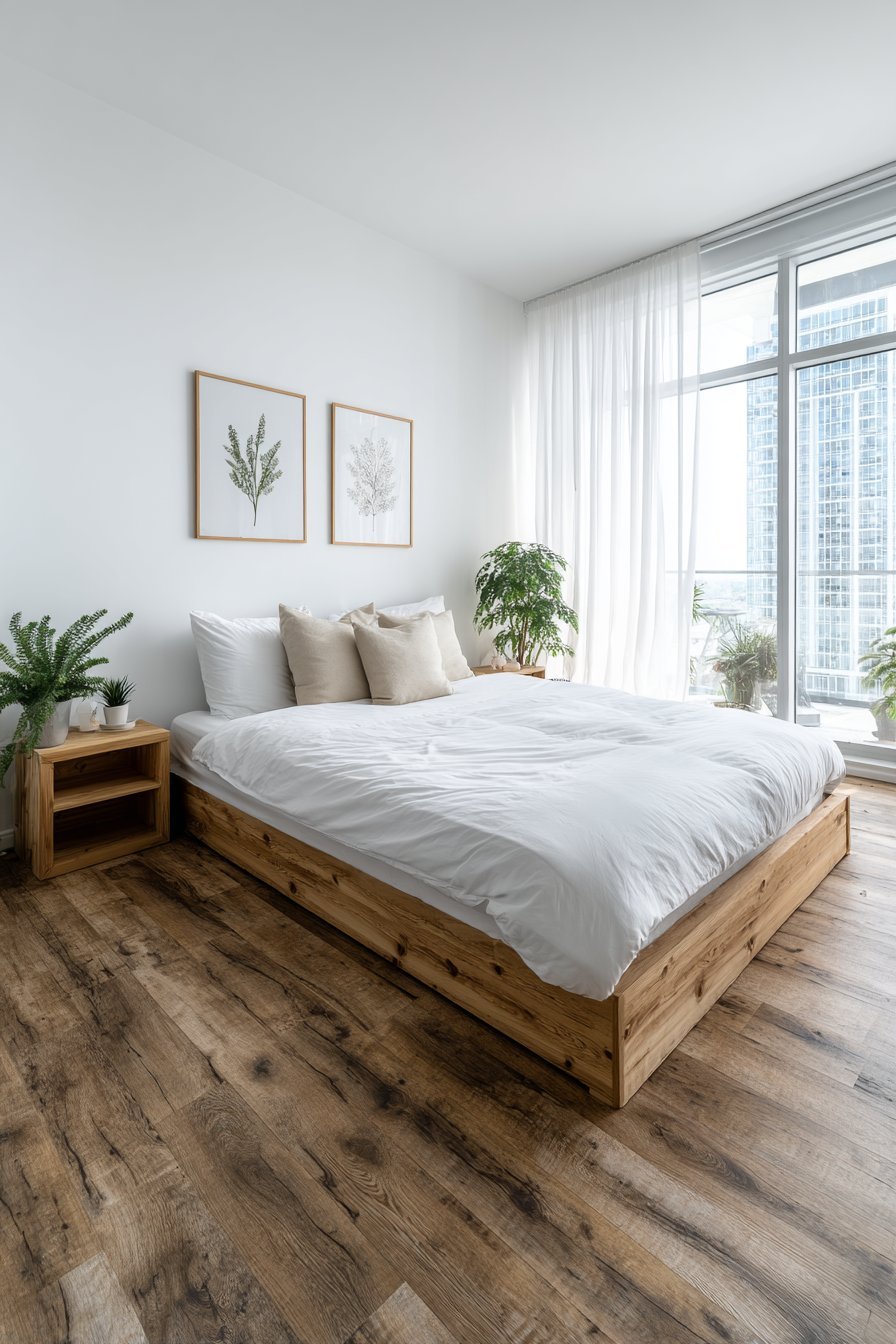
- Measure your room dimensions before selecting bed size
- Maintain 24-30 inches of walkway space on both sides of the bed
- Consider how the bed size affects placement of other essential furniture
- Test bed proportions using painter’s tape on the floor before purchasing
- Remember that larger beds require larger bedding, which increases ongoing costs
- Factor in delivery logistics—can the bed frame actually fit through your doorway?
2. Neglecting Proper Lighting Layers
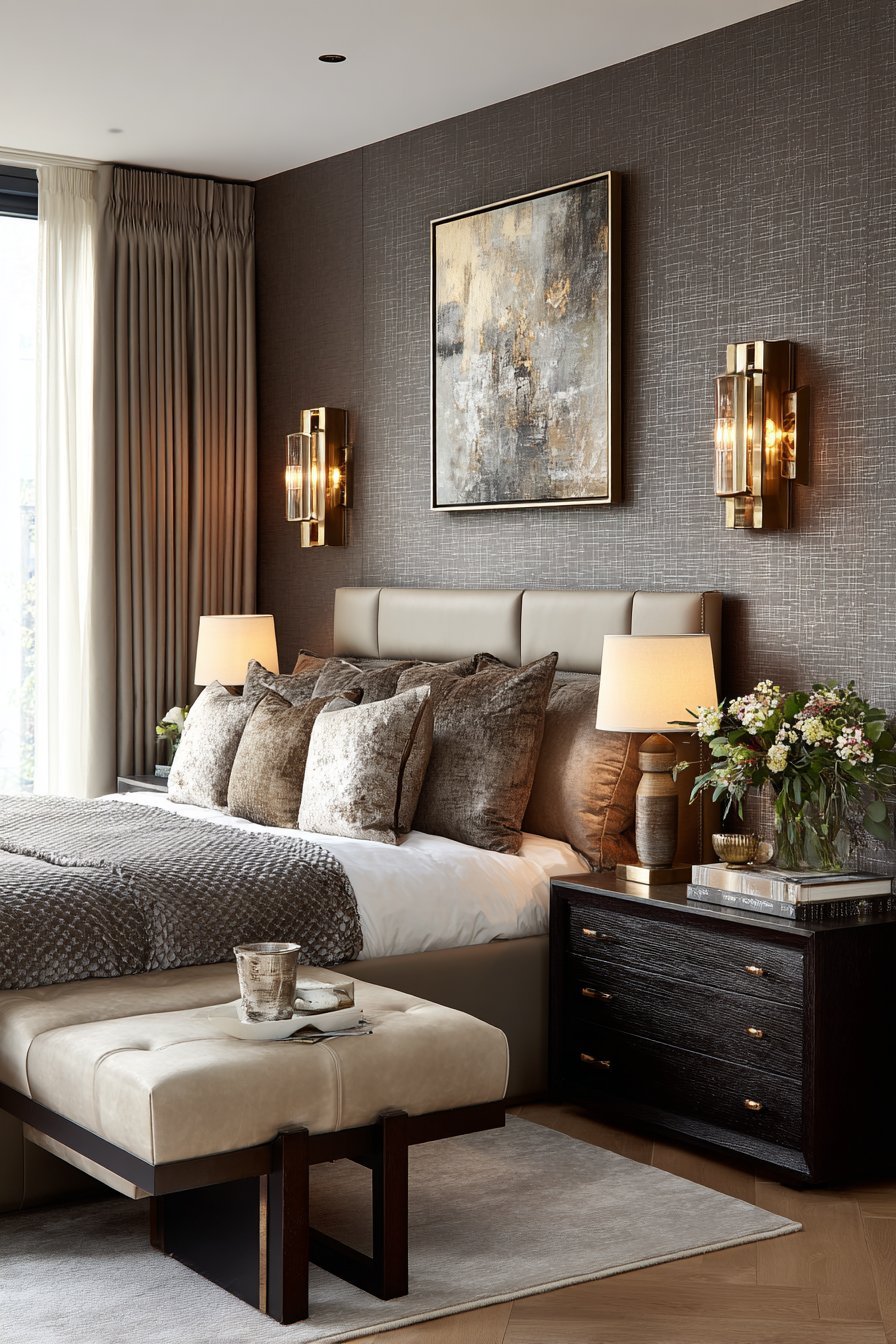
Relying on a single overhead light fixture represents one of the most common and detrimental bedroom mistakes. This approach creates harsh shadows, offers no flexibility for different activities, and fails to establish the warm ambiance essential for relaxation. A truly classy bedroom incorporates three distinct lighting layers that work together harmoniously.
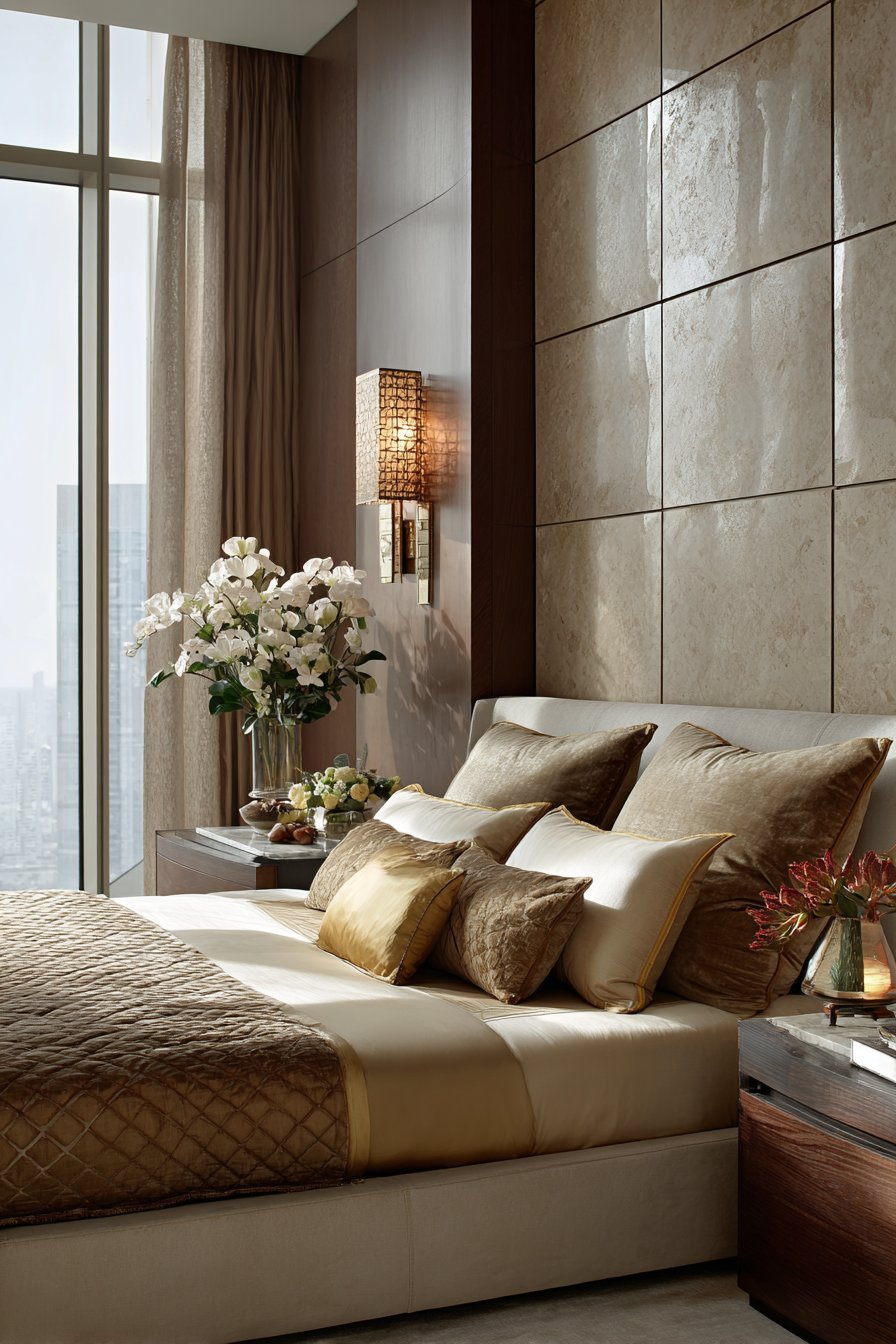
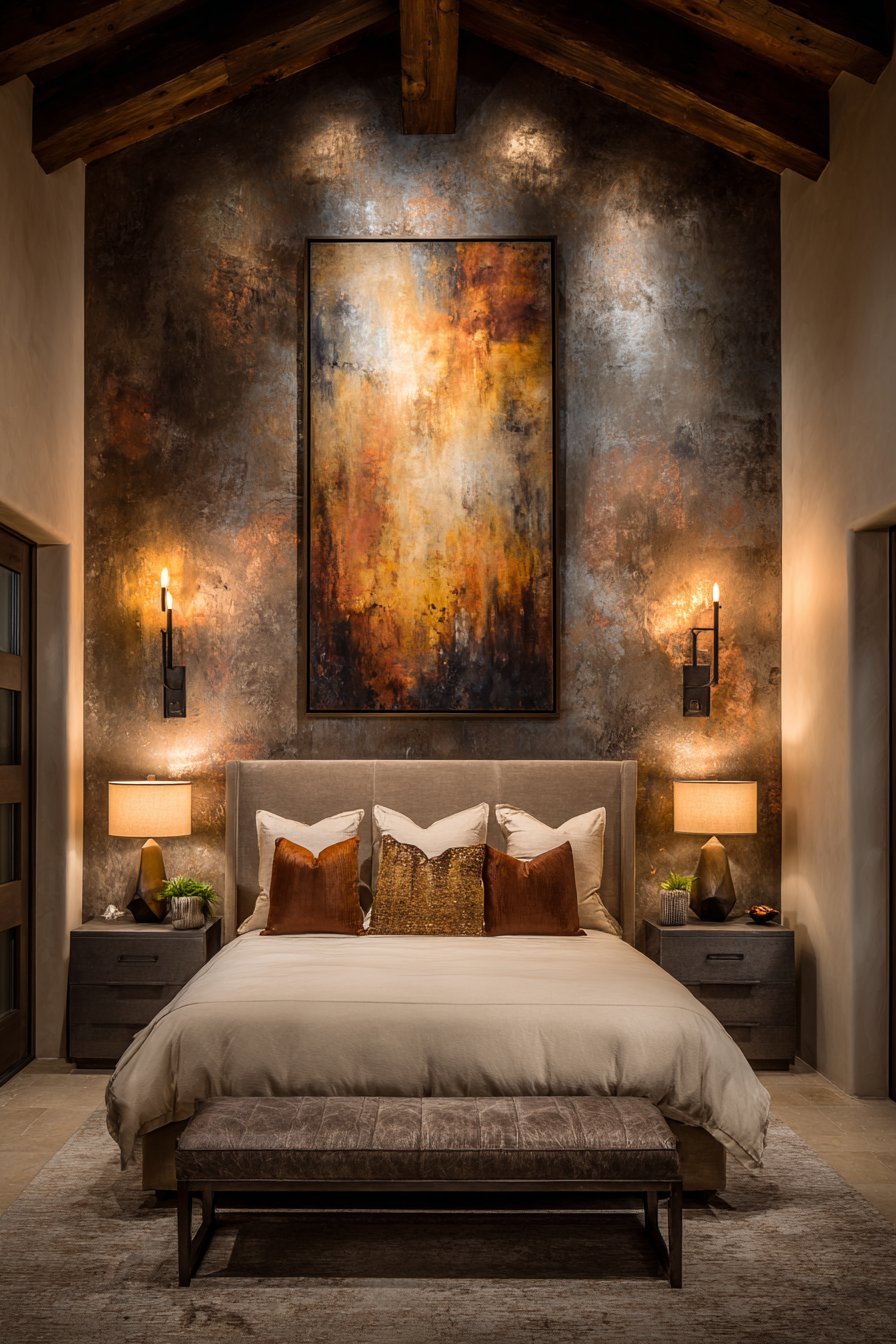
Ambient lighting provides overall illumination, typically through ceiling fixtures or recessed lights on dimmer switches. Task lighting addresses specific needs like reading in bed or applying makeup at a vanity. Accent lighting highlights architectural features, artwork, or creates mood through table lamps and sconces. This layered approach allows you to adjust brightness levels throughout the day and for various activities.
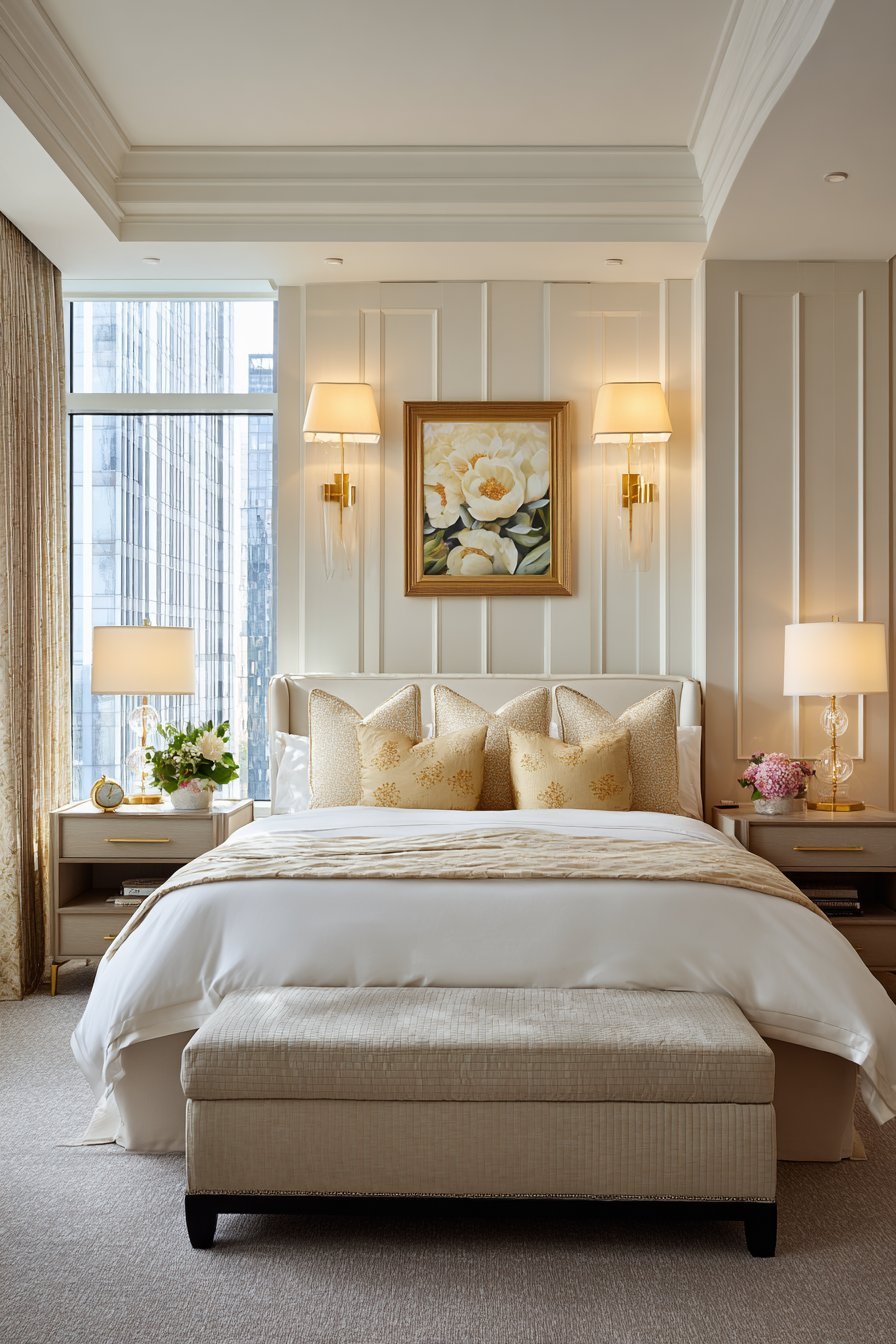
Installing bedside lamps at the proper height makes a significant difference in functionality. The bottom of lamp shades should sit at eye level when you’re seated in bed, typically 20-24 inches above the mattress top. This positioning prevents glare while providing adequate illumination for reading without disturbing a sleeping partner.
- Install dimmer switches on all overhead lighting for complete control
- Place bedside lamps 20-24 inches above mattress height for optimal reading light
- Use warm-toned bulbs (2700-3000K) to create a relaxing atmosphere
- Consider wall-mounted sconces to free up nightstand surface space
- Add accent lighting behind headboards or under floating furniture for depth
- Ensure light switches are accessible from both the door and bedside
3. Ignoring Window Treatment Proportions
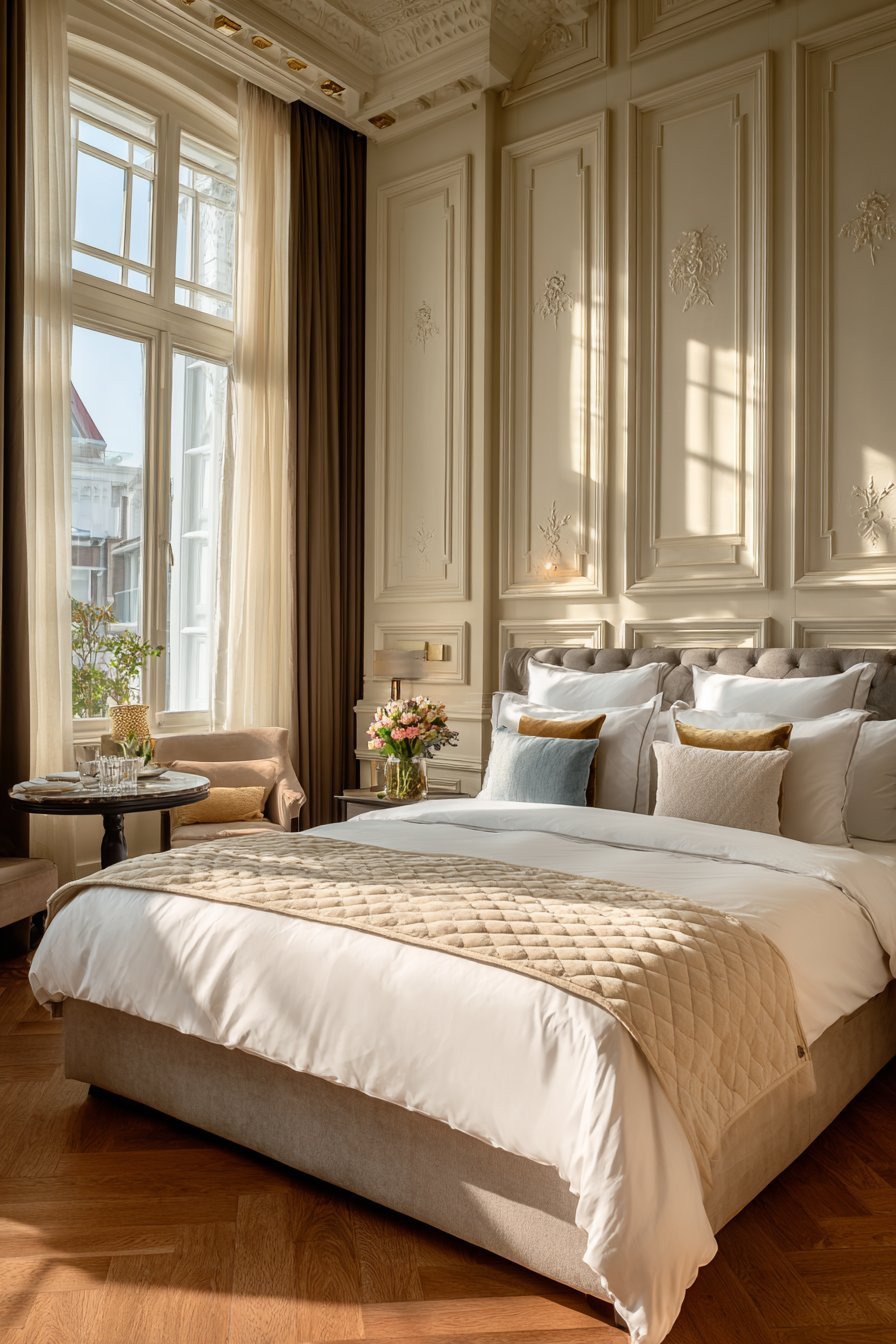
Window treatments dramatically impact a bedroom’s perceived height and elegance, yet improper sizing ruins the entire effect. Curtains hung too low make ceilings appear lower and rooms feel cramped. Panels that don’t reach the floor create an unfinished, awkward appearance that diminishes sophistication regardless of fabric quality.
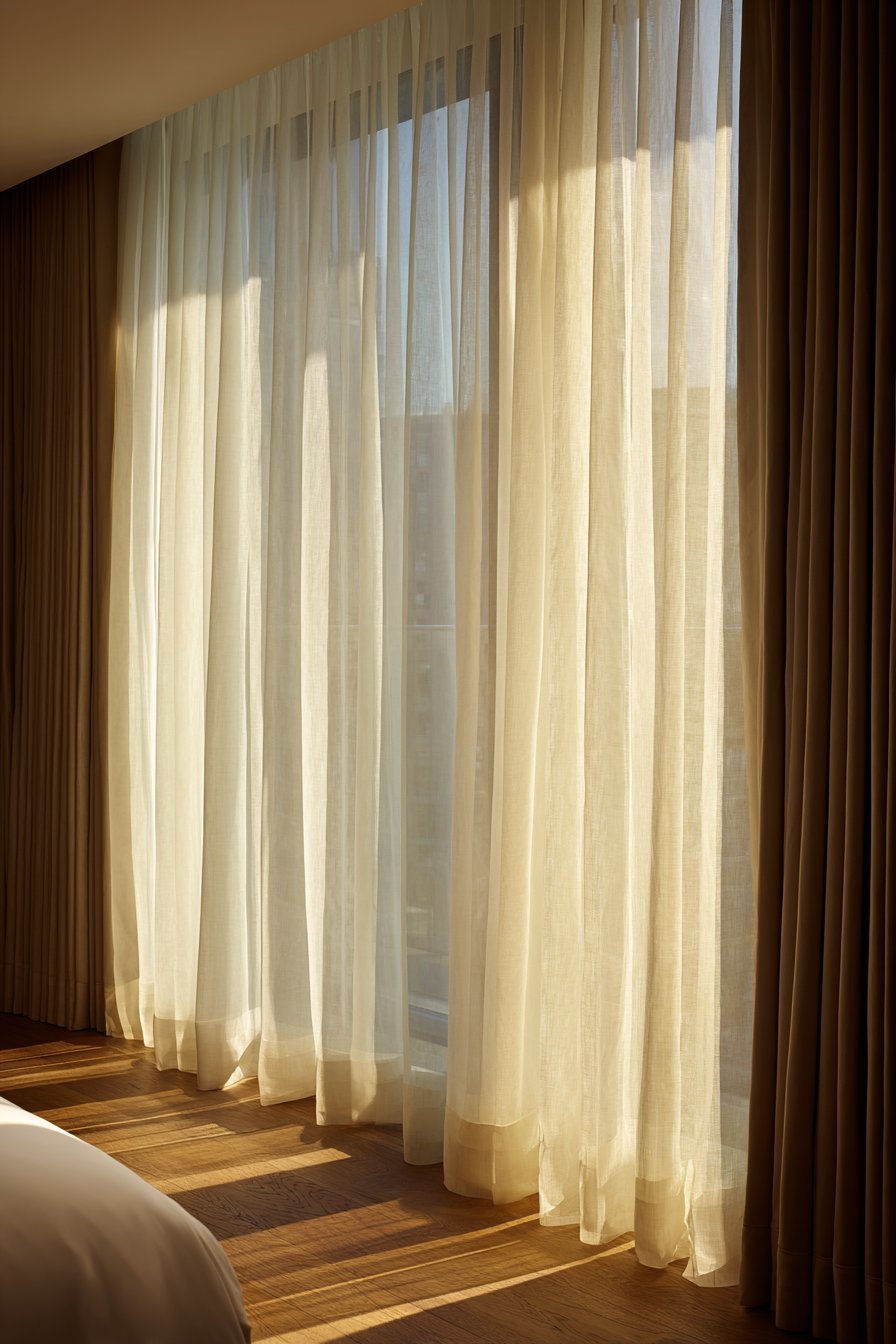
Professional designers hang curtain rods as close to the ceiling as possible, typically 4-6 inches above the window frame or at ceiling height. This technique creates the illusion of taller windows and more expansive walls. Curtain panels should just kiss the floor or puddle slightly for a luxurious look, never hovering several inches above.
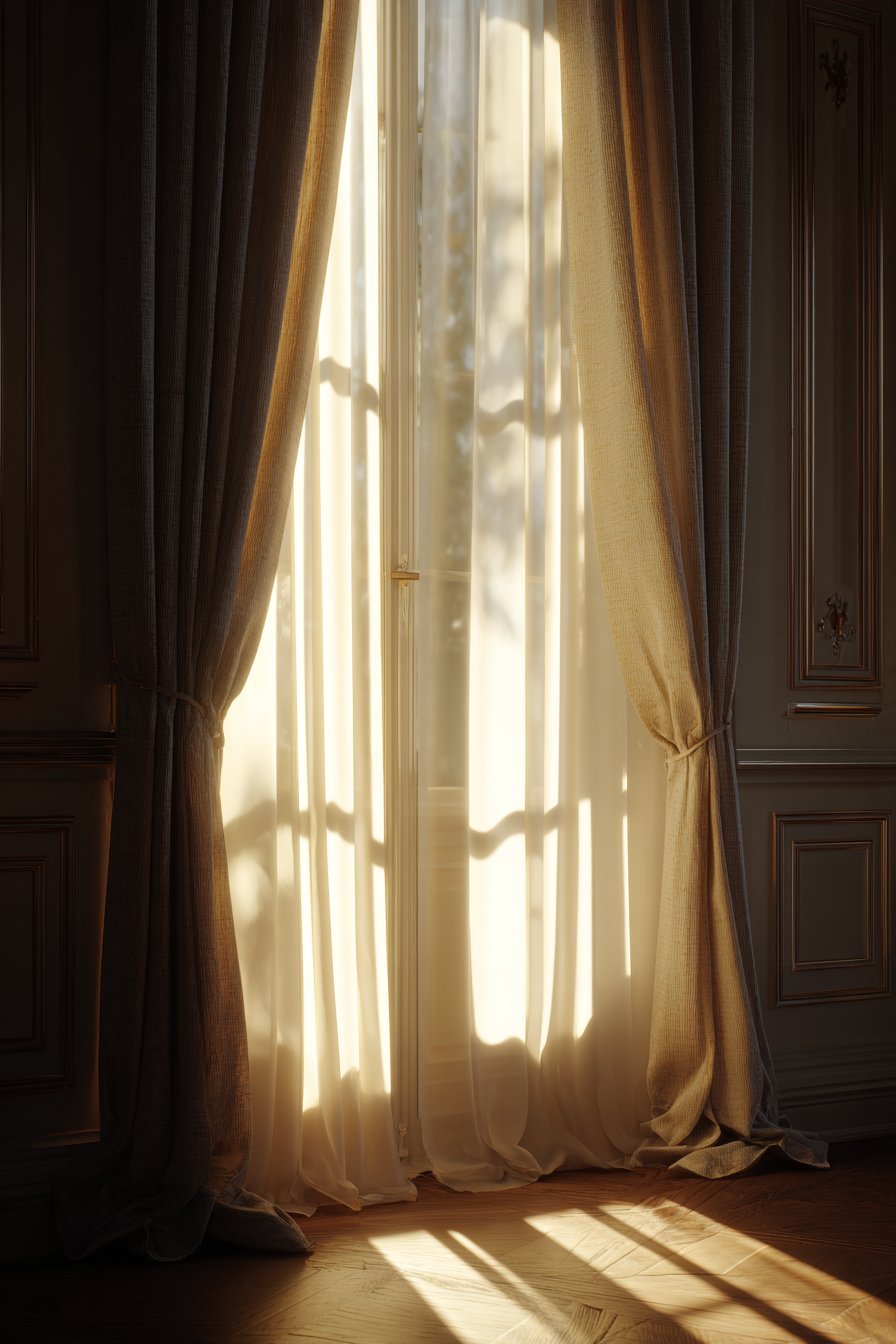
The width of your curtain panels matters equally. Panels should extend beyond the window frame by 8-12 inches on each side when fully opened, allowing maximum natural light while framing the window beautifully. Skimpy panels that barely cover the window when closed look cheap and provide inadequate light control and privacy.
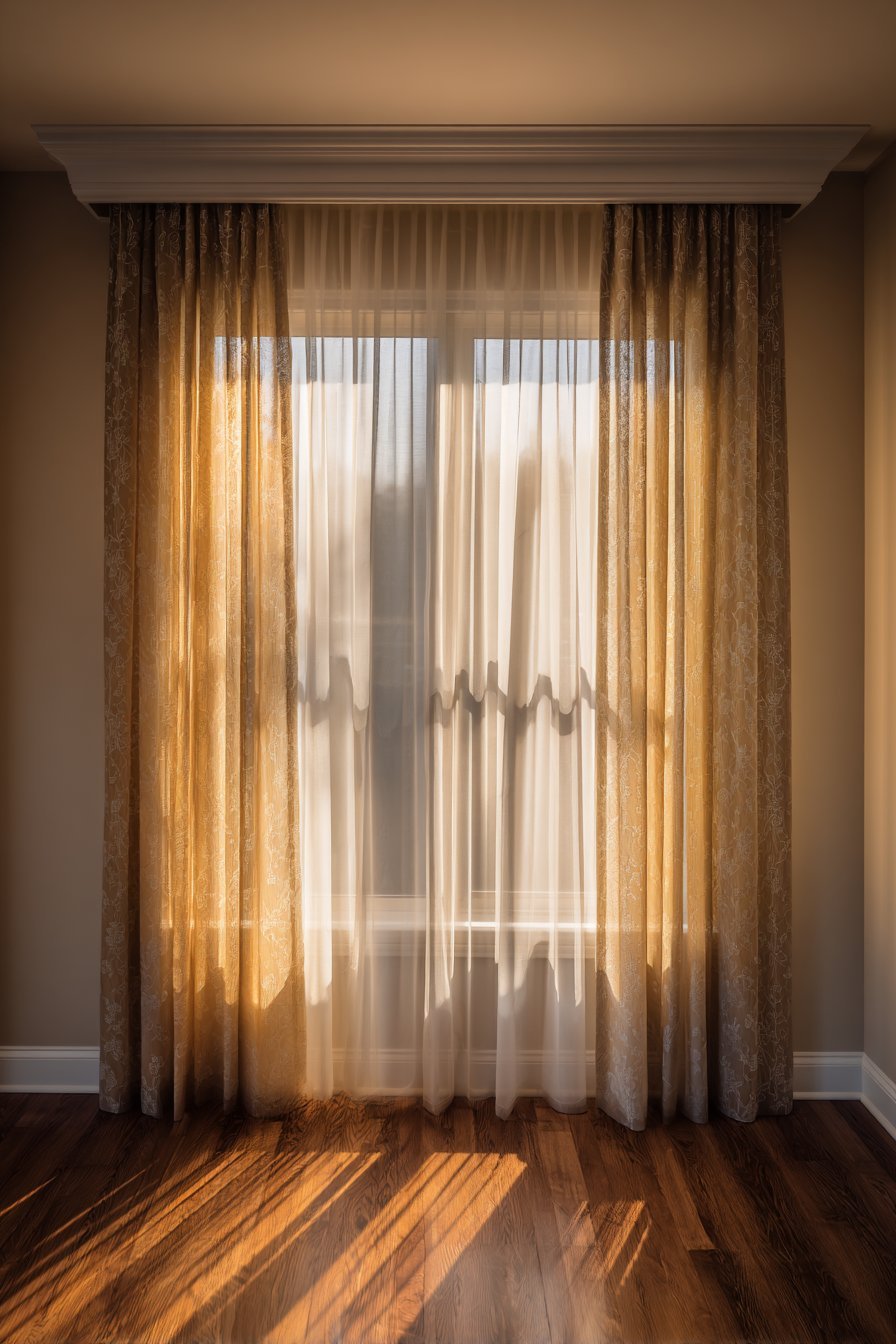
- Mount curtain rods 4-6 inches above window frames or at ceiling height
- Ensure curtain panels reach the floor, touching or puddling slightly
- Extend rods 8-12 inches beyond window frames on each side
- Choose curtain panels 2-3 times the window width for proper fullness
- Layer sheers with blackout curtains for light control flexibility
- Consider motorized treatments for high or difficult-to-reach windows
4. Overcrowding with Unnecessary Furniture
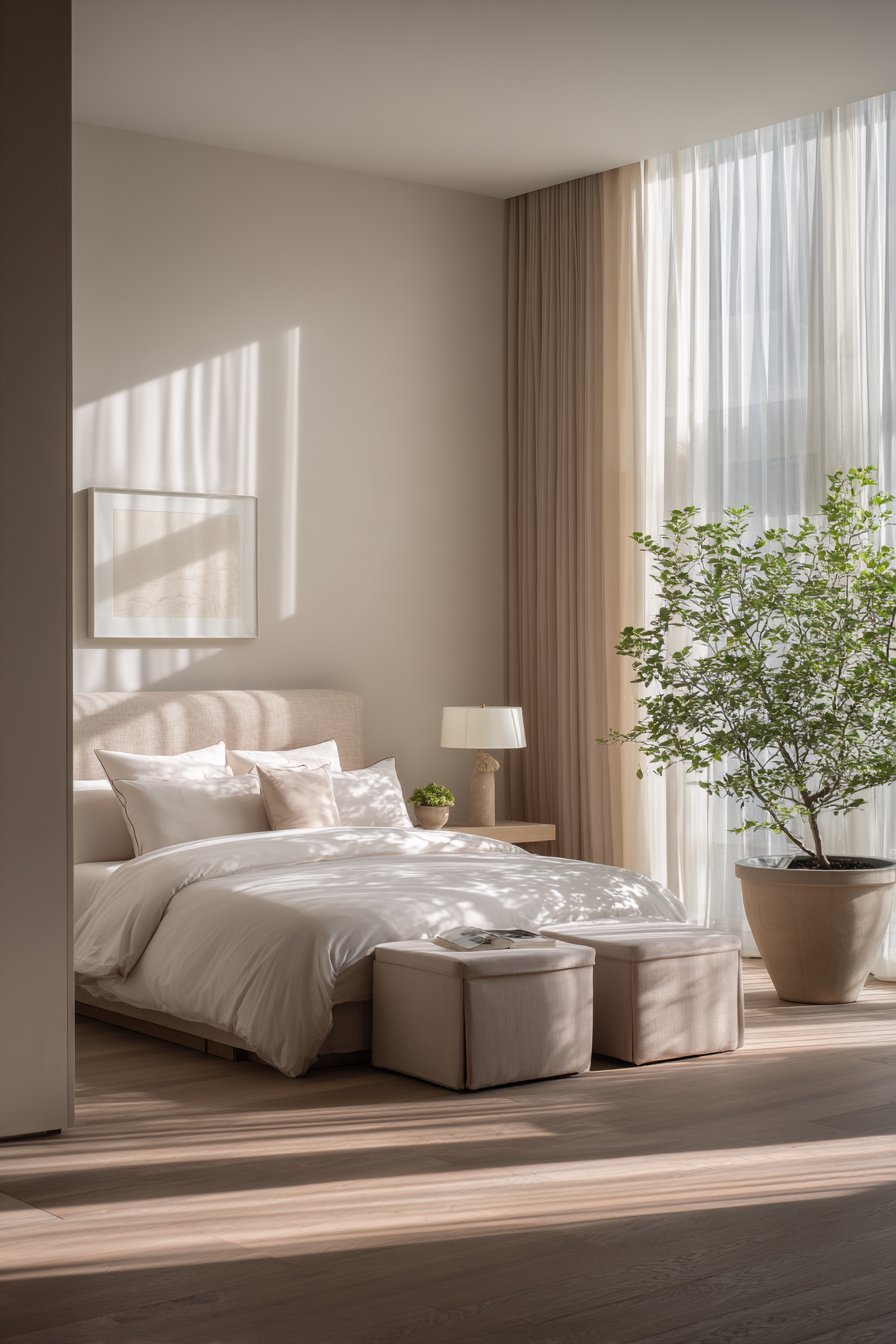
The impulse to fill every available space creates visual chaos and compromises the serene atmosphere essential for quality sleep. A classy bedroom embraces intentional space and careful curation rather than maximum furniture density. Each piece should serve a clear purpose while contributing to overall aesthetic harmony.
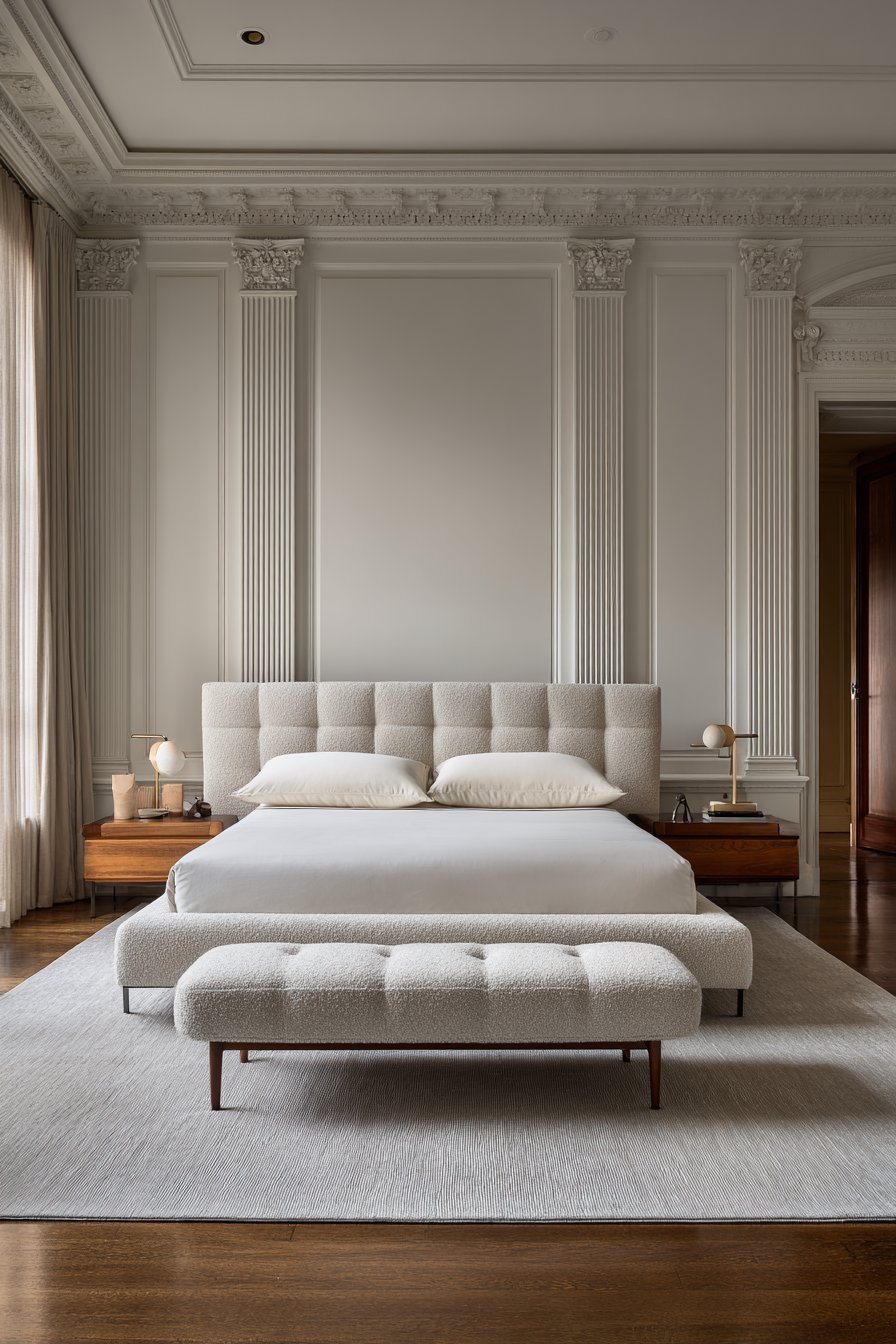
Start with essential pieces: the bed, nightstands, and primary storage. Then evaluate whether additional furniture genuinely enhances functionality or simply fills space. That decorative chair covered with clothes becomes clutter rather than seating. The oversized dresser blocking natural light flow disrupts the room’s energy and practicality.
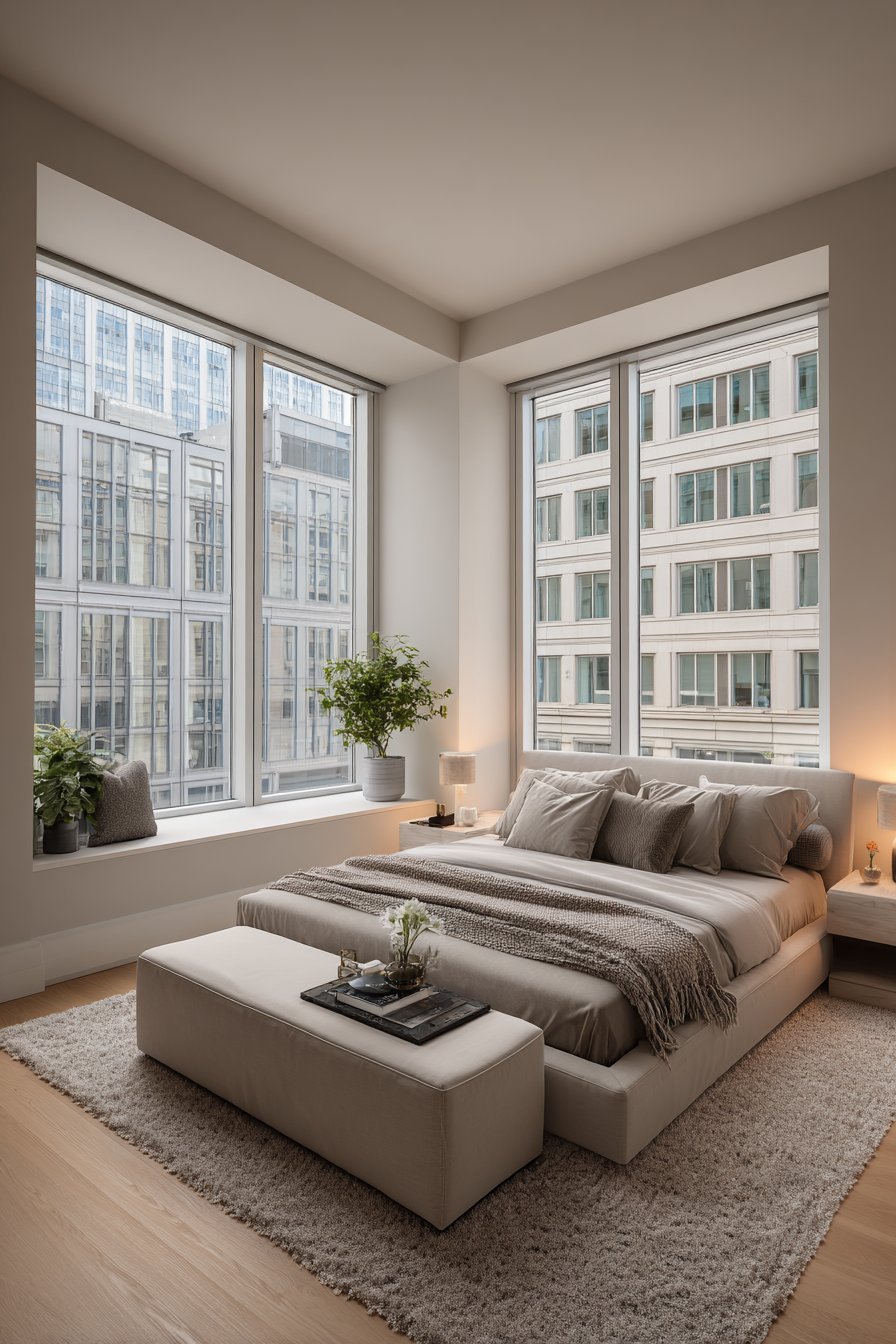
Consider multi-functional furniture that serves dual purposes without consuming excessive floor space. A storage ottoman provides seating and hidden organization. A bench at the foot of the bed offers a place to sit while putting on shoes and stores extra blankets. Every furniture piece should earn its place through both function and beauty.
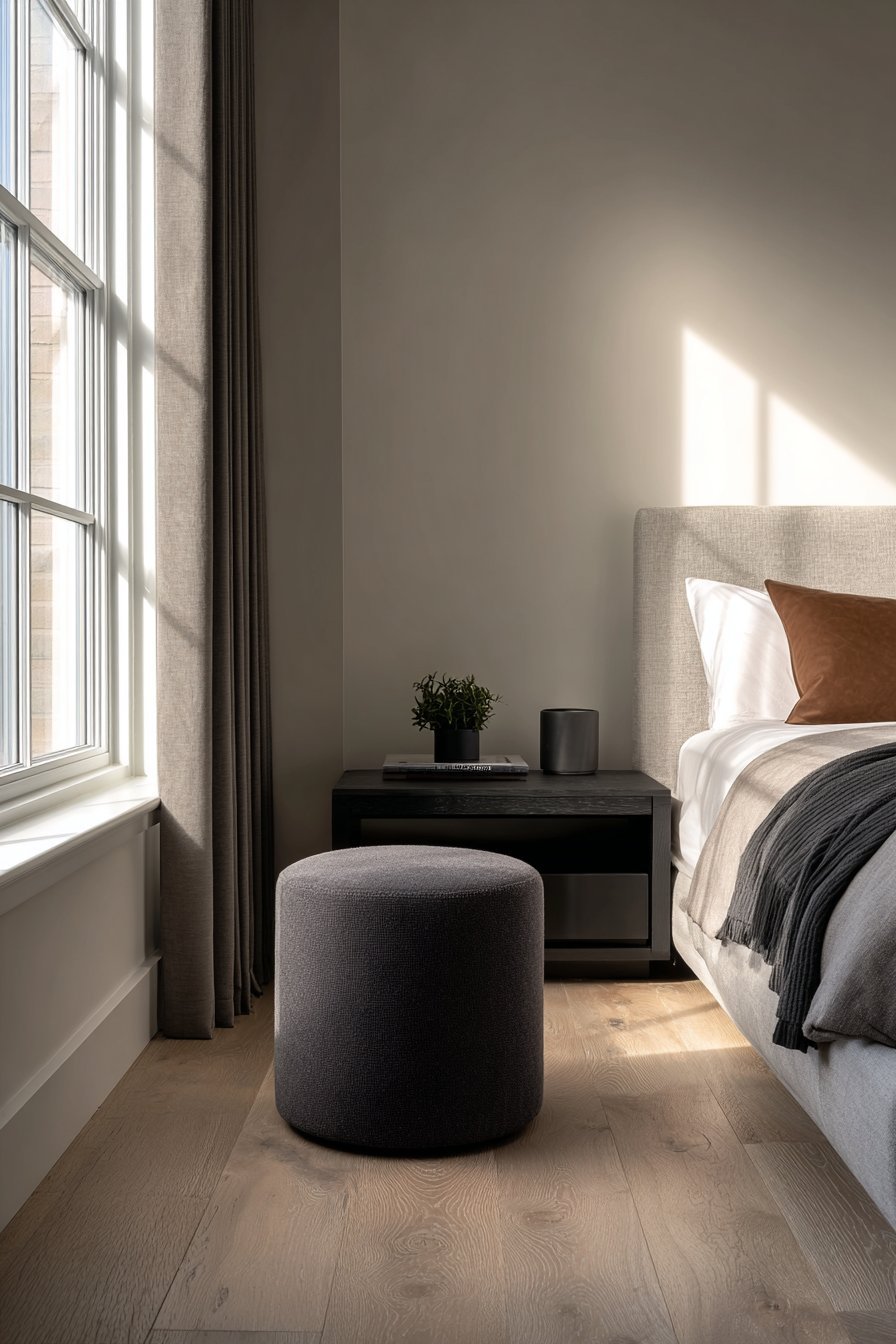
- Limit furniture to essential pieces that serve clear daily functions
- Maintain clear pathways of 30-36 inches throughout the room
- Choose multi-functional pieces like storage ottomans or bench seating
- Remove any furniture that collects clutter rather than serving its intended purpose
- Consider wall-mounted nightstands or floating shelves in tight spaces
- Leave at least one wall relatively open to create visual breathing room
5. Selecting the Wrong Scale of Decor and Accessories
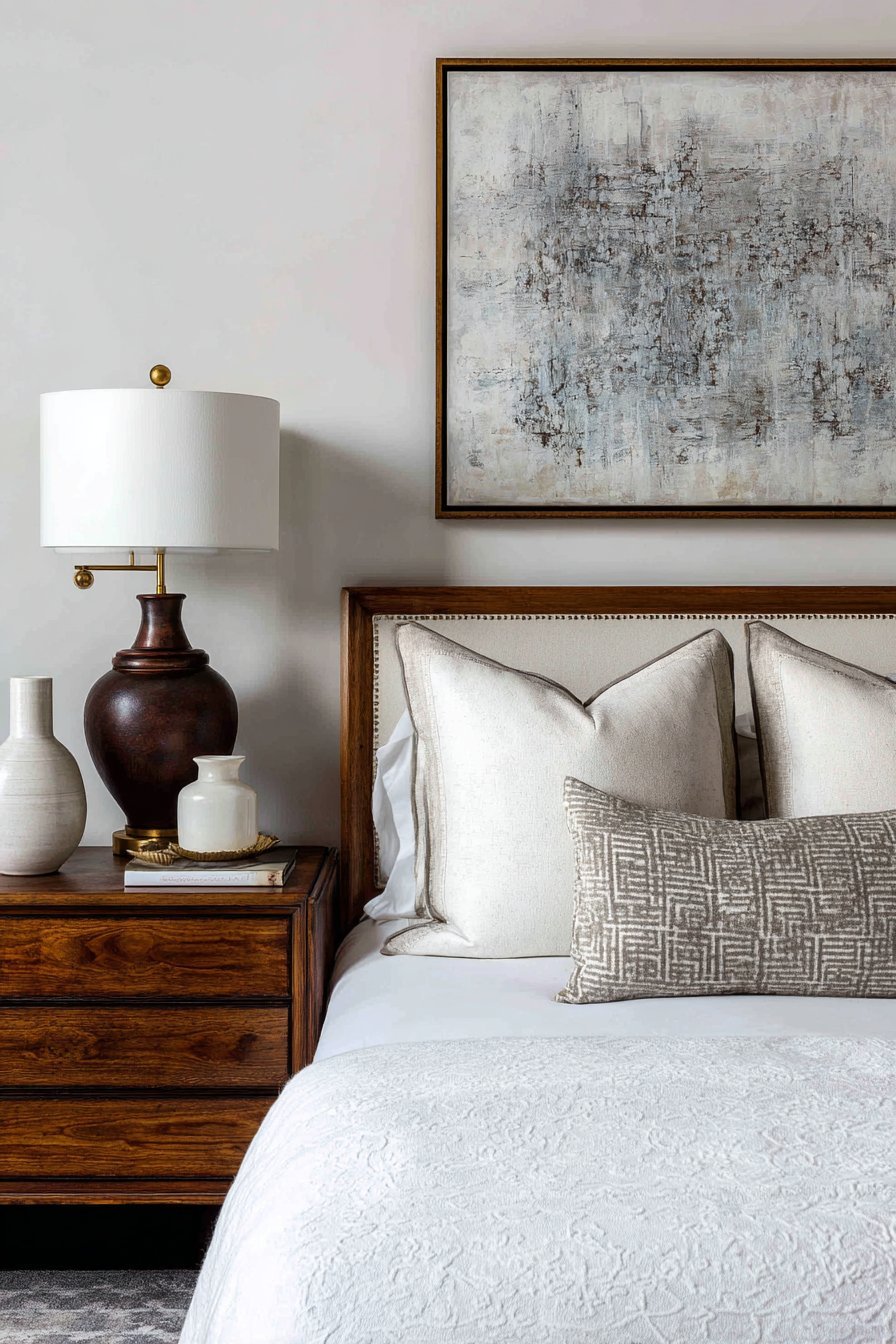
Decorative elements in incorrect proportions disrupt visual balance and make well-designed rooms feel amateurish. Undersized artwork above a king bed looks lost and insignificant. Tiny table lamps on substantial nightstands appear toy-like and provide inadequate illumination. Getting scale right requires understanding the relationship between objects and their surroundings.
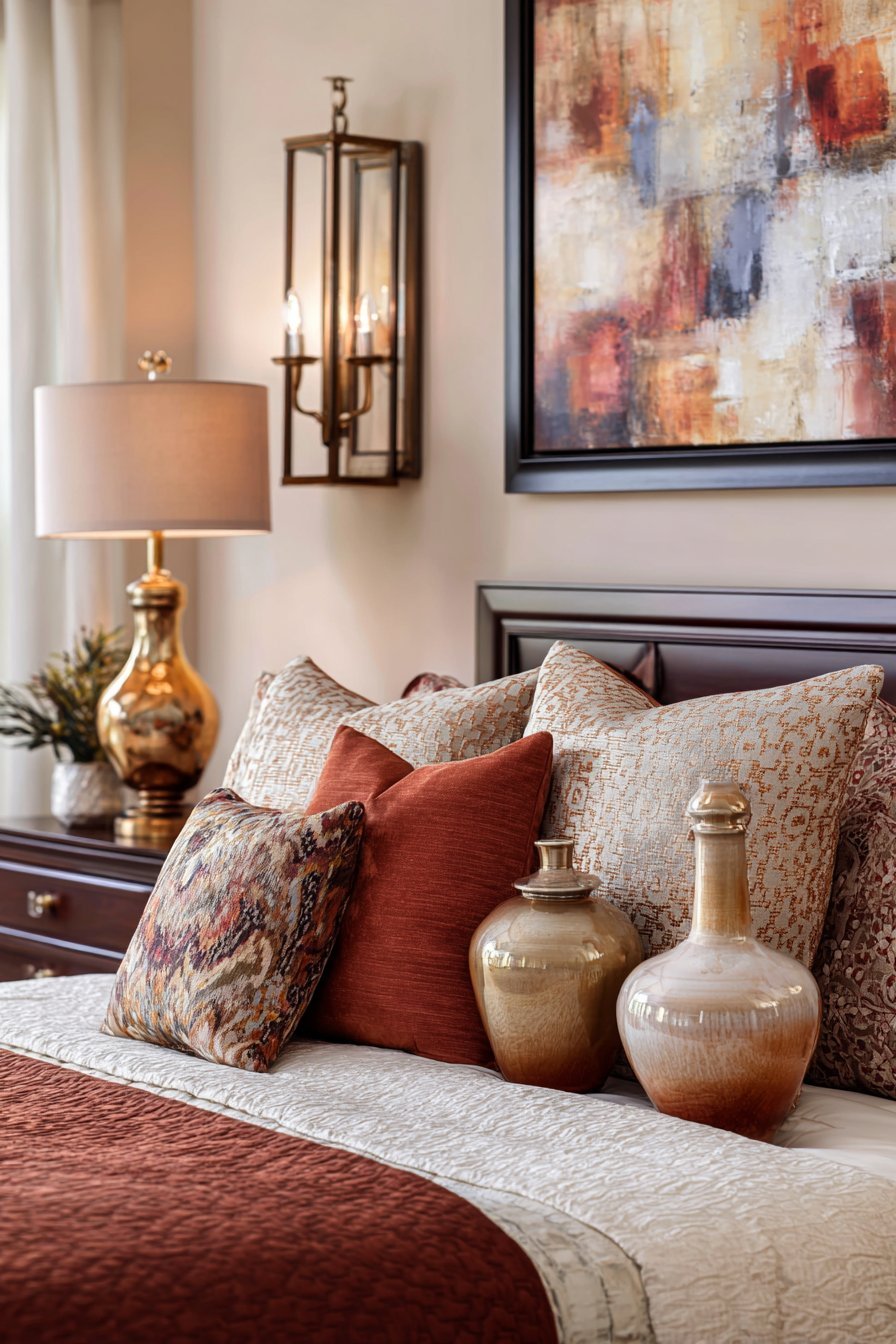
Artwork above the bed should span two-thirds to three-quarters of the headboard width to create proper visual weight. A single large piece makes more impact than multiple small frames scattered randomly. Table lamps should be proportional to nightstand size—the lamp base should occupy about one-third of the table surface when viewed from above.
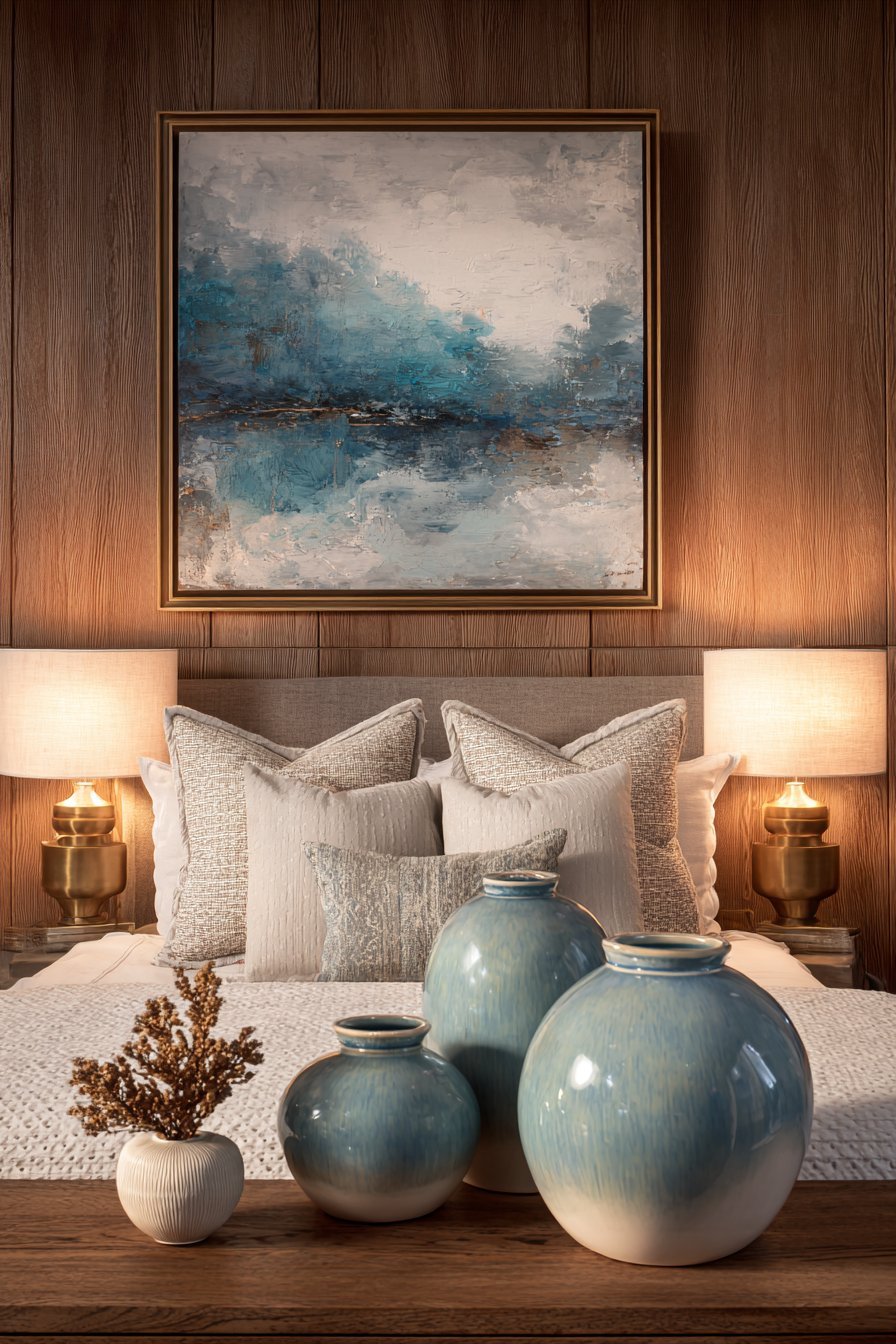
Even smaller accessories follow scale principles. Decorative pillows on a king bed typically range from 20-26 inches square, while queen beds accommodate 18-22 inch pillows. Tiny accent pillows get lost, while oversized ones overwhelm. This attention to proportion separates professional-looking spaces from haphazard arrangements.
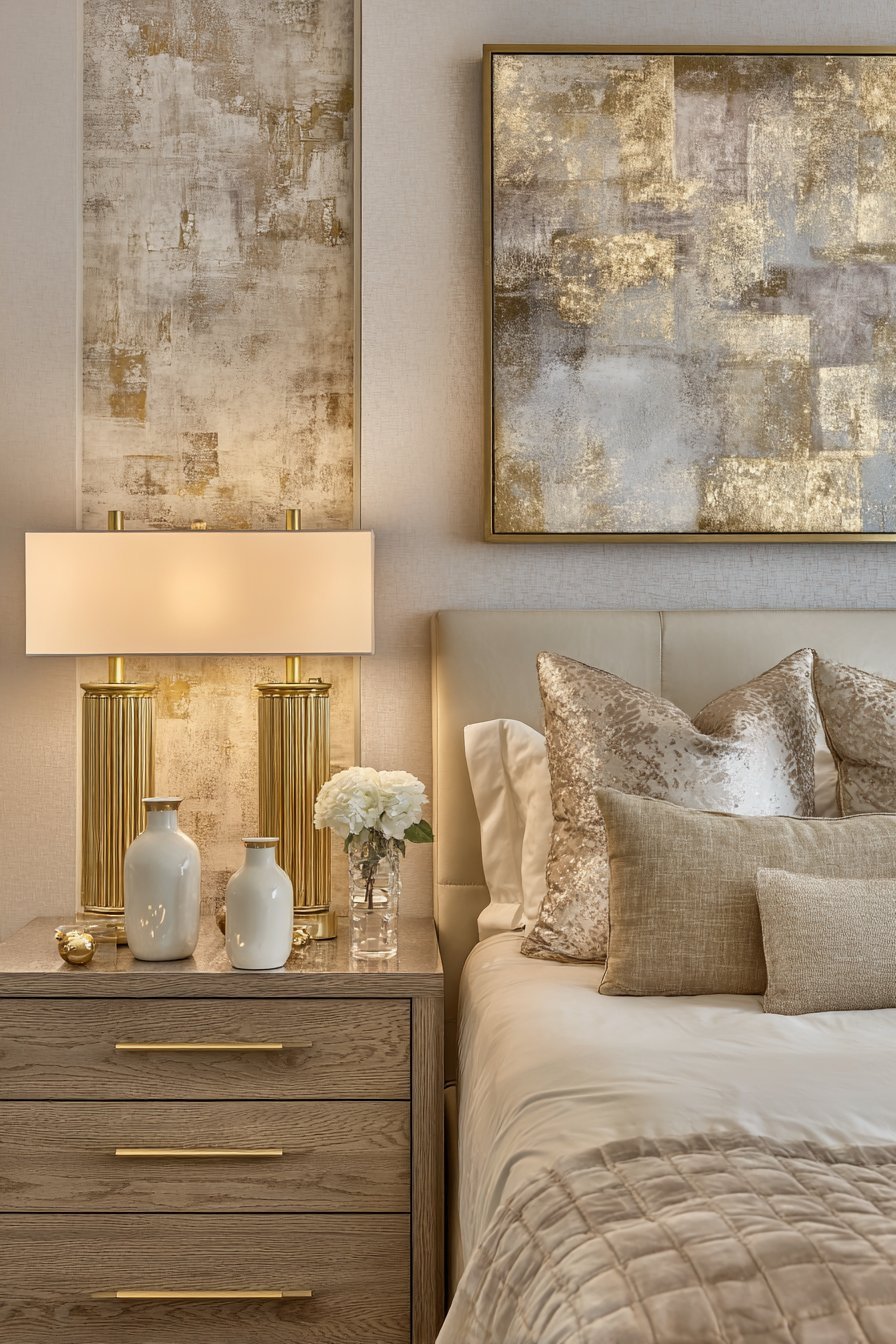
- Choose artwork spanning 2/3 to 3/4 of your headboard width
- Select lamp bases that occupy roughly 1/3 of nightstand surface area
- Use decorative pillows sized appropriately for your bed (20-26″ for king)
- Consider the room’s ceiling height when selecting tall furniture pieces
- Group smaller accessories in odd numbers (3, 5, 7) for visual impact
- Step back frequently during decorating to assess overall proportions
6. Creating Color Schemes Without Cohesion
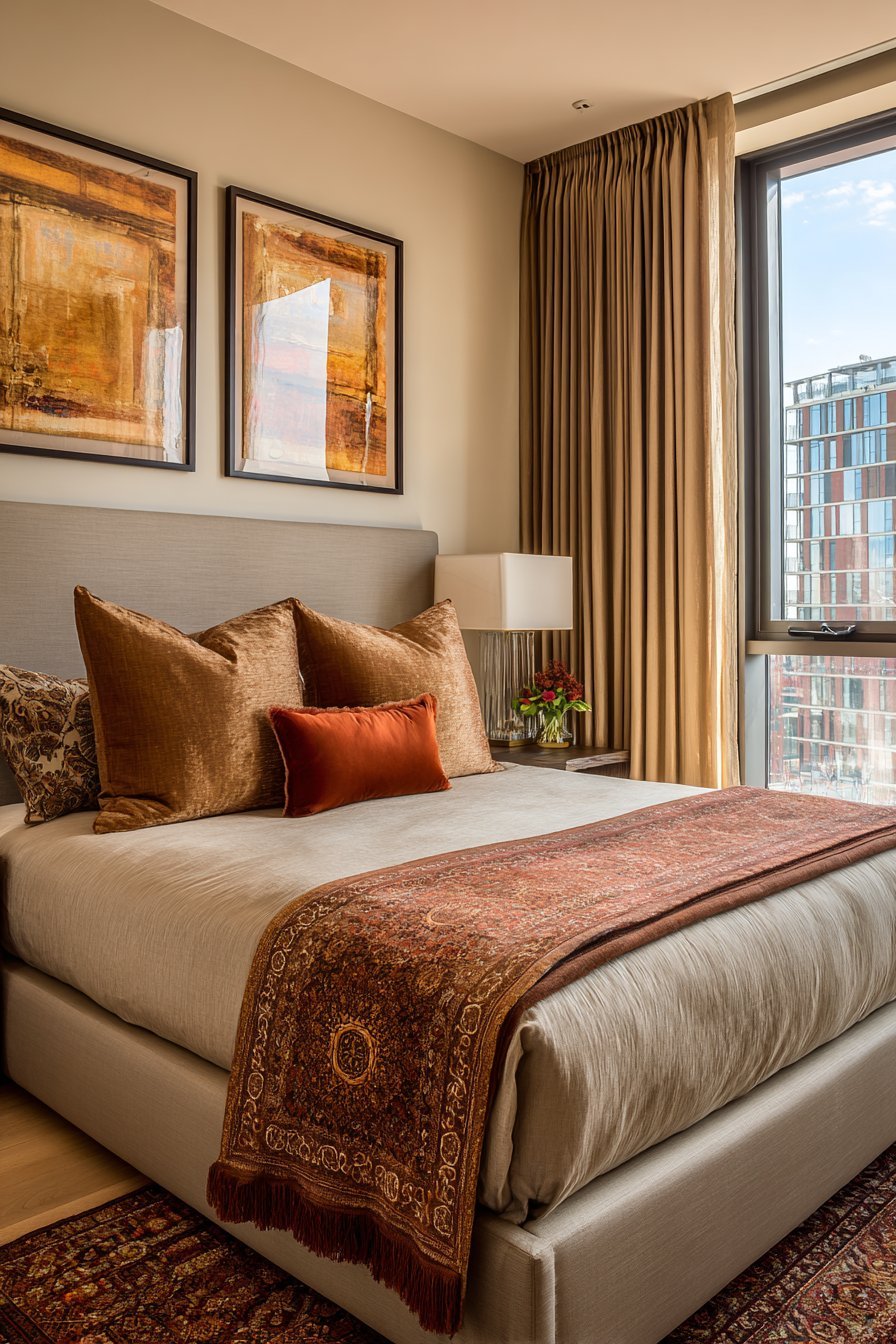
Randomly selecting colors without a unifying strategy results in spaces that feel chaotic and stressful rather than restful. A classy bedroom employs intentional color relationships that create harmony and support the room’s primary function: promoting relaxation and quality sleep. This doesn’t mean everything must match perfectly, but colors should relate meaningfully.
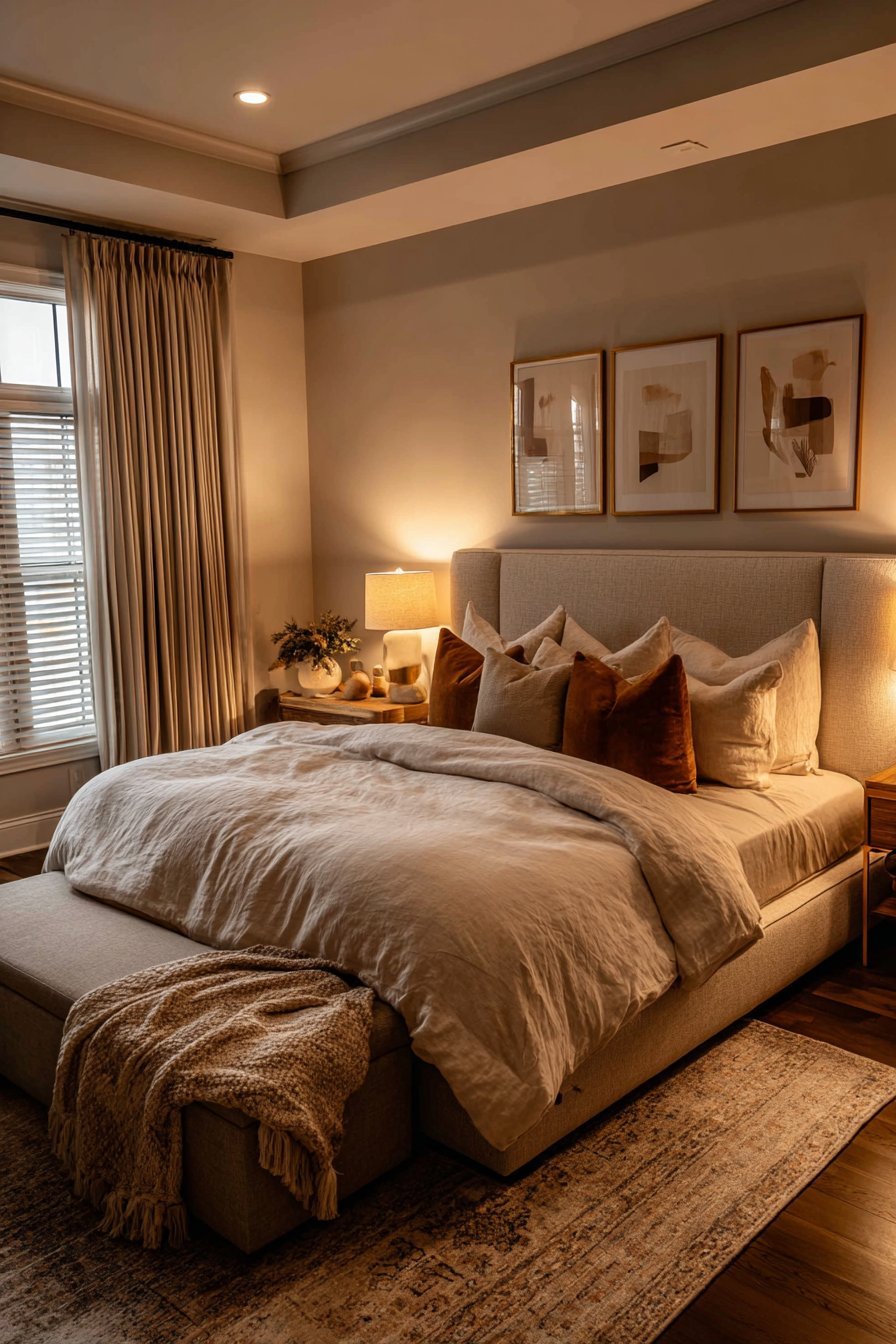
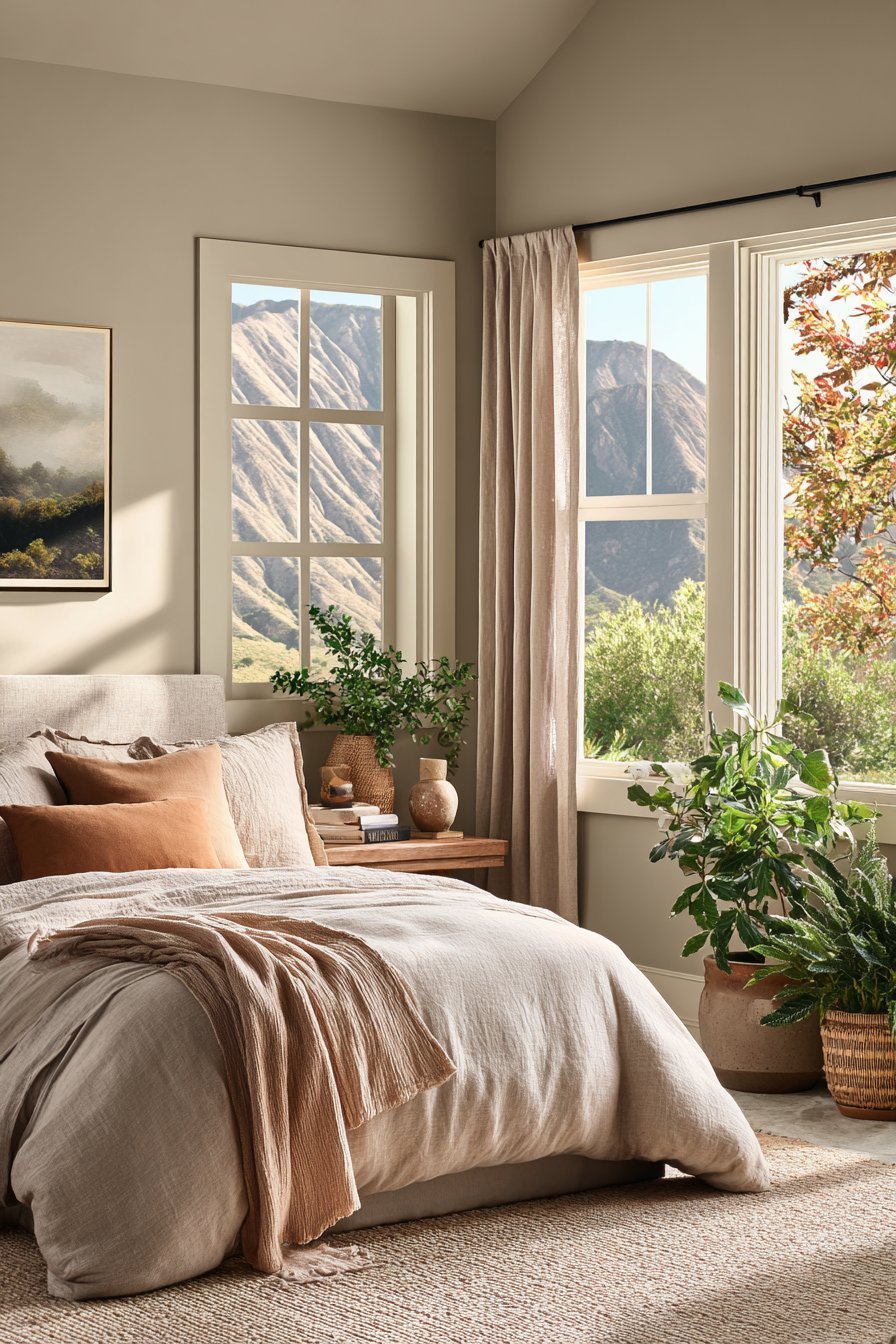
The 60-30-10 rule provides reliable guidance: 60% dominant color (usually walls), 30% secondary color (furniture, curtains), and 10% accent color (pillows, artwork, accessories). This formula creates visual interest while maintaining coherence. Neutral bases with layered textures work exceptionally well in bedrooms, allowing you to introduce color through easily changeable elements.
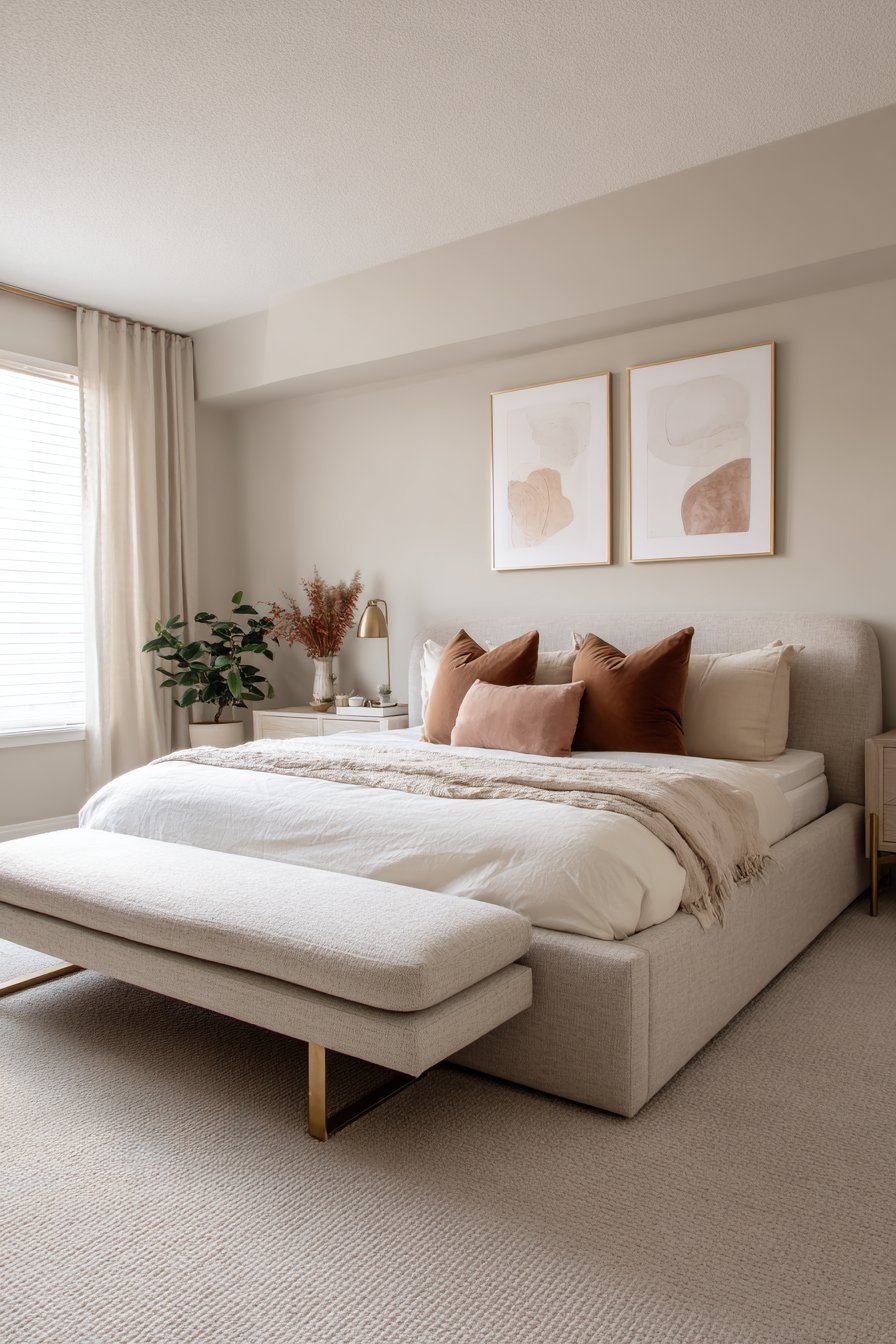
Temperature consistency matters significantly. Mixing warm and cool tones haphazardly creates visual tension. If your walls feature warm gray with beige undertones, cool blue accessories will clash. Instead, layer warmer metallics like brass or copper with cream, camel, and warm white textiles for a cohesive, sophisticated palette.
- Follow the 60-30-10 color distribution rule for balanced schemes
- Maintain temperature consistency (all warm or all cool tones)
- Test paint colors in your actual bedroom lighting before committing
- Use neutral bases (grays, whites, beiges) as a flexible foundation
- Introduce color primarily through easily changeable textiles and accessories
- Consider how natural and artificial lighting affects color appearance throughout the day
7. Neglecting Textural Variety and Layering
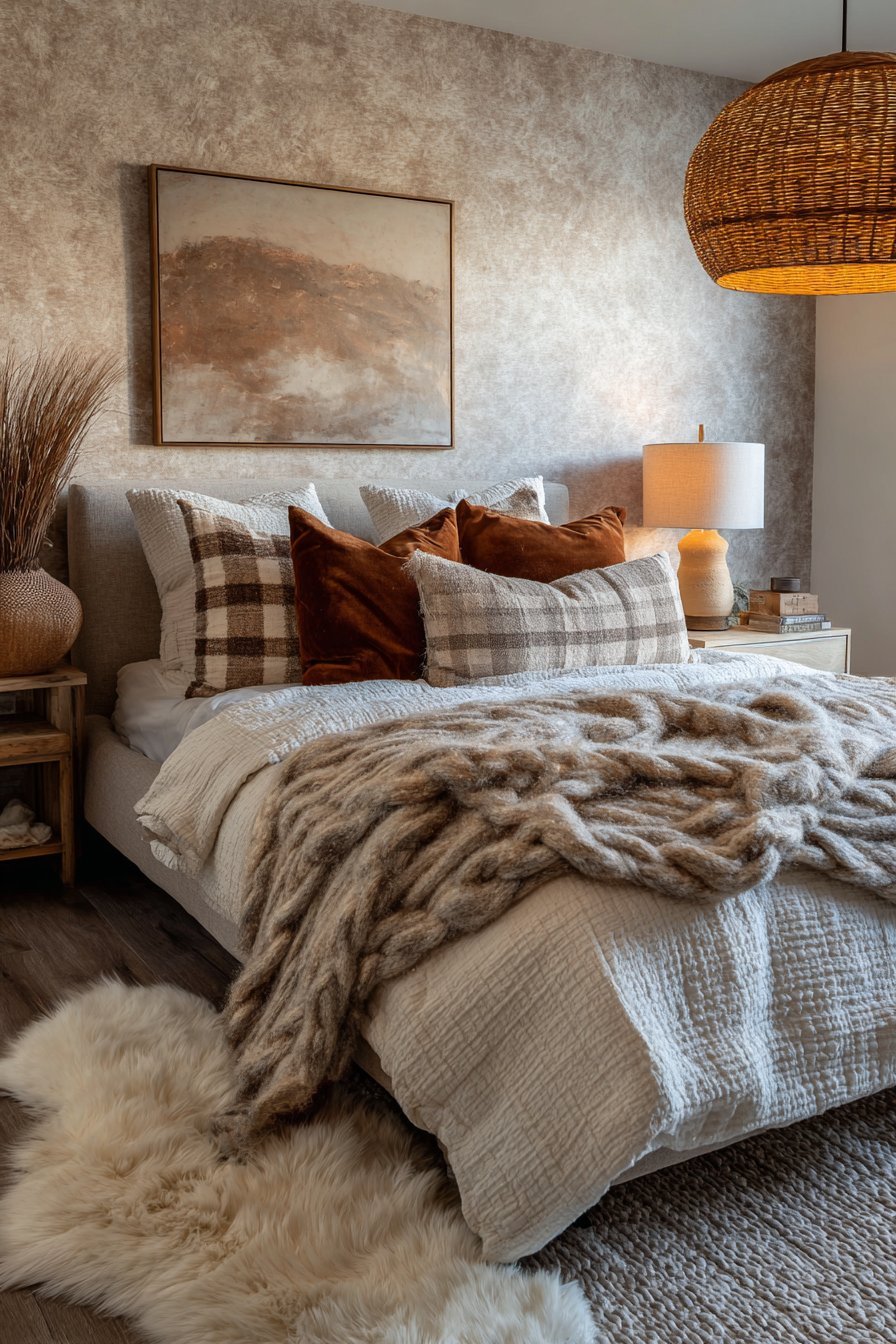
A bedroom with a single texture throughout feels flat and uninviting, regardless of how expensive the materials. Textural diversity creates visual richness and tactile comfort that elevates the space from ordinary to luxurious. This layering approach applies to bedding, window treatments, flooring, and decorative accessories.
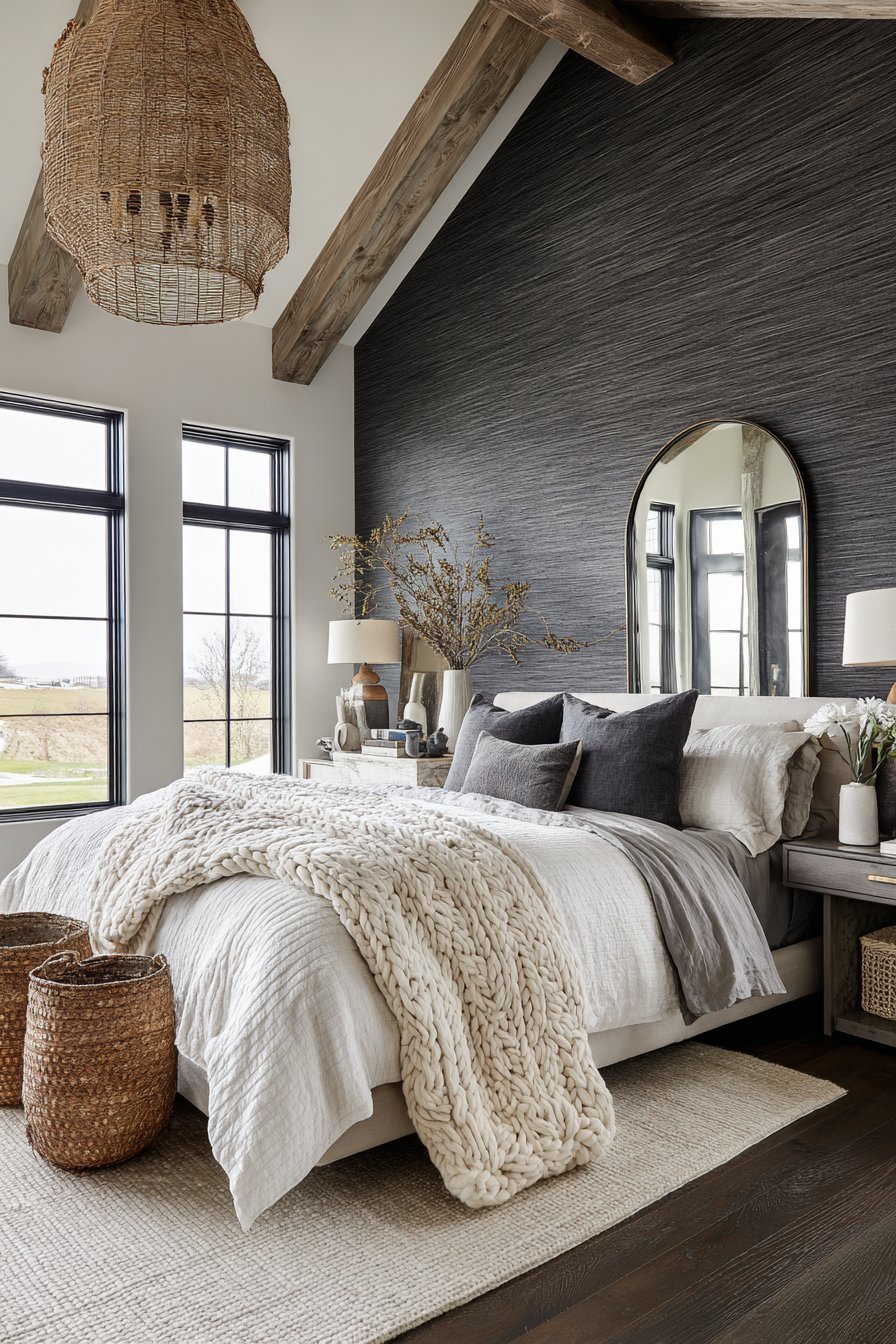
Begin with your bedding, where texture matters most. Combine smooth high-thread-count sheets with a textured coverlet or quilt, then add a chunky knit throw and varied pillow fabrics. This progression from smooth to textured creates depth and invites touch. The same principle applies to window treatments—pairing linen curtains with velvet or silk adds sophisticated dimension.
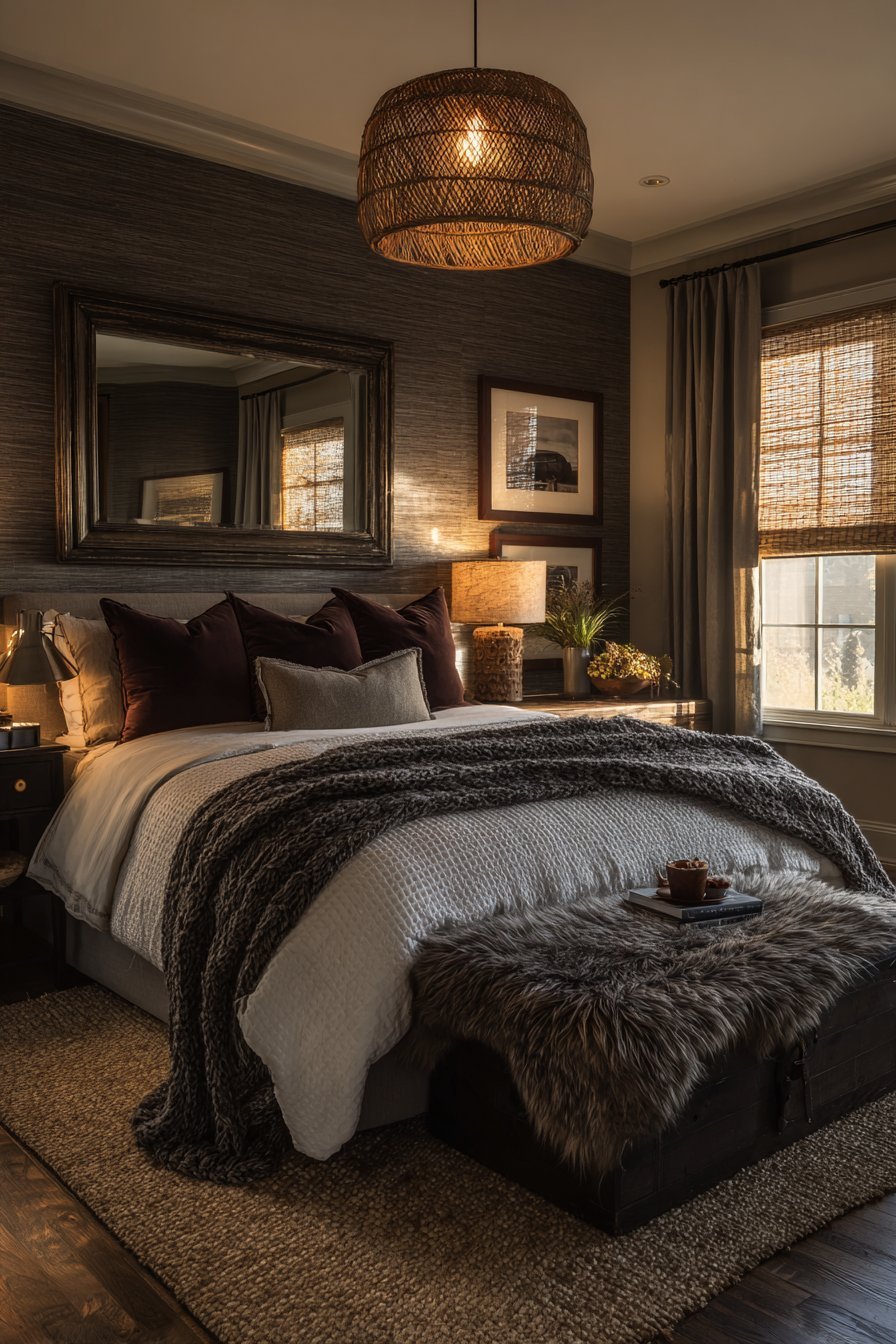
Don’t overlook flooring and walls in your textural scheme. A plush area rug softens hard flooring while adding warmth underfoot. Grasscloth wallpaper or textured paint techniques introduce subtle visual interest without overwhelming. Even small additions like woven baskets, ceramic lamps, and wooden frames contribute to the rich, layered aesthetic characteristic of truly elegant bedrooms.
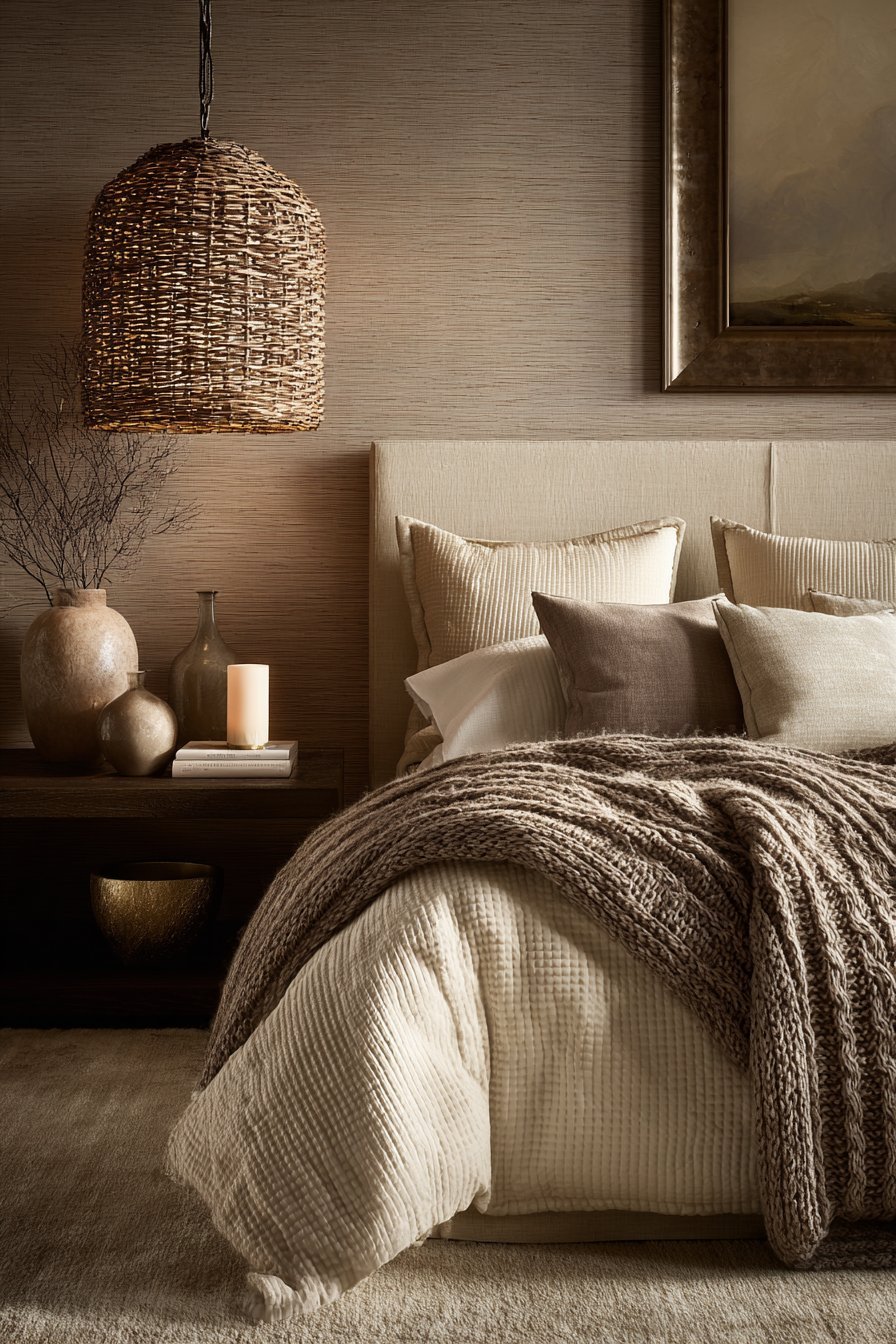
- Layer at least 3-5 different textures in bedding alone (sheets, duvet, throw, pillows)
- Combine smooth and rough textures for visual and tactile contrast
- Add an area rug even over carpet to define space and add warmth
- Incorporate natural materials like wood, stone, linen, and wool
- Consider textured wall treatments like grasscloth or subtle paint techniques
- Balance shiny surfaces (mirrors, metal) with matte finishes for sophistication
Conclusion
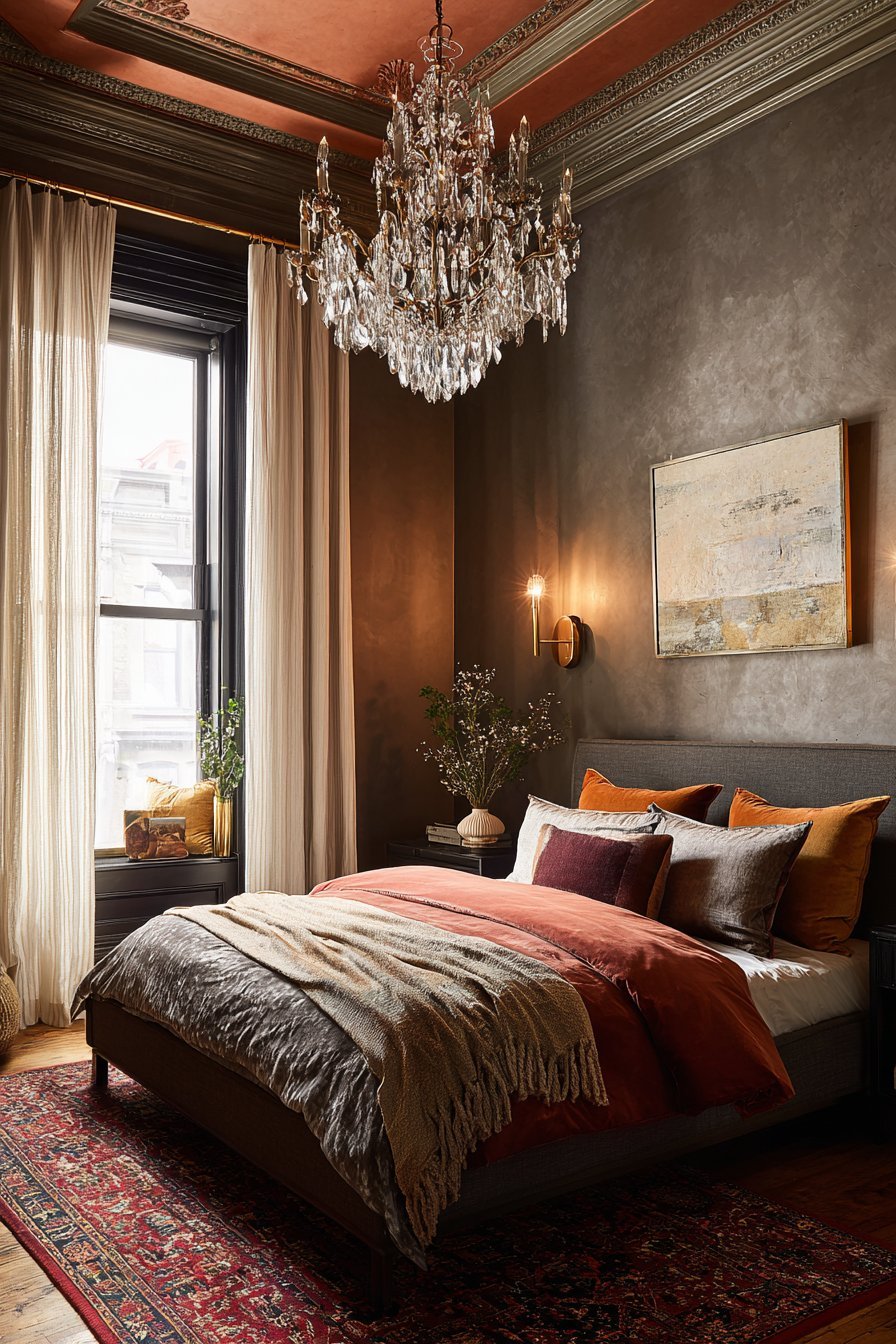
Avoiding these seven common decorating mistakes sets the foundation for a bedroom that functions beautifully while exuding timeless elegance. By selecting appropriately sized furniture, implementing layered lighting, hanging window treatments correctly, and maintaining visual cohesion through scale, color, and texture, you create a space that truly serves as a personal sanctuary. Remember that classy design prioritizes quality over quantity—each element should be carefully considered and intentionally placed.
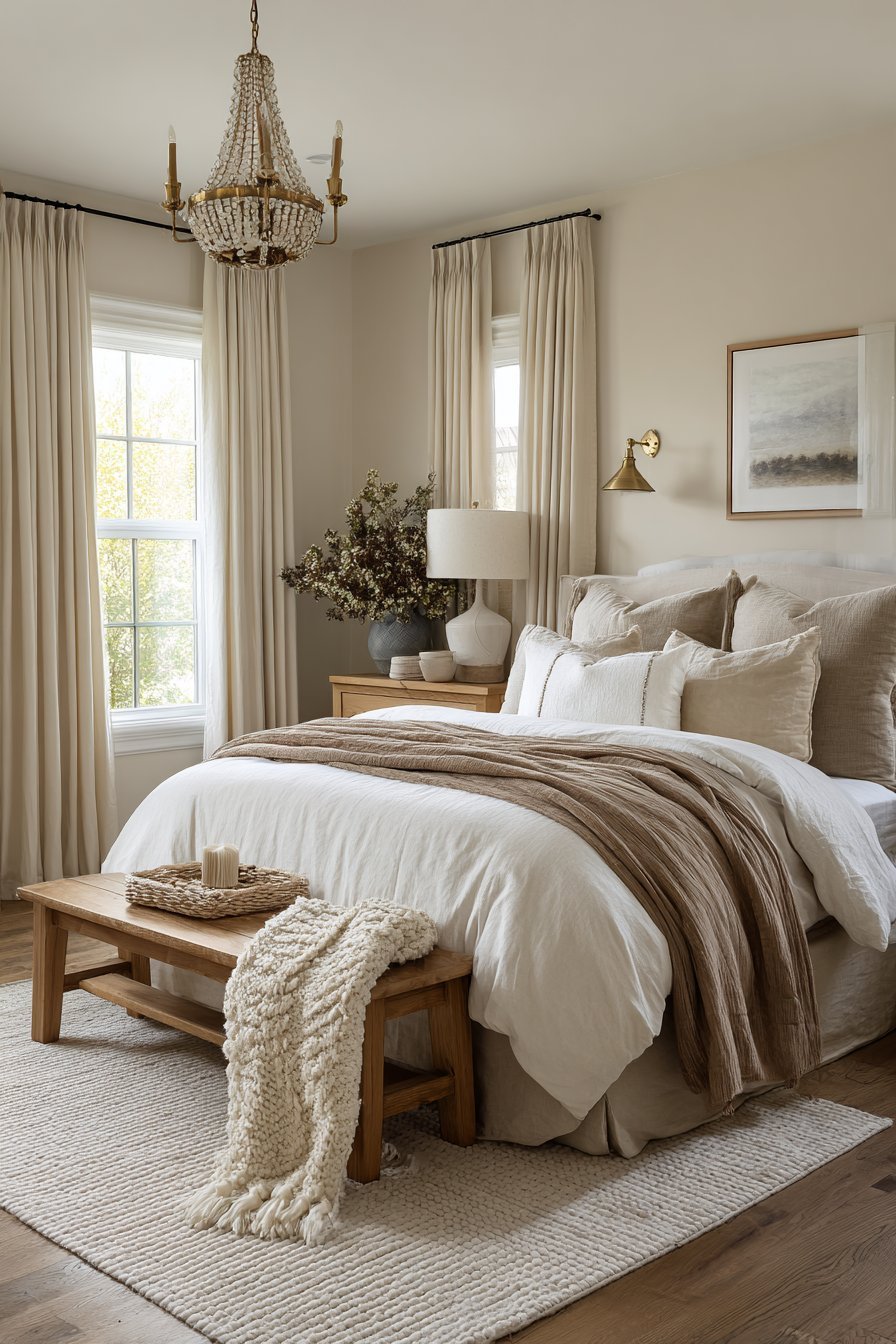
The most successful bedrooms reflect personal style while honoring fundamental design principles that have stood the test of time. Take your time with each decision, invest in key pieces that will last, and don’t be afraid to edit ruthlessly. Your bedroom should be a place where you feel completely at ease, surrounded by beauty that enhances rather than detracts from daily life. With these guidelines in mind, you’re well-equipped to create a sophisticated retreat that you’ll enjoy for years to come.
