

Space optimization has become essential in modern homes, especially in children’s bedrooms, dorm rooms, and compact apartments. A bunk bed with desk setup represents one of the most practical solutions for maximizing vertical space while maintaining functionality. This innovative furniture arrangement combines sleeping quarters with a dedicated workspace, creating an efficient environment that addresses multiple needs within a limited footprint.
Thoughtful interior design transforms small spaces into purposeful, inspiring environments where productivity and rest coexist harmoniously. The dual-purpose configuration of a bunk bed with desk appeals to various lifestyles, from students requiring study areas to remote workers needing home offices. This article explores ten comprehensive approaches to designing a functional bunk bed with desk setup, covering everything from safety considerations and spatial planning to lighting solutions and personalization strategies that ensure your space works as hard as you do.
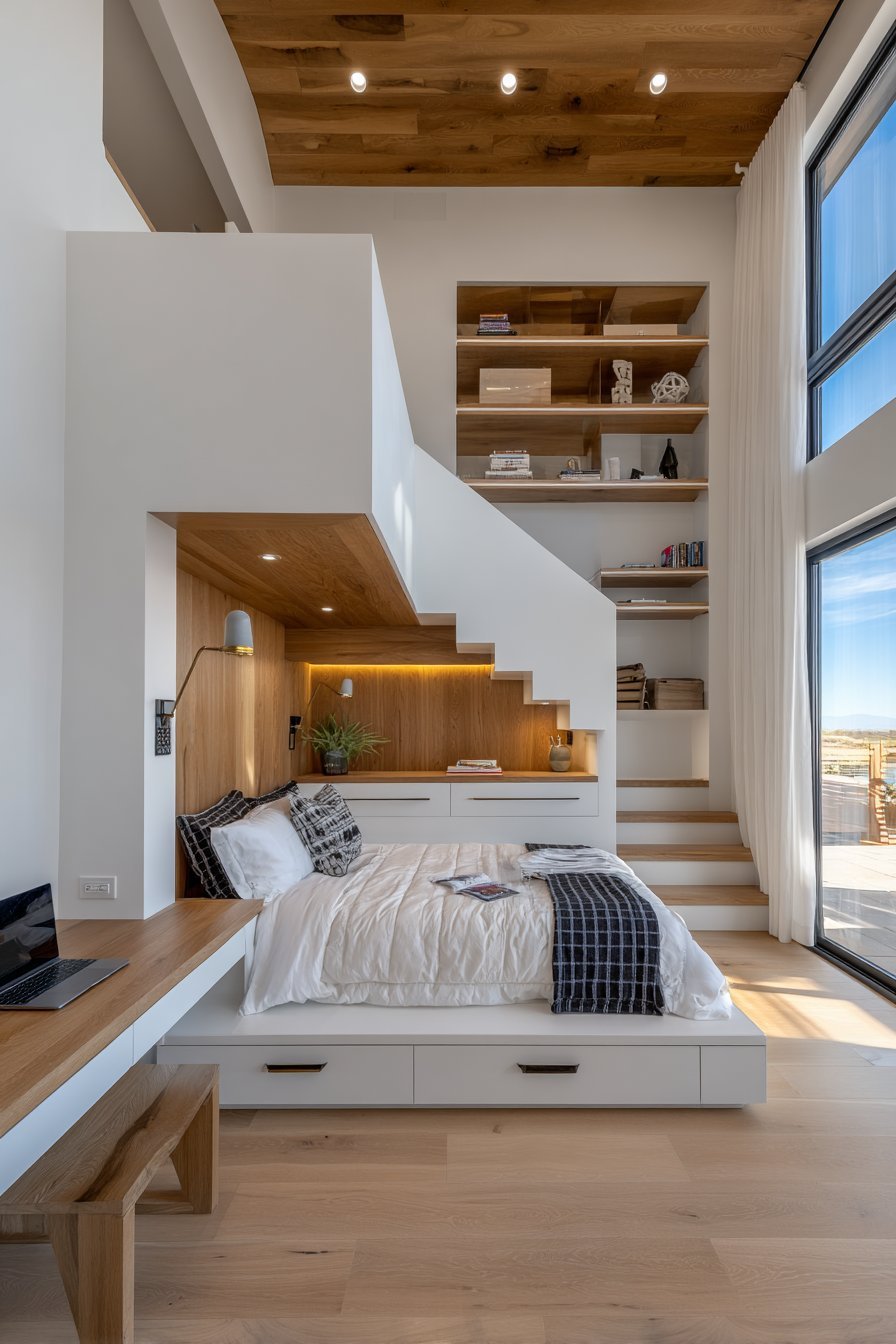
1. Assessing Space Requirements and Room Dimensions
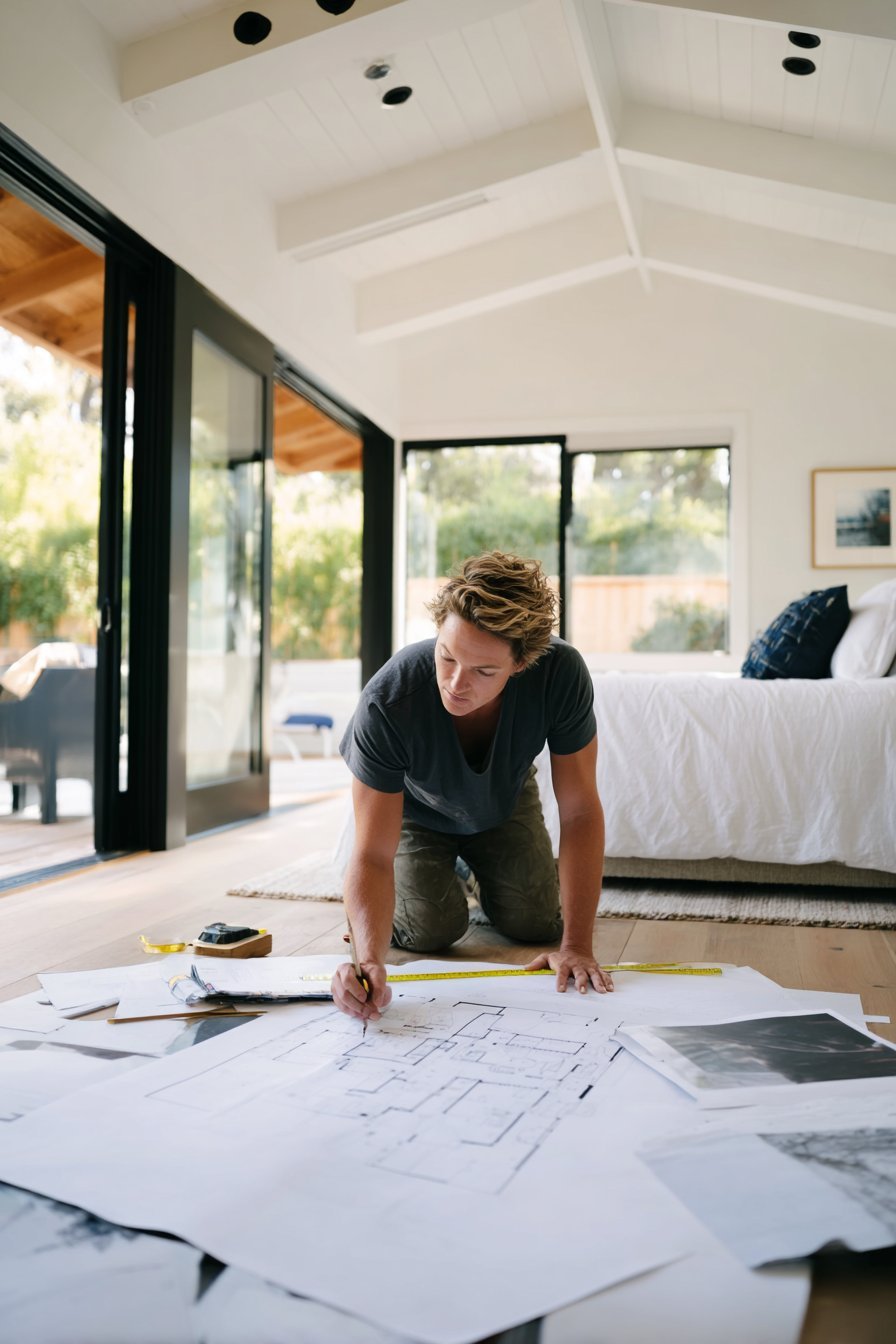
Before purchasing or building a bunk bed with desk setup, accurate measurements form the foundation of successful space planning. Measure ceiling height carefully, ensuring at least 30-36 inches of clearance between the mattress and ceiling for comfortable sitting. Standard loft beds require minimum ceiling heights of 8 feet, while some configurations need up to 9 feet for optimal functionality.
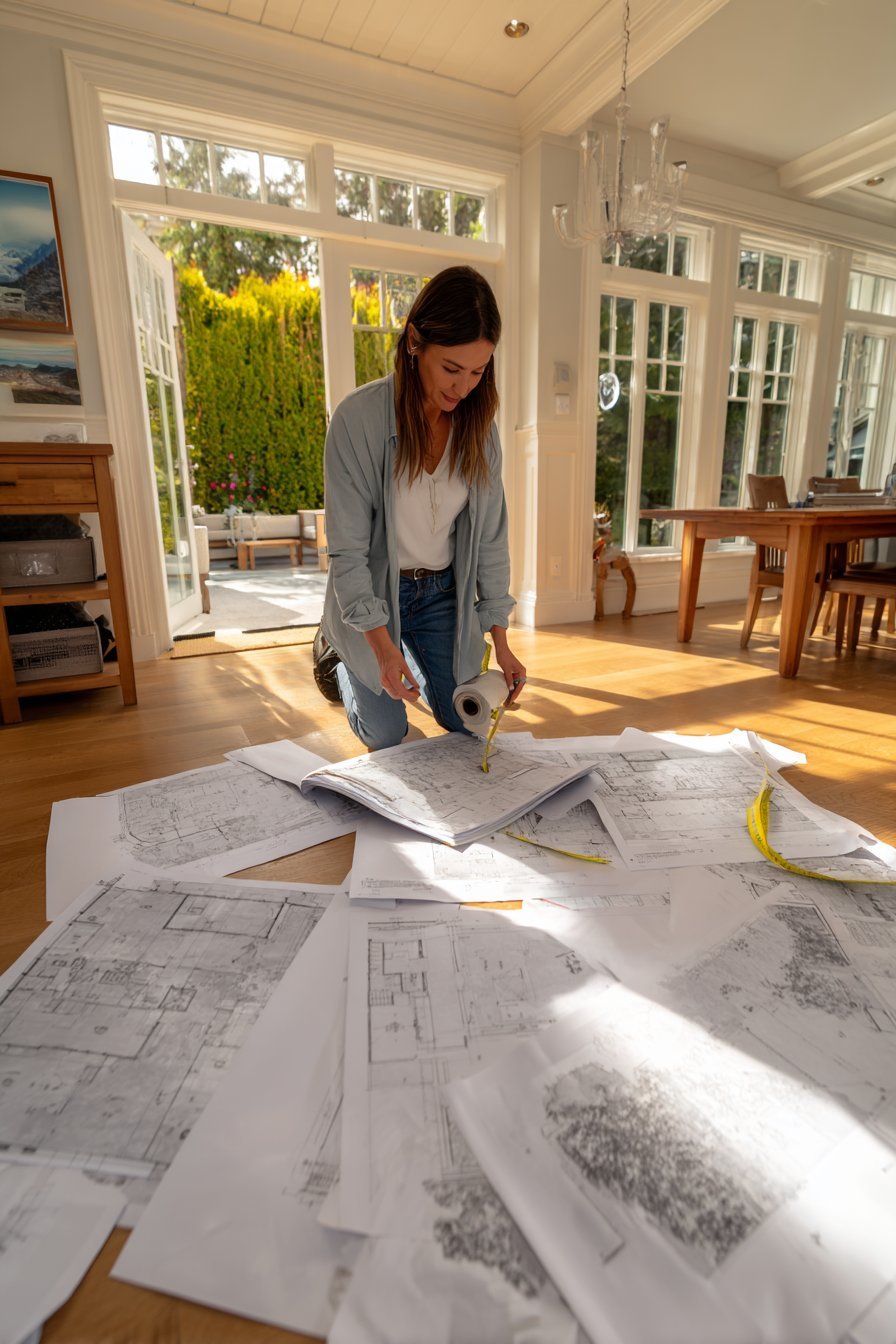
Consider the floor space footprint and how the furniture will affect traffic flow within the room. A typical bunk bed with desk occupies approximately 80-100 square feet when accounting for clearance around the structure. Draw a scaled floor plan that includes doorways, windows, closets, and existing furniture to visualize how the setup integrates with your space. This planning phase prevents costly mistakes and ensures adequate room for movement.
Evaluate load-bearing capacity requirements for both the sleeping area and desk surface. Most loft beds support 200-250 pounds on the upper bunk, while desks should accommodate 50-100 pounds of equipment. Consider future needs, especially for growing children or evolving work-from-home requirements that may demand additional equipment or storage capacity.
- Measure ceiling height at multiple points to account for uneven floors or ceilings
- Calculate the total footprint including ladder space and chair clearance (add 3-4 feet)
- Verify doorway dimensions to ensure furniture can be moved into the room
- Check for overhead fixtures, ceiling fans, or vents that might interfere with the bed
- Consider window placement to maximize natural light at the desk area
- Account for electrical outlet locations for desk lamps and electronic devices
2. Choosing the Right Bed and Desk Configuration
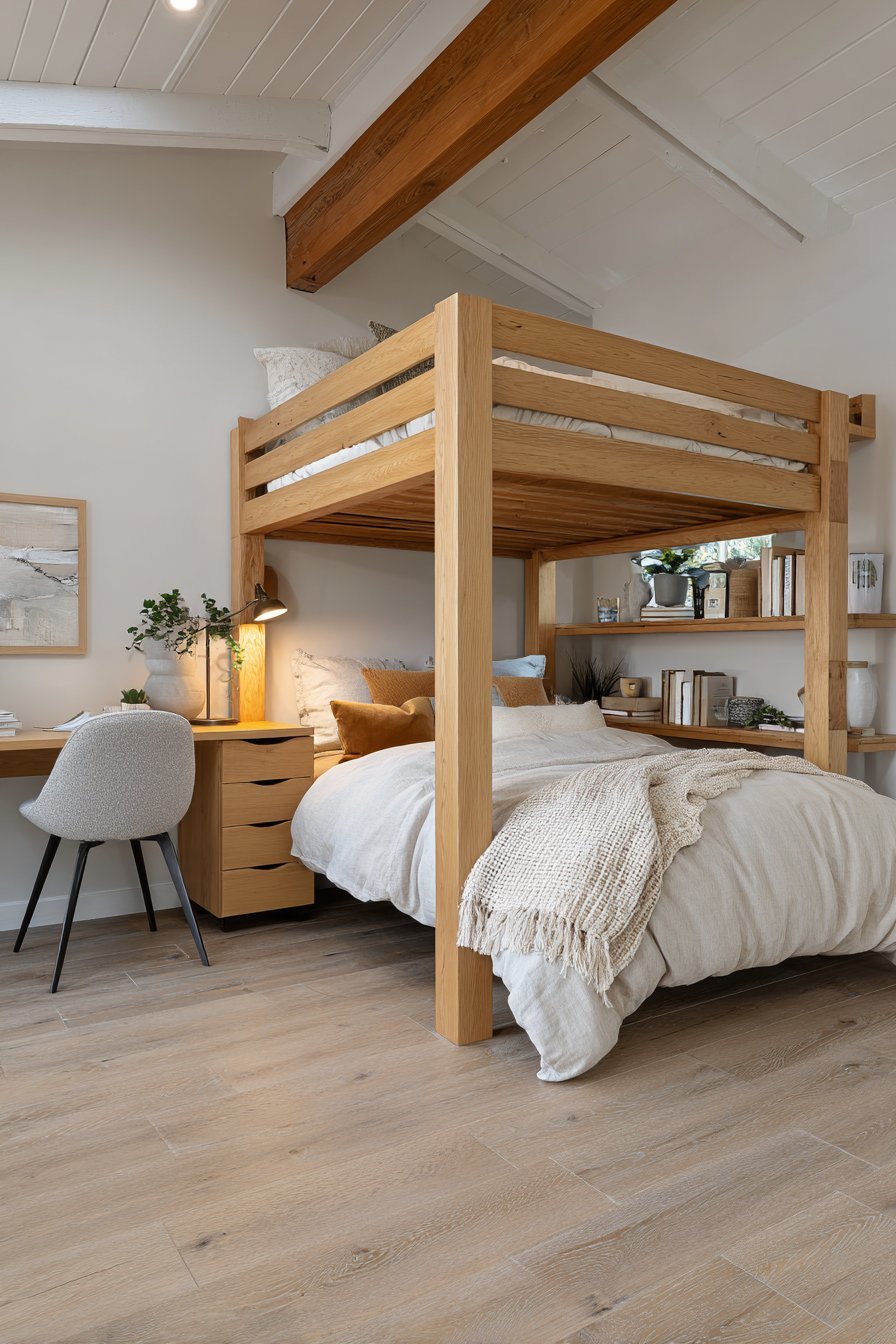
The market offers diverse configuration options ranging from L-shaped arrangements to perpendicular designs that suit different spatial constraints. L-shaped configurations position the desk along one side of the bed, creating a compact footprint ideal for corner placements. Perpendicular arrangements place the desk beneath the loft bed, maximizing the workspace while maintaining a smaller overall footprint.
Material selection significantly impacts durability, aesthetics, and budget. Solid wood constructions offer superior strength and longevity, supporting heavier weight capacities and lasting through years of use. Metal frames provide industrial aesthetics with excellent stability at mid-range prices, while engineered wood composites deliver budget-friendly options suitable for lighter use or temporary arrangements.
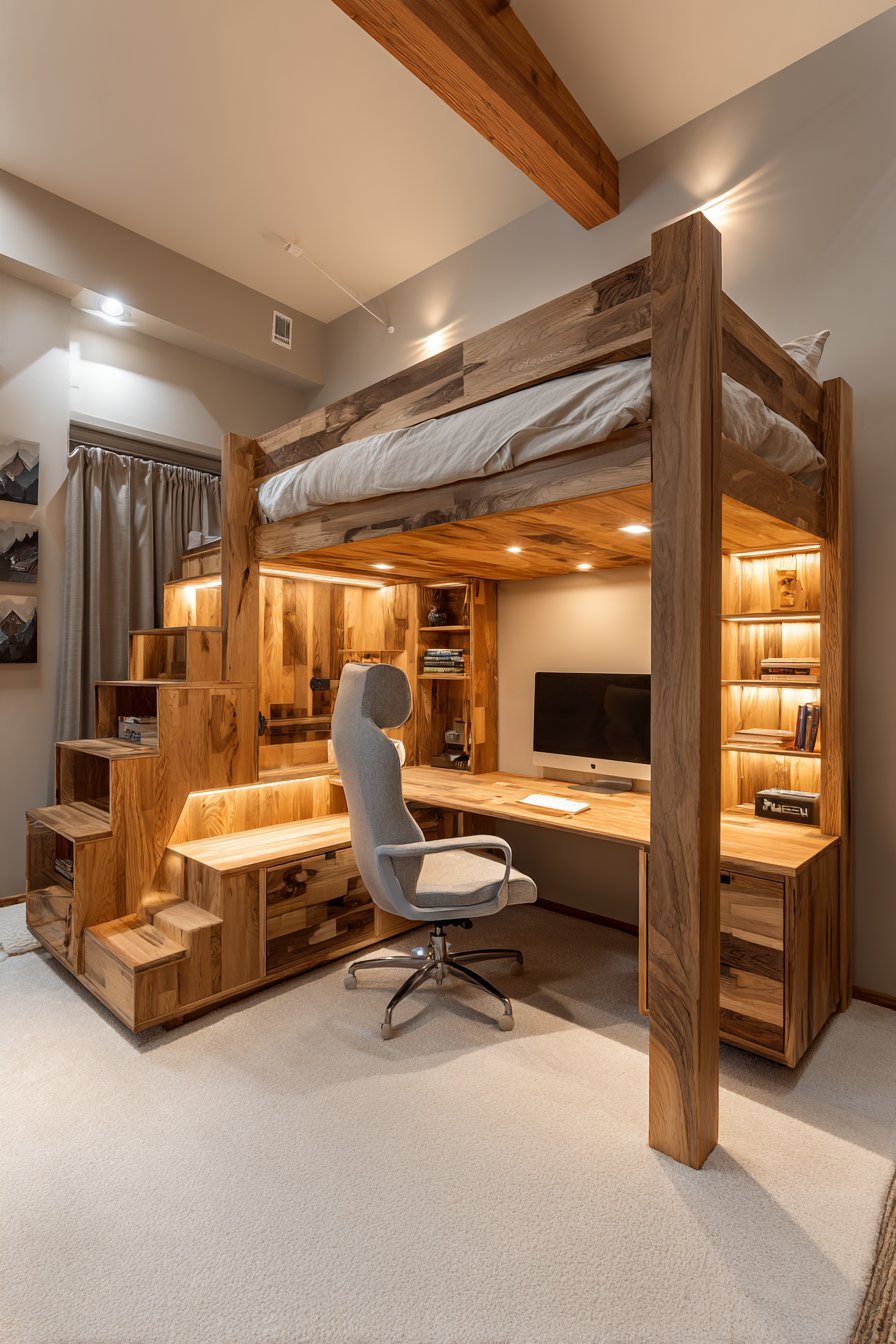
Consider whether you need a permanent built-in structure or a modular system that can be reconfigured as needs change. Built-in units offer maximum stability and customization but lack flexibility for future rearrangement. Modular furniture systems allow you to separate components, adjust heights, or repurpose elements when living situations change, making them ideal for growing families or rental properties.
- Select configurations that place the desk in areas with maximum natural light exposure
- Choose materials that match existing bedroom furniture for visual cohesion
- Opt for designs with integrated storage to reduce need for additional furniture
- Consider ladder placement (vertical, angled, or stairs) based on user age and mobility
- Evaluate whether you need twin, full, or queen mattress sizes on the upper level
- Research weight capacities to ensure safety margins exceed expected use by 25-30%
3. Prioritizing Safety Features and Structural Integrity
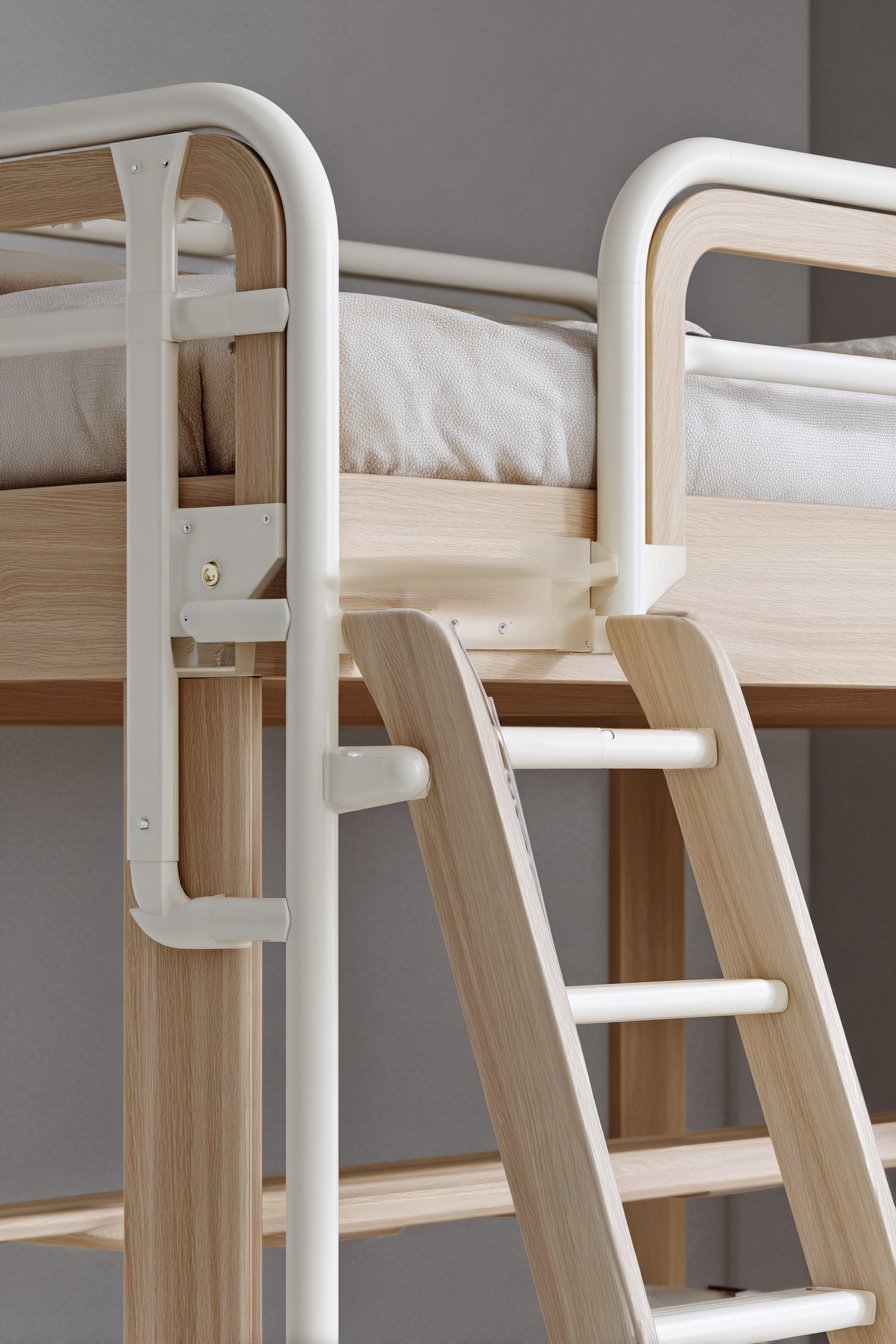
Safety considerations should never be compromised when designing elevated sleeping arrangements, especially in homes with children. Install guardrails on all open sides of the upper bunk, ensuring they extend at least 5 inches above the mattress surface to prevent rolling accidents. Choose designs with guardrails that have gaps no wider than 3.5 inches to prevent entrapment hazards.
The ladder or staircase design plays a crucial role in safe access to the sleeping area. Wide, angled ladders with non-slip treads provide easier climbing than vertical ladders, particularly for younger children or nighttime use. Staircase options offer the safest access while incorporating additional storage drawers within each step, though they require more floor space than traditional ladders.
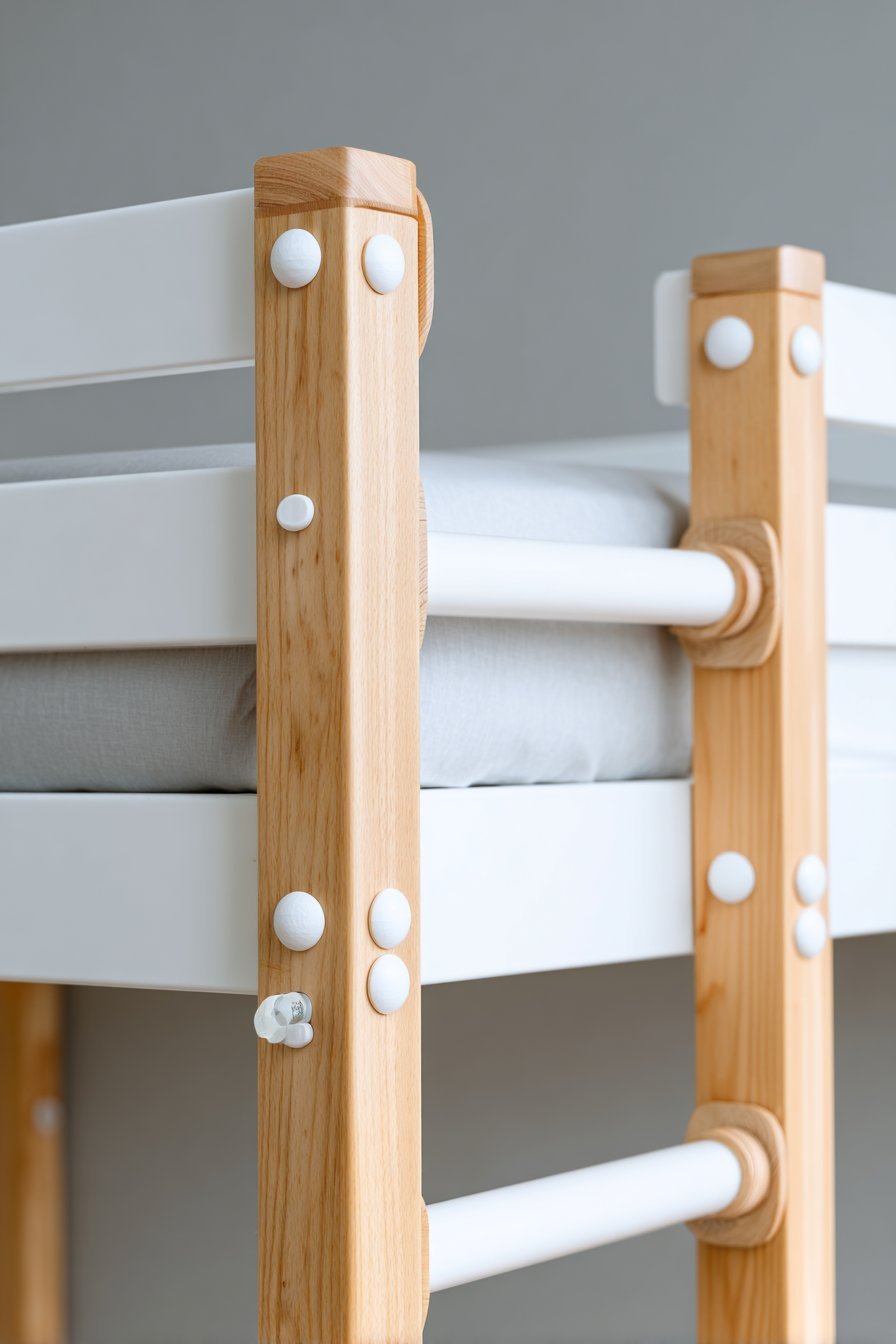
Ensure all connections, joints, and fastening hardware meet or exceed safety standards. Check that beds are certified by ASTM International or similar safety organizations. Use only manufacturer-recommended hardware when assembling, and conduct regular maintenance checks every 3-6 months to tighten loose bolts, inspect welds, and verify structural soundness throughout the furniture’s lifespan.
- Install corner guards on sharp edges to prevent injury during movement around the bed
- Position the bed away from ceiling fans, hanging lights, and window blind cords
- Use mattresses that fit snugly within the frame (maximum 1-inch gap on all sides)
- Secure the entire structure to wall studs using appropriate anchoring hardware
- Keep the sleeping area free from hanging decorations or items that could cause strangulation
- Establish and enforce age-appropriate usage rules (typically 6 years minimum for top bunks)
4. Maximizing Desk Functionality and Ergonomics
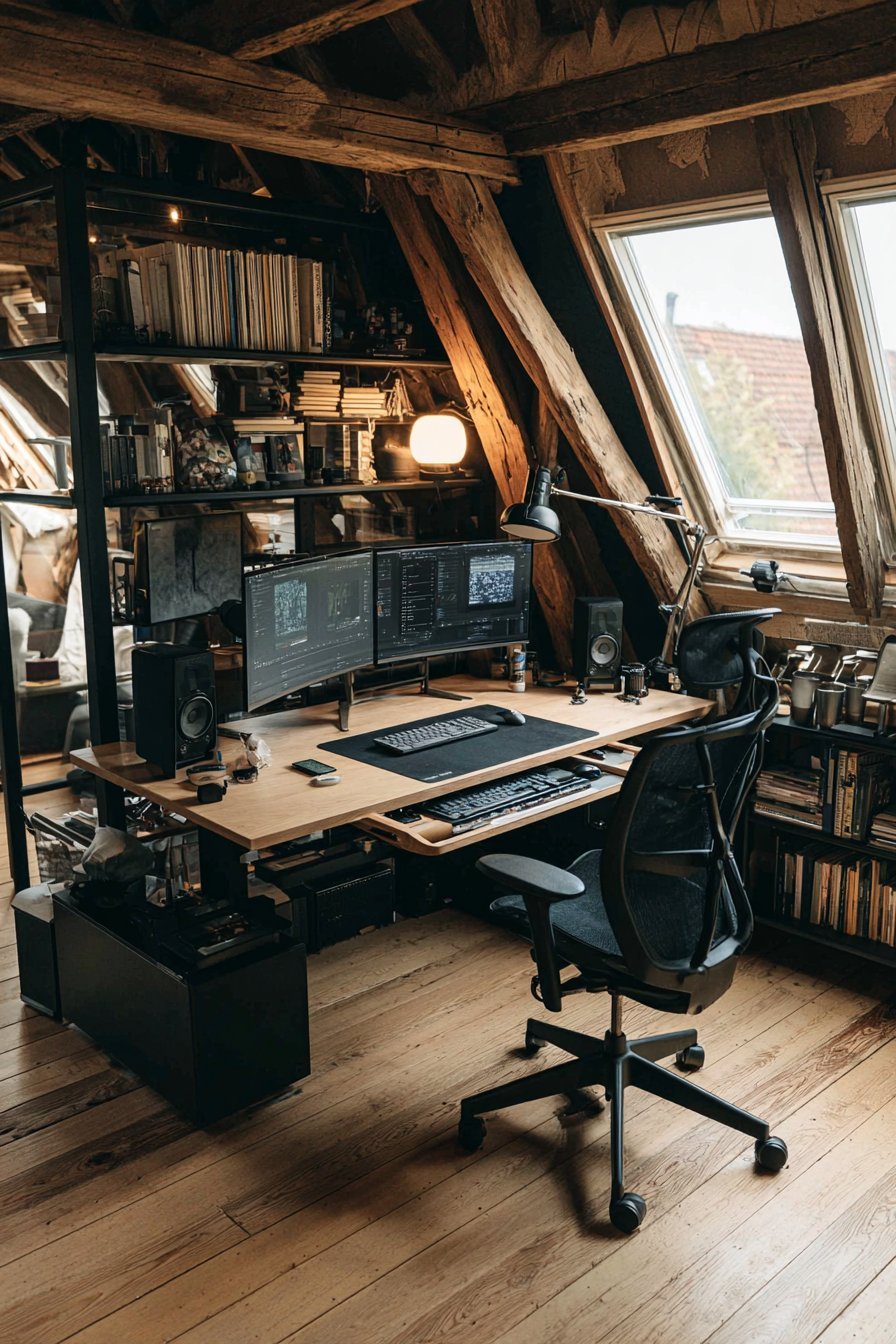
A well-designed desk area within a bunk bed setup must support productive work habits while maintaining proper ergonomics. The ideal desk height ranges from 28-30 inches for adults, allowing forearms to rest parallel to the floor when typing. For children, adjustable-height solutions or properly sized chairs ensure growing users maintain healthy postures throughout different developmental stages.
Desktop surface area should provide adequate space for essential equipment without feeling cramped. Minimum recommended dimensions are 40 inches wide by 24 inches deep for basic computer work, while students or professionals needing space for multiple monitors or paperwork benefit from 48-60 inch widths. Consider whether you need built-in keyboard trays, monitor stands, or cable management systems integrated into the design.
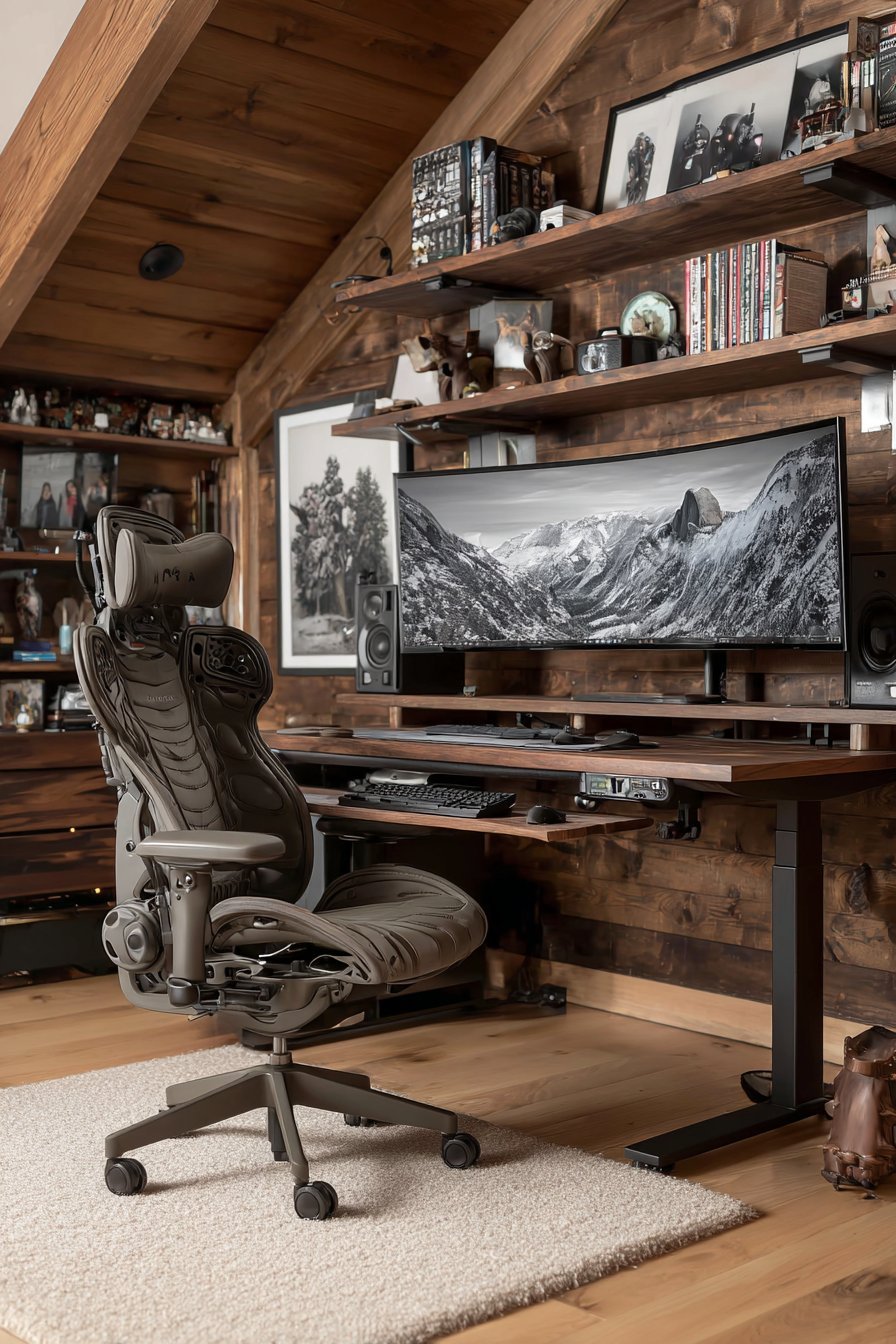
Incorporate storage solutions directly within or adjacent to the desk area to minimize clutter and maintain focus. Built-in shelving above the desk keeps frequently used items within arm’s reach, while drawers or cabinets below store supplies out of sight. Vertical storage maximizes the often-underutilized wall space beneath loft beds, transforming it into a highly functional workspace that rivals traditional desk setups.
- Ensure at least 24 inches of knee clearance beneath the desk surface
- Position the monitor or laptop screen at eye level to prevent neck strain
- Install task lighting with adjustable positioning to reduce eye fatigue
- Include power strips or integrated electrical outlets for device charging
- Add a bulletin board or pegboard for organizing notes and supplies
- Choose desk chairs with proper lumbar support and adjustable heights
5. Implementing Strategic Lighting Solutions
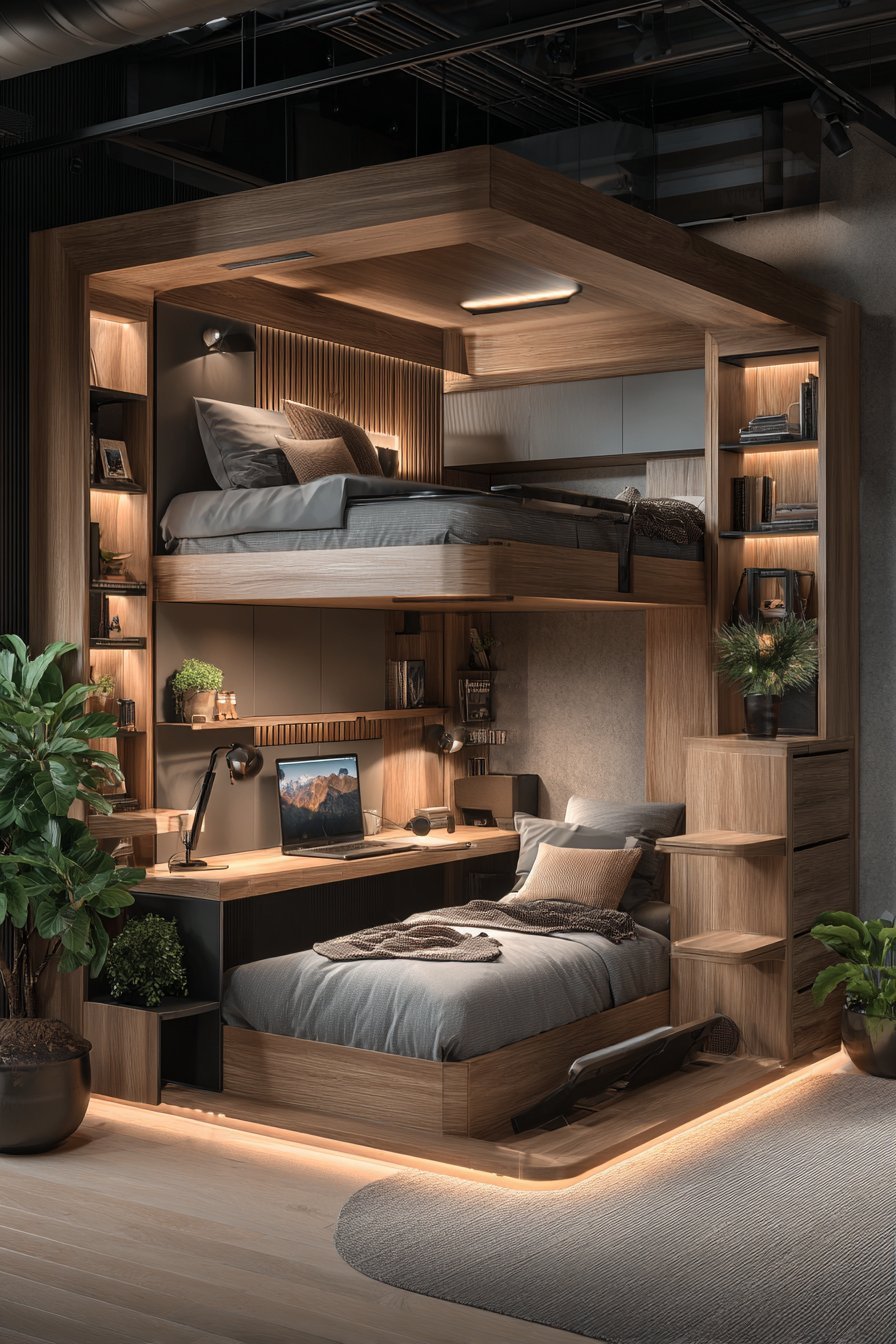
Layered lighting transforms a bunk bed with desk setup into a versatile space that functions effectively throughout the day. Incorporate ambient lighting for overall room illumination, task lighting for focused work, and accent lighting for creating mood. This multi-level approach ensures the space remains functional whether you’re working on assignments, reading before bed, or navigating the room safely at night.
The desk area requires dedicated task lighting with adjustable brightness and direction. LED desk lamps with adjustable arms provide focused illumination without generating excessive heat, crucial in the confined space beneath a loft bed. Choose lights with color temperature options between 3000-5000K, allowing users to select warmer tones for relaxation or cooler tones for concentration during intensive work sessions.
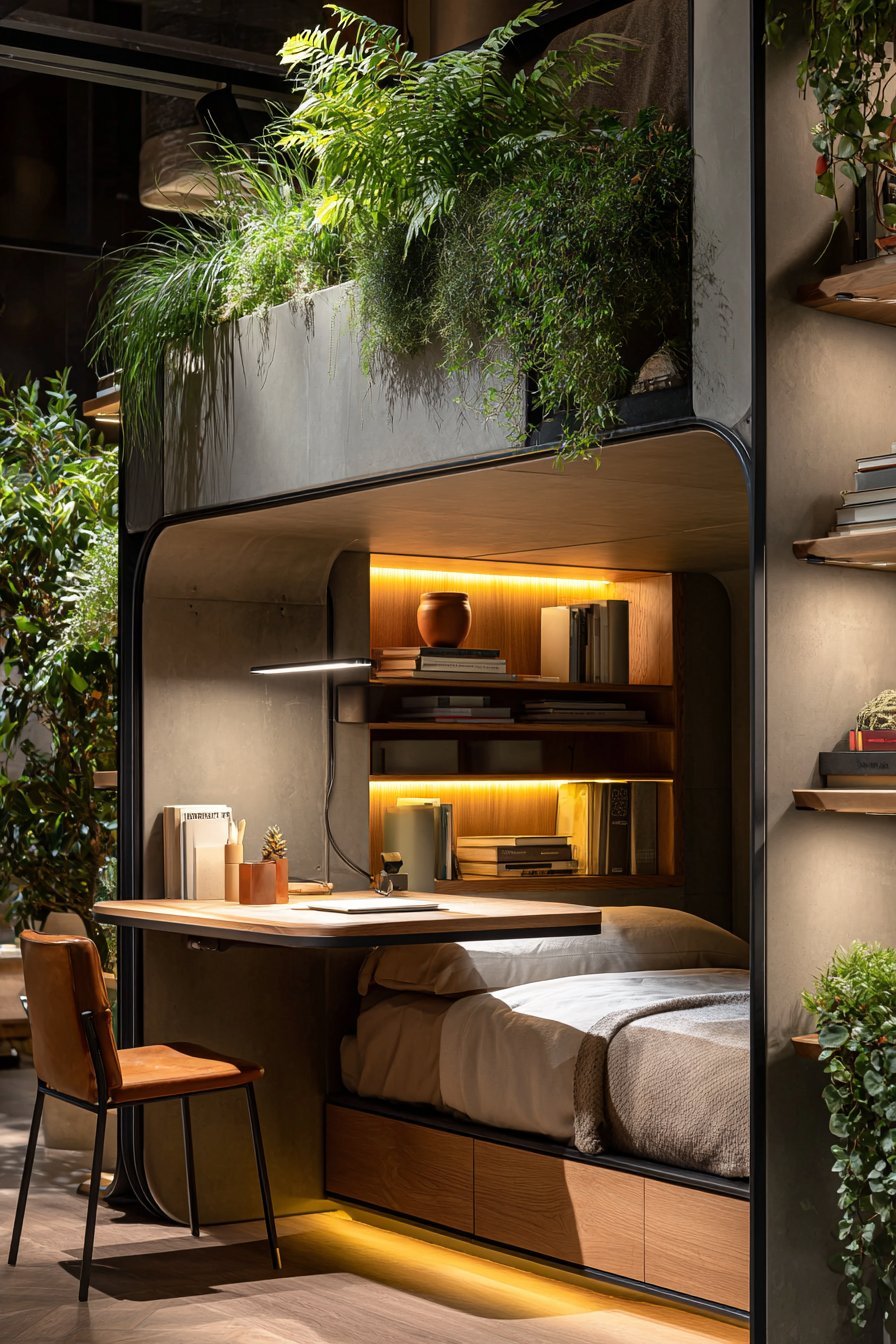
For the sleeping area, install reading lights mounted directly to the bed frame or nearby wall. Clip-on book lights, wall-mounted swing-arm lamps, or LED strip lighting with dimmer controls offer flexibility without requiring extensive electrical work. Ensure all lighting near the bed includes individual switches so users can control illumination without disturbing others or disrupting their sleep environment.
- Install dimmer switches to adjust lighting intensity based on activities and time of day
- Use motion-sensor night lights near ladder areas for safe nighttime navigation
- Position task lighting to minimize screen glare on computers or tablets
- Consider smart bulbs that can be controlled via apps or voice commands
- Add USB-charging capabilities to bedside lighting fixtures for convenience
- Ensure all electrical installations comply with building codes and safety standards
6. Incorporating Adequate Storage and Organization
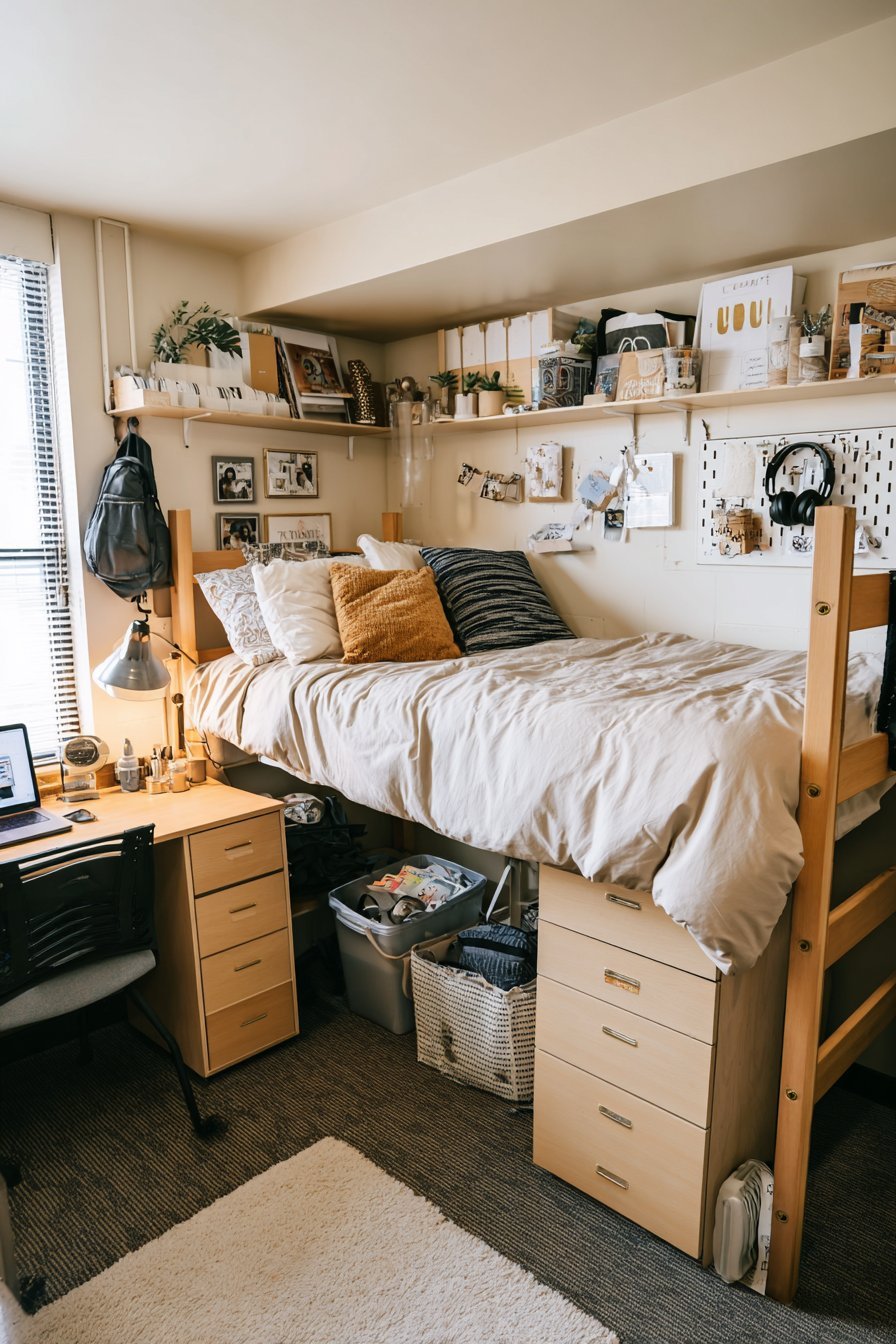
Vertical storage maximizes every inch of available space in a bunk bed with desk configuration. Install floating shelves, wall-mounted organizers, or built-in bookcases along the walls surrounding the setup. These elements keep books, supplies, and personal items accessible without consuming valuable floor space, maintaining the open feeling that makes small rooms livable and functional.
Under-desk storage represents underutilized real estate that can dramatically improve organization. Rolling drawer units, file cabinets, or storage cubes fit beneath most desk surfaces, providing hidden storage for school supplies, office materials, or personal belongings. Choose options on casters for easy access and flexibility in rearranging your workspace as needs evolve over time.
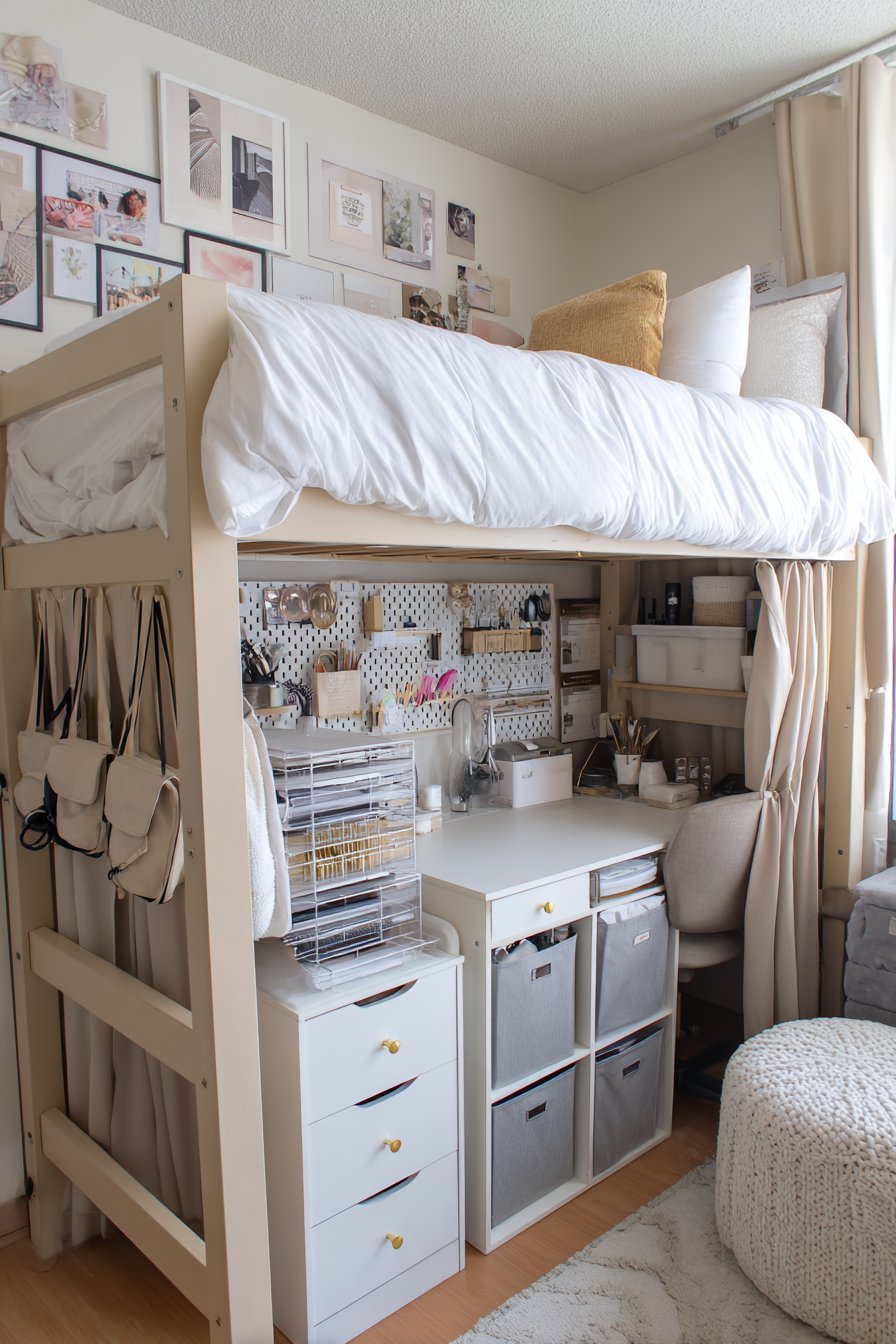
The space beneath the lower desk area often goes unused but can accommodate substantial storage when properly designed. Install curtains or sliding doors to create a hidden storage zone for seasonal items, extra bedding, or rarely used equipment. Alternatively, integrate open cubbies or baskets for frequently accessed items, creating a system that maintains organization while keeping necessities within easy reach.
- Use vertical file organizers or magazine holders to maximize desktop surface area
- Install hooks on the bed frame posts for hanging bags, headphones, or clothing
- Incorporate drawer dividers or organizers to prevent small items from becoming chaotic
- Label storage containers clearly to maintain long-term organizational systems
- Rotate seasonal items between accessible and deep storage locations
- Utilize over-door organizers for additional storage without drilling or permanent installation
7. Selecting Appropriate Color Schemes and Materials
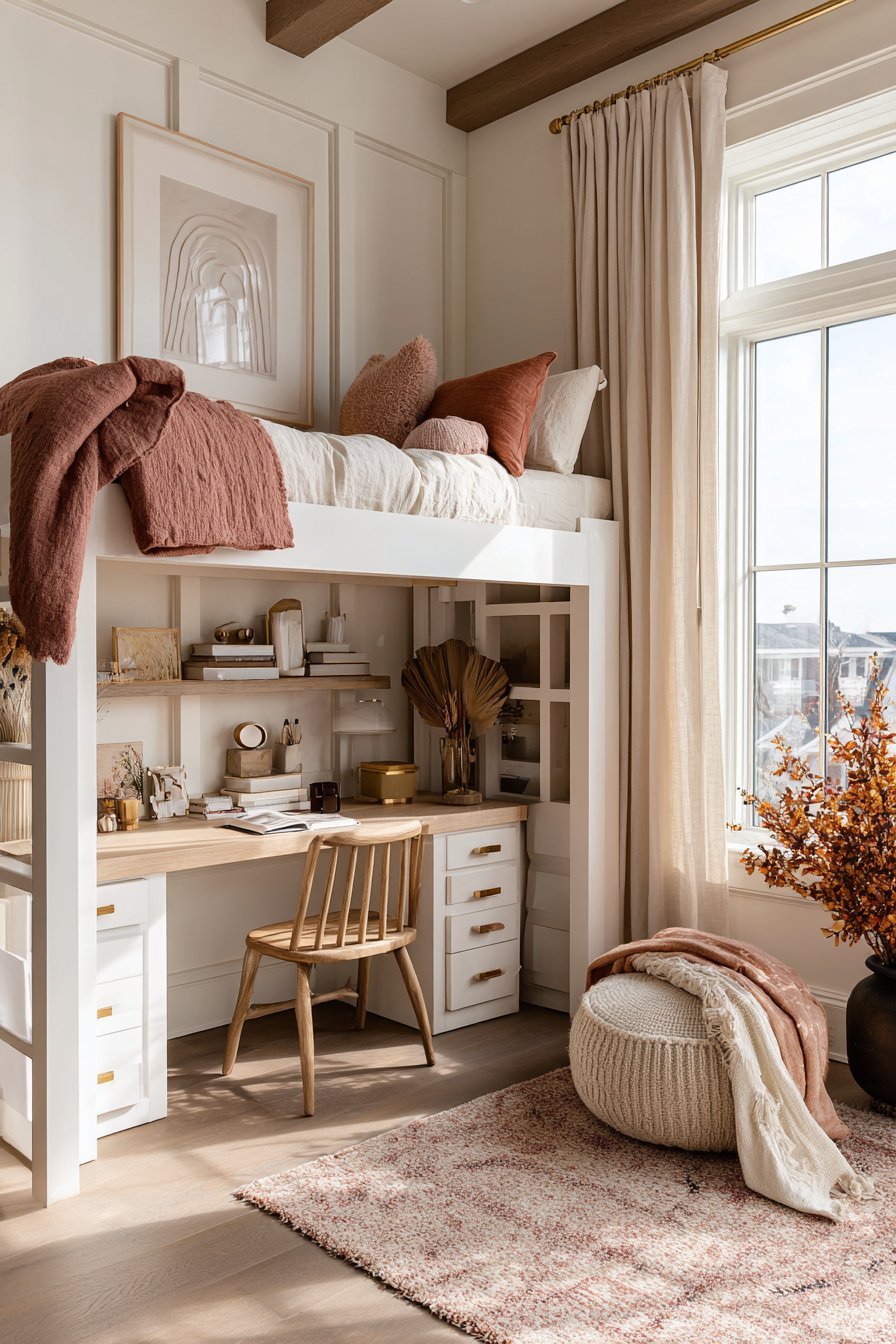
Color psychology influences mood, productivity, and perceived space dimensions within your bunk bed area. Light, neutral colors on walls and furniture make small spaces feel larger and more open, while darker tones create cozy, intimate atmospheres. Consider using a 60-30-10 color rule: 60% dominant neutral color, 30% secondary color, and 10% accent color for visual balance without overwhelming the compact space.
The desk surface material affects both aesthetics and functionality during daily use. Laminate surfaces offer budget-friendly durability with easy cleaning, while solid wood provides warmth and character that develops patina over time. Glass-topped desks create modern, airy appearances but require frequent cleaning and may amplify noise, making them less suitable for shared rooms or households with younger children.
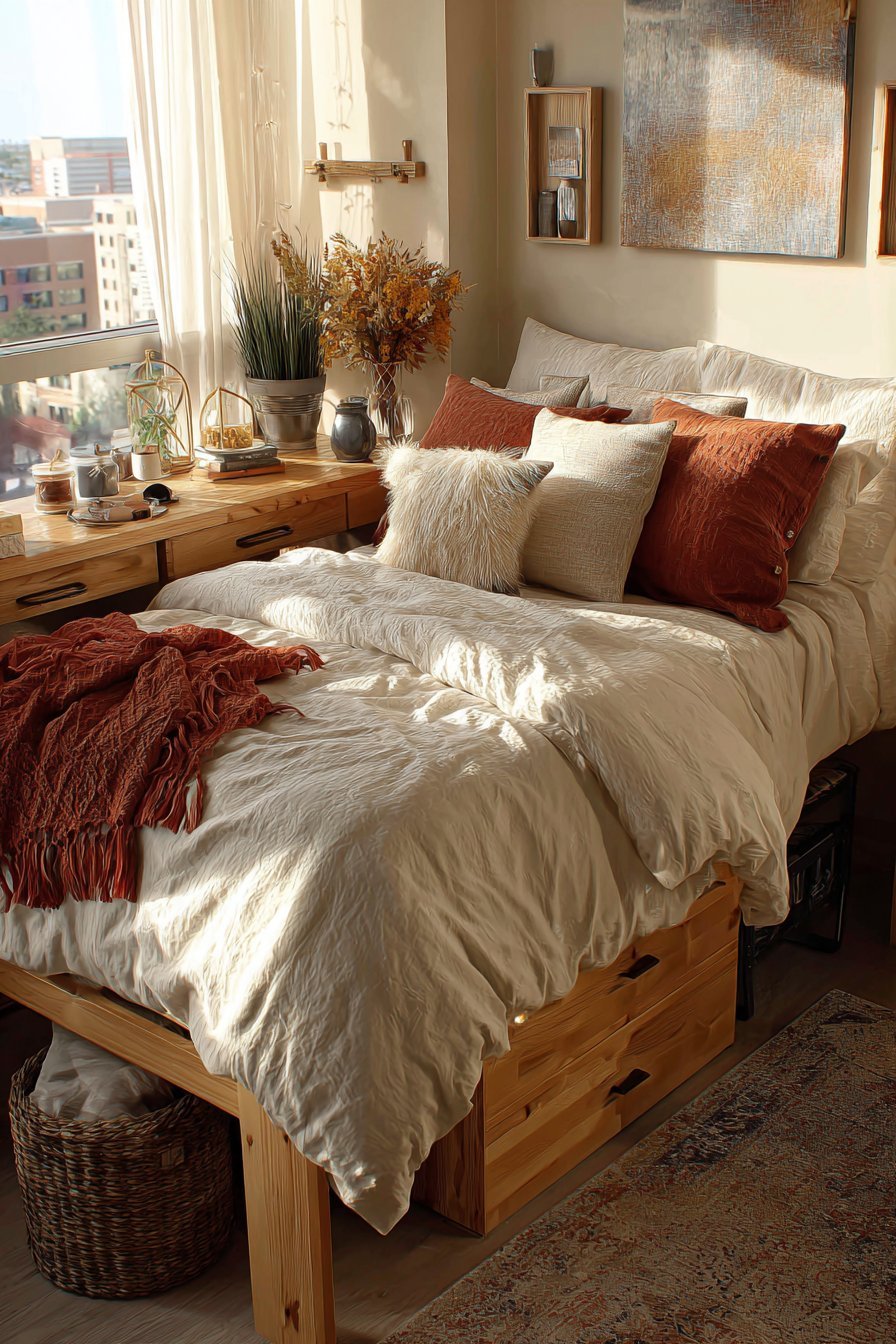
Bed frame materials should complement the desk while meeting structural requirements for safety. Wood frames offer warmth and versatility in staining or painting, metal frames provide industrial style with excellent strength-to-weight ratios, and composite materials deliver cost-effective solutions for budget-conscious projects. Ensure all materials are properly sealed or finished to withstand daily wear and facilitate easy maintenance over years of use.
- Choose stain-resistant, easy-to-clean surfaces for high-traffic desk areas
- Consider acoustic properties when selecting materials for shared or studio spaces
- Match hardware finishes (handles, knobs, brackets) throughout the setup for cohesion
- Select mattress fabrics that coordinate with overall room design while prioritizing comfort
- Use non-toxic, low-VOC finishes especially in children’s rooms or small spaces
- Test material samples in your actual lighting conditions before making final selections
8. Addressing Climate Control and Air Circulation
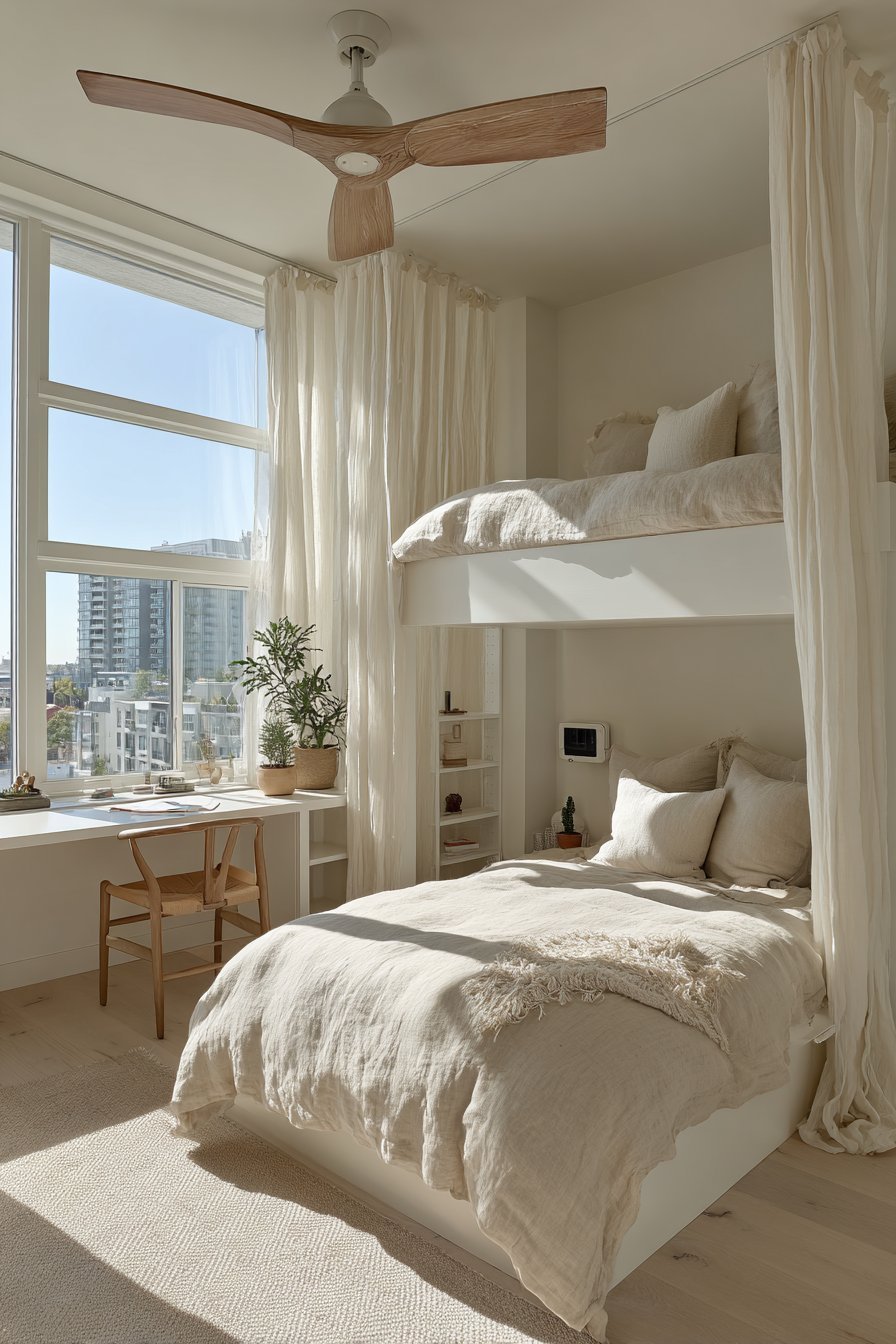
Air circulation becomes critical in loft bed configurations where warm air naturally rises. Install a ceiling fan with reverse function to push warm air down during winter and create cooling breezes during summer. Position the fan to avoid direct airflow on the sleeping area while maintaining circulation throughout the room, ensuring comfort for both sleeping and working zones.
The desk area beneath a loft bed may experience reduced airflow compared to open spaces. Add a small desktop fan during warmer months to maintain comfortable working conditions, or consider portable tower fans with oscillating functions that circulate air without consuming desk space. Proper ventilation prevents the stuffy feeling that can develop in enclosed workspaces, maintaining alertness and productivity during extended work sessions.
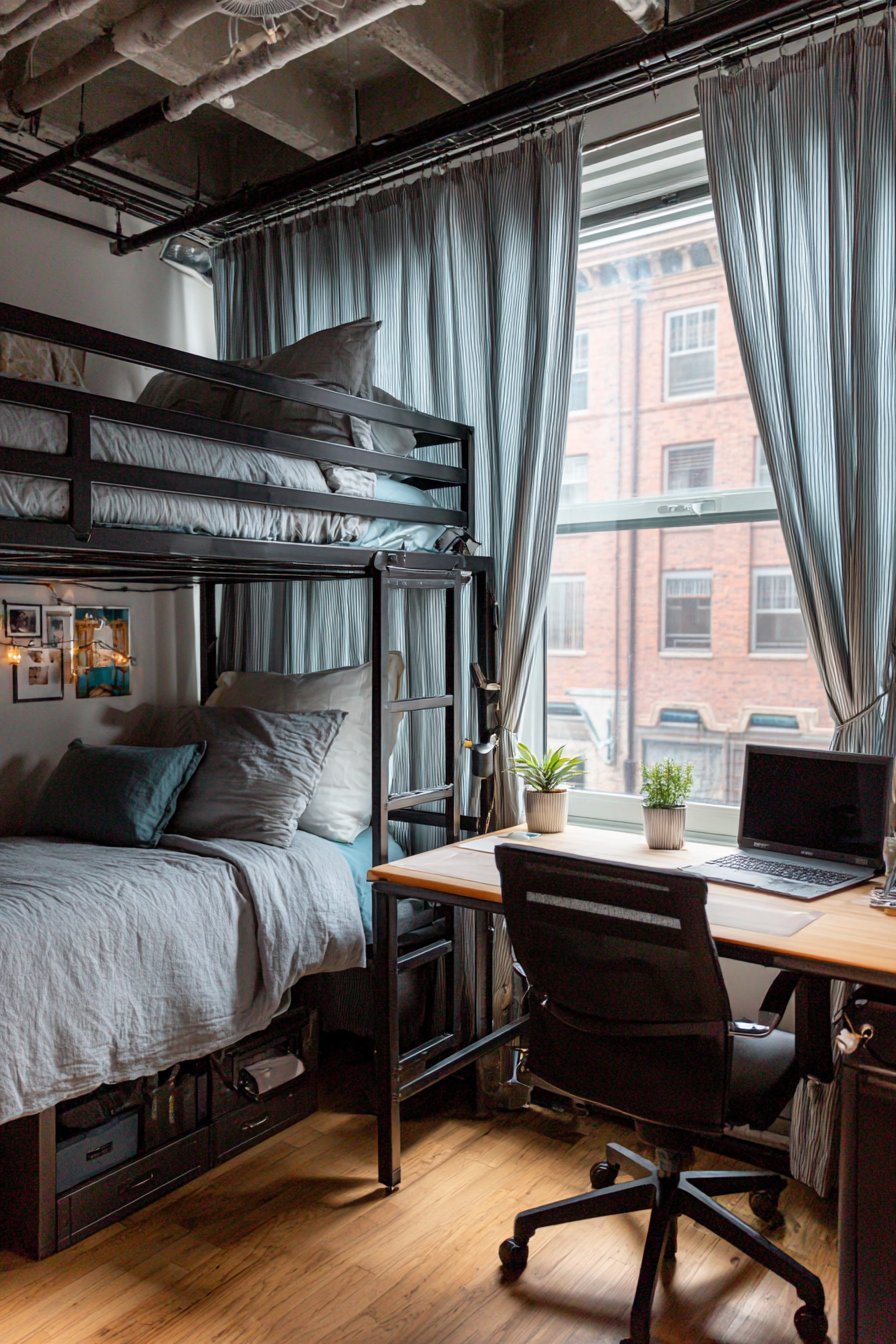
Temperature zoning helps maintain comfort in both the sleeping and working areas. Since heat rises, the upper sleeping level may be warmer than the desk area below. Use lightweight, breathable bedding during warm seasons and adjust room temperatures slightly lower than usual to compensate for the elevated sleeping position. In cooler months, the naturally warmer upper level requires less heating, potentially reducing energy costs.
- Position the setup near windows when possible for natural ventilation and temperature regulation
- Avoid blocking air vents or returns with furniture placement
- Use moisture-absorbing materials in humid climates to prevent mold or mildew
- Install a thermostat at mid-room height rather than near the floor or ceiling
- Consider a small space heater for the desk area during cold months if needed
- Monitor humidity levels and use dehumidifiers or humidifiers as climate demands
9. Personalizing the Space for Individual Needs
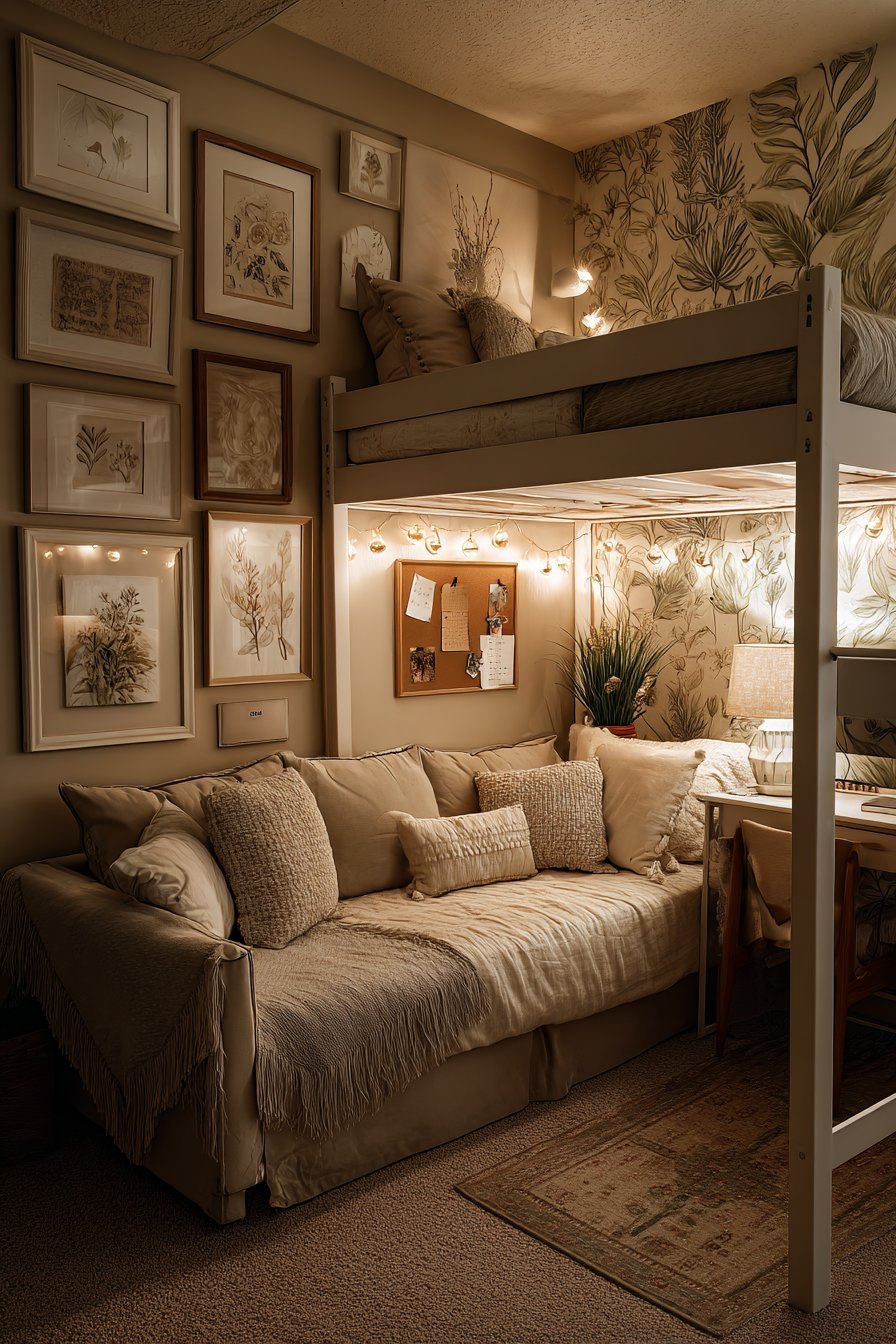
Personal touches transform functional furniture into an inspiring environment that reflects individual personality and supports specific activities. Add removable wallpaper, decals, or artwork to the wall areas surrounding the setup, creating visual interest without permanent modifications. For rental situations, consider peel-and-stick options, fabric hangings, or framed art that can be easily removed when moving.
The desk area personalization should balance aesthetics with functionality, avoiding clutter while incorporating motivational elements. Display a small collection of meaningful objects, photographs in matching frames, or a single statement piece that inspires productivity. Use desk organizers in coordinating colors or materials to maintain visual cohesion while keeping supplies accessible and organized for efficient workflow.
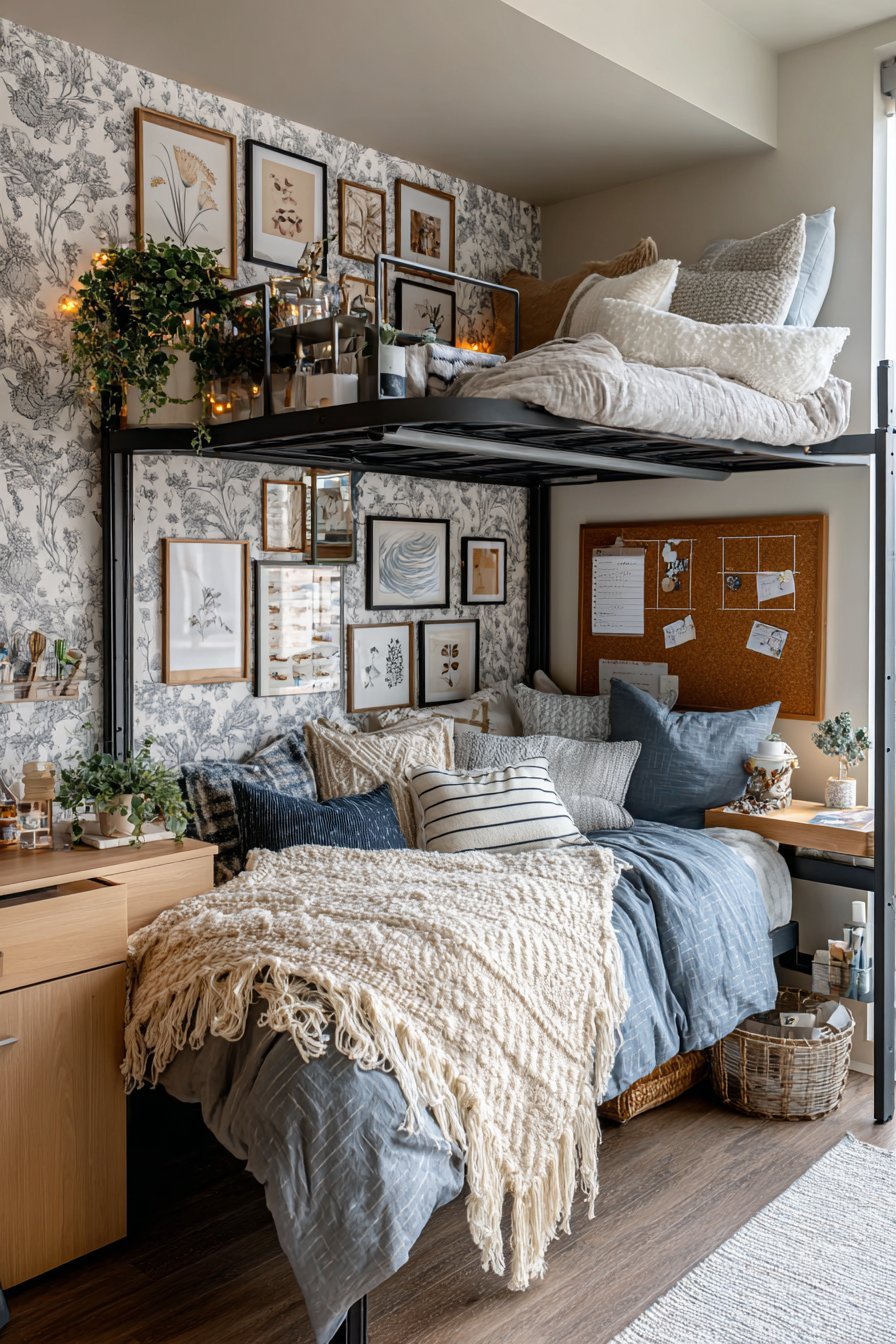
Bedding and textile choices offer the easiest way to inject color, pattern, and personality into the sleeping area. Select sheets, comforters, and pillows that coordinate with the overall room design while expressing individual style. Layer textures through throws, decorative pillows, or bed runners to create visual depth and comfort in the elevated sleeping space.
- Create a vision board or inspiration area near the desk for goal-setting and motivation
- Install a small plant or succulent on the desk for natural elements and improved air quality
- Use removable hooks for rotating seasonal decorations without damaging surfaces
- Incorporate a rug beneath the desk area to define the workspace and add comfort underfoot
- Select window treatments that can be adjusted for privacy, light control, and style preferences
- Add personal lighting like string lights or paper lanterns for ambiance and character
10. Planning for Future Flexibility and Growth
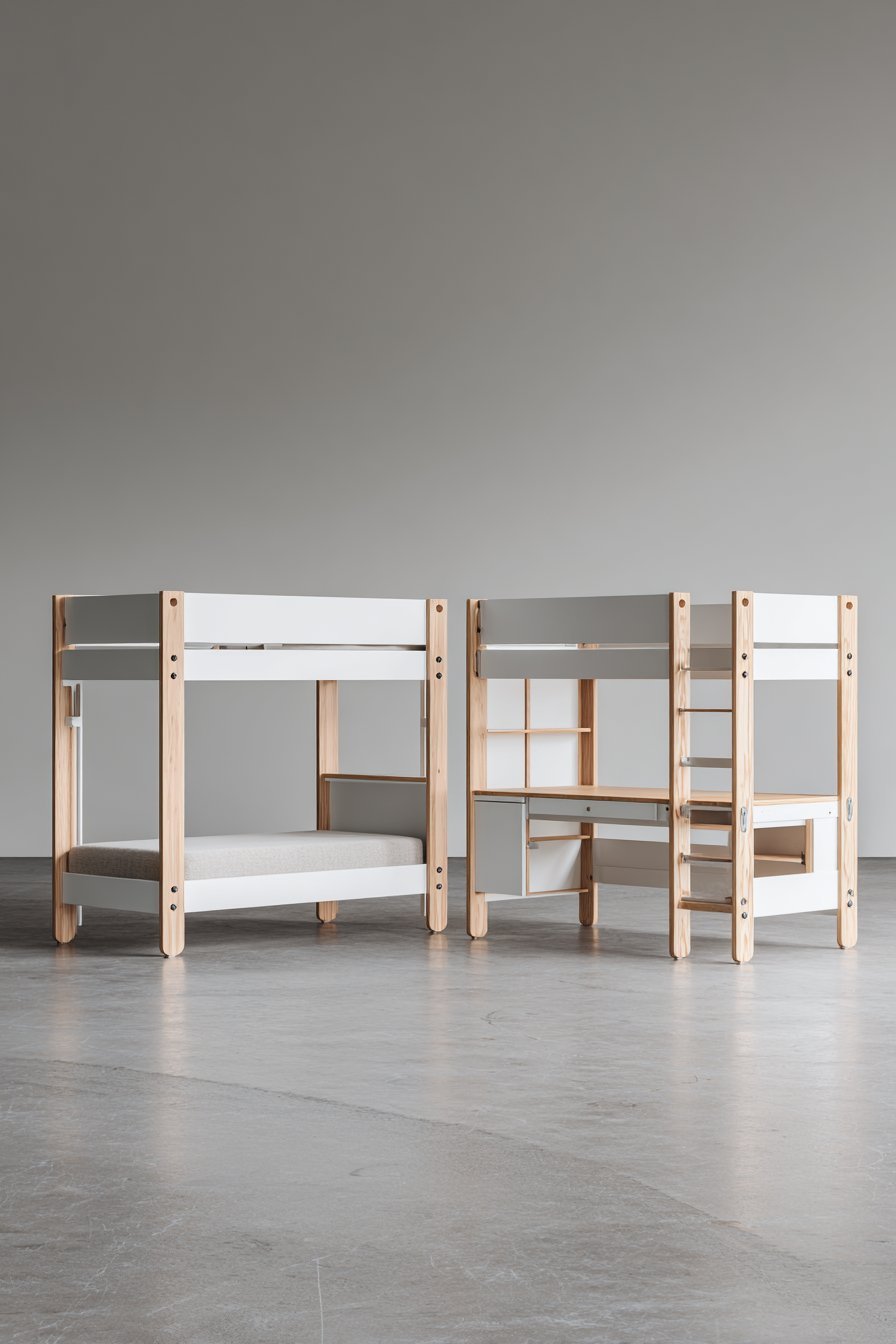
Modular design ensures your bunk bed with desk setup adapts to changing needs over time. Choose systems where the loft bed can be lowered, the desk can be used independently, or components can be separated entirely. This flexibility proves invaluable as children grow, living situations change, or you repurpose the room for different functions beyond its original intent.
Consider convertibility features that extend the furniture’s useful life. Some designs allow the upper bunk to be removed, converting the setup into a standard desk with overhead storage. Others feature adjustable height mechanisms that accommodate growing children or changing preferences for workspace configuration. Investing in adaptable furniture reduces long-term costs by eliminating the need for complete replacements as circumstances evolve.
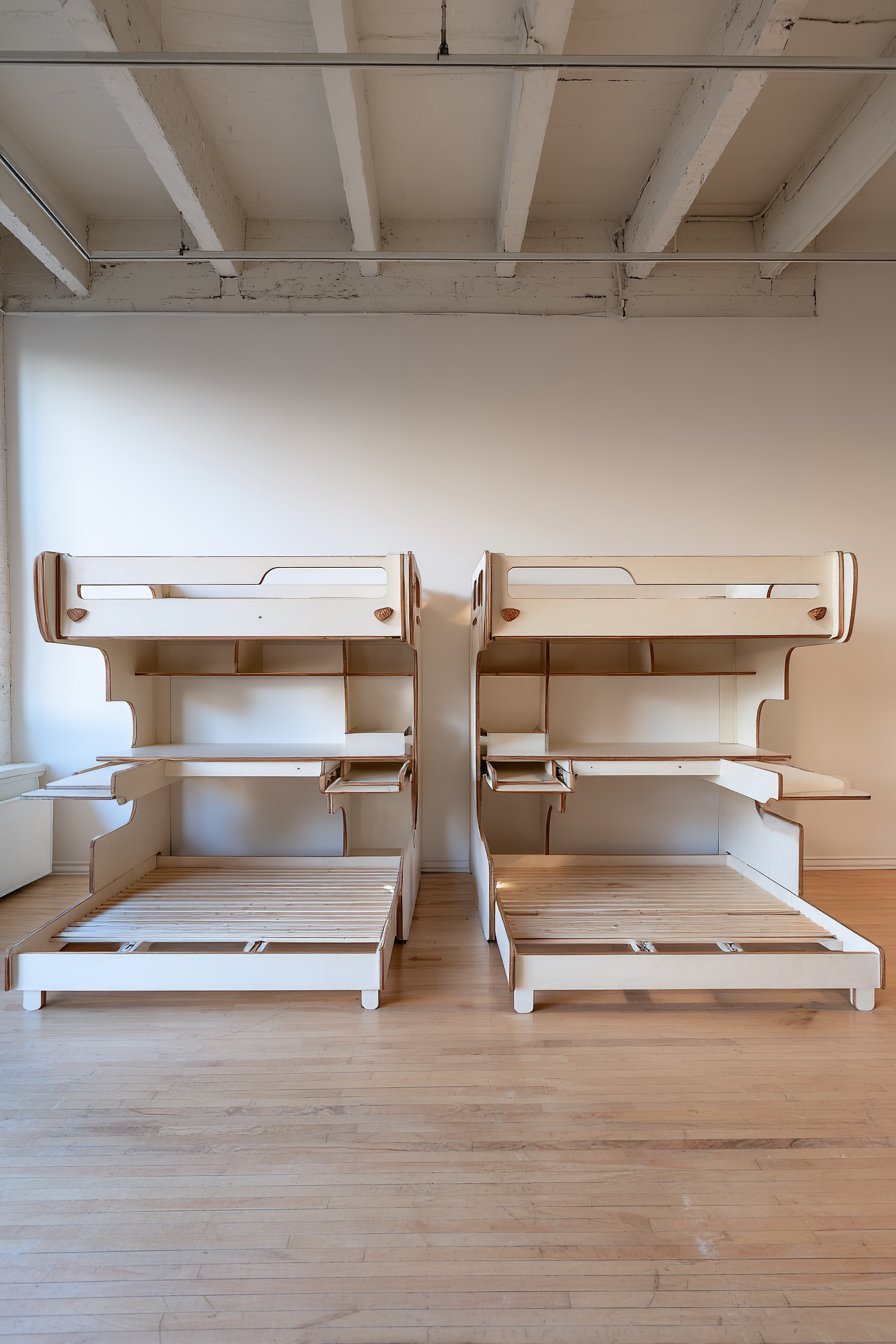
Quality construction pays dividends through extended durability and maintained functionality across years of use. Select solid joinery methods, high-quality hardware, and reputable manufacturers even if initial costs are higher. Well-made furniture withstands moves between homes, serves multiple children, or transitions through different life stages, ultimately providing better value than budget options requiring frequent replacement.
- Research whether components can be refinished or repainted for updated looks
- Verify that replacement parts are available from the manufacturer for long-term repairs
- Consider whether the desk dimensions will accommodate future equipment upgrades
- Evaluate if the sleeping area can accept larger mattress sizes as users grow
- Plan for technology evolution by including flexible cable management and power solutions
- Document assembly instructions and hardware specifications for future adjustments or moves
Conclusion
Designing a functional bunk bed with desk setup requires balancing multiple considerations from safety and ergonomics to aesthetics and long-term adaptability. By carefully assessing your space, prioritizing structural integrity, and implementing thoughtful design choices, you create an environment that supports both productive work and restful sleep. The strategies outlined in this article provide a comprehensive framework for maximizing vertical space while maintaining comfort and functionality in rooms of any size.
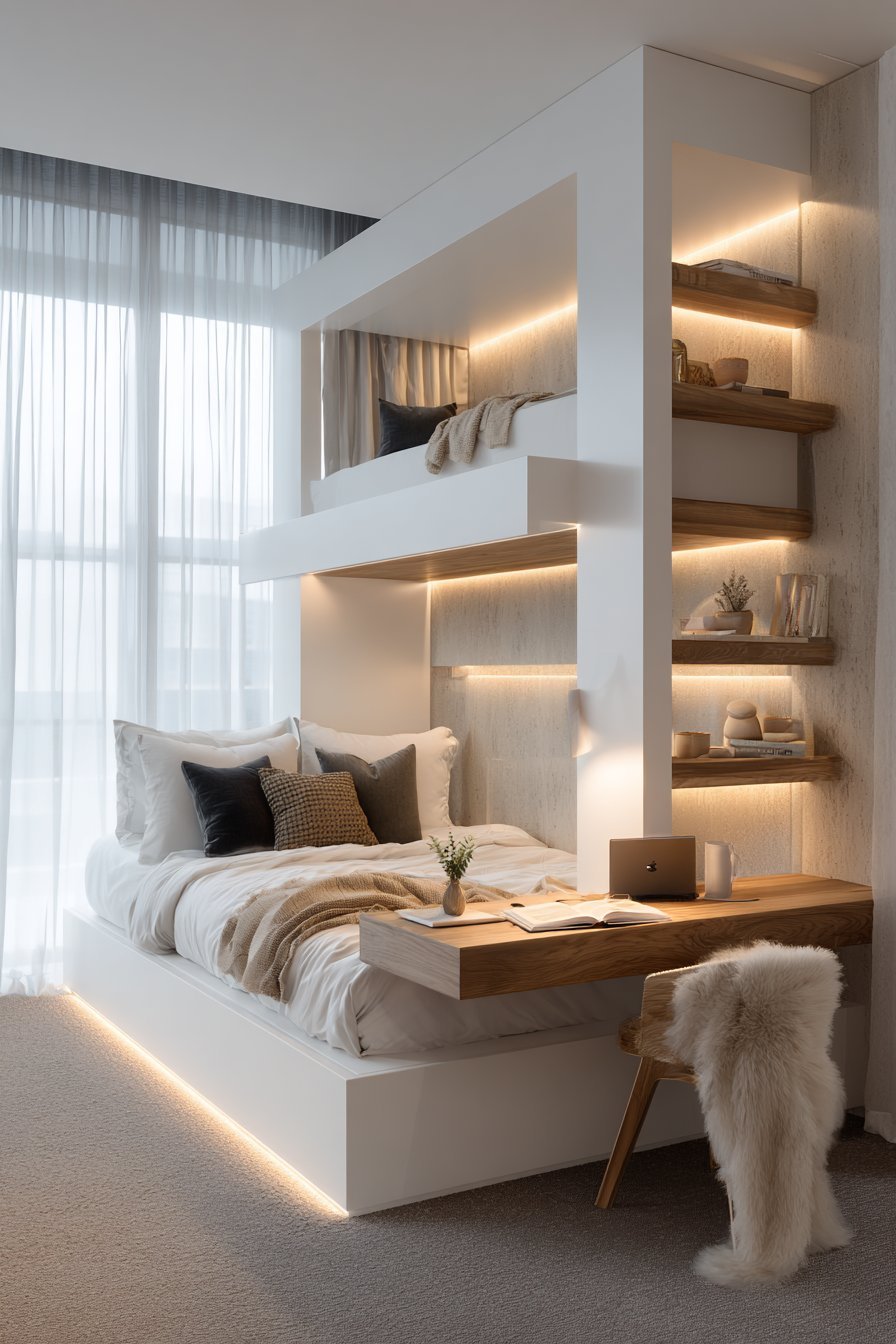
Whether you’re furnishing a child’s bedroom, setting up a dorm room, or creating a compact home office, the bunk bed with desk configuration offers unmatched versatility for modern living. Embrace these design principles, personalize the space to reflect individual needs, and don’t hesitate to adjust elements as your requirements evolve. With proper planning and execution, your multi-functional setup will serve as an inspiring, efficient space for years to come.
