
Wall decor has always been the soul of a well-designed interior. In 2026, the boundaries between art, technology, and architecture are dissolving faster than ever. Homeowners and designers alike are reimagining blank walls as dynamic, expressive canvases that go far beyond a simple framed print or painted accent. The result is a design revolution that is reshaping how we experience our living spaces every single day.
Thoughtful wall decor does more than fill empty space. It defines the mood of a room, communicates personal identity, and can even improve how a space functions. Today’s innovations blend aesthetics with smart technology, sustainable materials, and multisensory experiences. Whether you lean toward minimalist sophistication or bold artistic expression, 2026 has something genuinely transformative to offer.
This article explores eight of the most exciting wall decor innovations redefining interiors this year. From living walls to AI-generated art displays, each trend represents a meaningful shift in how designers and homeowners think about vertical surfaces. These are not passing fads. They are purposeful evolutions backed by advances in material science, digital technology, and a deeper understanding of human psychology.
1. AI-Powered Digital Art Displays
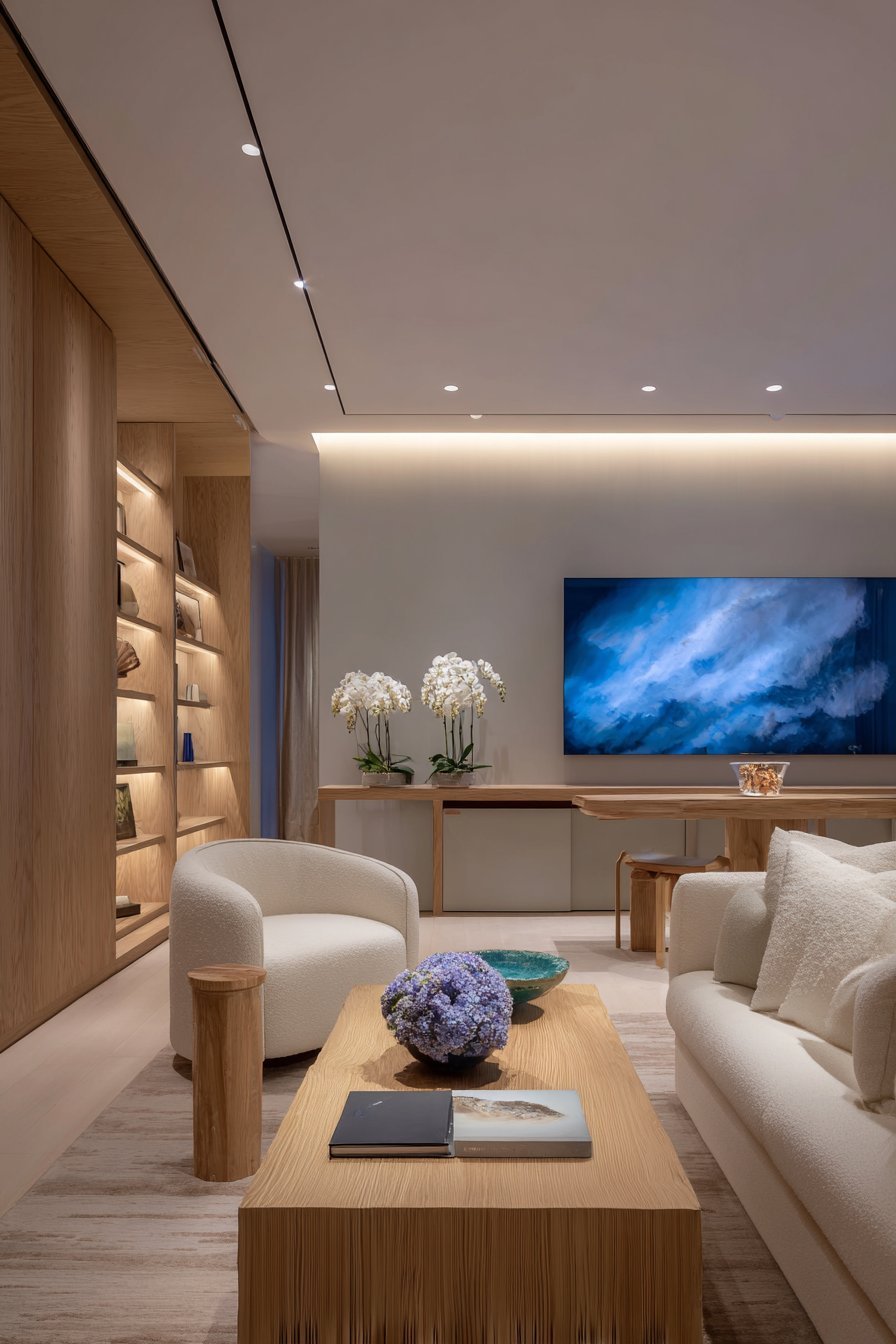
The era of static wall art is giving way to something far more dynamic. AI-powered digital art displays are emerging as one of the most talked-about innovations in interior design for 2026. These high-resolution screens are engineered to mimic the texture and depth of real canvas, oil paint, or watercolor. They rotate through curated art collections, respond to room lighting, and even adapt to the emotional atmosphere of the space.
What makes these displays truly revolutionary is their intelligence. They learn your aesthetic preferences over time using built-in AI algorithms. A morning sunrise painting can transition into a calming abstract by evening. Some models integrate with smart home systems, syncing artwork to music, weather, or even your mood-tracking wearables. The personalization potential is virtually limitless.
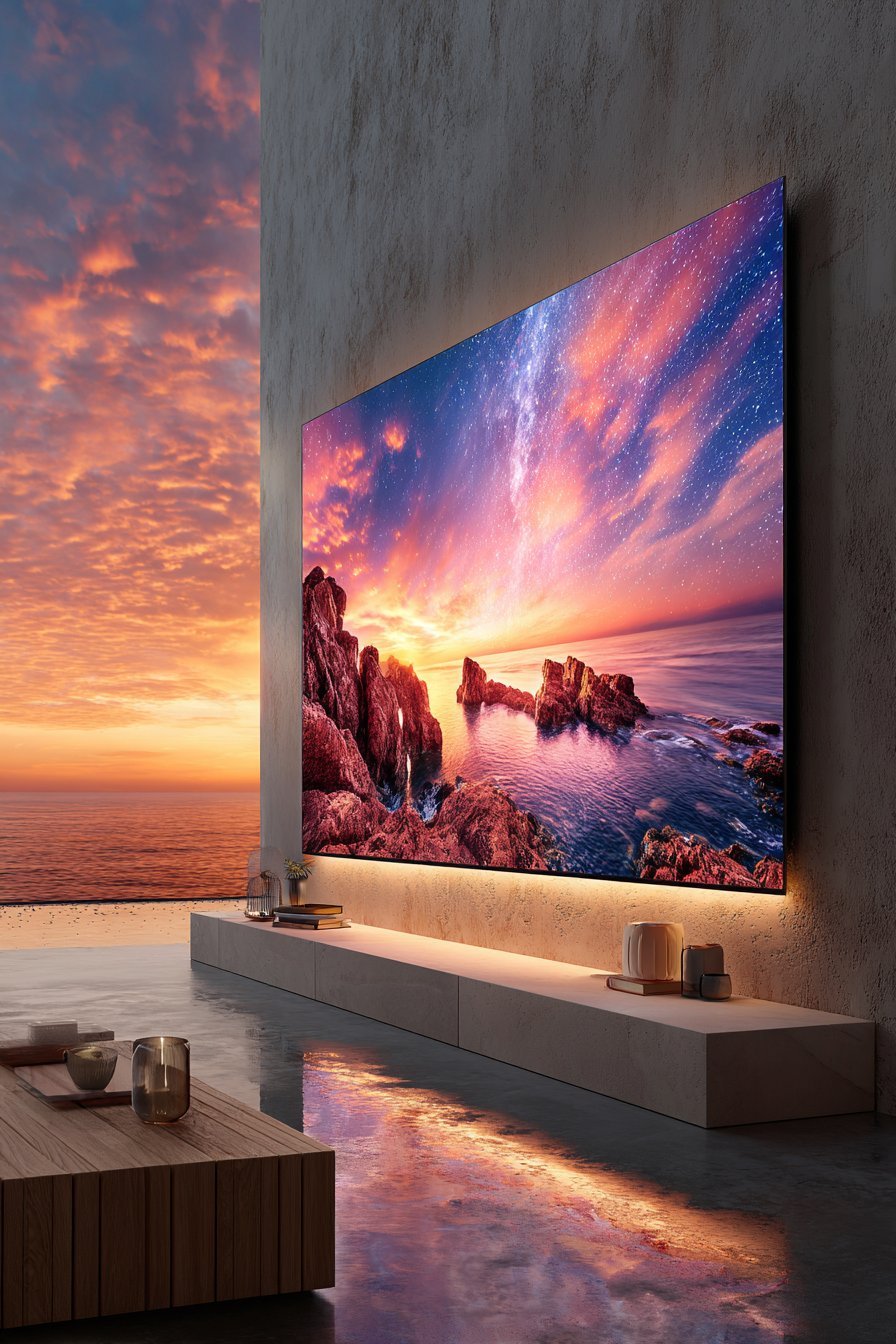
Premium models from brands leading this space now offer 4K anti-glare panels that are virtually indistinguishable from physical artwork at normal viewing distances. Thin-frame designs keep the focus on the art rather than the technology. Prices have dropped significantly, making this innovation accessible to a much wider audience than just a few years ago.
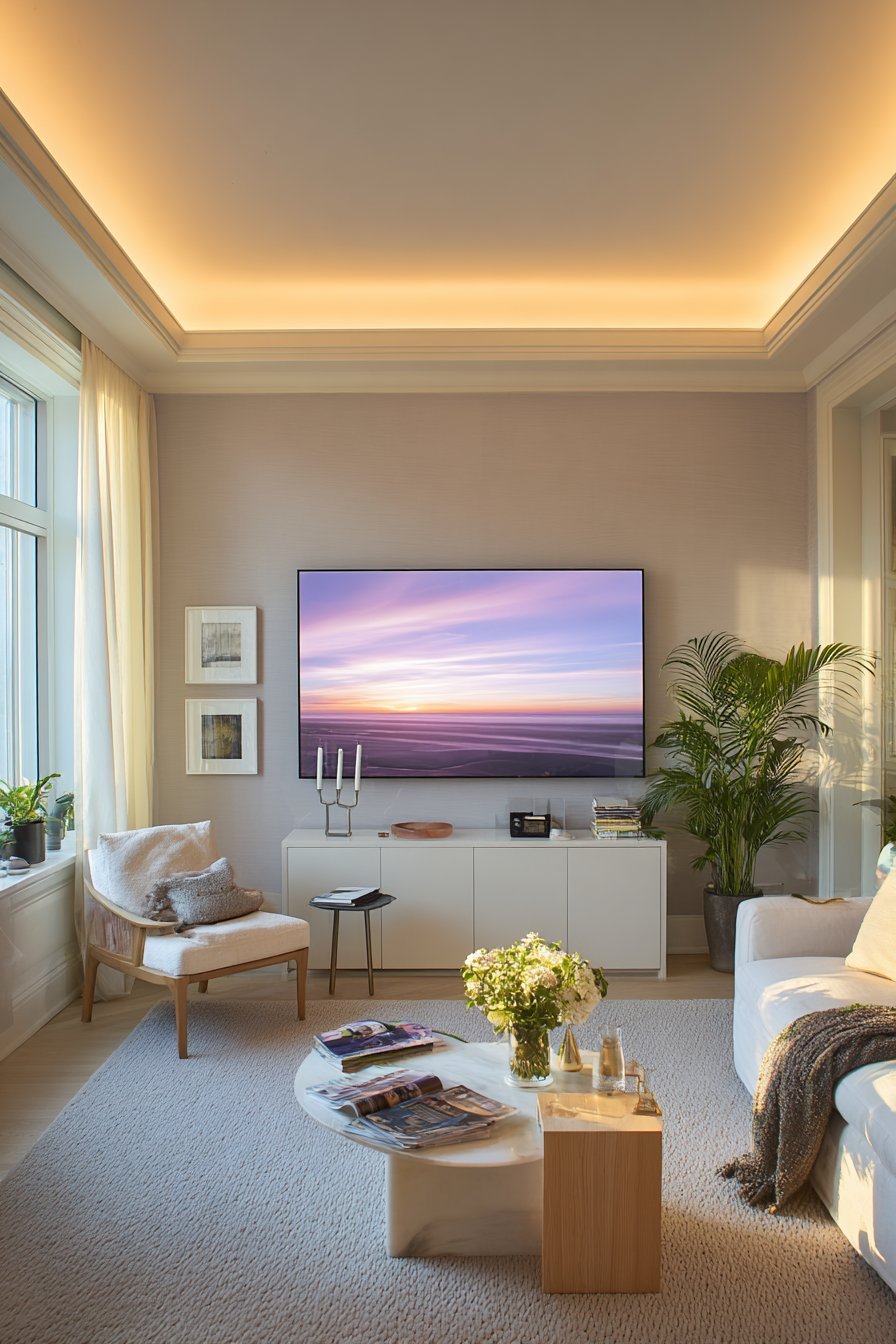
- Choose a display size proportional to your wall — 55 to 75 inches works well as a focal point
- Opt for matte anti-glare screens to replicate canvas texture authentically
- Pair with a neutral wall color to let the art take center stage
- Use curated art subscription services to keep your collection fresh and diverse
- Integrate with smart lighting to create a cohesive ambiance around the display
- Mount at eye level (approximately 57–60 inches from floor to center) for best visual impact
2. Biophilic Living Walls
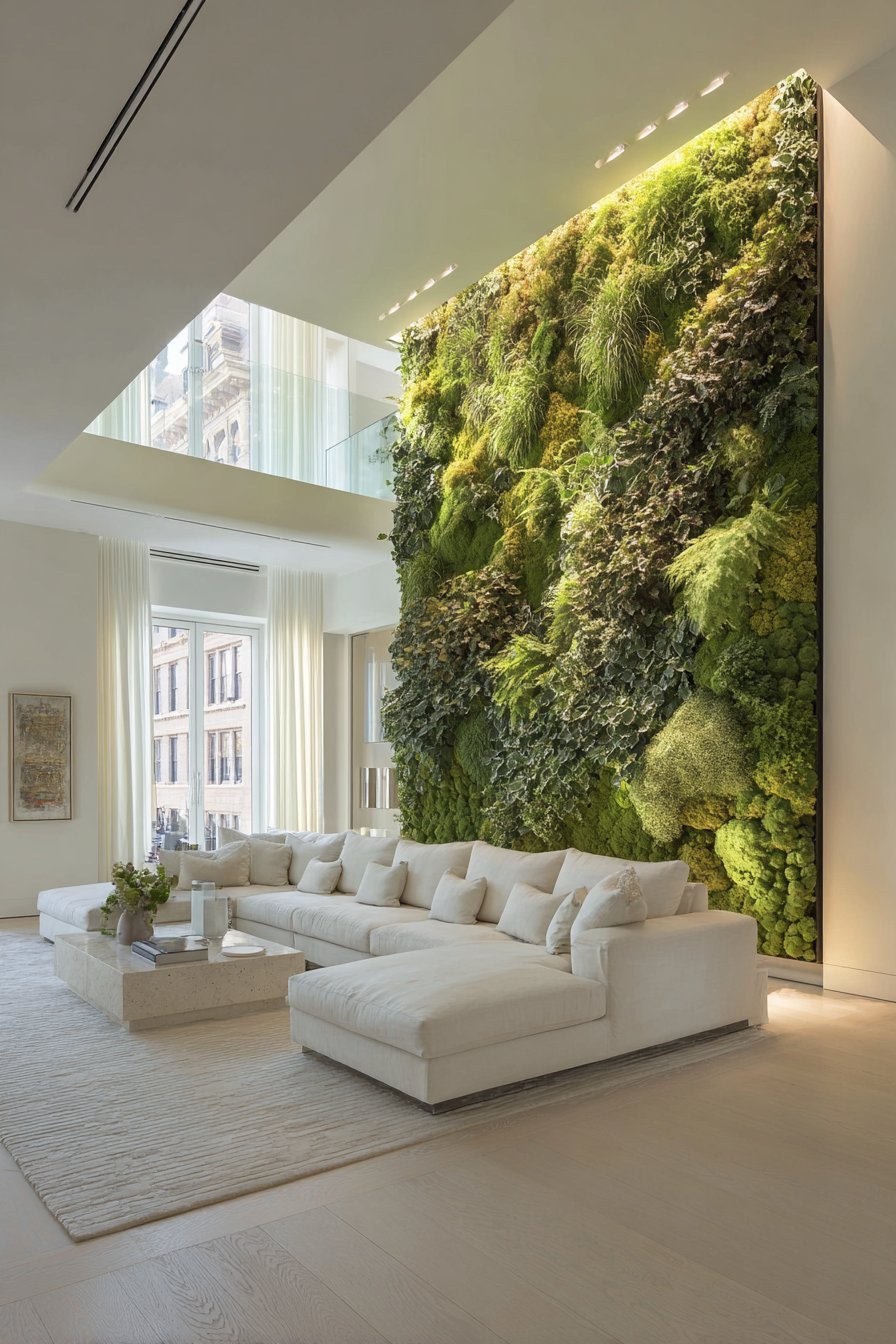
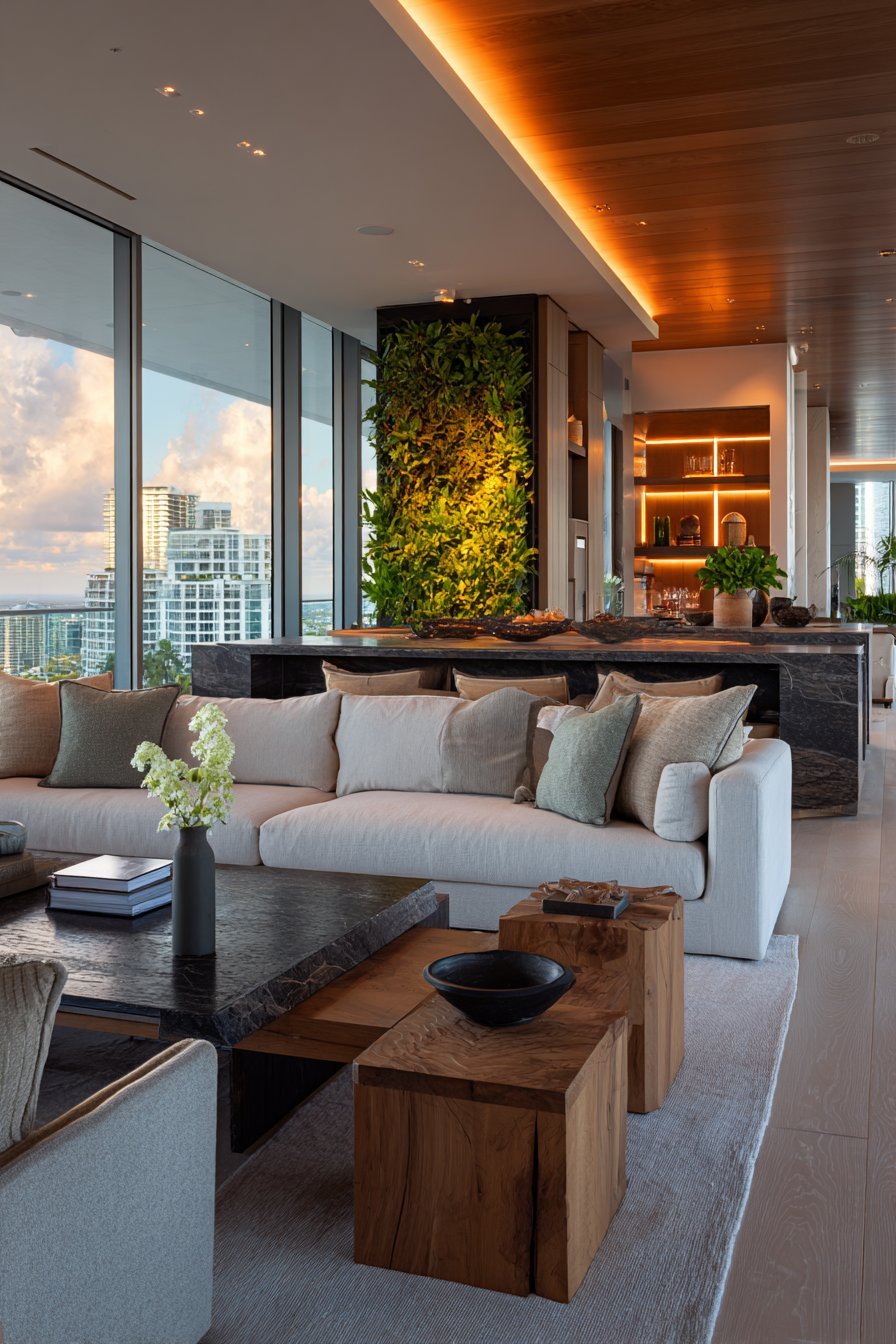
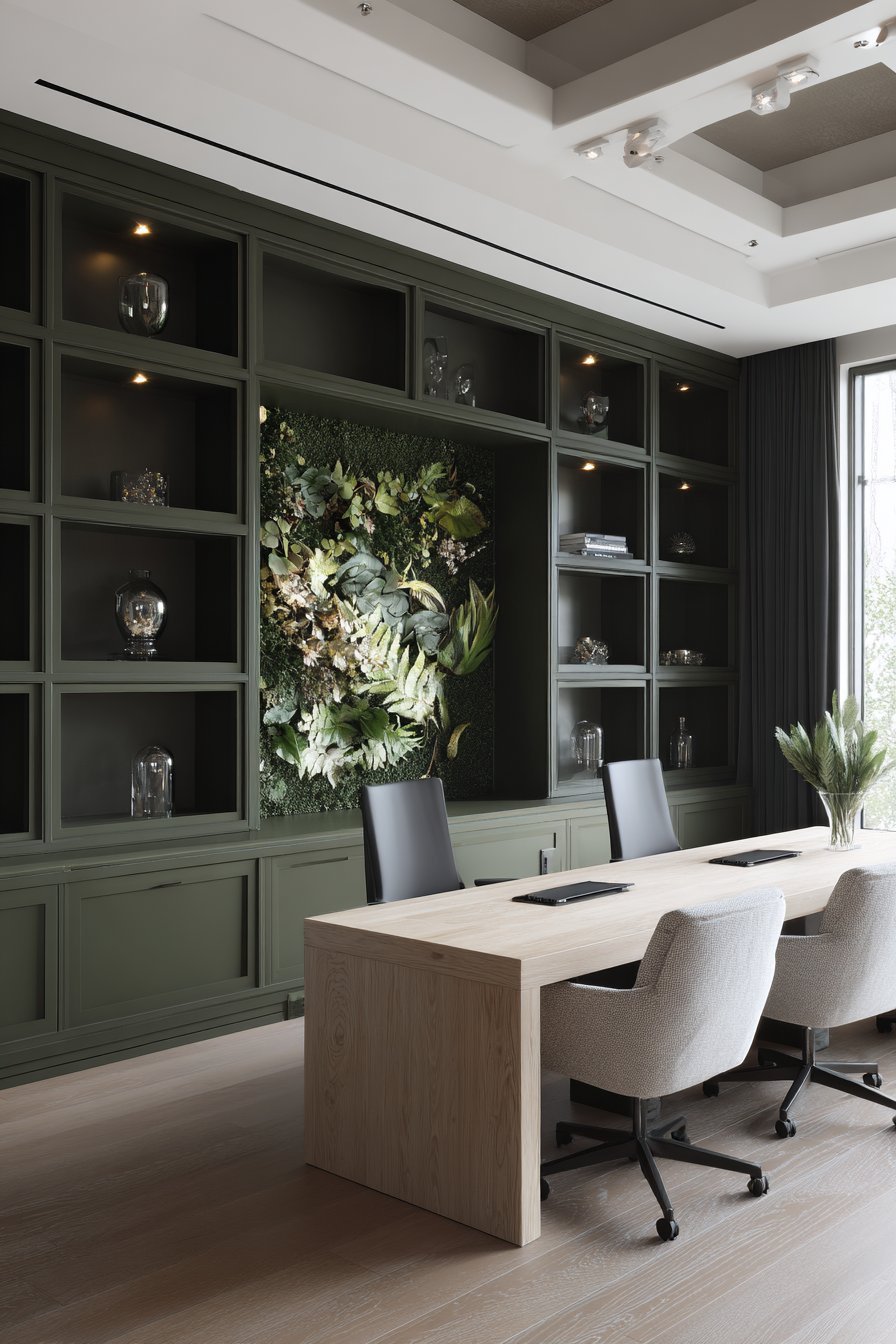
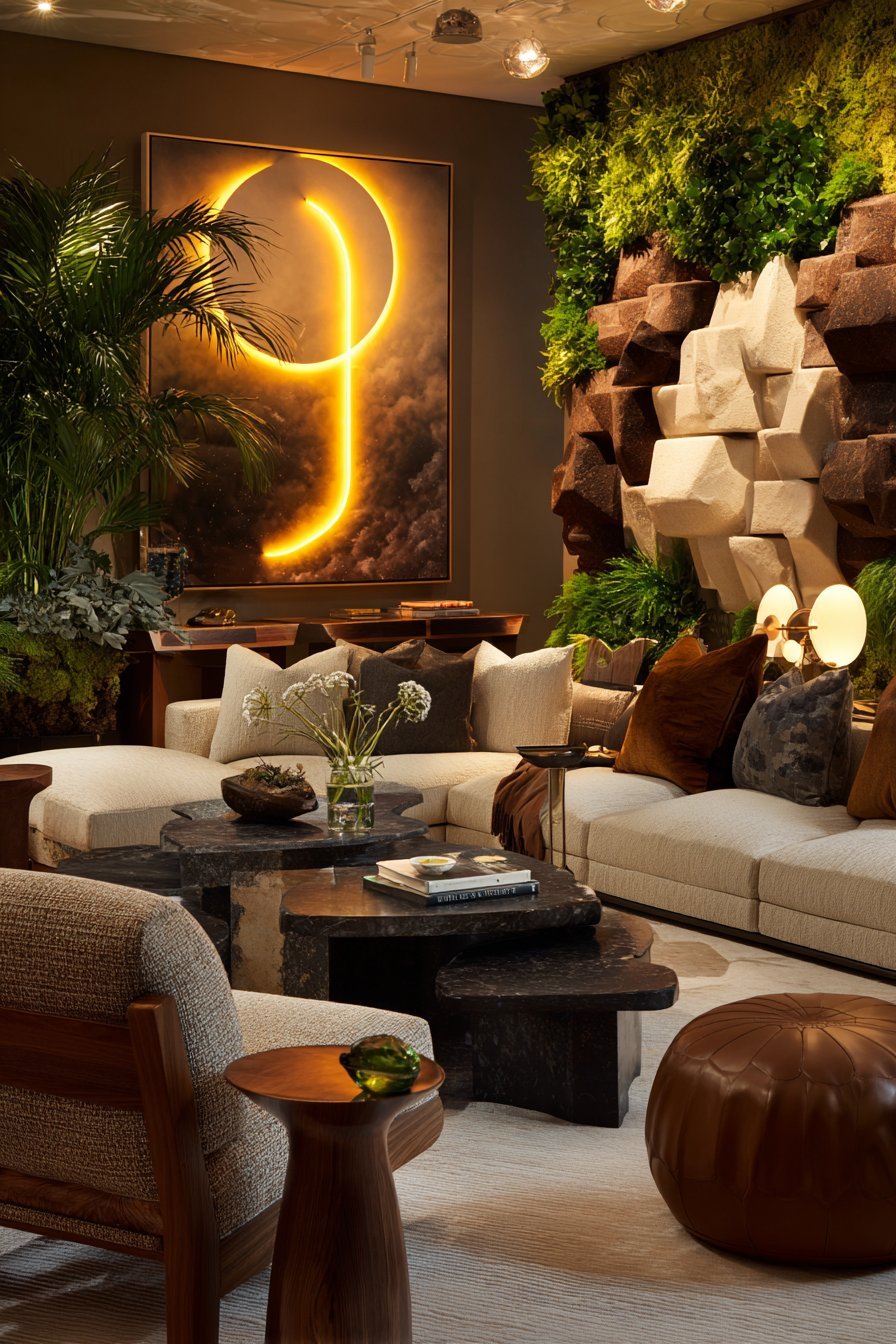
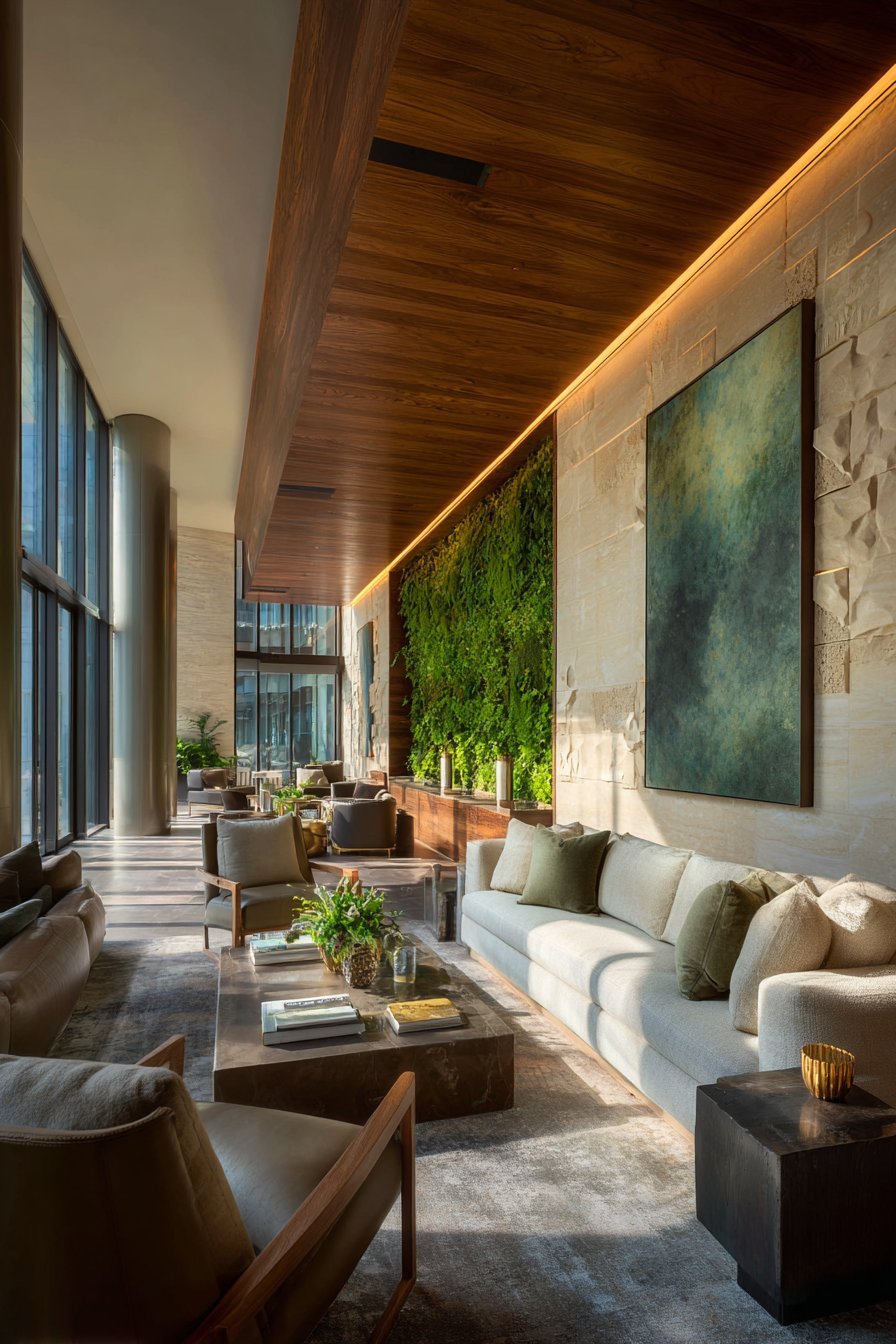
Biophilic design has been a guiding philosophy in interior architecture for years, but living walls have reached a new level of sophistication in 2026. These lush vertical gardens bring nature indoors in the most literal sense. Modern living wall systems use hydroponic and aeroponic technology to keep plants thriving without soil, making them cleaner and easier to maintain than ever before.
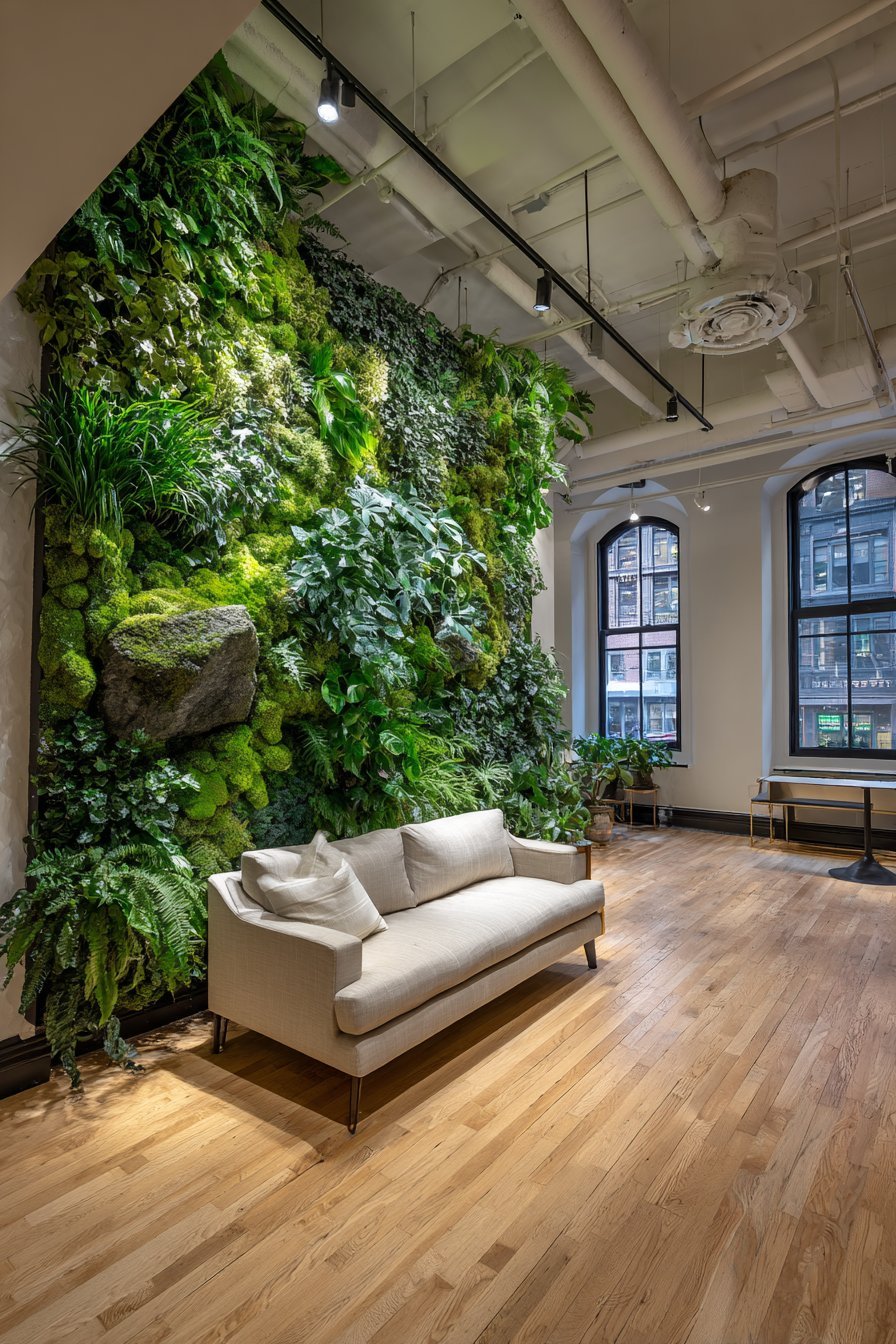
The psychological benefits are well-documented. Studies consistently show that exposure to greenery reduces cortisol levels, improves focus, and boosts overall wellbeing. A living wall transforms a plain surface into a breathing, growing ecosystem. It introduces color, texture, and organic movement that no painted surface can replicate. The effect in both residential and commercial interiors is genuinely profound.
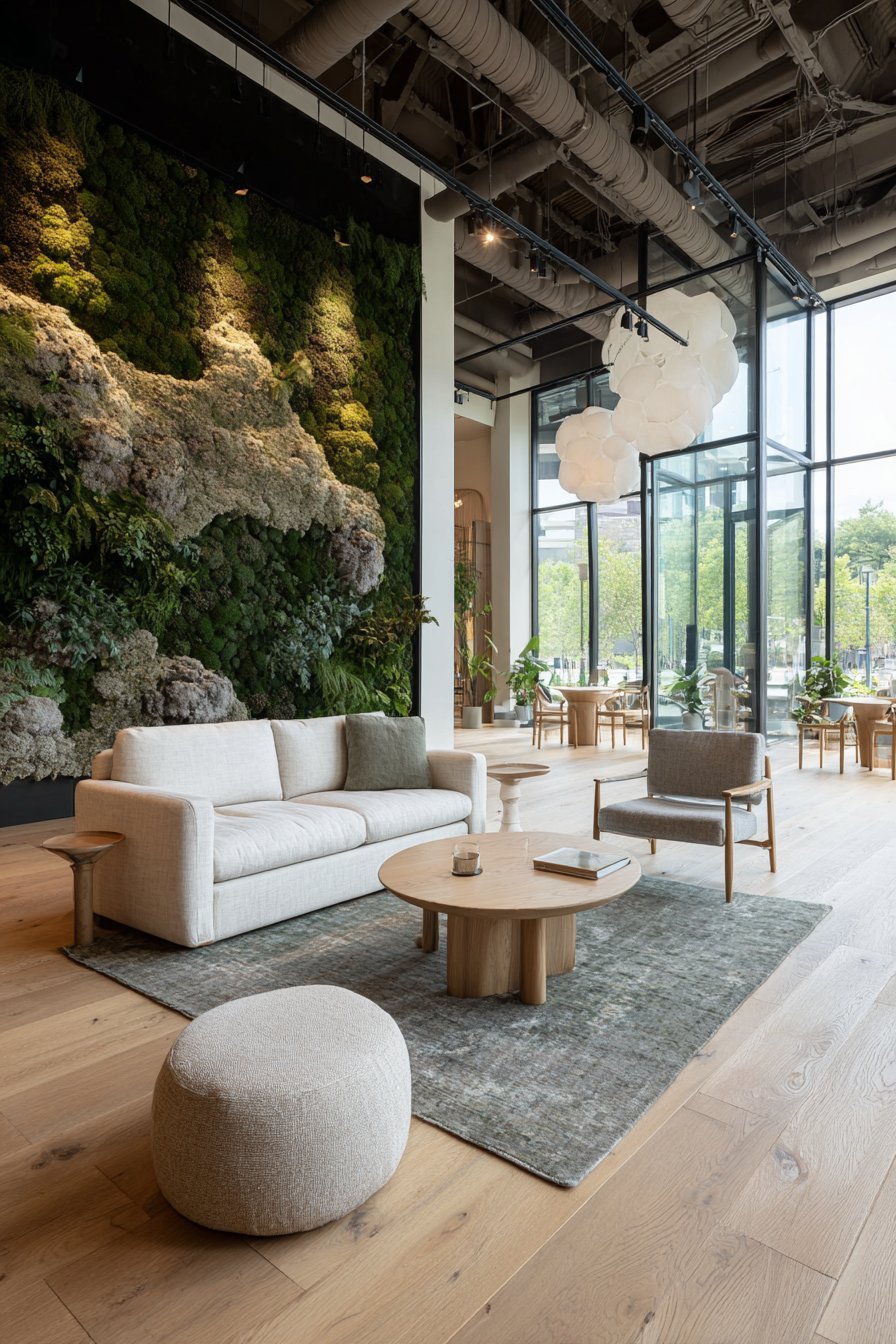
In 2026, modular systems make installation remarkably flexible. You can start with a small panel and expand over time. Self-watering modules with built-in reservoir systems reduce maintenance to near zero. Moss walls, which require no watering at all, offer a stunning low-maintenance alternative with a uniquely velvety visual texture that complements both modern and rustic interiors.
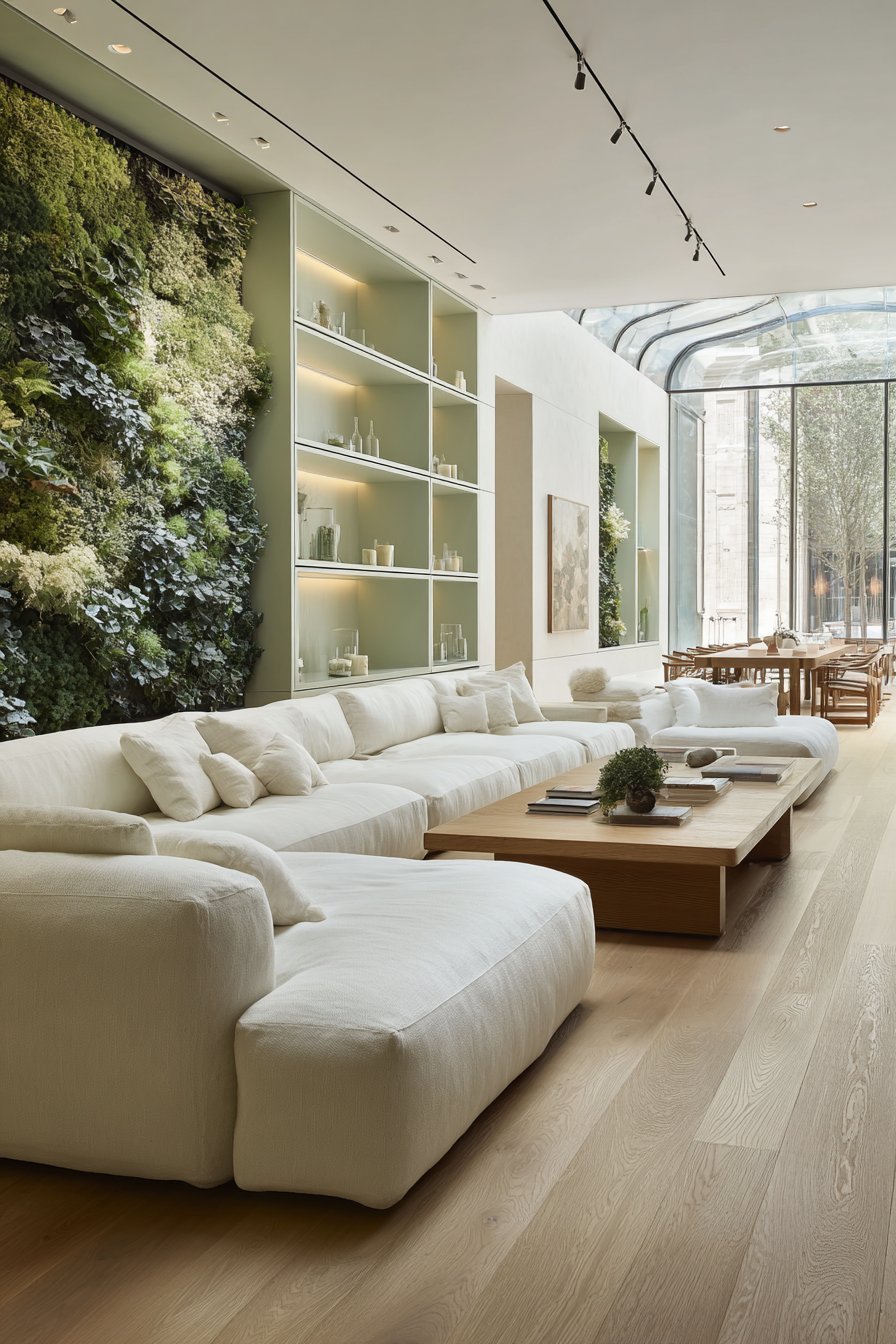
- Start with a modular 4×4 panel system and expand gradually as confidence grows
- Choose low-light plant varieties like pothos, ferns, or moss for interior conditions
- Install a drip irrigation timer to automate watering and reduce upkeep
- Use a mix of leaf textures and shades of green for visual depth and interest
- Pair with warm accent lighting to highlight the three-dimensional quality of the wall
- Seal the mounting surface properly to prevent moisture damage to underlying walls
3. Textured Plaster and Limewash Finishes
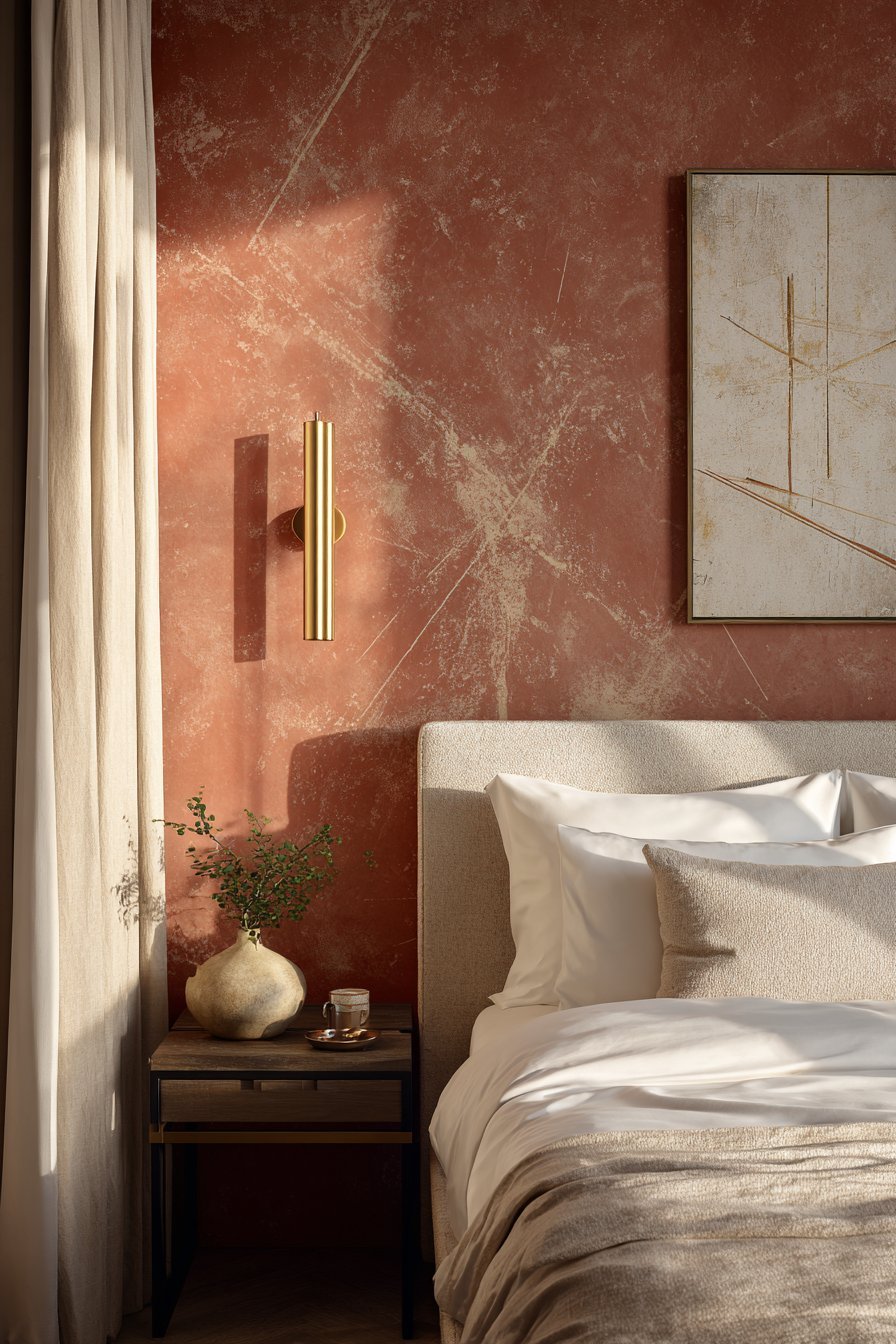
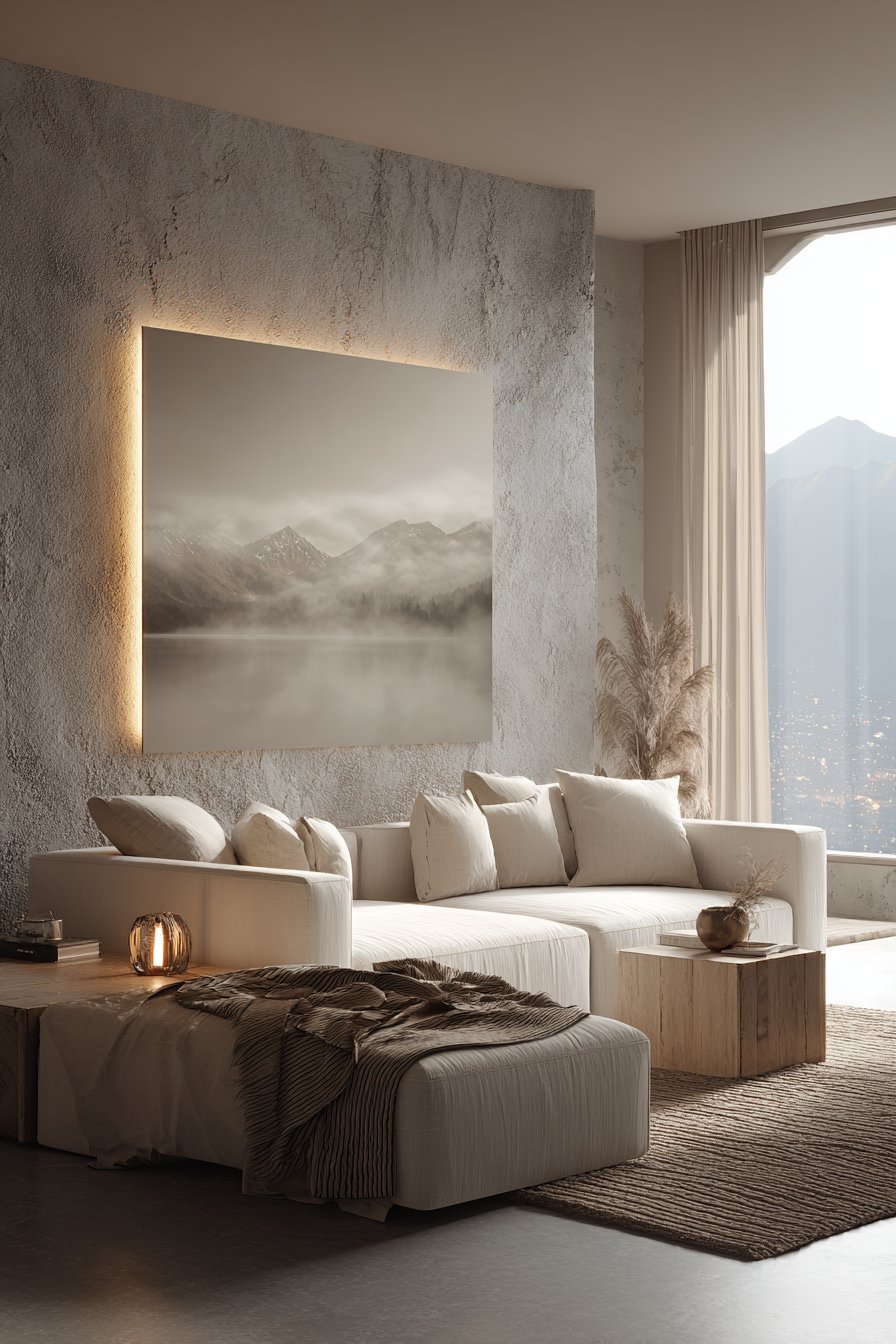
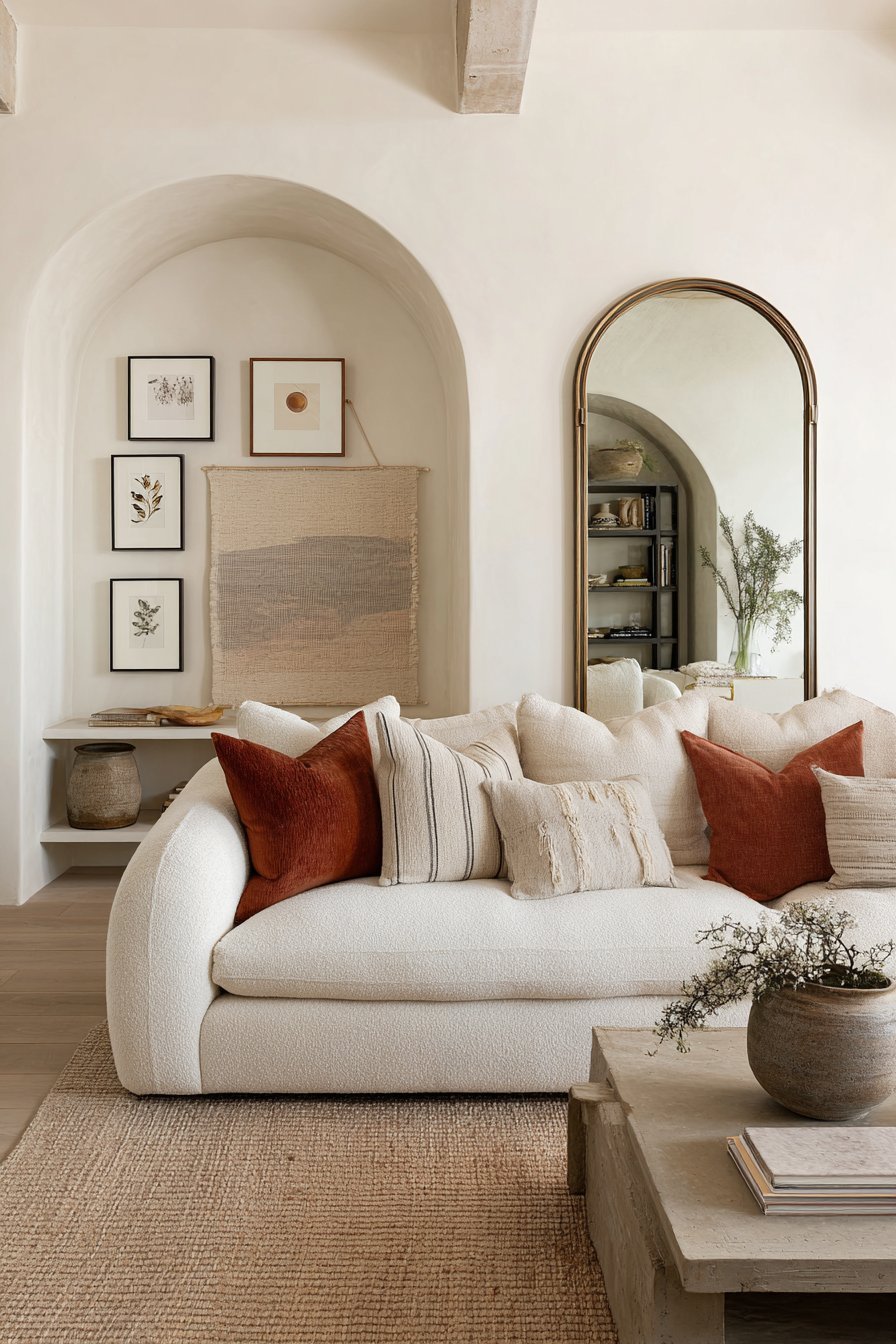
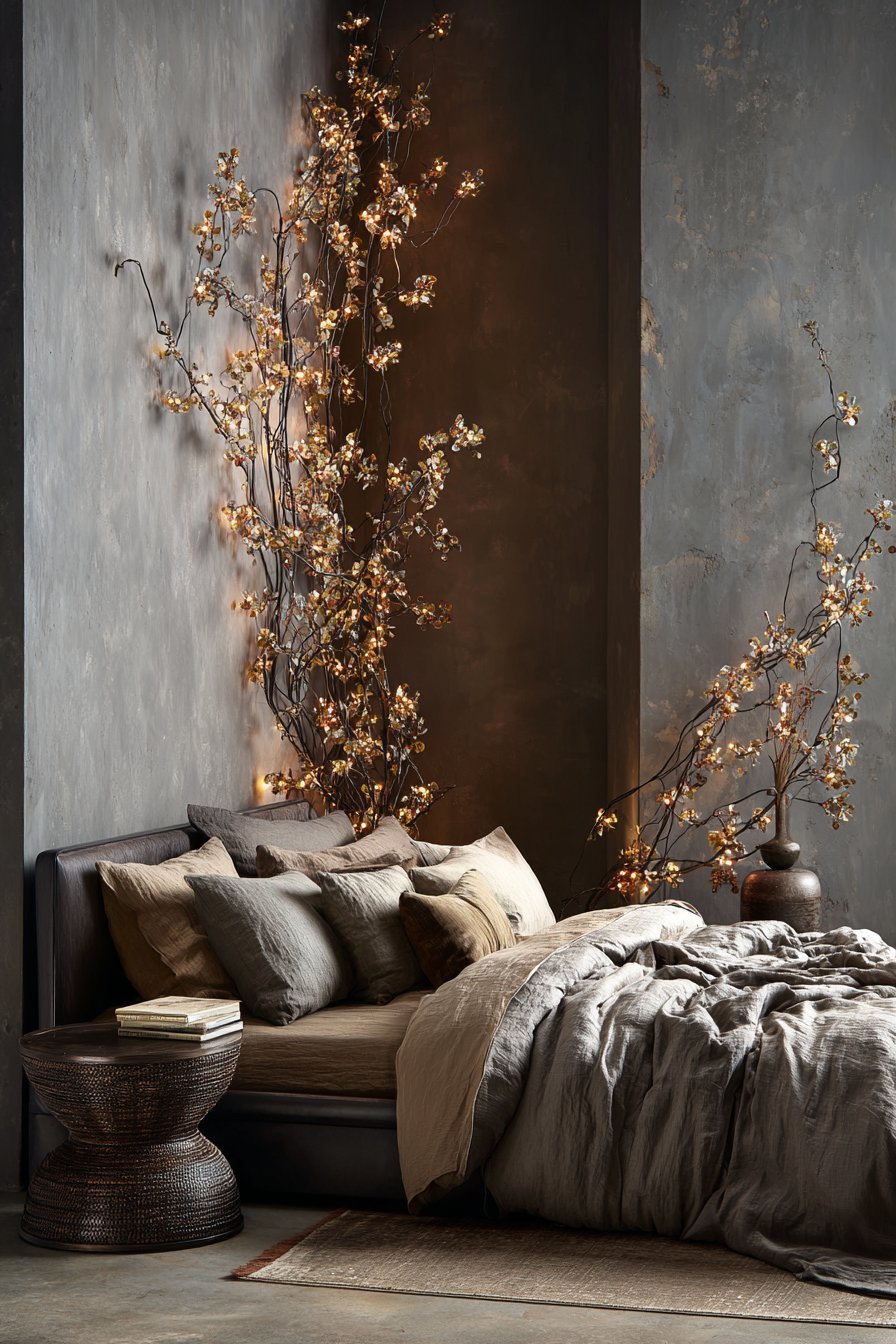
Texture is having its biggest moment in interior design in decades. Textured plaster and limewash finishes are replacing flat paint as the go-to wall treatment for designers who want depth, character, and a sense of history in a space. These finishes create a layered, organic appearance that changes subtly with shifting light throughout the day.
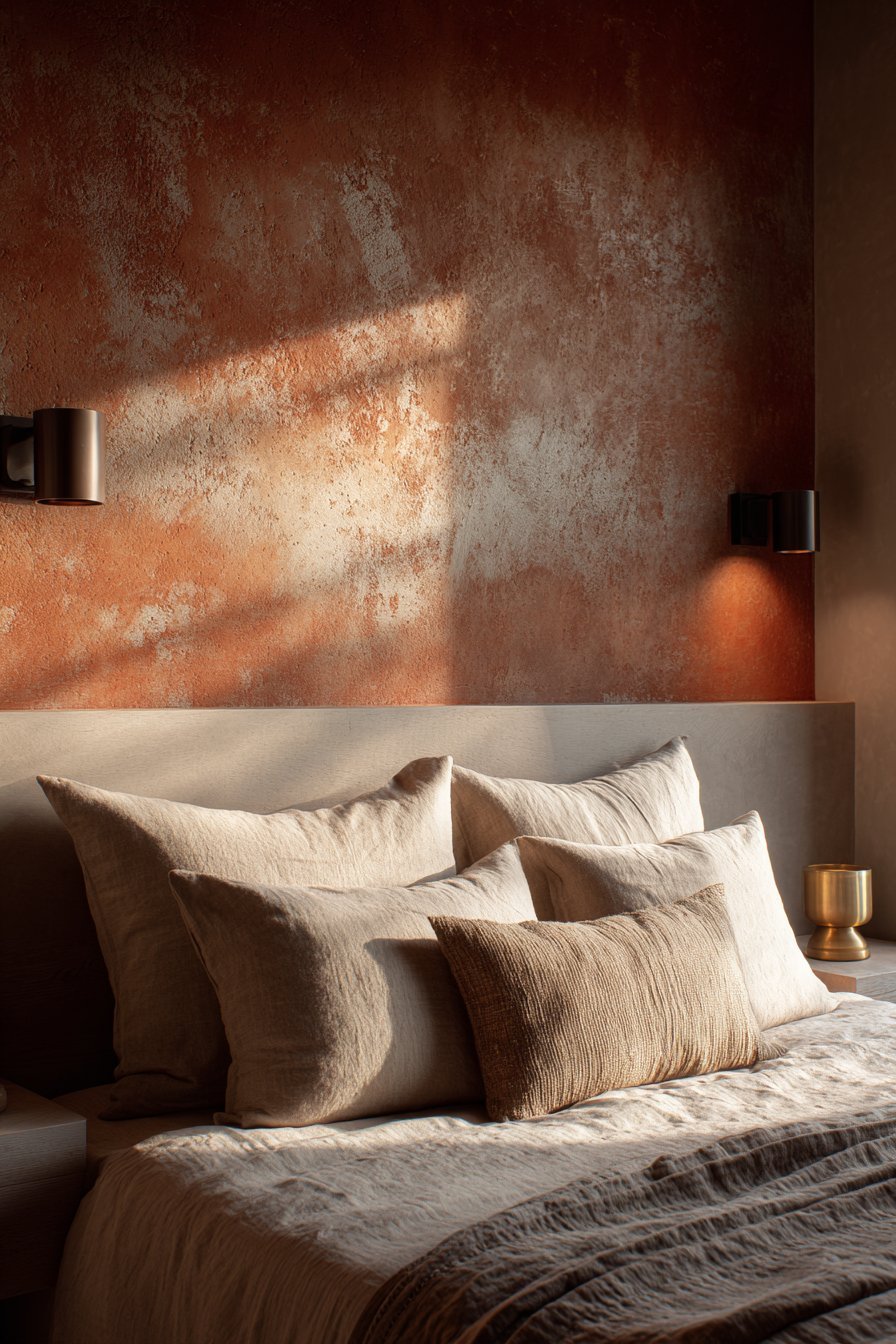
Limewash in particular has captured the imagination of the design world. Its chalky, translucent quality gives walls a patina that feels both ancient and effortlessly contemporary. The soft variation in tone across a surface adds warmth that flat paint simply cannot achieve. In living rooms, bedrooms, and dining spaces, limewash walls create an atmosphere of sophisticated calm that feels curated yet completely natural.
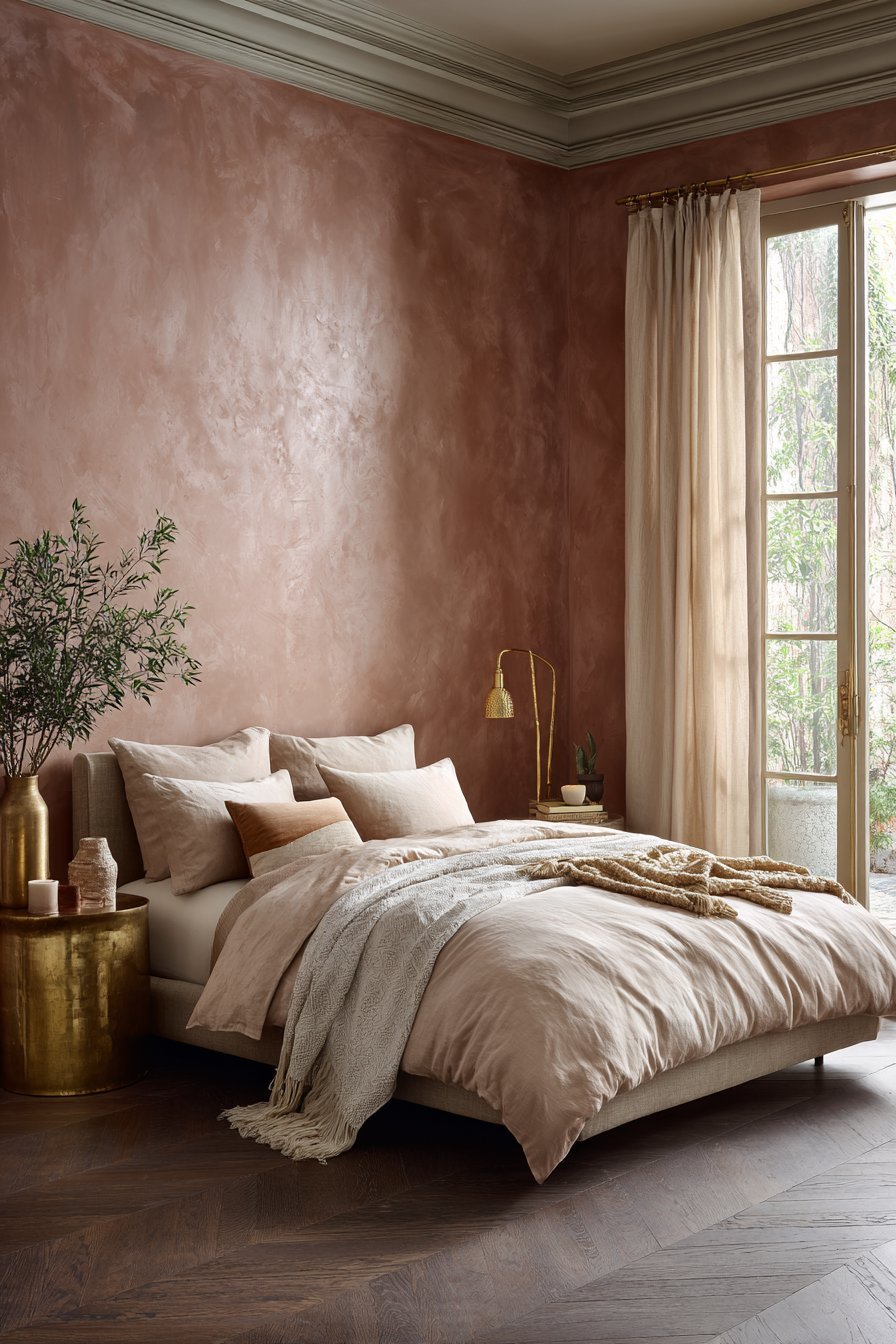
Modern venetian plaster techniques allow skilled applicators to create highly customized finishes, from ultra-smooth silk-like surfaces to deeply textured, almost sculptural walls. The material itself is incredibly durable and breathable, making it ideal for humid environments like bathrooms and kitchens. In 2026, DIY-friendly formulations have also entered the market, making this look more achievable for homeowners on a budget.
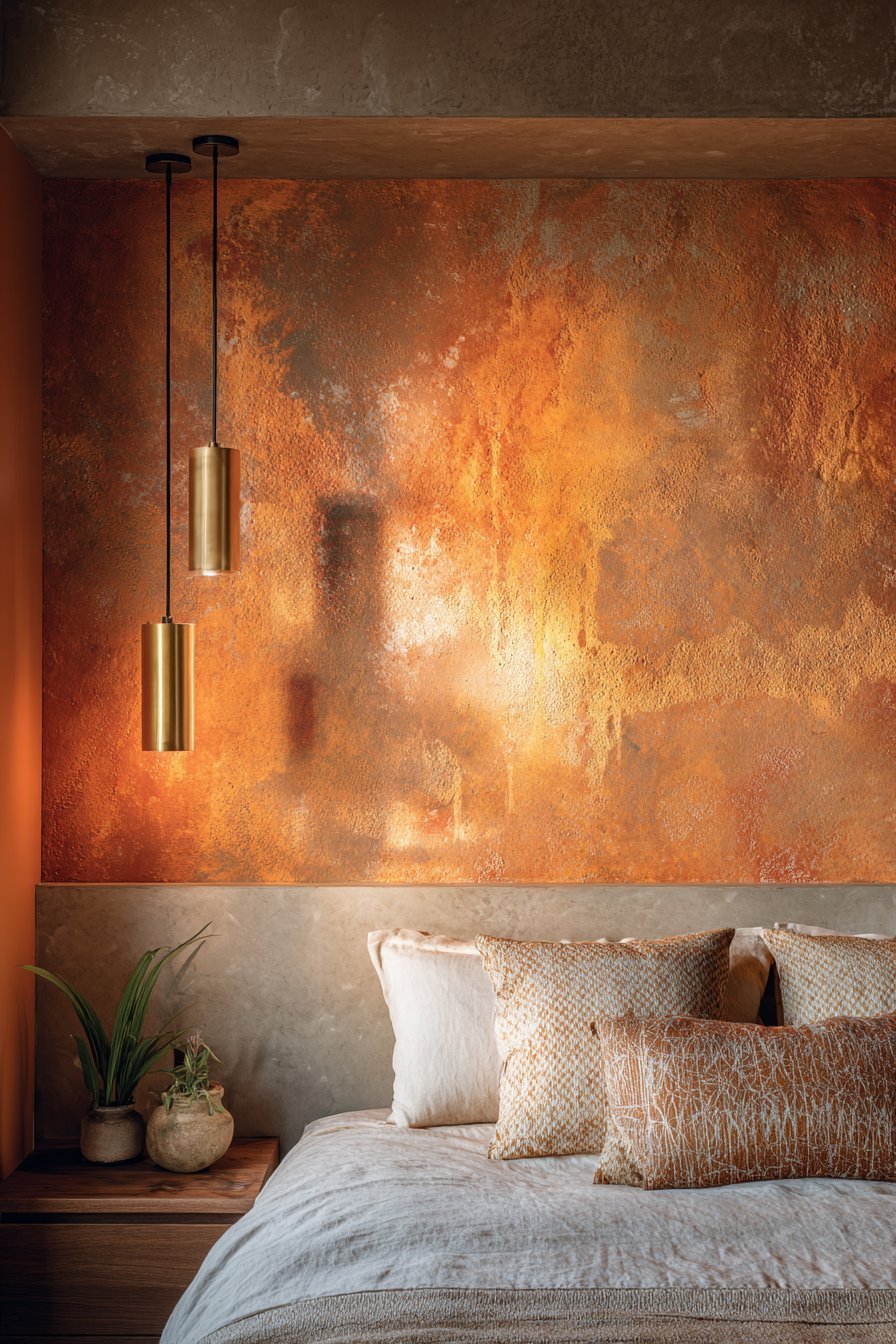
- Apply limewash in two to three thin layers for the most authentic, dimensional result
- Work in small sections and use a cross-hatching technique with a wide brush
- Choose warm neutral tones — Tuscan whites, warm grays, and dusty terracottas are trending
- Seal with a matte topcoat to protect the finish while preserving its natural appearance
- Use textured plaster as a feature wall accent rather than covering all four walls
- Experiment with color-tinted plasters for a bespoke artisan look unique to your home
4. Sculptural Wall Panels
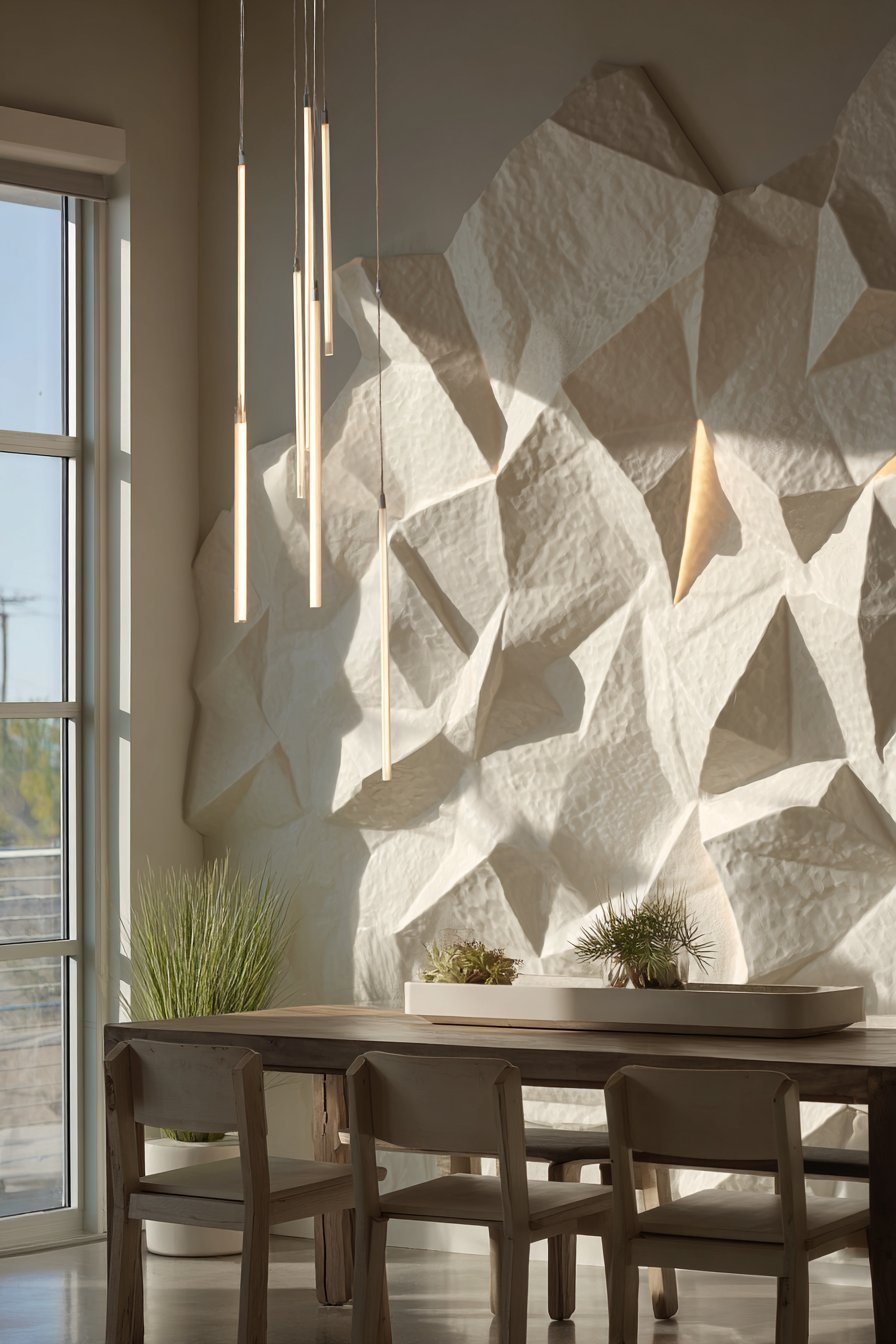
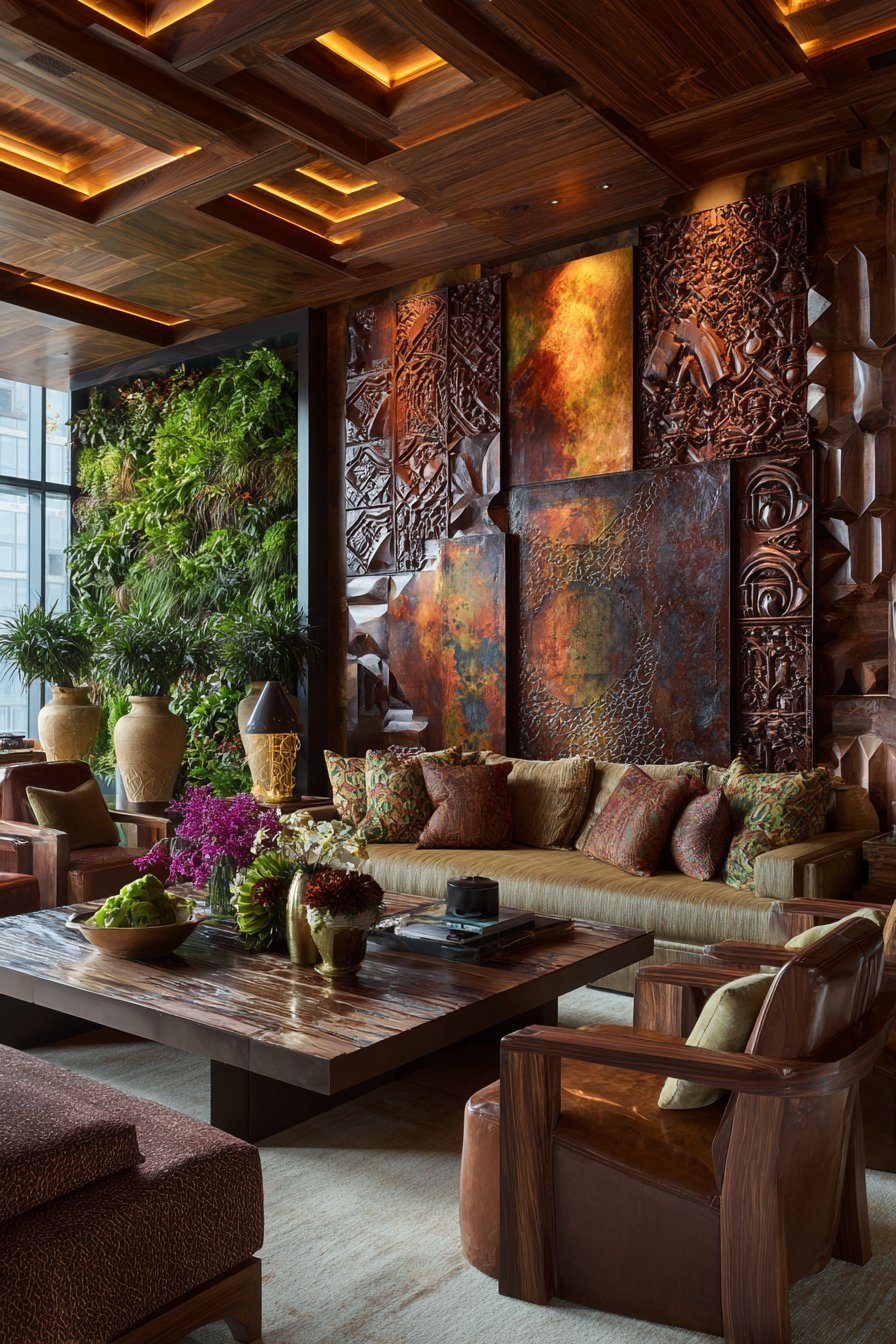
Flat walls are becoming a thing of the past for design-forward interiors. Sculptural wall panels made from materials like gypsum, MDF, bamboo composite, and even recycled ocean plastics are bringing dramatic three-dimensional relief to interior surfaces. These panels play beautifully with both natural and artificial light, casting ever-changing shadow and depth that transform a wall into a work of art.
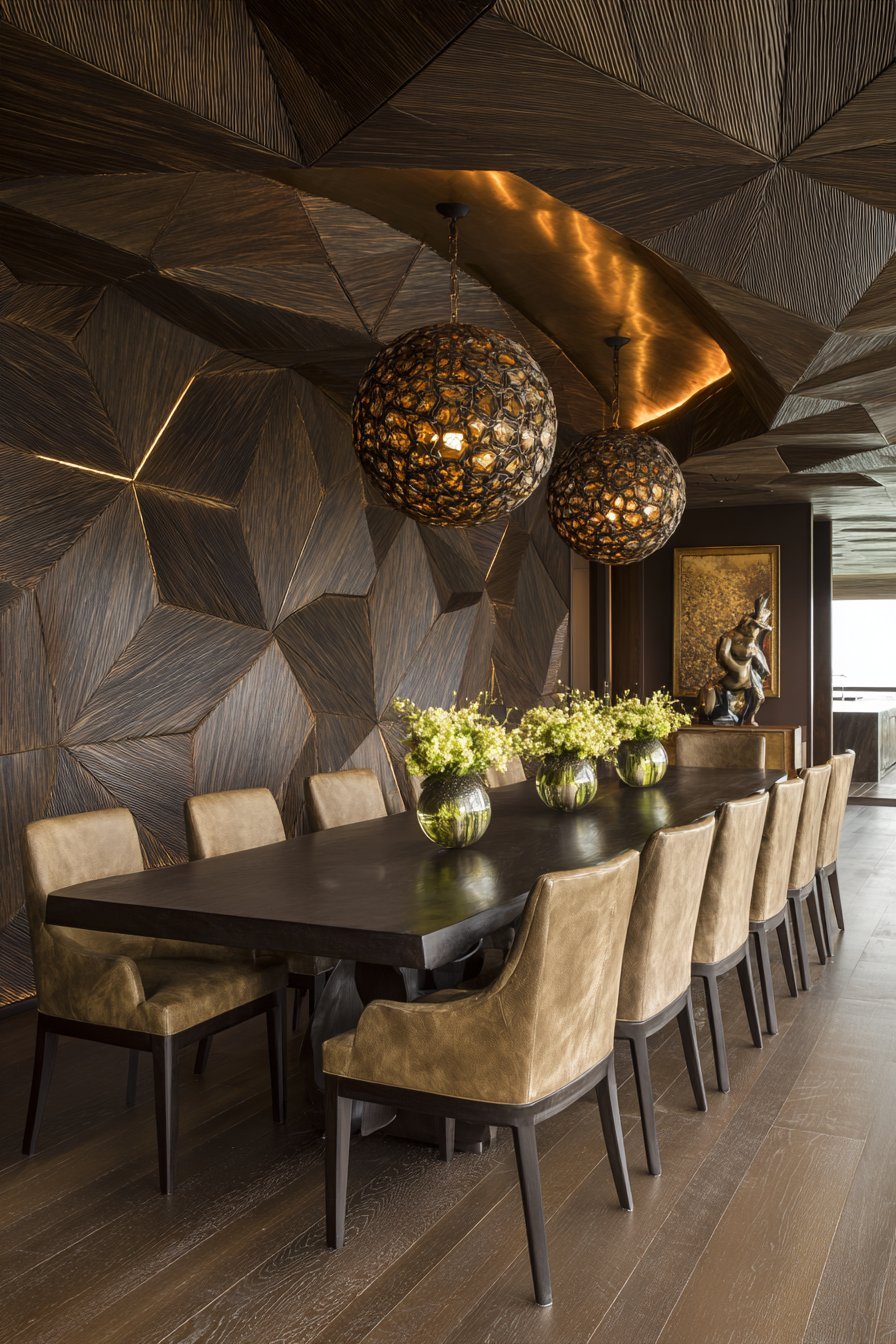
The range of available designs has exploded. Geometric patterns, organic wave forms, floral reliefs, and abstract compositions are all available in panel form. Many designers are now mixing multiple panel styles to create custom wall installations that feel entirely original. The modular nature of most panel systems means complex designs can be achieved without custom fabrication costs.
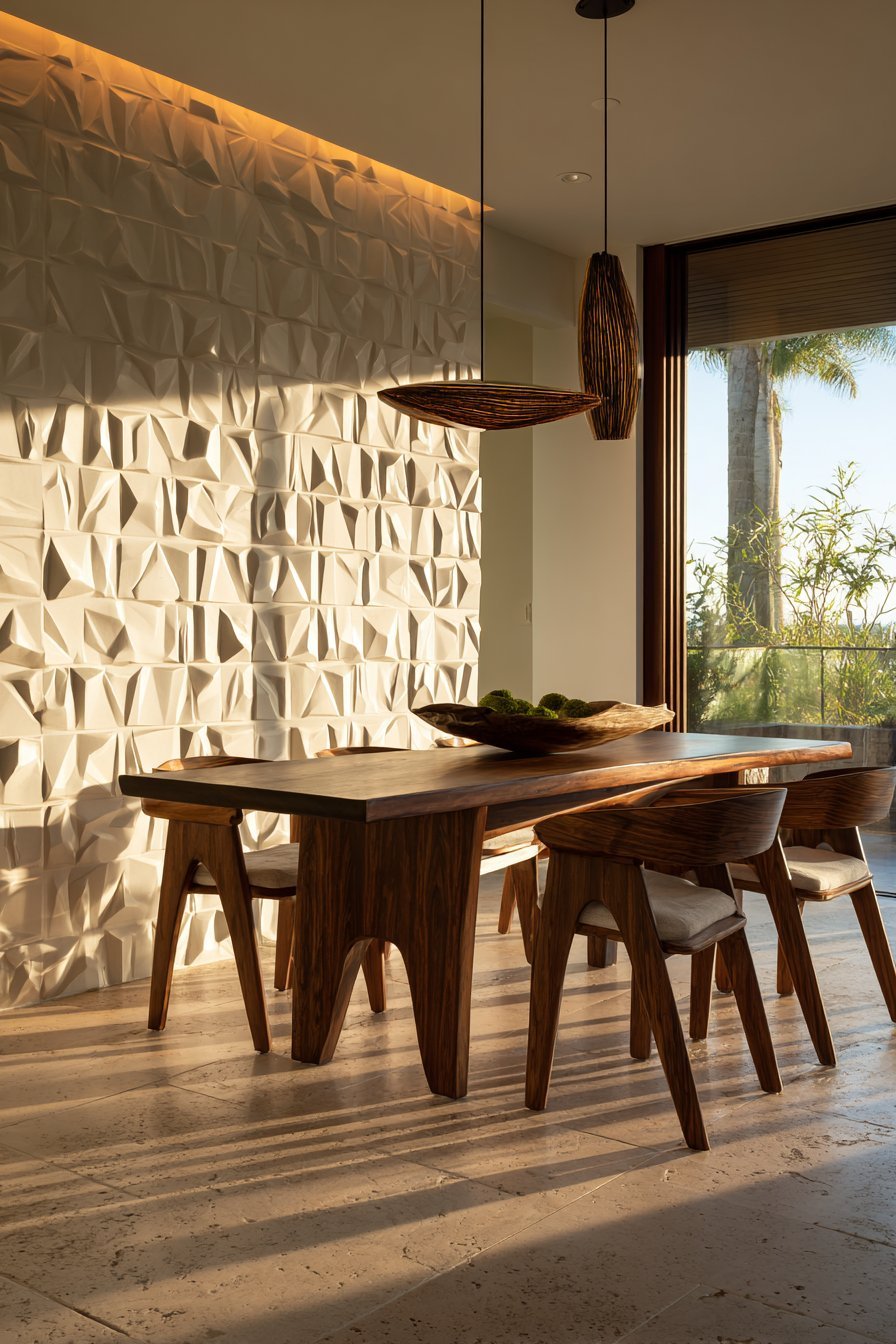
What is particularly exciting in 2026 is the arrival of sustainable sculptural panels made from agro-waste, compressed bamboo fiber, and recycled paper pulp. These eco-conscious materials deliver the same striking aesthetic impact as traditional gypsum or wood while carrying a significantly lower environmental footprint. The textural richness they bring to a space is unmatched by any two-dimensional treatment.
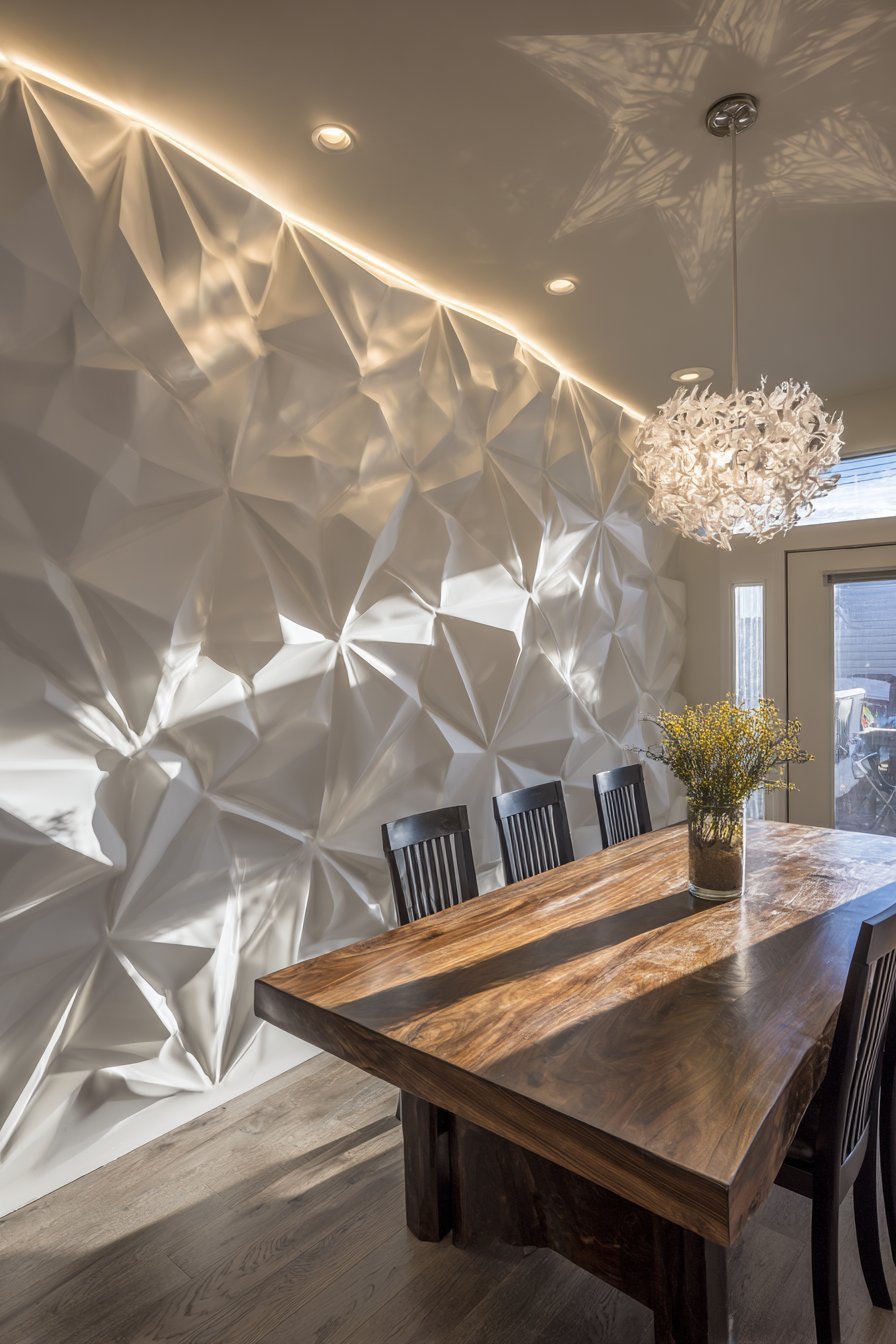
- Use sculptural panels on a single feature wall to avoid visual overwhelm
- Paint panels in a tone-on-tone color matching the surrounding walls for a seamless look
- Experiment with contrasting finishes — matte panels on a gloss wall create striking tension
- Install directional LED strip lighting behind or above panels to maximize shadow play
- Consider lightweight foam-core panels for rental homes where wall damage must be avoided
- Mix geometric and organic panel shapes for a more eclectic, curated installation
5. Smart Wallpaper with Embedded Technology
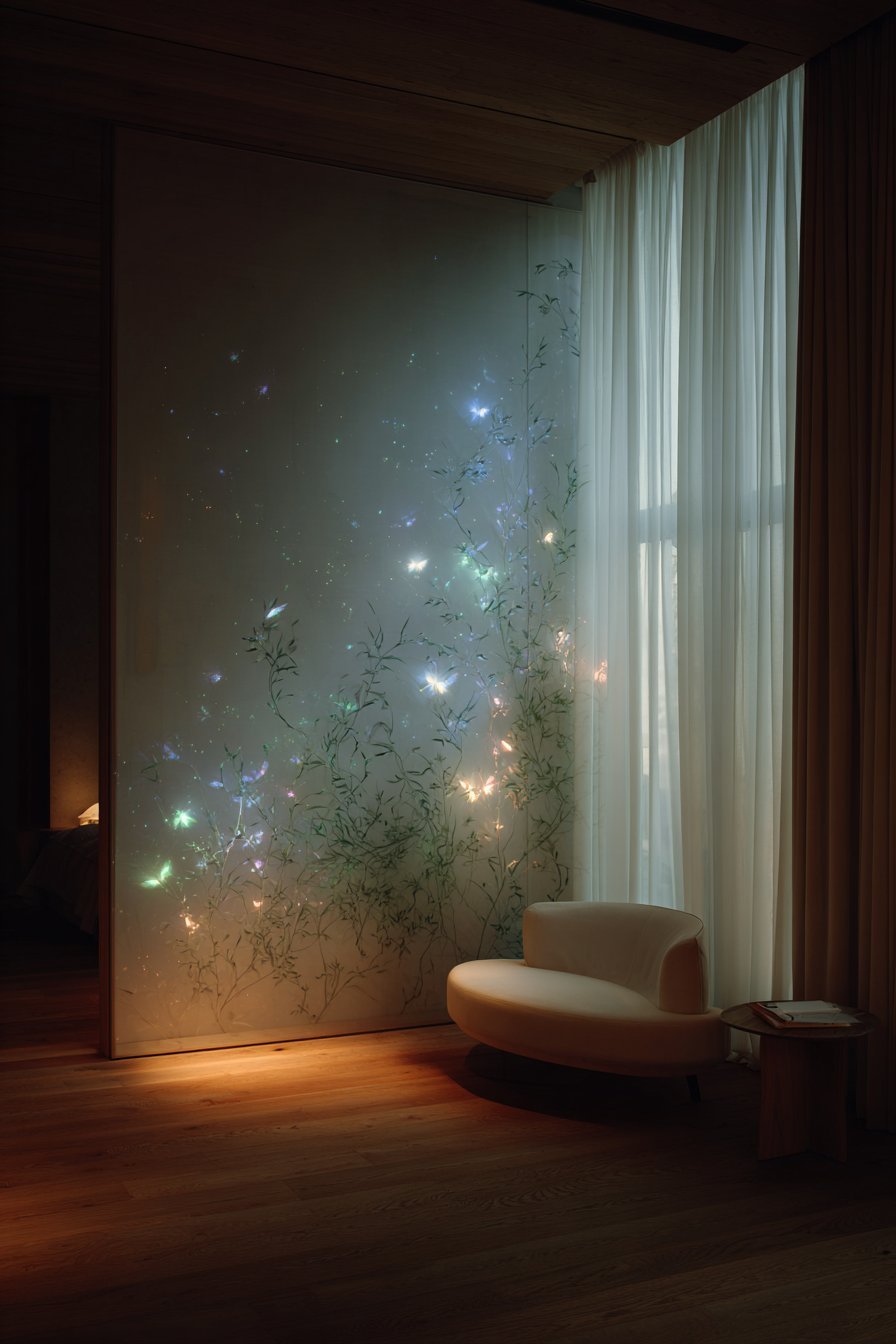
Wallpaper has reinvented itself dramatically. Smart wallpaper in 2026 goes far beyond decorative pattern — it integrates conductive inks, flexible circuits, and even embedded sensors directly into the paper substrate. The result is a wall covering that can function as a wireless charging surface, a touch-sensitive control panel, or even a passive air-quality monitor, all while looking like beautiful, high-end decor.
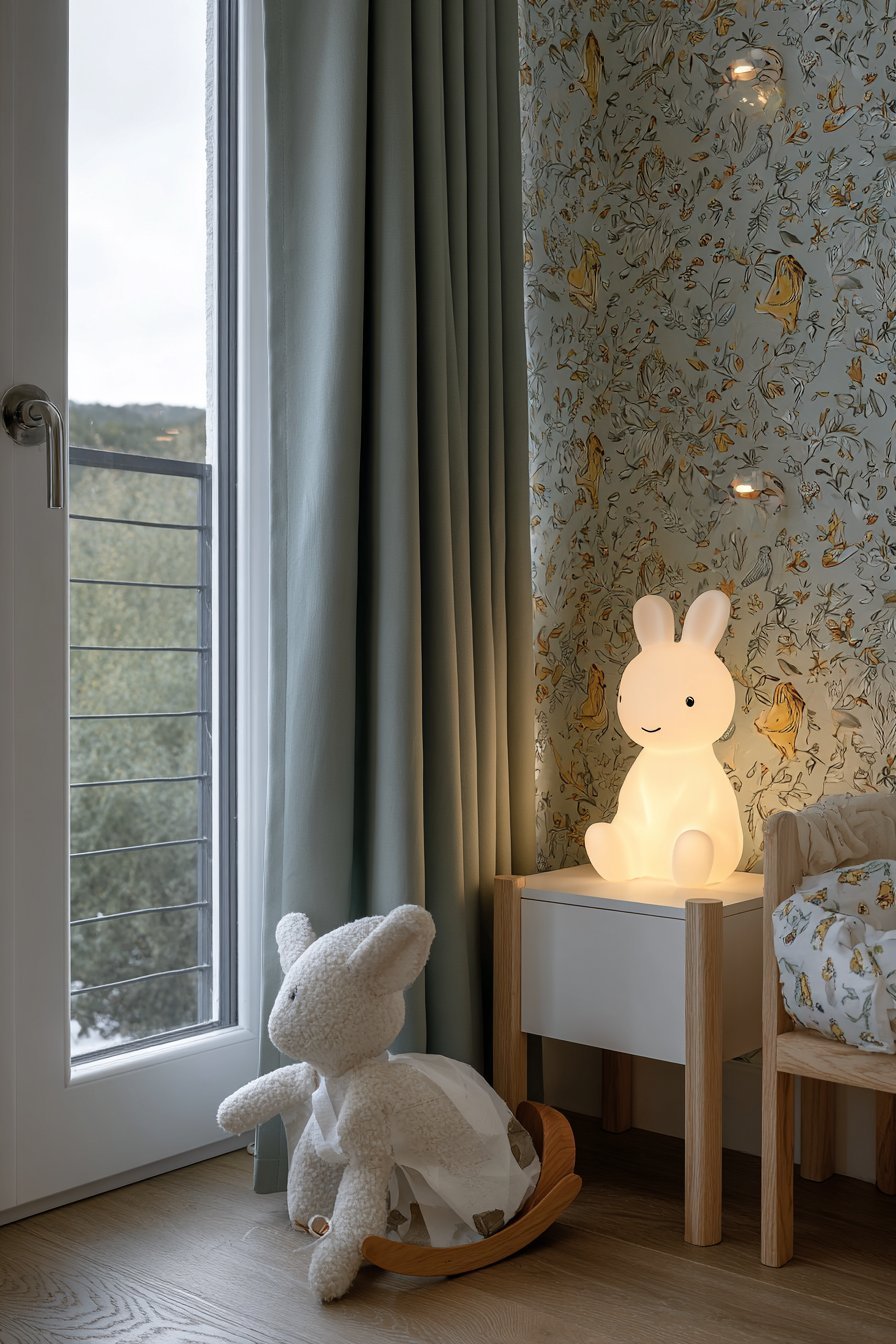
Some of the most exciting innovations include thermochromic wallpaper that subtly shifts color in response to room temperature, and photoluminescent designs that absorb natural light during the day and emit a soft glow after dark. These wallpapers create an experience that is both functional and genuinely magical. They are particularly popular in children’s bedrooms, home offices, and boutique hospitality spaces.
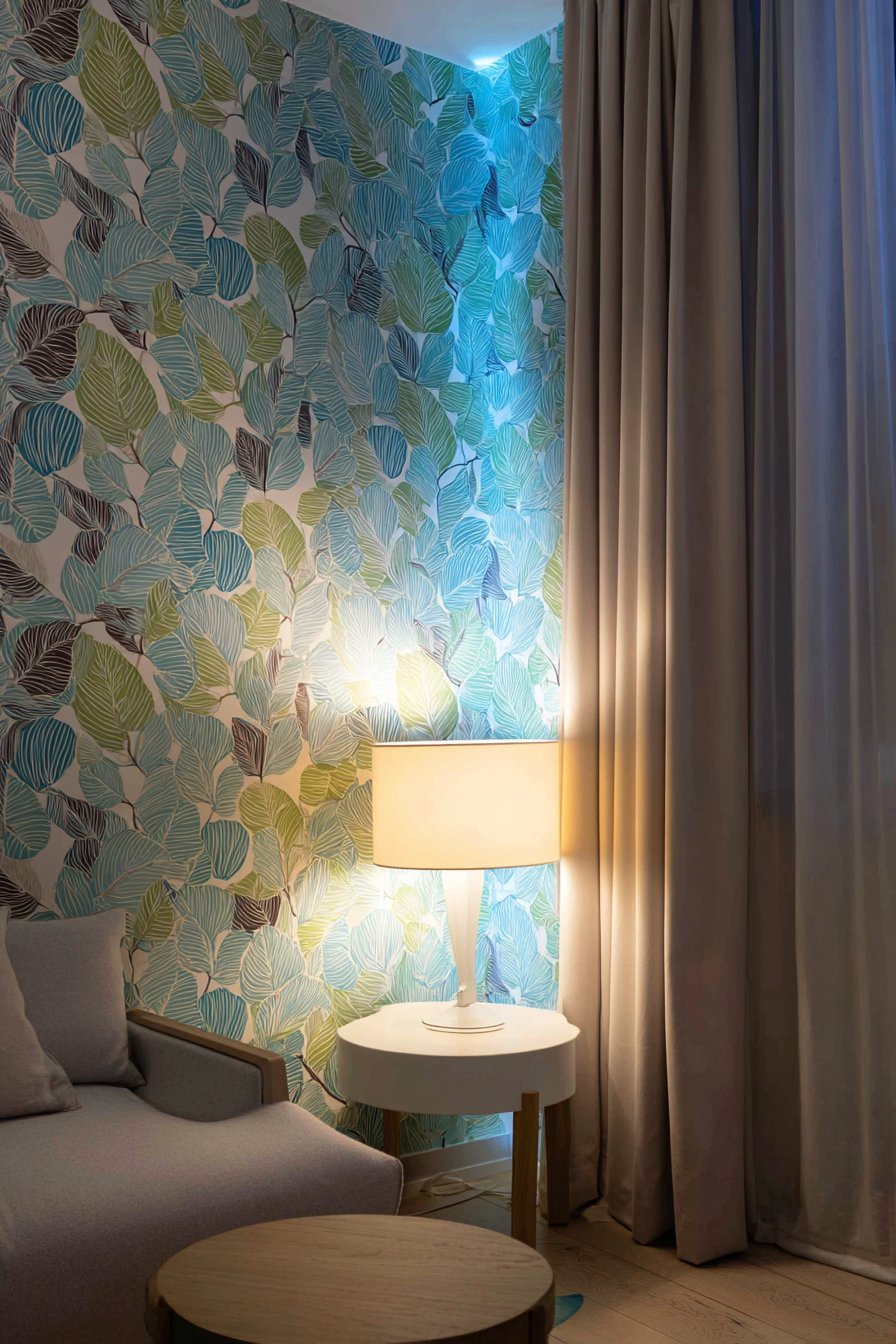
The printing technology behind these products has advanced tremendously. Peel-and-stick formats make installation accessible without professional help, and removal is clean and damage-free. Premium smart wallpapers now also incorporate antimicrobial coatings, making them a practical and hygienic choice for high-traffic areas like hallways and kitchens.
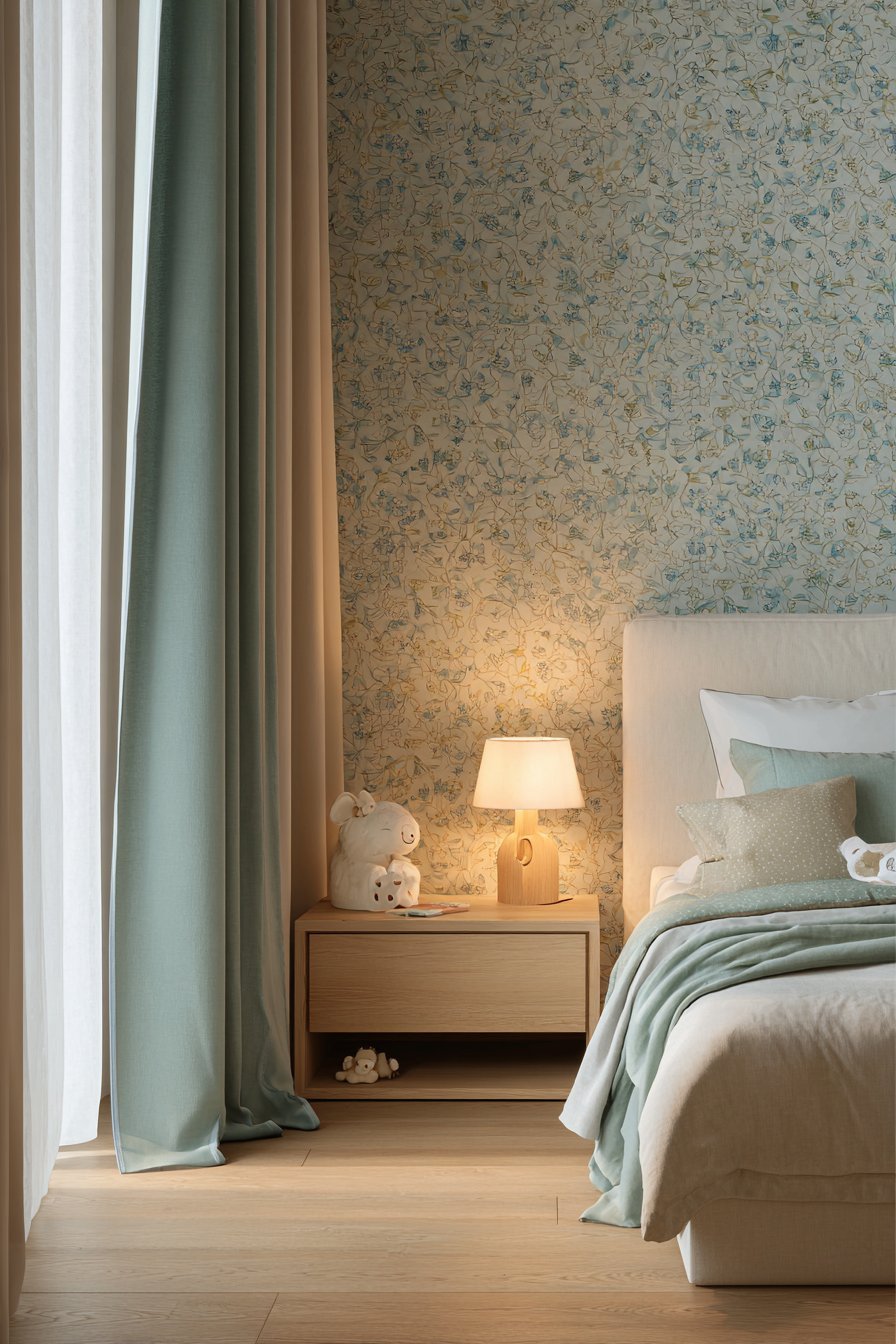
- Research compatibility with your smart home system before purchasing connected wallpaper
- Apply to a smooth, primed surface for the best adhesion and circuit performance
- Use thermochromic designs in spaces with strong natural light for maximum color-shift effect
- Pair photoluminescent wallpaper with blackout curtains to showcase its after-dark glow
- Select washable, antimicrobial formulations for kitchens, hallways, and children’s rooms
- Hire a professional installer for wallpaper with embedded electronic components
6. Gallery Walls Reimagined with Mixed Media
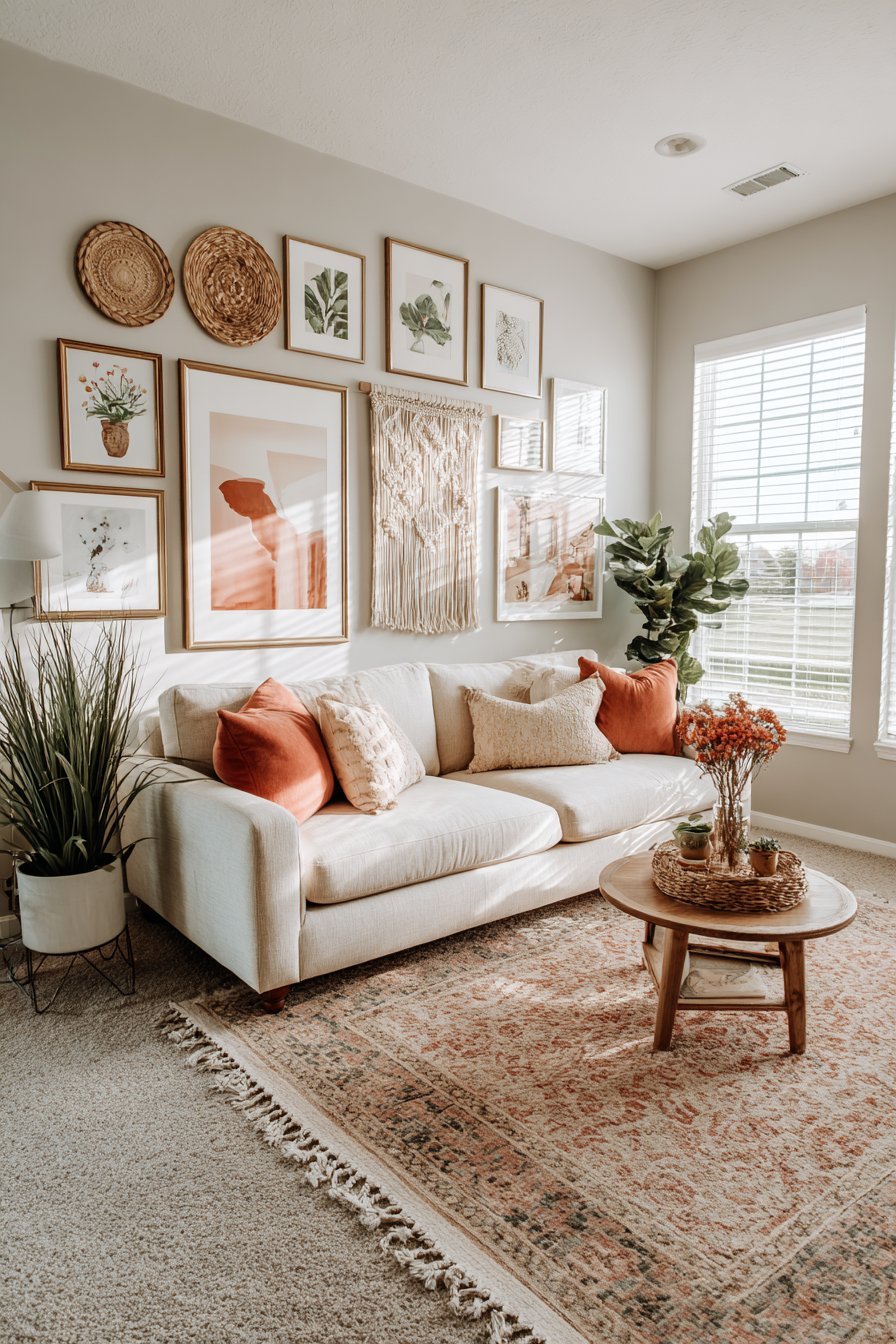
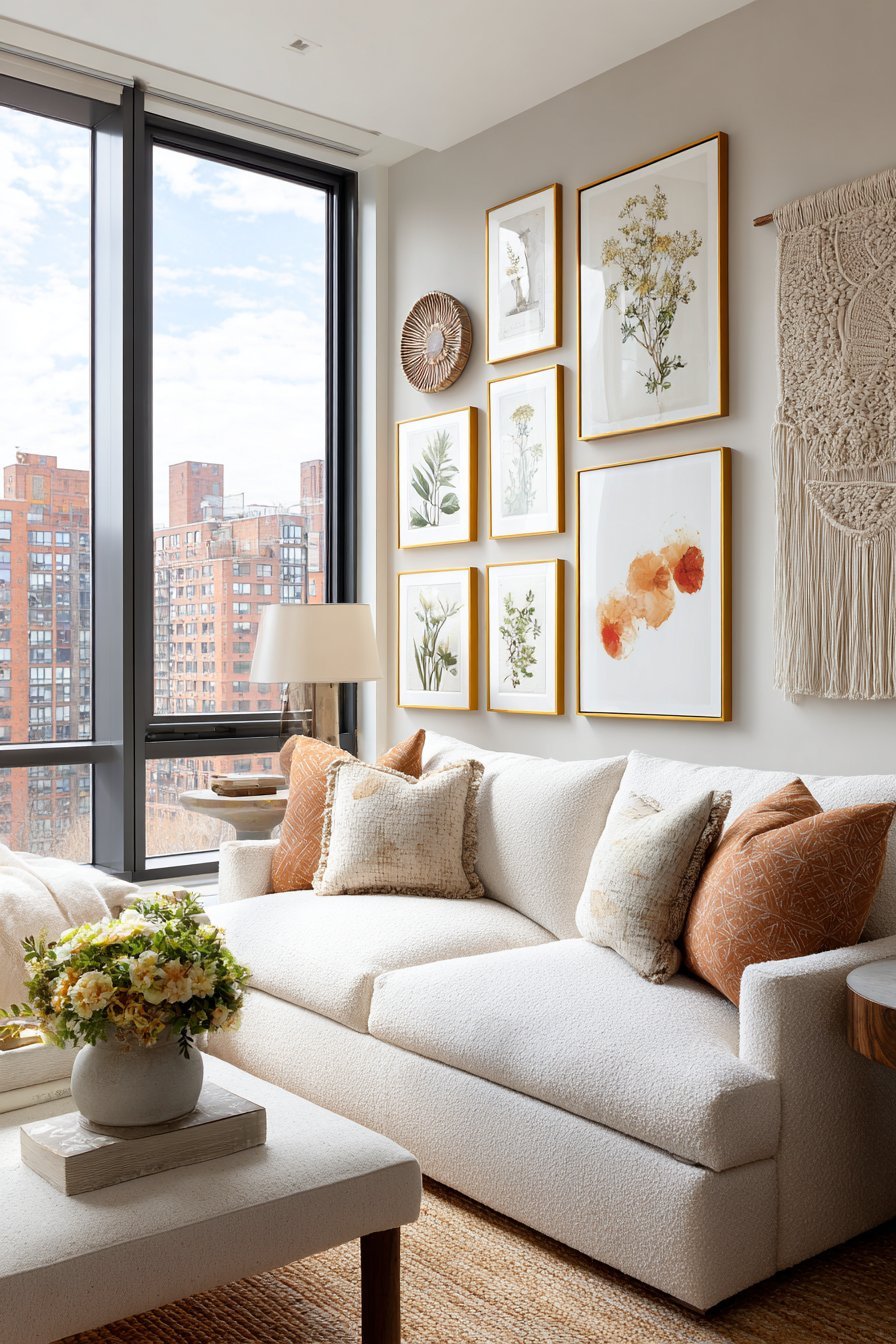
The classic gallery wall has evolved into something far more layered and intentional. In 2026, designers are building mixed-media gallery walls that combine framed photography, original paintings, ceramic wall sculptures, textile art, mirrors, and even small shadow boxes into one cohesive, visually rich installation. The effect is less like a wall and more like a personal museum of lived experience.
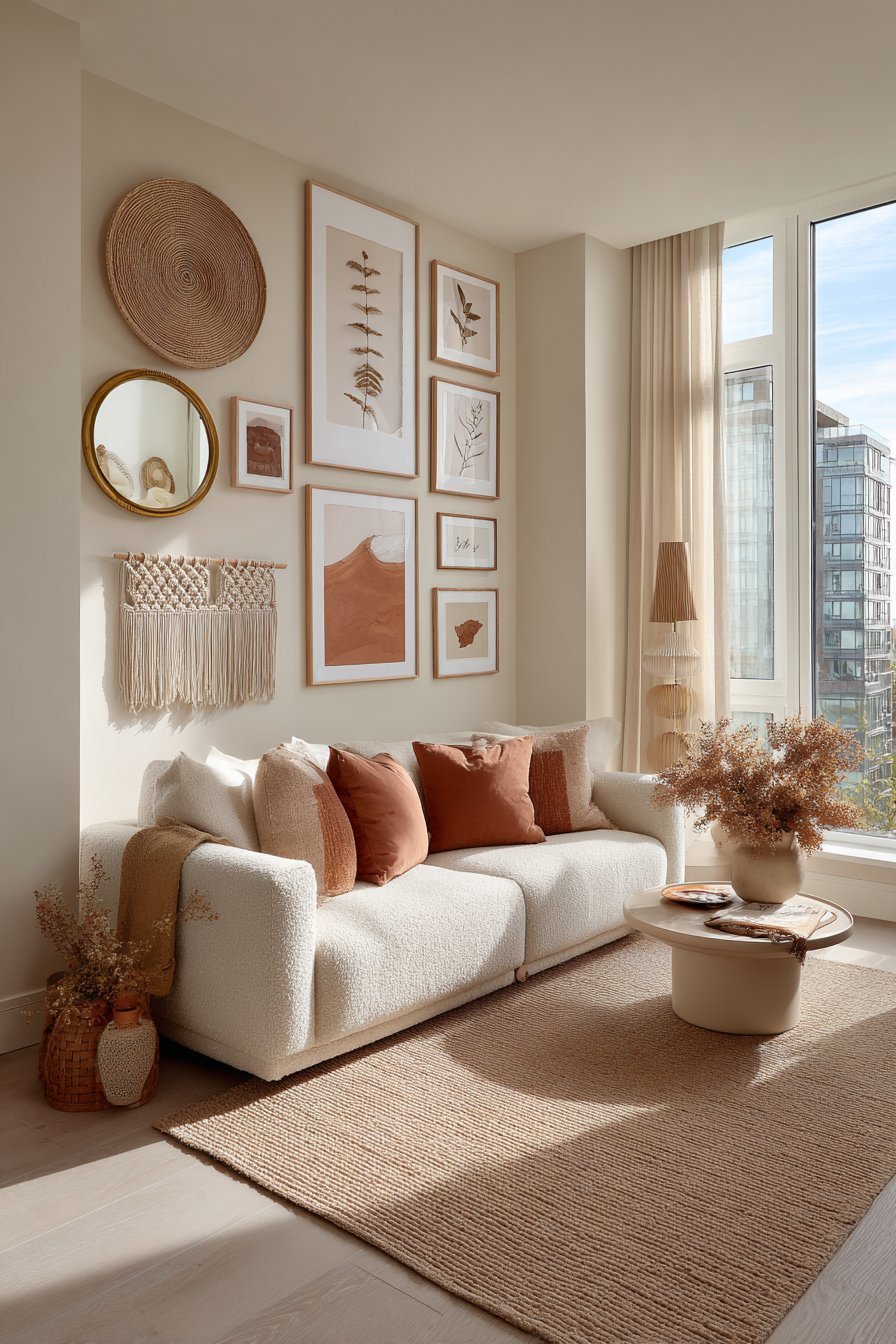
The key to making this work is curation. Cohesion through color is the most reliable strategy — choosing pieces that share a common palette prevents the wall from feeling chaotic despite its variety of mediums and forms. Varying frame finishes intentionally, from raw wood to brushed brass to matte black, adds richness without sacrificing visual harmony. The depth and layering created by mixing flat art with three-dimensional objects is what elevates this approach beyond the traditional gallery wall.
In 2026, sustainable and handmade elements are particularly prominent in these installations. Macramé panels, hand-thrown ceramic wall plates, pressed botanical specimens, and artist-signed prints are popular choices. Sourcing locally made or artisan-crafted pieces adds authenticity and supports independent creators. The result is a wall that tells a story as much as it decorates a room.
- Plan your gallery wall layout on the floor before committing any holes to the wall
- Use a consistent color thread — repeat one hue across at least 60% of the pieces
- Mix frame depths and profiles to create physical dimension across the arrangement
- Include at least one statement mirror to bounce light and add spatial depth
- Leave 2–3 inches of breathing room between each piece for visual clarity
- Anchor the arrangement around one hero piece that is larger than all others
7. Acoustic Wall Art Panels
As open-plan living and hard-surface interiors continue to dominate, acoustic wall art panels have become one of the most practical and beautiful innovations in 2026 interior design. These panels absorb sound waves to reduce echo and reverberation, transforming acoustically harsh spaces into calm, comfortable environments. The best part is that they look indistinguishable from high-end wall art.
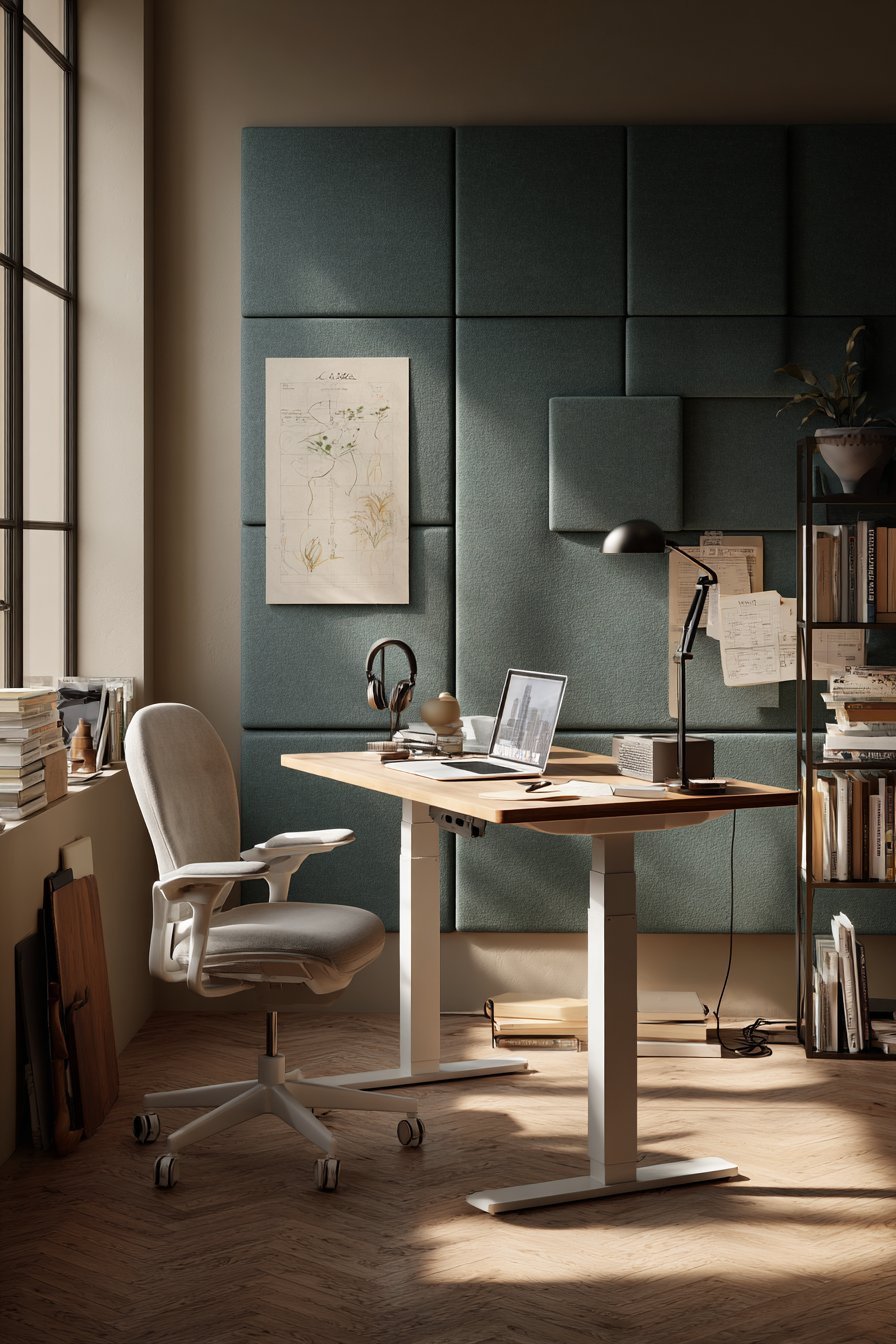
Modern acoustic panels are wrapped in premium fabric, felt, or printed canvas and come in virtually any color, pattern, or custom photographic print. They can be installed as standalone art pieces, arranged in grid formations, or even cut into custom shapes. Home offices, living rooms, home theaters, and open-plan kitchens all benefit enormously from their sound-dampening properties. The dual functionality of beauty and performance makes them one of the smartest investments in interior finishing.
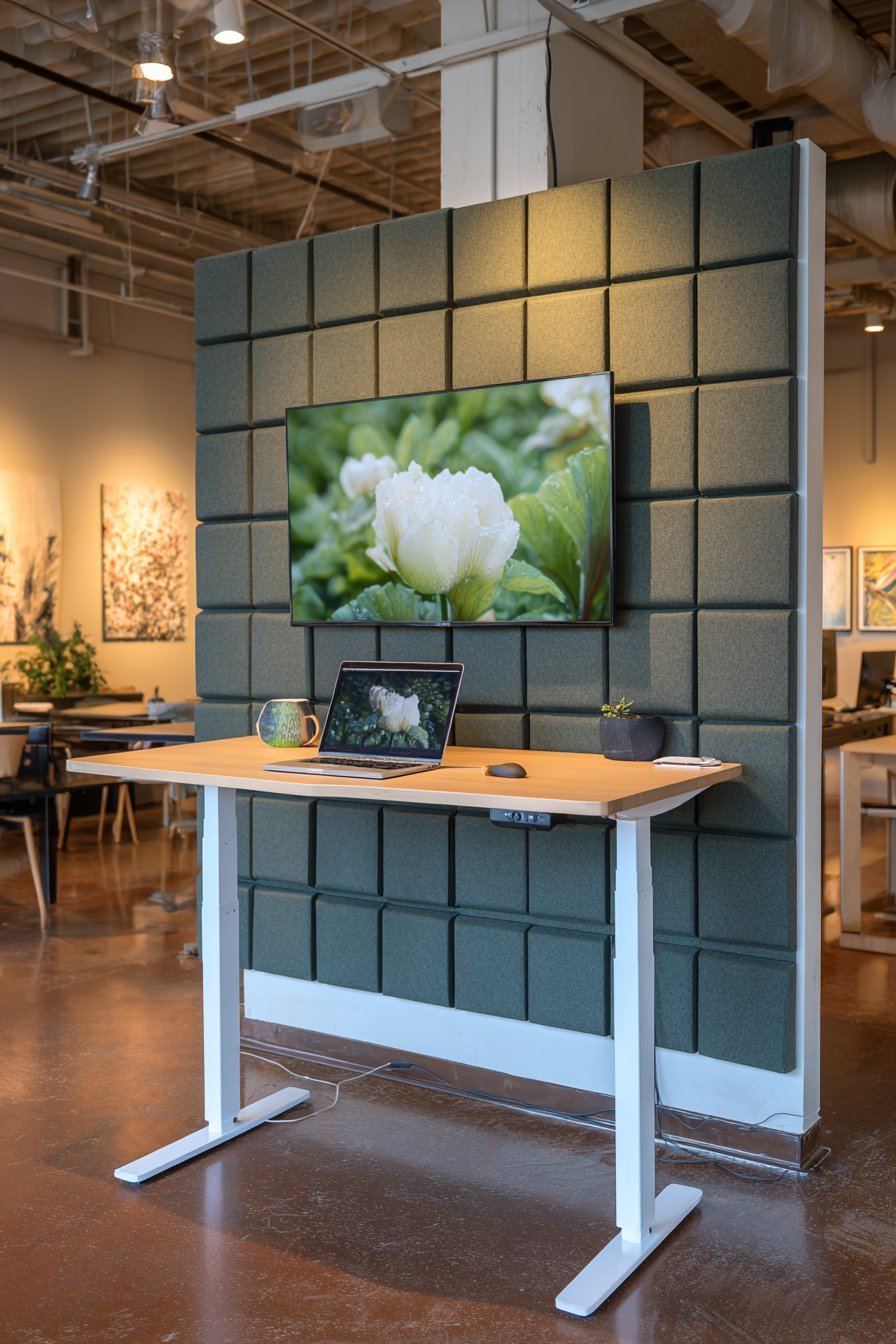
The science behind these panels has improved considerably. New high-density polyester fiber cores achieve significantly better NRC (Noise Reduction Coefficient) ratings than older foam-based materials, while remaining lightweight and easy to install. Some manufacturers now offer custom photographic printing directly onto acoustic panels, allowing homeowners to create truly one-of-a-kind statement pieces that also happen to make their homes quieter.
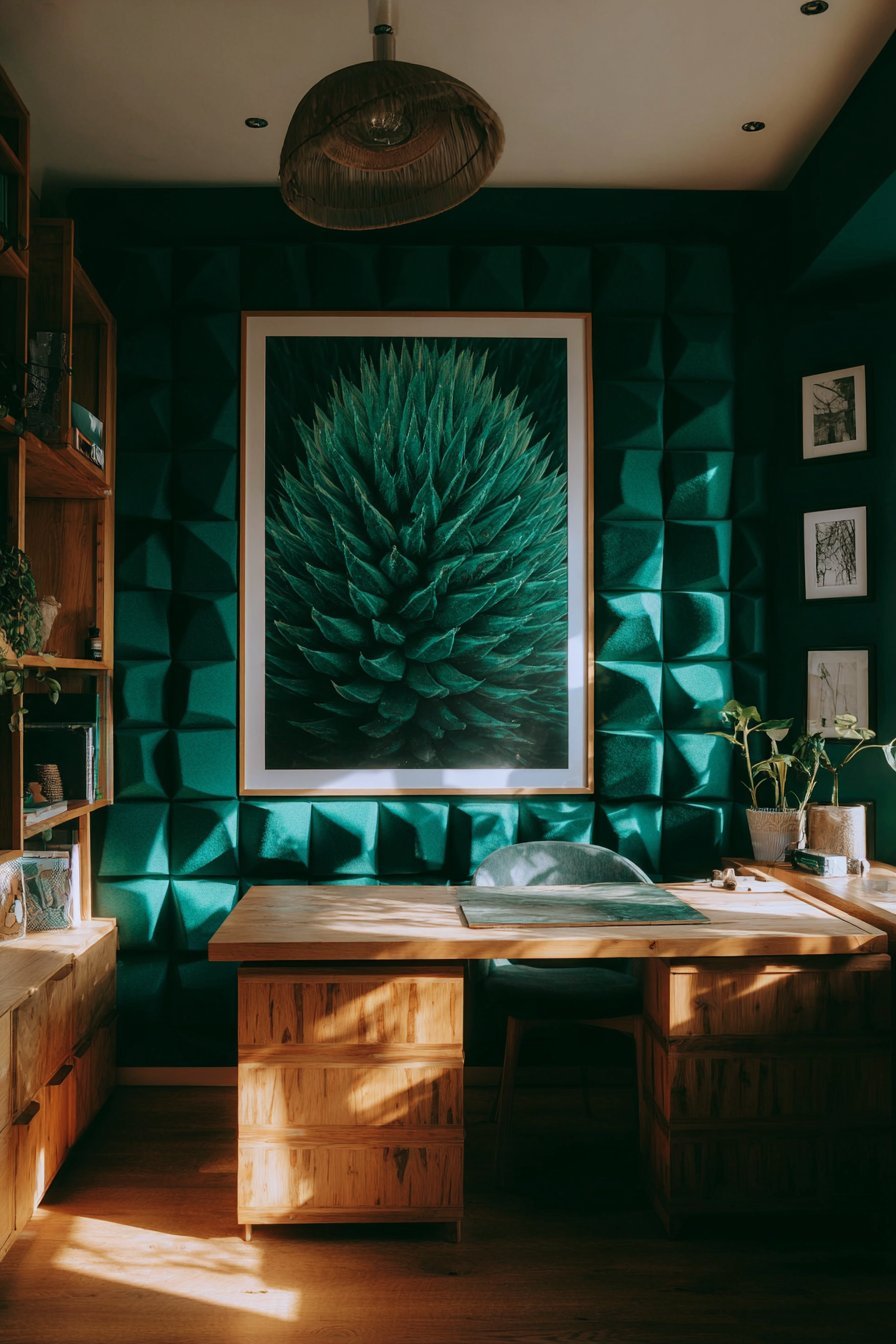
- Target walls in parallel to each other first for maximum acoustic improvement
- Choose panels with an NRC rating of 0.85 or higher for meaningful sound absorption
- Use a mix of sizes — larger panels for bass absorption, smaller for mid and high frequencies
- Install at ear height when seated for the best acoustic performance in living spaces
- Order custom photographic panels to make functional art feel deeply personal
- Combine with soft furnishings and rugs for a comprehensive acoustic treatment strategy
8. Illuminated Neon and LED Wall Installations
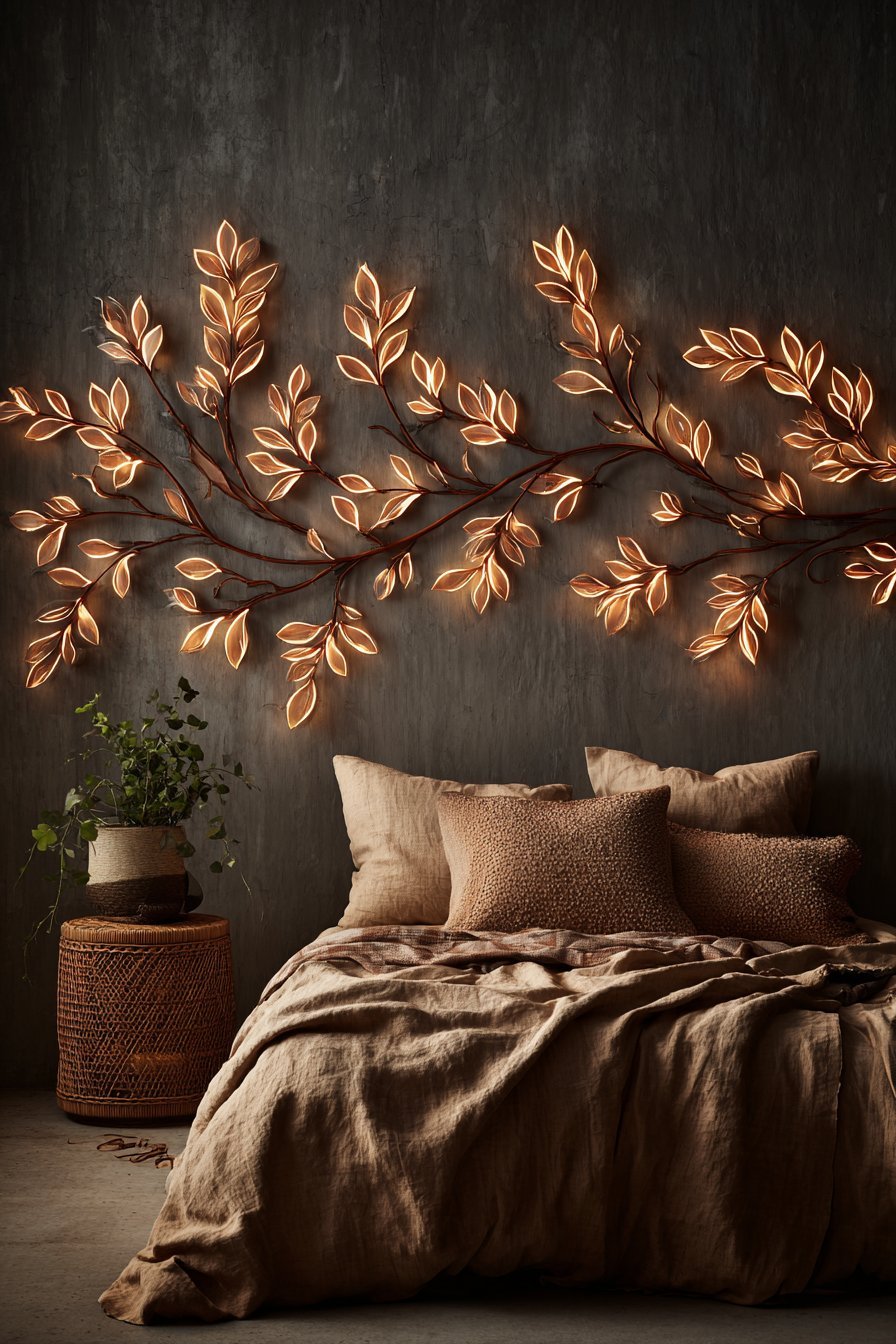
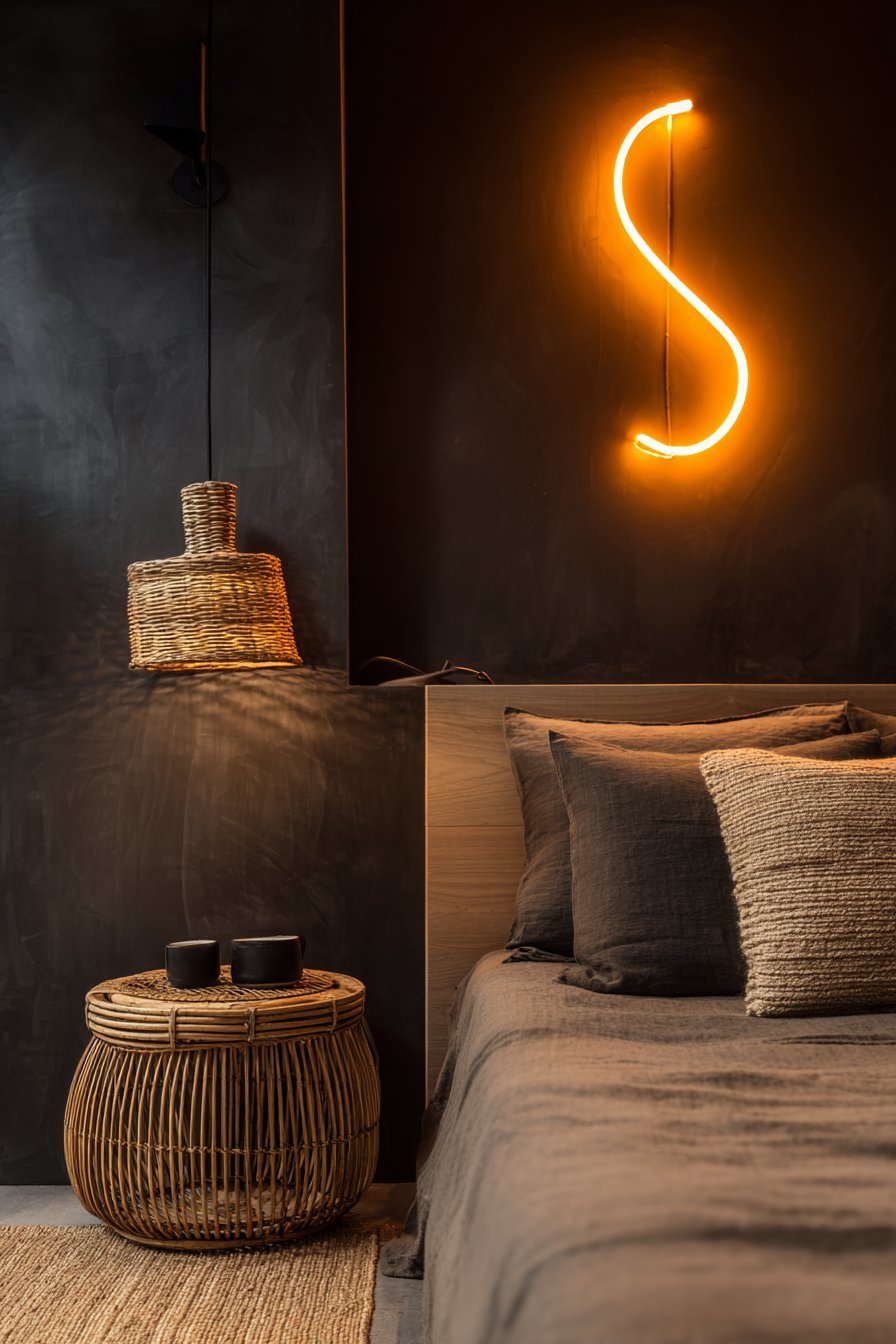
Neon and LED wall installations have matured far beyond their kitschy origins. In 2026, custom LED neon signage and light sculptures are serious design elements used in everything from luxury residences to boutique hotels. Flexible LED neon tubing can be bent into virtually any form — typography, abstract shapes, botanical motifs, or architectural line drawings — creating glowing wall statements that are completely unique to each space.
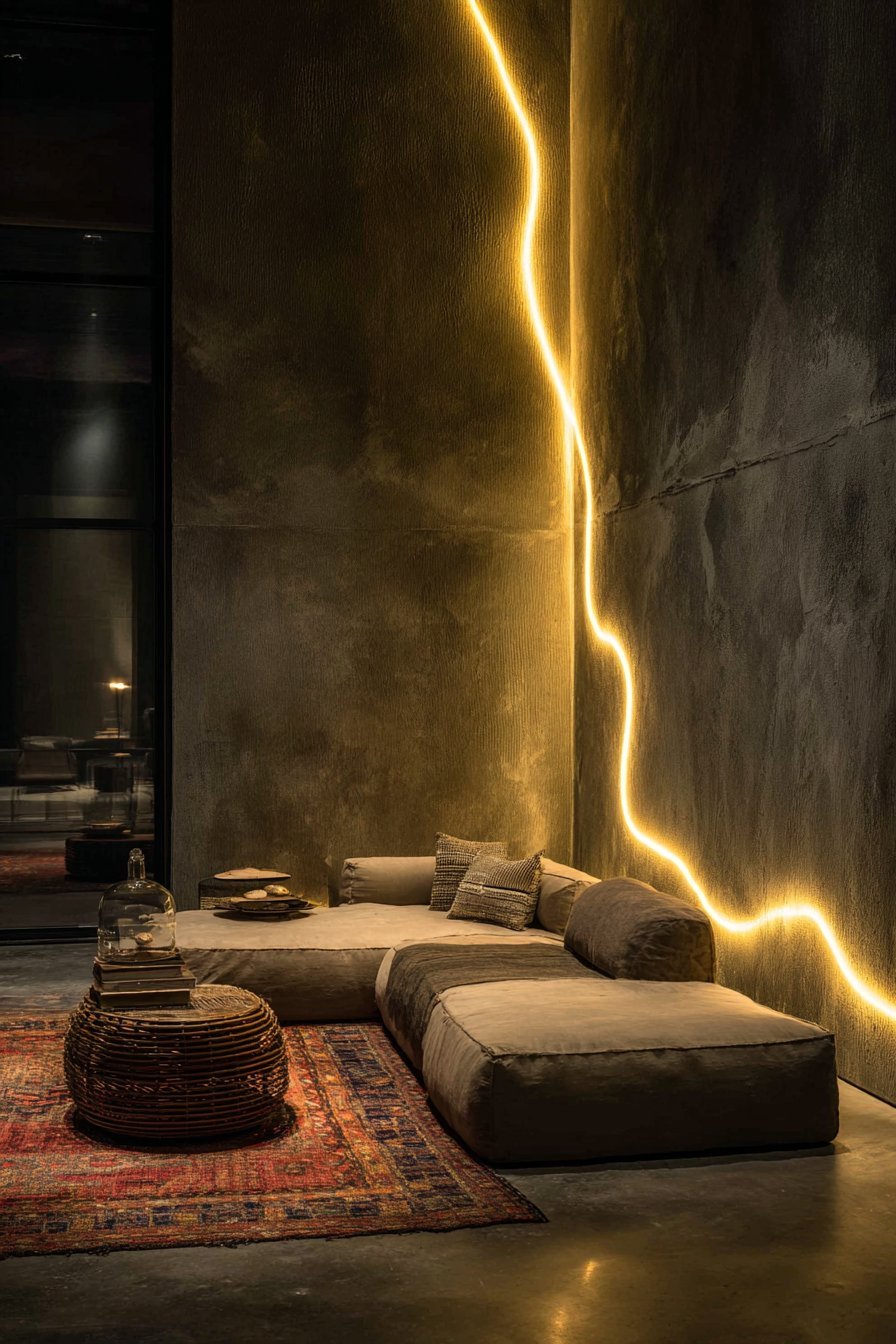
The emotional impact of illuminated wall art is immediate and powerful. Warm white, blush pink, sage green, and deep amber are among the most popular tones for residential applications. These installations function as ambient lighting sources as well as art, reducing the need for additional lamps and creating an atmosphere that is impossible to achieve with any other wall treatment. Dimmable controllers allow the intensity to be adjusted perfectly for every occasion.
Contemporary LED neon installations are also remarkably energy-efficient, consuming a fraction of the power of traditional glass neon while lasting tens of thousands of hours. Many custom fabricators now offer plant-based acrylic backing panels in lieu of traditional perspex, making this option more sustainable than ever. Wall-mounted installations can be hardwired for a clean look or run on a concealed power cable tucked behind the wall.
- Commission a custom phrase or motif meaningful to you rather than using generic designs
- Choose warm white or soft amber tones for bedrooms and living rooms to avoid harshness
- Use a dimmer controller to adjust brightness between functional and atmospheric settings
- Mount on a dark or deeply saturated wall color to make the glow more dramatic and vivid
- Consider acrylic backing in a contrasting color to add depth even when the light is off
- Ensure your fabricator uses UL-listed, low-heat LED tubing for safe indoor installation
Conclusion
Wall decor in 2026 is no longer a finishing touch — it is a foundational design decision. From AI-powered art displays that evolve with your tastes to biophilic living walls that bring the outdoors inside, the innovations available today give every homeowner the tools to create something truly extraordinary. Whether your priority is aesthetics, sustainability, technology, or acoustic comfort, there is an innovation on this list that speaks directly to your vision.
The most inspiring thing about these trends is their accessibility and adaptability. You do not need a limitless budget or a professional design team to embrace them. Start with one idea, experiment boldly, and allow your walls to become the most expressive element in your home. Great interior design is always evolving — and in 2026, your walls are ready to evolve with it.
