
Transforming a compact bedroom into a luxurious retreat might seem challenging, but with thoughtful design choices, even the smallest spaces can exude elegance and comfort. The key lies in understanding how to maximize every square inch while maintaining an uncluttered, sophisticated aesthetic. Small bedrooms demand strategic planning where every element serves multiple purposes and contributes to an overall sense of openness.
Luxury doesn’t necessarily mean extravagance or excess square footage. Instead, it’s about creating an environment that feels intentional, cohesive, and deeply personal. By implementing smart design principles that focus on visual expansion techniques, clever storage solutions, and refined material selections, you can craft a bedroom that rivals larger spaces in both functionality and style. This article explores ten proven strategies that interior designers use to make compact bedrooms feel both spacious and indulgent.
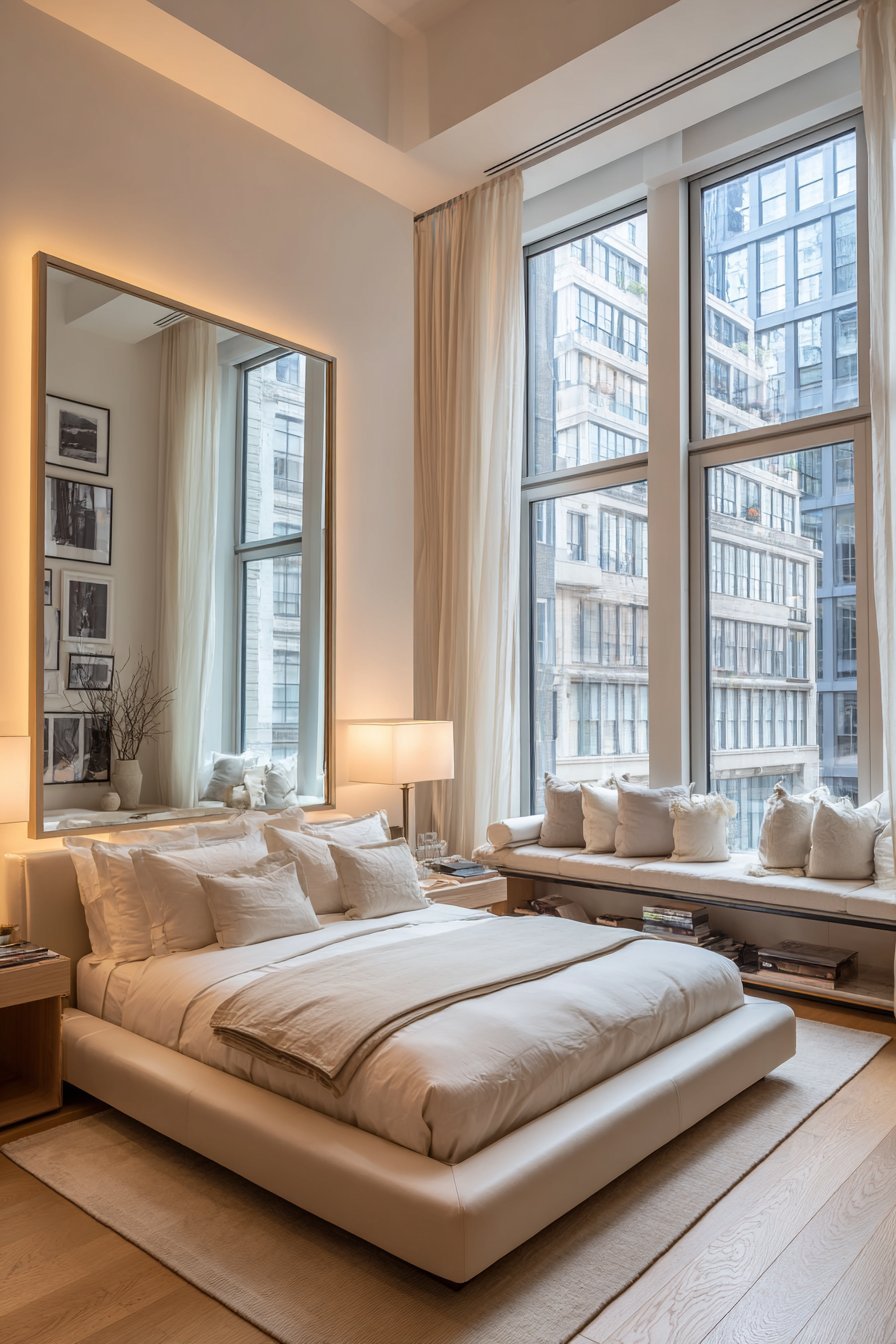
Whether you’re working with a city apartment bedroom, a converted attic space, or simply a smaller room in your home, these approaches will help you create a sanctuary that feels generous and luxurious. From color psychology to furniture selection, lighting design to textile choices, each strategy builds upon the others to transform your small bedroom into a sophisticated personal retreat that defies its physical dimensions.
1. Embrace a Light and Neutral Color Palette
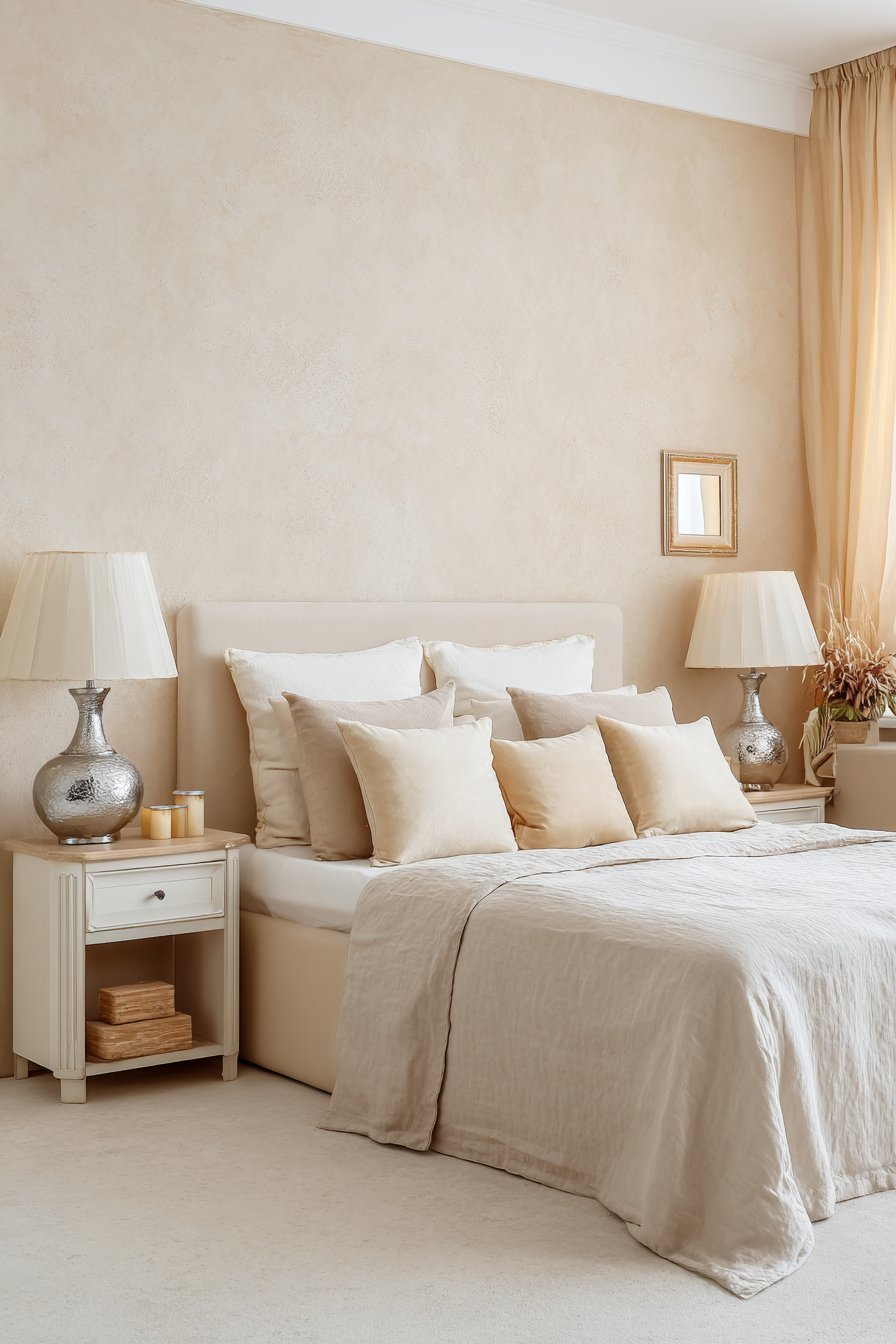
Light colors are your greatest ally when creating the illusion of space in a small bedroom. Soft neutrals like whites, creams, and light grays reflect natural light throughout the room, making walls appear to recede and ceilings seem higher. This foundational choice sets the stage for a luxurious atmosphere that feels open and airy rather than cramped and confined.
The psychological impact of light colors cannot be overstated. They create a calming, serene environment that promotes relaxation while simultaneously expanding perceived boundaries. Consider layering different shades of the same neutral family to add depth without sacrificing the spacious feeling. An ivory wall paired with linen bedding and champagne-colored accents creates sophisticated dimension while maintaining visual continuity.
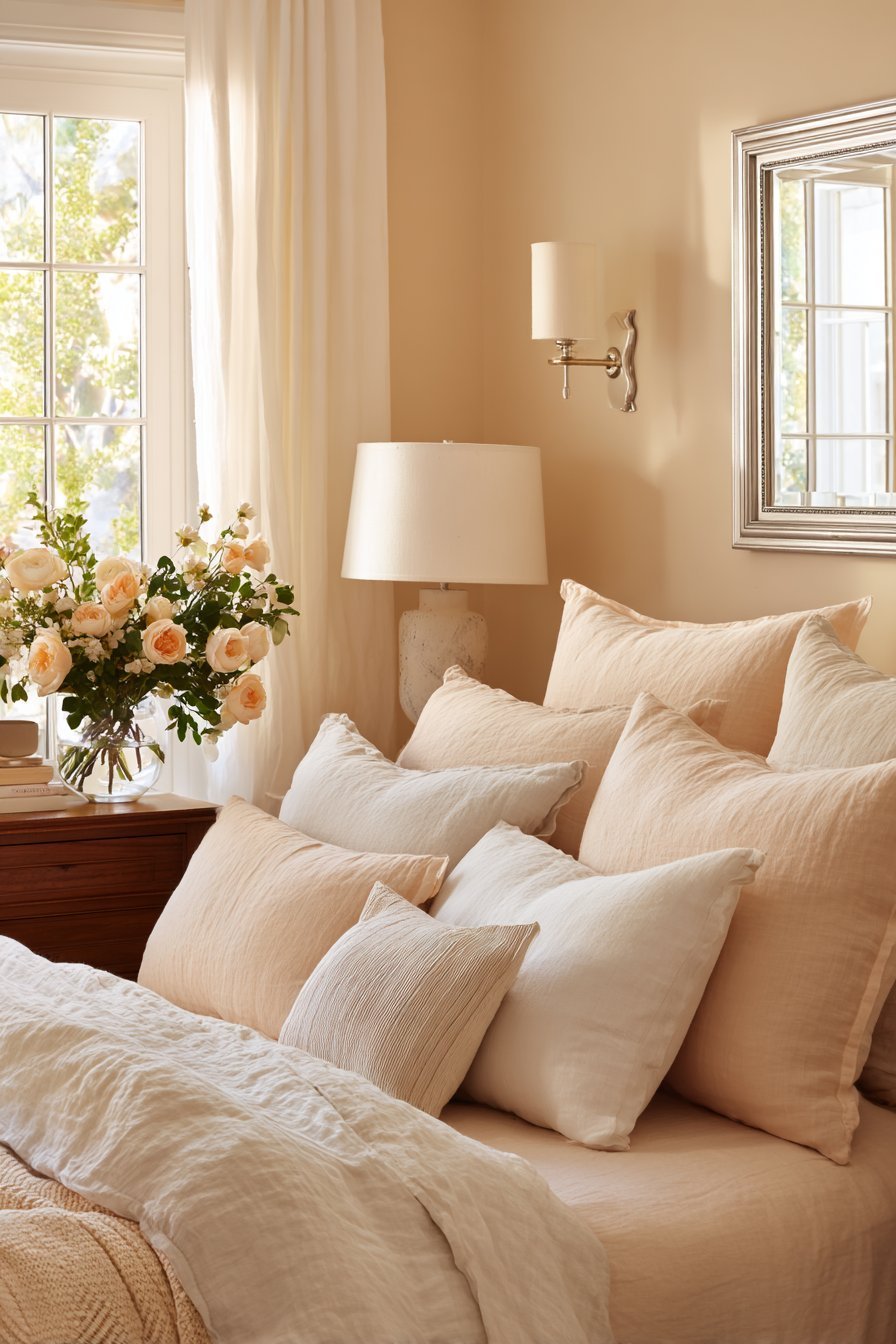
Don’t mistake neutral for boring. Luxury comes from quality textures and subtle variations within your chosen palette. Mix warm and cool undertones deliberately, perhaps pairing a warm beige wall with cool gray textiles, to create visual interest that doesn’t overwhelm. The restraint of a neutral palette allows statement pieces and architectural details to shine without competing for attention.
- Choose paint colors with high light reflectance values (LRV) above 70 for maximum brightness
- Layer three to five shades within the same color family for sophisticated depth
- Use slightly darker tones on accent walls behind the bed to create subtle dimension
- Consider off-white ceilings rather than stark white to prevent harsh contrast
- Test paint samples in different lighting conditions before committing
- Incorporate metallic accents in silver or champagne to add luxurious sparkle
2. Invest in Multi-Functional Furniture
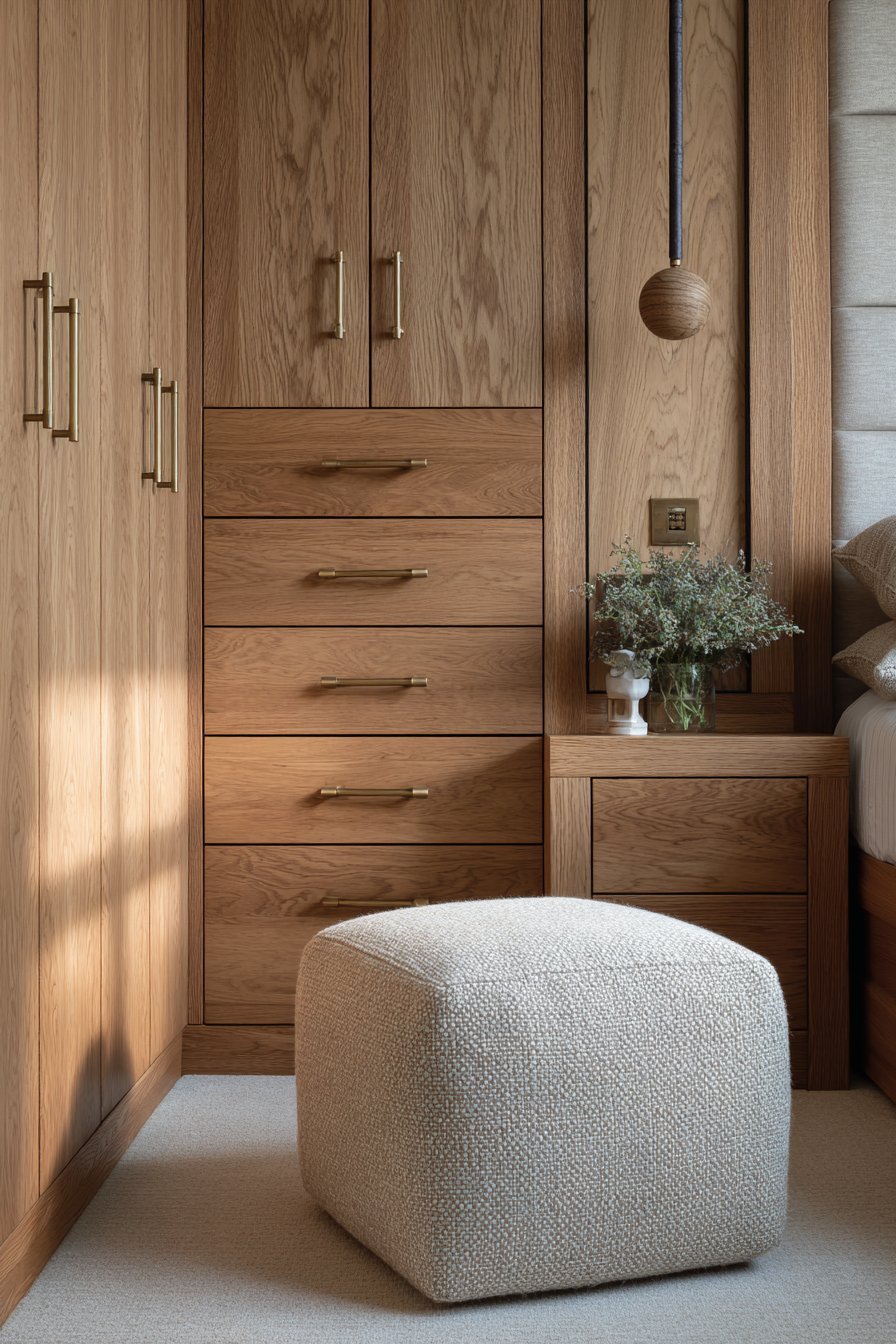
In small bedrooms, every piece of furniture must earn its place by serving multiple purposes. Multi-functional furniture is the cornerstone of luxurious small space living, combining practicality with elegant design. A storage bed with built-in drawers eliminates the need for a bulky dresser while providing ample hidden storage for linens, seasonal clothing, and accessories.
Look for pieces that combine beauty with utility. An upholstered ottoman at the foot of the bed provides seating, storage, and style in one compact package. Floating nightstands with built-in charging stations and small drawers keep surfaces clear while providing essential bedside functionality. These carefully selected pieces contribute to a streamlined aesthetic that feels intentional rather than cluttered.
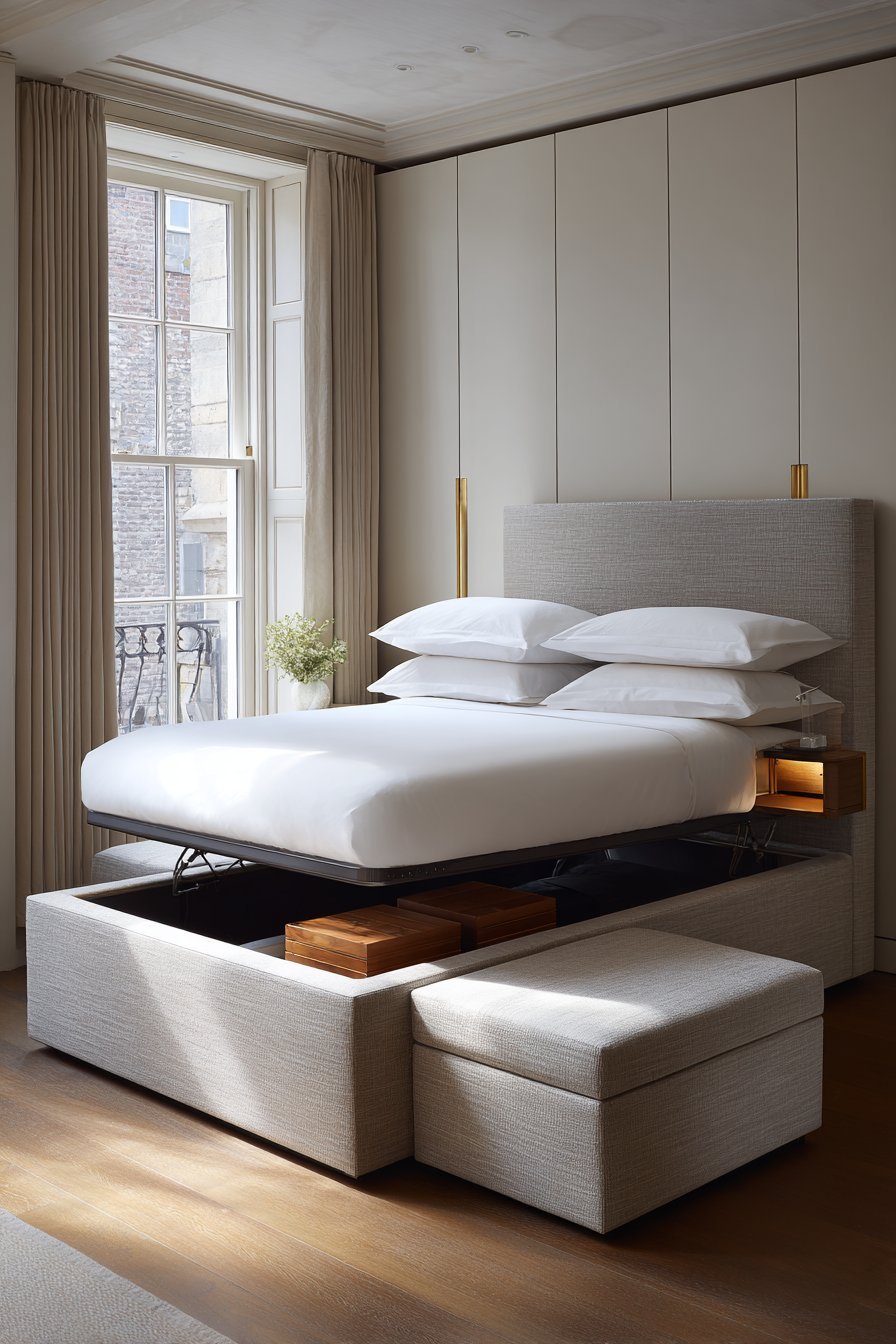
Quality trumps quantity in small bedroom design. Instead of cramming in multiple furniture pieces, invest in fewer, higher-quality items that perform multiple functions beautifully. A well-crafted Murphy bed or wall bed can transform a bedroom into a multi-use space during daytime hours, perfect for urban living where every square foot counts.
- Choose beds with hydraulic lift storage or deep drawers underneath
- Select nightstands that mount to the wall to free up floor space
- Consider a desk that doubles as a vanity with appropriate storage and lighting
- Invest in a wardrobe with mirrored doors for storage plus spatial expansion
- Look for benches or ottomans with hidden storage compartments
- Opt for nesting tables that can expand when needed but stack when not in use
3. Maximize Vertical Space with Strategic Storage
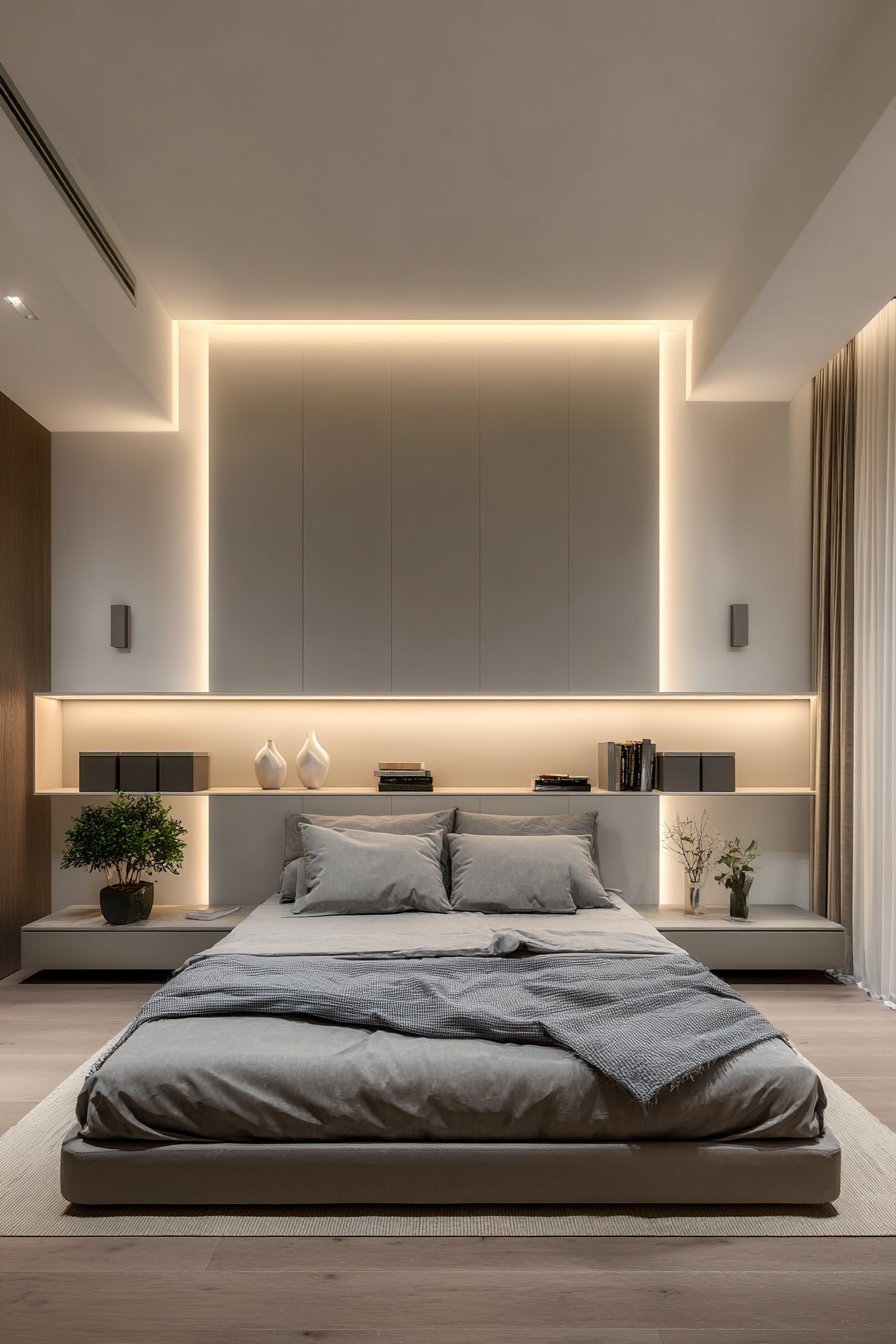
When floor space is limited, thinking vertically becomes essential for creating a luxurious, organized environment. Vertical storage solutions draw the eye upward, emphasizing ceiling height while providing practical storage that keeps clutter at bay. Floor-to-ceiling built-ins or tall bookcases create impressive visual lines that make rooms feel grander than their actual dimensions.
Installing floating shelves above the bed or along empty walls provides display space for curated decorative items without consuming precious floor area. Keep these displays minimal and intentional to maintain the luxurious aesthetic—three to five carefully chosen objects create more impact than a crowded shelf. Consider open shelving in matching materials to create cohesion while maintaining an airy feel.
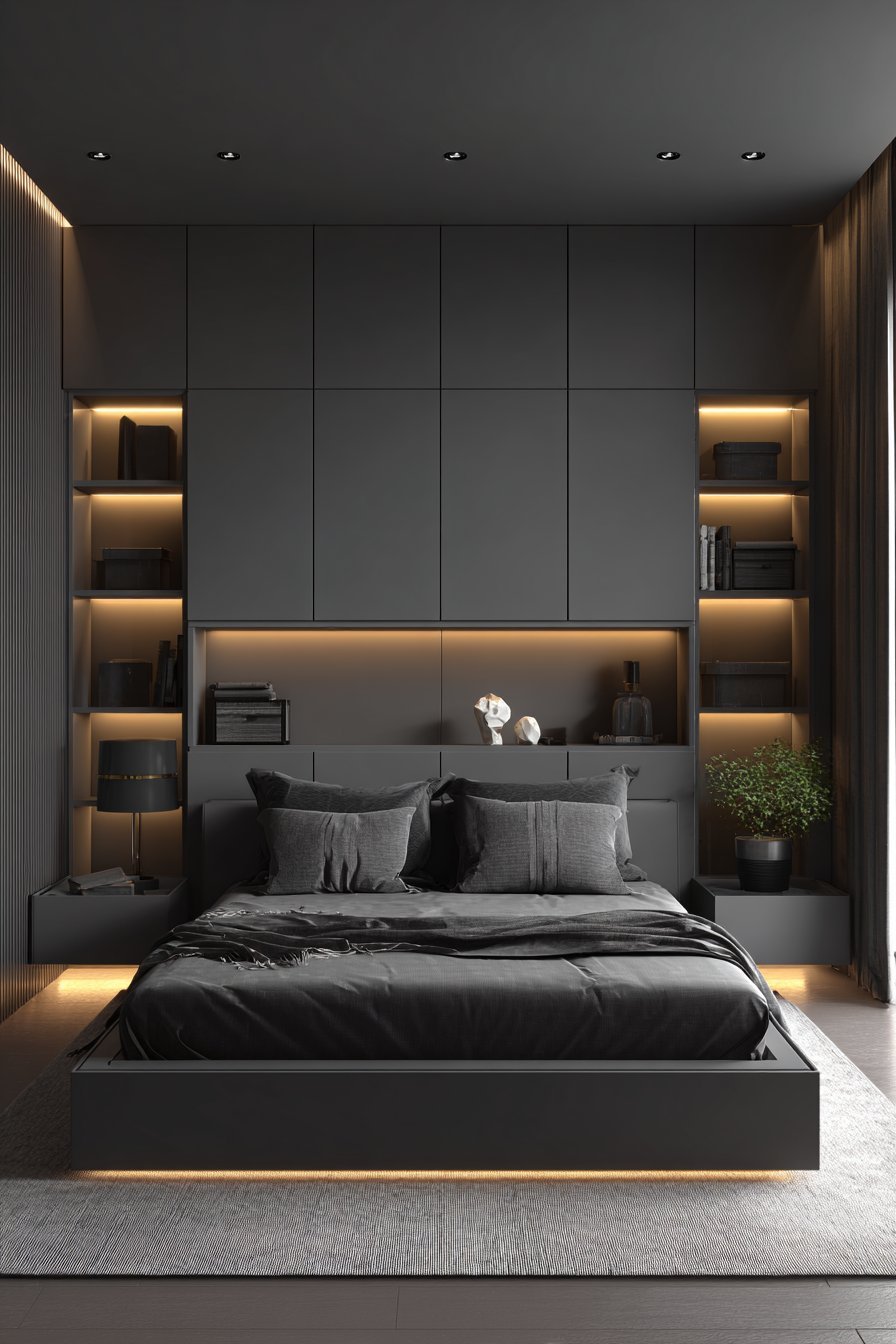
Wall-mounted storage systems designed specifically for small spaces offer customizable configurations that adapt to your needs. Modular wall units in slim profiles can accommodate everything from books to clothing to electronics while maintaining clean lines. Choose systems in the same finish as your walls or in complementary neutrals to ensure they enhance rather than overwhelm the space.
- Install shelving that reaches within 12 inches of the ceiling to maximize height
- Use matching bins or boxes on open shelves for a cohesive, luxury hotel appearance
- Mount hooks and pegs on the back of doors for robes, bags, and accessories
- Consider a tall, narrow armoire instead of a wide, low dresser
- Install wall-mounted reading lights to eliminate bedside table clutter
- Use the space above the door frame for shallow shelving or decorative displays
4. Choose Furniture with Exposed Legs
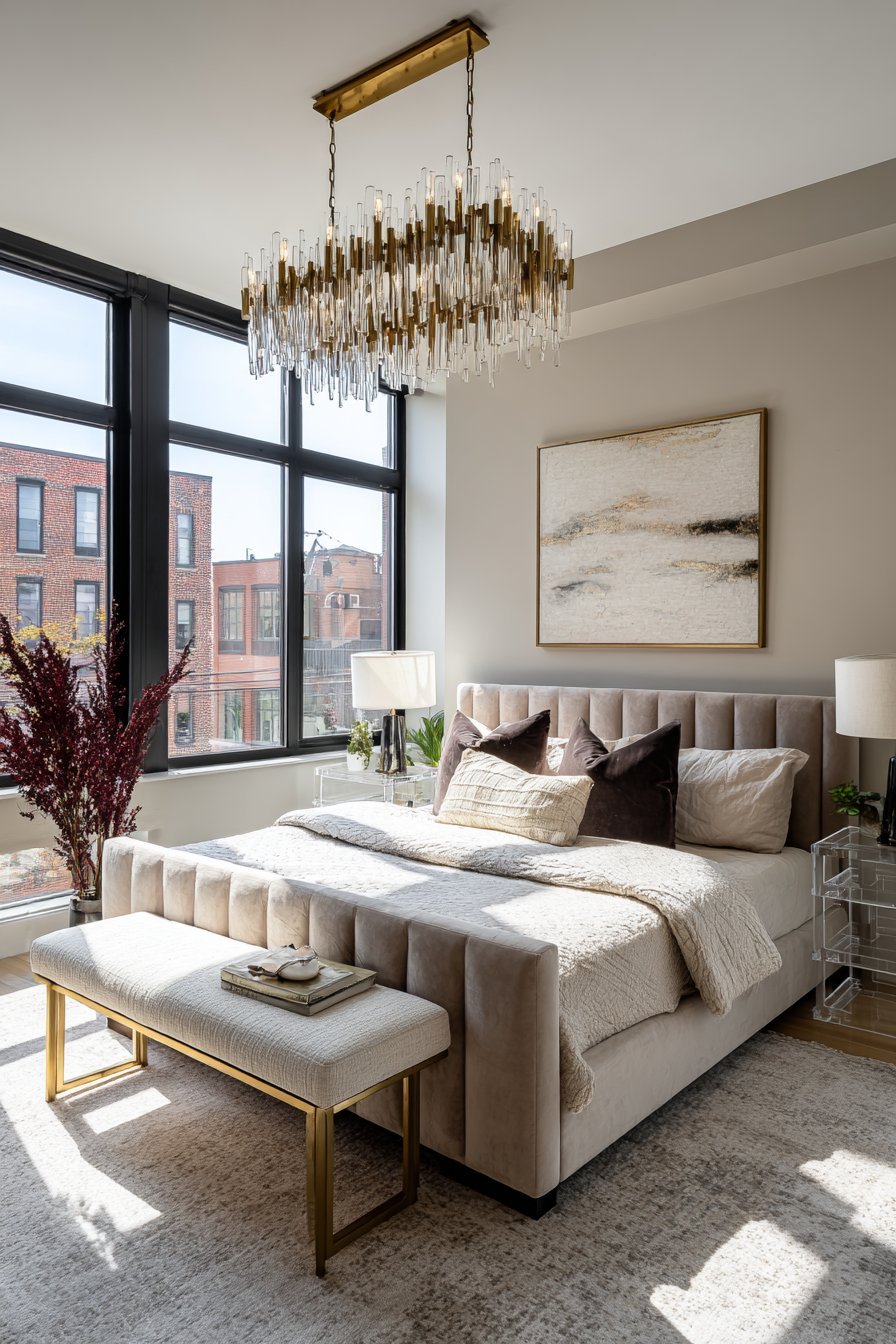
Furniture selection significantly impacts how spacious a room feels, and pieces with exposed legs create visual lightness that makes small bedrooms appear larger. When you can see floor space beneath and around furniture, the room automatically feels less crowded. Sofas, beds, and chairs that sit on slender legs in metal or wood allow light and sightlines to flow through the space.
This design principle creates perceived spaciousness through transparency. Contrast this with furniture that sits directly on the floor, which creates visual weight and blocks the eye’s path across the room. A platform bed with visible legs and a gap beneath appears to float, making the entire room feel more expansive than one with a solid base reaching the floor.
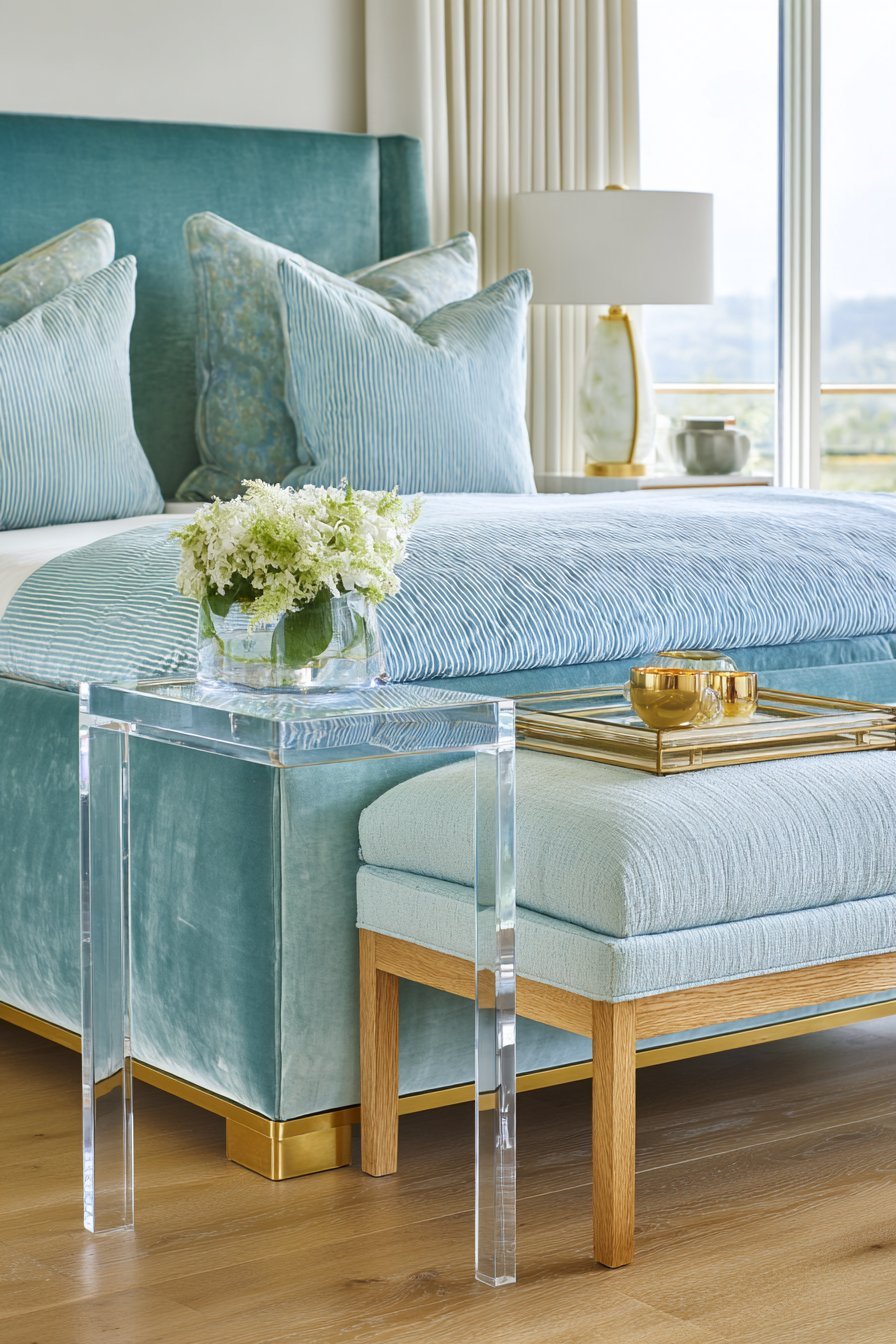
The material and finish of furniture legs also contribute to the luxury aesthetic. Brass, chrome, or lucite legs add a touch of glamour while maintaining the light, airy feeling essential to small space design. Wooden legs in lighter finishes like oak or ash continue the neutral palette while adding natural warmth and sophistication.
- Select beds with legs at least four to six inches high for airiness
- Choose nightstands and dressers with tapered or hairpin legs
- Consider benches and seating with metal frames and exposed bases
- Avoid skirted furniture that conceals the floor completely
- Look for tables with glass or lucite tops to enhance transparency
- Ensure leg finishes coordinate with other metallic accents in the room
5. Implement Large-Scale Mirrors Strategically
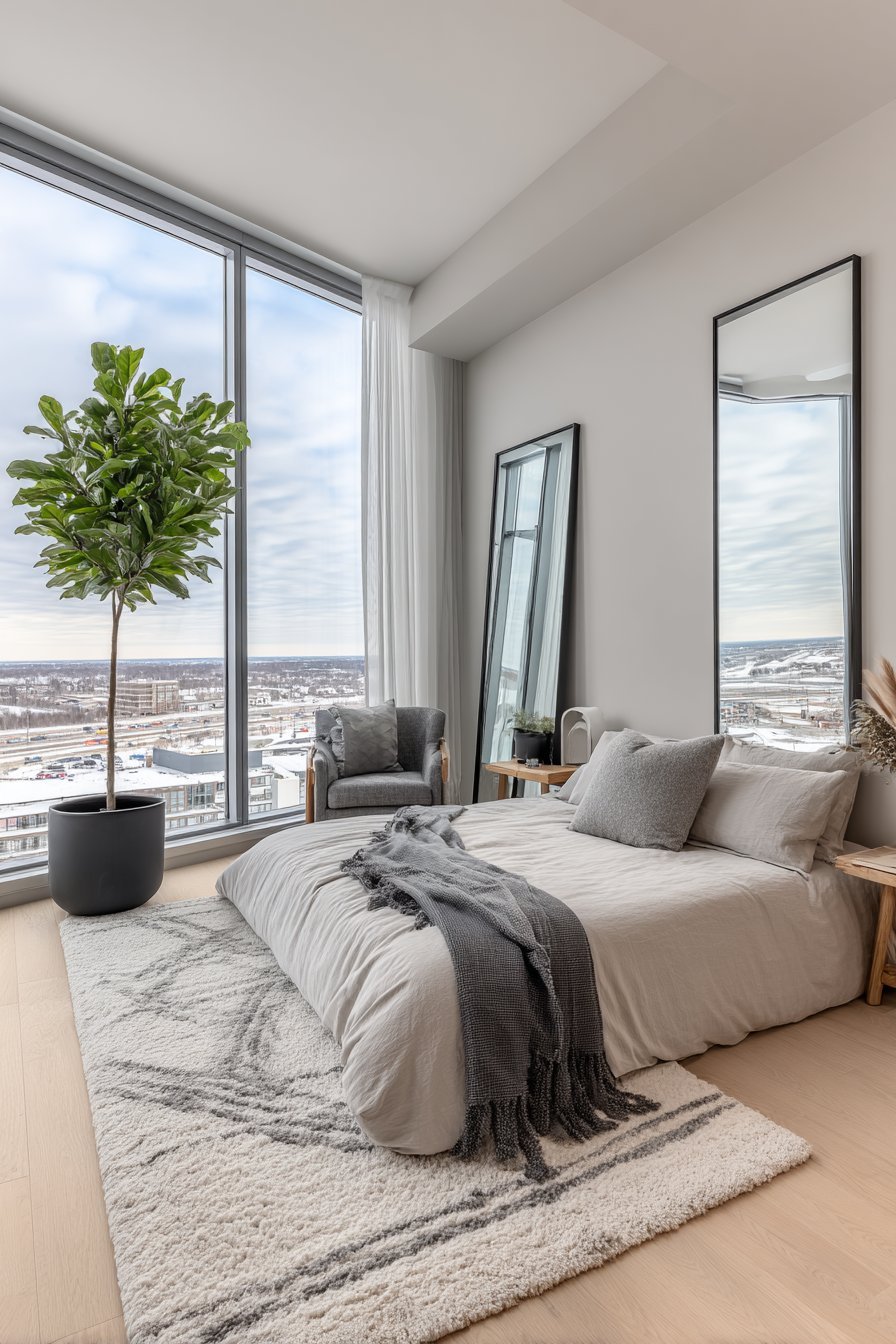
Mirrors are transformative elements in small bedroom design, capable of doubling perceived space through strategic placement. A large mirror opposite a window reflects natural light throughout the room while creating the illusion of an additional window, dramatically brightening the space. This simple addition can make a small bedroom feel twice its actual size.
The scale and placement of mirrors matter enormously. A single oversized mirror makes more impact than multiple small ones, which can fragment the space and create visual confusion. Consider a floor-to-ceiling mirror leaned against one wall or mounted securely for maximum effect. Alternatively, mirrored closet doors serve double duty by concealing storage while expanding spatial perception.
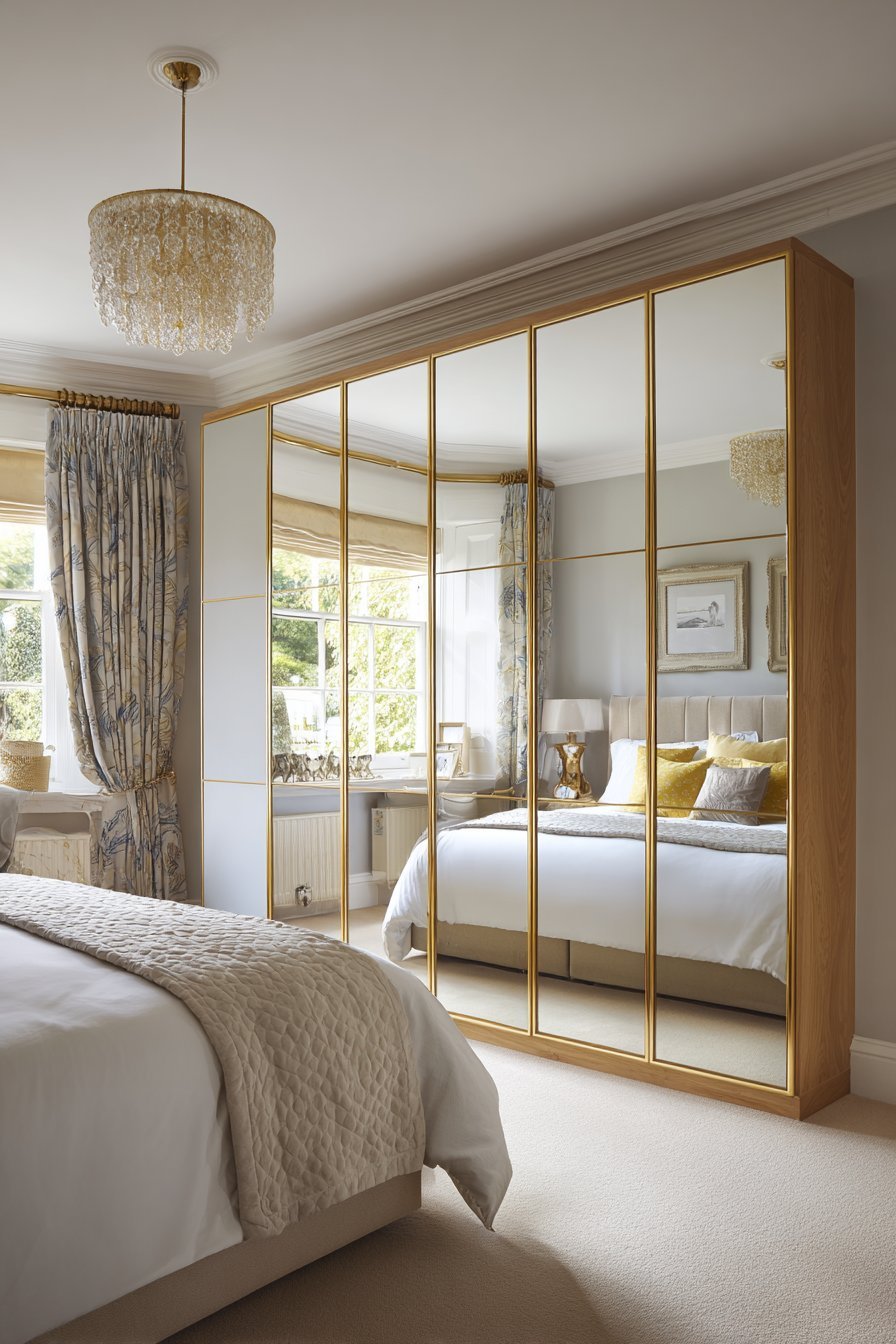
Frame selection contributes to the overall luxury aesthetic. Choose mirrors with simple, elegant frames in metallic finishes or minimal wood designs that complement your color palette. Avoid ornate or heavily detailed frames in small spaces, as they can overwhelm rather than enhance. An unframed beveled mirror offers timeless sophistication that works across design styles.
- Position mirrors to reflect windows or light sources, not clutter
- Choose mirrors at least 36 inches in height for meaningful impact
- Consider full-length mirrors mounted on closet or bathroom doors
- Use mirrored furniture pieces like nightstands sparingly for subtle reflection
- Ensure mirrors are hung at appropriate heights for functionality and aesthetics
- Clean mirrors regularly to maintain their light-enhancing properties
6. Layer Lighting for Depth and Ambiance
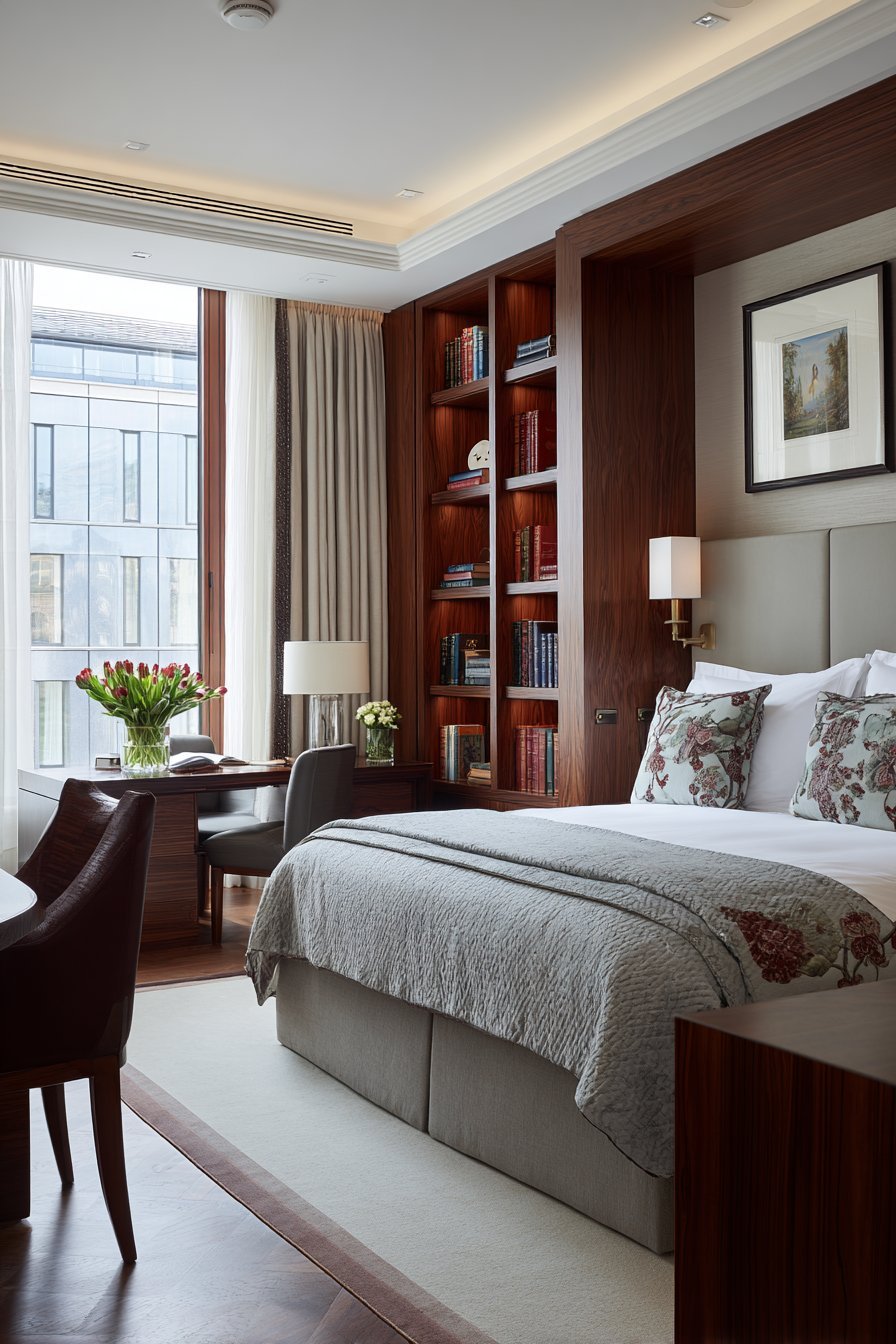
Sophisticated lighting design is fundamental to creating a luxurious atmosphere in small bedrooms. Relying on a single overhead fixture creates flat, uninviting illumination that emphasizes limitations rather than assets. Instead, layer multiple light sources at different heights to add depth, warmth, and flexibility to your space.
Begin with ambient lighting that provides overall illumination without harsh shadows. Recessed ceiling lights or a semi-flush mount fixture offer general lighting without consuming visual space. Add task lighting through wall-mounted reading lamps flanking the bed, which free up nightstand space while providing focused illumination. Finally, incorporate accent lighting with LED strips under floating shelves or behind headboards to create subtle, hotel-like ambiance.
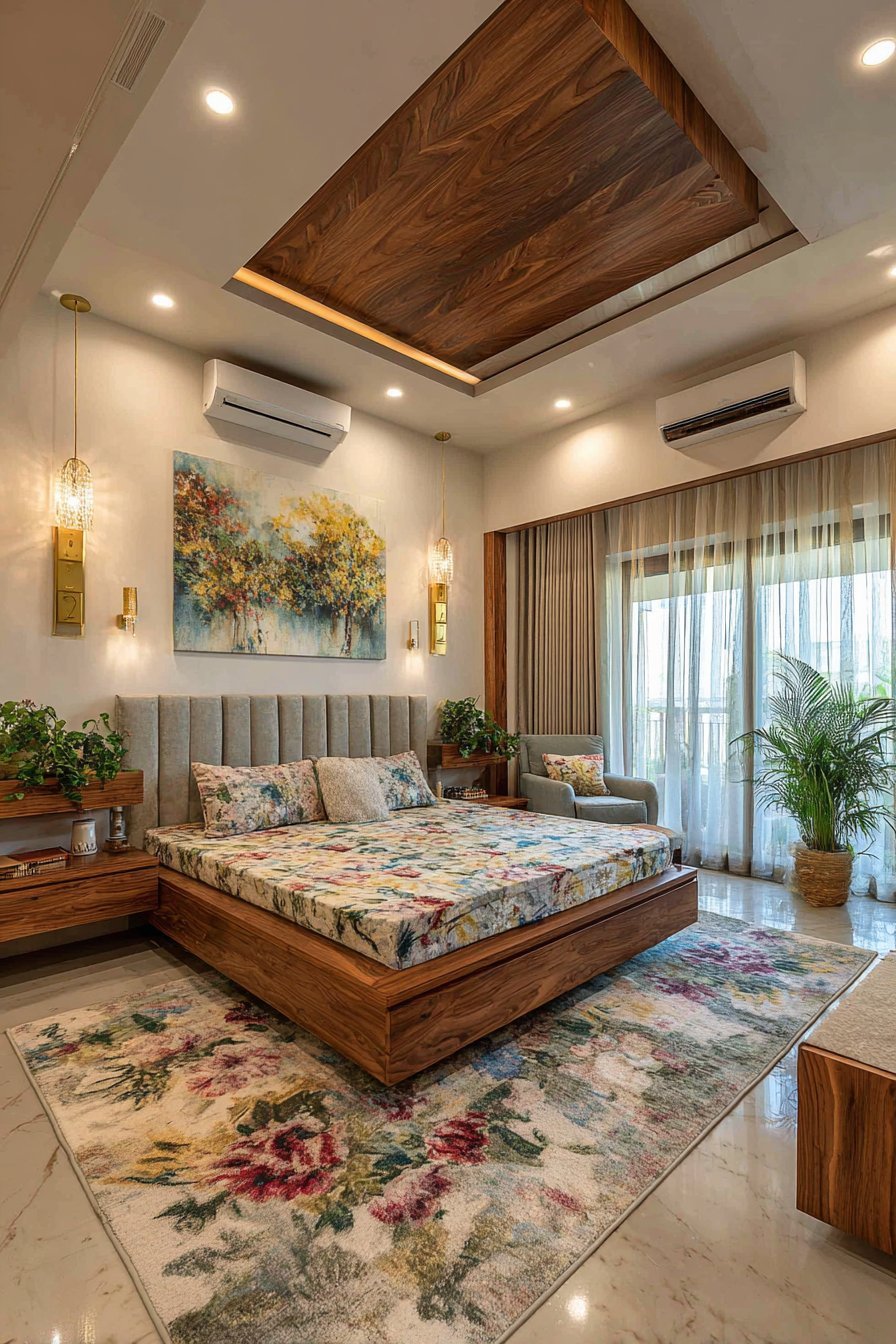
Dimmer switches on all lighting circuits allow you to adjust mood and perceived spaciousness throughout the day and evening. Bright light makes spaces feel larger and more energized, while dimmed lighting creates intimate, luxurious ambiance. This flexibility transforms one small room into multiple experiences, enhancing its versatility and sophistication.
- Install at least three different light sources operating on separate switches
- Use warm white bulbs (2700K-3000K) for a luxurious, inviting glow
- Position adjustable wall sconces 18-24 inches from bed edges at sitting height
- Add LED strip lighting under beds or shelves for subtle depth
- Choose fixtures with slim profiles that don’t protrude into the room
- Consider smart bulbs that adjust color temperature throughout the day
7. Select Low-Profile, Streamlined Furniture
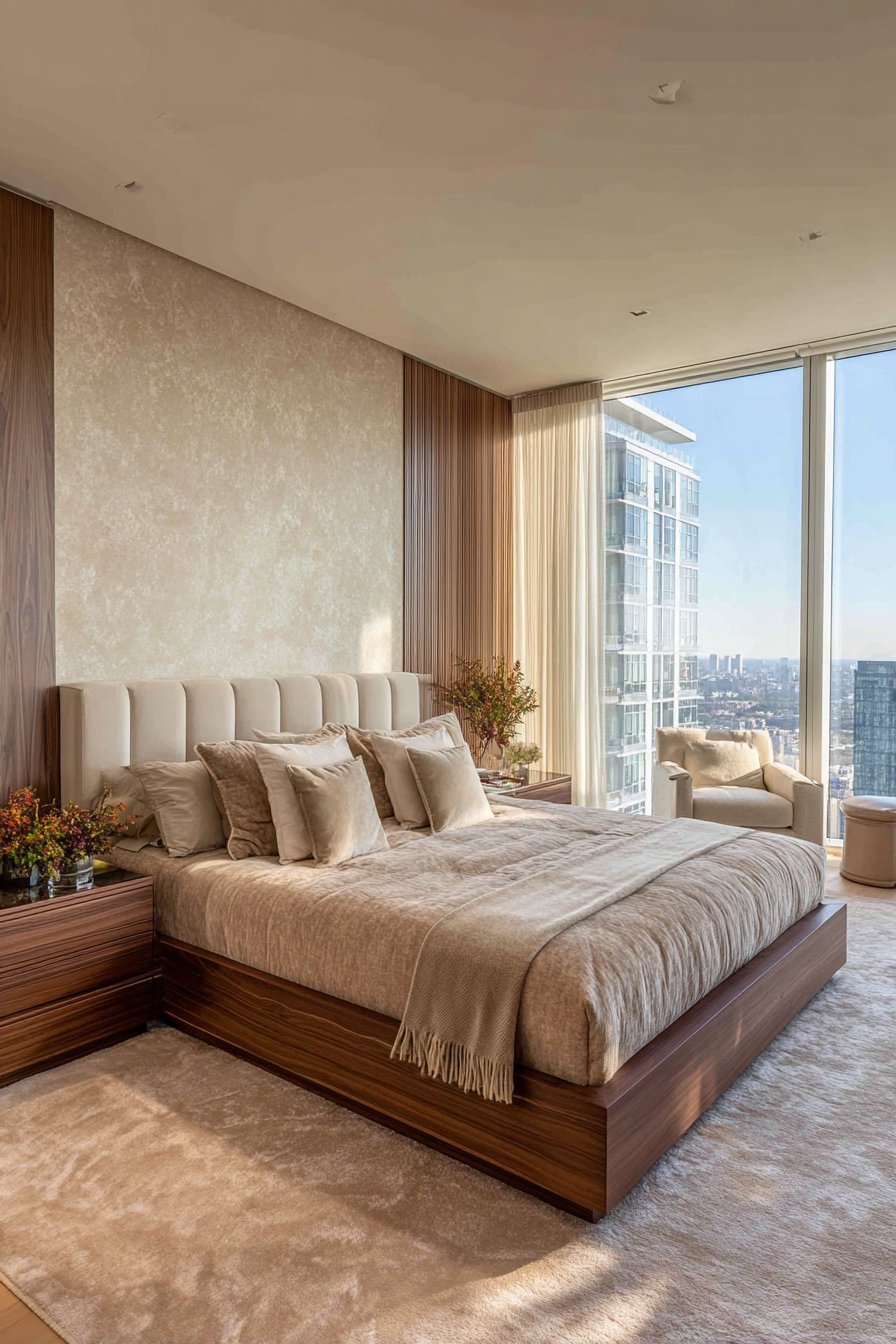
Furniture scale dramatically affects how spacious a small bedroom feels. Low-profile pieces with clean lines create horizontal emphasis that makes ceilings appear higher and rooms feel more expansive. A platform bed sitting close to the ground opens up vertical space above, drawing attention to wall art or architectural details rather than bulky furniture.
Streamlined design means eliminating unnecessary ornamentation and detail that creates visual noise in compact spaces. Choose furniture with simple silhouettes and minimal hardware that allows the eye to move smoothly across the room. Integrated handles, handleless drawers, and push-to-open mechanisms maintain clean facades that contribute to the luxurious, uncluttered aesthetic.
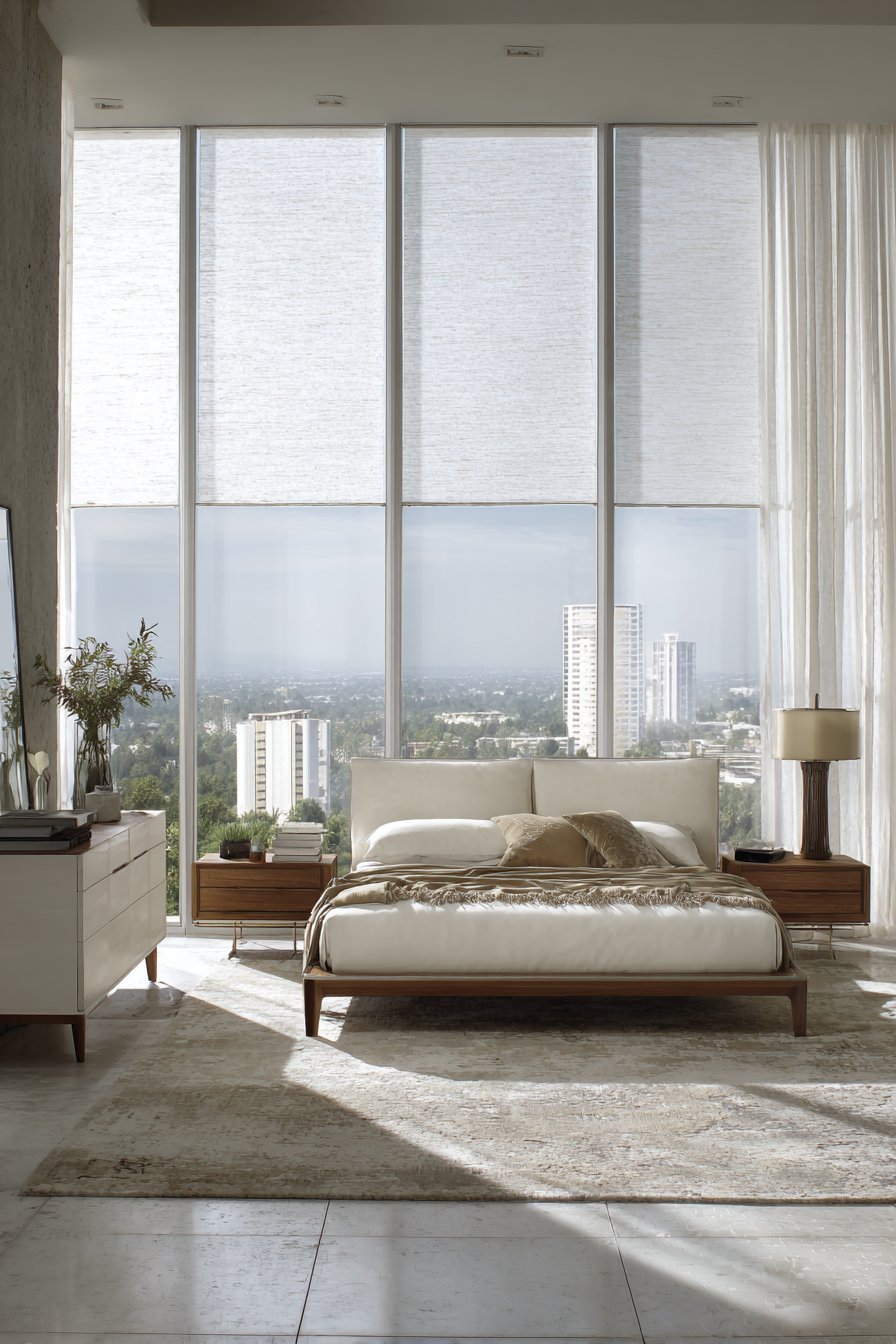
This approach doesn’t mean sacrificing comfort or style. Many contemporary furniture designers create low-profile pieces with luxurious materials like velvet upholstery, marble tops, or walnut wood that feel indulgent despite their minimal footprint. The key is selecting pieces where every line and curve serves a purpose without excess decoration.
- Choose beds with headboards no taller than 48 inches from the floor
- Select dressers and storage pieces under 36 inches in height when possible
- Avoid furniture with ornate carvings, excessive molding, or bulky details
- Look for pieces with horizontal rather than vertical visual weight
- Consider Japanese-inspired designs that emphasize low, ground-hugging forms
- Ensure furniture proportions suit room dimensions—oversized pieces overwhelm small spaces
8. Incorporate Luxurious Textures and Fabrics
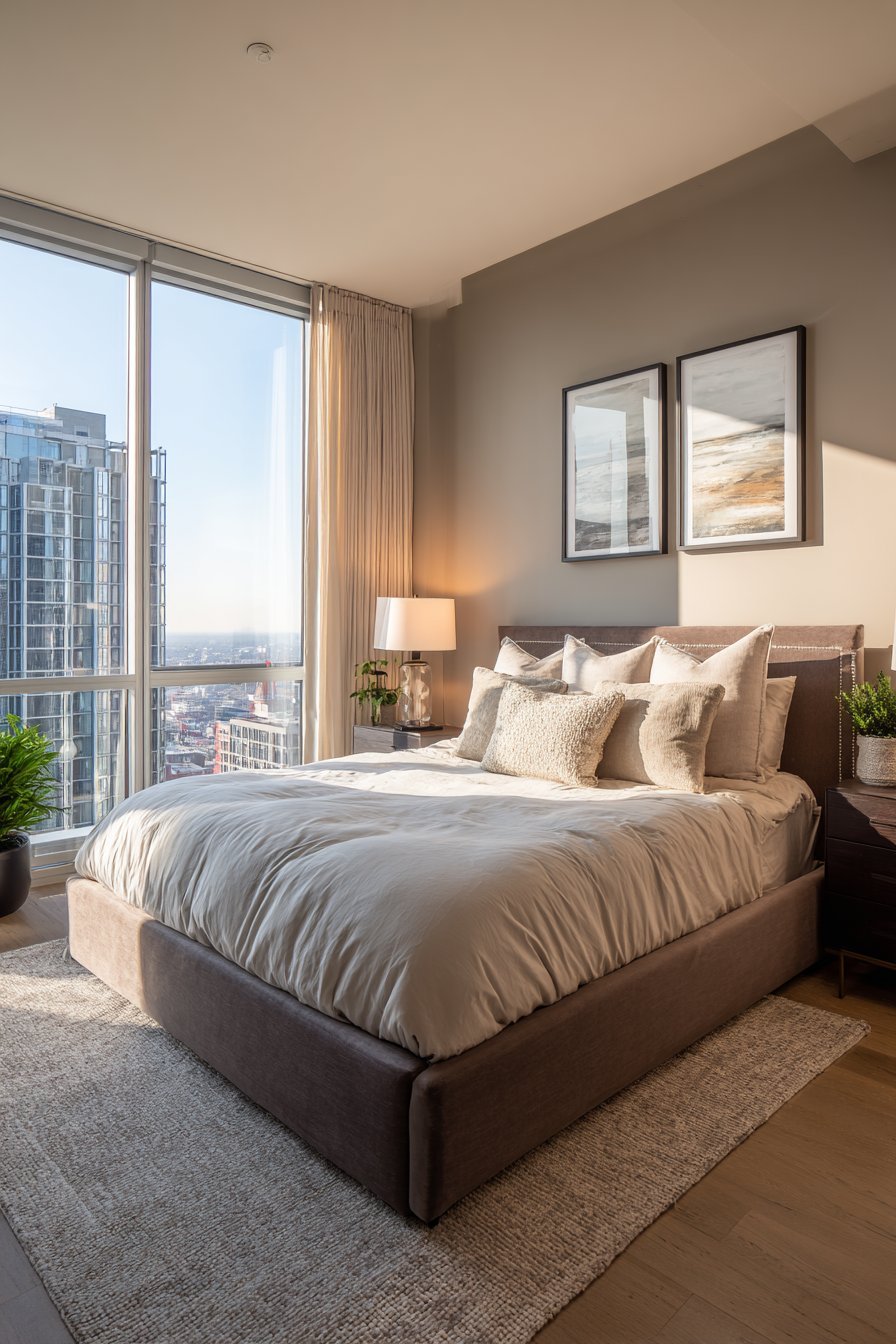
Luxury in small bedrooms comes from quality materials and sumptuous textures rather than quantity or size. Investing in high-thread-count sheets, a plush area rug, and velvet or linen accent pillows creates an indulgent sensory experience that elevates the entire space. These tactile elements add depth and interest without requiring additional square footage.
Layer textures strategically to create visual richness within your neutral palette. Combine smooth silk or satin with nubby linen, soft velvet with crisp cotton, and natural wood with metallic accents. This variety engages the senses and creates sophisticated depth that prevents neutral spaces from feeling flat or boring. Each texture catches and reflects light differently, adding subtle dimension.
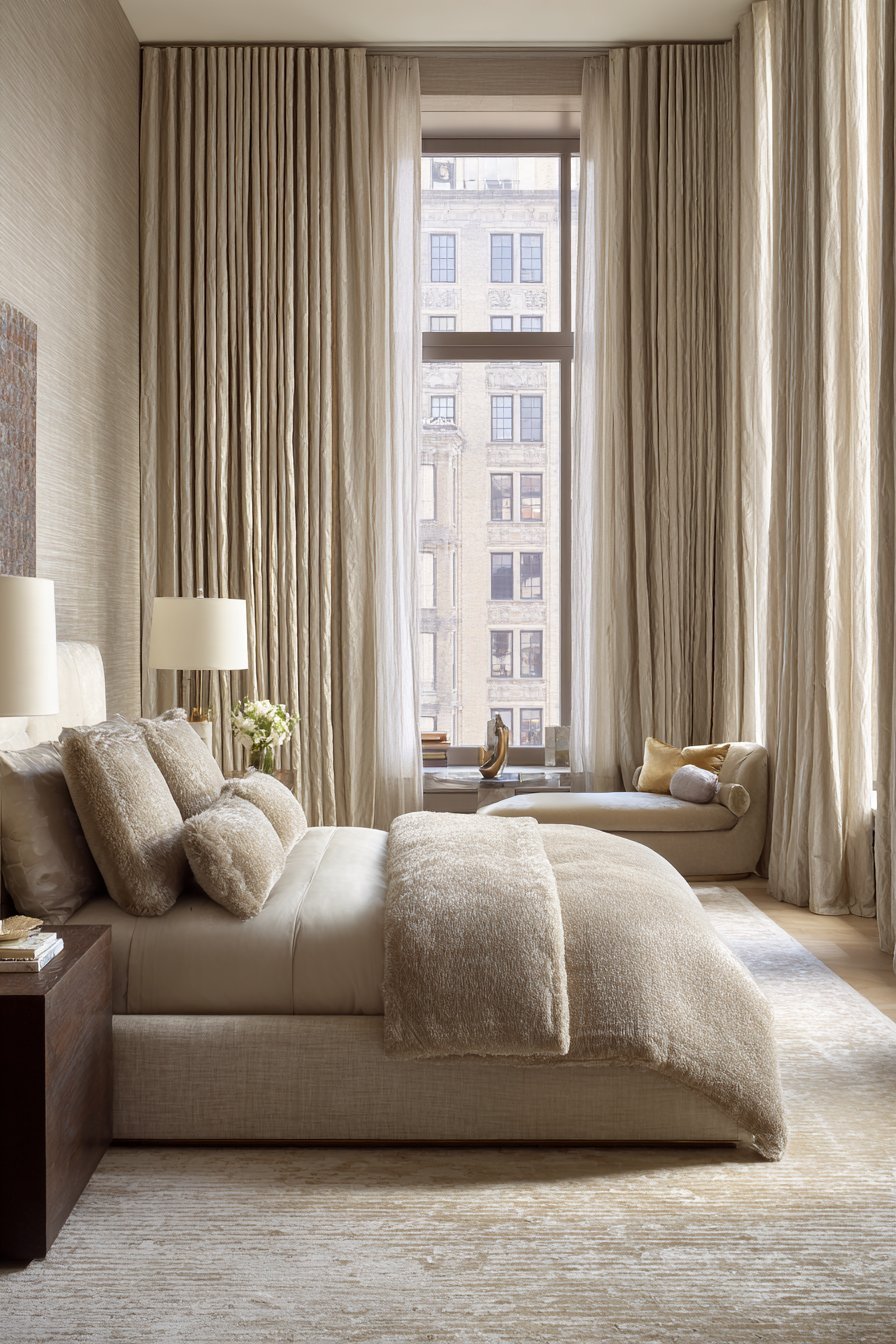
Window treatments in luxurious fabrics serve both functional and aesthetic purposes. Floor-to-ceiling curtains in linen or silk add vertical emphasis while framing windows beautifully. Choose fabrics that pool slightly on the floor for an opulent, custom appearance. Sheer underlayers allow natural light while maintaining privacy, essential for creating the bright, spacious feeling you desire.
- Invest in hotel-quality bedding with thread counts above 400
- Add a plush area rug in natural fibers like wool or silk blend
- Layer throw pillows in varying textures but coordinating colors
- Choose curtains that extend from ceiling to floor for maximum impact
- Incorporate a velvet upholstered headboard or bench for tactile luxury
- Use linen or silk lampshades that diffuse light beautifully
9. Maintain Strict Clutter Control
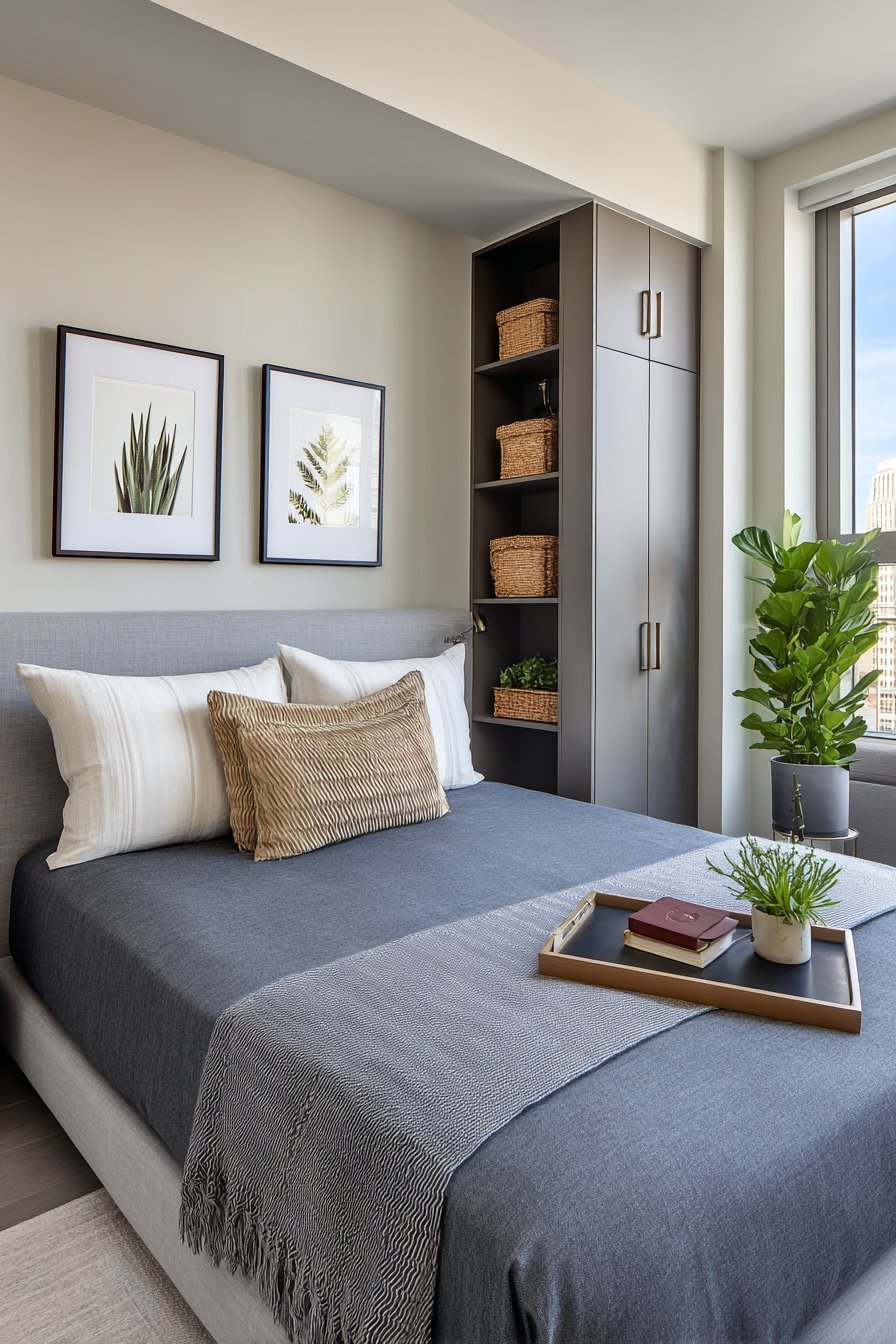
No design strategy can overcome the space-shrinking effects of clutter. Rigorous organization and visual discipline are non-negotiable in small bedroom design. Everything must have a designated home, and surfaces should remain largely clear to maintain the spacious, luxurious atmosphere you’ve carefully created. This doesn’t mean sterile emptiness, but rather intentional curation.
Implement the “one in, one out” rule to prevent accumulation. When purchasing new items, remove something of equal size. Use beautiful storage solutions like leather boxes, woven baskets, or lacquered trays to corral necessary items while contributing to the aesthetic. These functional pieces become part of the design rather than eyesores that compromise the luxury feeling.
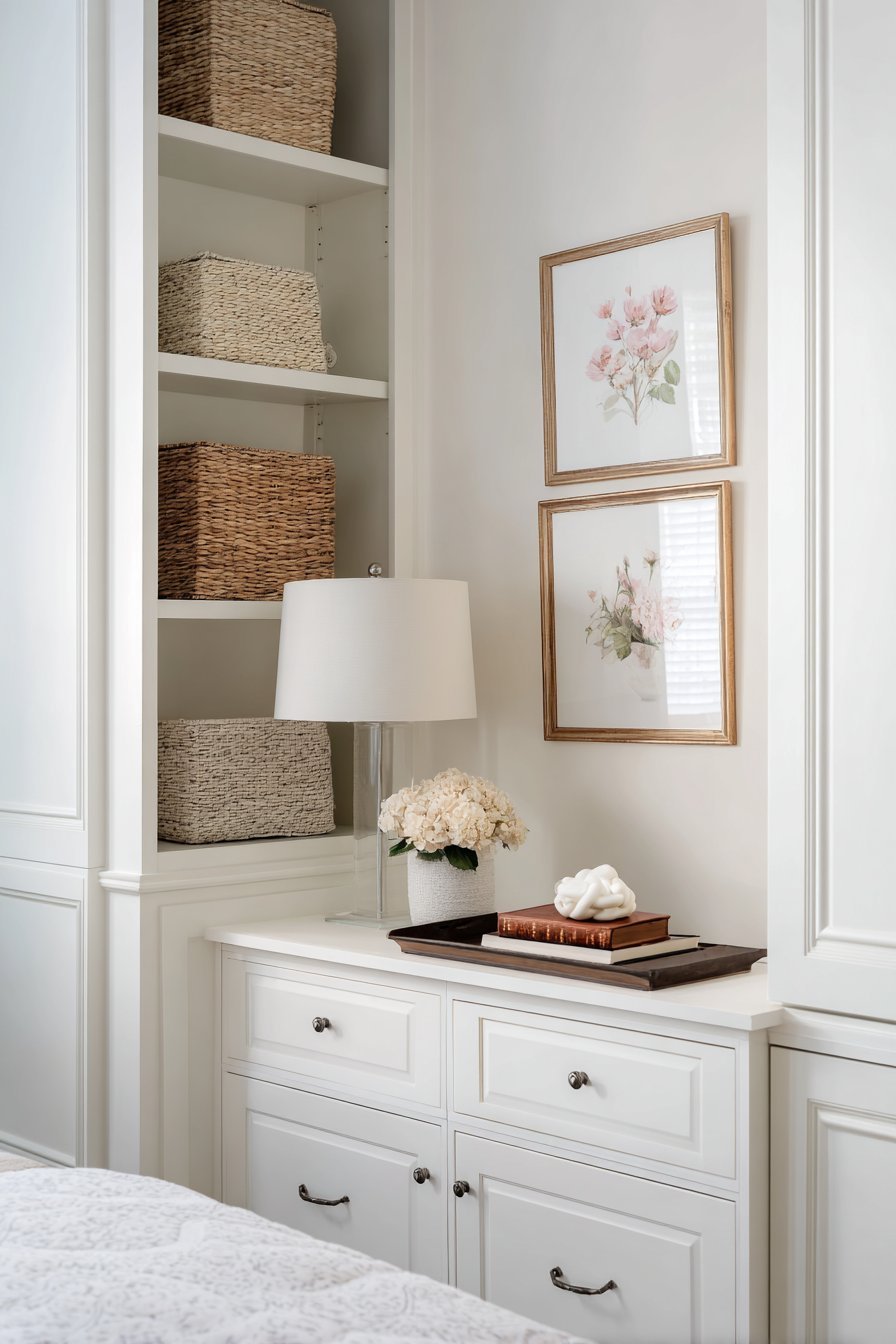
Develop daily habits that maintain order. Make the bed every morning, put clothes away immediately, and keep nightstands clear except for one or two essential items. Minimalism enhances luxury in small spaces, allowing quality pieces and beautiful design choices to shine without competition from accumulated possessions.
- Limit nightstand displays to one to three carefully chosen items
- Store all off-season clothing in vacuum-sealed bags under the bed or elsewhere
- Use drawer dividers and organizers to maximize efficiency
- Keep only current reading material in the bedroom, storing others elsewhere
- Display only meaningful art or photographs, avoiding gallery wall overcrowding
- Conduct quarterly purges to remove items no longer serving you
10. Create Visual Flow with Consistent Design Elements
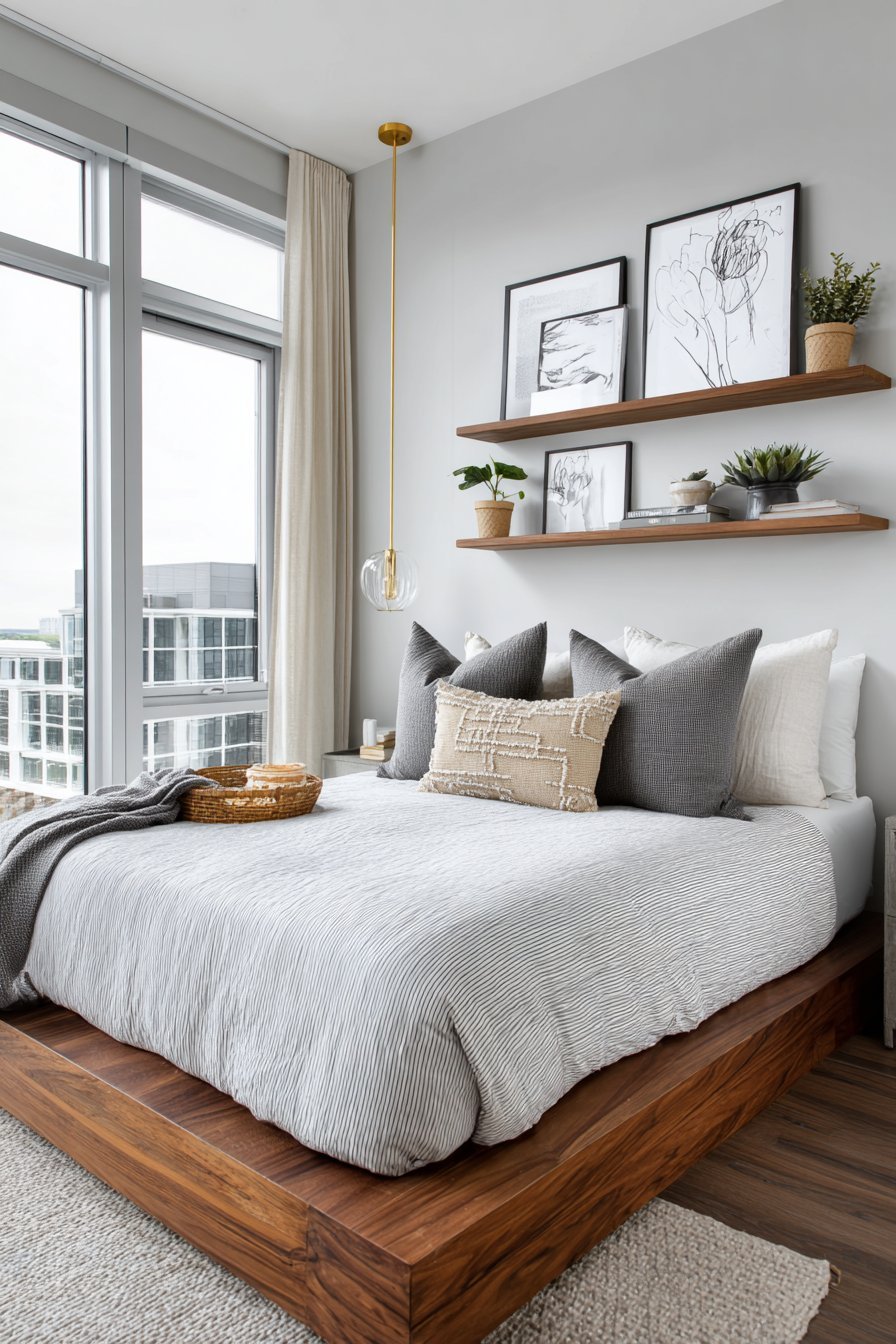
Cohesion creates the impression of larger, more sophisticated spaces. When design elements relate to each other through consistent colors, materials, or styles, the eye moves smoothly through the room without jarring stops that fragment space. This visual flow makes small bedrooms feel unified and intentional rather than cramped and chaotic.
Repeat key design elements throughout the space to create rhythm and harmony. If you’ve chosen brass hardware on nightstands, echo that brass in light fixtures, mirror frames, and decorative objects. If you’re using a particular shade of blue-gray, repeat it in artwork, textiles, and accessories. This repetition creates a curated, designer look that exudes luxury.
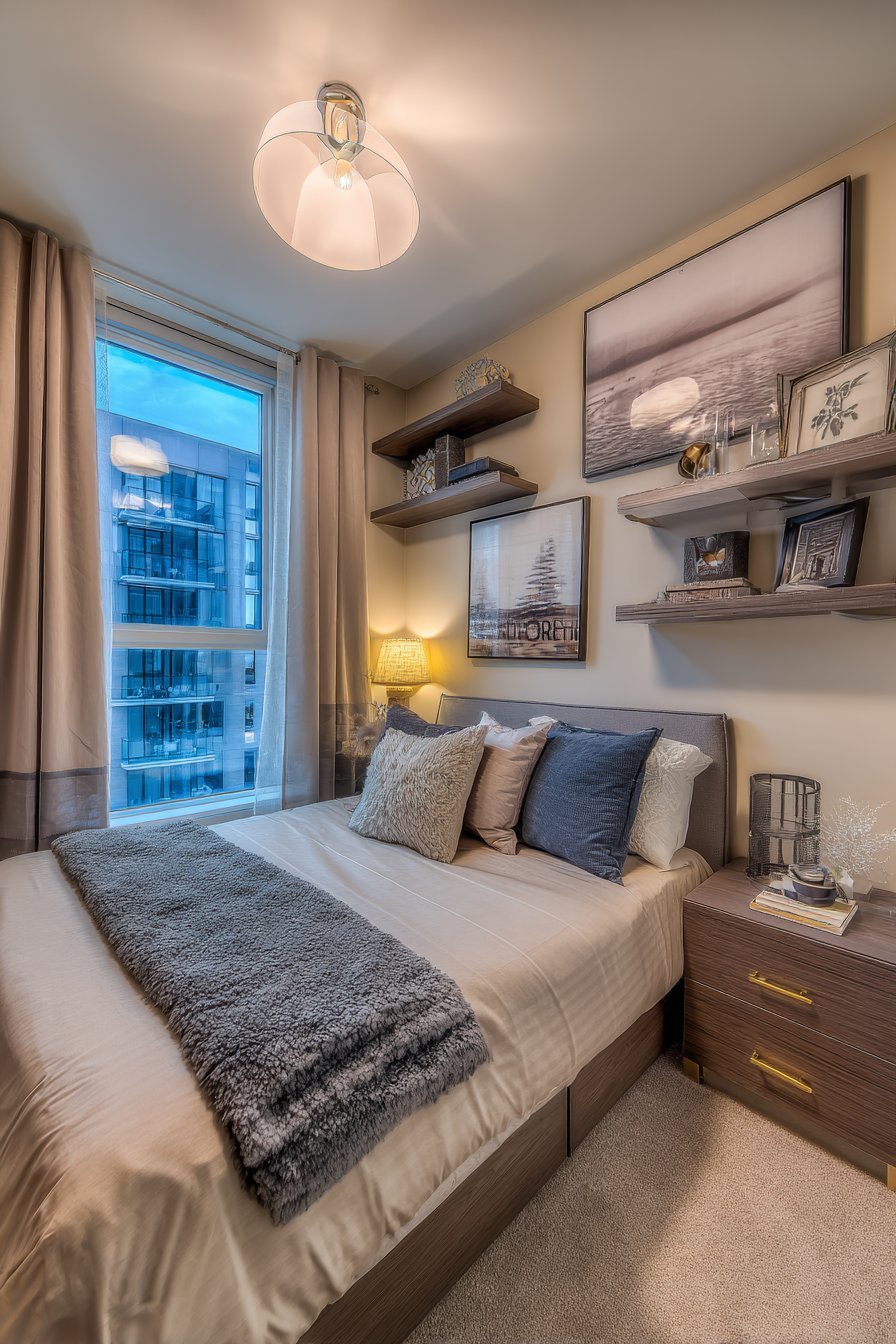
Maintain consistency in wood tones, metal finishes, and style references. Mixing too many different wood species or combining chrome with brass with black metal creates visual confusion that makes spaces feel smaller. Choose two complementary finishes maximum and stick with them throughout the room. This discipline creates the polished, cohesive appearance characteristic of luxury design.
- Select one dominant metal finish (brass, nickel, chrome) and use consistently
- Keep wood tones within the same color family (all warm or all cool)
- Repeat your accent color in three to five places throughout the room
- Choose artwork that shares a common element like color palette or frame style
- Ensure textiles relate through pattern scale or color coordination
- Limit decorative styles to one or two complementary aesthetics
Conclusion
Creating a luxurious and spacious feeling in a small bedroom requires thoughtful planning and disciplined execution, but the results are transformative. By implementing these ten strategies—from embracing light colors and multi-functional furniture to maintaining strict clutter control and visual cohesion—you can craft a bedroom that feels significantly larger than its actual dimensions while exuding sophisticated elegance.
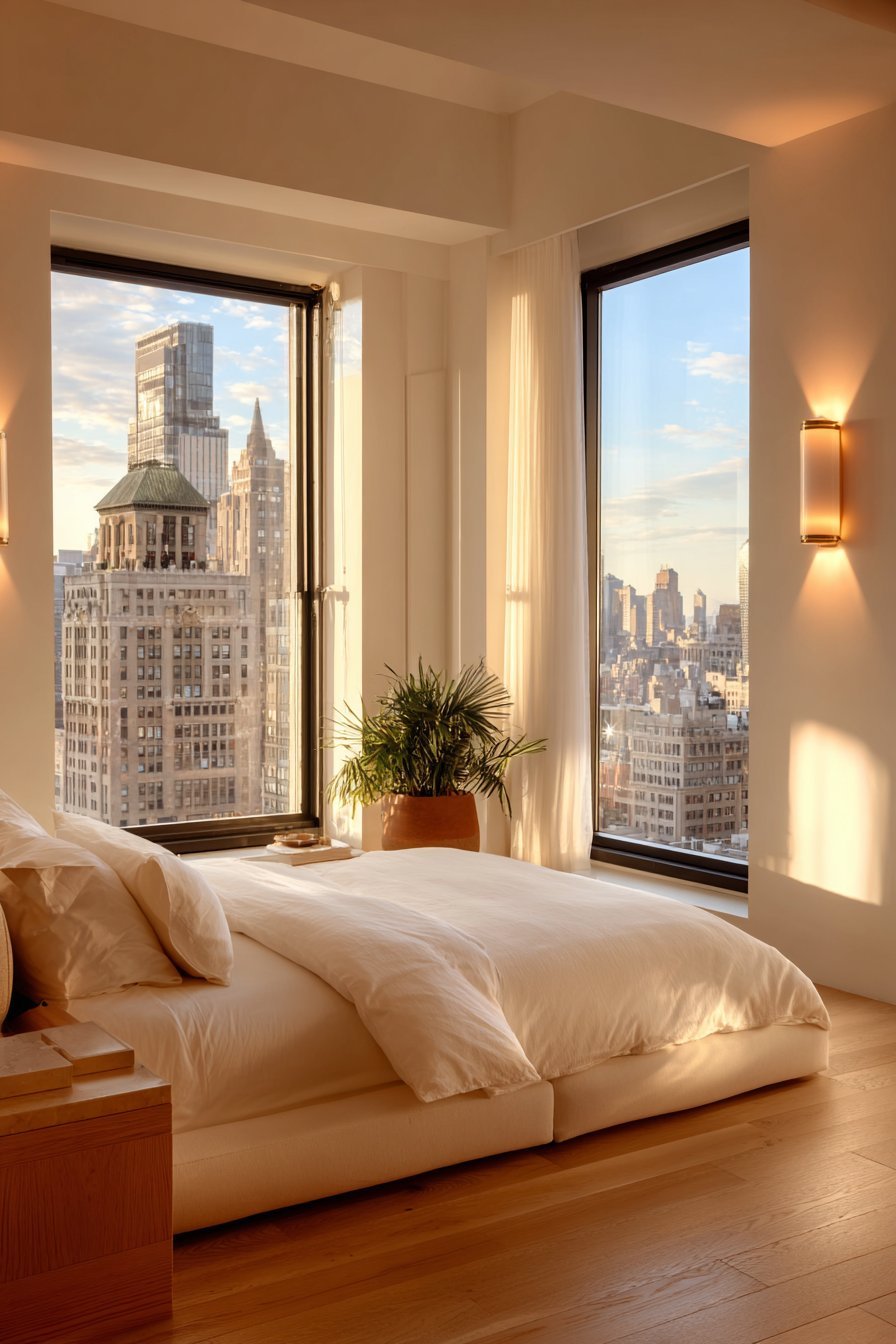
Remember that luxury isn’t about excess; it’s about quality, intention, and creating harmony between all design elements. Every choice should serve both aesthetic and functional purposes, contributing to an overall sense of openness and refinement. Start with one or two strategies that resonate most with your space and budget, then gradually incorporate others as you refine your bedroom into the luxurious retreat you deserve. Your small bedroom has tremendous potential to become a beautifully spacious sanctuary that rivals any larger space in comfort and style.
