
Designing a nursery is one of the most exciting and meaningful projects a parent can undertake. Every detail matters — from the crib placement to the soft glow of a nightlight. But few elements carry as much potential as nursery shelving. Done right, shelves become the heart of the room: organized, beautiful, and deeply personal.
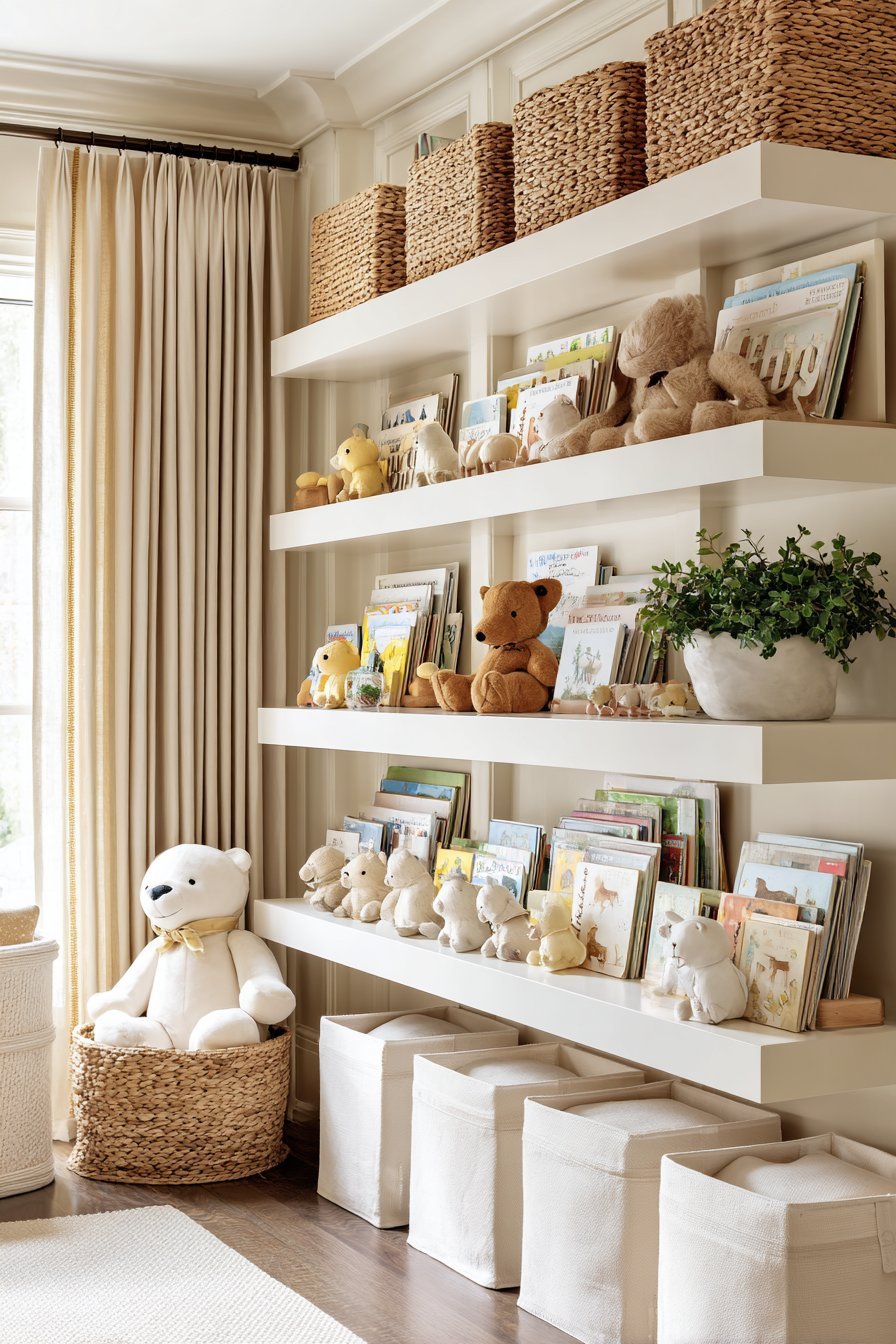
Shelving in a nursery serves a dual purpose. It keeps essentials within easy reach for busy parents while creating a visual narrative that grows with your child. The challenge is balancing practicality with aesthetics without letting either side win completely. A well-styled shelf is not just storage — it is a design statement.
This article walks you through how to approach nursery shelving with both function and beauty in mind. Whether you are working with a small corner or an entire accent wall, these tips will help you create a space that feels intentional, calming, and wonderfully designed. From choosing the right shelving units to curating the perfect mix of books, baskets, and decor, every idea here is actionable and inspiring.
1. Choose the Right Shelving Style for Your Nursery
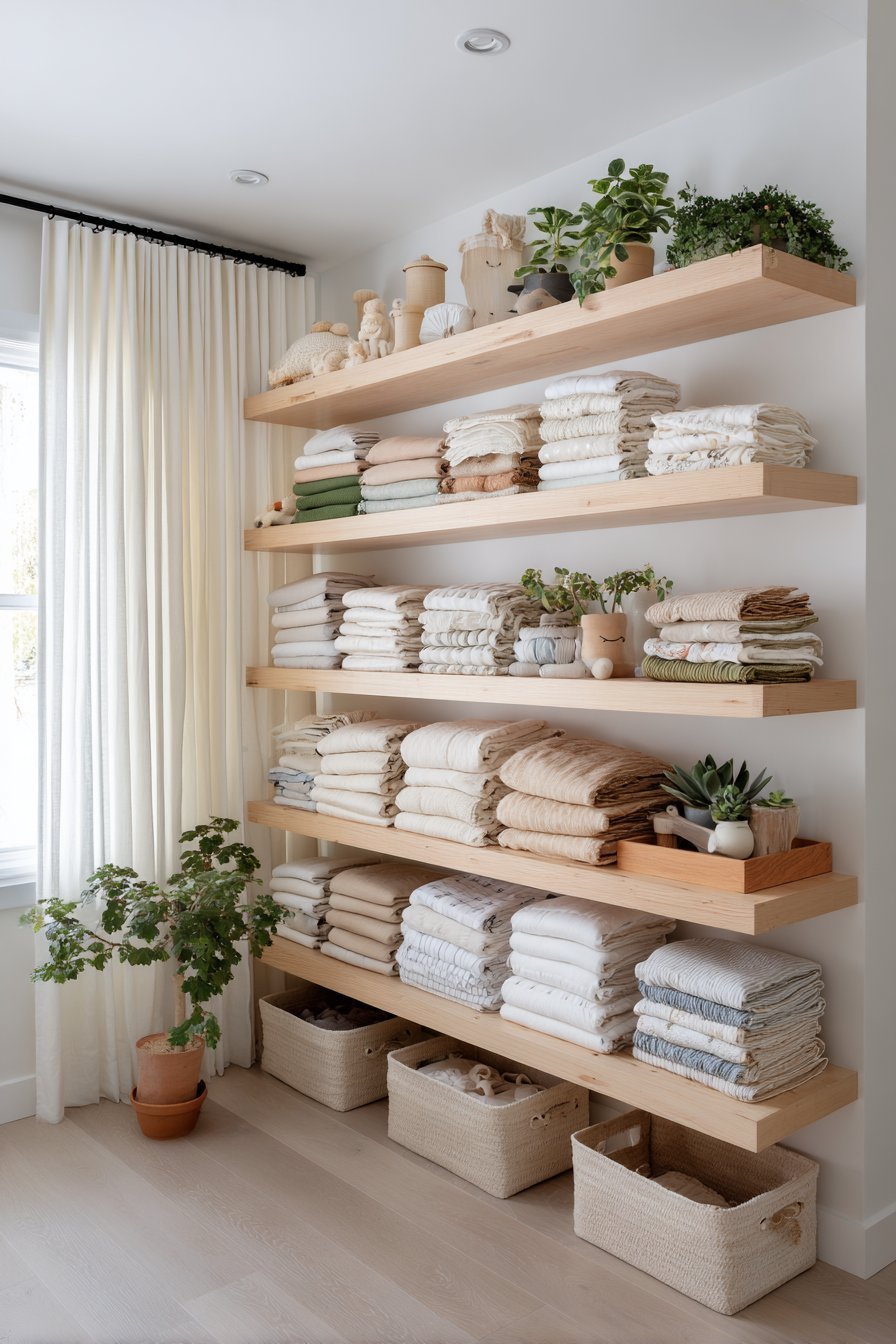
The foundation of great nursery shelving starts with choosing the right style. Floating shelves, cube shelving, ladder shelves, and built-ins all offer different aesthetics and functional benefits. Floating shelves create a clean, modern look and are ideal for smaller rooms where floor space is precious. Cube shelving offers more enclosed storage and works well for organizing baby essentials like diapers, wipes, and folded clothes.
Consider the overall design theme of your nursery before committing to a shelf style. A boho nursery pairs beautifully with natural wood floating shelves, while a modern minimalist room might call for white lacquered wall shelves. The shelving should feel like an extension of the room’s personality, not an afterthought. Think about how the material, finish, and shape will complement the crib, dresser, and wall colors.
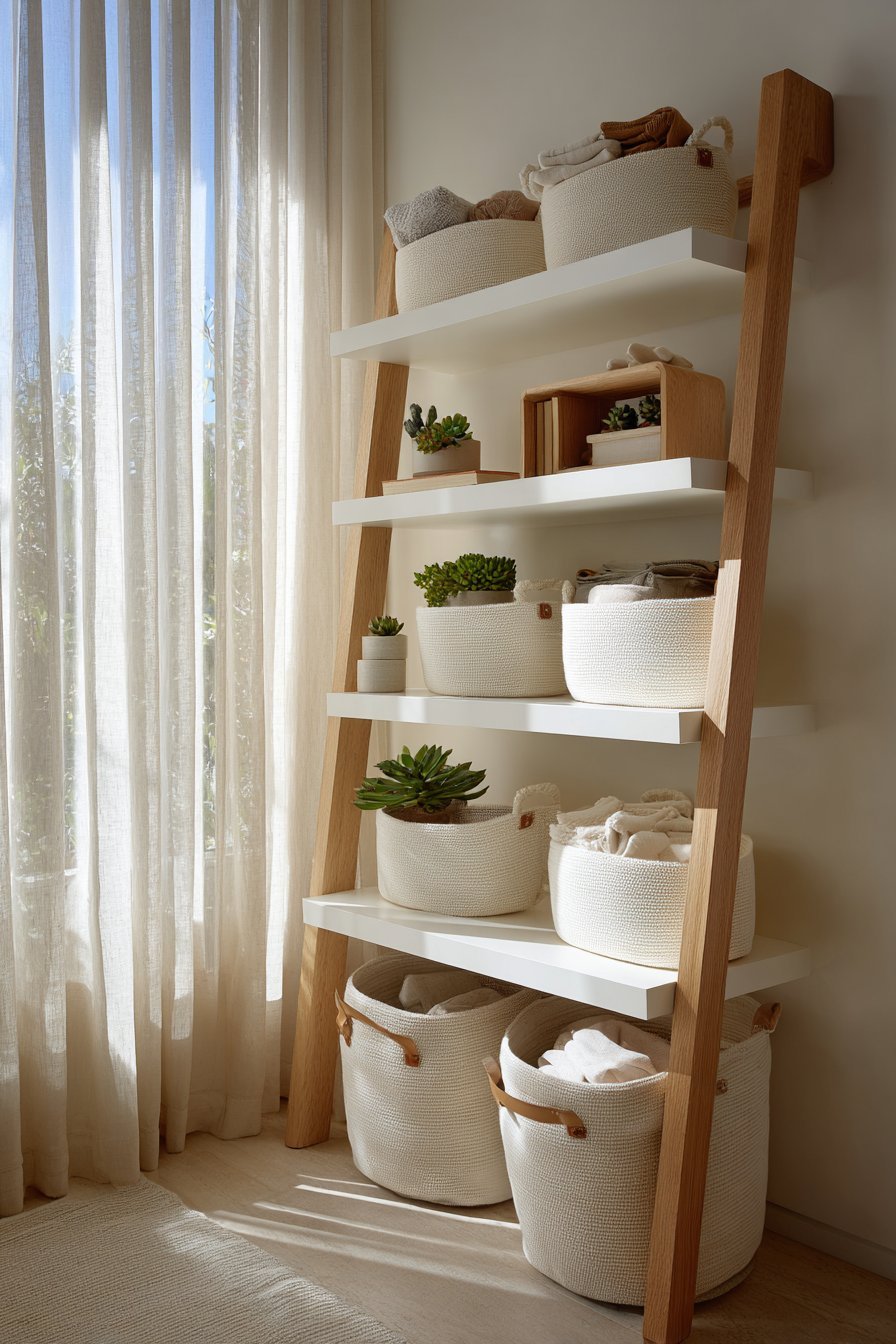
Safety is a non-negotiable consideration. Always anchor shelves securely to wall studs, especially when children begin pulling themselves up and exploring. Avoid glass shelves entirely in a nursery setting. Choose shelves with smooth edges and sturdy construction that can hold at least 20-30 pounds safely per shelf.
- Choose floating shelves for a clean, modern look in smaller rooms
- Opt for cube shelving when you need enclosed, organized storage
- Match shelf material and finish to your nursery’s design theme
- Always anchor shelves into wall studs for maximum safety
- Avoid glass or sharp-edged shelving near play areas
- Aim for shelves that hold a minimum of 20 lbs per unit
2. Plan Your Layout Before Installing
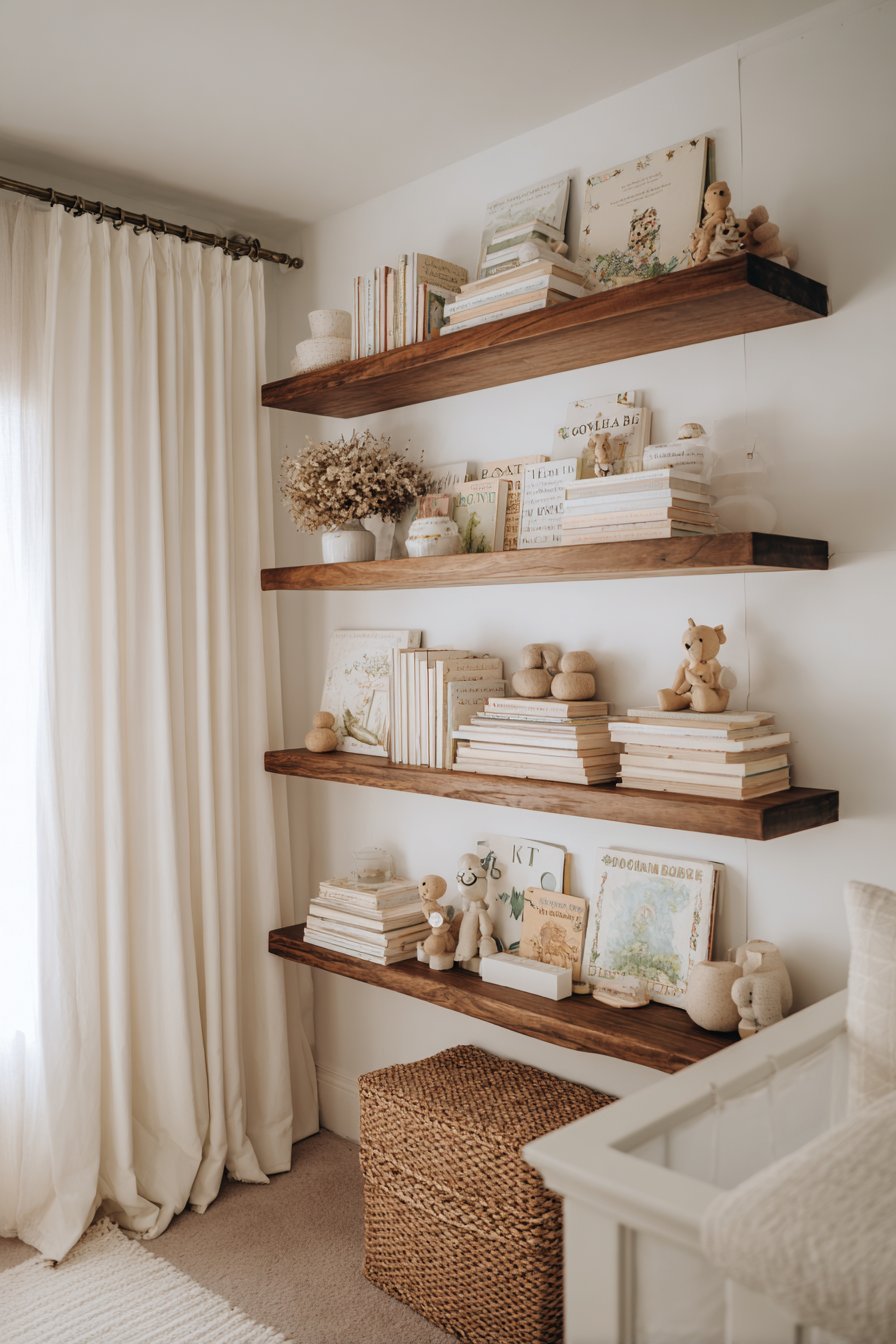
Before drilling a single hole, plan your layout on paper or using a digital room planner. Decide how many shelves you need, where they will sit in relation to other furniture, and what height works best for both parental access and eventual child interaction. A poorly planned layout can result in shelves that are too high to reach or awkwardly spaced against the wall.
Consider using painter’s tape to mock up shelf placement on the wall before committing. This technique allows you to visualize spacing, proportion, and balance without making permanent decisions. Think about the negative space between shelves — this breathing room is part of the design. Shelves that are too close together feel cramped and chaotic.
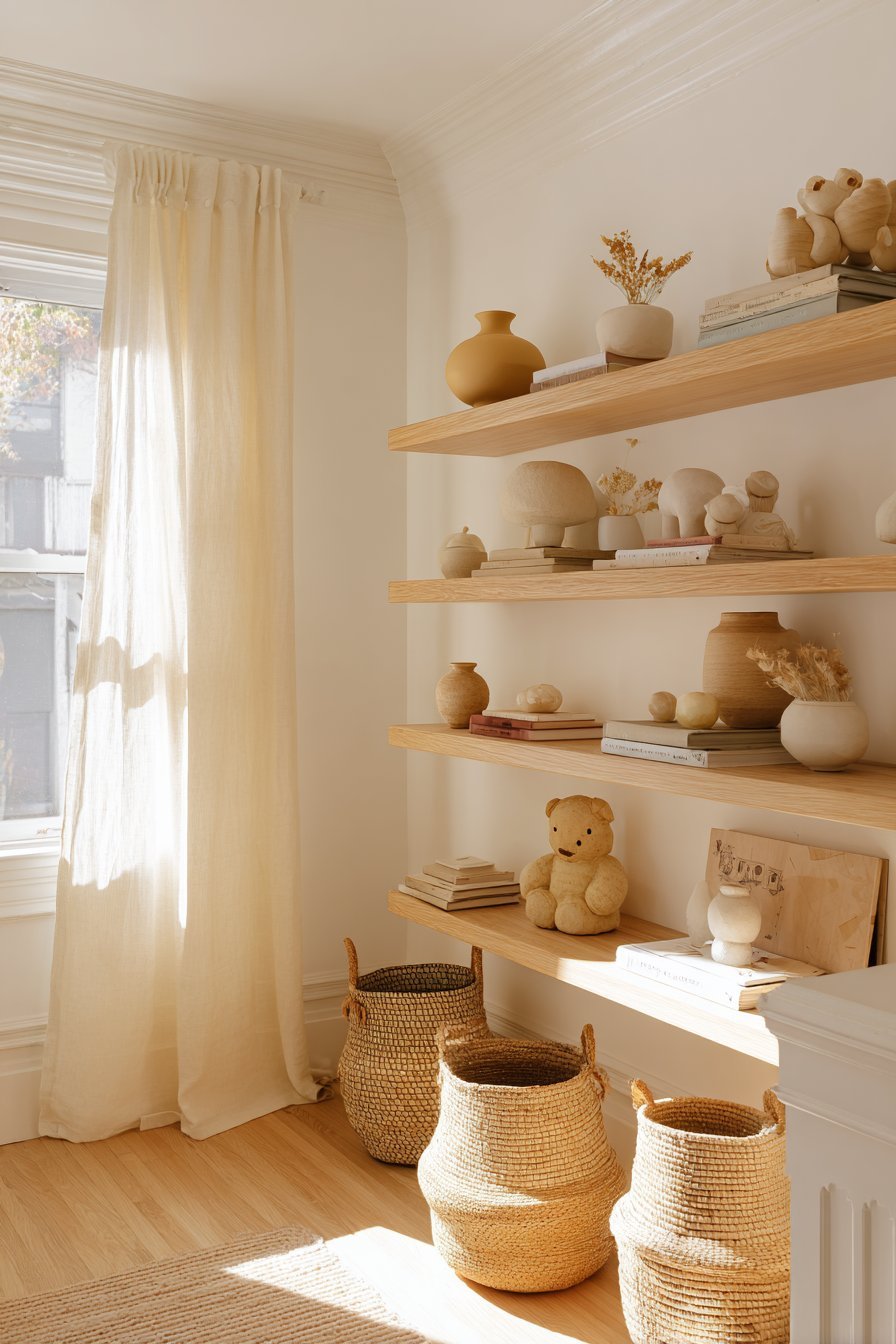
Stagger shelf heights for a more dynamic visual composition. Rather than placing all shelves at the same level, vary them slightly to create visual interest. A staggered layout also provides flexibility — taller items like stuffed animals or vases can sit on lower or open shelves while books and small baskets work on narrower, higher ones.
- Sketch your layout on paper before purchasing or installing shelves
- Use painter’s tape on the wall to preview shelf placement
- Leave adequate negative space between shelves for visual breathing room
- Stagger shelf heights for dynamic visual composition
- Position frequently used items at a comfortable adult height
- Plan for future growth — leave space for items as the child grows
3. Use the Rule of Three for Shelf Decor
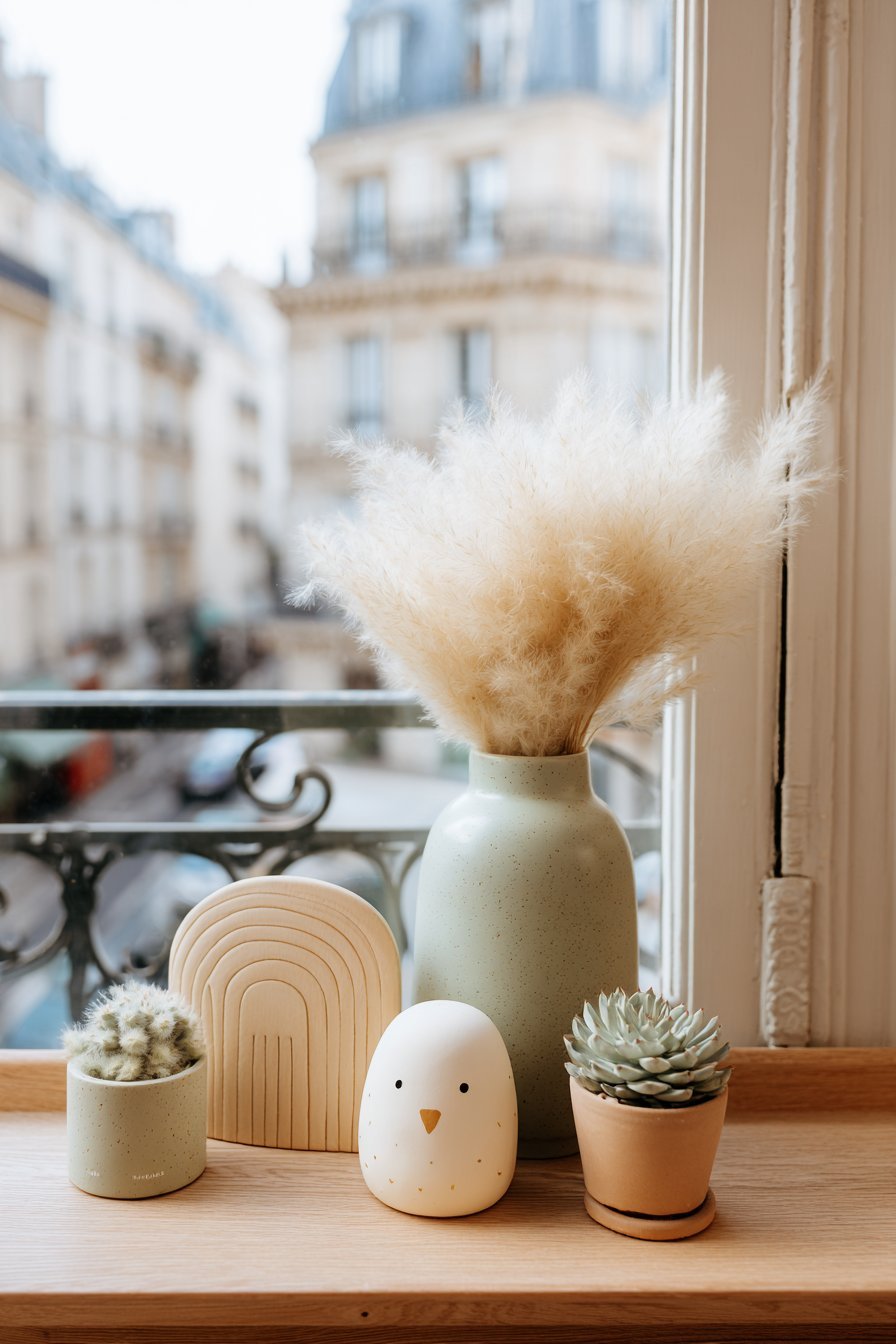
One of the most timeless principles in interior design is the rule of three. Grouping objects in odd numbers — particularly threes — creates a naturally pleasing visual balance. On nursery shelves, this might mean a small potted plant, a framed print, and a ceramic animal figure arranged together. The variety in height, texture, and form keeps the eye moving and creates a curated feel.
Apply this rule consistently across your shelves without making every grouping identical. Vary the scale of objects within each trio — one tall item, one medium, one small. This height variation creates a sense of rhythm that feels intentional and sophisticated rather than random. Avoid lining up items of the same height, which creates a flat, uninspired arrangement.
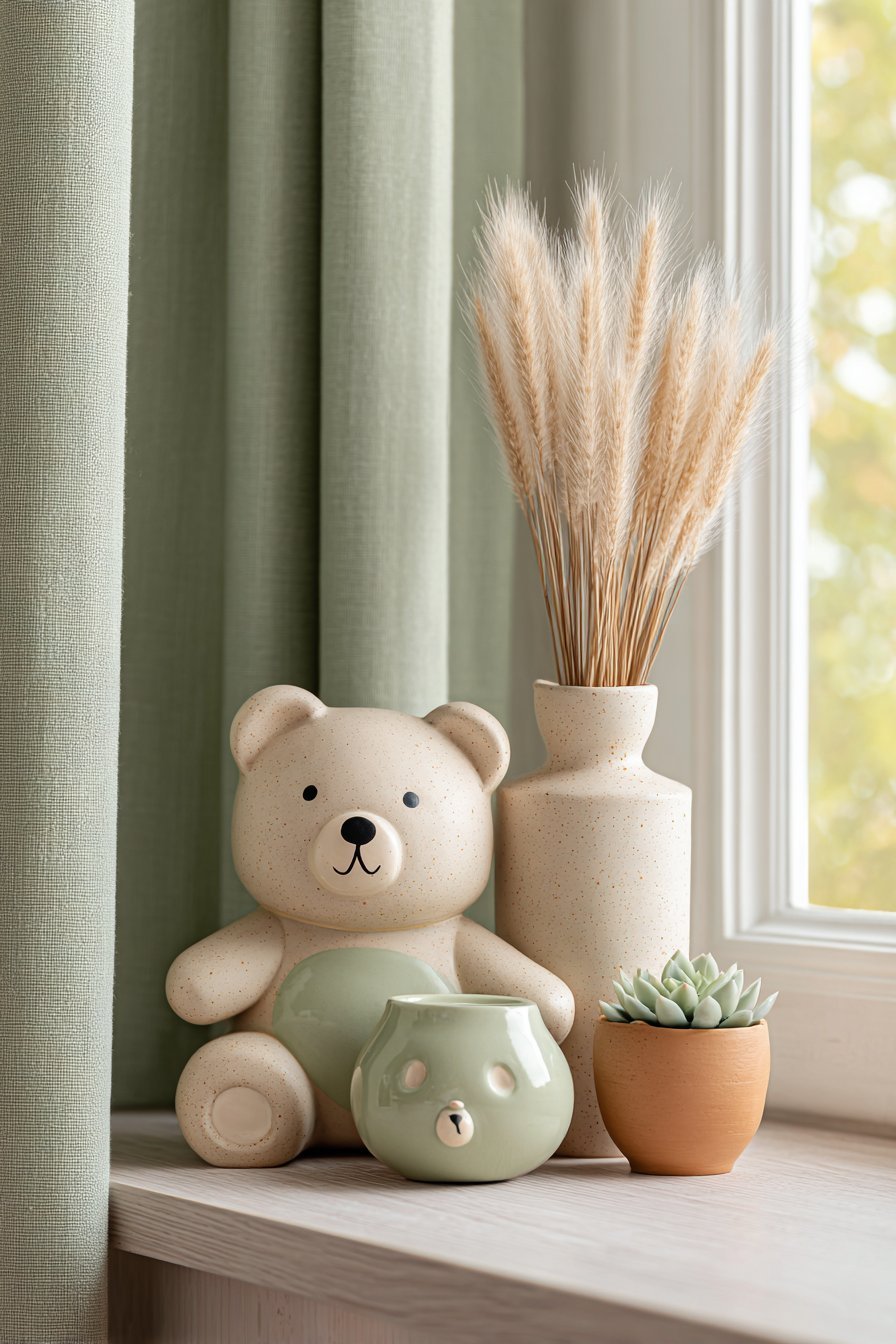
The rule of three also applies to color groupings. Choose two or three colors that repeat across your shelving display for a cohesive look. For example, if your nursery palette includes sage green, cream, and natural wood tones, let those colors appear in your decor objects, book spines, and storage baskets. This color repetition ties the entire display together visually.
- Group decor items in threes for natural visual balance
- Vary the height of objects within each grouping
- Mix textures — wood, ceramic, fabric, and metal — within arrangements
- Repeat two to three colors across the entire shelf display
- Avoid lining up same-height items in a row
- Let negative space between groupings act as part of the design
4. Balance Functional Storage With Decorative Elements
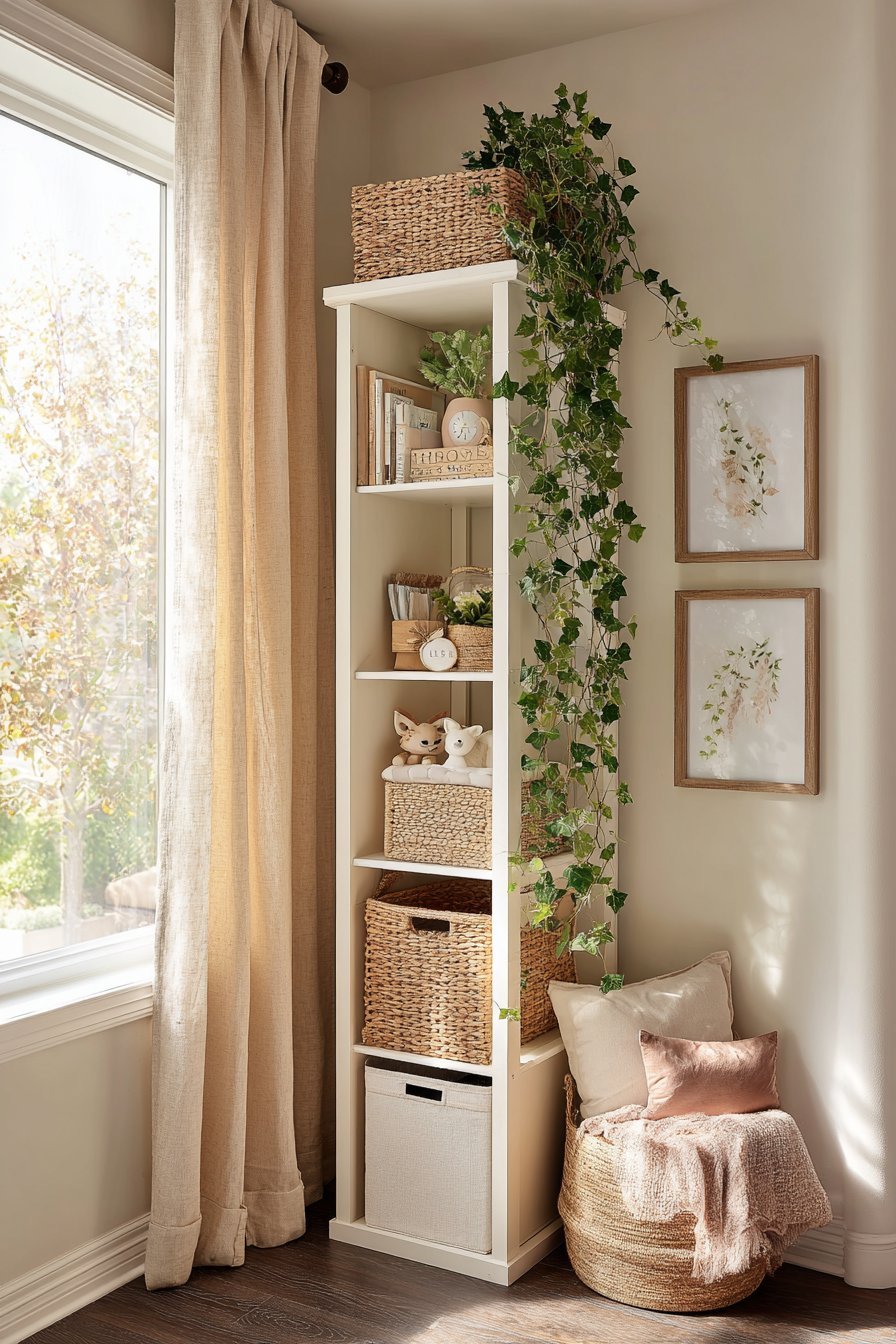
The biggest mistake parents make is turning nursery shelves into pure storage zones. While function is essential, a shelf full of nothing but stacked diapers and baby wipes loses all aesthetic charm. The key is striking the right balance between storage and decor — approximately 60% functional and 40% decorative is a great starting point.
Use woven baskets and fabric bins to handle the functional side beautifully. These items provide hidden storage while also contributing to the room’s texture and warmth. Label baskets with simple tags for easy identification. Choose colors and materials that align with your nursery theme — a rattan basket in a boho nursery feels entirely different from a sleek white linen bin in a modern one.
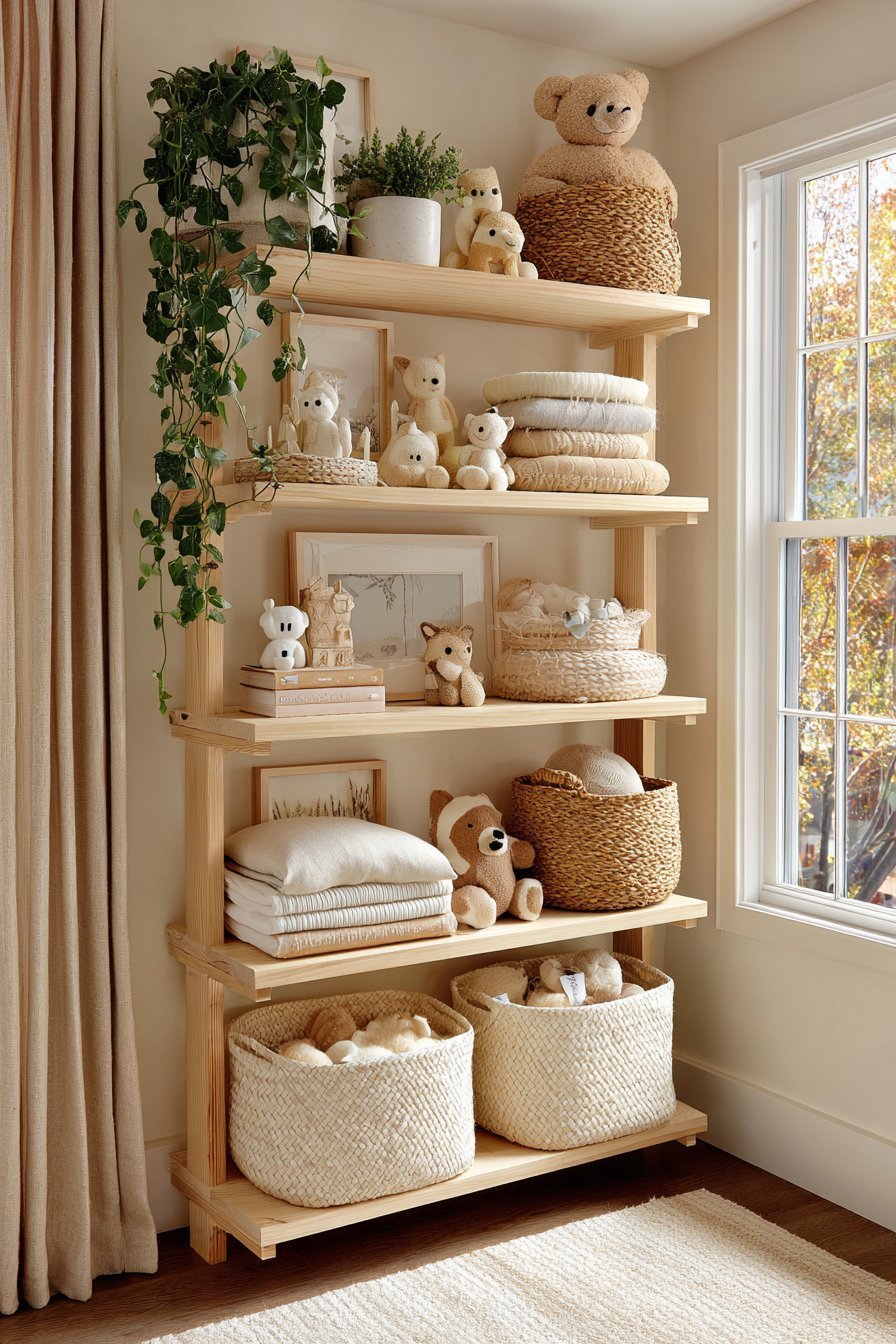
Decorative elements should feel meaningful and curated. Consider small sculptures of woodland animals, heirloom keepsakes, soft plush toys, hand-lettered name blocks, or a cherished storybook displayed face-out. These items tell a story and give the nursery its soul. Rotate seasonal decor or milestone items like first shoes or hospital bracelet frames to keep the display feeling fresh and sentimental.
- Aim for 60% functional storage and 40% decorative display
- Use woven baskets and fabric bins for attractive hidden storage
- Label baskets clearly for quick access during nighttime routines
- Display meaningful items like keepsakes, name blocks, or heirloom toys
- Choose decor that aligns with your nursery’s overall color palette
- Rotate items seasonally to keep the display feeling fresh
5. Incorporate Books as Both Function and Design
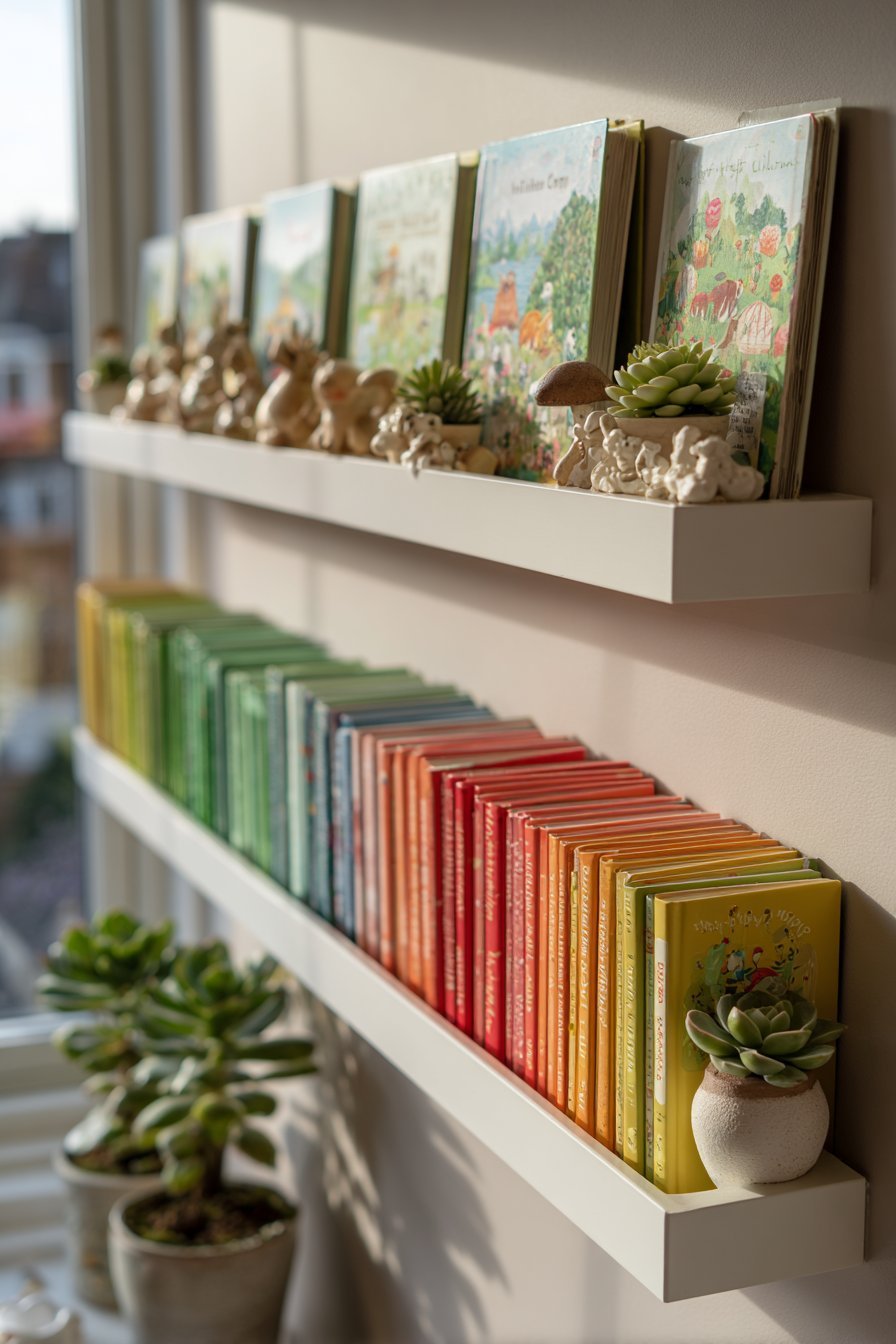
Books are among the most beautiful and functional items you can place on nursery shelves. A well-arranged book collection serves as both a reading resource and a design element. Display books face-out on dedicated ledge shelves to showcase their colorful covers — this also encourages toddlers to choose books independently as they grow.
Arrange books by color grouping for a visually stunning effect. While it may seem unconventional, organizing books by spine color rather than title or author creates a rainbow-like display that feels artistic and modern. Alternatively, group books by size — tall picture books on one end, smaller board books on the other — for a more structured, orderly appearance.
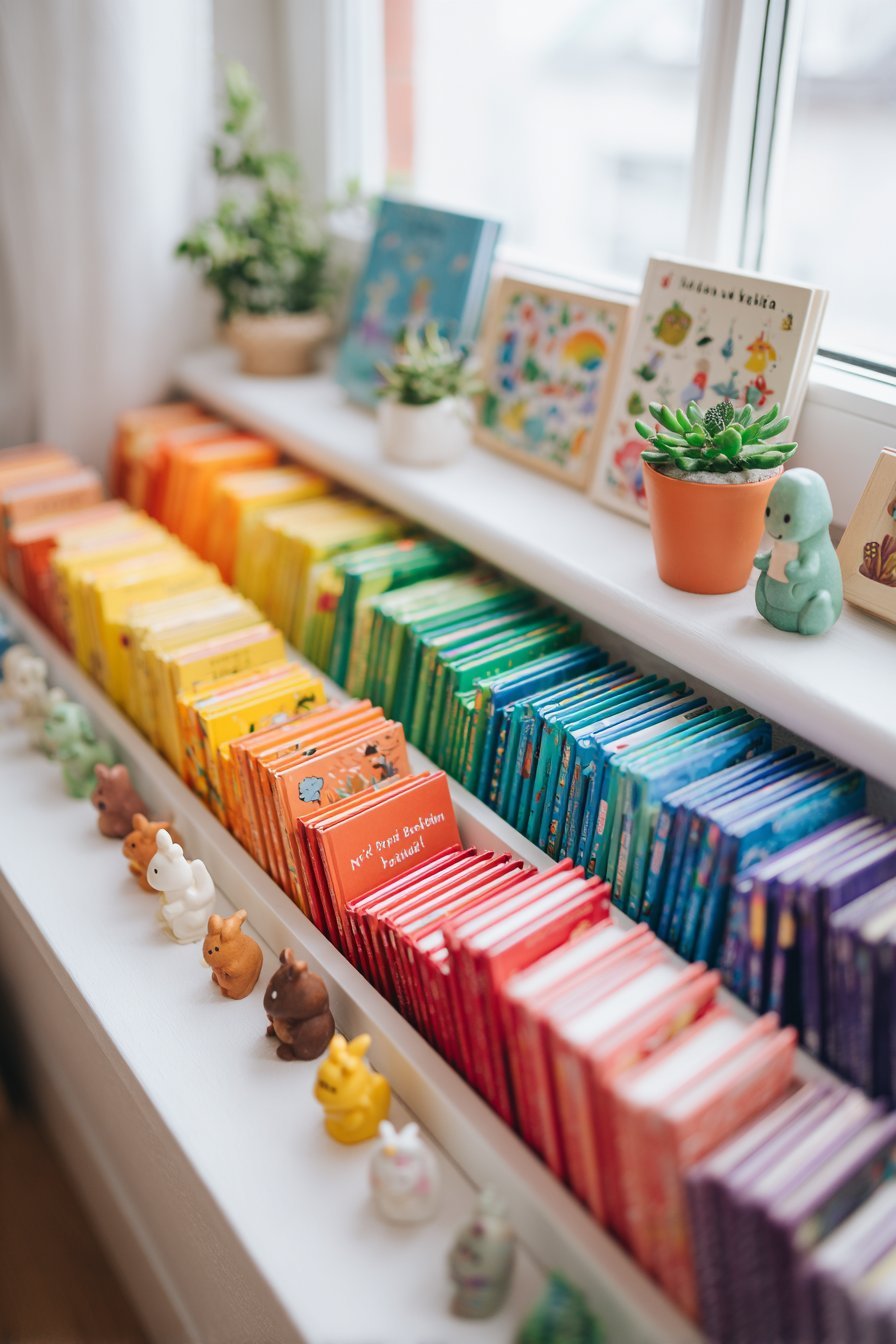
Mix book displays with small decorative objects to break up the monotony. Place a ceramic figurine between book groupings, lean a small framed print against the back of the shelf, or add a tiny potted succulent beside a stack of classics. This layering technique gives the shelf visual depth and transforms it from a simple bookshelf into a styled vignette.
- Use ledge shelves to display books face-out for a colorful look
- Organize books by spine color for a modern, artistic arrangement
- Group books by size for a more structured, tidy appearance
- Mix books with small decorative objects to add visual interest
- Keep board books within eventual toddler reach for independence
- Refresh the book display regularly to introduce new favorites
6. Layer Textures and Materials for Visual Richness
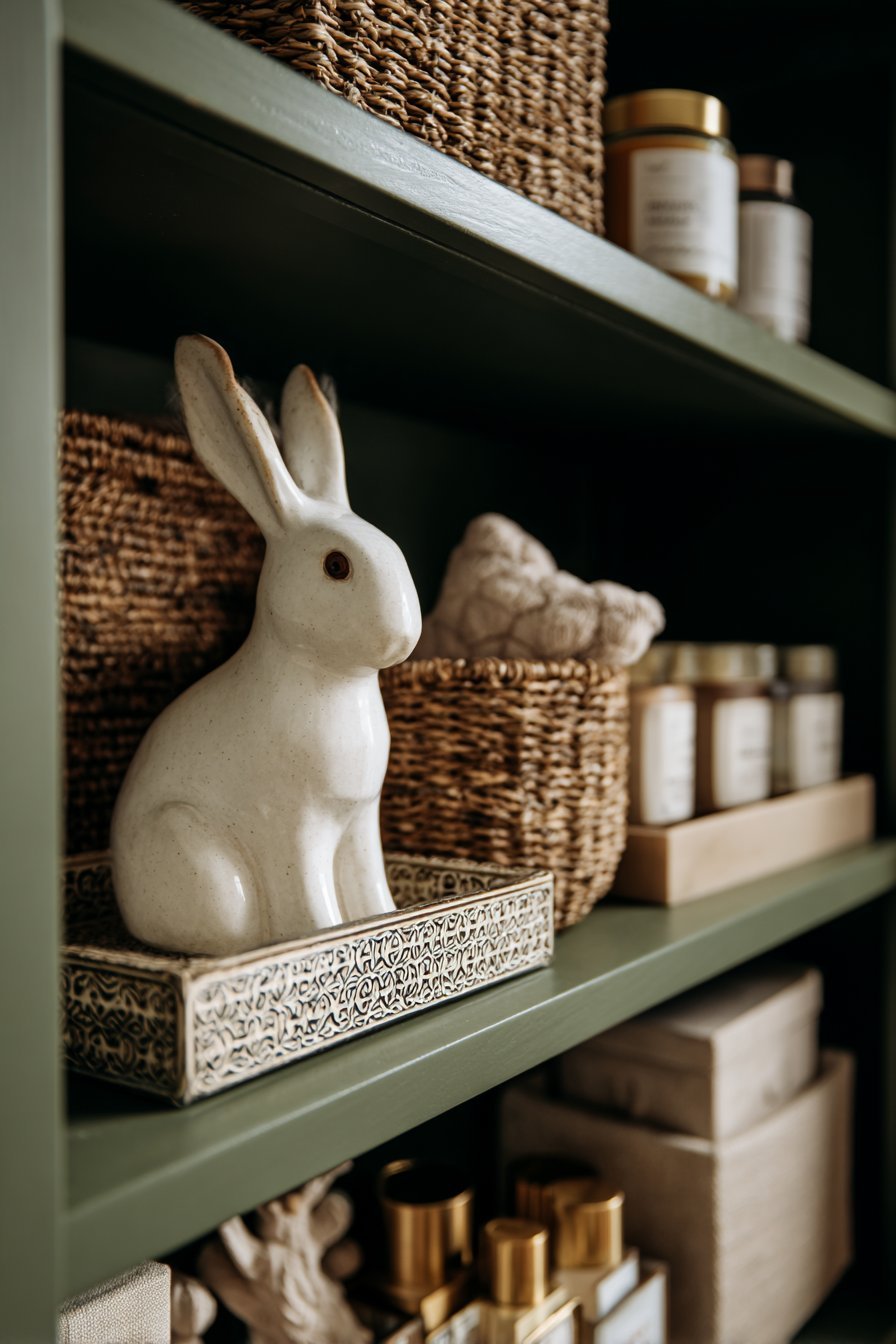
Texture is the secret weapon of skilled interior designers. In a nursery, layering different textures on your shelves transforms a flat, one-dimensional display into something warm, rich, and inviting. Think about combining natural wood, ceramic, fabric, woven fibers, metal accents, and soft plush — each material catches light differently and contributes its own character.
A shelf that features only one material type — say, all wooden objects — will feel monotonous even if individually beautiful. Intentional contrast is what creates visual excitement. Pair a smooth white ceramic animal with a rough-textured wicker basket. Place a soft fabric bunny next to a sleek metal letter. These contrasts create a dialogue between objects that keeps the eye engaged.
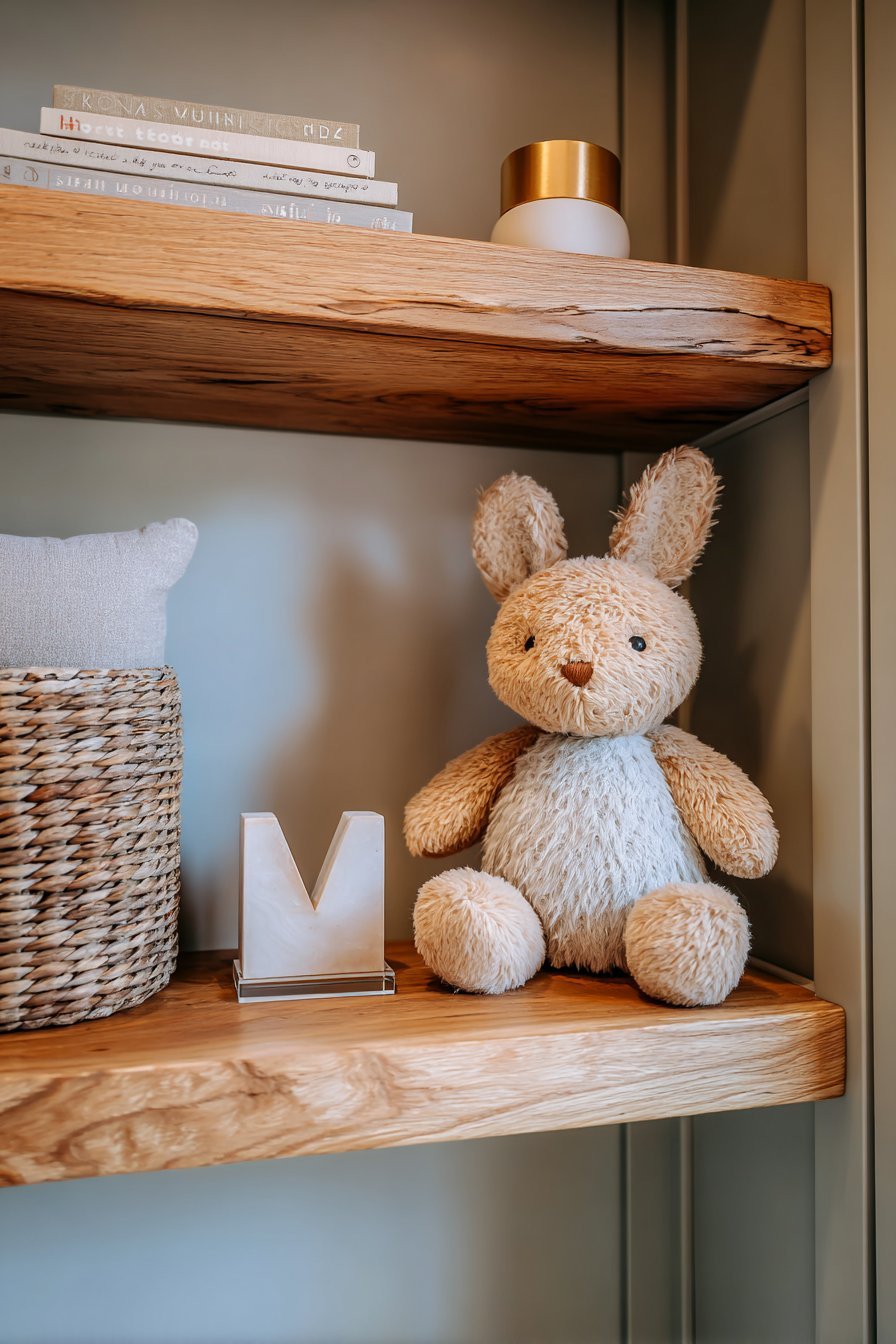
Don’t overlook the shelf surface itself as a texture opportunity. Line shelf surfaces with removable contact paper in a subtle pattern or a complementary color. Add a small decorative tray in wood, marble, or acrylic to corral smaller items and add another layer of material interest. Even a simple linen runner along a shelf edge can introduce softness and warmth.
- Combine wood, ceramic, fabric, wicker, and metal on the same shelf
- Create intentional contrast between smooth and rough textures
- Pair organic materials with polished or refined accents
- Line shelf surfaces with removable patterned contact paper
- Use decorative trays to corral small items and add material variety
- Add soft fabric elements like small pillows or stuffed animals for warmth
7. Use Lighting to Elevate Your Shelf Display
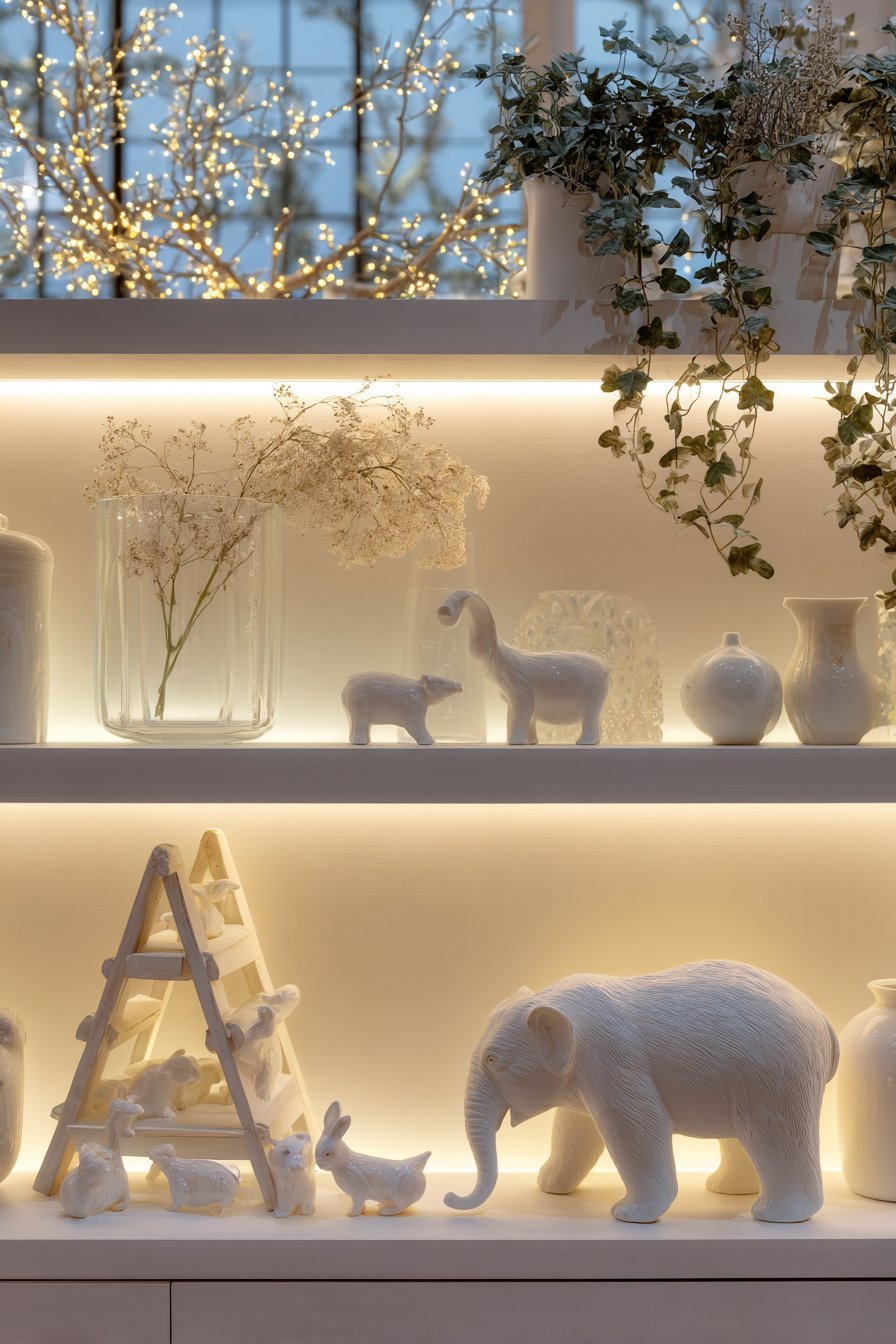
Shelf lighting is one of the most underused design tools in nursery styling. A small LED strip tucked along the back edge of a shelf, or a tiny clip-on spotlight directed at a vignette, can transform an ordinary display into something that feels intentional and gallery-worthy. Warm-toned lighting (between 2700K-3000K) is ideal for nurseries as it creates a soft, cozy atmosphere.
Battery-operated LED puck lights are a simple and safe solution for nursery shelves. These lights require no wiring and can be placed discreetly behind objects to create a gentle backlit glow. They are particularly effective when placed behind translucent objects like frosted glass vases or color-tinted jars that diffuse the light beautifully.
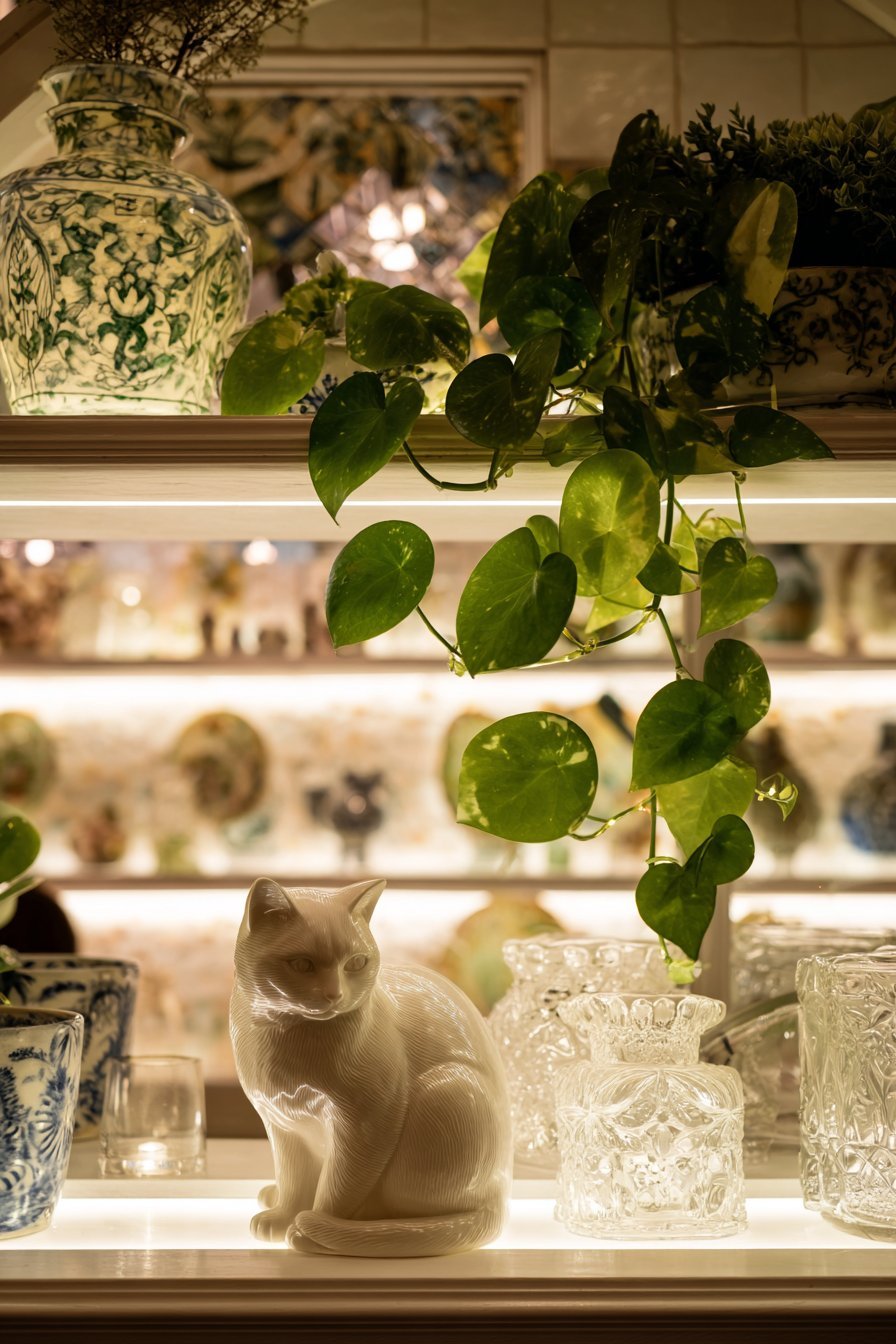
Consider also fairy lights draped loosely across the back of a shelf or woven through a small decorative ladder. This adds a whimsical, magical quality that is especially charming in a nursery setting. Keep all lighting out of direct reach of children and ensure cords are safely managed and hidden to maintain both safety and aesthetics.
- Use warm-toned LED strips (2700K-3000K) along shelf back edges
- Try battery-operated LED puck lights for safe, wire-free illumination
- Position lights behind translucent objects for a soft diffused glow
- Drape fairy lights along shelves for a whimsical, magical effect
- Always keep cords safely hidden and out of children’s reach
- Use lighting to highlight your most beautiful or meaningful decor pieces
8. Create a Cohesive Color Story Across All Shelves
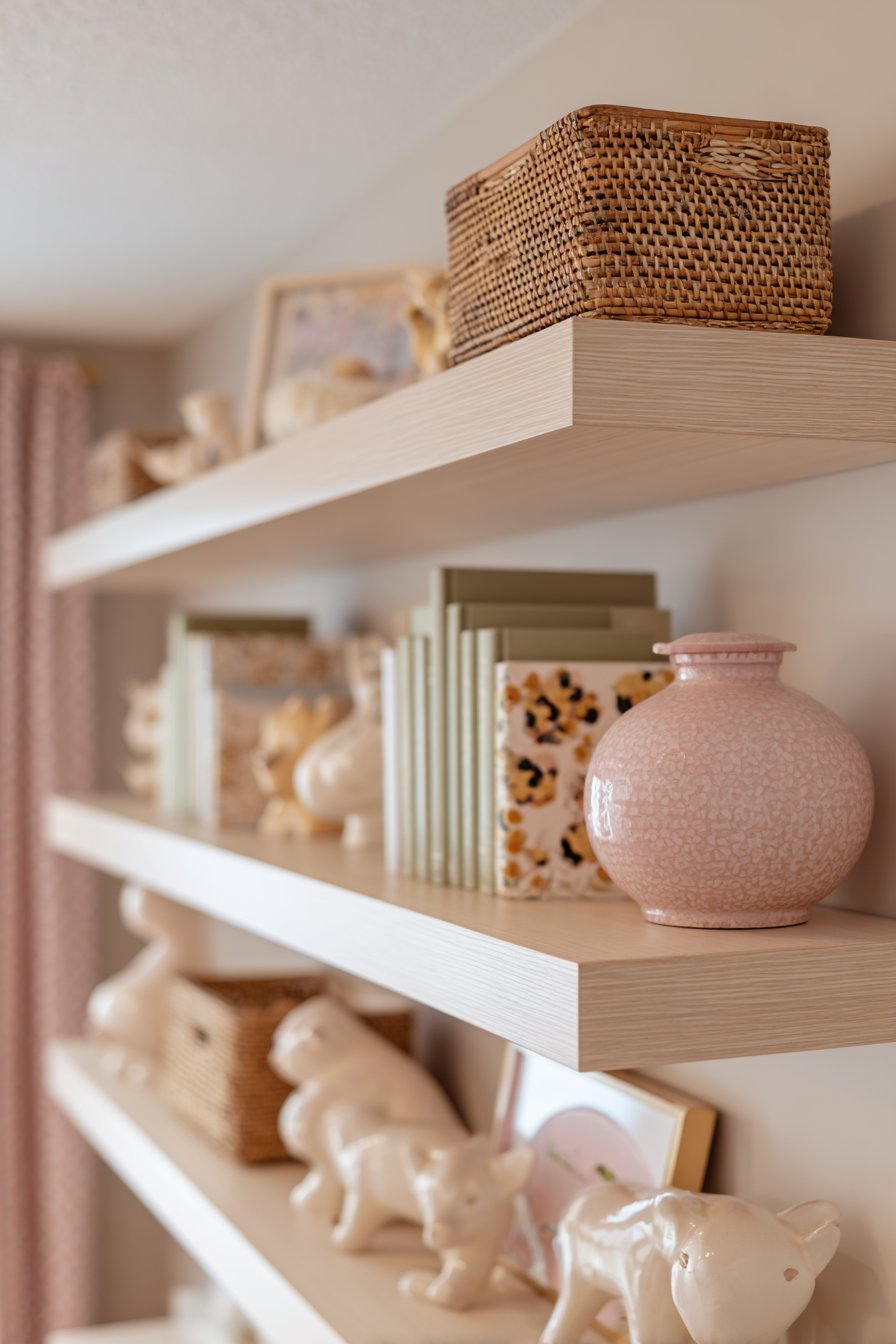
A cohesive color story is what separates a professionally styled shelf from a cluttered one. Before placing anything on your shelves, identify the two to four colors that define your nursery palette. Every item on the shelf — from storage baskets to decorative objects — should fall within or complement that palette. This discipline is what creates a sense of harmony and intentionality.
Neutral foundations work beautifully in nurseries because they are timeless and versatile. A base of whites, creams, and natural wood tones provides a calm backdrop against which you can layer accent colors. If your nursery features dusty rose and sage green, let those colors appear in small doses across your shelves — a pink ceramic vase here, a green-spined book there, a sage linen basket in the corner.
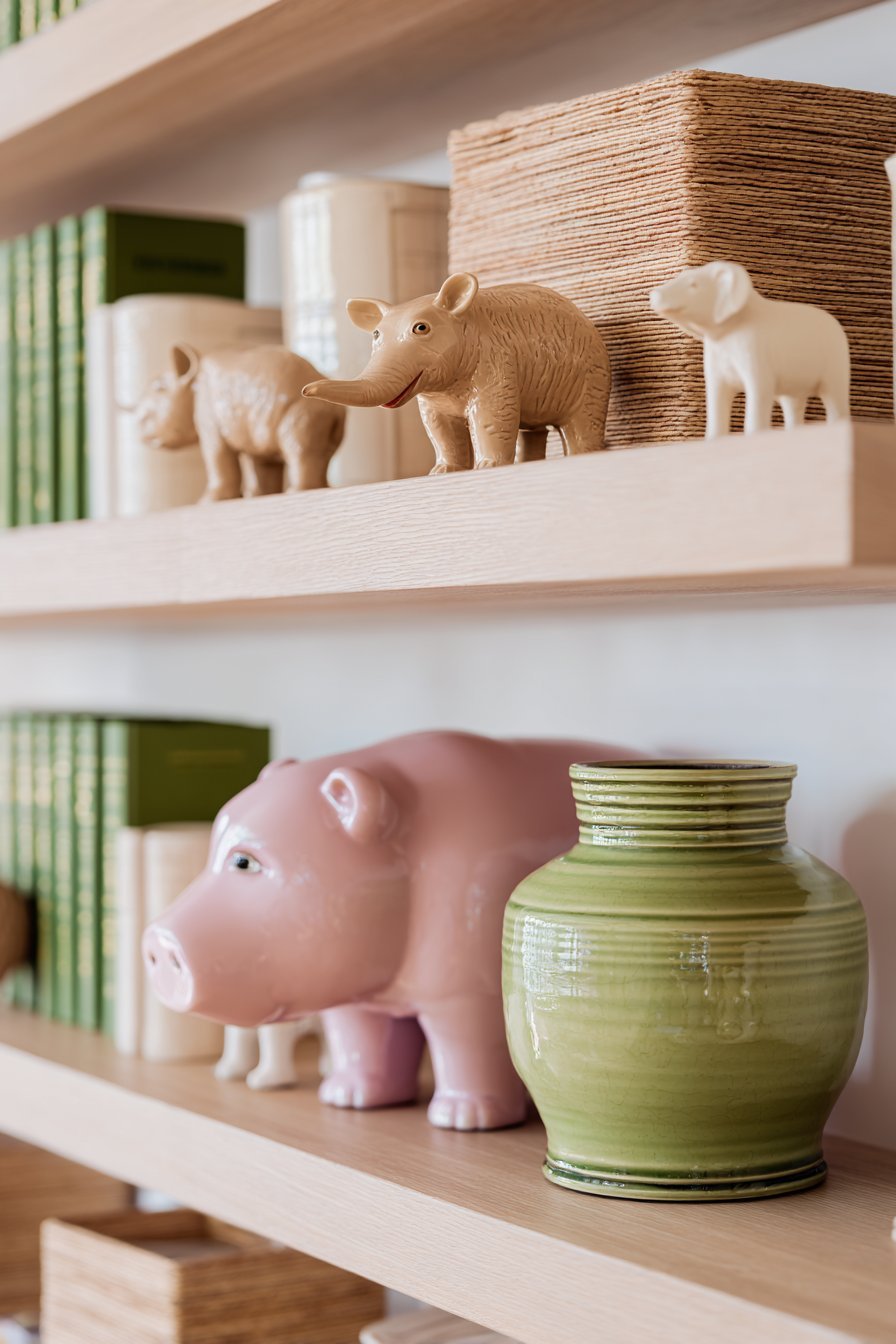
Avoid the temptation to include too many colors simply because individual items are beautiful. Restraint is elegance in interior design. If an object doesn’t fit the palette, find another home for it. A shelf with too many competing colors feels visually noisy and stressful — the opposite of the calm, serene atmosphere a nursery should project.
- Define your nursery color palette (2-4 colors) before styling shelves
- Use neutral whites and natural wood as your foundational base
- Introduce accent colors through small decor objects and textiles
- Ensure every item on the shelf fits within or complements the palette
- Practice restraint — remove items that clash with your color story
- Let the color story flow from the shelves to the rest of the room
9. Dedicate One Shelf to a Personalized Vignette
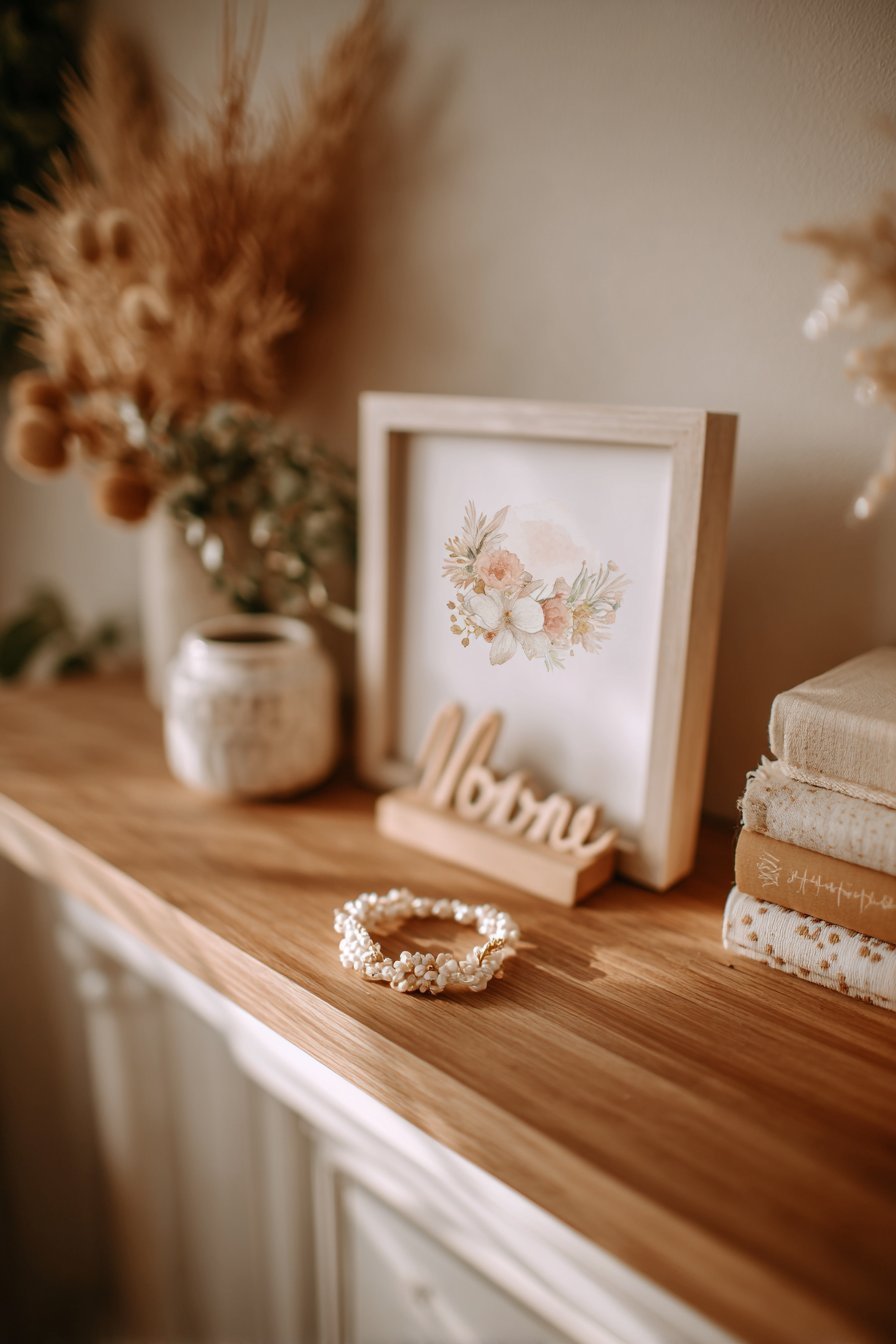
Every nursery shelf should have at least one dedicated vignette — a carefully composed arrangement that tells the child’s story. This might include their name in wooden letters, a framed newborn photo, a special keepsake from birth, or a hand-knitted toy from a grandparent. These personal touches are what transform a designed room into a loved home.
Building a great vignette requires intentional layering. Start with a background element — a framed print, a small mirror, or a simple letter. Add a mid-ground piece — a plant, a figurine, or a stack of books. Then introduce a foreground object at a smaller scale — a tiny ceramic animal, a miniature jar, or a small keepsake box. This front-to-back layering creates depth and dimension.
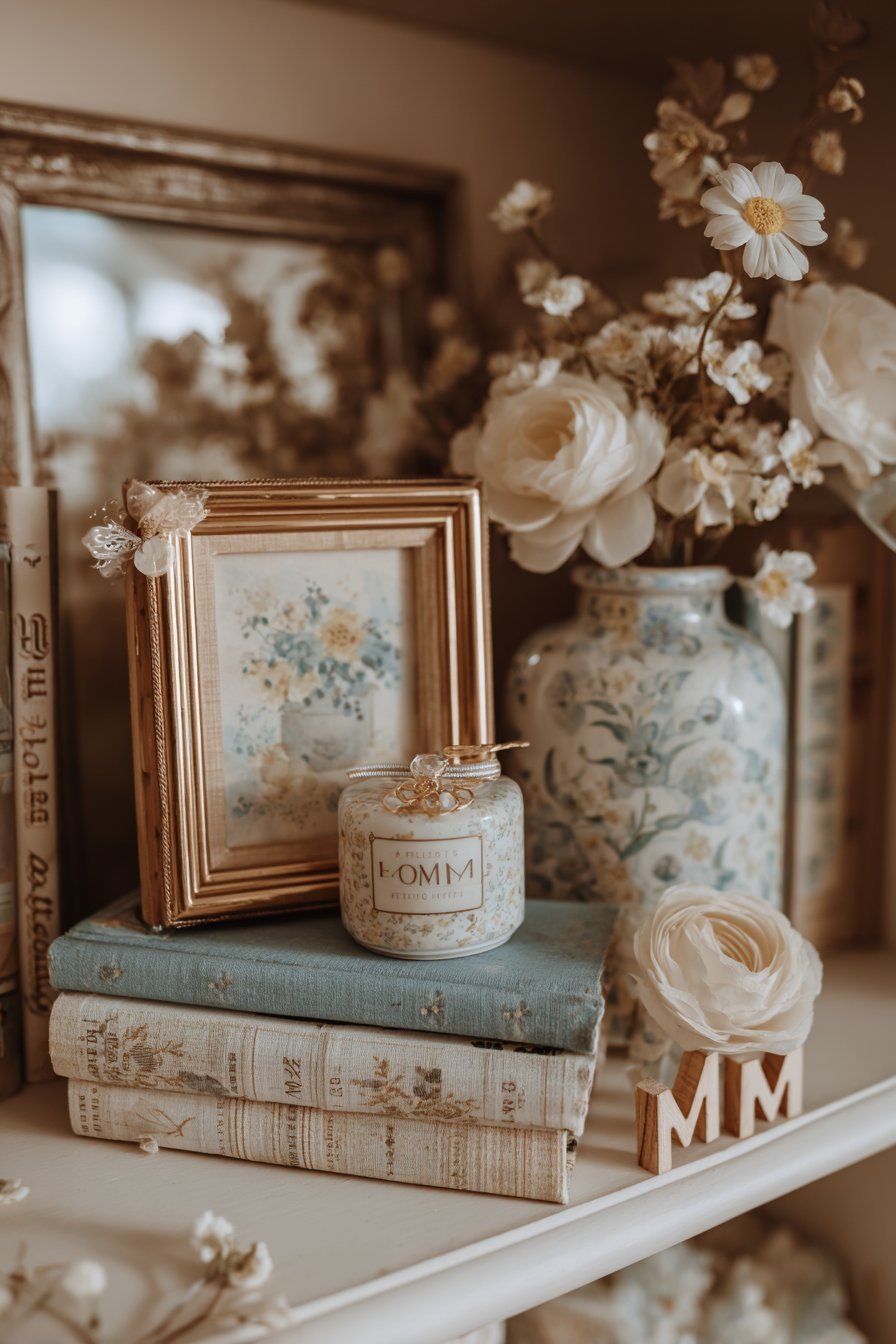
Keep the vignette refreshed and evolving as your child grows. Swap in a first pair of baby shoes, a hospital wristband in a small frame, or a photo from a first birthday. This living quality of the display makes the shelf feel alive and meaningful rather than static. It becomes a visual timeline of your child’s earliest milestones.
- Dedicate at least one shelf entirely to a personal, meaningful vignette
- Include the child’s name, birth keepsakes, or family heirloom items
- Layer background, mid-ground, and foreground objects for visual depth
- Use a framed photo or small artwork as the vignette anchor
- Refresh the vignette as the child hits new milestones
- Keep scale and proportion balanced within the vignette arrangement
10. Keep It Safe Without Sacrificing Style
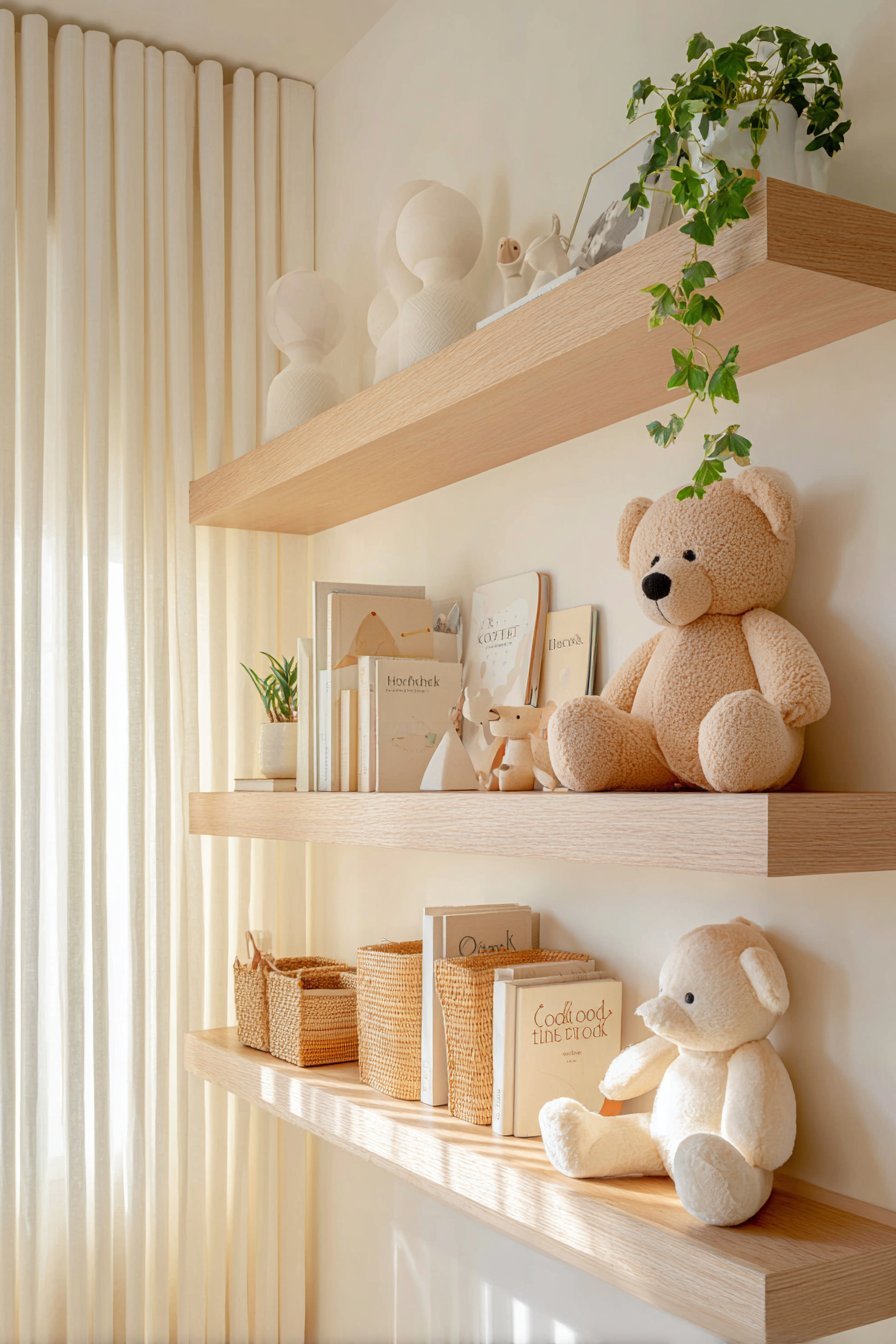
Child safety should be woven into every shelving decision you make, but it doesn’t have to come at the cost of beauty. Start by ensuring all shelves are properly anchored to wall studs with appropriate hardware. Use furniture safety straps as an added precaution for freestanding shelving units. These are inexpensive and invisible once in place.
Place heavier or fragile decorative items on higher shelves that are out of reach. Reserve the lower shelves for soft toys, fabric baskets, board books, and other child-safe items that won’t cause harm if pulled down. As your child begins to pull up and walk, do a regular safety audit of your shelves — what was fine at three months may not be appropriate at twelve.
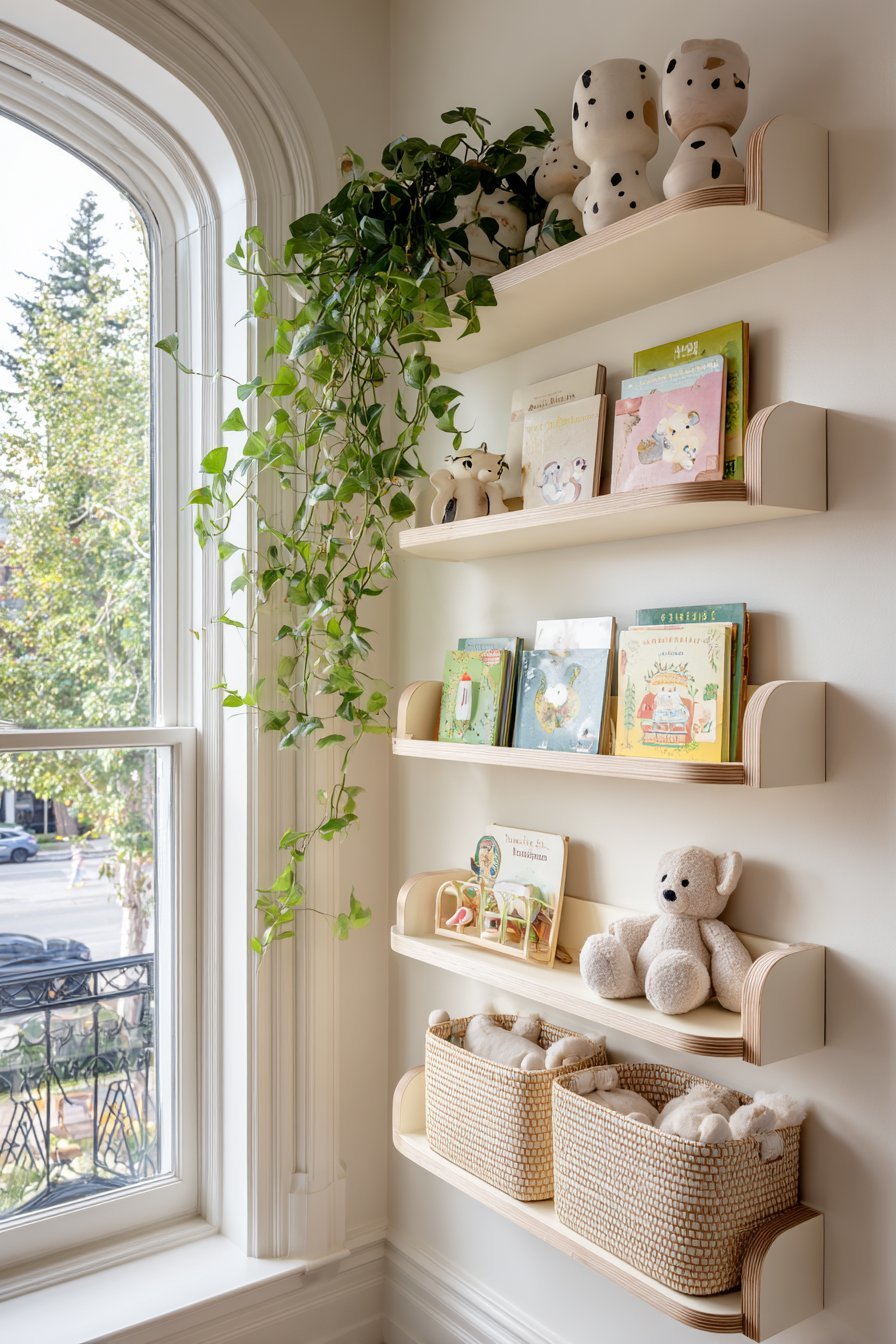
Avoid small objects, loose hardware, or anything with sharp edges on any shelf a toddler could access. Use closed baskets rather than open bins on lower shelves to prevent small items from being grabbed and mouthed. Rounded corners on shelf brackets and units are a practical safety feature worth prioritizing during your initial purchase.
- Anchor all shelves securely into wall studs using appropriate hardware
- Use furniture safety straps for freestanding shelving units
- Place fragile or decorative items only on higher, unreachable shelves
- Reserve lower shelves for soft, child-safe items like books and plush toys
- Conduct regular safety audits as the child reaches new developmental stages
- Choose shelving units with rounded corners and smooth finishes
11. Embrace Greenery and Natural Elements
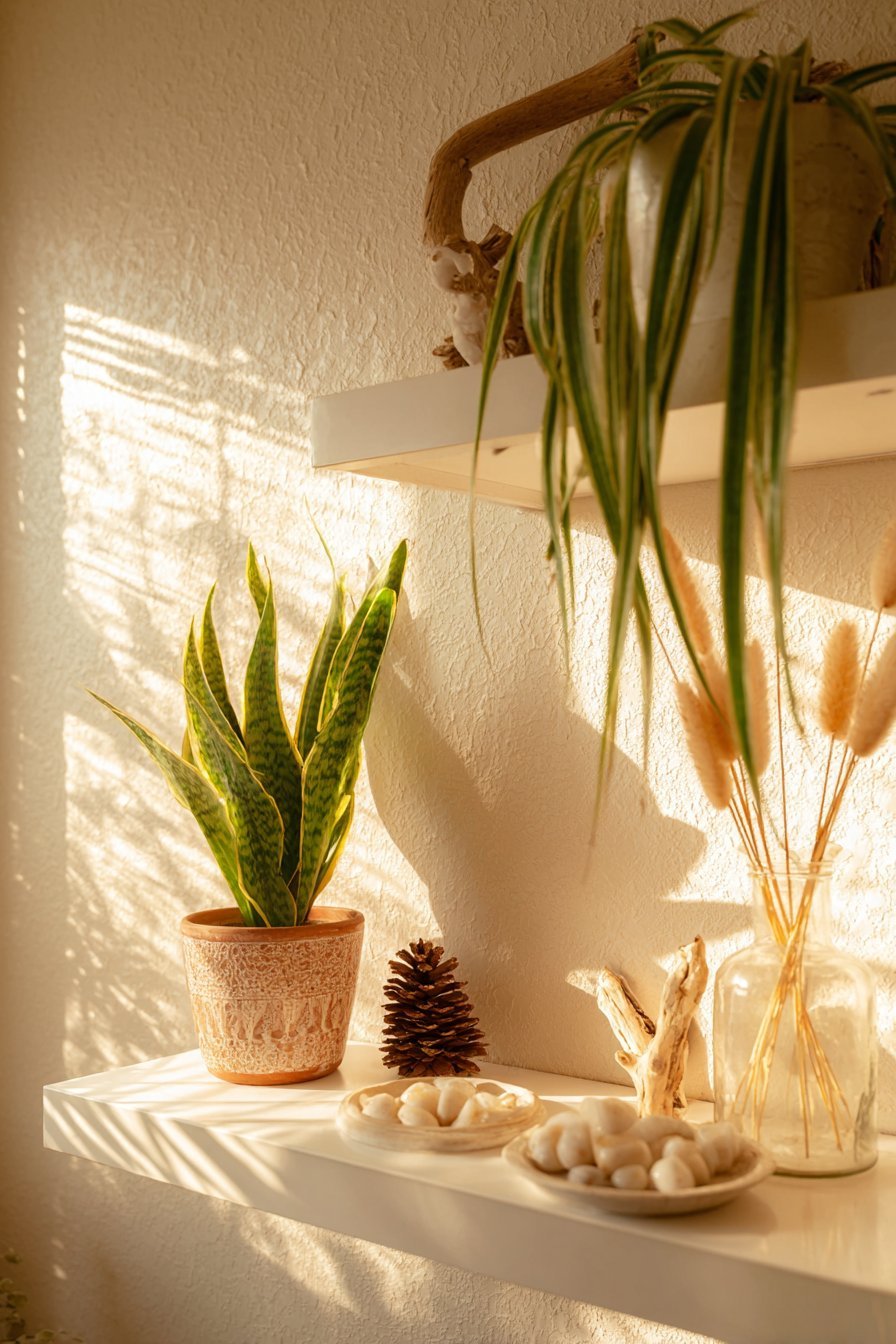
Plants and greenery bring an extraordinary sense of life and freshness to nursery shelves. A trailing pothos on a high shelf, a small potted succulent in a terracotta pot, or a simple branch in a vase adds organic beauty that no manufactured decor item can replicate. Studies suggest that incorporating natural elements into interiors improves mood and reduces stress — a welcome benefit for sleep-deprived parents.
Choose low-maintenance plants that thrive in indoor conditions with indirect light — pothos, snake plants, and ZZ plants are excellent choices. Always place living plants on high shelves out of reach of children, as some common houseplants can be mildly toxic if ingested. If you prefer to avoid this concern entirely, high-quality faux botanicals have become virtually indistinguishable from real plants at a glance.
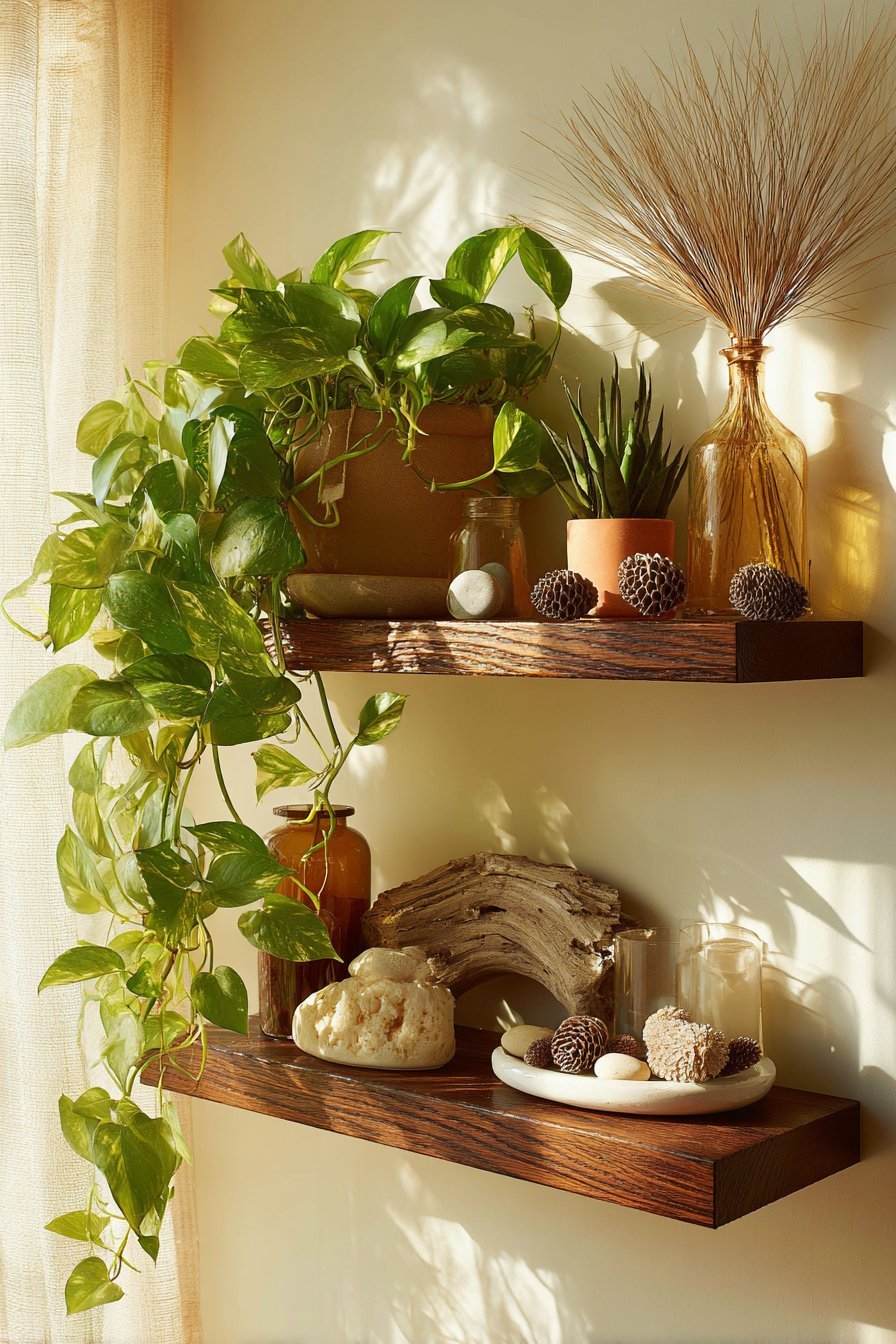
Extend the natural theme with other organic materials such as driftwood pieces, smooth river stones in a small dish, pinecones in a glass jar, or a bundle of dried pampas grass. These elements bring the outside world into the nursery and contribute to a biophilic design aesthetic that feels grounded, warm, and nurturing.
- Add a trailing pothos or small succulent on high nursery shelves
- Choose low-maintenance plants that thrive in indirect indoor light
- Always place living plants out of children’s reach for safety
- Use high-quality faux botanicals as a worry-free alternative
- Incorporate natural elements like driftwood, stones, or dried botanicals
- Embrace biophilic design principles for a warm, organic aesthetic
12. Edit Ruthlessly and Refresh Regularly
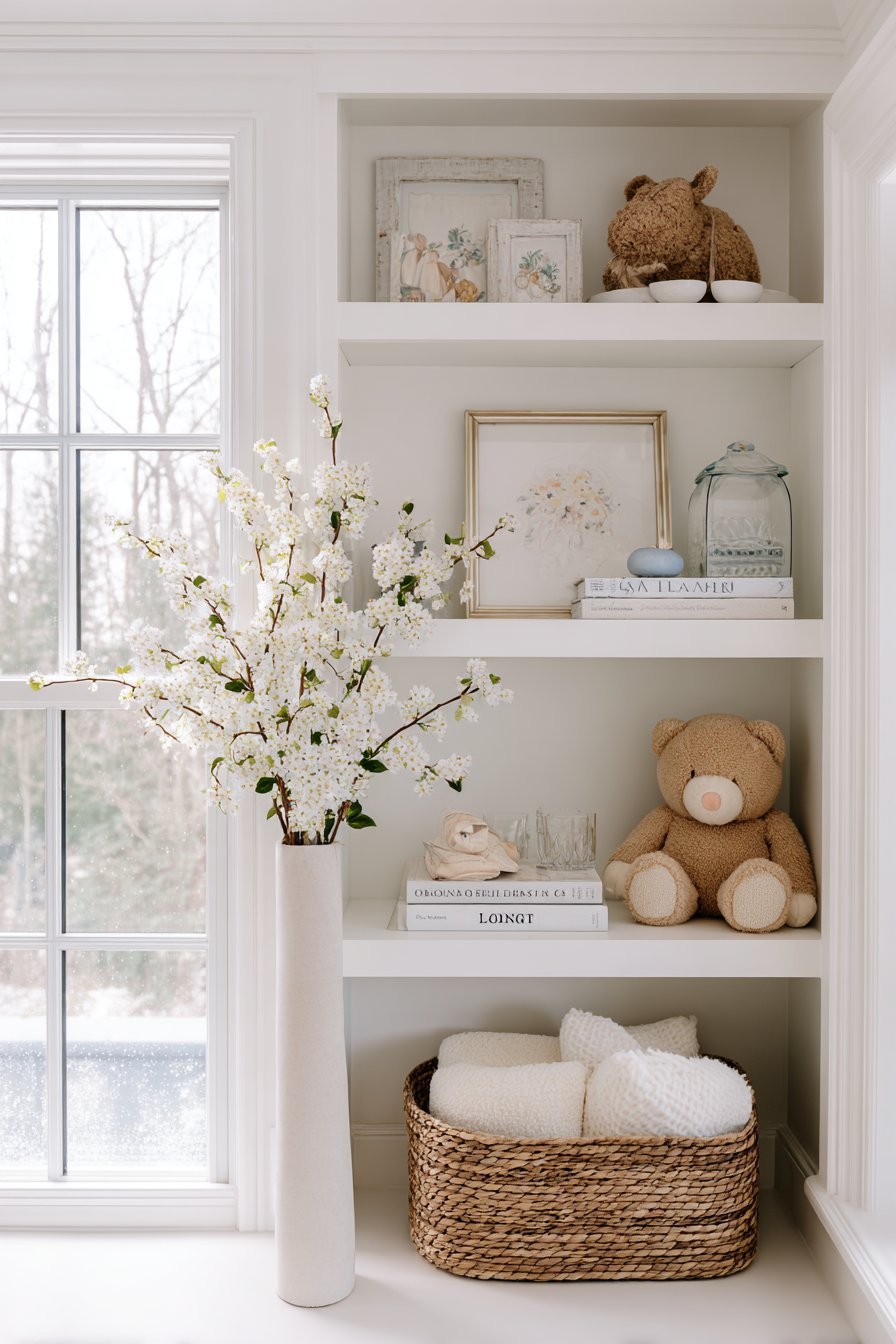
The final — and perhaps most important — principle of great nursery shelving is knowing when to stop adding and when to remove. Styled shelves can quickly become cluttered as gifts, hand-me-downs, and new purchases accumulate. Editing ruthlessly means regularly reviewing your shelves and removing anything that doesn’t contribute to the design story you are trying to tell.
A good rule is the “one in, one out” policy — whenever something new arrives, something else leaves the shelf. This discipline keeps your display intentional and prevents the gradual drift toward clutter that plagues even the most beautifully started nursery shelves. Store extra items in labeled bins in a closet and rotate them in seasonally to keep the display feeling fresh.
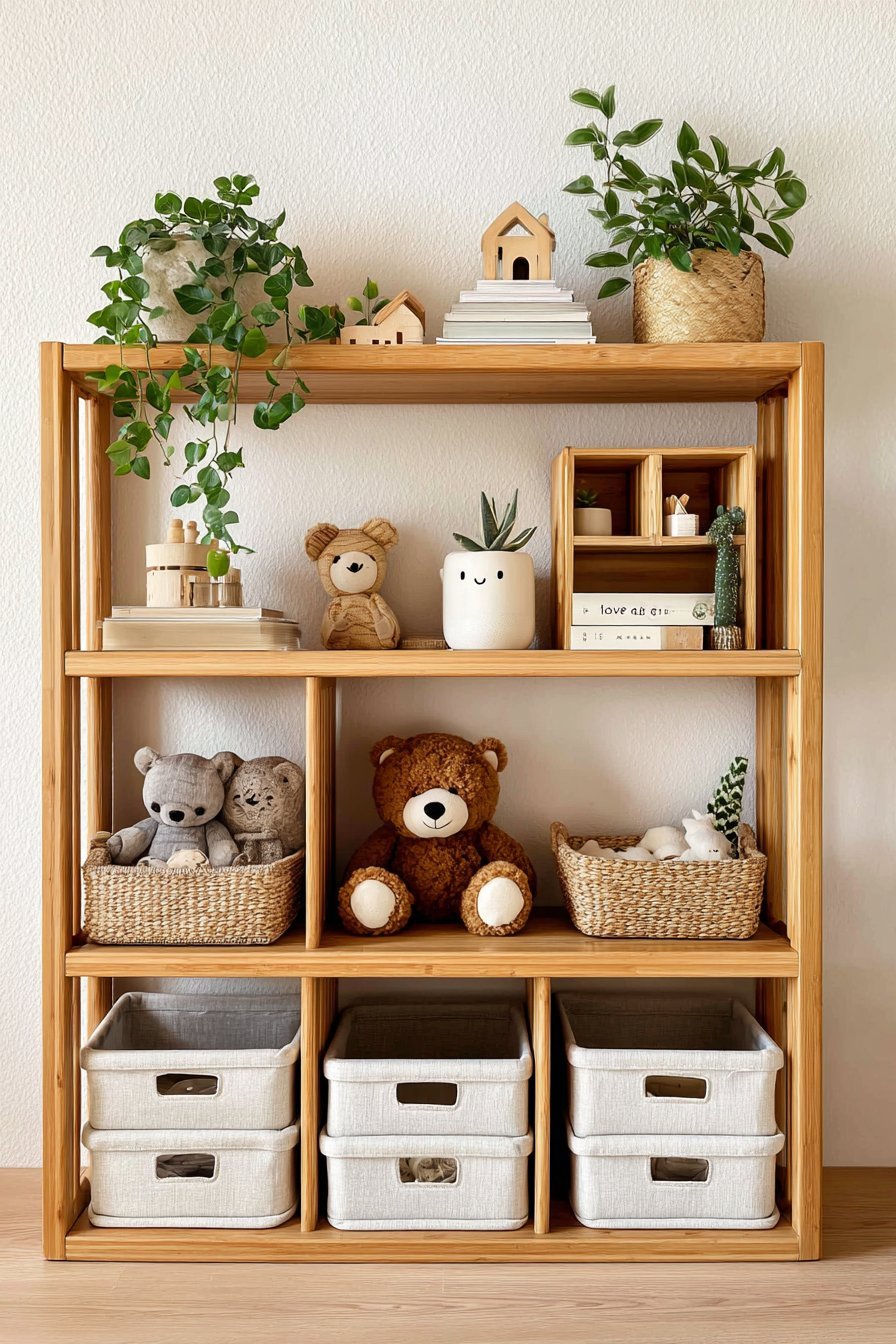
Refreshing your shelves every few months also allows the space to grow with your child. What feels right for a newborn’s nursery — soft pastel animals, tiny keepsakes — may evolve into bolder colors, favorite character figurines, and chapter books as the toddler years arrive. Treat your nursery shelving as a living design project that evolves, adapts, and tells an ever-changing story.
- Apply the “one in, one out” rule to maintain a curated display
- Regularly audit shelves and remove items that no longer serve the design
- Store extra items in labeled closet bins for seasonal rotation
- Refresh the shelf display every few months to keep it feeling current
- Allow the shelving style to evolve as your child grows and changes
- Treat styled shelves as a living, ongoing design project
Conclusion
Nursery shelving is far more than a place to stash baby supplies. When approached with thoughtfulness and creativity, it becomes one of the most expressive and functional design elements in the entire room. From choosing the right shelf style and planning a balanced layout to curating personal vignettes and maintaining child safety, every decision contributes to a space that is both beautiful and deeply practical.
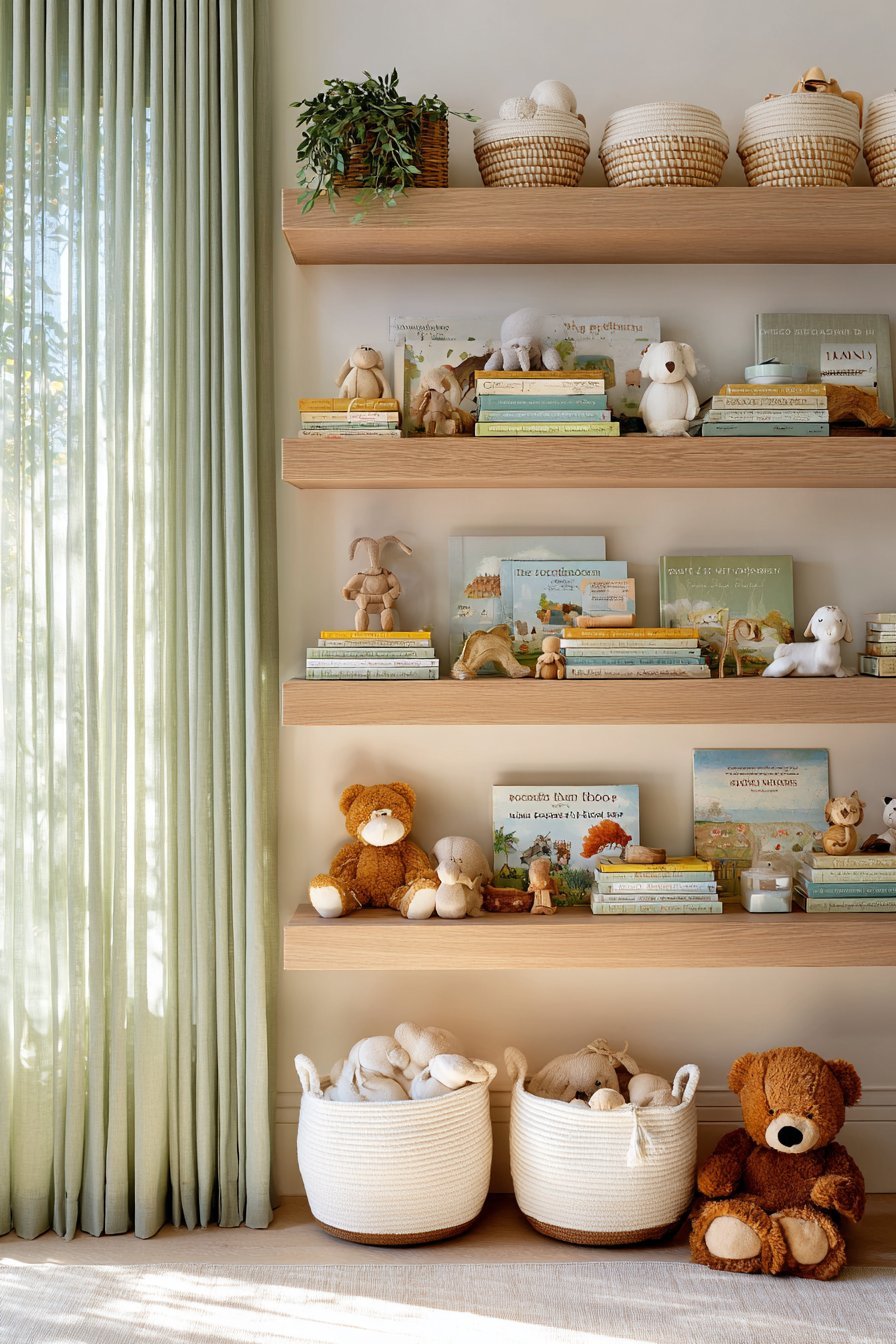
The most important takeaway is this: function and beauty are not opposites. In a well-designed nursery, they reinforce each other. A beautifully styled shelf that is also organized, safe, and easy to use represents interior design at its very best. Take these ideas, adapt them to your unique space and personal style, and don’t be afraid to experiment. Your nursery shelves are a canvas — and the story you tell on them is entirely your own.
