
Creating a nursery that promotes calm and comfort is every parent’s dream. The color choices you make can significantly impact your baby’s mood, sleep quality, and overall well-being. Among the spectrum of nursery colors, mint green has emerged as a top choice for parents seeking a tranquil environment that supports healthy development.
Mint green combines the freshness of green with soft, pastel undertones that create an atmosphere of serenity. This versatile shade works beautifully across various design styles, from modern minimalist to vintage cottage aesthetics. Beyond its visual appeal, mint green offers psychological benefits backed by color theory and research on how infants perceive and respond to their surroundings.
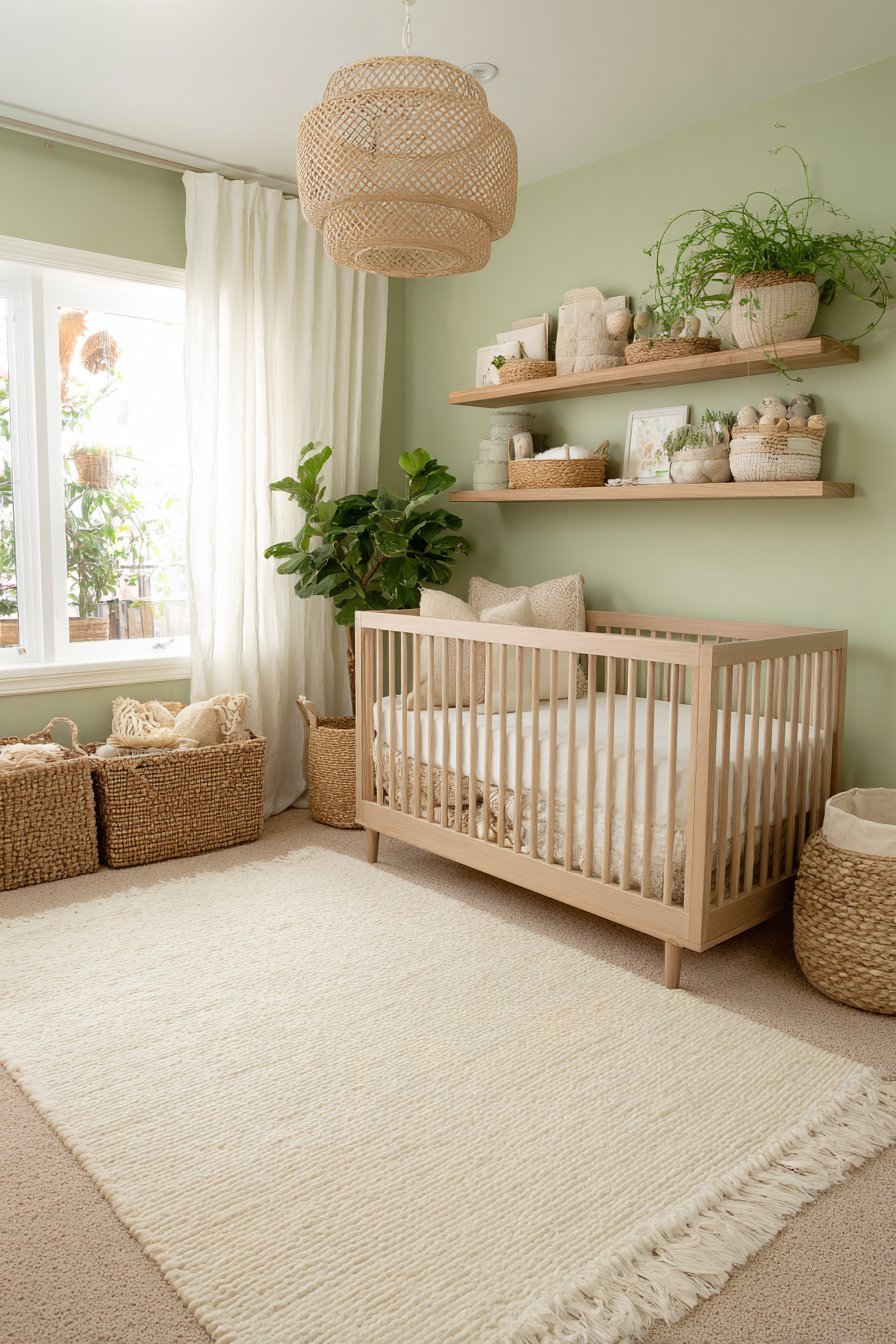
In this comprehensive guide, we’ll explore the scientific and practical reasons why mint green nurseries create such soothing spaces for babies. You’ll discover how this gentle hue affects infant development, what makes it superior to other color choices, and how to implement it effectively in your nursery design. Whether you’re planning a nursery from scratch or refreshing an existing space, these insights will help you create an environment where your baby can thrive.
1. The Psychology of Mint Green and Infant Development
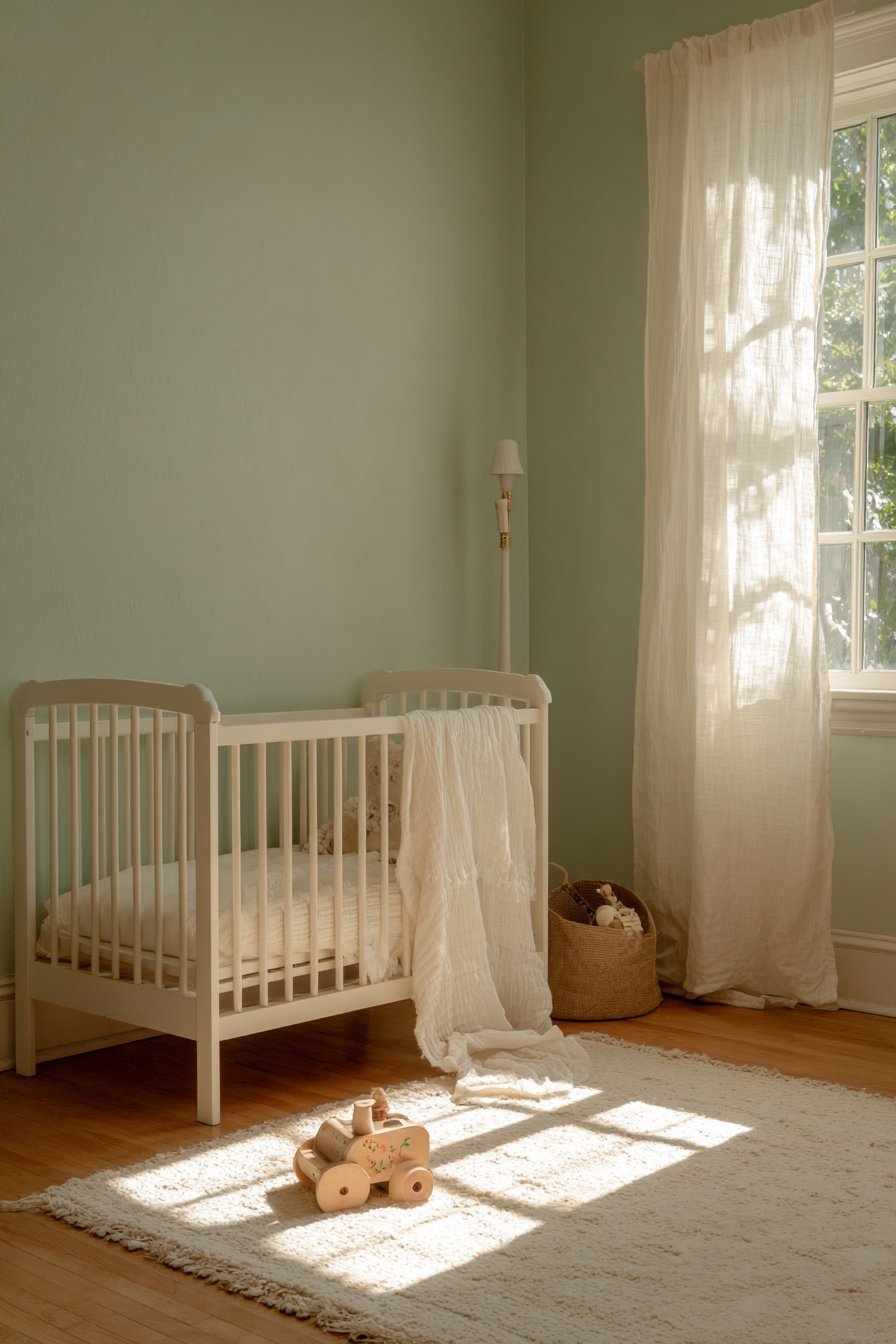
Color psychology plays a crucial role in how babies experience their environment. Mint green falls within the cool color spectrum, which naturally promotes relaxation and reduces overstimulation. Research indicates that infants can perceive colors from around three months of age, and their responses to different hues become more pronounced as their vision develops.
The soft, muted tone of mint green doesn’t overwhelm developing visual systems. Unlike bright, saturated colors that can cause sensory overload, mint green provides gentle visual interest without demanding excessive attention. This balance is essential during the first year when babies spend significant time in their nurseries sleeping, feeding, and playing.
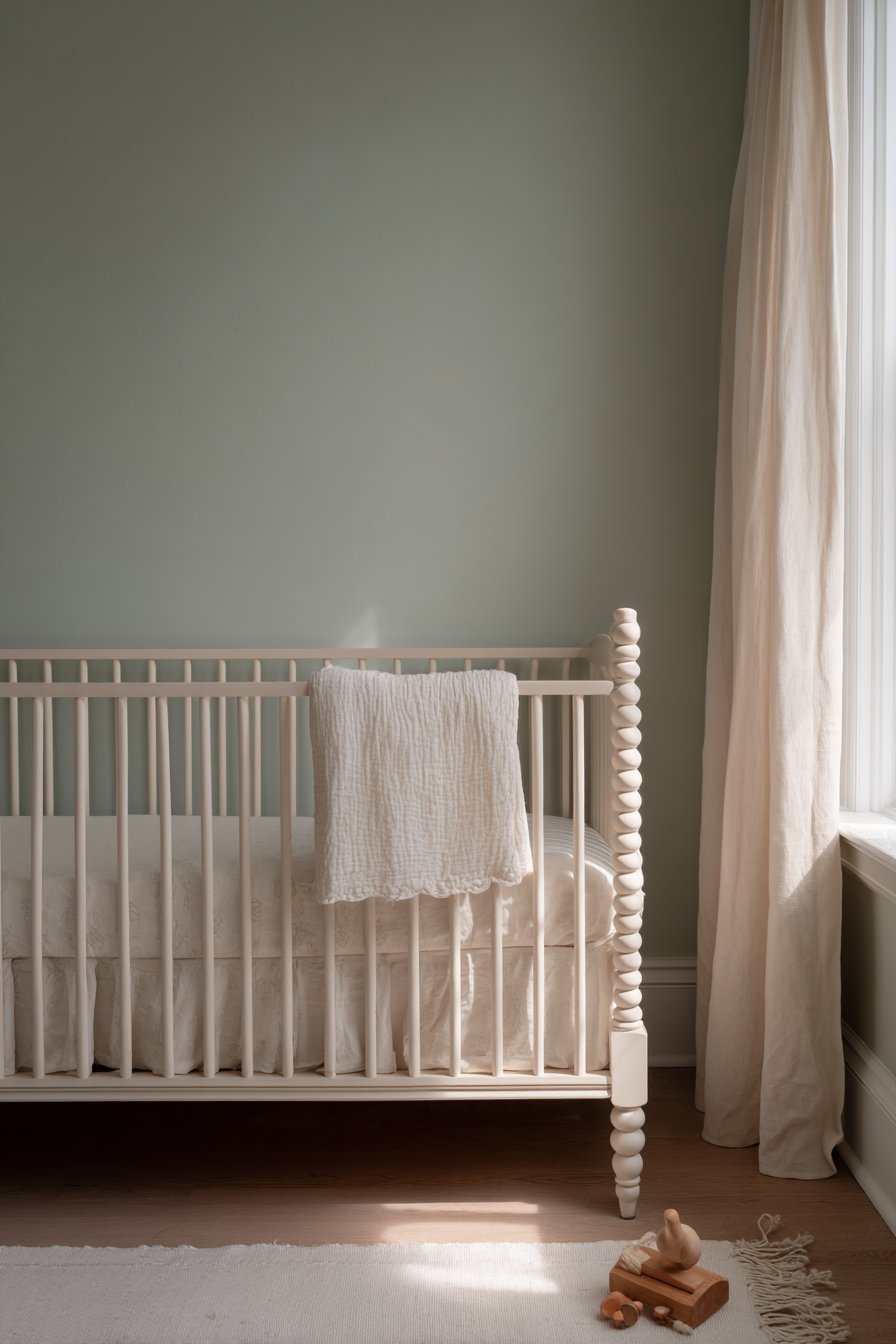
Pediatric sleep specialists often recommend cool, pale colors for nurseries because they support the body’s natural circadian rhythm regulation. Mint green creates an environment that signals rest rather than stimulation. The color’s association with nature—evoking fresh spring leaves and peaceful gardens—taps into innate human responses that favor natural, organic environments for safety and comfort.
- Choose paint with low or zero VOC content to maintain air quality alongside visual benefits
- Consider the room’s natural lighting when selecting mint green shades—north-facing rooms benefit from warmer mint tones
- Test paint samples on all four walls as lighting changes throughout the day
- Pair mint green walls with white trim to create crisp definition without harshness
- Use deeper mint accents sparingly to add depth without losing the calming effect
- Remember that color perception develops gradually, so consistency matters more than variety
2. Visual Comfort and Reduced Eye Strain
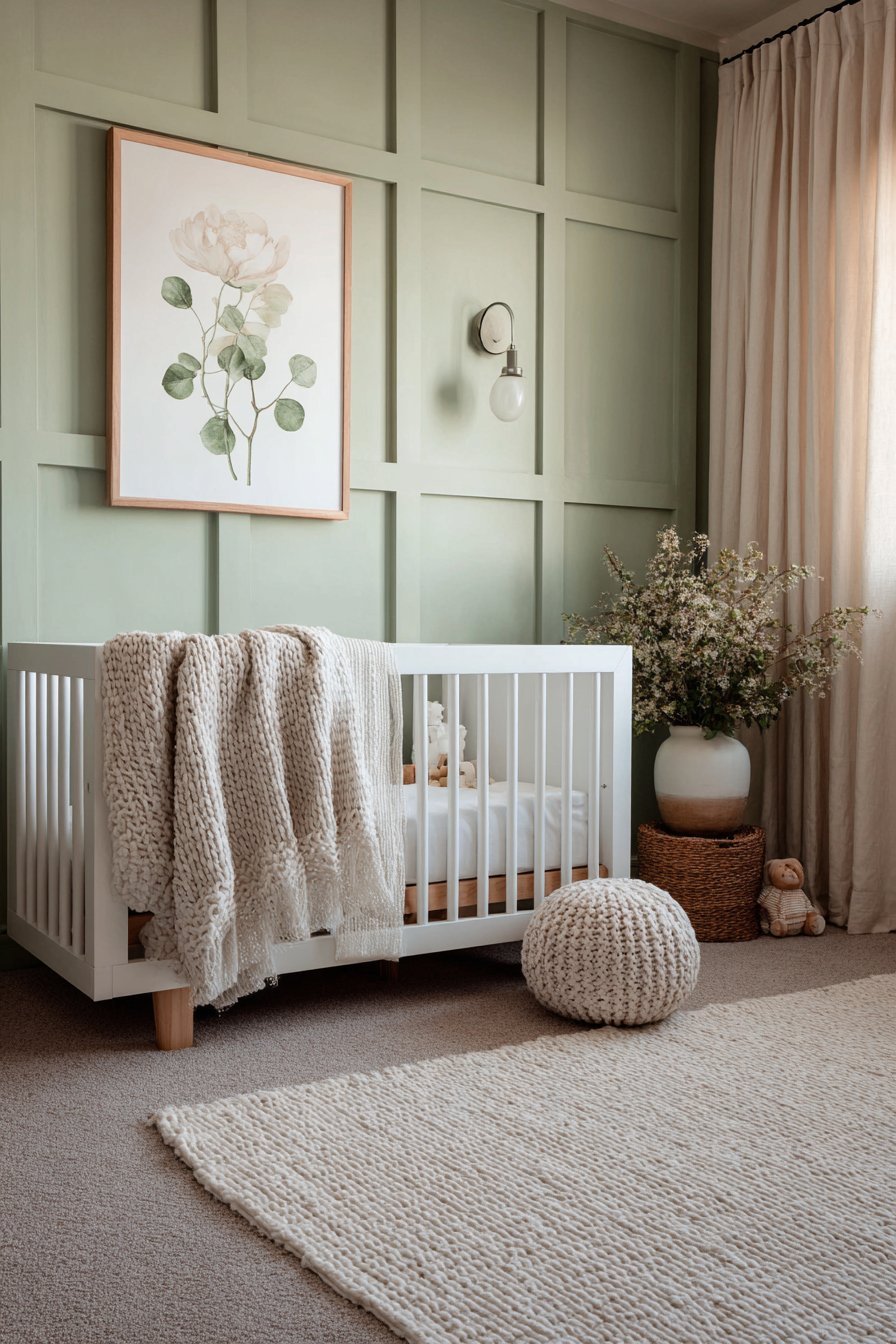
Baby’s eyes are still developing during the first months of life, making visual comfort a critical consideration. Mint green offers an ideal middle ground in terms of light reflectance. It doesn’t create the harsh glare associated with pure white walls, nor does it absorb light like darker colors, which can make spaces feel cramped or gloomy.
The wavelength of green light sits in the middle of the visible spectrum, making it one of the easiest colors for human eyes to process. This characteristic means babies can focus on their surroundings without experiencing the fatigue that comes from processing extreme light wavelengths. During tummy time, playtime, and quiet moments, a mint green environment provides consistent visual ease.
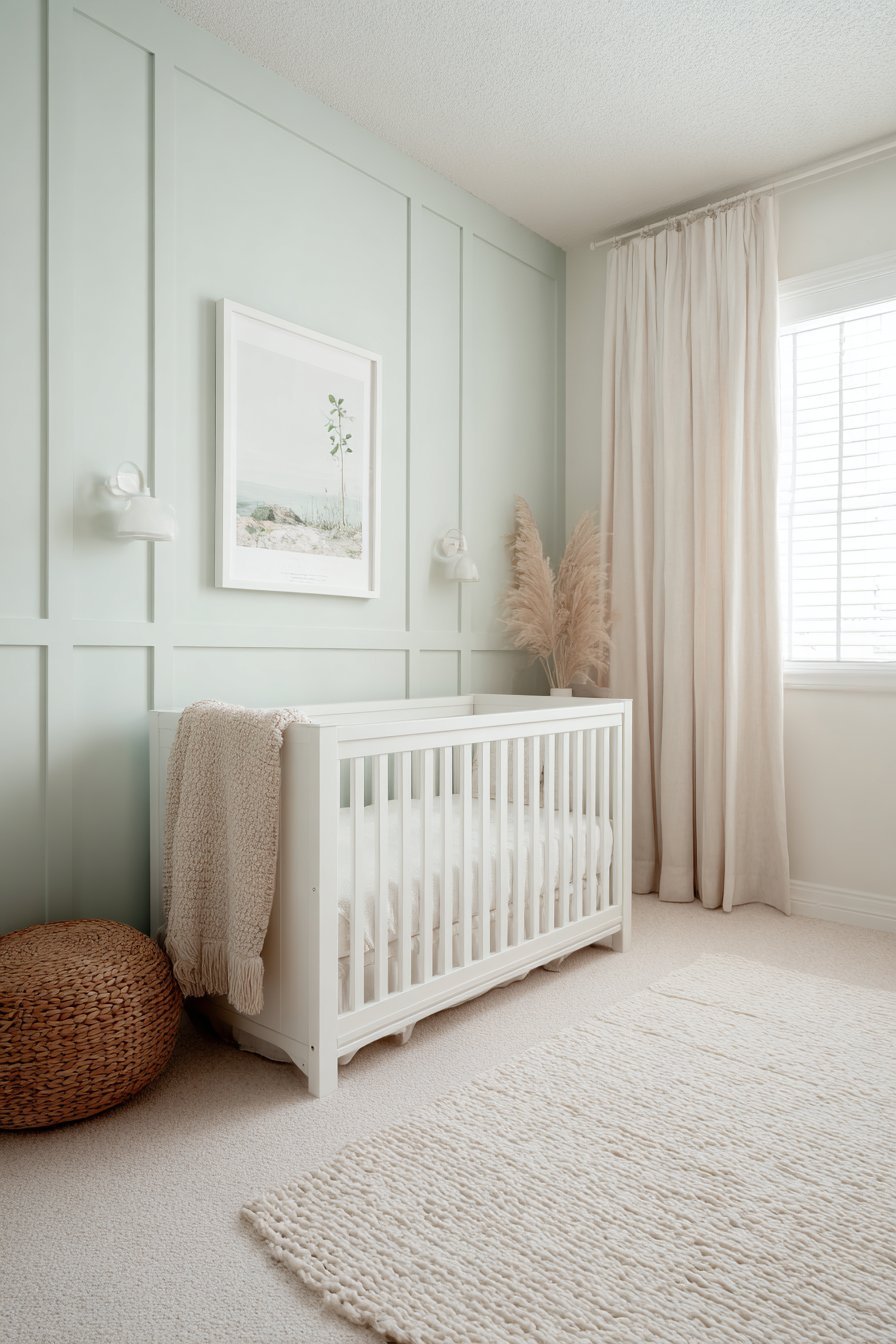
Studies on infant visual development show that excessive contrast can be overstimulating for young nervous systems. Mint green provides subtle visual interest through its slight color variation while maintaining an overall sense of uniformity. This helps babies feel secure in their environment rather than constantly alert to visual stimuli that demand attention.
- Install dimmable lighting to control brightness levels while maintaining the mint green ambiance
- Avoid high-contrast patterns on mint green walls that could create visual stress
- Position the crib so babies see the calmest wall section when lying down
- Use mint green in varying textures rather than patterns to add interest without overwhelming
- Keep decorative elements to a minimum on mint green walls to preserve visual simplicity
- Consider blackout curtains that complement mint green for optimal sleep conditions
3. Temperature Perception and Comfort
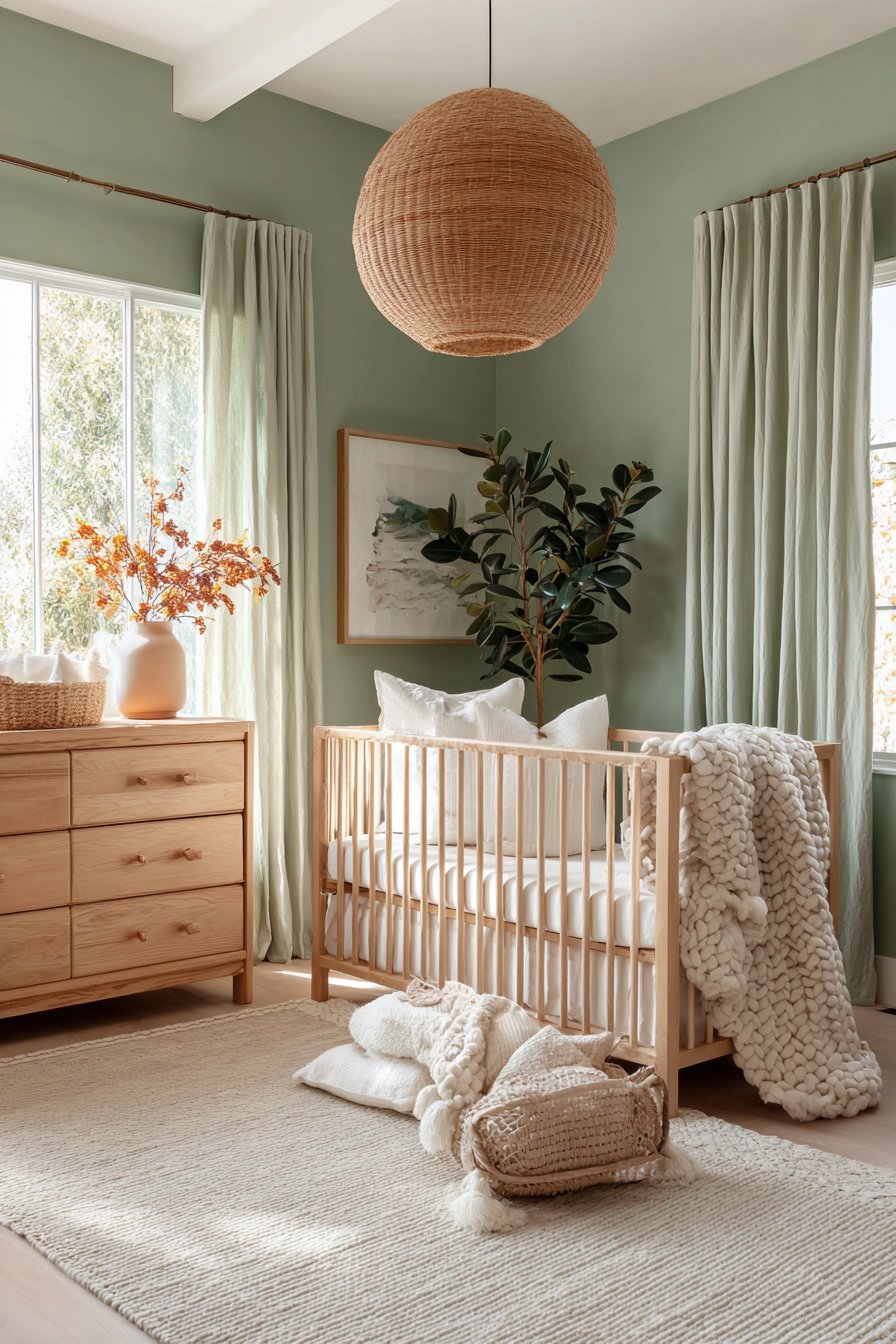
Color temperature significantly affects how we perceive physical warmth in a space. Mint green reads as cool and refreshing, which psychologically lowers perceived room temperature. This makes it particularly valuable in nurseries that tend to run warm or in homes located in warmer climates where maintaining comfortable temperatures is challenging.
The cooling effect of mint green can actually influence how parents regulate nursery temperature. When a room feels visually cool, there’s less tendency to over-cool it with air conditioning, which can lead to drafts or excessive temperature drops. This visual-thermal relationship helps maintain the recommended nursery temperature range of 68-72°F more intuitively.
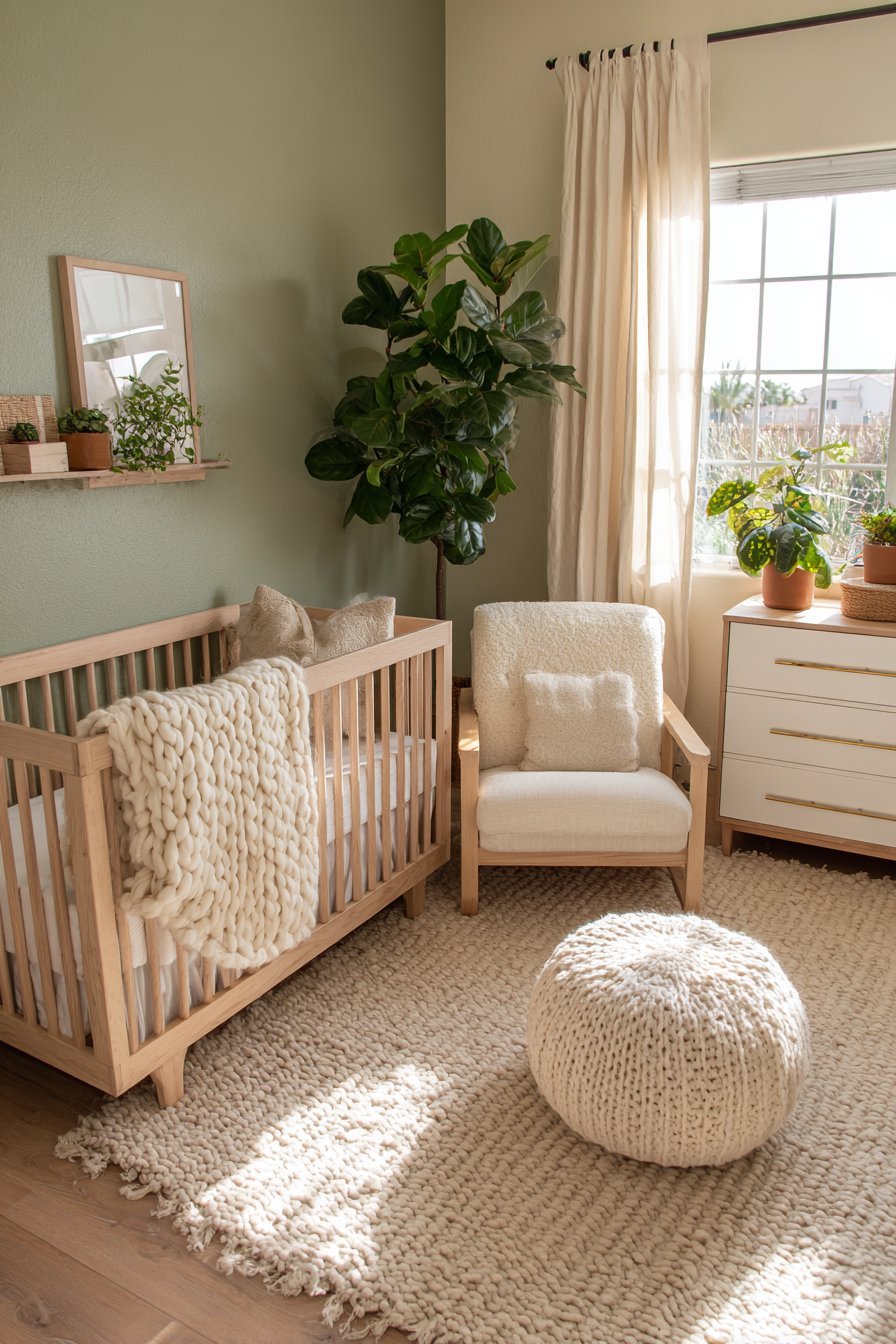
Babies are more sensitive to temperature fluctuations than adults because their bodies are still developing efficient thermoregulation. A mint green environment that feels naturally cool creates a stable sensory backdrop. Parents report that babies seem more comfortable in mint green nurseries, potentially because the color doesn’t add any psychological warmth that could make the space feel stuffy or confining.
- Layer mint green with warm wood tones to balance cool color temperatures
- Use natural fiber textiles in cream or warm white to add textural warmth
- Install a quality thermometer to monitor actual temperature alongside visual comfort
- Choose mint green shades with slight yellow undertones for cooler climates
- Add warm metallic accents in brushed gold or copper to introduce visual warmth
- Consider seasonal textiles that adjust warmth while complementing the mint green base
4. Gender Neutrality and Timeless Appeal
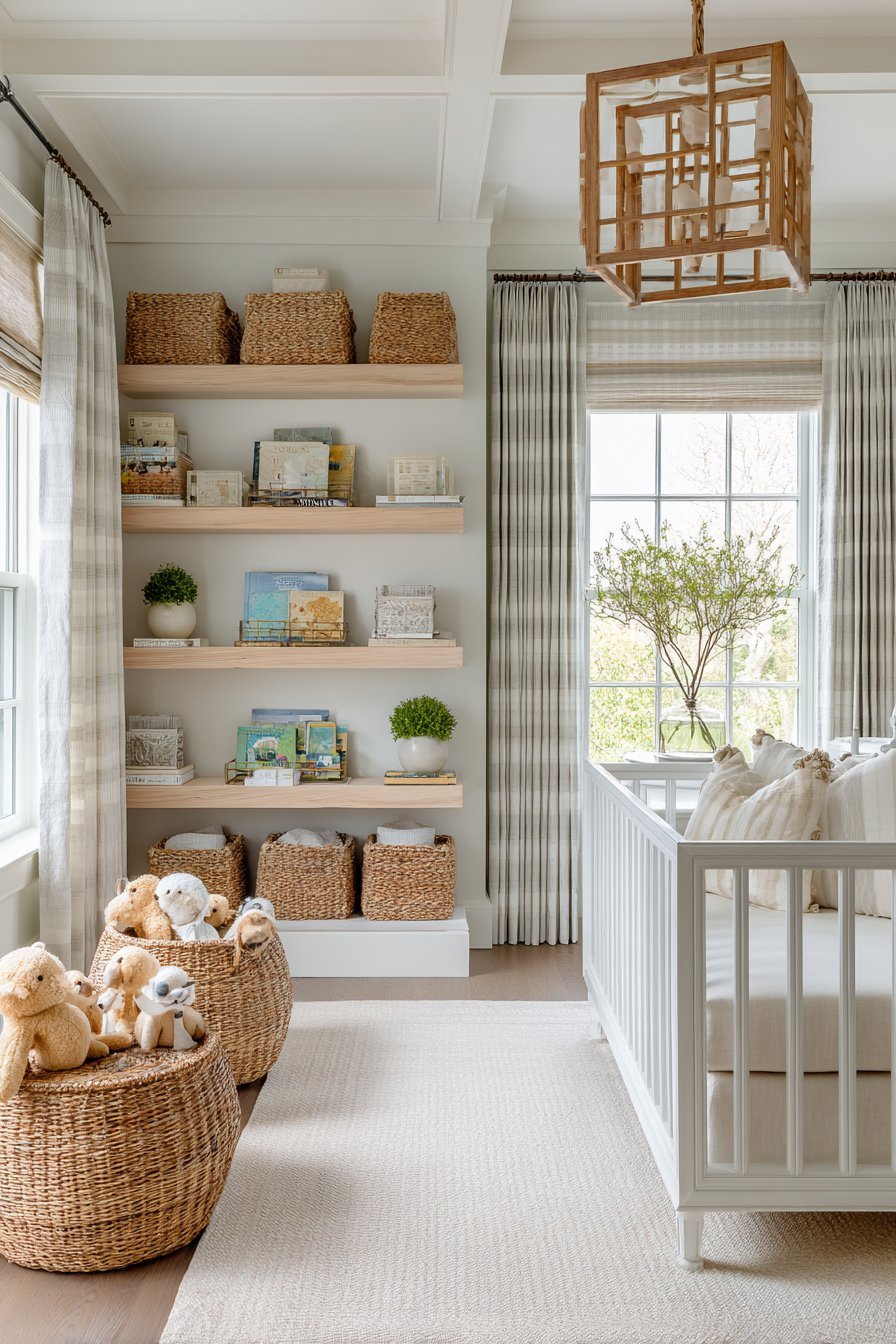
Modern parents increasingly prefer gender-neutral nursery designs that can adapt as children grow. Mint green excels in this area, offering a fresh alternative to traditional pink or blue schemes. Its universal appeal means you won’t feel pressured to redecorate if you have another child of a different gender or if your child develops preferences different from stereotypical gender associations.
The timeless quality of mint green ensures your nursery won’t feel dated as trends change. Unlike trendy colors that dominate for a season then feel stale, mint green has maintained popularity for decades across various design movements. This longevity makes it a wise investment when you’re spending significant money on nursery furniture, decor, and paint.
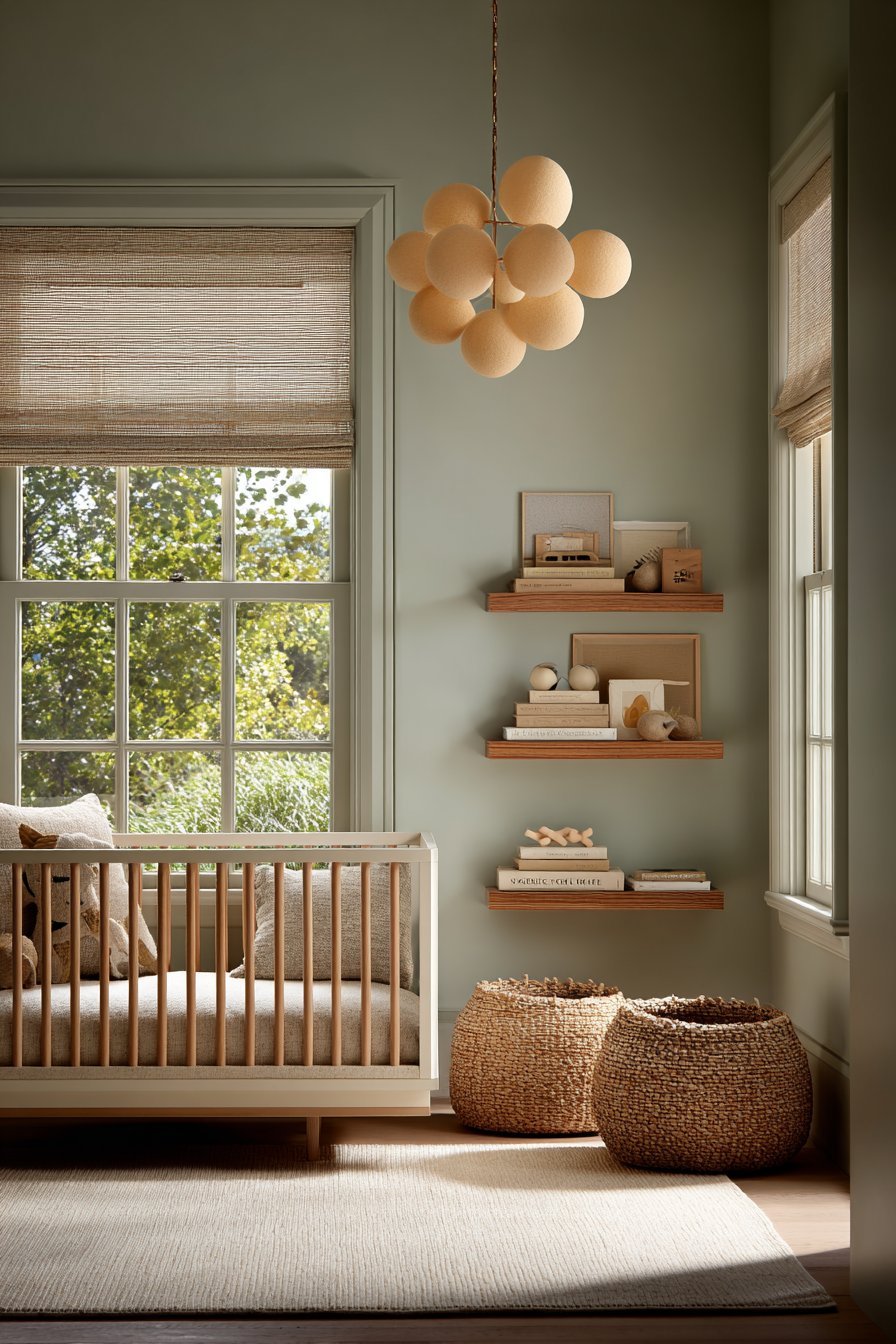
Mint green’s versatility allows it to transition seamlessly from infant nursery to toddler room to big kid bedroom. You can easily refresh the space with new accessories and textiles as your child grows without needing to repaint. This adaptability saves money and reduces the disruption of major renovations during your child’s early years.
- Combine mint green walls with white furniture for maximum flexibility
- Choose classic furniture styles that won’t clash with the mint green as trends evolve
- Add pops of color through easily changeable elements like artwork and pillows
- Use mint green as a base that welcomes both masculine and feminine accent choices
- Consider mint green’s compatibility with popular themes like woodland, nautical, or modern geometric
- Plan for longevity by avoiding overly baby-specific decor against mint green walls
5. Stress Reduction for Parents and Caregivers
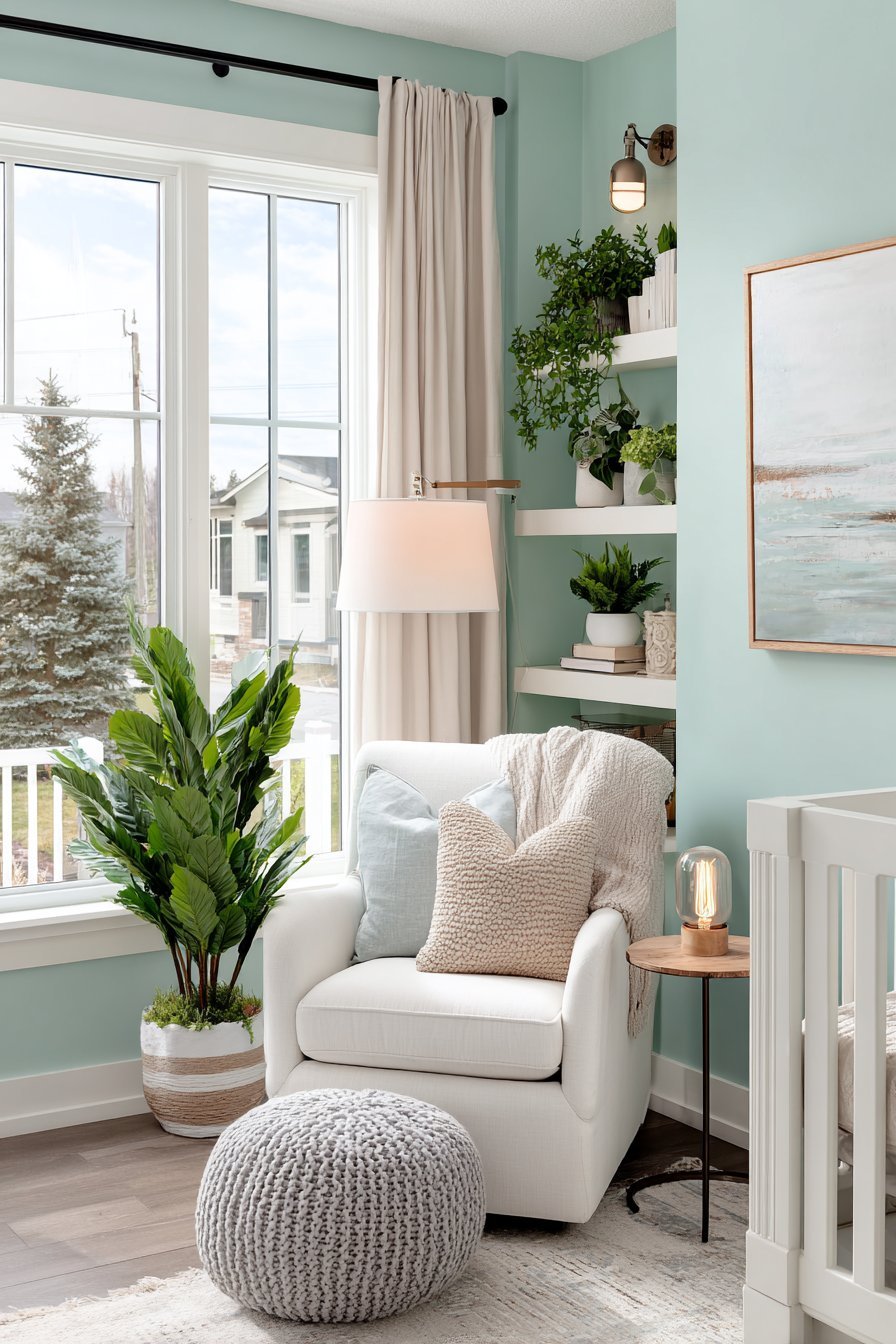
While the focus often centers on baby’s needs, parental well-being directly impacts infant care quality. Parents spend countless hours in the nursery during feeding, changing, and soothing sessions. A mint green environment provides stress relief for exhausted parents navigating the demands of newborn care.
The calming properties of mint green help reduce cortisol levels—the stress hormone—in anyone spending time in the space. During 3 AM feedings or extended periods soothing a fussy baby, the nursery’s atmosphere can either compound stress or provide refuge. Mint green creates a sanctuary where both parent and baby can find moments of peace.
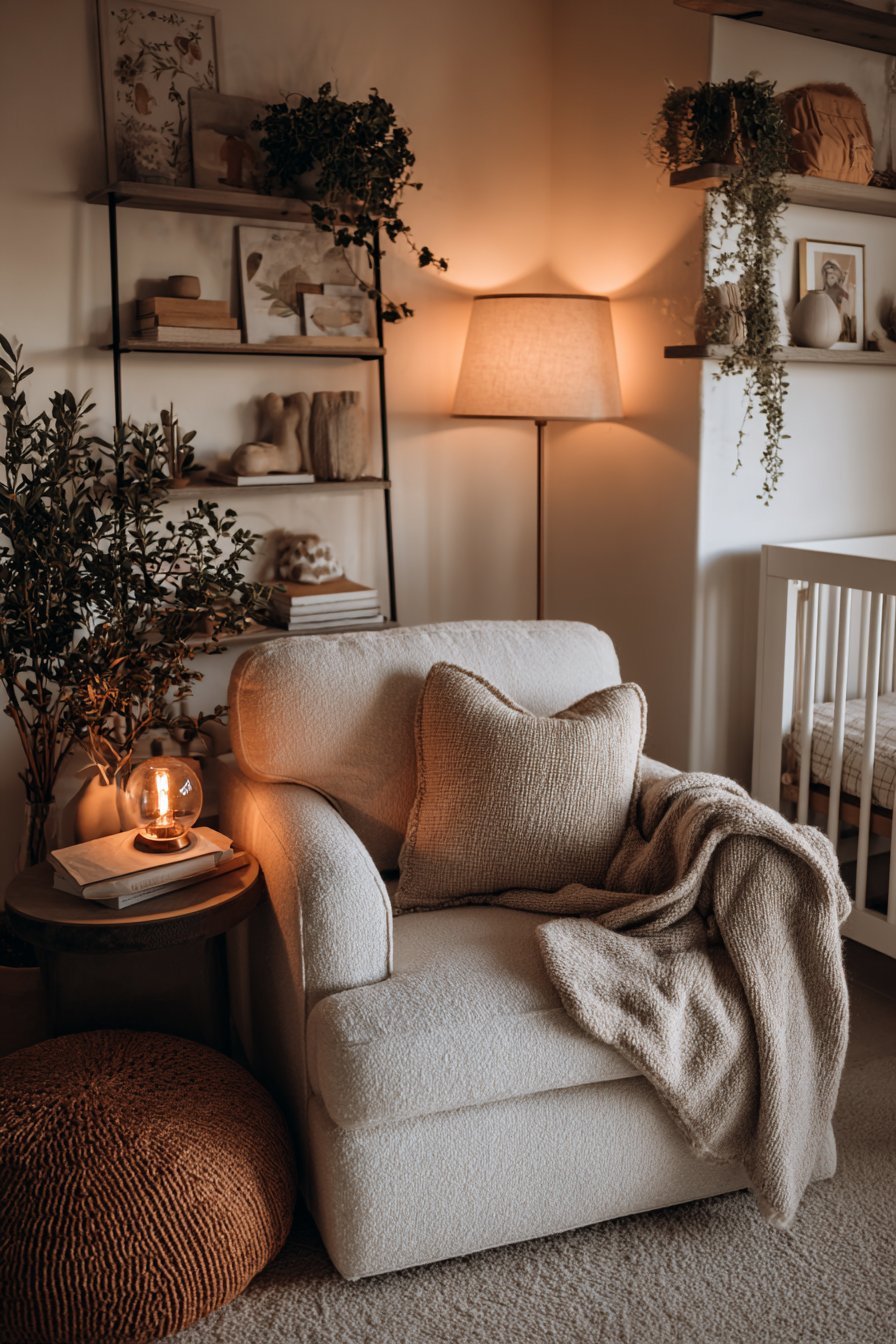
Research on healthcare environments shows that pale green and blue-green tones help lower blood pressure and heart rate. These same benefits transfer to home nurseries, where parents often experience elevated stress during difficult sleep training periods or when babies are ill. The environment itself becomes a therapeutic tool supporting family wellness beyond mere aesthetics.
- Create a comfortable nursing or feeding corner in the mint green space for extended comfort
- Add a comfortable adult chair that harmonizes with the mint green color scheme
- Install soft lighting at multiple levels to reduce harsh shadows during nighttime care
- Use the mint green space for brief meditation or breathing exercises during baby’s naps
- Keep the mint green nursery clutter-free to minimize visual stress for caregivers
- Consider how the color makes you personally feel—your emotional response matters
6. Enhanced Sleep Quality and Circadian Rhythm Support
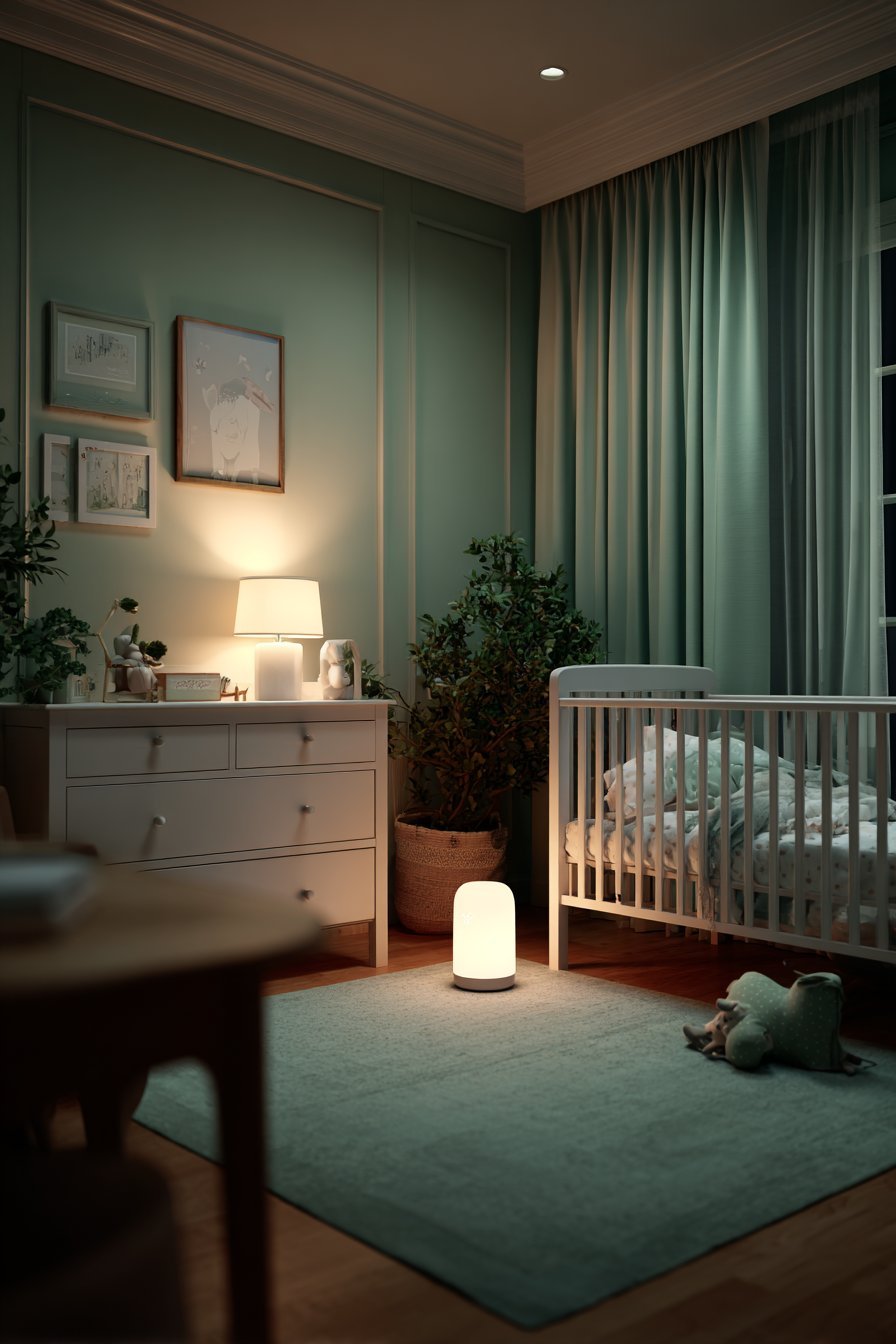
Quality sleep is paramount for infant development, making sleep environment optimization one of the most important aspects of nursery design. Mint green supports healthy sleep patterns by creating an environment that signals rest to the developing brain. The color’s association with nature and tranquility helps establish positive sleep associations from birth.
Unlike stimulating colors that can make settling difficult, mint green promotes melatonin production—the hormone responsible for sleep regulation. While light exposure has the primary impact on circadian rhythms, color choices support or undermine these natural patterns. Mint green walls provide a consistent, non-stimulating backdrop during the crucial bedtime routine.
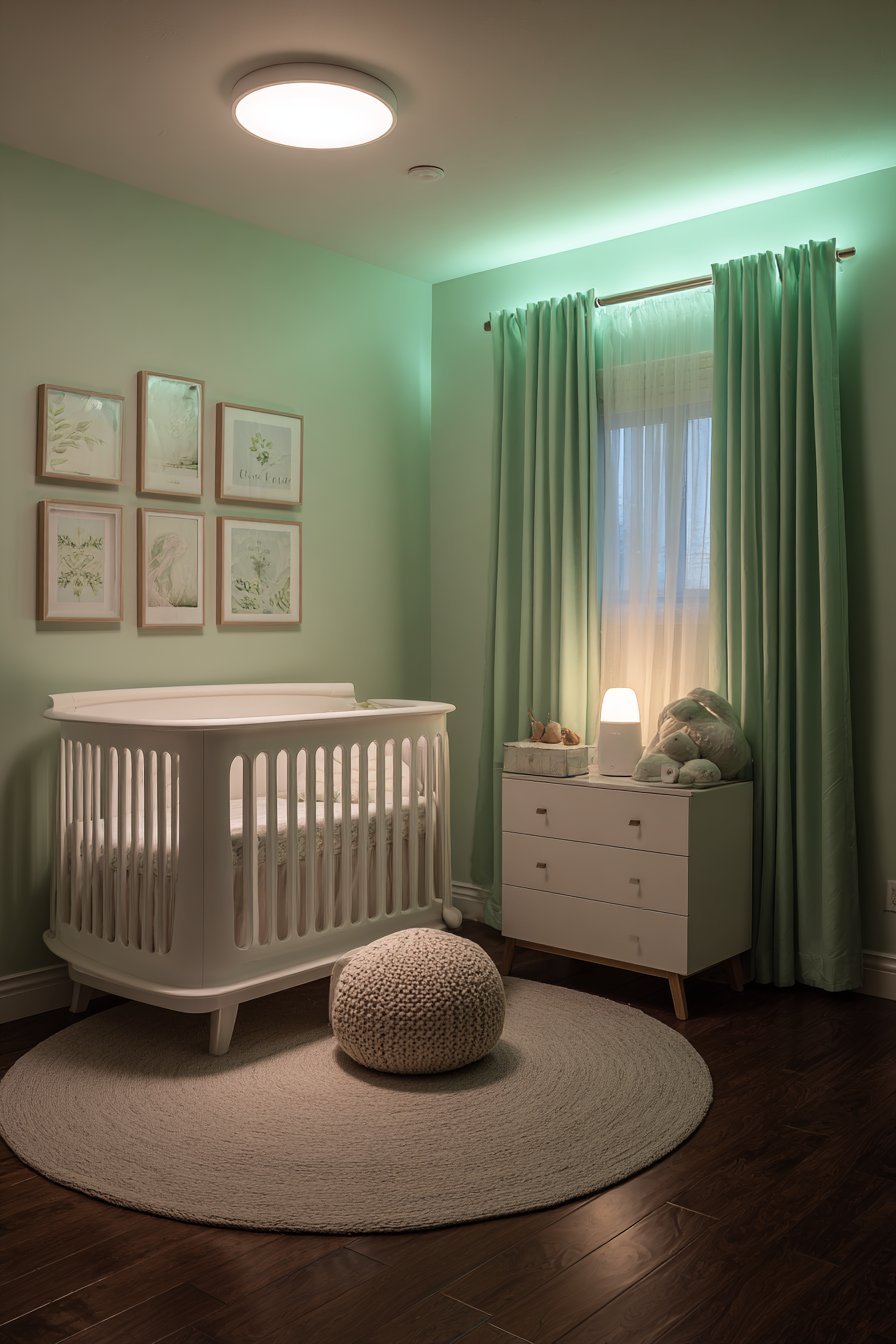
Parents implementing sleep training methods often find success comes more easily in appropriately colored rooms. Mint green creates clear environmental distinctions between active play areas and sleep spaces. This visual cueing helps babies understand that the nursery is primarily for rest, supporting the development of healthy sleep habits that benefit the entire family.
- Maintain consistent mint green tones throughout the nursery to avoid visual disruption
- Use blackout curtains during sleep times while allowing natural light during wake periods
- Avoid electronic screens or bright lights that counteract mint green’s calming effect
- Establish a bedtime routine that includes dimming lights in the mint green space
- Keep the mint green nursery specifically for sleep and quiet activities when possible
- Monitor baby’s sleep patterns to confirm the environment is supporting quality rest
7. Compatibility with Natural Materials and Textures
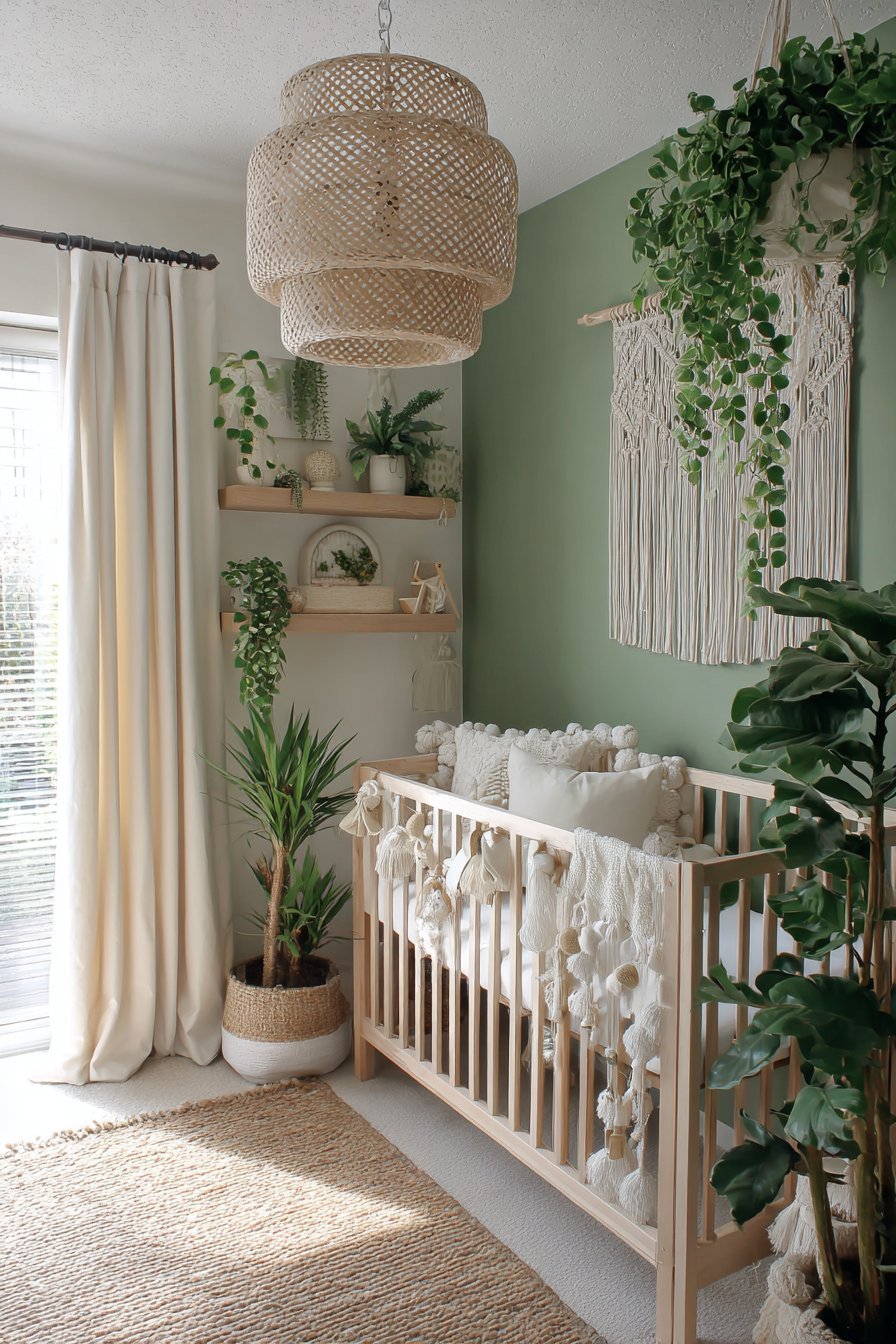
Mint green pairs beautifully with natural materials and organic textures that enhance nursery safety and sustainability. Wood furniture in light oak, maple, or birch creates warm contrast against mint green walls. Rattan baskets, jute rugs, and linen curtains add textural interest while maintaining the room’s peaceful atmosphere.
The biophilic design trend—incorporating natural elements into living spaces—aligns perfectly with mint green’s organic feel. Adding real or faux plants, natural fiber mobiles, and wooden toys creates a cohesive environment that supports infant development. Research suggests exposure to natural elements and colors improves cognitive development and reduces stress even in very young children.
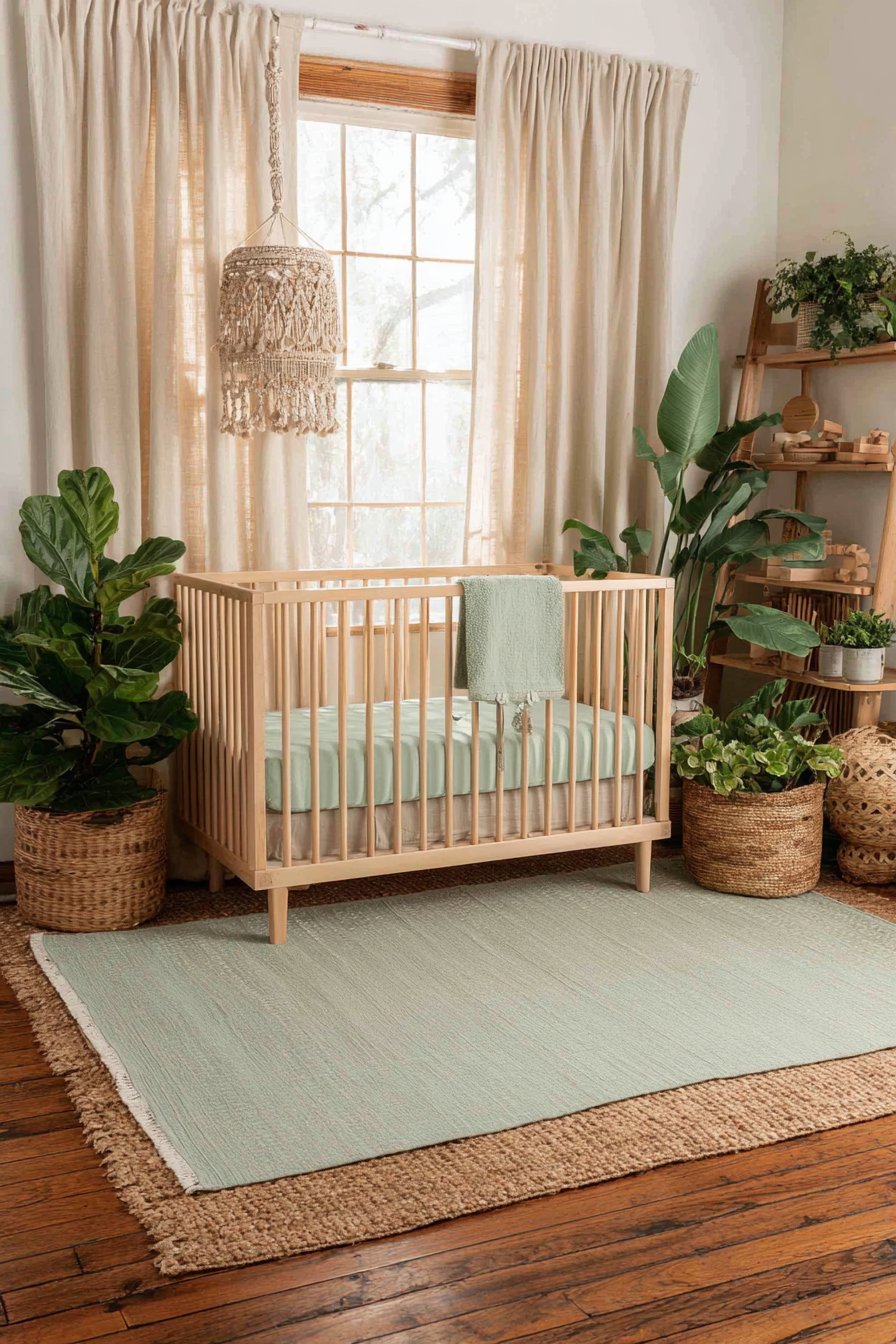
Mint green’s versatility with textures means you can create depth and interest without relying on busy patterns or bright colors. A chunky knit blanket, smooth wooden changing table, soft velvet cushion, and woven storage basket all complement mint green beautifully. This approach stimulates developing senses through touch and subtle visual variation rather than overwhelming color contrast.
- Source sustainably harvested wood furniture to align with mint green’s natural aesthetic
- Choose organic cotton textiles in natural shades to complement mint green walls
- Add texture through three-dimensional elements like macramé wall hangings or wooden shelves
- Incorporate plants that are safe for nurseries such as spider plants or rubber plants
- Use natural fiber rugs in cream or tan to warm the floor against mint green walls
- Select toys made from wood, organic cotton, or natural rubber that harmonize with the palette
8. Light Reflectance and Room Brightness
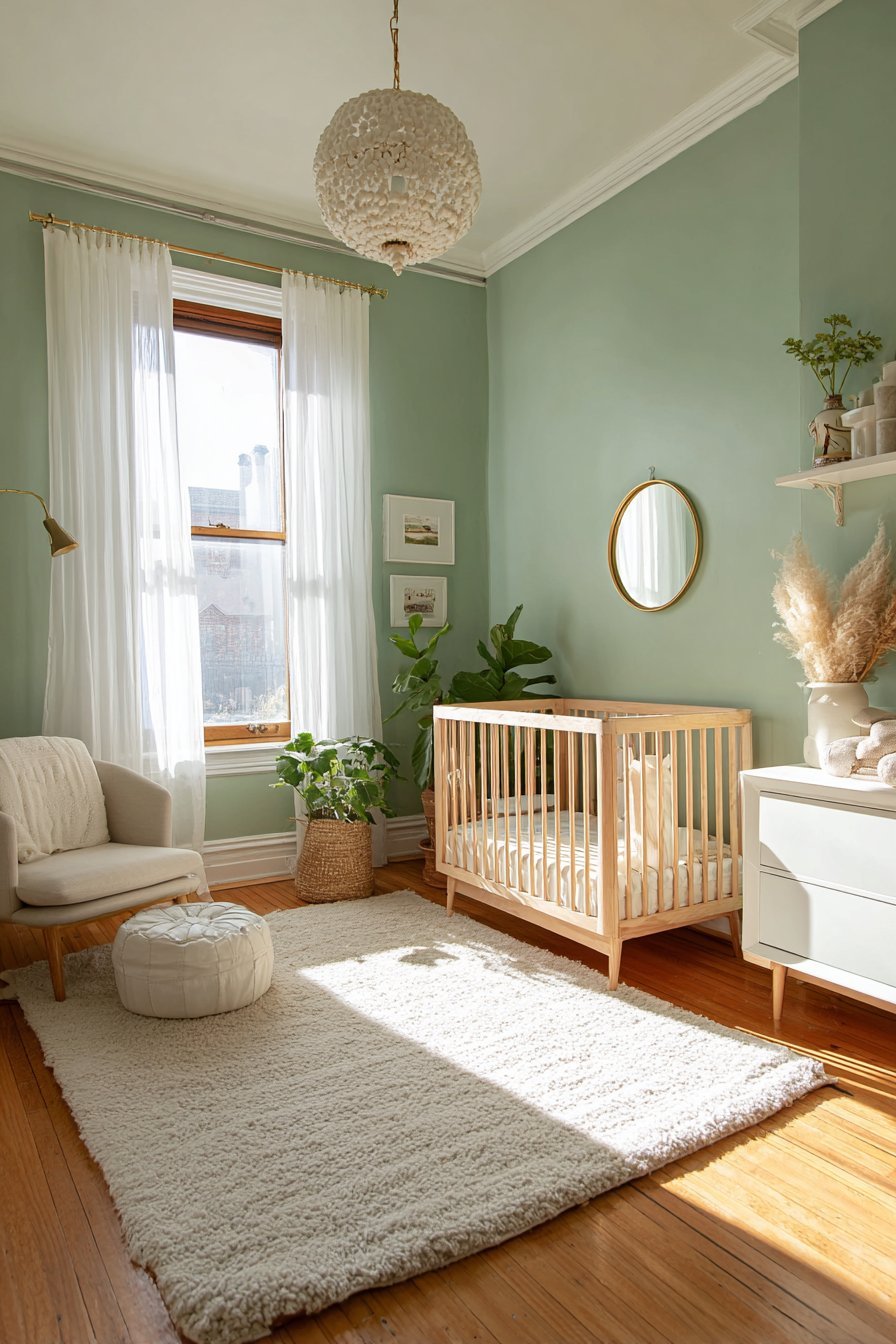
Understanding light reflectance values (LRV) helps optimize nursery brightness. Mint green typically has an LRV between 60-80, depending on the specific shade. This range reflects a significant amount of light while adding subtle color, making rooms feel bright and airy without the starkness of pure white.
Proper light management is crucial for infant eye development and establishing healthy circadian rhythms. Mint green walls bounce natural daylight throughout the room, reducing dark corners where shadows might create visual unease. This even light distribution means babies can see their surroundings clearly during daytime activities while the color remains calming enough for naptime.
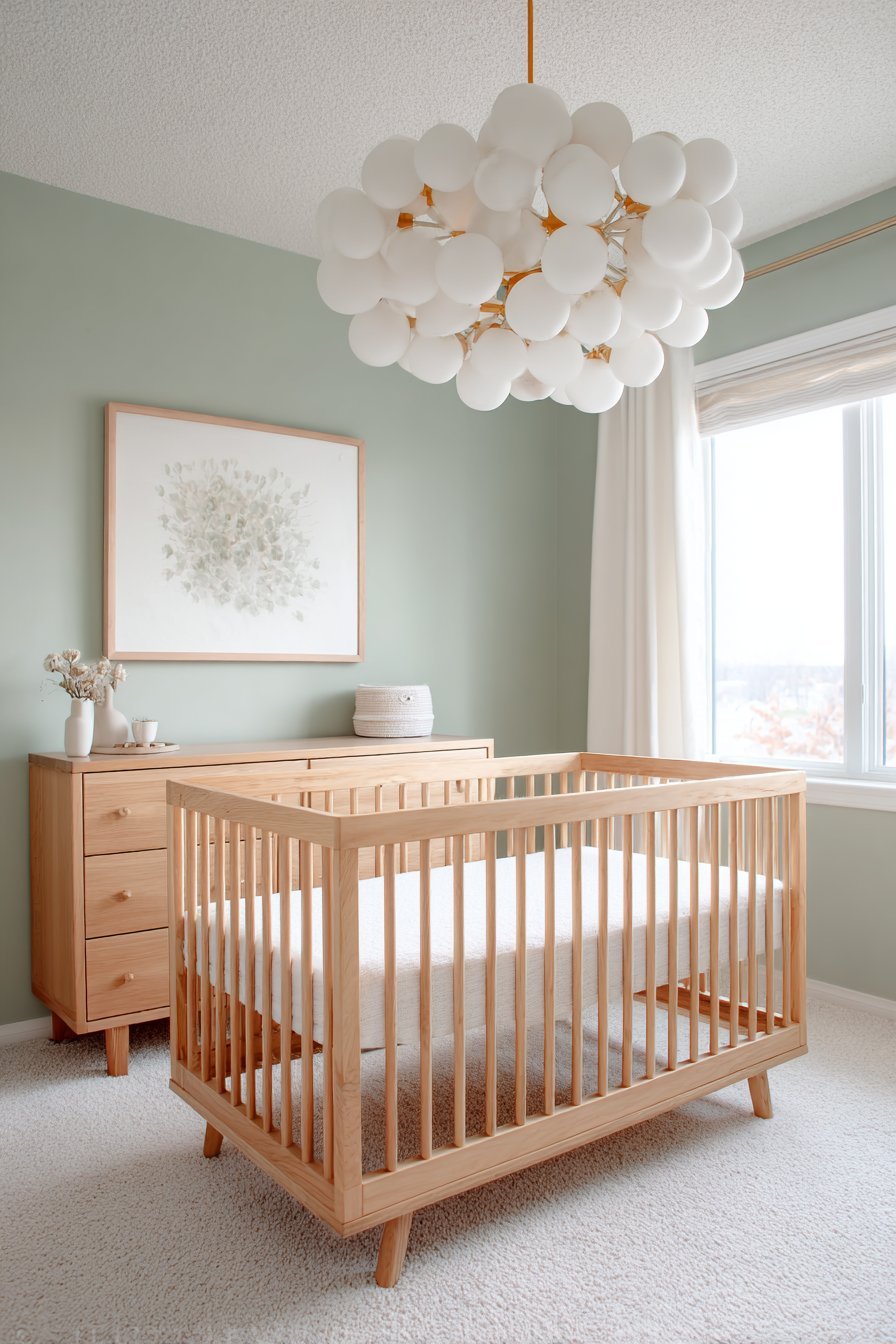
The reflective quality of mint green also enhances artificial lighting efficiency. During evening hours, lamps and fixtures provide adequate illumination without needing excessive wattage. This matters for energy efficiency and for avoiding overly bright lighting during nighttime feedings when you want to keep the baby drowsy enough to return to sleep easily.
- Choose mint green shades with higher LRV for rooms with limited natural light
- Paint the ceiling a slightly lighter mint or soft white to maximize light reflection
- Position mirrors strategically to bounce light without creating harsh glare
- Use sheer white curtains over mint green walls to filter harsh direct sunlight
- Install lighting on multiple circuits for flexible control throughout the day
- Consider how different light bulb temperatures affect your chosen mint green shade
9. Reduced Visual Stimulation During Nighttime Wake-Ups
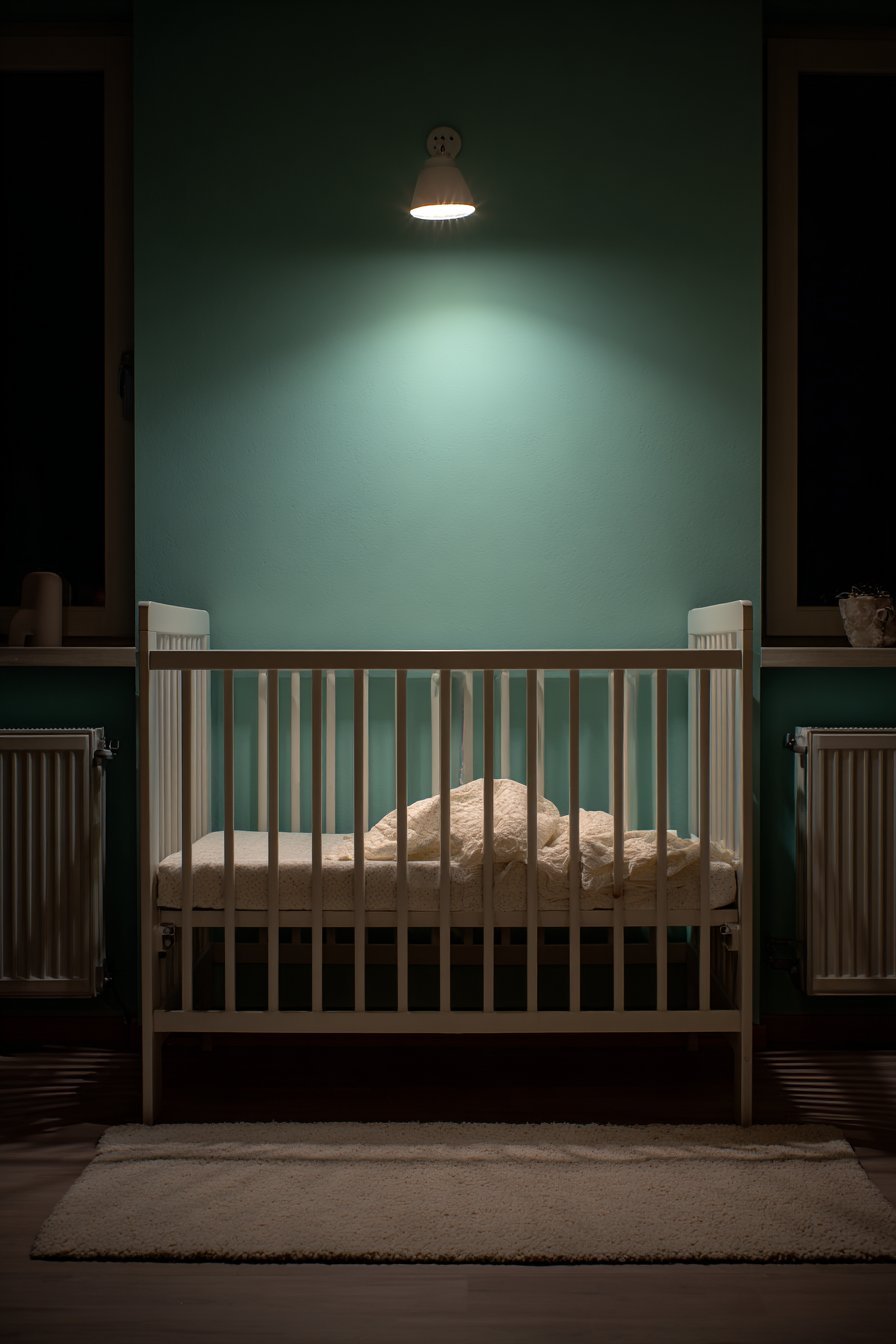
Nighttime parenting requires minimizing stimulation to encourage babies to return to sleep quickly. Mint green walls remain neutral and non-activating when illuminated by nightlights or soft lamps during middle-of-the-night wake-ups. Unlike white walls that can appear bright and alerting or dark walls that create disorienting shadows, mint green maintains perfect visual balance.
The subtle color presence provides just enough visual reference for spatial awareness without triggering the alertness response associated with bright or contrasting colors. This helps both parents and babies navigate the room safely while maintaining the drowsy state necessary for quick return to sleep after feeding or comfort needs are met.
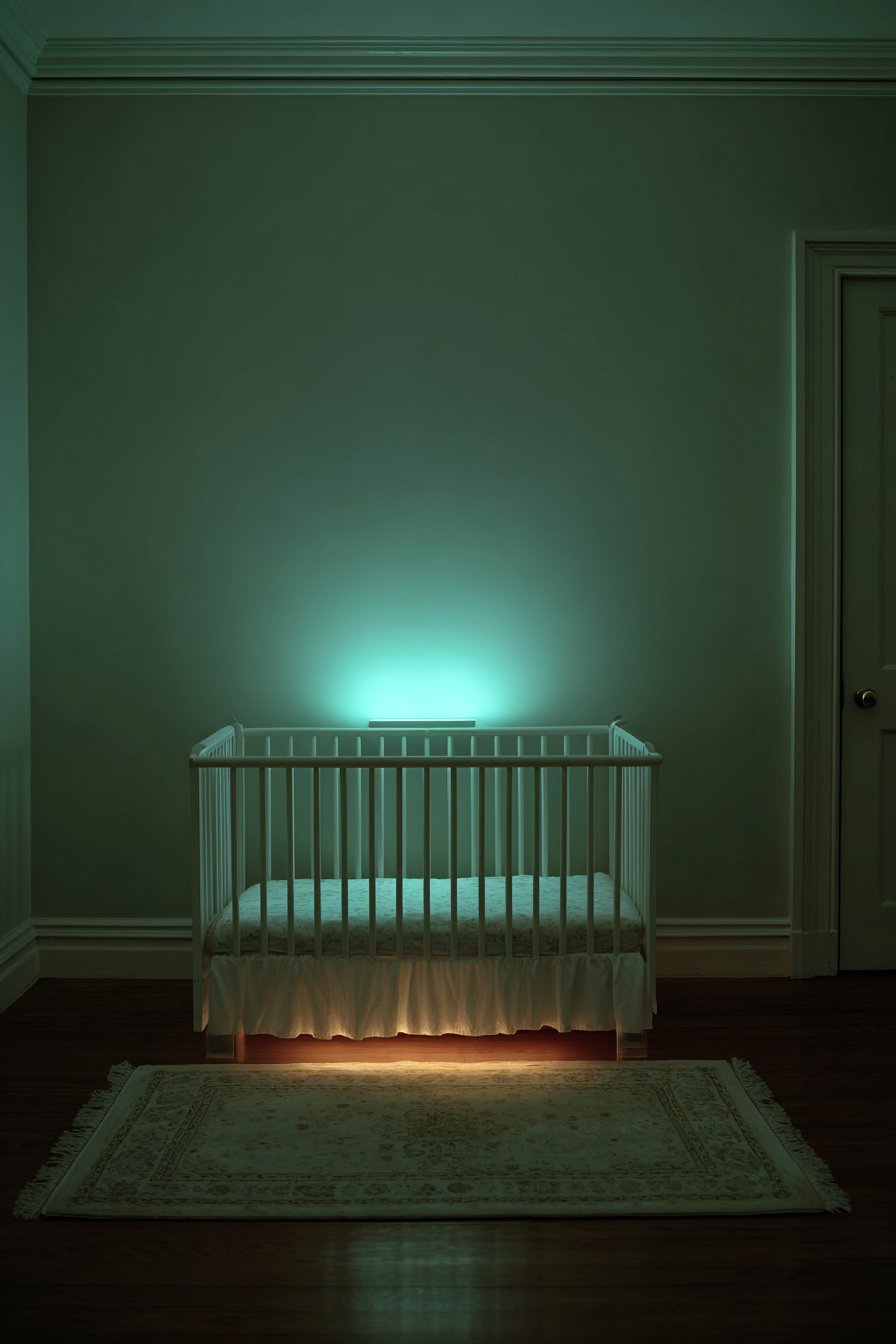
Parents who’ve tried multiple nursery colors often report that mint green performs best for nighttime functionality. The color doesn’t disappear into darkness like navy or charcoal, nor does it reflect light harshly like white or pale yellow. This Goldilocks quality—neither too much nor too little visual presence—makes nighttime parenting less stressful and more efficient.
- Install amber or red-spectrum nightlights that don’t disrupt circadian rhythms
- Position nightlights to provide floor illumination rather than wall-washing the mint green
- Keep pathways clear and well-defined against mint green walls for safe nighttime navigation
- Use motion-sensor lighting that provides just enough illumination without startling baby
- Avoid glossy paint finishes that create hotspots; choose eggshell or matte for mint green walls
- Test nighttime visibility before baby arrives to ensure the mint green provides adequate spatial reference
10. Versatility Across Design Styles
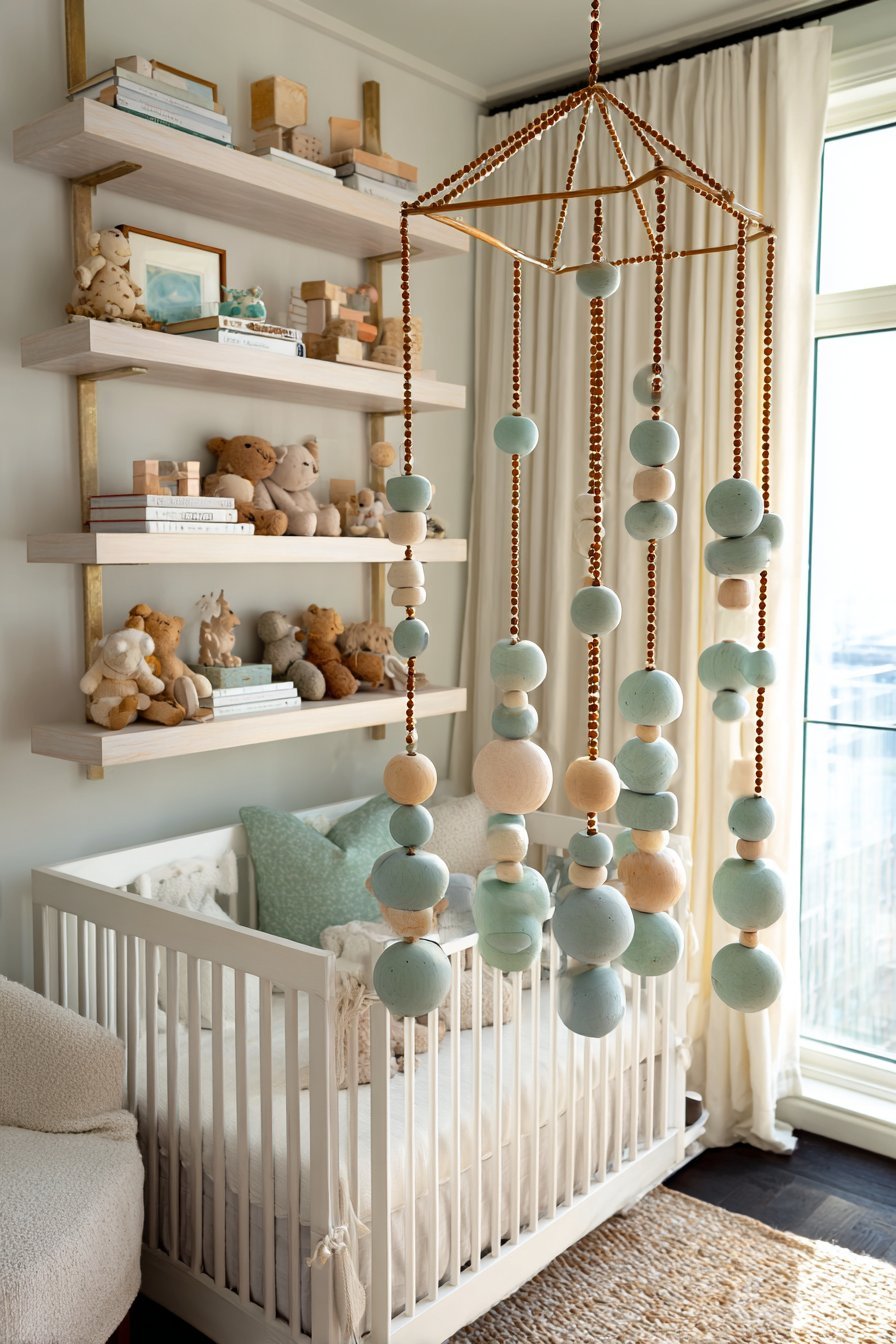
Mint green adapts seamlessly to virtually any nursery design aesthetic you envision. In modern spaces, pair it with geometric patterns, clean lines, and metallics for a contemporary feel. Traditional nurseries benefit from mint green as a backdrop for classic furniture, vintage-inspired textiles, and ornate details. The color’s chameleon-like quality means you’re not locked into a single style.
Scandinavian minimalism particularly shines with mint green walls, white furniture, and natural wood accents. The simplicity of this approach reduces visual clutter while creating a serene, functional space. Alternatively, mint green provides the perfect foundation for maximalist designs featuring eclectic artwork, bold patterns in accent pieces, and collected treasures from travels or family heirlooms.
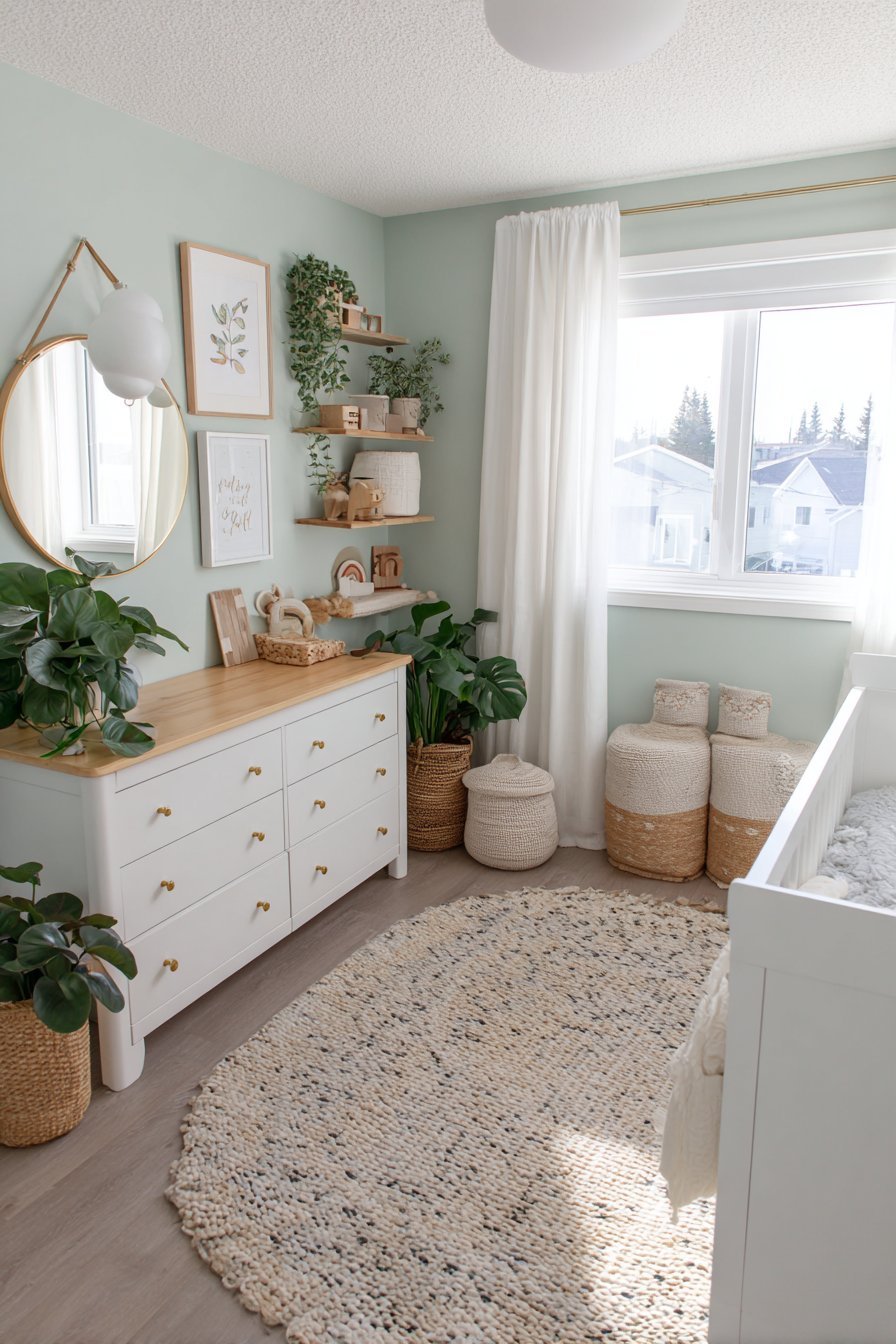
The ability to shift aesthetics without repainting makes mint green incredibly practical for evolving tastes. You might start with a simple, minimalist nursery and gradually add more decorative elements as your confidence grows. Or begin with a fully decorated space and pare down if it feels too busy. Mint green accommodates these changes gracefully without competing with your chosen design direction.
- Study design magazines featuring mint green to identify which style resonates with you
- Create a mood board before purchasing furniture to ensure cohesive design
- Start with mint green walls as your foundation, then layer in style-specific elements
- Don’t feel pressured to commit to one style—mix elements that make you happy
- Use Pinterest or Instagram to collect mint green nursery inspiration across various aesthetics
- Remember that your personal style matters more than following trends perfectly
11. Positive Associations and Emotional Resonance
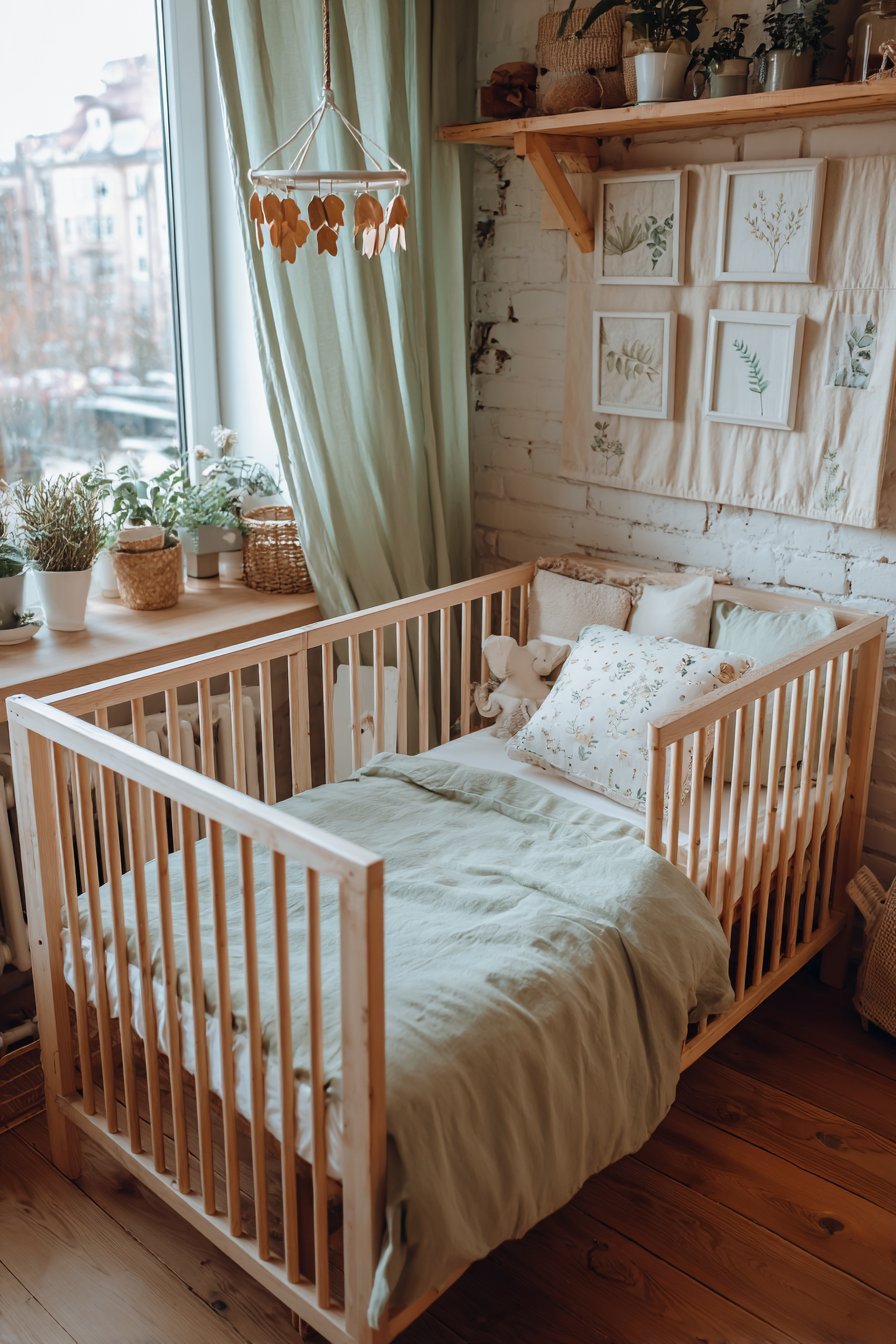
Mint green carries positive psychological associations that influence how we feel in space. The color evokes fresh mint leaves, spring renewal, peaceful gardens, and natural healing. These associations create subconscious connections that make the nursery feel inherently safe, clean, and nurturing—qualities every parent wants for their baby’s primary environment.
The emotional resonance of mint green extends beyond immediate visual response. Many people report that mint green reminds them of positive childhood memories, favorite places in nature, or moments of peace and happiness. When you incorporate a color with such positive associations into your baby’s nursery, you’re creating an environment steeped in good feelings and optimistic energy.
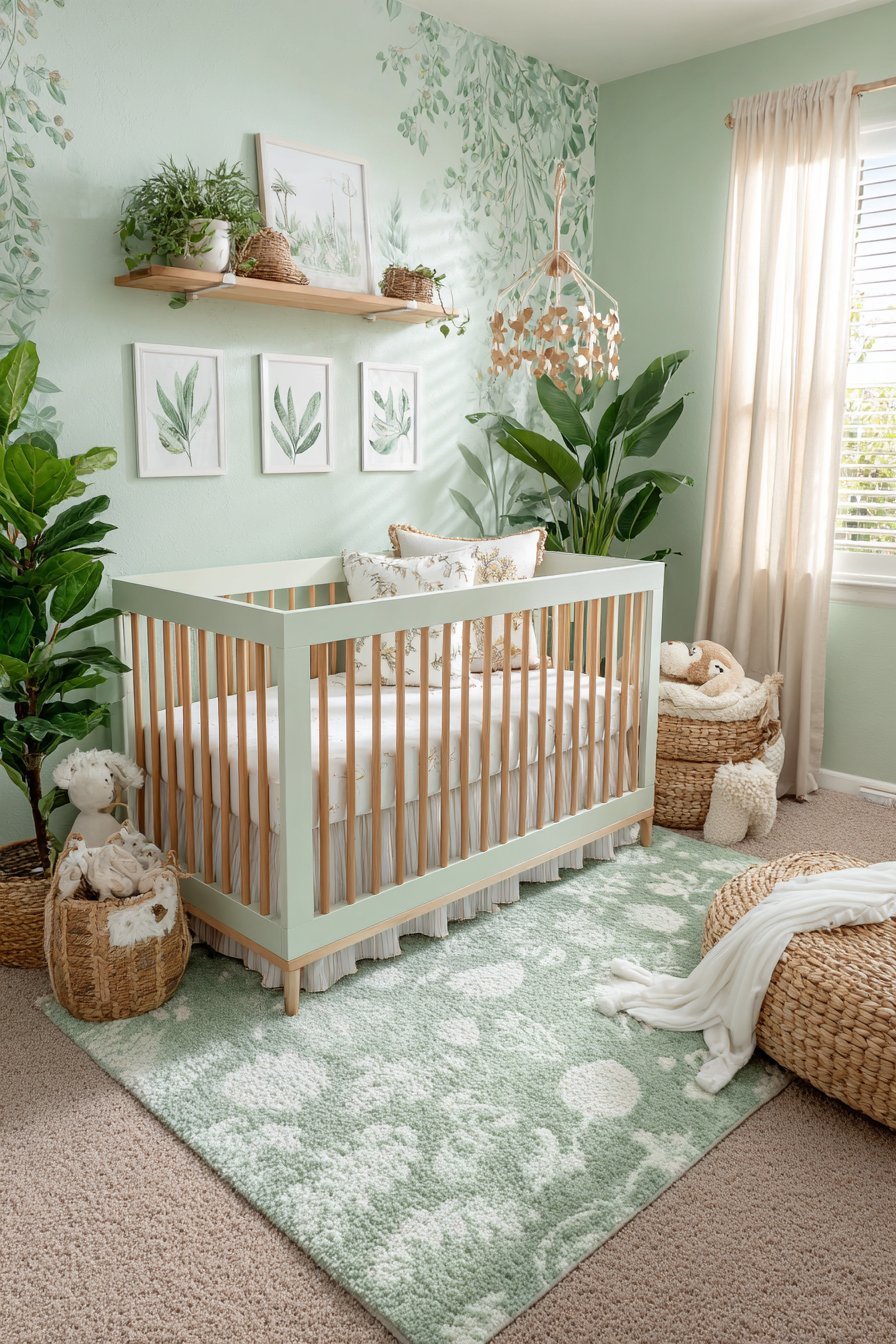
Color therapy practitioners recognize mint green’s healing properties and its ability to promote emotional balance. While scientific evidence for color therapy remains debated, the psychological impacts of color on mood are well-documented. Choosing mint green for your nursery taps into these beneficial associations, creating a space that feels emotionally nourishing for everyone who enters.
- Reflect on your personal associations with mint green before committing to the color
- Share the space with your partner to ensure both parents feel positive about the choice
- Notice how you feel after spending time in the mint green nursery during setup
- Consider adding elements that enhance positive associations like plant imagery or nature themes
- Use scent alongside color to create multi-sensory positive experiences in the nursery
- Trust your emotional response to the color rather than purely following design rules
12. Practical Maintenance and Longevity
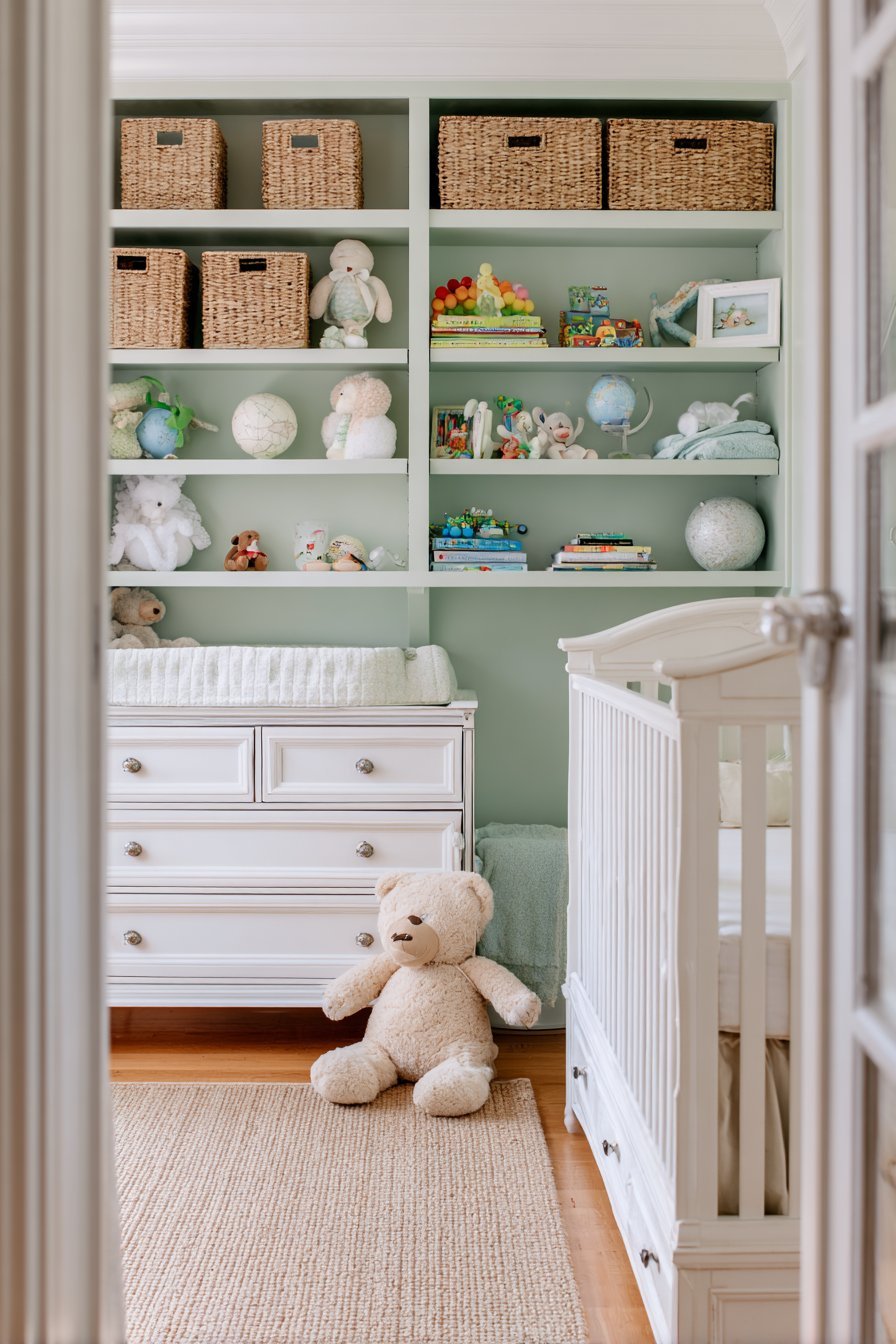
Beyond aesthetics and psychology, practical considerations make mint green an excellent nursery choice. The color hides minor imperfections, scuffs, and marks better than pure white while showing less wear than darker colors. During the inevitable bumps, scrapes, and sticky-hand moments of childhood, mint green walls maintain their appearance with minimal touch-ups.
Cleaning and maintenance become simpler with mint green walls painted in washable, scrubbable finishes. Small marks from toys, furniture, or curious hands can be wiped away without leaving obvious clean spots that show against the wall color. This durability means your beautiful nursery maintains its pristine appearance throughout the demanding early years of parenthood.
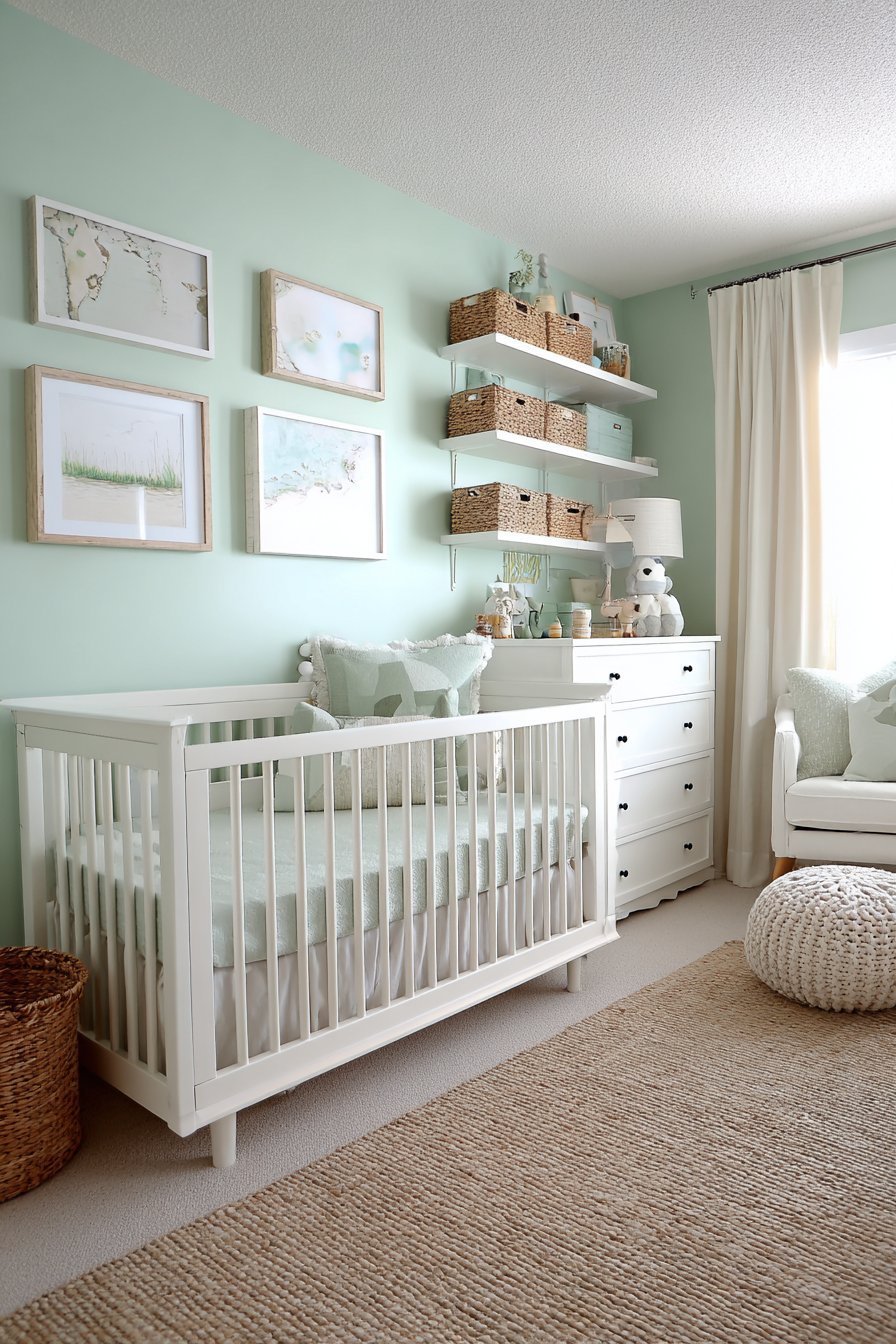
The long-term value of mint green extends to resale considerations. Neutral, appealing colors that aren’t too trendy or personalized add value when selling your home. Potential buyers with young children can immediately envision the space as a nursery, while those without children see a versatile room that could serve multiple purposes without requiring immediate repainting.
- Invest in quality paint with built-in stain resistance for maximum durability
- Keep extra paint for touch-ups stored properly to maintain color matching
- Clean walls regularly with appropriate cleaners to prevent buildup that dulls the color
- Address marks and scuffs promptly before they become permanent stains
- Consider a slightly darker mint green if your home experiences heavy wear
- Document your exact paint color and brand for future touch-ups or adjacent rooms
Conclusion
Mint green nurseries offer far more than attractive aesthetics. This carefully chosen color creates an environment that supports infant development, promotes healthy sleep patterns, reduces stress for parents, and adapts to changing needs as your child grows. The psychological and practical benefits of mint green make it one of the most thoughtful choices you can make for your baby’s primary living space.
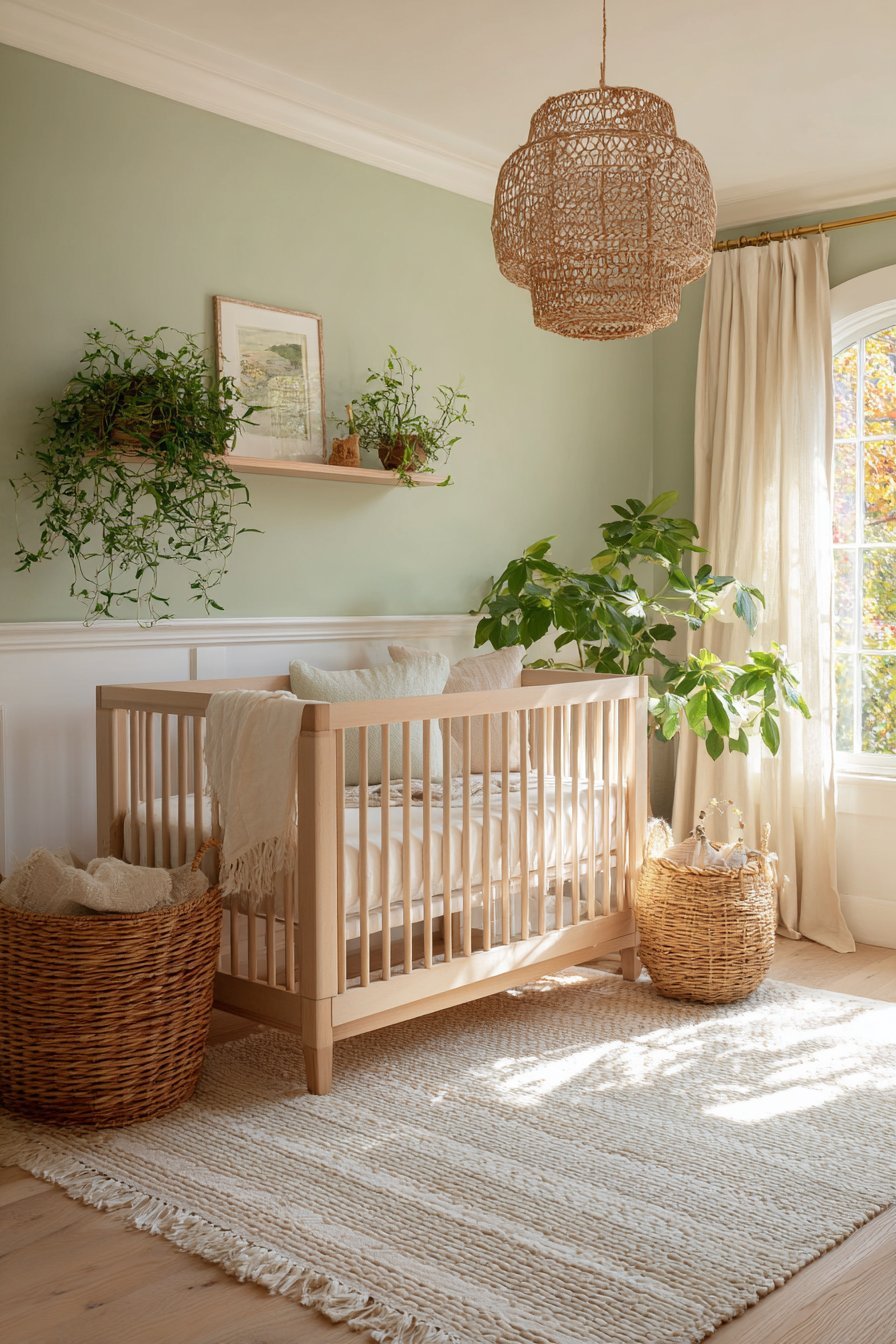
As you plan or refresh your nursery, remember that small changes can create significant impacts on daily life with your baby. Starting with mint green walls as your foundation gives you endless possibilities for personalization while ensuring the core environment remains soothing and supportive. Whether you choose minimalist simplicity or layered comfort, mint green provides the perfect canvas for creating a nursery where your family can thrive together.
