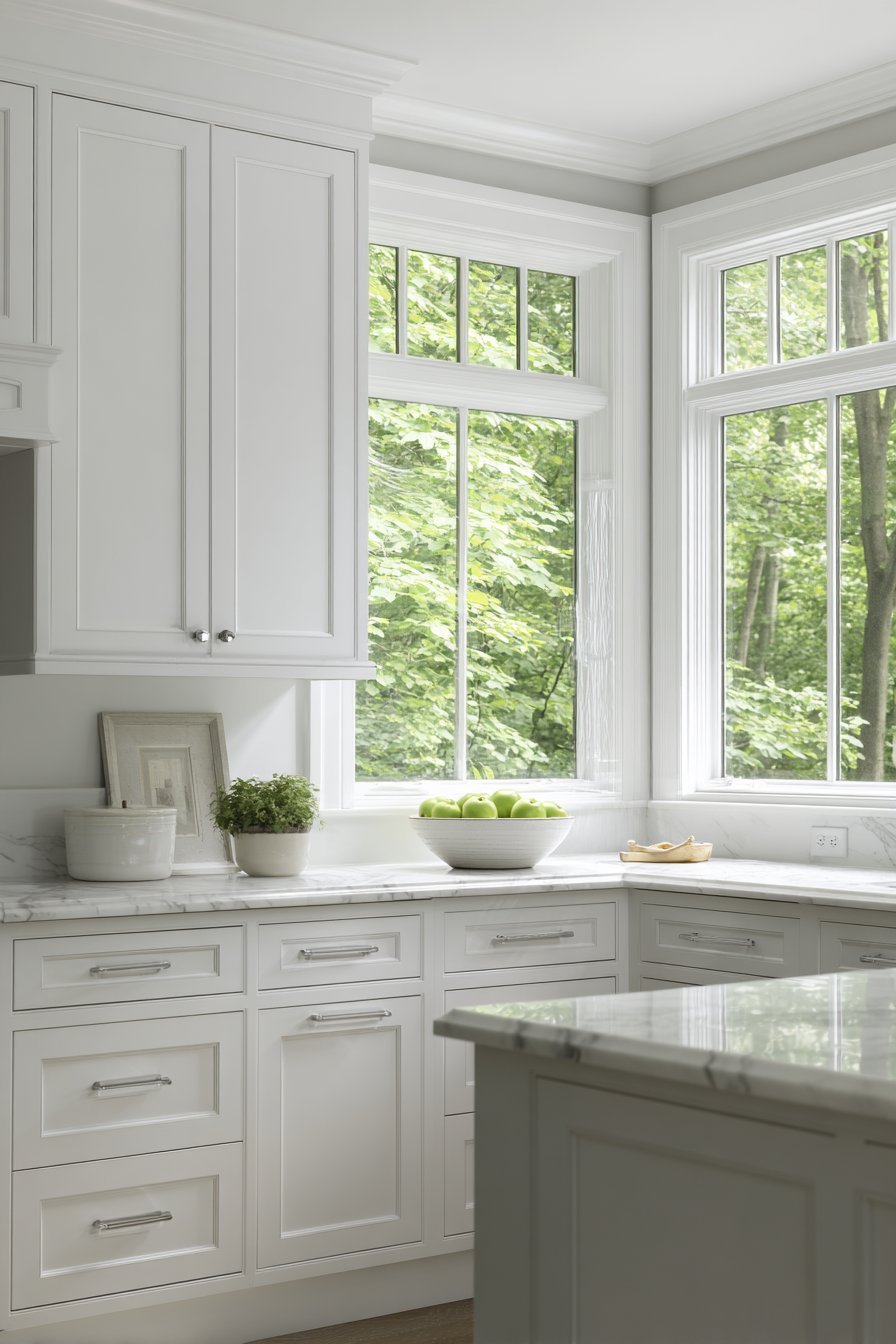
The kitchen remains the heart of every home and often becomes the deciding factor for potential buyers. A well-staged kitchen can significantly reduce time on market while maximizing your property’s value. Statistics show that professionally staged kitchens sell up to 73% faster than unstaged ones, making strategic presentation essential in today’s competitive real estate market.
Understanding how buyers evaluate kitchens helps sellers make impactful changes without major renovations. The goal is creating a clean, functional, and inviting space that allows buyers to envision their future culinary experiences. From decluttering countertops to optimizing lighting, each staging element works together to showcase your kitchen’s full potential and create that crucial positive first impression.
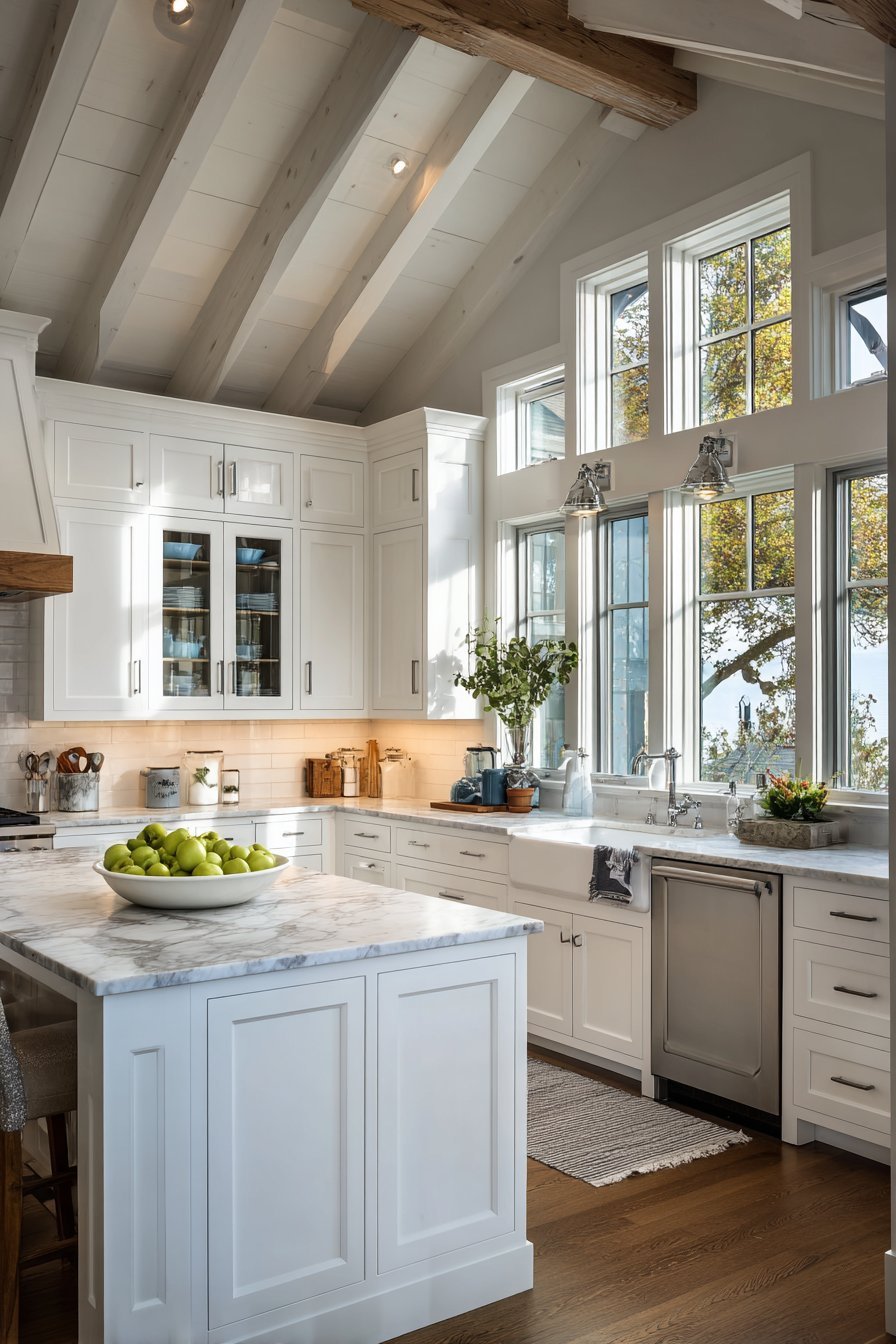
This comprehensive guide presents seven proven strategies for transforming your kitchen into a buyer’s dream. These actionable tips balance aesthetic appeal with practical functionality, ensuring your space photographs beautifully and impresses during in-person showings. Whether you’re working with a modest budget or planning more substantial updates, these staging techniques deliver measurable results in accelerating your home sale.
1. Declutter and Depersonalize Countertops
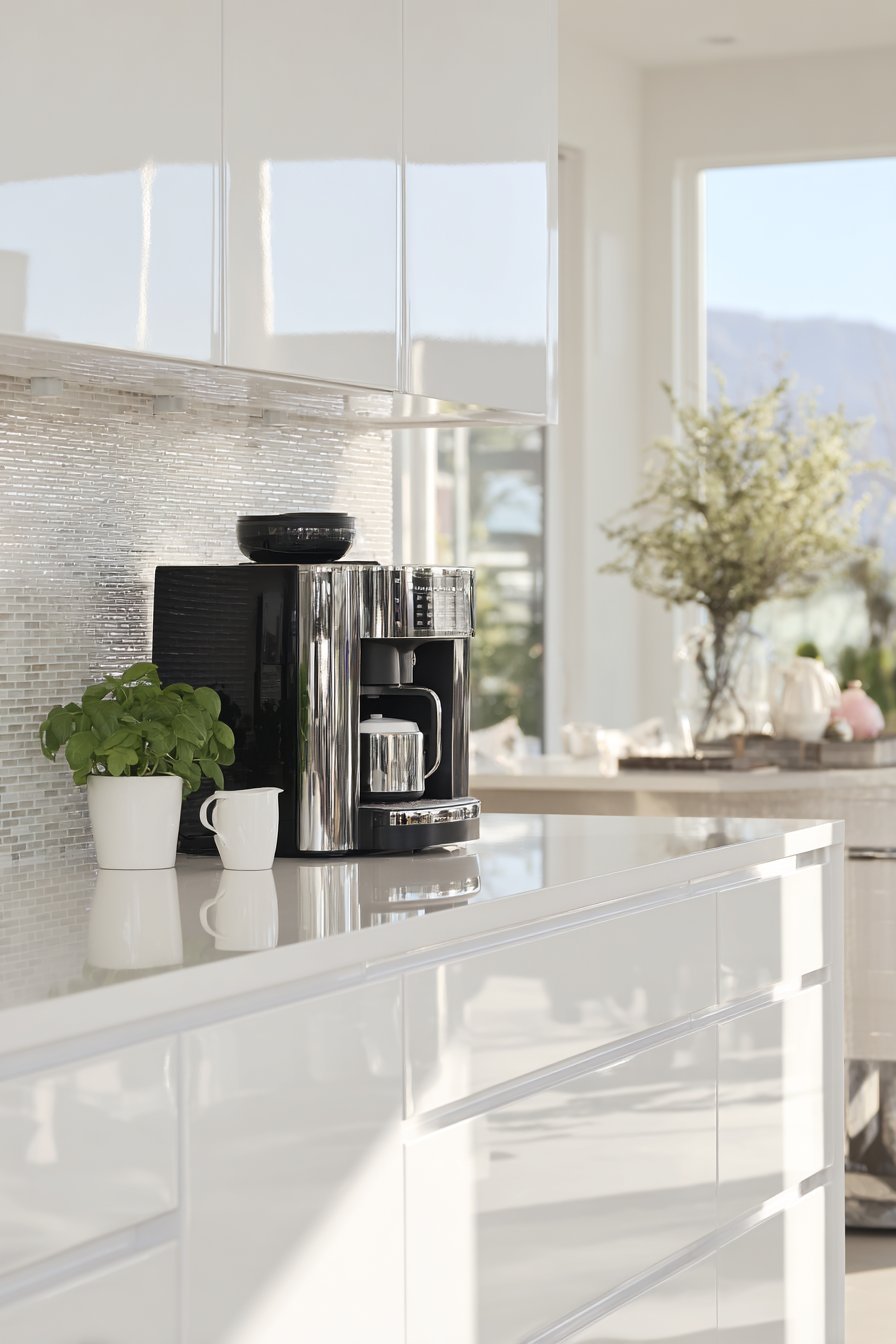
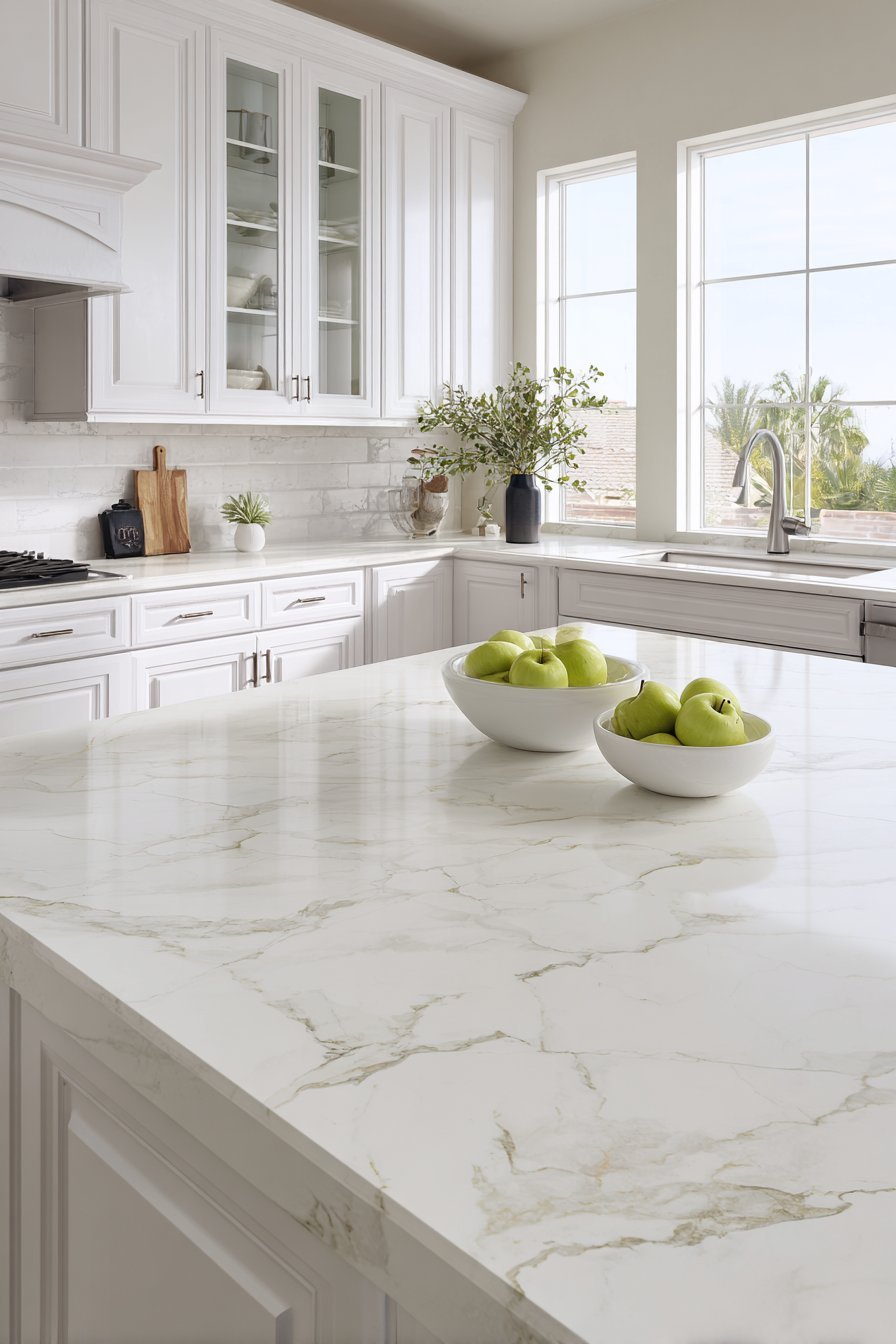
The most impactful staging decision involves clearing kitchen countertops to create an impression of abundant workspace and cleanliness. Buyers need to visualize their own appliances, cooking styles, and daily routines in the space. Cluttered surfaces with personal items, excessive small appliances, and decorative objects distract from the kitchen’s true potential and make the area feel cramped regardless of actual square footage.
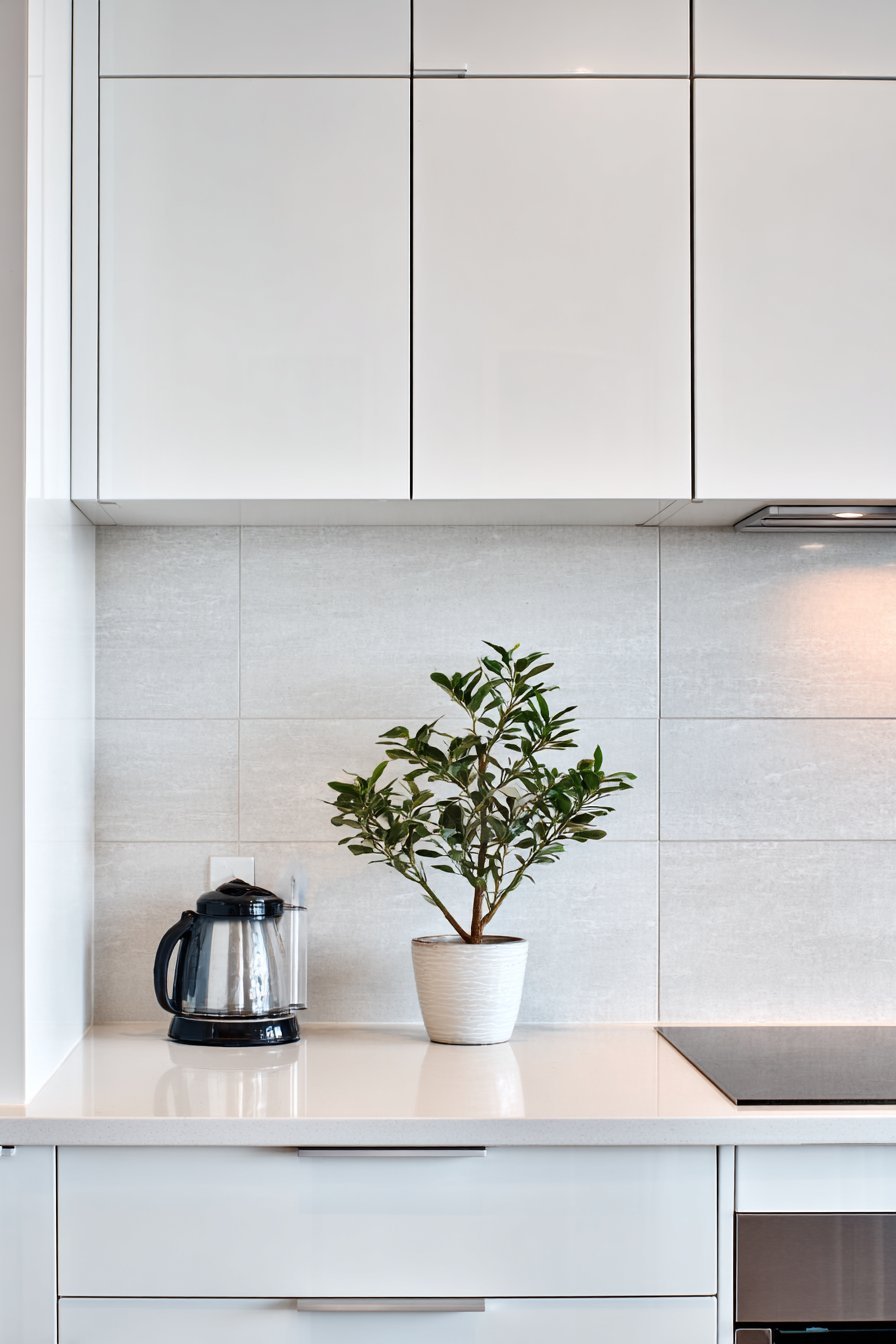
Remove everything except two or three carefully chosen items that enhance the kitchen’s appeal. A high-quality coffee maker, a stylish fruit bowl, or a single potted herb can add warmth without overwhelming the space. Store away mail holders, dish soap bottles, sponges, paper towel holders, and anything displaying personal preferences or family photos that prevent buyers from mentally moving in.
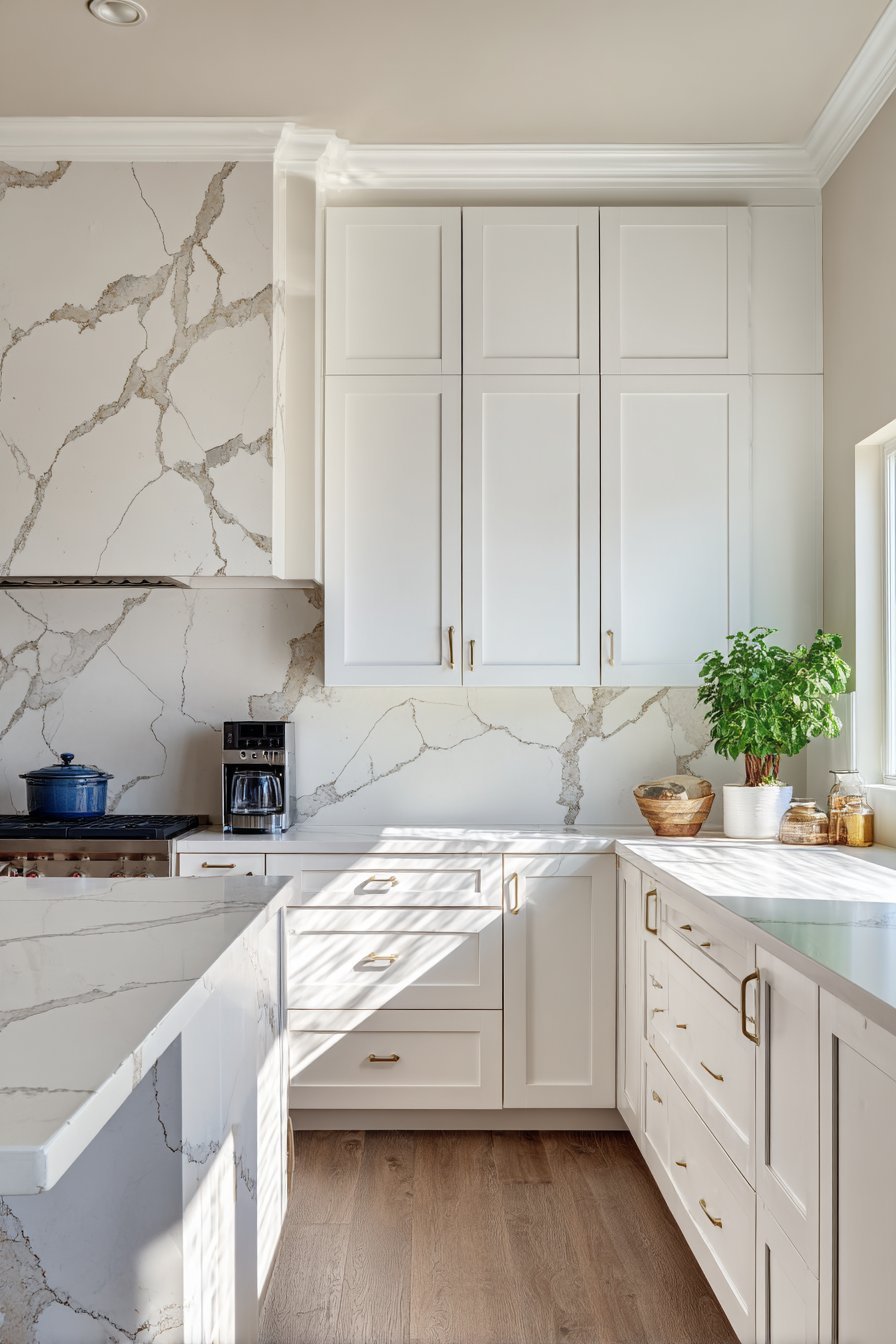
Consider the psychological impact of empty space on buyer perception. Clear countertops suggest ample room for meal preparation, baking projects, and entertaining. This visual spaciousness translates directly into perceived value, with buyers often willing to pay more for kitchens that appear larger and more functional than those with visible storage challenges or organizational issues.
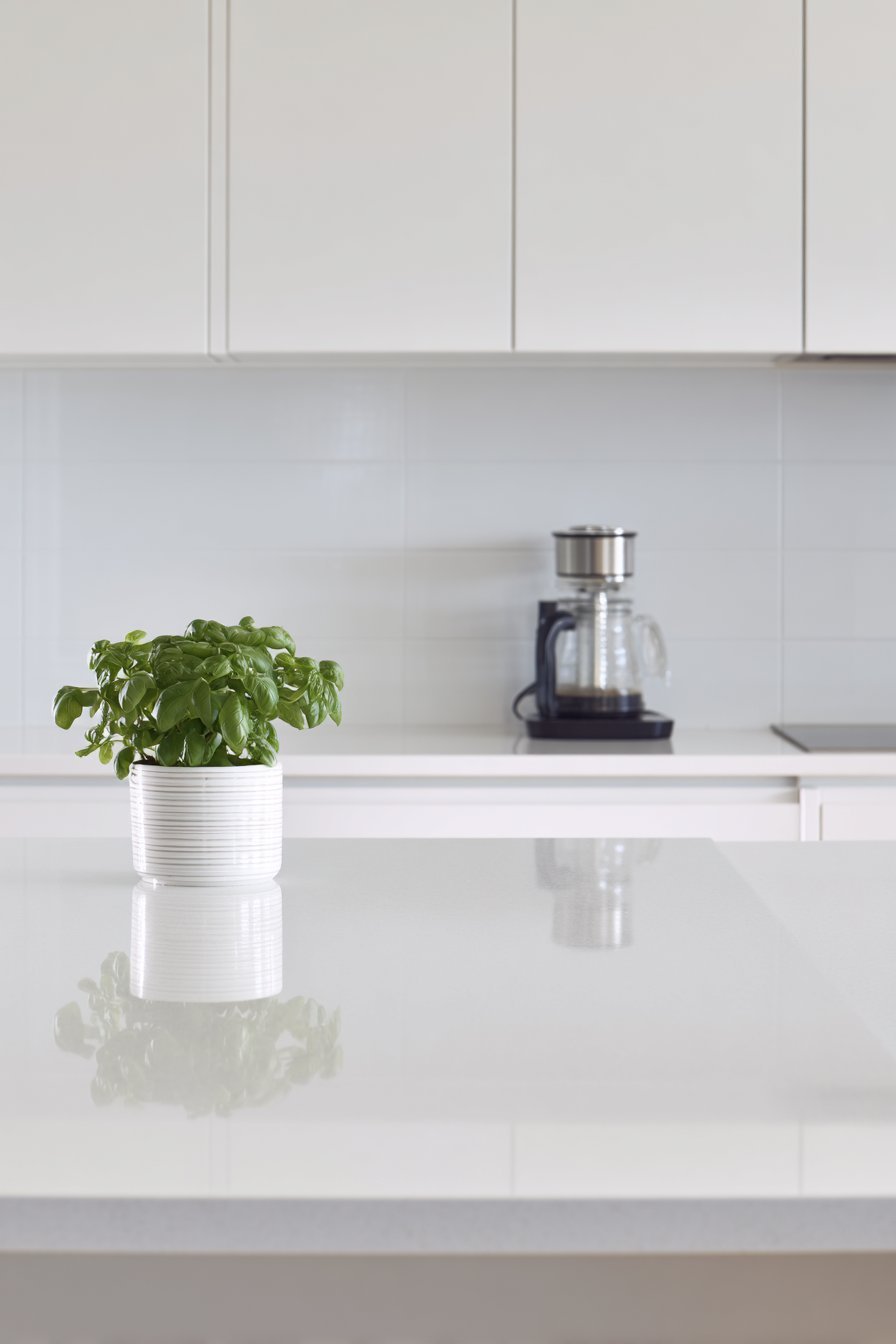
- Remove all small appliances except one or two statement pieces
- Clear refrigerator doors completely of magnets, photos, and papers
- Store cleaning supplies, dish soap, and sponges under the sink
- Pack away personal collections, cookbooks, and decorative items
- Keep counters bare except for 2-3 carefully curated styling pieces
- Ensure nothing blocks natural light sources or architectural features
2. Deep Clean Every Surface and Appliance

A spotless kitchen signals to buyers that the entire home has been well-maintained and cared for throughout your ownership. Focus on areas often overlooked during regular cleaning but noticed immediately during showings. Grout lines, cabinet hardware, light fixtures, and appliance exteriors all require attention to create that showroom-quality presentation buyers expect when making significant financial decisions.
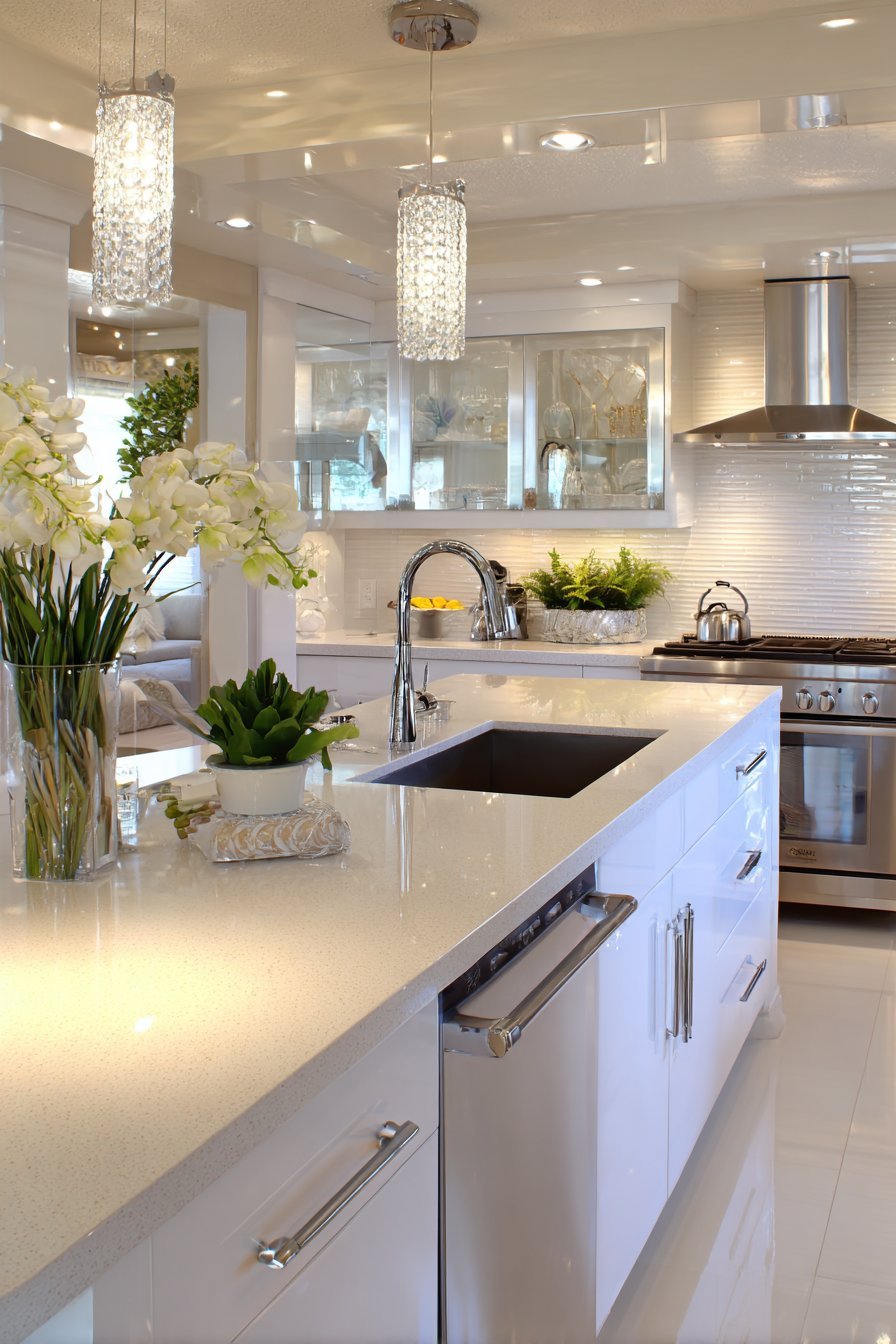
Start with appliances, ensuring stainless steel gleams without fingerprints or water spots. Clean inside the oven, microwave, and refrigerator so buyers can open doors without encountering unpleasant surprises. Scrub grout lines with whitening products until they look fresh, and polish all metal fixtures until they shine. The investment in deep cleaning typically costs less than a single mortgage payment but can shave weeks off market time.
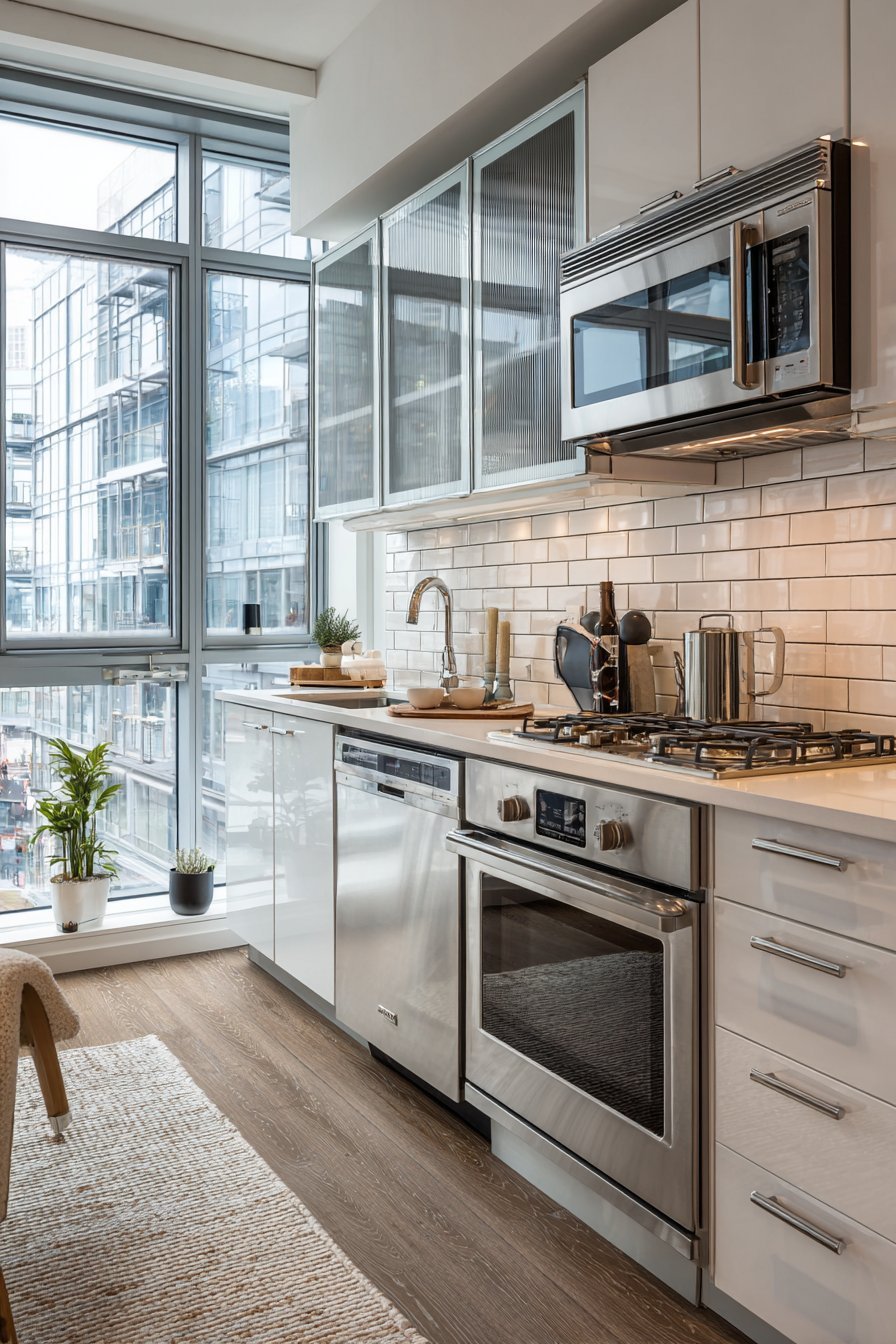
Don’t neglect less obvious areas like cabinet interiors, under the sink, and inside drawers. Buyers will open everything during private showings, and discovering clean, organized storage spaces reinforces their confidence in the property’s overall condition. This attention to detail creates a halo effect where buyers assume the entire home has received similar meticulous care and maintenance.
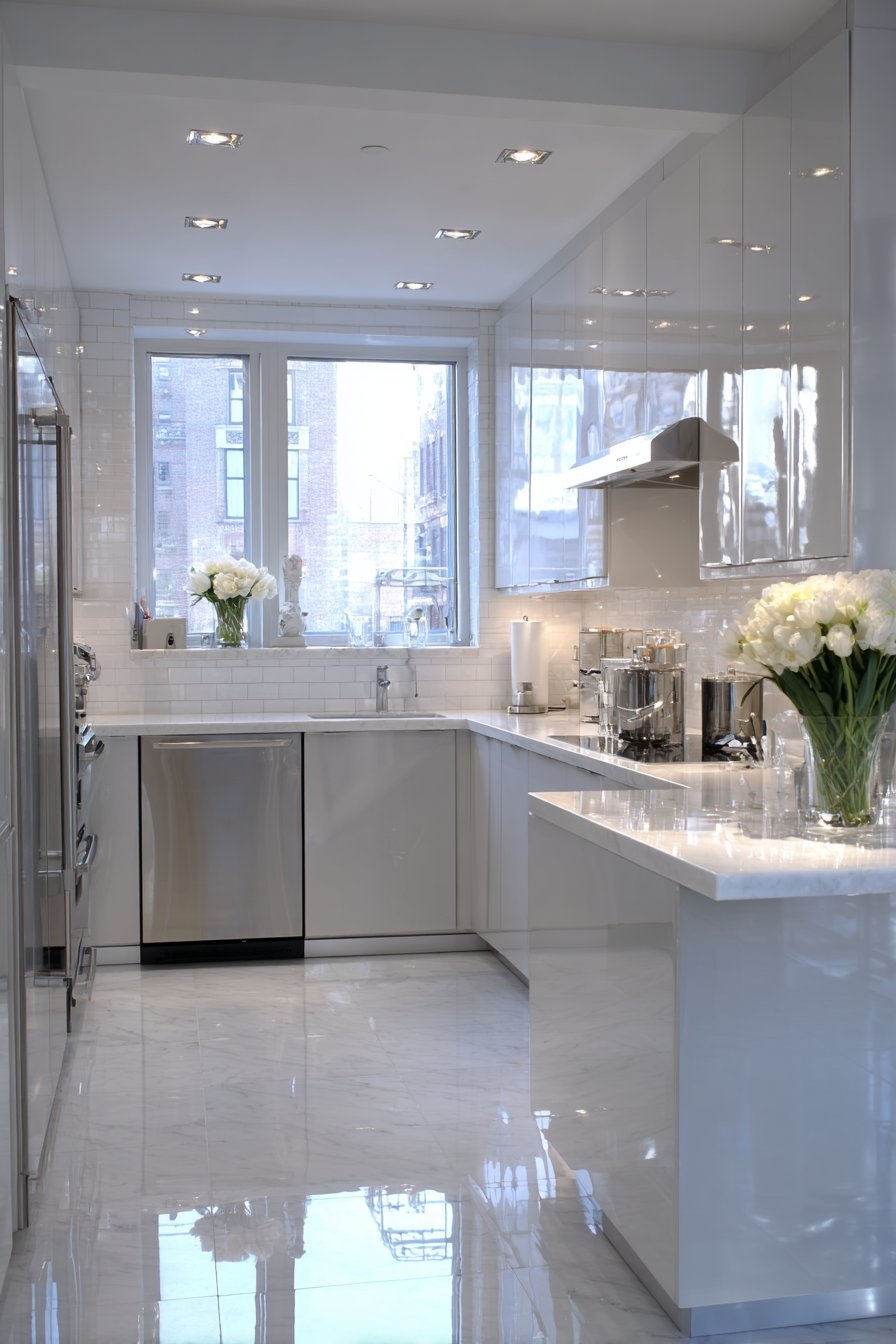
- Hire professional cleaners specializing in real estate staging if budget allows
- Polish all stainless steel appliances using appropriate cleaners
- Scrub grout lines until white or original color is restored
- Clean inside all appliances including oven, microwave, and refrigerator
- Wash cabinet fronts, handles, and hardware until they sparkle
- Detail light fixtures, removing dust and dead insects
3. Update Cabinet Hardware and Paint
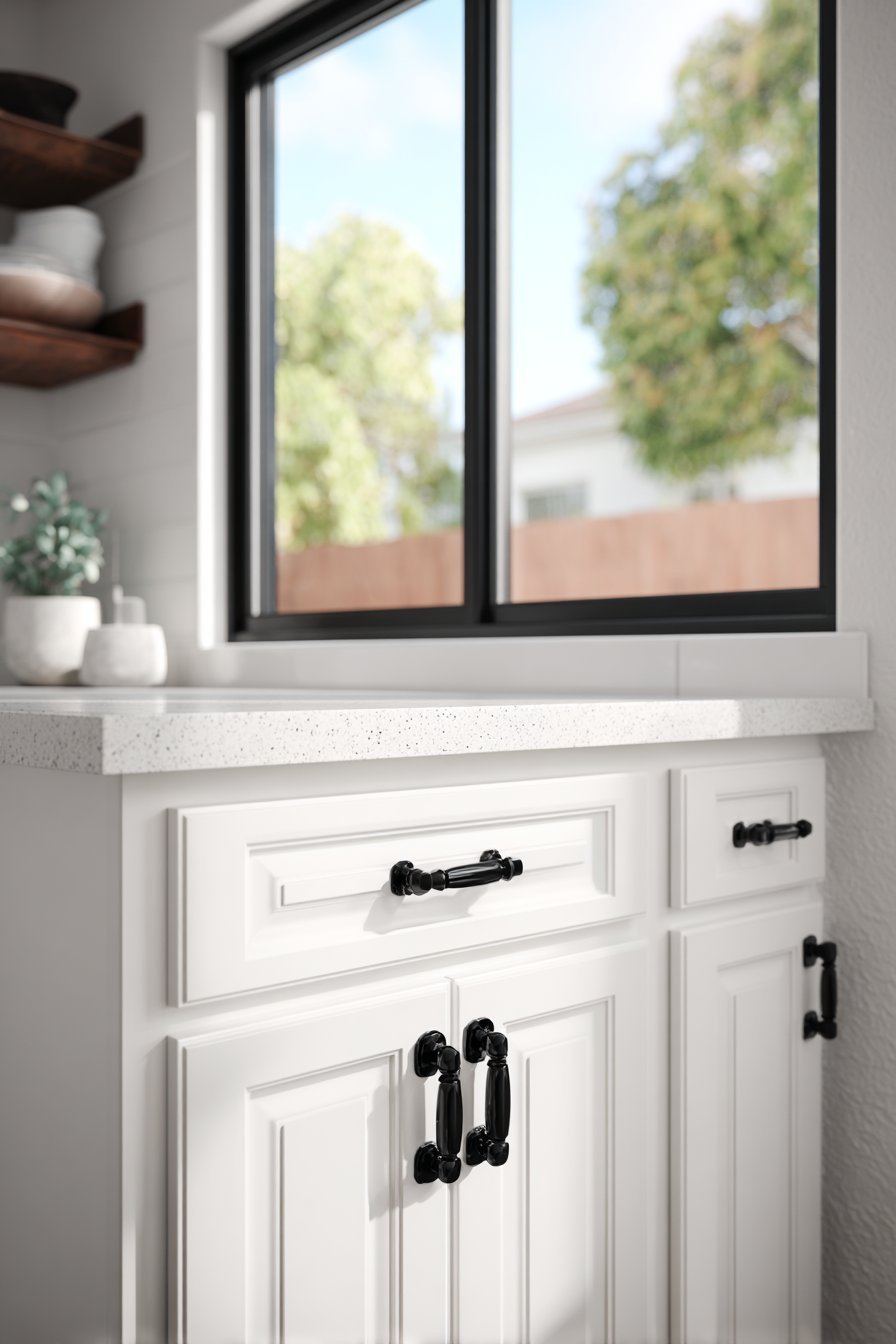
Small upgrades deliver disproportionate impact when staging kitchens for sale. Replacing outdated cabinet hardware with modern brushed nickel or matte black handles instantly updates the entire space for minimal investment. This simple change typically costs under $200 but can make cabinets appear newer and more valuable, eliminating buyer concerns about immediate renovation needs.
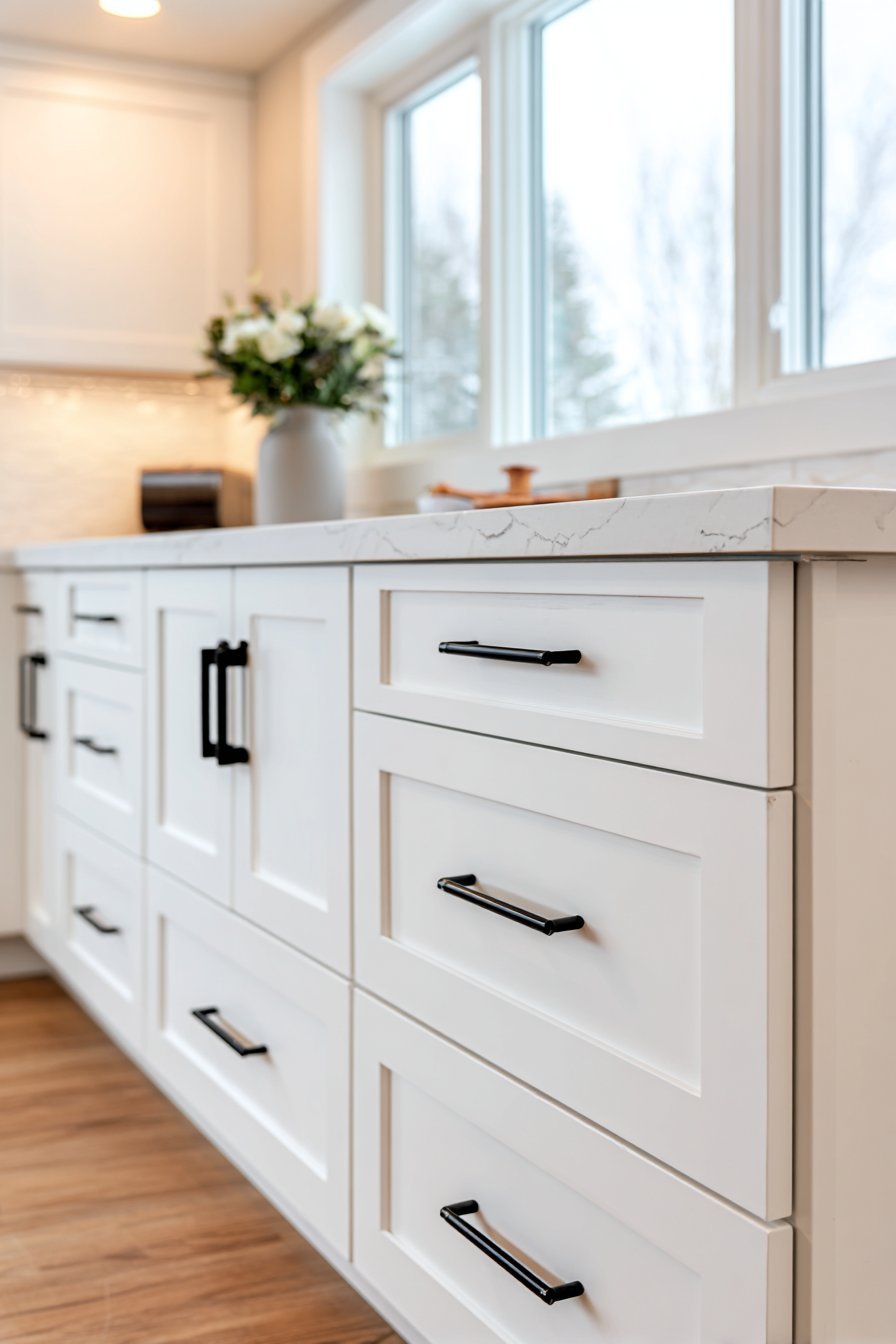
Consider painting cabinets if current colors feel dated or overwhelming. Neutral white, soft gray, or greige tones appeal to the broadest buyer demographic and photograph beautifully for online listings. Professional cabinet painting costs significantly less than replacement while delivering transformation that helps buyers see past surface-level aesthetics to appreciate the kitchen’s layout, storage capacity, and functionality.
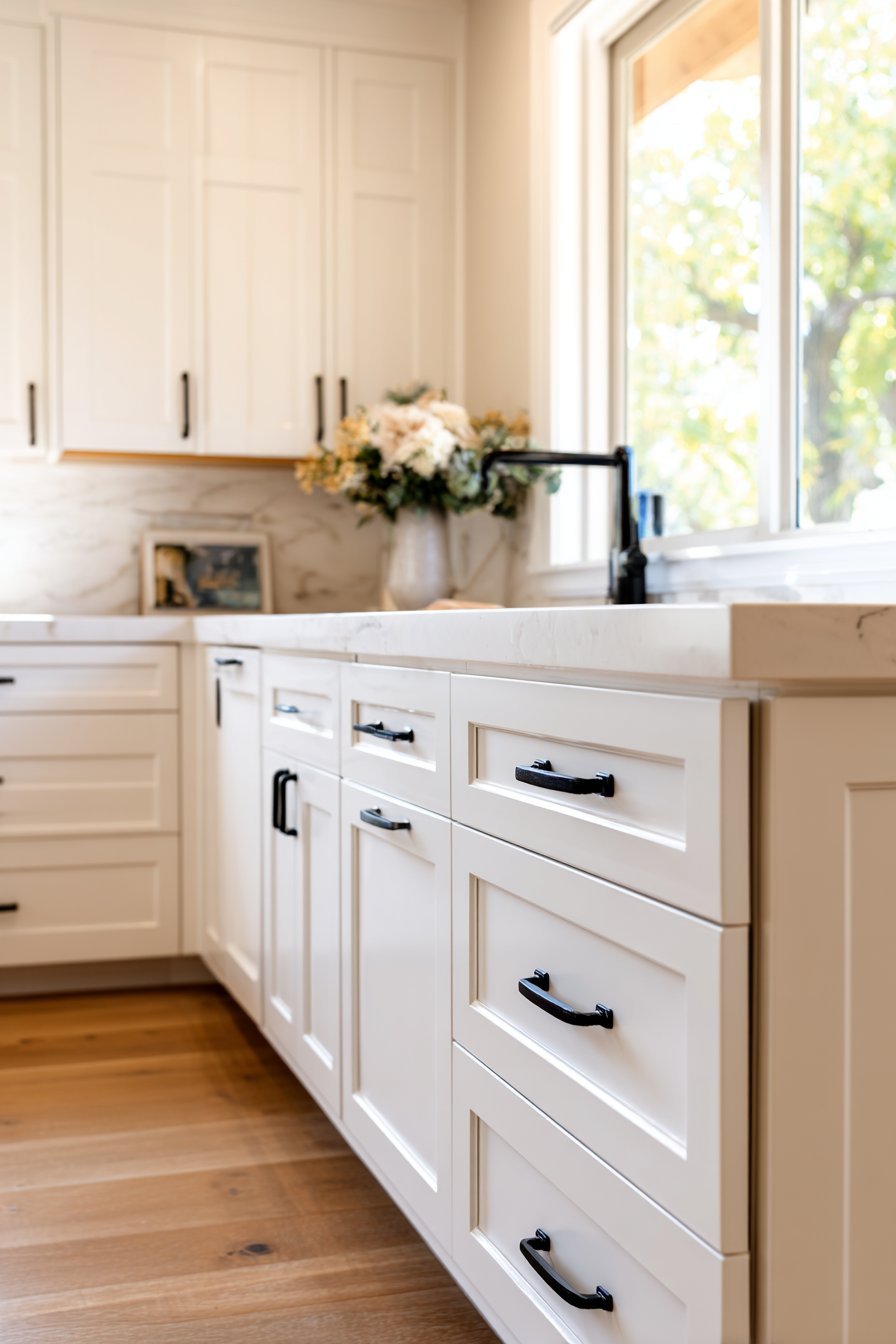
Hardware and paint updates also provide excellent return on investment compared to full kitchen renovations. These tactical improvements address buyer objections without the time commitment and disruption of major remodeling. Focus on creating a fresh, contemporary aesthetic that feels move-in ready rather than requiring immediate updates that buyers factor into their offer calculations.
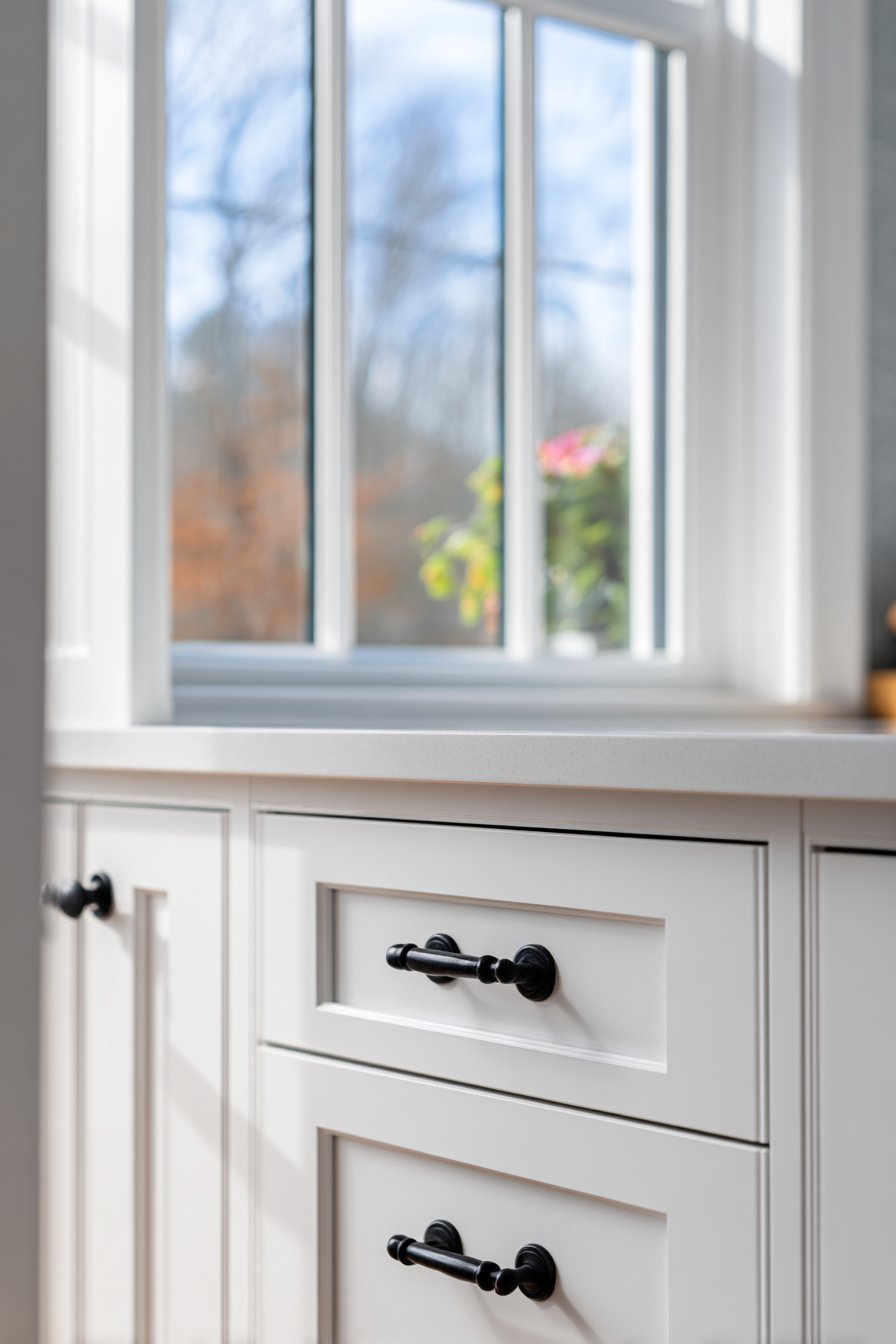
- Replace all cabinet handles and drawer pulls with matching modern hardware
- Choose brushed nickel, matte black, or champagne bronze finishes
- Paint cabinets in neutral colors if current finish appears dated
- Use semi-gloss or satin paint for easy cleaning and durability
- Ensure all hardware is properly tightened and aligned
- Consider updating hinges if old ones are rusty or damaged
4. Optimize Lighting for Brightness and Warmth
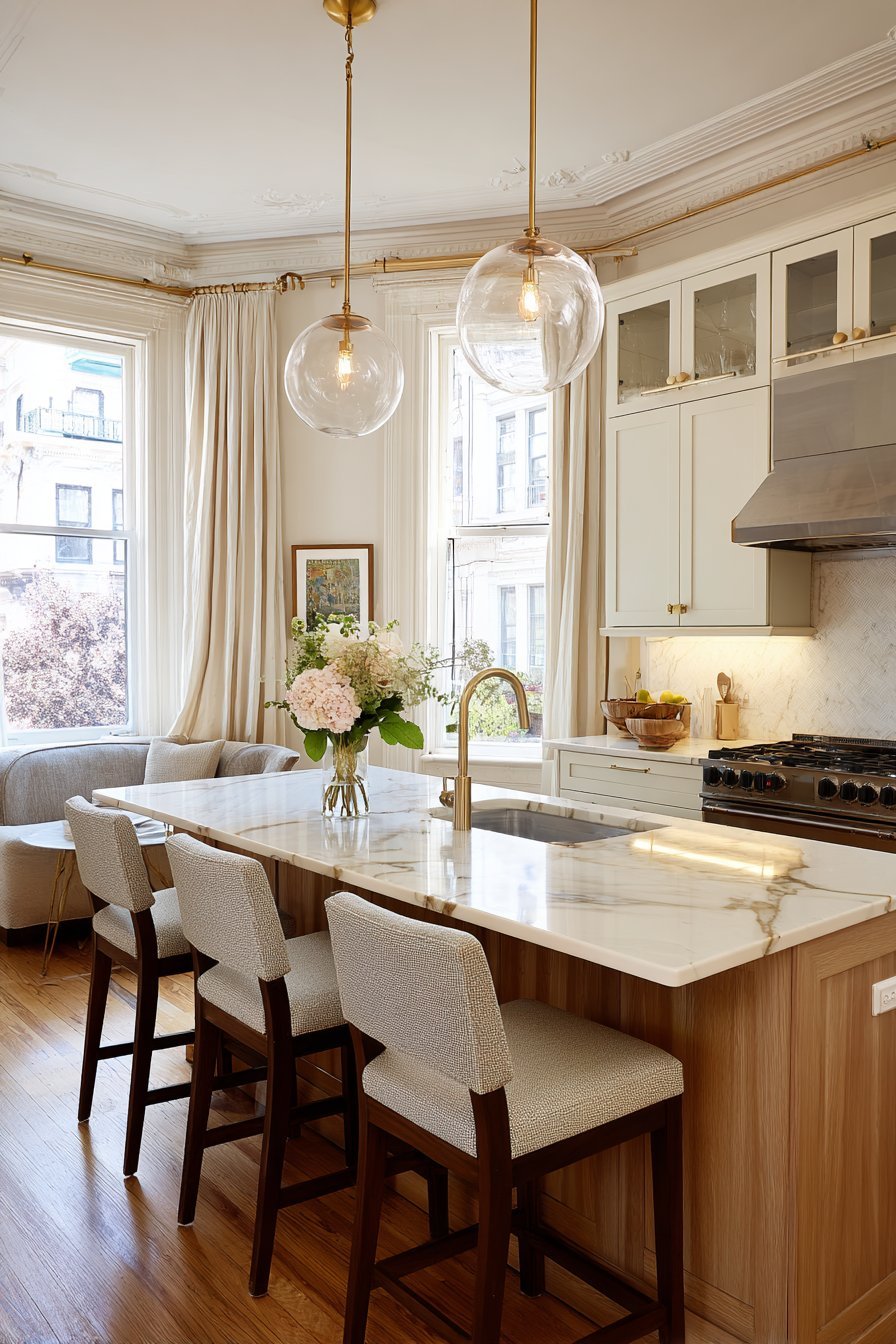
Lighting dramatically affects how buyers perceive kitchen size, cleanliness, and appeal. Maximize natural light by removing heavy window treatments or replacing them with sheer, light-filtering options. Clean windows inside and out until glass is crystal clear, and trim any exterior vegetation blocking sunlight from entering the space throughout the day.
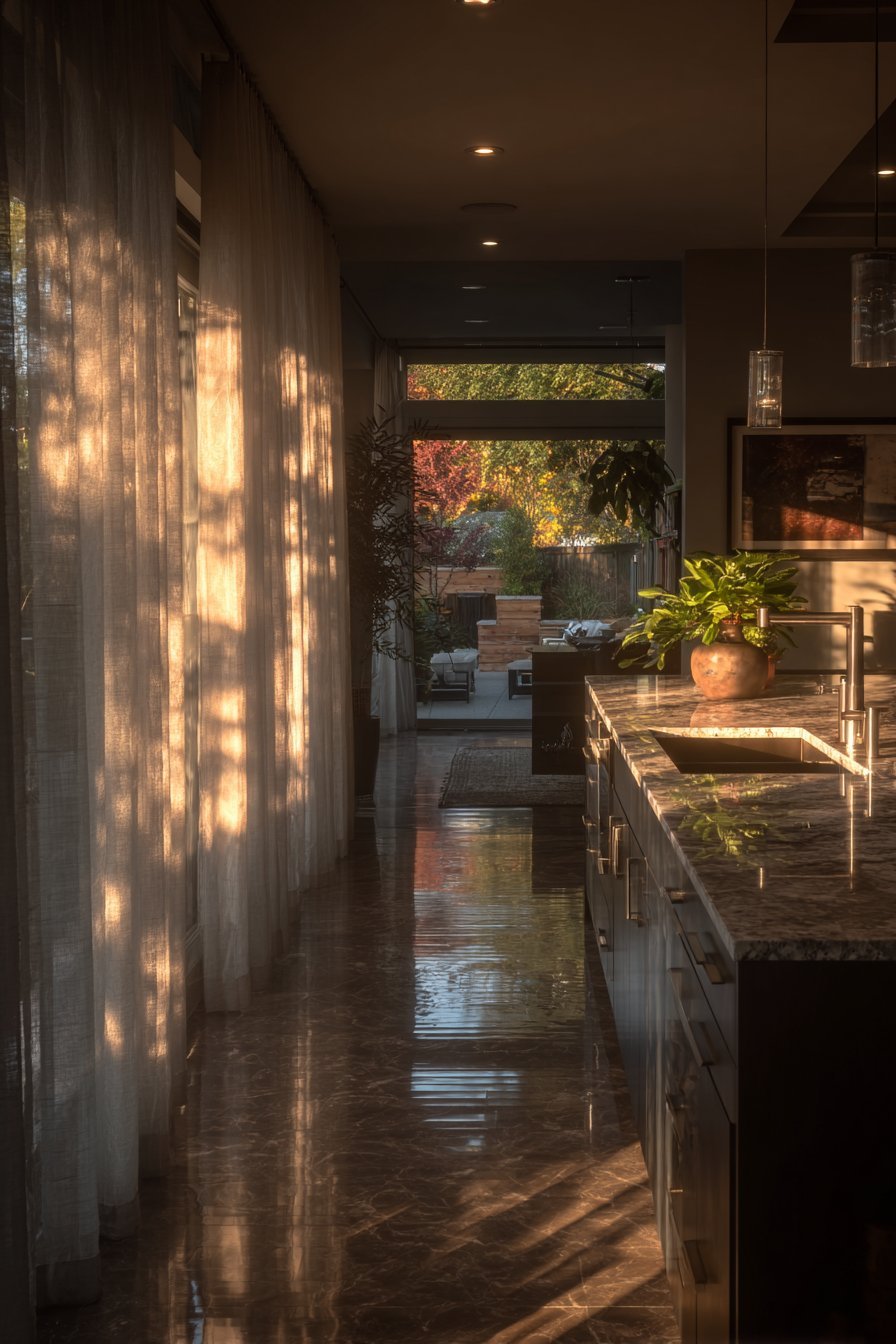
Layer artificial lighting to eliminate shadows and dark corners that make kitchens feel smaller and less inviting. Ensure all bulbs work and provide consistent color temperature between 2700K and 3000K for warm, welcoming illumination. Replace outdated light fixtures if current options appear cheap, damaged, or stylistically inconsistent with the home’s overall aesthetic and target buyer demographic.
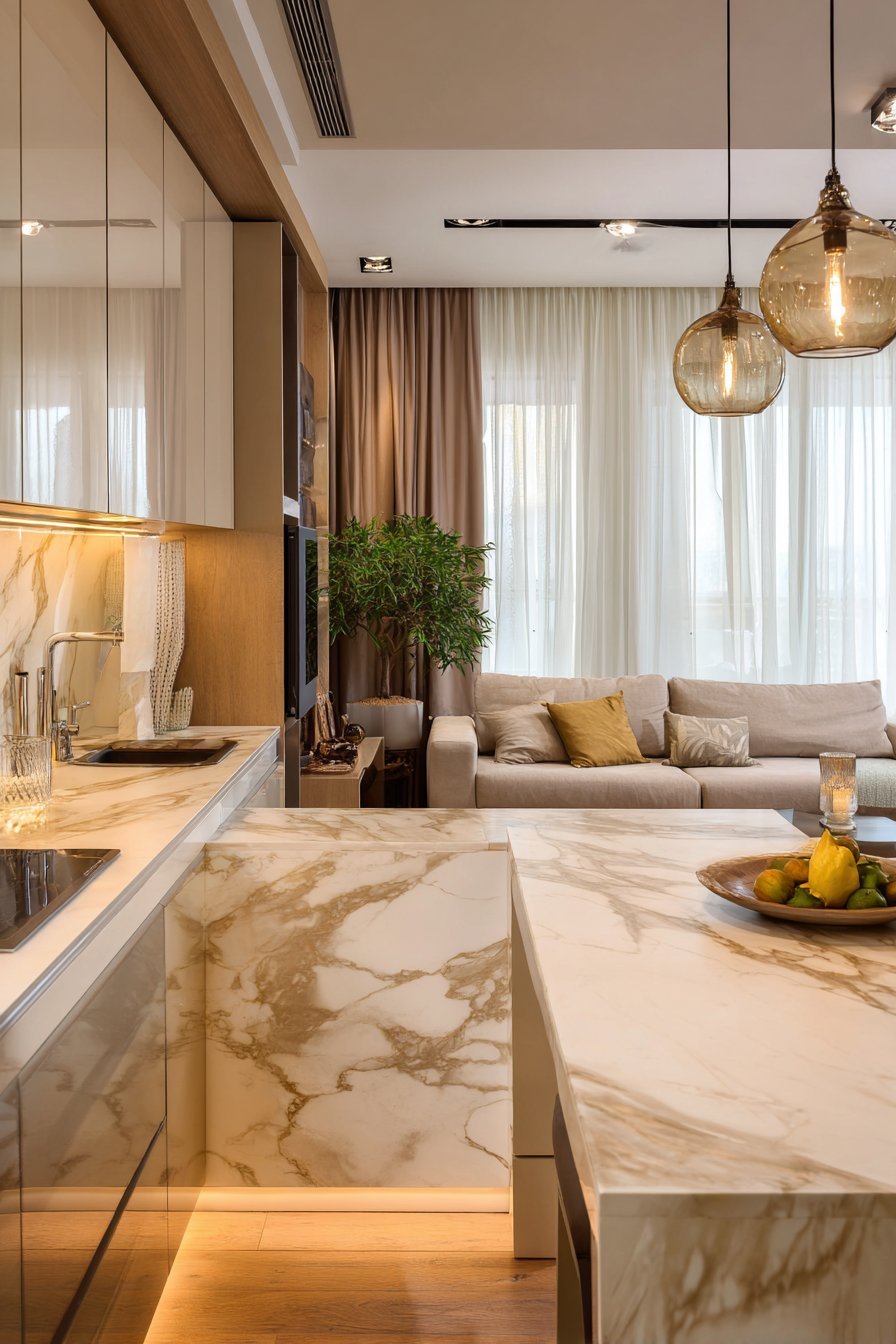
Under-cabinet lighting adds professional polish and functionality that buyers immediately notice and value. LED strip lights cost under $100 for most kitchens but create that high-end look associated with custom homes and recent renovations. This upgrade also improves how countertops and backsplashes appear in photos, making online listings more attractive and generating increased showing requests.
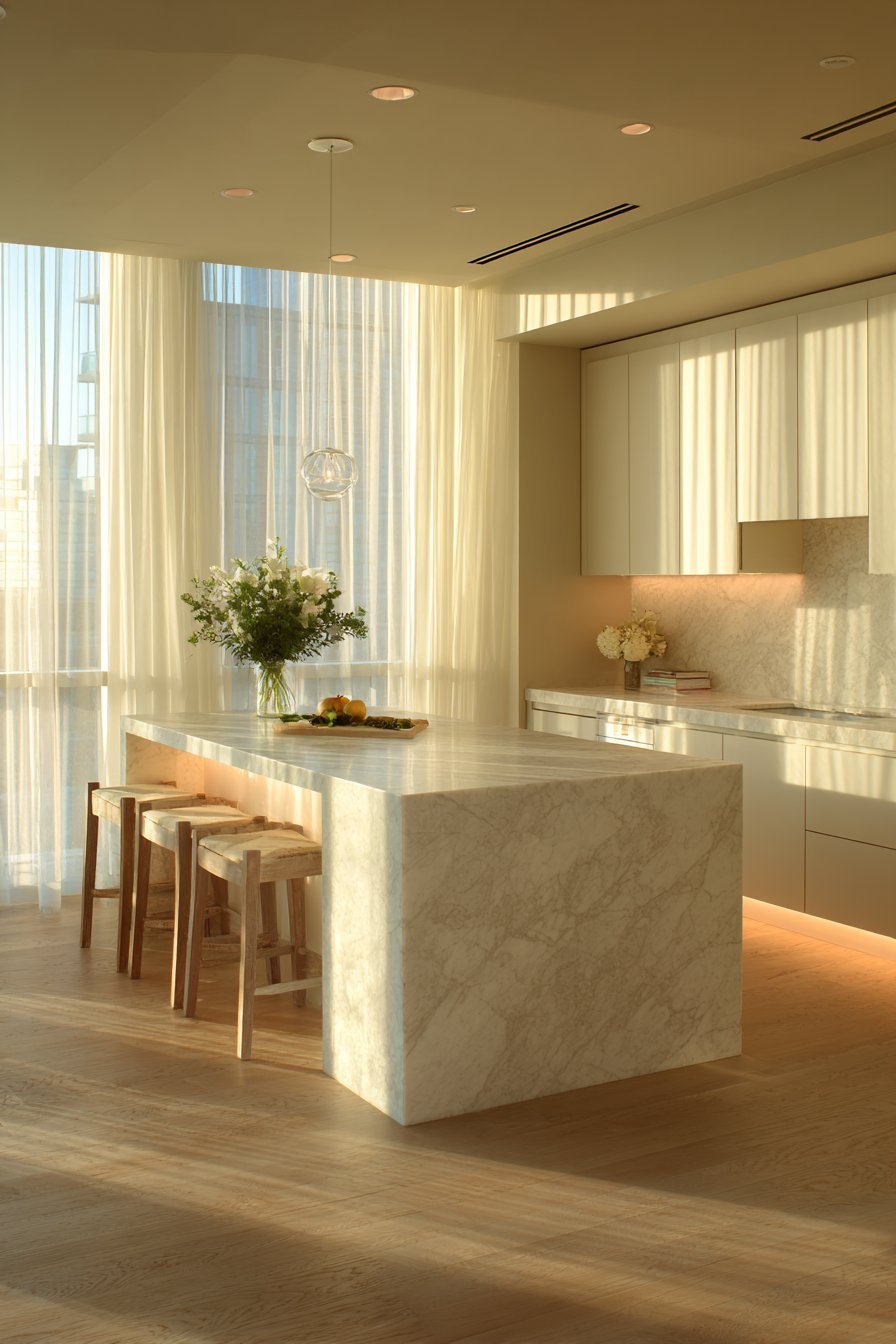
- Replace all burnt-out bulbs with matching color temperature LEDs
- Install under-cabinet lighting to highlight countertops and backsplash
- Remove heavy drapes and replace with light-filtering sheer curtains
- Clean all light fixtures and replace dated or damaged options
- Add table lamps or decorative lighting for additional warmth
- Use daylight during showings by opening blinds and curtains completely
5. Address Minor Repairs and Maintenance Issues
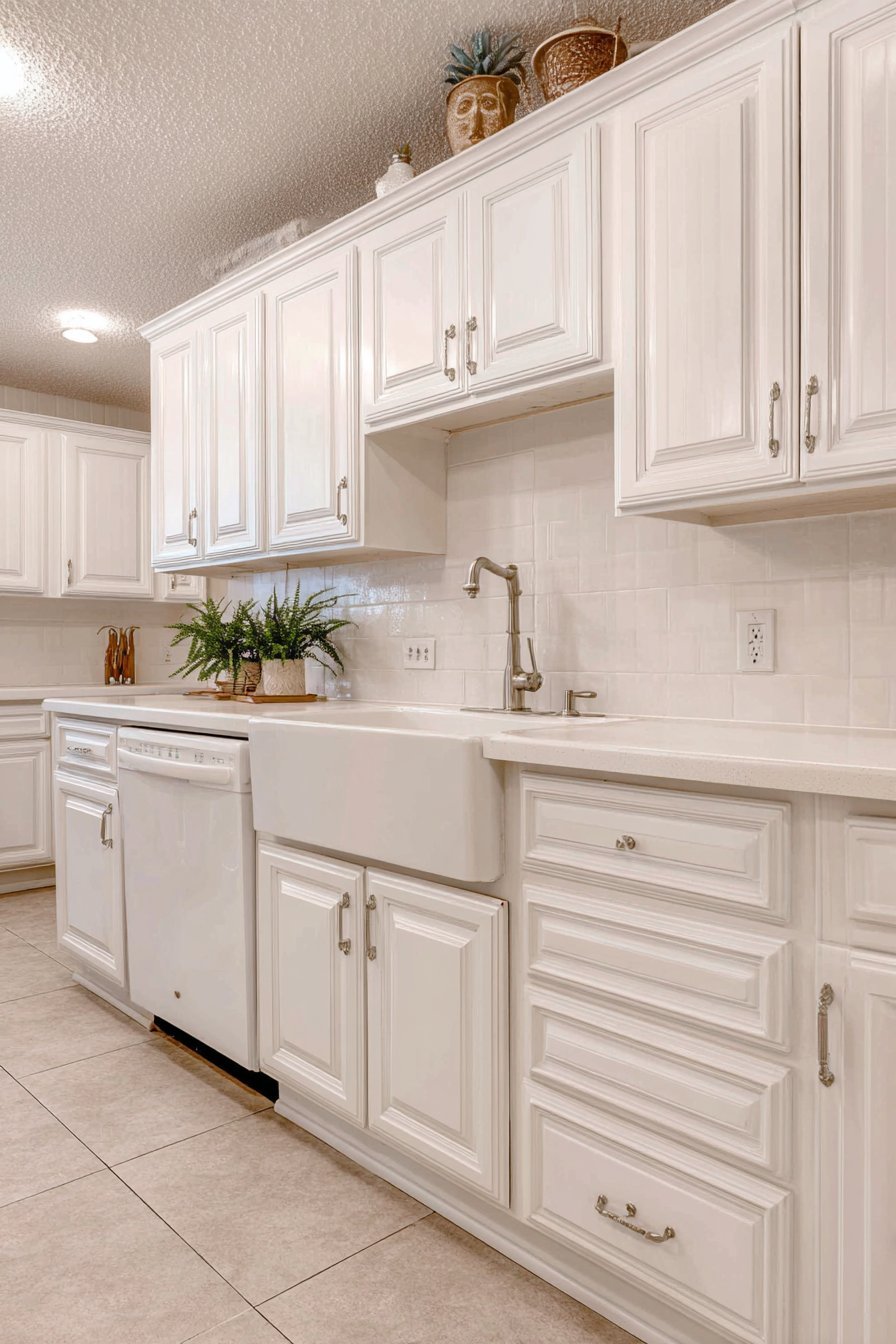
Buyers interpret deferred maintenance as indicators of larger hidden problems throughout the property. Fix every minor issue in the kitchen before listing, including loose cabinet doors, dripping faucets, chipped tiles, and scratched countertops. These small repairs cost little but prevent buyers from using visible problems as negotiation leverage or walking away from the property entirely.
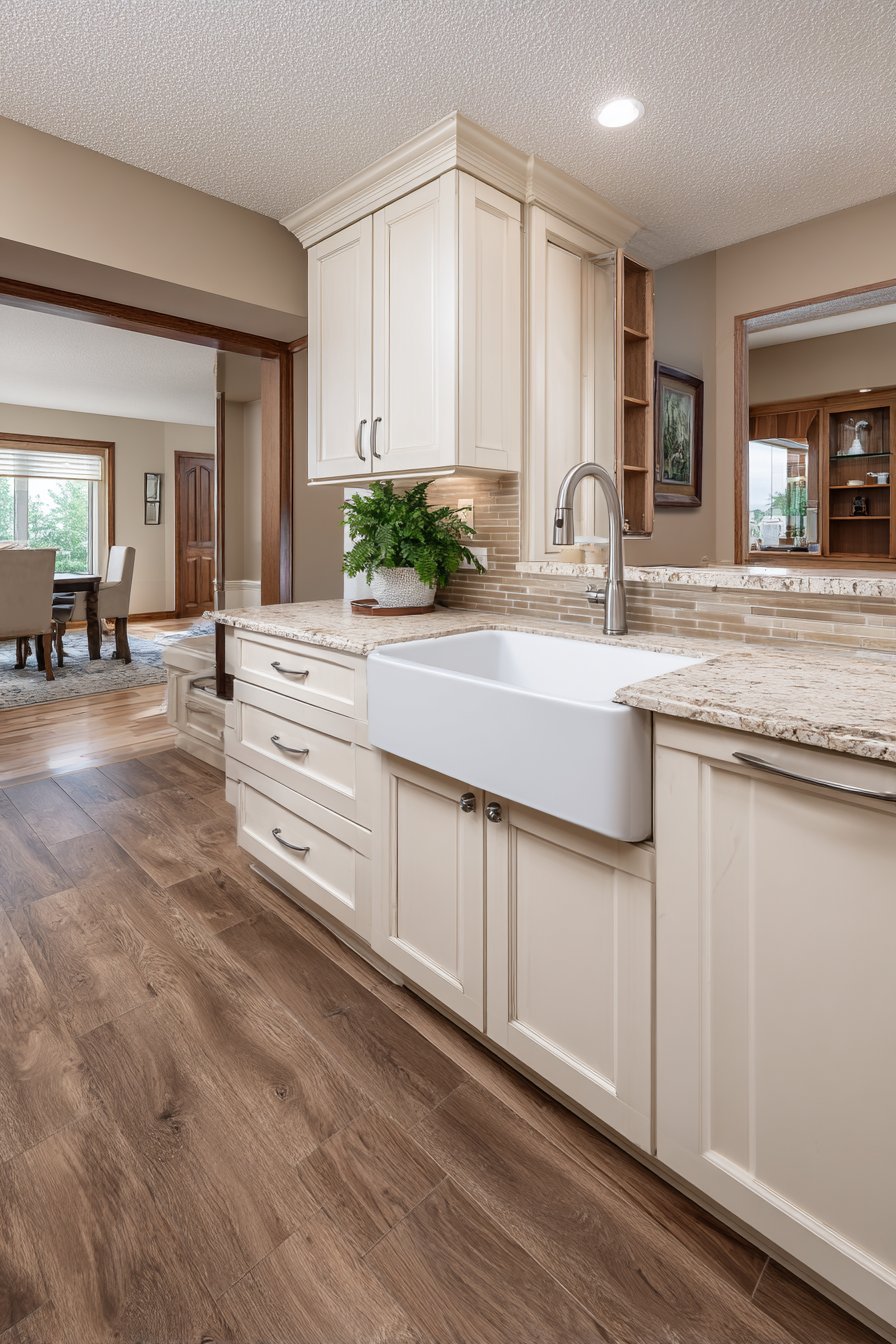
Pay special attention to functionality issues that buyers test during showings. Ensure all cabinet doors and drawers open smoothly without sticking or squeaking. Test faucets for proper water pressure and temperature control. Verify that the garbage disposal and dishwasher operate quietly without unusual noises that suggest impending failure or necessary replacement.
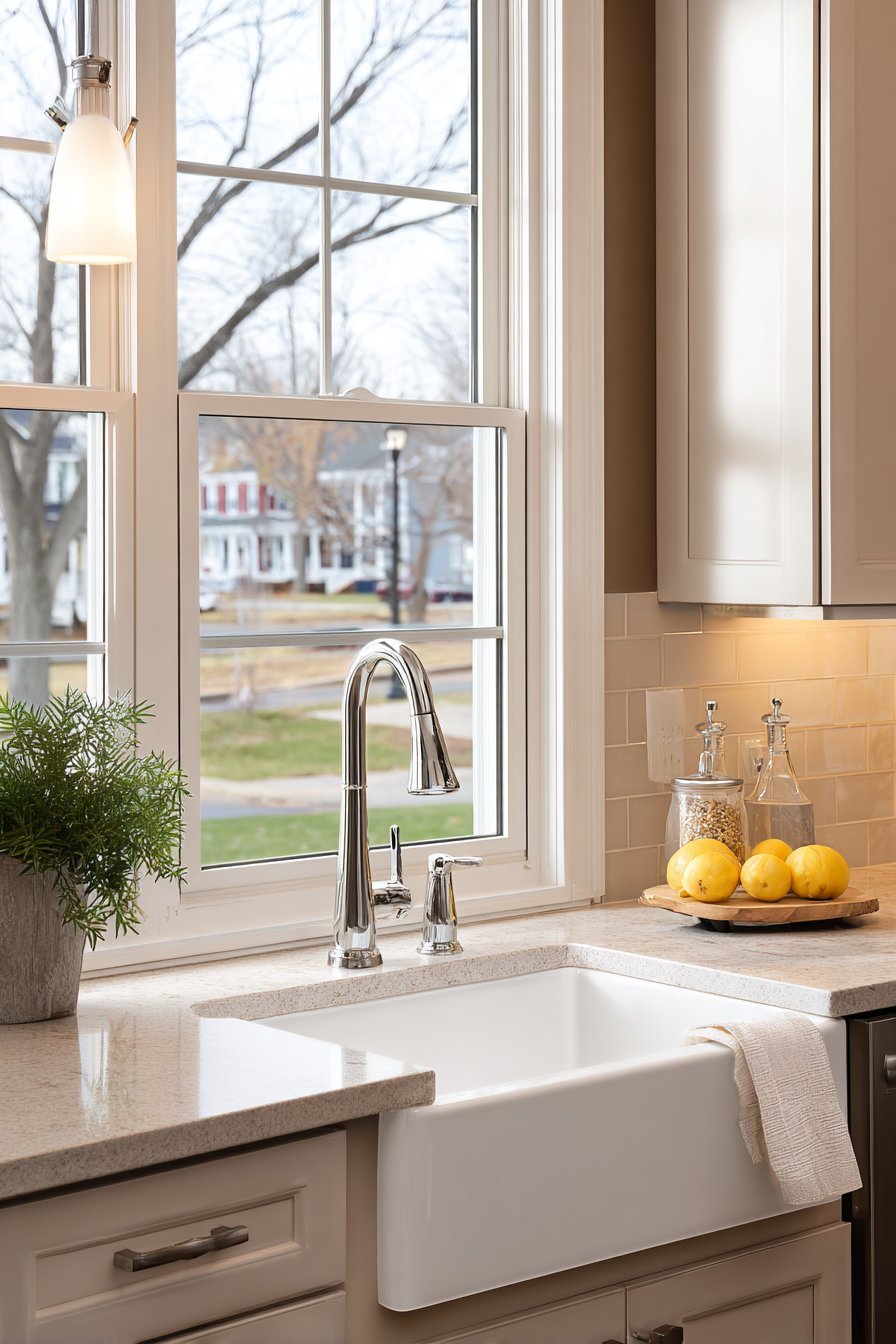
Consider professional countertop repair for chips, scratches, or stains rather than accepting reduced offers. Specialized technicians can often restore damaged surfaces for a fraction of replacement costs, eliminating buyer objections while maintaining your asking price. This strategic investment preserves negotiating position and prevents deals from falling through during inspection periods.
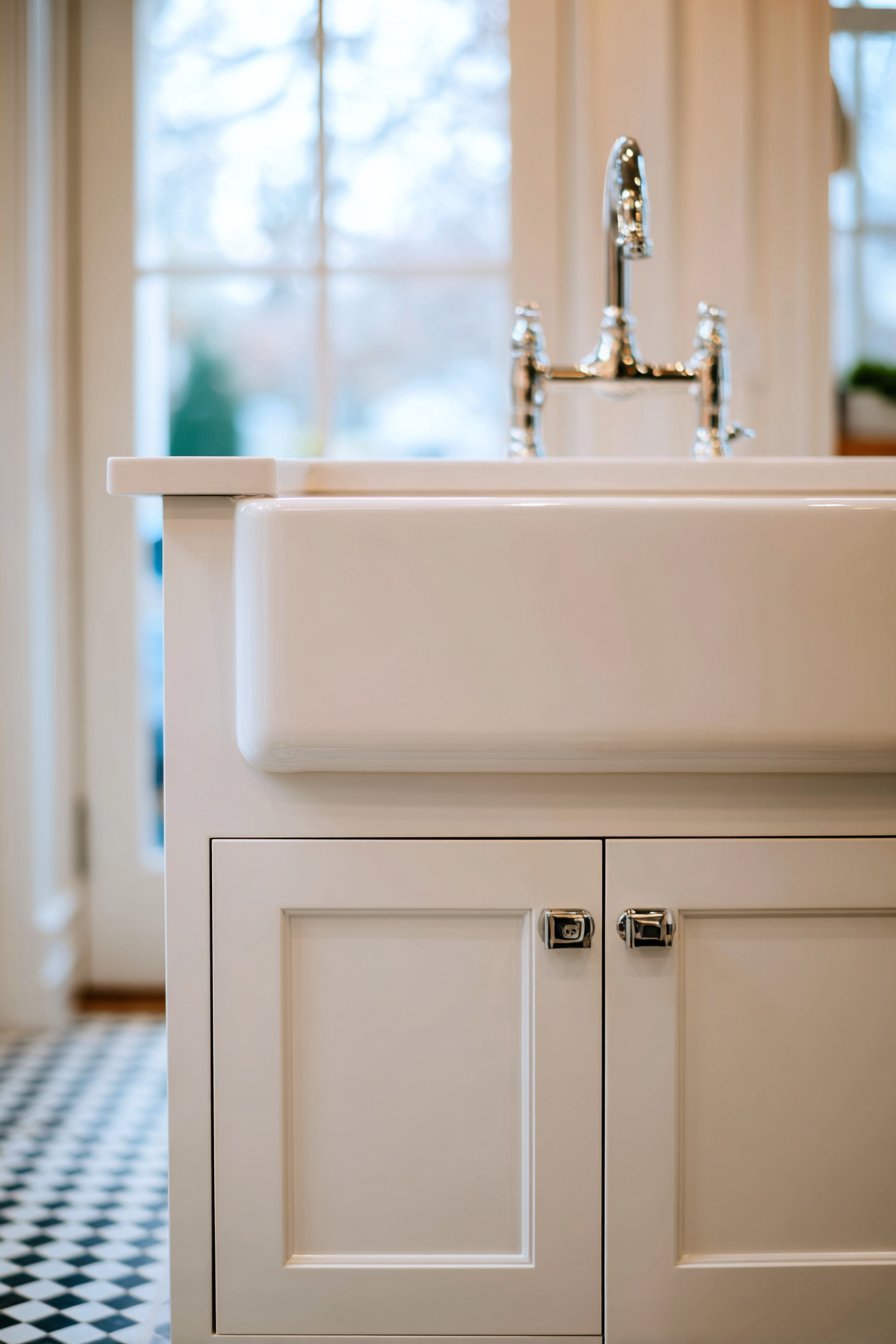
- Tighten all loose cabinet doors, handles, and drawer fronts
- Repair or replace any chipped, cracked, or broken tiles
- Fix dripping faucets and ensure proper water pressure
- Refinish or repair damaged countertops professionally
- Replace worn or damaged caulking around sinks and counters
- Ensure garbage disposal and dishwasher function properly without noise
6. Style with Neutral Decor and Fresh Elements
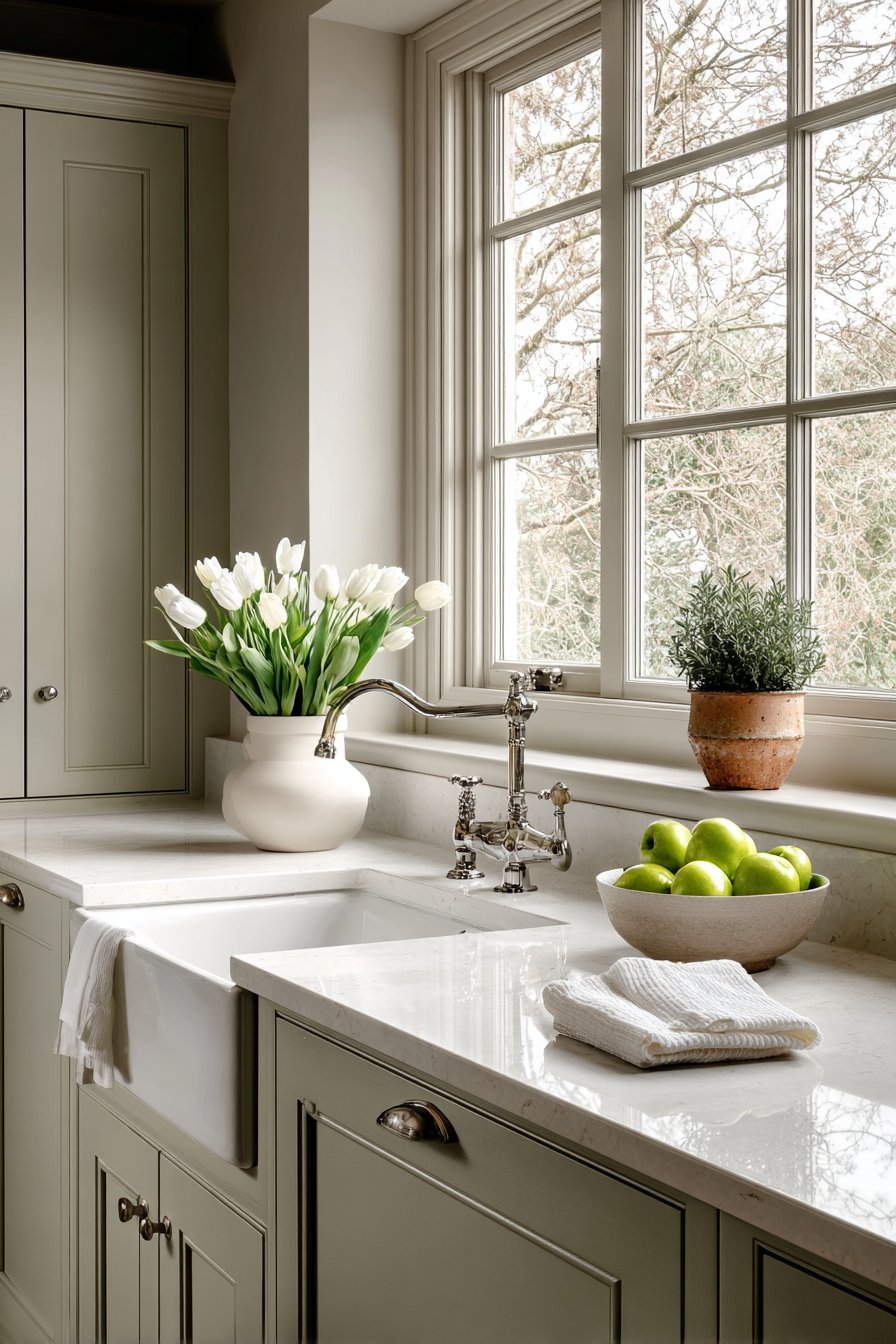
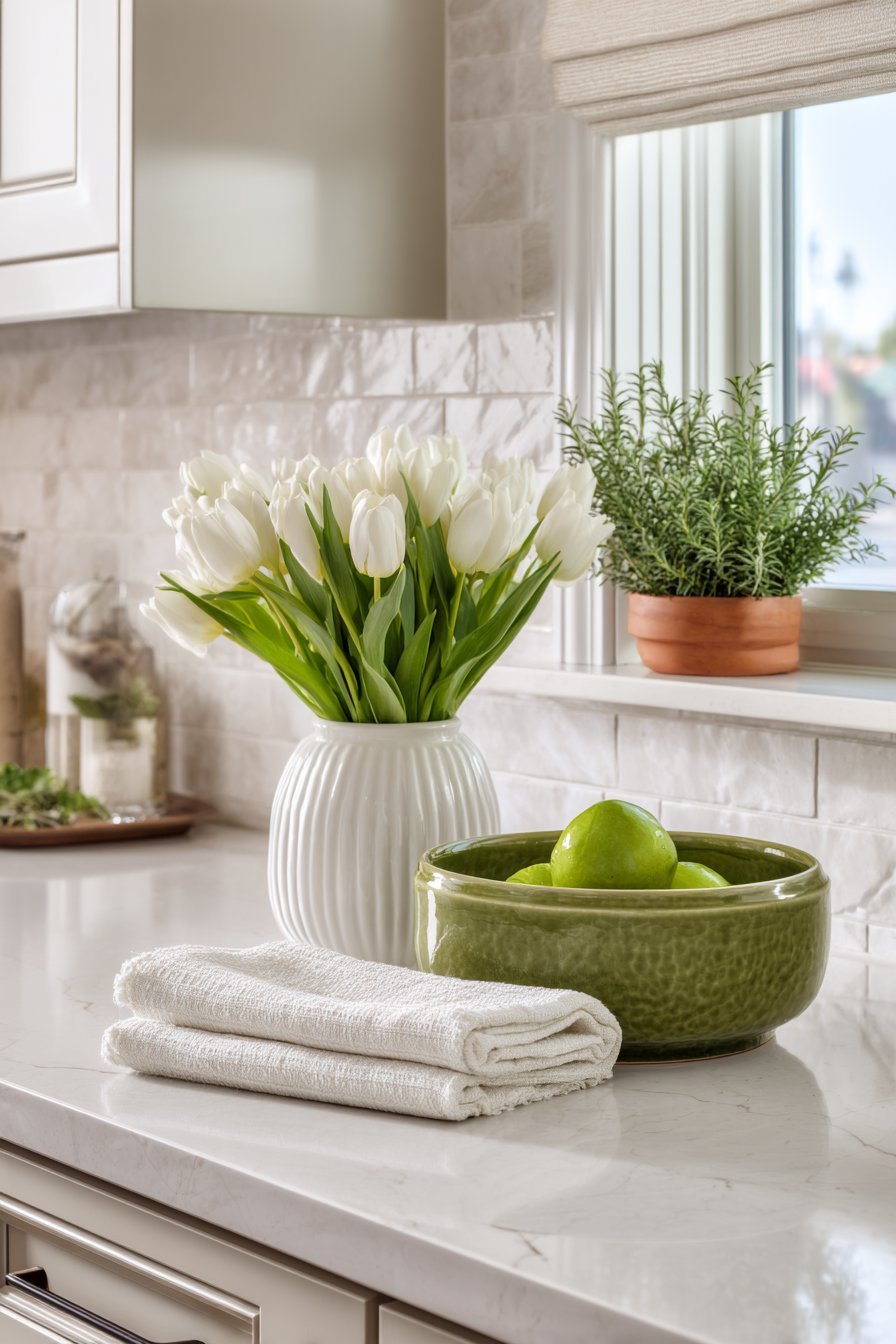
Strategic styling creates emotional connections between buyers and your kitchen without introducing controversial design choices. Use neutral accessories like white or gray dish towels, simple canisters, and natural wood cutting boards. These elements add warmth and life while remaining universally appealing across different buyer preferences, lifestyles, and design sensibilities.
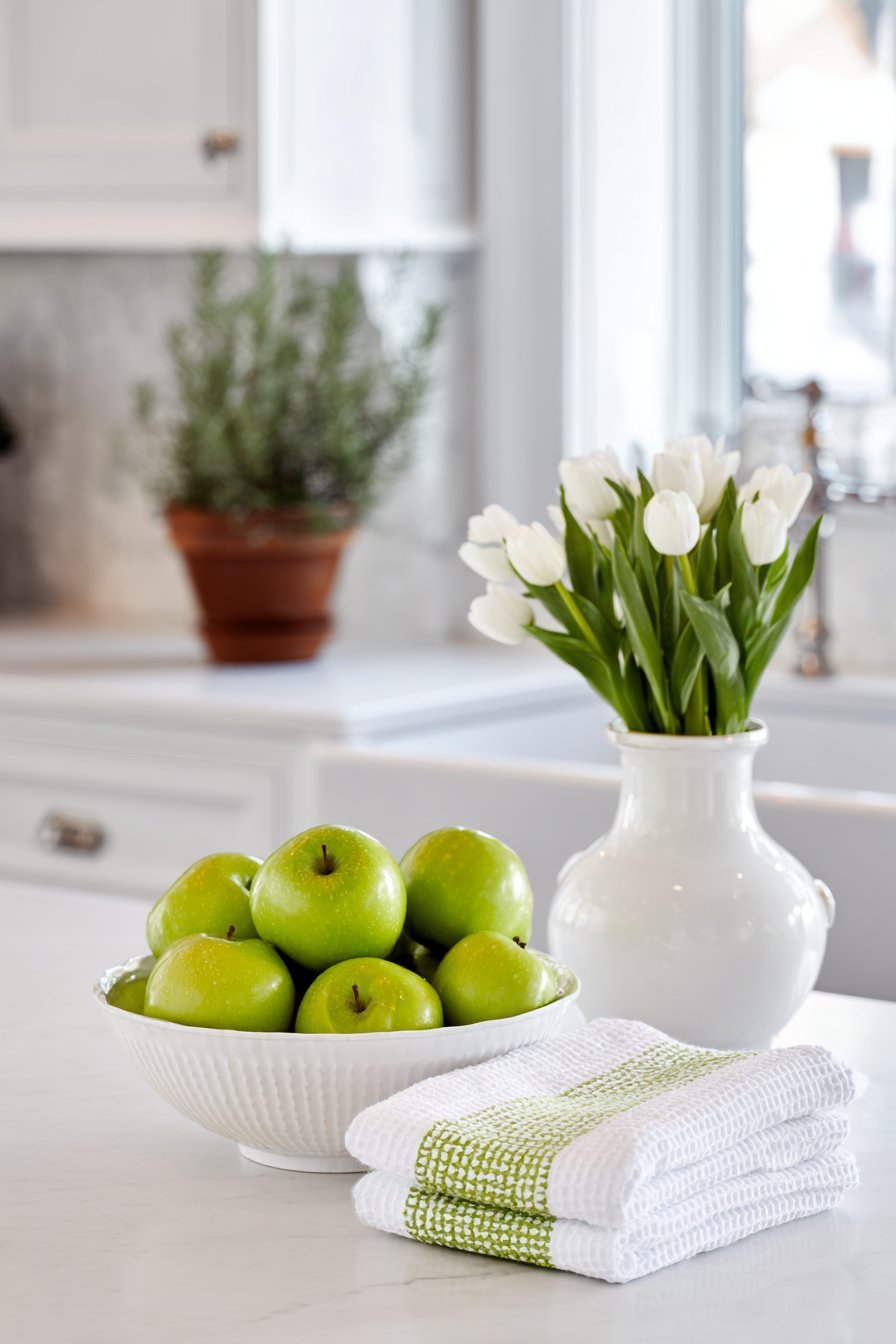
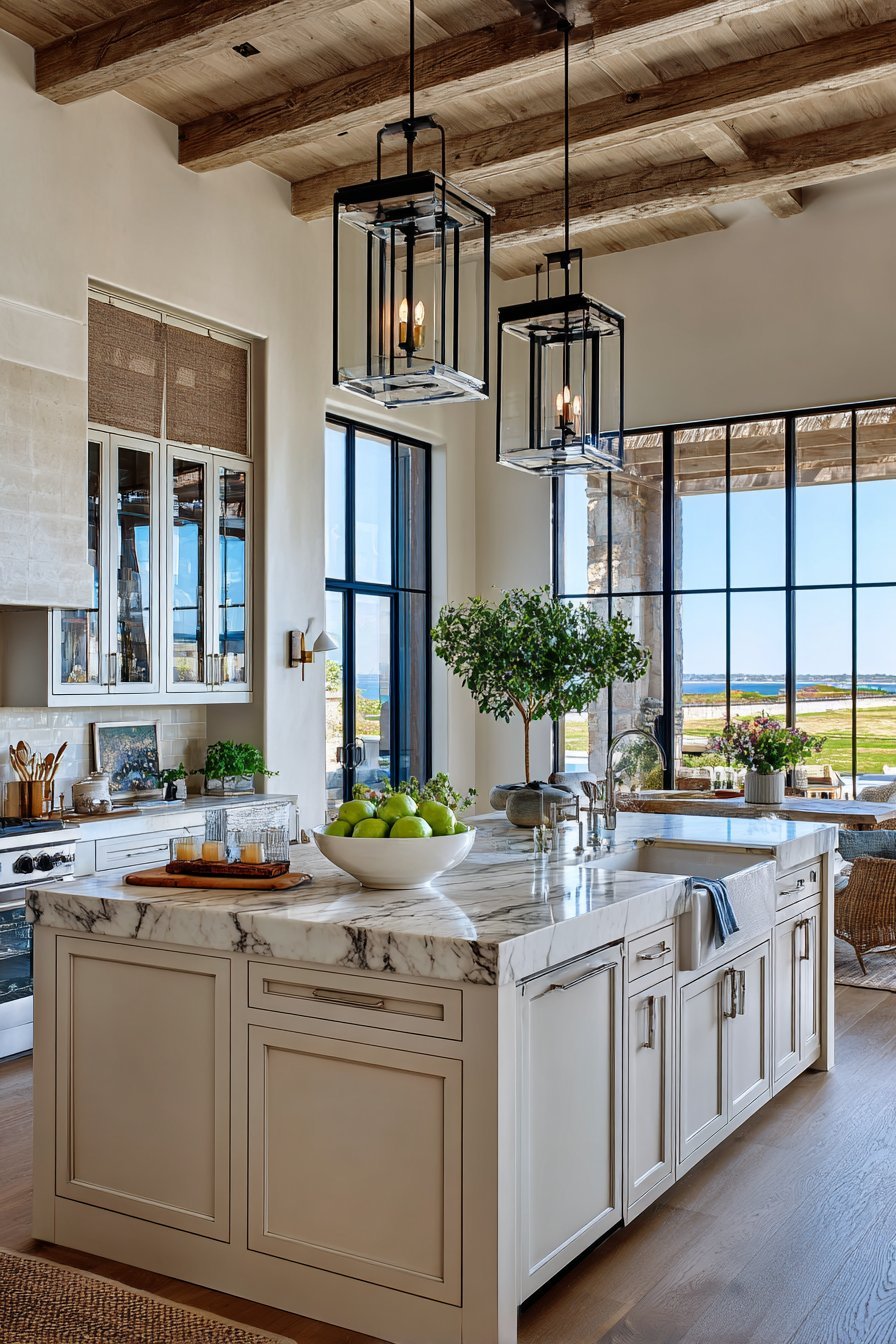
Fresh flowers or a bowl of green apples provide pops of color and vitality that photograph beautifully and make the space feel loved and current. Avoid artificial flowers or dated decorative items that age the kitchen or reveal specific taste preferences buyers may not share. The goal is suggesting how wonderful life could be in this kitchen rather than imposing your personal style choices.
Consider the sensory experience of showings beyond visual appeal. Ensure the kitchen smells fresh by eliminating garbage, cleaning drains, and avoiding cooking strong-smelling foods before appointments. Some sellers use subtle vanilla or citrus scents, though completely neutral air is preferable to artificial fragrances that may bother sensitive buyers or suggest you’re hiding odors.
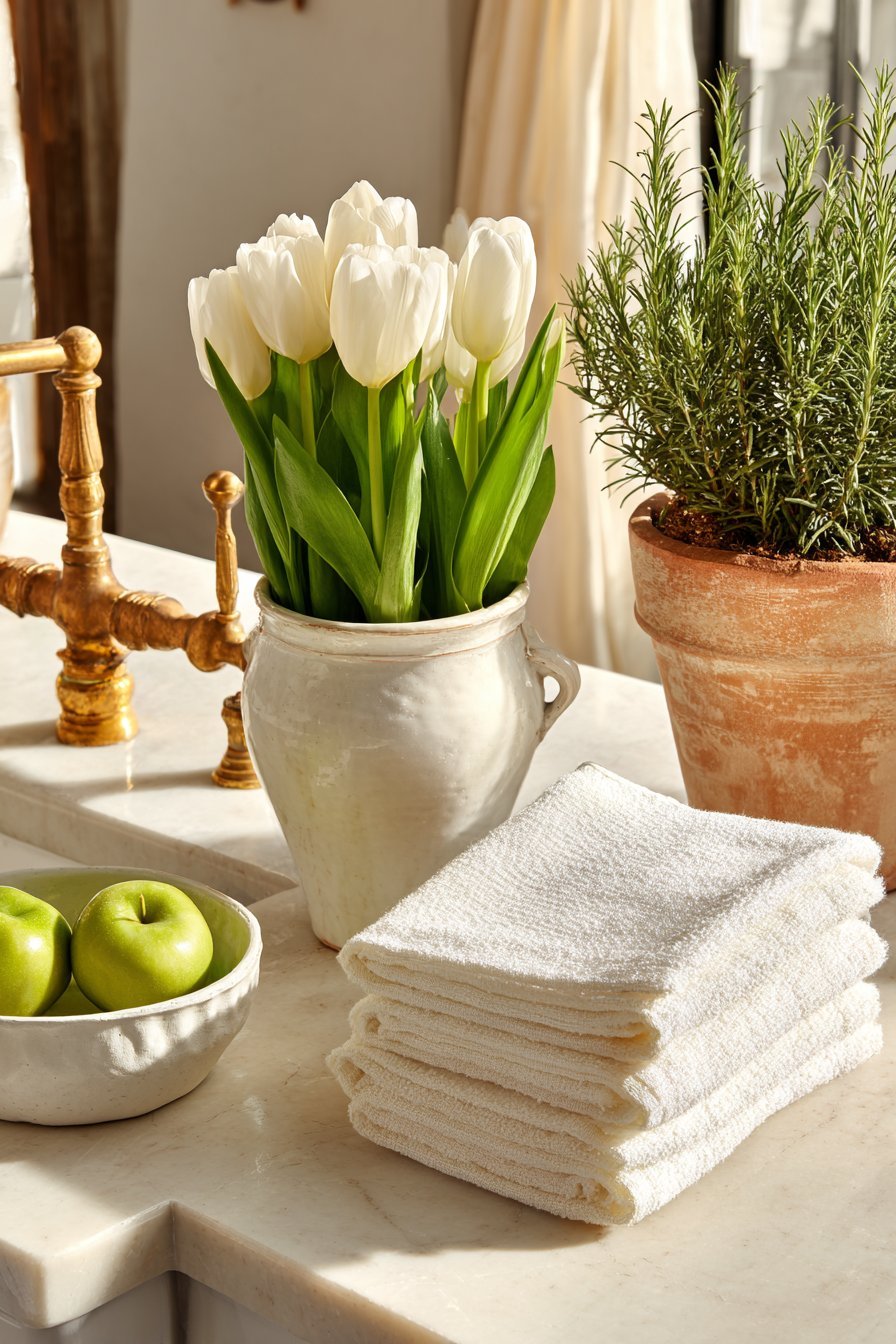
- Place fresh flowers in a simple vase on the counter or dining table
- Display a bowl of green apples or lemons for natural color
- Use white or neutral-colored dish towels folded neatly by the sink
- Add a small potted herb like basil or rosemary for freshness
- Remove all strongly scented air fresheners or candles
- Ensure the space smells completely neutral and clean
7. Highlight Storage and Organizational Features
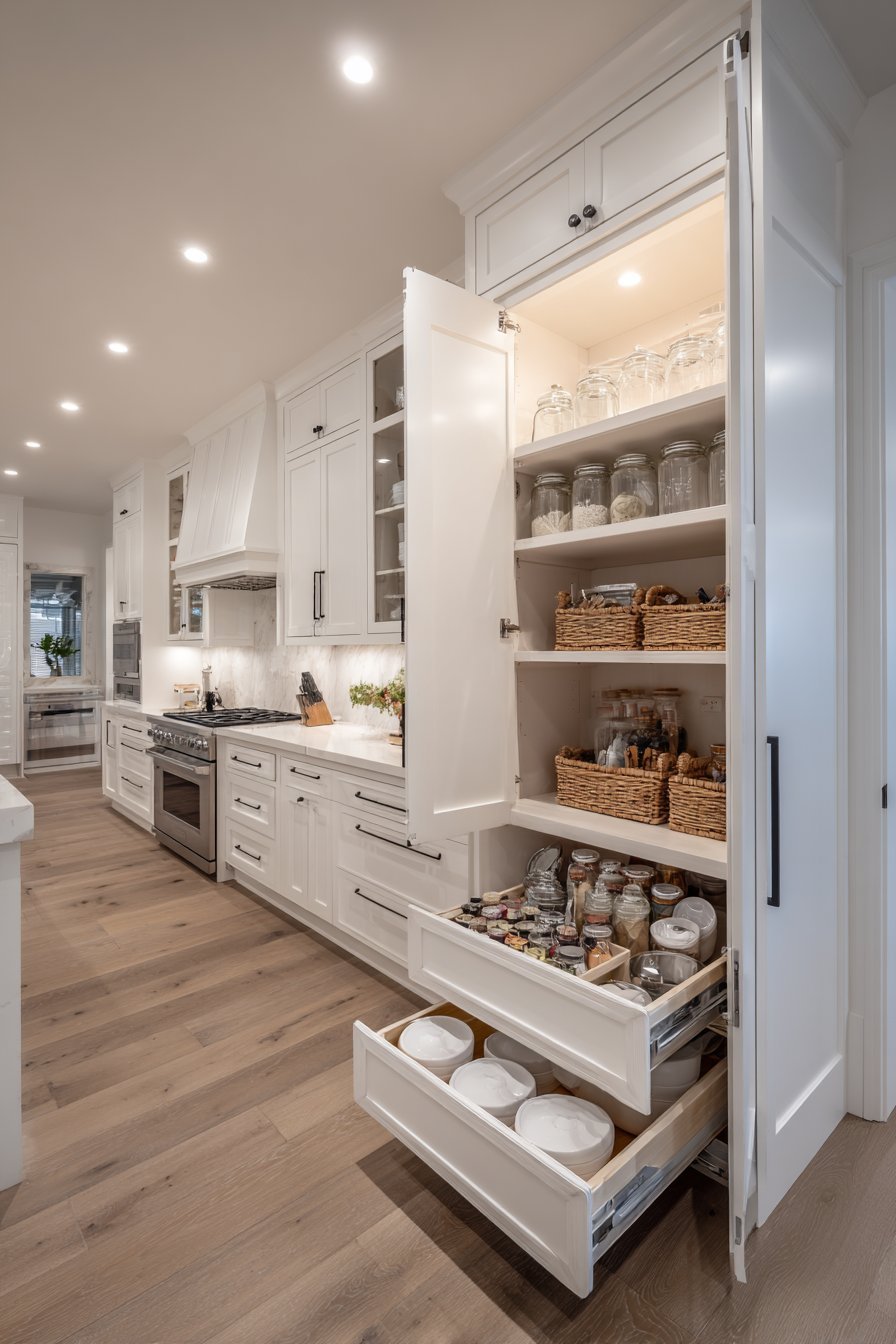
Buyers prioritize adequate storage space when evaluating kitchens, often ranking this concern above aesthetics. Showcase existing storage by organizing cabinets, drawers, and pantries with visible organizational systems. Remove excess items so spaces appear half-full rather than packed, demonstrating capacity for buyers’ belongings and future needs.
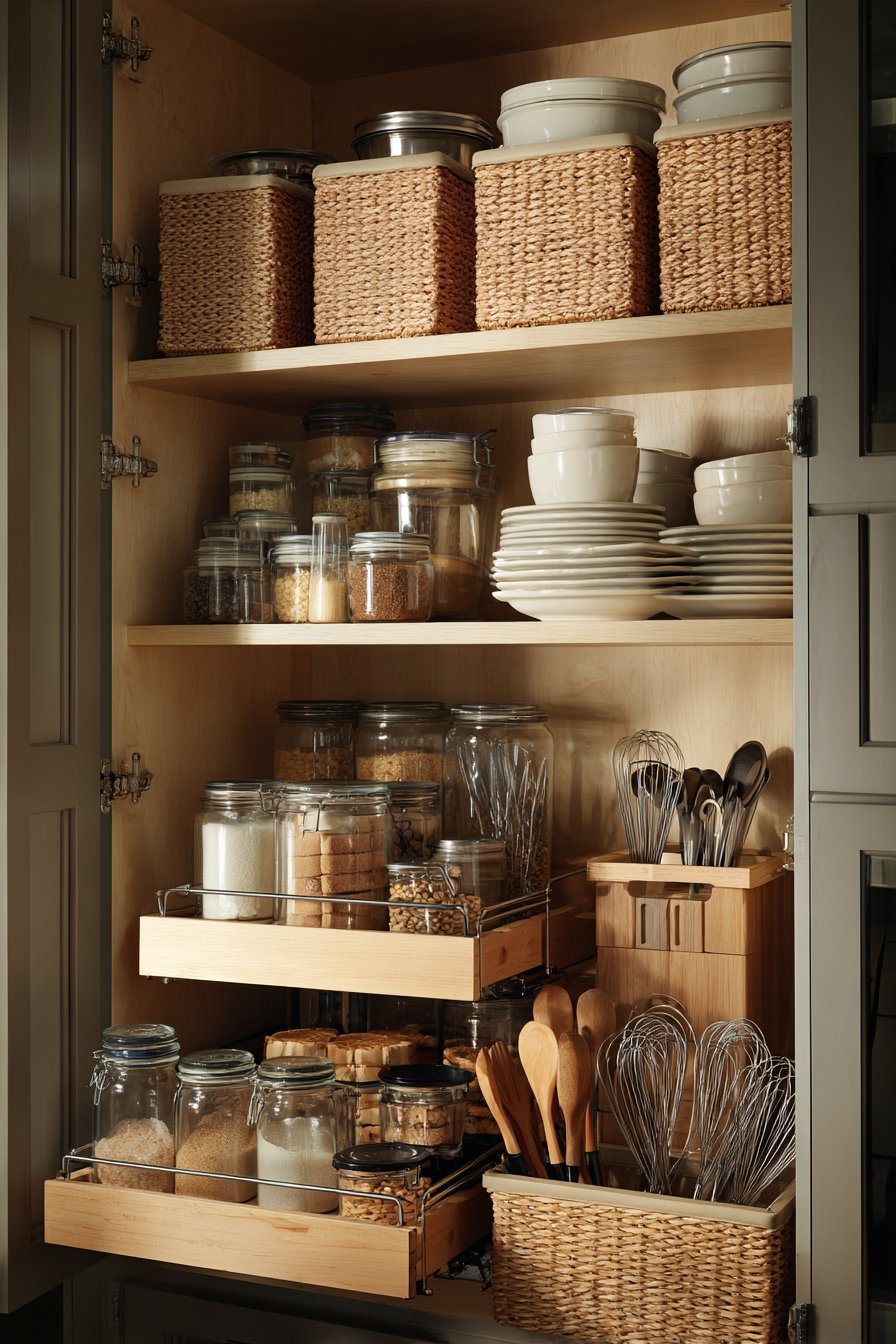
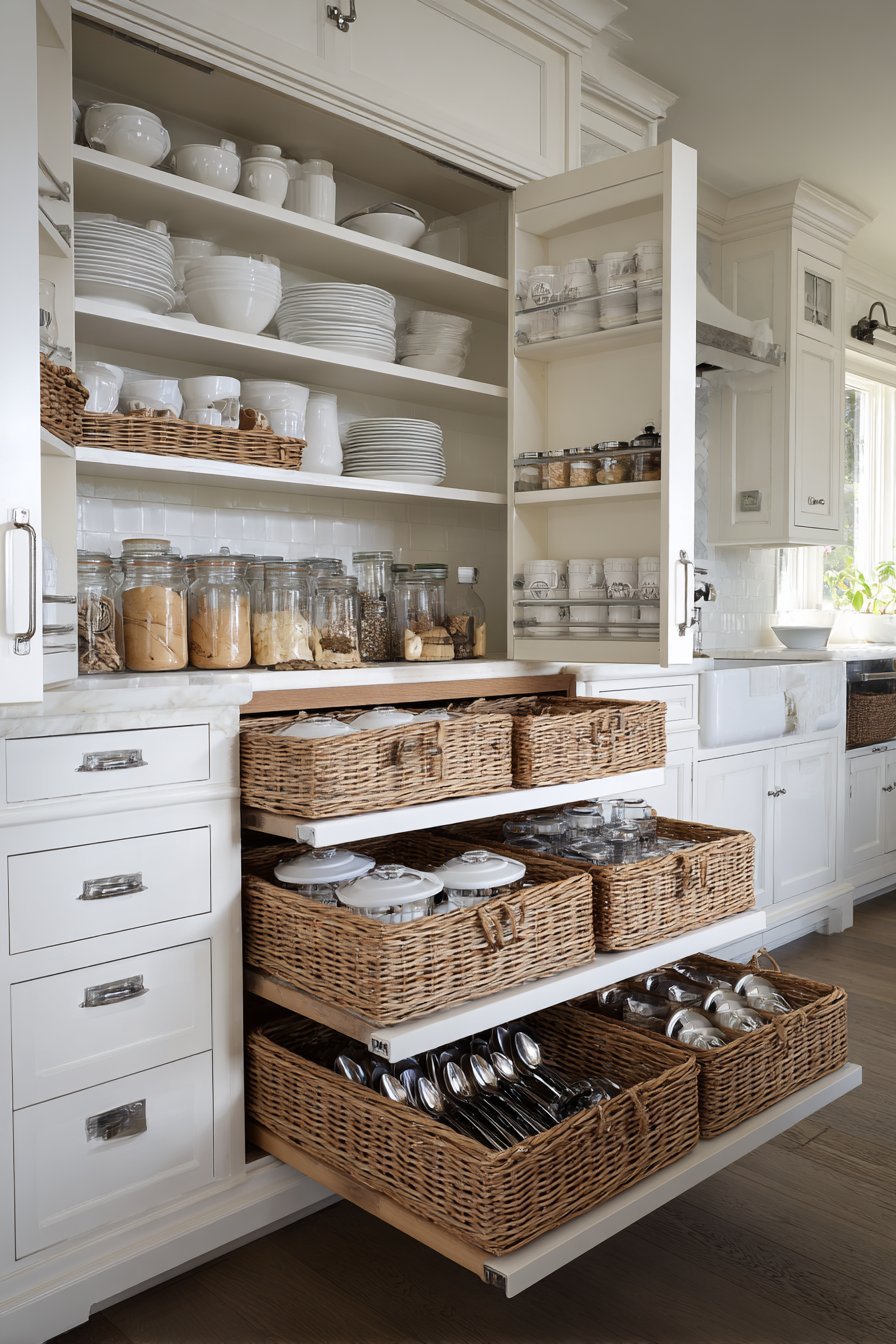
Install simple drawer organizers, shelf risers, and pull-out storage solutions that remain with the home. These inexpensive additions prove functionality while suggesting the kitchen has been thoughtfully maintained and upgraded. Buyers envision their own items fitting comfortably without requiring immediate organizational purchases or custom solutions.
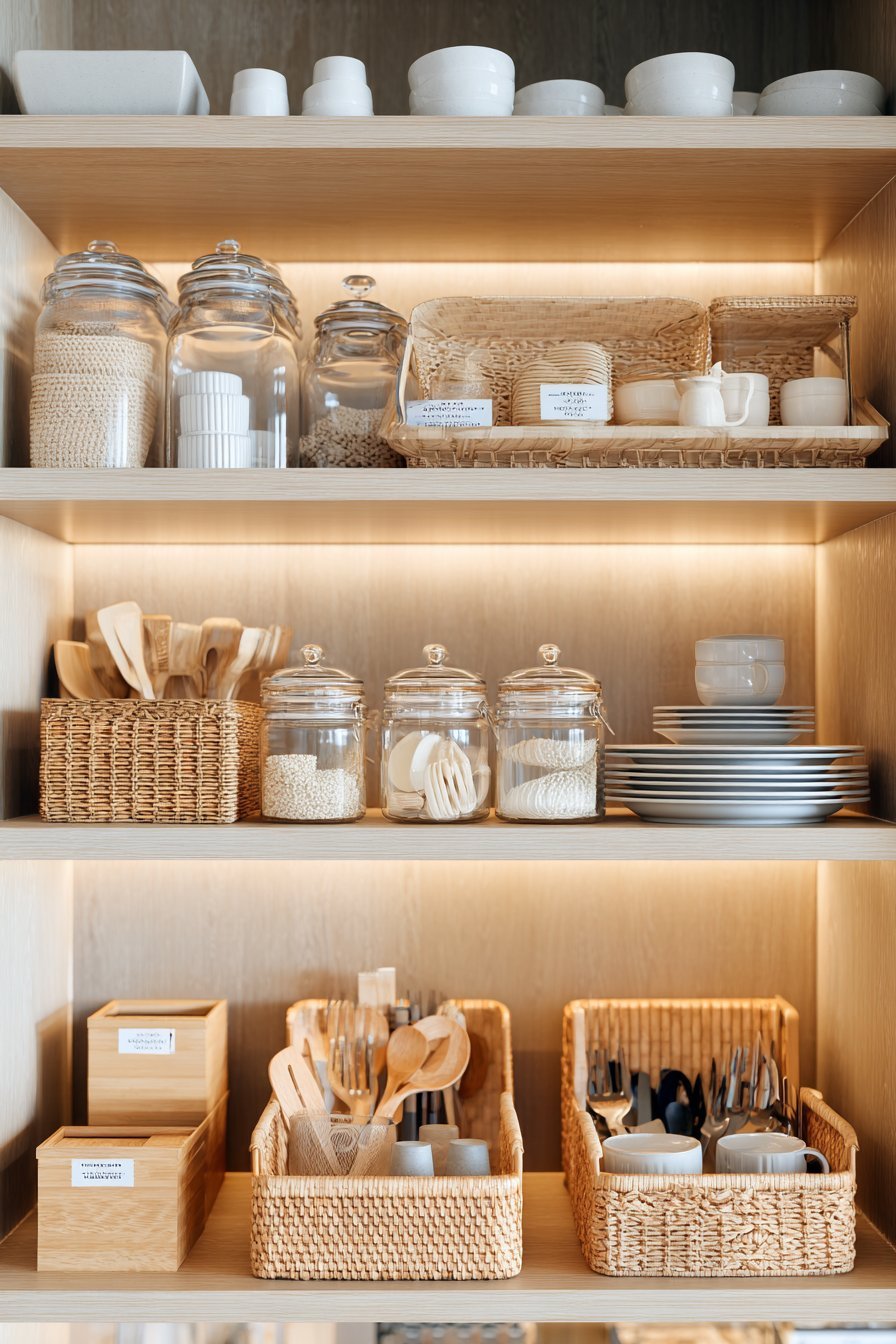
For homes with limited storage, create the illusion of abundance by keeping only essential items visible and storing excess elsewhere temporarily. A half-empty pantry appears more spacious than one crammed floor-to-ceiling with provisions. This strategic editing helps buyers focus on the kitchen’s potential rather than its current limitations or your personal storage habits.
- Install drawer organizers and cabinet shelf risers before showings
- Remove half of pantry contents to show available space
- Organize cabinets with matching containers and labels if desired
- Display any special storage features like pull-out shelves or lazy susans
- Keep under-sink areas organized with minimal cleaning supplies visible
- Photograph organized storage spaces for listing photos if exceptional
Conclusion
Successfully staging your kitchen requires strategic thinking about buyer psychology and market expectations. By implementing these seven proven techniques, you create a compelling presentation that accelerates sale timelines while potentially increasing final sale prices. The investment in staging typically costs far less than the carrying costs of additional weeks or months on market.
Remember that buyers make emotional decisions about homes, with kitchens playing a crucial role in those feelings. A well-staged kitchen suggests quality, care, and move-in readiness that translates directly into buyer confidence and willingness to make strong offers. Take time to implement these staging strategies thoughtfully, and you’ll likely find yourself accepting offers sooner than anticipated while achieving your desired sale price.