
Your backyard should be a place where both you and your dog can thrive. Balancing aesthetics with function is entirely possible — and it doesn’t mean settling for a muddy, torn-up yard that looks like a construction site. With the right planning and smart material choices, your outdoor space can be stunning and tail-waggingly perfect at the same time.
Many homeowners assume that having dogs means sacrificing the backyard of their dreams. The truth is that dog-friendly design has evolved enormously in recent years. Landscape designers now routinely create outdoor spaces that are safe and stimulating for pets while remaining magazine-worthy for their owners.
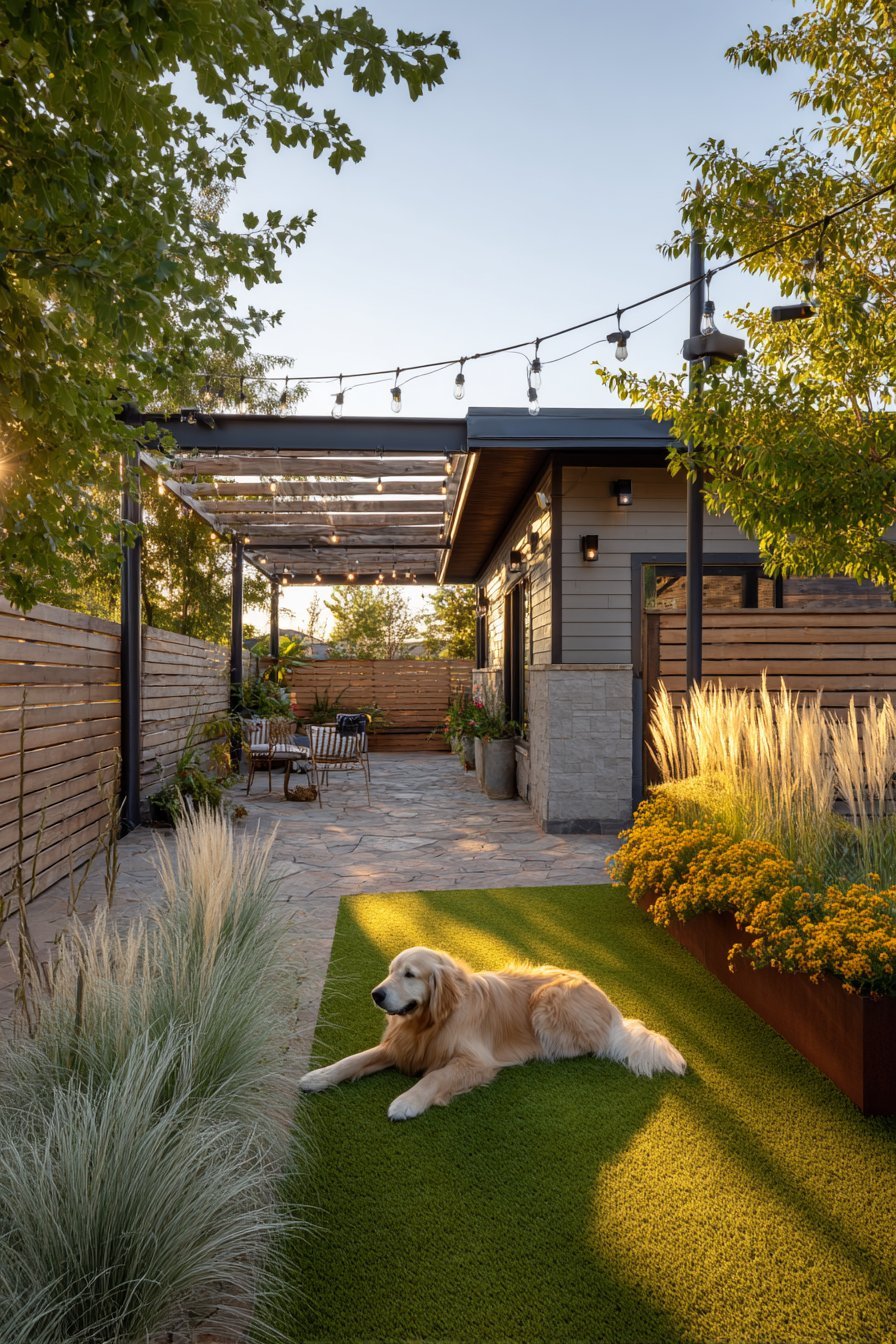
This guide walks you through every major element of a beautiful, pet-safe backyard — from fencing and flooring to plant selection and dedicated play zones. Whether you have a tiny terrier or a bounding Labrador, these ideas will help you design an outdoor space that works for your whole family.
1. Start with a Smart Fencing Plan
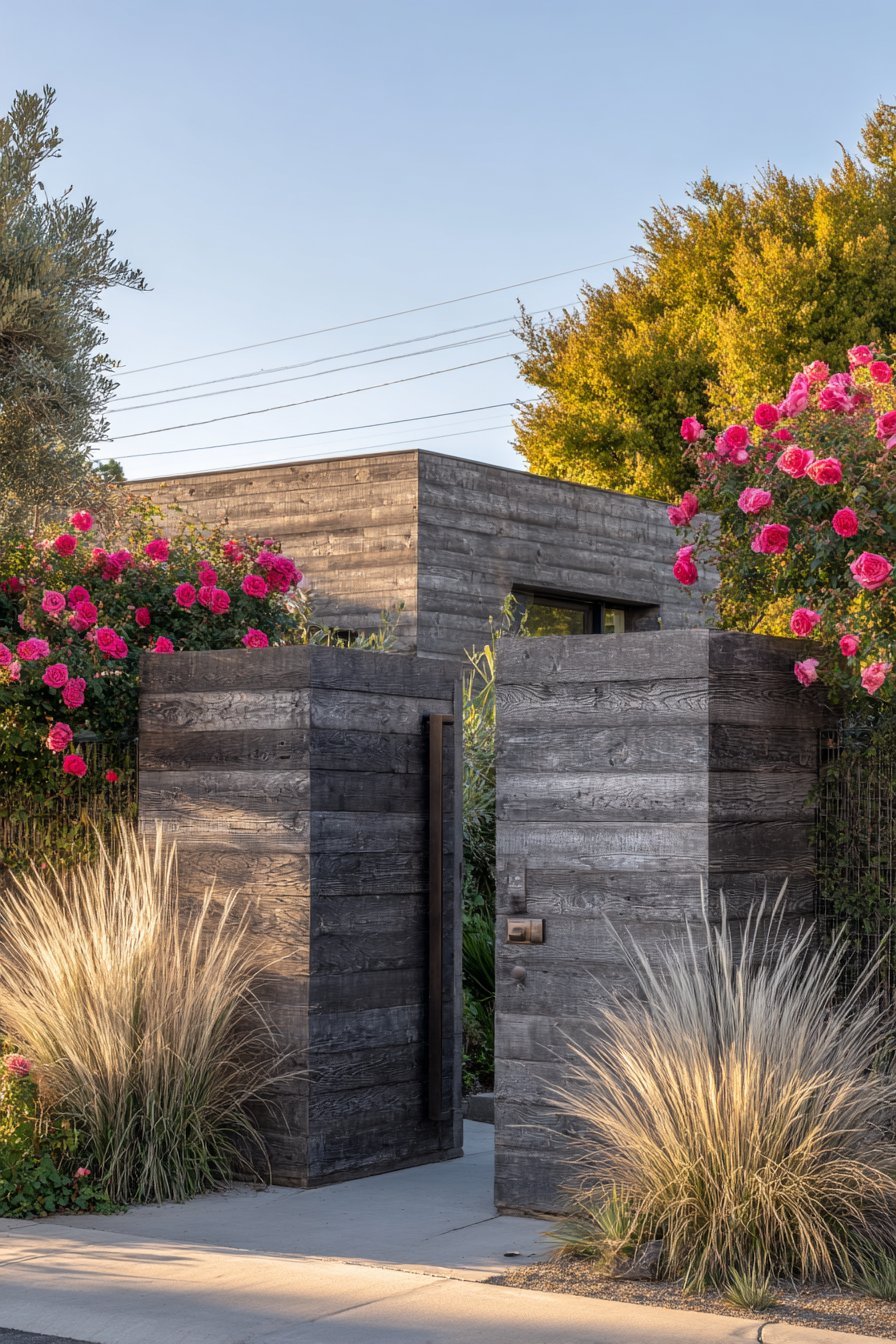
Secure fencing is the single most important element in any dog-friendly backyard. It keeps your dog safe from traffic, wildlife, and the temptation to roam. But fencing doesn’t have to be purely utilitarian — it can be one of your yard’s most attractive architectural features.
Choose a fence height based on your dog’s breed and jumping ability. Most medium to large dogs require at least 5 to 6 feet of height. For determined escape artists, consider coyote rollers along the top or a slight inward lean at the fence line. Solid wood, horizontal slat, and metal panel fencing all offer clean, modern aesthetics alongside security.
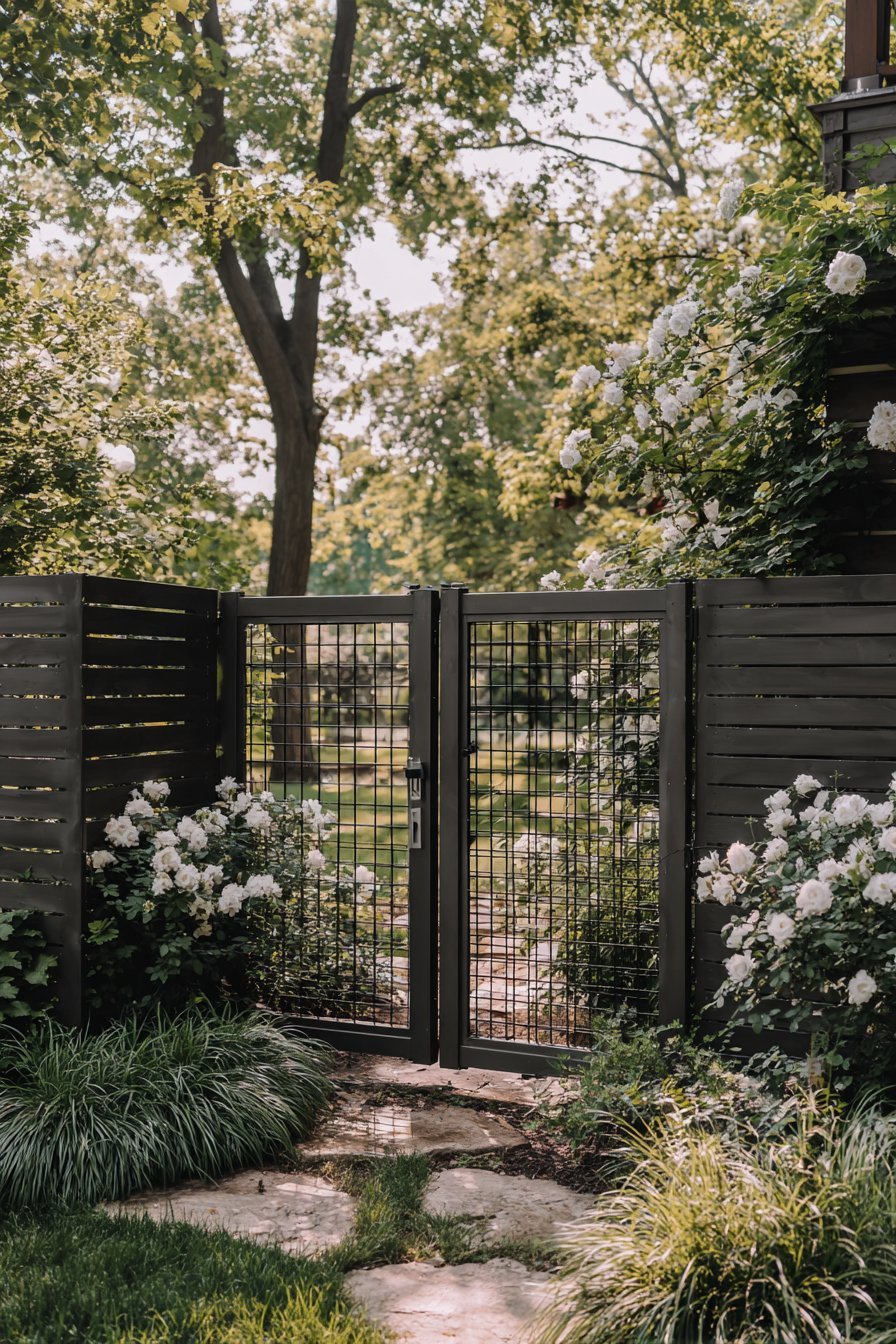
Double-gate entry systems — sometimes called airlock gates — are a smart addition for any dog-friendly yard. This two-gate design prevents accidental escapes when guests or delivery drivers enter. The space between gates creates a small holding area, giving your dog no chance to bolt through an open door.
- Choose fence height based on your dog’s breed and jumping capacity
- Use solid wood, metal panels, or composite materials for durability and style
- Install a double-gate entry system to prevent escape attempts
- Bury wire mesh at the base to deter dogs who dig under fences
- Paint or stain wooden fences to match your home’s exterior palette
2. Choose Dog-Safe Ground Covers and Flooring
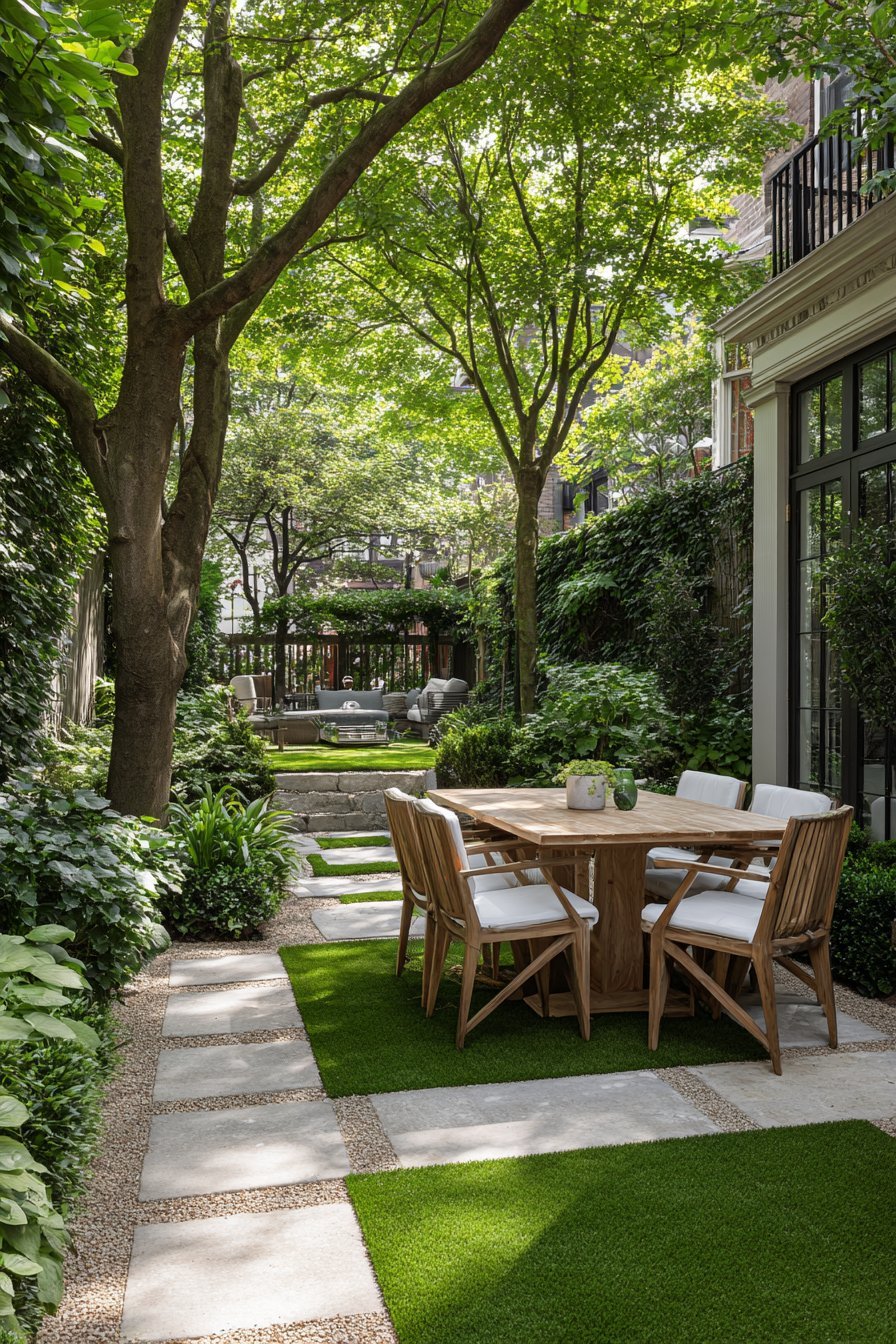
The ground surface of your backyard takes the most punishment from dogs — running, digging, rolling, and playing. Standard grass struggles under heavy paw traffic, especially in concentrated areas. Choosing the right surface materials makes maintenance far easier while keeping the yard looking polished.
Artificial turf has improved dramatically in recent years and is now a top choice for dog owners. Modern turf products are designed with antimicrobial backing, excellent drainage, and UV-resistant fibers that stay lush and green year-round. It’s soft underfoot, easy to rinse clean, and requires zero mowing.
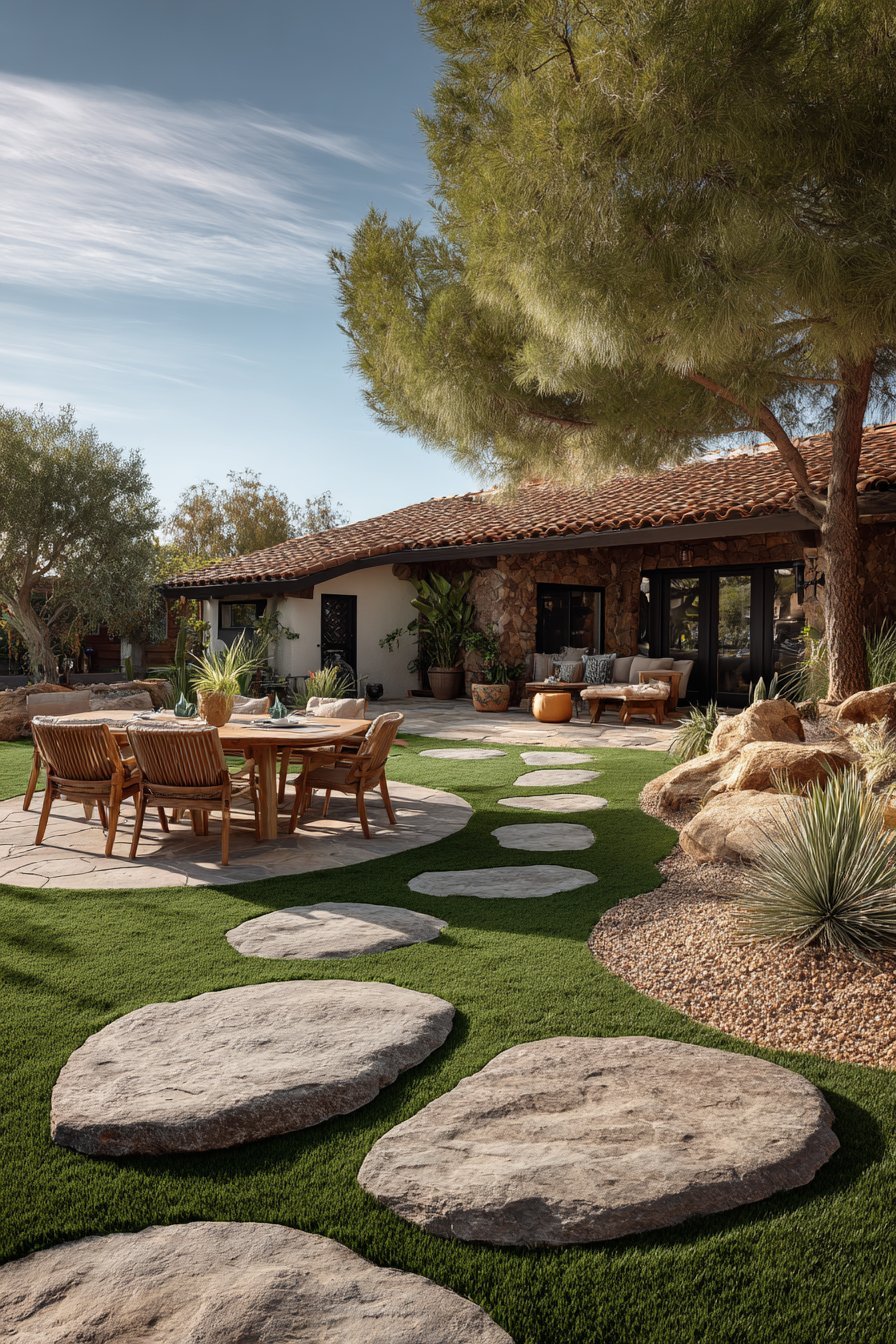
For a more natural look, decomposed granite, pea gravel, or flagstone pavers create attractive, durable surfaces that drain well and resist wear. Pea gravel is especially gentle on paws and stays cool in summer heat. Use these hardscape elements to define pathways and entertaining zones, reserving turf areas for play and lounging.
- Install artificial turf with antimicrobial and drainage backing for high-traffic zones
- Use pea gravel or decomposed granite for pathways and transition areas
- Create distinct zones — play area, entertaining area, garden — using different surfaces
- Avoid cocoa mulch in garden beds, which is toxic to dogs
- Choose cedar or pine mulch as a safe, fragrant alternative in planting beds
3. Select Plants That Are Beautiful and Non-Toxic
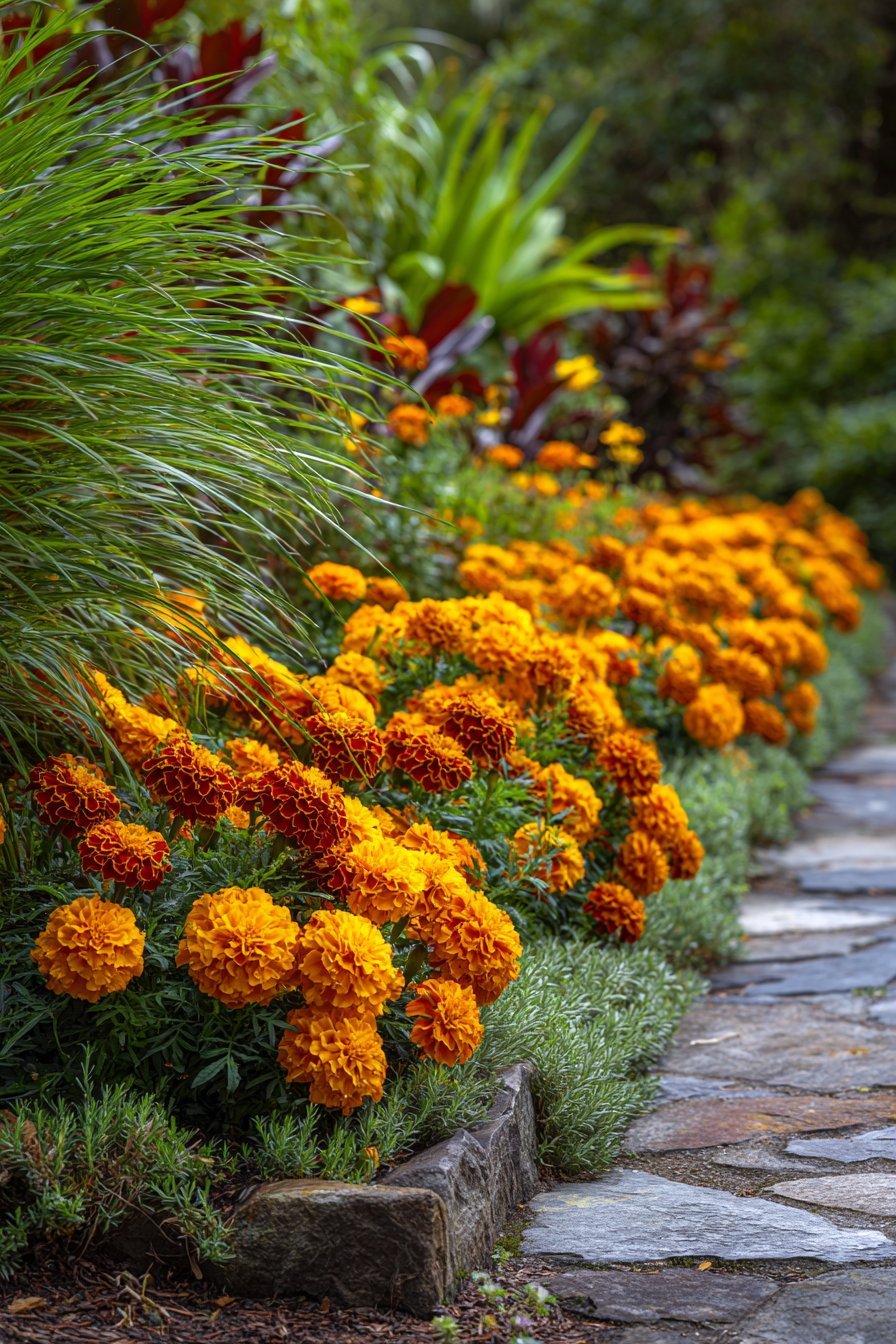
One of the most overlooked aspects of dog-friendly landscaping is plant safety. Many common garden plants — including sago palm, oleander, foxglove, and azalea — are toxic or even fatal to dogs. Designing a beautiful yard means choosing plants that look spectacular without posing any risk to your pet.
Pet-safe flowering plants like marigolds, snapdragons, sunflowers, and zinnias add vibrant seasonal color to garden beds. Herbs such as rosemary, basil, and thyme are non-toxic and doubly useful in the kitchen. Ornamental grasses like Karl Foerster and Blue Oat Grass provide dramatic texture without any toxicity concerns.
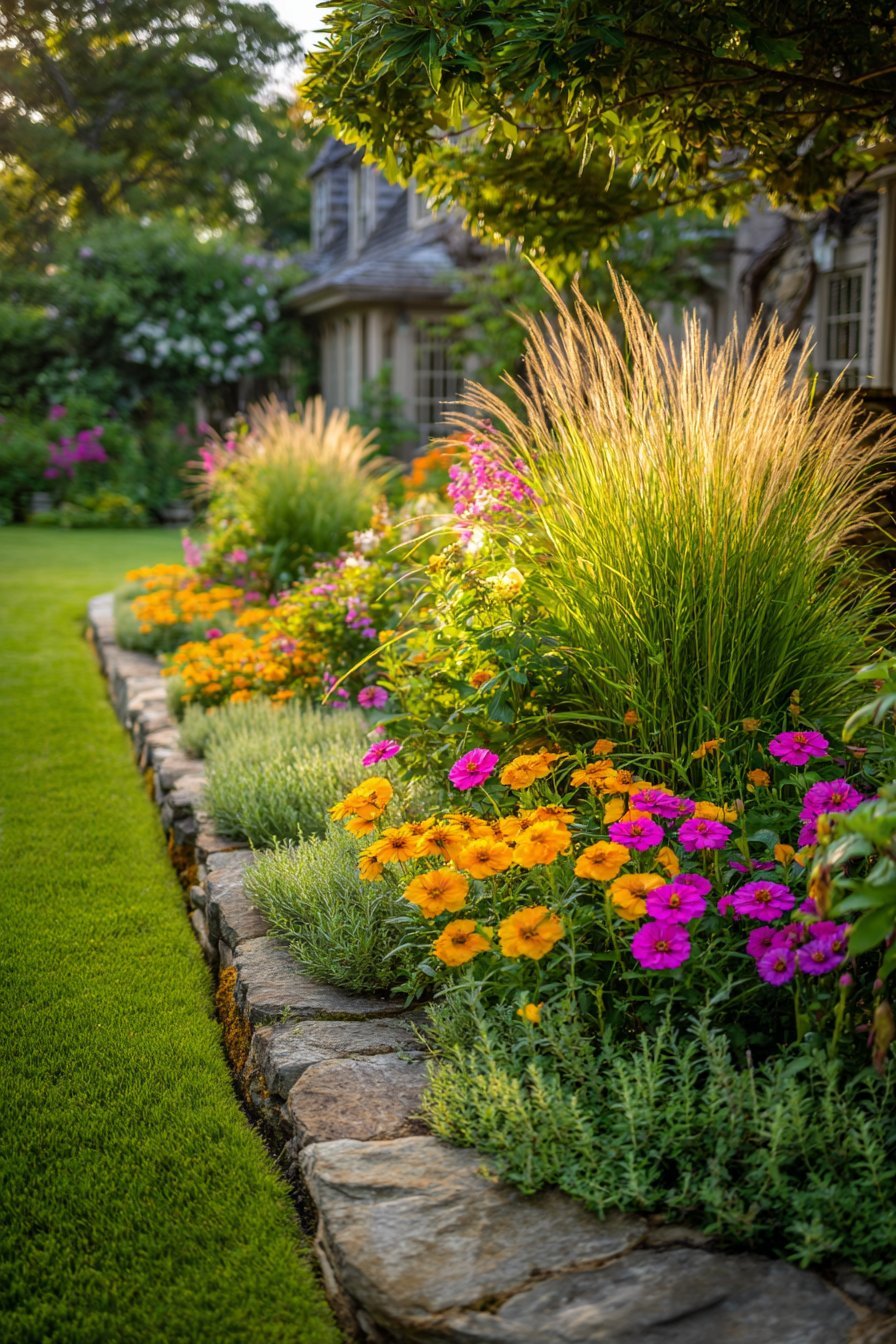
For trees and shrubs, magnolias, crepe myrtles, and camellias are all considered safe for dogs. These choices offer year-round interest — from bloom to foliage to bark texture — while keeping your four-legged family member out of harm’s way. Always cross-reference new plant purchases with the ASPCA’s toxic plant database before planting.
- Avoid sago palm, azalea, oleander, foxglove, and lily species in your yard
- Plant marigolds, sunflowers, zinnias, and snapdragons for safe seasonal color
- Use rosemary, thyme, and basil as fragrant, pet-safe herb borders
- Choose ornamental grasses for texture — most species are non-toxic
- Cross-check every new plant with the ASPCA toxic plant list before installing
4. Create a Dedicated Dog Zone
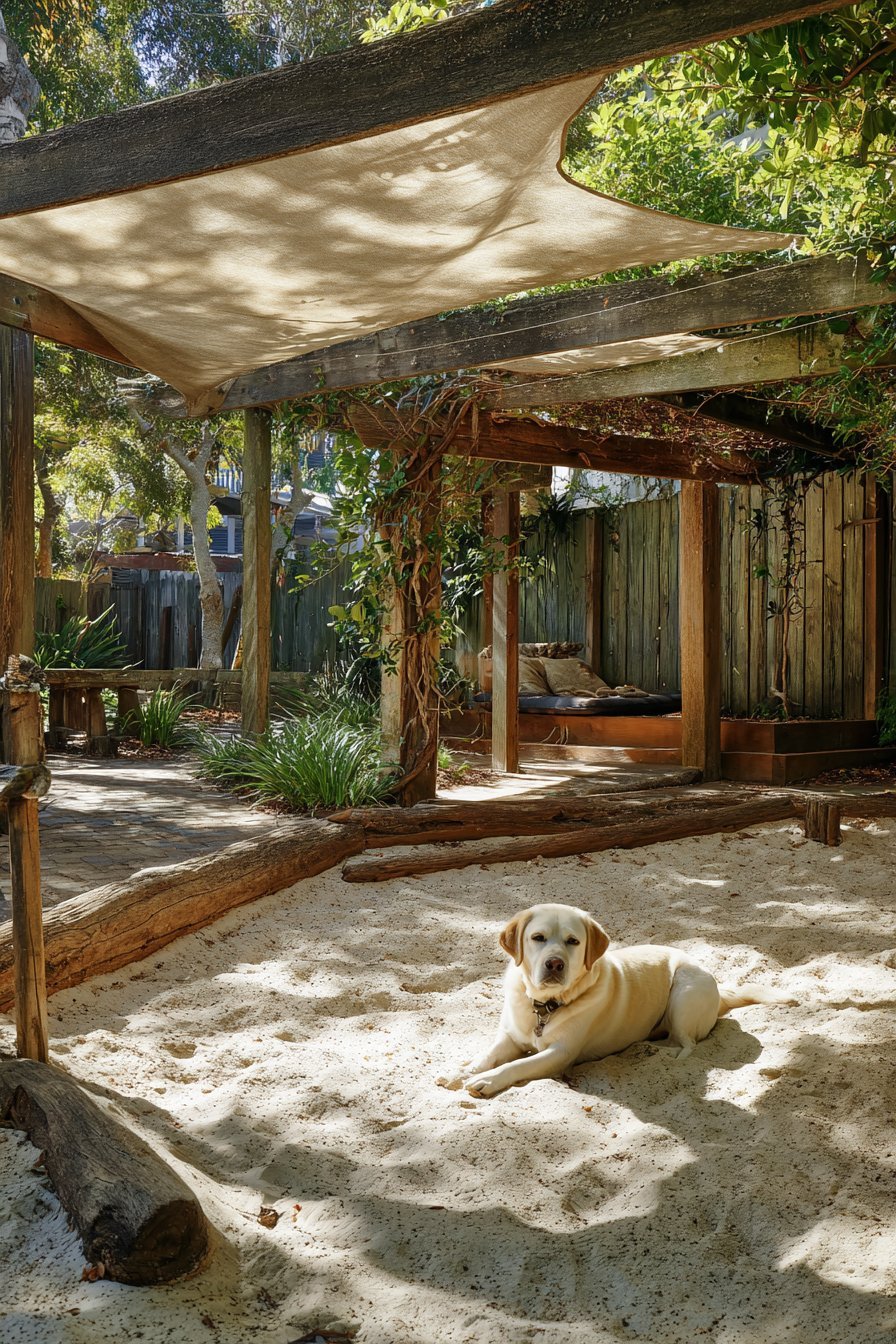
Giving your dog their own dedicated area is one of the most effective strategies for protecting the rest of your yard. When dogs have a specific zone designed for their needs — digging, running, lounging — they are far less likely to destroy garden beds and lawn areas you want to preserve.
A designated digging pit filled with soft sand or loose soil satisfies a dog’s natural instinct to excavate without sacrificing your flower beds. Mark the area clearly with low timber edging or decorative stones. Bury toys or treats in the pit initially to teach your dog that this is their special digging spot.
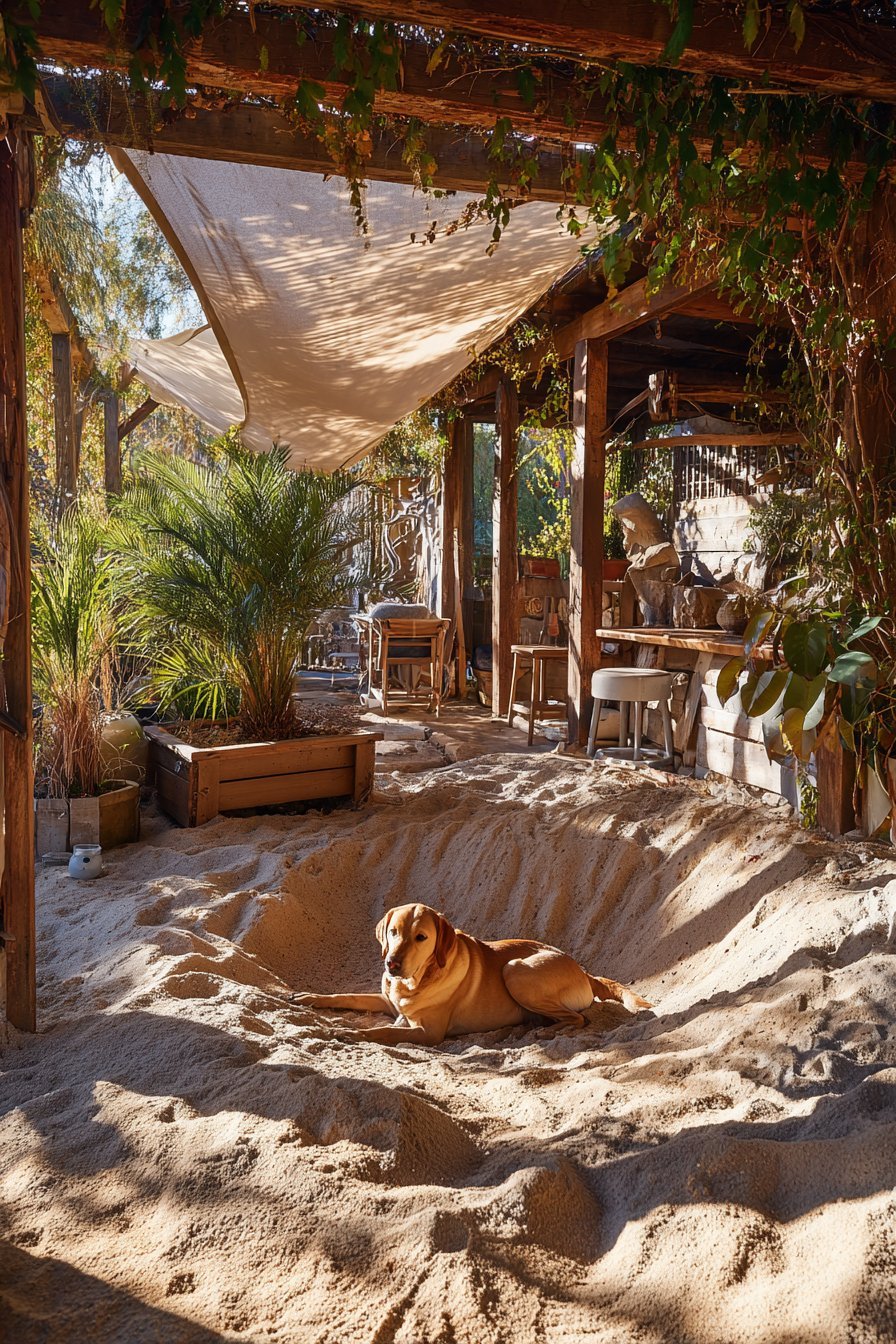
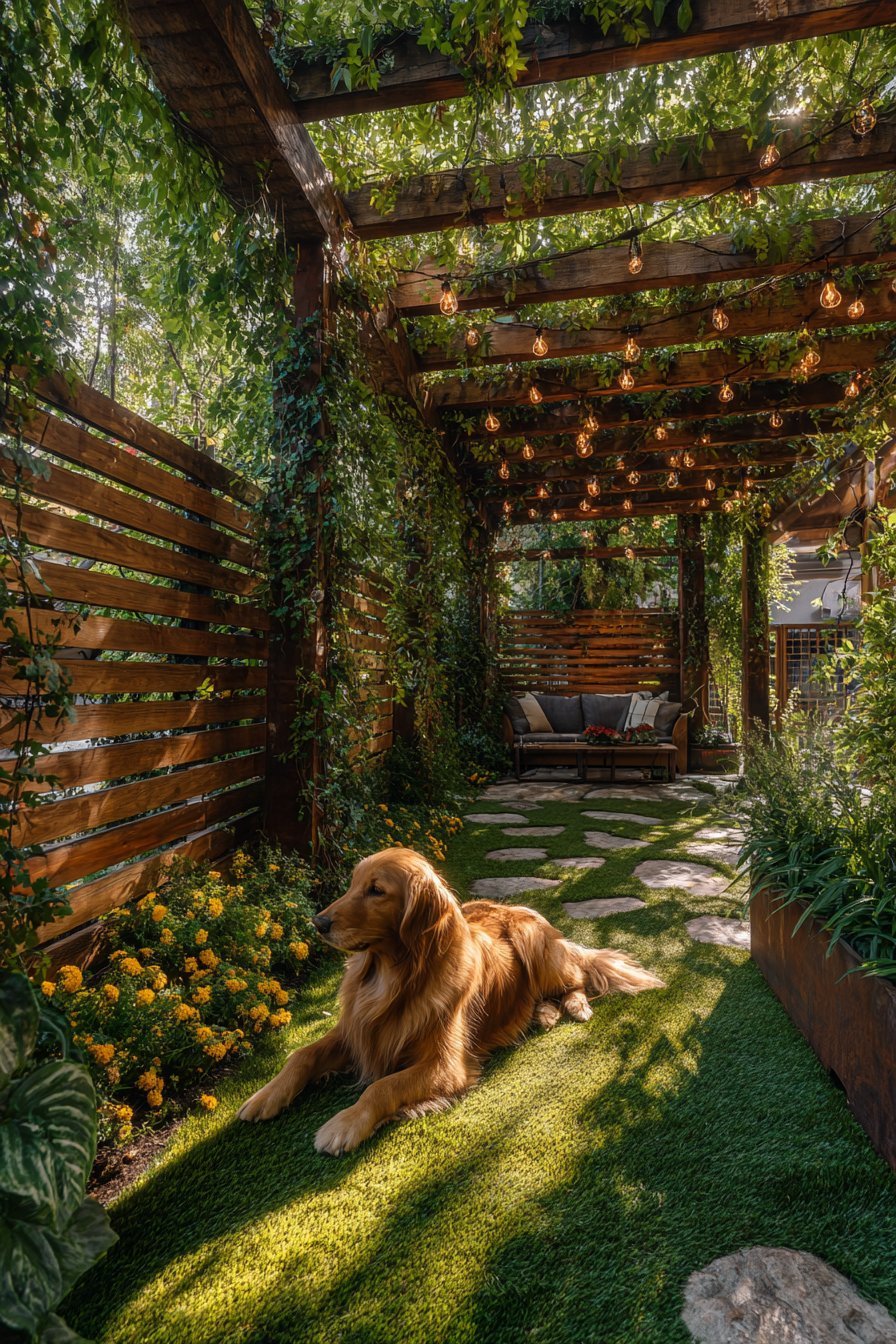
Include a shaded rest area within the dog zone for warm weather days. A pergola draped with climbing plants, a sail shade, or a simple timber structure creates a cool retreat that looks intentional and attractive. Add a weatherproof dog bed or elevated cot to complete the space with comfort and style.
- Define the dog zone with attractive timber, stone, or metal edging
- Install a sand-filled digging pit to redirect destructive digging behavior
- Create shade with a pergola, sail shade, or timber structure covered in safe climbing plants
- Add a weatherproof, elevated dog cot for comfortable outdoor lounging
- Place the dog zone near a water source for easy rinsing and hydration
5. Install a Dog-Friendly Water Feature
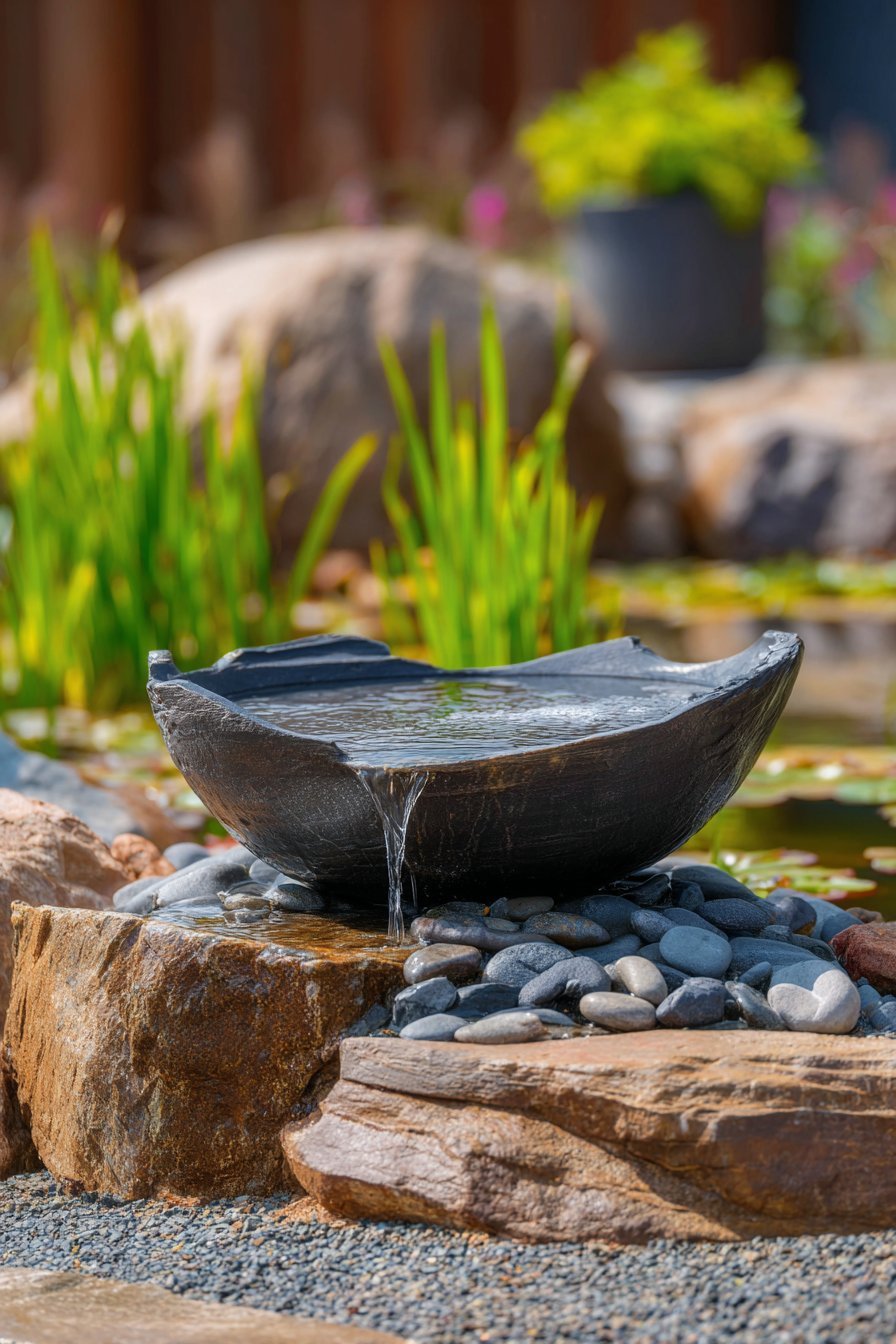
Fresh, accessible water is essential for dogs spending time outdoors. Rather than relying on a bowl that tips, fills with debris, and needs constant refilling, consider integrating a pet-specific water feature into your yard’s design. These elements can be genuinely beautiful additions to the landscape.
Recirculating fountain systems designed for pets are now widely available in materials like slate, concrete, and glazed ceramic. These fountains keep water moving, which dogs prefer and which prevents stagnation. A well-chosen fountain becomes a focal point in the yard rather than just a functional necessity.
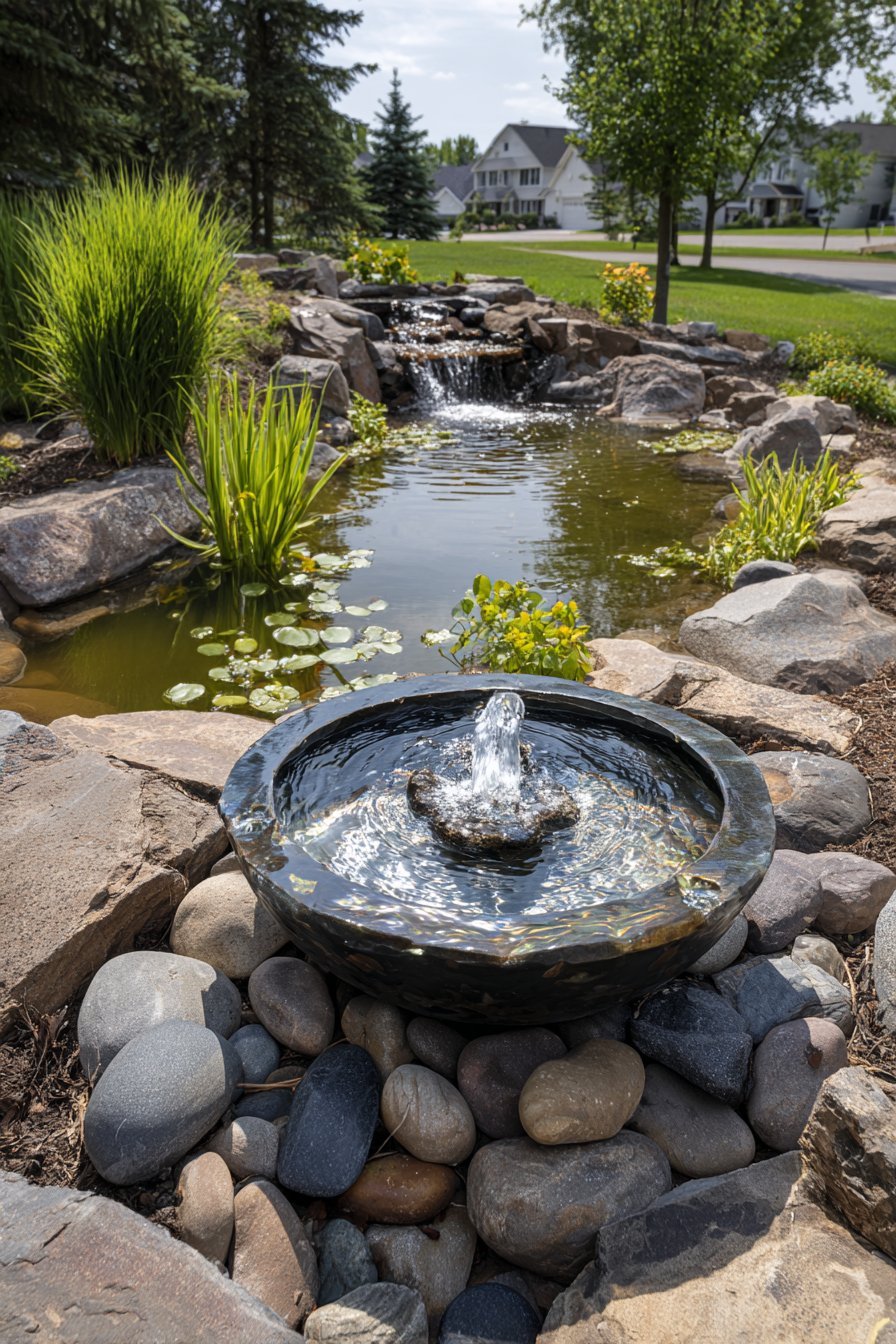
For larger yards, a shallow wading pool or naturalistic pond surrounded by smooth river rocks gives big dogs a place to cool off in summer. Line the edge with pet-safe aquatic plants like water hyacinth. Ensure the entry and exit points have gentle slopes — no sharp edges or steep drops — so your dog can get in and out safely.
- Install a recirculating pet fountain in slate, concrete, or ceramic for aesthetic appeal
- Ensure all water features have gentle entry slopes and no sharp edges
- Position water sources near shade to keep water cooler in summer heat
- Use smooth river rock edging around ponds and water features for paw safety
- Clean and refill water features regularly to prevent algae and bacterial growth
6. Design Paths That Guide Your Dog’s Movement
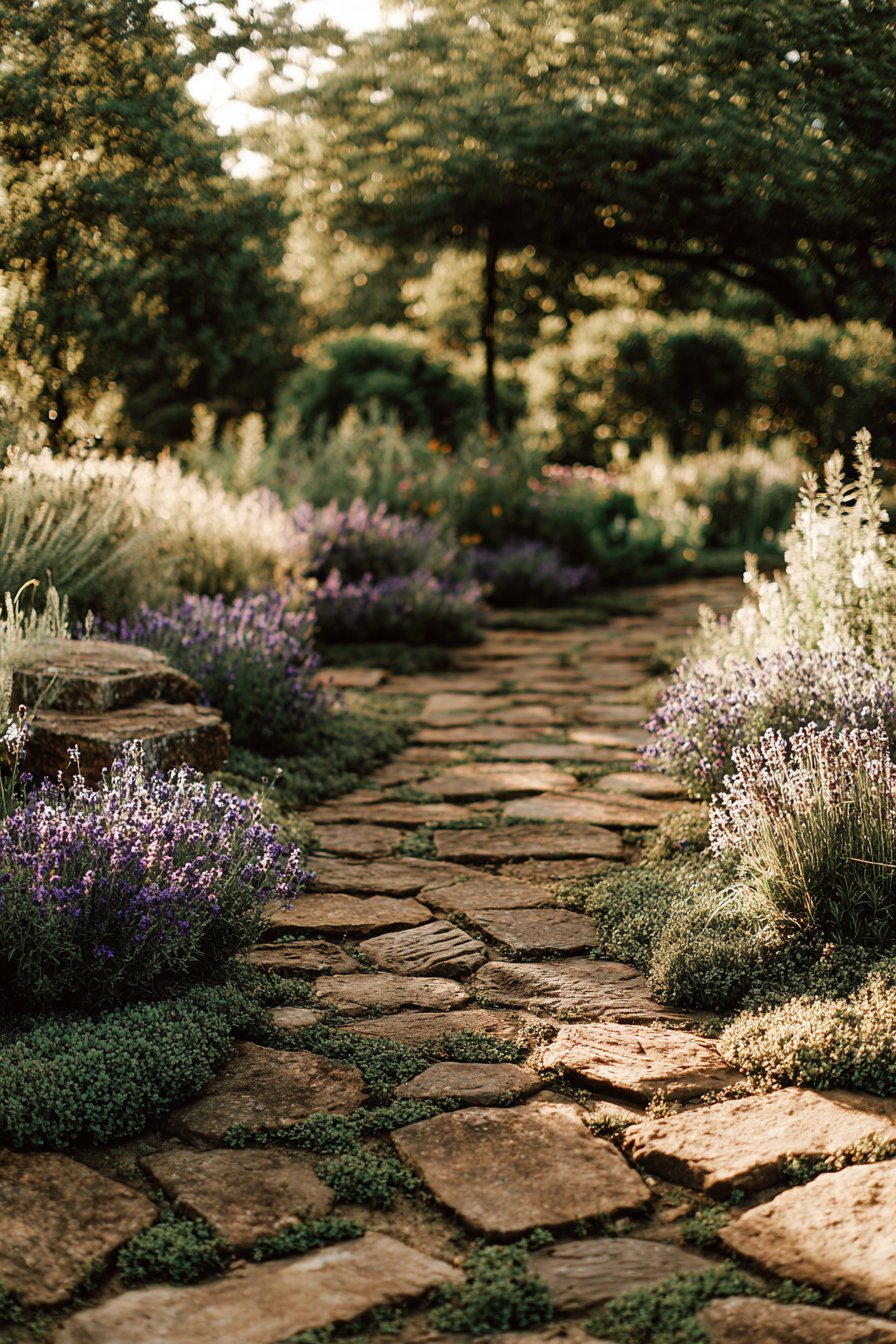
Dogs are creatures of habit — they run the same routes repeatedly, creating worn dirt trails through grass and garden beds. Instead of fighting this instinct, design your backyard to accommodate and guide it. Intentional pathways protect your plantings and add beautiful structure to the landscape.
Flagstone, brick, or concrete stepping stone paths installed along your dog’s natural running routes redirect foot traffic away from vulnerable plants. These hardscape elements look intentional and attractive while serving a highly practical purpose. Edge paths with low ornamental grasses or ground covers like creeping thyme for a polished finish.
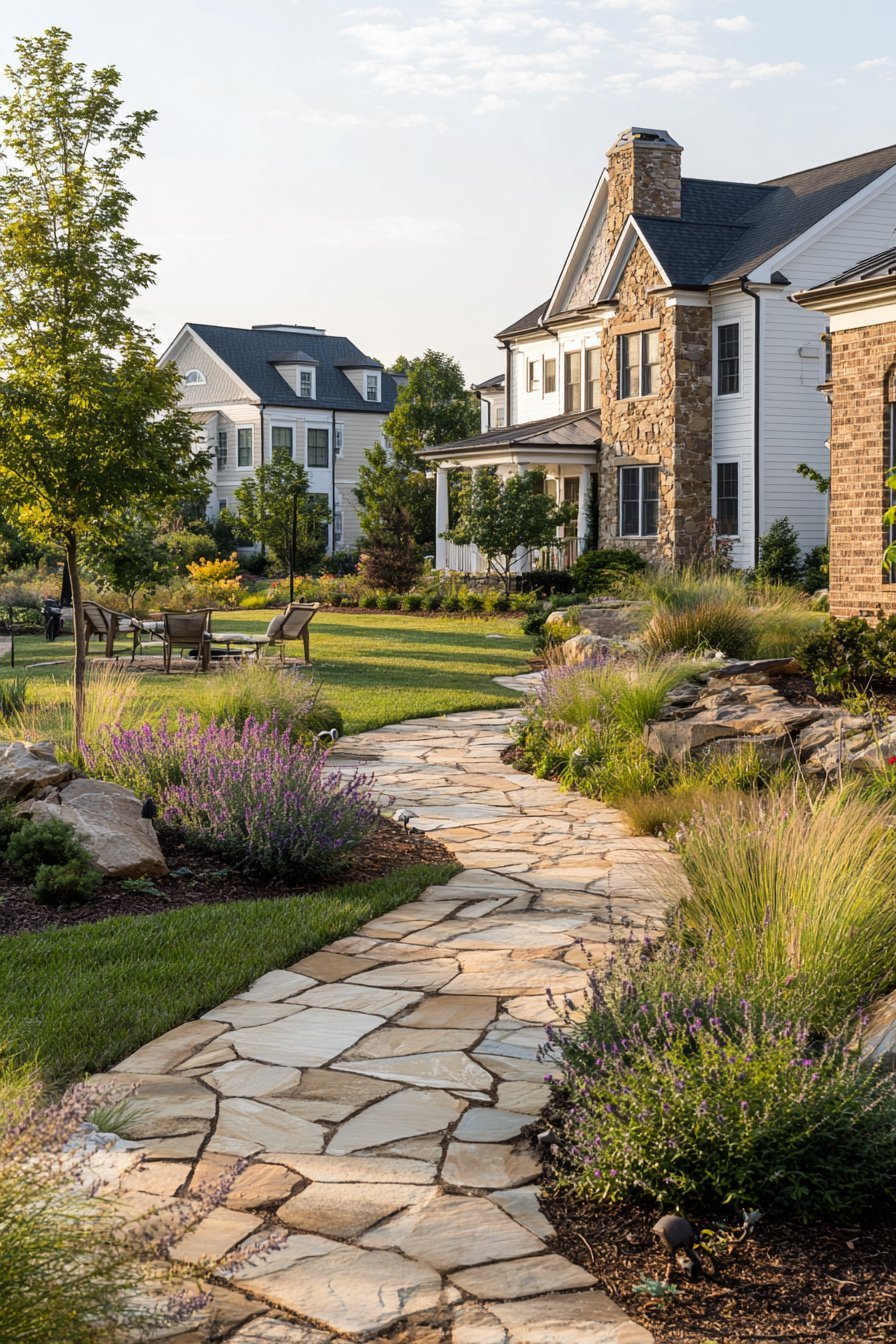
Creating a dog loop — a circular pathway around the yard’s perimeter — gives energetic dogs a dedicated running track. This design keeps them active and entertained while the interior of the yard remains beautifully intact. The loop can be as simple as a gravel path or as refined as a flagstone walkway with planted borders.
- Install paths along your dog’s natural running routes before wear patterns form
- Use flagstone, brick, or stepping stones for durable, attractive pathways
- Edge paths with low ornamental grasses, lavender, or creeping thyme
- Design a perimeter loop path to give energetic dogs a dedicated running circuit
- Use landscape edging between paths and planting beds to maintain clean lines
7. Use Raised Garden Beds to Protect Your Plants
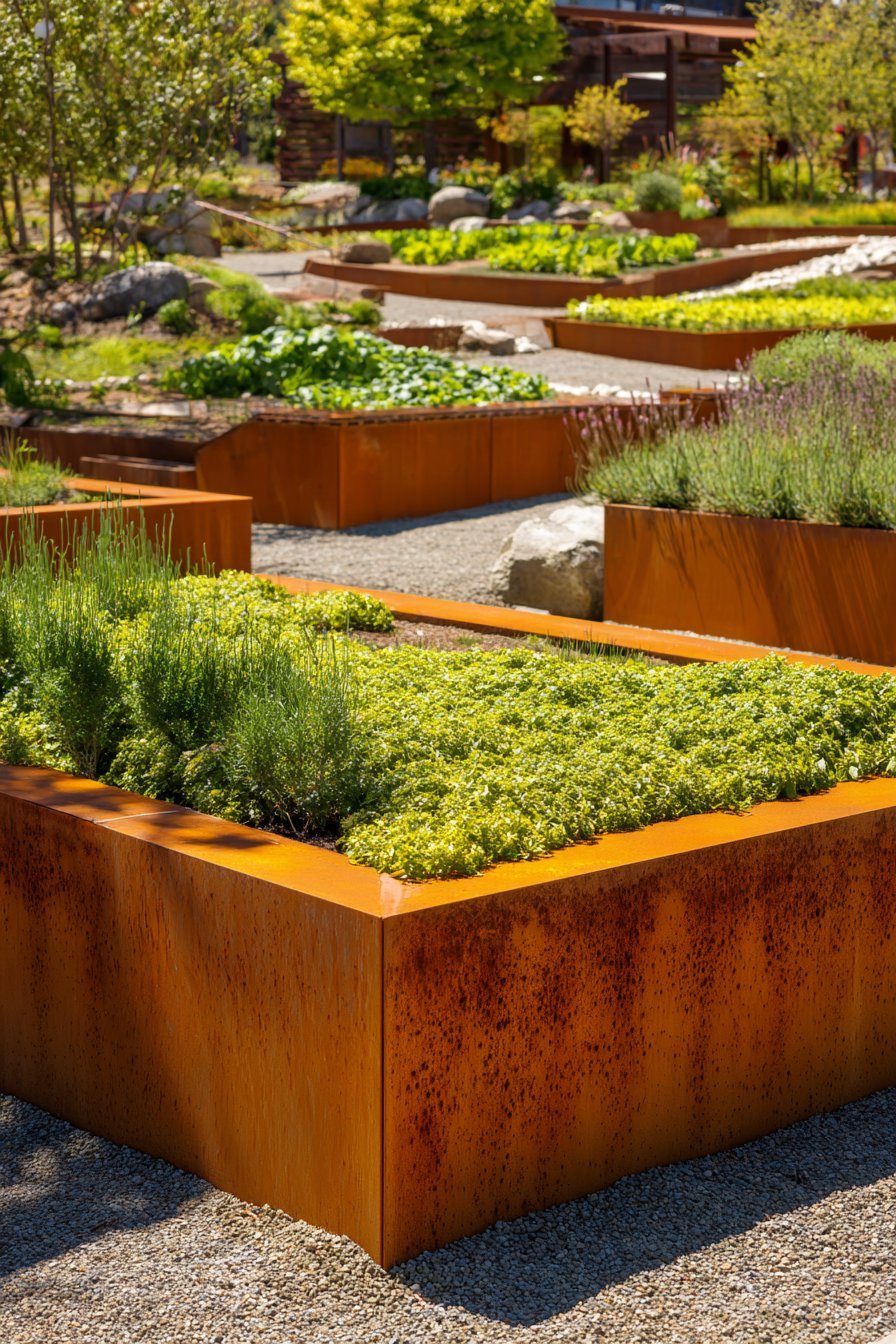
Raised garden beds are one of the smartest solutions in a dog-friendly backyard. Elevating your planting areas puts them out of reach of curious noses and trampling paws. A well-built raised bed immediately adds architectural interest and visual structure to any outdoor space.
Build raised beds at a minimum of 18 to 24 inches high to deter most dogs from jumping in. Materials like Corten steel, cedar timber, or powder-coated aluminum all age beautifully and offer long service lives. Corten steel in particular develops a rich, rust-toned patina over time that looks striking against lush green plantings.
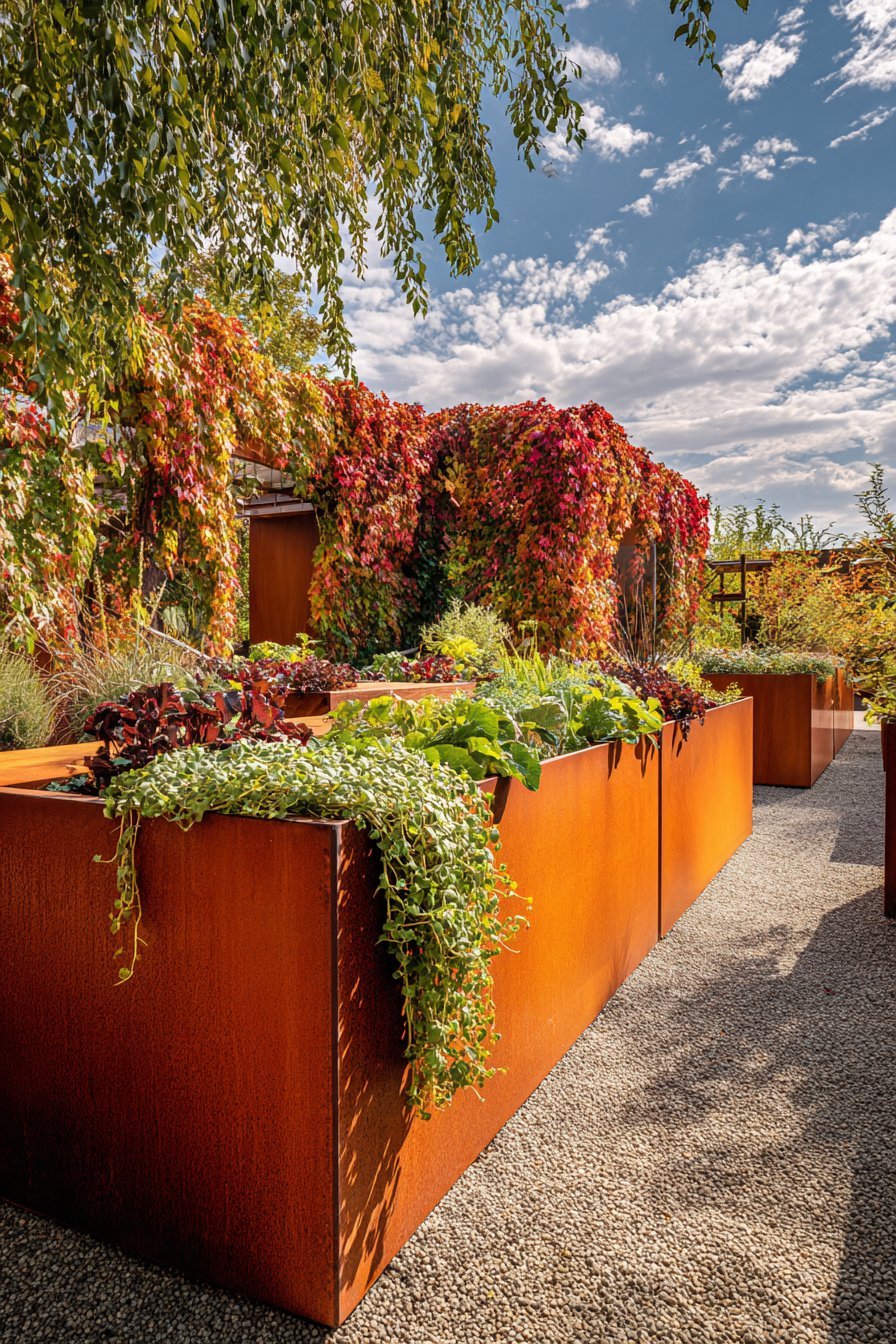
Surrounding raised beds with low edging, gravel borders, or decorative stone creates a clear visual and physical boundary that dogs learn to respect. These transitional elements also make the garden look more designed and intentional. Pair structural raised beds with trailing plants that spill softly over the edges for a romantic, lush effect.
- Build raised beds at 18 to 24 inches minimum height to keep dogs out
- Choose durable, attractive materials — Corten steel, cedar, or powder-coated aluminum
- Surround bed perimeters with gravel or decorative stone to discourage dog entry
- Plant trailing species along bed edges to soften the structural look
- Group raised beds together to create a productive, visually cohesive kitchen garden
8. Light Your Backyard for Evening Safety and Ambiance
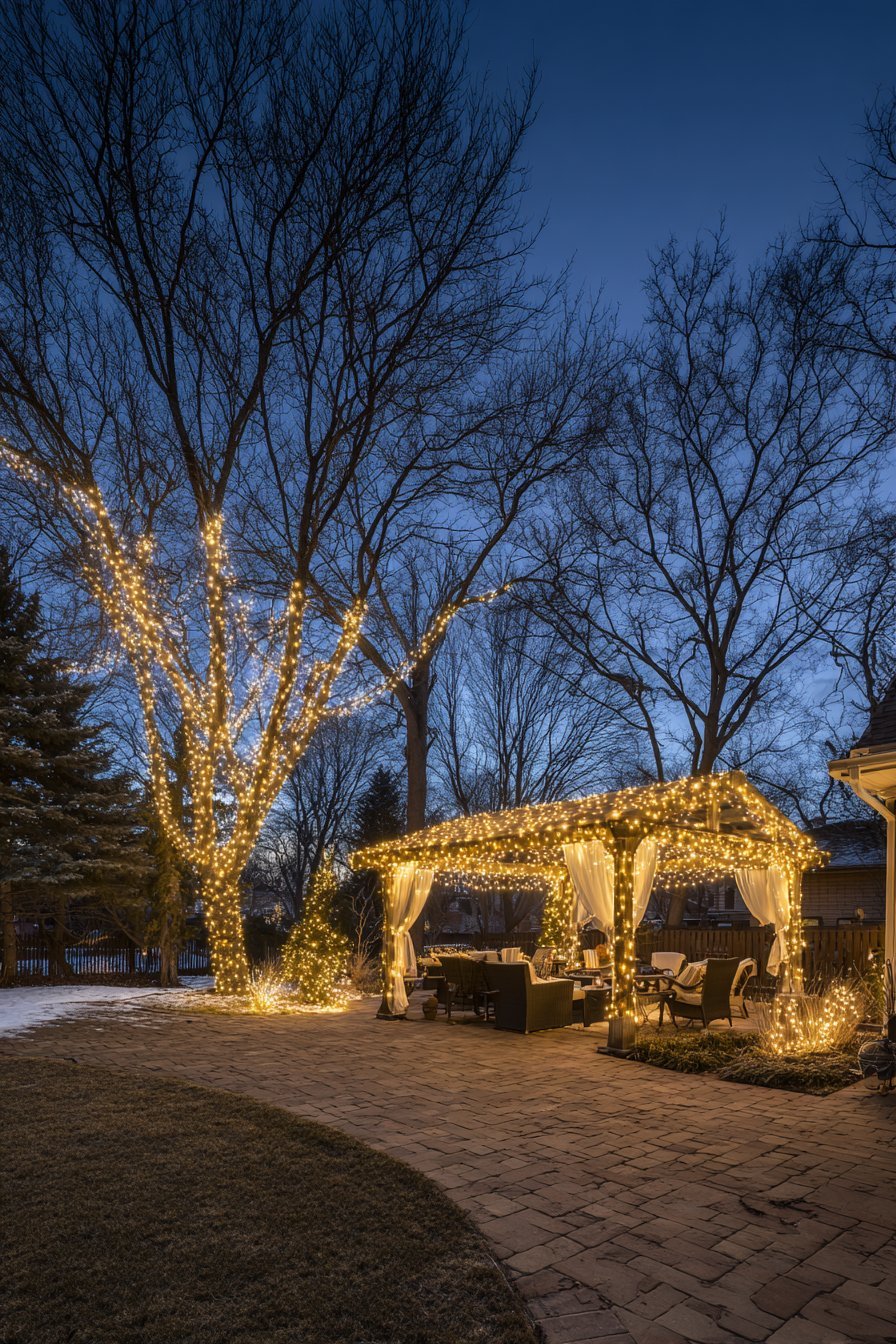
Outdoor lighting serves a dual purpose in a dog-friendly backyard: it keeps your space safe for evening bathroom breaks and transforms your yard into a magical entertaining environment after dark. Strategic lighting is one of the most impactful and underutilized design tools available to homeowners.
Path lighting along walkways and the dog’s running loop ensures safe nighttime navigation for both pets and people. Solar-powered or low-voltage LED stake lights are affordable, easy to install, and come in beautiful designs from industrial to cottage. Keep fixtures low to the ground and away from areas where dogs run at speed to avoid them being knocked over.
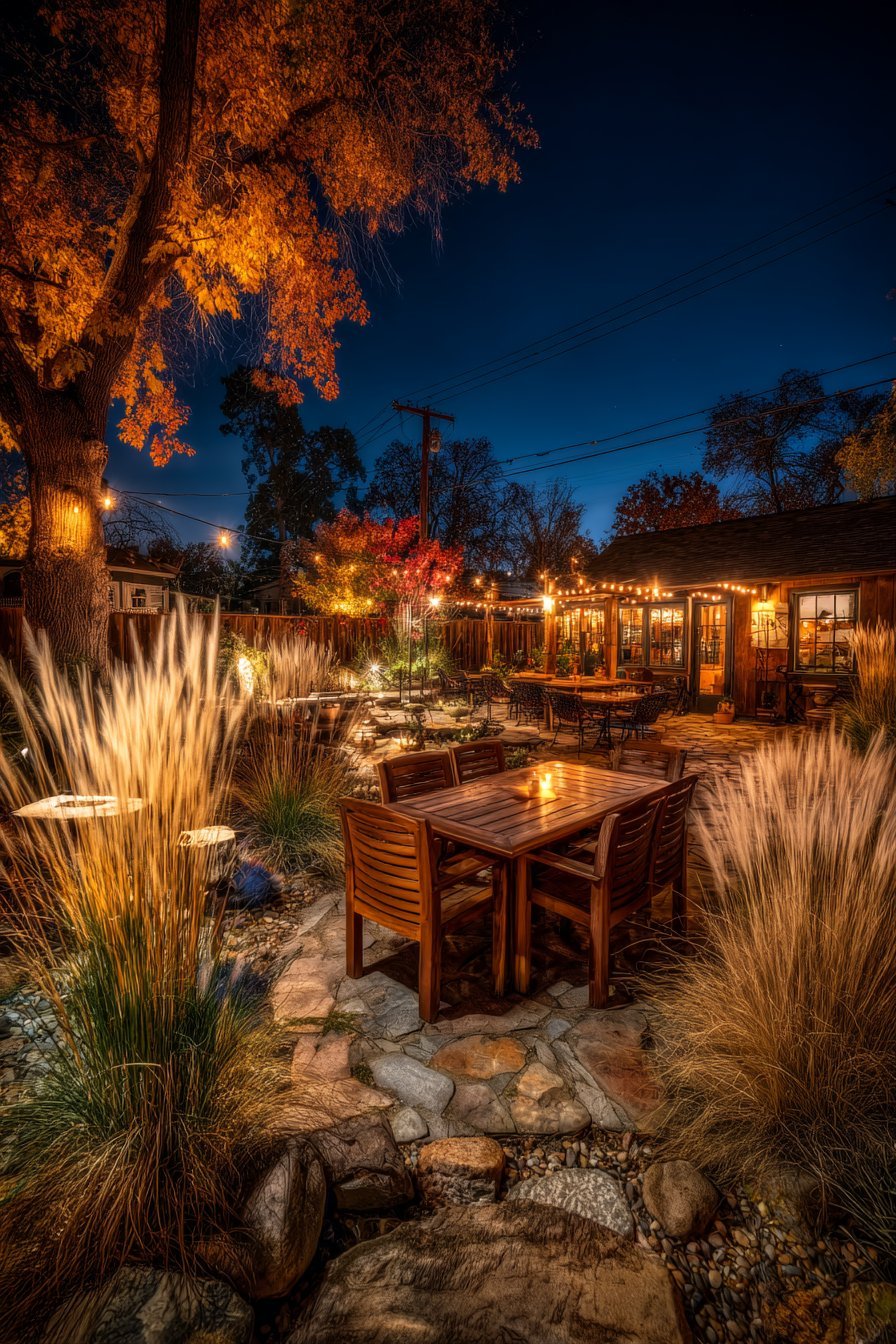
For ambient atmosphere, string lights draped across pergolas and fence lines create a warm, festive glow that photographs beautifully and makes outdoor evenings magical. Combine with uplighting on key trees and architectural plants to create a layered, professional lighting scheme that highlights your yard’s best features year-round.
- Install low path lighting along walkways and the perimeter dog loop
- Use solar or low-voltage LED fixtures for energy efficiency and easy installation
- Drape string lights across pergolas and fence lines for warm ambient atmosphere
- Uplight specimen trees and architectural plants for dramatic evening impact
- Choose weather-rated fixtures (IP65 or higher) for durability and safety
Conclusion
Designing a dog-friendly backyard that’s still beautiful is absolutely within reach for any homeowner. Every element — from fencing and flooring to plants and lighting — can be chosen with both your dog’s safety and your aesthetic vision in mind. The key is intentional planning rather than reactive patching.
Start with one or two of these ideas and build from there. Your backyard can be a place of beauty, joy, and freedom — for you, your guests, and the four-legged family member who loves it most. With the right design, you’ll never have to choose between a gorgeous garden and a happy dog.
