
Biophilic design is no longer a niche concept reserved for eco-conscious architects. It has become a defining philosophy in modern interior design. As urban living grows more disconnected from nature, the need to bring the outdoors in has never felt more urgent. Homeowners, designers, and architects are embracing this human-centered approach to create spaces that genuinely nurture well-being, reduce stress, and spark creativity.
The word “biophilia” means love of nature. It reflects our innate human connection to the natural world. When we incorporate elements like natural light, organic materials, water features, and living plants into our homes, we tap into something deeply primal. Studies show that exposure to natural elements can lower cortisol levels, reduce blood pressure, and improve mood. Modern homes that integrate biophilic principles don’t just look beautiful — they feel restorative.
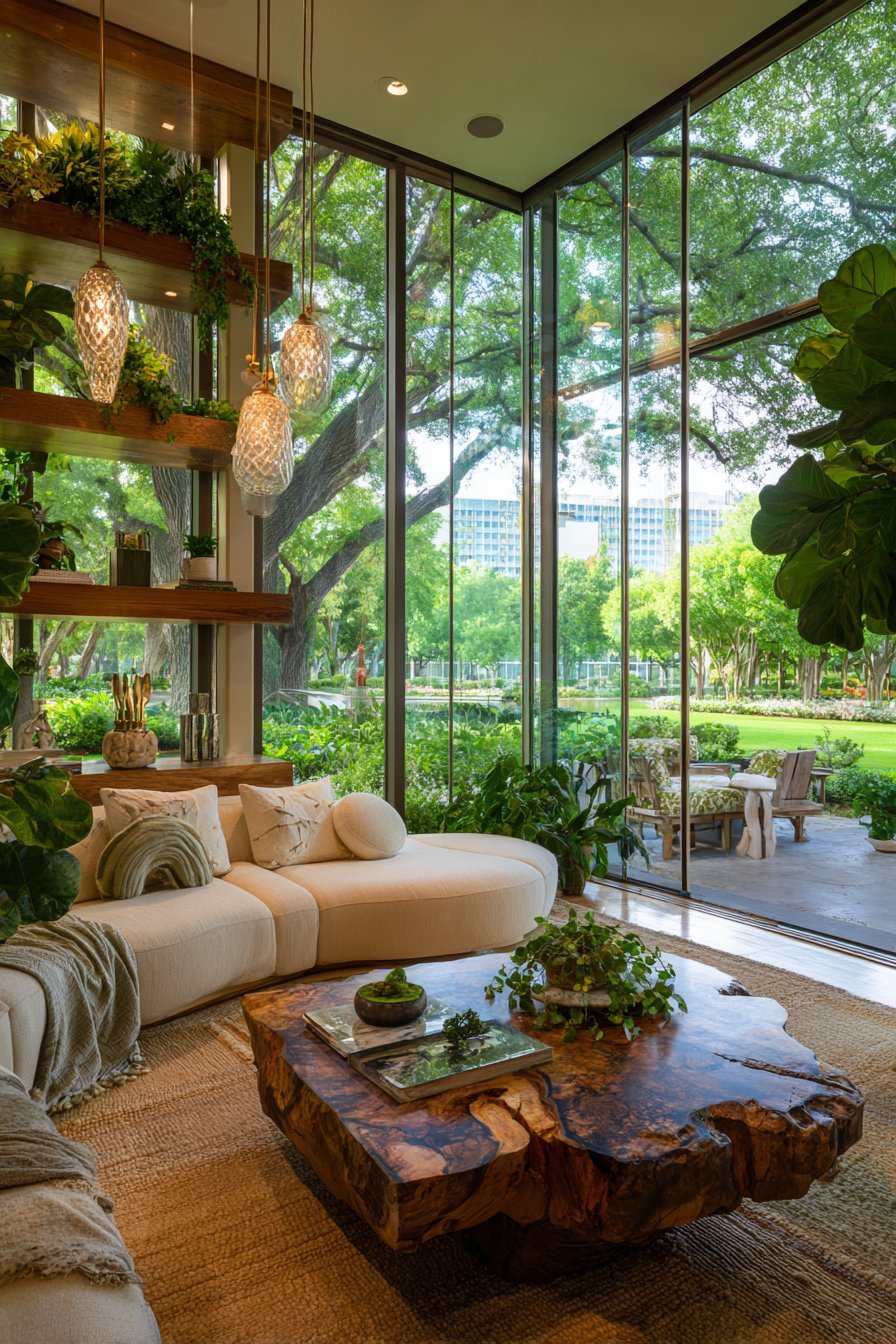
This article explores the essential elements that make biophilic design a must-have in contemporary living. From natural materials and textures to sensory-rich environments and dynamic lighting strategies, each section offers actionable insights you can apply immediately. Whether you live in a compact urban apartment or a spacious suburban home, biophilic design has something transformative to offer every space.
1. The Science Behind Biophilic Design
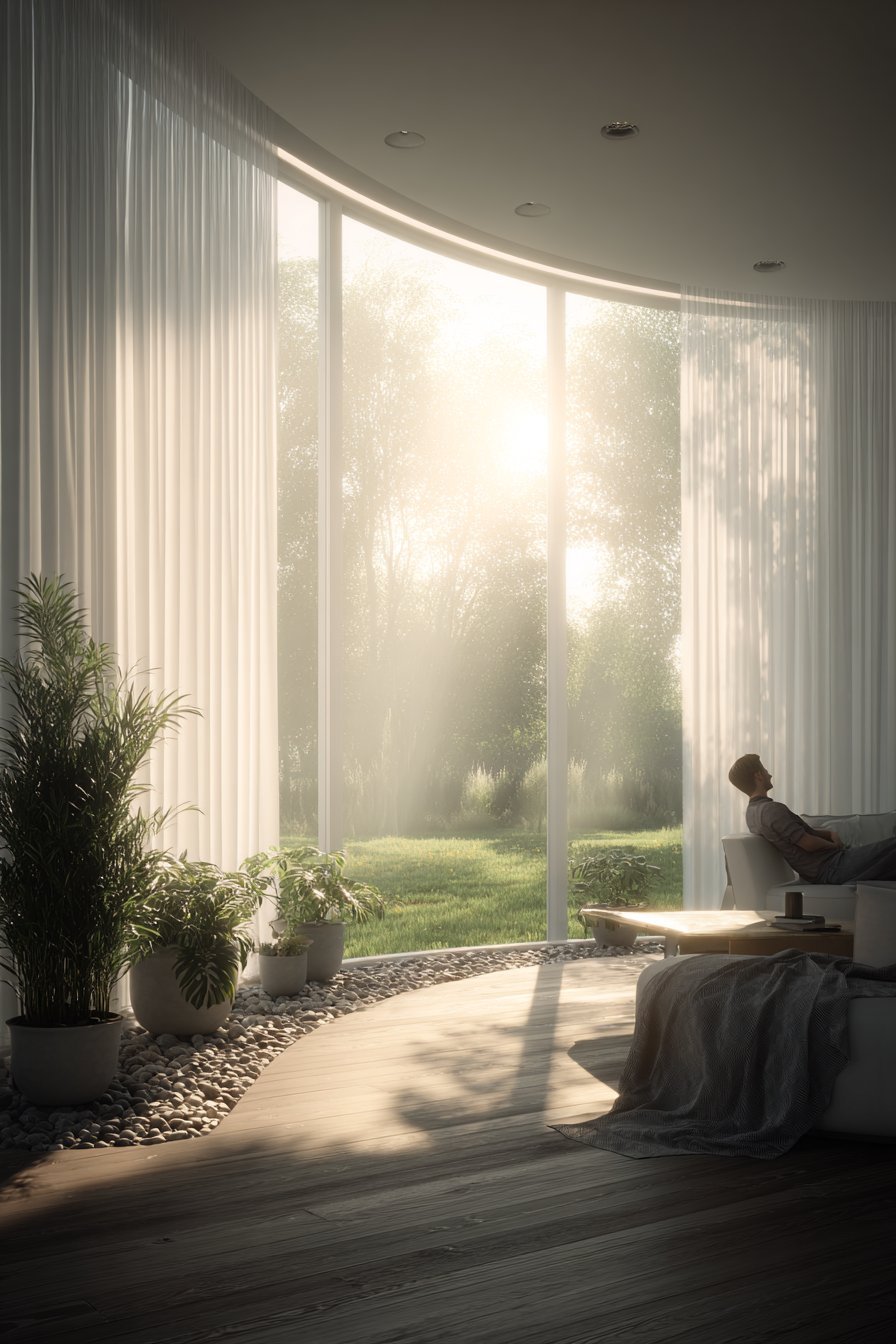
Understanding why biophilic design works starts with human biology. Humans evolved in natural environments over thousands of years. Our nervous systems are wired to respond positively to elements like greenery, flowing water, sunlight, and organic shapes. When we’re surrounded by these cues, our bodies shift into a calmer, more restorative state.
Research from the University of Exeter found that people living near nature reported significantly higher well-being scores. Interior biophilic elements produce similar effects. A view of plants from a workspace, for example, has been shown to increase productivity by up to 15%. These aren’t aesthetic benefits — they are measurable physiological responses that affect how we think, feel, and live.
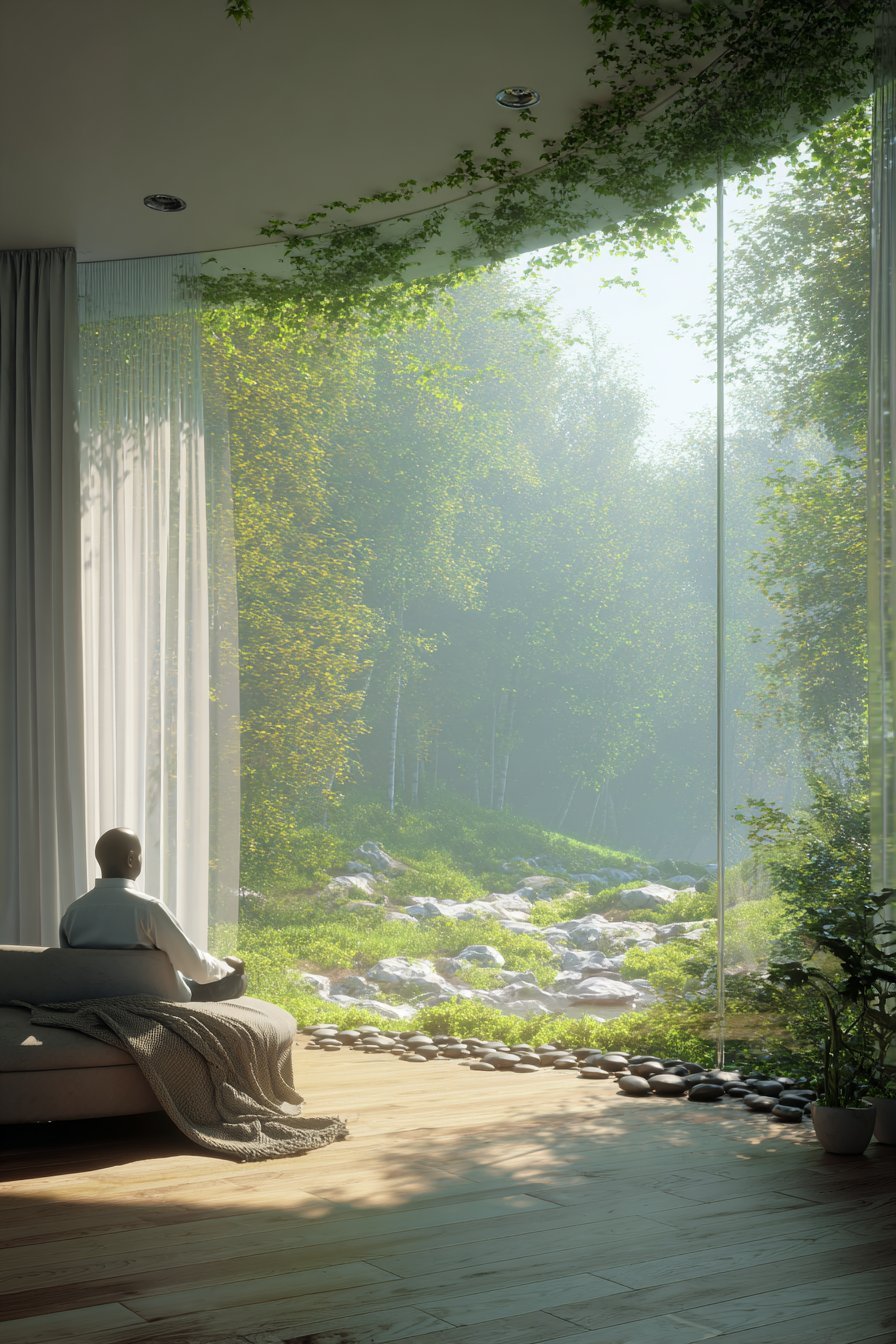
Modern architecture has increasingly embraced biophilic principles after decades of sterile, minimalist design. Glass towers filled with concrete and synthetic materials may look striking, but they can feel emotionally hollow. Biophilic interiors counter this by reintroducing texture, warmth, and organic variability — the hallmarks of the natural world — into everyday living spaces.
- Research your home’s natural light patterns before redesigning
- Add at least one natural element — a plant, stone feature, or wood surface — per room
- Reference the WELL Building Standard for evidence-based biophilic benchmarks
- Use nature documentaries or outdoor imagery as visual inspiration boards
- Prioritize natural ventilation and airflow when renovating
- Consult biophilic design specialists for whole-home integration strategies
2. Natural Light as a Design Foundation
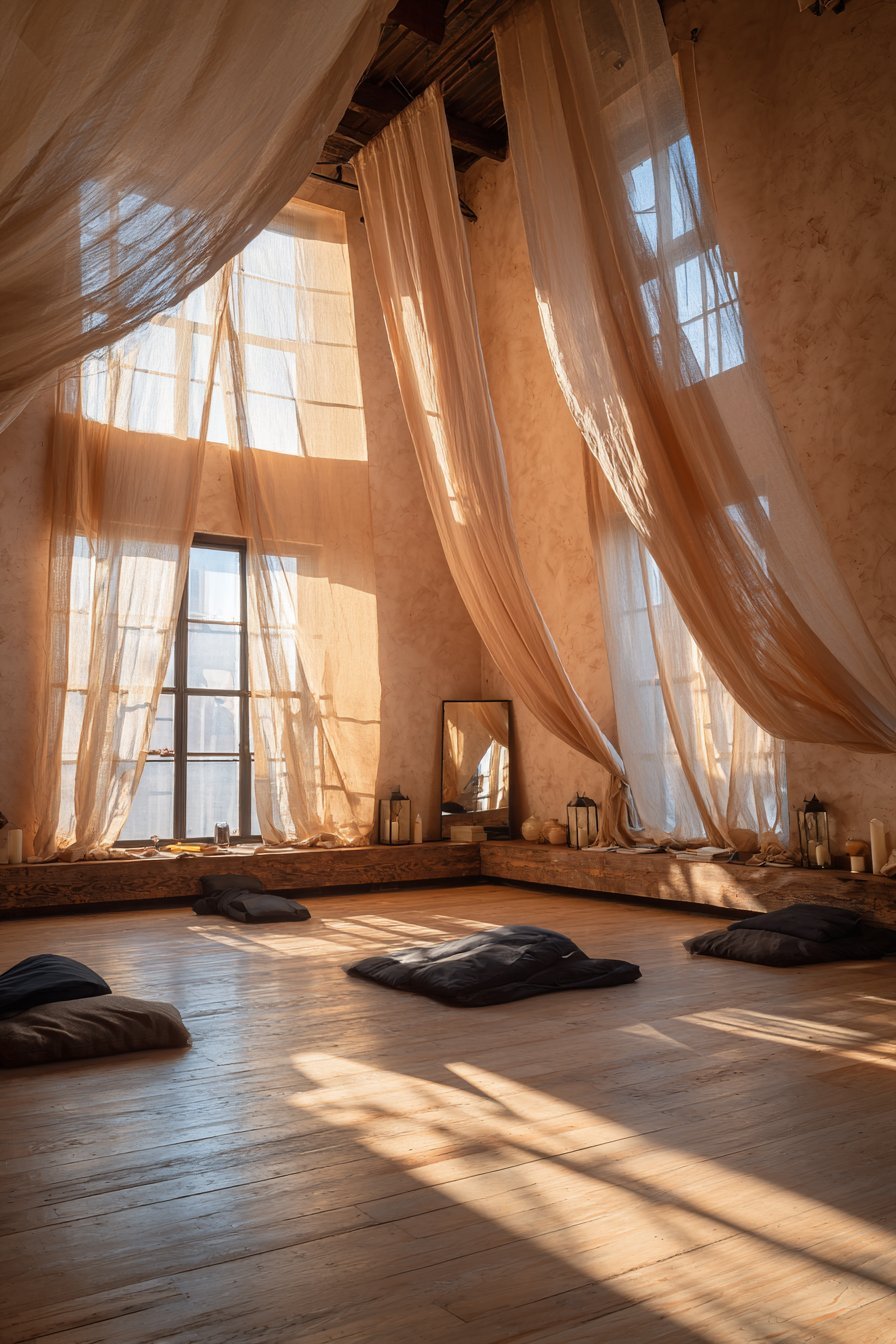
Natural light is arguably the most powerful biophilic element you can introduce into any home. It connects occupants to the rhythm of the day, shifting from cool morning tones to warm amber evening light. This dynamic quality has a profound effect on circadian rhythm regulation and overall energy levels.
Designing for natural light means thinking beyond just adding windows. It involves strategic placement of reflective surfaces, skylights, light shelves, and open floor plans that allow sunlight to penetrate deep into interior spaces. Mirrors placed opposite windows can effectively double the perceived light in a room. Light-colored walls and ceilings amplify the effect further.
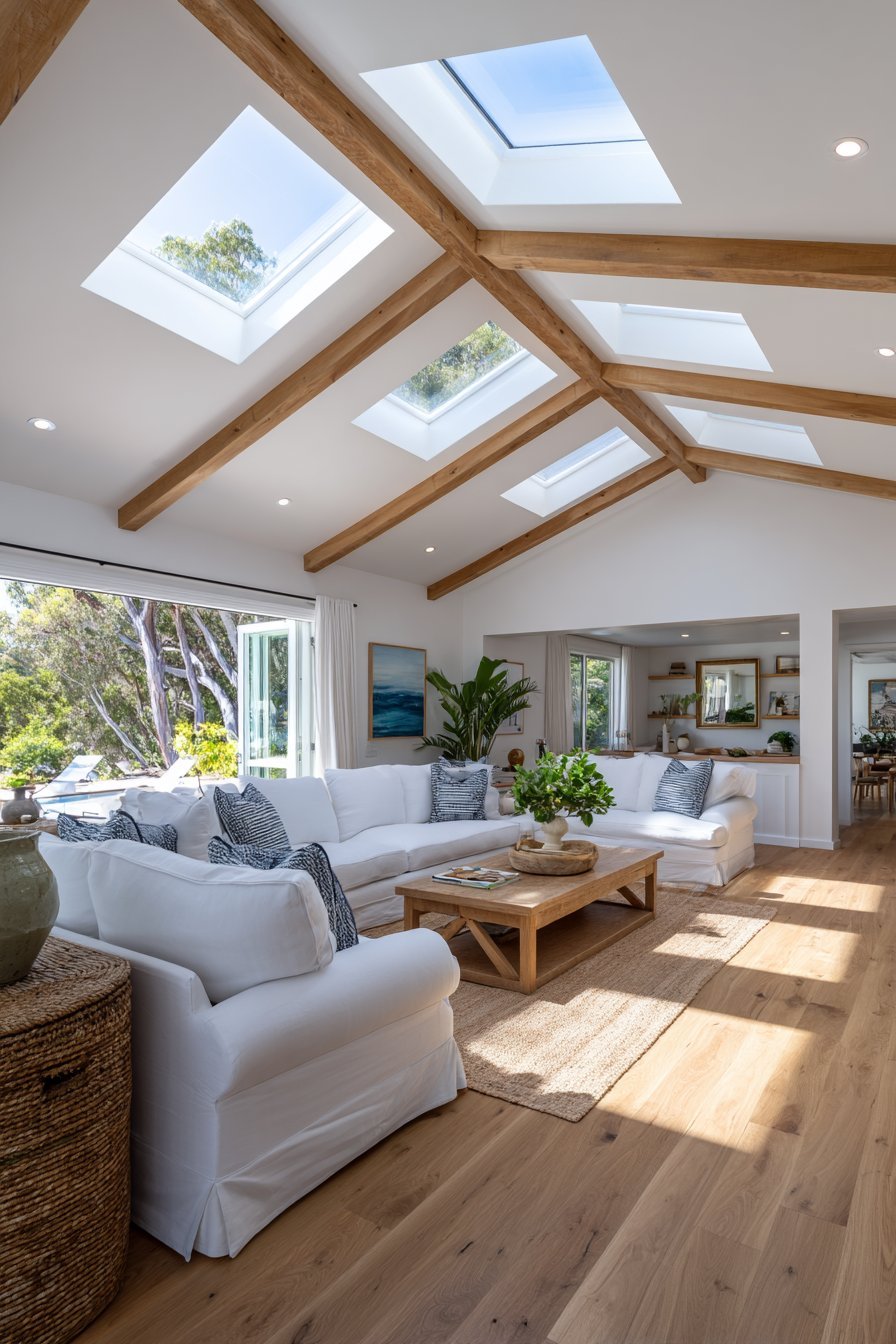
Many modern homes are over-reliant on artificial lighting, which lacks the spectral richness of sunlight. While smart lighting systems can mimic natural light cycles, nothing replaces the real thing. Prioritizing solar access through architectural planning, thoughtful window treatments, and unobstructed sightlines is one of the most impactful upgrades any homeowner can make.
- Install skylights or solar tubes in dark corridors and bathrooms
- Use sheer curtains instead of heavy drapes to maximize daylight
- Position seating areas near windows for daily sunlight exposure
- Add a sun-tracking mirror system to redirect light into shadowy corners
- Choose light ash, white oak, or pale stone finishes to reflect light naturally
- Avoid blocking windows with tall furniture or dense shelving units
3. Living Plants and Indoor Greenery
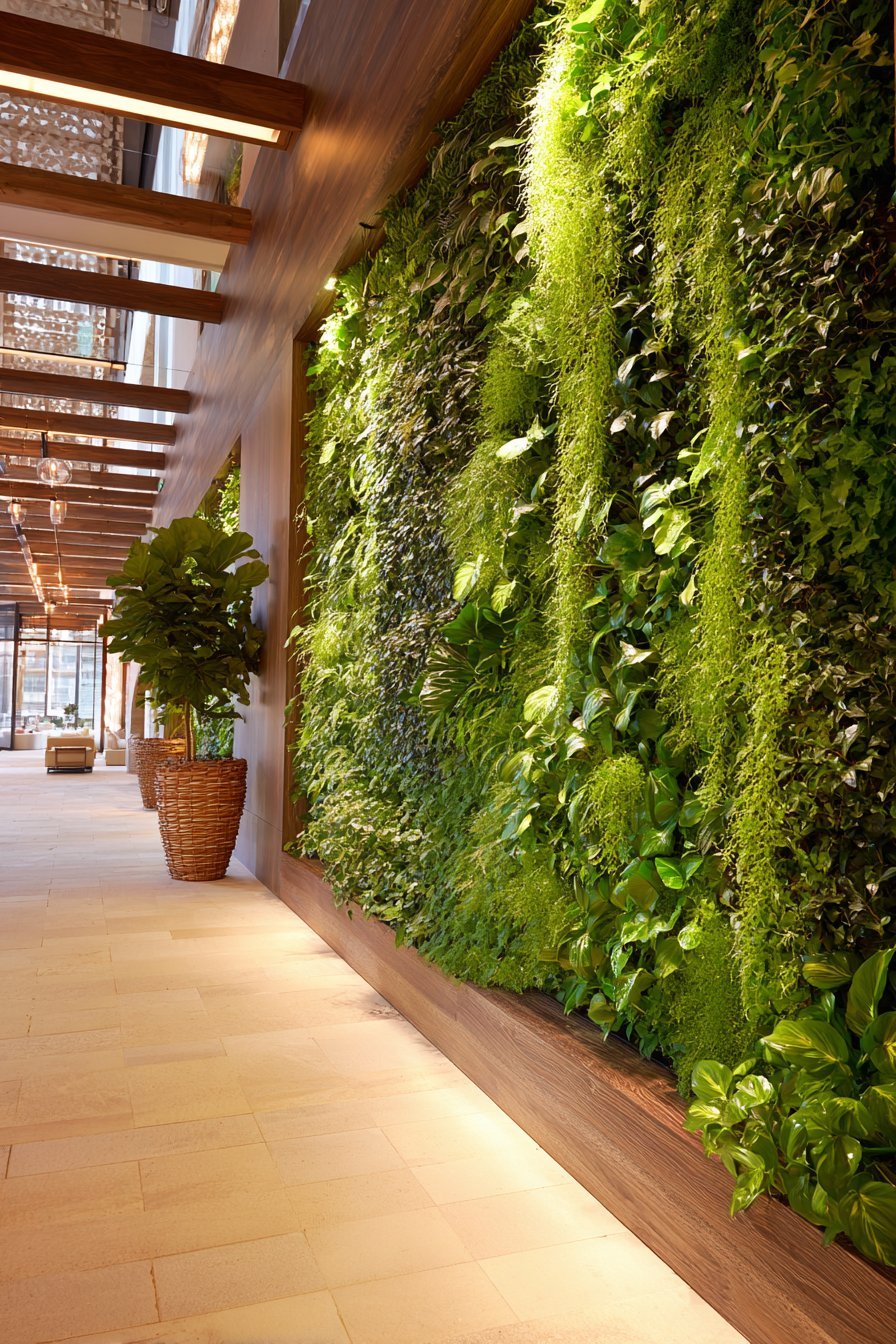
Nothing embodies biophilic design more clearly than living plants. They breathe life into interiors quite literally — releasing oxygen, filtering toxins, and adding dynamic visual texture. From towering fiddle-leaf figs to delicate trailing pothos, the range of indoor plants available today makes it easy to find the right fit for any space or skill level.
Indoor greenery works on multiple psychological levels. Plants provide a sense of calm and control, as tending to them encourages mindful daily rituals. Research published in the Journal of Physiological Anthropology confirmed that interacting with indoor plants reduces both psychological and physiological stress. A well-curated plant arrangement can transform even the most sterile space into a sanctuary.
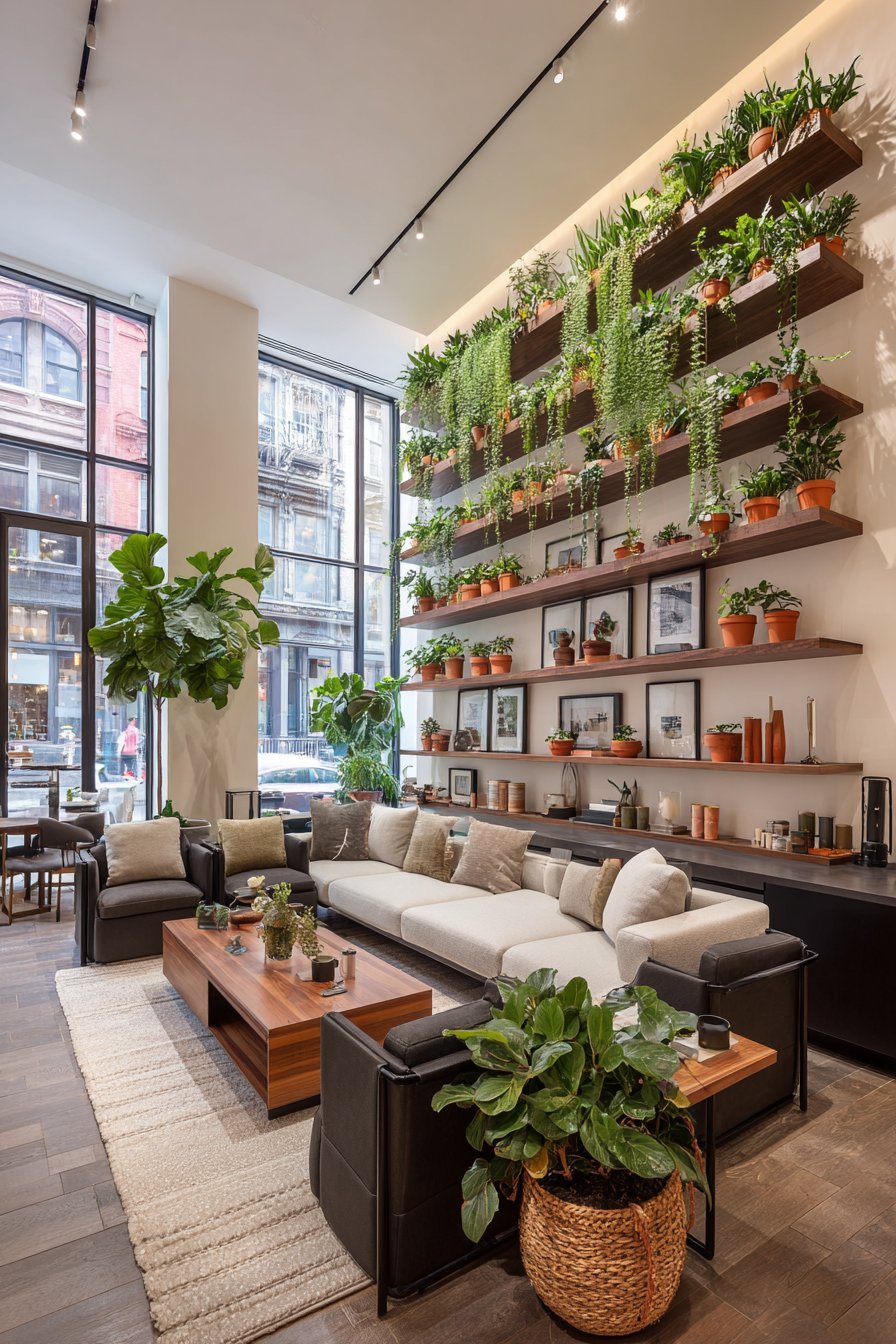
For maximum impact, consider designing a living wall or vertical garden. These installations turn entire wall surfaces into lush, breathing canvases. They are especially powerful in apartments where floor space is limited. Alternatively, clustering plants in varying heights near a natural light source creates a layered, jungle-like aesthetic that feels immersive and deeply organic.
- Choose low-maintenance species like pothos, snake plants, or ZZ plants for beginners
- Group plants in odd numbers for a more natural, asymmetrical arrangement
- Use self-watering planters to simplify plant care routines
- Install a vertical plant wall in a kitchen or living room for dramatic visual impact
- Rotate seasonal plants to keep the greenery feeling fresh year-round
- Match pot materials — terracotta, ceramic, wicker — to your interior palette
4. Natural Materials and Organic Textures
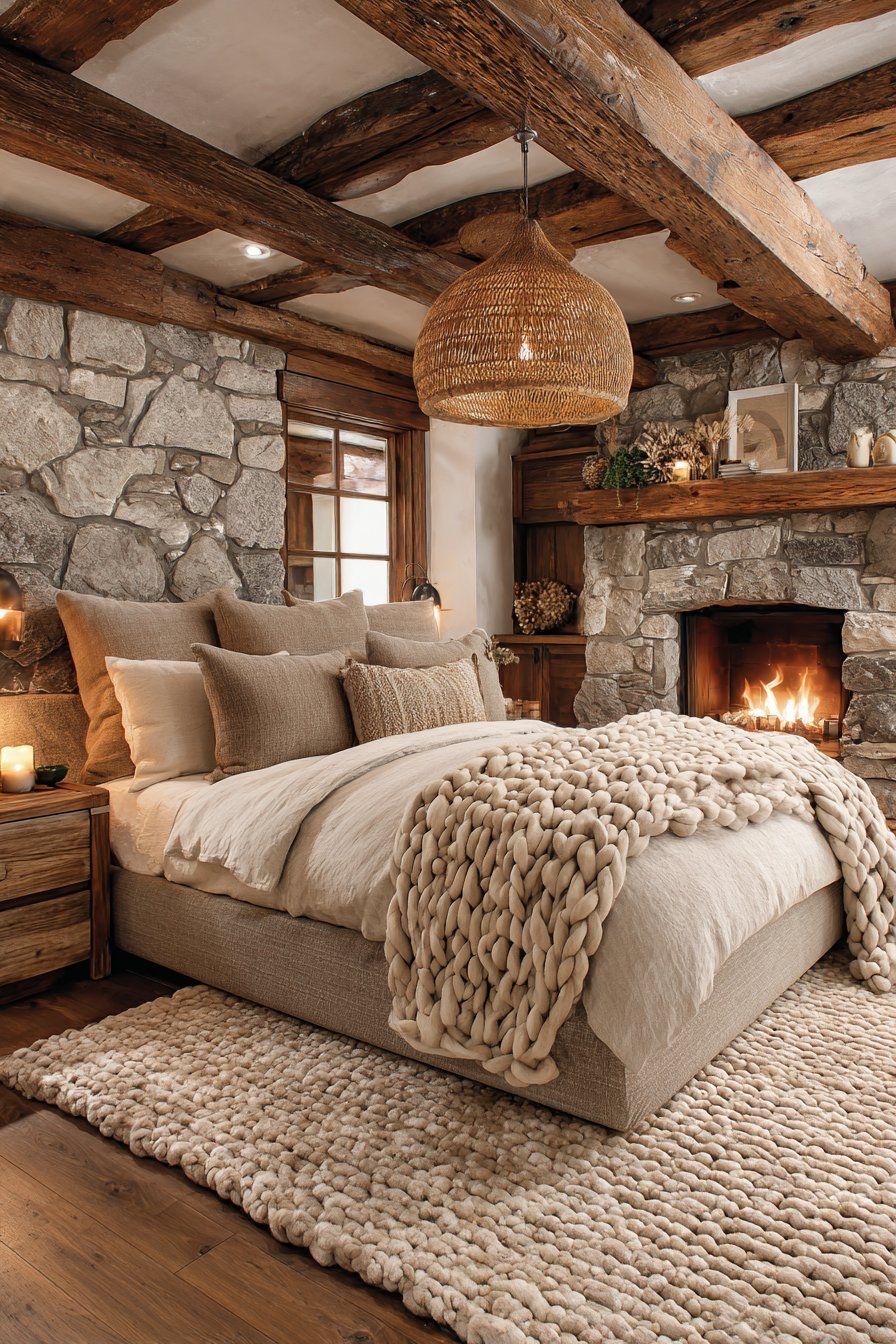
Natural materials are the backbone of biophilic interiors. Wood, stone, rattan, linen, jute, bamboo, and cork each carry their own sensory story. They are inherently imperfect, which is exactly why they feel so right. Unlike synthetic materials, natural surfaces have grain, texture, and variability that engage the senses in deeply satisfying ways.
Wood deserves special mention. Whether it appears as exposed ceiling beams, wide-plank flooring, or live-edge furniture, wood introduces warmth and organic character that no synthetic alternative can replicate. Different species offer different moods — walnut is rich and sophisticated, pine is casual and rustic, whitewashed oak feels fresh and Scandinavian. The choice of wood sets the emotional tone of an entire room.
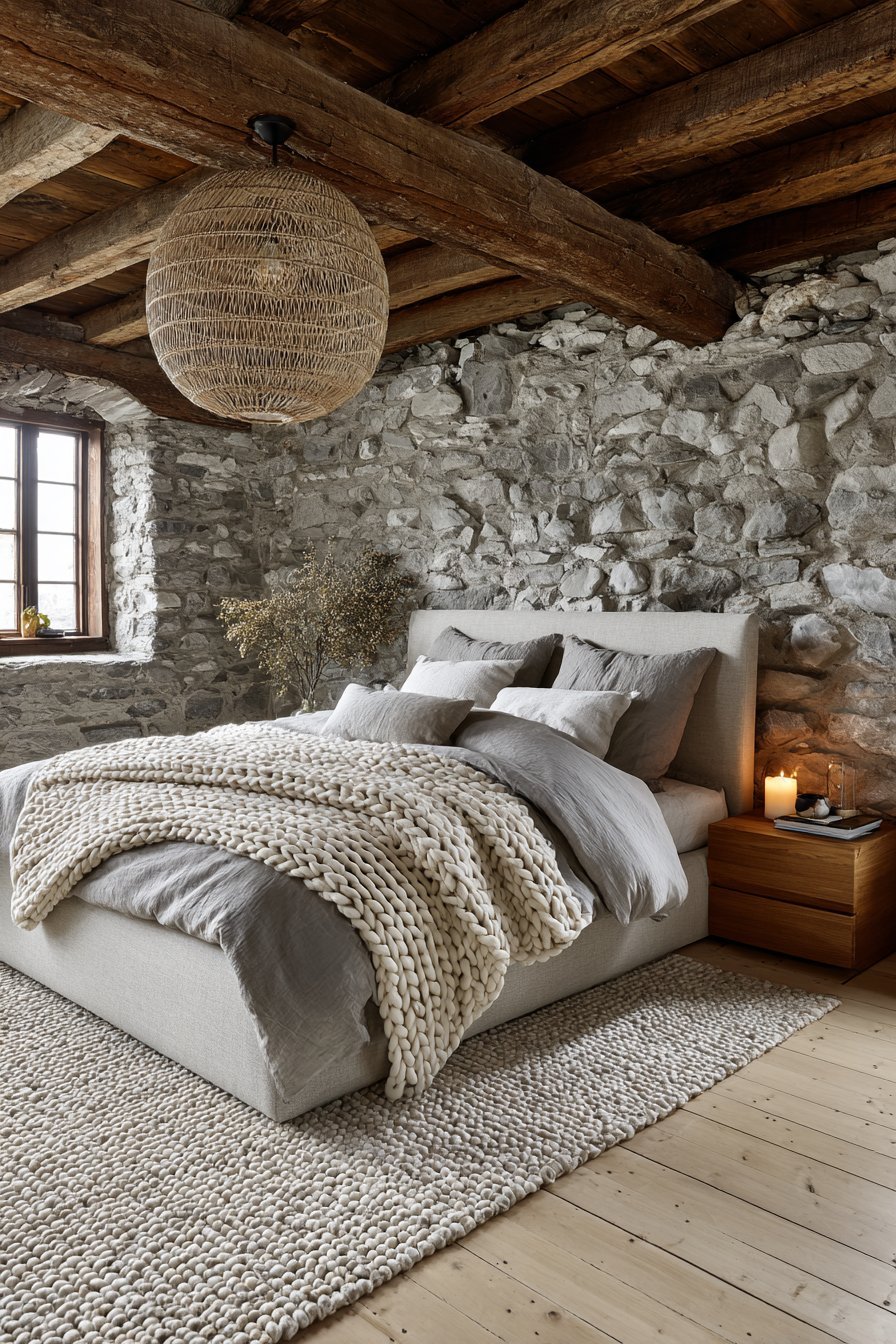
Layering materials is a key biophilic technique. Pairing a rough stone feature wall with smooth linen upholstery and a jute rug creates a tactile experience that feels grounded and complex. This sensory layering mimics the richness of outdoor environments, where no two surfaces are ever identical. It’s this variability that makes biophilic spaces feel so instinctively comfortable.
- Use reclaimed or sustainably sourced wood to honor biophilic principles fully
- Introduce stone through countertops, backsplashes, or feature walls
- Layer natural textiles — linen, wool, cotton — across cushions and throws
- Choose rattan or bamboo for lightweight furniture and lighting accents
- Use cork flooring in bedrooms for warmth, softness, and natural beauty
- Avoid over-polishing or lacquering natural materials — let their raw character show
5. Water Features and Acoustic Nature Sounds
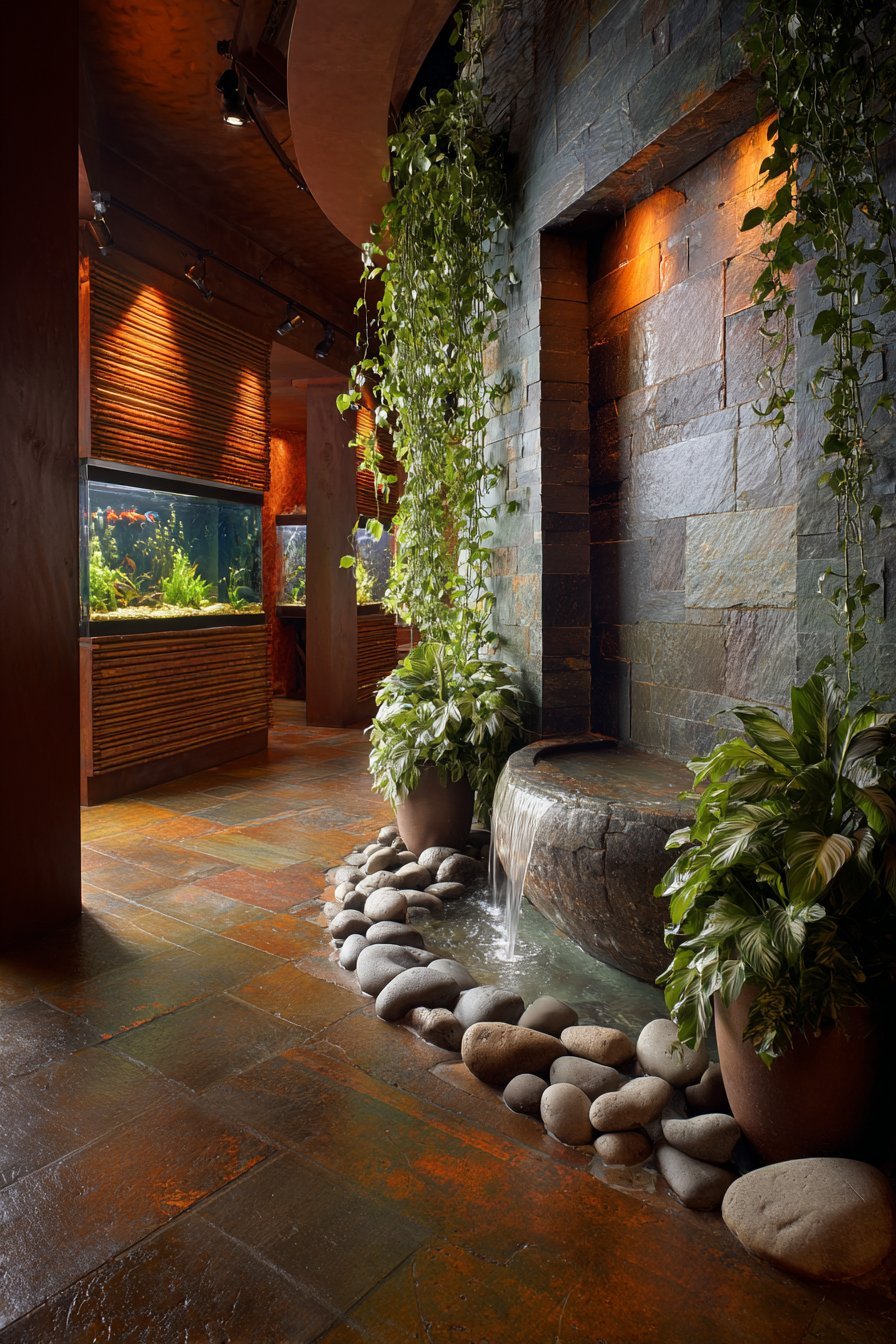
Water is elemental. The sight and sound of flowing water trigger a deeply calming neurological response. Interior water features — from tabletop fountains to wall-mounted cascades — introduce both visual movement and soothing ambient sound. This dual sensory engagement is one of biophilic design’s most potent tools.
Even modest water features make a measurable difference. The gentle sound of trickling water masks urban noise pollution, creating a more peaceful acoustic environment. This is especially valuable in city apartments where traffic, construction, and neighbor noise are constant companions. A small tabletop fountain in a bedroom or home office can meaningfully improve focus and sleep quality.
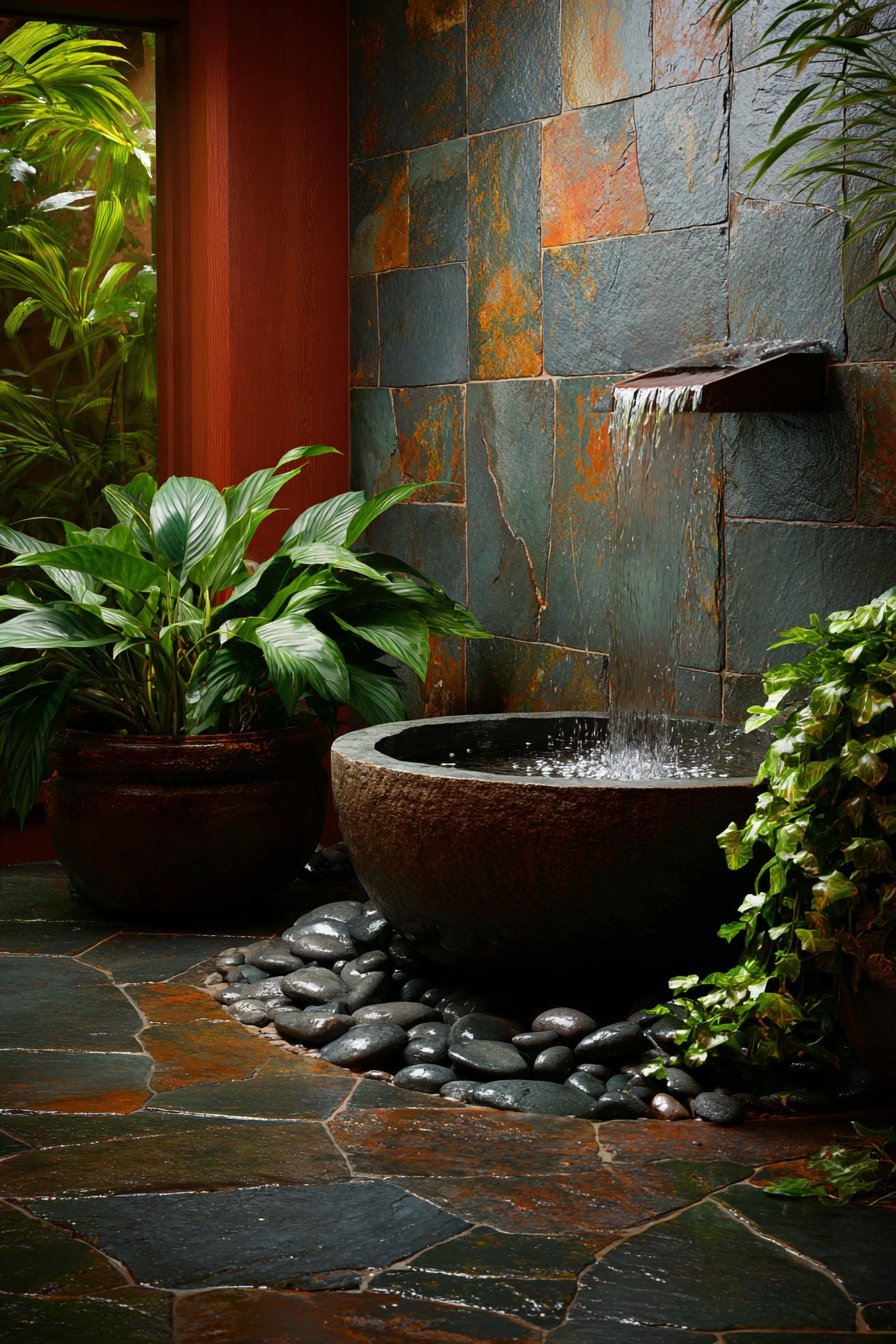
For larger homes, a reflecting pool or indoor koi pond can serve as a dramatic architectural focal point. These installations connect the interior environment to elemental natural processes — light reflection, biological life cycles, and the meditative quality of open water. When paired with surrounding plants and stone, they create a complete sensory biophilic ecosystem within the home.
- Start with a small tabletop fountain in a bedroom or meditation corner
- Consider a wall-mounted water feature for living rooms or entryways
- Use aquariums as dynamic, living design elements in dining or office spaces
- Pair water features with smooth river stones and trailing plants for naturalistic staging
- Integrate water sound into smart home audio systems as a constant ambient backdrop
- Ensure proper waterproofing and maintenance planning before installing permanent features
6. Biophilic Color Palettes Inspired by Nature
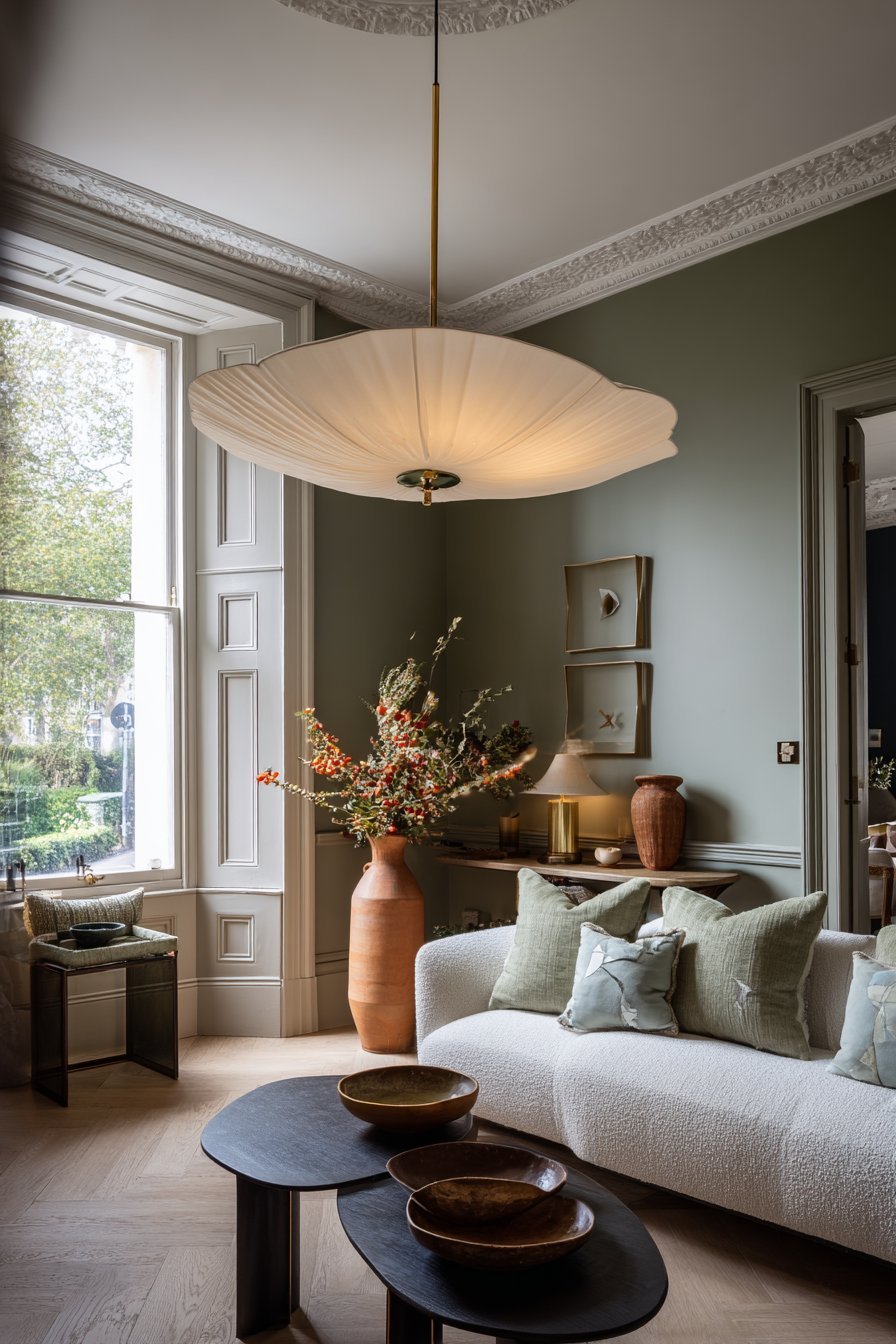
Color is one of the most accessible entry points into biophilic design. Nature offers an endlessly inspiring palette — from deep forest greens and earthy terracottas to sky blues, sandy neutrals, and warm ochres. These colors resonate with us because we have evolved to associate them with safety, nourishment, and shelter.
Greens are the obvious starting point. Sage, olive, moss, and forest green all evoke lush vegetation. They work beautifully on feature walls, kitchen cabinetry, and soft furnishings. Blue tones — from pale sky blue to deep ocean navy — bring a sense of calm and depth. Earthy tones like rust, clay, and sand ground a space and create a feeling of warmth and stability.
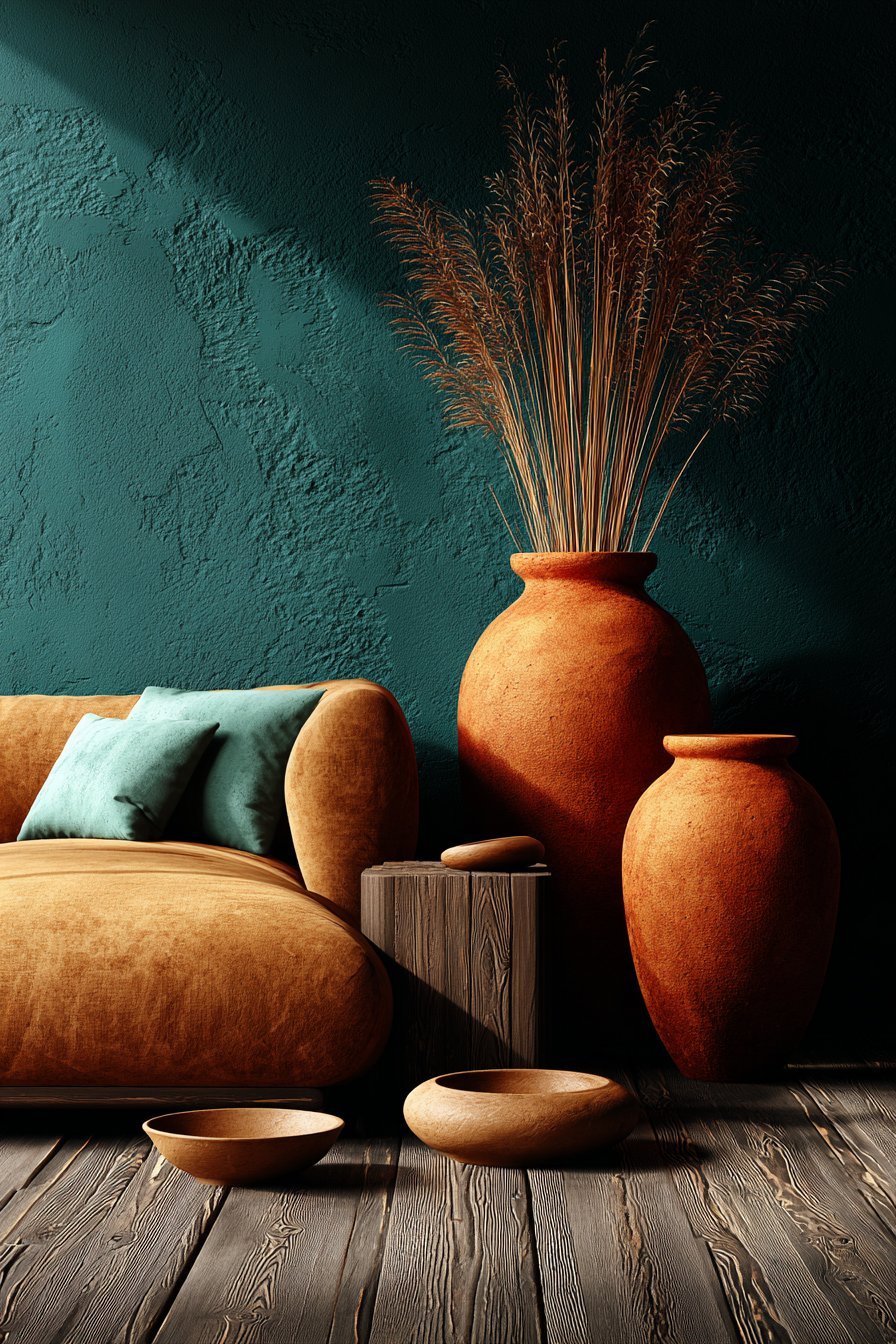
The key is avoiding overly saturated or unnatural colors that feel disconnected from the natural world. Muted, complex tones with gray or brown undertones tend to feel more organic than flat, primary colors. Think of the difference between a neon green and a sage green — one feels artificial, the other feels like standing in a garden. That natural complexity is the secret to a convincing biophilic palette.
- Use forest green on a single accent wall for bold, grounded impact
- Combine earthy terracotta with warm white and natural wood for a desert biome feel
- Introduce sky blue through soft furnishings, ceramics, or ceiling paint
- Test color swatches in your home’s actual natural light before committing
- Avoid cool, stark whites — opt for warm cream or linen tones as neutrals
- Create a cohesive palette by pulling colors from a single nature photograph
7. Biomimicry and Organic Shapes in Furniture Design
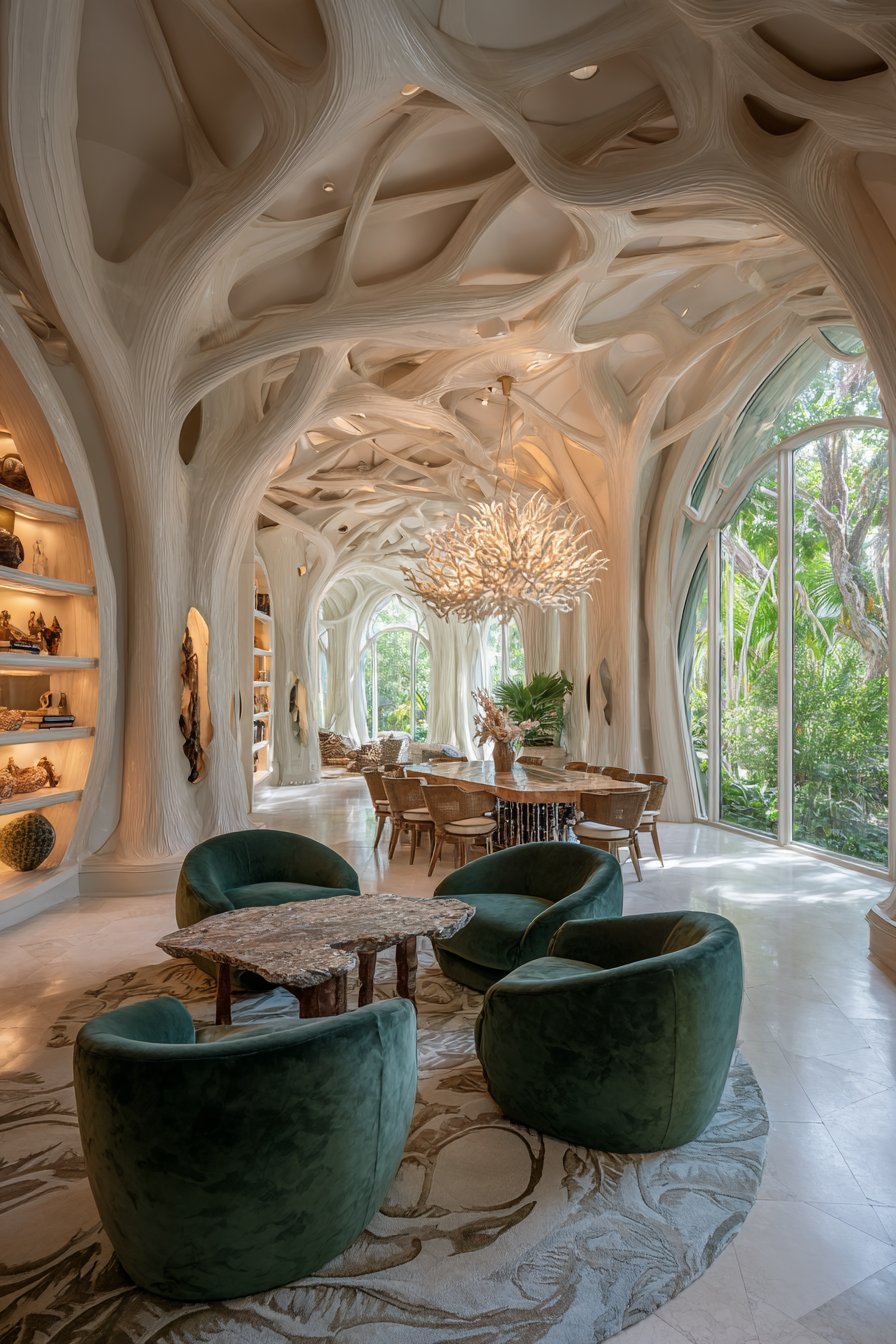
Biomimicry takes biophilic design beyond materials and color into the realm of form and structure. It involves designing objects and spaces that mimic the geometry and patterns found in nature — spirals, fractals, branching forms, undulating curves, and cellular structures. When our eyes encounter these shapes, our brains recognize them as natural, creating an instinctive sense of harmony and ease.
Furniture with organic, curved forms is a natural fit for biophilic interiors. Kidney-shaped coffee tables, petal-inspired light fixtures, and chairs that echo the curve of a leaf all contribute to a space that feels intuitively connected to the natural world. Sharp right angles and perfectly symmetrical forms, by contrast, are virtually absent from nature — and their overuse can make spaces feel rigid and cold.
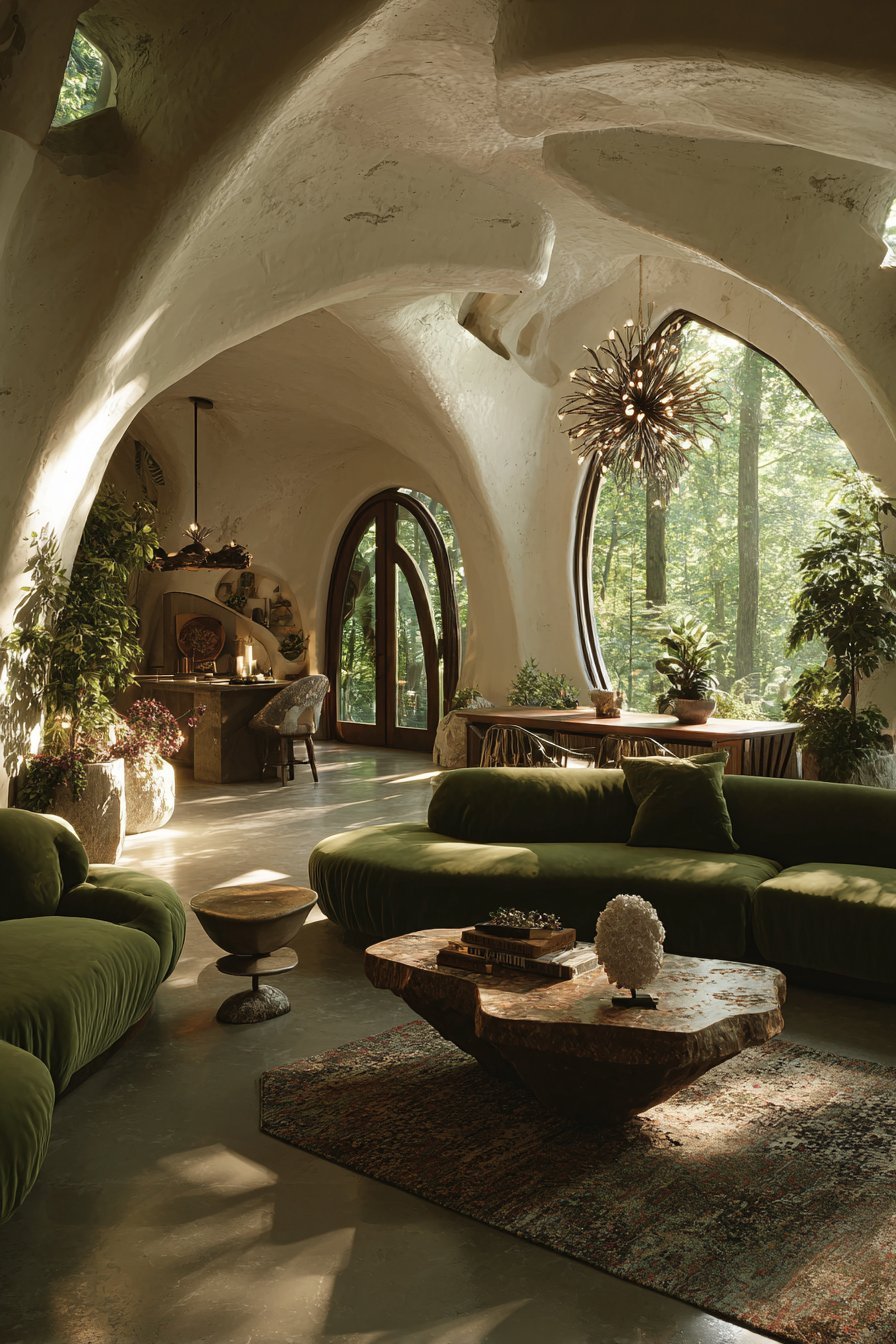
Architectural details can also embrace biomimicry. Arched doorways echo cave entrances. Vaulted ceilings mimic the canopy of a forest. Textured wall finishes that echo bark, coral, or layered rock bring an almost geological quality to interiors. These subtle references to natural structures create environments that feel ancient and deeply familiar — a powerful antidote to the sterility of conventional modern design.
- Choose furniture with softly curved silhouettes over purely rectilinear forms
- Look for lighting fixtures inspired by branching trees, coral, or cloud formations
- Introduce arched doorways or rounded room openings during renovation
- Use decorative objects with fractal patterns — ferns, pinecones, geodes — as accents
- Select rugs with organic, flowing patterns rather than strict geometric grids
- Consider a statement piece of furniture made from a live-edge wood slab
8. Views and Visual Connection to Nature
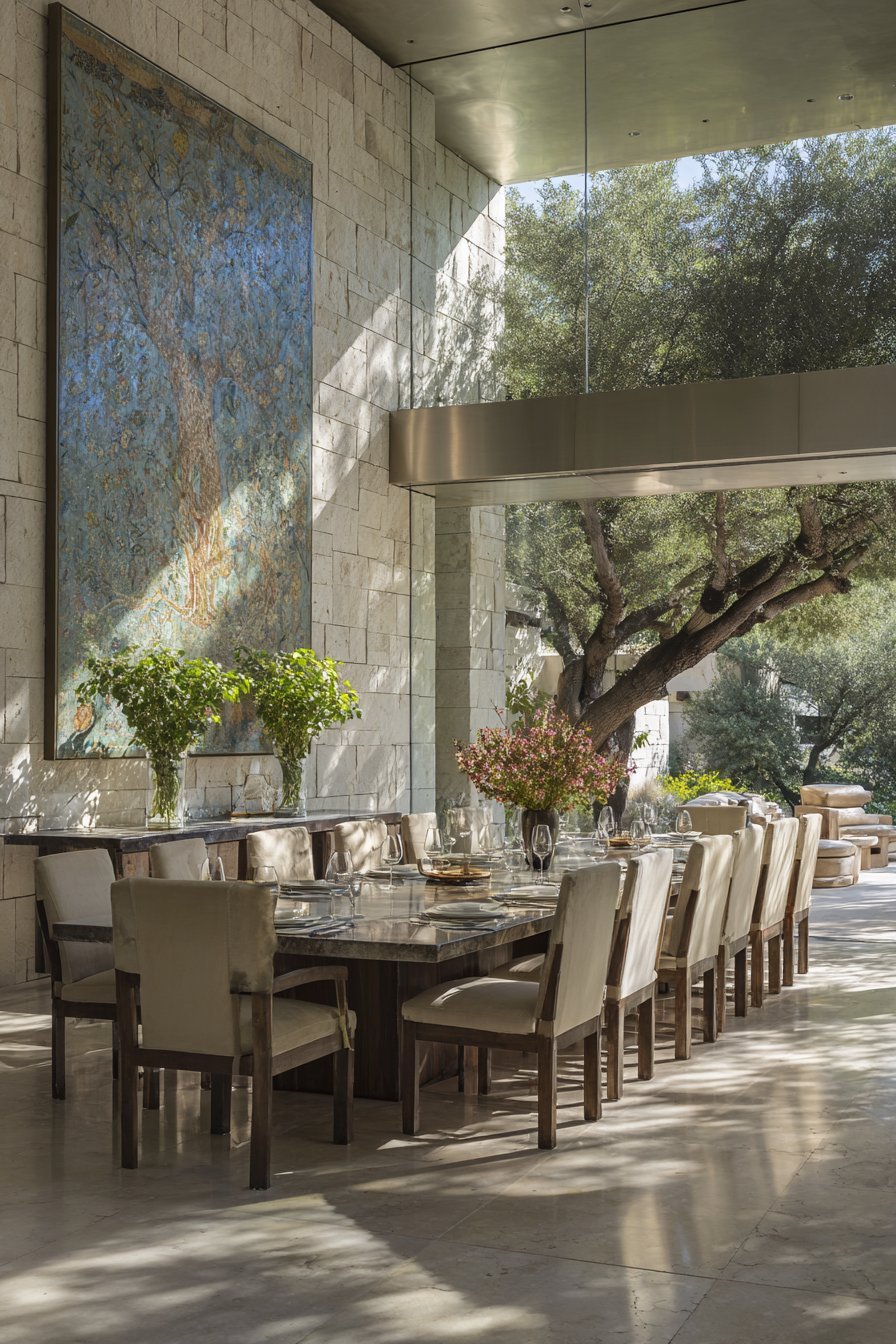
Visual connection to nature is a foundational biophilic strategy. Simply having a view of trees, a garden, the sky, or a body of water from inside the home has been shown to reduce stress and increase feelings of well-being. Designing around views — and creating them where they don’t naturally exist — is one of the most impactful things you can do.
Where real outdoor views are unavailable, nature-inspired art and imagery can serve as effective substitutes. Large-scale botanical prints, landscape photography murals, and even high-resolution screens displaying natural environments have all been shown to produce positive psychological effects. The brain responds to visual nature cues even when it knows they aren’t real — a fascinating testament to our deep biological wiring.
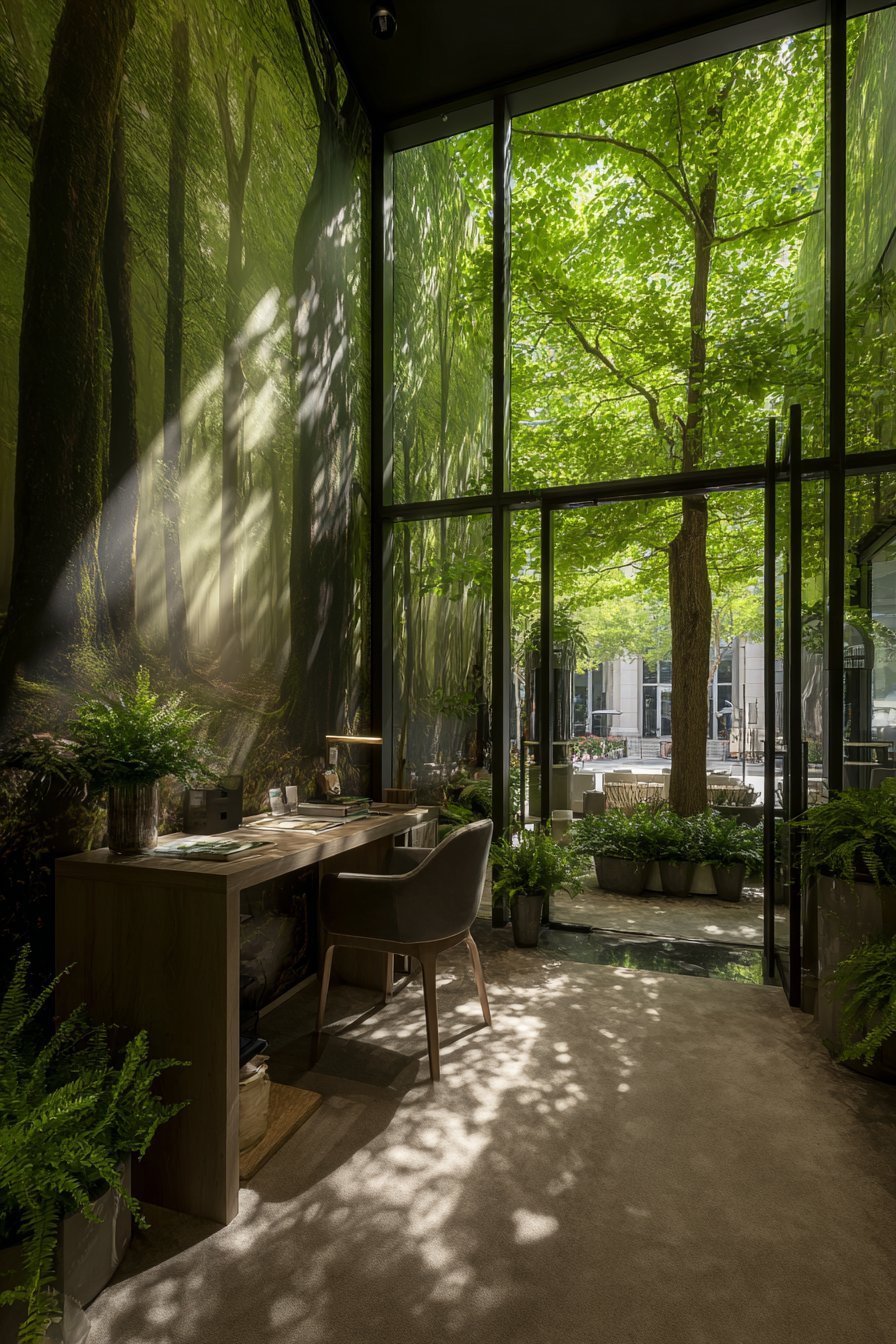
Window placement and furniture orientation should always prioritize sightlines to any available greenery or sky. Removing visual barriers like overgrown hedges or obstructive window treatments can dramatically transform how connected a room feels to its outside environment. Even a single tree viewed from a kitchen window is enough to make a meaningful biophilic difference.
- Remove unnecessary window coverings to maximize outdoor sightlines
- Plant a garden or window box visible from main living areas
- Commission a large-scale botanical or landscape mural for windowless rooms
- Use glass doors and partitions to borrow views from naturally lit spaces
- Position desks and reading chairs to face outdoor greenery
- Install a green roof or living balcony garden visible from inside the home
9. Fresh Air, Ventilation, and Scent
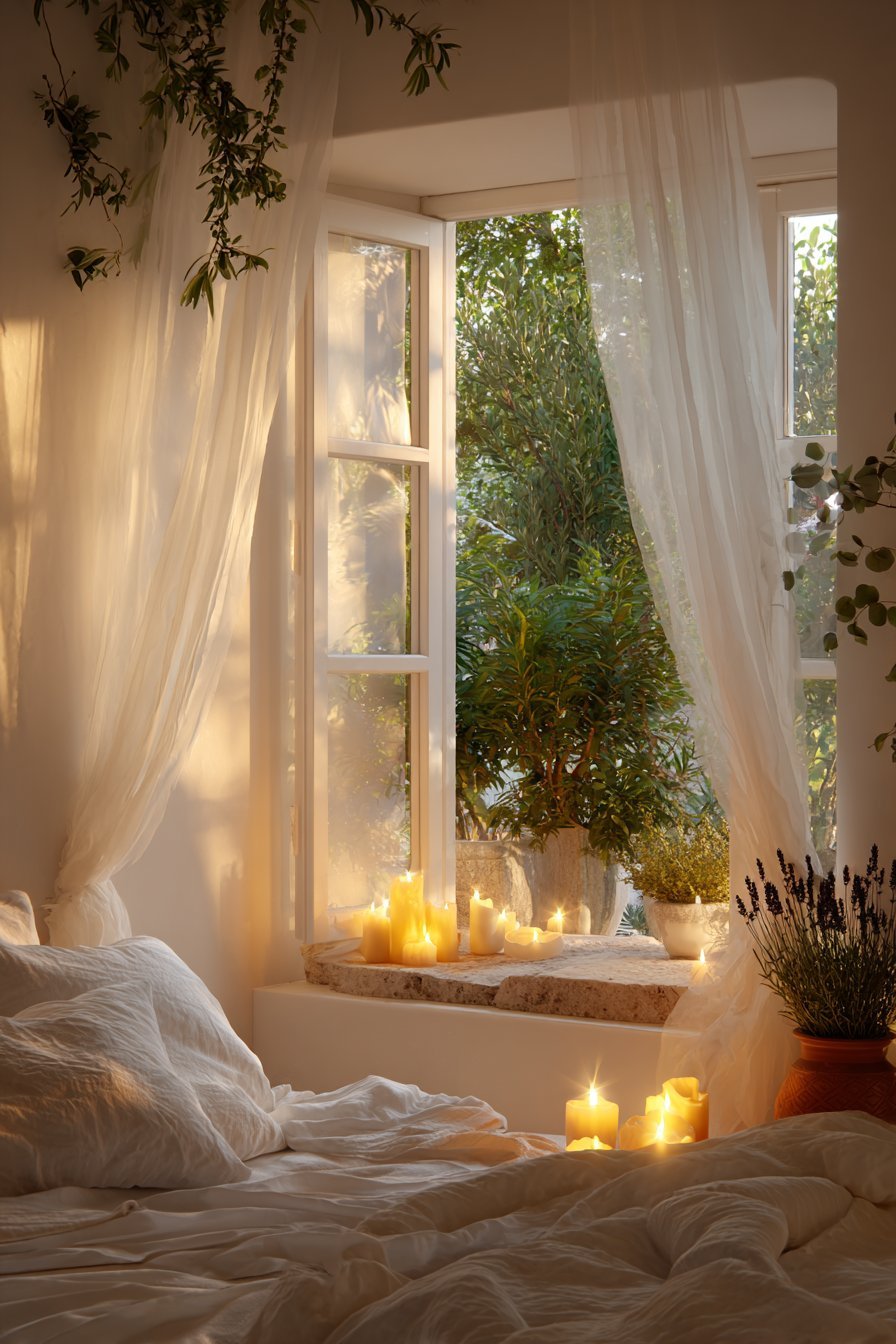
Natural ventilation is a profoundly undervalued biophilic element. The sensation of fresh air moving through a home engages the nervous system in subtle but powerful ways. Cross-ventilation — achieved by opening windows on opposite sides of a room — creates a gentle breeze that mimics outdoor conditions and dramatically improves air quality.
Scent is another overlooked sensory dimension. The fragrance of fresh flowers, cedar, pine, or earth after rain triggers powerful emotional and memory responses. Biophilic design embraces natural scent through fresh botanicals, beeswax candles, essential oil diffusers, and natural wood and stone surfaces that release subtle organic aromas. These olfactory cues reinforce the overall sense of natural immersion throughout the home.
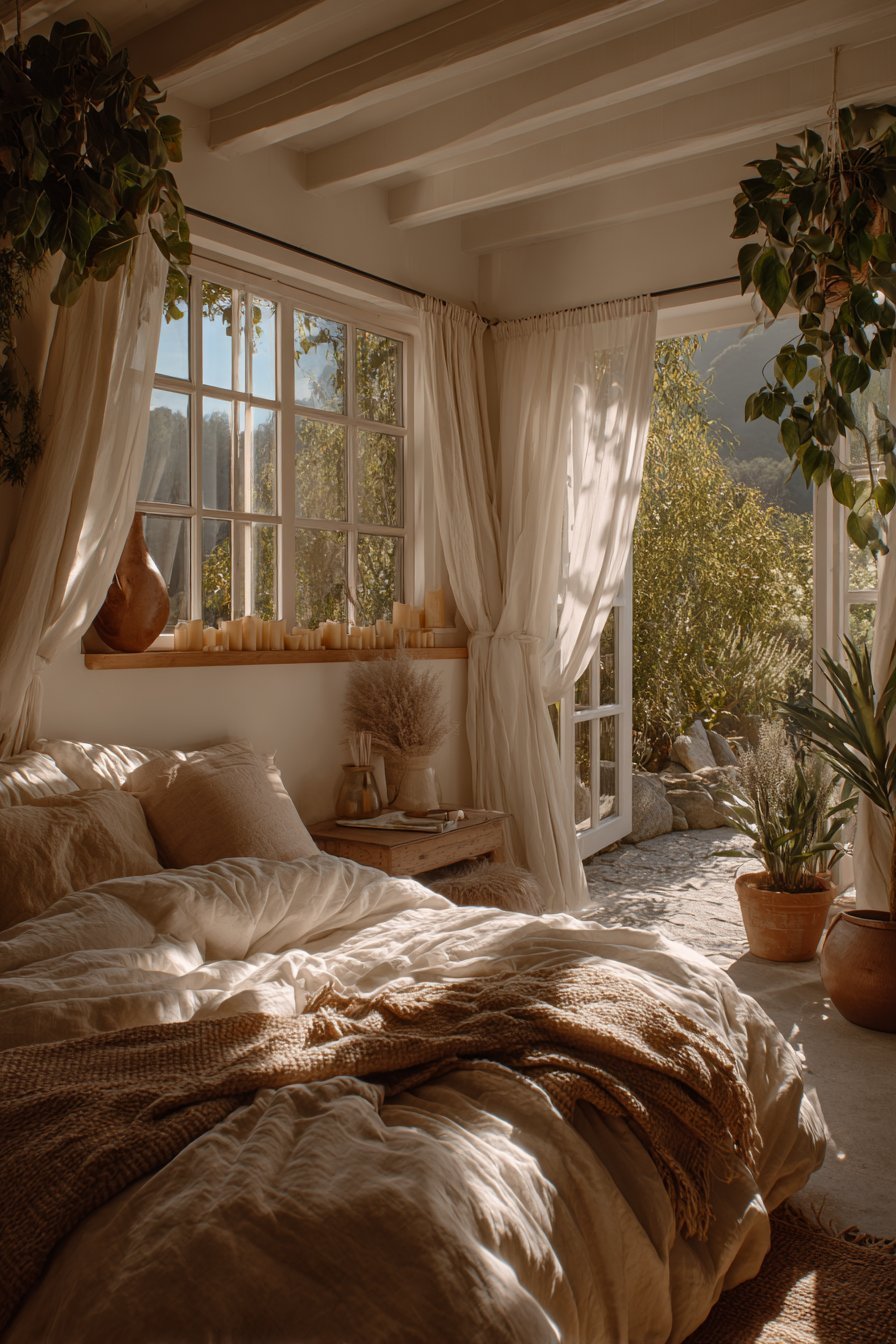
Air quality is also directly tied to biophilic principles. Indoor air pollution from synthetic materials, VOC-emitting paints, and off-gassing furniture is a genuine health concern. Choosing low-VOC paints, natural fiber furnishings, and air-purifying plants like peace lilies and spider plants creates an atmosphere that is not only more natural-smelling but genuinely healthier to breathe.
- Install operable windows and skylights for effective natural cross-ventilation
- Introduce fragrant plants like jasmine, lavender, or eucalyptus indoors
- Use beeswax or soy candles with botanical essential oils for natural scenting
- Choose low-VOC or zero-VOC paints and wood finishes throughout
- Add an air purifier with HEPA filtration to supplement plant-based air cleaning
- Avoid synthetic air fresheners — they introduce chemicals rather than eliminate them
10. Creating Refuge and Prospect Spaces
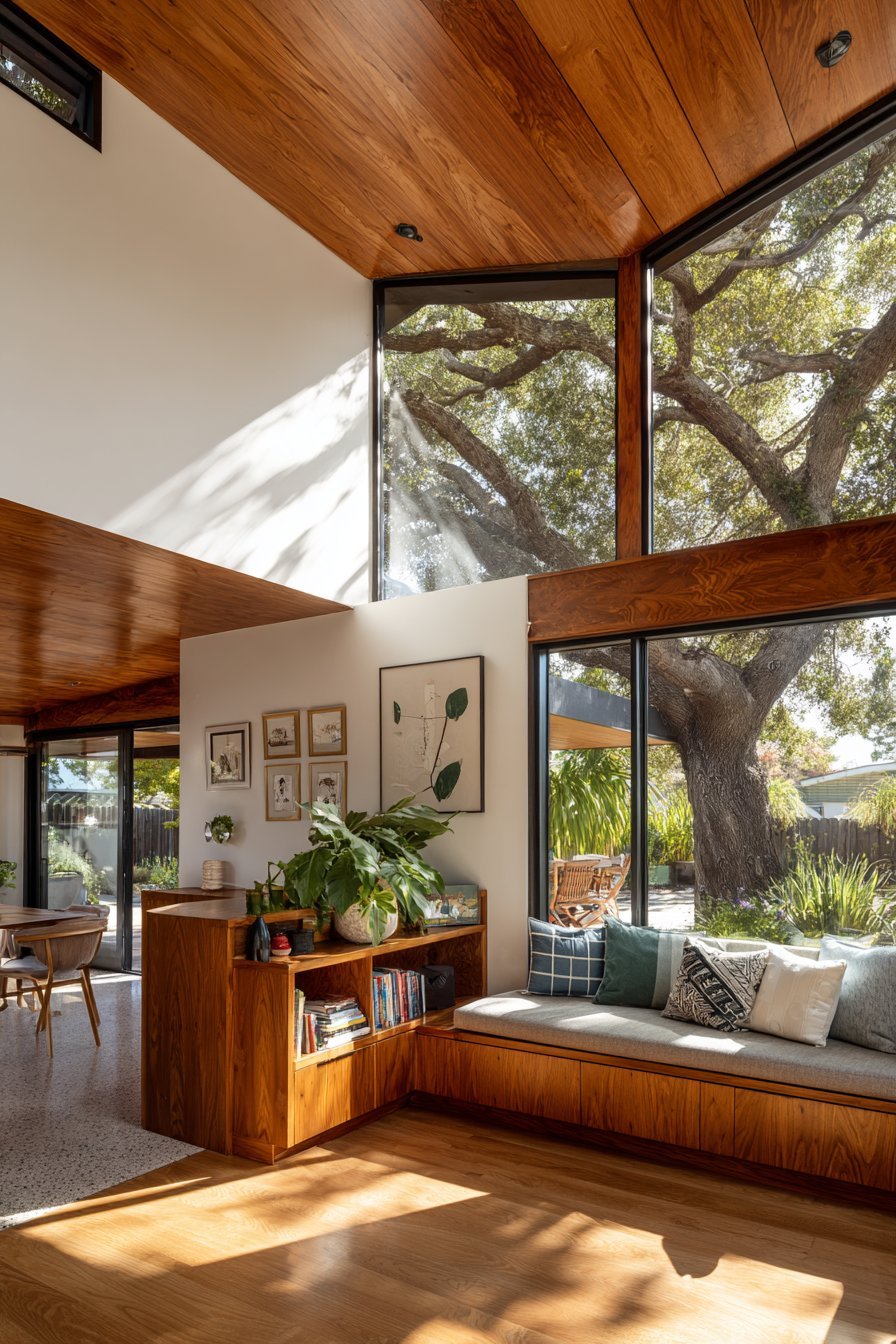
Refuge and prospect is one of the most psychologically rich concepts in biophilic design. Derived from evolutionary theory, it describes our primal need for two distinct spatial experiences: prospect (open, expansive views that allow us to scan for threats or opportunities) and refuge (enclosed, sheltered spaces where we feel protected).
In practice, this means designing homes with a balance of open and intimate spaces. A soaring open-plan living area with wide windows represents prospect — it feels energizing, social, and expansive. A cozy reading nook tucked under a staircase, or a window seat with curtains that can be drawn, represents refuge — it feels safe, personal, and restorative. Both are necessary for emotional balance.
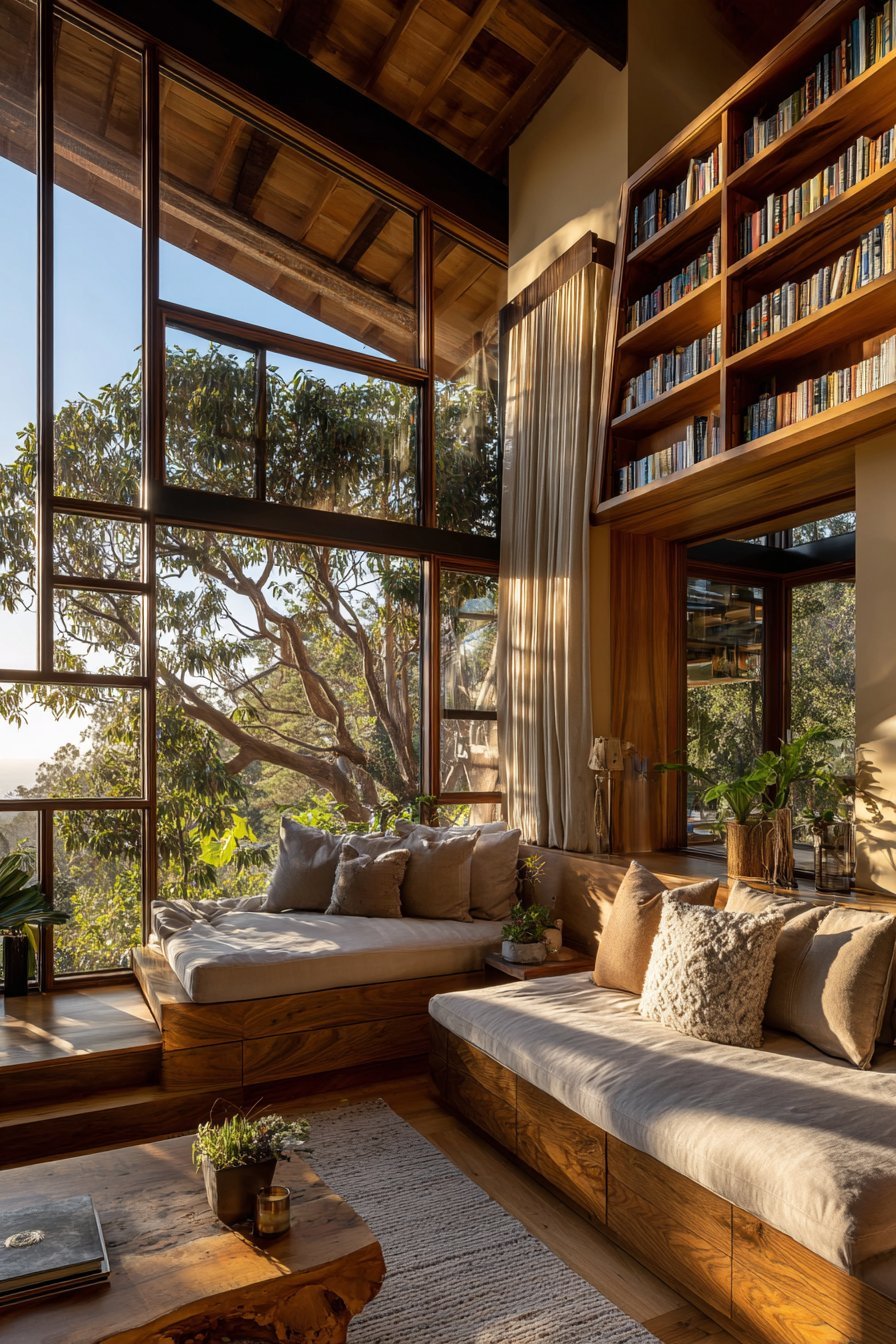
Many conventional homes are designed entirely around one extreme — either fully open-plan or divided into small, boxy rooms. Biophilic design intentionally layers both within a single floor plan. A canopied daybed in an open bedroom, a low-ceilinged study off a grand hallway, or a garden pavilion beside an open lawn — these pairings create environments that feel instinctively right because they mirror the varied topography of the natural world.
- Design a cozy reading nook with a low ceiling and soft lighting for refuge
- Use open shelving or partial walls to define spaces without fully enclosing them
- Position the main sofa with its back to a wall and facing an open view
- Create a canopied or draped bed to add intimate shelter within a larger bedroom
- Use changes in ceiling height to signal transitions between prospect and refuge zones
- Add a sheltered outdoor seating area that opens onto a larger garden view
11. Sustainable Materials and Ethical Sourcing
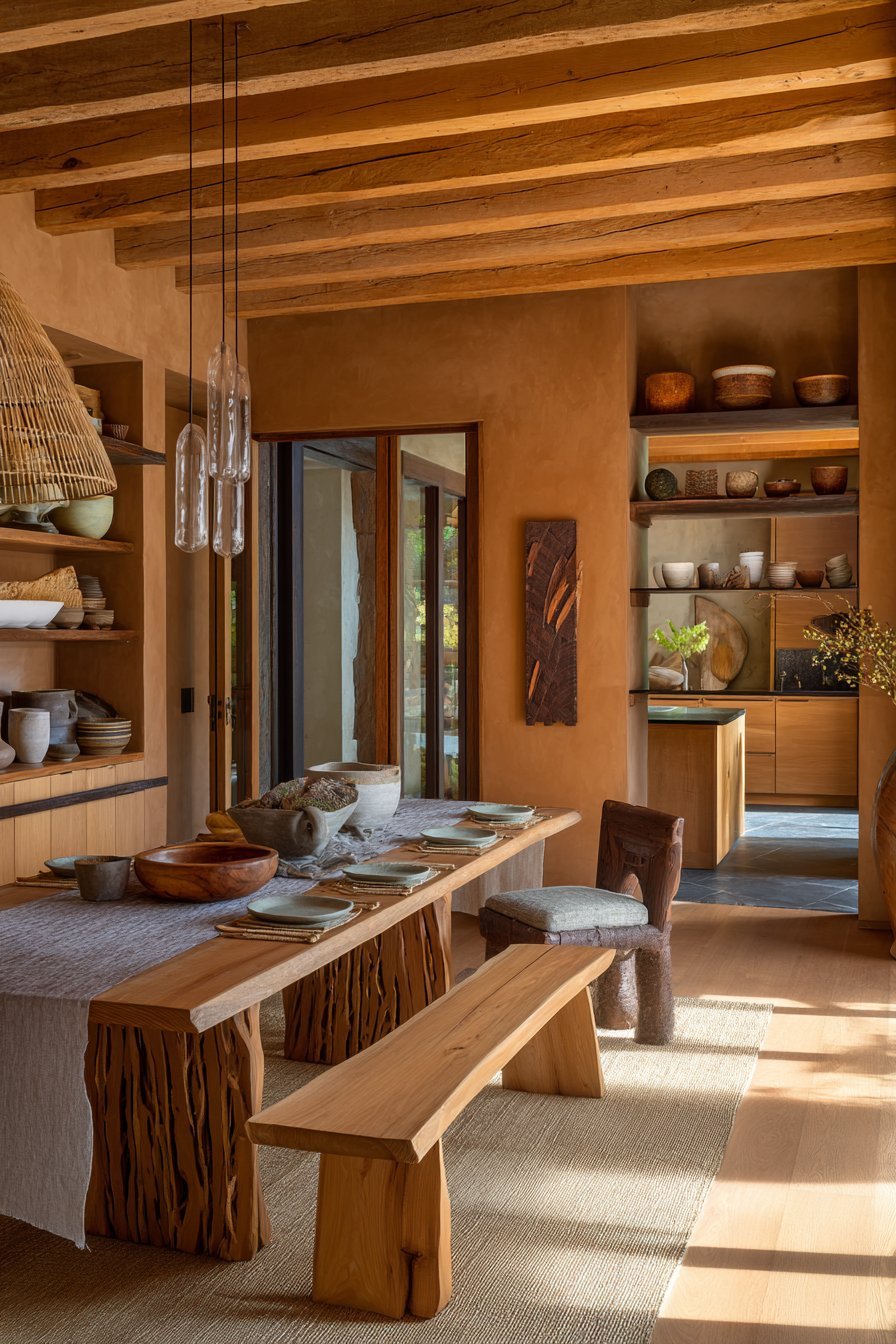
Sustainability is the ethical backbone of biophilic design. It’s not enough to bring natural elements into the home — those elements must be sourced in ways that honor and protect the natural world. This means choosing FSC-certified timber, recycled stone, organic textiles, and locally crafted materials wherever possible.
Fast furniture culture has created an industry built on cheap, synthetic, disposable materials. Biophilic design pushes back against this by emphasizing quality over quantity and longevity over trend-chasing. A single well-made piece of solid oak furniture will outlast dozens of flat-pack alternatives, look more beautiful as it ages, and leave a far smaller environmental footprint over its lifetime.
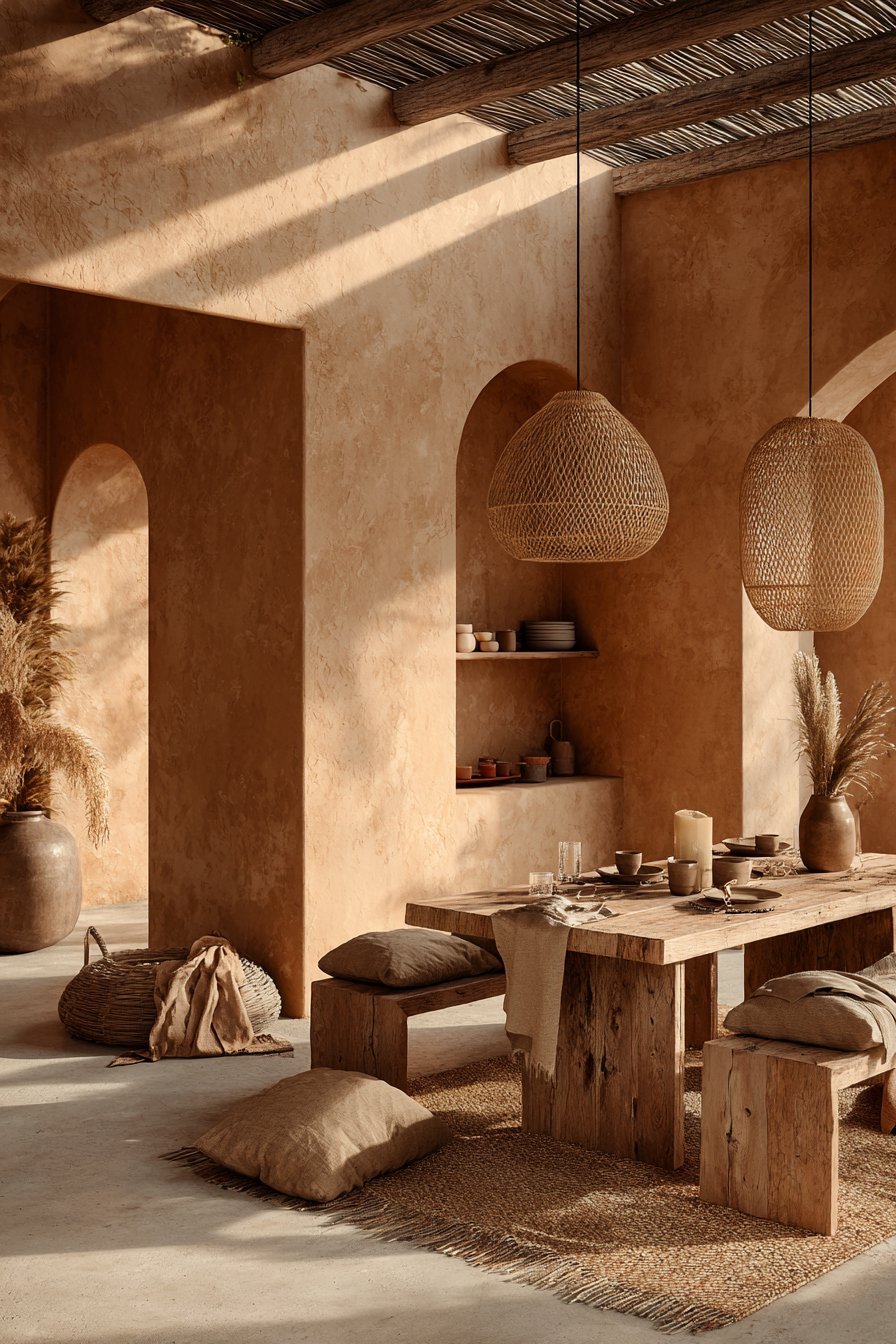
Choosing sustainably sourced materials also sends a powerful message about values and intention. A home built with reclaimed wood, recycled glass, and natural clay plaster tells a story of mindfulness and care. These choices resonate deeply with the biophilic philosophy — that our homes should nurture not just ourselves, but the broader living systems we depend on.
- Look for FSC or PEFC certification when buying wood furniture or flooring
- Choose organic cotton, linen, or wool textiles over synthetic alternatives
- Source reclaimed or salvaged materials from architectural salvage yards
- Invest in handcrafted, locally made pieces that support artisan communities
- Avoid furniture made with formaldehyde-based glues or synthetic foam
- Research brand sustainability credentials before making significant purchases
12. Biophilic Design for Small Urban Spaces
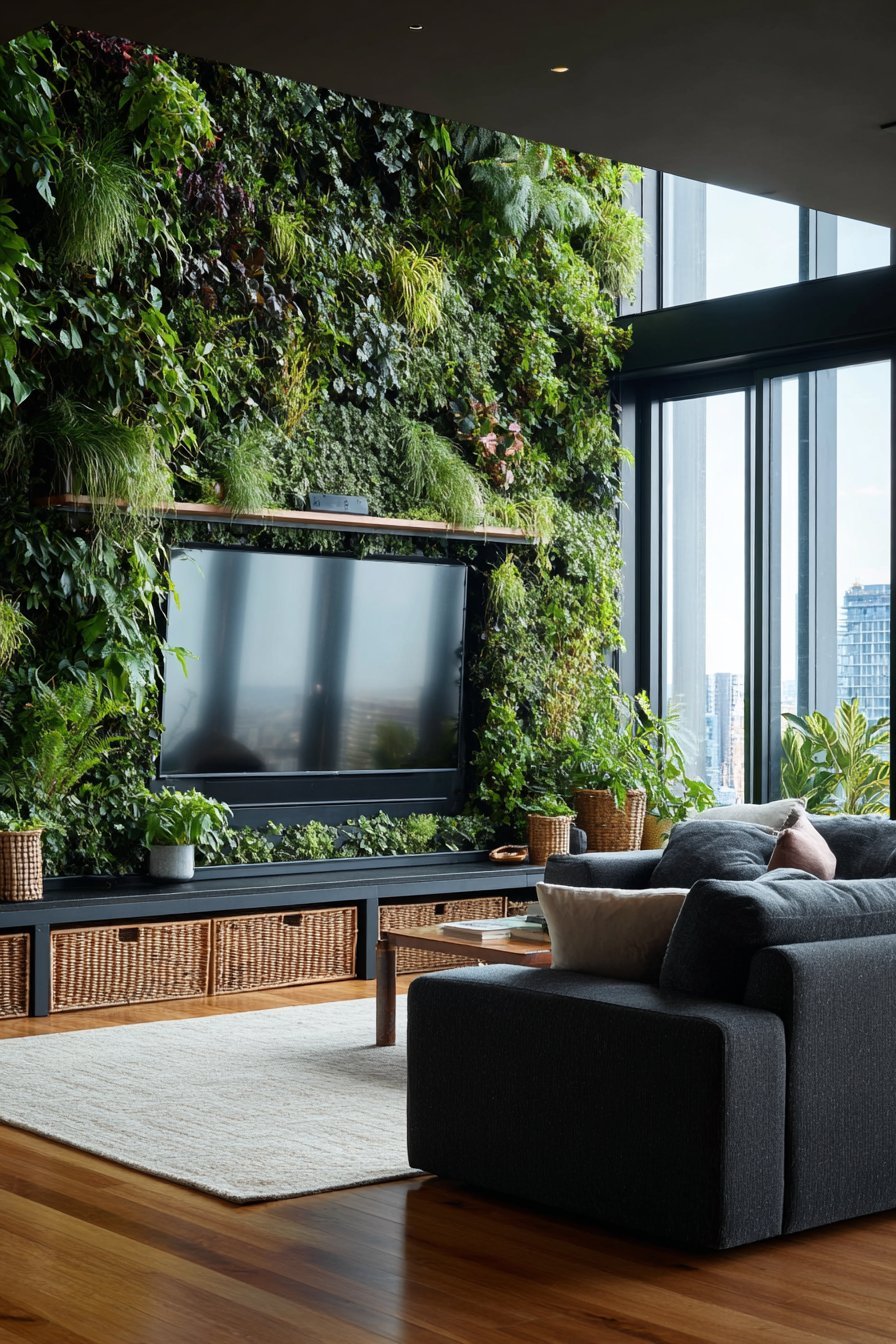
Biophilic design isn’t only for large homes with sprawling gardens. Urban apartments can be transformed into lush, nature-inspired sanctuaries with thoughtful, strategic choices. The key is maximizing impact in limited square footage through layered sensory elements rather than sheer scale.
Vertical space is your most powerful ally in a small biophilic interior. A wall-mounted plant display takes up no floor space yet creates a dramatic, immersive green wall effect. Shelves lined with trailing plants, terracotta pots, and natural objects like driftwood or geodes build up biophilic density without cluttering surfaces. Mirrors, light colors, and sheer window treatments amplify the sense of space and light simultaneously.
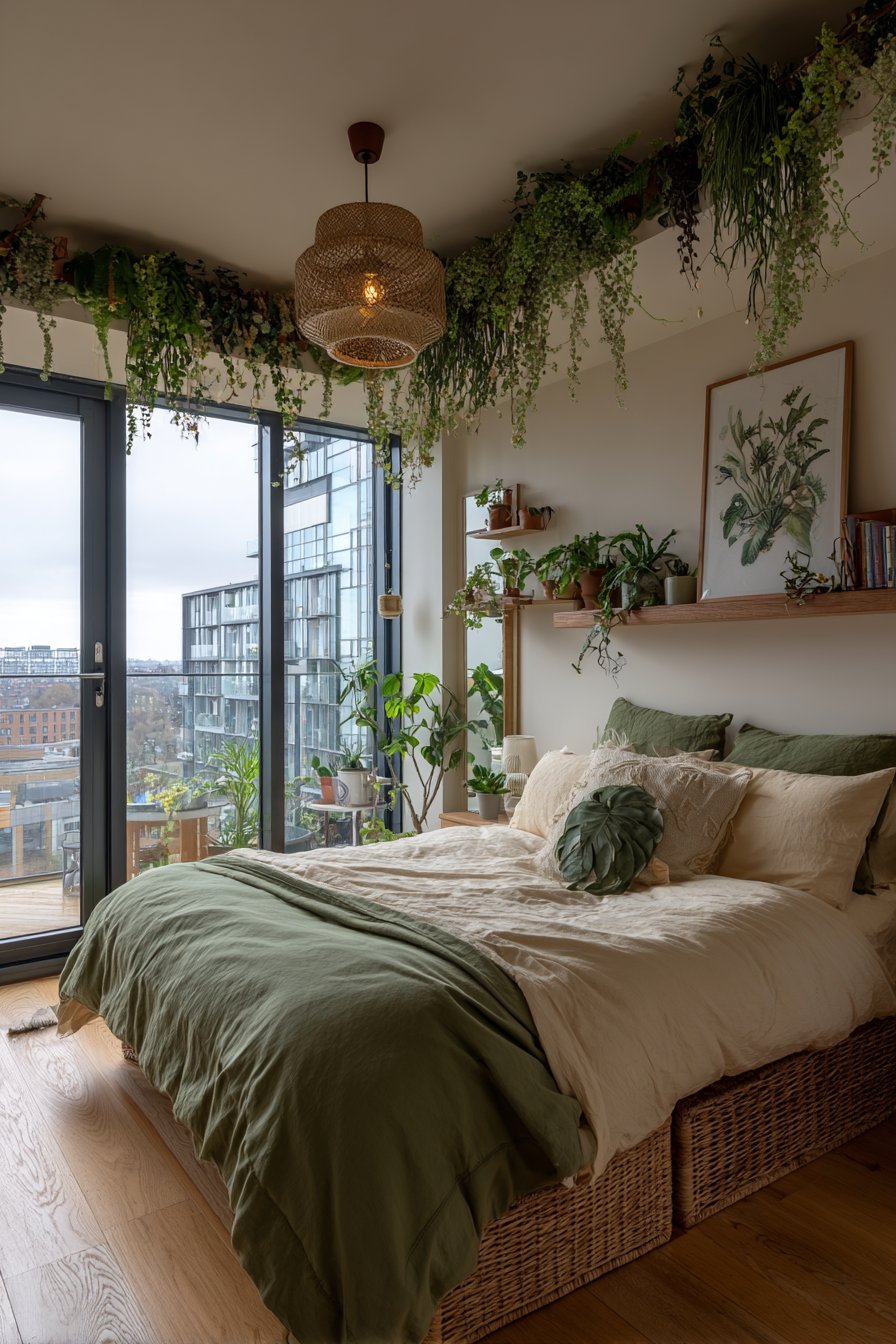
Even a single well-chosen natural element — a beautiful piece of live-edge wood, a cluster of lush tropical plants, a small indoor fountain — can shift the entire mood of a small apartment. Biophilic design doesn’t demand a complete renovation. It rewards intentionality. Start with one room, one corner, one surface, and let the philosophy grow organically from there.
- Use a hanging plant shelf above a window to create a living canopy effect
- Choose multi-functional furniture made from natural materials — rattan storage baskets, wooden ottomans
- Install a compact wall fountain near an entryway for immediate sensory impact
- Use large botanical art prints to introduce nature into rooms with no windows
- Keep surfaces decluttered so natural textures and materials can breathe and be appreciated
- Rotate a small collection of plants seasonally to maintain fresh visual interest
Conclusion
Biophilic design is not a trend — it is a return to something essential. In a world of increasing urbanization, screen saturation, and synthetic environments, the need to reconnect with the natural world through our homes has never been more pressing. From natural light and living plants to organic materials, flowing water, and refuge spaces, every biophilic element serves a purpose rooted in human biology and psychology.
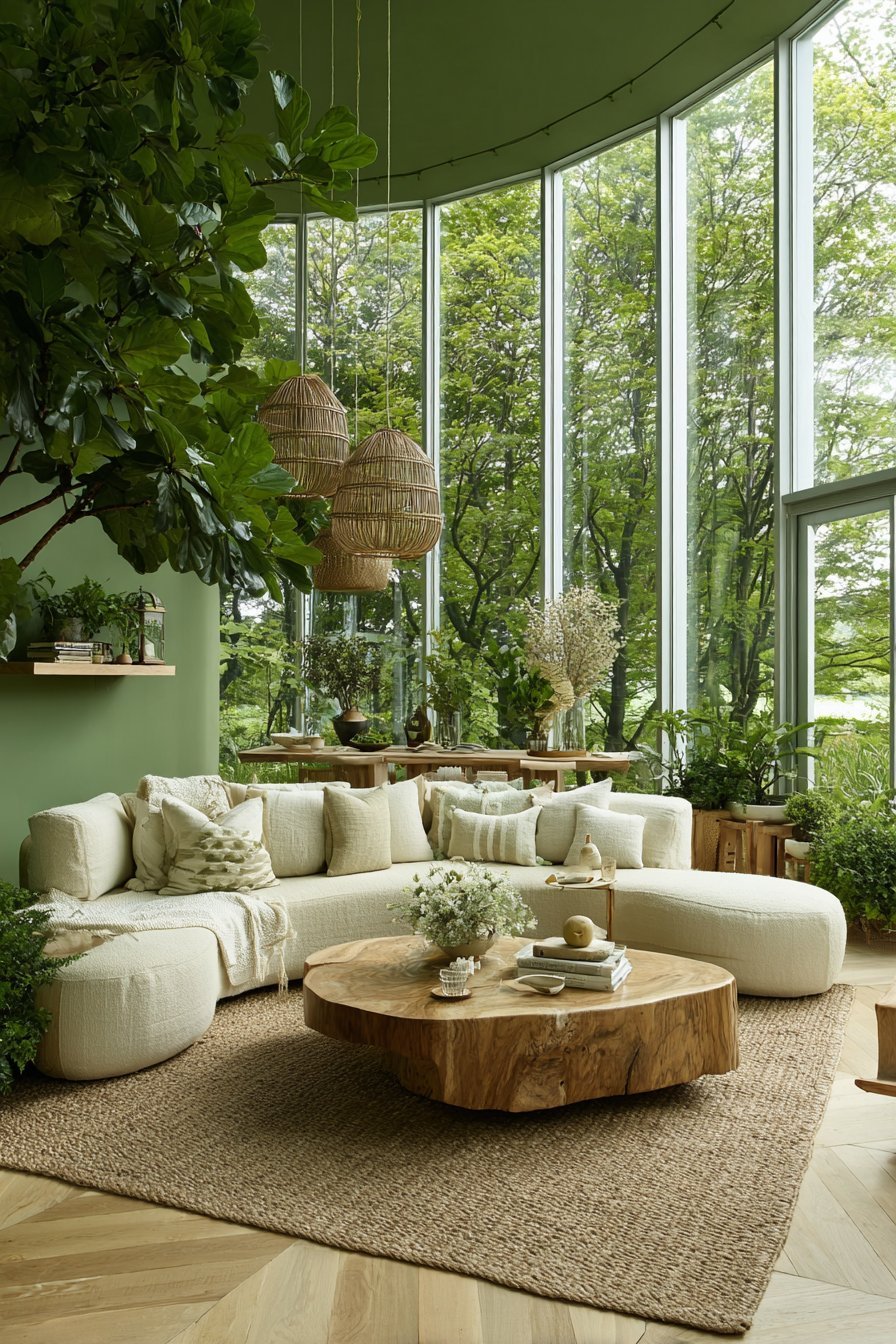
The beauty of this philosophy is that it is infinitely scalable. You don’t need a complete renovation or an unlimited budget to begin. Start with a plant, choose a natural material, open your windows to the light. Each small step brings you closer to a home that doesn’t just look beautiful — but genuinely makes you feel alive, grounded, and restored. Let nature lead the way, and your home will become the sanctuary you deserve.
