
The bathroom is one of the most personal spaces in any home. It’s where your day begins and ends. Yet, many homeowners overlook it when planning interior design updates. A well-designed bathroom can feel like a private spa retreat. It can also boost your home’s overall value and appeal.
Choosing the right wall colors and decor for a bathroom involves more than picking a shade you like. You must consider lighting, moisture, size, and the overall style of your home. Every decision you make will either open the space up or close it down. The goal is to create a room that feels intentional, functional, and beautiful.
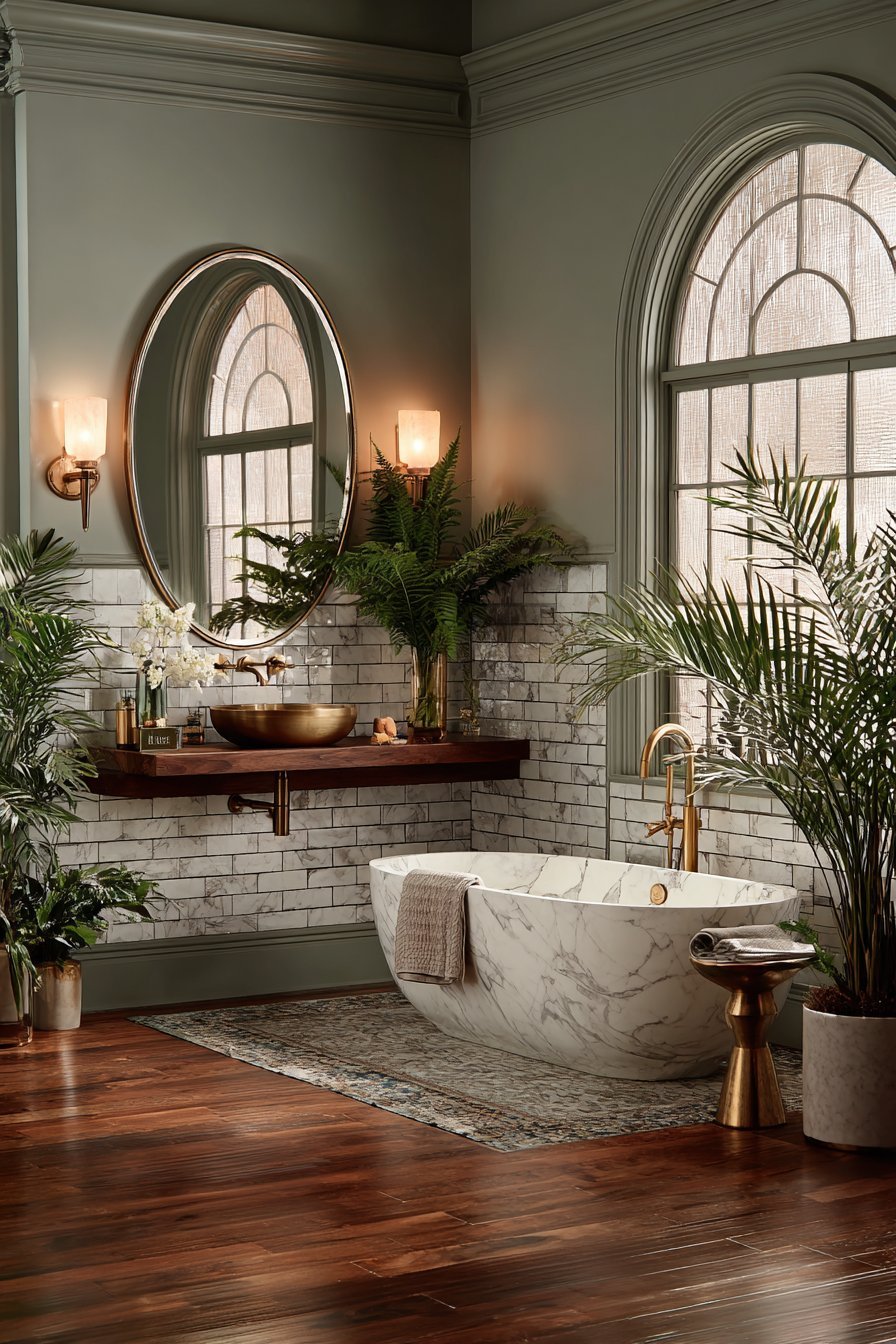
This article covers everything you need to know about bathroom wall design. From color psychology and paint types to tile choices and decorative accents, we’ve got you covered. Whether you’re renovating a tiny powder room or a spacious master bath, these insights will help you make the right choices with confidence.
1. Understand the Role of Lighting Before Choosing Colors
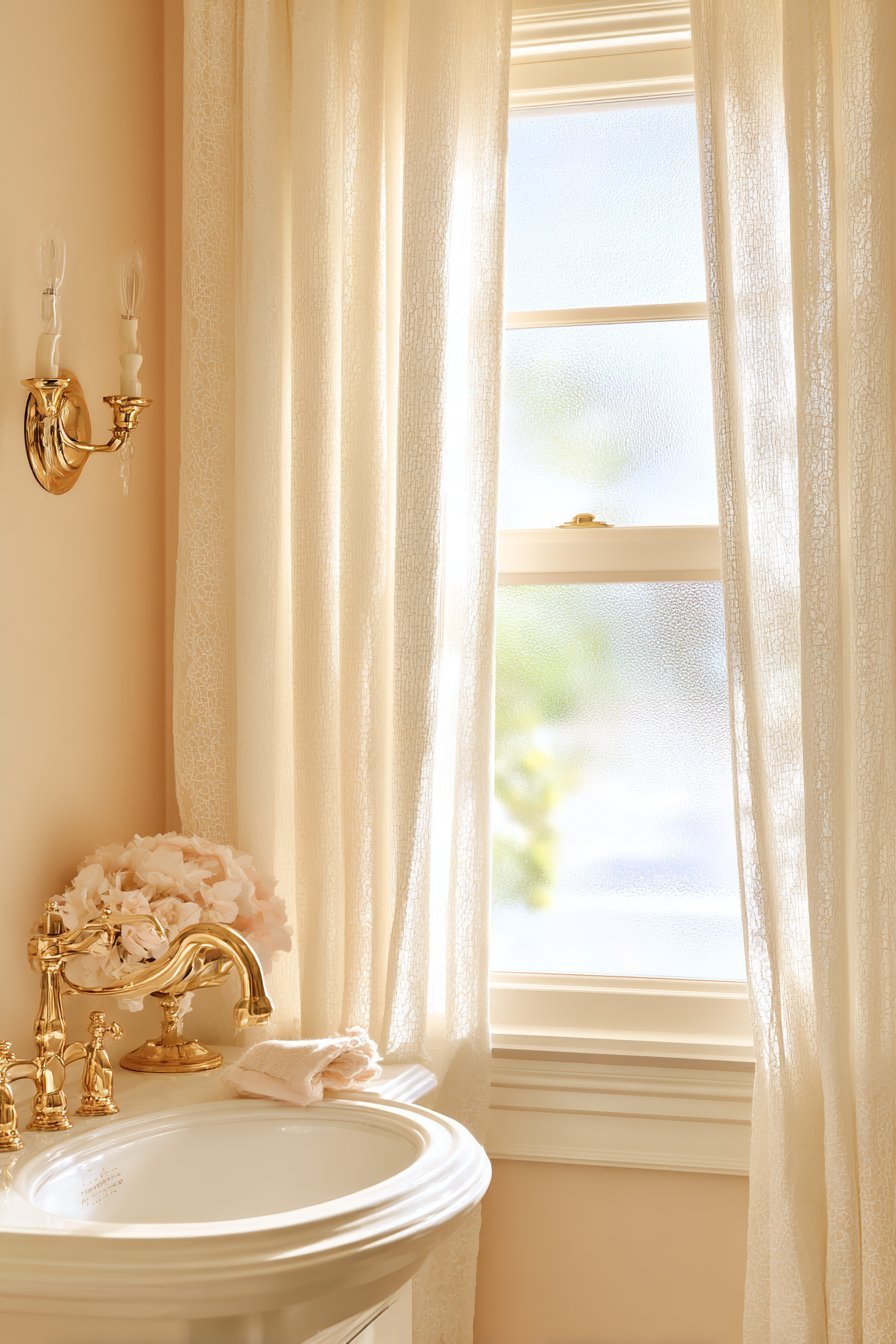
Lighting is the single most important factor when choosing bathroom wall colors. Natural light and artificial light affect how paint colors appear dramatically. A color that looks soft and airy in a showroom can feel cold and harsh in a small, windowless bathroom.
Before committing to a color, test paint samples in your actual bathroom. Observe how they look in the morning, afternoon, and evening. Warm-toned bulbs will enhance yellows, creams, and earth tones beautifully. Cool white bulbs will amplify blues, grays, and crisp whites effectively.
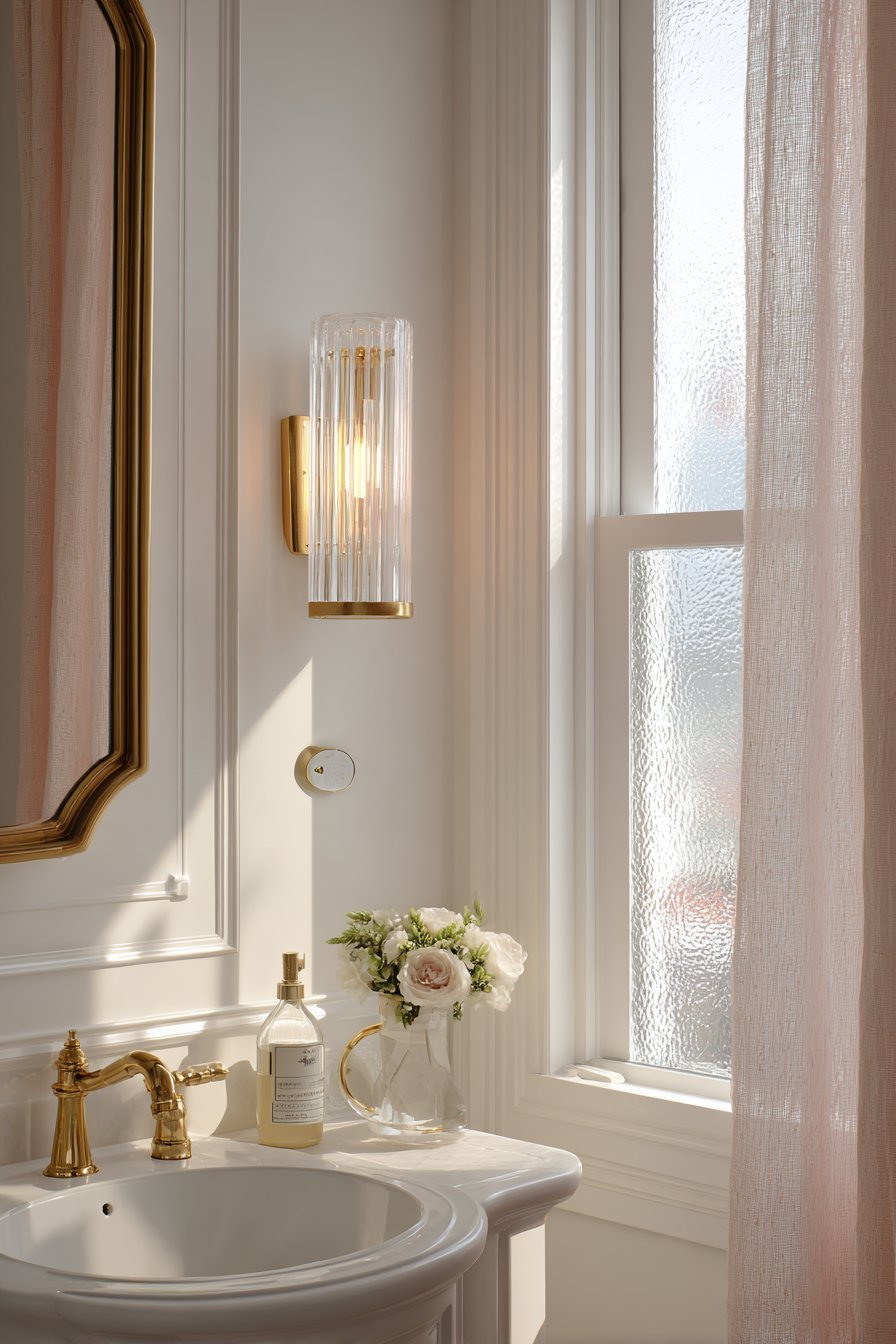
If your bathroom has limited natural light, lean toward warmer neutrals and soft whites. These tones counteract the flatness that cool lighting creates. Avoid very dark colors in low-light bathrooms unless you’re intentionally going for a moody, dramatic aesthetic with great artificial lighting to support it.
- Test at least 3 paint swatches on the actual bathroom wall before deciding
- Observe colors at multiple times of day under your existing lighting
- Choose warm-toned LED bulbs (2700K–3000K) for flattering, soft light
- Avoid cool-toned bulbs with cool gray or blue paint — it creates a clinical feel
- Add a vanity mirror with built-in lighting for balanced, shadow-free illumination
- Consider a dimmer switch to shift the ambiance between morning and evening
2. Choose the Right Paint Finish for Moisture Resistance
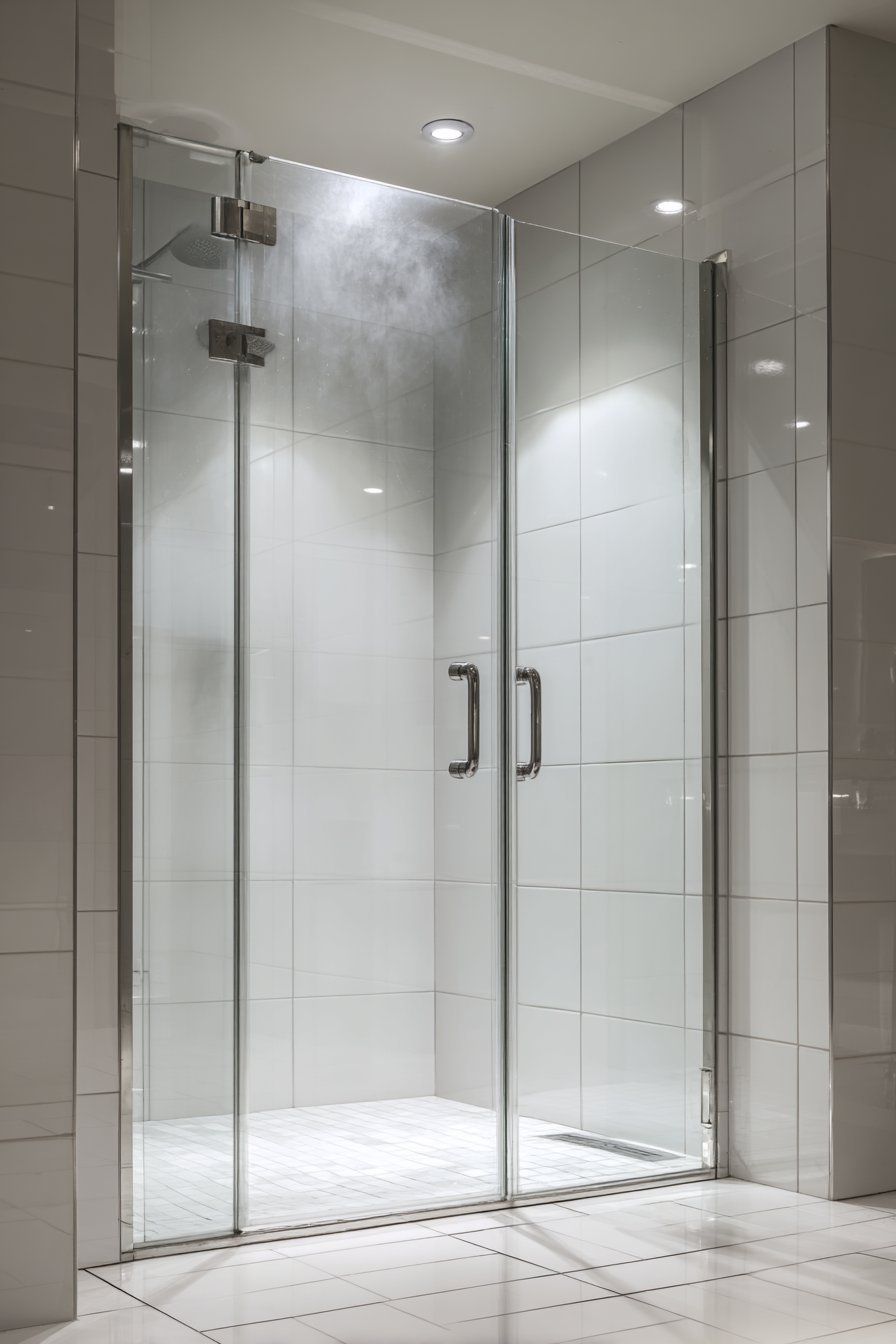
The bathroom environment is uniquely demanding. High humidity levels and frequent temperature changes make paint selection critical. Using the wrong finish will lead to peeling, bubbling, and mold growth over time.
Always opt for semi-gloss or satin finish paints in bathrooms. These finishes repel moisture and are easy to wipe clean. They also reflect light slightly, which helps brighten the space. Flat or matte finishes absorb moisture and are far more prone to damage in wet areas.
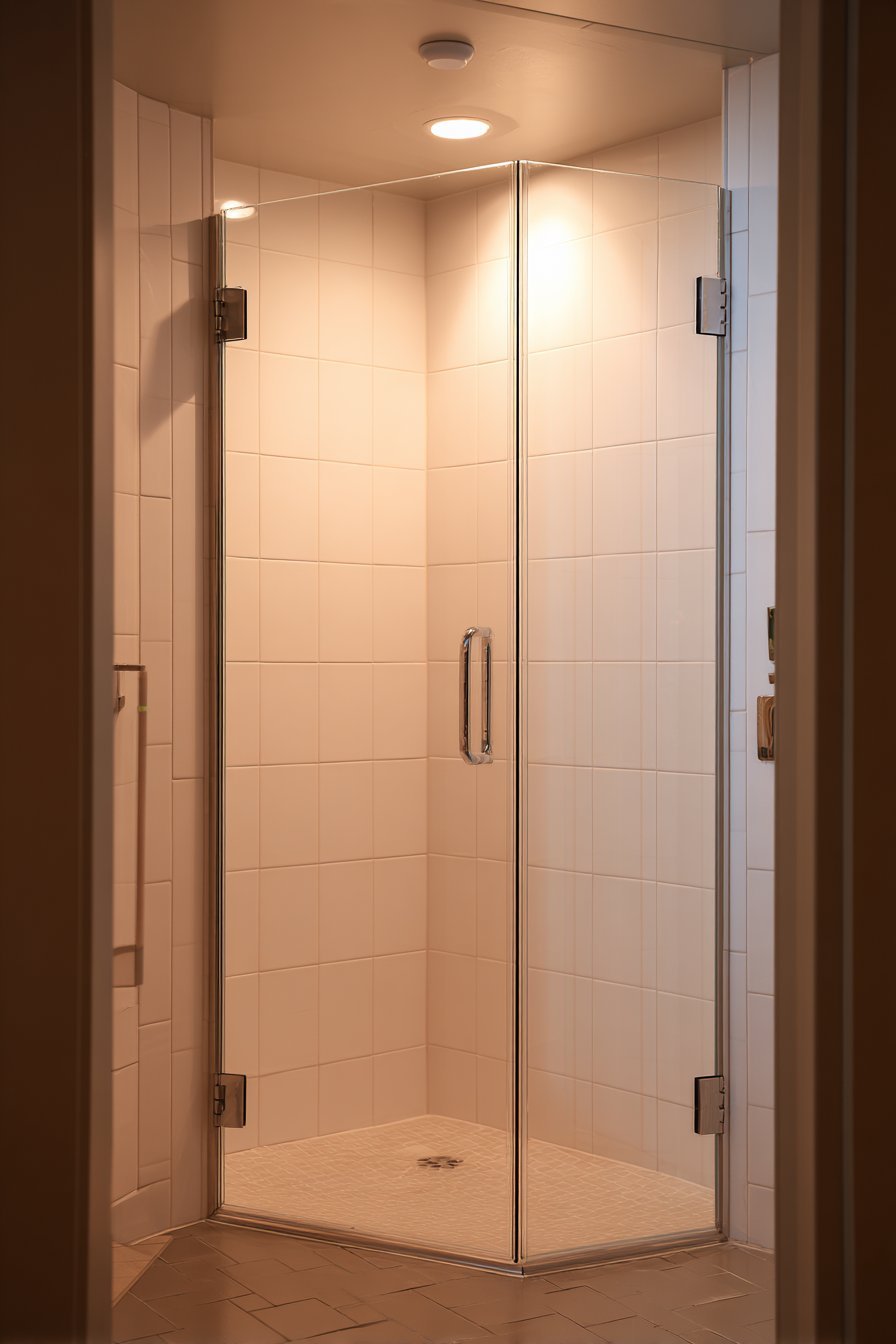
For shower walls and areas with direct water exposure, tile is always the better choice over paint. However, for the rest of the walls, a high-quality semi-gloss latex paint labeled “bathroom paint” or “kitchen and bath formula” will provide excellent durability and mold resistance. Invest in quality here — it pays off over years of use.
- Use semi-gloss or satin finish paints for all bathroom walls
- Look for paints labeled “mold and mildew resistant” for added protection
- Apply a quality primer before painting — especially on previously unpainted drywall
- Use moisture-resistant drywall (green board) behind tile and in high-humidity zones
- Ventilate your bathroom properly to extend the life of any paint or wallcovering
- Repaint every 3–5 years or as soon as you notice peeling or discoloration
3. Use Color Psychology to Set the Right Mood
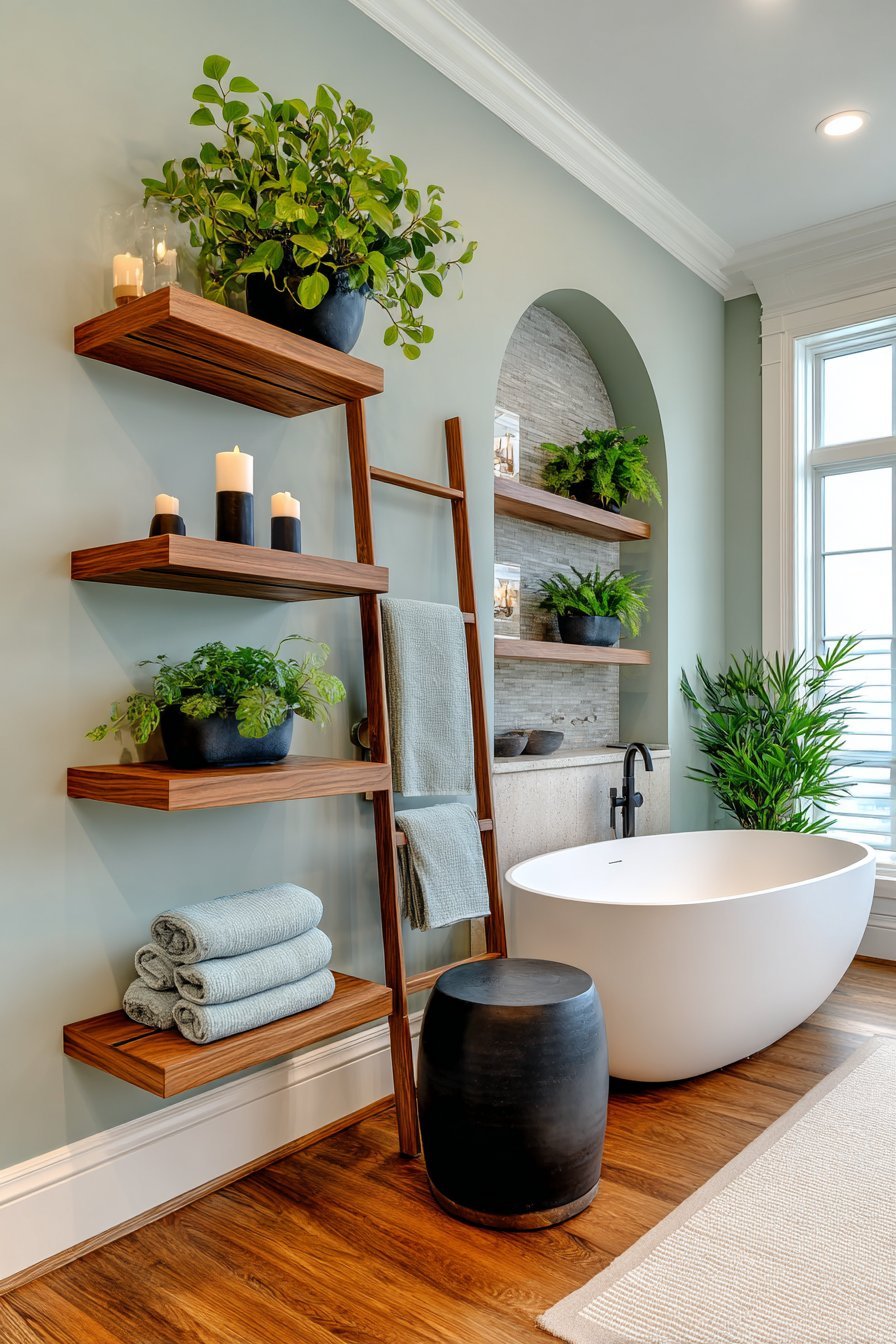
Color has a profound psychological impact on how we feel in a space. In the bathroom, this matters enormously. You want to feel calm, refreshed, and energized — depending on the time of day and your personal routine.
Cool blues and soft greens are perennial favorites for bathrooms. These colors are associated with water, nature, and tranquility. They create a spa-like atmosphere that feels clean and serene. Shades like sage green, seafoam, powder blue, and duck egg are all timeless and versatile choices.
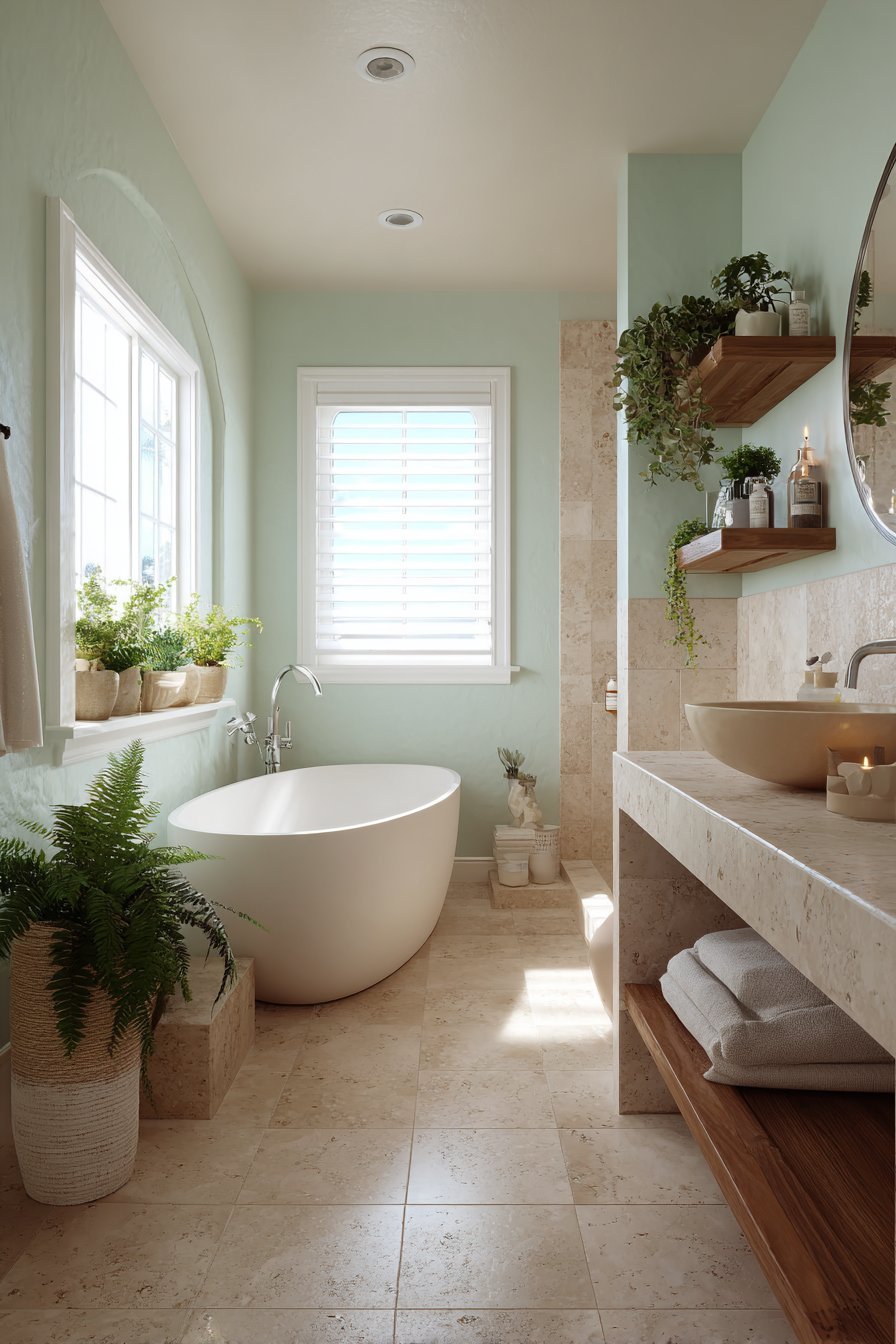
Warmer tones like terracotta, warm sand, and blush bring a sense of warmth and coziness to the bathroom. These work beautifully in bathrooms with warm-toned wood accents and brass or gold fixtures. They’re especially effective in rooms where you want a luxurious, enveloping feel rather than a crisp, clean one.
- Choose blues and greens for a calm, spa-inspired atmosphere
- Use warm neutrals like cream, beige, or terracotta for a cozy, grounded feeling
- Add white or off-white as an accent wall color to keep the space feeling fresh
- Avoid overly stimulating colors like bright red or neon in a primary bathroom
- Consider charcoal or deep navy for a bold, dramatic powder room statement
- Use color swatches alongside your tile and fixture samples for cohesive decisions
4. Consider the Size of Your Bathroom When Selecting Colors
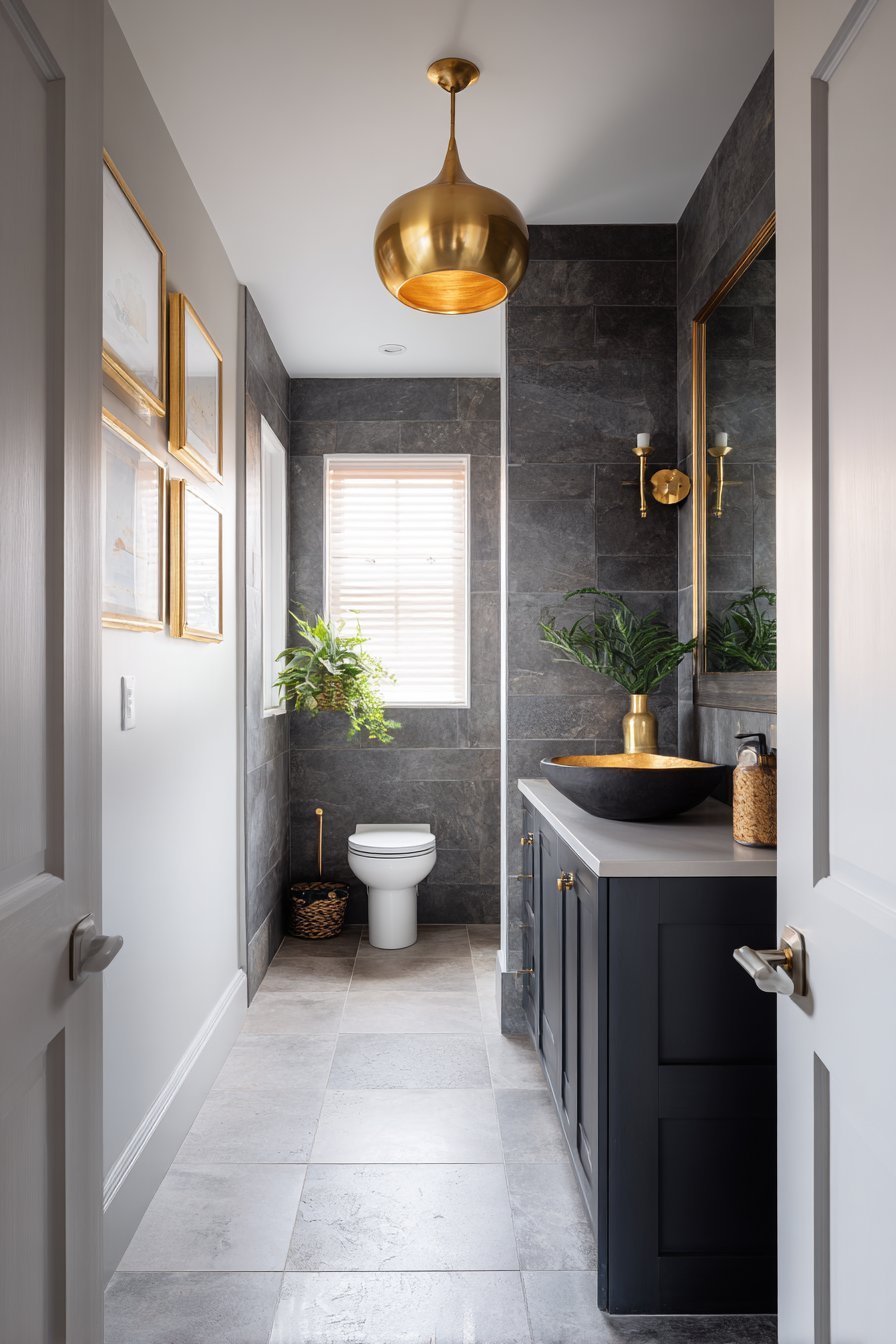
The size of your bathroom should heavily influence your color palette choices. A color that looks stunning in a large master bath may overwhelm a small guest bathroom. Understanding how color affects perception of space is a key design skill.
Light colors expand a room visually. Soft whites, pale grays, and light pastels make walls recede, creating an illusion of more space. This is especially useful in compact bathrooms where square footage is limited. Combine light walls with large-format tiles and minimal grout lines to maximize the effect.
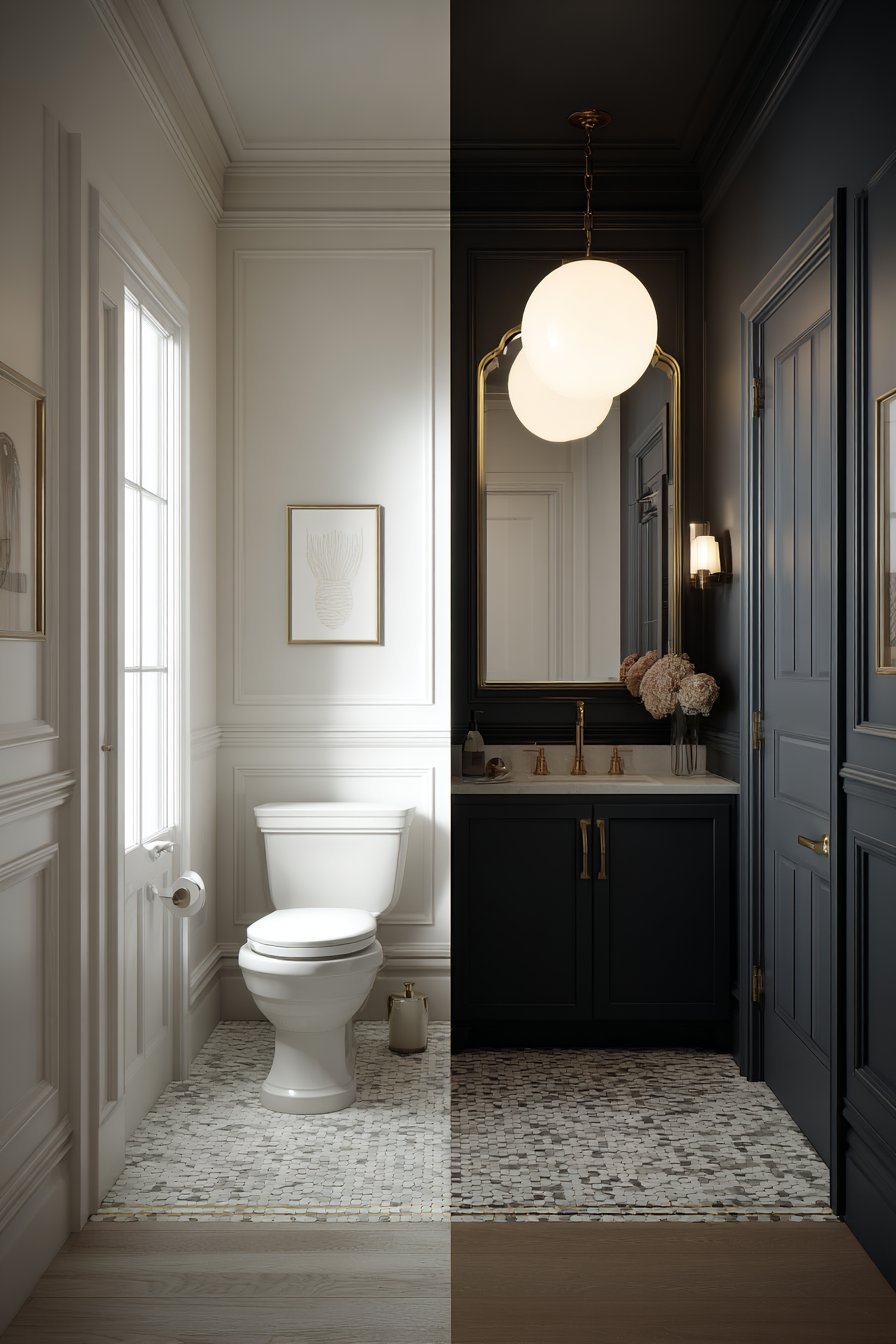
However, don’t be afraid to use darker colors in small bathrooms when done thoughtfully. A small powder room painted in deep charcoal or navy can feel jewel-box luxurious rather than cramped. The key is consistency — keep the ceiling, trim, and walls in a similar tone to avoid visual fragmentation that shrinks the room further.
- Use light, cool tones to visually expand small bathroom spaces
- Avoid using too many contrasting colors in compact rooms — it fragments the space
- In large bathrooms, darker tones add warmth and prevent the room from feeling sterile
- Paint the ceiling a shade lighter than walls for an airy, lifted effect
- Use large mirrors strategically to amplify light and enhance the sense of space
- Keep flooring light to complement light walls for a seamless, open feel
5. Explore Tile as a Wall Decor Element
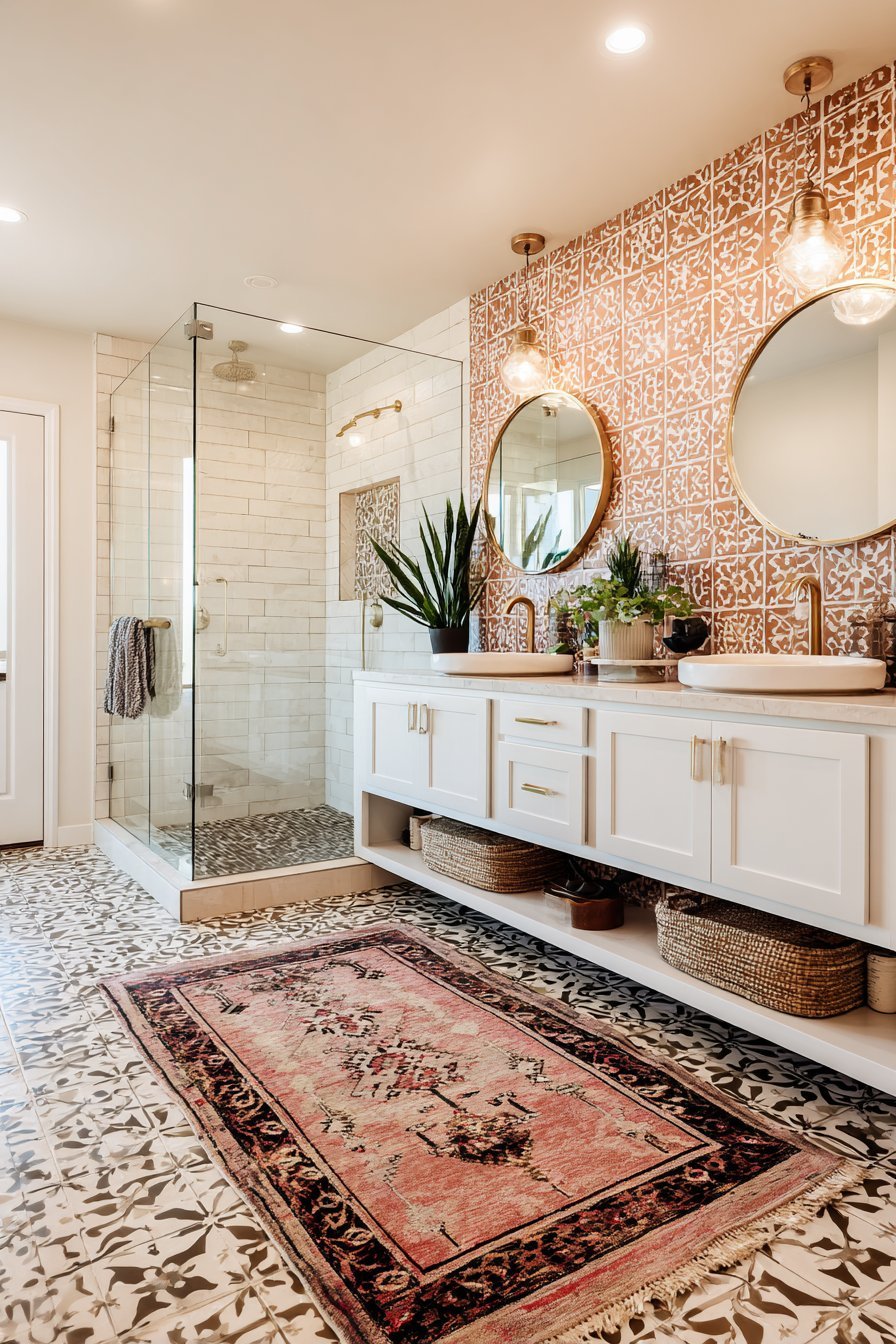
Tiles are far more than a functional choice — they are a major design statement. Bathroom wall tiles set the tone for the entire room. The texture, color, pattern, and scale of your tiles will define the aesthetic more than almost any other element.
Subway tiles remain a classic choice for bathroom walls. They’re clean, versatile, and work across styles from traditional to modern. A white subway tile with dark grout has a graphic, trendy quality. The same tile with white grout looks crisp and timeless. Small changes in grout color dramatically shift the entire look.
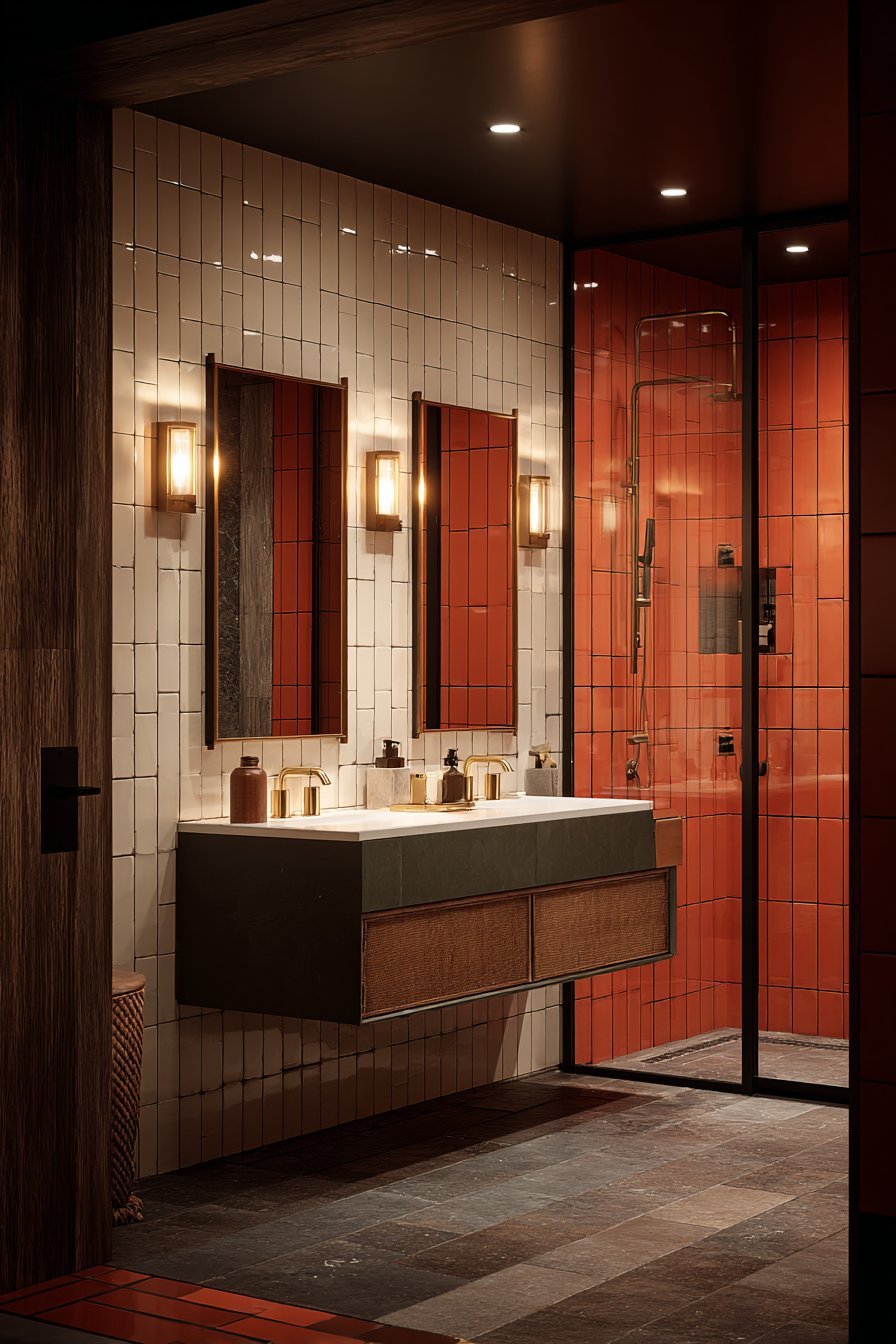
For a more elevated feel, consider large-format stone-look tiles, zellige tiles, or handmade ceramic options. These add texture, movement, and artisanal quality to bathroom walls. They’re particularly powerful in feature walls behind the vanity or inside the shower. Mixing matte and glossy tile finishes on the same wall adds visual depth and sophistication.
- Mix subway tiles with decorative border tiles for a classic, tailored look
- Use large-format tiles (24×48 inches) to minimize grout lines and maximize elegance
- Experiment with zellige or handmade tiles for artisanal texture and warmth
- Create a feature wall in the shower using a bold tile pattern or color
- Choose grout color intentionally — it dramatically affects the final look
- Extend wall tiles to the ceiling in showers for a seamless, luxurious effect
6. Incorporate Wallpaper for Pattern and Personality
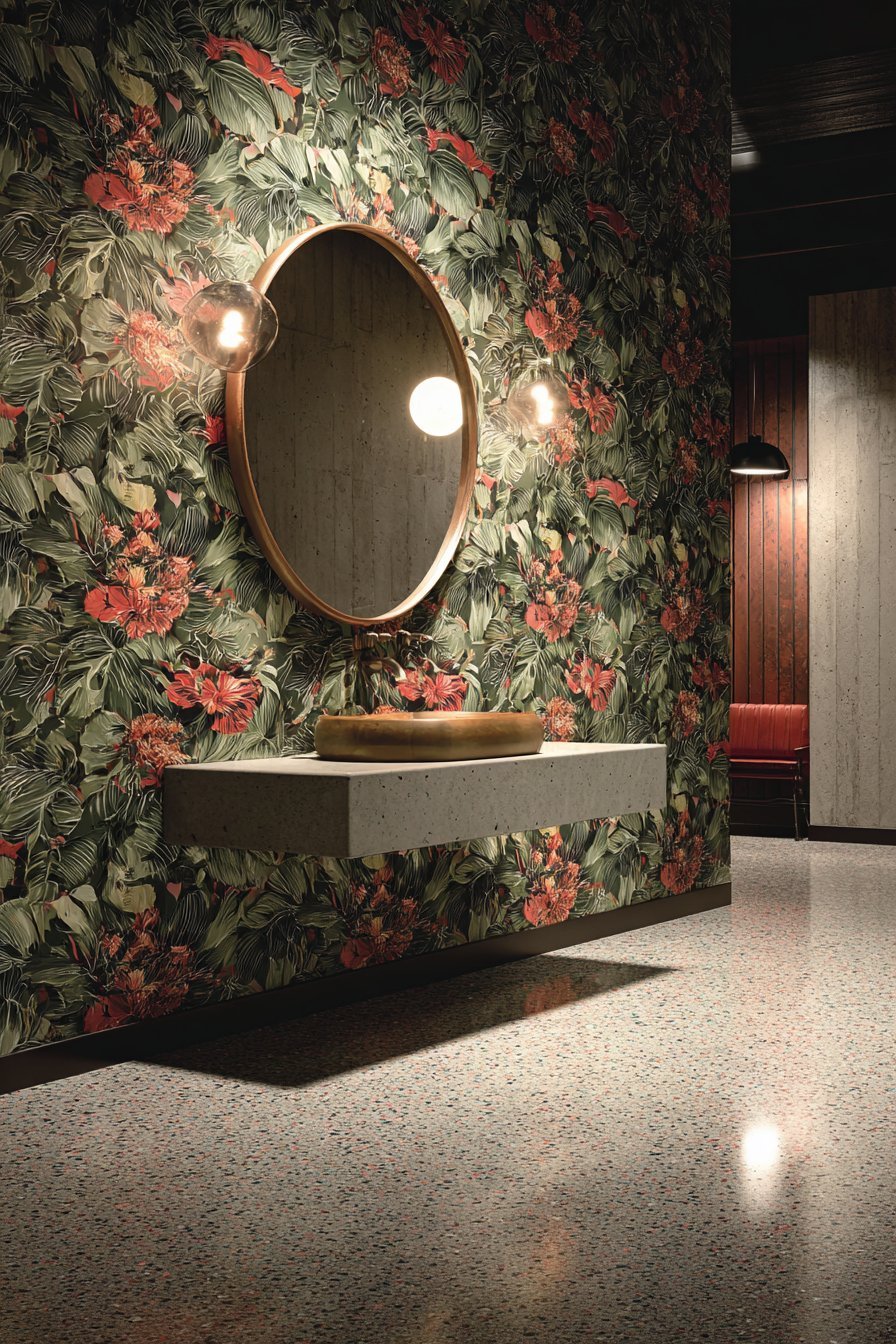
Bathroom wallpaper has made a major design comeback in recent years. Modern moisture-resistant wallpapers are specifically engineered for humid environments. They bring pattern, color, and personality to a bathroom in a way that paint alone simply cannot achieve.
Wallpaper works especially well in powder rooms and guest bathrooms. These rooms see less steam and moisture than a primary bathroom with a shower. A bold floral, geometric, or botanical print can transform a small powder room into a showstopping space. It’s one of the most impactful design moves you can make per square foot.
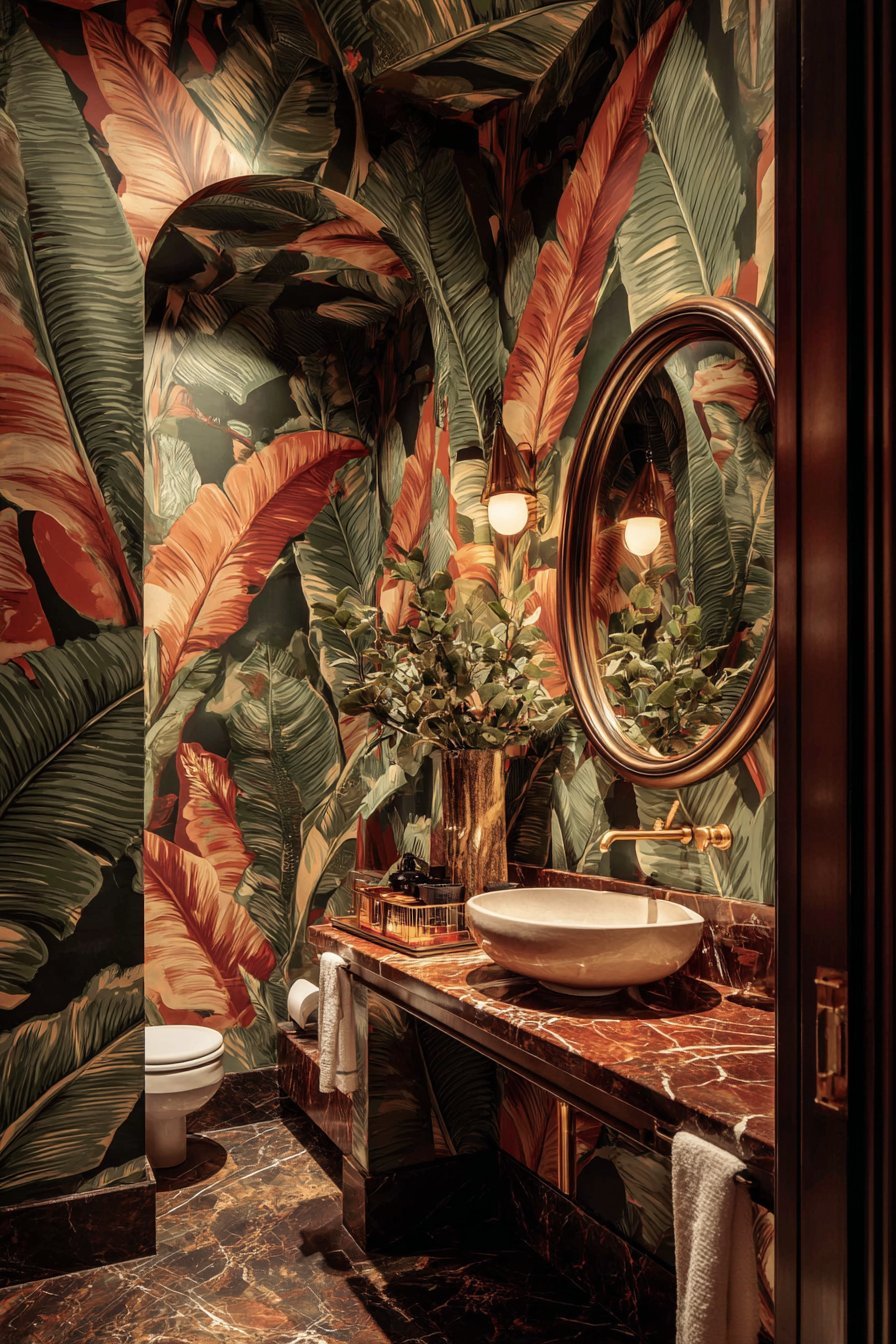
For primary bathrooms, use vinyl-coated or type II wallpapers rated for wet or humid areas. Avoid wallpapering directly inside shower zones. Instead, use wallpaper on the dry walls opposite or adjacent to the shower. Pair patterned wallpaper with simple, solid-color tiles and fixtures to keep the look balanced.
- Choose vinyl-coated or moisture-resistant wallpapers for bathroom applications
- Use bold patterns in powder rooms for maximum visual impact with minimal risk
- Pair patterned wallpaper with solid fixtures to avoid visual overwhelm
- Ensure walls are properly primed and smooth before wallpaper installation
- Consider removable peel-and-stick wallpaper for renters or commitment-shy decorators
- Use wallpaper on a single accent wall rather than all four walls in small bathrooms
7. Balance Warm and Cool Tones Throughout the Space
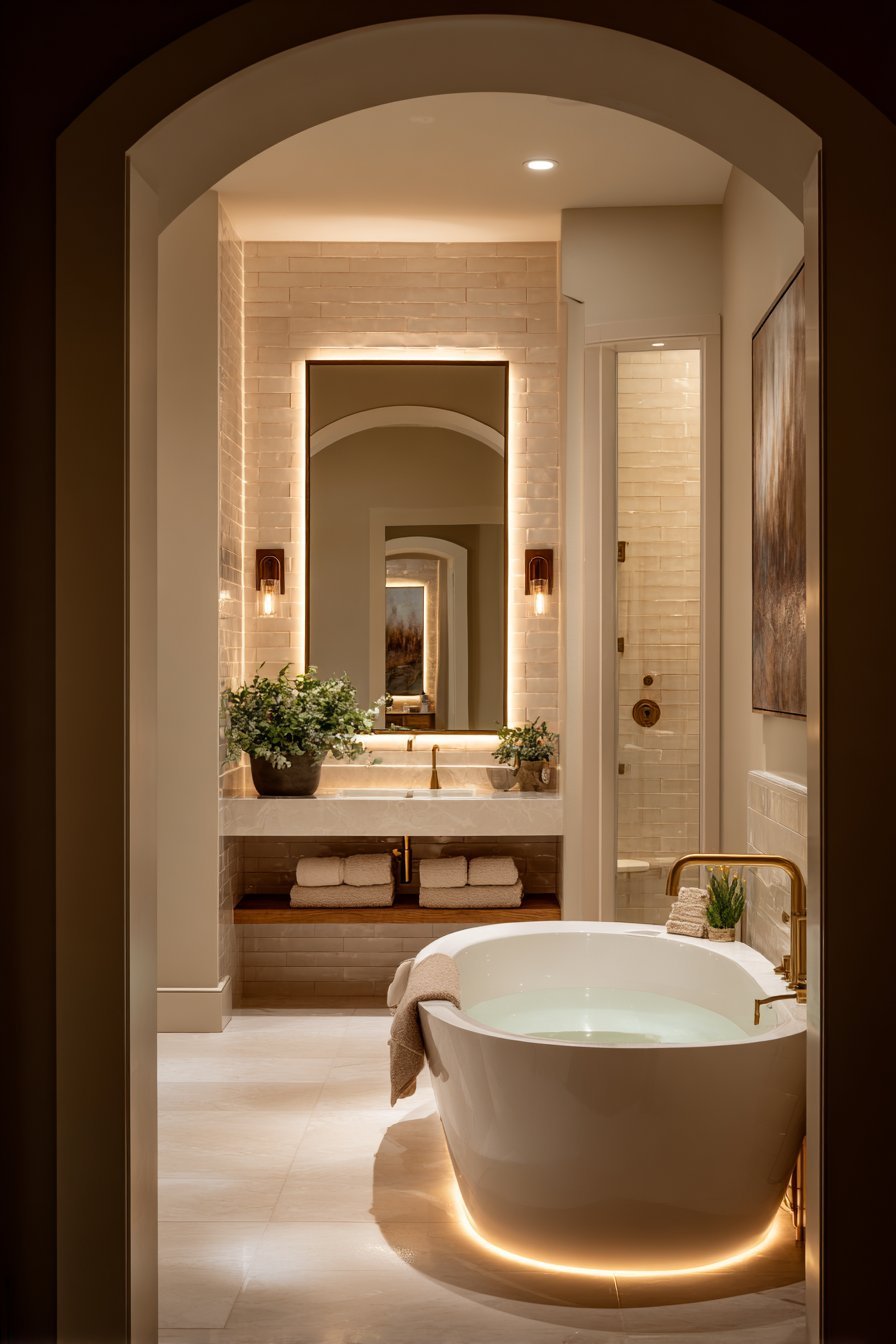
One of the most common mistakes in bathroom design is mixing tones inconsistently. Warm fixtures paired with cool gray walls create a subtle but persistent visual tension. The room never quite feels cohesive, even if each element is beautiful on its own.
The secret to a harmonious bathroom palette is deciding whether the overall tone is warm or cool — then committing to it. If your fixtures are chrome (cool), lean toward cool whites, soft grays, or blues. If your fixtures are brass or gold (warm), lean toward warm whites, creams, sage greens, or terracotta tones.
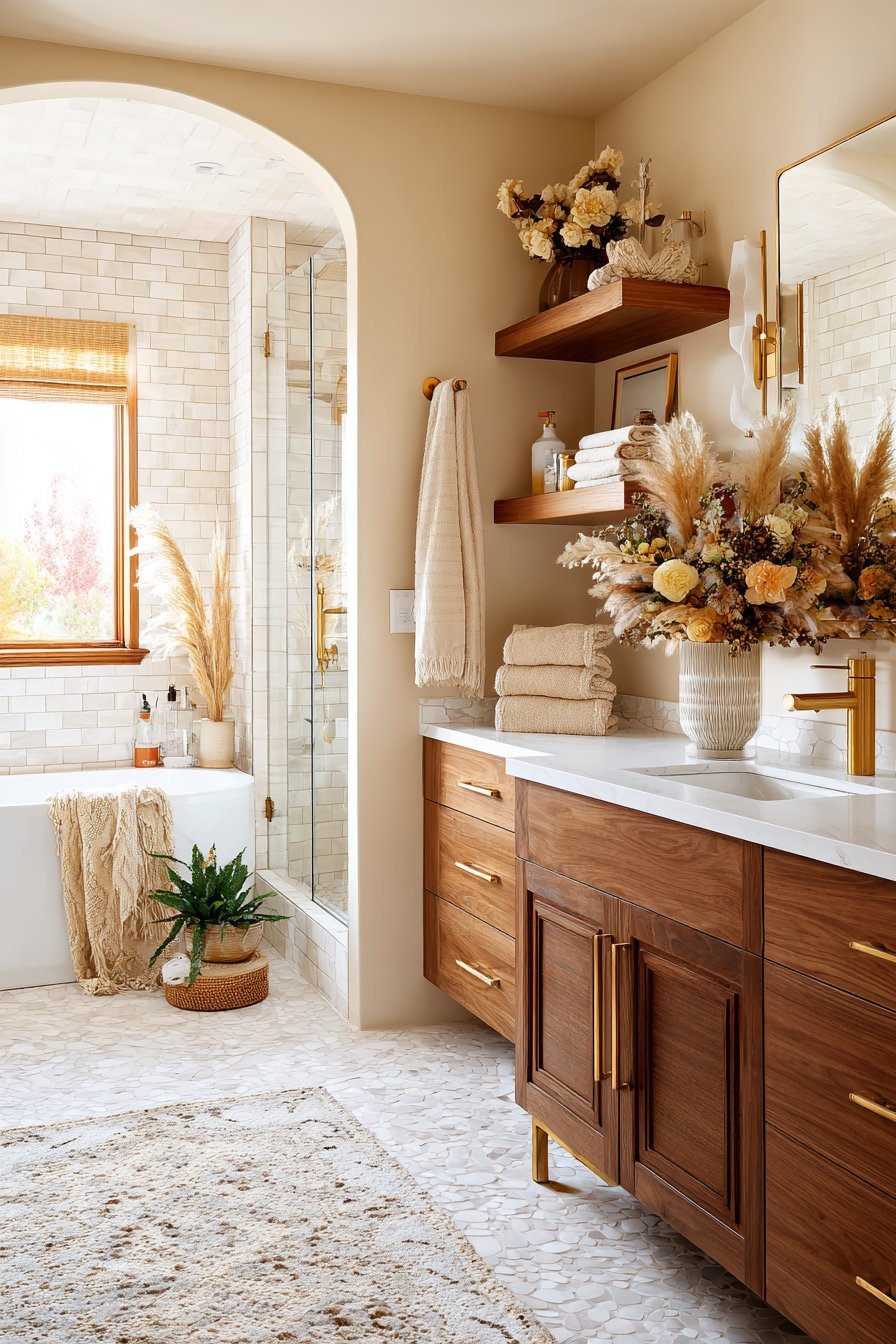
You don’t need to be rigid — contrast adds interest. But anchor the space with one dominant temperature. For example, warm walls with cool white trim creates a sophisticated, layered look. Cool walls with warm wood accents feel balanced and organic. The key is intentionality in every decision you make for the room.
- Identify your fixture finish first (chrome, brass, matte black) and build from there
- Pair brass or gold fixtures with warm wall tones — cream, sand, warm white, or sage
- Pair chrome or nickel fixtures with cool tones — gray, blue, or crisp white
- Use warm wood accents to soften an otherwise cool and minimal bathroom palette
- Introduce warm lighting to bring cohesion even if your color palette is predominantly cool
- Keep trim and ceiling colors consistent with the dominant tone of the wall color
8. Add Decor Accessories to Enhance the Wall Aesthetic
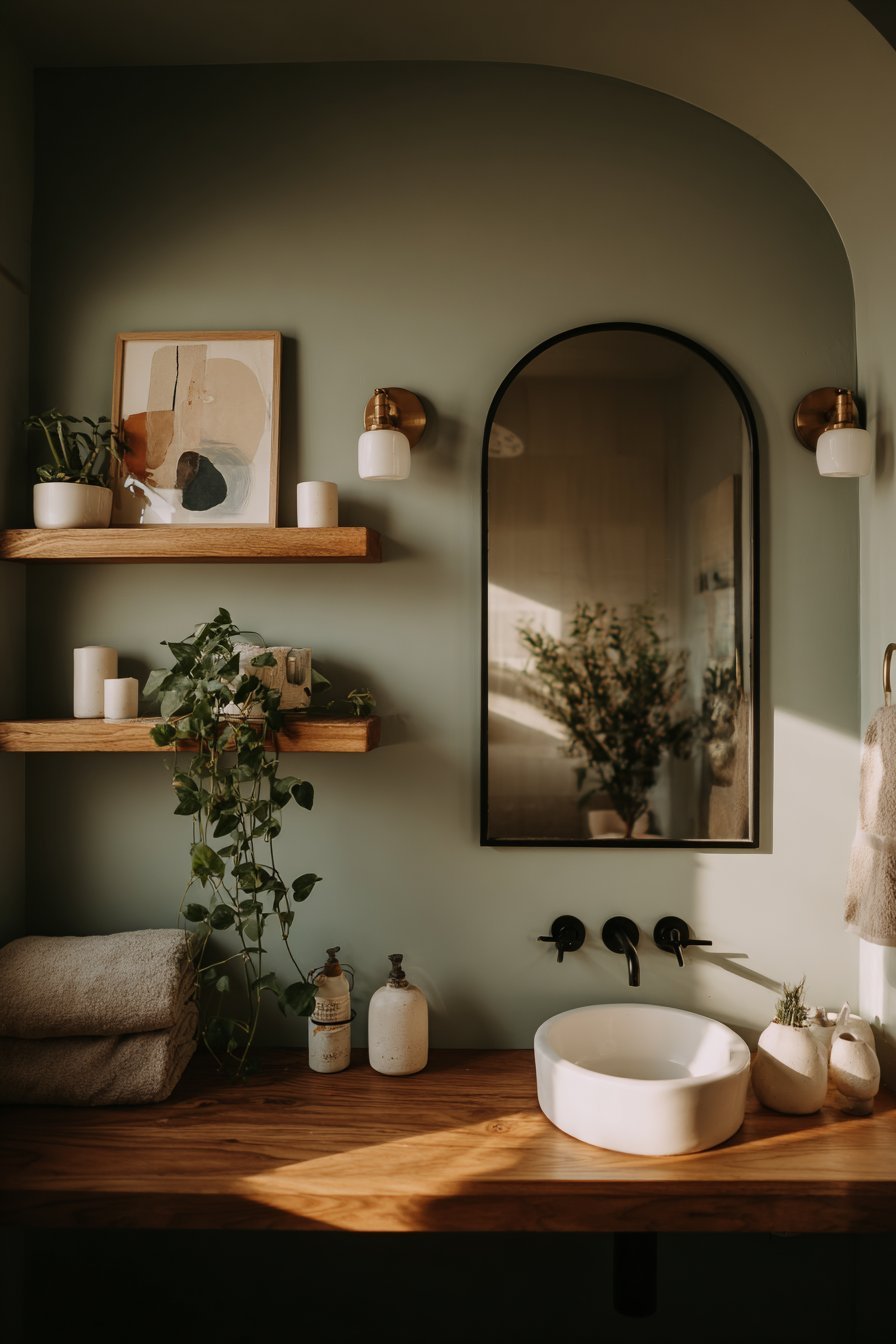
Wall decor accessories are the finishing layer that completes a bathroom’s design. Art, mirrors, shelving, and plants all contribute to how the walls feel. They add personality and warmth that paint and tile alone cannot fully deliver.
Framed artwork in bathrooms is a sophisticated and underused design move. Choose pieces that can handle humidity — prints behind glass or canvas prints sealed with a protective coating work well. Abstract art, botanical prints, and black-and-white photography all look stunning in bathroom settings and elevate the space instantly.
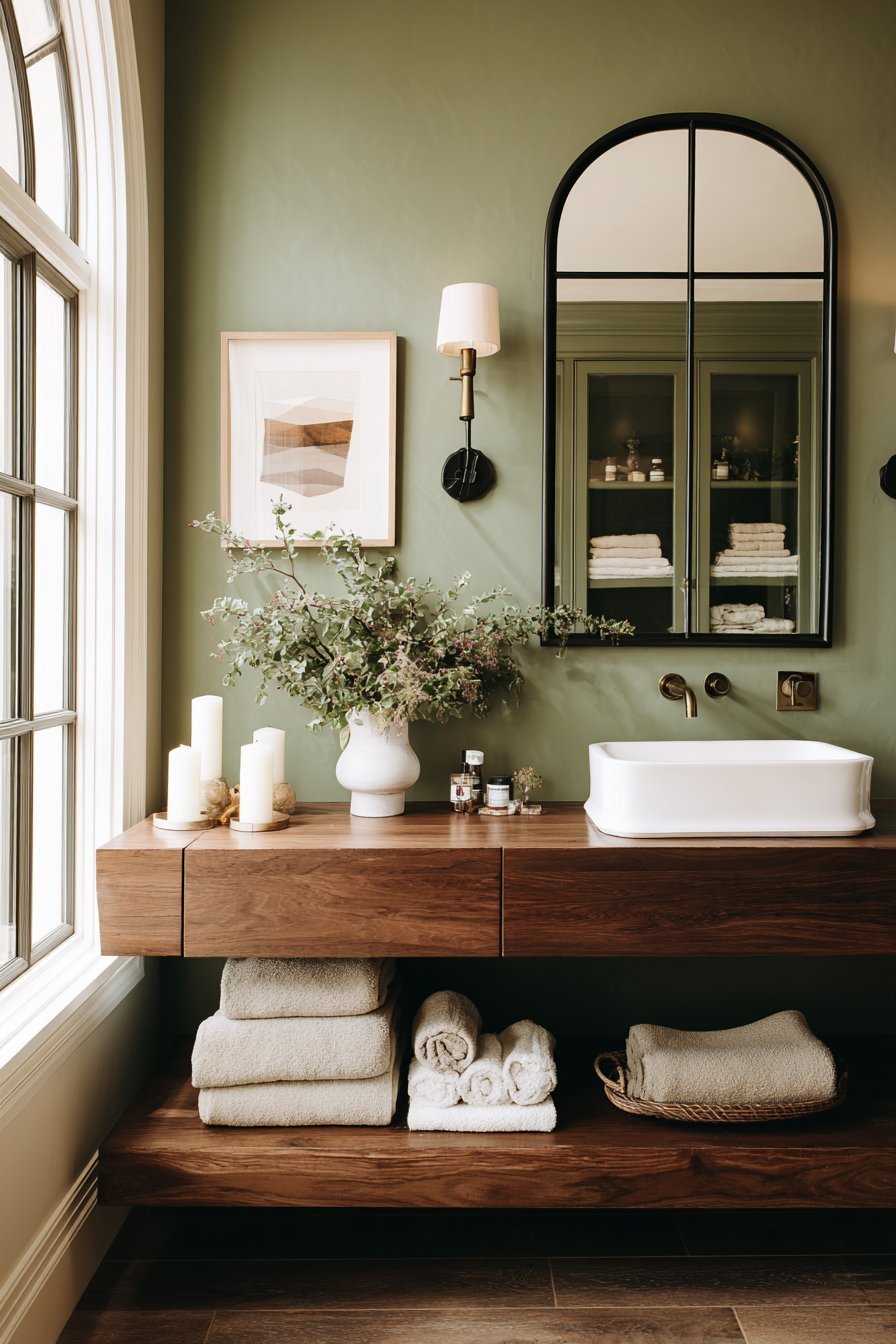
Floating shelves and wall-mounted storage serve a dual purpose. They’re both decorative and functional. Use them to display curated collections of candles, plants, folded towels, and small ceramics. Keep arrangements intentional and edited. A few beautiful objects thoughtfully arranged will always look better than a crowded collection of miscellaneous items.
- Choose bathroom-safe art — prints behind glass or sealed canvas work best
- Use mirrors as a primary decor element — oversized or uniquely framed mirrors are impactful
- Install floating shelves to display small plants, candles, and curated objects
- Hang a single large piece of art rather than a gallery wall in smaller bathrooms
- Introduce live plants (pothos, ferns, snake plants) for organic color and texture
- Keep wall decor minimal — in a bathroom, less is genuinely more
Conclusion
Designing bathroom walls is a layered process that rewards careful planning. From choosing moisture-resistant paint finishes to selecting the perfect tile grout color, every detail contributes to the final result. The best bathroom designs feel both functional and personal — spaces that serve your daily routine while expressing your individual style.
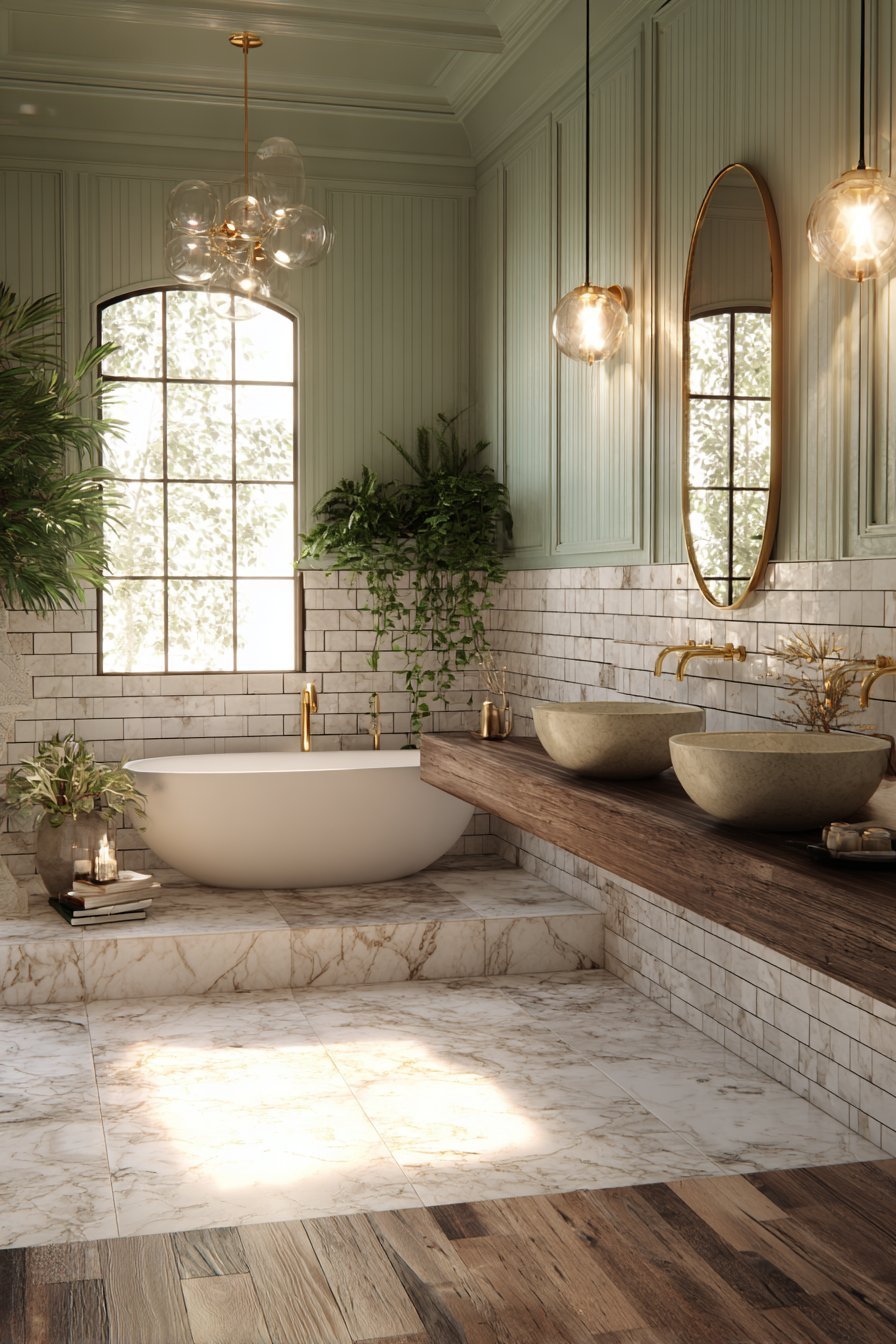
Start with your lighting, establish your color temperature, and build every decision from there. Experiment fearlessly — the bathroom is a relatively small canvas and a perfect place to take creative risks. Whether you lean into calm spa tones or bold, dramatic statements, a thoughtfully designed bathroom will bring joy every single day. Trust the process, invest in quality materials, and enjoy every step of the transformation.
