
Bathrooms are often the most overlooked rooms when it comes to interior design. Yet they deserve the same level of artistic attention as any other space in your home. Adding artwork to a bathroom can instantly elevate the mood, reflect your personality, and transform a purely functional room into a personal sanctuary. The challenge, however, lies in choosing pieces that can actually survive the unique conditions of this environment.
The bathroom presents a unique set of challenges for artwork. Steam, condensation, and fluctuating temperatures create a hostile environment for many traditional art forms. Paper warps, metal rusts, canvas molds, and cheap frames fall apart. Without proper planning, even a beautiful piece can deteriorate within months. Understanding how humidity affects different materials is the first step toward making smart, lasting choices.
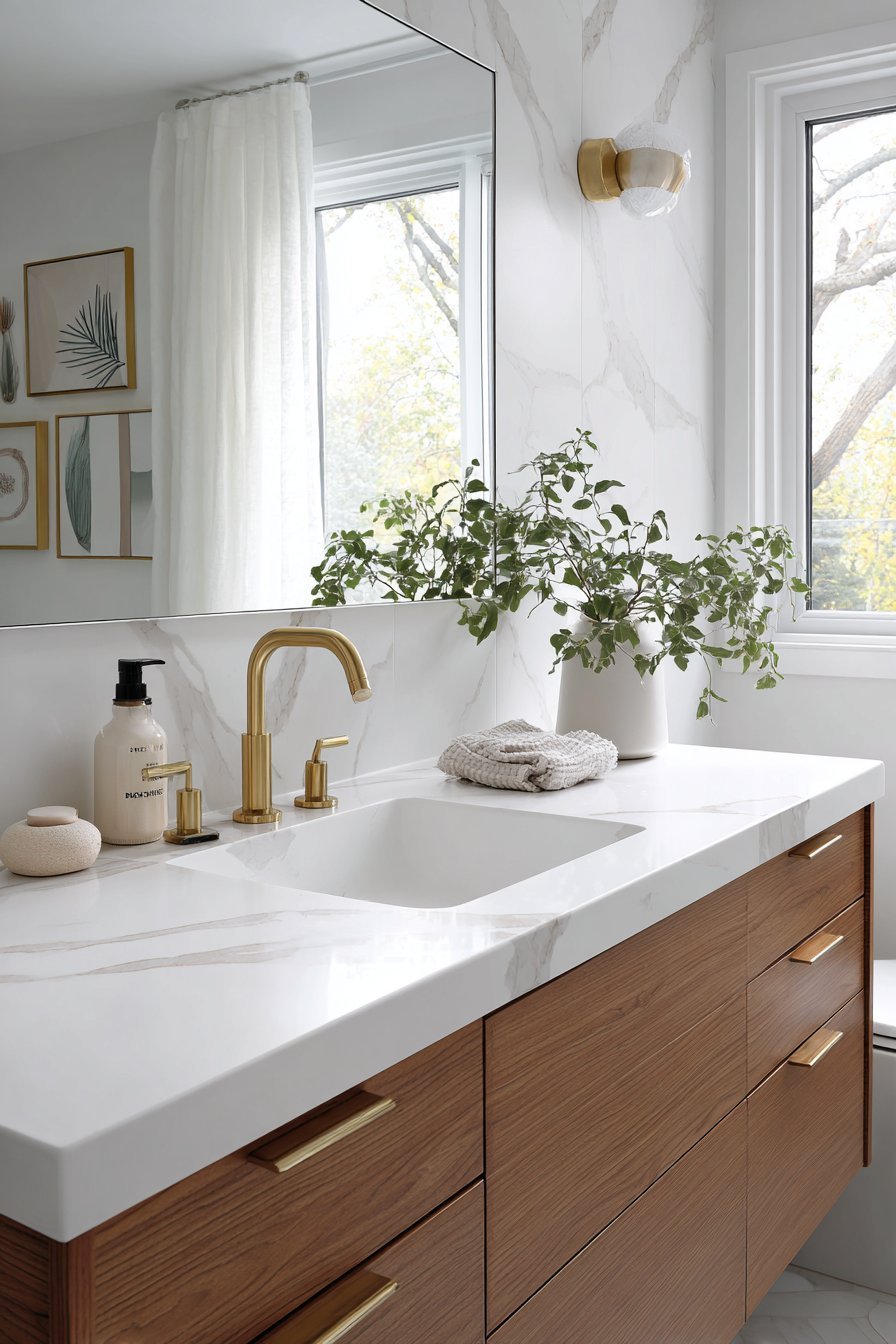
This guide walks you through everything you need to know about selecting humidity-resistant bathroom art. From materials and framing to placement and maintenance, you will find practical advice that blends design sensibility with real-world durability. Whether your bathroom is a minimalist spa retreat or a bold, colorful escape, there is an art solution that works beautifully and lasts for years.
1. Understand How Humidity Damages Artwork
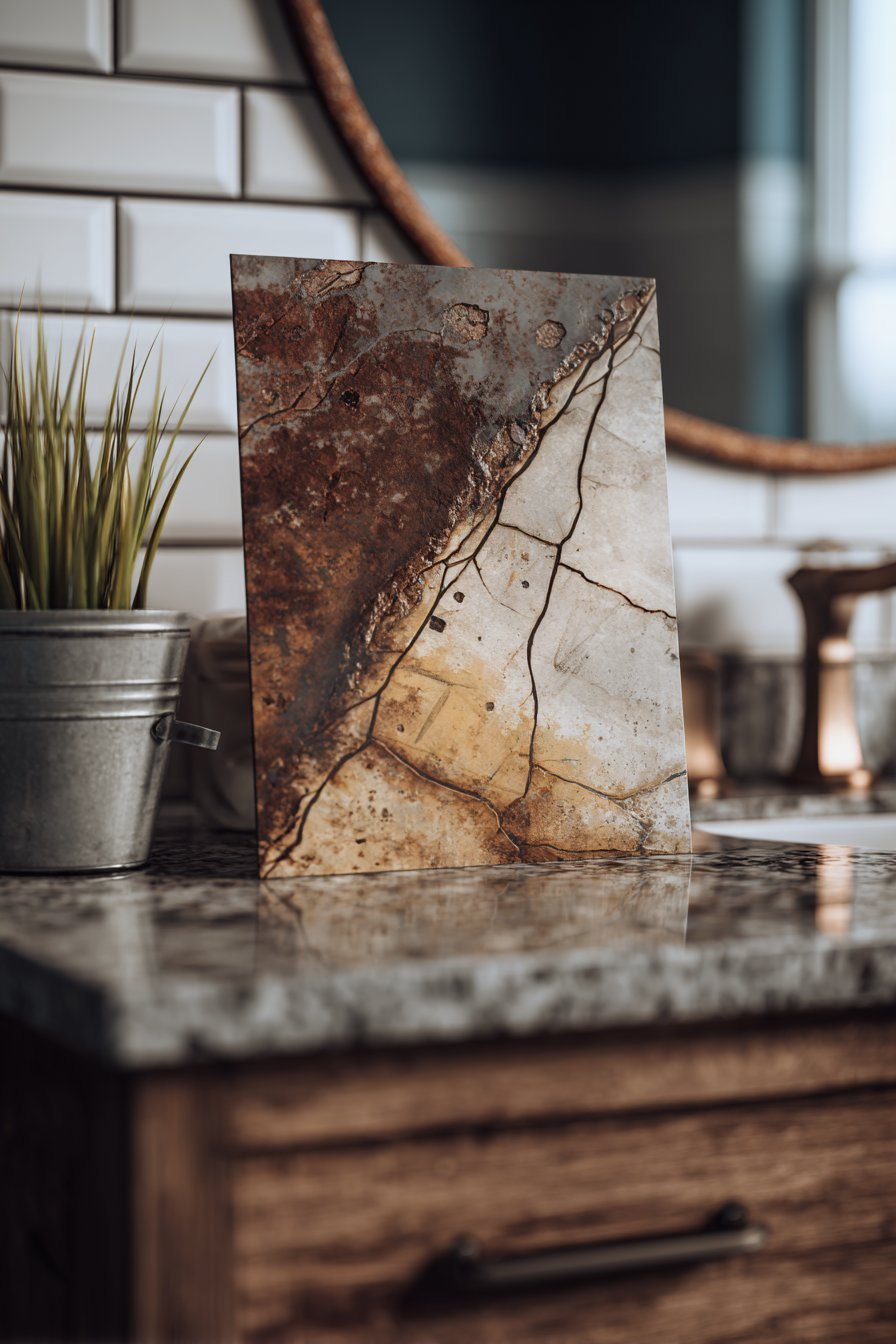
Bathroom humidity is no ordinary moisture. Every hot shower sends water vapor into the air, raising humidity levels dramatically within minutes. This repeated cycle of moisture and drying creates stress on almost every traditional art material. Paper absorbs moisture and expands, then shrinks as it dries — leading to warping, bubbling, and tearing over time.
Beyond paper, mold and mildew are serious concerns in humid spaces. Organic materials like canvas, wood frames, and natural fiber backings provide a perfect breeding ground for fungal growth. Once mold takes hold in an artwork, it is nearly impossible to fully remove without causing further damage. The visual and health implications make this a critical factor in your selection process.
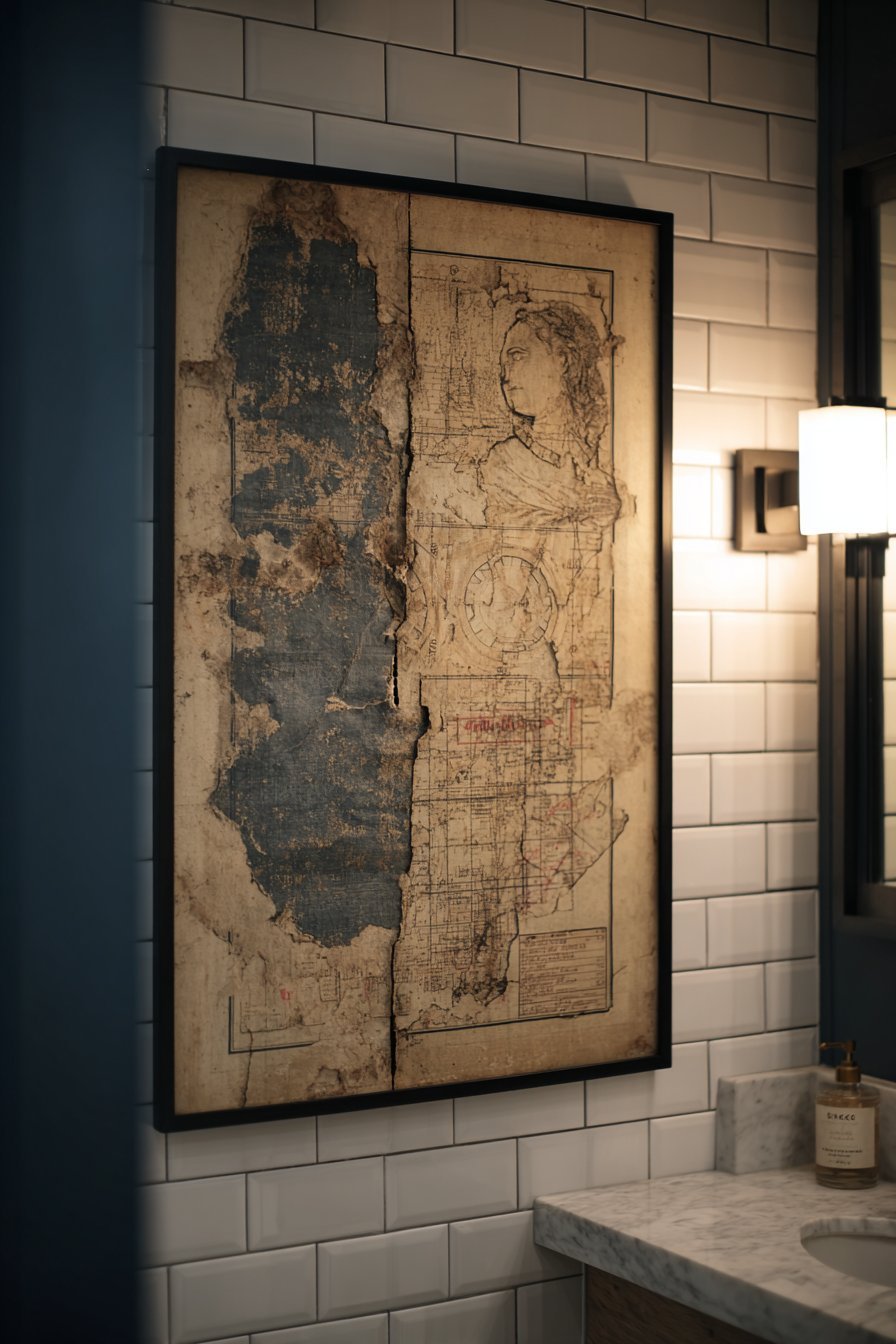
Metal components — including frames, hanging hardware, and certain print coatings — are also vulnerable. Rust and corrosion can stain walls and destroy otherwise beautiful pieces quickly. By understanding these failure points, you can make informed decisions that protect your investment and keep your bathroom looking polished for the long term.
- Learn how your bathroom’s ventilation affects moisture levels
- Check if your bathroom has an exhaust fan and use it consistently
- Measure the wall distance from the shower or tub before selecting art
- Identify which walls experience the most steam exposure
- Avoid hanging delicate pieces directly above bathtubs or showers
- Research the specific materials in any artwork before purchasing
2. Choose Metal Prints for Maximum Durability
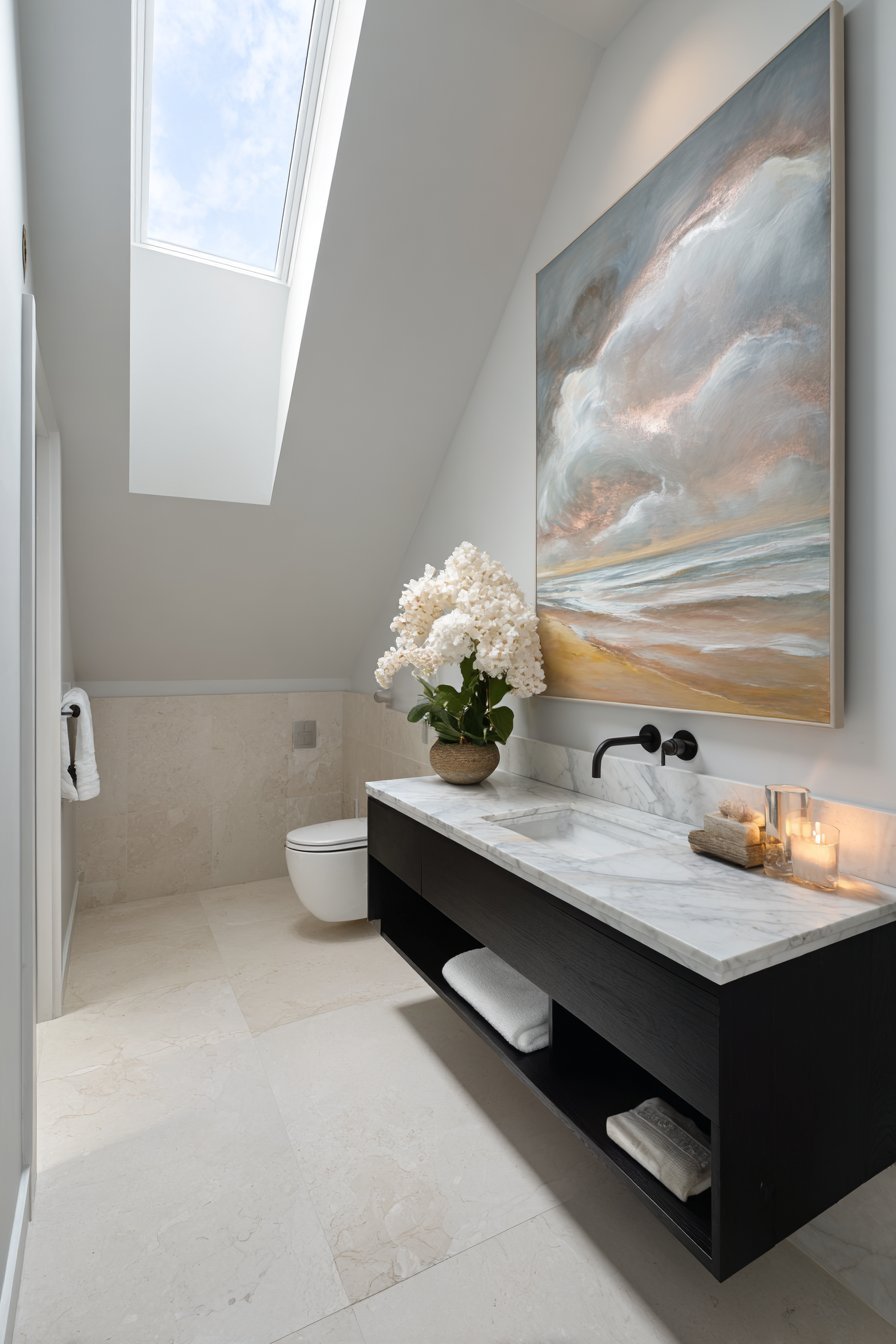
When it comes to moisture-resistant artwork, metal prints stand at the top of the list. These are created by infusing dye directly into aluminum sheets, producing a vivid, high-definition image with a slight metallic sheen. Because the image is embedded into the metal rather than sitting on top, there is no surface layer to peel, crack, or absorb humidity.
Metal prints are also completely waterproof at the surface. You can wipe them clean with a damp cloth, and steam from a shower will not cause any warping or damage. This makes them ideal for bathrooms with poor ventilation or for placement close to the shower area. They come in matte, glossy, and semi-gloss finishes, giving you flexibility to match your bathroom’s existing aesthetic.
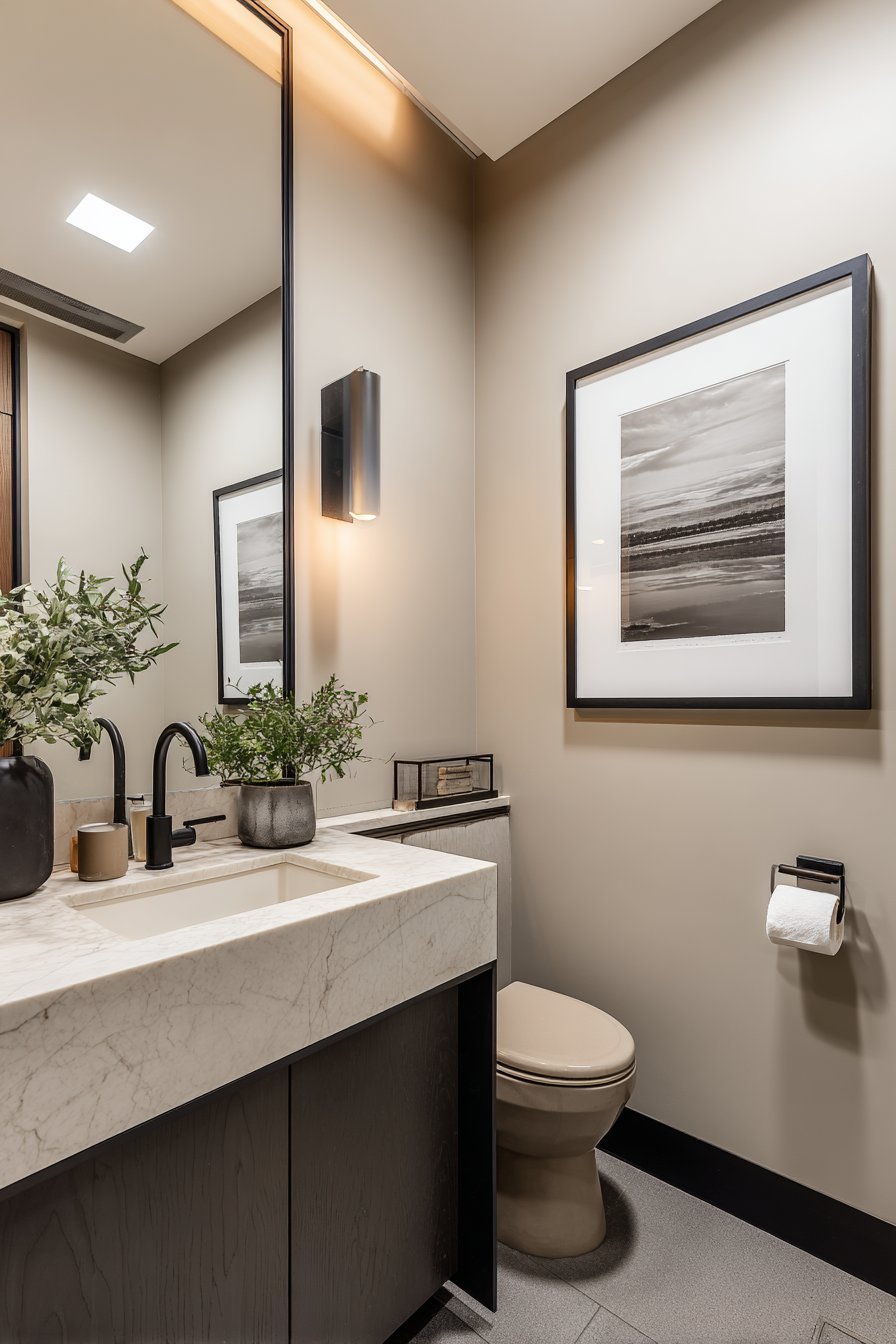
Beyond durability, metal prints offer a sleek, contemporary look that suits modern and minimalist bathroom designs particularly well. The reflective quality of the aluminum adds depth and luminosity, especially in smaller bathrooms where light is limited. They are available in custom sizes and can feature anything from abstract photography to bold graphic art or serene nature scenes.
- Look for aluminum-based metal prints rather than cheaper steel options
- Choose a float mount backing to allow air circulation behind the piece
- Pair metal prints with similarly sleek fixtures for a cohesive design
- Opt for matte finish in high-glare bathrooms to reduce reflection
- Clean periodically with a microfiber cloth to maintain vibrancy
- Order from reputable print labs that use UV-resistant inks
3. Explore Canvas Prints with Protective Coatings
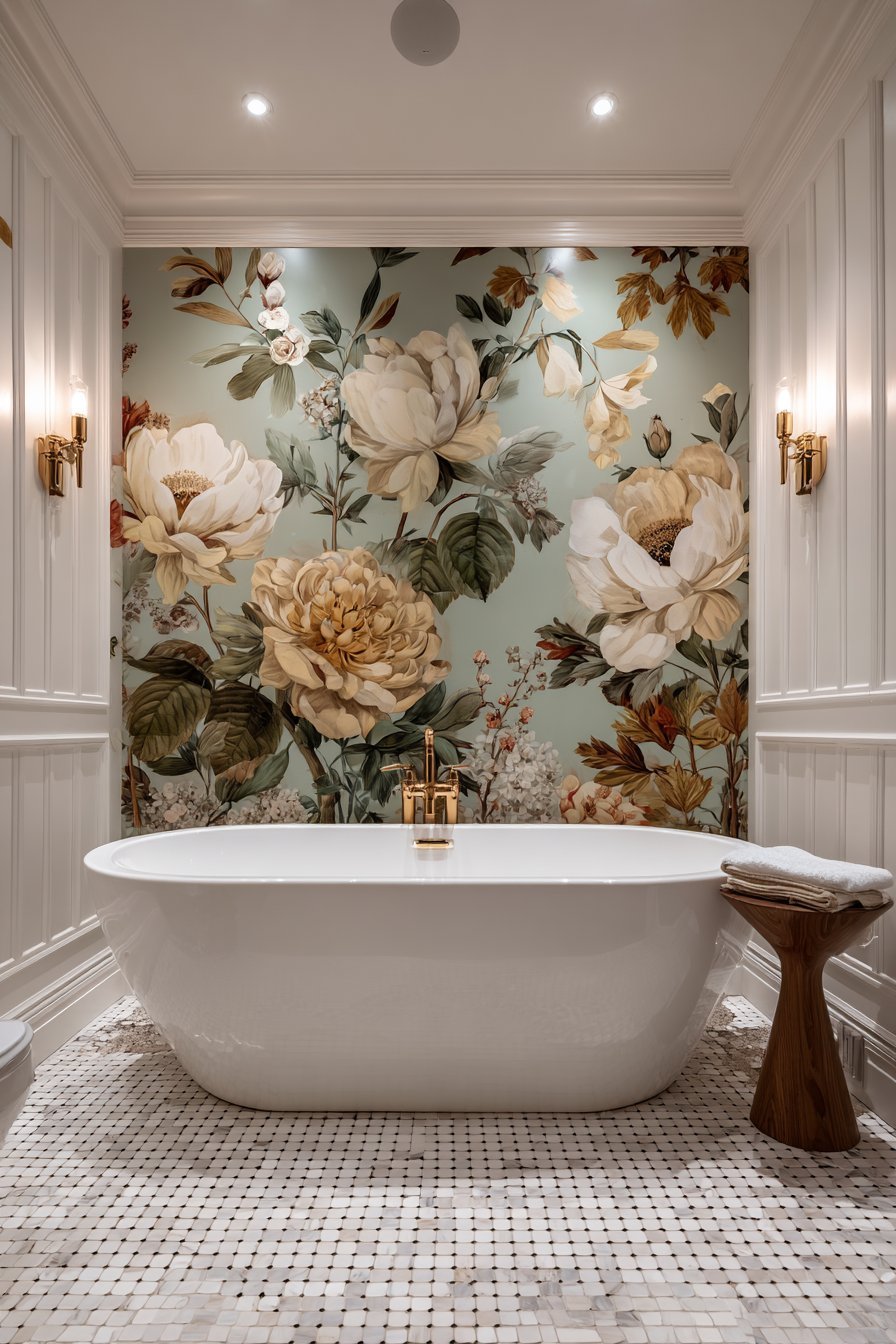
Canvas prints are a popular and versatile choice, but standard canvas will not hold up well in bathroom humidity without specific preparation. The good news is that treated canvas prints with moisture-resistant coatings can perform admirably in bathroom conditions. These coatings create a barrier that prevents moisture from penetrating the canvas fibers.
Look specifically for canvas prints that are labeled waterproof or water-resistant. These are typically coated with a polyurethane or lacquer finish that seals the surface. Some high-quality canvas prints also come with a UV protective layer, which prevents fading from artificial bathroom lighting. Always ask the manufacturer or seller about their coating process before purchasing for bathroom use.
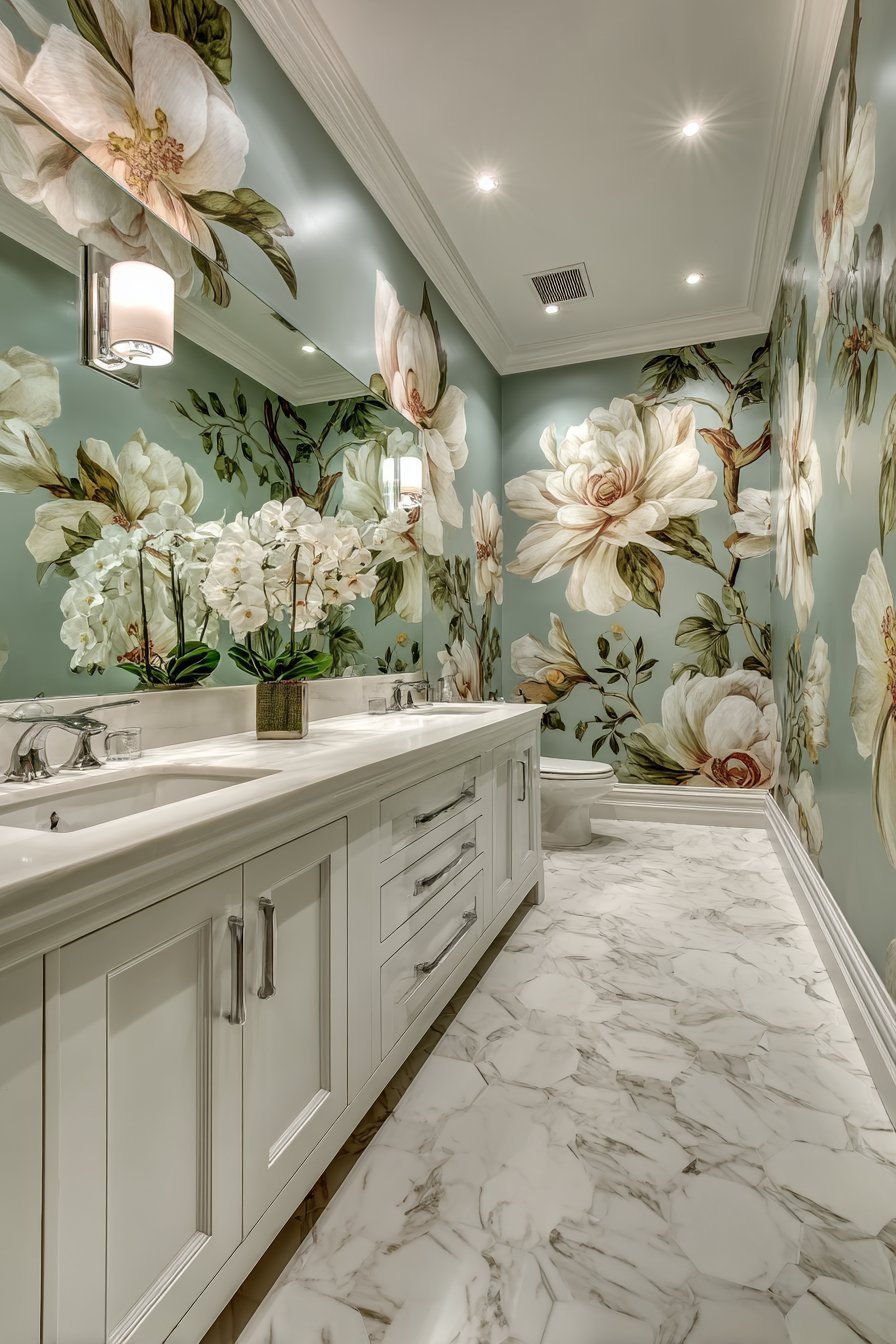
The stretcher bars and backing matter just as much as the canvas itself. Solid wood stretcher bars can warp under humidity. Instead, look for canvas prints mounted on sealed or treated wood, or opt for canvas gallery wraps where the image wraps completely around the frame with no exposed wood on the front. These design choices make a significant difference in long-term performance.
- Specifically request humidity-resistant coatings when ordering custom canvas prints
- Avoid placing uncoated canvas prints in bathrooms without strong ventilation
- Check for tightly wrapped edges with no gaps for moisture to enter
- Use rust-proof hanging hardware to complement the moisture-resistant canvas
- Consider applying an additional clear acrylic sealant to store-bought canvas prints
- Replace any canvas with visible mold immediately for health and safety reasons
4. Embrace Ceramic and Tile Art
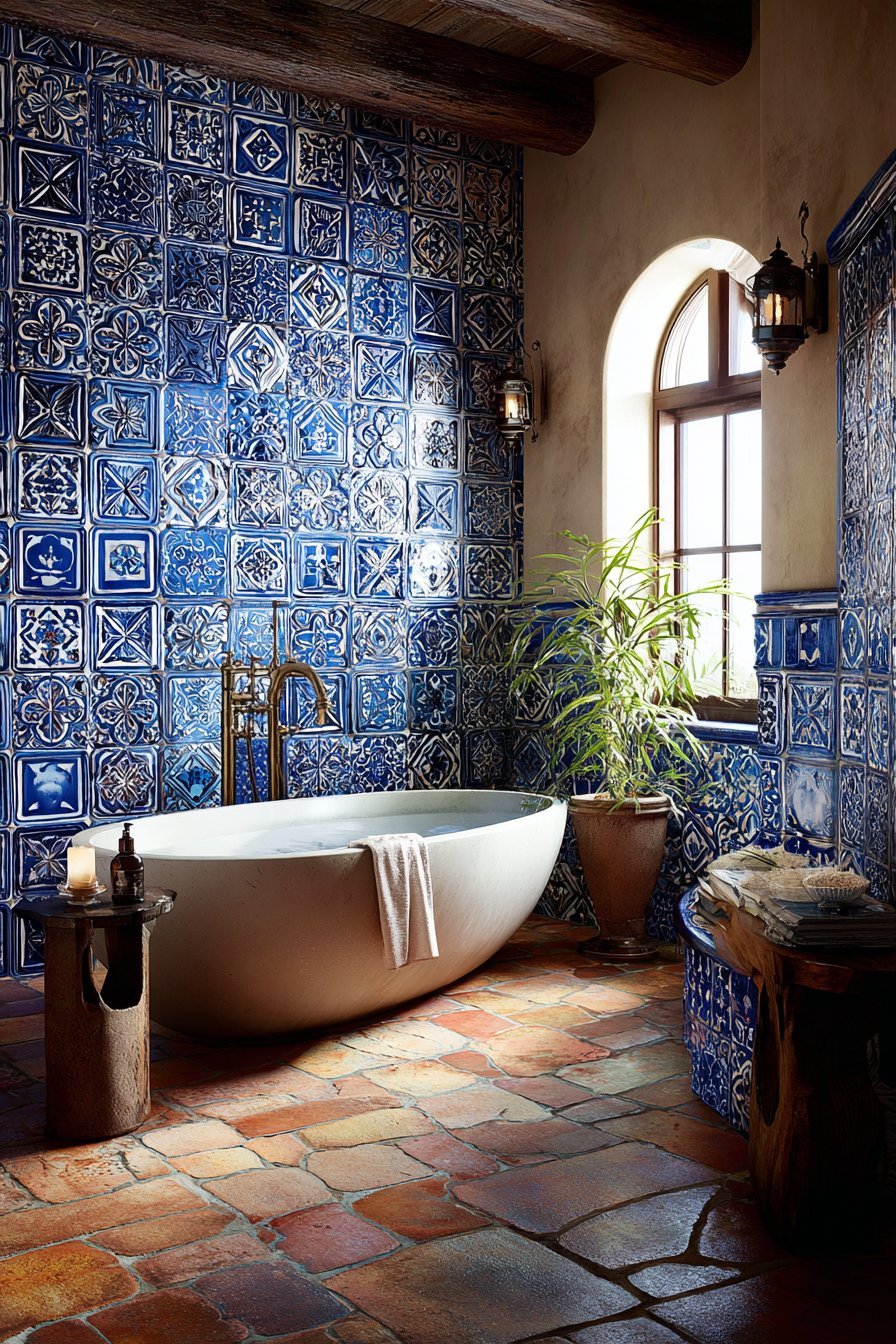
Ceramic and tile artwork are among the most inherently bathroom-friendly options available. These materials have been used in wet environments for centuries, from ancient Roman baths to modern spa retreats. Glazed ceramic tiles are impervious to moisture, easy to clean, and extraordinarily long-lasting when properly installed.
Decorative tile panels can serve as both functional wall covering and fine art. Hand-painted ceramic tiles featuring botanical illustrations, geometric patterns, or abstract designs can become a stunning focal point in any bathroom. These pieces can be installed directly onto the wall with waterproof grout and tile adhesive, making them a permanent and highly durable addition to your space.
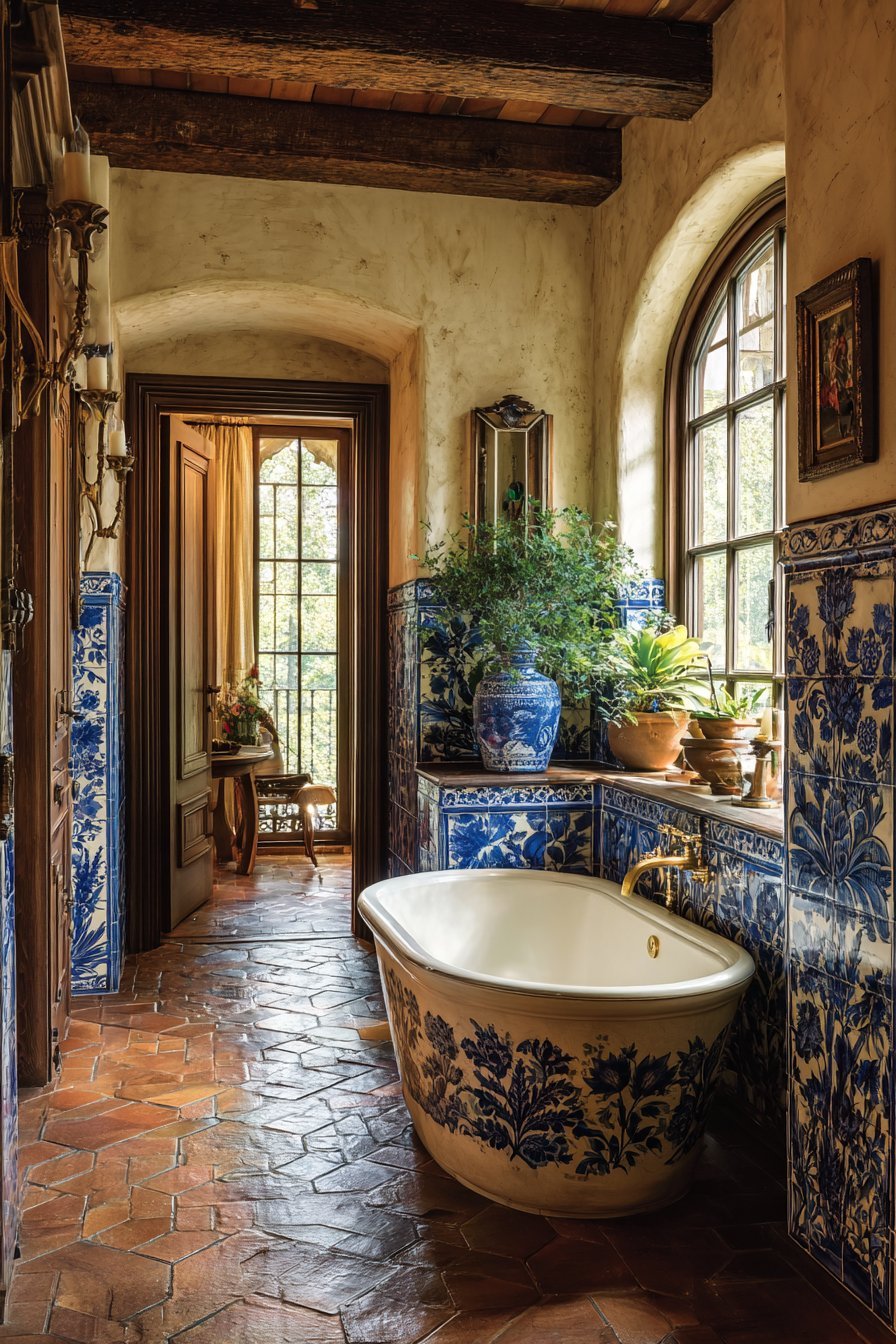
Ceramic wall plaques and decorative plates also offer a charming alternative for smaller bathroom walls. They require minimal maintenance and will not warp, fade, or deteriorate in humid conditions. Their weight and solidity give them a sense of permanence and quality that more delicate art forms simply cannot match in wet environments.
- Choose glazed over unglazed ceramic for better moisture resistance
- Install tile art panels using waterproof adhesive and grout for permanence
- Mix and match decorative tiles with your existing tilework for cohesion
- Select hand-painted ceramics for a unique, artisan aesthetic
- Ensure ceramic wall plaques are hung with stainless steel or coated hooks
- Explore Portuguese azulejo tiles or Moroccan zellige for global design inspiration
5. Consider Acrylic and Resin Artwork
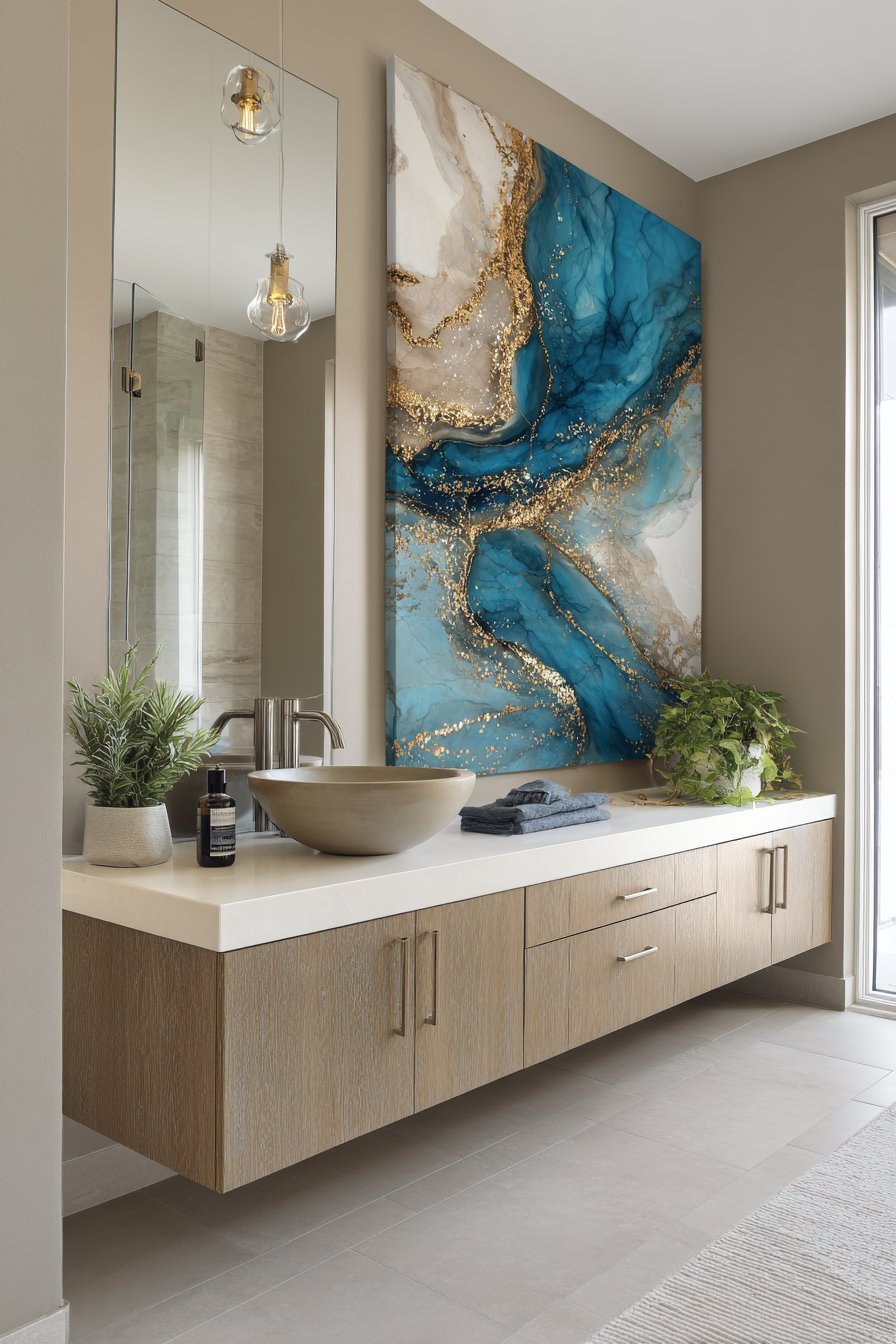
Acrylic artwork offers a perfect balance of artistic beauty and practical durability for humid environments. Paintings created with acrylic paint on acrylic or sealed boards are highly resistant to moisture compared to oil or watercolor works. The acrylic polymer medium naturally repels water once fully cured, making these pieces a smart investment for bathroom display.
Resin art has become increasingly popular in recent years, and for good reason. Epoxy resin coatings create a hard, glass-like surface that is completely impervious to humidity. Many artists pour resin over photographs, dried botanicals, or abstract color backgrounds to create deeply dimensional, visually striking pieces. The glossy surface is easy to wipe clean and resists both moisture and UV fading.
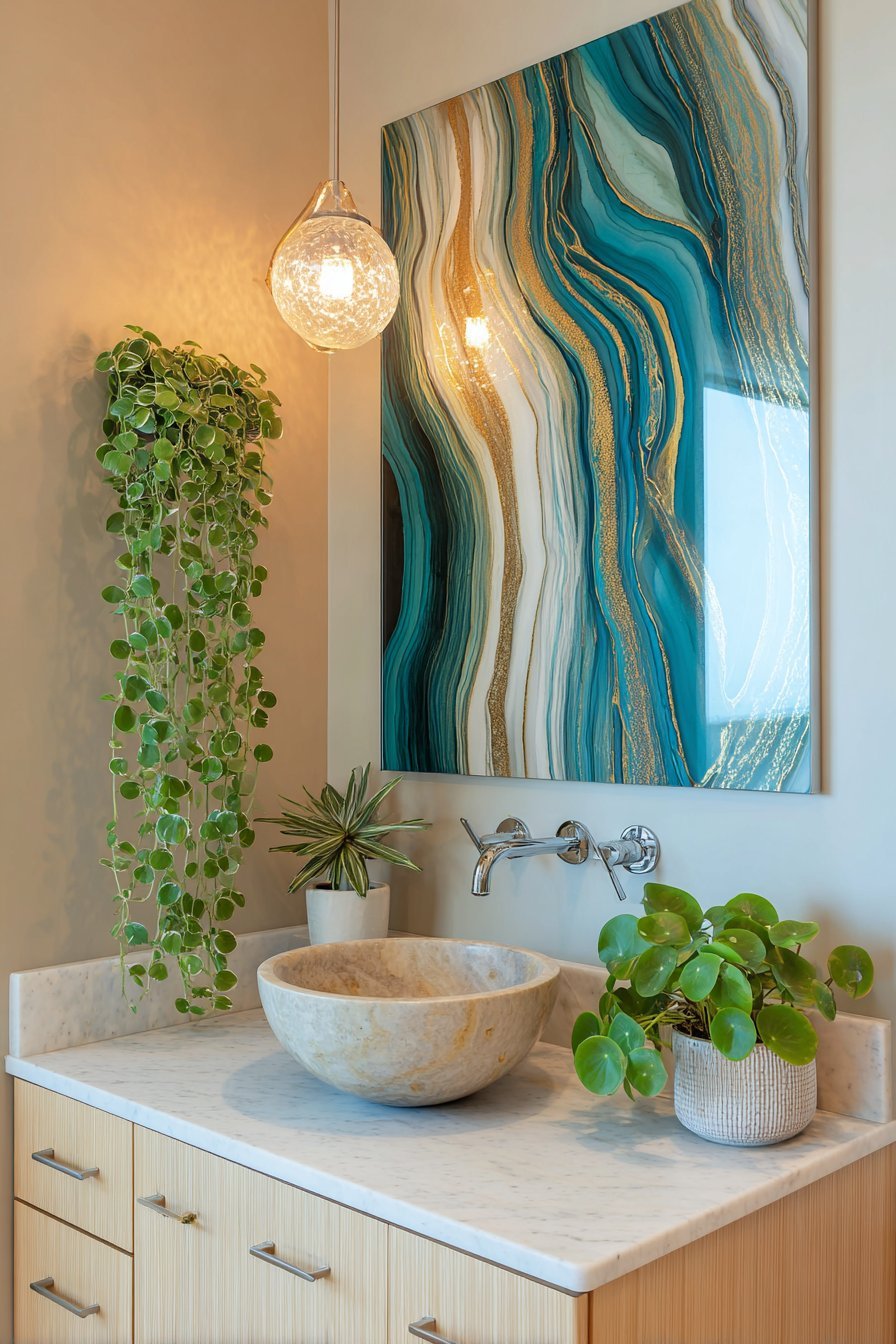
When selecting acrylic or resin pieces, verify the backing material as well. Even a resin-coated front cannot protect against moisture seeping in from the back or sides. Look for pieces mounted on sealed wood, PVC, or acrylic boards rather than paper or cardboard backings. This attention to the complete construction of the piece ensures it will perform well in your bathroom long term.
- Seek out original resin pour paintings from artists on platforms like Etsy or local galleries
- Ask about backing materials before purchasing any acrylic or resin artwork
- Hang these pieces with adequate wall clearance for rear air circulation
- Use resin-coated pieces in high-humidity zones closest to the shower
- Apply a thin layer of car wax to resin surfaces annually to maintain gloss
- Combine resin art with metallic accents for a luxurious bathroom feel
6. Use Prints Behind Glass with Sealed Frames
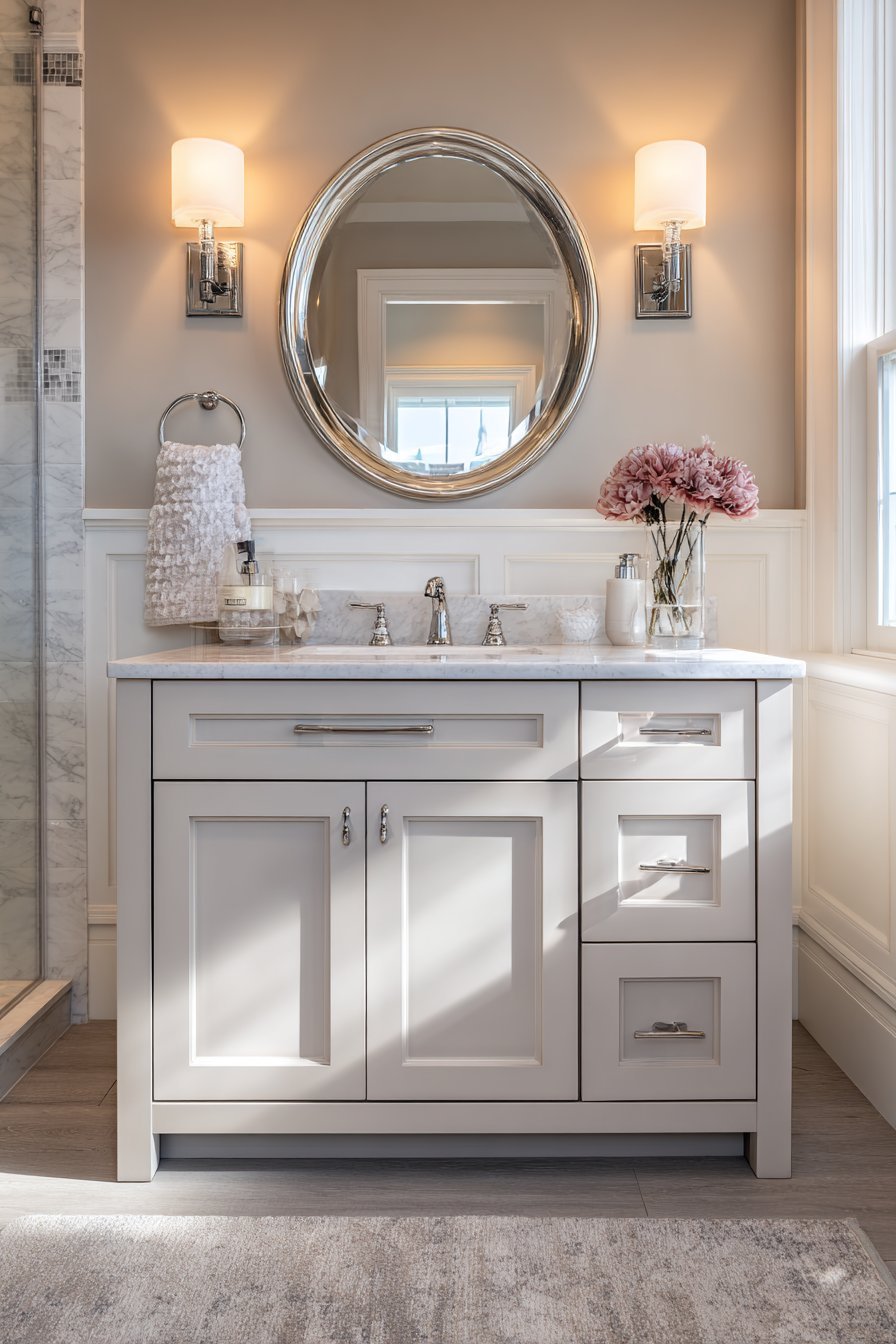
Framed prints behind glass can work beautifully in bathrooms when the right materials are chosen. The critical elements are the frame material, the glass type, and how well the entire assembly is sealed against moisture infiltration. A poorly sealed frame will allow humid air to enter from the back, causing the print inside to warp and mold even if the front glass is intact.
For frame materials, aluminum and PVC frames are the top choices for humid environments. Solid wood frames will eventually warp and crack, even when painted or lacquered. Aluminum frames are lightweight, stylish, and completely impervious to moisture. PVC or composite frames mimic the look of wood without any of the moisture-related vulnerabilities and are widely available in home decor stores.
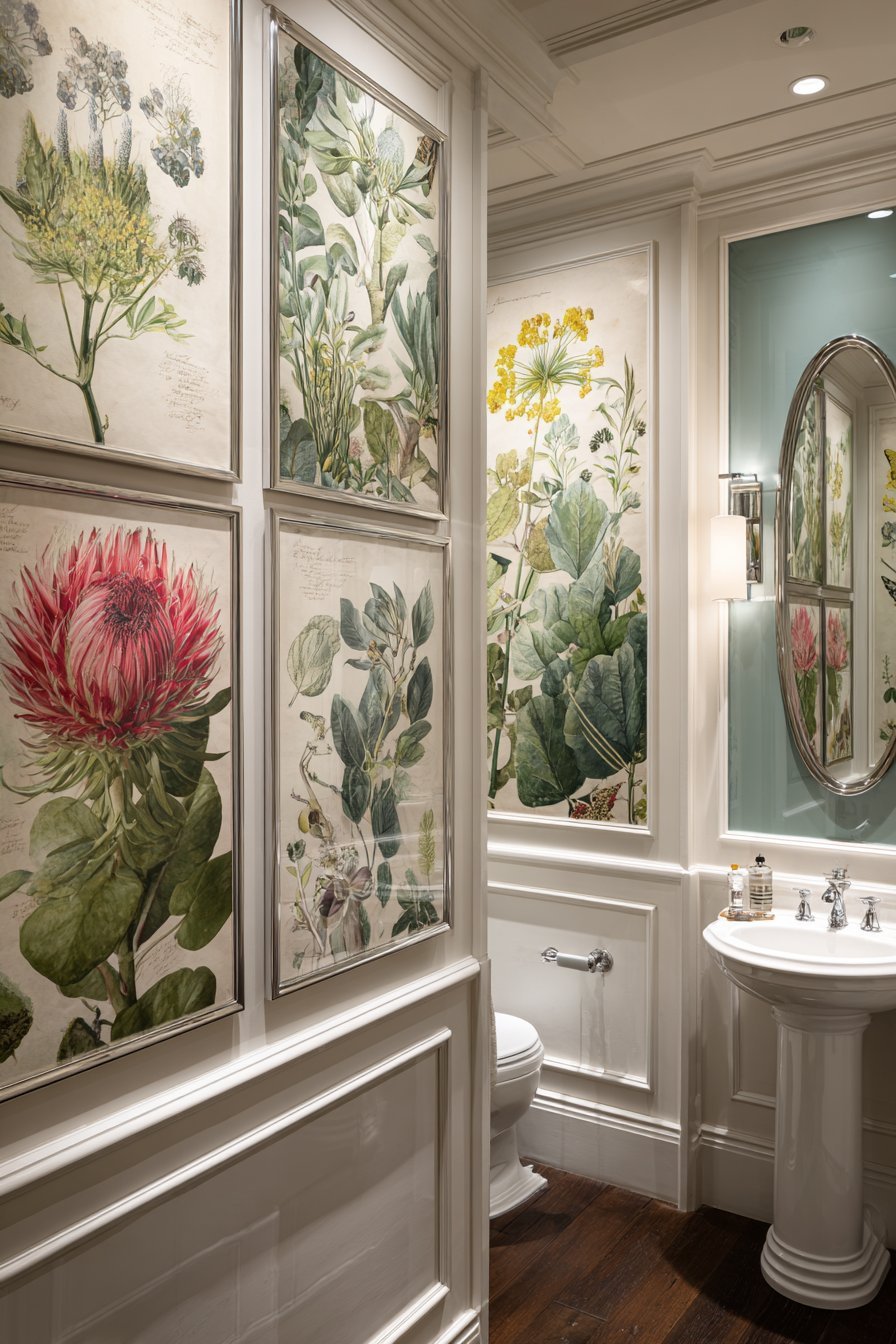
For the glass itself, always choose acrylic glazing rather than traditional glass when possible for bathroom use. Acrylic is lighter, less likely to shatter if accidentally dropped in a wet environment, and just as optically clear as glass. Seal the back of the frame with kraft paper and waterproof tape to prevent any moisture from entering through the rear, and you will have a fully protected piece ready for bathroom display.
- Choose aluminum or PVC frames exclusively for bathroom wall art
- Seal the back of every frame with waterproof tape or backing paper
- Use UV-filtering acrylic glazing to protect prints from fading
- Ensure hanging hardware is stainless steel or coated to prevent rust staining
- Opt for prints on archival-quality paper even inside sealed frames for longevity
- Avoid oversized frames in small bathrooms where condensation concentrates more heavily
7. Select Waterproof Wallpaper or Mural Panels
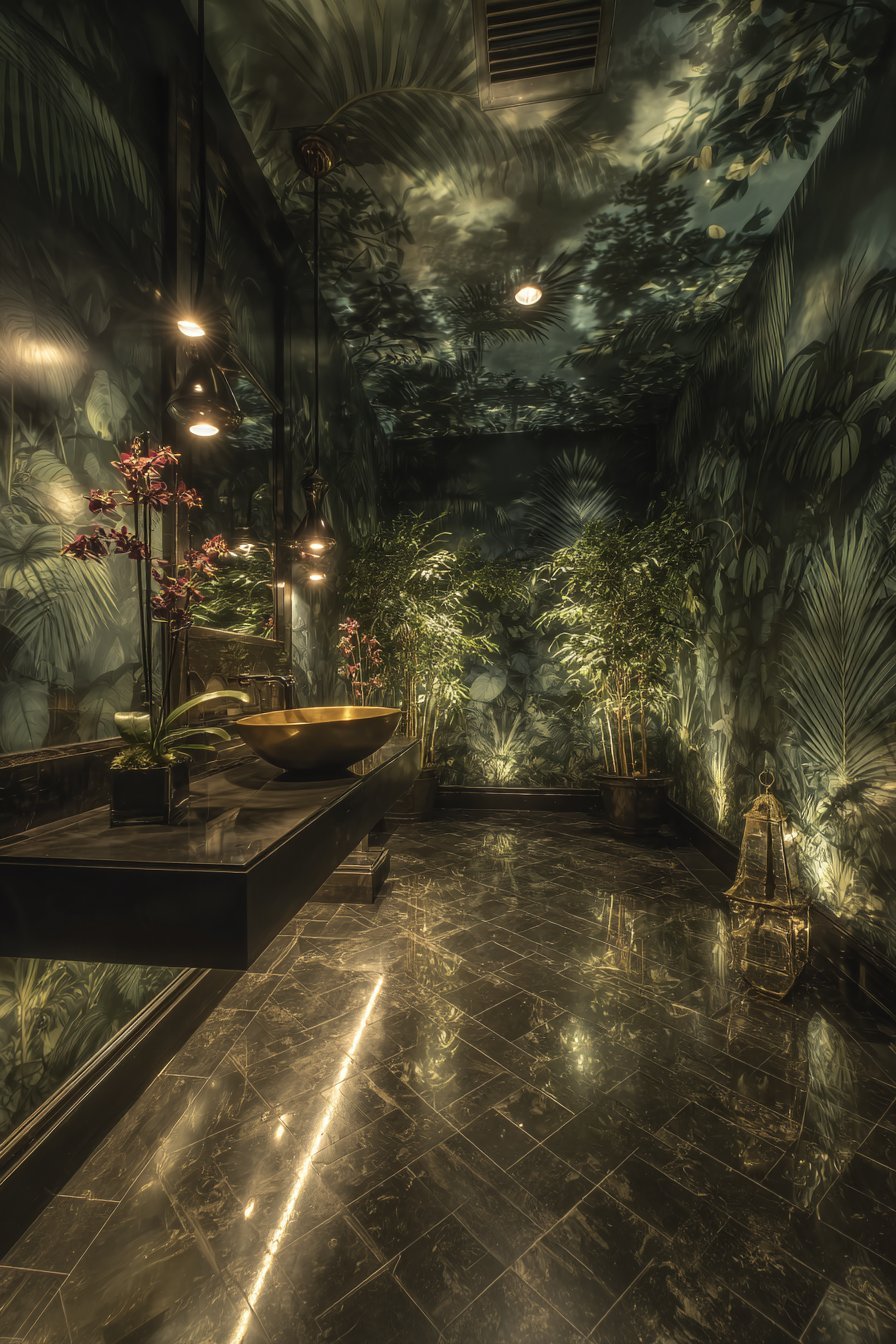
Waterproof wallpaper and peel-and-stick murals have evolved dramatically in recent years. Today’s options include vinyl-based wallpapers and PVC-free alternatives that are specifically engineered for wet and humid environments. A full-wall mural can create an immersive, dramatic effect that no single framed piece can match.
These products are typically type II commercial-grade wallpapers that can withstand splashing water, steam, and regular cleaning. Botanical prints, ocean scenes, geometric patterns, and abstract art are all available in these moisture-resistant formats. Installation requires a waterproof adhesive primer and careful edge sealing to ensure no moisture infiltrates behind the panels.
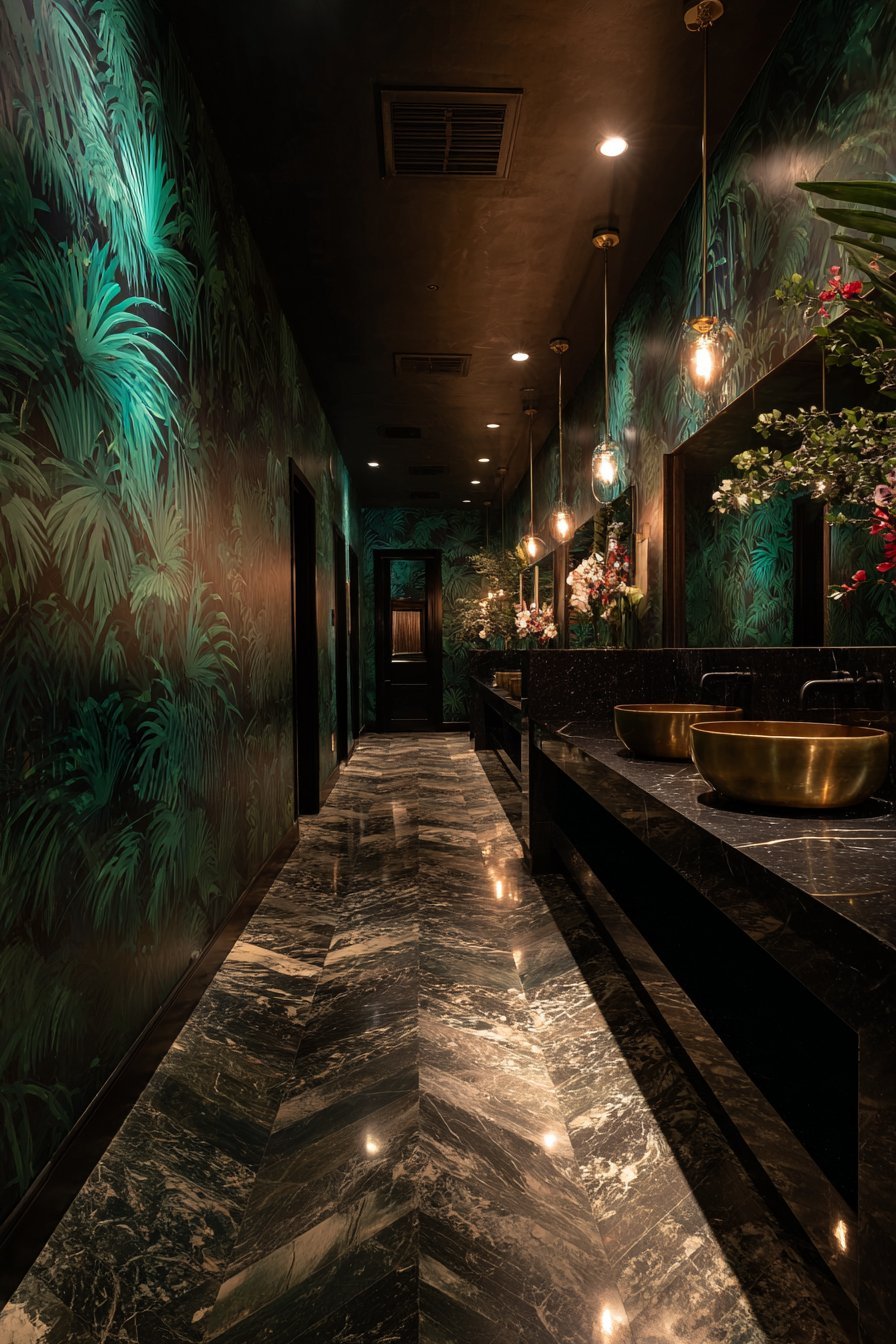
Peel-and-stick mural panels offer a renter-friendly alternative that requires no paste or professional installation. While not quite as durable as pasted wallpaper in very high-humidity situations, high-quality peel-and-stick products from reputable brands hold up well in bathrooms with good ventilation. They also allow you to change your bathroom’s look seasonally without commitment or renovation costs.
- Choose vinyl or Type II rated wallpaper for bathroom applications
- Use a waterproof sizing primer on walls before installation for better adhesion
- Seal all seams and edges with clear bathroom caulk after application
- Ensure the bathroom has adequate ventilation before installing any wallpaper
- Select large-scale botanical or nature prints for a spa-like atmosphere
- Test a small peel-and-stick sample in your bathroom for several weeks before committing
8. Incorporate Sculptural and 3D Wall Art
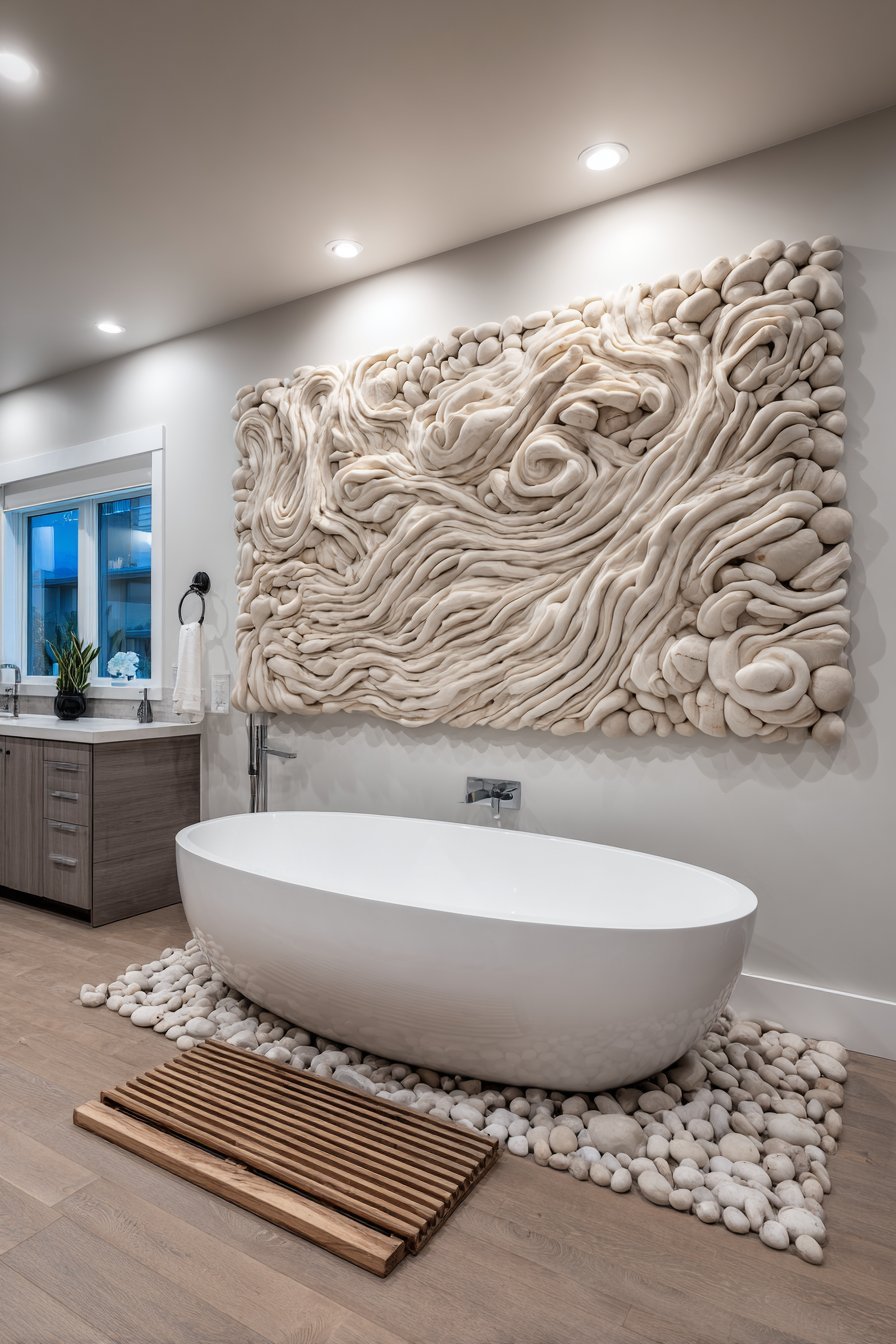
Three-dimensional wall art opens up a creative world of moisture-resistant options for bathroom walls. Materials like cast iron, sealed resin, galvanized steel, and outdoor-rated metals can be formed into stunning wall sculptures that add texture, depth, and artistry to any bathroom. These pieces thrive in conditions where flat prints would fail.
Sculptural elements also benefit from the bathroom’s reflective surfaces. When light from vanity fixtures or natural windows hits a metal wall sculpture, it creates dynamic shadow play and visual interest that changes throughout the day. This interactive quality makes 3D art particularly rewarding in bathrooms where fixed conditions might otherwise feel static.
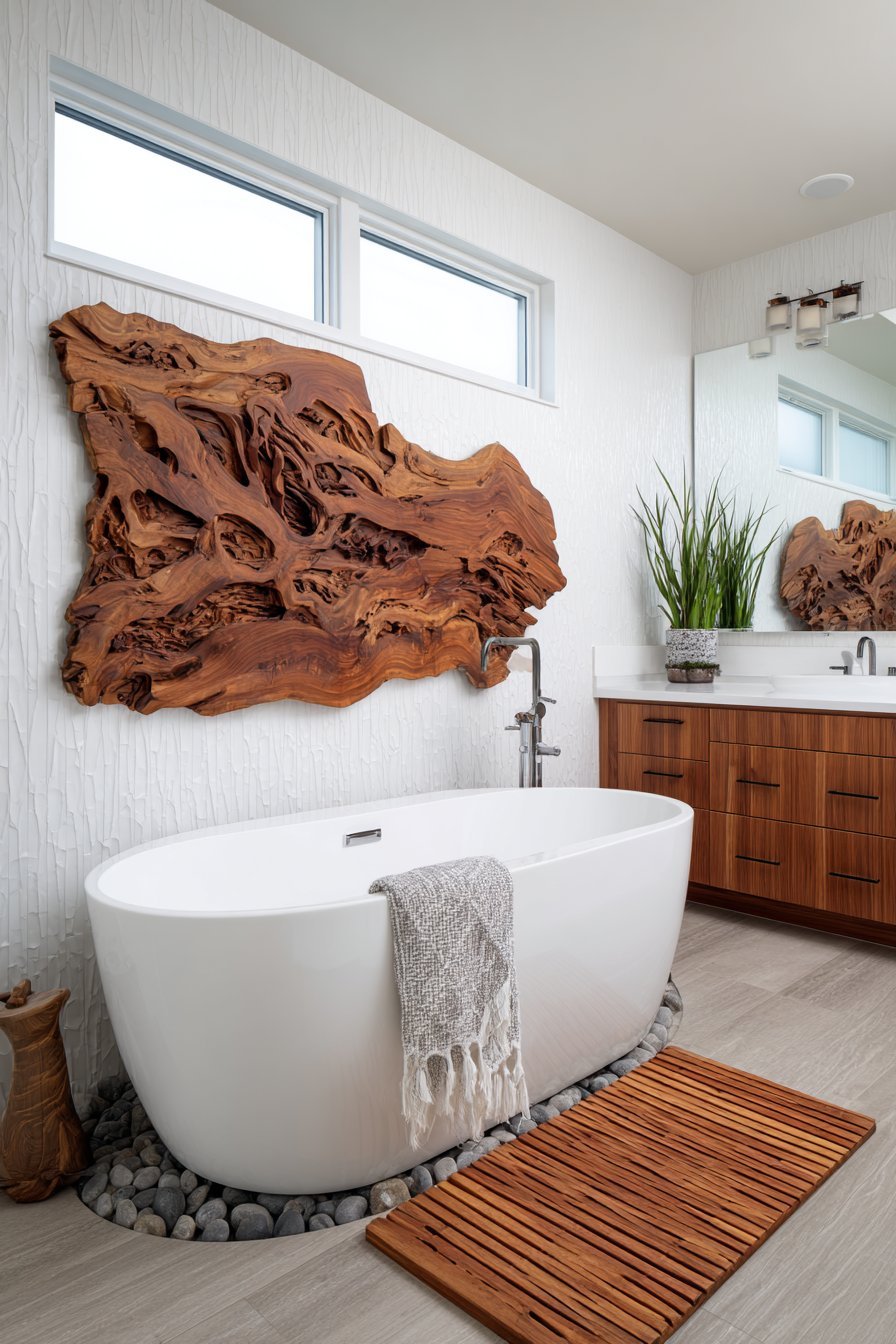
Driftwood, sealed stone, and concrete art objects also perform well in humid environments, provided they have been properly sealed and treated. A collection of smooth river stones arranged in a wall-mounted shadow box, sealed with a clear resin, can bring natural, organic beauty into the bathroom without any risk of moisture damage. These handcrafted elements add warmth and authenticity to modern bathroom designs.
- Choose outdoor-rated metal wall art which is inherently moisture-resistant
- Look for cast aluminum or powder-coated steel pieces for lasting durability
- Use sealed driftwood or stone elements for organic, spa-inspired aesthetics
- Hang sculptural pieces with heavy-duty, rust-proof mounting hardware
- Keep 3D art away from direct water spray even if materials are moisture-resistant
- Dust and dry sculptural pieces regularly to prevent buildup in textured surfaces
9. Think Strategically About Placement
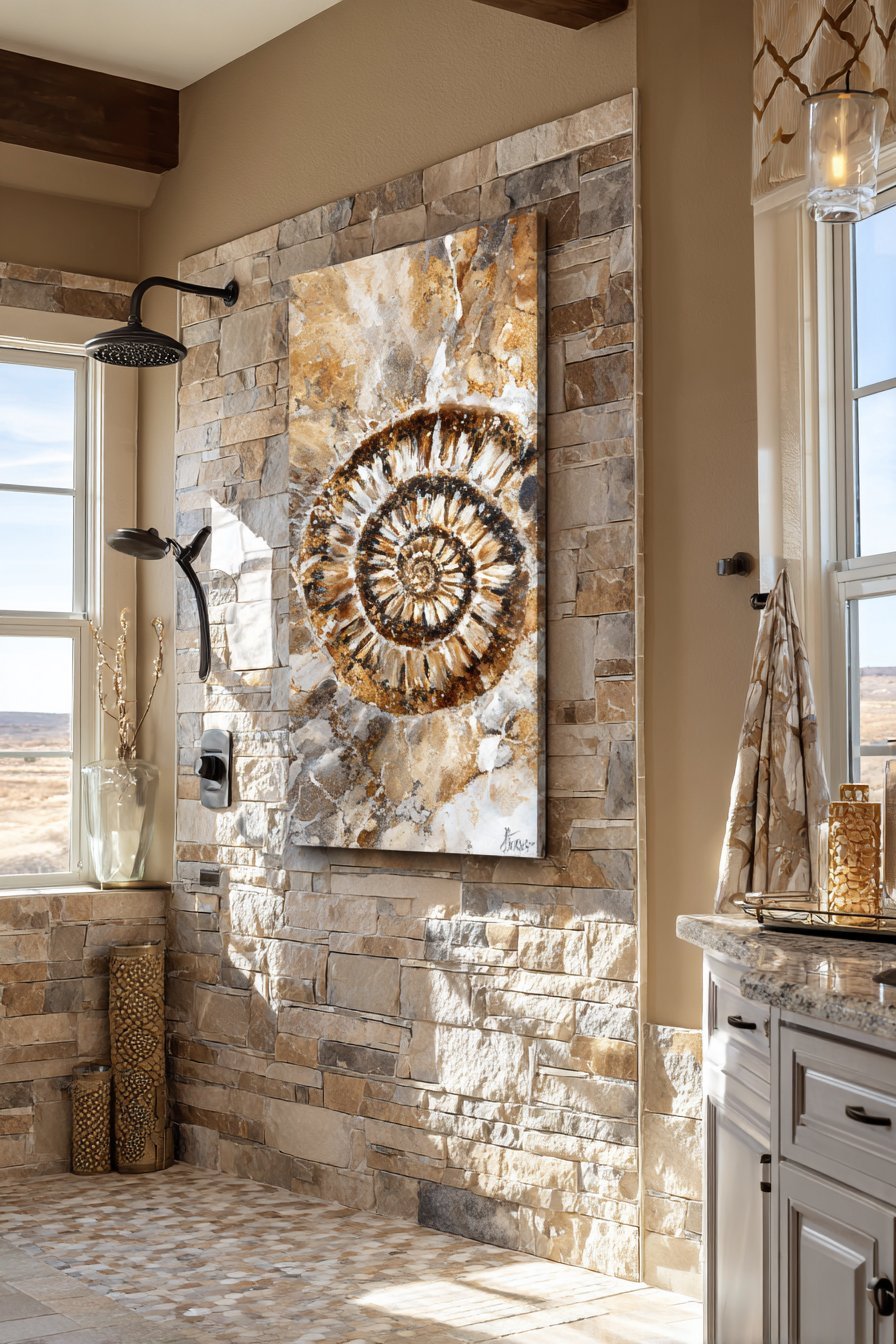
Even the most humidity-resistant artwork will deteriorate faster if placed in the wrong location. Strategic placement is just as important as material selection. The wall directly adjacent to the shower or above the bathtub experiences the most concentrated moisture exposure and should be reserved only for the most durable materials like ceramic, metal prints, or sealed resin.
Cross-ventilation and air circulation behind your artwork are often overlooked. Pieces mounted flush against the wall trap moisture between the art and the wall surface, accelerating mold growth and damage to both the art and the wall. Using spacers or float-mount hardware that holds artwork slightly away from the wall allows air to circulate freely, dramatically extending the life of any piece.
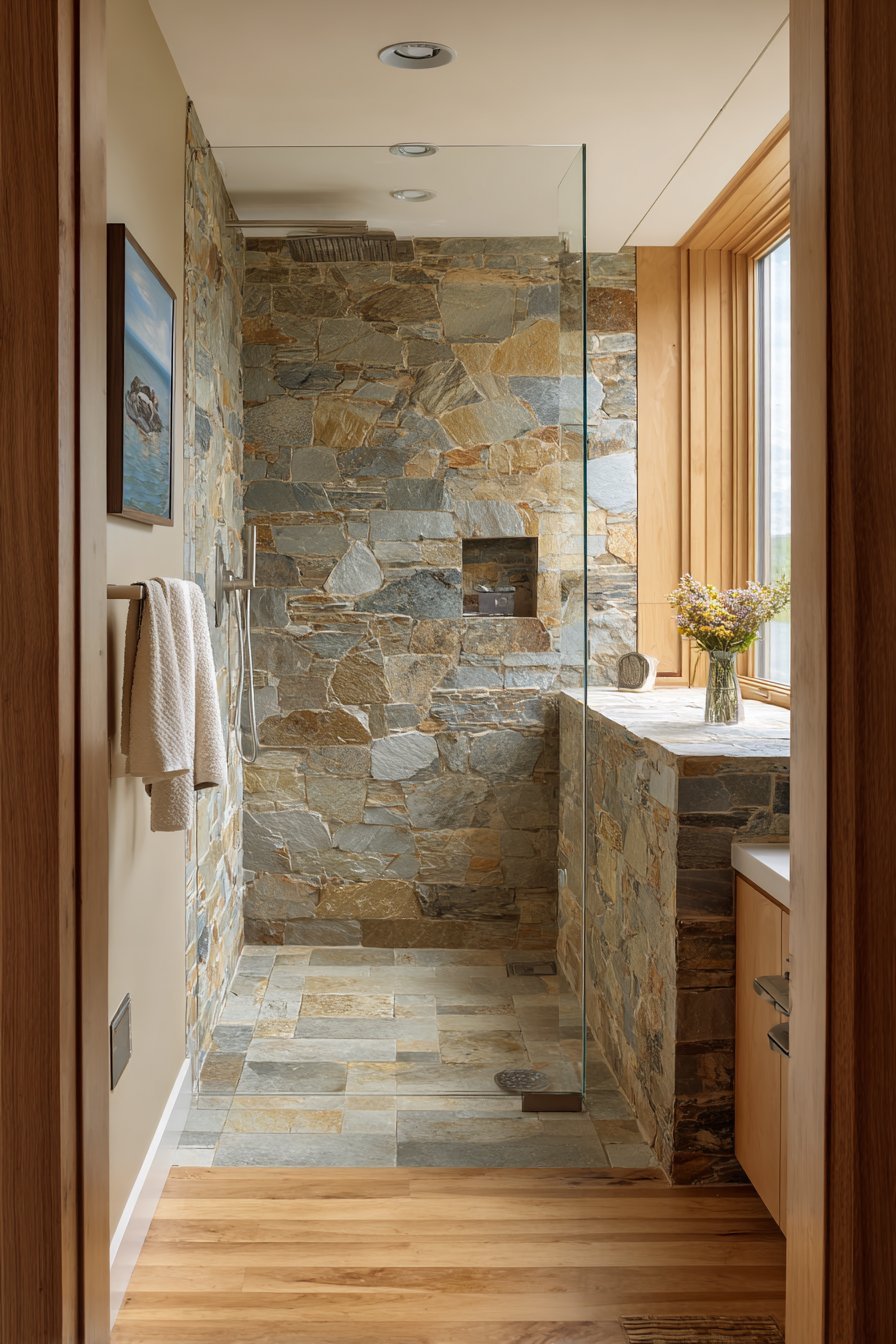
The height and lighting of your artwork placement also play a role in longevity. Steam rises, so artwork placed higher on bathroom walls tends to experience more moisture exposure than pieces at lower heights. Positioning art at eye level or below in bathrooms with ceiling-mounted showers can reduce humidity impact. Combine thoughtful placement with a quality exhaust fan for the best long-term results.
- Never hang unprotected artwork directly above the shower or bathtub
- Use float-mount hardware to create a gap between art and wall surface
- Place the most moisture-sensitive pieces on walls opposite the shower
- Run the exhaust fan during and for 20 minutes after every shower
- Consider a dehumidifier for bathrooms with persistent high humidity levels
- Rotate artwork seasonally to inspect backs for any mold or moisture damage
10. Maintain Your Bathroom Artwork Properly
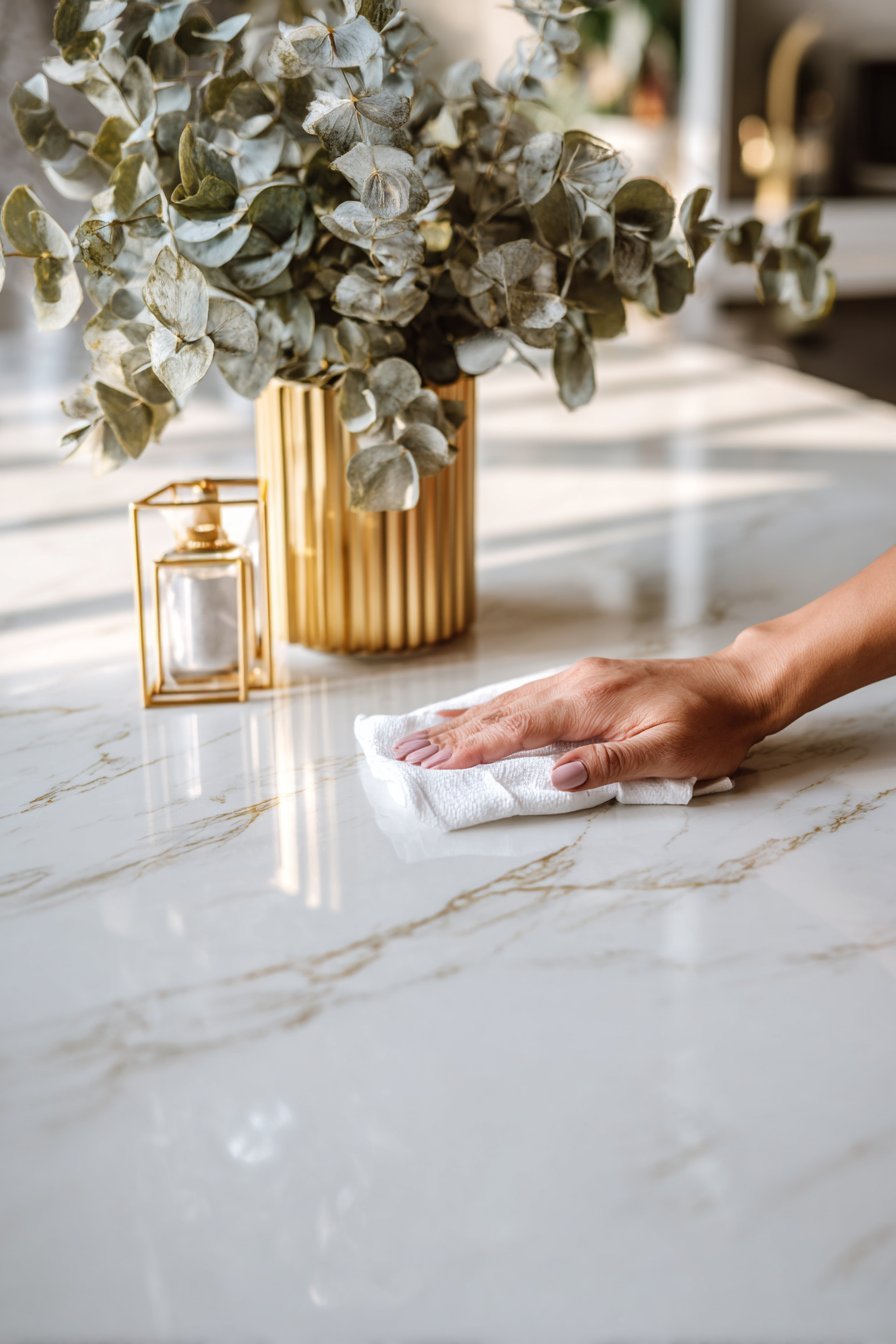
Regular maintenance is the final key to ensuring your bathroom artwork remains beautiful for years. Even the most durable pieces benefit from periodic attention. A quick monthly inspection can catch early signs of moisture damage, tarnishing, or loosening hardware before they become serious problems requiring costly repairs or replacements.
For metal prints and resin pieces, a gentle wipe with a dry microfiber cloth removes dust and water spot residue without scratching the surface. For framed pieces, check the back of the frame periodically for any signs of moisture infiltration, indicated by warping, discoloration, or a musty smell. Addressing these early with resealing and drying prevents full deterioration.
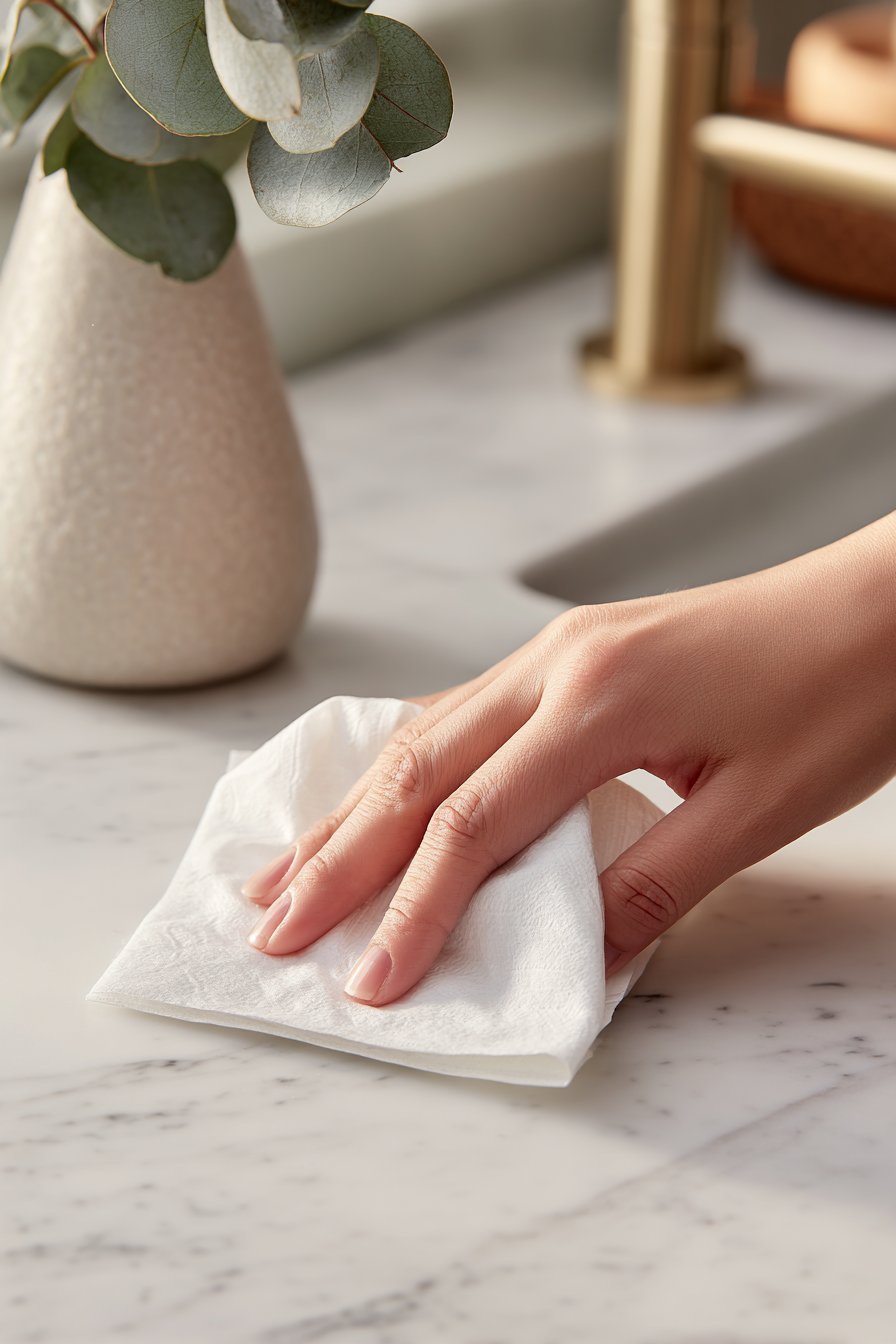
Cleaning products used in bathrooms can also damage artwork over time. Harsh chemical sprays used on mirrors and countertops can drift onto nearby artwork and degrade coatings or discolor prints. Always cover nearby artwork when using spray cleaners, or switch to non-aerosol cleaning methods near any displayed artwork. This small habit can significantly extend the life of your bathroom art collection.
- Wipe down metal prints and resin art monthly with a dry microfiber cloth
- Inspect frames quarterly for signs of moisture damage or rust
- Reseal frame backs with fresh tape or caulk annually as preventive maintenance
- Shield artwork from chemical cleaning sprays during bathroom cleaning
- Replace hanging hardware showing any signs of rust immediately
- Keep a small silica gel packet behind larger framed pieces to absorb excess moisture
Conclusion
Choosing bathroom artwork that withstands humidity is ultimately about combining smart material selection with thoughtful placement and consistent maintenance. From the sleek resilience of metal prints to the timeless permanence of ceramic tile art, there is a wealth of beautiful options that will thrive in your bathroom environment for years to come. The key is understanding the specific challenges your bathroom presents and matching those conditions with materials engineered to endure them.
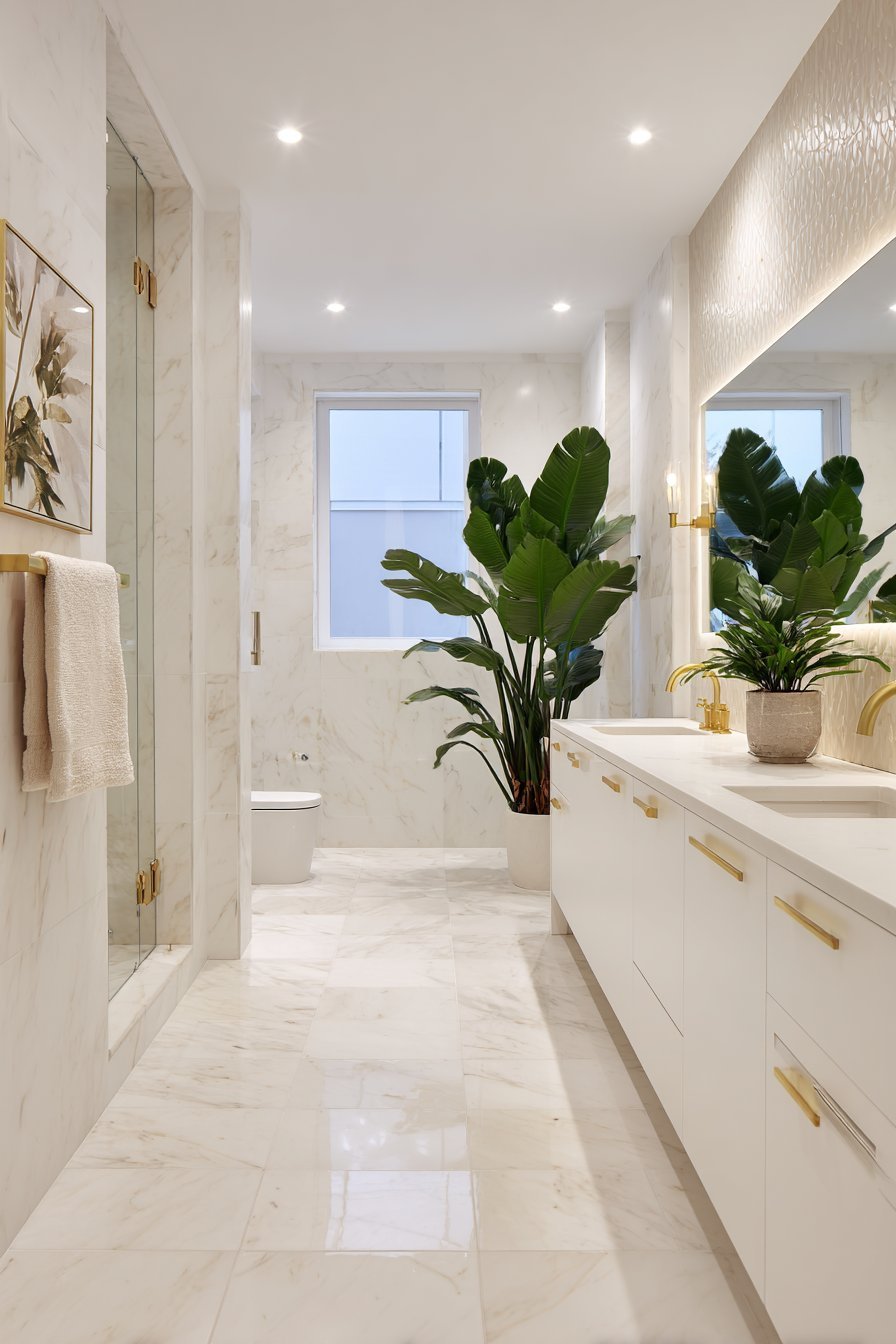
Do not let humidity be the reason your bathroom walls remain bare. With the right knowledge and a little creative courage, you can transform your bathroom into a genuinely inspiring space filled with art that is as durable as it is beautiful. Start with one well-chosen piece, installed correctly and maintained with care, and let your bathroom become the personal gallery it deserves to be.
