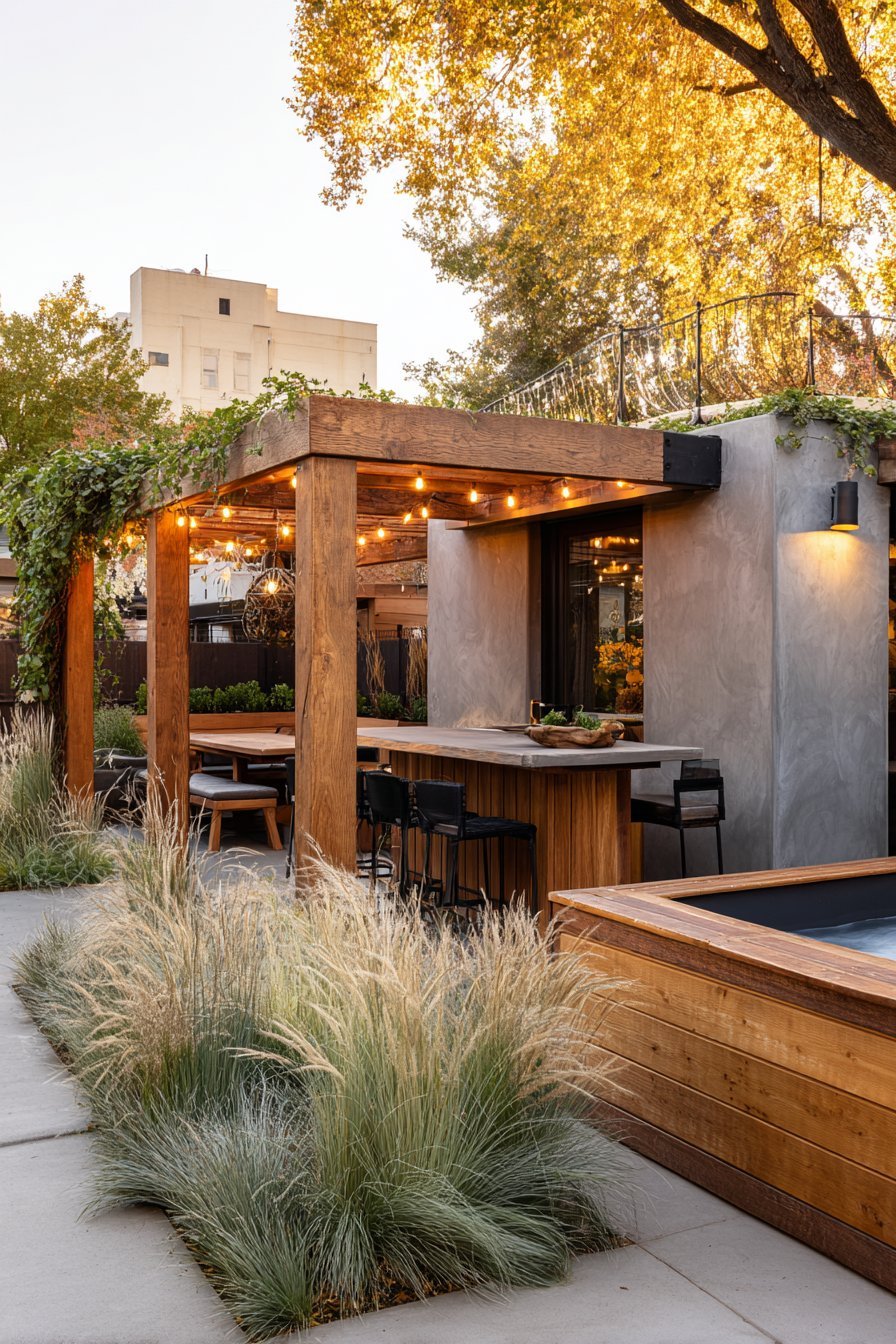
The backyard has evolved far beyond a simple patch of grass. In 2026, outdoor spaces are becoming true extensions of the home — places to cook, relax, work, and entertain. Homeowners are investing more intentionally in their outdoor environments, blending aesthetics with functionality in exciting new ways.
Thoughtful outdoor design has never mattered more. With more people working from home and craving personal retreats, the backyard is now a lifestyle statement. Whether you have a sprawling estate or a compact urban garden, the right design choices can completely transform how you live outdoors.
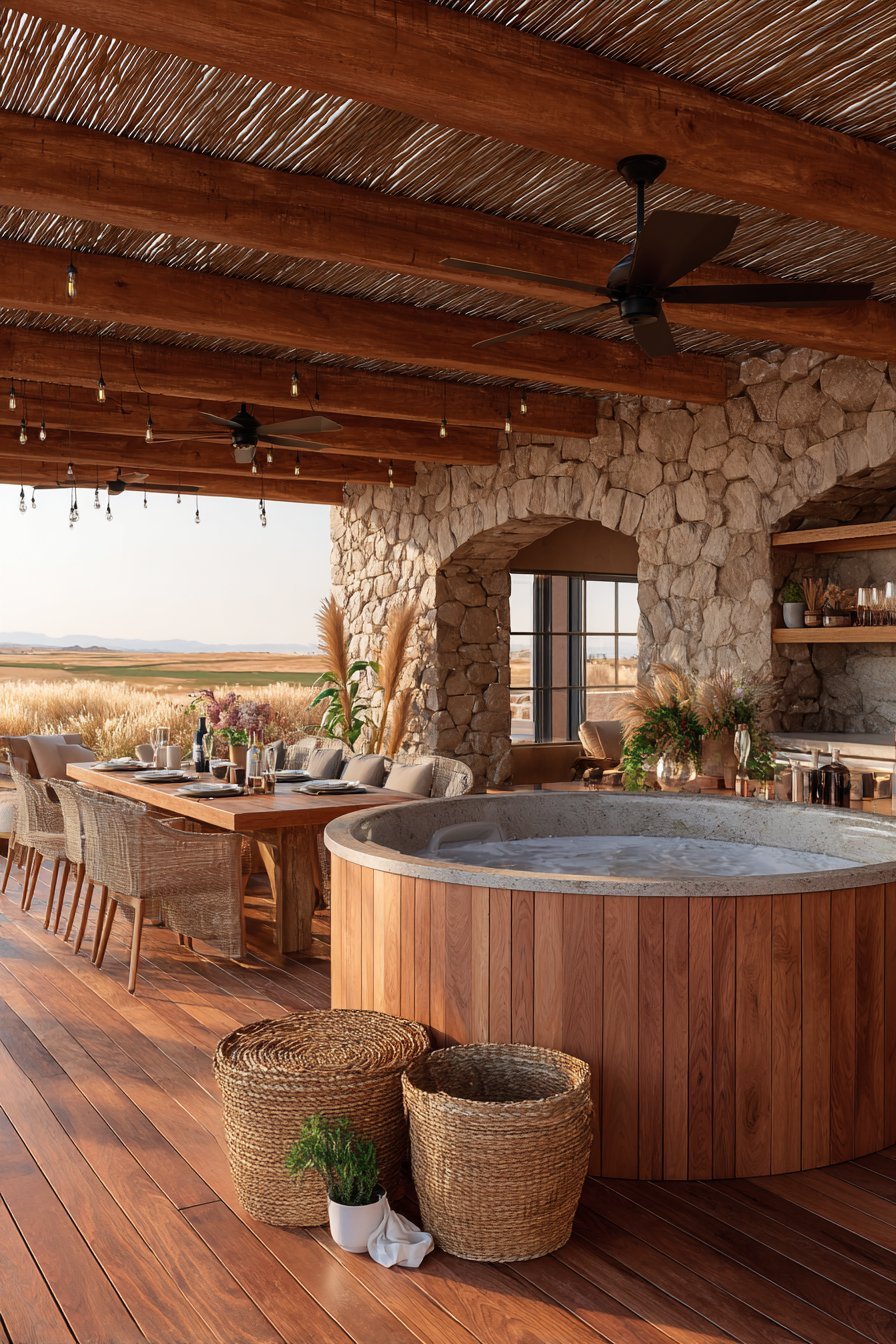
This article explores the top six backyard trends redefining outdoor spaces in 2026. From sustainable landscaping to immersive lighting, these ideas cover a wide spectrum of styles and budgets. Each trend reflects a deeper shift in how we think about connection to nature, comfort, and community.
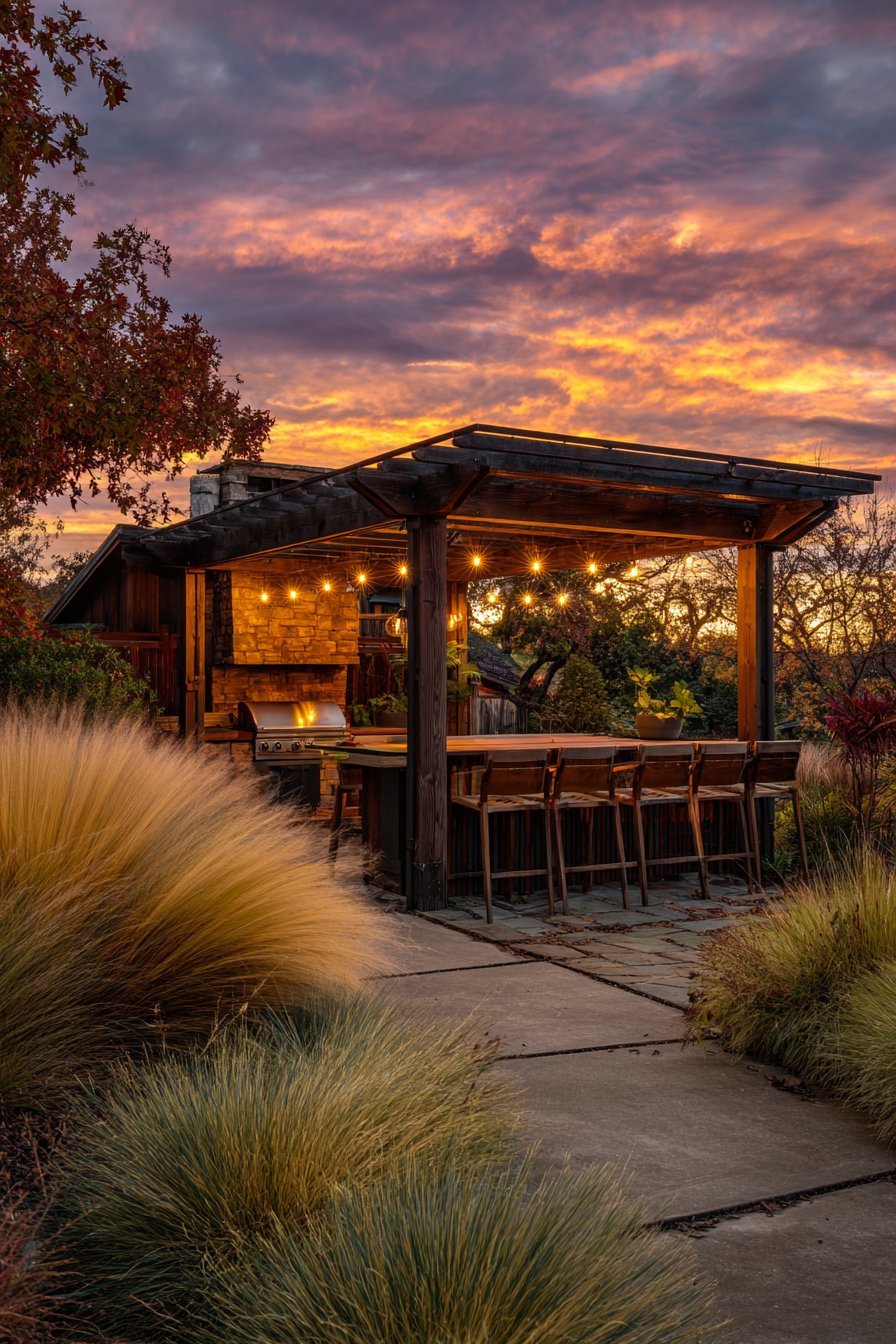
1. Biophilic Outdoor Design
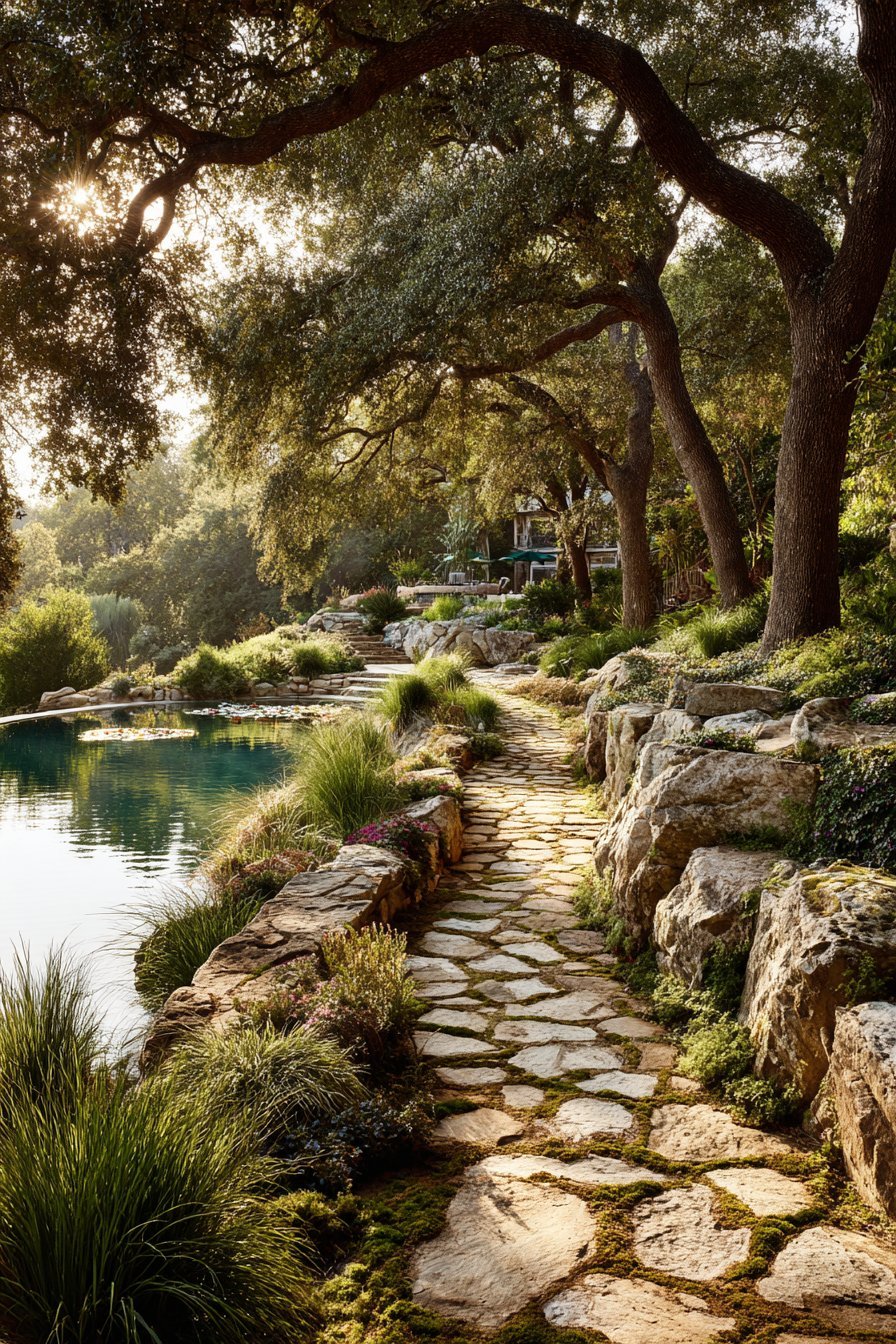
Biophilic design — the practice of bringing nature closer to human spaces — has moved from interiors into the backyard in a major way. In 2026, homeowners are creating landscapes that feel wild yet intentional, filled with native plants, organic shapes, and natural textures. The goal is to blur the boundary between built space and the natural world.
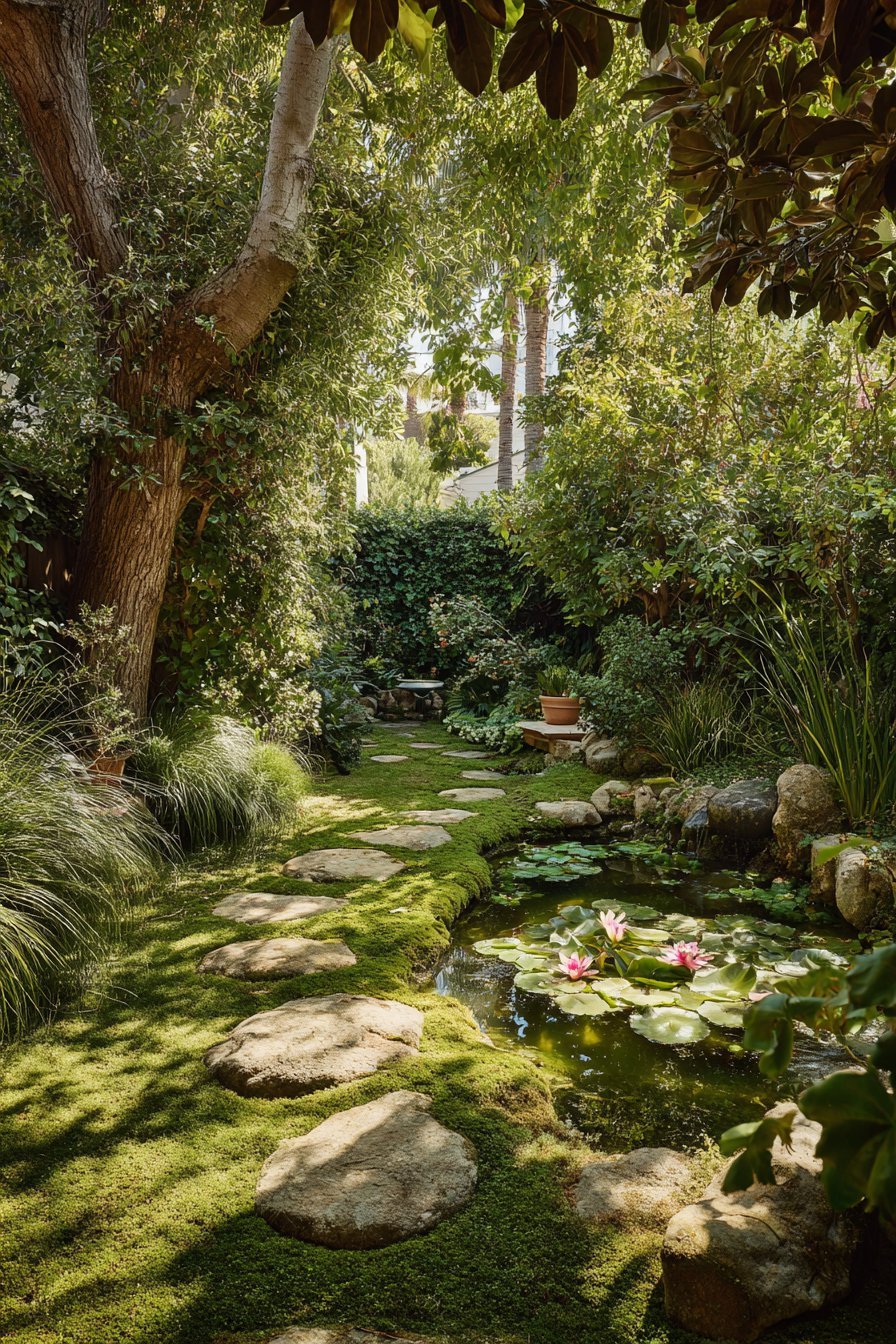
This approach goes beyond just planting a few flowers. It involves layered planting schemes with tall grasses, ground covers, and canopy trees working together. Water features, moss walls, and stone pathways add sensory depth. The result is a backyard that feels alive and restorative at every hour of the day.
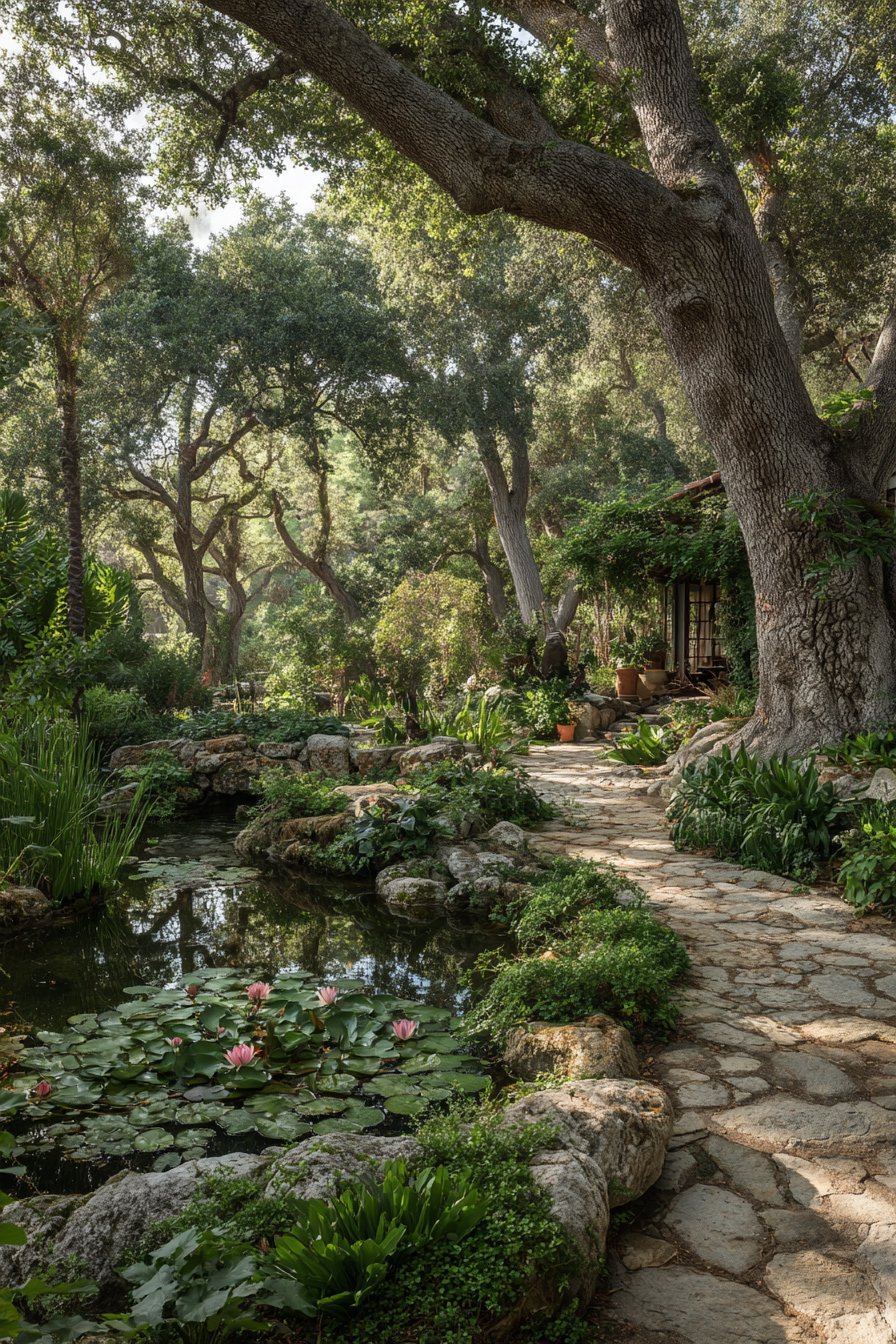
Biophilic design also has measurable wellness benefits. Studies consistently show that time in nature reduces stress and improves focus. By designing your backyard as a true nature sanctuary, you create a daily retreat that supports mental and physical health.
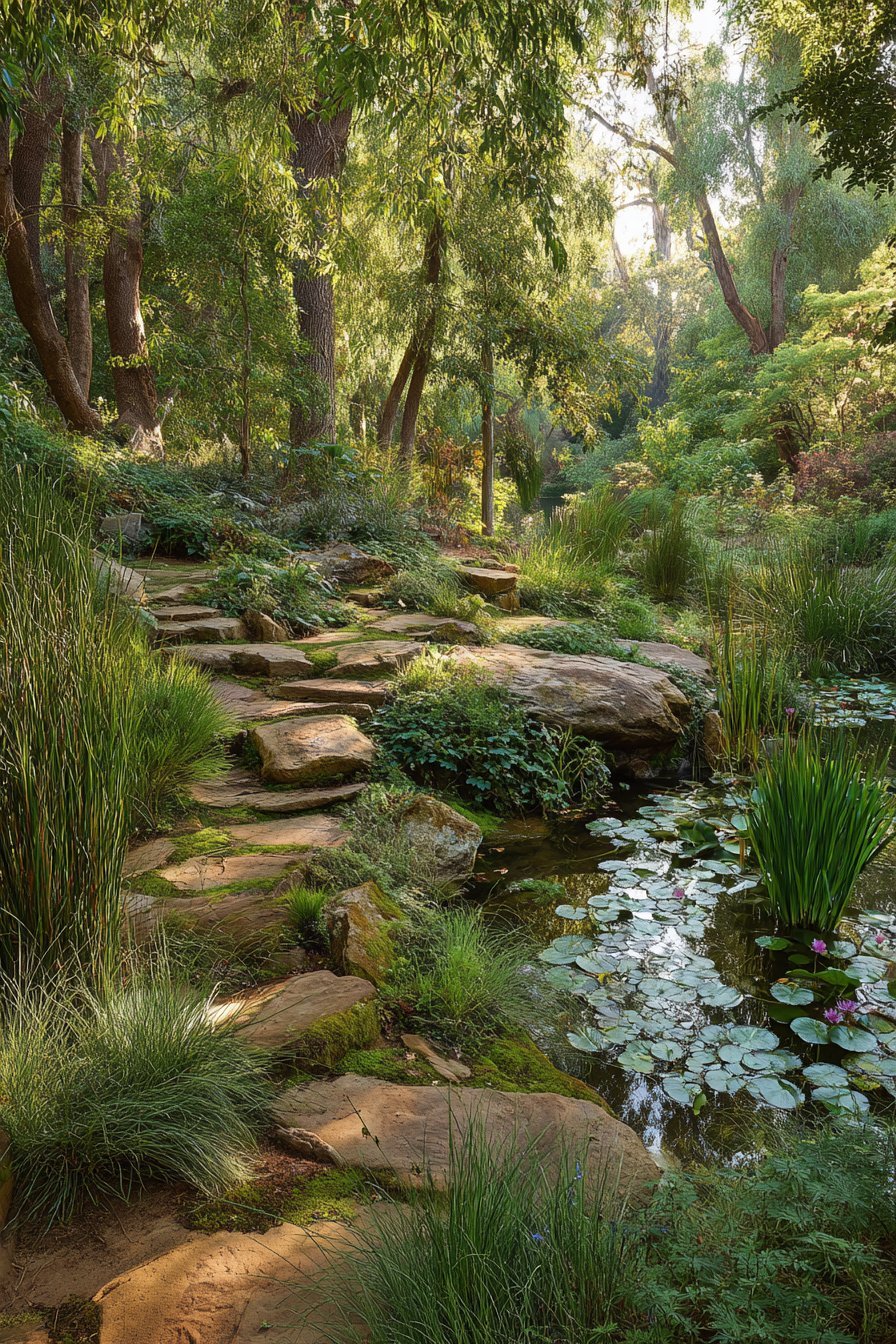
- Use native plants suited to your climate for low-maintenance beauty
- Incorporate a small pond, fountain, or rain garden for water elements
- Add textured materials like rough stone, weathered wood, and gravel paths
- Layer planting heights from ground cover to mid-shrubs to canopy trees
- Include wildlife-friendly features like bird baths, bee hotels, or butterfly plants
- Let some areas grow slightly wild for an organic, naturalistic feel
2. Outdoor Rooms with Defined Zones
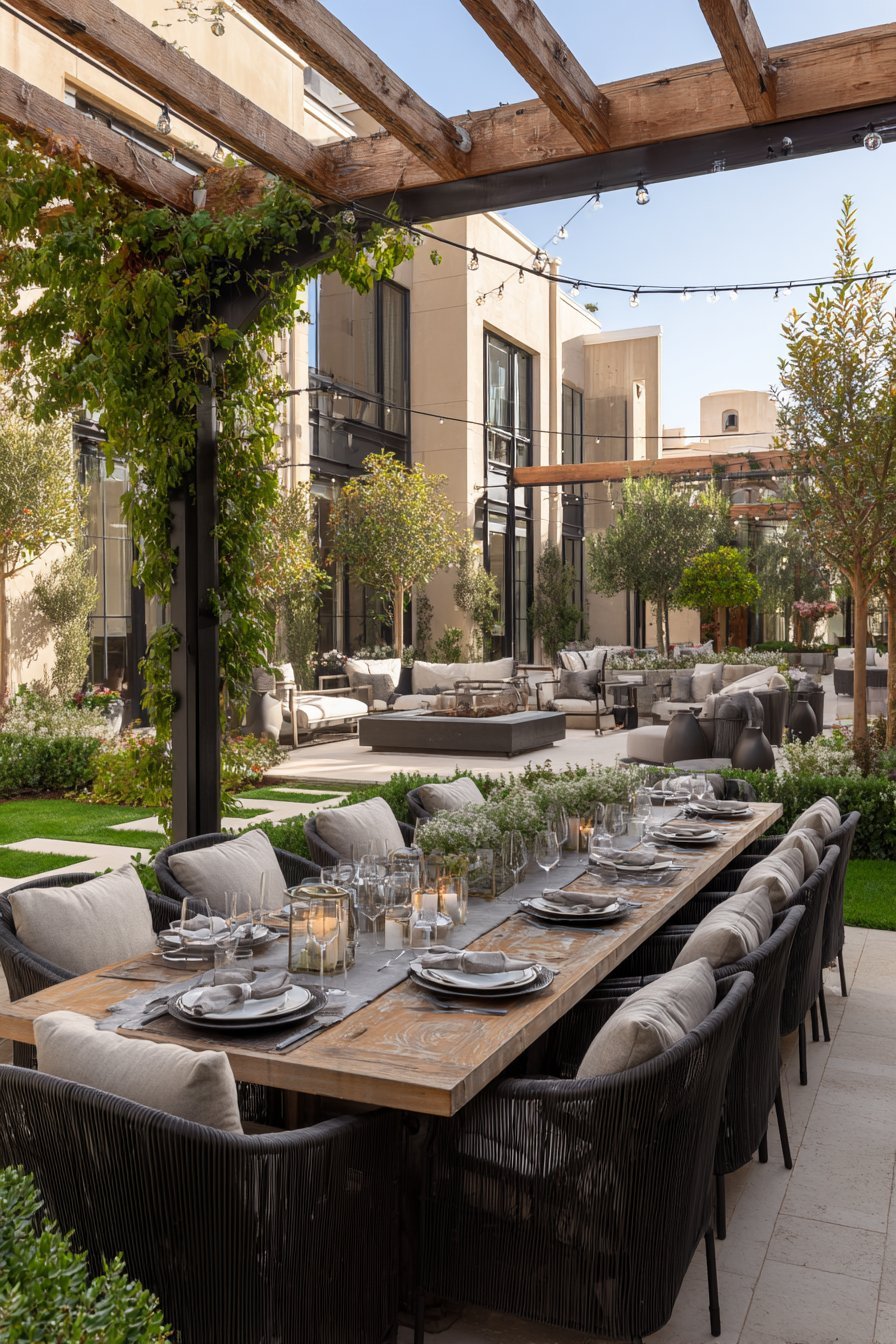
The concept of the outdoor room has matured significantly. In 2026, backyards are being divided into distinct functional zones, much like the rooms inside your home. There is a dining area, a lounge space, a cooking zone, and sometimes even a dedicated workspace or reading nook.
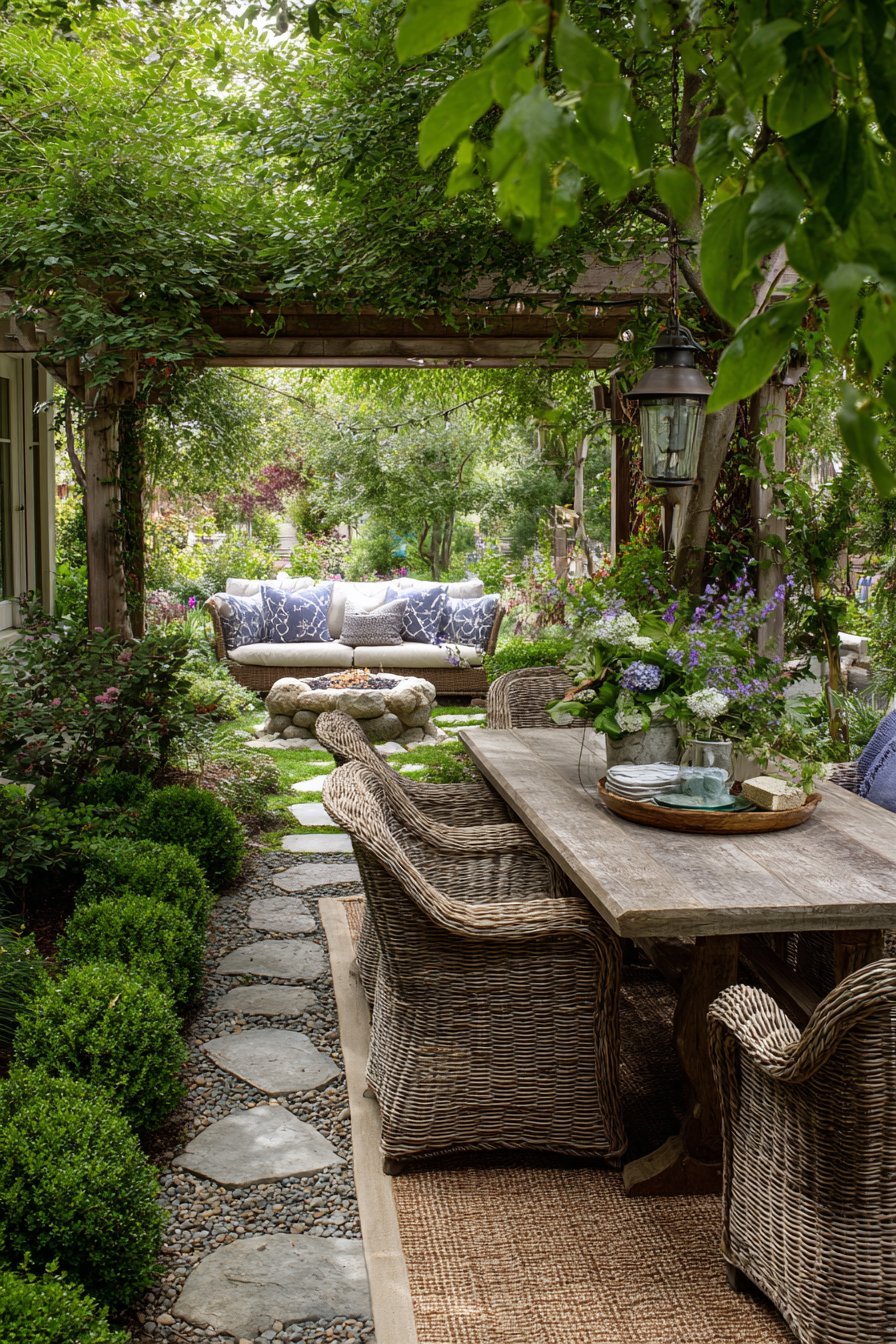
Defining these zones requires thoughtful use of material transitions and spatial anchors. An outdoor rug can ground a seating area. A pergola overhead creates a sense of enclosure for dining. Low planters or hedges act as soft walls between zones. Each area has its own identity while still flowing cohesively into the next.
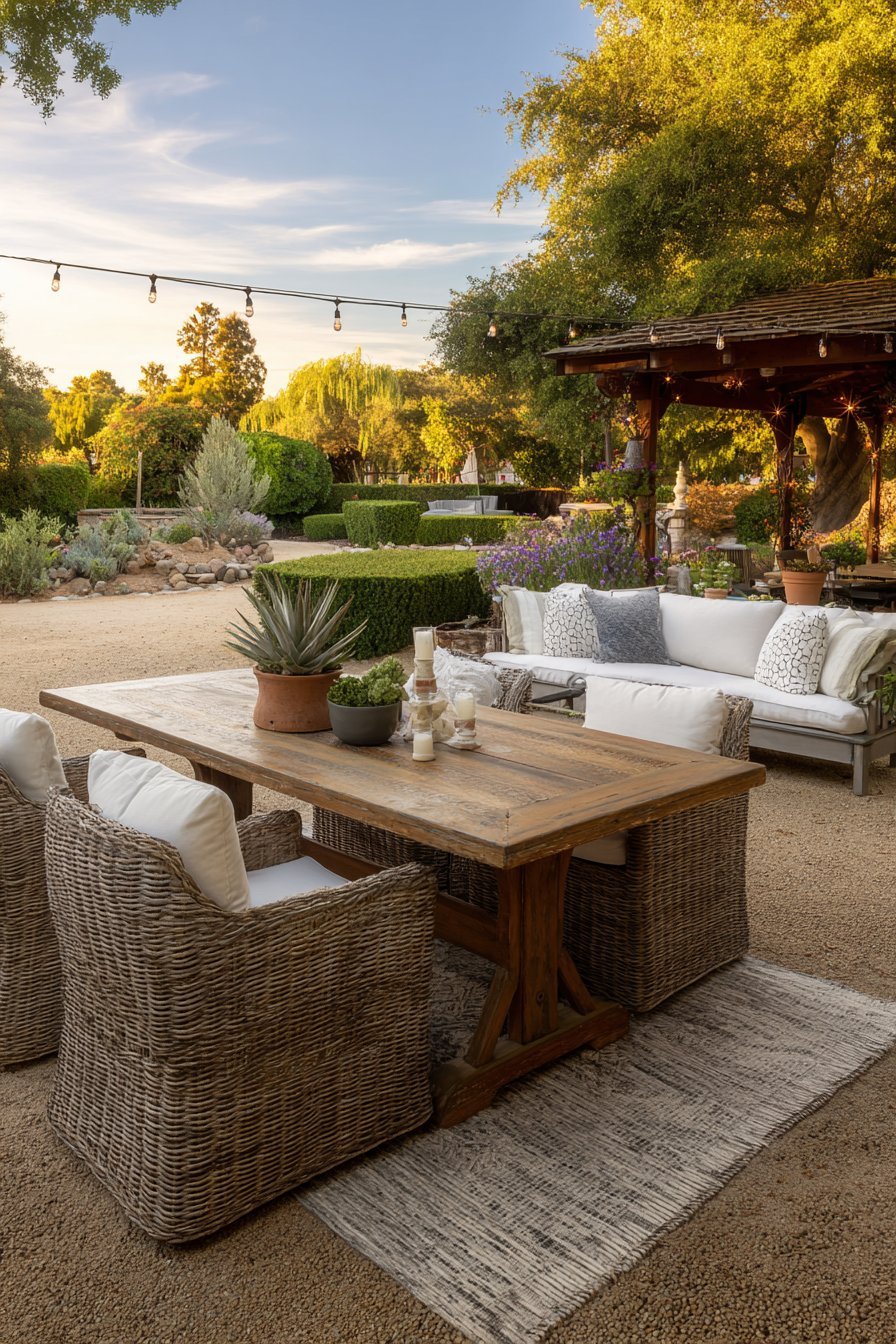
This zoning approach makes small backyards feel larger and large backyards feel more intimate. It also encourages more intentional use of the space. When every area has a clear purpose, you are more likely to actually use it rather than letting it sit empty.
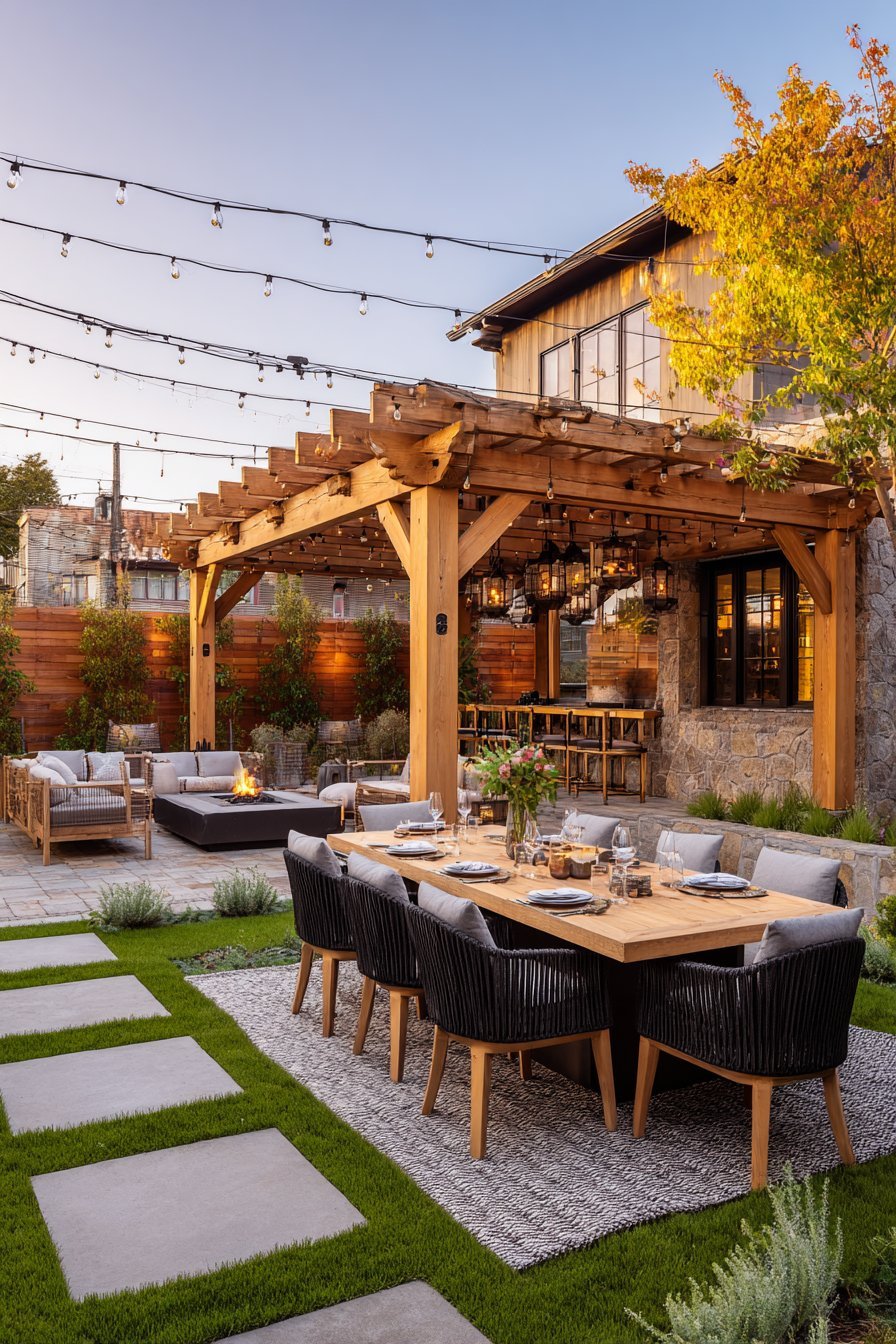
- Plan your zones before purchasing any furniture or plants
- Use pergolas, arbors, or shade sails to define overhead space
- Choose outdoor rugs in each zone to anchor furniture groupings
- Use consistent materials throughout to maintain visual cohesion
- Add transition elements like stepping stones between zones
- Keep pathways clear and at least three feet wide for comfortable movement
3. Sustainable and Regenerative Landscaping
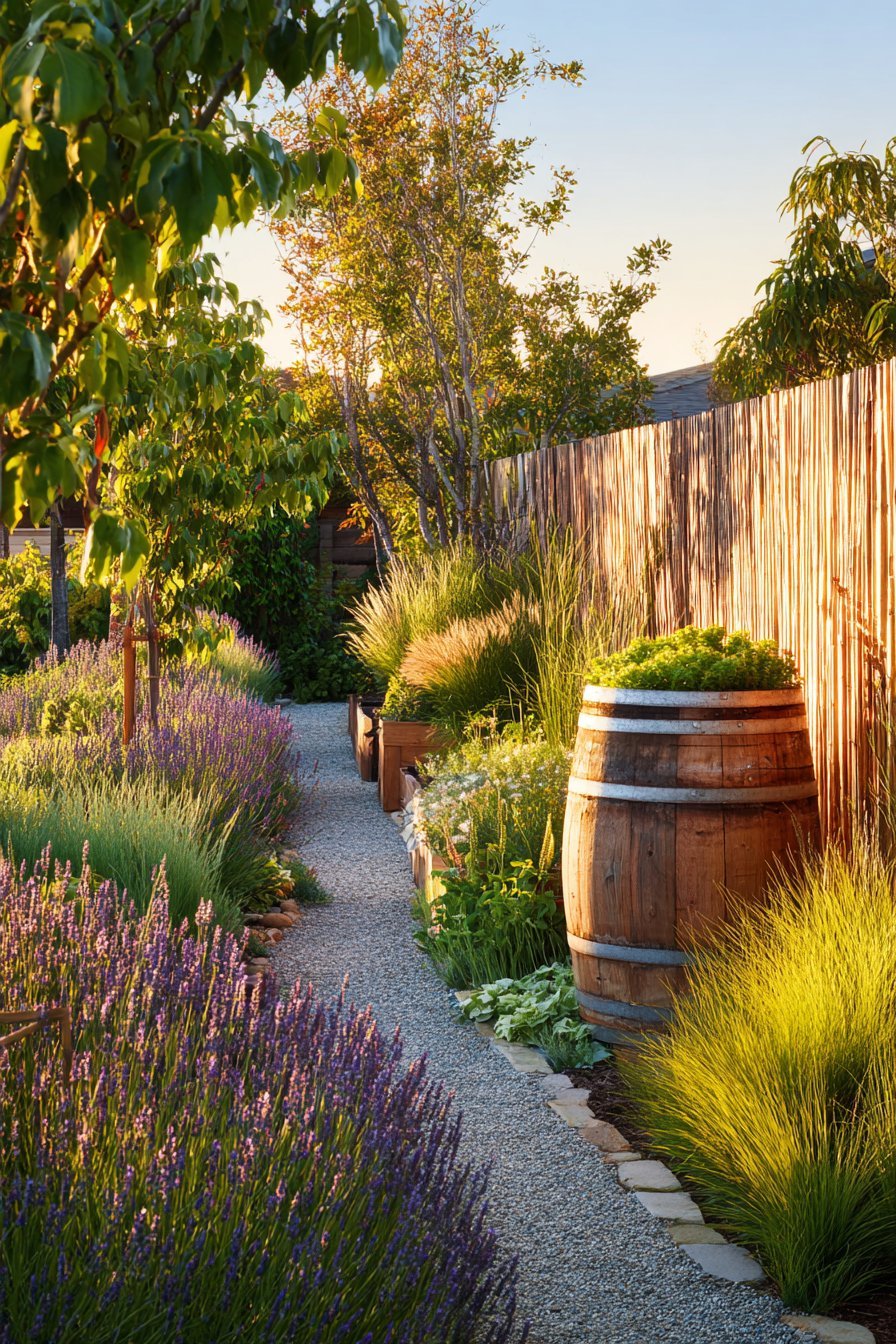
Sustainability is no longer a trend — it is a design standard. In 2026, regenerative landscaping is taking center stage, with homeowners designing backyards that actively improve their local ecosystem. This goes beyond water-saving plants to include composting systems, rainwater harvesting, and soil health management.
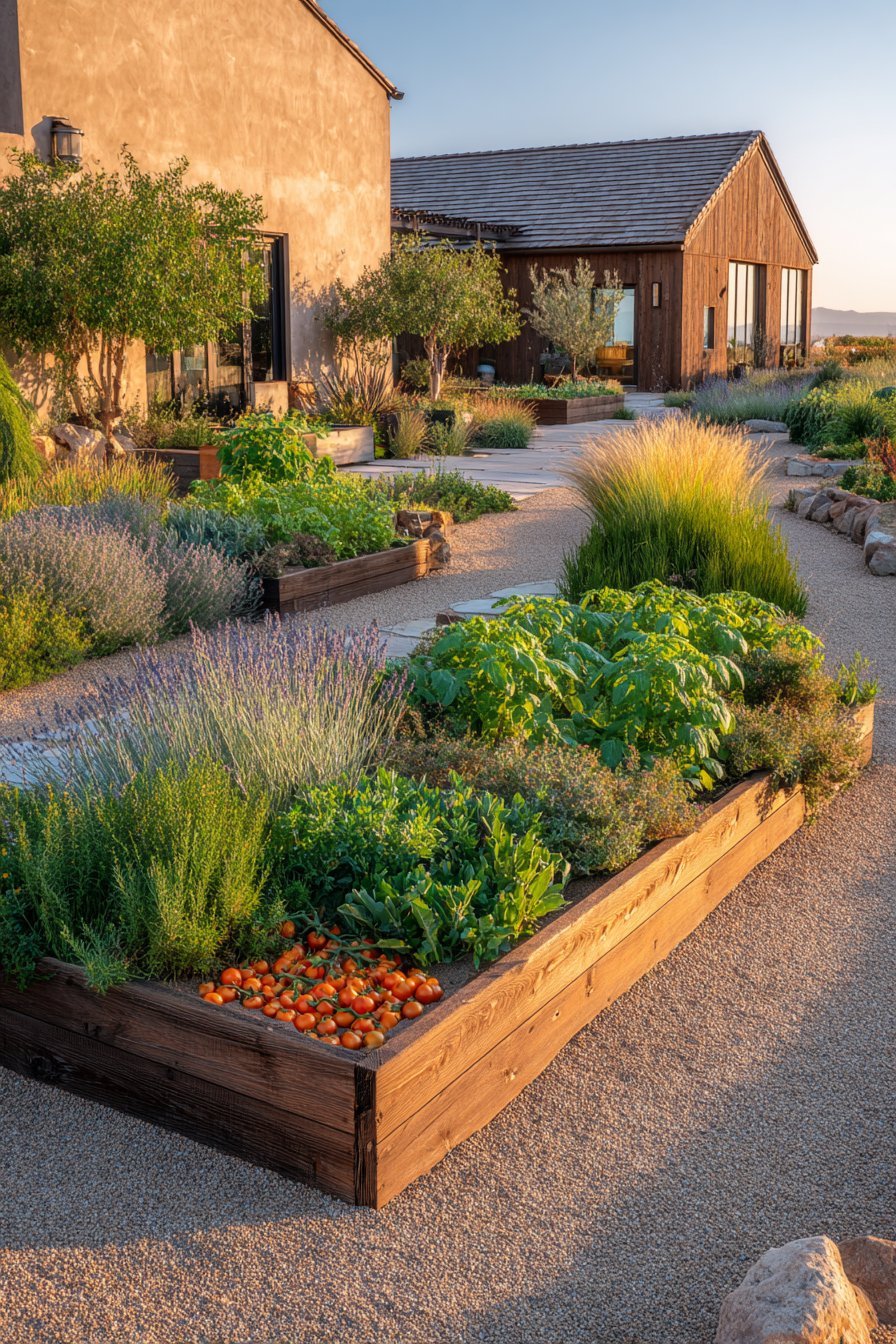
Drought-tolerant planting is becoming the new default in many regions. Xeriscaping principles — using low-water plants, mulched beds, and efficient irrigation — are being applied even in traditionally rainy climates as a future-proofing strategy. The aesthetic result is often surprisingly lush and textured, dispelling the myth that sustainable yards look sparse.
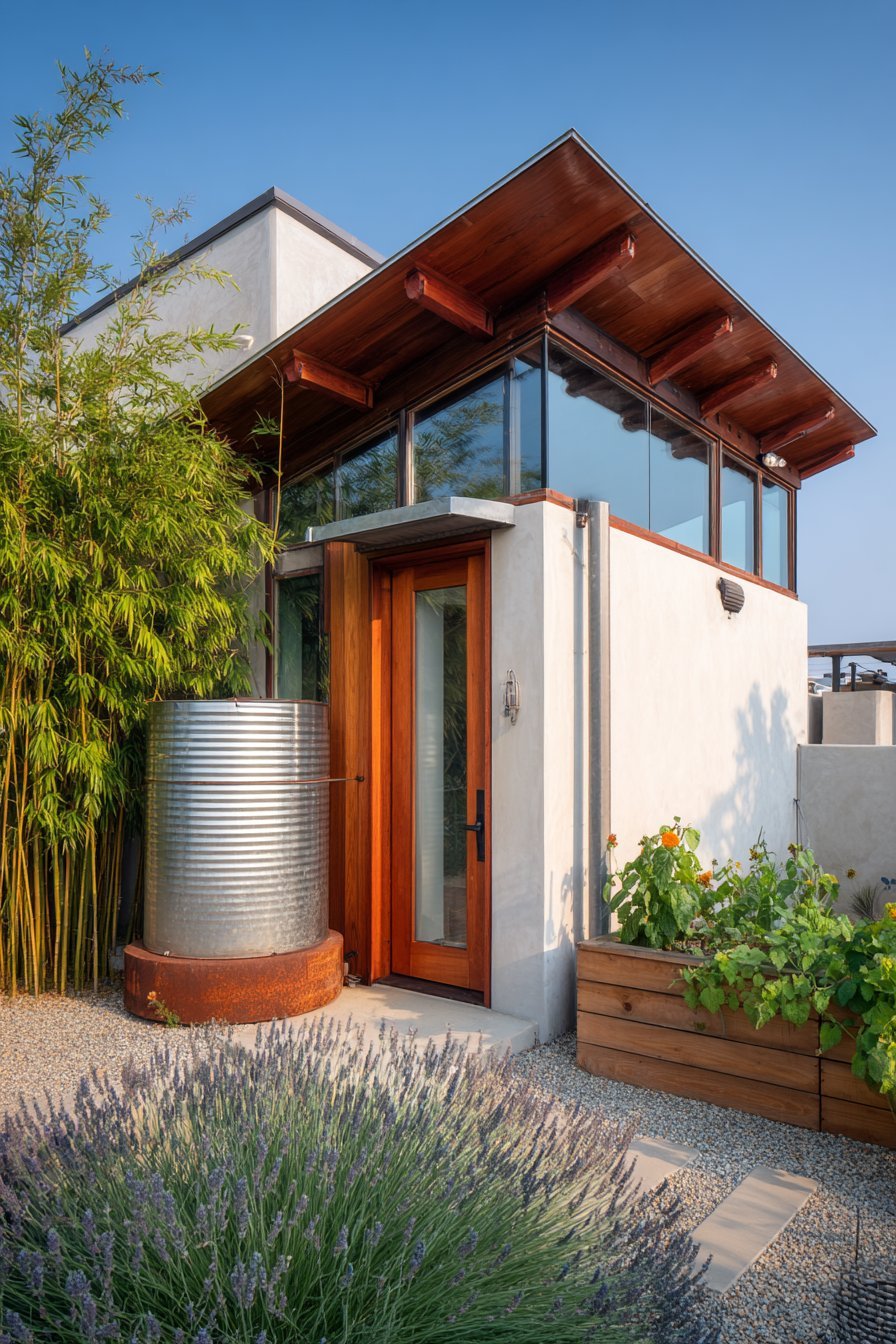
Regenerative backyards also include edible gardens and food forests. Growing herbs, vegetables, and fruit trees at home has surged in popularity. These elements add visual interest, provide fresh food, and create a deeply satisfying sense of self-sufficiency and connection to the food cycle.
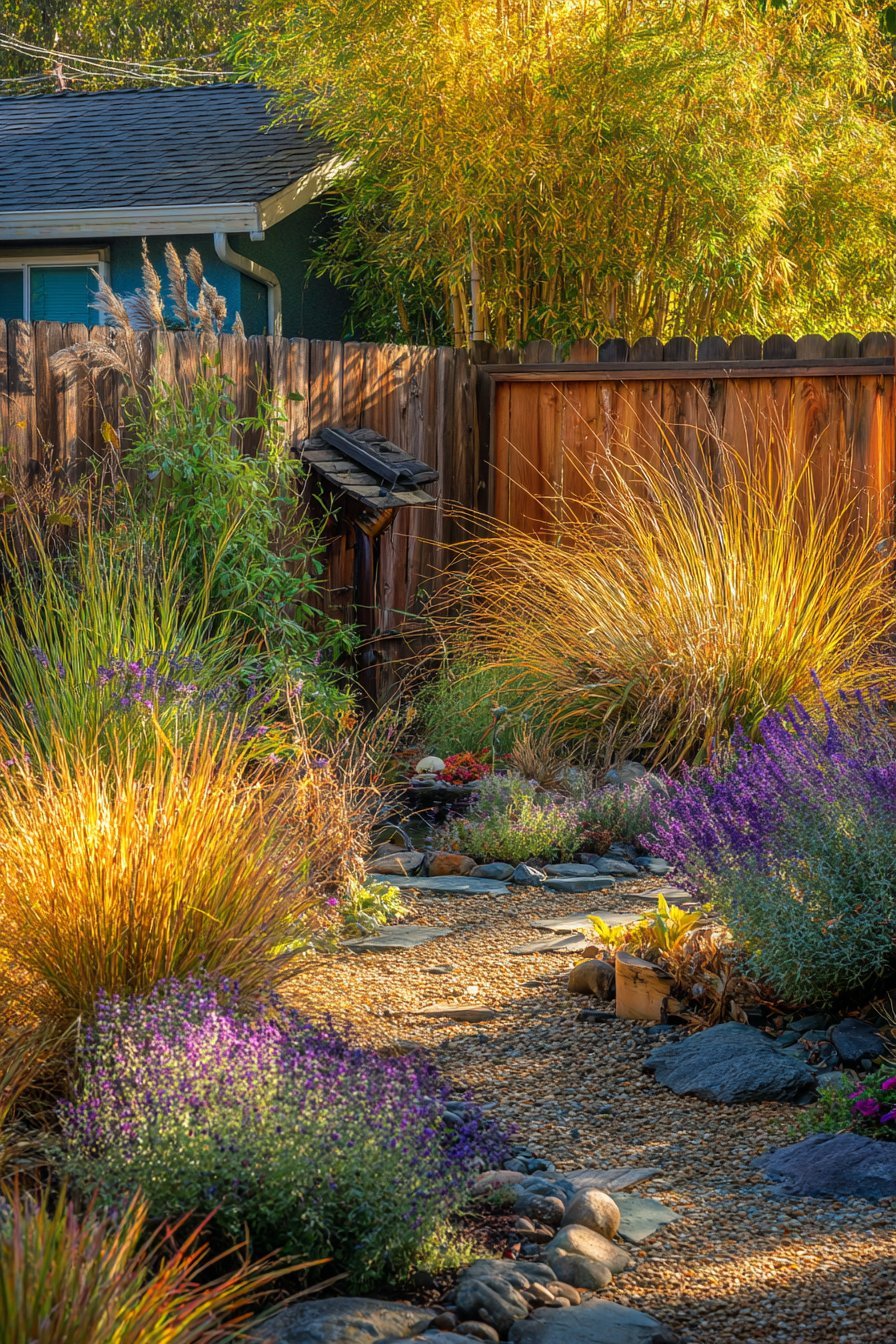
- Install a drip irrigation system to reduce water use by up to 50%
- Add a compost bin or worm farm to close the nutrient loop
- Replace thirsty lawn areas with gravel gardens or native ground covers
- Plant a three-sisters garden or raised bed vegetable patch
- Choose permeable paving materials to reduce stormwater runoff
- Use organic mulch around all plantings to retain moisture and suppress weeds
4. Elevated Outdoor Kitchens and Dining Experiences
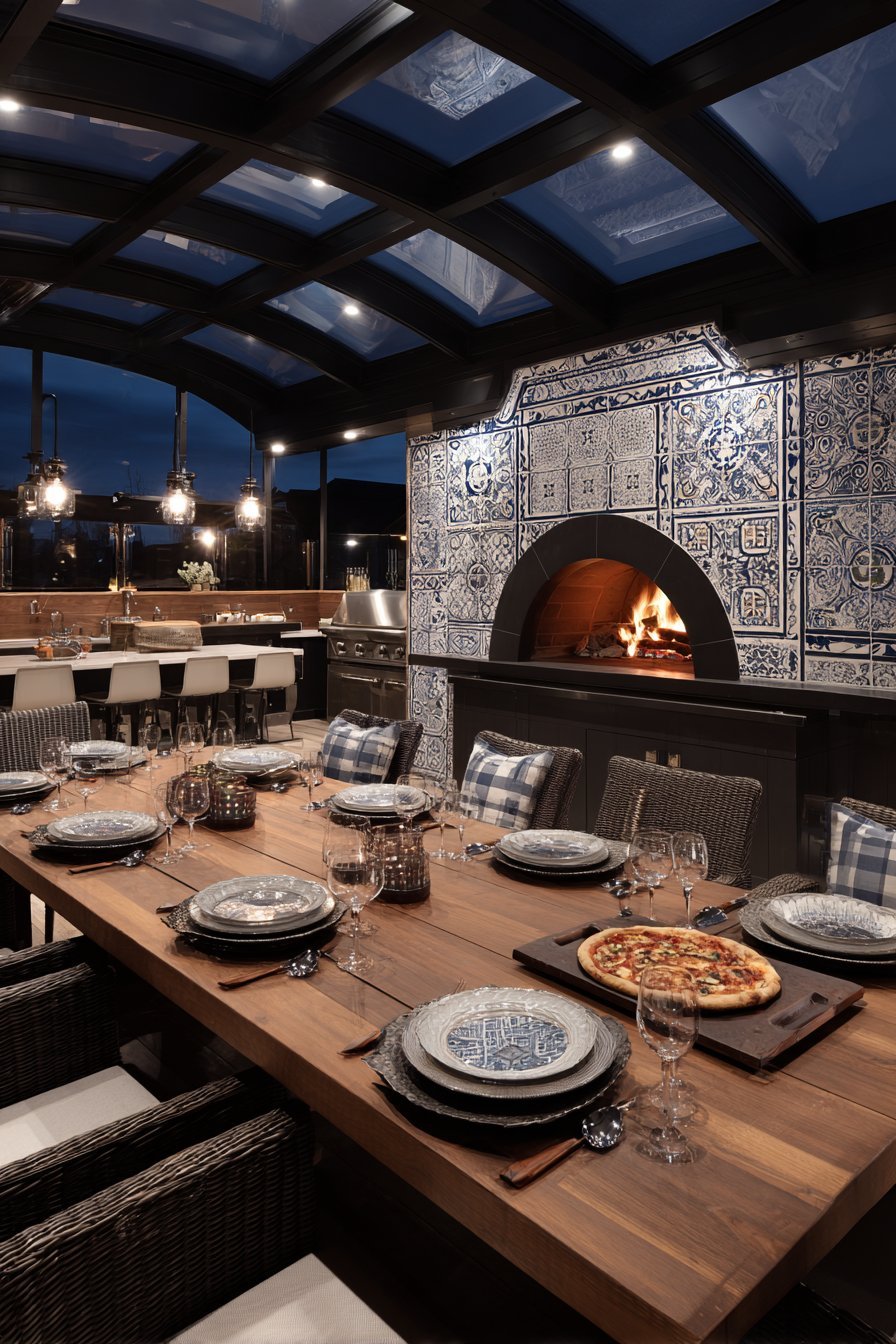
The outdoor kitchen has graduated from a basic grill to a fully equipped culinary station. In 2026, outdoor kitchens rival their indoor counterparts in sophistication, featuring pizza ovens, built-in refrigerators, prep sinks, and bar seating. Hosting outdoors has become a true culinary experience.
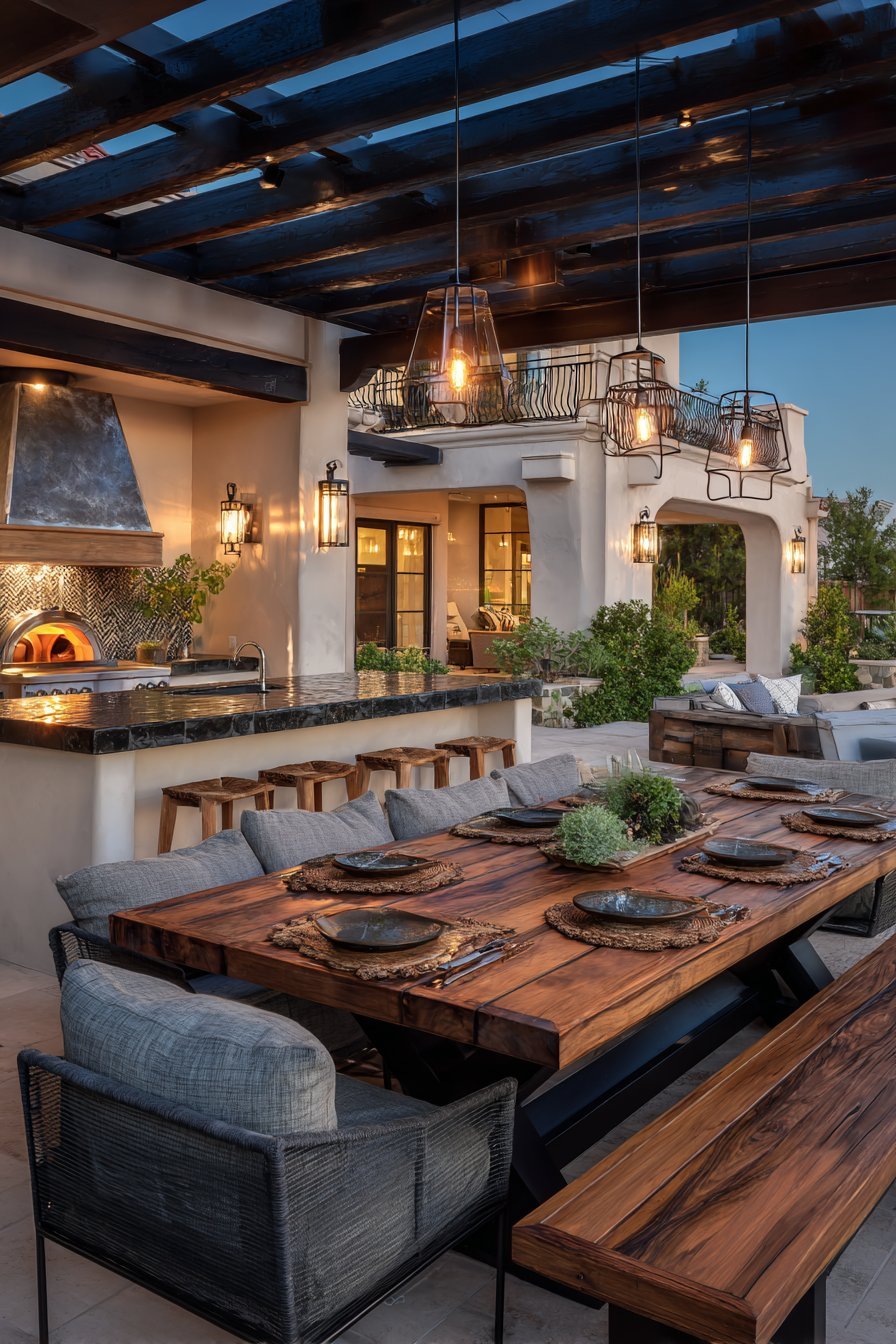
Design-wise, outdoor kitchens are embracing durable, high-end materials like porcelain countertops, stainless steel cabinetry, and concrete surfaces. These materials withstand weather while looking polished and intentional. Many homeowners are now incorporating tile backsplashes and ambient task lighting to bring that restaurant-quality feel outside.
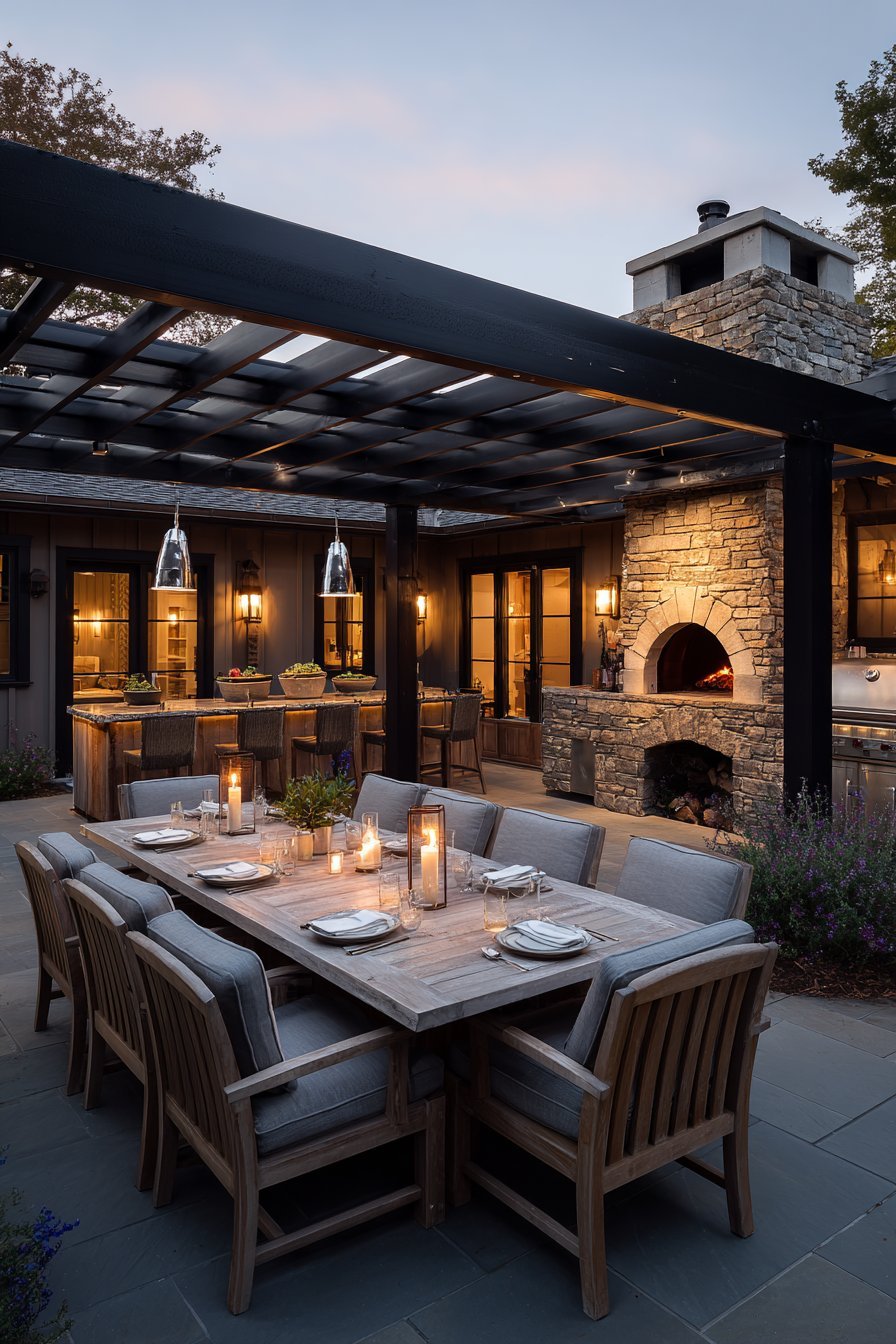
The dining area adjacent to the kitchen is equally important. Long farmhouse-style outdoor tables, upholstered seating, and statement pendant lighting suspended from a pergola create a dining environment that rivals any indoor setting. The outdoor dining experience in 2026 is about atmosphere as much as food.
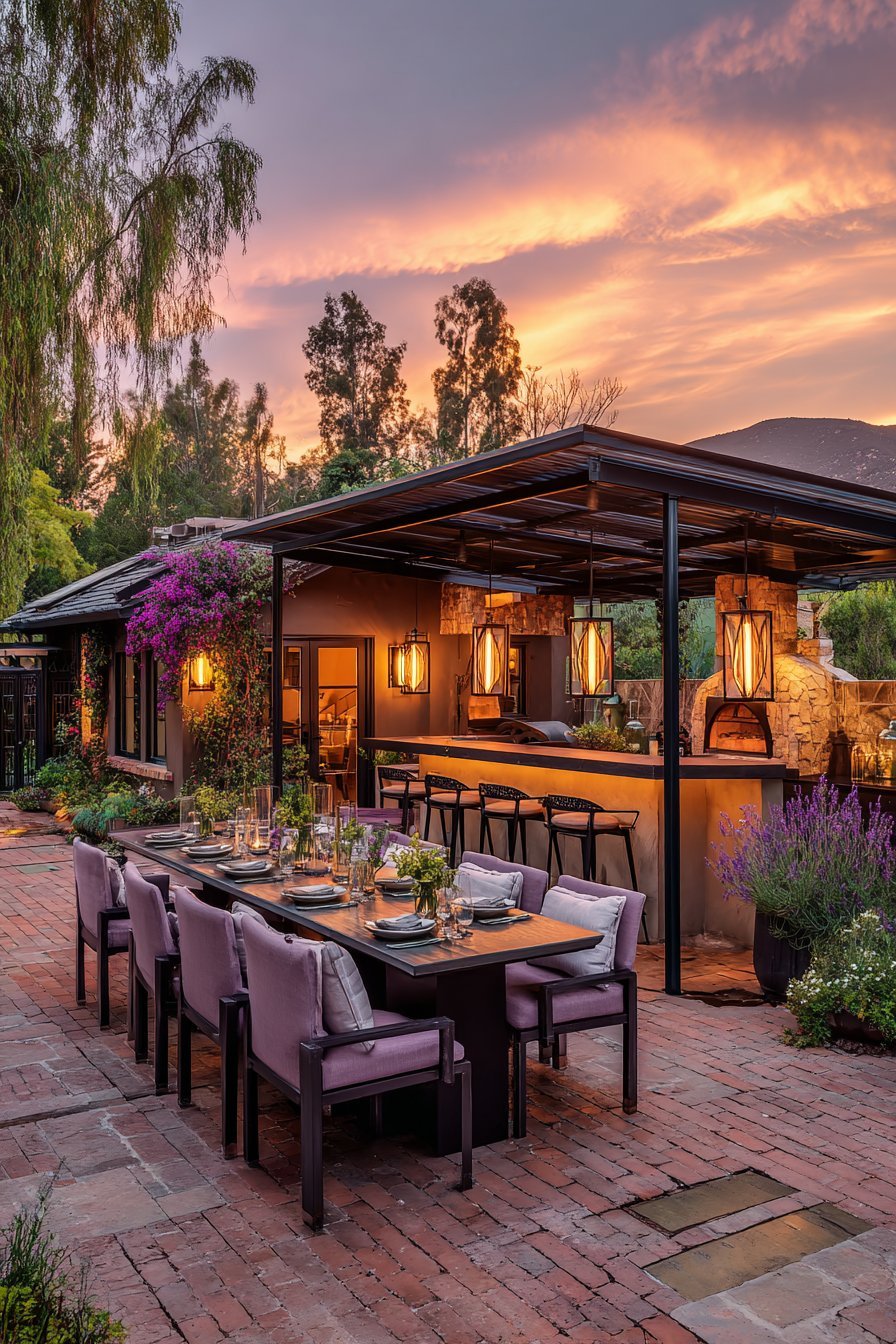
- Invest in a modular outdoor kitchen system for flexibility and longevity
- Choose porcelain or sealed concrete for countertops — both are weather-resistant
- Install task lighting directly above prep areas for safety and practicality
- Include a dedicated bar cart or built-in bar for entertaining ease
- Position the kitchen to face the seating area so the cook stays in conversation
- Use weatherproof upholstered chairs for comfort during long dinner parties
5. Immersive Lighting Design
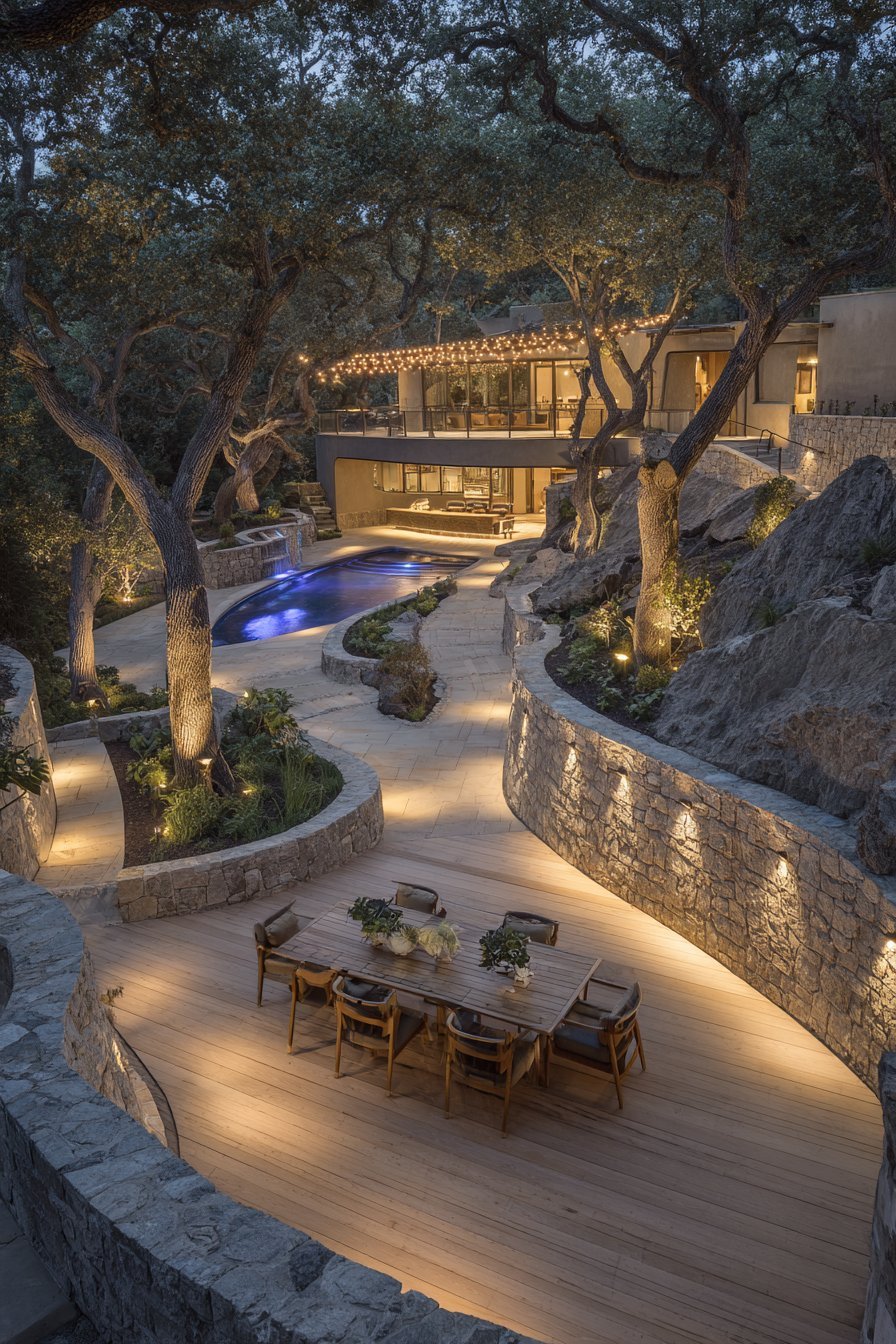
Lighting is the single most transformative element in outdoor design, and in 2026 it is being treated with the same seriousness as interior lighting. Layered lighting schemes that combine ambient, task, and accent lighting are now standard in high-quality backyard projects.
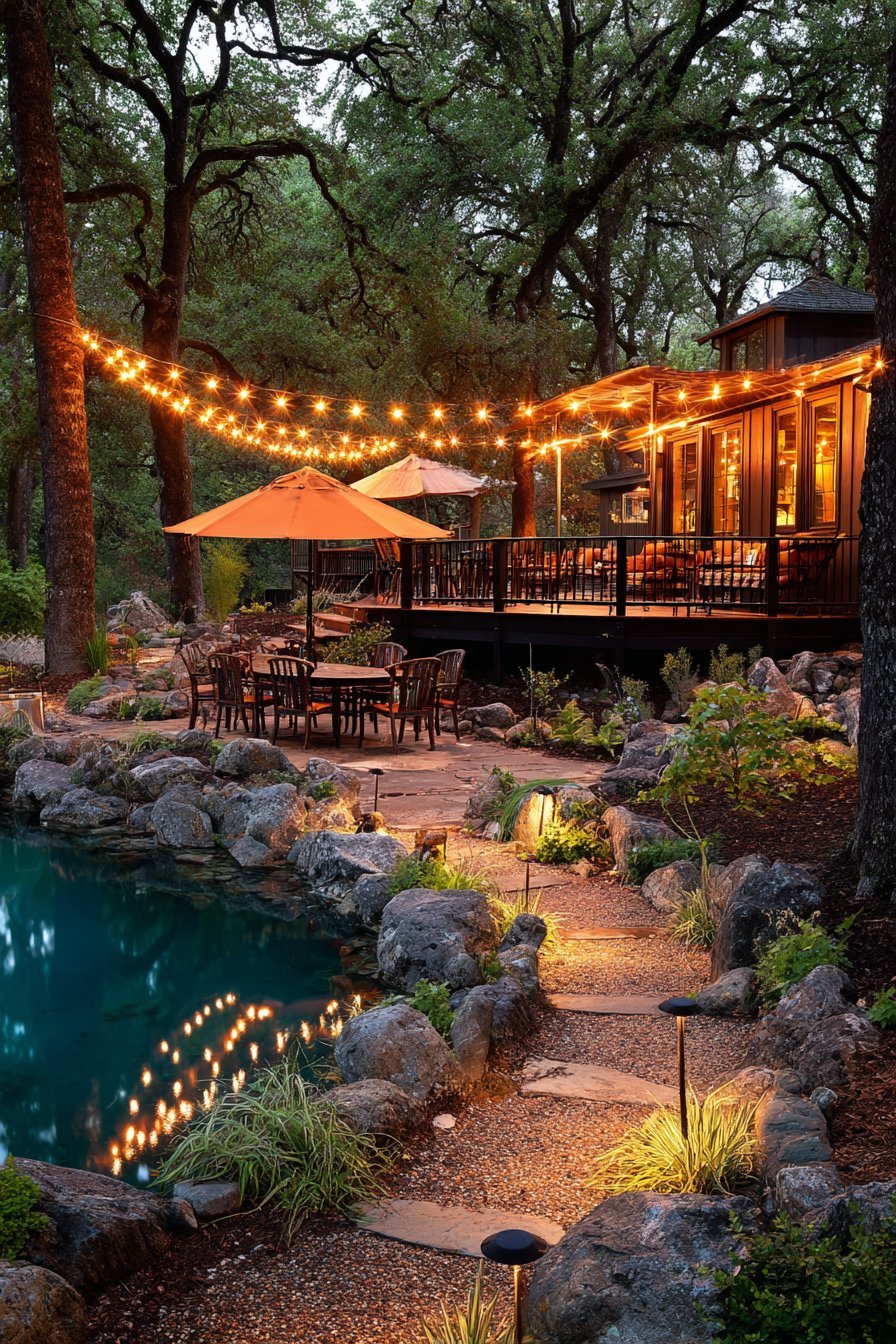
The most exciting development is the rise of smart outdoor lighting systems. These allow homeowners to control color temperature, brightness, and timing from a smartphone. Warm amber tones can shift to cool white for task areas. Pathways can glow gently at night while uplighting dramatizes trees and architectural features.
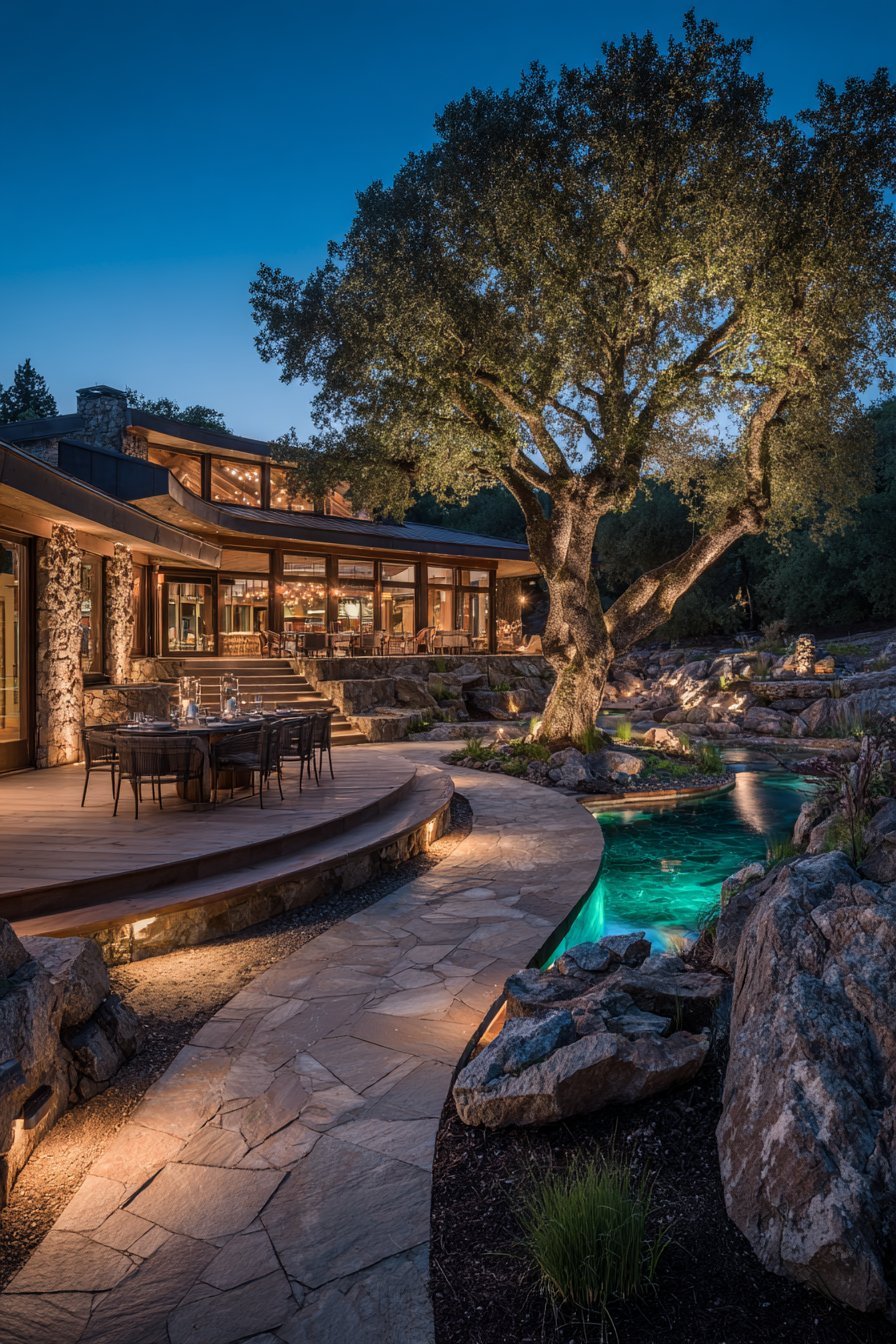
Beyond function, lighting shapes the mood and atmosphere of the entire space. String lights strung between trees create a festive, romantic canopy. Recessed deck lights add safety without visual clutter. Underwater lighting in ponds or pools turns water features into nighttime focal points. Done well, outdoor lighting makes the backyard magical after dark.
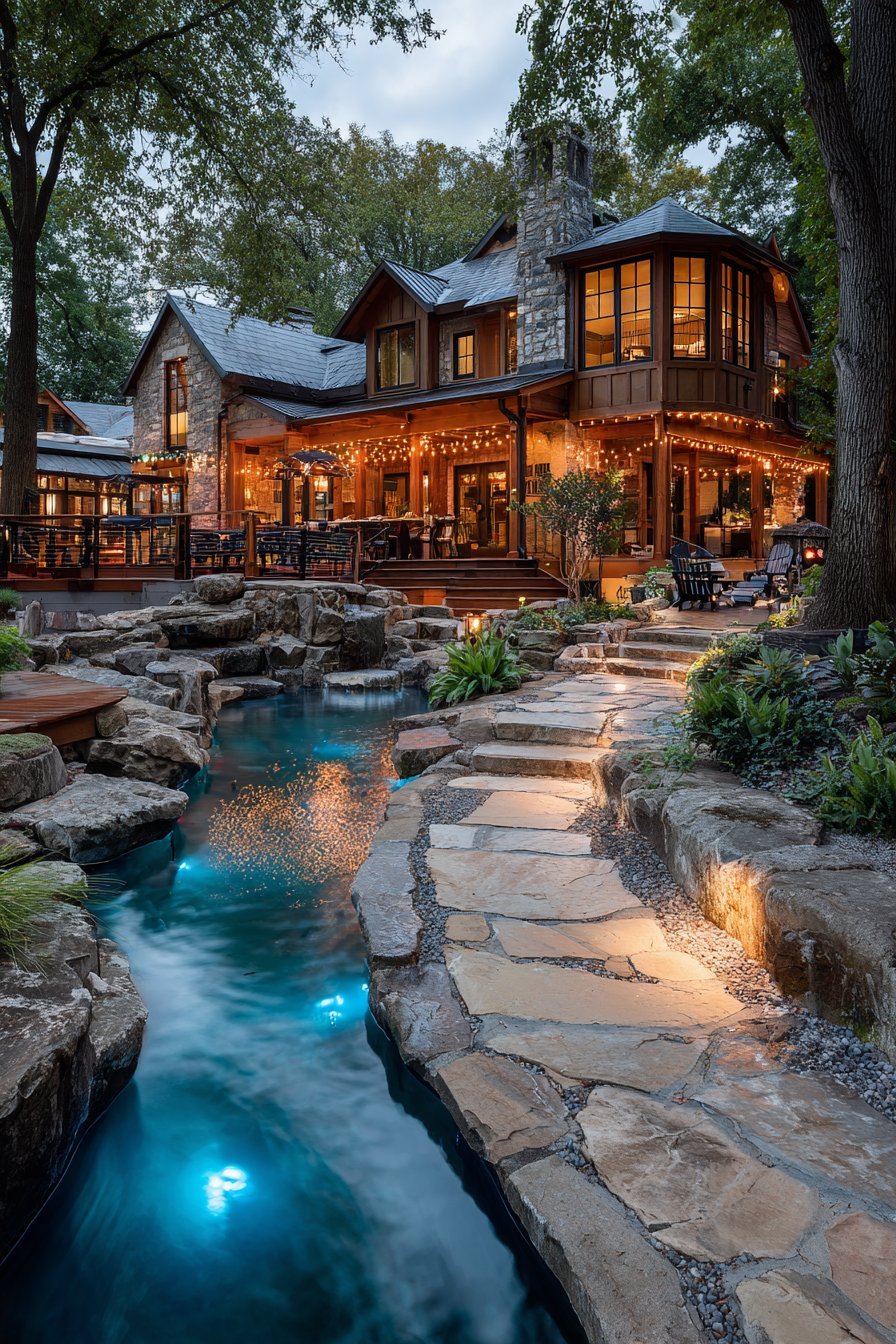
- Layer at least three types of lighting: ambient, task, and accent
- Use warm white bulbs (2700K–3000K) for a cozy, inviting atmosphere
- Install solar-powered path lights along walkways for effortless safety
- Uplight trees and architectural features to add dramatic visual depth
- Choose a smart lighting system compatible with your home automation setup
- Keep fixture styles consistent for a curated, intentional look
6. Wellness-Focused Outdoor Retreats
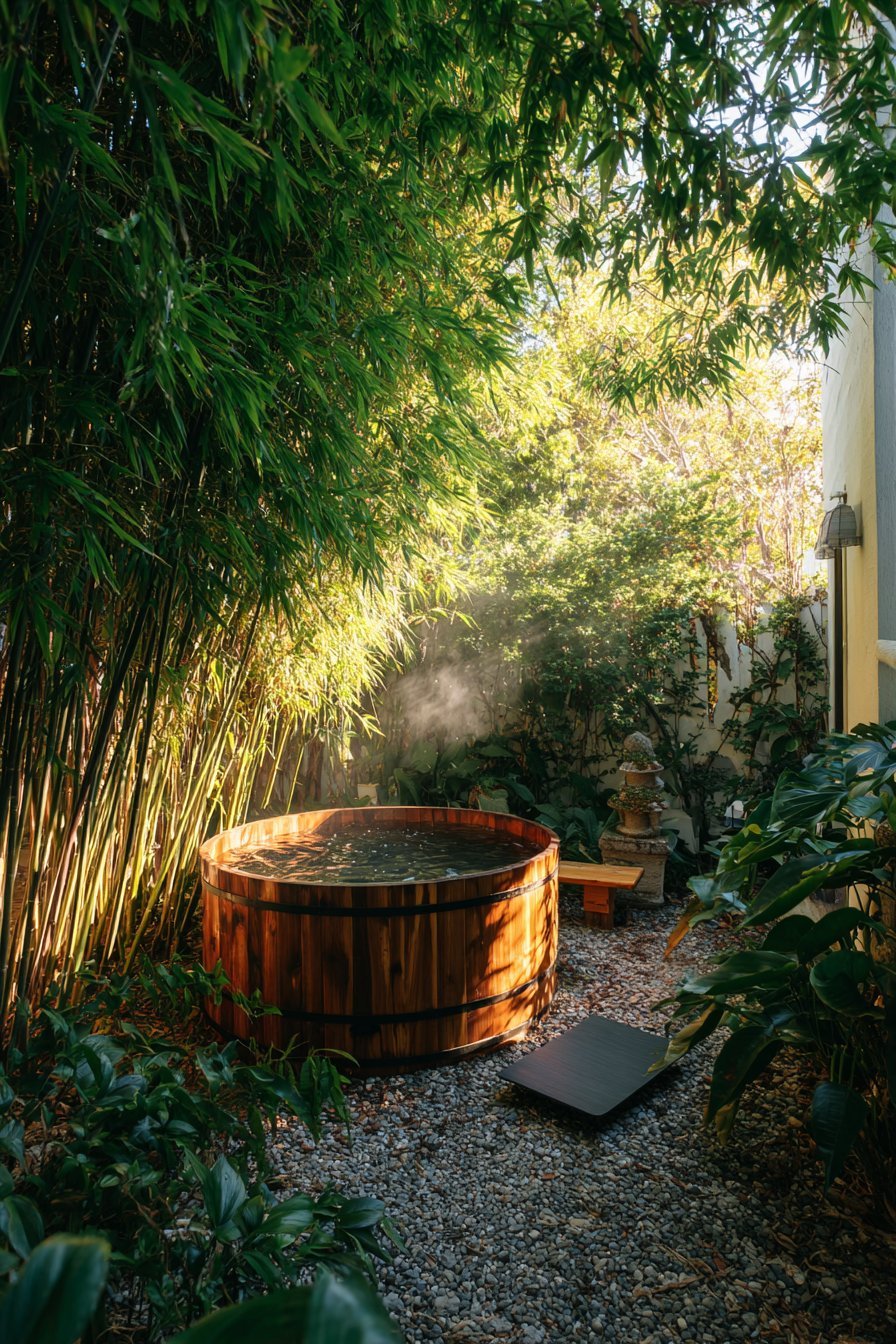
The final and perhaps most personal trend of 2026 is the rise of the wellness-focused backyard. Homeowners are dedicating portions of their outdoor space to physical and mental wellbeing — think cold plunge pools, outdoor saunas, yoga platforms, meditation gardens, and spa-like hot tubs.
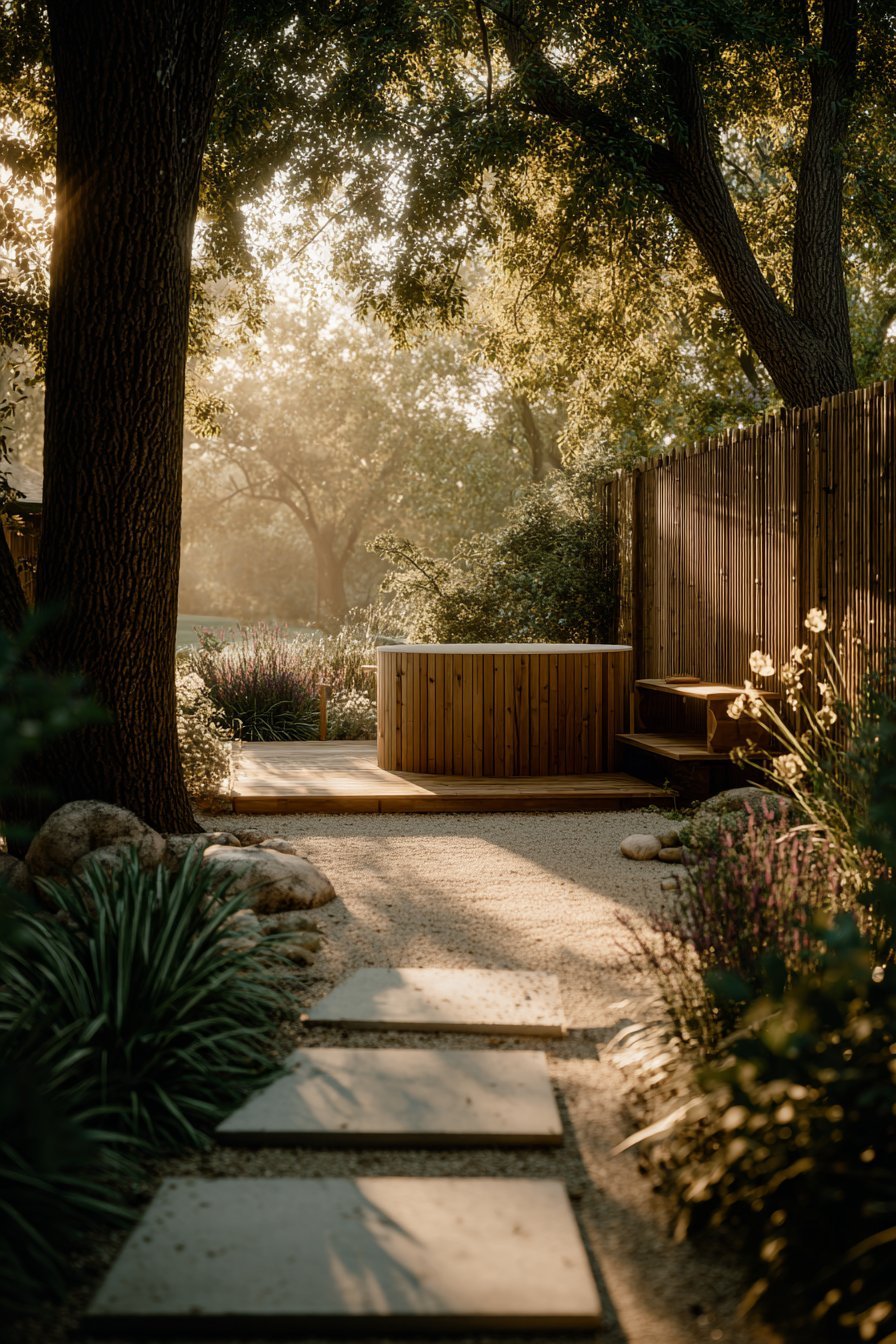
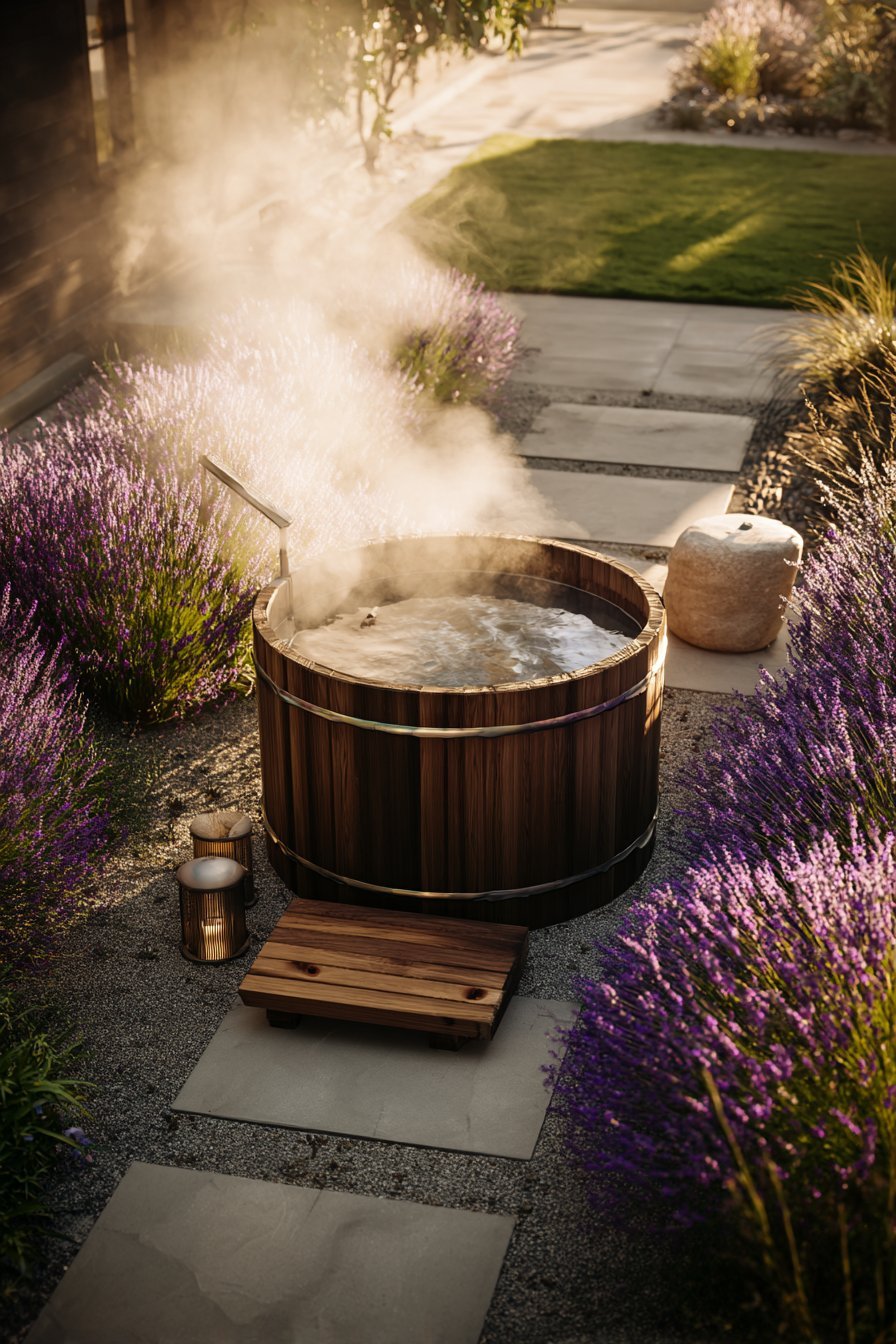
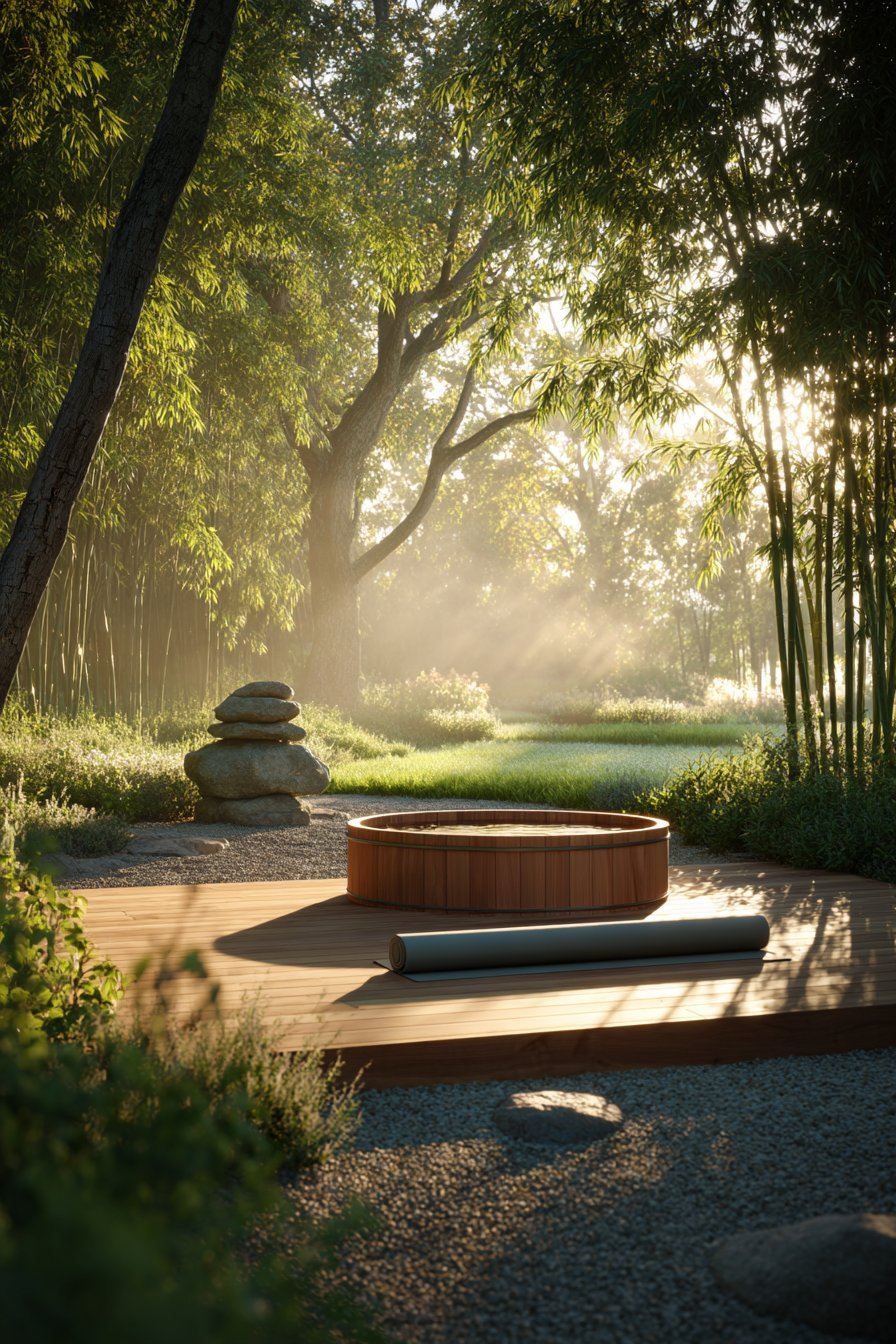
This trend reflects a broader cultural shift toward preventative self-care and daily ritual. Having wellness amenities at home removes the barrier of commuting to a gym or spa. A morning yoga practice on a timber platform surrounded by plants becomes a grounding ritual. An evening soak in a cedar barrel hot tub becomes a restorative transition from work to rest.
Even small backyards can embrace this trend with thoughtful, compact wellness features. A simple gravel meditation garden with a stone bench and a single feature plant costs very little but creates a powerful sense of calm. The key is intentionality — designing a space that signals to your brain: this is a place to slow down.
- Designate a quiet zone away from the main entertaining area for wellness
- Consider a two-person outdoor sauna as a long-term wellness investment
- Create a flat, non-slip timber or composite platform for yoga or stretching
- Add a privacy screen of tall bamboo or lattice panels for a sense of seclusion
- Incorporate aromatherapy plants like lavender, rosemary, and jasmine nearby
- Keep the wellness area free of screens and clutter to reinforce its purpose
Conclusion
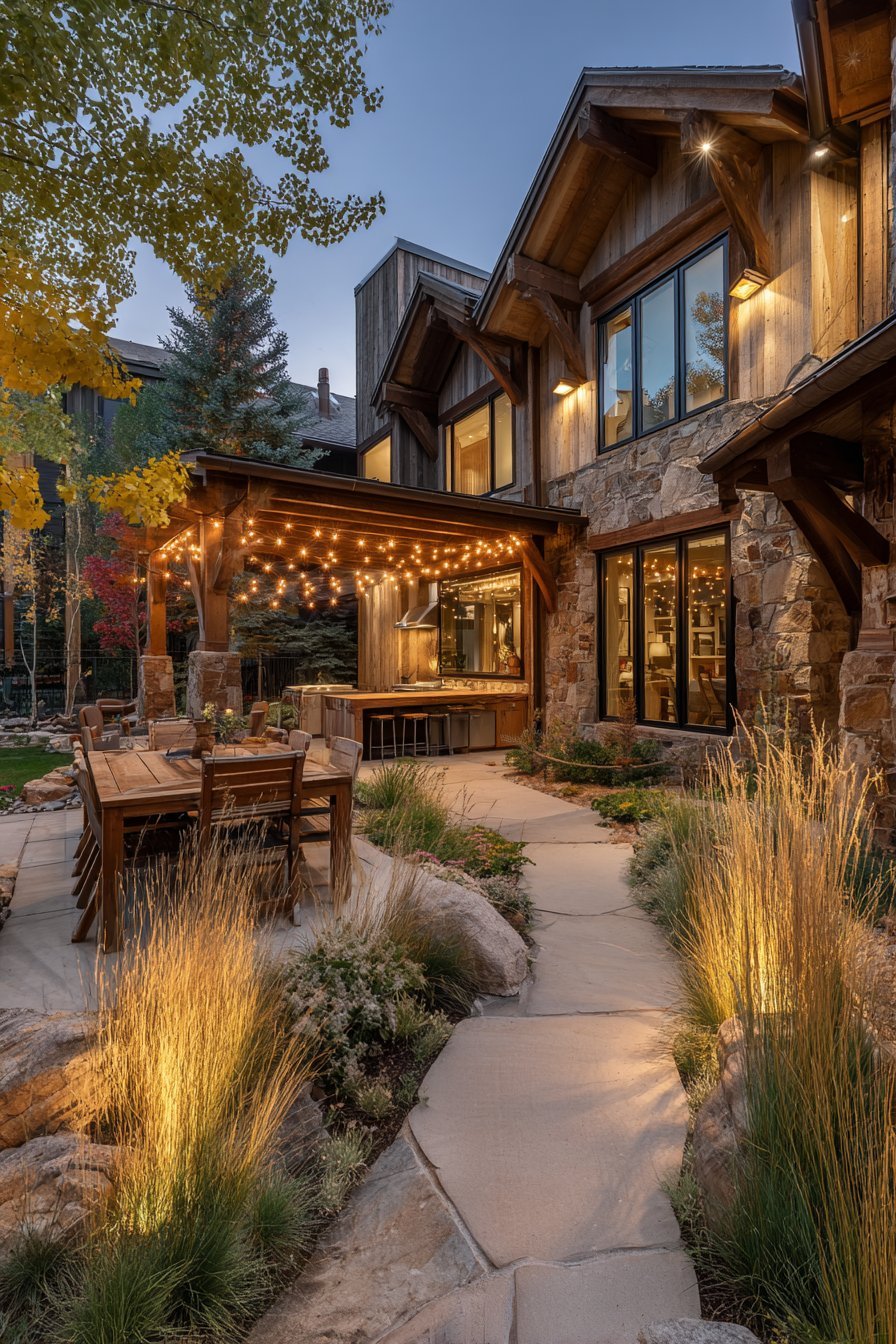
The backyard trends of 2026 share a common thread: intentionality and depth. Whether through biophilic planting, zoned outdoor rooms, sustainable landscaping, immersive kitchens, artful lighting, or personal wellness retreats, the modern backyard is being designed with purpose and passion.
You do not need to adopt every trend at once. Start with one area that excites you most and build from there. The best backyard is one that genuinely reflects how you want to live. Invest in your outdoor space, and it will reward you with years of joy, relaxation, and connection to the world outside your door.