
Transforming your backyard into a personal sanctuary doesn’t require a massive budget or professional landscaping expertise. The secret lies in understanding how strategic design elements work together to create an atmosphere that invites relaxation and escape. A dream retreat backyard balances aesthetics with functionality, offering spaces that cater to both social gatherings and solitary reflection.
The difference between an ordinary outdoor space and a true retreat comes down to intentional planning and thoughtful execution. Whether you’re working with a sprawling lawn or a compact urban patio, the principles remain the same. Creating distinct zones, incorporating natural elements, and paying attention to sensory details all contribute to that coveted resort-like ambiance. This article explores the essential components that transform mundane backyards into extraordinary outdoor havens where you’ll want to spend every free moment.
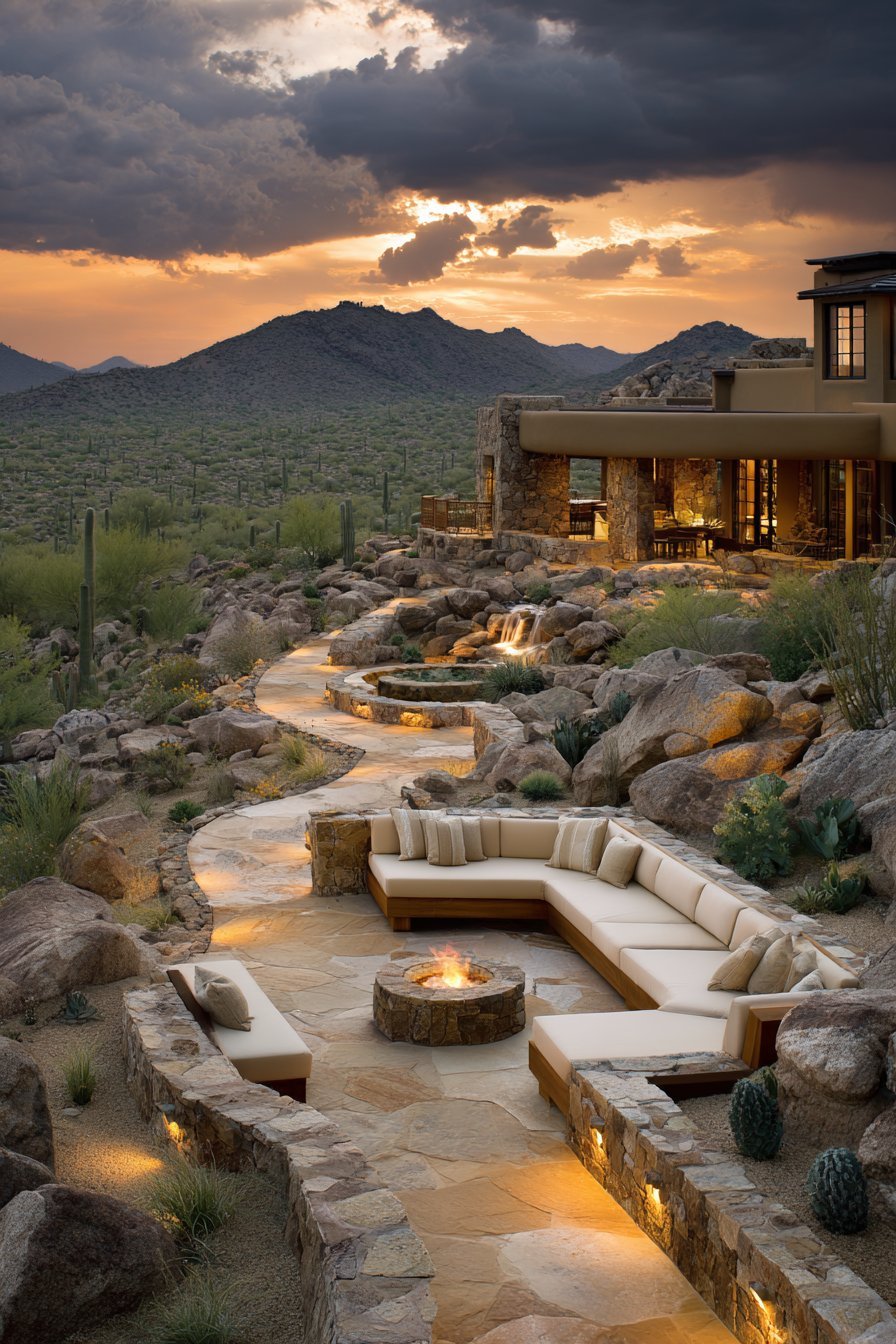
1. Defined Zones for Multiple Activities
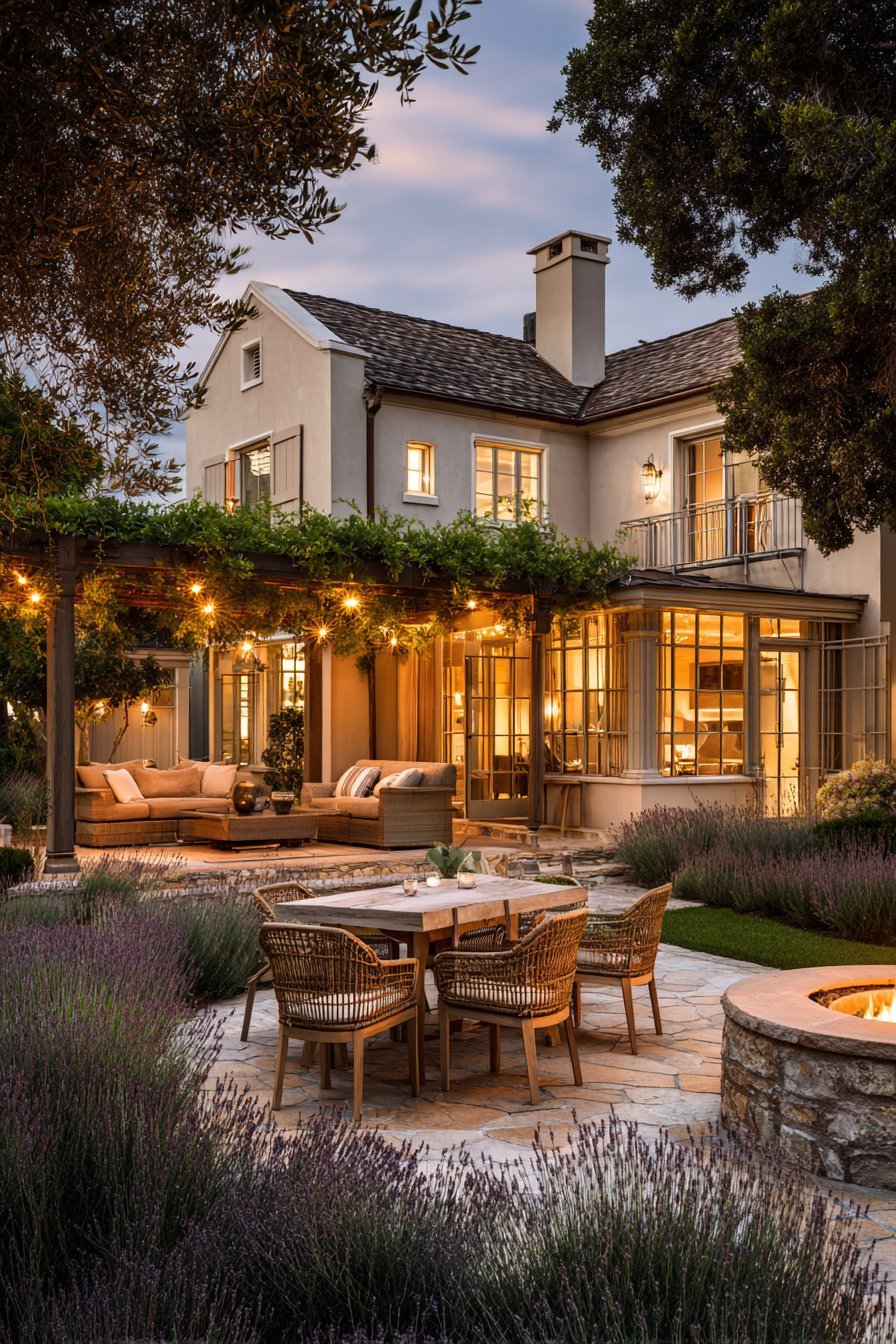
Creating separate areas within your backyard establishes purposeful spaces that enhance usability and visual interest. Think of your outdoor area as an extension of your home’s floor plan, where each zone serves a specific function. A well-designed retreat accommodates various activities without feeling cramped or chaotic.
Zoning allows family members to engage in different activities simultaneously. One person can read in a quiet corner while others entertain guests in the dining area. This spatial organization mimics the room-to-room flow inside your home, creating a natural progression through the landscape.
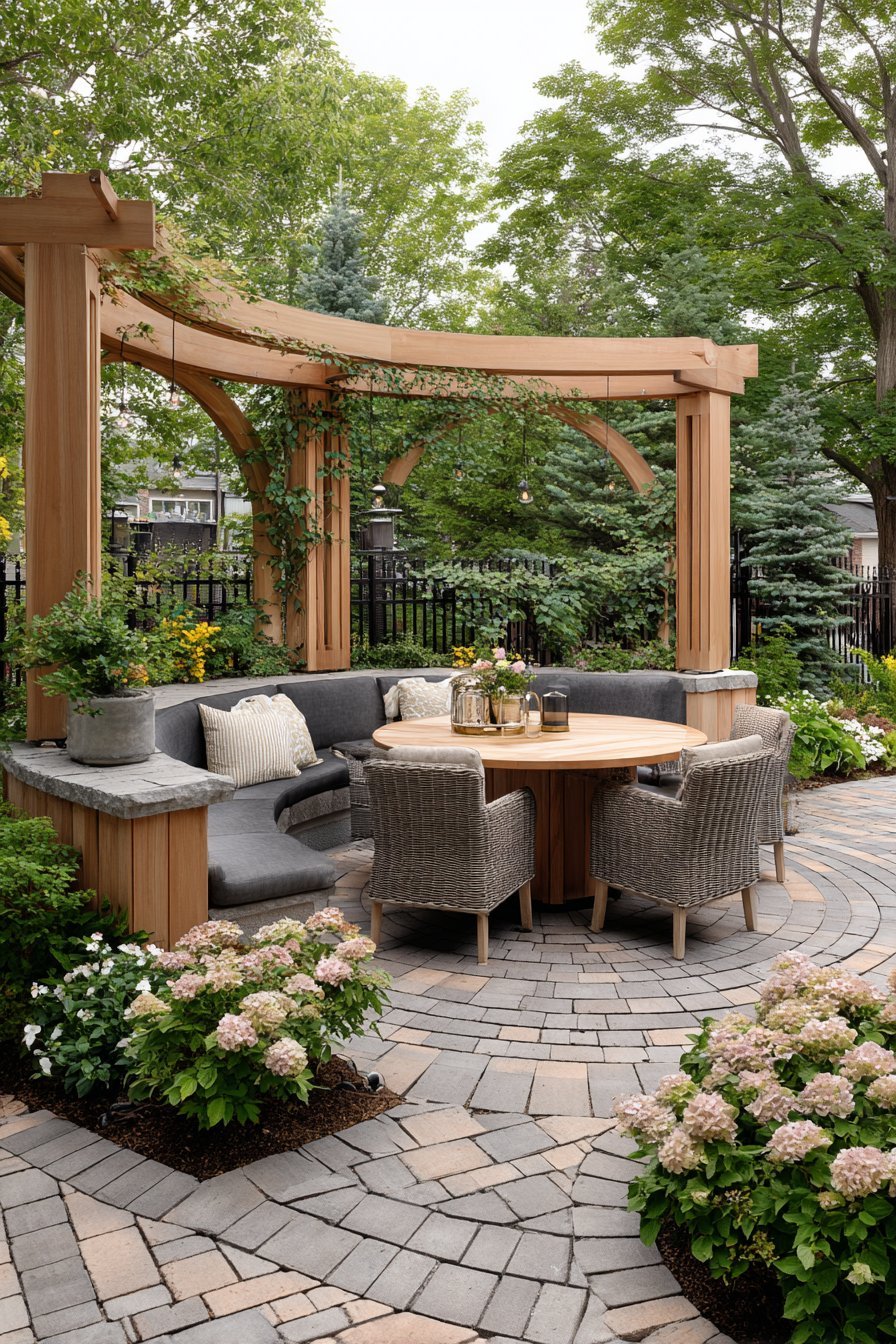
The key to successful zoning lies in subtle transitions between areas rather than harsh divisions. Use changes in elevation, different flooring materials, or strategic plantings to signal movement from one space to another. This approach maintains visual flow while clearly defining each zone’s purpose.
- Use outdoor rugs to anchor seating areas and define living spaces
- Create a dedicated dining zone with a pergola or umbrella overhead
- Establish a fire pit area with circular seating for evening gatherings
- Designate a quiet reading nook away from high-traffic zones
- Install a play area for children with safety surfacing
- Consider a meditation or yoga space with privacy screening
2. Lush Layered Landscaping
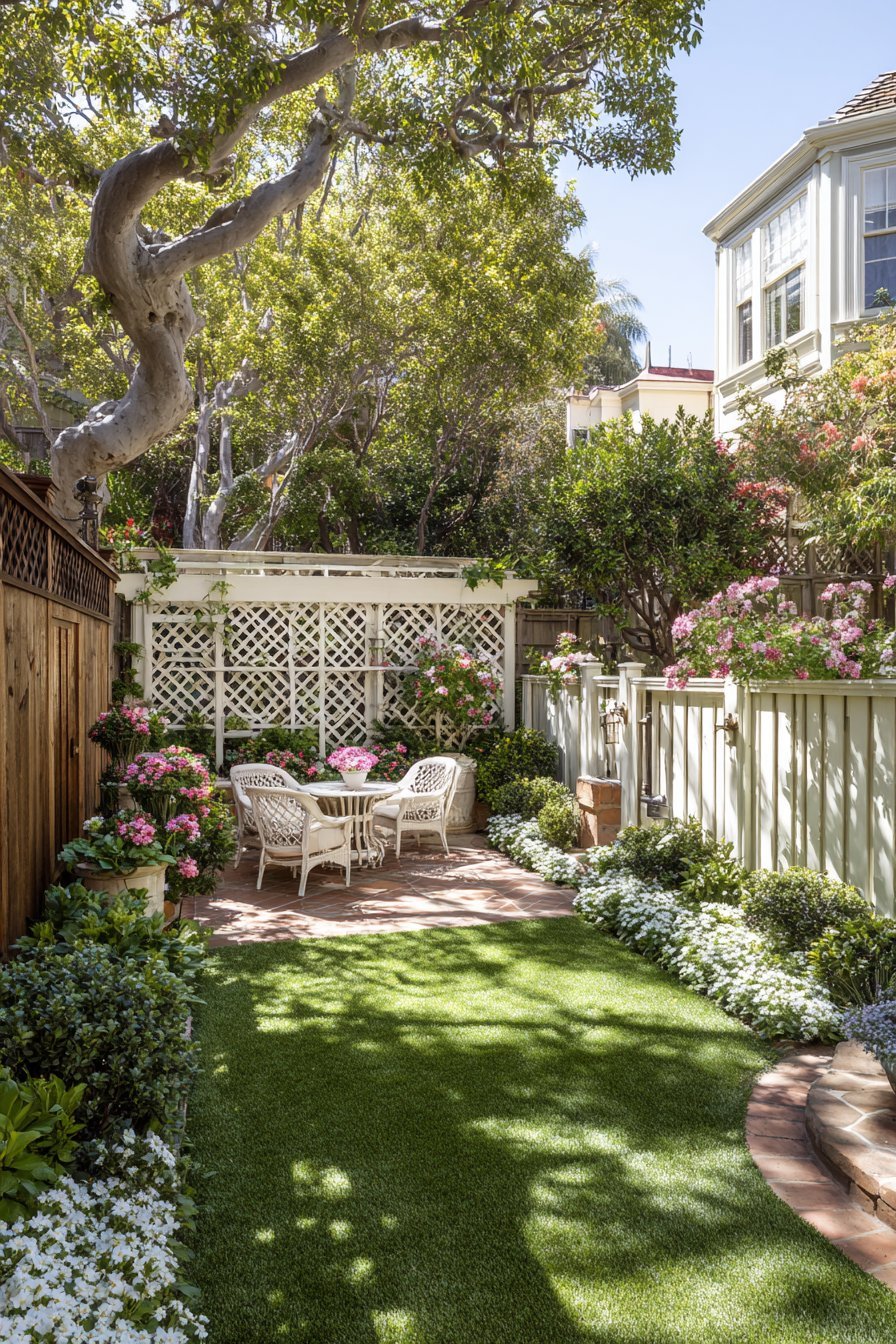
Strategic plant placement creates visual depth and natural privacy that makes outdoor spaces feel secluded and serene. Layering vegetation from ground covers to tall trees mimics nature’s own design while adding texture and color variation. This technique transforms flat, one-dimensional yards into dynamic landscapes with year-round interest.
The three-tier approach includes ground-level plants, mid-height shrubs, and overhead trees or tall grasses. Each layer serves both aesthetic and practical purposes, from cooling the space to attracting beneficial wildlife. Mixing evergreens with seasonal bloomers ensures your retreat never looks barren or lifeless.
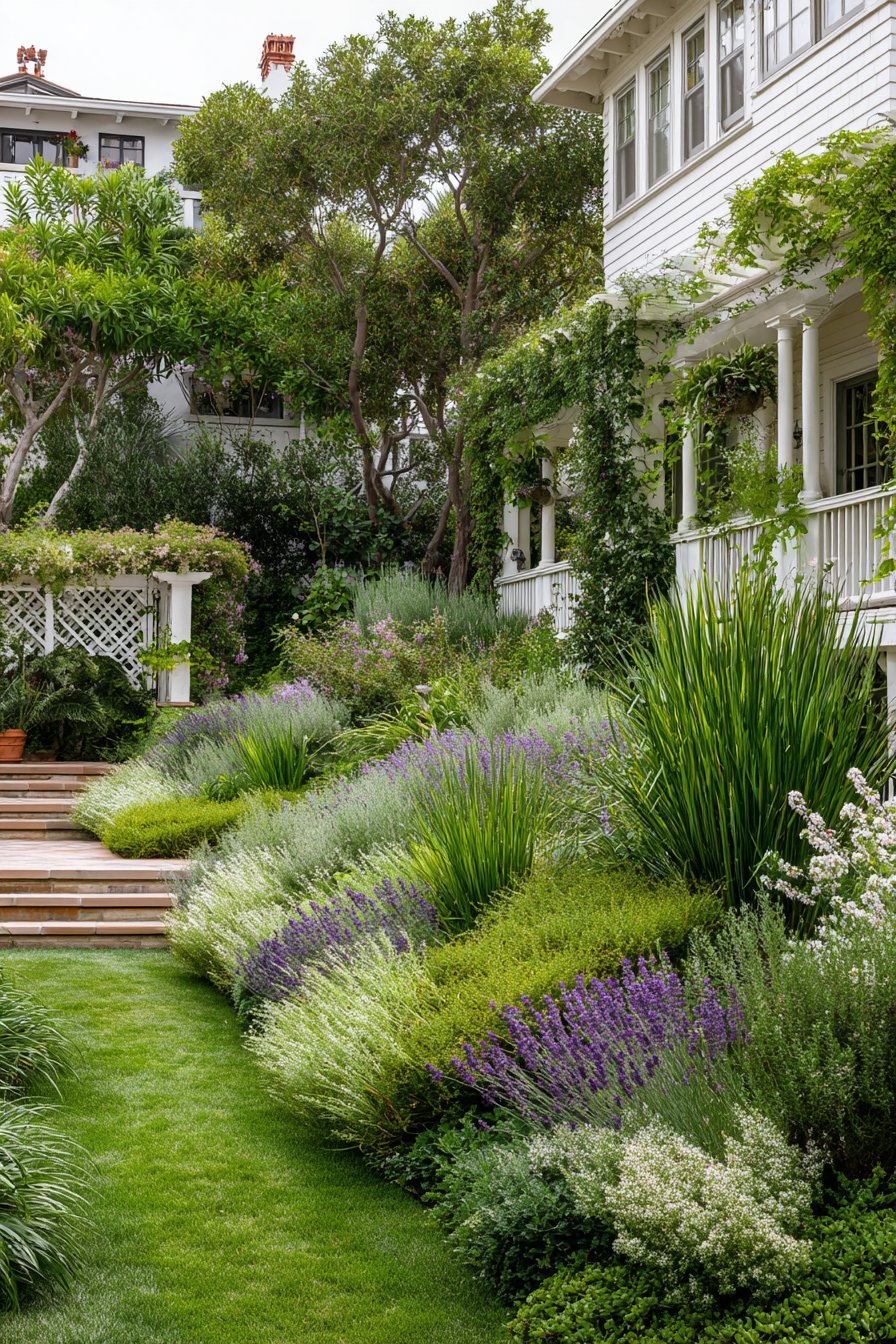
Consider plant maintenance requirements before committing to elaborate schemes. Choose low-maintenance varieties that thrive in your climate zone and soil conditions. Native plants typically require less water and care while supporting local ecosystems, making them ideal for sustainable dream retreats.
- Plant tall ornamental grasses along borders for movement and privacy
- Add flowering shrubs in groups of three or five for visual impact
- Include evergreen foundation plants for year-round structure
- Incorporate fragrant herbs like lavender near seating areas
- Use climbing vines on trellises to create vertical interest
- Select plants with varied textures and foliage colors for depth
3. Ambient Lighting Design
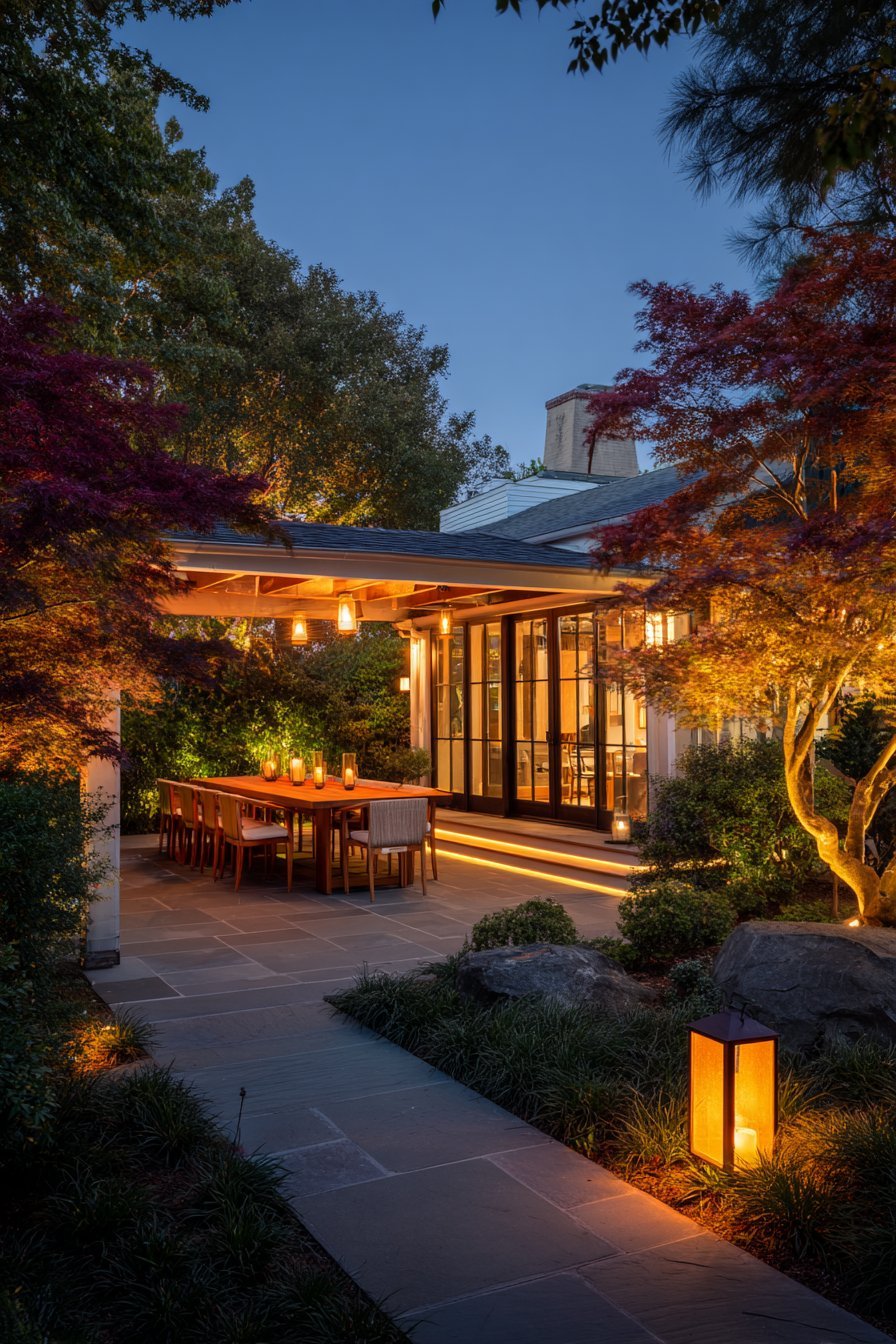
Thoughtful illumination extends your backyard’s usability into evening hours while creating magical ambiance that transforms ordinary spaces. Lighting serves both practical and aesthetic purposes, guiding movement while highlighting architectural features and landscaping. The right combination makes your retreat feel enchanting after dark.
Layered lighting approaches work best, combining task lighting for functional areas with ambient lights for atmosphere. Avoid harsh overhead fixtures that create unflattering shadows. Instead, opt for warm-toned lights positioned at multiple heights to mimic natural light patterns.
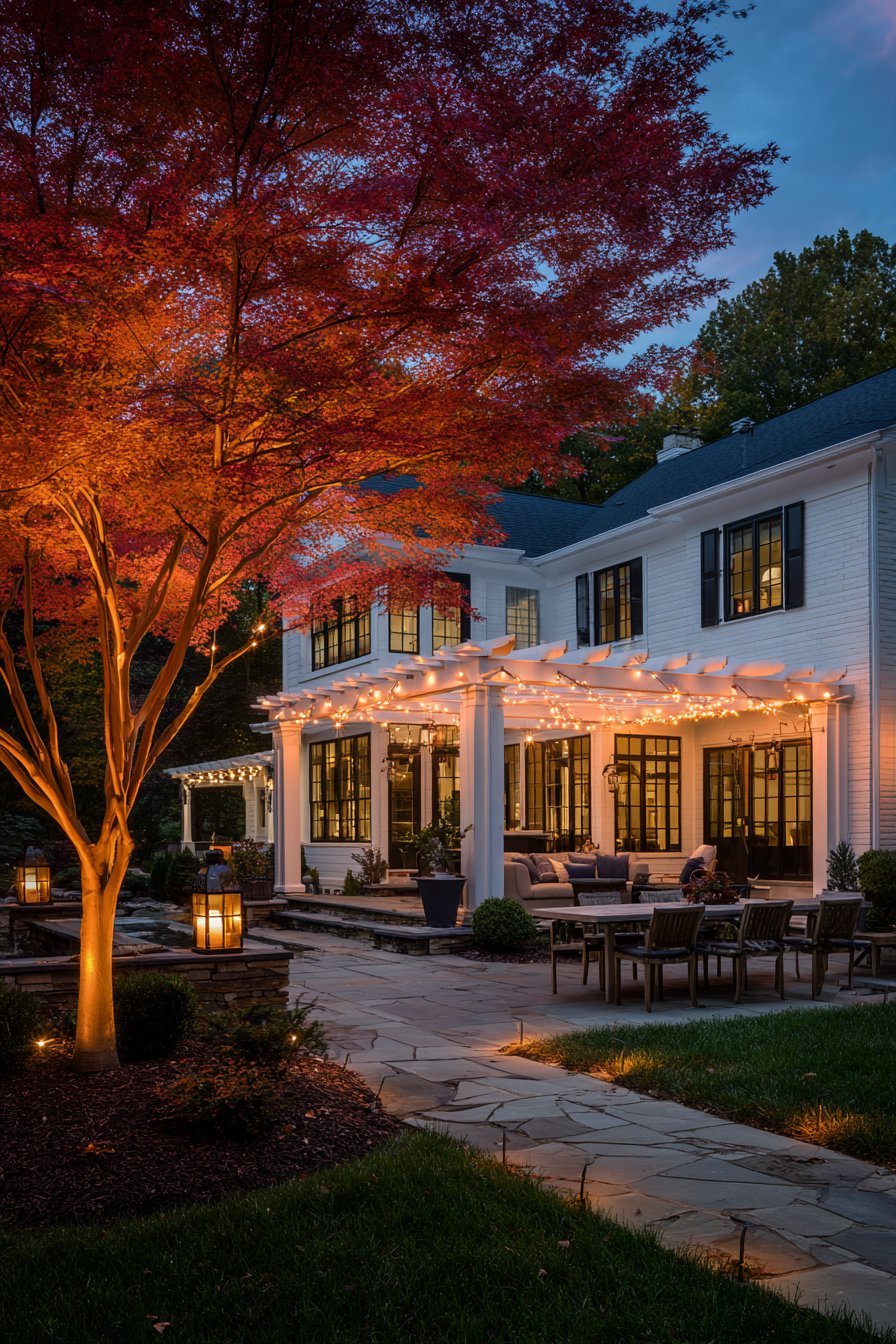
Smart lighting systems allow you to adjust brightness and color temperature based on activities and moods. Dimmable options provide flexibility for intimate dinners versus larger gatherings. Solar-powered fixtures offer eco-friendly solutions for pathway and accent lighting without electrical complications.
- String bistro lights overhead for festive, restaurant-style ambiance
- Install low-voltage path lights along walkways for safety
- Use uplighting to dramatic trees and architectural features
- Add lanterns or candles on tables for intimate lighting
- Incorporate LED strip lights under deck railings or steps
- Position spotlights to highlight water features or sculptures
4. Comfortable and Stylish Seating
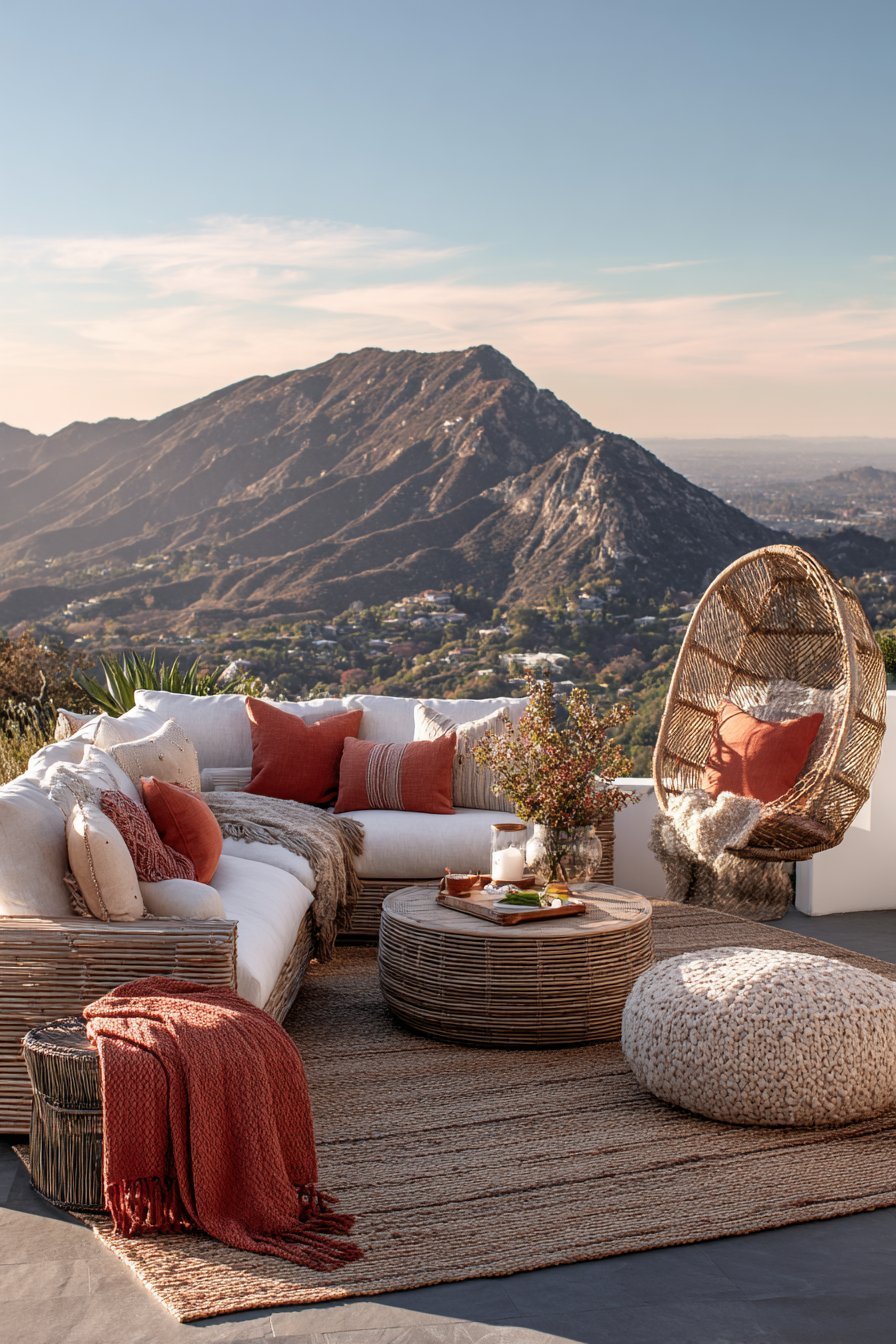
Seating arrangements directly impact how much time you’ll actually spend in your backyard retreat. Weather-resistant furniture that doesn’t sacrifice comfort encourages longer outdoor stays and frequent use. The goal is creating spaces that feel as inviting as your interior living room while withstanding outdoor conditions.
Scale matters tremendously when selecting outdoor furniture. Pieces should be proportionate to the space without overwhelming it. In smaller yards, multi-functional furniture like storage benches or nesting tables maximizes utility. Larger spaces can accommodate sectional sofas and multiple seating clusters.
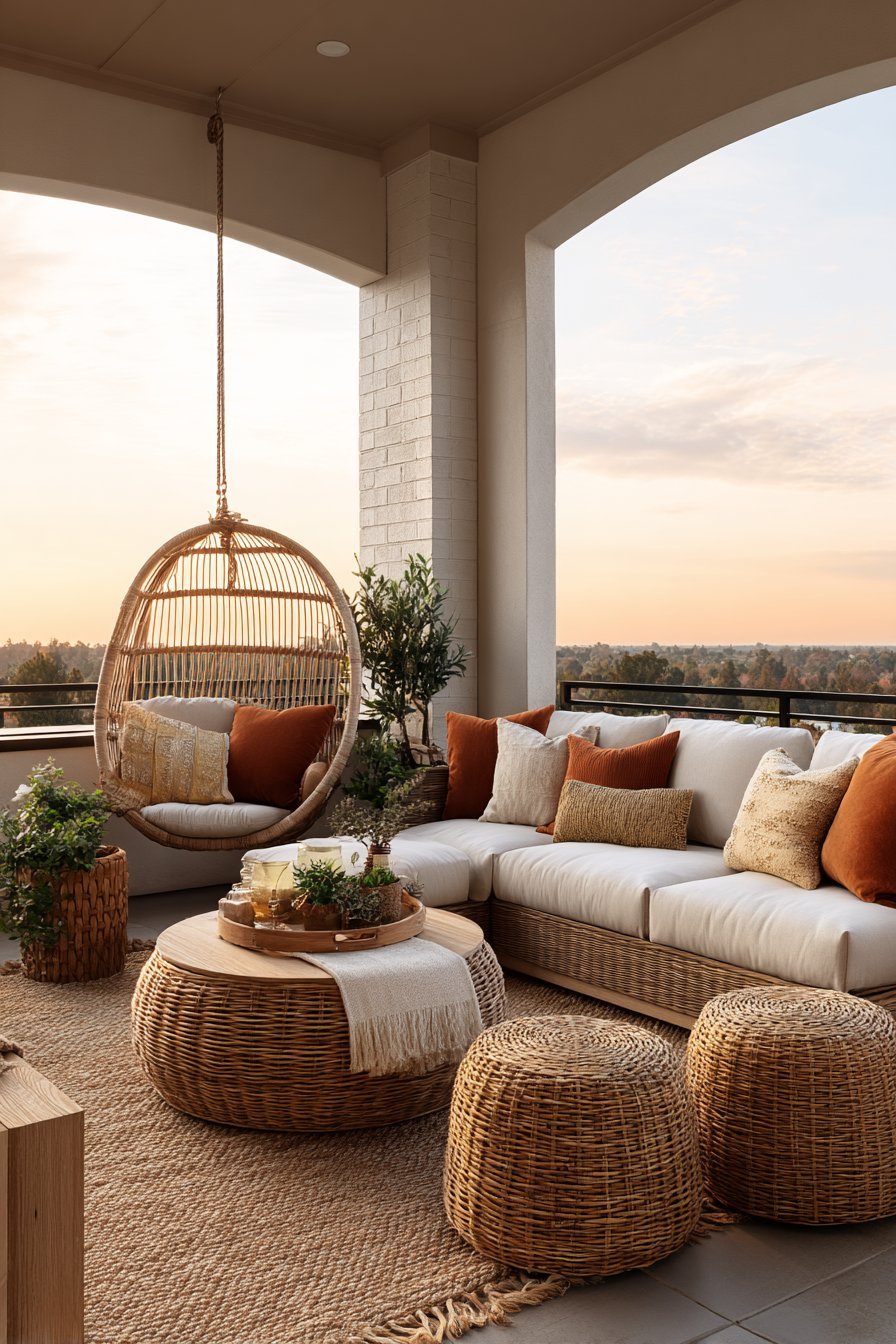
Cushions and pillows transform basic furniture into cozy destinations. Choose outdoor-rated fabrics that resist fading, mildew, and moisture. Layer textures and patterns to add personality while maintaining a cohesive color palette that complements your overall design scheme.
- Invest in deep-seated sofas with thick cushions for lounge-worthy comfort
- Add weather-resistant throw pillows in varying sizes and patterns
- Include swinging chairs or hammocks for relaxation focal points
- Provide ottomans or poufs for flexible additional seating
- Choose materials like teak, powder-coated aluminum, or all-weather wicker
- Arrange furniture to encourage conversation in circular or L-shaped configurations
5. Water Features for Tranquility
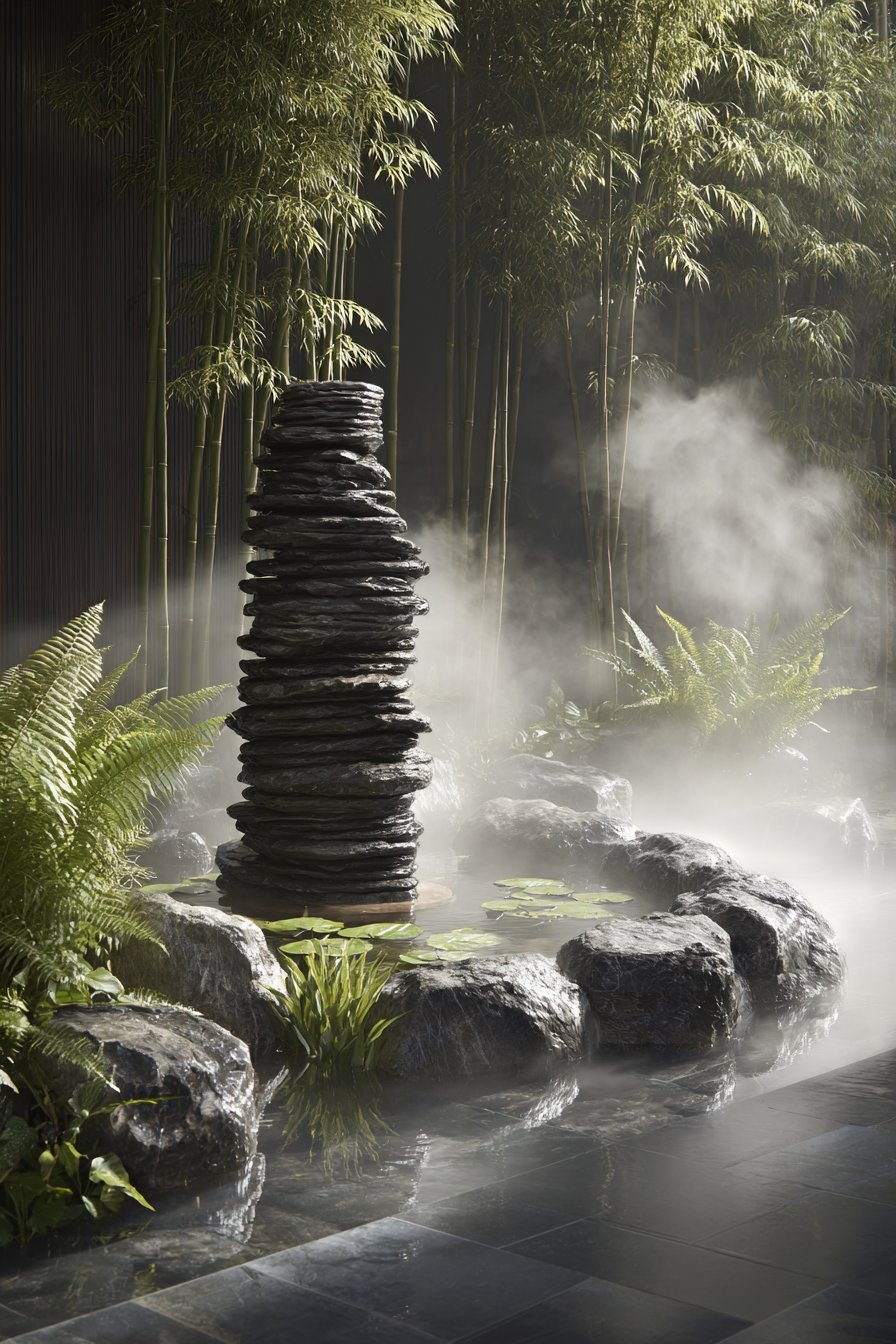
The sound of moving water creates instant serenity that drowns out urban noise and induces relaxation. Water features range from elaborate pools to simple birdbaths, each adding sensory richness to your outdoor sanctuary. The visual and auditory elements work together to establish that coveted spa-like atmosphere.
Even small spaces can accommodate water elements. Compact fountains or wall-mounted spouts provide the soothing sounds without requiring significant square footage. The key is ensuring proper circulation to prevent stagnation and mosquito breeding while maintaining an aesthetically pleasing design.
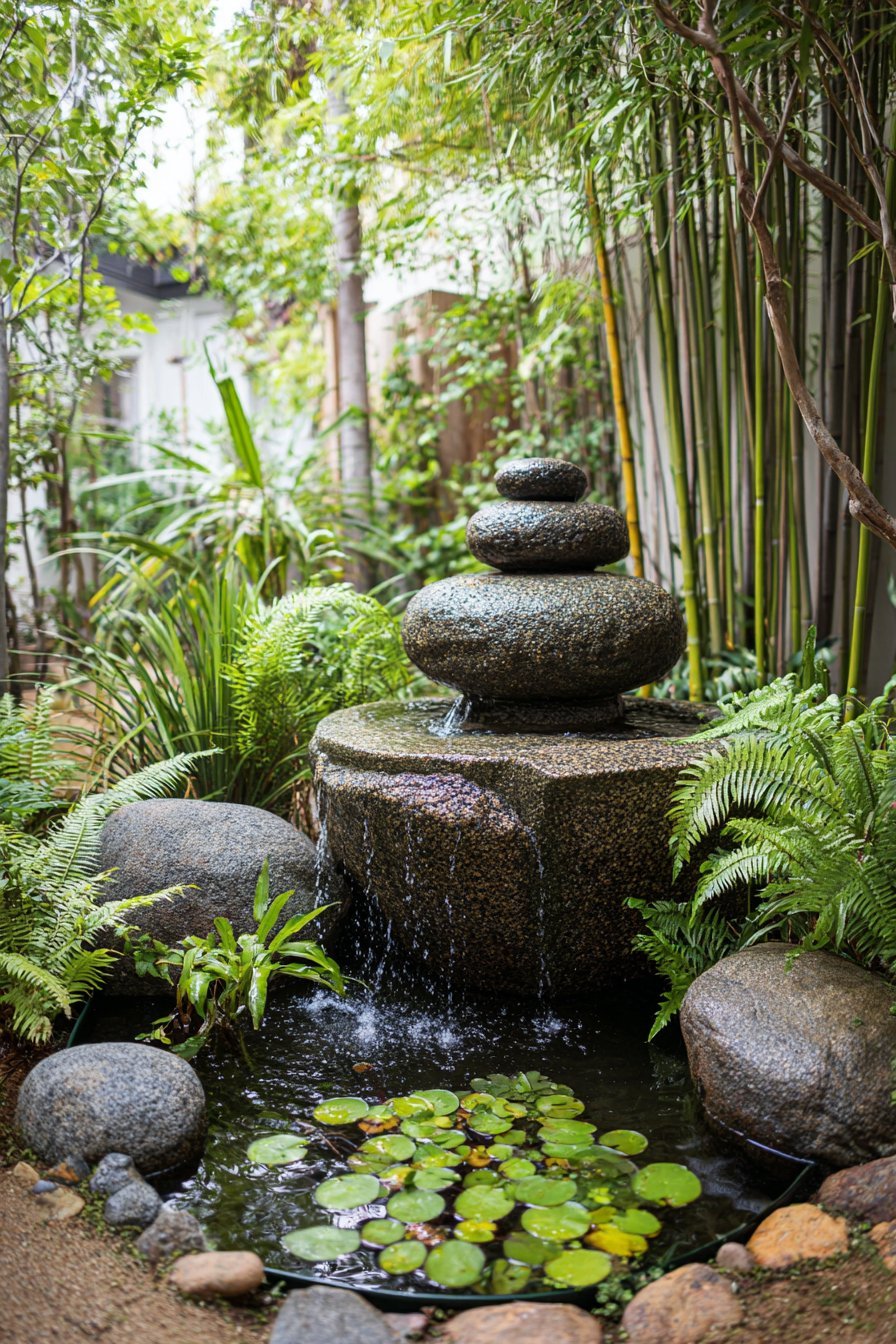
Consider the maintenance requirements before installation. Self-contained fountain systems are low-maintenance options that require occasional cleaning and water refills. Larger features like ponds or waterfalls demand more attention but create dramatic focal points that significantly elevate your retreat’s luxury factor.
- Install a small tabletop fountain on an outdoor coffee table
- Add a bubbling rock feature near seating areas for calming sounds
- Create a small reflecting pool with aquatic plants for visual interest
- Position wall-mounted fountains to save floor space in compact yards
- Include a birdbath to attract wildlife and add movement
- Consider a pondless waterfall for safety and lower maintenance
6. Privacy Elements and Screening
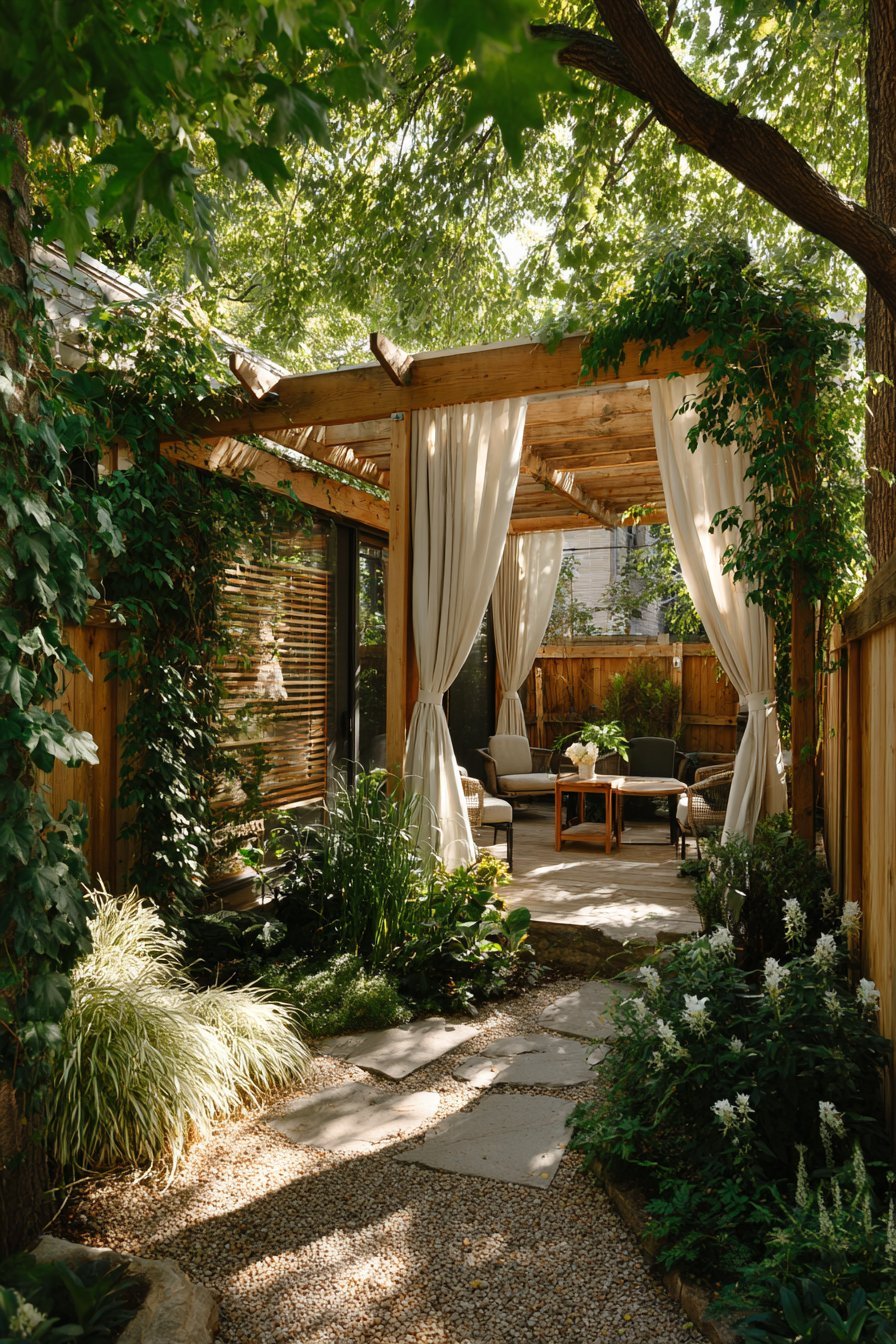
True retreats offer seclusion from outside distractions, making privacy features essential for creating that escape-from-it-all feeling. Strategic screening shields your space from neighboring views while reducing noise infiltration. The methods you choose should enhance rather than detract from your overall aesthetic.
Living privacy screens using hedges, bamboo, or climbing vines provide natural barriers that soften hardscaping. These organic solutions improve with age and offer environmental benefits like air purification and habitat creation. They require patience as plants mature but deliver lasting results.
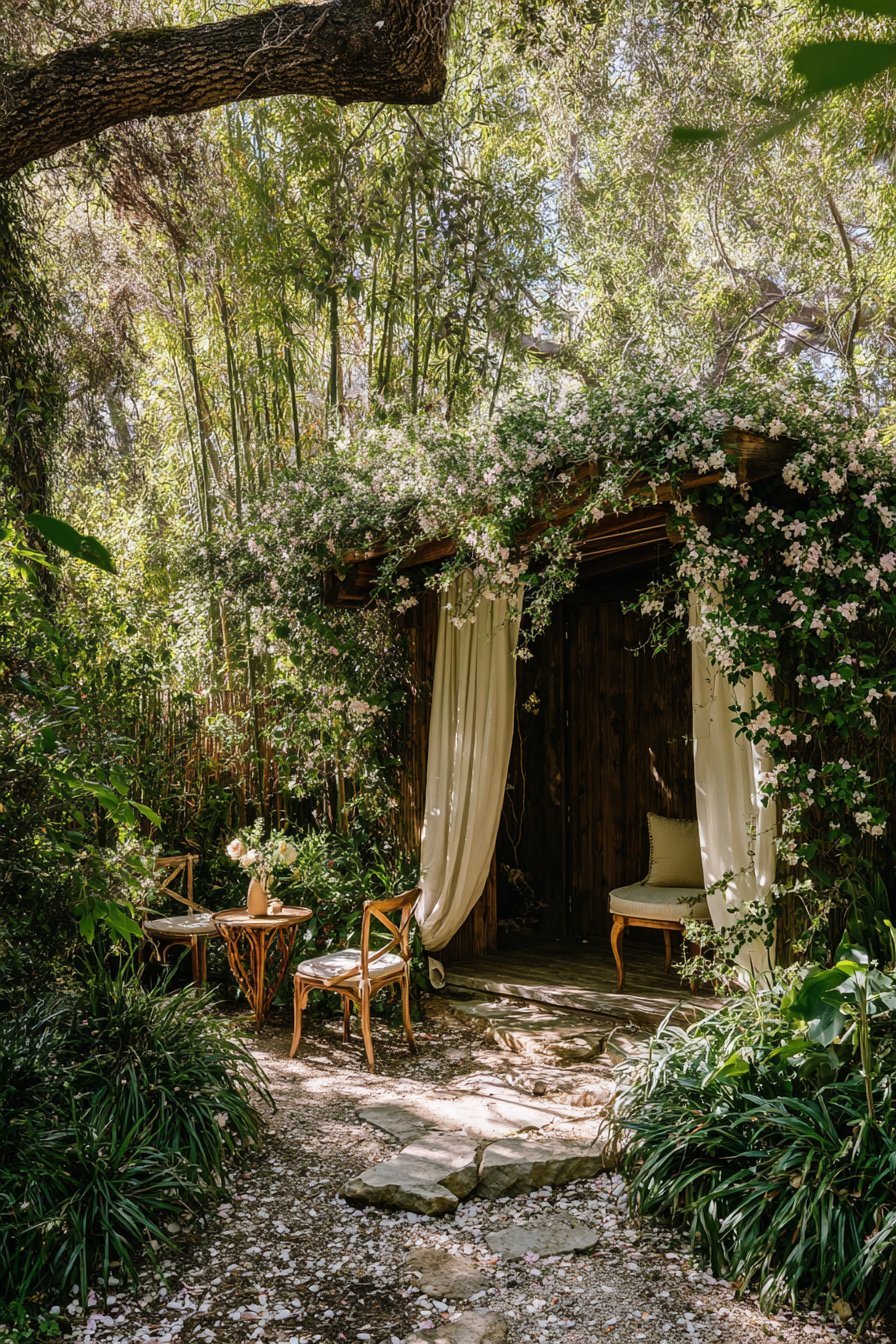
Structural options like fences, lattice panels, or outdoor curtains provide immediate privacy with distinct style statements. Mix approaches for optimal results—perhaps solid fencing along property lines with decorative screening around specific zones. The goal is feeling comfortably enclosed without creating a claustrophobic atmosphere.
- Plant fast-growing bamboo for quick natural screening
- Install lattice panels with climbing jasmine or clematis
- Hang outdoor curtains around pergolas for flexible privacy
- Build horizontal slat fences for modern partial screening
- Use tall planters with ornamental grasses as movable barriers
- Add a living wall with vertical garden systems
7. Outdoor Cooking and Dining Spaces
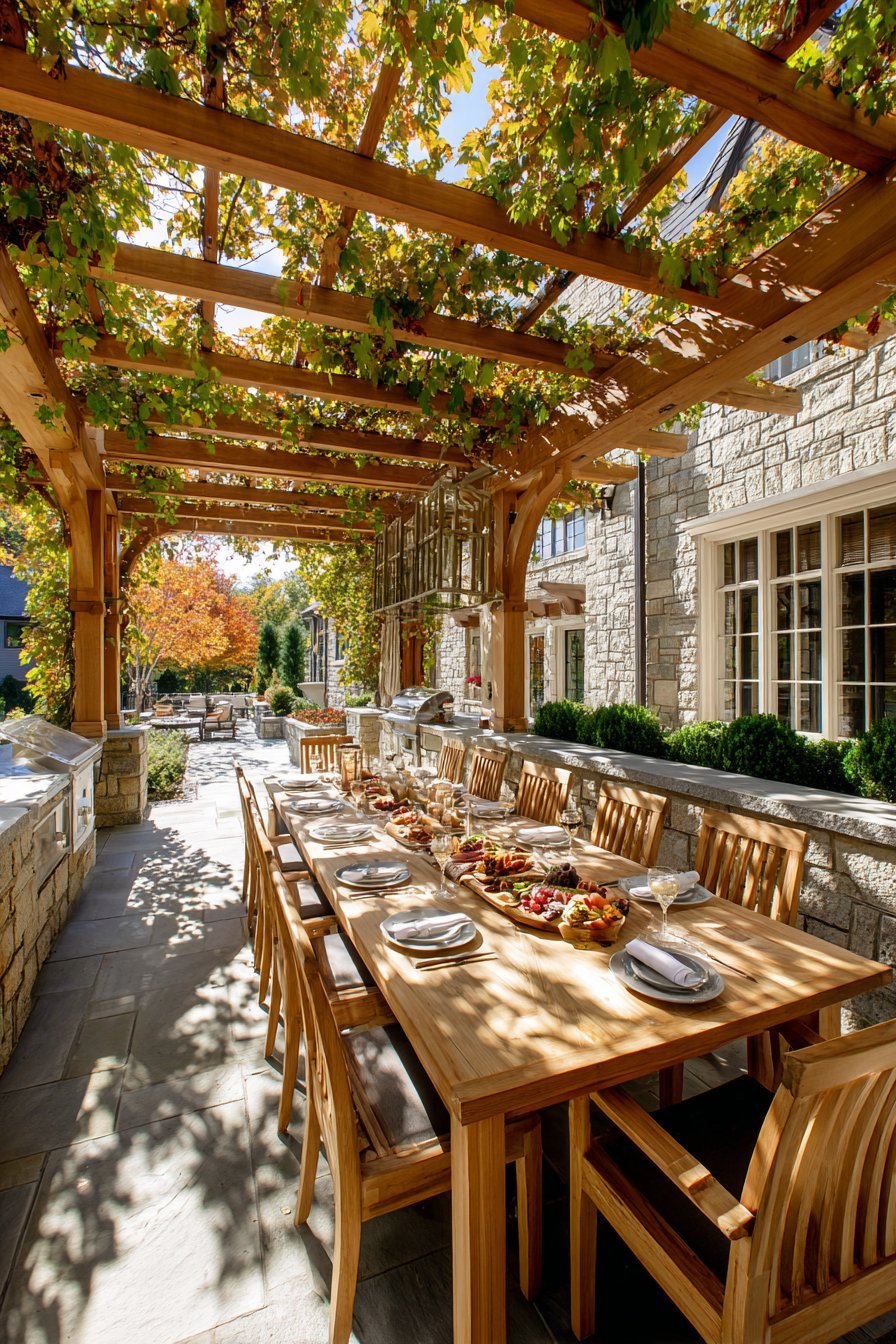
Built-in cooking areas elevate backyards from basic to entertainment-ready retreats that rival restaurant experiences. The ability to prepare meals outdoors keeps cooks engaged with guests while maximizing the time spent in your sanctuary. These spaces become natural gathering points that anchor social activities.
Outdoor kitchens range from simple built-in grills to full cooking suites with refrigerators, sinks, and storage. Assess your actual cooking habits before overbuilding—many homeowners find a quality grill, prep counter, and storage sufficient. Position the cooking zone near your dining area but downwind from primary seating.
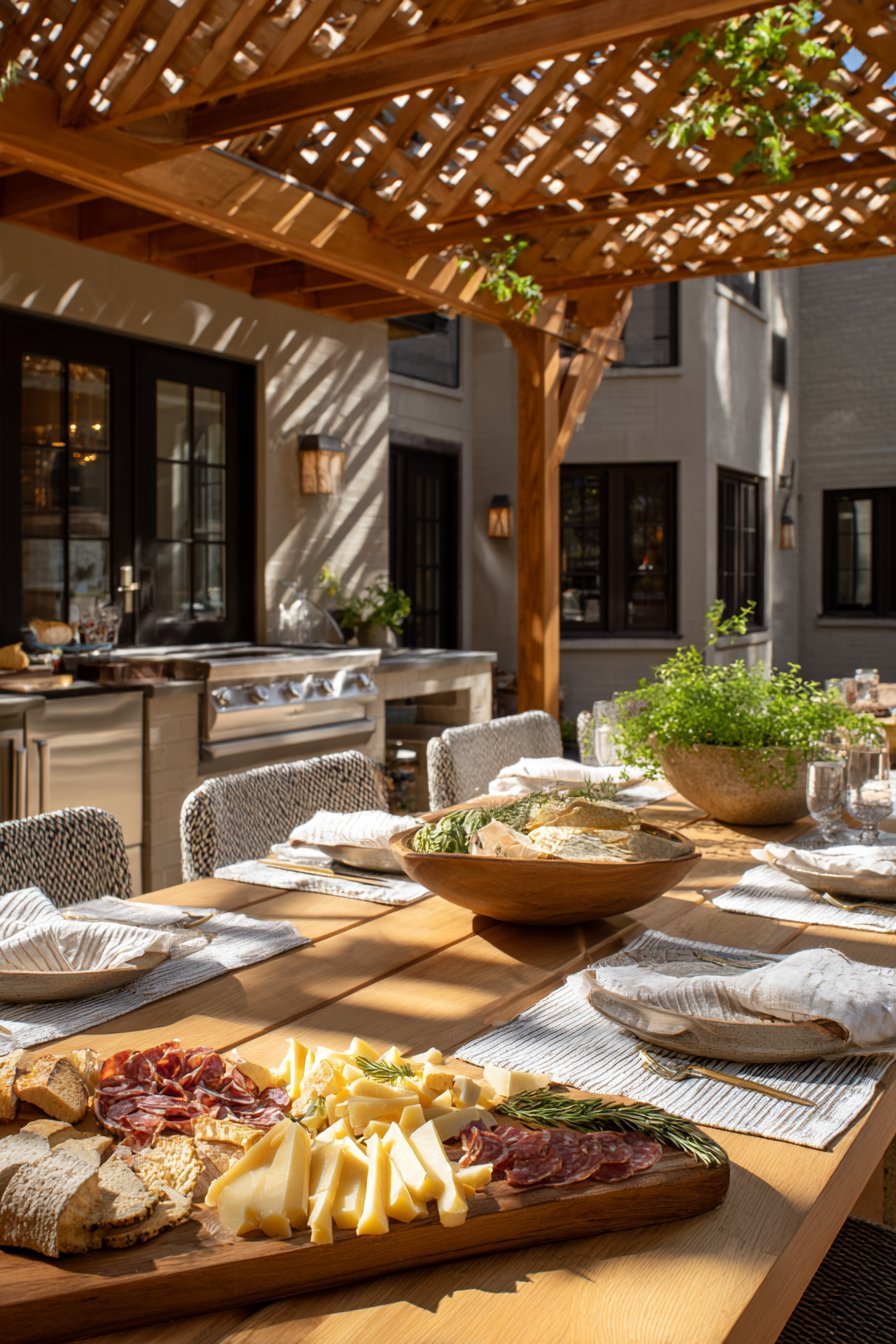
Dining spaces should accommodate your typical group size with room for occasional larger gatherings. Weather protection via pergolas, umbrellas, or retractable awnings extends usability throughout seasons. Choose tables and chairs that balance comfort with durability, considering materials that withstand your climate’s specific challenges.
- Install a built-in grill station with stone countertops for durability
- Add a beverage cooler or outdoor refrigerator near the dining zone
- Include ample counter space for food preparation and serving
- Provide shade over dining areas with a pergola or large umbrella
- Choose a dining table that seats your regular group plus extras
- Add a rolling bar cart for flexible beverage service
8. Fire Features for Warmth and Atmosphere
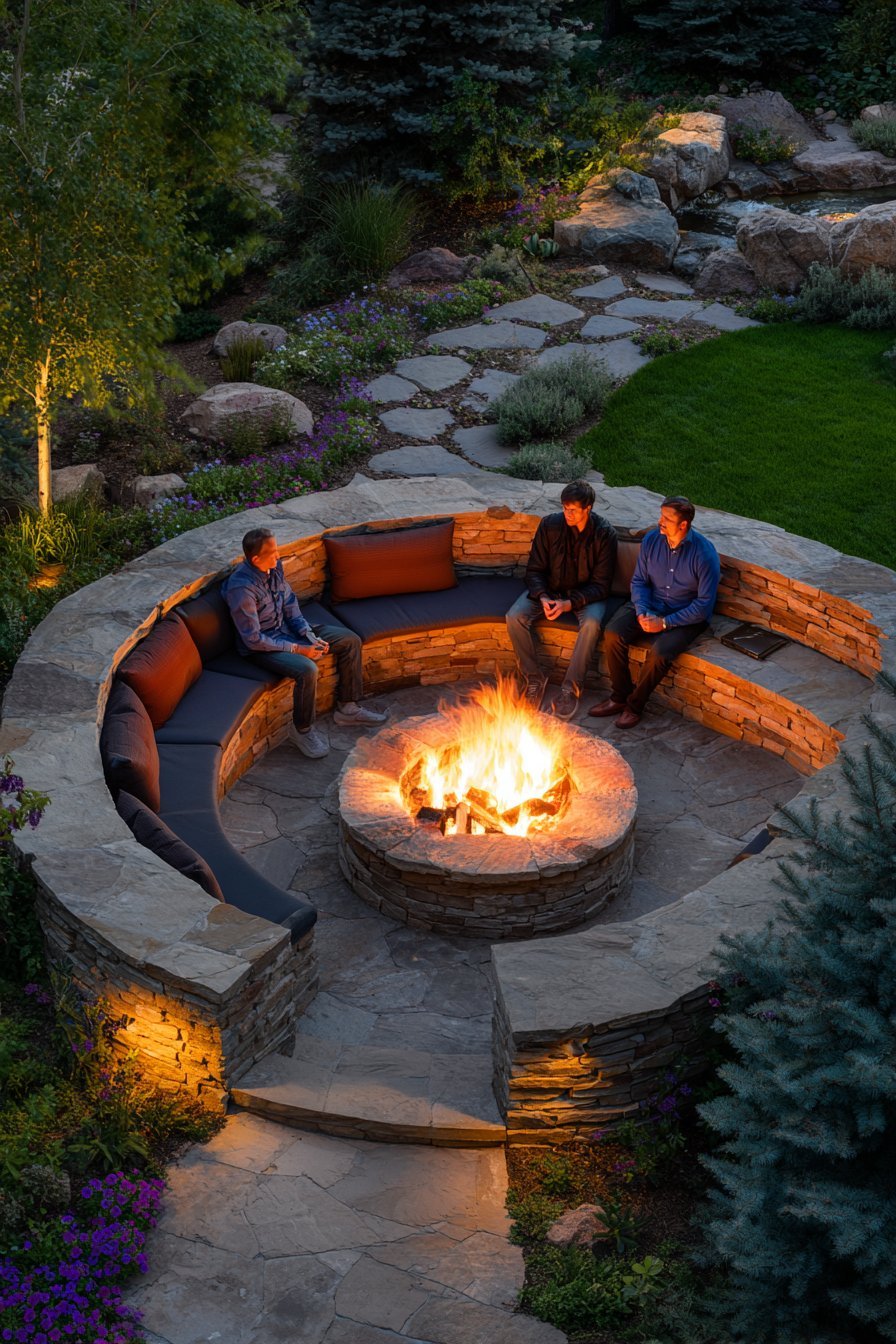
Fire elements extend the usability of your retreat into cooler months while creating mesmerizing focal points. The primal appeal of fire draws people together, making these features natural gathering spots that anchor evening entertainment. Modern options range from traditional wood-burning pits to sleek gas-powered installations.
Placement requires careful consideration of safety regulations and practical factors like smoke direction and heat distribution. Fire features work best in open areas away from overhanging branches or structures. Ensure adequate seating surrounds the feature in a circular or semi-circular arrangement that encourages conversation.
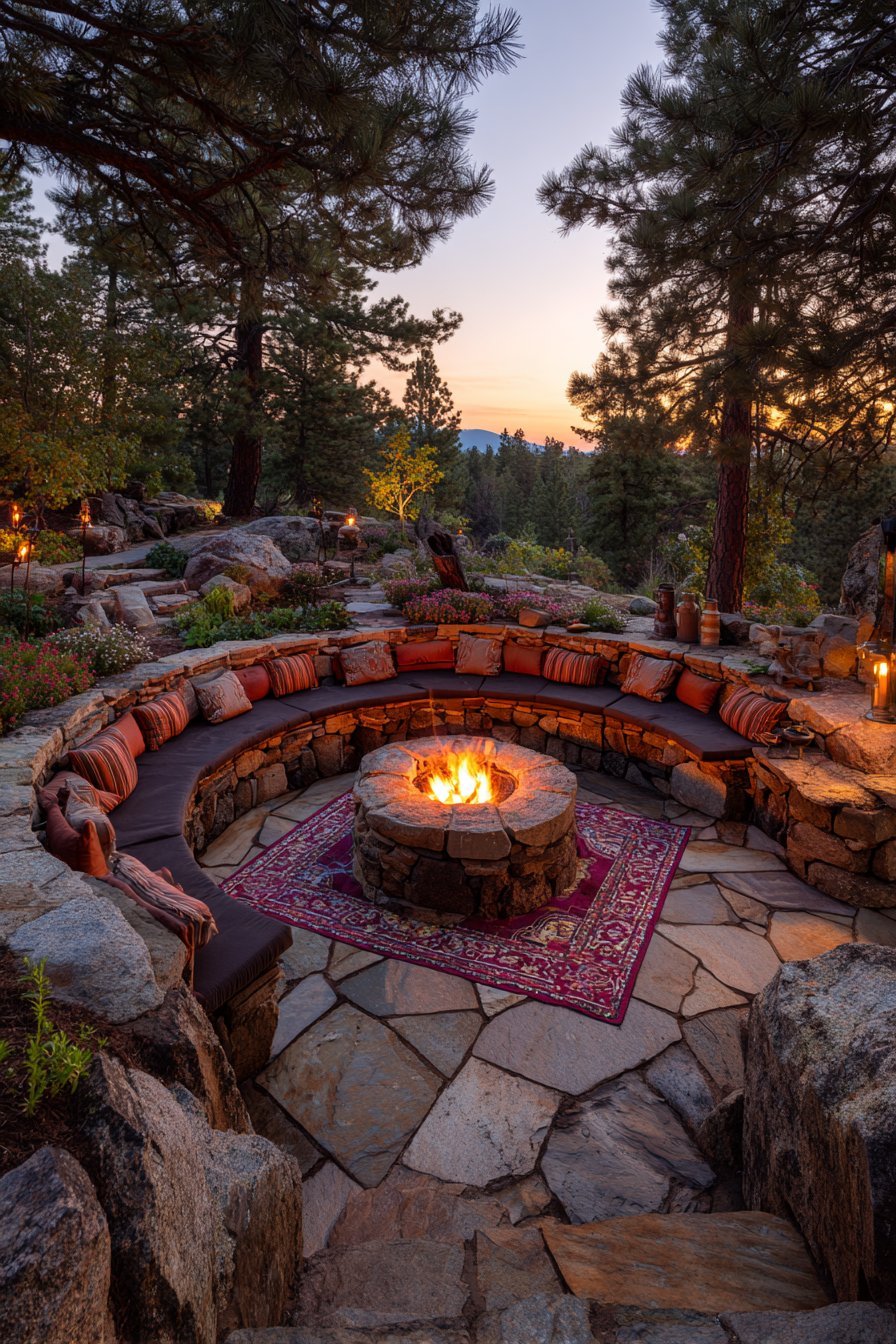
Gas fire tables offer convenience and control without the maintenance demands of wood-burning options. They light instantly and adjust easily while producing less smoke and mess. Wood-burning pits provide authentic crackling sounds and the traditional campfire experience many people crave for their outdoor retreats.
- Install a stone or concrete fire pit for permanent installations
- Choose a portable fire bowl for flexibility in small spaces
- Add built-in seating walls around the fire feature
- Provide fire-resistant outdoor rugs to define the gathering zone
- Include storage for firewood or propane tank concealment
- Consider a fire table that doubles as a coffee table when not lit
9. Shade Structures for Comfort
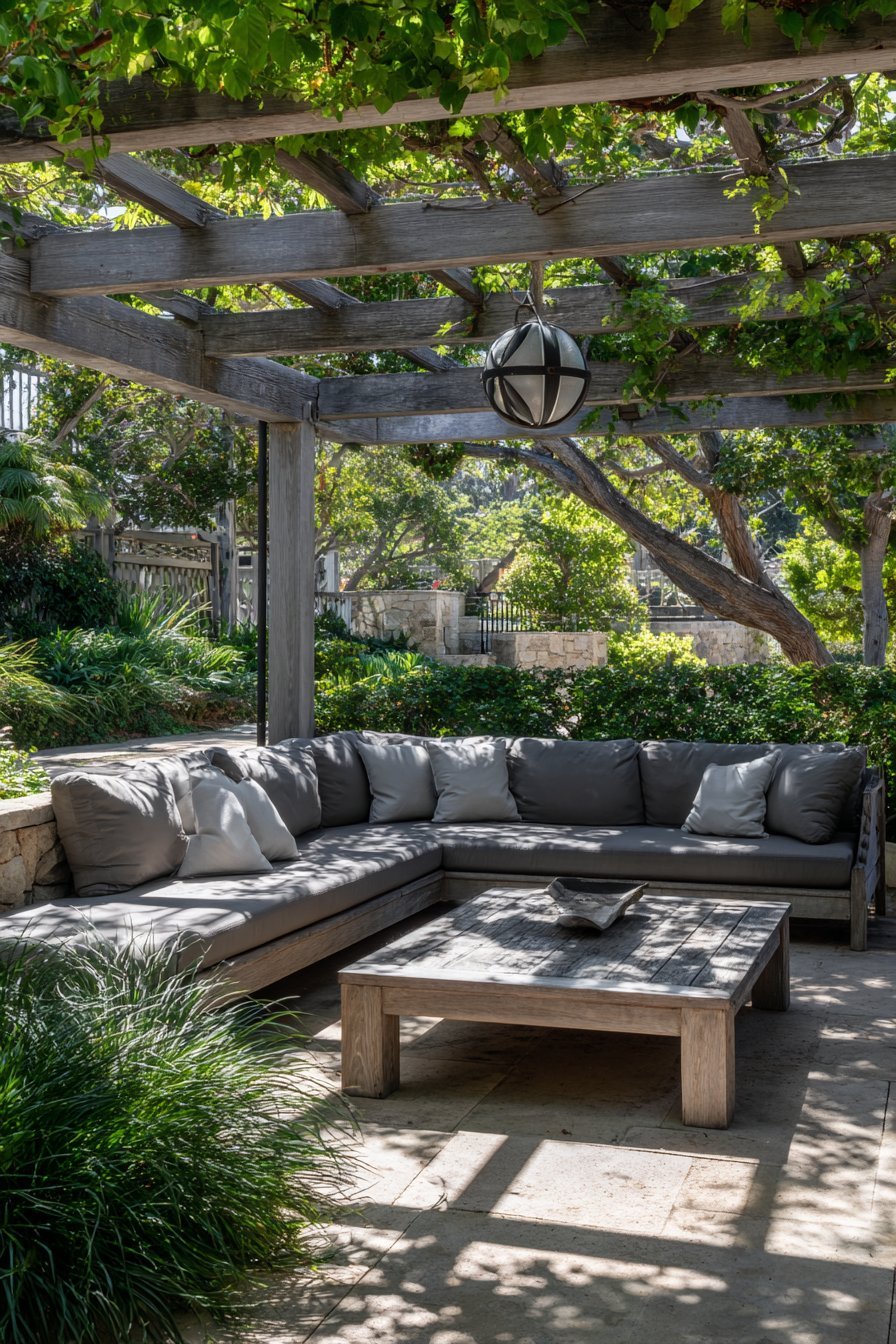
Temperature control through strategic shade makes outdoor spaces usable during peak sun hours. Without adequate protection, even beautiful backyards become inhospitable during hot weather. The right shade solutions balance sun exposure with ventilation, creating comfortable microclimates throughout your retreat.
Permanent structures like pergolas or gazebos provide architectural interest while offering protection. Retractable awnings and shade sails deliver flexibility, allowing you to adjust coverage based on weather and time of day. Consider the sun’s path across your yard when positioning shade elements for maximum effectiveness.
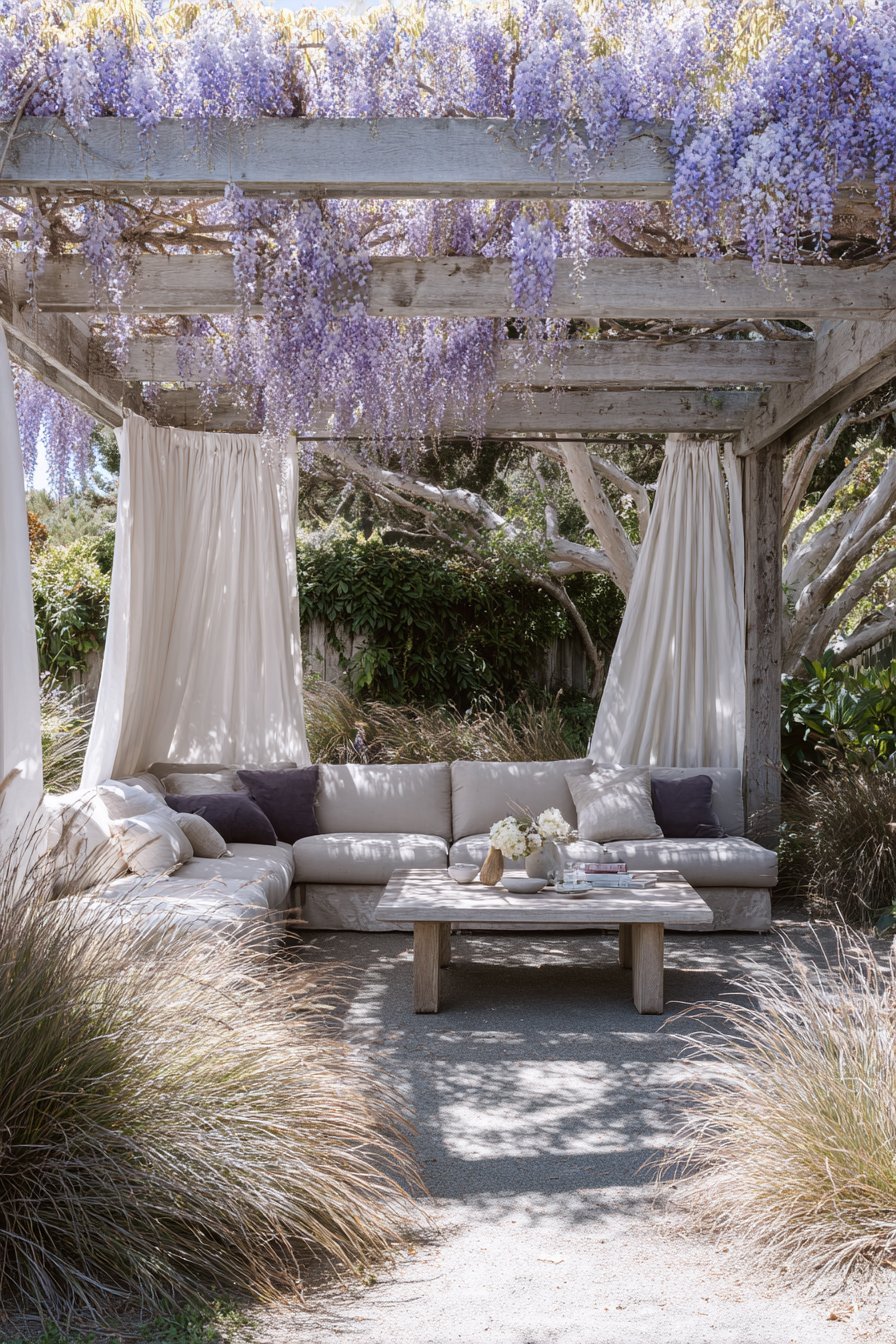
Natural shade from mature trees offers the most eco-friendly cooling, reducing ambient temperature while providing habitat for birds and beneficial insects. Strategically planted trees can lower cooling costs for adjacent indoor spaces. Combine living and built shade for comprehensive coverage that works year-round.
- Build a pergola with retractable canopy for adjustable shade
- Plant deciduous trees that provide summer shade and winter sun
- Install shade sails in geometric patterns for modern aesthetics
- Add a gazebo as a covered retreat within your larger space
- Use large market umbrellas in dining and seating areas
- Create a covered outdoor room with a solid roof extension
10. Personal Touches and Decor
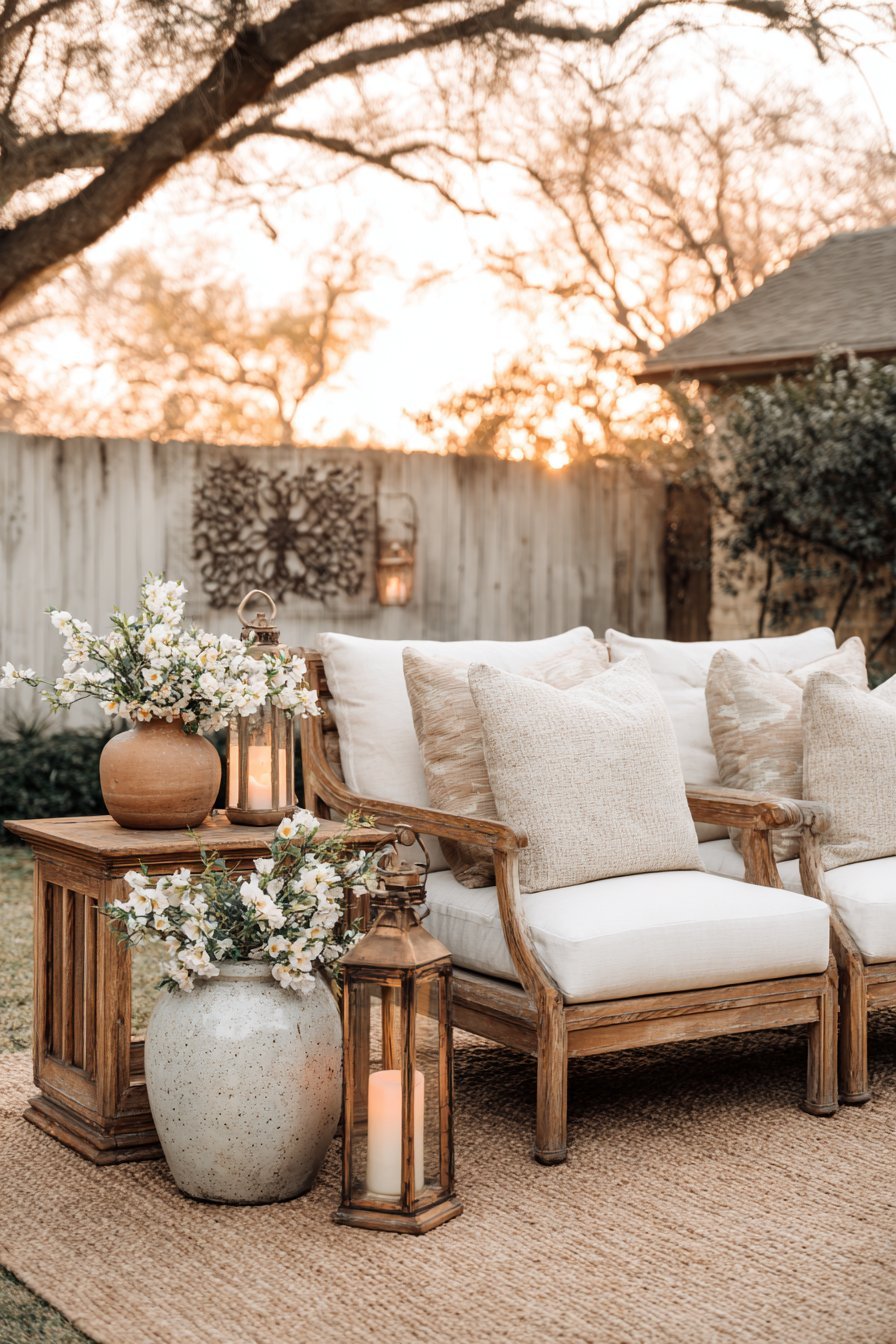
Personality and style emerge through decorative elements that reflect your tastes and interests. These finishing touches transform functional spaces into truly personal retreats that feel uniquely yours. The goal is creating outdoor rooms that mirror your interior design sensibilities while embracing the casual nature of outdoor living.
Outdoor art, sculptures, and decorative objects add visual interest and conversation starters. Weather-resistant pieces maintain their beauty through seasonal changes. Consider scale carefully—oversized planters or statement sculptures create drama in large yards while delicate accents suit intimate spaces.
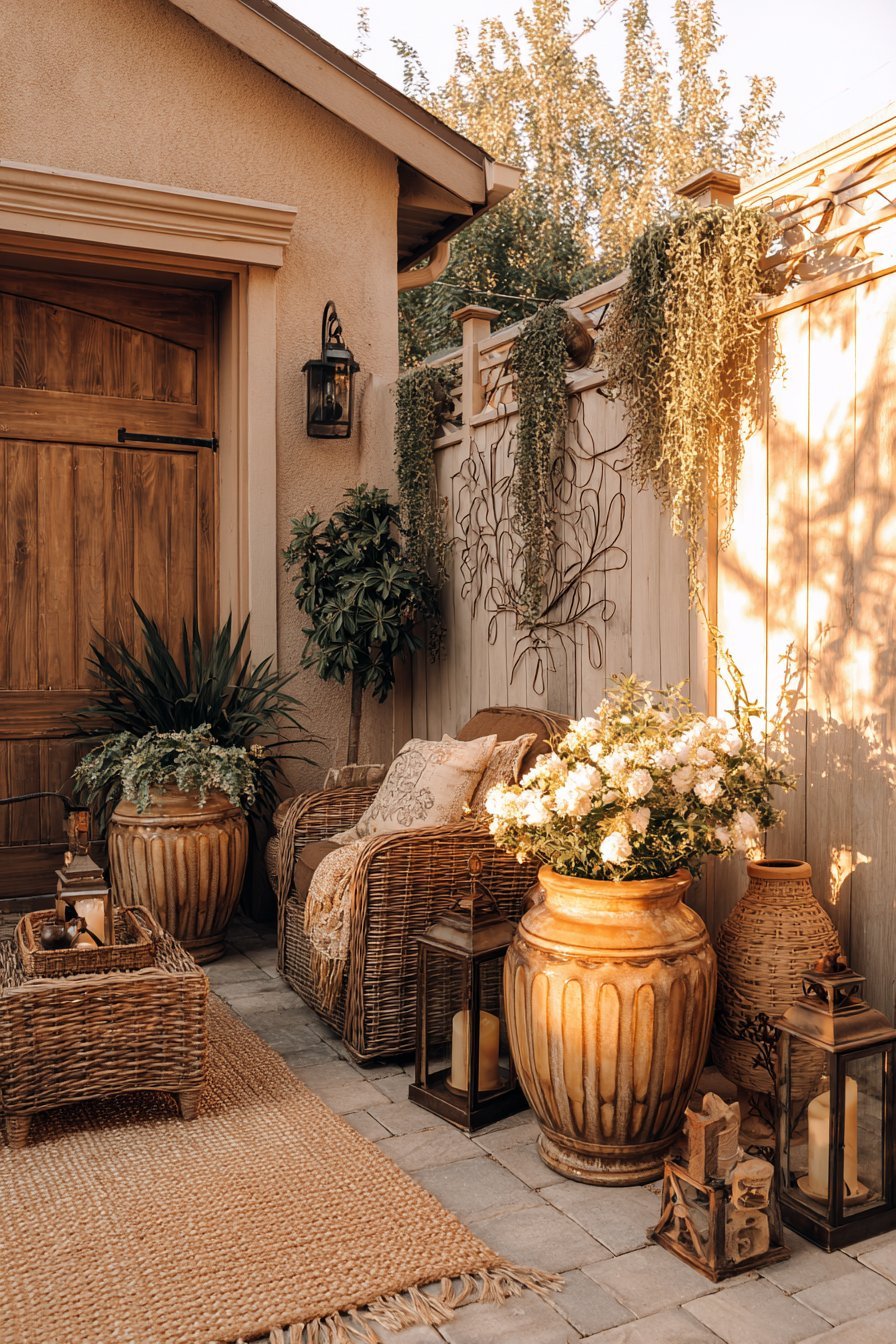
Textiles like outdoor rugs, cushions, and throws introduce color and pattern while defining zones. Choose coordinating colors that create cohesion without becoming monotonous. Seasonal updates keep the space feeling fresh—swap pillow covers or add seasonal planters to reflect changing times of year.
- Display weather-resistant artwork or metal sculptures as focal points
- Use outdoor rugs to define seating and dining zones with color
- Add decorative planters in varying heights and materials
- Hang wind chimes or kinetic sculptures for movement and sound
- Include personal collections like vintage lanterns or pottery
- Incorporate mirrors on fences to create illusions of expanded space
Conclusion
Creating a backyard that feels like a dream retreat requires thoughtful integration of functional elements and aesthetic details. From establishing distinct activity zones to incorporating sensory features like water and fire, each component works synergistically to transform ordinary outdoor spaces into extraordinary sanctuaries. The most successful retreats balance practical comfort with visual appeal while reflecting the personalities of those who use them.
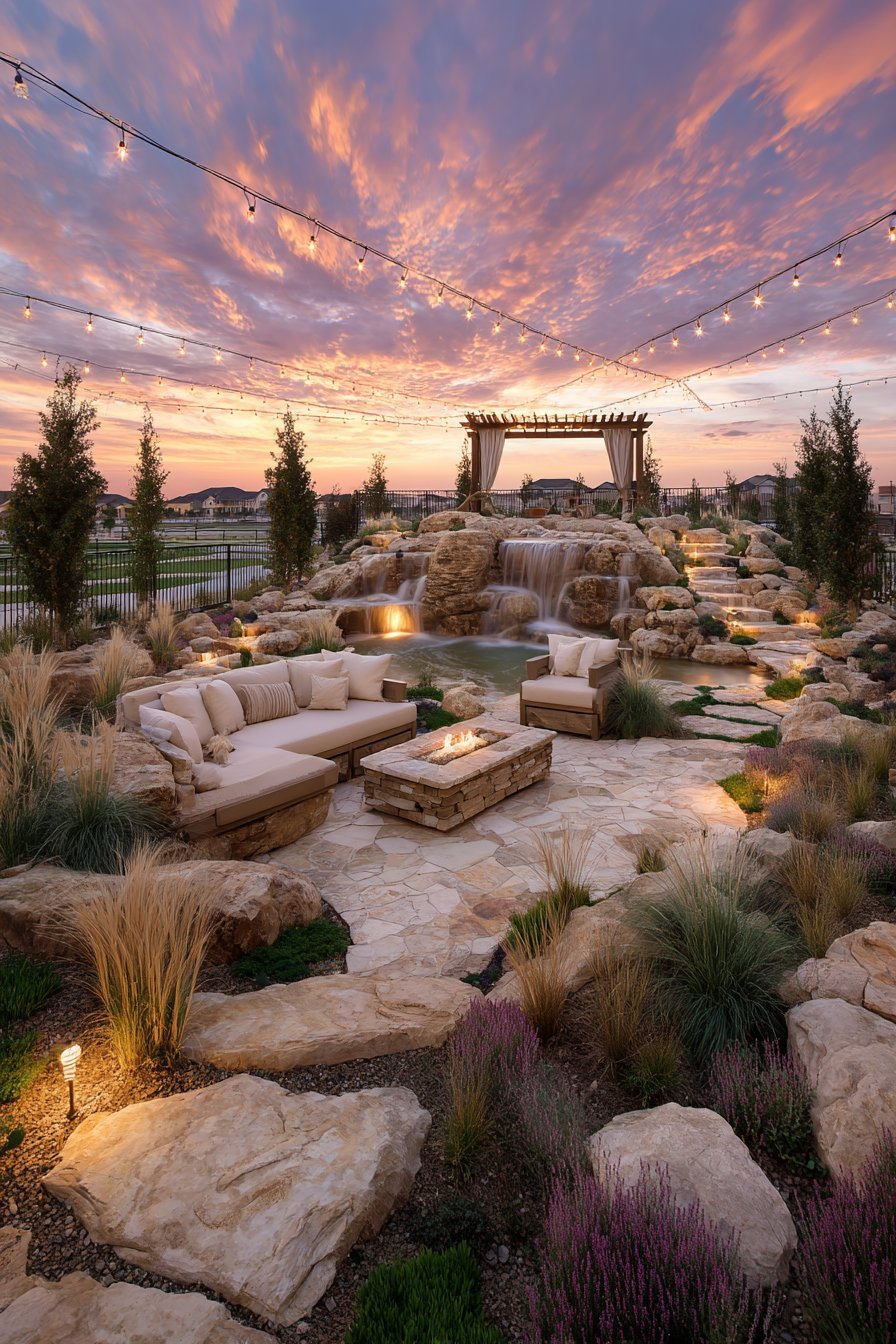
Start with one or two foundational elements and build gradually, allowing your vision to evolve naturally. Remember that the best outdoor retreats are those that get used regularly, so prioritize features that align with your actual lifestyle rather than aspirational ideals. With patience and strategic planning, your backyard can become the peaceful escape you’ve been dreaming about—a place where everyday stress melts away and life’s simple pleasures take center stage.
